EP2452193B1 - Screening method for cell aging - Google Patents
Screening method for cell aging Download PDFInfo
- Publication number
- EP2452193B1 EP2452193B1 EP10734548.0A EP10734548A EP2452193B1 EP 2452193 B1 EP2452193 B1 EP 2452193B1 EP 10734548 A EP10734548 A EP 10734548A EP 2452193 B1 EP2452193 B1 EP 2452193B1
- Authority
- EP
- European Patent Office
- Prior art keywords
- cell
- spt7
- gene
- disruption
- cells
- Prior art date
- Legal status (The legal status is an assumption and is not a legal conclusion. Google has not performed a legal analysis and makes no representation as to the accuracy of the status listed.)
- Active
Links
Images







Classifications
-
- G—PHYSICS
- G01—MEASURING; TESTING
- G01N—INVESTIGATING OR ANALYSING MATERIALS BY DETERMINING THEIR CHEMICAL OR PHYSICAL PROPERTIES
- G01N33/00—Investigating or analysing materials by specific methods not covered by groups G01N1/00 - G01N31/00
- G01N33/48—Biological material, e.g. blood, urine; Haemocytometers
- G01N33/50—Chemical analysis of biological material, e.g. blood, urine; Testing involving biospecific ligand binding methods; Immunological testing
- G01N33/5005—Chemical analysis of biological material, e.g. blood, urine; Testing involving biospecific ligand binding methods; Immunological testing involving human or animal cells
- G01N33/5008—Chemical analysis of biological material, e.g. blood, urine; Testing involving biospecific ligand binding methods; Immunological testing involving human or animal cells for testing or evaluating the effect of chemical or biological compounds, e.g. drugs, cosmetics
-
- G—PHYSICS
- G01—MEASURING; TESTING
- G01N—INVESTIGATING OR ANALYSING MATERIALS BY DETERMINING THEIR CHEMICAL OR PHYSICAL PROPERTIES
- G01N33/00—Investigating or analysing materials by specific methods not covered by groups G01N1/00 - G01N31/00
- G01N33/48—Biological material, e.g. blood, urine; Haemocytometers
- G01N33/50—Chemical analysis of biological material, e.g. blood, urine; Testing involving biospecific ligand binding methods; Immunological testing
- G01N33/68—Chemical analysis of biological material, e.g. blood, urine; Testing involving biospecific ligand binding methods; Immunological testing involving proteins, peptides or amino acids
- G01N33/6872—Intracellular protein regulatory factors and their receptors, e.g. including ion channels
-
- G—PHYSICS
- G01—MEASURING; TESTING
- G01N—INVESTIGATING OR ANALYSING MATERIALS BY DETERMINING THEIR CHEMICAL OR PHYSICAL PROPERTIES
- G01N2440/00—Post-translational modifications [PTMs] in chemical analysis of biological material
- G01N2440/10—Post-translational modifications [PTMs] in chemical analysis of biological material acylation, e.g. acetylation, formylation, lipoylation, myristoylation, palmitoylation
-
- G—PHYSICS
- G01—MEASURING; TESTING
- G01N—INVESTIGATING OR ANALYSING MATERIALS BY DETERMINING THEIR CHEMICAL OR PHYSICAL PROPERTIES
- G01N2800/00—Detection or diagnosis of diseases
Definitions
- the present invention relates to methods of screening to identify compounds which have an effect on ageing of a cell, more particularly chronological ageing of a cell.
- TORC1 The target of rapamycin complex, TORC1, is conserved from yeast to man and has critical roles in sensing and signalling the nutrient and stress status of the cell, thus controlling the balance between cell growth 1-5 and cell survival 6-11 .
- TORC1 In budding yeast TORC1 promotes fermentative growth on glucose and down regulates respiration 12,13 .
- TORC1 contains a phosphatidylinositol kinase (PI3-K)-related kinase, either Tor1 or Tor2.
- PI3-K phosphatidylinositol kinase
- the macrolide rapamycin 14 in a complex with Fpr1 (Fk506-sensitive Proline Rotamase), binds to Tor1/2 causing cells to enter a state that resembles nutrient limitation 15 probably due to a change in the substrate specificity of the Tor kinase 16 .
- This new state of the cell is associated with changes in patterns of gene expression, particularly genes required for respiration and stress resistance 6,10,17,18 .
- TORC1 genes are dependent on the SAGA family of transcriptional co-activator complexes including SAGA (Spt-Ada-Gcn5-Acetyltransferase) 19,20 , SLIK (SAGA-like) 21 and SALSA (SAGA altered, Spt8 absent) 22-24 .
- SAGA, SLIK and SALSA contain the lysine acetyltransferase (KAT) Gcn5 21-23 , with lysine 14 on histone H3 (H3K14ac) as a substrate, but differ in their abundance, the genes they regulate and subunit composition 19,24 .
- H3K18 acetylation is central to a mechanism that controls the balance between cell growth and longevity. They have also identified a number of genes involved in the SAGA SLIK and SALSA complexes whose disruption results in an increase in chronological lifespan.
- a method for increasing the chronological lifespan of a cell comprising disrupting the function of the Spt-Ada-Gcn5-Acetyltransferase (SAGA)complex in said cell, wherein the disruption is effected through disruption of at least one genes elected from the group consisting of Spt7 (SEQ ID NO:12), Spt8 (SEQ ID NO: 14), and their homologues, or through disruption of a product of the at least one gene; wherein "homologue” means an analogous gene from a different organism which performs the same function; and provided that the method does not comprise a method for treatment of a human or animal body by surgery or therapy or a diagnostic method practised on a human or animal body.
- SAGA Spt-Ada-Gcn5-Acetyltransferase
- a method of identifying a change in the CLS of a cell comprising identifying the acetylation sta 3 H3K18 in the cell and comparing this to the acetylation state of a control cell, wherein loss of H3K18Ac when compared to the control cell indicates an increased CLS and acquisition of H3K18Ac when compared to the control cell indicates a reduced CLS.
- a method of diagnosing a disorder associated with a change in the CLS of a cell comprising identifying the acetylation status of H3K18 in a cell previously isolated from a subject and comparing said acetylation status to the acetylation status of a control cell.
- a method for increasing the chronological lifespan of a cell comprising disrupting the function of the SAGA complex in said cell, wherein the disruption is effected through disruption of at least one gene selected from the group consisting of Spt7, Spt8, and their homologues, or through disruption of a product of the at least one gene, wherein "homologue” means an analogous gene from a different organism which performs the same function.
- chronological life span refers to the time cells in a stationary phase culture remain viable.
- the function of the SAGA complex may be disrupted directly or indirectly.
- the SAGA, SUK and SALSA complexes play a crucial role in controlling of the acetylation state and CLS of a cell, but differ in their levels depending upon the status of the cell and its environment.
- the terms directly and indirectly in relation to interaction with the recited complexes refer to an interaction with either the complex itself, or with a gene product from a gene encoding a peptide which forms part of the complex, or with the gene product from a gene which allows the complex to form.
- Spt3 shows homology to human SUPT3H-203
- Gcn5 shows homology to human KAT2B-001 and KAT2A-001
- Spt7 shows homology to human SUPT7H
- SNF1 shows homology to PRKAA 1 and PRKAA2.
- genes encode products which form part of the SAGA, SUK and/or SALSA complexes, or interact with said complexes in manner so as to affect acetylation of histones in a cell.
- the disruption is effected through disruption of SPT7 (SEQ ID N0:11) or SPT7-217 (SEQ ID N0:19).
- the term “disrupting the function”, “disruption of the function” or “disrupts the function” when used in relation to a gene or gene product refers to disrupting the expression of the gene or disrupting the activity of the encoded polypeptide. It will be further understood that any stage of gene expression between initiation of transcription and production of a mature protein can be disrupted. The skilled person will understand that this will include epigenetic means of controlling gene expression through controlling chromatin structure as well as transcriptional, translational and post translation means of controlling gene expression.
- disrupting expression of a gene as used herein is meant preventing or inhibiting production of a functional polypeptide by any means known in the art and that disrupting the activity of the encoded polypeptide refers to disrupting interaction of the functional polypeptide with one or more of its binding partners such that the polypeptide does not perform its function.
- the production or function may be fully or partially prevented. In one embodiment, preferably the production or function of the gene product is fully prevented, i.e. there is no active gene product. In some instances the production or function of the gene product may be disrupted such that there is only about 5%, about 10% about 20%, about 30%, about 50%, about 60%, about 70%, about 80%, about 90% or about 95% of the wild type level of expression remaining.
- the production of the gene product may be prevented or inhibited by (a) knocking out said gene; (b) post-transcriptionally silencing said gene through for example the use of iRNA or antisense RNA (gene silencing); (c) transcriptionally silencing said gene by, for example, epigenetic techniques; (d) preventing or altering the function of the gene product by the introduction of at least one point mutation; (e) post translationally inactivating the gene product.
- expression of the gene or homologue is disrupted by iRNA.
- the cell may be transformed with a plasmid/vector encoding an iRNA under control of a promoter.
- this promoter may be a constitutive promoter and/or a tissue specific promoter.
- RNAi RNA interference
- PTGS post-transcriptional gene silencing
- dsRNA Fire A, et al., (Nature, 391, 806-811, 1998 ).
- expression of the gene is disrupted at the transcriptional / DNA level.
- said disruption may be effected by insertion of at least one nucleotide into the gene or deletion of at least one nucleotide from the gene.
- the disruption of the gene is effected by introduction of at least one point mutation.
- disruption in the case of disruption of the interaction of the polypeptide with one or more of its binding partners.
- This disruption can be by any suitable means, for example, competitive inhibition, non-competitive inhibition, mixed inhibition or uncompetitive inhibition.
- the present invention encompasses the use of sequences having a degree of sequence identity or sequence homology with amino acid sequences of the polypeptides defined herein or of any nucleotide sequence encoding such a polypeptide (hereinafter referred to as a "homologous sequence(s)").
- sequences having a degree of sequence identity or sequence homology with amino acid sequences of the polypeptides defined herein or of any nucleotide sequence encoding such a polypeptide hereinafter referred to as a "homologous sequence(s)”
- the term “homologous” means an entity having a certain homology with the subject amino acid sequences and the subject nucleotide sequences.
- the term “homology” can be equated with "identity”.
- the homologous amino acid sequence and/or nucleotide sequence should provide and/or encode a polypeptide which retains the functional activity and/or enhances the activity of the enzyme.
- a homologous sequence is taken to include an amino acid sequence which may be at least 50, 60, 70, 75, 80, 85 or 90% identical, preferably at least 95%, 97%, 98% or 99% identical to the subject sequence.
- the homologues will comprise the same active sites etc. as the subject amino acid sequence.
- homology can also be considered in terms of similarity (i.e. amino acid residues having similar chemical properties/functions).
- a homologous sequence is taken to include a nucleotide sequence which may be at least 50, 60, 70, 75, 80, 85 or 90% identical, preferably at least 95%, 97%, 98% or 99% identical to a nucleotide sequence encoding a polypeptide of the present invention (the subject sequence).
- the homologues will comprise the same sequences that code for the active sites etc. as the subject sequence.
- homology can also be considered in terms of similarity (i.e. amino acid residues having similar chemical properties/functions).
- Homology comparisons can be conducted by eye, or more usually, with the aid of readily available sequence comparison programs. These commercially available computer programs can calculate % homology between two or more sequences.
- % homology may be calculated over contiguous sequences, i.e. one sequence is aligned with the other sequence and each amino acid in one sequence is directly compared with the corresponding amino acid in the other sequence, one residue at a time. This is called an "ungapped" alignment. Typically, such ungapped alignments are performed only over a relatively short number of residues.
- the degree of identity with regard to a nucleotide sequence is determined over at least 20 contiguous nucleotides, preferably over at least 30 contiguous nucleotides, preferably over at least 40 contiguous nucleotides, preferably over at least 50 contiguous nucleotides, preferably over at least 60 contiguous nucleotides, preferably over at least 100 contiguous nucleotides.
- the degree of identity with regard to a nucleotide sequence may be determined over the whole sequence.
- fragment refers to a fragment of the sequence which provides and/or encodes a polypeptide which retains the functional activity and/or enhances the activity of the enzyme.
- the fragment is at least 50 amino acids in length. More preferably, the fragment comprises at least 100, 200, 300, 400 or 500 600, 700, 800, 900 or 1000 continuous amino acids from the subject sequence, for example SEQ ID NO:19, up to and including a polypeptide comprising one amino acid less than the full length protein.
- the fragment comprises at least 100 nucleotides, more preferably, at least 200, 500, 800, 1000, 1500 or more nucleotides, up to and including a polynucleotide comprising one nucleotide less than the full length polynucleotide.
- polynucleotides encoding a particular polypeptide can differ from each other due to the degeneracy of the genetic code. Included herein are the use of such polynucleotides encoding the polypeptide of the present invention.
- homologous sequence in relation to a polynucleotide sequence can refer to a sequence which binds under stringent conditions to the polynucleotide sequence.
- Hybridisation conditions are based on the melting temperature (Tm) of the nucleotide binding complex, as taught in Berger and Kimmel (1987, Guide to Molecular Cloning Techniques, Methods in Enzymology, Vol. 152, Academic Press, San Diego CA ), and confer a defined "stringency” as explained below.
- Maximum stringency typically occurs at about Tm-5°C (5°C below the Tm of the probe); high stringency at about 5°C to 10°C below Tm; intermediate stringency at about 10°C to 20°C below Tm; and low stringency at about 20°C to 25°C below Tm.
- a maximum stringency hybridisation can be used to identify or detect identical nucleotide sequences while an intermediate (or low) stringency hybridisation can be used to identify or detect similar or related polynucleotide sequences.
- both strands of the duplex either individually or in combination, are encompassed by the present invention.
- the nucleotide sequence is single-stranded, it is to be understood that the complementary sequence of that nucleotide sequence is also included within the scope of the present invention.
- Nucleotide sequences which are not 100% homologous to the sequences of the present invention but fall within the scope of the invention can be obtained in a number of ways. Other variants of the sequences described herein may be obtained for example by probing DNA libraries made from a range of sources. In addition, other viral/bacterial, or cellular homologues particularly cellular homologues found in mammalian cells (e.g. rat, mouse, bovine and primate cells), may be obtained and such homologues and fragments thereof in general will be capable of selectively hybridising to the sequences shown in the sequence listing herein.
- mammalian cells e.g. rat, mouse, bovine and primate cells
- sequences may be obtained by probing cDNA libraries made from or genomic DNA libraries from other animal species, and probing such libraries with probes comprising all or part of the nucleotide sequence set out in herein under conditions of medium to high stringency. Similar considerations apply to obtaining species homologues and allelic variants of the amino acid and/or nucleotide sequences of the present invention.
- modulator of the chronological life span refers to a compound which has an effect on the CLS of the cell. This effect may be to increase the CLS of the cell or to decrease the CLS of the cell. It will be understood that, dependent upon the purpose to which the compound is to be put, either effect may be desirable.
- the compound referred to herein may be any suitable compound and may be, for example, a small molecule compound or equally a biological molecule such as a peptide or nucleic acid.
- the compound may interact with at least one gene or a product of at least one gene selected from the group consisting of Spt3 (SEQ ID NO: 22), Rtg2 (SEQ ID NO:4), Gcn5 (SEQ ID NO: 6), Ubp8 (SEQ ID NO: 10), Spt7 (SEQ ID NO: 12), Spt8 (SEQ ID NO: 14) and/or Snf1 (SEQ ID NO: 16) or their homologues.
- Spt3 SEQ ID NO: 22
- Rtg2 SEQ ID NO:4
- Gcn5 SEQ ID NO: 6
- Ubp8 SEQ ID NO: 10
- Spt7 SEQ ID NO: 12
- Spt8 SEQ ID NO: 14
- Snf1 SEQ ID NO: 16
- the gene with which the compound interacts can be identified through the use of various knock out mutant strains. Methods of producing such strains are well known to the skilled person and include for example, insertion of one or more nucleotides into the coding region of the gene. It will be understood that, as used herein, the term product of at least one gene refers to either a nucleic acid, e.g. mRNA, or peptide product.
- the compound interacts with the gene designated Acs1 (SEQ ID No: 18) or a product of the gene designated Acs1.
- the acetylation status may be determined by measurement of mitochondrial respiration.
- mitochondrial respiration can be measured by incubating the cells in the presence DIOC6 and visualising the cells.
- the acetylation status is determined by indirect immunofluorescence with monoclonal antibodies against H3K1 Bae on live or fixed cells.
- the present disclosure also provides examples of methods for identifying the replication status of a cell or identifying a change in the CLS of a cell.
- identifying the replication status refers to identifying whether a particular cell or population of cells is actively dividing, or capable of actively dividing or whether the cell or population of cells are no longer able divide.
- identifying a change in the CLS of a cell refers to identifying a step change in a cell or population of cells from a state in which it/they is/are capable of actively dividing to a state in which it/they can no longer divide or vice versa.
- the cell may be a mammalian cell, for example a human cell.
- the cell is an induced pluripotent stem cell.
- an induced pluripotent stem cell is typically a somatic cell which has been caused to regress to a pluripotent state either by exposure to certain chemicals or through transfection with, for example, various viruses.
- the cell is a cell suspected of being neoplastic and/or cancerous.
- the cell is a cell from a sample which has previously been isolated from a patient suspected of having or at risk of developing cancer.
- a method of diagnosing a disorder associated with a change in the CLS of a cell comprising identifying the acetylation status of H3K18 of a cell previously isolated from a subject and comparing said acetylation status to the acetylation status of a control cell.
- control cell refers to a cell of the same tissue type as that isolated from the subject, the control cell being isolated from healthy tissue and having a known acetylation status.
- said disorder may be selected from the group comprising an age related disorder, cancer, a blood disorder, Parkinson's disease or Alzheimer's disease.
- strains are provided in the Table 1. Yeast were grown at 30°C in rich medium (YPD), 1% bactpopeptone, 1% Difco yeast extract (BD and Co.), 2% glucose to a density of 0.4 x 10 6 cells/ml and treated with 10 ⁇ M rapamycin in 90% ethanol/10% Tween20 or mock treated for up to three hours. Details for preparation of whole cell extracts, western blotting and antibodies used, preparation of RNA and RNA quantitation, chromatin immunoprecipitation (ChIP), protocols for ageing, assessment of ERCs and chronological ageing assays are set out below.
- YPD rich medium
- BD and Co. Difco yeast extract
- ChIP chromatin immunoprecipitation
- rapamycin treated cells 25 ml of cells were grown in YPD to an OD of ⁇ 0.4 A 600 and harvested by centrifugation.
- rapamycin treated cells cells were grown to mid-log followed by the addition of 10 ⁇ M rapamycin (Sigma R0395-1MG) for up to 3 hours and harvested by centrifugation.
- Cell pellets were resuspended in 300 ⁇ l 8 M urea and broken by vortexing for 5 mins following the addition of 200 ⁇ l acid-washed glass beads (Sigma). Lysates were boiled for 5 mins in standard laemmli loading buffer.
- Protein extracts were subject to electrophoresis on polyacrylamide gels using standard Tris-glycine running buffer (40% (w/v) glycine, 0.25 M Tris-base, 10% (w/v) SDS) following heating at 90°C for 3 min. Proteins were transferred onto a nitrocellulose membrane using semi-dry transfer (Bio-Rad). Successful transfer of protein was verified by Ponceu S staining (0.1 % Ponceu S, 5 % acetic acid).
- Membranes were then washed for 6 x 5 min in PBS and incubated for 1 hour with horseradish peroxidase conjugated secondary antibody in 5 % dry milk/PBS/0.5% Tween 20, and washed for 6 x 5 min in PBS/0.5% Tween 20. Bound antibody was visualised using a Pico West chemiluminescence kit (Pierce Biotechnology Ltd) according to manufacturer's instructions. Multiple exposures of each film were made to ensure signals detected were not saturated. Each experiment was repeated at least 3 times.
- the sorted cells were added to a second litre of prewarmed YPD and grown for an additional 10 generations, sorted and washed exactly as before.
- Protein or DNA was isolated from the yeast using urea and glass beads (see above) for analysis by Western blotting or by preparing sphaeroplasts and extracting total DNA by phenol chloroform extraction exactly as described 51 .
- the total DNA extract was separated on a 0.8% agarose gel. DNA was visualized by hybridization to radiolabelled probes.
- Cells in exponential phase of growth were treated with 10 ⁇ M rapamycin in 90%ethanol/10%Tween 20 for up to 180 minutes and levels of H3K14ac and histone H3 examined. Alternatively, cells were treated with up to 20 ⁇ M rapamycin for 30 minutes. A standard set of conditions were determined and for all work in this paper involved treatment of exponentially growing cells (0.4 x 10 7 cell/ml) for 2 to 3 hours with 10 ⁇ M rapamycin.
- Total cell extracts were prepared from LPY8056 cells expressing histone H3 with alanine (A) substitutions at S10 or K14 or both residues, BY4741 carrying deletions of SPP1, encoding a factor required specifically for H3K4me3 52 or DOT1, the methyltransferase for H3K79 53,54 , or YZS276 carrying a substitution at H2BK123 55 , required for H3K4me2 and H3K4me3.
- the modifications of lysines on histone H3 were monitored by Western blotting of total cell protein extracts using antibodies specific for each modification.
- HA-Spt7 undergoes C-terminal processing in cells entering stationary phase or treated with rapamycin.
- a Cells were grown in YDP to mid-log phase, post-diauxic phase or early stationary phase and total protein extracts prepared, subject to western blot using the 3F10 monoclonal antibody to reveal the HA epitope. Positions of the molecular weight markers are shown and a blot developed to reveal histone H3 levels to act as a loading control.
- HA-Spt Three high molecular weight form of HA-Spt are present, consistent with full length Spt7 in SAGA, a C-terminally truncated form missing approx 200aa found in SLIK and form 3 who function is not known 27,25 . In addition a form that migrates at 50kDa is also evident in these and other preparations when levels of full length Spt7 drop.
- b A repeat of the experiment shown above showing more extensive C-terminally truncated version of Spt7 in all three growth conditions. About three of nine experiments show a profile such as this while six show more discrete bands as in a.
- the acetylation/methylation staus of a cell was assessed using indirect immunoflurescence according to the following protocol. 10-50 ml of a fresh mid-log culture of cells per sample was used. Make fresh 30% formaldehyde (3g p-formaldehyde in 5ml PEM, add 4M NaOH until dissolved and make up to 10 ml with PEM) and add 1/10 th volume of 30% formaldehyde to the culture with agitation (in conical flask). 30s later add gluteraldehyde solution to a final concentration of 0.2% (w/v). Shake at incubation temp for 90 min.
- PEMBAL Resuspend in 2ml of PEMBAL (PEM, 0.1M L-lysine, 1% BSA (globulin free), 0.1% Na Azide) and transfer a volume which will give a 20-30 ⁇ l pellet upon a subsequent spin to each of 2 Eppendorf tubes. Put on a rotating wheel for 30 min at room temp. Spin for 10 sec. Resuspend in 50 ⁇ l of primary antibody in PEMBAL (test suitable dilution) and incubate for 16 hours on rotating wheel. Wash 3X in 1 ml PEMBAL. Resuspend in 1 ml of PEMBAL and rotate on a wheel for 30 min. Resuspend in 50 ⁇ l of Goat anti-mouse Texas Red at 20mg/ml in PEMBAL.
- PEMBAL PEM, 0.1M L-lysine, 1% BSA (globulin free), 0.1% Na Azide
- H3K14ac by SAGA reflects growth
- the type of post-translational modification on the histone components of chromatin often reflects whether genes are active or repressed and these changes are globally regulated by enzymes that deposit or remove specific modifications.
- the chromatin is often modified by lysine (K) acetylation (ac) or methylation (me), particularly on histone H3 27 .
- K lysine
- ac acetylation
- me methylation
- Gcn5 is the major acetyltransferase for K14 and K18 ( Fig. 1b ). Furthermore, the rapamycin-sensitive K14ac detectable by Western blotting is mediated by Gcn5 in SAGA ( Fig 1c ). Strains lacking Spt8, specific to SAGA 22 or Spt20, required for the integrity of SAGA and SLIK/SALSA 23,31,32 , have low levels of K14ac that do not detectably change when treated with rapamycin. In contrast, K14ac is resistant to rapamycin in a strain lacking Ubp8, a component of SAGA with ubiquitin protease activity required for processing the C-terminal region of Spt7 23,25 ( Fig. 1b) .
- the FY168 WT strain has been engineered to express only Spt7 containing a C-terminal truncation (FY571 Spt7-217) similar to that found naturally in the SLIK/SALSA complex.
- the Spt7 protein is expressed at similar level to full length Spt7 10 .
- Figure 6a shows that the K14ac is not significantly reduced in this strain when a deletion of RTG2 is introduced.
- Rtg2 is required for the H3 directed HAT activity of the SLIK complex 11 . This may reflect the naturally low levels of SLIK in cells compared to this complex.
- ACS1 d Induction of ACS1, encoding mitochondrial acetyl CoA synthase is induced in stationary phase and is Rtg2-dependent. In cells containing high levels of the SLIK/SALSA complex the gene is not induced. SLIK/SALSA may repress ACS1 expression or alternatively, the high levels of SLIK/SALSA may sequester Rtg2 creating an RTG2 null.
- ATG1 a regulator of the autophagy 13 , another starvation induced response, shows no dependence on Rtg2. Instead, the strains expressing Spt7-217 show a more than two fold increase in ATG1 mRNA levels under starvation conditions suggesting a role for the SALSA complex.
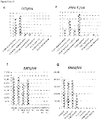
- the patterns of expression of these three genes may define how the SLIK/SALSA complexes contribute to gene regulation.
- ATG1 is dependent on SALSA and independent of SLIK and Rtg2.
- CIT2 requires the SLIK complex for its activation while ACS1 is dependent on Rtg2 but not SLIK (The Rtg2 function to regulate nuclear uptake of Rtg1/3 as activators).
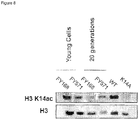
- SAGA activity is a marker of growth and proliferation. As cells age both proliferative capacity and mitochondrial function are reduced. Experiments were undertaken to assess if SAGA changes during ageing by assessing levels in young cells (generally ⁇ 5 generations old) compared to cells after 10 or 20 generations of growth. As cells age, levels of K14ac drop ( Fig. 2a ) and this is associated with an overall decrease in HA-Spt7 levels, in particular a drop in full length HA-Spt7 and increased truncated forms of HA-Spt7 supporting loss of SAGA function during ageing ( Fig. 2b ).
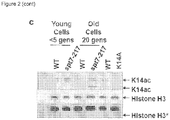
- K14ac does not drop in old cells ( Fig. 2c ).
- Total protein preparations were made from young cells or biotinylated cells after 20 generations of growth in exponential phase in rich medium, isolated using streptavidin magnetic beads.
- TORC1 maintains K14ac in growing cells
- rapamycin influences acetylation by SAGA There are four targets of rapamycin in yeast, Fpr1-4 37 . In the presence of rapamycin, Fpr1 inhibits functions associated with the PI3-related kinases Tor1 or Tor2 within the TORC1 complex 38 . This supports TORC1-dependent signalling controlling the global levels of K14ac, K18ac and K4me3 by maintaining SAGA function in proliferating cells. Inhibition of TORC1 by rapamycin during the early stages of growth results in upregulation of SLIK/SALSA regulated genes that promote efficient respiration of glucose and stress resistance ( Fig. 9 ) 20,39 . As can be seen in Fig 9b , levels of CIT2 expression, regulated by the TORC-1 complex are increased upon addition of rapamycin.
- AMPK is generally considered to negatively regulate mammalian mTOR, resulting in down regulation of TORC1 signalling when glucose becomes scarce and intracellular levels of AMP increase 63 .
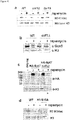
- the yeast AMPK Snf1 as can be seen from figure 10 may function in a similar way as it is required for the rapamycin-dependent reduction in K14ac (a).
- Levels of K14ac in a snf1 ⁇ strain are reduced to about 50% of those in a WT strain, due to Snf1 directed phosphorylation of serine 10 on histone H3 that promotes K14 acetylation by Gcn5 64 .
- K14ac (a) and Gcn5 (b) and some of the HA-Spt7 in the cell (c) are resistant to rapamycin in the snf1 ⁇ strain. Note that track five* is under loaded in c. Note that the integrity of S10 on histone H3, phosphorylated by Snf1, does not influence the rapamycin sensitivity of K14ac although as with the snf1 ⁇ , level of K14ac is reduced in this background (d). We asked is Snf1 is functioning in the nucleus or cytoplasm.
- Gal83 is required for the nuclear uptake of Snf1 65 and HA tagged-Gal83 moves from the cytoplasm to the nucleus in rapamycin treated cells as demonstrated by indirect immunofluorescence in fixed cells (e).
- the relationship between Gal83 and Snf1 is not straightforward as gal83 ⁇ strains show WT levels of K14ac in untreated cells and some resistance to rapamycin (f). Similar results are observed for Gcn5 protein in the gal83 ⁇ strain (g).
- Gal83 is required for the rapamycin dependent reduction in K14ac and Gcn5 suggesting that this is a nuclear function for Snf1.
- TORC1 coordinates mitochondrial function with gene expression through the activities of Spt7 and Rtg2 and the chromatin modification at K14 on histone H3, providing a TORC1 signalling to SAGA and SLIK highly efficient mechanism by which cells switch fate in order to control the balance between growth and longevity.
- Figure 13 is a western blot showing the increase in H3K18 acetylation in strains in which the SAGA complex has been disrupted. As can be seen in the top rows of both panels, the amount of H3K18ac present in whole cell yeast extracts in stains in which the SAGA complex has been disrupted are increased compared to wildtype.
- the strains used in these experiments were either ⁇ SPT8 or Spt7 truncated.
- Figure 14 shows that S . cerevisiae strains having a disrupted SAGA complex have an increased chronological lifespan.
- strains FY631 and FY2030 are wild type, strain FY571 expresses a truncated Spt7 protein which lacks the SAGA specific Spt7 region, strain FY2037 is ⁇ SPTS ( Wu, P.Y. and Winston, F., [2002] Mol Cell Biol., 22(15), p5367-5379 ). Lifespan was determined as described in Murakami, C. and Kaeberlein, M., (2009) J. Vis. Exp., 27 . Briefly, chronological lifespan of yeast refers to the profile of viability of an ageing yeast culture over time.
- a yeast culture is grown in liquid media until the glucose carbon source is exhausted and the cells stop dividing. At this point the proportion of cells which are alive and able to divide is measured by observing the outgrowth characteristics of a fresh inoculate of the aging culture using a Bioscreen C machine. Viabilities at various time points are compared to determine the chronological lifespan of the culture.
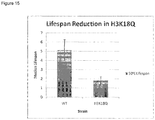
- Figure 15 shows that in a H3K18Q mutant in which acetylation at this position is disrupted chronological lifespan, as measured using the method above, is reduced compared to wild type.
- H3K18Q yeast strain both endogenous copies of the H3 gene have been deleted and replaced by a single copy of the H3 gene containing a substitution of lysine 18 with glutamine.
- the deleted H3 genes have been replaced with a single wild type copy of the gene.
Landscapes
- Health & Medical Sciences (AREA)
- Life Sciences & Earth Sciences (AREA)
- Engineering & Computer Science (AREA)
- Biomedical Technology (AREA)
- Molecular Biology (AREA)
- Immunology (AREA)
- Chemical & Material Sciences (AREA)
- Hematology (AREA)
- Urology & Nephrology (AREA)
- Cell Biology (AREA)
- Pathology (AREA)
- Biochemistry (AREA)
- General Physics & Mathematics (AREA)
- Biotechnology (AREA)
- General Health & Medical Sciences (AREA)
- Food Science & Technology (AREA)
- Medicinal Chemistry (AREA)
- Physics & Mathematics (AREA)
- Analytical Chemistry (AREA)
- Microbiology (AREA)
- Bioinformatics & Cheminformatics (AREA)
- Toxicology (AREA)
- Tropical Medicine & Parasitology (AREA)
- Proteomics, Peptides & Aminoacids (AREA)
- Measuring Or Testing Involving Enzymes Or Micro-Organisms (AREA)
- Investigating Or Analysing Biological Materials (AREA)
- Micro-Organisms Or Cultivation Processes Thereof (AREA)
- Peptides Or Proteins (AREA)
- Medicines That Contain Protein Lipid Enzymes And Other Medicines (AREA)
Description
- The present invention relates to methods of screening to identify compounds which have an effect on ageing of a cell, more particularly chronological ageing of a cell.
- The target of rapamycin complex, TORC1, is conserved from yeast to man and has critical roles in sensing and signalling the nutrient and stress status of the cell, thus controlling the balance between cell growth1-5 and cell survival6-11. In budding yeast TORC1 promotes fermentative growth on glucose and down regulates respiration12,13. TORC1 contains a phosphatidylinositol kinase (PI3-K)-related kinase, either Tor1 or Tor2. The macrolide rapamycin14, in a complex with Fpr1 (Fk506-sensitive Proline Rotamase), binds to Tor1/2 causing cells to enter a state that resembles nutrient limitation15 probably due to a change in the substrate specificity of the Tor kinase16. This new state of the cell is associated with changes in patterns of gene expression, particularly genes required for respiration and stress resistance6,10,17,18. The expression of many TORC1 genes is dependent on the SAGA family of transcriptional co-activator complexes including SAGA (Spt-Ada-Gcn5-Acetyltransferase)19,20, SLIK (SAGA-like)21 and SALSA (SAGA altered, Spt8 absent) 22-24. SAGA, SLIK and SALSA contain the lysine acetyltransferase (KAT) Gcn521-23, with
lysine 14 on histone H3 (H3K14ac) as a substrate, but differ in their abundance, the genes they regulate and subunit composition19,24. - Sangkyu K. et al., Biogerontology, (2004), vol. 5, no. 5, p 305 - 316, is entitled "The histone acetyltransferase GCN5 modulates the retrograde response and genome stability determining yeast longevity".
- Barros M. H. et al., J. Biol. Chem. (2004) vol. 279, no. 48, p 49883 - 49888, is entitled "Higher respiratory activity decreases mitochondrial reactive oxygen release and increases life span in Saccharomyces cerevisiae".
- Stephens L. S. et al., J. Biol. Chem. (2003), vol. 278, no. 15, p 13390 - 13397, is entitled "Sip2, an N-myristoylated beta subunit of Snf1 kinase, regulates aging in Saccharomyces cerevisiae by affecting cellular histone kinase activity, recombination at rDNA loci, and silencing".
- Lorenz D. R. et al., Proceedings of the National Academy of Sciences of the United States of America, 2009, vol. 106, no. 4, p 1145 - 1150, is entitled "A network biology approach to aging in yeast".
-
US 2006/234250 is entitled "Methods of screening and compositions for life span modulators" and was published on 19 October 2006. -
US 2003/207325 is entitled "Methods for identifying agents which alter histone protein acetylation, decrease aging, increase lifespan" and was published on 6 November 2003. - Ashrafi K., et al., Genes and Development, 2000, vol. 14, no. 15, p 1872 - 1885, is entitled "Sip2p and its partner snf1 p kinase affect aging in S. cerevisiae".
- Friis R. M. N. et al., Nucleic Acids Research, 2009, vol. 37, no. 12, p 3969 - 3980, is entitled "A glycolytic burst drives glucose induction of global histone acetylation by picNuA4 and SAGA".
- JIANG LIHUA ET AL, JOURNAL OF BIOLOGICAL CHEMISTRY, (200709), vol. 282, no. 38, p 27923 - 27934, is entitled "Global assessment of combinatorial post-translational modification of core histones in yeast using contemporary mass spectrometry".
- The inventors have discovered that H3K18 acetylation, is central to a mechanism that controls the balance between cell growth and longevity. They have also identified a number of genes involved in the SAGA SLIK and SALSA complexes whose disruption results in an increase in chronological lifespan.
- According to a first aspect of the present invention there is provided a method for increasing the chronological lifespan of a cell comprising disrupting the function of the Spt-Ada-Gcn5-Acetyltransferase (SAGA)complex in said cell, wherein the disruption is effected through disruption of at least one genes elected from the group consisting of Spt7 (SEQ ID NO:12), Spt8 (SEQ ID NO: 14), and their homologues, or through disruption of a product of the at least one gene; wherein "homologue" means an analogous gene from a different organism which performs the same function; and provided that the method does not comprise a method for treatment of a human or animal body by surgery or therapy or a diagnostic method practised on a human or animal body.
- There is also described a method for identifying a potential modulator of the chronological life span (CLS) of a cell, comprising the steps of
- i) contacting a cell having a known
Histone 3 Lysine 18 (H3K18) acetylation status with a test compound; and - ii) determining if said compound has an effect on the acetylation status of H3K18 in said cell;
- There is also described a method of identifying a change in the CLS of a cell comprising identifying the
acetylation sta 3 H3K18 in the cell and comparing this to the acetylation state of a control cell, wherein loss of H3K18Ac when compared to the control cell indicates an increased CLS and acquisition of H3K18Ac when compared to the control cell indicates a reduced CLS. - A method of diagnosing a disorder associated with a change in the CLS of a cell is also described, said method comprising identifying the acetylation status of H3K18 in a cell previously isolated from a subject and comparing said acetylation status to the acetylation status of a control cell.
- According to a first aspect there is provided a method for increasing the chronological lifespan of a cell comprising disrupting the function of the SAGA complex in said cell, wherein the disruption is effected through disruption of at least one gene selected from the group consisting of Spt7, Spt8, and their homologues, or through disruption of a product of the at least one gene, wherein "homologue" means an analogous gene from a different organism which performs the same function.
- As used herein the term chronological life span refers to the time cells in a stationary phase culture remain viable.
- It will be understood that the function of the SAGA complex may be disrupted directly or indirectly. The SAGA, SUK and SALSA complexes play a crucial role in controlling of the acetylation state and CLS of a cell, but differ in their levels depending upon the status of the cell and its environment.
- As used herein the terms directly and indirectly in relation to interaction with the recited complexes refer to an interaction with either the complex itself, or with a gene product from a gene encoding a peptide which forms part of the complex, or with the gene product from a gene which allows the complex to form.
- The skilled person will understand that the above genes from
S. cerevisiae have homologues in other organisms including mammals. For example, Spt3 shows homology to human SUPT3H-203; Gcn5 shows homology to human KAT2B-001 and KAT2A-001; Spt7 shows homology to human SUPT7H and SNF1 shows homology to PRKAA 1 and PRKAA2. - It will be understood that these genes encode products which form part of the SAGA, SUK and/or SALSA complexes, or interact with said complexes in manner so as to affect acetylation of histones in a cell.
- Preferably, the disruption is effected through disruption of SPT7 (SEQ ID N0:11) or SPT7-217 (SEQ ID N0:19).
- As used herein the term "disrupting the function", "disruption of the function" or "disrupts the function" when used in relation to a gene or gene product refers to disrupting the expression of the gene or disrupting the activity of the encoded polypeptide. It will be further understood that any stage of gene expression between initiation of transcription and production of a mature protein can be disrupted. The skilled person will understand that this will include epigenetic means of controlling gene expression through controlling chromatin structure as well as transcriptional, translational and post translation means of controlling gene expression.
- It will be understood that by disrupting expression of a gene as used herein is meant preventing or inhibiting production of a functional polypeptide by any means known in the art and that disrupting the activity of the encoded polypeptide refers to disrupting interaction of the functional polypeptide with one or more of its binding partners such that the polypeptide does not perform its function. The production or function may be fully or partially prevented. In one embodiment, preferably the production or function of the gene product is fully prevented, i.e. there is no active gene product. In some instances the production or function of the gene product may be disrupted such that there is only about 5%, about 10% about 20%, about 30%, about 50%, about 60%, about 70%, about 80%, about 90% or about 95% of the wild type level of expression remaining.
- As used herein by inhibiting production of a functional polypeptide it is meant that the production of the gene product may be prevented or inhibited by (a) knocking out said gene; (b) post-transcriptionally silencing said gene through for example the use of iRNA or antisense RNA (gene silencing); (c) transcriptionally silencing said gene by, for example, epigenetic techniques; (d) preventing or altering the function of the gene product by the introduction of at least one point mutation; (e) post translationally inactivating the gene product.
- In one preferred embodiment, expression of the gene or homologue is disrupted by iRNA.
- For example, the cell may be transformed with a plasmid/vector encoding an iRNA under control of a promoter. It will be apparent that this promoter may be a constitutive promoter and/or a tissue specific promoter.
- As used herein the term iRNA refers to RNA interference (RNAi). This is a method of post-transcriptional gene silencing (PTGS) in eukaryotes induced by the direct introduction of dsRNA (Fire A, et al., (Nature, 391, 806-811, 1998). In a further preferred embodiment expression of the gene is disrupted at the transcriptional / DNA level. For example, said disruption may be effected by insertion of at least one nucleotide into the gene or deletion of at least one nucleotide from the gene.
- In a further example, the disruption of the gene is effected by introduction of at least one point mutation.
- It will be understood that in the case of disruption of the interaction of the polypeptide with one or more of its binding partners. This disruption can be by any suitable means, for example, competitive inhibition, non-competitive inhibition, mixed inhibition or uncompetitive inhibition.
- The present invention encompasses the use of sequences having a degree of sequence identity or sequence homology with amino acid sequences of the polypeptides defined herein or of any nucleotide sequence encoding such a polypeptide (hereinafter referred to as a "homologous sequence(s)"). Here, the term "homologous" means an entity having a certain homology with the subject amino acid sequences and the subject nucleotide sequences. Here, the term "homology" can be equated with "identity".
- The homologous amino acid sequence and/or nucleotide sequence should provide and/or encode a polypeptide which retains the functional activity and/or enhances the activity of the enzyme.
- In the present context, a homologous sequence is taken to include an amino acid sequence which may be at least 50, 60, 70, 75, 80, 85 or 90% identical, preferably at least 95%, 97%, 98% or 99% identical to the subject sequence. Typically, the homologues will comprise the same active sites etc. as the subject amino acid sequence. Although homology can also be considered in terms of similarity (i.e. amino acid residues having similar chemical properties/functions).
- In the present context, a homologous sequence is taken to include a nucleotide sequence which may be at least 50, 60, 70, 75, 80, 85 or 90% identical, preferably at least 95%, 97%, 98% or 99% identical to a nucleotide sequence encoding a polypeptide of the present invention (the subject sequence). Typically, the homologues will comprise the same sequences that code for the active sites etc. as the subject sequence. Although homology can also be considered in terms of similarity (i.e. amino acid residues having similar chemical properties/functions).
- Homology comparisons can be conducted by eye, or more usually, with the aid of readily available sequence comparison programs. These commercially available computer programs can calculate % homology between two or more sequences.
- % homology may be calculated over contiguous sequences, i.e. one sequence is aligned with the other sequence and each amino acid in one sequence is directly compared with the corresponding amino acid in the other sequence, one residue at a time. This is called an "ungapped" alignment. Typically, such ungapped alignments are performed only over a relatively short number of residues.
- Although this is a very simple and consistent method, it fails to take into consideration that, for example, in an otherwise identical pair of sequences, one insertion or deletion will cause the following amino acid residues to be put out of alignment, thus potentially resulting in a large reduction in % homology when a global alignment is performed.
- Calculation of maximum % homology therefore firstly requires the production of an optimal alignment, taking into consideration gap penalties. A suitable computer program for carrying out such an alignment is the the Vector NTI (Invitrogen Corp.). Examples of software that can perform sequence comparisons include, but are not limited to, the BLAST package (see Ausubel et al 1999 Short Protocols in Molecular Biology, 4th Ed - Chapter 18), BLAST 2 (see FEMS Microbiol Lett 1999 174(2): 247-50; FEMS Microbial Lett 1999 177(1): 187-8 and tatiana@ncbi.nlm.nih.gov), FASTA (Altschul et al 1990 J. Mol. Biol. 403-410) and AlignX for example. At least BLAST,
BLAST 2 and FASTA are available for offline and online searching (see Ausubel et al 1999, pages 7-58 to 7-60). - Suitably, the degree of identity with regard to a nucleotide sequence is determined over at least 20 contiguous nucleotides, preferably over at least 30 contiguous nucleotides, preferably over at least 40 contiguous nucleotides, preferably over at least 50 contiguous nucleotides, preferably over at least 60 contiguous nucleotides, preferably over at least 100 contiguous nucleotides.
- Suitably, the degree of identity with regard to a nucleotide sequence may be determined over the whole sequence.
- As used herein, the term fragment refers to a fragment of the sequence which provides and/or encodes a polypeptide which retains the functional activity and/or enhances the activity of the enzyme.
- When referring to a polypeptide fragment, preferably, the fragment is at least 50 amino acids in length. More preferably, the fragment comprises at least 100, 200, 300, 400 or 500 600, 700, 800, 900 or 1000 continuous amino acids from the subject sequence, for example SEQ ID NO:19, up to and including a polypeptide comprising one amino acid less than the full length protein.
- When referring to a polynucleotide fragment, preferably the fragment comprises at least 100 nucleotides, more preferably, at least 200, 500, 800, 1000, 1500 or more nucleotides, up to and including a polynucleotide comprising one nucleotide less than the full length polynucleotide.
- It will be understood by the skilled person that polynucleotides encoding a particular polypeptide can differ from each other due to the degeneracy of the genetic code. Included herein are the use of such polynucleotides encoding the polypeptide of the present invention.
- It will be further apparent to the skilled person that the term homologous sequence in relation to a polynucleotide sequence can refer to a sequence which binds under stringent conditions to the polynucleotide sequence.
- Hybridisation conditions are based on the melting temperature (Tm) of the nucleotide binding complex, as taught in Berger and Kimmel (1987, Guide to Molecular Cloning Techniques, Methods in Enzymology, Vol. 152, Academic Press, San Diego CA), and confer a defined "stringency" as explained below.
- Maximum stringency typically occurs at about Tm-5°C (5°C below the Tm of the probe); high stringency at about 5°C to 10°C below Tm; intermediate stringency at about 10°C to 20°C below Tm; and low stringency at about 20°C to 25°C below Tm. As will be understood by those of skill in the art, a maximum stringency hybridisation can be used to identify or detect identical nucleotide sequences while an intermediate (or low) stringency hybridisation can be used to identify or detect similar or related polynucleotide sequences.
- In a preferred aspect, the present invention covers nucleotide sequences that can hybridise to the nucleotide sequence of the present invention under stringent conditions (e.g. 65°C and 0.1xSSC {1xSSC = 0.15 M NaCl, 0.015 M Na3 Citrate pH 7.0). Where the nucleotide sequence of the invention is double-stranded, both strands of the duplex, either individually or in combination, are encompassed by the present invention. Where the nucleotide sequence is single-stranded, it is to be understood that the complementary sequence of that nucleotide sequence is also included within the scope of the present invention.
- Nucleotide sequences which are not 100% homologous to the sequences of the present invention but fall within the scope of the invention can be obtained in a number of ways. Other variants of the sequences described herein may be obtained for example by probing DNA libraries made from a range of sources. In addition, other viral/bacterial, or cellular homologues particularly cellular homologues found in mammalian cells (e.g. rat, mouse, bovine and primate cells), may be obtained and such homologues and fragments thereof in general will be capable of selectively hybridising to the sequences shown in the sequence listing herein. Such sequences may be obtained by probing cDNA libraries made from or genomic DNA libraries from other animal species, and probing such libraries with probes comprising all or part of the nucleotide sequence set out in herein under conditions of medium to high stringency. Similar considerations apply to obtaining species homologues and allelic variants of the amino acid and/or nucleotide sequences of the present invention.
- Also described is a method for identifying a potential modulator of the chronological life span (CLS) of a cell, comprising the steps of
- i) contacting a cell having a known
Histone 3 Lysine 18 (H3K18) acetylation status with a test compound; and - ii) determining if said compound has an effect the acetylation status of H3K18 in said cell;
- It is known that modification of the histone components of chromatin often reflect whether genes are active or repressed and these changes are globally regulated by enzymes that deposit or remove specific modifications. On active genes, the chromatin is often modified by lysine (K) acetylation (ac) or methylation (me), particularly of histone H3. The inventors have identified a new lysine in histone H3 whose modification status appears to play a critical role in determining the lifespan of a cell.
- As used herein, the term modulator of the chronological life span refers to a compound which has an effect on the CLS of the cell. This effect may be to increase the CLS of the cell or to decrease the CLS of the cell. It will be understood that, dependent upon the purpose to which the compound is to be put, either effect may be desirable.
- It will be understood that the compound referred to herein may be any suitable compound and may be, for example, a small molecule compound or equally a biological molecule such as a peptide or nucleic acid.
- For example, the compound may interact with at least one gene or a product of at least one gene selected from the group consisting of Spt3 (SEQ ID NO: 22), Rtg2 (SEQ ID NO:4), Gcn5 (SEQ ID NO: 6), Ubp8 (SEQ ID NO: 10), Spt7 (SEQ ID NO: 12), Spt8 (SEQ ID NO: 14) and/or Snf1 (SEQ ID NO: 16) or their homologues.
- It will be apparent to the skilled person that the gene with which the compound interacts can be identified through the use of various knock out mutant strains. Methods of producing such strains are well known to the skilled person and include for example, insertion of one or more nucleotides into the coding region of the gene.
It will be understood that, as used herein, the term product of at least one gene refers to either a nucleic acid, e.g. mRNA, or peptide product. - In a further example, the compound interacts with the gene designated Acs1 (SEQ ID No: 18) or a product of the gene designated Acs1.
- It will be further apparent to the skilled person that the acetylation status of H3K18 can be identified by any suitable means known in the art.
- For example, the acetylation status may be determined by measurement of mitochondrial respiration.
- It will be understood by the skilled person that any suitable method for measuring mitochondrial respiration can be used. For example, mitochondrial respiration can be measured by incubating the cells in the presence DIOC6 and visualising the cells.
- In an alternative example, the acetylation status is determined by indirect immunofluorescence with monoclonal antibodies against H3K1 Bae on live or fixed cells.
- The present disclosure also provides examples of methods for identifying the replication status of a cell or identifying a change in the CLS of a cell.
- As used herein, the term identifying the replication status refers to identifying whether a particular cell or population of cells is actively dividing, or capable of actively dividing or whether the cell or population of cells are no longer able divide.
- As used herein, the term identifying a change in the CLS of a cell refers to identifying a step change in a cell or population of cells from a state in which it/they is/are capable of actively dividing to a state in which it/they can no longer divide or vice versa.
- It will be understood that this change can be deliberately induced or can occur naturally or through exposure to environmental factors.
- The cell may be a mammalian cell, for example a human cell.
- In one example, the cell is an induced pluripotent stem cell.
- The skilled person will understand that an induced pluripotent stem cell is typically a somatic cell which has been caused to regress to a pluripotent state either by exposure to certain chemicals or through transfection with, for example, various viruses.
- In a further example the cell is a cell suspected of being neoplastic and/or cancerous. Preferably, the cell is a cell from a sample which has previously been isolated from a patient suspected of having or at risk of developing cancer.
- In a further example, there is described a method of diagnosing a disorder associated with a change in the CLS of a cell, said method comprising identifying the acetylation status of H3K18 of a cell previously isolated from a subject and comparing said acetylation status to the acetylation status of a control cell.
- As used herein, the term control cell refers to a cell of the same tissue type as that isolated from the subject, the control cell being isolated from healthy tissue and having a known acetylation status.
- For example, said disorder may be selected from the group comprising an age related disorder, cancer, a blood disorder, Parkinson's disease or Alzheimer's disease.
- The invention will be further described with reference to the figures. References to strains in the figures refer to the strains disclosed in Table 1. In the figures:-
-
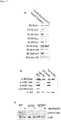
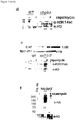
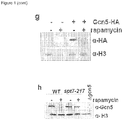
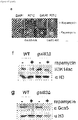
Figure 1 H3K14ac by SAGA reflects growth.Figure 1 shows Western blots showing levels of various post- translational modifications to histone H3, in various backgrounds including HA-Spt7 and Gcn5 in total cell extract prepared from cells mock-treated or treated with 10µM rapamycin for up to 180 minutes in the BY4741 background (a, b, c, d), FY168 and FY571 (e, h), FY2 and FY2030 (f) and JR-52A (g). In panel e The version of Spt7 expressed from the sptl-217 allele in FY571 is truncated atamino acid 1119 and has lost 213 C-terminal residues. -
Figure 2 SAGA and K14ac influence ageing. Western blots showing levels of K14ac (a) and HA-Spt7 (b) in total protein prepared from 1 x 10⁸ cells of the FY2030 background (a, b) or FY168 and FY571 (c), subject to biotinylation, growth for 10 or 20 generations in exponential culture (YPD) and isolation using magnetic streptavidin beads. Young cells (majority less than 5 generations old) were prepared from the remaining non-biotinylated cells. * indicates a processed version of histone H3. -
Figure 3 Control of SAGA, SLIK and K14ac.Western blots showing levels of H3K14ac Gcn5 or HA-Spt7 in total cell extracts prepared from the strains indicated (genotype shown in Table 1) after growth in the presence of 10µM rapamycin (+) or mock-treated (-) for 3 hours. WT strains are BY4741. -
Figure 4 Rtg2 and SLIK determine chronological lifespan. a FY168 (WT), FY571 (Spt7-217) and rtg2Δ derivatives in exponential phase stained with DiOC6 to assess mitochondrial membrane potential (ψ). Scale bar is 10µm. b Serial ten-fold dilutions of cells from strains indicated grown with aeration to stationary phase in CSM containing 3% glucose and plated onto YDP on the day shown to assess viability. The average lifespan (time in days to 50% drop in viability) was calculated from colony counts, c Fluorographs of total protein extracts in exponential phase treated without or with cyclohexamide to inhibit cytoplasmic translation and pulse labelled for 15 minutes with 35S methionine. -
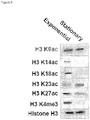
Figure 5 shows Western blots showing levels of various post-translational modifications to histone H3 in total cell extract prepared from BY4741 in exponential or early stationary phase. -
Figure 6 a shows the effect of expressing a C-terminally truncated version of Spt7 (Spt7-217) in strain FY571 and derivatives on K14ac and gene expression.Figures 12 b-i show the effect of growth phase and the presence of RTG2 on the induction of various genes. -
Figure 7 shows HA-Spt7 undergoes C-terminal processing in cells entering stationary phase. -
Figure 8 shows K14ac is reduced as cells age. -
Figure 9 shows the effect of Rapamycin on K14ac at CIT2 (SLIK induced) or HMS2 (not induced) by ChIP normalised to histone H3. CHIP monitored by real time PCR53, expressed as a percentage of input and normalised to levels of histone H3 in three preparations of chromatin, at the 5' region of the genes shown. -
Figure 10 shows that Snf1 is required for the rapamycin dependent reduction in K14ac on rapamycin treatment. a-d Western blots showing levels of modifications at H3 on total cell extracts prepared from the strains indicated in the LPY8056 background (d), BY4741 (a-b, f-g) or FY3 (c). n=3 for all experiments shown, e Indirect immunofluorescence with FITC tagged anti-HA antibody (right panel) or DAPI (DNA) (left panel) of Gal83-HA. Cells were treated +/- 10µM rapamycin for up to 3 hours. -
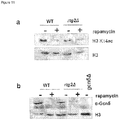
Figure 11 shows Rtg2 is required for optimal levels of K14ac but K14ac is rapamycin sensitive in a rtg2Δ strain. Western blots showing levels of modifications at H3 (a) and Gcn5 (b) in total cell extracts prepared from the strains indicated in the BY4741 background. Cells were treated +/- 10µM rapamycin for up to 3 hours. Rtg2 is negatively regulated by the Lst8 component of TORC166 and this repression is relieved by loss of TORC1 signalling or rapamycin treatment. Rtg2 is a component of SLIK11 required for the induction of the retrograde responsive genes in quiescent cells. -
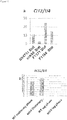
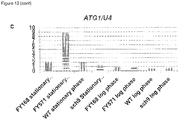
Figure 12 shows the effect of loss of Sch9 on the inducibility of CIT2, ATG1 and ACS1 in stationary phase. This figure shows reverse transcription real time PCR quantitation of RNA for the genes shown. The results suggest that Sch9 is required to maintain the integrity of SALSA and SLIK in stationary phase cultures. Consistent with this we show that the induction of ACS1 is independent of Sch9 (data infigure 9 suggests that this gene is dependent on Rtg2 dependent nuclear uptake of Rtg1/3 but not on SLIK). By contrast, CIT2 (SLIK/Rtg2 -dependent) and ATG1 (SALSA but not SLIK dependent) require Sch9 for their expression. -
Figure 13 is a western blot showing that disruption of the SAGA complex results in an increase H3K18 acetylation. -
Figure 14 is a graph showing that disruption of SAGA extends the chronological lifespan of yeast cells. -
Figure 15 is a graph showing that disruption of H3K18 acetylation results in a significant reduction in chronological lifespan of yeast cells. - Details of strains are provided in the Table 1. Yeast were grown at 30°C in rich medium (YPD), 1% bactpopeptone, 1% Difco yeast extract (BD and Co.), 2% glucose to a density of 0.4 x 10⁶ cells/ml and treated with 10µM rapamycin in 90% ethanol/10% Tween20 or mock treated for up to three hours. Details for preparation of whole cell extracts, western blotting and antibodies used, preparation of RNA and RNA quantitation, chromatin immunoprecipitation (ChIP), protocols for ageing, assessment of ERCs and chronological ageing assays are set out below.
Table 1 Strain Parent Genotype Origin RMY200 WT MAT a; ade2-10;1 his3Δ200; lys2-801; trp1Δ901; ura3-52; hht1,hhf1::LEU2; hht2,hhf2::HIS3 plus pRM200 (CEN TRP1 HHF2 HHT2) Michael Grunstein H3 K14R RMY200 Plus pRM200 (hht2 K14R) Michael Grunstein H3 K18R RMY200 plus pRM200 (hht2 K18R) Michael Grunstein YSL151 WT ura3-5; his3Δ20; leu2Δ; trp1Δ63 lys2-128Δ(hht1-hhf1)::LEU2; (hht2-hhf2)::HIS3; pTRP1-HHT2-HHF2 Shelley Berger H3 K4A YSL151 Plus pTRP1 (hht2 K4A) Shelley Berger YZS276 MAT a; hta1-htb1Δ::LEU2 hta2-htb2Δ leu2-3,-112 his3-11,-15 trp1-1 ura3-1 ade2-1 can1-100 (pZS145 HTA1-Flag-HTB1 CEN HIS3) David Allis H2B K123R YZS276 Plus pZS14 (htb1 K123R) David Allis LPY8056 MATa; his3Δ200; leu2Δ1; ura3-52; trp1Δ63; lys2-128δ; (hht1-hhf1)Δ::LEU2 plus pRS314B (HHF2 HHT2) Shelley Berger H3 S10A LPY8056 Plus PRS314B (hhf2 S10A) Shelley Berger H3 K14A LPY8056 Plus PRS314B (hhf2 K14A) Shelley Berger H3 S10A K14A LPY8056 Plus PRS314B (hhf2 S10A K14A) Shelley Berger BY4741 MATa; his3Δ; leu2Δ; met15Δ; ura3 Euroscarf gcn5Δ BY4741 gcn5::KanMX Euroscarf spp1Δ BY4741 spp1::KanMX Euroscarf S288c MATa; his3Δ1; leu2Δ0; met15Δ0; ura3Δ0 Open Biosystems fpr1Δ BY4741 fpr1::KanMX Euroscarf fpr2Δ BY4741 fpr2::KanMX Euroscarf fpr3Δ BY4741 fpr3::KanMX Euroscarf fpr4Δ BY4741 fpr4::KanMX Euroscarf rim15Δ BY4741 rim15::KanMX Euroscarf rtg2Δ BY4741 rtg2::KanMX Euroscarf msn2Δ BY4741 msn2::KanMX Euroscarf msn4Δ BY4741 msn4::KanMX Euroscarf snf1Δ BY4741 snf1::KanMX Euroscarf sch9Δ BY4741 sch9::KanMX Euroscarf dot1Δ By4741 dot1::KanMX Euroscarf L5487 MAT a , ura3-52, leu2::hisG Aaron Mitchel sch9Δ L5487 sch9::URA3 Paul Nutton Gal83-HA BY4741 GAL83-HA-His3MX6 This study Gcn5-HA JR-52A Plus pRS314 (GCN5 3HA::his5+) Shelley Berger spt20Δ BY4741 spt20::KanMX Euroscarf spt8Δ BY4741 spt8::KanMX Euroscarf FY3 MATa ;ura3Δ0 Fred Winston FY2030 HA-Spt7 FY3 MATa; ura3Δ0; leu2Δ1; trp1Δ63; his4-917 δ; lys2-173R2 HA-SPT7-URA3 Fred Winston HA-Spt7 snf1Δ FY2030 snf1::KanMX This study HA-Spt7 sch9Δ FY2030 sch9::KanMX This study FY168 M4Ta; leu2Δ1; his4-917 δ; lys2-173R2 Fred Winston FY168 rtg2Δ rtg2::KanMX This study FY571 spt7-217 MATa; ura3Δ0; leu2Δ1; trp1Δ63; his4-917 δ; lys2-173R2 spt7-217 Fred Winston FY571 rtg2Δ spt7-217 rtg2::KanMX This study - 25 ml of cells were grown in YPD to an OD of ∼ 0.4 A600 and harvested by centrifugation. For rapamycin treated cells, cells were grown to mid-log followed by the addition of 10 µM rapamycin (Sigma R0395-1MG) for up to 3 hours and harvested by centrifugation. Cell pellets were resuspended in 300 µl 8 M urea and broken by vortexing for 5 mins following the addition of 200 µl acid-washed glass beads (Sigma). Lysates were boiled for 5 mins in standard laemmli loading buffer.
- Protein extracts were subject to electrophoresis on polyacrylamide gels using standard Tris-glycine running buffer (40% (w/v) glycine, 0.25 M Tris-base, 10% (w/v) SDS) following heating at 90°C for 3 min. Proteins were transferred onto a nitrocellulose membrane using semi-dry transfer (Bio-Rad). Successful transfer of protein was verified by Ponceu S staining (0.1 % Ponceu S, 5 % acetic acid). Membranes were then blocked in PBS containing 5 % dry milk or BSA for 1 hour, followed by incubation with primary antibody: 1:3000 anti-H3 (Abcam ab1791), 1:5000 anti-H3 K9ac (Upstate 07-352), 1:3000 anti-H3 K14ac (Upstate 07-353), 1:5000 anti-H3 K18ac (Upstate 07-354), 1:10,000 anti-H3 K23ac (Upstate 07-355), 1:3000 anti-H3 K27ac (Upstate 07-360), 1:5000 anti-H3 K4me1 (Upstate 07-436), 1:2000 anti-H3 K4me2 (Upstate 07-030), 1:5000 anti-H3 K4me3 (Upstate 07-473), 1:500 anti-Gcn5 (Santa Cruz sc-9078), 1:5000 anti-Tubulin (Abcam ab6160), 1:1000 Anti-HA (Roche clone 3F10 11867423001) in 5 % dry milk/PBS/0.5
% Tween 20. Membranes were then washed for 6 x 5 min in PBS and incubated for 1 hour with horseradish peroxidase conjugated secondary antibody in 5 % dry milk/PBS/0.5% Tween 20, and washed for 6 x 5 min in PBS/0.5% Tween 20. Bound antibody was visualised using a Pico West chemiluminescence kit (Pierce Biotechnology Ltd) according to manufacturer's instructions. Multiple exposures of each film were made to ensure signals detected were not saturated. Each experiment was repeated at least 3 times. - Extraction of RNA was performed using hot phenol extraction. 15µg of total RNA was separated on 1.1% formaldehyde gels and transferred to Magna nylon membranes and baked at 80°C for 2 hours. The membranes were blocked by incubation for 2 hours at 65°C with PerfectHyb Plus (Sigma). Membranes were typically exposed for 24 hours unless otherwise stated. Levels of total RNA loaded was monitored by the rRNA species, which are equal across samples unless indicated.
- 1 x 10⁸ cells from a culture at OD600 of 0.2 were washed in PBS, biotinylated with 3mg of sulfo-NSH-LC-biotin at room temperature for 15 minutes, washed 6 times with PBS and added to 1 litre of pre-warmed YPD containing 2.5% glucose and incubated for 10 generations. Harvested cells were washed in PBS. 400ul of strepavidin beads were added and incubated with the cells on ice for 2 hours in PBS. A magnetic sorter was used to select beads with biotinylated cells attached for 20 minutes on ice with occasional mixing. The mixture was washed and reselected five times using PBS. The sorted cells were added to a second litre of prewarmed YPD and grown for an additional 10 generations, sorted and washed exactly as before. Protein or DNA was isolated from the yeast using urea and glass beads (see above) for analysis by Western blotting or by preparing sphaeroplasts and extracting total DNA by phenol chloroform extraction exactly as described 51. The total DNA extract was separated on a 0.8% agarose gel. DNA was visualized by hybridization to radiolabelled probes.
- Exponential cultures in synthetic complete medium with glucose were treated with or without cycloheximide (250 µg/ml in 10 ml of culture), and the incubation was continued for 5 min prior to the 15-min incubation with 100 µCi of [35S]methionine (PerkinElmer Life Sciences). Total protein was separated on a 10 or 15% SDS-PAGE gel. The gel was then treated with Enlightening (PerkinElmer Life Sciences), dried, and exposed to x-ray film for 40-72 h.
- Cells in exponential growth or after 2.5 days in culture (stationary phase) were incubated with the membrane-potential-
sensitive dye 3,3'-dihexyloxacarbocyanine iodide (DiOC6) obtained from Molecular Probes at a concentration of 20 ng/ml for 30 minutes, washed in PBS and visualised using exposure of 1000ms (exponential cells) or 250ms (stationary phase cells) the FITC channel on an Olympus IX-81 fluorescence microscope with a 150 W xenon-mercury lamp and an Olympus 150X Plan NeoFluor oil-immersion objective. Brightfield images (DIC) were captures for each field. - Cells in exponential phase of growth were treated with 10µM rapamycin in 90%ethanol/10
%Tween 20 for up to 180 minutes and levels of H3K14ac and histone H3 examined. Alternatively, cells were treated with up to 20µM rapamycin for 30 minutes. A standard set of conditions were determined and for all work in this paper involved treatment of exponentially growing cells (0.4 x 10⁷ cell/ml) for 2 to 3 hours with 10µM rapamycin. - Total cell extracts were prepared from LPY8056 cells expressing histone H3 with alanine (A) substitutions at S10 or K14 or both residues, BY4741 carrying deletions of SPP1, encoding a factor required specifically for H3K4me352 or DOT1, the methyltransferase for H3K79 53,54, or YZS276 carrying a substitution at H2BK123 55, required for H3K4me2 and H3K4me3. The modifications of lysines on histone H3 were monitored by Western blotting of total cell protein extracts using antibodies specific for each modification.
- Strain FY2030, expressing an N-terminally tagged version of Spt7 from the SPT7 locus and FY3, an untagged control were used for these experiments (n=9 for a). a Cells were grown in YDP to mid-log phase, post-diauxic phase or early stationary phase and total protein extracts prepared, subject to western blot using the 3F10 monoclonal antibody to reveal the HA epitope. Positions of the molecular weight markers are shown and a blot developed to reveal histone H3 levels to act as a loading control. Three high molecular weight form of HA-Spt are present, consistent with full length Spt7 in SAGA, a C-terminally truncated form missing approx 200aa found in SLIK and
form 3 who function is not known27,25. In addition a form that migrates at 50kDa is also evident in these and other preparations when levels of full length Spt7 drop. b A repeat of the experiment shown above showing more extensive C-terminally truncated version of Spt7 in all three growth conditions. About three of nine experiments show a profile such as this while six show more discrete bands as in a. - The acetylation/methylation staus of a cell was assessed using indirect immunoflurescence according to the following protocol. 10-50 ml of a fresh mid-log culture of cells per sample was used. Make fresh 30% formaldehyde (3g p-formaldehyde in 5ml PEM, add 4M NaOH until dissolved and make up to 10 ml with PEM) and add 1/10th volume of 30% formaldehyde to the culture with agitation (in conical flask). 30s later add gluteraldehyde solution to a final concentration of 0.2% (w/v). Shake at incubation temp for 90 min. Spin cells 2K 5min then wash 3X in PBS or PEM (100mM Pipes pH 6.9; 1mM EGTA, 1mM Mg2SO4). Resuspend cells in 10ml of PEMS (PEM in 1M Sorbitol) and add 500µl of ICN Yeast Lytic Enzyme (10µg/ml). Incubate at 37°C until ∼80% of cells are digested (about 15 min). Wash 3X in 10ml of PEMS. Resuspend in 10ml of 1% Triton X100 in PEM for 30s. Wash 3X in 10ml PEM. Roughly assess the volume of the final pellet. Resuspend in 2ml of PEMBAL (PEM, 0.1M L-lysine, 1% BSA (globulin free), 0.1% Na Azide) and transfer a volume which will give a 20-30µl pellet upon a subsequent spin to each of 2 Eppendorf tubes. Put on a rotating wheel for 30 min at room temp. Spin for 10 sec. Resuspend in 50µl of primary antibody in PEMBAL (test suitable dilution) and incubate for 16 hours on rotating wheel. Wash 3X in 1 ml PEMBAL. Resuspend in 1 ml of PEMBAL and rotate on a wheel for 30 min. Resuspend in 50µl of Goat anti-mouse Texas Red at 20mg/ml in PEMBAL.
Incubate 16 hours on rotating wheel. Wash 3X in PEMBAL. Resuspend pellet in 100µl PEMBAL and mount on poly L- Lysine coated coverslips. Dry with hairdryer and invert on 1µg/ml DAPI in 100% glycerol if required. Alternatively use a FITC secondary antibody at 1/200 and incubate for 1 hour at room temperature on a wheel. N.B. cover tubes with foil during incubations with secondary antibody. The cells were then visualised - The type of post-translational modification on the histone components of chromatin often reflects whether genes are active or repressed and these changes are globally regulated by enzymes that deposit or remove specific modifications. On active genes, the chromatin is often modified by lysine (K) acetylation (ac) or methylation (me), particularly on histone H327. In order to identify post-translational modifications on histone H3 that reflect cell growth, we prepared total protein extracts from yeast in exponential or early stationary phase. Large and reproducible differences in the signals on Western blots allow us to correlate changes in acetylation and methylation with cell physiology. Cells in stationary phase show reductions in K14ac, K18ac and trimethylation (me3) of K4 that are not a consequence of cell-cycle arrest (
Fig. 5 ). These changes are similar in exponentially growing cells treated with the macrolide rapamycin, which blocks growth and proliferation14 (Fig. 1 a and 10-11), suggesting that the presence of these modifications reflects the proliferative capacity of the cells. - Gcn5 is the major acetyltransferase for K14 and K18 (
Fig. 1b ). Furthermore, the rapamycin-sensitive K14ac detectable by Western blotting is mediated by Gcn5 in SAGA (Fig 1c ). Strains lacking Spt8, specific to SAGA22 or Spt20, required for the integrity of SAGA and SLIK/SALSA23,31,32, have low levels of K14ac that do not detectably change when treated with rapamycin. In contrast, K14ac is resistant to rapamycin in a strain lacking Ubp8, a component of SAGA with ubiquitin protease activity required for processing the C-terminal region of Spt723,25 (Fig. 1b) . Western blots showing levels of modifications at H3 on total cell extracts prepared from the strains indicated all in the BY4741 background are shown infigures 1c- e . Cells were treated +/- 10µM rapamycin for up to 3 hours. A strain expressing Spt7 lacking the C-terminal 213aa, known as Spt7-21733 also shows rapamycin resistant K14ac, suggesting that SLIK and SALSA are resistant to rapamycin (Fig. 1e ). It is important to note that in this strain, the truncated Spt7 is expressed at levels similar to full length Spt733, hence the high levels of K14ac. Levels of truncated Spt7 in SLIK and SALSA are normally much lower than full length Spt7 and make a minimal contribution to global levels of K14ac22,23,25. Moreover, this resistance to rapamycin is consistent with roles in the activated, but not basal, expression of TATA box genes34 that function to promote growth when glucose is depleted18,21 (Fig. 6 ). Furthermore, this implicates the C-terminal 213aa of Spt7 in the rapamycin sensitivity of K14ac by SAGA as Spt8, a SAGA specific subunit, is recruited through this region22,23. Thus rapamycin may have differential effects on SAGA and SLIK/SALSA. SAGA is active in glucose grown cells while SLIK and SALSA are active in nutrient limited cells when TORC1 signalling is reduced (Fig. 6 ). - The FY168 WT strain has been engineered to express only Spt7 containing a C-terminal truncation (FY571 Spt7-217) similar to that found naturally in the SLIK/SALSA complex. The Spt7 protein is expressed at similar level to full length Spt710. we investigated levels of K14ac in this strain and the influence of Rtg2, the retrograde regulator and component of SLIK on the activity of this strain.
Figure 6a shows that the K14ac is not significantly reduced in this strain when a deletion of RTG2 is introduced. Rtg2 is required for the H3 directed HAT activity of the SLIK complex11. This may reflect the naturally low levels of SLIK in cells compared to this complex. In addition we tested transcriptional responses (using reverse transcription coupled to real time PCR using primers to the loci indicated; No indicates reaction with no RTase added to reaction to control for DNA contamination) in this strain in exponential growth (log) and in early stationary phase (Stat or SP). Levels of transcript were normalised to U4snRNA. Levels of this transcript drop by half in stationary phase cells (data not shown). b Levels of RDNA transcription, monitored using a primer set to the intergenic region between the 25S and 18S regions, are reduced over 7 fold in stationary phase. c The retrograde responsive gene CIT2112 is induced in the stationary phase cells and is dependent on Rtg2 in the WT Spt7(FY168) and Spt7-217 (FY571)backgrounds, as expected. d Induction of ACS1, encoding mitochondrial acetyl CoA synthase is induced in stationary phase and is Rtg2-dependent. In cells containing high levels of the SLIK/SALSA complex the gene is not induced. SLIK/SALSA may repress ACS1 expression or alternatively, the high levels of SLIK/SALSA may sequester Rtg2 creating an RTG2 null. e The induction of ATG1, a regulator of the autophagy13, another starvation induced response, shows no dependence on Rtg2. Instead, the strains expressing Spt7-217 show a more than two fold increase in ATG1 mRNA levels under starvation conditions suggesting a role for the SALSA complex. The patterns of expression of these three genes may define how the SLIK/SALSA complexes contribute to gene regulation. We propose that ATG1 is dependent on SALSA and independent of SLIK and Rtg2. By contrast, CIT2 requires the SLIK complex for its activation while ACS1 is dependent on Rtg2 but not SLIK (The Rtg2 function to regulate nuclear uptake of Rtg1/3 as activators). Expression at a number of other loci is also monitored (f-i) in log phase. Modifications of lysines on histone H3 are monitored by Western blotting of total protein extracts using antibodies specific to the modification or protein indicated. n=2 for each experiment. Total protein and RNA were prepared from the same cultures for the experiment shown. - We used an N-terminally HA tagged version of Spt7 to examine its levels and integrity in rapamycin treated (
Fig. 1f ) or stationary phase cells (Fig. 7 ). Reduced levels and C-terminal truncation of Spt7 occurs in both conditions and, by compromising the integrity of SAGA23, explains the reduced K14ac. Thus the integrity of SAGA is controlled by C-terminal truncation of Spt7 that occurs when cells enter stationary phase or on rapamycin treatment. Levels of Gcn5, but not its RNA18, also drop significantly in rapamycin treated WT cells (Fig. 1g ). In contrast, Gcn5 levels are higher in rapamycin-treated cells expressing Spt7-217 (Fig. 1h ). Thus the reduction in Gcn5 is likely to be a consequence of the C-terminal truncation and reduction in levels of Spt7. - The data suggests that SAGA activity is a marker of growth and proliferation. As cells age both proliferative capacity and mitochondrial function are reduced. Experiments were undertaken to assess if SAGA changes during ageing by assessing levels in young cells (generally <5 generations old) compared to cells after 10 or 20 generations of growth. As cells age, levels of K14ac drop (
Fig. 2a ) and this is associated with an overall decrease in HA-Spt7 levels, in particular a drop in full length HA-Spt7 and increased truncated forms of HA-Spt7 supporting loss of SAGA function during ageing (Fig. 2b ). By contrast, in the strain expressing only C-terminally truncated Spt7 (Spt7-217) K14ac does not drop in old cells (Fig. 2c ). Total protein preparations were made from young cells or biotinylated cells after 20 generations of growth in exponential phase in rich medium, isolated using streptavidin magnetic beads. Western blot of levels of K14ac in total protein extracts prepared from FY168 (WT) and FY571 expressing Spt7-217. Levels of histone H3 were assessed to control for loading. It can be seen fromFig. 8 that there are differences in the amount of protein isolated. Levels of K14ac drop in the old WT strain but not in the strain expressing Spt7-217 suggesting that the C-terminal region of Spt7 is required for the reduction in K14ac and that SAGA is the target of this regulation. Note in this preparation there is less histone "clipping" evident than in other experiments (SeeFigure 2a ). These cells also contain increased levels of a smaller form of histone H3, possibly clipped36. This suggests that the mechanism by which SAGA and K14ac are reduced as cells age is similar to that occurring in rapamycin treated cells and involves processing of the C-terminal region of Spt7. - We sought to define how rapamycin influences acetylation by SAGA. There are four targets of rapamycin in yeast, Fpr1-437. In the presence of rapamycin, Fpr1 inhibits functions associated with the PI3-related kinases Tor1 or Tor2 within the TORC1 complex38. This supports TORC1-dependent signalling controlling the global levels of K14ac, K18ac and K4me3 by maintaining SAGA function in proliferating cells. Inhibition of TORC1 by rapamycin during the early stages of growth results in upregulation of SLIK/SALSA regulated genes that promote efficient respiration of glucose and stress resistance (
Fig. 9 )20,39. As can be seen inFig 9b , levels of CIT2 expression, regulated by the TORC-1 complex are increased upon addition of rapamycin. - AMPK is generally considered to negatively regulate mammalian mTOR, resulting in down regulation of TORC1 signalling when glucose becomes scarce and intracellular levels of AMP increase63. The yeast AMPK Snf1 as can be seen from
figure 10 may function in a similar way as it is required for the rapamycin-dependent reduction in K14ac (a). Levels of K14ac in a snf1Δ strain are reduced to about 50% of those in a WT strain, due to Snf1 directed phosphorylation ofserine 10 on histone H3 that promotes K14 acetylation by Gcn564. Importantly, K14ac (a) and Gcn5 (b) and some of the HA-Spt7 in the cell (c) are resistant to rapamycin in the snf1Δ strain. Note that track five* is under loaded in c. Note that the integrity of S10 on histone H3, phosphorylated by Snf1, does not influence the rapamycin sensitivity of K14ac although as with the snf1Δ, level of K14ac is reduced in this background (d). We asked is Snf1 is functioning in the nucleus or cytoplasm. Gal83 is required for the nuclear uptake of Snf165 and HA tagged-Gal83 moves from the cytoplasm to the nucleus in rapamycin treated cells as demonstrated by indirect immunofluorescence in fixed cells (e). However, the relationship between Gal83 and Snf1 is not straightforward as gal83Δ strains show WT levels of K14ac in untreated cells and some resistance to rapamycin (f). Similar results are observed for Gcn5 protein in the gal83Δ strain (g). Thus it appears that Gal83 is required for the rapamycin dependent reduction in K14ac and Gcn5 suggesting that this is a nuclear function for Snf1. - We examined mitochondrial membrane potential (ψ) and CLS in the strain expressing only truncated Spt7 (Spt7-217), and thus expressing high levels of SLIK/SALSA complexes during exponential growth. Both ψ (
Fig. 4a ) and average CLS (Fig. 4b ) are increased compared to WT but the strain then appears to undergo a rapid and complete loss of viability aroundday 12 in culture that may reflect imbalances in patterns of gene expression. Rtg2 is repressed by the TORC1 complex26 and has at least two distinct functions, one as a regulator of retrograde response, and a second as a component of SLIK13. The high levels of truncated Spt7 might result in sequestration of Rtg2 into a SLIK complex, resulting in an rtg2 null for other functions. In support of this, an rtg2 strain shows increase ψ in exponential phase (Fig. 4a ), increased mitochondrial protein synthesis (Fig. 4c ) and enhanced CLS (Fig. 4b ). This suggests that Rtg2 functions to repress mitochondrial function when TORC1 is active and that the formation of SLIK is linked to reduced TORC1 signalling, leading to truncation of Spt7 and relief of Rtg2-dependent repression of respiration. This provides an additional way to extend CLS. Interestingly, both Spt7 and Rtg2 are reported to be mitochondrially associated proteins13,47. Finally, we show that the most marked increase in CLS is observed when RTG2 is knocked out of FY571 (Spt7-217) (Fig. 4b ), perhaps reflecting strong induction of genes for autophagy, known to prolong lifespan, by SALSA, as this is Rtg2 independent. It should be noted that this rtgΔ phenotype can also be produced by the addition of inhibitors of mitochondrial respiration. - In summary, we show that the SAGA family of transcriptional regulators control the balance between growth and chronological lifespan. Metabolic changes resulting in up- or down- regulation of respiration are differentially controlled by TORC1 and Sch9 signalling to these complexes. TORC1 coordinates mitochondrial function with gene expression through the activities of Spt7 and Rtg2 and the chromatin modification at K14 on histone H3, providing a TORC1 signalling to SAGA and SLIK highly efficient mechanism by which cells switch fate in order to control the balance between growth and longevity.
-
Figure 13 is a western blot showing the increase in H3K18 acetylation in strains in which the SAGA complex has been disrupted. As can be seen in the top rows of both panels, the amount of H3K18ac present in whole cell yeast extracts in stains in which the SAGA complex has been disrupted are increased compared to wildtype. The strains used in these experiments were either ΔSPT8 or Spt7 truncated. -
Figure 14 shows that S. cerevisiae strains having a disrupted SAGA complex have an increased chronological lifespan. As show in the figure strains FY631 and FY2030 are wild type, strain FY571 expresses a truncated Spt7 protein which lacks the SAGA specific Spt7 region, strain FY2037 is ΔSPTS (Wu, P.Y. and Winston, F., [2002] Mol Cell Biol., 22(15), p5367-5379). Lifespan was determined as described in Murakami, C. and Kaeberlein, M., (2009) J. Vis. Exp., 27. Briefly, chronological lifespan of yeast refers to the profile of viability of an ageing yeast culture over time. A yeast culture is grown in liquid media until the glucose carbon source is exhausted and the cells stop dividing. At this point the proportion of cells which are alive and able to divide is measured by observing the outgrowth characteristics of a fresh inoculate of the aging culture using a Bioscreen C machine. Viabilities at various time points are compared to determine the chronological lifespan of the culture. -
Figure 15 shows that in a H3K18Q mutant in which acetylation at this position is disrupted chronological lifespan, as measured using the method above, is reduced compared to wild type. In the H3K18Q yeast strain, both endogenous copies of the H3 gene have been deleted and replaced by a single copy of the H3 gene containing a substitution of lysine 18 with glutamine. In the wild type strain shown in the figure, the deleted H3 genes have been replaced with a single wild type copy of the gene. - Various modifications and variations of the described methods and system of the present invention will be apparent to those skilled in the art without departing from the scope of the present invention as defined in the appended claims.
-
- 1 De Virgilio, C. & Loewith, R., Cell growth control: little eukaryotes make big contributions. ).
- 2 Martin, D. E. & Hall, M. N., The expanding TOR signaling network. Curr ).
- 3 Rohde, J. R., Bastidas, R., Puria, R. & Cardenas, M. E., Nutritional control via Tor signaling in Saccharomyces cerevisiae. ).
- 4 Ljungdahl, P.O., Amino-acid-induced signalling via the SPS-sensing pathway in yeast. Biochem Soc Trans 37, 242-247 (2009).
- 5 Wullschleger, S., Loewith, R. & Hall, M. N., TOR signaling in growth and metabolism. Cell 124, 471-484 (2006).
- 6 Bonawitz, N. D., Chatenay-Lapointe, M., Pan, Y. & Shadel, G. S., Reduced TOR signaling extends chronological life span via increased respiration and upregulation of mitochondrial gene expression. ).
- 7 Fabrizio, P., Pozza, F., Pletcher, S. D., Gendron, C. M. & Longo, V. D., Regulation of Longevity and Stress Resistance by Sch9 in Yeast. Science 292, 288-290 (2001).
- 8 Powers, R. W., 3rd, Kaeberlein, M., Caldwell, S. D., Kennedy, B. K. & Fields, S., Extension of chronological life span in yeast by decreased TOR pathway signaling. ).
- 9 Kaeberlein, M. et al., Increased life span due to calorie restriction in respiratory-deficient yeast. ).
- 10 Lavoie, H. & Whiteway, M., Increased respiration in the sch9Delta mutant is required for increasing chronological life span but not replicative life span. ).
- 11 Medvedik, O., Lamming, D. W., Kim, K. D. & Sinclair, D. A., MSN2 and MSN4 link calorie restriction and TOR to sirtuin-mediated lifespan extension in Saccharomyces cerevisiae. ).
- 12 Kim, D. H. et al., mTOR interacts with raptor to form a nutrient-sensitive complex that signals to the cell growth machinery. Cell 110, 163-175 (2002).
- 13 Liu, Z. & Butow, R. A., Mitochondrial retrograde signaling. ).
- 14 Kunz, J. & Hall, M. N., Cyclosporin A, FK506 and rapamycin: more than just immunosuppression. Trends Biochem Sci 18, 334-338 (1993).
- 15 Heitman, J., Movva, N. R. & Hall, M. N., Targets for cell cycle arrest by the immunosuppressant rapamycin in yeast. Science 253, 905-909 (1991).
- 16 Peterson, R. T., Beal, P. A., Comb, M. J. & Schreiber, S. L., FKBP12-rapamycin- associated protein (FRAP) autophosphorylates at serine 2481 under translationally repressive conditions. J Biol Chem 275, 7416-7423 (2000).
- 17 Cheng, C., Fabrizio, P., Ge, H., Longo, V. D. & Li, L. M., Inference of transcription modification in long-live yeast strains from their expression profiles. ).
- 18 Smets, B. et al., Genome-wide expression analysis reveals TORC1-dependent and - independent functions of Sch9. ).
- 19 Baker, S. P. & Grant, P. A., The SAGA continues: expanding the cellular role of a transcriptional co-activator complex. ).
- 20 Biddick, R. K., Law, G. L., Chin, K. K. & Young, E. T., The transcriptional coactivators SAGA, SWI/SNF, and mediator make distinct contributions to activation of glucose- repressed genes. J Biol Chem 283, 33101-33109 (2008).
- 21 Pray-Grant, M. G. et al., The novel SLIK histone acetyltransferase complex functions in the yeast retrograde response pathway. ).
- 22 Sterner, D. E., Belotserkovskaya, R. & Berger, S. L., SALSA, a variant of yeast SAGA, contains truncated Spt7, which correlates with activated transcription. Proc Natl Acad Sci USA 99, 11622-11627 (2002).
- 23 Wu, P. Y. & Winston, F., Analysis of Spt7 function in the Saccharomyces cerevisiae SAGA coactivator complex. ).
- 24 Belotserkovskaya, R. et al., Inhibition of TATA-binding protein function by SAGA subunits Spt3 and Spt8 at Gcn4-activated promoters. ).
- 25 Hoke, S. M., Liang, G., Mutiu, A. I., Genereaux, J. & Brandl, C. J., C-terminal processing of yeast Spt7 occurs in the absence of functional SAGA complex. ).
- 26 Giannattasio, S., Liu, Z., Thornton, J. & Butow, R. A., Retrograde response to mitochondrial dysfunction is separable from TOR1/2 regulation of retrograde gene expression. J Biol Chem 280, 42528-42535 (2005).
- 27 Berger, S. L., The complex language of chromatin regulation during transcription. Nature 447, 407-412 (2007).
- 28 Nakanishi, S. et al., A comprehensive library of histone mutants identifies nucleosomal residues required for H3K4 methylation. Nat ).
- 29 Martin, D. G., Grimes, D. E., Baetz, K. & Howe, L., Methylation of histone H3 mediates the association of the NuA3 histone acetyltransferase with chromatin. ).
- 30 Taverna, S. D. et al., Yng1 PHD finger binding to H3 trimethylated at K4 promotes NuA3 HAT activity at K14 of H3 and transcription at a subset of targeted ORFs. ).
- 31 Grant, P. A. et al., Yeast Gcn5 functions in two multisubunit complexes to acetylate nucleosomal histones: characterization of an Ada complex and the SAGA (Spt/Ada) complex. ).
- 32 Sterner, D. E. et al., Functional organization of the yeast SAGA complex: distinct components involved in structural integrity, nucleosome acetylation, and TATA-binding protein interaction. ).
- 33 Gansheroff, L. J., Dollard, C., Tan, P. & Winston, F., The Saccharomyces cerevisiae SPT7 gene encodes a very acidic protein important for transcription in vivo. Genetics 139, 523-536 (1995).
- 34 Huisinga, K. L. & Pugh, B. F., A genome-wide housekeeping role for TFIID and a highly regulated stress-related role for SAGA in Saccharomyces cerevisiae. ).
- 35 Santos-Rosa, H. et al., Histone H3 tail clipping regulates gene expression. Nat ).
- 36 Dolinski, K., Muir, S., Cardenas, M. & Heitman, J., All cyclophilins and FK506 binding proteins are, individually and collectively, dispensable for viability in Saccharomyces cerevisiae. Proc Natl Acad Sci U S A 94, 13093-13098 (1997).
- 37 Lorenz, M. C. & Heitman, J., TOR mutations confer rapamycin resistance by preventing interaction with FKBP12-rapamycin. J Biol Chem 270, 27531-27537(1995).
- 38 Yorimitsu, T., Zaman, S., Broach, J. R. & Klionsky, D. J., Protein kinase A and Sch9 cooperatively regulate induction of autophagy in Saccharomyces cerevisiae. Mol Biol Cell 18, 4180-4189 (2007).
- 39 Urban, J. et al., Sch9 is a major target of TORC1 in Saccharomyces cerevisiae. ).
- 40 Wei, M. et al., Tor1/Sch9-regulated carbon source substitution is as effective as calorie restriction in life span extension. ).
- 41 Kaeberlein, M. et al., Regulation of yeast replicative life span by TOR and Sch9 in response to nutrients. Science 310, 1193-1196 (2005).
- 42 Smith, D. L., Jr., McClure, J. M., Matecic, M. & Smith, J. S., Calorie restriction extends the chronological lifespan of Saccharomyces cerevisiae independently of the Sirtuins. Aging cell 6, 649-662 (2007).
- 43 Bonawitz, N. D., Rodeheffer, M. S. & Shadel, G. S., Defective mitochondrial gene expression results in reactive oxygen species-mediated inhibition of respiration and reduction of yeast life span. ).
- 44 Burtner, C. R., Murakami, C. J., Kennedy, B. K. & Kaeberlein, M., A molecular mechanism of chronological aging in yeast. ).
- 45 Shamji, A. F., Kuruvilla, F. G. & Schreiber, S. L., Partitioning the transcriptional program induced by rapamycin among the effectors of the Tor proteins. ).
- 46 Roosen, J. et al., PKA and Sch9 control a molecular switch important for the proper adaptation to nutrient availability. Mol Microbiol 55, 862-880 (2005).
- 47 Sickmann, A. et al., The proteome of Saccharomyces cerevisiae mitochondria. Proc Natl ).
- 48 Vellai, T., Autophagy genes and ageing. Cell Death Differ 16, 94-102 (2009).
- 49 Nagy, Z. & Tora, L., Distinct GCN5/PCAF-containing complexes function as co- activators and are involved in transcription factor and global histone acetylation. ).
- 50 Rodgers, J. T., Lerin, C., Gerhart-Hines, Z. & Puigserver, P., Metabolic adaptations through the PGC-1 alpha and SIRT1 pathways. FEBS Lett 582, 46-53 (2008).
- 51 Kent, N. A. & Mellor, J., Chromatin structure snap-shots: rapid nuclease digestion of chromatin in yeast. ).
- 52 Morillon, A., Karabetsou, N., Nair, A. & Mellor, J., Dynamic lysine methylation on histone H3 defines the regulatory phase of gene transcription. Mol Cell 18, 723-734 (2005).
- 53 Ng, H. H. et al., Lysine methylation within the globular domain of histone H3 by Dot1 is important for telomeric silencing and Sir protein association. ).
- 54 van Leeuwen, F., Gafken, P. R. & Gottschling, D. E., Dot1p modulates silencing in yeast by methylation of the nucleosome core. Cell 104, 745-756 (2002).
- 55 Lee, J. S. et al., Histone crosstalk between H2B monoubiquitination and H3 methylation mediated by COMPASS. Cell 131, 1084-1096 (2007).
- 56 Saleh, A. et al., TOM1 p, a yeast hect-domain protein which mediates transcriptional regulation through the ADA/SAGA coactivator complexes. J Mol Biol 282, 933-946 (1998).
- 57 Duncan, K., Umen, J. G. & Guthrie, C., A putative ubiquitin ligase required for efficient mRNA export differentially affects hnRNP transport. ).
- 58 Pray-Grant, M. G. et al., The novel SLIK histone acetyltransferase complex functions in the yeast retrograde response pathway. ).
- 59 Scott, R. C., Juhasz, G. & Neufeld, T. P., Direct induction of autophagy by Atg1 inhibits cell growth and induces apoptotic cell death. ).
- 60 Reinders, A., Burckert, N., Boller, T., Wiemken, A. & De Virgilio, C., Saccharomyces cerevisiae cAMP-dependent protein kinase controls entry into stationary phase through the Rim15p protein kinase. Genes Dev. 12, 2943-2955 (1998).
- 61 Fabrizio, P., Pletcher, S. D., Minois, N., Vaupel, J. W. & Longo, V. D., Chronological aging-independent replicative life span regulation by Msn2/Msn4 and Sod2 in Saccharomyces cerevisiae. FEBS Lett 557, 136-142 (2004).
- 62 Pedruzzi, I. et al., TOR and PKA signaling pathways converge on the protein kinase Rim15 to control entry into G0. ).
- 63 Hardie, D. G., AMPK and Raptor: matching cell growth to energy supply. ).
- 64 Lo, W.-S. et al., Snf1--a Histone Kinase That Works in Concert with the Histone Acetyltransferase Gcn5 to Regulate Transcription. Science 293, 1142-1146 (2001).
- 65 Vincent, O., Townley, R., Kuchin, S. & Carlson, M., Subcellular localization of the Snf1 kinase is regulated by specific beta subunits and a novel glucose signaling mechanism. ).
- 66 Giannattasio, S., Liu, Z., Thornton, J. & Butow, R. A., Retrograde response to mitochondrial dysfunction is separable from TOR1/2 regulation of retrograde gene expression. J Biol Chem 280, 42528-42535 (2005).
- 67 Butow, R. A. & Avadhani, N. G., Mitochondrial signaling: the retrograde response. ).
- 68 Howitz, G.A et al., Adenovirus Small e1a Alters Global Patterns of Histone Modification. Science, 321, 5892, 1084 - 1085 (2008).
-
-
SEQ ID No:1
sch9
- SEQ ID No:2
Sch9
>YHR205W Chr 8
-
SEQ ID No:3
Rtg2

- SEQ ID No:4
Rtg2
>YGL252C Chr 7
-
SEQ ID No:5
Gcn5
-
SEQ ID No:6
Gcn5

-
SEQ ID No:7
Tor1
- SEQ ID No:8
Tor1
>YJR066W Chr 10


-
SEQ ID No:9
Ubp8
- SEQ ID No:10
Ubp8
>YMR223W Chr 13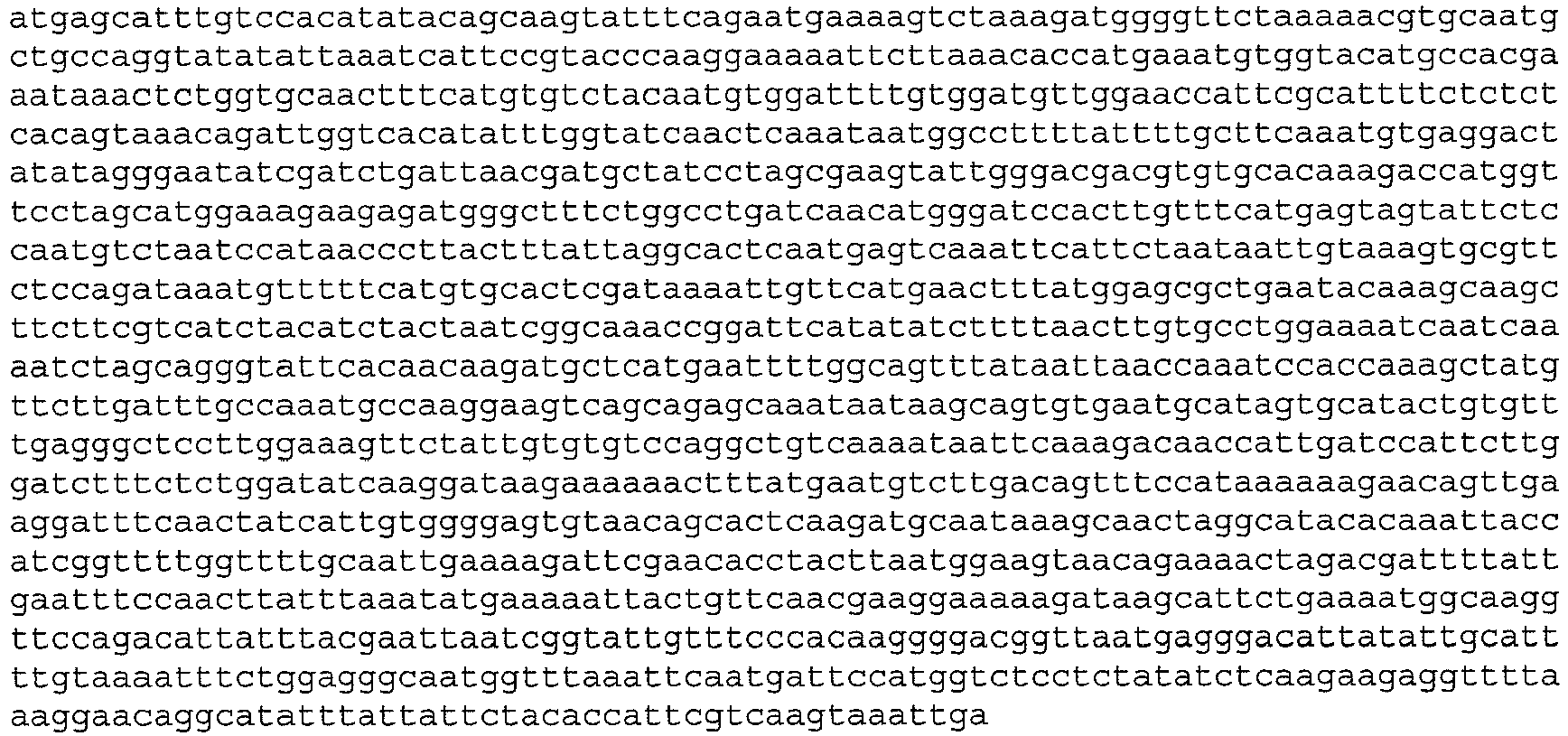
-
SEQ ID No:11
Spt7
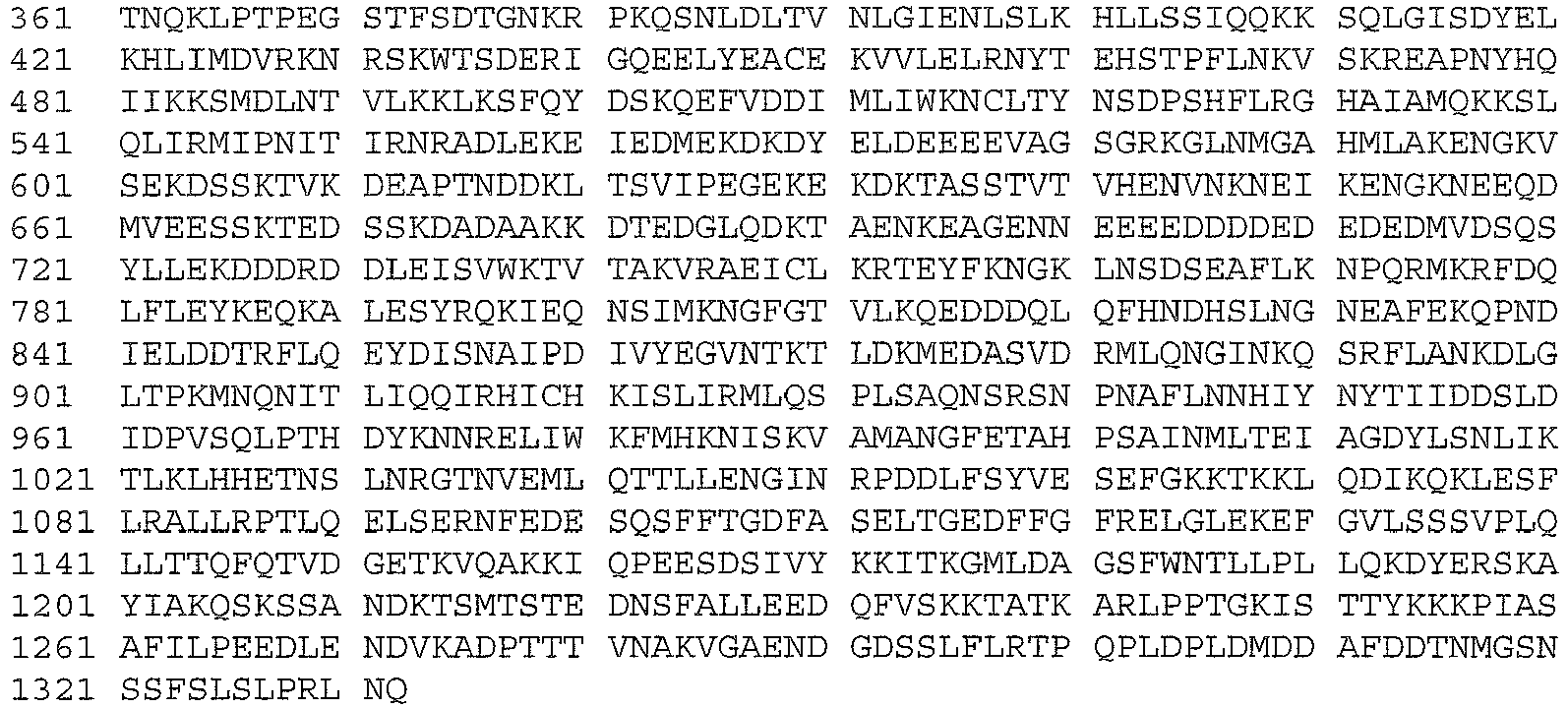
- SEQ ID No:12
Spt7
>YBR081C Chr 2

-
SEQ ID No:13
SPT8
- SEQ ID No:14
Spt8
>YLR055C Chr 12
-
SEQ ID No:15
Snf1
- SEQ ID No:16
Snf1
YDR477W Chr 4
-
SEQ ID No:17
ACS1
- SEQ ID No:18
Acs1
>YAL054C Chr 1

-
SEQ ID No:19
Spt7-217
-
SEQ ID No:20
SPT7-217 DNA
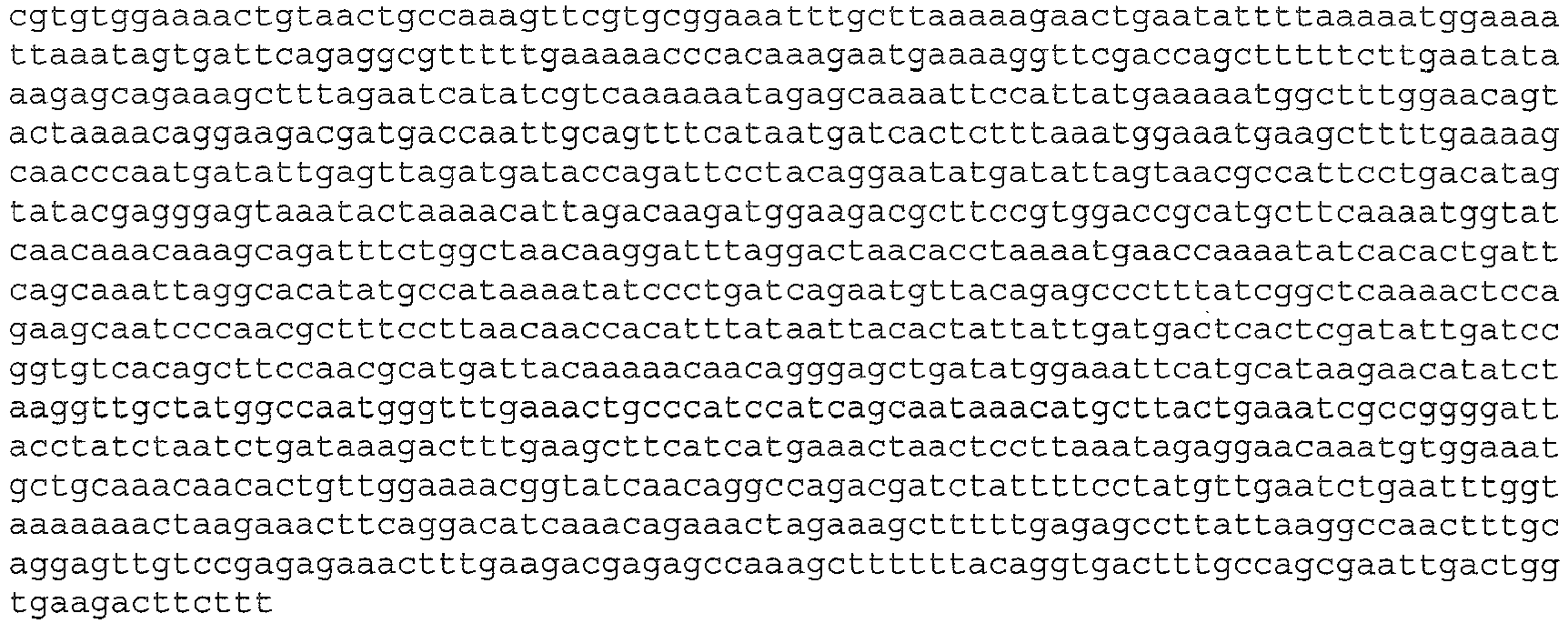
-
SEQ ID No:21
Spt3
-
SEQ ID No:22
Spt3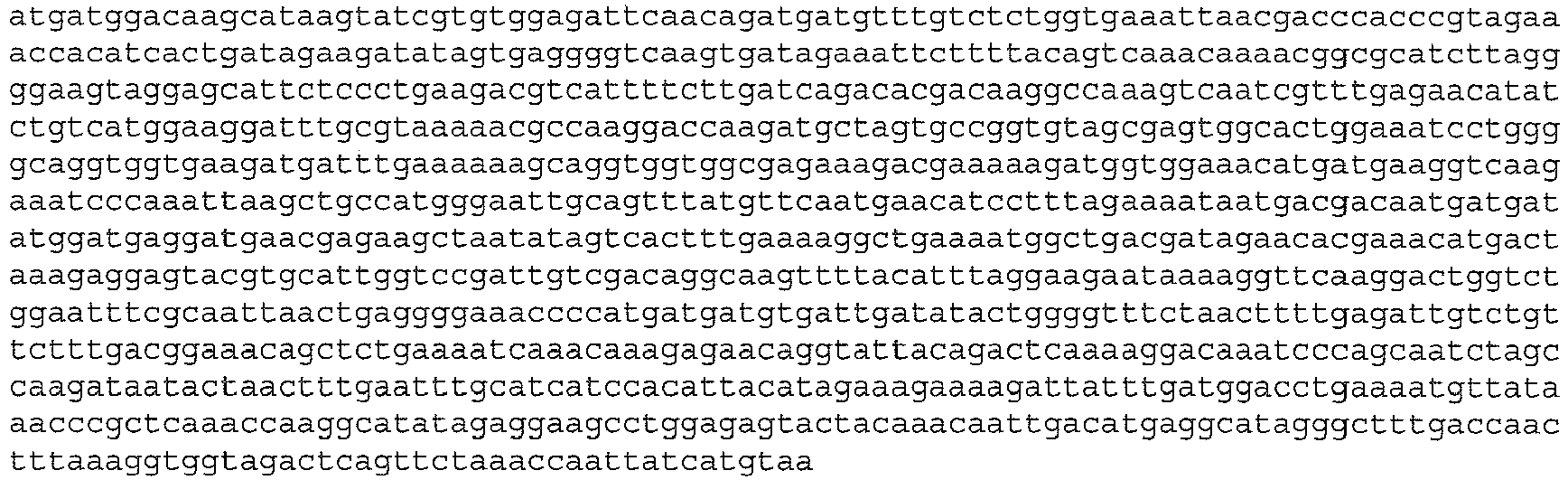
-
- <110> Chronos Therapeutics
- <120> Screening Method for Cell Ageing
- <130> P037286WO
- <150>
GB 0911885.2
<151> 2009-07-08 - <160> 22
- <170> PatentIn version 3.5
- <210> 1
<211> 824
<212> PRT
<213> Saccharomyces cerevisiae - <400> 1


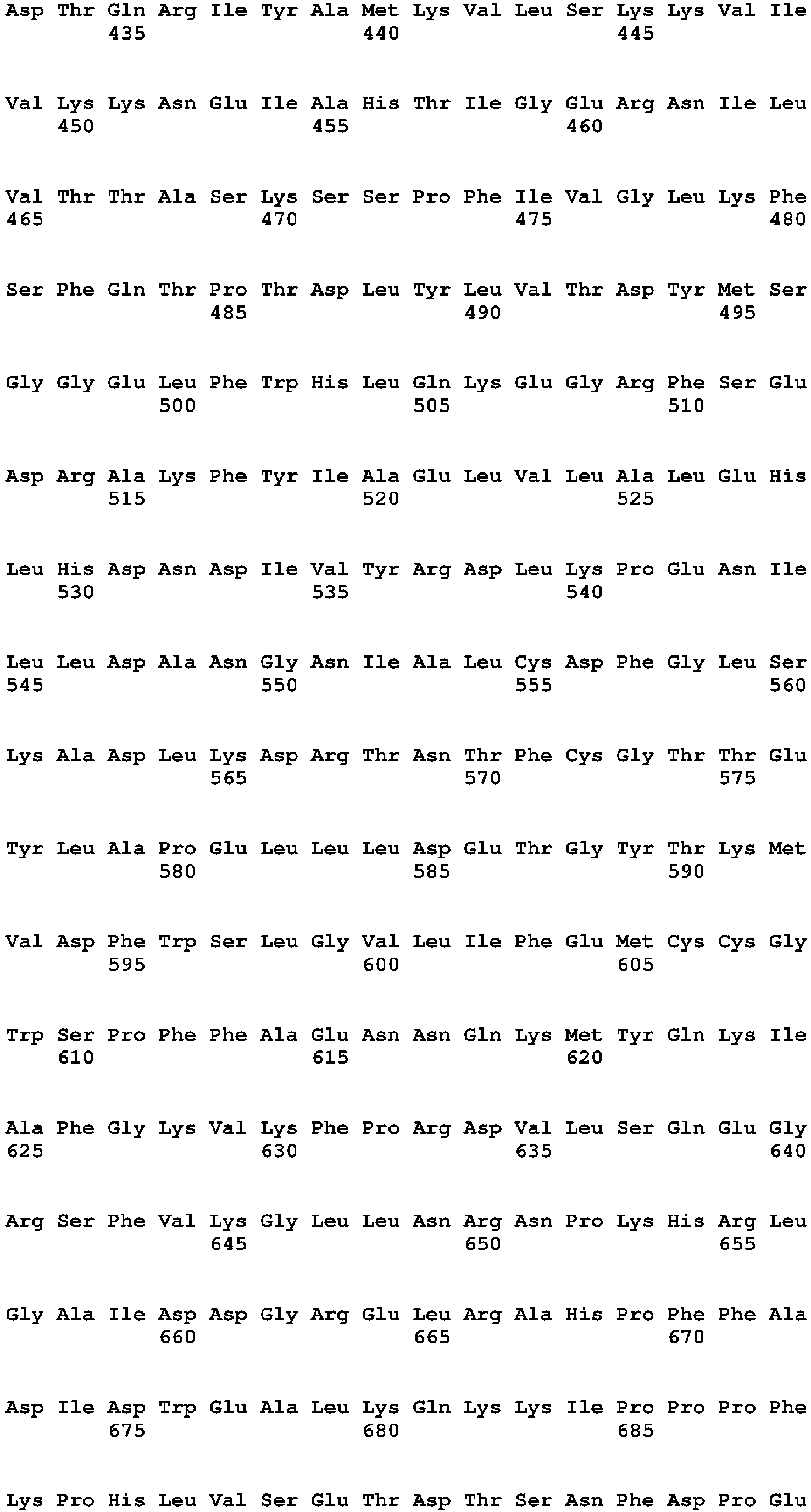

- <210> 2
<211> 2475
<212> DNA
<213> Saccharomyces cerevisiae - <400> 2


- <210> 3
<211> 588
<212> PRT
<213> Saccharomyces cerevisiae - <400> 3


- <210> 4
<211> 1767
<212> DNA
<213> Saccharomyces cerevisiae - <400> 4


- <210> 5
<211> 439
<212> PRT
<213> Saccharomyces cerevisiae - <400> 5


- <210> 6
<211> 2128
<212> DNA
<213> Saccharomyces cerevisiae - <400> 6
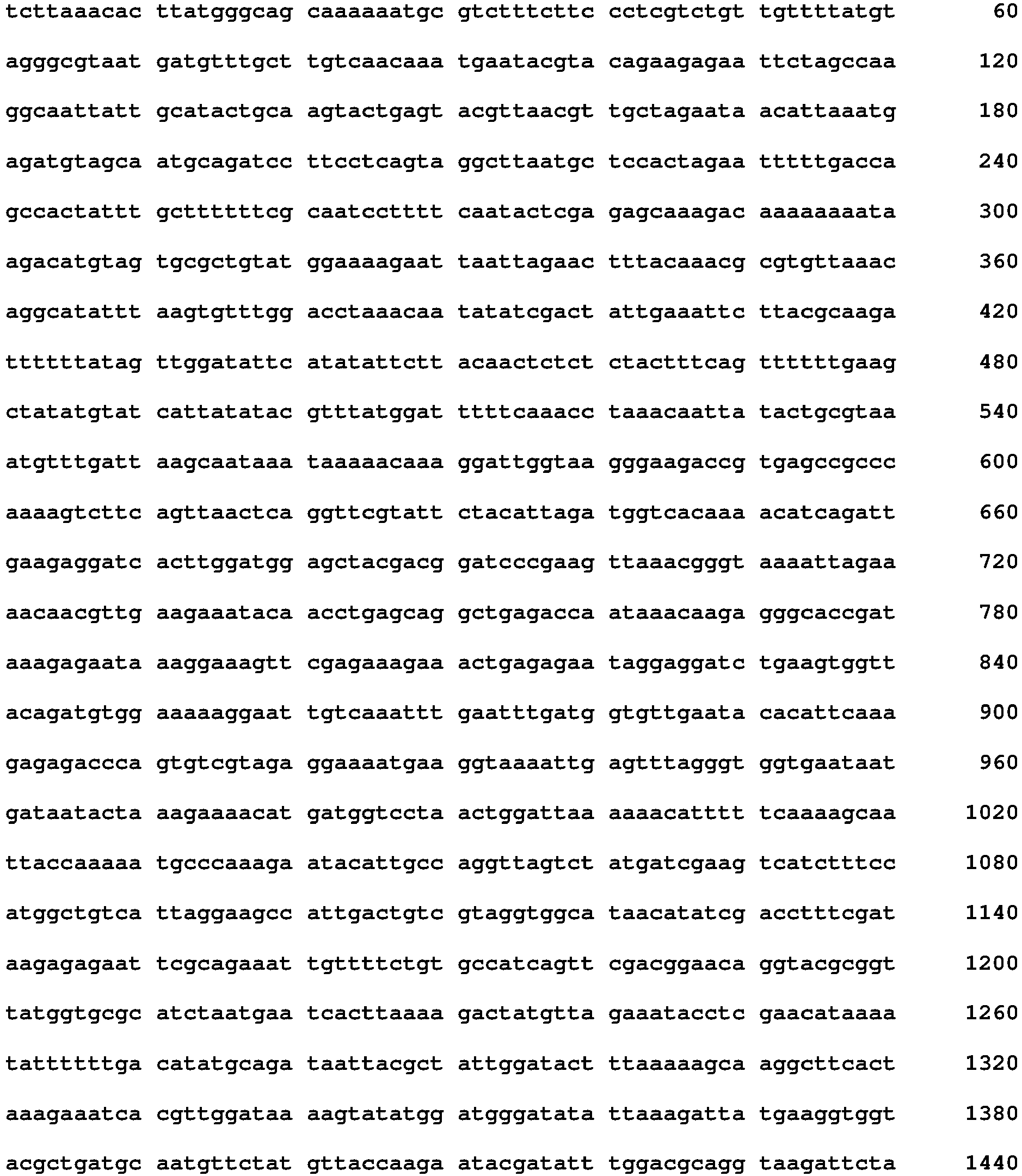

- <210> 7
<211> 2470
<212> PRT
<213> Saccharomyces cerevisiae - <400> 7
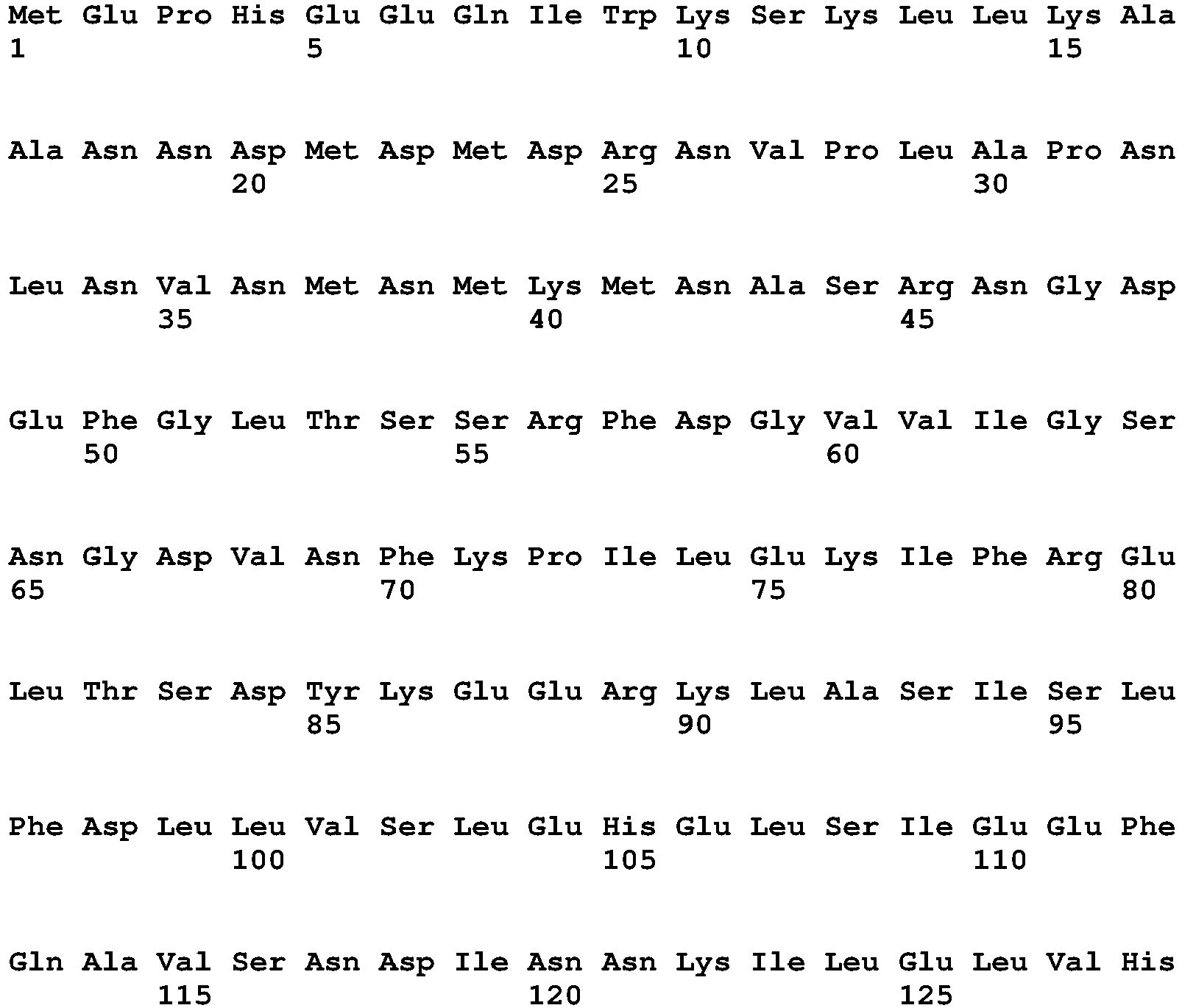


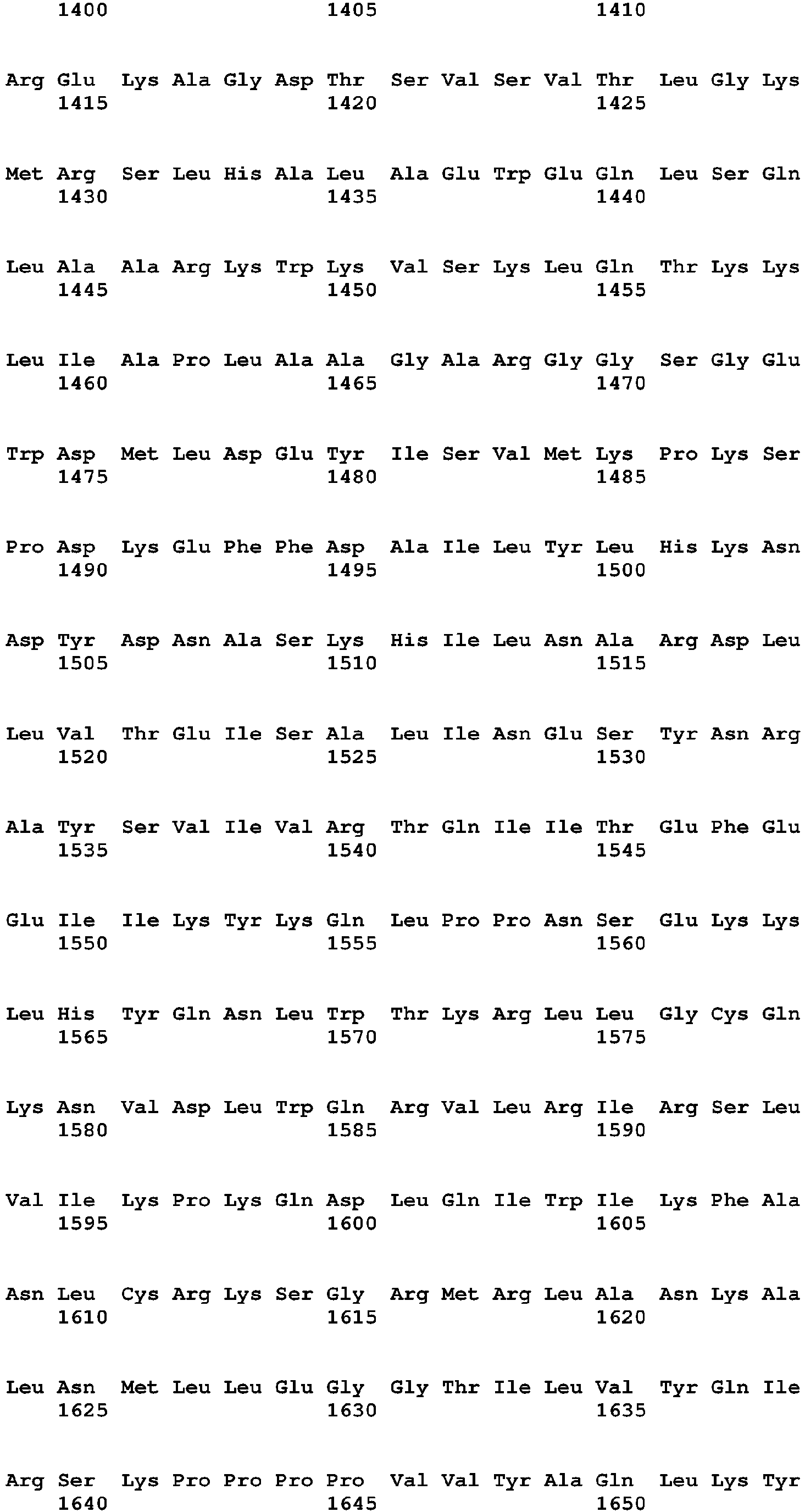


- <210> 8
<211> 7413
<212> DNA
<213> Saccharomyces cerevisiae - <400> 8


- <210> 9
<211> 471
<212> PRT
<213> Saccharomyces cerevisiae - <400> 9


- <210> 10
<211> 1416
<212> DNA
<213> Saccharomyces cerevisiae - <400> 10
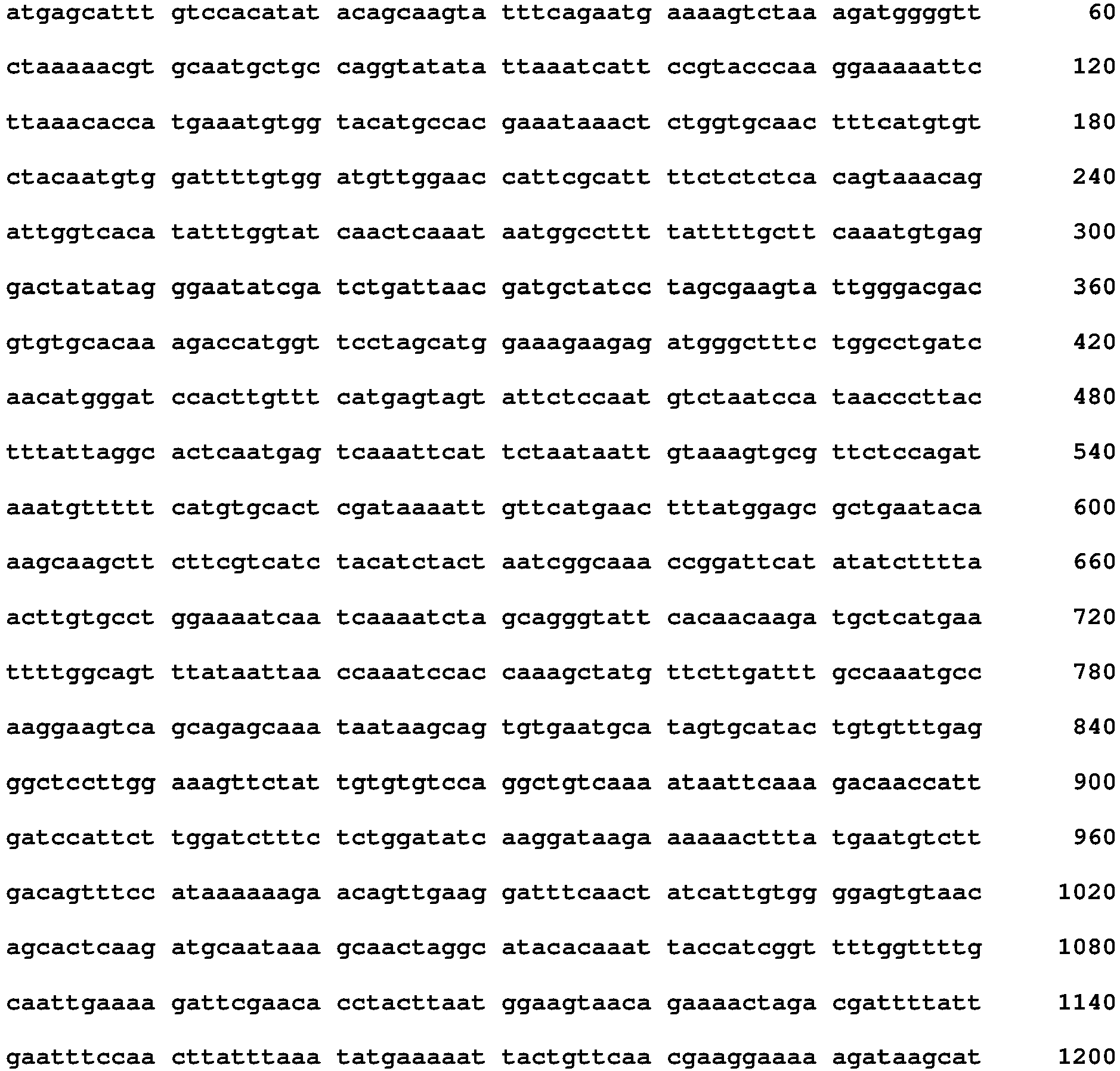

- <210> 11
<211> 1332
<212> PRT
<213> Saccharomyces cerevisiae - <400> 11


- <210> 12
<211> 3999
<212> DNA
<213> Saccharomyces cerevisiae - <400> 12


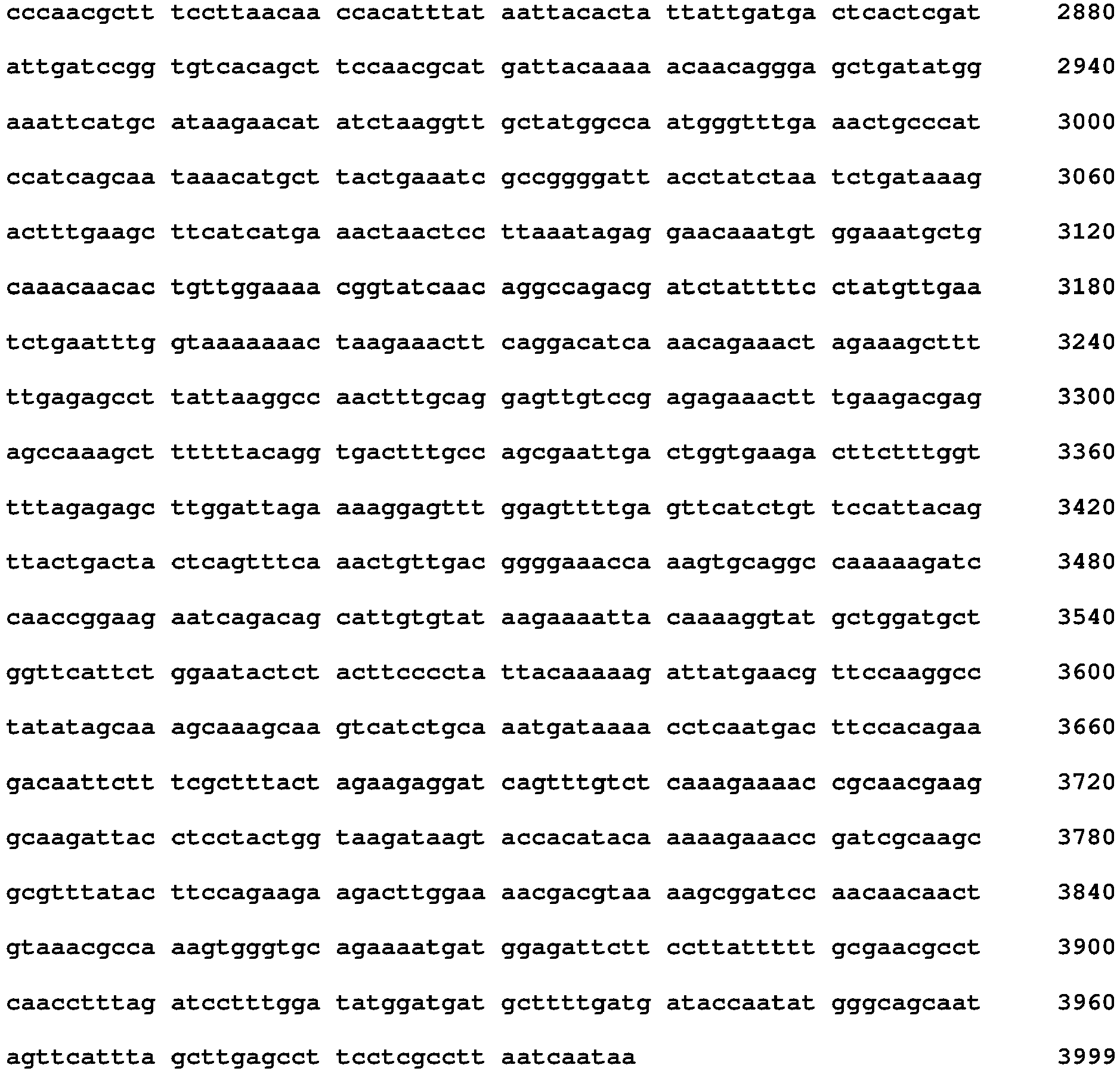
- <210> 13
<211> 602
<212> PRT
<213> Saccharomyces cerevisiae - <400> 13


- <210> 14
<211> 1809
<212> DNA
<213> Saccharomyces cerevisiae - <400> 14
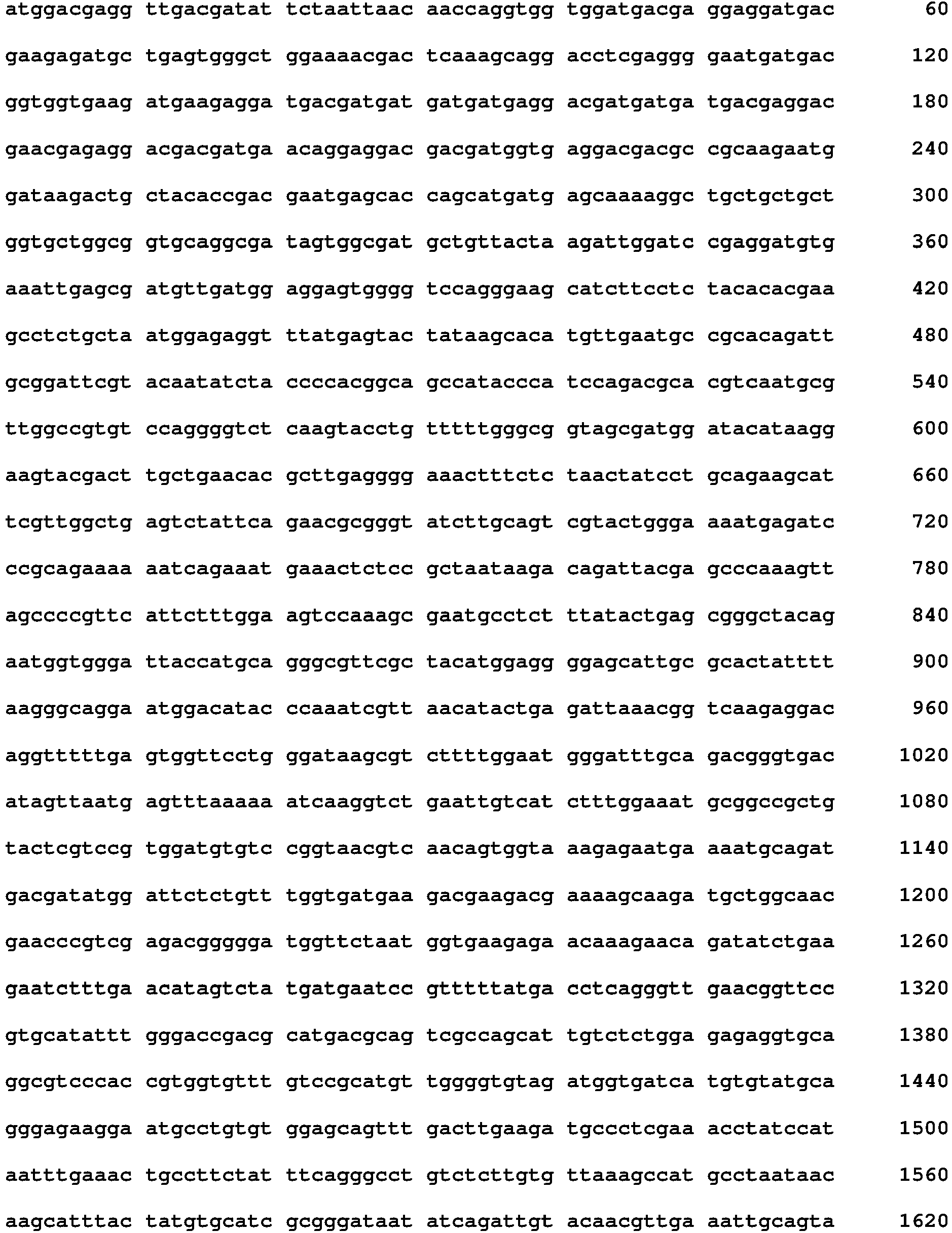

- <210> 15
<211> 633
<212> PRT
<213> Saccharomyces cerevisiae - <400> 15


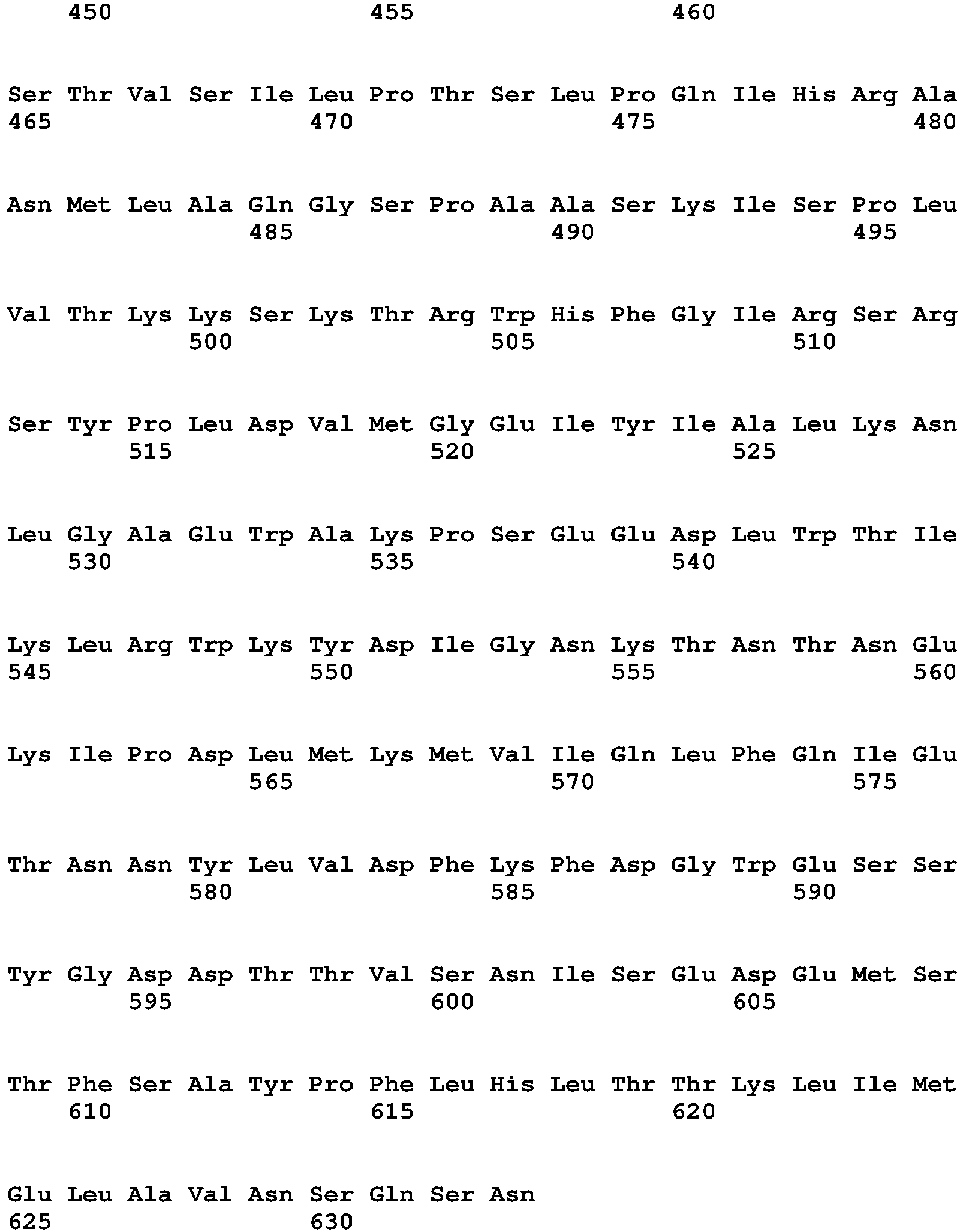
- <210> 16
<211> 1902
<212> DNA
<213> Saccharomyces cerevisiae - <400> 16
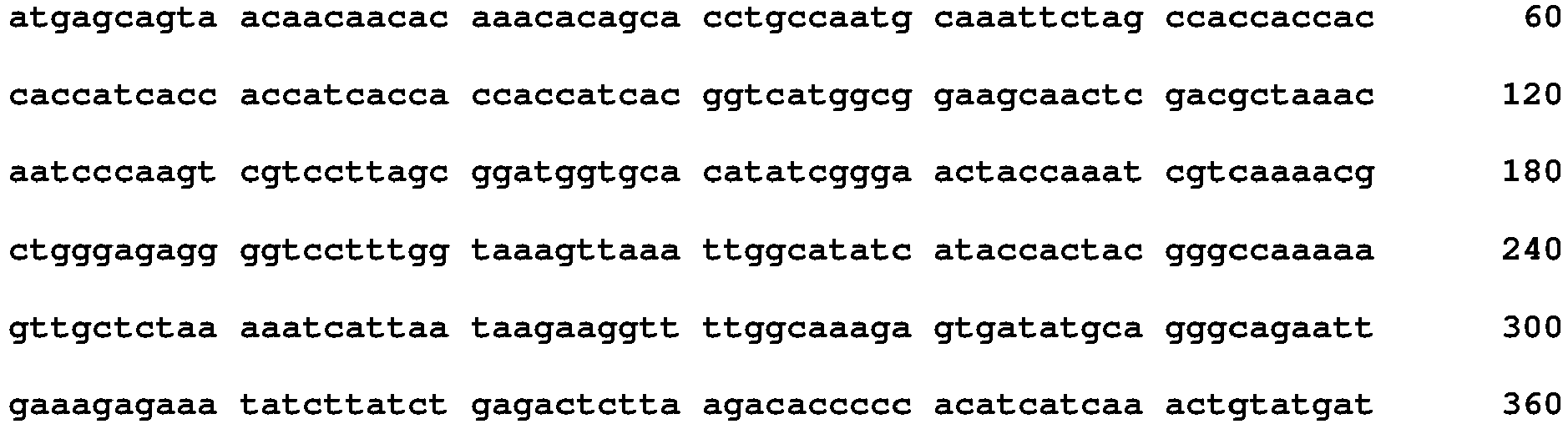

- <210> 17
<211> 713
<212> PRT
<213> Saccharomyces cerevisiae - <400> 17


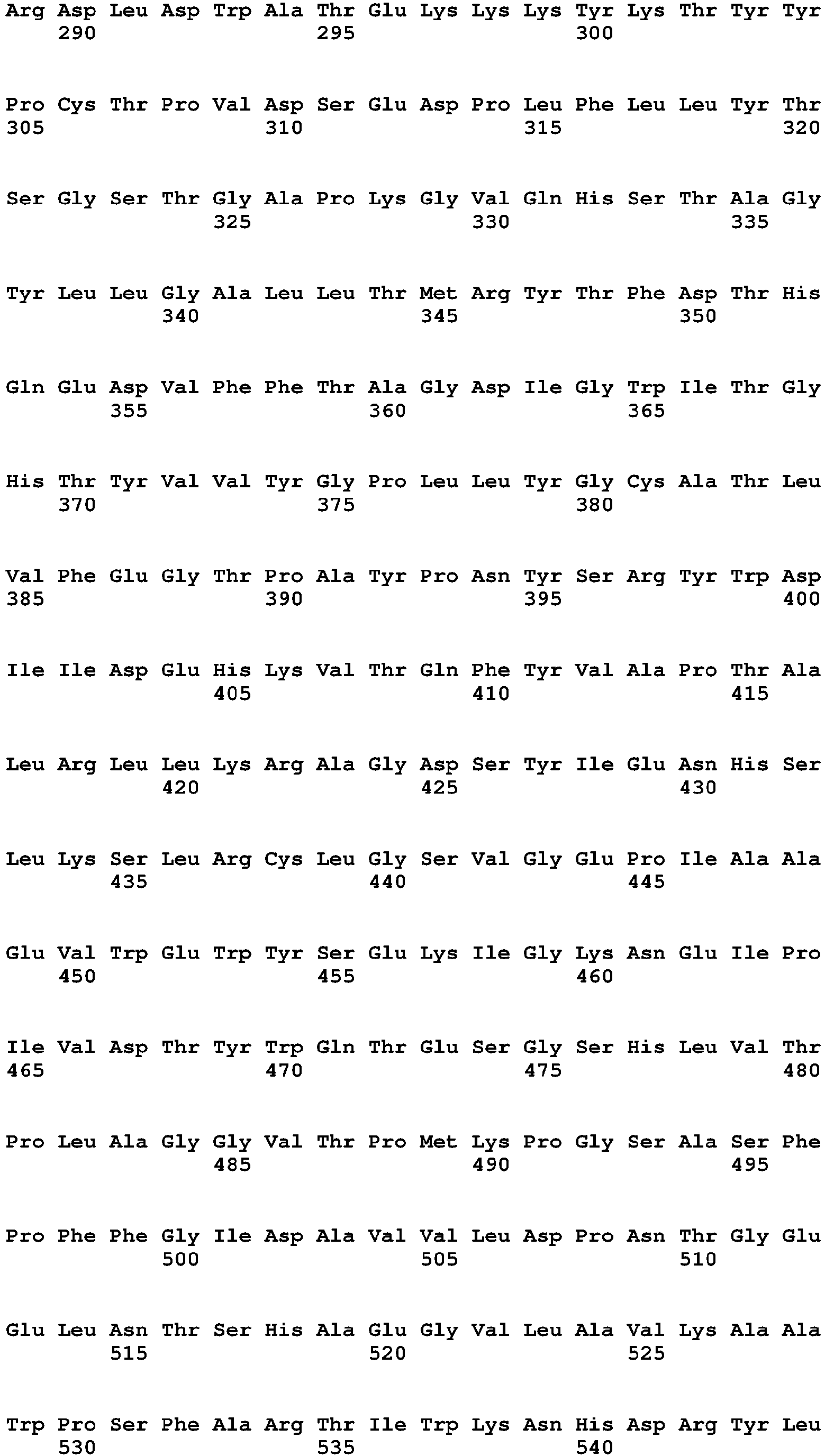

- <210> 18
<211> 2142
<212> DNA
<213> Saccharomyces cerevisiae - <400> 18

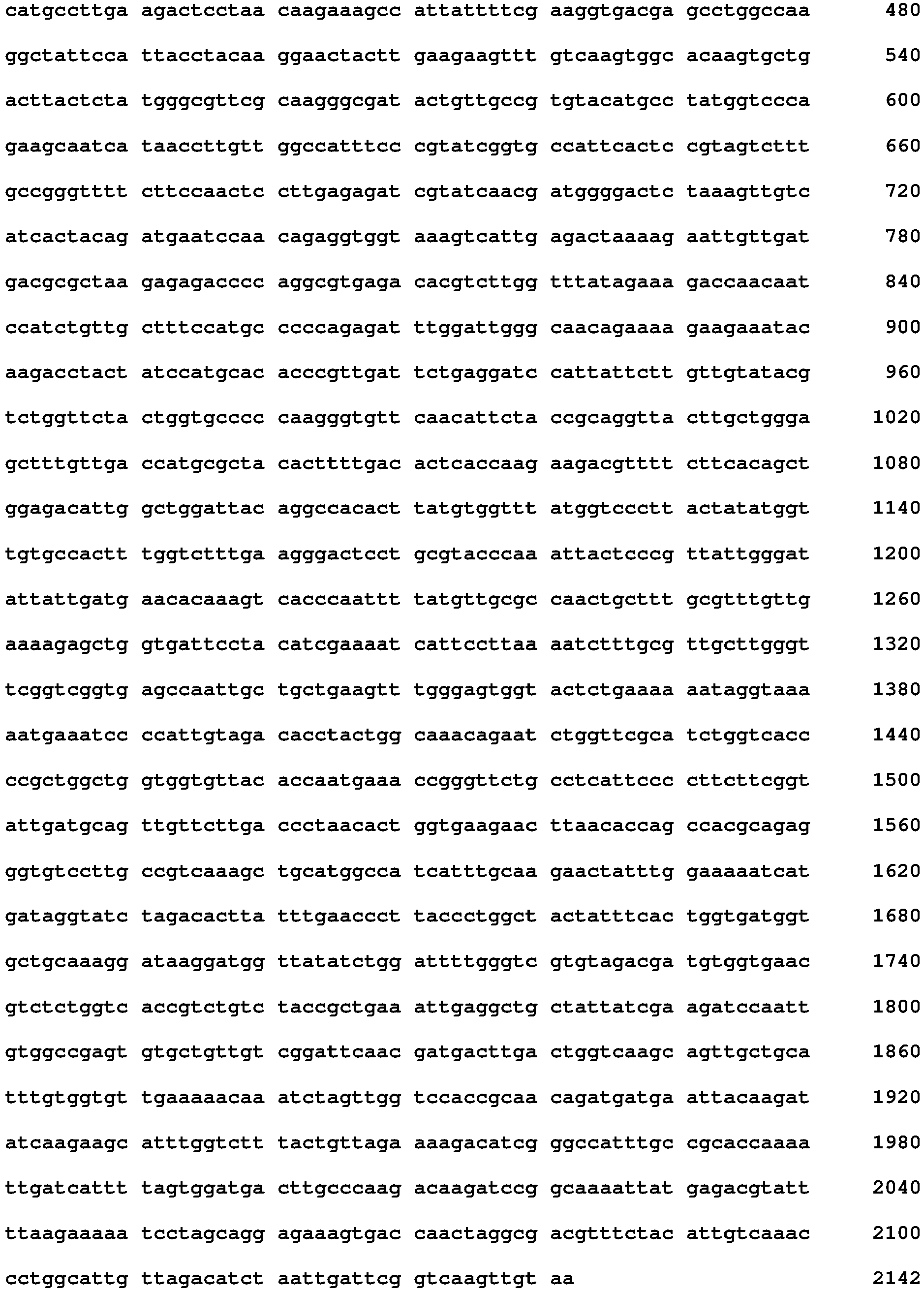
- <210> 19
<211> 1119
<212> PRT
<213> Saccharomyces cerevisiae - <400> 19


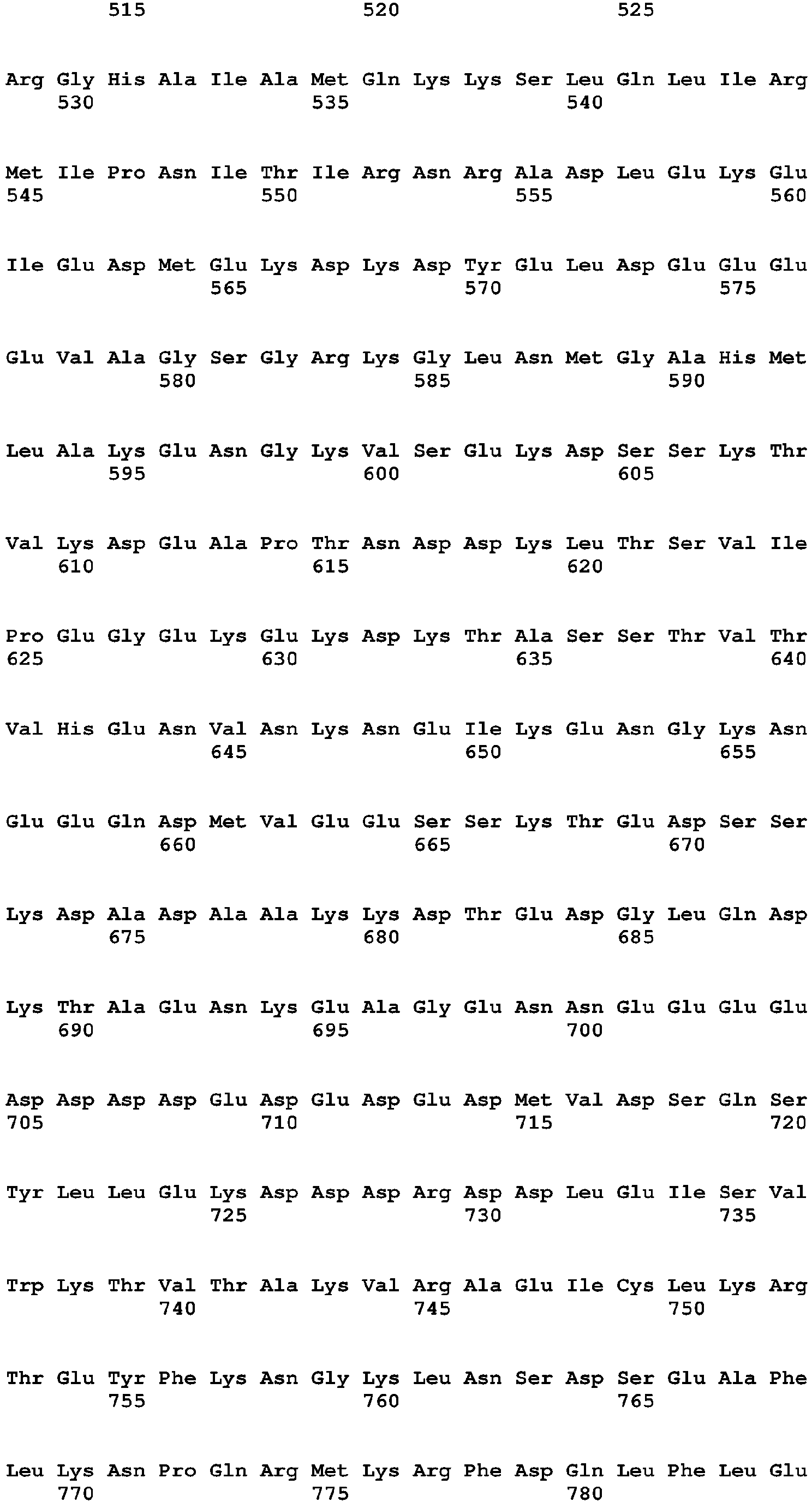


- <210> 20
<211> 3357
<212> DNA
<213> Saccharomyces cerevisiae - <400> 20


- <210> 21
<211> 337
<212> PRT
<213> Saccharomyces cerevisiae - <400> 21


- <210> 22
<211> 1014
<212> DNA
<213> Saccharomyces cerevisiae - <400> 22


According to an fourth aspect of the present invention there is provided a method for identifying the replication status of a cell comprising identifying the acetylation state of H3K18, wherein the presence of an acetyl modification of H3K18 indicates that the cell is an actively replicating cell and the absence of an acetyl modification of H3K18 indicates a cell which is no longer replicating.
Claims (11)
- An in vitro method for increasing the chronological lifespan of a cell comprising disrupting the function of the Spt-Ada-Gcn5-Acetyltransferase (SAGA) complex in said cell,
wherein the disruption is effected through disruption of at least one gene selected from the group consisting of Spt7 (SEQ ID NO:12), Spt8 (SEQ ID NO: 14), and their homologues, or through disruption of a product of the at least one gene;
wherein "homologue" means an analogous gene from a different organism which performs the same function; - The method according to claim 1 wherein the SAGA complex is directly or indirectly disrupted.
- The method according to claim 1 or 2, wherein the disruption is effected through disruption of the Spt7 gene or a homologue thereof, or through disruption of a product of the Spt7 gene or the homologue thereof.
- The method according to claim 1, 2 or 3, wherein "homologue" means an analogous gene from a different organism which performs the same function, wherein the different organism is a mammal.
- The method according to claim 3 or 4, wherein the disruption is effected through disruption of the Spt7 gene or its human homologue SUPT7H, or through disruption of a product of the Spt7 gene or its human homologue SUPT7H.
- The method according to claim 3, wherein the disruption is effected through disruption of SPT7 (SEQ ID NO: 11) or SPT7-217 (SEQ ID NO: 19).
- The method according to claim 1,2,3,4,5 or 6, wherein expression of the gene or the homologue is disrupted by iRNA.
- The method according to claim 1, 2, 3, 4, 5 or 6, wherein expression of the gene is disrupted at the transcriptional / DNA level.
- The method according to claim 4 or 5, wherein the cell is a mammalian cell, preferably a human cell.
- The method according to claim 1, 2, 3, 4, 5, 6, 7, 8 or 9, wherein the method is used in a method of screening to identify a compound which has an effect on chronological ageing of the cell.
- The method according to claim 10, wherein the compound is a small molecule or a biological molecule such as a peptide or nucleic acid.
Applications Claiming Priority (2)
| Application Number | Priority Date | Filing Date | Title |
|---|---|---|---|
| GBGB0911885.2A GB0911885D0 (en) | 2009-07-08 | 2009-07-08 | Screening method for cell aging |
| PCT/GB2010/051128 WO2011004197A1 (en) | 2009-07-08 | 2010-07-08 | Screening method for cell aging |
Publications (2)
| Publication Number | Publication Date |
|---|---|
| EP2452193A1 EP2452193A1 (en) | 2012-05-16 |
| EP2452193B1 true EP2452193B1 (en) | 2017-09-06 |
Family
ID=41022361
Family Applications (1)
| Application Number | Title | Priority Date | Filing Date |
|---|---|---|---|
| EP10734548.0A Active EP2452193B1 (en) | 2009-07-08 | 2010-07-08 | Screening method for cell aging |
Country Status (14)
| Country | Link |
|---|---|
| US (1) | US8628922B2 (en) |
| EP (1) | EP2452193B1 (en) |
| JP (1) | JP2012532599A (en) |
| CN (1) | CN102576010B (en) |
| AU (1) | AU2010269983B2 (en) |
| CA (1) | CA2764928A1 (en) |
| DK (1) | DK2452193T3 (en) |
| ES (1) | ES2647081T3 (en) |
| GB (1) | GB0911885D0 (en) |
| MY (1) | MY152712A (en) |
| NZ (1) | NZ597117A (en) |
| SG (1) | SG177585A1 (en) |
| WO (1) | WO2011004197A1 (en) |
| ZA (1) | ZA201200125B (en) |
Families Citing this family (2)
| Publication number | Priority date | Publication date | Assignee | Title |
|---|---|---|---|---|
| CN110437323B (en) * | 2019-07-30 | 2021-05-04 | 西南大学 | A key effector sch9 downstream of the TOR pathway in Aureobasidium pullulans and its application |
| CN120289593B (en) * | 2025-06-09 | 2025-09-05 | 齐鲁工业大学(山东省科学院) | Saccharomyces cerevisiae histone H3K18Q point mutation, point mutant and application |
Family Cites Families (5)
| Publication number | Priority date | Publication date | Assignee | Title |
|---|---|---|---|---|
| US5830472A (en) * | 1996-06-28 | 1998-11-03 | The University Of Virginia Patent Foundation | Purified sperm surface antigen, monoclonal antibody therefor and applications therefor |
| US6521818B1 (en) * | 1998-07-01 | 2003-02-18 | John Hopkins School Of Medicine | Development of novel highly chemoprotectant crucifer germplasm |
| US7452664B2 (en) * | 1999-12-15 | 2008-11-18 | Massachusetts Institute Of Technology | Methods for identifying agents which alter histone protein acetylation |
| JP4034705B2 (en) * | 2003-08-27 | 2008-01-16 | 株式会社神鋼環境ソリューション | Novel microorganism and method for treating organic solid using the microorganism |
| US20060234250A1 (en) * | 2005-04-15 | 2006-10-19 | Powers Ralph W Iii | Methods of screening and compositions for life span modulators |
-
2009
- 2009-07-08 GB GBGB0911885.2A patent/GB0911885D0/en not_active Ceased
-
2010
- 2010-07-08 NZ NZ597117A patent/NZ597117A/en unknown
- 2010-07-08 CA CA2764928A patent/CA2764928A1/en not_active Abandoned
- 2010-07-08 ES ES10734548.0T patent/ES2647081T3/en active Active
- 2010-07-08 WO PCT/GB2010/051128 patent/WO2011004197A1/en not_active Ceased
- 2010-07-08 EP EP10734548.0A patent/EP2452193B1/en active Active
- 2010-07-08 US US13/382,629 patent/US8628922B2/en not_active Expired - Fee Related
- 2010-07-08 MY MYPI2012000076 patent/MY152712A/en unknown
- 2010-07-08 SG SG2012001624A patent/SG177585A1/en unknown
- 2010-07-08 DK DK10734548.0T patent/DK2452193T3/en active
- 2010-07-08 CN CN201080031100.0A patent/CN102576010B/en active Active
- 2010-07-08 AU AU2010269983A patent/AU2010269983B2/en not_active Ceased
- 2010-07-08 JP JP2012519067A patent/JP2012532599A/en active Pending
-
2012
- 2012-01-06 ZA ZA2012/00125A patent/ZA201200125B/en unknown
Non-Patent Citations (1)
| Title |
|---|
| None * |
Also Published As
| Publication number | Publication date |
|---|---|
| ZA201200125B (en) | 2013-03-27 |
| SG177585A1 (en) | 2012-02-28 |
| AU2010269983A1 (en) | 2012-01-19 |
| GB0911885D0 (en) | 2009-08-19 |
| ES2647081T3 (en) | 2017-12-19 |
| US20120270213A1 (en) | 2012-10-25 |
| CN102576010A (en) | 2012-07-11 |
| MY152712A (en) | 2014-11-28 |
| CN102576010B (en) | 2014-08-13 |
| JP2012532599A (en) | 2012-12-20 |
| WO2011004197A1 (en) | 2011-01-13 |
| EP2452193A1 (en) | 2012-05-16 |
| NZ597117A (en) | 2013-04-26 |
| US8628922B2 (en) | 2014-01-14 |
| DK2452193T3 (en) | 2017-11-20 |
| AU2010269983B2 (en) | 2014-01-30 |
| CA2764928A1 (en) | 2011-01-13 |
Similar Documents
| Publication | Publication Date | Title |
|---|---|---|
| Wysocka et al. | WDR5 associates with histone H3 methylated at K4 and is essential for H3 K4 methylation and vertebrate development | |
| Soulard et al. | The rapamycin-sensitive phosphoproteome reveals that TOR controls protein kinase A toward some but not all substrates | |
| Gunderson et al. | Acetylation by the transcriptional coactivator Gcn5 plays a novel role in co-transcriptional spliceosome assembly | |
| Mascarenhas et al. | Gcn4 is required for the response to peroxide stress in the yeast Saccharomyces cerevisiae | |
| Baldin et al. | Comparative proteomics of a tor inducible Aspergillus fumigatus mutant reveals involvement of the Tor kinase in iron regulation | |
| US6599705B2 (en) | Regulation of fungal gene expression | |
| Kasahara et al. | Fpr1, a primary target of rapamycin, functions as a transcription factor for ribosomal protein genes cooperatively with Hmo1 in Saccharomyces cerevisiae | |
| Tomson et al. | Identification of a role for histone H2B ubiquitylation in noncoding RNA 3′-end formation through mutational analysis of Rtf1 in Saccharomyces cerevisiae | |
| Bandhakavi et al. | Quantitative nuclear proteomics identifies mTOR regulation of DNA damage response | |
| Kim et al. | Role of CK2-dependent phosphorylation of Ifh1 and Crf1 in transcriptional regulation of ribosomal protein genes in Saccharomyces cerevisiae | |
| Amarsaikhan et al. | Proteomic profiling of the antifungal drug response of Aspergillus fumigatus to voriconazole | |
| Gelperin et al. | Loss of ypk1 function causes rapamycin sensitivity, inhibition of translation initiation and synthetic lethality in 14-3-3-deficient yeast | |
| CN1726290A (en) | Method for producing genetically modified organisms for screening active substances | |
| US8628922B2 (en) | Screening method for cell aging | |
| Jethmalani et al. | Using yeast to define the regulatory role of protein lysine methylation | |
| Ejzykowicz et al. | Hygromycin B hypersensitive (hhy) mutants implicate an intact trans-Golgi and late endosome interface in efficient Tor1 vacuolar localization and TORC1 function | |
| Fu et al. | Comparative proteomic analysis of the breast muscle response to chronic corticosterone administration in broiler chickens showing long or short tonic immobility | |
| HK1167713A (en) | Screening method for cell aging | |
| HK1167713B (en) | Screening method for cell aging | |
| Zhuang et al. | The CnB1 p. D102A variant is linked to dilated cardiomyopathy via impaired Calcineurin activity | |
| Tong et al. | Direct interaction of Saccharomyces cerevisiae Faa1p with the Omi/HtrA protease orthologue Ynm3p alters lipid homeostasis | |
| Kang et al. | Rck1 promotes pseudohyphal growth via the activation of Ubp3 phosphorylation in Saccharomyces cerevisiae | |
| Petty et al. | Connecting GCN5’s centromeric SAGA to the mitotic tension-sensing checkpoint | |
| Khalaj et al. | Annexin C4 in A. fumigatus: a proteomics approach to understand the function | |
| Michel | Indole-3-acetic acid is a physiological inhibitor of TORC1 in yeast |
Legal Events
| Date | Code | Title | Description |
|---|---|---|---|
| PUAI | Public reference made under article 153(3) epc to a published international application that has entered the european phase |
Free format text: ORIGINAL CODE: 0009012 |
|
| 17P | Request for examination filed |
Effective date: 20120104 |
|
| AK | Designated contracting states |
Kind code of ref document: A1 Designated state(s): AL AT BE BG CH CY CZ DE DK EE ES FI FR GB GR HR HU IE IS IT LI LT LU LV MC MK MT NL NO PL PT RO SE SI SK SM TR |
|
| DAX | Request for extension of the european patent (deleted) | ||
| REG | Reference to a national code |
Ref country code: HK Ref legal event code: DE Ref document number: 1167713 Country of ref document: HK |
|
| RIN1 | Information on inventor provided before grant (corrected) |
Inventor name: NAIR, ANITA Inventor name: AKOULITCHEV, ALEXANDRE Inventor name: YOUDELL, MICHAEL Inventor name: MELLOR, ELIZABETH JANE |
|
| 17Q | First examination report despatched |
Effective date: 20130716 |
|
| GRAP | Despatch of communication of intention to grant a patent |
Free format text: ORIGINAL CODE: EPIDOSNIGR1 |
|
| INTG | Intention to grant announced |
Effective date: 20170410 |
|
| RAP1 | Party data changed (applicant data changed or rights of an application transferred) |
Owner name: SIBELIUS LIMITED |
|
| GRAS | Grant fee paid |
Free format text: ORIGINAL CODE: EPIDOSNIGR3 |
|
| GRAA | (expected) grant |
Free format text: ORIGINAL CODE: 0009210 |
|
| AK | Designated contracting states |
Kind code of ref document: B1 Designated state(s): AL AT BE BG CH CY CZ DE DK EE ES FI FR GB GR HR HU IE IS IT LI LT LU LV MC MK MT NL NO PL PT RO SE SI SK SM TR |
|
| REG | Reference to a national code |
Ref country code: GB Ref legal event code: FG4D |
|
| REG | Reference to a national code |
Ref country code: CH Ref legal event code: EP Ref country code: AT Ref legal event code: REF Ref document number: 926418 Country of ref document: AT Kind code of ref document: T Effective date: 20170915 |
|
| REG | Reference to a national code |
Ref country code: IE Ref legal event code: FG4D |
|
| REG | Reference to a national code |
Ref country code: DE Ref legal event code: R096 Ref document number: 602010045010 Country of ref document: DE |
|
| REG | Reference to a national code |
Ref country code: CH Ref legal event code: NV Representative=s name: MICHELI AND CIE SA, CH |
|
| REG | Reference to a national code |
Ref country code: DK Ref legal event code: T3 Effective date: 20171114 |
|
| REG | Reference to a national code |
Ref country code: DE Ref legal event code: R081 Ref document number: 602010045010 Country of ref document: DE Owner name: SIBELIUS LIMITED, GB Free format text: FORMER OWNER: SIBELIUS LTD., OXFORD, GB |
|
| REG | Reference to a national code |
Ref country code: NL Ref legal event code: FP |
|
| REG | Reference to a national code |
Ref country code: ES Ref legal event code: FG2A Ref document number: 2647081 Country of ref document: ES Kind code of ref document: T3 Effective date: 20171219 |
|
| REG | Reference to a national code |
Ref country code: LT Ref legal event code: MG4D |
|
| PG25 | Lapsed in a contracting state [announced via postgrant information from national office to epo] |
Ref country code: HR Free format text: LAPSE BECAUSE OF FAILURE TO SUBMIT A TRANSLATION OF THE DESCRIPTION OR TO PAY THE FEE WITHIN THE PRESCRIBED TIME-LIMIT Effective date: 20170906 Ref country code: LT Free format text: LAPSE BECAUSE OF FAILURE TO SUBMIT A TRANSLATION OF THE DESCRIPTION OR TO PAY THE FEE WITHIN THE PRESCRIBED TIME-LIMIT Effective date: 20170906 Ref country code: SE Free format text: LAPSE BECAUSE OF FAILURE TO SUBMIT A TRANSLATION OF THE DESCRIPTION OR TO PAY THE FEE WITHIN THE PRESCRIBED TIME-LIMIT Effective date: 20170906 Ref country code: NO Free format text: LAPSE BECAUSE OF FAILURE TO SUBMIT A TRANSLATION OF THE DESCRIPTION OR TO PAY THE FEE WITHIN THE PRESCRIBED TIME-LIMIT Effective date: 20171206 Ref country code: FI Free format text: LAPSE BECAUSE OF FAILURE TO SUBMIT A TRANSLATION OF THE DESCRIPTION OR TO PAY THE FEE WITHIN THE PRESCRIBED TIME-LIMIT Effective date: 20170906 |
|
| REG | Reference to a national code |
Ref country code: AT Ref legal event code: MK05 Ref document number: 926418 Country of ref document: AT Kind code of ref document: T Effective date: 20170906 |
|
| PG25 | Lapsed in a contracting state [announced via postgrant information from national office to epo] |
Ref country code: BG Free format text: LAPSE BECAUSE OF FAILURE TO SUBMIT A TRANSLATION OF THE DESCRIPTION OR TO PAY THE FEE WITHIN THE PRESCRIBED TIME-LIMIT Effective date: 20171206 Ref country code: LV Free format text: LAPSE BECAUSE OF FAILURE TO SUBMIT A TRANSLATION OF THE DESCRIPTION OR TO PAY THE FEE WITHIN THE PRESCRIBED TIME-LIMIT Effective date: 20170906 Ref country code: GR Free format text: LAPSE BECAUSE OF FAILURE TO SUBMIT A TRANSLATION OF THE DESCRIPTION OR TO PAY THE FEE WITHIN THE PRESCRIBED TIME-LIMIT Effective date: 20171207 |
|
| PG25 | Lapsed in a contracting state [announced via postgrant information from national office to epo] |
Ref country code: RO Free format text: LAPSE BECAUSE OF FAILURE TO SUBMIT A TRANSLATION OF THE DESCRIPTION OR TO PAY THE FEE WITHIN THE PRESCRIBED TIME-LIMIT Effective date: 20170906 Ref country code: PL Free format text: LAPSE BECAUSE OF FAILURE TO SUBMIT A TRANSLATION OF THE DESCRIPTION OR TO PAY THE FEE WITHIN THE PRESCRIBED TIME-LIMIT Effective date: 20170906 Ref country code: CZ Free format text: LAPSE BECAUSE OF FAILURE TO SUBMIT A TRANSLATION OF THE DESCRIPTION OR TO PAY THE FEE WITHIN THE PRESCRIBED TIME-LIMIT Effective date: 20170906 |
|
| PG25 | Lapsed in a contracting state [announced via postgrant information from national office to epo] |
Ref country code: AT Free format text: LAPSE BECAUSE OF FAILURE TO SUBMIT A TRANSLATION OF THE DESCRIPTION OR TO PAY THE FEE WITHIN THE PRESCRIBED TIME-LIMIT Effective date: 20170906 Ref country code: SM Free format text: LAPSE BECAUSE OF FAILURE TO SUBMIT A TRANSLATION OF THE DESCRIPTION OR TO PAY THE FEE WITHIN THE PRESCRIBED TIME-LIMIT Effective date: 20170906 Ref country code: IS Free format text: LAPSE BECAUSE OF FAILURE TO SUBMIT A TRANSLATION OF THE DESCRIPTION OR TO PAY THE FEE WITHIN THE PRESCRIBED TIME-LIMIT Effective date: 20180106 Ref country code: SK Free format text: LAPSE BECAUSE OF FAILURE TO SUBMIT A TRANSLATION OF THE DESCRIPTION OR TO PAY THE FEE WITHIN THE PRESCRIBED TIME-LIMIT Effective date: 20170906 Ref country code: EE Free format text: LAPSE BECAUSE OF FAILURE TO SUBMIT A TRANSLATION OF THE DESCRIPTION OR TO PAY THE FEE WITHIN THE PRESCRIBED TIME-LIMIT Effective date: 20170906 |
|
| REG | Reference to a national code |
Ref country code: DE Ref legal event code: R097 Ref document number: 602010045010 Country of ref document: DE |
|
| PLBE | No opposition filed within time limit |
Free format text: ORIGINAL CODE: 0009261 |
|
| STAA | Information on the status of an ep patent application or granted ep patent |
Free format text: STATUS: NO OPPOSITION FILED WITHIN TIME LIMIT |
|
| REG | Reference to a national code |
Ref country code: FR Ref legal event code: PLFP Year of fee payment: 9 |
|
| REG | Reference to a national code |
Ref country code: HK Ref legal event code: GR Ref document number: 1167713 Country of ref document: HK |
|
| 26N | No opposition filed |
Effective date: 20180607 |
|
| PG25 | Lapsed in a contracting state [announced via postgrant information from national office to epo] |
Ref country code: SI Free format text: LAPSE BECAUSE OF FAILURE TO SUBMIT A TRANSLATION OF THE DESCRIPTION OR TO PAY THE FEE WITHIN THE PRESCRIBED TIME-LIMIT Effective date: 20170906 |
|
| PG25 | Lapsed in a contracting state [announced via postgrant information from national office to epo] |
Ref country code: LU Free format text: LAPSE BECAUSE OF NON-PAYMENT OF DUE FEES Effective date: 20180708 Ref country code: MC Free format text: LAPSE BECAUSE OF FAILURE TO SUBMIT A TRANSLATION OF THE DESCRIPTION OR TO PAY THE FEE WITHIN THE PRESCRIBED TIME-LIMIT Effective date: 20170906 |
|
| REG | Reference to a national code |
Ref country code: IE Ref legal event code: MM4A |
|
| PG25 | Lapsed in a contracting state [announced via postgrant information from national office to epo] |
Ref country code: IE Free format text: LAPSE BECAUSE OF NON-PAYMENT OF DUE FEES Effective date: 20180708 |
|
| PGFP | Annual fee paid to national office [announced via postgrant information from national office to epo] |
Ref country code: IT Payment date: 20190719 Year of fee payment: 10 Ref country code: FR Payment date: 20190709 Year of fee payment: 10 |
|
| PG25 | Lapsed in a contracting state [announced via postgrant information from national office to epo] |
Ref country code: MT Free format text: LAPSE BECAUSE OF NON-PAYMENT OF DUE FEES Effective date: 20180708 |
|
| PG25 | Lapsed in a contracting state [announced via postgrant information from national office to epo] |
Ref country code: TR Free format text: LAPSE BECAUSE OF FAILURE TO SUBMIT A TRANSLATION OF THE DESCRIPTION OR TO PAY THE FEE WITHIN THE PRESCRIBED TIME-LIMIT Effective date: 20170906 |
|
| PG25 | Lapsed in a contracting state [announced via postgrant information from national office to epo] |
Ref country code: PT Free format text: LAPSE BECAUSE OF FAILURE TO SUBMIT A TRANSLATION OF THE DESCRIPTION OR TO PAY THE FEE WITHIN THE PRESCRIBED TIME-LIMIT Effective date: 20170906 Ref country code: HU Free format text: LAPSE BECAUSE OF FAILURE TO SUBMIT A TRANSLATION OF THE DESCRIPTION OR TO PAY THE FEE WITHIN THE PRESCRIBED TIME-LIMIT; INVALID AB INITIO Effective date: 20100708 |
|
| PG25 | Lapsed in a contracting state [announced via postgrant information from national office to epo] |
Ref country code: CY Free format text: LAPSE BECAUSE OF FAILURE TO SUBMIT A TRANSLATION OF THE DESCRIPTION OR TO PAY THE FEE WITHIN THE PRESCRIBED TIME-LIMIT Effective date: 20170906 Ref country code: MK Free format text: LAPSE BECAUSE OF NON-PAYMENT OF DUE FEES Effective date: 20170906 |
|
| PG25 | Lapsed in a contracting state [announced via postgrant information from national office to epo] |
Ref country code: AL Free format text: LAPSE BECAUSE OF FAILURE TO SUBMIT A TRANSLATION OF THE DESCRIPTION OR TO PAY THE FEE WITHIN THE PRESCRIBED TIME-LIMIT Effective date: 20170906 |
|
| PGFP | Annual fee paid to national office [announced via postgrant information from national office to epo] |
Ref country code: BE Payment date: 20200729 Year of fee payment: 11 |
|
| PG25 | Lapsed in a contracting state [announced via postgrant information from national office to epo] |
Ref country code: FR Free format text: LAPSE BECAUSE OF NON-PAYMENT OF DUE FEES Effective date: 20200731 |
|
| PG25 | Lapsed in a contracting state [announced via postgrant information from national office to epo] |
Ref country code: IT Free format text: LAPSE BECAUSE OF NON-PAYMENT OF DUE FEES Effective date: 20200708 |
|
| REG | Reference to a national code |
Ref country code: BE Ref legal event code: MM Effective date: 20210731 |
|
| PG25 | Lapsed in a contracting state [announced via postgrant information from national office to epo] |
Ref country code: BE Free format text: LAPSE BECAUSE OF NON-PAYMENT OF DUE FEES Effective date: 20210731 |
|
| PGFP | Annual fee paid to national office [announced via postgrant information from national office to epo] |
Ref country code: NL Payment date: 20240726 Year of fee payment: 15 |
|
| PGFP | Annual fee paid to national office [announced via postgrant information from national office to epo] |
Ref country code: DE Payment date: 20240718 Year of fee payment: 15 |
|
| PGFP | Annual fee paid to national office [announced via postgrant information from national office to epo] |
Ref country code: DK Payment date: 20240718 Year of fee payment: 15 |
|
| PGFP | Annual fee paid to national office [announced via postgrant information from national office to epo] |
Ref country code: GB Payment date: 20240729 Year of fee payment: 15 |
|
| PGFP | Annual fee paid to national office [announced via postgrant information from national office to epo] |
Ref country code: ES Payment date: 20240807 Year of fee payment: 15 Ref country code: CH Payment date: 20240801 Year of fee payment: 15 |
|
| REG | Reference to a national code |
Ref country code: DE Ref legal event code: R119 Ref document number: 602010045010 Country of ref document: DE |
|
| REG | Reference to a national code |
Ref country code: DK Ref legal event code: EBP Effective date: 20250731 |
|
| REG | Reference to a national code |
Ref country code: CH Ref legal event code: H13 Free format text: ST27 STATUS EVENT CODE: U-0-0-H10-H13 (AS PROVIDED BY THE NATIONAL OFFICE) Effective date: 20260224 |
|
| REG | Reference to a national code |
Ref country code: NL Ref legal event code: MM Effective date: 20250801 |
|
| GBPC | Gb: european patent ceased through non-payment of renewal fee |
Effective date: 20250708 |
|
| PG25 | Lapsed in a contracting state [announced via postgrant information from national office to epo] |
Ref country code: GB Free format text: LAPSE BECAUSE OF NON-PAYMENT OF DUE FEES Effective date: 20250708 |
|
| PG25 | Lapsed in a contracting state [announced via postgrant information from national office to epo] |
Ref country code: DE Free format text: LAPSE BECAUSE OF NON-PAYMENT OF DUE FEES Effective date: 20260203 |
|
| PG25 | Lapsed in a contracting state [announced via postgrant information from national office to epo] |
Ref country code: NL Free format text: LAPSE BECAUSE OF NON-PAYMENT OF DUE FEES Effective date: 20250801 |
|
| PG25 | Lapsed in a contracting state [announced via postgrant information from national office to epo] |
Ref country code: CH Free format text: LAPSE BECAUSE OF NON-PAYMENT OF DUE FEES Effective date: 20250731 |