EP2451968B1 - Highly sensitive rapid isothermal method for the detection of point mutations and snps, a set of primers and a kit therefor - Google Patents
Highly sensitive rapid isothermal method for the detection of point mutations and snps, a set of primers and a kit therefor Download PDFInfo
- Publication number
- EP2451968B1 EP2451968B1 EP10725083.9A EP10725083A EP2451968B1 EP 2451968 B1 EP2451968 B1 EP 2451968B1 EP 10725083 A EP10725083 A EP 10725083A EP 2451968 B1 EP2451968 B1 EP 2451968B1
- Authority
- EP
- European Patent Office
- Prior art keywords
- sequence
- nucleic acid
- point mutation
- mutant
- plasmid
- Prior art date
- Legal status (The legal status is an assumption and is not a legal conclusion. Google has not performed a legal analysis and makes no representation as to the accuracy of the status listed.)
- Active
Links
Images





Classifications
-
- C—CHEMISTRY; METALLURGY
- C12—BIOCHEMISTRY; BEER; SPIRITS; WINE; VINEGAR; MICROBIOLOGY; ENZYMOLOGY; MUTATION OR GENETIC ENGINEERING
- C12Q—MEASURING OR TESTING PROCESSES INVOLVING ENZYMES, NUCLEIC ACIDS OR MICROORGANISMS; COMPOSITIONS OR TEST PAPERS THEREFOR; PROCESSES OF PREPARING SUCH COMPOSITIONS; CONDITION-RESPONSIVE CONTROL IN MICROBIOLOGICAL OR ENZYMOLOGICAL PROCESSES
- C12Q1/00—Measuring or testing processes involving enzymes, nucleic acids or microorganisms; Compositions therefor; Processes of preparing such compositions
- C12Q1/68—Measuring or testing processes involving enzymes, nucleic acids or microorganisms; Compositions therefor; Processes of preparing such compositions involving nucleic acids
- C12Q1/6844—Nucleic acid amplification reactions
- C12Q1/6858—Allele-specific amplification
Definitions
- the present invention refers to a method for detecting a point mutation or SNP in a nucleotide sequence by means of an improved LAMP (loop amplification mediated polymerization) amplification method, as well as to a set of primers and a kit for carrying out the method of the invention.
- the method, the set of primers and the kit are suitable for detecting the G1849T (V617F) mutation in the JAK2 gene.
- MPD Myeloproliferative disorders
- CML chronic myeloid leukaemia
- PV polycythaemia vera
- ET essential thrombocythaemia
- PMF primary myelofibrosis
- CEL chronic eosinophilic leukaemia
- CMML chronic myelomonocytic leukaemia
- SM systemic mastocytosis
- JAK2 is a member of the Janus family of cytoplasmic non-receptor tyrosine kinases, which also includes JAK1, JAK3 and TYK2.
- the mutation is a guanine-to-thymidine substitution at position 1849 in the JAK2 coding sequence (GenBank accession no.
- NM_004972 SEQ ID NO:1
- NM_004972 SEQ ID NO:1
- Such a mutation results in a substitution of valine for phenylalanine at amino acid 617 of the JAK2 protein (JAK2V617F), within the JH2 pseudokinase domain (5).
- Loss of JAK2 autoinhibition results in constitutive activation of the kinase, analogous to other mutations in MPDs and leukemia that aberrantly activate tyrosine kinases (6,7,8).
- Direct sequencing is only sensitive down to about 20% of mutant DNA in a wild-type background (9, 10). This issue is quite relevant to chronic myeloid disorders, where blood and marrow are often composed of a mixture of neoplastic and residual normal hematopoietic elements. This is especially the case of ET and MDS, in which phenotypically apparent gene mutations may be present in tiny clones comprising less than 10% of the total marrow cell population.
- James et al. (11) explored this issue specifically with respect to JAK2 1849 G-T by performing a series of mixing experiments with HEL erythroleukemia cells, which bear the JAK2 mutation, admixed with TF-1 erythroleukemia cells, which do not. They failed to detect the mutated allele when it was present in ⁇ 5% of the total DNA. With homozygous mutant patient DNA diluted in DNA from a healthy person, sequencing was even less sensitive (10%) than it was with the cell lines (12).
- Amplification Refractory Mutation System exploits the fact that oligonucleotide primers must be perfectly annealed at their 3' ends for a DNA polymerase to extend these primers during PCR (12). By designing oligonucleotide primers that match only a specific DNA point mutation, such as that encoding JAK2 V617F, ARMS can distinguish between polymorphic alleles. Therefore, these techniques go by the alternative names of "allele-specific PCR” (AS-PCR) or "sequence-specific primer PCR.”
- AS-PCR allele-specific PCR
- sequence-specific primer PCR sequence-specific primer PCR
- Real-time monitoring of PCR product accumulation during thermocycling can be of value as a semiquantitative method and DNA-melting curve assays can be used in conjunction with real-time PCR.
- James et al. (14) compared fluorescent dye chemistry sequencing with two different real-time PCR based mutation detection systems, one using a LightCycler instrument (Roche Diagnostics) and the other using a Taqman ABI Prism 7500 machine (Applied Biosystems). These real-time PCR techniques detected 0.5 to 1% of HEL cell line DNA diluted in TF-1 cell line DNA and 2 to 4% of homozygously mutated patient DNA diluted in DNA from a healthy person.
- RFLP Restriction Fragment Length Polymorphism
- Pyrosequencing is a method of rapid genotyping that depends on the liberation of pyrophosphate (PPi) whenever a dNTP is incorporated into a growing DNA chain during template-driven DNA polymerization (17). Pyrosequencing of JAK2 using the automated PSQ HS 96 system (Biotage, Uppsala, Sweden) has been attempted by several groups (17, 18) with dilution experiments similar to those described above showing a reported assay sensitivity of 5 to 10% mutant allele in a wild-type background.
- PPi pyrophosphate
- DHPLC single stranded conformational polymorphism
- DGGE denaturing gradient gel electrophoresis
- DPLC denaturing high-performance liquid chromatography
- Pronto single-nucleotide primer extension assays
- DHPLC can detect the genomic DNA mutation underlying JAK2 V617F reliably, and it can detect mutations at a proportionality of ⁇ 1 to 2%.
- DHPLC and the other techniques are either technically challenging or labor-intensive or both. They either do not allow high throughput at a cost suitable for a clinical laboratory (SSCP and DGGE) or require a considerable initial investment for equipment (DHPLC).
- protein-based techniques could also be used to detect the JAK2 V617F mutation, but these are generally cumbersome, and access to such resources is limited. Therefore, protein-based assays are usually not preferred if DNA- or RNA-based tests are feasible.
- European patent application EP1692281A discloses a method for the detection of G1849T JAK2 mutation based on PCR amplification.
- the present inventors have set up a novel LAMP method of detecting a point mutation or SNP in a nucleic acid molecule, which is particularly selective and rapid.
- the present inventors have also set up a novel set of primers and a kit for carrying out the method of the invention.
- the method for detecting a nucleic acid point mutation or SNP and the set of primers and kit therefor are characterized by the features defined in the appended claims, which form an integral part of the description.
- the method of the present invention differs from the conventional LAMP technology which is disclosed in European patent application EP 1020534A and which is depicted herein in Fig. 1 .
- the method of the invention enables the simultaneous selective amplification and detection of a single base substitution in a nucleic acid sample.
- the method of the present invention is easy to be performed, since it requires simple instrumentation and the results can be generated in a single tube reaction. For these reasons, it is also less expensive compared to the prior art methods.
- the method of the invention overcomes the limitations and drawbacks of the techniques of the prior art, resulting in a higher sensitivity (down to 0.01% mutant sequences in a wild-type background); it is isothermal and rapid, completing the diagnosis in one hour reaction.
- the method of the invention enables to evaluate whether the amount of the mutant allele, such as for example the mutant JAK2 allele, which is present in the tested sample is higher or lower than 50%, providing as indication as to whether the tested subject is heterozygotic or homozygotic for the nucleic acid single point mutation or SNP of interest.
- a first aspect of the present invention is a method of detecting the presence of a point mutation in a target nucleic acid molecule within a background of wild-type nucleic acid molecules, the method comprising the steps of:
- the first step of the method implies obtaining the nucleic acid sample to be tested, such as for example from a patient suspected of bearing the point mutation of interest, either in an heterozygotic in a homozygotic form.
- the two inner primers FIP and BIP are designed on a region of the target nucleic acid molecule comprising the nucleic acid position of the point mutation to be detected such that the point mutation is located in the region between the F2c sequence and the F1c sequence or between the B2c sequence and the B1c sequence.
- the point mutation is located in the region probed by B2 or F2, that is to say within the F2c sequence or within the B2c sequence.
- the sequence at the 5' end and the sequence at the 3' end of the stem-loop mutant extensible primer is of at least 3 nucleotides in length.
- the stem-loop mutant extensible primer can alternatively be designated as a "self-annealed mutant extensible primer", or more simply as a “self-annealed extensible primer” (LB or LF).
- the non extensible moiety is a peptide nucleic acid (PNA), which is preferably at least 10 nucleotides in length.
- DNAs and RNAs respectively consist a deoxyribose and a ribose sugar backbone, whereas the backbone of PNAs is made of repeating N-(2-aminoethyl)-glycine units linked by peptide bonds. Purine and pyrimidine bases are linked to the backbone by methylene carbonyl bonds.
- PNAs are depicted like peptides, with the N-terminus at the first (left) position and the C-terminus at the right. Since the backbone of PNA does not contain any phosphate group, the binding between PNA/DNA strands is stronger than between DNA/DNA strands due to the lack of electrostatic repulsion.
- the peptide nucleic acid comprises a sequence of bases which is capable of hybridizing to the region of the nucleic acid molecule which includes the putative point mutation (that is to say, which includes the nucleic acid position of the point mutation to be detected), thereby resulting in the formation of two double strand structures, one with the wild type target nucleic acid molecule and the other with the mutated target nucleic acid molecule.
- Y ⁇ Incubation Temperature ⁇ or equal to X and X is at least 5°C higher than Y.
- the non extensible moiety is a stem-loop wild type non extensible primer, which comprises:
- the DNA polymerase having strand displacement activity under the reaction conditions is the Bst large fragment polymerase; alternatively, it is one of or a combination of Bca (exo-), Vent, Vent (exo-), Deep Vent, Deep Vent (exo-), ⁇ 29 phage, MS-2 phage, Z-Taq, KOD, Klenow fragment.
- the constant reaction temperature is comprised between 62°C and 67°C.
- the signal indicative of amplification of the nucleotide molecule comprising the point mutation is detected by turbidimetry.
- the signal indicative of amplification of the nucleotide molecule comprising the point mutation is detected by fluorescence or any other suitable means for detection.
- the target nucleic acid molecule comprises the region of the human JAK2 gene (GenBank accession no. NG_009904, SEQ ID NO:2) containing the putative guanine-to-thymidine substitution at base 93526 of SEQ ID NO:2, corresponding to nucleotide position 1849 from the start codon in the JAK2 coding sequence (GenBank accession no NM_004972, SEQ ID NO:1), which in turn corresponds to position 2343 of SEQ ID NO: 1.
- the first and second outer primers F3 and B3 are located respectively in the intron regions flanking exon 14 of the human JAK2 gene (GenBank accession no NG_009904, SEQ ID NO:2) which contains the putative G ⁇ T base substitution at position 93526. More preferably, F3 consists of a nucleotide sequence spanning positions 93367-93388 of SEQ ID NO:2 and B3 consists of a nucleotide sequence which is complementary to the nucleotide region between positions 93561-93582 of SEQ ID NO:2.
- the first and second inner primers FIP and BIP are designed as follows: the FIP primer consists of a F2 sequence located in the intron region upstream JAK2 exon 14 (preferably between positions 93408-93425 of SEQ ID NO:2) and of a F1c sequence which is complementary to nucleotides 93445 to 93470 of SEQ ID NO:2; the BIP primer consists of a B2 sequence complementary to a region comprising nucleotides 93538-93559 of SEQ ID NO:2, which includes the first eighteen bases of the downstream intron, and of a B1c sequence located at position 93486-93515 of SEQ ID NO:2.
- the central loop sequence of the stem-loop mutant extensible primer preferably consists of nucleotides 93516-93529 of SEQ ID NO:2.
- the PNA base sequence preferably consists of nucleotides 93518-93534 of SEQ ID NO:2.
- primers suitable for loop mediated isothermal amplification which are employed for carrying out the method according to the present invention, consist of the following sequences:
- the non extensible moiety is a PNA molecule, preferably having the structure: NH2 GAGTATGTGTCTGTGGA CONH2. (SEQ ID NO:9).
- the method of the present invention is also suitable for quantitatively assessing the amount of mutant alleles (e.g. of the present JAK2 mutant alleles) in a nucleic acid sample, e.g. for assessing whether the point mutation is in an homozygotic or heterozygotic form. This is achieved by quantitatively comparing the signal indicative of amplification of the region of the target nucleic acid molecule comprising the point mutation obtained from the sample with the said signal obtained from at least one calibrator.
- the at least one calibrator consists of a predetermined percentage (%) of mutant target nucleic acid molecules in a background of wild-type nucleic acid molecules, wherein the said predetermined percentage (%) is preferably about 10%.
- the method of the invention is also suitable for detecting other gene mutations responsible for different pathologies, such as kRAS, EGFR, as well as for detecting SNPs.
- Another aspect of the present invention is a set of primers for detecting the presence of a point mutation in a target nucleic acid molecule in a background of wild type nucleic acid molecules by loop mediated isothermal amplification, the set of primers comprising a first outer primer F3, a second outer primer B3, a first inner primer FIP, a second inner primer BIP and a stem-loop mutant extensible primer, all as defined above with reference to the method of the invention.
- the set of primers comprises a first outer primer F3 consisting of SEQ ID NO:3, a second outer primer B3 consisting of SEQ ID NO:4, a first inner primer FIP consisting of SEQ ID NO:5, a second inner primer BIP consisting of SEQ ID NO:6 and a stem-loop mutant extensible primer consisting of SEQ ID NO:8.
- a further preferred embodiment of the invention is a set of primers as defined above further comprising a non extensible moiety which is capable of hybridizing to the wild type nucleic acid molecules.
- the non extensible moiety is for example a Peptide Nucleic Acid (PNA) or a stem-loop non extensible primer, as defined in the appended claims.
- PNA Peptide Nucleic Acid
- a PNA which is at least 10 bases in length is more preferred.
- the PNA illustrated in the sequence listing as SEQ ID NO:9 is the most preferred embodiment of the non extensible moiety.
- a further aspect of the present invention is a kit for detecting the presence of a point mutation in a target nucleic acid molecule in a background of wild type nucleic acid molecules by loop mediated isothermal amplification, the kit comprising a set of primers as defined above as well as one or more DNA polymerases having strand displacement activity.
- the DNA polymerase is preferably selected from the group consisting of Bst large fragment polymerase, Bca (exo-), Vent, Vent (exo-), Deep Vent, Deep Vent (exo-), ⁇ 29 phage, MS-2 phage, Z-Taq, KOD, Klenow fragment, and any combination thereof.
- the most preferred DNA polymerase is the Bst large fragment polymerase.
- the kit according to the present invention may contain additional conventional components such as for example one or more calibrators, means for detecting and/or quantifying amplification of the target nucleic acid molecules, as well as instructions for carrying out the assay.
- additional conventional components such as for example one or more calibrators, means for detecting and/or quantifying amplification of the target nucleic acid molecules, as well as instructions for carrying out the assay.
- the selection and use of such additional components is well within the abilities of the person of average skill in the art.
- JAK2 plasmids were provided by the supplier GeneArt (Regensburg, Germany) and contained the wild-type or the mutant JAK2 sequence. In details:
- reaction mix as follows: 0.2 ⁇ M outer primers (F3 and B3), 1.6 ⁇ M inner primers (FIP and BIP), 0.8uM loop primers (LF and LB), 1x buffer solution, 1.4mM dNTPs mix, 8 U Bst Polymerase.
- Final volume of the reaction mix must be 4/5 of the total reaction volume (i.e. 20 ⁇ l reaction mix + 5 ⁇ l sample). Always keep reagents on ice.
- Target dilutions Prepare serial dilutions of the target (“target dilutions ") from shipped solution (WT plasmid and MUT plasmid). Shipped solution is a 7*10 10 copies/ ⁇ l. Dilute initially the mutant plasmid to a 7*10 4 copies/ ⁇ l in Tris 10mM, then dilute serially to 7e3 cps/ ⁇ l, 7e2 cps/ ⁇ l, 7e1 cps/ ⁇ l and 7e0 cps/ ⁇ l in Tris 10mM. Dilute the WT plasmid to 7*10 3 copies/ ⁇ l in Tris 10mM.
- the threshold time is the minute at which the sample absorbance, after baseline subtraction, reaches the arbitrary unit value representing the threshold (in this case 0.1 a.u.).
- the threshold time reached by each samples is correlated with its Log of DNA copies/ ⁇ l.
- the "LAMP JAK2 Dumb-bell” strategy is based on the Eiken LAMP method for SNP detection (described in EP 1231281 , 20, 21, 22, as well as at http://loopamp.eiken.co.jp/e/lamp/snps_anim.html).
- the F1c and B1c oligonucleotides contained in the FIP and BIP inner primers are complementary to non-overlapping sequences of the JAK2 gene which ends and starts respectively one base upstream and one base downstream the nucleotide of interest at position 1849 from the start codon in the JAK2 coding sequence. Furthermore, the 5' end base of the FIP and BIP primers is specific for the mutated T nucleotide in the JAK2 sequence and both inner primers have a mismatched base at the third base from the 3' end.
- the mutant specific F1 c and B1 c sequences do not anneal at the 3' end blocking any further amplification. Differently, if the mutant target allele is present in solution, the mutant specific F1c and B1c sequences hybridize perfectly to the complementary nucleic acid target region and are extended by the DNA polymerase.
- JAK2 plasmids were synthesized by the supplier GeneArt (Regensburg, Germany) to contain the wild-type or the mutant JAK2 sequence. In details:
- the underlined base corresponds to a mismatched nucleotide; the bold base corresponds to the mutated nucleotide at position 1849 from the ATG initiation codon of the JAK2 coding sequence.
- Reaction buffer 100mM Tris-HCl pH 8.8, 50mM KCl, 40mM MgSO4, 50mM (NH4)2SO4, 0.5% Tween, "buffer 5x" dNTPs mix 25mM (Fermentas), "dNTPs” Bst Large Fragment polymerase 8U/ul (New England Biolabs), “Polymerase” Sterile apyrogen water (SALF Spa), "ddw”
- reaction mix as follows: 0.2 ⁇ M outer primers (F3 and B3), 1.6 ⁇ M inner primers (FIP and BIP), 0.8uM loop primer (LB), 1 x buffer solution, 1.4mM dNTPs mix, 8 U Bst Polymerase.
- Final volume of the reaction mix must be 4/5 of the total reaction volume (i.e. 20 ⁇ l reaction mix + 5 ⁇ l sample). Always keep reagents on ice.
- Target dilutions Prepare serial dilutions of the target (“target dilutions ”) from shipped solution (WT plasmid and MUT plasmid). Shipped solution is a 7*10 10 copies/ ⁇ l. Dilute initially the mutant plasmid to a 7*10 4 copies/ ⁇ l in Tris 10mM, then dilute serially to 7e3 cps/ ⁇ l, 7e2 cps/ ⁇ l, 7e1 cps/ ⁇ l in Tris 10mM. Dilute the WT plasmid to 7*10 3 copies/ ⁇ l in Tris 10mM. Add 5 ⁇ l of target dilutions to the strips, in triplicate. Add 5 ⁇ l of the target dilutions starting from the less concentrated to the highest concentrated sample. Close all the tubes.
- the threshold time is the minute at which the sample absorbance, after baseline subtraction, reaches the arbitrary unit value representing the threshold (in this case 0.1 a.u.).
- the threshold time reached by each samples is correlated with its Log of DNA copies/ ⁇ l.
- the present approach consists in the selective amplification of a mutant sequence by using a mutant-specific loop primer ( Figure 3 ).
- a mutant-specific loop primer ( Figure 3 ).
- a loop primer presenting the last base at the 3' end complementary to the mutated nucleotide T at position 1849 of the JAK2 coding sequence and a mismatched base in the third base from the 3' end.
- the mutant-specific loop primer does not anneal to the complementary nucleotide thus resulting in no amplification.
- the mutant-specific loop primer hybridizes perfectly to the complementary sequence and is extended by the DNA polymerase.
- JAK2 plasmids were synthesized by the supplier GeneArt (Regensburg, Germany) to contain the wild-type or the mutant JAK2 sequence. In details:
- reaction mix as follows: 0.2 ⁇ M outer primers (F3 and B3), 1.6 ⁇ M inner primers (FIP and BIP), 0.8uM both self-annealed loop primers (not-extensible LF and LB), 1x buffer solution, 1.4mM dNTPs mix, 8 U Bst Polymerase.
- Final volume of the reaction mix must be 4/5 of the total reaction volume (i.e. 20 ⁇ l reaction mix + 5 ⁇ l sample). Always keep reagents on ice.
- Target dilutions Prepare serial dilutions of the target (“target dilutions ”) from shipped solution (WT plasmid and MUT plasmid). Shipped solution is a 7*10 10 copies/ ⁇ l. Dilute initially the mutant plasmid to a 7*10 4 copies/ ⁇ l in Tris 10mM, then dilute serially the mutant plasmid in WT plasmid to obtain the following concentrations of mutant sequences in wild-type background: 75%, 50%, 25%, 10%, 5%, 1% (total amount per tube, 7e3 cps/ ⁇ l).
- the threshold time is the minute at which the sample absorbance, after baseline subtraction, reaches the arbitrary unit value representing the threshold (in this case 0.1 a.u.).
- the threshold time reached by each samples is correlated with its Log of DNA copies/ ⁇ l.
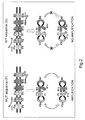
- the present approach consists in the selective amplification of a mutant sequence based on a particular loop primer design resulting in selective hybridization of such loop primer to the dumb-bell formed from the mutant sequence ( Figure 4 ).
- a universal (mutant insensitive) set of primers including the F3, B3, FIP and BIP oligonucleotides to obtain a dumb-bell structure presenting the putative mutation in the loop region comprised between B1 and B2.
- No major differences were detected when performing such experiments on alternative sequences containing the putative mutated nucleotide in the loop region within B2 or between B2 and B1c.
- We included in the primer set a particular loop primer presenting a 8-bases sequence region at its 5' end complementary to its own sequence at the 3' end. Consequently, this special loop primer forms an intra-molecular hairpin structure which is in equilibrium with its open form at the reaction temperature (65°C).
- Tm between primer and specific target 65°C
- the loop primer hybridized to the specific mutated target is then extended by the polymerase and the amplification can further proceed.
- the loop primer specific for the JAK2 G ⁇ T mutation presents a Tm with the wild-type target sequence (59°C) lower than the intra-molecular hairpin structure (65°C).
- the loop primer hybridized to the WT target is not extensible, resulting in no amplification of the wild-type sequences. Since the reaction is conducted at constant temperature, the WT-specific stem-loop primer stays attached to the wild-type sequences thus preventing the unspecific hybridization of the MUT loop primer.
- the "competitor" primer presents a Tm with the mutant target sequence (62°C) lower than the intra-molecular hairpin structure formed with itself (65°C).
- the higher intramolecular forces compared to the intermolecular ones cause the auto-sequestration of the modified stem-loop primer that prefers to fold in the hairpin structure rather than to form a duplex with the mutant target sequence.
- the selectivity of the present assay was evaluated by performing the target sequence amplification on serial dilutions of mutant plasmid in wild-type background ( Figure 8 ).
- the achieved selectivity is significantly less than 1% (350 copies tot mutant plasmid in 34650 copies of WT plasmid) indicating a higher performance than the assays previously described in literature.
- JAK2 plasmids were synthesized by the supplier GeneArt (Regensburg, Germany) to contain the wild-type or the mutant JAK2 sequence. In details:
- the underlined base corresponds to the mutated nucleotide at position 1849 from the ATG initiation codon in the JAK2 coding sequence (GeneBank accession no NM_004972).
- PNA synthesized by Eurogentec, referred to as "PNA” GM43 NH2 GAGTATGT G TCTGTGGA COOH (SEQ ID NO:9.)
- the underlined base corresponds to the wild-type nucleotide at position 1849 from the ATG initiation codon in the JAK2 coding sequence (GeneBank accession no NM_004972).
- Reaction buffer 100mM Tris-HCl pH 8.8, 50mM KCI, 40mM MgSO4, 50mM (NH4)2SO4, 0.5% Tween, "buffer 5x” dNTPs mix 25mM (Fermentas), "dNTPs” Bst Large Fragment polymerase 8U/ ⁇ l (New England Biolabs), “Polymerase” Sterile apyrogen water (SALF Spa), "ddw”
- reaction mix as follows: 0.2 ⁇ M outer primers (F3 and B3), 1.6 ⁇ M inner primers (FIP and BIP), 0.8uM self-annealed loop primer specific for mutant JAK2 (LB), 0.8uM PNA, 1x buffer solution, 1.4mM dNTPs mix, 8 U Bst Polymerase.
- Final volume of the reaction mix must be 4/5 of the total reaction volume (i.e. 20 ⁇ l reaction mix + 5 ⁇ l sample). Always keep reagents on ice.
- target dilutions Prepare serial dilutions of the target (“target dilutions ") from shipped solution (WT plasmid and MUT plasmid). Shipped solution is a 7*10 10 copies/ ⁇ l. Dilute initially the mutant plasmid to a 7*10 4 copies/ ⁇ l in Tris 10mM, then dilute serially the mutant plasmid in WT plasmid to obtain the following concentrations of mutant sequences in wild-type background: 1%, 0.5%, 0.1%, 0.05%, 0.01% (total amount per tube, 7e4 cps/ ⁇ l).
- the threshold time is the minute at which the sample absorbance, after baseline subtraction, reaches the arbitrary unit value representing the threshold (in this case 0.1 a.u.).
- the threshold time reached by each samples is correlated with its Log of DNA copies/ ⁇ l.
- This approach consists in the selective amplification of a mutant sequence based on a particular loop primer design resulting in selective hybridization of such loop primer to the dumb-bell formed from the mutant sequence ( Figure 5 ).
- Tm between primer and specific target 65°C
- the loop primer hybridized to the specific mutated target is then extended by the polymerase and the amplification can further proceed.
- the loop primer specific for the JAK2 G ⁇ T mutation presents a Tm with the wild-type target sequence (59°C) lower than the intra-molecular hairpin structure (65°C).
- PNA Peptide Nucleic Acid
- PNAs are non-extensible and not-displaceable oligonucleotides where the ribose-phosphate backbone is replaced by (2- minoethyl)-glycine units linked by amide bonds.
- Each base pairing DNA/PNA contributes to the stability of the duplex structure more than a regular base pairing DNA/DNA. Therefore a single mismatch in a PNA/DNA duplex results in a significant difference in Tm.
- a PNA probe fully complementary to the WT sequence of the JAK2 gene prevents the hybridization and extension of the mutant-specific stem-loop primer, suppressing the unspecific amplification of the wild-type sequence. In presence of a single mismatch, the PNA does not inhibit loop primer hybridization, which leads to amplification. Therefore PNA can be used to selectively block the WT sequence present in the sample.
- the PNA is designed to be complementary to the loop region comprised between B2 and B1c presenting the wild-type G nucleotide. It forms a stable duplex only with the WT complementary sequence (Tm 65.7°C), preventing the hybridization and extension of the mutant-specific stem-loop primer and therefore suppressing the amplification of the wild-type sequence.
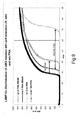
- the efficiency of the PNA as a wild-type amplification clamp was assessed by comparing the performance of amplification reactions carried out with and without the PNA on 7e3 cps/ul wild-type and mutant plasmid samples ( Figure 9 ).
- Amplification curve analysis revealed that the presence of the PNA leaded to a one-hour delay in the unspecific amplification of the WT plasmid by the mutant-specific stem-loop primer and to 5 minutes delay in the specific amplification of the mutant plasmid.
- the non-specific amplification of the WT plasmid by the the mutant-specific stem-loop primer occurred with only 5 minutes delay compared to the specific mutated target sequence.
- the observed delay in wild-type amplification is explained by the formation of a stable duplex between the PNA and the WT complementary sequence thus preventing the unspecific hybridization and extension of the mutant-specific stem-loop primer.
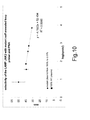
- the present LAMP assay format represents a significant improvement in respect to the strategies previously described in this document and detection methods illustrated in literature : i) the unspecific amplification of the WT sample (350000 cps WT plasmid) is delayed of about one-hour, ii) the specific amplification of the mutant target is detected down to 0.01% mutant sequences in wild-type (35 copies tot mutant plasmid in 349965 copies of WT plasmid) iii) assay selectivity is about 2 Logs higher than the selectivity of other approaches described in literature, iv) assay linearity is down to 0.1 % mutant sequences (350 copies tot mutant plasmid in 349650 copies of WT plasmid), thus enabling the detection and quantification of low percentage of mutant alleles in a large excess of wild-type DNA.
- the LAMP assay detected as positive all the samples previously diagnosed as such by ARMS. Out of 15 samples resulted negative by ARMS, 11 were diagnosed as negative by LAMP and 4 as low positive. To exclude that these 4 discordant samples were false positive in the LAMP assay and to confirm that the mutation diagnosis was due to the higher selectivity of the implemented LAMP method, we tested the discordant samples using a third assay. Such assay was based on the amplification of the JAK2 region of interest by PCR in presence of the PNA molecule complementary to the wild-type target with the purpose to enrich the mutated base, if present, by suppression of the wild-type sequence amplification via PNA clamping.
- the altered sequence can be detected by a direct-sequencing approach.
- the primers (GA231 forward and GA232 reverse) and the PNA were as previously described (Example 4).
- the amplification was performed in 1x reaction buffer containing 2.5mM MgCl 2 , 200 ⁇ M dNTPs, 500nM forward and reverse primers, 1.5M PNA and 0.025U Taq Gold in a final volume of 45 ⁇ l.
- a volume of 5 ⁇ l target sequence (20ng/ ⁇ l) was added to the reaction mix and the solution was incubated in a thermocycler, following a thermal program consisting in 10min at 95°C followed by 35 cycles of 30sec at 94°C, 40 sec at 62°C cycles, 30sec at 58°C and 30 sec at 72°C and finishing with 10min at 72°C for the final extension.
- the four discordant clinical samples, one no-target control sample and a positive and negative controls containing respectively the mutant and wild-type plasmid target were tested in duplicate.
- the amplification products were separated on an agarose gel and visualized using EtBr.
- JAK2 plasmids were synthesized by the supplier GeneArt (Regensburg, Germany) to contain the wild-type or the mutant JAK2 sequence. In details:
- the underlined base corresponds to the wild-type nucleotide in position 1849 from the ATG initiation codon of the JAK2 coding sequence (GeneBank accession no NM_004972); ddC stands for not-extensible dideoxy-citosine.
- Reaction buffer 100mM Tris-HCl pH 8.8, 50mM KCI, 40mM MgSO4, 50mM (NH4)2SO4, 0.5% Tween, "buffer 5x” dNTPs mix 25mM (Fermentas), "dNTPs” Bst Large Fragment polymerase 8U/ ⁇ l (New England Biolabs), "Polymerase” Sterile apyrogen water (SALF Spa), "ddw”
- reaction mix as follows: 0.2 ⁇ M outer primers (F3 and B3), 1.6 ⁇ M inner primers (FIP and BIP), 0.8 ⁇ M fluorescent self-annealed loop primer specific for mutant JAK2 (LB), 0.8 ⁇ M self annealed not-extensible loop primer for wild-type JAK2 (LF), 1x buffer solution, 1.4mM dNTPs mix, 8 U Bst Polymerase.
- Final volume of the reaction mix must be 4/5 of the total reaction volume (i.e. 20 ⁇ l reaction mix + 5 ⁇ l sample). Always keep reagents on ice.
- Target dilutions Prepare serial dilutions of the target ( "target dilutions" ) from shipped solution (WT plasmid and MUT plasmid). Shipped solution is a 7*10 10 copies/ ⁇ l. Dilute initially the mutant plasmid to a 7*10 4 copies/ ⁇ l in Tris 10mM, then dilute serially the mutant plasmid in WT plasmid to obtain the following concentrations of mutant sequences in wild-type background: 1%, 0.5%, 0.1%, 0.05%, 0.01% (total amount per tube, 7e3 cps/ ⁇ l).
- the fluorescent self-annealed loop primer in reaction produces a fluorescent signal once it is excited by an appropriated wavelength-light emission.
- the fluorescent self-annealed loop primer hybridizes to the complementary target sequence being consequently incorporated in the amplification products.
- the fluorescent self-annealed loop primer is designed to be complementary to a sequence containing at least one Guanine nucleotide close to the 5' end.
- the Guanine base can absorb the wavelength emitted by the fluorophore (TAMRA in our case), causing the quenching of the fluorescent signal.
- TAMRA the fluorophore
- the detection of target sequence amplification during the LAMP reaction is based on measuring the decrease of fluorescence signal in order to find a threshold time for each sample under analysis.
- the threshold time is the minute at which the reaction fluorescence signal reaches 50% of quenching. For each sample, the threshold time is correlated with the Log of DNA copies/ ⁇ l.
- the present approach consists in the selective amplification of a mutant sequence based on a particular loop primer design resulting in selective hybridization of such loop primer to the dumb-bell formed from the mutant sequence ( Figure 4 ).
- a universal (mutant insensitive) set of primers including the F3, B3, FIP and BIP oligonucleotides to obtain a dumb-bell structure presenting the putative mutation in the loop region comprised between B1 and B2.
- No major differences were detected when performing such experiments on alternative sequences containing the putative mutated nucleotide in the loop region within B2 or between B2 and B1c.
- We included in the primer set a particular loop primer presenting a 8-bases sequence region at its 5' end complementary to its own sequence at the 3' end. Consequently, this special loop primer forms an intra-molecular hairpin structure which is in equilibrium with its open form at the reaction temperature (65°C).
- Tm between primer and specific target 65°C
- the loop primer hybridized to the specific mutated target is then extended by the polymerase and the amplification can further proceed.
- the loop primer specific for the JAK2 G ⁇ T mutation presents a Tm with the wild-type target sequence (59°C) lower than the intra-molecular hairpin structure (65°C).
- the stem-loop primer hybridized to the WT target is not extensible, resulting in no amplification of the wild-type sequences. Since the reaction is conducted at constant temperature, the WT-specific stem-loop primer stays attached to the wild-type allelic sequences thus preventing the unspecific hybridization of the MUT loop primer.
- the "competitor" primer presents a Tm with the mutant target sequence (62°C) lower than the intra-molecular hairpin structure formed with itself (65°C).
- the higher intramolecular forces compared to the intermolecular ones cause the auto-sequestration of the modified loop primer that prefers to fold in the hairpin structure rather than to form a duplex with the mutant target sequence.
- the Guanine bases present in the complementary nucleotide sequence can absorb the wavelength emitted by the fluorophore, causing a detectable quenching of the fluorescent signal in real-time. Therefore, the accumulation of amplification products can be monitored throughout the LAMP reaction by measuring the decrease in fluorescence signal caused by this "quenching effect".
- JAK2 plasmids were synthesized by the supplier GeneArt (Regensburg, Germany) to contain the wild-type or the mutant JAK2 sequence. In details:
- reaction mix as follows: 0.2 ⁇ M outer primers (F3 and B3), 1.6 ⁇ M inner primers (FIP and BIP), 1x buffer solution, 1.4mM dNTPs mix, 8 U Bst Polymerase. Final volume of the reaction mix must be 4/5 of the total reaction volume (i.e. 20 ⁇ l reaction mix + 5 ⁇ l sample). Always keep reagents on ice. Prepare the mix for at least 23 samples, comprising 3 negative controls (100% wild-type plasmid, 7e3 cps/ ⁇ l), 9 positive control (3 samples 100% mutant plasmid, 3 samples 10% mutant plasmid diluted in WT plasmid, 3 samples 1% mutant plasmid diluted in WT plasmid) and one no target control.
- Table 7 - sample mix composition Sample tube 1-3 4-6 7-9 10-12 Target to be added (5 ⁇ l) WT plasmid 7e3 cps/ ⁇ l MUT plasmid 7e3 cps/ ⁇ l MUT plasmid 7e2 cps/ ⁇ l, WT plasmid 6.3e2 cps/ ⁇ l MUT plasmid 7e1 cps/ ⁇ l, WT plasmid 6.93e2 cps/ ⁇ l GA231 100 ⁇ M 0.05 0.05 0.05 GA232 100 ⁇ M 0.05 0.05 0.05 0.05 GA233 100 ⁇ M 0.4 0.4 0.4 0.4 0.4 GA234 100 ⁇ M 0.4 0.4 0.4 0.4 0.4 0.4 Buffer LAMP 10x 2.5 2.5 2.5 2.5 2.5 2.5 Bst Polymerase 8U/ ⁇ l 1 1 1 1 dNTPs 25mM 1.4 1.4 1.4 1.4 Ddw to 20 ⁇ l 13.8 13.8 13.8 13.8 13.8
- Target dilutions Prepare serial dilutions of the target ( "target dilutions" ) from shipped solution (WT plasmid and MUT plasmid). Shipped solution is a 7*10 10 copies/ ⁇ l. Dilute initially the mutant plasmid to a 7*10 4 copies/ ⁇ l in Tris 10mM, then dilute serially the mutant plasmid in WT plasmid to obtain the following concentrations of mutant sequences in wild-type background: 10%, 1% (total amount per tube, 7e3 cps/ ⁇ l).
- the threshold time is the minute at which the sample absorbance, after baseline subtraction, reaches the arbitrary unit value representing the threshold (in this case 0.1 a.u.).
- the threshold time reached by each samples is correlated with its Log of DNA copies/ ⁇ l.
- the present approach consists in a mutant-insensitive amplification of the JAK2 gene sequence by using the F3, B3, FIP and BIP primers ( Figure 11 ).
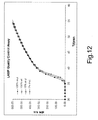
- the detection of target sequence amplification in the "LAMP control assay” is indicative of different quality parameters such as the correct base matching of primers to template, the efficient extension conditions and the absence of inhibitors in the reaction solution.
- the absence or delay of nucleic acid sample amplification in the "LAMP control assay” highlights problems in the reaction set-up (i.e. buffer composition, temperature, primers quality,..) or the presence of an inhibitor in the reaction mixture.
- JAK2 plasmids were synthesized by the supplier GeneArt (Regensburg, Germany) to contain the wild-type or the mutant JAK2 sequence. In details:
- the underlined base corresponds to the mutated nucleotide at position 1849 from the ATG initiation codon in JAK2 coding sequence (GeneBank accession no NM_004972).
- PNA Eurogentec, referred to as "PNA” GM43 NH2 GAGTATGT G TCTGTGGA COOH (SEQ ID NO:9)
- the underlined base corresponds to the wild-type nucleotide at position 1849 from the ATG initiation codon in the JAK2 coding sequence (GeneBank accession no NM_004972).
- Reaction buffer 100mM Tris-HCl pH 8.8, 50mM KCI, 40mM MgSO4, 50mM (NH4)2SO4, 0.5% Tween, "buffer 5x” dNTPs mix 25mM (Fermentas), "dNTPs” Bst Large Fragment polymerase 8U/ ⁇ l (New England Biolabs), "Polymerase” Sterile apyrogen water (SALF Spa), "ddw”
- reaction mix as follows: 0.2 ⁇ M outer primers (F3 and B3), 1.6 ⁇ M inner primers (FIP and BIP), 0.8uM self-annealed loop primer specific for mutant JAK2 (LB), 0.8uM PNA, 1x buffer solution, 1.4mM dNTPs mix, 8 U Bst Polymerase.
- Final volume of the reaction mix must be 4/5 of the total reaction volume (i.e. 20 ⁇ l reaction mix + 5 ⁇ l sample). Always keep reagents on ice.
- Table 8 sample mix composition Sample tube 1-3 4-6 7-9 10-12 Target to be added (5 ⁇ l) WT plasmid 7e3 cps/ ⁇ l MUT plasmid 7e3 cps/ ⁇ l MUT plasmid 7e2 cps/ ⁇ l, WT plasmid 6.3e3 cps/ ⁇ l MUT plasmid 7e1 cps/ ⁇ l, WT plasmid 6.93e3 cps/ ⁇ l GA231 100 ⁇ M 0.05 0.05 0.05 GA232 100 ⁇ M 0.05 0.05 0.05 GA233 100 ⁇ M 0.4 0.4 0.4 0.4 0.4 GA234 100 ⁇ M 0.4 0.4 0.4 0.4 0.4 0.4 0.4 PNA 100 ⁇ M 0.2 0.2 0.2 0.2 GA236 100 ⁇ M 0.2 0.2 0.2 0.2 0.2 Buffer LAMP 10x 2.5 2.5 2.5 2.5 2.5 2.5 Bst Polymerase 8U/ ⁇ l 1 1 1 1 dNTPs 25mM 1.4 1.4 1.4 1.4 D
- Target dilutions Prepare serial dilutions of the target ( "target dilutions" ) from shipped solution (WT plasmid and MUT plasmid). Shipped solution is a 7*10 10 copies/ ⁇ l. Dilute initially the mutant plasmid to a 7*10 4 copies/ ⁇ l in Tris 10mM, then dilute serially the mutant plasmid in WT plasmid to obtain the following concentrations of mutant sequences in wild-type background: 10%, 1% (total amount per tube, 7e3 cps/ ⁇ l).
- the threshold time is the minute at which the sample absorbance, after baseline subtraction, reaches the arbitrary unit value representing the threshold (in this case 0.1 a.u.).
- the threshold time reached by each samples is correlated with its Log of DNA copies/ ⁇ l.
- a subset of patients are homozygous for the JAK2 V617F allele 1 .
- the mechanism of homozygosity results from mitotic recombination and duplication of the mutant allele, known as acquired uniparental disomy 1 .
- the heterozygosity or homozygosity of the JAK2 mutant allele is correlated with the prognosis, thus resulting in the importance of determining whether the amount of JAK2 mutant allelic copies in the sample is higher or lower than 50%.
- the unknown samples are analyzed as undiluted and 1:5 diluted using the "LAMP stem-loop primer with PNA" assay previously described in EXAMPLE 4.
- the assay set-up includes three calibrator samples containing respectively 100%, 10% and 1% mutant JAK2 plasmid copies in wild-type background. If the amount of mutant JAK2 target sequence in the nucleic acid sample is higher than 50%, real-time amplification of said target sequence is detected at a time between the amplification threshold minutes of the 100% calibrator and the 10% calibrator both in case of undiluted samples ( Figure 13 , Panel A) and samples diluted 1:5 ( Figure 13 , Panel B).
- a different amplification performance is detected for nucleic acid samples containing less than 50% mutant JAK2 sequence amount since target amplicons in the undiluted samples are detected earlier than in the calibrator 10% ( Figure 13 , Panel A) while the amplification threshold minute in the corresponding samples 1:5 diluted is measured at a time between the min(t) of the calibrator 10% and the min(t) of calibrator 1% ( Figure 13 , Panel B).
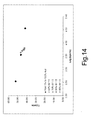
- the target sequence amplification was detected after the amplification of the corresponding sequence in the 100% calibrator and before 10% calibrator ( Figure 14 ).
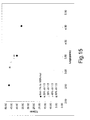
- the target sequence amplification was registered at the same threshold minute as for the 10% calibrator sample ( Figure 15 ).
- the target sequence amplification was detected at an intermediate threshold minute between the amplification time of calibrators 10% and 1% ( Figure 15 ).
Landscapes
- Chemical & Material Sciences (AREA)
- Life Sciences & Earth Sciences (AREA)
- Organic Chemistry (AREA)
- Engineering & Computer Science (AREA)
- Zoology (AREA)
- Wood Science & Technology (AREA)
- Proteomics, Peptides & Aminoacids (AREA)
- Health & Medical Sciences (AREA)
- Molecular Biology (AREA)
- Bioinformatics & Cheminformatics (AREA)
- Immunology (AREA)
- Microbiology (AREA)
- Biophysics (AREA)
- Analytical Chemistry (AREA)
- Physics & Mathematics (AREA)
- Chemical Kinetics & Catalysis (AREA)
- Biochemistry (AREA)
- Biotechnology (AREA)
- General Engineering & Computer Science (AREA)
- General Health & Medical Sciences (AREA)
- Genetics & Genomics (AREA)
- Measuring Or Testing Involving Enzymes Or Micro-Organisms (AREA)
- Peptides Or Proteins (AREA)
- Investigating Or Analyzing Materials By The Use Of Fluid Adsorption Or Reactions (AREA)
- Viewfinders (AREA)
Abstract
Description
- The present invention refers to a method for detecting a point mutation or SNP in a nucleotide sequence by means of an improved LAMP (loop amplification mediated polymerization) amplification method, as well as to a set of primers and a kit for carrying out the method of the invention. According to a non limiting embodiment, the method, the set of primers and the kit are suitable for detecting the G1849T (V617F) mutation in the JAK2 gene.
- Myeloproliferative disorders (MPD) are clonal disorders of haematopoietic progenitors, and include the classical MPD chronic myeloid leukaemia (CML), polycythaemia vera (PV), essential thrombocythaemia (ET) and primary myelofibrosis (PMF), as well as chronic eosinophilic leukaemia (CEL), chronic myelomonocytic leukaemia (CMML), and systemic mastocytosis (SM) and others. In the past two decades, mutant alleles have been identified in CML, CMML, CEL and SM2-5, and in each case the causative mutation results in constitutive activation of tyrosine kinase signalling. The genetic causes of the most common MPD remained unknown until the identification of mutations that activate Janus kinase 2 (JAK2) signalling in most patients with PV, ET or PMF(1, 2, 3, 4). JAK2 is a member of the Janus family of cytoplasmic non-receptor tyrosine kinases, which also includes JAK1, JAK3 and TYK2. The mutation is a guanine-to-thymidine substitution at
position 1849 in the JAK2 coding sequence (GenBank accession no. NM_004972, SEQ ID NO:1), numbering starting at the ATG start codon, corresponding to position 2343 of SEQ ID NO: 1. Such a mutation results in a substitution of valine for phenylalanine at amino acid 617 of the JAK2 protein (JAK2V617F), within the JH2 pseudokinase domain (5). Loss of JAK2 autoinhibition results in constitutive activation of the kinase, analogous to other mutations in MPDs and leukemia that aberrantly activate tyrosine kinases (6,7,8). - Direct sequencing is only sensitive down to about 20% of mutant DNA in a wild-type background (9, 10). This issue is quite relevant to chronic myeloid disorders, where blood and marrow are often composed of a mixture of neoplastic and residual normal hematopoietic elements. This is especially the case of ET and MDS, in which phenotypically apparent gene mutations may be present in tiny clones comprising less than 10% of the total marrow cell population. James et al. (11) explored this issue specifically with respect to
JAK2 1849 G-T by performing a series of mixing experiments with HEL erythroleukemia cells, which bear the JAK2 mutation, admixed with TF-1 erythroleukemia cells, which do not. They failed to detect the mutated allele when it was present in <5% of the total DNA. With homozygous mutant patient DNA diluted in DNA from a healthy person, sequencing was even less sensitive (10%) than it was with the cell lines (12). - A common method used for the detection of nucleic acid mutations is the Amplification Refractory Mutation System (ARMS). It exploits the fact that oligonucleotide primers must be perfectly annealed at their 3' ends for a DNA polymerase to extend these primers during PCR (12). By designing oligonucleotide primers that match only a specific DNA point mutation, such as that encoding JAK2 V617F, ARMS can distinguish between polymorphic alleles. Therefore, these techniques go by the alternative names of "allele-specific PCR" (AS-PCR) or "sequence-specific primer PCR." The ARMS sensitivity is up to 1 to 2% (13) mutant DNA in a wild-type background.
- Real-time monitoring of PCR product accumulation during thermocycling can be of value as a semiquantitative method and DNA-melting curve assays can be used in conjunction with real-time PCR. Likewise, James et al. (14) compared fluorescent dye chemistry sequencing with two different real-time PCR based mutation detection systems, one using a LightCycler instrument (Roche Diagnostics) and the other using a Taqman ABI Prism 7500 machine (Applied Biosystems). These real-time PCR techniques detected 0.5 to 1% of HEL cell line DNA diluted in TF-1 cell line DNA and 2 to 4% of homozygously mutated patient DNA diluted in DNA from a healthy person.
- A Restriction Fragment Length Polymorphism (RFLP) analysis is possible since the
JAK2 1849 G-T mutation abolishes a motif in the wild-type JAK2 sequence that is recognized by the restriction enzyme BsaXI. Although abolition of a restriction site is not as satisfying as creation of a new site, because a negative enzymatic cleavage reaction could be due either to absence of the mutation or to failure of the digestion procedure, it can be useful as a first pass analysis. Reported proportional sensitivity depends in part on the method used to detect the fragments and is approximately 20% mutant DNA in wild-type background (15, 16). - Pyrosequencing is a method of rapid genotyping that depends on the liberation of pyrophosphate (PPi) whenever a dNTP is incorporated into a growing DNA chain during template-driven DNA polymerization (17). Pyrosequencing of JAK2 using the automated PSQ HS 96 system (Biotage, Uppsala, Sweden) has been attempted by several groups (17, 18) with dilution experiments similar to those described above showing a reported assay sensitivity of 5 to 10% mutant allele in a wild-type background.
- Several other mutation detection techniques have been described, including single stranded conformational polymorphism (SSCP) analysis, denaturing gradient gel electrophoresis (DGGE), denaturing high-performance liquid chromatography (DHPLC), single-nucleotide primer extension assays (Pronto), and others. In fact, DHPLC can detect the genomic DNA mutation underlying JAK2 V617F reliably, and it can detect mutations at a proportionality of <1 to 2%. However, DHPLC and the other techniques are either technically challenging or labor-intensive or both. They either do not allow high throughput at a cost suitable for a clinical laboratory (SSCP and DGGE) or require a considerable initial investment for equipment (DHPLC).
- Theoretically, protein-based techniques could also be used to detect the JAK2 V617F mutation, but these are generally cumbersome, and access to such resources is limited. Therefore, protein-based assays are usually not preferred if DNA- or RNA-based tests are feasible.
- European patent application
EP1692281A discloses a method for the detection of G1849T JAK2 mutation based on PCR amplification. - The prior art documents
WO2009/049630 , Nagamine et al, (Molecular and Cellular Probes (2002) 16, 223-229),US2007/0218464 andEP1975249 disclose methods of loop-mediated isothermal amplification (LAMP) employing in addition to outer primers F3 and B3, inner primers FIP and BIP also loop-primers LB or LF. - The methods of the prior art show several limitations. First of all the lower level of sensitivity, that allows detection of the mutant JAK2 sequence down to 1% of the sample in the best cases. Such a sensitivity requires the enrichment of the mutants via granulocytes- isolation before extraction. This is a time consuming and labor-intensive step resulting in about 2 additional hours to the already long procedures (from 2 to 5 hours) requested for the diagnosis. Furthermore, all the methods previously illustrated are relatively labor intensive and expensive, often requiring specialized equipment that may not always be readily available.
- The present inventors have set up a novel LAMP method of detecting a point mutation or SNP in a nucleic acid molecule, which is particularly selective and rapid. The present inventors have also set up a novel set of primers and a kit for carrying out the method of the invention. The method for detecting a nucleic acid point mutation or SNP and the set of primers and kit therefor are characterized by the features defined in the appended claims, which form an integral part of the description.
- The method of the present invention differs from the conventional LAMP technology which is disclosed in European patent application
EP 1020534A and which is depicted herein inFig. 1 . The method of the invention enables the simultaneous selective amplification and detection of a single base substitution in a nucleic acid sample. Furthermore, the method of the present invention is easy to be performed, since it requires simple instrumentation and the results can be generated in a single tube reaction. For these reasons, it is also less expensive compared to the prior art methods. - The method of the invention overcomes the limitations and drawbacks of the techniques of the prior art, resulting in a higher sensitivity (down to 0.01% mutant sequences in a wild-type background); it is isothermal and rapid, completing the diagnosis in one hour reaction. In addition, the method of the invention enables to evaluate whether the amount of the mutant allele, such as for example the mutant JAK2 allele, which is present in the tested sample is higher or lower than 50%, providing as indication as to whether the tested subject is heterozygotic or homozygotic for the nucleic acid single point mutation or SNP of interest.
- Therefore, a first aspect of the present invention is a method of detecting the presence of a point mutation in a target nucleic acid molecule within a background of wild-type nucleic acid molecules, the method comprising the steps of:
- 1) providing a nucleic acid sample;
- 2) contacting said nucleic acid sample, under appropriate reaction conditions, with a solution comprising a mixture of oligonucleotides and a DNA polymerase having strand displacement activity under hybridization conditions, wherein said mixture of oligonucleotides consists of primers suitable for the loop mediated isothermal amplification of the region of the target nucleic acid molecule including the nucleic acid position of the point mutation to be detected, said primers comprising :
- i. a first outer primer F3 and a second outer primer B3;
- ii. a first inner primer FIP and a second inner primer BIP,
wherein FIP consists of a 3' nucleic acid sequence F2 and a 5' nucleic acid sequence F1c and BIP consists of a 3' nucleic acid sequence B2 and a 5' nucleic acid sequence B1c,
wherein F2 is able to recognize and hybridize to a region of the target nucleic acid molecule designated as F2c and B2 is able to recognize and hybridize to a region of the target nucleic acid molecule designated as B2c,
wherein F2c and B2c are different regions located on opposite strands of the target nucleic acid molecule,
wherein either B2c is downstream of the point mutation or F2c is upstream of the point mutation, and wherein
if B2c is downstream of the point mutation, then said point mutation is located in the F2c sequence or downstream of the F2c sequence and upstream of the F1c sequence, or
if F2c is upstream of the point mutation, then said point mutation is located in the B2c sequence or upstream of the B2c sequence and downstream of the B1c sequence; - iii. a stem-loop mutant extensible primer comprising:
- a central loop sequence able to selectively recognize and hybridize to a region of the target nucleic acid molecule comprising the point mutation, such that the central loop sequence is capable of recognizing and hybridizing to the target nucleic acid molecule only if the point mutation is present, and
- a 5' end sequence and a 3' end sequence which are complementary to each other such as to form a stem upon intramolecular hybridization,
the hybridization affinity of the central loop sequence to the region of the target nucleic acid molecule comprising the point mutation being higher than the intramolecular hybridization affinity of the 5' sequence to the 3' sequence such that, if the point mutation is present, the central loop sequence will anneal to and amplify the region of the target nucleic acid molecule comprising the point mutation;
- iv. a non extensible moiety which is capable of selectively recognize and hybridize to the wild type nucleic acid molecules;
- 3) incubating the resulting mixture at a constant temperature;
- 4) detecting a signal indicative of amplification of the region of the target nucleic acid molecule comprising the point mutation.
- The first step of the method implies obtaining the nucleic acid sample to be tested, such as for example from a patient suspected of bearing the point mutation of interest, either in an heterozygotic in a homozygotic form.
- In a preferred embodiment, the two inner primers FIP and BIP are designed on a region of the target nucleic acid molecule comprising the nucleic acid position of the point mutation to be detected such that the point mutation is located in the region between the F2c sequence and the F1c sequence or between the B2c sequence and the B1c sequence. In an alternative embodiment, the point mutation is located in the region probed by B2 or F2, that is to say within the F2c sequence or within the B2c sequence.
- In another preferred embodiment, the sequence at the 5' end and the sequence at the 3' end of the stem-loop mutant extensible primer is of at least 3 nucleotides in length. The stem-loop mutant extensible primer can alternatively be designated as a "self-annealed mutant extensible primer", or more simply as a "self-annealed extensible primer" (LB or LF).
- In a further preferred embodiment of the method of the invention, the non extensible moiety is a peptide nucleic acid (PNA), which is preferably at least 10 nucleotides in length. DNAs and RNAs respectively consist a deoxyribose and a ribose sugar backbone, whereas the backbone of PNAs is made of repeating N-(2-aminoethyl)-glycine units linked by peptide bonds. Purine and pyrimidine bases are linked to the backbone by methylene carbonyl bonds. PNAs are depicted like peptides, with the N-terminus at the first (left) position and the C-terminus at the right. Since the backbone of PNA does not contain any phosphate group, the binding between PNA/DNA strands is stronger than between DNA/DNA strands due to the lack of electrostatic repulsion.
- In a most preferred embodiment of the invention, the peptide nucleic acid (PNA) comprises a sequence of bases which is capable of hybridizing to the region of the nucleic acid molecule which includes the putative point mutation (that is to say, which includes the nucleic acid position of the point mutation to be detected), thereby resulting in the formation of two double strand structures, one with the wild type target nucleic acid molecule and the other with the mutated target nucleic acid molecule. The melting temperature of the double stranded structure resulting from the hybridization of the PNA with the target nucleic acid molecule in the absence of the point mutation (i.e., with the wild-type sequence) is designated as (Tm) = X and the melting temperature of the double stranded structure resulting from the hybridization of the PNA with the target nucleic acid molecule in the presence of the point mutation (i.e., with the mutated sequence) is designated as (Tm) = Y. According to a preferred embodiment, Y< Incubation Temperature < or equal to X and X is at least 5°C higher than Y.
- In an alternative embodiment of the present invention, the non extensible moiety is a stem-loop wild type non extensible primer, which comprises:
- a central loop sequence able to selectively recognize and hybridize to a region of the wild type nucleic acid molecule comprising the nucleic acid position of the point mutation to be detected,
- a 5' end sequence and a 3' end sequence, said 5' end and said 3' end sequences being complementary to each other to form a stem, so that said central loop sequence has a higher hybridization affinity to the region comprising the wild-type sequence of the nucleic acid molecule than the hybridization affinity of the 5' end sequence to the 3' and sequence, so that it results in annealing to and blocking the amplification of the WT sequence. The skilled in the art is aware of the fact that the hybridization between the 5' end sequence and the 3' end sequence is an intramolecular hybridization.
- In a preferred embodiment of the present invention, the DNA polymerase having strand displacement activity under the reaction conditions is the Bst large fragment polymerase; alternatively, it is one of or a combination of Bca (exo-), Vent, Vent (exo-), Deep Vent, Deep Vent (exo-), Φ29 phage, MS-2 phage, Z-Taq, KOD, Klenow fragment.
- In a preferred embodiment the constant reaction temperature is comprised between 62°C and 67°C.
- In a preferred embodiment of the present invention, the signal indicative of amplification of the nucleotide molecule comprising the point mutation is detected by turbidimetry. Alternatively, the signal indicative of amplification of the nucleotide molecule comprising the point mutation is detected by fluorescence or any other suitable means for detection.
- In still another preferred embodiment of the present invention, the target nucleic acid molecule comprises the region of the human JAK2 gene (GenBank accession no. NG_009904, SEQ ID NO:2) containing the putative guanine-to-thymidine substitution at base 93526 of SEQ ID NO:2, corresponding to
nucleotide position 1849 from the start codon in the JAK2 coding sequence (GenBank accession no NM_004972, SEQ ID NO:1), which in turn corresponds to position 2343 of SEQ ID NO: 1. - Preferably, the first and second outer primers F3 and B3 are located respectively in the intron regions flanking exon 14 of the human JAK2 gene (GenBank accession no NG_009904, SEQ ID NO:2) which contains the putative G→T base substitution at position 93526. More preferably, F3 consists of a nucleotide sequence spanning positions 93367-93388 of SEQ ID NO:2 and B3 consists of a nucleotide sequence which is complementary to the nucleotide region between positions 93561-93582 of SEQ ID NO:2. Preferably, the first and second inner primers FIP and BIP are designed as follows: the FIP primer consists of a F2 sequence located in the intron region upstream JAK2 exon 14 (preferably between positions 93408-93425 of SEQ ID NO:2) and of a F1c sequence which is complementary to nucleotides 93445 to 93470 of SEQ ID NO:2; the BIP primer consists of a B2 sequence complementary to a region comprising nucleotides 93538-93559 of SEQ ID NO:2, which includes the first eighteen bases of the downstream intron, and of a B1c sequence located at position 93486-93515 of SEQ ID NO:2. The central loop sequence of the stem-loop mutant extensible primer preferably consists of nucleotides 93516-93529 of SEQ ID NO:2. The PNA base sequence preferably consists of nucleotides 93518-93534 of SEQ ID NO:2.
- Most preferably, primers suitable for loop mediated isothermal amplification, which are employed for carrying out the method according to the present invention, consist of the following sequences:
- F3 5'- GCATCTTTATTATGGCAGAGAG- 3' (SEQ ID NO:3);
- B3 5'-TGCTCTGAGAAAGGCATTA- 3' (SEQ ID NO:4);
- FIP 5'-GCTGCTTCAAAGAAAGACTAAGGAAATGGACAACAGTCAAACAAC -3' (SEQ ID NO:5);
- BIP 5'-GCTTTCTCACAAGCATTTGGTTTTAAATTAGCCTGTAGTTTTACTTACTCTC-3' (SEQ ID NO:6);
- Stem-loop mutant extensible primer: 5'- GTCTCCACTGGAGTATGTTTCTGTGGAGAC-3' (SEQ ID NO:8).
- In a more preferred embodiment, the non extensible moiety is a PNA molecule, preferably having the structure: NH2GAGTATGTGTCTGTGGACONH2. (SEQ ID NO:9).
- The method of the present invention is also suitable for quantitatively assessing the amount of mutant alleles (e.g. of the present JAK2 mutant alleles) in a nucleic acid sample, e.g. for assessing whether the point mutation is in an homozygotic or heterozygotic form. This is achieved by quantitatively comparing the signal indicative of amplification of the region of the target nucleic acid molecule comprising the point mutation obtained from the sample with the said signal obtained from at least one calibrator. In a preferred embodiment, the at least one calibrator consists of a predetermined percentage (%) of mutant target nucleic acid molecules in a background of wild-type nucleic acid molecules, wherein the said predetermined percentage (%) is preferably about 10%. For example, by analyzing the amplification efficiency of undiluted and 1:5 diluted samples in comparison to 3 calibrators (e.g. 100%, 10% and 1% mutant G1849T JAK plasmid in wild-type plasmid background), it is possible to determine whether the amount of mutant alleles in the test samples is higher or lower than 50%, which is indicative of homozygosity or heterozygosity.
- The method of the invention is also suitable for detecting other gene mutations responsible for different pathologies, such as kRAS, EGFR, as well as for detecting SNPs.
- Another aspect of the present invention is a set of primers for detecting the presence of a point mutation in a target nucleic acid molecule in a background of wild type nucleic acid molecules by loop mediated isothermal amplification, the set of primers comprising a first outer primer F3, a second outer primer B3, a first inner primer FIP, a second inner primer BIP and a stem-loop mutant extensible primer, all as defined above with reference to the method of the invention.
- According to a preferred embodiment, the set of primers comprises a first outer primer F3 consisting of SEQ ID NO:3, a second outer primer B3 consisting of SEQ ID NO:4, a first inner primer FIP consisting of SEQ ID NO:5, a second inner primer BIP consisting of SEQ ID NO:6 and a stem-loop mutant extensible primer consisting of SEQ ID NO:8.
- A further preferred embodiment of the invention is a set of primers as defined above further comprising a non extensible moiety which is capable of hybridizing to the wild type nucleic acid molecules. The non extensible moiety is for example a Peptide Nucleic Acid (PNA) or a stem-loop non extensible primer, as defined in the appended claims. A PNA which is at least 10 bases in length is more preferred. The PNA illustrated in the sequence listing as SEQ ID NO:9 is the most preferred embodiment of the non extensible moiety.
- A further aspect of the present invention is a kit for detecting the presence of a point mutation in a target nucleic acid molecule in a background of wild type nucleic acid molecules by loop mediated isothermal amplification, the kit comprising a set of primers as defined above as well as one or more DNA polymerases having strand displacement activity. The DNA polymerase is preferably selected from the group consisting of Bst large fragment polymerase, Bca (exo-), Vent, Vent (exo-), Deep Vent, Deep Vent (exo-), Φ29 phage, MS-2 phage, Z-Taq, KOD, Klenow fragment, and any combination thereof. The most preferred DNA polymerase is the Bst large fragment polymerase.
- The kit according to the present invention may contain additional conventional components such as for example one or more calibrators, means for detecting and/or quantifying amplification of the target nucleic acid molecules, as well as instructions for carrying out the assay. The selection and use of such additional components is well within the abilities of the person of average skill in the art.
- The invention is further described herein below by means of specific non limiting examples, with reference to the following drawings:
-
Figure 1 . LAMP principle (prior art)
The amplification reaction is performed by employing 4 oligonucleotide primers specific for 6 different regions of the target genomic sequence. The internal primers hybridize to complementary sequences on the target nucleic acid molecule and are extended by the DNA polymerase; the amplification product is displaced in two steps by the external primers (F3, B3) and is shaped as a double stem-loop structure (starting structure) (panel A). The starting structure is simultaneously amplified from the free 3' ends and by another internal primer (panel B). DNA concatamers built by inverted repeats of the initial module are progressively synthesized in an exponential fashion (panel C). -
Figure 2 . LAMP "DUMB-BELL" strategy
In the present assay set-up illustrated inFigure 2 , the F1c and B1c oligonucleotides contained in the FIP and BIP inner primers are complementary to non-overlapping regions of the JAK2 gene which ends and starts respectively one base upstream and one base downstream the nucleotide of interest atposition 1849 from the start codon in the JAK2 coding sequence. Furthermore, the 5' end base of the FIP and BIP primers is specific for the mutated nucleotide in the JAK2 sequence and both inner primers have a mismatched base at the third base from the 3' end. When the reaction contains the wild-type target allele and a dumb-bell structure is formed, the mutant specific F1c and B1c sequences do not anneal at the 3' end blocking any further target amplification. Differently, if the mutant target allele is present in solution, the mutant specific F1c and B1c sequences hybridize perfectly to the complementary nucleic acid target region and are extended by the DNA polymerase. -
Figure 3 . LAMP "Allele specific Loop primer extension" strategy
The nucleotide at the 3' end of the mutant-specific loop primer is complementary to the mutated T nucleotide atposition 1849 in the JAK2 coding sequence. In addition, this loop primer contains a mismatched base in the third base from the 3' end. If the reaction contains the WT JAK2 sequence, the 3'-end mutant-specific loop primer does not anneal to the target sequence resulting in no amplification. Differently, if mutant JAK2 sequences are present in solution, the mutant-specific loop primer hybridizes perfectly to the complementary target sequence and is extended by the DNA polymerase. -
Figure 4 . LAMP "Stem-loop primers" strategy
Universal (mutant insensitive) set of primers comprising the F3, B3, FIP and BIP oligonucleotides to obtain a dumb-bell presenting the putative mutated T nucleotide in the loop region. A first stem-loop primer is included designed to recognize the mutated base in the single strand dumb-bell structure, together with a second modified stem-loop primer complementary to the JAK2 wild-type sequence and containing a not extensible 3'-end. When the mutated JAK2 sequence is present in the nucleic acid sample (panel A), the mutant-specific stem-loop primer breaks its internal structure to anneal to the target sequence and is extended by the DNA polymerase. Conversely, if the WT target sequence is present in the sample (panel B), the modified not extensible stem-loop primer hybridizes to the WT target sequence blocking the amplification of this sequence ("silencing" effect). -
Figure 5 . LAMP "Mutant-specific stem-loop primer with PNA" strategy
Universal (mutant insensitive) set of primers comprising the F3, B3, FIP and BIP oligonucleotides to obtain a dumb-bell presenting the putative mutated T nucleotide in the loop region. A first stem-loop primer is included designed to recognize the mutated base in the single strand dumb-bell structure, together with a PNA molecule. The PNA is designed to be complementary to the loop region comprised between B2 and B1c and encompassing the nucleic acid position of the point mutation to be detected. It forms a stable duplex with the JAK2 WT sequence, thus preventing the hybridization and extension of the mutant-specific stem-loop primer and suppressing the unspecific amplification of the wild-type sequence (panel B). The PNA does not hybridize to the mutated JAK2 sequence because of the lower affinity (panel A). -
Figure 6 . Sensitivity of the LAMP "DUMB-BELL" assay
The amplification reaction was performed on a sample containing 7 e3 cps/µl of JAK2 wild-type plasmid (square), on a no-target control and on serial dilutions of JAK2 mutant plasmid in water (from 7 e3 to 7 e1 cps/µl, rhomboidal points, and 7 e0 cps/µl, circle point) . Each sample was tested in triplicate. The error bars represent one standard deviation. In comparison to the wild-type plasmid, the mutant target sequence is amplified with higher efficiency up to a sample concentration of 7 e1 cps/µl. The present assay shows linearity between 7 e3 and 7 e1 cps/µl mutant plasmid sample. -
Figure 7 . Sensitivity of the LAMP "Allele specific mutant loop primer" assay
The amplification reaction was performed on a sample containing 7 e3 cps/µl of JAK2 wild-type plasmid (square point), on a no-target control and on serial dilutions of JAK2 mutant plasmid in water (from 7 e3 to 7 e1 cps/µl, rhomboidal points) . Each sample was tested in triplicate. The error bars represent one standard deviation. In comparison to the wild-type plasmid, the mutant target sequence is amplified with higher efficiency up to a sample concentration of 7 e2 cps/µl. The present assay shows linearity between 7 e3 and 7 e1 cps/µl mutant plasmid sample. -
Figure 8 . Selectivity of the LAMP "stem-loop primer" assay
The amplification reaction was performed on a sample containing 7 e3 cps/µl of JAK2 wild-type plasmid (square point), on a no-target control and on serial dilutions of JAK2 mutant plasmid in wild-type plasmid, ranging from 75% to 1%, 35000 cps total amount of DNA per reaction. Each sample was tested in triplicate. The error bars represent one standard deviation. In comparison to the wild-type plasmid, the mutant target sequence is amplified with higher efficiency up to a 1 % dose sample (350 copies mutant plasmid in 34650 copies original parent plasmid). The assay shows linearity between 100% and 1% mutant plasmid sample in wild-type background. -
Figure 9 . LAMP "stem-loop primer with PNA"
Assay performance on mutant and wild-type plasmid samples (35000 cps each) with and without PNA. In the absence of PNA, the JAK2 WT plasmid is unspecifically amplified by the mutant-specific stem-loop primer, with a delay of 5 minutes in respect to the mutated target sequence. In contrast, when the PNA is added to the reaction mixture, the WT plasmid is amplified by the mutant-specific stem-loop primer with a one hour delay and only 5 minutes delay are measured for the specific amplification of the JAK2 mutant plasmid. The PNA forms a stable duplex only with the WT complementary sequence preventing the hybridization and extension of the mutant-specific stem-loop primer thereby causing a one hour shift in the amplification time of the wild-type sequence. -
Figure 10 . Selectivity of the LAMP "stem-loop primer with PNA" assay
Assay performance on JAK2 mutated plasmid samples (350000 cps), JAK2 wild-type plasmid samples (350000 cps) and on mutated plasmids serially diluted into wild-type background in the followingproportions 1, 0.5, 0.1, 0.05 and 0.01%. Error bars correspond to 1 standard deviation. No amplification was detected for the WT sample (350000 cps WT plasmid) within one hour reaction. The specific amplification of the mutant target sequence is detected down to 0.01% mutant sequences in wild-type background (35 copies tot mutant plasmid in 349650 copies of WT plasmid). The assay is linear down to a concentration of 0.1 % mutant plasmid (350 copies tot mutant plasmid in 349650 copies of WT plasmid). -
Figure 11 . LAMP control reaction
Universal (mutant insensitive) set of primers including the F3, B3, FIP and BIP oligonucleotides. This method is designed to amplify the genomic DNA target sequence independent of the presence of the specific mutation. Such a control assay enables to assess the amplification efficiency of the primers and the presence of inhibitors in the reaction tube. -
Figure 12 . LAMP control reaction on JAK2 wild-type and mutant nucleic acid samples
The amplification efficiency of the universal (mutant insensitive) set of primers including the F3, B3, FIP and BIP oligonucleotides is comparable for all the analyzed samples: 100% JAK2 wild-type plasmid, 100%, 10% and 1% JAK2 mutant plasmid. A delay or absence of target sequence amplification is indicative of the presence of reaction inhibitors or problems in the reaction conditions. -
Figure 13 . Principle of the estimation of mutant JAK2 allelic copies in a nucleic acid sample.
To estimate whether the amount of JAK2 allelic copies in a nucleic acid sample is higher or lower than 50%, the modified LAMP with mutant-specific stem-loop primer and PNA is performed on undiluted samples and samples diluted 1:5. If a sample contains more than 50% mutant JAK2 allelic copies, the threshold amplification minute of the target sequence is comprised between the (min)t of the calibrator 100% and the calibrator 10% for both the undiluted (Panel A) and diluted (Panel B) samples. If a sample contains less than 50% mutant JAK2 allelic copies, the threshold amplification minute of the target sequence is comprised between the t(min) ofcalibrator 100% and the calibrator 10% for the undiluted samples (Panel A), and between the min(t) of the calibrator 10% and thecalibrator 1% for the diluted samples (Panel B). -
Figure 14 . Estimation of mutant JAK2 allelic copies in nucleic acid samples containing more than 50% mutated target sequences
Four nucleic acid samples containing more than 50% mutant JAK2 plasmid in wild-type background (respectively 60%, 70%, 80% and 90%) were diluted 1:5 and analyzed using the "LAMP stem-loop primer with PNA" assay, together with three calibrators consisting of 100%, 10% and 1% JAK2 mutant plasmids in wild-type background. For all the four samples, the threshold amplification minute was comprised between the min(t) of the calibrator 100% and the min(t) ofcalibrator 10%. -
Figure 15 . Estimation of mutant JAK2 allelic copies in nucleic acid samples containing less than 50% mutated target sequences
Four nucleic acid samples containing 50% or less mutant JAK2 plasmid in wild-type background (respectively 40%, 30% and 20%) were diluted 1:5 and analyzed using the "LAMP stem-loop primer with PNA" assay, together with three calibrators consisting of 100%, 10% and 1% JAK2 mutant plasmids in wild-type background. The amplification of the 50% sample diluted 1:5 occurred at the same threshold minute of the 10% calibrator sample. For the remaining three samples, the threshold amplification minute was comprised between the min(t) of the calibrator 10% and the min(t) ofcalibrator 1%. - The following examples are provided by way of illustration only and are not intended to limit the scope of the present invention as defined by the appended claims.
- JAK2 plasmids were provided by the supplier GeneArt (Regensburg, Germany) and contained the wild-type or the mutant JAK2 sequence. In details:
- JAK2 plasmid which Insert corresponds to the sequence 93249-93731 of SEQ ID NO:2, including a G base at nucleotide 93526, referred to as "wt plasmid";
- JAK2 plasmid which Insert corresponds to the sequence 93249-93731 of SEQ ID NO:2, including a T base at nucleotide 93526, referred to as "mut plasmid".
- Primers: synthesized by the supplier Eurofins MWG Operon (Ebersberg, Germany) referred to as "primers":
- GA211 (F3) 5' GTCAAACAACAATTCTTTGTACT 3' (SEQ ID NO:10);
- GA212 (B3) 5' AGCTGTGATCCTGAAACTG 3' (SEQ ID NO:11)
- GA216(FIP)
5'AATATACTCCATAATTTAAAACCAAATGCTTTCTTTCTTTGAAGCAGCAAGT 3' (SEQ ID NO:12) - GA220(BIP)
5'TTTTGTGGAGACGAGAGTAAGTAAAACTACATAAACAAAAACAGATGCTCTGA 3' (SEQ ID NO:13) - GA221 (LF) 5' GTGAGAAAGCTTGCTCATCAT 3' (SEQ ID NO:14)
- GA222 (LB) 5' AGGCTTTCTAATGCCTTTC 3' (SEQ ID NO:15)
- Prepare reaction mix as follows: 0.2µM outer primers (F3 and B3), 1.6µM inner primers (FIP and BIP), 0.8uM loop primers (LF and LB), 1x buffer solution, 1.4mM dNTPs mix, 8 U Bst Polymerase. Final volume of the reaction mix must be 4/5 of the total reaction volume (i.e. 20µl reaction mix + 5µl sample). Always keep reagents on ice. Prepare the mix for at least 17 samples, comprising 3 negative control (7e3 cps/ul wild-type plasmid), 12 positive control (3 samples 7e3 cps/ul mutant plasmid, 3 samples 7e2 cps/ul mutant plasmid , 3 samples 7e1 cps/ul mutant plasmid, 3 samples 7e0 cps/ul mutant plasmid), 1 no-target control.
Table 1- sample mix composition Sample tube 1-3 4-6 7-9 10-12 13-15 16-19 Target to be added (5µl) WT plasmid 7e3 cps/µl MUT plasmid 7e3 cps/µl MUT plasmid 7e2 cps/µl MUT plasmid 7e1 cps/µl MUT plasmid 7e0 cps/µl GA 211 100µM 0.05 0.05 0.05 0.05 0.05 0.05 GA212 100µM 0.05 0.05 0.05 0.05 0.05 0.05 GA 221 100µM 0.2 0.2 0.2 0.2 0.2 0.2 GA 221 100µM 0.2 0.2 0.2 0.2 0.2 0.2 GA 216 100µM 0.4 0.4 0.4 0.4 0.4 0.4 GA 220 100µM 0.4 0.4 0.4 0.4 0.4 0.4 Buffer LAMP 5x 2.5 2.5 2.5 2.5 2.5 2.5 Bst Polymerase 8U/ µl 1 1 1 1 1 1 dNTPs 25mM 1.4 1.4 1.4 1.4 1.4 1.4 Ddw to 20 µl 13.18 13.18 13.18 13.18 13.18 13.18 - Dispense 20µl of reaction mix in the strip. Keep the strips on ice. Always keep the reaction mix on ice from now on.
- Prepare serial dilutions of the target ("target dilutions") from shipped solution (WT plasmid and MUT plasmid). Shipped solution is a 7*1010 copies/µl. Dilute initially the mutant plasmid to a 7*104 copies/µl in Tris 10mM, then dilute serially to 7e3 cps/µl, 7e2 cps/µl, 7e1 cps/µl and 7e0 cps/µl in Tris 10mM. Dilute the WT plasmid to 7*103 copies/µl in Tris 10mM.
- Add 5µl of target dilutions to the strips, in triplicate. Add 5µl of the target dilutions starting from the less concentrated to the highest concentrated sample. Close all the tubes.
- The reaction follows the method scheme of
Figure 1 and2 . - Program the turbidimeter (Teramecs) for incubation at constant temperature and real time monitoring of turbidity, in order to obtain a constant reaction temperature of 66°C for 1hour.
- Put the strips in the instrument immediately before the beginning of the programs. Start the program.
- Analyze the variation of absorbance in terms of a.u. (arbitrary units of absorbance) to find the threshold time for each sample analyzed. The threshold time is the minute at which the sample absorbance, after baseline subtraction, reaches the arbitrary unit value representing the threshold (in this case 0.1 a.u.). The threshold time reached by each samples is correlated with its Log of DNA copies/µl.
- The "LAMP JAK2 Dumb-bell" strategy is based on the Eiken LAMP method for SNP detection (described in
EP 1231281 - In the present assay set-up illustrated in
Figure 2 , the F1c and B1c oligonucleotides contained in the FIP and BIP inner primers are complementary to non-overlapping sequences of the JAK2 gene which ends and starts respectively one base upstream and one base downstream the nucleotide of interest atposition 1849 from the start codon in the JAK2 coding sequence. Furthermore, the 5' end base of the FIP and BIP primers is specific for the mutated T nucleotide in the JAK2 sequence and both inner primers have a mismatched base at the third base from the 3' end. When the reaction contains the wild-type target allele and a dumb-bell structure is formed, the mutant specific F1 c and B1 c sequences do not anneal at the 3' end blocking any further amplification. Differently, if the mutant target allele is present in solution, the mutant specific F1c and B1c sequences hybridize perfectly to the complementary nucleic acid target region and are extended by the DNA polymerase. - As shown in
Figure 6 , decreasing mutant plasmid concentrations were detected by the LAMP assay ranging from 7e3 cps/µl to 7e0 cps/µl (35 copies tot mutant plasmid). At low concentrations of the target nucleic acid sequence, this LAMP assay set-up could not discriminate between mutant and wild-type plasmids which are indeed amplified at a concentration of 7e3 cps/µl. Since a selectivity value lower than 1% is required in order to overcome the limitations of the assay methods previously described in literature, no clear advantage was gained with the present approach. - JAK2 plasmids were synthesized by the supplier GeneArt (Regensburg, Germany) to contain the wild-type or the mutant JAK2 sequence. In details:
- JAK2 plasmid which Insert corresponds to the sequence 93249-93731 of SEQ ID NO:2, including a G base at nucleotide 93526, referred to as "wt plasmid";
- JAK2 plasmid which Insert corresponds to the sequence 93249-93731 of SEQ ID NO:2, including a T base at nucleotide 93526, referred to as "mut plasmid".
- Primers: synthesized by Eurofins MWG Operon, referred to as "primers":
- JAKR5 (F3) 5' TCTATAGTCATGCTGAAAGTAGGAG 3' (SEQ ID NO:16)
- JAKR2 (B3) 5' AAGGCATTAGAAAGCCTGTAGT 3' (SEQ ID NO:17)
- JAKR7 (FIP)
5'ACAAAGAATTGTTGTTTGACTGTTGTCCATTGCATCTTTATTATGGCAGAGAGAA3' (SEQ ID NO:18) - JAKR8 (BIP)
5' AGTCTTTCTTTGAAGCAGCAAGTATGATGTTACTTACTCTCGTCTCCACAGA 3' (SEQ ID NO:19) - JAKR9 (LB) 5' AGCATTTGGTTTTAAATTATGGAGTAGGTT 3' (SEQ ID NO:20).
- The underlined base corresponds to a mismatched nucleotide; the bold base corresponds to the mutated nucleotide at
position 1849 from the ATG initiation codon of the JAK2 coding sequence. - Reaction buffer: 100mM Tris-HCl pH 8.8, 50mM KCl, 40mM MgSO4, 50mM (NH4)2SO4, 0.5% Tween, "buffer 5x"
dNTPs mix 25mM (Fermentas), "dNTPs"
Bst Large Fragment polymerase 8U/ul (New England Biolabs), "Polymerase"
Sterile apyrogen water (SALF Spa), "ddw" - Stock the primers in aliquots. It is better to store stock solutions at -20°C, while working dilutions should be stored at 4°C.
- Prepare reaction mix as follows: 0.2µM outer primers (F3 and B3), 1.6µM inner primers (FIP and BIP), 0.8uM loop primer (LB), 1 x buffer solution, 1.4mM dNTPs mix, 8 U Bst Polymerase. Final volume of the reaction mix must be 4/5 of the total reaction volume (i.e. 20µl reaction mix + 5µl sample). Always keep reagents on ice. Prepare the mix for at least 14 samples, comprising 3 negative controls (7e3 cps/ul wild-type plasmid), 9 positive control (3 samples 7e3 cps/ul mutant plasmid, 3 samples 7e2 cps/ul mutant plasmid , 3 samples 7e1 cps/ul mutant plasmid) 1 no-target control.
Table 2- sample mix composition Sample tube 1-3 4-6 7-9 10-12 13-15 16-19 Target to be added (5µl) WT plasmid 7e3 cps/µl MUT plasmid 7e3 cps/µl MUT plasmid 7e2 cps/µl MUT plasmid 7e1 cps/µl MUT plasmid 7e0 cps/µl JAKR5 100µM 0.05 0.05 0.05 0.05 0.05 0.05 JAKR2 100µM 0.05 0.05 0.05 0.05 0.05 0.05 JAKR7 100µM 0.4 0.4 0.4 0.4 0.4 0.4 JAKR8 100µM 0.4 0.4 0.4 0.4 0.4 0.4 JAKR9 100µM 0.2 0.2 0.2 0.2 0.2 0.2 Buffer LAMP 10x 2.5 2.5 2.5 2.5 2.5 2.5 Bst Polymerase 8U/ µl 1 1 1 1 1 1 dNTPs 25mM 1.4 1.4 1.4 1.4 1.4 1.4 Ddw to 20 µl 14 14 14 14 14 14 - Dispense 20µl of reaction mix in the strip. Keep the strips on ice. Always keep the reaction mix on ice from now on.
- Prepare serial dilutions of the target ("target dilutions") from shipped solution (WT plasmid and MUT plasmid). Shipped solution is a 7*1010 copies/µl. Dilute initially the mutant plasmid to a 7*104 copies/µl in Tris 10mM, then dilute serially to 7e3 cps/µl, 7e2 cps/µl, 7e1 cps/µl in Tris 10mM. Dilute the WT plasmid to 7*103 copies/µl in Tris 10mM. Add 5µl of target dilutions to the strips, in triplicate. Add 5µl of the target dilutions starting from the less concentrated to the highest concentrated sample. Close all the tubes.
- The reaction follows the method scheme of
Figure 3 . - Program the turbidimeter (Teramecs) for incubation at constant temperature and real time monitoring of turbidity in order to obtain a constant reaction temperature of 65°C for 1 hour.
- Put the strips in the instrument immediately before the beginning of the programs. Start the program.
- Analyze the variation of absorbance in terms of a.u. to find the threshold time for each sample analyzed. The threshold time is the minute at which the sample absorbance, after baseline subtraction, reaches the arbitrary unit value representing the threshold (in this case 0.1 a.u.). The threshold time reached by each samples is correlated with its Log of DNA copies/µl.
- The present approach consists in the selective amplification of a mutant sequence by using a mutant-specific loop primer (
Figure 3 ). We designed a universal (mutant insensitive) set of primers including the F3, B3, FIP and BIP oligonucleotides to obtain a dumb-bell structure presenting the putative mutation in the loop region comprised between B2 and B1c. In addition, we designed a loop primer presenting the last base at the 3' end complementary to the mutated nucleotide T atposition 1849 of the JAK2 coding sequence and a mismatched base in the third base from the 3' end. - If the reaction contains the WT target sequence, the 3' end of the mutant-specific loop primer does not anneal to the complementary nucleotide thus resulting in no amplification. Differently, if JAK2 mutant sequences are present in solution, the mutant-specific loop primer hybridizes perfectly to the complementary sequence and is extended by the DNA polymerase.
- Assay evaluation was performed on mutant plasmid samples at concentrations ranging from 7e3 cps/µl to 7e1 cps/µl (35000 and 350 copies tot mutant plasmid) and on a WT sample containing 7e3 plasmid cps/µl, all tested samples in triplicate. With the present method unspecific amplification was detected for the WT plasmid sample at 7e3 cps/µl and mutant and wild-type samples at 7e1 cps/µl concentrations could not be discriminated. Since a selectivity value lower than 1% is required in order to overcome the limitations of the assay methods previously described in literature, no clear advantage was gained with the present approach (
Figure 7 ). - JAK2 plasmids were synthesized by the supplier GeneArt (Regensburg, Germany) to contain the wild-type or the mutant JAK2 sequence. In details:
- JAK2 plasmid which Insert corresponds to the sequence 93249-93731 of SEQ ID NO:2, including a G base at nucleotide 93526, referred to as "wt plasmid";
- JAK2 plasmid which Insert corresponds to the sequence 93249-93731 of SEQ ID NO:2, including a T base at nucleotide 93526, referred to as "mut plasmid".
- Primers: synthesized by Eurofins MWG Operon, referred to as "primers":
- GA231 (F3) 5' GCATCTTTATTATGGCAGAGAG 3' (SEQ ID NO:3)
- GA232 (B3) 5' TGCTCTGAGAAAGGCATTA 3' (SEQ ID NO:4)
- GA233 (FIP)
5' GCTGCTTCAAAGAAAGACTAAGGAAATGGACAACAGTCAAACAAC 3' (SEQ ID NO:5) - GA234 (BIP)
5' GCTTTCTCACAAGCATTTGGTTTTAAATTAGCCTGTAGTTTTACTTACTCTC 3' (SEQ ID NO:6)
GA235 (LF) 5'GTCTCCACTGGAGTATGTGTCTGTGGAGAddC3' (SEQ ID NO:7)
the underlined base corresponds to the wild-type nucleotide atposition 1849 from the ATG initiation codon in the JAK2 coding sequence (GeneBank accession no NM_004972). - ddC stands for not-extensible dideoxy-citosine.
- GA236 (LB) 5' GTCTCCACTGGAGTATGTTTCTGTGGAGAC 3' (SEQ ID NO:8)
- the underlined base corresponds to the mutated nucleotide at
position 1849 from the ATG initiation codon in the JAK2 coding sequence (GeneBank accession no NM_004972). - Stock the primers in aliquots. It is better to store stock solutions at -20°C, while working dilutions should be stored at 4°C.
- Prepare reaction mix as follows: 0.2µM outer primers (F3 and B3), 1.6µM inner primers (FIP and BIP), 0.8uM both self-annealed loop primers (not-extensible LF and LB), 1x buffer solution, 1.4mM dNTPs mix, 8 U Bst Polymerase. Final volume of the reaction mix must be 4/5 of the total reaction volume (i.e. 20µl reaction mix + 5µl sample). Always keep reagents on ice. Prepare the mix for at least 26 samples, comprising 3 negative controls (100% wild-type plasmid, 7e3 cps/µl), 21 positive control (3
samples 100% mutant plasmid (7e3 cps/µl), 3 samples 75% mutant plasmid diluted in WT plasmid, 3samples 50% mutant plasmid diluted in WT plasmid, 3samples 25% mutant plasmid diluted in WT plasmid, 3samples 10% mutant plasmid diluted in WT plasmid, 3samples 5% mutant plasmid diluted in WT plasmid, 3samples 1% mutant plasmid diluted in WT plasmid), and one no target control.Table 3- sample mix composition Sample tube 1-3 4-6 7-9 10-12 13-15 Target to be added(5µl) WT plasmid 7e3 cps/µl MUT plasmid 7e3 cps/µl MUT plasmid 5.25e3 cps/µl, WT plasmid 1.75e3 cps/µl MUT plasmid 3.5e3 cps/µl WT plasmid 3.5e3 cps/µl MUT plasmid 1.75e3 cps/µl WT plasmid 5.25e3 cps/µl GA231 100µM 0.05 0.05 0.05 0.05 0.05 GA232 100µM 0.05 0.05 0.05 0.05 0.05 GA233 100µM 0.4 0.4 0.4 0.4 0.4 GA234 100µM 0.4 0.4 0.4 0.4 0.4 GA235 100µM 0.2 0.2 0.2 0.2 0.2 GA236 100µM 0.2 0.2 0.2 0.2 0.2 Buffer LAMP 10x 2.5 2.5 2.5 2.5 2.5 Bst Polymerase 8U/ µl 1 1 1 1 1 dNTPs 25mM 1.4 1.4 1.4 1.4 1.4 Ddw to 20 µl 13.8 13.8 13.8 13.8 13.8 - Dispense 20µl of reaction mix in the strip. Keep the strips on ice. Always keep the reaction mix on ice from now on.
- Prepare serial dilutions of the target ("target dilutions") from shipped solution (WT plasmid and MUT plasmid). Shipped solution is a 7*1010 copies/µl. Dilute initially the mutant plasmid to a 7*104 copies/µl in Tris 10mM, then dilute serially the mutant plasmid in WT plasmid to obtain the following concentrations of mutant sequences in wild-type background: 75%, 50%, 25%, 10%, 5%, 1% (total amount per tube, 7e3 cps/µl).
- Add 5µl of target dilutions to the strips, in triplicate. Add 5µl of the target dilutions starting from the less concentrated to the highest concentrated sample. Close all the tubes.
- The reaction follows the method scheme of
Figure 4 . - Program the turbidimeter (Teramecs) for incubation at constant temperature and real time monitoring of turbidity, in order to obtain a constant reaction temperature of 65°C for 1 hour.
- Put the strips in the instrument immediately before the beginning of the programs. Start the program.
- Analyze the variation of absorbance in terms of a.u. to find the threshold time for each sample analyzed. The threshold time is the minute at which the sample absorbance, after baseline subtraction, reaches the arbitrary unit value representing the threshold (in this case 0.1 a.u.). The threshold time reached by each samples is correlated with its Log of DNA copies/µl.
- The present approach consists in the selective amplification of a mutant sequence based on a particular loop primer design resulting in selective hybridization of such loop primer to the dumb-bell formed from the mutant sequence (
Figure 4 ). We designed a universal (mutant insensitive) set of primers including the F3, B3, FIP and BIP oligonucleotides to obtain a dumb-bell structure presenting the putative mutation in the loop region comprised between B1 and B2. No major differences were detected when performing such experiments on alternative sequences containing the putative mutated nucleotide in the loop region within B2 or between B2 and B1c. We included in the primer set a particular loop primer presenting a 8-bases sequence region at its 5' end complementary to its own sequence at the 3' end. Consequently, this special loop primer forms an intra-molecular hairpin structure which is in equilibrium with its open form at the reaction temperature (65°C). - When the mutated JAK2 sequence is present in the sample, such modified loop primer breaks its internal structure to hybridize to the complementary target sequence, according to the thermodynamic equilibrium (Tm between primer and specific target = 65°C). The loop primer hybridized to the specific mutated target is then extended by the polymerase and the amplification can further proceed. As additional feature, the loop primer specific for the JAK2 G→T mutation presents a Tm with the wild-type target sequence (59°C) lower than the intra-molecular hairpin structure (65°C). Thus, in a sample containing the JAK2 WT sequence, such difference in Tm values results in auto-sequestration of the modified loop primer that prefers to fold in the hairpin structure rather than to form a duplex with the unspecific target, since the intramolecular forces are higher than the intermolecular ones.
- To limit the competition of this loop primer for the wild-type sequences likely to be present in large excess in the clinical sample, we included in the reaction set-up a second loop primer with analogous structure and containing a nucleotide sequence complementary to the JAK2 wild-type sequence, i.e. with G base at
position 1849 from the start codon (GeneBank accession no NM_004972). - The 3' end of this "competitor" loop primer is made not extensible by a modification (3' dideoxy). The task of this competitor is to "silence" the WT sequence thus enabling the specific mutant primer to find its target.
- When the "competitor" primer recognizes the complementary wild-type sequence, it breaks its intramolecular structure to hybridize to the WT target, according to the higher affinity (Tm of the duplex formed by the WT target and the WT modified loop primer = 67°C). The loop primer hybridized to the WT target is not extensible, resulting in no amplification of the wild-type sequences. Since the reaction is conducted at constant temperature, the WT-specific stem-loop primer stays attached to the wild-type sequences thus preventing the unspecific hybridization of the MUT loop primer.
- In contrast to the mutant-specific loop primer, the "competitor" primer presents a Tm with the mutant target sequence (62°C) lower than the intra-molecular hairpin structure formed with itself (65°C). Thus the higher intramolecular forces compared to the intermolecular ones cause the auto-sequestration of the modified stem-loop primer that prefers to fold in the hairpin structure rather than to form a duplex with the mutant target sequence.
- The selectivity of the present assay was evaluated by performing the target sequence amplification on serial dilutions of mutant plasmid in wild-type background (
Figure 8 ). The achieved selectivity is significantly less than 1% (350 copies tot mutant plasmid in 34650 copies of WT plasmid) indicating a higher performance than the assays previously described in literature. - Assay linearity is detected between 100% mutant plasmid (35000 cps) and 1% mutant in 99% wild-type plasmids (350 copies tot mutant plasmid in 34650 copies of WT plasmid) thus allowing the detection and quantification of low percentage of mutant sequences in large amount of WT plasmids. Therefore, a significant improvement has been achieved with such implemented LAMP approach.
- JAK2 plasmids were synthesized by the supplier GeneArt (Regensburg, Germany) to contain the wild-type or the mutant JAK2 sequence. In details:
- JAK2 plasmid which Insert corresponds to the sequence 93249-93731 of SEQ ID NO:2, including a G base at nucleotide 93526, referred to as "wt plasmid";
- JAK2 plasmid which Insert corresponds to the sequence 93249-93731 of SEQ ID NO:2, including a T base at nucleotide 93526, referred to as "mut plasmid".
- Primers: synthesized by Eurofins MWG Operon, referred to as "primers":
- GA231 (F3) 5' GCATCTTTATTATGGCAGAGAG 3' (SEQ ID NO:3)
- GA232 (B3) 5' TGCTCTGAGAAAGGCATTA 3' (SEQ ID NO:4)
- GA233 (FIP)
5' GCTGCTTCAAAGAAAGACTAAGGAAATGGACAACAGTCAAACAAC 3' (SEQ ID NO:5) - GA234 (BIP)
5'GCTTTCTCACAAGCATTTGGTTTTAAATTAGCCTGTAGTTTTACTTACTCTC 3' (SEQ ID NO:6) - GA236 (LB) 5' GTCTCCACTGGAGTATGTTTCTGTGGAGAC 3' (SEQ ID NO:8)
- The underlined base corresponds to the mutated nucleotide at
position 1849 from the ATG initiation codon in the JAK2 coding sequence (GeneBank accession no NM_004972). - PNA: synthesized by Eurogentec, referred to as "PNA" GM43 NH2GAGTATGTGTCTGTGGACOOH (SEQ ID NO:9.)
- The underlined base corresponds to the wild-type nucleotide at
position 1849 from the ATG initiation codon in the JAK2 coding sequence (GeneBank accession no NM_004972). - Reaction buffer: 100mM Tris-HCl pH 8.8, 50mM KCI, 40mM MgSO4, 50mM (NH4)2SO4, 0.5% Tween, "buffer 5x"
dNTPs mix 25mM (Fermentas), "dNTPs"
Bst Large Fragment polymerase 8U/µl (New England Biolabs), "Polymerase"
Sterile apyrogen water (SALF Spa), "ddw" - Stock the primers in aliquots. It is better to store stock solutions at -20°C, while working dilutions should be stored at 4°C
- Prepare reaction mix as follows: 0.2µM outer primers (F3 and B3), 1.6µM inner primers (FIP and BIP), 0.8uM self-annealed loop primer specific for mutant JAK2 (LB), 0.8uM PNA, 1x buffer solution, 1.4mM dNTPs mix, 8 U Bst Polymerase. Final volume of the reaction mix must be 4/5 of the total reaction volume (i.e. 20µl reaction mix + 5µl sample). Always keep reagents on ice. Prepare the mix for at least 23 samples, comprising 3 negative controls (100% wild-type plasmid, 7e4 cps/µl), 18 positive control (3
samples 100% mutant plasmid, 3samples 1% mutant plasmid diluted in WT plasmid, 3 samples 0.5% mutant plasmid diluted in WT plasmid, 3 samples 0.1% mutant plasmid diluted in WT plasmid, 3 samples 0.05% mutant plasmid diluted in WT plasmid, 3 samples 0.01% mutant plasmid diluted in WT plasmid (total amount of DNA 7e4 cps/µl)), and one no target control.Table 4- sample mix composition Sample tube 1-3 4-6 7-9 10-12 13-15 16-19 Target to be added (5µl) WT plasm id 7e4 cps/µl MUT plasm id 7e4 cps/µl MUT plasmid 7e2 cps/µl, WT plasmid 6.93e4 cps/µl MUT plasmid 3.5e2 cps/µl, WT plasmid 6.65e4 cps/µl MUT plasmid 7e1 cps/µl, WT plasmid 6.993e4 cps/µl MUT plasmid 3.5e1 cps/µl, WT plasmid 6.9965e4 cps/µl GA231 100µM 0.05 0.05 0.05 0.05 0.05 0.05 GA232 100µM 0.05 0.05 0.05 0.05 0.05 0.05 GA233 100µM 0.4 0.4 0.4 0.4 0.4 0.4 GA234 100µM 0.4 0.4 0.4 0.4 0.4 0.4 PNA 100µM 0.2 0.2 0.2 0.2 0.2 0.2 GA236 100µM 0.2 0.2 0.2 0.2 0.2 0.2 Buffer LAMP 10x 2.5 2.5 2.5 2.5 2.5 2.5 Bst Polymerase 8U/ µl 1 1 1 1 1 1 dNTPs 25mM 1.4 1.4 1.4 1.4 1.4 1.4 Ddw to 20 µl 13.8 13.8 13.8 13.8 13.8 13.8 - Dispense 20µl of reaction mix in the strip. Keep the strips on ice. Always keep the reaction mix on ice from now on.
- Prepare serial dilutions of the target ("target dilutions") from shipped solution (WT plasmid and MUT plasmid). Shipped solution is a 7*1010 copies/µl. Dilute initially the mutant plasmid to a 7*104 copies/µl in Tris 10mM, then dilute serially the mutant plasmid in WT plasmid to obtain the following concentrations of mutant sequences in wild-type background: 1%, 0.5%, 0.1%, 0.05%, 0.01% (total amount per tube, 7e4 cps/µl).
- Add 5µl of target dilutions to the strips, in triplicate. Add 5µl of the target dilutions starting from the less concentrated to the highest concentrated sample. Close all the tubes.
- The reaction follows the method scheme of
Figure 5 . - Program the turbidimeter (Teramecs) for incubation at constant temperature and real time monitoring of turbidity in order to obtain a constant reaction temperature of 65°C for 1 hour.
- Put the strips in the instrument immediately before the beginning of the programs. Start the program.
- Analyze the variation of absorbance in terms of a.u. to find the threshold time for each sample analyzed. The threshold time is the minute at which the sample absorbance, after baseline subtraction, reaches the arbitrary unit value representing the threshold (in this case 0.1 a.u.). The threshold time reached by each samples is correlated with its Log of DNA copies/µl.
- This approach consists in the selective amplification of a mutant sequence based on a particular loop primer design resulting in selective hybridization of such loop primer to the dumb-bell formed from the mutant sequence (
Figure 5 ). We designed a universal (mutant insensitive) set of primers including the F3, B3, FIP and BIP oligonucleotides to obtain a dumb-bell presenting the putative mutated nucleotide in the loop region comprised between B1 and B2. No major differences were detected when performing such experiments on alternative sequences containing the putative mutated nucleotide in the loop region within B2 or between B2 and B1c. We included in the primer set a particular loop primer presenting a 8-bases sequence region at its 5' end complementary to its own sequence at the 3' end. Consequently, this special loop primer forms an intra-molecular hairpin structure which is in equilibrium with its open form at the reaction temperature (65°C). - When the mutated JAK2 sequence is present in the sample, such modified loop primer breaks its internal structure to hybridize to the complementary target sequence, according to the thermodynamic equilibrium (Tm between primer and specific target = 65°C). The loop primer hybridized to the specific mutated target is then extended by the polymerase and the amplification can further proceed. As additional feature, the loop primer specific for the JAK2 G→T mutation presents a Tm with the wild-type target sequence (59°C) lower than the intra-molecular hairpin structure (65°C). Thus, in a sample containing the JAK2 WT sequence, such difference in Tm values results in auto-sequestration of the modified loop primer that prefers to fold in the hairpin structure rather than to form a duplex with the unspecific target, since the intramolecular forces are higher than the intermolecular ones.
- To further increase the discrimination capability of the LAMP system based on selective stem-loop primer, we added to the reaction mix a Peptide Nucleic Acid (PNA).
- PNAs are non-extensible and not-displaceable oligonucleotides where the ribose-phosphate backbone is replaced by (2- minoethyl)-glycine units linked by amide bonds. Each base pairing DNA/PNA contributes to the stability of the duplex structure more than a regular base pairing DNA/DNA. Therefore a single mismatch in a PNA/DNA duplex results in a significant difference in Tm. A PNA probe fully complementary to the WT sequence of the JAK2 gene prevents the hybridization and extension of the mutant-specific stem-loop primer, suppressing the unspecific amplification of the wild-type sequence. In presence of a single mismatch, the PNA does not inhibit loop primer hybridization, which leads to amplification. Therefore PNA can be used to selectively block the WT sequence present in the sample.
- The PNA is designed to be complementary to the loop region comprised between B2 and B1c presenting the wild-type G nucleotide. It forms a stable duplex only with the WT complementary sequence (Tm 65.7°C), preventing the hybridization and extension of the mutant-specific stem-loop primer and therefore suppressing the amplification of the wild-type sequence. The PNA does not hybridize to the mutated JAK2 sequence because of the lower affinity (Tm= 56°C).
- The efficiency of the PNA as a wild-type amplification clamp was assessed by comparing the performance of amplification reactions carried out with and without the PNA on 7e3 cps/ul wild-type and mutant plasmid samples (
Figure 9 ). Amplification curve analysis revealed that the presence of the PNA leaded to a one-hour delay in the unspecific amplification of the WT plasmid by the mutant-specific stem-loop primer and to 5 minutes delay in the specific amplification of the mutant plasmid. Conversely, in the absence of PNA the non-specific amplification of the WT plasmid by the the mutant-specific stem-loop primer occurred with only 5 minutes delay compared to the specific mutated target sequence. The observed delay in wild-type amplification is explained by the formation of a stable duplex between the PNA and the WT complementary sequence thus preventing the unspecific hybridization and extension of the mutant-specific stem-loop primer. - To determine the selectivity of this LAMP assay format, amplification reactions were performed on serial dilutions of mutant plasmid in wild-type background (
Figure 10 ). Since the achieved selectivity is less than 0.01% (35 copies tot mutant plasmid in 34965 copies of WT plasmid), the present approach shows higher selectivity than the assays described in the prior art, about 3 Logs higher in respect to direct sequencing, RFLP and pyrosequencing and about 2 Logs in respect to ARMS, Real-Time techniques and DNA-melting curve analysis. - In summary, the present LAMP assay format represents a significant improvement in respect to the strategies previously described in this document and detection methods illustrated in literature : i) the unspecific amplification of the WT sample (350000 cps WT plasmid) is delayed of about one-hour, ii) the specific amplification of the mutant target is detected down to 0.01% mutant sequences in wild-type (35 copies tot mutant plasmid in 349965 copies of WT plasmid) iii) assay selectivity is about 2 Logs higher than the selectivity of other approaches described in literature, iv) assay linearity is down to 0.1 % mutant sequences (350 copies tot mutant plasmid in 349650 copies of WT plasmid), thus enabling the detection and quantification of low percentage of mutant alleles in a large excess of wild-type DNA.
- A total of 29 samples of DNA extracted from patients at Ospedali Riuniti di Bergamo were analyzed using the JAK2 LAMP "stem-loop primer with PNA" strategy, as described in the EXAMPLE 4. The obtained results were compared with the data obtained at the Hospital using the ARMs technology. The ARMS exploits the fact that oligonucleotide primers must be perfectly annealed at their 3' ends for a DNA polymerase to extend these primers during PCR. By designing oligonucleotide primers that match at the 3' end the specific JAK2 point mutation, ARMS can distinguish between wild-type and mutant alleles.
- As shown in Table 5, the LAMP assay detected as positive all the samples previously diagnosed as such by ARMS. Out of 15 samples resulted negative by ARMS, 11 were diagnosed as negative by LAMP and 4 as low positive. To exclude that these 4 discordant samples were false positive in the LAMP assay and to confirm that the mutation diagnosis was due to the higher selectivity of the implemented LAMP method, we tested the discordant samples using a third assay. Such assay was based on the amplification of the JAK2 region of interest by PCR in presence of the PNA molecule complementary to the wild-type target with the purpose to enrich the mutated base, if present, by suppression of the wild-type sequence amplification via PNA clamping. If a 20% sample enrichment of the mutant allele is achieved, the altered sequence can be detected by a direct-sequencing approach. The primers (GA231 forward and GA232 reverse) and the PNA were as previously described (Example 4). The amplification was performed in 1x reaction buffer containing 2.5mM MgCl2, 200µM dNTPs, 500nM forward and reverse primers, 1.5M PNA and 0.025U Taq Gold in a final volume of 45µl. A volume of 5 µl target sequence (20ng/µl) was added to the reaction mix and the solution was incubated in a thermocycler, following a thermal program consisting in 10min at 95°C followed by 35 cycles of 30sec at 94°C, 40 sec at 62°C cycles, 30sec at 58°C and 30 sec at 72°C and finishing with 10min at 72°C for the final extension. The four discordant clinical samples, one no-target control sample and a positive and negative controls containing respectively the mutant and wild-type plasmid target were tested in duplicate. After the reaction, the amplification products were separated on an agarose gel and visualized using EtBr. No amplification was detected for the no-target control; a weak band was visible on the agarose gel for the negative control and a strong band for the positive control. The PCR products of the four clinical samples were subsequently analyzed via automatic-sequencing, all showing a double peak in
position 1849 from the ATG initiation codon (GeneBank accession no NM_004972), corresponding respectively to the Guanine (wild-type) base and the Thymine (mutated) base. These results confirmed that the four discordant samples were correctly diagnosed as carrying the G→T base substitution by LAMP, while ARMS detected them as false negative.Table 5 sample ARMs LAMP self-annealed loop primer with PNA PIGI - + (low) PEVI - - ACGI + + BEMA + + BILU + + PAAN - + (low) BOMA - - OLIN - - PALO + + BOED + + SAGE + + BAGI + + FEGI + + BEAL + + TALU + + CAPI + + SAGI + + SAVGI + + PECA + + SCLU - - BILU2 - + (low) NAGI - - MAST - - COSA - - GUAL - - COCL - - PEMG - - SABA - + (low) ANPI - - - JAK2 plasmids were synthesized by the supplier GeneArt (Regensburg, Germany) to contain the wild-type or the mutant JAK2 sequence. In details:
- JAK2 plasmid which Insert corresponds to the sequence 93249-93731 of SEQ ID NO:2, including a G base at nucleotide 93526, referred to as "wt plasmid";
- JAK2 plasmid which Insert corresponds to the sequence 93249-93731 of SEQ ID NO:2, including a T base at nucleotide 93526, referred to as "mut plasmid".
- Primers: synthesized by Eurofins MWG Operon, referred to as "primers":
- GA231 (F3) 5' GCATCTTTATTATGGCAGAGAG 3' (SEQ ID NO:3)
- GA232 (B3) 5' TGCTCTGAGAAAGGCATTA 3' (SEQ ID NO:4)
- GA233 (FIP)
5' GCTGCTTCAAAGAAAGACTAAGGAAATGGACAACAGTCAAACAAC 3' (SEQ ID NO:5) - GA234 (BIP)
5'GCTTTCTCACAAGCATTTGGTTTTAAATTAGCCTGTAGTTTTACTTACTCTC 3' (SEQ ID NO:6)
GA236 (LB) 5'TAMRA-TGTCTCCACTGGAGTATGTTTCTGTGGAGAC 3' (SEQ ID NO:8)
The underlined base corresponds to the mutated nucleotide atposition 1849 from the ATG initiation codon of the JAK2 coding sequence (GeneBank accession no NM_004972). The Thymine base in bold at the 5' end has not a complementary base in the target sequence. It has been added to separate the fluorophore from the downstream Guanine base, which has a quenching effect. - GA235 (LF) 5'-5'GTCTCCACTGGAGTATGTGTCTGTGGAGAddC3' (SEQ ID NO:7)
- The underlined base corresponds to the wild-type nucleotide in
position 1849 from the ATG initiation codon of the JAK2 coding sequence (GeneBank accession no NM_004972); ddC stands for not-extensible dideoxy-citosine.
Reaction buffer: 100mM Tris-HCl pH 8.8, 50mM KCI, 40mM MgSO4, 50mM (NH4)2SO4, 0.5% Tween, "buffer 5x"
dNTPs mix 25mM (Fermentas), "dNTPs"
Bst Large Fragment polymerase 8U/µl (New England Biolabs), "Polymerase"
Sterile apyrogen water (SALF Spa), "ddw" - Stock the primers in aliquots. It is better to store stock solutions at -20°C, while working dilutions should be stored at 4°C
- Prepare reaction mix as follows: 0.2µM outer primers (F3 and B3), 1.6µM inner primers (FIP and BIP), 0.8µM fluorescent self-annealed loop primer specific for mutant JAK2 (LB), 0.8µM self annealed not-extensible loop primer for wild-type JAK2 (LF), 1x buffer solution, 1.4mM dNTPs mix, 8 U Bst Polymerase. Final volume of the reaction mix must be 4/5 of the total reaction volume (i.e. 20µl reaction mix + 5µl sample). Always keep reagents on ice. Prepare the mix for at least 23 samples, comprising 3 negative controls (100% wild-type plasmid, 7e3 cps/µl), 18 positive control (3
samples 100% mutant plasmid, 3samples 1% mutant plasmid diluted in WT plasmid, 3 samples 0.5% mutant plasmid diluted in WT plasmid, 3 samples 0.1 % mutant plasmid diluted in WT plasmid, 3 samples 0.05% mutant plasmid diluted in WT plasmid, 3 samples 0.01% mutant plasmid diluted in WT plasmid , total amount of DNA 7e3 cps/µl), and one no target control.Table 6 - sample mix composition Sample tube 1-3 4-6 7-9 10-12 13-15 16-19 Target to be added (5µl) WT plasmid 7e3 cps/µl MUT plasmid 7e3 cps/µl MUT plasmid 7e1 cps/µl, WT plasmid 6.93e3 cps/µl MUT plasmid 3.5e1 cps/µl, WT plasmid 6.965e3 cps/µl MUT plasmid 7e0 cps/µl, WT plasmid 6.993e3 cps/µl MUT plasmid 3.5e0 cps/µl, WT plasmid 6.996e3 cps/µl GA231 100µM 0.05 0.05 0.05 0.05 0.05 0.05 GA232 100µM 0.05 0.05 0.05 0.05 0.05 0.05 GA233 100µM 0.4 0.4 0.4 0.4 0.4 0.4 GA234 100µM 0.4 0.4 0.4 0.4 0.4 0.4 GA235 100µM 0.2 0.2 0.2 0.2 0.2 0.2 GA236 100µM 0.2 0.2 0.2 0.2 0.2 0.2 Buffer LAMP 10x 2.5 2.5 2.5 2.5 2.5 2.5 Bst Polymerase 8U/ µl 1 1 1 1 1 1 dNTPs 25mM 1.4 1.4 1.4 1.4 1.4 1.4 Ddw to 20 µl 13.8 13.8 13.8 13.8 13.8 13.8 - Dispense 20µl of reaction mix in the strip. Keep the strips on ice. Always keep the reaction mix on ice from now on.
- Prepare serial dilutions of the target ("target dilutions") from shipped solution (WT plasmid and MUT plasmid). Shipped solution is a 7*1010 copies/µl. Dilute initially the mutant plasmid to a 7*104 copies/µl in Tris 10mM, then dilute serially the mutant plasmid in WT plasmid to obtain the following concentrations of mutant sequences in wild-type background: 1%, 0.5%, 0.1%, 0.05%, 0.01% (total amount per tube, 7e3 cps/µl).
- Add 5µl of target dilutions to the strips, in triplicate. Add 5µl of the target dilutions starting from the lowest to the highest concentrated sample. Close all the tubes.
- The reaction follows the method scheme of
Figure 4 . - Program the real time instrument for incubation at constant temperature in order to obtain a constant reaction temperature of 65°C for 1 hour. Program the real time instrument in order to obtain a fluorescence reading per minute.
- Put the strips in the instrument immediately before the beginning of the programs. Start the program.
- The fluorescent self-annealed loop primer in reaction produces a fluorescent signal once it is excited by an appropriated wavelength-light emission. When the LAMP reaction proceeds, the fluorescent self-annealed loop primer hybridizes to the complementary target sequence being consequently incorporated in the amplification products. The fluorescent self-annealed loop primer is designed to be complementary to a sequence containing at least one Guanine nucleotide close to the 5' end. The Guanine base can absorb the wavelength emitted by the fluorophore (TAMRA in our case), causing the quenching of the fluorescent signal. In this case the detection of target sequence amplification during the LAMP reaction is based on measuring the decrease of fluorescence signal in order to find a threshold time for each sample under analysis. The threshold time is the minute at which the reaction fluorescence signal reaches 50% of quenching. For each sample, the threshold time is correlated with the Log of DNA copies/µl.
- The present approach consists in the selective amplification of a mutant sequence based on a particular loop primer design resulting in selective hybridization of such loop primer to the dumb-bell formed from the mutant sequence (
Figure 4 ). We designed a universal (mutant insensitive) set of primers including the F3, B3, FIP and BIP oligonucleotides to obtain a dumb-bell structure presenting the putative mutation in the loop region comprised between B1 and B2. No major differences were detected when performing such experiments on alternative sequences containing the putative mutated nucleotide in the loop region within B2 or between B2 and B1c. We included in the primer set a particular loop primer presenting a 8-bases sequence region at its 5' end complementary to its own sequence at the 3' end. Consequently, this special loop primer forms an intra-molecular hairpin structure which is in equilibrium with its open form at the reaction temperature (65°C). - When the mutated JAK2 sequence is present in the sample, such modified loop primer breaks its internal structure to hybridize to the complementary target sequence, according to the thermodynamic equilibrium (Tm between primer and specific target = 65°C). The loop primer hybridized to the specific mutated target is then extended by the polymerase and the amplification can further proceed. As additional feature, the loop primer specific for the JAK2 G→T mutation presents a Tm with the wild-type target sequence (59°C) lower than the intra-molecular hairpin structure (65°C). Thus, in a sample containing the JAK2 WT sequence, such difference in Tm values results in auto-sequestration of the mutant-specific stem-loop primer that prefers to fold in the hairpin structure rather than to form a duplex with the unspecific target, since the intramolecular forces are higher than the intermolecular ones.
- To limit the competition of this loop primer for the wild-type sequences likely to be present in large excess in the clinical sample, we included in the reaction set-up a second loop primer with analogous structure and containing a nucleotide sequence complementary to the JAK2 wild-type sequence, i.e. with G base at
position 1849 from the start codon (GeneBank accession no NM_004972). - The 3' end of this "competitor" loop primer is made not extensible by a modification (3' dideoxy). The task of this competitor is to "silence" the wild-type sequence thus enabling the specific mutant primer to find its target.
- When the "competitor" primer recognizes the specific wild-type sequence, it breaks its intramolecular structure to hybridize to the WT target, according to the higher affinity (Tm of the duplex formed by the WT target and the WT-specific stem-loop primer = 67°C). The stem-loop primer hybridized to the WT target is not extensible, resulting in no amplification of the wild-type sequences. Since the reaction is conducted at constant temperature, the WT-specific stem-loop primer stays attached to the wild-type allelic sequences thus preventing the unspecific hybridization of the MUT loop primer.
- In contrast to the mutant-specific stem-loop primer, the "competitor" primer presents a Tm with the mutant target sequence (62°C) lower than the intra-molecular hairpin structure formed with itself (65°C). Thus the higher intramolecular forces compared to the intermolecular ones cause the auto-sequestration of the modified loop primer that prefers to fold in the hairpin structure rather than to form a duplex with the mutant target sequence.
- To follow the reaction on a real-time instrument, we labeled the 5' end of the mutant-specific stem-loop primer with a FAM dye. To avoid the binding of the fluorophore to the Guanine base present at the 5' end of the modified loop primer, which has a quenching effect, we added a Thymine base to the extremity of the oligonucleotide. The modified-labeled primer, when present in solution, emits a fluorescent signal if excited at the appropriate wavelength light. When the LAMP reaction starts and proceeds, the fluorescent stem-loop primer is incorporated in the amplification products. The Guanine bases present in the complementary nucleotide sequence can absorb the wavelength emitted by the fluorophore, causing a detectable quenching of the fluorescent signal in real-time. Therefore, the accumulation of amplification products can be monitored throughout the LAMP reaction by measuring the decrease in fluorescence signal caused by this "quenching effect".
- JAK2 plasmids were synthesized by the supplier GeneArt (Regensburg, Germany) to contain the wild-type or the mutant JAK2 sequence. In details:
- JAK2 plasmid which Insert corresponds to the sequence 93249-93731 of SEQ ID NO:2, including a G base at nucleotide 93526, referred to as "wt plasmid";
- JAK2 plasmid which Insert corresponds to the sequence 93249-93731 of SEQ ID NO:2, including a T base at nucleotide 93526, referred to as "mut plasmid".
- Primers: synthesized by Eurofins MWG Operon, referred to as "primers":
- GA231 (F3) 5' GCATCTTTATTATGGCAGAGAG 3' (SEQ ID NO:3)
- GA232 (B3) 5' TGCTCTGAGAAAGGCATTA 3'(SEQ ID NO:4)
- GA233 (FIP)
5' GCTGCTTCAAAGAAAGACTAAGGAAATGGACAACAGTCAAACAAC 3' (SEQ ID NO:5) - GA234 (BIP)
5'GCTTTCTCACAAGCATTTGGTTTTAAATTAGCCTGTAGTTTTACTTACTCTC 3' (SEQ ID NO:6) - Stock the primers in aliquots. It is better to store stock solutions at -20°C, while working dilutions should be stored at 4°C
- Prepare reaction mix as follows: 0.2µM outer primers (F3 and B3), 1.6µM inner primers (FIP and BIP), 1x buffer solution, 1.4mM dNTPs mix, 8 U Bst Polymerase. Final volume of the reaction mix must be 4/5 of the total reaction volume (i.e. 20µl reaction mix + 5µl sample). Always keep reagents on ice. Prepare the mix for at least 23 samples, comprising 3 negative controls (100% wild-type plasmid, 7e3 cps/µl), 9 positive control (3
samples 100% mutant plasmid, 3samples 10% mutant plasmid diluted in WT plasmid, 3samples 1% mutant plasmid diluted in WT plasmid) and one no target control.Table 7 - sample mix composition Sample tube 1-3 4-6 7-9 10-12 Target to be added (5µl) WT plasmid 7e3 cps/µl MUT plasmid 7e3 cps/µl MUT plasmid 7e2 cps/µl, WT plasmid 6.3e2 cps/µl MUT plasmid 7e1 cps/µl, WT plasmid 6.93e2 cps/µl GA231 100µM 0.05 0.05 0.05 0.05 GA232 100µM 0.05 0.05 0.05 0.05 GA233 100µM 0.4 0.4 0.4 0.4 GA234 100µM 0.4 0.4 0.4 0.4 Buffer LAMP 10x 2.5 2.5 2.5 2.5 Bst Polymerase 8U/ µl 1 1 1 1 dNTPs 25mM 1.4 1.4 1.4 1.4 Ddw to 20 µl 13.8 13.8 13.8 13.8 - Dispense 20µl of reaction mix in the strip. Keep the strips on ice. Always keep the reaction mix on ice from now on.
- Prepare serial dilutions of the target ("target dilutions") from shipped solution (WT plasmid and MUT plasmid). Shipped solution is a 7*1010 copies/µl. Dilute initially the mutant plasmid to a 7*104 copies/µl in Tris 10mM, then dilute serially the mutant plasmid in WT plasmid to obtain the following concentrations of mutant sequences in wild-type background: 10%, 1% (total amount per tube, 7e3 cps/µl).
- Add 5µl of target dilutions to the strips, in triplicate. Add 5µl of the target dilutions starting from the lowest to the highest concentrated sample. Close all the tubes.
- The reaction follows the method scheme of
Figure 11 . - Program the turbidimeter (Teramecs) for incubation at constant temperature and real time monitoring of turbidity in order to obtain a constant reaction temperature of 65°C for 1 hour.
- Put the strips in the instrument immediately before the beginning of the programs. Start the program.
- Analyze the variation of absorbance in terms of a.u. to find the threshold time for each sample analyzed. The threshold time is the minute at which the sample absorbance, after baseline subtraction, reaches the arbitrary unit value representing the threshold (in this case 0.1 a.u.). The threshold time reached by each samples is correlated with its Log of DNA copies/µl.
- The present approach consists in a mutant-insensitive amplification of the JAK2 gene sequence by using the F3, B3, FIP and BIP primers (
Figure 11 ). We employed the same primer set described in the "EXAMPLE 4", excluding the PNA and the mutant-specific stem-loop primer from the reaction mixture. The detection of target sequence amplification in the "LAMP control assay" is indicative of different quality parameters such as the correct base matching of primers to template, the efficient extension conditions and the absence of inhibitors in the reaction solution. Conversely, the absence or delay of nucleic acid sample amplification in the "LAMP control assay" highlights problems in the reaction set-up (i.e. buffer composition, temperature, primers quality,..) or the presence of an inhibitor in the reaction mixture. - To evaluate such assay control method, a clinical sample panel was analyzed in duplicate using both the LAMP assay specific for detecting the G→T mutation (EXAMPLE 4) and the "LAMP control assay". When the target nucleic acid sequence is amplified in both assays, a validated result is obtained and the sample is considered bearing the V617F mutation. When the target nucleic acid sequence is amplified by the "LAMP control assay" and not by the "JAK2- modified- LAMP Stem-loop primer strategy with PNA", again a validated result is obtained and the sample is diagnosed as a wild-type JAK2 sample. In the case of no target sequence amplification in the "LAMP control assay", the analysis is to be considered not valid.
- The evaluation of the "LAMP control assay" was performed on DNA plasmid samples containing respectively 7 e3 cps/µl wild-type and mutant plasmid and on samples containing 10% and 1% mutant plasmid in wild-type background, 35000 total copies (
Figure 12 ). All tested nucleic acid samples showed comparable amplification efficiency thus indicating the absence of reaction inhibitors. - JAK2 plasmids were synthesized by the supplier GeneArt (Regensburg, Germany) to contain the wild-type or the mutant JAK2 sequence. In details:
- JAK2 plasmid which Insert corresponds to the sequence 93249-93731 of SEQ ID NO:2, including a G base at nucleotide 93526, referred to as "wt plasmid";
- JAK2 plasmid which Insert corresponds to the sequence 93249-93731 of SEQ ID NO:2, including a T base at nucleotide 93526, referred to as "mut plasmid".
- Primers: synthesized by Eurofins MWG Operon, referred to as "primers":
- GA231 (F3) 5' GCATCTTTATTATGGCAGAGAG 3' (SEQ ID NO:3)
- GA232 (B3) 5' TGCTCTGAGAAAGGCATTA 3' (SEQ ID NO:4)
- GA233 (FIP)
5' GCTGCTTCAAAGAAAGACTAAGGAAATGGACAACAGTCAAACAAC 3' (SEQ ID NO:5) - GA234 (BIP)
5'GCTTTCTCACAAGCATTTGGTTTTAAATTAGCCTGTAGTTTTACTTACTCTC 3' (SEQ ID NO:6) - GA236 (LB) 5' GTCTCCACTGGAGTATGTTTCTGTGGAGAC 3' (SEQ ID NO:8)
- The underlined base corresponds to the mutated nucleotide at
position 1849 from the ATG initiation codon in JAK2 coding sequence (GeneBank accession no NM_004972). PNA: Eurogentec, referred to as "PNA" GM43 NH2GAGTATGTGTCTGTGGACOOH (SEQ ID NO:9) - The underlined base corresponds to the wild-type nucleotide at
position 1849 from the ATG initiation codon in the JAK2 coding sequence (GeneBank accession no NM_004972).
Reaction buffer: 100mM Tris-HCl pH 8.8, 50mM KCI, 40mM MgSO4, 50mM (NH4)2SO4, 0.5% Tween, "buffer 5x"
dNTPs mix 25mM (Fermentas), "dNTPs"
Bst Large Fragment polymerase 8U/µl (New England Biolabs), "Polymerase"
Sterile apyrogen water (SALF Spa), "ddw" - Prepare reaction mix as follows: 0.2µM outer primers (F3 and B3), 1.6µM inner primers (FIP and BIP), 0.8uM self-annealed loop primer specific for mutant JAK2 (LB), 0.8uM PNA, 1x buffer solution, 1.4mM dNTPs mix, 8 U Bst Polymerase. Final volume of the reaction mix must be 4/5 of the total reaction volume (i.e. 20µl reaction mix + 5µl sample). Always keep reagents on ice. Prepare the mix for at least 23 samples, including 3 negative controls (100% wild-type plasmid, 7e3 cps/µl), 9 positive calibrator controls (3
samples 100% mutant plasmid, 3samples 10% mutant plasmid diluted in WT plasmid, 3samples 1% mutant plasmid diluted in WT plasmid) and one no target control.Table 8 - sample mix composition Sample tube 1-3 4-6 7-9 10-12 Target to be added (5µl) WT plasmid 7e3 cps/µl MUT plasmid 7e3 cps/µl MUT plasmid 7e2 cps/µl, WT plasmid 6.3e3 cps/µl MUT plasmid 7e1 cps/µl, WT plasmid 6.93e3 cps/µl GA231 100µM 0.05 0.05 0.05 0.05 GA232 100µM 0.05 0.05 0.05 0.05 GA233 100µM 0.4 0.4 0.4 0.4 GA234 100µM 0.4 0.4 0.4 0.4 PNA 100µM 0.2 0.2 0.2 0.2 GA236 100µM 0.2 0.2 0.2 0.2 Buffer LAMP 10x 2.5 2.5 2.5 2.5 Bst Polymerase 8U/ µl 1 1 1 1 dNTPs 25mM 1.4 1.4 1.4 1.4 Ddw to 20 µl 13.8 13.8 13.8 13.8 - Dispense 20µl of reaction mix in the strip. Keep the strips on ice. Always keep the reaction mix on ice from now on.
- Prepare serial dilutions of the target ("target dilutions") from shipped solution (WT plasmid and MUT plasmid). Shipped solution is a 7*1010 copies/µl. Dilute initially the mutant plasmid to a 7*104 copies/µl in Tris 10mM, then dilute serially the mutant plasmid in WT plasmid to obtain the following concentrations of mutant sequences in wild-type background: 10%, 1% (total amount per tube, 7e3 cps/µl).
- Add 5µl of target dilutions to the strips, in triplicate. Add 5µl of the target dilutions starting from the less concentrated to the highest concentrated sample. Close all the tubes.
- The reaction follows the method scheme of
Figure 5 . - Program the turbidimeter (Teramecs) for incubation at constant temperature and real time monitoring of turbidity in order to obtain a constant reaction temperature of 65°C for 1 hour.
- Put the strips in the instrument immediately before the beginning of the programs. Start the program.
- Analyze the variation of absorbance in terms of a.u. to find the threshold time for each sample analyzed. The threshold time is the minute at which the sample absorbance, after baseline subtraction, reaches the arbitrary unit value representing the threshold (in this case 0.1 a.u.). The threshold time reached by each samples is correlated with its Log of DNA copies/µl.
- A subset of patients are homozygous for the JAK2 V617F allele1. The mechanism of homozygosity results from mitotic recombination and duplication of the mutant allele, known as acquired uniparental disomy1. The heterozygosity or homozygosity of the JAK2 mutant allele is correlated with the prognosis, thus resulting in the importance of determining whether the amount of JAK2 mutant allelic copies in the sample is higher or lower than 50%.
- According to the present approach, the unknown samples are analyzed as undiluted and 1:5 diluted using the "LAMP stem-loop primer with PNA" assay previously described in EXAMPLE 4. In addition, the assay set-up includes three calibrator samples containing respectively 100%, 10% and 1% mutant JAK2 plasmid copies in wild-type background. If the amount of mutant JAK2 target sequence in the nucleic acid sample is higher than 50%, real-time amplification of said target sequence is detected at a time between the amplification threshold minutes of the 100% calibrator and the 10% calibrator both in case of undiluted samples (
Figure 13 , Panel A) and samples diluted 1:5 (Figure 13 , Panel B). A different amplification performance is detected for nucleic acid samples containing less than 50% mutant JAK2 sequence amount since target amplicons in the undiluted samples are detected earlier than in the calibrator 10% (Figure 13 , Panel A) while the amplification threshold minute in the corresponding samples 1:5 diluted is measured at a time between the min(t) of the calibrator 10% and the min(t) ofcalibrator 1% (Figure 13 , Panel B). - The present approach was tested by performing the "LAMP stem-loop primer with PNA" reaction on control samples (7 e3 cps/µl wild-type plasmid, 7 e2 cps/µl mutant plasmid in 6.3e3 cps/µl wild-type plasmid, 7 e1 cps/µl mutant plasmid in 6.93e3 cps/µl wild-type plasmid), on four samples consisting in mixtures of mutant JAK2 plasmid in wild-type background in proportions higher than 50% (respectively 60%, 70%, 80%, 90%) and on four samples consisting in mixtures of mutant JAK2 plasmid in wild-type background in proportion of 50% or less than 50% (respectively 40%, 30%, 20%). Except for the controls, all the samples were analyzed as undiluted (5 µl of the 7e3 cps/µl for each reaction) and diluted 1:5 in Tris-HCl 10mM.
- For the test samples containing more than 50% mutant JAK2 allelic copies and diluted 1:5, the target sequence amplification was detected after the amplification of the corresponding sequence in the 100% calibrator and before 10% calibrator (
Figure 14 ). For the test samples presenting 50% amount of mutant JAK2 allelic copies and diluted 1:5, the target sequence amplification was registered at the same threshold minute as for the 10% calibrator sample (Figure 15 ). - For the test samples containing less than 50% mutant JAK2 allelic copies and diluted 1:5, the target sequence amplification was detected at an intermediate threshold minute between the amplification time of
calibrators 10% and 1% (Figure 15 ). - Therefore, using the present approach it is possible to estimate whether the amount of JAK2 mutant allelic copies in a nucleic acid sample is higher or lower than 50%. Such an information is clinically very relevant since it provides indication about the "heterozygosity or homozygosity" in a sample which in turn is correlated to the disease prognosis.
-
- 1. Levine, R. L. et al. Activating mutation in the tyrosine kinase JAK2 in polycythemia vera, essential thrombocythemia, and myeloid metaplasia with myelofibrosis. Cancer Cell 7, 387-397 (2005).
- 2. James, C. et al. A unique clonal JAK2 mutation leading to constitutive signalling causes polycythaemia vera. Nature 434, 1144-1148 (2005).
- 3. Baxter, E. J. et al. Acquired mutation of the tyrosine kinase JAK2 in human myeloproliferative disorders. Lancet 365, 1054-1061 (2005).
- 4. Kralovics, R. et al. A gain of function mutation of JAK2 in myeloproliferative disorders. N. Engl. J. Med. 352, 1779-1790 (2005).
- 5. Nelson ME, Steensma DP: JAK2 V617F in myeloid disorders: what do we know now, and where are we headed? Leuk Lymphoma 2006, 47:177-194
- 6. James C, Ugo V, Le Couedic J-P, Staerk J, Delhommeau F, Lacout C, Garcon L, Raslova H, Berger R, Bennaceur-Griscelli A, Villeval JL, Constantinescu SN, Casadevall N, Vainchenker W: A unique clonal JAK2 mutation leading to constitutive signalling causes polycythaemia vera. Nature 2005, 434:1144-1148
- 7. De Keersmaecker K, Cools J: Chronic myeloproliferative disorders: a tyrosine kinase tale. Leukemia 2005, 20:200-205
- 8. Kaushansky K: On the molecular origins of the chronic myeloproliferative disorders: it all makes sense. Blood 2005, 105:4187-4190
- 9. Baxter EJ, Scott LM, Campbell PJ, East C, Fourouclas N, Swanton S, Vassiliou GS, Bench AJ, Boyd EM, Curtin N, Scott MA, Erber WN, Green AR: Acquired mutation of the tyrosine kinase JAK2 in human myeloproliferative disorders. The Lancet 2005, 365:1054-1061
- 10. Smith TA, Whelan J, Parry PJ: Detection of single-base mutations in a mixed population of cells: a comparison of SSCP and direct sequencing. Genet Anal Tech Appl 1992, 9:143-145
- 11. James C, Delhommeau F, Marzac C, Teyssandier I, Couedic JP, Giraudier S, Roy L, Saulnier P, Lacroix L, Maury S, Tulliez M, Vainchenker W, Ugo V, Casadevall N: Detection of JAK2 V617F as a irst intention diagnostic test for erythrocytosis. Leukemia 2006, 20:350-353
- 12. Newton CR, Graham A, Heptinstall LE, Powell SJ, Summers C, Kalsheker N, Smith JC, Markham AF: Analysis of any point mutation in DNA: the amplification refractory mutation system (ARMS). Nucleic Acids Res 1989, 17:2503-2516
- 13. Jones AV, Kreil S, Zoi K, Waghorn K, Curtis C, Zhang L, Score J, Seear R, Chase AJ, Grand FH, White H, Zoi C, Loukopoulos D, Terpos E, Vervessou EC, Schultheis B, Emig M, Ernst T, Lengfelder E, Hehlmann R, Hochhaus A, Oscier D, Silver RT, Reiter A, Cross NC: Widespread occurrence of the JAK2 V617F mutation in chronic myeloproliferative disorders. Blood 2005, 106:2162-2168
- 14. James C, Delhommeau F, Marzac C, Teyssandier I, Couedic JP, Giraudier S, Roy L, Saulnier P, Lacroix L, Maury S, Tulliez M, Vainchenker W, Ugo V, Casadevall N: Detection of JAK2 V617F as a first intention diagnostic test for erythrocytosis. Leukemia 2006, 20:350-353
- 15. Baxter EJ, Scott LM, Campbell PJ, East C, Fourouclas N, Swanton S, Vassiliou GS, Bench AJ, Boyd EM, Curtin N, Scott MA, Erber WN, Green AR: Acquired mutation of the tyrosine kinase JAK2 in human myeloproliferative disorders. The Lancet 2005, 365:1054-1061
- 16. Antonioli E, Guglielmelli P, Pancrazzi A, Bogani C, Verrucci M, Ponziani V, Longo G, Bosi A, Vannucchi AM: Clinical implications of the JAK2 V617F mutation in essential thrombocythemia. Leukemia 2005, 19:1847-1849
- 17. Jelinek J, Oki Y, Gharibyan V, Bueso-Ramos C, Prchal JT, Verstovsek S, Beran M, Estey E, Kantarjian HM, Issa JP: JAK2 mutation 1849G_T is rare in acute leukemias but can be found in CMML, Philadelphia chromosome-negative CML, and megakaryocytic leukemia. Blood 2005, 106:3370-3373
- 18. Jones AV: Widespread occurence of the JAK2 V617F mutation in chronic myeloproliferative disorders. Blood 2005, 106: 2162-2168.
- 19. Steensma D: JAK2 V617F in myeloid disorders: molecular diagnostic techniques and their clinical utility. Journal of Molecular Diagnostics 2006, 8:397-411.
- 20. Iwasaki M. et al. Genome Letters 2003, 2:119-126.
- 21. Fukuta S. et al. J Appl Genet 2006, 47:303-308.
- 22. Ikeda S. et al. Pathol. Intern. 2007, 57: 594-599.
-
- <110> DiaSorin SpA
- <120> HIGHLY SENSITIVE RAPID ISOTHERMAL METHOD FOR THE DETECTION OF POINT MUTATIONS AND SNPs, A SET OF PRIMERS AND A KIT THEREFOR
- <130> E0077147-BEE-EC
- <150>
EP09165252.9-1222
<151> 2009-07-10 - <160> 20
- <170> PatentIn version 3.3
- <210> 1
<211> 5285
<212> DNA
<213> Homo sapiens - <400> 1


- <210> 2
<211> 149939
<212> DNA
<213> Homo sapiens - <400> 2




- <210> 3
<211> 22
<212> DNA
<213> Artificial Sequence - <220>
<223> synthetic oligonucleotide - <400> 3
gcatctttat tatggcagag ag 22 - <210> 4
<211> 19
<212> DNA
<213> Artificial Sequence - <220>
<223> synthetic oligonucleotide - <400> 4
tgctctgaga aaggcatta 19 - <210> 5
<211> 45
<212> DNA
<213> Artificial Sequence - <220>
<223> synthetic oligonucleotide - <400> 5
gctgcttcaa agaaagacta aggaaatgga caacagtcaa acaac 45 - <210> 6
<211> 52
<212> DNA
<213> Artificial Sequence - <220>
<223> synthetic oligonucleotide - <400> 6
gctttctcac aagcatttgg ttttaaatta gcctgtagtt ttacttactc tc 52 - <210> 7
<211> 30
<212> DNA
<213> Artificial Sequence - <220>
<223> synthetic oligonucleotide - <220>
<221> misc_feature
<222> (30)..(30)
<223> not-extensible dideoxy-cytosine - <400> 7
gtctccactg gagtatgtgt ctgtggagac 30 - <210> 8
<211> 30
<212> DNA
<213> Artificial Sequence - <220>
<223> synthetic oligonucleotide - <400> 8
gtctccactg gagtatgttt ctgtggagac 30 - <210> 9
<211> 17
<212> DNA
<213> Artificial Sequence - <220>
<223> Peptide Nucleic Acid (PNA) - <400> 9
gagtatgtgt ctgtgga 17 - <210> 10
<211> 23
<212> DNA
<213> Artificial Sequence - <220>
<223> synthetic oligonucleotide - <400> 10
gtcaaacaac aattctttgt act 23 - <210> 11
<211> 19
<212> DNA
<213> Artificial Sequence - <220>
<223> synthetic oligonucleotide - <400> 11
agctgtgatc ctgaaactg 19 - <210> 12
<211> 52
<212> DNA
<213> Artificial Sequence - <220>
<223> synthetic oligonucleotide - <400> 12
aatatactcc ataatttaaa accaaatgct ttctttcttt gaagcagcaa gt 52 - <210> 13
<211> 53
<212> DNA
<213> Artificial Sequence - <220>
<223> synthetic oligonucleotide - <400> 13
ttttgtggag acgagagtaa gtaaaactac ataaacaaaa acagatgctc tga 53 - <210> 14
<211> 21
<212> DNA
<213> Artificial Sequence - <220>
<223> synthetic oligonucleotide - <400> 14
gtgagaaagc ttgctcatca t 21 - <210> 15
<211> 19
<212> DNA
<213> Artificial Sequence - <220>
<223> synthetic oligonucleotide - <400> 15
aggctttcta atgcctttc 19 - <210> 16
<211> 25
<212> DNA
<213> Artificial Sequence - <220>
<223> synthetic oligonucletide - <400> 16
tctatagtca tgctgaaagt aggag 25 - <210> 17
<211> 22
<212> DNA
<213> Artificial Sequence - <220>
<223> synthetic oligonucleotide - <400> 17
aaggcattag aaagcctgta gt 22 - <210> 18
<211> 55
<212> DNA
<213> Artificial Sequence - <220>
<223> synthetic oligonucleotide - <400> 18
acaaagaatt gttgtttgac tgttgtccat tgcatcttta ttatggcaga gagaa 55 - <210> 19
<211> 52
<212> DNA
<213> Artificial Sequence - <220>
<223> synthetic oligonucleotide - <400> 19
agtctttctt tgaagcagca agtatgatgt tacttactct cgtctccaca ga 52 - <210> 20
<211> 30
<212> DNA
<213> Artificial Sequence - <220>
<223> synthetic oligonucleotide - <400> 20
agcatttggt tttaaattat ggagtaggtt 30
dNTPs mix 25mM (Fermentas), "dNTPs"
Bst Large Fragment polymerase 8U/ul (New England Biolabs), "Polymerase"
Sterile apyrogen water (SALF Spa), "ddw"
dNTPs mix 25mM (Fermentas), "dNTPs"
Bst Large Fragment polymerase 8U/ul (New England Biolabs), "Polymerase"
Sterile apyrogen water (SALF Spa), "ddw"
dNTPs mix 25mM (Fermentas), "dNTPs"
Bst Large Fragment polymerase 8U/µl (New England Biolabs), "Polymerase"
Sterile apyrogen water (SALF Spa), "ddw"
Claims (25)
- A method of detecting the presence of a point mutation in a target nucleic acid molecule in a background of wild type nucleic acid molecules, the method comprising the steps of:1) providing a nucleic acid sample;2) contacting said nucleic acid sample, under appropriate reaction conditions, with a solution comprising a mixture of oligonucleotides and a DNA polymerase having strand displacement activity under hybridization conditions, wherein said mixture of oligonucleotides consists of primers suitable for loop mediated isothermal amplification of the region of the target nucleic acid molecule including the nucleic acid position of the point mutation to be detected, said primers comprising :i. a first outer primer F3 and a second outer primer B3;ii. a first inner primer FIP and a second inner primer BIP,
wherein FIP consists of a 3' nucleic acid sequence F2 and a 5' nucleic acid sequence F1c and BIP consists of a 3' nucleic acid sequence B2 and a 5' nucleic acid sequence B1c,
wherein F2 is able to recognize and hybridize to a region of the target nucleic acid molecule designated as F2c and B2 is able to recognize and hybridize to a region of the target nucleic acid molecule designated as B2c,
wherein F2c and B2c are different regions located on opposite strands of the target nucleic acid molecule,
wherein either B2c is downstream of the point mutation or F2c is upstream of the point mutation, and wherein
if B2c is downstream of the point mutation, then said point mutation is located in the F2c sequence or downstream of the F2c sequence and upstream of the F1 c sequence, or
if F2c is upstream of the point mutation, then said point mutation is located in the B2c sequence or upstream of the B2c sequence and downstream of the B1c sequence;iii. a stem-loop mutant extensible primer comprising:- a central loop sequence able to selectively recognize and hybridize to a region of the target nucleic acid molecule comprising the point mutation, such that the central loop sequence is capable of recognizing and hybridizing to the target nucleic acid molecule only if the point mutation is present, and- a 5' end sequence and a 3' end sequence which are complementary to each other such as to form a stem upon intramolecular hybridization,
the hybridization affinity of the central loop sequence to the region of the target nucleic acid molecule comprising the point mutation being higher than the intramolecular hybridization affinity of the 5' sequence to the 3' sequence such that, if the point mutation is present, the central loop sequence anneals to and amplifies the region of the target nucleic acid molecule comprising the point mutation;iv. a non extensible moiety which is capable of selectively recognizing and hybridizing to the wild type nucleic acid molecules;3) incubating the resulting mixture at a constant temperature;4) detecting a signal indicative of amplification of the region of the target nucleic acid molecule comprising the point mutation. - The method according to claim 1, wherein the point mutation is located in the region between the F2c sequence and the F1c sequence or between the B2c sequence and the B1 c sequence.
- The method according to claim 1, wherein the point mutation is located in the F2c sequence or in the B2c sequence.
- The method according to any of claims 1 to 3, wherein each of the 5' end sequence and the 3' end sequence of the stem-loop mutant extensible primer is at least 3 nucleotides in length.
- The method according to any of claims 1 to 4, wherein the non extensible moiety is a Peptide Nucleic Acid (PNA).
- The method according to claim 5, wherein the PNA is at least 10 bases in length.
- The method according to claim 5 or 6, wherein the PNA base sequence is such that the melting temperature of the double stranded structure resulting from hybridization of the PNA with the target nucleic acid molecule in the absence of the point mutation (Tm = X) is higher than the incubation temperature and the the melting temperature of the double stranded structure resulting from hybridization of the PNA with the target nucleic acid molecule in the presence of the point mutation (Tm = Y) is lower than the incubation temperature, and further wherein X is at least 5°C higher than Y.
- The method according to any of claims 1 to 4, wherein the non extensible moiety is a stem-loop wild type non extensible primer, comprising:- a central loop sequence able to selectively recognize and hybrizide to a region of the wild type nucleic acid molecule comprising the nucleic acid position of the point mutation to be detected;- a 5' end sequence and a 3' end sequence which are complementary to each other such as to form a stem upon intramolecular hybridization,
the hybridization affinity of the central loop sequence to the region of the wild type nucleic acid molecule comprising the nucleic acid position of the point mutation to be detected being higher than the intramolecular hybridization affinity of the 5' end sequence to the 3' end sequence, such that the central loop sequence anneals to the region of the wild type nucleic acid molecule comprising the nucleic acid position of the point mutation to be detected thereby blocking amplification. - The method according to any of claims 1 to 8, wherein the DNA polymerase is selected from the group consisting of Bst large fragment polymerase, Bca (exo-), Vent, Vent (exo-), Deep Vent, Deep Vent (exo-), φ29 phage, MS-2 phage, Z-Taq, KOD, Klenow fragment and any combination thereof.
- The method according to any of claims 1 to 9, wherein the point mutation to be detected is the g → t mutation at position 2343 of SEQ ID NO: 1.
- The method according to claim 10, wherein the first outer primer F3 consists of SEQ ID NO:3, the second outer primer B3 consists of SEQ ID NO:4, the first inner primer FIP consists of SEQ ID NO:5, the second inner primer BIP consists of SEQ ID NO:6 and the stem-loop mutant extensible primer consists of SEQ ID NO:8.
- The method according to claim 11, further comprising a non extensible moiety which is a PNA having the following base sequence:
NH2- GAGTATGTGTCTGTGGA-COOH (SEQ ID NO:9), wherein G is guanine, A is adenine, T is thymine and C is cytosine. - The method according to any of claims 1 to 12, further comprising the step of assessing whether the point mutation is in homozygotic or heterozygotic form, by quantitatively comparing the signal indicative of amplification of the region of the target nucleic acid molecule comprising the point mutation obtained from the sample with the said signal obtained from at least one calibrator.
- The method according to claim 13, wherein the at least one calibrator consists of a predetermined percentage (%) of mutant target nucleic acid molecules in a background of wild-type nucleic acid molecules, wherein the said predetermined percentage (%) is preferably about 10%.
- A set of primers for detecting, by loop mediated isothermal amplification, the presence of a point mutation in a target nucleic acid molecule in a background of wild type nucleic acid molecules, the set of primers comprising:i. a first outer primer F3 and a second outer primer B3;ii. a first inner primer FIP and a second inner primer BIP,
wherein FIP consists of a 3' nucleic acid sequence F2 and a 5' nucleic acid sequence F1c and BIP consists of a 3' nucleic acid sequence B2 and a 5' nucleic acid sequence B1c,
wherein F2 is complementary to a region of the target nucleic acid molecule designated as F2c and B2 is complementary to a region of the target nucleic acid molecule designated as B2c,
wherein F2c and B2c are non overlapping regions located on opposite strands of the target nucleic acid molecule,
wherein either B2c is downstream of the point mutation or F2c is upstream of the point mutation, and wherein
if B2c is downstream of the point mutation, then said point mutation is located in the F2c sequence or between the F2c sequence and the F1c sequence, or
if F2c is upstream of the point mutation, then said point mutation is located in the B2c sequence or between the B2c sequence and the B1c sequence;iii. a stem-loop mutant extensible primer comprising:the hybridization affinity of the central loop sequence to the region of the target nucleic acid molecule comprising the point mutation being higher than the intramolecular hybridization affinity of the 5' sequence to the 3' sequence.- a central loop sequence complementary to a region of a target nucleic acid molecule comprising the point mutation, and- a 5' end sequence and a 3' end sequence which are complementary to each other such as to form a stem upon intramolecular hybridization, - The set of primers according to claim 15, wherein each of the 5' end sequence and the 3' end sequence of the stem-loop mutant extensible primer is at least 3 nucleotides in length.
- The set of primers according to claim 15 or 16, further comprising a non extensible moiety capable of hybridizing to the wild type nucleic acid molecules.
- The set of primers according to claim 17, wherein the non extensible moiety is a Peptide Nucleic Acid (PNA).
- The set of primers according to claim 18, wherein the PNA is at least 10 bases in length.
- The set of primers according to claim 15 or 16, wherein the non extensible moiety is a stem-loop non extensible primer, comprising:- a central loop sequence complementary to a region of the wild type nucleic acid molecules comprising the nucleic acid position of the point mutation to be detected;- a 5' end sequence and a 3' end sequence which are complementary to each other such as to form a stem upon intramolecular hybridization,
the hybridization affinity of the central loop sequence to the region of the wild type nucleic acid molecules comprising the nucleic acid position of the point mutation to be detected being higher than the intramolecular hybridization affinity of the 5' end sequence to the 3' end sequence. - The set of primers according to any of claims 15 to 20, wherein the first outer primer F3 consists of SEQ ID NO:3, the second outer primer B3 consists of SEQ ID NO:4, the first inner primer FIP consists of SEQ ID NO:5, the second inner primer BIP consists of SEQ ID NO:6 and the stem-loop mutant extensible primer consists of SEQ ID NO:8.
- The set of primers according to claim 21, further comprising a non extensible moiety which is a PNA having the following base sequence:
NH2- GAGTATGTGTCTGTGGA-COOH (SEQ ID NO:9), wherein G is guanine, A is adenine, T is thymine and C is cytosine. - A kit for detecting, by loop mediated isothermal amplification, the presence of a point mutation in a target nucleic acid molecule in a background of wild type nucleic acid molecules, the kit comprising the set of primers according to any of claims 15 to 22 and a DNA polymerase with strand displacement activity.
- The kit according to claim 23, wherein the DNA polymerase is selected from the group consisting of Bst large fragment polymerase, Bca (exo-), Vent, Vent (exo-), Deep Vent, Deep Vent (exo-), φ29 phage, MS-2 phage, Z-Taq, KOD, Klenow fragment and any combination thereof.
- The kit according to claim 23 or 24, further comprising one or more calibrators.
Priority Applications (1)
| Application Number | Priority Date | Filing Date | Title |
|---|---|---|---|
| EP10725083.9A EP2451968B8 (en) | 2009-07-10 | 2010-06-08 | Highly sensitive rapid isothermal method for the detection of point mutations and snps, a set of primers and a kit therefor |
Applications Claiming Priority (3)
| Application Number | Priority Date | Filing Date | Title |
|---|---|---|---|
| EP09165252A EP2272978B1 (en) | 2009-07-10 | 2009-07-10 | Highly sensitive rapid isothermal method for the detection of point mutations and SNPs |
| EP10725083.9A EP2451968B8 (en) | 2009-07-10 | 2010-06-08 | Highly sensitive rapid isothermal method for the detection of point mutations and snps, a set of primers and a kit therefor |
| PCT/EP2010/058022 WO2011003690A1 (en) | 2009-07-10 | 2010-06-08 | Highly sensitive rapid isothermal method for the detection of point mutations and snps, a set of primers and a kit therefor |
Publications (3)
| Publication Number | Publication Date |
|---|---|
| EP2451968A1 EP2451968A1 (en) | 2012-05-16 |
| EP2451968B1 true EP2451968B1 (en) | 2015-01-21 |
| EP2451968B8 EP2451968B8 (en) | 2015-04-08 |
Family
ID=41398176
Family Applications (2)
| Application Number | Title | Priority Date | Filing Date |
|---|---|---|---|
| EP09165252A Not-in-force EP2272978B1 (en) | 2009-07-10 | 2009-07-10 | Highly sensitive rapid isothermal method for the detection of point mutations and SNPs |
| EP10725083.9A Active EP2451968B8 (en) | 2009-07-10 | 2010-06-08 | Highly sensitive rapid isothermal method for the detection of point mutations and snps, a set of primers and a kit therefor |
Family Applications Before (1)
| Application Number | Title | Priority Date | Filing Date |
|---|---|---|---|
| EP09165252A Not-in-force EP2272978B1 (en) | 2009-07-10 | 2009-07-10 | Highly sensitive rapid isothermal method for the detection of point mutations and SNPs |
Country Status (8)
| Country | Link |
|---|---|
| US (1) | US9404149B2 (en) |
| EP (2) | EP2272978B1 (en) |
| JP (1) | JP5841939B2 (en) |
| AT (1) | ATE554189T1 (en) |
| BR (1) | BR112012000604A2 (en) |
| DK (1) | DK2272978T3 (en) |
| ES (2) | ES2386514T3 (en) |
| WO (1) | WO2011003690A1 (en) |
Families Citing this family (11)
| Publication number | Priority date | Publication date | Assignee | Title |
|---|---|---|---|---|
| US9169514B2 (en) * | 2010-12-03 | 2015-10-27 | Brandeis University | Detecting nucleic acid variations within populations of genomes |
| WO2012174192A2 (en) * | 2011-06-14 | 2012-12-20 | University Of Pittsburgh - Of The Commonwealth System Of Higher Education | Method of amplifying a nucleic acid |
| JP2013017395A (en) * | 2011-07-07 | 2013-01-31 | Toyobo Co Ltd | Probe for detecting genetic mutation relating to myeloproliferative disease, and method for detecting genetic mutation using the probe |
| EP3012326A4 (en) * | 2013-03-26 | 2016-12-21 | Nippon Gene Co Ltd | Primer and probe set used in identifying gene polymorphism, and use thereof |
| WO2018027238A1 (en) * | 2016-08-05 | 2018-02-08 | Arizona Board Of Regents On Behalf Of Arizona State University | Method for detecting nucleotide polymorphisms |
| CN107841536A (en) * | 2017-10-24 | 2018-03-27 | 复旦大学附属华山医院 | A primer composition for detecting JAK2 V617F gene mutation, its kit and detection method |
| GB201809420D0 (en) | 2018-06-08 | 2018-07-25 | Imperial Innovations Ltd | Devices and method for detecting an amplification event |
| GB201809449D0 (en) * | 2018-06-08 | 2018-07-25 | Imperial Innovations Ltd | Method for detecting a single nucleotide polymorphism(SNP) |
| CN110172500B (en) * | 2019-05-31 | 2023-12-15 | 中国科学院成都生物研究所 | An isothermal typing method for single nucleotide polymorphisms |
| CN111187805B (en) * | 2020-01-19 | 2023-06-23 | 陕西师范大学 | A design method and application of auxiliary mutation primer |
| WO2025083239A1 (en) * | 2023-10-20 | 2025-04-24 | Dx4Life Ab | Methods and polynucleotides and uses thereof |
Family Cites Families (10)
| Publication number | Priority date | Publication date | Assignee | Title |
|---|---|---|---|---|
| EP1020534B2 (en) | 1998-11-09 | 2011-01-05 | Eiken Kagaku Kabushiki Kaisha | Process for synthesizing nucleic acid |
| US6277607B1 (en) * | 1999-05-24 | 2001-08-21 | Sanjay Tyagi | High specificity primers, amplification methods and kits |
| WO2001034838A1 (en) | 1999-11-08 | 2001-05-17 | Eiken Kagaku Kabushiki Kaisha | Method of detecting variation or polymorphism |
| FR2877013A1 (en) | 2004-10-27 | 2006-04-28 | Assist Publ Hopitaux De Paris | INDENTIFICATION OF A JAK2 MUTATION INVOLVED IN THE VAQUEZ POLYGLOBULIA |
| EP2405024A1 (en) * | 2005-07-15 | 2012-01-11 | Life Technologies Corporation | Hot start reverse transcription by primer design |
| US7488581B2 (en) | 2006-03-20 | 2009-02-10 | Kabushiki Kaisha Toshiba | Method for detecting a target nucleic acid sequence |
| JP4410269B2 (en) | 2007-03-28 | 2010-02-03 | 株式会社東芝 | Nucleic acid primer set, kit for detecting genotype of N-acetyltransferase 2 (NAT2), and detection method using the primer set |
| WO2009049630A1 (en) | 2007-10-16 | 2009-04-23 | Aarhus Universitet | Isothermal amplification method for detection of nucleic acid mutation |
| JP2009106220A (en) * | 2007-10-31 | 2009-05-21 | Genodive Pharma Kk | Method for capturing and detecting a target base sequence by isothermal amplification reaction on a substrate |
| US20100310563A1 (en) * | 2007-11-30 | 2010-12-09 | Bumm Thomas G P | Methods for treating induced cellular proliferative disorders |
-
2009
- 2009-07-10 EP EP09165252A patent/EP2272978B1/en not_active Not-in-force
- 2009-07-10 AT AT09165252T patent/ATE554189T1/en active
- 2009-07-10 ES ES09165252T patent/ES2386514T3/en active Active
- 2009-07-10 DK DK09165252.9T patent/DK2272978T3/en active
-
2010
- 2010-06-08 JP JP2012518855A patent/JP5841939B2/en active Active
- 2010-06-08 WO PCT/EP2010/058022 patent/WO2011003690A1/en not_active Ceased
- 2010-06-08 BR BR112012000604-5A patent/BR112012000604A2/en not_active Application Discontinuation
- 2010-06-08 EP EP10725083.9A patent/EP2451968B8/en active Active
- 2010-06-08 ES ES10725083.9T patent/ES2535178T3/en active Active
- 2010-06-08 US US13/383,141 patent/US9404149B2/en active Active
Also Published As
| Publication number | Publication date |
|---|---|
| JP5841939B2 (en) | 2016-01-13 |
| ES2386514T3 (en) | 2012-08-22 |
| EP2451968A1 (en) | 2012-05-16 |
| EP2272978A9 (en) | 2011-10-19 |
| ES2535178T3 (en) | 2015-05-06 |
| JP2012531919A (en) | 2012-12-13 |
| US9404149B2 (en) | 2016-08-02 |
| US20120171676A1 (en) | 2012-07-05 |
| WO2011003690A8 (en) | 2011-06-30 |
| EP2451968B8 (en) | 2015-04-08 |
| EP2272978B1 (en) | 2012-04-18 |
| WO2011003690A1 (en) | 2011-01-13 |
| ATE554189T1 (en) | 2012-05-15 |
| DK2272978T3 (en) | 2012-07-23 |
| BR112012000604A2 (en) | 2020-08-11 |
| EP2272978A1 (en) | 2011-01-12 |
Similar Documents
| Publication | Publication Date | Title |
|---|---|---|
| US9404149B2 (en) | Composition, kits and methods for the detection of point mutations and SNPs | |
| KR20170055400A (en) | Peptide nucleic acid probe for multiplex-detecting BCR/ABL negative MPN related gene mutations, composition for multiplex-detecting gene mutation there of, gene mutation detecting multiplex kit and gene mutation detecting multiplex methods | |
| EP2314717B1 (en) | Polynucleotide primers for the detection of mutations in EGFR | |
| JP6158189B2 (en) | Mutation analysis of JAK2 | |
| US11414698B2 (en) | Method of quantifying mutant allele burden of target gene | |
| EP2450443A1 (en) | Target sequence amplification method, polymorphism detection method, and reagents for use in the methods | |
| Mohsen et al. | Polymerase-amplified release of ATP (POLARA) for detecting single nucleotide variants in RNA and DNA | |
| JP6153758B2 (en) | Polymorph detection probe, polymorph detection method, drug efficacy determination method, and polymorph detection kit | |
| JP6205216B2 (en) | Mutation detection probe, mutation detection method, efficacy determination method, and mutation detection kit | |
| JPWO2011077990A1 (en) | C-kit gene polymorphism detection probe and use thereof | |
| CN112063701A (en) | Nucleic acid composition for detecting KRAS gene mutation, kit and detection method thereof | |
| US9169518B2 (en) | Primer set for detecting EGFR exon 21 polymorphism and application thereof | |
| EP4446435A1 (en) | Method for detecting mutations in target base sequence of nucleic acid, method for selectively inhibiting amplification of nucleic acid, and kit for implementing same | |
| Koksal et al. | A tetra-primer polymerase chain reaction approach for the detection of JAK2 V617F mutation | |
| JP2013017395A (en) | Probe for detecting genetic mutation relating to myeloproliferative disease, and method for detecting genetic mutation using the probe | |
| WO2011052754A1 (en) | Probe for detecting polymorphism in egfr genes, and usage therefor | |
| JP2019062833A (en) | Probes, kits and methods for detecting c797s(t2389a) mutation in human egfr | |
| WO2008034640A1 (en) | Methods for the detection of mutations by means of primers that hybridize contiguously |
Legal Events
| Date | Code | Title | Description |
|---|---|---|---|
| PUAI | Public reference made under article 153(3) epc to a published international application that has entered the european phase |
Free format text: ORIGINAL CODE: 0009012 |
|
| 17P | Request for examination filed |
Effective date: 20120202 |
|
| AK | Designated contracting states |
Kind code of ref document: A1 Designated state(s): AL AT BE BG CH CY CZ DE DK EE ES FI FR GB GR HR HU IE IS IT LI LT LU LV MC MK MT NL NO PL PT RO SE SI SK SM TR |
|
| DAX | Request for extension of the european patent (deleted) | ||
| REG | Reference to a national code |
Ref country code: HK Ref legal event code: DE Ref document number: 1170775 Country of ref document: HK |
|
| GRAP | Despatch of communication of intention to grant a patent |
Free format text: ORIGINAL CODE: EPIDOSNIGR1 |
|
| INTG | Intention to grant announced |
Effective date: 20140811 |
|
| GRAS | Grant fee paid |
Free format text: ORIGINAL CODE: EPIDOSNIGR3 |
|
| GRAA | (expected) grant |
Free format text: ORIGINAL CODE: 0009210 |
|
| AK | Designated contracting states |
Kind code of ref document: B1 Designated state(s): AL AT BE BG CH CY CZ DE DK EE ES FI FR GB GR HR HU IE IS IT LI LT LU LV MC MK MT NL NO PL PT RO SE SI SK SM TR |
|
| REG | Reference to a national code |
Ref country code: GB Ref legal event code: FG4D |
|
| REG | Reference to a national code |
Ref country code: CH Ref legal event code: EP |
|
| REG | Reference to a national code |
Ref country code: IE Ref legal event code: FG4D |
|
| REG | Reference to a national code |
Ref country code: DE Ref legal event code: R096 Ref document number: 602010021954 Country of ref document: DE Effective date: 20150305 |
|
| REG | Reference to a national code |
Ref country code: AT Ref legal event code: REF Ref document number: 709241 Country of ref document: AT Kind code of ref document: T Effective date: 20150315 |
|
| REG | Reference to a national code |
Ref country code: SE Ref legal event code: TRGR |
|
| REG | Reference to a national code |
Ref country code: ES Ref legal event code: FG2A Ref document number: 2535178 Country of ref document: ES Kind code of ref document: T3 Effective date: 20150506 |
|
| REG | Reference to a national code |
Ref country code: NL Ref legal event code: VDEP Effective date: 20150121 |
|
| REG | Reference to a national code |
Ref country code: AT Ref legal event code: MK05 Ref document number: 709241 Country of ref document: AT Kind code of ref document: T Effective date: 20150121 |
|
| REG | Reference to a national code |
Ref country code: LT Ref legal event code: MG4D |
|
| PG25 | Lapsed in a contracting state [announced via postgrant information from national office to epo] |
Ref country code: FI Free format text: LAPSE BECAUSE OF FAILURE TO SUBMIT A TRANSLATION OF THE DESCRIPTION OR TO PAY THE FEE WITHIN THE PRESCRIBED TIME-LIMIT Effective date: 20150121 Ref country code: HR Free format text: LAPSE BECAUSE OF FAILURE TO SUBMIT A TRANSLATION OF THE DESCRIPTION OR TO PAY THE FEE WITHIN THE PRESCRIBED TIME-LIMIT Effective date: 20150121 Ref country code: BG Free format text: LAPSE BECAUSE OF FAILURE TO SUBMIT A TRANSLATION OF THE DESCRIPTION OR TO PAY THE FEE WITHIN THE PRESCRIBED TIME-LIMIT Effective date: 20150421 Ref country code: NO Free format text: LAPSE BECAUSE OF FAILURE TO SUBMIT A TRANSLATION OF THE DESCRIPTION OR TO PAY THE FEE WITHIN THE PRESCRIBED TIME-LIMIT Effective date: 20150421 Ref country code: LT Free format text: LAPSE BECAUSE OF FAILURE TO SUBMIT A TRANSLATION OF THE DESCRIPTION OR TO PAY THE FEE WITHIN THE PRESCRIBED TIME-LIMIT Effective date: 20150121 |
|
| PG25 | Lapsed in a contracting state [announced via postgrant information from national office to epo] |
Ref country code: PL Free format text: LAPSE BECAUSE OF FAILURE TO SUBMIT A TRANSLATION OF THE DESCRIPTION OR TO PAY THE FEE WITHIN THE PRESCRIBED TIME-LIMIT Effective date: 20150121 Ref country code: AT Free format text: LAPSE BECAUSE OF FAILURE TO SUBMIT A TRANSLATION OF THE DESCRIPTION OR TO PAY THE FEE WITHIN THE PRESCRIBED TIME-LIMIT Effective date: 20150121 Ref country code: GR Free format text: LAPSE BECAUSE OF FAILURE TO SUBMIT A TRANSLATION OF THE DESCRIPTION OR TO PAY THE FEE WITHIN THE PRESCRIBED TIME-LIMIT Effective date: 20150422 Ref country code: LV Free format text: LAPSE BECAUSE OF FAILURE TO SUBMIT A TRANSLATION OF THE DESCRIPTION OR TO PAY THE FEE WITHIN THE PRESCRIBED TIME-LIMIT Effective date: 20150121 Ref country code: NL Free format text: LAPSE BECAUSE OF FAILURE TO SUBMIT A TRANSLATION OF THE DESCRIPTION OR TO PAY THE FEE WITHIN THE PRESCRIBED TIME-LIMIT Effective date: 20150121 Ref country code: IS Free format text: LAPSE BECAUSE OF FAILURE TO SUBMIT A TRANSLATION OF THE DESCRIPTION OR TO PAY THE FEE WITHIN THE PRESCRIBED TIME-LIMIT Effective date: 20150521 |
|
| REG | Reference to a national code |
Ref country code: DE Ref legal event code: R097 Ref document number: 602010021954 Country of ref document: DE |
|
| PG25 | Lapsed in a contracting state [announced via postgrant information from national office to epo] |
Ref country code: DK Free format text: LAPSE BECAUSE OF FAILURE TO SUBMIT A TRANSLATION OF THE DESCRIPTION OR TO PAY THE FEE WITHIN THE PRESCRIBED TIME-LIMIT Effective date: 20150121 Ref country code: EE Free format text: LAPSE BECAUSE OF FAILURE TO SUBMIT A TRANSLATION OF THE DESCRIPTION OR TO PAY THE FEE WITHIN THE PRESCRIBED TIME-LIMIT Effective date: 20150121 Ref country code: CZ Free format text: LAPSE BECAUSE OF FAILURE TO SUBMIT A TRANSLATION OF THE DESCRIPTION OR TO PAY THE FEE WITHIN THE PRESCRIBED TIME-LIMIT Effective date: 20150121 Ref country code: RO Free format text: LAPSE BECAUSE OF FAILURE TO SUBMIT A TRANSLATION OF THE DESCRIPTION OR TO PAY THE FEE WITHIN THE PRESCRIBED TIME-LIMIT Effective date: 20150121 Ref country code: SK Free format text: LAPSE BECAUSE OF FAILURE TO SUBMIT A TRANSLATION OF THE DESCRIPTION OR TO PAY THE FEE WITHIN THE PRESCRIBED TIME-LIMIT Effective date: 20150121 |
|
| PLBE | No opposition filed within time limit |
Free format text: ORIGINAL CODE: 0009261 |
|
| STAA | Information on the status of an ep patent application or granted ep patent |
Free format text: STATUS: NO OPPOSITION FILED WITHIN TIME LIMIT |
|
| 26N | No opposition filed |
Effective date: 20151022 |
|
| PG25 | Lapsed in a contracting state [announced via postgrant information from national office to epo] |
Ref country code: MC Free format text: LAPSE BECAUSE OF FAILURE TO SUBMIT A TRANSLATION OF THE DESCRIPTION OR TO PAY THE FEE WITHIN THE PRESCRIBED TIME-LIMIT Effective date: 20150121 |
|
| REG | Reference to a national code |
Ref country code: CH Ref legal event code: PL |
|
| PG25 | Lapsed in a contracting state [announced via postgrant information from national office to epo] |
Ref country code: LU Free format text: LAPSE BECAUSE OF FAILURE TO SUBMIT A TRANSLATION OF THE DESCRIPTION OR TO PAY THE FEE WITHIN THE PRESCRIBED TIME-LIMIT Effective date: 20150608 Ref country code: SI Free format text: LAPSE BECAUSE OF FAILURE TO SUBMIT A TRANSLATION OF THE DESCRIPTION OR TO PAY THE FEE WITHIN THE PRESCRIBED TIME-LIMIT Effective date: 20150121 |
|
| PG25 | Lapsed in a contracting state [announced via postgrant information from national office to epo] |
Ref country code: LI Free format text: LAPSE BECAUSE OF NON-PAYMENT OF DUE FEES Effective date: 20150630 Ref country code: CH Free format text: LAPSE BECAUSE OF NON-PAYMENT OF DUE FEES Effective date: 20150630 |
|
| PG25 | Lapsed in a contracting state [announced via postgrant information from national office to epo] |
Ref country code: BE Free format text: LAPSE BECAUSE OF FAILURE TO SUBMIT A TRANSLATION OF THE DESCRIPTION OR TO PAY THE FEE WITHIN THE PRESCRIBED TIME-LIMIT Effective date: 20150121 |
|
| REG | Reference to a national code |
Ref country code: FR Ref legal event code: PLFP Year of fee payment: 7 |
|
| PG25 | Lapsed in a contracting state [announced via postgrant information from national office to epo] |
Ref country code: MT Free format text: LAPSE BECAUSE OF FAILURE TO SUBMIT A TRANSLATION OF THE DESCRIPTION OR TO PAY THE FEE WITHIN THE PRESCRIBED TIME-LIMIT Effective date: 20150121 |
|
| PG25 | Lapsed in a contracting state [announced via postgrant information from national office to epo] |
Ref country code: SM Free format text: LAPSE BECAUSE OF FAILURE TO SUBMIT A TRANSLATION OF THE DESCRIPTION OR TO PAY THE FEE WITHIN THE PRESCRIBED TIME-LIMIT Effective date: 20150121 Ref country code: HU Free format text: LAPSE BECAUSE OF FAILURE TO SUBMIT A TRANSLATION OF THE DESCRIPTION OR TO PAY THE FEE WITHIN THE PRESCRIBED TIME-LIMIT; INVALID AB INITIO Effective date: 20100608 |
|
| PG25 | Lapsed in a contracting state [announced via postgrant information from national office to epo] |
Ref country code: CY Free format text: LAPSE BECAUSE OF FAILURE TO SUBMIT A TRANSLATION OF THE DESCRIPTION OR TO PAY THE FEE WITHIN THE PRESCRIBED TIME-LIMIT Effective date: 20150121 |
|
| REG | Reference to a national code |
Ref country code: FR Ref legal event code: PLFP Year of fee payment: 8 |
|
| PG25 | Lapsed in a contracting state [announced via postgrant information from national office to epo] |
Ref country code: TR Free format text: LAPSE BECAUSE OF FAILURE TO SUBMIT A TRANSLATION OF THE DESCRIPTION OR TO PAY THE FEE WITHIN THE PRESCRIBED TIME-LIMIT Effective date: 20150121 |
|
| PG25 | Lapsed in a contracting state [announced via postgrant information from national office to epo] |
Ref country code: MK Free format text: LAPSE BECAUSE OF FAILURE TO SUBMIT A TRANSLATION OF THE DESCRIPTION OR TO PAY THE FEE WITHIN THE PRESCRIBED TIME-LIMIT Effective date: 20150121 Ref country code: PT Free format text: LAPSE BECAUSE OF FAILURE TO SUBMIT A TRANSLATION OF THE DESCRIPTION OR TO PAY THE FEE WITHIN THE PRESCRIBED TIME-LIMIT Effective date: 20150121 |
|
| REG | Reference to a national code |
Ref country code: FR Ref legal event code: PLFP Year of fee payment: 9 |
|
| PG25 | Lapsed in a contracting state [announced via postgrant information from national office to epo] |
Ref country code: AL Free format text: LAPSE BECAUSE OF FAILURE TO SUBMIT A TRANSLATION OF THE DESCRIPTION OR TO PAY THE FEE WITHIN THE PRESCRIBED TIME-LIMIT Effective date: 20150121 |
|
| REG | Reference to a national code |
Ref country code: HK Ref legal event code: WD Ref document number: 1170775 Country of ref document: HK |
|
| P01 | Opt-out of the competence of the unified patent court (upc) registered |
Effective date: 20230525 |
|
| REG | Reference to a national code |
Ref country code: GB Ref legal event code: 732E Free format text: REGISTERED BETWEEN 20230629 AND 20230705 |
|
| REG | Reference to a national code |
Ref country code: ES Ref legal event code: PC2A Owner name: DIASORIN MOLECULAR LLC Effective date: 20240321 |
|
| PGFP | Annual fee paid to national office [announced via postgrant information from national office to epo] |
Ref country code: SE Payment date: 20250618 Year of fee payment: 16 |
|
| PGFP | Annual fee paid to national office [announced via postgrant information from national office to epo] |
Ref country code: ES Payment date: 20250701 Year of fee payment: 16 |
|
| REG | Reference to a national code |
Ref country code: DE Ref legal event code: R081 Ref document number: 602010021954 Country of ref document: DE Owner name: DIASORIN MOLECULAR LLC, CYPRESS, US Free format text: FORMER OWNER: DIASORIN IRELAND LTD., DUBLIN, IE |
|
| PGFP | Annual fee paid to national office [announced via postgrant information from national office to epo] |
Ref country code: GB Payment date: 20260625 Year of fee payment: 17 |
|
| PGFP | Annual fee paid to national office [announced via postgrant information from national office to epo] |
Ref country code: IT Payment date: 20260407 Year of fee payment: 17 |
|
| PGFP | Annual fee paid to national office [announced via postgrant information from national office to epo] |
Ref country code: DE Payment date: 20260623 Year of fee payment: 17 |
|
| PGFP | Annual fee paid to national office [announced via postgrant information from national office to epo] |
Ref country code: IE Payment date: 20260625 Year of fee payment: 17 |
|
| PGFP | Annual fee paid to national office [announced via postgrant information from national office to epo] |
Ref country code: FR Payment date: 20260529 Year of fee payment: 17 |