EP2448206A1 - Method, system and device for transmitting video data - Google Patents
Method, system and device for transmitting video data Download PDFInfo
- Publication number
- EP2448206A1 EP2448206A1 EP10791403A EP10791403A EP2448206A1 EP 2448206 A1 EP2448206 A1 EP 2448206A1 EP 10791403 A EP10791403 A EP 10791403A EP 10791403 A EP10791403 A EP 10791403A EP 2448206 A1 EP2448206 A1 EP 2448206A1
- Authority
- EP
- European Patent Office
- Prior art keywords
- client
- connection
- server
- relay
- relay server
- Prior art date
- Legal status (The legal status is an assumption and is not a legal conclusion. Google has not performed a legal analysis and makes no representation as to the accuracy of the status listed.)
- Granted
Links
Images

Classifications
-
- H—ELECTRICITY
- H04—ELECTRIC COMMUNICATION TECHNIQUE
- H04L—TRANSMISSION OF DIGITAL INFORMATION, e.g. TELEGRAPHIC COMMUNICATION
- H04L67/00—Network arrangements or protocols for supporting network services or applications
- H04L67/01—Protocols
- H04L67/10—Protocols in which an application is distributed across nodes in the network
- H04L67/104—Peer-to-peer [P2P] networks
-
- H—ELECTRICITY
- H04—ELECTRIC COMMUNICATION TECHNIQUE
- H04N—PICTORIAL COMMUNICATION, e.g. TELEVISION
- H04N21/00—Selective content distribution, e.g. interactive television or video on demand [VOD]
- H04N21/20—Servers specifically adapted for the distribution of content, e.g. VOD servers; Operations thereof
- H04N21/25—Management operations performed by the server for facilitating the content distribution or administrating data related to end-users or client devices, e.g. end-user or client device authentication, learning user preferences for recommending movies
- H04N21/258—Client or end-user data management, e.g. managing client capabilities, user preferences or demographics, processing of multiple end-users preferences to derive collaborative data
- H04N21/25866—Management of end-user data
- H04N21/25875—Management of end-user data involving end-user authentication
-
- H—ELECTRICITY
- H04—ELECTRIC COMMUNICATION TECHNIQUE
- H04N—PICTORIAL COMMUNICATION, e.g. TELEVISION
- H04N21/00—Selective content distribution, e.g. interactive television or video on demand [VOD]
- H04N21/40—Client devices specifically adapted for the reception of or interaction with content, e.g. set-top-box [STB]; Operations thereof
- H04N21/47—End-user applications
- H04N21/478—Supplemental services, e.g. displaying phone caller identification, shopping application
- H04N21/4788—Supplemental services, e.g. displaying phone caller identification, shopping application communicating with other users, e.g. chatting
-
- H—ELECTRICITY
- H04—ELECTRIC COMMUNICATION TECHNIQUE
- H04N—PICTORIAL COMMUNICATION, e.g. TELEVISION
- H04N21/00—Selective content distribution, e.g. interactive television or video on demand [VOD]
- H04N21/60—Network structure or processes for video distribution between server and client or between remote clients; Control signalling between clients, server and network components; Transmission of management data between server and client, e.g. sending from server to client commands for recording incoming content stream; Communication details between server and client
- H04N21/63—Control signaling related to video distribution between client, server and network components; Network processes for video distribution between server and clients or between remote clients, e.g. transmitting basic layer and enhancement layers over different transmission paths, setting up a peer-to-peer communication via Internet between remote STB's; Communication protocols; Addressing
- H04N21/632—Control signaling related to video distribution between client, server and network components; Network processes for video distribution between server and clients or between remote clients, e.g. transmitting basic layer and enhancement layers over different transmission paths, setting up a peer-to-peer communication via Internet between remote STB's; Communication protocols; Addressing using a connection between clients on a wide area network, e.g. setting up a peer-to-peer communication via Internet for retrieving video segments from the hard-disk of other client devices
-
- H—ELECTRICITY
- H04—ELECTRIC COMMUNICATION TECHNIQUE
- H04N—PICTORIAL COMMUNICATION, e.g. TELEVISION
- H04N21/00—Selective content distribution, e.g. interactive television or video on demand [VOD]
- H04N21/60—Network structure or processes for video distribution between server and client or between remote clients; Control signalling between clients, server and network components; Transmission of management data between server and client, e.g. sending from server to client commands for recording incoming content stream; Communication details between server and client
- H04N21/63—Control signaling related to video distribution between client, server and network components; Network processes for video distribution between server and clients or between remote clients, e.g. transmitting basic layer and enhancement layers over different transmission paths, setting up a peer-to-peer communication via Internet between remote STB's; Communication protocols; Addressing
- H04N21/647—Control signaling between network components and server or clients; Network processes for video distribution between server and clients, e.g. controlling the quality of the video stream, by dropping packets, protecting content from unauthorised alteration within the network, monitoring of network load, bridging between two different networks, e.g. between IP and wireless
- H04N21/64723—Monitoring of network processes or resources, e.g. monitoring of network load
- H04N21/64738—Monitoring network characteristics, e.g. bandwidth, congestion level
Definitions
- the invention relates to network communications technologies, and more particularly, to a method, system and device for transmitting video data.
- video data has become one kind of important resources of current network communication field. Due to the characteristics of the video data, such as visibility, reality, the video data has been widely used by users, particularly at the aspects of network games, Instant Messaging (IM), etc.
- IM Instant Messaging
- Files of video data are generally very big, which occupy relatively large bandwidth during the network transmission.
- how to implement fast transmission in the network, to enable users to obtain the video data quickly has become a primary problem needing to be solved during the transmission of the video data.
- a relay server may be adopted in the network.
- the video data between users may be transferred with the server, to achieve the transmission of video data between users.
- Peer to Peer (P2P) technologies may also be adopted, during the transmission of video data in a network.
- a user may be enabled to directly connect to a computer of another user with the P2P technologies, instead of being connected with a server to browse and download.
- the video data may be shared and interacted more directly.
- the differences between the P2P technologies and the traditional client/server mode are that, the P2P doesn't have a central server, or only has a powerless central server. Thus, user's storage space, Central Processing Unit (CPU) and bandwidth resources may be fully utilized. Operational and maintenance costs may be lower.
- CPU Central Processing Unit
- a device for transmitting video data is also provided.
- a method for transmitting video data including:
- suspending by the first and second clients the forwarding and transmitting of the video data via the relay server includes:
- the method further includes:
- the method further includes:
- the method further includes:
- the method further includes:
- a system for transmitting video data in which the system includes a first client, a second client, a relay server and a P2P server, the first client is configured to send a first connection request to the relay server and the P2P server, establish a first relay connection with the relay server, forward and transmit the video data to the second client via the relay server, establish a first P2P connection with the P2P server, suspend forwarding and transmitting of the video data to the second client via the relay server, and directly transmit the video data to the second client with a P2P mode;
- the second client is configured to send a second connection request to the relay server and the P2P server, establish a second relay connection with the relay server, forward and transmit the video data to the first client via the relay server, establish a second P2P connection with the P2P server, suspend the forwarding and transmitting of the video data to the first client via the relay server, and directly transmit the video data to the first client with the P2P mode;
- the relay server is configured to receive the first and second connection requests respectively
- the first client is further configured to suspend forwarding and transmitting of the video data to the second client via the relay server, when the first P2P connection between the first client and the P2P server is established successfully, the second P2P connection between the second client and the P2P server is established successfully, and transmission of a first frame of data between the first and second clients is completed with the P2P mode;
- the second client is further configured to suspend the forwarding and transmitting of the video data to the first client via the relay server, when the second P2P connection between the second client and the P2P server is established successfully, the first P2P connection between the first client and the P2P server is established successfully, and transmission of the first frame of data between the first and second clients is completed with the P2P mode.
- the relay server is further configured to continuously forward and transmit the video data for the first and second clients, during a process of transmitting the video data between the first and second clients with the P2P mode, a connection between the first and second clients breaks, or packet loss of the video data transmitted between the first and second clients is larger than a predetermined coefficient, still or, buffer time of the video data transmitted between the first and second clients is larger than a predetermined time, when the first client determines to maintain the connection with the relay server, the second client determines to maintain the connection with the relay server; when the connection between the first client and the relay server breaks, the second relay connection between the second client and the relay server is established successfully, the relay server is further configured to receive the first connection request from the first client; when the first relay connection between the first client and the relay server is established successfully, the relay server is further configured to continuously forward and transmit the video data for the first and second clients; when the connection between the second client and the relay server breaks, the first relay connection between the first client and the relay server is established successfully, the relay server is further configured to receive the
- the P2P server is further configured to directly provide the P2P mode for the first and second clients to transmit the video data, suspend a connection between the first client and the relay server, suspend a connection between the second client and the relay server, when the first relay connection between the first client and the relay server is established successfully, the second relay connection between the second client and the relay server has not been established successfully, the first P2P connection between the first client and the P2P server is established successfully, the second P2P connection between the second client and the P2P server is established successfully.
- the relay server is further configured to authenticate the first and second users, respectively based on ID authentication information of the first user in the first connection request, and ID authentication information of the second user in the second connection request, when authentications for the first and second users are successful, the relay server is further configured to establish the first and second relay connections respectively with the first and second clients.
- the P2P server is further configured to authenticate the first and second users, respectively based on ID authentication information of the first user in the first connection request, and ID authentication information of the second user in the second connection request; when authentications for the first and second users are successful, the P2P server is further configured to establish the first and second P2P connections respectively with the first and second clients.
- a device for transmitting video data in which the device is set in a first client, the device includes:
- the relay suspending module further includes a relay suspending unit, configured to suspend the forwarding and transmitting of the video data between the first client and the another client via the relay server, when the first P2P connection between the first client and the P2P server is established successfully, transmission of the first frame of data between the first client and the another client is completed with the P2P mode.
- a relay suspending unit configured to suspend the forwarding and transmitting of the video data between the first client and the another client via the relay server, when the first P2P connection between the first client and the P2P server is established successfully, transmission of the first frame of data between the first client and the another client is completed with the P2P mode.
- the device further includes a relay maintaining module, configured to determine whether to maintain the connection between the first client and the relay server, during a process of transmitting the video data between the first client and another client with the P2P mode, when the connection between the first client and the another client breaks, or, packet loss of the video data transmitted between the first client and the another client is larger than a predetermined coefficient, still or, buffer time of the video data transmitted between the first client and the another client is larger than a predetermined time; when determining to maintain the connection between the first client and the relay server, the relay maintaining module is further configured to continuously forward and transmit the video data for the first client and the another client via the relay server; otherwise, the first client sends the first connection request to the relay server; when the first relay connection between the first client and the relay server is established successfully, the relay maintaining module is further configured to continuously forward and transmit the video data for the first client and the another client via the relay server.
- a relay maintaining module configured to determine whether to maintain the connection between the first client and the relay server, during a process of transmitting the
- problems about low speed of log-on and connection of users may be solved, by using server transferring technologies to transmit the video data. Subsequently, users may be enabled to transmit video quickly. Usage experience of users may be improved. When the P2P connection is successful, network bandwidth may be saved by using the P2P to transmit the video data.
- a relay server is adopted to transmit the video data.
- the P2P mode is adopted to directly transmit the video data.
- user problems such as low speed of log-on and connection, may be solved.
- a user may be enabled to transmit video quickly. User's usage experience may be improved. Network bandwidth may also be saved.
- the relay server With the relay server to transmit video data, the user may be enabled to transmit the video data continuously, to ensure the continuity for the user to transmit the video data.
- an embodiment of the invention provides a method for transmitting video data.
- the method includes the follows.
- a first client sends a first connection request respectively to a relay server and a P2P server.
- a second client sends a second connection request respectively to the relay server and the P2P server.
- the first and second clients may be game clients, webpage clients, mobile terminal clients, and so on, which are not limited in the embodiment of the invention.
- the relay server is adopted by the first and second clients to forward and transmit the video data.
- the first and second clients use the P2P mode to directly transmit the video data.
- the first and second clients suspend forwarding and transmitting of the video data via the relay server, which includes the follows.
- the first P2P connection between the first client and the P2P server When the first P2P connection between the first client and the P2P server is established successfully, the second P2P connection between the second client and the P2P server is established successfully, after transmitting the first frame of data with the P2P mode, the first and second clients suspend forwarding and transmitting of the video data via the relay server.
- the method After directly transmitting the video data by the first and second clients with the P2P mode, the method also includes the follows.
- the first client During the process of transmitting the video data with the P2P mode by the first and second clients, if the connection between the first and second clients breaks, or, packet loss of video data transmitted by the first and second clients is larger than a predetermines coefficient, still or, buffer time of video data transmitted by the first and second clients is larger than a predetermined time, the first client will determine whether to maintain the connection to the relay server, the second client will determine whether to maintain the connection to the relay server.
- the predetermined coefficient of packet loss and predetermined time of buffer time may be flexibly selected according to actual situation, e.g., the predetermined coefficient of packet loss may be set as 10%, and the predetermined time of buffer time may be set as 10 seconds, which are not limited in the embodiments of the invention.
- the connection between the first client and the relay server When the connection between the first client and the relay server is maintained, the connection between the second client and the relay server is maintained, the video data is continuously transmitted via the relay server.
- the first client sends the first connection request to the relay server.
- the first and second clients forward and transmit the video data via the relay server.
- the second client sends the second connection request to the relay server.
- the second and first clients forward and transmit the video data via the relay server.
- the connection between the first client and the relay server breaks, the connection between the second client and the relay server breaks, the first client sends the first connection request to the relay server.
- the second client sends the second connection request to the relay server.
- the first relay connection between the first client and the relay server When the first relay connection between the first client and the relay server is established successfully, the second relay connection between the second client and the relay server is established successfully, the first and second clients forward and transmit the video data via the relay server.
- the method further includes the follows.
- the first relay connection is established between the first client and the relay server
- the second relay connection is established between the second client and the relay server
- the first P2P connection between the first client and the P2P server has already been established successfully
- the second P2P connection between the second client and the P2P server has also been established successfully.
- the first and second clients may directly transmit the video data with the P2P mode.
- the first and second clients may respectively break the connection to the relay server.
- the method further includes the follows.
- the relay server receives the first and second connection requests respectively sent by the first and second clients.
- the relay server authenticates the first and second users, respectively based on the identification (ID) authentication information of the first user in the first connection request, and the ID authentication information of the second user in the second connection request.
- the relay server When authentications for the first and second users are successful, the relay server establishes the first and second relay connections respectively with the first and second clients, respectively sends a first relay connection success response and a second relay connection success response to the first and second clients.
- the method further includes the follows.
- the P2P server receives the first and second connection requests, which are respectively sent by the first and second clients.
- the P2P server authenticates the first and second users, respectively based on the ID authentication information of the first user in the first connection request, and based on the ID authentication information of the second user in the second connection request.
- the P2P server When the authentications performed by the P2P server for the first and second users are successful, the P2P server respectively establishes first and second P2P connections with the first and second clients, and respectively sends first and second P2P connection success responses to the first and second clients.
- a relay server is adopted to transmit the video data.
- the video data may be directly transmitted with the P2P mode.
- problems about low speed of log-on and connection of users may be solved.
- users may be enabled to transmit video quickly. Usage experience of users may be improved. And network bandwidth may be saved.
- the video data may be transmitted with the relay server, to enable users to transmit the video data continuously, to ensure the continuity for users to transmit the video data.
- an embodiment of the invention provides a method for transmitting video data.
- the embodiment of the invention is explained with an example, in which users A and B transmit video data in a video network game.
- the specific implementation process is as follows.
- a user logs on the game system of the video network game with an account and password at the game client.
- the user may interact with the game server about game data via the game client, to implement game functions.
- the account and password of a user may be taken as identity of the user, which is unique in the game system.
- a user may obtain the account and password after registering on a video network game interface or other interfaces.
- users A and B Before logging on the game system with respective game clients by users A and B, users A and B need to register respective account and password on the interface of the game system or other interfaces.
- game clients A and B When needing to establish connections to transmit video data in the video network game, game clients A and B respectively send a log-on and connection establish request to the relay server and the P2P server simultaneously.
- game clients A and B need to establish a connection in the video network game to transmit video data interactively, firstly, game client A simultaneously sends a log-on and connection establish request to the relay server and the P2P server. Game client B respectively sends a log-on and connection establish request to the relay server and the P2P server simultaneously.
- the log-on and connection establish request is sent by the game client to the relay server and the P2P server simultaneously.
- log-on and connection speed to the relay server is generally higher than that to the P2P server.
- the log-on and connection establish request may be firstly sent to the relay server, to enable a user to connect and transmit the video data as quickly as possible. And then, the log-on and connection establish request may be sent to the P2P server.
- the relay server is provided by the video network game system for transmitting video data resources, which is a server dedicated for relaying video data among users.
- the P2P server is provided by the video network game system, which is a server used for directly transmitting video data among users.
- the relay server receives the log-on and connection establish request respectively sent by game clients A and B, respectively establishes a relay connection for game clients A and B, and respectively sends a relay connection success response to game clients A and B.
- ID authentication information for identifying a user may be carried in the log-on and connection establish request sent by the game client to the relay server.
- the ID authentication information here may be account and password registered by the user in the game system, or may be encrypted ID obtained after transforming the account and password registered by the user in the game system.
- a game client logs on the relay server with the ID.
- the relay server stores a public key in advance, so as to authenticate a user with the public key stored in itself and the ID authentication information sent by the game client.
- the relay server After receiving the log-on and connection establish request sent by game clients A and B, the relay server obtains the ID authentication information carried in the log-on and connection establish request sent by game client A, performs the authentication with the public key stored in the relay server in advance. When the authentication is successful, the relay server establishes a relay connection with game client A. Correspondingly, with similar processing operations, the relay server establishes a relay connection with game client B.
- the relay server After establishing connections with game clients A and B respectively, the relay server respectively sends a relay connection success response to game clients A and B.
- Game clients A and B respectively receives the relay connection success response sent by the relay sever, and transmit the video data via the relay server.
- Game client A sends video data thereof to game client B via the relay server, and receives video data sent by game client B via the relay server.
- game client B sends video data thereof to game client A via the relay server, and receives the video data sent by game client A via the relay server.
- game client of a user is responsible for collecting and encoding local video to obtain local video data, and sending the local video data to the relay server, to enable the relay server to be in charge of transmitting the local video data to the peer end user.
- the game client of the user is also responsible for receiving the video data from the peer end user, decoding the received video data to display for the user.
- Time for game clients A and B establishing connections with the relay server may be not totally the same with each other. There may be some time difference. After the connection between game client A and the relay server is established successfully, the connection between game client B and the relay server is established successfully, the video data may be transmitted via the relay server.
- the P2P server After receiving the log-on and connection establish requests sent by game clients A and B, the P2P server respectively establishes a connection with game clients A and B, and respectively sends a relay connection success response to game clients A and B.
- ID authentication information for identifying a user may be carried in the log-on and connection establish request, which is sent by a game client to a P2P server.
- the ID authentication information here may be account and password registered by the user in the game system, or may be encrypted ID obtained after transforming the account and password registered by the user in the game system.
- a game client may log on the P2P server with the ID.
- the P2P server may store a public key in advance, so as to authenticate the user with the public key stored in the P2P server and the ID authentication information sent by the user's game client.
- the P2P server After receiving the log-on and connection establish request sent by game clients A and B, the P2P server obtains the ID authentication information carried in the log-on and connection establish request sent by game client A, to perform the authentication with the public key stored in the P2P server in advance. When the authentication is successful, the P2P server establishes a connection with game client A. Correspondingly, with similar processing operations, the P2P server establishes a connection with game client B.
- the P2P server After establishing a connection with game clients A and B respectively, the P2P server respectively sends a relay connection success response to game clients A and B.
- the P2P server directly transmits the video data resources among game clients.
- Each game client is not only a server, but also a client.
- capabilities of the game client such as processing capabilities, running speed and bandwidth resources, are worse. Therefore, speed of log-on and connection to the P2P server is generally slow, which is lower than that to the relay server. Therefore, before establishing by the P2P server a connection with a user's game client, the user's game client probably has already established a connection with the relay server, and has transmitted the video data.
- Game clients A and B respectively receive a P2P connection success response sent by the P2P server, suspend transmitting of the video data via the relay server.
- game clients A and B After respectively receiving the P2P connection success response from the P2P server, game clients A and B respectively suspend the connection to the relay server, and suspend transmission of the vide data via the relay server. In addition, game clients A and B may also directly break the respective connection to the relay server.
- game clients A and B After suspending transmission of the video data via the relay server, game clients A and B directly transmit the video data with the P2P mode.
- Game client A directly sends the video data thereof to game client B with the P2P mode, and directly receives the video data sent by game client B with the P2P mode.
- game client B directly sends the video data thereof to game client A with the P2P mode, and directly receives the video data sent by game client A with the P2P mode.
- game client of a user is responsible for collecting and encoding local video to obtain local video data, sending the local video data to the peer end user with the P2P mode.
- game client of a user is also responsible for receiving the video data from the peer end user with the P2P mode, decoding the received video data to display for the user.
- Time for establishing a connection respectively by game clients A and B to the P2P server may not be totally the same with each other. There may be a certain time difference. Only when a connection to the P2P server respectively established by game clients A and B is successful, that is, game clients A and B respectively receive the connection success response sent by the P2P server, and respectively suspend transmission of video data to the relay server. Subsequently, game clients A and B may directly transmit the video data with the P2P mode.
- game clients A and B may switch to the relay server continuously, so as to transmit the video data continuously via the relay server.
- the predetermined coefficient of packet loss and predetermined time of buffer time may be flexibly selected according to actual conditions.
- the predetermined coefficient of packet loss may be set as 10%
- the predetermined time of buffer time may be set as 10 seconds, which are not limited in the embodiments of the invention.
- the relay server may be continuously used to transmit the video data.
- the connection link between the game client and the relay server is broken, the game client needs to send a log-on and connection request to the relay server again.
- the relay server establishes a relay connection with the game client again.
- the video data among game clients may be continuously forwarded via the relay server. That is, blocks 202-204 are executed once again.
- a game client uses the relay server to transmit the video data.
- the game client may still send the log-on and connection request to the P2P server.
- blocks 205-207 may be executed.
- the game client may switch to the P2P mode, to adopt the P2P mode to transmit the video data.
- a game client relays and transmits video data via a relay server in a video network game, at the initial stage of transmission.
- the P2P mode is adopted to directly transmit the video data.
- problems such as low speed of log-on and connection, even without connection, which are generated when a game client adopts the P2P mode, may be solved, so as to improve a user's usage experience and to save network bandwidth.
- the P2P may switch to the relay server in time, so as to transmit the video data via the relay server, to enable the game client to continuously transmit the video data.
- the continuity of user video may be ensured.
- the P2P server firstly completes the connection with the game client. That is, before receiving the relay connection success response from the relay server, game clients A and B have already received the P2P connection success response from the P2P server. Subsequently, game clients A and B directly adopt the P2P mode to transmit the video data. It is not necessary to establish a connection with the relay server. The connection process between game clients and the relay server may be directly suspended.
- the game client needs to establish a connection with the relay server again, to ensure transmission of video data via the relay server.
- the game client adopts the relay server to transmit the video data all the time.
- games clients A and B transmit video data in a video network game.
- One game client therein may simultaneously transmit the video data with multiple game clients.
- the one game client may respectively establish a connection and transmit data to each game client of the multiple game clients via the relay server, at the initial stage of the transmission.
- the P2P connection is successful, the one game client may directly transmit the video data with the P2P mode.
- the processing flow is similar, which is not repeated here.
- a user transmits video data in a video network game.
- the method provided by the embodiment of the invention is also applicable to any other scenes needing to transmit video data, e.g., Instant Messaging (IM), online chat, etc.
- IM Instant Messaging
- online chat etc.
- the processing blocks are similar, which are not repeated here.
- the video data may be forwarded and transmitted by a game client of a user in a video network game via the relay server, at the initial stage of transmission.
- the video data may be directly transmitted with the P2P mode.
- problems such as low speed of log-on and connection, even without connection, generated when a user client adopts the P2P mode, may be solved, so as to improve usage experience of the user and save network bandwidth.
- the P2P cannot be used because of something wrong, it may switch to the relay server in time, to transmit the video data via the relay server.
- the user may be enabled to continuously transmit the video data, to ensure the continuity of the user's video.
- An embodiment of the invention provides a system for transmitting video data.
- the system includes a first client 301, a second client 302, a relay server 303 and a P2P server 304.
- the first client 301 is configured to send a first connection request to the relay server 303 and the P2P server 304, establish a first relay connection with the relay server 303, forward and transmit the video data to the second client 302 via the relay server 303, establish a first P2P connection with the P2P server 304, suspend forwarding and transmitting of the video data to the second client 302 via the relay server 303, and directly transmit the video data to the second client 302 with the P2P mode.
- the second client 302 is configured to send a second connection request to the relay server 303 and the P2P server 304, establish a second relay connection with the relay server 303, forward and transmit the video data to the first client 301 via the relay server 303, establish a second P2P connection with the P2P server 304, suspend forwarding and transmitting of video data to the first client 301 via the relay server 303, and directly transmit the video data to the first client 301 with the P2P mode.
- the relay server 303 is configured to receive the first and second connection requests respectively from the fist client 301 and the second client 302, establish a first relay connection with the first client 301, establish a second relay connection with the second client 302, forward and transmit the video data to the first client 301 and the second client 302.
- the P2P server 304 is configured to receive the first and second connection requests respectively from the first client 301 and the second client 302, respectively establish first and second P2P connections with the first client 301 and the second client 302.
- the P2P server 304 is further configured to provide the first client 301 and the second client 302 with the P2P mode to directly transmit the video data.
- the first and second clients may be game clients, webpage clients, mobile terminal clients, etc, which are not limited by the embodiments of the invention.
- the first P2P connection between the first client 301 and the P2P server 304 is established successfully
- the second P2P connection between the second client 302 and the P2P server 304 is established successfully, and when transmission of the first frame of data between the first client 301 and the second client 302 is completed, the first client 301 and the second client 302 suspend forwarding and transmitting of the video data via the relay server 303.
- the second P2P connection between the second client 302 and the P2P server 304 is established successfully
- the first P2P connection between the first client 301 and the P2P server 304 is established successfully
- the second client 302 and the first client 301 suspend forwarding and transmitting of the video data via the relay server 303.
- the first client 301 determines to maintain the connection to the relay server 303
- the second client 302 determines to maintain the connection to the relay server 303
- the relay server 303 is further configured to continuously forward and transmit the video data for the first client 301 and the second client 302.
- Predetermined coefficient of packet loss and predetermined time of buffer time may be flexibly selected according to actual conditions.
- the predetermined coefficient of packet loss may be set as 10%
- the predetermined time of buffer time may be set as 10 seconds, which are not limited by the embodiments of the invention.
- the relay server 303 When the connection between the first client 301 and the relay server 303 breaks, the relay server 303 is configured to receive the first connection request from the first client 301. When the first relay connection to the first client 301 is established successfully, the relay server 303 is configured to continuously forward and transmit the video data for the first client 301 and the second client 302.
- the relay server 303 When the connection between the second client 302 and the relay server 303 breaks, the relay server 303 is configured to receive the second connection request from the second client 302. When the second relay connection to the second client 302 is established successfully, the relay server 303 is configured to continuously forward and transmit the video data for the first client 301 and the second client 302.
- the relay server 303 When the first client 301 and the second client 302 respectively break the connection to the relay server 303, the relay server 303 is configured to receive the first and second connection requests respectively from the first client 301 and the second client 302. When the first relay connection to the first client 301 is established successfully, the second relay connection to the second client 302 is established successfully, the relay server 303 is configured to continuously forward and transmit the video data for the first client 301 and the second client 302.
- the P2P server 304 is configured to directly transmit the video data for the first client 301 and the second client 302 with the P2P mode, break the connection between the first client 301 and the relay server 303, and break the connection between the second client 302 and the relay server 303.
- the relay server 303 is further configured to authenticate the first and second users, respectively based on the ID authentication information of the first user in the first connection request and the ID authentication information of the second user in the second connection request. When the authentications for the first and second users are successful, the relay server 303 is configured to establish the first and second relay connections respectively with the first client 301 and the second client 302.
- the P2P server 304 is further configured to authenticate the first and second users, respectively based on the ID authentication information of the first user in the first connection request, and the ID authentication information of the second user in the second connection request. When the authentications for the first and second users are successful, the P2P server 304 establishes the first and second P2P connections respectively with the first client 301 and the second client 302.
- a relay server is adopted to transmit the video data.
- a P2P mode is adopted to directly transmit the video data.
- problems such as low speed of log-on and connection, even without connection, generated when a client adopting the P2P mode, may be solved, to enable a user to transmit video quickly.
- a user's usage experience may be improved, and network bandwidth may be saved.
- the P2P cannot be used because of something wrong, it may switch to the relay server in time.
- the video data may be transmitted via the relay server, to enable a user to continuously transmit the video data.
- continuity of video data transmitted by the user may be ensured.
- An embodiment of the invention also provides a device for transmitting video data, which is located in a first client.
- the device includes the follows.
- a sending module 301 configured to respectively send a first connection request to a relay server and a P2P server.
- the first client and other clients may be game client, webpage client, mobile terminal client, and so on, which are not limited by embodiments of the invention.
- a relay transmitting module 302 configured to establish a first relay connection with the relay server, after the first client sending the first connection request to the relay server via the sending module 301.
- the first client and other clients may forward and transmit the video data via the relay server.
- a relay suspending module 303 configured to establish a first P2P connection with the P2P server, according to the first connection request sent by the sending module 301 to the P2P server, after the video data is forwarded and transmitted between the relay transmitting module 302 of the first client and other clients via the relay server.
- the first P2P connection is established successfully, the first client breaks the connection to the relay server.
- a P2P transmitting module 304 is further configured to directly transmit the video data between the first client and other clients with the P2P mode.
- the relay suspending module 303 further includes a relay suspending unit, configured to suspend the forwarding and transmitting of video data to other clients via the relay server, after the first P2P connection between the first client and the P2P server is established successfully, and transmission of the first frame of data with the P2P mode between the first client and other clients is completed.
- a relay suspending unit configured to suspend the forwarding and transmitting of video data to other clients via the relay server, after the first P2P connection between the first client and the P2P server is established successfully, and transmission of the first frame of data with the P2P mode between the first client and other clients is completed.
- the device still includes a relay maintaining module, configured to determine whether to maintain the connection between the first client and the relay server, during the process of transmission of video data between the first client and another client with the P2P mode, when the connection between the first client and another client breaks, or packet loss of video data transmitted between the first client and another client is larger than a predetermined coefficient, still or, buffer time of video data transmitted between the first client and another client is larger than a predetermined time. If yes, the relay maintaining module is configured to continuously forward and transmit the video data for the first client and another client via the relay server.
- the predetermined coefficient of packet loss and the predetermined time of buffer time may be flexibly set according to actual conditions.
- the predetermined coefficient of packet loss may be set as 10%
- the predetermined time of buffer time may be set as 10 seconds, which are not limited by embodiments of the invention.
- the first client sends the first connection request to the relay server.
- the video data is continuously forwarded and transmitted for the first client and another client via the relay server.
- a relay server is adopted to transmit the video data.
- the P2P mode is adopted to directly transmit the video data.
- problems such as low speed of log-on and connection, even without connection, generated when a client adopts the P2P mode, may be solved, to enable a user to transmit the video quickly.
- a user's usage experience may be improved, and network bandwidth may be saved.
- the P2P cannot be used because of something wrong, it may switch to the relay server in time, to transmit the video data via the relay server, to enable a user to continuously transmit the video data.
- the continuity of transmission of the video data may be ensured.
- receiving in the embodiment of the invention may be understood as actively obtaining information from another module, or receiving information sent by another module.
- modules in the device embodiment may be distributed in the device of the embodiment according to embodiment descriptions, or may change correspondingly to locate in one or more devices different from the embodiment.
- the modules in above embodiment may be combined into one module, or may be divided into multiple sub-modules furthermore.
- Some blocks in the embodiments of the invention may be implemented with software.
- Corresponding software programs may be stored in readable storage medium, such as Optical Disk (CD), hard disk.
- readable storage medium such as Optical Disk (CD), hard disk.
Landscapes
- Engineering & Computer Science (AREA)
- Signal Processing (AREA)
- Multimedia (AREA)
- Computer Security & Cryptography (AREA)
- Databases & Information Systems (AREA)
- Computer Networks & Wireless Communication (AREA)
- Computer Graphics (AREA)
- General Engineering & Computer Science (AREA)
- Data Exchanges In Wide-Area Networks (AREA)
- Two-Way Televisions, Distribution Of Moving Picture Or The Like (AREA)
- Information Transfer Between Computers (AREA)
Abstract
Description
- The invention relates to network communications technologies, and more particularly, to a method, system and device for transmitting video data.
- With the development of network communications technologies, video data has become one kind of important resources of current network communication field. Due to the characteristics of the video data, such as visibility, reality, the video data has been widely used by users, particularly at the aspects of network games, Instant Messaging (IM), etc.
- Files of video data are generally very big, which occupy relatively large bandwidth during the network transmission. Thus, how to implement fast transmission in the network, to enable users to obtain the video data quickly, has become a primary problem needing to be solved during the transmission of the video data.
- At present, a relay server may be adopted in the network. The video data between users may be transferred with the server, to achieve the transmission of video data between users.
- Peer to Peer (P2P) technologies may also be adopted, during the transmission of video data in a network. A user may be enabled to directly connect to a computer of another user with the P2P technologies, instead of being connected with a server to browse and download. Thus, the video data may be shared and interacted more directly. The differences between the P2P technologies and the traditional client/server mode are that, the P2P doesn't have a central server, or only has a powerless central server. Thus, user's storage space, Central Processing Unit (CPU) and bandwidth resources may be fully utilized. Operational and maintenance costs may be lower.
- When implementing the technical solution of the invention, at least the following disadvantages and deficiencies in the prior art are found by the inventor, after analyzing and researching.
- With server relay technologies to transmit video data, since the large number of users and transmitted data, a large bandwidth is needed, which results in a high bandwidth cost. With P2P technologies to transmit video data, since the low processing capabilities of P2P client devices, scarce bandwidth resources and differences among Internet Service Providers (ISPs), problems, such as low speed of log-on and connecting, or even without connection, may generate. Thus, users' usage experience may be reduced.
- In view of above, it is necessary to provide a method for transmitting video data.
- In addition, a system for transmitting video data is also provided.
- In addition, a device for transmitting video data is also provided.
- A method for transmitting video data, including:
- sending, by a first client, a first connection request respectively to a relay server and a Peer to Peer (P2P) server;
- sending, by a second client, a second connection request respectively to the relay server and the P2P server;
- forwarding and transmitting the video data, by the first and second clients via the relay server, when a first relay connection between the first client and the relay server is established successfully, a second relay connection between the second client and the relay server is established successfully;
- suspending, by the first and second clients, the forwarding and transmitting of the video data via the relay server, when a first P2P connection between the first client and the P2P sever is established successfully, a second P2P connection between the second client and the P2P server is established successfully;
- directly transmitting, by the first and second clients, the video data with a P2P mode.
- When the first P2P connection between the first client and the P2P server is established successfully, the second P2P connection between the second client and the P2P server is established successfully, suspending by the first and second clients the forwarding and transmitting of the video data via the relay server includes:
- suspending, by the first and second clients, the forwarding and transmitting of the video data via the relay server, when the first P2P connection between the first client and the P2P server is established successfully, the second P2P connection between the second client and the P2P server is established successfully, after transmission of a first frame of data between the first client and the second client is completed with the P2P mode.
- The method further includes:
- after directly transmitting by the first and second clients the video data with the P2P mode, during a process of transmitting the video data by the first and second clients with the P2P mode, when a connection between the first and second clients breaks, or packet loss of the video data transmitted between the first and second clients is larger than a predetermined coefficient, or buffer time of the video data transmitted between the first and second clients is larger than a predetermined time, determining, by the first client, whether to maintain the connection to the relay server, determining, by the second client, whether to maintain the connection to the relay server;
- when the connection between the first client and the relay server is maintained, the connection between the second client and the relay server is maintained, continuously transmitting the video data via the relay server;
- when the connection between the first client and the relay server breaks, the second relay connection between the second client and the relay server is established successfully, sending, by the first client, the first connection request to the relay server; when the first relay connection between the first client and the relay server is established successfully, forwarding and transmitting, by the first and second clients, the video data via the relay server;
- when the connection between the second client and the relay server breaks, the first relay connection between the first client and the relay server is established successfully, sending, by the second client, the second connection request to the relay server; when the second relay connection between the second client and the relay server is established successfully, forwarding and transmitting, by the second and first clients, the video data via the relay server;
- when the connection between the first client and the relay server breaks, the connection between the second client and the relay server breaks, sending, by the first client, the first connection request to the relay server; sending, by the second client, the second connection request, to the relay server;
- when the first relay connection between the first client and the relay server is established successfully, the second relay connection between the second client and the relay server is established successfully, forwarding and transmitting, by the first and second clients, the video data via the relay server.
- The method further includes:
- when the first relay connection between the first client and the relay server is established successfully, the second relay connection between the second client and the relay server has not been established successfully,
- after the first client sending the first connection request respectively to the relay server and the P2P server, the second client sending the second connection request respectively to the relay server and the P2P server,
- when the first P2P connection between the first client and the P2P server is established successfully, the second P2P connection between the second client and the P2P server is established successfully,
- directly transmitting, by the first and second clients, the video data with the P2P mode,
- breaking the connection between the first client and the relay server, breaking the connection between the second client and the relay server.
- When the first relay connection between the first client and the relay server is established successfully, the second relay connection between the second client and the relay server has not been established successfully, after the first client respectively sending the first connection request to the relay server and the P2P server, after the second client respectively sending the second connection request to the relay server and the P2P server, the method further includes:
- receiving, by the relay server, the first connection request from the first client and the second connection request from the second client;
- authenticating, by the relay server, first and second users, respectively based on identification (ID) authentication information of the first user in the first connection request, and ID authentication information of the second user in the second connection request;
- when authentications for the first and second users are successful, establishing, by the relay server, the first and second relay connections respectively with the first and second clients, sending first and second relay connection success responses respectively to the first and second clients.
- When the first P2P connection between the first client and the P2P server is established successfully, the second P2P connection between the second client and the P2P server has not been established successfully, after the first client sending the first connection request respectively to the relay server and the P2P server, after the second client sending the second connection request respectively to the relay server and the P2P server, the method further includes:
- receiving, by the P2P server, the first and second connection requests respectively from the first and second clients;
- authenticating, by the P2P server, first and second users, respectively based on ID authentication information of the first user in the first connection request, and ID authentication information of the second user in the second connection request;
- when authentications for the first and second users are successful, establishing, by the P2P server, the first and second P2P connections respectively with the first and second clients, sending first and second P2P connection success responses respectively to the first and second clients.
- A system for transmitting video data, in which the system includes a first client, a second client, a relay server and a P2P server,
the first client is configured to send a first connection request to the relay server and the P2P server, establish a first relay connection with the relay server, forward and transmit the video data to the second client via the relay server, establish a first P2P connection with the P2P server, suspend forwarding and transmitting of the video data to the second client via the relay server, and directly transmit the video data to the second client with a P2P mode;
the second client is configured to send a second connection request to the relay server and the P2P server, establish a second relay connection with the relay server, forward and transmit the video data to the first client via the relay server, establish a second P2P connection with the P2P server, suspend the forwarding and transmitting of the video data to the first client via the relay server, and directly transmit the video data to the first client with the P2P mode;
the relay server is configured to receive the first and second connection requests respectively from the first and second clients, establish the first and second relay connections respectively with the first and second clients, forward and transmit the video data for the first and second clients;
the P2P server is configured to receive the first and second connection requests respectively from the first and second clients, establish the first and second P2P connections respectively with the first and second clients, when the first and second clients suspend the forwarding and transmitting of the video data via the relay server, the P2P server is further configured to provide the P2P mode for the first and second clients to directly transmit the video data. - The first client is further configured to suspend forwarding and transmitting of the video data to the second client via the relay server, when the first P2P connection between the first client and the P2P server is established successfully, the second P2P connection between the second client and the P2P server is established successfully, and transmission of a first frame of data between the first and second clients is completed with the P2P mode;
correspondingly, the second client is further configured to suspend the forwarding and transmitting of the video data to the first client via the relay server, when the second P2P connection between the second client and the P2P server is established successfully, the first P2P connection between the first client and the P2P server is established successfully, and transmission of the first frame of data between the first and second clients is completed with the P2P mode. - The relay server is further configured to continuously forward and transmit the video data for the first and second clients, during a process of transmitting the video data between the first and second clients with the P2P mode, a connection between the first and second clients breaks, or packet loss of the video data transmitted between the first and second clients is larger than a predetermined coefficient, still or, buffer time of the video data transmitted between the first and second clients is larger than a predetermined time, when the first client determines to maintain the connection with the relay server, the second client determines to maintain the connection with the relay server;
when the connection between the first client and the relay server breaks, the second relay connection between the second client and the relay server is established successfully, the relay server is further configured to receive the first connection request from the first client; when the first relay connection between the first client and the relay server is established successfully, the relay server is further configured to continuously forward and transmit the video data for the first and second clients;
when the connection between the second client and the relay server breaks, the first relay connection between the first client and the relay server is established successfully, the relay server is further configured to receive the second connection request from the second client; when the second relay connection between the relay server and the second client is established successfully, the relay server is further configured to continuously forward and transmit the video data for the first and second clients;
when the connection between the first client and the relay server breaks, the connection between the second client and the relay server breaks, the relay server is further configured to receive the first and second connection requests respectively from the first and second clients; when the fist relay connection between the first client and the relay server is established successfully, the second relay connection between the second client and the relay server is established successfully, the relay server is further configured to continuously forward and transmit the video data for the first and second clients. - The P2P server is further configured to directly provide the P2P mode for the first and second clients to transmit the video data, suspend a connection between the first client and the relay server, suspend a connection between the second client and the relay server, when the first relay connection between the first client and the relay server is established successfully, the second relay connection between the second client and the relay server has not been established successfully, the first P2P connection between the first client and the P2P server is established successfully, the second P2P connection between the second client and the P2P server is established successfully.
- The relay server is further configured to authenticate the first and second users, respectively based on ID authentication information of the first user in the first connection request, and ID authentication information of the second user in the second connection request, when authentications for the first and second users are successful, the relay server is further configured to establish the first and second relay connections respectively with the first and second clients.
- The P2P server is further configured to authenticate the first and second users, respectively based on ID authentication information of the first user in the first connection request, and ID authentication information of the second user in the second connection request; when authentications for the first and second users are successful, the P2P server is further configured to establish the first and second P2P connections respectively with the first and second clients.
- A device for transmitting video data, in which the device is set in a first client, the device includes:
- a sending module, configured to send a first connection request respectively to a relay server and a P2P server;
- a relay transmitting module, configured to establish a first relay connection with the relay server, after the first client sending the first connection request to the relay server via the sending module; when the first relay connection is established successfully, the first client and another client forward and transmit the video data via the relay server;
- a relay suspending module, configured to establish a first P2P connection with the P2P server, according to the first connection request sent by the sending module to the P2P server, after the first client forwarding and transmitting the video data via the relay transmitting module to another client with the relay server; when the first P2P connection is established successfully, the first client breaks the connection with the relay server;
- a P2P transmitting module, configured to enable the first client and another client to directly transmit the video data with the P2P mode, when the first P2P connection between the first client and the P2P server is established successfully,
- The relay suspending module further includes a relay suspending unit, configured to suspend the forwarding and transmitting of the video data between the first client and the another client via the relay server, when the first P2P connection between the first client and the P2P server is established successfully, transmission of the first frame of data between the first client and the another client is completed with the P2P mode.
- The device further includes a relay maintaining module, configured to determine whether to maintain the connection between the first client and the relay server, during a process of transmitting the video data between the first client and another client with the P2P mode, when the connection between the first client and the another client breaks, or, packet loss of the video data transmitted between the first client and the another client is larger than a predetermined coefficient, still or, buffer time of the video data transmitted between the first client and the another client is larger than a predetermined time;
when determining to maintain the connection between the first client and the relay server, the relay maintaining module is further configured to continuously forward and transmit the video data for the first client and the another client via the relay server;
otherwise, the first client sends the first connection request to the relay server; when the first relay connection between the first client and the relay server is established successfully, the relay maintaining module is further configured to continuously forward and transmit the video data for the first client and the another client via the relay server. - In the technical solution provided by embodiments of the invention, at the initial stage of transmitting the video data, problems about low speed of log-on and connection of users may be solved, by using server transferring technologies to transmit the video data. Subsequently, users may be enabled to transmit video quickly. Usage experience of users may be improved. When the P2P connection is successful, network bandwidth may be saved by using the P2P to transmit the video data.
-
-
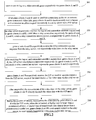
FIG.1 is a schematic diagram illustrating flow of a method in accordance with the first embodiment of the invention. -
FIG.2 is a schematic diagram illustrating flow of a method in accordance with the second embodiment of the invention. -
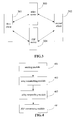
FIG.3 is a schematic diagram illustrating structure of a system in accordance with the third embodiment of the invention. -
FIG.4 is a schematic diagram illustrating structure of a device in accordance with the fourth embodiment of the invention. - To make objectives, technical solutions and advantages of the invention more clear, detailed descriptions about implementation modes of the invention are further provided in the following, accompanying with attached figures.
- In the technical solution provided by embodiments of the invention, during the initial stage for transmitting the video data, a relay server is adopted to transmit the video data. When the P2P connection is successful, the P2P mode is adopted to directly transmit the video data. Thus, user problems, such as low speed of log-on and connection, may be solved. A user may be enabled to transmit video quickly. User's usage experience may be improved. Network bandwidth may also be saved. When there is something wrong with the P2P and the P2P cannot be used, it may switch to the relay server timely. With the relay server to transmit video data, the user may be enabled to transmit the video data continuously, to ensure the continuity for the user to transmit the video data.
- To solve problems, such as low speed of log-on and connection, even without connection, generated when a user client adopts the P2P mode, so as to improve user's usage experience and to save network bandwidth, an embodiment of the invention provides a method for transmitting video data. With reference to
FIG.1 , the method includes the follows. - 101: A first client sends a first connection request respectively to a relay server and a P2P server. A second client sends a second connection request respectively to the relay server and the P2P server.
- Specifically speaking, the first and second clients may be game clients, webpage clients, mobile terminal clients, and so on, which are not limited in the embodiment of the invention.
- 102: When the first relay connection between the first client and the relay server is established successful, the second relay connection between the second client and the relay server is established successful, the relay server is adopted by the first and second clients to forward and transmit the video data.
- 103: When the first P2P connection between the first client and the P2P server is established successfully, the second P2P connection between the second client and the P2P server is established successfully, the first and second clients suspend forwarding and transmitting of the video data via the relay server.
- 104: The first and second clients use the P2P mode to directly transmit the video data.
- When the first P2P connection between the first client and the P2P server is established successfully, the second P2P connection between the second client and the P2P server is established successfully, the first and second clients suspend forwarding and transmitting of the video data via the relay server, which includes the follows.
- When the first P2P connection between the first client and the P2P server is established successfully, the second P2P connection between the second client and the P2P server is established successfully, after transmitting the first frame of data with the P2P mode, the first and second clients suspend forwarding and transmitting of the video data via the relay server.
- After directly transmitting the video data by the first and second clients with the P2P mode, the method also includes the follows.
- During the process of transmitting the video data with the P2P mode by the first and second clients, if the connection between the first and second clients breaks, or, packet loss of video data transmitted by the first and second clients is larger than a predetermines coefficient, still or, buffer time of video data transmitted by the first and second clients is larger than a predetermined time, the first client will determine whether to maintain the connection to the relay server, the second client will determine whether to maintain the connection to the relay server.
- The predetermined coefficient of packet loss and predetermined time of buffer time may be flexibly selected according to actual situation, e.g., the predetermined coefficient of packet loss may be set as 10%, and the predetermined time of buffer time may be set as 10 seconds, which are not limited in the embodiments of the invention.
- When the connection between the first client and the relay server is maintained, the connection between the second client and the relay server is maintained, the video data is continuously transmitted via the relay server.
- When the connection between the first client and the relay server breaks, the second relay connection between the second client and the relay server is established successfully, the first client sends the first connection request to the relay server. When the first connection between the first client and the relay server is established successfully, the first and second clients forward and transmit the video data via the relay server.
- When the connection between the second client and the relay server breaks, the first relay connection between the first client and the relay server is established successfully, the second client sends the second connection request to the relay server. When the second relay connection between the second client and the relay server is established successfully, the second and first clients forward and transmit the video data via the relay server.
- When the connection between the first client and the relay server breaks, the connection between the second client and the relay server breaks, the first client sends the first connection request to the relay server. The second client sends the second connection request to the relay server.
- When the first relay connection between the first client and the relay server is established successfully, the second relay connection between the second client and the relay server is established successfully, the first and second clients forward and transmit the video data via the relay server.
- The method further includes the follows.
- Before the first and second relay connections are established successfully, in which the first relay connection is established between the first client and the relay server, the second relay connection is established between the second client and the relay server, the first P2P connection between the first client and the P2P server has already been established successfully, the second P2P connection between the second client and the P2P server has also been established successfully. Then the first and second clients may directly transmit the video data with the P2P mode. The first and second clients may respectively break the connection to the relay server.
- Before the first and second relay connections are established successfully, in which the first relay connection is established between the first client and the relay server, the second relay connection is established between the second client and the relay server, the method further includes the follows.
- The relay server receives the first and second connection requests respectively sent by the first and second clients.
- The relay server authenticates the first and second users, respectively based on the identification (ID) authentication information of the first user in the first connection request, and the ID authentication information of the second user in the second connection request.
- When authentications for the first and second users are successful, the relay server establishes the first and second relay connections respectively with the first and second clients, respectively sends a first relay connection success response and a second relay connection success response to the first and second clients.
- Before the first and second P2P connections are established successfully, in which the first P2P connection is established between the first client and the P2P server, the second P2P connection is established between the second client and the P2P server, the method further includes the follows.
- The P2P server receives the first and second connection requests, which are respectively sent by the first and second clients.
- The P2P server authenticates the first and second users, respectively based on the ID authentication information of the first user in the first connection request, and based on the ID authentication information of the second user in the second connection request.
- When the authentications performed by the P2P server for the first and second users are successful, the P2P server respectively establishes first and second P2P connections with the first and second clients, and respectively sends first and second P2P connection success responses to the first and second clients.
- With the method provided by an embodiment of the invention, at the initial stage for transmitting video data, a relay server is adopted to transmit the video data. When the P2P connection is successful, the video data may be directly transmitted with the P2P mode. Thus, problems about low speed of log-on and connection of users may be solved. Subsequently, users may be enabled to transmit video quickly. Usage experience of users may be improved. And network bandwidth may be saved. When the P2P cannot be used because of something wrong, it may switch to the relay server timely. Subsequently, the video data may be transmitted with the relay server, to enable users to transmit the video data continuously, to ensure the continuity for users to transmit the video data.
- To solve problems generated when a user client adopts the P2P mode, such as low speed of log-on and connection, even without connection, so as to improve usage experience of the user, and to save network bandwidth, an embodiment of the invention provides a method for transmitting video data. The embodiment of the invention is explained with an example, in which users A and B transmit video data in a video network game. With reference to
FIG.2 , the specific implementation process is as follows. - 201: Users A and B log on a video network game respectively with game clients A and B.
- A user logs on the game system of the video network game with an account and password at the game client. When logging on the game system of the video network game successfully, the user may interact with the game server about game data via the game client, to implement game functions.
- The account and password of a user may be taken as identity of the user, which is unique in the game system. A user may obtain the account and password after registering on a video network game interface or other interfaces. Before logging on the game system with respective game clients by users A and B, users A and B need to register respective account and password on the interface of the game system or other interfaces.
- 202: When needing to establish connections to transmit video data in the video network game, game clients A and B respectively send a log-on and connection establish request to the relay server and the P2P server simultaneously.
- When game clients A and B need to establish a connection in the video network game to transmit video data interactively, firstly, game client A simultaneously sends a log-on and connection establish request to the relay server and the P2P server. Game client B respectively sends a log-on and connection establish request to the relay server and the P2P server simultaneously.
- The log-on and connection establish request is sent by the game client to the relay server and the P2P server simultaneously. In addition, in practical applications, log-on and connection speed to the relay server is generally higher than that to the P2P server. Thus, the log-on and connection establish request may be firstly sent to the relay server, to enable a user to connect and transmit the video data as quickly as possible. And then, the log-on and connection establish request may be sent to the P2P server. The relay server is provided by the video network game system for transmitting video data resources, which is a server dedicated for relaying video data among users. The P2P server is provided by the video network game system, which is a server used for directly transmitting video data among users.
- 203: The relay server receives the log-on and connection establish request respectively sent by game clients A and B, respectively establishes a relay connection for game clients A and B, and respectively sends a relay connection success response to game clients A and B.
- ID authentication information for identifying a user may be carried in the log-on and connection establish request sent by the game client to the relay server. The ID authentication information here may be account and password registered by the user in the game system, or may be encrypted ID obtained after transforming the account and password registered by the user in the game system. A game client logs on the relay server with the ID. The relay server stores a public key in advance, so as to authenticate a user with the public key stored in itself and the ID authentication information sent by the game client.
- After receiving the log-on and connection establish request sent by game clients A and B, the relay server obtains the ID authentication information carried in the log-on and connection establish request sent by game client A, performs the authentication with the public key stored in the relay server in advance. When the authentication is successful, the relay server establishes a relay connection with game client A. Correspondingly, with similar processing operations, the relay server establishes a relay connection with game client B.
- After establishing connections with game clients A and B respectively, the relay server respectively sends a relay connection success response to game clients A and B.
- 204: Game clients A and B respectively receives the relay connection success response sent by the relay sever, and transmit the video data via the relay server.
- Game client A sends video data thereof to game client B via the relay server, and receives video data sent by game client B via the relay server. Correspondingly, game client B sends video data thereof to game client A via the relay server, and receives the video data sent by game client A via the relay server.
- On one hand, game client of a user is responsible for collecting and encoding local video to obtain local video data, and sending the local video data to the relay server, to enable the relay server to be in charge of transmitting the local video data to the peer end user. On the other hand, the game client of the user is also responsible for receiving the video data from the peer end user, decoding the received video data to display for the user. Both of game clients A and B in the embodiment of the invention possess functions of above two aspects.
- Time for game clients A and B establishing connections with the relay server may be not totally the same with each other. There may be some time difference. After the connection between game client A and the relay server is established successfully, the connection between game client B and the relay server is established successfully, the video data may be transmitted via the relay server.
- 205: After receiving the log-on and connection establish requests sent by game clients A and B, the P2P server respectively establishes a connection with game clients A and B, and respectively sends a relay connection success response to game clients A and B.
- ID authentication information for identifying a user may be carried in the log-on and connection establish request, which is sent by a game client to a P2P server. The ID authentication information here may be account and password registered by the user in the game system, or may be encrypted ID obtained after transforming the account and password registered by the user in the game system. A game client may log on the P2P server with the ID. The P2P server may store a public key in advance, so as to authenticate the user with the public key stored in the P2P server and the ID authentication information sent by the user's game client.
- After receiving the log-on and connection establish request sent by game clients A and B, the P2P server obtains the ID authentication information carried in the log-on and connection establish request sent by game client A, to perform the authentication with the public key stored in the P2P server in advance. When the authentication is successful, the P2P server establishes a connection with game client A. Correspondingly, with similar processing operations, the P2P server establishes a connection with game client B.
- After establishing a connection with game clients A and B respectively, the P2P server respectively sends a relay connection success response to game clients A and B.
- The P2P server directly transmits the video data resources among game clients. Each game client is not only a server, but also a client. Thus, regarding the relay server, capabilities of the game client, such as processing capabilities, running speed and bandwidth resources, are worse. Therefore, speed of log-on and connection to the P2P server is generally slow, which is lower than that to the relay server. Therefore, before establishing by the P2P server a connection with a user's game client, the user's game client probably has already established a connection with the relay server, and has transmitted the video data.
- 206: Game clients A and B respectively receive a P2P connection success response sent by the P2P server, suspend transmitting of the video data via the relay server.
- After respectively receiving the P2P connection success response from the P2P server, game clients A and B respectively suspend the connection to the relay server, and suspend transmission of the vide data via the relay server. In addition, game clients A and B may also directly break the respective connection to the relay server.
- 207: After suspending transmission of the video data via the relay server, game clients A and B directly transmit the video data with the P2P mode.
- Game client A directly sends the video data thereof to game client B with the P2P mode, and directly receives the video data sent by game client B with the P2P mode. Correspondingly, game client B directly sends the video data thereof to game client A with the P2P mode, and directly receives the video data sent by game client A with the P2P mode.
- On one hand, game client of a user is responsible for collecting and encoding local video to obtain local video data, sending the local video data to the peer end user with the P2P mode. On the other hand, game client of a user is also responsible for receiving the video data from the peer end user with the P2P mode, decoding the received video data to display for the user.
- Time for establishing a connection respectively by game clients A and B to the P2P server may not be totally the same with each other. There may be a certain time difference. Only when a connection to the P2P server respectively established by game clients A and B is successful, that is, game clients A and B respectively receive the connection success response sent by the P2P server, and respectively suspend transmission of video data to the relay server. Subsequently, game clients A and B may directly transmit the video data with the P2P mode.
- 208: During the process of directly transmitting the video data between game clients A and B with the P2P mode, when disconnected, or buffer time is larger than a predetermined time, or packet loss of video data transmitted is larger than a predetermined coefficient, game clients A and B may switch to the relay server continuously, so as to transmit the video data continuously via the relay server.
- During the process of directly transmitting the video data between game clients A and B with the P2P mode, when game client A cannot connect to game client B, or connection buffer time is larger than a predetermined time, which leads to in-continuity video transmission, still or, packet loss of the video data transmitted is larger than a predetermined coefficient, the video data cannot be transmitted continuously with the P2P mode. At this time, game clients A and B may enable the relay server again, so as to continuously transmit the video data via the relay server. Thus, continuity of transmission of the user's video data may be maintained, and the user's usage experience may be improved.
- The predetermined coefficient of packet loss and predetermined time of buffer time may be flexibly selected according to actual conditions. For example, the predetermined coefficient of packet loss may be set as 10%, the predetermined time of buffer time may be set as 10 seconds, which are not limited in the embodiments of the invention.
- In
block 206, when the connection link between game client and the relay server is only suspended instead of being broken, it only needs to release the suspension at this time, to maintain the connection continuously, that is, the relay server may be continuously used to transmit the video data. Inblock 206, when the connection link between the game client and the relay server is broken, the game client needs to send a log-on and connection request to the relay server again. When passing the authentication, the relay server establishes a relay connection with the game client again. After the relay server sends a relay connection success response to the game client, the video data among game clients may be continuously forwarded via the relay server. That is, blocks 202-204 are executed once again. - In addition, when there is something wrong with the P2P server, a game client uses the relay server to transmit the video data. At this time, the game client may still send the log-on and connection request to the P2P server. When the P2P server restores, blocks 205-207 may be executed. The game client may switch to the P2P mode, to adopt the P2P mode to transmit the video data.
- Above blocks 201-207 specifically disclose that, a game client relays and transmits video data via a relay server in a video network game, at the initial stage of transmission. After the P2P connection is successful, the P2P mode is adopted to directly transmit the video data. Thus, problems, such as low speed of log-on and connection, even without connection, which are generated when a game client adopts the P2P mode, may be solved, so as to improve a user's usage experience and to save network bandwidth. Meanwhile, when the P2P cannot be used because of something wrong, it may switch to the relay server in time, so as to transmit the video data via the relay server, to enable the game client to continuously transmit the video data. Thus, the continuity of user video may be ensured.
- Besides, in above blocks, in
block 202, after game clients A and B respectively sending a log-on and connection establish request to the relay server and the P2P server simultaneously, the P2P server firstly completes the connection with the game client. That is, before receiving the relay connection success response from the relay server, game clients A and B have already received the P2P connection success response from the P2P server. Subsequently, game clients A and B directly adopt the P2P mode to transmit the video data. It is not necessary to establish a connection with the relay server. The connection process between game clients and the relay server may be directly suspended. - However, when the P2P cannot be used because of something wrong, the game client needs to establish a connection with the relay server again, to ensure transmission of video data via the relay server.
- Besides, after a connection between a game client and the relay server is established, supposing the game client cannot establish a connection with the P2P server all the time, or establishment of the connection between the game client and the P2P server cannot be finished all the time, the game client adopts the relay server to transmit the video data all the time.
- In the embodiment of the invention, an example is given, in which games clients A and B transmit video data in a video network game. One game client therein may simultaneously transmit the video data with multiple game clients. The one game client may respectively establish a connection and transmit data to each game client of the multiple game clients via the relay server, at the initial stage of the transmission. When the P2P connection is successful, the one game client may directly transmit the video data with the P2P mode. The processing flow is similar, which is not repeated here.
- In the embodiment of the invention, an example is given, in which a user transmits video data in a video network game. The method provided by the embodiment of the invention is also applicable to any other scenes needing to transmit video data, e.g., Instant Messaging (IM), online chat, etc. The processing blocks are similar, which are not repeated here.
- In accordance with the method provided by the embodiment of the invention, the video data may be forwarded and transmitted by a game client of a user in a video network game via the relay server, at the initial stage of transmission. When the P2P connection is successful, the video data may be directly transmitted with the P2P mode. Thus, problems, such as low speed of log-on and connection, even without connection, generated when a user client adopts the P2P mode, may be solved, so as to improve usage experience of the user and save network bandwidth. Meanwhile, when the P2P cannot be used because of something wrong, it may switch to the relay server in time, to transmit the video data via the relay server. Thus, the user may be enabled to continuously transmit the video data, to ensure the continuity of the user's video.
- An embodiment of the invention provides a system for transmitting video data. With reference to
FIG.3 , the system includes afirst client 301, asecond client 302, arelay server 303 and aP2P server 304. - The
first client 301 is configured to send a first connection request to therelay server 303 and theP2P server 304, establish a first relay connection with therelay server 303, forward and transmit the video data to thesecond client 302 via therelay server 303, establish a first P2P connection with theP2P server 304, suspend forwarding and transmitting of the video data to thesecond client 302 via therelay server 303, and directly transmit the video data to thesecond client 302 with the P2P mode. - The
second client 302 is configured to send a second connection request to therelay server 303 and theP2P server 304, establish a second relay connection with therelay server 303, forward and transmit the video data to thefirst client 301 via therelay server 303, establish a second P2P connection with theP2P server 304, suspend forwarding and transmitting of video data to thefirst client 301 via therelay server 303, and directly transmit the video data to thefirst client 301 with the P2P mode. - The
relay server 303 is configured to receive the first and second connection requests respectively from thefist client 301 and thesecond client 302, establish a first relay connection with thefirst client 301, establish a second relay connection with thesecond client 302, forward and transmit the video data to thefirst client 301 and thesecond client 302. - The
P2P server 304 is configured to receive the first and second connection requests respectively from thefirst client 301 and thesecond client 302, respectively establish first and second P2P connections with thefirst client 301 and thesecond client 302. When thefirst client 301 and thesecond client 302 suspend forwarding and transmitting of the video data via therelay server 303, theP2P server 304 is further configured to provide thefirst client 301 and thesecond client 302 with the P2P mode to directly transmit the video data. - Specifically speaking, the first and second clients may be game clients, webpage clients, mobile terminal clients, etc, which are not limited by the embodiments of the invention.
- When the first P2P connection between the
first client 301 and theP2P server 304 is established successfully, the second P2P connection between thesecond client 302 and theP2P server 304 is established successfully, and when transmission of the first frame of data between thefirst client 301 and thesecond client 302 is completed, thefirst client 301 and thesecond client 302 suspend forwarding and transmitting of the video data via therelay server 303. - Correspondingly, when the second P2P connection between the
second client 302 and theP2P server 304 is established successfully, the first P2P connection between thefirst client 301 and theP2P server 304 is established successfully, and when transmission of the first frame of data with the P2P mode between thesecond client 302 and thefirst client 301 is completed, thesecond client 302 and thefirst client 301 suspend forwarding and transmitting of the video data via therelay server 303. - During the transmission of video data between the
first client 301 and thesecond client 302 with the P2P mode, when the connection between thefirst client 301 and thesecond client 302 breaks, or packet loss of video data transmitted between thefirst client 301 and thesecond client 302 is larger than a predetermined coefficient, still or, buffer time of video data transmitted between thefirst client 301 and thesecond client 302 is larger than a predetermined time, thefirst client 301 determines to maintain the connection to therelay server 303, thesecond client 302 determines to maintain the connection to therelay server 303, therelay server 303 is further configured to continuously forward and transmit the video data for thefirst client 301 and thesecond client 302. - Predetermined coefficient of packet loss and predetermined time of buffer time may be flexibly selected according to actual conditions. For example, the predetermined coefficient of packet loss may be set as 10%, the predetermined time of buffer time may be set as 10 seconds, which are not limited by the embodiments of the invention.
- When the connection between the
first client 301 and therelay server 303 breaks, therelay server 303 is configured to receive the first connection request from thefirst client 301. When the first relay connection to thefirst client 301 is established successfully, therelay server 303 is configured to continuously forward and transmit the video data for thefirst client 301 and thesecond client 302. - When the connection between the
second client 302 and therelay server 303 breaks, therelay server 303 is configured to receive the second connection request from thesecond client 302. When the second relay connection to thesecond client 302 is established successfully, therelay server 303 is configured to continuously forward and transmit the video data for thefirst client 301 and thesecond client 302. - When the
first client 301 and thesecond client 302 respectively break the connection to therelay server 303, therelay server 303 is configured to receive the first and second connection requests respectively from thefirst client 301 and thesecond client 302. When the first relay connection to thefirst client 301 is established successfully, the second relay connection to thesecond client 302 is established successfully, therelay server 303 is configured to continuously forward and transmit the video data for thefirst client 301 and thesecond client 302. - When the first relay connection between the
first client 301 and therelay server 303 is established successfully, the second relay connection between thesecond client 302 and therelay server 303 has not been established successfully, at this time, the first P2P connection between thefirst client 301 and theP2P server 304 has been established successfully, the second P2P connection between thesecond client 302 and theP2P server 304 has been established successfully, theP2P server 304 is configured to directly transmit the video data for thefirst client 301 and thesecond client 302 with the P2P mode, break the connection between thefirst client 301 and therelay server 303, and break the connection between thesecond client 302 and therelay server 303. - The
relay server 303 is further configured to authenticate the first and second users, respectively based on the ID authentication information of the first user in the first connection request and the ID authentication information of the second user in the second connection request. When the authentications for the first and second users are successful, therelay server 303 is configured to establish the first and second relay connections respectively with thefirst client 301 and thesecond client 302. - The
P2P server 304 is further configured to authenticate the first and second users, respectively based on the ID authentication information of the first user in the first connection request, and the ID authentication information of the second user in the second connection request. When the authentications for the first and second users are successful, theP2P server 304 establishes the first and second P2P connections respectively with thefirst client 301 and thesecond client 302. - With the system provided by the embodiment of the invention, at the initial stage of transmission of the video data, a relay server is adopted to transmit the video data. When the P2P connection is established successfully, a P2P mode is adopted to directly transmit the video data. Thus, problems, such as low speed of log-on and connection, even without connection, generated when a client adopting the P2P mode, may be solved, to enable a user to transmit video quickly. Thus, a user's usage experience may be improved, and network bandwidth may be saved. When the P2P cannot be used because of something wrong, it may switch to the relay server in time. The video data may be transmitted via the relay server, to enable a user to continuously transmit the video data. Thus, continuity of video data transmitted by the user may be ensured.
- An embodiment of the invention also provides a device for transmitting video data, which is located in a first client. With reference to
FIG.4 , the device includes the follows. - A sending
module 301, configured to respectively send a first connection request to a relay server and a P2P server. - Specifically speaking, the first client and other clients may be game client, webpage client, mobile terminal client, and so on, which are not limited by embodiments of the invention.
- A
relay transmitting module 302, configured to establish a first relay connection with the relay server, after the first client sending the first connection request to the relay server via the sendingmodule 301. When the first relay connection is established successfully, the first client and other clients may forward and transmit the video data via the relay server. - A
relay suspending module 303, configured to establish a first P2P connection with the P2P server, according to the first connection request sent by the sendingmodule 301 to the P2P server, after the video data is forwarded and transmitted between therelay transmitting module 302 of the first client and other clients via the relay server. When the first P2P connection is established successfully, the first client breaks the connection to the relay server. - After the first P2P connection between the first client and the P2P server is established successfully, a
P2P transmitting module 304 is further configured to directly transmit the video data between the first client and other clients with the P2P mode. - Furthermore, the
relay suspending module 303 further includes a relay suspending unit, configured to suspend the forwarding and transmitting of video data to other clients via the relay server, after the first P2P connection between the first client and the P2P server is established successfully, and transmission of the first frame of data with the P2P mode between the first client and other clients is completed. - The device still includes a relay maintaining module, configured to determine whether to maintain the connection between the first client and the relay server, during the process of transmission of video data between the first client and another client with the P2P mode, when the connection between the first client and another client breaks, or packet loss of video data transmitted between the first client and another client is larger than a predetermined coefficient, still or, buffer time of video data transmitted between the first client and another client is larger than a predetermined time. If yes, the relay maintaining module is configured to continuously forward and transmit the video data for the first client and another client via the relay server.
- The predetermined coefficient of packet loss and the predetermined time of buffer time may be flexibly set according to actual conditions. For example, the predetermined coefficient of packet loss may be set as 10%, the predetermined time of buffer time may be set as 10 seconds, which are not limited by embodiments of the invention.
- Otherwise, the first client sends the first connection request to the relay server. When the first relay connection between the first client and the relay server is established successfully, the video data is continuously forwarded and transmitted for the first client and another client via the relay server.
- With the device provided by the embodiment of the invention, at the initial stage of transmission of the video data, a relay server is adopted to transmit the video data. When the P2P connection is established successfully, the P2P mode is adopted to directly transmit the video data. Thus, problems, such as low speed of log-on and connection, even without connection, generated when a client adopts the P2P mode, may be solved, to enable a user to transmit the video quickly. Thus, a user's usage experience may be improved, and network bandwidth may be saved. When the P2P cannot be used because of something wrong, it may switch to the relay server in time, to transmit the video data via the relay server, to enable a user to continuously transmit the video data. Thus, the continuity of transmission of the video data may be ensured.
- The word "receiving" in the embodiment of the invention may be understood as actively obtaining information from another module, or receiving information sent by another module.
- Persons having ordinary skill in the art may easily learn that the attached figure is only schematic diagram of a preferred embodiment. The module or flow illustrated in the attached figure is not definitely necessary to implement the invention.
- Persons having ordinary skill in the art may understand that the modules in the device embodiment may be distributed in the device of the embodiment according to embodiment descriptions, or may change correspondingly to locate in one or more devices different from the embodiment. The modules in above embodiment may be combined into one module, or may be divided into multiple sub-modules furthermore.
- Sequence number in above embodiments of the invention is only used for descriptions, which doesn't demonstrate good or better embodiment.
- Some blocks in the embodiments of the invention may be implemented with software. Corresponding software programs may be stored in readable storage medium, such as Optical Disk (CD), hard disk.
- The foregoing is only preferred embodiments of the invention, which is not used for limiting the invention. Any modifications, equivalent substitutions and improvements within the spirit and principle of the invention, should be covered within the protection scope of the invention.
Claims (15)
- A method for transmitting video data, comprising:sending, by a first client, a first connection request respectively to a relay server and a Peer to Peer (P2P) server;sending, by a second client, a second connection request respectively to the relay server and the P2P server;forwarding and transmitting the video data, by the first and second clients via the relay server, when a first relay connection between the first client and the relay server is established successfully, a second relay connection between the second client and the relay server is established successfully;suspending, by the first and second clients, the forwarding and transmitting of the video data via the relay server, when a first P2P connection between the first client and the P2P sever is established successfully, a second P2P connection between the second client and the P2P server is established successfully;directly transmitting, by the first and second clients, the video data with a P2P mode.
- The method of claim 1, wherein suspending by the first and second clients the forwarding and transmitting of the video data via the relay server, when the first P2P connection between the first client and the P2P server is established successfully, the second P2P connection between the second client and the P2P server is established successfully, comprises:suspending, by the first and second clients, the forwarding and transmitting of the video data via the relay server, when the first P2P connection between the first client and the P2P server is established successfully, the second P2P connection between the second client and the P2P server is established successfully, after transmission of a first frame of data between the first client and the second client is completed with the P2P mode.
- The method of claim 1, further comprising:after directly transmitting by the first and second clients the video data with the P2P mode, during a process of transmitting the video data by the first and second clients with the P2P mode, when a connection between the first and second clients breaks, or packet loss of the video data transmitted between the first and second clients is larger than a predetermined coefficient, or buffer time of the video data transmitted between the first and second clients is larger than a predetermined time, determining, by the first client, whether to maintain the connection to the relay server, determining, by the second client, whether to maintain the connection to the relay server;when the connection between the first client and the relay server is maintained, the connection between the second client and the relay server is maintained, continuously transmitting the video data via the relay server;when the connection between the first client and the relay server breaks, the second relay connection between the second client and the relay server is established successfully, sending, by the first client, the first connection request to the relay server; when the first relay connection between the first client and the relay server is established successfully, forwarding and transmitting, by the first and second clients, the video data via the relay server;when the connection between the second client and the relay server breaks, the first relay connection between the first client and the relay server is established successfully, sending, by the second client, the second connection request to the relay server; when the second relay connection between the second client and the relay server is established successfully, forwarding and transmitting, by the second and first clients, the video data via the relay server;when the connection between the first client and the relay server breaks, the connection between the second client and the relay server breaks, sending, by the first client, the first connection request to the relay server; sending, by the second client, the second connection request, to the relay server;when the first relay connection between the first client and the relay server is established successfully, the second relay connection between the second client and the relay server is established successfully, forwarding and transmitting, by the first and second clients, the video data via the relay server.
- The method of claim 1, further comprising:when the first relay connection between the first client and the relay server is established successfully, the second relay connection between the second client and the relay server has not been established successfully,after the first client sending the first connection request respectively to the relay server and the P2P server, the second client sending the second connection request respectively to the relay server and the P2P server,when the first P2P connection between the first client and the P2P server is established successfully, the second P2P connection between the second client and the P2P server is established successfully,directly transmitting, by the first and second clients, the video data with the P2P mode,breaking the connection between the first client and the relay server, breaking the connection between the second client and the relay server,
- The method of claim 1, wherein when the first relay connection between the first client and the relay server is established successfully, the second relay connection between the second client and the relay server has not been established successfully, after the first client respectively sending the first connection request to the relay server and the P2P server, after the second client respectively sending the second connection request to the relay server and the P2P server, the method further comprises:receiving, by the relay server, the first connection request from the first client and the second connection request from the second client;authenticating, by the relay server, first and second users, respectively based on identification (ID) authentication information of the first user in the first connection request, and ID authentication information of the second user in the second connection request;when authentications for the first and second users are successful, establishing, by the relay server, the first and second relay connections respectively with the first and second clients, sending first and second relay connection success responses respectively to the first and second clients.
- The method of claim 1, wherein when the first P2P connection between the first client and the P2P server is established successfully, the second P2P connection between the second client and the P2P server has not been established successfully, after the first client sending the first connection request respectively to the relay server and the P2P server, after the second client sending the second connection request respectively to the relay server and the P2P server, the method further comprises:receiving, by the P2P server, the first and second connection requests respectively from the first and second clients;authenticating, by the P2P server, first and second users, respectively based on ID authentication information of the first user in the first connection request, and ID authentication information of the second user in the second connection request;when authentications for the first and second users are successful, establishing, by the P2P server, the first and second P2P connections respectively with the first and second clients, sending first and second P2P connection success responses respectively to the first and second clients.
- A system for transmitting video data, wherein the system comprises a first client, a second client, a relay server and a Peer to Peer (P2P) server, wherein
the first client is configured to send a first connection request to the relay server and the P2P server, establish a first relay connection with the relay server, forward and transmit the video data to the second client via the relay server, establish a first P2P connection with the P2P server, suspend forwarding and transmitting of the video data to the second client via the relay server, and directly transmit the video data to the second client with a P2P mode;
the second client is configured to send a second connection request to the relay server and the P2P server, establish a second relay connection with the relay server, forward and transmit the video data to the first client via the relay server, establish a second P2P connection with the P2P server, suspend the forwarding and transmitting of the video data to the first client via the relay server, and directly transmit the video data to the first client with the P2P mode;
the relay server is configured to receive the first and second connection requests respectively from the first and second clients, establish the first and second relay connections respectively with the first and second clients, forward and transmit the video data for the first and second clients;
the P2P server is configured to receive the first and second connection requests respectively from the first and second clients, establish the first and second P2P connections respectively with the first and second clients, when the first and second clients suspend the forwarding and transmitting of the video data via the relay server, the P2P server is further configured to provide the P2P mode for the first and second clients to directly transmit the video data. - The system of claim 7, wherein the first client is further configured to suspend forwarding and transmitting of the video data to the second client via the relay server, when the first P2P connection between the first client and the P2P server is established successfully, the second P2P connection between the second client and the P2P server is established successfully, and transmission of a first frame of data between the first and second clients is completed with the P2P mode;
correspondingly, the second client is further configured to suspend the forwarding and transmitting of the video data to the first client via the relay server, when the second P2P connection between the second client and the P2P server is established successfully, the first P2P connection between the first client and the P2P server is established successfully, and transmission of the first frame of data between the first and second clients is completed with the P2P mode. - The system of claim 7, wherein the relay server is further configured to continuously forward and transmit the video data for the first and second clients, during a process of transmitting the video data between the first and second clients with the P2P mode, a connection between the first and second clients breaks, or packet loss of the video data transmitted between the first and second clients is larger than a predetermined coefficient, still or, buffer time of the video data transmitted between the first and second clients is larger than a predetermined time, when the first client determines to maintain the connection with the relay server, the second client determines to maintain the connection with the relay server;
when the connection between the first client and the relay server breaks, the second relay connection between the second client and the relay server is established successfully, the relay server is further configured to receive the first connection request from the first client; when the first relay connection between the first client and the relay server is established successfully, the relay server is further configured to continuously forward and transmit the video data for the first and second clients;
when the connection between the second client and the relay server breaks, the first relay connection between the first client and the relay server is established successfully, the relay server is further configured to receive the second connection request from the second client; when the second relay connection between the relay server and the second client is established successfully, the relay server is further configured to continuously forward and transmit the video data for the first and second clients;
when the connection between the first client and the relay server breaks, the connection between the second client and the relay server breaks, the relay server is further configured to receive the first and second connection requests respectively from the first and second clients; when the fist relay connection between the first client and the relay server is established successfully, the second relay connection between the second client and the relay server is established successfully, the relay server is further configured to continuously forward and transmit the video data for the first and second clients. - The system of claim 7, wherein the P2P server is further configured to directly provide the P2P mode for the first and second clients to transmit the video data, suspend a connection between the first client and the relay server, suspend a connection between the second client and the relay server, when the first relay connection between the first client and the relay server is established successfully, the second relay connection between the second client and the relay server has not been established successfully, the first P2P connection between the first client and the P2P server is established successfully, the second P2P connection between the second client and the P2P server is established successfully.
- The system of claim 7, wherein the relay server is further configured to authenticate the first and second users, respectively based on ID authentication information of the first user in the first connection request, and ID authentication information of the second user in the second connection request, when authentications for the first and second users are successful, the relay server is further configured to establish the first and second relay connections respectively with the first and second clients.
- The system of claim 7, wherein the P2P server is further configured to authenticate the first and second users, respectively based on ID authentication information of the first user in the first connection request, and ID authentication information of the second user in the second connection request; when authentications for the first and second users are successful, the P2P server is further configured to establish the first and second P2P connections respectively with the first and second clients.
- A device for transmitting video data, wherein the device is set in a first client, the device comprises:a sending module, configured to send a first connection request respectively to a relay server and a Peer to Peer (P2P) server;a relay transmitting module, configured to establish a first relay connection with the relay server, after the first client sending the first connection request to the relay server via the sending module; when the first relay connection is established successfully, the first client and another client forward and transmit the video data via the relay server;a relay suspending module, configured to establish a first P2P connection with the P2P server, according to the first connection request sent by the sending module to the P2P server, after the first client forwarding and transmitting the video data via the relay transmitting module to another client with the relay server; when the first P2P connection is established successfully, the first client breaks the connection with the relay server;a P2P transmitting module, configured to enable the first client and another client to directly transmit the video data with the P2P mode, when the first P2P connection between the first client and the P2P server is established successfully,
- The device of claim 13, wherein the relay suspending module further comprises a relay suspending unit, configured to suspend the forwarding and transmitting of the video data between the first client and the another client via the relay server, when the first P2P connection between the first client and the P2P server is established successfully, transmission of the first frame of data between the first client and the another client is completed with the P2P mode.
- The device of claim 13, wherein the device further comprises a relay maintaining module, configured to determine whether to maintain the connection between the first client and the relay server, during a process of transmitting the video data between the first client and another client with the P2P mode, when the connection between the first client and the another client breaks, or, packet loss of the video data transmitted between the first client and the another client is larger than a predetermined coefficient, still or, buffer time of the video data transmitted between the first client and the another client is larger than a predetermined time;
when determining to maintain the connection between the first client and the relay server, the relay maintaining module is further configured to continuously forward and transmit the video data for the first client and the another client via the relay server;
otherwise, the first client sends the first connection request to the relay server; when the first relay connection between the first client and the relay server is established successfully, the relay maintaining module is further configured to continuously forward and transmit the video data for the first client and the another client via the relay server.
Applications Claiming Priority (2)
| Application Number | Priority Date | Filing Date | Title |
|---|---|---|---|
| CNA2009101505939A CN101594242A (en) | 2009-06-23 | 2009-06-23 | A kind of mthods, systems and devices of transmitting video data |
| PCT/CN2010/073304 WO2010148897A1 (en) | 2009-06-23 | 2010-05-27 | Method, system and device for transmitting video data |
Publications (3)
| Publication Number | Publication Date |
|---|---|
| EP2448206A1 true EP2448206A1 (en) | 2012-05-02 |
| EP2448206A4 EP2448206A4 (en) | 2017-05-10 |
| EP2448206B1 EP2448206B1 (en) | 2021-04-28 |
Family
ID=41408702
Family Applications (1)
| Application Number | Title | Priority Date | Filing Date |
|---|---|---|---|
| EP10791403.8A Active EP2448206B1 (en) | 2009-06-23 | 2010-05-27 | Method, system and device for transmitting video data |
Country Status (5)
| Country | Link |
|---|---|
| EP (1) | EP2448206B1 (en) |
| CN (1) | CN101594242A (en) |
| BR (1) | BRPI1014840B1 (en) |
| RU (1) | RU2500079C2 (en) |
| WO (1) | WO2010148897A1 (en) |
Cited By (6)
| Publication number | Priority date | Publication date | Assignee | Title |
|---|---|---|---|---|
| US20130246642A1 (en) * | 2011-02-28 | 2013-09-19 | Tencent Technology (Shenzhen) Company Limited | Method and apparatus for establishing audio and video communication connection |
| CN103763332A (en) * | 2014-02-19 | 2014-04-30 | 广东天波信息技术股份有限公司 | Media flow forwarding mode dynamic switching method and system |
| US9137313B2 (en) | 2010-12-27 | 2015-09-15 | Samsung Sds Co., Ltd. | Data transmission system and method using relay server |
| EP3029910A1 (en) * | 2014-12-03 | 2016-06-08 | TP Vision Holding B.V. | Device and method for controlling rendering in a network |
| JP2019149798A (en) * | 2014-09-08 | 2019-09-05 | ワッツアップ・インコーポレイテッドWhatsapp Inc. | Establishment and support of voip call |
| CN111314861A (en) * | 2020-02-17 | 2020-06-19 | 南京邮电大学 | Auction game based relay network bandwidth allocation method in congestion network |
Families Citing this family (21)
| Publication number | Priority date | Publication date | Assignee | Title |
|---|---|---|---|---|
| CN101594242A (en) * | 2009-06-23 | 2009-12-02 | 腾讯科技(深圳)有限公司 | A kind of mthods, systems and devices of transmitting video data |
| CN102647576A (en) * | 2011-02-22 | 2012-08-22 | 中兴通讯股份有限公司 | Video interaction method and video interaction system |
| CN103095755B (en) * | 2011-10-31 | 2016-10-05 | 联想(北京)有限公司 | A kind of method of data synchronization and electronic equipment |
| CN102917127B (en) * | 2012-10-15 | 2014-07-16 | 北京推博信息技术有限公司 | Audio transmission method and system |
| CN103856387B (en) * | 2012-11-29 | 2017-07-18 | 中国电信股份有限公司 | File retransmission method and system based on instant message client |
| CN103106105A (en) * | 2013-02-20 | 2013-05-15 | 东莞宇龙通信科技有限公司 | Network equipment task processing method and system |
| CN103347041B (en) * | 2013-05-31 | 2016-04-13 | 中国联合网络通信集团有限公司 | Video Compliance control method and apparatus |
| CN104333727B (en) * | 2013-07-22 | 2019-04-12 | 腾讯科技(深圳)有限公司 | Audio video transmission channel regulates and controls methods, devices and systems |
| CN103812947B (en) * | 2014-02-28 | 2017-03-15 | 深圳市创梦天地科技有限公司 | Data interaction system and method |
| CN104468796B (en) * | 2014-12-10 | 2018-10-09 | 深圳中兴网信科技有限公司 | Desktop data sharing method, desktop data shared system and server |
| CN104486083A (en) * | 2014-12-19 | 2015-04-01 | 小米科技有限责任公司 | Supervisory video processing method and device |
| CN104581706B (en) * | 2015-01-09 | 2018-05-18 | 上海华申智能卡应用系统有限公司 | Data safety exchange method between intelligent mobile terminal based on asymmetric encryption techniques |
| CN106572323A (en) * | 2015-10-09 | 2017-04-19 | 阔展科技(深圳)有限公司 | Remote monitoring and nursing system |
| CN105763632A (en) * | 2016-04-12 | 2016-07-13 | 刘健文 | File transmission method for transmitting files among plurality of clients |
| CN107087134A (en) * | 2017-04-11 | 2017-08-22 | 北京智能管家科技有限公司 | Cloud is forwarded and the point-to-point video call system merged and method |
| CN108390941A (en) * | 2018-03-20 | 2018-08-10 | 浙江臻善科技股份有限公司 | End-to-end real time file transmission method, system and first terminal and second terminal |
| CN110868459B (en) * | 2019-11-01 | 2021-11-02 | 腾讯科技(深圳)有限公司 | Data transmission method, device, terminal and storage medium |
| CN110971975A (en) * | 2019-12-06 | 2020-04-07 | 杭州视洞科技有限公司 | Optimization scheme for real-time streaming media forwarding and direct connection switching |
| CN112367493B (en) * | 2021-01-14 | 2021-06-01 | 游密科技(深圳)有限公司 | Data transmission control method, device, mobile terminal and storage medium |
| CN112833129B (en) * | 2021-02-03 | 2023-01-17 | 昆山鑫诚五金科技有限公司 | Protective shell for storing big data server |
| CN114363676A (en) * | 2022-01-06 | 2022-04-15 | 重庆紫光华山智安科技有限公司 | Video stream transmission method, device, equipment and medium |
Family Cites Families (6)
| Publication number | Priority date | Publication date | Assignee | Title |
|---|---|---|---|---|
| JP4852228B2 (en) * | 2001-09-26 | 2012-01-11 | インタラクト デヴァイシーズ インコーポレイテッド | System and method for communicating media signals |
| JP4490743B2 (en) * | 2004-06-24 | 2010-06-30 | 株式会社日立製作所 | File sharing system, file sharing management server and client device |
| CN1897588B (en) * | 2006-06-21 | 2010-06-16 | 北京北大方正电子有限公司 | A mixed-mode network file transfer method and system |
| WO2008051974A1 (en) * | 2006-10-24 | 2008-05-02 | Clique Communications, Llc | System and method for establishing a peer-to-peer connection |
| JP4232828B2 (en) * | 2007-02-01 | 2009-03-04 | 沖電気工業株式会社 | Application classification method, network abnormality detection method, application classification program, network abnormality detection program, application classification apparatus, network abnormality detection apparatus |
| CN101594242A (en) * | 2009-06-23 | 2009-12-02 | 腾讯科技(深圳)有限公司 | A kind of mthods, systems and devices of transmitting video data |
-
2009
- 2009-06-23 CN CNA2009101505939A patent/CN101594242A/en active Pending
-
2010
- 2010-05-27 EP EP10791403.8A patent/EP2448206B1/en active Active
- 2010-05-27 BR BRPI1014840-0A patent/BRPI1014840B1/en active IP Right Grant
- 2010-05-27 RU RU2012101705/08A patent/RU2500079C2/en active
- 2010-05-27 WO PCT/CN2010/073304 patent/WO2010148897A1/en not_active Ceased
Non-Patent Citations (1)
| Title |
|---|
| See references of WO2010148897A1 * |
Cited By (8)
| Publication number | Priority date | Publication date | Assignee | Title |
|---|---|---|---|---|
| US9137313B2 (en) | 2010-12-27 | 2015-09-15 | Samsung Sds Co., Ltd. | Data transmission system and method using relay server |
| US20130246642A1 (en) * | 2011-02-28 | 2013-09-19 | Tencent Technology (Shenzhen) Company Limited | Method and apparatus for establishing audio and video communication connection |
| CN103763332A (en) * | 2014-02-19 | 2014-04-30 | 广东天波信息技术股份有限公司 | Media flow forwarding mode dynamic switching method and system |
| CN103763332B (en) * | 2014-02-19 | 2017-07-28 | 广东天波信息技术股份有限公司 | A kind of method and system of forwarding media stream mode switching at runtime |
| JP2019149798A (en) * | 2014-09-08 | 2019-09-05 | ワッツアップ・インコーポレイテッドWhatsapp Inc. | Establishment and support of voip call |
| EP3029910A1 (en) * | 2014-12-03 | 2016-06-08 | TP Vision Holding B.V. | Device and method for controlling rendering in a network |
| CN111314861A (en) * | 2020-02-17 | 2020-06-19 | 南京邮电大学 | Auction game based relay network bandwidth allocation method in congestion network |
| CN111314861B (en) * | 2020-02-17 | 2021-11-09 | 南京邮电大学 | Auction game based relay network bandwidth allocation method in congestion network |
Also Published As
| Publication number | Publication date |
|---|---|
| BRPI1014840B1 (en) | 2021-01-05 |
| EP2448206A4 (en) | 2017-05-10 |
| RU2500079C2 (en) | 2013-11-27 |
| WO2010148897A1 (en) | 2010-12-29 |
| BRPI1014840A2 (en) | 2018-07-24 |
| CN101594242A (en) | 2009-12-02 |
| RU2012101705A (en) | 2013-07-27 |
| EP2448206B1 (en) | 2021-04-28 |
Similar Documents
| Publication | Publication Date | Title |
|---|---|---|
| EP2448206B1 (en) | Method, system and device for transmitting video data | |
| US20080175383A1 (en) | Method and communication unit for communicating between communication apparatus | |
| EP2461524B1 (en) | Network proxy implementation method and apparatus | |
| KR101042745B1 (en) | System and method for session reestablishment between client terminal and server | |
| CN101436961B (en) | Conversation management system and method | |
| CN111200830B (en) | Data transmission method and device and electronic equipment | |
| CN101729543B (en) | Method for improving performance of mobile SSL VPN by utilizing remote Socks5 technology | |
| CN105337961A (en) | Method for communication with client side and server | |
| JP2014146349A (en) | File folder transmission on network | |
| CN107995247B (en) | File transmission method, server and system | |
| CN102523207A (en) | VNC (Virtual Network Computer)-based remote resource access method and proxy device | |
| CN114301968B (en) | Access method, system, equipment and storage medium of server | |
| CN103685570A (en) | Server, terminal and message pushing method | |
| CN101291340A (en) | Communication device and client device | |
| CN112152914A (en) | Instant messaging method and system based on Beidou short message | |
| CN102882772A (en) | Instant messaging data transmission method, client, server and system | |
| WO2009011968A1 (en) | Endpoint discriminator in network transport protocol startup packets | |
| CN103973648A (en) | Application data push method, device and system | |
| CN113596147B (en) | Message pushing method, device, equipment and storage medium | |
| CN1980232A (en) | Telnet session maitenance method, telnet proxy and computer network system | |
| CN118646684A (en) | Data transmission method and device, storage medium and electronic device | |
| CN114125856B (en) | Network slice connection method, terminal and computer-readable storage medium | |
| EP2925034A1 (en) | Network element access method, system and device | |
| KR101295546B1 (en) | Method of Instant messenger service | |
| KR101328028B1 (en) | System and method for message transmission based on session |
Legal Events
| Date | Code | Title | Description |
|---|---|---|---|
| PUAI | Public reference made under article 153(3) epc to a published international application that has entered the european phase |
Free format text: ORIGINAL CODE: 0009012 |
|
| 17P | Request for examination filed |
Effective date: 20111219 |
|
| AK | Designated contracting states |
Kind code of ref document: A1 Designated state(s): AL AT BE BG CH CY CZ DE DK EE ES FI FR GB GR HR HU IE IS IT LI LT LU LV MC MK MT NL NO PL PT RO SE SI SK SM TR |
|
| DAX | Request for extension of the european patent (deleted) | ||
| RA4 | Supplementary search report drawn up and despatched (corrected) |
Effective date: 20170411 |
|
| RIC1 | Information provided on ipc code assigned before grant |
Ipc: H04L 29/08 20060101AFI20170405BHEP |
|
| STAA | Information on the status of an ep patent application or granted ep patent |
Free format text: STATUS: EXAMINATION IS IN PROGRESS |
|
| 17Q | First examination report despatched |
Effective date: 20190214 |
|
| RAP1 | Party data changed (applicant data changed or rights of an application transferred) |
Owner name: TENCENT TECHNOLOGY (SHENZHEN) COMPANY LIMITED |
|
| REG | Reference to a national code |
Ref country code: DE Ref legal event code: R079 Ref document number: 602010066887 Country of ref document: DE Free format text: PREVIOUS MAIN CLASS: H04L0029020000 Ipc: H04L0029080000 |
|
| GRAP | Despatch of communication of intention to grant a patent |
Free format text: ORIGINAL CODE: EPIDOSNIGR1 |
|
| STAA | Information on the status of an ep patent application or granted ep patent |
Free format text: STATUS: GRANT OF PATENT IS INTENDED |
|
| RIC1 | Information provided on ipc code assigned before grant |
Ipc: H04N 21/258 20110101ALI20201130BHEP Ipc: H04N 21/647 20110101ALI20201130BHEP Ipc: H04N 21/4788 20110101ALI20201130BHEP Ipc: H04N 21/63 20110101ALI20201130BHEP Ipc: H04L 29/08 20060101AFI20201130BHEP |
|
| INTG | Intention to grant announced |
Effective date: 20201221 |
|
| GRAS | Grant fee paid |
Free format text: ORIGINAL CODE: EPIDOSNIGR3 |
|
| GRAA | (expected) grant |
Free format text: ORIGINAL CODE: 0009210 |
|
| STAA | Information on the status of an ep patent application or granted ep patent |
Free format text: STATUS: THE PATENT HAS BEEN GRANTED |
|
| AK | Designated contracting states |
Kind code of ref document: B1 Designated state(s): AL AT BE BG CH CY CZ DE DK EE ES FI FR GB GR HR HU IE IS IT LI LT LU LV MC MK MT NL NO PL PT RO SE SI SK SM TR |
|
| REG | Reference to a national code |
Ref country code: GB Ref legal event code: FG4D |
|
| REG | Reference to a national code |
Ref country code: CH Ref legal event code: EP |
|
| REG | Reference to a national code |
Ref country code: DE Ref legal event code: R096 Ref document number: 602010066887 Country of ref document: DE |
|
| REG | Reference to a national code |
Ref country code: AT Ref legal event code: REF Ref document number: 1388435 Country of ref document: AT Kind code of ref document: T Effective date: 20210515 |
|
| REG | Reference to a national code |
Ref country code: NL Ref legal event code: FP Ref country code: IE Ref legal event code: FG4D |
|
| REG | Reference to a national code |
Ref country code: LT Ref legal event code: MG9D |
|
| REG | Reference to a national code |
Ref country code: AT Ref legal event code: MK05 Ref document number: 1388435 Country of ref document: AT Kind code of ref document: T Effective date: 20210428 |
|
| PG25 | Lapsed in a contracting state [announced via postgrant information from national office to epo] |
Ref country code: LT Free format text: LAPSE BECAUSE OF FAILURE TO SUBMIT A TRANSLATION OF THE DESCRIPTION OR TO PAY THE FEE WITHIN THE PRESCRIBED TIME-LIMIT Effective date: 20210428 Ref country code: FI Free format text: LAPSE BECAUSE OF FAILURE TO SUBMIT A TRANSLATION OF THE DESCRIPTION OR TO PAY THE FEE WITHIN THE PRESCRIBED TIME-LIMIT Effective date: 20210428 Ref country code: BG Free format text: LAPSE BECAUSE OF FAILURE TO SUBMIT A TRANSLATION OF THE DESCRIPTION OR TO PAY THE FEE WITHIN THE PRESCRIBED TIME-LIMIT Effective date: 20210728 Ref country code: AT Free format text: LAPSE BECAUSE OF FAILURE TO SUBMIT A TRANSLATION OF THE DESCRIPTION OR TO PAY THE FEE WITHIN THE PRESCRIBED TIME-LIMIT Effective date: 20210428 Ref country code: HR Free format text: LAPSE BECAUSE OF FAILURE TO SUBMIT A TRANSLATION OF THE DESCRIPTION OR TO PAY THE FEE WITHIN THE PRESCRIBED TIME-LIMIT Effective date: 20210428 |
|
| REG | Reference to a national code |
Ref country code: DE Ref legal event code: R079 Ref document number: 602010066887 Country of ref document: DE Free format text: PREVIOUS MAIN CLASS: H04L0029080000 Ipc: H04L0065000000 |
|
| PG25 | Lapsed in a contracting state [announced via postgrant information from national office to epo] |
Ref country code: SE Free format text: LAPSE BECAUSE OF FAILURE TO SUBMIT A TRANSLATION OF THE DESCRIPTION OR TO PAY THE FEE WITHIN THE PRESCRIBED TIME-LIMIT Effective date: 20210428 Ref country code: LV Free format text: LAPSE BECAUSE OF FAILURE TO SUBMIT A TRANSLATION OF THE DESCRIPTION OR TO PAY THE FEE WITHIN THE PRESCRIBED TIME-LIMIT Effective date: 20210428 Ref country code: IS Free format text: LAPSE BECAUSE OF FAILURE TO SUBMIT A TRANSLATION OF THE DESCRIPTION OR TO PAY THE FEE WITHIN THE PRESCRIBED TIME-LIMIT Effective date: 20210828 Ref country code: GR Free format text: LAPSE BECAUSE OF FAILURE TO SUBMIT A TRANSLATION OF THE DESCRIPTION OR TO PAY THE FEE WITHIN THE PRESCRIBED TIME-LIMIT Effective date: 20210729 Ref country code: NO Free format text: LAPSE BECAUSE OF FAILURE TO SUBMIT A TRANSLATION OF THE DESCRIPTION OR TO PAY THE FEE WITHIN THE PRESCRIBED TIME-LIMIT Effective date: 20210728 Ref country code: PT Free format text: LAPSE BECAUSE OF FAILURE TO SUBMIT A TRANSLATION OF THE DESCRIPTION OR TO PAY THE FEE WITHIN THE PRESCRIBED TIME-LIMIT Effective date: 20210830 Ref country code: PL Free format text: LAPSE BECAUSE OF FAILURE TO SUBMIT A TRANSLATION OF THE DESCRIPTION OR TO PAY THE FEE WITHIN THE PRESCRIBED TIME-LIMIT Effective date: 20210428 Ref country code: ES Free format text: LAPSE BECAUSE OF FAILURE TO SUBMIT A TRANSLATION OF THE DESCRIPTION OR TO PAY THE FEE WITHIN THE PRESCRIBED TIME-LIMIT Effective date: 20210428 |
|
| REG | Reference to a national code |
Ref country code: CH Ref legal event code: PL |
|
| PG25 | Lapsed in a contracting state [announced via postgrant information from national office to epo] |
Ref country code: RO Free format text: LAPSE BECAUSE OF FAILURE TO SUBMIT A TRANSLATION OF THE DESCRIPTION OR TO PAY THE FEE WITHIN THE PRESCRIBED TIME-LIMIT Effective date: 20210428 Ref country code: CH Free format text: LAPSE BECAUSE OF NON-PAYMENT OF DUE FEES Effective date: 20210531 Ref country code: LU Free format text: LAPSE BECAUSE OF NON-PAYMENT OF DUE FEES Effective date: 20210527 Ref country code: MC Free format text: LAPSE BECAUSE OF FAILURE TO SUBMIT A TRANSLATION OF THE DESCRIPTION OR TO PAY THE FEE WITHIN THE PRESCRIBED TIME-LIMIT Effective date: 20210428 Ref country code: LI Free format text: LAPSE BECAUSE OF NON-PAYMENT OF DUE FEES Effective date: 20210531 Ref country code: SK Free format text: LAPSE BECAUSE OF FAILURE TO SUBMIT A TRANSLATION OF THE DESCRIPTION OR TO PAY THE FEE WITHIN THE PRESCRIBED TIME-LIMIT Effective date: 20210428 Ref country code: SM Free format text: LAPSE BECAUSE OF FAILURE TO SUBMIT A TRANSLATION OF THE DESCRIPTION OR TO PAY THE FEE WITHIN THE PRESCRIBED TIME-LIMIT Effective date: 20210428 Ref country code: CZ Free format text: LAPSE BECAUSE OF FAILURE TO SUBMIT A TRANSLATION OF THE DESCRIPTION OR TO PAY THE FEE WITHIN THE PRESCRIBED TIME-LIMIT Effective date: 20210428 Ref country code: DK Free format text: LAPSE BECAUSE OF FAILURE TO SUBMIT A TRANSLATION OF THE DESCRIPTION OR TO PAY THE FEE WITHIN THE PRESCRIBED TIME-LIMIT Effective date: 20210428 Ref country code: EE Free format text: LAPSE BECAUSE OF FAILURE TO SUBMIT A TRANSLATION OF THE DESCRIPTION OR TO PAY THE FEE WITHIN THE PRESCRIBED TIME-LIMIT Effective date: 20210428 |
|
| REG | Reference to a national code |
Ref country code: DE Ref legal event code: R097 Ref document number: 602010066887 Country of ref document: DE |
|
| REG | Reference to a national code |
Ref country code: BE Ref legal event code: MM Effective date: 20210531 |
|
| PLBE | No opposition filed within time limit |
Free format text: ORIGINAL CODE: 0009261 |
|
| STAA | Information on the status of an ep patent application or granted ep patent |
Free format text: STATUS: NO OPPOSITION FILED WITHIN TIME LIMIT |
|
| 26N | No opposition filed |
Effective date: 20220131 |
|
| PG25 | Lapsed in a contracting state [announced via postgrant information from national office to epo] |
Ref country code: IS Free format text: LAPSE BECAUSE OF FAILURE TO SUBMIT A TRANSLATION OF THE DESCRIPTION OR TO PAY THE FEE WITHIN THE PRESCRIBED TIME-LIMIT Effective date: 20210828 Ref country code: AL Free format text: LAPSE BECAUSE OF FAILURE TO SUBMIT A TRANSLATION OF THE DESCRIPTION OR TO PAY THE FEE WITHIN THE PRESCRIBED TIME-LIMIT Effective date: 20210428 |
|
| PG25 | Lapsed in a contracting state [announced via postgrant information from national office to epo] |
Ref country code: IT Free format text: LAPSE BECAUSE OF FAILURE TO SUBMIT A TRANSLATION OF THE DESCRIPTION OR TO PAY THE FEE WITHIN THE PRESCRIBED TIME-LIMIT Effective date: 20210428 Ref country code: BE Free format text: LAPSE BECAUSE OF NON-PAYMENT OF DUE FEES Effective date: 20210531 |
|
| PG25 | Lapsed in a contracting state [announced via postgrant information from national office to epo] |
Ref country code: HU Free format text: LAPSE BECAUSE OF FAILURE TO SUBMIT A TRANSLATION OF THE DESCRIPTION OR TO PAY THE FEE WITHIN THE PRESCRIBED TIME-LIMIT; INVALID AB INITIO Effective date: 20100527 Ref country code: CY Free format text: LAPSE BECAUSE OF FAILURE TO SUBMIT A TRANSLATION OF THE DESCRIPTION OR TO PAY THE FEE WITHIN THE PRESCRIBED TIME-LIMIT Effective date: 20210428 |
|
| PG25 | Lapsed in a contracting state [announced via postgrant information from national office to epo] |
Ref country code: MK Free format text: LAPSE BECAUSE OF FAILURE TO SUBMIT A TRANSLATION OF THE DESCRIPTION OR TO PAY THE FEE WITHIN THE PRESCRIBED TIME-LIMIT Effective date: 20210428 |
|
| PG25 | Lapsed in a contracting state [announced via postgrant information from national office to epo] |
Ref country code: TR Free format text: LAPSE BECAUSE OF FAILURE TO SUBMIT A TRANSLATION OF THE DESCRIPTION OR TO PAY THE FEE WITHIN THE PRESCRIBED TIME-LIMIT Effective date: 20210428 |
|
| PG25 | Lapsed in a contracting state [announced via postgrant information from national office to epo] |
Ref country code: MT Free format text: LAPSE BECAUSE OF FAILURE TO SUBMIT A TRANSLATION OF THE DESCRIPTION OR TO PAY THE FEE WITHIN THE PRESCRIBED TIME-LIMIT Effective date: 20210428 |
|
| PGFP | Annual fee paid to national office [announced via postgrant information from national office to epo] |
Ref country code: NL Payment date: 20250522 Year of fee payment: 16 |
|
| PGFP | Annual fee paid to national office [announced via postgrant information from national office to epo] |
Ref country code: DE Payment date: 20250519 Year of fee payment: 16 |
|
| PGFP | Annual fee paid to national office [announced via postgrant information from national office to epo] |
Ref country code: FR Payment date: 20250516 Year of fee payment: 16 |
|
| PGFP | Annual fee paid to national office [announced via postgrant information from national office to epo] |
Ref country code: IE Payment date: 20250521 Year of fee payment: 16 |
|
| PGFP | Annual fee paid to national office [announced via postgrant information from national office to epo] |
Ref country code: GB Payment date: 20260324 Year of fee payment: 17 |