EP2444800B1 - A direct solid sample analytical technology for determining a content and a uniformity thereof in a lyophilized kit of a sulfur-containing chelator with a stable complex capacity for radiotechnetium (Tc-99m) and radiorhenium (Re-186, Re-188) - Google Patents
A direct solid sample analytical technology for determining a content and a uniformity thereof in a lyophilized kit of a sulfur-containing chelator with a stable complex capacity for radiotechnetium (Tc-99m) and radiorhenium (Re-186, Re-188) Download PDFInfo
- Publication number
- EP2444800B1 EP2444800B1 EP11401610.8A EP11401610A EP2444800B1 EP 2444800 B1 EP2444800 B1 EP 2444800B1 EP 11401610 A EP11401610 A EP 11401610A EP 2444800 B1 EP2444800 B1 EP 2444800B1
- Authority
- EP
- European Patent Office
- Prior art keywords
- sulfur
- sample
- content
- calculating
- substance
- Prior art date
- Legal status (The legal status is an assumption and is not a legal conclusion. Google has not performed a legal analysis and makes no representation as to the accuracy of the status listed.)
- Not-in-force
Links
Images
Classifications
-
- A—HUMAN NECESSITIES
- A61—MEDICAL OR VETERINARY SCIENCE; HYGIENE
- A61K—PREPARATIONS FOR MEDICAL, DENTAL OR TOILETRY PURPOSES
- A61K51/00—Preparations containing radioactive substances for use in therapy or testing in vivo
- A61K51/02—Preparations containing radioactive substances for use in therapy or testing in vivo characterised by the carrier, i.e. characterised by the agent or material covalently linked or complexing the radioactive nucleus
- A61K51/04—Organic compounds
- A61K51/0474—Organic compounds complexes or complex-forming compounds, i.e. wherein a radioactive metal (e.g. 111In3+) is complexed or chelated by, e.g. a N2S2, N3S, NS3, N4 chelating group
- A61K51/0478—Organic compounds complexes or complex-forming compounds, i.e. wherein a radioactive metal (e.g. 111In3+) is complexed or chelated by, e.g. a N2S2, N3S, NS3, N4 chelating group complexes from non-cyclic ligands, e.g. EDTA, MAG3
Definitions
- the present invention relates to a method for detecting a chelator content in a solid sample and, more particularly, to a direct solid sample analytical technology for determining a content and a uniformity thereof in a lyophilized kit of a sulfur-containing chelator with a stable complex capacity for radiotechnetium (Tc-99m) and radiorhenium (Re-186, Re-188)
- a sulfur-containing chelator which is a soft chelator widely applied to chelating radiotechnetium (Tc-99m) and radiorhenium (Re-186, Re-188), can complex stably with radiotechnetium and radiorhenium.
- a sulfur-containing radiopharmaceutical of radiotechnetium and radiorhenium comprises:
- a general category of the sulfur-containing chelator, which can be complexed with radiotechnetium and radiorhenium, are shown in fig.1 .
- Fig.1 a general category of the sulfur-containing chelator which can be complexed with radiotechnetium and radiorhenium.
- a lyophilized kit comprising a chelator and a reductant is usually dissolved in a buffer solution, and then the chelating reaction (also known as complex reaction or radiolabeled reaction) is preceded by mixing radiotechnetium or radiorhenium. After producing a complex, a patient's intravenouse injection is performed.
- a chelating reaction also known as complex reaction or radiolabeled reaction
- a first conventional method for measuring sulfur in liquid samples refers to Eschka method.
- the method is a standard method of the total sulfur content such as organic sulfur, inorganic sulfur sulfur and elemental sulfur,which is adopted by ISO and ASTM.
- the chemical pretreatment process of the method is too complicated and mainly applied to the measurement of the total sulfur content in coal, oil coke, and/or coke, and thereby the method is inappropriate for analyzing organic sulfur-containing chelators.
- a second conventional method for measuring sulfur in liquid samples refers to using inductively coupled plasma atomic emission spectrometry (ICP-AES) and potentiometric to analyze sulfur content.
- ICP-AES inductively coupled plasma atomic emission spectrometry
- the disadvantage of the method as described above is that the method is only used to analyze liquid samples, and thus many complicated chemical pretreatment processes before analyzing,including steps of decomposing, dissolving, purifying and the like, are a must. Because of rapid degradation after dissolving parts of the sulfur-containing chelator in the lyophilized kit such as ECD Vail A, some problems such as sample loss and contamination or the like, may be caused during processing. Accordingly, using instruments after dissolving samples such as high performance liquid chromatography (HPLC) or mass spectrometric analysis is not suitable for analyzing such samples.
- HPLC high performance liquid chromatography
- mass spectrometric analysis is not suitable for analyzing such samples.
- the analytic method of the sulfur content is also related to the sulfur chemical conformation.
- a third conventional method for measuring sulfur in liquid samples refers to Canfield et al. research, which a reduction method of chromium is used to analyze inorganic sulfur in sediments, shales and argillites, comprising pyrite , elemental sulfur and volatile monosulfide. Nevertheless, the reduction method only has a higher specificity for reducing inorganic sulfur rather than reduces organic sulfur and sulfates, and thus fails to completely determine the real sulfur content of organic compounds.
- Disadvantages for analyzing liquid samples may be known as described above, therefore, if solid samples may be directly analyzed, an analyte loss during dissolving samples may be avoided. Further, there may be many merits according to the undiluted samples, such as the increased analytic sensitivity, the decreased amount of requiring samples, the no requirement of corrosive and hazardous reagents, the frugal expenditure, the environmental protection and the faster analyzing rates.
- a first conventional method for measuring sulfur in solid samples refers to X-ray fluorescence spectroscopy, which is developed by Ne emer et al for directly analyzing the sulfur content of solid powders in feed.
- the pattern resolution of the baseline separation may not be obtained by such a method, and thus quantitative analysis software is developed by them.
- a comprehensive standard uncertainty and an accuracy of such method are 12% and 2 ⁇ 10% respectively, and the main error of such method derives from sampling uniformity of solid samples.
- a second conventional method for measuring sulfur in solid samples refers to instrumental neutron activation analysis (INAA) which is developed by Ne emer et al for directly analyzing the sulfur content of solid powders in feed.
- INAA instrumental neutron activation analysis
- related equipments for neutron irradiating and radiation protecting are necessary for INAA, and 3000-5000 mg/kg of a lower detecting limit is unsatisfactory.
- a third conventional method for measuring sulfur in solid samples refers to using an elemental analyzer.
- a method which an elemental analyzer coupled with an isotope ratio mass spectrometer ( Sieper et al.: "A measuring system for the fast simultaneous isotope ratio and elemental analysis of carbon, hydrogen, nitrogen and sulfur in food commodities and other biological material" (RAPID COMMUNICATIONS IN MASS SPECTROMETRY, vol. 20, no. 17, 1st January 2006, pages 2521 - 2527 , XP 55020966)) was developed to simultaneously analyze the isotope ratio of elements including hydrogen, carbon, sulfur and nitrogen within twenty minutes.
- WO 2005/79864 A2 describes a method for preparing mercaptoacetyl triglycine (MAG3) and further mentions a method for analyzing a sulfur content thereof, which is performed based on a dissolved sample of MAG3.
- MAG3 mercaptoacetyl triglycine
- Determining a content and a uniformity thereof of chelator active ingredients in a lyophilized kit is a significant test item for maintaining chemical, manufacturing and control qualities.
- An aspect of the present invention is related to a direct solid sample analytical technology for determining a content and a uniformity thereof in a lyophilized kit of a sulfur-containing chelator with a stable complex capacity for radiotechnetium (Tc-99m) and radiorhenium (Re-186, Re-188), and thus the pharmaceutical quality of the lyophilized kit during mass production may be assured by the method.
- a method for directly analyzing solid samples comprising:
- An analyzing step using an elemental analyzing equipment comprising: a system suitability test, a substrate background analysis for the kit blank of the lyophilized testing substance, a contrast substance analysis, a quality control sample analysis and a sample analysis, wherein the system suitability test comprises: a system background test and a run-in sample test;
- a calculating step for a content of a contrast substance and a quality control sample which comprises: a calculating substep for a linear regression formula and a correlation coefficient of the contrast substance and a calculating substep for an accuracy and a recovery yield of the quality control sample, wherein the calculating substep for the linear regression formula and the correlation coefficient of the contrast substance comprises: calculating a sulfur content of the contrast substance, preparing a calibration curve, and calculating the linear regression formula and correlation coefficients, while the calculating substep for an accuracy and a recovery yield of the quality control sample comprises: calculating a theoretical value and an experimental value for the sulfur content of the quality control sample and the recovery yield thereof; and
- a converting substep for calculating a sulfur content of a sample into a content of a sulfur-containing chelator comprises: calculating the sulfur content in a testing substance and calculating a chelator content in the testing substance.
- the elemental analyzing equipment is the elemental analyzing equipment, which coupled with a non-dispersive infrared detector, a thermal conductivity detector or a mass spectrometer or the like.
- the mass spectrometer as described above may be, but limited to an isotope ratio mass spectrometer, an inductively coupled plasma mass spectrometry, a gas chromatograph mass spectrometry, a liquid chromatography mass spectrophotometer or a tandem mass spectrometry.
- the sulfur-containing chelator may be a precursor of the sulfur-containing chelator, which has a stable complex capacity for radiotechnetium (Tc-99m) and radiorhenium (Re-186, Re-188).
- the precursor disclosed herein may be applied to diagnostic or therapeutic radiopharmaceuticals after chelating with radiotechnetium and radiorhenium.
- the sulfur-containing chelator further comprises, but is not limited to: thiolates, aminothiolates,dithiolates, dithioxalates, tridentate dithiolates, tridentate schiff bases, diaminedithiolates, mercaptoacetamides, mercaptoacetyltriglycine (mag3) derivatives, thioalkyl-dithiol-thio, thiourea, dithiocarbamate, azomethines, diaminedithiols or isothiocyanate.
- the contrast substance is a sulfur-containing compound or a sulfur-containing mixture.
- the sulfur-containing compound may comprise but not limit to sulfanilic acid or 4-aminobenzene sulfonic acid, while the sulfur-containing mixture may comprises but not limit to coal.
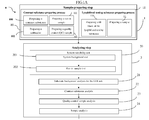
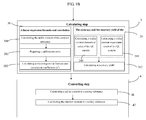
- Fig 1 illustrates a diagram showing a direct solid sample analytical method for determining a content and uniformity thereof in a lyophilized kit of a sulfur-containing chelator with a stable complex capacity for radiotechnetium (Tc-99m) and radiorhenium (Re-186, Re-188).
- a sulfur-containing chelator has a stable complex capacity for radiotechnetium (Tc-99m) and radiorhenium (Re-186, Re-188), which can be applied to a precursor (i.e. active pharmaceutical ingredient, API) of the sulfur-containing chelator in diagnostic or therapeutic radiopharmaceuticals.
- a "lyophilized kit"of a sulfur-containing chelator refers to a reagent produced by premixing the sulfur-containing chelator with reductants such as SnCl2 or the like, and then lyophilizing the mixture. Thereby, the lyophilized kit can be used to facilitate mass production, transportation and clinical use.
- an elemental analyzer refers to a method, which analyzes solid samples directly for determining the content and the uniformity thereof in the lyophilized kit of the sulfur-containing chelator with the stable complex capacity for radiotechnetium (Tc-99m) and radiorhenium (Re-186, Re-188).
- Tc-99m radiotechnetium
- Re-186, Re-188 radiorhenium
- the EA coupled with a non-dispersive infrared detector (NDIR), the EA coupled with a thermal conductivity detector, or the EA coupled with an isotope ratio mass spectrometer may be used as analytic tools in the present invention.
- the calibration curve of the lyophilized kit of sulfur-containing chelator could be constructed by a contrast substance instead, wherein the contrast substance could be, but not limited to a sulfur-containing compound or a sulfur-containing mixture.
- the sulfur-containing compound could comprise, but not limited to sulfanilic acid, 4-aminobenzene sulfonic acid and the like.
- the contrast substance referred to a coal standard, wherein the model number thereof is ELTRA coal standard #92510-50, the constitution comprises 76.6% of the carbon and 3.07% of the sulfur, and the commercial source is ELTRA, Neuss, Germany.
- the advantages using coal as the contrast substance were that: easily access, standard value with sulfur content, low cost, better stability, good preservation and no question of the coal substrate interference after experimenting.
- the embodiment disclosed herein illustrated examples, but was not limited to content analysis of ECD 2HCl, which was a major ingredient in a kit A of a lyophilized injection for a brain imaging agent of ethyl cysteinate dimer.
- the instrument could be, but not limited to the EA coupled with a NDIR (hereinafter called the IR-EA), wherein the model number thereof was vario EL cube, while the commercial source was Elementar Analysensysteme GmbH, Hanau, Germany. Parameters of the instrument(see fig.3) was shown that the optimal Parameters of the sulfur content of ECD 2HCl analysis by IR-EA. If different instruments were used, those instruments could adjust parameters.
- the direct solid sample analytical method 0 described above comprised: a sample-preparing step 1, a analyzing step 2 using an elemental analyzing equipment, a calculating step 3 for the content of the contrast substance and the quality control sample, and a converting step 4 for calculating the sulfur content of a sample into the content of a sulfur-containing chelator.
- the sample-preparing step 1 further comprised a contrast substance preparing process 10 and a lyophilized testing substance preparing process 11, wherein the process 10 could be optionally before the process 11, or vice versa.
- the contrast substance preparing process 10 further comprised a substep 100 for preparing a contrast substance (i.e a coal standard).
- a contrast substance i.e a coal standard
- about 0.5 g of the coal standard were grinded with an agate mortar about 1 to 2 minutes, then put into a backing oven under 107°C to bake about 90 to 120 minutes. Next, the coal standard was taken out, cooled in a drying oven to the room temperature and ready for use.
- EA tin box a tin box specific to an elemental analyzer
- QC sample referred to a substep 103 Preparing a quality control (QC) sample referred to a substep 103, in which foregoing coal standards weighed exactly 2 ⁇ 0.2 mg as QC samples and those coal standards was covered with the EA tin box. Then, the number of QC samples could be at least 20% of a total of samples per batch, wherein the number could be at least 3 with the proviso that the number be a multiple of 3. Sequence of substep 100 to 103 could be changed optionally up to the operator.
- QC quality control
- the lyophilized testing substance preparing process 11 further comprised a substep 110 for preparing a kit blank of the lyophilized testing substance (hereinafter called Kit Blank).
- Kit Blank a kit blank of the lyophilized testing substance
- a proper amount of a Kit Blank was grinded with the agate mortar about 40 seconds.
- Two Kit Blanks weighed exactly about 7.5 mg and were covered with the EA tin box.
- a substep 111 was referred to preparing a sample, which comprises a sulfur-containing chelator.
- the sample disclosed herein referred to ECD Vail A which was taken to grind with the agate mortar about 40 seconds. About 7.5 mg of samples were weighed exactly and covered with the EA tin box.
- the analyzing step 2 proceeded, wherein the EA equipment was used for analyzing and following substeps, further comprising a substep 20 of the system suitability test, a substep 21 of the substrate background analysis for the Kit Blank, a substep 22 of the contrast substance analysis, a substep 23 of the quality control sample analysis and a substep 24 of the sample analysis.
- the substep 20 referred to a system suitability test, which should be performed before every analysis test, while the contrast substance and the testing substance could be analyzed after up to the standard.
- the system suitability test further comprised a substep 201 referred to a system background test and a substep 202 referred to a run-in sample test.
- At least six blank tin boxs without any samples were analyzed in the substep 201 until the background was stable. Finally, several blank tin boxes were analyzed the background, calculating the integral area of the sulfur average background. The acceptable standard of the system background had less than 5000 counts of the sulfur background of several blank tin boxes (i.e. the integral area).
- the integral area of the sulfur average background was calculated by three samples of blank tin boxes.
- sulfur content of 8 to 12 coal run-in samples was analyzed in the substep 201 to confirm the instrumental reproducibility.
- the relative standard deviation (RSD) of the sulfur content ratio was analyzed and calculated by coal run-in samples.
- the number of analyzed and calculated coal run-in samples was 4.
- the acceptable standard of the reproducibility disclosed in a specific embodiment had RSD 5% of an analysis result of four coal run-in samples.
- the substep 21 referred to using the EA equipment to analyze a substrate background of the Kit Blank, wherein the Kit Blank described above were put randomly in different positions during the batch analysis to determine the sulfur content, then the average integral area of the sulfur content was calculated.
- the substep 22 referred to using the EA equipment to analyze a contrast substance, wherein five dealt coal standards as described above which had a weight selected from the range of 1 to 3.5 mg were ranked from low to high to determine the sulfur content in turn. After subtracting system background (i.e. the average background integral area) from the analytic area of sulfur content, coal standards were corresponded to the analytic area of the sulfur content to construct a calibration curve of linear regression and calculate the linear relation.
- system background i.e. the average background integral area
- the substep 23 referred to using the EA equipment to analyze a QC sample, wherein the dealt QC sample described above was put randomly in different positions during batch analysis to determine sulfur content. After subtracting system background (i.e. the average background integral area) from the analytic area of sulfur content, the corresponding calibration curve of the sulfur content was calculated by the interpolation.
- system background i.e. the average background integral area
- the substep 24 referred to using the EA equipment to analyze samples, wherein the dealt samples described above were put randomly in different positions during batch analysis to determine sulfur content. After subtracting the sulfur average background integral area of the blank sample substrate from the analytic area of sulfur content, the corresponding of the sulfur content was calculated by interpolation.
- step 3 which referred to a calculating step for the content of the contrast substance and the quality control sample, further comprised a calculating substep 30 for a linear regression formula and correlation coefficients of the contrast substance, and a calculating substep 31 for the accuracy and the recovery yield of the quality control sample, wherein the process 30 could be optionally before the process 31, or vice versa.
- the accuracy disclosed herein meant to an approximation between an experiment result and a theoretical value by the recovery yield.
- the batch test could be accurate according to the QC samples which should have a greater than 66.7% recovery yield.
- QC samples had a recovery yield selected from the range of 95 ⁇ 105%.
- the standard curve of coal contrasts and testing results of a precision and an accuracy of QC sample were shown in fig.4, in which testing results exhibited a correlation coefficient of 0.9989 ⁇ 0.9994 of samples and QC samples had a RSD of 0.6% ⁇ 2.25%. Experiment results described above demonstrated that the method had a good precision and accuracy.
- Fig. 5 shows the analytic result of ECD 2HCL content determined by EA, wherein the coal contrast substance exhibited a correlation coefficient of 0.9989 ⁇ 0.9994 of a standard calibration curve, while QC samples had a recovery yield of 99.52 ⁇ 106.62.
- disclosure herein features a direct solid sample analytical method for determining a content and a uniformity thereof in a lyophilized kit of a sulfur-containing chelator.
- a direct solid sample analytical method for determining a content and a uniformity thereof in a lyophilized kit of a sulfur-containing chelator.
- an EA coupled with NDIR, a thermal conductivity detector or an isotope ratio mass spectrometer is applied but not limit to exactly and effectively analyze the sulfur content of the sulfur-containing chelator in the solid lyophilized kit in the present invention and the chelator was further converted by a weight percent formula.
Landscapes
- Health & Medical Sciences (AREA)
- Life Sciences & Earth Sciences (AREA)
- Epidemiology (AREA)
- Animal Behavior & Ethology (AREA)
- Chemical & Material Sciences (AREA)
- Medicinal Chemistry (AREA)
- Optics & Photonics (AREA)
- Pharmacology & Pharmacy (AREA)
- Proteomics, Peptides & Aminoacids (AREA)
- Physics & Mathematics (AREA)
- General Health & Medical Sciences (AREA)
- Public Health (AREA)
- Veterinary Medicine (AREA)
- Other Investigation Or Analysis Of Materials By Electrical Means (AREA)
- Investigating Or Analyzing Non-Biological Materials By The Use Of Chemical Means (AREA)
- Investigating Or Analysing Biological Materials (AREA)
Description
- The present invention relates to a method for detecting a chelator content in a solid sample and, more particularly, to a direct solid sample analytical technology for determining a content and a uniformity thereof in a lyophilized kit of a sulfur-containing chelator with a stable complex capacity for radiotechnetium (Tc-99m) and radiorhenium (Re-186, Re-188)
- As well known to those skilled in the art, a sulfur-containing chelator, which is a soft chelator widely applied to chelating radiotechnetium (Tc-99m) and radiorhenium (Re-186, Re-188), can complex stably with radiotechnetium and radiorhenium. Recently, a sulfur-containing radiopharmaceutical of radiotechnetium and radiorhenium comprises:
- Tc-99m-ethyl cysteinate dimer (Tc-99m-ECD, a diagnostic drug for epilepsy), Tc-99m-mercaptoacetyltriglycine (Tc-99m-MAG3, a diagnostic drug for renal function), Tc-99m-dimercaptosuccinic acid (Tc-99m-DMSA, a diagnostic drug for renal cortex and pulmonary function), Tc-99m-N-NOET (a diagnostic drug for cardiac), Tc-99m-N-DBODC (a diagnostic drug for cardiac), Tropane derivatives (a contrast agent of dopamine transporters), Re-188 ECD/Lipiodol (a therapeutic drug of liver cancer) and an ethylenedicysteine-pharmaceutical adduct (capable of binding with various chelators and Tc-99m as disease constrasts) and the likes.
- A general category of the sulfur-containing chelator, which can be complexed with radiotechnetium and radiorhenium, are shown in
fig.1 . -
Fig.1 a general category of the sulfur-containing chelator which can be complexed with radiotechnetium and radiorhenium.Coordinating nucleus of radiotechnetium and radiorhenium chelator chelating structure Penta- and Hexacoordinated complexes of oxo-Tc or oxo-Re Thiolates S Aminothiolates 
Dithiolates or dithioxalates 
([M=O]3+) Tridentate dithiolates 


Tridentate Schiff bases 
Diaminedithiolates 
Mercaptoacetamides 
MAG3 derivatives 
Thioalkyl-dithiol-thio 
Penta- and Hexacoordinated complexes of nitrido-Tc or nitrido-Re ([M≡N]2+) Thiourea S Dithiocarbamate 
Azomethines 
Diaminedithiolates 
Isothiocyanate RN=C=S - As clinical use, a lyophilized kit comprising a chelator and a reductant is usually dissolved in a buffer solution, and then the chelating reaction (also known as complex reaction or radiolabeled reaction) is preceded by mixing radiotechnetium or radiorhenium. After producing a complex, a patient's intravenouse injection is performed.
- Traditionally, most methods for measuring a content of a sulfur-containing chelator in a lyophilized kit are dissolving the sample, titrating then instrumental analyzing.
- A first conventional method for measuring sulfur in liquid samples refers to Eschka method. The method is a standard method of the total sulfur content such as organic sulfur, inorganic sulfur sulfur and elemental sulfur,which is adopted by ISO and ASTM. However, the chemical pretreatment process of the method is too complicated and mainly applied to the measurement of the total sulfur content in coal, oil coke, and/or coke, and thereby the method is inappropriate for analyzing organic sulfur-containing chelators.
- A second conventional method for measuring sulfur in liquid samples refers to using inductively coupled plasma atomic emission spectrometry (ICP-AES) and potentiometric to analyze sulfur content. The disadvantage of the method as described above is that the method is only used to analyze liquid samples, and thus many complicated chemical pretreatment processes before analyzing,including steps of decomposing, dissolving, purifying and the like, are a must. Because of rapid degradation after dissolving parts of the sulfur-containing chelator in the lyophilized kit such as ECD Vail A, some problems such as sample loss and contamination or the like, may be caused during processing. Accordingly, using instruments after dissolving samples such as high performance liquid chromatography (HPLC) or mass spectrometric analysis is not suitable for analyzing such samples. Further, the analytic method of the sulfur content is also related to the sulfur chemical conformation. For example, a third conventional method for measuring sulfur in liquid samples refers to Canfield et al. research, which a reduction method of chromium is used to analyze inorganic sulfur in sediments, shales and argillites, comprising pyrite , elemental sulfur and volatile monosulfide. Nevertheless, the reduction method only has a higher specificity for reducing inorganic sulfur rather than reduces organic sulfur and sulfates, and thus fails to completely determine the real sulfur content of organic compounds.
- Disadvantages for analyzing liquid samples may be known as described above, therefore, if solid samples may be directly analyzed, an analyte loss during dissolving samples may be avoided. Further, there may be many merits according to the undiluted samples, such as the increased analytic sensitivity, the decreased amount of requiring samples, the no requirement of corrosive and hazardous reagents, the frugal expenditure, the environmental protection and the faster analyzing rates. However, there are still some defects to directly analyze solid samples, including a difficult sample operation, especially during the process wherein samples are introduced into instruments, an arduous standard calibration due to the process of gasification and an analyte atomization which is related to forms and substrates of the analyte in solid samples, an unsatisfactory precision such as a range of 5∼25% of a relative standard deviation(RSD) for analyzing solid samples by solid sampling-graphite furnace atomic absorption spectrometry(SS-GFAAS) and Solid Sampling-Electrothermal Vaporization-Inductively Coupled Plasma-Mass Spectrometry(SS-ETV-ICP-MS), and other problems induced by introducing other substrates into instruments while directly analyzing. Additionally, the direct analysis of solid sample has a common range of 10∼20% of a relative standard deviation.
- A first conventional method for measuring sulfur in solid samples refers to X-ray fluorescence spectroscopy, which is developed by Neemer et al for directly analyzing the sulfur content of solid powders in feed. However, the pattern resolution of the baseline separation may not be obtained by such a method, and thus quantitative analysis software is developed by them. Besides, a comprehensive standard uncertainty and an accuracy of such method are 12% and 2∼10% respectively, and the main error of such method derives from sampling uniformity of solid samples.

- A second conventional method for measuring sulfur in solid samples refers to instrumental neutron activation analysis (INAA) which is developed by Neemer et al for directly analyzing the sulfur content of solid powders in feed. However, related equipments for neutron irradiating and radiation protecting are necessary for INAA, and 3000-5000 mg/kg of a lower detecting limit is unsatisfactory.
- A third conventional method for measuring sulfur in solid samples refers to using an elemental analyzer. For example, a method which an elemental analyzer coupled with an isotope ratio mass spectrometer (Sieper et al.: "A measuring system for the fast simultaneous isotope ratio and elemental analysis of carbon, hydrogen, nitrogen and sulfur in food commodities and other biological material" (RAPID COMMUNICATIONS IN MASS SPECTROMETRY, vol. 20, no. 17, 1st January 2006, pages 2521 - 2527, XP 55020966)) was developed to simultaneously analyze the isotope ratio of elements including hydrogen, carbon, sulfur and nitrogen within twenty minutes. Besides, Carlo Erba elemental analyzer (Duz et al.) was applied to hydrogen, carbon, sulfur and nitrogen analysis in coal samples. Although using the elemental analyzer for solid samples has been known to Pharmaceutical industries and applied element content analysis to a single pharmaceutical, the method described above has never been used to directly analyze the content and uniformity thereof in the lyophilized kit of the sulfur-containing chelator with a stable complex capacity for radiotechnetium (Tc-99m) and radiorhenium (Re-186, Re-188) until now.
- Above all, a technology for directly analyzing solid samples is immediately needed, which may be easily operated, provided with high precision and applied for determining the content in the lyophilized kit of the sulfur-containing chelator with a stable complex capacity for radiotechnetium (Tc-99m) and radiorhenium (Re-186, Re-188), and thereby problems due to prior arts may be resolved.
-
CA 1 316 800 C -
WO 2005/79864 A2 - The above-mentioned object is solved by the method according to
claim 1. Advantageous improvements of the invention are described by dependent claims. - Determining a content and a uniformity thereof of chelator active ingredients in a lyophilized kit is a significant test item for maintaining chemical, manufacturing and control qualities. An aspect of the present invention is related to a direct solid sample analytical technology for determining a content and a uniformity thereof in a lyophilized kit of a sulfur-containing chelator with a stable complex capacity for radiotechnetium (Tc-99m) and radiorhenium (Re-186, Re-188), and thus the pharmaceutical quality of the lyophilized kit during mass production may be assured by the method.
- In one embodiment, a method for directly analyzing solid samples is provided, which may be easily operated, provided with high precision and applied for determining a content and a uniformity thereof of active ingredients of a sulfur-containing chelator in a lyophilized kit, comprising:
- a sample-preparing step, which comprises a contrast substance preparing process and a lyophilized testing substance preparing process, wherein the contrast substance preparing process comprises: preparing a contrast substance, a run-in sample, a calibration curve standard and a quality control sample, while the lyophilized testing substance preparing process comprises: preparing a kit blank of the lyophilized testing substance and a sample, wherein the sample is related to the sulfur-containing chelator;
- An analyzing step using an elemental analyzing equipment, wherein the elemental analyzing equipment is used for the following substeps, comprising: a system suitability test, a substrate background analysis for the kit blank of the lyophilized testing substance, a contrast substance analysis, a quality control sample analysis and a sample analysis, wherein the system suitability test comprises: a system background test and a run-in sample test;
- A calculating step for a content of a contrast substance and a quality control sample, which comprises: a calculating substep for a linear regression formula and a correlation coefficient of the contrast substance and a calculating substep for an accuracy and a recovery yield of the quality control sample, wherein the calculating substep for the linear regression formula and the correlation coefficient of the contrast substance comprises: calculating a sulfur content of the contrast substance, preparing a calibration curve, and calculating the linear regression formula and correlation coefficients, while the calculating substep for an accuracy and a recovery yield of the quality control sample comprises: calculating a theoretical value and an experimental value for the sulfur content of the quality control sample and the recovery yield thereof; and
- A converting substep for calculating a sulfur content of a sample into a content of a sulfur-containing chelator, wherein comprises: calculating the sulfur content in a testing substance and calculating a chelator content in the testing substance.
- In one embodiment, the elemental analyzing equipment is the elemental analyzing equipment, which coupled with a non-dispersive infrared detector, a thermal conductivity detector or a mass spectrometer or the like. In a specific embodiment, the mass spectrometer as described above may be, but limited to an isotope ratio mass spectrometer, an inductively coupled plasma mass spectrometry, a gas chromatograph mass spectrometry, a liquid chromatography mass spectrophotometer or a tandem mass spectrometry.
- In one embodiment, the sulfur-containing chelator may be a precursor of the sulfur-containing chelator, which has a stable complex capacity for radiotechnetium (Tc-99m) and radiorhenium (Re-186, Re-188). In some embodiments, the precursor disclosed herein may be applied to diagnostic or therapeutic radiopharmaceuticals after chelating with radiotechnetium and radiorhenium. In other embodiments, the sulfur-containing chelator further comprises, but is not limited to: thiolates, aminothiolates,dithiolates, dithioxalates, tridentate dithiolates, tridentate schiff bases, diaminedithiolates, mercaptoacetamides, mercaptoacetyltriglycine (mag3) derivatives, thioalkyl-dithiol-thio, thiourea, dithiocarbamate, azomethines, diaminedithiols or isothiocyanate.
- In one embodiment, the contrast substance is a sulfur-containing compound or a sulfur-containing mixture. For example, the sulfur-containing compound may comprise but not limit to sulfanilic acid or 4-aminobenzene sulfonic acid, while the sulfur-containing mixture may comprises but not limit to coal.
- Other objects, advantages, and novel features of the invention will become more apparent from the following detailed description when taken in conjunction with the accompanying drawings.
- The accompanying drawings are included to provide a further understanding of the invention, and are incorporated in and constitute a part of this specification. The drawings illustrate embodiments of the invention and, together with the description, serve to explain the principles of the invention. In the drawings,
-
Fig 1 illustrates a diagram showing a direct solid sample analytical method for determining a content and uniformity thereof in a lyophilized kit of a sulfur-containing chelator with a stable complex capacity for radiotechnetium (Tc-99m) and radiorhenium (Re-186, Re-188). - The above and other objects, features and advantages of the present invention will be more clearly understood from the following detailed description taken in conjunction with the accompanying drawings, in which:
- A direct solid sample analytical method is provided in the present invention, which is used for determining the content and the uniformity thereof in the lyophilized kit of the sulfur-containing chelator with the stable complex capacity for radiotechnetium (Tc-99m) and radiorhenium (Re-186, Re-188). The sulfur content of solid samples in the lyophilized kit is expected to be analyzed directly, there follows a conversion of the sulfur content into a chelator content according to the chelator which is the only sulfur-containing ingredient in the formula of the lyophilized kit. Thus, there is no need to analyze after dissolving samples to avoid some problems such as the instability or the degradation caused by dissolving solid samples of the lyophilized kit.
- As used herein a sulfur-containing chelator has a stable complex capacity for radiotechnetium (Tc-99m) and radiorhenium (Re-186, Re-188), which can be applied to a precursor (i.e. active pharmaceutical ingredient, API) of the sulfur-containing chelator in diagnostic or therapeutic radiopharmaceuticals. As used herein a "lyophilized kit"of a sulfur-containing chelator refers to a reagent produced by premixing the sulfur-containing chelator with reductants such as SnCl2 or the like, and then lyophilizing the mixture. Thereby, the lyophilized kit can be used to facilitate mass production, transportation and clinical use.
- Using an elemental analyzer (EA) disclosed herein refers to a method, which analyzes solid samples directly for determining the content and the uniformity thereof in the lyophilized kit of the sulfur-containing chelator with the stable complex capacity for radiotechnetium (Tc-99m) and radiorhenium (Re-186, Re-188). Although the EA has been fully mature to widely applied in chemical constitution analysis of pure compounds, such a method has never been applied in general solid sample analysis of the content and the uniformity thereof in the lyophilized formula of the sulfur-containing chelator, especially for analyzing the sulfur-containing chelator which has a "soft" stable capacity for radiotechnetium (Tc-99m) and radiorhenium (Re-186, Re-188). The EA coupled with a non-dispersive infrared detector (NDIR), the EA coupled with a thermal conductivity detector, or the EA coupled with an isotope ratio mass spectrometer may be used as analytic tools in the present invention.
- Because the calibration curve of the lyophilized kit of sulfur-containing chelator was inaccessible, the calibration curve could be constructed by a contrast substance instead, wherein the contrast substance could be, but not limited to a sulfur-containing compound or a sulfur-containing mixture. The sulfur-containing compound could comprise, but not limited to sulfanilic acid, 4-aminobenzene sulfonic acid and the like. In one embodiment, the contrast substance referred to a coal standard, wherein the model number thereof is ELTRA coal standard #92510-50, the constitution comprises 76.6% of the carbon and 3.07% of the sulfur, and the commercial source is ELTRA, Neuss, Germany. The advantages using coal as the contrast substance were that: easily access, standard value with sulfur content, low cost, better stability, good preservation and no question of the coal substrate interference after experimenting.
- Referring to fig.2, the coal substrate effect test was shown that the sulfur content was directly measured in coal or measured by putting coal into the lyophilized kit without any chelator. Coal was not interfered with the substrate according to fig. 2.
- Fig.2 the Substrate Effect Test Of Coal
Sample The standard curve of coal contrast substance Peak area Sulfur content (mg) The formula of linear regression Correlation coefficient (r) Coal 0.033∼0. 142 Y = 1.565 × 10⁻⁶X + 3.174 × 10⁻³ 1.0000 248 ± 11 Coal which puts into the lyophilized kit without any chelator 0.036∼ 0.132 Y = 1.547 × 10⁻⁶X + 8.932 × 10⁻³ 0.9998 2438 ± 642 - Then, a sample pretreatment process of a coal contrast was amended by ASTM method D-3173, 2002. Further, analyzing instrument parameters of partial sulfur-containing chelator by the EA was amended by the method developed by Sieper et al., wherein elements such as hydrogen, carbon, sulfur and nitrogen were simultaneously analyzed by the EA coupled to the isotope ratio mass spectrometer.
- The embodiment disclosed herein illustrated examples, but was not limited to content analysis of ECD 2HCl, which was a major ingredient in a kit A of a lyophilized injection for a brain imaging agent of ethyl cysteinate dimer. In the embodiment, the instrument could be, but not limited to the EA coupled with a NDIR (hereinafter called the IR-EA), wherein the model number thereof was vario EL cube, while the commercial source was Elementar Analysensysteme GmbH, Hanau, Germany. Parameters of the instrument(see fig.3) was shown that the optimal Parameters of the sulfur content of ECD 2HCl analysis by IR-EA. If different instruments were used, those instruments could adjust parameters.
- Fig.3 Optimal Parameters Of The Sulfur Content Of ECD 2HCl Analysis By IR-EA
Analyzing mode CHNS Combustion tube temperature (°C) 1150 Reduction tube temperature (°C) 900 Injection gas/time (sec) He/10 Injection time of O2 120 Waiting temperature of CO2 (°C) Environment temperature Waiting temperature of H2O Environment temperature Waiting temperature of SO2 (°C) 140 desorption temperature of CO2 (°C) 240 desorption temperature of H2O(°C) 150 desorption temperature of SO2(°C) 220 Carrying gas/ flow rate (ml/min) He/230 Flow rate of O2 15 Flow rate of O2 during combustion 30-35 - A diagram (see
fig.1A and1B ) was shown that the direct solid sample analytical method disclosed herein for determining the content and the uniformity thereof in the lyophilized kit of the sulfur-containing chelator with the stable complex capacity for radiotechnetium (Tc-99m) and radiorhenium (Re-186, Re-188). The direct solid sample analytical method 0 described above comprised: a sample-preparingstep 1, a analyzing step 2 using an elemental analyzing equipment, a calculatingstep 3 for the content of the contrast substance and the quality control sample, and a convertingstep 4 for calculating the sulfur content of a sample into the content of a sulfur-containing chelator. - First, the sample-preparing
step 1 further comprised a contrastsubstance preparing process 10 and a lyophilized testingsubstance preparing process 11, wherein theprocess 10 could be optionally before theprocess 11, or vice versa. - The contrast
substance preparing process 10 further comprised asubstep 100 for preparing a contrast substance (i.e a coal standard). In certain embodiment, about 0.5 g of the coal standard were grinded with an agate mortar about 1 to 2 minutes, then put into a backing oven under 107°C to bake about 90 to 120 minutes. Next, the coal standard was taken out, cooled in a drying oven to the room temperature and ready for use. - Preparing a run-in sample referred to a
substep 101, in which the coal standard as described above exactly weighed 2 ± 0.2 mg as a run-in sample. - Then, the analyzed run-in sample was tested and confirmed after covered with a tin box specific to an elemental analyzer (hereinafter called a EA tin box).
- Preparing a calibration curve standard referred to a
subtep 102, in which five coal standards as described above exactly weighed that had a weight selected from the range of 1 to 3.5 mg and then those coal standards were covered with the EA tin box. - Preparing a quality control (QC) sample referred to a
substep 103, in which foregoing coal standards weighed exactly 2 ± 0.2 mg as QC samples and those coal standards was covered with the EA tin box. Then, the number of QC samples could be at least 20% of a total of samples per batch, wherein the number could be at least 3 with the proviso that the number be a multiple of 3. Sequence ofsubstep 100 to 103 could be changed optionally up to the operator. - The lyophilized testing
substance preparing process 11 further comprised asubstep 110 for preparing a kit blank of the lyophilized testing substance (hereinafter called Kit Blank). A proper amount of a Kit Blank was grinded with the agate mortar about 40 seconds. Two Kit Blanks weighed exactly about 7.5 mg and were covered with the EA tin box. - A substep 111 was referred to preparing a sample, which comprises a sulfur-containing chelator. In a specific embodiment, the sample disclosed herein referred to ECD Vail A which was taken to grind with the agate mortar about 40 seconds. About 7.5 mg of samples were weighed exactly and covered with the EA tin box.
- Then, the analyzing step 2 proceeded, wherein the EA equipment was used for analyzing and following substeps, further comprising a
substep 20 of the system suitability test, asubstep 21 of the substrate background analysis for the Kit Blank, asubstep 22 of the contrast substance analysis, a substep 23 of the quality control sample analysis and asubstep 24 of the sample analysis. - The
substep 20 referred to a system suitability test, which should be performed before every analysis test, while the contrast substance and the testing substance could be analyzed after up to the standard. The system suitability test further comprised asubstep 201 referred to a system background test and asubstep 202 referred to a run-in sample test. - In certain embodiment, at least six blank tin boxs without any samples were analyzed in the
substep 201 until the background was stable. Finally, several blank tin boxes were analyzed the background, calculating the integral area of the sulfur average background. The acceptable standard of the system background had less than 5000 counts of the sulfur background of several blank tin boxes (i.e. the integral area). - In certain embodiment, the integral area of the sulfur average background was calculated by three samples of blank tin boxes. In certain embodiment, sulfur content of 8 to 12 coal run-in samples was analyzed in the
substep 201 to confirm the instrumental reproducibility. Finally, the relative standard deviation (RSD) of the sulfur content ratio was analyzed and calculated by coal run-in samples. In certain embodiment, the number of analyzed and calculated coal run-in samples was 4. The acceptable standard of the reproducibility disclosed in a specific embodiment had RSD 5% of an analysis result of four coal run-in samples. - The
substep 21 referred to using the EA equipment to analyze a substrate background of the Kit Blank, wherein the Kit Blank described above were put randomly in different positions during the batch analysis to determine the sulfur content, then the average integral area of the sulfur content was calculated. - The
substep 22 referred to using the EA equipment to analyze a contrast substance, wherein five dealt coal standards as described above which had a weight selected from the range of 1 to 3.5 mg were ranked from low to high to determine the sulfur content in turn. After subtracting system background (i.e. the average background integral area) from the analytic area of sulfur content, coal standards were corresponded to the analytic area of the sulfur content to construct a calibration curve of linear regression and calculate the linear relation. - The substep 23 referred to using the EA equipment to analyze a QC sample, wherein the dealt QC sample described above was put randomly in different positions during batch analysis to determine sulfur content. After subtracting system background (i.e. the average background integral area) from the analytic area of sulfur content, the corresponding calibration curve of the sulfur content was calculated by the interpolation.
- The
substep 24 referred to using the EA equipment to analyze samples, wherein the dealt samples described above were put randomly in different positions during batch analysis to determine sulfur content. After subtracting the sulfur average background integral area of the blank sample substrate from the analytic area of sulfur content, the corresponding of the sulfur content was calculated by interpolation. - Proceeding to the
step 3, which referred to a calculating step for the content of the contrast substance and the quality control sample, further comprised a calculatingsubstep 30 for a linear regression formula and correlation coefficients of the contrast substance, and a calculatingsubstep 31 for the accuracy and the recovery yield of the quality control sample, wherein theprocess 30 could be optionally before theprocess 31, or vice versa. - The
substep 30 further comprised: asubstep 300 for calculating the sulfur content of the contrast substance, wherein the sulfur content of the contrast substance (mg) = sample weight (mg)x sulfur content percentage of samples (%); asubstep 301 for preparing a calibration curve, wherein the calibration curve was constructed by using the sulfur content of the contrast substance (mg) to correspond to the sulfur integral area (from which the average integral area of the system background was subtracted), and in certain embodiment the contrast substance was coal; asubstep 302 for calculating a linear regression formula and correlation coefficients(r), wherein the linear regression formula = slope × sulfur integral area + intercept, in which the linear acceptable standard had a greater or equal 0.995 of a square of linear correlation coefficient(r2, ). - Calculating an accuracy and a recovery yield of the quality control sample referred to a
substep 31. The accuracy disclosed herein meant to an approximation between an experiment result and a theoretical value by the recovery yield. Calculating an experiment result of the sulfur content by a sulfur content percent of QC samples, followed by the ratio of the experiment result and the theoretical value of sulfur content. Generally, the batch test could be accurate according to the QC samples which should have a greater than 66.7% recovery yield. In one embodiment, QC samples had a recovery yield selected from the range of 95∼105%. - The
substep 310 referred to calculating a sulfur content theoretical value of the QC sample, wherein the sulfur content theoretical value of the QC sample = the weight of QC samples (mg) × sulfur content percent theoretical value of the QC sample (%). - The
substep 311 referred to calculating a sulfur content experiment result of the QC sample, wherein the sulfur content experiment result of the QC sample = the weight of QC samples (mg) × sulfur content percent experiment result of the QC sample (%) and thesubstep 310 may be optionally before thesubstep 311, or vice versa. - The
substep 312 referred to calculating a recovery yield, wherein the recovery yield(%) = the sulfur content experiment result of the QC sample (mg) /the sulfur content theoretical value of the QC sample (mg)x 100%. The standard curve of coal contrasts and testing results of a precision and an accuracy of QC sample were shown in fig.4, in which testing results exhibited a correlation coefficient of 0.9989∼0.9994 of samples and QC samples had a RSD of 0.6%∼2.25%. Experiment results described above demonstrated that the method had a good precision and accuracy. - Fig.4. The Standard Curve Of Coal Contrasts And Testing Results Of The Precision And The Accuracy Of QC Samples
The standard curve of coal contrast substance Sulfur weight of QC samples (%) (Relative standard deviation %) Recovery yield of the QC sample (%) Sulfur weight (mg) The linear regression formula Correlation coefficient 0.033-0.104 Y = 1.615 × 10⁻⁶X + 4.747 × 10⁻³ 0.9993 3.13 ± 0.07 (2.25%) 102.08 ± 2.29 0.031∼ 0.105 Y = 1.623 × 10⁻⁶X + 1.741 × 0.9989 3.10 ± 0.02 (0.60%) 100.89 ± 0.60 10-3 0.034-0.107 Y = 1.634 × 10⁻⁶X + 1.034 × 10⁻³ 0.9994 3.08 ± 0.04 (1.21%) 100.15 ± 1.21 - The converting
substep 4, which calculated the sulfur content of a sample into content of a sulfur-containing chelator, further comprised a substep 40 and asubstep 41. The substep 40 referred to calculating a sulfur content in a testing substance, wherein the sulfur content in a testing substance(mg)= total weight of the testing substance (mg) × sulfur content percent experiment result of the testing substance (%); thesubstep 41 referred to calculating the chelator content in a testing substance, which the calculating formula were as follows, chelator content (mg)= (the sulfur content in a testing substance(mg)) × molecular weight of chelator (g/mol))/ (sulfur number in the chelator × molecular weight of sulfur (g/mol)). In a specific embodiment, the chelator was ECD 2HCl, wherein the content of ECD 2HCl was calculated following according to the formula as described above: ECD 2HCl (mg)= (the sulfur content in a testing substance(mg) × molecular weight of ECD 2HCl(g/mol)) / (2 × molecular weight of sulfur (g/mol)). Fig. 5 shows the analytic result of ECD 2HCL content determined by EA, wherein the coal contrast substance exhibited a correlation coefficient of 0.9989∼0.9994 of a standard calibration curve, while QC samples had a recovery yield of 99.52∼106.62. These results described above exhibited that the solid sample analytic method disclosed herein could exactly determine the weight of ECD 2HCl. - Fig. 5 the analytic result of ECD 2HCL content determined by EA
Experiment Standard curve of coal contrast substance Recovery yield of the QC Sample (%) Weight (mg) Sulfur weight (mg) The linear regression formula Correlation coefficient 1 1.025~ 3.327 Y = 1.624 × 10⁻⁶X + 1.600 × 10⁻³ 0.9995 101.26 0.934 ± 0.021 2 1.058~ 3.403 Y = 1.582 × 10⁻⁶X + 1.791 × 10⁻³ 0.9994 100.81∼ 101.94 0.952 ± 0.013 3 1.033~ 3.376 Y = 1.629 × 10⁻⁶X + 7.410 × 10⁻⁴ 0.9998 99.52∼ 106.62 0.984 ± 0.007 - Additionally, experimental parameters could be adjusted in the solid sample analytic method disclosed herein to find out the range of these parameters. The robustness test of adjusting parameters were shown in fig.6, wherein the coal contrast substance had a correlation coefficient of a standard calibration curve greater than 0.9989∼0.9994 and QC samples had a recovery yield of 97∼104.94% when the injection time of 02 was within the range of 90 to 150 sec, the temperature of the combustion tube was at the range of 1120 to 1180 °C, and the temperature of the reduction tube was at the range of 850 to 950°C.
- Fig.6 Robustness test of adjusting parameters
Experimental parameters Standard curve of coal contrast substance QC Samples The linear regression formula Correlation coefficient Sulfur weight (%) Recovery yield (%) Injection time of O2 90 Y = 1.544 × 10⁻⁶X + 3.394 × 10⁻³ 0.9992 3.14 ± 0.06 102.36 ± 2.58 120 Y = 1.615 × 10⁻⁶X + 4.747 × 10⁻³ 0.9993 3.13 ± 0.07 101.91 ± 2.30 150 Y = 1.604 × 10⁻⁶X + 7.508 × 10⁻⁴ 0.9999 3.05 ± 0.10 99.17 ± 2.84 Temperature of the combustion tube (°C) 1120 Y = 1.605 × 10⁻⁶X + 8.215 × 10⁻⁴ 0.9997 3.13 ± 0.06 102.01 ± 1.85 1150 Y = 1.615 × 10⁻⁶X + 4.747 × 10⁻³ 0.9993 3.13 ± 0.07 101.91 ± 2.30 1180 Y = 1.586 × 10⁻⁶X + 1.126 × 10⁻³ 0.9985 3.03 ± 0.03 98.68 ± 1.14 Temperature of the reduction tube (°C) 850 Y = 1.621 × 10⁻⁶X + 9.226 × 10⁻⁵ 0.9997 3.12 ± 0.06 102.01 ± 1.75 900 Y = 1.615 × 10⁻⁶X + 4.747 × 10⁻³ 0.9993 3.13 ± 0.07 101.91 ± 2.30 950 Y = 1.649 × 10⁻⁶X - 1.288 × 10⁻³ 0.9996 3.00 ± 0.02 97.97 ± 0.87 - As embodied and broadly described herein, disclosure herein features a direct solid sample analytical method for determining a content and a uniformity thereof in a lyophilized kit of a sulfur-containing chelator. For example, an EA coupled with NDIR, a thermal conductivity detector or an isotope ratio mass spectrometer is applied but not limit to exactly and effectively analyze the sulfur content of the sulfur-containing chelator in the solid lyophilized kit in the present invention and the chelator was further converted by a weight percent formula. From the above description, one skilled in the art can make various changes and modifications of the invention to adapt it to various usages and conditions.
- Thus, other embodiments are also within the scope of the following claims.
- Although the present invention has been explained in relation to its preferred embodiment, it is to be understood that many other possible modifications and variations can be made without departing from the scope of the invention as hereinafter claimed.
Claims (8)
- A direct solid sample analytical method (0) for determining a content and a uniformity thereof in a lyophilized kit of a sulfur-containing chelator with a stable complex capacity for radiotechnetium (Tc-99m) and radiorhenium (Re-186, Re-188), comprising:a sample-preparing step (1), which comprises a contrast substance preparing process (10) and a lyophilized testing substance preparing process (11), wherein the contrast substance preparing process (10) comprises: preparing a contrast substance (100), a run-in sample (101), a calibration curve standard (102) and a quality control sample (103), while the lyophilized testing substance preparing process (11) comprises: preparing a kit blank of the lyophilized testing substance (110) and a sample (111), wherein the sample is related to the sulfur-containing chelator;an analyzing step (2) using an elemental analyzing equipment, wherein the elemental analyzing equipment is used for the following substeps, comprising: a system suitability test (20), a substrate background analysis for the kit blank of the lyophilized testing substance (21), a contrast substance analysis (22), a quality control sample analysis (23) and a sample analysis (24), wherein the system suitability test (20) comprises: a system background test (201) and a run-in sample test (202);a calculating step for a content of a contrast substance and a quality control sample (3), which comprises: a calculating substep for a linear regression formula and a correlation coefficient of the contrast substance (30) and a calculating substep for an accuracy and a recovery yield of the quality control sample (31), wherein the calculating substep for the linear regression formula and the correlation coefficient of the contrast substance (30) comprises: calculating a sulfur content of the contrast substance (300), preparing a calibration curve (301), and calculating the linear regression formula and correlation coefficients (302), while the calculating substep for an accuracy and a recovery yield of the quality control sample (31) comprises: calculating a theoretical value (310) and an experimental value (311) for the sulfur content of the quality control sample and the recovery yield thereof (312); anda converting substep for calculating a sulfur content of a sample into a content of a sulfur-containing chelator (4), which comprises: calculating the sulfur content in a testing substance (41) and calculating a chelator content in the testing substance (42).
- The method (0) as claimed in claim 1, wherein the elemental analyzing equipment is the elemental analyzing equipment, which coupled with a non-dispersive infrared detector, a thermal conductivity detector or a mass spectrometer.
- The method (0) as claimed in claim 2, wherein the mass spectrometer that the elemental analyzing equipment coupled with is an isotope ratio mass spectrometer, an inductively coupled plasma mass spectrometry, a gas chromatograph mass spectrometry, a liquid chromatography mass spectrophotometer or a tandem mass spectrometry.
- The method (0) as claimed in claim 1, wherein the sulfur-containing chelator refers to a precursor of the sulfur-containing chelator which has a stable complex capacity for radiotechnetium (Tc-99m) and radiorhenium (Re-186, Re-188) and is applied to diagnostic or therapeutic radiopharmaceuticals after chelating with radiotechnetium and radiorhenium.
- The method (0) as claimed in claim 4, wherein the sulfur-containing chelator further comprises: thiolates, aminothiolates,dithiolates, dithioxalates, tridentate dithiolates, tridentate schiff bases, diaminedithiolates, mercaptoacetamides, mercaptoacetyltriglycine (mag3) derivatives, thioalkyl-dithiol-thio, thiourea, dithiocarbamate, azomethines, diaminedithiols or isothiocyanate.
- The method (0) as claimed in claim 1, wherein the contrast substance is a sulfur-containing compound or a sulfur-containing mixture.
- The method (0) as claimed in claim 6, wherein the sulfur-containing compound comprises: sulfanilic acid or 4-aminobenzene sulfonic acid.
- The method (0) as claimed in claim 6, wherein the sulfur-containing mixture comprises coal.
Applications Claiming Priority (1)
| Application Number | Priority Date | Filing Date | Title |
|---|---|---|---|
| TW099135930A TWI486617B (en) | 2010-10-21 | 2010-10-21 | A direct solid sample analytical technology for the determination of chelating ligands contain sulfur and their uniformity in cold kit which are utilized to form stable complexes with radiotechnetium (tc-99m) and radiorhenium (re-186, re-188) |
Publications (3)
| Publication Number | Publication Date |
|---|---|
| EP2444800A2 EP2444800A2 (en) | 2012-04-25 |
| EP2444800A3 EP2444800A3 (en) | 2012-05-02 |
| EP2444800B1 true EP2444800B1 (en) | 2015-09-09 |
Family
ID=44905797
Family Applications (1)
| Application Number | Title | Priority Date | Filing Date |
|---|---|---|---|
| EP11401610.8A Not-in-force EP2444800B1 (en) | 2010-10-21 | 2011-10-07 | A direct solid sample analytical technology for determining a content and a uniformity thereof in a lyophilized kit of a sulfur-containing chelator with a stable complex capacity for radiotechnetium (Tc-99m) and radiorhenium (Re-186, Re-188) |
Country Status (3)
| Country | Link |
|---|---|
| US (1) | US8831891B2 (en) |
| EP (1) | EP2444800B1 (en) |
| TW (1) | TWI486617B (en) |
Families Citing this family (9)
| Publication number | Priority date | Publication date | Assignee | Title |
|---|---|---|---|---|
| US20140059879A1 (en) * | 2012-08-31 | 2014-03-06 | Air Liquide Industrial U.S. Lp | USE OF NITROGEN GAS IN THAWING PLATES IN A LiN-BASED LYOPHILIZATION UNIT |
| CN103245587A (en) * | 2013-04-25 | 2013-08-14 | 苏州思德新材料科技有限公司 | Quantitative analysis method of silicon content of organic silicon foam stabilizer |
| CN103412033B (en) * | 2013-08-01 | 2015-09-16 | 浙江中烟工业有限责任公司 | A kind of valued methods of cigarette tipping paper quality-control sample chromium content |
| CN103454337B (en) * | 2013-08-01 | 2015-09-16 | 浙江中烟工业有限责任公司 | The valued methods of a kind of cigarette tipping paper quality-control sample arsenic, lead content |
| GB201504064D0 (en) | 2015-03-10 | 2015-04-22 | Accretion Biotechnology Ltd | Method and kits for preparing radionuclide complexes |
| CN106323904A (en) * | 2015-06-30 | 2017-01-11 | 上海梅山钢铁股份有限公司 | Detection method of content of sulfur in sulfur iron alloy |
| EP3655388A4 (en) * | 2017-07-17 | 2021-06-02 | Trucode Gene Repair, Inc. | Peptide nucleic acid (pna) monomers with an orthogonally protected ester moiety and novel intermediates and methods related thereto |
| CN113514588B (en) * | 2021-06-02 | 2023-02-10 | 原子高科股份有限公司 | High performance liquid chromatography analysis method of relevant substances of cysteamine for injection |
| CN114741969B (en) * | 2022-04-27 | 2023-10-31 | 江南大学 | Soft sensing modeling method for sulfur recovery based on FIR-NMA model |
Family Cites Families (6)
| Publication number | Priority date | Publication date | Assignee | Title |
|---|---|---|---|---|
| CA1316800C (en) * | 1987-11-06 | 1993-04-27 | Kwang S. Moon | Method and apparatus for analyzing different sulphur forms |
| CN1917906A (en) * | 2004-02-13 | 2007-02-21 | 马林克罗特公司 | Improved ligand protection for mercaptoacetyl triglycine |
| US20060073528A1 (en) * | 2004-05-14 | 2006-04-06 | Jean-Michel Lecerf | Measurement methods |
| EP1987067A4 (en) * | 2006-02-15 | 2012-01-25 | Imclone Llc | Antibody formulation |
| EP2072525A1 (en) * | 2007-12-21 | 2009-06-24 | Affibody AB | New polypeptides having affinity for HER2 |
| TW201017170A (en) * | 2008-10-31 | 2010-05-01 | Iner Aec Executive Yuan | Methods for the structure and purity determination of serotonin transporter SPECT imaging agent [123I] ADAM and its precursor, SnADAM |
-
2010
- 2010-10-21 TW TW099135930A patent/TWI486617B/en not_active IP Right Cessation
-
2011
- 2011-10-07 EP EP11401610.8A patent/EP2444800B1/en not_active Not-in-force
- 2011-10-14 US US13/273,346 patent/US8831891B2/en not_active Expired - Fee Related
Also Published As
| Publication number | Publication date |
|---|---|
| TW201217823A (en) | 2012-05-01 |
| EP2444800A3 (en) | 2012-05-02 |
| US8831891B2 (en) | 2014-09-09 |
| US20120101741A1 (en) | 2012-04-26 |
| TWI486617B (en) | 2015-06-01 |
| EP2444800A2 (en) | 2012-04-25 |
Similar Documents
| Publication | Publication Date | Title |
|---|---|---|
| US8831891B2 (en) | Direct solid sample analytical technology for determining a content and a uniformity thereof in a lyophilized kit of a sulfur-containing chelator with a stable complex capacity for radiotechnetium (Tc-99M) and radiorhenium (Re-186, Re-188) | |
| Khalikova et al. | What is the role of current mass spectrometry in pharmaceutical analysis? | |
| Miller et al. | Characterization of site-specific glycation during process development of a human therapeutic monoclonal antibody | |
| US12626897B2 (en) | IROA metabolomics workflow for improved accuracy, identification and quantitation | |
| Penanes et al. | Isotopic measurements using ICP-MS: a tutorial review | |
| Duivelshof et al. | A generic workflow for the characterization of therapeutic monoclonal antibodies—application to daratumumab | |
| Righetti et al. | High resolution-ion mobility mass spectrometry as an additional powerful tool for structural characterization of mycotoxin metabolites | |
| Rigo-Bonnin et al. | Simultaneous measurement of cyclosporine A, everolimus, sirolimus and tacrolimus concentrations in human blood by UPLC–MS/MS | |
| Ramanathan | Mass spectrometry in drug metabolism and pharmacokinetics | |
| WO2023221472A1 (en) | Tandem mass spectrometry detection kit for human plasma anti-hepatoma tyrosine kinase inhibitor | |
| US8153441B2 (en) | Method for analyzing structure and purity of serotonin transporter imaging agent [123 I] ADAM and precursor SnADAM | |
| CN113075331A (en) | Novel method for determining related substances in mecobalamin tablets | |
| Xiang et al. | Development and validation of a liquid chromatography-tandem mass spectrometry method for the determination of polymixin B1, B2, ile-B1, E1, and E2 in human plasma and its clinical pharmacokinetic application | |
| Rodriguez-Cea et al. | Determination of ultratrace levels of tributyltin in waters by isotope dilution and gas chromatography coupled to tandem mass spectrometry | |
| Hegazy et al. | Simultaneous determination of metformin hydrochloride and pioglitazone hydrochloride in binary mixture and in their ternary mixture with pioglitazone acid degradate using spectrophotometric and chemometric methods | |
| Sammartano et al. | Validation of the HPLC analytical method for the determination of chemical and radiochemical purity of Ga-68-DOTATATE | |
| Radzik et al. | Development and validation of the HPLC method for quality control of radiolabelled DOTA-TATE and DOTA-TOC preparations | |
| Yan et al. | Purification of testosterone and its metabolites in urine using two-dimensional high-performance liquid chromatography for 13C/12C ratios analysis by gas chromatography/combustion/isotope ratio mass spectrometry | |
| Kim et al. | Simultaneous determination of tolterodine and its two metabolites, 5-hydroxymethyltolterodine and N-dealkyltolterodine in human plasma using LC–MS/MS and its application to a pharmacokinetic study | |
| CN114280191A (en) | Method for detecting related substances in bis-cysteine and preparation thereof | |
| Dodgen et al. | Quantitative plasma analysis using automated online solid‐phase extraction with column switching LC‐MS/MS for characterising cytochrome P450 2D6 and 2C19 metabolism | |
| Huang et al. | Development and validation of high-performance liquid chromatography method for analysis of β-CCT and its related substances | |
| Pradhan et al. | Liquid chromatography–tandem mass spectrometric method for the estimation of R‐bicalutamide in human plasma | |
| Chao et al. | Direct determination of ECD in ECD kit: a solid sample quantitation method for active pharmaceutical ingredient in drug product | |
| Wang et al. | Therapeutic drug monitoring of busulfan and cyclophosphamide in hematologic malignancies: An LC-MS/MS development, validation and application |
Legal Events
| Date | Code | Title | Description |
|---|---|---|---|
| REG | Reference to a national code |
Ref country code: DE Ref legal event code: R079 Ref document number: 602011019563 Country of ref document: DE Free format text: PREVIOUS MAIN CLASS: G01N0031120000 Ipc: G01N0033150000 |
|
| PUAL | Search report despatched |
Free format text: ORIGINAL CODE: 0009013 |
|
| 17P | Request for examination filed |
Effective date: 20111107 |
|
| AK | Designated contracting states |
Kind code of ref document: A2 Designated state(s): AL AT BE BG CH CY CZ DE DK EE ES FI FR GB GR HR HU IE IS IT LI LT LU LV MC MK MT NL NO PL PT RO RS SE SI SK SM TR |
|
| PUAI | Public reference made under article 153(3) epc to a published international application that has entered the european phase |
Free format text: ORIGINAL CODE: 0009012 |
|
| AK | Designated contracting states |
Kind code of ref document: A3 Designated state(s): AL AT BE BG CH CY CZ DE DK EE ES FI FR GB GR HR HU IE IS IT LI LT LU LV MC MK MT NL NO PL PT RO RS SE SI SK SM TR |
|
| RIC1 | Information provided on ipc code assigned before grant |
Ipc: G01N 33/15 20060101AFI20120329BHEP Ipc: G01N 31/12 20060101ALI20120329BHEP Ipc: A61K 51/12 20060101ALI20120329BHEP |
|
| RIN1 | Information on inventor provided before grant (corrected) |
Inventor name: LIU, KUNG-TIEN Inventor name: SHEN, LIE-HANG Inventor name: MEN, LEE-CHUNG Inventor name: CHAO, MING-YU Inventor name: HSIA, YI-CHIH Inventor name: YEH, SHIH-WOEI Inventor name: LIAO, MEI-HSIU |
|
| RIN1 | Information on inventor provided before grant (corrected) |
Inventor name: LIAO, MEI-HSIU Inventor name: YEH, SHIH-WOEI Inventor name: HSIA, YI-CHIH Inventor name: SHEN, LIE-HANG Inventor name: MEN, LEE-CHUNG Inventor name: CHAO, MING-YU Inventor name: LIU, KUNG-TIEN |
|
| 17Q | First examination report despatched |
Effective date: 20141010 |
|
| GRAP | Despatch of communication of intention to grant a patent |
Free format text: ORIGINAL CODE: EPIDOSNIGR1 |
|
| RIN1 | Information on inventor provided before grant (corrected) |
Inventor name: YEH, SHIH-WOEI Inventor name: MEN, LEE-CHUNG Inventor name: SHEN, LIE-HANG Inventor name: CHAO, MING-YU Inventor name: HSIA, YI-CHIH Inventor name: LIU, KUNG-TIEN Inventor name: LIAO, MEI-HSIU |
|
| INTG | Intention to grant announced |
Effective date: 20150330 |
|
| GRAS | Grant fee paid |
Free format text: ORIGINAL CODE: EPIDOSNIGR3 |
|
| GRAA | (expected) grant |
Free format text: ORIGINAL CODE: 0009210 |
|
| AK | Designated contracting states |
Kind code of ref document: B1 Designated state(s): AL AT BE BG CH CY CZ DE DK EE ES FI FR GB GR HR HU IE IS IT LI LT LU LV MC MK MT NL NO PL PT RO RS SE SI SK SM TR |
|
| REG | Reference to a national code |
Ref country code: GB Ref legal event code: FG4D |
|
| REG | Reference to a national code |
Ref country code: AT Ref legal event code: REF Ref document number: 748544 Country of ref document: AT Kind code of ref document: T Effective date: 20150915 Ref country code: CH Ref legal event code: EP |
|
| REG | Reference to a national code |
Ref country code: IE Ref legal event code: FG4D |
|
| REG | Reference to a national code |
Ref country code: DE Ref legal event code: R096 Ref document number: 602011019563 Country of ref document: DE |
|
| REG | Reference to a national code |
Ref country code: FR Ref legal event code: PLFP Year of fee payment: 5 |
|
| REG | Reference to a national code |
Ref country code: NL Ref legal event code: MP Effective date: 20150909 |
|
| PG25 | Lapsed in a contracting state [announced via postgrant information from national office to epo] |
Ref country code: LT Free format text: LAPSE BECAUSE OF FAILURE TO SUBMIT A TRANSLATION OF THE DESCRIPTION OR TO PAY THE FEE WITHIN THE PRESCRIBED TIME-LIMIT Effective date: 20150909 Ref country code: FI Free format text: LAPSE BECAUSE OF FAILURE TO SUBMIT A TRANSLATION OF THE DESCRIPTION OR TO PAY THE FEE WITHIN THE PRESCRIBED TIME-LIMIT Effective date: 20150909 Ref country code: LV Free format text: LAPSE BECAUSE OF FAILURE TO SUBMIT A TRANSLATION OF THE DESCRIPTION OR TO PAY THE FEE WITHIN THE PRESCRIBED TIME-LIMIT Effective date: 20150909 Ref country code: NO Free format text: LAPSE BECAUSE OF FAILURE TO SUBMIT A TRANSLATION OF THE DESCRIPTION OR TO PAY THE FEE WITHIN THE PRESCRIBED TIME-LIMIT Effective date: 20151209 Ref country code: GR Free format text: LAPSE BECAUSE OF FAILURE TO SUBMIT A TRANSLATION OF THE DESCRIPTION OR TO PAY THE FEE WITHIN THE PRESCRIBED TIME-LIMIT Effective date: 20151210 |
|
| REG | Reference to a national code |
Ref country code: LT Ref legal event code: MG4D |
|
| REG | Reference to a national code |
Ref country code: AT Ref legal event code: MK05 Ref document number: 748544 Country of ref document: AT Kind code of ref document: T Effective date: 20150909 |
|
| PG25 | Lapsed in a contracting state [announced via postgrant information from national office to epo] |
Ref country code: SE Free format text: LAPSE BECAUSE OF FAILURE TO SUBMIT A TRANSLATION OF THE DESCRIPTION OR TO PAY THE FEE WITHIN THE PRESCRIBED TIME-LIMIT Effective date: 20150909 Ref country code: ES Free format text: LAPSE BECAUSE OF FAILURE TO SUBMIT A TRANSLATION OF THE DESCRIPTION OR TO PAY THE FEE WITHIN THE PRESCRIBED TIME-LIMIT Effective date: 20150909 Ref country code: RS Free format text: LAPSE BECAUSE OF FAILURE TO SUBMIT A TRANSLATION OF THE DESCRIPTION OR TO PAY THE FEE WITHIN THE PRESCRIBED TIME-LIMIT Effective date: 20150909 Ref country code: HR Free format text: LAPSE BECAUSE OF FAILURE TO SUBMIT A TRANSLATION OF THE DESCRIPTION OR TO PAY THE FEE WITHIN THE PRESCRIBED TIME-LIMIT Effective date: 20150909 |
|
| PG25 | Lapsed in a contracting state [announced via postgrant information from national office to epo] |
Ref country code: NL Free format text: LAPSE BECAUSE OF FAILURE TO SUBMIT A TRANSLATION OF THE DESCRIPTION OR TO PAY THE FEE WITHIN THE PRESCRIBED TIME-LIMIT Effective date: 20150909 |
|
| PG25 | Lapsed in a contracting state [announced via postgrant information from national office to epo] |
Ref country code: SK Free format text: LAPSE BECAUSE OF FAILURE TO SUBMIT A TRANSLATION OF THE DESCRIPTION OR TO PAY THE FEE WITHIN THE PRESCRIBED TIME-LIMIT Effective date: 20150909 Ref country code: CZ Free format text: LAPSE BECAUSE OF FAILURE TO SUBMIT A TRANSLATION OF THE DESCRIPTION OR TO PAY THE FEE WITHIN THE PRESCRIBED TIME-LIMIT Effective date: 20150909 Ref country code: IT Free format text: LAPSE BECAUSE OF FAILURE TO SUBMIT A TRANSLATION OF THE DESCRIPTION OR TO PAY THE FEE WITHIN THE PRESCRIBED TIME-LIMIT Effective date: 20150909 Ref country code: IS Free format text: LAPSE BECAUSE OF FAILURE TO SUBMIT A TRANSLATION OF THE DESCRIPTION OR TO PAY THE FEE WITHIN THE PRESCRIBED TIME-LIMIT Effective date: 20160109 Ref country code: EE Free format text: LAPSE BECAUSE OF FAILURE TO SUBMIT A TRANSLATION OF THE DESCRIPTION OR TO PAY THE FEE WITHIN THE PRESCRIBED TIME-LIMIT Effective date: 20150909 |
|
| PG25 | Lapsed in a contracting state [announced via postgrant information from national office to epo] |
Ref country code: AT Free format text: LAPSE BECAUSE OF FAILURE TO SUBMIT A TRANSLATION OF THE DESCRIPTION OR TO PAY THE FEE WITHIN THE PRESCRIBED TIME-LIMIT Effective date: 20150909 Ref country code: PL Free format text: LAPSE BECAUSE OF FAILURE TO SUBMIT A TRANSLATION OF THE DESCRIPTION OR TO PAY THE FEE WITHIN THE PRESCRIBED TIME-LIMIT Effective date: 20150909 Ref country code: PT Free format text: LAPSE BECAUSE OF FAILURE TO SUBMIT A TRANSLATION OF THE DESCRIPTION OR TO PAY THE FEE WITHIN THE PRESCRIBED TIME-LIMIT Effective date: 20160111 Ref country code: RO Free format text: LAPSE BECAUSE OF FAILURE TO SUBMIT A TRANSLATION OF THE DESCRIPTION OR TO PAY THE FEE WITHIN THE PRESCRIBED TIME-LIMIT Effective date: 20150909 |
|
| REG | Reference to a national code |
Ref country code: CH Ref legal event code: PL |
|
| REG | Reference to a national code |
Ref country code: DE Ref legal event code: R097 Ref document number: 602011019563 Country of ref document: DE |
|
| PG25 | Lapsed in a contracting state [announced via postgrant information from national office to epo] |
Ref country code: MC Free format text: LAPSE BECAUSE OF FAILURE TO SUBMIT A TRANSLATION OF THE DESCRIPTION OR TO PAY THE FEE WITHIN THE PRESCRIBED TIME-LIMIT Effective date: 20150909 |
|
| PLBE | No opposition filed within time limit |
Free format text: ORIGINAL CODE: 0009261 |
|
| STAA | Information on the status of an ep patent application or granted ep patent |
Free format text: STATUS: NO OPPOSITION FILED WITHIN TIME LIMIT |
|
| REG | Reference to a national code |
Ref country code: IE Ref legal event code: MM4A |
|
| PG25 | Lapsed in a contracting state [announced via postgrant information from national office to epo] |
Ref country code: CH Free format text: LAPSE BECAUSE OF NON-PAYMENT OF DUE FEES Effective date: 20151031 Ref country code: LI Free format text: LAPSE BECAUSE OF NON-PAYMENT OF DUE FEES Effective date: 20151031 |
|
| 26N | No opposition filed |
Effective date: 20160610 |
|
| PG25 | Lapsed in a contracting state [announced via postgrant information from national office to epo] |
Ref country code: SI Free format text: LAPSE BECAUSE OF FAILURE TO SUBMIT A TRANSLATION OF THE DESCRIPTION OR TO PAY THE FEE WITHIN THE PRESCRIBED TIME-LIMIT Effective date: 20150909 Ref country code: DK Free format text: LAPSE BECAUSE OF FAILURE TO SUBMIT A TRANSLATION OF THE DESCRIPTION OR TO PAY THE FEE WITHIN THE PRESCRIBED TIME-LIMIT Effective date: 20150909 |
|
| REG | Reference to a national code |
Ref country code: FR Ref legal event code: PLFP Year of fee payment: 6 |
|
| PG25 | Lapsed in a contracting state [announced via postgrant information from national office to epo] |
Ref country code: IE Free format text: LAPSE BECAUSE OF NON-PAYMENT OF DUE FEES Effective date: 20151007 |
|
| PG25 | Lapsed in a contracting state [announced via postgrant information from national office to epo] |
Ref country code: BE Free format text: LAPSE BECAUSE OF FAILURE TO SUBMIT A TRANSLATION OF THE DESCRIPTION OR TO PAY THE FEE WITHIN THE PRESCRIBED TIME-LIMIT Effective date: 20150909 |
|
| PG25 | Lapsed in a contracting state [announced via postgrant information from national office to epo] |
Ref country code: HU Free format text: LAPSE BECAUSE OF FAILURE TO SUBMIT A TRANSLATION OF THE DESCRIPTION OR TO PAY THE FEE WITHIN THE PRESCRIBED TIME-LIMIT; INVALID AB INITIO Effective date: 20111007 Ref country code: BG Free format text: LAPSE BECAUSE OF FAILURE TO SUBMIT A TRANSLATION OF THE DESCRIPTION OR TO PAY THE FEE WITHIN THE PRESCRIBED TIME-LIMIT Effective date: 20150909 Ref country code: SM Free format text: LAPSE BECAUSE OF FAILURE TO SUBMIT A TRANSLATION OF THE DESCRIPTION OR TO PAY THE FEE WITHIN THE PRESCRIBED TIME-LIMIT Effective date: 20150909 |
|
| PG25 | Lapsed in a contracting state [announced via postgrant information from national office to epo] |
Ref country code: CY Free format text: LAPSE BECAUSE OF FAILURE TO SUBMIT A TRANSLATION OF THE DESCRIPTION OR TO PAY THE FEE WITHIN THE PRESCRIBED TIME-LIMIT Effective date: 20150909 |
|
| PG25 | Lapsed in a contracting state [announced via postgrant information from national office to epo] |
Ref country code: MT Free format text: LAPSE BECAUSE OF FAILURE TO SUBMIT A TRANSLATION OF THE DESCRIPTION OR TO PAY THE FEE WITHIN THE PRESCRIBED TIME-LIMIT Effective date: 20150909 Ref country code: TR Free format text: LAPSE BECAUSE OF FAILURE TO SUBMIT A TRANSLATION OF THE DESCRIPTION OR TO PAY THE FEE WITHIN THE PRESCRIBED TIME-LIMIT Effective date: 20150909 |
|
| REG | Reference to a national code |
Ref country code: FR Ref legal event code: PLFP Year of fee payment: 7 |
|
| PG25 | Lapsed in a contracting state [announced via postgrant information from national office to epo] |
Ref country code: LU Free format text: LAPSE BECAUSE OF NON-PAYMENT OF DUE FEES Effective date: 20151007 |
|
| PG25 | Lapsed in a contracting state [announced via postgrant information from national office to epo] |
Ref country code: MK Free format text: LAPSE BECAUSE OF FAILURE TO SUBMIT A TRANSLATION OF THE DESCRIPTION OR TO PAY THE FEE WITHIN THE PRESCRIBED TIME-LIMIT Effective date: 20150909 |
|
| REG | Reference to a national code |
Ref country code: FR Ref legal event code: PLFP Year of fee payment: 8 |
|
| PG25 | Lapsed in a contracting state [announced via postgrant information from national office to epo] |
Ref country code: AL Free format text: LAPSE BECAUSE OF FAILURE TO SUBMIT A TRANSLATION OF THE DESCRIPTION OR TO PAY THE FEE WITHIN THE PRESCRIBED TIME-LIMIT Effective date: 20150909 |
|
| PGFP | Annual fee paid to national office [announced via postgrant information from national office to epo] |
Ref country code: DE Payment date: 20191031 Year of fee payment: 9 |
|
| PGFP | Annual fee paid to national office [announced via postgrant information from national office to epo] |
Ref country code: FR Payment date: 20191028 Year of fee payment: 9 |
|
| PGFP | Annual fee paid to national office [announced via postgrant information from national office to epo] |
Ref country code: GB Payment date: 20191021 Year of fee payment: 9 |
|
| REG | Reference to a national code |
Ref country code: DE Ref legal event code: R119 Ref document number: 602011019563 Country of ref document: DE |
|
| GBPC | Gb: european patent ceased through non-payment of renewal fee |
Effective date: 20201007 |
|
| PG25 | Lapsed in a contracting state [announced via postgrant information from national office to epo] |
Ref country code: FR Free format text: LAPSE BECAUSE OF NON-PAYMENT OF DUE FEES Effective date: 20201031 Ref country code: DE Free format text: LAPSE BECAUSE OF NON-PAYMENT OF DUE FEES Effective date: 20210501 |
|
| PG25 | Lapsed in a contracting state [announced via postgrant information from national office to epo] |
Ref country code: GB Free format text: LAPSE BECAUSE OF NON-PAYMENT OF DUE FEES Effective date: 20201007 |