EP2441443A1 - Lactoferrin based complex coacervates and their uses - Google Patents
Lactoferrin based complex coacervates and their uses Download PDFInfo
- Publication number
- EP2441443A1 EP2441443A1 EP10186852A EP10186852A EP2441443A1 EP 2441443 A1 EP2441443 A1 EP 2441443A1 EP 10186852 A EP10186852 A EP 10186852A EP 10186852 A EP10186852 A EP 10186852A EP 2441443 A1 EP2441443 A1 EP 2441443A1
- Authority
- EP
- European Patent Office
- Prior art keywords
- composition
- protein
- range
- accordance
- lactoferrin
- Prior art date
- Legal status (The legal status is an assumption and is not a legal conclusion. Google has not performed a legal analysis and makes no representation as to the accuracy of the status listed.)
- Withdrawn
Links
- 108010063045 Lactoferrin Proteins 0.000 title claims abstract description 28
- 102000010445 Lactoferrin Human genes 0.000 title claims abstract description 28
- CSSYQJWUGATIHM-IKGCZBKSSA-N l-phenylalanyl-l-lysyl-l-cysteinyl-l-arginyl-l-arginyl-l-tryptophyl-l-glutaminyl-l-tryptophyl-l-arginyl-l-methionyl-l-lysyl-l-lysyl-l-leucylglycyl-l-alanyl-l-prolyl-l-seryl-l-isoleucyl-l-threonyl-l-cysteinyl-l-valyl-l-arginyl-l-arginyl-l-alanyl-l-phenylal Chemical compound C([C@H](N)C(=O)N[C@@H](CCCCN)C(=O)N[C@@H](CS)C(=O)N[C@@H](CCCNC(N)=N)C(=O)N[C@@H](CCCNC(N)=N)C(=O)N[C@@H](CC=1C2=CC=CC=C2NC=1)C(=O)N[C@@H](CCC(N)=O)C(=O)N[C@@H](CC=1C2=CC=CC=C2NC=1)C(=O)N[C@@H](CCCNC(N)=N)C(=O)N[C@@H](CCSC)C(=O)N[C@@H](CCCCN)C(=O)N[C@@H](CCCCN)C(=O)N[C@@H](CC(C)C)C(=O)NCC(=O)N[C@@H](C)C(=O)N1CCC[C@H]1C(=O)N[C@@H](CO)C(=O)N[C@@H]([C@@H](C)CC)C(=O)N[C@@H]([C@@H](C)O)C(=O)N[C@@H](CS)C(=O)N[C@@H](C(C)C)C(=O)N[C@@H](CCCNC(N)=N)C(=O)N[C@@H](CCCNC(N)=N)C(=O)N[C@@H](C)C(=O)N[C@@H](CC=1C=CC=CC=1)C(O)=O)C1=CC=CC=C1 CSSYQJWUGATIHM-IKGCZBKSSA-N 0.000 title claims abstract description 28
- 235000021242 lactoferrin Nutrition 0.000 title claims abstract description 28
- 229940078795 lactoferrin Drugs 0.000 title claims abstract description 28
- 230000036186 satiety Effects 0.000 claims abstract description 10
- 235000019627 satiety Nutrition 0.000 claims abstract description 10
- 230000037406 food intake Effects 0.000 claims abstract description 5
- 235000012631 food intake Nutrition 0.000 claims abstract description 5
- 239000000203 mixture Substances 0.000 claims description 78
- 235000018102 proteins Nutrition 0.000 claims description 72
- 102000004169 proteins and genes Human genes 0.000 claims description 72
- 108090000623 proteins and genes Proteins 0.000 claims description 72
- 235000013305 food Nutrition 0.000 claims description 11
- 230000001965 increasing effect Effects 0.000 claims description 11
- 108091003079 Bovine Serum Albumin Proteins 0.000 claims description 9
- 229940098773 bovine serum albumin Drugs 0.000 claims description 9
- 238000011282 treatment Methods 0.000 claims description 7
- 230000002265 prevention Effects 0.000 claims description 6
- 102000002322 Egg Proteins Human genes 0.000 claims description 4
- 108010000912 Egg Proteins Proteins 0.000 claims description 4
- 102000004407 Lactalbumin Human genes 0.000 claims description 4
- 108090000942 Lactalbumin Proteins 0.000 claims description 4
- 102000008192 Lactoglobulins Human genes 0.000 claims description 4
- 108010060630 Lactoglobulins Proteins 0.000 claims description 4
- 208000008589 Obesity Diseases 0.000 claims description 4
- 108010084695 Pea Proteins Proteins 0.000 claims description 4
- 108010046377 Whey Proteins Proteins 0.000 claims description 4
- 235000020824 obesity Nutrition 0.000 claims description 4
- 235000019702 pea protein Nutrition 0.000 claims description 4
- 235000021119 whey protein Nutrition 0.000 claims description 4
- 235000021241 α-lactalbumin Nutrition 0.000 claims description 4
- 102100028717 Cytosolic 5'-nucleotidase 3A Human genes 0.000 claims description 3
- 244000061456 Solanum tuberosum Species 0.000 claims description 3
- 235000002595 Solanum tuberosum Nutrition 0.000 claims description 3
- 102000007544 Whey Proteins Human genes 0.000 claims description 3
- 208000030159 metabolic disease Diseases 0.000 claims description 3
- 229940071440 soy protein isolate Drugs 0.000 claims description 3
- 208000035143 Bacterial infection Diseases 0.000 claims description 2
- 208000022362 bacterial infectious disease Diseases 0.000 claims description 2
- 238000001035 drying Methods 0.000 claims description 2
- 238000004108 freeze drying Methods 0.000 claims description 2
- 210000000987 immune system Anatomy 0.000 claims description 2
- 208000027866 inflammatory disease Diseases 0.000 claims description 2
- 235000013336 milk Nutrition 0.000 claims description 2
- 239000008267 milk Substances 0.000 claims description 2
- 210000004080 milk Anatomy 0.000 claims description 2
- 239000002417 nutraceutical Substances 0.000 claims description 2
- 235000021436 nutraceutical agent Nutrition 0.000 claims description 2
- 235000016709 nutrition Nutrition 0.000 claims description 2
- 235000019553 satiation Nutrition 0.000 claims description 2
- 238000001694 spray drying Methods 0.000 claims description 2
- WQZGKKKJIJFFOK-GASJEMHNSA-N Glucose Natural products OC[C@H]1OC(O)[C@H](O)[C@@H](O)[C@@H]1O WQZGKKKJIJFFOK-GASJEMHNSA-N 0.000 claims 1
- 206010018429 Glucose tolerance impaired Diseases 0.000 claims 1
- 208000001280 Prediabetic State Diseases 0.000 claims 1
- 206010012601 diabetes mellitus Diseases 0.000 claims 1
- 239000008103 glucose Substances 0.000 claims 1
- 230000003914 insulin secretion Effects 0.000 claims 1
- 201000009104 prediabetes syndrome Diseases 0.000 claims 1
- DTHNMHAUYICORS-KTKZVXAJSA-N Glucagon-like peptide 1 Chemical compound C([C@@H](C(=O)N[C@@H]([C@@H](C)CC)C(=O)N[C@@H](C)C(=O)N[C@@H](CC=1C2=CC=CC=C2NC=1)C(=O)N[C@@H](CC(C)C)C(=O)N[C@@H](C(C)C)C(=O)N[C@@H](CCCCN)C(=O)NCC(=O)N[C@@H](CCCNC(N)=N)C(N)=O)NC(=O)[C@H](CCC(O)=O)NC(=O)[C@H](CCCCN)NC(=O)[C@H](C)NC(=O)[C@H](C)NC(=O)[C@H](CCC(N)=O)NC(=O)CNC(=O)[C@H](CCC(O)=O)NC(=O)[C@H](CC(C)C)NC(=O)[C@H](CC=1C=CC(O)=CC=1)NC(=O)[C@H](CO)NC(=O)[C@H](CO)NC(=O)[C@@H](NC(=O)[C@H](CC(O)=O)NC(=O)[C@H](CO)NC(=O)[C@@H](NC(=O)[C@H](CC=1C=CC=CC=1)NC(=O)[C@@H](NC(=O)CNC(=O)[C@H](CCC(O)=O)NC(=O)[C@H](C)NC(=O)[C@@H](N)CC=1N=CNC=1)[C@@H](C)O)[C@@H](C)O)C(C)C)C1=CC=CC=C1 DTHNMHAUYICORS-KTKZVXAJSA-N 0.000 abstract description 7
- 230000002503 metabolic effect Effects 0.000 abstract description 7
- 230000013777 protein digestion Effects 0.000 abstract description 6
- 230000028709 inflammatory response Effects 0.000 abstract description 3
- 230000004044 response Effects 0.000 abstract description 3
- 230000003111 delayed effect Effects 0.000 abstract description 2
- 230000001939 inductive effect Effects 0.000 abstract description 2
- 102100025101 GATA-type zinc finger protein 1 Human genes 0.000 abstract 1
- 101710198884 GATA-type zinc finger protein 1 Proteins 0.000 abstract 1
- 239000003629 gastrointestinal hormone Substances 0.000 abstract 1
- 108091005601 modified peptides Proteins 0.000 abstract 1
- 230000029087 digestion Effects 0.000 description 22
- 108090000765 processed proteins & peptides Proteins 0.000 description 21
- HEMHJVSKTPXQMS-UHFFFAOYSA-M Sodium hydroxide Chemical compound [OH-].[Na+] HEMHJVSKTPXQMS-UHFFFAOYSA-M 0.000 description 18
- 102000004196 processed proteins & peptides Human genes 0.000 description 15
- 238000000338 in vitro Methods 0.000 description 11
- 238000002156 mixing Methods 0.000 description 10
- 239000002245 particle Substances 0.000 description 10
- 239000006185 dispersion Substances 0.000 description 9
- 210000000936 intestine Anatomy 0.000 description 9
- DTQVDTLACAAQTR-UHFFFAOYSA-N Trifluoroacetic acid Chemical compound OC(=O)C(F)(F)F DTQVDTLACAAQTR-UHFFFAOYSA-N 0.000 description 8
- 239000012071 phase Substances 0.000 description 8
- 239000000243 solution Substances 0.000 description 8
- YNXLOPYTAAFMTN-SBUIBGKBSA-N C([C@H](N)C(=O)N1CCC[C@H]1C(=O)N[C@@H]([C@@H](C)CC)C(=O)N[C@@H](CCCCN)C(=O)N1[C@@H](CCC1)C(=O)N[C@@H](CCC(O)=O)C(=O)N[C@@H](C)C(=O)N1[C@@H](CCC1)C(=O)NCC(=O)N[C@@H](CCC(O)=O)C(=O)N[C@@H](CC(O)=O)C(=O)N[C@@H](C)C(=O)N[C@@H](CO)C(=O)N1[C@@H](CCC1)C(=O)N[C@@H](CCC(O)=O)C(=O)N[C@@H](CCC(O)=O)C(=O)N[C@@H](CC(C)C)C(=O)N[C@@H](CC(N)=O)C(=O)N[C@@H](CCCNC(N)=N)C(=O)N[C@@H](CC=1C=CC(O)=CC=1)C(=O)N[C@@H](CC=1C=CC(O)=CC=1)C(=O)N[C@@H](C)C(=O)N[C@@H](CO)C(=O)N[C@@H](CC(C)C)C(=O)N[C@@H](CCCNC(N)=N)C(=O)N[C@@H](CC=1NC=NC=1)C(=O)N[C@@H](CC=1C=CC(O)=CC=1)C(=O)N[C@@H](CC(C)C)C(=O)N[C@@H](CC(N)=O)C(=O)N[C@@H](CC(C)C)C(=O)N[C@@H](C(C)C)C(=O)N[C@@H]([C@@H](C)O)C(=O)N[C@@H](CCCNC(N)=N)C(=O)N[C@@H](CCC(N)=O)C(=O)N[C@@H](CCCNC(N)=N)C(=O)N[C@@H](CC=1C=CC(O)=CC=1)C(N)=O)C1=CC=C(O)C=C1 Chemical compound C([C@H](N)C(=O)N1CCC[C@H]1C(=O)N[C@@H]([C@@H](C)CC)C(=O)N[C@@H](CCCCN)C(=O)N1[C@@H](CCC1)C(=O)N[C@@H](CCC(O)=O)C(=O)N[C@@H](C)C(=O)N1[C@@H](CCC1)C(=O)NCC(=O)N[C@@H](CCC(O)=O)C(=O)N[C@@H](CC(O)=O)C(=O)N[C@@H](C)C(=O)N[C@@H](CO)C(=O)N1[C@@H](CCC1)C(=O)N[C@@H](CCC(O)=O)C(=O)N[C@@H](CCC(O)=O)C(=O)N[C@@H](CC(C)C)C(=O)N[C@@H](CC(N)=O)C(=O)N[C@@H](CCCNC(N)=N)C(=O)N[C@@H](CC=1C=CC(O)=CC=1)C(=O)N[C@@H](CC=1C=CC(O)=CC=1)C(=O)N[C@@H](C)C(=O)N[C@@H](CO)C(=O)N[C@@H](CC(C)C)C(=O)N[C@@H](CCCNC(N)=N)C(=O)N[C@@H](CC=1NC=NC=1)C(=O)N[C@@H](CC=1C=CC(O)=CC=1)C(=O)N[C@@H](CC(C)C)C(=O)N[C@@H](CC(N)=O)C(=O)N[C@@H](CC(C)C)C(=O)N[C@@H](C(C)C)C(=O)N[C@@H]([C@@H](C)O)C(=O)N[C@@H](CCCNC(N)=N)C(=O)N[C@@H](CCC(N)=O)C(=O)N[C@@H](CCCNC(N)=N)C(=O)N[C@@H](CC=1C=CC(O)=CC=1)C(N)=O)C1=CC=C(O)C=C1 YNXLOPYTAAFMTN-SBUIBGKBSA-N 0.000 description 7
- VEXZGXHMUGYJMC-UHFFFAOYSA-N Hydrochloric acid Chemical compound Cl VEXZGXHMUGYJMC-UHFFFAOYSA-N 0.000 description 7
- 108010088847 Peptide YY Proteins 0.000 description 7
- 102100029909 Peptide YY Human genes 0.000 description 7
- 238000004458 analytical method Methods 0.000 description 7
- 230000000975 bioactive effect Effects 0.000 description 7
- 230000008512 biological response Effects 0.000 description 7
- 239000007788 liquid Substances 0.000 description 7
- 102400000322 Glucagon-like peptide 1 Human genes 0.000 description 6
- 101800000224 Glucagon-like peptide 1 Proteins 0.000 description 6
- 239000011521 glass Substances 0.000 description 6
- 239000000843 powder Substances 0.000 description 6
- XLYOFNOQVPJJNP-UHFFFAOYSA-N water Substances O XLYOFNOQVPJJNP-UHFFFAOYSA-N 0.000 description 6
- 230000015572 biosynthetic process Effects 0.000 description 5
- 238000005354 coacervation Methods 0.000 description 5
- 229920002521 macromolecule Polymers 0.000 description 5
- 238000000034 method Methods 0.000 description 5
- IJGRMHOSHXDMSA-UHFFFAOYSA-N Atomic nitrogen Chemical compound N#N IJGRMHOSHXDMSA-UHFFFAOYSA-N 0.000 description 4
- 241000282412 Homo Species 0.000 description 4
- 241001465754 Metazoa Species 0.000 description 4
- 108010019160 Pancreatin Proteins 0.000 description 4
- 210000000941 bile Anatomy 0.000 description 4
- 239000000872 buffer Substances 0.000 description 4
- 210000001035 gastrointestinal tract Anatomy 0.000 description 4
- 229910052500 inorganic mineral Inorganic materials 0.000 description 4
- 239000011707 mineral Substances 0.000 description 4
- 229940055695 pancreatin Drugs 0.000 description 4
- 239000012460 protein solution Substances 0.000 description 4
- 235000018770 reduced food intake Nutrition 0.000 description 4
- AJPJDKMHJJGVTQ-UHFFFAOYSA-M sodium dihydrogen phosphate Chemical compound [Na+].OP(O)([O-])=O AJPJDKMHJJGVTQ-UHFFFAOYSA-M 0.000 description 4
- 229910000162 sodium phosphate Inorganic materials 0.000 description 4
- WEVYAHXRMPXWCK-UHFFFAOYSA-N Acetonitrile Chemical compound CC#N WEVYAHXRMPXWCK-UHFFFAOYSA-N 0.000 description 3
- 102000057297 Pepsin A Human genes 0.000 description 3
- 108090000284 Pepsin A Proteins 0.000 description 3
- 238000004128 high performance liquid chromatography Methods 0.000 description 3
- 210000003405 ileum Anatomy 0.000 description 3
- 238000005259 measurement Methods 0.000 description 3
- 229940111202 pepsin Drugs 0.000 description 3
- 239000002904 solvent Substances 0.000 description 3
- 239000006228 supernatant Substances 0.000 description 3
- 238000004448 titration Methods 0.000 description 3
- 238000000954 titration curve Methods 0.000 description 3
- QGZKDVFQNNGYKY-UHFFFAOYSA-N Ammonia Chemical compound N QGZKDVFQNNGYKY-UHFFFAOYSA-N 0.000 description 2
- 102000014171 Milk Proteins Human genes 0.000 description 2
- 108010011756 Milk Proteins Proteins 0.000 description 2
- 206010033307 Overweight Diseases 0.000 description 2
- UIIMBOGNXHQVGW-UHFFFAOYSA-M Sodium bicarbonate Chemical compound [Na+].OC([O-])=O UIIMBOGNXHQVGW-UHFFFAOYSA-M 0.000 description 2
- 108010073771 Soybean Proteins Proteins 0.000 description 2
- 238000004220 aggregation Methods 0.000 description 2
- 229940008201 allegra Drugs 0.000 description 2
- 230000008901 benefit Effects 0.000 description 2
- 238000001514 detection method Methods 0.000 description 2
- 238000002296 dynamic light scattering Methods 0.000 description 2
- 230000000694 effects Effects 0.000 description 2
- 230000005684 electric field Effects 0.000 description 2
- RWTNPBWLLIMQHL-UHFFFAOYSA-N fexofenadine Chemical compound C1=CC(C(C)(C(O)=O)C)=CC=C1C(O)CCCN1CCC(C(O)(C=2C=CC=CC=2)C=2C=CC=CC=2)CC1 RWTNPBWLLIMQHL-UHFFFAOYSA-N 0.000 description 2
- XLYOFNOQVPJJNP-ZSJDYOACSA-N heavy water Substances [2H]O[2H] XLYOFNOQVPJJNP-ZSJDYOACSA-N 0.000 description 2
- 230000000968 intestinal effect Effects 0.000 description 2
- 235000021239 milk protein Nutrition 0.000 description 2
- 239000013580 millipore water Substances 0.000 description 2
- 229910052757 nitrogen Inorganic materials 0.000 description 2
- 238000005191 phase separation Methods 0.000 description 2
- 230000028327 secretion Effects 0.000 description 2
- 229940001941 soy protein Drugs 0.000 description 2
- UXVMQQNJUSDDNG-UHFFFAOYSA-L Calcium chloride Chemical compound [Cl-].[Cl-].[Ca+2] UXVMQQNJUSDDNG-UHFFFAOYSA-L 0.000 description 1
- 108010082495 Dietary Plant Proteins Proteins 0.000 description 1
- 102000015781 Dietary Proteins Human genes 0.000 description 1
- 108010010256 Dietary Proteins Proteins 0.000 description 1
- 208000022559 Inflammatory bowel disease Diseases 0.000 description 1
- 241000124008 Mammalia Species 0.000 description 1
- 108010070551 Meat Proteins Proteins 0.000 description 1
- 240000007594 Oryza sativa Species 0.000 description 1
- 235000007164 Oryza sativa Nutrition 0.000 description 1
- QAOWNCQODCNURD-UHFFFAOYSA-N Sulfuric acid Chemical compound OS(O)(=O)=O QAOWNCQODCNURD-UHFFFAOYSA-N 0.000 description 1
- 235000021307 Triticum Nutrition 0.000 description 1
- 241000209140 Triticum Species 0.000 description 1
- 239000002253 acid Substances 0.000 description 1
- 239000000654 additive Substances 0.000 description 1
- 210000000577 adipose tissue Anatomy 0.000 description 1
- 230000002776 aggregation Effects 0.000 description 1
- 229910021529 ammonia Inorganic materials 0.000 description 1
- QGZKDVFQNNGYKY-UHFFFAOYSA-O ammonium group Chemical group [NH4+] QGZKDVFQNNGYKY-UHFFFAOYSA-O 0.000 description 1
- 235000021120 animal protein Nutrition 0.000 description 1
- 238000000149 argon plasma sintering Methods 0.000 description 1
- 238000005311 autocorrelation function Methods 0.000 description 1
- 230000004071 biological effect Effects 0.000 description 1
- 230000033228 biological regulation Effects 0.000 description 1
- 230000033558 biomineral tissue development Effects 0.000 description 1
- 210000004369 blood Anatomy 0.000 description 1
- 239000008280 blood Substances 0.000 description 1
- 230000037396 body weight Effects 0.000 description 1
- 239000001110 calcium chloride Substances 0.000 description 1
- 229910001628 calcium chloride Inorganic materials 0.000 description 1
- 238000011088 calibration curve Methods 0.000 description 1
- 150000001720 carbohydrates Chemical class 0.000 description 1
- 239000000084 colloidal system Substances 0.000 description 1
- 210000001072 colon Anatomy 0.000 description 1
- 230000009918 complex formation Effects 0.000 description 1
- 150000001875 compounds Chemical class 0.000 description 1
- 238000001816 cooling Methods 0.000 description 1
- 229910000365 copper sulfate Inorganic materials 0.000 description 1
- ARUVKPQLZAKDPS-UHFFFAOYSA-L copper(II) sulfate Chemical compound [Cu+2].[O-][S+2]([O-])([O-])[O-] ARUVKPQLZAKDPS-UHFFFAOYSA-L 0.000 description 1
- 238000005314 correlation function Methods 0.000 description 1
- 235000021245 dietary protein Nutrition 0.000 description 1
- -1 e.g. Proteins 0.000 description 1
- 239000003792 electrolyte Substances 0.000 description 1
- 230000009881 electrostatic interaction Effects 0.000 description 1
- 238000006911 enzymatic reaction Methods 0.000 description 1
- 238000002474 experimental method Methods 0.000 description 1
- 238000001914 filtration Methods 0.000 description 1
- 239000012530 fluid Substances 0.000 description 1
- 238000005194 fractionation Methods 0.000 description 1
- 210000004051 gastric juice Anatomy 0.000 description 1
- 210000001156 gastric mucosa Anatomy 0.000 description 1
- 150000004676 glycans Chemical class 0.000 description 1
- 230000036541 health Effects 0.000 description 1
- 230000036571 hydration Effects 0.000 description 1
- 238000006703 hydration reaction Methods 0.000 description 1
- 239000000416 hydrocolloid Substances 0.000 description 1
- 239000000413 hydrolysate Substances 0.000 description 1
- 150000002433 hydrophilic molecules Chemical class 0.000 description 1
- 230000003116 impacting effect Effects 0.000 description 1
- 238000001727 in vivo Methods 0.000 description 1
- 238000010348 incorporation Methods 0.000 description 1
- 230000010354 integration Effects 0.000 description 1
- 239000007791 liquid phase Substances 0.000 description 1
- 239000000463 material Substances 0.000 description 1
- 230000001404 mediated effect Effects 0.000 description 1
- 229930014626 natural product Natural products 0.000 description 1
- 230000007935 neutral effect Effects 0.000 description 1
- 238000006386 neutralization reaction Methods 0.000 description 1
- 238000010979 pH adjustment Methods 0.000 description 1
- 210000000496 pancreas Anatomy 0.000 description 1
- 239000006187 pill Substances 0.000 description 1
- 229920000867 polyelectrolyte Polymers 0.000 description 1
- 229920001282 polysaccharide Polymers 0.000 description 1
- 239000005017 polysaccharide Substances 0.000 description 1
- OTYBMLCTZGSZBG-UHFFFAOYSA-L potassium sulfate Chemical compound [K+].[K+].[O-]S([O-])(=O)=O OTYBMLCTZGSZBG-UHFFFAOYSA-L 0.000 description 1
- 229910052939 potassium sulfate Inorganic materials 0.000 description 1
- 235000011151 potassium sulphates Nutrition 0.000 description 1
- 238000002360 preparation method Methods 0.000 description 1
- 239000000047 product Substances 0.000 description 1
- 235000009566 rice Nutrition 0.000 description 1
- 238000000926 separation method Methods 0.000 description 1
- 229910000030 sodium bicarbonate Inorganic materials 0.000 description 1
- 238000003756 stirring Methods 0.000 description 1
- 210000002784 stomach Anatomy 0.000 description 1
- WROMPOXWARCANT-UHFFFAOYSA-N tfa trifluoroacetic acid Chemical compound OC(=O)C(F)(F)F.OC(=O)C(F)(F)F WROMPOXWARCANT-UHFFFAOYSA-N 0.000 description 1
- YNJBWRMUSHSURL-UHFFFAOYSA-N trichloroacetic acid Chemical compound OC(=O)C(Cl)(Cl)Cl YNJBWRMUSHSURL-UHFFFAOYSA-N 0.000 description 1
- 229960004319 trichloroacetic acid Drugs 0.000 description 1
- 230000004584 weight gain Effects 0.000 description 1
- 235000019786 weight gain Nutrition 0.000 description 1
- 230000037221 weight management Effects 0.000 description 1
Images



Classifications
-
- A—HUMAN NECESSITIES
- A61—MEDICAL OR VETERINARY SCIENCE; HYGIENE
- A61K—PREPARATIONS FOR MEDICAL, DENTAL OR TOILETRY PURPOSES
- A61K38/00—Medicinal preparations containing peptides
- A61K38/16—Peptides having more than 20 amino acids; Gastrins; Somatostatins; Melanotropins; Derivatives thereof
- A61K38/17—Peptides having more than 20 amino acids; Gastrins; Somatostatins; Melanotropins; Derivatives thereof from animals; from humans
- A61K38/40—Transferrins, e.g. lactoferrins, ovotransferrins
-
- A—HUMAN NECESSITIES
- A23—FOODS OR FOODSTUFFS; TREATMENT THEREOF, NOT COVERED BY OTHER CLASSES
- A23L—FOODS, FOODSTUFFS OR NON-ALCOHOLIC BEVERAGES, NOT OTHERWISE PROVIDED FOR; PREPARATION OR TREATMENT THEREOF
- A23L33/00—Modifying nutritive qualities of foods; Dietetic products; Preparation or treatment thereof
- A23L33/10—Modifying nutritive qualities of foods; Dietetic products; Preparation or treatment thereof using additives
- A23L33/17—Amino acids, peptides or proteins
-
- A—HUMAN NECESSITIES
- A61—MEDICAL OR VETERINARY SCIENCE; HYGIENE
- A61P—SPECIFIC THERAPEUTIC ACTIVITY OF CHEMICAL COMPOUNDS OR MEDICINAL PREPARATIONS
- A61P1/00—Drugs for disorders of the alimentary tract or the digestive system
- A61P1/14—Prodigestives, e.g. acids, enzymes, appetite stimulants, antidyspeptics, tonics, antiflatulents
-
- A—HUMAN NECESSITIES
- A61—MEDICAL OR VETERINARY SCIENCE; HYGIENE
- A61P—SPECIFIC THERAPEUTIC ACTIVITY OF CHEMICAL COMPOUNDS OR MEDICINAL PREPARATIONS
- A61P3/00—Drugs for disorders of the metabolism
-
- A—HUMAN NECESSITIES
- A61—MEDICAL OR VETERINARY SCIENCE; HYGIENE
- A61P—SPECIFIC THERAPEUTIC ACTIVITY OF CHEMICAL COMPOUNDS OR MEDICINAL PREPARATIONS
- A61P3/00—Drugs for disorders of the metabolism
- A61P3/08—Drugs for disorders of the metabolism for glucose homeostasis
- A61P3/10—Drugs for disorders of the metabolism for glucose homeostasis for hyperglycaemia, e.g. antidiabetics
-
- A—HUMAN NECESSITIES
- A61—MEDICAL OR VETERINARY SCIENCE; HYGIENE
- A61P—SPECIFIC THERAPEUTIC ACTIVITY OF CHEMICAL COMPOUNDS OR MEDICINAL PREPARATIONS
- A61P31/00—Antiinfectives, i.e. antibiotics, antiseptics, chemotherapeutics
- A61P31/04—Antibacterial agents
-
- A—HUMAN NECESSITIES
- A61—MEDICAL OR VETERINARY SCIENCE; HYGIENE
- A61P—SPECIFIC THERAPEUTIC ACTIVITY OF CHEMICAL COMPOUNDS OR MEDICINAL PREPARATIONS
- A61P31/00—Antiinfectives, i.e. antibiotics, antiseptics, chemotherapeutics
- A61P31/12—Antivirals
-
- A—HUMAN NECESSITIES
- A61—MEDICAL OR VETERINARY SCIENCE; HYGIENE
- A61P—SPECIFIC THERAPEUTIC ACTIVITY OF CHEMICAL COMPOUNDS OR MEDICINAL PREPARATIONS
- A61P37/00—Drugs for immunological or allergic disorders
- A61P37/02—Immunomodulators
- A61P37/04—Immunostimulants
-
- A—HUMAN NECESSITIES
- A61—MEDICAL OR VETERINARY SCIENCE; HYGIENE
- A61P—SPECIFIC THERAPEUTIC ACTIVITY OF CHEMICAL COMPOUNDS OR MEDICINAL PREPARATIONS
- A61P5/00—Drugs for disorders of the endocrine system
- A61P5/48—Drugs for disorders of the endocrine system of the pancreatic hormones
- A61P5/50—Drugs for disorders of the endocrine system of the pancreatic hormones for increasing or potentiating the activity of insulin
-
- A—HUMAN NECESSITIES
- A23—FOODS OR FOODSTUFFS; TREATMENT THEREOF, NOT COVERED BY OTHER CLASSES
- A23V—INDEXING SCHEME RELATING TO FOODS, FOODSTUFFS OR NON-ALCOHOLIC BEVERAGES AND LACTIC OR PROPIONIC ACID BACTERIA USED IN FOODSTUFFS OR FOOD PREPARATION
- A23V2002/00—Food compositions, function of food ingredients or processes for food or foodstuffs
Definitions
- Any suitable dietary protein may be used, for example animal proteins (such as milk proteins, meat proteins and egg proteins); vegetable proteins (such as soy protein, wheat protein, rice protein, and pea protein); or combinations thereof. Milk proteins such as whey proteins; and soy proteins are particularly preferred.
- the dimensions of the complex coacervates may be used to influence digestion kinetics.
- the complex coacervate may have a diameter of at least 500 nm, at least 750 nm or at least 1000 nm in the shortest dimension.
- the complex coacervate may have a ⁇ -potential of between + 15 and -15 mV, for example between + 10 and -10 mV, or between +7 and -7 mV.
- the complex coacervates may be formed at a pH in the range of 4.0 to 8.0, e.g., 5.0 to 7.0, or 5.5 to 6.5.
- Complex formation may take place at an ionic strength in the range of 0 to 0.1 M, for example 0.02 to 0.08 M, e.g., 0.04 to 0.06 M.
- the complex coacervate is formed at a pH in the range of 5.0 to 7.0, at an ionic strength in the range of 0 to 0.1 M, at a temperature in the range of 1 to 50°C, and with a total protein concentration in the range of 0.5 to 5 wt%, while lactoferrin and the at least one other protein are present in a weight ratio in the range of 5:1 to 1:5.
- composition of the complex coacervate may be adjusted to modulate the biological response.
- Modulating the kinetics of digestion will modulate amount of peptide released into the lumen of the gut impacting the strength and duration of the biological effect.
- Modulation the residual native protein amount will also have an impact on the biological response. In particular large amounts of residual native protein will produce an improved feeling of satiety.
- composition of the present invention may be provided in different conditions which effect, e.g., the kinetics of protein digestion.
- the composition may have an ionic strength in the range of 0 to 0.1 M, for example 0.02 to 0.08 M, e.g., 0.04 to 0.06 M.
- Lactoferrin and the at least one other protein may be present in the composition in a weight ratio in the range of 5:1 to 1:5, e.g., 3:1 to 1:3, or 2:1 to 1:2.
- the composition has a pH in the range of 5.0 to 7.0, an ionic strength in the range of 0 to 0.1 M, a temperature in the range of 4 to 50°C, and a total protein concentration in the range of 0.5 to 5 wt%, while lactoferrin and the at least one other protein are present in a weight ratio in the range of 5:1 to 1:5.
- composition of the present invention may be provided in a dried form, for example as a powder.
- Such dried form will allow an easy disability and will increase storage times and - of course - will decrease the weight of the composition.
- bioactive peptides will be generated in the distal part of the intestine.
- GLP-1 glucagon-like petide 1
- PYY peptide YY release is stimulated leading to an improved metabolic control and a feeling of satiety and a reduced food intake.
- Body mass index or “BMI” means the ratio of weight in kg divided by the height in metres, squared.
- Olesity is a condition in which the natural energy reserve, stored in the fatty tissue of animals, in particular humans and other mammals, is increased to a point where it is associated with certain health conditions or increased mortality. "Obese” is defined for an adult human as having a BMI greater than 30.
- composition of the present invention may alternatively or additionally be for use in the treatment or prevention of gut inflammatory disorders, such as inflammatory bowel disease, for example.
- composition of the present invention may alternatively or additionally be for use in boosting the immune system, in particular in the treatment or prevention of bacterial infections.
- composition may be any kind of composition.
- the composition is a composition that is intended to be administered orally or enterally to animals, e.g., pet animals, or humans.
- the composition may be selected from the group consisting of food compositions, pet food compositions, drinks, nutritional formulas or nutraceuticals.
- composition may be to be administered to people who wish to lose weight, e.g., overweight or obese people.
- One advantage of the present invention is that the complex coacervates are entirely natural products without additives and are well suitable for all age groups.
- composition of the present invention may be to be administered to children, e.g., infants.”Infants" are children younger than 12 months.
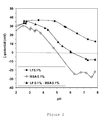
- Figure 1 shows a titration curve showing the variation of the ⁇ -potential as a function of pH for lactoferrine (LF), a-lactalbumin (ALAC) and a LF/ALAC mixture at 0.1 wt% (total protein concentration) and 25°C. It is shown than the zeta-potential of LF is positive over the whole pH range tested. It does decrease when the pH is increased close to the isoelectric point (IEP) of the protein (about pH 9.0). To the contrary, ALAC is positively charged for a pH below its IEP, i.e. 5.0. The ⁇ -potential then turns into negative for higher pH values. The ⁇ -potential of the mixture at a 1:1 weight mixing ratio shows electroneutrality at pH 5.7.
- IEP isoelectric point
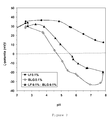
- Figure 2 shows a titration curve showing the variation of the ⁇ -potential as a function of pH for LF, Bovine Serum Albumin (BSA) and a LF/BSA mixture at 0.1 wt% (total protein concentration) and 25°C.
- BSA Bovine Serum Albumin
- BSA Bovine Serum Albumin
- LF/BSA mixture 0.1 wt% (total protein concentration) and 25°C.
- BSA Bovine Serum Albumin
- the ⁇ -potential then turns into negative for higher pH values.
- the ⁇ -potential of the mixture at a 1:1 weight mixing ratio shows electroneutrality at pH 6.1. This point is corresponding to the optimum for complex coacervation to occur, with the maximum yield of coacervate formed.
- coacervates are formed for pH values higher than 5.0 because the overall ⁇ -potential is lower than 20 mV in absolute value. This does not lead to colloidal stability of soluble complexes that are forming coacer
- Figure 3 shows a titration curve showing the variation of the ⁇ -potential as a function of pH for LF,B-lactoglobulin (BLG) and a LF/BLG mixture at 0.1 wt% (total protein concentration) and 25°C.
- BLG is positively charged for pH below its IEP, i.e. 4.5.
- the ⁇ -potential then turns into negative for higher pH values.
- the ⁇ -potential of the mixture at a 1:1 weight mixing ratio shows electroneutrality at pH 5.6. This point is corresponding to the optimum for complex coacervation to occur, with the maximum yield of coacervate formed. Nevertheless, coacervates are formed on the pH range from 4.8 to 6.8 because the overall ⁇ -potential is lower than 20 mV in absolute value. This does not lead to colloidal stability of soluble complexes that are forming coacervates.
- Figure 5 shows the macroscopic appearance of the coacervate phase and the corresponding equilibrium phase obtained 24 h after mixing 200 mL of BLG at 2 wt% and 200 mL of LF at 2 wt% at pH 5.9 and 25°C.
- A Coacervate volume.
- B Evidence of liquid nature of coacervate phase after 45° tube tilting. It can be seen that about 25 mL of coacervate are obtained upon mixing a 200 mL of a 2 wt% LF dispersion with 200 mL of 2 wt% BLG dispersion at pH 5.9.
- a yield of coacervation of 70% was estimated by measurement of protein content in the soluble fraction (by HPLC analysis). Initial total protein content was equal to 8g.
- Figure 6 shows the residual BLG estimate from HPLC integration as function of time (min) and pH for selected systems if in vitro digested.
- Different kinetic profiles of residual BLG as function of time of an in vitro digestion are observed for mixtures of LF/BLG forming coacervates.
- pH 2 BLG is weakly hydrolyzed in constrast to LF which is completely hydrolyzed.
- pH 7.4 the residual BLG amount is higher for the coacervate than for BLG alone.
- the present result illustrates a way to decrease rate of BLG digestion. Increasing the amount of residual non digested BLG at the end of digestion could impact biological response at the distal part of the intestine and play a role in the regulation of the satiety response.
- Figure 8 shows an HPLC-C18 chromatogram of selected systems at kinetic points of in vitro digestion T5pH7.4.
- Full line Coacervate LF6%/BLG6%
- dotted line BLG 5%
- pointed line LF 5% Window enlarges peptide profile with some differences highlighted in grey rectangle.
- a grey rectangle indicates an example of differences that could be observed in the chromatogram.
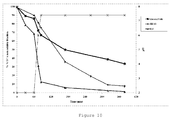
- Figure 10 shows the N-TCA (Nitrogen non soluble in trichloro acetic acid) non soluble fraction as a function of time and pH of in vitro digestion for the coacervate LF/BLG, BLG 5% and LF 5%.
- N-TCA Nonrogen non soluble in trichloro acetic acid
- N-TCA soluble fraction could be associated to the fraction of peptides that is transferred to the blood
- results suggest that a lower peptide fraction amount is transferred when a LF/BLG mixture is administrated in the form of coacervate compared to BLG alone. Larger residual fraction remaining could offer the possibility to interact with gut receptors at the distal part of the intestine to stimulate biological response.
- ⁇ -Lactoglobulin (BLG) (lot JE 001-8-415) was purchased from Davisco Foods International Inc. (Le Sueur, MN, USA). The powder contained 89.6 wt% protein (Kjeldhal analysis: N x 6.38).
- ⁇ -Lactalbumin (ALAC) (JE 031-8-410) was purchased from Davisco Foods International Inc. (Le Sueur, MN, USA). The powder contained 88.8wt% protein (Kjeldhal analysis: N x 6.38).
- Bovine serum albumin (BSA) (lot 035K0573) was purchased from Sigma (St Louis, MO, USA). The powder contained 98 wt% protein (Kjeldhal analysis: N x 6.38).
- Lactoferrin (LF) (lot 104-44-427) was purchased from DMV (The Netherlands). The powder contained 93.1 wt% protein (Kjeldhal analysis: N x 6.38).
- the ⁇ -potential of the single protein, or LF/protein mixtures was determined by light scattering upon application of an alternating electrical field into the measuring cell at a protein concentration of 0.1 wt% after filtration on 0.22 ⁇ m filters.
- the dispersions at pH 8.0 were placed in a electrophoretic mobility cell and analyzed at a scattering angle of 173° using the Nanosizer ZS (Malvern Instruments, UK).
- the effective electrical field, E, applied to the measurement cell was between 50 and 150 V depending on the conductivity of the samples.
- the overall electrophoretic mobility of the particles was determined and the corresponding ⁇ -potential (V) was then calculated using the Smoluchowski equation.
- the ⁇ -potential was determined on the pH-range from 8.0 to 2.0 upon titration of the protein dispersion with 0.01 and 0.1 M hydrochloric acid.
- Particle size was determined by dynamic light scattering (DLS) using a Nanosizer ZS (Malvern Instruments, UK).
- the apparatus is equipped with a He-Ne laser emitting at 633 nm and with a 4.0 mW power source.
- the instrument uses a backscattering configuration where detection is done at a scattering angle of 173° using an avalanche photodiode.
- the protein dispersions were diluted to 0.1 wt% in Millipore water and filtered on 0.22 ⁇ m filters. Samples at pH 8.0 were then poured in the electrophoretic mobility cell connected to a MPT-2 titrator unit. Measurements were performed at 25°C.
- the pathlength of the light was set automatically by the apparatus.
- the autocorrelation function G2(t) was calculated from the fluctuation of the scattered intensity with time. From the polynomial fit of the logarithm of the correlation function using the "cumulants" method, the z-average hydrodynamic diameter of the particles was calculated assuming that the diffusing particles were monodisperse spheres. The particle size was determined on the pH-range from 8.0 to 2.0 upon titration of the protein dispersion with 0.01 and 0.1 M hydrochloric acid.
- a coacervate was prepared by mixing 200 mL of a BLG dispersion at 2 wt% (protein basis) at pH 5.9 with 200 mL of a LF dispersion at 2 wt% at pH 5.9 in a glass cylinder. The mixture was then left at rest for 24 h at 25°C and a macroscopic phase separation was observed. The liquid nature of the coacervate phase was probed by tilting the glass cylinder. Pictures were taken using a digital camera.
- Protein solutions were prepared by dispersing 5 wt% BLG or LF powder (based on protein content) in Millipore water (resistivity: 18.2 M ⁇ .cm), and stirring for 1 h at 20°C. The solution was then gently stirred at 4°C for 12h to allow complete hydration.
- Coacervates of LF/BLG were prepared by mixing in 4 centrifugal tubes 200g of LF 4 wt% solution adjusted at pH5.9 with NaOH 1M and 200g of BLG 4 wt% solution adjusted at pH 5.9 with HCl 1M. After mixing, the solution were stored 3 days at 4°C and then centrifuged at 4°C at 15888g (Sorval Evolution, Rotor SLA 3000). Supernatant was removed and replaced with 40g of mineral ballast and water to reach final weight of 120g. The protein concentration of coacervate was estimated by Kjeldhal analysis (N*6.38, see details below) and was equal to 12.3% by weight with a ratio 1:1 of LF/BLG as estimated from HPLC analysis.
- in vitro digestion of protein solution is performed in different glass vials corresponding to the different points of kinetics namely IN-PH2, T30-pH2, T60-pH2, T15-pH6, T5-pH7.4, T90-pH7.4, T180-pH7.4, T240-pH7.4, T300-pH7.4. Each point is done in duplicate allowing two different treatments of the samples.
- Pepsin (Pepsin porcine gastric mucosa, Sigma P7000, batch 118K0023) is dispersed in mineral ballast with a final concentration of 20mg/mL.
- Pancreatin Pancreatin porcine pancreas, Sigma P7545, batch 0088K0763
- bile Bact extract porcine, Sigma B8631, batch 058K0066
- 20 min before use, pancreatin and bile solution are centrifuged at 2800g for 10 min (Allegra, Beckman Coulter) and supernatant is used for in-vitro digestion.
- NaOH, HCl (Merck, Zurich, Switzerland), and NaH 2 PO 4 2H 2 O (Sigma-Aldrich, Steinheim, Germany) 1M pH 8.0 buffer are used.
- a mineral ballast was used to for in vitro digestion composed of 1.35 mM, CaCl 2 , 2H 2 O (Fluka, Steinheim, Germany), 7.14 mM NaHCO 3 (Fluka, Steinheim, Germany) adjust at pH2.0.
- Osmolality of the sample is then measured with a Micro-osmometer Model 3MO (Advanced Instrument Inc., Norwood, MS, USA) and adjusted to 300 mOsm by addition of V6 of water (with a maximum final volume of sample limited to 40 mL).
- Samples T90-pH7.4, T180-pH7.4, T240-pH7.4, T300-pH7.4 are then collected after 90, 180, 240 and 300 min at pH7.4 respectively.
- Samples containing 12% TCA are stored for 12 h at 4°C then centrifuged at 2800 g (Allegra, Beckman Coulter) for 15 min. 10 to 15 mL of supernatant is collected and put in Kjeldhal tubes in duplicate. 10 mL of H 2 SO 4 95-97% (Merck, Zurich, Switzerland) are then added to Kjeldhal Copper Sulfate and potassium sulfate pills (Merck, Zurich, Switzerland).
- the sample was eluted at a flow rate of 0.25 mL.min -1 with a linear gradient up to 85 % solvent B. Detection was fixed at 214nm. Chromatograms were integrated using Agilent Chemstation data analysis software and protein concentrations were evaluated using calibration curves established with BLG initial solution.
Landscapes
- Health & Medical Sciences (AREA)
- Life Sciences & Earth Sciences (AREA)
- Chemical & Material Sciences (AREA)
- Animal Behavior & Ethology (AREA)
- Public Health (AREA)
- Medicinal Chemistry (AREA)
- General Health & Medical Sciences (AREA)
- Veterinary Medicine (AREA)
- Pharmacology & Pharmacy (AREA)
- Chemical Kinetics & Catalysis (AREA)
- General Chemical & Material Sciences (AREA)
- Nuclear Medicine, Radiotherapy & Molecular Imaging (AREA)
- Organic Chemistry (AREA)
- Engineering & Computer Science (AREA)
- Diabetes (AREA)
- Bioinformatics & Cheminformatics (AREA)
- Immunology (AREA)
- Nutrition Science (AREA)
- Endocrinology (AREA)
- Obesity (AREA)
- Hematology (AREA)
- Communicable Diseases (AREA)
- Oncology (AREA)
- Proteomics, Peptides & Aminoacids (AREA)
- Zoology (AREA)
- Emergency Medicine (AREA)
- Gastroenterology & Hepatology (AREA)
- Virology (AREA)
- Epidemiology (AREA)
- Mycology (AREA)
- Food Science & Technology (AREA)
- Polymers & Plastics (AREA)
- Medicines That Contain Protein Lipid Enzymes And Other Medicines (AREA)
- Peptides Or Proteins (AREA)
- Coloring Foods And Improving Nutritive Qualities (AREA)
Abstract
Lactoferrin-based complex coacervate inducing delayed protein digestion and modified peptide profile for improving metabolic responses, gut inflammatory response, satiety and food intake in humans, in association with an increase in GLP-1 and PYY gut hormones.
Description
- The present invention generally relates to the field of complex coacervates, in particular to the field of complex coacervates that can be used in the food industry. An embodiment of the present invention relates to a composition containing a complex coacervate comprising lactoferrin and at least one other protein with an isoelectric point lower than pH 7.0. It was found that such complexes may be used to delay protein digestion, satiety and food intake in humans.
- Proteins may yield bioactive peptides during intestinal digestion. This digestion usually takes place in the proximal part of the intestine.
- However, in direct contact to L-cells of the distal part of the intestine, the ileum and the colon, these bioactive peptides can stimulate GLP-1 (glucagon-like peptide 1) and PYY (peptide YY) release.
- GLP-1 has been described to improve metabolic control and PYY was shown to improve satiety and food intake.
- Delaying the digestion of proteins from the proximal part to more distal parts of the intestine, e.g., the ileum, could subsequently produce bioactive peptides directly in the ileum. This would then help to induce GLP-1 and PYY secretion into the whole body circulation more effectively, resulting finally in an improved metabolic control and reduced food intake.
- A composition would be desirable that allows an improved metabolic control and a reduced food intake. This composition should contain proteins which yield bioactive peptides during intestinal digestion, and the bioactive peptides should be generated in a distal part of the intestine.
-
EP2074891 A1 is describing a satiety-inducing food composition, which is fluid at neutral pH and shows and increase in viscosity at acid pH, wherein the composition comprises at least a negatively loaded carbohydrate and at least a protein with an iso-electric point of about pH 3.5-5.5. -
WO07029484A -
WO0601659A - Ye A. and Singh H. [2006, Journal of Colloid and Interface Science, 295, 249-254] are describing the formation of complexes between lactoferrin and β-lactoglobulin at the interface of soya emulsions prepared at pH 3.0 or 7.0.
- Lesmes U. et al. [2010, Journal of Agricultural and Food Chemistry, 58, 7962] are describing corn oil emulsions stabilised by complexes between lactoferrin and sodium caseinate. These emulsions are exhibiting an improved physical stability in the pH range 3.0 to 7.0 but could still be rapidely disgested by lipase in a in vitro model.
- Mann D.M. et al. [1994, The Journal of Biological Chemistry, 269, 23661] reported the formation of electrostatic complexes between human lactoferrin and sulphates glycosaminoglycans such as chondroitin sulphate and heparin. These complexes are likely to be involved in the in vivo inflammatory response induced by lactoferrin.
- No protein-protein complexes have been described that can be used to delay protein digestion in the intestine. Moreover, it would be desirable if such complexes were liquid in nature since this would facilitate their incorporation into food products.
- Hence, it was the object of the present invention to provide the art with a protein based composition, that is easy to prepare and to incorporate into food products and that exhibits a delayed digestion, so that it allows an improved metabolic control and a reduced food intake.
- The present inventors were surprised to see that complex coacervates between lactoferrin and oppositely charged proteins can be used to achieve the objective of the present invention.
- The formation of complex coacervates between lactoferrin and oppositely charged proteins allows modulating the digestion kinetics and the residual native protein content of the oppositely charged protein after digestion. Different hydrolysate compositions may be produced after protein digestion using the teachings of the present invention. These phenomena were found to allow improving metabolic responses and gut inflammatory response, increase satiety and decrease food intake in humans, in association with an increase of GLP-1 and PYY secretion.
- Complex coacervates are well defined in the art.
- Cooper et al. [Current Opinion in Colloid and Interface Science, (2005), 10, 52-78] are defining complex coacervation by the separation of a macromolecular solution, composed of at least two macromolecules (typically oppositely charged polyelectrolytes), into two immiscible liquid phases. In this case, the coacervate is defined as either the macroscopic phase concentrated in macromolecules obtained after phase separation or the liquid droplets concentrated in macromolecules obtained after mixing the two dispersions containing oppositely charged macromolecules, i.e. proteins in this specific case. Thermodynamically, complex coacervates are formed by the aggregation of macromolecular complexes that are formed between two oppositely charges macromolecules (protein or polysaccharide) in order to reduce the free energy of the mixture as pointed out by Schmitt et al. [Handbook of Hydrocolloids, Second Edition. Woodhead Publishing, 2009, pp. 420-476]. Generally, macromolecular complexes and subsequent formation of coacervates are mediated by electrostatic interactions, and formation of coacervates occurs when aggregates of macromolecular complexes are reaching the electrostatic limit of colloidal stability, i.e. the surface ζ-potential is between -15 and +15 mV.
- The present inventors have found that complex coacervates that can be used to achieve the object of the present invention are formed between lactoferrin and oppositely charged proteins, e.g., beta-lactoglobulin, alpha-lactalbumin, bovine serum albumin, whey protein isolate, lupin protein isolate, egg white protein isolate, soy protein isolate, pea protein, and/or potato protein isolate. Conditions for formation of these coacervates may include: pH 4.0 to 8.0, total protein concentration: 0.5 to 5 wt%, weight mixing ratio 5:1 and 1:5, ionic strength: 0-0.1 M and temperature: 4 to 50°C. The resulting complex coacervates are characterized by their liquid nature, an average diameter of more than 500 nm and a ζ-potential between + 15 and -15 mV.
- Consequently, the present invention relates to a composition containing a complex coacervate comprising lactoferrin and at least one other protein with an isoelectric point lower than pH 7.0.
- In principle, any other protein with an isoelectric point lower than pH 7.0 will produce suitable coacervates. For food applications, such a protein should be edible. Compounds are considered edible if they are generally approved for human or animal consumption.
- Any suitable dietary protein may be used, for example animal proteins (such as milk proteins, meat proteins and egg proteins); vegetable proteins (such as soy protein, wheat protein, rice protein, and pea protein); or combinations thereof. Milk proteins such as whey proteins; and soy proteins are particularly preferred.
- The choice of the other protein in the complex coacervate may further be used to influence stability, taste, texture and/or further functionalities of the complex coacervate.
- The at least one other protein in the complex coacervate may selected from the group consisting of beta-lactoglobulin, alpha-lactalbumin, bovine serum albumin, whey protein isolate, lupin protein isolate, egg white protein isolate, soy protein isolate, potato protein isolate, pea protein isolate and combinations thereof.
- For example, the lactoferrin and the at least one other protein with an isoelectric point lower than 7.0 may both be obtained from natural sources, such as milk, for example.
- For an improved texture and an easier handling the complex coacervate may be present in a liquid form.
- The size of the complex coacervate will have an effect on the delay of protein digestion. Larger complex coacervates will generally produce the bioactive peptides at a later stage than smaller complex coacervates.
- Hence, the dimensions of the complex coacervates may be used to influence digestion kinetics.
- For example, the complex coacervate may have a diameter of at least 500 nm, at least 750 nm or at least 1000 nm in the shortest dimension.
- The complex coacervate may have a ζ-potential of between + 15 and -15 mV, for example between + 10 and -10 mV, or between +7 and -7 mV.
- The complex coacervates of the present invention may be formed using any method known in the art.
- Typically, the complex coacervates may be formed at a pH in the range of 4.0 to 8.0, e.g., 5.0 to 7.0, or 5.5 to 6.5.
- Complex formation may take place at an ionic strength in the range of 0 to 0.1 M, for example 0.02 to 0.08 M, e.g., 0.04 to 0.06 M.
- The temperature may be in the range of 1 to 50°C, e.g., 10 to 40°C or 15 to 25°C.
- The total protein concentration may be in the range of 0.5 to 5 wt%, e.g., 1 to 4 wt%, or 2 to 3 wt%.
- Lactoferrin and the at least one other protein may be present in a weight ratio in the range of 5:1 to 1:5, e.g., 3:1 to 1:3, or 2:1 to 1:2.
- Hence, in one embodiment of the present invention the complex coacervate is formed at a pH in the range of 5.0 to 7.0, at an ionic strength in the range of 0 to 0.1 M, at a temperature in the range of 1 to 50°C, and with a total protein concentration in the range of 0.5 to 5 wt%, while lactoferrin and the at least one other protein are present in a weight ratio in the range of 5:1 to 1:5.
- In another embodiment of the present invention the complex coacervate is formed at a pH in the range of 4.0 to 8.0, at an ionic strength in the range of 0.02 to 0.08 M, at a temperature in the range of 10 to 40°C, and with a total protein concentration in the range of 1 to 4 wt%, while lactoferrin and the at least one other protein are present in a weight ratio in the range of 3:1 to 1:3.
- In a further embodiment of the present invention the complex coacervate is formed at a pH in the range of 5.5 to 6.5, at an ionic strength in the range of 0.04 to 0.06 M, at a temperature in the range of 15 to 25°C, and with a total protein concentration in the range of 2 to 3 wt%, while lactoferrin and the at least one other protein are present in a weight ratio in the range of 2:1 to 1:2.
- The composition of the complex coacervate may be adjusted to modulate the biological response.
- Modulating the kinetics of digestion will modulate amount of peptide released into the lumen of the gut impacting the strength and duration of the biological effect.
- Using varying proteins in the complex will lead to different peptidic profiles, e.g., the formation of different biologically active peptides in different amounts.
- Modulation the residual native protein amount will also have an impact on the biological response. In particular large amounts of residual native protein will produce an improved feeling of satiety.
- Consequently, the composition of the present invention may be provided in different conditions which effect, e.g., the kinetics of protein digestion.
- For example, the composition may have a pH in the range of 4.0 to 8.0, e.g., 5.0 to 7.0, or 5.5 to 6.5.
- The composition may have an ionic strength in the range of 0 to 0.1 M, for example 0.02 to 0.08 M, e.g., 0.04 to 0.06 M.
- The composition may be provided at a temperature in the range of 1 to 50°C, e.g., 10 to 40°C or 15 to 25°C.
- The total protein concentration in the composition may be in the range of 0.5 to 5 wt%, e.g., 1 to 4 wt%, or 2 to 3 wt%.
- Lactoferrin and the at least one other protein may be present in the composition in a weight ratio in the range of 5:1 to 1:5, e.g., 3:1 to 1:3, or 2:1 to 1:2.
- Hence, in one embodiment of the present invention the composition has a pH in the range of 5.0 to 7.0, an ionic strength in the range of 0 to 0.1 M, a temperature in the range of 4 to 50°C, and a total protein concentration in the range of 0.5 to 5 wt%, while lactoferrin and the at least one other protein are present in a weight ratio in the range of 5:1 to 1:5.
- In another embodiment of the present invention the composition has a pH in the range of 4.0 to 8.0, an ionic strength in the range of 0.02 to 0.08 M, a temperature in the range of 10 to 40°C, and a total protein concentration in the range of 1 to 4 wt%, while lactoferrin and the at least one other protein are present in a weight ratio in the range of 3:1 to 1:3.
- In a further embodiment of the present invention the composition has a pH in the range of 5.5 to 6.5, an ionic strength in the range of 0.04 to 0.06 M, a temperature in the range of 15 to 25°C, and a total protein concentration in the range of 2 to 3 wt%, while lactoferrin and the at least one other protein are present in a weight ratio in the range of 2:1 to 1:2.
- The composition of the present invention may be provided in a dried form, for example as a powder.
- Such dried form will allow an easy disability and will increase storage times and - of course - will decrease the weight of the composition.
- Hence, the composition may be subjected to a drying step, such as spray-drying or a freeze-drying.
- After consumption of the composition of the present invention bioactive peptides will be generated in the distal part of the intestine. There, e.g., GLP-1 (glucagon-like petide 1) and PYY (peptide YY) release is stimulated leading to an improved metabolic control and a feeling of satiety and a reduced food intake.
- Consequently, the composition of the present invention may be for use in the treatment or prevention of metabolic disorders, in particular overweightness or obesity.
- It may also be used to support weight management.
- The composition of the present invention may also be used in increasing satiation and/or prolonging satiety.
- The present invention also extends to the use of the composition of the present invention for the preparation of a product to treat or prevent metabolic disorders, in particular overweightness or obesity.
- "Overweight" is defined for an adult human as having a BMI between 25 and 30.
- "Body mass index" or "BMI" means the ratio of weight in kg divided by the height in metres, squared.
- "Obesity" is a condition in which the natural energy reserve, stored in the fatty tissue of animals, in particular humans and other mammals, is increased to a point where it is associated with certain health conditions or increased mortality. "Obese" is defined for an adult human as having a BMI greater than 30.
- The composition of the present invention may alternatively or additionally be for use in the treatment or prevention of gut inflammatory disorders, such as inflammatory bowel disease, for example.
- The composition of the present invention may alternatively or additionally be for use in boosting the immune system, in particular in the treatment or prevention of bacterial infections.
- The complex coacervates of the present invention allow increasing the bioavailability of lactoferrin. Hence, the invention extends to a composition comprising the complex coacervates of the present invention for use in increasing the bioavailability of lactoferrin.
- The composition may be any kind of composition. Preferably, the composition is a composition that is intended to be administered orally or enterally to animals, e.g., pet animals, or humans.
- The composition may be selected from the group consisting of food compositions, pet food compositions, drinks, nutritional formulas or nutraceuticals.
- The composition may be to be administered to people that wish to manage their body weight, in particular to avoid weight gain.
- The composition may be to be administered to people who wish to lose weight, e.g., overweight or obese people.
- One advantage of the present invention is that the complex coacervates are entirely natural products without additives and are well suitable for all age groups.
- Hence, the composition of the present invention may be to be administered to children, e.g., infants."Infants" are children younger than 12 months.
- Those skilled in the art will understand that they can freely combine all features of the present invention described herein, without departing from the scope of the invention as disclosed. In particular, features described for the uses of the present invention may be applied to the composition of the present invention and vice versa.
- Further advantages and features of the present invention are apparent from the following Examples and Figures.
-
Figure 1 shows a titration curve showing the variation of the ζ-potential as a function of pH for lactoferrine (LF), a-lactalbumin (ALAC) and a LF/ALAC mixture at 0.1 wt% (total protein concentration) and 25°C. It is shown than the zeta-potential of LF is positive over the whole pH range tested. It does decrease when the pH is increased close to the isoelectric point (IEP) of the protein (about pH 9.0). To the contrary, ALAC is positively charged for a pH below its IEP, i.e. 5.0. The ζ-potential then turns into negative for higher pH values. The ζ-potential of the mixture at a 1:1 weight mixing ratio shows electroneutrality at pH 5.7. This point is corresponding to the optimum for complex coacervation to occur, with the maximum yield of coacervate formed. Nevertheless, coacervates are formed in the pH range of 4.5 to 6.0 because the overall ζ-potential is lower than 20 mV in absolute value. This does not lead to colloidal stability of soluble complexes that are forming coacervates. -
Figure 2 shows a titration curve showing the variation of the ζ-potential as a function of pH for LF, Bovine Serum Albumin (BSA) and a LF/BSA mixture at 0.1 wt% (total protein concentration) and 25°C. BSA is positively charged for a pH below its IEP, i.e. 5.1. The ζ-potential then turns into negative for higher pH values. The ζ-potential of the mixture at a 1:1 weight mixing ratio shows electroneutrality at pH 6.1. This point is corresponding to the optimum for complex coacervation to occur, with the maximum yield of coacervate formed. Nevertheless, coacervates are formed for pH values higher than 5.0 because the overall ζ-potential is lower than 20 mV in absolute value. This does not lead to colloidal stability of soluble complexes that are forming coacervates. -
Figure 3 shows a titration curve showing the variation of the ζ-potential as a function of pH for LF,B-lactoglobulin (BLG) and a LF/BLG mixture at 0.1 wt% (total protein concentration) and 25°C. BLG is positively charged for pH below its IEP, i.e. 4.5. The ζ-potential then turns into negative for higher pH values. The ζ-potential of the mixture at a 1:1 weight mixing ratio shows electroneutrality at pH 5.6. This point is corresponding to the optimum for complex coacervation to occur, with the maximum yield of coacervate formed. Nevertheless, coacervates are formed on the pH range from 4.8 to 6.8 because the overall ζ-potential is lower than 20 mV in absolute value. This does not lead to colloidal stability of soluble complexes that are forming coacervates. -
Figure 4 shows the variation of the z-average hydrodynamic diameter of particles as a function of pH for Lf, BLG and a LF/BLG mixture at 0.1 wt% (total protein concentration) and 25°C. It can be seen that the size of the particles is strongly increasing when the LF/BLG mixture is entering the pH range of 4.5 to 6.1. In this case, microscopic complex coacervates are formed due to the low z-potential of the complexes that do aggregate. On the contrary, LF/BLG soluble complexes are formed outside this pH range, leading to submicroscopic particles. Particle size increase in the BLG sample is due to self-aggregation close its IEP of 4.5. -
Figure 5 shows the macroscopic appearance of the coacervate phase and the corresponding equilibrium phase obtained 24 h after mixing 200 mL of BLG at 2 wt% and 200 mL of LF at 2 wt% at pH 5.9 and 25°C. (A) Coacervate volume. (B) Evidence of liquid nature of coacervate phase after 45° tube tilting. It can be seen that about 25 mL of coacervate are obtained upon mixing a 200 mL of a 2 wt% LF dispersion with 200 mL of 2 wt% BLG dispersion at pH 5.9. A yield of coacervation of 70% was estimated by measurement of protein content in the soluble fraction (by HPLC analysis). Initial total protein content was equal to 8g. Kjeldhal titration showed that 2.4g were recovered in the soluble phase corresponding to 375 mL. Protein concentration in the coacervate phase can be estimated close to 22.4% (estimated 5.6g in 25 mL), which result in a concentration factor of 11. The liquid nature of the coacervate can be clearly seen from the tilting of the glass tube. -
Figure 6 shows the residual BLG estimate from HPLC integration as function of time (min) and pH for selected systems if in vitro digested. Different kinetic profiles of residual BLG as function of time of an in vitro digestion are observed for mixtures of LF/BLG forming coacervates. AtpH 2, BLG is weakly hydrolyzed in constrast to LF which is completely hydrolyzed. At pH 7.4, the residual BLG amount is higher for the coacervate than for BLG alone. The present result illustrates a way to decrease rate of BLG digestion. Increasing the amount of residual non digested BLG at the end of digestion could impact biological response at the distal part of the intestine and play a role in the regulation of the satiety response. -
Figure 7 shows an HPLC-C18 chromatogram of selected systems at kinetic points of in vitro digestion T60pH2. Full line: Coacervate LF6%/BLG6%, dotted line:BLG 5%, pointedline LF 5%. Window enlarges peptide profile with some differences highlighted in grey rectangle. A grey rectangle indicates an example of differences that could be observed in the chromatogram. These results illustrate the quantitative and qualitative differences in peptides that are generated depending on the initial system composition (coacervate, BLG o r LF). Different peptides profiles induce different biological responses. -
Figure 8 shows an HPLC-C18 chromatogram of selected systems at kinetic points of in vitro digestion T5pH7.4. Full line: Coacervate LF6%/BLG6%, dotted line:BLG 5%, pointedline LF 5%. Window enlarges peptide profile with some differences highlighted in grey rectangle. A grey rectangle indicates an example of differences that could be observed in the chromatogram. These results illustrate the quantitative and qualitative differences in peptides that are generated depending on the initial system composition (coacervate, BLG or LF). Different peptides profiles induce different biological responses. -
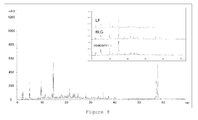
Figure 9 shows an HPLC-C18 chromatogram of selected systems at kinetic points of in vitro digestion T300pH7.4. Full line: Coacervate LF6%/BLG6%, dotted line:BLG 5%, pointedline LF 5%. Window enlarges peptide profile with some differences highlighted in grey rectangle. A grey rectangle indicates an example of differences that could be observed in the chromatogram. These results illustrate the quantitative and qualitative differences in peptides that are generated depending on the initial system composition (coacervate, BLG o r LF). Different peptides profiles induce different biological responses. -
Figure 10 shows the N-TCA (Nitrogen non soluble in trichloro acetic acid) non soluble fraction as a function of time and pH of in vitro digestion for the coacervate LF/BLG,BLG 5% andLF 5%. Different kinetics profiles of N-TCA non soluble fraction as a function of steps of in vitro digestion are observed for mixtures of LF/BLG forming coacervates. In the form of coacervate, larger N-TCA non soluble fractions are measured. Considering that the N-TCA soluble fraction could be associated to the fraction of peptides that is transferred to the blood, the results suggest that a lower peptide fraction amount is transferred when a LF/BLG mixture is administrated in the form of coacervate compared to BLG alone. Larger residual fraction remaining could offer the possibility to interact with gut receptors at the distal part of the intestine to stimulate biological response. - β-Lactoglobulin (BLG) (lot JE 001-8-415) was purchased from Davisco Foods International Inc. (Le Sueur, MN, USA). The powder contained 89.6 wt% protein (Kjeldhal analysis: N x 6.38).
- α-Lactalbumin (ALAC) (JE 031-8-410) was purchased from Davisco Foods International Inc. (Le Sueur, MN, USA). The powder contained 88.8wt% protein (Kjeldhal analysis: N x 6.38).
- Bovine serum albumin (BSA) (lot 035K0573) was purchased from Sigma (St Louis, MO, USA). The powder contained 98 wt% protein (Kjeldhal analysis: N x 6.38).
- Lactoferrin (LF) (lot 104-44-427) was purchased from DMV (The Netherlands). The powder contained 93.1 wt% protein (Kjeldhal analysis: N x 6.38).
- The ζ-potential of the single protein, or LF/protein mixtures was determined by light scattering upon application of an alternating electrical field into the measuring cell at a protein concentration of 0.1 wt% after filtration on 0.22 µm filters. The dispersions at pH 8.0 were placed in a electrophoretic mobility cell and analyzed at a scattering angle of 173° using the Nanosizer ZS (Malvern Instruments, UK). The effective electrical field, E, applied to the measurement cell was between 50 and 150 V depending on the conductivity of the samples. The overall electrophoretic mobility of the particles was determined and the corresponding ζ-potential (V) was then calculated using the Smoluchowski equation. The ζ-potential was determined on the pH-range from 8.0 to 2.0 upon titration of the protein dispersion with 0.01 and 0.1 M hydrochloric acid.
- Particle size was determined by dynamic light scattering (DLS) using a Nanosizer ZS (Malvern Instruments, UK). The apparatus is equipped with a He-Ne laser emitting at 633 nm and with a 4.0 mW power source. The instrument uses a backscattering configuration where detection is done at a scattering angle of 173° using an avalanche photodiode. The protein dispersions were diluted to 0.1 wt% in Millipore water and filtered on 0.22 µm filters. Samples at pH 8.0 were then poured in the electrophoretic mobility cell connected to a MPT-2 titrator unit. Measurements were performed at 25°C. Depending on the sample turbidity the pathlength of the light was set automatically by the apparatus. The autocorrelation function G2(t) was calculated from the fluctuation of the scattered intensity with time. From the polynomial fit of the logarithm of the correlation function using the "cumulants" method, the z-average hydrodynamic diameter of the particles was calculated assuming that the diffusing particles were monodisperse spheres. The particle size was determined on the pH-range from 8.0 to 2.0 upon titration of the protein dispersion with 0.01 and 0.1 M hydrochloric acid.
- A coacervate was prepared by mixing 200 mL of a BLG dispersion at 2 wt% (protein basis) at pH 5.9 with 200 mL of a LF dispersion at 2 wt% at pH 5.9 in a glass cylinder. The mixture was then left at rest for 24 h at 25°C and a macroscopic phase separation was observed. The liquid nature of the coacervate phase was probed by tilting the glass cylinder. Pictures were taken using a digital camera.
- Protein solutions were prepared by dispersing 5 wt% BLG or LF powder (based on protein content) in Millipore water (resistivity: 18.2 MΩ.cm), and stirring for 1 h at 20°C. The solution was then gently stirred at 4°C for 12h to allow complete hydration.
- Coacervates of LF/BLG were prepared by mixing in 4 centrifugal tubes 200g of
LF 4 wt% solution adjusted at pH5.9 with NaOH 1M and 200g ofBLG 4 wt% solution adjusted at pH 5.9 with HCl 1M. After mixing, the solution were stored 3 days at 4°C and then centrifuged at 4°C at 15888g (Sorval Evolution, Rotor SLA 3000). Supernatant was removed and replaced with 40g of mineral ballast and water to reach final weight of 120g. The protein concentration of coacervate was estimated by Kjeldhal analysis (N*6.38, see details below) and was equal to 12.3% by weight with a ratio 1:1 of LF/BLG as estimated from HPLC analysis. - Due to the possible heterogeneity of the sample, in vitro digestion of protein solution is performed in different glass vials corresponding to the different points of kinetics namely IN-PH2, T30-pH2, T60-pH2, T15-pH6, T5-pH7.4, T90-pH7.4, T180-pH7.4, T240-pH7.4, T300-pH7.4. Each point is done in duplicate allowing two different treatments of the samples.
- Pepsin (Pepsin porcine gastric mucosa, Sigma P7000, batch 118K0023) is dispersed in mineral ballast with a final concentration of 20mg/mL. Pancreatin (Pancreatin porcine pancreas, Sigma P7545, batch 0088K0763) and bile (Bile extract porcine, Sigma B8631, batch 058K0066) are dispersed separately in MilliQ water with final concentration of 20mg/mL and 40mg/mL respectively. 20 min before use, pancreatin and bile solution are centrifuged at 2800g for 10 min (Allegra, Beckman Coulter) and supernatant is used for in-vitro digestion.
- For pH adjustment, NaOH, HCl (Merck, Zurich, Switzerland), and NaH2PO4 2H2O (Sigma-Aldrich, Steinheim, Germany) 1M pH 8.0 buffer are used.
- A mineral ballast was used to for in vitro digestion composed of 1.35 mM, CaCl2 , 2H2O (Fluka, Steinheim, Germany), 7.14 mM NaHCO3 (Fluka, Steinheim, Germany) adjust at pH2.0.
- In a first stage, the specific volume V1 of HCl, V3, V5 NaOH and V2, V4 NaH2PO4 buffer (with V2+V4 = 2 mL) to reach pH of stomach (pH2.0) and intestine (pH7.4) and pH6.0 are determined in a separate experiment.
- Then, 10 g of protein solution is weighted in each 40 mL glass vial (Supelco, Bellefonte, PA, USA). 5 mL of mineral ballast and V1 mL of HC1 1M is then added to reach final pH2.0. All vials are then left for 10 min at 37°C in water bath under gentle shaking to allow temperature to equilibrate. Sample IN-pH2 is then collected. 0.5 mL of pepsin solution is added allowing a ratio E/S =1 % (based on 10 wt% protein). Samples T30-pH2 and T60-pH2 are collected after 30 and 60 min at pH2.0. Final pH after 60 min is checked to be below pH3.0. V2 NaH2PO4, buffer and V3 NaOH 1M are then added to reach pH6.0. Then 0.5 mL of pancreatin allowing a ratio E/S =1 % (based on 10 wt% protein) and 0.5 mL of bile allowing a ratio E/S =2 % (based on 10 wt% protein) are added. Sample T15-pH6 is then collected after 15 min at pH6.0. V3 NaH2PO4 buffer and V4 NaOH 1M are then added to reach pH7.4. Sample T5-pH7.4 is collected after 5 min at pH7.4. Osmolality of the sample is then measured with a Micro-osmometer Model 3MO (Advanced Instrument Inc., Norwood, MS, USA) and adjusted to 300 mOsm by addition of V6 of water (with a maximum final volume of sample limited to 40 mL). Samples T90-pH7.4, T180-pH7.4, T240-pH7.4, T300-pH7.4 are then collected after 90, 180, 240 and 300 min at pH7.4 respectively.
- Each points of the kinetics correspond to two glass vials. The enzymatic reaction is stopped either by adding 10 mL Trifluoroacetic acid (TFA) 0.4 % (Pierce, Rockford, IL, USA) or 10 mL trichloroacid (TCA) 48 % (Merck, Zurich, Switzerland) when the sample is collected. Final sample volume is adjusted with MilliQ water to 40 mL to a final concentration of 0.1% TFA and 12 % TCA respectively.
- Samples containing 12% TCA are stored for 12 h at 4°C then centrifuged at 2800 g (Allegra, Beckman Coulter) for 15 min. 10 to 15 mL of supernatant is collected and put in Kjeldhal tubes in duplicate. 10 mL of H2SO4 95-97% (Merck, Zurich, Switzerland) are then added to Kjeldhal Copper Sulfate and potassium sulfate pills (Merck, Zurich, Switzerland).
- Mineralization of the sample is then started by increasing temperature 110°C for 5min, 380°C 180min and then cooling to room temperature during 60min. After neutralization of mineralized samples (ammonium form of nitrogen) by addition of 32% NaOH, ammonia was released and titrated with HC1 0.1M. Same procedure is performed on 1 mL of initial protein solution allowing determining the percentage of residual N-TCA non soluble fraction.
- Samples containing 0.1% TFA are stored at -20°C until analysis. Samples are first thaw in at 4°C for 12h, then centrifuged at 5000g for 15 min (Sorval Evolution, Rotor SLA 3000). Samples are then diluted to 1-2.5 mg/mL with TFA0.1%. Samples were injected on a Jupiter C18 column (150*2 mm, 3 µm, Phenomenex, USA) equilibrated in 98% solvent A (0.1% TFA in H2O) and 2 % solvent B (0.1% TFA, 90% acetonitrile (Merck, Zurich, Switzerland), 9.9 % H2O at 40 °C, connected to an injector system composed of an Agilent series 1100 apparatus equipped with an autosampler and UV detector.
- The sample was eluted at a flow rate of 0.25 mL.min-1 with a linear gradient up to 85 % solvent B. Detection was fixed at 214nm. Chromatograms were integrated using Agilent Chemstation data analysis software and protein concentrations were evaluated using calibration curves established with BLG initial solution.
Claims (15)
- Composition containing a complex coacervate comprising lactoferrin and at least one other protein with an isoelectric point lower than pH 7.0.
- Composition in accordance with claim 1, wherein at least one other protein in the complex coacervate is selected from the group consisting of beta-lactoglobulin, alpha-lactalbumin, bovine serum albumin, whey protein isolate, lupin protein isolate, egg white protein isolate, soy protein isolate, potato protein isolate, pea protein isolate and combinations thereof.
- Composition in accordance with one of the preceding claims, wherein the complex coacervate has a diameter of at least 500 nm in the shortest dimension.
- Composition in accordance with one of the preceding claims, wherein the complex coacervate has a ζ-potential of between + 15 and -15 mV.
- Composition in accordance with one of the preceding claims, wherein the complex coacervate was formed at a pH in the range of 4.0 to 8.0, at an ionic strength in the range of 0 to 0.1 M, at a temperature in the range of 1 to 50°C, and with a total protein concentration in the range of 0.5 to 5 wt%, while lactoferrin and the at least one other protein are present in a weight ratio in the range of 5:1 to 1:5.
- Composition in accordance with one of the preceding claims, wherein the composition has a pH in the range of 4.0 to 8.0, an ionic strength in the range of 0 to 0.1 M, a temperature in the range of 1 to 50°C, a total protein concentration in the range of 0.5 to 5 wt%, and/or lactoferrin and the at least one other protein present in a weight ratio in the range of 5:1 to 1:5.
- Composition in accordance with one of the preceding claims that is further subjected to a drying step, such as spray-drying or a freeze-drying.
- Composition in accordance with one of the preceding claims for use in the treatment or prevention of metabolic disorders, in particular overweightness, obesity, pre-diabetes or diabetes.
- Composition in accordance with one of the preceding claims for use in improving insulin secretion/action and glucose control.
- Composition in accordance with one of the preceding claims for use in increasing satiation, prolonging satiety and/or food intake.
- Composition in accordance with one of the preceding claims for use in the treatment or prevention of gut inflammatory disorders.
- Composition in accordance with one of the preceding claims for use in boosting the immune system, in particular in the treatment or prevention of bacterial infections.
- Composition in accordance with one of the preceding claims for use in increasing the bioavailability of lactoferrin.
- Composition in accordance with one of the preceding claims, wherein the composition is selected from the group consisting of food compositions, pet food compositions, drinks, nutritional formulas or nutraceuticals; and/or wherein the composition is to be administered to infants and/or children.
- Composition in accordance with one of the preceding claims, wherein the lactoferrin and the at least one other protein with an isoelectric point lower than 7.0 are obtained from natural sources, such as milk.
Priority Applications (2)
| Application Number | Priority Date | Filing Date | Title |
|---|---|---|---|
| EP10186852A EP2441443A1 (en) | 2010-10-07 | 2010-10-07 | Lactoferrin based complex coacervates and their uses |
| PCT/EP2011/067434 WO2012045801A1 (en) | 2010-10-07 | 2011-10-06 | Lactoferrin based complex coacervates and their uses |
Applications Claiming Priority (1)
| Application Number | Priority Date | Filing Date | Title |
|---|---|---|---|
| EP10186852A EP2441443A1 (en) | 2010-10-07 | 2010-10-07 | Lactoferrin based complex coacervates and their uses |
Publications (1)
| Publication Number | Publication Date |
|---|---|
| EP2441443A1 true EP2441443A1 (en) | 2012-04-18 |
Family
ID=43478216
Family Applications (1)
| Application Number | Title | Priority Date | Filing Date |
|---|---|---|---|
| EP10186852A Withdrawn EP2441443A1 (en) | 2010-10-07 | 2010-10-07 | Lactoferrin based complex coacervates and their uses |
Country Status (2)
| Country | Link |
|---|---|
| EP (1) | EP2441443A1 (en) |
| WO (1) | WO2012045801A1 (en) |
Cited By (4)
| Publication number | Priority date | Publication date | Assignee | Title |
|---|---|---|---|---|
| CN105614843A (en) * | 2015-12-02 | 2016-06-01 | 农业部食物与营养发展研究所 | Preparation method and application of protein nutritional food with anti-fatigue efficacy |
| WO2020130803A1 (en) * | 2018-12-21 | 2020-06-25 | N.V. Nutricia | Protein compositions with high isoelectric proteins |
| WO2023111302A1 (en) * | 2021-12-17 | 2023-06-22 | Société des Produits Nestlé S.A. | Complex coacervates of lactoferrin and osteopontin |
| WO2023161227A1 (en) * | 2022-02-25 | 2023-08-31 | Société des Produits Nestlé S.A. | Complex coacervates of lactoferrin and osteopontin |
Families Citing this family (2)
| Publication number | Priority date | Publication date | Assignee | Title |
|---|---|---|---|---|
| EP3723496B1 (en) | 2017-12-12 | 2023-05-31 | Société des Produits Nestlé S.A. | Complexes of high isoelectric point proteins with casein |
| MX2021007131A (en) | 2018-12-21 | 2021-07-02 | Nestle Sa | NUTRITIONAL COMPOSITION TO INDUCE A SENSE OF SATIETY, A BETTER SLEEP AND/OR LIMIT NOCTURNAL AWAKENING IN INFANTS OR YOUNG CHILDREN. |
Citations (5)
| Publication number | Priority date | Publication date | Assignee | Title |
|---|---|---|---|---|
| WO2006001659A1 (en) | 2004-06-25 | 2006-01-05 | Kolon Industries Inc. | Biaxially oriented polyester films and processing method thereof |
| WO2007029484A1 (en) | 2005-09-06 | 2007-03-15 | Nrl Pharma, Inc. | Lactoferrin complex and method of producing the same |
| JP2008069073A (en) * | 2006-09-12 | 2008-03-27 | Yokohama Tlo Co Ltd | Lactoferrin conjugate and its manufacturing method |
| US20080255340A1 (en) * | 2007-04-12 | 2008-10-16 | Naidu A Satyanarayan | ANGIOGENIN COMPLEXES (ANGex) AND USES THEREOF |
| EP2074891A1 (en) | 2007-12-21 | 2009-07-01 | Nederlandse Organisatie voor toegepast- natuurwetenschappelijk onderzoek TNO | New hunger-suppressing food compositions |
-
2010
- 2010-10-07 EP EP10186852A patent/EP2441443A1/en not_active Withdrawn
-
2011
- 2011-10-06 WO PCT/EP2011/067434 patent/WO2012045801A1/en not_active Ceased
Patent Citations (6)
| Publication number | Priority date | Publication date | Assignee | Title |
|---|---|---|---|---|
| WO2006001659A1 (en) | 2004-06-25 | 2006-01-05 | Kolon Industries Inc. | Biaxially oriented polyester films and processing method thereof |
| WO2007029484A1 (en) | 2005-09-06 | 2007-03-15 | Nrl Pharma, Inc. | Lactoferrin complex and method of producing the same |
| EP1932855A1 (en) * | 2005-09-06 | 2008-06-18 | NRL Pharma, Inc. | Lactoferrin complex and method of producing the same |
| JP2008069073A (en) * | 2006-09-12 | 2008-03-27 | Yokohama Tlo Co Ltd | Lactoferrin conjugate and its manufacturing method |
| US20080255340A1 (en) * | 2007-04-12 | 2008-10-16 | Naidu A Satyanarayan | ANGIOGENIN COMPLEXES (ANGex) AND USES THEREOF |
| EP2074891A1 (en) | 2007-12-21 | 2009-07-01 | Nederlandse Organisatie voor toegepast- natuurwetenschappelijk onderzoek TNO | New hunger-suppressing food compositions |
Non-Patent Citations (13)
| Title |
|---|
| AL-NABULSI ANAS A ET AL: "Temperature-sensitive microcapsules containing lactoferrin and their action against Carnobacterium viridans on Bologna", JOURNAL OF FOOD SCIENCE, vol. 71, no. 6, August 2006 (2006-08-01), pages M208 - M214, XP002619139, ISSN: 0022-1147 * |
| COOPER ET AL., CURRENT OPINION IN COLLOID AND INTERFACE SCIENCE, vol. 10, 2005, pages 52 - 78 |
| DATABASE WPI Week 200870, Derwent World Patents Index; AN 2008-L92384, XP002619141 * |
| LESMES U. ET AL., JOURNAL OF AGRICULTURAL AND FOOD CHEMISTRY, vol. 58, 2010, pages 7962 |
| LESMES URI ET AL: "Impact of Interfacial Composition on Physical Stability and In Vitro Lipase Digestibility of Triacylglycerol Oil Droplets Coated with Lactoferrin and/or Caseinate", JOURNAL OF AGRICULTURAL AND FOOD CHEMISTRY, vol. 58, no. 13, July 2010 (2010-07-01), pages 7962 - 7969, XP002619140, ISSN: 0021-8561 * |
| LIVNEY ET AL: "Milk proteins as vehicles for bioactives", CURRENT OPINION IN COLLOID AND INTERFACE SCIENCE, LONDON, GB, vol. 15, no. 1-2, 1 April 2010 (2010-04-01), pages 73 - 83, XP026896481, ISSN: 1359-0294, [retrieved on 20091120], DOI: 10.1016/J.COCIS.2009.11.002 * |
| MANN D.M. ET AL., JOURNAL OF BIOLOGICAL CHEMISTRY, vol. 269, 1994, pages 23661 |
| SABATUCCI A ET AL: "Structural Characterization of the Ceruloplasmin: Lactoferrin Complex in Solution", JOURNAL OF MOLECULAR BIOLOGY, LONDON, GB, vol. 371, no. 4, 24 August 2007 (2007-08-24), pages 1038 - 1046, XP023907836, ISSN: 0022-2836, [retrieved on 20070728], DOI: 10.1016/J.JMB.2007.05.089 * |
| SCHMITT ET AL.: "Handbook of Hydrocolloids", 2009, WOODHEAD PUBLISHING, pages: 420 - 476 |
| SOKOLOV A V ET AL: "Identification and isolation from breast milk of ceruloplasmin-lactoferrin complex", BIOCHEMISTRY (MOSCOW), KLUWER ACADEMIC PUBLISHERS-PLENUM PUBLISHERS, NE, vol. 71, no. 2, 1 January 2006 (2006-01-01), pages 160 - 166, XP019294705, ISSN: 1608-3040 * |
| TAKASE K: "Reactions of denatured proteins with other cellular components to form insoluble aggregates and protection by lactoferrin", FEBS LETTERS, ELSEVIER, AMSTERDAM, NL, vol. 441, no. 2, 18 December 1998 (1998-12-18), pages 271 - 274, XP004258914, ISSN: 0014-5793, DOI: 10.1016/S0014-5793(98)01563-4 * |
| YE A ET AL: "Adsorption behaviour of lactoferrin in oil-in-water emulsions as influenced by interactions with beta-lactoglobulin", JOURNAL OF COLLOID AND INTERFACE SCIENCE, ACADEMIC PRESS, NEW YORK, NY, US, vol. 295, no. 1, 1 March 2006 (2006-03-01), pages 249 - 254, XP024909195, ISSN: 0021-9797, [retrieved on 20060301], DOI: 10.1016/J.JCIS.2005.08.022 * |
| YE A.; SINGH H., JOURNAL OF COLLOID AND INTERFACE SCIENCE, vol. 295, 2006, pages 249 - 254 |
Cited By (8)
| Publication number | Priority date | Publication date | Assignee | Title |
|---|---|---|---|---|
| CN105614843A (en) * | 2015-12-02 | 2016-06-01 | 农业部食物与营养发展研究所 | Preparation method and application of protein nutritional food with anti-fatigue efficacy |
| WO2020130803A1 (en) * | 2018-12-21 | 2020-06-25 | N.V. Nutricia | Protein compositions with high isoelectric proteins |
| WO2020130821A1 (en) * | 2018-12-21 | 2020-06-25 | N.V. Nutricia | Protein compositions with high isoelectric proteins |
| EP4241580A3 (en) * | 2018-12-21 | 2023-11-08 | N.V. Nutricia | Protein compositions with high isoelectric proteins |
| US12376616B2 (en) | 2018-12-21 | 2025-08-05 | N.V. Nutricia | Protein compositions with high isoelectric proteins |
| WO2023111302A1 (en) * | 2021-12-17 | 2023-06-22 | Société des Produits Nestlé S.A. | Complex coacervates of lactoferrin and osteopontin |
| AU2022413636B2 (en) * | 2021-12-17 | 2026-02-26 | Société des Produits Nestlé S.A. | Complex coacervates of lactoferrin and osteopontin |
| WO2023161227A1 (en) * | 2022-02-25 | 2023-08-31 | Société des Produits Nestlé S.A. | Complex coacervates of lactoferrin and osteopontin |
Also Published As
| Publication number | Publication date |
|---|---|
| WO2012045801A1 (en) | 2012-04-12 |
Similar Documents
| Publication | Publication Date | Title |
|---|---|---|
| Anal et al. | Biopolymeric-based emulsions and their effects during processing, digestibility and bioaccessibility of bioactive compounds in food systems | |
| Somchue et al. | Encapsulation of α-tocopherol in protein-based delivery particles | |
| Chang et al. | Microencapsulation of fish oil using thiol-modified β-lactoglobulin fibrils/chitosan complex: A study on the storage stability and in vitro release | |
| Borreani et al. | Adding neutral or anionic hydrocolloids to dairy proteins under in vitro gastric digestion conditions | |
| EP2441443A1 (en) | Lactoferrin based complex coacervates and their uses | |
| US20240215627A1 (en) | Complexes of whey protein micelles and pectin and body muscle protein synthesis | |
| CN113194750A (en) | Nutritional composition for inducing satiety, better sleep and/or limiting nighttime arousal in infants or young children | |
| JP7682790B2 (en) | Dairy Products and Processes | |
| CN109452652A (en) | The microcapsules of resistance to stomach and its purposes that ileum GLP-1 discharges in stimulation mammal | |
| Nabil et al. | In vitro digestion of proteins and growth factors in a bovine whey protein extract as determined using a computer-controlled dynamic gastrointestinal system (TIM-1) | |
| CN107072281B (en) | Use of whey protein micelles and polysaccharides to improve insulin distribution | |
| US20120276243A1 (en) | Proteose peptone and lipase activity | |
| US20110319346A1 (en) | Electrostatic protein/glucosinolate complexes | |
| EP3220754B1 (en) | Use of complexes of whey protein micelles and pectin for managing body weight | |
| Sarkar | Behaviour of milk protein-stabilized oil-in-water emulsions in simulated physiological fluids: a thesis presented in partial fulfilment of the requirements for the degree of Doctor of Philosophy in Food Technology at Massey University, Palmerston North, New Zealand | |
| AU2020388118A1 (en) | Insulinotropic and glucagonotropic effects of beta-lactoglobulin |
Legal Events
| Date | Code | Title | Description |
|---|---|---|---|
| PUAI | Public reference made under article 153(3) epc to a published international application that has entered the european phase |
Free format text: ORIGINAL CODE: 0009012 |
|
| AK | Designated contracting states |
Kind code of ref document: A1 Designated state(s): AL AT BE BG CH CY CZ DE DK EE ES FI FR GB GR HR HU IE IS IT LI LT LU LV MC MK MT NL NO PL PT RO RS SE SI SK SM TR |
|
| AX | Request for extension of the european patent |
Extension state: BA ME |
|
| STAA | Information on the status of an ep patent application or granted ep patent |
Free format text: STATUS: THE APPLICATION HAS BEEN WITHDRAWN |
|
| 18W | Application withdrawn |
Effective date: 20120816 |