EP2436759A2 - Plant stem cell derived from cambium of family solanaceae, and method for isolating and culturing same - Google Patents
Plant stem cell derived from cambium of family solanaceae, and method for isolating and culturing same Download PDFInfo
- Publication number
- EP2436759A2 EP2436759A2 EP10780829A EP10780829A EP2436759A2 EP 2436759 A2 EP2436759 A2 EP 2436759A2 EP 10780829 A EP10780829 A EP 10780829A EP 10780829 A EP10780829 A EP 10780829A EP 2436759 A2 EP2436759 A2 EP 2436759A2
- Authority
- EP
- European Patent Office
- Prior art keywords
- cambium
- stem cell
- family solanaceae
- derived
- plant
- Prior art date
- Legal status (The legal status is an assumption and is not a legal conclusion. Google has not performed a legal analysis and makes no representation as to the accuracy of the status listed.)
- Withdrawn
Links
- 210000000130 stem cell Anatomy 0.000 title claims abstract description 119
- 241000208292 Solanaceae Species 0.000 title claims abstract description 42
- 238000000034 method Methods 0.000 title claims abstract description 40
- 238000012258 culturing Methods 0.000 title claims abstract description 10
- 241000196324 Embryophyta Species 0.000 title claims description 53
- 230000032459 dedifferentiation Effects 0.000 claims abstract description 20
- 210000004027 cell Anatomy 0.000 claims description 67
- 206010020649 Hyperkeratosis Diseases 0.000 claims description 41
- 241000227653 Lycopersicon Species 0.000 claims description 37
- 235000007688 Lycopersicon esculentum Nutrition 0.000 claims description 31
- 210000001519 tissue Anatomy 0.000 claims description 26
- 210000003470 mitochondria Anatomy 0.000 claims description 15
- SEOVTRFCIGRIMH-UHFFFAOYSA-N indole-3-acetic acid Chemical compound C1=CC=C2C(CC(=O)O)=CNC2=C1 SEOVTRFCIGRIMH-UHFFFAOYSA-N 0.000 claims description 12
- 229930192334 Auxin Natural products 0.000 claims description 6
- 235000002262 Lycopersicon Nutrition 0.000 claims description 6
- 239000002363 auxin Substances 0.000 claims description 6
- 230000035945 sensitivity Effects 0.000 claims description 6
- 238000002955 isolation Methods 0.000 claims description 3
- 238000004114 suspension culture Methods 0.000 claims description 3
- 239000001963 growth medium Substances 0.000 abstract description 24
- 230000000694 effects Effects 0.000 abstract description 20
- 230000012010 growth Effects 0.000 abstract description 16
- 230000008569 process Effects 0.000 abstract description 15
- 108010050808 Procollagen Proteins 0.000 abstract description 11
- 238000004519 manufacturing process Methods 0.000 abstract description 11
- 230000037303 wrinkles Effects 0.000 abstract description 9
- 230000015572 biosynthetic process Effects 0.000 abstract description 8
- SHGAZHPCJJPHSC-YCNIQYBTSA-N all-trans-retinoic acid Chemical compound OC(=O)\C=C(/C)\C=C\C=C(/C)\C=C\C1=C(C)CCCC1(C)C SHGAZHPCJJPHSC-YCNIQYBTSA-N 0.000 abstract description 6
- 229930002330 retinoic acid Natural products 0.000 abstract description 6
- 229960001727 tretinoin Drugs 0.000 abstract description 6
- 230000032683 aging Effects 0.000 abstract description 4
- 230000007773 growth pattern Effects 0.000 abstract description 4
- 230000001939 inductive effect Effects 0.000 abstract description 3
- 230000007774 longterm Effects 0.000 abstract description 3
- 102000004190 Enzymes Human genes 0.000 abstract description 2
- 108090000790 Enzymes Proteins 0.000 abstract description 2
- IAZDPXIOMUYVGZ-UHFFFAOYSA-N Dimethylsulphoxide Chemical compound CS(C)=O IAZDPXIOMUYVGZ-UHFFFAOYSA-N 0.000 description 21
- 239000002609 medium Substances 0.000 description 20
- 239000000126 substance Substances 0.000 description 17
- 210000003934 vacuole Anatomy 0.000 description 12
- 102000000380 Matrix Metalloproteinase 1 Human genes 0.000 description 9
- 108010016113 Matrix Metalloproteinase 1 Proteins 0.000 description 9
- 230000002776 aggregation Effects 0.000 description 7
- 238000004220 aggregation Methods 0.000 description 7
- 238000004113 cell culture Methods 0.000 description 7
- CIWBSHSKHKDKBQ-JLAZNSOCSA-N Ascorbic acid Chemical compound OC[C@H](O)[C@H]1OC(=O)C(O)=C1O CIWBSHSKHKDKBQ-JLAZNSOCSA-N 0.000 description 6
- KRKNYBCHXYNGOX-UHFFFAOYSA-N citric acid Chemical compound OC(=O)CC(O)(C(O)=O)CC(O)=O KRKNYBCHXYNGOX-UHFFFAOYSA-N 0.000 description 6
- 230000035882 stress Effects 0.000 description 6
- 239000013543 active substance Substances 0.000 description 5
- 230000003712 anti-aging effect Effects 0.000 description 5
- 210000002950 fibroblast Anatomy 0.000 description 5
- 238000002360 preparation method Methods 0.000 description 5
- DHMQDGOQFOQNFH-UHFFFAOYSA-N Glycine Chemical compound NCC(O)=O DHMQDGOQFOQNFH-UHFFFAOYSA-N 0.000 description 4
- PVNIIMVLHYAWGP-UHFFFAOYSA-N Niacin Chemical compound OC(=O)C1=CC=CN=C1 PVNIIMVLHYAWGP-UHFFFAOYSA-N 0.000 description 4
- 230000003833 cell viability Effects 0.000 description 4
- XLYOFNOQVPJJNP-ZSJDYOACSA-N heavy water Substances [2H]O[2H] XLYOFNOQVPJJNP-ZSJDYOACSA-N 0.000 description 4
- 230000006698 induction Effects 0.000 description 4
- 239000000203 mixture Substances 0.000 description 4
- 239000006144 Dulbecco’s modified Eagle's medium Substances 0.000 description 3
- LFQSCWFLJHTTHZ-UHFFFAOYSA-N Ethanol Chemical compound CCO LFQSCWFLJHTTHZ-UHFFFAOYSA-N 0.000 description 3
- 239000002211 L-ascorbic acid Substances 0.000 description 3
- 235000000069 L-ascorbic acid Nutrition 0.000 description 3
- 229930006000 Sucrose Natural products 0.000 description 3
- CZMRCDWAGMRECN-UGDNZRGBSA-N Sucrose Chemical compound O[C@H]1[C@H](O)[C@@H](CO)O[C@@]1(CO)O[C@@H]1[C@H](O)[C@@H](O)[C@H](O)[C@@H](CO)O1 CZMRCDWAGMRECN-UGDNZRGBSA-N 0.000 description 3
- 229960005070 ascorbic acid Drugs 0.000 description 3
- 238000010586 diagram Methods 0.000 description 3
- 229940079593 drug Drugs 0.000 description 3
- 239000003814 drug Substances 0.000 description 3
- 239000003617 indole-3-acetic acid Substances 0.000 description 3
- 230000002401 inhibitory effect Effects 0.000 description 3
- 239000013641 positive control Substances 0.000 description 3
- 239000000243 solution Substances 0.000 description 3
- 239000005720 sucrose Substances 0.000 description 3
- 230000002792 vascular Effects 0.000 description 3
- UXVMQQNJUSDDNG-UHFFFAOYSA-L Calcium chloride Chemical compound [Cl-].[Cl-].[Ca+2] UXVMQQNJUSDDNG-UHFFFAOYSA-L 0.000 description 2
- OKTJSMMVPCPJKN-UHFFFAOYSA-N Carbon Chemical compound [C] OKTJSMMVPCPJKN-UHFFFAOYSA-N 0.000 description 2
- 108010035532 Collagen Proteins 0.000 description 2
- 102000008186 Collagen Human genes 0.000 description 2
- 102000029816 Collagenase Human genes 0.000 description 2
- 108060005980 Collagenase Proteins 0.000 description 2
- CKLJMWTZIZZHCS-UHFFFAOYSA-N D-OH-Asp Natural products OC(=O)C(N)CC(O)=O CKLJMWTZIZZHCS-UHFFFAOYSA-N 0.000 description 2
- 239000004471 Glycine Substances 0.000 description 2
- MHAJPDPJQMAIIY-UHFFFAOYSA-N Hydrogen peroxide Chemical compound OO MHAJPDPJQMAIIY-UHFFFAOYSA-N 0.000 description 2
- CKLJMWTZIZZHCS-UWTATZPHSA-N L-Aspartic acid Natural products OC(=O)[C@H](N)CC(O)=O CKLJMWTZIZZHCS-UWTATZPHSA-N 0.000 description 2
- ONIBWKKTOPOVIA-BYPYZUCNSA-N L-Proline Chemical compound OC(=O)[C@@H]1CCCN1 ONIBWKKTOPOVIA-BYPYZUCNSA-N 0.000 description 2
- ODKSFYDXXFIFQN-BYPYZUCNSA-N L-arginine Chemical compound OC(=O)[C@@H](N)CCCN=C(N)N ODKSFYDXXFIFQN-BYPYZUCNSA-N 0.000 description 2
- 229930064664 L-arginine Natural products 0.000 description 2
- 235000014852 L-arginine Nutrition 0.000 description 2
- CKLJMWTZIZZHCS-REOHCLBHSA-N L-aspartic acid Chemical compound OC(=O)[C@@H](N)CC(O)=O CKLJMWTZIZZHCS-REOHCLBHSA-N 0.000 description 2
- CSNNHWWHGAXBCP-UHFFFAOYSA-L Magnesium sulfate Chemical compound [Mg+2].[O-][S+2]([O-])([O-])[O-] CSNNHWWHGAXBCP-UHFFFAOYSA-L 0.000 description 2
- 102000002274 Matrix Metalloproteinases Human genes 0.000 description 2
- 108010000684 Matrix Metalloproteinases Proteins 0.000 description 2
- 229910004619 Na2MoO4 Inorganic materials 0.000 description 2
- ONIBWKKTOPOVIA-UHFFFAOYSA-N Proline Natural products OC(=O)C1CCCN1 ONIBWKKTOPOVIA-UHFFFAOYSA-N 0.000 description 2
- 102000004887 Transforming Growth Factor beta Human genes 0.000 description 2
- 108090001012 Transforming Growth Factor beta Proteins 0.000 description 2
- 229940024606 amino acid Drugs 0.000 description 2
- 235000001014 amino acid Nutrition 0.000 description 2
- 150000001413 amino acids Chemical class 0.000 description 2
- 230000003078 antioxidant effect Effects 0.000 description 2
- 229960005261 aspartic acid Drugs 0.000 description 2
- KGBXLFKZBHKPEV-UHFFFAOYSA-N boric acid Chemical compound OB(O)O KGBXLFKZBHKPEV-UHFFFAOYSA-N 0.000 description 2
- 239000001110 calcium chloride Substances 0.000 description 2
- 229910001628 calcium chloride Inorganic materials 0.000 description 2
- 230000010261 cell growth Effects 0.000 description 2
- 229920001436 collagen Polymers 0.000 description 2
- 229960002424 collagenase Drugs 0.000 description 2
- 244000038559 crop plants Species 0.000 description 2
- 230000006378 damage Effects 0.000 description 2
- 230000007423 decrease Effects 0.000 description 2
- 230000007613 environmental effect Effects 0.000 description 2
- 210000002615 epidermis Anatomy 0.000 description 2
- 230000002068 genetic effect Effects 0.000 description 2
- 239000005556 hormone Substances 0.000 description 2
- 229940088597 hormone Drugs 0.000 description 2
- 229960000367 inositol Drugs 0.000 description 2
- CDAISMWEOUEBRE-GPIVLXJGSA-N inositol Chemical compound O[C@H]1[C@H](O)[C@@H](O)[C@H](O)[C@H](O)[C@@H]1O CDAISMWEOUEBRE-GPIVLXJGSA-N 0.000 description 2
- 238000012007 large scale cell culture Methods 0.000 description 2
- 239000007788 liquid Substances 0.000 description 2
- SQQMAOCOWKFBNP-UHFFFAOYSA-L manganese(II) sulfate Chemical compound [Mn+2].[O-]S([O-])(=O)=O SQQMAOCOWKFBNP-UHFFFAOYSA-L 0.000 description 2
- 229910000357 manganese(II) sulfate Inorganic materials 0.000 description 2
- 239000000463 material Substances 0.000 description 2
- 238000005259 measurement Methods 0.000 description 2
- 238000001000 micrograph Methods 0.000 description 2
- 229960003512 nicotinic acid Drugs 0.000 description 2
- 235000001968 nicotinic acid Nutrition 0.000 description 2
- 239000011664 nicotinic acid Substances 0.000 description 2
- 230000003287 optical effect Effects 0.000 description 2
- 210000000056 organ Anatomy 0.000 description 2
- FGIUAXJPYTZDNR-UHFFFAOYSA-N potassium nitrate Chemical compound [K+].[O-][N+]([O-])=O FGIUAXJPYTZDNR-UHFFFAOYSA-N 0.000 description 2
- 230000001737 promoting effect Effects 0.000 description 2
- ZUFQODAHGAHPFQ-UHFFFAOYSA-N pyridoxine hydrochloride Chemical compound Cl.CC1=NC=C(CO)C(CO)=C1O ZUFQODAHGAHPFQ-UHFFFAOYSA-N 0.000 description 2
- 235000019171 pyridoxine hydrochloride Nutrition 0.000 description 2
- 239000011764 pyridoxine hydrochloride Substances 0.000 description 2
- 230000005855 radiation Effects 0.000 description 2
- 150000003839 salts Chemical class 0.000 description 2
- CDAISMWEOUEBRE-UHFFFAOYSA-N scyllo-inosotol Natural products OC1C(O)C(O)C(O)C(O)C1O CDAISMWEOUEBRE-UHFFFAOYSA-N 0.000 description 2
- 210000003491 skin Anatomy 0.000 description 2
- SUKJFIGYRHOWBL-UHFFFAOYSA-N sodium hypochlorite Chemical compound [Na+].Cl[O-] SUKJFIGYRHOWBL-UHFFFAOYSA-N 0.000 description 2
- 239000011684 sodium molybdate Substances 0.000 description 2
- TVXXNOYZHKPKGW-UHFFFAOYSA-N sodium molybdate (anhydrous) Chemical compound [Na+].[Na+].[O-][Mo]([O-])(=O)=O TVXXNOYZHKPKGW-UHFFFAOYSA-N 0.000 description 2
- ZRKFYGHZFMAOKI-QMGMOQQFSA-N tgfbeta Chemical compound C([C@H](NC(=O)[C@H](C(C)C)NC(=O)CNC(=O)[C@H](CCC(O)=O)NC(=O)[C@H](CCCNC(N)=N)NC(=O)[C@H](CC(N)=O)NC(=O)[C@H](CC(C)C)NC(=O)[C@H]([C@@H](C)O)NC(=O)[C@H](CCC(O)=O)NC(=O)[C@H]([C@@H](C)O)NC(=O)[C@H](CC(C)C)NC(=O)CNC(=O)[C@H](C)NC(=O)[C@H](CO)NC(=O)[C@H](CCC(N)=O)NC(=O)[C@@H](NC(=O)[C@H](C)NC(=O)[C@H](C)NC(=O)[C@@H](NC(=O)[C@H](CC(C)C)NC(=O)[C@@H](N)CCSC)C(C)C)[C@@H](C)CC)C(=O)N[C@@H]([C@@H](C)O)C(=O)N[C@@H](C(C)C)C(=O)N[C@@H](CC=1C=CC=CC=1)C(=O)N[C@@H](C)C(=O)N1[C@@H](CCC1)C(=O)N[C@@H]([C@@H](C)O)C(=O)N[C@@H](CC(N)=O)C(=O)N[C@@H](CCC(O)=O)C(=O)N[C@@H](C)C(=O)N[C@@H](CC=1C=CC=CC=1)C(=O)N[C@@H](CCCNC(N)=N)C(=O)N[C@@H](C)C(=O)N[C@@H](CC(C)C)C(=O)N1[C@@H](CCC1)C(=O)N1[C@@H](CCC1)C(=O)N[C@@H](CCCNC(N)=N)C(=O)N[C@@H](CCC(O)=O)C(=O)N[C@@H](CCCNC(N)=N)C(=O)N[C@@H](CO)C(=O)N[C@@H](CCCNC(N)=N)C(=O)N[C@@H](CC(C)C)C(=O)N[C@@H](CC(C)C)C(O)=O)C1=CC=C(O)C=C1 ZRKFYGHZFMAOKI-QMGMOQQFSA-N 0.000 description 2
- 229960003495 thiamine Drugs 0.000 description 2
- DPJRMOMPQZCRJU-UHFFFAOYSA-M thiamine hydrochloride Chemical compound Cl.[Cl-].CC1=C(CCO)SC=[N+]1CC1=CN=C(C)N=C1N DPJRMOMPQZCRJU-UHFFFAOYSA-M 0.000 description 2
- 235000019190 thiamine hydrochloride Nutrition 0.000 description 2
- 239000011747 thiamine hydrochloride Substances 0.000 description 2
- 230000035899 viability Effects 0.000 description 2
- 229940088594 vitamin Drugs 0.000 description 2
- 235000013343 vitamin Nutrition 0.000 description 2
- 239000011782 vitamin Substances 0.000 description 2
- 229930003231 vitamin Natural products 0.000 description 2
- 229940011671 vitamin b6 Drugs 0.000 description 2
- 150000003722 vitamin derivatives Chemical class 0.000 description 2
- NWONKYPBYAMBJT-UHFFFAOYSA-L zinc sulfate Chemical compound [Zn+2].[O-]S([O-])(=O)=O NWONKYPBYAMBJT-UHFFFAOYSA-L 0.000 description 2
- 229910000368 zinc sulfate Inorganic materials 0.000 description 2
- 239000011686 zinc sulphate Substances 0.000 description 2
- OZFAFGSSMRRTDW-UHFFFAOYSA-N (2,4-dichlorophenyl) benzenesulfonate Chemical compound ClC1=CC(Cl)=CC=C1OS(=O)(=O)C1=CC=CC=C1 OZFAFGSSMRRTDW-UHFFFAOYSA-N 0.000 description 1
- VZSRBBMJRBPUNF-UHFFFAOYSA-N 2-(2,3-dihydro-1H-inden-2-ylamino)-N-[3-oxo-3-(2,4,6,7-tetrahydrotriazolo[4,5-c]pyridin-5-yl)propyl]pyrimidine-5-carboxamide Chemical compound C1C(CC2=CC=CC=C12)NC1=NC=C(C=N1)C(=O)NCCC(N1CC2=C(CC1)NN=N2)=O VZSRBBMJRBPUNF-UHFFFAOYSA-N 0.000 description 1
- VOUAQYXWVJDEQY-QENPJCQMSA-N 33017-11-7 Chemical compound OC(=O)CC[C@H](N)C(=O)N[C@@H](C)C(=O)N[C@@H](CCC(O)=O)C(=O)N[C@@H](CC(O)=O)C(=O)N[C@@H](CC(C)C)C(=O)N[C@@H](CCC(N)=O)C(=O)N[C@@H](C(C)C)C(=O)NCC(=O)N[C@@H](CCC(N)=O)C(=O)N[C@@H](C(C)C)C(=O)N[C@@H](CCC(O)=O)C(=O)N[C@@H](CC(C)C)C(=O)NCC(=O)NCC(=O)NCC(=O)N1CCC[C@H]1C(=O)NCC(=O)N[C@@H](C)C(=O)NCC(=O)N[C@@H](CO)C(=O)N[C@@H](CC(C)C)C(=O)N[C@@H](CCC(N)=O)C(=O)N1[C@H](C(=O)N[C@@H](CC(C)C)C(=O)N[C@@H](C)C(=O)N[C@@H](CC(C)C)C(=O)N[C@@H](CCC(O)=O)C(=O)NCC(=O)N[C@@H](CO)C(=O)N[C@@H](CC(C)C)C(=O)N[C@@H](CCC(N)=O)C(O)=O)CCC1 VOUAQYXWVJDEQY-QENPJCQMSA-N 0.000 description 1
- 108010075254 C-Peptide Proteins 0.000 description 1
- COXVTLYNGOIATD-HVMBLDELSA-N CC1=C(C=CC(=C1)C1=CC(C)=C(C=C1)\N=N\C1=C(O)C2=C(N)C(=CC(=C2C=C1)S(O)(=O)=O)S(O)(=O)=O)\N=N\C1=CC=C2C(=CC(=C(N)C2=C1O)S(O)(=O)=O)S(O)(=O)=O Chemical compound CC1=C(C=CC(=C1)C1=CC(C)=C(C=C1)\N=N\C1=C(O)C2=C(N)C(=CC(=C2C=C1)S(O)(=O)=O)S(O)(=O)=O)\N=N\C1=CC=C2C(=CC(=C(N)C2=C1O)S(O)(=O)=O)S(O)(=O)=O COXVTLYNGOIATD-HVMBLDELSA-N 0.000 description 1
- 229910021580 Cobalt(II) chloride Inorganic materials 0.000 description 1
- 239000012591 Dulbecco’s Phosphate Buffered Saline Substances 0.000 description 1
- 238000011891 EIA kit Methods 0.000 description 1
- 238000012286 ELISA Assay Methods 0.000 description 1
- 102100039397 Gap junction beta-3 protein Human genes 0.000 description 1
- 229920002148 Gellan gum Polymers 0.000 description 1
- 101100061841 Homo sapiens GJB3 gene Proteins 0.000 description 1
- 239000007836 KH2PO4 Substances 0.000 description 1
- FAIXYKHYOGVFKA-UHFFFAOYSA-N Kinetin Natural products N=1C=NC=2N=CNC=2C=1N(C)C1=CC=CO1 FAIXYKHYOGVFKA-UHFFFAOYSA-N 0.000 description 1
- UPYKUZBSLRQECL-UKMVMLAPSA-N Lycopene Natural products CC(=C/C=C/C=C(C)/C=C/C=C(C)/C=C/C1C(=C)CCCC1(C)C)C=CC=C(/C)C=CC2C(=C)CCCC2(C)C UPYKUZBSLRQECL-UKMVMLAPSA-N 0.000 description 1
- JEVVKJMRZMXFBT-XWDZUXABSA-N Lycophyll Natural products OC/C(=C/CC/C(=C\C=C\C(=C/C=C/C(=C\C=C\C=C(/C=C/C=C(\C=C\C=C(/CC/C=C(/CO)\C)\C)/C)\C)/C)\C)/C)/C JEVVKJMRZMXFBT-XWDZUXABSA-N 0.000 description 1
- AFCARXCZXQIEQB-UHFFFAOYSA-N N-[3-oxo-3-(2,4,6,7-tetrahydrotriazolo[4,5-c]pyridin-5-yl)propyl]-2-[[3-(trifluoromethoxy)phenyl]methylamino]pyrimidine-5-carboxamide Chemical compound O=C(CCNC(=O)C=1C=NC(=NC=1)NCC1=CC(=CC=C1)OC(F)(F)F)N1CC2=C(CC1)NN=N2 AFCARXCZXQIEQB-UHFFFAOYSA-N 0.000 description 1
- 238000005273 aeration Methods 0.000 description 1
- 239000003905 agrochemical Substances 0.000 description 1
- BFNBIHQBYMNNAN-UHFFFAOYSA-N ammonium sulfate Chemical compound N.N.OS(O)(=O)=O BFNBIHQBYMNNAN-UHFFFAOYSA-N 0.000 description 1
- 229910052921 ammonium sulfate Inorganic materials 0.000 description 1
- 230000003698 anagen phase Effects 0.000 description 1
- 230000000844 anti-bacterial effect Effects 0.000 description 1
- 230000001093 anti-cancer Effects 0.000 description 1
- 230000000840 anti-viral effect Effects 0.000 description 1
- 239000003963 antioxidant agent Substances 0.000 description 1
- 235000006708 antioxidants Nutrition 0.000 description 1
- RIOXQFHNBCKOKP-UHFFFAOYSA-N benomyl Chemical compound C1=CC=C2N(C(=O)NCCCC)C(NC(=O)OC)=NC2=C1 RIOXQFHNBCKOKP-UHFFFAOYSA-N 0.000 description 1
- MITFXPHMIHQXPI-UHFFFAOYSA-N benzoxaprofen Natural products N=1C2=CC(C(C(O)=O)C)=CC=C2OC=1C1=CC=C(Cl)C=C1 MITFXPHMIHQXPI-UHFFFAOYSA-N 0.000 description 1
- 229960002727 cefotaxime sodium Drugs 0.000 description 1
- AZZMGZXNTDTSME-JUZDKLSSSA-M cefotaxime sodium Chemical compound [Na+].N([C@@H]1C(N2C(=C(COC(C)=O)CS[C@@H]21)C([O-])=O)=O)C(=O)\C(=N/OC)C1=CSC(N)=N1 AZZMGZXNTDTSME-JUZDKLSSSA-M 0.000 description 1
- 238000012832 cell culture technique Methods 0.000 description 1
- 210000002421 cell wall Anatomy 0.000 description 1
- 229910052927 chalcanthite Inorganic materials 0.000 description 1
- 229930002875 chlorophyll Natural products 0.000 description 1
- 235000019804 chlorophyll Nutrition 0.000 description 1
- ATNHDLDRLWWWCB-AENOIHSZSA-M chlorophyll a Chemical compound C1([C@@H](C(=O)OC)C(=O)C2=C3C)=C2N2C3=CC(C(CC)=C3C)=[N+]4C3=CC3=C(C=C)C(C)=C5N3[Mg-2]42[N+]2=C1[C@@H](CCC(=O)OC\C=C(/C)CCC[C@H](C)CCC[C@H](C)CCCC(C)C)[C@H](C)C2=C5 ATNHDLDRLWWWCB-AENOIHSZSA-M 0.000 description 1
- CRQQGFGUEAVUIL-UHFFFAOYSA-N chlorothalonil Chemical compound ClC1=C(Cl)C(C#N)=C(Cl)C(C#N)=C1Cl CRQQGFGUEAVUIL-UHFFFAOYSA-N 0.000 description 1
- 230000002759 chromosomal effect Effects 0.000 description 1
- 239000012468 concentrated sample Substances 0.000 description 1
- 238000010924 continuous production Methods 0.000 description 1
- ARUVKPQLZAKDPS-UHFFFAOYSA-L copper(II) sulfate Chemical compound [Cu+2].[O-][S+2]([O-])([O-])[O-] ARUVKPQLZAKDPS-UHFFFAOYSA-L 0.000 description 1
- 229910000366 copper(II) sulfate Inorganic materials 0.000 description 1
- 239000002537 cosmetic Substances 0.000 description 1
- 210000004748 cultured cell Anatomy 0.000 description 1
- 230000003247 decreasing effect Effects 0.000 description 1
- 238000010790 dilution Methods 0.000 description 1
- 239000012895 dilution Substances 0.000 description 1
- 239000000975 dye Substances 0.000 description 1
- 230000002500 effect on skin Effects 0.000 description 1
- 229940088598 enzyme Drugs 0.000 description 1
- 229910052564 epsomite Inorganic materials 0.000 description 1
- 229960003699 evans blue Drugs 0.000 description 1
- 238000000605 extraction Methods 0.000 description 1
- 235000013305 food Nutrition 0.000 description 1
- 239000012737 fresh medium Substances 0.000 description 1
- 239000003630 growth substance Substances 0.000 description 1
- 229940093915 gynecological organic acid Drugs 0.000 description 1
- 230000005764 inhibitory process Effects 0.000 description 1
- 229910052500 inorganic mineral Inorganic materials 0.000 description 1
- 230000001788 irregular Effects 0.000 description 1
- QANMHLXAZMSUEX-UHFFFAOYSA-N kinetin Chemical compound N=1C=NC=2N=CNC=2C=1NCC1=CC=CO1 QANMHLXAZMSUEX-UHFFFAOYSA-N 0.000 description 1
- 229960001669 kinetin Drugs 0.000 description 1
- 235000012661 lycopene Nutrition 0.000 description 1
- OAIJSZIZWZSQBC-GYZMGTAESA-N lycopene Chemical compound CC(C)=CCC\C(C)=C\C=C\C(\C)=C\C=C\C(\C)=C\C=C\C=C(/C)\C=C\C=C(/C)\C=C\C=C(/C)CCC=C(C)C OAIJSZIZWZSQBC-GYZMGTAESA-N 0.000 description 1
- 229960004999 lycopene Drugs 0.000 description 1
- 239000001751 lycopene Substances 0.000 description 1
- 229910052943 magnesium sulfate Inorganic materials 0.000 description 1
- 230000000442 meristematic effect Effects 0.000 description 1
- 239000002207 metabolite Substances 0.000 description 1
- 239000011707 mineral Substances 0.000 description 1
- 235000010755 mineral Nutrition 0.000 description 1
- 239000011259 mixed solution Substances 0.000 description 1
- 229910000402 monopotassium phosphate Inorganic materials 0.000 description 1
- 230000000877 morphologic effect Effects 0.000 description 1
- 230000035772 mutation Effects 0.000 description 1
- 150000007524 organic acids Chemical class 0.000 description 1
- 235000005985 organic acids Nutrition 0.000 description 1
- 239000002304 perfume Substances 0.000 description 1
- 150000002989 phenols Chemical class 0.000 description 1
- 230000001766 physiological effect Effects 0.000 description 1
- 239000000049 pigment Substances 0.000 description 1
- 230000008635 plant growth Effects 0.000 description 1
- 238000006116 polymerization reaction Methods 0.000 description 1
- GNSKLFRGEWLPPA-UHFFFAOYSA-M potassium dihydrogen phosphate Chemical compound [K+].OP(O)([O-])=O GNSKLFRGEWLPPA-UHFFFAOYSA-M 0.000 description 1
- OTYBMLCTZGSZBG-UHFFFAOYSA-L potassium sulfate Chemical compound [K+].[K+].[O-]S([O-])(=O)=O OTYBMLCTZGSZBG-UHFFFAOYSA-L 0.000 description 1
- 229910052939 potassium sulfate Inorganic materials 0.000 description 1
- 230000002062 proliferating effect Effects 0.000 description 1
- 230000035755 proliferation Effects 0.000 description 1
- 230000003716 rejuvenation Effects 0.000 description 1
- 239000000523 sample Substances 0.000 description 1
- 238000000926 separation method Methods 0.000 description 1
- AJPJDKMHJJGVTQ-UHFFFAOYSA-M sodium dihydrogen phosphate Chemical compound [Na+].OP(O)([O-])=O AJPJDKMHJJGVTQ-UHFFFAOYSA-M 0.000 description 1
- 229910000162 sodium phosphate Inorganic materials 0.000 description 1
- 210000001082 somatic cell Anatomy 0.000 description 1
- 238000010186 staining Methods 0.000 description 1
- 230000000638 stimulation Effects 0.000 description 1
- QTENRWWVYAAPBI-YCRXJPFRSA-N streptomycin sulfate Chemical compound OS(O)(=O)=O.OS(O)(=O)=O.OS(O)(=O)=O.CN[C@H]1[C@H](O)[C@@H](O)[C@H](CO)O[C@H]1O[C@@H]1[C@](C=O)(O)[C@H](C)O[C@H]1O[C@@H]1[C@@H](N=C(N)N)[C@H](O)[C@@H](N=C(N)N)[C@H](O)[C@H]1O.CN[C@H]1[C@H](O)[C@@H](O)[C@H](CO)O[C@H]1O[C@@H]1[C@](C=O)(O)[C@H](C)O[C@H]1O[C@@H]1[C@@H](N=C(N)N)[C@H](O)[C@@H](N=C(N)N)[C@H](O)[C@H]1O QTENRWWVYAAPBI-YCRXJPFRSA-N 0.000 description 1
- 239000006228 supernatant Substances 0.000 description 1
- 230000004083 survival effect Effects 0.000 description 1
- 239000000725 suspension Substances 0.000 description 1
- 239000008399 tap water Substances 0.000 description 1
- 235000020679 tap water Nutrition 0.000 description 1
- 230000008719 thickening Effects 0.000 description 1
- REJLGAUYTKNVJM-SGXCCWNXSA-N tomatine Chemical compound O([C@H]1[C@H](O)[C@@H](CO)O[C@H]([C@@H]1O[C@H]1[C@@H]([C@@H](O)[C@H](O)[C@@H](CO)O1)O)O[C@H]1[C@@H](CO)O[C@H]([C@@H]([C@H]1O)O)O[C@@H]1C[C@@H]2CC[C@H]3[C@@H]4C[C@H]5[C@@H]([C@]4(CC[C@@H]3[C@@]2(C)CC1)C)[C@@H]([C@@]1(NC[C@@H](C)CC1)O5)C)[C@@H]1OC[C@@H](O)[C@H](O)[C@H]1O REJLGAUYTKNVJM-SGXCCWNXSA-N 0.000 description 1
- ZCIHMQAPACOQHT-ZGMPDRQDSA-N trans-isorenieratene Natural products CC(=C/C=C/C=C(C)/C=C/C=C(C)/C=C/c1c(C)ccc(C)c1C)C=CC=C(/C)C=Cc2c(C)ccc(C)c2C ZCIHMQAPACOQHT-ZGMPDRQDSA-N 0.000 description 1
- 238000009281 ultraviolet germicidal irradiation Methods 0.000 description 1
- 239000011719 vitamin A Substances 0.000 description 1
- 235000019155 vitamin A Nutrition 0.000 description 1
- 235000019154 vitamin C Nutrition 0.000 description 1
- 239000011718 vitamin C Substances 0.000 description 1
- XLYOFNOQVPJJNP-UHFFFAOYSA-N water Substances O XLYOFNOQVPJJNP-UHFFFAOYSA-N 0.000 description 1
- 238000001262 western blot Methods 0.000 description 1
Images

Classifications
-
- A—HUMAN NECESSITIES
- A01—AGRICULTURE; FORESTRY; ANIMAL HUSBANDRY; HUNTING; TRAPPING; FISHING
- A01H—NEW PLANTS OR NON-TRANSGENIC PROCESSES FOR OBTAINING THEM; PLANT REPRODUCTION BY TISSUE CULTURE TECHNIQUES
- A01H4/00—Plant reproduction by tissue culture techniques ; Tissue culture techniques therefor
- A01H4/005—Methods for micropropagation; Vegetative plant propagation using cell or tissue culture techniques
-
- C—CHEMISTRY; METALLURGY
- C12—BIOCHEMISTRY; BEER; SPIRITS; WINE; VINEGAR; MICROBIOLOGY; ENZYMOLOGY; MUTATION OR GENETIC ENGINEERING
- C12N—MICROORGANISMS OR ENZYMES; COMPOSITIONS THEREOF; PROPAGATING, PRESERVING, OR MAINTAINING MICROORGANISMS; MUTATION OR GENETIC ENGINEERING; CULTURE MEDIA
- C12N5/00—Undifferentiated human, animal or plant cells, e.g. cell lines; Tissues; Cultivation or maintenance thereof; Culture media therefor
- C12N5/04—Plant cells or tissues
Definitions
- the present invention relates to a stem cell derived from a cambium of the family Solanaceae and a method of isolating and culturing the same.
- Plants were recognized as food resources in the past, but the meaning thereof is currently expanded to include a source for a wide range of chemical substances, including drugs, perfumes, pigments, agricultural chemicals and dyes and etc. Particularly, because most useful substances derived from plants have physiological activities, including antiviral, antibacterial, anticancer and antioxidant activities, plants are considered as ideal resources which can be developed into novel drugs, and active studies are in progress to elucidate the relationship between the chemical structures and activities of many plant-derived substances.
- physiologically active substances are difficult to develop into drugs, and the main reasons therefore are as follows.
- a plant cell culture method one of bioengineering techniques, has been evaluated for a long time as the most ideal technique which can supply plant-derived useful substances without causing environmental problems.
- Korean Patent Publication No. 1995-0000870 January 3, 1995
- the production of useful substances by plant cell culture technique provides many advantages over methods of extracting useful substances directly from plants.
- the plant cell culture method has been regarded as an optimal method which allows continuous production without being influenced by external environments so as to solve outstanding problems such as ecosystem destruction, unlike the prior extraction methods.
- examples which succeeded in industrializing the plant cell culture are still insufficient. This is because the variations in cell growth and productivity in a number of plant cell cultures still remain as a major problem.
- a dedifferentiation process is necessarily carried out in advance in order to convert tissues into a cell line having the ability to divide because the tissues which differentiated from the plant cells, for example, leaves, stems and seeds, are permanent tissues whose cells no longer divide.
- the dedifferentiation process means dedifferentiating tissues or cells, which have already been differentiated so as to perform specific functions, by culturing a plant tissue or organ .
- serious changes in the cell line can occur due to chromosomal variations.
- Korean Patent Registration 10-0533120 developed by some of the present inventors discloses a method of inducing callus using the cambium collected from the stem of a plant.
- the callus is merely induced from the cambium of woody plant stem.
- This registered patent still has the problem of variation caused by dedifferentiation because the callus is a tissue formed through a dedifferentiation process.
- PCT/KR 2006/001544 which solves the problem of variation caused by dedifferentiation and relates to a method for providing cell lines that can stably proliferate and have high genetic stability.
- tomato a member of the genus Lycopersicon of the family Solanaceae, is widely known as a useful plant containing lycopene, tomatin, chlorophyll, vitamins A and C, minerals and organic acids and the like.
- the present inventors have made extensive efforts to obtain a useful plant cell line by isolating a stem cell derived from the cambium of family Solanaceae.
- the present inventors have isolated a stem cell derived from the cambium of a plant of the family Solanaceae and have found that the isolated stem cell stably proliferates and does not vary during culture, thereby completing the present invention.
- the present invention provides a stem cell derived from a cambium of family Solanaceae, in which the stem cell is an innately undifferentiated cell without going through dedifferentiation.
- the present invention also provides a method of isolating a stem cell derived from a cambium of family Solanaceae, the method comprising the steps of:
- the vascular "cambium” refers to a lateral meristem located within vascular tissue of a plant and is located on a stem and a root.
- the thickening growth of plants occurs by the activity of the cambium, and as a result, giant plants having more than 11,000 years of the growth rings may exist.
- the vascular cambium originates from the procambium, and thus is the same meristem which has been gradually differentiated with meristematic continuity ( Jae-Doo LEE and seven others, "Plant Morphology", Academy Book Publishing Co, Chapter 10, 1993 ).
- the term “cambium” is meant to include a procambium.
- Such cambium and procambium are primary meristem, and thus in the present invention, it is obvious that the use of such cambium and procambium provides the same effect.
- stem cell refers to an innately undifferentiated cell without passing through a dedifferentiation process and is thus genetically highly stable.
- the term "innately undifferentiated” means that cells are not present in an undifferentiated state through a dedifferentiation process, but are originally maintained in a pre-differentiated state.
- callus refers to cells or cell clusters which have not differentiated through a dedifferentiation process ( PNAS, 99(25):15843, 2002 ).
- the present invention is directed to stem cell derived from a cambium of family Solanaceae, in which the stem cell is an innately undifferentiated cell without going through dedifferentiation.
- leaf, stem or root portions which are already differentiated tissues undergo a dedifferentiation process in which they are rejuvenated to their undifferentiated state in order to form a callus.
- a mutation in somatic cells appears to cause cell unstability.
- the present inventors have conducted studies on a plant cell system showing little or no somaclonal variation, and as a result, have found that, when a cell line is derived specifically only from the meristem cambium, the ability of the metistem itself vigorously to divide can be used, and thus a cell line, which has no somaclonal variation and is genetically highly stable and physiologically uniform, can be derived without undergoing a dedifferentiation process. Based on this finding, a cambium-derived stem cell was isolated.
- a stem cell derived from the cambium of the family Solanaceae according to the present invention may have at least one of the following characteristics: (a) including a greater number of single cells or including smaller-sized cell aggregates in suspension culture than a dedifferentiated callus of the family Solanaceae ; (b) having a greater number of mitochondria than the dedifferentiated callus of the family Solanaceae ; (c) being capable of growing faster and longer than the dedifferentiated callus of the family Solanaceae ; and (d) having lower sensitivity to shear stress in a bioreactor than the dedifferentiated callus of the family Solanaceae ; and (e) having the capability to differentiate into tracheary elements.
- the phrase "having a greater number of mitochondria” means having a number of mitochondria which is at least two times greater than the number of mitochondria in the dedifferentiated callus of the family Solanaceae.
- the stem cells according to the present invention are characterized by having mitochondria having increased activity compared to that of mitochondria in the dedifferentiated callus of the family Solanaceae, in which the phrase "having mitochondria having increased activity” means having mitochondria moving actively under a microscope.
- the present inventors have found that stem cells derived from the cambium of a plant of the family Solanaceae have the capacity to differentiate into tracheary elements.
- the cells derived from the cambium of the family Solanaceae according to the present invention have self-renewal ability and pluripotency which are the characteristics of plant stem cells, indicating that the cells according to the present invention are stem cells.
- the stem cells may have at least two of the above characteristics (a) to (e), preferably at least three of the above characteristics (a) to (e), and more preferably at least four of the above characteristics (a) to (e).
- the stem cells according to the present invention may also have all of the above characteristics (a) to (e).
- the stem cell line according to the present invention is characterized by having a large number of vacuoles when isolated.
- the phrase "having a large number of vacuoles” means having a number of vacuoles which is at least two times greater than the number of vacuoles in the dedifferentiated callus of the family Solanaceae.
- the stem cells according to the present invention have smaller vacuoles than the dedifferentiated callus of the family Solanaceae.
- the stem cell according to the present invention can be obtained by an isolation method comprising the steps of: (a) obtaining a tissue comprising a cambium from a plant of the family Solanaceae ; (b) culturing the obtained cambium-comprising tissue in a medium; and (c) isolating a cell from the cambium, thereby obtaining a cambium-derived stem cell.
- Step (b) of the method according to the present invention may be performed by culturing the cambium-containing tissue to induce a cultured cambium proliferated from the cambium
- step (c) of the method may be performed by isolating the cultured cambium to obtain a cambium-derived stem cell.
- Step (b) of the method may be performed by culturing the cambium-comprising tissue in a medium containing auxin, in which auxin in the medium may be NAA ( ⁇ -naphtalene acetic acid) or IAA (indole-3-acetic acid). Such auxin may be contained at a concentration of 1-5 mg/l in the medium. Also, step (c) of the method may be performed by isolating the cultured cambium from an amorphous callus layer that proliferated from tissues other than the cambium, thereby obtaining the cambium-derived stem cell.
- auxin in the medium may be NAA ( ⁇ -naphtalene acetic acid) or IAA (indole-3-acetic acid).
- auxin may be contained at a concentration of 1-5 mg/l in the medium.
- step (c) of the method may be performed by isolating the cultured cambium from an amorphous callus layer that proliferated from tissues other than the
- tomato cambium-derived stem cells were isolated from tomato, a member of the genus Lycopersicon of the family Solanaceae.
- the stem cells according to the present invention are preferably stem cells derived from the cambium of a plant of the genus Lycopersicon, and more preferably stem cells derived from the cambium of tomato.
- the tomato cambium-derived stem cell and a culture medium thereof not only promote procollagen biosynthesis but also have an excellent inhibitory effect on the production of collagenase (MMP-1) compared to retinoic acid known to have an excellent effect of reducing wrinkles, suggesting that the tomato cambium-derived stem cell line and a culture medium thereof have the effect of preventing and reducing wrinkles.
- MMP-1 collagenase
- the stem cell line according to the present invention and a culture medium thereof will be useful as an effective anti-aging composition.
- Example 1 Preparation of stem cells derived from a cambium of family Solanaceae
- stems ( FIG. 1 ) were collected from tomato, and then immediately soaked in 100 mg/L of the antioxidant L-ascorbic acid (DUCHEFA, The Netherlands). Then, they were transported and stored. Meanwhile, in order to obtain the same stem cells from the procambium of tomato, twigs in place of stems were collected.
- the plant was pretreated with a mixed solution of 0.1% benomyl (Dongbu Hannong Chemical, Korea), 0.1% daconil (Dongbu Hannong Chemical, Korea), 0.1% streptomycin sulphate (DUCHEFA, The Netherlands) and 0.01% cefotaxime sodium (DUCHEFA, The Netherlands) for 10 minutes, and then washed with tap water for 5 minutes to remove phenolic compounds and the remaining chemicals.
- the plant was surface-sterilized in 70% ethanol (DC Chemical, Korea) for 1 min, 1.5% hydrogen peroxide (LG Chemical, Korea) for 3 min, 0.5% CLOROX solution for 5 min and 0.1% CLOROX solution for 5 min, and then washed 3-4 times with water.
- Example 1-1 The stem (twig when using the procambium), sterilized in Example 1-1 was cut and the phloem, cortex and epidermis tissues containing a cambium having an excellent ability to divide were peeled off from the xylem.
- the cambium-containing explant prepared in Example 1-2 above was planted and cultured in the stem cell induction medium (medium 1) shown in Table 1 below.
- Cell line induction medium (medium 1) Composition Contents(mg/L) Inorganic salts KNO 3 2500 (NH 4 ) 2 SO 4 134 MgSO 4 ⁇ 7H 2 O 121.56 MnSO 4 ⁇ 4H 2 O 10 ZnSO 4 ⁇ 7H 2 O 2 CuSO 4 ⁇ 5H 2 O 0.025 CaCl 2 ⁇ 2H 2 O 113.23 KI 0.75 CoCl 2 ⁇ 6H 2 O 0.025 NaH 2 PO 4 ⁇ H 2 O 130.44 H 3 BO 3 3 Na 2 MoO 4 ⁇ 2H 2 O 0.25 FeNaEDTA 36.7 Vitamin Myo-inositol 200 Thiamine-HCl 20 Nicotinic acid 2 Pyridoxine-HCl 2 L-ascorbic acid 50 Citric acid 75 Amino acid L-aspartic acid 133 L-arg
- the growth regulator auxin such as NAA or IAA may be added to the medium at a concentration of 1-5 mg/L, and preferably 2 mg/L.
- the culture was carried out in a dark room controlled at 25 ⁇ 1 °C.
- the division of cells from the cambium was visually observed, and after 3 weeks (21 days) of culture, an amorphous callus formed by dedifferentiation started to be induced from the layer composed of phloem, cortex and epidermis.
- the tissue started to be separated into the cultured cambium layer and the upper layer containing phloem, that is, an amorphous callus layer ( FIG. 1B ).
- the layers were separately cultured in different Petri dishes. After the tissue has been isolated, the white and soft portion thereof having good growth rate was subcultured in the same fresh medium as induction medium at an interval of 14 days.
- an explant was obtained from the tomato stem and sterilized, and then cultured in the medium of Table 1 to induce a callus.
- the callus derived from the stem explant had an irregular shape due to the difference in division rate between different cells, showed unstable growth rate and readily turned brown.
- the tomato cambium-derived stem cells maintained a bright color.
- the tomato cambium-derived stem cells were stably maintained without variations in their growth rates, growth patterns and aggregation degrees when they were cultured for a long period, confirming that the large scale cell culture would be possible.
- callus derived from the tomato stem showed variation in their growth pattern and growth rate and a high degree of aggregation when they were cultured for a long period of time.
- the callus cells tuned brown, were necrotized and could not be stably in a large scale.
- Example 2 The cambium-derived stem cells isolated in Example 1 above were placed in a flask containing the liquid medium shown in Table 2 below. Then, the stem cells in the flask were cultured in a rotating shaker under dark conditions at 100 rpm at 25 ⁇ 1 °C. The interval of subculture was set at 2 weeks, such that the cultured cells could always be maintained in high activity in the exponential growth phase.
- Suspension medium (medium 2) Composition Contents(mg/L) Inorganic salts Ca(No 3 ) 2 471.26 NH 4 NO 3 400 MgSO 4 ⁇ 7H 2 O 180.54 MnSO 4 ⁇ 4H 2 O 22.3 ZnSO 4 ⁇ 7H 2 O 8.6 CuSO 4 ⁇ 5H 2 O 0.25 CaCl 2 ⁇ 2H 2 O 72.5 K 2 SO 4 990 Na 2 MoO 4 ⁇ 2H 2 O 0.25 H 3 BO 3 6.2 KH 2 PO 4 170 FeNaEDTA 36.7 Vitamin Myo-inositol 200 Thiamine-HCl 20 Nicotinic acid 2 Pyridoxine-HCl 2 L-ascorbic acid 50 Citric acid 75 Amino acid L-aspartic acid 133 L-arginine 175 Glycine 75 Proline 115 Hormone ⁇ -Naphtalene acetic acid 2 Sucrose 30,000
- the degree of aggregation of the cells was observed with biological microscope CX31 (Olympus, Japan). As a result, as shown in FIG. 2A , it was observed that the stem cells according to the present invention included a large number of single cells during suspension culture, some of the cells were present as small-sized cell aggregates. Namely, when the stem cells according to the present invention were cultured, the maximum size of the cell aggregates was only 500 ⁇ m. On the contrary, in a control group, when the tomato callus (PC10623) supplied from the Korea Biological Resource Center was observed, and as a result, the callus cells were highly aggregated as shown in FIG. 2B , and the maximum size of the cell aggregates was 10 mm.
- the stem cells according to the present invention and the cells of the callus were sampled after the proliferative culture, but before subculture, and the cell viability (%) of the samples were calculated using a 2% Evan's blue staining (5min) method.
- the stem cells according to the present invention showed a viability of 96.33%, whereas the callus cells showed a viability of 65.2%.
- [Table 3] Cell lines Aggregate size ( ⁇ m) (Maximum size) Survival rate (%) Stem cell 500 96.33 Callus 10000 65.2
- the stem cell according to the present invention is morphologically characterized by a number of vacuoles, as shown in FIG. 3A .
- the stem cell of the present invention is characterized in that it has a number of vacuoles immediately after isolation.
- the isolated and cultured stem cells changed to a morphology having only 1 or 2 vacuoles.
- Such stem cells that changed to a morphology having a small number of vacuoles show a characteristic in that they will have a large number of vacuoles when pressure is applied thereto. This characteristic also appears in undifferentiated cells in plants by factors such as pressure, suggesting that the stem cells according to the present invention are in an undifferentiated state.
- FIG. 3B shows that the stem cell according to the present invention has a large number of mitochondria.
- the arrows indicate mitochondria.
- this characteristic could not be observed in the cells of the tomato callus (PC10623).
- the arrows indicate mitochondria in the callus cells.
- the tomato cambium-derived stem cells according to the present invention were cultured in an airlift bioreactor (Samsung Science Co., Ltd., Korea) having an internal volume of 3 L.
- the culture was carried out in the liquid medium of Table 2 under dark conditions at 25 ⁇ 1 °C and an aeration rate of 0.1-0.3 vvm.
- Table 4 Results of measurement of growth rate and GI Cell lines Growth rate (folds) GI Stem Cell 6.3 5.32 Callus 1.9 0.9 0.9
- cell viability rapidly decreases due to growth ring production in the reactor, plant cell aggregation during culture, and the sensitivity of hard cell walls to shear stress.
- the cambium-derived stem cells formed a very small growth ring area in the bioreactor during culture, and the ring formed on the internal wall thereof was simply eliminated when a simple stimulus was applied to the incubator. Also, it was shown that the cambium-derived stem cells had low aggregation and contained a large number of vacuoles, and thus had low sensitivity to shear stress, such that cell viability was not greatly affected by shear stress.
- Large-scale culture process Bioreactors Max. dry cell weight (g/L) A 3L air-lift bioreactor 10.7 B 20L air-lift bioreactor 11.6 C 250L air-lift bioreactor 12.6
- the cambium-derived cells according to the present invention had low sensitivity to shear stress in the bioreactor for large scale culture, and thus could be produced rapidly in large amounts in the bioreactor. Accordingly, it could be seen that the cambium-derived stem cells according to the present invention had lower sensitivity to shear stress than cell derived from the dedifferentiated callus of tomato.
- the characteristics of plant stem cells include self-renewal ability and pluripotency.
- the stem cells were cultured in each of MS media containing 10 mg/L NAA, 2 mg/L kinetin, 6 mg/L GA 3 and 6% sucrose at 25 ⁇ 1 °C under dark conditions.
- MS media containing 10 mg/L NAA, 2 mg/L kinetin, 6 mg/L GA 3 and 6% sucrose at 25 ⁇ 1 °C under dark conditions.
- the cambium-derived stem cells differentiated into tracheary elements.
- Example 3 Preparation of extract of stem cells derived from cambium of plant of family Solanaceae
- the stem cells which have been suspension-cultured for 14 days as described in Example 2, were collected, and the culture medium was removed therefrom.
- 500ml of DMSO were added to 500g of the obtained stem cells and it was stirred at 50°C for 6 hours for dissuolution. Then, the cell solution was centrifuged at 3,000 g for 10 minutes, and the supernatant was collected, thereby obtaining a DMSO soluble substance.
- the obtained DMSO soluble substance was concentrated using a rotary vacuum concentrator, and the concentrated sample was dried using a freeze dryer, thereby obtaining a DMSO extract of the stem cells.
- NHDFs Normal human dermal fibroblasts
- fibroblasts were seeded in a 48-well plate at a density of 1 x 10 4 cells/well and cultured. Then, each of samples was diluted in serum-free DMEM medium, and the cells were diluted with the dilution of each sample and cultured for 72 hours. Then, the amount of procollagen in the culture medium of fibroblasts was measured using a procollagen Type I C-peptide EIA kit (Takara Bio Inc., MK101) according to the manufacturer's instruction. As the test groups, 50 ppm of the DMSO extract of the tomato cambium-derived stem cells and 10 vol% of the culture medium of the stem cells were used, and as a positive control, 10 ng/ml of TGF-beta was used.
- the measurement results were calculated relative to 100 for the amount of biosynthesized procollagen in a control.
- both treatment with the stem cell extract and its culture medium according to the present invention showed the effect of promoting procollagen biosynthesis.
- the culture medium of the stem cell showed an excellent effect of promoting procollagen biosynthesis compared to the positive control, TGF-beta and was thus expected to have an excellent effect of reducing wrinkles.
- “cell” indicates the DMSO extract of stem cells
- culture medium indicates the culture medium removed during the preparation of the stem cell extract.
- fibroblasts (MCTT Co., Ltd., Korea) were seeded in a 24-well plate at a density of 3 ⁇ 10 4 cells/well and cultured to adhere for 12 hours, then the cells were starved in FBS-free medium for 12 hours. Then, the cells were washed with DPBS buffer, irradiated with 10 mJ/cm 2 of UVA (365 nm) and treated with varying concentrations of each of samples (50 ppm of the DMSO extract of the tomato cambium-derived stem cells and 10 vol% of the culture medium) in serum-free DMEM medium for 48 hours. The culture media were collected and the amount of MMP-1 in the media was measured by Western blot assay and then ELISA assay. As a positive control, 10 ⁇ M of retinoic acid was used.
- the stem cell extract and its culture medium of the present invention effectively inhibited the expression of MMP-1 compared to retinoic acid known to have a strong effect of reducing wrinkles, indicating that they have the effect of preventing and reducing wrinkles.
- the activity of MMP-1 in the cells treated with the culture medium was only 7.07 relative to 100 for that in the cells not treated with UV light, indicating that the culture medium has a very excellent effect on the inhibition of MMP-1 expression.
- This ability of the culture medium to inhibit MMP-1 expression was about 23 times higher than that of retinoic acid, suggesting that the culture medium is very useful as an anti-aging cosmetic composition.
- Example 6 together with Example 5 indicate that the stem cell extract and culture medium of the present invention have excellent anti-aging effects.
- the inventive stem cell line derived from the cambium of a plant of the family Solanaceae is isolated in an undifferentiated state without undergoing a dedifferentiation process, such that it can be stably maintained without variations in the growth rate and growth pattern thereof even during long-term culture, and thus can be cultured in large amounts.
- the disclosed stem cell and a culture medium thereof more efficiently inhibit the production of enzyme associated with the progression of aging compared to retinoic acid known to have a strong effect of reducing wrinkles, and they have the effect of inducing procollagen biosynthesis, and thus are useful for preventing and delaying aging.
Landscapes
- Life Sciences & Earth Sciences (AREA)
- Engineering & Computer Science (AREA)
- Biotechnology (AREA)
- Health & Medical Sciences (AREA)
- Cell Biology (AREA)
- Genetics & Genomics (AREA)
- Chemical & Material Sciences (AREA)
- Botany (AREA)
- Biomedical Technology (AREA)
- Bioinformatics & Cheminformatics (AREA)
- Developmental Biology & Embryology (AREA)
- Organic Chemistry (AREA)
- Wood Science & Technology (AREA)
- Zoology (AREA)
- Environmental Sciences (AREA)
- Biochemistry (AREA)
- General Engineering & Computer Science (AREA)
- General Health & Medical Sciences (AREA)
- Microbiology (AREA)
- Micro-Organisms Or Cultivation Processes Thereof (AREA)
- Breeding Of Plants And Reproduction By Means Of Culturing (AREA)
- Medicines Containing Plant Substances (AREA)
Abstract
The present invention relates to a stem cell derived from a cambium of family Solanaceae and a method of isolating and culturing the same. The stem cell derived from the cambium of the family Solanaceae is isolated in an undifferentiated state without undergoing a dedifferentiation process, such that it can be stably maintained without variations in the growth rate and growth pattern thereof even during long-term culture, and thus can be cultured in large amounts. In addition, the disclosed stem cell and a culture medium thereof more efficiently inhibit the production of enzyme associated with the progression of aging compared to retinoic acid known to have a strong effect of reducing wrinkles, and they have the effect of inducing procollagen biosynthesis, and thus are useful for preventing and delaying aging.
Description
- The present invention relates to a stem cell derived from a cambium of the family Solanaceae and a method of isolating and culturing the same.
- Plants were recognized as food resources in the past, but the meaning thereof is currently expanded to include a source for a wide range of chemical substances, including drugs, perfumes, pigments, agricultural chemicals and dyes and etc. Particularly, because most useful substances derived from plants have physiological activities, including antiviral, antibacterial, anticancer and antioxidant activities, plants are considered as ideal resources which can be developed into novel drugs, and active studies are in progress to elucidate the relationship between the chemical structures and activities of many plant-derived substances.
- However, physiologically active substances are difficult to develop into drugs, and the main reasons therefore are as follows. First, the contents of physiologically active substances in plants are very limited. Second, the growth rate of plants is very slow. Third, physiologically active substances derived from plants are present only in specific organs of plants in small amounts. Fourth, environmental problems associated with the destruction of nature are involved. Fifth, physiologically active substances derived from plants have very complicated chemical structures, such that multi-step polymerization processes are required, thus causing economic problems of high production costs. For these reasons, it was very difficult to stably supply physiologically active substances derived from plants for commercialization.
- Meanwhile, a plant cell culture method, one of bioengineering techniques, has been evaluated for a long time as the most ideal technique which can supply plant-derived useful substances without causing environmental problems. According to Korean Patent Publication No.
1995-0000870 (January 3, 1995 - In a case of that plant cells are used in plant expression systems, a dedifferentiation process is necessarily carried out in advance in order to convert tissues into a cell line having the ability to divide because the tissues which differentiated from the plant cells, for example, leaves, stems and seeds, are permanent tissues whose cells no longer divide. The dedifferentiation process means dedifferentiating tissues or cells, which have already been differentiated so as to perform specific functions, by culturing a plant tissue or organ . However, during this dedifferentiation process, serious changes in the cell line can occur due to chromosomal variations.
- Particularly, the production of useful substances through plant cell culture can be industrialized, only when rapid cell growth and high metabolite productivity are stably maintained during a long-term culture period. However, most cells undergo many variations different from the original due to subculture. Thus, it is urgent to overcome this problem of variations in cells and to develop a method for acquiring a genetically stable cell line in producing useful substances through plant cell culture.
- Korean Patent Registration
10-0533120 - Furthermore, some of the present inventors developed the invention of
PCT/KR 2006/001544 - Accordingly, the present inventors have made extensive efforts to obtain a useful plant cell line by isolating a stem cell derived from the cambium of family Solanaceae. As a result, the present inventors have isolated a stem cell derived from the cambium of a plant of the family Solanaceae and have found that the isolated stem cell stably proliferates and does not vary during culture, thereby completing the present invention.
- Therefore, it is an object of the present invention to provide a stem cell derived from a cambium of family Solanaceae without undergoing a dedifferentiation process, and a method of isolating the stem cell.
- To achieve the above object, the present invention provides a stem cell derived from a cambium of family Solanaceae, in which the stem cell is an innately undifferentiated cell without going through dedifferentiation.
- The present invention also provides a method of isolating a stem cell derived from a cambium of family Solanaceae, the method comprising the steps of:
- (a) obtaining a tissue comprising a cambium from a plant of the family Solanaceae;
- (b) culturing the obtained cambium- comprising tissue in a medium; and
- (c) isolating a cell from the cambium, thereby obtaining a stem cell derived from the cambium.
- Other features and embodiments of the present invention will be more apparent from the following detailed descriptions and the appended claims
-
-
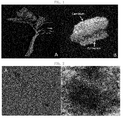
FIG. 1A is a photograph showing a plant material (tomato), andFIG. 1B is a photograph showing that cambium-derived stem cells were induced and started to be separated from a callus layer derived from other tissues. -
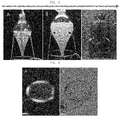
FIG. 2A is a micrograph showing the degree of aggregation of stem cells according to the present invention, andFIG. 2B is a micrograph showing the degree of aggregation of cells in a callus of tomato. -
FIG. 3A is a photograph showing that a cambium-derived stem cell has a morphological feature, having numerous vacuoles,FIG. 3B is a photograph showing mitochondria in a cambium-derived stem cell, andFIG. 3C is a photograph showing mitochondria in the callus of tomato. -
FIG. 4 is a graphic diagram showing the growth rates of stem cells according to the present invention and the callus of tomato. -
FIG. 5 is a set of photographs showing the result of culture for 7 days in a 3-liter air-lift bioreactor (FIG. 5A ), a 20-liter air-lift bioreactor (FIG. 5B ) and a 250-liter air-lift bioreactor (FIG. 5C ). -
FIG. 6 is a set of photographs showing a tracheary element (TE) that differentiated from a stem cell according to the present invention, in whichFIG. 6A is a polarized-light microscope photograph, andFIG. 6B is an optical microscope photograph (scale bar at the bottom of each photograph: 50 µm; magnification ×400). -
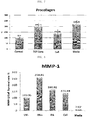
FIG. 7 is a graphic diagram showing the stimulation of procollagen biosynthesis by each of a stem cell extract according to the present invention and a culture medium according to the present invention. -
FIG. 8 is a graphic diagram showing the inhibitory effect of each of a stem cell extract and culture medium of the present invention on MMP-1 production induced by irradiation of fibroblasts with UV light. - Unless defined otherwise, all technical and scientific terms used herein have the same meaning as commonly understood by one of ordinary skill in the art to which the invention pertains. Generally, the nomenclature used herein is well known and commonly employed in the art.
- The definition of main terms used in the detailed description of the invention is as follows.
- As used herein, the vascular "cambium" refers to a lateral meristem located within vascular tissue of a plant and is located on a stem and a root. The thickening growth of plants occurs by the activity of the cambium, and as a result, giant plants having more than 11,000 years of the growth rings may exist. Embryologically, the vascular cambium originates from the procambium, and thus is the same meristem which has been gradually differentiated with meristematic continuity (Jae-Doo LEE and seven others, "Plant Morphology", Academy Book Publishing Co, Chapter 10, 1993). In the present invention, the term "cambium" is meant to include a procambium. Such cambium and procambium are primary meristem, and thus in the present invention, it is obvious that the use of such cambium and procambium provides the same effect.
- As used herein, the term plant "stem cell" refers to an innately undifferentiated cell without passing through a dedifferentiation process and is thus genetically highly stable.
- As used herein, the term "innately undifferentiated" means that cells are not present in an undifferentiated state through a dedifferentiation process, but are originally maintained in a pre-differentiated state.
- As used herein, the term "callus" refers to cells or cell clusters which have not differentiated through a dedifferentiation process (PNAS, 99(25):15843, 2002).
- In one aspect, the present invention is directed to stem cell derived from a cambium of family Solanaceae, in which the stem cell is an innately undifferentiated cell without going through dedifferentiation.
- When leaf, stem or root portions which are already differentiated tissues are used, they undergo a dedifferentiation process in which they are rejuvenated to their undifferentiated state in order to form a callus. During the dedifferentiation process, a mutation in somatic cells appears to cause cell unstability. Accordingly, the present inventors have conducted studies on a plant cell system showing little or no somaclonal variation, and as a result, have found that, when a cell line is derived specifically only from the meristem cambium, the ability of the metistem itself vigorously to divide can be used, and thus a cell line, which has no somaclonal variation and is genetically highly stable and physiologically uniform, can be derived without undergoing a dedifferentiation process. Based on this finding, a cambium-derived stem cell was isolated.
- A stem cell derived from the cambium of the family Solanaceae according to the present invention may have at least one of the following characteristics: (a) including a greater number of single cells or including smaller-sized cell aggregates in suspension culture than a dedifferentiated callus of the family Solanaceae; (b) having a greater number of mitochondria than the dedifferentiated callus of the family Solanaceae; (c) being capable of growing faster and longer than the dedifferentiated callus of the family Solanaceae; and (d) having lower sensitivity to shear stress in a bioreactor than the dedifferentiated callus of the family Solanaceae; and (e) having the capability to differentiate into tracheary elements.
- As used herein, the phrase "having a greater number of mitochondria" means having a number of mitochondria which is at least two times greater than the number of mitochondria in the dedifferentiated callus of the family Solanaceae. Herein, the stem cells according to the present invention are characterized by having mitochondria having increased activity compared to that of mitochondria in the dedifferentiated callus of the family Solanaceae, in which the phrase "having mitochondria having increased activity" means having mitochondria moving actively under a microscope. In addition, the present inventors have found that stem cells derived from the cambium of a plant of the family Solanaceae have the capacity to differentiate into tracheary elements. The cells derived from the cambium of the family Solanaceae according to the present invention have self-renewal ability and pluripotency which are the characteristics of plant stem cells, indicating that the cells according to the present invention are stem cells.
- In the present invention, the stem cells may have at least two of the above characteristics (a) to (e), preferably at least three of the above characteristics (a) to (e), and more preferably at least four of the above characteristics (a) to (e). In addition, the stem cells according to the present invention may also have all of the above characteristics (a) to (e).
- In addition, the stem cell line according to the present invention is characterized by having a large number of vacuoles when isolated. As used herein, the phrase "having a large number of vacuoles" means having a number of vacuoles which is at least two times greater than the number of vacuoles in the dedifferentiated callus of the family Solanaceae. In addition, the stem cells according to the present invention have smaller vacuoles than the dedifferentiated callus of the family Solanaceae.
- The stem cell according to the present invention can be obtained by an isolation method comprising the steps of: (a) obtaining a tissue comprising a cambium from a plant of the family Solanaceae; (b) culturing the obtained cambium-comprising tissue in a medium; and (c) isolating a cell from the cambium, thereby obtaining a cambium-derived stem cell. Step (b) of the method according to the present invention may be performed by culturing the cambium-containing tissue to induce a cultured cambium proliferated from the cambium, and step (c) of the method may be performed by isolating the cultured cambium to obtain a cambium-derived stem cell. Step (b) of the method may be performed by culturing the cambium-comprising tissue in a medium containing auxin, in which auxin in the medium may be NAA (α-naphtalene acetic acid) or IAA (indole-3-acetic acid). Such auxin may be contained at a concentration of 1-5 mg/ℓ in the medium. Also, step (c) of the method may be performed by isolating the cultured cambium from an amorphous callus layer that proliferated from tissues other than the cambium, thereby obtaining the cambium-derived stem cell.
- In one Example of the present invention, tomato cambium-derived stem cells were isolated from tomato, a member of the genus Lycopersicon of the family Solanaceae. Thus, the stem cells according to the present invention are preferably stem cells derived from the cambium of a plant of the genus Lycopersicon, and more preferably stem cells derived from the cambium of tomato.
- In another Example of the present invention, it was confirmed that the tomato cambium-derived stem cell and a culture medium thereof not only promote procollagen biosynthesis but also have an excellent inhibitory effect on the production of collagenase (MMP-1) compared to retinoic acid known to have an excellent effect of reducing wrinkles, suggesting that the tomato cambium-derived stem cell line and a culture medium thereof have the effect of preventing and reducing wrinkles. Thus, the stem cell line according to the present invention and a culture medium thereof will be useful as an effective anti-aging composition.
- Hereinafter, the present invention will be described in further detail with reference to examples. It will be obvious to a person having ordinary skill in the art that these examples are illustrative purposes only and are not to be construed to limit the scope of the present invention.
- In order to obtain cambium-derived stem cells from tomato (Lycopericum esculentum; purchased from Sejong Seed Co., Ltd., Korea), a member of the genus Lycopersicon of the family Solanaceae, stems (
FIG. 1 ) were collected from tomato, and then immediately soaked in 100 mg/L of the antioxidant L-ascorbic acid (DUCHEFA, The Netherlands). Then, they were transported and stored. Meanwhile, in order to obtain the same stem cells from the procambium of tomato, twigs in place of stems were collected. - Then, the plant was pretreated with a mixed solution of 0.1% benomyl (Dongbu Hannong Chemical, Korea), 0.1% daconil (Dongbu Hannong Chemical, Korea), 0.1% streptomycin sulphate (DUCHEFA, The Netherlands) and 0.01% cefotaxime sodium (DUCHEFA, The Netherlands) for 10 minutes, and then washed with tap water for 5 minutes to remove phenolic compounds and the remaining chemicals. Next, the plant was surface-sterilized in 70% ethanol (DC Chemical, Korea) for 1 min, 1.5% hydrogen peroxide (LG Chemical, Korea) for 3 min, 0.5% CLOROX solution for 5 min and 0.1% CLOROX solution for 5 min, and then washed 3-4 times with water.
- The stem (twig when using the procambium), sterilized in Example 1-1 was cut and the phloem, cortex and epidermis tissues containing a cambium having an excellent ability to divide were peeled off from the xylem.
- The cambium-containing explant prepared in Example 1-2 above was planted and cultured in the stem cell induction medium (medium 1) shown in Table 1 below.
[Table 1] Cell line induction medium (medium 1) Composition Contents(mg/L) Inorganic salts KNO3 2500 (NH4)2SO4 134 MgSO4·7H2O 121.56 MnSO4·4H2O 10 ZnSO4·7H2O 2 CuSO4·5H2O 0.025 CaCl2·2H2O 113.23 KI 0.75 CoCl2·6H2O 0.025 NaH2PO4·H2O 130.44 H3BO3 3 Na2MoO4·2H2O 0.25 FeNaEDTA 36.7 Vitamin Myo- inositol 200 Thiamine-HCl 20 Nicotinic acid 2 Pyridoxine-HCl 2 L- ascorbic acid 50 Citric acid 75 Amino acid L-aspartic acid 133 L-arginine 175 Glycine 75 Proline 115 Hormone α-Naphtalene acetic acid 2 Sucrose 10,000 Activated charcoal 100 Gelrite 2,000 - The growth regulator auxin such as NAA or IAA may be added to the medium at a concentration of 1-5 mg/L, and preferably 2 mg/L. The culture was carried out in a dark room controlled at 25±1 °C.
- At 7-10 days of initial culture, the division of cells from the cambium was visually observed, and after 3 weeks (21 days) of culture, an amorphous callus formed by dedifferentiation started to be induced from the layer composed of phloem, cortex and epidermis. After 30 days of culture, the tissue started to be separated into the cultured cambium layer and the upper layer containing phloem, that is, an amorphous callus layer (
FIG. 1B ). After the tissue has been naturally completely separated into the two layers, the layers were separately cultured in different Petri dishes. After the tissue has been isolated, the white and soft portion thereof having good growth rate was subcultured in the same fresh medium as induction medium at an interval of 14 days. - For comparison, an explant was obtained from the tomato stem and sterilized, and then cultured in the medium of Table 1 to induce a callus. The callus derived from the stem explant had an irregular shape due to the difference in division rate between different cells, showed unstable growth rate and readily turned brown. However, the tomato cambium-derived stem cells maintained a bright color.
- Also, the tomato cambium-derived stem cells were stably maintained without variations in their growth rates, growth patterns and aggregation degrees when they were cultured for a long period, confirming that the large scale cell culture would be possible. However, callus derived from the tomato stem showed variation in their growth pattern and growth rate and a high degree of aggregation when they were cultured for a long period of time. Thus, the callus cells tuned brown, were necrotized and could not be stably in a large scale.
- The cambium-derived stem cells isolated in Example 1 above were placed in a flask containing the liquid medium shown in Table 2 below. Then, the stem cells in the flask were cultured in a rotating shaker under dark conditions at 100 rpm at 25 ±1 °C. The interval of subculture was set at 2 weeks, such that the cultured cells could always be maintained in high activity in the exponential growth phase.
[Table 2] Suspension medium (medium 2) Composition Contents(mg/L) Inorganic salts Ca(No3)2 471.26 NH4NO3 400 MgSO4· 7H2O 180.54 MnSO4· 4H2O 22.3 ZnSO4· 7H2O 8.6 CuSO4· 5H2O 0.25 CaCl2· 2H2O 72.5 K2SO4 990 Na2MoO4· 2H2O 0.25 H3BO3 6.2 KH2PO4 170 FeNaEDTA 36.7 Vitamin Myo- inositol 200 Thiamine-HCl 20 Nicotinic acid 2 Pyridoxine-HCl 2 L- ascorbic acid 50 Citric acid 75 Amino acid L-aspartic acid 133 L-arginine 175 Glycine 75 Proline 115 Hormone α-Naphtalene acetic acid 2 Sucrose 30,000 - The degree of aggregation of the cells was observed with biological microscope CX31 (Olympus, Japan). As a result, as shown in
FIG. 2A , it was observed that the stem cells according to the present invention included a large number of single cells during suspension culture, some of the cells were present as small-sized cell aggregates. Namely, when the stem cells according to the present invention were cultured, the maximum size of the cell aggregates was only 500 µm. On the contrary, in a control group, when the tomato callus (PC10623) supplied from the Korea Biological Resource Center was observed, and as a result, the callus cells were highly aggregated as shown inFIG. 2B , and the maximum size of the cell aggregates was 10 mm. In addition, the stem cells according to the present invention and the cells of the callus (PC10623) were sampled after the proliferative culture, but before subculture, and the cell viability (%) of the samples were calculated using a 2% Evan's blue staining (5min) method. As a result, as shown in Table 3, the stem cells according to the present invention showed a viability of 96.33%, whereas the callus cells showed a viability of 65.2%.[Table 3] Cell lines Aggregate size (µm) (Maximum size) Survival rate (%) Stem cell 500 96.33 Callus 10000 65.2 - Meanwhile, the stem cell according to the present invention is morphologically characterized by a number of vacuoles, as shown in
FIG. 3A . Specifically, the stem cell of the present invention is characterized in that it has a number of vacuoles immediately after isolation. However, it was found that, as pressure applied to stem cells during a culture process decreased, the isolated and cultured stem cells changed to a morphology having only 1 or 2 vacuoles. Such stem cells that changed to a morphology having a small number of vacuoles show a characteristic in that they will have a large number of vacuoles when pressure is applied thereto. This characteristic also appears in undifferentiated cells in plants by factors such as pressure, suggesting that the stem cells according to the present invention are in an undifferentiated state. Meanwhile, the stem cells according to the present invention were observed with optical microscope BX41TF. As a result, a large number of mitochondria having a very high activity in terms of movement could be observed in the stem cell.FIG. 3B shows that the stem cell according to the present invention has a large number of mitochondria. InFIG. 3B , the arrows indicate mitochondria. However, as shown inFIG. 3C , this characteristic could not be observed in the cells of the tomato callus (PC10623). InFIG. 3C , the arrows indicate mitochondria in the callus cells. - Meanwhile, in order to examine the possibility of large scale cell culture, the tomato cambium-derived stem cells according to the present invention were cultured in an airlift bioreactor (Samsung Science Co., Ltd., Korea) having an internal volume of 3 L. The culture was carried out in the liquid medium of Table 2 under dark conditions at 25±1 °C and an aeration rate of 0.1-0.3 vvm.
[Table 4] Results of measurement of growth rate and GI Cell lines Growth rate (folds) GI Stem Cell 6.3 5.32 Callus 1.9 0.9 - As a result, as shown in Table 4 above and
FIG. 4 , the growth rate of the tomato callus (PC10623) was 1.9 fold and the GI (growth index = (maximum DCW - initial DCW) / initial DCW) thereof was 0.9, but the cambium-derived stem cells according to the present invention had a growth rate of 6.3 fold and a GI of 5.32, which were higher those of the tomato callus. In the case of conventional reactors, as can be seen from the cell viability of the tomato callus in Table 4, cell viability rapidly decreases due to growth ring production in the reactor, plant cell aggregation during culture, and the sensitivity of hard cell walls to shear stress. However, the cambium-derived stem cells formed a very small growth ring area in the bioreactor during culture, and the ring formed on the internal wall thereof was simply eliminated when a simple stimulus was applied to the incubator. Also, it was shown that the cambium-derived stem cells had low aggregation and contained a large number of vacuoles, and thus had low sensitivity to shear stress, such that cell viability was not greatly affected by shear stress.[Table 5] Large-scale culture process Bioreactors Max. dry cell weight (g/L) A 3L air-lift bioreactor 10.7 B 20L air-lift bioreactor 11.6 C 250L air-lift bioreactor 12.6 - In addition, as can be seen in Table 5 and
FIG. 5 , when the stem cells were cultured in each of a 3-L air-lift bioreactor, a 20-L air-lift bioreactor and the 250-L air-lift bioreactor for 7 days, it was shown that the amount of dry cells per liter in the 250-L bioreactor were rather increased. - In other words, it was seen that the cambium-derived cells according to the present invention had low sensitivity to shear stress in the bioreactor for large scale culture, and thus could be produced rapidly in large amounts in the bioreactor. Accordingly, it could be seen that the cambium-derived stem cells according to the present invention had lower sensitivity to shear stress than cell derived from the dedifferentiated callus of tomato.
- In addition, the characteristics of plant stem cells include self-renewal ability and pluripotency. Thus, in order to induce the tomato cambium-derived stem cells to differentiate into tracheary elements, the stem cells were cultured in each of MS media containing 10 mg/L NAA, 2 mg/L kinetin, 6 mg/L GA3 and 6% sucrose at 25±1 °C under dark conditions. As a result, as can be seen in
FIG. 6 , the cambium-derived stem cells differentiated into tracheary elements. - The stem cells, which have been suspension-cultured for 14 days as described in Example 2, were collected, and the culture medium was removed therefrom. 500ml of DMSO were added to 500g of the obtained stem cells and it was stirred at 50°C for 6 hours for dissuolution. Then, the cell solution was centrifuged at 3,000 g for 10 minutes, and the supernatant was collected, thereby obtaining a DMSO soluble substance. The obtained DMSO soluble substance was concentrated using a rotary vacuum concentrator, and the concentrated sample was dried using a freeze dryer, thereby obtaining a DMSO extract of the stem cells.
- Because a decrease in the production of collagen in the skin causes wrinkle production, the following test was carried out in order to examine whether the stem cells according to the present invention and a culture medium thereof promote procollagen biosynthesis. Normal human dermal fibroblasts (NHDFs) were purchased from MCTT Co., Ltd. (Korea) and cultured in 10% FBS-containing DMEM medium (Welgene, Korea).
- First, fibroblasts were seeded in a 48-well plate at a density of 1 x 10⁴ cells/well and cultured. Then, each of samples was diluted in serum-free DMEM medium, and the cells were diluted with the dilution of each sample and cultured for 72 hours. Then, the amount of procollagen in the culture medium of fibroblasts was measured using a procollagen Type I C-peptide EIA kit (Takara Bio Inc., MK101) according to the manufacturer's instruction. As the test groups, 50 ppm of the DMSO extract of the tomato cambium-derived stem cells and 10 vol% of the culture medium of the stem cells were used, and as a positive control, 10 ng/mℓ of TGF-beta was used.
- The measurement results were calculated relative to 100 for the amount of biosynthesized procollagen in a control. As a result, as can be seen in
FIG. 7 , both treatment with the stem cell extract and its culture medium according to the present invention showed the effect of promoting procollagen biosynthesis. Particularly, the culture medium of the stem cell showed an excellent effect of promoting procollagen biosynthesis compared to the positive control, TGF-beta and was thus expected to have an excellent effect of reducing wrinkles. InFIG. 7 , "cell" indicates the DMSO extract of stem cells, and "culture medium" indicates the culture medium removed during the preparation of the stem cell extract. - In case of the increase in MMPs by exposure to UV radiation, the increased MMPs degrade skin collagen to form wrinkles. Thus, the following test was carried out in order to test whether MMP-1 expression which increased by UV radiation is inhibited by the tomato cambium-derived stem cell extract or the culture medium of the stem cells.
- First, fibroblasts (MCTT Co., Ltd., Korea) were seeded in a 24-well plate at a density of 3×10⁴ cells/well and cultured to adhere for 12 hours, then the cells were starved in FBS-free medium for 12 hours. Then, the cells were washed with DPBS buffer, irradiated with 10 mJ/cm2 of UVA (365 nm) and treated with varying concentrations of each of samples (50 ppm of the DMSO extract of the tomato cambium-derived stem cells and 10 vol% of the culture medium) in serum-free DMEM medium for 48 hours. The culture media were collected and the amount of MMP-1 in the media was measured by Western blot assay and then ELISA assay. As a positive control, 10 µM of retinoic acid was used.
- As a result, as shown in
FIG. 8 , the stem cell extract and its culture medium of the present invention effectively inhibited the expression of MMP-1 compared to retinoic acid known to have a strong effect of reducing wrinkles, indicating that they have the effect of preventing and reducing wrinkles. Particularly, the activity of MMP-1 in the cells treated with the culture medium was only 7.07 relative to 100 for that in the cells not treated with UV light, indicating that the culture medium has a very excellent effect on the inhibition of MMP-1 expression. This ability of the culture medium to inhibit MMP-1 expression was about 23 times higher than that of retinoic acid, suggesting that the culture medium is very useful as an anti-aging cosmetic composition. - Therefore, the test results of Example 6 together with Example 5 indicate that the stem cell extract and culture medium of the present invention have excellent anti-aging effects.
- As described above, the inventive stem cell line derived from the cambium of a plant of the family Solanaceae is isolated in an undifferentiated state without undergoing a dedifferentiation process, such that it can be stably maintained without variations in the growth rate and growth pattern thereof even during long-term culture, and thus can be cultured in large amounts. In addition, the disclosed stem cell and a culture medium thereof more efficiently inhibit the production of enzyme associated with the progression of aging compared to retinoic acid known to have a strong effect of reducing wrinkles, and they have the effect of inducing procollagen biosynthesis, and thus are useful for preventing and delaying aging.
- Although the present invention has been described in detail with reference to the specific features, it will be apparent to those skilled in the art that this description is only for a preferred embodiment and does not limit the scope of the present invention. Thus, the substantial scope of the present invention will be defined by the appended claims and equivalents thereof.
Claims (15)
- A stem cell derived from a cambium of family Solanaceae, which is an innately undifferentiated cell without going through dedifferentiation.
- The stem cell according to claim 1, wherein the stem cell additionally comprises at least one of the following characteristics:(a) including a greater number of single cells or including smaller-sized cell aggregates in suspension culture than a dedifferentiated callus of the family Solanaceae;(b) having a greater number of mitochondria than the dedifferentiated callus of the family Solanaceae;(c) being capable of growing faster and longer than the dedifferentiated callus of the family Solanaceae;(d) having lower sensitivity to shear stress in a bioreactor than the dedifferentiated callus of the family Solanaceae; and(e) having the capability to differentiate into tracheary elements.
- The stem cell according to claim 2, wherein the stem cell comprises two or more characteristics selected from the group consisting of the characteristics (a) to (e).
- The stem cell according to claim 2, wherein the stem cell comprises three or more characteristics selected from the group consisting of the characteristics (a) to (e).
- The stem cell according to claim 2, wherein the stem cell comprises four or more characteristics selected from the group consisting of the characteristics (a) to (e).
- The stem cell according to claim 2, wherein the stem cell comprises the characteristics (a) to (e).
- The stem cell according to claim 1, wherein stem cell is obtained by an isolation method comprising the steps of:(a) obtaining a tissue comprising a cambium from a plant of the family Solanaceae;(b) culturing the obtained cambium-comprising tissue in a medium; and(c) isolating a cell from the cambium, thereby obtaining a stem cell derived from the cambium.
- The stem cell according to any one claim among claims 1 to 7, wherein the plant of the family Solanaceae is genus Lycopersicon.
- The stem cell according to any one claim among claims 1 to 7, wherein the plant of the family Solanaceae is tomato.
- A method of isolating a stem cell derived from a cambium of family Solanaceae, the method comprising the steps of:(a) obtaining a tissue comprising a cambium from a plant of the family Solanaceae;(b) culturing the obtained cambium-comprising tissue in a medium; and(c) isolating a cell from the cambium, thereby obtaining a stem cell derived from the cambium.
- The method according to claim 10, wherein the obtained cambium-comprising tissue are cultured in the medium comprising auxin in the step (b).
- The method according to claim 11, wherein the medium comprises 1∼5mg/L of auxin.
- The method according to claim 10, wherein the step (c) comprises isolating cells from the cambium after separating the cultured cambium from an amorphous callus layer derived from tissues other than the cambium, thereby obtaining the stem cell derived from the cambium.
- The method according to claim 10, wherein the plant of the family Solanaceae is genus Lycopersicon.
- The method according to claim 10, wherein the plant of the family Solanaceae is tomato.
Applications Claiming Priority (2)
| Application Number | Priority Date | Filing Date | Title |
|---|---|---|---|
| KR20090047121 | 2009-05-28 | ||
| PCT/KR2010/003424 WO2010137918A2 (en) | 2009-05-28 | 2010-05-28 | Plant stem cell derived from cambium of family solanaceae, and method for isolating and culturing same |
Publications (1)
| Publication Number | Publication Date |
|---|---|
| EP2436759A2 true EP2436759A2 (en) | 2012-04-04 |
Family
ID=43223278
Family Applications (1)
| Application Number | Title | Priority Date | Filing Date |
|---|---|---|---|
| EP10780829A Withdrawn EP2436759A2 (en) | 2009-05-28 | 2010-05-28 | Plant stem cell derived from cambium of family solanaceae, and method for isolating and culturing same |
Country Status (6)
| Country | Link |
|---|---|
| EP (1) | EP2436759A2 (en) |
| JP (1) | JP2012527890A (en) |
| KR (1) | KR101211682B1 (en) |
| CN (1) | CN102459573A (en) |
| RU (1) | RU2011153268A (en) |
| WO (1) | WO2010137918A2 (en) |
Cited By (3)
| Publication number | Priority date | Publication date | Assignee | Title |
|---|---|---|---|---|
| WO2013102882A2 (en) | 2012-01-05 | 2013-07-11 | L'oreal | Cosmetic use of dedifferentiated plant cells |
| US12285513B2 (en) | 2015-04-14 | 2025-04-29 | Vytrus Biotech, S.L. | Cell-free plant cell culture suspension supernatant with re-youth activity and/or wound healing activity over skin cells |
| US12570694B2 (en) | 2016-04-11 | 2026-03-10 | Vytrus Biotech, S.L. | Peptides and pharmaceutical, nutraceutical or veterinary compositions for hair loss prevention and/or treatment |
Families Citing this family (11)
| Publication number | Priority date | Publication date | Assignee | Title |
|---|---|---|---|---|
| CN103667171A (en) * | 2012-09-12 | 2014-03-26 | 鹭港生物药业有限公司 | tomato stem cell separation and culture method |
| KR102168500B1 (en) | 2013-02-28 | 2020-10-21 | 웰키 홀딩스 리미티드 | Plant Cell expressing target protein, Method of Preparing the Same and Method of Preparing Target Protein Using the Same |
| US9681615B2 (en) | 2013-06-20 | 2017-06-20 | Elwha Llc | Rapid breeding of plants |
| US20140380519A1 (en) * | 2013-06-20 | 2014-12-25 | Elwha Llc | Rapid breeding of plants |
| CN103320379A (en) * | 2013-07-01 | 2013-09-25 | 林树芳 | Isolated culture and extraction of plant stem cells of tomato and preparation method of oral liquids, beverages and white spirit |
| CN106148267A (en) * | 2015-04-04 | 2016-11-23 | 于荣敏 | The induction of the stem cell in scape cambium layer source, Changchun and separation method |
| CN104711215A (en) * | 2015-04-09 | 2015-06-17 | 广州赛莱拉干细胞科技股份有限公司 | Apple stem cell culture method and apple stem cells cultured by method |
| CN106616164A (en) * | 2017-01-06 | 2017-05-10 | 广州聚澜健康产业研究院有限公司 | Tomato juice capable of preventing carsickness |
| CO2017010115A1 (en) * | 2017-10-04 | 2018-01-05 | Univ Antioquia | Method of obtaining plant fibers from the isolation and culture of meristematic cells |
| CN107760645B (en) * | 2017-12-08 | 2021-06-15 | 新乡医学院 | Rehmannia glutinosa stem cells derived from the vascular cambium of Rehmannia glutinosa and methods for preparing and culturing them |
| KR102759378B1 (en) * | 2022-08-05 | 2025-01-23 | 주식회사 케이제이엠바이오 | Method for preparing aloe cambium-derived aloe stem cell extract and skin antioxidant composition comprising extract prepared accordingly |
Family Cites Families (8)
| Publication number | Priority date | Publication date | Assignee | Title |
|---|---|---|---|---|
| JP2654004B2 (en) | 1985-10-31 | 1997-09-17 | ゼネラル・エレクトリック・カンパニイ | Ion implantation apparatus and method |
| US5407816A (en) * | 1992-02-20 | 1995-04-18 | Phyton Catalytic, Inc. | Enhanced production of taxol and taxanes by cell cultures of taxus species |
| US5850032A (en) * | 1992-04-01 | 1998-12-15 | Union Camp Corporation | Method for production of plant biological products in precocious neomorphic embryoids |
| KR950005081B1 (en) * | 1993-07-06 | 1995-05-18 | 산림청임목육종연구소 | Method for producing taxol and its derivatives from embryo cultures of taxus species |
| KR100533120B1 (en) | 2003-06-16 | 2005-12-14 | 주식회사 운화 바이오텍 | Method of plant cell culture from cambium |
| KR100578974B1 (en) | 2004-06-30 | 2006-05-12 | 삼성에스디아이 주식회사 | Plasma display panel |
| US8017397B2 (en) * | 2005-10-31 | 2011-09-13 | Unhwa Corporation | Isolated population of plant single cells and method of preparing same |
| AU2008202078B2 (en) * | 2007-10-10 | 2012-05-31 | Wellkey Holdings Limited | Stability of secondary metabolite mass production through synchronized plant cell cultures |
-
2010
- 2010-05-28 JP JP2012512980A patent/JP2012527890A/en active Pending
- 2010-05-28 WO PCT/KR2010/003424 patent/WO2010137918A2/en not_active Ceased
- 2010-05-28 CN CN201080028931.2A patent/CN102459573A/en active Pending
- 2010-05-28 EP EP10780829A patent/EP2436759A2/en not_active Withdrawn
- 2010-05-28 KR KR1020100050586A patent/KR101211682B1/en active Active
- 2010-05-28 RU RU2011153268/10A patent/RU2011153268A/en not_active Application Discontinuation
Non-Patent Citations (1)
| Title |
|---|
| See references of WO2010137918A2 * |
Cited By (4)
| Publication number | Priority date | Publication date | Assignee | Title |
|---|---|---|---|---|
| WO2013102882A2 (en) | 2012-01-05 | 2013-07-11 | L'oreal | Cosmetic use of dedifferentiated plant cells |
| US10463603B2 (en) | 2012-01-05 | 2019-11-05 | L'oreal | Cosmetic use of dedifferentiated plant cells |
| US12285513B2 (en) | 2015-04-14 | 2025-04-29 | Vytrus Biotech, S.L. | Cell-free plant cell culture suspension supernatant with re-youth activity and/or wound healing activity over skin cells |
| US12570694B2 (en) | 2016-04-11 | 2026-03-10 | Vytrus Biotech, S.L. | Peptides and pharmaceutical, nutraceutical or veterinary compositions for hair loss prevention and/or treatment |
Also Published As
| Publication number | Publication date |
|---|---|
| KR20100129235A (en) | 2010-12-08 |
| KR101211682B1 (en) | 2012-12-12 |
| JP2012527890A (en) | 2012-11-12 |
| RU2011153268A (en) | 2013-07-10 |
| WO2010137918A2 (en) | 2010-12-02 |
| WO2010137918A3 (en) | 2011-04-14 |
| CN102459573A (en) | 2012-05-16 |
Similar Documents
| Publication | Publication Date | Title |
|---|---|---|
| KR101211682B1 (en) | Plant Stem Cell Derived from Cambium of Family Solanaceae and Method of Isolating and Culturing the Same | |
| JP6026209B2 (en) | Stabilization of mass production of secondary metabolites by synchronized plant cell culture | |
| KR101064518B1 (en) | Plant stem cell line derived from cambium of herbaceous plants with storage roots and isolation method thereof | |
| US8329471B2 (en) | Isolated population of plant single cells and method of preparing same | |
| AU2008202078B2 (en) | Stability of secondary metabolite mass production through synchronized plant cell cultures | |
| EP2436758A2 (en) | Plant stem cell derived from cambium of family gingkoaceae and method for the isolation thereof | |
| ZA201001571B (en) | Plant stem cell line derived from quiescent center and method for isolating the same | |
| CN110317773B (en) | Separation and culture method of dendrobium officinale suspension cells | |
| CA2630150A1 (en) | Plant secondary metabolite production through syncronized procambium cell culture | |
| KR20110003887A (en) | Plant stem cells derived from cambium or procambium of cabbage and its isolation method |
Legal Events
| Date | Code | Title | Description |
|---|---|---|---|
| PUAI | Public reference made under article 153(3) epc to a published international application that has entered the european phase |
Free format text: ORIGINAL CODE: 0009012 |
|
| 17P | Request for examination filed |
Effective date: 20111219 |
|
| AK | Designated contracting states |
Kind code of ref document: A2 Designated state(s): AL AT BE BG CH CY CZ DE DK EE ES FI FR GB GR HR HU IE IS IT LI LT LU LV MC MK MT NL NO PL PT RO SE SI SK SM TR |
|
| STAA | Information on the status of an ep patent application or granted ep patent |
Free format text: STATUS: THE APPLICATION HAS BEEN WITHDRAWN |
|
| 18W | Application withdrawn |
Effective date: 20120430 |