EP2435056B1 - Bacteriocin-producing lactobacillus pentosus and the use thereof in food and pharmaceutical compositions - Google Patents
Bacteriocin-producing lactobacillus pentosus and the use thereof in food and pharmaceutical compositions Download PDFInfo
- Publication number
- EP2435056B1 EP2435056B1 EP10730508.8A EP10730508A EP2435056B1 EP 2435056 B1 EP2435056 B1 EP 2435056B1 EP 10730508 A EP10730508 A EP 10730508A EP 2435056 B1 EP2435056 B1 EP 2435056B1
- Authority
- EP
- European Patent Office
- Prior art keywords
- dsm
- strain
- coli
- lactobacillus pentosus
- preventive
- Prior art date
- Legal status (The legal status is an assumption and is not a legal conclusion. Google has not performed a legal analysis and makes no representation as to the accuracy of the status listed.)
- Active
Links
Images


Classifications
-
- A—HUMAN NECESSITIES
- A23—FOODS OR FOODSTUFFS; TREATMENT THEREOF, NOT COVERED BY OTHER CLASSES
- A23L—FOODS, FOODSTUFFS OR NON-ALCOHOLIC BEVERAGES, NOT OTHERWISE PROVIDED FOR; PREPARATION OR TREATMENT THEREOF
- A23L33/00—Modifying nutritive qualities of foods; Dietetic products; Preparation or treatment thereof
- A23L33/10—Modifying nutritive qualities of foods; Dietetic products; Preparation or treatment thereof using additives
- A23L33/135—Bacteria or derivatives thereof, e.g. probiotics
-
- A—HUMAN NECESSITIES
- A61—MEDICAL OR VETERINARY SCIENCE; HYGIENE
- A61K—PREPARATIONS FOR MEDICAL, DENTAL OR TOILETRY PURPOSES
- A61K35/00—Medicinal preparations containing materials or reaction products thereof with undetermined constitution
- A61K35/66—Microorganisms or materials therefrom
- A61K35/74—Bacteria
- A61K35/741—Probiotics
- A61K35/744—Lactic acid bacteria, e.g. enterococci, pediococci, lactococci, streptococci or leuconostocs
- A61K35/747—Lactobacilli, e.g. L. acidophilus or L. brevis
-
- A—HUMAN NECESSITIES
- A61—MEDICAL OR VETERINARY SCIENCE; HYGIENE
- A61P—SPECIFIC THERAPEUTIC ACTIVITY OF CHEMICAL COMPOUNDS OR MEDICINAL PREPARATIONS
- A61P1/00—Drugs for disorders of the alimentary tract or the digestive system
-
- A—HUMAN NECESSITIES
- A61—MEDICAL OR VETERINARY SCIENCE; HYGIENE
- A61P—SPECIFIC THERAPEUTIC ACTIVITY OF CHEMICAL COMPOUNDS OR MEDICINAL PREPARATIONS
- A61P1/00—Drugs for disorders of the alimentary tract or the digestive system
- A61P1/04—Drugs for disorders of the alimentary tract or the digestive system for ulcers, gastritis or reflux esophagitis, e.g. antacids, inhibitors of acid secretion, mucosal protectants
-
- A—HUMAN NECESSITIES
- A61—MEDICAL OR VETERINARY SCIENCE; HYGIENE
- A61P—SPECIFIC THERAPEUTIC ACTIVITY OF CHEMICAL COMPOUNDS OR MEDICINAL PREPARATIONS
- A61P1/00—Drugs for disorders of the alimentary tract or the digestive system
- A61P1/08—Drugs for disorders of the alimentary tract or the digestive system for nausea, cinetosis or vertigo; Antiemetics
-
- A—HUMAN NECESSITIES
- A61—MEDICAL OR VETERINARY SCIENCE; HYGIENE
- A61P—SPECIFIC THERAPEUTIC ACTIVITY OF CHEMICAL COMPOUNDS OR MEDICINAL PREPARATIONS
- A61P1/00—Drugs for disorders of the alimentary tract or the digestive system
- A61P1/12—Antidiarrhoeals
-
- A—HUMAN NECESSITIES
- A61—MEDICAL OR VETERINARY SCIENCE; HYGIENE
- A61P—SPECIFIC THERAPEUTIC ACTIVITY OF CHEMICAL COMPOUNDS OR MEDICINAL PREPARATIONS
- A61P1/00—Drugs for disorders of the alimentary tract or the digestive system
- A61P1/14—Prodigestives, e.g. acids, enzymes, appetite stimulants, antidyspeptics, tonics, antiflatulents
-
- A—HUMAN NECESSITIES
- A61—MEDICAL OR VETERINARY SCIENCE; HYGIENE
- A61P—SPECIFIC THERAPEUTIC ACTIVITY OF CHEMICAL COMPOUNDS OR MEDICINAL PREPARATIONS
- A61P29/00—Non-central analgesic, antipyretic or antiinflammatory agents, e.g. antirheumatic agents; Non-steroidal antiinflammatory drugs [NSAID]
-
- A—HUMAN NECESSITIES
- A61—MEDICAL OR VETERINARY SCIENCE; HYGIENE
- A61P—SPECIFIC THERAPEUTIC ACTIVITY OF CHEMICAL COMPOUNDS OR MEDICINAL PREPARATIONS
- A61P31/00—Antiinfectives, i.e. antibiotics, antiseptics, chemotherapeutics
-
- A—HUMAN NECESSITIES
- A61—MEDICAL OR VETERINARY SCIENCE; HYGIENE
- A61P—SPECIFIC THERAPEUTIC ACTIVITY OF CHEMICAL COMPOUNDS OR MEDICINAL PREPARATIONS
- A61P31/00—Antiinfectives, i.e. antibiotics, antiseptics, chemotherapeutics
- A61P31/04—Antibacterial agents
-
- C—CHEMISTRY; METALLURGY
- C12—BIOCHEMISTRY; BEER; SPIRITS; WINE; VINEGAR; MICROBIOLOGY; ENZYMOLOGY; MUTATION OR GENETIC ENGINEERING
- C12N—MICROORGANISMS OR ENZYMES; COMPOSITIONS THEREOF; PROPAGATING, PRESERVING, OR MAINTAINING MICROORGANISMS; MUTATION OR GENETIC ENGINEERING; CULTURE MEDIA
- C12N1/00—Microorganisms; Compositions thereof; Processes of propagating, maintaining or preserving microorganisms or compositions thereof; Processes of preparing or isolating a composition containing a microorganism; Culture media therefor
- C12N1/20—Bacteria; Culture media therefor
- C12N1/205—Bacterial isolates
-
- A—HUMAN NECESSITIES
- A23—FOODS OR FOODSTUFFS; TREATMENT THEREOF, NOT COVERED BY OTHER CLASSES
- A23V—INDEXING SCHEME RELATING TO FOODS, FOODSTUFFS OR NON-ALCOHOLIC BEVERAGES AND LACTIC OR PROPIONIC ACID BACTERIA USED IN FOODSTUFFS OR FOOD PREPARATION
- A23V2400/00—Lactic or propionic acid bacteria
- A23V2400/11—Lactobacillus
- A23V2400/167—Pentosus
-
- C—CHEMISTRY; METALLURGY
- C12—BIOCHEMISTRY; BEER; SPIRITS; WINE; VINEGAR; MICROBIOLOGY; ENZYMOLOGY; MUTATION OR GENETIC ENGINEERING
- C12R—INDEXING SCHEME ASSOCIATED WITH SUBCLASSES C12C - C12Q, RELATING TO MICROORGANISMS
- C12R2001/00—Microorganisms ; Processes using microorganisms
- C12R2001/01—Bacteria or Actinomycetales ; using bacteria or Actinomycetales
- C12R2001/225—Lactobacillus
-
- Y—GENERAL TAGGING OF NEW TECHNOLOGICAL DEVELOPMENTS; GENERAL TAGGING OF CROSS-SECTIONAL TECHNOLOGIES SPANNING OVER SEVERAL SECTIONS OF THE IPC; TECHNICAL SUBJECTS COVERED BY FORMER USPC CROSS-REFERENCE ART COLLECTIONS [XRACs] AND DIGESTS
- Y02—TECHNOLOGIES OR APPLICATIONS FOR MITIGATION OR ADAPTATION AGAINST CLIMATE CHANGE
- Y02A—TECHNOLOGIES FOR ADAPTATION TO CLIMATE CHANGE
- Y02A50/00—TECHNOLOGIES FOR ADAPTATION TO CLIMATE CHANGE in human health protection, e.g. against extreme weather
- Y02A50/30—Against vector-borne diseases, e.g. mosquito-borne, fly-borne, tick-borne or waterborne diseases whose impact is exacerbated by climate change
Definitions
- the present invention relates to a selected strain of Lactobacillus pentosus for use as a medication for the preventive or curative treatment of infections due to Gram-negative bacteria, preferably enterococci, coliforms and E. coli.
- WO2007/003917 discloses a different Lactobacillus pentosus strain, but said strain is also a probiotic which can act as starter culture and shows protective activity.
- the present invention relates to a composition
- a composition comprising said strain of Lactobacillus pentosus for the preparation of a food or pharmaceutical composition for combating, reducing or inhibiting the presence of Gram-negative bacteria, preferably enterococci, coliforms and E . coli.
- the present invention relates to the use of said selected strain of Lactobacillus pentosus for the preparation of a medication for combating, reducing or inhibiting the presence of Gram-negative bacteria, preferably enterococci, coliforms and E. coli ; in particular for the treatment of infections due to Gram-negative bacteria, preferably enterococci, coliforms and E . coli.
- Gram-negative bacteria preferably enterococci, coliforms and E. coli
- the present invention relates to the use of said selected strain of Lactobacillus pentosus, for the preparation of a technological additive to be added to a starter culture for the preparation of dairy products.
- E . coli is an example of a widespread Gram-negative bacteria responsible-for a large number of bacterial infections, at times also severe ones, such as for example bacterial cystitis, gastroenteritis and gastroenterocolitis.
- infections due to Gram-negative, bacteria are treated using drugs such as, for example, antibiotics.
- drugs such as, for example, antibiotics.
- some Gram-negative bacteria have developed a certain degree of resistance to the drugs normally used and this sometimes limits their use and the results obtained.
- bacterial infections are treated right away by relying on a pharmacological therapy that is as effective as possible. This approach is often adopted without being able to wait for microbiological tests which reveal which bacterium is involved and which antibiotic it is vulnerable to.
- microorganisms are capable of activating a series of defensive systems, such as for example the one regulated by the production of bacteriocins.
- Bacteriocins is used to indicate the proteinaceous compounds produced by both Gram-positive and Gram-negative bacteria and endowed with an inhibitory action against bacterial strains which are different from the producer strain, but closely related thereto.
- Bacteriocins are proteins produced by lactic bacteria and they show a marked antimicrobial activity by virtue of which they have aroused growing interest, above all in the clinical and technological/food sectors.
- bacteriocins represent a valid alternative to antibiotics.
- bacteriocins can be used as biopreservatives to control and contain the undesired bacterial population responsible for intoxications and spoilage of the food matrix, for example in dairy products. Therefore, the use of bacteriocins in the food and pharmaceutical sectors could be a technologically correct and effective tool, to be used in the production of what are defined as "high quality" products, which keep for long periods of time in the absence of any alterations and in complete safety, thus maintaining their intrinsic sensory characteristics.
- bacteriocins as antimicrobial substances would involve the use of bacteriocin-producing bacterial cultures as dietary probiotics.
- the Applicant has identified and selected a strain of Lactobacillus pentosus which is able to provide a suitable response to the above-mentioned needs.
- the subject of the present invention is a strain of Lactobacillus pentosus deposited with the DSMZ Institute in Germany under DSM No. 21980, for use as a medication for the preventive or curative treatment of infections due to Gram-negative bacteria, preferably enterococci, coliforms and E. coli.
- a further subject of the present invention is a composition comprising said Lactobacillus pentosus DSM No. 21980 for the preparation of a food or pharmaceutical composition for combating, reducing or inhibiting the presence of Gram-negative bacteria, preferably enterococci, coliforms and E . coli.
- a further subject of the present invention is the use of said strain Lactobacillus pentosus DSM No. 21980 to prepare a medication for combating, reducing or inhibiting the presence of Gram-negative bacteria, preferably enterococci, coliforms and E . coli; in particular for the treatment of infections due to Gram-negative bacteria, preferably enterococci, coliforms and E . coli.
- Gram-negative bacteria preferably enterococci, coliforms and E . coli
- a further subject of the present invention is the use of said strain Lactobacillus pentosus DSM No. 21980 to prepare a technological additive to be added to a starter culture for the preparation of dairy products.
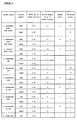
- Table 1 shows an experimental test in which the inhibitory activity of a group of bacterial strains against E.coli was tested.
- Table 1 it is shown as follows: (-) no halo (no inhibition); (+)halo of 1-2 mm ⁇ (*) numerous colonies of E.coli inside the spot; (++)halo of 3-5 mm ⁇ (**) a few colonies of E.coli inside the spot; (+++) halo greater than 5 mm ⁇ (***) no colony of E.coli (maximum inhibition).
- Table 2 shows an inhibition test.
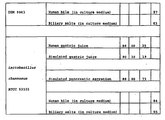
- Table 3 shows a gastro-resistance test.
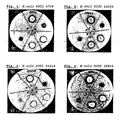
- Figure 1 shows the test of growth inhibition of E. coli ATCC 8739 by the strain Lactobacillus pentosus LPS 01, DSM 21980.
- Figure 2 shows the test of growth inhibition of E. coli ATCC 10536 by the strain Lactobacillus pentosus LPS 01, DSM 21980.
- Figure 3 shows the test of growth inhibition of E . coli ATCC 35218 by the strain Lactobacillus pentosus LPS 01, DSM 21980.
- Figure 4 shows the test of growth inhibition of E . coli ATCC 25922 by the strain Lactobacillus pentosus LPS 01, DSM 21980.
- the Applicant has identified and selected a strain of Lactobacillus pentosus from natural ensiled maize using the lactobacillus isolation technique, known to experts in the field.
- the strain was deposited with the DSMZ in Germany on 14.11.2008, by Probiotical S.p.A., Novara - Italy, under the following filing number: Lactobacallus pentosus DSM No. 21980 (LPS01).
- the strain DSM 21980 was deposited in accordance with the Treaty of Budapest.
- Lactobacillus pentosus DSM No. 21980 is indicated for the preventive or curative treatment of recurring (recurrent) infections due to Gram-negative bacteria, preferably enterococci, coliforms and E . coli.
- Lactobacillus pentosus DSM No. 21980 is indicated for the preventive or curative treatment of gastroenteritis or gastroenterocolitis, preferably for the preventive or curative treatment of diarrheic discharges and consequent dehydration, nausea, diarrhea, abdominal cramps accompanied by fever and physical weakness.
- the selected and isolated strain was characterised and classified based on the sugar fermentation profile (API 50 CHL bioMérieux).
- the species was confirmed by species-specific PCR amplification ( Torriani S., Felis G.E., Dellaglio F., Differentiation of Lactobacillus plantarum, L. pentosus, and L. paraplantarum by recA Gene Sequenze Analysis and Multiplex PCR Assay with recA Gene-Derived Primers. Appl Environ Microbiol. Aug 2001; 3450-3454 ).
- the strain was biotyped using the PFGE (Pulsed Field Gel Electrophoresis) technique, ( Tynkken S., Satokari R., Saarela M., Mattila-Sandholm T., Saxelin M. Comparison of Ribotyping, Randomly Amplified Polymorphic DNA Analysis, and Pulsed-Field Gel Electrophoresis in Typing of Lactobacillus rhamnosus and L. Gasei strains. Appl And Envirom Microb. Sept. 1999; 3908-3914 ).
- PFGE Pulsed Field Gel Electrophoresis
- the Applicant has tested the anti- E . coli activity of the above-mentioned Lactobacillus pentosus DSM No. 21980, which was placed in direct contact with the following E . coli: ATCC 35218, ATCC 10536, ATCC 8739, and ATCC 25922.
- the target strains are represented by E. coli: ATCC 35218, ATCC 10536, ATCC 8739, and ATCC 25922, in lyophilized form, and having a load of at least 1x10 8 CFU/g.
- Each strain of E . coli was reconstituted with 1 ml of physiological solution (NaCl 0.8%) and used in a proportion of 100 ⁇ l per Petri dish containing 12-15 ml of agarized LaptG culture medium.
- 1 litre of LaptG culture broth has: Bacto Pepton 15 g, Bacto Tryptone 10 g, Glucose 10 g, Yeast Extract 10 g, Tween 80 1 g, distilled water to 1000 ml, pH 6.5-6.6.
- 15 g of Bacto Agar is added.
- the Lactobacilli were cultivated in a liquid MRS medium (broth) and LaptG broth, whereas the Lactococci were cultivated in a liquid M17 medium (broth) and LaptG broth.
- the ingredients and compositions of the culture media are known to experts in the field.
- the position of the respective spots that will be subjected to testing is marked on the bottom of the Petri dishes prepared with the target strain on an LaptG agar base.
- the dishes thus prepared are incubated in a thermostat at 37°C/24 hours.
- the four images relate to trials conducted under the same operating conditions but using a different E . coli strain each time: E . coli ATCC 8739 ( Fig.1 ), ATCC 10536 ( Fig. 2 ), ATCC 35218 ( Fig. 3 ) and ATCC 25922 ( Fig. 4 ).
- strain L. pentosus DSM No. 21980 (LPS 01) showed an excellent inhibitory ability against all the E . coli strains, ATCC 8739, ATCC 10536, ATCC 35218 and ATCC 25922, in virtue of its ability to produce a more effective bacteriocin in large quantities.
- strain Lactobacillus pentosus DSM No. 21980 LPS01
- LPS01 strain Lactobacillus pentosus DSM No. 21980
- the strain L . pentosus DSM No. 21980 (LPS 01) is capable of combating, through a bactericidal action, and/or reducing or inhibiting, through a bacteriostatic action, the presence of Gram-negative bacteria, preferably enterococci, coliforms and E. coli .
- the Applicant tested the strain L . pentosus DSM No. 21980 (LPS 01), to which the present invention relates, against other probiotic strains taken individually, namely, Lactobacillus rhamnosus DSM No. 21981 (LR06) and Lactobacillus plantarum No. LMG P-21021 (LP01).
- This test had the aim of verifying whether the production of bacteriocin by L. pentosus DSM No. 21980 (LPS 01) can in some way inhibit the other bacteria Lactobacillus rhamnosus DSM No. 21981 (LR06) and Lactobacillus plantarum No. LMG P-21021 (LP01) during the growth thereof because of the presence of bacteriocin.
- Lactobacillus pentosus DSM No. 21980 LPS01
- Lactobacillus rhamnosus DSM No. 21981 LR06
- Lactobacillus plantarum No. LMG P-21021 LP01
- the strain Lactobacillus pentosus DSM No. 21980 does not interfere with other strains of probiotic bacteria or with beneficial bacterial flora.
- a preferred embodiment of the present invention relates to a composition
- a composition comprising the strain Lactobacillus pentosus DSM No. 21980 (LPS01) for use as a medication for the preventive or curative treatment of infections due to Gram-negative bacteria, preferably by enterococci, coliforms and E. coli.
- Another preferred embodiment of the present invention relates to a composition for use as a medication for the preventive or curative treatment of recurring infections (recurrent infections) due to Gram-negative bacteria, preferably enterococci, coliforms and E . coli.
- said composition is indicated for the preventive or curative treatment of gastroenteritis or gastroenterocolitis. Even more preferably it is indicated for the preventive or curative treatment of diarrheic discharges and consequent dehydration, nausea, diarrhea, abdominal cramps accompanied by fever and physical weakness.
- strain Lactobacillus pentosus DSM No. 21980 LPS01
- the strain Lactobacillus pentosus DSM No. 21980 LPS01
- the cellular components thereof can be present.
- the strain Lactobacillus pentosus DSM No. 21980 in the form of live or dead bacteria or, alternatively, the cellular components thereof, can be used to prepare a dietary composition which has valid application, as a technological additive, in the dairy industry. Said dietary composition is added to a starter culture for the preparation of dairy products.
- compositions may also comprise the strain Lactobacillus rhamnosus DSM No. 21961 (LR06) and/or the strain Lactobacillus pentosus DSM No. 21980 (LPS01).
- LR06 strain Lactobacillus rhamnosus DSM No. 21961
- LPS01 strain Lactobacillus pentosus DSM No. 21980
- compositions contain the strain Lactobacillus pentosus DSM. No. 21980 (LPS01) as live or dead bacteria or the cellular components thereof in a quantity of between 1x10 6 and 1x10 11 CPU/g, relative to the total weight of the composition, preferably between 1x10 8 and 1x10 10 CFU/g.
- LPS01 strain Lactobacillus pentosus DSM. No. 21980
- compositions contain the strain as live or dead bacteria or the cellular components thereof in a quantity of between 1x10 6 and 1x10 11 CrU/dose, preferably between 1x10 8 and 1x10 10 CFU/dose.
- the dosses may be for example 1 g, 3 g, 5 g and 10 g.
- compositions can also contain additives and co-formulants that are acceptable from a dietary and pharmaceutical point of view.
- compositions can include vitamins, e.g. folic acid, vitamin B 12 , riboflavin, pyridoxal phosphate, vitamin E and ascorbic acid; antioxidants, e.g. polyphenols, flavanoids, proanthocyanidins and catechins; amino acids, e.g. glutamine and methionine; minerals, e.g. selenium, copper, magnesium and zinc; active substances of plant origin, preferably in the form of a dry extract, such as cranberry, Echinacea, grapefruit seed extract, equisetum, bearberry, rosemary and propolis.
- vitamins e.g. folic acid, vitamin B 12 , riboflavin, pyridoxal phosphate, vitamin E and ascorbic acid
- antioxidants e.g. polyphenols, flavanoids, proanthocyanidins and catechins
- amino acids e.g. glutamine and methionine
- minerals e.g. selenium, copper, magnesium and zinc
- the compositions also contain at least one substance having prebiotic properties in a quantity of between 1 and 30% by weight, relative to the total weight of the composition, preferably between 5 and 20% by weight.
- Said probiotic substances include fructo- oligosaccharides (FOS), xylo-oligosaccharides (XOS), galacto-oligosaccharides ; inulin, arabino-galactanes and gluco-oligosaccharides.
- the strain Lactobacillus pentosus DSM No. 21980 (LPS01) is induced to produce bacteriocin on a massive scale via stimulation of the anti- E . coli bacteriocin.
- the bacteriocin obtained is extracted from the massive production described above so as to obtain the bacteriocin of the present invention as such.
- the latter may be used in the above-described compositions in order to combat (through bactericidal action) and/or reduce or inhibit (through bacteriostatic action) the presence of Gram-negative bacteria, preferably enterococci, coliforms and E . coli.
- Table 3 shows the percentage of survival of probiotic strains versus two different types of gastric juices and a pancreatic secretion simulated after different contact times (5', 30' and 60') at 37°C.
- the results of survival versus biliary secretion were obtained by comparing the number of colonies growing in a culture medium with or without the addition of biliary salts or human bile.
- the strain Lactobacillus pentosus DSM No. 21980 shows good survival in gastroduodenal transit, wholly comparable to that of the reference strain Lactobacillus plantarum DSM No. 9843. Therefore, the strain Lactobacillus pentosus DSM No. 21980 (LPS01) is able to pass the gastrointestinal barrier and colonise the intestinal tract.
- Table 1 The data provided in Table 1, Figure 1-4 , Table 2 and Table 3 support the use of the strain Lactobacillus pentosus DSM No. 21980 (LPS01) in the food or pharmaceutical sector as a total or partial replacement for traditional antibiotics in the preventive or curative treatment of infections due to Gram-negative bacteria.
- LPS01 strain Lactobacillus pentosus DSM No. 21980
Landscapes
- Health & Medical Sciences (AREA)
- Life Sciences & Earth Sciences (AREA)
- Chemical & Material Sciences (AREA)
- Engineering & Computer Science (AREA)
- General Health & Medical Sciences (AREA)
- Medicinal Chemistry (AREA)
- Organic Chemistry (AREA)
- Public Health (AREA)
- Veterinary Medicine (AREA)
- Pharmacology & Pharmacy (AREA)
- Animal Behavior & Ethology (AREA)
- Bioinformatics & Cheminformatics (AREA)
- Chemical Kinetics & Catalysis (AREA)
- Nuclear Medicine, Radiotherapy & Molecular Imaging (AREA)
- General Chemical & Material Sciences (AREA)
- Microbiology (AREA)
- Mycology (AREA)
- Genetics & Genomics (AREA)
- Wood Science & Technology (AREA)
- Zoology (AREA)
- Biotechnology (AREA)
- Nutrition Science (AREA)
- Molecular Biology (AREA)
- Epidemiology (AREA)
- Virology (AREA)
- Oncology (AREA)
- Food Science & Technology (AREA)
- Polymers & Plastics (AREA)
- General Engineering & Computer Science (AREA)
- Tropical Medicine & Parasitology (AREA)
- Biochemistry (AREA)
- Biomedical Technology (AREA)
- Communicable Diseases (AREA)
- Otolaryngology (AREA)
- Pain & Pain Management (AREA)
- Rheumatology (AREA)
- Hospice & Palliative Care (AREA)
- Medicines Containing Material From Animals Or Micro-Organisms (AREA)
- Micro-Organisms Or Cultivation Processes Thereof (AREA)
- Measuring Or Testing Involving Enzymes Or Micro-Organisms (AREA)
Description
- The present invention relates to a selected strain of Lactobacillus pentosus for use as a medication for the preventive or curative treatment of infections due to Gram-negative bacteria, preferably enterococci, coliforms and E. coli.
WO2007/003917 discloses a different Lactobacillus pentosus strain, but said strain is also a probiotic which can act as starter culture and shows protective activity. - In particular, the present invention relates to a composition comprising said strain of Lactobacillus pentosus for the preparation of a food or pharmaceutical composition for combating, reducing or inhibiting the presence of Gram-negative bacteria, preferably enterococci, coliforms and E. coli.
- Furthermore, the present invention relates to the use of said selected strain of Lactobacillus pentosus for the preparation of a medication for combating, reducing or inhibiting the presence of Gram-negative bacteria, preferably enterococci, coliforms and E. coli; in particular for the treatment of infections due to Gram-negative bacteria, preferably enterococci, coliforms and E. coli.
- Finally, the present invention relates to the use of said selected strain of Lactobacillus pentosus, for the preparation of a technological additive to be added to a starter culture for the preparation of dairy products.
- It is known that E. coli is an example of a widespread Gram-negative bacteria responsible-for a large number of bacterial infections, at times also severe ones, such as for example bacterial cystitis, gastroenteritis and gastroenterocolitis. In general, the infections due to Gram-negative, bacteria are treated using drugs such as, for example, antibiotics. However, over time some Gram-negative bacteria have developed a certain degree of resistance to the drugs normally used and this sometimes limits their use and the results obtained. Furthermore, in common.medical practice, bacterial infections are treated right away by relying on a pharmacological therapy that is as effective as possible. This approach is often adopted without being able to wait for microbiological tests which reveal which bacterium is involved and which antibiotic it is vulnerable to.
- One thus proceeds empirically, administering a known antibiotic assumed to be the most effective for the family of bacteria assumed to be at the basis of the infection. However, the above-described approach implies administering a considerable quantity of drugs, for example antibiotics, without knowing beforehand if such a therapy will lead to the solution of the problem and consequent recovery. Moreover, the possible side effects connected to the administration of antibiotics, which, as is well known, also act on bacterial flora that is positive and useful for the body, should not be overlooked.
- Therefore, it is desirable to have a therapy for the preventive or curative treatment of infections due to Gram-negative bacteria which can be used as an alternative to or in combination with traditional drugs in order to overcome the drawbacks deriving from a sometimes indiscriminate use of antibiotics.
- It is known that microorganisms are capable of activating a series of defensive systems, such as for example the one regulated by the production of bacteriocins.
- The term "bacteriocins" is used to indicate the proteinaceous compounds produced by both Gram-positive and Gram-negative bacteria and endowed with an inhibitory action against bacterial strains which are different from the producer strain, but closely related thereto.
- Bacteriocins are proteins produced by lactic bacteria and they show a marked antimicrobial activity by virtue of which they have aroused growing interest, above all in the clinical and technological/food sectors.
- Insofar as application in the clinical sector is concerned, bacteriocins represent a valid alternative to antibiotics.
- In the food sector, bacteriocins can be used as biopreservatives to control and contain the undesired bacterial population responsible for intoxications and spoilage of the food matrix, for example in dairy products. Therefore, the use of bacteriocins in the food and pharmaceutical sectors could be a technologically correct and effective tool, to be used in the production of what are defined as "high quality" products, which keep for long periods of time in the absence of any alterations and in complete safety, thus maintaining their intrinsic sensory characteristics.
- Finally, a valid application of bacteriocins as antimicrobial substances would involve the use of bacteriocin-producing bacterial cultures as dietary probiotics.
- Thus there remains a need to identify and select strains of lactic bacteria which are capable of combating, through a bactericidal action, and/or reducing or inhibiting, through a bacteriostatic action, the presence of Gram-negative bacteria, preferably enterococci, coliforms and E. coli.
- In particular, there remains a need to identify and select strains of lactic bacteria which are capable of combating, reducing or inhibiting a broad spectrum of Gram-negative bacteria, preferably enterococci, coliforms and E. coli, thus enabling them to be validly used in the food or pharmaceutical sector as a total or partial replacement for traditional antibiotics.
- Furthermore, there remains a need to identify and select strains of lactic bacteria that can be used together in a mixture thanks to absence, in each selected strain, of an inhibitory action against the other bacteria included in the mixture or already present in the intestinal bacterial flora in the intestines.
- The Applicant has identified and selected a strain of Lactobacillus pentosus which is able to provide a suitable response to the above-mentioned needs.
- For this reason, the subject of the present invention is a strain of Lactobacillus pentosus deposited with the DSMZ Institute in Germany under DSM No. 21980, for use as a medication for the preventive or curative treatment of infections due to Gram-negative bacteria, preferably enterococci, coliforms and E. coli.
- A further subject of the present invention is a composition comprising said Lactobacillus pentosus DSM No. 21980 for the preparation of a food or pharmaceutical composition for combating, reducing or inhibiting the presence of Gram-negative bacteria, preferably enterococci, coliforms and E. coli.
- A further subject of the present invention is the use of said strain Lactobacillus pentosus DSM No. 21980 to prepare a medication for combating, reducing or inhibiting the presence of Gram-negative bacteria, preferably enterococci, coliforms and E. coli; in particular for the treatment of infections due to Gram-negative bacteria, preferably enterococci, coliforms and E. coli.
- A further subject of the present invention is the use of said strain Lactobacillus pentosus DSM No. 21980 to prepare a technological additive to be added to a starter culture for the preparation of dairy products.
- Other preferred embodiments of the present invention will become apparent from the detailed description that follows.
- Table 1 shows an experimental test in which the inhibitory activity of a group of bacterial strains against E.coli was tested. In Table 1 it is shown as follows: (-) no halo (no inhibition); (+)halo of 1-2 mm → (*) numerous colonies of E.coli inside the spot; (++)halo of 3-5 mm → (**) a few colonies of E.coli inside the spot; (+++) halo greater than 5 mm → (***) no colony of E.coli (maximum inhibition).
- Table 2 shows an inhibition test.
- Table 3 shows a gastro-resistance test.
-
Figure 1 shows the test of growth inhibition of E. coli ATCC 8739 by the strain Lactobacillus pentosus LPS 01, DSM 21980. -
Figure 2 shows the test of growth inhibition of E. coli ATCC 10536 by the strain Lactobacillus pentosus LPS 01, DSM 21980. -
Figure 3 shows the test of growth inhibition of E. coli ATCC 35218 by the strain Lactobacillus pentosus LPS 01, DSM 21980. -
Figure 4 shows the test of growth inhibition of E. coli ATCC 25922 by the strain Lactobacillus pentosus LPS 01, DSM 21980. - The Applicant has identified and selected a strain of Lactobacillus pentosus from natural ensiled maize using the lactobacillus isolation technique, known to experts in the field.
- The strain was deposited with the DSMZ in Germany on 14.11.2008, by Probiotical S.p.A., Novara - Italy, under the following filing number: Lactobacallus pentosus DSM No. 21980 (LPS01). The strain DSM 21980 was deposited in accordance with the Treaty of Budapest.
- In a preferred embodiment, the Lactobacillus pentosus DSM No. 21980 (LPS01) is indicated for the preventive or curative treatment of recurring (recurrent) infections due to Gram-negative bacteria, preferably enterococci, coliforms and E. coli.
- In another preferred embodiment, the Lactobacillus pentosus DSM No. 21980 (LPS01) is indicated for the preventive or curative treatment of gastroenteritis or gastroenterocolitis, preferably for the preventive or curative treatment of diarrheic discharges and consequent dehydration, nausea, diarrhea, abdominal cramps accompanied by fever and physical weakness.
- The selected and isolated strain was characterised and classified based on the sugar fermentation profile (API 50 CHL bioMérieux). The species was confirmed by species-specific PCR amplification (Torriani S., Felis G.E., Dellaglio F., Differentiation of Lactobacillus plantarum, L. pentosus, and L. paraplantarum by recA Gene Sequenze Analysis and Multiplex PCR Assay with recA Gene-Derived Primers. Appl Environ Microbiol. Aug 2001; 3450-3454).
- The strain was biotyped using the PFGE (Pulsed Field Gel Electrophoresis) technique, (Tynkken S., Satokari R., Saarela M., Mattila-Sandholm T., Saxelin M. Comparison of Ribotyping, Randomly Amplified Polymorphic DNA Analysis, and Pulsed-Field Gel Electrophoresis in Typing of Lactobacillus rhamnosus and L. Gasei strains. Appl And Envirom Microb. Sept. 1999; 3908-3914).
- The Applicant has tested the anti-E. coli activity of the above-mentioned Lactobacillus pentosus DSM No. 21980, which was placed in direct contact with the following E. coli: ATCC 35218, ATCC 10536, ATCC 8739, and ATCC 25922.
- However, in order to obtain comparative results, other strains of probiotic lactic bacteria were also tested, as stated below.
- 1) Lactobacillus reuteri ATCC 53608, present as the sole microbial ingredient of two different commercially available products, namely Reuterin (Noos) and Reuflor (Italchimici). The products mentioned in 1 were subjected to assay as the reference positive sample, given the known ability of the stain ATCC 53608, present in the two formulations, to produce a bacteriocin (called reuterin) which is active against Gram-negative bacteria.
Clearly, in order to avoid any type of direct action of the excipients present in the formulations of the two products, the microorganism ATCC 53608 was first isolated and then cultivated in a culture broth and subsequently subjected to assay. - 2) L. rhamnosus DSM No. 21981 (LR06) as another strain of interest.
- 3) Lactobacillus fermentum CNCM I-789 (LF5), active against vaginal Candida, and for that reason considered a good candidate in the production of bacteriocins with a broad spectrum of action.
- 4) Lactobacillus rhamnosus GG, ATCC 53103, one of the probiotics best known and most studied in the world as an effective intestinal coloniser.
- 5) Lactobacillus plantarum LMG P-21020, LMG P-21021, LMG P-21022 and LMG P-21023. The four above-mentioned strains, LMG P-21020, LMG P-21021, LMG P-21022 and LMG P-21023, have an ability to produce bacteriocins (called plantaricins) with an anti-bacterial action. The comparison between the strain of the present invention and the 4 strains of Lactobacillus plantarum LMG P-21020, LMG P-21021, LMG P-21022 and LMG P-21023 serves to demonstrate the quantity of bacteriocins produced, operating conditions being equal.
- 6) Lactobacillus casei sub. paracasei LPC08, DSM 21718, used as a negative reference sample.
- 7) Lactobacillus acidophilus DSM No. 21717 (LA02), used as a negative reference sample.
- 8) Lactobacillus lactis sub. cremoris DSM No. 19072 (NS01), used as a producer of Nisin, which is known to be a bacteriocin with a broad spectrum of action (for example, effective against Listeria and Clostridia).
- 9) Streptococcus themophilus DSM No. 18616 (FP4), used as a negative reference sample.
- The target strains are represented by E. coli: ATCC 35218, ATCC 10536, ATCC 8739, and ATCC 25922, in lyophilized form, and having a load of at least 1x10⁸ CFU/g.
- Each strain of E. coli was reconstituted with 1 ml of physiological solution (NaCl 0.8%) and used in a proportion of 100 µl per Petri dish containing 12-15 ml of agarized LaptG culture medium. 1 litre of LaptG culture broth has: Bacto Pepton 15 g, Bacto Tryptone 10 g, Glucose 10 g, Yeast Extract 10 g,
Tween 80 1 g, distilled water to 1000 ml, pH 6.5-6.6. For the medium in the solid phase (agarized), 15 g of Bacto Agar is added. - Both media (broth and agar) are sterilized at 121°C/15 minutes (Font De Valdez, G, and coll.: Influence of the recovery medium on the viability of injured freeze-dried lactic acid bacteria Milchwissenschaft 40 (9) 518-520 (1985). The Petri dishes were prepared with hot agarized Laptg medium and allowed to solidify under a laminar flow hood. Subsequently, 100 µl of the target strain was evenly distributed over the surface of the Laptg medium using a sterile spatula. Before being incubated, the Petri dishes thus prepared were dried under the laminar flow hood. The results of the inhibition assay are shown in table 1.
- The Lactobacilli were cultivated in a liquid MRS medium (broth) and LaptG broth, whereas the Lactococci were cultivated in a liquid M17 medium (broth) and LaptG broth. The ingredients and compositions of the culture media are known to experts in the field.
- All the bacteria were inoculated at a rate of 1%, starting from the mother culture, and incubated at 37°C for 16-18 hours in a thermostated bath.
- At the end of incubation, the final pH value of the broth culture was measured (see column in Table 1).
- It is important to determine the quantity of lactic acid produced by individual bacteria as it is desired to verify that said acidity is not the only parameter responsible for inhibiting the growth of E. coli.
- At the end of incubation, an aliquot of each broth culture was centrifuged at 5000 rpm/5 min to give an exhausted culture broth and a pellet of cells. The exhausted culture broth was filtered using syringe filters with 0.22 µm pore size and also subjected to testing. Subsequently, the cell pellet was washed once in sterile water to eliminate the residues of culture medium. The washed cell pellet was then resuspended in physiological solution so as to obtain a turbidity of 0.5 based on the McFarland scale. This value makes it possible to start from an initial quantity of cells that is equal for all the tested bacteria.
- Prior to the inhibition assay, the position of the respective spots that will be subjected to testing is marked on the bottom of the Petri dishes prepared with the target strain on an LaptG agar base.
- 10 µl of each bacterial broth culture is spotted onto the surface of the dish seeded with the target strain.
- The following are also submitted to analysis:
- a) The washed bacterial suspensions. The data in Table 1 (see washed cells column) show that the production of bacteriocin occurs during the replication metabolism of the tested bacteria. This demonstrates that the
strain DSM 21980, to which the present invention relates, is capable of inhibiting, combating and/or reducing the growth of E. coli. Therefore, thelyophilized strain DSM 21980, once reconstituted and in a condition to produce its basal metabolism, will be capable of inhibiting, combating and/or reducing the growth of E. coli. - b) The exhausted culture broths deriving from the various bacteria. The data in Table 1 (see filtered broth column) indicate how much bacteriocin is present in the culture broth. This demonstrates that the bacteriocin is exogenous, active and present in sufficient quantities to inhibit E. coli.
- c) The culture broths MRS, M17 and LaptG acidified by adding lactic acid until reaching a pH near the final pH of the culture broths (3.9 - 4.5). The data in Table 1 (see bottom 4 lines) show that the action of inhibition of E. coli is largely due to the production of bacteriocins and not to the pH of the medium.
- d) Sterile water.
- The dishes thus prepared are incubated in a thermostat at 37°C/24 hours.
- At the end of incubation there will be uniform growth of the target strain across the entire dish, except in the areas where bacteriocin is present. The data are shown in Table 1. As confirmation of the results shown in Table 1, a practical example is given below in relation to the test of growth inhibition of E. coli by the strain Lactobacillus pentosus LPS 01,
DSM 21980. - In the four images shown below (
Figures 1-4 ) it may be noted that: - the Petri dish containing the agarized LaptG medium had a portion of the target strain E. coli distributed over its surface;
- the symbols and black lines delimit the sectors pertaining to the various types of samples tested;
- the "spot" consists of 10 µl of each sample tested. It should be pointed out that in the case of a sample consisting of complete broth cultures the spot appears more opaque compared to the remaining portions of the dish, an indication that bacterial multiplication has taken place;
- The inhibition halo, the dark portion present in each dish in sectors 1-2-3-4-5, where the target strain did not multiply because of the bacteriocin's action, is directly proportional the quantity thereof.
- The various sectors are described below:
- Sector 1: effect of inhibition by the complete broth culture (cells plus LaptG culture medium) of the strain Lactobacillus pentosus LPS 01,
DSM 21980. - Sector 2: effect of inhibition by the filtered broth of the strain Lactobacillus pentosus LPS 01,
DSM 21980, after the strain itself was allowed to grow.
It may be inferred from the presence of the dark halo that the bacteriocin produced is exogenous because it is secreted by the cells. The bacteriocin produced remains active in the culture broth. - Sector 3: effect of inhibition by the complete broth culture (cells plus LaptG culture medium) of the strain L. rhamnosus DSM No. 21981 (LR06).
- Sector 4: effect of inhibition by the complete broth culture (cells plus LaptG culture medium) of the strain
L . reuteri ATCC 53608. - Sector 5: effect of inhibition by the filtered LaptG broth in which the strain Lactobacillus pentosus DSM 21980 (LPS 01) grew, after the pH was neutralized to 6.8 by adding 0.1N soda, to rule out the possibility that the action exerted on the target was determined solely by the acidity of the medium (culture broth).
- Sector 6: effect of inhibition of the LaptG culture broth as such. In this case the formation of a halo is not observed since the culture broth possesses no ingredients with an inhibitory action.
- The four images relate to trials conducted under the same operating conditions but using a different E. coli strain each time: E. coli ATCC 8739 (
Fig.1 ), ATCC 10536 (Fig. 2 ), ATCC 35218 (Fig. 3 ) and ATCC 25922 (Fig. 4 ). - Based on the above-described trials it may be inferred that the strain L. pentosus DSM No. 21980 (LPS 01) showed an excellent inhibitory ability against all the E. coli strains, ATCC 8739, ATCC 10536, ATCC 35218 and ATCC 25922, in virtue of its ability to produce a more effective bacteriocin in large quantities.
- Based on the results reported above, it may be inferred that the strain Lactobacillus pentosus DSM No. 21980 (LPS01) has a broad spectrum of action, since it is capable of combating, inhibiting and reducing the growth of all four E. coli strains tested.
- Furthermore, based on the results shown in Table 1 and in
Figures 1-4 , it may be inferred that the strain L. pentosus DSM No. 21980 (LPS 01) is capable of combating, through a bactericidal action, and/or reducing or inhibiting, through a bacteriostatic action, the presence of Gram-negative bacteria, preferably enterococci, coliforms and E. coli. - Furthermore, the Applicant tested the strain L. pentosus DSM No. 21980 (LPS 01), to which the present invention relates, against other probiotic strains taken individually, namely, Lactobacillus rhamnosus DSM No. 21981 (LR06) and Lactobacillus plantarum No. LMG P-21021 (LP01). This test had the aim of verifying whether the production of bacteriocin by L. pentosus DSM No. 21980 (LPS 01) can in some way inhibit the other bacteria Lactobacillus rhamnosus DSM No. 21981 (LR06) and Lactobacillus plantarum No. LMG P-21021 (LP01) during the growth thereof because of the presence of bacteriocin.
- Accordingly, a test was performed in which the strains Lactobacillus rhamnosus DSM No. 21981 (LR06) and Lactobacillus plantarum No. LMG P-21021 (LP01) were crossed, exactly as in the assay described above, with the pathogen E. coli.
- The data relative to the strains used Lactobacillus pentosus DSM No. 21980 (LPS01); Lactobacillus rhamnosus DSM No. 21981 (LR06) and Lactobacillus plantarum No. LMG P-21021 (LP01) are shown in Table 2.
- In Table 2, that no halo (no inhibition) is present is shown with (-). As may be seen from Table 2, no bacteria showed inhibitory abilities against the other crossed probiotic bacteria.
- The strain Lactobacillus pentosus DSM No. 21980 (LPS01) does not interfere with other strains of probiotic bacteria or with beneficial bacterial flora.
- A preferred embodiment of the present invention relates to a composition comprising the strain Lactobacillus pentosus DSM No. 21980 (LPS01) for use as a medication for the preventive or curative treatment of infections due to Gram-negative bacteria, preferably by enterococci, coliforms and E. coli. Another preferred embodiment of the present invention relates to a composition for use as a medication for the preventive or curative treatment of recurring infections (recurrent infections) due to Gram-negative bacteria, preferably enterococci, coliforms and E. coli.
- Preferably, said composition is indicated for the preventive or curative treatment of gastroenteritis or gastroenterocolitis. Even more preferably it is indicated for the preventive or curative treatment of diarrheic discharges and consequent dehydration, nausea, diarrhea, abdominal cramps accompanied by fever and physical weakness.
- In the above-mentioned compositions the strain Lactobacillus pentosus DSM No. 21980 (LPS01) can be alive or dead or, alternatively, the cellular components thereof can be present.
- In a preferred embodiment, the strain Lactobacillus pentosus DSM No. 21980 (LPS01), in the form of live or dead bacteria or, alternatively, the cellular components thereof, can be used to prepare a dietary composition which has valid application, as a technological additive, in the dairy industry. Said dietary composition is added to a starter culture for the preparation of dairy products.
- In a preferred embodiment, the above-mentioned compositions may also comprise the strain Lactobacillus rhamnosus DSM No. 21961 (LR06) and/or the strain Lactobacillus pentosus DSM No. 21980 (LPS01).
- The compositions contain the strain Lactobacillus pentosus DSM. No. 21980 (LPS01) as live or dead bacteria or the cellular components thereof in a quantity of between 1x10⁶ and 1x10¹¹ CPU/g, relative to the total weight of the composition, preferably between 1x10⁸ and 1x10¹⁰ CFU/g.
- In a preferred embodiment, the above-mentioned compositions contain the strain as live or dead bacteria or the cellular components thereof in a quantity of between 1x10⁶ and 1x10¹¹ CrU/dose, preferably between 1x10⁸ and 1x10¹⁰ CFU/dose. The dosses may be for example 1 g, 3 g, 5 g and 10 g.
- The compositions can also contain additives and co-formulants that are acceptable from a dietary and pharmaceutical point of view.
- The compositions can include vitamins, e.g. folic acid, vitamin B12, riboflavin, pyridoxal phosphate, vitamin E and ascorbic acid; antioxidants, e.g. polyphenols, flavanoids, proanthocyanidins and catechins; amino acids, e.g. glutamine and methionine; minerals, e.g. selenium, copper, magnesium and zinc; active substances of plant origin, preferably in the form of a dry extract, such as cranberry, Echinacea, grapefruit seed extract, equisetum, bearberry, rosemary and propolis.
- In a preferred embodiment, the compositions also contain at least one substance having prebiotic properties in a quantity of between 1 and 30% by weight, relative to the total weight of the composition, preferably between 5 and 20% by weight. Said probiotic substances include fructo- oligosaccharides (FOS), xylo-oligosaccharides (XOS), galacto-oligosaccharides; inulin, arabino-galactanes and gluco-oligosaccharides.
- In a preferred embodiment, the strain Lactobacillus pentosus DSM No. 21980 (LPS01) is induced to produce bacteriocin on a massive scale via stimulation of the anti-E. coli bacteriocin. The bacteriocin obtained is extracted from the massive production described above so as to obtain the bacteriocin of the present invention as such. The latter may be used in the above-described compositions in order to combat (through bactericidal action) and/or reduce or inhibit (through bacteriostatic action) the presence of Gram-negative bacteria, preferably enterococci, coliforms and E. coli.
- Furthermore, gastro-resistance tests were set up in order to evaluate the ability of the strain Lactobacillus pentosus DSM No. 21980 (LPS 01) to reach the intestine in numbers large enough to colonize the intestinal wall. The tests were performed following the methods known in the art and cited in the appended list of references (references 1-5). The tests were set up considering the strain Lactobacillus plantarum DSM 9843 as a positive reference, since it is a strain belonging to the Plantarum family of human origin, capable of colonizing the intestine. Furthermore, the strain Lactobacillus rhamnosus ATCC 53103 (LGG) was tested since it is a well-studied, well-characterized probiotic lactobacillus. The data are shown in Table 3.
- Table 3 shows the percentage of survival of probiotic strains versus two different types of gastric juices and a pancreatic secretion simulated after different contact times (5', 30' and 60') at 37°C.
- The results of survival versus biliary secretion were obtained by comparing the number of colonies growing in a culture medium with or without the addition of biliary salts or human bile.
- Based on the data provided in Table 3, it may be inferred that the strain Lactobacillus pentosus DSM No. 21980 (LPS01) shows good survival in gastroduodenal transit, wholly comparable to that of the reference strain Lactobacillus plantarum DSM No. 9843. Therefore, the strain Lactobacillus pentosus DSM No. 21980 (LPS01) is able to pass the gastrointestinal barrier and colonise the intestinal tract.
- The data provided in Table 1,
Figure 1-4 , Table 2 and Table 3 support the use of the strain Lactobacillus pentosus DSM No. 21980 (LPS01) in the food or pharmaceutical sector as a total or partial replacement for traditional antibiotics in the preventive or curative treatment of infections due to Gram-negative bacteria. -
- 1. Human gastric juice -Met. Int. 006 (DAS)
Reference: Del Piano M., Morelli L., Strozzi GP., Allesina S., Barba M., Deidda F., Lorenzini P., Ballare M., Montino F., Orsello M., Sartori M., Garello E., Carmagnola S., Pagliarulo M., Capurso S.: Probiotics: from research to consumer.Dig Liver Dis. 2006 Dec;38 Suppl 2:S248-55. Review. - 2. Artificial gastric juice - Met. Int. 022 (DAS)
Reference: Charteris WP. et al. Development and application of an in vitro methodology to determine the transit tolerance of potentially probiotic Lactobacillus and Bifidobacterium species in the upper human gastrointestinal tract. J Appl Microbiol. 1998 May;84 (5):759-68. - 3. Simulated pancreatic juice - Met. Int. 023 (DAS)
Reference: Charteris WP. et al. Development and application of an in vitro methodology to determine the transit tolerance of potentially probiotic Lactobacillus and Bifidobacterium species in the upper human gastrointestinal tract. Journal of Applied Microbiology 1998 May;84 (5):759-68
Del Piano M., Strozzi GP., Barba M.; Allesina S.; Deidda F. Lorerizini P., Morelli L.; Carmagnola S.; Pagliarulo M.; Balzarini M.; Ballare M.; Orsello M.; Montino F.; Sartori M.; Garello E.; Capurso L. In Vitro Sensitivity of Probiotics to Human Pancreatic Juice. Journal of Clinical Gastroenterology. 2008 August 5. - 4. Human bile - Met. Int. 024 (DAS)
Reference: Del Plano M., Morelli L., Strozzi GP., Allesina S., Barba M., Deidda F., Lorenzini P., Ballare M., Montino F., Orsello M., Sartori M., Garello E., Carmagnola S., Pagliarulo M., S. Capurso: Probiotics: from research to consumer. Dig Liver Dis. 2006 Dec; 38 Suppl 2:S248-55. Review. - 5. Bile Salts - Met. Int. 024 (DAS)
Reference: Charteris WP. et al. Development and application of an in vitro methodology to determine the transit tolerance of potentially probiotic Lactobacillus and Bifidobacterium species in the upper human gastrointestinal tract. J Appl Microbiol. 1998 May;84 (5):759-68.
Claims (12)
- Lactobacillus pentosus LPS 01, deposited on 14.11.2008 with Deutsche Sammlung von Mikrorganismen und Zellkulturen GmbH (DSMZ) with Accession Number N.° DSM 21980.
- Lactobacillus pentosus LPS 01, deposited on 14.11.2008 with Deutsche Sammlung von Mikrorganismen und Zellkulturen GmbH (DSMZ) with Accession Number N.° DSM 21980, for use as medicament.
- Lactobacillus pentosus LPS 01, deposited on 14.11.2008 with Deutsche Sammlung von Mikrorganismen und Zellkulturen GmbH (DSMZ) with Accession Number N. ° DSM 21980, for use in a method for the preventive or curative treatment of infections from Gram negative bacteria, preferably from enterococci, coliform bacteria, E.coli.
- Lactobacillus pentosus LPS 01, according to claim 3, for use in the preventive or curative treatment of relapsing infections from Gram negative bacteria, preferably from enterococci, coliform bacteria, E.coli.
- Lactobacillus pentosus LPS 01, deposited on 14.11.2008 with Deutsche Sammlung von Mikrorganismen und Zellkulturen GmbH (DSMZ) with Accession Number N.° DSM 21980, for use in the preventive or curative treatment of gastroenteritis or gastroenterocolitis.
- Lactobacillus pentosus LPS 01, according to claim 5, for use in the preventive or curative treatment of diarrhea discharges with subsequent dehydration, nausea, diarrhea, abdominal cramps with fever and weakness.
- A pharmaceutical composition comprising the strain according to claim 1, for use as medicament for the preventive or curative treatment of infections from Gram negative bacteria, preferably from enterococci, coliform bacteria, E.coli.
- The pharmaceutical composition according to claim 7, for use as medicament for the preventive or curative treatment of relapsing infections from Gram negative bacteria, preferably from enterococci, coliform bacteria, E. coli.
- The composition according to at least one of claims 7-8 for use in the preventive or curative treatment of gastroenteritis or gastroenterocolitis.
- The composition according to at least one of claims from 7 to 9, for use in the preventive or curative treatment of diarrhea discharges with subsequent dehydration, nausea, diarrhea, abdominal cramps with fever and weakness.
- An alimentary composition comprising the strain according to claim 1, for use as technological additive to be added to a starter culture for reducing or inhibiting the presence of infections from Gram negative bacteria, preferably from enterococci, coliform bacteria, E.coli, in the preparation of dairy products.
- The composition according to at least one of claims from 7 to 10, said composition comprising the strain Lactobacillus rhamnosus N.° DSM 21981 (LR06) and/or the strain Lactobacillus pentosus N.° DSM 21980 (LPS01).
Priority Applications (1)
| Application Number | Priority Date | Filing Date | Title |
|---|---|---|---|
| PL10730508T PL2435056T3 (en) | 2009-05-27 | 2010-05-27 | Bacteriocin-producing lactobacillus pentosus and the use thereof in food and pharmaceutical compositions |
Applications Claiming Priority (2)
| Application Number | Priority Date | Filing Date | Title |
|---|---|---|---|
| ITRM2009A000270A IT1397566B1 (en) | 2009-05-27 | 2009-05-27 | LACTOBACILLUS PENTOSUS MANUFACTURER OF BACTERIOCINES, FOOD AND PHARMACEUTICAL COMPOSITIONS CONTAINING THE SAME AND ITS USE |
| PCT/IB2010/001290 WO2010136891A1 (en) | 2009-05-27 | 2010-05-27 | Bacteriocin-producing lactobacillus pentosus and the use thereof in food and pharmaceutical compositions |
Publications (2)
| Publication Number | Publication Date |
|---|---|
| EP2435056A1 EP2435056A1 (en) | 2012-04-04 |
| EP2435056B1 true EP2435056B1 (en) | 2015-01-28 |
Family
ID=41434751
Family Applications (1)
| Application Number | Title | Priority Date | Filing Date |
|---|---|---|---|
| EP10730508.8A Active EP2435056B1 (en) | 2009-05-27 | 2010-05-27 | Bacteriocin-producing lactobacillus pentosus and the use thereof in food and pharmaceutical compositions |
Country Status (11)
| Country | Link |
|---|---|
| US (1) | US9185927B2 (en) |
| EP (1) | EP2435056B1 (en) |
| JP (1) | JP2012527884A (en) |
| CN (1) | CN102458426B (en) |
| AU (1) | AU2010252656B2 (en) |
| BR (1) | BRPI1011277B8 (en) |
| ES (1) | ES2534750T3 (en) |
| IT (1) | IT1397566B1 (en) |
| PL (1) | PL2435056T3 (en) |
| RU (1) | RU2547599C2 (en) |
| WO (1) | WO2010136891A1 (en) |
Families Citing this family (23)
| Publication number | Priority date | Publication date | Assignee | Title |
|---|---|---|---|---|
| IT1403661B1 (en) | 2011-01-28 | 2013-10-31 | Probiotical Spa | EFFERVESCENT COMPOSITION IN THE SOLID FORM FOR USE IN VAGINAL APPLICATIONS FOR THE TREATMENT OF VAGINAL INFECTIONS. |
| ITMI20110679A1 (en) * | 2011-04-20 | 2012-10-21 | Giovanni Mogna | COMPOSITION INCLUDING PROBIOTIC BACTERES ABLE TO RESTORE THE BARRIER EFFECT OF THE STOMACH THAT IS LOST DURING THE PHARMACOLOGICAL TREATMENT OF GASTRICITY. |
| ITMI20110793A1 (en) | 2011-05-09 | 2012-11-10 | Probiotical Spa | STRAINS OF PROBIOTIC BACTERIA AND SYNBIOTIC COMPOSITION CONTAINING THEMSELVES INTENDED FOR THE BABY FOOD. |
| ITMI20110792A1 (en) | 2011-05-09 | 2012-11-10 | Probiotical Spa | STRAINS OF BACTERIA BELONGING TO THE BIFIDOBACTERIUM TYPE FOR USE IN THE TREATMENT OF HYPERCOLESTEROLEMIA. |
| ITMI20110791A1 (en) | 2011-05-09 | 2012-11-10 | Probiotical Spa | BACTERIA OF BACTERIA ABLE TO METABOLIZE THE OXALATES. |
| ITRM20110475A1 (en) * | 2011-09-09 | 2013-03-10 | Probiotical Spa | BACTERIA OF LACTIC AND / OR BIFIED BACTERIA BACTERIA, OPTIONALLY ADDED TO N-ACETYLCISTEIN AND / OR LYSOZYME MICROINCAPSULATE GASTROPROTETTO, HAVING INHIBITION ACTIVITIES / REDUCTION OF THE GROWTH OF DIFFERENT E.COLI BIOTYPES, INCLUDING E.COLI O157: H7 E |
| ITRM20110477A1 (en) | 2011-09-09 | 2013-03-10 | Giovanni Mogna | COMPOSITION INCLUDING N-ACETYLCISTEIN AND / OR LYSOZYME MICROINCAPSULATE GASTROPROTECT IN ASSOCIATION WITH PROBIOTIC BACTERES ABLE TO RESTORE THE BARRIER EFFECT OF THE STOMACH THAT IS LOST DURING THE PHARMACOLOGICAL TREATMENT OF |
| ITMI20111718A1 (en) | 2011-09-23 | 2013-03-24 | Probiotical Spa | A WATERPROOF MOISTURE AND OXYGEN MATERIAL FOR PACKAGING DIETARY, COSMETIC AND MEDICINAL PRODUCTS. |
| JP2013150599A (en) * | 2011-12-27 | 2013-08-08 | Nihon Univ | Fermentation method for coculturing antimicrobial substance-producing microorganism and fermentation microorganism |
| ITMI20122270A1 (en) | 2012-12-31 | 2014-07-01 | Giovanni Mogna | THERAPY SUPPORTING CHEMOTHERAPY TREATMENTS FOR CANCER, FOR THE IMMUNO-DEFICIENCY SYNDROME ACQUIRED AND FOR LEUCEMIES. |
| CN105143438B (en) * | 2013-04-17 | 2017-10-31 | 三得利控股株式会社 | Lactobacillus bacterium |
| AU2014254813B2 (en) | 2013-04-17 | 2019-08-01 | Suntory Holdings Limited | Composition containing bacterium belonging to genus Lactobacillus |
| ITMI20130794A1 (en) * | 2013-05-14 | 2014-11-15 | Probiotical Spa | COMPOSITION INCLUDING LACTIC BACTERIA FOR USE IN THE PREVENTIVE AND CURATIVE TREATMENT OF BACTERIAL VAGINOSIS. |
| ITMI20130795A1 (en) * | 2013-05-14 | 2014-11-15 | Probiotical Spa | COMPOSITION INCLUDING LACTIC BACTERIA AND / OR BIFIDOBACTERIES FOR USE IN THE PREVENTIVE AND / OR CURATIVE TREATMENT OF BACTERIAL INFECTIONS AND / OR INFLAMMATIONS OF THE URINARY AND / OR PROSTATE TRACT THAT ARE THE CAUSE OF PROSTATITIS AND PROSTAT HYPERTROPHY |
| ITMI20130792A1 (en) * | 2013-05-14 | 2014-11-15 | Mofin S R L | METHOD FOR THE PREVENTION AND / OR REDUCTION OF THE DEVELOPMENT OF LISTERY IN THE CHEESE INDUSTRY AND PREVENTION OF LYSTERIOSIS IN MAN. |
| ITMI20130793A1 (en) * | 2013-05-14 | 2014-11-15 | Probiotical Spa | COMPOSITION INCLUDING LACTIC BACTERIA FOR USE IN THE PREVENTIVE AND / OR CURATIVE TREATMENT OF THE RECURRENT CYCLES. |
| LT6142B (en) | 2013-05-15 | 2015-04-27 | Uab "Biocentras" | Process for treating seed-corn and seed |
| TWI643626B (en) * | 2013-08-12 | 2018-12-11 | 西班牙商巨妮亞實驗室有限公司 | Lactobacillus strain as a probiotic |
| ITUA20162013A1 (en) | 2016-03-24 | 2017-09-24 | Probiotical Spa | Composition based on lactic bacteria for the simultaneous treatment of vaginal infections of fungal and bacterial origin. |
| CN106754506B (en) * | 2016-12-21 | 2020-12-29 | 四川东坡中国泡菜产业技术研究院 | A kind of low-salt kimchi microecological additive and preparation method thereof |
| PL3934671T3 (en) * | 2019-03-07 | 2026-04-20 | Probiotical S.P.A. | Mixture of probiotic bacteria strains for use in the treatment of allergic asthma and with recurrent wheezing, preferably in paediatric subjects |
| CN111567619B (en) * | 2020-06-22 | 2023-04-14 | 扬州大学 | A kind of preparation method and application of high-quality hemp fermented milk |
| ES3009876B2 (en) * | 2023-09-29 | 2026-02-04 | Univ Jaen | Strain Lactiplantibacillus pentosus CECT 30896 |
Family Cites Families (4)
| Publication number | Priority date | Publication date | Assignee | Title |
|---|---|---|---|---|
| GB0124580D0 (en) * | 2001-10-12 | 2001-12-05 | Univ Reading | New composition |
| EP1481681A1 (en) * | 2003-05-30 | 2004-12-01 | Claudio De Simone | Lactic acid bacteria combination and compositions thereof |
| ITMI20042189A1 (en) * | 2004-11-16 | 2005-02-16 | Anidral Srl | COMPOSITION BASED ON PROBIOTIC BACTERIA AND ITS USE IN THE PREVENTION OF E-OR IN THE TREATMENT OF PATHOLOGIES AND-OR RESPIRATORY INFECTIONS AND IN THE IMPROVEMENT OF INTESTINAL FUNCTIONALITY |
| GB0513556D0 (en) * | 2005-07-01 | 2005-08-10 | Matforsk As | Product |
-
2009
- 2009-05-27 IT ITRM2009A000270A patent/IT1397566B1/en active
-
2010
- 2010-05-27 BR BRPI1011277A patent/BRPI1011277B8/en not_active IP Right Cessation
- 2010-05-27 AU AU2010252656A patent/AU2010252656B2/en not_active Ceased
- 2010-05-27 WO PCT/IB2010/001290 patent/WO2010136891A1/en not_active Ceased
- 2010-05-27 PL PL10730508T patent/PL2435056T3/en unknown
- 2010-05-27 JP JP2012512470A patent/JP2012527884A/en active Pending
- 2010-05-27 CN CN201080033176.7A patent/CN102458426B/en not_active Expired - Fee Related
- 2010-05-27 RU RU2011150659/10A patent/RU2547599C2/en active
- 2010-05-27 ES ES10730508.8T patent/ES2534750T3/en active Active
- 2010-05-27 EP EP10730508.8A patent/EP2435056B1/en active Active
- 2010-05-27 US US13/322,795 patent/US9185927B2/en active Active
Also Published As
| Publication number | Publication date |
|---|---|
| EP2435056A1 (en) | 2012-04-04 |
| WO2010136891A1 (en) | 2010-12-02 |
| ITRM20090270A1 (en) | 2010-11-28 |
| AU2010252656B2 (en) | 2015-02-05 |
| IT1397566B1 (en) | 2013-01-16 |
| CN102458426B (en) | 2014-12-03 |
| AU2010252656A1 (en) | 2012-01-12 |
| US20120164119A1 (en) | 2012-06-28 |
| US9185927B2 (en) | 2015-11-17 |
| BRPI1011277A2 (en) | 2016-03-22 |
| ES2534750T3 (en) | 2015-04-28 |
| RU2011150659A (en) | 2013-07-10 |
| BRPI1011277B1 (en) | 2021-03-23 |
| CN102458426A (en) | 2012-05-16 |
| PL2435056T3 (en) | 2015-06-30 |
| BRPI1011277B8 (en) | 2021-05-25 |
| RU2547599C2 (en) | 2015-04-10 |
| JP2012527884A (en) | 2012-11-12 |
Similar Documents
| Publication | Publication Date | Title |
|---|---|---|
| AU2010252656B2 (en) | Bacteriocin-producing Lactobacillus pentosus and the use thereof in food and pharmaceutical compositions | |
| Presti et al. | Evaluation of the probiotic properties of new Lactobacillus and Bifidobacterium strains and their in vitro effect | |
| Vijayakumar et al. | In-vitro assessment of the probiotic potential of Lactobacillus plantarum KCC-24 isolated from Italian rye-grass (Lolium multiflorum) forage | |
| Sirilun et al. | Characterisation of non human origin probiotic Lactobacillus plantarum with cholesterol-lowering property | |
| Zhang et al. | Screening of probiotic lactobacilli for inhibition of Shigella sonnei and the macromolecules involved in inhibition | |
| Sadrani et al. | Screening of potential probiotic Lactobacillus strains isolated from fermented foods, fruits and of human origin | |
| KR101868517B1 (en) | Lactobacillus fermentum PL9119 with biofunctional activities and high heat stability as a probiotic without antibiotic resistance | |
| ITRM20110475A1 (en) | BACTERIA OF LACTIC AND / OR BIFIED BACTERIA BACTERIA, OPTIONALLY ADDED TO N-ACETYLCISTEIN AND / OR LYSOZYME MICROINCAPSULATE GASTROPROTETTO, HAVING INHIBITION ACTIVITIES / REDUCTION OF THE GROWTH OF DIFFERENT E.COLI BIOTYPES, INCLUDING E.COLI O157: H7 E | |
| KR101737332B1 (en) | New Enterococcus faecium L11 and probiotics composition comprising the same | |
| KR102036275B1 (en) | A new Pediococcus acidilactici LDTM 5201 having advanced anti-inflammation(KCTC 13563BP) | |
| Behbahani et al. | Probiotic Characterization of Limosilactobacillus fermentum Isolated from Local Yogurt: Interaction with Pathogenic Bacteria and Caco-2 Enteric Cell Line. | |
| Bhattacharya et al. | Study of Physical and Cultural Parameters on the Bacteriocins Produced by Lactic Acid Bacteria Isolated from | |
| Strompfová et al. | Lactobacilli and enterococci—potential probiotics for dogs | |
| KR101488770B1 (en) | Lactobacillus fermentum PL9036 isolated from healthy senior citizens in the Korean longevity villages | |
| Madureira et al. | Incorporation of probiotic bacteria in whey cheese: decreasing the risk of microbial contamination | |
| Nawaz et al. | Screening and characterization of new potentially probiotic lactobacilli from breast-fed healthy babies in Pakistan | |
| Kumar Bajaj et al. | Bioprospecting for functionally-proficient potential probiotics | |
| Tambekar et al. | Acid and bile tolerance, antibacterial activity, antibiotic resistance and bacteriocins activity of probiotic Lactobacillus species | |
| Elcioglu et al. | Probiotic characteristics of natural lactobacilli isolated from traditional Kargi tulum cheese. | |
| Kim et al. | Characterization of lactic bacterial strains isolated from raw milk | |
| Melgar-Lalanne et al. | Lactobacillus plantarum: An overview with emphasis in biochemical and healthy properties | |
| EP2548945A2 (en) | Lactic acid bacterium with increased acid tolerance | |
| Lim | Quality characteristics and antioxidant potential of sweet pumpkin yogurt manufactured with probiotic Pediococcus pentosaceus OP91 isolated from pickled onion | |
| Tsuda et al. | Selection of lactic acid bacteria as starter cultures for fermented meat products | |
| Chadli et al. | Evaluation of the probiotic potential of lactic strains isolated from cow's milk. |
Legal Events
| Date | Code | Title | Description |
|---|---|---|---|
| PUAI | Public reference made under article 153(3) epc to a published international application that has entered the european phase |
Free format text: ORIGINAL CODE: 0009012 |
|
| 17P | Request for examination filed |
Effective date: 20111205 |
|
| AK | Designated contracting states |
Kind code of ref document: A1 Designated state(s): AL AT BE BG CH CY CZ DE DK EE ES FI FR GB GR HR HU IE IS IT LI LT LU LV MC MK MT NL NO PL PT RO SE SI SK SM TR |
|
| DAX | Request for extension of the european patent (deleted) | ||
| 17Q | First examination report despatched |
Effective date: 20121212 |
|
| GRAP | Despatch of communication of intention to grant a patent |
Free format text: ORIGINAL CODE: EPIDOSNIGR1 |
|
| INTG | Intention to grant announced |
Effective date: 20140401 |
|
| RIN1 | Information on inventor provided before grant (corrected) |
Inventor name: STROZZI, GIAN, PAOLO Inventor name: MOGNA, GIOVANNI Inventor name: MOGNA, LUCA |
|
| GRAP | Despatch of communication of intention to grant a patent |
Free format text: ORIGINAL CODE: EPIDOSNIGR1 |
|
| INTG | Intention to grant announced |
Effective date: 20140923 |
|
| GRAS | Grant fee paid |
Free format text: ORIGINAL CODE: EPIDOSNIGR3 |
|
| GRAA | (expected) grant |
Free format text: ORIGINAL CODE: 0009210 |
|
| AK | Designated contracting states |
Kind code of ref document: B1 Designated state(s): AL AT BE BG CH CY CZ DE DK EE ES FI FR GB GR HR HU IE IS IT LI LT LU LV MC MK MT NL NO PL PT RO SE SI SK SM TR |
|
| REG | Reference to a national code |
Ref country code: GB Ref legal event code: FG4D |
|
| REG | Reference to a national code |
Ref country code: CH Ref legal event code: EP |
|
| REG | Reference to a national code |
Ref country code: IE Ref legal event code: FG4D |
|
| REG | Reference to a national code |
Ref country code: DE Ref legal event code: R096 Ref document number: 602010022112 Country of ref document: DE Effective date: 20150312 |
|
| REG | Reference to a national code |
Ref country code: AT Ref legal event code: REF Ref document number: 707940 Country of ref document: AT Kind code of ref document: T Effective date: 20150315 |
|
| REG | Reference to a national code |
Ref country code: ES Ref legal event code: FG2A Ref document number: 2534750 Country of ref document: ES Kind code of ref document: T3 Effective date: 20150428 |
|
| REG | Reference to a national code |
Ref country code: AT Ref legal event code: MK05 Ref document number: 707940 Country of ref document: AT Kind code of ref document: T Effective date: 20150128 |
|
| REG | Reference to a national code |
Ref country code: NL Ref legal event code: VDEP Effective date: 20150128 |
|
| REG | Reference to a national code |
Ref country code: LT Ref legal event code: MG4D |
|
| REG | Reference to a national code |
Ref country code: PL Ref legal event code: T3 |
|
| PG25 | Lapsed in a contracting state [announced via postgrant information from national office to epo] |
Ref country code: NO Free format text: LAPSE BECAUSE OF FAILURE TO SUBMIT A TRANSLATION OF THE DESCRIPTION OR TO PAY THE FEE WITHIN THE PRESCRIBED TIME-LIMIT Effective date: 20150428 Ref country code: FI Free format text: LAPSE BECAUSE OF FAILURE TO SUBMIT A TRANSLATION OF THE DESCRIPTION OR TO PAY THE FEE WITHIN THE PRESCRIBED TIME-LIMIT Effective date: 20150128 Ref country code: SE Free format text: LAPSE BECAUSE OF FAILURE TO SUBMIT A TRANSLATION OF THE DESCRIPTION OR TO PAY THE FEE WITHIN THE PRESCRIBED TIME-LIMIT Effective date: 20150128 Ref country code: HR Free format text: LAPSE BECAUSE OF FAILURE TO SUBMIT A TRANSLATION OF THE DESCRIPTION OR TO PAY THE FEE WITHIN THE PRESCRIBED TIME-LIMIT Effective date: 20150128 Ref country code: LT Free format text: LAPSE BECAUSE OF FAILURE TO SUBMIT A TRANSLATION OF THE DESCRIPTION OR TO PAY THE FEE WITHIN THE PRESCRIBED TIME-LIMIT Effective date: 20150128 Ref country code: BG Free format text: LAPSE BECAUSE OF FAILURE TO SUBMIT A TRANSLATION OF THE DESCRIPTION OR TO PAY THE FEE WITHIN THE PRESCRIBED TIME-LIMIT Effective date: 20150428 |
|
| PG25 | Lapsed in a contracting state [announced via postgrant information from national office to epo] |
Ref country code: NL Free format text: LAPSE BECAUSE OF FAILURE TO SUBMIT A TRANSLATION OF THE DESCRIPTION OR TO PAY THE FEE WITHIN THE PRESCRIBED TIME-LIMIT Effective date: 20150128 Ref country code: AT Free format text: LAPSE BECAUSE OF FAILURE TO SUBMIT A TRANSLATION OF THE DESCRIPTION OR TO PAY THE FEE WITHIN THE PRESCRIBED TIME-LIMIT Effective date: 20150128 Ref country code: LV Free format text: LAPSE BECAUSE OF FAILURE TO SUBMIT A TRANSLATION OF THE DESCRIPTION OR TO PAY THE FEE WITHIN THE PRESCRIBED TIME-LIMIT Effective date: 20150128 Ref country code: GR Free format text: LAPSE BECAUSE OF FAILURE TO SUBMIT A TRANSLATION OF THE DESCRIPTION OR TO PAY THE FEE WITHIN THE PRESCRIBED TIME-LIMIT Effective date: 20150429 Ref country code: IS Free format text: LAPSE BECAUSE OF FAILURE TO SUBMIT A TRANSLATION OF THE DESCRIPTION OR TO PAY THE FEE WITHIN THE PRESCRIBED TIME-LIMIT Effective date: 20150528 |
|
| REG | Reference to a national code |
Ref country code: DE Ref legal event code: R097 Ref document number: 602010022112 Country of ref document: DE |
|
| PG25 | Lapsed in a contracting state [announced via postgrant information from national office to epo] |
Ref country code: DK Free format text: LAPSE BECAUSE OF FAILURE TO SUBMIT A TRANSLATION OF THE DESCRIPTION OR TO PAY THE FEE WITHIN THE PRESCRIBED TIME-LIMIT Effective date: 20150128 Ref country code: EE Free format text: LAPSE BECAUSE OF FAILURE TO SUBMIT A TRANSLATION OF THE DESCRIPTION OR TO PAY THE FEE WITHIN THE PRESCRIBED TIME-LIMIT Effective date: 20150128 Ref country code: SK Free format text: LAPSE BECAUSE OF FAILURE TO SUBMIT A TRANSLATION OF THE DESCRIPTION OR TO PAY THE FEE WITHIN THE PRESCRIBED TIME-LIMIT Effective date: 20150128 Ref country code: RO Free format text: LAPSE BECAUSE OF FAILURE TO SUBMIT A TRANSLATION OF THE DESCRIPTION OR TO PAY THE FEE WITHIN THE PRESCRIBED TIME-LIMIT Effective date: 20150128 Ref country code: CZ Free format text: LAPSE BECAUSE OF FAILURE TO SUBMIT A TRANSLATION OF THE DESCRIPTION OR TO PAY THE FEE WITHIN THE PRESCRIBED TIME-LIMIT Effective date: 20150128 |
|
| PLBE | No opposition filed within time limit |
Free format text: ORIGINAL CODE: 0009261 |
|
| STAA | Information on the status of an ep patent application or granted ep patent |
Free format text: STATUS: NO OPPOSITION FILED WITHIN TIME LIMIT |
|
| REG | Reference to a national code |
Ref country code: CH Ref legal event code: PL |
|
| 26N | No opposition filed |
Effective date: 20151029 |
|
| PG25 | Lapsed in a contracting state [announced via postgrant information from national office to epo] |
Ref country code: CH Free format text: LAPSE BECAUSE OF NON-PAYMENT OF DUE FEES Effective date: 20150531 Ref country code: MC Free format text: LAPSE BECAUSE OF FAILURE TO SUBMIT A TRANSLATION OF THE DESCRIPTION OR TO PAY THE FEE WITHIN THE PRESCRIBED TIME-LIMIT Effective date: 20150128 Ref country code: LI Free format text: LAPSE BECAUSE OF NON-PAYMENT OF DUE FEES Effective date: 20150531 Ref country code: LU Free format text: LAPSE BECAUSE OF FAILURE TO SUBMIT A TRANSLATION OF THE DESCRIPTION OR TO PAY THE FEE WITHIN THE PRESCRIBED TIME-LIMIT Effective date: 20150527 |
|
| REG | Reference to a national code |
Ref country code: IE Ref legal event code: MM4A |
|
| PG25 | Lapsed in a contracting state [announced via postgrant information from national office to epo] |
Ref country code: SI Free format text: LAPSE BECAUSE OF FAILURE TO SUBMIT A TRANSLATION OF THE DESCRIPTION OR TO PAY THE FEE WITHIN THE PRESCRIBED TIME-LIMIT Effective date: 20150128 |
|
| PG25 | Lapsed in a contracting state [announced via postgrant information from national office to epo] |
Ref country code: IE Free format text: LAPSE BECAUSE OF NON-PAYMENT OF DUE FEES Effective date: 20150527 |
|
| REG | Reference to a national code |
Ref country code: FR Ref legal event code: PLFP Year of fee payment: 7 |
|
| PG25 | Lapsed in a contracting state [announced via postgrant information from national office to epo] |
Ref country code: BE Free format text: LAPSE BECAUSE OF FAILURE TO SUBMIT A TRANSLATION OF THE DESCRIPTION OR TO PAY THE FEE WITHIN THE PRESCRIBED TIME-LIMIT Effective date: 20150128 |
|
| PG25 | Lapsed in a contracting state [announced via postgrant information from national office to epo] |
Ref country code: MT Free format text: LAPSE BECAUSE OF FAILURE TO SUBMIT A TRANSLATION OF THE DESCRIPTION OR TO PAY THE FEE WITHIN THE PRESCRIBED TIME-LIMIT Effective date: 20150128 |
|
| REG | Reference to a national code |
Ref country code: FR Ref legal event code: PLFP Year of fee payment: 8 |
|
| PG25 | Lapsed in a contracting state [announced via postgrant information from national office to epo] |
Ref country code: SM Free format text: LAPSE BECAUSE OF FAILURE TO SUBMIT A TRANSLATION OF THE DESCRIPTION OR TO PAY THE FEE WITHIN THE PRESCRIBED TIME-LIMIT Effective date: 20150128 Ref country code: HU Free format text: LAPSE BECAUSE OF FAILURE TO SUBMIT A TRANSLATION OF THE DESCRIPTION OR TO PAY THE FEE WITHIN THE PRESCRIBED TIME-LIMIT; INVALID AB INITIO Effective date: 20100527 |
|
| PG25 | Lapsed in a contracting state [announced via postgrant information from national office to epo] |
Ref country code: CY Free format text: LAPSE BECAUSE OF FAILURE TO SUBMIT A TRANSLATION OF THE DESCRIPTION OR TO PAY THE FEE WITHIN THE PRESCRIBED TIME-LIMIT Effective date: 20150128 |
|
| REG | Reference to a national code |
Ref country code: FR Ref legal event code: PLFP Year of fee payment: 9 |
|
| PG25 | Lapsed in a contracting state [announced via postgrant information from national office to epo] |
Ref country code: MK Free format text: LAPSE BECAUSE OF FAILURE TO SUBMIT A TRANSLATION OF THE DESCRIPTION OR TO PAY THE FEE WITHIN THE PRESCRIBED TIME-LIMIT Effective date: 20150128 Ref country code: PT Free format text: LAPSE BECAUSE OF FAILURE TO SUBMIT A TRANSLATION OF THE DESCRIPTION OR TO PAY THE FEE WITHIN THE PRESCRIBED TIME-LIMIT Effective date: 20150128 |
|
| PG25 | Lapsed in a contracting state [announced via postgrant information from national office to epo] |
Ref country code: AL Free format text: LAPSE BECAUSE OF FAILURE TO SUBMIT A TRANSLATION OF THE DESCRIPTION OR TO PAY THE FEE WITHIN THE PRESCRIBED TIME-LIMIT Effective date: 20150128 |
|
| PGFP | Annual fee paid to national office [announced via postgrant information from national office to epo] |
Ref country code: TR Payment date: 20200508 Year of fee payment: 11 Ref country code: DE Payment date: 20200520 Year of fee payment: 11 |
|
| PGFP | Annual fee paid to national office [announced via postgrant information from national office to epo] |
Ref country code: GB Payment date: 20200515 Year of fee payment: 11 Ref country code: PL Payment date: 20200511 Year of fee payment: 11 |
|
| PGFP | Annual fee paid to national office [announced via postgrant information from national office to epo] |
Ref country code: IT Payment date: 20210527 Year of fee payment: 12 Ref country code: FR Payment date: 20210527 Year of fee payment: 12 |
|
| PGFP | Annual fee paid to national office [announced via postgrant information from national office to epo] |
Ref country code: ES Payment date: 20210602 Year of fee payment: 12 |
|
| REG | Reference to a national code |
Ref country code: DE Ref legal event code: R119 Ref document number: 602010022112 Country of ref document: DE |
|
| GBPC | Gb: european patent ceased through non-payment of renewal fee |
Effective date: 20210527 |
|
| PG25 | Lapsed in a contracting state [announced via postgrant information from national office to epo] |
Ref country code: GB Free format text: LAPSE BECAUSE OF NON-PAYMENT OF DUE FEES Effective date: 20210527 Ref country code: DE Free format text: LAPSE BECAUSE OF NON-PAYMENT OF DUE FEES Effective date: 20211201 |
|
| PG25 | Lapsed in a contracting state [announced via postgrant information from national office to epo] |
Ref country code: FR Free format text: LAPSE BECAUSE OF NON-PAYMENT OF DUE FEES Effective date: 20220531 |
|
| PG25 | Lapsed in a contracting state [announced via postgrant information from national office to epo] |
Ref country code: PL Free format text: LAPSE BECAUSE OF NON-PAYMENT OF DUE FEES Effective date: 20210527 |
|
| REG | Reference to a national code |
Ref country code: ES Ref legal event code: FD2A Effective date: 20230728 |
|
| PG25 | Lapsed in a contracting state [announced via postgrant information from national office to epo] |
Ref country code: IT Free format text: LAPSE BECAUSE OF NON-PAYMENT OF DUE FEES Effective date: 20220527 |
|
| PG25 | Lapsed in a contracting state [announced via postgrant information from national office to epo] |
Ref country code: ES Free format text: LAPSE BECAUSE OF NON-PAYMENT OF DUE FEES Effective date: 20220528 |