EP2426948A2 - Verfahren und Vorrichtung zur automatischen Port Status und Konfigurationsteuerung für Optische Zugangsnetzwerke - Google Patents
Verfahren und Vorrichtung zur automatischen Port Status und Konfigurationsteuerung für Optische Zugangsnetzwerke Download PDFInfo
- Publication number
- EP2426948A2 EP2426948A2 EP11007009A EP11007009A EP2426948A2 EP 2426948 A2 EP2426948 A2 EP 2426948A2 EP 11007009 A EP11007009 A EP 11007009A EP 11007009 A EP11007009 A EP 11007009A EP 2426948 A2 EP2426948 A2 EP 2426948A2
- Authority
- EP
- European Patent Office
- Prior art keywords
- ont
- olt
- port
- information
- service gateway
- Prior art date
- Legal status (The legal status is an assumption and is not a legal conclusion. Google has not performed a legal analysis and makes no representation as to the accuracy of the status listed.)
- Granted
Links
Images

Classifications
-
- H—ELECTRICITY
- H04—ELECTRIC COMMUNICATION TECHNIQUE
- H04Q—SELECTING
- H04Q11/00—Selecting arrangements for multiplex systems
- H04Q11/0001—Selecting arrangements for multiplex systems using optical switching
- H04Q11/0062—Network aspects
- H04Q11/0067—Provisions for optical access or distribution networks, e.g. Gigabit Ethernet Passive Optical Network (GE-PON), ATM-based Passive Optical Network (A-PON), PON-Ring
-
- H—ELECTRICITY
- H04—ELECTRIC COMMUNICATION TECHNIQUE
- H04B—TRANSMISSION
- H04B10/00—Transmission systems employing electromagnetic waves other than radio-waves, e.g. infrared, visible or ultraviolet light, or employing corpuscular radiation, e.g. quantum communication
- H04B10/25—Arrangements specific to fibre transmission
- H04B10/2575—Radio-over-fibre, e.g. radio frequency signal modulated onto an optical carrier
- H04B10/25752—Optical arrangements for wireless networks
- H04B10/25753—Distribution optical network, e.g. between a base station and a plurality of remote units
- H04B10/25754—Star network topology
-
- H—ELECTRICITY
- H04—ELECTRIC COMMUNICATION TECHNIQUE
- H04L—TRANSMISSION OF DIGITAL INFORMATION, e.g. TELEGRAPHIC COMMUNICATION
- H04L41/00—Arrangements for maintenance, administration or management of data switching networks, e.g. of packet switching networks
- H04L41/08—Configuration management of networks or network elements
- H04L41/0803—Configuration setting
-
- H—ELECTRICITY
- H04—ELECTRIC COMMUNICATION TECHNIQUE
- H04L—TRANSMISSION OF DIGITAL INFORMATION, e.g. TELEGRAPHIC COMMUNICATION
- H04L41/00—Arrangements for maintenance, administration or management of data switching networks, e.g. of packet switching networks
- H04L41/08—Configuration management of networks or network elements
- H04L41/0876—Aspects of the degree of configuration automation
- H04L41/0886—Fully automatic configuration
-
- H—ELECTRICITY
- H04—ELECTRIC COMMUNICATION TECHNIQUE
- H04Q—SELECTING
- H04Q11/00—Selecting arrangements for multiplex systems
- H04Q11/0001—Selecting arrangements for multiplex systems using optical switching
- H04Q11/0062—Network aspects
- H04Q2011/0079—Operation or maintenance aspects
-
- H—ELECTRICITY
- H04—ELECTRIC COMMUNICATION TECHNIQUE
- H04Q—SELECTING
- H04Q11/00—Selecting arrangements for multiplex systems
- H04Q11/0001—Selecting arrangements for multiplex systems using optical switching
- H04Q11/0062—Network aspects
- H04Q2011/0088—Signalling aspects
Definitions
- the invention relates to a method and a device for automatic acquisition of a port status and / or for configuration control in an optical access network of a terminating device (ONT).
- ONT terminating device
- the invention relates to the broadband optical access network.
- the optical access multiplexer will be referred to as OLT and ONU / ONT (Access Node) and the service access called the service gateway SGW as network elements.
- the standardization in the ANCP is used.
- SNMP Network management interfaces of the individual network elements
- IETF and BBF are concerned with the reporting of DSL based interfaces, which can reside in any Access Node or ONU and are connected to a Service Gateway.
- the WT-207 standard in BBF under development deals with ONUs in the FTTB / C (fiber to the building / fiber to the curb fiber to the cable splitter) scenario that terminates DSL interfaces.
- Corresponding work in IETF like "draft-bitar-wadhwa-ancp-pon" deals with FTTH (Fiber To The Home) scenarios only for the use case multicast.
- Approach 2 is used exclusively for connection within an OLT / ONU / ONT system or domain that does not reach the service gateway.
- Approach 3 currently mentions only the option for an optical access network, but without describing an embodiment and mode of operation.
- Approach 4 describes the use of a control connection between OLT / ONU and SGW. However, not even here describes which parameters and which message flow / message flow are operationally suitable.
- Approach 5 only describes the use case / multicast application scenario for the FTTH scenario.
- ANCP as protocol is used in the broadband access network.
- standardization currently only provides for the use of broadband DSL connections.
- the invention is based on the abovementioned disadvantages.
- the invention has the object to improve the flow of information regarding the status of the ONT and its control.
- an end device comprising an end-user optical terminator (ONT) connected to an OLT (Optical Line Termination)
- OLT Optical Line Termination
- the ONT information obtained in this way is forwarded from the OLT to the service gateway.
- the information can be enriched, the information that the OLT has collected with respect to the ONT, such. the port status.
- the OLT can independently create and forward the information about the ONT. This creates a complete information picture of the ONT.
- the service gateway compares the acquired ONT information from a customer database and then generates a response to the OLT to control the setting between ONT and OLT.
- This setting particularly concerns the service bandwidth (TC).
- ANCP TLV uses areas that are not yet occupied to communicate the status.
- the ONT or a CPE connected to the ONT wants to establish a session / session on Layer 2, an IP address obtained via the DHCP or PPPoE protocol is required.
- the information is enriched by the ONT or the OLT, in order to then reach the service gateway.
- ONT-ID, OLT-ID, slot, port are stored in a determinable option of the DHCP Relay Agent or PPPoE Intermediate Agent.
- the ONT-ID can be assigned to the IP address at the service gateway.
- the service gateway can thus also monitor and control the data flow to the ONT.
- a comparison with the customer data can thus also be made in order to make customer-specific session / network settings.
- the routing or IP address range can be controlled by assigning specific addresses.
- Another component is a system for automatically obtaining a port status and / or configuration control in an optical access network of an optical termination device (ONT) at the end customer.
- This includes an ONT connected to an OLT (Optical Line Termination). It also includes a service gateway connected to the OLT.
- the ONT is configured to transmit an ONT ID and access data (C-Vlan ID, S-VLAN ID, LINE ID) to the OLT as ONT information.
- the OLT is configured to forward the ONT information from the OLT to the Service Gateway.
- the service gateway is configured to compare the acquired ONT information based on a customer database and to generate a response to the OLT to control the setting between ONT and OLT, especially regarding the service bandwidth (TC).
- Essential features of the invention are the transmission of the port status of an optical access system to a service gateway, for example a BRAS connected to the service-dependent customer port configuration. This ensures that the service gateway always has the current PON port information.
- Automatic configuration via ANCP enables cost-optimized operation of PON systems. With commercially available PON systems, it is not possible to transmit the PON port status in real time to any service gateway and to make customer-specific configurations via the service gateway.
- the dynamic session / session correlation extension allows a flexible choice of the service gateway, which is also advantageous in the case of spare path circuits, since topology information is no longer necessary at the beginning of the establishment of a connection in the service gateway.
- the query of status information can be controlled by events, such as a drive up or shut down a port, or a lack of data exchange, alternatively can take place regularly exchange of information. This exchange of information can be triggered by the service gateway as well as the OLT.
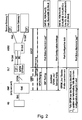
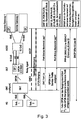
- the invention relates to the following use cases “PON-Topology Discovery” ( Fig.1 ) and “PON Line Configuration” ( Fig.2 ) as well as the extension of the use case / use case “PON-Topology Discovery” with regard to dynamic session / session identification ( Fig. 3 ).
- Fig. 1 The topology underlying the invention is in Fig. 1 shown.
- an ONT Optical Network Termination
- a so-called ranging begins.
- the OMCI channel is established between ONT and OLT.
- the OMCI control channel transmits the port status in the direction of OLT and the exchange of necessary configuration parameters from the OLT to the ONT.
- the OLT sends an ANCP PON Port Status message via IP to the service gateway.
- This PON message contains the status as well as ONT ID, PON Port ID, max. Bandwith / Bandwidth (ITU-T G.984.4).
- the service gateway Based on these parameters, the service gateway recognizes the corresponding OLT port to which the ONT is connected as well as the associated PON bandwidth. Based on these parameters, the service gateway is able to set the corresponding bandwidth value on the downstream side of the scheduler in downstream transmission direction. This ensures that only the data stream corresponding to the channel capacity agreed in the SLA is sent downstream. This function of the service gateway is already present in parts today and not part of the invention.
- the service gateway uses the port information transmitted via ANCP, matches it with customer data and sends a configuration message via ANCP to the OLT in accordance with the SLA conditions.
- This configuration message may contain, for example, information about ONT ID, PON Port ID, (C-Vlan ID, S-VLAN ID or Line ID), Service Bandwith (TC) (ITU-T G.984.4).
- the OLT evaluates this information, translates it to OMCI (Operating Maintenance Control Interface) and configures the GPON (Gigabit Passive Optical Network) connection to the ONT.
- OMCI Operating Maintenance Control Interface
- GPON Gigabit Passive Optical Network
- the service gateway no longer receives the service and port information configured as a static reference, but rather that the service gateway correlates the port information transmitted via ANCP with the values transmitted during session setup. This eliminates the provisioning of the customer reference string in the service gateway in order to be able to compare the port data and assign a scheduler setting. This is now replaced by the dynamic learning when building a session. This means that when activating a PON port, the service gateway first receives and stores the topology information via ANCP.
- This string contains the topology information such as OLT / ONT-ID, slot, port, and so on
- the service gateway receives a string of the same structure again via DHCP Option 82 or PPPoE Intermediate Agent. This enables a string comparison during session setup and then the scheduler is set accordingly.
- the protocol specification is developed in the ANCP Working Group.
- the current version 10 lists the associated TLV areas.
- the range from 0x81 to 0x91 is already occupied for DSL parameters.
- the TLV values that are not used in GPON are set to "FF".
- New TLV component of the invention New TLV importance use TLV0x92 layer 2 bandwidth GPON actual net data rate (downstream) (Unicast) TLV0x93 layer 2 bandwidth GPON actual net data rate (upstream) (Unicast) TLV0x94 layer 2 bandwidth GPON attainable data rate (upstream) (LAN port) TLV0x95 Layer 2 bandwidth GPON downstream - Service Port 1 (ETH Type1) TLV0x96 Layer 2 Bandwidth GPON upstream - Service Port 1 (T-Cont Type1) TLV0x97 Layer 2 Bandwidth GPON downstream - Service Port 2 (ETH Type 2) TLV0x98 Layer 2 Bandwidth GPON upstream - Service Port 2 (T-Cont Type2) TLV0x99 Layer 2 Bandwidth GPON downstream - Service Port 3 (ETH Type 3) TLV0x9A Layer 2 Bandwidth GPON upstream - Service Port 3 (T-Cont Type 3) TLV0x9B Layer 2 Bandwidth GPON downstream - Service Port 4
Landscapes
- Engineering & Computer Science (AREA)
- Computer Networks & Wireless Communication (AREA)
- Signal Processing (AREA)
- Physics & Mathematics (AREA)
- Electromagnetism (AREA)
- Automation & Control Theory (AREA)
- Small-Scale Networks (AREA)
Abstract
Description
- Die Erfindung betrifft ein Verfahren und eine Vorrichtung zur automatischen Erlangung eines Port Status und/oder zur Konfigurationsteuerung in einem optischen Zugangsnetzwerk einer Abschlusseinrichtung (ONT).
- Die Erfindung betrifft das breitbandige optische Zugangsnetz. Hiervon werden als Netzelemente der optische Zugangsmultiplexer fortan als OLT und ONU/ONT (Access Node) und der Dienstezugang das Service Gateway SGW genannt betrachtet.
- Als Kandidat für ein Protokoll zwischen beiden Netzelementen wird das in der Standardisierung befindliche Protokoll ANCP (Access Node Control Protocol) verwendet.
- Bekannt in breitbandigen optischen Zugangsnetzen ist die Signalisierung über Netzmanagementschnittstellen der einzelnen Netzelemente, die üblicherweise durch SNMP erfolgt.
- Zwischen OLT und ONU/ONT erfolgt der Informationsaustausch über Konfiguration und Gerätezustand über den OMCI Steuerkanal. IETF und BBF befassen sich mit dem Reporting von DSL basierten Schnittstellen, die sich sowohl in einem beliebigen Access Node (Zugangsknoten) oder der ONU befinden können und mit einem Service Gateway verbunden sind. Der in Erarbeitung befindliche Standard WT-207 in BBF befasst sich mit ONUs im FTTB/C (Fibre To The Building / Fiber To The Curb Glasfaser bis zum Kabelverzweiger)Szenario die DSL Schnittstellen terminieren. Entsprechende Arbeiten in IETF wie "draft-bitar-wadhwa-ancp-pon" befassen sich mit FTTH (Fibre To The Home) Szenario allerdings nur für den Use Case Multicast.
- Folgende Ansätze werden zurzeit verwendet oder sind in der Bearbeitung.
- 1. IETF: SNMP
- 2. ITU-T: OMCI
- 3. IETF: ANCP Access Node Control Protocol
- 4. BBF: Layer 2 Control, WT-207
- 5. IETF: draft-bitar-wadhwa-ancp-pon
- Keiner der hier aufgeführten Arbeiten befasst sich mit der Verwendung der Layer 2 Control Funktion für FTTH.
- Ansatz 1 erfolgt nicht in Echtzeit und meldet nur Alarme nicht aber Port- und Schnittstelleneigenschaften.
- Ansatz 2 dient ausschließlich der Verbindung innerhalb eines OLT/ONU/ONT Systems bzw. Domaine, die nicht bis zum Service Gateway reicht.
- Ansatz 3 erwähnt derzeit nur die Option für ein optisches Zugangsnetz ohne jedoch eine Ausgestaltung und Funktionsweise zu beschreiben.
- Ansatz 4 beschreibt die Verwendung einer Steuerverbindung zwischen OLT/ONU und SGW. Allerdings wird auch hier nicht beschrieben welche Parameter und welcher Messageflow/ Nachrichtenfluss betrieblich geeignet sind.
- Ansatz 5 beschreibt nur den Use Case/Anwendungsfall Multicast für das FTTH Szenario.
- ANCP als Protokoll wird im breitbandigen Zugangsnetz eingesetzt. Jedoch sieht die Standardisierung derzeit ausschließlich die Verwendung für breitbandige DSL Anschlüsse vor.
- An den oben genannten Nachteilen setzt die Erfindung an. Die Erfindung hat die Aufgabe, den Informationsfluss hinsichtlich des Status des ONT und dessen Steuerung zu verbessern.
- Gelöst wird die Aufgabe mit einer Vorrichtung mit den Merkmalen der unabhängigen Ansprüche.
- Im Einzelnen handelt es sich um ein Verfahren zur automatischen Erlangung eines Port Status und/oder zur Konfigurationsteuerung in einem optischen Zugangsnetzwerk eine Abschlusseinrichtung (ONT), umfassend eine optische Abschlusseinrichtung (ONT) beim Endkunden, die mit einer OLT (optische Line Terminierung) verbunden ist. Die OLT ist wiederum mit einem Service Gateway verbunden.
- Das Verfahren umfassend die Schritte:
- Übermitteln einer ONT-ID und Zugangsdaten (C-Vlan ID, S-VLAN ID, LINE ID) vom ONT zum OLT als ONT-Informationen. Hierbei werden die Zugangsdaten, die dem Endkunden durch den Provider bereitgestellt werden, beim ONT eingetragen, oder sind in diesem Vorkonfiguriert. Sie dienen dazu festzulegen, welche Bandbreite dem Kunden zur Verfügung gestellt wird. Die ONT-ID, dient zur eindeutigen Kennzeichnung des ONT. In der Regel erfolgt eine Verknüpfung zwischen ONT und Zugangsdaten ebenfalls beim Service-Gateway, der in einer Datenbank für die Service-Dienstleistungen für den entsprechenden Anschluss Kenntnis hat.
- Die so erlangten ONT-Informationen, werden vom OLT zum Service Gateway, weitergeleitet. Im Einzelfall können die Informationen noch angereichert werden, die Informationen, die der OLT bzgl. des ONT gesammelt hat, wie z.B. den Portstatus. Im Einzelfall, z.B. wenn der ONT nicht erreichbar ist, kann der OLT eigenständig die Informationen über den ONT erstellen und weiterleiten. Somit entsteht ein vollständiges Informationsbild vom ONT.
- Das Service Gateway vergleicht dann anhand einer Kundendatenbank die erlangten ONT-Informationen und erzeugt dann eine Antwort an den OLT zur Steuerung der Einstellung zwischen ONT und OLT. Diese Einstellung betreffen insbesondere die Servicebandbreite (TC).
- Nachdem so das ONT beim Service Gateway bekannt gemacht wurde, kann zwischen OLT und Service Gateway über ANCP kommuniziert werden, um den Status der Verbindung zwischen OLT und ONT mitzuteilen, wobei vorzugsweise die ONT-ID zur Identifikation verwendet wird, um eine oder mehrere der folgenden Informationen zu übermitteln:
- Port Typ, Senden von Bandbreiteninformationen, Port Up, Port Down. Da an einem Port bei einem OLT mehrere ONT angeschlossen sein können, bedarf es der ONT-ID, um den ONT eindeutig zu kennzeichnen, um diese Informationen mitzuteilen.
- Zur Kommunikation werden im ANCP TLV Bereiche verwendet, die noch nicht belegt sind, um den Status mitzuteilen.
- Wenn das ONT oder ein an das ONT angeschlossene CPE auf Layer 2 eine Session/Sitzung aufbauen will, bedarf es einer IP-Adresse, die über das DHCP oder PPPoE Protokoll erlangt wird. Hierbei werden die Informationen durch die ONT oder auch die OLT angereichert, um dann zum Service Gateway zu gelangen. Bevorzugt werden ONT-ID, OLT-ID, Slot, Port in einer bestimmbaren Option des DHCP Relay Agents oder PPPoE Intermediate Agents abgelegt. Auf diese Weise kann eine Zuordnung der ONT-ID zur IP-Adresse erfolgen beim Service Gateway. Der Service Gateway kann somit auch den Datenfluss zum ONT überwachen und steuern.
- Anhand der DHCP oder PPPoE Daten kann somit auch ein Vergleich mit den Kundendaten erfolgen, um kundenspezifische Session-/Netzwerkeinstellungen vorzunehmen. So kann das Routing oder der IP-Adressen-Bereich gesteuert werden, durch Zuweisung bestimmter Adressen.
- Ein weiterer Bestandteil ist ein System zur automatischen Erlangung eines Port Status und/oder zur Konfigurationsteuerung in einem optischen Zugangsnetzwerk einer optischen Abschlusseinrichtung (ONT) beim Endkunden. Diese umfasst eine ONT, die mit einer OLT (optische Line Terminierung) verbunden ist. Ferner umfasst es einen Service Gateway, der mit dem OLT verbunden ist. Der ONT ist so konfiguriert, dass er eine ONT-ID und Zugangsdaten (C-Vlan ID, S-VLAN ID, LINE ID) zum OLT als ONT-Informationen überträgt.
- Der OLT wiederum ist so konfiguriert, dass ein Weiterleiten der ONT-Informationen vom OLT zum Service Gateway erfolgt. Der Service-Gateway wiederum ist so konfiguriert, dass anhand einer Kundendatenbank ein Vergleichen der erlangten ONT-Informationen erfolgt und ein Erzeugen einer Antwort an den OLT zur Steuerung der Einstellung zwischen ONT und OLT, insbesondere was die Servicebandbreite (TC) betrifft.
- Die skizzierten Verwendungsfälle im FTTH Szenario sowie Message Flow und Protokollelemente sind bisher nicht bekannt. Im Folgenden werden zwei Verwendungsfälle, Nachrichtenflüsse und Protokollelemente bzw. Parameter beschrieben, die zur Umsetzung im breitbandigen optischen Zugangsnetz für das FTTH Szenario notwendig sind.
- Wesentliche Merkmale der Erfindung sind die Übermittlung des Portstatus eines optischen Zugangssystems zu einem Service Gateway z.B. einen BRAS verbunden mit der serviceabhängigen Kundenportkonfiguration. Damit wird erreicht, dass das Service Gateway immer die aktuellen PON Port Informationen hat. Die automatische Konfiguration über ANCP ermöglicht einen kostenoptimierten Betrieb von PON Systemen. Mit marktgängigen PON Systemen ist es nicht möglich den PON Port Status in Echtzeit zu einem beliebigen Service Gateway zu übermitteln und von diesem kundenindividuelle Konfigurationen über das Service Gateway vorzunehmen. Die Erweiterung hinsichtlich dynamischer Session/Sitzungskorrelation ermöglicht eine flexible Auswahl des Service Gateways, was auch im Falle von Ersatzwegeschaltungen von Vorteil ist, da Topologieinformationen zu Beginn der Einrichtung eines Anschlusses im Service Gateway nicht mehr notwendig sind. So kann die Abfrage von Statusinformationen durch Ereignisse gesteuert werden, wie z.B. einem hoch oder runterfahren eines Ports, oder einem Ausbleiben eines Datenaustauschs, alternativ kann auch regelmäßig ein Austausch von Informationen stattfinden. Dieser Austausch von Informationen kann vom Service Gateway als auch vom OLT angestoßen werden.
- Im Folgenden werden die Figuren kurz beschrieben:
-
Fig. 1 zeigt eine "PON-Topology Discovery" oder auch Topologieerkennung; -
Fig. 2 zeigt eine "PON Line Configuration" oder auch PON Verbindungskonfiguration. -
Fig. 3 zeigt eine "PON-Topology Discovery" die Topologieerkennung gemäß der vorliegenden Erfindung. - Gegenstand der Erfindung sind die folgenden Verwendungsfälle "PON-Topology Discovery" (
Fig.1 ) und "PON Line Configuration" (Fig.2 ) sowie die Erweiterung des Use Cases/Anwendungsfalles "PON-Topology Discovery" hinsichtlich dynamischer Session/Sitzungs Identifizierung (Fig. 3 ). - Die der Erfindung zu Grunde liegende Topologie ist in
Fig. 1 gezeigt. - Als optische Abschlusseinrichtung ist ein ONT (Optical Network Termination) beim Kunden installiert. Sobald diese Abschlusseinrichtung mit dem PON System verbunden ist und ein optisches Signal erkennt beginnt ein sog. Ranging/Ortung. Nach erfolgreichem Ranging wird der OMCI Kanal zwischen ONT und OLT aufgebaut. Über den OMCI Steuerkanal erfolgt eine Übertragung des Portstatus in Richtung OLT und der Austausch notwendiger Konfigurationsparameter vom OLT zum ONT. Unmittelbar danach sendet der OLT eine ANCP PON Port Status Nachricht über IP an das Service Gateway. Diese PON Nachricht enthält den Status sowie ONT ID, PON Port ID, max. Bandwith/Bandbreite (ITU-T G.984.4). Auf Basis dieser Parameter erkennt das Service Gateway den entsprechenden OLT Port an dem das ONT angeschlossen ist sowie die zugehörige PON Bandbreite. Auf Basis dieser Parameter ist das Service Gateway in der Lage im Downstream den entsprechenden Bandbreitenwert am Scheduler in Downstream Senderichtung einzustellen. Dadurch wird gewährleistet, dass im Downstream nur der Datenstrom gesendet wird, der der im SLA vereinbarten Kanalkapazität entspricht. Diese Funktion des Service Gateway ist in Teilen heute schon vorhanden und nicht Bestandteil der Erfindung.
- Besondere Aspekte sind somit
- a. Einsatz des Protokolls zwischen OLT und Service Gateway
- b. Verwendung eines eindeutigen Portadressierungsschemas zur Teilnehmeridentifizierung
- c. Definieren eines Port Types (ONT)
- d. Erkennung, ob die Anschlussleitung durch ein PON CPE abgeschlossen ist
- e. Senden einer "PON Port up"/ "Port down" Nachricht an das Service Gateway
- Aufbauend auf den Grundfunktionen des Anwendungsfall "PON Topology Discovery" verwendet das Service Gateway die über ANCP übermittelte Portinformation, gleicht diese mit Kundendaten ab und sendet entsprechend den SLA Bedingungen eine Konfigurationsnachricht über ANCP zum OLT. Diese Konfigurationsnachricht kann z.B. Informationen über ONT ID, PON Port ID, (C-Vlan ID, S-VLAN ID o Line ID), Servicebandwith (TC) (ITU-T G.984.4) enthalten. Der OLT wiederum wertet diese Information aus, setzt sie auf OMCI( Operating Maintenance Control Interface) um und konfiguriert damit die GPON (Gigabit Passive Optical Network) Verbindung zum ONT. Das ONT quittiert die vorgenommene Konfiguration und die Quittierung wird auf ANCP umgesetzt, d.h. das Quittungssignal wird zum Service Gateway übermittelt.
- Zusätzlicher Aspekt für Anwendungsfall "PON Line Configuration" ist somit:
- f. Service Gateway vergleicht anhand der Kundendatenbank die Daten und sendet eine "PON PORT Config" Nachricht, die eine Zuweisung vom z.B. ONT ID, PON Port ID, (C-Vlan ID, S-VLAN ID oder Line ID), Servicebandwith (TC) (ITU-T G.984.4) Service Gateway zum OLT/ONT beinhaltet.
- Aufbauend auf dem unter 3.1 beschriebenen Message Flow/Nachrichtenfluss setzt der folgende Anwendungsfalls an. Ein wesentlicher Unterschied zu 3.1 besteht darin, dass das Service Gateway die Service- und Portinformationen nicht mehr als statische Referenz konfiguriert bekommt, sondern dass das Service Gateway die über ANCP übermittelten Portinformationen mit den beim Sessionaufbau übermittelten Werten korreliert. Damit entfällt das Provisionieren des Kundenreferenzstrings im Service Gateway um die Portdaten vergleichen zu können und eine Schedulereinstellung zuordnen zu können. Diese wird nun ersetzt durch das dynamische Lernen beim Aufbau einer Session. Das bedeutet, dass das Service Gateway bei Aktivieren eines PON Ports zuerst die Topologieinformation über ANCP erhält und speichert. Dieser String enthält die Topologieinformation wie OLT/ONT-ID, Slot, Port usw. Beim Aufbau einer Session erhält das Service Gateway über DHCP Option 82 oder PPPoE Intermediate Agent erneut einen String der den gleichen Aufbau hat. Dadurch ist ein Stringvergleich bei Sessionaufbau möglich und danach wird der Scheduler entsprechend eingestellt.
- Zugehörig zu den in
Fig. 2 und3 gezeigten Szenarien wird in diesem Abschnitt die zu den Port Status Nachrichten zugehörigen Informationsfelder definiert, die zur Übertragung der Verbindungsparameter in der GPON Umgebung notwendig sind. Hierbei handelt es sich nur um Beispiele, eine abweichende, alternative Zuordnung ist natürlich möglich. - In der ANCP Working Group wird die Protokollspezifikation erarbeitet. Die aktuelle Version 10 listet die zugehörigen TLV Bereiche auf. Der Bereich von 0x81 bis 0x91 ist bereits für DSL Parameter belegt. Die Bereiche 0x92 bis 0x-sind noch nicht belegt. Hier setzt die Erfindung an und definiert diese Bereiche und verwendet die Werte und Typen um das FTTH Szenario (
Fig. 1 ) zu realisieren. Ferner werden die TLV Werte, die keine Verwendung in GPON finden auf "FF" gesetzt. - Type (DSL Line Attributes = 0x04):
- TLV0x81-0x91 für DSL (bleibt wie vorher) TLV0x81-0x91 alle auf "FF" gesetzt, weil bei GPON Systemen keine aktuelle Synchronisationsrate analog zu DSL existiert.
- Neue TLV Bestandteil der Erfindung
Neue TLV Bedeutung Verwendung TLV0x92 layer 2 Bandbreite GPON actual net data rate (downstream) (Unicast) TLV0x93 layer 2 Bandbreite GPON actual net data rate (upstream) (Unicast) TLV0x94 layer 2 Bandbreite GPON attainable data rate (upstream) (LAN Port) TLV0x95 layer 2 Bandbreite GPON downstream - Service Port 1 (ETH Typ1) TLV0x96 layer 2 Bandbreite GPON upstream - Service Port 1 (T-Cont Typ1) TLV0x97 layer 2 Bandbreite GPON downstream - Service Port 2 (ETH Typ 2) TLV0x98 layer 2 Bandbreite GPON upstream - Service Port 2 (T-Cont Typ2) TLV0x99 layer 2 Bandbreite GPON downstream - Service Port 3 (ETH Typ 3) TLV0x9A layer 2 Bandbreite GPON upstream - Service Port 3 (T-Cont Typ 3) TLV0x9B layer 2 Bandbreite GPON downstream - Service Port 4 (ETH Typ 4) TLV0x9C layer 2 Bandbreite GPON upstream - Service Port 4 (T-Cont Typ 4) TLV0x9D layer 2 Bandbreite GPON downstream - Service Port 5 (ETH Typ 5) TLV0x9E layer 2 Bandbreite GPON upstream - Service Port 5 (T-Cont Typ 5) -
- AGS
- Aggregationsswitch
- AN
- Access Node
- ANCP
- Access Node Control Protocol
- BBF
- Broad Band Forum
- BRAS
- Broadband Remote Access Server
- CPE
- Customer Premise Equipment
- FTTH
- Fibre To The Home
- GbE
- Gigabit Ethernet
- GPON
- Gigabit Passive Optical Network
- HG
- Home Gateway
- ITU-T
- International Telecommunication Union
- IETF
- Internet Engineering Task Force
- OLT
- Optical Line Termination
- OMCI
- Operating Maintenance Control Interface
- ONT
- Operation and Maintenance
- PON
- Passive Optical Network
- SGW
- Service Gateway
- SLA
- Service Level Agreement
- SNMP
- Simple Network Management Protocol
- TC
- Transmission Convergence
- TLV
- Type Length Value
- ZN
- Zugangsnetz
Claims (14)
- Verfahren zur automatischen Erlangung eines Port Status und/oder zur Konfigurationsteuerung in einem optischen Zugangsnetzwerk einer Abschlusseinrichtung (ONT), umfassend eine optische Abschlusseinrichtung (ONT) beim Endkunden, die mit einer OLT (optische Line Terminierung) verbunden ist, die wiederum mit einem Service Gateway verbunden ist,
umfassend die Schritte:- Übermitteln einer ONT-ID und Zugangsdaten (C-Vlan ID, S-VLAN ID, LINE ID) vom ONT ans OLT als ONT-Informationen;- Weiterleiten der ONT-Informationen vom OLT zum Service Gateway;- Vergleichen anhand einer Kundendatenbank die erlangten ONT-Informationen und Erzeugen einer Antwort an den OLT zur Steuerung der Einstellung zwischen ONT und OLT, insbesondere was die Servicebandbreite (TC) betrifft. - Das Verfahren nach dem vorhergehenden Anspruch, dadurch gekennzeichnet, dass zwischen OLT und Service Gateway über ANCP kommuniziert wird, um den Status der Verbindung zwischen OLT und ONT mitzuteilen, wobei vorzugsweise die ONT-ID zur Identifikation verwendet wird, um eine oder mehrere der folgenden Informationen zu übermitteln:Port Typ, Senden von Bandbreiteninformationen, Port Up, Port Down.
- Das Verfahren nach dem vorhergehenden Anspruch, wobei im ANCP TLV Bereiche verwendet werden, die noch nicht belegt sind, um den Status mitzuteilen.
- Das Verfahren nach einem oder mehreren der vorhergehenden Ansprüche, wobei beim Aufbau einer Session über DHCP oder PPPoE vom ONT, eine oder mehrere der folgenden Informationen an den Service Gateway mit übertragen wird: ONT-ID , OLT-ID, Slot, Port.
- Das Verfahren nach dem vorhergehenden Anspruch, wobei anhand der Session Daten, insbesondere DHCP oder PPPoE ein Vergleich mit der Kundendatenbank erfolgt, um kundenspezifische Session-/Netzwerkeinstellungen vorzunehmen.
- Das Verfahren nach einem oder mehreren der vorhergehenden Ansprüche, wobei ein eindeutiges Portadressierungsschemas zur Teilnehmeridentifizierung verwendet wird.
- Das Verfahren nach einem oder mehreren der vorhergehenden Ansprüche, wobei ein Port Typ (ONT) definiert wird.
- Das Verfahren nach einem oder mehreren der vorhergehenden Ansprüche, wobei eine Erkennung erfolgt, ob die Anschlussleitung durch ein PON CPE abgeschlossen ist
- Das Verfahren nach einem oder mehreren der vorhergehenden Ansprüche, wobei ein Senden einer "PON Port up"/ "Port down" Nachricht an das Service Gateway erfolgt.
- System zur automatischen Erlangung eines Port Status und/oder zur Konfigurationsteuerung in einem optischen Zugangsnetzwerk einer optischen Abschlusseinrichtung (ONT) beim Endkunden,- umfassend eine ONT, die mit einer OLT (optische Line Terminierung) verbunden ist,- umfassend einem Service Gateway, der mit dem OLT verbunden ist,
wobei die ONT so konfiguriert ist, das sie eine ONT-ID und Zugangsdaten (C-Vlan ID, S-VLAN ID, LINE ID) vom ans OLT als ONT-Informationen überträgt;
wobei die OLT so konfiguriert ist, dass ein Weiterleiten der ONT-Informationen vom OLT zum Service Gateway erfolgt;
wobei der Service-Gateway so konfiguriert ist, anhand einer Kundendatenbank ein Vergleichen der erlangten ONT-Informationen erfolgt und ein Erzeugen einer Antwort an den OLT zur Steuerung der Einstellung zwischen ONT und OLT, insbesondere was die Servicebandbreite (TC) betrifft. - Das System nach dem vorhergehenden Anspruch, dadurch gekennzeichnet, dass Mittel vorhanden sind, um zwischen OLT und Service Gateway über ANCP kommuniziert wird, um den Status der Verbindung zwischen OLT und ONT mitzuteilen, wobei vorzugsweise die ONT-ID zur Identifikation verwendet wird, um eine oder mehrere der folgenden Informationen zu übermitteln: Port Typ, Senden von Bandbreiteninformationen, Port Up, Port Down.
- Das System nach dem vorhergehenden Anspruch, wobei im ANCP TLV Bereiche Verwendung finden, die noch nicht belegt sind, um den Status mitzuteilen.
- Das System nach einem oder .mehreren der vorhergehenden Ansprüche, wobei Mittel vorhanden sind, um beim Aufbau einer Session über DHCP oder PPPoE vom ONT, eine oder mehrere der folgenden Informationen an den Service Gateway mit zu übertrag: ONT-ID , OLT-ID, Slot, Port.
- Das Verfahren nach dem vorhergehenden Systemansprüche, wobei anhand der Session Daten, insbesondere DHCP oder PPPoE ein Vergleich mit der Kundendatenerfolgt, um kundenspezifische Session-/Netzwerkeinstellungen vorzunehmen.
Applications Claiming Priority (2)
| Application Number | Priority Date | Filing Date | Title |
|---|---|---|---|
| DE102010044324 | 2010-09-03 | ||
| DE102010037501A DE102010037501A1 (de) | 2010-09-03 | 2010-09-13 | Verfahren und Vorrichtung zur automatischen Port Status und Konfigurationssteuerung für optische Zugangsnetzwerke (ZN) |
Publications (3)
| Publication Number | Publication Date |
|---|---|
| EP2426948A2 true EP2426948A2 (de) | 2012-03-07 |
| EP2426948A3 EP2426948A3 (de) | 2015-08-19 |
| EP2426948B1 EP2426948B1 (de) | 2018-03-28 |
Family
ID=44785092
Family Applications (1)
| Application Number | Title | Priority Date | Filing Date |
|---|---|---|---|
| EP11007009.1A Active EP2426948B1 (de) | 2010-09-03 | 2011-08-27 | Verfahren und Vorrichtung zur automatischen Port Status und Konfigurationsteuerung für Optische Zugangsnetzwerke |
Country Status (2)
| Country | Link |
|---|---|
| EP (1) | EP2426948B1 (de) |
| DE (1) | DE102010037501A1 (de) |
Cited By (3)
| Publication number | Priority date | Publication date | Assignee | Title |
|---|---|---|---|---|
| CN110719235A (zh) * | 2018-07-12 | 2020-01-21 | 北京亿阳信通科技有限公司 | 宽带资源调配方法、装置及终端设备 |
| CN111010298A (zh) * | 2019-12-10 | 2020-04-14 | 中盈优创资讯科技有限公司 | Pon网络故障监控方法及装置 |
| CN111683308A (zh) * | 2020-05-29 | 2020-09-18 | 烽火通信科技股份有限公司 | 一种在家庭网关上实现灵活桥接业务的方法及装置 |
Families Citing this family (1)
| Publication number | Priority date | Publication date | Assignee | Title |
|---|---|---|---|---|
| DE102015110494B4 (de) | 2015-06-30 | 2021-08-12 | Deutsche Telekom Ag | Netzwerkzugangseinrichtung und Netzwerkserviceeinrichtung zum Vermitteln eines Netzwerkzugangs |
Family Cites Families (4)
| Publication number | Priority date | Publication date | Assignee | Title |
|---|---|---|---|---|
| US8718040B2 (en) * | 2004-12-29 | 2014-05-06 | Agere Systems Llc | Method and apparatus for adaptive bandwidth utilization in a digital network |
| US7733780B2 (en) * | 2005-12-07 | 2010-06-08 | Electronics And Telecommunications Research Institute | Method for managing service bandwidth by customer port and EPON system using the same |
| CN101374144B (zh) * | 2007-08-21 | 2012-04-25 | 华为技术有限公司 | 控制会话的数据同步的方法、装置和系统 |
| CN101516044A (zh) * | 2008-02-20 | 2009-08-26 | 株式会社日立制作所 | 光网络系统 |
-
2010
- 2010-09-13 DE DE102010037501A patent/DE102010037501A1/de not_active Withdrawn
-
2011
- 2011-08-27 EP EP11007009.1A patent/EP2426948B1/de active Active
Non-Patent Citations (1)
| Title |
|---|
| None |
Cited By (5)
| Publication number | Priority date | Publication date | Assignee | Title |
|---|---|---|---|---|
| CN110719235A (zh) * | 2018-07-12 | 2020-01-21 | 北京亿阳信通科技有限公司 | 宽带资源调配方法、装置及终端设备 |
| CN111010298A (zh) * | 2019-12-10 | 2020-04-14 | 中盈优创资讯科技有限公司 | Pon网络故障监控方法及装置 |
| CN111010298B (zh) * | 2019-12-10 | 2022-09-06 | 中盈优创资讯科技有限公司 | Pon网络故障监控方法及装置 |
| CN111683308A (zh) * | 2020-05-29 | 2020-09-18 | 烽火通信科技股份有限公司 | 一种在家庭网关上实现灵活桥接业务的方法及装置 |
| CN111683308B (zh) * | 2020-05-29 | 2022-04-29 | 烽火通信科技股份有限公司 | 一种在家庭网关上实现灵活桥接业务的方法及装置 |
Also Published As
| Publication number | Publication date |
|---|---|
| EP2426948A3 (de) | 2015-08-19 |
| DE102010037501A1 (de) | 2012-03-08 |
| EP2426948B1 (de) | 2018-03-28 |
Similar Documents
| Publication | Publication Date | Title |
|---|---|---|
| US8184625B2 (en) | GPON management system | |
| CN101350734B (zh) | 自动配置终端设备关联的自动配置服务器的方法 | |
| EP2191613A1 (de) | Verfahren zum benutzerspezifischen konfigurieren eines kommunikationsports | |
| EP2426948B1 (de) | Verfahren und Vorrichtung zur automatischen Port Status und Konfigurationsteuerung für Optische Zugangsnetzwerke | |
| KR20100016092A (ko) | IEEE 802.1 ag 방법을 이용한 GPON OAM | |
| CN106162383B (zh) | 一种光网络单元业务信息的发放方法、装置及光线路终端 | |
| EP2528273B1 (de) | Verfahren und system für die diagnose eines zugangsknotens | |
| WO2002065725A2 (de) | Verfahren und anordnung zum ermitteln der virtuellen adresse eines endgerätes | |
| EP2938004B1 (de) | Headend sowie system und verfahren zur ausfalltoleranten anbindung von breitband-powerline-endgeräten mittels dieses headends an ein backbone-netzwerk | |
| DE112006002598B4 (de) | Ein System und ein Verfahren zur Steuerung des Zugangsnetzwerks | |
| EP2098014A2 (de) | Verfahren und vorrichtung zum austausch von daten | |
| DE102020104699B4 (de) | Verfahren zur automatisierten Inbetriebnahme für Fiber-to-the-Home (FTTH) Endgeräte | |
| EP2311240B1 (de) | Verfahren zur endpunkt-adressierung sowie dafür eingerichtetes netzwerk und zugangsknoten | |
| EP2067308B1 (de) | Verfahren zur authentifizierung eines dsl-nutzers | |
| DE102008055967B4 (de) | Verfahren zur Endpunkt-Adressierung sowie dafür eingerichtetes Netzwerk und Zugangsknoten | |
| DE102006056517B4 (de) | Verfahren und Vorrichtung zum Konfigurieren einer OAM-Einstellung | |
| DE10307493B4 (de) | Verfahren zur Ermittlung der Netzauslastung in einem transparenten optischen Übertragungssystem | |
| EP1633149A1 (de) | Adaptives Verfahren zur Inbetriebnahme von Links in Kommunikationsnetzen, insbesondere für M2PA-Links | |
| Haag et al. | RFC 6934: Applicability of the Access Node Control Mechanism to Broadband Networks Based on Passive Optical Networks (PONs) | |
| WO2007023126A1 (de) | Verfahren, kommunikationsanordnung und dezentrale steuereinrichtung zur realisierung von teilnehmeranschlussspezifischen funktionen in zumindest einem kommunikationsnetz | |
| WO2008034782A1 (de) | Verfahren zur erzeugung einer externen internet-protokoll-adresse zur verwendung als zieladresse einer reserve-external-address-nachricht | |
| WO2004086702A1 (de) | Verfahren zur sicherung der dienstgüte bei der übertragung von daten über paketbasierte netze | |
| DE102015110494A1 (de) | Netzwerkzugangseinrichtung und Netzwerkserviceeinrichtung zum Vermitteln eines Netzwerkzugangs | |
| DE10310798A1 (de) | Verfahren zur Ermittlung der Netzauslastung in einem transpa-renten optischen Übertragungssystem | |
| EP1763939A2 (de) | Verfahren und system zum bidirektionalen übertragen von daten zwischen einem datenverarbeitungsgerät und einem router |
Legal Events
| Date | Code | Title | Description |
|---|---|---|---|
| AK | Designated contracting states |
Kind code of ref document: A2 Designated state(s): AL AT BE BG CH CY CZ DE DK EE ES FI FR GB GR HR HU IE IS IT LI LT LU LV MC MK MT NL NO PL PT RO RS SE SI SK SM TR |
|
| AX | Request for extension of the european patent |
Extension state: BA ME |
|
| PUAI | Public reference made under article 153(3) epc to a published international application that has entered the european phase |
Free format text: ORIGINAL CODE: 0009012 |
|
| PUAL | Search report despatched |
Free format text: ORIGINAL CODE: 0009013 |
|
| AK | Designated contracting states |
Kind code of ref document: A3 Designated state(s): AL AT BE BG CH CY CZ DE DK EE ES FI FR GB GR HR HU IE IS IT LI LT LU LV MC MK MT NL NO PL PT RO RS SE SI SK SM TR |
|
| AX | Request for extension of the european patent |
Extension state: BA ME |
|
| 17P | Request for examination filed |
Effective date: 20151223 |
|
| RBV | Designated contracting states (corrected) |
Designated state(s): AL AT BE BG CH CY CZ DE DK EE ES FI FR GB GR HR HU IE IS IT LI LT LU LV MC MK MT NL NO PL PT RO RS SE SI SK SM TR |
|
| RIC1 | Information provided on ipc code assigned before grant |
Ipc: H04Q 11/00 20060101AFI20171019BHEP Ipc: H04B 10/25 20130101ALI20171019BHEP |
|
| GRAP | Despatch of communication of intention to grant a patent |
Free format text: ORIGINAL CODE: EPIDOSNIGR1 |
|
| STAA | Information on the status of an ep patent application or granted ep patent |
Free format text: STATUS: GRANT OF PATENT IS INTENDED |
|
| INTG | Intention to grant announced |
Effective date: 20171122 |
|
| GRAS | Grant fee paid |
Free format text: ORIGINAL CODE: EPIDOSNIGR3 |
|
| GRAA | (expected) grant |
Free format text: ORIGINAL CODE: 0009210 |
|
| STAA | Information on the status of an ep patent application or granted ep patent |
Free format text: STATUS: THE PATENT HAS BEEN GRANTED |
|
| AK | Designated contracting states |
Kind code of ref document: B1 Designated state(s): AL AT BE BG CH CY CZ DE DK EE ES FI FR GB GR HR HU IE IS IT LI LT LU LV MC MK MT NL NO PL PT RO RS SE SI SK SM TR |
|
| REG | Reference to a national code |
Ref country code: GB Ref legal event code: FG4D Free format text: NOT ENGLISH |
|
| REG | Reference to a national code |
Ref country code: CH Ref legal event code: EP |
|
| REG | Reference to a national code |
Ref country code: AT Ref legal event code: REF Ref document number: 984451 Country of ref document: AT Kind code of ref document: T Effective date: 20180415 |
|
| REG | Reference to a national code |
Ref country code: IE Ref legal event code: FG4D Free format text: LANGUAGE OF EP DOCUMENT: GERMAN |
|
| REG | Reference to a national code |
Ref country code: DE Ref legal event code: R096 Ref document number: 502011013940 Country of ref document: DE |
|
| PG25 | Lapsed in a contracting state [announced via postgrant information from national office to epo] |
Ref country code: NO Free format text: LAPSE BECAUSE OF FAILURE TO SUBMIT A TRANSLATION OF THE DESCRIPTION OR TO PAY THE FEE WITHIN THE PRESCRIBED TIME-LIMIT Effective date: 20180628 Ref country code: FI Free format text: LAPSE BECAUSE OF FAILURE TO SUBMIT A TRANSLATION OF THE DESCRIPTION OR TO PAY THE FEE WITHIN THE PRESCRIBED TIME-LIMIT Effective date: 20180328 Ref country code: HR Free format text: LAPSE BECAUSE OF FAILURE TO SUBMIT A TRANSLATION OF THE DESCRIPTION OR TO PAY THE FEE WITHIN THE PRESCRIBED TIME-LIMIT Effective date: 20180328 Ref country code: LT Free format text: LAPSE BECAUSE OF FAILURE TO SUBMIT A TRANSLATION OF THE DESCRIPTION OR TO PAY THE FEE WITHIN THE PRESCRIBED TIME-LIMIT Effective date: 20180328 |
|
| REG | Reference to a national code |
Ref country code: NL Ref legal event code: MP Effective date: 20180328 |
|
| REG | Reference to a national code |
Ref country code: LT Ref legal event code: MG4D |
|
| REG | Reference to a national code |
Ref country code: FR Ref legal event code: PLFP Year of fee payment: 8 |
|
| PG25 | Lapsed in a contracting state [announced via postgrant information from national office to epo] |
Ref country code: GR Free format text: LAPSE BECAUSE OF FAILURE TO SUBMIT A TRANSLATION OF THE DESCRIPTION OR TO PAY THE FEE WITHIN THE PRESCRIBED TIME-LIMIT Effective date: 20180629 Ref country code: BG Free format text: LAPSE BECAUSE OF FAILURE TO SUBMIT A TRANSLATION OF THE DESCRIPTION OR TO PAY THE FEE WITHIN THE PRESCRIBED TIME-LIMIT Effective date: 20180628 Ref country code: RS Free format text: LAPSE BECAUSE OF FAILURE TO SUBMIT A TRANSLATION OF THE DESCRIPTION OR TO PAY THE FEE WITHIN THE PRESCRIBED TIME-LIMIT Effective date: 20180328 Ref country code: LV Free format text: LAPSE BECAUSE OF FAILURE TO SUBMIT A TRANSLATION OF THE DESCRIPTION OR TO PAY THE FEE WITHIN THE PRESCRIBED TIME-LIMIT Effective date: 20180328 Ref country code: SE Free format text: LAPSE BECAUSE OF FAILURE TO SUBMIT A TRANSLATION OF THE DESCRIPTION OR TO PAY THE FEE WITHIN THE PRESCRIBED TIME-LIMIT Effective date: 20180328 |
|
| PG25 | Lapsed in a contracting state [announced via postgrant information from national office to epo] |
Ref country code: MT Free format text: LAPSE BECAUSE OF FAILURE TO SUBMIT A TRANSLATION OF THE DESCRIPTION OR TO PAY THE FEE WITHIN THE PRESCRIBED TIME-LIMIT Effective date: 20180328 |
|
| PG25 | Lapsed in a contracting state [announced via postgrant information from national office to epo] |
Ref country code: EE Free format text: LAPSE BECAUSE OF FAILURE TO SUBMIT A TRANSLATION OF THE DESCRIPTION OR TO PAY THE FEE WITHIN THE PRESCRIBED TIME-LIMIT Effective date: 20180328 Ref country code: PL Free format text: LAPSE BECAUSE OF FAILURE TO SUBMIT A TRANSLATION OF THE DESCRIPTION OR TO PAY THE FEE WITHIN THE PRESCRIBED TIME-LIMIT Effective date: 20180328 Ref country code: NL Free format text: LAPSE BECAUSE OF FAILURE TO SUBMIT A TRANSLATION OF THE DESCRIPTION OR TO PAY THE FEE WITHIN THE PRESCRIBED TIME-LIMIT Effective date: 20180328 Ref country code: ES Free format text: LAPSE BECAUSE OF FAILURE TO SUBMIT A TRANSLATION OF THE DESCRIPTION OR TO PAY THE FEE WITHIN THE PRESCRIBED TIME-LIMIT Effective date: 20180328 Ref country code: RO Free format text: LAPSE BECAUSE OF FAILURE TO SUBMIT A TRANSLATION OF THE DESCRIPTION OR TO PAY THE FEE WITHIN THE PRESCRIBED TIME-LIMIT Effective date: 20180328 Ref country code: IT Free format text: LAPSE BECAUSE OF FAILURE TO SUBMIT A TRANSLATION OF THE DESCRIPTION OR TO PAY THE FEE WITHIN THE PRESCRIBED TIME-LIMIT Effective date: 20180328 Ref country code: AL Free format text: LAPSE BECAUSE OF FAILURE TO SUBMIT A TRANSLATION OF THE DESCRIPTION OR TO PAY THE FEE WITHIN THE PRESCRIBED TIME-LIMIT Effective date: 20180328 |
|
| PG25 | Lapsed in a contracting state [announced via postgrant information from national office to epo] |
Ref country code: SK Free format text: LAPSE BECAUSE OF FAILURE TO SUBMIT A TRANSLATION OF THE DESCRIPTION OR TO PAY THE FEE WITHIN THE PRESCRIBED TIME-LIMIT Effective date: 20180328 Ref country code: SM Free format text: LAPSE BECAUSE OF FAILURE TO SUBMIT A TRANSLATION OF THE DESCRIPTION OR TO PAY THE FEE WITHIN THE PRESCRIBED TIME-LIMIT Effective date: 20180328 Ref country code: CZ Free format text: LAPSE BECAUSE OF FAILURE TO SUBMIT A TRANSLATION OF THE DESCRIPTION OR TO PAY THE FEE WITHIN THE PRESCRIBED TIME-LIMIT Effective date: 20180328 |
|
| PG25 | Lapsed in a contracting state [announced via postgrant information from national office to epo] |
Ref country code: PT Free format text: LAPSE BECAUSE OF FAILURE TO SUBMIT A TRANSLATION OF THE DESCRIPTION OR TO PAY THE FEE WITHIN THE PRESCRIBED TIME-LIMIT Effective date: 20180730 |
|
| REG | Reference to a national code |
Ref country code: DE Ref legal event code: R097 Ref document number: 502011013940 Country of ref document: DE |
|
| PG25 | Lapsed in a contracting state [announced via postgrant information from national office to epo] |
Ref country code: DK Free format text: LAPSE BECAUSE OF FAILURE TO SUBMIT A TRANSLATION OF THE DESCRIPTION OR TO PAY THE FEE WITHIN THE PRESCRIBED TIME-LIMIT Effective date: 20180328 |
|
| PLBE | No opposition filed within time limit |
Free format text: ORIGINAL CODE: 0009261 |
|
| STAA | Information on the status of an ep patent application or granted ep patent |
Free format text: STATUS: NO OPPOSITION FILED WITHIN TIME LIMIT |
|
| 26N | No opposition filed |
Effective date: 20190103 |
|
| PG25 | Lapsed in a contracting state [announced via postgrant information from national office to epo] |
Ref country code: MC Free format text: LAPSE BECAUSE OF FAILURE TO SUBMIT A TRANSLATION OF THE DESCRIPTION OR TO PAY THE FEE WITHIN THE PRESCRIBED TIME-LIMIT Effective date: 20180328 |
|
| REG | Reference to a national code |
Ref country code: CH Ref legal event code: PL |
|
| PG25 | Lapsed in a contracting state [announced via postgrant information from national office to epo] |
Ref country code: LU Free format text: LAPSE BECAUSE OF NON-PAYMENT OF DUE FEES Effective date: 20180827 Ref country code: CH Free format text: LAPSE BECAUSE OF NON-PAYMENT OF DUE FEES Effective date: 20180831 Ref country code: LI Free format text: LAPSE BECAUSE OF NON-PAYMENT OF DUE FEES Effective date: 20180831 |
|
| REG | Reference to a national code |
Ref country code: BE Ref legal event code: MM Effective date: 20180831 |
|
| PG25 | Lapsed in a contracting state [announced via postgrant information from national office to epo] |
Ref country code: SI Free format text: LAPSE BECAUSE OF FAILURE TO SUBMIT A TRANSLATION OF THE DESCRIPTION OR TO PAY THE FEE WITHIN THE PRESCRIBED TIME-LIMIT Effective date: 20180328 |
|
| PG25 | Lapsed in a contracting state [announced via postgrant information from national office to epo] |
Ref country code: BE Free format text: LAPSE BECAUSE OF NON-PAYMENT OF DUE FEES Effective date: 20180831 |
|
| REG | Reference to a national code |
Ref country code: AT Ref legal event code: MM01 Ref document number: 984451 Country of ref document: AT Kind code of ref document: T Effective date: 20180827 |
|
| PG25 | Lapsed in a contracting state [announced via postgrant information from national office to epo] |
Ref country code: AT Free format text: LAPSE BECAUSE OF NON-PAYMENT OF DUE FEES Effective date: 20180827 |
|
| PG25 | Lapsed in a contracting state [announced via postgrant information from national office to epo] |
Ref country code: TR Free format text: LAPSE BECAUSE OF FAILURE TO SUBMIT A TRANSLATION OF THE DESCRIPTION OR TO PAY THE FEE WITHIN THE PRESCRIBED TIME-LIMIT Effective date: 20180328 |
|
| PG25 | Lapsed in a contracting state [announced via postgrant information from national office to epo] |
Ref country code: HU Free format text: LAPSE BECAUSE OF FAILURE TO SUBMIT A TRANSLATION OF THE DESCRIPTION OR TO PAY THE FEE WITHIN THE PRESCRIBED TIME-LIMIT; INVALID AB INITIO Effective date: 20110827 |
|
| PG25 | Lapsed in a contracting state [announced via postgrant information from national office to epo] |
Ref country code: IE Free format text: LAPSE BECAUSE OF NON-PAYMENT OF DUE FEES Effective date: 20180827 Ref country code: MK Free format text: LAPSE BECAUSE OF NON-PAYMENT OF DUE FEES Effective date: 20180328 Ref country code: CY Free format text: LAPSE BECAUSE OF FAILURE TO SUBMIT A TRANSLATION OF THE DESCRIPTION OR TO PAY THE FEE WITHIN THE PRESCRIBED TIME-LIMIT Effective date: 20180328 |
|
| PG25 | Lapsed in a contracting state [announced via postgrant information from national office to epo] |
Ref country code: IS Free format text: LAPSE BECAUSE OF FAILURE TO SUBMIT A TRANSLATION OF THE DESCRIPTION OR TO PAY THE FEE WITHIN THE PRESCRIBED TIME-LIMIT Effective date: 20180728 |
|
| PGFP | Annual fee paid to national office [announced via postgrant information from national office to epo] |
Ref country code: DE Payment date: 20250819 Year of fee payment: 15 |
|
| PGFP | Annual fee paid to national office [announced via postgrant information from national office to epo] |
Ref country code: GB Payment date: 20250818 Year of fee payment: 15 |
|
| PGFP | Annual fee paid to national office [announced via postgrant information from national office to epo] |
Ref country code: FR Payment date: 20250827 Year of fee payment: 15 |
|
| REG | Reference to a national code |
Ref country code: GB Ref legal event code: 732E Free format text: REGISTERED BETWEEN 20260402 AND 20260408 |
|
| REG | Reference to a national code |
Ref country code: DE Ref legal event code: R081 Ref document number: 502011013940 Country of ref document: DE Owner name: DISNEY WORLDWIDE SERVICES, INC. (N.D.GES.D.STA, US Free format text: FORMER OWNER: DEUTSCHE TELEKOM AG, 53113 BONN, DE Ref country code: DE Ref legal event code: R082 Ref document number: 502011013940 Country of ref document: DE Representative=s name: MUELLER-BORE & PARTNER PATENTANWAELTE PARTG MB, DE |