EP2423825B1 - Method for data card to identify the OS, and apparatus and communication system thereof - Google Patents
Method for data card to identify the OS, and apparatus and communication system thereof Download PDFInfo
- Publication number
- EP2423825B1 EP2423825B1 EP11006967.1A EP11006967A EP2423825B1 EP 2423825 B1 EP2423825 B1 EP 2423825B1 EP 11006967 A EP11006967 A EP 11006967A EP 2423825 B1 EP2423825 B1 EP 2423825B1
- Authority
- EP
- European Patent Office
- Prior art keywords
- identified
- usb device
- working port
- port
- working
- Prior art date
- Legal status (The legal status is an assumption and is not a legal conclusion. Google has not performed a legal analysis and makes no representation as to the accuracy of the status listed.)
- Not-in-force
Links
Images


Classifications
-
- G—PHYSICS
- G06—COMPUTING OR CALCULATING; COUNTING
- G06F—ELECTRIC DIGITAL DATA PROCESSING
- G06F13/00—Interconnection of, or transfer of information or other signals between, memories, input/output devices or central processing units
- G06F13/38—Information transfer, e.g. on bus
- G06F13/382—Information transfer, e.g. on bus using universal interface adapter
- G06F13/387—Information transfer, e.g. on bus using universal interface adapter for adaptation of different data processing systems to different peripheral devices, e.g. protocol converters for incompatible systems, open system
-
- G—PHYSICS
- G06—COMPUTING OR CALCULATING; COUNTING
- G06F—ELECTRIC DIGITAL DATA PROCESSING
- G06F9/00—Arrangements for program control, e.g. control units
- G06F9/06—Arrangements for program control, e.g. control units using stored programs, i.e. using an internal store of processing equipment to receive or retain programs
- G06F9/44—Arrangements for executing specific programs
- G06F9/4401—Bootstrapping
- G06F9/4411—Configuring for operating with peripheral devices; Loading of device drivers
Definitions
- the present invention relates to communication technologies, and in particular, to a method for the data card to identify the operating system (OS), and an apparatus and a communication system thereof.
- OS operating system
- the data card is a type of plug-and-play universal serial bus (USB) device, which supports different types of OSs (such as Windows and Mac OS) or different versions of the same type of OS (such as Windows XP or Windows 7). Due to the difference between different types of OSs and the difference between different versions of OSs, different parameters need to be set for the data card according to different OSs. Therefore, it is necessary for the data card to obtain the type and version of the current OS. However, currently, the interface protocol for the USB device does not define such an interface. Consequently, the data card cannot easily obtain the type and version of the current OS.
- EP 1622011A2 discloses a method for auto-executing and booting-host computer through semiconductor storage device. By judging the characteristics of the operating system of the host computer, the method determines the type of the operating system of the host computer or the status of the host computer, determines the time condition of invoking the automatic executing function or starting host computer function, and triggering the invoking of relevant functions according to determined time or conditions to realize, without any assistance of users,; that semiconductor storage device leads the operating system of the host computer to finish the staring host computer function and to finish the automatic executing function by triggering the automatic executing means of the host computer when the host computer has been starting up and prepares for automatic execution.
- the prior art provides a method for identifying the OS.
- the method includes as follows: The data card first sets a working port to a specific port in non-working mode; the OS loads the user-defined driver program to the port and sends to the data card a message, which contains information about the OS type and version, by using the driver program; the data card determines the OS type and version according to this message, cancels the setting of the specific port in non-working mode, sets parameters for the working port according to the OS type and version, and reports the information about the working port. Subsequently, data can be transmitted between the data card and OS.
- the message which contains information about the OS type and version, can be sent to the data card. Because there are many types of OSs and there are different versions for the same type of OS, multiple driver programs need to be developed, which is complex and consumes much manpower.
- Embodiments of the present invention provide a method for the data card to identify the OS, and an apparatus and a communication system thereof. With the method, apparatus, and system, the OS can be identified without the need of developing dedicated driver programs for some OSs.
- a method for a USB device to identify an OS running on a computer connected to the USB device characterized in that the method includes:
- a USB device includes:
- a communication system includes the USB device and computer; wherein the computer runs an OS.
- the OS is configured to send, through a disc port, an SCSI command after detecting that the disc port on the USB device is connected to the computer.
- the USB device is arranged with a disc port, and driver programs for USB discs are provided for most OSs. Accordingly, the USB device may receive, through the disc port, a small computer system interface (SCSI) command sent by the OS. If the SCSI command carries operation code 0XBB, it is determined that the OS to be identified is Mac OS; if the SCSI command carries operation code 0XA2,it is determined that the OS to be identified is Windows Vista SP2 or later versions of Windows OS. In this way, it is unnecessary to develop dedicated driver programs for Mac OS and Windows Vista SP2 or later versions.
- SCSI small computer system interface
- the method for a USB device to identify an OS includes as follows. 101: The USB device receives, through a disc port, an SCSI command sent by the OS to be identified.
- the USB device according to the embodiments of the present invention is arranged with a disc port before delivery. By using this port, the USB device may receive the SCSI command sent by the OS.
- the USB device according to the embodiments of the present invention may be a data card or other USB devices, which does not affect the implementation of the present invention.
- the USB device Upon receiving an SCSI command carrying operation code 0XBB, the USB device identifies that the OS to be identified is Mac OS; upon receiving an SCSI command carrying operation code 0XA2, the USB device identifies that the OS to be identified is Windows Vista SP2 or later version of Windows OS.
- the OS generally includes three types: Windows OS, Mac OS, and Linux OS.
- the Windows OS has multiple versions, for example, Windows XP or Windows 2000, Windows 7, and Windows Vista SP2, and these versions of OSs send different SCSI commands.
- Windows 7 and Windows Vista SP2 are later versions of Windows OSs.
- SCSI command sent by these two versions of OSs carries operation code 0XA2
- Windows 7 and Windows Vista SP2 belong to the same version category.
- Windows XP or Windows 2000 is earlier version of Windows OS.
- Windows XP or Windows 2000 does not carry operation code 0XA2
- Windows XP or Windows 2000 is another version category of Windows OS.
- the USB device displays the installation program and driver program on the disc port, controls the OS to be identified to run the installation program after receiving from the user the instruction for running the installation program and installs the driver program on the OS, according to the result of the identification performed by the running installation program on the OS that is to be identified.
- the USB device receives an indication message that is sent through the installed driver program, by the OS to be identified.
- the indication message includes the type of the OS to be identified, and when the OS to be identified has different versions, the indication message may further include the version of the OS to be identified.
- the driver program installed on the OS to be identified is dedicated to the OS.
- the driver program for the OS is installed on the OS so that the OS can use the driver program to notify the USB device of the OS type, and the OS can use the driver program to notify the USB device of the OS version if the OS has different versions.
- the USB device is arranged with a disc port. Accordingly, the USB device can receive, through the disc port, an SCSI command sent by the OS. If the SCSI command carries operation code 0XBB, the USB device determines that the OS to be identified is Mac OS; if the SCSI command carries operation code 0XA2, the USB device determines that the OS to be identified is Windows Vista SP2 or later version of Windows OS. Unlike the prior art, it is unnecessary to develop dedicated driver programs for Mac OS and Windows Vista SP2 or later versions.
- FIG. 2 illustrates a method for a USB device to identify an OS according to an embodiment of the present invention.
- the working port on the data card can be applicable to different types and versions of the OSs.
- the embodiment includes as follows.
- the OS When detecting that a USB device arranged with the disc port is inserted into the computer, the OS loads the default disc driver program to the disc port.
- the OS is an OS to be identified.
- the OS sends to the data card multiple SCSI commands through the disc driver program. If the OS is Mac OS, an SCSI command sent by the OS carries operation code 0XBB, where 0XBB indicates that this command is SET CD-ROM SPEED command. If the OS is Windows 7 or Windows Vista SP2, an SCSI command sent by the OS carries operation code 0XA2, where 0XA2 indicates that this command is SECURITY PROTOCOL IN command. If the OS is other version of Windows OS, an SCSI command sent by the OS does not carry operation code 0XA2 or 0XBB.
- the data card When receiving the SCSI command carrying operation code 0XBB, the data card identifies that the OS is Mac OS.
- the data card When receiving the SCSI command carrying operation code 0XA2, the data card identifies that the OS is Windows Vista SP2 or later version, such as Windows 7.
- the data card When receiving neither an SCSI command carrying operation code 0XBB nor an SCSI command carrying operation code 0XA2, the data card displays the installation program and the driver program on the disc port arranged on the USB device, and controls the OS to run the installation program after receiving the instruction for running the installation program from the user.
- the running installation program identifies the OS, and the driver program is installed on the OS according to the identification result.
- the data card receives an indication message that is sent, through the installed driver program, by the OS.
- the indication message includes the OS type, and when the OS has different versions, the indication message further includes the version of the OS.
- the installation program and driver program need to be saved in advance on the disc port arranged on the USB device.
- the saved driver programs include driver programs of other OSs except Mac OS, Windows Vista SP2 and later versions of Windows OSs, for example, the driver programs for Linux and Windows XP or Windows 2000.
- the data card determines, according to the identification result of the OS, the working mode of the working port connected to the OS, and sets, according to the determined working mode, the transmission parameter for the working port.
- one or multiple working ports may be arranged on the data card. If multiple working ports are arranged on the data card, the data card described in the step can select any working port to connect to the communication system. It should be noted that, no matter how many working ports are arranged on the data card, when the working ports are connected to different OSs, the working ports work in different modes. In the embodiments of the present invention, different types of OSs are different OSs, and the OSs of the same type but in different version categories are also different OSs. The OS version category is determined according to the level of the OS version. For example, the Windows OS has multiple versions, such as Windows XP or Windows 2000, Windows 7, and Windows Vista SP2.
- Windows 7 and Windows Vista SP2 belong to the same version category, and they are both the Windows OS of later version.
- the SCSI command sent by Windows 7 and Windows Vista SP2 carries operation code 0XA2.
- Windows XP or Windows 2000 belongs to another version category, and it is the Windows OS of earlier version.
- the SCSI command sent by Windows XP or Windows 2000 does not carry operation code 0XA2. Therefore, Windows XP or Windows 2000 and Windows 7 are two different OSs.
- the data card needs to determine the working mode of the working port connected to the OS, according to the OS type, or according to the version category when this type of OS has multiple versions, and set the transmission parameter for the working port according to the determined working mode.
- the transmission parameter for the working port may include the data transmission rate.
- the data card determines the OS version category according to the OS version to determine the working mode corresponding to the working port.
- the data card is reset.
- the OS After detecting that the data card is reset, the OS identifies the device again and sends a query message to the data card.
- the data card reports a port status report to the OS.
- the port status report includes a USB descriptor.
- the USB descriptor includes a port ID (an ID of the working port connected to the OS), a protocol ID used by the working port, and a transmission parameter of the working port.
- the OS After receiving the USB descriptor, the OS determines, according to the port ID specified in the USB descriptor, the working port communicating with the data card, and communicates with the working port according to the transmission parameter specified in the USB descriptor. Specifically, the OS sends data to the data card according to the data transmission rate set on the data card.
- the data card is arranged with the disc port. Accordingly, the data card may receive, through the disc port, the SCSI command sent by the OS, and identify Mac OS and Windows Vista SP2 or later versions according to the operation code carried in the SCSI command. Therefore, unlike the prior art, it is unnecessary to develop dedicated driver program for Mac OS and Windows Vista SP2 or later versions.
- the working mode of the working port is determined, the transmission parameter is set for the working port, and the set transmission parameter is transmitted to the OS, so that the OS can communicate with the data card.
- FIG. 3 a method for a USB device to identify an OS according to another embodiment of the present invention is illustrated. This embodiment is different from the embodiment illustrated in FIG. 2 in that: the data card is arranged with multiple working ports corresponding to information about different OSs.
- the OS information includes the OS type.
- the OS information further includes the OS version category.
- the method specifically includes as follows.
- Steps 301-305 are the same as steps 201-205; therefore these steps are not described here.
- the data card determines the working port adaptable to the OS and sets the transmission parameter for the working port according to the identification result of the OS and the one-to-one mapping between the working port and OS information.
- the data card pre-sets one-to-one mapping between the working port and OS information. That is, information about different OSs is set to map with different working ports respectively.
- the OS information includes the OS type.
- the OS information further includes the OS version category.
- the OS information of Windows OS further includes the OS version category, here, the OS version category indicates whether the OS version is Windows Vista SP2 or later version or is an OS version earlier than Windows Vista SP2 (excluding Windows Vista SP2).
- the data card is arranged with multiple working ports, including two modem ports, and one network port.
- the first modem port can be configured to correspond to Windows OS later than Windows Vista SP2
- the second modem port can be configured to correspond to Windows OS earlier than Windows Vista SP2 (excluding Windows Vista SP2)
- the network port can be configured to correspond to Mac OS. If the OS to be identified is Mac OS, the network port is selected and the transmission parameter is set for the working port. If the OS is Windows Vista SP2 or a later version, the first modem port is selected and the transmission parameter is set for the working port.
- Steps 307-309 are the same as steps 207-209; therefore these steps are not described here.
- the data card is arranged with the disc port. Accordingly, the data card can receive, through the disc port, the SCSI command sent by the OS, and identify Mac OS and Windows Vista SP2 or later versions according to the operation code carried in the SCSI command. Therefore, unlike the prior art, it is unnecessary to develop dedicated driver program for Mac OS and Windows Vista SP2 or later versions. Further, according to the OS type and version category, a working port is selected from multiple working ports, and the transmission parameter is set for the working port and the set transmission parameter is transmitted to the OS, so that the OS can communicate with the data card.
- the USB device includes: a disc port 401, a judging unit 402, an identifying unit 403.
- the USB device may be a data card or other USB device.
- the disc port 401 is configured to receive an SCSI command sent by the OS to be identified.
- a judging unit 402 is configured to judge whether the received SCSI command is an SCSI command carrying operation code 0XBB or an SCSI command carrying 0XA2.
- the identifying unit 403 is configured to identify that the OS to be identified is Mac OS upon receiving the SCSI command carrying operation code 0XBB, and identify that the OS to be identified is Windows Vista SP2 or later version of Windows OS upon receiving the SCSI command carrying operation code 0XA2.
- the USB device further includes: a working port 404 and a configuration unit 405.
- the working port can be configured in two modes:
- the working port 404 is configured to send a USB descriptor to the OS to be identified.
- the USB descriptor includes an ID and a transmission parameter of the working port adaptable to the OS to be identified.
- the USB descriptor further includes a protocol ID used by the working port.
- the USB device further includes: an installation program control and operation unit 406, configured to receive the instruction for running the installation program from the user, and control the OS to be identified to run the installation program when the SCSI command carrying operation code 0XBB or the SCSI command carrying operation code 0XA2 is not received; a driver program control and operation unit 407, configured to install the driver program on the OS according to the result of the identification performed by the running installation program on the OS that is to be identified; and an indication message receiving unit 408, configured to receive an indication message sent, through the driver program, by the OS to be identified, where the indication message includes the OS type, and when the OS has different versions the indication message further includes the OS version.
- an installation program control and operation unit 406 configured to receive the instruction for running the installation program from the user, and control the OS to be identified to run the installation program when the SCSI command carrying operation code 0XBB or the SCSI command carrying operation code 0XA2 is not received
- a driver program control and operation unit 407 configured to install the driver program on the OS according to the
- the configuration unit 405 is configured to determine the working mode of the working port according to the indication message received by the indication message receiving unit 408 and set the transmission parameter for the working port according to the working mode of the working port; alternatively, the configuration unit 405 is configured to determine the working port adaptable to the OS to be identified and set the transmission parameter for the working port according to the indication message received by the indication message receiving unit 408 and according to the one-to-one mapping between the working port and the OS information.
- the USB device is arranged with the disc port. Accordingly, the USB device can receive, through the disc port, the SCSI command sent by the OS, and can identify Mac OS and Windows Vista SP2 or later versions according to the operation code carried in the SCSI command. Therefore, unlike the prior art, it is unnecessary to develop dedicated driver program for Mac OS and Windows Vista SP2 or later versions.
- the communication system includes: a USB device 501 arranged with a disc port, and a computer 502 running an OS.
- the USB device is configured to receive, through the disc port, an SCSI command sent by the OS to be identified.
- an SCSI command carrying operation code 0XBB the USB device identifies that the OS to be identified is Mac OS; upon receiving an SCSI command carrying operation code 0XA2, the USB device identifies that the OS to be identified is Windows Vista SP2 or later version of Windows OS.
- the OS running on the computer 502 is used to load the disc driver program for the disc port, and send the SCSI command to the USB device by using the disc driver program.
- USB device and the OS running on the computer Functions of the USB device and the OS running on the computer, and information interaction between the USB device and the OS running on the computer can be referred to the foregoing description of the method and apparatus embodiments, and are not detailed here. Further, the structure of the USB device and functions of the units can be referred to the description of the foregoing apparatus embodiment.
- the USB device is arranged with the disc port. Accordingly, the USB device can receive, through the disc port, the SCSI command sent by the OS, and identify Mac OS and Windows Vista SP2 or later versions according to the operation code carried in the SCSI command. Therefore, unlike the prior art, it is unnecessary to develop dedicated driver program for Mac OS and Windows Vista SP2 or later versions.
- the program may be stored in a computer readable storage medium such as a magnetic disk or a compact disk.
Landscapes
- Engineering & Computer Science (AREA)
- Theoretical Computer Science (AREA)
- Software Systems (AREA)
- Physics & Mathematics (AREA)
- General Engineering & Computer Science (AREA)
- General Physics & Mathematics (AREA)
- Computer Security & Cryptography (AREA)
- Information Transfer Systems (AREA)
- Stored Programmes (AREA)
Description
- The present invention relates to communication technologies, and in particular, to a method for the data card to identify the operating system (OS), and an apparatus and a communication system thereof.
- The data card is a type of plug-and-play universal serial bus (USB) device, which supports different types of OSs (such as Windows and Mac OS) or different versions of the same type of OS (such as Windows XP or Windows 7). Due to the difference between different types of OSs and the difference between different versions of OSs, different parameters need to be set for the data card according to different OSs. Therefore, it is necessary for the data card to obtain the type and version of the current OS. However, currently, the interface protocol for the USB device does not define such an interface. Consequently, the data card cannot easily obtain the type and version of the current OS.
-
EP 1622011A2 discloses a method for auto-executing and booting-host computer through semiconductor storage device. By judging the characteristics of the operating system of the host computer, the method determines the type of the operating system of the host computer or the status of the host computer, determines the time condition of invoking the automatic executing function or starting host computer function, and triggering the invoking of relevant functions according to determined time or conditions to realize, without any assistance of users,; that semiconductor storage device leads the operating system of the host computer to finish the staring host computer function and to finish the automatic executing function by triggering the automatic executing means of the host computer when the host computer has been starting up and prepares for automatic execution. - The prior art provides a method for identifying the OS. The method includes as follows: The data card first sets a working port to a specific port in non-working mode; the OS loads the user-defined driver program to the port and sends to the data card a message, which contains information about the OS type and version, by using the driver program; the data card determines the OS type and version according to this message, cancels the setting of the specific port in non-working mode, sets parameters for the working port according to the OS type and version, and reports the information about the working port. Subsequently, data can be transmitted between the data card and OS.
- The prior art has the following disadvantages:
- In the prior art, by using dedicated driver programs developed for the port in non-working mode, the message, which contains information about the OS type and version, can be sent to the data card. Because there are many types of OSs and there are different versions for the same type of OS, multiple driver programs need to be developed, which is complex and consumes much manpower.
- Embodiments of the present invention provide a method for the data card to identify the OS, and an apparatus and a communication system thereof. With the method, apparatus, and system, the OS can be identified without the need of developing dedicated driver programs for some OSs.
- Accordingly, the embodiments of the present invention provide the following.
- A method for a USB device to identify an OS running on a computer connected to the USB device, characterized in that the method includes:
- receiving, by a USB device through a disk port, a small computer system interface (SCSI) command sent by the OS to be identified; and
- upon receiving an SCSI command carrying operation code 0XBB, identifying that the OS to be identified is Mac OS; upon receiving an SCSI command carrying operation code 0XA2, identifying that the OS to be identified Windows Vista SP2 or later version of Windows OS.
- A USB device includes:
- a disk port, configured to receive an SCSI command sent by the OS to be identified running on a computer connected to the USB device;
- a judging unit, configured to judge whether the received SCSI command is an SCSI command carrying operation code 0XBB or an SCSI command carrying 0XA2; and
- an identifying unit, configured to identify that the OS to be identified is Mac OS upon receiving the SCSI command carrying operation code 0XBB, and identify that the OS to be identified Windows Vista SP2 or later version of Windows OS upon receiving the SCSI command carrying operation code 0XA2
- A communication system includes the USB device and computer; wherein the computer runs an OS.
- The OS is configured to send, through a disc port, an SCSI command after detecting that the disc port on the USB device is connected to the computer.
- According to embodiments of the present invention, the USB device is arranged with a disc port, and driver programs for USB discs are provided for most OSs. Accordingly, the USB device may receive, through the disc port, a small computer system interface (SCSI) command sent by the OS. If the SCSI command carries operation code 0XBB, it is determined that the OS to be identified is Mac OS; if the SCSI command carries operation code 0XA2,it is determined that the OS to be identified is Windows Vista SP2 or later versions of Windows OS. In this way, it is unnecessary to develop dedicated driver programs for Mac OS and Windows Vista SP2 or later versions.
- To make the technical solutions of the embodiments of the present invention clearer, the accompanying drawings for illustrating the embodiments of the present invention or the prior art are outlined below. Apparently, the accompanying drawings are for the exemplary purpose only.
-
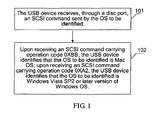
FIG. 1 is a flowchart of a method for the data card to identify an OS according to an embodiment of the present invention; -
FIG. 2 is a flowchart of a method for the data card to identify an OS according to another embodiment of the present invention; -
FIG. 3 is a flowchart of a method for the data card to identify an OS according to yet another embodiment of the present invention; -
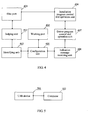
FIG. 4 is a structure view of a USB device according to an embodiment of the present invention; and -
FIG. 5 is a structure view of a communication system according to an embodiment of the present invention. - As illustrated in
FIG. 1 , the method for a USB device to identify an OS includes as follows. 101: The USB device receives, through a disc port, an SCSI command sent by the OS to be identified. - The USB device according to the embodiments of the present invention is arranged with a disc port before delivery. By using this port, the USB device may receive the SCSI command sent by the OS. The USB device according to the embodiments of the present invention may be a data card or other USB devices, which does not affect the implementation of the present invention.
- 102: Upon receiving an SCSI command carrying operation code 0XBB, the USB device identifies that the OS to be identified is Mac OS; upon receiving an SCSI command carrying operation code 0XA2, the USB device identifies that the OS to be identified is Windows Vista SP2 or later version of Windows OS.
- The OS generally includes three types: Windows OS, Mac OS, and Linux OS. The Windows OS has multiple versions, for example, Windows XP or Windows 2000, Windows 7, and Windows Vista SP2, and these versions of OSs send different SCSI commands. Windows 7 and Windows Vista SP2 are later versions of Windows OSs. As the SCSI command sent by these two versions of OSs carries operation code 0XA2, Windows 7 and Windows Vista SP2 belong to the same version category. Windows XP or Windows 2000, however, is earlier version of Windows OS. As the SCSI command sent by Windows XP or Windows 2000 does not carry operation code 0XA2, Windows XP or Windows 2000 is another version category of Windows OS.
- When the SCSI command carrying operation code 0XBB or the SCSI command carrying operation code 0XA2 is not received, the USB device displays the installation program and driver program on the disc port, controls the OS to be identified to run the installation program after receiving from the user the instruction for running the installation program and installs the driver program on the OS, according to the result of the identification performed by the running installation program on the OS that is to be identified. The USB device receives an indication message that is sent through the installed driver program, by the OS to be identified. The indication message includes the type of the OS to be identified, and when the OS to be identified has different versions, the indication message may further include the version of the OS to be identified. The driver program installed on the OS to be identified is dedicated to the OS. In this way, for an OS such as Linux OS or Windows XP or Windows 2000 OS, dedicated driver program needs to be developed for the OS and the dedicated driver program is saved on the USB device. After the installation program identifies the OS, the driver program for the OS is installed on the OS so that the OS can use the driver program to notify the USB device of the OS type, and the OS can use the driver program to notify the USB device of the OS version if the OS has different versions.
- According to embodiments of the present invention, the USB device is arranged with a disc port. Accordingly, the USB device can receive, through the disc port, an SCSI command sent by the OS. If the SCSI command carries operation code 0XBB, the USB device determines that the OS to be identified is Mac OS; if the SCSI command carries operation code 0XA2, the USB device determines that the OS to be identified is Windows Vista SP2 or later version of Windows OS. Unlike the prior art, it is unnecessary to develop dedicated driver programs for Mac OS and Windows Vista SP2 or later versions.
- To make the technical solutions provided by the embodiments of the present invention clearer, the following two embodiments describe the technical solutions in detail.
FIG. 2 illustrates a method for a USB device to identify an OS according to an embodiment of the present invention. In the embodiment, the working port on the data card can be applicable to different types and versions of the OSs. The embodiment includes as follows. - 201: When detecting that a USB device arranged with the disc port is inserted into the computer, the OS loads the default disc driver program to the disc port.
- In this step, the OS is an OS to be identified.
- 202: The OS sends to the data card multiple SCSI commands through the disc driver program. If the OS is Mac OS, an SCSI command sent by the OS carries operation code 0XBB, where 0XBB indicates that this command is SET CD-ROM SPEED command. If the OS is Windows 7 or Windows Vista SP2, an SCSI command sent by the OS carries operation code 0XA2, where 0XA2 indicates that this command is SECURITY PROTOCOL IN command. If the OS is other version of Windows OS, an SCSI command sent by the OS does not carry operation code 0XA2 or 0XBB.
- 203: When receiving the SCSI command carrying operation code 0XBB, the data card identifies that the OS is Mac OS.
- 204: When receiving the SCSI command carrying operation code 0XA2, the data card identifies that the OS is Windows Vista SP2 or later version, such as Windows 7.
- 205: When receiving neither an SCSI command carrying operation code 0XBB nor an SCSI command carrying operation code 0XA2, the data card displays the installation program and the driver program on the disc port arranged on the USB device, and controls the OS to run the installation program after receiving the instruction for running the installation program from the user. The running installation program identifies the OS, and the driver program is installed on the OS according to the identification result. The data card receives an indication message that is sent, through the installed driver program, by the OS. The indication message includes the OS type, and when the OS has different versions, the indication message further includes the version of the OS.
- The installation program and driver program need to be saved in advance on the disc port arranged on the USB device. The saved driver programs include driver programs of other OSs except Mac OS, Windows Vista SP2 and later versions of Windows OSs, for example, the driver programs for Linux and Windows XP or Windows 2000.
- 206: The data card determines, according to the identification result of the OS, the working mode of the working port connected to the OS, and sets, according to the determined working mode, the transmission parameter for the working port.
- In this step, one or multiple working ports may be arranged on the data card. If multiple working ports are arranged on the data card, the data card described in the step can select any working port to connect to the communication system. It should be noted that, no matter how many working ports are arranged on the data card, when the working ports are connected to different OSs, the working ports work in different modes. In the embodiments of the present invention, different types of OSs are different OSs, and the OSs of the same type but in different version categories are also different OSs. The OS version category is determined according to the level of the OS version. For example, the Windows OS has multiple versions, such as Windows XP or Windows 2000, Windows 7, and Windows Vista SP2. Windows 7 and Windows Vista SP2 belong to the same version category, and they are both the Windows OS of later version. The SCSI command sent by Windows 7 and Windows Vista SP2 carries operation code 0XA2. Windows XP or Windows 2000 belongs to another version category, and it is the Windows OS of earlier version. The SCSI command sent by Windows XP or Windows 2000 does not carry operation code 0XA2. Therefore, Windows XP or Windows 2000 and Windows 7 are two different OSs.
- When the working ports are connected to different OSs, they work in different modes, so in this step, the data card needs to determine the working mode of the working port connected to the OS, according to the OS type, or according to the version category when this type of OS has multiple versions, and set the transmission parameter for the working port according to the determined working mode. The transmission parameter for the working port may include the data transmission rate.
- It should be noted that if the data card cannot identify the OS in
steps step 205, the data card determines the OS version category according to the OS version to determine the working mode corresponding to the working port. - 207: The data card is reset.
- 208: After detecting that the data card is reset, the OS identifies the device again and sends a query message to the data card. The data card reports a port status report to the OS. The port status report includes a USB descriptor. The USB descriptor includes a port ID (an ID of the working port connected to the OS), a protocol ID used by the working port, and a transmission parameter of the working port.
- 209: After receiving the USB descriptor, the OS determines, according to the port ID specified in the USB descriptor, the working port communicating with the data card, and communicates with the working port according to the transmission parameter specified in the USB descriptor. Specifically, the OS sends data to the data card according to the data transmission rate set on the data card.
- According to the embodiments of the present invention, the data card is arranged with the disc port. Accordingly, the data card may receive, through the disc port, the SCSI command sent by the OS, and identify Mac OS and Windows Vista SP2 or later versions according to the operation code carried in the SCSI command. Therefore, unlike the prior art, it is unnecessary to develop dedicated driver program for Mac OS and Windows Vista SP2 or later versions. Further, according to the OS type and version category, the working mode of the working port is determined, the transmission parameter is set for the working port, and the set transmission parameter is transmitted to the OS, so that the OS can communicate with the data card. Referring to
FIG. 3 , a method for a USB device to identify an OS according to another embodiment of the present invention is illustrated. This embodiment is different from the embodiment illustrated inFIG. 2 in that: the data card is arranged with multiple working ports corresponding to information about different OSs. The OS information includes the OS type. When the OS has different versions, the OS information further includes the OS version category. The method specifically includes as follows. - Steps 301-305 are the same as steps 201-205; therefore these steps are not described here.
- 306: The data card determines the working port adaptable to the OS and sets the transmission parameter for the working port according to the identification result of the OS and the one-to-one mapping between the working port and OS information.
- Before
step 306, the data card pre-sets one-to-one mapping between the working port and OS information. That is, information about different OSs is set to map with different working ports respectively. The OS information includes the OS type. When the OS has different versions, the OS information further includes the OS version category. For example, the OS information of Windows OS further includes the OS version category, here, the OS version category indicates whether the OS version is Windows Vista SP2 or later version or is an OS version earlier than Windows Vista SP2 (excluding Windows Vista SP2). - For example, the data card is arranged with multiple working ports, including two modem ports, and one network port. The first modem port can be configured to correspond to Windows OS later than Windows Vista SP2, and the second modem port can be configured to correspond to Windows OS earlier than Windows Vista SP2 (excluding Windows Vista SP2), and the network port can be configured to correspond to Mac OS. If the OS to be identified is Mac OS, the network port is selected and the transmission parameter is set for the working port. If the OS is Windows Vista SP2 or a later version, the first modem port is selected and the transmission parameter is set for the working port.
- Steps 307-309 are the same as steps 207-209; therefore these steps are not described here.
- According to the embodiments of the present invention, the data card is arranged with the disc port. Accordingly, the data card can receive, through the disc port, the SCSI command sent by the OS, and identify Mac OS and Windows Vista SP2 or later versions according to the operation code carried in the SCSI command. Therefore, unlike the prior art, it is unnecessary to develop dedicated driver program for Mac OS and Windows Vista SP2 or later versions. Further, according to the OS type and version category, a working port is selected from multiple working ports, and the transmission parameter is set for the working port and the set transmission parameter is transmitted to the OS, so that the OS can communicate with the data card.
- The foregoing two embodiments use the data card as an example to illustrate the technical solutions. It is apparent for those skilled in the art that the technical solutions provided in the two embodiments are applicable to any USB device.
- Referring to
FIG. 4 , a USB device is provided according to an embodiment of the present invention. The USB device includes: adisc port 401, a judgingunit 402, an identifyingunit 403. - The USB device may be a data card or other USB device.
- The
disc port 401 is configured to receive an SCSI command sent by the OS to be identified. - A judging
unit 402 is configured to judge whether the received SCSI command is an SCSI command carrying operation code 0XBB or an SCSI command carrying 0XA2. - The identifying
unit 403 is configured to identify that the OS to be identified is Mac OS upon receiving the SCSI command carrying operation code 0XBB, and identify that the OS to be identified is Windows Vista SP2 or later version of Windows OS upon receiving the SCSI command carrying operation code 0XA2. - For implementing the communication between a USB device and the OS, the USB device further includes: a working
port 404 and aconfiguration unit 405. - The working port can be configured in two modes:
- Mode 1: Each working port of the USB device is applicable to different OSs; the
configuration unit 405 is specifically configured to determine the working mode of the working port according to the identification result obtained by the identifyingunit 403, and set the transmission parameter for the working port according to the working mode of the working port. - Mode 2: The USB device further includes: multiple working ports, and each working port and information about each OS among the different OS are in one-to-one mapping; the OS information includes the OS type, and when the OS has different versions, the OS information further includes the OS version category; in such a case, the
configuration unit 405 is configured to determine the working port adaptable to the OS to be identified and set the transmission parameter for the working port according to the identification result obtained from the identifyingunit 403 and the one-to-one mapping between the working port and OS information. - For communicating with the OS, the working
port 404 is configured to send a USB descriptor to the OS to be identified. The USB descriptor includes an ID and a transmission parameter of the working port adaptable to the OS to be identified. The USB descriptor further includes a protocol ID used by the working port. - Optionally, for identifying the OS, the USB device further includes: an installation program control and
operation unit 406, configured to receive the instruction for running the installation program from the user, and control the OS to be identified to run the installation program when the SCSI command carrying operation code 0XBB or the SCSI command carrying operation code 0XA2 is not received; a driver program control andoperation unit 407, configured to install the driver program on the OS according to the result of the identification performed by the running installation program on the OS that is to be identified; and an indicationmessage receiving unit 408, configured to receive an indication message sent, through the driver program, by the OS to be identified, where the indication message includes the OS type, and when the OS has different versions the indication message further includes the OS version. - The
configuration unit 405 is configured to determine the working mode of the working port according to the indication message received by the indicationmessage receiving unit 408 and set the transmission parameter for the working port according to the working mode of the working port; alternatively, theconfiguration unit 405 is configured to determine the working port adaptable to the OS to be identified and set the transmission parameter for the working port according to the indication message received by the indicationmessage receiving unit 408 and according to the one-to-one mapping between the working port and the OS information. According to the embodiments of the present invention, the USB device is arranged with the disc port. Accordingly, the USB device can receive, through the disc port, the SCSI command sent by the OS, and can identify Mac OS and Windows Vista SP2 or later versions according to the operation code carried in the SCSI command. Therefore, unlike the prior art, it is unnecessary to develop dedicated driver program for Mac OS and Windows Vista SP2 or later versions. - Referring to
FIG. 5 , a communication system is provided according to an embodiment of the present invention. The communication system includes: aUSB device 501 arranged with a disc port, and acomputer 502 running an OS. - The USB device is configured to receive, through the disc port, an SCSI command sent by the OS to be identified. Upon receiving an SCSI command carrying operation code 0XBB, the USB device identifies that the OS to be identified is Mac OS; upon receiving an SCSI command carrying operation code 0XA2, the USB device identifies that the OS to be identified is Windows Vista SP2 or later version of Windows OS.
- The OS running on the
computer 502 is used to load the disc driver program for the disc port, and send the SCSI command to the USB device by using the disc driver program. - Functions of the USB device and the OS running on the computer, and information interaction between the USB device and the OS running on the computer can be referred to the foregoing description of the method and apparatus embodiments, and are not detailed here. Further, the structure of the USB device and functions of the units can be referred to the description of the foregoing apparatus embodiment.
- According to the embodiments of the present invention, the USB device is arranged with the disc port. Accordingly, the USB device can receive, through the disc port, the SCSI command sent by the OS, and identify Mac OS and Windows Vista SP2 or later versions according to the operation code carried in the SCSI command. Therefore, unlike the prior art, it is unnecessary to develop dedicated driver program for Mac OS and Windows Vista SP2 or later versions.
- It is understandable to those skilled in the art that all or part of steps of the preceding embodiments can be implemented by a program instructing relevant hardware. The program may be stored in a computer readable storage medium such as a magnetic disk or a compact disk.
- The method for a USB device to identify the OS, the apparatus, and the communication are described in detail according to the embodiments of the present invention.
Claims (11)
- A method for a universal serial bus (USB) device (501) to identify an operating system (OS) running on a computer (502) connected to the USB device (501), wherein the method comprises:receiving, by the USB device through a disc port (401), a small computer systeminterface (SCSI) command sent by the OS to be identified; and characterized in that the method further comprises :upon receiving an SCSI command carrying operation code 0XBB, identifying that the OS to be identified is Mac OS; upon receiving an SCSI command carrying operation code 0XA2, identifying that the OS to be identified is Windows Vista SP2 or later version of Windows OS.
- The method according to claim 1, characterized in that
the USB device (501) comprises a working port (404) adaptable to different types of OSs; and
the method further comprises:determining, by the USB device (501), a working mode of the working port (404) according to the identification result of the OS to be identified, and setting a transmission parameter for the working port (404) according to the working mode of the working port (404). - The method according to claim 1, characterized in that the USB device (501) comprises multiple working ports (404); wherein each working port (404) and information about each OS among different OS are in one-to-one mapping, and the information about the OS comprises OS type, and when the OS has different versions the information about the OS further comprises OS version category;
the method further comprises:determining, by the USB device (501), the working port (404) adaptable to the OS to be identified and setting a transmission parameter for the working port (404) according to the OS identification result and according to the one-to-one mapping between the working port (404) and OS information. - The method according to claim 2 or 3, characterized in that after the transmission parameter is set for the working port (404), the method further comprises:sending, by the USB device (501), a USB descriptor to the OS to be identified, wherein the USB descriptor comprises an ID and the transmission parameter of the working port (404) adaptable to the OS to be identified.
- The method according to claim 1, characterized in that the method further comprises:when the SCSI command carrying operation code 0XBB or the SCSI command carrying operation code 0XA2 is not received, controlling, by the USB device (501), the OS to be identified to run an installation program on the USB device (501) and installing the driver program on the OS to be identified according to the result of the identification performed by the running installation program on the OS that is to be identified;receiving an indication message that is sent, through the installed driver program, by the OS; wherein the indication message comprises the type of the OS to be identified;when the OS has different versions, the indication message further comprises the version of the OS to be identified.
- A universal serial bus (USB) device (501), wherein that the USB device (501) comprises :a disc port (401), configured to receive a small computer system interface (SCSI) command sent by an operating system (OS) to be identified running on a computer (502) connected to the USB device (501); the USB device (501) characterized in that it further comprises :a judging unit (402), configured to judge whether the received SCSI command is an SCSI command carrying operation code 0XBB or an SCSI command carrying 0XA2; andan identifying unit (403), configured to identify that the OS to be identified is Mac OS upon receiving the SCSI command carrying operation code 0XBB, or identify that the OS to be identified is Windows Vista SP2 or later version of Windows OS upon receiving the SCSI command carrying operation code 0XA2.
- The USB device according to claim 6, characterized in that the USB device (501) further comprises: working ports (404) and a configuration unit (405); wherein the working ports (404) are adaptable to different OSs; and
the configuration unit (405) is configured to determine the working mode of the working port (404) according to the OS identification result obtained by the identifying unit (403), and set the transmission parameter for the working port (404) according to the working mode of the working port (404). - The USB device according to claim 6, characterized in that
the USB device (501) comprises: multiple working ports (404) and a configuration unit (405); wherein each working port (404) and information about each OS among different OS are in one-to-one mapping, wherein the information about the OS comprises OS type, and when the OS has different versions the information about the OS further comprises OS version category;
the configuration unit (405) is configured to determine the working port adaptable to the OS to be identified and set the transmission parameter for the working port (404) according to the OS identification result obtained by the identifying unit (403) and the one-to-one mapping between the working port (404) and OS information. - The USB device according to claim 7 or 8, characterized in that the working port (404) is configured to sent a USB descriptor to the OS to be identified, wherein the USB descriptor comprises an ID and the transmission parameter of the working port (404) adaptable to the OS to be identified.
- The USB device according to claim 6, characterized in that the USB device (501) further comprises:an installation program control and operation unit (406), configured to control the OS to be identified to run an installation program on the USB device;a driver program control and operation unit (407), configured to install a driver program on the OS to be identified according to the OS identification by the running installation program; andan indication message receiving unit (408), configured to receive an indication message sent, through the driver program, by the OS to be identified, wherein the indication message comprises the OS type, and when the OS has different versions the indication message further comprises OS version.
- A communication system, wherein that the communication system comprises the USB device (501) and computer (502) according to any of claims 6-10; wherein the computer (502) runs an operating system (OS); and
the OS is configured to send, through a disc port (401), a small computer system interface (SCSI) command upon detecting that the disc port on the USB device (501) is connected to the computer (502).
Applications Claiming Priority (1)
| Application Number | Priority Date | Filing Date | Title |
|---|---|---|---|
| CN201010268780XA CN101916238B (en) | 2010-08-26 | 2010-08-26 | Method and device for data card to identify operating system and communication system |
Publications (2)
| Publication Number | Publication Date |
|---|---|
| EP2423825A1 EP2423825A1 (en) | 2012-02-29 |
| EP2423825B1 true EP2423825B1 (en) | 2013-05-01 |
Family
ID=43323753
Family Applications (1)
| Application Number | Title | Priority Date | Filing Date |
|---|---|---|---|
| EP11006967.1A Not-in-force EP2423825B1 (en) | 2010-08-26 | 2011-08-26 | Method for data card to identify the OS, and apparatus and communication system thereof |
Country Status (4)
| Country | Link |
|---|---|
| US (1) | US8700812B2 (en) |
| EP (1) | EP2423825B1 (en) |
| CN (1) | CN101916238B (en) |
| ES (1) | ES2421001T3 (en) |
Families Citing this family (17)
| Publication number | Priority date | Publication date | Assignee | Title |
|---|---|---|---|---|
| CN101957807B (en) * | 2010-09-16 | 2012-08-08 | 飞天诚信科技股份有限公司 | Method for USB device to recognize version type of Windows operating system |
| CN102088797A (en) * | 2011-01-30 | 2011-06-08 | 中兴通讯股份有限公司 | Wireless communication method and system as well as wireless communication terminal |
| CN102736861B (en) * | 2011-04-08 | 2016-01-20 | 群联电子股份有限公司 | Memory configuration method, memory controller and memory storage device |
| CN102736982B (en) * | 2011-04-08 | 2015-04-22 | 群联电子股份有限公司 | Memory configuration method, memory controller and memory storage device |
| CN102253904A (en) * | 2011-06-08 | 2011-11-23 | 广州视睿电子科技有限公司 | Method and device for identifying computer operating system by USB equipment |
| CN102955755B (en) * | 2011-08-23 | 2016-03-02 | 华为终端有限公司 | The restorative procedure of data card and inter-host communication exception and data card |
| CN102375786B (en) * | 2011-10-18 | 2014-09-10 | 中兴通讯股份有限公司 | Automatic operating system identifying method and system for USB (Universal Serial Bus) equipment |
| CN102521171A (en) * | 2011-11-17 | 2012-06-27 | 深圳市中兴移动通信有限公司 | Method for realizing plug and play of data card |
| KR101956574B1 (en) * | 2012-02-24 | 2019-03-11 | 삼성전자주식회사 | Apparatus and method for identifying operating system of host device in portable terminal |
| KR101202788B1 (en) | 2012-04-25 | 2012-11-19 | 주식회사 데브구루 | Universal serial bus apparatus and operating system distinction method of the universal serial bus apparatus |
| FR2990532A1 (en) * | 2012-05-11 | 2013-11-15 | Emmanuel Thibaudeau | METHOD OF AUTOMATICALLY SENDING CONTROL LINES TO ACCESS AN INTERNET SITE AND DEVICE USING THE METHOD. |
| CN103123594A (en) * | 2012-10-09 | 2013-05-29 | 中兴通讯股份有限公司 | Running mode switching method of data terminal, device and data terminal |
| US9170828B2 (en) * | 2013-05-16 | 2015-10-27 | Microsoft Technology Licensing, Llc. | Extraction of operating system-specific characteristics via a communication interface |
| CN104182374B (en) | 2013-05-28 | 2018-09-28 | 南京中兴软件有限责任公司 | The method of USB device and its automatic identification Microsft Windows operating system version |
| CN106126446B (en) * | 2016-06-22 | 2019-01-04 | 飞天诚信科技股份有限公司 | A USB device and method for identifying MacOS system |
| CN106383796B (en) * | 2016-10-18 | 2019-06-14 | 广州视睿电子科技有限公司 | Method and system for identifying type of host operating system |
| CN108536626A (en) * | 2018-03-28 | 2018-09-14 | 深圳市四季宏胜科技有限公司 | Channel bridging method, bridging device, computer equipment and computer program product |
Family Cites Families (10)
| Publication number | Priority date | Publication date | Assignee | Title |
|---|---|---|---|---|
| AU2002355800A1 (en) * | 2001-07-31 | 2003-02-17 | Silicom Ltd. | Device-related software installation |
| CN100590594C (en) * | 2004-07-30 | 2010-02-17 | 深圳市朗科科技股份有限公司 | A method for realizing automatic execution and starting a host computer by using a semiconductor storage device |
| US7574534B2 (en) * | 2006-05-23 | 2009-08-11 | International Business Machines Corporation | Method for using device enumeration information to identify an operating system running on a computer system |
| TW200943188A (en) * | 2008-04-01 | 2009-10-16 | Sunplus Innovation Technology Inc | A method for automatically detecting an operating system on a USB device |
| CN101650703B (en) * | 2009-08-27 | 2012-05-23 | 中兴通讯股份有限公司 | Data transmission method, system and device |
| US20110119686A1 (en) * | 2009-11-13 | 2011-05-19 | Macpower & Tytech Technology Co., Ltd. | External data storage assembly including a hard disk drive and method of monitoring the operational status of the hard disk drive |
| US8978044B2 (en) * | 2010-01-09 | 2015-03-10 | International Business Machines Corporation | Storage-system-based driver distribution apparatus and method |
| CN102043751B (en) * | 2010-06-29 | 2012-12-12 | 飞天诚信科技股份有限公司 | Method for identifying host operation system by using USB equipment |
| US8661164B2 (en) * | 2010-08-24 | 2014-02-25 | Mediatek Inc. | Method of USB device enumeration including detecting the operating system type of the USB host |
| CN101957807B (en) | 2010-09-16 | 2012-08-08 | 飞天诚信科技股份有限公司 | Method for USB device to recognize version type of Windows operating system |
-
2010
- 2010-08-26 CN CN201010268780XA patent/CN101916238B/en not_active Expired - Fee Related
-
2011
- 2011-08-26 EP EP11006967.1A patent/EP2423825B1/en not_active Not-in-force
- 2011-08-26 US US13/219,018 patent/US8700812B2/en active Active
- 2011-08-26 ES ES11006967T patent/ES2421001T3/en active Active
Also Published As
| Publication number | Publication date |
|---|---|
| CN101916238B (en) | 2012-01-25 |
| EP2423825A1 (en) | 2012-02-29 |
| CN101916238A (en) | 2010-12-15 |
| US8700812B2 (en) | 2014-04-15 |
| US20120054384A1 (en) | 2012-03-01 |
| ES2421001T3 (en) | 2013-08-28 |
Similar Documents
| Publication | Publication Date | Title |
|---|---|---|
| US8700812B2 (en) | Methods, devices and communication systems for data card identification operating system | |
| US8468522B2 (en) | Virtual machine system, system for forcing policy, method for forcing policy, and virtual machine control program | |
| CN103365667B (en) | A kind of method and apparatus of the installation operation system in host computer system | |
| EP3575975B1 (en) | Method and apparatus for operating smart network interface card | |
| US8650332B2 (en) | Method for switching working mode, USB device, and host device | |
| CN104360878B (en) | A kind of method and device of application software deployment | |
| US8560750B2 (en) | Systems and methods for advanced interrupt scheduling and priority processing in a storage system environment | |
| RU2667033C2 (en) | Systems and methods for host detection of usb asynchronous notification capability | |
| CN101398792A (en) | Method and device for implementing application of interface functional equipment | |
| US20100235461A1 (en) | Network device and method of sharing external storage device | |
| CN101937351A (en) | Method and system for automatically installing application software | |
| US8589954B2 (en) | Method and program for selective suspension of USB network device | |
| EP3208723A1 (en) | Usb wireless network card configuration method, host, usb wireless network card and communication system | |
| WO2012100504A1 (en) | Wireless communication method, wireless communication system and wireless communication terminal | |
| EP2990956B1 (en) | Usb device and method thereof for automatically recognizing microsoft windowing operating system version | |
| CN102156648A (en) | Wireless communication terminal starting method and device | |
| RU2643481C2 (en) | Method of identification of operating system type and usb device | |
| WO2014018445A1 (en) | Replacement of inbox driver with third party driver | |
| US6173341B1 (en) | System and method for configuring adapters in a computer system | |
| CN113821265B (en) | Operating system control method and device, computer mainboard and readable storage medium | |
| EP3929737A1 (en) | Application state control method apparatus, and terminal and computer-readable storage medium | |
| EP2562649B1 (en) | Method for repairing communication abnormality between data card and host | |
| CN116886749A (en) | Connection method, connection device and electronic equipment | |
| EP2477120B1 (en) | Method for processing device connection, combination device and host device | |
| CN119988292B (en) | Methods, devices, equipment and media for dynamic adjustment of read and write operations |
Legal Events
| Date | Code | Title | Description |
|---|---|---|---|
| 17P | Request for examination filed |
Effective date: 20110826 |
|
| AK | Designated contracting states |
Kind code of ref document: A1 Designated state(s): AL AT BE BG CH CY CZ DE DK EE ES FI FR GB GR HR HU IE IS IT LI LT LU LV MC MK MT NL NO PL PT RO RS SE SI SK SM TR |
|
| AX | Request for extension of the european patent |
Extension state: BA ME |
|
| PUAI | Public reference made under article 153(3) epc to a published international application that has entered the european phase |
Free format text: ORIGINAL CODE: 0009012 |
|
| GRAP | Despatch of communication of intention to grant a patent |
Free format text: ORIGINAL CODE: EPIDOSNIGR1 |
|
| GRAS | Grant fee paid |
Free format text: ORIGINAL CODE: EPIDOSNIGR3 |
|
| GRAA | (expected) grant |
Free format text: ORIGINAL CODE: 0009210 |
|
| AK | Designated contracting states |
Kind code of ref document: B1 Designated state(s): AL AT BE BG CH CY CZ DE DK EE ES FI FR GB GR HR HU IE IS IT LI LT LU LV MC MK MT NL NO PL PT RO RS SE SI SK SM TR |
|
| REG | Reference to a national code |
Ref country code: GB Ref legal event code: FG4D |
|
| REG | Reference to a national code |
Ref country code: CH Ref legal event code: EP Ref country code: AT Ref legal event code: REF Ref document number: 610315 Country of ref document: AT Kind code of ref document: T Effective date: 20130515 |
|
| REG | Reference to a national code |
Ref country code: IE Ref legal event code: FG4D |
|
| REG | Reference to a national code |
Ref country code: DE Ref legal event code: R096 Ref document number: 602011001469 Country of ref document: DE Effective date: 20130627 |
|
| REG | Reference to a national code |
Ref country code: ES Ref legal event code: FG2A Ref document number: 2421001 Country of ref document: ES Kind code of ref document: T3 Effective date: 20130828 |
|
| REG | Reference to a national code |
Ref country code: NL Ref legal event code: VDEP Effective date: 20130501 |
|
| REG | Reference to a national code |
Ref country code: LT Ref legal event code: MG4D |
|
| PG25 | Lapsed in a contracting state [announced via postgrant information from national office to epo] |
Ref country code: IS Free format text: LAPSE BECAUSE OF FAILURE TO SUBMIT A TRANSLATION OF THE DESCRIPTION OR TO PAY THE FEE WITHIN THE PRESCRIBED TIME-LIMIT Effective date: 20130901 Ref country code: NO Free format text: LAPSE BECAUSE OF FAILURE TO SUBMIT A TRANSLATION OF THE DESCRIPTION OR TO PAY THE FEE WITHIN THE PRESCRIBED TIME-LIMIT Effective date: 20130801 Ref country code: SE Free format text: LAPSE BECAUSE OF FAILURE TO SUBMIT A TRANSLATION OF THE DESCRIPTION OR TO PAY THE FEE WITHIN THE PRESCRIBED TIME-LIMIT Effective date: 20130501 Ref country code: PT Free format text: LAPSE BECAUSE OF FAILURE TO SUBMIT A TRANSLATION OF THE DESCRIPTION OR TO PAY THE FEE WITHIN THE PRESCRIBED TIME-LIMIT Effective date: 20130902 Ref country code: LT Free format text: LAPSE BECAUSE OF FAILURE TO SUBMIT A TRANSLATION OF THE DESCRIPTION OR TO PAY THE FEE WITHIN THE PRESCRIBED TIME-LIMIT Effective date: 20130501 Ref country code: GR Free format text: LAPSE BECAUSE OF FAILURE TO SUBMIT A TRANSLATION OF THE DESCRIPTION OR TO PAY THE FEE WITHIN THE PRESCRIBED TIME-LIMIT Effective date: 20130802 Ref country code: FI Free format text: LAPSE BECAUSE OF FAILURE TO SUBMIT A TRANSLATION OF THE DESCRIPTION OR TO PAY THE FEE WITHIN THE PRESCRIBED TIME-LIMIT Effective date: 20130501 Ref country code: SI Free format text: LAPSE BECAUSE OF FAILURE TO SUBMIT A TRANSLATION OF THE DESCRIPTION OR TO PAY THE FEE WITHIN THE PRESCRIBED TIME-LIMIT Effective date: 20130501 |
|
| PG25 | Lapsed in a contracting state [announced via postgrant information from national office to epo] |
Ref country code: PL Free format text: LAPSE BECAUSE OF FAILURE TO SUBMIT A TRANSLATION OF THE DESCRIPTION OR TO PAY THE FEE WITHIN THE PRESCRIBED TIME-LIMIT Effective date: 20130501 Ref country code: RS Free format text: LAPSE BECAUSE OF FAILURE TO SUBMIT A TRANSLATION OF THE DESCRIPTION OR TO PAY THE FEE WITHIN THE PRESCRIBED TIME-LIMIT Effective date: 20130501 Ref country code: CY Free format text: LAPSE BECAUSE OF FAILURE TO SUBMIT A TRANSLATION OF THE DESCRIPTION OR TO PAY THE FEE WITHIN THE PRESCRIBED TIME-LIMIT Effective date: 20130501 Ref country code: BG Free format text: LAPSE BECAUSE OF FAILURE TO SUBMIT A TRANSLATION OF THE DESCRIPTION OR TO PAY THE FEE WITHIN THE PRESCRIBED TIME-LIMIT Effective date: 20130801 Ref country code: HR Free format text: LAPSE BECAUSE OF FAILURE TO SUBMIT A TRANSLATION OF THE DESCRIPTION OR TO PAY THE FEE WITHIN THE PRESCRIBED TIME-LIMIT Effective date: 20130501 |
|
| PG25 | Lapsed in a contracting state [announced via postgrant information from national office to epo] |
Ref country code: LV Free format text: LAPSE BECAUSE OF FAILURE TO SUBMIT A TRANSLATION OF THE DESCRIPTION OR TO PAY THE FEE WITHIN THE PRESCRIBED TIME-LIMIT Effective date: 20130501 |
|
| PG25 | Lapsed in a contracting state [announced via postgrant information from national office to epo] |
Ref country code: BE Free format text: LAPSE BECAUSE OF FAILURE TO SUBMIT A TRANSLATION OF THE DESCRIPTION OR TO PAY THE FEE WITHIN THE PRESCRIBED TIME-LIMIT Effective date: 20130501 Ref country code: CZ Free format text: LAPSE BECAUSE OF FAILURE TO SUBMIT A TRANSLATION OF THE DESCRIPTION OR TO PAY THE FEE WITHIN THE PRESCRIBED TIME-LIMIT Effective date: 20130501 Ref country code: DK Free format text: LAPSE BECAUSE OF FAILURE TO SUBMIT A TRANSLATION OF THE DESCRIPTION OR TO PAY THE FEE WITHIN THE PRESCRIBED TIME-LIMIT Effective date: 20130501 Ref country code: SK Free format text: LAPSE BECAUSE OF FAILURE TO SUBMIT A TRANSLATION OF THE DESCRIPTION OR TO PAY THE FEE WITHIN THE PRESCRIBED TIME-LIMIT Effective date: 20130501 Ref country code: EE Free format text: LAPSE BECAUSE OF FAILURE TO SUBMIT A TRANSLATION OF THE DESCRIPTION OR TO PAY THE FEE WITHIN THE PRESCRIBED TIME-LIMIT Effective date: 20130501 |
|
| PG25 | Lapsed in a contracting state [announced via postgrant information from national office to epo] |
Ref country code: NL Free format text: LAPSE BECAUSE OF FAILURE TO SUBMIT A TRANSLATION OF THE DESCRIPTION OR TO PAY THE FEE WITHIN THE PRESCRIBED TIME-LIMIT Effective date: 20130501 Ref country code: RO Free format text: LAPSE BECAUSE OF FAILURE TO SUBMIT A TRANSLATION OF THE DESCRIPTION OR TO PAY THE FEE WITHIN THE PRESCRIBED TIME-LIMIT Effective date: 20130501 |
|
| PLBE | No opposition filed within time limit |
Free format text: ORIGINAL CODE: 0009261 |
|
| STAA | Information on the status of an ep patent application or granted ep patent |
Free format text: STATUS: NO OPPOSITION FILED WITHIN TIME LIMIT |
|
| 26N | No opposition filed |
Effective date: 20140204 |
|
| PG25 | Lapsed in a contracting state [announced via postgrant information from national office to epo] |
Ref country code: MC Free format text: LAPSE BECAUSE OF FAILURE TO SUBMIT A TRANSLATION OF THE DESCRIPTION OR TO PAY THE FEE WITHIN THE PRESCRIBED TIME-LIMIT Effective date: 20130501 |
|
| REG | Reference to a national code |
Ref country code: DE Ref legal event code: R097 Ref document number: 602011001469 Country of ref document: DE Effective date: 20140204 |
|
| REG | Reference to a national code |
Ref country code: IE Ref legal event code: MM4A |
|
| PG25 | Lapsed in a contracting state [announced via postgrant information from national office to epo] |
Ref country code: IE Free format text: LAPSE BECAUSE OF NON-PAYMENT OF DUE FEES Effective date: 20130826 |
|
| REG | Reference to a national code |
Ref country code: CH Ref legal event code: PL |
|
| PG25 | Lapsed in a contracting state [announced via postgrant information from national office to epo] |
Ref country code: LI Free format text: LAPSE BECAUSE OF NON-PAYMENT OF DUE FEES Effective date: 20140831 Ref country code: CH Free format text: LAPSE BECAUSE OF NON-PAYMENT OF DUE FEES Effective date: 20140831 |
|
| PG25 | Lapsed in a contracting state [announced via postgrant information from national office to epo] |
Ref country code: SM Free format text: LAPSE BECAUSE OF FAILURE TO SUBMIT A TRANSLATION OF THE DESCRIPTION OR TO PAY THE FEE WITHIN THE PRESCRIBED TIME-LIMIT Effective date: 20130501 |
|
| PG25 | Lapsed in a contracting state [announced via postgrant information from national office to epo] |
Ref country code: MT Free format text: LAPSE BECAUSE OF FAILURE TO SUBMIT A TRANSLATION OF THE DESCRIPTION OR TO PAY THE FEE WITHIN THE PRESCRIBED TIME-LIMIT Effective date: 20130501 Ref country code: TR Free format text: LAPSE BECAUSE OF FAILURE TO SUBMIT A TRANSLATION OF THE DESCRIPTION OR TO PAY THE FEE WITHIN THE PRESCRIBED TIME-LIMIT Effective date: 20130501 |
|
| PG25 | Lapsed in a contracting state [announced via postgrant information from national office to epo] |
Ref country code: LU Free format text: LAPSE BECAUSE OF NON-PAYMENT OF DUE FEES Effective date: 20130826 Ref country code: MK Free format text: LAPSE BECAUSE OF FAILURE TO SUBMIT A TRANSLATION OF THE DESCRIPTION OR TO PAY THE FEE WITHIN THE PRESCRIBED TIME-LIMIT Effective date: 20130501 Ref country code: HU Free format text: LAPSE BECAUSE OF FAILURE TO SUBMIT A TRANSLATION OF THE DESCRIPTION OR TO PAY THE FEE WITHIN THE PRESCRIBED TIME-LIMIT; INVALID AB INITIO Effective date: 20110826 |
|
| REG | Reference to a national code |
Ref country code: FR Ref legal event code: PLFP Year of fee payment: 6 |
|
| REG | Reference to a national code |
Ref country code: FR Ref legal event code: PLFP Year of fee payment: 7 |
|
| REG | Reference to a national code |
Ref country code: FR Ref legal event code: PLFP Year of fee payment: 8 |
|
| PG25 | Lapsed in a contracting state [announced via postgrant information from national office to epo] |
Ref country code: AL Free format text: LAPSE BECAUSE OF FAILURE TO SUBMIT A TRANSLATION OF THE DESCRIPTION OR TO PAY THE FEE WITHIN THE PRESCRIBED TIME-LIMIT Effective date: 20130501 |
|
| REG | Reference to a national code |
Ref country code: DE Ref legal event code: R081 Ref document number: 602011001469 Country of ref document: DE Owner name: HUAWEI DEVICE CO., LTD., DONGGUAN, CN Free format text: FORMER OWNER: HUAWEI DEVICE CO., LTD., SHENZHEN, GUANGDONG, CN |
|
| REG | Reference to a national code |
Ref country code: GB Ref legal event code: 732E Free format text: REGISTERED BETWEEN 20190124 AND 20190130 |
|
| REG | Reference to a national code |
Ref country code: ES Ref legal event code: PC2A Owner name: HUAWEI DEVICE (SHENZHEN) CO., LTD. Effective date: 20190308 |
|
| REG | Reference to a national code |
Ref country code: ES Ref legal event code: PC2A Owner name: HUAWEI DEVICE CO., LTD. Effective date: 20190321 |
|
| REG | Reference to a national code |
Ref country code: AT Ref legal event code: PC Ref document number: 610315 Country of ref document: AT Kind code of ref document: T Owner name: HUAWEI DEVICE CO., LTD., CN Effective date: 20190419 |
|
| PGFP | Annual fee paid to national office [announced via postgrant information from national office to epo] |
Ref country code: IT Payment date: 20230711 Year of fee payment: 13 Ref country code: GB Payment date: 20230706 Year of fee payment: 13 Ref country code: ES Payment date: 20230905 Year of fee payment: 13 Ref country code: AT Payment date: 20230725 Year of fee payment: 13 |
|
| PGFP | Annual fee paid to national office [announced via postgrant information from national office to epo] |
Ref country code: FR Payment date: 20230703 Year of fee payment: 13 Ref country code: DE Payment date: 20230703 Year of fee payment: 13 |
|
| REG | Reference to a national code |
Ref country code: DE Ref legal event code: R119 Ref document number: 602011001469 Country of ref document: DE |
|
| REG | Reference to a national code |
Ref country code: AT Ref legal event code: MM01 Ref document number: 610315 Country of ref document: AT Kind code of ref document: T Effective date: 20240826 |
|
| GBPC | Gb: european patent ceased through non-payment of renewal fee |
Effective date: 20240826 |
|
| PG25 | Lapsed in a contracting state [announced via postgrant information from national office to epo] |
Ref country code: AT Free format text: LAPSE BECAUSE OF NON-PAYMENT OF DUE FEES Effective date: 20240826 |
|
| PG25 | Lapsed in a contracting state [announced via postgrant information from national office to epo] |
Ref country code: DE Free format text: LAPSE BECAUSE OF NON-PAYMENT OF DUE FEES Effective date: 20250301 |
|
| PG25 | Lapsed in a contracting state [announced via postgrant information from national office to epo] |
Ref country code: GB Free format text: LAPSE BECAUSE OF NON-PAYMENT OF DUE FEES Effective date: 20240826 |
|
| PG25 | Lapsed in a contracting state [announced via postgrant information from national office to epo] |
Ref country code: IT Free format text: LAPSE BECAUSE OF NON-PAYMENT OF DUE FEES Effective date: 20240826 |
|
| PG25 | Lapsed in a contracting state [announced via postgrant information from national office to epo] |
Ref country code: FR Free format text: LAPSE BECAUSE OF NON-PAYMENT OF DUE FEES Effective date: 20240831 |
|
| REG | Reference to a national code |
Ref country code: ES Ref legal event code: FD2A Effective date: 20251002 |
|
| PG25 | Lapsed in a contracting state [announced via postgrant information from national office to epo] |
Ref country code: ES Free format text: LAPSE BECAUSE OF NON-PAYMENT OF DUE FEES Effective date: 20240827 |