EP2413139A1 - Method and compositions for the identification of agents that have a potential effect against chronic inflammatory diseases - Google Patents
Method and compositions for the identification of agents that have a potential effect against chronic inflammatory diseases Download PDFInfo
- Publication number
- EP2413139A1 EP2413139A1 EP10171469A EP10171469A EP2413139A1 EP 2413139 A1 EP2413139 A1 EP 2413139A1 EP 10171469 A EP10171469 A EP 10171469A EP 10171469 A EP10171469 A EP 10171469A EP 2413139 A1 EP2413139 A1 EP 2413139A1
- Authority
- EP
- European Patent Office
- Prior art keywords
- gprc6a
- calcium
- chronic inflammatory
- cells
- casr
- Prior art date
- Legal status (The legal status is an assumption and is not a legal conclusion. Google has not performed a legal analysis and makes no representation as to the accuracy of the status listed.)
- Granted
Links
Images



Classifications
-
- G—PHYSICS
- G01—MEASURING; TESTING
- G01N—INVESTIGATING OR ANALYSING MATERIALS BY DETERMINING THEIR CHEMICAL OR PHYSICAL PROPERTIES
- G01N33/00—Investigating or analysing materials by specific methods not covered by groups G01N1/00 - G01N31/00
- G01N33/48—Biological material, e.g. blood, urine; Haemocytometers
- G01N33/50—Chemical analysis of biological material, e.g. blood, urine; Testing involving biospecific ligand binding methods; Immunological testing
- G01N33/5005—Chemical analysis of biological material, e.g. blood, urine; Testing involving biospecific ligand binding methods; Immunological testing involving human or animal cells
- G01N33/5008—Chemical analysis of biological material, e.g. blood, urine; Testing involving biospecific ligand binding methods; Immunological testing involving human or animal cells for testing or evaluating the effect of chemical or biological compounds, e.g. drugs, cosmetics
- G01N33/5044—Chemical analysis of biological material, e.g. blood, urine; Testing involving biospecific ligand binding methods; Immunological testing involving human or animal cells for testing or evaluating the effect of chemical or biological compounds, e.g. drugs, cosmetics involving specific cell types
- G01N33/5047—Cells of the immune system
-
- C—CHEMISTRY; METALLURGY
- C12—BIOCHEMISTRY; BEER; SPIRITS; WINE; VINEGAR; MICROBIOLOGY; ENZYMOLOGY; MUTATION OR GENETIC ENGINEERING
- C12N—MICROORGANISMS OR ENZYMES; COMPOSITIONS THEREOF; PROPAGATING, PRESERVING, OR MAINTAINING MICROORGANISMS; MUTATION OR GENETIC ENGINEERING; CULTURE MEDIA
- C12N15/00—Mutation or genetic engineering; DNA or RNA concerning genetic engineering, vectors, e.g. plasmids, or their isolation, preparation or purification; Use of hosts therefor
- C12N15/09—Recombinant DNA-technology
- C12N15/11—DNA or RNA fragments; Modified forms thereof; Non-coding nucleic acids having a biological activity
- C12N15/113—Non-coding nucleic acids modulating the expression of genes, e.g. antisense oligonucleotides; Antisense DNA or RNA; Triplex- forming oligonucleotides; Catalytic nucleic acids, e.g. ribozymes; Nucleic acids used in co-suppression or gene silencing
- C12N15/1138—Non-coding nucleic acids modulating the expression of genes, e.g. antisense oligonucleotides; Antisense DNA or RNA; Triplex- forming oligonucleotides; Catalytic nucleic acids, e.g. ribozymes; Nucleic acids used in co-suppression or gene silencing against receptors or cell surface proteins
-
- G—PHYSICS
- G01—MEASURING; TESTING
- G01N—INVESTIGATING OR ANALYSING MATERIALS BY DETERMINING THEIR CHEMICAL OR PHYSICAL PROPERTIES
- G01N33/00—Investigating or analysing materials by specific methods not covered by groups G01N1/00 - G01N31/00
- G01N33/48—Biological material, e.g. blood, urine; Haemocytometers
- G01N33/50—Chemical analysis of biological material, e.g. blood, urine; Testing involving biospecific ligand binding methods; Immunological testing
- G01N33/53—Immunoassay; Biospecific binding assay; Materials therefor
- G01N33/566—Immunoassay; Biospecific binding assay; Materials therefor using specific carrier or receptor proteins as ligand binding reagents where possible specific carrier or receptor proteins are classified with their target compounds
-
- C—CHEMISTRY; METALLURGY
- C12—BIOCHEMISTRY; BEER; SPIRITS; WINE; VINEGAR; MICROBIOLOGY; ENZYMOLOGY; MUTATION OR GENETIC ENGINEERING
- C12N—MICROORGANISMS OR ENZYMES; COMPOSITIONS THEREOF; PROPAGATING, PRESERVING, OR MAINTAINING MICROORGANISMS; MUTATION OR GENETIC ENGINEERING; CULTURE MEDIA
- C12N2310/00—Structure or type of the nucleic acid
- C12N2310/10—Type of nucleic acid
- C12N2310/14—Type of nucleic acid interfering nucleic acids [NA]
-
- C—CHEMISTRY; METALLURGY
- C12—BIOCHEMISTRY; BEER; SPIRITS; WINE; VINEGAR; MICROBIOLOGY; ENZYMOLOGY; MUTATION OR GENETIC ENGINEERING
- C12N—MICROORGANISMS OR ENZYMES; COMPOSITIONS THEREOF; PROPAGATING, PRESERVING, OR MAINTAINING MICROORGANISMS; MUTATION OR GENETIC ENGINEERING; CULTURE MEDIA
- C12N2310/00—Structure or type of the nucleic acid
- C12N2310/50—Physical structure
- C12N2310/53—Physical structure partially self-complementary or closed
- C12N2310/531—Stem-loop; Hairpin
Definitions
- the invention concerns the fields of medicine and pharmaceutical research. Agents obtained with the invention are useful to treat chronic inflammatory conditions, in particular erosive arthritis and arteriosclerosis.
- a chronic inflammatory disease is a medical condition which is characterized by persistent inflammation. Patients develop a chronic inflammatory disease because the immune system has an inappropriate response to something it has been exposed to. Chronic inflammatory diseases afflict millions of people across the world leading to untold suffering, economic loss and premature death. As well as rheumatoid arthritis and osteoarthritis, these diseases include arteriosclerosis and psoriatic arthritis.
- rheumatoid arthritis is a chronic, systemic inflammatory disease that may affect many tissues and organs, but principally attacks synovial joints. About 1% of the world's population is afflicted by rheumatoid arthritis, with women being three times more often affected than men.
- the current pharmaceutical treatment mainly focuses on Analgesia to suppress pain, on immunosuppressive drugs to suppress inflammation (mainly glucocorticoids and disease-modifying anti-rheumatic drugs - DMARDs) and more recently on the selective inhibition of cytokines or pathogenic cell populations like B- or T cells.
- the cell surface calcium receptor is the primary molecular entity regulating secretion of parathyroid hormone (PTH). Activation of this receptor by extracellular calcium ions inhibits PTH secretion whereas blocking the calcium receptor stimulates secretion of PTH.
- PTH parathyroid hormone
- a proposed approach to treat osteoporosis is based on the use of small, orally active compounds which block the calcium receptor thereby increasing the circulating levels of endogenous PTH.
- Calcilytics Compounds acting as inhibitors of the calcium receptor are termed Calcilytics.
- Several patent publications propose the use of calcium receptor inhibitors for the treatment of osteoporosis, osteoarthritis and/or rheumatoid arthritis (e. g. W02009001214 , W02008041118 , US7211685 and US6916956 ).
- CaSR calcium sensing receptor
- GPRC6A G-protein coupled receptor family C group 6 member A
- GPRC6A G-protein coupled receptor family C group 6 member A
- the present invention is based on two important experimental observations:
- GPRC6A inhibition can be a feasible therapeutic approach in inflammatory situations, in particular in chronic inflammatory diseases in which increased extracellular Ca 2+ concentrations are present, including arteriosclerosis and preferably erosive arthritis, other inflammatory arthritides and other inflammatory joint diseases.
- erosive arthritis describes chronic inflammatory arthritides, which erode extracellular matrix and bone structure during the prolonged course of the disease. Typical examples are rheumatoid arthritis and psoriatic arthritis, and the erosive joint disease is typically accompanied by severe and long-standing inflammatory processes.
- the term erosive arthritis preferably further comprises other chronic inflammatory disorders that are associated with beginning bone destruction and/or increased calcium concentrations in the intermediate spaces between bones or in the joints, e. g. ankylosing spondylitis, other spondyloarthropathies.
- An inflammatory arthrititis that is herein not included in the term erosive arthritis, is reactive arthritis.
- osteoarthritis is typically not caused or accompanied by chronic inflammation, and was found not to be associated with increased synovial calcium concentrations. Consequently, osteoarthritis is not comprised by the terms inflammatory arthritides as used in the invention.
- the invention provides a method to identify agents that have a potential effect against chronic inflammatory conditions, in particular erosive arthritis and atherosclerosis, which are preferably specific inhibitors of GPRC6A, in particular inhibitors of GPRC6A signaling in monocytes, with the steps:
- the stimulation of the cells of a.) and b.) is preferably performed in parallel in separate compartments (e.g. separate wells). Alternatively, the stimulation of the cells of a.) and b.) is performed in the same compartment. In the latter case the cells of a.) and b.) are preferably marked differently (e. g. by the expression of different florescent proteins like GFP and DsRed).
- the cells can be provided preferably in vitro (cell culture) or in situ (tissue culture) or alternatively in vivo in a non-human host organism (e. g. a mouse or rat).
- a non-human host organism e. g. a mouse or rat.
- the cells in step a. and b.
- the cells are chosen from cells selected from monocyte- or macrophage-like cells, particularly primary monocytes or macrophages, or preferably monocyte or macrophage cell lines.
- the cells or cell lines are most preferably derived from human or mouse origin, preferably Vitamine D3-differentiated THP-1 cells.
- the cells are murine RAW 264.7 cells.
- Either GPRC6A or CaSR are expressed in monocytes preferably by stable transfection of said monocytes with genes encoding GPRC6A or CaSR.
- Reference sequences for human GPRC6A are listed in SEQ ID No. 10 and an encoding sequence in SEQ ID No. 9.
- Reference sequences for human CaSR are listed in SEQ ID No. 12 and an encoding sequence in SEQ ID No. 11.
- the terms GPRC6A or CaSR however comprise homologous GPRC6A sequences from other species.
- the terms encoding sequence encompass sequences with altered codon usage.
- Cells lacking both receptors e. g. non-differentiated THP-1 cells
- cells expressing both receptors e. g. PMA differentiated THP-1 cells
- the calcium concentration is chosen between 1.2 and 2.5 mM (mmol/L), preferably between 1.5 to 2.0 mM, most preferably 1.7 to 1.9 mM.
- the calcium concentration is defined herein as the concentration of free calcium ions (in the following also referred to as ionized calcium concentration or [Ca 2+ ]).
- the TLR ligand is preferably selected from ligands of TLR1, TLR2, TLR4, TLR5, TLR6, TRL8 and TLR9, most preferably bacterial endotoxins (like lipopolysaccharides, lipoproteins and flagellin) or synthetic analogues thereof (like Pam3CSK4 and FSL-1 (Pam2CGDPKHPKSF), zymosans, heat shock proteins, unmethylated CpG Oligodeoxynucleotide DNA and/or extracellular matrix glycoproteins, particularly tenascin, profilin, fibrinogen, heparan sulfate fragments and hyaluronic acid fragments.
- Particularly preferred TLR ligands are LPS and tenascin.
- lipopolysaccharide refers to molecules comprising a lipid and a polysaccharide joined by a covalent bond found in the outer membrane of Gram-negative bacteria (like E. Coli and Samonella), and includes their isolated components (like O antigen and lipid A).
- tenascin refers to extracellular matrix glycoproteins, that are abundant in the extracellular matrix of developing vertebrate embryos and reappear around healing wounds and in the stroma of some tumors. An particular preferred tenascin is tenascin-C.
- TLR ligands are ligands of TRL3 and TRL7, in particular nucleoside derivatives (like Imiquimod (R837), an imidazoquinoline amine analogue to Guanosine), single-stranded and double-stranded RNA and poly I:C.
- nucleoside derivatives like Imiquimod (R837), an imidazoquinoline amine analogue to Guanosine
- the TLR ligand concentration is dependent on the ligand that is used.
- Preferred LPS concentrations are chosen from 10 to 1000 ng/ml, preferably 50 to 150 g/ml, most preferably 75 to 125 ng/ml.
- Preferred tenascin concentrations are chosen from 100 ng/ml to 100 ⁇ g/ml, preferably from 1 ⁇ g/ml to 10 ⁇ g/ml.
- TLR ligands like Pam3CSK4, Poly(I:C), flagellin, FSL1, Imiquimod, ssRNA, are preferably used in concentration ranges from 100 ng/ml to 100 ⁇ g/ml, more preferably from 500 ng/ml to 10 ⁇ g/ml.
- concentration of unmethylated CpG Oligodeoxynucleotide DNA is preferably from 100 nM to 100 ⁇ M, more preferred from 1 ⁇ M to 10 ⁇ M.
- Heat-killed or otherwise inactivated pathogens are suitable TLR-ligands. Preferably, their concentration is chosen from 10 to 1000 inactivated cells/ml.
- the cells are preferably stimulated with increasing concentrations of extracellular calcium in combination with a TLR ligand, the TLR ligand preferably being LPS and/or tenascin.
- the stimulation of the cells of a.) and b.) leads to activation of phospholipase C and intracellular calcium, which can both be detected as read-out.
- phospholipase C and intracellular calcium which can both be detected as read-out.
- the increased intra-cellular calcium is detected by calcium sensitive dyes (e. g. FLIPR Calcium Assay Kit, Molecular devices) or based on calcium binding fusion proteins (e. g. with GFP or Luciferase) that are introduced into the monocytes by transfection (e. g. PremoTM Cameleon Calcium Sensor, Invitrogen).
- Well established methods to detect increased intra-cellular calcium are summarized by Takahashi et al. 1999, Physiological Reviews, 79 (4):1089-1125 ) und Paredes RM 2008 Methods. 46(3):143-51 .
- the screening method is suitable for high throughput screening.
- a library of pharmacological substances can be screened to identify pharmacological inhibitors of GPRC6A.
- the screening is focused on selective inhibitors of GPRC6A, which are tested in parallel for their lacking inhibition of the CaSR.
- inhibitors of GPRC6A is defined herein as inhibitors that have at least a stronger antagonist effect on GPRC6A than on CaSR and preferably no effect on CaSR.
- the inhibitors act preferably on the GPRC6A protein on the surface of the cells or inhibit the signaling through the G-Protein or downstream signaling.
- inhibitors of GPRC6A also includes agents that prevent or reduce GPRC6A activity by other means, e. g. by reducing protein stability, or by reducing protein, mRNA or gene expression.
- the agents identified by the method according to the invention are preferably further tested in animal models for chronic inflammatory conditions, preferably animals (in particular mice) with collagen-induced arthritis.
- kits for the identification of agents that have a potential effect against chronic inflammatory conditions, in particular erosive arthritis which are preferably specific inhibitors of GPRC6A, in particular inhibitors of GPRC6A signaling in monocytes, comprising the following components:
- the invention also comprises the use of agents obtained by the method according to the invention or using the kit according to the invention in the treatment of chronic inflammatory conditions (as mentioned above), in particular erosive arthritis and arteriosclerosis.
- Another object of the invention is the use of inhibitors of GPRC6A in the treatment of chronic inflammatory conditions (as mentioned above), in particular erosive arthritis and arteriosclerosis.
- the inhibitors of GPRC6A are preferably chosen from small hairpin RNA (shRNA) and small interference RNA (siRNA), most preferably chosen from RNA encoded by one of the following DNA sequences: SEQ ID Sequence Source (Genbank, NCBI) 1 >gnl
- the endogenous TLR ligands (like Tenascin), which are present in arthritis, can - in combination with increased extracellular Ca 2+ concentrations - mediate the identical effect and also elicit a dramatic increase in an inflammatory response that is comparable to the inflammatory response induced by Ca 2+ and endotoxin, and that is characterized by an IL-1 ⁇ production, which is comparable to the Ca 2+ plus LPS induced levels.
- a monocytic cell line like THP-1
- PMA phorbol 12-myristate 13-acetate
- the two receptors CaSR and GPRC6A are expressed in various human cell types and tissues.
- CaSR expression is readily detectable in human monocytes and macrophages as well as in the synovial membrane from healthy donors and in differentiated monocytes derived from a monocytic cell line (like THP-1).
- GPRC6A is expressed at somewhat lower levels in human monocytes from healthy donors, but is strongly expressed in differentiated monocytes derived from a monocytic cell line (like THP-1).
- Expression of CaSR on a variety of cell types including monocytes has been described previously. The finding of GPRC6A expression outside of osteoblasts, bone, and calvaria, however, has not been described previously.
- both receptors can readily be detected by Western blot in cellular lysates from synovial membrane biopsies from patients with rheumatoid arthritis.
- the CaSR is also expressed strongly in synovial membrane of patients with osteoarthritis.
- Rabbit-polyclonal anti-CaSR and anti-GPRC6A Abs and peroxidase-conjugated goat-anti-rabbit secondary Ab were obtained from Santa Cruz Biotechnology.
- Flow cytometry anti-CD 14 were from Miltenyi Biotec.Tenascin-C from Millipore, anti-IL-1 ⁇ Ab and isotype control from R&D Systems.
- Human and murine IL-1 ⁇ were measured by commercially available enzyme-immunoassay following the manufacturer's protocol.
- Synovial biopsy specimens were obtained from 5 patients with rheumatoid arthritis (RA) and 3 with osteoarthritis who underwent synvectomy in the Department of Orthopedics at Leipzig University.
- Synovial fluid was obtained from 14 RA patients and 11 patients with other non-destructive arthritides (6x reactive arthritis, 5x osteoarthritis) by aspiration for therapeutic purpose. All experiments with human materials were approved by the local ethics committee and informed consent was obtained from all subjects.
- mice which carry a point mutation in the Tlr4-gene10 were used.
- the C57BL/10ScSnJ is the progenitor strain from which the TLR4-mutant strain is derived and was used as control (all from The Jackson Laboratory, Bar Harbor, Maine, USA).
- mice were bred and maintained at the animal facilities at the Medizinisch-Experimentelles-Zentrum, University of Amsterdam, Germany. All experiments were approved and performed according to institutional guidelines of the animal ethics committee at the University of Amsterdam.
- mice bone marrow was obtained by aspirating the femurs. Peripheral blood was harvested by heart puncture. CD1 1b + monocytes were isolated from mononuclear cells by positive magnetic separation (Miltenyi Biotech). Peritoneal macrophages were recovered by peritoneal lavage with 5 ml cold PBS and used without further separation.
- LPS Escherichia coli 0111:B4 ultrapure , 100 ng/ml, Invivogen
- CaCl 2 was added to the culture.
- Final Ca 2+ ion concentrations in the media were measured after anaerobic sampling (sealed blood gas syringes were completely filled under an CO 2 atmosphere, and were closed with caps to avoid loss of CO 2 on an ABL 730 (Radiometer).
- the amount of CaCl 2 added into the culture medium and the resulting ionized calcium concentration are indicated in Tab.1 .
- a final ionized calcium concentration of 1.7 mM was used in the experiments, which was achieved by adding 2.5 mM CaCl 2 to the culture medium.
- Synovial fluid was obtained by anaerobic sampling and the Ca 2+ concentration was measured on an ABL 730 (Radiometer GmbH).
- ABL 730 Radiometer GmbH
- CaSR and GPRC6A were analyzed by western blotting.
- 3x10 6 cells were lysed with Radioimmunoprecipitation assay buffer (RIPA-buffer). Synovial tissue was cut into small pieces, and 100 mm 3 tissue was lysed with 100 ⁇ l RIPA-buffer. Protein concentrations were determined with a detergent-compatible-protein-assay (Biorad). Aliquots of the supernatants were incubated in nonreducing Laemmli-buffer for 30 min at 20 °C (CaSR/GPRC6A) and equal amounts of protein were resolved by SDS-PAGE. Gel electrophoresis and western blotting was performed as described previously ( Rossol et al. 2007. J Immunol 179, 4239-4248 ).
- the screening of a chemical library is performed in order to obtain agents that have a potential effect against chronic inflammatory conditions, in particular erosive arthritis and arteriosclerosis, as follows:
- the cells are seeded separately into 3 84-well plates (10,000 cells/well).
- the cells are cultured as described above, stimulated by adding 100 ng/ml LPS plus either 1.7 mM calcium or 1 ⁇ g/ml Tenascin-C to the culture medium and incubated for 16h.
- the substances of the chemical library are added to the wells with type a.) and b.).
- the following controls were used: without stimulus (no added Calcium, no LPS no Tenascin-C), with LPS without Calcium, with Calcium without, and without added substances of the chemical library.
- the stimulation of the cells leads to increase of intracellular calcium that is detected with the FLIPR Calcium Assay Kit (Molecular devices, Sunnyvale, CA USA) according to the manufactures protocol and a fluorescence plate reader (488 nm Excitation, 510-570 nm emission).
- Wells with cells of type a.) and b.) and the same stimulus and library substances are compared.
- Library substances that show no or low intracellular calcium in the wells with cells of type a.) and increased intracellular calcium in the wells with cells of type b.) are selected for further testing in the mouse CIA model.
Landscapes
- Health & Medical Sciences (AREA)
- Life Sciences & Earth Sciences (AREA)
- Engineering & Computer Science (AREA)
- Biomedical Technology (AREA)
- Immunology (AREA)
- Chemical & Material Sciences (AREA)
- Molecular Biology (AREA)
- Urology & Nephrology (AREA)
- Hematology (AREA)
- Biotechnology (AREA)
- Genetics & Genomics (AREA)
- Cell Biology (AREA)
- General Health & Medical Sciences (AREA)
- Bioinformatics & Cheminformatics (AREA)
- Microbiology (AREA)
- Physics & Mathematics (AREA)
- Biochemistry (AREA)
- Food Science & Technology (AREA)
- Medicinal Chemistry (AREA)
- Pathology (AREA)
- General Physics & Mathematics (AREA)
- Analytical Chemistry (AREA)
- Wood Science & Technology (AREA)
- Zoology (AREA)
- Organic Chemistry (AREA)
- General Engineering & Computer Science (AREA)
- Tropical Medicine & Parasitology (AREA)
- Toxicology (AREA)
- Plant Pathology (AREA)
- Biophysics (AREA)
- Medicines That Contain Protein Lipid Enzymes And Other Medicines (AREA)
- Pharmaceuticals Containing Other Organic And Inorganic Compounds (AREA)
Abstract
The first observation is that increased extracellular concentrations of ionized calcium are found in erosive arthritis and stimulate monocytic IL-1β release via the CaSR and GPRC6A. Simultaneous stimulation of monocytes with calcium ions and selected TLR ligands results in a 20-fold increased IL1β response compared to lipopolysaccharide (LPS) alone. During the crosstalk between GPCR and TLR signaling, phospholipase C is activated, which triggers calcium dependent potassium channels, resulting in potassium efflux, caspase-1 activation and IL-1β release. The amplification of IL1β secretion at sites of locally increased calcium ion concentrations aggravates rheumatoid arthritis.
Description
- The invention concerns the fields of medicine and pharmaceutical research. Agents obtained with the invention are useful to treat chronic inflammatory conditions, in particular erosive arthritis and arteriosclerosis.
- A chronic inflammatory disease is a medical condition which is characterized by persistent inflammation. Patients develop a chronic inflammatory disease because the immune system has an inappropriate response to something it has been exposed to. Chronic inflammatory diseases afflict millions of people across the world leading to untold suffering, economic loss and premature death. As well as rheumatoid arthritis and osteoarthritis, these diseases include arteriosclerosis and psoriatic arthritis.
- Despite the prevalence of these diseases, there have been relatively few innovative breakthroughs into revealing their cause, providing treatment or curing approaches, despite intensive global research. In particular, rheumatoid arthritis (RA) is a chronic, systemic inflammatory disease that may affect many tissues and organs, but principally attacks synovial joints. About 1% of the world's population is afflicted by rheumatoid arthritis, with women being three times more often affected than men. The current pharmaceutical treatment mainly focuses on Analgesia to suppress pain, on immunosuppressive drugs to suppress inflammation (mainly glucocorticoids and disease-modifying anti-rheumatic drugs - DMARDs) and more recently on the selective inhibition of cytokines or pathogenic cell populations like B- or T cells.
- Calcium homeostasis, thus the calcium level in the peripheral blood, is regulated very narrowly and deregulation can cause serious clinical disorders, including heart failure. The cell surface calcium receptor is the primary molecular entity regulating secretion of parathyroid hormone (PTH). Activation of this receptor by extracellular calcium ions inhibits PTH secretion whereas blocking the calcium receptor stimulates secretion of PTH. Chronically elevated levels of PTH, as they occur in hyperparathyroidism, stimulate bone resorption whereas temporary increases in circulating levels of PTH stimulate bone formation. A proposed approach to treat osteoporosis is based on the use of small, orally active compounds which block the calcium receptor thereby increasing the circulating levels of endogenous PTH. Compounds acting as inhibitors of the calcium receptor are termed Calcilytics. Several patent publications propose the use of calcium receptor inhibitors for the treatment of osteoporosis, osteoarthritis and/or rheumatoid arthritis (e. g.
W02009001214 ,W02008041118 ,US7211685 andUS6916956 ). - Most of these calcium receptor inhibitors act on the calcium sensing receptor (CaSR) of the parathyroid gland and other tissue. As Calcilytics interfere with calcium homeostasis, their administration has to be controlled very carefully.
- GPRC6A (G-protein coupled receptor
family C group 6 member A) is a receptor that functions as a sensor of L-amino acids, but also binds divalent cations, including Calcium. -
- The objective of the invention is to provide methods and means for the identification of agents that have a potential effect against chronic inflammatory conditions, in particular erosive arthritis and arteriosclerosis.
- The present invention is based on two important experimental observations:
- The first observation is that increased extracellular concentrations of ionized calcium are found in erosive arthritis and stimulate monocytic IL-1β release via the CaSR and GPRC6A. Simultaneous stimulation of monocytes with calcium ions and selected TLR ligands results in a 20-fold increased IL1β response compared to lipopolysaccharide (LPS) alone. During the crosstalk between GPCR and TLR signaling, phospholipase C is activated, which triggers calcium dependent potassium channels, resulting in potassium efflux, caspase-1 activation and IL-1β release. The amplification of IL1β secretion at sites of locally increased calcium ion concentrations aggravates rheumatoid arthritis.
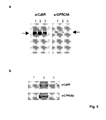
- The second important observation is that both CaSR and GPRC6A, are highly expressed in the synovial membrane of patients with rheumatoid arthritis, but expression of GPRC6A, but not of CaSR, is lower in patients with osteoarthritis (s.
Fig 1 ). The latter is generally not accompanied by inflammation. Thus, expression of GPRC6A appears to be upregulated in chronic inflammatory situations. - These observations indicate that GPRC6A inhibition can be a feasible therapeutic approach in inflammatory situations, in particular in chronic inflammatory diseases in which increased extracellular Ca 2+ concentrations are present, including arteriosclerosis and preferably erosive arthritis, other inflammatory arthritides and other inflammatory joint diseases.
- The term erosive arthritis describes chronic inflammatory arthritides, which erode extracellular matrix and bone structure during the prolonged course of the disease. Typical examples are rheumatoid arthritis and psoriatic arthritis, and the erosive joint disease is typically accompanied by severe and long-standing inflammatory processes. The term erosive arthritis preferably further comprises other chronic inflammatory disorders that are associated with beginning bone destruction and/or increased calcium concentrations in the intermediate spaces between bones or in the joints, e. g. ankylosing spondylitis, other spondyloarthropathies. An inflammatory arthrititis that is herein not included in the term erosive arthritis, is reactive arthritis.
- In contrast, osteoarthritis is typically not caused or accompanied by chronic inflammation, and was found not to be associated with increased synovial calcium concentrations. Consequently, osteoarthritis is not comprised by the terms inflammatory arthritides as used in the invention.
- Based on these experimental observations the invention provides a method to identify agents that have a potential effect against chronic inflammatory conditions, in particular erosive arthritis and atherosclerosis, which are preferably specific inhibitors of GPRC6A, in particular inhibitors of GPRC6A signaling in monocytes, with the steps:
- a.) providing cells expressing GPRC6A,
- b.) providing cells expressing CaSR,
- c.) stimulating the cells of a) and b) with extracellular calcium in combination with a TLR (toll-like receptor) ligand,
- d.) selecting an agent that blocks the stimulation of the cells according to a.) and has no or an reduced blocking effect on the stimulation of the cells according to b.). Reduced blocking effect means that the blocking effect on the stimulation of the cells according to b.) is lower than on the cells according to a.).
- The stimulation of the cells of a.) and b.) is preferably performed in parallel in separate compartments (e.g. separate wells). Alternatively, the stimulation of the cells of a.) and b.) is performed in the same compartment. In the latter case the cells of a.) and b.) are preferably marked differently (e. g. by the expression of different florescent proteins like GFP and DsRed).
- The cells can be provided preferably in vitro (cell culture) or in situ (tissue culture) or alternatively in vivo in a non-human host organism (e. g. a mouse or rat). Preferably the cells (in step a. and b.) are chosen from cells selected from monocyte- or macrophage-like cells, particularly primary monocytes or macrophages, or preferably monocyte or macrophage cell lines. The cells or cell lines are most preferably derived from human or mouse origin, preferably Vitamine D3-differentiated THP-1 cells. Alternatively, the cells are murine RAW 264.7 cells.
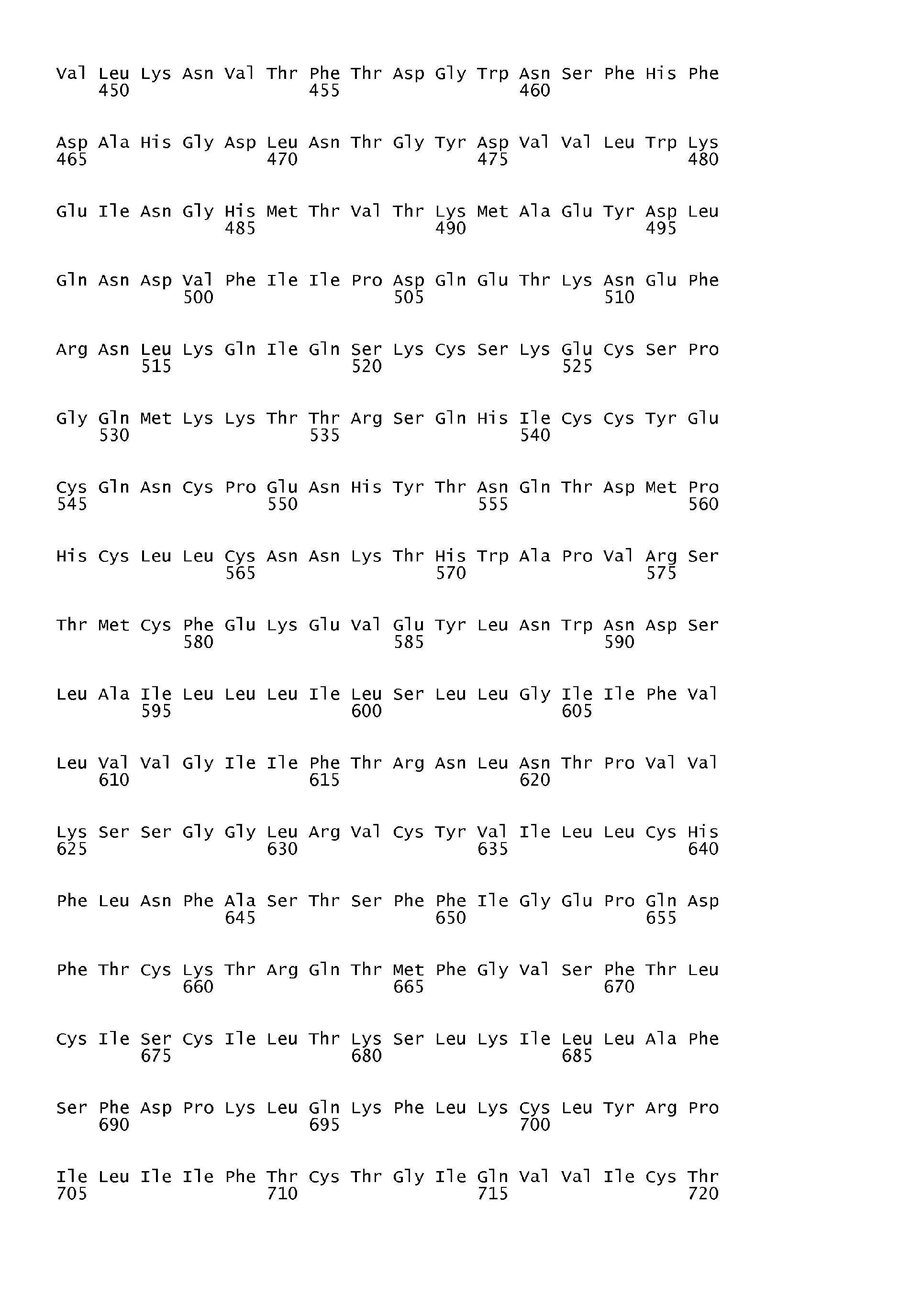
- Either GPRC6A or CaSR are expressed in monocytes preferably by stable transfection of said monocytes with genes encoding GPRC6A or CaSR. Reference sequences for human GPRC6A are listed in SEQ ID No. 10 and an encoding sequence in SEQ ID No. 9. Reference sequences for human CaSR are listed in SEQ ID No. 12 and an encoding sequence in SEQ ID No. 11. The terms GPRC6A or CaSR however comprise homologous GPRC6A sequences from other species. The terms encoding sequence encompass sequences with altered codon usage.
- Cells lacking both receptors (e. g. non-differentiated THP-1 cells) and cells expressing both receptors (e. g. PMA differentiated THP-1 cells) can be used as a control.
- Preferably the calcium concentration is chosen between 1.2 and 2.5 mM (mmol/L), preferably between 1.5 to 2.0 mM, most preferably 1.7 to 1.9 mM. The calcium concentration is defined herein as the concentration of free calcium ions (in the following also referred to as ionized calcium concentration or [Ca 2+]).
- The TLR ligand is preferably selected from ligands of TLR1, TLR2, TLR4, TLR5, TLR6, TRL8 and TLR9, most preferably bacterial endotoxins (like lipopolysaccharides, lipoproteins and flagellin) or synthetic analogues thereof (like Pam3CSK4 and FSL-1 (Pam2CGDPKHPKSF), zymosans, heat shock proteins, unmethylated CpG Oligodeoxynucleotide DNA and/or extracellular matrix glycoproteins, particularly tenascin, profilin, fibrinogen, heparan sulfate fragments and hyaluronic acid fragments. Particularly preferred TLR ligands are LPS and tenascin. The term lipopolysaccharide (LPS) as used herein refers to molecules comprising a lipid and a polysaccharide joined by a covalent bond found in the outer membrane of Gram-negative bacteria (like E. Coli and Samonella), and includes their isolated components (like O antigen and lipid A). The term tenascin as used herein refers to extracellular matrix glycoproteins, that are abundant in the extracellular matrix of developing vertebrate embryos and reappear around healing wounds and in the stroma of some tumors. An particular preferred tenascin is tenascin-C. Less preferred TLR ligands according to the invention are ligands of TRL3 and TRL7, in particular nucleoside derivatives (like Imiquimod (R837), an imidazoquinoline amine analogue to Guanosine), single-stranded and double-stranded RNA and poly I:C.
- The TLR ligand concentration is dependent on the ligand that is used.
- Preferred LPS concentrations are chosen from 10 to 1000 ng/ml, preferably 50 to 150 g/ml, most preferably 75 to 125 ng/ml. Preferred tenascin concentrations are chosen from 100 ng/ml to 100 µg/ml, preferably from 1 µg/ml to 10 µg/ml.
- Other TLR ligands, like Pam3CSK4, Poly(I:C), flagellin, FSL1, Imiquimod, ssRNA, are preferably used in concentration ranges from 100 ng/ml to 100 µg/ml, more preferably from 500 ng/ml to 10 µg/ml. The concentration of unmethylated CpG Oligodeoxynucleotide DNA is preferably from 100 nM to 100 µM, more preferred from 1 µM to 10 µM.
- Heat-killed or otherwise inactivated pathogens (e. g. preparation of heat-killed Listeria monocytogenes) are suitable TLR-ligands. Preferably, their concentration is chosen from 10 to 1000 inactivated cells/ml.
- In step c.) the cells are preferably stimulated with increasing concentrations of extracellular calcium in combination with a TLR ligand, the TLR ligand preferably being LPS and/or tenascin.
- The stimulation of the cells of a.) and b.) leads to activation of phospholipase C and intracellular calcium, which can both be detected as read-out. In particular for the measurement of increased intra-cellular calcium a range of established systems are available. Preferably the increased intra-cellular calcium is detected by calcium sensitive dyes (e. g. FLIPR Calcium Assay Kit, Molecular devices) or based on calcium binding fusion proteins (e. g. with GFP or Luciferase) that are introduced into the monocytes by transfection (e. g. Premo™ Cameleon Calcium Sensor, Invitrogen). Well established methods to detect increased intra-cellular calcium are summarized by Takahashi et al. 1999, Physiological Reviews, 79 (4):1089-1125) und Paredes RM 2008 Methods. 46(3):143-51.
- Advantageously, the screening method is suitable for high throughput screening. Thus, a library of pharmacological substances can be screened to identify pharmacological inhibitors of GPRC6A. In order to focus the therapeutic action on GPRC6A, which is over-expressed in the pathologic rheumatoid synovium, and to avoid side effects due to the inhibition of the more ubiquitously expressed, and less specific CaSR, the screening is focused on selective inhibitors of GPRC6A, which are tested in parallel for their lacking inhibition of the CaSR.
- The term "specific inhibitors of GPRC6A" is defined herein as inhibitors that have at least a stronger antagonist effect on GPRC6A than on CaSR and preferably no effect on CaSR. The inhibitors act preferably on the GPRC6A protein on the surface of the cells or inhibit the signaling through the G-Protein or downstream signaling. However the term "inhibitors of GPRC6A" also includes agents that prevent or reduce GPRC6A activity by other means, e. g. by reducing protein stability, or by reducing protein, mRNA or gene expression.
- The agents identified by the method according to the invention are preferably further tested in animal models for chronic inflammatory conditions, preferably animals (in particular mice) with collagen-induced arthritis.
- Another object of the invention is a kit for the identification of agents that have a potential effect against chronic inflammatory conditions, in particular erosive arthritis, which are preferably specific inhibitors of GPRC6A, in particular inhibitors of GPRC6A signaling in monocytes, comprising the following components:
- a.) cells expressing GPRC6A,
- b.) cells expressing CaSR,
- c.) at least one TLR-Ligand,
- d.) a calcium containing buffer or stock preparation (solution or powder) thereof.
- The invention also comprises the use of agents obtained by the method according to the invention or using the kit according to the invention in the treatment of chronic inflammatory conditions (as mentioned above), in particular erosive arthritis and arteriosclerosis.
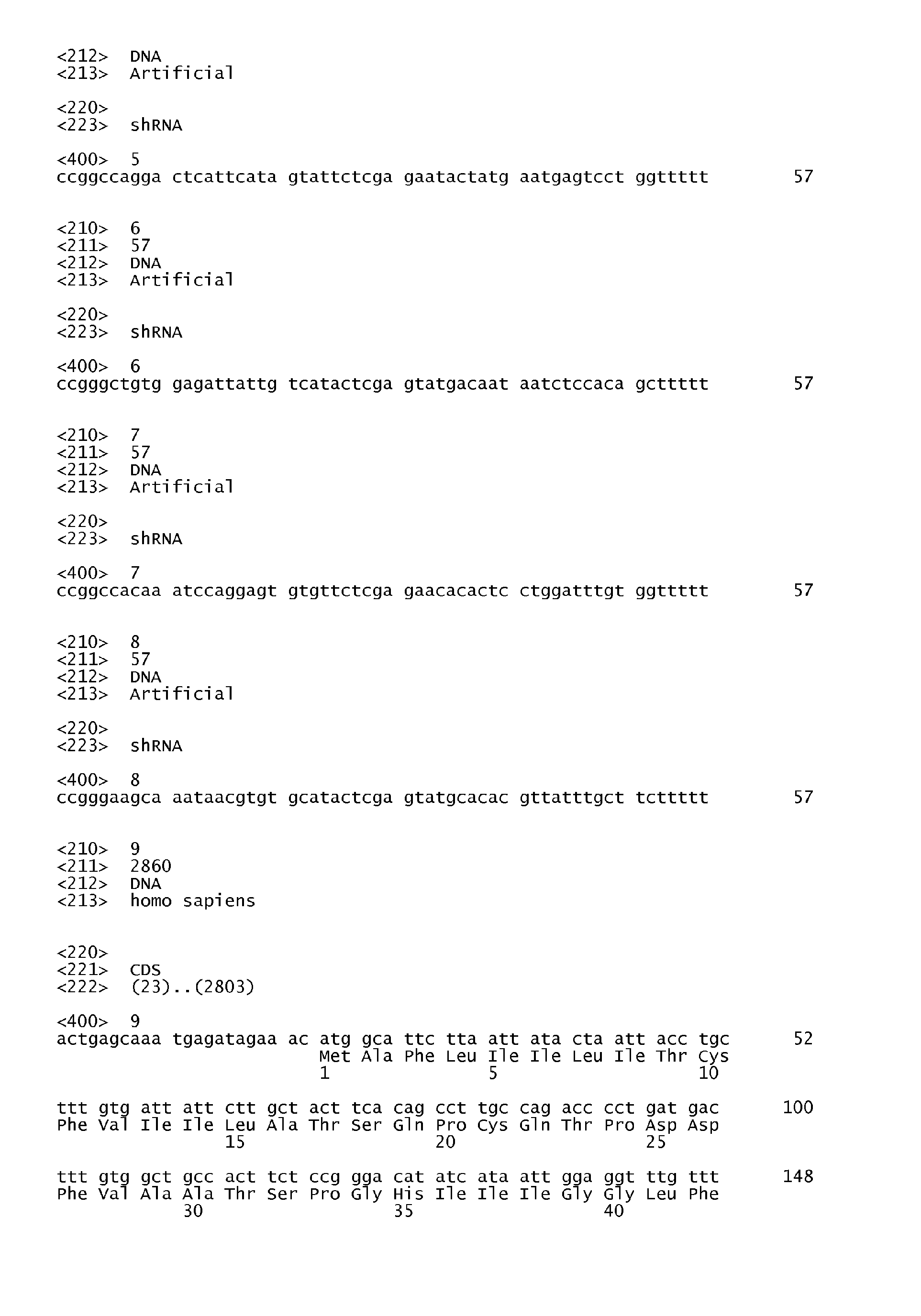
- Another object of the invention is the use of inhibitors of GPRC6A in the treatment of chronic inflammatory conditions (as mentioned above), in particular erosive arthritis and arteriosclerosis. The inhibitors of GPRC6A are preferably chosen from small hairpin RNA (shRNA) and small interference RNA (siRNA), most preferably chosen from RNA encoded by one of the following DNA sequences:
SEQ ID Sequence Source (Genbank, NCBI) 1 
>gnl|Probe|131118a.1 shRNA probe V2HS_139221 (97 bp) 2 
>gnl|Probe|162364a.1 shRNA probe V2HS_235793 (97 bp) 3 
>gnl|Probe|162673a.1 shRNA probe V2HS_139223 (97 bp) 4 
>gnl|Probe|8651612a.1 shRNA probe TRCN0000008992 (57 bp) 5 
>gnl|Probe|8651613a.1 shRNA probe TRCN0000008993 (57 bp) 6 
>gnl|Probe|8651614a.1 shRNA probe TRCN0000008994 (57 bp) 7 
>gnl|Probe|8651615a.1 shRNA probe TRCN0000008995 (57 bp) 8 
>gnl|Probe|8651616a.1 shRNA probe TRCN0000008996 (57 bp) - The invention is further illustrated by the following figures and examples:
-
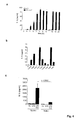
Fig. 1 shows a Western blot for the detection of calcium sensing receptor and GPRC6A in cell lysates from the synovium of patients with rheumatoid arthritis (RA) and osteoarthritis (OA). -
Fig. 2 shows IL-1β secretion of THP-1 cells, that were differentiated in the presence of PMA and subsequently stimulated with increased Ca2+ concentration (1.7 mM) in combination with LPS for 16 hours. Transfection with siRNA (GPRC6A siRNA (h): sc-62413, SANTA CRUZ BIOTECHNOLOGY, INC., Santa Cruz, CA 95060 USA) inhibiting GPRC6A expression was found to significantly lower IL-1β release, while control siRNA did not. According to the manufacturer siRNA products generally consist of pools of three to five target-specific 19-25 nt siRNAs designed to knockdown gene expression. The final concentration during the 6 hour transfection was 10nM siRNA. -
Fig. 3 andFig 4 show that increased extra-cellular Ca2+ concentrations occur in arthritis and stimulate monocyte IL-1β secretion:-
Fig. 3a shows the calcium concentration in the medullary cavity of femoral bones from mice with collagen induced arthritis (CIA) and in control animals.Fig. 3b shows the calcium concentration in synovial fluid samples from patients with erosive rheumatoid arthritis (RA) compared to patients with other, non-destructive arthritides (control).Fig. 3c and 3d show IL-1β release of primary CD14+ monocytes in response to increasing extracellular calcium concentration alone (c) or to increased [Ca2+] in combination with LPS (100 ng/ml) (d) after 16 h of stimulation. The bar underneath the x axis represents the physiological range of the extracellular ionized Ca2+ concentration (1.2 mM). -
Fig. 4a shows the time course of IL-1β release of primary CD14+ monocytes after stimulation with increased extracellular calcium concentration (1.7 mM) alone (white bars) or with increased calcium concentration in combination with LPS (100 ng/ml - black bars).Fig. 4b shows the IL-1β release of primary CD14+ monocytes in response to stimulation for 16 hours with increased extracellular calcium concentration (1.7 mM) in combination with the respective TLR stimulus as indicated. The following TLR ligands (human TLR1-9 Agonist Kit, InvivoGen) were used at the following concentrations: TLR1/2 agonist - Pam3CSK4 (1 µg/ml), TLR2 agonist - heat-killed preparation of Listeria monocytogenes (108 cells/ml), TLR3 agonist - Poly(I:C) (10 /µg/ml), TLR5 agonist - flagellin (1 µg/ml), TLR6/2 agonist - FSL1 (1 µg/ml), TLR7 agonist - Imiquimod (1 µg/ml), TLR8 agonist - ssRNA40 (1 µg/ml) and TLR9 agonist - CpG ODN2006 (5 µM). K is a control with cell culture medium. -
Fig. 4c shows the IL-1β secretion of CD11b positive mononuclear cells from TLR4+/+ and TLR4-/-mice in response to stimulation with either increased extracellular calcium concentration (1.7 mM), with LPS (100 ng/ml), or both. In all experiments shown inFig. 3 and4 , IL-1β concentrations were determined in the supernatant by ELISA.
-
-
Fig. 5 demonstrates the protein expression of the two calcium receptors, CaSR (left panel) and GPRC6A (right) in primary human monocytes (Fig. 5a , in bothblots lanes Fig. 5b ,lane 2, differentiated with PMA). -
Fig. 6 shows the IL-1β release of THP-1 cells differentiated in vitro in the presence of PMA in response to stimulation for 16 hours with increased calcium concentration (1.7 mM), with LPS (100 ng/ml) or both. - The results of these experiments can be summarized as follows:
- The first important observation is that increased extra-cellular concentrations of ionized Ca 2+ are present in erosive arthritis, and are stimulatory for monocytes and macrophages. This stimulation is mediated through the G protein coupled receptors calcium sensing receptor (CaSR) and GPRC6A.
- Extracellular concentrations of ionized Ca2+ in combination with a TLR (toll-like receptor) stimulus, e. g. a bacterial endotoxin like LPS (lipopolysaccaride), induce an inflammatory response, which can be characterized by measuring IL-1β (Interleukin-1beta) production, and which is increased by a factor of 20 in comparison to endotoxin (LPS) alone.
- Importantly, the endogenous TLR ligands (like Tenascin), which are present in arthritis, can - in combination with increased extracellular Ca2+ concentrations - mediate the identical effect and also elicit a dramatic increase in an inflammatory response that is comparable to the inflammatory response induced by Ca2+ and endotoxin, and that is characterized by an IL-1β production, which is comparable to the Ca 2+ plus LPS induced levels.
- If a monocytic cell line (like THP-1) is differentiated in the presence of PMA (phorbol 12-myristate 13-acetate), the resulting monocytes respond to increased Ca 2+ plus LPS concentration with similar levels of IL-1β production.
- The two receptors CaSR and GPRC6A are expressed in various human cell types and tissues. CaSR expression is readily detectable in human monocytes and macrophages as well as in the synovial membrane from healthy donors and in differentiated monocytes derived from a monocytic cell line (like THP-1). GPRC6A is expressed at somewhat lower levels in human monocytes from healthy donors, but is strongly expressed in differentiated monocytes derived from a monocytic cell line (like THP-1). Expression of CaSR on a variety of cell types including monocytes has been described previously. The finding of GPRC6A expression outside of osteoblasts, bone, and calvaria, however, has not been described previously.
- Expression of both receptors can readily be detected by Western blot in cellular lysates from synovial membrane biopsies from patients with rheumatoid arthritis. The CaSR is also expressed strongly in synovial membrane of patients with osteoarthritis.
- The second important observation is that for GPRC6A, in contrast, a high expression was found in the synovial membrane of patients with rheumatoid arthritis, while its expression was lower in patients with osteoarthritis (
Fig. 1 ), which is not caused by inflammation. Thus, expression of GPRC6A seams to be higher in inflammatory situations. - When the expression of GPRC6A was down-regulated in differentiated monocytes, the IL-1β secretion induced by stimulation with Ca2+ in combination with LPS was inhibited significantly (
Fig. 2 ). - The Ca2+ plus LPS-induced effect was nearly abrogated in TLR4-deficient C3H/HeJ mice indicating that the stimulatory LPS effect was indeed due to TLR signaling induced by TLR4 stimulation with LPS (
Fig. 4c ). - Rabbit-polyclonal anti-CaSR and anti-GPRC6A Abs and peroxidase-conjugated goat-anti-rabbit secondary Ab were obtained from Santa Cruz Biotechnology. Flow cytometry anti-CD 14were from Miltenyi Biotec.Tenascin-C from Millipore, anti-IL-1β Ab and isotype control from R&D Systems.
- Human and murine IL-1β were measured by commercially available enzyme-immunoassay following the manufacturer's protocol.
- Control subjects were recruited among healthy blood donors. Synovial biopsy specimens were obtained from 5 patients with rheumatoid arthritis (RA) and 3 with osteoarthritis who underwent synvectomy in the Department of Orthopedics at Leipzig University. Synovial fluid was obtained from 14 RA patients and 11 patients with other non-destructive arthritides (6x reactive arthritis, 5x osteoarthritis) by aspiration for therapeutic purpose. All experiments with human materials were approved by the local ethics committee and informed consent was obtained from all subjects.
- Collagen induced arthritis (CIA) in DBA/1J-mice (Harlan-Winkelmann, Borchen, Germany) was induced and the clinical severity quantified as described previously (Pierer et al. 2009. J Immunol 182, 3139-3145).
- For the TLR4-/- experiments, homozygous C3H/HeJ mice which carry a point mutation in the Tlr4-gene10 were used. The C57BL/10ScSnJ is the progenitor strain from which the TLR4-mutant strain is derived and was used as control (all from The Jackson Laboratory, Bar Harbor, Maine, USA).
- Mice were bred and maintained at the animal facilities at the Medizinisch-Experimentelles-Zentrum, University of Leipzig, Germany. All experiments were approved and performed according to institutional guidelines of the animal ethics committee at the University of Leipzig.
- Human monocytes were isolated as described previously (Rossol et al. 2005. ; Rossol et al. 2007 J Immunol 179, 4239-4248).
- Mice bone marrow was obtained by aspirating the femurs. Peripheral blood was harvested by heart puncture. CD1 1b+ monocytes were isolated from mononuclear cells by positive magnetic separation (Miltenyi Biotech). Peritoneal macrophages were recovered by peritoneal lavage with 5 ml cold PBS and used without further separation.
- Monocytes (3x10⁵/200µl) were incubated in RPMI1640 supplemented with 10% heat-inactivated FCS, 2mM L-glutamine, 100U/ml penicillin, 100µg/ml streptomycin. The monocytic cell line THP-1 (DMSZ) was differentiated for two days with 100ng/ml PMA or 100nM vitamin D3.
- LPS (Escherichia coli 0111:B4 ultrapure, 100 ng/ml, Invivogen) was used at a concentration of 100 ng/ml. To incubate monocytes in media containing increasing ionized calcium concentration, CaCl2 was added to the culture. Final Ca2+ ion concentrations in the media were measured after anaerobic sampling (sealed blood gas syringes were completely filled under an CO2 atmosphere, and were closed with caps to avoid loss of CO2 on an ABL 730 (Radiometer). The amount of CaCl2 added into the culture medium and the resulting ionized calcium concentration are indicated in Tab.1 .
Tab.1: Titration of Ca2+ ion concentrations in the culture media Added CaCl2 Measured ionized Ca2+ 0 0.6 mM 0.5 mM 0.9 mM 1.0 mM 1.2 mM 1.5 mM 1.5 mM 2.0 mM 1.6 mM 2.5 mM 1.7 mM 3.0 mM 1.8 mM - A final ionized calcium concentration of 1.7 mM was used in the experiments, which was achieved by adding 2.5 mM CaCl2 to the culture medium.
- Synovial fluid was obtained by anaerobic sampling and the Ca2+ concentration was measured on an ABL 730 (Radiometer GmbH). To determine the Ca2+ concentration in bone marrow of mice, bone marrow was obtained by flushing the femur once with 100 µl 0.9 % NaCl. Cells were removed by centrifugation. The Ca2+ concentration was measured in the supernatant. The final Ca2+ ion concentration was calculated by multiplying the measured Ca2+ concentration in 100 µl with the dilution factor (ratio of the 100 µl flush volume and the estimated volume of the flushed bone marrow cavity of the femur).
- The expression of CaSR and GPRC6A was analyzed by western blotting. 3x10⁶ cells were lysed with Radioimmunoprecipitation assay buffer (RIPA-buffer). Synovial tissue was cut into small pieces, and 100 mm3 tissue was lysed with 100 µl RIPA-buffer. Protein concentrations were determined with a detergent-compatible-protein-assay (Biorad). Aliquots of the supernatants were incubated in nonreducing Laemmli-buffer for 30 min at 20 °C (CaSR/GPRC6A) and equal amounts of protein were resolved by SDS-PAGE. Gel electrophoresis and western blotting was performed as described previously (Rossol et al. 2007. J Immunol 179, 4239-4248).
- For statistical analysis the software Sigma Stat was used. Prior to all comparisons, a normality test was performed. To assess statistical significance, students t-Test or Mann Whitney Rank Sum test was used.
- The screening of a chemical library is performed in order to obtain agents that have a potential effect against chronic inflammatory conditions, in particular erosive arthritis and arteriosclerosis, as follows:
- Firstly, undifferentiated THP-1cells are transduced with the genes encoding human GPRC6A (SEQ ID No. 9 and 10, NCBI Reference Sequence: NM_148963.2, cells of type a.)) and human CaSR (SEQ ID No. 11 and 12, Genbank: U20760.1, cells of type b.)) by using retroviral vectors as described in Rossol et al. 2007 (J Immunol 179, 4239-4248).
- The following vectors were used:
- GPRC6A full length in pCMV6-AC-Neo Vektor (Origene, Rockville, MD, USA),
- CaSR full length in pCMV6-XL4 Vektor (Origene).
- The cells are seeded separately into 3 84-well plates (10,000 cells/well). The cells are cultured as described above, stimulated by adding 100 ng/ml LPS plus either 1.7 mM calcium or 1 µg/ml Tenascin-C to the culture medium and incubated for 16h. The substances of the chemical library are added to the wells with type a.) and b.). The following controls were used: without stimulus (no added Calcium, no LPS no Tenascin-C), with LPS without Calcium, with Calcium without, and without added substances of the chemical library.
- The stimulation of the cells leads to increase of intracellular calcium that is detected with the FLIPR Calcium Assay Kit (Molecular devices, Sunnyvale, CA USA) according to the manufactures protocol and a fluorescence plate reader (488 nm Excitation, 510-570 nm emission). Wells with cells of type a.) and b.) and the same stimulus and library substances are compared. Library substances that show no or low intracellular calcium in the wells with cells of type a.) and increased intracellular calcium in the wells with cells of type b.) are selected for further testing in the mouse CIA model.





Claims (7)
- Method for the identification of agents that have a potential effect against chronic inflammatory conditions, in particular erosive arthritis and arteriosclerosis, with the following steps:a.) providing cells expressing GPRC6A,b.) providing cells expressing CaSR,c.) stimulating the cells according to a.) and b.) with at least one TLR-ligand and calcium,d.) selecting an agent that blocks the stimulation of the cells according to a.) and has no or an reduced blocking effect on the stimulation of the cells according to b.).
- Method according to claim 1, wherein the cells are chosen from monocyte cell lines.
- Method according to claim 1 or 2, wherein the agents identified are further tested in an animal model for chronic inflammatory conditions.
- Kit for the identification of agents that have a potential effect against chronic inflammatory conditions, in particular erosive arthritis and arteriosclerosis, comprising the following components:a.) cells expressing GPRC6A,b.) cells expressing CaSR,c.) at least one TLR-ligand,d.) a calcium containing buffer or stock preparation (solution or powder) thereof.
- Agent obtained by the method according to one of the claims 1 to 3 or using the kit according to claim 4 for use in the treatment of chronic inflammatory conditions, in particular erosive arthritis and arteriosclerosis.
- Inhibitor of GPRC6A for use in the treatment of chronic inflammatory conditions, in particular erosive arthritis and arteriosclerosis.
- Inhibitor according to claim 6 chosen from small hairpin RNA (shRNA) and small interference RNA (siRNA), preferably chosen from the sequences encoded by the sequences according to SEQ ID No 1 to 8.
Priority Applications (3)
| Application Number | Priority Date | Filing Date | Title |
|---|---|---|---|
| EP20100171469 EP2413139B1 (en) | 2010-07-30 | 2010-07-30 | Method and compositions for the identification of agents that have a potential effect against chronic inflammatory diseases |
| PCT/EP2011/063139 WO2012013799A1 (en) | 2010-07-30 | 2011-07-29 | Method and compositions for the identification of agents that have a potential effect against chronic inflammatory diseases |
| US13/813,179 US8680259B2 (en) | 2010-07-30 | 2011-07-29 | Method and compositions for the identification of agents that have a potential effect against chronic inflammatory diseases |
Applications Claiming Priority (1)
| Application Number | Priority Date | Filing Date | Title |
|---|---|---|---|
| EP20100171469 EP2413139B1 (en) | 2010-07-30 | 2010-07-30 | Method and compositions for the identification of agents that have a potential effect against chronic inflammatory diseases |
Publications (2)
| Publication Number | Publication Date |
|---|---|
| EP2413139A1 true EP2413139A1 (en) | 2012-02-01 |
| EP2413139B1 EP2413139B1 (en) | 2015-05-20 |
Family
ID=43065717
Family Applications (1)
| Application Number | Title | Priority Date | Filing Date |
|---|---|---|---|
| EP20100171469 Not-in-force EP2413139B1 (en) | 2010-07-30 | 2010-07-30 | Method and compositions for the identification of agents that have a potential effect against chronic inflammatory diseases |
Country Status (3)
| Country | Link |
|---|---|
| US (1) | US8680259B2 (en) |
| EP (1) | EP2413139B1 (en) |
| WO (1) | WO2012013799A1 (en) |
Cited By (1)
| Publication number | Priority date | Publication date | Assignee | Title |
|---|---|---|---|---|
| WO2019241591A1 (en) * | 2018-06-15 | 2019-12-19 | Mars, Incorporated | Screening methods using gprc6a taste receptors and pet food products and compositions prepared using the same |
Families Citing this family (1)
| Publication number | Priority date | Publication date | Assignee | Title |
|---|---|---|---|---|
| US20130324508A1 (en) * | 2012-06-01 | 2013-12-05 | University Of Tennessee Research Foundation | Biomarker for prostate cancer and method of using the same |
Citations (5)
| Publication number | Priority date | Publication date | Assignee | Title |
|---|---|---|---|---|
| WO1998034619A1 (en) * | 1997-02-06 | 1998-08-13 | Keystone Biomedical, Inc. | Method for the treatment of atherosclerosis and vascular injury by prevention of vascular smooth muscle cell proliferation |
| US6916956B2 (en) | 2000-08-11 | 2005-07-12 | Japan Tobacco, Inc. | Calcium receptor antagonist |
| WO2008041118A2 (en) | 2006-10-04 | 2008-04-10 | Pfizer Products Inc. | Pyrido[4,3-d]pyrimidin-4(3h)-one derivatives as calcium receptor antagonists |
| WO2009001214A2 (en) | 2007-06-28 | 2008-12-31 | Pfizer Products Inc. | Thieno[2,3-d]pyrimidin-4(3h)-one, isoxazolo[5,4-d]pyrimidin-4(5h)-one and isothiazolo[5,4-d]pyrimidin-4(5h)-one derivatives as calcium receptor antagonists |
| WO2009073544A2 (en) * | 2007-11-29 | 2009-06-11 | University Of Kansas | Methods for treating a disorder by regulating gprc6a |
-
2010
- 2010-07-30 EP EP20100171469 patent/EP2413139B1/en not_active Not-in-force
-
2011
- 2011-07-29 US US13/813,179 patent/US8680259B2/en not_active Expired - Fee Related
- 2011-07-29 WO PCT/EP2011/063139 patent/WO2012013799A1/en not_active Ceased
Patent Citations (6)
| Publication number | Priority date | Publication date | Assignee | Title |
|---|---|---|---|---|
| WO1998034619A1 (en) * | 1997-02-06 | 1998-08-13 | Keystone Biomedical, Inc. | Method for the treatment of atherosclerosis and vascular injury by prevention of vascular smooth muscle cell proliferation |
| US6916956B2 (en) | 2000-08-11 | 2005-07-12 | Japan Tobacco, Inc. | Calcium receptor antagonist |
| US7211685B2 (en) | 2000-08-11 | 2007-05-01 | Japan Tobacco Inc. | Calcium receptor antagonists |
| WO2008041118A2 (en) | 2006-10-04 | 2008-04-10 | Pfizer Products Inc. | Pyrido[4,3-d]pyrimidin-4(3h)-one derivatives as calcium receptor antagonists |
| WO2009001214A2 (en) | 2007-06-28 | 2008-12-31 | Pfizer Products Inc. | Thieno[2,3-d]pyrimidin-4(3h)-one, isoxazolo[5,4-d]pyrimidin-4(5h)-one and isothiazolo[5,4-d]pyrimidin-4(5h)-one derivatives as calcium receptor antagonists |
| WO2009073544A2 (en) * | 2007-11-29 | 2009-06-11 | University Of Kansas | Methods for treating a disorder by regulating gprc6a |
Non-Patent Citations (5)
| Title |
|---|
| HARNO E ET AL: "Evidence for the presence of GPRC6A receptors in rat mesenteric arteries", CELL CALCIUM (EDINBURGH), CHURCHILL LIVINGSTONE MEDICAL JOURNALS, EDINBURGH, GB, vol. 44, no. 2, 1 August 2008 (2008-08-01), pages 210 - 219, XP022794601, ISSN: 0143-4160, [retrieved on 20080124], DOI: 10.1016/J.CECA.2007.11.011 * |
| PAREDES RM, METHODS, vol. 46, no. 3, 2008, pages 143 - 51 |
| PIERER ET AL., J IMMUNOL, vol. 182, 2009, pages 3139 - 3145 |
| ROSSOL ET AL., J IMMUNOL, vol. 179, 2007, pages 4239 - 4248 |
| TAKAHASHI ET AL., PHYSIOLOGICAL REVIEWS, vol. 79, no. 4, 1999, pages 1089 - 1125 |
Cited By (2)
| Publication number | Priority date | Publication date | Assignee | Title |
|---|---|---|---|---|
| WO2019241591A1 (en) * | 2018-06-15 | 2019-12-19 | Mars, Incorporated | Screening methods using gprc6a taste receptors and pet food products and compositions prepared using the same |
| US12161136B2 (en) | 2018-06-15 | 2024-12-10 | Mars, Incorporated | Screening methods using GPRC6A taste receptors and pet food products and compositions prepared using the same |
Also Published As
| Publication number | Publication date |
|---|---|
| WO2012013799A1 (en) | 2012-02-02 |
| EP2413139B1 (en) | 2015-05-20 |
| US8680259B2 (en) | 2014-03-25 |
| US20130211061A1 (en) | 2013-08-15 |
Similar Documents
| Publication | Publication Date | Title |
|---|---|---|
| Na et al. | Interleukin-1-interleukin-17 signaling axis induces cartilage destruction and promotes experimental osteoarthritis | |
| Makki et al. | MicroRNA‐9 promotion of interleukin‐6 expression by inhibiting monocyte chemoattractant protein–induced protein 1 expression in interleukin‐1β–stimulated human chondrocytes | |
| Zeng-Brouwers et al. | De novo expression of circulating biglycan evokes an innate inflammatory tissue response via MyD88/TRIF pathways | |
| Chen et al. | Endothelial Nlrp3 inflammasome activation associated with lysosomal destabilization during coronary arteritis | |
| ES2734652T3 (en) | Immunostimulatory oligonucleotides containing G and U | |
| Schroder et al. | The role of SerpinB2 in immunity | |
| US20080039411A1 (en) | Use Of Resistin Antisense Oligonucleotides And/Or Sirna Molecules In The Treatment Of Rheumatoid Arthritis | |
| Allen et al. | LDL delivery of microbial small RNAs drives atherosclerosis through macrophage TLR8 | |
| Abdollahi-Roodsaz et al. | Local interleukin-1-driven joint pathology is dependent on toll-like receptor 4 activation | |
| Chen et al. | Suppression of collagen-induced arthritis by intra-articular lentiviral vector-mediated delivery of Toll-like receptor 7 short hairpin RNA gene | |
| WO2010002851A1 (en) | Silencing and rig-1 activation by dual function oligonucleotides | |
| Masuda et al. | A potential therapeutic target RNA-binding protein, Arid5a for the treatment of inflammatory disease associated with aberrant cytokine expression | |
| Mödinger et al. | Reduced terminal complement complex formation in mice manifests in low bone mass and impaired fracture healing | |
| Li et al. | NOD2 negatively regulated titanium particle-induced osteolysis in mice | |
| Watanabe et al. | Lipoteichoic acid inhibits lipopolysaccharide-induced TLR4 signaling by forming an inactive TLR4/MD-2 complex dimer | |
| EP2413139B1 (en) | Method and compositions for the identification of agents that have a potential effect against chronic inflammatory diseases | |
| ES2731232T3 (en) | Method and pharmaceutical composition for use in the treatment and prediction of myocardial infarction | |
| Wang et al. | Tyro3 receptor tyrosine kinase contributes to pathogenic phenotypes of fibroblast-like synoviocytes in rheumatoid arthritis and disturbs immune cell balance in experimental arthritis | |
| US20160272967A1 (en) | Nucleic acid, pharmaceutical composition and uses thereof | |
| KR102142791B1 (en) | Use of miR-204 inhibitors for treating osteoarthritis | |
| Wang et al. | Regulation of lipopolysaccharide-induced translation of tumor necrosis factor-alpha by the toll-like receptor 4 adaptor protein TRAM | |
| JP6200929B2 (en) | Methods and means for the treatment of osteoarthritis | |
| Deng et al. | Lentiviral vector-mediated shRNAs targeting a functional isoform of the leptin receptor (Ob-Rb) inhibit cartilage degeneration in a rat model of osteoarthritis | |
| Sun et al. | High bone microarchitecture, strength, and resistance to bone loss in MRL/MpJ mice correlates with activation of different signaling pathways and systemic factors | |
| WO2008131192A2 (en) | Crystalline cholestrol and prevention of atherosclerosis |
Legal Events
| Date | Code | Title | Description |
|---|---|---|---|
| 17P | Request for examination filed |
Effective date: 20110404 |
|
| AK | Designated contracting states |
Kind code of ref document: A1 Designated state(s): AL AT BE BG CH CY CZ DE DK EE ES FI FR GB GR HR HU IE IS IT LI LT LU LV MC MK MT NL NO PL PT RO SE SI SK SM TR |
|
| AX | Request for extension of the european patent |
Extension state: BA ME RS |
|
| PUAI | Public reference made under article 153(3) epc to a published international application that has entered the european phase |
Free format text: ORIGINAL CODE: 0009012 |
|
| RIN1 | Information on inventor provided before grant (corrected) |
Inventor name: ROSSOL, MANUELA, DR. Inventor name: WAGNER, ULF, PROF. |
|
| GRAP | Despatch of communication of intention to grant a patent |
Free format text: ORIGINAL CODE: EPIDOSNIGR1 |
|
| INTG | Intention to grant announced |
Effective date: 20141216 |
|
| RIN1 | Information on inventor provided before grant (corrected) |
Inventor name: WAGNER, ULF Inventor name: ROSSOL, MANUELA |
|
| GRAS | Grant fee paid |
Free format text: ORIGINAL CODE: EPIDOSNIGR3 |
|
| GRAA | (expected) grant |
Free format text: ORIGINAL CODE: 0009210 |
|
| AK | Designated contracting states |
Kind code of ref document: B1 Designated state(s): AL AT BE BG CH CY CZ DE DK EE ES FI FR GB GR HR HU IE IS IT LI LT LU LV MC MK MT NL NO PL PT RO SE SI SK SM TR |
|
| REG | Reference to a national code |
Ref country code: GB Ref legal event code: FG4D |
|
| REG | Reference to a national code |
Ref country code: CH Ref legal event code: EP |
|
| REG | Reference to a national code |
Ref country code: AT Ref legal event code: REF Ref document number: 727978 Country of ref document: AT Kind code of ref document: T Effective date: 20150615 |
|
| REG | Reference to a national code |
Ref country code: IE Ref legal event code: FG4D |
|
| REG | Reference to a national code |
Ref country code: DE Ref legal event code: R096 Ref document number: 602010024712 Country of ref document: DE |
|
| REG | Reference to a national code |
Ref country code: CH Ref legal event code: NV Representative=s name: FREI PATENTANWALTSBUERO AG, CH |
|
| REG | Reference to a national code |
Ref country code: LT Ref legal event code: MG4D |
|
| REG | Reference to a national code |
Ref country code: NL Ref legal event code: MP Effective date: 20150520 |
|
| PG25 | Lapsed in a contracting state [announced via postgrant information from national office to epo] |
Ref country code: NO Free format text: LAPSE BECAUSE OF FAILURE TO SUBMIT A TRANSLATION OF THE DESCRIPTION OR TO PAY THE FEE WITHIN THE PRESCRIBED TIME-LIMIT Effective date: 20150820 Ref country code: FI Free format text: LAPSE BECAUSE OF FAILURE TO SUBMIT A TRANSLATION OF THE DESCRIPTION OR TO PAY THE FEE WITHIN THE PRESCRIBED TIME-LIMIT Effective date: 20150520 Ref country code: ES Free format text: LAPSE BECAUSE OF FAILURE TO SUBMIT A TRANSLATION OF THE DESCRIPTION OR TO PAY THE FEE WITHIN THE PRESCRIBED TIME-LIMIT Effective date: 20150520 Ref country code: LT Free format text: LAPSE BECAUSE OF FAILURE TO SUBMIT A TRANSLATION OF THE DESCRIPTION OR TO PAY THE FEE WITHIN THE PRESCRIBED TIME-LIMIT Effective date: 20150520 Ref country code: HR Free format text: LAPSE BECAUSE OF FAILURE TO SUBMIT A TRANSLATION OF THE DESCRIPTION OR TO PAY THE FEE WITHIN THE PRESCRIBED TIME-LIMIT Effective date: 20150520 Ref country code: PT Free format text: LAPSE BECAUSE OF FAILURE TO SUBMIT A TRANSLATION OF THE DESCRIPTION OR TO PAY THE FEE WITHIN THE PRESCRIBED TIME-LIMIT Effective date: 20150921 |
|
| PG25 | Lapsed in a contracting state [announced via postgrant information from national office to epo] |
Ref country code: LV Free format text: LAPSE BECAUSE OF FAILURE TO SUBMIT A TRANSLATION OF THE DESCRIPTION OR TO PAY THE FEE WITHIN THE PRESCRIBED TIME-LIMIT Effective date: 20150520 Ref country code: BG Free format text: LAPSE BECAUSE OF FAILURE TO SUBMIT A TRANSLATION OF THE DESCRIPTION OR TO PAY THE FEE WITHIN THE PRESCRIBED TIME-LIMIT Effective date: 20150820 Ref country code: IS Free format text: LAPSE BECAUSE OF FAILURE TO SUBMIT A TRANSLATION OF THE DESCRIPTION OR TO PAY THE FEE WITHIN THE PRESCRIBED TIME-LIMIT Effective date: 20150920 Ref country code: GR Free format text: LAPSE BECAUSE OF FAILURE TO SUBMIT A TRANSLATION OF THE DESCRIPTION OR TO PAY THE FEE WITHIN THE PRESCRIBED TIME-LIMIT Effective date: 20150821 |
|
| PG25 | Lapsed in a contracting state [announced via postgrant information from national office to epo] |
Ref country code: DK Free format text: LAPSE BECAUSE OF FAILURE TO SUBMIT A TRANSLATION OF THE DESCRIPTION OR TO PAY THE FEE WITHIN THE PRESCRIBED TIME-LIMIT Effective date: 20150520 Ref country code: EE Free format text: LAPSE BECAUSE OF FAILURE TO SUBMIT A TRANSLATION OF THE DESCRIPTION OR TO PAY THE FEE WITHIN THE PRESCRIBED TIME-LIMIT Effective date: 20150520 |
|
| REG | Reference to a national code |
Ref country code: DE Ref legal event code: R097 Ref document number: 602010024712 Country of ref document: DE |
|
| PG25 | Lapsed in a contracting state [announced via postgrant information from national office to epo] |
Ref country code: PL Free format text: LAPSE BECAUSE OF FAILURE TO SUBMIT A TRANSLATION OF THE DESCRIPTION OR TO PAY THE FEE WITHIN THE PRESCRIBED TIME-LIMIT Effective date: 20150520 Ref country code: CZ Free format text: LAPSE BECAUSE OF FAILURE TO SUBMIT A TRANSLATION OF THE DESCRIPTION OR TO PAY THE FEE WITHIN THE PRESCRIBED TIME-LIMIT Effective date: 20150520 Ref country code: RO Free format text: LAPSE BECAUSE OF NON-PAYMENT OF DUE FEES Effective date: 20150520 Ref country code: SK Free format text: LAPSE BECAUSE OF FAILURE TO SUBMIT A TRANSLATION OF THE DESCRIPTION OR TO PAY THE FEE WITHIN THE PRESCRIBED TIME-LIMIT Effective date: 20150520 Ref country code: MC Free format text: LAPSE BECAUSE OF FAILURE TO SUBMIT A TRANSLATION OF THE DESCRIPTION OR TO PAY THE FEE WITHIN THE PRESCRIBED TIME-LIMIT Effective date: 20150520 |
|
| PLBE | No opposition filed within time limit |
Free format text: ORIGINAL CODE: 0009261 |
|
| STAA | Information on the status of an ep patent application or granted ep patent |
Free format text: STATUS: NO OPPOSITION FILED WITHIN TIME LIMIT |
|
| PG25 | Lapsed in a contracting state [announced via postgrant information from national office to epo] |
Ref country code: LU Free format text: LAPSE BECAUSE OF FAILURE TO SUBMIT A TRANSLATION OF THE DESCRIPTION OR TO PAY THE FEE WITHIN THE PRESCRIBED TIME-LIMIT Effective date: 20150730 |
|
| REG | Reference to a national code |
Ref country code: IE Ref legal event code: MM4A |
|
| 26N | No opposition filed |
Effective date: 20160223 |
|
| PG25 | Lapsed in a contracting state [announced via postgrant information from national office to epo] |
Ref country code: IT Free format text: LAPSE BECAUSE OF FAILURE TO SUBMIT A TRANSLATION OF THE DESCRIPTION OR TO PAY THE FEE WITHIN THE PRESCRIBED TIME-LIMIT Effective date: 20150520 |
|
| PG25 | Lapsed in a contracting state [announced via postgrant information from national office to epo] |
Ref country code: SI Free format text: LAPSE BECAUSE OF FAILURE TO SUBMIT A TRANSLATION OF THE DESCRIPTION OR TO PAY THE FEE WITHIN THE PRESCRIBED TIME-LIMIT Effective date: 20150520 |
|
| REG | Reference to a national code |
Ref country code: FR Ref legal event code: PLFP Year of fee payment: 7 |
|
| PG25 | Lapsed in a contracting state [announced via postgrant information from national office to epo] |
Ref country code: IE Free format text: LAPSE BECAUSE OF NON-PAYMENT OF DUE FEES Effective date: 20150730 |
|
| PG25 | Lapsed in a contracting state [announced via postgrant information from national office to epo] |
Ref country code: BE Free format text: LAPSE BECAUSE OF FAILURE TO SUBMIT A TRANSLATION OF THE DESCRIPTION OR TO PAY THE FEE WITHIN THE PRESCRIBED TIME-LIMIT Effective date: 20150520 |
|
| PG25 | Lapsed in a contracting state [announced via postgrant information from national office to epo] |
Ref country code: MT Free format text: LAPSE BECAUSE OF FAILURE TO SUBMIT A TRANSLATION OF THE DESCRIPTION OR TO PAY THE FEE WITHIN THE PRESCRIBED TIME-LIMIT Effective date: 20150520 |
|
| REG | Reference to a national code |
Ref country code: AT Ref legal event code: UEP Ref document number: 727978 Country of ref document: AT Kind code of ref document: T Effective date: 20150520 |
|
| PG25 | Lapsed in a contracting state [announced via postgrant information from national office to epo] |
Ref country code: HU Free format text: LAPSE BECAUSE OF FAILURE TO SUBMIT A TRANSLATION OF THE DESCRIPTION OR TO PAY THE FEE WITHIN THE PRESCRIBED TIME-LIMIT; INVALID AB INITIO Effective date: 20100730 Ref country code: SM Free format text: LAPSE BECAUSE OF FAILURE TO SUBMIT A TRANSLATION OF THE DESCRIPTION OR TO PAY THE FEE WITHIN THE PRESCRIBED TIME-LIMIT Effective date: 20150520 |
|
| REG | Reference to a national code |
Ref country code: FR Ref legal event code: PLFP Year of fee payment: 8 |
|
| PG25 | Lapsed in a contracting state [announced via postgrant information from national office to epo] |
Ref country code: SE Free format text: LAPSE BECAUSE OF FAILURE TO SUBMIT A TRANSLATION OF THE DESCRIPTION OR TO PAY THE FEE WITHIN THE PRESCRIBED TIME-LIMIT Effective date: 20150520 Ref country code: NL Free format text: LAPSE BECAUSE OF FAILURE TO SUBMIT A TRANSLATION OF THE DESCRIPTION OR TO PAY THE FEE WITHIN THE PRESCRIBED TIME-LIMIT Effective date: 20150520 Ref country code: CY Free format text: LAPSE BECAUSE OF FAILURE TO SUBMIT A TRANSLATION OF THE DESCRIPTION OR TO PAY THE FEE WITHIN THE PRESCRIBED TIME-LIMIT Effective date: 20150520 |
|
| PGFP | Annual fee paid to national office [announced via postgrant information from national office to epo] |
Ref country code: FR Payment date: 20170623 Year of fee payment: 8 Ref country code: GB Payment date: 20170620 Year of fee payment: 8 Ref country code: CH Payment date: 20170627 Year of fee payment: 8 |
|
| PG25 | Lapsed in a contracting state [announced via postgrant information from national office to epo] |
Ref country code: TR Free format text: LAPSE BECAUSE OF FAILURE TO SUBMIT A TRANSLATION OF THE DESCRIPTION OR TO PAY THE FEE WITHIN THE PRESCRIBED TIME-LIMIT Effective date: 20150520 |
|
| PGFP | Annual fee paid to national office [announced via postgrant information from national office to epo] |
Ref country code: AT Payment date: 20170712 Year of fee payment: 8 |
|
| PG25 | Lapsed in a contracting state [announced via postgrant information from national office to epo] |
Ref country code: MK Free format text: LAPSE BECAUSE OF FAILURE TO SUBMIT A TRANSLATION OF THE DESCRIPTION OR TO PAY THE FEE WITHIN THE PRESCRIBED TIME-LIMIT Effective date: 20150520 |
|
| PG25 | Lapsed in a contracting state [announced via postgrant information from national office to epo] |
Ref country code: AL Free format text: LAPSE BECAUSE OF FAILURE TO SUBMIT A TRANSLATION OF THE DESCRIPTION OR TO PAY THE FEE WITHIN THE PRESCRIBED TIME-LIMIT Effective date: 20150520 |
|
| REG | Reference to a national code |
Ref country code: CH Ref legal event code: PCAR Free format text: NEW ADDRESS: POSTFACH, 8032 ZUERICH (CH) |
|
| REG | Reference to a national code |
Ref country code: CH Ref legal event code: PL |
|
| REG | Reference to a national code |
Ref country code: AT Ref legal event code: MM01 Ref document number: 727978 Country of ref document: AT Kind code of ref document: T Effective date: 20180730 |
|
| GBPC | Gb: european patent ceased through non-payment of renewal fee |
Effective date: 20180730 |
|
| PG25 | Lapsed in a contracting state [announced via postgrant information from national office to epo] |
Ref country code: CH Free format text: LAPSE BECAUSE OF NON-PAYMENT OF DUE FEES Effective date: 20180731 Ref country code: FR Free format text: LAPSE BECAUSE OF NON-PAYMENT OF DUE FEES Effective date: 20180731 Ref country code: GB Free format text: LAPSE BECAUSE OF NON-PAYMENT OF DUE FEES Effective date: 20180730 Ref country code: LI Free format text: LAPSE BECAUSE OF NON-PAYMENT OF DUE FEES Effective date: 20180731 Ref country code: AT Free format text: LAPSE BECAUSE OF NON-PAYMENT OF DUE FEES Effective date: 20180730 |
|
| PGFP | Annual fee paid to national office [announced via postgrant information from national office to epo] |
Ref country code: DE Payment date: 20190805 Year of fee payment: 10 |
|
| REG | Reference to a national code |
Ref country code: DE Ref legal event code: R119 Ref document number: 602010024712 Country of ref document: DE |
|
| PG25 | Lapsed in a contracting state [announced via postgrant information from national office to epo] |
Ref country code: DE Free format text: LAPSE BECAUSE OF NON-PAYMENT OF DUE FEES Effective date: 20210202 |