EP2407538A1 - Reporter vector for use in evaluation of CYP1A2 - Google Patents
Reporter vector for use in evaluation of CYP1A2 Download PDFInfo
- Publication number
- EP2407538A1 EP2407538A1 EP11162753A EP11162753A EP2407538A1 EP 2407538 A1 EP2407538 A1 EP 2407538A1 EP 11162753 A EP11162753 A EP 11162753A EP 11162753 A EP11162753 A EP 11162753A EP 2407538 A1 EP2407538 A1 EP 2407538A1
- Authority
- EP
- European Patent Office
- Prior art keywords
- nucleotide sequence
- seq
- nucleotide
- cyp1a2
- nucleotide numbers
- Prior art date
- Legal status (The legal status is an assumption and is not a legal conclusion. Google has not performed a legal analysis and makes no representation as to the accuracy of the status listed.)
- Granted
Links
- 108010074922 Cytochrome P-450 CYP1A2 Proteins 0.000 title claims abstract description 84
- 239000013598 vector Substances 0.000 title abstract description 51
- 238000011156 evaluation Methods 0.000 title abstract description 13
- 102000008144 Cytochrome P-450 CYP1A2 Human genes 0.000 title description 76
- 229940079593 drug Drugs 0.000 claims abstract description 87
- 239000003814 drug Substances 0.000 claims abstract description 87
- 108010074918 Cytochrome P-450 CYP1A1 Proteins 0.000 claims abstract description 59
- 230000014509 gene expression Effects 0.000 claims abstract description 59
- 238000000034 method Methods 0.000 claims abstract description 45
- 108700008625 Reporter Genes Proteins 0.000 claims abstract description 41
- 102100026533 Cytochrome P450 1A2 Human genes 0.000 claims abstract 11
- 102100031476 Cytochrome P450 1A1 Human genes 0.000 claims abstract 7
- 239000002773 nucleotide Substances 0.000 claims description 378
- 125000003729 nucleotide group Chemical group 0.000 claims description 378
- 108020004414 DNA Proteins 0.000 claims description 111
- 239000013604 expression vector Substances 0.000 claims description 93
- 238000012360 testing method Methods 0.000 claims description 23
- 238000012258 culturing Methods 0.000 claims description 5
- 238000012217 deletion Methods 0.000 abstract description 13
- 230000037430 deletion Effects 0.000 abstract description 13
- 230000001939 inductive effect Effects 0.000 abstract description 3
- 230000035772 mutation Effects 0.000 abstract description 3
- 239000012634 fragment Substances 0.000 description 82
- 230000006698 induction Effects 0.000 description 59
- 102000008142 Cytochrome P-450 CYP1A1 Human genes 0.000 description 53
- IAZDPXIOMUYVGZ-UHFFFAOYSA-N Dimethylsulphoxide Chemical compound CS(C)=O IAZDPXIOMUYVGZ-UHFFFAOYSA-N 0.000 description 42
- 230000002103 transcriptional effect Effects 0.000 description 37
- 230000001105 regulatory effect Effects 0.000 description 36
- 210000004027 cell Anatomy 0.000 description 32
- 239000000047 product Substances 0.000 description 30
- 230000000694 effects Effects 0.000 description 22
- 101000855342 Homo sapiens Cytochrome P450 1A2 Proteins 0.000 description 16
- PPQNQXQZIWHJRB-UHFFFAOYSA-N Methylcholanthrene Chemical compound C1=CC=C2C3=CC4=CC=C(C)C(CC5)=C4C5=C3C=CC2=C1 PPQNQXQZIWHJRB-UHFFFAOYSA-N 0.000 description 16
- OUGIDAPQYNCXRA-UHFFFAOYSA-N beta-naphthoflavone Chemical compound O1C2=CC=C3C=CC=CC3=C2C(=O)C=C1C1=CC=CC=C1 OUGIDAPQYNCXRA-UHFFFAOYSA-N 0.000 description 16
- 101000941690 Homo sapiens Cytochrome P450 1A1 Proteins 0.000 description 13
- 102000052268 human CYP1A1 Human genes 0.000 description 13
- 108090000790 Enzymes Proteins 0.000 description 10
- 238000009396 hybridization Methods 0.000 description 10
- 101150055214 cyp1a1 gene Proteins 0.000 description 9
- 102000004190 Enzymes Human genes 0.000 description 8
- SUBDBMMJDZJVOS-UHFFFAOYSA-N 5-methoxy-2-{[(4-methoxy-3,5-dimethylpyridin-2-yl)methyl]sulfinyl}-1H-benzimidazole Chemical compound N=1C2=CC(OC)=CC=C2NC=1S(=O)CC1=NC=C(C)C(OC)=C1C SUBDBMMJDZJVOS-UHFFFAOYSA-N 0.000 description 6
- 101150117450 CYP1A2 gene Proteins 0.000 description 6
- 108010030074 endodeoxyribonuclease MluI Proteins 0.000 description 6
- 229960000381 omeprazole Drugs 0.000 description 6
- 108090000623 proteins and genes Proteins 0.000 description 6
- 108091008146 restriction endonucleases Proteins 0.000 description 6
- 238000005406 washing Methods 0.000 description 6
- 108091028043 Nucleic acid sequence Proteins 0.000 description 5
- 230000000295 complement effect Effects 0.000 description 5
- 239000000523 sample Substances 0.000 description 5
- 108020004774 Alkaline Phosphatase Proteins 0.000 description 4
- 238000003556 assay Methods 0.000 description 4
- 102000057459 human CYP1A2 Human genes 0.000 description 4
- 238000002360 preparation method Methods 0.000 description 4
- 238000013518 transcription Methods 0.000 description 4
- 230000035897 transcription Effects 0.000 description 4
- 238000001890 transfection Methods 0.000 description 4
- 238000011144 upstream manufacturing Methods 0.000 description 4
- 102000002260 Alkaline Phosphatase Human genes 0.000 description 3
- 238000000246 agarose gel electrophoresis Methods 0.000 description 3
- 238000003776 cleavage reaction Methods 0.000 description 3
- 238000010367 cloning Methods 0.000 description 3
- 230000029087 digestion Effects 0.000 description 3
- 210000003494 hepatocyte Anatomy 0.000 description 3
- 230000002974 pharmacogenomic effect Effects 0.000 description 3
- 230000007017 scission Effects 0.000 description 3
- 238000002741 site-directed mutagenesis Methods 0.000 description 3
- 238000006467 substitution reaction Methods 0.000 description 3
- 102000002004 Cytochrome P-450 Enzyme System Human genes 0.000 description 2
- 108010015742 Cytochrome P-450 Enzyme System Proteins 0.000 description 2
- 108060001084 Luciferase Proteins 0.000 description 2
- 239000005089 Luciferase Substances 0.000 description 2
- 238000007792 addition Methods 0.000 description 2
- 239000003153 chemical reaction reagent Substances 0.000 description 2
- 238000010276 construction Methods 0.000 description 2
- 230000002255 enzymatic effect Effects 0.000 description 2
- 238000002474 experimental method Methods 0.000 description 2
- 230000006872 improvement Effects 0.000 description 2
- 210000004962 mammalian cell Anatomy 0.000 description 2
- 239000003550 marker Substances 0.000 description 2
- 238000005259 measurement Methods 0.000 description 2
- 238000010369 molecular cloning Methods 0.000 description 2
- 230000022532 regulation of transcription, DNA-dependent Effects 0.000 description 2
- 238000012216 screening Methods 0.000 description 2
- 239000000758 substrate Substances 0.000 description 2
- 238000003151 transfection method Methods 0.000 description 2
- 239000012096 transfection reagent Substances 0.000 description 2
- 239000002676 xenobiotic agent Substances 0.000 description 2
- 230000002034 xenobiotic effect Effects 0.000 description 2
- FWMNVWWHGCHHJJ-SKKKGAJSSA-N 4-amino-1-[(2r)-6-amino-2-[[(2r)-2-[[(2r)-2-[[(2r)-2-amino-3-phenylpropanoyl]amino]-3-phenylpropanoyl]amino]-4-methylpentanoyl]amino]hexanoyl]piperidine-4-carboxylic acid Chemical compound C([C@H](C(=O)N[C@H](CC(C)C)C(=O)N[C@H](CCCCN)C(=O)N1CCC(N)(CC1)C(O)=O)NC(=O)[C@H](N)CC=1C=CC=CC=1)C1=CC=CC=C1 FWMNVWWHGCHHJJ-SKKKGAJSSA-N 0.000 description 1
- 102000003984 Aryl Hydrocarbon Receptors Human genes 0.000 description 1
- 108090000448 Aryl Hydrocarbon Receptors Proteins 0.000 description 1
- 108010035563 Chloramphenicol O-acetyltransferase Proteins 0.000 description 1
- 101100007328 Cocos nucifera COS-1 gene Proteins 0.000 description 1
- 229920002307 Dextran Polymers 0.000 description 1
- 108090000331 Firefly luciferases Proteins 0.000 description 1
- 108091029795 Intergenic region Proteins 0.000 description 1
- 108010044467 Isoenzymes Proteins 0.000 description 1
- 238000012408 PCR amplification Methods 0.000 description 1
- 230000004913 activation Effects 0.000 description 1
- 238000004458 analytical method Methods 0.000 description 1
- 238000013459 approach Methods 0.000 description 1
- 150000004982 aromatic amines Chemical class 0.000 description 1
- 230000008901 benefit Effects 0.000 description 1
- 229910000389 calcium phosphate Inorganic materials 0.000 description 1
- 239000001506 calcium phosphate Substances 0.000 description 1
- 235000011010 calcium phosphates Nutrition 0.000 description 1
- 231100000357 carcinogen Toxicity 0.000 description 1
- 239000003183 carcinogenic agent Substances 0.000 description 1
- 230000007910 cell fusion Effects 0.000 description 1
- 230000008859 change Effects 0.000 description 1
- 210000000349 chromosome Anatomy 0.000 description 1
- 239000012228 culture supernatant Substances 0.000 description 1
- 230000003247 decreasing effect Effects 0.000 description 1
- 230000003292 diminished effect Effects 0.000 description 1
- 230000008406 drug-drug interaction Effects 0.000 description 1
- 238000004520 electroporation Methods 0.000 description 1
- 230000007613 environmental effect Effects 0.000 description 1
- 230000004927 fusion Effects 0.000 description 1
- 229940088597 hormone Drugs 0.000 description 1
- 239000005556 hormone Substances 0.000 description 1
- 229930195733 hydrocarbon Natural products 0.000 description 1
- 239000000411 inducer Substances 0.000 description 1
- 230000000977 initiatory effect Effects 0.000 description 1
- 238000003670 luciferase enzyme activity assay Methods 0.000 description 1
- 230000007246 mechanism Effects 0.000 description 1
- 230000002503 metabolic effect Effects 0.000 description 1
- 230000004060 metabolic process Effects 0.000 description 1
- MYWUZJCMWCOHBA-VIFPVBQESA-N methamphetamine Chemical compound CN[C@@H](C)CC1=CC=CC=C1 MYWUZJCMWCOHBA-VIFPVBQESA-N 0.000 description 1
- 238000000520 microinjection Methods 0.000 description 1
- 108020004707 nucleic acids Proteins 0.000 description 1
- 102000039446 nucleic acids Human genes 0.000 description 1
- 150000007523 nucleic acids Chemical class 0.000 description 1
- -1 polycyclic hydrocarbons Chemical class 0.000 description 1
- 238000001556 precipitation Methods 0.000 description 1
- 210000001938 protoplast Anatomy 0.000 description 1
- 230000035484 reaction time Effects 0.000 description 1
- 238000012552 review Methods 0.000 description 1
- 150000003839 salts Chemical class 0.000 description 1
- 238000010998 test method Methods 0.000 description 1
- 231100000027 toxicology Toxicity 0.000 description 1
- 238000012546 transfer Methods 0.000 description 1
- QORWJWZARLRLPR-UHFFFAOYSA-H tricalcium bis(phosphate) Chemical compound [Ca+2].[Ca+2].[Ca+2].[O-]P([O-])([O-])=O.[O-]P([O-])([O-])=O QORWJWZARLRLPR-UHFFFAOYSA-H 0.000 description 1
Images





Classifications
-
- C—CHEMISTRY; METALLURGY
- C12—BIOCHEMISTRY; BEER; SPIRITS; WINE; VINEGAR; MICROBIOLOGY; ENZYMOLOGY; MUTATION OR GENETIC ENGINEERING
- C12N—MICROORGANISMS OR ENZYMES; COMPOSITIONS THEREOF; PROPAGATING, PRESERVING, OR MAINTAINING MICROORGANISMS; MUTATION OR GENETIC ENGINEERING; CULTURE MEDIA
- C12N15/00—Mutation or genetic engineering; DNA or RNA concerning genetic engineering, vectors, e.g. plasmids, or their isolation, preparation or purification; Use of hosts therefor
- C12N15/09—Recombinant DNA-technology
- C12N15/10—Processes for the isolation, preparation or purification of DNA or RNA
- C12N15/1034—Isolating an individual clone by screening libraries
- C12N15/1086—Preparation or screening of expression libraries, e.g. reporter assays
Definitions
- the present invention relates to an expression vector which enables the evaluation of human CYP1A2 induction by a drug, and a method for evaluating the human CYP1A2 induction using this expression vector.
- the present invention further relates to an expression vector which enables simultaneous evaluation of the induction of both human CYP1A1 and CYP1A2, and a method for evaluating the induction of human CYP1A1 and CYP1A2 using the expression vector.
- Induction of drug-metabolizing enzymes is one of the mechanisms for drug-drug interaction.
- the induction of the enzyme is caused by the increase of transcription of a drug-metabolizing enzyme gene, and in order to evaluate induction of the enzyme, screening is performed by using a recombinant reporter vector prepared by incorporating a part of a regulatory region of a drug-metabolizing enzyme gene into a 5' upstream region of a reporter gene.
- Cytochrome P450 a major drug-metabolizing enzyme, consists of a gene superfamily, and there are many isozymes with different substrate specificities (Non-patent document 1). Among them, the CYP1A family is involved not only in metabolism of drug but also in metabolic activation of carcinogens such as polycyclic hydrocarbons and aromatic amines.
- Non-patent document 2 It is known that human CYP1A1 and CYP1A2 genes adjacently exist on the chromosome 15 in reverse directions (Non-patent document 2).
- CYP1A1 a region which is responsible for the induction thereof by a drug is well-characterized (Non-patent document 3), and reporter systems that enable the evaluation of the induction by a drug have also been constructed (Non-patent documents 4 to 6).
- Non-patent document 7 Although it is known that the proximal region of the CYP1A2 gene is not enough for the induction thereof (Non-patent document 7), and it is not specified which regions are involved in the induction of CYP1A2.
- An object of the present invention is to identify a transcriptional regulatory region which is responsible for the induction of CYP1A2 by a drug, to construct a reporter vector which enables the evaluation of CYP1A2 induction by a drug, using that region, and to provide a method for evaluating CYP1A2 induction by using this reporter vector.
- Another object of the present invention is to construct an expression vector which enables simultaneous evaluation of induction of CYP1A1 as well as CYP1A2, and to provide a method for simultaneously evaluating the human CYP1A1 and CYP1A2 induction by using this expression vector.
- the inventors of the present invention first constructed an expression vector comprising a 23 kb-intergenic region between the CYP1A1 and CYP1A2 gene, in which different reporter genes are added at both the ends of the region (henceforth also referred to the expression vector of the present invention), so that the transcriptional regulation of the CYP1A1 and CYP1A2 genes should be reflected in the reporter system in a state as close as possible to that in living bodies. Then, it was confirmed that drugs known to have ability to induce CYP1A1 and CYP1A2 increased expression of the reporter molecules by an experiment using a reporter system comprising the expression vector.
- the inventors of the present invention found that induction of CYP1A2 by a drug could not be observed only with the proximal 5'-upstream transcriptional regulatory region of CYP1A2, and deletion of a region neighboring CYP1A1 between both the genes diminished not only the induction of CYP1A1 but also the induction of CYP1A2.
- region neighboring CYP1A1 was essential for the induction of CYP1A2, and with the construction of the expression vector of the present invention including the region neighboring CYP1A1, in which a large number of xenobiotic responsive elements (XREs) are distributed, a reporter system reflecting the CYP1A1 and CYP1A2 induction could be constructed, and thus accomplished the present invention.
- XREs xenobiotic responsive elements
- the reporter system enabled evaluation of induction of both CYP1A1 and CYP1A2 in a cell to which the expression vector of the present invention is introduced, and since it enabled simultaneous evaluation of induction of both CYP1A1 and CYP1A2, it also had an advantage that the improvement in operation efficiency could be expected.
- the present invention thus relates to the followings.
- evaluation of ability of a drug to induce CYP1A2 is made easy, and when the expression vector is linked to a reporter gene also at the 5' end, simultaneous evaluation of CYP1A1 and CYP1A2 induction is enabled. Improvement in operational efficiency can be thus expected.
- the present invention relates to an expression vector constituted so as to contain a region neighboring CYP1A1 as a transcriptional regulatory region, to reflect CYP1A2 induction by a drug, a host cell to which the expression vector is transfected, and a method for examining CYP1A2 induction by a test drug, using the host cell.
- the present invention further relates to an expression vector constituted so that a reporter molecule should be transcribed from a DNA comprising a region neighboring CYP1A1 in a reverse direction to reflect CYP1A1 and CYP1A2 induction by a drug simultaneously, a host cell to which the expression vector is transfected, and a method for examining CYP1A1 and CYP1A2 induction by a test drug, using the host cell.
- the nucleotide sequence of the intergenic region between the CYP1A1 and CYP1A2 genes can be obtained from GenBank Acc. No. AF253322.
- a DNA comprising the region between the CYP1A1 and CYP1A2 genes can be obtained from a BAC clone (Genome Systems, BAC clone number: RP11-195A1 or RP11-414J4), or a human genome DNA (Novagen, catalog number: 69237; BD Bioscience, Catalog number: 636401).
- an expression vector which reflects expression of CYP1A2 can be prepared.
- the reporter gene is a gene coding for a reporter molecule, and means a gene of which expression amount can be measured by direct or indirect measurement of expression level of the reporter molecule.
- Examples of the reporter gene include secreted alkaline phosphatase gene (GenBank #U89937), firefly luciferase gene (GenBank #U47295), chloramphenicol acetyltransferase gene (GenBank #U57024) and so forth, but not limited to them.
- the expression "to be operably linked” means to be ligated in such a manner that expression of the reporter gene should be regulated by a DNA ligated.
- the whole region between the CYP1A1 and CYP1A2 genes may be used, and this region can be obtained by PCR using the aforementioned BAC clone as a template and primers designed on the basis of the information of the nucleotide sequence registered at GenBank.
- This region has a length of 20 kbp or more, and thus if it is difficult to amplify the whole region by PCR of 1 time, the whole region can be obtained by ligating the PCR products using the restriction enzyme cleavage sites, which are amplified as the regions between suitable restriction enzyme cleavage sites in this region by PCR on the basis of the information on the nucleotide sequence registered at GenBank.
- a large number of XREs are distributed between the CYP1A1 gene and the CYP1A2 gene.
- appropriate transcriptional regulatory regions can be chosen and combined, and the region prepared can be used as a transcriptional regulatory region of the expression vector.
- the transcriptional regulatory region preferably contains the region of the nucleotide sequence of the nucleotide numbers 1925 to 2867 (preferably 1535 to 2867, more preferably 1 to 2867) in SEQ ID NO: 1, and it is preferable to select an appropriate region according to what kind of drug should be examined and ligate the selected region to the aforementioned region.
- the XRE referred to here is a sequence represented as tngcgtg (n is a, g, t or c). Further, this n is preferably t or c. Further, it is also possible to use a region comprising the nucleotide sequence of the nucleotide numbers 5659 to 24448 in SEQ ID NO: 1.
- the transcriptional regulatory region containing XRE preferably comprises, for example, any of the transcriptional regulatory regions neighboring CYP1A1 mentioned below.
- region neighboring CYP1A1 means a 5' upstream region of the CYP1A1 gene (downstream from the CYP1A1 gene in SEQ ID NO: 1, since the CYP1A1 gene is transcribed in the reverse direction in SEQ ID NO: 1) of 10 kb, preferably 6 kb, more preferably 3 kb.
- a still larger region for example, a region consisting of the nucleotide sequence of the nucleotide numbers 1 to 19947 in SEQ ID NO: 1.
- the reporter vector which enables evaluation of CYP1A2 induction by a drug preferably comprises, for example, any of the transcriptional regulatory regions neighboring CYP1A2 mentioned below, in addition to the regions mentioned above.
- the transcriptional regulatory region neighboring CYP1A2 may partially or fully overlap the aforementioned transcriptional regulatory region neighboring CYP1A1.
- the present invention is based on the finding that, for the evaluation of CYP1A2 induction by a drug, it is required for the expression vector to include the nucleotide sequence of the nucleotide numbers 1925 to 2867 (preferably 1535 to 2867, more preferably 1 to 2867) in SEQ ID NO: 1 in which XREs densely exist (expression vectors A, B, C, D, E, F, H and I in Fig. 2 ), and if the expression vector does not contain such a region (expression vectors G, J, N and O in Fig. 2 ), the induction ability is markedly decreased.
- expression vectors comprising a transcriptional regulatory sequence having the nucleotide sequence of the nucleotide numbers 1925 to 2867 (preferably 1535 to 2867) in SEQ ID NO: 1 or a similar sequence and showing increase in the expression of a reporter molecule which is operably linked at the 3' end in the presence of a drug which induces CYP1A2 are all fall within the scope of the present invention.
- the transcriptional regulatory sequence is required to have a region in which XREs are adjacently disposed, it may be appropriately shortened for ease of handling, and it may be a transcriptional regulatory sequence having a length of, for example, 25 kb or shorter, 20 kb or shorter, 15 kb or shorter, or 10 kb or shorter.
- a preferred example of the transcriptional regulatory region comprising such a similar sequence is a DNA having a nucleotide sequence of the nucleotide numbers 1925 to 2867 (preferably 1535 to 2867, more preferably 1 to 2867) in SEQ ID NO: 1 including deletion, substitution and/or addition of one or plural nucleotides and showing increase in the expression of a reporter molecule which is operably linked at the 3' end in the presence of a drug which induces CYP1A2.
- the DNA preferably increases the expression of a reporter molecule which is operably linked at the 5' end in the presence of a drug which induces CYP1A1.
- the number meant by the expression "two or more” is not particularly limited, it is 2 to 100, preferably 2 to 50, 2 to 20, or 2 to 10, more preferably 2 to 7. As shown in Example 7 of this specification, even if a part of the XRE regions was deleted, which are considered to be most important for the transcriptional regulation, the activity of a drug for inducing the expression was maintained. Therefore, expression vectors comprising a transcriptional regulatory region having a nucleotide sequence of the nucleotide sequence of the nucleotide numbers 1925 to 2867 (preferably 1535 to 2867, more preferably 1 to 2867) in SEQ ID NO: 1 including a mutation fall within the scope of the present invention, so long as they show increase in the expression in the presence of a drug. Mutations can be introduced by, for example, the site-directed mutagenesis method or the like.
- transcriptional regulatory region comprising such a similar sequence is a DNA comprising a nucleotide sequence showing a homology of 90% or more, preferably 95% or more, more preferably 97% or more, to the nucleotide sequence of the nucleotide numbers 1925 to 2867 (preferably 1535 to 2867, more preferably 1 to 2867) in SEQ ID NO: 1 and showing increase in expression of a reporter gene operably linked at the 3' end in the presence of a drug which induces CYP1A2.
- the DNA preferably increases the expression of a reporter molecule which is operably linked at the 5' end in the presence of a drug which induces CYP1A1.
- the homology can be calculated by using homology searching sites on the Internet [for example, homology searching using FASTA, BLAST, PSI-BLAST, SSEARCH or the like is available on the web site of DNA Data Bank of Japan (DDBJ) [for example, the page of homogeny searching (Search and Analysis) on the web site of DNA Data Bank of Japan (DDBJ), http://www.ddbj.nig.ac.jp/E-mail/homology-j.html]. Further, search using BLAST can be performed on the web site of National Center for Biotechnology Information (NCBI) [for example, the page of BLAST on the homepage of NCBI, http://www.ncbi.nlm.nih.gov/BLAST/; Altschul, S.F.
- NCBI National Center for Biotechnology Information
- a transcriptional regulatory region comprising a similar sequence is a DNA comprising a DNA hybridizable with a DNA comprising the nucleotide sequence of the nucleotide numbers 1925 to 2867 (preferably 1535 to 2867, more preferably 1 to 2867) in SEQ ID NO: 1 under a stringent condition and showing increase in expression of a reporter molecule which is operably linked at the 3' end in the presence of a drug which induces CYP1A2.
- the DNA preferably increases expression of a reporter molecule which is operably linked at the 5' end in the presence of a drug which induces CYP1A1.
- nucleotide sequence of the nucleotide numbers 5659 to 9181 in SEQ ID NO: 1 Details of similar sequences of the nucleotide sequence of the nucleotide numbers 5659 to 9181 in SEQ ID NO: 1 are similar to those explained above for the nucleotide sequence of the nucleotide numbers 1925 to 2867 in SEQ ID NO: 1.
- the reporter vector for evaluating CYP1A2 induction by a drug preferably further comprises a transcriptional regulatory sequence having the nucleotide sequence of the nucleotide numbers 19134 to 24448 in SEQ ID NO: 1 or a similar transcriptional regulatory sequence. Details of similar sequences of this nucleotide sequence are also similar to those explained above for the nucleotide sequence of the nucleotide numbers 1925 to 2867 in SEQ ID NO: 1.
- a preferred example of such a similar sequence is a DNA hybridizable also with a DNA having the nucleotide sequence of the nucleotide numbers 19134 to 24448 (preferably 22167 to 24448, further preferably 23030 to 24448) in SEQ ID NO: 1 under a stringent condition.
- Examples of the stringent hybridization condition referred to here include, for example, conditions of “2 x SSC, 0.1% SDS, 50°C”, “2 x SSC, 0.1% SDS, 42°C", and “1 x SSC, 0.1% SDS, 37°C”, and examples of more stringent condition include conditions of "2 x SSC, 0.1% SDS, 65°C", “0.5 x SSC, 0.1% SDS, 42°C", and "0.2 x SSC, 0.1% SDS, 65°C".
- hybridization can be carried out by performing pre-hybridization at 68°C for 30 minutes or more, then adding a probe, maintaining the system at 68°C for 1 hour or more to form hybrids, then washing 3 times in 2 x SSC and 0.1% SDS at room temperature for 20 minutes for each time, further washing 3 times in 1 x SSC and 0.1% SDS at 37°C for 20 minutes for each time, and finally washing twice in 1 x SSC and 0.1% SDS at 50°C for 20 minutes for each time.
- hybridization may be attained by, for example, performing pre-hybridization in ExpressHyb Hybridization Solution (CLONTECH) at 55°C for 30 minutes or more, adding a labeled probe, incubating at 37 to 55°C for 1 hour or more, washing 3 times in 2 x SSC and 0.1% SDS at room temperature for 20 minutes for each time, and washing once in 1 x SSC and 0.1% SDS at 37°C for 20 minutes.
- CLONTECH ExpressHyb Hybridization Solution
- second washing for example, 60°C, 68°C etc.
- Such a transcriptional regulatory region comprising the nucleotide sequence of the nucleotide numbers 1925 to 2867 (preferably 1535 to 2867, more preferably 1 to 2867) in SEQ ID NO: 1 or a similar sequence can be obtained by performing PCR amplification using the aforementioned BAC clone as a template and primers designed on the basis of the information on the nucleotide sequence of GenBank and appropriately combining the obtained clones or modifying the nucleotide sequence according to a known method.
- Preferred examples of the transcriptional regulatory sequence of the present invention include sequences comprising the following nucleotide sequences.
- the prepared expression vector is usable as a reporter system reflecting the CYP1A2 induction can be verified by determining whether the expression of the reporter molecule from the expression vector is enhanced by a drug known to induce CYP1A2 such as 3-methylcholanthrene or ⁇ -naphthoflavone.
- the DNA comprising a region neighboring CYP1A1 may be further operably linked to a reporter gene at the end on the side to be linked to the CYP1A1 gene (5' end of SEQ ID NO: 1) in addition to the end on the side to be linked to the CYP1A2 gene (3' end of SEQ ID NO: 1).
- a reporter gene at the end on the side to be linked to the CYP1A1 gene (5' end of SEQ ID NO: 1) in addition to the end on the side to be linked to the CYP1A2 gene (3' end of SEQ ID NO: 1).
- an expression vector can reflect an expression of both the CYP1A1 and CYP1A2 genes.
- the reporter gene linked on the side to be linked to the CYP1A1 gene is preferably different from the reporter gene linked on the side linked to the CYP1A2 gene, so that expressions of them can be independently measured.
- a host cell is transfected with the constructed expression vector.
- Many cell lines have already been established as host cell lines, and various transfection methods suitable for those host cell lines have also been established.
- any of these known host cell lines may be used, and transfection can be efficiently performed by those skilled in the art by employing an appropriate transfection method suitable for a selected host. Examples include, for example, the lipofectamine method (GIBCO BRL), but not limited to this method.
- the calcium phosphate precipitation method, nuclear microinjection, protoplast fusion, DEAE-dextran method, cell fusion, electroporation, method of using FuGENE6 reagent (Roche) and so forth are also known.
- a mammalian cell line can be used, and many kinds of cells such as HepG2, HuH-7, Hela, COS-1 and human immortalized hepatocyte are known. These cells can be used as a host cell of the reporter system. It is preferable to use a cell line derived from a hepatocyte, and HepG2, HuH-7 and human immortalized hepatocyte are still more preferred.
- a cell in which the transfected expression vector is transiently expressed may also be used, or a cell line which is made to permanently harbor the expression vector by transfection of the expression vector to which a selection marker is introduced and selection with a drug corresponding to the marker may also be used.
- a test for CYP1A2 induction can be performed with the following steps.
- the reporter system of the present invention for example, induction by a drug which causes the induction by binding with an aryl hydrocarbon receptor and then binding with XRE, an environmental hormone ( Denison, M.S et al., Annual Review of Pharmacology & Toxicology, 43:p.309-34, 2003 ), or the like can be evaluated.
- a DNA comprising the transcriptional regulatory region of human CYP1A1 and CYP1A2 genes was amplified as three fragments (Fragments 1 to 3) divided in the upstream regions of the CYP1A1 and CYP1A2 genes by PCR using the BAC clone (Genome Systems) as a template and LA Taq (TaKaRa) ( Fig. 1 ).
- the used primers are as follows, which were designed on the basis of the sequence of NCBI DB accession No. AF253322.
- pGL3-Basic Promega
- pSEAP2-Basic CLONTECH
- the reporter vectors B to J, N, O, T and U deleted a part of the transcriptional regulatory region of human CYP1A1 and CYP1A2 were prepared.
- B was digested with Bst 1107I and ligated itself.
- B was digested with Bst 1107I to obtain about 21-kbp and 6.9-kbp fragments. After purifying the fragments, the 21-kbp fragment was de-phosphorylated and ligated to the 6.9-kbp fragment.
- B was digested with Sse 8387I and Bst 1107I to obtain about 13.7-kbp fragment. After purifying the fragment, the 13.7-kbp fragment was blunt-ended and ligated itself.
- B was digested with Sse 8387I and XhoI to obtain about 17.6-kbp fragment. After purifying the fragment, the fragment was blunt-ended and ligated itself.
- H B was digested with Eco RV and ligated itself.
- B was digested with Bst 1107I to obtain about 18.5-kbp fragment, and the fragment was digested with Eco RV and ligated itself.
- F was digested with Hind III to obtain about 11-kbp fragment.
- the fragment was inserted into pRL-SV40 (Promega) at the Hind III site, then the pRL-SV40 was digested with Eco O65I and Xho I and subject to blunt-ending treatment, and then the product was self-ligated.
- the product was digested with Hind III to obtain the insert, and the insert was ligated with V3.
- H was digested with Hind III to obtain about 5-kbp and 6-kbp fragments.
- the 6-kbp fragment was inserted into V1 at the Hind III site, then the V1 was digested with Eco O65I and Bst 1107I and subject to blunt-ending treatment, and then the product was self-ligated.
- the product was digested with Hind III to obtain the insert, and the insert was ligated with about 5-kbp fragment obtained by Hind III digestion of H (referred to as V3).
- the clones obtained in each step were subjected to a restriction enzyme treatment and then agarose gel electrophoresis to confirm that they were objective vectors.
- Each of the obtained reporter vector comprising the transcriptional regulatory region of human CYP1A1 and CYP1A2 and reporter vectors comprising the transcriptional regulatory region partially deleted was transiently expressed in HepG2 cells (purchased from RIKEN) by using a transfection reagent (FuGene6, Roche), and 40 hours after the addition of a drug dissolved in DMSO or DMSO alone, the activity of a secreted alkaline phosphatase (SEAP), which reflects CYP1A2, and the activity of a luciferase (Luc), which reflects CYP1A1, were measured.
- LumiPhos 530 (Lumigen Inc.) was used as a substrate for the measurement of the SEAP activity.
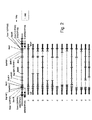
- the Luc activity was measured by using Luciferase Assay System (Promega) ( Fig. 3 ).
- Fig. 3 how many folds the reporter activity increased when each drug was added compared with the case where only DMSO was added is shown.
- 3-methylcholanthrene (3-MC, 1 ⁇ M) or ⁇ -naphthoflavone (BNF, 10 ⁇ M) which are known to induce CYP1A1 and CYP1A2 was added, was added, the increase in the SEAP activity and Luc activity was observed as compared with the group where DMSO alone was added.
- the reporter vectors comprising the region of the nucleotide sequence of the nucleotide numbers 1535 to 2867 in SEQ ID NO: 1 in which XREs densely existed
- intense enhancement of the expression by 3-MC and BNF was observed as shown in Fig. 2 , and thus it was expected that this region was involved in the induction of CYP1A1 and CYP1A2 by a drug.
- Reporter vectors K to M and P to S which were considered to comprise the transcriptional regulatory region of human CYP1A2 and shown in Fig. 4 , were prepared.
- K It was prepared by the following procedures. (m) F2 was digested with Kpn I to obtain about 3.2-kbp fragment.
- the clones obtained in each step were subjected to a restriction enzyme treatment and then agarose gel electrophoresis to confirm that they were objective vectors.
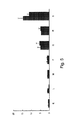
- the expression vectors K to M and P to S obtained above were transiently expressed in HepG2 cells by using the gene transfer reagent, and 40 hours after the addition of a drug dissolved in DMSO or DMSO alone, activity of a secreted alkaline phosphatase (SEAP) was measured ( Fig. 5 ).
- SEAP secreted alkaline phosphatase
- Fig. 5 how many folds the reporter activity increased when each drug was added compared with the case where only DMSO was added is shown.
- the reporter activity after addition of BNF or 3-MC was almost the same as that obtained with the addition of DMSO (1 fold), and elevation in the reporter activity was not observed.
- the expression vector M was used, the reporter activity observed after addition of DMSO or an inducers were at the background level.
- each of the expression vectors A to J, N, O, T and U was transiently expressed in HepG2 cells by using the transfection reagent, and 40 hours after the addition of a drug dissolved in DMSO or DMSO alone, activity of a secreted alkaline phosphatase (SEAP), which reflects CYP1A2, and activity of a luciferase (Luc), which reflects CYP1A1, were measured.
- SEAP secreted alkaline phosphatase
- Luc a luciferase
- Fig. 6 how many folds the reporter activity increased when the drug was added compared with the case where only DMSO was added is shown. Induction of the reporter enzymes expression was also observed with omeprazole like 3-methylcholanthrene or ⁇ -naphthoflavone, and thus it was confirmed that the reporter system reflects the induction of CYP1A1 and CYP1A2 by a drug.
- reporter vectors in which Each of five XREs (5'-TNGCGTG-3') in the reporter vector E was deleted from the one closer to the transcriptional initiation site of CYP1A1 gene were prepared by the site-directed mutagenesis, and they were designated as E1 to E5, respectively.
- a reporter assay was performed by using the obtained vectors. The results are shown in Figs. 7 to 9 .
- the reporter activities showed several folds to 10 or more folds higher than that observed after addition of DMSO, although E3 deleted the third XRE showed a slightly lower activity, and thus it was revealed that the ability to induce expression was maintained even if a part of XREs was deleted. It was considered to be necessary for the induction of expression by a drug that XREs should densely exist to some extent.
- reporter vector M for which result is shown in Fig. 5 , increase in the reporter activity by addition of a drug was not observed, although it comprised four XREs on the CYP1A2 side (E9, E10, E11 and E12 in Table 2). Further, because the reporter activity did not significantly change for the reporter vectors E, H and I including deletion of these XREs, it is considered that these XREs are not necessarily important for the induction by a drug. The sequences of these XREs all corresponded to T G GCGTG or TAGCGTG.
- XREs considered to play an important role for the induction of both the genes are E1 to E5, and all these sequences corresponded to TCGCGTG (E1, E4) or TTGCGTG (E2, E3, E5).
- T did not comprise the region of the nucleotide numbers 1535 to 2867 in SEQ ID NO: 1 where XREs densely existed, it comprised XRE starting from 6642 (E8 in Table 2, TTGCGTG), and T showed strong enhancement of expression by 3-MC and BNF, whereas U of which sequence did not comprise E8 did not show the induction. Therefore, it was considered that XRE of E8 also played an important role for the induction by a drug.
- a reporter system reflecting induction of human CYP1A1 or CYP1A1 and CYP1A2 is established, and screening of drugs which induce them becomes easy.
Landscapes
- Life Sciences & Earth Sciences (AREA)
- Health & Medical Sciences (AREA)
- Genetics & Genomics (AREA)
- Chemical & Material Sciences (AREA)
- Engineering & Computer Science (AREA)
- General Engineering & Computer Science (AREA)
- Bioinformatics & Cheminformatics (AREA)
- Biomedical Technology (AREA)
- Organic Chemistry (AREA)
- Biotechnology (AREA)
- Zoology (AREA)
- Wood Science & Technology (AREA)
- Crystallography & Structural Chemistry (AREA)
- Plant Pathology (AREA)
- Molecular Biology (AREA)
- Microbiology (AREA)
- Bioinformatics & Computational Biology (AREA)
- Physics & Mathematics (AREA)
- Biochemistry (AREA)
- General Health & Medical Sciences (AREA)
- Biophysics (AREA)
- Micro-Organisms Or Cultivation Processes Thereof (AREA)
- Measuring Or Testing Involving Enzymes Or Micro-Organisms (AREA)
Abstract
Description
- The present invention relates to an expression vector which enables the evaluation of human CYP1A2 induction by a drug, and a method for evaluating the human CYP1A2 induction using this expression vector.
- The present invention further relates to an expression vector which enables simultaneous evaluation of the induction of both human CYP1A1 and CYP1A2, and a method for evaluating the induction of human CYP1A1 and CYP1A2 using the expression vector.
- Induction of drug-metabolizing enzymes is one of the mechanisms for drug-drug interaction. In general, the induction of the enzyme is caused by the increase of transcription of a drug-metabolizing enzyme gene, and in order to evaluate induction of the enzyme, screening is performed by using a recombinant reporter vector prepared by incorporating a part of a regulatory region of a drug-metabolizing enzyme gene into a 5' upstream region of a reporter gene.
- Cytochrome P450 (CYP), a major drug-metabolizing enzyme, consists of a gene superfamily, and there are many isozymes with different substrate specificities (Non-patent document 1). Among them, the CYP1A family is involved not only in metabolism of drug but also in metabolic activation of carcinogens such as polycyclic hydrocarbons and aromatic amines.
- It is known that human CYP1A1 and CYP1A2 genes adjacently exist on the
chromosome 15 in reverse directions (Non-patent document 2). For CYP1A1, a region which is responsible for the induction thereof by a drug is well-characterized (Non-patent document 3), and reporter systems that enable the evaluation of the induction by a drug have also been constructed (Non-patent documents 4 to 6). However, for CYP1A2, although it is known that the proximal region of the CYP1A2 gene is not enough for the induction thereof (Non-patent document 7), and it is not specified which regions are involved in the induction of CYP1A2. - Non-patent document 1: Pharmacogenetics, 6:1-42 (1996)
- Non-patent document 2: Pharmacogenetics, 11:1-6 (2001)
- Non-patent document 3: Ann. Rev. Pharmacol. Toxicol., 39:103-125 (1999)
- Non-patent document 4: Toxicol. Appl. Pharmacol., 118:255-262 (1993)
- Non-patent document 5: Fundam. Appl. Toxicol., 30:194-203 (1996)
- Non-patent document 6: Drug Metab. Dispos., 33:312-320 (2005)
- Non-patent document 7: Pharmacogenetics, 5:259-274 (1995)
- An object of the present invention is to identify a transcriptional regulatory region which is responsible for the induction of CYP1A2 by a drug, to construct a reporter vector which enables the evaluation of CYP1A2 induction by a drug, using that region, and to provide a method for evaluating CYP1A2 induction by using this reporter vector.
- Another object of the present invention is to construct an expression vector which enables simultaneous evaluation of induction of CYP1A1 as well as CYP1A2, and to provide a method for simultaneously evaluating the human CYP1A1 and CYP1A2 induction by using this expression vector.
- The inventors of the present invention first constructed an expression vector comprising a 23 kb-intergenic region between the CYP1A1 and CYP1A2 gene, in which different reporter genes are added at both the ends of the region (henceforth also referred to the expression vector of the present invention), so that the transcriptional regulation of the CYP1A1 and CYP1A2 genes should be reflected in the reporter system in a state as close as possible to that in living bodies. Then, it was confirmed that drugs known to have ability to induce CYP1A1 and CYP1A2 increased expression of the reporter molecules by an experiment using a reporter system comprising the expression vector.
- Then, the inventors of the present invention found that induction of CYP1A2 by a drug could not be observed only with the proximal 5'-upstream transcriptional regulatory region of CYP1A2, and deletion of a region neighboring CYP1A1 between both the genes diminished not only the induction of CYP1A1 but also the induction of CYP1A2. They further found that the region neighboring CYP1A1 was essential for the induction of CYP1A2, and with the construction of the expression vector of the present invention including the region neighboring CYP1A1, in which a large number of xenobiotic responsive elements (XREs) are distributed, a reporter system reflecting the CYP1A1 and CYP1A2 induction could be constructed, and thus accomplished the present invention.
- The reporter system enabled evaluation of induction of both CYP1A1 and CYP1A2 in a cell to which the expression vector of the present invention is introduced, and since it enabled simultaneous evaluation of induction of both CYP1A1 and CYP1A2, it also had an advantage that the improvement in operation efficiency could be expected.
- The present invention thus relates to the followings.
- [1] An expression vector comprising a reporter gene operably linked to the 3' end of any one of DNAs of the following (a) to (e):
- (a) a DNA comprising the nucleotide sequence of the nucleotide numbers 1925 to 2867 in SEQ ID NO: 1,
- (b) a DNA comprising a nucleotide sequence of the
nucleotide numbers 1 to 2867 in SEQ ID NO: 1 including deletion, substitution or addition of one or more nucleotides, which increases expression of the reporter gene operably linked to the 3' end in the presence of a drug which induces CYP1A2, - (c) a DNA comprising a nucleotide sequence having a homology of 90% or more to the nucleotide sequence of the
nucleotide numbers 1 to 2867 in SEQ ID NO: 1, which increases expression of the reporter gene operably linked to the 3' end in the presence of a drug which induces CYP1A2, - (d) a DNA comprising a DNA hybridizable with a DNA comprising a nucleotide sequence complementary to the nucleotide sequence of the
nucleotide numbers 1 to 2867 in SEQ ID NO: 1, which increases expression of the reporter gene operably linked to the 3' end in the presence of a drug which induces CYP1A2, and - (e) a DNA comprising the nucleotide sequence of the
nucleotide numbers 5659 to 9181 in SEQ ID NO: 1.
- [2] The expression vector according to [1], wherein the DNA is a DNA comprising any one of the nucleotide sequences of the following (1) to (9):
- (1) the nucleotide sequence of the nucleotide numbers 1242 to 2867 in SEQ ID NO: 1,
- (2) the nucleotide sequence of the
nucleotide numbers 1 to 2867 in SEQ ID NO: 1, - (3) the nucleotide sequence of the
nucleotide numbers 1 to 5659 in SEQ ID NO: 1, - (4) the nucleotide sequence of the
nucleotide numbers 1 to 9691 in SEQ ID NO: 1, - (5) the nucleotide sequence of the
nucleotide numbers 1 to 19947 in SEQ ID NO: 1, - (6) the nucleotide sequence of the nucleotide numbers 1925 to 6118 in SEQ ID NO: 1,
- (7) the nucleotide sequence of the nucleotide numbers 1925 to 24448 in SEQ ID NO: 1,
- (8) a nucleotide sequence comprising a nucleotide sequence of the
nucleotide numbers 1 to 5659 in SEQ ID NO: 1 including deletion of any of the nucleotide sequence of the nucleotide numbers 1535 to 1541, the nucleotide sequence of the nucleotide numbers 1930 to 1936, the nucleotide sequence of the nucleotide numbers 2018 to 2024, the nucleotide sequence of the nucleotide numbers 2093 to 2099, and the nucleotide sequence of the nucleotide numbers 2411 to 2417, and - (9) the nucleotide sequence of the
nucleotide numbers 5659 to 24448 in SEQ ID NO: 1.
- [3] The expression vector according to [2], wherein the DNA is a DNA further comprising any one of the nucleotide sequences of the following (10) to (15):
- (10) the nucleotide sequence of the nucleotide numbers 23697 to 24448 in SEQ ID NO: 1,
- (11) the nucleotide sequence of the
nucleotide numbers 23030 to 24448 in SEQ ID NO: 1, - (12) the nucleotide sequence of the
nucleotide numbers 22167 to 24448 in SEQ ID NO: 1, - (13) the nucleotide sequence of the
nucleotide numbers 19134 to 24448 in SEQ ID NO: 1, - (14) the nucleotide sequence of the nucleotide numbers 1925 to 24448 in SEQ ID NO: 1, and
- (15) a nucleotide sequence of a DNA hybridizable with a DNA comprising a nucleotide sequence complementary to the nucleotide sequence of the
nucleotide numbers 19134 to 24448 in SEQ ID NO: 1 under a stringent condition.
- [4] The expression vector according to [1], wherein the DNA is a DNA consisting of the nucleotide sequence of the nucleotide numbers 1242 to 2867 and the nucleotide sequence of the nucleotide numbers 23697 to 24448 in SEQ ID NO: 1.
- [5] The expression vector according to [1], wherein the DNA is a DNA comprising the nucleotide sequence of the
nucleotide numbers 1 to 2867 and the nucleotide sequence of thenucleotide numbers 23030 to 24448 in SEQ ID NO: 1 ligated to each other. - [6] The expression vector according to [1], wherein the DNA is a DNA comprising the nucleotide sequence of the
nucleotide numbers 1 to 2867 and the nucleotide sequence of thenucleotide numbers 22167 to 24448 in SEQ ID NO: 1 ligated to each other. - [7] The expression vector according to [1], wherein the DNA is a DNA comprising the nucleotide sequence of the
nucleotide numbers 1 to 5659 and the nucleotide sequence of thenucleotide numbers 23030 to 24448 in SEQ ID NO: 1 ligated to each other. - [8] The expression vector according to [1], wherein the DNA is a DNA comprising the nucleotide sequence of the
nucleotide numbers 1 to 5659 and the nucleotide sequence of thenucleotide numbers 19134 to 24448 in SEQ ID NO: 1 ligated to each other. - [9] The expression vector according to [1], wherein the DNA is a DNA comprising the nucleotide sequence of the
nucleotide numbers 1 to 9691 and the nucleotide sequence of thenucleotide numbers 19134 to 24448 in SEQ ID NO: 1 ligated to each other. - [10] The expression vector according to [1], wherein the DNA is a DNA comprising the nucleotide sequence of the
nucleotide numbers 1 to 19947 and the nucleotide sequence of thenucleotide numbers 23030 to 24448 in SEQ ID NO: 1 ligated to each other. - [11] The expression vector according to [1], wherein the DNA is a DNA consisting of the nucleotide sequence of the
nucleotide numbers 1 to 24448 in SEQ ID NO: 1. - [12] The expression vector according to [1], wherein the DNA is a DNA comprising the nucleotide sequence of the nucleotide numbers 1925 to 6118 and the nucleotide sequence of the
nucleotide numbers 19134 to 24448 in SEQ ID NO: 1 ligated to each other. - [13] The expression vector according to [1], wherein the DNA is a DNA consisting of the nucleotide sequence of the nucleotide numbers 1925 to 24448 in SEQ ID NO: 1.
- [14] The expression vector according to [1], wherein the DNA is a DNA comprising a nucleotide sequence of the
nucleotide numbers 1 to 5659 in SEQ ID NO: 1 including deletion of any of the nucleotide sequence of the nucleotide numbers 1535 to 1541, the nucleotide sequence of the nucleotide numbers 1930 to 1936, the nucleotide sequence of the nucleotide numbers 2018 to 2024, the nucleotide sequence of the nucleotide numbers 2093 to 2099 and the nucleotide sequence of the nucleotide numbers 2411 to 2417, and the nucleotide sequence of thenucleotide numbers 23030 to 24448 ligated to each other. - [15] The expression vector according to [1], wherein the DNA is a DNA comprising the nucleotide sequence of the
nucleotide numbers 1 to 1242 and the nucleotide sequence of thenucleotide numbers 5659 to 24448 in SEQ ID NO: 1 ligated to each other. - [16] A host cell to which the expression vector according to any one of [1] to [15] is introduced.
- [17] A method for measuring ability of a test drug to induce CYP1A2, which comprises (1) the step of culturing the host cell according to [16] in the presence of the test drug, (2) the step of measuring expression amount of the reporter gene, and (3) the step of determining that the test drug has an ability to induce CYP1A2, when the expression amount is affected as compared with the expression amount observed in the absence of the test drug.
- [18] The expression vector according to any one of [1] to [15], wherein the DNA is a DNA which increases expression of the reporter gene operably linked to the 5' end in the presence of a drug which induces CYP1A1, and is operably linked at the 5' end with a reporter gene different from that linked to the 3' end.
- [19] A host cell to which the expression vector according to [18] is introduced.
- [20] A method for measuring abilities of a test drug to induce CYP1A1 and CYP1A2, which comprises (1) the step of culturing the host cell according to [19] in the presence of the test drug, (2) the step of measuring expression amounts of the reporter genes, and (3) the step of determining that the test drug has abilities to induce CYP1A1 and CYP1A2, when the expression amounts are affected as compared with the expression amounts observed in the absence of the test drug.
- According to the present invention, evaluation of ability of a drug to induce CYP1A2 is made easy, and when the expression vector is linked to a reporter gene also at the 5' end, simultaneous evaluation of CYP1A1 and CYP1A2 induction is enabled. Improvement in operational efficiency can be thus expected.
-
- [
Fig. 1 ] A drawing showing Fragment 1 (F1), Fragment 2 (F2) and Fragment 3 (F3) used for cloning of the transcriptional regulatory region of human CYP1A1 and CYP1A2. - [
Fig. 2 ] A drawing showing the deleted regions of the reporter vectors B to J in which a part of the transcriptional regulatory region of human CYP1A1 and CYP1A2 was deleted. - [
Fig. 3 ] Graphs showing how many folds the expression of the reporter vectors A to J, N, O, T and U was increased by the addition of 3-methylcholanthrene (3-MC, 1 µM, upper graph) or β-naphthoflavone (BNF, 10 µM, lower graph). - [
Fig. 4 ] A drawing showing the deleted regions of the reporter vectors K to M and P to S in which a part of the transcriptional regulatory region of human CYP1A1 and CYP1A2 was deleted. - [
Fig. 5 ] A graph showing how many folds the expression of the reporter vectors K to M and P to S was increased by the addition of 3-methylcholanthrene (3-MC, 1 µM, upper graph) or β-naphthoflavone (BNF, 10 µM, lower graph). - [
Fig. 6 ] A graph showing how many folds the expression of the reporter vectors A to J, N, O, T and U was increased by the addition of omeprazole. - [
Fig. 7 ] A graph showing how many folds the expression of the reporter vectors E1 to E5 was increased by the addition of BNF. - [
Fig. 8 ] A graph showing how many folds the expression of the reporter vectors E1 to E5 was increased by the addition of 3-MC. - [
Fig. 9 ] A graph showing how many folds the expression of the reporter vectors E1 to E5 was increased by the addition of omeprazole. - [
Fig. 10 ] A drawing showing cleavage sites of the restriction enzymes used for the preparation of the reporter vectors of the present invention. - The present invention relates to an expression vector constituted so as to contain a region neighboring CYP1A1 as a transcriptional regulatory region, to reflect CYP1A2 induction by a drug, a host cell to which the expression vector is transfected, and a method for examining CYP1A2 induction by a test drug, using the host cell.
- The present invention further relates to an expression vector constituted so that a reporter molecule should be transcribed from a DNA comprising a region neighboring CYP1A1 in a reverse direction to reflect CYP1A1 and CYP1A2 induction by a drug simultaneously, a host cell to which the expression vector is transfected, and a method for examining CYP1A1 and CYP1A2 induction by a test drug, using the host cell.
- Hereafter, 1. the method for constructing the expression vector, 2. the method for transfecting the expression vector into a host, and 3. the method for examining CYP1A1 and CYP1A2 induction by a drug, using the host cell will be explained.
- The nucleotide sequence of the intergenic region between the CYP1A1 and CYP1A2 genes can be obtained from GenBank Acc. No. AF253322. Moreover, a DNA comprising the region between the CYP1A1 and CYP1A2 genes can be obtained from a BAC clone (Genome Systems, BAC clone number: RP11-195A1 or RP11-414J4), or a human genome DNA (Novagen, catalog number: 69237; BD Bioscience, Catalog number: 636401).
- The procedures described below can be performed according to methods described in an appropriate manual, for example, Molecular Cloning: A Laboratory Manual, Cold Spring Harbor, NY, and so forth.
- By operably linking a reporter gene to a DNA comprising a region neighboring CYP1A1 on the side linked to the CYP1A2 gene (3' end side in SEQ ID NO: 1), an expression vector which reflects expression of CYP1A2 can be prepared. The reporter gene is a gene coding for a reporter molecule, and means a gene of which expression amount can be measured by direct or indirect measurement of expression level of the reporter molecule. Examples of the reporter gene include secreted alkaline phosphatase gene (GenBank #U89937), firefly luciferase gene (GenBank #U47295), chloramphenicol acetyltransferase gene (GenBank #U57024) and so forth, but not limited to them.
- The expression "to be operably linked" means to be ligated in such a manner that expression of the reporter gene should be regulated by a DNA ligated.
- As the DNA comprising a region neighboring CYP1A1, the whole region between the CYP1A1 and CYP1A2 genes may be used, and this region can be obtained by PCR using the aforementioned BAC clone as a template and primers designed on the basis of the information of the nucleotide sequence registered at GenBank. This region has a length of 20 kbp or more, and thus if it is difficult to amplify the whole region by PCR of 1 time, the whole region can be obtained by ligating the PCR products using the restriction enzyme cleavage sites, which are amplified as the regions between suitable restriction enzyme cleavage sites in this region by PCR on the basis of the information on the nucleotide sequence registered at GenBank.
- Further, as shown in
Fig. 2 , a large number of XREs (xenobiotic responsive elements) are distributed between the CYP1A1 gene and the CYP1A2 gene. By referring to this distribution, appropriate transcriptional regulatory regions can be chosen and combined, and the region prepared can be used as a transcriptional regulatory region of the expression vector. In particular, the transcriptional regulatory region preferably contains the region of the nucleotide sequence of the nucleotide numbers 1925 to 2867 (preferably 1535 to 2867, more preferably 1 to 2867) in SEQ ID NO: 1, and it is preferable to select an appropriate region according to what kind of drug should be examined and ligate the selected region to the aforementioned region. The XRE referred to here is a sequence represented as tngcgtg (n is a, g, t or c). Further, this n is preferably t or c. Further, it is also possible to use a region comprising the nucleotide sequence of thenucleotide numbers 5659 to 24448 in SEQ ID NO: 1. - The transcriptional regulatory region containing XRE preferably comprises, for example, any of the transcriptional regulatory regions neighboring CYP1A1 mentioned below.
- (1) The nucleotide sequence of the nucleotide numbers 1242 to 2867 in SEQ ID NO: 1.
- (2) A region consisting of the nucleotide sequence of the
nucleotide numbers 1 to 2867 in SEQ ID NO: 1. - (3) A region consisting of the nucleotide sequence of the
nucleotide numbers 1 to 5659 in SEQ ID NO: 1. - (4) A region consisting of the nucleotide sequence of the
nucleotide numbers 1 to 9691 in SEQ ID NO: 1. - (5) A region consisting of the nucleotide sequence of the
nucleotide numbers 1 to 19947 in SEQ ID NO: 1. - (6) A region consisting of the nucleotide sequence of the nucleotide numbers 1925 to 6118 in SEQ ID NO: 1.
- (7) A region consisting of the nucleotide sequence of the nucleotide numbers 1925 to 24448 in SEQ ID NO: 1.
- (8) A region consisting of a nucleotide sequence comprising a nucleotide sequence of the
nucleotide numbers 1 to 5659 in SEQ ID NO: 1 including deletion of any of the nucleotide sequence of the nucleotide numbers 1535 to 1541, the nucleotide sequence of the nucleotide numbers 1930 to 1936, the nucleotide sequence of the nucleotide numbers 2018 to 2024, the nucleotide sequence of the nucleotide numbers 2093 to 2099, and the nucleotide sequence of the nucleotide numbers 2411 to 2417. - (9) A region consisting of the nucleotide sequence of the
nucleotide numbers 5659 to 24448 in SEQ ID NO: 1. - As shown in Examples 4 and 5, only with a transcriptional regulatory region neighboring CYP1A2, induction by a drug cannot be observed even when the transcription of the reporter molecule can be caused, and in order to reflect such induction by a drug, any of these regions neighboring CYP1A1 is required. The term "region neighboring CYP1A1" used here means a 5' upstream region of the CYP1A1 gene (downstream from the CYP1A1 gene in SEQ ID NO: 1, since the CYP1A1 gene is transcribed in the reverse direction in SEQ ID NO: 1) of 10 kb, preferably 6 kb, more preferably 3 kb.
- Depending on the case, it is also allowed to use a still larger region, for example, a region consisting of the nucleotide sequence of the
nucleotide numbers 1 to 19947 in SEQ ID NO: 1. - Further, the reporter vector which enables evaluation of CYP1A2 induction by a drug preferably comprises, for example, any of the transcriptional regulatory regions neighboring CYP1A2 mentioned below, in addition to the regions mentioned above. The transcriptional regulatory region neighboring CYP1A2 may partially or fully overlap the aforementioned transcriptional regulatory region neighboring CYP1A1.
- (10) The nucleotide sequence of the nucleotide numbers 23697 to 24448 in SEQ ID NO: 1.
- (11) A region consisting of the nucleotide sequence of the
nucleotide numbers 23030 to 24448 in SEQ ID NO: 1. - (12) A region consisting of the nucleotide sequence of the
nucleotide numbers 22167 to 24448 in SEQ ID NO: 1. - (13) A region consisting of the nucleotide sequence of the
nucleotide numbers 19134 to 24448 in SEQ ID NO: 1. - (14) A region consisting of the nucleotide sequence of the nucleotide numbers 1925 to 24448 in SEQ ID NO: 1.
- (15) A region consisting of a nucleotide sequence of a DNA hybridizable with a DNA comprising a nucleotide sequence complementary to the nucleotide sequence of the
nucleotide numbers 19134 to 24448 in SEQ ID NO: 1 under a stringent condition. - The present invention is based on the finding that, for the evaluation of CYP1A2 induction by a drug, it is required for the expression vector to include the nucleotide sequence of the nucleotide numbers 1925 to 2867 (preferably 1535 to 2867, more preferably 1 to 2867) in SEQ ID NO: 1 in which XREs densely exist (expression vectors A, B, C, D, E, F, H and I in
Fig. 2 ), and if the expression vector does not contain such a region (expression vectors G, J, N and O inFig. 2 ), the induction ability is markedly decreased. Therefore, expression vectors comprising a transcriptional regulatory sequence having the nucleotide sequence of the nucleotide numbers 1925 to 2867 (preferably 1535 to 2867) in SEQ ID NO: 1 or a similar sequence and showing increase in the expression of a reporter molecule which is operably linked at the 3' end in the presence of a drug which induces CYP1A2 are all fall within the scope of the present invention. - According to the present invention, although the transcriptional regulatory sequence is required to have a region in which XREs are adjacently disposed, it may be appropriately shortened for ease of handling, and it may be a transcriptional regulatory sequence having a length of, for example, 25 kb or shorter, 20 kb or shorter, 15 kb or shorter, or 10 kb or shorter.
- A preferred example of the transcriptional regulatory region comprising such a similar sequence is a DNA having a nucleotide sequence of the nucleotide numbers 1925 to 2867 (preferably 1535 to 2867, more preferably 1 to 2867) in SEQ ID NO: 1 including deletion, substitution and/or addition of one or plural nucleotides and showing increase in the expression of a reporter molecule which is operably linked at the 3' end in the presence of a drug which induces CYP1A2. The DNA preferably increases the expression of a reporter molecule which is operably linked at the 5' end in the presence of a drug which induces CYP1A1. Although the number meant by the expression "two or more" is not particularly limited, it is 2 to 100, preferably 2 to 50, 2 to 20, or 2 to 10, more preferably 2 to 7. As shown in Example 7 of this specification, even if a part of the XRE regions was deleted, which are considered to be most important for the transcriptional regulation, the activity of a drug for inducing the expression was maintained. Therefore, expression vectors comprising a transcriptional regulatory region having a nucleotide sequence of the nucleotide sequence of the nucleotide numbers 1925 to 2867 (preferably 1535 to 2867, more preferably 1 to 2867) in SEQ ID NO: 1 including a mutation fall within the scope of the present invention, so long as they show increase in the expression in the presence of a drug. Mutations can be introduced by, for example, the site-directed mutagenesis method or the like.
- Another example of the transcriptional regulatory region comprising such a similar sequence is a DNA comprising a nucleotide sequence showing a homology of 90% or more, preferably 95% or more, more preferably 97% or more, to the nucleotide sequence of the nucleotide numbers 1925 to 2867 (preferably 1535 to 2867, more preferably 1 to 2867) in SEQ ID NO: 1 and showing increase in expression of a reporter gene operably linked at the 3' end in the presence of a drug which induces CYP1A2. The DNA preferably increases the expression of a reporter molecule which is operably linked at the 5' end in the presence of a drug which induces CYP1A1. The homology can be calculated by using homology searching sites on the Internet [for example, homology searching using FASTA, BLAST, PSI-BLAST, SSEARCH or the like is available on the web site of DNA Data Bank of Japan (DDBJ) [for example, the page of homogeny searching (Search and Analysis) on the web site of DNA Data Bank of Japan (DDBJ), http://www.ddbj.nig.ac.jp/E-mail/homology-j.html]. Further, search using BLAST can be performed on the web site of National Center for Biotechnology Information (NCBI) [for example, the page of BLAST on the homepage of NCBI, http://www.ncbi.nlm.nih.gov/BLAST/; Altschul, S.F. et al., J. Mol. Biol., 1990, 215(3):403-10; Altschul, S.F. & Gish, W., Meth. Enzymol., 1996, 266:460-480; Altschul, S.F. et al., Nucleic Acids Res., 1997, 25:3389-3402].
- Another example of such a transcriptional regulatory region comprising a similar sequence is a DNA comprising a DNA hybridizable with a DNA comprising the nucleotide sequence of the nucleotide numbers 1925 to 2867 (preferably 1535 to 2867, more preferably 1 to 2867) in SEQ ID NO: 1 under a stringent condition and showing increase in expression of a reporter molecule which is operably linked at the 3' end in the presence of a drug which induces CYP1A2. The DNA preferably increases expression of a reporter molecule which is operably linked at the 5' end in the presence of a drug which induces CYP1A1.
- Details of similar sequences of the nucleotide sequence of the
nucleotide numbers 5659 to 9181 in SEQ ID NO: 1 are similar to those explained above for the nucleotide sequence of the nucleotide numbers 1925 to 2867 in SEQ ID NO: 1. - Further, the reporter vector for evaluating CYP1A2 induction by a drug preferably further comprises a transcriptional regulatory sequence having the nucleotide sequence of the
nucleotide numbers 19134 to 24448 in SEQ ID NO: 1 or a similar transcriptional regulatory sequence. Details of similar sequences of this nucleotide sequence are also similar to those explained above for the nucleotide sequence of the nucleotide numbers 1925 to 2867 in SEQ ID NO: 1. A preferred example of such a similar sequence is a DNA hybridizable also with a DNA having the nucleotide sequence of thenucleotide numbers 19134 to 24448 (preferably 22167 to 24448, further preferably 23030 to 24448) in SEQ ID NO: 1 under a stringent condition. - Examples of the stringent hybridization condition referred to here include, for example, conditions of "2 x SSC, 0.1% SDS, 50°C", "2 x SSC, 0.1% SDS, 42°C", and "1 x SSC, 0.1% SDS, 37°C", and examples of more stringent condition include conditions of "2 x SSC, 0.1% SDS, 65°C", "0.5 x SSC, 0.1% SDS, 42°C", and "0.2 x SSC, 0.1% SDS, 65°C". More specifically, as a method of using Rapid-hyb buffer (Amersham Life Science), hybridization can be carried out by performing pre-hybridization at 68°C for 30 minutes or more, then adding a probe, maintaining the system at 68°C for 1 hour or more to form hybrids, then washing 3 times in 2 x SSC and 0.1% SDS at room temperature for 20 minutes for each time, further washing 3 times in 1 x SSC and 0.1% SDS at 37°C for 20 minutes for each time, and finally washing twice in 1 x SSC and 0.1% SDS at 50°C for 20 minutes for each time. In addition, hybridization may be attained by, for example, performing pre-hybridization in ExpressHyb Hybridization Solution (CLONTECH) at 55°C for 30 minutes or more, adding a labeled probe, incubating at 37 to 55°C for 1 hour or more, washing 3 times in 2 x SSC and 0.1% SDS at room temperature for 20 minutes for each time, and washing once in 1 x SSC and 0.1% SDS at 37°C for 20 minutes. By using higher temperatures for the pre-hybridization, hybridization and second washing (for example, 60°C, 68°C etc.) in the aforementioned methods, a more stringent condition can be attained. Those skilled in the art can determine the conditions by considering other hybridization conditions such as probe concentration, length of probe, nucleotide sequence of probe and reaction time, in addition to the salt concentrations of the buffer and temperature. For the method of hybridization, Molecular Cloning: A Laboratory Manual 2nd ed. (Cold Spring Harbor Press (1989)); Current Protocols in Molecular Biology (John Wiley & Sons (1987-1997)); DNA Cloning 1: Core Techniques, A Practical Approach 2nd ed. (Oxford University (1995)), and so forth can be referred to as experimental manuals.
- Such a transcriptional regulatory region comprising the nucleotide sequence of the nucleotide numbers 1925 to 2867 (preferably 1535 to 2867, more preferably 1 to 2867) in SEQ ID NO: 1 or a similar sequence can be obtained by performing PCR amplification using the aforementioned BAC clone as a template and primers designed on the basis of the information on the nucleotide sequence of GenBank and appropriately combining the obtained clones or modifying the nucleotide sequence according to a known method.
- Preferred examples of the transcriptional regulatory sequence of the present invention include sequences comprising the following nucleotide sequences.
- (1) A sequence consisting of the nucleotide sequence of the nucleotide numbers 1242 to 2867 and the nucleotide sequence of the nucleotide numbers 23697 to 24448 in SEQ ID NO: 1 (expression vector S in
Fig. 4 ) - (2) A sequence comprising the nucleotide sequence of the
nucleotide numbers 1 to 2867 and the nucleotide sequence of thenucleotide numbers 23030 to 24448 in SEQ ID NO: 1 ligated to each other (expression vector I inFig. 2 ) - (3) A sequence comprising the nucleotide sequence of the
nucleotide numbers 1 to 2867 and the nucleotide sequence of thenucleotide numbers 22167 to 24448 in SEQ ID NO: 1 ligated to each other (expression vector H inFig. 2 ). - (4) A sequence comprising the nucleotide sequence of the
nucleotide numbers 1 to 5659 and the nucleotide sequence of thenucleotide numbers 23030 to 24448 in SEQ ID NO: 1 ligated to each other (expression vector E inFig. 2 ). - (5) A sequence comprising the nucleotide sequence of the
nucleotide numbers 1 to 5659 and the nucleotide sequence of thenucleotide numbers 19134 to 24448 in SEQ ID NO: 1 ligated to each other (expression vector F inFig. 2 ) - (6) A sequence comprising the nucleotide sequence of the
nucleotide numbers 1 to 9691 and the nucleotide sequence of thenucleotide numbers 19134 to 24448 in SEQ ID NO: 1 ligated to each other (expression vector B inFig. 2 ). - (7) A sequence comprising the nucleotide sequence of the
nucleotide numbers 1 to 19947 and the nucleotide sequence of thenucleotide numbers 23030 to 24448 in SEQ ID NO: 1 ligated to each other (expression vector D inFig. 2 ). - (8) A sequence consisting of the nucleotide sequence of the
nucleotide numbers 1 to 24448 in SEQ ID NO: 1 (expression vector A inFig. 2 ) - (9) A sequence comprising the nucleotide sequence of the nucleotide numbers 1925 to 6118 and the nucleotide sequence of the
nucleotide numbers 19134 to 24448 in SEQ ID NO: 1 ligated to each other (expression vector Q inFig. 4 ). - (10) A sequence consisting of the nucleotide sequence of the nucleotide numbers 1925 to 24448 in SEQ ID NO: 1 (expression vector R in
Fig. 4 ). - (11) A sequence comprising a nucleotide sequence of the
nucleotide numbers 1 to 5659 in SEQ ID NO: 1 including deletion of any of the nucleotide sequence of the nucleotide numbers 1535 to 1541 (E1), the nucleotide sequence of the nucleotide numbers 1930 to 1936 (E2), the nucleotide sequence of the nucleotide numbers 2018 to 2024 (E3), the nucleotide sequence of the nucleotide numbers 2093 to 2099 (E4) and the nucleotide sequence of the nucleotide numbers 2411 to 2417 (E5), and the nucleotide sequence of thenucleotide numbers 23030 to 24448 ligated to each other. - (12) A sequence comprising the nucleotide sequence of the
nucleotide numbers 1 to 1242 and the nucleotide sequence of thenucleotide numbers 5659 to 24448 in SEQ ID NO: 1 ligated to each other (expression vector T inFig. 2 ). - Whether the prepared expression vector is usable as a reporter system reflecting the CYP1A2 induction can be verified by determining whether the expression of the reporter molecule from the expression vector is enhanced by a drug known to induce CYP1A2 such as 3-methylcholanthrene or β-naphthoflavone.
- The DNA comprising a region neighboring CYP1A1 may be further operably linked to a reporter gene at the end on the side to be linked to the CYP1A1 gene (5' end of SEQ ID NO: 1) in addition to the end on the side to be linked to the CYP1A2 gene (3' end of SEQ ID NO: 1). By linking reporter genes on both sides, an expression vector can reflect an expression of both the CYP1A1 and CYP1A2 genes. The reporter gene linked on the side to be linked to the CYP1A1 gene is preferably different from the reporter gene linked on the side linked to the CYP1A2 gene, so that expressions of them can be independently measured.
- By using the reporter system in which different reporter genes are linked on both sides of a DNA comprising a region neighboring CYP1A1, inductions of CYP1A1 and CYP1A2 by a drug can be simultaneously measured, and thus labor for experiments can be markedly reduced.
- A host cell is transfected with the constructed expression vector. Many cell lines have already been established as host cell lines, and various transfection methods suitable for those host cell lines have also been established. As a host cell of the reporter system of the present invention, any of these known host cell lines may be used, and transfection can be efficiently performed by those skilled in the art by employing an appropriate transfection method suitable for a selected host. Examples include, for example, the lipofectamine method (GIBCO BRL), but not limited to this method. In addition, the calcium phosphate precipitation method, nuclear microinjection, protoplast fusion, DEAE-dextran method, cell fusion, electroporation, method of using FuGENE6 reagent (Roche) and so forth are also known. For the details of the transfection of mammalian cells, literatures such as Keown et al., Methods in Enzymol., 185:527-537 (1990); Mansour et al., Nature, 336:348-352 (1988) and so forth can be referred to.
- A mammalian cell line can be used, and many kinds of cells such as HepG2, HuH-7, Hela, COS-1 and human immortalized hepatocyte are known. These cells can be used as a host cell of the reporter system. It is preferable to use a cell line derived from a hepatocyte, and HepG2, HuH-7 and human immortalized hepatocyte are still more preferred. As the host cell, a cell in which the transfected expression vector is transiently expressed may also be used, or a cell line which is made to permanently harbor the expression vector by transfection of the expression vector to which a selection marker is introduced and selection with a drug corresponding to the marker may also be used.
- A test for CYP1A2 induction can be performed with the following steps.
- (1) A host cell to which the expression vector is transfected is cultured in the presence or absence of a drug for appropriate time.
- (2) Expression level of the reporter gene is measured by a method corresponding to the introduced reporter gene. For example, the expression level of the reporter gene is measured by measuring enzymatic activity in the culture supernatant if the reporter molecule encoded by the reporter gene is a secreted enzyme, by measuring enzymatic activity of cell extract if it is an enzyme to be intracellularly expressed, or by measuring fluorescence if it is a molecule which emits fluorescence.
- (3) The expression level observed in the presence and absence of the drug are compared, and if the expression level of the reporter gene increases in the presence of the drug, it is determined that the drug has an ability to induce CYP1A2.
- Further, if a host to which the expression vector ligated with the reporter gene also on the side to be linked to CYP1A1 in addition to the side to be linked to CYP1A2 is introduced is used, it becomes possible to simultaneously evaluate ability to induce CYP1A1 and ability to induce CYP1A2.
- With the reporter system of the present invention, for example, induction by a drug which causes the induction by binding with an aryl hydrocarbon receptor and then binding with XRE, an environmental hormone (Denison, M.S et al., Annual Review of Pharmacology & Toxicology, 43:p.309-34, 2003), or the like can be evaluated.
- A DNA comprising the transcriptional regulatory region of human CYP1A1 and CYP1A2 genes was amplified as three fragments (
Fragments 1 to 3) divided in the upstream regions of the CYP1A1 and CYP1A2 genes by PCR using the BAC clone (Genome Systems) as a template and LA Taq (TaKaRa) (Fig. 1 ). The used primers are as follows, which were designed on the basis of the sequence of NCBI DB accession No. AF253322. -
- Fragment 1:
- Forward primer
5'-GCGGTCGACGGCCGGCCGGATCTCATTCTTTTTACAGCTGAATAGCACTCC-3' (SEQ ID NO: 2) - Reverse primer
5'-GCGGAATTCATCTTGGAGGTGGCTGCTGAGAGAAGGTGC-3'(SEQ ID NO: 3)
- Forward primer
- Fragment 2:
- Forward primer
5'-GCGCTCGAGAGAATACCAGGCAGAAGATGGCAGAGG-3' (SEQ ID NO: 4) - Reverse primer

- Forward primer
- Fragment 3:
- Forward primer
5'-TCCCAGCTACTCGAGAGGTTGACACACAAGAA-3' (SEQ ID NO: 6) - Reverse primer
5'-CGACGCGTCCCGCTCGAGGATCCTCATAAATGGTTTAGCACCATCC-3' (SEQ ID NO: 7)
- Forward primer
- Each of the obtained PCR products (referred to as F1, F2 and F3, respectively) was subcloned into pCR-XL-TOPO (Invitrogen).
- pGL3-Basic (Promega) and pSEAP2-Basic (CLONTECH) (referred to as V1 and V2, respectively) were used to construct a reporter vector according to the following procedures. The clones obtained in each step were subjected to a restriction enzyme treatment and then agarose gel electrophoresis to confirm that they were objective vectors.
- (a) F1 was digested with BamHI to obtain about 10-kbpfragment, and the fragment was inserted into V1 at the BglII site.
- (b) F2 was digested with XhoI and BamHI to obtain about 5.3-kbp fragment, and the fragment was inserted into V2 between the XhoI and BglII sites.
- (c) The vector obtained in (a) was digested with XhoI and SalI to obtain about 12-kbp fragment, and the fragment was inserted into the vector obtained in (b) at the XhoI site.
- (d) F3 was digested with XhoI to obtain about 9.5-kbp fragment, and the fragment was inserted into the vector obtained in (c) at the XhoI site.
- As shown in
Fig. 2 , the reporter vectors B to J, N, O, T and U deleted a part of the transcriptional regulatory region of human CYP1A1 and CYP1A2 were prepared. A: It was the vector prepared in 2 mentioned above, which did not include deletion. - B: It was prepared by the following procedures.
- (e) F1 was digested with BamHI to obtain about 10-kbp fragment, and the fragment was inserted into V1 at the BglII site.
- (f) F2 was digested XhoI and BamHI to obtain about 5.3-kbp fragment, and the fragment was inserted into V2 between the XhoI and BglII sites.
- (g) The vector obtained in (e) was digested with XhoI and SalI to obtain about 12-kbp fragment, and the fragment was inserted into the vector obtained in (f) at the XhoI site.
- C: B was digested with Bst1107I and ligated itself.
- D: B was digested with Bst1107I to obtain about 21-kbp and 6.9-kbp fragments. After purifying the fragments, the 21-kbp fragment was de-phosphorylated and ligated to the 6.9-kbp fragment.
- E: B was digested with Sse8387I and Bst1107I to obtain about 13.7-kbp fragment. After purifying the fragment, the 13.7-kbp fragment was blunt-ended and ligated itself.
- F: B was digested with Sse8387I and XhoI to obtain about 17.6-kbp fragment. After purifying the fragment, the fragment was blunt-ended and ligated itself.
- G: It was prepared by the following procedures.
- (h) B was digested with NheI to obtain about 4-kbp fragment.
- (i) The vector obtained in (b) was digested with NheI, and the fragment obtained in (h) was inserted.
- H: B was digested with EcoRV and ligated itself.
- I: B was digested with Bst1107I to obtain about 18.5-kbp fragment, and the fragment was digested with EcoRV and ligated itself.
- J: It was prepared by the following procedures.
- (j) B was digested with XhoI and SalI to obtain about 14.5-kbp fragment. After purifying the fragment, the product was self-ligated.
- (k) The vector obtained in (j) was digested with SacII and EcoRV to obtain about 13.2-kbp fragment, and the resultant fragment was blunt-ended, and the product was ligated itself. (1) The vector obtained in (k) was digested with Sse8387I and MluI to obtain about 6.3-kbp fragment. After purifying the fragment, the fragment was inserted into A between the Sse8387I and MluI sites.
- N: F was digested with HindIII to obtain about 11-kbp fragment. The fragment was inserted into pRL-SV40 (Promega) at the HindIII site, then the pRL-SV40 was digested with EcoO65I and XhoI and subject to blunt-ending treatment, and then the product was self-ligated. The product was digested with HindIII to obtain the insert, and the insert was ligated with V3.
- O: H was digested with HindIII to obtain about 5-kbp and 6-kbp fragments. The 6-kbp fragment was inserted into V1 at the HindIII site, then the V1 was digested with EcoO65I and Bst1107I and subject to blunt-ending treatment, and then the product was self-ligated. The product was digested with HindIII to obtain the insert, and the insert was ligated with about 5-kbp fragment obtained by HindIII digestion of H (referred to as V3).
- T: It was prepared by the following procedures.
- (t1) F1 was digested with BamHI to obtain about 9.7-kb fragment, and the fragment was inserted into V2 at the BglII site.
- (t2) The (t1) product was digested with HindIII to obtain about 9.1-kb fragment, and the fragment was inserted into V2 at the HindIII site.
- (t3) The (t2) product was digested with Sse8387I and Bsp1407I to obtain about 9.3-kb fragment, and the fragment was subjected to a blunt-ending treatment, and self-ligated.
- (t4) F1 was digested with BamHI to obtain about 9.7-kb fragment, and the fragment was inserted into V1 at the BglII site. This product was digested with HindIII to obtain about 5.5-kb fragment.
- (t5) The (t3) product was digested with HindIII and BamHI to obtain about 4.6-kb fragment. This fragment and the (t4) product were ligated.
- (t6) The (t5) product was digested with XhoI and SalI and inserted into L at the XhoI site.
- (t7) F3 was digested with XhoI to obtain about 9.5-kb fragment, and the fragment was inserted into the (t6) product at the XhoI site.
- U: It was prepared by the following procedures. (u1) The (t1) product was digested with Bsp1407I, and the obtained 6.4-kb fragment was self-ligated. The product was digested with MluI and HindIII to obtain about 1.8-kb fragment. This fragment was inserted into V1 between MluI and HindIII sites.
- (u2) L was digested with XhoI and SalI to obtain about 7.1-kb fragment. This fragment was inserted into the (u1) product at the XhoI site.
- (u3) F3 was digested with XhoI to obtain about 9.5-kb fragment, and the fragment was inserted into the (u2) product at the XhoI site.
- The clones obtained in each step were subjected to a restriction enzyme treatment and then agarose gel electrophoresis to confirm that they were objective vectors.
- Each of the obtained reporter vector comprising the transcriptional regulatory region of human CYP1A1 and CYP1A2 and reporter vectors comprising the transcriptional regulatory region partially deleted was transiently expressed in HepG2 cells (purchased from RIKEN) by using a transfection reagent (FuGene6, Roche), and 40 hours after the addition of a drug dissolved in DMSO or DMSO alone, the activity of a secreted alkaline phosphatase (SEAP), which reflects CYP1A2, and the activity of a luciferase (Luc), which reflects CYP1A1, were measured. LumiPhos 530 (Lumigen Inc.) was used as a substrate for the measurement of the SEAP activity. The Luc activity was measured by using Luciferase Assay System (Promega) (
Fig. 3 ). - In
Fig. 3 , how many folds the reporter activity increased when each drug was added compared with the case where only DMSO was added is shown. When 3-methylcholanthrene (3-MC, 1 µM) or β-naphthoflavone (BNF, 10 µM), which are known to induce CYP1A1 and CYP1A2, was added, the increase in the SEAP activity and Luc activity was observed as compared with the group where DMSO alone was added. - In particular, with the reporter vectors comprising the region of the nucleotide sequence of the nucleotide numbers 1535 to 2867 in SEQ ID NO: 1 in which XREs densely existed, intense enhancement of the expression by 3-MC and BNF was observed as shown in
Fig. 2 , and thus it was expected that this region was involved in the induction of CYP1A1 and CYP1A2 by a drug. - Reporter vectors K to M and P to S, which were considered to comprise the transcriptional regulatory region of human CYP1A2 and shown in
Fig. 4 , were prepared. - K: It was prepared by the following procedures. (m) F2 was digested with KpnI to obtain about 3.2-kbp fragment.
- (n) The (m) product was inserted into V2 at KpnI site.
- L: It was prepared by the following procedures.
- (o) F2 was digested with XhoI and BamHI to obtain about 5.3-kbp fragment.
- (p) The (o) product was inserted into V2 at the XhoI/BglII sites.
- M: It was prepared by the following procedures.
- (q) F2 was digested with MluI and HindIII to obtain about 3-kbp fragment, and the fragment was inserted into V2 between the MluI and HindIII sites.
- (r) V2 was digested with HindIII to obtain about 9-kbp fragment, and the fragment was inserted into the (q) product at the HindIII site.
- P: It was prepared by the following procedure.
- (s) F3 was digested with XhoI to obtain about 9.5-kbp fragment, and the fragment was inserted into L between the XhoI sites.
- Q: It was prepared by the following procedure.
- (t) F1 was digested with NheI and SpeI to obtain about 4.2-kbp fragment, and the fragment was inserted into L between the NheI sites.
- R: It was prepared by the following procedure.
- (u) A was digested with NheI, and the product was self-ligated.
- S: It was prepared by the following procedures.
- (v) F1 was digested with Bsp1407I and EcoRV to obtain about 1.6-kb fragment, and the fragment was inserted into V2 at the Asp718I/NruI sites.
- (w) K was digested with MunI and EcoRI to obtain about 790-bp fragment. This fragment was inserted into the (v) product at the EcoRI site.
- The clones obtained in each step were subjected to a restriction enzyme treatment and then agarose gel electrophoresis to confirm that they were objective vectors.
- In the same manner as that in 4, the expression vectors K to M and P to S obtained above were transiently expressed in HepG2 cells by using the gene transfer reagent, and 40 hours after the addition of a drug dissolved in DMSO or DMSO alone, activity of a secreted alkaline phosphatase (SEAP) was measured (
Fig. 5 ). - In
Fig. 5 , how many folds the reporter activity increased when each drug was added compared with the case where only DMSO was added is shown. When the expression vector K, L or P was used, the reporter activity after addition of BNF or 3-MC was almost the same as that obtained with the addition of DMSO (1 fold), and elevation in the reporter activity was not observed. When the expression vector M was used, the reporter activity observed after addition of DMSO or an inducers were at the background level. - On the other hand, when the expression vector Q, R or S comprising the region neighboring CYP1A1 was used, 5- to 6-fold higher reporter activity was observed after the addition of BNF or 3-MC compared with the case where DMSO was added, and thus induction by a drug was observed.
- As shown by the above results together with the results shown in
Fig. 3 , with a reporter vector comprising the region of the nucleotide sequence of the nucleotide numbers 1925 to 2867 in SEQ ID NO: 1 in which XREs densely existed, strong expression enhancement by 3-MC and BNF was observed, and thus it was expected that this region was involved in the induction of CYP1A2 by a drug. - With only the transcriptional regulatory region neighboring human CYP1A2, induction by a drug was not observed, although the transcription took place, or the transcription itself was not observed depending on the case (expression vector M). It was thus revealed that the region neighboring CYP1A1 was indispensable for reflection of the induction of CYP1A2 transcriptional activity by a drug.
- By using the reporters A to J, N, O, T and U, with which it was revealed in 4 that the induction was caused by 3-methylcholanthrene and β-naphthoflavone, it was examined whether the transcriptional induction of a reporter enzyme would be caused by omeprazole, which is also known to have the induction activity (
Fig. 6 ). - In the same manner as that in 4, each of the expression vectors A to J, N, O, T and U was transiently expressed in HepG2 cells by using the transfection reagent, and 40 hours after the addition of a drug dissolved in DMSO or DMSO alone, activity of a secreted alkaline phosphatase (SEAP), which reflects CYP1A2, and activity of a luciferase (Luc), which reflects CYP1A1, were measured.
- In
Fig. 6 , how many folds the reporter activity increased when the drug was added compared with the case where only DMSO was added is shown. Induction of the reporter enzymes expression was also observed with omeprazole like 3-methylcholanthrene or β-naphthoflavone, and thus it was confirmed that the reporter system reflects the induction of CYP1A1 and CYP1A2 by a drug. - From the reporter vector E, reporter vectors in which Each of five XREs (5'-TNGCGTG-3') in the reporter vector E was deleted from the one closer to the transcriptional initiation site of CYP1A1 gene were prepared by the site-directed mutagenesis, and they were designated as E1 to E5, respectively.
- For the site-directed mutagenesis, the following DNAs were used as templates.
- 1) E1: DNA obtained by digesting E with SacII, allowing the product to cause self-ligation, further subjecting the product to KpnI digestion, and allowing the product to cause self-ligation.
- 2) E2 to E5: DNA obtained by digesting E with NheI, allowing the product to cause self-ligation, further subjecting the product to NdeI digestion, and allowing the product to cause self-ligation.
- Further, the primers used are summarized in Table 1. In the parentheses in the table, the positions of these XREs in SEQ ID NO: 1 are indicated.
-
Table 1 E1 (1535) Forward primer 5'-CTGAGTCCCGGCAGAAGCGCTGCG-3' (SEQ ID NO: 8) Reverse primer 5'-CGCAGCGCTTCTGCCGGGACTCAG-3' (SEQ ID NO: 9) E2 (1930) Forward primer 5'-GCGTGCTAGCCGCCGGCGAC-3' (SEQ ID NO: 10) Reverse primer 5'-GTCGCCGGCGGCTAGCACGC-3' (SEQ ID NO: 11) E3 (2018) Forward primer 5'-GTGCCCAGGCGAGAAGGACCGGAG-3' (SEQ ID NO: 12) Reverse primer 5'-CTCCGGTCCTTCTCGCCTGGGCAC-3' (SEQ ID NO: 13) E4 (2093) Forward primer 5'-CGGGGGCTCGCAGTGGGGGGAGGGAGTC-3' (SEQ ID NO: 14) Reverse primer 5'-GACTCCCTCCCCCCACTGCGAGCCCCCG-3' (SEQ ID NO: 15) E5 (2411) Forward primer 5'-CCAGGAAAAAAAAAGTTGTATCCTAGCTCAACCTGGCC-3' (SEQ ID NO: 16) Reverse primer 5'-GGCCAGGTTGAGCTAGGATACAACTTTTTTTTTCCTGG-3' (SEQ ID NO: 17) - A reporter assay was performed by using the obtained vectors. The results are shown in
Figs. 7 to 9 . After addition of BNF, 3-MC or omeprazole, the reporter activities showed several folds to 10 or more folds higher than that observed after addition of DMSO, although E3 deleted the third XRE showed a slightly lower activity, and thus it was revealed that the ability to induce expression was maintained even if a part of XREs was deleted. It was considered to be necessary for the induction of expression by a drug that XREs should densely exist to some extent. - For the reporter vector M, for which result is shown in
Fig. 5 , increase in the reporter activity by addition of a drug was not observed, although it comprised four XREs on the CYP1A2 side (E9, E10, E11 and E12 in Table 2). Further, because the reporter activity did not significantly change for the reporter vectors E, H and I including deletion of these XREs, it is considered that these XREs are not necessarily important for the induction by a drug. The sequences of these XREs all corresponded to TGGCGTG or TAGCGTG. - On the other hand, XREs considered to play an important role for the induction of both the genes are E1 to E5, and all these sequences corresponded to TCGCGTG (E1, E4) or TTGCGTG (E2, E3, E5).
- Further, in comparison of the reporter vectors T and U with reference to
Figs. 2 and3 , although the sequence of T did not comprise the region of the nucleotide numbers 1535 to 2867 in SEQ ID NO: 1 where XREs densely existed, it comprised XRE starting from 6642 (E8 in Table 2, TTGCGTG), and T showed strong enhancement of expression by 3-MC and BNF, whereas U of which sequence did not comprise E8 did not show the induction. Therefore, it was considered that XRE of E8 also played an important role for the induction by a drug. - From these facts, it was expected that one playing an important role for the induction of CYP1A1 and CYP1A2 was TCGCGTG or TTGCGTG.
-
Table 2 Code Sequence of XRE Position in SEQ ID NO: 1 E1 TCGCGTG 1353 E2 TTGCGTG 1930 E3 TTGCGTG 2018 E4 TCGCGTG 2093 E5 TTGCGTG 2411 E6 TGGCGTG 3148 E7 TGGCGTG 4106 E8 TTGCGTG 6642 E9 TGGCGTG 13245 E10 TGGCGTG 13422 E11 TAGCGTG 16099 E12 TGGCGTG 19649 - According to the present invention, a reporter system reflecting induction of human CYP1A1 or CYP1A1 and CYP1A2 is established, and screening of drugs which induce them becomes easy.
-
- 1. An expression vector comprising a reporter gene operably linked to the 3' end of any one of DNAs of the following (a) to (e):
- (a) a DNA comprising the nucleotide sequence of the nucleotide numbers 1925 to 2867 in SEQ ID NO: 1,
- (b) a DNA comprising a nucleotide sequence of the
nucleotide numbers 1 to 2867 in SEQ ID NO: 1 including deletion, substitution or addition of one or more nucleotides, which increases expression of the reporter gene operably linked to the 3' end in the presence of a drug which induces CYP1A2, - (c) a DNA comprising a nucleotide sequence having a homology of 90% or more to the nucleotide sequence of the
nucleotide numbers 1 to 2867 in SEQ ID NO: 1, which increases expression of the reporter gene operably linked to the 3' end in the presence of a drug which induces CYP1A2, - (d) a DNA comprising a DNA hybridizable with a DNA comprising a nucleotide sequence complementary to the nucleotide sequence of the
nucleotide numbers 1 to 2867 in SEQ ID NO: 1, which increases expression of the reporter gene operably linked to the 3' end in the presence of a drug which induces CYP1A2, and - (e) a DNA comprising the nucleotide sequence of the
nucleotide numbers 5659 to 9181 in SEQ ID NO: 1.
- 2. The expression vector according to
clause 1, wherein the DNA is a DNA comprising any one of the nucleotide sequences of the following (1) to (9):- (1) the nucleotide sequence of the nucleotide numbers 1242 to 2867 in SEQ ID NO: 1,
- (2) the nucleotide sequence of the
nucleotide numbers 1 to 2867 in SEQ ID NO: 1, - (3) the nucleotide sequence of the
nucleotide numbers 1 to 5659 in SEQ ID NO: 1, - (4) the nucleotide sequence of the
nucleotide numbers 1 to 9691 in SEQ ID NO: 1, - (5) the nucleotide sequence of the
nucleotide numbers 1 to 19947 in SEQ ID NO: 1, - (6) the nucleotide sequence of the nucleotide numbers 1925 to 6118 in SEQ ID NO: 1,
- (7) the nucleotide sequence of the nucleotide numbers 1925 to 24448 in SEQ ID NO: 1,
- (8) a nucleotide sequence comprising a nucleotide sequence of the
nucleotide numbers 1 to 5659 in SEQ ID NO: 1 including deletion of any of the nucleotide sequence of the nucleotide numbers 1535 to 1541, the nucleotide sequence of the nucleotide numbers 1930 to 1936, the nucleotide sequence of the nucleotide numbers 2018 to 2024, the nucleotide sequence of the nucleotide numbers 2093 to 2099, and the nucleotide sequence of the nucleotide numbers 2411 to 2417, and - (9) the nucleotide sequence of the
nucleotide numbers 5659 to 24448 in SEQ ID NO: 1.
- 3. The expression vector according to
clause 2, wherein the DNA is a DNA further comprising any one of the nucleotide sequences of the following (10) to (15): (10) the nucleotide sequence of the nucleotide numbers 23697 to 24448 in SEQ ID NO: 1,- (11) the nucleotide sequence of the
nucleotide numbers 23030 to 24448 in SEQ ID NO: 1, - (12) the nucleotide sequence of the
nucleotide numbers 22167 to 24448 in SEQ ID NO: 1, - (13) the nucleotide sequence of the
nucleotide numbers 19134 to 24448 in SEQ ID NO: 1, - (14) the nucleotide sequence of the nucleotide numbers 1925 to 24448 in SEQ ID NO: 1, and
- (15) a nucleotide sequence of a DNA hybridizable with a DNA comprising a nucleotide sequence complementary to the nucleotide sequence of the
nucleotide numbers 19134 to 24448 in SEQ ID NO: 1 under a stringent condition.
- (11) the nucleotide sequence of the
- 4. The expression vector according to
clause 1, wherein the DNA is a DNA consisting of the nucleotide sequence of the nucleotide numbers 1242 to 2867 and the nucleotide sequence of the nucleotide numbers 23697 to 24448 in SEQ ID NO: 1. - 5. The expression vector according to
clause 1, wherein the DNA is a DNA comprising the nucleotide sequence of thenucleotide numbers 1 to 2867 and the nucleotide sequence of thenucleotide numbers 23030 to 24448 in SEQ ID NO: 1 ligated to each other. - 6. The expression vector according to
clause 1, wherein the DNA is a DNA comprising the nucleotide sequence of thenucleotide numbers 1 to 2867 and the nucleotide sequence of thenucleotide numbers 22167 to 24448 in SEQ ID NO: 1 ligated to each other. - 7. The expression vector according to
clause 1, wherein the DNA is a DNA comprising the nucleotide sequence of thenucleotide numbers 1 to 5659 and the nucleotide sequence of thenucleotide numbers 23030 to 24448 in SEQ ID NO: 1 ligated to each other. - 8. The expression vector according to
clause 1, wherein the DNA is a DNA comprising the nucleotide sequence of thenucleotide numbers 1 to 5659 and the nucleotide sequence of thenucleotide numbers 19134 to 24448 in SEQ ID NO: 1 ligated to each other. - 9. The expression vector according to
clause 1, wherein the DNA is a DNA comprising the nucleotide sequence of thenucleotide numbers 1 to 9691 and the nucleotide sequence of thenucleotide numbers 19134 to 24448 in SEQ ID NO: 1 ligated to each other. - 10. The expression vector according to
clause 1, wherein the DNA is a DNA comprising the nucleotide sequence of thenucleotide numbers 1 to 19947 and the nucleotide sequence of thenucleotide numbers 23030 to 24448 in SEQ ID NO: 1 ligated to each other. - 11. The expression vector according to
clause 1, wherein the DNA is a DNA consisting of the nucleotide sequence of thenucleotide numbers 1 to 24448 in SEQ ID NO: 1. - 12. The expression vector according to
clause 1, wherein the DNA is a DNA comprising the nucleotide sequence of the nucleotide numbers 1925 to 6118 and the nucleotide sequence of thenucleotide numbers 19134 to 24448 in SEQ ID NO: 1 ligated to each other. - 13. The expression vector according to
clause 1, wherein the DNA is a DNA consisting of the nucleotide sequence of the nucleotide numbers 1925 to 24448 in SEQ ID NO: 1. - 14. The expression vector according to
clause 1, wherein the DNA is a DNA comprising a nucleotide sequence of thenucleotide numbers 1 to 5659 in SEQ ID NO: 1 including deletion of any of the nucleotide sequence of the nucleotide numbers 1535 to 1541, the nucleotide sequence of the nucleotide numbers 1930 to 1936, the nucleotide sequence of the nucleotide numbers 2018 to 2024, the nucleotide sequence of the nucleotide numbers 2093 to 2099 and the nucleotide sequence of the nucleotide numbers 2411 to 2417, and the nucleotide sequence of thenucleotide numbers 23030 to 24448 ligated to each other. - 15. The expression vector according to
clause 1, wherein the DNA is a DNA comprising the nucleotide sequence of thenucleotide numbers 1 to 1242 and the nucleotide sequence of thenucleotide numbers 5659 to 24448 in SEQ ID NO: 1 ligated to each other. - 16. A host cell to which the expression vector according to any one of
clauses 1 to 15 is introduced. - 17. A method for measuring ability of a test drug to induce CYP1A2, which comprises (1) the step of culturing the host cell according to clause 16 in the presence of the test drug, (2) the step of measuring expression amount of the reporter gene, and (3) the step of determining that the test drug has an ability to induce CYP1A2, when the expression amount is affected as compared with the expression amount observed in the absence of the test drug.
- 18. The expression vector according to any one of
clauses 1 to 15, wherein the DNA is a DNA which increases expression of the reporter gene operably linked to the 5' end in the presence of a drug which induces CYP1A1, and is operably linked at the 5' end with a reporter gene different from that linked to the 3' end. - 19. A host cell to which the expression vector according to clause 18 is introduced.
- 20. A method for measuring abilities of a test drug to induce CYP1A1 and CYP1A2, which comprises (1) the step of culturing the host cell according to clause 19 in the presence of the test drug, (2) the step of measuring expression amounts of the reporter genes, and (3) the step of determining that the test drug has abilities to induce CYP1A1 and CYP1A2, when the expression amounts are affected as compared with the expression amounts observed in the absence of the test drug.


Claims (3)
- An expression vector comprising a reporter gene operably linked to the 3' end of a DNA and a second reporter gene different from the first reporter gene and operably linked to hte 5' end of the DNA, and wherein the DNA is any one of DNAs of the following (a) to (e):(a) the nucleotide sequence consisting of the nucleotide numbers 1 to 9690, the nucleotide numbers 19134 to 19946, and the nucleotide numbers 23030 to 24448 in SEQ ID N0:1, or(b) the nucleotide sequence consisting of the nucleotide numbers 1 to 19946 and the nucleotide numbers 23030 to 24448 in SEQ ID NO:1, or(c) the nucleotide sequence consisting of the nucleotide numbers 1 to 5658 and the nucleotide numbers 23030 to 24448 in SEQ ID NO:1, or(d) the nucleotide sequence consisting of the nucleotide numbers 1 to 2866 and the nucleotide numbers 23030 to 24448 in SEQ ID NO:1, or(e) the nucleotide sequence consisting of the nucleotide numbers 1 to 2866 and the nucleotide numbers 22167 to 24448 in SEQ ID NO:1
- A host cell to which the expression vector according to claim 1 is introduced.
- A method for measuring abilities of a test drug to induce CYP1A1 and CYP1A2, which comprises (1) the step of culturing the host cell according to claim 2 in the presence of the test drug, (2) the step of measuring expression amounts of the reporter genes, and (3) the step of determining that the test drug has abilities to induce CYP1A1 and CYP1A2, when the expression amounts are affected as compared with the expression amounts observed in the absence of the test drug.
Applications Claiming Priority (3)
| Application Number | Priority Date | Filing Date | Title |
|---|---|---|---|
| JP2005202813 | 2005-07-12 | ||
| JP2006000454 | 2006-01-05 | ||
| EP06781024.2A EP1932908B1 (en) | 2005-07-12 | 2006-07-12 | Reporter vector for use in evaluation of cyp1a2 induction |
Related Parent Applications (3)
| Application Number | Title | Priority Date | Filing Date |
|---|---|---|---|
| EP06781024.2 Division | 2006-07-12 | ||
| EP06781024.2A Division-Into EP1932908B1 (en) | 2005-07-12 | 2006-07-12 | Reporter vector for use in evaluation of cyp1a2 induction |
| EP06781024.2A Division EP1932908B1 (en) | 2005-07-12 | 2006-07-12 | Reporter vector for use in evaluation of cyp1a2 induction |
Publications (2)
| Publication Number | Publication Date |
|---|---|
| EP2407538A1 true EP2407538A1 (en) | 2012-01-18 |
| EP2407538B1 EP2407538B1 (en) | 2016-06-08 |
Family
ID=37637200
Family Applications (2)
| Application Number | Title | Priority Date | Filing Date |
|---|---|---|---|
| EP06781024.2A Active EP1932908B1 (en) | 2005-07-12 | 2006-07-12 | Reporter vector for use in evaluation of cyp1a2 induction |
| EP11162753.5A Not-in-force EP2407538B1 (en) | 2005-07-12 | 2006-07-12 | Reporter vector for use in evaluation of CYP1A2 |
Family Applications Before (1)
| Application Number | Title | Priority Date | Filing Date |
|---|---|---|---|
| EP06781024.2A Active EP1932908B1 (en) | 2005-07-12 | 2006-07-12 | Reporter vector for use in evaluation of cyp1a2 induction |
Country Status (4)
| Country | Link |
|---|---|
| US (1) | US7910362B2 (en) |
| EP (2) | EP1932908B1 (en) |
| JP (1) | JP4986061B2 (en) |
| WO (1) | WO2007007810A1 (en) |
-
2006
- 2006-07-12 EP EP06781024.2A patent/EP1932908B1/en active Active
- 2006-07-12 US US11/995,398 patent/US7910362B2/en not_active Expired - Fee Related
- 2006-07-12 JP JP2007524690A patent/JP4986061B2/en not_active Expired - Fee Related
- 2006-07-12 WO PCT/JP2006/313904 patent/WO2007007810A1/en not_active Ceased
- 2006-07-12 EP EP11162753.5A patent/EP2407538B1/en not_active Not-in-force
Non-Patent Citations (20)
| Title |
|---|
| "Current Protocols in Molecular Biology", 1987, JOHN WILEY & SONS |
| "DNA Cloning 1: Core Techniques, A Practical Approach", 1995, OXFORD UNIVERSITY |
| "Molecular Cloning: A Laboratory Manual", 1989, COLD SPRING HARBOR PRESS |
| ALTSCHUL, S.F. ET AL., J. MOL. BIOL., vol. 215, no. 3, 1990, pages 403 - 10 |
| ALTSCHUL, S.F. ET AL., NUCLEIC ACIDS RES., vol. 25, 1997, pages 3389 - 3402 |
| ALTSCHUL, S.F., GISH, W., METH. ENZYMOL., vol. 266, 1996, pages 460 - 480 |
| ANN. REV. PHARMACOL. TOXICOL., vol. 39, 1999, pages 103 - 125 |
| BLACK VIRGINIA H ET AL: "Molecular cloning of the guinea pig CYP1A2 gene 5'-flanking region: Identification of functional aromatic hydrocarbon response element and characterization of CYP1A2 expression in GPC16 cells", DRUG METABOLISM AND DISPOSITION, vol. 32, no. 6, 1 June 2004 (2004-06-01), pages 595 - 602, XP002508273, ISSN: 0090-9556 * |
| CHUNG I ET AL: "REGULATION OF THE CONSTITUTIVE EXPRESSION OF THE HUMAN CYP1A2 GENE: CIS ELEMENTS AND THEIR INTERACTIONS WITH PROTEINS", MOLECULAR PHARMACOLOGY, BALTIMORE, MD, US, vol. 47, no. 4, 1 January 1995 (1995-01-01), pages 677 - 685, XP009012315, ISSN: 0026-895X * |
| CHUNG INJAE ET AL: "No role of protected region B of human cytochrome P4501A2 gene (CYP1A2) as an AP-1 response element.", ARCHIVES OF PHARMACAL RESEARCH (SEOUL), vol. 25, no. 3, June 2002 (2002-06-01), pages 375 - 380, XP002508272, ISSN: 0253-6269 * |
| DENISON, M.S ET AL., ANNUAL REVIEW OF PHARMACOLOGY & TOXICOLOGY, vol. 43, 2003, pages 309 - 34 |
| DRUG METAB. DISPOS., vol. 33, 2005, pages 312 - 320 |
| FUNDAM. APPL. TOXICOL., vol. 30, 1996, pages 194 - 203 |
| KEOWN ET AL., METHODS IN ENZYMOL., vol. 185, 1990, pages 527 - 537 |
| MANSOUR ET AL., NATURE, vol. 336, 1988, pages 348 - 352 |
| PHARMACOGENETICS, vol. 11, 2001, pages 1 - 6 |
| PHARMACOGENETICS, vol. 5, 1995, pages 259 - 274 |
| PHARMACOGENETICS, vol. 6, 1996, pages 1 - 42 |
| QUATTROCHI LINDA C ET AL: "Induction of the human CYP1A2 enhancer by phorbol ester", ARCHIVES OF BIOCHEMISTRY AND BIOPHYSICS, vol. 350, no. 1, 1 February 1998 (1998-02-01), pages 41 - 48, XP002508271, ISSN: 0003-9861 * |
| TOXICOL. APPL. PHARMACOL., vol. 118, 1993, pages 255 - 262 |
Also Published As
| Publication number | Publication date |
|---|---|
| JP4986061B2 (en) | 2012-07-25 |
| WO2007007810A1 (en) | 2007-01-18 |
| EP1932908B1 (en) | 2017-06-14 |
| EP1932908A1 (en) | 2008-06-18 |
| US20090317800A1 (en) | 2009-12-24 |
| US7910362B2 (en) | 2011-03-22 |
| JPWO2007007810A1 (en) | 2009-01-29 |
| EP1932908A4 (en) | 2009-02-11 |
| EP2407538B1 (en) | 2016-06-08 |
Similar Documents
| Publication | Publication Date | Title |
|---|---|---|
| Rangel et al. | In vitro selection of an XNA aptamer capable of small-molecule recognition | |
| Xue | Characterisation of the DNA‐binding profile of barley HvCBF1 using an enzymatic method for rapid, quantitative and high‐throughput analysis of the DNA‐binding activity | |
| Patterson et al. | Codon optimization of bacterial luciferase (lux) for expression in mammalian cells | |
| Becker et al. | Ultra-high-throughput screening based on cell-surface display and fluorescence-activated cell sorting for the identification of novel biocatalysts | |
| Melnikov et al. | Massively parallel reporter assays in cultured mammalian cells | |
| Craney et al. | A synthetic luxCDABE gene cluster optimized for expression in high-GC bacteria | |
| Mayas et al. | Spliceosome discards intermediates via the DEAH box ATPase Prp43p | |
| Bertero et al. | Methods of cloning | |
| Demolli et al. | Development of β‐Lactamase as a Tool for Monitoring Conditional Gene Expression by a Tetracycline‐Riboswitch in Methanosarcina acetivorans | |
| Cava et al. | Expression and use of superfolder green fluorescent protein at high temperatures in vivo: a tool to study extreme thermophile biology | |
| Hueso-Gil et al. | Multiple-site diversification of regulatory sequences enables interspecies operability of genetic devices | |
| Tuckow et al. | Discovery, adaptation and transcriptional activity of two tick promoters: construction of a dual luciferase reporter system for optimization of RNA interference in Rhipicephalus (Boophilus) microplus cell lines | |
| Dostie et al. | Chromosome conformation capture carbon copy technology | |
| Long et al. | Identification of distinct biological functions for four 3′-5′ RNA polymerases | |
| Lim et al. | Isolation and Characterization of Putative Liver-specific Enhancers in Proboscis Monkey (Nasalis larvatus). | |
| Bubenik et al. | RNA structure probing to characterize RNA–protein interactions on low abundance pre-mRNA in living cells | |
| Zhao et al. | Functional conservation of tRNase ZL among Saccharomyces cerevisiae, Schizosaccharomyces pombe and humans | |
| Falkenberg et al. | The prouser2. 0 toolbox: genetic parts and highly customizable plasmids for synthetic biology in bacillus subtilis | |
| Kim et al. | Efficient selection of stable Chinese hamster ovary (CHO) cell lines for expression of recombinant proteins by using human interferon β SAR element | |
| Kuschmierz et al. | 5′-untranslated region sequences enhance plasmid-based protein production in Sulfolobus acidocaldarius | |
| Wang et al. | Identification of RBM46 as a novel APOBEC1 cofactor for C-to-U RNA-editing activity | |
| EP1932908B1 (en) | Reporter vector for use in evaluation of cyp1a2 induction | |
| US20050118648A1 (en) | Methods and combinations for gene targeting by homologous recombination | |
| Carlson et al. | A massively parallel in vivo assay of TdT mutants yields variants with altered nucleotide insertion biases | |
| Styles et al. | High-throughput protein binder discovery by rapid in vivo selection |
Legal Events
| Date | Code | Title | Description |
|---|---|---|---|
| AC | Divisional application: reference to earlier application |
Ref document number: 1932908 Country of ref document: EP Kind code of ref document: P |
|
| AK | Designated contracting states |
Kind code of ref document: A1 Designated state(s): AT BE BG CH CY CZ DE DK EE ES FI FR GB GR HU IE IS IT LI LT LU LV MC NL PL PT RO SE SI SK TR |
|
| AX | Request for extension of the european patent |
Extension state: AL BA HR MK RS |
|
| PUAI | Public reference made under article 153(3) epc to a published international application that has entered the european phase |
Free format text: ORIGINAL CODE: 0009012 |
|
| 17P | Request for examination filed |
Effective date: 20120625 |
|
| 17Q | First examination report despatched |
Effective date: 20120905 |
|
| GRAP | Despatch of communication of intention to grant a patent |
Free format text: ORIGINAL CODE: EPIDOSNIGR1 |
|
| INTG | Intention to grant announced |
Effective date: 20151001 |
|
| GRAS | Grant fee paid |
Free format text: ORIGINAL CODE: EPIDOSNIGR3 |
|
| RAP1 | Party data changed (applicant data changed or rights of an application transferred) |
Owner name: EISAI R&D MANAGEMENT CO., LTD. Owner name: TOHOKU UNIVERSITY |
|
| RIN1 | Information on inventor provided before grant (corrected) |
Inventor name: NAGATA, KIYOSHI Inventor name: KUSANO, KAZUTOMI Inventor name: UEDA, RIKA Inventor name: YAMAZOE, YASUSHI |
|
| GRAA | (expected) grant |
Free format text: ORIGINAL CODE: 0009210 |
|
| AC | Divisional application: reference to earlier application |
Ref document number: 1932908 Country of ref document: EP Kind code of ref document: P |
|
| AK | Designated contracting states |
Kind code of ref document: B1 Designated state(s): AT BE BG CH CY CZ DE DK EE ES FI FR GB GR HU IE IS IT LI LT LU LV MC NL PL PT RO SE SI SK TR |
|
| REG | Reference to a national code |
Ref country code: GB Ref legal event code: FG4D |
|
| REG | Reference to a national code |
Ref country code: CH Ref legal event code: EP |
|
| REG | Reference to a national code |
Ref country code: IE Ref legal event code: FG4D |
|
| REG | Reference to a national code |
Ref country code: AT Ref legal event code: REF Ref document number: 805274 Country of ref document: AT Kind code of ref document: T Effective date: 20160715 |
|
| REG | Reference to a national code |
Ref country code: FR Ref legal event code: PLFP Year of fee payment: 11 |
|
| REG | Reference to a national code |
Ref country code: DE Ref legal event code: R096 Ref document number: 602006049326 Country of ref document: DE |
|
| REG | Reference to a national code |
Ref country code: LT Ref legal event code: MG4D |
|
| REG | Reference to a national code |
Ref country code: NL Ref legal event code: MP Effective date: 20160608 |
|
| PG25 | Lapsed in a contracting state [announced via postgrant information from national office to epo] |
Ref country code: LT Free format text: LAPSE BECAUSE OF FAILURE TO SUBMIT A TRANSLATION OF THE DESCRIPTION OR TO PAY THE FEE WITHIN THE PRESCRIBED TIME-LIMIT Effective date: 20160608 Ref country code: FI Free format text: LAPSE BECAUSE OF FAILURE TO SUBMIT A TRANSLATION OF THE DESCRIPTION OR TO PAY THE FEE WITHIN THE PRESCRIBED TIME-LIMIT Effective date: 20160608 |
|
| REG | Reference to a national code |
Ref country code: AT Ref legal event code: MK05 Ref document number: 805274 Country of ref document: AT Kind code of ref document: T Effective date: 20160608 |
|
| PG25 | Lapsed in a contracting state [announced via postgrant information from national office to epo] |
Ref country code: ES Free format text: LAPSE BECAUSE OF FAILURE TO SUBMIT A TRANSLATION OF THE DESCRIPTION OR TO PAY THE FEE WITHIN THE PRESCRIBED TIME-LIMIT Effective date: 20160608 Ref country code: LV Free format text: LAPSE BECAUSE OF FAILURE TO SUBMIT A TRANSLATION OF THE DESCRIPTION OR TO PAY THE FEE WITHIN THE PRESCRIBED TIME-LIMIT Effective date: 20160608 Ref country code: SE Free format text: LAPSE BECAUSE OF FAILURE TO SUBMIT A TRANSLATION OF THE DESCRIPTION OR TO PAY THE FEE WITHIN THE PRESCRIBED TIME-LIMIT Effective date: 20160608 Ref country code: NL Free format text: LAPSE BECAUSE OF FAILURE TO SUBMIT A TRANSLATION OF THE DESCRIPTION OR TO PAY THE FEE WITHIN THE PRESCRIBED TIME-LIMIT Effective date: 20160608 Ref country code: GR Free format text: LAPSE BECAUSE OF FAILURE TO SUBMIT A TRANSLATION OF THE DESCRIPTION OR TO PAY THE FEE WITHIN THE PRESCRIBED TIME-LIMIT Effective date: 20160909 |
|
| PG25 | Lapsed in a contracting state [announced via postgrant information from national office to epo] |
Ref country code: BE Free format text: LAPSE BECAUSE OF NON-PAYMENT OF DUE FEES Effective date: 20160731 |
|
| PG25 | Lapsed in a contracting state [announced via postgrant information from national office to epo] |
Ref country code: SK Free format text: LAPSE BECAUSE OF FAILURE TO SUBMIT A TRANSLATION OF THE DESCRIPTION OR TO PAY THE FEE WITHIN THE PRESCRIBED TIME-LIMIT Effective date: 20160608 Ref country code: EE Free format text: LAPSE BECAUSE OF FAILURE TO SUBMIT A TRANSLATION OF THE DESCRIPTION OR TO PAY THE FEE WITHIN THE PRESCRIBED TIME-LIMIT Effective date: 20160608 Ref country code: IS Free format text: LAPSE BECAUSE OF FAILURE TO SUBMIT A TRANSLATION OF THE DESCRIPTION OR TO PAY THE FEE WITHIN THE PRESCRIBED TIME-LIMIT Effective date: 20161008 Ref country code: IT Free format text: LAPSE BECAUSE OF FAILURE TO SUBMIT A TRANSLATION OF THE DESCRIPTION OR TO PAY THE FEE WITHIN THE PRESCRIBED TIME-LIMIT Effective date: 20160608 Ref country code: RO Free format text: LAPSE BECAUSE OF FAILURE TO SUBMIT A TRANSLATION OF THE DESCRIPTION OR TO PAY THE FEE WITHIN THE PRESCRIBED TIME-LIMIT Effective date: 20160608 Ref country code: CZ Free format text: LAPSE BECAUSE OF FAILURE TO SUBMIT A TRANSLATION OF THE DESCRIPTION OR TO PAY THE FEE WITHIN THE PRESCRIBED TIME-LIMIT Effective date: 20160608 |
|
| PG25 | Lapsed in a contracting state [announced via postgrant information from national office to epo] |
Ref country code: PT Free format text: LAPSE BECAUSE OF FAILURE TO SUBMIT A TRANSLATION OF THE DESCRIPTION OR TO PAY THE FEE WITHIN THE PRESCRIBED TIME-LIMIT Effective date: 20161010 Ref country code: AT Free format text: LAPSE BECAUSE OF FAILURE TO SUBMIT A TRANSLATION OF THE DESCRIPTION OR TO PAY THE FEE WITHIN THE PRESCRIBED TIME-LIMIT Effective date: 20160608 Ref country code: BE Free format text: LAPSE BECAUSE OF FAILURE TO SUBMIT A TRANSLATION OF THE DESCRIPTION OR TO PAY THE FEE WITHIN THE PRESCRIBED TIME-LIMIT Effective date: 20160608 Ref country code: PL Free format text: LAPSE BECAUSE OF FAILURE TO SUBMIT A TRANSLATION OF THE DESCRIPTION OR TO PAY THE FEE WITHIN THE PRESCRIBED TIME-LIMIT Effective date: 20160608 |
|
| REG | Reference to a national code |
Ref country code: DE Ref legal event code: R097 Ref document number: 602006049326 Country of ref document: DE |
|
| PG25 | Lapsed in a contracting state [announced via postgrant information from national office to epo] |
Ref country code: MC Free format text: LAPSE BECAUSE OF FAILURE TO SUBMIT A TRANSLATION OF THE DESCRIPTION OR TO PAY THE FEE WITHIN THE PRESCRIBED TIME-LIMIT Effective date: 20160608 |
|
| PLBE | No opposition filed within time limit |
Free format text: ORIGINAL CODE: 0009261 |
|
| STAA | Information on the status of an ep patent application or granted ep patent |
Free format text: STATUS: NO OPPOSITION FILED WITHIN TIME LIMIT |
|
| REG | Reference to a national code |
Ref country code: IE Ref legal event code: MM4A |
|
| 26N | No opposition filed |
Effective date: 20170309 |
|
| PG25 | Lapsed in a contracting state [announced via postgrant information from national office to epo] |
Ref country code: DK Free format text: LAPSE BECAUSE OF FAILURE TO SUBMIT A TRANSLATION OF THE DESCRIPTION OR TO PAY THE FEE WITHIN THE PRESCRIBED TIME-LIMIT Effective date: 20160608 Ref country code: SI Free format text: LAPSE BECAUSE OF FAILURE TO SUBMIT A TRANSLATION OF THE DESCRIPTION OR TO PAY THE FEE WITHIN THE PRESCRIBED TIME-LIMIT Effective date: 20160608 |
|
| REG | Reference to a national code |
Ref country code: FR Ref legal event code: PLFP Year of fee payment: 12 |
|
| PG25 | Lapsed in a contracting state [announced via postgrant information from national office to epo] |
Ref country code: IE Free format text: LAPSE BECAUSE OF NON-PAYMENT OF DUE FEES Effective date: 20160712 |
|
| PG25 | Lapsed in a contracting state [announced via postgrant information from national office to epo] |
Ref country code: LU Free format text: LAPSE BECAUSE OF NON-PAYMENT OF DUE FEES Effective date: 20160712 |
|
| PG25 | Lapsed in a contracting state [announced via postgrant information from national office to epo] |
Ref country code: CY Free format text: LAPSE BECAUSE OF FAILURE TO SUBMIT A TRANSLATION OF THE DESCRIPTION OR TO PAY THE FEE WITHIN THE PRESCRIBED TIME-LIMIT Effective date: 20160608 Ref country code: HU Free format text: LAPSE BECAUSE OF FAILURE TO SUBMIT A TRANSLATION OF THE DESCRIPTION OR TO PAY THE FEE WITHIN THE PRESCRIBED TIME-LIMIT; INVALID AB INITIO Effective date: 20060712 |
|
| PG25 | Lapsed in a contracting state [announced via postgrant information from national office to epo] |
Ref country code: TR Free format text: LAPSE BECAUSE OF FAILURE TO SUBMIT A TRANSLATION OF THE DESCRIPTION OR TO PAY THE FEE WITHIN THE PRESCRIBED TIME-LIMIT Effective date: 20160608 |
|
| REG | Reference to a national code |
Ref country code: FR Ref legal event code: PLFP Year of fee payment: 13 |
|
| PG25 | Lapsed in a contracting state [announced via postgrant information from national office to epo] |
Ref country code: BG Free format text: LAPSE BECAUSE OF FAILURE TO SUBMIT A TRANSLATION OF THE DESCRIPTION OR TO PAY THE FEE WITHIN THE PRESCRIBED TIME-LIMIT Effective date: 20160608 |
|
| PGFP | Annual fee paid to national office [announced via postgrant information from national office to epo] |
Ref country code: DE Payment date: 20180723 Year of fee payment: 13 Ref country code: FR Payment date: 20180725 Year of fee payment: 13 |
|
| PGFP | Annual fee paid to national office [announced via postgrant information from national office to epo] |
Ref country code: CH Payment date: 20180719 Year of fee payment: 13 Ref country code: GB Payment date: 20180719 Year of fee payment: 13 |
|
| REG | Reference to a national code |
Ref country code: DE Ref legal event code: R119 Ref document number: 602006049326 Country of ref document: DE |
|
| REG | Reference to a national code |
Ref country code: CH Ref legal event code: PL |
|
| GBPC | Gb: european patent ceased through non-payment of renewal fee |
Effective date: 20190712 |
|
| PG25 | Lapsed in a contracting state [announced via postgrant information from national office to epo] |
Ref country code: GB Free format text: LAPSE BECAUSE OF NON-PAYMENT OF DUE FEES Effective date: 20190712 Ref country code: DE Free format text: LAPSE BECAUSE OF NON-PAYMENT OF DUE FEES Effective date: 20200201 |
|
| PG25 | Lapsed in a contracting state [announced via postgrant information from national office to epo] |
Ref country code: CH Free format text: LAPSE BECAUSE OF NON-PAYMENT OF DUE FEES Effective date: 20190731 Ref country code: LI Free format text: LAPSE BECAUSE OF NON-PAYMENT OF DUE FEES Effective date: 20190731 |
|
| PG25 | Lapsed in a contracting state [announced via postgrant information from national office to epo] |
Ref country code: FR Free format text: LAPSE BECAUSE OF NON-PAYMENT OF DUE FEES Effective date: 20190731 |