EP2404924A1 - Aqueous solution of piperazinyl-containing silanol compound and making method - Google Patents
Aqueous solution of piperazinyl-containing silanol compound and making method Download PDFInfo
- Publication number
- EP2404924A1 EP2404924A1 EP11172911A EP11172911A EP2404924A1 EP 2404924 A1 EP2404924 A1 EP 2404924A1 EP 11172911 A EP11172911 A EP 11172911A EP 11172911 A EP11172911 A EP 11172911A EP 2404924 A1 EP2404924 A1 EP 2404924A1
- Authority
- EP
- European Patent Office
- Prior art keywords
- aqueous solution
- methylpiperazinyl
- compound
- piperazinyl
- methyl
- Prior art date
- Legal status (The legal status is an assumption and is not a legal conclusion. Google has not performed a legal analysis and makes no representation as to the accuracy of the status listed.)
- Granted
Links
- 0 CCCCOCC(CN1CC*(C)CC1)O* Chemical compound CCCCOCC(CN1CC*(C)CC1)O* 0.000 description 1
Images



Classifications
-
- C—CHEMISTRY; METALLURGY
- C07—ORGANIC CHEMISTRY
- C07F—ACYCLIC, CARBOCYCLIC OR HETEROCYCLIC COMPOUNDS CONTAINING ELEMENTS OTHER THAN CARBON, HYDROGEN, HALOGEN, OXYGEN, NITROGEN, SULFUR, SELENIUM OR TELLURIUM
- C07F7/00—Compounds containing elements of Groups 4 or 14 of the Periodic Table
- C07F7/02—Silicon compounds
- C07F7/08—Compounds having one or more C—Si linkages
- C07F7/0834—Compounds having one or more O-Si linkage
- C07F7/0836—Compounds with one or more Si-OH or Si-O-metal linkage
-
- C—CHEMISTRY; METALLURGY
- C08—ORGANIC MACROMOLECULAR COMPOUNDS; THEIR PREPARATION OR CHEMICAL WORKING-UP; COMPOSITIONS BASED THEREON
- C08G—MACROMOLECULAR COMPOUNDS OBTAINED OTHERWISE THAN BY REACTIONS ONLY INVOLVING UNSATURATED CARBON-TO-CARBON BONDS
- C08G77/00—Macromolecular compounds obtained by reactions forming a linkage containing silicon with or without sulfur, nitrogen, oxygen or carbon in the main chain of the macromolecule
- C08G77/04—Polysiloxanes
- C08G77/22—Polysiloxanes containing silicon bound to organic groups containing atoms other than carbon, hydrogen and oxygen
- C08G77/26—Polysiloxanes containing silicon bound to organic groups containing atoms other than carbon, hydrogen and oxygen nitrogen-containing groups
Definitions
- This invention relates to an aqueous solution of a piperazinyl-containing silanol compound which is useful as silane coupling agents, surface treating agents, textile treating agents, adhesives, paint additives, polymer modifiers or the like, and a method for preparing the aqueous solution.
- amino-containing organosilicon compounds are useful as silane coupling agents, surface treating agents, textile treating agents, adhesives, paint additives or the like.
- an inorganic material e.g., glass fiber, metal or oxide filler
- the concurrent addition of the amino-containing organosilicon compound is known to improve the adhesion between the polymeric and inorganic materials and the dispersed state of the inorganic material. The desired addition effects are enhanced.
- silane coupling agents including amino-containing organosilicon compounds when used, they release substantial amounts of alcohol in the mixing process. While the current concern is highlighted on the environmental problems closely correlated to the global green house effect and health hazards, one important task is a saving of volatile organic compounds.
- One attempt to reduce the release of alcohol from the silane coupling agent is involved in the development efforts toward a saving of volatile organic compounds.
- the propylsilanol compound having a tertiary amino group at ⁇ -position is sometimes less effective in improving the adhesion between two or more different materials, despite the possession of amino group.
- Patent Document 1 JP-A 2008-111023
- An object of the invention is to provide an aqueous solution of a piperazinyl-containing silanol compound or a compound having an amino group and a functional group at a non-silicon site, which is effective in improving the adhesion between different materials, and a method for preparing the same.
- an aqueous solution comprising a piperazinyl-containing silanol compound having the general formula (1): wherein R 1 is a substituted or unsubstituted monovalent hydrocarbon group of 1 to 10 carbon atoms and n is an integer of 0 to 2 and a dehydrated condensate thereof is effective in improving the adhesion between two or more different materials while minimizing release of volatile organic compound.
- the invention provides an aqueous solution comprising a piperazinyl-containing silanol compound having the general formula (1) and a dehydrated condensate thereof, the aqueous solution containing less than 10% by weight of a volatile alcohol.
- R 1 is a substituted or unsubstituted monovalent hydrocarbon group of 1 to 10 carbon atoms and n is an integer of 0 to 2.
- 3 to 20,000 moles of water is present per mole of silicon atoms.
- the invention provides a method for preparing an aqueous solution of a piperazinyl-containing silanol compound, comprising the steps of adding a compound having the general formula (2) to water, and removing a volatile alcohol formed as byproduct.
- R 1 and R 2 are each independently a substituted or unsubstituted monovalent hydrocarbon group of 1 to 10 carbon atoms and n is an integer of 0 to 2.
- An aqueous solution comprising a piperazinyl-containing silanol compound and a dehydrated condensate thereof is used to improve the adhesion between two or more different materials and to impart high mechanical properties and heat resistance to the composite material thereof. No alcohol is released from the aqueous solution. Since the content of volatile alcohol is minimized, any alcohol which will volatilize during use may be controlled.
- an aqueous solution is defined as comprising a piperazinyl-containing silanol compound having the general formula (1): wherein R 1 is a substituted or unsubstituted monovalent hydrocarbon group of 1 to 10 carbon atoms and n is an integer of 0 to 2 and a dehydrated condensate thereof.
- the content of a volatile alcohol such as methanol or ethanol is less than 10% by weight of the aqueous solution.
- R 1 is a monovalent hydrocarbon group of 1 to 10 carbon atoms, preferably 1 to 6 carbon atoms, for example, straight, branched or cyclic alkyl, alkenyl or aryl.
- exemplary hydrocarbon groups include methyl, ethyl, propyl, isopropyl, butyl, isobutyl, tert-butyl, pentyl, cyclopentyl, hexyl, cyclohexyl, heptyl, octyl, decyl, vinyl, allyl, methallyl, and butenyl.
- Suitable substituents thereon include halogen atoms such as fluorine.
- Suitable examples of the compound having formula (1) include 1-trihydroxysilyl-6-hydroxy-7-(4-methylpiperazinyl)-4-oxaheptane, 1-methyldihydroxysilyl-6-hydroxy-7-(4-methylpiperazinyl)-4-oxaheptane, 1-dimethylhydroxysilyl-6-hydroxy-7-(4-methylpiperazinyl)-4-oxaheptane, 1-ethyldihydroxysilyl-6-hydroxy-7-(4-methylpiperazinyl)-4-oxaheptane, 1-diethylhydroxysilyl-6-hydroxy-7-(4-methylpiperazinyl)-4-oxaheptane, 1-propyldihydroxysilyl-6-hydroxy-7-(4-methylpiperazinyl)-4-oxaheptane, 1-dipropylhydroxysilyl-6-hydroxy-7-(4-methylpiperazinyl)-4-oxaheptane, 1-isopropyld
- Examples of the dehydrated condensate of a silanol compound having formula (1) include oligomers like dimer, trimer, and tetramer in which dehydration condensation occurs between molecules of formula (1), specifically between silanol groups and/or between silanol and carbon-bonded hydroxyl groups.
- the compound of formula (1) and the oligomer are generally present in a weight ratio between 99:1 and 1:99, specifically between 99:1 and 10:90.
- the aqueous solution of a piperazinyl-containing silanol compound is obtained by adding a compound having the general formula (2): wherein R 1 and R 2 are each independently a substituted or unsubstituted monovalent hydrocarbon group of 1 to 10 carbon atoms and n is an integer of 0 to 2 to water, and removing a volatile alcohol formed as byproduct.
- R 1 is as defined above.
- R 2 is a monovalent hydrocarbon group of 1 to 10 carbon atoms, preferably 1 to 4 carbon atoms, for example, straight, branched or cyclic alkyl, alkenyl or aryl.
- Exemplary hydrocarbon groups include methyl, ethyl, propyl, isopropyl, butyl, isobutyl, tert-butyl, pentyl, cyclopentyl, hexyl, cyclohexyl, heptyl, octyl, decyl, vinyl, allyl, methallyl, and butenyl.
- Suitable substituents thereon include halogen atoms such as fluorine.
- Suitable examples of the compound having formula (2) include 2,2-dimethoxy-8-(4-methylpiperazinyl)methyl-1,6-dioxa-2-silacyclooctane, 2,2-diethoxy-8-(4-methylpiperazinyl)methyl-1,6-dioxa-2-silacyclooctane, 2-methoxy-2-methyl-8-(4-methylpiperazinyl)methyl-1,6-dioxa-2-silacyclooctane, 2-ethoxy-2-methyl-8-(4-methylpiperazinyl)-methyl-1,6-dioxa-2-silacyclooctane, 2,2-dimethyl-8-(4-methylpiperazinyl)methyl-1,6-dioxa-2-silacyclooctane, 2-methoxy-2"ethyl-8-(4-methylpiperazinyl)methyl-l,6-dioxa-2-sila
- Preferred conditions include atmospheric pressure or a subatmospheric pressure of approximately 1 kPa and a temperature of 0 to 100°C, preferably 10 to 80° C.
- the reaction time, i.e., the time taken for addition and maturing is preferably 0.5 to 20 hours, more preferably 1 to 10 hours, and even more preferably 1, to 5 hours.
- the amount of water is not particularly limited. Since a smaller amount of water leads to a higher productivity and a less transportation cost, water is preferably used in an amount of 3 to 20,000 moles, more preferably 3 to 100 moles, and even more preferably 3 to 50 moles per mole of silicon atom. If the concentration is high, the aqueous solution may be diluted prior to use.
- a volatile alcohol is formed as byproduct.
- the volatile alcohol may be removed while or after the compound of formula (2) is added to water.
- the conditions for removal are not particularly limited, the preferred conditions include atmospheric or subatmospheric pressure and a temperature of 0 to 100°C, preferably 10 to 80°C.
- the content of volatile alcohol is less than 10% by weight of the aqueous solution.
- the content of volatile alcohol is preferably less than or equal to 5% by weight and more preferably less than or equal to 2% by weight because a lower alcohol content indicates less release of volatilizing alcohol on use.
- the aqueous solution may be diluted with a solvent.
- the diluent include, but are not limited to, protic polar solvents, typically water, hydrocarbon solvents such as pentane, hexane, cyclohexane, heptane, isooctane, benzene, toluene, and xylene, ether solvents such as diethyl ether, tetrahydrofuran, and dioxane, ester solvents such as ethyl acetate and butyl acetate, aprotic polar solvents such as acetonitrile and N,N-dimethylformamide, and halogenated hydrocarbon solvents such as dichloromethane and chloroform. These solvents may be used alone or in admixture. An acid or base may also be used as a pH modifier.
- one or more additives may be added to the aqueous solution, for example, pigments, dyes, defoamers, lubricants, preservatives, pH modifiers, film formers, antistatic agents, antiseptic agents, surfactants, polymerization initiators, and polymerization accelerators.
- the aqueous solution of piperazinyl-containing silanol compound is useful as silane coupling agents, surface treating agents, textile treating agents, adhesives, paint additives, polymer modifiers or the like.
- a flask equipped with a stirrer, reflux condenser, dropping funnel and thermometer was charged with 30 g (0.30 mol) of methylpiperazine. With stirring at 85-95°C, 71 g (0.30 mol) of ⁇ -glycidoxypropyltrimethoxysilane was added dropwise over 4 hours. Stirring was continued for 2 hours at the temperature, obtaining a clear reaction solution. On distillation of the reaction solution, 39 g of a clear fraction at a boiling point of 140-142°C/0.4 kPa was collected.
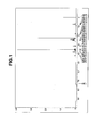
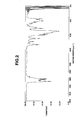
- F1GS. 1 and 2 are 1 H-NMR and IR spectra of the compound, respectively. From these data, the compound was identified to be 2,2-dimethoxy-8-,(4-methylpiperazinyl)methyl-1,6-dioxa-2-silacyclooctane.
- a 100-ml four-necked flask equipped with a Dimroth condenser, Dean Stark trap, stirrer, and thermometer was thoroughly purged with nitrogen.
- the flask was charged with 54 g of deionized water, to which 36 g of 2,2-dimethoxy-8-(4-methylpiperazinyl)methyl-1,6-dioxa-2-silacyclooctane was slowly added dropwise.
- the reaction solution was matured at atmospheric pressure and 60°C for 1 hour, after which the flask was heated to slowly remove methanol formed. Heating was interrupted when the head temperature reached 100°C, and the flask was allowed to cool.
- the resulting aqueous solution was adjusted in concentration by adding deionized water to a nonvolatile content of 32-33 wt%. By filtration, a clear aqueous solution was obtained. Analysis by gas chromatography (internal standard method) showed a residual methanol content of 0.3 wt%.
- the aqueous solution was evaporated to dryness by heating in a hot air oven at 105°C for 3 hours. A nonvolatile content of 32 wt% was found.
- the aqueous solution was allowed to stand at room temperature for more than 1 month, during which period it remained clear without releasing further methanol and gel-like matter, proving shelf stability at room temperature. When the aqueous solution was diluted 25 times in volume with deionized water, methanol was no longer formed. The diluted aqueous solution also showed shelf stability at room temperature.
- a reaction solution was obtained as in Synthesis Example 1 aside from using ⁇ -glycidoxypropyltriethoxysilane instead of ⁇ -glycidoxypropyltrimethoxysilane. On distillation of the reaction solution, 40 g of a clear fraction at a boiling point of 145-147°C/0.2 kPa was collected.
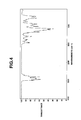
- FIGS. 3 and 4 are 1 H-NMR and IR spectra of the compound, respectively. From these data, the compound was identified to be 2,2-diethoxy-8-(4-methylpiperazinyl)methyl-1,6-dioxa-2-silacyclooctane.
- a 100-ml four-necked flask equipped with a Dimroth condenser, Dean Stark trap, stirrer, and thermometer was thoroughly purged with nitrogen.
- the flask was charged with 54 g of deionized water, to which 36 g of 2,2-diethoxy-8-(4-methylpiperazinyl)methyl-1,6-dioxa-2-silacyclooctane was slowly added dropwise.
- the reaction solution was matured at atmospheric pressure and 60°C for 1 hour, after which the flask was heated to slowly remove ethanol formed. Heating was interrupted when the head temperature reached 100°C, and the flask was allowed to cool.
- the resulting aqueous solution was adjusted in concentration by adding deionized water to a nonvolatile content of 32-33 wt%. By filtration, a clear aqueous solution was obtained. Analysis by gas chromatography (internal standard method) showed a residual ethanol content of 1.2 wt%.
- the aqueous solution was evaporated to dryness by heating in a hot air oven at 105°C for 3 hours. A nonvolatile content of 32 wt% was found.
- the aqueous solution was allowed to stand at room temperature for more than 1 month, during which period it remained clear without releasing further ethanol and gel-like matter, proving shelf stability at room temperature. When the aqueous solution was diluted 25 times in volume with deionized water, ethanol was no longer formed. The diluted aqueous solution also showed shelf stability at room temperature.
- a reaction solution was obtained as in Synthesis Example 1 aside from using ⁇ -glycidoxypropylmethyldiethoxysilane instead of ⁇ -glycidoxypropyltrimethoxysilane. On distillation of the reaction solution, 18 g of a clear fraction at a boiling point of 133-135°C/0.3 kPa was collected.
- FIGS. 5 and 6 are 1 H-NMR and IR spectra of the compound, respectively. From these data, the compound was identified to be 2-ethoxy-2-methyl-8-(4-methylpiperazinyl)methyl-1,6-dioxa-2-silacyclooctane.
- a 100-ml four-necked flask equipped with a Dimroth condenser, Dean Stark trap, stirrer, and thermometer was thoroughly purged with nitrogen.
- the flask was charged with 36 g of deionized water, to which 36 g of 2-ethoxy-2-methyl-8-(4-methylpiperazinyl)methyl-1,6-dioxa-2-silacyclooctane was slowly added dropwise.
- the reaction solution was matured at atmospheric pressure and 60°C for 1 hour, after which the flask was heated to slowly remove ethanol formed. Heating was interrupted when the head temperature reached 100°C, and the flask was allowed to cool.
- the resulting aqueous solution was adjusted in concentration by adding deionized water to a nonvolatile content of 32-33 wt%. By filtration, a clear aqueous solution was obtained. Analysis by gas chromatography (internal standard method) showed a residual ethanol content of 0.8 wt%.
- the aqueous solution was evaporated to dryness by heating in a hot air oven at 105°C for 3 hours. A nonvolatile content of 32 wt% was found.
- the aqueous solution was allowed to stand at room temperature for more than 1 month, during which period it remained clear without releasing further ethanol and gel-like matter, proving shelf stability at room temperature. When the aqueous solution was diluted 25 times in volume with deionized water, ethanol was no longer formed. The diluted aqueous solution also showed shelf stability at room temperature.
- the interfacial shear strength is computed according to the following equation from the diameter of glass fibers, the length of resin droplets, and the maximum load of withdrawal.
- Interfacial shear strength (N/m 2 ) (maximum withdrawal load)/( ⁇ x fiber diameter x droplet length)
- the interfacial shear strength of glass fiber samples is reported as a relative value, provided that the interfacial shear strength of an untreated glass fiber sample is 100. A greater value indicates better adhesion.
- the resin used in the test was prepared by mixing 100 g of a bisphenol A epoxy resin (Epikote 828 by Japan Epoxy Resin Co., Ltd.) with 11 g of triethylene tetramine as a curing agent.
- the curing conditions included 90 minutes at 80°C and 120 minutes at 100°C.
- Example 1 The aqueous solution of 1-trihydroxysilyl-6-hydroxy-7-(4-methylpiperazinyl)-4-oxaheptane (nonvolatile content 32 wt%) in Example 1 was diluted 25 times in volume with water. Glass fibers (diameter -23 ⁇ m) cut to a length of -300 mm were immersed in the diluted aqueous solution for 30 minutes. The fibers were taken out and dried in an oven at 70°C for 2 hours, obtaining treated glass fibers. Micro-droplets of an epoxy resin were fixed to the glass fibers by applying and curing the resin under the above-described conditions. A maximum load needed to withdraw glass fibers from droplets was measured, from which a relative interfacial shear strength of 208 was obtained.
- aqueous solution with a nonvolatile content of 32 wt% was prepared by the same procedure as in Example 1 aside from using 4-methylpiperazinylpropyltrimethoxysilane instead of 2,2-dimethoxy-8-(4-methylpiperazinyl)methyl-1,6-dioxa-2-silacyclooctane.
- the aqueous solution was diluted 25 times in volume with water. Glass fibers (diameter ⁇ 23 ⁇ m) cut to a length of ⁇ 300 mm were immersed in the diluted aqueous solution for 30 minutes. The fibers were taken out and dried in an oven at 70°C for 2 hours, obtaining treated glass fibers. Micro-droplets of an epoxy resin were fixed to the glass fibers as above. A maximum load needed to withdraw glass fibers from droplets was measured, from which a relative interfacial shear strength of 176 was obtained.
Landscapes
- Chemical & Material Sciences (AREA)
- Organic Chemistry (AREA)
- Health & Medical Sciences (AREA)
- Chemical Kinetics & Catalysis (AREA)
- Medicinal Chemistry (AREA)
- Polymers & Plastics (AREA)
Abstract
Description
- This invention relates to an aqueous solution of a piperazinyl-containing silanol compound which is useful as silane coupling agents, surface treating agents, textile treating agents, adhesives, paint additives, polymer modifiers or the like, and a method for preparing the aqueous solution.
- It is well known in the art that amino-containing organosilicon compounds are useful as silane coupling agents, surface treating agents, textile treating agents, adhesives, paint additives or the like. In a particular application where an inorganic material (e.g., glass fiber, metal or oxide filler) is added to a polymeric material for the purpose of improving the mechanical properties and heat resistance thereof, the concurrent addition of the amino-containing organosilicon compound is known to improve the adhesion between the polymeric and inorganic materials and the dispersed state of the inorganic material. The desired addition effects are enhanced.
- It is also known that when silane coupling agents including amino-containing organosilicon compounds are used, they release substantial amounts of alcohol in the mixing process. While the current concern is highlighted on the environmental problems closely correlated to the global green house effect and health hazards, one important task is a saving of volatile organic compounds. One attempt to reduce the release of alcohol from the silane coupling agent is involved in the development efforts toward a saving of volatile organic compounds. The inventors disclosed in
JP-A 2008-111023 - The propylsilanol compound having a tertiary amino group at γ-position, however, is sometimes less effective in improving the adhesion between two or more different materials, despite the possession of amino group.
- Patent Document 1:
JP-A 2008-111023 - An object of the invention is to provide an aqueous solution of a piperazinyl-containing silanol compound or a compound having an amino group and a functional group at a non-silicon site, which is effective in improving the adhesion between different materials, and a method for preparing the same.
- The inventors have found that an aqueous solution comprising a piperazinyl-containing silanol compound having the general formula (1):

- In one aspect, the invention provides an aqueous solution comprising a piperazinyl-containing silanol compound having the general formula (1) and a dehydrated condensate thereof, the aqueous solution containing less than 10% by weight of a volatile alcohol.

- Herein R1 is a substituted or unsubstituted monovalent hydrocarbon group of 1 to 10 carbon atoms and n is an integer of 0 to 2.
- In a preferred embodiment, 3 to 20,000 moles of water is present per mole of silicon atoms.
- In another aspect, the invention provides a method for preparing an aqueous solution of a piperazinyl-containing silanol compound, comprising the steps of adding a compound having the general formula (2) to water, and removing a volatile alcohol formed as byproduct.

- Herein R1 and R2 are each independently a substituted or unsubstituted monovalent hydrocarbon group of 1 to 10 carbon atoms and n is an integer of 0 to 2.
- An aqueous solution comprising a piperazinyl-containing silanol compound and a dehydrated condensate thereof is used to improve the adhesion between two or more different materials and to impart high mechanical properties and heat resistance to the composite material thereof. No alcohol is released from the aqueous solution. Since the content of volatile alcohol is minimized, any alcohol which will volatilize during use may be controlled.
-
-
FIGS. 1 and2 are 1H-NMR and IR spectra of the compound of Synthesis Example 1, respectively. -
FIGS. 3 and4 are 1H-NMR and IR spectra of the compound of Synthesis Example 2, respectively. -
FIGS. 5 and6 are 1H-NMR and IR spectra of the compound of Synthesis Example 3, respectively. - According to the invention, an aqueous solution is defined as comprising a piperazinyl-containing silanol compound having the general formula (1):

- In formula (1), R1 is a monovalent hydrocarbon group of 1 to 10 carbon atoms, preferably 1 to 6 carbon atoms, for example, straight, branched or cyclic alkyl, alkenyl or aryl. Exemplary hydrocarbon groups include methyl, ethyl, propyl, isopropyl, butyl, isobutyl, tert-butyl, pentyl, cyclopentyl, hexyl, cyclohexyl, heptyl, octyl, decyl, vinyl, allyl, methallyl, and butenyl. Suitable substituents thereon include halogen atoms such as fluorine.
- Suitable examples of the compound having formula (1) include 1-trihydroxysilyl-6-hydroxy-7-(4-methylpiperazinyl)-4-oxaheptane, 1-methyldihydroxysilyl-6-hydroxy-7-(4-methylpiperazinyl)-4-oxaheptane, 1-dimethylhydroxysilyl-6-hydroxy-7-(4-methylpiperazinyl)-4-oxaheptane, 1-ethyldihydroxysilyl-6-hydroxy-7-(4-methylpiperazinyl)-4-oxaheptane, 1-diethylhydroxysilyl-6-hydroxy-7-(4-methylpiperazinyl)-4-oxaheptane, 1-propyldihydroxysilyl-6-hydroxy-7-(4-methylpiperazinyl)-4-oxaheptane, 1-dipropylhydroxysilyl-6-hydroxy-7-(4-methylpiperazinyl)-4-oxaheptane, 1-isopropyldihydroxysilyl-6-hydroxy-7-(4-methylpiperazinyl)-4-oxaheptane, and 1-diisopropylhydroxy-silyl-6-hydroxy-7-(4-methylpiperazinyl)-4-oxaheptane.
- Examples of the dehydrated condensate of a silanol compound having formula (1) include oligomers like dimer, trimer, and tetramer in which dehydration condensation occurs between molecules of formula (1), specifically between silanol groups and/or between silanol and carbon-bonded hydroxyl groups. The compound of formula (1) and the oligomer are generally present in a weight ratio between 99:1 and 1:99, specifically between 99:1 and 10:90.
- The aqueous solution of a piperazinyl-containing silanol compound is obtained by adding a compound having the general formula (2):

- In formula (2), R1 is as defined above. R2 is a monovalent hydrocarbon group of 1 to 10 carbon atoms, preferably 1 to 4 carbon atoms, for example, straight, branched or cyclic alkyl, alkenyl or aryl. Exemplary hydrocarbon groups include methyl, ethyl, propyl, isopropyl, butyl, isobutyl, tert-butyl, pentyl, cyclopentyl, hexyl, cyclohexyl, heptyl, octyl, decyl, vinyl, allyl, methallyl, and butenyl. Suitable substituents thereon include halogen atoms such as fluorine.
- Suitable examples of the compound having formula (2) include 2,2-dimethoxy-8-(4-methylpiperazinyl)methyl-1,6-dioxa-2-silacyclooctane, 2,2-diethoxy-8-(4-methylpiperazinyl)methyl-1,6-dioxa-2-silacyclooctane, 2-methoxy-2-methyl-8-(4-methylpiperazinyl)methyl-1,6-dioxa-2-silacyclooctane, 2-ethoxy-2-methyl-8-(4-methylpiperazinyl)-methyl-1,6-dioxa-2-silacyclooctane, 2,2-dimethyl-8-(4-methylpiperazinyl)methyl-1,6-dioxa-2-silacyclooctane, 2-methoxy-2"ethyl-8-(4-methylpiperazinyl)methyl-l,6-dioxa-2-silacyclooctane, 2-ethoxy-2-ethyl-B-(4-methylpiperazinyl)-methyl-l,6-dioxa-2-silacyclooctane, 2,2-diethyl-8-(4-methylpiperazinyl)methyl-1,6-dioxa-2-silacyclooctane, 2-methoxy-2-propyl-8-(4-methylpiperazinyl)methyl-1,6-dioxa-2-silacyclooctane, 2-ethoxy-2-propyl-8-(4-methylpiperazinyl)-methyl-1,6-dioxa-2-silacyclooctane, 2,2-dipropyl-8-(4-methylpiperazinyl)methyl-1,6-dioxa-2-silacyclooctane, 2-methoxy-2-isopropyl-8-(4-methylpiperazinyl)methyl-1,6-dioxa-2-silacyclooctane, 2-ethoxy-2-isopropyl-8-(4-methylpiperazinyl)methyl-Z,6-dzoxa-2-silaoyclooctane, and 2,2-diisopropyl-8-(4-methylpiperazinyl)methyl-1,6-dioxa-2-silacyclooctane.
- No particular limits are imposed on the conditions under which the compound of formula (2) is added to water. Preferred conditions include atmospheric pressure or a subatmospheric pressure of approximately 1 kPa and a temperature of 0 to 100°C, preferably 10 to 80° C. The reaction time, i.e., the time taken for addition and maturing is preferably 0.5 to 20 hours, more preferably 1 to 10 hours, and even more preferably 1, to 5 hours.
- The amount of water is not particularly limited. Since a smaller amount of water leads to a higher productivity and a less transportation cost, water is preferably used in an amount of 3 to 20,000 moles, more preferably 3 to 100 moles, and even more preferably 3 to 50 moles per mole of silicon atom. If the concentration is high, the aqueous solution may be diluted prior to use.
- During the reaction, a volatile alcohol is formed as byproduct. The volatile alcohol may be removed while or after the compound of formula (2) is added to water. Although the conditions for removal are not particularly limited, the preferred conditions include atmospheric or subatmospheric pressure and a temperature of 0 to 100°C, preferably 10 to 80°C. The content of volatile alcohol is less than 10% by weight of the aqueous solution. The content of volatile alcohol is preferably less than or equal to 5% by weight and more preferably less than or equal to 2% by weight because a lower alcohol content indicates less release of volatilizing alcohol on use.
- On use, the aqueous solution may be diluted with a solvent. Examples of the diluent include, but are not limited to, protic polar solvents, typically water, hydrocarbon solvents such as pentane, hexane, cyclohexane, heptane, isooctane, benzene, toluene, and xylene, ether solvents such as diethyl ether, tetrahydrofuran, and dioxane, ester solvents such as ethyl acetate and butyl acetate, aprotic polar solvents such as acetonitrile and N,N-dimethylformamide, and halogenated hydrocarbon solvents such as dichloromethane and chloroform. These solvents may be used alone or in admixture. An acid or base may also be used as a pH modifier.
- As long as the objects of the invention are not compromised, one or more additives may be added to the aqueous solution, for example, pigments, dyes, defoamers, lubricants, preservatives, pH modifiers, film formers, antistatic agents, antiseptic agents, surfactants, polymerization initiators, and polymerization accelerators.
- The aqueous solution of piperazinyl-containing silanol compound is useful as silane coupling agents, surface treating agents, textile treating agents, adhesives, paint additives, polymer modifiers or the like.
- Synthesis Examples, Examples, and Application Examples are given below by way of illustration and not by way of limitation.
- Synthesis of 2,2-dimethoxy-8-(4-methylpiperazinyl)methyl-1,6-dioxa-2-silacyclooctane
- A flask equipped with a stirrer, reflux condenser, dropping funnel and thermometer was charged with 30 g (0.30 mol) of methylpiperazine. With stirring at 85-95°C, 71 g (0.30 mol) of γ-glycidoxypropyltrimethoxysilane was added dropwise over 4 hours. Stirring was continued for 2 hours at the temperature, obtaining a clear reaction solution. On distillation of the reaction solution, 39 g of a clear fraction at a boiling point of 140-142°C/0.4 kPa was collected.
- The fraction was analyzed by mass spectrometry, 1H-NMR (in heavy chloroform), and IR spectroscopy. The data of mass spectrometry are given below.
- m/z 304, 273, 34, 139, 113
- F1GS. 1 and 2 are 1H-NMR and IR spectra of the compound, respectively. From these data, the compound was identified to be 2,2-dimethoxy-8-,(4-methylpiperazinyl)methyl-1,6-dioxa-2-silacyclooctane.
- Aqueous solution of 1-trihydroxysilyl-6-hydroxy-7-(4-methylpiperazinyl)-4-oxaheptane
- A 100-ml four-necked flask equipped with a Dimroth condenser, Dean Stark trap, stirrer, and thermometer was thoroughly purged with nitrogen. The flask was charged with 54 g of deionized water, to which 36 g of 2,2-dimethoxy-8-(4-methylpiperazinyl)methyl-1,6-dioxa-2-silacyclooctane was slowly added dropwise. The reaction solution was matured at atmospheric pressure and 60°C for 1 hour, after which the flask was heated to slowly remove methanol formed. Heating was interrupted when the head temperature reached 100°C, and the flask was allowed to cool. The resulting aqueous solution was adjusted in concentration by adding deionized water to a nonvolatile content of 32-33 wt%. By filtration, a clear aqueous solution was obtained. Analysis by gas chromatography (internal standard method) showed a residual methanol content of 0.3 wt%. The aqueous solution was evaporated to dryness by heating in a hot air oven at 105°C for 3 hours. A nonvolatile content of 32 wt% was found. The aqueous solution was allowed to stand at room temperature for more than 1 month, during which period it remained clear without releasing further methanol and gel-like matter, proving shelf stability at room temperature. When the aqueous solution was diluted 25 times in volume with deionized water, methanol was no longer formed. The diluted aqueous solution also showed shelf stability at room temperature.
- Synthesis of 2,2-diethoxy-8-(4-methylpiperazinyl)methyl-1,6-dioxa-2-silacyclooctane
- A reaction solution was obtained as in Synthesis Example 1 aside from using γ-glycidoxypropyltriethoxysilane instead of γ-glycidoxypropyltrimethoxysilane. On distillation of the reaction solution, 40 g of a clear fraction at a boiling point of 145-147°C/0.2 kPa was collected.
- The fraction was analyzed by mass spectrometry, 1H-NMR (in heavy chloroform), and IR spectroscopy. The data of mass spectrometry are given below.
- m/z 332, 287, 262, 139, 113
-
FIGS. 3 and4 are 1H-NMR and IR spectra of the compound, respectively. From these data, the compound was identified to be 2,2-diethoxy-8-(4-methylpiperazinyl)methyl-1,6-dioxa-2-silacyclooctane. - Aqueous solution of 1-trihydroxysilyl-6-hydroxy-7-(4-methylpiperazinyl)-4-oxaheptane
- A 100-ml four-necked flask equipped with a Dimroth condenser, Dean Stark trap, stirrer, and thermometer was thoroughly purged with nitrogen. The flask was charged with 54 g of deionized water, to which 36 g of 2,2-diethoxy-8-(4-methylpiperazinyl)methyl-1,6-dioxa-2-silacyclooctane was slowly added dropwise. The reaction solution was matured at atmospheric pressure and 60°C for 1 hour, after which the flask was heated to slowly remove ethanol formed. Heating was interrupted when the head temperature reached 100°C, and the flask was allowed to cool. The resulting aqueous solution was adjusted in concentration by adding deionized water to a nonvolatile content of 32-33 wt%. By filtration, a clear aqueous solution was obtained. Analysis by gas chromatography (internal standard method) showed a residual ethanol content of 1.2 wt%. The aqueous solution was evaporated to dryness by heating in a hot air oven at 105°C for 3 hours. A nonvolatile content of 32 wt% was found. The aqueous solution was allowed to stand at room temperature for more than 1 month, during which period it remained clear without releasing further ethanol and gel-like matter, proving shelf stability at room temperature. When the aqueous solution was diluted 25 times in volume with deionized water, ethanol was no longer formed. The diluted aqueous solution also showed shelf stability at room temperature.
- Synthesis of 2-ethoxy-2-methyl-8-(4-methylpiperazinyl)-methyl-1,6-dioxa-2-silacyclooctane
- A reaction solution was obtained as in Synthesis Example 1 aside from using γ-glycidoxypropylmethyldiethoxysilane instead of γ-glycidoxypropyltrimethoxysilane. On distillation of the reaction solution, 18 g of a clear fraction at a boiling point of 133-135°C/0.3 kPa was collected.
- The fraction was analyzed by mass spectrometry, 1H-NMR (in heavy chloroform), and IR spectroscopy. The data of mass spectrometry are given below.
- m/z 302, 287, 257, 139, 113
-
FIGS. 5 and6 are 1H-NMR and IR spectra of the compound, respectively. From these data, the compound was identified to be 2-ethoxy-2-methyl-8-(4-methylpiperazinyl)methyl-1,6-dioxa-2-silacyclooctane. - Aqueous solution of 1-methyldihydroxysilyl-6-hydroxy-7-(4-methylpiperazinyl)-4-oxaheptane
- A 100-ml four-necked flask equipped with a Dimroth condenser, Dean Stark trap, stirrer, and thermometer was thoroughly purged with nitrogen. The flask was charged with 36 g of deionized water, to which 36 g of 2-ethoxy-2-methyl-8-(4-methylpiperazinyl)methyl-1,6-dioxa-2-silacyclooctane was slowly added dropwise. The reaction solution was matured at atmospheric pressure and 60°C for 1 hour, after which the flask was heated to slowly remove ethanol formed. Heating was interrupted when the head temperature reached 100°C, and the flask was allowed to cool. The resulting aqueous solution was adjusted in concentration by adding deionized water to a nonvolatile content of 32-33 wt%. By filtration, a clear aqueous solution was obtained. Analysis by gas chromatography (internal standard method) showed a residual ethanol content of 0.8 wt%. The aqueous solution was evaporated to dryness by heating in a hot air oven at 105°C for 3 hours. A nonvolatile content of 32 wt% was found. The aqueous solution was allowed to stand at room temperature for more than 1 month, during which period it remained clear without releasing further ethanol and gel-like matter, proving shelf stability at room temperature. When the aqueous solution was diluted 25 times in volume with deionized water, ethanol was no longer formed. The diluted aqueous solution also showed shelf stability at room temperature.
- Measurement of adhesion
- Once glass fibers were treated with the aqueous solution, a resin was fixed to the fibers in micro-droplet form. A maximum load needed to withdraw glass fibers therefrom was measured, from which an interfacial shear strength between glass and resin was determined. For measurement, an equipment for evaluating composite material interfacial properties, model HM410 (Tohei Sangyo Co., Ltd.) was used.
- The interfacial shear strength is computed according to the following equation from the diameter of glass fibers, the length of resin droplets, and the maximum load of withdrawal.
- Interfacial shear strength (N/m2) = (maximum withdrawal load)/(π x fiber diameter x droplet length)
- The interfacial shear strength of glass fiber samples is reported as a relative value, provided that the interfacial shear strength of an untreated glass fiber sample is 100. A greater value indicates better adhesion.
- The resin used in the test was prepared by mixing 100 g of a bisphenol A epoxy resin (Epikote 828 by Japan Epoxy Resin Co., Ltd.) with 11 g of triethylene tetramine as a curing agent. The curing conditions included 90 minutes at 80°C and 120 minutes at 100°C.
- The aqueous solution of 1-trihydroxysilyl-6-hydroxy-7-(4-methylpiperazinyl)-4-oxaheptane (nonvolatile content 32 wt%) in Example 1 was diluted 25 times in volume with water. Glass fibers (diameter -23 µm) cut to a length of -300 mm were immersed in the diluted aqueous solution for 30 minutes. The fibers were taken out and dried in an oven at 70°C for 2 hours, obtaining treated glass fibers. Micro-droplets of an epoxy resin were fixed to the glass fibers by applying and curing the resin under the above-described conditions. A maximum load needed to withdraw glass fibers from droplets was measured, from which a relative interfacial shear strength of 208 was obtained.
- An aqueous solution with a nonvolatile content of 32 wt% was prepared by the same procedure as in Example 1 aside from using 4-methylpiperazinylpropyltrimethoxysilane instead of 2,2-dimethoxy-8-(4-methylpiperazinyl)methyl-1,6-dioxa-2-silacyclooctane. The aqueous solution was diluted 25 times in volume with water. Glass fibers (diameter ∼23 µm) cut to a length of ∼300 mm were immersed in the diluted aqueous solution for 30 minutes. The fibers were taken out and dried in an oven at 70°C for 2 hours, obtaining treated glass fibers. Micro-droplets of an epoxy resin were fixed to the glass fibers as above. A maximum load needed to withdraw glass fibers from droplets was measured, from which a relative interfacial shear strength of 176 was obtained.
Claims (3)
- An aqueous solution comprising a piperazinyl-containing silanol compound having the general formula (1):

- The aqueous solution of claim 1 wherein 3 to 20,000 moles of water is present per mole of silicon atoms.
- A method for preparing an aqueous solution of a piperazinyl-containing silanol compound as set forth in claim 1 or 2, comprising the steps of adding a compound having the general formula (2):

Applications Claiming Priority (1)
| Application Number | Priority Date | Filing Date | Title |
|---|---|---|---|
| JP2010155590A JP5499963B2 (en) | 2010-07-08 | 2010-07-08 | Piperazinyl group-containing silanol compound aqueous solution and method for producing the same |
Publications (2)
| Publication Number | Publication Date |
|---|---|
| EP2404924A1 true EP2404924A1 (en) | 2012-01-11 |
| EP2404924B1 EP2404924B1 (en) | 2013-03-20 |
Family
ID=44582174
Family Applications (1)
| Application Number | Title | Priority Date | Filing Date |
|---|---|---|---|
| EP11172911A Active EP2404924B1 (en) | 2010-07-08 | 2011-07-06 | Aqueous solution of piperazinyl-containing silanol compound and making method |
Country Status (3)
| Country | Link |
|---|---|
| US (1) | US20120006229A1 (en) |
| EP (1) | EP2404924B1 (en) |
| JP (1) | JP5499963B2 (en) |
Cited By (2)
| Publication number | Priority date | Publication date | Assignee | Title |
|---|---|---|---|---|
| CN104558613A (en) * | 2015-01-27 | 2015-04-29 | 荆州市江汉精细化工有限公司 | Method for synthesizing sulfur-containing silane copolymer with low VOC (volatile organic compounds) emission |
| EP3162814A4 (en) * | 2014-06-27 | 2018-01-10 | Zeon Corporation | Method for manufacturing conjugated diene rubber |
Families Citing this family (9)
| Publication number | Priority date | Publication date | Assignee | Title |
|---|---|---|---|---|
| JP5699462B2 (en) * | 2010-06-24 | 2015-04-08 | 信越化学工業株式会社 | Adhesive composition containing organosilicon compound having piperazinyl group |
| EP2984070B1 (en) | 2013-04-09 | 2018-01-17 | Mankind Pharma Ltd. | N-haloalkylindoline intermediates, their process and use in preparation of silodosin and its derivatives |
| JP6512107B2 (en) | 2013-12-27 | 2019-05-15 | 日本ゼオン株式会社 | Process for producing conjugated diene polymer and conjugated diene polymer |
| KR20160138993A (en) | 2014-03-31 | 2016-12-06 | 미쓰비시 마테리알 가부시키가이샤 | Fluorine-containing silane compound |
| WO2015152038A1 (en) | 2014-03-31 | 2015-10-08 | 日本ゼオン株式会社 | Method for producing modified conjugated diene rubber |
| JP5731038B1 (en) * | 2014-03-31 | 2015-06-10 | 三菱マテリアル株式会社 | Fluorine-containing silane compound |
| JP2017008241A (en) * | 2015-06-24 | 2017-01-12 | 日本ゼオン株式会社 | Rubber composition |
| JP7557258B2 (en) | 2016-11-16 | 2024-09-27 | 日本ゼオン株式会社 | Method for producing conjugated diene rubber |
| JP7643547B2 (en) * | 2021-06-24 | 2025-03-11 | 信越化学工業株式会社 | Aqueous composition and method for producing same |
Citations (2)
| Publication number | Priority date | Publication date | Assignee | Title |
|---|---|---|---|---|
| JP2008111023A (en) | 2006-10-30 | 2008-05-15 | Shin Etsu Chem Co Ltd | Tertiary amino group-containing propylsilanol compound-containing aqueous solution |
| EP2180001A1 (en) * | 2008-10-22 | 2010-04-28 | Shin-Etsu Chemical Co., Ltd. | Organosilicon compound having amino group and its production method |
Family Cites Families (3)
| Publication number | Priority date | Publication date | Assignee | Title |
|---|---|---|---|---|
| US5585186A (en) * | 1994-12-12 | 1996-12-17 | Minnesota Mining And Manufacturing Company | Coating composition having anti-reflective, and anti-fogging properties |
| US6057040A (en) * | 1998-01-22 | 2000-05-02 | Vision--Ease Lens, Inc. | Aminosilane coating composition and process for producing coated articles |
| JP5359185B2 (en) * | 2008-10-22 | 2013-12-04 | 信越化学工業株式会社 | Organosilicon compound having amino group and protected hydroxyl group and method for producing the same |
-
2010
- 2010-07-08 JP JP2010155590A patent/JP5499963B2/en active Active
-
2011
- 2011-07-06 EP EP11172911A patent/EP2404924B1/en active Active
- 2011-07-08 US US13/179,142 patent/US20120006229A1/en not_active Abandoned
Patent Citations (2)
| Publication number | Priority date | Publication date | Assignee | Title |
|---|---|---|---|---|
| JP2008111023A (en) | 2006-10-30 | 2008-05-15 | Shin Etsu Chem Co Ltd | Tertiary amino group-containing propylsilanol compound-containing aqueous solution |
| EP2180001A1 (en) * | 2008-10-22 | 2010-04-28 | Shin-Etsu Chemical Co., Ltd. | Organosilicon compound having amino group and its production method |
Cited By (2)
| Publication number | Priority date | Publication date | Assignee | Title |
|---|---|---|---|---|
| EP3162814A4 (en) * | 2014-06-27 | 2018-01-10 | Zeon Corporation | Method for manufacturing conjugated diene rubber |
| CN104558613A (en) * | 2015-01-27 | 2015-04-29 | 荆州市江汉精细化工有限公司 | Method for synthesizing sulfur-containing silane copolymer with low VOC (volatile organic compounds) emission |
Also Published As
| Publication number | Publication date |
|---|---|
| JP2012017291A (en) | 2012-01-26 |
| US20120006229A1 (en) | 2012-01-12 |
| JP5499963B2 (en) | 2014-05-21 |
| EP2404924B1 (en) | 2013-03-20 |
Similar Documents
| Publication | Publication Date | Title |
|---|---|---|
| EP2404924B1 (en) | Aqueous solution of piperazinyl-containing silanol compound and making method | |
| EP2679617B1 (en) | Organopolysiloxane and method of preparation | |
| KR20160103047A (en) | Silicate resins and methods of preparing same | |
| US9273072B2 (en) | Method for producing organosilicon compounds which have amino groups | |
| WO2011095261A1 (en) | Novel organomodified siloxanes having primary amino functions, novel organomodified siloxanes having quaternary ammonium functions and the method for the production thereof | |
| WO2002026749A1 (en) | Aqueous solution of aminated silanol compound, use thereof, and process for producing the same | |
| EP3191542B1 (en) | Method for producing organosilicon compounds having amino groups | |
| KR20140122738A (en) | Organosilicon compounds and the use thereof for producing hydrophilic surfaces | |
| DE102014209215A1 (en) | Process for the preparation of urea-containing silanes | |
| EP2944641B1 (en) | Process for preparing urea-containing mercaptosilanes | |
| KR101922256B1 (en) | Alkoxysilane compounds having fluoroalkyl group and method of preparing the same | |
| US9994596B2 (en) | Process for preparing a composition containing 2-ethylhexyl silicate | |
| US20170166702A1 (en) | Aqueous composition comprising [3-(2,3-DIHYDROXYPROP-1-OXY)PROPYL] SILANOL OLIGOMERS, process for preparation thereof and use thereof | |
| JP4361937B2 (en) | Method for producing organosiloxane modified with phosphonic acid ester | |
| CN114072374B (en) | Aromatic enol ethers | |
| TW202028309A (en) | Composition containing 3-glycidyloxypropylalkoxysilane oligomers, process for the production thereof and use thereof | |
| US10065975B2 (en) | Amino-containing organosilicon compound and making method | |
| EP0392509B1 (en) | 3-(2-Oxo-1-pyrrolidinyl)-propyl-silanes and method for preparing the silane compounds | |
| EP3290426B1 (en) | 2-cyanoethyl-containing organoxysilane compound, silsesquioxane, and making methods | |
| US20170291913A1 (en) | Process for preparing a composition containing 2-propylheptyl silicate | |
| RU2678701C2 (en) | Urea-containing mercaptosilanes, process for preparation thereof and use thereof | |
| JP2004359556A (en) | Silanol group-containing compound, method for producing the same, aqueous solution of silanol group-containing compound, surface treatment agent, and glass fiber | |
| EP4361161A1 (en) | Aqueous composition and method for producing same | |
| JP2004359557A (en) | Silanol group-containing compound, method for producing the same, aqueous solution of silanol group-containing compound, surface treatment agent, and glass fiber | |
| JP2013515067A (en) | Fluorinated arylene-containing compounds, methods, and polymers prepared therefrom |
Legal Events
| Date | Code | Title | Description |
|---|---|---|---|
| AK | Designated contracting states |
Kind code of ref document: A1 Designated state(s): AL AT BE BG CH CY CZ DE DK EE ES FI FR GB GR HR HU IE IS IT LI LT LU LV MC MK MT NL NO PL PT RO RS SE SI SK SM TR |
|
| AX | Request for extension of the european patent |
Extension state: BA ME |
|
| PUAI | Public reference made under article 153(3) epc to a published international application that has entered the european phase |
Free format text: ORIGINAL CODE: 0009012 |
|
| 17P | Request for examination filed |
Effective date: 20120329 |
|
| GRAP | Despatch of communication of intention to grant a patent |
Free format text: ORIGINAL CODE: EPIDOSNIGR1 |
|
| GRAS | Grant fee paid |
Free format text: ORIGINAL CODE: EPIDOSNIGR3 |
|
| GRAA | (expected) grant |
Free format text: ORIGINAL CODE: 0009210 |
|
| AK | Designated contracting states |
Kind code of ref document: B1 Designated state(s): AL AT BE BG CH CY CZ DE DK EE ES FI FR GB GR HR HU IE IS IT LI LT LU LV MC MK MT NL NO PL PT RO RS SE SI SK SM TR |
|
| REG | Reference to a national code |
Ref country code: GB Ref legal event code: FG4D |
|
| REG | Reference to a national code |
Ref country code: CH Ref legal event code: EP |
|
| REG | Reference to a national code |
Ref country code: IE Ref legal event code: FG4D |
|
| REG | Reference to a national code |
Ref country code: AT Ref legal event code: REF Ref document number: 602040 Country of ref document: AT Kind code of ref document: T Effective date: 20130415 |
|
| REG | Reference to a national code |
Ref country code: DE Ref legal event code: R096 Ref document number: 602011001107 Country of ref document: DE Effective date: 20130516 |
|
| PG25 | Lapsed in a contracting state [announced via postgrant information from national office to epo] |
Ref country code: SE Free format text: LAPSE BECAUSE OF FAILURE TO SUBMIT A TRANSLATION OF THE DESCRIPTION OR TO PAY THE FEE WITHIN THE PRESCRIBED TIME-LIMIT Effective date: 20130320 Ref country code: NO Free format text: LAPSE BECAUSE OF FAILURE TO SUBMIT A TRANSLATION OF THE DESCRIPTION OR TO PAY THE FEE WITHIN THE PRESCRIBED TIME-LIMIT Effective date: 20130620 Ref country code: BG Free format text: LAPSE BECAUSE OF FAILURE TO SUBMIT A TRANSLATION OF THE DESCRIPTION OR TO PAY THE FEE WITHIN THE PRESCRIBED TIME-LIMIT Effective date: 20130620 Ref country code: ES Free format text: LAPSE BECAUSE OF FAILURE TO SUBMIT A TRANSLATION OF THE DESCRIPTION OR TO PAY THE FEE WITHIN THE PRESCRIBED TIME-LIMIT Effective date: 20130701 Ref country code: LT Free format text: LAPSE BECAUSE OF FAILURE TO SUBMIT A TRANSLATION OF THE DESCRIPTION OR TO PAY THE FEE WITHIN THE PRESCRIBED TIME-LIMIT Effective date: 20130320 |
|
| REG | Reference to a national code |
Ref country code: AT Ref legal event code: MK05 Ref document number: 602040 Country of ref document: AT Kind code of ref document: T Effective date: 20130320 |
|
| REG | Reference to a national code |
Ref country code: LT Ref legal event code: MG4D |
|
| PG25 | Lapsed in a contracting state [announced via postgrant information from national office to epo] |
Ref country code: FI Free format text: LAPSE BECAUSE OF FAILURE TO SUBMIT A TRANSLATION OF THE DESCRIPTION OR TO PAY THE FEE WITHIN THE PRESCRIBED TIME-LIMIT Effective date: 20130320 Ref country code: LV Free format text: LAPSE BECAUSE OF FAILURE TO SUBMIT A TRANSLATION OF THE DESCRIPTION OR TO PAY THE FEE WITHIN THE PRESCRIBED TIME-LIMIT Effective date: 20130320 Ref country code: SI Free format text: LAPSE BECAUSE OF FAILURE TO SUBMIT A TRANSLATION OF THE DESCRIPTION OR TO PAY THE FEE WITHIN THE PRESCRIBED TIME-LIMIT Effective date: 20130320 Ref country code: GR Free format text: LAPSE BECAUSE OF FAILURE TO SUBMIT A TRANSLATION OF THE DESCRIPTION OR TO PAY THE FEE WITHIN THE PRESCRIBED TIME-LIMIT Effective date: 20130621 |
|
| REG | Reference to a national code |
Ref country code: NL Ref legal event code: VDEP Effective date: 20130320 |
|
| PG25 | Lapsed in a contracting state [announced via postgrant information from national office to epo] |
Ref country code: HR Free format text: LAPSE BECAUSE OF FAILURE TO SUBMIT A TRANSLATION OF THE DESCRIPTION OR TO PAY THE FEE WITHIN THE PRESCRIBED TIME-LIMIT Effective date: 20130320 Ref country code: BE Free format text: LAPSE BECAUSE OF FAILURE TO SUBMIT A TRANSLATION OF THE DESCRIPTION OR TO PAY THE FEE WITHIN THE PRESCRIBED TIME-LIMIT Effective date: 20130320 Ref country code: RS Free format text: LAPSE BECAUSE OF FAILURE TO SUBMIT A TRANSLATION OF THE DESCRIPTION OR TO PAY THE FEE WITHIN THE PRESCRIBED TIME-LIMIT Effective date: 20130320 |
|
| PG25 | Lapsed in a contracting state [announced via postgrant information from national office to epo] |
Ref country code: NL Free format text: LAPSE BECAUSE OF FAILURE TO SUBMIT A TRANSLATION OF THE DESCRIPTION OR TO PAY THE FEE WITHIN THE PRESCRIBED TIME-LIMIT Effective date: 20130320 Ref country code: CZ Free format text: LAPSE BECAUSE OF FAILURE TO SUBMIT A TRANSLATION OF THE DESCRIPTION OR TO PAY THE FEE WITHIN THE PRESCRIBED TIME-LIMIT Effective date: 20130320 Ref country code: EE Free format text: LAPSE BECAUSE OF FAILURE TO SUBMIT A TRANSLATION OF THE DESCRIPTION OR TO PAY THE FEE WITHIN THE PRESCRIBED TIME-LIMIT Effective date: 20130320 Ref country code: AT Free format text: LAPSE BECAUSE OF FAILURE TO SUBMIT A TRANSLATION OF THE DESCRIPTION OR TO PAY THE FEE WITHIN THE PRESCRIBED TIME-LIMIT Effective date: 20130320 Ref country code: IS Free format text: LAPSE BECAUSE OF FAILURE TO SUBMIT A TRANSLATION OF THE DESCRIPTION OR TO PAY THE FEE WITHIN THE PRESCRIBED TIME-LIMIT Effective date: 20130720 Ref country code: RO Free format text: LAPSE BECAUSE OF FAILURE TO SUBMIT A TRANSLATION OF THE DESCRIPTION OR TO PAY THE FEE WITHIN THE PRESCRIBED TIME-LIMIT Effective date: 20130320 Ref country code: SK Free format text: LAPSE BECAUSE OF FAILURE TO SUBMIT A TRANSLATION OF THE DESCRIPTION OR TO PAY THE FEE WITHIN THE PRESCRIBED TIME-LIMIT Effective date: 20130320 Ref country code: PT Free format text: LAPSE BECAUSE OF FAILURE TO SUBMIT A TRANSLATION OF THE DESCRIPTION OR TO PAY THE FEE WITHIN THE PRESCRIBED TIME-LIMIT Effective date: 20130722 |
|
| PG25 | Lapsed in a contracting state [announced via postgrant information from national office to epo] |
Ref country code: PL Free format text: LAPSE BECAUSE OF FAILURE TO SUBMIT A TRANSLATION OF THE DESCRIPTION OR TO PAY THE FEE WITHIN THE PRESCRIBED TIME-LIMIT Effective date: 20130320 Ref country code: CY Free format text: LAPSE BECAUSE OF FAILURE TO SUBMIT A TRANSLATION OF THE DESCRIPTION OR TO PAY THE FEE WITHIN THE PRESCRIBED TIME-LIMIT Effective date: 20130320 |
|
| PLBE | No opposition filed within time limit |
Free format text: ORIGINAL CODE: 0009261 |
|
| STAA | Information on the status of an ep patent application or granted ep patent |
Free format text: STATUS: NO OPPOSITION FILED WITHIN TIME LIMIT |
|
| PG25 | Lapsed in a contracting state [announced via postgrant information from national office to epo] |
Ref country code: DK Free format text: LAPSE BECAUSE OF FAILURE TO SUBMIT A TRANSLATION OF THE DESCRIPTION OR TO PAY THE FEE WITHIN THE PRESCRIBED TIME-LIMIT Effective date: 20130320 |
|
| 26N | No opposition filed |
Effective date: 20140102 |
|
| PG25 | Lapsed in a contracting state [announced via postgrant information from national office to epo] |
Ref country code: IT Free format text: LAPSE BECAUSE OF FAILURE TO SUBMIT A TRANSLATION OF THE DESCRIPTION OR TO PAY THE FEE WITHIN THE PRESCRIBED TIME-LIMIT Effective date: 20130320 Ref country code: MC Free format text: LAPSE BECAUSE OF FAILURE TO SUBMIT A TRANSLATION OF THE DESCRIPTION OR TO PAY THE FEE WITHIN THE PRESCRIBED TIME-LIMIT Effective date: 20130320 |
|
| REG | Reference to a national code |
Ref country code: DE Ref legal event code: R097 Ref document number: 602011001107 Country of ref document: DE Effective date: 20140102 |
|
| REG | Reference to a national code |
Ref country code: IE Ref legal event code: MM4A |
|
| PG25 | Lapsed in a contracting state [announced via postgrant information from national office to epo] |
Ref country code: IE Free format text: LAPSE BECAUSE OF NON-PAYMENT OF DUE FEES Effective date: 20130706 |
|
| REG | Reference to a national code |
Ref country code: CH Ref legal event code: PL |
|
| PG25 | Lapsed in a contracting state [announced via postgrant information from national office to epo] |
Ref country code: LI Free format text: LAPSE BECAUSE OF NON-PAYMENT OF DUE FEES Effective date: 20140731 Ref country code: CH Free format text: LAPSE BECAUSE OF NON-PAYMENT OF DUE FEES Effective date: 20140731 |
|
| PG25 | Lapsed in a contracting state [announced via postgrant information from national office to epo] |
Ref country code: SM Free format text: LAPSE BECAUSE OF FAILURE TO SUBMIT A TRANSLATION OF THE DESCRIPTION OR TO PAY THE FEE WITHIN THE PRESCRIBED TIME-LIMIT Effective date: 20130320 |
|
| PG25 | Lapsed in a contracting state [announced via postgrant information from national office to epo] |
Ref country code: MT Free format text: LAPSE BECAUSE OF FAILURE TO SUBMIT A TRANSLATION OF THE DESCRIPTION OR TO PAY THE FEE WITHIN THE PRESCRIBED TIME-LIMIT Effective date: 20130320 Ref country code: TR Free format text: LAPSE BECAUSE OF FAILURE TO SUBMIT A TRANSLATION OF THE DESCRIPTION OR TO PAY THE FEE WITHIN THE PRESCRIBED TIME-LIMIT Effective date: 20130320 |
|
| PG25 | Lapsed in a contracting state [announced via postgrant information from national office to epo] |
Ref country code: HU Free format text: LAPSE BECAUSE OF FAILURE TO SUBMIT A TRANSLATION OF THE DESCRIPTION OR TO PAY THE FEE WITHIN THE PRESCRIBED TIME-LIMIT; INVALID AB INITIO Effective date: 20110706 Ref country code: LU Free format text: LAPSE BECAUSE OF NON-PAYMENT OF DUE FEES Effective date: 20130706 Ref country code: MK Free format text: LAPSE BECAUSE OF FAILURE TO SUBMIT A TRANSLATION OF THE DESCRIPTION OR TO PAY THE FEE WITHIN THE PRESCRIBED TIME-LIMIT Effective date: 20130320 |
|
| GBPC | Gb: european patent ceased through non-payment of renewal fee |
Effective date: 20150706 |
|
| PG25 | Lapsed in a contracting state [announced via postgrant information from national office to epo] |
Ref country code: GB Free format text: LAPSE BECAUSE OF NON-PAYMENT OF DUE FEES Effective date: 20150706 |
|
| REG | Reference to a national code |
Ref country code: FR Ref legal event code: PLFP Year of fee payment: 6 |
|
| REG | Reference to a national code |
Ref country code: FR Ref legal event code: PLFP Year of fee payment: 7 |
|
| REG | Reference to a national code |
Ref country code: FR Ref legal event code: PLFP Year of fee payment: 8 |
|
| PG25 | Lapsed in a contracting state [announced via postgrant information from national office to epo] |
Ref country code: AL Free format text: LAPSE BECAUSE OF FAILURE TO SUBMIT A TRANSLATION OF THE DESCRIPTION OR TO PAY THE FEE WITHIN THE PRESCRIBED TIME-LIMIT Effective date: 20130320 |
|
| PGFP | Annual fee paid to national office [announced via postgrant information from national office to epo] |
Ref country code: FR Payment date: 20250610 Year of fee payment: 15 |
|
| PGFP | Annual fee paid to national office [announced via postgrant information from national office to epo] |
Ref country code: DE Payment date: 20250528 Year of fee payment: 15 |