EP2402454A1 - Cellobiose production from biomass - Google Patents
Cellobiose production from biomass Download PDFInfo
- Publication number
- EP2402454A1 EP2402454A1 EP10167946A EP10167946A EP2402454A1 EP 2402454 A1 EP2402454 A1 EP 2402454A1 EP 10167946 A EP10167946 A EP 10167946A EP 10167946 A EP10167946 A EP 10167946A EP 2402454 A1 EP2402454 A1 EP 2402454A1
- Authority
- EP
- European Patent Office
- Prior art keywords
- cellobiose
- cellulose
- liquid phase
- glucose
- preparation
- Prior art date
- Legal status (The legal status is an assumption and is not a legal conclusion. Google has not performed a legal analysis and makes no representation as to the accuracy of the status listed.)
- Withdrawn
Links
- GUBGYTABKSRVRQ-CUHNMECISA-N D-Cellobiose Chemical compound O[C@@H]1[C@@H](O)[C@H](O)[C@@H](CO)O[C@H]1O[C@@H]1[C@@H](CO)OC(O)[C@H](O)[C@H]1O GUBGYTABKSRVRQ-CUHNMECISA-N 0.000 title claims abstract description 200
- 239000002028 Biomass Substances 0.000 title claims abstract description 13
- 238000004519 manufacturing process Methods 0.000 title abstract description 27
- 238000000034 method Methods 0.000 claims abstract description 99
- 239000001913 cellulose Substances 0.000 claims abstract description 93
- 229920002678 cellulose Polymers 0.000 claims abstract description 93
- 230000008569 process Effects 0.000 claims abstract description 76
- 108010059892 Cellulase Proteins 0.000 claims abstract description 61
- 239000007791 liquid phase Substances 0.000 claims abstract description 61
- 239000000463 material Substances 0.000 claims abstract description 60
- 229940106157 cellulase Drugs 0.000 claims abstract description 57
- WQZGKKKJIJFFOK-GASJEMHNSA-N Glucose Natural products OC[C@H]1OC(O)[C@H](O)[C@@H](O)[C@@H]1O WQZGKKKJIJFFOK-GASJEMHNSA-N 0.000 claims abstract description 55
- 239000008103 glucose Substances 0.000 claims abstract description 55
- 241000219310 Beta vulgaris subsp. vulgaris Species 0.000 claims abstract description 43
- 235000021536 Sugar beet Nutrition 0.000 claims abstract description 43
- 239000007790 solid phase Substances 0.000 claims abstract description 40
- 238000011282 treatment Methods 0.000 claims abstract description 40
- 230000002255 enzymatic effect Effects 0.000 claims abstract description 21
- 230000000694 effects Effects 0.000 claims description 80
- 239000000758 substrate Substances 0.000 claims description 72
- 102000004190 Enzymes Human genes 0.000 claims description 59
- 108090000790 Enzymes Proteins 0.000 claims description 59
- 229940088598 enzyme Drugs 0.000 claims description 59
- 238000002360 preparation method Methods 0.000 claims description 56
- RGHNJXZEOKUKBD-SQOUGZDYSA-N Gluconic acid Natural products OC[C@@H](O)[C@@H](O)[C@H](O)[C@@H](O)C(O)=O RGHNJXZEOKUKBD-SQOUGZDYSA-N 0.000 claims description 52
- WQZGKKKJIJFFOK-VFUOTHLCSA-N beta-D-glucose Chemical compound OC[C@H]1O[C@@H](O)[C@H](O)[C@@H](O)[C@@H]1O WQZGKKKJIJFFOK-VFUOTHLCSA-N 0.000 claims description 52
- 108010008885 Cellulose 1,4-beta-Cellobiosidase Proteins 0.000 claims description 41
- 108010047754 beta-Glucosidase Proteins 0.000 claims description 40
- 102000006995 beta-Glucosidase Human genes 0.000 claims description 39
- 229920001184 polypeptide Polymers 0.000 claims description 36
- 108090000765 processed proteins & peptides Proteins 0.000 claims description 36
- 102000004196 processed proteins & peptides Human genes 0.000 claims description 36
- 239000000203 mixture Substances 0.000 claims description 31
- 230000001747 exhibiting effect Effects 0.000 claims description 30
- RGHNJXZEOKUKBD-UHFFFAOYSA-N D-gluconic acid Natural products OCC(O)C(O)C(O)C(O)C(O)=O RGHNJXZEOKUKBD-UHFFFAOYSA-N 0.000 claims description 27
- 108010015776 Glucose oxidase Proteins 0.000 claims description 27
- 239000000174 gluconic acid Substances 0.000 claims description 27
- 235000012208 gluconic acid Nutrition 0.000 claims description 27
- 239000004366 Glucose oxidase Substances 0.000 claims description 26
- 229940116332 glucose oxidase Drugs 0.000 claims description 26
- 235000019420 glucose oxidase Nutrition 0.000 claims description 26
- PHOQVHQSTUBQQK-SQOUGZDYSA-N D-glucono-1,5-lactone Chemical compound OC[C@H]1OC(=O)[C@H](O)[C@@H](O)[C@@H]1O PHOQVHQSTUBQQK-SQOUGZDYSA-N 0.000 claims description 17
- 229960003681 gluconolactone Drugs 0.000 claims description 17
- 239000001814 pectin Substances 0.000 claims description 16
- 229920001277 pectin Polymers 0.000 claims description 16
- 235000010987 pectin Nutrition 0.000 claims description 16
- 240000004808 Saccharomyces cerevisiae Species 0.000 claims description 15
- 241000499912 Trichoderma reesei Species 0.000 claims description 14
- 229920002488 Hemicellulose Polymers 0.000 claims description 12
- 238000004255 ion exchange chromatography Methods 0.000 claims description 12
- 238000002425 crystallisation Methods 0.000 claims description 11
- 108090000623 proteins and genes Proteins 0.000 claims description 11
- 230000008025 crystallization Effects 0.000 claims description 10
- 241001465754 Metazoa Species 0.000 claims description 9
- 238000001728 nano-filtration Methods 0.000 claims description 9
- 230000003647 oxidation Effects 0.000 claims description 9
- 238000007254 oxidation reaction Methods 0.000 claims description 9
- 238000001556 precipitation Methods 0.000 claims description 9
- 229930006000 Sucrose Natural products 0.000 claims description 8
- CZMRCDWAGMRECN-UGDNZRGBSA-N Sucrose Chemical compound O[C@H]1[C@H](O)[C@@H](CO)O[C@@]1(CO)O[C@@H]1[C@H](O)[C@@H](O)[C@H](O)[C@@H](CO)O1 CZMRCDWAGMRECN-UGDNZRGBSA-N 0.000 claims description 8
- 238000011065 in-situ storage Methods 0.000 claims description 8
- 239000004615 ingredient Substances 0.000 claims description 8
- 230000002829 reductive effect Effects 0.000 claims description 8
- 239000005720 sucrose Substances 0.000 claims description 8
- 239000008346 aqueous phase Substances 0.000 claims description 7
- QVGXLLKOCUKJST-UHFFFAOYSA-N atomic oxygen Chemical compound [O] QVGXLLKOCUKJST-UHFFFAOYSA-N 0.000 claims description 7
- 230000002538 fungal effect Effects 0.000 claims description 7
- 239000003112 inhibitor Substances 0.000 claims description 7
- 244000005700 microbiome Species 0.000 claims description 7
- 239000001301 oxygen Substances 0.000 claims description 7
- 229910052760 oxygen Inorganic materials 0.000 claims description 7
- 235000013399 edible fruits Nutrition 0.000 claims description 6
- 239000003960 organic solvent Substances 0.000 claims description 6
- 238000000108 ultra-filtration Methods 0.000 claims description 6
- 235000013311 vegetables Nutrition 0.000 claims description 6
- 239000002537 cosmetic Substances 0.000 claims description 5
- 239000007857 degradation product Substances 0.000 claims description 5
- 238000000909 electrodialysis Methods 0.000 claims description 5
- 238000001471 micro-filtration Methods 0.000 claims description 5
- 238000004587 chromatography analysis Methods 0.000 claims description 4
- 235000012041 food component Nutrition 0.000 claims description 4
- 239000005417 food ingredient Substances 0.000 claims description 4
- HEBKCHPVOIAQTA-UHFFFAOYSA-N meso ribitol Natural products OCC(O)C(O)C(O)CO HEBKCHPVOIAQTA-UHFFFAOYSA-N 0.000 claims description 4
- 238000005406 washing Methods 0.000 claims description 4
- 101710098247 Exoglucanase 1 Proteins 0.000 claims description 3
- 101710098246 Exoglucanase 2 Proteins 0.000 claims description 3
- TVXBFESIOXBWNM-UHFFFAOYSA-N Xylitol Natural products OCCC(O)C(O)C(O)CCO TVXBFESIOXBWNM-UHFFFAOYSA-N 0.000 claims description 3
- 235000019730 animal feed additive Nutrition 0.000 claims description 3
- 230000028327 secretion Effects 0.000 claims description 3
- 239000000811 xylitol Substances 0.000 claims description 3
- HEBKCHPVOIAQTA-SCDXWVJYSA-N xylitol Chemical compound OC[C@H](O)[C@@H](O)[C@H](O)CO HEBKCHPVOIAQTA-SCDXWVJYSA-N 0.000 claims description 3
- 235000010447 xylitol Nutrition 0.000 claims description 3
- 229960002675 xylitol Drugs 0.000 claims description 3
- 208000027496 Behcet disease Diseases 0.000 claims description 2
- 206010009895 Colitis ischaemic Diseases 0.000 claims description 2
- 206010056979 Colitis microscopic Diseases 0.000 claims description 2
- 208000011231 Crohn disease Diseases 0.000 claims description 2
- 208000022559 Inflammatory bowel disease Diseases 0.000 claims description 2
- 244000228451 Stevia rebaudiana Species 0.000 claims description 2
- 235000015895 biscuits Nutrition 0.000 claims description 2
- 206010009887 colitis Diseases 0.000 claims description 2
- 208000008609 collagenous colitis Diseases 0.000 claims description 2
- 201000008243 diversion colitis Diseases 0.000 claims description 2
- 235000003599 food sweetener Nutrition 0.000 claims description 2
- 208000004341 lymphocytic colitis Diseases 0.000 claims description 2
- 239000000845 maltitol Substances 0.000 claims description 2
- VQHSOMBJVWLPSR-WUJBLJFYSA-N maltitol Chemical compound OC[C@H](O)[C@@H](O)[C@@H]([C@H](O)CO)O[C@H]1O[C@H](CO)[C@@H](O)[C@H](O)[C@H]1O VQHSOMBJVWLPSR-WUJBLJFYSA-N 0.000 claims description 2
- 235000010449 maltitol Nutrition 0.000 claims description 2
- 229940035436 maltitol Drugs 0.000 claims description 2
- HELXLJCILKEWJH-NCGAPWICSA-N rebaudioside A Chemical compound O([C@H]1[C@H](O)[C@@H](CO)O[C@H]([C@@H]1O[C@H]1[C@@H]([C@@H](O)[C@H](O)[C@@H](CO)O1)O)O[C@]12C(=C)C[C@@]3(C1)CC[C@@H]1[C@@](C)(CCC[C@]1([C@@H]3CC2)C)C(=O)O[C@H]1[C@@H]([C@@H](O)[C@H](O)[C@@H](CO)O1)O)[C@@H]1O[C@H](CO)[C@@H](O)[C@H](O)[C@H]1O HELXLJCILKEWJH-NCGAPWICSA-N 0.000 claims description 2
- 239000003765 sweetening agent Substances 0.000 claims description 2
- 241000124008 Mammalia Species 0.000 claims 1
- 150000002016 disaccharides Chemical class 0.000 abstract description 4
- 235000010980 cellulose Nutrition 0.000 description 82
- 239000000047 product Substances 0.000 description 22
- 238000006460 hydrolysis reaction Methods 0.000 description 19
- 230000007062 hydrolysis Effects 0.000 description 18
- 239000002253 acid Substances 0.000 description 17
- 239000000126 substance Substances 0.000 description 17
- OKTJSMMVPCPJKN-UHFFFAOYSA-N Carbon Chemical compound [C] OKTJSMMVPCPJKN-UHFFFAOYSA-N 0.000 description 14
- 235000014680 Saccharomyces cerevisiae Nutrition 0.000 description 14
- QAOWNCQODCNURD-UHFFFAOYSA-N Sulfuric acid Chemical compound OS(O)(=O)=O QAOWNCQODCNURD-UHFFFAOYSA-N 0.000 description 14
- 238000000926 separation method Methods 0.000 description 14
- 102000005575 Cellulases Human genes 0.000 description 13
- 108010084185 Cellulases Proteins 0.000 description 13
- 239000012528 membrane Substances 0.000 description 13
- 235000000346 sugar Nutrition 0.000 description 13
- 238000001179 sorption measurement Methods 0.000 description 12
- MHAJPDPJQMAIIY-UHFFFAOYSA-N Hydrogen peroxide Chemical compound OO MHAJPDPJQMAIIY-UHFFFAOYSA-N 0.000 description 11
- 238000006243 chemical reaction Methods 0.000 description 11
- 235000013305 food Nutrition 0.000 description 10
- 230000007071 enzymatic hydrolysis Effects 0.000 description 9
- 238000006047 enzymatic hydrolysis reaction Methods 0.000 description 9
- 239000007788 liquid Substances 0.000 description 9
- 229920000642 polymer Polymers 0.000 description 9
- XLYOFNOQVPJJNP-UHFFFAOYSA-N water Substances O XLYOFNOQVPJJNP-UHFFFAOYSA-N 0.000 description 9
- 102000016938 Catalase Human genes 0.000 description 8
- 108010053835 Catalase Proteins 0.000 description 8
- 238000004128 high performance liquid chromatography Methods 0.000 description 8
- 239000000243 solution Substances 0.000 description 8
- 102100033353 Lipopolysaccharide-responsive and beige-like anchor protein Human genes 0.000 description 7
- 239000008351 acetate buffer Substances 0.000 description 7
- 230000000593 degrading effect Effects 0.000 description 7
- 239000000123 paper Substances 0.000 description 7
- SRBFZHDQGSBBOR-IOVATXLUSA-N D-xylopyranose Chemical compound O[C@@H]1COC(O)[C@H](O)[C@H]1O SRBFZHDQGSBBOR-IOVATXLUSA-N 0.000 description 6
- PYMYPHUHKUWMLA-UHFFFAOYSA-N arabinose Natural products OCC(O)C(O)C(O)C=O PYMYPHUHKUWMLA-UHFFFAOYSA-N 0.000 description 6
- SRBFZHDQGSBBOR-UHFFFAOYSA-N beta-D-Pyranose-Lyxose Natural products OC1COC(O)C(O)C1O SRBFZHDQGSBBOR-UHFFFAOYSA-N 0.000 description 6
- 150000008163 sugars Chemical class 0.000 description 6
- 239000012141 concentrate Substances 0.000 description 5
- -1 dextran oligosaccharides Chemical class 0.000 description 5
- 230000002401 inhibitory effect Effects 0.000 description 5
- 235000013406 prebiotics Nutrition 0.000 description 5
- 239000007787 solid Substances 0.000 description 5
- MYMOFIZGZYHOMD-UHFFFAOYSA-N Dioxygen Chemical compound O=O MYMOFIZGZYHOMD-UHFFFAOYSA-N 0.000 description 4
- VEXZGXHMUGYJMC-UHFFFAOYSA-N Hydrochloric acid Chemical compound Cl VEXZGXHMUGYJMC-UHFFFAOYSA-N 0.000 description 4
- 108010059820 Polygalacturonase Proteins 0.000 description 4
- 150000007513 acids Chemical class 0.000 description 4
- 239000006227 byproduct Substances 0.000 description 4
- 150000001720 carbohydrates Chemical class 0.000 description 4
- 229910001882 dioxygen Inorganic materials 0.000 description 4
- 108010093305 exopolygalacturonase Proteins 0.000 description 4
- 238000001914 filtration Methods 0.000 description 4
- 239000000178 monomer Substances 0.000 description 4
- 150000007524 organic acids Chemical class 0.000 description 4
- 238000000746 purification Methods 0.000 description 4
- 239000010409 thin film Substances 0.000 description 4
- 241000894006 Bacteria Species 0.000 description 3
- 241000335053 Beta vulgaris Species 0.000 description 3
- CURLTUGMZLYLDI-UHFFFAOYSA-N Carbon dioxide Chemical compound O=C=O CURLTUGMZLYLDI-UHFFFAOYSA-N 0.000 description 3
- SHZGCJCMOBCMKK-UHFFFAOYSA-N D-mannomethylose Natural products CC1OC(O)C(O)C(O)C1O SHZGCJCMOBCMKK-UHFFFAOYSA-N 0.000 description 3
- 241000196324 Embryophyta Species 0.000 description 3
- 241000233866 Fungi Species 0.000 description 3
- IAJILQKETJEXLJ-UHFFFAOYSA-N Galacturonsaeure Natural products O=CC(O)C(O)C(O)C(O)C(O)=O IAJILQKETJEXLJ-UHFFFAOYSA-N 0.000 description 3
- SHZGCJCMOBCMKK-JFNONXLTSA-N L-rhamnopyranose Chemical compound C[C@@H]1OC(O)[C@H](O)[C@H](O)[C@H]1O SHZGCJCMOBCMKK-JFNONXLTSA-N 0.000 description 3
- PNNNRSAQSRJVSB-UHFFFAOYSA-N L-rhamnose Natural products CC(O)C(O)C(O)C(O)C=O PNNNRSAQSRJVSB-UHFFFAOYSA-N 0.000 description 3
- 238000010306 acid treatment Methods 0.000 description 3
- 239000000654 additive Substances 0.000 description 3
- 230000000996 additive effect Effects 0.000 description 3
- IAJILQKETJEXLJ-RSJOWCBRSA-N aldehydo-D-galacturonic acid Chemical compound O=C[C@H](O)[C@@H](O)[C@@H](O)[C@H](O)C(O)=O IAJILQKETJEXLJ-RSJOWCBRSA-N 0.000 description 3
- WQZGKKKJIJFFOK-PHYPRBDBSA-N alpha-D-galactose Chemical compound OC[C@H]1O[C@H](O)[C@H](O)[C@@H](O)[C@H]1O WQZGKKKJIJFFOK-PHYPRBDBSA-N 0.000 description 3
- PYMYPHUHKUWMLA-WDCZJNDASA-N arabinose Chemical compound OC[C@@H](O)[C@@H](O)[C@H](O)C=O PYMYPHUHKUWMLA-WDCZJNDASA-N 0.000 description 3
- 230000008901 benefit Effects 0.000 description 3
- 230000015572 biosynthetic process Effects 0.000 description 3
- 230000003197 catalytic effect Effects 0.000 description 3
- 235000009508 confectionery Nutrition 0.000 description 3
- 238000006911 enzymatic reaction Methods 0.000 description 3
- 238000000605 extraction Methods 0.000 description 3
- 229930182830 galactose Natural products 0.000 description 3
- 239000012535 impurity Substances 0.000 description 3
- 229920001542 oligosaccharide Polymers 0.000 description 3
- 150000002482 oligosaccharides Chemical class 0.000 description 3
- 238000005191 phase separation Methods 0.000 description 3
- 244000144977 poultry Species 0.000 description 3
- 238000003825 pressing Methods 0.000 description 3
- 238000002203 pretreatment Methods 0.000 description 3
- 102000004169 proteins and genes Human genes 0.000 description 3
- 239000011541 reaction mixture Substances 0.000 description 3
- 239000010902 straw Substances 0.000 description 3
- 239000002023 wood Substances 0.000 description 3
- SGTNSNPWRIOYBX-UHFFFAOYSA-N 2-(3,4-dimethoxyphenyl)-5-{[2-(3,4-dimethoxyphenyl)ethyl](methyl)amino}-2-(propan-2-yl)pentanenitrile Chemical compound C1=C(OC)C(OC)=CC=C1CCN(C)CCCC(C#N)(C(C)C)C1=CC=C(OC)C(OC)=C1 SGTNSNPWRIOYBX-UHFFFAOYSA-N 0.000 description 2
- QTBSBXVTEAMEQO-UHFFFAOYSA-N Acetic acid Chemical compound CC(O)=O QTBSBXVTEAMEQO-UHFFFAOYSA-N 0.000 description 2
- 241000609240 Ambelania acida Species 0.000 description 2
- 241000228245 Aspergillus niger Species 0.000 description 2
- 235000021533 Beta vulgaris Nutrition 0.000 description 2
- 241000283690 Bos taurus Species 0.000 description 2
- 229920001661 Chitosan Polymers 0.000 description 2
- 229930091371 Fructose Natural products 0.000 description 2
- 239000005715 Fructose Substances 0.000 description 2
- RFSUNEUAIZKAJO-ARQDHWQXSA-N Fructose Chemical compound OC[C@H]1O[C@](O)(CO)[C@@H](O)[C@@H]1O RFSUNEUAIZKAJO-ARQDHWQXSA-N 0.000 description 2
- 241000170280 Kluyveromyces sp. Species 0.000 description 2
- 241000235058 Komagataella pastoris Species 0.000 description 2
- 229920000168 Microcrystalline cellulose Polymers 0.000 description 2
- GRYLNZFGIOXLOG-UHFFFAOYSA-N Nitric acid Chemical compound O[N+]([O-])=O GRYLNZFGIOXLOG-UHFFFAOYSA-N 0.000 description 2
- IOVCWXUNBOPUCH-UHFFFAOYSA-N Nitrous acid Chemical compound ON=O IOVCWXUNBOPUCH-UHFFFAOYSA-N 0.000 description 2
- 241000320412 Ogataea angusta Species 0.000 description 2
- 241000228168 Penicillium sp. Species 0.000 description 2
- 241000589774 Pseudomonas sp. Species 0.000 description 2
- 229920001131 Pulp (paper) Polymers 0.000 description 2
- 240000000111 Saccharum officinarum Species 0.000 description 2
- 235000007201 Saccharum officinarum Nutrition 0.000 description 2
- 241000720795 Schizosaccharomyces sp. Species 0.000 description 2
- 244000061456 Solanum tuberosum Species 0.000 description 2
- 235000002595 Solanum tuberosum Nutrition 0.000 description 2
- 241000187180 Streptomyces sp. Species 0.000 description 2
- LSNNMFCWUKXFEE-UHFFFAOYSA-N Sulfurous acid Chemical compound OS(O)=O LSNNMFCWUKXFEE-UHFFFAOYSA-N 0.000 description 2
- 241000282898 Sus scrofa Species 0.000 description 2
- 241001207467 Talaromyces sp. Species 0.000 description 2
- 241000228178 Thermoascus Species 0.000 description 2
- 241001557886 Trichoderma sp. Species 0.000 description 2
- 241000209140 Triticum Species 0.000 description 2
- 235000021307 Triticum Nutrition 0.000 description 2
- 241000490645 Yarrowia sp. Species 0.000 description 2
- 240000008042 Zea mays Species 0.000 description 2
- 235000005824 Zea mays ssp. parviglumis Nutrition 0.000 description 2
- 235000002017 Zea mays subsp mays Nutrition 0.000 description 2
- 230000003110 anti-inflammatory effect Effects 0.000 description 2
- 230000001580 bacterial effect Effects 0.000 description 2
- 239000010905 bagasse Substances 0.000 description 2
- 239000011324 bead Substances 0.000 description 2
- 230000009286 beneficial effect Effects 0.000 description 2
- 235000012216 bentonite Nutrition 0.000 description 2
- 239000000872 buffer Substances 0.000 description 2
- 244000309464 bull Species 0.000 description 2
- 239000001569 carbon dioxide Substances 0.000 description 2
- 229910002092 carbon dioxide Inorganic materials 0.000 description 2
- BVKZGUZCCUSVTD-UHFFFAOYSA-N carbonic acid Chemical compound OC(O)=O BVKZGUZCCUSVTD-UHFFFAOYSA-N 0.000 description 2
- 239000011111 cardboard Substances 0.000 description 2
- 230000015556 catabolic process Effects 0.000 description 2
- 239000003054 catalyst Substances 0.000 description 2
- 238000006555 catalytic reaction Methods 0.000 description 2
- 235000013339 cereals Nutrition 0.000 description 2
- 239000003153 chemical reaction reagent Substances 0.000 description 2
- 239000013066 combination product Substances 0.000 description 2
- 229940127555 combination product Drugs 0.000 description 2
- 239000000470 constituent Substances 0.000 description 2
- 235000005822 corn Nutrition 0.000 description 2
- 238000000354 decomposition reaction Methods 0.000 description 2
- 230000002950 deficient Effects 0.000 description 2
- 238000006731 degradation reaction Methods 0.000 description 2
- 238000001035 drying Methods 0.000 description 2
- 108010091371 endoglucanase 1 Proteins 0.000 description 2
- 108010091384 endoglucanase 2 Proteins 0.000 description 2
- 108010092450 endoglucanase Z Proteins 0.000 description 2
- 238000005516 engineering process Methods 0.000 description 2
- 230000007515 enzymatic degradation Effects 0.000 description 2
- 238000001704 evaporation Methods 0.000 description 2
- 235000013373 food additive Nutrition 0.000 description 2
- 239000002778 food additive Substances 0.000 description 2
- HYBBIBNJHNGZAN-UHFFFAOYSA-N furfural Chemical compound O=CC1=CC=CO1 HYBBIBNJHNGZAN-UHFFFAOYSA-N 0.000 description 2
- 239000011521 glass Substances 0.000 description 2
- 230000003862 health status Effects 0.000 description 2
- 230000003301 hydrolyzing effect Effects 0.000 description 2
- 238000011534 incubation Methods 0.000 description 2
- 230000000968 intestinal effect Effects 0.000 description 2
- 239000003456 ion exchange resin Substances 0.000 description 2
- 229920003303 ion-exchange polymer Polymers 0.000 description 2
- 230000014759 maintenance of location Effects 0.000 description 2
- 235000019813 microcrystalline cellulose Nutrition 0.000 description 2
- 239000008108 microcrystalline cellulose Substances 0.000 description 2
- 229940016286 microcrystalline cellulose Drugs 0.000 description 2
- 150000007522 mineralic acids Chemical class 0.000 description 2
- 150000002772 monosaccharides Chemical class 0.000 description 2
- 229910017604 nitric acid Inorganic materials 0.000 description 2
- 239000011087 paperboard Substances 0.000 description 2
- 239000000825 pharmaceutical preparation Substances 0.000 description 2
- 239000002994 raw material Substances 0.000 description 2
- 238000007873 sieving Methods 0.000 description 2
- 239000010907 stover Substances 0.000 description 2
- 238000003786 synthesis reaction Methods 0.000 description 2
- 238000009423 ventilation Methods 0.000 description 2
- 238000010626 work up procedure Methods 0.000 description 2
- 229920001221 xylan Polymers 0.000 description 2
- 150000004823 xylans Chemical class 0.000 description 2
- LUEWUZLMQUOBSB-FSKGGBMCSA-N (2s,3s,4s,5s,6r)-2-[(2r,3s,4r,5r,6s)-6-[(2r,3s,4r,5s,6s)-4,5-dihydroxy-2-(hydroxymethyl)-6-[(2r,4r,5s,6r)-4,5,6-trihydroxy-2-(hydroxymethyl)oxan-3-yl]oxyoxan-3-yl]oxy-4,5-dihydroxy-2-(hydroxymethyl)oxan-3-yl]oxy-6-(hydroxymethyl)oxane-3,4,5-triol Chemical compound O[C@H]1[C@@H](O)[C@H](O)[C@@H](CO)O[C@H]1O[C@@H]1[C@@H](CO)O[C@@H](O[C@@H]2[C@H](O[C@@H](OC3[C@H](O[C@@H](O)[C@@H](O)[C@H]3O)CO)[C@@H](O)[C@H]2O)CO)[C@H](O)[C@H]1O LUEWUZLMQUOBSB-FSKGGBMCSA-N 0.000 description 1
- NWUYHJFMYQTDRP-UHFFFAOYSA-N 1,2-bis(ethenyl)benzene;1-ethenyl-2-ethylbenzene;styrene Chemical compound C=CC1=CC=CC=C1.CCC1=CC=CC=C1C=C.C=CC1=CC=CC=C1C=C NWUYHJFMYQTDRP-UHFFFAOYSA-N 0.000 description 1
- NBFWIISVIFCMDK-UHFFFAOYSA-N 2,3,4,5-tetrahydroxyhexanoic acid Chemical compound CC(O)C(O)C(O)C(O)C(O)=O NBFWIISVIFCMDK-UHFFFAOYSA-N 0.000 description 1
- PKAUICCNAWQPAU-UHFFFAOYSA-N 2-(4-chloro-2-methylphenoxy)acetic acid;n-methylmethanamine Chemical compound CNC.CC1=CC(Cl)=CC=C1OCC(O)=O PKAUICCNAWQPAU-UHFFFAOYSA-N 0.000 description 1
- OIYFAQRHWMVENL-UHFFFAOYSA-N 2-(4-oxopyran-3-yl)acetic acid Chemical compound OC(=O)CC1=COC=CC1=O OIYFAQRHWMVENL-UHFFFAOYSA-N 0.000 description 1
- SATHPVQTSSUFFW-UHFFFAOYSA-N 4-[6-[(3,5-dihydroxy-4-methoxyoxan-2-yl)oxymethyl]-3,5-dihydroxy-4-methoxyoxan-2-yl]oxy-2-(hydroxymethyl)-6-methyloxane-3,5-diol Chemical compound OC1C(OC)C(O)COC1OCC1C(O)C(OC)C(O)C(OC2C(C(CO)OC(C)C2O)O)O1 SATHPVQTSSUFFW-UHFFFAOYSA-N 0.000 description 1
- QCVGEOXPDFCNHA-UHFFFAOYSA-N 5,5-dimethyl-2,4-dioxo-1,3-oxazolidine-3-carboxamide Chemical compound CC1(C)OC(=O)N(C(N)=O)C1=O QCVGEOXPDFCNHA-UHFFFAOYSA-N 0.000 description 1
- GMVPRGQOIOIIMI-DODZYUBVSA-N 7-[(1R,2R,3R)-3-hydroxy-2-[(3S)-3-hydroxyoct-1-enyl]-5-oxocyclopentyl]heptanoic acid Chemical compound CCCCC[C@H](O)C=C[C@H]1[C@H](O)CC(=O)[C@@H]1CCCCCCC(O)=O GMVPRGQOIOIIMI-DODZYUBVSA-N 0.000 description 1
- 241001019659 Acremonium <Plectosphaerellaceae> Species 0.000 description 1
- 241000251468 Actinopterygii Species 0.000 description 1
- 108010005094 Advanced Glycation End Products Proteins 0.000 description 1
- ATRRKUHOCOJYRX-UHFFFAOYSA-N Ammonium bicarbonate Chemical compound [NH4+].OC([O-])=O ATRRKUHOCOJYRX-UHFFFAOYSA-N 0.000 description 1
- 240000006439 Aspergillus oryzae Species 0.000 description 1
- 235000002247 Aspergillus oryzae Nutrition 0.000 description 1
- 241000228257 Aspergillus sp. Species 0.000 description 1
- 241000879125 Aureobasidium sp. Species 0.000 description 1
- 241000193749 Bacillus coagulans Species 0.000 description 1
- 241000194107 Bacillus megaterium Species 0.000 description 1
- 241000194110 Bacillus sp. (in: Bacteria) Species 0.000 description 1
- 244000063299 Bacillus subtilis Species 0.000 description 1
- 235000014469 Bacillus subtilis Nutrition 0.000 description 1
- 235000016068 Berberis vulgaris Nutrition 0.000 description 1
- 108091003079 Bovine Serum Albumin Proteins 0.000 description 1
- 241000193764 Brevibacillus brevis Species 0.000 description 1
- 241000222120 Candida <Saccharomycetales> Species 0.000 description 1
- 229920002101 Chitin Polymers 0.000 description 1
- 241000694959 Cryptococcus sp. Species 0.000 description 1
- HEBKCHPVOIAQTA-QWWZWVQMSA-N D-arabinitol Chemical compound OC[C@@H](O)C(O)[C@H](O)CO HEBKCHPVOIAQTA-QWWZWVQMSA-N 0.000 description 1
- QXKAIJAYHKCRRA-JJYYJPOSSA-N D-arabinonic acid Chemical compound OC[C@@H](O)[C@@H](O)[C@H](O)C(O)=O QXKAIJAYHKCRRA-JJYYJPOSSA-N 0.000 description 1
- RGHNJXZEOKUKBD-MGCNEYSASA-N D-galactonic acid Chemical compound OC[C@@H](O)[C@H](O)[C@H](O)[C@@H](O)C(O)=O RGHNJXZEOKUKBD-MGCNEYSASA-N 0.000 description 1
- DSLZVSRJTYRBFB-LLEIAEIESA-N D-glucaric acid Chemical compound OC(=O)[C@@H](O)[C@@H](O)[C@H](O)[C@@H](O)C(O)=O DSLZVSRJTYRBFB-LLEIAEIESA-N 0.000 description 1
- QXKAIJAYHKCRRA-UHFFFAOYSA-N D-lyxonic acid Natural products OCC(O)C(O)C(O)C(O)=O QXKAIJAYHKCRRA-UHFFFAOYSA-N 0.000 description 1
- WQZGKKKJIJFFOK-QTVWNMPRSA-N D-mannopyranose Chemical compound OC[C@H]1OC(O)[C@@H](O)[C@@H](O)[C@@H]1O WQZGKKKJIJFFOK-QTVWNMPRSA-N 0.000 description 1
- QXKAIJAYHKCRRA-FLRLBIABSA-N D-xylonic acid Chemical compound OC[C@@H](O)[C@H](O)[C@@H](O)C(O)=O QXKAIJAYHKCRRA-FLRLBIABSA-N 0.000 description 1
- 229920002307 Dextran Polymers 0.000 description 1
- 102000002322 Egg Proteins Human genes 0.000 description 1
- 108010000912 Egg Proteins Proteins 0.000 description 1
- 241000588724 Escherichia coli Species 0.000 description 1
- 241000488157 Escherichia sp. Species 0.000 description 1
- 241001149959 Fusarium sp. Species 0.000 description 1
- DSLZVSRJTYRBFB-UHFFFAOYSA-N Galactaric acid Natural products OC(=O)C(O)C(O)C(O)C(O)C(O)=O DSLZVSRJTYRBFB-UHFFFAOYSA-N 0.000 description 1
- 241000287828 Gallus gallus Species 0.000 description 1
- 241000193385 Geobacillus stearothermophilus Species 0.000 description 1
- 229920002581 Glucomannan Polymers 0.000 description 1
- 102000004366 Glucosidases Human genes 0.000 description 1
- 108010056771 Glucosidases Proteins 0.000 description 1
- SXRSQZLOMIGNAQ-UHFFFAOYSA-N Glutaraldehyde Chemical compound O=CCCCC=O SXRSQZLOMIGNAQ-UHFFFAOYSA-N 0.000 description 1
- 108010001336 Horseradish Peroxidase Proteins 0.000 description 1
- 241001373560 Humicola sp. Species 0.000 description 1
- 241001138401 Kluyveromyces lactis Species 0.000 description 1
- SKCKOFZKJLZSFA-UHFFFAOYSA-N L-Gulomethylit Natural products CC(O)C(O)C(O)C(O)CO SKCKOFZKJLZSFA-UHFFFAOYSA-N 0.000 description 1
- SKCKOFZKJLZSFA-BXKVDMCESA-N L-rhamnitol Chemical compound C[C@H](O)[C@H](O)[C@@H](O)[C@@H](O)CO SKCKOFZKJLZSFA-BXKVDMCESA-N 0.000 description 1
- 229920000057 Mannan Polymers 0.000 description 1
- 229920002230 Pectic acid Polymers 0.000 description 1
- 241000228143 Penicillium Species 0.000 description 1
- 102000009097 Phosphorylases Human genes 0.000 description 1
- 108010073135 Phosphorylases Proteins 0.000 description 1
- 241000235648 Pichia Species 0.000 description 1
- 241000235061 Pichia sp. Species 0.000 description 1
- 229920002873 Polyethylenimine Polymers 0.000 description 1
- 108020004511 Recombinant DNA Proteins 0.000 description 1
- KJTLSVCANCCWHF-UHFFFAOYSA-N Ruthenium Chemical compound [Ru] KJTLSVCANCCWHF-UHFFFAOYSA-N 0.000 description 1
- 241000235088 Saccharomyces sp. Species 0.000 description 1
- 229920002472 Starch Polymers 0.000 description 1
- 241000282887 Suidae Species 0.000 description 1
- 244000299461 Theobroma cacao Species 0.000 description 1
- 102000004357 Transferases Human genes 0.000 description 1
- 108090000992 Transferases Proteins 0.000 description 1
- 241000223259 Trichoderma Species 0.000 description 1
- 241000223260 Trichoderma harzianum Species 0.000 description 1
- 241000378866 Trichoderma koningii Species 0.000 description 1
- 241000223262 Trichoderma longibrachiatum Species 0.000 description 1
- 241000223261 Trichoderma viride Species 0.000 description 1
- 229920002000 Xyloglucan Polymers 0.000 description 1
- WOTQVEKSRLZRSX-HYSGBLIFSA-N [(2r,3r,4s,5r,6s)-4,5,6-triacetyloxy-3-[(2s,3r,4s,5r,6r)-3,4,5-triacetyloxy-6-(acetyloxymethyl)oxan-2-yl]oxyoxan-2-yl]methyl acetate Chemical compound CC(=O)OC[C@H]1O[C@@H](OC(C)=O)[C@H](OC(C)=O)[C@@H](OC(C)=O)[C@@H]1O[C@H]1[C@H](OC(C)=O)[C@@H](OC(C)=O)[C@H](OC(C)=O)[C@@H](COC(C)=O)O1 WOTQVEKSRLZRSX-HYSGBLIFSA-N 0.000 description 1
- UGXQOOQUZRUVSS-ZZXKWVIFSA-N [5-[3,5-dihydroxy-2-(1,3,4-trihydroxy-5-oxopentan-2-yl)oxyoxan-4-yl]oxy-3,4-dihydroxyoxolan-2-yl]methyl (e)-3-(4-hydroxyphenyl)prop-2-enoate Chemical compound OC1C(OC(CO)C(O)C(O)C=O)OCC(O)C1OC1C(O)C(O)C(COC(=O)\C=C\C=2C=CC(O)=CC=2)O1 UGXQOOQUZRUVSS-ZZXKWVIFSA-N 0.000 description 1
- 238000002835 absorbance Methods 0.000 description 1
- ZTOJFFHGPLIVKC-CLFAGFIQSA-N abts Chemical compound S/1C2=CC(S(O)(=O)=O)=CC=C2N(CC)C\1=N\N=C1/SC2=CC(S(O)(=O)=O)=CC=C2N1CC ZTOJFFHGPLIVKC-CLFAGFIQSA-N 0.000 description 1
- 229960000583 acetic acid Drugs 0.000 description 1
- 239000003377 acid catalyst Substances 0.000 description 1
- 230000002378 acidificating effect Effects 0.000 description 1
- 239000008186 active pharmaceutical agent Substances 0.000 description 1
- 150000001298 alcohols Chemical class 0.000 description 1
- LUEWUZLMQUOBSB-ZLBHSGTGSA-N alpha-maltotetraose Chemical compound O[C@@H]1[C@@H](O)[C@H](O)[C@@H](CO)O[C@@H]1O[C@@H]1[C@@H](CO)O[C@H](O[C@@H]2[C@H](O[C@H](O[C@@H]3[C@H](O[C@H](O)[C@H](O)[C@H]3O)CO)[C@H](O)[C@H]2O)CO)[C@H](O)[C@H]1O LUEWUZLMQUOBSB-ZLBHSGTGSA-N 0.000 description 1
- 239000001099 ammonium carbonate Substances 0.000 description 1
- 235000012501 ammonium carbonate Nutrition 0.000 description 1
- 239000003674 animal food additive Substances 0.000 description 1
- 150000001450 anions Chemical class 0.000 description 1
- 229920000617 arabinoxylan Polymers 0.000 description 1
- 238000003556 assay Methods 0.000 description 1
- 229940054340 bacillus coagulans Drugs 0.000 description 1
- 238000010923 batch production Methods 0.000 description 1
- 239000000440 bentonite Substances 0.000 description 1
- 229910000278 bentonite Inorganic materials 0.000 description 1
- SVPXDRXYRYOSEX-UHFFFAOYSA-N bentoquatam Chemical compound O.O=[Si]=O.O=[Al]O[Al]=O SVPXDRXYRYOSEX-UHFFFAOYSA-N 0.000 description 1
- WOTQVEKSRLZRSX-UHFFFAOYSA-N beta-D-cellobioside octaacetate Natural products CC(=O)OCC1OC(OC(C)=O)C(OC(C)=O)C(OC(C)=O)C1OC1C(OC(C)=O)C(OC(C)=O)C(OC(C)=O)C(COC(C)=O)O1 WOTQVEKSRLZRSX-UHFFFAOYSA-N 0.000 description 1
- 235000013361 beverage Nutrition 0.000 description 1
- 101150100570 bglA gene Proteins 0.000 description 1
- 238000002306 biochemical method Methods 0.000 description 1
- 229940098773 bovine serum albumin Drugs 0.000 description 1
- 244000309466 calf Species 0.000 description 1
- 238000011088 calibration curve Methods 0.000 description 1
- 235000014633 carbohydrates Nutrition 0.000 description 1
- 150000001773 cellobioses Chemical class 0.000 description 1
- FYGDTMLNYKFZSV-ZWSAEMDYSA-N cellotriose Chemical compound O[C@@H]1[C@@H](O)[C@H](O)[C@@H](CO)O[C@H]1O[C@@H]1[C@@H](CO)O[C@@H](O[C@@H]2[C@H](OC(O)[C@H](O)[C@H]2O)CO)[C@H](O)[C@H]1O FYGDTMLNYKFZSV-ZWSAEMDYSA-N 0.000 description 1
- 238000005119 centrifugation Methods 0.000 description 1
- 239000003610 charcoal Substances 0.000 description 1
- 229920001429 chelating resin Polymers 0.000 description 1
- 230000007073 chemical hydrolysis Effects 0.000 description 1
- 239000007795 chemical reaction product Substances 0.000 description 1
- 235000019219 chocolate Nutrition 0.000 description 1
- 238000011210 chromatographic step Methods 0.000 description 1
- 238000005352 clarification Methods 0.000 description 1
- 150000001875 compounds Chemical class 0.000 description 1
- 235000008504 concentrate Nutrition 0.000 description 1
- 238000001816 cooling Methods 0.000 description 1
- 239000000490 cosmetic additive Substances 0.000 description 1
- 238000012258 culturing Methods 0.000 description 1
- 230000000254 damaging effect Effects 0.000 description 1
- 230000006196 deacetylation Effects 0.000 description 1
- 238000003381 deacetylation reaction Methods 0.000 description 1
- 238000011033 desalting Methods 0.000 description 1
- 229940079919 digestives enzyme preparation Drugs 0.000 description 1
- 201000010099 disease Diseases 0.000 description 1
- 208000037265 diseases, disorders, signs and symptoms Diseases 0.000 description 1
- 238000009826 distribution Methods 0.000 description 1
- 238000002036 drum drying Methods 0.000 description 1
- 235000014103 egg white Nutrition 0.000 description 1
- 210000000969 egg white Anatomy 0.000 description 1
- 238000010828 elution Methods 0.000 description 1
- 239000003995 emulsifying agent Substances 0.000 description 1
- 230000008020 evaporation Effects 0.000 description 1
- 238000000855 fermentation Methods 0.000 description 1
- 230000004151 fermentation Effects 0.000 description 1
- 238000005194 fractionation Methods 0.000 description 1
- 239000012634 fragment Substances 0.000 description 1
- 235000012055 fruits and vegetables Nutrition 0.000 description 1
- DNXDYHALMANNEJ-UHFFFAOYSA-N furan-2,3-dicarboxylic acid Chemical compound OC(=O)C=1C=COC=1C(O)=O DNXDYHALMANNEJ-UHFFFAOYSA-N 0.000 description 1
- DSLZVSRJTYRBFB-DUHBMQHGSA-N galactaric acid Chemical compound OC(=O)[C@H](O)[C@@H](O)[C@@H](O)[C@H](O)C(O)=O DSLZVSRJTYRBFB-DUHBMQHGSA-N 0.000 description 1
- FBPFZTCFMRRESA-GUCUJZIJSA-N galactitol Chemical compound OC[C@H](O)[C@@H](O)[C@@H](O)[C@H](O)CO FBPFZTCFMRRESA-GUCUJZIJSA-N 0.000 description 1
- 229940082009 galactoarabinan Drugs 0.000 description 1
- 239000012362 glacial acetic acid Substances 0.000 description 1
- 229940046240 glucomannan Drugs 0.000 description 1
- 238000000227 grinding Methods 0.000 description 1
- 229940093915 gynecological organic acid Drugs 0.000 description 1
- 238000010438 heat treatment Methods 0.000 description 1
- 238000007210 heterogeneous catalysis Methods 0.000 description 1
- 238000010335 hydrothermal treatment Methods 0.000 description 1
- 208000027866 inflammatory disease Diseases 0.000 description 1
- 230000005764 inhibitory process Effects 0.000 description 1
- 150000007529 inorganic bases Chemical class 0.000 description 1
- 229910052500 inorganic mineral Inorganic materials 0.000 description 1
- 239000002608 ionic liquid Substances 0.000 description 1
- 229920005610 lignin Polymers 0.000 description 1
- 230000000670 limiting effect Effects 0.000 description 1
- 230000000813 microbial effect Effects 0.000 description 1
- 239000011707 mineral Substances 0.000 description 1
- 238000002156 mixing Methods 0.000 description 1
- 238000002703 mutagenesis Methods 0.000 description 1
- 231100000350 mutagenesis Toxicity 0.000 description 1
- 239000008203 oral pharmaceutical composition Substances 0.000 description 1
- 235000005985 organic acids Nutrition 0.000 description 1
- 150000007530 organic bases Chemical class 0.000 description 1
- 150000002907 osmium Chemical class 0.000 description 1
- 239000007800 oxidant agent Substances 0.000 description 1
- 238000011197 physicochemical method Methods 0.000 description 1
- 239000010318 polygalacturonic acid Substances 0.000 description 1
- 239000000843 powder Substances 0.000 description 1
- 239000003755 preservative agent Substances 0.000 description 1
- 230000002335 preservative effect Effects 0.000 description 1
- 238000004537 pulping Methods 0.000 description 1
- 238000003259 recombinant expression Methods 0.000 description 1
- 238000011084 recovery Methods 0.000 description 1
- 238000004064 recycling Methods 0.000 description 1
- 230000009467 reduction Effects 0.000 description 1
- 239000011347 resin Substances 0.000 description 1
- 229920005989 resin Polymers 0.000 description 1
- 229910052707 ruthenium Inorganic materials 0.000 description 1
- 150000003839 salts Chemical class 0.000 description 1
- 238000010956 selective crystallization Methods 0.000 description 1
- 238000009751 slip forming Methods 0.000 description 1
- 230000002269 spontaneous effect Effects 0.000 description 1
- 238000001694 spray drying Methods 0.000 description 1
- 235000019698 starch Nutrition 0.000 description 1
- 239000008107 starch Substances 0.000 description 1
- 238000003756 stirring Methods 0.000 description 1
- 239000011550 stock solution Substances 0.000 description 1
- 238000003860 storage Methods 0.000 description 1
- 150000005846 sugar alcohols Chemical class 0.000 description 1
- 239000006228 supernatant Substances 0.000 description 1
- 239000004094 surface-active agent Substances 0.000 description 1
- 239000006188 syrup Substances 0.000 description 1
- 235000020357 syrup Nutrition 0.000 description 1
- 230000001225 therapeutic effect Effects 0.000 description 1
- 239000002562 thickening agent Substances 0.000 description 1
- 231100000331 toxic Toxicity 0.000 description 1
- 230000002588 toxic effect Effects 0.000 description 1
- 239000002699 waste material Substances 0.000 description 1
- 239000002351 wastewater Substances 0.000 description 1
- 230000004584 weight gain Effects 0.000 description 1
- 235000019786 weight gain Nutrition 0.000 description 1
Images




Classifications
-
- C—CHEMISTRY; METALLURGY
- C12—BIOCHEMISTRY; BEER; SPIRITS; WINE; VINEGAR; MICROBIOLOGY; ENZYMOLOGY; MUTATION OR GENETIC ENGINEERING
- C12P—FERMENTATION OR ENZYME-USING PROCESSES TO SYNTHESISE A DESIRED CHEMICAL COMPOUND OR COMPOSITION OR TO SEPARATE OPTICAL ISOMERS FROM A RACEMIC MIXTURE
- C12P19/00—Preparation of compounds containing saccharide radicals
- C12P19/14—Preparation of compounds containing saccharide radicals produced by the action of a carbohydrase (EC 3.2.x), e.g. by alpha-amylase, e.g. by cellulase, hemicellulase
-
- A—HUMAN NECESSITIES
- A23—FOODS OR FOODSTUFFS; TREATMENT THEREOF, NOT COVERED BY OTHER CLASSES
- A23K—FODDER
- A23K20/00—Accessory food factors for animal feeding-stuffs
- A23K20/10—Organic substances
- A23K20/163—Sugars; Polysaccharides
-
- A—HUMAN NECESSITIES
- A23—FOODS OR FOODSTUFFS; TREATMENT THEREOF, NOT COVERED BY OTHER CLASSES
- A23L—FOODS, FOODSTUFFS OR NON-ALCOHOLIC BEVERAGES, NOT OTHERWISE PROVIDED FOR; PREPARATION OR TREATMENT THEREOF
- A23L33/00—Modifying nutritive qualities of foods; Dietetic products; Preparation or treatment thereof
- A23L33/20—Reducing nutritive value; Dietetic products with reduced nutritive value
- A23L33/21—Addition of substantially indigestible substances, e.g. dietary fibres
-
- A—HUMAN NECESSITIES
- A61—MEDICAL OR VETERINARY SCIENCE; HYGIENE
- A61K—PREPARATIONS FOR MEDICAL, DENTAL OR TOILETRY PURPOSES
- A61K31/00—Medicinal preparations containing organic active ingredients
- A61K31/70—Carbohydrates; Sugars; Derivatives thereof
- A61K31/7016—Disaccharides, e.g. lactose, lactulose
-
- C—CHEMISTRY; METALLURGY
- C07—ORGANIC CHEMISTRY
- C07H—SUGARS; DERIVATIVES THEREOF; NUCLEOSIDES; NUCLEOTIDES; NUCLEIC ACIDS
- C07H1/00—Processes for the preparation of sugar derivatives
-
- C—CHEMISTRY; METALLURGY
- C07—ORGANIC CHEMISTRY
- C07H—SUGARS; DERIVATIVES THEREOF; NUCLEOSIDES; NUCLEOTIDES; NUCLEIC ACIDS
- C07H3/00—Compounds containing only hydrogen atoms and saccharide radicals having only carbon, hydrogen, and oxygen atoms
- C07H3/04—Disaccharides
-
- C—CHEMISTRY; METALLURGY
- C12—BIOCHEMISTRY; BEER; SPIRITS; WINE; VINEGAR; MICROBIOLOGY; ENZYMOLOGY; MUTATION OR GENETIC ENGINEERING
- C12P—FERMENTATION OR ENZYME-USING PROCESSES TO SYNTHESISE A DESIRED CHEMICAL COMPOUND OR COMPOSITION OR TO SEPARATE OPTICAL ISOMERS FROM A RACEMIC MIXTURE
- C12P19/00—Preparation of compounds containing saccharide radicals
- C12P19/12—Disaccharides
-
- C—CHEMISTRY; METALLURGY
- C12—BIOCHEMISTRY; BEER; SPIRITS; WINE; VINEGAR; MICROBIOLOGY; ENZYMOLOGY; MUTATION OR GENETIC ENGINEERING
- C12P—FERMENTATION OR ENZYME-USING PROCESSES TO SYNTHESISE A DESIRED CHEMICAL COMPOUND OR COMPOSITION OR TO SEPARATE OPTICAL ISOMERS FROM A RACEMIC MIXTURE
- C12P7/00—Preparation of oxygen-containing organic compounds
- C12P7/40—Preparation of oxygen-containing organic compounds containing a carboxyl group including Peroxycarboxylic acids
- C12P7/58—Aldonic, ketoaldonic or saccharic acids
-
- C—CHEMISTRY; METALLURGY
- C12—BIOCHEMISTRY; BEER; SPIRITS; WINE; VINEGAR; MICROBIOLOGY; ENZYMOLOGY; MUTATION OR GENETIC ENGINEERING
- C12Y—ENZYMES
- C12Y101/00—Oxidoreductases acting on the CH-OH group of donors (1.1)
- C12Y101/03—Oxidoreductases acting on the CH-OH group of donors (1.1) with a oxygen as acceptor (1.1.3)
- C12Y101/03004—Glucose oxidase (1.1.3.4)
-
- C—CHEMISTRY; METALLURGY
- C12—BIOCHEMISTRY; BEER; SPIRITS; WINE; VINEGAR; MICROBIOLOGY; ENZYMOLOGY; MUTATION OR GENETIC ENGINEERING
- C12Y—ENZYMES
- C12Y302/00—Hydrolases acting on glycosyl compounds, i.e. glycosylases (3.2)
- C12Y302/01—Glycosidases, i.e. enzymes hydrolysing O- and S-glycosyl compounds (3.2.1)
- C12Y302/01091—Cellulose 1,4-beta-cellobiosidase (3.2.1.91)
-
- C—CHEMISTRY; METALLURGY
- C13—SUGAR INDUSTRY
- C13K—SACCHARIDES OBTAINED FROM NATURAL SOURCES OR BY HYDROLYSIS OF NATURALLY OCCURRING DISACCHARIDES, OLIGOSACCHARIDES OR POLYSACCHARIDES
- C13K1/00—Glucose; Glucose-containing syrups
- C13K1/02—Glucose; Glucose-containing syrups obtained by saccharification of cellulosic materials
-
- C—CHEMISTRY; METALLURGY
- C13—SUGAR INDUSTRY
- C13K—SACCHARIDES OBTAINED FROM NATURAL SOURCES OR BY HYDROLYSIS OF NATURALLY OCCURRING DISACCHARIDES, OLIGOSACCHARIDES OR POLYSACCHARIDES
- C13K13/00—Sugars not otherwise provided for in this class
- C13K13/007—Separation of sugars provided for in subclass C13K
-
- C—CHEMISTRY; METALLURGY
- C12—BIOCHEMISTRY; BEER; SPIRITS; WINE; VINEGAR; MICROBIOLOGY; ENZYMOLOGY; MUTATION OR GENETIC ENGINEERING
- C12P—FERMENTATION OR ENZYME-USING PROCESSES TO SYNTHESISE A DESIRED CHEMICAL COMPOUND OR COMPOSITION OR TO SEPARATE OPTICAL ISOMERS FROM A RACEMIC MIXTURE
- C12P2203/00—Fermentation products obtained from optionally pretreated or hydrolyzed cellulosic or lignocellulosic material as the carbon source
Definitions
- the invention is directed to a method for the enzymatic production of cellobiose from sugar beet and other cellulose-containing biomass.
- Cellobiose is a disaccharide which consists of two molecules of glucose connected via a ⁇ -1,4 linkage.
- the process of the current invention allows for economic production of cellobiose and high yields.
- Cellobiose is a valuable ingredient in the food, animal feed, chemicals, cosmetics and pharmaceutical industries.
- Cellobiose can be produced by chemical and biochemical methods from polymeric cellulose or from disaccharides such as sucrose.
- cellobiose When using cellulosic feedstocks, cellobiose can be prepared either by chemical acidolysis or by enzymatic hydrolysis.
- chemical hydrolysis cellulose is subjected to acids, such as sulfuric acid or glacial acetic acid to produce cellobiose octaacetate which is subsequently converted to cellobiose by chemical deacetylation ( Pereira at al., (1988): Methods Enzymol., 160, 26 ).
- acid such as sulfuric acid or glacial acetic acid
- cellobiose octaacetate which is subsequently converted to cellobiose by chemical deacetylation
- enzymatic hydrolysis cellobiose is produced from a cellulose containing feedstock by treatment with cellulose-hydrolyzing enzymes ( Taniguchi (1989, Nippon Nogeikagaku Kaishi, 63, 1133 ).
- the enzymatic method can lead to higher yields and in contrast to the chemical methodology does not require toxic
- a physico-chemical pretreatment which may encompass a hydrothermal treatment in the absence or presence of a base or acid catalyst, such sulfuric acid ( US 4908311 , JP2006204294 ) can be applied.
- a base or acid catalyst such sulfuric acid
- These physicochemical pre-treatments reduce the crystallinity index of the substrate, which increases the propensity for cellulase enzyme attack on the cellulose portion of the substrate, thus enabling higher product yields ( JP2006204294 ).
- cellulase preparations useful for cellobiose production are complex mixtures of hydrolysing enzyme activities. These activities can be grouped into endocellulases (e.g. endoglucanases), exo-cellulases (e.g. cellobiohydrolases) and di- and oligosaccharide hydrolizing enzymes (e.g. ⁇ -glucosidases, also often referred to as cellobiase). While endo- and exo-cellulases release oligo-and disaccharides (cellobiose) from polymeric cellulose chains, ⁇ -glucosidases (beta-glucosidases, BGL) convert these products into glucose monomers.
- endocellulases e.g. endoglucanases
- exo-cellulases e.g. cellobiohydrolases
- di- and oligosaccharide hydrolizing enzymes e.g. ⁇ -glucos
- BGL activities are undesirable.
- Most cellulase preparations contain ⁇ -glucosidase activity, which will degrade cellobiose to glucose.
- This ⁇ -glucosidase activity can be inhibited by the addition of an inhibitor such as D-gluconolactone ( Reese et al., 1971, Carbohydrate Research, 18, 381-388 ).
- BGL activities can be accomplished in- situ by addition of inhibitors, such as D-glucono-lactone ( Bonnin et al., (2000), Carbohydr. Polymers 41, pp. 143-151 ), removal of BGL from the enzyme complex is commonly achieved by chromatographic means.
- Native or processed-cellulose Tanaka, M. (2000), The Bull.of Okayama Univer. Of Sci. 36, pp. 217-223 ; Hommaet al. (1992), J. Chem. Engineer. of Japan 25, pp. 288-93 ) or chitin ( Hommaet al., (1993), Biotechnol. and Bioengineer. 41, pp. 405-410 ) can be used as chromatographic resins which allow selective retention of endo- and exo-cellulase enzymes.
- Glucose oxidase has been applied for the removal of glucose from egg white ( Sisak et al., 2006, Enzyme and Microbial Technology, 39, 1002-1007 ), to remove glucose from a mixture with mannose ( Mislovicova et al., 2009, Journal of Molecular Catalysis B: Enzymatic, 60, 45-49 ) and from dextran oligosaccharides ( Mislovicova et al., 2009, Process Biochemistry, 42, 704-709 ).
- glucose oxidation either molecular oxygen or several oxidizing agents such as artificial ruthenium or osmium complexes are required ( Ivanova et al., 2003, Biochem. Moscow, 68(4), 407-415 ; Wohlfahrt et al., 2004, Mol. Cell. Biochem., 260, 69-83 ).
- cellobiose is released from cellulosic substrates by adding a cellulase enzyme at an enzyme to substrate ratio of 1 - 20 % w/w dry matter at 45 - 55 °C for 2 - 600 hours in a 50 - 200 mM, pH: 4.5 - 5.5 buffer ( Micard et al., (1997), Lebensm.-Wiss.u.-Technol. 30, pp. 284-291 , Micard et al. 2000, Vanderghemet al. (2009), Appl. Biochem. Biotechnol . DOI 10.1007/s12010-009-8724-7) .
- the cellobiose yield is limited by the catalytic efficiency of cellobiohydrolase (CBH) which is significantly inhibited by the end product cellobiose (Ki - 0,3 mM).
- CBH cellobiohydrolase
- Ki - 0,3 mM end product cellobiose
- Process options have been described to increase cellobiose yield that remove a cellobiose containing liquid phase is removed in timely intervals from the reaction mixture. The process has been described to run in batch, fed-batch or continuous mode ( Micardet al., (1997), Lebensm.-Wiss.u.-Technol. 30, pp. 284-291 , Bonnin et al.(2000), Polymers 41, pp. 143-151 , Vanderghem et al. (2009), Appl.Biochem.Biotechnol .
- the by-product glucose needs to be separated from the cellobiose besides other impurities.
- Glucose can be removed by passing the solution through an immobilized yeast column whereby glucose is metabolized selectively by the yeast. Cellobiose is recovered afterwards ( US 4,908,311 ).
- Cellobiose can also be recovered by cooling the solution to 0 °C or below to precipitate cellobiose.
- an organic solvent can be added to precipitate the cellobiose.
- Desalting and decoloring of cellobiose can be done by fractionation on a strongly acidic cation-exchanger followed by repeated crystallisation.
- the cellobiose can be used as a building block in polymers, as food ingredient, such as animal feed additive, for example as pre-biotic additive, as cosmetics additive or ingredient, or in an anti-inflammatory pharmaceutical preparations ( Briton et al. (2003) Ann.New York.Acad.Sci. pp. 750-54 ; Briton et al. (2003) Hemijsk Industrija 57, pp. 622-625 , US 5219842 ; Kurita et al., (2003), Poly.Chem.Ed. 18, pp. 365-370 ).
- Enzyme costs and cellobiose product yields are critical parameters of enzymatic cellobiose production methods from an economic point of view.
- the problem to be solved by the present invention is therefore the provision of an economic method for production of cellobiose, comprising an enzymatic degradation of cellulose from a cellulose-containing material.
- the problem to be solved by the present invention also includes the provision of a method for producing cellobiose at high concentrations.
- the present invention provides an economically efficient process for producing cellobiose from a cellulose containing material, whereby high substrate yields can be achieved.
- the present invention also provides an economically efficient process for producing cellobiose from a cellulose containing material, whereby low enzyme/substrate are used.
- the present invention covers a process for producing cellobiose, comprising the following steps:
- the substrate used for the production of cellobiose is a cellulose containing material.
- Many cellulose containing materials are suitable substrates for the process according to the present invention, in particular microcrystalline cellulose, bleached and unbleached pulp from the paper industry, organocell pulp, paper, paperboard, cardboard, wood, woodchips, bark, wheat and other grain straw, corn stover, sugar cane bagasse, sugar beet pulp, potato peel, vegetable residues, or fruit pulp.
- the cellulose containing material used as substrate in the process of the present invention is or comprises sugar beet pulp.
- the process above is preceeded by the follwong steps: subjecting a cellulose containing material to a treatment that produces a liquid phase containing pectin, hemicellulose and/or their degradation products, and a solid phase containing cellulose; and separating the solid phase obtained is separated from the liquid phase and subjected to the above-mentioned cellulase treatment.
- the enzymatic treatment above is carried out in the presence of an enzyme preparation comprising at least one type of polypeptide exhibiting cellobiohydrolase activity.
- the cellulase composition used exhibits reduced or minimal ⁇ -glucosidase activity.
- Various ways for obtraining such a cellularase composition are possible, including, but by no means limited to: obtaining the cellulase composition from an organism devoid of enzymes exhibiting ⁇ -glucosidase activity, removing any polypeptides exhibiting ⁇ -glucosidase activity, inhibiting any polypeptides exhibiting ⁇ -glucosidase activity.
- the cellobiose cellobiose containing liquid phase obtained by the process above is subjected to a further work-up step, which comprises: optionally concentrating the cellobiose solution, and further purifying the cellobiose from the (optionally concentrated) cellobiose solution.
- the cellobiose may be purified for example by one or more of the following: cellobiose crystallization, chromatography, nanofiltration, precipitation by organic solvents, or the use of microorganisms, whereby crystallization is preferred.
- glucose removal is its oxidation to gluconic acid.
- Gluconic acid may then be removed by one or several of the following: ion exchange chromatography, precipitation, electrodialysis, whereby ion exchange chromatography is preferred.
- the present invention provides an economically efficient process for producing cellobiose from a cellulose containing material, whereby high substrate yields can be achieved.
- the present invention also provides an economically efficient process for producing cellobiose from a cellulose containing material, whereby low enzyme/substrate are used.
- the substrate used for the production of cellobiose is a cellulose containing material.
- Many cellulose containing materials are suitable substrates for the process according to the present invention, in particular microcrystalline cellulose, bleached and unbleached pulp from the paper industry, organocell pulp, paper, paperboard, cardboard, wood, woodchips, bark, wheat and other grain straw, corn stover, sugar cane bagasse, sugar beet pulp, potato peel, vegetable residues, or fruit pulp.
- the relevant substrate contains a significantly larger ratio of amorphous cellulose versus crystalline cellulose.
- the cellulose containing material which is subjected to the enzymatic hydrolysis step described below preferably contains amorphous cellulose at 50 % or more relative to the total amount of cellulose, and which is or comprises preferably fruit pulp or vegetable residue, or is sugar beet biomass or is or comprises even more preferably sugar beet pulp.
- a content of 50 % or more amorphous cellulose relative to the total amount of cellulose (w/w) is particularly preferred is a content of 60 - 99% amorphous cellulose (w/w) in the cellulose containing material subjected to the enzymatic hydrolysis step.
- the cellulose containing substrate is treated by physicochemical means prior to enzymatic hydrolysis.
- Physicochemical treatment can be acid treatment or heat treatment or any combination thereof such that part or the entire crystalline cellulose portion of the substrate is rendered amorphous.
- the cellulose containing substrate is any form of sugar beet, vegetable or fruit biomass.
- the substrate is sugar beet pulp, or vegetable residues, or fruit pulp residues.
- the cellulose containing material used as substrate in the process of the present invention is or comprises sugar beet pulp.
- Sugar beet pulp means the residual biomass material after extraction of part or all sucrose from sugar beet (Beta vulgaris).
- Sugar beet pulp can be used freshly after extraction, with or without pressing.
- Fresh sugar beet pulp typically has a dry matter content between 19 and 29 % w/w.
- Sugar beet pulp can also be used after drying, with or without pelleting.
- Dried sugar beet pulp typically has a dry matter content of 85 - 90 % w/w.
- the substrate can be cellulosic or lignocellolosic material.
- the material can either be fresh (e.g. fresh sugar beet pulp, wet cellulose from a paper mil), or dried (e.g. dried straw, dried sugar beet pulp, wood, paper) or in any other form, including any form of preserved materials.
- the substrate is fresh sugar beet pulp, ensiled sugar beet pulp, dried sugar beet pulp, or dried and pelleted sugar beet pulp.
- sugar beet pulp is the substrate and is treated with acid at elevated temperature at high dry matter content.
- the transportation of such material into and out of the pretreatment reactor is achieved by using a conveyer belt or a screw conveyor.
- the mixing can be carried out by using special kinds of stirring equipment such as anchor agitators or segmented spiral stirrers, which guarantee a uniform power input as well as a homogeneous distribution of temperature and added substances.
- the present invention covers a process for producing cellobiose, comprising the following steps:
- the hydrolysis can be performed in various ways, e.g. as batch, repeated batch, continuous, semi-continuous, using a membrane based process, or in a counter-flow setup, or in any combination thereof. That means, in a more preferred embodiment, the steps c) and d) of the process above are repeated multiple times, whereby fresh aqueous phase, and optionally no cellulase or no enzyme preparation comprising a polypeptide exhibiting cellulase activity is added to the solid phase in subsequent cycles.
- the enzyme composition and various preferred embodiments thereof are given in detail below.
- steps c) and d) of the process above are carried out simultaneously, by continuously replacing the cellobiose containing liquid phase by fresh aqueous phase.
- a repeated batch process is used, dry matter content between 7.5 and 50 % (w/w), preferably between 10 and 25% (w/w), and more preferably between 12 and 20% (w/w), and an enzyme-to-substrate ratio of 0.05 - 1 % enzyme d.m substrate (w/w). This allows for short cyling times and a high overall yield.
- a membrane reactor which enables the continuous removal of the cellobiose containing liquid phase.
- the membrane is preferably a combination of a crude membrane, an ultrafiltration membrane with cut-off between 500 and 50 kD, followed by a nanofiltration step.
- the ultrafiltration membrane has a cut-off between 3.5 and 30 kD.
- the nanofiltration step is used to concentrate the cellobiose.
- a microfiltration membrane is used besides an ultra- and a nanofiltration membrane in order to improve the clarification of the product stream.
- the cellulase treatment of step b) above for cellobiose production may be carried out using an enzyme preparation or enzyme composition.
- This enzyme preparation preferably comprises at least one polypeptide having cellobiohydrolase activity (EC 3.2.1.91, CBH).
- the enzyme/substrate ratio in step c) of the process above is 0.01 to 0.5 %, preferably 0.05 to 0.1 %.
- the cellulase preparation also contains at least one polypeptide with beta-endo-glucanases activity (EC 3.2.1.4, EG) to break down the polymeric substrate cellulose into smaller fragments which are more amendable to hydrolysis by a cellobiohydrolase activity.
- polypeptide with beta-endo-glucanases activity EC 3.2.1.4, EG
- the cellulase preparation is derived from a fungal fermentation, e.g. from the cultivation supernatant of fungi such as Trichoderma, Thermoascus, Talaromyces sp., or Penicillium sp.
- fungi such as Trichoderma, Thermoascus, Talaromyces sp., or Penicillium sp.
- Such cellulase preparations besides cellobiohydrolases (EC 3.2.1.91, CBH) and endoglucanases (EC 3.2.1.4, EG) often also contain ⁇ -(beta-)glucosidases (EC 3.2.1.21, BGL) that hydrolyse cellobiose to glucose.
- the cellulase preparation used for degradation of the cellulose containing material in the process above exhibits reduced ⁇ -glucosidase activity.
- the cellulase preparation used in the process above originates from an organism devoid of enzymes that exhibit significant ⁇ -glucosidase activity, and preferably from an organism wherein at least one gene, more preferably all genes encoding polypeptides exhibiting ⁇ -glucosidase activity, have been deleted or rendered dysfunctional.
- the original cellulase preparation contains ⁇ -glucosidase activity, but the ⁇ -glucosidase activity is minimized or eliminated by adding the original cellulases preparationto an adsorption material selected from cellulose-, chitin- and chitosan-containing materials, followed by washing the adsorption material, which yields a cellulase preparationcontains ⁇ -glucosidase activity wherein the ⁇ -glucosidase activity is minimized or eliminated.
- the adsorption material is the cellulose-contianing solid phase obtained in step a) of the process described below. Briefly, said step a) comprises subjecting a cellulose containing material to a treatment that produces a liquid phase containing pectin, hemicellulose and/or their degradation products, and a solid phase containing cellulose.
- ⁇ -glucosidase activity is removed or reduced by passing the cellulase preparation over sugar beet pulp, which leads to selective retention of cellulase (CBH, EG) activites on the designated substrate, whereas ⁇ -glucosidase activity is removed or reduced, minimized or eliminated.
- CBH, EG cellulase
- a strain is used for the production of the cellulase preparation that is deficient in ⁇ -glucosidase activity.
- the ⁇ -glucosidase deficient expression strain can be generated by conventional mutagenesis and selection, or by selective molecular biology and generation of specific knock out strains.
- the enzyme preparation comprising a polypeptide exhibiting cellulase activity in the process above comprises at least one cellobiohydrolase from the following group of cellobiohydrolases (EC 3.2.1.91): a glycosylhydrolase belonging to family 6 or family 7 of glycosylhydrolases.
- the families of glycosylhydrolases are well known to the person skilled in the art, and have been classified by Henrissat et al. (1998, FEBS Lett. 425(2): 352-354 ).
- polypeptides exhibiting cellobiohydrolase activity that belong to one of the following: Cellobiohydrolase I, Cellobiohydrolase II.
- polypeptides exhibiting Cellobiohydrolase activity CBHI from Trichoderma reesei (SEQ ID NO. 1) , CBHII from Trichoderma reesei (SEQ ID No. 2), a polypeptide exhibiting cellobiohydrolase activity and having 70 % or more, preferably 80 % or more, and even more preferably 90 % or more identity with any of SEQ ID NO. 1 or SEQ ID NO. 2. It is particularly preferred that the polypeptide exhibiting cellobiohydrolase activity is produced by secretion from a recombinant yeast or fungal expression host that is devoid of measurable ⁇ -glucosidase activity.
- the cellulase preparation is produced from an organism devoid of enzymes that exhibit any measurable ⁇ -glucosidase activity.
- an organism is used wherein at least one gene, more preferably all genes encoding for polypeptides exhibiting measurable ⁇ -glucosidase activity have been deleted or rendered dysfunctional.
- a Trichoderma reesei strain is used in which one or more genes encoding polypeptides exhibiting ⁇ -glucosidase activity have been deleted or rendered dysfunctional.
- a Trichoderma reesei strain is used in which at least the gene bgl1 (E.C. 3.2.1.21) has been deleted or rendered dysfunctional.
- a recombinant cellulase or recombinant cellulases are used, which are heterologously expressed by an expression host which does not exhibit any detectable BGL activity.
- at least one gene encoding one of the following cellobiohydrolase enzymes is cloned by recombinant DNA techniques into an expression host: a glycosylhydrolase belonging to family 6 or family 7 of glycosylhydrolases ( Henrissat et al. 1998, FEBS Lett. 425(2):352-354 ).
- polypeptides exhibiting cellobiohydrolase activity that belong to one of the following: Cellobiohydrolase I, Cellobiohydrolase II.
- CBHI from Trichoderma reesei SEQ ID NO. 1
- CBHII from Trichoderma reesei SEQ ID No. 2
- the cellobiohydrolases are preferably produced by secretion from a recombinant yeast or fungal expression host that is devoid of measurable ⁇ -glucosidase activity.
- a non-limiting list of such organisms includes Pichia pastoris , Saccharomyces cerevisiae, Hansenula polymorpha, Kluyveromyces lactis.
- the cellulase preparation contains ⁇ -glucosidase activity, but the enzymatic activity of polypeptides with ⁇ -glucosidase activity is inhibited by addition of an inhibitor, such as D-gluconolactone.
- an inhibitor such as D-gluconolactone.
- the D-gluconolactone can be added to the reaction or can be produced in situ, from glucose by the enzyme glucose oxidase and oxygen. D-gluconolactone may decompose spontaneously and form gluconic acid ( Guiseppi-Elie et al., 2009, Journal of Molecular Catalysis B: Enzymatic, 58, 118-123 ).
- D-gluconolactone is continuously formed in-situ and thus it is present during the complete time of reaction despite its possible decomposition. Besides the inhibiting effect, the oxidation of glucose to D-gluconolactone with subsequent spontaneous degradation to gluconic acid facilitates the purification of cellobiose later on by e.g. ion exchange chromatography or electrodialysis.
- the concentration of the formed by-product hydrogen peroxide, which has a damaging effect on glucose oxidase is minimized by immobilization of glucose oxidase on activated carbon, which has a strong catalytic action for hydrogen peroxide decomposition. This has the additional advantage that the half amount of the consumed molecular oxygen is recovered.
- catalase or activated carbon is added to the reactor.
- Catalase or activated carbon catalyzes the decay of hydrogen peroxide to water and molecular oxygen. For this reason, it is possible to produce the molecular oxygen also in-situ by feeding hydrogen peroxide to the hydrolysis reactor avoiding complicated ventilation with air or oxygen.
- the by-product glucose is removed by the use of glucose oxidase (GOX) from cellobiose produced by alternative enzymatic methods.
- Alternative methods are the enzymatic production of cellobiose from starch ( Masayuki Suzuki, Kyoko Kaneda, Yukiko Nakai, Motomitsu Kitaoka and Hajime Taniguchi, New Biotechnology Volume 26, Issues 3-4, 31 October 2009, Pages 137-142 ) or from sucrose ( US 5077205, 1991 ) by using phosphorylases.
- Other alternative methods utilize the transferase activity of the ⁇ -glucosidase at high concentrations of glucose ( Murray P, Aro N, Collins C, Grassick A, Penttilä M, Saloheimo M, Tuohy M., Protein Expr Purif. 2004 Dec;38(2):248-57 ).
- the enzyme mixture comprising a polypeptide exhibiting cellulase activity can be of different bacterial, plant, yeast or fungal origin, e.g. from bacterial origin such as Bacillus sp., Streptomyces sp., Pseudomonas sp., Escherichia sp., or from yeast origin, e.g. from Pichia sp., Saccharomyces sp., Candida sp., Kluyveromyces sp., Yarrowia sp., Schizosaccharomyces sp., or from other fungal origin, e.g.
- the enzyme preparation comprising a polypeptide exhibiting cellulase activity originates from a Trichoderma sp., more specifically from Trichoderma reesei, Trichoderma harzianum, Trichoderma koningii , Trichoderma longibrachiatum or Trichoderma viride.
- the above-mentioned cellulase preparation originates from Trichoderma reesei.
- the cellulase preparation is either produced in its native host, e.g. originating from bacteria, plant, yeast or fungi, or the enzymes are expressed heterologously by a host organism.
- a host organism e.g. originating from bacteria, plant, yeast or fungi
- Such recombinant expression host can be a bacterium, a yeast or a fungal strain, e.g.
- Escherichia coli Bacillus subtilis, Bacillus brevis, Bacillus coagulans, Bacillus megaterium, Bacillus stearothermophilus, Streptomyces sp., Pseudomonas sp., Pichia pastoris, Pichia angusta, Saccharomyces cerevisiae, Kluyveromyces sp., Hansenula sp., Yarrowia sp., Trichoderma reesei, Aspergillus niger, Aspergillus oryzae, or Penicillium sp.
- the dry mass of the respective biomass is determined, preferably by an IR-balance.
- the enzyme concentration is determined by measuring total protein content of the respective enzyme stock solution using the colorimetic Bradford ( Bradford, M. M. (1976), I Anal. Biochem. 72, pp. 248-254 ) method. Protein concentrations are determined with respect to a linear standard curve, which has been obtained with bovine serum albumin as a calibration reference.
- the solid, cellulose containing substrate optionally after solid-liquid separation, is incubated with the cellulase preparation at one or more of the following conditions: constant temperature, constant pH, constant pressure, dry substance content and enzyme-substrate ratio.
- the cellulosic material is incubated with the cellulase preparation for 0.1 - 24 hours at 10 - 80 °C and a pH between 3.0 and 9.0 and an enzyme-to-substrate ratio of 0.01 - 3 % w / w d.m. substrate.
- the protein content of the cellulase preparation and the dry matter content of the substrate are used to adjust the enzyme-to-substrate w/w ratio.
- the cellulose containing material is incubated with the cellulase preparation for 0.5 - 6 hours, at 40 - 60 °C at a pH between 4.5 and 5.5 with a dry matter content of 2 - 20 % and an enzyme-to-substrate ratio of 0.05 - 1 % w/w d.m substrate.
- the cellulose containing material is incubated with the cellulase preparation for 2 - 6 hours at 45 - 55 °C at a pH between 4.5 - 5.0 with a dry matter (d.m.) content of 7.5 - 15 o and an enzyme-to-substrate ratio of 0.05 - 0.1 % w/w d.m. substrate.
- the substrate is further treated before enzymatic hydrolysis.
- the aim of the treatment is to provide better availability of the cellulose in the subsequent hydrolysis step.
- the treatment can be a chemical, physical, or enzymatic processing, or a combination thereof.
- the treatment can be either of the following, an acid treatment, by addition of an inorganic or organic acid, a base treatment, by addition of an inorganic or organic base, application of temperature, or pressure, or application of an organosolv process, by addition of an organic solvent, the use of ionic liquids, or a hydrothermal pretreatment, with or without application of pressure, or freeze-thaw cycles, or addition of any catalyst, homogeneous or heterogeneous, or addition of one or more enzymtic activities, or any combination of the above.
- the treatment combines physical and chemical (i.e. physicochemical) processing.
- the substrate is heated in combination with acid treatment.
- sugar beet pulp is the substrate and is treated with acid at elevated temperature at high dry matter content.
- hydrolysis can be performed in various ways, e.g. as batch, repeated batch, continuous, semi-continuous, using a membrane based process, or in a counter-flow setup, I or in any combination thereof.
- the dry matter content is between 7.5 and 50 % w/w. In a more preferred embodiment the dry matter content is between 10 and 25% w/w. In an even more preferred embodiment, I the dry matter content is between 12 and 20% w/w.
- the cellulose containing substrate is treated with an acid in combination with temperature and pressure, whereas the acid can be any inorganic or organic acid, the temperature is within the range of 80 - 210 °C and the pressure is between 0.5 and 100 bar. In more preferred embodiment the temperature is between 95 and 135 °C.
- the cellulose containing substrate is treated with an acid in combination with temperature and pressure, whereby the acid is either sulfuric acid (H 2 SO 4 ), , sulfurous acid (H 2 SO 3 ), hydrochloric acid (HC1), carbonic acid (H 2 CO 3 ) or carbon dioxide (CO 2 ), nitric acid (HNO 3 ), or nitrous acid (HNO 2 ).
- the temperature used in combination with acid is within the range of 80 - 150 °C and the applied pressure is within 1 - 10 bar. In embodiment, the temperature is within the range of 80 - 210 °C and the applied pressure is within 0.5 - 100 bar. In a more preferred embodiment the temperature is between 95 and 135 °C.
- sulfuric acid is added to the substrate and the substrate is treated at a dry matter content between 20 and 25 % w/w at a temperature between 95 and 135 °C,
- the sulfuric acid dosage is preferably between 0.1 and 1% w/w (sulfuric acid/substrate).
- the treatment renders part or all of the non-cellulose material in the substrate soluble. Thereby a portion of the non-cellulose material after the treatment is in the liquid phase whereas the majority of the cellulose is in the solid phase.
- Non-cellulose material can comprise hemicellulose, pectin, hydrolysis products from hemicellulose and pectin, lignin, mineral salts, organic acids, alcohols, I oligosaccharides, sucrose, and/or other soluble sugars.
- the present invention also covers a process for producing cellobiose, comprising the following steps:
- I the dry matter content during the treatment in step a) is between 7.5 and 50 % (w/w), preferably between 10 and 30 %.
- the non-cellulose material of sugar beet pulp comprises pectin (polygalacturonic acid) and hemicellulose (galactoarabinan), comprising the monomers galacturonic acid, arabinose, galactose, rhamnose and/or xylose.
- pectin polygalacturonic acid
- hemicellulose galactoarabinan
- at least 80 % w/w of the pectin and hemicellulose fraction is renedered soluble by the described treatment whereas at least 80 % w/w of the cellulose remains in the solid phase.
- the portion of the substrate that is rendered soluble by the treatment step is removed by solid-liquid-separation.
- the solid-liquid separation can be performed by continuous or discontinuous centrifugation, filter pressing, or band pressing methods.
- pectinases and arabinases are added prior to the separation step.
- incubation with these enzymes is carried out for a duration of 10 min to 12 hours at a temperature between 20 and 60 °C.
- I pectinases and arabinases are added prior to the separation step, and incubated for a duration of 10 min to 4 hours at temperatures between 30 and 50 °C.
- the pectinase and arabinase enzyme is produced by culturing one of the following microorganisms: Aspergillus niger, Penicillium foetidus.
- the liquid phase after separation is used as a source for value adding products. It contains polymers like pectin, arabinan, galactan, rhamnogalacturonan, xylan, as well as oligomeric forms and monomers from these polymers.
- the polymers can be used in purified form or as a mixture (e.g. as thickener, surfactant, emulsifier, in feed or food applications).
- the liquid phase contains monomeric sugars and sugar derivatives of the above mentioned polmers in various amounts (0-100% total sugar and sugar acid contents), e.g. galacturonic acid, galactose, arabinose, xylose, rhamnose, glucose and fructose.
- the monomeric sugars and sugar acids can be used directly, after purification as pure substances, or in various mixtures. They can be used as source for value adding products, after chemical or biochemical conversion to yield sugar acids (e.g. gluconic acid, galactonic acid, arabonic acid, xylonic acid, rhamnonic acid), sugar diacids (e.g. galactaric acid, glucaric acid, arabaric acid, xylaric acid, rhamnaric acid), sugar alcohols (e.g. xylitol, arabitol, galactitol, rhamnitol), furfural, hydroxymethylfurfual, furandicarboxylic acid and deriviatives thereof.
- the conversion step is done by enzymatic treatment, by homogeneous and/or by heterogeneous catalysis.
- the present invention relates to a process for producing cellobiose from a cellulose containing material, wherein the liquid phase is removed after the hydrolysis step.
- the cellobiose containing liquid phase obtained by the process above can be collected and concentrated.
- step e) comprises: optionally concentrating the cellobiose solution, and further purifying the cellobiose from the (optionally concentrated) cellobiose solution, preferably to a purity of at least 50 %, more preferably of at least 60 % more preferably of at least 70 %, more preferably of at least 80 %, even more preferably of at least 90% (w/w), and most preferably of at least 99% (w/w).
- step e) comprises one or more of the following: cellobiose crystallization, chromatography, nanofiltration, precipitation by organic solvents, or the use of microorganisms, whereby crystallization is preferred.
- Concentration can by achieved by processes well known in the art, e.g. by evaporating water, by membrane techniques, or by removing water via extraction into another liquid phase.
- the water is removed by a membrane technique using ultra-, micro- and nano-filtration, concentrating the cellobiose from a concentration between 0.1 % and 1.5 % (w/w) up to a concentration of up to 20 % (w/w). This can be followed by a further concentration step using a thin film evaporizer, to concentrate the cellobiose from 10% (w/w) up to 400 (w/w).
- the water is removed by a membrane technique using ultra-, micro- and nano-filtration, concentrating the cellobiose from a concentration between 0.1 % and 1.5 % (w/w) up to 10% (w/w), followed by a further concentration step, using a thin film evaporizer to concentrate the cellobiose from 10% (w/w) up to 25% (w/w).
- the cellobiose containing liquid is concentrated by a thin film evaporizer, concentrating the cellobiose from 0.1% up to 40% (w/w).
- the cellobiose containing liquid is concentrated by a thin film evaporizer, concentrating the cellobiose from 0.1% up to 25% (w/w).
- the concentrated liquid contains 50 - 95 % w/w cellobiose (relative to the total amount of saccharides), 1 - 40 % w/w glucose, and minor quantities of e.g. arabinose, xylose, galactose, rhamnose, galacturonic acid, fructose and other impurities.
- the resulting liquid can have a brownish color. Therefore, optionally a decoloration step is added to the process which removes part or all of the colored substances. This is preferably done by adsorption of the impurities to an adsorber material, preferably to charcoal, I ion exchange resins or bentonites. In a preferred embodiment, this is done by a chromatography step using an adsorption to an adsorption material which is or comprises bentonite.
- the present invention also comprises a process for purifying cellobiose from a composition comprising cellobiose and glucose, comprising a step of converting glucose to gluconic acid by glucose oxidation in the presence of glucose oxidase (GOX) and oxygen.
- a process for purifying cellobiose from a composition comprising cellobiose and glucose comprising a step of converting glucose to gluconic acid by glucose oxidation in the presence of glucose oxidase (GOX) and oxygen.
- GOX glucose oxidase
- the by-product glucose is removed from the cellobiose by the use of glucose oxidase (GOX) (and optionally catalase or activated carbon) to oxidize the glucose to gluconic acid.
- GOX glucose oxidase
- Catalase or activated carbon is added for the purpose to remove the product H 2 O 2 and to avoid unspecific oxidation of the product cellobiose.
- glucose in the liquid phase containing cellobiose obtained by the process above is converted to gluconic acid by glucose oxidation, preferably in the presence of glucose oxidase (GOX) and oxygen.
- the gluconic acid obtained by the process above is removed from the liquid phase containing cellobiose by one or several of the following: ion exchange chromatography, precipitation, electrodialysis, whereby ion exchange chromatography is preferred.
- gluconic acid may be removed from the reaction mixture by ion exchange chromatography.
- the glucose present in the liquid phase may be converted to D-gluconolactone in situ.
- the D-gluconalactone may then be used to inhibit the activitiy of any polypeptides exhibiting ⁇ -glucosidase activity.
- the process for obtaining cellobiose according to the present invention may be carried out in such a way, that the enzymatic activity of any polypeptides with P-glucosidase activity is inhibited by an inhibitor, preferably D-gluconolactone, whereby the D-gluconolactone is preferably generated in situ from glucose comprised in the liquid phase, according to the process for glucose oxidation described above.
- an inhibitor preferably D-gluconolactone
- immobilized, thermostable glucose oxidase, I catalase or activated carbon and oxygen are used to oxidize glucose to gluconic acid, at 30 - 60 °C, and substrate concentrations of 5 - 50 g/l glucose and other monosaccharides.
- the gluconic acid is removed by standard ion exchange chromatography. The gluconic acid can be recovered from the ion exchange resin, e.g. by elution with an acid.
- gluconic acid is removed by precipitation, or by electrodialysis making use of an anion-selective membrane.
- microorganisms e.g. bacteria, yeast, fungi
- microorganisms e.g. bacteria, yeast, fungi
- the used microorganisms are yeasts (e.g. Saccharomyces cerevisiae, Klyveromyces sp., Schizosaccharomyces sp.).
- Saccharomyces cerevisiae is used for this process step.
- Another option for purification of cellobiose involves selective crystallization of the cellobiose, , in order to purify the product and to produce an easily storable product.
- the method for final preparation and storage of the product is not restricted to any particular one, and can involve crystallization, spray-drying, drum-drying, extruder techniques and simple evaporation of water in a concentration process.
- the product can be used as amorphous powder, in a crystalline form or as a cellobiose syrup.
- the cellobiose obtained by the process above is further purified to a purity of more than 99% (w/w).
- the cellobiose preparation obtainable by the process according to the present invention can be applied as food ingredient, animal feed additive, cosmetics ingredient.
- the cellobiose preparation can be used in an anti-inflammatory pharmaceutical preparation.
- the produced cellobiose can be used in many applications, e.g. as pre-biotic substance for feed and food applications, as a low caloric ingredient in food, as a buildung block in polymers, in organic synthesis, as additive in polymers, as an active pharmaceutical ingredient in therapeutic applications, I as building block in polymers, or in cosmetic applications.
- the cellobiose is used as a feed additive that improves the animal feed product.
- the feed can be used for feeding pigs, piglets, calves, cattle, and/or poultry such as chicken and turkey.
- the cellobiose is typically used in a concentration of 0.01 - 1 % w/w of cellobiose in the dry matter content of the animal feed composition.
- the cellobiose is used in a concentration of 0.05 - 0,5 %w/w of cellobiose. In a more preferred variant of this embodiment the cellobiose is used in a concentration of 0.05 - 0.2 % w/w of cellobiose.
- the combination product containing 50 - 90 % cellobiose (w/w) and 5 - 50 % gluconic acid (w/w) is used as an animal feed ingredient, with a concentration of 0.05 - 1.0 % w/w, more preferably 0.05 - 0.5 % w/w, and even more preferably 0.05 - 0.2 % w/w of cellobiose.
- the cellobiose preparation is added to an animal feed preparation at a dosage of 0.01 - 1% (w/w), preferably at a dosage of 0.05 - 0.2% (w/w) .
- the cellobiose preparation can have a prebiotic effect on the intestinal flora of the animal.
- the addition of cellobiose can improve the overall health status of the animal. Furthermore, I the addition can lead to an increased feed uptake and/or weight gain.
- the animal feed is preferably used as a feed for pig, fish, cattle and/or poultry, more preferably for pig and poultry.
- the cellobiose preparation is used as a food ingredient.
- Applications in food comprise ingredients in baking, beverages, as well as chocolates, I candy and confectionery.
- the cellobiose serves as an ingredient that has a low caloric value and low sweetness, but improves the aroma of the food product, e.g. through the formation of Maillard products.
- the cellobiose preparation is added to a cake or biscuit dough recipe in combination with sweeteners such as xylitol, maltitol, and/or stevia, and wherein the sucrose dosage in the dough is reduced.
- the addition of the cellobiose leads to comparable dough characteristics as if the sucrose dosage were not reduced.
- Such dough characteristics are one or more of the follwing: browning, aroma formation, mouth feel.
- the invention relates to the cellobiose preparation described abovefor use in a food composition providing a prebiotic effect to the food thereby improving the overall health status of the person consuming the food, in particular by improving the intestinal flora.
- the cellobiose preparation is further purified to a purity of more than 99% (w/w).
- This cellobiose copmposition is intended for use in an oral pharmaceutical composition effective in the treatment of inflammatory bowel diseases, such as Colitis ulcerosa, Crohn's disease, Collagenous colitis, Lymphocytic colitis, Ischaemic colitis, I Diversion colitis and/or Behçet's syndrome.
- the gluconic acid obtainable by the process according to this invention may be applied, e.g. in the food or feed industry, as preservative, as cosmetic additive, in organic syntheses.
- the mixture comprising gluconic acid and cellobiose obtainable by the process according to this invention is used as a combination product in the feed industry, combining the beneficial effects of cellobiose with the benefits of an organic acid.
- the present invention comprises process for producing cellobiose, which may be carried out comprising the following steps:
- the treatment a) can be a chemical, physical, or enzymatic processing, or a combination thereof.
- the treatment renders part or all of the non-cellulose material in the substrate soluble. Thereby a portion of the non-cellulose material after the treatment is in the liquid phase whereas the majority of the cellulose is in the solid phase.
- the separation step b) can be carried out by any method suitable for solid-liquid separation, such as sieving, filtration etc.
- the enzymatic hydrolysis step c) can be carried out efficiently when the dry matter content of the solid phase obtained in b) is 7.5 to 25 % (w/w), preferably 10 to 20% (w/w).
- the cellulase treatment of step c) can be a treatment with a single type of polypeptide or an enzyme composition comprising at least one type of cellulase. Enzymes or enzyme compositions comprising Cellobiohydrolase activity are preferred.
- the enzyme or enzyme composition used in step c) may be obtained from a native or recombinant source.
- the enzyme or enzyme composition of step c) exhibits reduced or minimal ⁇ -glucosidase activity.
- Methods for obtaining such an enzyme (composition) comprise obtaining it from an organism that exhibits minimal ⁇ -glucosidase activity, inhibiting any measurable ⁇ -glucosidase activity by addition of inhibitors, such as such as D-gluconolactone, or removing any polypeptides exhibiting measurable ⁇ -glucosidase activity by passing the enzyme composition over an adsorption material selected from cellulose-, chitin- and chitosan-containing materials.
- any polypeptides exhibiting measurable ⁇ -glucosidase activity do not bind strongly to such materials and can therefore be eluted, while the desired enzyme(s) remain bound to the adsorption material.
- the adsorption material used in this step is the cellulose-containing material to be hydrolyzed. Especially preferred is that the adsorption material is the cellulose containing solid phase obtained in step a) below. Typically, the adsorption process is much quicker than the hydrolysis process.
- the cellobiose-containing liquid phase may be separated from the solid phase by any method suitable for solid-liquid separation, such as any type of filtration, preferably nan-ultra- or microfiltration.
- the cellobiose containing liquid phase may be substituted by fresh or recycled aqueous phase.
- the present invention also relates to a process for removal of glucose from an aqueous phase comprising the use of glucose oxidase (GOX) (and optionally catalase or activated carbon) in the presence of oxygen to oxidize the glucose to D-gluconolactone.
- Catalase is necessary to remove the product H 2 O 2 and to avoid unspecific oxidation of the product cellobiose.
- Gluconic acid originating from hydrolysis of D-gluconolactone may be removed from the reaction mixture by precipitation or ion exchange chromatography.
- D-gluconolactone may be formed in situ; the D-gluconolactone may then be used as an inhibitor of any polypeptides exhibiting measurable ( ⁇ -glucosidase activity, as described above.
- the product obtained by the process of this invention is also an inherent component of the invention.
- the product may be used for example as food additive, e.g. as pre-biotic food additive.
- the invention also relates to a product for use in the treatment of diseases such as inflammatory diseases.
- sugar beet biomass refers to the complete and unprocessed root tissue of Beta vulgaris including the outer peel and the internal pulp. Dry tissue typically contains 80% (w/w) soluble sucrose, while beet pulp is mainly composed of polymeric sugars and pectin including typically 7 % pectin (mainly polygalacturan), typically 7 % cellulose and typically 7 % hemicellulose,mainly in the form of araban.
- pectin rich biomass refers to the unprocessed or processed plant tissues of fruits and vegetables tissue, which are composed of polymeric sugars and pectin, including 1 - 50 % pectin, 1 - 80 % cellulose and 1 - 80 % hemicellulose.
- dry matter refers to the mass to biomass ratio determined after removal of water from fresh tissue, e.g. by using an IR-balance.
- polymeric substrate means substances composed of either a specific monomeric constituent or a limited variety of defined monomeric constituents covalently linked in a linear or partially branched molecular structure.
- An example is the insoluble fraction of raw lignocellulosic feedstocks, , which can contain significant amounts of such polymeric substrates such as cellulose, xylan, mannan, galactan, arabinoxylan, glucoronoxylan, glucomannan, and xyloglucan.
- enzyme activity refers to the catalytic activity under appropriate conditions under which the enzyme serves as a protein catalyst.
- enzyme activity is the activity at which the enzyme converts specific polymeric or artificial substrates to specific oligomeric or monomeric products.
- cellulase refers to a polypeptide exhibiting cellulase activity.
- cellulase preparation refers to a cellulase or a composition comprising at least one polypeptide exhibiting cellulase activity.
- enzyme preparation is used synomnymously with “cellulase preparation”.
- the cellulase preparation preferably comprises at least one polypeptide having cellobiohydrolase activity (EC 3.2.1.91, CBH).
- CBH cellobiohydrolase
- ⁇ -glucosidase or "beta-glucosa.dase” or “BGL” (E.C. 3.2.1.21) refers to an enzyme, I which catalyses the hydrolysis of cellobiose, cellotriose, cellotetraose, and other beta-D-glucose oligomers to the corresponding glucose monomer.
- Example 2 Removal of Cellobiose Degrading Enzymatic Activities by Adsorption of Cellulase to the Substrate followed by a Washing Step
- 460 g pretreated sugar beet pulp was contacted with (i) 750 mg, (ii) 375 mg, and (iii) 75 mg cellulase preparation from T. reesei for 5 min at room temperature.
- Cellobiose degrading activities were removed according the procedure described in example 2.
- 50 mM acetate buffer pH 5.0 was added to the solid fractions to reach a dry matter content w/w of (i) 15, (ii) 7.5, and (iii) 2.5 %, respectively.
- the mixtures were incubated for 1 h at 50 °C followed by a phase separation steps.
- the amount of glucose and cellobiose in the liquid phases was determined by HPLC as described in Example 2. Data for cellobiose concentrations in relation to the substrate dry matter content are shown in Fig. 2 .
- Example 2 460 g pretreated sugar beet pulp (see Example 1) was contacted with (i) 75 mg, (ii) 37.5 mg, and (iii) 7.5 mg cellulase preparation from T. reesei for 5 min at room temperature.
- Cellobiose degrading activities were removed according the procedure described in Example 2.
- 50 mM acetate buffer pH 5.0 was added to the solid fraction to reach a dry matter content w/w of 15 %.
- the mixtures were incubated at 50 °C and representative samples of the liquid phase were taken at different points of time.
- the concentration of glucose and cellobiose were determined in the samples by HPLC as described in Example 2.
- the cellobiose production in relationship to the enzyme substrate ratios are presented in Fig. 3 .
- Example 2 460 g pretreated (see example 1) or untreated sugar beet pulp and Avicel were treated as shown in Example 2 to remove cellobiose degrading activities.
- Acetate buffer was added to the solid fraction to reach a dry matter content of 2.5% and the mixture was incubated for 1 h at 50 °C.
- the amount of glucose and cellobiose in the liquid phases was determined by HPLC as described in Example 2. Cellobiose yields obtained from different cellulosic raw materials are shown in Fig. 4 .
- Example 2 460 g pretreated sugar beet pulp (see Example 1) was treated as shown in Example 2.
- 50 mM acetate buffer pH 5.0 was added to the solid fraction to reach a dry matter content of 7.5 % w/w.
- the mixture was incubated for 1 h at 50 °C followed by a liquid/solid phase separation step. The separation of the liquid phase, addition of buffer to the same dry matter content followed by incubation were repeated six times.
- the amount of glucose and cellobiose were determined in the particular liquid fractions of each step by HPLC as described in Example 2. Glucose and Cellobiose production from sugar beet pulp is shown in Fig. 5 .
- the substrate specificity of glucose oxidase was assessed using the following assay: Each tested saccharide was dissolved in 100 mM Na-acetate buffer at pH 5.5 resulting in a final saccharide concentration of 100 mM. The final solution contained 25 U/mL horseradish peroxidase and 1 mM 2,2'-Azino-bis(3-ethylbenzothiazoline-6-sulfonic acid). The reaction was started by addition of 0.1 U/mL glucose oxidase. The reaction was performed in a shaken 24 well micro-titer plate. The volume in each well was 500 ⁇ L. All conditions were tested in triplicates. The absorbance increase was followed at 405 nm. The activity was calculated using a calibration curve with H 2 O 2 . All reagents were obtained from Sigma-Aldrich (Deisenhofen, Germany) and were of analytical grade. The GOX substrate specificity is shown in Fig. 6 .
- Glucose oxidase was immobilized on glass beads coated with polyethylenimine and glutaraldehyde. 20 mg of these beads with an overall activity of 100 U were added to 100 mL of a 100 mM Na-acetate buffer containing 25 mM glucose, 150 mM cellobiose and 70,000 U catalase. The reaction was performed in a reactor which was continuously vented with air with a ventilation rate of 1 L/min. Aliquots were taken and the glucose concentration was quantified using HPLC. The data for the conversion of glucose to gluconic acid by glucose oxidase are shown in Fig. 7 .
Landscapes
- Chemical & Material Sciences (AREA)
- Organic Chemistry (AREA)
- Life Sciences & Earth Sciences (AREA)
- Health & Medical Sciences (AREA)
- Engineering & Computer Science (AREA)
- Zoology (AREA)
- General Health & Medical Sciences (AREA)
- Biochemistry (AREA)
- Wood Science & Technology (AREA)
- Genetics & Genomics (AREA)
- Biotechnology (AREA)
- Bioinformatics & Cheminformatics (AREA)
- General Engineering & Computer Science (AREA)
- General Chemical & Material Sciences (AREA)
- Molecular Biology (AREA)
- Polymers & Plastics (AREA)
- Microbiology (AREA)
- Chemical Kinetics & Catalysis (AREA)
- Food Science & Technology (AREA)
- Emergency Medicine (AREA)
- Animal Husbandry (AREA)
- Mycology (AREA)
- Nutrition Science (AREA)
- Medicinal Chemistry (AREA)
- Pharmacology & Pharmacy (AREA)
- Epidemiology (AREA)
- Animal Behavior & Ethology (AREA)
- Public Health (AREA)
- Veterinary Medicine (AREA)
- Preparation Of Compounds By Using Micro-Organisms (AREA)
Abstract
Description
- The invention is directed to a method for the enzymatic production of cellobiose from sugar beet and other cellulose-containing biomass. Cellobiose is a disaccharide which consists of two molecules of glucose connected via a β-1,4 linkage. The process of the current invention allows for economic production of cellobiose and high yields.
- Cellobiose is a valuable ingredient in the food, animal feed, chemicals, cosmetics and pharmaceutical industries. Cellobiose can be produced by chemical and biochemical methods from polymeric cellulose or from disaccharides such as sucrose.
- When using cellulosic feedstocks, cellobiose can be prepared either by chemical acidolysis or by enzymatic hydrolysis. During chemical hydrolysis, cellulose is subjected to acids, such as sulfuric acid or glacial acetic acid to produce cellobiose octaacetate which is subsequently converted to cellobiose by chemical deacetylation (Pereira at al., (1988): Methods Enzymol., 160, 26). During enzymatic hydrolysis, cellobiose is produced from a cellulose containing feedstock by treatment with cellulose-hydrolyzing enzymes (Taniguchi (1989, Nippon Nogeikagaku Kaishi, 63, 1133). The enzymatic method can lead to higher yields and in contrast to the chemical methodology does not require toxic reagents nor is it associated with waste disposal problems.
- When wood pulp or paper pulp are utilised for the enzyme catalysed cellobiose production, a physico-chemical pretreatment, which may encompass a hydrothermal treatment in the absence or presence of a base or acid catalyst, such sulfuric acid (
US 4908311 ,JP2006204294 JP2006204294 - In addition to physicochemical methods, mechanical (i.e. washing, grinding, sieving, drying) and enzymatic pretreatments can be applied to remove unwanted biomass components, such as pectins and hemicelluloses (Bonnin, E. et al. (2000) Carb.Poly., 41, pp. 143-151, Micard, V. et al., (1997) Lebensmitt. Wiss. U. Technol. 30, pp. 284-291) from complex biomass such as sugar beet pulp. In these processes pectinase preparations with very low cellulose side-activities are applied to selectively solubilise and remove non-cellulose components. Subsequently, the remaining cellulose enriched solid phase can be contacted with cellulase enzyme preparations to obtain cellobiose.
- Commercial cellulase preparations useful for cellobiose production are complex mixtures of hydrolysing enzyme activities. These activities can be grouped into endocellulases (e.g. endoglucanases), exo-cellulases (e.g. cellobiohydrolases) and di- and oligosaccharide hydrolizing enzymes (e.g. β-glucosidases, also often referred to as cellobiase). While endo- and exo-cellulases release oligo-and disaccharides (cellobiose) from polymeric cellulose chains, β-glucosidases (beta-glucosidases, BGL) convert these products into glucose monomers. Hence, for the optimal production of cellobiose, BGL activities are undesirable. Most cellulase preparations contain β-glucosidase activity, which will degrade cellobiose to glucose. This β-glucosidase activity can be inhibited by the addition of an inhibitor such as D-gluconolactone (Reese et al., 1971, Carbohydrate Research, 18, 381-388).
- While inhibition of BGL activities can be accomplished in-situ by addition of inhibitors, such as D-glucono-lactone (Bonnin et al., (2000), Carbohydr. Polymers 41, pp. 143-151), removal of BGL from the enzyme complex is commonly achieved by chromatographic means. Native or processed-cellulose (Tanaka, M. (2000), The Bull.of Okayama Univer. Of Sci. 36, pp. 217-223;Hommaet al. (1992), J. Chem. Engineer. of Japan 25, pp. 288-93) or chitin (Hommaet al., (1993), Biotechnol. and Bioengineer. 41, pp. 405-410) can be used as chromatographic resins which allow selective retention of endo- and exo-cellulase enzymes.
- Glucose oxidase has been applied for the removal of glucose from egg white (Sisak et al., 2006, Enzyme and Microbial Technology, 39, 1002-1007), to remove glucose from a mixture with mannose (Mislovicova et al., 2009, Journal of Molecular Catalysis B: Enzymatic, 60, 45-49) and from dextran oligosaccharides (Mislovicova et al., 2009, Process Biochemistry, 42, 704-709). For the purpose of glucose oxidation either molecular oxygen or several oxidizing agents such as artificial ruthenium or osmium complexes are required (Ivanova et al., 2003, Biochem. Moscow, 68(4), 407-415; Wohlfahrt et al., 2004, Mol. Cell. Biochem., 260, 69-83).
- According to the prior art, cellobiose is released from cellulosic substrates by adding a cellulase enzyme at an enzyme to substrate ratio of 1 - 20 % w/w dry matter at 45 - 55 °C for 2 - 600 hours in a 50 - 200 mM, pH: 4.5 - 5.5 buffer (Micard et al., (1997), Lebensm.-Wiss.u.-Technol. 30, pp. 284-291, Micard et al. 2000, Vanderghemet al. (2009), Appl. Biochem. Biotechnol. DOI 10.1007/s12010-009-8724-7) .
- The cellobiose yield is limited by the catalytic efficiency of cellobiohydrolase (CBH) which is significantly inhibited by the end product cellobiose (Ki - 0,3 mM). Process options have been described to increase cellobiose yield that remove a cellobiose containing liquid phase is removed in timely intervals from the reaction mixture. The process has been described to run in batch, fed-batch or continuous mode (Micardet al., (1997), Lebensm.-Wiss.u.-Technol. 30, pp. 284-291, Bonnin et al.(2000), Polymers 41, pp. 143-151, Vanderghem et al. (2009), Appl.Biochem.Biotechnol. DOI 10.1007/s12010-009-8724-7, Homma et al., (1993) , Biotechnol.and Bioengineer. 41, pp. 405-410, ; Tanaka, M. (2000), The Bull. of Okayama Univer. of Sci. 36, pp. 217-223). Cellobiose yields between 2 and 40% w/w with regard to the initial cellulose into the desired product have been described. The cellobiose selectivity of the enzymatic hydrolysis process has been described to be between 60 - 85% w/w (Micardet al., (1997), Lebensm.-Wiss. u. -Technol. 30, pp. 284-291;
WO 9203565 - In order to purify cellobiose, the by-product glucose needs to be separated from the cellobiose besides other impurities. Glucose can be removed by passing the solution through an immobilized yeast column whereby glucose is metabolized selectively by the yeast. Cellobiose is recovered afterwards (
US 4,908,311 ). - Cellobiose can also be recovered by cooling the solution to 0 °C or below to precipitate cellobiose. Alternatively, an organic solvent can be added to precipitate the cellobiose. Desalting and decoloring of cellobiose can be done by fractionation on a strongly acidic cation-exchanger followed by repeated crystallisation.
- Known methods for the enzymatic production of cellobiose from cellulose utilise raw material streams (e.g. paper pulping waste waters) which contain a low cellulose content (2 - 7 % w/v dry matter). Consequently, the cellobiose obtained from the enzymatic reaction is at relatively low concentrations. The comparatively large containers needed for the enzymatic degradation of any given cellulose amount and the optional need to concentrate the obtained cellobiose solution are inefficient from an economic point of view.
- Known methods for the enzymatic production of cellobiose from cellulose also require high enzyme dosing regimes of up to 10 % enzyme/substrate w/w. Therefore, a reduction of enzyme needed is desirable from an economic point of view.
- The cellobiose can be used as a building block in polymers, as food ingredient, such as animal feed additive, for example as pre-biotic additive, as cosmetics additive or ingredient, or in an anti-inflammatory pharmaceutical preparations (Briton et al. (2003) Ann.New York.Acad.Sci. pp. 750-54; Briton et al. (2003) Hemijsk Industrija 57, pp. 622-625,
US 5219842 ; Kurita et al., (2003), Poly.Chem.Ed. 18, pp. 365-370). - Enzyme costs and cellobiose product yields are critical parameters of enzymatic cellobiose production methods from an economic point of view.
- The problem to be solved by the present invention is therefore the provision of an economic method for production of cellobiose, comprising an enzymatic degradation of cellulose from a cellulose-containing material. The problem to be solved by the present invention also includes the provision of a method for producing cellobiose at high concentrations.
- The present invention provides an economically efficient process for producing cellobiose from a cellulose containing material, whereby high substrate yields can be achieved. The present invention also provides an economically efficient process for producing cellobiose from a cellulose containing material, whereby low enzyme/substrate are used.
- In particular, the present invention covers a process for producing cellobiose, comprising the following steps:
- c) subjecting a cellulose containing material to a cellulase treatment at a dry matter content between 7.5 and 50 % (w/w), preferably between 10 and 25% (w/w), and more preferably between 12 and 20% (w/w), and
- d) separating the cellobiose containing liquid phase from the solid phase obtained in c).
- The substrate used for the production of cellobiose is a cellulose containing material. Many cellulose containing materials are suitable substrates for the process according to the present invention, in particular microcrystalline cellulose, bleached and unbleached pulp from the paper industry, organocell pulp, paper, paperboard, cardboard, wood, woodchips, bark, wheat and other grain straw, corn stover, sugar cane bagasse, sugar beet pulp, potato peel, vegetable residues, or fruit pulp. In a preferred embodiment, the cellulose containing material used as substrate in the process of the present invention is or comprises sugar beet pulp.
- In a more preferred embodiment, the process above is preceeded by the follwong steps: subjecting a cellulose containing material to a treatment that produces a liquid phase containing pectin, hemicellulose and/or their degradation products, and a solid phase containing cellulose; and separating the solid phase obtained is separated from the liquid phase and subjected to the above-mentioned cellulase treatment.
- In a preferred embodiment, the enzymatic treatment above is carried out in the presence of an enzyme preparation comprising at least one type of polypeptide exhibiting cellobiohydrolase activity.
- It is preferred that the cellulase composition used exhibits reduced or minimal β-glucosidase activity. Various ways for obtraining such a celulase composition are possible, including, but by no means limited to: obtaining the cellulase composition from an organism devoid of enzymes exhibiting β-glucosidase activity, removing any polypeptides exhibiting β-glucosidase activity, inhibiting any polypeptides exhibiting β-glucosidase activity.
- In a more preferred embodiment, the cellobiose cellobiose containing liquid phase obtained by the process above is subjected to a further work-up step, which comprises: optionally concentrating the cellobiose solution, and further purifying the cellobiose from the (optionally concentrated) cellobiose solution. The cellobiose may be purified for example by one or more of the following: cellobiose crystallization, chromatography, nanofiltration, precipitation by organic solvents, or the use of microorganisms, whereby crystallization is preferred.
- It is possible to carry out the removal of cellobiose containing liquid phase subsequently to the removal of cellobiose containing liquid phase. However, in an alternative embodiment, it is also possible to carry out the removal of cellobiose containing liquid phase in parallel to the removal of cellobiose containing liquid phase.
- It is also possible in the sense of the present invention to remove any glucose that may be present in the cellobiose containing liquid phase. A preferred way of glucose removal is its oxidation to gluconic acid. Gluconic acid may then be removed by one or several of the following: ion exchange chromatography, precipitation, electrodialysis, whereby ion exchange chromatography is preferred.
- The present invention provides an economically efficient process for producing cellobiose from a cellulose containing material, whereby high substrate yields can be achieved. The present invention also provides an economically efficient process for producing cellobiose from a cellulose containing material, whereby low enzyme/substrate are used.
- The substrate used for the production of cellobiose is a cellulose containing material. Many cellulose containing materials are suitable substrates for the process according to the present invention, in particular microcrystalline cellulose, bleached and unbleached pulp from the paper industry, organocell pulp, paper, paperboard, cardboard, wood, woodchips, bark, wheat and other grain straw, corn stover, sugar cane bagasse, sugar beet pulp, potato peel, vegetable residues, or fruit pulp. In a preferred embodiment of the invention the relevant substrate contains a significantly larger ratio of amorphous cellulose versus crystalline cellulose. The cellulose containing material which is subjected to the enzymatic hydrolysis step described below preferably contains amorphous cellulose at 50 % or more relative to the total amount of cellulose, and which is or comprises preferably fruit pulp or vegetable residue, or is sugar beet biomass or is or comprises even more preferably sugar beet pulp. Preferred is a content of 50 % or more amorphous cellulose relative to the total amount of cellulose (w/w), and particularly preferred is a content of 60 - 99% amorphous cellulose (w/w) in the cellulose containing material subjected to the enzymatic hydrolysis step.
- In another preferred embodiment the cellulose containing substrate is treated by physicochemical means prior to enzymatic hydrolysis. Physicochemical treatment can be acid treatment or heat treatment or any combination thereof such that part or the entire crystalline cellulose portion of the substrate is rendered amorphous.
- In a preferred embodiment the cellulose containing substrate is any form of sugar beet, vegetable or fruit biomass. In a particularly preferred embodiment the substrate is sugar beet pulp, or vegetable residues, or fruit pulp residues. In an especially preferred embodiment, the cellulose containing material used as substrate in the process of the present invention is or comprises sugar beet pulp. "Sugar beet pulp" means the residual biomass material after extraction of part or all sucrose from sugar beet (Beta vulgaris). Sugar beet pulp can be used freshly after extraction, with or without pressing. Fresh sugar beet pulp typically has a dry matter content between 19 and 29 % w/w. Sugar beet pulp can also be used after drying, with or without pelleting. Dried sugar beet pulp typically has a dry matter content of 85 - 90 % w/w.
- The substrate can be cellulosic or lignocellolosic material. The material can either be fresh (e.g. fresh sugar beet pulp, wet cellulose from a paper mil), or dried (e.g. dried straw, dried sugar beet pulp, wood, paper) or in any other form, including any form of preserved materials. In a particularly preferred embodiment the substrate is fresh sugar beet pulp, ensiled sugar beet pulp, dried sugar beet pulp, or dried and pelleted sugar beet pulp.
- In a preferred embodiment sugar beet pulp is the substrate and is treated with acid at elevated temperature at high dry matter content. The transportation of such material into and out of the pretreatment reactor is achieved by using a conveyer belt or a screw conveyor. The mixing can be carried out by using special kinds of stirring equipment such as anchor agitators or segmented spiral stirrers, which guarantee a uniform power input as well as a homogeneous distribution of temperature and added substances.
- Hydrolysis of the cellulose comprised in the substrate to cellobiose:
- The present invention covers a process for producing cellobiose, comprising the following steps:
- c) subjecting a cellulose containing material to a cellulase treatment at a dry matter content between 7.5 and 50 % (w/w), preferably between 10 and 25% (w/w), and more preferably between 12 and 20% (w/w), and
- d) separating the cellobiose containing liquid phase from the solid phase obtained in c).
- The hydrolysis can be performed in various ways, e.g. as batch, repeated batch, continuous, semi-continuous, using a membrane based process, or in a counter-flow setup, or in any combination thereof. That means, in a more preferred embodiment, the steps c) and d) of the process above are repeated multiple times, whereby fresh aqueous phase, and optionally no cellulase or no enzyme preparation comprising a polypeptide exhibiting cellulase activity is added to the solid phase in subsequent cycles. The enzyme composition and various preferred embodiments thereof are given in detail below.
- In a more preferred embodiment, steps c) and d) of the process above are carried out simultaneously, by continuously replacing the cellobiose containing liquid phase by fresh aqueous phase.
- In a preferred embodiment, a repeated batch process is used, dry matter content between 7.5 and 50 % (w/w), preferably between 10 and 25% (w/w), and more preferably between 12 and 20% (w/w), and an enzyme-to-substrate ratio of 0.05 - 1 % enzyme d.m substrate (w/w). This allows for short cyling times and a high overall yield.
- In another preferred embodiment, a membrane reactor is used, which enables the continuous removal of the cellobiose containing liquid phase. The membrane is preferably a combination of a crude membrane, an ultrafiltration membrane with cut-off between 500 and 50 kD, followed by a nanofiltration step. In another preferred embodiment, the ultrafiltration membrane has a cut-off between 3.5 and 30 kD. The nanofiltration step is used to concentrate the cellobiose.
- In another preferred embodiment a microfiltration membrane is used besides an ultra- and a nanofiltration membrane in order to improve the clarification of the product stream.
- The above mentioned process allows for an efficient recycling of cellulases, an easy recovery of cellobiose. It also allows the usage of a smaller reactor size for the processing of any given amount of cellulose containing material and it allows an efficient re-use of the process water. Each of these advantages, as well as a combination thereof, lead to cellobiose production process with improved economic properties.
- The cellulase treatment of step b) above for cellobiose production may be carried out using an enzyme preparation or enzyme composition. This enzyme preparation preferably comprises at least one polypeptide having cellobiohydrolase activity (EC 3.2.1.91, CBH).
- In a preferred embodiment, the enzyme/substrate ratio in step c) of the process above is 0.01 to 0.5 %, preferably 0.05 to 0.1 %.
- In a more preferred embodiment of the invention, the cellulase preparation also contains at least one polypeptide with beta-endo-glucanases activity (EC 3.2.1.4, EG) to break down the polymeric substrate cellulose into smaller fragments which are more amendable to hydrolysis by a cellobiohydrolase activity.
- In one embodiment of the invention, the cellulase preparation is derived from a fungal fermentation, e.g. from the cultivation supernatant of fungi such as Trichoderma, Thermoascus, Talaromyces sp., or Penicillium sp. Such cellulase preparations, besides cellobiohydrolases (EC 3.2.1.91, CBH) and endoglucanases (EC 3.2.1.4, EG) often also contain β-(beta-)glucosidases (EC 3.2.1.21, BGL) that hydrolyse cellobiose to glucose.
- In a preferred embodiment of the present invention, the cellulase preparation used for degradation of the cellulose containing material in the process above exhibits reduced β-glucosidase activity.
- In an even more preferred embodiment, the cellulase preparation used in the process above originates from an organism devoid of enzymes that exhibit significant β-glucosidase activity, and preferably from an organism wherein at least one gene, more preferably all genes encoding polypeptides exhibiting β-glucosidase activity, have been deleted or rendered dysfunctional.
- In a preferred embodiment, the original cellulase preparation contains β-glucosidase activity, but the β-glucosidase activity is minimized or eliminated by adding the original cellulases preparationto an adsorption material selected from cellulose-, chitin- and chitosan-containing materials, followed by washing the adsorption material, which yields a cellulase preparationcontains β-glucosidase activity wherein the β-glucosidase activity is minimized or eliminated. In an especially preferred embodiment, the adsorption material is the cellulose-contianing solid phase obtained in step a) of the process described below. Briefly, said step a) comprises subjecting a cellulose containing material to a treatment that produces a liquid phase containing pectin, hemicellulose and/or their degradation products, and a solid phase containing cellulose.
- In a more preferred embodiment, β-glucosidase activity is removed or reduced by passing the cellulase preparation over sugar beet pulp, which leads to selective retention of cellulase (CBH, EG) activites on the designated substrate, whereas β-glucosidase activity is removed or reduced, minimized or eliminated.
- In another preferred embodiment, a strain is used for the production of the cellulase preparation that is deficient in β-glucosidase activity. The β-glucosidase deficient expression strain can be generated by conventional mutagenesis and selection, or by selective molecular biology and generation of specific knock out strains.
- In another preferred embodiment, the enzyme preparation comprising a polypeptide exhibiting cellulase activity in the process above comprises at least one cellobiohydrolase from the following group of cellobiohydrolases (EC 3.2.1.91): a glycosylhydrolase belonging to
family 6 or family 7 of glycosylhydrolases. The families of glycosylhydrolases are well known to the person skilled in the art, and have been classified by Henrissat et al. (1998, FEBS Lett. 425(2): 352-354). Especially preferred are polypeptides exhibiting cellobiohydrolase activity that belong to one of the following: Cellobiohydrolase I, Cellobiohydrolase II. Even more preferred are the following polypeptides exhibiting Cellobiohydrolase activity: CBHI from Trichoderma reesei (SEQ ID NO. 1) , CBHII from Trichoderma reesei (SEQ ID No. 2), a polypeptide exhibiting cellobiohydrolase activity and having 70 % or more, preferably 80 % or more, and even more preferably 90 % or more identity with any of SEQ ID NO. 1 or SEQ ID NO. 2. It is particularly preferred that the polypeptide exhibiting cellobiohydrolase activity is produced by secretion from a recombinant yeast or fungal expression host that is devoid of measurable β-glucosidase activity. - In a preferred embodiment of the invention, the cellulase preparation is produced from an organism devoid of enzymes that exhibit any measurable β-glucosidase activity. Preferably an organism is used wherein at least one gene, more preferably all genes encoding for polypeptides exhibiting measurable β-glucosidase activity have been deleted or rendered dysfunctional. In a preferred embodiment, a Trichoderma reesei strain is used in which one or more genes encoding polypeptides exhibiting β-glucosidase activity have been deleted or rendered dysfunctional. In a particularly preferred embodiment, a Trichoderma reesei strain is used in which at least the gene bgl1 (E.C. 3.2.1.21) has been deleted or rendered dysfunctional.
- In another preferred embodiment, a recombinant cellulase or recombinant cellulases are used, which are heterologously expressed by an expression host which does not exhibit any detectable BGL activity. Preferably at least one gene encoding one of the following cellobiohydrolase enzymes is cloned by recombinant DNA techniques into an expression host: a glycosylhydrolase belonging to
family 6 or family 7 of glycosylhydrolases (Henrissat et al. 1998, FEBS Lett. 425(2):352-354). Especially preferred are polypeptides exhibiting cellobiohydrolase activity that belong to one of the following: Cellobiohydrolase I, Cellobiohydrolase II. Even more preferred are the following polypeptides exhibiting Cellobiohydrolase activity: CBHI from Trichoderma reesei (SEQ ID NO. 1), CBHII from Trichoderma reesei (SEQ ID No. 2), a polypeptide exhibiting cellobiohydrolase activity and having 70 % or more, preferably 80 % or more, and even more preferably 90 % or more identity with any of SEQ ID NO. 1 or SEQ ID NO. 2. The cellobiohydrolases are preferably produced by secretion from a recombinant yeast or fungal expression host that is devoid of measurable β-glucosidase activity. A non-limiting list of such organisms includes Pichia pastoris, Saccharomyces cerevisiae, Hansenula polymorpha, Kluyveromyces lactis. - In another embodiment of the invention, the cellulase preparation contains β-glucosidase activity, but the enzymatic activity of polypeptides with β-glucosidase activity is inhibited by addition of an inhibitor, such as D-gluconolactone. The D-gluconolactone can be added to the reaction or can be produced in situ, from glucose by the enzyme glucose oxidase and oxygen. D-gluconolactone may decompose spontaneously and form gluconic acid (Guiseppi-Elie et al., 2009, Journal of Molecular Catalysis B: Enzymatic, 58, 118-123).
- In a preferred embodiment of the invention, D-gluconolactone is continuously formed in-situ and thus it is present during the complete time of reaction despite its possible decomposition. Besides the inhibiting effect, the oxidation of glucose to D-gluconolactone with subsequent spontaneous degradation to gluconic acid facilitates the purification of cellobiose later on by e.g. ion exchange chromatography or electrodialysis.
- In another embodiment of the invention, the concentration of the formed by-product hydrogen peroxide, which has a damaging effect on glucose oxidase, is minimized by immobilization of glucose oxidase on activated carbon, which has a strong catalytic action for hydrogen peroxide decomposition. This has the additional advantage that the half amount of the consumed molecular oxygen is recovered.
- In a more preferred embodiment of the invention, catalase or activated carbon is added to the reactor. Catalase or activated carbon catalyzes the decay of hydrogen peroxide to water and molecular oxygen. For this reason, it is possible to produce the molecular oxygen also in-situ by feeding hydrogen peroxide to the hydrolysis reactor avoiding complicated ventilation with air or oxygen. In another preferred embodiment, the by-product glucose is removed by the use of glucose oxidase (GOX) from cellobiose produced by alternative enzymatic methods. Alternative methods are the enzymatic production of cellobiose from starch (Masayuki Suzuki, Kyoko Kaneda, Yukiko Nakai, Motomitsu Kitaoka and Hajime Taniguchi, New Biotechnology Volume 26, Issues 3-4, 31 October 2009, Pages 137-142) or from sucrose (
US 5077205, 1991 ) by using phosphorylases. Other alternative methods utilize the transferase activity of the β-glucosidase at high concentrations of glucose (Murray P, Aro N, Collins C, Grassick A, Penttilä M, Saloheimo M, Tuohy M., Protein Expr Purif. 2004 Dec;38(2):248-57). - The enzyme mixture comprising a polypeptide exhibiting cellulase activity can be of different bacterial, plant, yeast or fungal origin, e.g. from bacterial origin such as Bacillus sp., Streptomyces sp., Pseudomonas sp., Escherichia sp., or from yeast origin, e.g. from Pichia sp., Saccharomyces sp., Candida sp., Kluyveromyces sp., Yarrowia sp., Schizosaccharomyces sp., or from other fungal origin, e.g. from Acremonium sp., Aspergillus sp., Aureobasidium sp., Cryptococcus sp., Filibasidium sp., Fusarium sp., Humicola sp., Penecillium sp., Talaromyces sp., Thermoascus sp., or Trichoderma sp.
- In a preferred embodiment the enzyme preparation comprising a polypeptide exhibiting cellulase activity originates from a Trichoderma sp., more specifically from Trichoderma reesei, Trichoderma harzianum, Trichoderma koningii, Trichoderma longibrachiatum or Trichoderma viride. In particularly preferred embodiment the above-mentioned cellulase preparationoriginates from Trichoderma reesei.
- The cellulase preparation is either produced in its native host, e.g. originating from bacteria, plant, yeast or fungi, or the enzymes are expressed heterologously by a host organism. Such recombinant expression host can be a bacterium, a yeast or a fungal strain, e.g. Escherichia coli, Bacillus subtilis, Bacillus brevis, Bacillus coagulans, Bacillus megaterium, Bacillus stearothermophilus, Streptomyces sp., Pseudomonas sp., Pichia pastoris, Pichia angusta, Saccharomyces cerevisiae, Kluyveromyces sp., Hansenula sp., Yarrowia sp., Trichoderma reesei, Aspergillus niger, Aspergillus oryzae, or Penicillium sp.
- To adjust the substrate dry matter content in the reaction, the dry mass of the respective biomass is determined, preferably by an IR-balance.
- To adjust enzyme dosing regimes with respect to substrate dry matter content, the enzyme concentration is determined by measuring total protein content of the respective enzyme stock solution using the colorimetic Bradford (Bradford, M. M. (1976), I Anal. Biochem. 72, pp. 248-254) method. Protein concentrations are determined with respect to a linear standard curve, which has been obtained with bovine serum albumin as a calibration reference. The solid, cellulose containing substrate, optionally after solid-liquid separation, is incubated with the cellulase preparation at one or more of the following conditions: constant temperature, constant pH, constant pressure, dry substance content and enzyme-substrate ratio.
- Thus, in an even more preferred embodiment the cellulosic material is incubated with the cellulase preparation for 0.1 - 24 hours at 10 - 80 °C and a pH between 3.0 and 9.0 and an enzyme-to-substrate ratio of 0.01 - 3 % w / w d.m. substrate. The protein content of the cellulase preparation and the dry matter content of the substrate are used to adjust the enzyme-to-substrate w/w ratio.
- In a more preferred embodiment the cellulose containing material is incubated with the cellulase preparation for 0.5 - 6 hours, at 40 - 60 °C at a pH between 4.5 and 5.5 with a dry matter content of 2 - 20 % and an enzyme-to-substrate ratio of 0.05 - 1 % w/w d.m substrate.
- In an even more preferred embodiment, the cellulose containing material is incubated with the cellulase preparation for 2 - 6 hours at 45 - 55 °C at a pH between 4.5 - 5.0 with a dry matter (d.m.) content of 7.5 - 15 o and an enzyme-to-substrate ratio of 0.05 - 0.1 % w/w d.m. substrate.
- It is preferred in the process according to the present invention, that the substrate is further treated before enzymatic hydrolysis. The aim of the treatment is to provide better availability of the cellulose in the subsequent hydrolysis step.
- The treatment can be a chemical, physical, or enzymatic processing, or a combination thereof. The treatment can be either of the following, an acid treatment, by addition of an inorganic or organic acid, a base treatment, by addition of an inorganic or organic base, application of temperature, or pressure, or application of an organosolv process, by addition of an organic solvent, the use of ionic liquids, or a hydrothermal pretreatment, with or without application of pressure, or freeze-thaw cycles, or addition of any catalyst, homogeneous or heterogeneous, or addition of one or more enzymtic activities, or any combination of the above. In a preferred embodiment the treatment combines physical and chemical (i.e. physicochemical) processing. In a particularly preferred embodiment, the substrate is heated in combination with acid treatment.
- In a preferred embodiment sugar beet pulp is the substrate and is treated with acid at elevated temperature at high dry matter content. As outlined above, hydrolysis can be performed in various ways, e.g. as batch, repeated batch, continuous, semi-continuous, using a membrane based process, or in a counter-flow setup, I or in any combination thereof.
- In a particularly preferred embodiment, the dry matter content is between 7.5 and 50 % w/w. In a more preferred embodiment the dry matter content is between 10 and 25% w/w. In an even more preferred embodiment, I the dry matter content is between 12 and 20% w/w.
- In a preferred embodiment the cellulose containing substrate is treated with an acid in combination with temperature and pressure, whereas the acid can be any inorganic or organic acid, the temperature is within the range of 80 - 210 °C and the pressure is between 0.5 and 100 bar. In more preferred embodiment the temperature is between 95 and 135 °C.
- In another preferred embodiment, the cellulose containing substrate is treated with an acid in combination with temperature and pressure, whereby the acid is either sulfuric acid (H2SO4), , sulfurous acid (H2SO3), hydrochloric acid (HC1), carbonic acid (H2CO3) or carbon dioxide (CO2), nitric acid (HNO3), or nitrous acid (HNO2). The temperature used in combination with acid is within the range of 80 - 150 °C and the applied pressure is within 1 - 10 bar. In embodiment, the temperature is within the range of 80 - 210 °C and the applied pressure is within 0.5 - 100 bar. In a more preferred embodiment the temperature is between 95 and 135 °C.
- In a particularly preferred embodiment sulfuric acid is added to the substrate and the substrate is treated at a dry matter content between 20 and 25 % w/w at a temperature between 95 and 135 °C, The sulfuric acid dosage is preferably between 0.1 and 1% w/w (sulfuric acid/substrate).
- The treatment renders part or all of the non-cellulose material in the substrate soluble. Thereby a portion of the non-cellulose material after the treatment is in the liquid phase whereas the majority of the cellulose is in the solid phase.
- In one embodiment of the invention part or all of the soluble non-cellulose material is removed before the cellobiose-producing hydrolysis step.
Non-cellulose material can comprise hemicellulose, pectin, hydrolysis products from hemicellulose and pectin, lignin, mineral salts, organic acids, alcohols, I oligosaccharides, sucrose, and/or other soluble sugars. - Thus, the present invention also covers a process for producing cellobiose, comprising the following steps:
- a) subjecting a cellulose containing material to a treatment that produces a liquid phase containing pectin, hemicellulose and/or their degradation products, I and a solid phase containing cellulose;
- b) separating the solid phase obtained in a) from the liquid phase;
- c) subjecting the solid phase obtained in b) to a cellulase treatment, wherein the dry matter content of the solid phase obtained in a) is 7.5 to 25 % (w/w), preferably 10 to 20% (w/w), thereby providing a cellobiose containing liquid phase and a solid phase;
- d) separating the cellobiose containing liquid phase from the solid phase obtained in c).
- In a preferred embodiment, I the dry matter content during the treatment in step a) is between 7.5 and 50 % (w/w), preferably between 10 and 30 %.
- It has been found by the authors of the present invention that, when the substrate is sugar beet pulp and the substrate is treated with acid at a dry matter content between 20 and 25 % w/w at a temperature between 95 and 135 °C, a majority of the non-cellulose material is rendered soluble whereas the majority of the cellulose remains unsoluble. The non-cellulose material of sugar beet pulp comprises pectin (polygalacturonic acid) and hemicellulose (galactoarabinan), comprising the monomers galacturonic acid, arabinose, galactose, rhamnose and/or xylose. Typically at least 80 % w/w of the pectin and hemicellulose fraction is renedered soluble by the described treatment whereas at least 80 % w/w of the cellulose remains in the solid phase.
- The portion of the substrate that is rendered soluble by the treatment step is removed by solid-liquid-separation. The solid-liquid separation can be performed by continuous or discontinuous centrifugation, filter pressing, or band pressing methods.
- In another preferred embodiment pectinases and arabinases are added prior to the separation step. Preferably, incubation with these enzymes is carried out for a duration of 10 min to 12 hours at a temperature between 20 and 60 °C. In a more preferred embodiment, I pectinases and arabinases are added prior to the separation step, and incubated for a duration of 10 min to 4 hours at temperatures between 30 and 50 °C.
- Preferably the pectinase and arabinase enzyme is produced by culturing one of the following microorganisms: Aspergillus niger, Penicillium foetidus.
- In a particularly preferred embodiment, the liquid phase after separation is used as a source for value adding products. It contains polymers like pectin, arabinan, galactan, rhamnogalacturonan, xylan, as well as oligomeric forms and monomers from these polymers. The polymers can be used in purified form or as a mixture (e.g. as thickener, surfactant, emulsifier, in feed or food applications). In addition, the liquid phase contains monomeric sugars and sugar derivatives of the above mentioned polmers in various amounts (0-100% total sugar and sugar acid contents), e.g. galacturonic acid, galactose, arabinose, xylose, rhamnose, glucose and fructose.
- The monomeric sugars and sugar acids can be used directly, after purification as pure substances, or in various mixtures. They can be used as source for value adding products, after chemical or biochemical conversion to yield sugar acids (e.g. gluconic acid, galactonic acid, arabonic acid, xylonic acid, rhamnonic acid), sugar diacids (e.g. galactaric acid, glucaric acid, arabaric acid, xylaric acid, rhamnaric acid), sugar alcohols (e.g. xylitol, arabitol, galactitol, rhamnitol), furfural, hydroxymethylfurfual, furandicarboxylic acid and deriviatives thereof. The conversion step is done by enzymatic treatment, by homogeneous and/or by heterogeneous catalysis.
- The removal of the liquid phase after the treatment step is beneficial for the process since it improves the efficiency of the enzymatic hydrolysis of the cellulose by cellulases, e.g. by removing inhibiting substances. Thus, in a preferred embodiment, the present invention relates to a process for producing cellobiose from a cellulose containing material, wherein the liquid phase is removed after the hydrolysis step.
- The cellobiose containing liquid phase obtained by the process above can be collected and concentrated.
- In another preferred embodiment, the cellobiose contained in the cellobiose containing liquid phase of step d) of the process above is subjected to a further step e), which comprises: optionally concentrating the cellobiose solution, and further purifying the cellobiose from the (optionally concentrated) cellobiose solution, preferably to a purity of at least 50 %, more preferably of at least 60 % more preferably of at least 70 %, more preferably of at least 80 %, even more preferably of at least 90% (w/w), and most preferably of at least 99% (w/w).. In an even more preferred embodiment, step e) comprises one or more of the following: cellobiose crystallization, chromatography, nanofiltration, precipitation by organic solvents, or the use of microorganisms, whereby crystallization is preferred.
- Concentration can by achieved by processes well known in the art, e.g. by evaporating water, by membrane techniques, or by removing water via extraction into another liquid phase.
- In a preferred embodiment, the water is removed by a membrane technique using ultra-, micro- and nano-filtration, concentrating the cellobiose from a concentration between 0.1 % and 1.5 % (w/w) up to a concentration of up to 20 % (w/w). This can be followed by a further concentration step using a thin film evaporizer, to concentrate the cellobiose from 10% (w/w) up to 400 (w/w).
- In a more preferred embodiment, the water is removed by a membrane technique using ultra-, micro- and nano-filtration, concentrating the cellobiose from a concentration between 0.1 % and 1.5 % (w/w) up to 10% (w/w), followed by a further concentration step, using a thin film evaporizer to concentrate the cellobiose from 10% (w/w) up to 25% (w/w). In another preferred embodiment the cellobiose containing liquid is concentrated by a thin film evaporizer, concentrating the cellobiose from 0.1% up to 40% (w/w).
- In a more preferred embodiment the cellobiose containing liquid is concentrated by a thin film evaporizer, concentrating the cellobiose from 0.1% up to 25% (w/w).
- The concentrated liquid contains 50 - 95 % w/w cellobiose (relative to the total amount of saccharides), 1 - 40 % w/w glucose, and minor quantities of e.g. arabinose, xylose, galactose, rhamnose, galacturonic acid, fructose and other impurities.
- It is possible to further purify the cellobiose by e.g. crystallization, chromatography, nanofiltration, precipitation by organic solvents, or the use of microorganisms, whereby crystallization is preferred.
- The resulting liquid can have a brownish color. Therefore, optionally a decoloration step is added to the process which removes part or all of the colored substances. This is preferably done by adsorption of the impurities to an adsorber material, preferably to charcoal, I ion exchange resins or bentonites. In a preferred embodiment, this is done by a chromatography step using an adsorption to an adsorption material which is or comprises bentonite.
- The present invention also comprises a process for purifying cellobiose from a composition comprising cellobiose and glucose, comprising a step of converting glucose to gluconic acid by glucose oxidation in the presence of glucose oxidase (GOX) and oxygen.
- In this process, the by-product glucose is removed from the cellobiose by the use of glucose oxidase (GOX) (and optionally catalase or activated carbon) to oxidize the glucose to gluconic acid. Catalase or activated carbon is added for the purpose to remove the product H2O2 and to avoid unspecific oxidation of the product cellobiose.
- Thus, glucose in the liquid phase containing cellobiose obtained by the process above is converted to gluconic acid by glucose oxidation, preferably in the presence of glucose oxidase (GOX) and oxygen. In an even more preferred embodiment, the gluconic acid obtained by the process above is removed from the liquid phase containing cellobiose by one or several of the following: ion exchange chromatography, precipitation, electrodialysis, whereby ion exchange chromatography is preferred.
- In one embodiment, gluconic acid may be removed from the reaction mixture by ion exchange chromatography.
- In an alternative embodiment, the glucose present in the liquid phase may be converted to D-gluconolactone in situ. The D-gluconalactone may then be used to inhibit the activitiy of any polypeptides exhibiting β-glucosidase activity.
- The process for obtaining cellobiose according to the present invention may be carried out in such a way, that the enzymatic activity of any polypeptides with P-glucosidase activity is inhibited by an inhibitor, preferably D-gluconolactone, whereby the D-gluconolactone is preferably generated in situ from glucose comprised in the liquid phase, according to the process for glucose oxidation described above.
- Many other monosaccharides can also be oxidized by GOX, even though the specific activity is much lower, and subsequently be removed.
- In a preferred embodiment, immobilized, thermostable glucose oxidase, I catalase or activated carbon and oxygen are used to oxidize glucose to gluconic acid, at 30 - 60 °C, and substrate concentrations of 5 - 50 g/l glucose and other monosaccharides. Afterwards, the gluconic acid is removed by standard ion exchange chromatography. The gluconic acid can be recovered from the ion exchange resin, e.g. by elution with an acid. In another preferred embodiment, gluconic acid is removed by precipitation, or by electrodialysis making use of an anion-selective membrane.
- To improve the purity of the cellobiose, it is possible to use microorganisms (e.g. bacteria, yeast, fungi), which can process glucose, other monomeric sugars and sugar acids, but are unable to break the beta-glycosidic bond in cellobiose and are therefore unable to digest cellobiose.
- In a preferred embodiment, the used microorganisms are yeasts (e.g. Saccharomyces cerevisiae, Klyveromyces sp., Schizosaccharomyces sp.). In an even more preferred embodiment Saccharomyces cerevisiae is used for this process step.
- Another option for purification of cellobiose involves selective crystallization of the cellobiose, , in order to purify the product and to produce an easily storable product. The method for final preparation and storage of the product is not restricted to any particular one, and can involve crystallization, spray-drying, drum-drying, extruder techniques and simple evaporation of water in a concentration process. The product can be used as amorphous powder, in a crystalline form or as a cellobiose syrup.
- In an even more preferred embodiment, the cellobiose obtained by the process above is further purified to a purity of more than 99% (w/w).
- The cellobiose preparation obtainable by the process according to the present invention can be applied as food ingredient, animal feed additive, cosmetics ingredient. The cellobiose preparation can be used in an anti-inflammatory pharmaceutical preparation.
- The produced cellobiose can be used in many applications, e.g. as pre-biotic substance for feed and food applications, as a low caloric ingredient in food, as a buildung block in polymers, in organic synthesis, as additive in polymers, as an active pharmaceutical ingredient in therapeutic applications, I as building block in polymers, or in cosmetic applications.
- In a one embodiment the cellobiose is used as a feed additive that improves the animal feed product. The feed can be used for feeding pigs, piglets, calves, cattle, and/or poultry such as chicken and turkey. The cellobiose is typically used in a concentration of 0.01 - 1 % w/w of cellobiose in the dry matter content of the animal feed composition.
- In a preferred variant of this embodiment, the cellobiose is used in a concentration of 0.05 - 0,5 %w/w of cellobiose. In a more preferred variant of this embodiment the cellobiose is used in a concentration of 0.05 - 0.2 % w/w of cellobiose.
- In another embodiment the combination product containing 50 - 90 % cellobiose (w/w) and 5 - 50 % gluconic acid (w/w) is used as an animal feed ingredient, with a concentration of 0.05 - 1.0 % w/w, more preferably 0.05 - 0.5 % w/w, and even more preferably 0.05 - 0.2 % w/w of cellobiose.
- Preferably, the cellobiose preparation is added to an animal feed preparation at a dosage of 0.01 - 1% (w/w), preferably at a dosage of 0.05 - 0.2% (w/w) . The cellobiose preparation can have a prebiotic effect on the intestinal flora of the animal. The addition of cellobiose can improve the overall health status of the animal. Furthermore, I the addition can lead to an increased feed uptake and/or weight gain. The animal feed is preferably used as a feed for pig, fish, cattle and/or poultry, more preferably for pig and poultry.
- In another embodiment of the invention, the cellobiose preparation is used as a food ingredient. Applications in food comprise ingredients in baking, beverages, as well as chocolates, I candy and confectionery. In baking and confectionery applications the cellobiose serves as an ingredient that has a low caloric value and low sweetness, but improves the aroma of the food product, e.g. through the formation of Maillard products.
- In a preferred embodiment the cellobiose preparation is added to a cake or biscuit dough recipe in combination with sweeteners such as xylitol, maltitol, and/or stevia, and wherein the sucrose dosage in the dough is reduced. In an especially preferred embodiment, the addition of the cellobiose leads to comparable dough characteristics as if the sucrose dosage were not reduced. Such dough characteristics are one or more of the follwing: browning, aroma formation, mouth feel.
- In another preferred embodiment the invention relates to the cellobiose preparation described abovefor use in a food composition providing a prebiotic effect to the food thereby improving the overall health status of the person consuming the food, in particular by improving the intestinal flora.
- In another embodiment of the invention, the cellobiose preparation is further purified to a purity of more than 99% (w/w). This cellobiose copmposition is intended for use in an oral pharmaceutical composition effective in the treatment of inflammatory bowel diseases, such as Colitis ulcerosa, Crohn's disease, Collagenous colitis, Lymphocytic colitis, Ischaemic colitis, I Diversion colitis and/or Behçet's syndrome.
- The gluconic acid obtainable by the process according to this invention may be applied, e.g. in the food or feed industry, as preservative, as cosmetic additive, in organic syntheses.
- In another preferred embodiment, the mixture comprising gluconic acid and cellobiose obtainable by the process according to this invention is used as a combination product in the feed industry, combining the beneficial effects of cellobiose with the benefits of an organic acid.
- The present invention comprises process for producing cellobiose, which may be carried out comprising the following steps:
- a) subjecting a cellulose containing material to a treatment that produces a liquid phase containing pectin, hemicellulose and/or their degradation products, and a solid phase containing cellulose;
- b) separating the solid phase obtained in a) from the liquid phase;
- c) subjecting the solid phase obtained in b) to a cellulase treatment, wherein the dry matter content of the solid phase obtained in b) is 7.5 to 25 % (w/w), preferably 10 to 20% (w/w), r thereby providing a cellobiose containing liquid phase and a solid phase;
- d) separating the cellobiose containing liquid phase from the solid phase obtained in c).
- The treatment a) can be a chemical, physical, or enzymatic processing, or a combination thereof. The treatment renders part or all of the non-cellulose material in the substrate soluble. Thereby a portion of the non-cellulose material after the treatment is in the liquid phase whereas the majority of the cellulose is in the solid phase.
- The separation step b) can be carried out by any method suitable for solid-liquid separation, such as sieving, filtration etc.
- The authors of the present invention have found that, the enzymatic hydrolysis step c) can be carried out efficiently when the dry matter content of the solid phase obtained in b) is 7.5 to 25 % (w/w), preferably 10 to 20% (w/w).
- The cellulase treatment of step c) can be a treatment with a single type of polypeptide or an enzyme composition comprising at least one type of cellulase. Enzymes or enzyme compositions comprising Cellobiohydrolase activity are preferred.
- The enzyme or enzyme composition used in step c) may be obtained from a native or recombinant source.
- Preferably, the enzyme or enzyme composition of step c) exhibits reduced or minimal β-glucosidase activity. Methods for obtaining such an enzyme (composition) comprise obtaining it from an organism that exhibits minimal β-glucosidase activity, inhibiting any measurable β-glucosidase activity by addition of inhibitors, such as such as D-gluconolactone, or removing any polypeptides exhibiting measurable β-glucosidase activity by passing the enzyme composition over an adsorption material selected from cellulose-, chitin- and chitosan-containing materials. Typically any polypeptides exhibiting measurable β-glucosidase activity do not bind strongly to such materials and can therefore be eluted, while the desired enzyme(s) remain bound to the adsorption material. It is preferred that the adsorption material used in this step is the cellulose-containing material to be hydrolyzed. Especially preferred is that the adsorption material is the cellulose containing solid phase obtained in step a) below. Typically, the adsorption process is much quicker than the hydrolysis process.
- The cellobiose-containing liquid phase may be separated from the solid phase by any method suitable for solid-liquid separation, such as any type of filtration, preferably nan-ultra- or microfiltration. The cellobiose containing liquid phase may be substituted by fresh or recycled aqueous phase.
- It is possible to remove the cellobiose-containing liquid phase simultaneously to addition of new aqueous phase, but it is alternatively possible to carry out these steps sequentially.
- The present invention also relates to a process for removal of glucose from an aqueous phase comprising the use of glucose oxidase (GOX) (and optionally catalase or activated carbon) in the presence of oxygen to oxidize the glucose to D-gluconolactone. Catalase is necessary to remove the product H2O2 and to avoid unspecific oxidation of the product cellobiose. Gluconic acid originating from hydrolysis of D-gluconolactone may be removed from the reaction mixture by precipitation or ion exchange chromatography. D-gluconolactone may be formed in situ; the D-gluconolactone may then be used as an inhibitor of any polypeptides exhibiting measurable (β-glucosidase activity, as described above.
- It is also possible to optionally concentrate the obtained cellobiose containing liquid phase and to further purify the cellobiose from the (optionally concentrated) liquid phase, for example by crystallization.
- The product obtained by the process of this invention is also an inherent component of the invention.
- The product may be used for example as food additive, e.g. as pre-biotic food additive.
- The invention also relates to a product for use in the treatment of diseases such as inflammatory diseases.
- The term "sugar beet biomass" refers to the complete and unprocessed root tissue of Beta vulgaris including the outer peel and the internal pulp. Dry tissue typically contains 80% (w/w) soluble sucrose, while beet pulp is mainly composed of polymeric sugars and pectin including typically 7 % pectin (mainly polygalacturan), typically 7 % cellulose and typically 7 % hemicellulose,mainly in the form of araban.
- The term "pectin rich biomass" refers to the unprocessed or processed plant tissues of fruits and vegetables tissue, which are composed of polymeric sugars and pectin, including 1 - 50 % pectin, 1 - 80 % cellulose and 1 - 80 % hemicellulose.
- The term "dry matter" (d.m.) refers to the mass to biomass ratio determined after removal of water from fresh tissue, e.g. by using an IR-balance.
- The term "polymeric substrate" means substances composed of either a specific monomeric constituent or a limited variety of defined monomeric constituents covalently linked in a linear or partially branched molecular structure. An example is the insoluble fraction of raw lignocellulosic feedstocks, , which can contain significant amounts of such polymeric substrates such as cellulose, xylan, mannan, galactan, arabinoxylan, glucoronoxylan, glucomannan, and xyloglucan.
- The term "enzymatic activity" of an enzyme refers to the catalytic activity under appropriate conditions under which the enzyme serves as a protein catalyst. For enzymes capable of degrading polymeric or artificial substrates, "enzymatic activity" is the activity at which the enzyme converts specific polymeric or artificial substrates to specific oligomeric or monomeric products.
- The term "cellulase" refers to a polypeptide exhibiting cellulase activity.
- The term "cellulase preparation" refers to a cellulase or a composition comprising at least one polypeptide exhibiting cellulase activity. In the context of this description, the term "enzyme preparation" is used synomnymously with "cellulase preparation". The cellulase preparation preferably comprises at least one polypeptide having cellobiohydrolase activity (EC 3.2.1.91, CBH).
- The term "cellobiohydrolase" or "CBH" (E.C. 3.2.1.91.) refers to an enzyme, which catalyses the hydrolysis of polymeric cellulose to cellobiose and other beta-D-glucose oligomers. The term "β-glucosidase" or "beta-glucosa.dase" or "BGL" (E.C. 3.2.1.21) refers to an enzyme, I which catalyses the hydrolysis of cellobiose, cellotriose, cellotetraose, and other beta-D-glucose oligomers to the corresponding glucose monomer.
- 224.7 g of dried sugar beet pulp (89% w/w dry matter content) was mixed with 535 ml water and 240.4
ml 1% H2SO4 and incubated under pressure at 135 °C for 1 hour. The solid and liquid phase were separated by filtration. The solid phase was used for cellobiose production. - 460 g pretreated sugar beet pulp (see Example 1) with a dry matter content of 16,5 % w/w was contacted with 750 mg cellulase preparation from T. reesei for 5 min at room temperature. To remove cellobiose degrading enzymatic activities the liquid phase was removed by filtration. Subsequently 50 mM acetate buffer pH 5.0 was added to adjust the reaction to the same dry mass content (16.5 % w/w). The mixture was incubated for 48 hours at 50 °C followed by a phase separation step. The amount of glucose and cellobiose in the liquid phase was determined by HPLC on a BioRad Aminex HPX 87-H column. Data for the removal of ß-glucosidase activities from cellulose preparation are shown in
Fig. 1 . - 460 g pretreated sugar beet pulp (see Example 1) was contacted with (i) 750 mg, (ii) 375 mg, and (iii) 75 mg cellulase preparation from T. reesei for 5 min at room temperature. Cellobiose degrading activities were removed according the procedure described in example 2. 50 mM acetate buffer pH 5.0 was added to the solid fractions to reach a dry matter content w/w of (i) 15, (ii) 7.5, and (iii) 2.5 %, respectively. The mixtures were incubated for 1 h at 50 °C followed by a phase separation steps. The amount of glucose and cellobiose in the liquid phases was determined by HPLC as described in Example 2. Data for cellobiose concentrations in relation to the substrate dry matter content are shown in
Fig. 2 . - 460 g pretreated sugar beet pulp (see Example 1) was contacted with (i) 75 mg, (ii) 37.5 mg, and (iii) 7.5 mg cellulase preparation from T. reesei for 5 min at room temperature. Cellobiose degrading activities were removed according the procedure described in Example 2. 50 mM acetate buffer pH 5.0 was added to the solid fraction to reach a dry matter content w/w of 15 %. The mixtures were incubated at 50 °C and representative samples of the liquid phase were taken at different points of time. The concentration of glucose and cellobiose were determined in the samples by HPLC as described in Example 2. The cellobiose production in relationship to the enzyme substrate ratios are presented in
Fig. 3 . - 460 g pretreated (see example 1) or untreated sugar beet pulp and Avicel were treated as shown in Example 2 to remove cellobiose degrading activities.
Acetate buffer was added to the solid fraction to reach a dry matter content of 2.5% and the mixture was incubated for 1 h at 50 °C. The amount of glucose and cellobiose in the liquid phases was determined by HPLC as described in Example 2. Cellobiose yields obtained from different cellulosic raw materials are shown inFig. 4 . - 460 g pretreated sugar beet pulp (see Example 1) was treated as shown in Example 2. 50 mM acetate buffer pH 5.0 was added to the solid fraction to reach a dry matter content of 7.5 % w/w. The mixture was incubated for 1 h at 50 °C followed by a liquid/solid phase separation step. The separation of the liquid phase, addition of buffer to the same dry matter content followed by incubation were repeated six times. The amount of glucose and cellobiose were determined in the particular liquid fractions of each step by HPLC as described in Example 2. Glucose and Cellobiose production from sugar beet pulp is shown in
Fig. 5 . - The substrate specificity of glucose oxidase was assessed using the following assay: Each tested saccharide was dissolved in 100 mM Na-acetate buffer at pH 5.5 resulting in a final saccharide concentration of 100 mM. The final solution contained 25 U/mL horseradish peroxidase and 1
mM 2,2'-Azino-bis(3-ethylbenzothiazoline-6-sulfonic acid). The reaction was started by addition of 0.1 U/mL glucose oxidase. The reaction was performed in a shaken 24 well micro-titer plate. The volume in each well was 500 µL. All conditions were tested in triplicates. The absorbance increase was followed at 405 nm. The activity was calculated using a calibration curve with H2O2. All reagents were obtained from Sigma-Aldrich (Deisenhofen, Germany) and were of analytical grade. The GOX substrate specificity is shown inFig. 6 . - Glucose oxidase was immobilized on glass beads coated with polyethylenimine and glutaraldehyde. 20 mg of these beads with an overall activity of 100 U were added to 100 mL of a 100 mM Na-acetate buffer containing 25 mM glucose, 150 mM cellobiose and 70,000 U catalase. The reaction was performed in a reactor which was continuously vented with air with a ventilation rate of 1 L/min. Aliquots were taken and the glucose concentration was quantified using HPLC. The data for the conversion of glucose to gluconic acid by glucose oxidase are shown in
Fig. 7 . - 30 ml of the cellobiose / gluconic acid mixture prepared according Example 8 were applied onto 75 ml glass column packed with AMBERLITE IRA67 (Rohm and Haas, Germany). The column was washed with H2O and eluted with 1M ammonium carbonate. The amount of gluconic acid and cellobiose in the fractions was determined by HPLC as described in Example 2. Data for the HPLC separation of glucose from gluconic acid are shown in
Fig. 8 . -
-
Fig. 1 : Yield of Cellobiose and Glucose in % of Cellulose Substrate in the mixture after Removal of Cellobiose Degrading Enzymatic Activities in the Hydrolysis Step -
Fig. 2 : Concentration of Cellobiose after Hydrolysis depending on the Dry Matter content -
Fig. 3 : Cellobiose Production from Sugar Beet Pulp at Different E/S Ratios -
Fig. 4 : Production of Cellobiose from different Cellulosic Materials -
Fig. 5 : Yield of Cellobiose after Hydrolysis of Sugar Beet Pulp -
Fig. 6 : Substrate Specificity Test of Glucose Oxidase -
Fig. 7 : Decrease of Glucose Concentration due to the Activity of Glucose Oxidase -
Fig. 8 : Separation of Gluconic acid from Cellobiose by Ion Exchange Chromatography

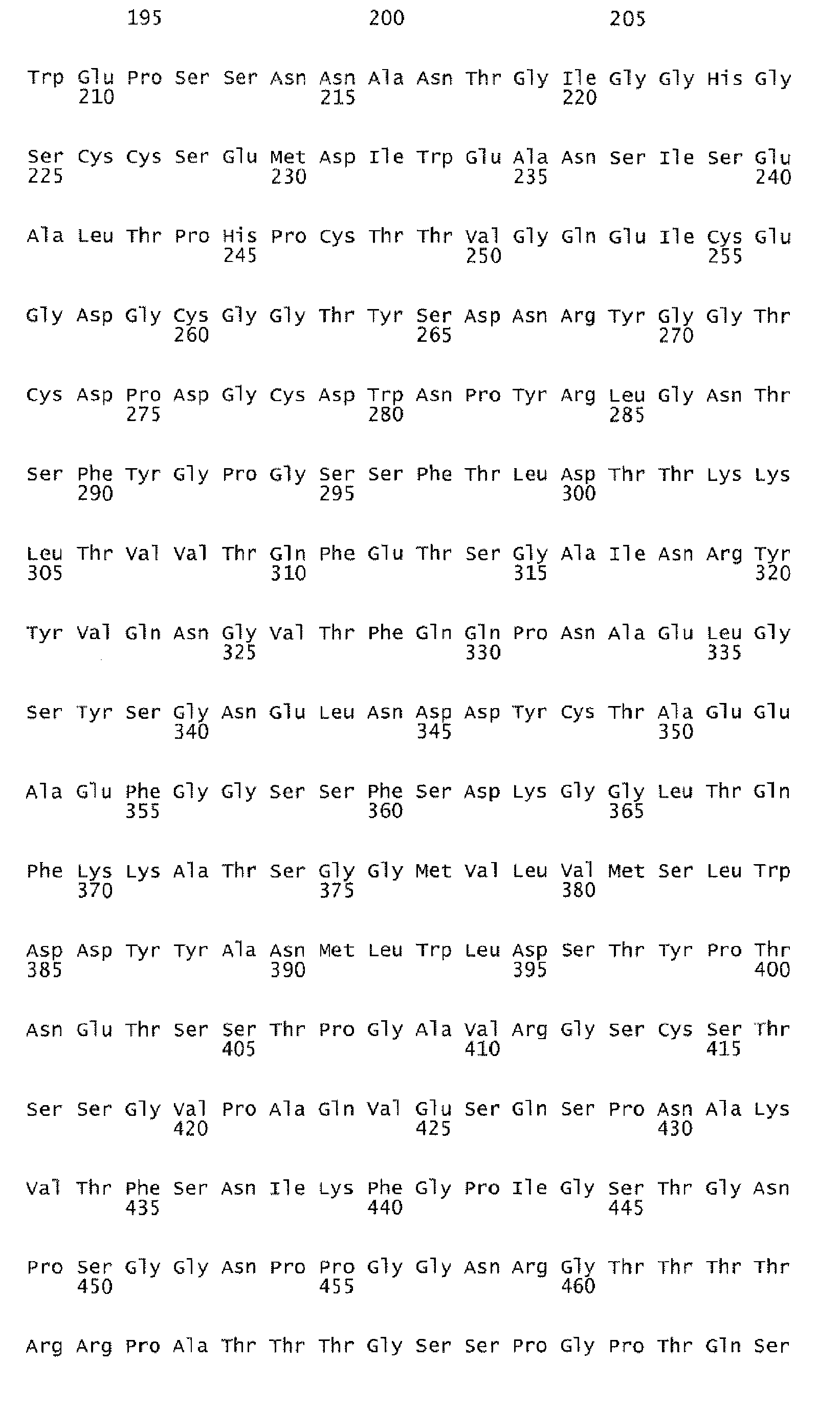


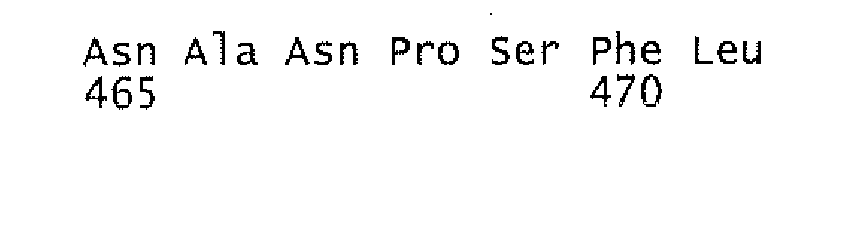
Claims (21)
- A process for producing cellobiose, comprising the following steps:c) subjecting a cellulose containing material to a cellulase treatment at a dry matter content between 7.5 and 50 % (w/w), preferably between 10 and 25% (w/w), and more preferably between 12 and 20% (w/w), wherein the cellulase treatment is carried out in the presence of an enzyme preparation comprising at least one type of polypeptide exhibiting cellobiohydrolase activity, thereby providing a cellobiose containing liquid phase and a solid phase, andd) separating the cellobiose containing liquid phase from the solid phase obtained in c).
- The process for producing cellobiose according to claim 1, comprising the following steps:a) subjecting a cellulose containing material to a treatment that produces a liquid phase containing pectin, hemicellulose and/or their degradation products, and a solid phase containing cellulose;b) separating the solid phase obtained in a) from the liquid phase;c) subjecting the solid phase obtained in b) to a cellulase treatment, wherein the dry matter content of the solid phase obtained in b) is 7.5 to 50 % (w/w), preferably between 10 and 25% (w/w), and more preferably between 12 and 20% (w/w), wherein the cellulase treatment is carried out in the presence of an enzyme preparation comprising at least one type of polypeptide exhibiting cellobiohydrolase activity, thereby providing a cellobiose containing liquid phase and a solid phase;d) separating the cellobiose containing liquid phase from the solid phase obtained in c).
- The process according to one or more of the preceding claims, wherein the cellulose containing material which is subjected to step c) contains amorphous cellulose at 50 % or more relative to the total amount of cellulose, and which is or comprises preferably fruit pulp or vegetable residue, or is sugar beet biomass or is or comprises even more preferably sugar beet pulp.
- The process according to one or more of claims 2 or 3, wherein the dry matter content during the treatment in step a) is between 7.5 and 50 % (w/w), preferably between 10 and 30 %.
- The process according to one or more of the preceding claims, wherein the enzyme/substrate ratio in step c) is 0.01 to 0.1 %, preferably 0.01 to 0.5 %, and more preferably 0.05 to 0.1 %.
- The process according to any of the preceding claims, wherein the enzyme preparation originates from an organism devoid of enzymes that exhibit significant β-glucosidase activity, and preferably from an organism wherein at least one gene, more preferably all genes encoding polypeptides exhibiting β-glucosidase activity have been deleted or rendered dysfunctional.
- The process according to one or more of claims 2 to 5, wherein the cellulase preparation contains β-glucnsidase activity and wherein the cellulase preparation is added to the cellulose containing material to be subjected to step c), followed by washing the material, such that P-glucosidase activity is minimized or eliminated from the solid phase.
- The process according to one or more of claims 1 to 6, wherein the cellulase preparation comprises at least one polypeptide exhibiting cellobiohydrolase activity from the following group of cellobiohydrolases (EC 3.2.1.91); cellobiohydrolyses of the glycosylhydrolase group GH6, preferably CBHI from Trichoderma reesei (SEQ ID NO.1) or cellobiohydrolyses of the glycosylhydrolase group GH7, preferably CBHII from Trichoderma reesei (SEQ ID NO. 2), or a polypeptide exhibiting cellobiohydrolase activity and having 70 % or more, preferably 80 % or more, and even more preferably 90 % or more identity with any of SEQ ID NO. 1 or SEQ ID N0. 2, and/or wherein the polypeptide exhibiting cellobiohydrolase activity is preferably produced by secretion from a recombinant yeast or fungal expression host that is devoid of measurable β-glucosidase activity.
- The process according to one or more of the preceding claims, wherein the cellobiose contained in the cellobiose containing liquid phase of step d) is subjected to a further step e), which comprises: optionally concentrating the cellobiose solution, and further purifying the cellobiose from the (optionally concentrated) cellobiose solution, preferably to a purity of at least 50 %, more preferably of at least 70 %, even more preferably of at least 90% (w/w), and most preferably of at least 99% (w/w).
- The process according to claim 9, wherein step e) comprises one or more of the following: cellobiose crystallization, chromatography, nanofiltration, microfiltration, ultrafiltration, precipitation by organic solvents, or the use of microorganisms, whereby crystallization is preferred.
- The process according to one or more of the preceding claims, wherein steps c) and d) are repeated multiple times, whereby fresh aqueous phase is added to the solid phase in subsequent cycles.
- The process according to one or more of the preceding claims, wherein steps c) and d) are carried out simultaneously, by continuously replacing the cellobiose containing liquid phase by fresh aqueous phase.
- A process for purifying cellobiose from a composition comprising cellobiose and glucose, comprising a step of converting glucose by glucose oxidation in the presence of glucose oxidase (GOX) and oxygen.
- The process according to one or more of claims 1 to 12, wherein glucose in the liquid phase containing cellobiose is converted to gluconic acid by the process of claim 14.
- The process according to claim 14, wherein the gluconic acid obtained by the method of claim 14 is removed from the liquid phase containing cellobiose by one or several of the following: ion exchange chromatography, precipitation, electrodialysis, whereby ion exchange chromatography is preferred.
- The process according to one or more of claims 1 to 5, wherein the enzymatic activity of any polypeptides with β-glucosidase activity is inhibited by an inhibitor, preferably D-gluconolactone, whereby the D-gluconolactone is preferably generated in situ from glucose comprised in the liquid phase, according to claim 13.
- Cellobiose preparation obtainable by one or more of claims 1 to 16.
- Use of a cellobiose preparation of claim 17 as food ingredient, animal feed additive, cosmetics ingredient.
- Use according to claim 18, wherein the cellobiose preparation is added to an animal feed preparation at a dosage of 0.01 - 1% (w/w), preferably at a dosage of 0.05 - 0.2% (w/w).
- Use according to claim 18, wherein the cellobiose preparation is added to a cake or biscuit dough recipe in combination with sweeteners such as xylitol, maltitol, and/or stevia, and wherein the sucrose dosage in the dough is reduced.
- Cellobiose preparation according to claim 17 for use in a method of treating inflammatory bowel diseases, such as Colitis ulcerosa, Crohn's disease, Collagenous colitis, Lymphocytic colitis, Ischaemic colitis, Diversion colitis and/or Behçet's syndrome in a mammal.
Priority Applications (5)
| Application Number | Priority Date | Filing Date | Title |
|---|---|---|---|
| EP10167946A EP2402454A1 (en) | 2010-06-30 | 2010-06-30 | Cellobiose production from biomass |
| EP11730941.9A EP2588623A1 (en) | 2010-06-30 | 2011-06-30 | Cellobiose production from biomass |
| PCT/EP2011/061005 WO2012001102A1 (en) | 2010-06-30 | 2011-06-30 | Cellobiose production from biomass |
| RU2013104176/10A RU2013104176A (en) | 2010-06-30 | 2011-06-30 | OBTAINING CELLOBIOSIS FROM BIOMASS |
| CN201180041329.7A CN103080330B (en) | 2010-06-30 | 2011-06-30 | Production of cellobiose from biomass |
Applications Claiming Priority (1)
| Application Number | Priority Date | Filing Date | Title |
|---|---|---|---|
| EP10167946A EP2402454A1 (en) | 2010-06-30 | 2010-06-30 | Cellobiose production from biomass |
Publications (2)
| Publication Number | Publication Date |
|---|---|
| EP2402454A1 true EP2402454A1 (en) | 2012-01-04 |
| EP2402454A8 EP2402454A8 (en) | 2012-03-07 |
Family
ID=43063786
Family Applications (2)
| Application Number | Title | Priority Date | Filing Date |
|---|---|---|---|
| EP10167946A Withdrawn EP2402454A1 (en) | 2010-06-30 | 2010-06-30 | Cellobiose production from biomass |
| EP11730941.9A Withdrawn EP2588623A1 (en) | 2010-06-30 | 2011-06-30 | Cellobiose production from biomass |
Family Applications After (1)
| Application Number | Title | Priority Date | Filing Date |
|---|---|---|---|
| EP11730941.9A Withdrawn EP2588623A1 (en) | 2010-06-30 | 2011-06-30 | Cellobiose production from biomass |
Country Status (4)
| Country | Link |
|---|---|
| EP (2) | EP2402454A1 (en) |
| CN (1) | CN103080330B (en) |
| RU (1) | RU2013104176A (en) |
| WO (1) | WO2012001102A1 (en) |
Cited By (1)
| Publication number | Priority date | Publication date | Assignee | Title |
|---|---|---|---|---|
| WO2019166514A1 (en) | 2018-02-28 | 2019-09-06 | C-Lecta Gmbh | Enzymatic in-situ fortification of food with functional carbohydrates |
Families Citing this family (5)
| Publication number | Priority date | Publication date | Assignee | Title |
|---|---|---|---|---|
| SI3191586T1 (en) | 2014-09-10 | 2020-03-31 | Pfeifer & Langen GmbH & Co. KG | Cellobiose phosphorylase |
| CN104496756B (en) * | 2014-11-07 | 2016-06-22 | 宜宾雅泰生物科技有限公司 | The electrodialysis process of xylitol is prepared with viscose rayon press lye for raw material |
| EP3364776B1 (en) * | 2015-10-22 | 2021-05-05 | Givaudan SA | Method of enhancing sweetness with cellobiose |
| CN116162672A (en) * | 2023-02-28 | 2023-05-26 | 中国农业科学院农业环境与可持续发展研究所 | Cellobiose production method based on straw fermentation biogas residues |
| CN120345590A (en) * | 2025-06-23 | 2025-07-22 | 德州学院 | Composite antibacterial agent of plant polyphenol complex and preparation method thereof |
Citations (7)
| Publication number | Priority date | Publication date | Assignee | Title |
|---|---|---|---|---|
| US4908311A (en) | 1988-04-06 | 1990-03-13 | Director Of National Food Research Institute, Ministry Of Agriculture, Forestry And Fisheries | Process for enzymatic preparation of cellooligosaccharides |
| US5077205A (en) | 1989-10-17 | 1991-12-31 | Keiji Umeda | Method for preparing cellobiose |
| WO1992003565A1 (en) | 1990-08-20 | 1992-03-05 | Oy Alko Ab | Oligosaccharide mixture, and procedure for its manufacturing |
| US5219842A (en) | 1989-08-29 | 1993-06-15 | Nihon Shokuhin Kako Co., Ltd. | Method of improving intestinal floras |
| JP2006034206A (en) * | 2004-07-29 | 2006-02-09 | Forestry & Forest Products Research Institute | Method for producing cellobiose, method for separating and removing β-glucosidase, and method for recovering cellulase |
| JP2006204294A (en) | 2004-12-27 | 2006-08-10 | Nippon Paper Chemicals Co Ltd | Method for producing cellooligosaccharide |
| EP1811038A1 (en) * | 2004-07-27 | 2007-07-25 | Asahi Kasei Chemicals Corporation | Processes for producing cellooligosaccharide |
Family Cites Families (2)
| Publication number | Priority date | Publication date | Assignee | Title |
|---|---|---|---|---|
| FI120045B (en) * | 2005-12-22 | 2009-06-15 | Roal Oy | Treatment of cellulose materials and enzymes useful therein |
| CN101603065A (en) * | 2009-05-26 | 2009-12-16 | 三峡大学 | A method for producing glucose and cellobiose by using cellulose complex enzyme system |
-
2010
- 2010-06-30 EP EP10167946A patent/EP2402454A1/en not_active Withdrawn
-
2011
- 2011-06-30 RU RU2013104176/10A patent/RU2013104176A/en unknown
- 2011-06-30 CN CN201180041329.7A patent/CN103080330B/en not_active Expired - Fee Related
- 2011-06-30 EP EP11730941.9A patent/EP2588623A1/en not_active Withdrawn
- 2011-06-30 WO PCT/EP2011/061005 patent/WO2012001102A1/en not_active Ceased
Patent Citations (7)
| Publication number | Priority date | Publication date | Assignee | Title |
|---|---|---|---|---|
| US4908311A (en) | 1988-04-06 | 1990-03-13 | Director Of National Food Research Institute, Ministry Of Agriculture, Forestry And Fisheries | Process for enzymatic preparation of cellooligosaccharides |
| US5219842A (en) | 1989-08-29 | 1993-06-15 | Nihon Shokuhin Kako Co., Ltd. | Method of improving intestinal floras |
| US5077205A (en) | 1989-10-17 | 1991-12-31 | Keiji Umeda | Method for preparing cellobiose |
| WO1992003565A1 (en) | 1990-08-20 | 1992-03-05 | Oy Alko Ab | Oligosaccharide mixture, and procedure for its manufacturing |
| EP1811038A1 (en) * | 2004-07-27 | 2007-07-25 | Asahi Kasei Chemicals Corporation | Processes for producing cellooligosaccharide |
| JP2006034206A (en) * | 2004-07-29 | 2006-02-09 | Forestry & Forest Products Research Institute | Method for producing cellobiose, method for separating and removing β-glucosidase, and method for recovering cellulase |
| JP2006204294A (en) | 2004-12-27 | 2006-08-10 | Nippon Paper Chemicals Co Ltd | Method for producing cellooligosaccharide |
Non-Patent Citations (36)
| Title |
|---|
| BONNIN E ET AL: "Enzymic release of cellobiose from sugar beet pulp, and its use to favour vanillin production in Pycnoporus cinnabarinus from vanillic acid", CARBOHYDRATE POLYMERS, APPLIED SCIENCE PUBLISHERS, LTD. BARKING, GB, vol. 41, no. 2, 1 February 2000 (2000-02-01), pages 143 - 151, XP004244341, ISSN: 0144-8617, DOI: 10.1016/S0144-8617(99)00077-6 * |
| BONNIN ET AL., CARBOHYDR. POLYMERS, vol. 41, 2000, pages 143 - 151 |
| BONNIN ET AL., POLYMERS, vol. 41, 2000, pages 143 - 151 |
| BONNIN, E. ET AL., CARB.POLY., vol. 41, 2000, pages 143 - 151 |
| BRADFORD, M. M., ANAL. BIOCHEM., vol. 72, 1976, pages 248 - 254 |
| BRITON ET AL., ANN.NEW YORK.ACAD.SCI., 2003, pages 750 - 54 |
| BRITON ET AL., HEMIJSK INDUSTRIJA, vol. 57, 2003, pages 622 - 625 |
| DATABASE WPI Week 200613, Derwent World Patents Index; AN 2006-122583, XP002609849 * |
| GUISEPPI-ELIE ET AL., JOURNAL OF MOLECULAR CATALYSIS B: ENZYMATIC, vol. 58, 2009, pages 118 - 123 |
| HENRISSAT ET AL., FEBS LETT., vol. 425, no. 2, 1998, pages 352 - 354 |
| HOMMA ET AL., BIOTECHNOL.AND BIOENGINEER, vol. 41, 1993, pages 405 - 410 |
| HOMMA T ET AL: "Production of cellobiose by enzymatic hydrolysis: Removal of [beta]-glucosidase from cellulase by affinity precipitation using chitosan", BIOTECHNOLOGY AND BIOENGINEERING 1993 US, vol. 41, no. 4, 1993, pages 405 - 410, XP002609848, ISSN: 0006-3592 * |
| HOMMAET, BIOTECHNOL. AND BIOENGINEER., vol. 41, 1993, pages 405 - 410 |
| HOMMAET, CHEM. ENGINEER, vol. 25, 1992, pages 288 - 93 |
| IVANOVA ET AL., BIOCHEM. MOSCOW, vol. 68, no. 4, 2003, pages 407 - 415 |
| KURITA ET AL., POLY.CHEM.ED., vol. 18, 2003, pages 365 - 370 |
| MASAYUKI SUZUKI; KYOKO KANEDA; YUKIKO NAKAI; MOTOMITSU KITAOKA; HAJIME TANIGUCHI, NEW BIOTECHNOLOGY, vol. 26, no. 3-4, 31 October 2009 (2009-10-31), pages 137 - 142 |
| MICARD ET AL., LEBENSM.-WISS.U,--TECHNOL., vol. 30, 1997, pages 284 - 291 |
| MICARD ET AL., LEBENSM.-WISS.U.-TECHNOL., vol. 30, 1997, pages 284 - 291 |
| MICARD ET AL., R LEBENSM.-WISS. U. -TECHNOL., vol. 30, 1997, pages 284 - 291 |
| MICARD, V. ET AL., LEBENSMITT. WISS. U. TECHNOL., vol. 30, 1997, pages 284 - 291 |
| MICARD; VANDERGHEMET ET AL., APPL. BIOCHEM. BIOTECHNOL., 2000 |
| MISHRA S ET AL: "ISOLATION AND CHARACTERIZATION OF A MUTANT OF TRICHODERMA REESEI SHOWING REDUCED LEVELS OF EXTRACELLULAR BETA-GLUCOSIDASE", JOURNAL OF GENERAL MICROBIOLOGY, SOCIETY FOR MICROBIOLOGY, READING, GB, vol. 135, no. 12, 1 December 1989 (1989-12-01), pages 3459 - 3465, XP008003946, ISSN: 0022-1287 * |
| MISLOVICOVA ET AL., JOURNAL OF MOLECULAR CATALYSIS B: ENZYMATIC, vol. 60, 2009, pages 45 - 49 |
| MISLOVICOVA ET AL., PROCESS BIOCHEMISTRY, vol. 42, 2009, pages 704 - 709 |
| MURRAY P; ARO N; COLLINS C; GRASSICK A; PENTTILA M; SALOHEIMO M; TUOHY M., PROTEIN EXPR PURIF., vol. 38, no. 2, December 2004 (2004-12-01), pages 248 - 57 |
| PALMQVIST; HAHN-HDGERDAL, BIORESOURCE TECHNOLOGY, vol. 74, 2000, pages 25 - 33 |
| PEREIRA, METHODS ENZYMOL., vol. 160, 1988, pages 26 |
| REESE ET AL., CARBOHYDRATE RESEARCH, vol. 18, 1971, pages 381 - 388 |
| SISAK ET AL., ENZYME AND MICROBIAL TECHNOLOGY, vol. 39, 2006, pages 1002 - 1007 |
| TANAKA, M., THE BULL. OF OKAYAMA UNIVER. OF SCI., vol. 36, 2000, pages 217 - 223 |
| TANAKA, M., THE BULL.OF OKAYAMA UNIVER. OF SCI., vol. 36, 2000, pages 217 - 223 |
| TANIGUCHI, NIPPON NOGEIKAGAKU KAISHI, vol. 63, 1989, pages 1133 |
| VANDERGHEM C ET AL: "A multistage process to enhance cellobiose production from cellulosic materials", APPLIED BIOCHEMISTRY AND BIOTECHNOLOGY 2010 HUMANA PRESS USA LNKD- DOI:10.1007/S12010-009-8724-7, vol. 160, no. 8, April 2010 (2010-04-01), pages 2300 - 2307, XP002609847, ISSN: 0273-2289 * |
| VANDERGHEM ET AL., APPL.BIOCHEM.BIOTECHNOL., 2009 |
| WOHLFAHRT ET AL., MOL. CELL. BIOCHEM., vol. 260, 2004, pages 69 - 83 |
Cited By (1)
| Publication number | Priority date | Publication date | Assignee | Title |
|---|---|---|---|---|
| WO2019166514A1 (en) | 2018-02-28 | 2019-09-06 | C-Lecta Gmbh | Enzymatic in-situ fortification of food with functional carbohydrates |
Also Published As
| Publication number | Publication date |
|---|---|
| EP2588623A1 (en) | 2013-05-08 |
| CN103080330B (en) | 2016-08-03 |
| CN103080330A (en) | 2013-05-01 |
| WO2012001102A1 (en) | 2012-01-05 |
| RU2013104176A (en) | 2014-08-10 |
| EP2402454A8 (en) | 2012-03-07 |
Similar Documents
| Publication | Publication Date | Title |
|---|---|---|
| Jain et al. | Xylooligosaccharides: an economical prebiotic from agroresidues and their health benefits | |
| KR100894374B1 (en) | Processes for Producing Cellooligosaccharide | |
| KR20170062460A (en) | Saccharides and saccharide compositions and mixtures | |
| EP2402454A1 (en) | Cellobiose production from biomass | |
| CA2763428C (en) | Liquefied biomass | |
| Christopher | Adding value prior to pulping: bioproducts from hemicellulose | |
| EP3347481B1 (en) | Process for the purification of biomass hydrolysate | |
| CA2930791A1 (en) | Enzyme-composition for hydrolyzing biomass | |
| KR20120013958A (en) | Change of enzyme balance through fermentation conditions | |
| AU2016318551B2 (en) | Self-sufficient process for the production of biomass hydrolysate with reduced salt content | |
| KR20170132190A (en) | Compositions for Improved Enzyme Production | |
| Pérez-Rodríguez et al. | Use of Aspergillus niger extracts obtained by solid-state fermentation | |
| Zulkifli et al. | Production of sugar from cassava peel using different chemical pre-treatment | |
| US20030017221A1 (en) | Enzymatically catalyzed hydrolysis of corn fiber and products obtained from enzymatically hydrolyzed corn fiber | |
| JP7751255B2 (en) | Diarrhea suppressants | |
| CA2924387C (en) | Process for the hydrolysis of biomass |
Legal Events
| Date | Code | Title | Description |
|---|---|---|---|
| AK | Designated contracting states |
Kind code of ref document: A1 Designated state(s): AL AT BE BG CH CY CZ DE DK EE ES FI FR GB GR HR HU IE IS IT LI LT LU LV MC MK MT NL NO PL PT RO SE SI SK SM TR |
|
| AX | Request for extension of the european patent |
Extension state: BA ME RS |
|
| PUAI | Public reference made under article 153(3) epc to a published international application that has entered the european phase |
Free format text: ORIGINAL CODE: 0009012 |
|
| RIN1 | Information on inventor provided before grant (corrected) |
Inventor name: KRAUS, MICHAEL DR. Inventor name: ROECHER, LUTZ Inventor name: ZAVREL, MICHAEL DR. Inventor name: GERLACH, JOCHEN DR. Inventor name: BRUECK, THOMAS DR. Inventor name: KOHL, ANDREAS DR. |
|
| 17P | Request for examination filed |
Effective date: 20120511 |
|
| RAP1 | Party data changed (applicant data changed or rights of an application transferred) |
Owner name: SUED-CHEMIE IP GMBH & CO. KG |
|
| STAA | Information on the status of an ep patent application or granted ep patent |
Free format text: STATUS: THE APPLICATION IS DEEMED TO BE WITHDRAWN |
|
| 18D | Application deemed to be withdrawn |
Effective date: 20120705 |