EP2402020A1 - Pharmaceutical composition comprising extracts of Bupleurum with immunomodulating function - Google Patents
Pharmaceutical composition comprising extracts of Bupleurum with immunomodulating function Download PDFInfo
- Publication number
- EP2402020A1 EP2402020A1 EP10168143A EP10168143A EP2402020A1 EP 2402020 A1 EP2402020 A1 EP 2402020A1 EP 10168143 A EP10168143 A EP 10168143A EP 10168143 A EP10168143 A EP 10168143A EP 2402020 A1 EP2402020 A1 EP 2402020A1
- Authority
- EP
- European Patent Office
- Prior art keywords
- bupleurum
- pharmaceutical composition
- extract
- solvent
- disease
- Prior art date
- Legal status (The legal status is an assumption and is not a legal conclusion. Google has not performed a legal analysis and makes no representation as to the accuracy of the status listed.)
- Granted
Links
Images







Classifications
-
- A—HUMAN NECESSITIES
- A61—MEDICAL OR VETERINARY SCIENCE; HYGIENE
- A61K—PREPARATIONS FOR MEDICAL, DENTAL OR TOILETRY PURPOSES
- A61K36/00—Medicinal preparations of undetermined constitution containing material from algae, lichens, fungi or plants, or derivatives thereof, e.g. traditional herbal medicines
- A61K36/18—Magnoliophyta (angiosperms)
- A61K36/185—Magnoliopsida (dicotyledons)
- A61K36/23—Apiaceae or Umbelliferae (Carrot family), e.g. dill, chervil, coriander or cumin
- A61K36/233—Bupleurum
-
- A—HUMAN NECESSITIES
- A61—MEDICAL OR VETERINARY SCIENCE; HYGIENE
- A61P—SPECIFIC THERAPEUTIC ACTIVITY OF CHEMICAL COMPOUNDS OR MEDICINAL PREPARATIONS
- A61P1/00—Drugs for disorders of the alimentary tract or the digestive system
-
- A—HUMAN NECESSITIES
- A61—MEDICAL OR VETERINARY SCIENCE; HYGIENE
- A61P—SPECIFIC THERAPEUTIC ACTIVITY OF CHEMICAL COMPOUNDS OR MEDICINAL PREPARATIONS
- A61P11/00—Drugs for disorders of the respiratory system
-
- A—HUMAN NECESSITIES
- A61—MEDICAL OR VETERINARY SCIENCE; HYGIENE
- A61P—SPECIFIC THERAPEUTIC ACTIVITY OF CHEMICAL COMPOUNDS OR MEDICINAL PREPARATIONS
- A61P11/00—Drugs for disorders of the respiratory system
- A61P11/06—Antiasthmatics
-
- A—HUMAN NECESSITIES
- A61—MEDICAL OR VETERINARY SCIENCE; HYGIENE
- A61P—SPECIFIC THERAPEUTIC ACTIVITY OF CHEMICAL COMPOUNDS OR MEDICINAL PREPARATIONS
- A61P17/00—Drugs for dermatological disorders
-
- A—HUMAN NECESSITIES
- A61—MEDICAL OR VETERINARY SCIENCE; HYGIENE
- A61P—SPECIFIC THERAPEUTIC ACTIVITY OF CHEMICAL COMPOUNDS OR MEDICINAL PREPARATIONS
- A61P27/00—Drugs for disorders of the senses
-
- A—HUMAN NECESSITIES
- A61—MEDICAL OR VETERINARY SCIENCE; HYGIENE
- A61P—SPECIFIC THERAPEUTIC ACTIVITY OF CHEMICAL COMPOUNDS OR MEDICINAL PREPARATIONS
- A61P29/00—Non-central analgesic, antipyretic or antiinflammatory agents, e.g. antirheumatic agents; Non-steroidal antiinflammatory drugs [NSAID]
-
- A—HUMAN NECESSITIES
- A61—MEDICAL OR VETERINARY SCIENCE; HYGIENE
- A61P—SPECIFIC THERAPEUTIC ACTIVITY OF CHEMICAL COMPOUNDS OR MEDICINAL PREPARATIONS
- A61P37/00—Drugs for immunological or allergic disorders
-
- A—HUMAN NECESSITIES
- A61—MEDICAL OR VETERINARY SCIENCE; HYGIENE
- A61P—SPECIFIC THERAPEUTIC ACTIVITY OF CHEMICAL COMPOUNDS OR MEDICINAL PREPARATIONS
- A61P37/00—Drugs for immunological or allergic disorders
- A61P37/02—Immunomodulators
- A61P37/06—Immunosuppressants, e.g. drugs for graft rejection
-
- A—HUMAN NECESSITIES
- A61—MEDICAL OR VETERINARY SCIENCE; HYGIENE
- A61P—SPECIFIC THERAPEUTIC ACTIVITY OF CHEMICAL COMPOUNDS OR MEDICINAL PREPARATIONS
- A61P37/00—Drugs for immunological or allergic disorders
- A61P37/08—Antiallergic agents
-
- A—HUMAN NECESSITIES
- A61—MEDICAL OR VETERINARY SCIENCE; HYGIENE
- A61P—SPECIFIC THERAPEUTIC ACTIVITY OF CHEMICAL COMPOUNDS OR MEDICINAL PREPARATIONS
- A61P9/00—Drugs for disorders of the cardiovascular system
Definitions
- the disclosed relates to a pharmaceutical composition with an immunomodulating function, and in particular relates to an extract of Bupleurum with an immunomodulating function.
- TNF- ⁇ tumor necrosis factor
- TNF- ⁇ functions like cytokines, modulates cell recruitment, cell proliferation, cell death and immune regulation. At low concentrations in tissues, TNF- ⁇ may augment host defense mechanisms against infection. At high concentrations, TNF- ⁇ results in excess inflammation leading to organ injuries. Thus, Brennan et al. reported that the removal of excess TNF from the sites of inflammation can treat the immune disorders caused by inflammatory responses ( Brennan et al., 1989, Inhibitory effect of TNF-aantibodies on synovial cell interleukin-1 production in rheumatoid arthritis. Lancet 2, 244-247 ).
- TNF plays a particularly important role in the regulation of a cascade of pathogenic events in RA, Crohn's disease, psoriasis and other diseases, exemplified by the rapid induction of cytokines, such as IL-1 ⁇ and IL-6 ( Feldmann et al., 2002, Discovery of TNF- ⁇ as a therapeutic target in rheumatoid arthritis: preclinical and clinical studies. Joint Bone Spine 69, 12-18 ). TNF is over-expressed particularly in animal models of RA ( Keffer et al., 1991, Transgenic mice expressing human tumor necrosis factor: a predictive genetic model of arthritis. EMBO J 10, 4025-4031 ).
- adalimumab for example, adalimumab, etanercept, infliximab, DMARDs (for example, methotrexate), or NSAIDs. Due to fast drug efficacy, dramatic effects and well immune toleration, these biologics have become main stream market products. However, biologics are expensive, demanding intravenous administration and have adverse effects, such as risks of inducing undesired immune responses or infection. Developing a drug which is safe for the immune system is challenging.
- Bupleurum is a genus of plants used in Chinese medicine for reducing fever, relieving pain, eliminating toxins and reducing inflammation.
- Bupleurum primarily treats fullness and discomfort in the chest, bitterness in the mouth, dryness in the throat, alternate spell of chill and fever, jaundice, hepatitis, enterogastritis and cholecystitis.
- the root of Bupleurum is usually used. It has been reported that saikosaponin, longispinogenin, sterols, lipid oil, isoflavones and sugars were isolated from the root of a plant of Bupleurum, and saikosaponin was determined as the chief component.
- Bupleurum has been enthusiastically studied for hepatitis.
- the inventors have studied the extraction of Bupleurum, wherein the active ingredient of the extract was identified, and the relationship between the active ingredient and TNF- ⁇ or IL-6 in vivo was determined.
- a novel pharmaceutical composition with an immunomodulation has been developed.
- the embodiment of invention provides a pharmaceutical composition with an immunomodulating function, comprising an extract of Bupleurum obtained by grinding the Bupleurum, adding the ground Bupleurum to a solvent and isolating the extract from the solvent, wherein the Bupleurum comprises Bupleurum krlovianum, Bupleurum longiradiatum, Bupleurum smithii, Bupleurum pusillum, Bupleurum longicaule, Bupleurum salicifolium, Bupleurum scorzonerifolium and Bupleurums with at least one of the nucleotide sequences selected from a group consisting of SEQ ID NOs. 1 ⁇ 6 and a nucleotide sequence with no more than 1% of the nucleotide sequence divergences of SEQ ID NOs. 1-6, or combinations thereof.
- Another embodiment of invention further provides a pharmaceutical composition with an immunomodulating function, comprising kaerophyllin or cis-isomer as an active ingredient.
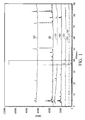
- Fig. 1 is an HPLC chromatogram of the extracts of Bupleurum by a 95% ethanol aqueous solution.
- Fig. 2 is an HPLC chromatogram of the extract of Bupleurum krlovianum by a 95% ethanol aqueous solution.
- Fig. 3a is a 1 H NMR spectrum of the crystal (1) in Example 3
- Fig. 3b shows a 1 H NMR spectrum of the crystal (2) in Example 3.
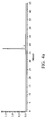
- Fig. 4a is an HPLC chromatogram of kaerophyllin
- Fig. 4b shows an HPLC chromatogram of isokaerophyllin.
- Fig. 5 is the inhibition of TNF- ⁇ in an LPS-induced inflammatory animal model by different amounts of the ethanol extract of Bupleurum.
- Fig. 6 is the inhibition of IL-6 in an LPS-induced inflammatory animal model by the amounts of the ethanol extract of Bupleurum.
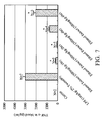
- Fig. 7 is the inhibition of TNF- ⁇ in an LPS-induced inflammatory animal model by the ethanol extract of Bupleurum overtimes.
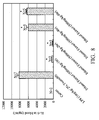
- Fig. 8 is the inhibition of IL-6 in an LPS-induced inflammatory animal model by the ethanol extract of Bupleurum overtimes.
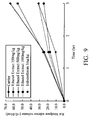
- Fig. 9 is the inhibition of hindpaw edema in a carrageenan-induced hindpaw edema animal model by the ethanol extract of Bupleurum.
- Fig. 10 is the inhibition of arthritis in an adjuvant-induced arthritis animal model by the ethanol extract of Bupleurum.
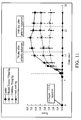
- Fig. 11 is the inhibition of arthritis in an collagen-induced arthritis animal model by the ethanol extract of Bupleurum
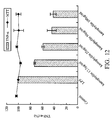
- Fig. 12 is the inhibition of TNF- ⁇ in a U937 cell line by kaerophyllin.
- Fig. 13 is the inhibition of TNF- ⁇ in a U937 cell line by isokaerophyllin.
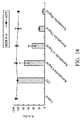
- Fig. 14 is the inhibition of IL-6 in a U937 cell line by kaerophyllin.
- Fig. 15 is the inhibition of IL-6 in a U937 cell line by isokaerophyllin.
- the embodiment of invention provides a pharmaceutical composition with an immunomodulating function, comprising an extract of Bupleurum by a solvent.
- the Bupleurum comprises Bupleurum krlovianum, Bupleurum longiradiatum, Bupleurum smithii, Bupleurum pusillum, Bupleurum longicaule, Bupleurum salicifolium, or Bupleurum scorzonerifolium .
- Bupleurum is identified by chromosomal DNA polymorphism and nucleotide sequence divergence of internal transcribed spacer (ITS) of ribosomal RNA (rRNA).
- ITS internal transcribed spacer
- rRNA ribosomal RNA
- the Bupleurum can be extracted from the root of a plant or a whole plant.
- the “extraction” according to the invention can be solvent extraction.
- the “solvent extraction” is directed to a method comprising: adding a substrate of interest into a suitable solvent and extracting a target compound based on the solubility of components of the substrate in the solvent.
- the Bupleurum is ground and immerged in a solvent under room temperature for a period of time. The solvent is isolated and dried under room temperature to obtain an extract of the Bupleurum.
- the ground Bupleurum is added into a polar solvent and extracted after heating under reflux.
- the solvent used in the invention can be C 1 ⁇ C 12 alcohols, C 2 ⁇ C 5 acetates, C 5 ⁇ C 6 alkanes, or combinations thereof, such as methanol, ethanol, propanol, isopropanol, butanol, 2-butyl alcohol, tert-butyl alcohol, 1,3-butandiol, 1,4butandiol, pentanol, isopentanol, 2,3-pentandiol, 2,4-pentandiol, cyclopentanol, hexanol, cyclohexanol, heptanol, octanol, nonanol, decanol, undecanol, dodecanol, ethyl acetate, propyl acetate, pentyl acetate, pentyl acetate, pentane, cyclopentane, hexane, cyclohexane, or combinations
- the invention uses ethanol, ethyl acetate and/or pentane as a solvent for extraction.
- the invention uses an ethanol aqueous solution as a solvent for extraction.
- the concentration of ethanol can be 20%-95%, preferably 50% ⁇ 75% based on the ethanol aqueous solution.
- the volume of the solvent can be more than 5 times that of the Bupleurum, or preferably 5 ⁇ 10 times.
- the extraction is usually more than 2 hours, preferably 2 ⁇ 24 hours, more preferably 4 ⁇ 5 hours.
- the extraction is usually under room temperature, preferably under room temperature to the boiling temperature of the ethanol aqueous solution, more preferably under the boiling temperature of the ethanol aqueous solution.
- the extraction can further comprise a concentration process to concentrate and dry the extract after heating under reflux, wherein a solid or crystal is obtained.
- the extraction can be repeated several times to obtain a pure extract.
- the extract of Bupleurum according to the invention shows activities for inhibiting the expression of TNF- ⁇ or IL-6 in vivo, as shown in following examples, exhibiting immunomodulating function.
- the extract of Bupleurum according to the invention can be further isolated, such as by recrystallization.
- Kaerophyllin and cis-isomer have been isolated from Bupleurum.
- Kaerophyllin is known as one of the lignins, which is trans-(3,4-dimethoxybenzylidene)- ⁇ -(3,4-methylenedioxylbenzyl)- ⁇ -butyrolactone, C 22 H 22 O 7 , as presented in the formula (1).
- Kaerophiyllin usually forms transparent needle-like crystals at room temperature and has a melting point of 131°C ⁇ 132°C.
- kaerophyllin often exists in a mixture with cis-isomer.
- the cis-isomer of kaerophyllin is a transparent square crystal with a melting point of 146.5°C ⁇ 148°C, which is cis-(3,4-dimethoxybenzylidene)- ⁇ -(3,4-methylenedioxylbenzyl)- ⁇ -butyrolactone, C 22 H 22 O 7 , as presented in the formula (2).
- kaerophyllin and cis-isomer have biological functions.
- kaerophyllin and the cis-isomer show an effect on the expression of TNF- ⁇ or IL-6 in vivo . Therefore, kaerophyllin and the cis-isomer have an immunomodulating function in vivo .
- the pharmaceutical composition with an immunomodulation can be applied for treating, alleviating or preventing disorders or symptoms relating to the function of TNF- ⁇ or IL-6, such as septic shock, sepsis, ischemic reperfusion, mycobacterial infection, meningitis, psoriasis, congestive heart failure, cachexia, transplant rejection, cutaneous T-cell lymphoma, angiogenesis, autoimmune disorders, dermatitis, Crohn's disease, colitis, osteoarthritis and rheumatoid arthritis, ankylosing spondylitis, psoriatic arthritis, adult Still's disease, uveitis, Wegener's granulomatosis, Behcehe disease, Sjogren's syndrome, sarcoidosis, polymyositis, dermatomyositis, multiple sclerosis, sciatica, periodontal disease, adult immunodeficiency syndrome, non-insulin-dependent diabetes mellitus (NIDDM)
- NIDDM non-
- composition according to the embodiment of invention may further comprise pharmaceutical acceptable carriers and/or additives in an appropriate percentage, which is well known in the art.
- the pharmaceutical composition can be administrated intravenously, intramuscularly, orally or subcutaneously, and preferably orally.
- the administration can be performed in multiple dosages over a period of time.
- the regime can be designed according to pharmaceutical tests.
- the roots of several Bupleurum species were ground. 0.5g portions of the ground Bupleurum were individually added to 25 mL of a 95% ethanol aqueous solution and vibrated overnight. After concentrated and dried, 95% of ethanol solution was added to make a final volume of 2 mL. The solution was analyzed under high pressure liquid chromatography (HPLC) analysis.
- HPLC high pressure liquid chromatography
- Line (b) is from a Bupleurum with a nucleotide sequence of SEQ ID NO. 1 (the sequencing is described in Example 18)
- Line (c) is from Bupleurum krlovianum with a nucleotide sequence of SEQ ID NO. 2
- Line (d) is from Bupleurum longiradiatum with a nucleotide sequence of SEQ ID NO. 3
- Line (e) is from Bupleurum with a nucleotide sequence of SEQ ID NO. 4
- Line (f) is from Bupleurum with a nucleotide sequence of SEQ ID NO. 5
- Line (g) is from Bupleurum with a nucleotide sequence of SEQ ID NO. 6.
- the crystal (1) was studied by 1 H-NMR, 13 C-NMR and MS spectroscopy As the result in Table 1, Table 2 and Fig. 3a shows, there were chemical shifts at 6-8 ppm and 2.5-4 ppm, suggesting that there were C 3 and C 6 lignins. Companng the information of the kaerophyllin described in Wen-Liang C. et al., 2003, Immunosuppressive flavones and lignans from Bupleurum scorzonerifolium, Phytochemistry 64, 1375-1379 , the crystal (1) were identified as kaerophyllin.
- Example 3 The selected fraction m Example 3 was recrystallized in hexane to obtain transparent square crystals (2).
- the crystal was studied by 1 H-NMR, 13 C-NMR and MS spectroscopy and the results are shown in Table 3, Table 4 and Fig. 3b . Comparing the information of the isokaerophyllin described in Wen-Liang C. et al., 2003, Immunosuppressive flavones and lignans from Bupleurum scorzonerifolium, Phytochemistry 64, 1375-1379 , it was identified that the crystal (2) was isokaerophyllin.
- the white crystal (1) and transparent square crystal (2) of Example 3 were studied under HPLC analysis, which comprised:
- the resulting chromatograms showed that the white crystal (1) (kaerophyllin) had a peak at about 37 minutes ( Fig. 4a ) and the transparent square crystal (2) (isokaerophyllin) had a peak at about 40 minutes ( Fig. 4b ).
- Example 2 200g of the ground Bupleurum krlovianum selected in Example 1 was equally divided and added to a four 1L round bottom flask. Each flask was added ethanol aqueous solutions with 20%, 50%, 75% and 95% concentrations, individually. After heating under reflux for 2 hours, each of the solutions was dned and concentrated to obtain extracts.
- mice were fed with the extracts in an amount of 500mg/kg, respectively. After 2 hours, the mice were intrapentoneally injected with 1mg/kg of lipopolysaccharide (LPS) in phosphate buffered saline (PBS). Blood was collected after 1.5 hours. The concentration of TNF- ⁇ and IL-6 in the mice serum was quantified by ELISA (R&D System®). The inhibition rates (%) of TNF- ⁇ and IL-6 in the serum were calculated based on the concentration of TNF- ⁇ and IL-6 in the serum before the mice were fed with the extracts. The results are shown in Table 5.
- LPS lipopolysaccharide
- PBS phosphate buffered saline
- mice were fed with the extracts (a), (b) and (c) in an amount of 500mg/kg, respectively. After 2 hours, the mice were intraperitoneally injected with 1mg/kg of LPS m PBS. Blood was collected after 1.5 hours. The concentration of TNF- ⁇ and IL-6 in the mice serum was quantified by ELISA (R&D System®). The inhibition rates (%) of TNF- ⁇ and IL-6 in the serum were calculated based on the concentration of TNF- ⁇ and IL-6 in the serum before the mice were fed with the extracts. The results are shown in Table 6.
- Example 2 5g of the ground Bupleurum krlovianum selected in Example 1 was equally divided and added to five 1L round bottom flasks. Each flask was added 10 ml of methanol, ethanol, isopropanol, butanol and decanol, respectively. Each flask was ultrasound vibrated for 10 minutes and the extracts were collected individually. The volume for each extract was adjusted to 10 ml. Meanwhile, standards were established as follows: 0.3 mg/ml, 0.27 mg/ml, 0.21 mg/ml, 0.15, 0.09 mg/ml, 0.06 mg/ml and 0.03 mg/ml of kaerophyllin. The amounts of kaerophyllin in the extracts were determined as shown in Table 7.
- mice were fed with the extracts in an amount of 500mg/kg. respectively. After 2 hours, the mice were intraperitoneally injected with 1mg/kg of LPS in PBS. Blood was collected after 1.5 hours. The concentration of TNF- ⁇ and IL-6 in the mice serum was quantified by ELISA (R&D System®). The inhibition rates (%) of TNF- ⁇ and IL-6 in the serum were calculated based on the concentration of TNF- ⁇ and IL-6 in the serum before the mice were fed with the extracts. The results are shown in Table 8.
- Example 8 Effect of the ethanol extract on LPS-induced inflammatory response in a mouse model
- mice were fed with the extract (a) in Example 5 (i) in an amount of 250mg/kg, 500 mg/kg, 1000mg/kg and 2000 mg/kg, respectively. After 2 hours, the mice were intraperitoneally injected with 1mg/kg of LPS in PBS. Blood was collected after 1.5 hours. The concentration of TNF- ⁇ and IL-6 m the mice serum was quantified by ELISA (R&D System®). The inhibition rates (%) of TNF- ⁇ and IL-6 in the serum were calculated based on the concentration of TNF- ⁇ and IL-6 in the serum before the mice were fed with the extracts. The results are shown m Fig. 5 and 6 . The control was fed with 10ml/kg of 2% Tween 80 as a carrier.
- Example 9 Effect of the ethanol extract on LPS-mduced inflammatory response in a mouse model at different administration times
- mice were fed with the extract (a) in Example 5 (i) in an amount of 500 mg/kg.
- the mice were intraperitoneally injected with 1mg/kg of LPS in PBS respectively at 1, 2, 4 and 6 hours after being fed with the extract. Blood was collected after 1 5 hours.
- the concentration of TNF- ⁇ and IL-6 in the mice serum was quantified by ELISA (R&D System® ).
- the inhibition rates (%) of TNF- ⁇ and IL-6 in the serum were calculated based on the concentration of TNF- ⁇ and IL-6 in the serum before the mice were fed with the extract. The results are shown in Fig. 5 and 6 .
- the control was fed with 10ml/kg of 2% Tween 80 as a carrier.
- Nt represents the left hindpaw volume of the rat fed with the ethanol extract
- Nv represents the left hindpaw of the rat fed with the carrier.
- the inhibition was negative when the ethanol extract showed anti-inflammatory effects.
- the rats were categorized into 5 groups Each group had 5 rats The rats were injected 50 ⁇ l of Mycobacterium butyricum m squalene at 3 points on the root of the tail (total injection: 50 ⁇ l/rat). The rats in 5 groups were immediately fed with 500mg/kg of the extract (a) in Example 5 (i), 1000mg/kg of the extract (a) in Example 5 (i), 3mg/kg of indomethacin, 0.1mg/kg of dexamethasone and 10ml/kg of 2% Tween 80 (carrier),, respectively. The symptoms of the arthritis in each group were estimated according to the scores:
- Fig. 10 The result is shown in Fig. 10 .
- the ethanol extract showed inhibition of arthritis, compared to the carrier group (p ⁇ 0.05).
- the administration of indomethacin and doxamethasone was the positive control.
- the rats in 4 groups were immediately fed with 50mg/kg of the extract (a) in Example 5 (i), 30mg/kg of celebrex (NSNID), 10ml/kg of 1% carboxymethyl cellulose (CMC) (carrier) and nothing, respectively.
- the symptoms of the arthritis in each group were estimated according to the scores:
- the cell line U937 (human monocyte cell line) was incubated in RPMI medium containing 50 ng/ml PMA (phorbol 12-myristate 13-acetate) (Sigma) and 10% fetal bovine serum (Moor et. al., Roswell Park Memorial Institute) for 24 hours. The cell line was then moved to the RPMI medium without PMA for further 48 hours. The activated U937 was seeded into a 96-well plate in a concentration of 1.6 ⁇ 10 5 cell/well.
- PMA phorbol 12-myristate 13-acetate
- fetal bovine serum fetal bovine serum
- the wells were added 12.5 ⁇ g/ml, 25 ⁇ g/ml, 50 ⁇ g/ml and 100 ⁇ g/ml of kaerophyllin and 1 ⁇ g/ml, 3 ⁇ g/ml, 10 ⁇ g/ml and 30 ⁇ g/ml of isokaerphyllin and 10 ⁇ l of buffer, respectively.
- Each well was adjusted to a final volume of 190 ⁇ l.
- the plate was reacted under 37°C for 30 minutes.
- Each well was added 10 ⁇ l of 20 ⁇ g/ml LPS to stimulate cells. After 4 hours under 37°C, the plate was centrifuged to collect the supernatants.
- the amount of TNF- ⁇ in the supernatant was measured by ELISA (R&D System®) based on the control (DMSO). Meanwhile, the cell viability was measured by MTT assay (Sigma).
- the IC 50 value of kaerophyllin was 44 ⁇ 5 ⁇ g/ml ( Fig. 12 ).
- the IC 50 value of isokaerophyllin was 18 ⁇ 4 ⁇ g/ml ( Fig. 13 ).
- the cell line, U937 was cultured like Example 13.
- the activated U937 was then seeded in a 96-well plate in a concentration of 1.6 ⁇ 10 5 cell/well.
- the wells were added 6.3 ⁇ g/ml, 12.5 ⁇ g/ml, 25 ⁇ g/ml and 50 ⁇ g/ml of kaerophyllin and 3.8 ⁇ g/ml, 7.5 ⁇ g/ml, 15 ⁇ g/ml and 30 ⁇ g/ml of isokaerphyllin and 10 ⁇ l of buffer, respectively.
- Each well was adjusted to a final volume of 190 ⁇ l.
- the plate was put under 37°C for 30 minutes.
- Each well was added 10 ⁇ l of 20 ⁇ g/ml LPS to stimulate cells. After 16-18 hours under 37°C, the plate was centrifuged to collect the supernatants.
- the amount of IL-6 m the supernatant was measured by ELISA (R&D System®) based on the control (DMSO). Meanwhile, the cell viability was measured by MTT assay (Sigma).
- the IC 50 value ot kaerophyllin was 13 ⁇ 2 ⁇ g/ml ( Fig. 14 ).
- the IC 50 value of isokaerophyllin was 24 ⁇ 6 ⁇ g/ml ( Fig. 15 ).
- mice were categorized into 4 groups. Each group had 6 rats. One group was injected 50% ethanol and others were injected 1.75 mg of trimtrobenzene sulfonate (TNBS) (Sigma) into the colon (4 cm up from the anus).
- TNBS-treated groups were immediately fed with 100mg/kg of the extract (a) in Example 5 (i), 0.6mg/kg of dexamethasone (DEX) and nothing, respectively. After 48 hours, the colon (6 cm up from the anus) of each mice was excised and the colon was immerged in PBS for 2 hours. The colon infusion was measured for the amounts of TNF- ⁇ , IL-6 and G-CSF.
- Bupleurum selected from Example 1 Six species of Bupleurum selected from Example 1 were individually pulverized and screened by a sieve with 5 meshes.
- mice were fed with 1000mg/kg of the extract (1) and 500mg/kg of the extracts (2)-(6), respectively. After 2 hours, the mice were intraperitoneally injected with 1mg/kg of LPS in PBS. Blood was collected after 1.5 hours. The concentration of TNF- ⁇ and IL-6 in the mice serum was quantified by ELISA (R&D System®). The inhibition rates (%) of TNF- ⁇ and IL-6 in the serum were calculated based on the concentration of TNF- ⁇ and IL-6 in the serum of the mice without being fed the extracts. The results are shown in Table 11.
- 0.5 ⁇ 1g of the six Bupleurum (b)-(g) in Example 1 were individually pulverized with liquid nitrogen.
- the powder was poured into centrifugal tubes containing 7 ⁇ 10 ml of a CTAB buffer and well mixed. The tube was vibrated 30 ⁇ 60 minutes under 70°C.
- the tubes were added 5ml of chloroform and well mixed.
- the tubes were centrifuged at 8,000 rpm for 5 minutes at 4°C.
- the supernatants were removed.
- the precipitates were centnfuged at 12,000 rpm for 20 minutes at 4°C.
- the supernatants were removed again.
- Each tubes was added 3ml of 1.2M NaCl containing RNase. The tubes were vibrated for 30 ⁇ 60 min.
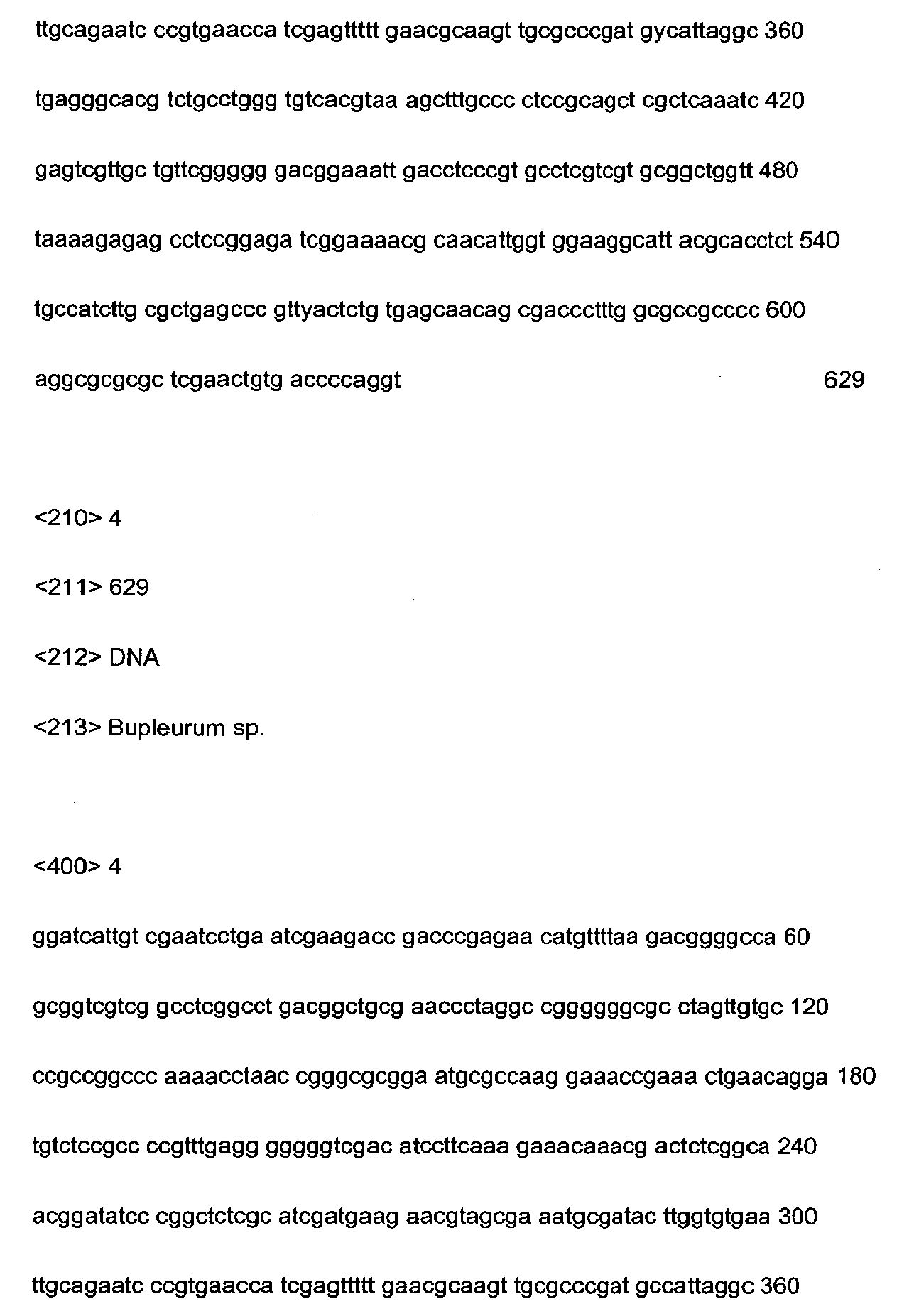
- the tubes were centrifuged at 8,000 rpm for 5 min. at 4°C. The supernatants were moved to new 1.5ml microcentrifuge tubes and added isopropanol of 0.6 times that of the volume. The tubes were put in a -20°C refrigerator to precipitate overnight. After centrifuged, the precipitates were washed by 75% ethanol once and dried. The precipitates were resolved with 50 ⁇ l of TE. The solution was under PCR with pnmers to amplify the DNA sequences of the Bupleurum species. The DNA sequences of the Bupleurum (b)-(g) are shown in the sequence list in accordance with SEQ ID NOs. 1 ⁇ 6.
Landscapes
- Health & Medical Sciences (AREA)
- Life Sciences & Earth Sciences (AREA)
- Animal Behavior & Ethology (AREA)
- Pharmacology & Pharmacy (AREA)
- Chemical & Material Sciences (AREA)
- Veterinary Medicine (AREA)
- Public Health (AREA)
- Medicinal Chemistry (AREA)
- General Health & Medical Sciences (AREA)
- Engineering & Computer Science (AREA)
- General Chemical & Material Sciences (AREA)
- Bioinformatics & Cheminformatics (AREA)
- Organic Chemistry (AREA)
- Nuclear Medicine, Radiotherapy & Molecular Imaging (AREA)
- Chemical Kinetics & Catalysis (AREA)
- Immunology (AREA)
- Pulmonology (AREA)
- Natural Medicines & Medicinal Plants (AREA)
- Botany (AREA)
- Mycology (AREA)
- Pain & Pain Management (AREA)
- Rheumatology (AREA)
- Cardiology (AREA)
- Alternative & Traditional Medicine (AREA)
- Heart & Thoracic Surgery (AREA)
- Medical Informatics (AREA)
- Biotechnology (AREA)
- Microbiology (AREA)
- Transplantation (AREA)
- Epidemiology (AREA)
- Dermatology (AREA)
- Medicines Containing Plant Substances (AREA)
- Pharmaceuticals Containing Other Organic And Inorganic Compounds (AREA)
Abstract
Description
- The disclosed relates to a pharmaceutical composition with an immunomodulating function, and in particular relates to an extract of Bupleurum with an immunomodulating function.
- The mechanism for immune disorders has been reported in several studies. Many studies indicate that the over-expressed tumor necrosis factor (TNF- α) is related to immuno-inflammatory diseases, such as rheumatoid arthritis (RA), Crohn's disease, psoriatic arthritis or ankylosing spondylitis.
- TNF-α functions like cytokines, modulates cell recruitment, cell proliferation, cell death and immune regulation. At low concentrations in tissues, TNF-α may augment host defense mechanisms against infection. At high concentrations, TNF-α results in excess inflammation leading to organ injuries. Thus, Brennan et al. reported that the removal of excess TNF from the sites of inflammation can treat the immune disorders caused by inflammatory responses (Brennan et al., 1989, Inhibitory effect of TNF-aantibodies on synovial cell interleukin-1 production in rheumatoid arthritis. Lancet 2, 244-247).
- Feldmann et al. reported that TNF plays a particularly important role in the regulation of a cascade of pathogenic events in RA, Crohn's disease, psoriasis and other diseases, exemplified by the rapid induction of cytokines, such as IL-1β and IL-6 (Feldmann et al., 2002, Discovery of TNF-α as a therapeutic target in rheumatoid arthritis: preclinical and clinical studies. Joint Bone Spine 69, 12-18). TNF is over-expressed particularly in animal models of RA (Keffer et al., 1991, Transgenic mice expressing human tumor necrosis factor: a predictive genetic model of arthritis. EMBO ). It has been suggested that a dramatic reduction in serum IL-6 concentrations occurred within 1 day of infliximab therapy was a direct effect of TNF neutralization (Charles et al., 1999, Regulation of cytokines, cytokine inhibitors, and acute-phase proteins following anti-TNF-α therapy in rheumatoid arthritis. J Immunol 163, 1521-1528).
- Many biologics with inhibition of TNF-α have been produced, such as adalimumab, etanercept, infliximab, DMARDs (for example, methotrexate), or NSAIDs. Due to fast drug efficacy, dramatic effects and well immune toleration, these biologics have become main stream market products. However, biologics are expensive, demanding intravenous administration and have adverse effects, such as risks of inducing undesired immune responses or infection. Developing a drug which is safe for the immune system is challenging.
- Bupleurum is a genus of plants used in Chinese medicine for reducing fever, relieving pain, eliminating toxins and reducing inflammation. In Chinese medicine, Bupleurum primarily treats fullness and discomfort in the chest, bitterness in the mouth, dryness in the throat, alternate spell of chill and fever, jaundice, hepatitis, enterogastritis and cholecystitis. The root of Bupleurum is usually used. It has been reported that saikosaponin, longispinogenin, sterols, lipid oil, isoflavones and sugars were isolated from the root of a plant of Bupleurum, and saikosaponin was determined as the chief component. Saikosaponin a and d have been proved to have medicinal effects (Liu S.U., et al., Development Diversity of Bupleurum, Journal of Agricultural Research of China, v.53, No. 2 (June, 2004)).
- Bupleurum has been enthusiastically studied for hepatitis. However, there is no study or journal published implementing the application of Bupleurum to immunomodulation. The inventors have studied the extraction of Bupleurum, wherein the active ingredient of the extract was identified, and the relationship between the active ingredient and TNF-α or IL-6 in vivo was determined. Finally, a novel pharmaceutical composition with an immunomodulation has been developed.
- A detailed description is given in the following embodiments with reference to the accompanying drawings.
- The embodiment of invention provides a pharmaceutical composition with an immunomodulating function, comprising an extract of Bupleurum obtained by grinding the Bupleurum, adding the ground Bupleurum to a solvent and isolating the extract from the solvent, wherein the Bupleurum comprises Bupleurum krlovianum, Bupleurum longiradiatum, Bupleurum smithii, Bupleurum pusillum, Bupleurum longicaule, Bupleurum salicifolium, Bupleurum scorzonerifolium and Bupleurums with at least one of the nucleotide sequences selected from a group consisting of SEQ ID NOs. 1~6 and a nucleotide sequence with no more than 1% of the nucleotide sequence divergences of SEQ ID NOs. 1-6, or combinations thereof.
- Another embodiment of invention further provides a pharmaceutical composition with an immunomodulating function, comprising kaerophyllin or cis-isomer as an active ingredient.
- The present invention can be more fully understood by reading the subsequent detailed description and examples with references made to the accompanying drawings, wherein:
-
Fig. 1 is an HPLC chromatogram of the extracts of Bupleurum by a 95% ethanol aqueous solution. -
Fig. 2 is an HPLC chromatogram of the extract of Bupleurum krlovianum by a 95% ethanol aqueous solution. -
Fig. 3a is a 1H NMR spectrum of the crystal (1) in Example 3, andFig. 3b shows a 1H NMR spectrum of the crystal (2) in Example 3. -
Fig. 4a is an HPLC chromatogram of kaerophyllin, andFig. 4b shows an HPLC chromatogram of isokaerophyllin. -
Fig. 5 is the inhibition of TNF-α in an LPS-induced inflammatory animal model by different amounts of the ethanol extract of Bupleurum. -
Fig. 6 is the inhibition of IL-6 in an LPS-induced inflammatory animal model by the amounts of the ethanol extract of Bupleurum. -
Fig. 7 is the inhibition of TNF-α in an LPS-induced inflammatory animal model by the ethanol extract of Bupleurum overtimes. -
Fig. 8 is the inhibition of IL-6 in an LPS-induced inflammatory animal model by the ethanol extract of Bupleurum overtimes. -
Fig. 9 is the inhibition of hindpaw edema in a carrageenan-induced hindpaw edema animal model by the ethanol extract of Bupleurum. -
Fig. 10 is the inhibition of arthritis in an adjuvant-induced arthritis animal model by the ethanol extract of Bupleurum. -
Fig. 11 is the inhibition of arthritis in an collagen-induced arthritis animal model by the ethanol extract of Bupleurum -
Fig. 12 is the inhibition of TNF-α in a U937 cell line by kaerophyllin. -
Fig. 13 is the inhibition of TNF-α in a U937 cell line by isokaerophyllin. -
Fig. 14 is the inhibition of IL-6 in a U937 cell line by kaerophyllin. -
Fig. 15 is the inhibition of IL-6 in a U937 cell line by isokaerophyllin. - The following description is of the best-contemplated mode of carrying out the invention. This description is made for the purpose of illustrating the general principles of the invention and should not be taken in a limiting sense. The scope of the invention is best determined by reference to the appended claims.
- In one aspect, the embodiment of invention provides a pharmaceutical composition with an immunomodulating function, comprising an extract of Bupleurum by a solvent.
- Specifically, the Bupleurum comprises Bupleurum krlovianum, Bupleurum longiradiatum, Bupleurum smithii, Bupleurum pusillum, Bupleurum longicaule, Bupleurum salicifolium, or Bupleurum scorzonerifolium.
- While some medicinal plants are plentiful, some are not. Medicinal plants with similar morphology or names sometimes cause confusion, wherein they are interchanged. Traditional identification of medicinal plants require a skilled person, considering the plant morphology, and taste and performing microscopic examination. Once plants show similar morphology or lose their original taste, they are usually undistinguishable, which may lead to low medicinal efficacy or poison. Therefore, the Bupleurum is identified by chromosomal DNA polymorphism and nucleotide sequence divergence of internal transcribed spacer (ITS) of ribosomal RNA (rRNA). Thus, Bupleurum according to the invention comprises the Bupleurum with a nucleotide sequence selected from a group consisting of: SEQ ID NOs. 1~6 and a nucleotide sequence with no more than 1% of the nucleotide sequence divergences of SEQ ID NOs. 1~6.
- The Bupleurum can be extracted from the root of a plant or a whole plant. The "extraction" according to the invention can be solvent extraction. The "solvent extraction" is directed to a method comprising: adding a substrate of interest into a suitable solvent and extracting a target compound based on the solubility of components of the substrate in the solvent. In one example, the Bupleurum is ground and immerged in a solvent under room temperature for a period of time. The solvent is isolated and dried under room temperature to obtain an extract of the Bupleurum. In another example, the ground Bupleurum is added into a polar solvent and extracted after heating under reflux.
- The solvent used in the invention can be C1~C12 alcohols, C2~C5 acetates, C5~C6 alkanes, or combinations thereof, such as methanol, ethanol, propanol, isopropanol, butanol, 2-butyl alcohol, tert-butyl alcohol, 1,3-butandiol, 1,4butandiol, pentanol, isopentanol, 2,3-pentandiol, 2,4-pentandiol, cyclopentanol, hexanol, cyclohexanol, heptanol, octanol, nonanol, decanol, undecanol, dodecanol, ethyl acetate, propyl acetate, pentyl acetate, pentane, cyclopentane, hexane, cyclohexane, or combinations thereof, but are not limited thereto. In one example, the invention uses ethanol, ethyl acetate and/or pentane as a solvent for extraction. In another example, the invention uses an ethanol aqueous solution as a solvent for extraction. The concentration of ethanol can be 20%-95%, preferably 50%~75% based on the ethanol aqueous solution.
- The volume of the solvent can be more than 5 times that of the Bupleurum, or preferably 5~10 times.
- The extraction is usually more than 2 hours, preferably 2~24 hours, more preferably 4~5 hours.
- The extraction is usually under room temperature, preferably under room temperature to the boiling temperature of the ethanol aqueous solution, more preferably under the boiling temperature of the ethanol aqueous solution.
- The extraction can further comprise a concentration process to concentrate and dry the extract after heating under reflux, wherein a solid or crystal is obtained. The extraction can be repeated several times to obtain a pure extract.
- The extract of Bupleurum according to the invention shows activities for inhibiting the expression of TNF-α or IL-6 in vivo, as shown in following examples, exhibiting immunomodulating function.
- The extract of Bupleurum according to the invention can be further isolated, such as by recrystallization. Kaerophyllin and cis-isomer have been isolated from Bupleurum. Kaerophyllin is known as one of the lignins, which is trans-(3,4-dimethoxybenzylidene)-β-(3,4-methylenedioxylbenzyl)-γ-butyrolactone, C22H22O7, as presented in the formula (1). Kaerophiyllin usually forms transparent needle-like crystals at room temperature and has a melting point of 131°C~132°C.

- The extraction and identification of kaerophyllin from Bupleurum has been described in publications, such as Dou HS, et al (2000) Studies on method for the determination of kaerophyllin in Bupleurum smithii wolff Wolff var. parvifolium, China Journal of Chinese Materia Medica. 2000 Aug;25(8):488-9 ; Shang-Ming Yuan, et al (2000) Analysis of kaerophyllin in 4 kinds of Saiko by HPLC, Northwest Pharmaceutical Journal. 2000 15(04); Estevez-Braun A. et al., 1994, antibiotic activity and absolute configuration of 8S-Heptadeca- 2(Z),9(Z)-diene- 4,6-diyne-1,8-diol from Bupleurum salicifolium, J. Natural Products, 57, 1178-1182 ; and Estevez-Braun A. et al., 1995, Busaliol and Busalicifol, two new tetrahydrofuran lignans from Bupleurum salicifolium, J. Natural Products, 58, 887-892.
- It has been discovered that kaerophyllin often exists in a mixture with cis-isomer. The cis-isomer of kaerophyllin is a transparent square crystal with a melting point of 146.5°C~148°C, which is cis-(3,4-dimethoxybenzylidene)-β-(3,4-methylenedioxylbenzyl)-γ-butyrolactone, C22H22O7, as presented in the formula (2).

- Currently, there is no references to prove that kaerophyllin and cis-isomer have biological functions. However, in the following examples, kaerophyllin and the cis-isomer show an effect on the expression of TNF-α or IL-6 in vivo. Therefore, kaerophyllin and the cis-isomer have an immunomodulating function in vivo.
- Therefore, according to the embodiment of invention, the pharmaceutical composition with an immunomodulation can be applied for treating, alleviating or preventing disorders or symptoms relating to the function of TNF-α or IL-6, such as septic shock, sepsis, ischemic reperfusion, mycobacterial infection, meningitis, psoriasis, congestive heart failure, cachexia, transplant rejection, cutaneous T-cell lymphoma, angiogenesis, autoimmune disorders, dermatitis, Crohn's disease, colitis, osteoarthritis and rheumatoid arthritis, ankylosing spondylitis, psoriatic arthritis, adult Still's disease, uveitis, Wegener's granulomatosis, Behcehe disease, Sjogren's syndrome, sarcoidosis, polymyositis, dermatomyositis, multiple sclerosis, sciatica, periodontal disease, adult immunodeficiency syndrome, non-insulin-dependent diabetes mellitus (NIDDM), systematic lupus erythematosus (SLE), glaucoma, idiopathic pulmonary fibrosis (IPF), bronchopulmotary dysplasia, retinopathy, systematic sclerosis, osteoporosis, renal ischemia, myocardial infarction, stroke, ischemic stroke, nephritis, hepatitis, glomerulonephritis, atopic dermatitis, vasculitis, allergy, seasonal allergic rhinitis, reversible airway obstruction, adult respiratory distress syndrome, asthma, chronic obstructive pulmonary disease (COPD), bronchitis, or combinations thereof, but are not limited thereto.
- The pharmaceutical composition according to the embodiment of invention may further comprise pharmaceutical acceptable carriers and/or additives in an appropriate percentage, which is well known in the art.
- The pharmaceutical composition can be administrated intravenously, intramuscularly, orally or subcutaneously, and preferably orally. The administration can be performed in multiple dosages over a period of time. The regime can be designed according to pharmaceutical tests.
- [Example 1] HPLC analysis of Bupleurum
- The roots of several Bupleurum species were ground. 0.5g portions of the ground Bupleurum were individually added to 25 mL of a 95% ethanol aqueous solution and vibrated overnight. After concentrated and dried, 95% of ethanol solution was added to make a final volume of 2 mL. The solution was analyzed under high pressure liquid chromatography (HPLC) analysis.
- HPLC analysis:
- Column: SymmetryShield™(Waters), RP18, 5 µm, 250x4.6mmlD
- Mobile phase: A: H2O, B: acetonitrile, C: methanol.
- Detection: UV/ λ =237nm.
- The HPLC chromatogram with the peak of kaerophyllin (standard, Line (a) in
Fig. 1 ) was selected, wherein Line (b) is from a Bupleurum with a nucleotide sequence of SEQ ID NO. 1 (the sequencing is described in Example 18), Line (c) is from Bupleurum krlovianum with a nucleotide sequence of SEQ ID NO. 2, Line (d) is from Bupleurum longiradiatum with a nucleotide sequence of SEQ ID NO. 3, Line (e) is from Bupleurum with a nucleotide sequence of SEQ ID NO. 4, Line (f) is from Bupleurum with a nucleotide sequence of SEQ ID NO. 5, and Line (g) is from Bupleurum with a nucleotide sequence of SEQ ID NO. 6. - [Example 2] Extraction of Bupleurum krlovianum
- 2kg of the ground Bupleurum krlovianum selected in Example 1 was added into 16L of a 95% ethanol aqueous solution. After 5 hours at room temperature, the solution was concentrated to obtain an extract with a 6.7±0.1% extraction yield. The extract was then analyzed under HPLC analysis. The resulting chromatogram shows peaks between 30-40 minutes (
Fig. 2 ). - HPLC analysis:
- Column: SymmetryShield™(Waters) , RP18 , 5 µm , 250x4.6mmlD
- Mobile phase: A: H2O, B: acetonitrile, C: methanol.
- Detection: UV/ λ =237nm.
- [Example 3] Identification of active ingredients
- 18.5kg of the ground Bupleurum krlovianum selected in Example 1 was added into 25L of methanol. After 4 hours under room temperature, the solution was dried and concentrated to obtain 18.5kg of residues. 500mg of the residues was purified by using column chromatography (stationary phase: SiO2, mobile phase: hexane, ethyl acetate and methanol with ratio of 6/4/1, 3/2/1 and 0/0/1) and elutes were collected separately. Each elutes was fractionated by thin layer chromatography (TLC) and 12 fractions were collected, respectively. Each of the 12 fractions was added to methanol to make a final concentration of 1mg/ml and analyzed by the HPLC analysis of Example 1. A chromatogram with the peak of kaerophyllin (standard) was selected. The selected fraction was further purified by the column chromatography and an extract with higher punty was isolated. The extract was further crystallized to obtain white transparent crystals (1).
- The crystal (1) was studied by 1H-NMR, 13C-NMR and MS spectroscopy As the result in Table 1, Table 2 and
Fig. 3a shows, there were chemical shifts at 6-8 ppm and 2.5-4 ppm, suggesting that there were C3 and C6 lignins. Companng the information of the kaerophyllin described in Wen-Liang C. et al., 2003, Immunosuppressive flavones and lignans from Bupleurum scorzonerifolium, Phytochemistry 64, 1375-1379, the crystal (1) were identified as kaerophyllin. -
[Table 1] 1H-NMR data of kaerophyllin in Wen-Liang C. et al. and the crystal (1) of Example 3 Location δ H mult of kaerophyllin in Wen-Liang C. et al δ H mult of the crystal (1) of Example 3 3 3.78m 3.78 4α 4.24m 4.24 4β 4.24m 4.24 5 7.50s 7.51 6α 2.58dd(14.4, 10.3) 2.59 6β 3.01dd(14.4, 4.1) 3.01 2' 7.02d(1.5) 7.03 5' 6.91d(8.4) 6.91 6' 7.19dd(8.4, 1.5) 7.19 2" 6.62d(1.5) 6.61 5" 6.69d(7.8) 6.67 6" 6.59dd(7.8, 1.5) 6.60 3'-OMe 3.88s 3.88 4'-OMe 3.91s 3.92 OCH2O 5.90d(1.5) 5.90 -
[Table 2] 13C-NMR (CDCl3) data of kaerophyllin in Wen-Liang C. et al. and the crystal (1) of Example 3 Location δ C of kaerophyllin in Wen-Liang C. et al. δC of the crystal (1) of Example 3 1 172.56 172.57 2 125.58 125.73 3 39.60 39.72 4 69.46 69.53 5 137.39 137.43 6 37.53 37.50 1' 126.82 126.97 2' 112.87 113.06 3' 150.65 150.80 4' 149.05 149.21 5' 111.25 111.40 6' 123.54 123.54 1" 131.43 131.54 2" 108.91 109.06 3" 147.91 148.03 4" 146.49 146.61 5" 108.41 108.50 6" 121.89 121.97 3'-OMe 55.93 56.05 4'-OMe 55.96 56.05 OCH2O 101.02 101.10 - The selected fraction m Example 3 was recrystallized in hexane to obtain transparent square crystals (2). The crystal was studied by 1H-NMR, 13C-NMR and MS spectroscopy and the results are shown in Table 3, Table 4 and
Fig. 3b . Comparing the information of the isokaerophyllin described in Wen-Liang C. et al., 2003, Immunosuppressive flavones and lignans from Bupleurum scorzonerifolium, Phytochemistry 64, 1375-1379, it was identified that the crystal (2) was isokaerophyllin. -
[Table 3] 1H-NMR data of isokaerophyllin in Wen-Liang C. et al. and the crystal (2) of Example 3 Location δ H mult of isokaerophyllin in Wen-Liang C. et al. δH mult of the crystal (2) of Example 3 3 3.28m 3.28 4α 4.09 4.09 4β 4.30m 4.3 5 6.61s 6.61 6α 2.77dd 2.76 6β 2.92dd 2.92 2' 8.07d 8.07 5' 6.82d 6.81 6' 7.15dd 7.14 2" 6.68d 6.67 5" 6.74d 6.74 6" 6.62dd 6.61 3'-OMe 3.89s 3.89 4'-OMe 3.92s 3.91 OCH2O 5.93d 5.93 -
[Table 4] 13C-NMR (CDCl3) data of isokaerophyllin and the crystal (2) of Example 3 Location δC of isokaerophyllin in Wen-Liang C. et al. δC of the crystal (2) of Example 3 1 172.56 172.57 2 125.58 125.73 3 39.6 39.72 4 69.46 69.53 5 137.39 137.43 6 37.53 37.6 1' 126.82 126.97 2' 112.87 113.06 3' 150.65 150.8 4' 149.05 149.21 5' 111.25 111.4 6' 123.54 123.54 1" 131.43 131.54 2" 108.91 109.06 3" 147.91 148.03 4" 146.49 146.61 5" 108.41 108.5 6" 121.89 121.97 3'-OMe 55.93 56.05 4'-OMe 55.96 56.05 OCH2O 101.02 101.1 - The white crystal (1) and transparent square crystal (2) of Example 3 were studied under HPLC analysis, which comprised:
- Column: ODS 3V,
- Mobile phase: CH3OH/H2O (0.1 %H3PO4), gradient elution,
- Flow rate: 1.0ml/min, and
- Detection: UV/ λ=310nm
- The resulting chromatograms showed that the white crystal (1) (kaerophyllin) had a peak at about 37 minutes (
Fig. 4a ) and the transparent square crystal (2) (isokaerophyllin) had a peak at about 40 minutes (Fig. 4b ). - [Example 4] Inhibition of the extracts by different concentrations of ethanol extracts
- 200g of the ground Bupleurum krlovianum selected in Example 1 was equally divided and added to a four 1L round bottom flask. Each flask was added ethanol aqueous solutions with 20%, 50%, 75% and 95% concentrations, individually. After heating under reflux for 2 hours, each of the solutions was dned and concentrated to obtain extracts.
- BALB/c mice were fed with the extracts in an amount of 500mg/kg, respectively. After 2 hours, the mice were intrapentoneally injected with 1mg/kg of lipopolysaccharide (LPS) in phosphate buffered saline (PBS). Blood was collected after 1.5 hours. The concentration of TNF-α and IL-6 in the mice serum was quantified by ELISA (R&D System®). The inhibition rates (%) of TNF-α and IL-6 in the serum were calculated based on the concentration of TNF-α and IL-6 in the serum before the mice were fed with the extracts. The results are shown in Table 5.
-
[Table 5] Ethanol concentration for extraction Inhibition of TNF-α (%) Inhibition of IL-6 (%) 25% 57.7 26.2 50% 92.8 81.7 75% 92.4 74.0 95% 71.4 40.3 - [Example 5] Inhibition of the extracts by different solvent extractions
- (i) Extraction by 50% ethanol: 50g of the ground Bupleurum krlovianum selected in Example 1 and 500ml of 50% ethanol aqueous solution were added to a 1L round bottom flask. After heating under reflux for 2 hours, the solution was dried and concentrated to obtain an extract (a). The extract (a) was used in the following in vivo experiments.
- (ii) Extraction by hexane: 50g of the ground Bupleurum krlovianum selected in Example 1 and 500ml of 50% ethanol aqueous solution were added to a 1L round bottom flask. The flask was heated under reflux for 2 hours and added 100% hexane in an equal amount of the solution in the flask. The step was repeated three times. The solution in the flask was dried and concentrated to obtain an extract (b). The extract (b) was used in the following in vivo experiments.
- (iii) Extraction by ethyl acetate: 50g of the ground Bupleurum kriovianum selected in Example 1 and 500ml of 50% ethanol aqueous solution were added to a 1L round bottom flask The flask was heated under reflux for 2 hours and added ethyl acetate in an equal amount of the solution in the flask. The step was repeated three times. The solution in the flask was dried and concentrated to obtain an extract (c). The extract (c) was used in the following in vivo experiments.
- (iv) In vivo experiments: BALB/c mice were fed with the extracts (a), (b) and (c) in an amount of 500mg/kg, respectively. After 2 hours, the mice were intraperitoneally injected with 1mg/kg of LPS m PBS. Blood was collected after 1.5 hours. The concentration of TNF- α and IL-6 in the mice serum was quantified by ELISA (R&D System®). The inhibition rates (%) of TNF-α and IL-6 in the serum were calculated based on the concentration of TNF-α and IL-6 in the serum before the mice were fed with the extracts. The results are shown in Table 6.
-
[Table 6] Solvent extraction Extracts Inhibition of TNF-α (%) Inhibition of IL-6(%) 50% ethanol (a) 92.8 81.7 50% ethanol + hexane (b) 99.3 78.4 50% ethanol + ethyl acetate (c) 98.6 83.0 - [Example 6] The isolation of kaerophyllin by different solvent extractions
- 5g of the ground Bupleurum krlovianum selected in Example 1 was equally divided and added to five 1L round bottom flasks. Each flask was added 10 ml of methanol, ethanol, isopropanol, butanol and decanol, respectively. Each flask was ultrasound vibrated for 10 minutes and the extracts were collected individually. The volume for each extract was adjusted to 10 ml. Meanwhile, standards were established as follows: 0.3 mg/ml, 0.27 mg/ml, 0.21 mg/ml, 0.15, 0.09 mg/ml, 0.06 mg/ml and 0.03 mg/ml of kaerophyllin. The amounts of kaerophyllin in the extracts were determined as shown in Table 7.
-
[Table 7] Solvent for extraction The amount of kaerophyllin in the extracts (%) Methanol 0.32 Ethanol 0.30 Isopropanol 0.21 Butanol 0.08 Decanol 0.10 - [Example 7] Inhibition effects by different extraction times
- 2.0 kg of the ground Bupleurum krlovianum selected in Example 1 and 16.3L of 50% ethanol solution were added to a 20L round bottom flask under heating with reflux. The solutions were collected separately after 2, 3, 4 and 5 hours and then dried and concentrated to obtain extracts. Meanwhile, standards were established as follows: 0.3 mg/ml, 0.27 mg/ml, 0.21 mg/ml, 0.15, 0.09 mg/ml, 0.06 mg/ml and 0.03 mg/ml of kaerophyllin The amounts of kaerophyllin in the extracts were determined as shown in Table 8.
- In addition, BALB/c mice were fed with the extracts in an amount of 500mg/kg. respectively. After 2 hours, the mice were intraperitoneally injected with 1mg/kg of LPS in PBS. Blood was collected after 1.5 hours. The concentration of TNF-α and IL-6 in the mice serum was quantified by ELISA (R&D System®). The inhibition rates (%) of TNF-α and IL-6 in the serum were calculated based on the concentration of TNF-α and IL-6 in the serum before the mice were fed with the extracts. The results are shown in Table 8.
-
[Table 8] Extraction time The amount of kaerophyllin in the extract Inhibition of TNF-α (%) Inhibition of IL-6 (%) 2hr 1.10 84.4 -34.7 3hr 1.08 70.5 -6.8 4hr 1.06 100.0 46.0 5hr 1.06 99.7 -0.9 - [Example 8] Effect of the ethanol extract on LPS-induced inflammatory response in a mouse model
- BALB/c mice were fed with the extract (a) in Example 5 (i) in an amount of 250mg/kg, 500 mg/kg, 1000mg/kg and 2000 mg/kg, respectively. After 2 hours, the mice were intraperitoneally injected with 1mg/kg of LPS in PBS. Blood was collected after 1.5 hours. The concentration of TNF-α and IL-6 m the mice serum was quantified by ELISA (R&D System®). The inhibition rates (%) of TNF-α and IL-6 in the serum were calculated based on the concentration of TNF-α and IL-6 in the serum before the mice were fed with the extracts. The results are shown m
Fig. 5 and6 . The control was fed with 10ml/kg of 2% Tween 80 as a carrier. - [Example 9] Effect of the ethanol extract on LPS-mduced inflammatory response in a mouse model at different administration times
- BALB/c mice were fed with the extract (a) in Example 5 (i) in an amount of 500 mg/kg. The mice were intraperitoneally injected with 1mg/kg of LPS in PBS respectively at 1, 2, 4 and 6 hours after being fed with the extract. Blood was collected after 1 5 hours. The concentration of TNF-α and IL-6 in the mice serum was quantified by ELISA (R&D System® ). The inhibition rates (%) of TNF-α and IL-6 in the serum were calculated based on the concentration of TNF-α and IL-6 in the serum before the mice were fed with the extract. The results are shown in
Fig. 5 and6 . The control was fed with 10ml/kg of 2% Tween 80 as a carrier. - [Example 10] Effect of the ethanol extract on carrageenan induced hindpaw edema in a rat model
- Long-Evan rats were fed with the extract (a) in Example 5 (i) in an amount of 250mg/kg, 500 mg/kg, 1000mg/kg, respectively. The positive control was fed with 3mg/kg of indomethacin (NSAID) The negative control was fed with 10ml/kg of 2
% Tween 80 as a carrier After 1 hour, the rats were injected 0.1ml of 1% carrageenan on the left hindpaw. The volume of the rat's left hindpaw was measured by plethysmometer (Stoelting) at the 0, 1.5th, and 3rd hour after injection. The inhibition was calculated by the formula : -

- In the formula, Nt represents the left hindpaw volume of the rat fed with the ethanol extract; Nv represents the left hindpaw of the rat fed with the carrier.
- The inhibition was negative when the ethanol extract showed anti-inflammatory effects.
-
[Table 9] Administration Inhibition at 0 hour (%) Inhibition at the 1.5th hour (%) Inhibition at the 3rd hour (%) Carrier 0 0 0 250mg/kg of ethanol extract 0 3 14 500 mg/kg of ethanol extract 0 55 52 1000 mg/kg of ethanol extract 0 29 62 3 mg/kg of indomethacin 0 21 52 - [Example 11] Effect of the ethanol extract on adjuvant induced arthritis in a rat model
- The rats were categorized into 5 groups Each group had 5 rats The rats were injected 50µl of Mycobacterium butyricum m squalene at 3 points on the root of the tail (total injection: 50µl/rat). The rats in 5 groups were immediately fed with 500mg/kg of the extract (a) in Example 5 (i), 1000mg/kg of the extract (a) in Example 5 (i), 3mg/kg of indomethacin, 0.1mg/kg of dexamethasone and 10ml/kg of 2% Tween 80 (carrier),, respectively. The symptoms of the arthritis in each group were estimated according to the scores:
- 0: The feet were not red and swelling;
- 1: The feet were slightly red and swelling or one toe joint was red and swelling;
- 2: The feet were apparently red and swelling or more than two toe joints were red and swelling;
- 3: The hindpaw was incapable of function for walking;
- 4: The ankle joint was incapable of moving.
- The result is shown in
Fig. 10 . The ethanol extract showed inhibition of arthritis, compared to the carrier group (p<0.05). The administration of indomethacin and doxamethasone was the positive control. - [Example 12] Effect of the ethanol extract on collagen induced arthritis in a rat model
- 2mg/ml of a fetus bovine type II collagen was emulsified with an equal amount of a complete Freund's adjuvant (CFA) or incomplete Freund's adjuvant (IFA) by homogenization (IKA, RW20 DZM.n.). The rats were categorized into 4 groups. Each group had 8 rats. Each rat was intracutaneously injected 50 µg of the collagen and CFA emulsion. At the eighth day, each rat was injected 100 µg of the collagen and IFA emulsion to induce arthritis. The rats in 4 groups were immediately fed with 50mg/kg of the extract (a) in Example 5 (i), 30mg/kg of celebrex (NSNID), 10ml/kg of 1% carboxymethyl cellulose (CMC) (carrier) and nothing, respectively. The symptoms of the arthritis in each group were estimated according to the scores:
- 0: The foot was not red and swelling;
- 1: The foot was slightly red and swelling or one toe joint was red and swelling;
- 2: The foot was apparently red and swelling or more than two toe joints were red and swelling;
- 3: The hindpaw was incapable of function for walking;
- 4: The ankle joint was incapable of moving.
- The result showed that 50mg/kg of the ethanol extract can cause apparent inhibition of arthritis (
Fig. 11 ). The administration of celebrex was the positive control, and CMC was the negative control. The group fed nothing was a blank test. - [Example 13] Effect of kaerophyllin and the cis-isomer on TNF-α
- The cell line, U937 (human monocyte cell line), was incubated in RPMI medium containing 50 ng/ml PMA (phorbol 12-myristate 13-acetate) (Sigma) and 10% fetal bovine serum (Moor et. al., Roswell Park Memorial Institute) for 24 hours. The cell line was then moved to the RPMI medium without PMA for further 48 hours. The activated U937 was seeded into a 96-well plate in a concentration of 1.6×10⁵ cell/well. The wells were added 12.5 µg/ml, 25 µg/ml, 50 µg/ml and 100 µg/ml of kaerophyllin and 1 µg/ml, 3 µg/ml, 10 µg/ml and 30 µg/ml of isokaerphyllin and 10 µl of buffer, respectively. Each well was adjusted to a final volume of 190 µl. The plate was reacted under 37°C for 30 minutes. Each well was added 10 µl of 20 µg/ml LPS to stimulate cells. After 4 hours under 37°C, the plate was centrifuged to collect the supernatants.
- The amount of TNF-α in the supernatant was measured by ELISA (R&D System®) based on the control (DMSO). Meanwhile, the cell viability was measured by MTT assay (Sigma).
- The results showed that kaerophyllin and the cis-isomer had effects to inhibit the excretion of TNF-α. The IC50 value of kaerophyllin was 44±5 µg/ml (
Fig. 12 ). The IC50 value of isokaerophyllin was 18±4 µg/ml (Fig. 13 ). - [Example 14] Effect of kaerophyllin and the cis-isomer on IL-6
- The cell line, U937, was cultured like Example 13. The activated U937 was then seeded in a 96-well plate in a concentration of 1.6×10⁵ cell/well. The wells were added 6.3 µg/ml, 12.5 µg/ml, 25 µg/ml and 50 µg/ml of kaerophyllin and 3.8 µg/ml, 7.5 µg/ml, 15 µg/ml and 30 µg/ml of isokaerphyllin and 10 µl of buffer, respectively. Each well was adjusted to a final volume of 190 µl. The plate was put under 37°C for 30 minutes. Each well was added 10µl of 20 µg/ml LPS to stimulate cells. After 16-18 hours under 37°C, the plate was centrifuged to collect the supernatants.
- The amount of IL-6 m the supernatant was measured by ELISA (R&D System®) based on the control (DMSO). Meanwhile, the cell viability was measured by MTT assay (Sigma).
- The results showed that kaerophyllin and the isomer had effects to inhibit the excretion ot IL-6. The IC50 value ot kaerophyllin was 13±2 µg/ml (
Fig. 14 ). The IC50 value of isokaerophyllin was 24±6 µg/ml (Fig. 15 ). - [Example 15] Effect of the ethanol extract in an ententis mouse model
- The BABL/c mice were categorized into 4 groups. Each group had 6 rats. One group was injected 50% ethanol and others were injected 1.75 mg of trimtrobenzene sulfonate (TNBS) (Sigma) into the colon (4 cm up from the anus). The TNBS-treated groups were immediately fed with 100mg/kg of the extract (a) in Example 5 (i), 0.6mg/kg of dexamethasone (DEX) and nothing, respectively. After 48 hours, the colon (6 cm up from the anus) of each mice was excised and the colon was immerged in PBS for 2 hours. The colon infusion was measured for the amounts of TNF-α, IL-6 and G-CSF. The inhibition of TNF-α, IL-6 and G-CSF was calculated based on the TNBS-treated group without being ted anything The results are shown in Table 10, m which a negative value represents enhanced excretion of TNF-α, IL-6 and G-CSF
-
[Table 10] Group Inhibition of TNF-α(%) Inhibition of IL-6 (%) Inhibition of G-CSF (%) 50% ethanol 74 96 93 1.75mg of TNBS 0 0 0 100mg/kg of the ethanol extract + 1.75mg of TNBS 50 43 60 0.6mg/kg of DEX + 1.75mg of TNBS 9 -55 -38 - [Example 16] Effect of Bupleurum species on LPS induced inflammatory response in a mouse model
- Six species of Bupleurum selected from Example 1 were individually pulverized and screened by a sieve with 5 meshes.
- 50g of each ground Bupleurum and 400mL of 50% ethanol aqueous solution were added into six 2L round bottom flasks. The flasks were heated under reflux for 2 hours. The solution was collected. After dried and concentrated, the extracts (1)-(6) were obtained, which correspond to the Lines (b)-(g) of the Bupleurum species in Example 1.
- BALB/c mice were fed with 1000mg/kg of the extract (1) and 500mg/kg of the extracts (2)-(6), respectively. After 2 hours, the mice were intraperitoneally injected with 1mg/kg of LPS in PBS. Blood was collected after 1.5 hours. The concentration of TNF- α and IL-6 in the mice serum was quantified by ELISA (R&D System®). The inhibition rates (%) of TNF-α and IL-6 in the serum were calculated based on the concentration of TNF-α and IL-6 in the serum of the mice without being fed the extracts. The results are shown in Table 11.
-
[Table 11] Extracts Inhibition of TNF-α (%) Inhibition of IL-6 (%) Extracts (1) 44 -6 Extracts (2) 99 50 Extracts (3) 75 42 Extracts (4) 25 29 Extracts (5) 27 51 Extracts (6) 34 11 - [Example 17] Identification of the Bupleurum by ITS sequencing
- 0.5~1g of the six Bupleurum (b)-(g) in Example 1 were individually pulverized with liquid nitrogen. The powder was poured into centrifugal tubes containing 7~10 ml of a CTAB buffer and well mixed. The tube was vibrated 30~60 minutes under 70°C. The tubes were added 5ml of chloroform and well mixed. The tubes were centrifuged at 8,000 rpm for 5 minutes at 4°C. The supernatants were removed. The precipitates were centnfuged at 12,000 rpm for 20 minutes at 4°C. The supernatants were removed again. Each tubes was added 3ml of 1.2M NaCl containing RNase. The tubes were vibrated for 30~60 min. at 37 °C, added 3ml of chloroform and well mixed. The tubes were centrifuged at 8,000 rpm for 5 min. at 4°C. The supernatants were moved to new 1.5ml microcentrifuge tubes and added isopropanol of 0.6 times that of the volume. The tubes were put in a -20°C refrigerator to precipitate overnight. After centrifuged, the precipitates were washed by 75% ethanol once and dried. The precipitates were resolved with 50 µl of TE. The solution was under PCR with pnmers to amplify the DNA sequences of the Bupleurum species. The DNA sequences of the Bupleurum (b)-(g) are shown in the sequence list in accordance with SEQ ID NOs. 1~6.
- While the invention has been described by way of example and in terms of the preferred embodiments, it is to be understood that the invention is not limited to the disclosed embodiments. To the contrary, it is intended to cover various modifications and similar arrangements (as would be apparent to those skilled in the art). Therefore, the scope of the appended claims should be accorded the broadest interpretation so as to encompass all such modifications and similar arrangements.




Claims (20)
- A pharmaceutical composition with an immunomodulating function, comprising an extract of Bupleurum obtained by grinding the Bupleurum , adding the ground Bupleurum to a solvent and isolating the extract from the solvent, wherein the Bupleurum comprises Bupleurum krlovianum, Bupleurum longiradiatum, Bupleurum smithii, Bupleurum pusillum, Bupleurum longicaule, Bupleurum salicifolium, Bupleurum scorzonerifolium and Bupleurums with at least one of the nucleotide sequences selected from a group consisting of SEQ ID NOs. 1~6 and a nucleotide sequence with no more than 1% of the nucleotide sequence divergences of SEQ ID NOs. 1~6, or combinations thereof.
- The pharmaceutical composition as claimed in claim 1, wherein the solvent comprises C1-C12 alcohols, C2-C5 acetates, C5-C6 alkanes or combinations thereof.
- The pharmaceutical composition as claimed in claim 1, wherein the solvent comprises 20%~95% of an ethanol aqueous solution.
- The pharmaceutical composition as claimed in claim 1, wherein the volume of the solvent is 5~10 times that of the Bupleurum.
- The pharmaceutical composition as claimed in claim 1, wherein the time for extraction is 2 to 24 hours.
- The pharmaceutical composition as claimed in claim 1, wherein the extract is further heated under reflux.
- The pharmaceutical composition as claimed in claim 1, wherein the extraction is under room temperature to a boiling temperature of an ethanol aqueous solution.
- The pharmaceutical composition as claimed in claim 1, wherein the extract comprises kaerophyllin or cis-isomer as an active ingredient.
- The pharmaceutical composition as claimed in claim 1, wherein the extract inhibits excretion of TNF-α and IL-6 in vivo.
- The pharmaceutical composition as claimed in claim 1, for treating or alleviating septic shock, sepsis, ischemic reperfusion, mycobacterial infection, meningitis, psoriasis, congestive heart failure, cachexia, transplant rejection, cutaneous T-cell lymphoma, angiogenesis, autoimmune disorders, dermatitis, Crohn's disease, colitis, osteoarthritis and rheumatoid arthritis, ankylosing spondylitis, psoriatic arthritis, adult Still's disease, uveitis, Wegener's granulomatosis, Behcehe disease, Sjogren's syndrome, sarcoidosis, polymyositis, dermatomyositis, multiple sclerosis, sciatica, periodontal disease, adult immunodeficiency syndrome, non-insulin-dependent diabetes mellitus (NIDDM), systematic lupus erythematosus (SLE), glaucoma, idiopathic pulmonary fibrosis (IPF), bronchopulmotary dysplasia, retinopathy, systematic sclerosis, osteoporosis, renal ischemia, myocardial infarction, stroke, ischemic stroke, nephritis, hepatitis, glomerulonephritis, atopic dermatitis, vasculitis, allergy, seasonal allergic rhinitis, reversible airway obstruction, adult respiratory distress syndrome, asthma, chronic obstructive pulmonary disease (COPD), bronchitis, or combinations thereof.
- A pharmaceutical composition with an immunomodulating function, comprising kaerophyllin or cis-isomer as an active ingredient.
- The pharmaceutical composition as claimed in claim 11, wherein the active ingredient inhibits excretion of TNF-α and IL-6 in vivo.
- The pharmaceutical composition as claimed in claim 11, for treating or alleviating septic shock, sepsis, ischemic reperfusion, mycobacterial infection, meningitis, psoriasis, congestive heart failure, cachexia, transplant rejection, cutaneous T-cell lymphoma, angiogenesis, autoimmune disorders, dermatitis, Crohn's disease, colitis, osteoarthritis and rheumatoid arthritis, ankylosing spondylitis, psoriatic arthritis, adult Still's disease, uveitis, Wegener's granulomatosis, Behcehe disease, Sjogren's syndrome, sarcoidosis, polymyositis, dermatomyositis, multiple sclerosis, sciatica, periodontal disease, adult immunodeficiency syndrome, non-insulin-dependent diabetes mellitus (NIDDM), systematic lupus erythematosus (SLE), glaucoma, idiopathic pulmonary fibrosis (IPF), bronchopulmotary dysplasia, retinopathy, systematic sclerosis, osteoporosis, renal ischemia, myocardial infarction, stroke, ischemic stroke, nephritis, hepatitis, glomerulonephritis, atopic dermatitis, vasculitis, allergy, seasonal allergic rhinitis, reversible airway obstruction, adult respiratory distress syndrome, asthma, chronic obstructive pulmonary disease (COPD), bronchitis, or combinations thereof.
- The pharmaceutical composition as claimed in claim 11, wherein the active ingredient is extracted from a Bupleurum comprising Bupleurum krlovianum, Bupleurum longiradiatum, Bupleurum smithii, Bupleurum pusillum, Bupleurum longicaule, Bupleurum salicifolium, Bupleurum scorzonerifolium and Bupleurums with at least one of the nucleotide sequences selected from a group consisting of SEQ ID NOs. 1~6 and a nucleotide sequence with no more than 1% of the nucleotide sequence divergences of SEQ ID NOs. 1-6, or combinations thereof.
- The pharmaceutical composition as claimed in claim 14, wherein the Bupleurum is extracted by a solvent comprising C1-C12 alcohols, C2-C5 acetates, C5-C6 alkanes or combinations thereof.
- The pharmaceutical composition as claimed in claim 15, wherein the solvent comprises 20%~95% of an ethanol aqueous solution.
- The pharmaceutical composition as claimed in claim 15, wherein the volume of the solvent is 5~10 times that of the Bupleurum.
- The pharmaceutical composition as claimed in claim 15, wherein the time for extraction is 2 to 24 hours.
- The pharmaceutical composition as claimed in claim 15, wherein the extract is further heated under reflux.
- The pharmaceutical composition as claimed in claim 15, wherein the extraction is under room temperature to a boiling temperature of an ethanol aqueous solution.
Priority Applications (2)
| Application Number | Priority Date | Filing Date | Title |
|---|---|---|---|
| EP10168143.5A EP2402020B1 (en) | 2010-07-01 | 2010-07-01 | Pharmaceutical composition comprising extracts of Bupleurum krylovianum for use in the treatment of arthritis and rheumatoid arthritis |
| ES10168143.5T ES2450417T3 (en) | 2010-07-01 | 2010-07-01 | Pharmaceutical composition comprising extracts of Bupleurum krylovianum for use in the treatment of arthritis and rheumatoid arthritis |
Applications Claiming Priority (1)
| Application Number | Priority Date | Filing Date | Title |
|---|---|---|---|
| EP10168143.5A EP2402020B1 (en) | 2010-07-01 | 2010-07-01 | Pharmaceutical composition comprising extracts of Bupleurum krylovianum for use in the treatment of arthritis and rheumatoid arthritis |
Publications (2)
| Publication Number | Publication Date |
|---|---|
| EP2402020A1 true EP2402020A1 (en) | 2012-01-04 |
| EP2402020B1 EP2402020B1 (en) | 2013-12-04 |
Family
ID=43014344
Family Applications (1)
| Application Number | Title | Priority Date | Filing Date |
|---|---|---|---|
| EP10168143.5A Active EP2402020B1 (en) | 2010-07-01 | 2010-07-01 | Pharmaceutical composition comprising extracts of Bupleurum krylovianum for use in the treatment of arthritis and rheumatoid arthritis |
Country Status (2)
| Country | Link |
|---|---|
| EP (1) | EP2402020B1 (en) |
| ES (1) | ES2450417T3 (en) |
Citations (1)
| Publication number | Priority date | Publication date | Assignee | Title |
|---|---|---|---|---|
| CN1994378A (en) * | 2006-12-27 | 2007-07-11 | 常熟雷允上制药有限公司 | Compound formulation for treating icteric viral hepatitis and method for preparing same |
-
2010
- 2010-07-01 EP EP10168143.5A patent/EP2402020B1/en active Active
- 2010-07-01 ES ES10168143.5T patent/ES2450417T3/en active Active
Patent Citations (1)
| Publication number | Priority date | Publication date | Assignee | Title |
|---|---|---|---|---|
| CN1994378A (en) * | 2006-12-27 | 2007-07-11 | 常熟雷允上制药有限公司 | Compound formulation for treating icteric viral hepatitis and method for preparing same |
Non-Patent Citations (22)
| Title |
|---|
| ANONYMOUS: "Altai Bupleurum", 9 November 2010 (2010-11-09), XP002609611, Retrieved from the Internet <URL:http://zh.wikipedia.org/zh-hant/%E9%98%BF%E5%B0%94%E6%B3%B0%E6%9F%B4%E8%83%A1> [retrieved on 20101115] * |
| ANONYMOUS: "Altai Bupleurum", 9 November 2010 (2010-11-09), XP002609612, Retrieved from the Internet <URL:http://translate.google.de/translate?hl=de&sl=auto&tl=de&u=http%3A%2F%2Fzh.wikipedia.org%2Fzh-hant%2F%25E9%2598%25BF%25E5%25B0%2594%25E6%25B3%25B0%25E6%259F%25B4%25E8%2583%25A1> [retrieved on 20101115] * |
| BRENNAN ET AL.: "Inhibitory effect of TNF- aantibodies on synovial cell interleukin-1 production in rheumatoid arthritis.", LANCET, vol. 2, 1989, pages 244 - 247 |
| CHANG W-L ET AL: "Immunosuppressive flavones and lignans from Bupleurum scorzonerifolium", PHYTOCHEMISTRY, vol. 64, no. 8, 1 December 2003 (2003-12-01), PERGAMON PRESS, GB, pages 1375 - 1379, XP004473110, ISSN: 0031-9422, DOI: 10.1016/J.PHYTOCHEM.2003.08.002 * |
| CHARLES ET AL.: "Regulation of cytokines, cytokine inhibitors, and acute-phase proteins following anti-TNF- a therapy in rheumatoid arthritis", J IMMUNOL, vol. 163, 1999, pages 1521 - 1528 |
| CHENG X Q ET AL: "Macrophage immunomodulatory activity of the polysaccharides from the roots of Bupleurum smithii var. parvifolium", JOURNAL OF ETHNOPHARMACOLOGY, vol. 130, no. 2, 20 July 2010 (2010-07-20), ELSEVIER SCIENTIFIC PUBLISHERS LTD, IE, pages 363 - 368, XP027148200, ISSN: 0378-8741, [retrieved on 20100716] * |
| DATABASE WPI Week 200805, Derwent World Patents Index; AN 2008-A60306, XP002609610 * |
| DOU HS ET AL.: "Studies on method for the determination of kaerophyllin in Bupleurum smithii wolff Wolff var. parvifolium", CHINA JOURNAL OF CHINESE MATERIA MEDICA, vol. 25, no. 8, August 2000 (2000-08-01), pages 488 - 9 |
| ESTEVEZ-BRAUN A. ET AL.: "antibiotic activity and absolute configuration of 8S-Heptadeca- 2(Z),9(Z)-diene- 4,6-diyne-1,8-diol from Bupleurum salicifolium", J. NATURAL PRODUCTS, vol. 57, 1994, pages 1178 - 1182 |
| ESTEVEZ-BRAUN A. ET AL.: "Busaliol and Busalicifol, two new tetrahydrofuran lignans from Bupleurum salicifolium", J. NATURAL PRODUCTS, vol. 58, 1995, pages 887 - 892 |
| FELDMANN ET AL.: "Discovery of TNF-a as a therapeutic target in rheumatoid arthritis: preclinical and clinical studies", JOINT BONE SPINE, vol. 69, 2002, pages 12 - 18 |
| GONZALEZ ET AL: "Isokaerophyllin, a butyrolactone from Bupleurum salicifolium", PHYTOCHEMISTRY, vol. 29, no. 2, 1 January 1990 (1990-01-01), PERGAMON PRESS, GB, pages 675 - 678, XP022515638, ISSN: 0031-9422 * |
| GONZALEZ J A ET AL: "BIOLOGICAL ACTIVITY OF SECONDARY METABOLITES FROM BUPLEURUM SALICIFOLIUM (UMBELLIFERAE)", EXPERIENTIA, vol. 51, no. 1, 1 January 1995 (1995-01-01), BIRKHAEUSER VERLAG. BASEL, CH, pages 35 - 39, XP008051894, ISSN: 0014-4754 * |
| KEFFER ET AL.: "Transgenic mice expressing human tumor necrosis factor: a predictive genetic model of arthritis", EMBO J, vol. 10, 1991, pages 4025 - 4031 |
| LIU S.U. ET AL.: "Development Diversity of Bupleurum", JOURNAL OF AGRICULTURAL RESEARCH OF CHINA, vol. 53, no. 2, June 2004 (2004-06-01) |
| MENGLAN, WATSON: "Bupleurum", vol. 14, 2005, pages 60 - 74, XP002609613, Retrieved from the Internet <URL:http://flora.huh.harvard.edu/china/PDF/PDF14/Bupleurum.pdf> [retrieved on 20101115] * |
| SHANG-MING YUAN ET AL.: "Analysis of kaerophyllin in 4 kinds of Saiko by HPLC", NORTHWEST PHARMACEUTICAL JOURNAL, vol. 15, no. 04, 2000 |
| WEN-LIANG C. ET AL.: "Immunosuppressive flavones and lignans from Bupleurum scorzonerifolium", PHYTOCHEMISTRY, vol. 64, 2003, pages 1375 - 1379 |
| WON SICK WOO ET AL: "Antiinflammatory principle of Bupleurum longiradiatum roots", ARCHIVES OF PHARMACAL RESEARCH, vol. 16, no. 1, 1 January 1993 (1993-01-01), NATL. FISHERIES UNIVERSITY, PUSAN, KR, pages 29 - 31, XP009140751, ISSN: 0253-6269 * |
| YANG YAO-JUN ET AL: "Flavonoids in Altai Chaihu (Altai Bupleurum Root)", BEIJING ZHONGYIYAO DAXUE XUEBAO - JOURNAL OF BEIJING UNIVERSITYOF TRADITIONAL CHINESE MEDICINE, vol. 33, no. 3, 1 March 2010 (2010-03-01), GAI-KAN BIANJIBU, BEIJING, CN, pages 207 - 209, XP009140958, ISSN: 1006-2157 * |
| YANG Z-Y ET AL: "ITS sequence analysis used for molecular identification of the Bupleurum species from northwestern China", PHYTOMEDICINE, vol. 14, no. 6, 27 June 2007 (2007-06-27), GUSTAV FISCHER VERLAG, STUTTGART, DE, pages 416 - 423, XP025320950, ISSN: 0944-7113, [retrieved on 20070530], DOI: 10.1016/J.PHYMED.2007.04.009 * |
| YAOJUN ET AL: "Chemical components in volatile oil from Altai Bupleurum Root", BEIJING ZHONGYIYAO DAXUE XUEBAO - JOURNAL OF BEIJING UNIVERSITYOF TRADITIONAL CHINESE MEDICINE, vol. 28, 1 November 2005 (2005-11-01), GAI-KAN BIANJIBU, BEIJING, CN, pages 63 - 65, XP009140955, ISSN: 1006-2157 * |
Also Published As
| Publication number | Publication date |
|---|---|
| EP2402020B1 (en) | 2013-12-04 |
| ES2450417T3 (en) | 2014-03-24 |
Similar Documents
| Publication | Publication Date | Title |
|---|---|---|
| CN102526165B (en) | A kind of Radix Rhodiolae effective site, its preparation method, its pharmaceutical composition and purposes | |
| EP3566702B1 (en) | Pharmaceutical composition for preventing or treating allergic diseases such as asthma or atopy, comprising baicalein as active ingredient | |
| CN104547104B (en) | Ramulus Ziziphi Spinosae leaf extract and its preparation method and application | |
| CN117510443B (en) | Rice ball extract L01 and its pharmaceutical composition and application | |
| CN102516344B (en) | Compound with antitumor activity and preparation method and application thereof | |
| EP3804728A1 (en) | Composition comprising inotodiol compound as effective ingredient for prevention or treatment of allergy disease | |
| US8597693B2 (en) | Pharmaceutical composition with immunomodulating function | |
| JP2000154151A (en) | Immunosuppressant | |
| CN106074588A (en) | The combination of Rhizoma Paridis forrestii monomer saponin and pharmaceutical composition and its application in pharmacy | |
| EP1222925A2 (en) | Kavalactone as TNF-alpha production inhibitor | |
| EP2402020B1 (en) | Pharmaceutical composition comprising extracts of Bupleurum krylovianum for use in the treatment of arthritis and rheumatoid arthritis | |
| CN102106884B (en) | Pharmaceutical composition with immune regulation function | |
| RU2651750C2 (en) | Application of albizzia chinensis extract in preparation of medicine for treatment of gastric ulcer | |
| JP2023182502A (en) | Use of effective part extract of monochasma savatieri franch.in preparation of drug for treating inflammatory disease or tumor | |
| CN103880913B (en) | A kind of compound and application thereof with hepatoprotective effect | |
| CN112999233B (en) | A kind of monoterpene glycoside compound derived from red peony root and its preparation method and application | |
| CN101062046B (en) | Use of saikosaponin A as unique effective ingredient in preparing medicine for suppressing fibroblast proliferation of liver | |
| KR102175269B1 (en) | A pharmaceutical composition comprising compounds isolated from Phlomoides umbrosa(Turcz.) Kamelin and Makhm for preventing or treating cancer | |
| CN102451220A (en) | A kind of Glycyrrhizae extract, its preparation method, its pharmaceutical composition and application | |
| CN117586214B (en) | Linderane-type sesquiterpene dimer and preparation method and use thereof | |
| CN116041208B (en) | Lycium barbarum root polyphenol derivative composition, preparation method and application thereof | |
| CN118787653B (en) | Application of flavonoid component in abrus herb in preparation of medicines or health products for preventing and treating alcoholic liver injury | |
| TWI491394B (en) | Use of kaerophyllin or cis isoforms thereof in manufacturing a medicament of treating arthritis | |
| CN113754622B (en) | Lipid lowering application of dibenzofuran compounds | |
| CN107616975A (en) | A kind of be metabolized from Chinese blister beetle in liquid extracts isolated anti-cancer composition and its application in anti-tumor agent |
Legal Events
| Date | Code | Title | Description |
|---|---|---|---|
| 17P | Request for examination filed |
Effective date: 20110922 |
|
| AK | Designated contracting states |
Kind code of ref document: A1 Designated state(s): AL AT BE BG CH CY CZ DE DK EE ES FI FR GB GR HR HU IE IS IT LI LT LU LV MC MK MT NL NO PL PT RO SE SI SK SM TR |
|
| AX | Request for extension of the european patent |
Extension state: BA ME RS |
|
| PUAI | Public reference made under article 153(3) epc to a published international application that has entered the european phase |
Free format text: ORIGINAL CODE: 0009012 |
|
| GRAP | Despatch of communication of intention to grant a patent |
Free format text: ORIGINAL CODE: EPIDOSNIGR1 |
|
| INTG | Intention to grant announced |
Effective date: 20130611 |
|
| GRAS | Grant fee paid |
Free format text: ORIGINAL CODE: EPIDOSNIGR3 |
|
| GRAA | (expected) grant |
Free format text: ORIGINAL CODE: 0009210 |
|
| AK | Designated contracting states |
Kind code of ref document: B1 Designated state(s): AL AT BE BG CH CY CZ DE DK EE ES FI FR GB GR HR HU IE IS IT LI LT LU LV MC MK MT NL NO PL PT RO SE SI SK SM TR |
|
| REG | Reference to a national code |
Ref country code: GB Ref legal event code: FG4D |
|
| REG | Reference to a national code |
Ref country code: CH Ref legal event code: EP |
|
| REG | Reference to a national code |
Ref country code: AT Ref legal event code: REF Ref document number: 643236 Country of ref document: AT Kind code of ref document: T Effective date: 20140115 Ref country code: IE Ref legal event code: FG4D |
|
| REG | Reference to a national code |
Ref country code: DE Ref legal event code: R096 Ref document number: 602010012144 Country of ref document: DE Effective date: 20140130 |
|
| REG | Reference to a national code |
Ref country code: ES Ref legal event code: FG2A Ref document number: 2450417 Country of ref document: ES Kind code of ref document: T3 Effective date: 20140324 |
|
| REG | Reference to a national code |
Ref country code: NL Ref legal event code: VDEP Effective date: 20131204 |
|
| REG | Reference to a national code |
Ref country code: AT Ref legal event code: MK05 Ref document number: 643236 Country of ref document: AT Kind code of ref document: T Effective date: 20131204 |
|
| PG25 | Lapsed in a contracting state [announced via postgrant information from national office to epo] |
Ref country code: FI Free format text: LAPSE BECAUSE OF FAILURE TO SUBMIT A TRANSLATION OF THE DESCRIPTION OR TO PAY THE FEE WITHIN THE PRESCRIBED TIME-LIMIT Effective date: 20131204 Ref country code: LT Free format text: LAPSE BECAUSE OF FAILURE TO SUBMIT A TRANSLATION OF THE DESCRIPTION OR TO PAY THE FEE WITHIN THE PRESCRIBED TIME-LIMIT Effective date: 20131204 Ref country code: NL Free format text: LAPSE BECAUSE OF FAILURE TO SUBMIT A TRANSLATION OF THE DESCRIPTION OR TO PAY THE FEE WITHIN THE PRESCRIBED TIME-LIMIT Effective date: 20131204 Ref country code: SE Free format text: LAPSE BECAUSE OF FAILURE TO SUBMIT A TRANSLATION OF THE DESCRIPTION OR TO PAY THE FEE WITHIN THE PRESCRIBED TIME-LIMIT Effective date: 20131204 Ref country code: HR Free format text: LAPSE BECAUSE OF FAILURE TO SUBMIT A TRANSLATION OF THE DESCRIPTION OR TO PAY THE FEE WITHIN THE PRESCRIBED TIME-LIMIT Effective date: 20131204 Ref country code: NO Free format text: LAPSE BECAUSE OF FAILURE TO SUBMIT A TRANSLATION OF THE DESCRIPTION OR TO PAY THE FEE WITHIN THE PRESCRIBED TIME-LIMIT Effective date: 20140304 |
|
| REG | Reference to a national code |
Ref country code: LT Ref legal event code: MG4D |
|
| PG25 | Lapsed in a contracting state [announced via postgrant information from national office to epo] |
Ref country code: CY Free format text: LAPSE BECAUSE OF FAILURE TO SUBMIT A TRANSLATION OF THE DESCRIPTION OR TO PAY THE FEE WITHIN THE PRESCRIBED TIME-LIMIT Effective date: 20131204 Ref country code: LV Free format text: LAPSE BECAUSE OF FAILURE TO SUBMIT A TRANSLATION OF THE DESCRIPTION OR TO PAY THE FEE WITHIN THE PRESCRIBED TIME-LIMIT Effective date: 20131204 Ref country code: AT Free format text: LAPSE BECAUSE OF FAILURE TO SUBMIT A TRANSLATION OF THE DESCRIPTION OR TO PAY THE FEE WITHIN THE PRESCRIBED TIME-LIMIT Effective date: 20131204 |
|
| PG25 | Lapsed in a contracting state [announced via postgrant information from national office to epo] |
Ref country code: IS Free format text: LAPSE BECAUSE OF FAILURE TO SUBMIT A TRANSLATION OF THE DESCRIPTION OR TO PAY THE FEE WITHIN THE PRESCRIBED TIME-LIMIT Effective date: 20140404 Ref country code: BE Free format text: LAPSE BECAUSE OF FAILURE TO SUBMIT A TRANSLATION OF THE DESCRIPTION OR TO PAY THE FEE WITHIN THE PRESCRIBED TIME-LIMIT Effective date: 20131204 Ref country code: EE Free format text: LAPSE BECAUSE OF FAILURE TO SUBMIT A TRANSLATION OF THE DESCRIPTION OR TO PAY THE FEE WITHIN THE PRESCRIBED TIME-LIMIT Effective date: 20131204 |
|
| PG25 | Lapsed in a contracting state [announced via postgrant information from national office to epo] |
Ref country code: PL Free format text: LAPSE BECAUSE OF FAILURE TO SUBMIT A TRANSLATION OF THE DESCRIPTION OR TO PAY THE FEE WITHIN THE PRESCRIBED TIME-LIMIT Effective date: 20131204 Ref country code: RO Free format text: LAPSE BECAUSE OF FAILURE TO SUBMIT A TRANSLATION OF THE DESCRIPTION OR TO PAY THE FEE WITHIN THE PRESCRIBED TIME-LIMIT Effective date: 20131204 Ref country code: SK Free format text: LAPSE BECAUSE OF FAILURE TO SUBMIT A TRANSLATION OF THE DESCRIPTION OR TO PAY THE FEE WITHIN THE PRESCRIBED TIME-LIMIT Effective date: 20131204 Ref country code: PT Free format text: LAPSE BECAUSE OF FAILURE TO SUBMIT A TRANSLATION OF THE DESCRIPTION OR TO PAY THE FEE WITHIN THE PRESCRIBED TIME-LIMIT Effective date: 20140404 Ref country code: CZ Free format text: LAPSE BECAUSE OF FAILURE TO SUBMIT A TRANSLATION OF THE DESCRIPTION OR TO PAY THE FEE WITHIN THE PRESCRIBED TIME-LIMIT Effective date: 20131204 |
|
| REG | Reference to a national code |
Ref country code: DE Ref legal event code: R097 Ref document number: 602010012144 Country of ref document: DE |
|
| PLBE | No opposition filed within time limit |
Free format text: ORIGINAL CODE: 0009261 |
|
| STAA | Information on the status of an ep patent application or granted ep patent |
Free format text: STATUS: NO OPPOSITION FILED WITHIN TIME LIMIT |
|
| PG25 | Lapsed in a contracting state [announced via postgrant information from national office to epo] |
Ref country code: DK Free format text: LAPSE BECAUSE OF FAILURE TO SUBMIT A TRANSLATION OF THE DESCRIPTION OR TO PAY THE FEE WITHIN THE PRESCRIBED TIME-LIMIT Effective date: 20131204 |
|
| 26N | No opposition filed |
Effective date: 20140905 |
|
| REG | Reference to a national code |
Ref country code: DE Ref legal event code: R097 Ref document number: 602010012144 Country of ref document: DE Effective date: 20140905 |
|
| PG25 | Lapsed in a contracting state [announced via postgrant information from national office to epo] |
Ref country code: SI Free format text: LAPSE BECAUSE OF FAILURE TO SUBMIT A TRANSLATION OF THE DESCRIPTION OR TO PAY THE FEE WITHIN THE PRESCRIBED TIME-LIMIT Effective date: 20131204 Ref country code: LU Free format text: LAPSE BECAUSE OF FAILURE TO SUBMIT A TRANSLATION OF THE DESCRIPTION OR TO PAY THE FEE WITHIN THE PRESCRIBED TIME-LIMIT Effective date: 20140701 |
|
| REG | Reference to a national code |
Ref country code: CH Ref legal event code: PL |
|
| REG | Reference to a national code |
Ref country code: IE Ref legal event code: MM4A |
|
| PG25 | Lapsed in a contracting state [announced via postgrant information from national office to epo] |
Ref country code: CH Free format text: LAPSE BECAUSE OF NON-PAYMENT OF DUE FEES Effective date: 20140731 Ref country code: LI Free format text: LAPSE BECAUSE OF NON-PAYMENT OF DUE FEES Effective date: 20140731 |
|
| PG25 | Lapsed in a contracting state [announced via postgrant information from national office to epo] |
Ref country code: IE Free format text: LAPSE BECAUSE OF NON-PAYMENT OF DUE FEES Effective date: 20140701 |
|
| PG25 | Lapsed in a contracting state [announced via postgrant information from national office to epo] |
Ref country code: SM Free format text: LAPSE BECAUSE OF FAILURE TO SUBMIT A TRANSLATION OF THE DESCRIPTION OR TO PAY THE FEE WITHIN THE PRESCRIBED TIME-LIMIT Effective date: 20131204 Ref country code: MC Free format text: LAPSE BECAUSE OF FAILURE TO SUBMIT A TRANSLATION OF THE DESCRIPTION OR TO PAY THE FEE WITHIN THE PRESCRIBED TIME-LIMIT Effective date: 20131204 |
|
| PG25 | Lapsed in a contracting state [announced via postgrant information from national office to epo] |
Ref country code: MT Free format text: LAPSE BECAUSE OF FAILURE TO SUBMIT A TRANSLATION OF THE DESCRIPTION OR TO PAY THE FEE WITHIN THE PRESCRIBED TIME-LIMIT Effective date: 20131204 Ref country code: BG Free format text: LAPSE BECAUSE OF FAILURE TO SUBMIT A TRANSLATION OF THE DESCRIPTION OR TO PAY THE FEE WITHIN THE PRESCRIBED TIME-LIMIT Effective date: 20131204 Ref country code: GR Free format text: LAPSE BECAUSE OF FAILURE TO SUBMIT A TRANSLATION OF THE DESCRIPTION OR TO PAY THE FEE WITHIN THE PRESCRIBED TIME-LIMIT Effective date: 20140305 |
|
| REG | Reference to a national code |
Ref country code: FR Ref legal event code: PLFP Year of fee payment: 7 |
|
| PG25 | Lapsed in a contracting state [announced via postgrant information from national office to epo] |
Ref country code: TR Free format text: LAPSE BECAUSE OF FAILURE TO SUBMIT A TRANSLATION OF THE DESCRIPTION OR TO PAY THE FEE WITHIN THE PRESCRIBED TIME-LIMIT Effective date: 20131204 Ref country code: HU Free format text: LAPSE BECAUSE OF FAILURE TO SUBMIT A TRANSLATION OF THE DESCRIPTION OR TO PAY THE FEE WITHIN THE PRESCRIBED TIME-LIMIT; INVALID AB INITIO Effective date: 20100701 |
|
| REG | Reference to a national code |
Ref country code: FR Ref legal event code: PLFP Year of fee payment: 8 |
|
| PG25 | Lapsed in a contracting state [announced via postgrant information from national office to epo] |
Ref country code: MK Free format text: LAPSE BECAUSE OF FAILURE TO SUBMIT A TRANSLATION OF THE DESCRIPTION OR TO PAY THE FEE WITHIN THE PRESCRIBED TIME-LIMIT Effective date: 20131204 |
|
| REG | Reference to a national code |
Ref country code: FR Ref legal event code: PLFP Year of fee payment: 9 |
|
| PG25 | Lapsed in a contracting state [announced via postgrant information from national office to epo] |
Ref country code: AL Free format text: LAPSE BECAUSE OF FAILURE TO SUBMIT A TRANSLATION OF THE DESCRIPTION OR TO PAY THE FEE WITHIN THE PRESCRIBED TIME-LIMIT Effective date: 20131204 |
|
| PGFP | Annual fee paid to national office [announced via postgrant information from national office to epo] |
Ref country code: ES Payment date: 20250801 Year of fee payment: 16 |
|
| PGFP | Annual fee paid to national office [announced via postgrant information from national office to epo] |
Ref country code: DE Payment date: 20250729 Year of fee payment: 16 |
|
| PGFP | Annual fee paid to national office [announced via postgrant information from national office to epo] |
Ref country code: IT Payment date: 20250721 Year of fee payment: 16 |
|
| PGFP | Annual fee paid to national office [announced via postgrant information from national office to epo] |
Ref country code: GB Payment date: 20250728 Year of fee payment: 16 |
|
| PGFP | Annual fee paid to national office [announced via postgrant information from national office to epo] |
Ref country code: FR Payment date: 20250725 Year of fee payment: 16 |