EP2398824B1 - Means and methods for manufacturing highly pure neurotoxin - Google Patents
Means and methods for manufacturing highly pure neurotoxin Download PDFInfo
- Publication number
- EP2398824B1 EP2398824B1 EP10705297.9A EP10705297A EP2398824B1 EP 2398824 B1 EP2398824 B1 EP 2398824B1 EP 10705297 A EP10705297 A EP 10705297A EP 2398824 B1 EP2398824 B1 EP 2398824B1
- Authority
- EP
- European Patent Office
- Prior art keywords
- bont
- antibody
- unprocessed
- neurotoxin polypeptide
- partially processed
- Prior art date
- Legal status (The legal status is an assumption and is not a legal conclusion. Google has not performed a legal analysis and makes no representation as to the accuracy of the status listed.)
- Active
Links
Images


Classifications
-
- C—CHEMISTRY; METALLURGY
- C07—ORGANIC CHEMISTRY
- C07K—PEPTIDES
- C07K16/00—Immunoglobulins [IG], e.g. monoclonal or polyclonal antibodies
- C07K16/12—Immunoglobulins [IG], e.g. monoclonal or polyclonal antibodies against material from bacteria
- C07K16/1267—Gram-positive bacteria
- C07K16/1282—Clostridium (G)
-
- A—HUMAN NECESSITIES
- A61—MEDICAL OR VETERINARY SCIENCE; HYGIENE
- A61P—SPECIFIC THERAPEUTIC ACTIVITY OF CHEMICAL COMPOUNDS OR MEDICINAL PREPARATIONS
- A61P1/00—Drugs for disorders of the alimentary tract or the digestive system
- A61P1/04—Drugs for disorders of the alimentary tract or the digestive system for ulcers, gastritis or reflux esophagitis, e.g. antacids, inhibitors of acid secretion, mucosal protectants
-
- A—HUMAN NECESSITIES
- A61—MEDICAL OR VETERINARY SCIENCE; HYGIENE
- A61P—SPECIFIC THERAPEUTIC ACTIVITY OF CHEMICAL COMPOUNDS OR MEDICINAL PREPARATIONS
- A61P17/00—Drugs for dermatological disorders
- A61P17/16—Emollients or protectives, e.g. against radiation
-
- A—HUMAN NECESSITIES
- A61—MEDICAL OR VETERINARY SCIENCE; HYGIENE
- A61P—SPECIFIC THERAPEUTIC ACTIVITY OF CHEMICAL COMPOUNDS OR MEDICINAL PREPARATIONS
- A61P21/00—Drugs for disorders of the muscular or neuromuscular system
-
- A—HUMAN NECESSITIES
- A61—MEDICAL OR VETERINARY SCIENCE; HYGIENE
- A61P—SPECIFIC THERAPEUTIC ACTIVITY OF CHEMICAL COMPOUNDS OR MEDICINAL PREPARATIONS
- A61P25/00—Drugs for disorders of the nervous system
- A61P25/02—Drugs for disorders of the nervous system for peripheral neuropathies
-
- A—HUMAN NECESSITIES
- A61—MEDICAL OR VETERINARY SCIENCE; HYGIENE
- A61P—SPECIFIC THERAPEUTIC ACTIVITY OF CHEMICAL COMPOUNDS OR MEDICINAL PREPARATIONS
- A61P25/00—Drugs for disorders of the nervous system
- A61P25/08—Antiepileptics; Anticonvulsants
-
- A—HUMAN NECESSITIES
- A61—MEDICAL OR VETERINARY SCIENCE; HYGIENE
- A61P—SPECIFIC THERAPEUTIC ACTIVITY OF CHEMICAL COMPOUNDS OR MEDICINAL PREPARATIONS
- A61P27/00—Drugs for disorders of the senses
- A61P27/02—Ophthalmic agents
-
- C—CHEMISTRY; METALLURGY
- C07—ORGANIC CHEMISTRY
- C07K—PEPTIDES
- C07K16/00—Immunoglobulins [IG], e.g. monoclonal or polyclonal antibodies
- C07K16/40—Immunoglobulins [IG], e.g. monoclonal or polyclonal antibodies against enzymes
-
- C—CHEMISTRY; METALLURGY
- C07—ORGANIC CHEMISTRY
- C07K—PEPTIDES
- C07K5/00—Peptides containing up to four amino acids in a fully defined sequence; Derivatives thereof
- C07K5/04—Peptides containing up to four amino acids in a fully defined sequence; Derivatives thereof containing only normal peptide links
- C07K5/08—Tripeptides
- C07K5/0802—Tripeptides with the first amino acid being neutral
- C07K5/0804—Tripeptides with the first amino acid being neutral and aliphatic
- C07K5/0808—Tripeptides with the first amino acid being neutral and aliphatic the side chain containing 2 to 4 carbon atoms, e.g. Val, Ile, Leu
-
- C—CHEMISTRY; METALLURGY
- C07—ORGANIC CHEMISTRY
- C07K—PEPTIDES
- C07K5/00—Peptides containing up to four amino acids in a fully defined sequence; Derivatives thereof
- C07K5/04—Peptides containing up to four amino acids in a fully defined sequence; Derivatives thereof containing only normal peptide links
- C07K5/08—Tripeptides
- C07K5/0802—Tripeptides with the first amino acid being neutral
- C07K5/0804—Tripeptides with the first amino acid being neutral and aliphatic
- C07K5/081—Tripeptides with the first amino acid being neutral and aliphatic the side chain containing O or S as heteroatoms, e.g. Cys, Ser
-
- C—CHEMISTRY; METALLURGY
- C07—ORGANIC CHEMISTRY
- C07K—PEPTIDES
- C07K5/00—Peptides containing up to four amino acids in a fully defined sequence; Derivatives thereof
- C07K5/04—Peptides containing up to four amino acids in a fully defined sequence; Derivatives thereof containing only normal peptide links
- C07K5/08—Tripeptides
- C07K5/0802—Tripeptides with the first amino acid being neutral
- C07K5/0812—Tripeptides with the first amino acid being neutral and aromatic or cycloaliphatic
-
- C—CHEMISTRY; METALLURGY
- C07—ORGANIC CHEMISTRY
- C07K—PEPTIDES
- C07K5/00—Peptides containing up to four amino acids in a fully defined sequence; Derivatives thereof
- C07K5/04—Peptides containing up to four amino acids in a fully defined sequence; Derivatives thereof containing only normal peptide links
- C07K5/08—Tripeptides
- C07K5/0815—Tripeptides with the first amino acid being basic
-
- A—HUMAN NECESSITIES
- A61—MEDICAL OR VETERINARY SCIENCE; HYGIENE
- A61K—PREPARATIONS FOR MEDICAL, DENTAL OR TOILETRY PURPOSES
- A61K38/00—Medicinal preparations containing peptides
-
- C—CHEMISTRY; METALLURGY
- C07—ORGANIC CHEMISTRY
- C07K—PEPTIDES
- C07K2317/00—Immunoglobulins specific features
- C07K2317/30—Immunoglobulins specific features characterized by aspects of specificity or valency
- C07K2317/34—Identification of a linear epitope shorter than 20 amino acid residues or of a conformational epitope defined by amino acid residues
-
- Y—GENERAL TAGGING OF NEW TECHNOLOGICAL DEVELOPMENTS; GENERAL TAGGING OF CROSS-SECTIONAL TECHNOLOGIES SPANNING OVER SEVERAL SECTIONS OF THE IPC; TECHNICAL SUBJECTS COVERED BY FORMER USPC CROSS-REFERENCE ART COLLECTIONS [XRACs] AND DIGESTS
- Y02—TECHNOLOGIES OR APPLICATIONS FOR MITIGATION OR ADAPTATION AGAINST CLIMATE CHANGE
- Y02A—TECHNOLOGIES FOR ADAPTATION TO CLIMATE CHANGE
- Y02A50/00—TECHNOLOGIES FOR ADAPTATION TO CLIMATE CHANGE in human health protection, e.g. against extreme weather
- Y02A50/30—Against vector-borne diseases, e.g. mosquito-borne, fly-borne, tick-borne or waterborne diseases whose impact is exacerbated by climate change
Definitions
- the invention pertains to the monoclonal antibody according to claim 1.
- the invention further relates to the method for the manufacture of an antibody which specifically binds to unprocessed and/or partially processed neurotoxin polypeptide BoNT/A, according to claim 3, and to an antibody obtainable by said method, according to claim 8.
- the invention also relates to the use of the mentioned antibodies for the removal of partially processed and/or unprocessed neurotoxin polypeptide BoNT/A from processed BoNT/A according to claim 11, or for detecting partially processed and/or unprocessed BoNT/A in a sample according to claim 12.
- the invention pertains to a method for the manufacture of processed neurotoxin polypeptide BoNT/A, according to claim 13, and to a method for the manufacture of a medicament, according to claim 14.
- Clostridium botulinum and Clostridium tetani produce highly potent neurotoxins, i.e. botulinum toxins (BoNTs) and tetanus toxin (TeNT), respectively. These Clostridial neurotoxins (CNTs) specifically bind to neuronal cells and disrupt neurotransmitter release. Each toxin is synthesized as an inactive unprocessed approximately 150 kDa single-chain protein. The posttranslational processing involves formation of disulfide bridges, and limited proteolysis (nicking) by bacterial protease(s). Active dichain neurotoxin consists of two chains, an N-terminal light chain of approx. 50 kDa and a heavy chain of approx.
- CNTs structurally consist of three domains, i.e. the catalytic light chain, the heavy chain encompassing the translocation domain (N-terminal half) and the receptor binding domain (C-terminal half), see Krieglstein 1990, Eur J Biochem 188, 39 ; Krieglstein 1991, Eur J Biochem 202, 41 ; Krieglstein 1994, J Protein Chem 13, 49 .
- Botulinum toxin serotype A was approved for human use in the United States in 1989 for the treatment of strabism, blepharospasm, and other disorders. It is commercially available as a Botulinum toxin A protein preparation, for example, under the tradename BOTOX (Allergan Inc) under the tradename DYSPORT (Ipsen Ltd).
- BOTOX Allergan Inc
- DYSPORT II
- the complex is injected directly into the muscle to be treated. At physiological pH, the toxin is released from the protein complex and the desired pharmacological effect takes place.
- BoNT/A preparation being free of complexing proteins is available under the tradename XEOMIN (Merz Pharmaceuticals GmbH).
- XEOMIN Merz Pharmaceuticals GmbH.
- the effect of Botulinum toxin is only temporary, which is the reason why repeated administration of Botulinum toxin may be required to maintain a therapeutic affect.
- Clostridial neurotoxins weaken voluntary muscle strength and are effective therapy of strabism, focal dystonia, including cervical dystonia, and benign essential blepharospasm. They have been further shown to relief hemifacial spasm, and focal spasticity, and moreover, to be effective in a wide range of other indications, such as gastrointestinal disorders, hyperhidrosis, and cosmetic wrinkle correction, see Jost 2007, Drugs 67, 669 .
- neurotoxin preparations comprise, in addition to the desired active (processed) neurotoxin, a proteolytically unprocessed precursor and/or partially processed neurotoxin polypeptide.
- proteolytically unprocessed precursor or partially processed polypeptide differs from the active (processed) neurotoxin polypeptide in a sequence of only a few amino acids. Therefore, they can hardly be distinguished based on their chemical and physical properties.
- the ratio of proteolytically unprocessed precursor and/or partially processed neurotoxin polypeptide of the total protein ratio is still significant in such preparations. Said ratio is due to the biological system, and is determined by the biosynthesis and the conditions of the fermentation process.
- the amount of undesired proteolytically unprocessed precursor and/or partially processed Neurotoxin polypeptide in Neurotoxin preparations is predefined and, currently, rather difficult to reduce.
- Means and methods for reducing the amount of the unprocessed and/or partially processed neurotoxin polypeptides and thereby improving the quality of neurotoxin preparations are highly desirable but not yet available.
- the technical problem underlying the present invention may be seen as the provision of means and methods for improving the manufacture of neurotoxin polypeptides by complying with the aforementioned needs.
- the technical problem is solved by the embodiments characterized in the claims and herein below.
- the present invention relates to a monoclonal antibody that specifically binds an epitope consisting of a peptide having an amino acid sequence as shown in SEQ ID NO: 1 .
- antibody encompasses a monoclonal antibody, a polyclonal antibody, a single chain antibody, a human, humanized, primatized, or chimerized antibody, a bispecific antibody, a synthetic antibody, chemically or enzymatically modified derivatives, a fragment of any of said antibodies or aptamers consisting of naturally occurring and/or chemically modified nucleic acids. Fragments of said antibodies include F(ab') 2 , F(ab), Fv or scFv fragments or chemically or enzymatically modified derivatives of any of these fragments.
- the antibody of the present invention shall specifically bind to the epitope consisting of the aforementioned peptide if the said peptide is comprised by the partially processed or the unprocessed neurotoxin polypeptide.
- epitope as in accordance with the present invention relates to the antigenic determinant which is recognized by the antibody of the present invention. It consists of a peptide having an amino acid sequence as shown in SEQ ID NO: 1.
- the aforementioned epitope represents, in an aspect of the invention, a peptide which is flanked by the cleavage sites for neurotoxin processing enzymes or which cover the cleavage site(s), see tables 1 and 2 below.
- the epitope is, in an aspect of the invention, comprised by a proteolytically unprocessed BoNT/A neurotoxin polypeptide or by a partially processed BoNT/A neurotoxin polypeptide.
- the partially processed neurotoxin polypeptide may either be the light chain of the BoNT/A neurotoxin polypeptide elongated with the peptide sequence as shown in SEQ ID NO: 1, or the heavy chain of the BoNT/A neurotoxin polypeptide elongated with the peptide sequence as shown in SEQ ID NO: 1. Due to the presence of said epitope, the unprocessed or partially processed BoNT/A neurotoxin polypeptide can be specifically bound by the antibody.
- Table 2 Amino acid sequences including the cleavage sites of the Neurotoxin serotypes SEQ ID NO: Sequence including cleavage sites (highlighted) Neurotoxin (Bacterial Strain) 9 BoNT/A (Hall/62A) 10 BoNT/B (Okra) 11 BoNT/C1 (C-6814) 12 BoNT/D 13 BoNT/E (Beluga) 14 BoNT/F (NCTC10281) 15 BoNT/G 16 TeNT
- the term "specifically binds" means that the antibody of the present invention does not cross react to a significant extent with other epitopes either on said partially processed, or on said unprocessed BoNT/A neurotoxin polypeptides, or on other polypeptides in general. In an aspect of the invention, the antibody of the present invention does not cross react with said active, completely processed BoNT/A neurotoxin polypeptide. Epitope specificity is an important characteristic of the antibody of the present invention. Specificity of the antibody with respect to the partially processed or unprocessed BoNT/A neurotoxin versus the processed BoNT/A neurotoxin shall be, in an aspect, at least 95%, at least 96%, at least 97%, at least 98%, at least 99%.
- Sensitivity shall be, in one aspect of the invention, such that at least 70%, at least 80%, at least 90%, at least 95% of the processed BoNT/A neurotoxin comprised by a sample is bound. Sensitivity can be tested by well known techniques. Those skilled in the art will be able to determine operative and optimal assay conditions for each determination by employing routine experimentation. Conventional techniques for binding studies include radioimmunoassay, ELISA, equilibrium dialysis, isothermal microcalorimetry, BIACORE® assays (surface plasmon reasonance, SPR) or other surface adsorption methods.
- the BIACORE® SPR system measures the antibody-antigen interaction. SPR response reflects a change in mass concentration at the detector surface as analytes bind or dissociate. Based on SPR, real-time BIACORE® measurements monitor interactions directly as they occur, see BIAapplications Handbook, version AB (reprinted 1998), BIACORE® code No: BR-1001-86; BIAtechnology Handbook, version AB (reprinted 1998), BIACORE® code No: BR-1001-84.
- the binding properties such as sensitivity of an antibody of the present invention may, in principle, be determined by binding studies using an immobilized antigen (the ligand) presented on a sensor surface.
- the antibody to be tested (the analyte) will be provided in the mobile phase, i.e. in a solution.
- the antigen is attached indirectly to the surface through binding to another immobilized molecule which is referred as the capturing molecule.
- the antibody is injected in a discrete pulse across the surface with the immobilized antigens, essentially three phases can be subdivided: (i) Association of antibody with the antigen during sample injection; (ii) Equilibrium or steady state during sample injection, where the rate of antibody binding is balanced by dissociation from the antibody-antigen complex; (iii) Dissociation of antibody from the surface during buffer flow.
- the equilibrium phase provides information on the affinity of the analyte-ligand interaction (K D ).
- the antibody of the present invention has a KD of less than 0.5 ⁇ M, in an aspect, less than 0.05 ⁇ M and, in another aspect, less than 0.02 ⁇ M.
- the antibody as referred to in the present invention can be manufactured by using methods which are described, e.g., in Harlow and Lane "Antibodies, A Laboratory Manual", CSH Press, Cold Spring Harbor, 1988 .
- Monoclonal antibodies can be prepared by the techniques originally described in Kohler 1975, Nature 256, 495 , and Galfré 1981, Meth Enzymol 73, 3 . Said techniques comprise the fusion of mouse myeloma cells to spleen cells derived from immunized mammals.
- Antibodies can be further improved by techniques well known in the art.
- surface plasmon resonance as employed in the BIACORE® system can be used to increase the efficiency of phage antibodies which bind to the aforementioned epitope within proteolytically unprocessed neurotoxin polypeptide, see Schier 1996, Human Antibodies Hybridomas 7, 97 ; Malmborg 1995, J. Immunol Methods 183, 7 .
- the antibody according to the present invention is, in one aspect, produced by using an oligopeptide comprising the aforementioned epitope.
- an oligopeptide can be produced synthetically or by recombinant expression.
- the antibody of the invention can be produced by applying natural occurring unprocessed or partially processed BoNT/A neurotoxin polypeptide. In the latter case, it is to be understood that the resulting antibodies shall be further tested for specificity with respect to the unprocessed and/or partially processed BoNT/A neurotoxin polypeptide(s).
- the monoclonal antibody of the invention is produced by using partially processed or unprocessed BoNT/A neurotoxin polypeptide which can be treated by a detergent in order to make the epitope immunologically available.
- a detergent in order to make the epitope immunologically available.
- immune-stimulation agents such as keyhole limpet hemocyanin (KLH) may be also applied in such process, especially when using a synthetic oligopeptide.
- the antibody as referred to in the present invention can be used, for example, for affinity chromatography, immunoprecipitation, and immunolocalization of the partially processed and/or unprocessed BoNT/A neurotoxin polypeptide as well as for the monitoring of the presence of said polypeptide in samples or in recombinant organisms.
- it is from Clostridium botulinum selected from the group of Clostridium botulinum ATCC 3502, Clostridium botulinum ATCC 3502 - Hall strain.
- the primary structure of the said unprocessed neurotoxin polypeptide from Clostridium botulinum is disclosed in Krieglstein 1994, J Protein Chem 13,49 .
- Clostridium spp. as referred to herein is the genus of Gram-positive, endospore-forming, obligate anaerobic bacteria which belong to the Firmicutes.
- Clostridial neurotoxins may be produced by phenotypic and genetic different clostridia belonging to the species Clostridium botulinum, Clostridium butyricum, Clostridium barati , and Clostridium tetani.
- Clostridium botulinum as used herein is specie of a rod shaped, Gram-positive, obligate anaerobic bacterium which produces, besides the neurotoxins, oval, subterminal endospores, and is commonly found in soil.
- said antibody is bound to a polypeptide carrier.
- the said polypeptide carrier is selected from the group consisting of: a FC-binding protein, Protein A and Protein G and an antibody which specifically binds to the antibody of the present invention. This may be for example, in an aspect, an antibody which is species specific. Such antibody specifically binds to the FC portion or F(ab) of the antibody of the invention.
- said polypeptide carrier is Protein A from Staphylococcus aureus. The said polypeptide carrier can be used, in an aspect of the invention, for isolating the antibody of the present invention.
- said antibody is bound to a matrix.
- said matrix is a solid matrix.
- bound relates to any type of connection between the antibody and the matrix as long as the said connection does not interfere essentially with binding of the antibody to the partially processed and/or unprocessed BoNT/A neurotoxin polypeptide.
- Said connection may be made by interactions including indirect or direct, non-reversible or reversible, physical and chemical, electrostatic, and/or covalent bonds.
- the antibody is covalently linked, either directly or via a linker molecule, to the matrix.
- matrix refers to a three dimensional structure or spatial arrangement capable of binding an antigen or an antibody.
- Well-known matrices comprise polypeptides, glass, polystyrene, polypropylene, polyethylene, polyethylene glycol (PEG), dextran, nylon, amylases, natural and modified celluloses, polyacrylamides, gabbros, and magnetite.
- a solid matrix is, in an aspect of the invention, a polysaccharide matrix selected from the group consisting of: sepharose, sephadex; agarose, sephacell, micro-cellulose, and alginate-beads. In another aspect, said solid matrix can consist of glass-beads, and/or polypeptide matrices.
- the antibody may be bound to the said matrix via a linker, including small molecule compounds, peptide linker molecules and beads.
- the matrix can have virtually any possible structural configuration or arrangement as long as the coupled antibody is capable of binding to its antigen.
- the matrix may be spherical, as in a bead, or cylindrical, as in the inside surface of a test tube, or the external surface of a rod.
- the surface may be irregular or flat such as a sheet, test strip, etc.
- the said supports include polystyrene beads.
- the aforementioned matrix in an aspect of the invention, has at least one binding site for the antibody of the present invention.
- said matrix has additional binding sites for further antibodies which recognize other epitopes.
- said epitopes are other epitopes which allow for specific binding of the partially processed and/or unprocessed BoNT/A neurotoxin polypeptide.
- Further antibodies immobilized on the matrix also encompass antibodies which recognize bacterial polypeptides other than the BoNT/A neurotoxin polypeptides.
- Such further antibodies comprised by the matrix may be used to remove further undesired polypeptides and, thus, for further purification purposes of a BoNT/A Neurotoxin preparation.
- the processed BoNT/A neurotoxin shall not be specifically bound by the antibodies immobilized on the matrix.
- the aforementioned antibody of the present invention is suitable for the manufacture of processed BoNT/A neurotoxin polypeptide because it specifically binds to the above characterized epitope thus enabling the binding of the partially processed or the unprocessed BoNT/A neurotoxin polypeptide and further separating it from the active processed BoNT/A neurotoxin polypeptide.
- An antibody which is capable of binding and removing the undesired partially processed and unprocessed BoNT/A neurotoxin polypeptide avoids, in an aspect of the invention, interaction with the active processed BoNT/A neurotoxin polypeptide which retains its biological activity. Thanks to the present invention, purification of BoNT/A neurotoxin is possible whereby the desired active polypeptide remains essentially unaffected in its activity.
- the "proteolytically processed BoNT/A neurotoxin polypeptide" in an aspect of the invention is biologically active BoNT/A neurotoxin polypeptide.
- biologically active as used in the present invention relates to the capability of the BoNT/A neurotoxin polypeptide of subsequent receptor binding, internalization, translocation across the endosomal membrane into the cytosol, and/or endoproteolytic cleavage of one or more proteins involved in synaptic vesicle membrane fusion.
- an antibody which specifically binds to unprocessed and/or partially processed neurotoxin polypeptide BoNT/A comprising the steps of:
- peptide immunogen refers to an oligopeptide having an amino acid sequence as shown in SEQ ID NO: 25 which is provided in a manner as to allow eliciting of an immune response in a non-human animal.
- said immunogen further comprises KLH and in yet a further aspect, said KLH is linked via a cystein and, in an aspect a C-terminal cystein, to the peptide having SEQ ID NO: 25 via the linker N- [gamma-maleimidobutyryloxy] succinimide ester (GMBS).
- GMBS gamma-maleimidobutyryloxy] succinimide ester
- the non-human animal is a mammal, in an aspect a rat, mouse, rabbit, sheep or goat.
- a non-human animal which shall be the source of the polyclonal antiserum will be immunized using the aforementioned peptide immunogen. How to immunize a non-human animal is well known in the art and described in the accompanying Examples, below. As a result of the said immunization, the non-human animal will produce polyclonal antibodies against the peptide immunogen.
- a polyclonal antiserum can be obtained from the non-human animal by various techniques. In an aspect it is obtained from blood, serum or plasma by standard techniques well known in the art and described in the accompanying Examples, below.
- the polyclonal antiserum may comprise additional antibodies which do not specifically bind to unprocessed and/or partially processed BoNT/A neurotoxin polypeptide.
- These antibodies are separated from the desired specific antibodies by contacting the polyclonal antiserum with a peptide also having an amino acid sequence as shown in SEQ ID NO: 25.
- said peptide is immobilized on a carrier as described in detail elsewhere herein.
- a complex of the peptide and the specific antibodies is formed which can subsequently be removed from the polyclonal serum.
- the specific antibodies than can be released from the removed complex. Suitable techniques for releasing antibodies from such a complex are described elsewhere herein.
- said method further comprises prior to step a) the steps of
- a polyclonal serum was raised against unprocessed Botulinum neurotoxin type A (BoNT/A), using the linker peptide coupled to KLH as immunogen (anti-linker peptide scBoNT/A-serum) in goats. Even after affinity purification, the serum showed cross-reactivity towards processed BoNT/A in a Western blot. It was demonstrated that the cross-reactivity depended on the recognition of tripeptides (SLD, LDK and YNK), which occurred in the linker peptide, as well as, in the light and heavy chains of processed BoNT/A.
- SLD tripeptides
- a second batch of the goat immunoserum was purified via two-step affinity chromatography, removing the cross-reactive tripeptide-antibodies.
- the second anti-linker peptide scBoNT/A-serum displayed no cross-reactivity against processed BoNT/A in a western blot.
- the tripeptides can be applied, in an aspect, for affinity purification in form of the derivatives shown in any one of SEQ ID Nos. 26 to 28.
- steps a) to c) are carried out by means of affinity chromatography.
- Affinity chromatography as used in the present invention refers to a technique for separating molecules in a mobile phase based on their different affinities for a stationary phase used in the chromatography.
- the said technique refers to selective adsorption and subsequent recovery of a compound from an immobilized ligand.
- the said technique is designed for highly specific and efficient purification of proteins and related compounds using appropriate selective ligands on beaded and porous matrices for binding target compounds, which can then be recovered under mild conditions.
- the said technique is based on a highly specific interaction such as that between antigen and antibody, enzyme and substrate, or receptor and ligand.
- said affinity chromatography is perform as column chromatography.
- Affinity chromatography as characterized in detail above is in one aspect, immunoabsorber chromatography and, hydrophobic interaction chromatography (HIC), reverse phase chromatography, and in another aspect, immunoaffinity chromatography applying the binding agent which is in even a further aspect, the antibody of the present invention.
- a stationary phase as referred to herein in an aspect consists of the aforementioned agent as a solid matrix. Said agent is in one aspect, bound to a polypeptide carrier coupled to a solid matrix, and in another aspect, bound to protein A coupled to a solid matrix.
- steps i) and ii) are carried out by means of affinity chromatography.
- Described is a method for identifying an antibody which specifically binds to unprocessed and/or partially processed neurotoxin polypeptide comprising the steps of:
- determining as used in accordance with the method for identifying an antibody encompasses well established techniques for determining antibody binding to a given peptide such as immunoblotting techniques (Western- or Dot- blot technologies), affinity chromatography, plasma surface resonance techniques (BIACORE® Assays) and the like. It will be understood that in an aspect the aforementioned binding of the antibody to the peptide or peptides is specific binding (i.e. binding without cross reactivity).
- the aforementioned method for identifying an antibody is carried out for monoclonal antibodies.
- the method is used to screen hybridoma cell lines and subsequently produce monoclonal antibodies which specifically bind to unprocessed and/or partially processed neurotoxin polypeptide.
- the method can be applied to screen for polyclonal antibodies, e.g., peptide antibodies, which specifically bind to unprocessed and/or partially processed neurotoxin polypeptide.
- the method may be applied for confirmation of the specificity of an antibody manufactured by a method of the present invention referred to elsewhere in this specification.
- the present invention also pertains to an antibody obtainable by the aforementioned method for the manufacture of an antibody specifically binding to unprocessed and/or partially processed BoNT/A.
- the antibody is a polyclonal antibody.
- said antibody is coupled to a solid support.
- the antibody of the invention allows for the detection of partially processed and/or unprocessed BoNT/A neurotoxin polypeptide with a high sensitivity and specificity, in an aspect with a limit of detection of 50 to 80 pg/ml, in an aspect 69 pg/ml.
- the aforementioned antibody can be used for the removal of partially processed and/or unprocessed BoNT/A neurotoxin polypeptide from processed BoNT/A neurotoxin polypeptide or for detecting partially processed and/or unprocessed BoNT/A in a sample.
- the present invention relates to a method for manufacturing BoNT/A neurotoxin polypeptide comprising the steps of:
- contacting refers to bringing at least two different compounds in physical proximity as to allow physical and/or chemical interaction of said compounds.
- the said two different compounds are, in an aspect, the antibody that specifically binds the partially processed or the unprocessed BoNT/A neurotoxin polypeptide which are comprised by the solution.
- Contacting as meant herein is carried out under conditions and for a time being sufficient to allow interaction of the antibody and the partially processed or the unprocessed BoNT/A neurotoxin polypeptide. Said interaction shall result in binding of the partially processed or the unprocessed BoNT/A neurotoxin polypeptide to the antibody whereby an antigen-antibody complex is formed.
- said interaction comprises various kinds of binding such as indirect and direct, non-reversible and reversible measures.
- Suitable conditions which allow for specific interaction of the antibody and the solution. This is well known to the skilled worker and said condition can depend on the antibody and the solution to be applied in the method determined without further ado. Moreover, a time being sufficient to allow interaction can also be determined by the skilled worker without further ado. Conditions for antibodies are disclosed in the accompanying examples, below.
- a solution as used herein refers to any solvent system containing BoNT/A neurotoxin polypeptide and its partially processed and/or unprocessed BoNT/A neurotoxin polypeptides.
- the solvent system furthermore comprises a solvent.
- the solvents encompassed, in various aspects of the invention are water, aqueous buffer systems, organic solvents, and ionic liquids. In one aspect of the invention, it is an aqueous solvent system.
- the solvent system in addition to the BoNT/A neurotoxin polypeptide and the solvent may comprise further molecules as well, including further bacterial polypeptides.
- agent refers to a compound which is capable of specifically binding the partially processed or the unprocessed neurotoxin polypeptide. Suitable compounds comprise polypeptides, peptides, antibodies, and organic chemical molecules.
- an agent is an antibody as specified elsewhere herein. Said agent in a further aspect of the present invention, has at least one binding site for the partially processed or the unprocessed BoNT/A neurotoxin polypeptide. In another aspect of the invention, said agent has additional binding sites for further antibodies which are capable to specifically bind the agent. In even another aspect of the invention, the agent is the antibody of the present invention as specified above. Moreover, in a further aspect, the agent can comprise different antibodies of the invention.
- an antibody according to the invention which specifically binds to the partially processed BoNT/A neurotoxin polypeptide is used in combination with an antibody of the invention which specifically binds to the unprocessed BoNT/A neurotoxin polypeptide.
- an agent in the sense of the invention may comprise two or more different antibodies of the invention wherein each antibody specifically binds to a different epitope present in the partially processed and unprocessed BoNT/A neurotoxin polypeptide.
- the antibody is immobilized to a matrix as set forth elsewhere herein.
- the immobilization is achieved by covalent direct or indirect binding of the antibody to the matrix.
- binding refers to the binding of the antibody to the partially processed and/or the unprocessed BoNT/A neurotoxin polypeptide without any cross reaction with other neurotoxins, host cell proteins, or more other peptides, polypeptides, or other compounds. Specific binding can be tested by various well known techniques. In this respect it is referred to the definitions made above in connection with the antibody of the invention which apply mutatis mutandis.
- antibody-complex refers to the antibody bound to the partially processed or to the unprocessed BoNT/A neurotoxin polypeptide.
- the complex could, in addition, comprise further molecules.
- the complex can comprise molecules which stabilize the complex or which facilitate purification, e.g. by allowing interaction of the complex with further molecules or which facilitate precipitation of the complex.
- Additional molecules comprised by the complex in an aspect of the invention, encompass secondary antibodies which specifically bind to the antibody or to the complex as such. Said secondary antibodies may then also be bound by further antibodies or interaction molecules such as polypeptide carriers indirectly or directly. It is to be understood that the complex can also comprise further bacterial polypeptides, or other molecules comprised by the solution.
- removing the antigen-antibody complex refers to the separation of the complexed partially processed and of the complexed unprocessed BoNT/A neurotoxin polypeptide from the active, processed BoNT/A neurotoxin containing solution.
- said removing is carried out by means of affinity chromatography, e.g., by using immunobeads, or by immunoprecipitation.
- the method of the present invention provides the active processed BoNT/A neurotoxin polypeptide in highly pure form.
- highly pure form refers, in one aspect, to the active processed BoNT/A neurotoxin polypeptide free of detectable amounts of its partially processed or its unprocessed BoNT/A neurotoxin polypeptide, and in another aspect, to active processed BoNT/A neurotoxin polypeptide free of detectable amounts of other impurities as well.
- the detectable amount of partially processed or unprocessed BoNT/A neurotoxin is less than 2.5%, less than 1% or, in another aspect, less than 0.1%.
- active processed BoNT/A neurotoxin type A polypeptide as referred to herein shows under reducing conditions a detectable single band at 100 kDa, and a detectable single band at 50 kDa, but no band at 150 kDa where the partially processed or the unprocessed neurotoxin type A polypeptides normally occur when analyzed, e.g., by SDS-PAGE. It is to be understood that other polypeptide impurities can be determined by SDS PAGE as well. It is further to be understood that other serotypes of active processed neurotoxins can be analyzed respectively.
- neurotoxin polypeptide is a neurotoxin polypeptide BoNT/A.
- neurotoxin refers to the antigenically different serotypes of Botulinum neurotoxins, i.e. BoNT/A, BoNT/B, BoNT/C1, BoNT/D, BoNT/E, BoNT/F, BoNT/G, and to Tetanus Neurotoxin (TeNT).
- said BoNT/A has an amino acid sequence as shown in SEQ ID NO: 17
- BoNT/B has an amino acid sequence as shown in SEQ ID NO: 18
- BoNT/C1 has an amino acid sequence as shown in SEQ ID NO: 19
- BoNT/D has an amino acid sequence as shown in SEQ ID NO: 20
- BoNT/E has an amino acid sequence as shown in SEQ ID NO: 21
- BoNT/F has an amino acid sequence as shown in SEQ ID NO:
- BoNT/G has an amino acid sequence as shown in SEQ ID NO: 23
- TeNT has an amino acid sequence as shown in SEQ ID NO: 24.
- said neurotoxin polypeptide is a variant of any one of the aforementioned neurotoxin polypeptides which has a sequence which comprises at least one amino acid substitution, addition and/or deletion with respect to any one of SEQ ID NOs 17 to 24.
- said variant neurotoxin polypeptide has an amino acid sequence being at least 40% sequence identical to the amino acid sequence of BoNT/A (SEQ ID NO: 17), BoNT/B (SEQ ID NO: 18), BoNT/C1 (SEQ ID NO: 19), BoNT/D (SEQ ID NO: 20), BoNT/E (SEQ ID NO: 21), BoNT/F (SEQ ID NO: 22), BoNT/G (SEQ ID NO: 23), or TeNT (SEQ ID NO: 24).
- the neurotoxin polypeptide has an amino acid sequence being at least 70%, at least 75%, at least 80%, at least 85%, at least 90%, at least 95%, at least 98% or at least 99% sequence identical to the amino acid sequence of BoNT/A, BoNT/B, BoNT/C1, BoNT/D, BoNT/E, BoNT/F, BoNT/G or TeNT.
- identity refers to sequence identity characterized as determination of the identity of amino acid sequences wherein the sequences are aligned so that the highest order match is obtained, and which can be calculated using published techniques or methods codified in computer programs such as, for example, BLASTP, BLASTN, FASTA, Altschul 1990, J Mol Biol 215, 403 .
- the percent identity values are in one aspect calculated over the entire amino acid sequence.
- a series of programs based on a variety of algorithms is available to the skilled worker for comparing different sequences. In this context, the algorithms of Needleman and Wunsch or Smith and Waterman give particularly reliable results.
- sequence identity values recited above in percent (%) are to be determined, in one aspect of the invention, using the program GAP over the entire sequence region with the following settings: Gap Weight: 50, Length Weight: 3, Average Match: 10.000 and Average Mismatch: 0.000, which, unless otherwise specified, shall always be used as standard settings for sequence alignments.
- Bio properties refers to (a) receptor binding, (b) internalization, (c) translocation across the endosomal membrane into the cytosol, and/or (d) endoproteolytic cleavage of proteins involved in synaptic vesicle membrane fusion.
- In vivo assays for assessing biological activity include the mouse LD50 assay and the ex vivo mouse hemidiaphragm assay as described by Pearce LB, Borodic GE, First ER, MacCallum RD (1994) (Measurement of botulinum toxin activity: evaluation of the lethality assay. Toxicol Appl Pharmacol 128: 69-77 ) and Dressler D, Lange M, Bigalke H (2005) (The mouse diaphragm assay for detection of antibodies against botulinum toxin type B. Mov Disord 20:1617-1619 ). The biological activity is commonly expressed in Mouse Units (MU).
- MU Mouse Units
- 1 MU is the amount of neurotoxic component, which kills 50% of a specified mouse population after intraperitoneal injection, i.e. the mouse i.p. LD50 (Schantz & Kauter, 1978).
- the variants can be neurotoxins having improved or altered biological properties, e.g., they may comprise cleavage sites which are improved for enzyme recognition or may be improved for receptor binding or any other property specified above.
- the concept of the present invention relies on the presence of one, two or more cleavage sites between light and heavy chain of the neurotoxin polypeptide while the nature of the cleavage site(s) and the particular amino acid sequence between them does not matter as long as the agent is specific for the partially processed or unprocessed neurotoxin polypeptide. Accordingly, it is another aspect, to replace protease recognition sites and the linker peptide between heavy- and light chain of the neurotoxin polypeptide or flanking sequences surrounding the cleavage site (in case of a single cleavage site).
- the BoNT/A neurotoxin polypeptide in accordance with the method of the invention may be a chimeric molecule.
- Such said chimeric molecule in one aspect, may have single domains substituted. Accordingly, in another aspect, the portion of the BoNT/A neurotoxin heavy chain is replaced by a portion of an FC domain of an antibody.
- BoNT/A neurotoxin polypeptide produced according to the method of the present invention may be used for analytical tools including ELISA, antigens for ELISA, and control standards.
- BoNT/A neurotoxin preparation being free of other impurities as well, further steps of purification well known in the art can be added to the aforementioned method of the present invention and will be explained in the following.
- said method is performed by means of affinity chromatography.
- the specific immunoabsorber is prepared for the immunoaffinity chromatography as follows:
- size exclusion chromatography is performed in addition.
- a mobile phase is either an aqueous solution used to transport the sample (gel filtration chromatography), or an organic solvent (gel permeation chromatography).
- a stationary phase is either a gel medium (polyacrylamide, dextran or agarose) and filter under low pressure, or a silica, or crosslinked polystyrene medium under a higher pressure.
- said size exclusion chromatography is performed as column chromatography.
- said size exclusion chromatography is performed using molecular sieves with distinct pore sizes such as activated carbon, silica gel, zeolite.
- the method of the present invention in another aspect, further comprises ion exchange chromatography.
- Ion exchange chromatography as used in the present invention separates molecules based on differences between the overall charge of the proteins and related compounds. It is used for protein purification, for purification of oligonucleotides, peptides, or other charged molecules. Such molecules may be present in the solution to be applied to the method of the purification as contaminations.
- the protein or the related compound of interest in the present case the BoNT/A Neurotoxin, must have a charge opposite to that of the functional group attached to the resin in order to bind. Because this interaction is ionic, binding must take place under low ionic conditions. Elution is achieved by increasing the ionic strength to break up the ionic interaction, or by changing the pH of the protein.
- said exchange chromatography is performed as column chromatography.
- exchange chromatography as used in accordance with the present invention is ion exchange chromatography.
- the ion exchange chromatography as used in the present invention is in a further aspect performed by cation and/or anion chromatography.
- anion exchange chromatography as used herein the surface charge of the solutes (proteins, peptides, nucleic acids, endotoxins) which bind will be net negative, thus to get binding of a specific protein one should be near or above the pI of that protein.
- Commonly used anion exchange resins are Q-resin (Q Sepharose), a Quaternary amine; and DEAE (DiEthylAminoEthane) resin.
- an ion exchange resin is an insoluble matrix of small beads having a charged surface, used as an artificial zeolite.
- resins can be distinguished based on their functional groups including strongly acidic resins (sulfonic acid groups, eg. sodium polystyrene sulfonate or polyAMPS), strongly basic resins, (quaternary amino groups, e.g. trimethylammonium groups, eg. polyAPTAC), weakly acidic resins (mostly, carboxylic acid groups), weakly basic resins (primary, secondary, and/or ternary amino groups, e.g., polyethylene amine).
- strongly acidic resins sulfonic acid groups, eg. sodium polystyrene sulfonate or polyAMPS
- strongly basic resins quaternary amino groups, e.g. trimethylammonium groups, eg. polyAPTAC
- weakly acidic resins mostly, carboxylic acid groups
- weakly basic resins primary, secondary, and/or ternary amino groups, e.g., polyethylene amine.
- chelating resins iminodia
- cation exchange chromatography As used herein, the surface charge of the solutes (proteins, peptides, nucleic acids, endotoxins) which bind will be net positive, thus to get binding of a specific protein one should be near or below the pI of that protein.
- Commonly used cation exchange resins are S-resin, sulfate derivatives; and CM resins, carboxylate derived ions.
- said ion exchange chromatography is carried out prior to and/or after affinity chromatography.
- said ion exchange chromatography as used herein is carried out prior to the affinity chromatography of the present invention.
- the method of the present invention allows for the manufacture of active processed BoNT/A neurotoxin free of unprocessed or partially processed BoNT/A precursor polypeptide and thus, obtaining higher amounts of the active processed BoNT/A neurotoxin polypeptide.
- the present invention refers, in principle, to the use of the antibody of the present invention for separating the active processed BoNT/A neurotoxin from its unprocessed or partially processed BoNT/A precursor polypeptide.
- the antibody of the present invention is used for the separation of the unprocessed or partially processed BoNT/A precursor neurotoxin polypeptide from the active processed BoNT/A neurotoxin polypeptide, in solution containing a mixture of said polypeptides, and, thus, obtaining active processed BoNT/A neurotoxin polypeptide free of an unprocessed or partially processed BoNT/A precursor neurotoxin polypeptide as described in detail elsewhere herein.
- the present invention also relates to a method for the manufacture of a medicament comprising the steps of the aforementioned method and the further step of formulating the proteolytically processed BoNT/A neurotoxin polypeptide as medicament.
- the term “medicament” as used herein refers, in one aspect, to a pharmaceutical composition containing the biologically active (proteolytically processed) BoNT/A neurotoxin polypeptide as pharmaceutical active compound, wherein the pharmaceutical composition may be used for human or non-human therapy of various diseases or disorders in a therapeutically effective dose.
- a pharmaceutical composition as used herein comprises the biologically active (proteolytically processed) BoNT/A Neurotoxin polypeptide prepared by the method of the present invention, and in one aspect, one or more pharmaceutically acceptable carrier.
- the active BoNT/A Neurotoxin can be present in liquid or lyophilized form.
- said compound can be present together with glycerol, protein stabilizers (e.g., human serum albumin (HAS)) or non-protein stabilizers.
- HAS human serum albumin
- the pharmaceutical composition is, in one aspect, administered topically.
- Conventionally used drug administration is administered intra-muscular, subcutaneous (near glands).
- the pharmaceutical composition may be administered by other routes as well.
- BoNT/A neurotoxin polypeptide is the active ingredient of the composition, and is in one aspect administered in conventional dosage forms prepared by combining the drug with standard pharmaceutical carriers according to conventional procedures. These procedures may involve mixing, granulating, and compression, or dissolving the ingredients as appropriate to the desired preparation. It will be appreciated that the form and character of the pharmaceutical acceptable carrier or diluent is dictated by the amount of active ingredient with which it is to be combined, the route of administration, and other well-known variables.
- the carrier(s) must be acceptable in the sense of being compatible with the other ingredients of the formulation and being not deleterious to the recipient thereof.
- the pharmaceutical carrier employed may include a solid, a gel, or a liquid.
- Exemplary of solid carriers are lactose, terra alba, sucrose, talc, gelatin, agar, pectin, acacia, magnesium stearate, stearic acid and the like.
- Exemplary of liquid carriers are phosphate buffered saline solution, syrup, oil, water, emulsions, various types of wetting agents, and the like.
- the carrier or diluent may include time delay material well known to the art, such as glyceryl mono-stearate or glyceryl distearate alone or with a wax.
- time delay material well known to the art, such as glyceryl mono-stearate or glyceryl distearate alone or with a wax.
- suitable carriers comprise those mentioned above and others well known in the art, see, e.g., Remington's Pharmaceutical Sciences, Mack Publishing Company, Easton, Pennsylvania .
- the diluent(s) is/are selected so as not to affect the biological activity of the combination.
- examples of such diluents are distilled water, physiological saline, Ringer's solutions, dextrose solution, and Hank's solution.
- the pharmaceutical composition or formulation may also include other carriers, adjuvants, or non-toxic, non-therapeutic, non-immunogenic stabilizers and the like.
- a therapeutically effective dose refers to an amount of the compound to be used in a pharmaceutical composition of the present invention which prevents, ameliorates or treats the symptoms accompanying a disease or condition referred to in this specification
- Therapeutic efficacy and toxicity of the compound can be determined by standard pharmaceutical procedures in cell cultures or experimental animals, e.g., ED50 (the dose therapeutically effective in 50% of the population) and LD50 (the dose lethal to 50% of the population).
- ED50 the dose therapeutically effective in 50% of the population
- LD50 the dose lethal to 50% of the population.
- the dose ratio between therapeutic and toxic effects is the therapeutic index, and it can be expressed as the ratio, LD50/ED50.
- dosage regimen will be determined by the attending physician and other clinical factors. As is well known in the medical arts, dosages for any one patient depends upon many factors, including the patient's size, body surface area, age, the particular compound to be administered, sex, time and route of administration, general health, and other drugs being administered concurrently. Progress can be monitored by periodic assessment.
- compositions and formulations referred to herein are administered at least once in order to treat or ameliorate or prevent a disease or condition recited in this specification.
- the said pharmaceutical compositions may be administered more than one time.
- compositions are prepared in a manner well known in the pharmaceutical art and comprise at least one active compound referred to herein above in admixture or otherwise associated with a pharmaceutically acceptable carrier or diluent.
- the active compound(s) will usually be mixed with a carrier or the diluent.
- the resulting formulations are to be adapted to the mode of administration. Dosage recommendations shall be indicated in the prescribers or users instructions in order to anticipate dose adjustments depending on the considered recipient.
- the medicament may in a further aspect of the invention comprise drugs in addition to the biologically active (proteolytically processed) BoNT/A neurotoxin polypeptide which are added to the pharmaceutical composition during its formulation.
- composition comprising proteolytically processed BoNT/A neurotoxin polypeptide obtainable by the method of the present invention.
- composition refers to any composition formulated in solid, liquid, aerosol (or gaseous) form.
- Said composition comprises the compound optionally together with suitable auxiliary compounds such as diluents or carriers or further ingredients.
- suitable auxiliary compounds i.e. compounds which do not contribute to the effects elicited by the compound upon application of the composition for its desired purpose
- further ingredients i.e. compounds which contribute a further effect or modulate the effect of the compound.
- Suitable diluents and/or carriers depend on the purpose for which the composition is to be used and the other ingredients. The person skilled in the art can determine such suitable diluents and/or carriers without further ado. Examples of suitable carriers and/or diluents are disclosed elsewhere herein.
- the aforementioned composition is a medicament as specified elsewhere in the description in more detail.
- the said medicament can be used for prevention and/or treatment of at least one of the following diseases and disorders: voluntary muscle strength, focal dystonia, including cervical, cranial dystonia, and benign essential blepharospasm, hemifacial spasm, and focal spasticity, gastrointestinal disorders, hyperhidrosis, and cosmetic wrinkle correction, in a further aspect also Blepharospasm, oromandibular dystonia, jaw opening type, jaw closing type, bruxism, Meige syndrome, lingual dystonia, apraxia of eyelid, opening cervical dystonia, antecollis, retrocollis, laterocollis, torticollis, pharyngeal dystonia, laryngeal dystonia, spasmodic dysphonia/adductor type, spasmodic dysphonia/abductor type, spasmodic dyspnea, limb dystonia, arm dystonia,
- composition is a cosmetic composition which can be formulated as described for a pharmaceutical composition above.
- a cosmetic composition likewise, it is envisaged that the compound is in an aspect used in substantially pure form.
- Cosmetic compositions are, in a further aspect, to be applied intramuscular.
- cosmetic compositions comprising the BoNT/A neurotoxin can be formulated as an anti-wrinkle solution.
- Antisera were obtained by immunization.
- the cross reactive peptides SLD, LDK and YNK were presented in form of the following peptides Ac-EL DK YN-C-COOH (SEQ ID NO: 26), NH 2 -NIS LD L-C-COOH (SEEQ ID NO: 27) and NH 2 -Y YNK F-C-COOH (SEQ ID NO: 28) and were coupled to the matrix using the general description given below.
- the linker peptide SEQ ID NO: 25 was coupled to the matrix using the general description given below in the form of the following derivative: Ac-TKSLDKGYNKA-C-COOH.
- the crude serum is given on the first column containing the cross reactive tripeptides.
- the cross reactive antibodies bind to the tripeptides and are separated from the crude serum.
- the filtrate of this first column is given to the second column containing the bound linkerpeptide.
- the linkerpeptide specific antibodies bind to the linkerpeptide.
- Low affinity anti-linkerpeptide scBoNT/A antibodies are removed from the column by a high stringency wash with PBS buffer (0.5 M NaCl). Subsequently, the bound high affinity anti linkerpeptide scBoNT/A antibodies are eluted and concentrated. This concentrate corresponds to the used anti linkerpeptide scBoNT/A serum.
- the detection reaction is performed by adding the substrate.
- the substrate is incubated for 15 minutes and the color reaction is stopped by adding water.
- the specificity is determined by the staining of the scBoNT/A band at 150 kDa.
- Specificity of the anti linkerpeptide was determined when only the 150 kDa specific band was detected but no band specific for Dichain BoNT/A at 100 kDa (HC) and 50 kDa (LC).
- Fig: 3 shows in lane 3 the specificity for the 150 kDa scBoNT/A of a BoNT/A preparation (NT sample, see above). No bands are apparent at 100 kDa or 50 kDa, only the scBoNT/A is recognized.
- lane 4 a blend of partially processed and unprocessed scBoNT/A is shown and lane 5 shows a non-cleavable scBoNT/A control. Buffer control is shown in lane 2.
Landscapes
- Chemical & Material Sciences (AREA)
- Health & Medical Sciences (AREA)
- Organic Chemistry (AREA)
- General Health & Medical Sciences (AREA)
- Medicinal Chemistry (AREA)
- Life Sciences & Earth Sciences (AREA)
- Proteomics, Peptides & Aminoacids (AREA)
- Molecular Biology (AREA)
- Genetics & Genomics (AREA)
- Biophysics (AREA)
- Biochemistry (AREA)
- Public Health (AREA)
- Engineering & Computer Science (AREA)
- Nuclear Medicine, Radiotherapy & Molecular Imaging (AREA)
- Animal Behavior & Ethology (AREA)
- General Chemical & Material Sciences (AREA)
- Chemical Kinetics & Catalysis (AREA)
- Veterinary Medicine (AREA)
- Pharmacology & Pharmacy (AREA)
- Bioinformatics & Cheminformatics (AREA)
- Immunology (AREA)
- Neurology (AREA)
- Neurosurgery (AREA)
- Biomedical Technology (AREA)
- Ophthalmology & Optometry (AREA)
- Toxicology (AREA)
- Dermatology (AREA)
- Pain & Pain Management (AREA)
- Physical Education & Sports Medicine (AREA)
- Orthopedic Medicine & Surgery (AREA)
- Peptides Or Proteins (AREA)
- Medicines That Contain Protein Lipid Enzymes And Other Medicines (AREA)
- Preparation Of Compounds By Using Micro-Organisms (AREA)
Description
- The invention pertains to the monoclonal antibody according to
claim 1. The invention further relates to the method for the manufacture of an antibody which specifically binds to unprocessed and/or partially processed neurotoxin polypeptide BoNT/A, according toclaim 3, and to an antibody obtainable by said method, according to claim 8. The invention also relates to the use of the mentioned antibodies for the removal of partially processed and/or unprocessed neurotoxin polypeptide BoNT/A from processed BoNT/A according to claim 11, or for detecting partially processed and/or unprocessed BoNT/A in a sample according to claim 12. Moreover, the invention pertains to a method for the manufacture of processed neurotoxin polypeptide BoNT/A, according to claim 13, and to a method for the manufacture of a medicament, according to claim 14. - Clostridium botulinum and Clostridium tetani produce highly potent neurotoxins, i.e. botulinum toxins (BoNTs) and tetanus toxin (TeNT), respectively. These Clostridial neurotoxins (CNTs) specifically bind to neuronal cells and disrupt neurotransmitter release. Each toxin is synthesized as an inactive unprocessed approximately 150 kDa single-chain protein. The posttranslational processing involves formation of disulfide bridges, and limited proteolysis (nicking) by bacterial protease(s). Active dichain neurotoxin consists of two chains, an N-terminal light chain of approx. 50 kDa and a heavy chain of approx. 100 kDa linked by a disulfide bond. CNTs structurally consist of three domains, i.e. the catalytic light chain, the heavy chain encompassing the translocation domain (N-terminal half) and the receptor binding domain (C-terminal half), see Krieglstein 1990, Eur J Biochem 188, 39; Krieglstein 1991, Eur J Biochem 202, 41; Krieglstein 1994, J Protein Chem 13, 49.
- Clostridium botulinum secretes seven antigenically distinct serotypes designated A to G of the botulinum neurotoxin (BoNT). All serotypes together with the related tetanus neurotoxin (TeNT) secreted by Clostridium tetani, are Zn2+-endoproteases that block synaptic exocytosis by cleaving SNARE proteins. CNTs cause the flaccid muscular paralysis seen in botulism and tetanus, see Fischer 2007, PNAS 104, 10447.
- Despite its toxic effects, botulinum toxin complex has been used as a therapeutic agent in a large number of diseases. Botulinum toxin serotype A was approved for human use in the United States in 1989 for the treatment of strabism, blepharospasm, and other disorders. It is commercially available as a Botulinum toxin A protein preparation, for example, under the tradename BOTOX (Allergan Inc) under the tradename DYSPORT (Ipsen Ltd). For therapeutic application the complex is injected directly into the muscle to be treated. At physiological pH, the toxin is released from the protein complex and the desired pharmacological effect takes place. An improved BoNT/A preparation being free of complexing proteins is available under the tradename XEOMIN (Merz Pharmaceuticals GmbH). The effect of Botulinum toxin is only temporary, which is the reason why repeated administration of Botulinum toxin may be required to maintain a therapeutic affect.
- The Clostridial neurotoxins weaken voluntary muscle strength and are effective therapy of strabism, focal dystonia, including cervical dystonia, and benign essential blepharospasm. They have been further shown to relief hemifacial spasm, and focal spasticity, and moreover, to be effective in a wide range of other indications, such as gastrointestinal disorders, hyperhidrosis, and cosmetic wrinkle correction, see Jost 2007, Drugs 67, 669.
- For the manufacture of Clostridial neurotoxins, the purification of the neurotoxin containing fermentation solution is of particular importance. In this context, different precipitation- and extraction steps followed by a concentration step and further distinct chromatographic steps are usually applied in order to obtain purified neurotoxin, see DasGupta 1984, Toxicon 22, 415; Sathyamoorthy 1985, J Biol Chemistry 260, 10461.
US 2008/171347 describes BoNT/A peptide compositions, tolerizing compositions, BoNT/A immune response inducing compositions and antibody compositions. In addition, it describes methods of determining immunoresistance to botulinum toxin therapy in an individual, methods of preventing or reducing immunoresistance to botulinum toxin therapy in an individual, methods of vaccinating an individual against botulinum toxin, methods of preparing anti-BoNT/A antibodies, and methods of treating botulinum toxicity in an individual and methods of reducing anti-botulinum toxin antibodies in an individual. Currently, available neurotoxin preparations comprise, in addition to the desired active (processed) neurotoxin, a proteolytically unprocessed precursor and/or partially processed neurotoxin polypeptide. The proteolytically unprocessed precursor or partially processed polypeptide differs from the active (processed) neurotoxin polypeptide in a sequence of only a few amino acids. Therefore, they can hardly be distinguished based on their chemical and physical properties. On the other hand, the ratio of proteolytically unprocessed precursor and/or partially processed neurotoxin polypeptide of the total protein ratio is still significant in such preparations. Said ratio is due to the biological system, and is determined by the biosynthesis and the conditions of the fermentation process. Thus, the amount of undesired proteolytically unprocessed precursor and/or partially processed Neurotoxin polypeptide in Neurotoxin preparations is predefined and, currently, rather difficult to reduce. - Means and methods for reducing the amount of the unprocessed and/or partially processed neurotoxin polypeptides and thereby improving the quality of neurotoxin preparations are highly desirable but not yet available.
- Thus, the technical problem underlying the present invention may be seen as the provision of means and methods for improving the manufacture of neurotoxin polypeptides by complying with the aforementioned needs. The technical problem is solved by the embodiments characterized in the claims and herein below.
- The present invention relates to a monoclonal antibody that specifically binds an epitope consisting of a peptide having an amino acid sequence as shown in SEQ ID NO: 1 .
- The term "antibody" as used herein encompasses a monoclonal antibody, a polyclonal antibody, a single chain antibody, a human, humanized, primatized, or chimerized antibody, a bispecific antibody, a synthetic antibody, chemically or enzymatically modified derivatives, a fragment of any of said antibodies or aptamers consisting of naturally occurring and/or chemically modified nucleic acids. Fragments of said antibodies include F(ab')2, F(ab), Fv or scFv fragments or chemically or enzymatically modified derivatives of any of these fragments. The antibody of the present invention shall specifically bind to the epitope consisting of the aforementioned peptide if the said peptide is comprised by the partially processed or the unprocessed neurotoxin polypeptide.
- The term "epitope" as in accordance with the present invention relates to the antigenic determinant which is recognized by the antibody of the present invention. It consists of a peptide having an amino acid sequence as shown in SEQ ID NO: 1. The aforementioned epitope represents, in an aspect of the invention, a peptide which is flanked by the cleavage sites for neurotoxin processing enzymes or which cover the cleavage site(s), see tables 1 and 2 below. The epitope is, in an aspect of the invention, comprised by a proteolytically unprocessed BoNT/A neurotoxin polypeptide or by a partially processed BoNT/A neurotoxin polypeptide. The partially processed neurotoxin polypeptide may either be the light chain of the BoNT/A neurotoxin polypeptide elongated with the peptide sequence as shown in SEQ ID NO: 1, or the heavy chain of the BoNT/A neurotoxin polypeptide elongated with the peptide sequence as shown in SEQ ID NO: 1. Due to the presence of said epitope, the unprocessed or partially processed BoNT/A neurotoxin polypeptide can be specifically bound by the antibody.
Table 1: Amino acid sequences of the epitopes and of the full length polypeptides of the Neurotoxin serotypes SEQ ID NO: Sequence of the excised peptide Cleavage sites Neurotoxin/Bacterial Strain SEQ ID NO: (full length Neurotoxin) Accession -NO: 1b 
K438 / T439 K448 / A449 BoNT/A (Hall/62A) 17 ABD65472 2c 
K441 / A442 BoNT/B (Okra) 18 BAE48264 3d SLYNK R444 / S445 K449 / T450 BoNT/C1 (C-6814) 19 BAA89713 4d NSR K442 / N443 R445 / D446 BoNT/D (CB16) 20 BAA90661 5e GIR K419 / G420 R422 / K423 BoNT/E (Beluga) 21 CAA43999 6d KGTK R435 / K436 K439 / A440 BoNT/F (NCTC1028 1) 22 CAA73972 7 NGTK nn BoNT/G 23 CAA52275 8a ENLYNR R449 (z.T. R455) TeNT 24 P04958 a Krieglstein et al. 1991, Eur J Biochem 202, 41-51.; Krieglstein et al. 1990, Eur J Biochem 188, 39-45.
b Beecher and DasGupta 1997, J Protein Chem 16, 701-712.; Krieglstein et al. 1994, J Protein Chem 13, 49-57.
c Antharavally and DasGupta 1998, J Protein Chem 17, 417-428.
d Sagane et al. 1999, J Protein Chem 18, 885-892.
e Antharavally and DasGupta 1997, J Protein Chem 16, 787-799.Table 2: Amino acid sequences including the cleavage sites of the Neurotoxin serotypes SEQ ID NO: Sequence including cleavage sites (highlighted) Neurotoxin (Bacterial Strain) 9 
BoNT/A (Hall/62A) 10 
BoNT/B (Okra) 11 
BoNT/C1 (C-6814) 12 
BoNT/D 13 
BoNT/E (Beluga) 14 
BoNT/F (NCTC10281) 15 
BoNT/G 16 
TeNT - The term "specifically binds" means that the antibody of the present invention does not cross react to a significant extent with other epitopes either on said partially processed, or on said unprocessed BoNT/A neurotoxin polypeptides, or on other polypeptides in general. In an aspect of the invention, the antibody of the present invention does not cross react with said active, completely processed BoNT/A neurotoxin polypeptide. Epitope specificity is an important characteristic of the antibody of the present invention. Specificity of the antibody with respect to the partially processed or unprocessed BoNT/A neurotoxin versus the processed BoNT/A neurotoxin shall be, in an aspect, at least 95%, at least 96%, at least 97%, at least 98%, at least 99%. Specific binding can be tested by various well known techniques including, e.g., competition studies. Another important characteristic is the sensitivity of the antibody. Sensitivity shall be, in one aspect of the invention, such that at least 70%, at least 80%, at least 90%, at least 95% of the processed BoNT/A neurotoxin comprised by a sample is bound. Sensitivity can be tested by well known techniques. Those skilled in the art will be able to determine operative and optimal assay conditions for each determination by employing routine experimentation. Conventional techniques for binding studies include radioimmunoassay, ELISA, equilibrium dialysis, isothermal microcalorimetry, BIACORE® assays (surface plasmon reasonance, SPR) or other surface adsorption methods. The BIACORE® SPR system measures the antibody-antigen interaction. SPR response reflects a change in mass concentration at the detector surface as analytes bind or dissociate. Based on SPR, real-time BIACORE® measurements monitor interactions directly as they occur, see BIAapplications Handbook, version AB (reprinted 1998), BIACORE® code No: BR-1001-86; BIAtechnology Handbook, version AB (reprinted 1998), BIACORE® code No: BR-1001-84. The binding properties such as sensitivity of an antibody of the present invention may, in principle, be determined by binding studies using an immobilized antigen (the ligand) presented on a sensor surface. The antibody to be tested (the analyte) will be provided in the mobile phase, i.e. in a solution. In some cases, the antigen is attached indirectly to the surface through binding to another immobilized molecule which is referred as the capturing molecule. When the antibody is injected in a discrete pulse across the surface with the immobilized antigens, essentially three phases can be subdivided: (i) Association of antibody with the antigen during sample injection; (ii) Equilibrium or steady state during sample injection, where the rate of antibody binding is balanced by dissociation from the antibody-antigen complex; (iii) Dissociation of antibody from the surface during buffer flow. It will be understood that such an assay can alternatively performed with immobilized antibodies to be investigated and an antigen containing solution as the mobile phase. The association and dissociation phases provide information on the kinetics of analyte-ligand interaction (ka and kd, the rates of complex formation and dissociation, kd/ka=KD). The equilibrium phase provides information on the affinity of the analyte-ligand interaction (KD). In an aspect of the invention, the antibody of the present invention has a KD of less than 0.5 µM, in an aspect, less than 0.05 µM and, in another aspect, less than 0.02 µM.
- The antibody as referred to in the present invention can be manufactured by using methods which are described, e.g., in Harlow and Lane "Antibodies, A Laboratory Manual", CSH Press, Cold Spring Harbor, 1988. Monoclonal antibodies can be prepared by the techniques originally described in Kohler 1975, Nature 256, 495, and Galfré 1981, . Said techniques comprise the fusion of mouse myeloma cells to spleen cells derived from immunized mammals. Antibodies can be further improved by techniques well known in the art. For example, surface plasmon resonance as employed in the BIACORE® system can be used to increase the efficiency of phage antibodies which bind to the aforementioned epitope within proteolytically unprocessed neurotoxin polypeptide, see Schier 1996, Human Antibodies Hybridomas 7, 97; Malmborg 1995, J. Immunol Methods 183, 7.
- In an aspect of the invention, the antibody according to the present invention is, in one aspect, produced by using an oligopeptide comprising the aforementioned epitope. Such an oligopeptide can be produced synthetically or by recombinant expression. Alternatively, the antibody of the invention can be produced by applying natural occurring unprocessed or partially processed BoNT/A neurotoxin polypeptide. In the latter case, it is to be understood that the resulting antibodies shall be further tested for specificity with respect to the unprocessed and/or partially processed BoNT/A neurotoxin polypeptide(s). In a further aspect of the invention, the monoclonal antibody of the invention is produced by using partially processed or unprocessed BoNT/A neurotoxin polypeptide which can be treated by a detergent in order to make the epitope immunologically available. However, it will be understood that in a case were the antibody shall be directed against a conformational epitope, no such detergent treatment shall be carried out. In a further aspect, immune-stimulation agents such as keyhole limpet hemocyanin (KLH) may be also applied in such process, especially when using a synthetic oligopeptide.
- The antibody as referred to in the present invention can be used, for example, for affinity chromatography, immunoprecipitation, and immunolocalization of the partially processed and/or unprocessed BoNT/A neurotoxin polypeptide as well as for the monitoring of the presence of said polypeptide in samples or in recombinant organisms.
- Described is the partially processed and/or unprocessed neurotoxin polypeptide from Clostridium spp.. In an aspect of the invention, it is from Clostridium botulinum selected from the group of Clostridium botulinum ATCC 3502, Clostridium botulinum ATCC 3502 - Hall strain. The primary structure of the said unprocessed neurotoxin polypeptide from Clostridium botulinum is disclosed in Krieglstein 1994, J Protein Chem 13,49.
- Clostridium spp. as referred to herein is the genus of Gram-positive, endospore-forming, obligate anaerobic bacteria which belong to the Firmicutes. Clostridial neurotoxins may be produced by phenotypic and genetic different clostridia belonging to the species Clostridium botulinum, Clostridium butyricum, Clostridium barati, and Clostridium tetani. Clostridium botulinum as used herein is specie of a rod shaped, Gram-positive, obligate anaerobic bacterium which produces, besides the neurotoxins, oval, subterminal endospores, and is commonly found in soil.
- Moreover, in a further aspect of the antibody of the present invention, said antibody is bound to a polypeptide carrier. In an aspect of the antibody of the present invention, the said polypeptide carrier is selected from the group consisting of: a FC-binding protein, Protein A and Protein G and an antibody which specifically binds to the antibody of the present invention. This may be for example, in an aspect, an antibody which is species specific. Such antibody specifically binds to the FC portion or F(ab) of the antibody of the invention. In another aspect of the antibody of the present invention said polypeptide carrier is Protein A from Staphylococcus aureus. The said polypeptide carrier can be used, in an aspect of the invention, for isolating the antibody of the present invention.
- Moreover, in a further aspect of the antibody of the present invention, said antibody is bound to a matrix. In an aspect, said matrix is a solid matrix.
- The term "bound" as used herein, relates to any type of connection between the antibody and the matrix as long as the said connection does not interfere essentially with binding of the antibody to the partially processed and/or unprocessed BoNT/A neurotoxin polypeptide. Said connection may be made by interactions including indirect or direct, non-reversible or reversible, physical and chemical, electrostatic, and/or covalent bonds. In an aspect, the antibody is covalently linked, either directly or via a linker molecule, to the matrix.
- The term "matrix" as used in accordance with the present invention refers to a three dimensional structure or spatial arrangement capable of binding an antigen or an antibody. Well-known matrices comprise polypeptides, glass, polystyrene, polypropylene, polyethylene, polyethylene glycol (PEG), dextran, nylon, amylases, natural and modified celluloses, polyacrylamides, gabbros, and magnetite. A solid matrix is, in an aspect of the invention, a polysaccharide matrix selected from the group consisting of: sepharose, sephadex; agarose, sephacell, micro-cellulose, and alginate-beads. In another aspect, said solid matrix can consist of glass-beads, and/or polypeptide matrices.
- The antibody may be bound to the said matrix via a linker, including small molecule compounds, peptide linker molecules and beads. The matrix can have virtually any possible structural configuration or arrangement as long as the coupled antibody is capable of binding to its antigen. Thus, the matrix may be spherical, as in a bead, or cylindrical, as in the inside surface of a test tube, or the external surface of a rod. Alternatively, the surface may be irregular or flat such as a sheet, test strip, etc. In one aspect the said supports include polystyrene beads.
- The aforementioned matrix, in an aspect of the invention, has at least one binding site for the antibody of the present invention. In a further aspect of the invention, said matrix has additional binding sites for further antibodies which recognize other epitopes. In an aspect, said epitopes are other epitopes which allow for specific binding of the partially processed and/or unprocessed BoNT/A neurotoxin polypeptide. Further antibodies immobilized on the matrix also encompass antibodies which recognize bacterial polypeptides other than the BoNT/A neurotoxin polypeptides. Such further antibodies comprised by the matrix may be used to remove further undesired polypeptides and, thus, for further purification purposes of a BoNT/A Neurotoxin preparation. However, it is to be understood that in a further aspect the processed BoNT/A neurotoxin shall not be specifically bound by the antibodies immobilized on the matrix.
- The aforementioned antibody of the present invention is suitable for the manufacture of processed BoNT/A neurotoxin polypeptide because it specifically binds to the above characterized epitope thus enabling the binding of the partially processed or the unprocessed BoNT/A neurotoxin polypeptide and further separating it from the active processed
BoNT/A neurotoxin polypeptide. An antibody which is capable of binding and removing the undesired partially processed and unprocessed BoNT/A neurotoxin polypeptide avoids, in an aspect of the invention, interaction with the active processed BoNT/A neurotoxin polypeptide which retains its biological activity. Thanks to the present invention, purification of BoNT/A neurotoxin is possible whereby the desired active polypeptide remains essentially unaffected in its activity. The skilled worker knows that "activity" is obtained only after proteolytic cleavage of the unprocessed BoNT/A precursor neurotoxin polypeptide, even though said unprocessed precursor can exert some biological functions. Accordingly, the "proteolytically processed BoNT/A neurotoxin polypeptide" in an aspect of the invention, is biologically active BoNT/A neurotoxin polypeptide. The term "biologically active" as used in the present invention relates to the capability of the BoNT/A neurotoxin polypeptide of subsequent receptor binding, internalization, translocation across the endosomal membrane into the cytosol, and/or endoproteolytic cleavage of one or more proteins involved in synaptic vesicle membrane fusion. - It is to be understood that the definitions and explanations of the terms made above apply mutatis mutandis for all aspects described in this specification in the following except as otherwise indicated.
- In another aspect of the present invention, provided is a method for the manufacture of an antibody which specifically binds to unprocessed and/or partially processed neurotoxin polypeptide BoNT/A comprising the steps of:
- a) contacting a polyclonal antiserum from a non-human animal which has been immunized using a peptide immunogen comprising an amino acid sequence as shown in SEQ ID NO: 25
with a peptide having SEQ ID NO: 25
under conditions which allow for the formation of a complex comprising the aforementioned peptide and an antibody which specifically binds to unprocessed or partially processed neurotoxin polypeptide BoNT/A; - b) removing the complex formed in step a) from the antiserum; and
- c) releasing the antibody which specifically binds to unprocessed or partially processed neurotoxin polypeptide BoNT/A from the said complex,
- i) contacting the said polyclonal antiserum from a non-human animal which has been immunized using a peptide immunogen comprising an amino acid sequence as shown in SEQ ID NO: 25
with the following capture peptides shown in SEQ ID Nos: 26 to 28 under conditions which allow for the formation of capture complexes comprising unspecific antibodies comprised by the polyclonal antiserum and the capture peptides; and - ii) removing the capture complexes from the polyclonal antiserum.
- The term "peptide immunogen" as used above refers to an oligopeptide having an amino acid sequence as shown in SEQ ID NO: 25 which is provided in a manner as to allow eliciting of an immune response in a non-human animal. In an aspect said immunogen further comprises KLH and in yet a further aspect, said KLH is linked via a cystein and, in an aspect a C-terminal cystein, to the peptide having SEQ ID NO: 25 via the linker N- [gamma-maleimidobutyryloxy] succinimide ester (GMBS). How to link KLH to a peptide by a linker molecule such as GMBS is well known in the art or described in the accompanying Examples below. In another aspect the non-human animal is a mammal, in an aspect a rat, mouse, rabbit, sheep or goat. Prior to carrying out the method of the invention, a non-human animal which shall be the source of the polyclonal antiserum will be immunized using the aforementioned peptide immunogen. How to immunize a non-human animal is well known in the art and described in the accompanying Examples, below. As a result of the said immunization, the non-human animal will produce polyclonal antibodies against the peptide immunogen.
- A polyclonal antiserum can be obtained from the non-human animal by various techniques. In an aspect it is obtained from blood, serum or plasma by standard techniques well known in the art and described in the accompanying Examples, below. The term "polyclonal antiserum", thus, includes purified and partially purified sera from the said animal. Such a polyclonal antiserum is the starting material for the aforementioned method. In addition to the desired antibody (or antibodies) which specifically binds to unprocessed and/or partially processed BoNT/A neurotoxin polypeptide, the polyclonal antiserum may comprise additional antibodies which do not specifically bind to unprocessed and/or partially processed BoNT/A neurotoxin polypeptide. These antibodies are separated from the desired specific antibodies by contacting the polyclonal antiserum with a peptide also having an amino acid sequence as shown in SEQ ID NO: 25. In an aspect, said peptide is immobilized on a carrier as described in detail elsewhere herein. As a result of the said contacting, a complex of the peptide and the specific antibodies is formed which can subsequently be removed from the polyclonal serum. The specific antibodies than can be released from the removed complex. Suitable techniques for releasing antibodies from such a complex are described elsewhere herein.
- In another aspect said method further comprises prior to step a) the steps of
- i) contacting the said polyclonal antiserum from an non-human animal which has been immunized using a peptide immunogen comprising an amino acid sequence as shown in SEQ ID NO: 25
with the following capture peptides SLD, LDK, and YNK
under conditions which allow for the formation of capture complexes comprising unspecific antibodies comprised by the polyclonal antiserum and the capture peptides; and - ii) removing the capture complexes from the polyclonal antiserum.
- In the studies underlying the invention, a polyclonal serum was raised against unprocessed Botulinum neurotoxin type A (BoNT/A), using the linker peptide coupled to KLH as immunogen (anti-linker peptide scBoNT/A-serum) in goats. Even after affinity purification, the serum showed cross-reactivity towards processed BoNT/A in a Western blot. It was demonstrated that the cross-reactivity depended on the recognition of tripeptides (SLD, LDK and YNK), which occurred in the linker peptide, as well as, in the light and heavy chains of processed BoNT/A. A second batch of the goat immunoserum was purified via two-step affinity chromatography, removing the cross-reactive tripeptide-antibodies. The second anti-linker peptide scBoNT/A-serum displayed no cross-reactivity against processed BoNT/A in a western blot. The tripeptides can be applied, in an aspect, for affinity purification in form of the derivatives shown in any one of SEQ ID Nos. 26 to 28.
- In an aspect of the method steps a) to c) are carried out by means of affinity chromatography.
- Affinity chromatography as used in the present invention refers to a technique for separating molecules in a mobile phase based on their different affinities for a stationary phase used in the chromatography. In an aspect, the said technique refers to selective adsorption and subsequent recovery of a compound from an immobilized ligand. In another aspect, the said technique is designed for highly specific and efficient purification of proteins and related compounds using appropriate selective ligands on beaded and porous matrices for binding target compounds, which can then be recovered under mild conditions. The said technique is based on a highly specific interaction such as that between antigen and antibody, enzyme and substrate, or receptor and ligand. In another aspect said affinity chromatography is perform as column chromatography. Affinity chromatography as characterized in detail above is in one aspect, immunoabsorber chromatography and, hydrophobic interaction chromatography (HIC), reverse phase chromatography, and in another aspect, immunoaffinity chromatography applying the binding agent which is in even a further aspect, the antibody of the present invention. A stationary phase as referred to herein in an aspect consists of the aforementioned agent as a solid matrix. Said agent is in one aspect, bound to a polypeptide carrier coupled to a solid matrix, and in another aspect, bound to protein A coupled to a solid matrix.
- In a further aspect of the aforementioned method steps i) and ii) are carried out by means of affinity chromatography.
- Described is a method for identifying an antibody which specifically binds to unprocessed and/or partially processed neurotoxin polypeptide comprising the steps of:
- a) determining whether the antibody binds to a peptide having an amino acid sequence as shown in SEQ ID NO: 25; and
- b) determining whether the antibody binds to peptides having the following amino acid sequences SLD, LDK and YNK,
- The term "determining" as used in accordance with the method for identifying an antibody encompasses well established techniques for determining antibody binding to a given peptide such as immunoblotting techniques (Western- or Dot- blot technologies), affinity chromatography, plasma surface resonance techniques (BIACORE® Assays) and the like. It will be understood that in an aspect the aforementioned binding of the antibody to the peptide or peptides is specific binding (i.e. binding without cross reactivity).
- In an aspect, the aforementioned method for identifying an antibody is carried out for monoclonal antibodies. In an aspect, the method is used to screen hybridoma cell lines and subsequently produce monoclonal antibodies which specifically bind to unprocessed and/or partially processed neurotoxin polypeptide. In another aspect, the method can be applied to screen for polyclonal antibodies, e.g., peptide antibodies, which specifically bind to unprocessed and/or partially processed neurotoxin polypeptide. In an aspect, the method may be applied for confirmation of the specificity of an antibody manufactured by a method of the present invention referred to elsewhere in this specification.
- The present invention also pertains to an antibody obtainable by the aforementioned method for the manufacture of an antibody specifically binding to unprocessed and/or partially processed BoNT/A. In aspect the antibody is a polyclonal antibody. In a further aspect said antibody is coupled to a solid support.
- The antibody of the invention, in an aspect, allows for the detection of partially processed and/or unprocessed BoNT/A neurotoxin polypeptide with a high sensitivity and specificity, in an aspect with a limit of detection of 50 to 80 pg/ml, in an aspect 69 pg/ml.
- In principle, the aforementioned antibody can be used for the removal of partially processed and/or unprocessed BoNT/A neurotoxin polypeptide from processed BoNT/A neurotoxin polypeptide or for detecting partially processed and/or unprocessed BoNT/A in a sample.
- In addition, the present invention relates to a method for manufacturing BoNT/A neurotoxin polypeptide comprising the steps of:
- a) contacting a solution containing a mixture of proteolytically processed, partially processed and/or unprocessed BoNT/A neurotoxin polypeptide with an antibody that specifically binds to unprocessed or partially processed BoNT/A neurotoxin polypeptide but not to the processed BoNT/A neurotoxin polypeptide under conditions which allow binding of said antibody to the unprocessed or partially processed BoNT/A neurotoxin polypeptide whereby an antibody-complex is formed, and
- b) removing the antibody-complex formed in step a) whereby a solution containing processed BoNT/A neurotoxin polypeptide free of unprocessed or partially processed BoNT/A neurotoxin polypeptide is obtained.
- The term "contacting" as used herein refers to bringing at least two different compounds in physical proximity as to allow physical and/or chemical interaction of said compounds. In accordance with the method of this invention, the said two different compounds are, in an aspect, the antibody that specifically binds the partially processed or the unprocessed BoNT/A neurotoxin polypeptide which are comprised by the solution. Contacting as meant herein is carried out under conditions and for a time being sufficient to allow interaction of the antibody and the partially processed or the unprocessed BoNT/A neurotoxin polypeptide. Said interaction shall result in binding of the partially processed or the unprocessed BoNT/A neurotoxin polypeptide to the antibody whereby an antigen-antibody complex is formed. As set forth elsewhere herein, said interaction comprises various kinds of binding such as indirect and direct, non-reversible and reversible measures. Suitable conditions which allow for specific interaction of the antibody and the solution. This is well known to the skilled worker and said condition can depend on the antibody and the solution to be applied in the method determined without further ado. Moreover, a time being sufficient to allow interaction can also be determined by the skilled worker without further ado. Conditions for antibodies are disclosed in the accompanying examples, below.
- A solution as used herein refers to any solvent system containing BoNT/A neurotoxin polypeptide and its partially processed and/or unprocessed BoNT/A neurotoxin polypeptides. The solvent system furthermore comprises a solvent. The solvents encompassed, in various aspects of the invention, are water, aqueous buffer systems, organic solvents, and ionic liquids. In one aspect of the invention, it is an aqueous solvent system. Moreover, the solvent system, in addition to the BoNT/A neurotoxin polypeptide and the solvent may comprise further molecules as well, including further bacterial polypeptides.
- The term "agent" as used herein refers to a compound which is capable of specifically binding the partially processed or the unprocessed neurotoxin polypeptide. Suitable compounds comprise polypeptides, peptides, antibodies, and organic chemical molecules. In an aspect of the present invention, an agent is an antibody as specified elsewhere herein. Said agent in a further aspect of the present invention, has at least one binding site for the partially processed or the unprocessed BoNT/A neurotoxin polypeptide. In another aspect of the invention, said agent has additional binding sites for further antibodies which are capable to specifically bind the agent. In even another aspect of the invention, the agent is the antibody of the present invention as specified above. Moreover, in a further aspect, the agent can comprise different antibodies of the invention. For example, it is conceivable that as an agent in the sense of the invention an antibody according to the invention which specifically binds to the partially processed BoNT/A neurotoxin polypeptide is used in combination with an antibody of the invention which specifically binds to the unprocessed BoNT/A neurotoxin polypeptide. Alternatively, an agent in the sense of the invention may comprise two or more different antibodies of the invention wherein each antibody specifically binds to a different epitope present in the partially processed and unprocessed BoNT/A neurotoxin polypeptide.
- In an aspect of the method of the invention, the antibody is immobilized to a matrix as set forth elsewhere herein. In a further aspect, the immobilization is achieved by covalent direct or indirect binding of the antibody to the matrix.
- The term "specific binding" as used herein refers to the binding of the antibody to the partially processed and/or the unprocessed BoNT/A neurotoxin polypeptide without any cross reaction with other neurotoxins, host cell proteins, or more
other peptides, polypeptides, or other compounds. Specific binding can be tested by various well known techniques. In this
respect it is referred to the definitions made above in connection with the antibody of the invention which apply mutatis mutandis. - The term "antibody-complex" as used in the present invention refers to the antibody bound to the partially processed or to the unprocessed BoNT/A neurotoxin polypeptide. However, the complex could, in addition, comprise further molecules. In an aspect of the invention, the complex can comprise molecules which stabilize the complex or which facilitate purification, e.g. by allowing interaction of the complex with further molecules or which facilitate precipitation of the complex. Additional molecules comprised by the complex, in an aspect of the invention, encompass secondary antibodies which specifically bind to the antibody or to the complex as such. Said secondary antibodies may then also be bound by further antibodies or interaction molecules such as polypeptide carriers indirectly or directly. It is to be understood that the complex can also comprise further bacterial polypeptides, or other molecules comprised by the solution.
- The term "removing" the antigen-antibody complex as used in the present invention refers to the separation of the complexed partially processed and of the complexed unprocessed BoNT/A neurotoxin polypeptide from the active, processed BoNT/A neurotoxin containing solution. In one aspect of the invention, said removing is carried out by means of affinity chromatography, e.g., by using immunobeads, or by immunoprecipitation.
- As a consequence of the removal of the partially processed and of the unprocessed BoNT/A neurotoxin polypeptide, the method of the present invention, in an aspect, provides the active processed BoNT/A neurotoxin polypeptide in highly pure form. The term "highly pure form" as used herein refers, in one aspect, to the active processed BoNT/A neurotoxin polypeptide free of detectable amounts of its partially processed or its unprocessed BoNT/A neurotoxin polypeptide, and in another aspect, to active processed BoNT/A neurotoxin polypeptide free of detectable amounts of other impurities as well. In an aspect, the detectable amount of partially processed or unprocessed BoNT/A neurotoxin is less than 2.5%, less than 1% or, in another aspect, less than 0.1%. In a further aspect of the present invention, active processed BoNT/A neurotoxin type A polypeptide as referred to herein shows under reducing conditions a detectable single band at 100 kDa, and a detectable single band at 50 kDa, but no band at 150 kDa where the partially processed or the unprocessed neurotoxin type A polypeptides normally occur when analyzed, e.g., by SDS-PAGE. It is to be understood that other polypeptide impurities can be determined by SDS PAGE as well. It is further to be understood that other serotypes of active processed neurotoxins can be analyzed respectively.
- The method of the present invention, wherein said neurotoxin polypeptide is a neurotoxin polypeptide BoNT/A.
- The term "neurotoxin" as used herein refers to the antigenically different serotypes of Botulinum neurotoxins, i.e. BoNT/A, BoNT/B, BoNT/C1, BoNT/D, BoNT/E, BoNT/F, BoNT/G, and to Tetanus Neurotoxin (TeNT). In an aspect, said BoNT/A has an amino acid sequence as shown in SEQ ID NO: 17, BoNT/B has an amino acid sequence as shown in SEQ ID NO: 18, BoNT/C1 has an amino acid sequence as shown in SEQ ID NO: 19, BoNT/D has an amino acid sequence as shown in SEQ ID NO: 20, BoNT/E has an amino acid sequence as shown in SEQ ID NO: 21, BoNT/F has an amino acid sequence as shown in SEQ ID NO: 22, BoNT/G has an amino acid sequence as shown in SEQ ID NO: 23, and TeNT has an amino acid sequence as shown in SEQ ID NO: 24.
- Described is that said neurotoxin polypeptide is a variant of any one of the aforementioned neurotoxin polypeptides which has a sequence which comprises at least one amino acid substitution, addition and/or deletion with respect to any one of SEQ ID NOs 17 to 24. In another aspect said variant neurotoxin polypeptide has an amino acid sequence being at least 40% sequence identical to the amino acid sequence of BoNT/A (SEQ ID NO: 17), BoNT/B (SEQ ID NO: 18), BoNT/C1 (SEQ ID NO: 19), BoNT/D (SEQ ID NO: 20), BoNT/E (SEQ ID NO: 21), BoNT/F (SEQ ID NO: 22), BoNT/G (SEQ ID NO: 23), or TeNT (SEQ ID NO: 24). In another aspect, the neurotoxin polypeptide has an amino acid sequence being at least 70%, at least 75%, at least 80%, at least 85%, at least 90%, at least 95%, at least 98% or at least 99% sequence identical to the amino acid sequence of BoNT/A, BoNT/B, BoNT/C1, BoNT/D, BoNT/E, BoNT/F, BoNT/G or TeNT. The term "identical" as used herein refers to sequence identity characterized as determination of the identity of amino acid sequences wherein the sequences are aligned so that the highest order match is obtained, and which can be calculated using published techniques or methods codified in computer programs such as, for example, BLASTP, BLASTN, FASTA, Altschul 1990, J Mol Biol 215, 403. The percent identity values are in one aspect calculated over the entire
amino acid sequence. A series of programs based on a variety of algorithms is available to the skilled worker for comparing different sequences. In this context, the algorithms of Needleman and Wunsch or Smith and Waterman give particularly reliable results. To carry out the sequence alignments, the program PileUp (1987, J Mol Evolution 25, 351; Higgins 1989 ) or the programs Gap and BestFit (Needleman and Wunsch 1970, J Mol Biol 48; 443; Smith and Waterman 1981, ), which are part of the GCG software packet (Genetics Computer Group 1991, 575 Science Drive, Madison, Wisconsin, USA 53711), are to be used. The sequence identity values recited above in percent (%) are to be determined, in one aspect of the invention, using the program GAP over the entire sequence region with the following settings: Gap Weight: 50, Length Weight: 3, Average Match: 10.000 and Average Mismatch: 0.000, which, unless otherwise specified, shall always be used as standard settings for sequence alignments. - It will be understood that the aforementioned variants shall, in an aspect, retain the biological properties of neurotoxins. Those of skill in the art will appreciate that full biological activity is attained only after proteolytic activation, even though it is conceivable that the unprocessed precursor can exert some biological functions or be partially active. "Biological properties" as used herein refers to (a) receptor binding, (b) internalization, (c) translocation across the endosomal membrane into the cytosol, and/or (d) endoproteolytic cleavage of proteins involved in synaptic vesicle membrane fusion. In vivo assays for assessing biological activity include the mouse LD50 assay and the ex vivo mouse hemidiaphragm assay as described by Pearce LB, Borodic GE, First ER, MacCallum RD (1994) (Measurement of botulinum toxin activity: evaluation of the lethality assay. Toxicol Appl Pharmacol 128: 69-77) and Dressler D, Lange M, Bigalke H (2005) (The mouse diaphragm assay for detection of antibodies against botulinum toxin type B. Mov Disord 20:1617-1619). The biological activity is commonly expressed in Mouse Units (MU). As used herein, 1 MU is the amount of neurotoxic component, which kills 50% of a specified mouse population after intraperitoneal injection, i.e. the mouse i.p. LD50 (Schantz & Kauter, 1978). In a further aspect, the variants can be neurotoxins having improved or altered biological properties, e.g., they may comprise cleavage sites which are improved for enzyme recognition or may be improved for receptor binding or any other property specified above. It is conceivable that the concept of the present invention relies on the presence of one, two or more cleavage sites between light and heavy chain of the neurotoxin polypeptide while the nature of the cleavage site(s) and the particular amino acid sequence between them does not matter as long as the agent is specific for the partially processed or unprocessed neurotoxin polypeptide. Accordingly, it is another aspect, to replace protease recognition sites and the linker peptide between heavy- and light chain of the neurotoxin polypeptide or flanking sequences surrounding the cleavage site (in case of a single cleavage site).
- In another aspect, the BoNT/A neurotoxin polypeptide in accordance with the method of the invention may be a chimeric molecule. Such said chimeric molecule, in one aspect, may have single domains substituted. Accordingly, in another aspect, the portion of the BoNT/A neurotoxin heavy chain is replaced by a portion of an FC domain of an antibody.
- In an aspect, the BoNT/A neurotoxin polypeptide produced according to the method of the present invention may be used for analytical tools including ELISA, antigens for ELISA, and control standards.
- To achieve a BoNT/A neurotoxin preparation being free of other impurities as well, further steps of purification well known in the art can be added to the aforementioned method of the present invention and will be explained in the following.
- As follows from the above in one aspect of the method of the present invention, said method is performed by means of affinity chromatography.
- In another aspect of the invention, the specific immunoabsorber is prepared for the immunoaffinity chromatography as follows:
- synthesis of the specific oligopeptide (represented by SEQ ID NO: 1 or 25) of the unprocessed or the partially processed BoNT/A precursor polypeptide in particular, preparation of a synthetic oligopeptide;
- conjugation of the peptide to a suitable carrier for immunization (including hemocyanin, BSA, lipopolysaccarides, and other) specifically, binding of the oligopeptide to a polypeptide carrier;
- immunization of animals to produce poly- or monoclonal antibodies in particular, immunization of rabbits or goats to produce polyclonal, and immunization of mice to produce monoclonal antibodies (at least ten animals need to be immunized, in order to obtain an affine antibody;
- hybridoma cell lines are generated to produce monoclonal antibodies;
- purification of the antibodies by conventional and affinity chromatography (for the latter the oligopeptide will be bound to a carrier) specifically, the antibodies are purified using for example Protein A or G and/or via the oligopeptide bound to a carrier (the latter was used for immunization) or via peptide affinity chromatography for removing unspecific antibodies followed by affinity chromatography;
- cleavage of the specific antibodies in Fab fragments in particular, the specific antibodies are treated with a protease such as Papain in order to obtain the respective Fab fragments;
- the Fab fragments are characterized to their binding properties prior to further applications;
- the antibodies will be coupled to a column matrix such as activated sepharose in particular, specific Fab fragments are coupled to an active linkage group of a carrier material;
- the immuno-absorber (in a column) is washed and equilibrated using a suitable buffer system;
- the unprocessed or the partially processed BoNT/A precursor neurotoxin polypeptide is specifically bound to the immunoabsorber whereas the active, processed BoNT/A neurotoxin polypeptide passes through the column unchanged (without being bound to) and will be collected;
- In another aspect of the method of the invention, size exclusion chromatography is performed in addition. By size exclusion chromatography as used in the present invention, particles are separated based on their size, i.e. on their hydrodynamic volume. A mobile phase is either an aqueous solution used to transport the sample (gel filtration chromatography), or an organic solvent (gel permeation chromatography). A stationary phase is either a gel medium (polyacrylamide, dextran or agarose) and filter under low pressure, or a silica, or crosslinked polystyrene medium under a higher pressure. In even another aspect, said size exclusion chromatography is performed as column chromatography. In a further aspect of the method of the present invention, said size exclusion chromatography is performed using molecular sieves with distinct pore sizes such as activated carbon, silica gel, zeolite.
- The method of the present invention, in another aspect, further comprises ion exchange chromatography.
- Ion exchange chromatography as used in the present invention separates molecules based on differences between the overall charge of the proteins and related compounds. It is used for protein purification, for purification of oligonucleotides, peptides, or other charged molecules. Such molecules may be present in the solution to be applied to the method of the purification as contaminations. The protein or the related compound of interest, in the present case the BoNT/A Neurotoxin, must have a charge opposite to that of the functional group attached to the resin in order to bind. Because this interaction is ionic, binding must take place under low ionic conditions. Elution is achieved by increasing the ionic strength to break up the ionic interaction, or by changing the pH of the protein. In an aspect of the method of the invention, said exchange chromatography is performed as column chromatography.
- In one aspect, exchange chromatography as used in accordance with the present invention is ion exchange chromatography.
- The ion exchange chromatography as used in the present invention is in a further aspect performed by cation and/or anion chromatography. In anion exchange chromatography as used herein the surface charge of the solutes (proteins, peptides, nucleic acids, endotoxins) which bind will be net negative, thus to get binding of a specific protein one should be near or above the pI of that protein. Commonly used anion exchange resins are Q-resin (Q Sepharose), a Quaternary amine; and DEAE (DiEthylAminoEthane) resin. Generally, an ion exchange resin is an insoluble matrix of small beads having a charged surface, used as an artificial zeolite. Different types of resins can be distinguished based on their functional groups including strongly acidic resins (sulfonic acid groups, eg. sodium polystyrene sulfonate or polyAMPS), strongly basic resins, (quaternary amino groups, e.g. trimethylammonium groups, eg. polyAPTAC), weakly acidic resins (mostly, carboxylic acid groups), weakly basic resins (primary, secondary, and/or ternary amino groups, e.g., polyethylene amine). There are also specialised types of resins can be further distinguishes including chelating resins (iminodiacetic acid, thiourea).
- In cation exchange chromatography as used herein, the surface charge of the solutes (proteins, peptides, nucleic acids, endotoxins) which bind will be net positive, thus to get binding of a specific protein one should be near or below the pI of that protein. Commonly used cation exchange resins are S-resin, sulfate derivatives; and CM resins, carboxylate derived ions.
- In an aspect of the method of the present invention said ion exchange chromatography is carried out prior to and/or after affinity chromatography. In another aspect of the method of the invention, said ion exchange chromatography as used herein is carried out prior to the affinity chromatography of the present invention.
- Due to this measure, the risk of potential cross-reactivity or unspecific binding during affinity chromatography can be further avoided and reduced.
- The method of the present invention allows for the manufacture of active processed BoNT/A neurotoxin free of unprocessed or partially processed BoNT/A precursor polypeptide and thus, obtaining higher amounts of the active processed BoNT/A neurotoxin polypeptide.
- The present invention refers, in principle, to the use of the antibody of the present invention for separating the active processed BoNT/A neurotoxin from its unprocessed or partially processed BoNT/A precursor polypeptide. In one aspect, the antibody of the present invention is used for the separation of the unprocessed or partially processed BoNT/A precursor neurotoxin polypeptide from the active processed BoNT/A neurotoxin polypeptide, in solution containing a mixture of said polypeptides, and, thus, obtaining active processed BoNT/A neurotoxin polypeptide free of an unprocessed or partially processed BoNT/A precursor neurotoxin polypeptide as described in detail elsewhere herein.
- The present invention also relates to a method for the manufacture of a medicament comprising the steps of the aforementioned method and the further step of formulating the proteolytically processed BoNT/A neurotoxin polypeptide as medicament.
- The term "medicament" as used herein refers, in one aspect, to a pharmaceutical composition containing the biologically active (proteolytically processed) BoNT/A neurotoxin polypeptide as pharmaceutical active compound, wherein the pharmaceutical composition may be used for human or non-human therapy of various diseases or disorders in a therapeutically effective dose.
- A pharmaceutical composition as used herein comprises the biologically active (proteolytically processed) BoNT/A Neurotoxin polypeptide prepared by the method of the present invention, and in one aspect, one or more pharmaceutically acceptable carrier. The active BoNT/A Neurotoxin can be present in liquid or lyophilized form. In an aspect, said compound can
be present together with glycerol, protein stabilizers (e.g., human serum albumin (HAS)) or non-protein stabilizers. - The pharmaceutical composition is, in one aspect, administered topically. Conventionally used drug administration is administered intra-muscular, subcutaneous (near glands). However, depending on the nature and the mode of action of a compound the pharmaceutical composition may be administered by other routes as well.
- The compound, i.e. the biologically active (proteolytically processed) BoNT/A neurotoxin polypeptide is the active ingredient of the composition, and is in one aspect administered in conventional dosage forms prepared by combining the drug with standard pharmaceutical carriers according to conventional procedures. These procedures may involve mixing, granulating, and compression, or dissolving the ingredients as appropriate to the desired preparation. It will be appreciated that the form and character of the pharmaceutical acceptable carrier or diluent is dictated by the amount of active ingredient with which it is to be combined, the route of administration, and other well-known variables.
- The carrier(s) must be acceptable in the sense of being compatible with the other ingredients of the formulation and being not deleterious to the recipient thereof. The pharmaceutical carrier employed may include a solid, a gel, or a liquid. Exemplary of solid carriers are lactose, terra alba, sucrose, talc, gelatin, agar, pectin, acacia, magnesium stearate, stearic acid and the like. Exemplary of liquid carriers are phosphate buffered saline solution, syrup, oil, water, emulsions, various types of wetting agents, and the like. Similarly, the carrier or diluent may include time delay material well known to the art, such as glyceryl mono-stearate or glyceryl distearate alone or with a wax. Said suitable carriers comprise those mentioned above and others well known in the art, see, e.g., Remington's Pharmaceutical Sciences, Mack Publishing Company, Easton, Pennsylvania.
- The diluent(s) is/are selected so as not to affect the biological activity of the combination. Examples of such diluents are distilled water, physiological saline, Ringer's solutions, dextrose solution, and Hank's solution. In addition, the pharmaceutical composition or formulation may also include other carriers, adjuvants, or non-toxic, non-therapeutic, non-immunogenic stabilizers and the like.
- A therapeutically effective dose refers to an amount of the compound to be used in a pharmaceutical composition of the present invention which prevents, ameliorates or treats the symptoms accompanying a disease or condition referred to in this specification Therapeutic efficacy and toxicity of the compound can be determined by standard pharmaceutical procedures in cell cultures or experimental animals, e.g., ED50 (the dose therapeutically effective in 50% of the population) and LD50 (the dose lethal to 50% of the population). The dose ratio between therapeutic and toxic effects is the therapeutic index, and it can be expressed as the ratio, LD50/ED50.
- The dosage regimen will be determined by the attending physician and other clinical factors. As is well known in the medical arts, dosages for any one patient depends upon many factors, including the patient's size, body surface area, age, the particular compound to be administered, sex, time and route of administration, general health, and other drugs being administered concurrently. Progress can be monitored by periodic assessment.
- The pharmaceutical compositions and formulations referred to herein are administered at least once in order to treat or ameliorate or prevent a disease or condition recited in this specification. However, the said pharmaceutical compositions may be administered more than one time.
- Specific pharmaceutical compositions are prepared in a manner well known in the pharmaceutical art and comprise at least one active compound referred to herein above in admixture or otherwise associated with a pharmaceutically acceptable carrier or diluent. For making those specific pharmaceutical compositions, the active compound(s) will usually be mixed with a carrier or the diluent. The resulting formulations are to be adapted to the mode of administration. Dosage recommendations shall be indicated in the prescribers or users instructions in order to anticipate dose adjustments depending on the considered recipient.
- The medicament may in a further aspect of the invention comprise drugs in addition to the biologically active (proteolytically processed) BoNT/A neurotoxin polypeptide which are added to the pharmaceutical composition during its formulation. Finally, it is to be understood that the formulation of a pharmaceutical composition takes place under GMP standardized conditions or the like in order to ensure quality, pharmaceutical security, and effectiveness of the medicament.
- Described is a composition comprising proteolytically processed BoNT/A neurotoxin polypeptide obtainable by the method of the present invention.
- The term "composition" refers to any composition formulated in solid, liquid, aerosol (or gaseous) form. Said composition comprises the compound optionally together with suitable auxiliary compounds such as diluents or carriers or further ingredients. In this context, it is distinguished for the present invention between auxiliary compounds, i.e. compounds which do not contribute to the effects elicited by the compound upon application of the composition for its desired purpose, and further ingredients, i.e. compounds which contribute a further effect or modulate the effect of the compound. Suitable diluents and/or carriers depend on the purpose for which the composition is to be used and the other ingredients. The person skilled in the art can determine such suitable diluents and/or carriers without further ado. Examples of suitable carriers and/or diluents are disclosed elsewhere herein.
- The aforementioned composition is a medicament as specified elsewhere in the description in more detail. In one aspect the said medicament can be used for prevention and/or treatment of at least one of the following diseases and disorders: voluntary muscle strength, focal dystonia, including cervical, cranial dystonia, and benign essential blepharospasm, hemifacial spasm, and focal spasticity, gastrointestinal disorders, hyperhidrosis, and cosmetic wrinkle correction, in a further aspect also Blepharospasm, oromandibular dystonia, jaw opening type, jaw closing type, bruxism, Meige syndrome, lingual dystonia, apraxia of eyelid, opening cervical dystonia, antecollis, retrocollis, laterocollis, torticollis, pharyngeal dystonia, laryngeal dystonia, spasmodic dysphonia/adductor type, spasmodic dysphonia/abductor type, spasmodic dyspnea, limb dystonia, arm dystonia, task specific dystonia, writer's cramp, musician's cramps, golfer's cramp, leg dystonia, thigh adduction, thigh abduction knee flexion, knee extension, ankle flexion, ankle extension, equinovarus, deformity foot dystonia, striatal toe, toe flexion, toe extension, axial dystonia, pisa syndrome, belly dancer dystonia, segmental dystonia, hemidystonia, generalised dystonia, dystonia in lubag, dystonia in corticobasal degeneration, dystonia in lubag, tardive dystonia, dystonia in spinocerebellar ataxia, dystonia in Parkinson's disease, dystonia in Huntington's disease, dystonia in Hallervorden Spatz disease, dopa-induced dyskinesias/dopa-induced dystonia, tardive dyskinesias/tardive dystonia, paroxysmal dyskinesias/dystonias, kinesiogenic non-kinesiogenic action-induced palatal myoclonus, myoclonus myokymia, rigidity, benign muscle cramps, hereditary chin trembling, paradoxic jaw muscle activity, hemimasticatory spasms, hypertrophic branchial myopathy, maseteric hypertrophy, tibialis anterior hypertrophy, nystagmus, oscillopsia supranuclear gaze palsy, epilepsia, partialis continua, planning of spasmodic torticollis operation, abductor vocal cord paralysis, recalcitant mutational dysphonia, upper oesophageal sphincter dysfunction, vocal fold granuloma, stuttering Gilles de Ia Tourette syndrome, middle ear myoclonus, protective larynx closure, postlaryngectomy, speech failure, protective ptosis, entropion sphincter Odii dysfunction, pseudoachalasia, nonachalsia, oesophageal motor disorders, vaginismus, postoperative immobilisation tremor, bladder dysfunction, detrusor sphincter dyssynergia ,bladder sphincter spasm, hemifacial spasm, reinnervation dyskinesias, cosmetic use craw's feet, frowning facial asymmetries, mentalis dimples, stiff person syndrome, tetanus prostate hyperplasia, adipositas, treatment infantile cerebral palsy strabismus, mixed paralytic concomitant, after retinal detachment surgery, after cataract surgery, in aphakia myositic strabismus, myopathic strabismus, dissociated vertical deviation, as an adjunct to strabismus surgery, esotropia, exotropia, achalasia, anal fissures, exocrine gland hyperactivity, Frey syndrome, Crocodile Tears syndrome, hyperhidrosis, axillar palmar plantar rhinorrhea ,relative hypersalivation in stroke, in Parkinsosn's, in amyotrophic lateral sclerosis spastic conditions, in encephalitis and myelitis autoimmune processes, multiple sclerosis, transverse myelitis, Devic syndrome, viral infections, bacterial infections, parasitic infections, fungal infections, in hereditary spastic paraparesis postapoplectic syndrome hemispheric infarction, brainstem infarction, myelon infarction, in central nervous system trauma, hemispheric lesions, brainstem lesions, myelon lesion, in central nervous system hemorrhage, intracerebral hemorrhage, subarachnoidal hemorrhage, subdural hemorrhage, intraspinal hemorrhage, in neoplasias, hemispheric tumors, brainstem tumors, myelon tumors. For details and symptoms see, e.g., Jost 2007, Drugs 67(5), 669 or Dressier 2000 in Botulinum Toxin Therapy, Thieme Verlag, Stuttgart, New York.
- Described is that the composition is a cosmetic composition which can be formulated as described for a pharmaceutical composition above. For a cosmetic composition, likewise, it is envisaged that the compound is in an aspect used in substantially pure form. Cosmetic compositions are, in a further aspect, to be applied intramuscular. In an even further aspect, cosmetic compositions comprising the BoNT/A neurotoxin can be formulated as an anti-wrinkle solution.
- The figures show:
-
Figure 1 : Scheme of the conventional chromatographic purification of neurotoxin polypeptide. -
Figure 2 : Scheme of the chromatographic purification of biologically active (proteolytically processed) neurotoxin polypeptide and the separation of its partially processed or unprocessed polypeptide precursor according to the present invention. -
Figure 3 : Western blot using an antibody which specifically recognizes SEQ ID NO: 25 and which has been obtained by the method of the present invention. Size of the bands is indicated in kDa. The individual lanes are explained in the Examples. - The following Examples illustrate the invention and shall, whatsoever, not be construed to limit its scope.
-
- 1. Linkerpeptid-Immunogen I: The peptide with the sequence NH2-TKSLDKGYNK-C-COOH was generated by an external provider and then coupled by the linker GMBS to the carrier-protein KLH.
- 2. Linkerpeptid-Immunogen II: a) Activation of ovalbumin; 2.18 mg sulfo-smcc (sulfosuccinimidyl-4(N-maleimidomethyl)cyclohexane-1-carboxylate) were solved in 50 µl DMSO. Subsequently, 2.5 ml ovalbumin solution containing 7.5 mg/ml ovalbumin (buffer: 5mM sodiumphosphate; 0.9% NaCl) were added and the solution was incubated for 1 h at room temperature with rotation. A buffer change was performed using PD10 columns, activated ovalbumin was eluted in 3.5 ml buffer containing 10 mM sodiumphosphate; 0.9% NaCl. b) Coupling of the peptide to ovalbumin; 8 mg of the peptid Ac-DKGYNC-OH were solved in 250 µl H2O and 2.5 µl 500 mM TCEP HCL (tris[2-carboxethyl]phosphine HCL) and subsequently neutralized with 1 mM NaoH. Finally, activated ovalbumin was added and the reaction mixture was incubated at room temperature for 4.4 h with rotation. By adding a 10 mM cysteine solution remaining reactive residues were blocked by incubation for 1 h with rotation. A dialysis was performed using 10 mM sodiumphosphate; 0.9% NaCl.
- Antisera were obtained by immunization.
- 1.) Anti-linkerpeptide scBoNT/A-serum I: As immunogen the linkerpeptide immunogen I was used which was coupled by the linker GMBS to the carrier-protein KLH. Two goats were immunized subcutaneously each first with 300 µg dekapeptid immunogen in Freud'schem adjuvant and finally immunized for four times in a 2 week rhythm with 100 µg immunogen in incomplete freud' schem adjuvant. After 49, 63, 77 and 84 days antisera were collected. Affinity chromatography was performed using the serum collected from the last bleeding on day 84.
- 2.) Anti-linkerpeptide scBoNT/A-serum II: As immunogen the linkerpeptide immunogen II was used which was coupled by the linker SMCC to the carrier-protein ovalbumin. Two rabbits were immunized intradermal each first with 300 µg linkerpeptide immunogen II in freud' schem adjuvant and finally immunized for five times in a 2 week rhythm with 150 µg linkerpeptide immunogen II in Montanide ISA 206. Affinity chromatography was performed using the serum collected from the bleeding on day 60 or 110, respectively.
-
- 1. Generation of the matrix: For the two step affinity chromatography two different ultra link iodoacetyl matrices containing different peptides were generated.
- On the one hand site the cross reactive peptides SLD, LDK and YNK were presented in form of the following peptides Ac-ELDKYN-C-COOH (SEQ ID NO: 26), NH2-NISLDL-C-COOH (SEEQ ID NO: 27) and NH2-YYNKF-C-COOH (SEQ ID NO: 28) and were coupled to the matrix using the general description given below. On the other hand the linker peptide (SEQ ID NO: 25) was coupled to the matrix using the general description given below in the form of the following derivative: Ac-TKSLDKGYNKA-C-COOH.
-
- Coupling Buffer: 50 mM Tris, 5 mM EDTA-Na, pH 8.5. Prepare a volume of buffer equal to 20 times the volume of UltraLink® Iodoacyl Gel to be used.
- L-Cysteine HCL; Wash solution: 1 mM sodium chloride (NaCl).
- Empty gravity-flow or spin column that may be capped both top and bottom:
- Prepare the Peptide or Protein Sample
- Dissolve the peptide with Coupling Buffer.
-
- 1. With the bottom cap in place on a gravity-flow column, add the desired quantity of the UltraLink® Iodoacyl Gel slurry, allow the gel to settle for 15 minutes.
- 2. Drain the liquid from the packed column and wash/equilibrate the UltraLink® Iodoacyl Gel with 5 gel-bed volumes of Coupling Buffer by adding buffer to the top of the gel bed allowing to drain through the column. Do not allow the gel bed to run dry.
- 3. Replace bottom cap and add the prepared sulfhydryl-containing sample. Approximately 1 ml of sample solution can be applied per ml of UltraLink® Iodoacyl Gel.
- 4. Replace the top cap and mix column at RT for 15 minutes.
- 5. Stand the column upright and incubate at RT for 30 minutes without mixing.
- 6. Sequentially remove top and bottom column caps and allow the solution to drain.
- 7. Wash column with three gel-bed volumes of Coupling Buffer.
-
- 1. Replace the bottom cap on column.
- 2. Prepare a solution of 50 mM L-Cysteine HCL in Coupling Buffer and add 1 ml of this solution to the column for each milliliter of gel.
- 3. Replace the top cap and mix for 15 minutes at RT, then incubate the reaction without mixing for an additional 30 minutes at RT.
- 2. Two step affinity chromatography:
Sera to be purified are first separated from blood. - The crude serum is given on the first column containing the cross reactive tripeptides. The cross reactive antibodies bind to the tripeptides and are separated from the crude serum.The filtrate of this first column is given to the second column containing the bound linkerpeptide. The linkerpeptide specific antibodies bind to the linkerpeptide. Low affinity anti-linkerpeptide scBoNT/A antibodies are removed from the column by a high stringency wash with PBS buffer (0.5 M NaCl). Subsequently, the bound high affinity anti linkerpeptide scBoNT/A antibodies are eluted and concentrated. This concentrate corresponds to the used anti linkerpeptide scBoNT/A serum.
-
- Coating buffer: 0.005 M - 1M Tris; 0.9 % NaCl, preferable 0.01 M - 0.2 M Tris; 0.9 % NaCl, pH = 8.5.
- Catcher antibody: anti linkerpeptide scBoNT/A serum.
- Blocking and antibody diluent buffer: 0.5 % - 5 % BSA in 0.01 M sodium phosphate; 0.9% NaCl, pH = 7.4.
- Sample buffer: 0.5 % - 5 % BSA in 0.005 M- 1 M sodium phosphate; 0.1 - 0.5 M NaCl; 0.01 % - 1 % Tween 20, preferably 1 % - 3 % BSA in 0.005 - 0.1 M sodium phosphate; 0.15 M - 0.4 M NaCl; 0.05 % - 0.5 % Tween 20, pH = 7.4.
- Wash buffer: 0.01 M sodium phosphate; 0.9 % NaCl; 0.05 % Tween 20, pH = 7.4. Detection antibody: monoclonal antibody against BoNT/A.
- Secondary antibody: A polyclonal anti mouse IgG (H&L) antibody conjugated to peroxidase.
- Substrate: TMB, commercially available.
-
- Denaturating sample buffer, commercially available.
- SDS gel, commercially available.
- MES running buffer (SDS PAGE): commercially available.
- PVDF membrane: commercially available.
- Transfer buffer (Western Blot): commercially available.
- Sample: Botulinum Neurotoxin A with Dichain-BoNT/A and scBoNT/A.
- Primary antibody: anti linkerpeptid scBoNT/A serum.
- Secondary antibody: polyclonal donkey anti goat antibody IgG (H&L) conjugated to alkaline phosphatase.
- Blocking and antibody diluent buffer: 0.5 % - 5 % BSA in 0.01 M - 0.1 M Tris; 0.9 % NaCl; 0.05 % - 5 % Tween 20, pH = 7.4.
- Washing buffer: 0.01 M - 0.1 M Tris; 0.9 % NaCl; 0.05 % - 5 % Tween 20, pH = 7.4.
- Tris buffer: 0.025 M Tris, pH = 8.0.
- Substrate: BCIP/NBT, commercially available.
- a) Specificity of the antiserum with regard to BoNT/B and BoNT/E: For determining the specificity of the antisera with regard to BoNT/B and BoNT/E the recovery rate of substances were analyzed in ELISA. Microtiter plates are incubated with 100 µl/well of coating buffer containing 0.5 µg anti linkerpeptide scBoNT/A-serum/ml for 16 h at room temperature and subsequently washed three times with washing buffer. 200 µl /well blocking solution is added to the microtiter plates and incubated for 1 h at room temperature. The antigen scBoNT/A (dilution series in sample buffer; pg/ml concentration) is used as a calibration standard, microtiter plates are incubated with 100 µl /well calibration standard. BoNT/B or BoNT/E, respectively are diluted in sample buffer and applied to the microtiter plate in a volume of 100 µl/well. Both substances are applied in excess, a dilution of 200 ng/ml is used. Samples and standards are incubated for 2 h at 37°C. Microtiter plates are washed three times with washing buffer. 100 µl of detection buffer/well are added and incubated for 1 h at room temperature. Then microtiter plates are washed three times with washing buffer. Subsequently, the incubation with 100 µl /well of the secondary antibody for 1 h at room temperature is performed. Then microtiter plates are washed three times with washing buffer.
The detection reaction is started by adding 100 µl substrate/well. After incubation for 30 minutes at room temperature the reaction is stopped by adding 50µl 2 M H2SO4/well and the absorbance is determined at 450 nm. For determination of specificity the concentrations of BoNT/b and BoNT/E are calculated by standardization. By calculating the recovery rate the specificity of the anti linkerpeptides scBoNT/A for sterotypes B and E can be determined. The lower the recovery rate, the lower the cross reactivity and the better the specificity of the serum in regard to scBoNT/A. - b) Specificity of the anti-linkerpeptide scBoNT/A with regard to Dichain BoNT/A: For determination of specificity of the antiserum in regard to activated Dichain-BoNT/A an immunohistological detection by Western blotting is performed. A NT sample (scBoNT/A at least 50 ng, Dichain-BoNT/A dependent on the sample used) is separated under reducing conditions by SDS-PAGE in accordance to their molecular weight into scBoNT/A, LC and HC (Dichain-BoNT/A). The proteins are then blotted onto a PVDF membrane. The membrane is blocked with 20 ml blocking buffer for 1 h at room temperature. The blocking buffer is removed and 20 ml of primary antibody solution containing 0.005 µg/ml anti linkerpeptide scBoNT/A serum are added. The primary antibody is incubated over night at 4°C. The antibody containing solution is removed and the membrane is washed three times for 30 minutes with 20 ml washing buffer at 37°C. Subsequently, the membrane is incubated for 3 h at room temperature with 20 ml of the secondary antibody in a concentration of 0.4 µg/ml. The secondary antibody solution is removed and the membrane is washed three times for 30 minutes with 20 ml washing buffer at 37°C. Additionally, the membrane is washed once with 20 ml of a 25 mM TRIS buffer for 5 minutes at room temperature.
- a) Specificity of the antiserum with regard to BoNT/B and BoNT/E: For determining the specificity of the antisera with regard to BoNT/B and BoNT/E the recovery rate of substances were analyzed in ELISA. Microtiter plates are incubated with 100 µl/well of coating buffer containing 0.5 µg anti linkerpeptide scBoNT/A-serum/ml for 16 h at room temperature and subsequently washed three times with washing buffer. 200 µl /well blocking solution is added to the microtiter plates and incubated for 1 h at room temperature. The antigen scBoNT/A (dilution series in sample buffer; pg/ml concentration) is used as a calibration standard, microtiter plates are incubated with 100 µl /well calibration standard. BoNT/B or BoNT/E, respectively are diluted in sample buffer and applied to the microtiter plate in a volume of 100 µl/well. Both substances are applied in excess, a dilution of 200 ng/ml is used. Samples and standards are incubated for 2 h at 37°C. Microtiter plates are washed three times with washing buffer. 100 µl of detection buffer/well are added and incubated for 1 h at room temperature. Then microtiter plates are washed three times with washing buffer. Subsequently, the incubation with 100 µl /well of the secondary antibody for 1 h at room temperature is performed. Then microtiter plates are washed three times with washing buffer.
- The detection reaction is performed by adding the substrate. The substrate is incubated for 15 minutes and the color reaction is stopped by adding water. The specificity is determined by the staining of the scBoNT/A band at 150 kDa. Specificity of the anti linkerpeptide was determined when only the 150 kDa specific band was detected but no band specific for Dichain BoNT/A at 100 kDa (HC) and 50 kDa (LC).
Fig: 3 shows inlane 3 the specificity for the 150 kDa scBoNT/A of a BoNT/A preparation (NT sample, see above). No bands are apparent at 100 kDa or 50 kDa, only the scBoNT/A is recognized. For comparison, inlane 4, a blend of partially processed and unprocessed scBoNT/A is shown andlane 5 shows a non-cleavable scBoNT/A control. Buffer control is shown inlane 2. -
- <110> Merz Pharma GmbH & Co. KGaA
- <120> Means and methods for manufacturing highly pure Neurotoxin
- <130> MP65985PC
- <160> 24
- <170> PatentIn version 3.5
- <210> 1
<211> 10
<212> PRT
<213> Clostridium botulinum - <400> 1

- <210> 2
<211> 10
<212> PRT
<213> Clostridium botulinum - <400> 2

- <210> 3
<211> 5
<212> PRT
<213> Clostridium botulinum - <400> 3

- <210> 4
<211> 3
<212> PRT
<213> Clostridium botulinum - <400> 4

- <210> 5
<211> 3
<212> PRT
<213> Clostridium botulinum - <400> 5

- <210> 6
<211> 4
<212> PRT
<213> Clostridium botulinum - <400> 6

- <210> 7
<211> 4
<212> PRT
<213> Clostridium botulinum - <400> 7
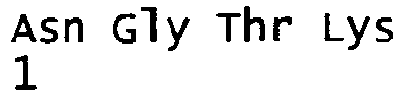
- <210> 8
<211> 6
<212> PRT
<213> Clostridium tetani - <400> 8

- <210> 9
<211> 31
<212> PRT
<213> Clostridium botulinum - <400> 9

- <210> 10
<211> 16
<212> PRT
<213> Clostridium botulinum - <400> 10

- <210> 11
<211> 25
<212> PRT
<213> clostridium botulinum - <400> 11


- <210> 12
<211> 20
<212> PRT
<213> Clostridium botulinum - <400> 12

- <210> 13
<211> 21
<212> PRT
<213> Clostridium botulinum - <400> 13

- <210> 14
<211> 23
<212> PRT
<213> Clostridium botulinum - <400> 14

- <210> 15
<211> 21
<212> PRT
<213> Clostridium botulinum - <400> 15

- <210> 16
<211> 35
<212> PRT
<213> Clostridium tetani - <400> 16
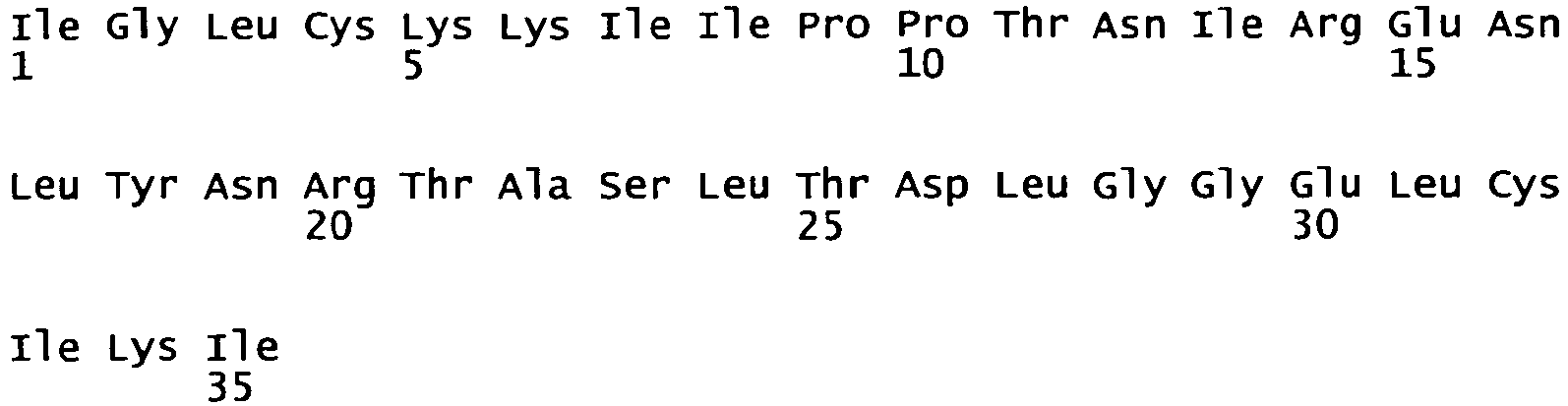
- <210> 17
<211> 1296
<212> PRT
<213> Clostridium botulinum - <400> 17


- <210> 18
<211> 1291
<212> PRT
<213> Clostridium botulinum - <400> 18


- <210> 19
<211> 1280
<212> PRT
<213> Clostridium botulinum - <400> 19

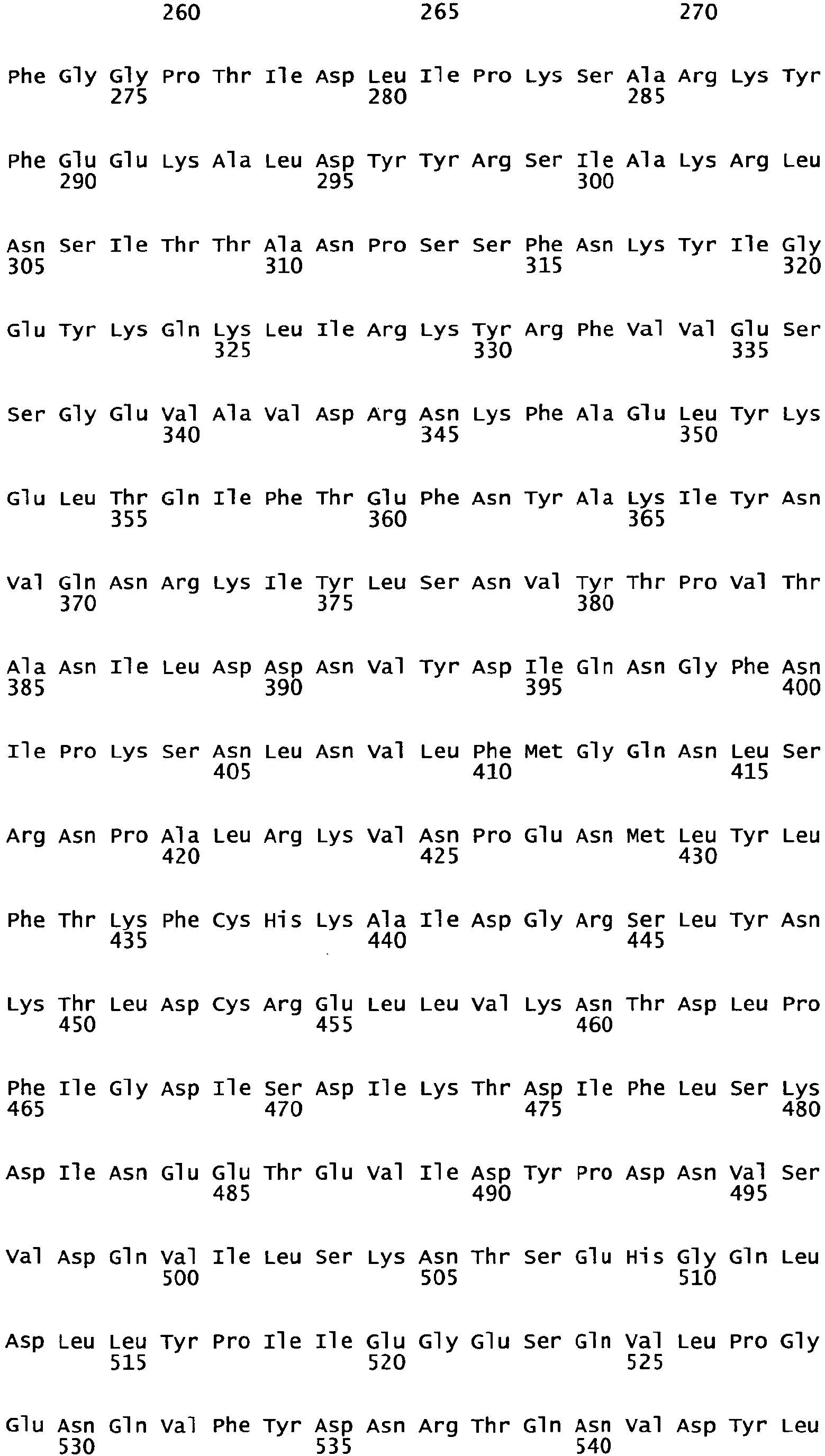


- <210> 20
<211> 1285
<212> PRT
<213> Clostridium botulinum - <400> 20


- <210> 21
<211> 1251
<212> PRT
<213> Clostridium botulinum - <400> 21


- <210> 22
<211> 1280
<212> PRT
<213> Clostridium botulinum - <400> 22


- <210> 23
<211> 1297
<212> PRT
<213> Clostridium botulinum - <220>
<221> misc_feature
<222> (7)..(7)
<223> Xaa can be any naturally occurring amino acid - <400> 23


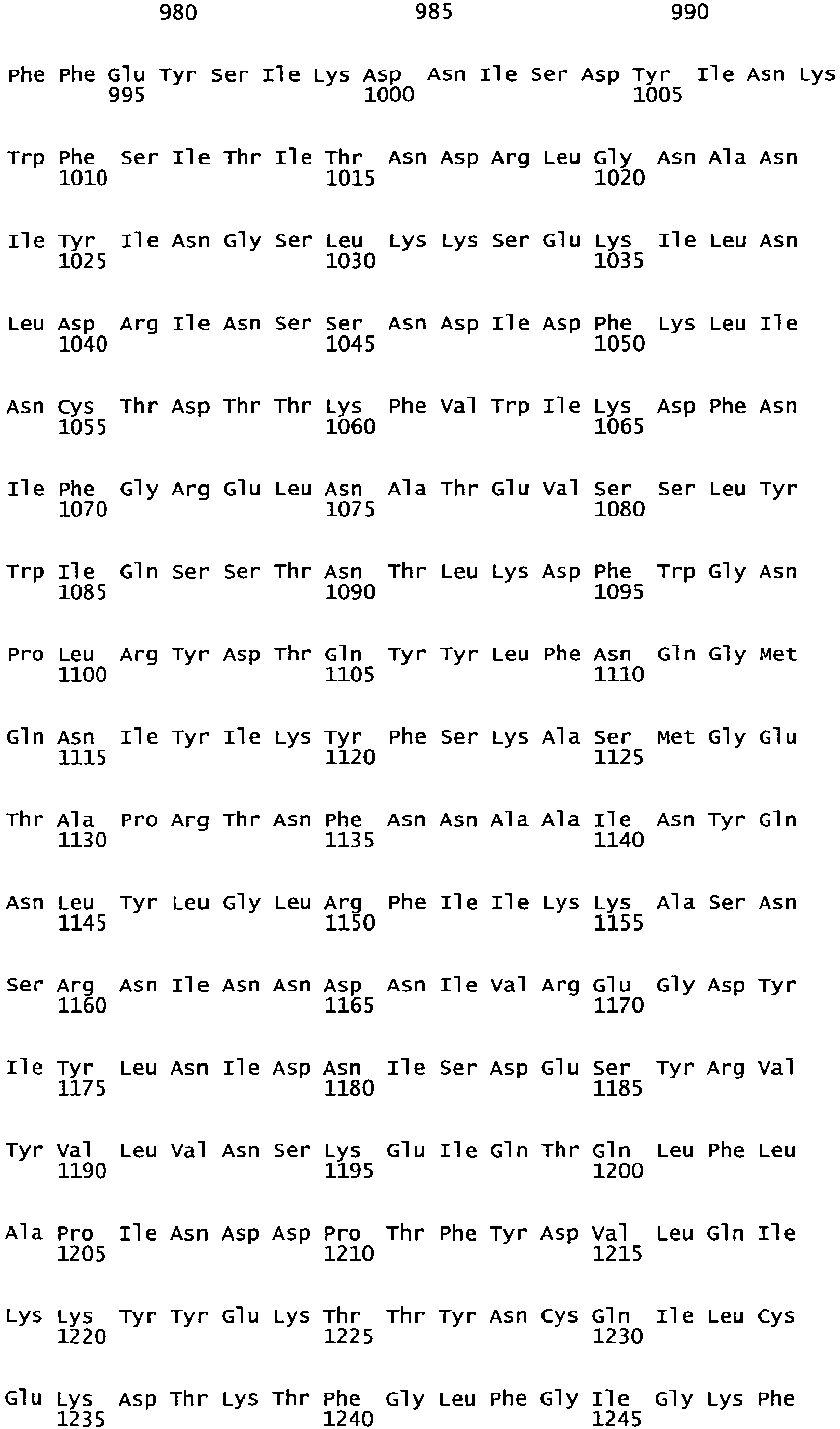

- <210> 24
<211> 1315
<212> PRT
<213> Clostridium tetani - <400> 24


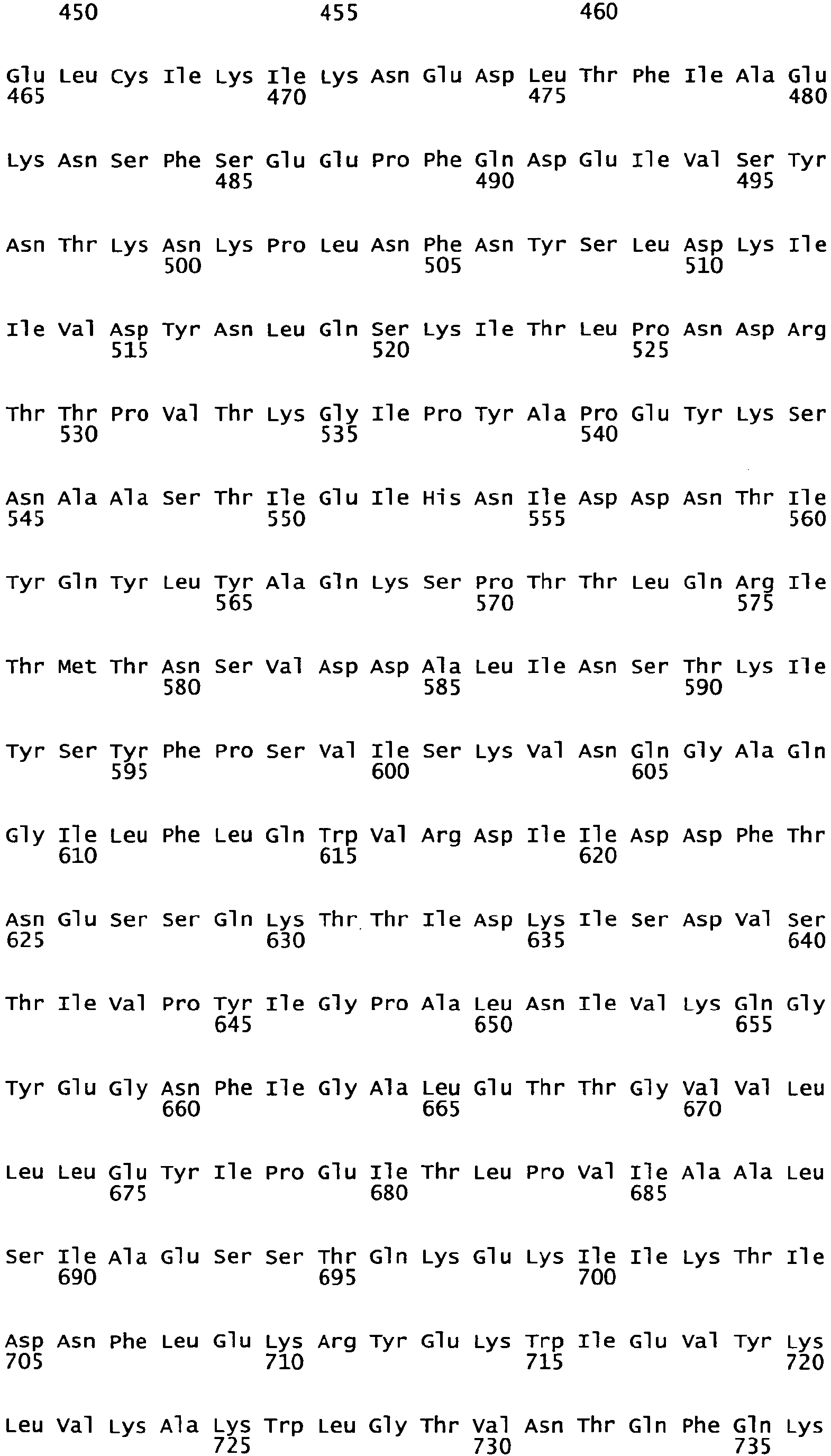


- <210> 25
<211> 11
<212> PRT
<213> Clostridium botulinum - <400> 25

- <210> 26
<211> 7
<212> PRT
<213> artificial seuence - <220>
<223> Tripeptide foraffinity purification 1 - <400> 26

- <210> 27
<211> 7
<212> PRT
<213> artificial sequence - <220>
<223> Tripeptide foraffinity purification 2 - <400> 27

- <210> 28
<211> 6
<212> PRT
<213> artificial seqience - <220>
<223> Tripeptide foraffinity purification 3 - <400> 28

Claims (14)
- A monoclonal antibody that specifically binds an epitope consisting of a peptide having an amino acid sequence as shown in SEQ ID NO: 1.
- The antibody of claim 1, wherein said epitope is comprised in a proteolytically unprocessed or partially processed Neurotoxin BoNT/A polypeptide.
- A method for the manufacture of an antibody which specifically binds to unprocessed and/or partially processed neurotoxin polypeptide BoNT/A comprising the steps of:a) contacting a polyclonal antiserum from a non-human animal which has been immunized using a peptide immunogen comprising an amino acid sequence as shown in SEQ ID NO: 25
with a peptide having SEQ ID NO: 25
under conditions which allow for the formation of a complex comprising the aforementioned peptide and an antibody which specifically binds to unprocessed or partially processed neurotoxin polypeptide BoNT/A;b) removing the complex formed in step a) from the antiserum; andc) releasing the antibody which specifically binds to unprocessed or partially processed neurotoxin polypeptide BoNT/A from the said complex,wherein said method further comprises prior to step a) the steps ofi) contacting the said polyclonal antiserum from a non-human animal which has been immunized using a peptide immunogen comprising an amino acid sequence as shown in SEQ ID NO: 25
with the following capture peptides shown in SEQ ID Nos: 26 to 28
under conditions which allow for the formation of capture complexes comprising unspecific antibodies comprised by the polyclonal antiserum and the capture peptides; andii) removing the capture complexes from the polyclonal antiserum. - The method of claim 3, wherein said immunogen further comprises KLH.
- The method of claim 4, wherein said KLH is linked to the peptide having SEQ ID NO: 25 via the linker N- [gamma-maleimidobutyryloxy] succinimide ester (GMBS).
- The method of any one of claims 3 to 5, wherein steps a) to c) are carried out by means of affinity chromatography.
- The method of any one of claims 3 to 6, wherein steps i) and ii) are carried out by means of affinity chromatography.
- Antibody obtainable by the method of any one of claim 3 to 7.
- The antibody of claim 8 which is a polyclonal antibody.
- The antibody of any one of claims 1, 2, 8 or 9, wherein said antibody is coupled to a solid support.
- Use of the antibody of any one of claims 1, 2, 8 to 10 for the removal of partially processed and/or unprocessed neurotoxin polypeptide BoNT/A from processed neurotoxin polypeptide BoNT/A.
- Use of the antibody of any one of claims 1, 2, 8 to 10 for detecting partially processed and/or unprocessed BoNT/A in a sample.
- A method for the manufacture of processed neurotoxin polypeptide BoNT/A comprising the steps of:a) contacting a solution containing a mixture of processed and partially processed and/or unprocessed neurotoxin polypeptide BoNT/A with the antibody of claims 1, 2, 8 to 10 under conditions which allow binding of said antibody to the unprocessed and/or partially processed BoNT/A Neurotoxin polypeptides whereby complexes comprising said antibody and partially processed or unprocessed neurotoxin polypeptide BoNT/A are formed, andb) removing the said complexes formed in step a) whereby a solution containing processed neurotoxin polypeptide BoNT/A free of unprocessed and/or partially processed neurotoxin polypeptide BoNT/A is obtained.
- A method for the manufacture of a medicament comprising the steps of the method of claim 13 and the further step of formulating the said solution containing processed neurotoxin polypeptide BoNT/A free of unprocessed or partially processed neurotoxin polypeptide BoNT/A as a medicament.
Priority Applications (1)
| Application Number | Priority Date | Filing Date | Title |
|---|---|---|---|
| EP10705297.9A EP2398824B1 (en) | 2009-02-19 | 2010-02-17 | Means and methods for manufacturing highly pure neurotoxin |
Applications Claiming Priority (6)
| Application Number | Priority Date | Filing Date | Title |
|---|---|---|---|
| US20798909P | 2009-02-19 | 2009-02-19 | |
| EP09153226 | 2009-02-19 | ||
| US27517309P | 2009-08-26 | 2009-08-26 | |
| EP09168679 | 2009-08-26 | ||
| EP10705297.9A EP2398824B1 (en) | 2009-02-19 | 2010-02-17 | Means and methods for manufacturing highly pure neurotoxin |
| PCT/EP2010/000985 WO2010094463A1 (en) | 2009-02-19 | 2010-02-17 | Means and methods for manufacturing highly pure neurotoxin |
Publications (2)
| Publication Number | Publication Date |
|---|---|
| EP2398824A1 EP2398824A1 (en) | 2011-12-28 |
| EP2398824B1 true EP2398824B1 (en) | 2018-12-26 |
Family
ID=42084499
Family Applications (1)
| Application Number | Title | Priority Date | Filing Date |
|---|---|---|---|
| EP10705297.9A Active EP2398824B1 (en) | 2009-02-19 | 2010-02-17 | Means and methods for manufacturing highly pure neurotoxin |
Country Status (12)
| Country | Link |
|---|---|
| US (2) | US9447175B2 (en) |
| EP (1) | EP2398824B1 (en) |
| JP (1) | JP5795539B2 (en) |
| KR (1) | KR101806567B1 (en) |
| CN (1) | CN102325792B (en) |
| AU (1) | AU2010214834B2 (en) |
| BR (1) | BRPI1008885B1 (en) |
| CA (1) | CA2751311C (en) |
| IL (1) | IL214372A0 (en) |
| MX (1) | MX340772B (en) |
| RU (1) | RU2571212C2 (en) |
| WO (1) | WO2010094463A1 (en) |
Families Citing this family (11)
| Publication number | Priority date | Publication date | Assignee | Title |
|---|---|---|---|---|
| KR100852824B1 (en) * | 2004-07-26 | 2008-08-18 | 메르츠 파마 게엠베하 운트 코. 카가아 | Therapeutic composition comprising botulinum neurotoxin |
| AR061669A1 (en) * | 2006-06-29 | 2008-09-10 | Merz Pharma Gmbh & Co Kgaa | HIGH FREQUENCY THERAPY APPLICATION WITH BOTULIN TOXIN |
| US9161970B2 (en) * | 2007-12-12 | 2015-10-20 | Allergan, Inc. | Dermal filler |
| CA2757637C (en) * | 2009-04-27 | 2017-10-24 | Merz Pharma Gmbh & Co. Kgaa | Means and methods for the determination of the amount of neurotoxin polypeptide and of its catalytic and proteolytic activities |
| CA2773478C (en) * | 2009-10-21 | 2018-07-17 | Merz Pharma Gmbh & Co. Kgaa | System for determining unprocessed and partially processed neurotoxin type a |
| CN111454931A (en) * | 2012-11-21 | 2020-07-28 | 益普生生物创新有限公司 | Method for producing proteolytically processed polypeptide |
| US10973962B2 (en) * | 2013-01-16 | 2021-04-13 | Kci Licensing, Inc. | Ion exchange enhanced absorbent systems |
| WO2015188942A1 (en) * | 2014-06-13 | 2015-12-17 | Merz Pharma Gmbh & Co. Kgaa | Novel uses of recombinant clostridial neurotoxins with decreased duration of effect |
| GB201517450D0 (en) * | 2015-10-02 | 2015-11-18 | Ipsen Biopharm Ltd | Method |
| EP3263710A1 (en) | 2016-07-01 | 2018-01-03 | Ipsen Biopharm Limited | Production of activated clostridial neurotoxins |
| IL265109B2 (en) | 2016-09-13 | 2024-05-01 | Allergan Inc | Stabilized Clostridium toxin preparations without protein |
Family Cites Families (17)
| Publication number | Priority date | Publication date | Assignee | Title |
|---|---|---|---|---|
| JPH05501351A (en) | 1989-08-16 | 1993-03-18 | カイロン コーポレイション | Cleavage site blocking antibodies against prohormone proteins and uses thereof |
| US6667158B1 (en) * | 1998-12-17 | 2003-12-23 | The United States Of America As Represented By The Secretary Of The Army | Antibodies against type a botulinum neurotoxin |
| US20090018081A1 (en) * | 1999-08-25 | 2009-01-15 | Allergan, Inc. | Activatable clostridial toxins |
| GB9921592D0 (en) * | 1999-09-13 | 1999-11-17 | Microbiological Res Authority | Preparation of highly pure toxin fragments |
| US6678651B2 (en) | 2000-09-15 | 2004-01-13 | Mindspeed Technologies, Inc. | Short-term enhancement in CELP speech coding |
| CA2428270C (en) * | 2000-11-06 | 2013-07-02 | Leonard A. Smith | Recombinant light chains of botulinum neurotoxins and light chain fusion proteins for use in research and clinical therapy |
| AU2003304411A1 (en) * | 2002-08-01 | 2005-03-07 | The Regents Of The University Of California | Therapeutic monoclonal antibodies that neutralize botulinum neurotoxins |
| RU2230325C2 (en) * | 2002-08-15 | 2004-06-10 | Научно-исследовательский институт микробиологии Министерства обороны Российской Федерации | Method for preparing purified preparation of botulinic toxin type a |
| US20080171347A1 (en) | 2003-04-11 | 2008-07-17 | Atassi M Zouhair | Determining and reducing immunoresistance to botulinum toxin therapy using botulinum toxin a peptides |
| KR100852824B1 (en) * | 2004-07-26 | 2008-08-18 | 메르츠 파마 게엠베하 운트 코. 카가아 | Therapeutic composition comprising botulinum neurotoxin |
| DE102005002978B4 (en) * | 2005-01-21 | 2013-04-25 | Merz Pharma Gmbh & Co. Kgaa | Recombinant expression of proteins in a disulfide-bonded, two-chain form |
| US8137991B2 (en) | 2006-07-24 | 2012-03-20 | The Cleveland Clinic Foundation | Methods of reducing angiogenesis of age-related macular degeneration (AMD) or choroidal neovascularization by an anti-carboxyetheylpyrrole (CFP) antibody |
| JP2008113592A (en) * | 2006-11-02 | 2008-05-22 | Biseibutsu Kagaku Kenkyusho:Kk | A new toxin produced by Clostridium perfringens |
| EP2048156A1 (en) * | 2007-10-12 | 2009-04-15 | Merz Pharma GmbH & Co.KGaA | Process for providing a temperature-stable muscle relaxant on the basis of the neurotoxic component of botulinum toxin |
| KR20100020971A (en) * | 2007-06-01 | 2010-02-23 | 메르츠 파마 게엠베하 운트 코. 카가아 | Process for providing a temperature - stable muscle relaxant on the basis of the neurotoxic component of botulinum toxin in solid form |
| US7732579B2 (en) | 2007-06-13 | 2010-06-08 | The United States Of America As Represented By The Secretary Of Agriculture | High-affinity monoclonal antibodies for botulinum toxin type A |
| US8486422B2 (en) * | 2007-07-26 | 2013-07-16 | Allergan, Inc. | Methods of activating clostridial toxins |
-
2010
- 2010-02-17 CA CA2751311A patent/CA2751311C/en active Active
- 2010-02-17 MX MX2011008759A patent/MX340772B/en active IP Right Grant
- 2010-02-17 JP JP2011550466A patent/JP5795539B2/en not_active Expired - Fee Related
- 2010-02-17 CN CN201080008525.XA patent/CN102325792B/en not_active Expired - Fee Related
- 2010-02-17 KR KR1020117021889A patent/KR101806567B1/en not_active Expired - Fee Related
- 2010-02-17 BR BRPI1008885-7A patent/BRPI1008885B1/en not_active IP Right Cessation
- 2010-02-17 RU RU2011138060/10A patent/RU2571212C2/en active
- 2010-02-17 EP EP10705297.9A patent/EP2398824B1/en active Active
- 2010-02-17 WO PCT/EP2010/000985 patent/WO2010094463A1/en not_active Ceased
- 2010-02-17 US US13/138,452 patent/US9447175B2/en active Active
- 2010-02-17 AU AU2010214834A patent/AU2010214834B2/en not_active Ceased
-
2011
- 2011-07-31 IL IL214372A patent/IL214372A0/en active IP Right Grant
-
2016
- 2016-08-08 US US15/230,928 patent/US9963502B2/en active Active
Non-Patent Citations (1)
| Title |
|---|
| None * |
Also Published As
| Publication number | Publication date |
|---|---|
| CN102325792B (en) | 2018-01-09 |
| KR101806567B1 (en) | 2018-01-10 |
| CN102325792A (en) | 2012-01-18 |
| US9447175B2 (en) | 2016-09-20 |
| US20120004179A1 (en) | 2012-01-05 |
| JP2012518018A (en) | 2012-08-09 |
| RU2571212C2 (en) | 2015-12-20 |
| CA2751311C (en) | 2019-08-06 |
| RU2011138060A (en) | 2013-03-27 |
| EP2398824A1 (en) | 2011-12-28 |
| AU2010214834A1 (en) | 2011-08-18 |
| BRPI1008885B1 (en) | 2021-09-28 |
| MX340772B (en) | 2016-07-26 |
| CA2751311A1 (en) | 2010-08-26 |
| US20160340417A1 (en) | 2016-11-24 |
| US9963502B2 (en) | 2018-05-08 |
| AU2010214834B2 (en) | 2016-04-14 |
| BRPI1008885A2 (en) | 2016-03-15 |
| MX2011008759A (en) | 2011-09-09 |
| KR20110122852A (en) | 2011-11-11 |
| WO2010094463A1 (en) | 2010-08-26 |
| IL214372A0 (en) | 2011-09-27 |
| JP5795539B2 (en) | 2015-10-14 |
Similar Documents
| Publication | Publication Date | Title |
|---|---|---|
| US9963502B2 (en) | Antibody that specifically binds partially processed or unprocessed neurotoxin polypeptides | |
| ES2974567T3 (en) | Manufacture of recombinant clostridium botulinum neurotoxins | |
| CN104870468B (en) | Method for producing proteolytically processed polypeptide | |
| US20060177881A1 (en) | Antibodies against type A botulinum neurotoxin | |
| KR101983216B1 (en) | Antibodies for determining an activity of botulinum toxin and a method for using the same | |
| US9213026B2 (en) | System for determining unprocessed and partially processed neurotoxin type A | |
| US8936915B2 (en) | Cleavage sensitive antibodies and methods of use thereof | |
| ES2705485T3 (en) | Means and methods for manufacturing a highly pure neurotoxin | |
| HK1165436A (en) | Means and methods for manufacturing highly pure neurotoxin | |
| HK1165436B (en) | Means and methods for manufacturing highly pure neurotoxin | |
| Montecucco et al. | Tetanus Neurotoxin (tentoxilysin) | |
| HK1173493B (en) | System for determining unprocessed and partially processed neurotoxin a polypeptide |
Legal Events
| Date | Code | Title | Description |
|---|---|---|---|
| PUAI | Public reference made under article 153(3) epc to a published international application that has entered the european phase |
Free format text: ORIGINAL CODE: 0009012 |
|
| 17P | Request for examination filed |
Effective date: 20110815 |
|
| AK | Designated contracting states |
Kind code of ref document: A1 Designated state(s): AT BE BG CH CY CZ DE DK EE ES FI FR GB GR HR HU IE IS IT LI LT LU LV MC MK MT NL NO PL PT RO SE SI SK SM TR |
|
| RIN1 | Information on inventor provided before grant (corrected) |
Inventor name: BRUENN, CORNELIA Inventor name: EISELE, KARL-HEINZ Inventor name: TAYLOR, HAROLD V. Inventor name: PFEIL, MICHAEL Inventor name: FRIEDRICH, JOSEF |
|
| RIN1 | Information on inventor provided before grant (corrected) |
Inventor name: PFEIL, MICHAEL Inventor name: FRIEDRICH, JOSEF Inventor name: TAYLOR, HAROLD V. Inventor name: EISELE, KARL-HEINZ Inventor name: BRUENN, CORNELIA |
|
| DAX | Request for extension of the european patent (deleted) | ||
| 17Q | First examination report despatched |
Effective date: 20150305 |
|
| STAA | Information on the status of an ep patent application or granted ep patent |
Free format text: STATUS: EXAMINATION IS IN PROGRESS |
|
| GRAP | Despatch of communication of intention to grant a patent |
Free format text: ORIGINAL CODE: EPIDOSNIGR1 |
|
| STAA | Information on the status of an ep patent application or granted ep patent |
Free format text: STATUS: GRANT OF PATENT IS INTENDED |
|
| INTG | Intention to grant announced |
Effective date: 20180710 |
|
| GRAS | Grant fee paid |
Free format text: ORIGINAL CODE: EPIDOSNIGR3 |
|
| GRAA | (expected) grant |
Free format text: ORIGINAL CODE: 0009210 |
|
| STAA | Information on the status of an ep patent application or granted ep patent |
Free format text: STATUS: THE PATENT HAS BEEN GRANTED |
|
| AK | Designated contracting states |
Kind code of ref document: B1 Designated state(s): AT BE BG CH CY CZ DE DK EE ES FI FR GB GR HR HU IE IS IT LI LT LU LV MC MK MT NL NO PL PT RO SE SI SK SM TR |
|
| REG | Reference to a national code |
Ref country code: GB Ref legal event code: FG4D |
|
| REG | Reference to a national code |
Ref country code: CH Ref legal event code: EP |
|
| REG | Reference to a national code |
Ref country code: CH Ref legal event code: NV Representative=s name: RENTSCH PARTNER AG, CH Ref country code: AT Ref legal event code: REF Ref document number: 1081269 Country of ref document: AT Kind code of ref document: T Effective date: 20190115 |
|
| REG | Reference to a national code |
Ref country code: DE Ref legal event code: R096 Ref document number: 602010056026 Country of ref document: DE |
|
| REG | Reference to a national code |
Ref country code: IE Ref legal event code: FG4D |
|
| REG | Reference to a national code |
Ref country code: ES Ref legal event code: FG2A Ref document number: 2705485 Country of ref document: ES Kind code of ref document: T3 Effective date: 20190325 |
|
| PG25 | Lapsed in a contracting state [announced via postgrant information from national office to epo] |
Ref country code: HR Free format text: LAPSE BECAUSE OF FAILURE TO SUBMIT A TRANSLATION OF THE DESCRIPTION OR TO PAY THE FEE WITHIN THE PRESCRIBED TIME-LIMIT Effective date: 20181226 Ref country code: LT Free format text: LAPSE BECAUSE OF FAILURE TO SUBMIT A TRANSLATION OF THE DESCRIPTION OR TO PAY THE FEE WITHIN THE PRESCRIBED TIME-LIMIT Effective date: 20181226 Ref country code: BG Free format text: LAPSE BECAUSE OF FAILURE TO SUBMIT A TRANSLATION OF THE DESCRIPTION OR TO PAY THE FEE WITHIN THE PRESCRIBED TIME-LIMIT Effective date: 20190326 Ref country code: FI Free format text: LAPSE BECAUSE OF FAILURE TO SUBMIT A TRANSLATION OF THE DESCRIPTION OR TO PAY THE FEE WITHIN THE PRESCRIBED TIME-LIMIT Effective date: 20181226 Ref country code: LV Free format text: LAPSE BECAUSE OF FAILURE TO SUBMIT A TRANSLATION OF THE DESCRIPTION OR TO PAY THE FEE WITHIN THE PRESCRIBED TIME-LIMIT Effective date: 20181226 Ref country code: NO Free format text: LAPSE BECAUSE OF FAILURE TO SUBMIT A TRANSLATION OF THE DESCRIPTION OR TO PAY THE FEE WITHIN THE PRESCRIBED TIME-LIMIT Effective date: 20190326 |
|
| REG | Reference to a national code |
Ref country code: NL Ref legal event code: MP Effective date: 20181226 |
|
| REG | Reference to a national code |
Ref country code: LT Ref legal event code: MG4D |
|
| PG25 | Lapsed in a contracting state [announced via postgrant information from national office to epo] |
Ref country code: GR Free format text: LAPSE BECAUSE OF FAILURE TO SUBMIT A TRANSLATION OF THE DESCRIPTION OR TO PAY THE FEE WITHIN THE PRESCRIBED TIME-LIMIT Effective date: 20190327 Ref country code: SE Free format text: LAPSE BECAUSE OF FAILURE TO SUBMIT A TRANSLATION OF THE DESCRIPTION OR TO PAY THE FEE WITHIN THE PRESCRIBED TIME-LIMIT Effective date: 20181226 |
|
| PG25 | Lapsed in a contracting state [announced via postgrant information from national office to epo] |
Ref country code: NL Free format text: LAPSE BECAUSE OF FAILURE TO SUBMIT A TRANSLATION OF THE DESCRIPTION OR TO PAY THE FEE WITHIN THE PRESCRIBED TIME-LIMIT Effective date: 20181226 |
|
| PG25 | Lapsed in a contracting state [announced via postgrant information from national office to epo] |
Ref country code: PL Free format text: LAPSE BECAUSE OF FAILURE TO SUBMIT A TRANSLATION OF THE DESCRIPTION OR TO PAY THE FEE WITHIN THE PRESCRIBED TIME-LIMIT Effective date: 20181226 Ref country code: PT Free format text: LAPSE BECAUSE OF FAILURE TO SUBMIT A TRANSLATION OF THE DESCRIPTION OR TO PAY THE FEE WITHIN THE PRESCRIBED TIME-LIMIT Effective date: 20190426 Ref country code: CZ Free format text: LAPSE BECAUSE OF FAILURE TO SUBMIT A TRANSLATION OF THE DESCRIPTION OR TO PAY THE FEE WITHIN THE PRESCRIBED TIME-LIMIT Effective date: 20181226 |
|
| PG25 | Lapsed in a contracting state [announced via postgrant information from national office to epo] |
Ref country code: SK Free format text: LAPSE BECAUSE OF FAILURE TO SUBMIT A TRANSLATION OF THE DESCRIPTION OR TO PAY THE FEE WITHIN THE PRESCRIBED TIME-LIMIT Effective date: 20181226 Ref country code: EE Free format text: LAPSE BECAUSE OF FAILURE TO SUBMIT A TRANSLATION OF THE DESCRIPTION OR TO PAY THE FEE WITHIN THE PRESCRIBED TIME-LIMIT Effective date: 20181226 Ref country code: SM Free format text: LAPSE BECAUSE OF FAILURE TO SUBMIT A TRANSLATION OF THE DESCRIPTION OR TO PAY THE FEE WITHIN THE PRESCRIBED TIME-LIMIT Effective date: 20181226 Ref country code: RO Free format text: LAPSE BECAUSE OF FAILURE TO SUBMIT A TRANSLATION OF THE DESCRIPTION OR TO PAY THE FEE WITHIN THE PRESCRIBED TIME-LIMIT Effective date: 20181226 Ref country code: IS Free format text: LAPSE BECAUSE OF FAILURE TO SUBMIT A TRANSLATION OF THE DESCRIPTION OR TO PAY THE FEE WITHIN THE PRESCRIBED TIME-LIMIT Effective date: 20190426 |
|
| REG | Reference to a national code |
Ref country code: DE Ref legal event code: R097 Ref document number: 602010056026 Country of ref document: DE |
|
| PG25 | Lapsed in a contracting state [announced via postgrant information from national office to epo] |
Ref country code: MC Free format text: LAPSE BECAUSE OF FAILURE TO SUBMIT A TRANSLATION OF THE DESCRIPTION OR TO PAY THE FEE WITHIN THE PRESCRIBED TIME-LIMIT Effective date: 20181226 Ref country code: LU Free format text: LAPSE BECAUSE OF NON-PAYMENT OF DUE FEES Effective date: 20190217 Ref country code: DK Free format text: LAPSE BECAUSE OF FAILURE TO SUBMIT A TRANSLATION OF THE DESCRIPTION OR TO PAY THE FEE WITHIN THE PRESCRIBED TIME-LIMIT Effective date: 20181226 |
|
| PLBE | No opposition filed within time limit |
Free format text: ORIGINAL CODE: 0009261 |
|
| STAA | Information on the status of an ep patent application or granted ep patent |
Free format text: STATUS: NO OPPOSITION FILED WITHIN TIME LIMIT |
|
| REG | Reference to a national code |
Ref country code: BE Ref legal event code: MM Effective date: 20190228 |
|
| 26N | No opposition filed |
Effective date: 20190927 |
|
| PG25 | Lapsed in a contracting state [announced via postgrant information from national office to epo] |
Ref country code: BE Free format text: LAPSE BECAUSE OF NON-PAYMENT OF DUE FEES Effective date: 20190228 Ref country code: SI Free format text: LAPSE BECAUSE OF FAILURE TO SUBMIT A TRANSLATION OF THE DESCRIPTION OR TO PAY THE FEE WITHIN THE PRESCRIBED TIME-LIMIT Effective date: 20181226 |
|
| PG25 | Lapsed in a contracting state [announced via postgrant information from national office to epo] |
Ref country code: TR Free format text: LAPSE BECAUSE OF FAILURE TO SUBMIT A TRANSLATION OF THE DESCRIPTION OR TO PAY THE FEE WITHIN THE PRESCRIBED TIME-LIMIT Effective date: 20181226 |
|
| PG25 | Lapsed in a contracting state [announced via postgrant information from national office to epo] |
Ref country code: MT Free format text: LAPSE BECAUSE OF NON-PAYMENT OF DUE FEES Effective date: 20190217 |
|
| PG25 | Lapsed in a contracting state [announced via postgrant information from national office to epo] |
Ref country code: CY Free format text: LAPSE BECAUSE OF FAILURE TO SUBMIT A TRANSLATION OF THE DESCRIPTION OR TO PAY THE FEE WITHIN THE PRESCRIBED TIME-LIMIT Effective date: 20181226 |
|
| PG25 | Lapsed in a contracting state [announced via postgrant information from national office to epo] |
Ref country code: HU Free format text: LAPSE BECAUSE OF FAILURE TO SUBMIT A TRANSLATION OF THE DESCRIPTION OR TO PAY THE FEE WITHIN THE PRESCRIBED TIME-LIMIT; INVALID AB INITIO Effective date: 20100217 |
|
| PG25 | Lapsed in a contracting state [announced via postgrant information from national office to epo] |
Ref country code: MK Free format text: LAPSE BECAUSE OF FAILURE TO SUBMIT A TRANSLATION OF THE DESCRIPTION OR TO PAY THE FEE WITHIN THE PRESCRIBED TIME-LIMIT Effective date: 20181226 |
|
| P01 | Opt-out of the competence of the unified patent court (upc) registered |
Effective date: 20230308 |
|
| PGFP | Annual fee paid to national office [announced via postgrant information from national office to epo] |
Ref country code: IE Payment date: 20240216 Year of fee payment: 15 Ref country code: ES Payment date: 20240319 Year of fee payment: 15 |
|
| PGFP | Annual fee paid to national office [announced via postgrant information from national office to epo] |
Ref country code: AT Payment date: 20240216 Year of fee payment: 15 |
|
| PGFP | Annual fee paid to national office [announced via postgrant information from national office to epo] |
Ref country code: DE Payment date: 20240216 Year of fee payment: 15 Ref country code: GB Payment date: 20240222 Year of fee payment: 15 Ref country code: CH Payment date: 20240301 Year of fee payment: 15 |
|
| PGFP | Annual fee paid to national office [announced via postgrant information from national office to epo] |
Ref country code: IT Payment date: 20240229 Year of fee payment: 15 Ref country code: FR Payment date: 20240222 Year of fee payment: 15 |
|
| REG | Reference to a national code |
Ref country code: DE Ref legal event code: R119 Ref document number: 602010056026 Country of ref document: DE |
|
| REG | Reference to a national code |
Ref country code: CH Ref legal event code: PL |
|
| REG | Reference to a national code |
Ref country code: AT Ref legal event code: MM01 Ref document number: 1081269 Country of ref document: AT Kind code of ref document: T Effective date: 20250217 |
|
| PG25 | Lapsed in a contracting state [announced via postgrant information from national office to epo] |
Ref country code: AT Free format text: LAPSE BECAUSE OF NON-PAYMENT OF DUE FEES Effective date: 20250217 |
|
| PG25 | Lapsed in a contracting state [announced via postgrant information from national office to epo] |
Ref country code: CH Free format text: LAPSE BECAUSE OF NON-PAYMENT OF DUE FEES Effective date: 20250228 |
|
| GBPC | Gb: european patent ceased through non-payment of renewal fee |
Effective date: 20250217 |
|
| PG25 | Lapsed in a contracting state [announced via postgrant information from national office to epo] |
Ref country code: DE Free format text: LAPSE BECAUSE OF NON-PAYMENT OF DUE FEES Effective date: 20250902 |
|
| PG25 | Lapsed in a contracting state [announced via postgrant information from national office to epo] |
Ref country code: GB Free format text: LAPSE BECAUSE OF NON-PAYMENT OF DUE FEES Effective date: 20250217 |
|
| PG25 | Lapsed in a contracting state [announced via postgrant information from national office to epo] |
Ref country code: IT Free format text: LAPSE BECAUSE OF NON-PAYMENT OF DUE FEES Effective date: 20250217 Ref country code: FR Free format text: LAPSE BECAUSE OF NON-PAYMENT OF DUE FEES Effective date: 20250228 |
|
| PG25 | Lapsed in a contracting state [announced via postgrant information from national office to epo] |
Ref country code: IE Free format text: LAPSE BECAUSE OF NON-PAYMENT OF DUE FEES Effective date: 20250217 |
|
| REG | Reference to a national code |
Ref country code: ES Ref legal event code: FD2A Effective date: 20260330 |
|
| PG25 | Lapsed in a contracting state [announced via postgrant information from national office to epo] |
Ref country code: ES Free format text: LAPSE BECAUSE OF NON-PAYMENT OF DUE FEES Effective date: 20250218 |