EP2397670A1 - Method for controlling emissions in a heat engine, in particular a gas turbine, and a heat engine - Google Patents
Method for controlling emissions in a heat engine, in particular a gas turbine, and a heat engine Download PDFInfo
- Publication number
- EP2397670A1 EP2397670A1 EP11170073A EP11170073A EP2397670A1 EP 2397670 A1 EP2397670 A1 EP 2397670A1 EP 11170073 A EP11170073 A EP 11170073A EP 11170073 A EP11170073 A EP 11170073A EP 2397670 A1 EP2397670 A1 EP 2397670A1
- Authority
- EP
- European Patent Office
- Prior art keywords
- concentration
- carbon monoxide
- nitrogen oxides
- nox
- flowrate
- Prior art date
- Legal status (The legal status is an assumption and is not a legal conclusion. Google has not performed a legal analysis and makes no representation as to the accuracy of the status listed.)
- Granted
Links
Images


Classifications
-
- F—MECHANICAL ENGINEERING; LIGHTING; HEATING; WEAPONS; BLASTING
- F02—COMBUSTION ENGINES; HOT-GAS OR COMBUSTION-PRODUCT ENGINE PLANTS
- F02C—GAS-TURBINE PLANTS; AIR INTAKES FOR JET-PROPULSION PLANTS; CONTROLLING FUEL SUPPLY IN AIR-BREATHING JET-PROPULSION PLANTS
- F02C1/00—Gas-turbine plants characterised by the use of hot gases or unheated pressurised gases, as the working fluid
- F02C1/04—Gas-turbine plants characterised by the use of hot gases or unheated pressurised gases, as the working fluid the working fluid being heated indirectly
-
- F—MECHANICAL ENGINEERING; LIGHTING; HEATING; WEAPONS; BLASTING
- F02—COMBUSTION ENGINES; HOT-GAS OR COMBUSTION-PRODUCT ENGINE PLANTS
- F02C—GAS-TURBINE PLANTS; AIR INTAKES FOR JET-PROPULSION PLANTS; CONTROLLING FUEL SUPPLY IN AIR-BREATHING JET-PROPULSION PLANTS
- F02C7/00—Features, components parts, details or accessories, not provided for in, or of interest apart form groups F02C1/00 - F02C6/00; Air intakes for jet-propulsion plants
- F02C7/12—Cooling of plants
- F02C7/14—Cooling of plants of fluids in the plant, e.g. lubricant or fuel
- F02C7/141—Cooling of plants of fluids in the plant, e.g. lubricant or fuel of working fluid
- F02C7/143—Cooling of plants of fluids in the plant, e.g. lubricant or fuel of working fluid before or between the compressor stages
-
- F—MECHANICAL ENGINEERING; LIGHTING; HEATING; WEAPONS; BLASTING
- F02—COMBUSTION ENGINES; HOT-GAS OR COMBUSTION-PRODUCT ENGINE PLANTS
- F02C—GAS-TURBINE PLANTS; AIR INTAKES FOR JET-PROPULSION PLANTS; CONTROLLING FUEL SUPPLY IN AIR-BREATHING JET-PROPULSION PLANTS
- F02C9/00—Controlling gas-turbine plants; Controlling fuel supply in air- breathing jet-propulsion plants
- F02C9/16—Control of working fluid flow
- F02C9/20—Control of working fluid flow by throttling; by adjusting vanes
-
- F—MECHANICAL ENGINEERING; LIGHTING; HEATING; WEAPONS; BLASTING
- F05—INDEXING SCHEMES RELATING TO ENGINES OR PUMPS IN VARIOUS SUBCLASSES OF CLASSES F01-F04
- F05D—INDEXING SCHEME FOR ASPECTS RELATING TO NON-POSITIVE-DISPLACEMENT MACHINES OR ENGINES, GAS-TURBINES OR JET-PROPULSION PLANTS
- F05D2270/00—Control
- F05D2270/01—Purpose of the control system
- F05D2270/08—Purpose of the control system to produce clean exhaust gases
Definitions
- the present invention relates to a method for controlling emissions in a heat engine, in particular a gas turbine, and to a heat engine.
- control of pollutant emissions is an objective of primary importance in the production of any type of heat engine and, in particular, of gas turbines used for generating electric power.
- the increased awareness of environmental risks causes a move towards regulations that impose ever more restrictive limits.
- the containment of emissions is especially critical when the heat engines are operating in low-load conditions, since the machines themselves are optimized to deliver higher power.
- gas turbines are operated under minimum technical environmental conditions when energy demand is very low (like at night), but regulations require maintaining the ability to respond to sudden network demands.
- One of the problems to be addressed in order to effectively reduce polluting emissions is to maintain optimum working conditions that allow to balance conflicting demands, particularly relating to emissions of nitrogen oxides (NO X ) and carbon monoxide (CO).
- NO X nitrogen oxides
- CO carbon monoxide
- the temperature inside the combustion chamber influences both emissions of nitrogen oxides, and carbon monoxide, but in an opposite way.
- High temperatures allow to completely oxidize the carbon in the fuel, thus reducing the formation of carbon monoxide.
- oxidation of nitrogen is increased in the comburant air therefore increasing combustion emissions of nitrogen oxide.
- relatively low temperatures in the combustion chamber hinder the formation of nitrogen oxides, but prevent the complete oxidation of carbon, facilitating the formation of carbon monoxide.
- the heat exchanger is controlled so that the comburant air temperature entering the compressor is close to a reference value, to which theoretically corresponds an optimal temperature in the combustion chamber.
- the published patent application US 2001/022078 A1 teaches how to control the degree of humidity of incoming air to a compressor of a gas turbine aiming to reduce emissions of nitrogen oxides.
- the control of the degree of humidity is achieved by injecting water mist.
- the aim of the present invention is therefore to provide a method for controlling emissions in a heat engine and a heat engine that are free of the limitations described above.
- a method for controlling emissions of a heat engine and a heat engine are implemented as defined respectively in claims 1 and 10.
- a plant for the production of electricity comprises a gas turbine assembly 2, an alternator 3, coupled on the same shaft 4, and a device for controlling emissions 5, in particular nitrogen oxides NO x and carbon monoxide CO.
- the gas turbine assembly 2 comprises a compressor 7, which sucks a flowrate of air Q A from outside through an intake duct 8, a combustion chamber 9 and a turbine 10, coupled to the combustion chamber 9 for receiving and expanding a flowrate of exhaust gas Q E .
- An exhaust assembly 11, downstream of the turbine 10, receives and evacuates the flowrate Q E of exhaust gas produced by the gas turbine assembly 2.
- the compressor 7 and the intake duct 8 define a fluidic inlet path to the combustion chamber 9 for the air.
- the compressor 7 is of the multi-stage axial type and is provided with an orientable inlet vane stage or IGV stage (Inlet Guide Vanes) 7a.
- IGV stage Inlet Guide Vanes
- the orienting of the vanes of the IGV stage is determined by way of a IGV actuator 12.
- the flowrate of air Q A sucked by the compressor 7 is conveyed through the intake duct 8, along which is arranged a filter 13 and a conditioning chamber 15, and treated by the compressor 7.
- a residual flowrate Q A ' is fed into the combustion chamber 9.
- a flowrate of fuel Q F is added to the flowrate of air Q A ', in a known way, and the mixture thus obtained is burned.
- the flowrate Q A ' is a fraction of the flowrate Q A and that, by changing the flowrate Q A also the flowrate Q A ' is changed in a substantially proportional way.
- the filter 13 is arranged at the mouth of the intake duct 8 and removes from the sucked air flow solid particles and impurities.
- the conditioning chamber 15 comprises a first heat exchanger 16 and a second heat exchanger 17.
- the first heat exchanger 16 receives a flowrate Q H of a heating fluid through a supply line 19, along which is placed a first control valve 20.
- the second heat exchanger 17 receives a flowrate Q C of a cooling fluid through a supply line 21, along which is placed a second control valve 22.
- the device for controlling emissions 5 comprises a processing unit 23, a first detection cell 25 and a second detection cell 26, both placed in the exhaust assembly 11 of the turbine 10, so as to be invested by the exhaust gas flow.
- the processing unit 23 is a PLC (Programmable Logic Controller) and is coupled to the first detection cell 25 and the second detection cell 26 for receiving measurement signals as described below.
- the processing unit 23 is built into a controller of the plant 1, not shown here in its entirety for simplicity.
- the first detection cell 25 can be an infrared optical cell for the detection of the concentration of carbon monoxide CO, while the second detection cell 26 may be a chemiluminescence type cell for the detection of the concentration of nitrogen oxides NO X .
- the first detection cell 25 and the second detection cell 26 provide to the processing unit 23 respectively a first concentration signal S CO , indicative of the concentration of carbon monoxide CO in the exhaust gas of the turbine 10, and a second concentration signal S NOX , indicative of the concentration of nitrogen oxides NO x in the exhaust gas of the turbine 10.
- the processing unit 23 is configured to determine a first control signal S 1 , a second control signal S 2 and a third control signal S 3 according to the first concentration signal S CO and the second concentration signal S NOX .
- the structure and the operation of the processing unit 23 will be described in more detail below, with reference to Figure 2 .
- the first control signal S 1 is supplied to an actuator 27 of the first control valve 20 and allows regulation of the flowrate of the heating fluid Q H supplied to the first heat exchanger 16 of the conditioning chamber 15.
- the second control signal S 2 is supplied to an actuator 28 of the second control valve 22 and allows regulation of the flowrate of the cooling fluid Q C supplied to the second heat exchanger 17 of the conditioning chamber 15.
- the first control signal S 1 and the signal S 2 represent requests of change of the opening degree respectively of the first control valve 20 and of the second control valve 22 (rather than absolute values of opening). For example, a positive value indicates to the corresponding actuator a request to increase the opening degree of the respective valve, while a negative value indicates a request to reduce the opening degree. For null values, the opening degree of the valves is not changed.
- the third control signal S 3 is supplied to the actuator 12 of the IGV stage 7a and allows to modify the orientation of the vanes of the IGV stage 7a.
- the action of the first heat exchanger 16 and the second heat exchanger 17 allows the regulation of the temperature of the inlet air to the compressor 7, while the orientation of the vanes of the IGV stage 7a determines the flowrate Q A of air sucked by the compressor 7 and fed into the combustion chamber 9.
- FIG. 2 shows the structure of the processing unit 23 according to an embodiment of the invention.
- the processing unit 23 comprises a first subtractor node 30, a second subtractor node 31, a first saturation module 33, a second saturation module 34, a first controller 36, a second controller 37, a third controller 38 and a conflict management module 40.
- the first subtractor node 30 receives the first concentration signal S CO from the first detection cell 25 (not shown here) and a first reference signal S REF1 and calculates a first error signal E CO on the basis of the difference between the first concentration signal S CO , and the first reference signal S REF1 .
- the second subtractor node 31 receives the second concentration signal S NOX from the second detecting cell 26 (not shown here) and a second reference signal S REF2 and calculates a second error signal E NOX on the basis of the difference between the second concentration signal S NOX and the second reference signal S REF2 .
- the reference signal S REF1 and the second reference signal S REF2 are indicative of the respective maximum allowable concentrations and are respectively provided by a first reference generator module 41 and a second reference generator module 42, that can be for example programmable memory elements.
- the first saturation module 33 and the second saturation module 34 receive respectively the first error signal E CO and the second error signal E NOX and provide respectively a first saturated error signal E CO ' and a second error signal E NOX '.
- the first saturated error signal E CO ' and the second saturated error signal E NOX ' respectively coincide with the first error signal E CO and the second error signal E NOX , between a negative saturation value and a positive saturation value; are equal to the negative saturation value, respectively, when the first error signal E CO and the second error signal E NOX are lesser than the negative saturation signal; and are equal to the positive saturation value, respectively, when the first error signal E CO and the second error signal E NOX are greater than the positive saturation value.
- the first controller 36 and the second controller 37 which in the described embodiment are of proportional-integral type, respectively receive the first saturated error signal E CO ' and the second saturated error signal E NOX ' and use them to determine a first nominal control signal S 1 ' and a second nominal control signal S 2 ', which are supplied to the conflict management module 40.
- the conflict management module 40 determines the first control signal S 1 and the second control signal S 2 on the basis of the first nominal control signal S 1 ', the second nominal control signal S 2 ', the first error signal E CO and the second error signal E NOX , in order to avoid the competition of opposing control actions through the first heat exchanger 16 and the second heat exchanger 17, which respectively tend to heat and cool the flowrate Q A of air fed into the combustion chamber 9. More specifically, the conflict management module 40 prioritizes, in case of conflict, the reduction of the concentration of carbon monoxide CO, which is the most appropriate action to stabilize the combustion and therefore minimize polluting emissions. Under stable combustion conditions, the control on the concentration of nitrogen oxides NO x by way of the second heat exchanger 17 can be temporarily excluded.
- the conflict management module 40 calculates the first control signal S 1 and the second control signal S 2 so as to increase the temperature inside the combustion chamber 9, while the action of decreasing the temperature is inhibited.
- the third controller 38 which is also of a proportional-integral type in the described embodiment, receives the second error signal E NOX from the second summing node 31 and uses it to determine the third control signal S 3 , which is fed to the actuator 12 of the IGV stage 7a by the compressor 7 to regulate the flowrate Q A of air.
- the third control signal S 3 tends to increase the flowrate Q A of air and, conversely, when the second error signal E NOX is negative (concentration of nitrogen oxides NO x lower than the allowed limits), the third control signal S 3 tends to reduce the flowrate Q A of air.
- the concentration of nitrogen oxides NO x is kept slightly below the allowable limit, as by doing so the emissions of carbon monoxide CO improve, which are a direct indicator of stable and regular combustion improved in terms of energy efficiency of the heat engine and polluting emissions.
- the emission control device 5 intervenes in the presence of an excess of carbon monoxide CO or nitrogen oxides NO x emissions, by changing the conditions within the combustion chamber 9. More precisely, the emission control device 5 modifies the flowrate Q A of air and its temperature, thus modifying the temperature in the combustion chamber 9, so as to reduce the excessive concentrations of carbon monoxide CO or of nitrogen oxides NO x . If both types of substances are present in excess concentrations, the conflict management module 40 prioritizes the action of reducing emissions of carbon monoxide CO. In doing so, the temperature in the combustion chamber is increased to values which ensure, in accordance with the general conditions of the plant 1, the optimal balance between polluting emissions.
- the solution described has the advantage of directly using the concentrations of pollutants as controlled variables.
- the emission control device 5 intervenes, in fact, on the temperature in the combustion chamber, without however the need to have a measure or an estimate of that temperature.
- the combustion conditions are automatically modified to counteract the excesses with respect to the reference values.
- the control acts directly on the chemical and physical causes of the generation of pollutants and ensures that in the combustion chamber 9 a minimum value of energy is reached for the complete oxidation of carbon, without exceeding the energy value beyond which the production of nitrogen oxides exceeds the permitted limits.
- the solution also pilots the plant towards optimum combustion conditions, regardless of general conditions (specific parameters of the plant, status of aging), for the reason that the emission control device 5 operates directly on the concentrations of pollutants. It is therefore unnecessary a preliminary study of the operating conditions of each machine and optimal combustion conditions, which ensure the best balance between the emissions of carbon monoxide and of nitrogen oxides, are maintained over time even if the overall efficiency of the system tends to degrade.
- the described solution is particularly effective in reducing emissions in the minimum technical environmental conditions.
- the value of the minimum technical environmental power can be reduced.
- Figure 3 shows a possible operating mode of the conflict management module 40.
- the emissions of carbon monoxide CO and nitrogen oxides NO x are maintained within the limits and interventions of the emission control device 5 are not required.
- the first concentration error E CO and the second concentration error E NOX are negative, so the first saturated concentration error E CO ' and the second saturated concentration error E NOX ' are negative or zero, as well as the first nominal control signal S 1 ' and the second nominal control signal S 2 '.
- the conflict management module 40 assigns a null value to the first control signal S 1 and to the second control signal S 2 ( Figure 3 , block 50) and the degree of opening of the first control valve 20 and of the second control valve 22 is not modified.
- the conflict management module 40 then verifies that at least one of either the first error signal E CO or the second error signal E NOX remains respectively below a first activation threshold TH A1 and a second activation threshold TH A2 ( Figure 3 , block 55).
- condition is verified (block 55, output YES), to the first control signal S 1 and to the second control signal S 2 are respectively assigned values of the first nominal control signal S 1 ' and the second nominal control signal S 2 ' (block 60). Therefore, the test of block 55 is repeated. Essentially, the condition is verified if the emissions are below the respective reference values, or in the presence of an imbalance of the emissions for which is requested the intervention of only one of either the first heat exchanger 16 or the second heat exchanger 17. In this case, there are no conflicts or antagonistic actions.
- the first error signal E CO and the second error signal E NOX are both above their respective thresholds (block 55, output NO).
- the conflict management module 40 prioritizes the control action that favours the containment of the concentration of carbon monoxide CO and inhibits the cooling of the flowrate Q A of air.
- the first control signal S 1 is assigned the current value of the first nominal control signal S 1 ' and the second nominal control signal S 2 ' is set to a deactivation value S 20FF , causing the closure of the second control valve 22. Therefore, the second heat exchanger 17 is temporarily excluded and does not participate in the control.
- valve 22 in the presence of the deactivation value S 20FF of the second nominal control signal S 2 ' the valve 22 is placed in a state of minimum opening which, although energetically unfavorable, allows the second heat exchanger 17 to intervene more quickly to the unmet conditions for its inhibition.
- the conflict management module 40 compares the first error signal E CO with a release threshold TH R , lesser than the first activation threshold TH A1 (block 70). Until the first nominal control signal S 1 ' is greater than the release threshold TH R (block 70, output NO), the second heat exchanger 17 remains excluded (block 65). When the first nominal control signal S 1 ' falls below the release threshold TH R (block 70, output YES), the constraint on the control of the concentration of nitrogen oxides NO x by way of the second heat exchanger 17 is released and to the second control signal S 2 is assigned the current value of the second nominal control signal S 2 ' (block 60).
- a plant for the production of electric power 100 comprises a gas turbine assembly 102 in which a compressor 107, equipped with a IGV stage 107a, allows the heat exchange between the elaborated fluid and the outside.
- the first heat exchanger 16 is arranged along the intake duct 8, as previously described, while a second heat exchanger 117 is coupled to the compressor 107.
- the cooling of the flowrate Q A of air for the control of emissions of nitrogen oxides NO x can be accomplished more efficiently after a partial compression.
- Figure 5 shows an embodiment according to which the invention is applied to a combined cycle plant 200.
- the plant 200 comprises the gas turbine assembly 2, the alternator 3, the emission control device 5 and the intake duct 8, along which are placed the first heat exchanger 16 and the second heat exchanger 17.
- the first control valve 20 and the second control valve 22 are driven through the respective actuators 27, 28, by the emission control device 5 so as to control the concentrations of carbon monoxide CO and nitrogen oxides NO X in exhaust gas as described above.
- the system 200 also comprises a steam turbine 202, an alternator 203 coupled upon a same shaft 204 of the steam turbine 202, a heat recovery boiler 205, a capacitor 206 and a degassing element 207.
- the steam turbine 202 comprises a high pressure stage 202a and a medium-low pressure stage 202b.
- the flowrate Q E of exhaust gas provided by the gas turbine assembly 2 is conveyed by way of the heat recovery boiler 205 where there is a circuit 210 for generating steam.
- the circuit 210 comprises a plurality of elements, among which the figure 5 shows:
- a flowrate of steam is drawn off that is used to form the flowrate Q H of heating fluid for the first heat exchanger 16.
- An output flow rate Q H ' from the first heat exchanger 16 is mixed with a flowrate Q W of water withdrawn from the condenser 206 by way of the condensate extraction pump 211. The mixture thus obtained is supplied to the low pressure economizer LTE and then to the degassing element 207.
- the invention can be used for any type of heat engine, such as internal combustion engines (such as Otto cycle or Diesel cycle engines), allowing the same advantages of the application here described for gas turbines.
- internal combustion engines such as Otto cycle or Diesel cycle engines
- conflict management module could be configured to operate according to different modes from that described with reference to Figure 3 .
- the cooling action of the flowrate of air entering the combustion chamber may be favoured, compared to that of heating.
- the action of the first heat exchanger dedicated to heating the flowrate of intake air can be prevented, so as to favour the nullifying of the concentration of nitrogen oxides.
Landscapes
- Engineering & Computer Science (AREA)
- Chemical & Material Sciences (AREA)
- Combustion & Propulsion (AREA)
- Mechanical Engineering (AREA)
- General Engineering & Computer Science (AREA)
- Physics & Mathematics (AREA)
- Fluid Mechanics (AREA)
- Engine Equipment That Uses Special Cycles (AREA)
- Exhaust Gas After Treatment (AREA)
Abstract
Description
- The present invention relates to a method for controlling emissions in a heat engine, in particular a gas turbine, and to a heat engine.
- As known, control of pollutant emissions is an objective of primary importance in the production of any type of heat engine and, in particular, of gas turbines used for generating electric power. The increased awareness of environmental risks causes a move towards regulations that impose ever more restrictive limits.
- The containment of emissions is especially critical when the heat engines are operating in low-load conditions, since the machines themselves are optimized to deliver higher power. For example, gas turbines are operated under minimum technical environmental conditions when energy demand is very low (like at night), but regulations require maintaining the ability to respond to sudden network demands.
- One of the problems to be addressed in order to effectively reduce polluting emissions is to maintain optimum working conditions that allow to balance conflicting demands, particularly relating to emissions of nitrogen oxides (NOX) and carbon monoxide (CO). For example, the temperature inside the combustion chamber influences both emissions of nitrogen oxides, and carbon monoxide, but in an opposite way. High temperatures allow to completely oxidize the carbon in the fuel, thus reducing the formation of carbon monoxide. At the same time, however, oxidation of nitrogen is increased in the comburant air therefore increasing combustion emissions of nitrogen oxide. On the contrary, relatively low temperatures in the combustion chamber hinder the formation of nitrogen oxides, but prevent the complete oxidation of carbon, facilitating the formation of carbon monoxide.
- To resolve this problem, solutions have been proposed based substantially on controlling the combustion temperature of the comburant air fed to the combustion chamber. Essentially, a heat exchanger is placed along the intake air path and is controlled in order to obtain a desired temperature in the combustion chamber, to which corresponds a balance considered optimal between emissions of nitrogen oxides and carbon monoxide.
- One limitation of known solutions is the difficulty of measuring the temperature in the combustion chamber, which is extremely high. It is therefore necessary to use estimates, which however affect the control quality.
- Alternatively, the heat exchanger is controlled so that the comburant air temperature entering the compressor is close to a reference value, to which theoretically corresponds an optimal temperature in the combustion chamber.
- Such solutions are based on the knowledge of the real operating conditions of the plant and do not take into account the inevitable variations due to wear and aging of components. In other words, the preliminary analysis of the plant allows to identify theoretical operating conditions which correspond to minimum levels of emission. Even by overlooking the deviations and tolerances compared to the theoretical values, the evolution of the status of the plant cannot be predicted except with very wide approximation. The consequence is that the temperature of the comburant air to which actually corresponds the optimal balance of the emissions tends to deviate from the originally planned target temperature. If, therefore, at the installation of the plant satisfactory results can be obtained, the control over the actual levels of emissions will degrade with time beyond repair.
- The published patent application
US 2001/022078 A1 teaches how to control the degree of humidity of incoming air to a compressor of a gas turbine aiming to reduce emissions of nitrogen oxides. The control of the degree of humidity is achieved by injecting water mist. - Other methods for controlling emissions of a heat engine are described in
US 2006/080965 A1 ,US 4951460 A ,US 2009/053036 A1 ,US 2009/060725 A1 andUS 2006/220472 A1 . - The aim of the present invention is therefore to provide a method for controlling emissions in a heat engine and a heat engine that are free of the limitations described above.
- According to the present invention, a method for controlling emissions of a heat engine and a heat engine are implemented as defined respectively in
claims - The present invention will now be described with reference to the annexed drawings, which illustrate a non limitative example of embodiment, in which:
-
Figure 1 is a simplified block diagram of a heat engine according to an embodiment of the present invention; -
Figure 2 is a more detailed block diagram of a component of the heat engine ofFigure 1 ; -
Figure 3 is a flowchart for the functioning of a component element ofFigure 2 ; -
Figure 4 is a simplified block diagram of a heat engine according to a different embodiment of the present invention; -
Figure 5 is a simplified block diagram of the plant for the production of electrical energy incorporating a heat engine according to an embodiment of the present invention. - With reference to
Figure 1 , a plant for the production of electricity, indicated as a whole withnumber 1, comprises agas turbine assembly 2, analternator 3, coupled on thesame shaft 4, and a device for controllingemissions 5, in particular nitrogen oxides NOx and carbon monoxide CO. - The
gas turbine assembly 2 comprises acompressor 7, which sucks a flowrate of air QA from outside through anintake duct 8, acombustion chamber 9 and aturbine 10, coupled to thecombustion chamber 9 for receiving and expanding a flowrate of exhaust gas QE. Anexhaust assembly 11, downstream of theturbine 10, receives and evacuates the flowrate QE of exhaust gas produced by thegas turbine assembly 2. Thecompressor 7 and theintake duct 8 define a fluidic inlet path to thecombustion chamber 9 for the air. - The
compressor 7 is of the multi-stage axial type and is provided with an orientable inlet vane stage or IGV stage (Inlet Guide Vanes) 7a. The orienting of the vanes of the IGV stage is determined by way of aIGV actuator 12. - The flowrate of air QA sucked by the
compressor 7 is conveyed through theintake duct 8, along which is arranged afilter 13 and aconditioning chamber 15, and treated by thecompressor 7. After any spillage of fractions of the flowrate QA, for example to cool theturbine vanes 10, a residual flowrate QA' is fed into thecombustion chamber 9. Here a flowrate of fuel QF is added to the flowrate of air QA', in a known way, and the mixture thus obtained is burned. For simplicity, in the following description any spillage and losses will be overlooked and the flowrate of air QA' actually fed into the combustion chamber will be considered equal to the flowrate QA sucked by thecompressor 7, without therefore any loss of generality. It is noted however that the flowrate QA' is a fraction of the flowrate QA and that, by changing the flowrate QA also the flowrate QA' is changed in a substantially proportional way. - The
filter 13 is arranged at the mouth of theintake duct 8 and removes from the sucked air flow solid particles and impurities. - The
conditioning chamber 15 comprises afirst heat exchanger 16 and asecond heat exchanger 17. Thefirst heat exchanger 16 receives a flowrate QH of a heating fluid through asupply line 19, along which is placed afirst control valve 20. Thesecond heat exchanger 17 receives a flowrate QC of a cooling fluid through asupply line 21, along which is placed asecond control valve 22. - The device for controlling
emissions 5 comprises aprocessing unit 23, afirst detection cell 25 and asecond detection cell 26, both placed in theexhaust assembly 11 of theturbine 10, so as to be invested by the exhaust gas flow. - In one embodiment, the
processing unit 23 is a PLC (Programmable Logic Controller) and is coupled to thefirst detection cell 25 and thesecond detection cell 26 for receiving measurement signals as described below. In a different embodiment, theprocessing unit 23 is built into a controller of theplant 1, not shown here in its entirety for simplicity. - The
first detection cell 25 can be an infrared optical cell for the detection of the concentration of carbon monoxide CO, while thesecond detection cell 26 may be a chemiluminescence type cell for the detection of the concentration of nitrogen oxides NOX. Thefirst detection cell 25 and thesecond detection cell 26 provide to theprocessing unit 23 respectively a first concentration signal SCO, indicative of the concentration of carbon monoxide CO in the exhaust gas of theturbine 10, and a second concentration signal SNOX, indicative of the concentration of nitrogen oxides NOx in the exhaust gas of theturbine 10. - The
processing unit 23 is configured to determine a first control signal S1, a second control signal S2 and a third control signal S3 according to the first concentration signal SCO and the second concentration signal SNOX. The structure and the operation of theprocessing unit 23 will be described in more detail below, with reference toFigure 2 . - The first control signal S1 is supplied to an
actuator 27 of thefirst control valve 20 and allows regulation of the flowrate of the heating fluid QH supplied to thefirst heat exchanger 16 of theconditioning chamber 15. The second control signal S2 is supplied to anactuator 28 of thesecond control valve 22 and allows regulation of the flowrate of the cooling fluid QC supplied to thesecond heat exchanger 17 of theconditioning chamber 15. More precisely, the first control signal S1 and the signal S2 represent requests of change of the opening degree respectively of thefirst control valve 20 and of the second control valve 22 (rather than absolute values of opening). For example, a positive value indicates to the corresponding actuator a request to increase the opening degree of the respective valve, while a negative value indicates a request to reduce the opening degree. For null values, the opening degree of the valves is not changed. - The third control signal S3 is supplied to the
actuator 12 of theIGV stage 7a and allows to modify the orientation of the vanes of theIGV stage 7a. - The action of the
first heat exchanger 16 and thesecond heat exchanger 17 allows the regulation of the temperature of the inlet air to thecompressor 7, while the orientation of the vanes of theIGV stage 7a determines the flowrate QA of air sucked by thecompressor 7 and fed into thecombustion chamber 9. -
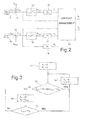
Figure 2 shows the structure of theprocessing unit 23 according to an embodiment of the invention. - The
processing unit 23 comprises afirst subtractor node 30, asecond subtractor node 31, afirst saturation module 33, asecond saturation module 34, afirst controller 36, asecond controller 37, athird controller 38 and aconflict management module 40. - The
first subtractor node 30 receives the first concentration signal SCO from the first detection cell 25 (not shown here) and a first reference signal SREF1 and calculates a first error signal ECO on the basis of the difference between the first concentration signal SCO, and the first reference signal SREF1. - The
second subtractor node 31 receives the second concentration signal SNOX from the second detecting cell 26 (not shown here) and a second reference signal SREF2 and calculates a second error signal ENOX on the basis of the difference between the second concentration signal SNOX and the second reference signal SREF2. - The reference signal SREF1 and the second reference signal SREF2 are indicative of the respective maximum allowable concentrations and are respectively provided by a first
reference generator module 41 and a secondreference generator module 42, that can be for example programmable memory elements. - The
first saturation module 33 and thesecond saturation module 34 receive respectively the first error signal ECO and the second error signal ENOX and provide respectively a first saturated error signal ECO' and a second error signal ENOX'. In particular, the first saturated error signal ECO' and the second saturated error signal ENOX' respectively coincide with the first error signal ECO and the second error signal ENOX, between a negative saturation value and a positive saturation value; are equal to the negative saturation value, respectively, when the first error signal ECO and the second error signal ENOX are lesser than the negative saturation signal; and are equal to the positive saturation value, respectively, when the first error signal ECO and the second error signal ENOX are greater than the positive saturation value. - The
first controller 36 and thesecond controller 37, which in the described embodiment are of proportional-integral type, respectively receive the first saturated error signal ECO' and the second saturated error signal ENOX' and use them to determine a first nominal control signal S1' and a second nominal control signal S2', which are supplied to theconflict management module 40. - The
conflict management module 40 determines the first control signal S1 and the second control signal S2 on the basis of the first nominal control signal S1', the second nominal control signal S2', the first error signal ECO and the second error signal ENOX, in order to avoid the competition of opposing control actions through thefirst heat exchanger 16 and thesecond heat exchanger 17, which respectively tend to heat and cool the flowrate QA of air fed into thecombustion chamber 9. More specifically, theconflict management module 40 prioritizes, in case of conflict, the reduction of the concentration of carbon monoxide CO, which is the most appropriate action to stabilize the combustion and therefore minimize polluting emissions. Under stable combustion conditions, the control on the concentration of nitrogen oxides NOx by way of thesecond heat exchanger 17 can be temporarily excluded. Practically, if excesses both of carbon monoxide CO and nitrogen oxides NOx occur, theconflict management module 40 calculates the first control signal S1 and the second control signal S2 so as to increase the temperature inside thecombustion chamber 9, while the action of decreasing the temperature is inhibited. - The
third controller 38, which is also of a proportional-integral type in the described embodiment, receives the second error signal ENOX from the second summingnode 31 and uses it to determine the third control signal S3, which is fed to theactuator 12 of theIGV stage 7a by thecompressor 7 to regulate the flowrate QA of air. In particular, when the second error signal is positive ENOX (concentration of nitrogen oxides NOx exceeding the allowed limits), the third control signal S3 tends to increase the flowrate QA of air and, conversely, when the second error signal ENOX is negative (concentration of nitrogen oxides NOx lower than the allowed limits), the third control signal S3 tends to reduce the flowrate QA of air. In this way, the concentration of nitrogen oxides NOx is kept slightly below the allowable limit, as by doing so the emissions of carbon monoxide CO improve, which are a direct indicator of stable and regular combustion improved in terms of energy efficiency of the heat engine and polluting emissions. - Essentially, the
emission control device 5 intervenes in the presence of an excess of carbon monoxide CO or nitrogen oxides NOx emissions, by changing the conditions within thecombustion chamber 9. More precisely, theemission control device 5 modifies the flowrate QA of air and its temperature, thus modifying the temperature in thecombustion chamber 9, so as to reduce the excessive concentrations of carbon monoxide CO or of nitrogen oxides NOx. If both types of substances are present in excess concentrations, theconflict management module 40 prioritizes the action of reducing emissions of carbon monoxide CO. In doing so, the temperature in the combustion chamber is increased to values which ensure, in accordance with the general conditions of theplant 1, the optimal balance between polluting emissions. - The solution described has the advantage of directly using the concentrations of pollutants as controlled variables. The
emission control device 5 intervenes, in fact, on the temperature in the combustion chamber, without however the need to have a measure or an estimate of that temperature. The combustion conditions are automatically modified to counteract the excesses with respect to the reference values. Practically, the control acts directly on the chemical and physical causes of the generation of pollutants and ensures that in the combustion chamber 9 a minimum value of energy is reached for the complete oxidation of carbon, without exceeding the energy value beyond which the production of nitrogen oxides exceeds the permitted limits. - The solution also pilots the plant towards optimum combustion conditions, regardless of general conditions (specific parameters of the plant, status of aging), for the reason that the
emission control device 5 operates directly on the concentrations of pollutants. It is therefore unnecessary a preliminary study of the operating conditions of each machine and optimal combustion conditions, which ensure the best balance between the emissions of carbon monoxide and of nitrogen oxides, are maintained over time even if the overall efficiency of the system tends to degrade. - The described solution is particularly effective in reducing emissions in the minimum technical environmental conditions. Advantageously, the value of the minimum technical environmental power can be reduced.
-
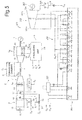
Figure 3 shows a possible operating mode of theconflict management module 40. - In optimal working conditions (block 50), the emissions of carbon monoxide CO and nitrogen oxides NOx are maintained within the limits and interventions of the
emission control device 5 are not required. In particular (Figure 2 ), the first concentration error ECO and the second concentration error ENOX are negative, so the first saturated concentration error ECO' and the second saturated concentration error ENOX' are negative or zero, as well as the first nominal control signal S1' and the second nominal control signal S2'. In these conditions, theconflict management module 40 assigns a null value to the first control signal S1 and to the second control signal S2 (Figure 3 , block 50) and the degree of opening of thefirst control valve 20 and of thesecond control valve 22 is not modified. - The
conflict management module 40 then verifies that at least one of either the first error signal ECO or the second error signal ENOX remains respectively below a first activation threshold THA1 and a second activation threshold THA2 (Figure 3 , block 55). - If the condition is verified (block 55, output YES), to the first control signal S1 and to the second control signal S2 are respectively assigned values of the first nominal control signal S1' and the second nominal control signal S2' (block 60). Therefore, the test of
block 55 is repeated. Essentially, the condition is verified if the emissions are below the respective reference values, or in the presence of an imbalance of the emissions for which is requested the intervention of only one of either thefirst heat exchanger 16 or thesecond heat exchanger 17. In this case, there are no conflicts or antagonistic actions. - If, on the contrary, the emissions trend is such to request antagonistic control actions, the first error signal ECO and the second error signal ENOX are both above their respective thresholds (block 55, output NO).
- In this case the
conflict management module 40 prioritizes the control action that favours the containment of the concentration of carbon monoxide CO and inhibits the cooling of the flowrate QA of air. To this aim (block 65), to the first control signal S1 is assigned the current value of the first nominal control signal S1' and the second nominal control signal S2' is set to a deactivation value S20FF, causing the closure of thesecond control valve 22. Therefore, thesecond heat exchanger 17 is temporarily excluded and does not participate in the control. Alternatively, in the presence of the deactivation value S20FF of the second nominal control signal S2' thevalve 22 is placed in a state of minimum opening which, although energetically unfavorable, allows thesecond heat exchanger 17 to intervene more quickly to the unmet conditions for its inhibition. - The
conflict management module 40 then compares the first error signal ECO with a release threshold THR, lesser than the first activation threshold THA1 (block 70). Until the first nominal control signal S1' is greater than the release threshold THR (block 70, output NO), thesecond heat exchanger 17 remains excluded (block 65). When the first nominal control signal S1' falls below the release threshold THR (block 70, output YES), the constraint on the control of the concentration of nitrogen oxides NOx by way of thesecond heat exchanger 17 is released and to the second control signal S2 is assigned the current value of the second nominal control signal S2' (block 60). - According to the embodiment illustrated in
Figure 4 , where equal parts to those already shown are designated by the same reference numbers, a plant for the production ofelectric power 100 comprises agas turbine assembly 102 in which acompressor 107, equipped with aIGV stage 107a, allows the heat exchange between the elaborated fluid and the outside. In this case, thefirst heat exchanger 16 is arranged along theintake duct 8, as previously described, while asecond heat exchanger 117 is coupled to thecompressor 107. In theplant 100, the cooling of the flowrate QA of air for the control of emissions of nitrogen oxides NOx can be accomplished more efficiently after a partial compression. -
Figure 5 shows an embodiment according to which the invention is applied to a combinedcycle plant 200. Theplant 200 comprises thegas turbine assembly 2, thealternator 3, theemission control device 5 and theintake duct 8, along which are placed thefirst heat exchanger 16 and thesecond heat exchanger 17. Thefirst control valve 20 and thesecond control valve 22 are driven through therespective actuators emission control device 5 so as to control the concentrations of carbon monoxide CO and nitrogen oxides NOX in exhaust gas as described above. - The
system 200 also comprises asteam turbine 202, analternator 203 coupled upon asame shaft 204 of thesteam turbine 202, aheat recovery boiler 205, acapacitor 206 and adegassing element 207. - In the illustrated embodiment, the
steam turbine 202 comprises ahigh pressure stage 202a and a medium-low pressure stage 202b. - The flowrate QE of exhaust gas provided by the
gas turbine assembly 2 is conveyed by way of theheat recovery boiler 205 where there is acircuit 210 for generating steam. Thecircuit 210 comprises a plurality of elements, among which thefigure 5 shows: - HPS0, HPS1, HPS3: high pressure tube bundle heater;
- RH1, RH3: re-superheater (high pressure);
- HPB1: high pressure cylindrical body;
- HPE2, HPE3: high pressure economizer;
- IPS1, IPS2: medium pressure tube bundle heater;
- IPB: medium pressure cylindrical body;
- IPE2: medium pressure economizer;
- LPS: low pressure tube bundle heater;
- LPB: low pressure cylindrical body;
- LTE: low pressure economizer.
- Immediately downstream of the low pressure tube bundle heater LPS, a flowrate of steam is drawn off that is used to form the flowrate QH of heating fluid for the
first heat exchanger 16. An output flow rate QH' from thefirst heat exchanger 16 is mixed with a flowrate QW of water withdrawn from thecondenser 206 by way of thecondensate extraction pump 211. The mixture thus obtained is supplied to the low pressure economizer LTE and then to thedegassing element 207. - It is also clear that to the described method and plant modifications and variations can be made, without going beyond the scope of the present invention, as defined in the appended claims.
- In particular, the invention can be used for any type of heat engine, such as internal combustion engines (such as Otto cycle or Diesel cycle engines), allowing the same advantages of the application here described for gas turbines.
- In addition, the conflict management module could be configured to operate according to different modes from that described with reference to
Figure 3 . For example, in applications where the production of nitrogen oxides is particularly undesirable, the cooling action of the flowrate of air entering the combustion chamber may be favoured, compared to that of heating. In practice, in case of conflict the action of the first heat exchanger dedicated to heating the flowrate of intake air can be prevented, so as to favour the nullifying of the concentration of nitrogen oxides. - In addition, if the optimization of energy consumption is a secondary objective, it is possible to eliminate the conflict management and permit the simultaneous heating and cooling action, leaving the balance to be determined by the prevailing demand.
Claims (15)
- A method for controlling emissions in a heat engine comprising:sucking air (QA, QA') from outside;burning a mixture including fuel (QF) and at least one fraction (QA') of the sucked air (QA), whereby exhaust gas (QE) is produced;detecting a concentrations of carbon monoxide (SCO) in the exhaust gas (QE);detecting a concentration of nitrogen oxides (SNOX) in the exhaust gas (QE);characterized by comprising controlling a temperature andflowrate of the sucked air (QA), as a function of the concentration of carbon monoxide (SCO) detected, of the concentration of nitrogen oxides (SNOX), of a reference value for carbon monoxide (SREF1) and of a reference value for nitrogen oxides (SREF2).
- The method according to claim 1, in which controlling the temperature and the flowrate of the sucked air (QA) comprises:performing an action of reducing the concentration of carbon monoxide (SCO) if the concentration of carbon monoxide (SCO) exceeds the reference value for carbon monoxide (SREF1);performing an action of reducing the concentration of nitrogen oxides (SNOX) if the concentration of nitrogen oxides (SNOX) exceeds the reference value for nitrogen oxides (SREF2); andprioritizing the action of reducing the concentration of carbon monoxide (SCO) if the concentration of carbon monoxide (SCO) exceeds the reference value for carbon monoxide (SREF1) andthe concentration of nitrogen oxides (SNOX) exceeds a reference value for nitrogen oxides (SREF2).
- The method according to claim 2, in which prioritizing comprises temporarily excluding the action of reducing the concentration of nitrogen oxides (SNOX).
- The method according to any of the preceding claims, in which controlling the temperature and the flowrate of the sucked air (QA) comprises increasing the temperature of the sucked air (QA) when the concentration of carbon monoxide (SCO) is found to be greater than the reference value for carbon monoxide (SREF1).
- The method according to claim 4, in which controlling the temperature and the flowrate of the sucked air (QA) comprises reducing the temperature of the sucked air (QA) when the detected concentration of nitrogen oxides (SNOX) is above the reference value for nitrogen oxides (SREF2).
- The method according to any of the preceding claims, in which controlling the temperature and the flowrate of the sucked air (QA) comprises:calculating a first concentration error (ECO) on the basis of the difference between the detected concentration of carbon monoxide (SCO) and the reference value for carbon monoxide (SREF1);calculating a second concentration error (ENOX) on the basis of the difference between the detected concentration of nitrogen oxides (SNOX) and the reference value for nitrogen oxides (SREF2);limiting the first concentration error (ECO) and the second concentration error (ENOX) to values comprised between a negative saturation value and a positive saturation value; andcontrolling the temperature of the sucked air (QA) according to the first concentration error (ECO) and the second concentration error (ENOX) after the limiting step.
- The method according to claim 6, comprising inhibiting the decreasing of the temperature of the sucked air (QA) when the concentration of carbon monoxide (SCO) is found to be higher than the reference value for carbon monoxide (SREF1).
- The method according to any of the preceding claims, in which controlling the temperature and the flowrate of the sucked air (QA) comprises regulating a flowrate of heating fluid (QH) to a first heat exchanger (16) and a flowrate of cooling fluid (QC) to a second heat exchanger (17) and wherein the first heat exchanger (16) and the second heat exchanger (17) are arranged along a path (8, 7) of the sucked air (QA).
- The method according to any one of claims from 3 to 6, in which controlling the temperature and the flowrate of the sucked air comprises increasing the flowrate of the sucked air (QA) when the concentration of detected nitrogen oxides (SNOX) is higher than the reference value for nitrogen oxides (SREF2).
- A heat engine comprising:a combustion chamber (9);an intake duct (8);flowrate supply means (7, 107), for providing the combustion chamber (9) with a controlled flowrate (QA, QA') of air sucked from the outside through the intake duct (8);a first heat exchanger (16) and a second heat exchanger (17),arranged along a fluidic path defined between an inlet (13) of the intake duct (8) and the combustion chamber (9), for respectively heating and cooling the air flowrate (QA, QA'),wherein the first heat exchanger (16) and the second heat exchanger (17) are respectively provided with a first regulating device (20, 27) and a second regulating device (22, 28), andan emission control device (5);characterized in that the emission control device (5) comprises:a detection device (25, 26) for detecting a concentration of carbon monoxide (SCO) in the exhaust gas (QE) and a concentration of nitrogen oxides (SNOX) in a flowrate of exhaust gas (QE) leaving the combustion chamber (9), anda processing unit (23), coupled to the detection device (25, 26) and configured to control a temperature and the flowrate of the sucked air (QA), on the basis of the detected concentration of carbon monoxide (SCO), of the concentration of nitrogen oxides (SNOX), of a reference value for carbon monoxide (SREF1) and of a reference value for nitrogen oxides (SREF2).
- The heat engine according to claim 10, in which the processing unit (23) is configured to:perform an action of reducing the concentration of carbon monoxide (SCO) if the concentration of carbon monoxide (SCO) exceeds the reference value for carbon monoxide (SREF1);perform an action of reducing the concentration of nitrogen oxides (SNOX) if the concentration of nitrogen oxides (SNOX) exceeds the reference value for nitrogen oxides (SREF2); andprioritize the action of reducing the concentration of carbon monoxide (SCO) if the concentration of carbon monoxide (SCO) exceeds the reference value for carbon monoxide (SREF1) and the concentration of nitrogen oxides (SNOX) exceeds a reference value for nitrogen oxides (SREF2).
- The method according to claim 11, in which the processing unit (23) is configured to temporarily exclude the action of reducing the concentration of nitrogen oxides (SNOX).
- The heat engine according to any one of claims from 10 to 12, comprising a turbine (10), coupled to the combustion chamber (9) to receive and expand the flowrate of exhaust gas (QE), and a discharge unit (11), to evacuate the flowrate of exhaust gas (QE), and in which the detecting device (25, 26) is placed in the exhaust assembly (11).
- The heat engine according to any one of claims from 10 to 13, in which the processing unit (23) is configured to:calculate a first concentration error (ECO) on the basis of the difference between the concentration of carbon monoxide (SCO) and a detected reference value for carbon monoxide (SREF1);calculate a second concentration error (ENOX) on the basis of the difference between the concentration of nitrogen oxides (SNOX) detected and a reference value for nitrogen oxides (SREF2);limit the first concentration error (ECO) and the second concentration error (ENOX) to values within a negative saturation value and a positive saturation value;determine a first control signal (S1) and a second control signal (S2) respectively for the first heat exchanger (16) andthe second heat exchanger (17) according to the first limited concentration error (ECO) and the second limited concentration error (ENOX), andapply the first control signal (S1) and the second control signal (S2), respectively, to the first control device (20, 27) of the first heat exchanger (16) and the second control device (22, 28) of the second heat exchanger (17).
- The heat engine according to claim 14, in which the processing unit (23) is further configured to assign to the second control signal (S2) a deactivation value (S2OFF), for which the second heat exchanger (17) is excluded or limited, when the first concentration signal (SCO) is indicative of a detected concentration of carbon monoxide (SCO) higher than a reference value for carbon monoxide (SREF1).
Priority Applications (1)
| Application Number | Priority Date | Filing Date | Title |
|---|---|---|---|
| PL11170073T PL2397670T3 (en) | 2010-06-15 | 2011-06-15 | Method for controlling emissions in a heat engine, in particular a gas turbine, and a heat engine |
Applications Claiming Priority (1)
| Application Number | Priority Date | Filing Date | Title |
|---|---|---|---|
| IT001075A ITMI20101075A1 (en) | 2010-06-15 | 2010-06-15 | METHOD FOR THE CONTROL OF EMISSIONS IN A THERMAL MACHINE, IN PARTICULAR A GAS TURBINE, AND THERMAL MACHINE |
Publications (2)
| Publication Number | Publication Date |
|---|---|
| EP2397670A1 true EP2397670A1 (en) | 2011-12-21 |
| EP2397670B1 EP2397670B1 (en) | 2015-03-18 |
Family
ID=43530445
Family Applications (1)
| Application Number | Title | Priority Date | Filing Date |
|---|---|---|---|
| EP11170073.8A Active EP2397670B1 (en) | 2010-06-15 | 2011-06-15 | Method for controlling emissions in a heat engine, in particular a gas turbine, and a heat engine |
Country Status (3)
| Country | Link |
|---|---|
| EP (1) | EP2397670B1 (en) |
| IT (1) | ITMI20101075A1 (en) |
| PL (1) | PL2397670T3 (en) |
Cited By (6)
| Publication number | Priority date | Publication date | Assignee | Title |
|---|---|---|---|---|
| DE102013202984A1 (en) * | 2013-02-22 | 2014-08-28 | Siemens Aktiengesellschaft | Method for operating a gas turbine below its rated power |
| DE102013202982A1 (en) * | 2013-02-22 | 2014-08-28 | Siemens Aktiengesellschaft | Method for operating a gas turbine below its rated power |
| EP2789829A1 (en) * | 2013-04-12 | 2014-10-15 | Siemens Aktiengesellschaft | Method for reducing the CO emissions of a gas turbine and gas turbine |
| EP2824285A1 (en) * | 2013-07-11 | 2015-01-14 | Alstom Technology Ltd | Gas turbine engine comprising an inlet flow control arrangement |
| CN109782584A (en) * | 2019-01-21 | 2019-05-21 | 杭州澎康自动化科技有限公司 | A kind of pumping back type steam turbine self-adjusting control |
| EP3505741A1 (en) * | 2017-12-29 | 2019-07-03 | Siemens Aktiengesellschaft | Method for operating a gas turbine |
Citations (9)
| Publication number | Priority date | Publication date | Assignee | Title |
|---|---|---|---|---|
| US3975900A (en) * | 1972-02-18 | 1976-08-24 | Engelhard Minerals & Chemicals Corporation | Method and apparatus for turbine system combustor temperature |
| US4951460A (en) | 1989-01-11 | 1990-08-28 | Stewart & Stevenson Services, Inc. | Apparatus and method for optimizing the air inlet temperature of gas turbines |
| US5697207A (en) * | 1996-08-02 | 1997-12-16 | General Electric Co. | Combined gas turbine inlet chiller, nox control device and power augmentation system and methods of operation |
| US20010022078A1 (en) | 1997-06-30 | 2001-09-20 | Nobuyuki Horii | Gas turbine |
| US6513318B1 (en) * | 2000-11-29 | 2003-02-04 | Hybrid Power Generation Systems Llc | Low emissions gas turbine engine with inlet air heating |
| US20060080965A1 (en) | 2003-11-17 | 2006-04-20 | General Electric Company | Method and system for incorporating an emission sensor into a gas tubine controller |
| US20060220472A1 (en) | 2002-12-23 | 2006-10-05 | Benoit Fecamp | System for controlling and optimizing the emission of a catalytic combustor in a single-shaft gas turbine |
| US20090053036A1 (en) | 2007-08-24 | 2009-02-26 | General Electric Company | Systems and Methods for Extending Gas Turbine Emissions Compliance |
| US20090060725A1 (en) | 2007-09-05 | 2009-03-05 | Solar Turbines Incorporated | Engine with intake air temperature control system |
-
2010
- 2010-06-15 IT IT001075A patent/ITMI20101075A1/en unknown
-
2011
- 2011-06-15 PL PL11170073T patent/PL2397670T3/en unknown
- 2011-06-15 EP EP11170073.8A patent/EP2397670B1/en active Active
Patent Citations (9)
| Publication number | Priority date | Publication date | Assignee | Title |
|---|---|---|---|---|
| US3975900A (en) * | 1972-02-18 | 1976-08-24 | Engelhard Minerals & Chemicals Corporation | Method and apparatus for turbine system combustor temperature |
| US4951460A (en) | 1989-01-11 | 1990-08-28 | Stewart & Stevenson Services, Inc. | Apparatus and method for optimizing the air inlet temperature of gas turbines |
| US5697207A (en) * | 1996-08-02 | 1997-12-16 | General Electric Co. | Combined gas turbine inlet chiller, nox control device and power augmentation system and methods of operation |
| US20010022078A1 (en) | 1997-06-30 | 2001-09-20 | Nobuyuki Horii | Gas turbine |
| US6513318B1 (en) * | 2000-11-29 | 2003-02-04 | Hybrid Power Generation Systems Llc | Low emissions gas turbine engine with inlet air heating |
| US20060220472A1 (en) | 2002-12-23 | 2006-10-05 | Benoit Fecamp | System for controlling and optimizing the emission of a catalytic combustor in a single-shaft gas turbine |
| US20060080965A1 (en) | 2003-11-17 | 2006-04-20 | General Electric Company | Method and system for incorporating an emission sensor into a gas tubine controller |
| US20090053036A1 (en) | 2007-08-24 | 2009-02-26 | General Electric Company | Systems and Methods for Extending Gas Turbine Emissions Compliance |
| US20090060725A1 (en) | 2007-09-05 | 2009-03-05 | Solar Turbines Incorporated | Engine with intake air temperature control system |
Cited By (14)
| Publication number | Priority date | Publication date | Assignee | Title |
|---|---|---|---|---|
| CN105074170A (en) * | 2013-02-22 | 2015-11-18 | 西门子公司 | Method for operating a gas turbine below the nominal power thereof |
| DE102013202982A1 (en) * | 2013-02-22 | 2014-08-28 | Siemens Aktiengesellschaft | Method for operating a gas turbine below its rated power |
| US10408135B2 (en) | 2013-02-22 | 2019-09-10 | Siemens Aktiengesellschaft | Method for operating a gas turbine below the nominal power thereof |
| DE102013202984A1 (en) * | 2013-02-22 | 2014-08-28 | Siemens Aktiengesellschaft | Method for operating a gas turbine below its rated power |
| CN105074170B (en) * | 2013-02-22 | 2017-04-05 | 西门子公司 | For the method that gas turbine is run below its rated power |
| WO2014166671A1 (en) * | 2013-04-12 | 2014-10-16 | Siemens Aktiengesellschaft | Method for reducing the co emissions of a gas turbine, and gas turbine |
| CN105143640A (en) * | 2013-04-12 | 2015-12-09 | 西门子股份公司 | Method and gas turbine for reducing CO emissions of a gas turbine |
| JP2016514801A (en) * | 2013-04-12 | 2016-05-23 | シーメンス アクティエンゲゼルシャフト | Method and gas turbine for reducing CO emissions of a gas turbine |
| EP2789829A1 (en) * | 2013-04-12 | 2014-10-15 | Siemens Aktiengesellschaft | Method for reducing the CO emissions of a gas turbine and gas turbine |
| CN104279057A (en) * | 2013-07-11 | 2015-01-14 | 阿尔斯通技术有限公司 | Improved GAS TURBINE ENGINE AND OPERATIONS |
| CN104279057B (en) * | 2013-07-11 | 2016-08-17 | 通用电器技术有限公司 | The gas-turbine unit improved and operation |
| EP2824285A1 (en) * | 2013-07-11 | 2015-01-14 | Alstom Technology Ltd | Gas turbine engine comprising an inlet flow control arrangement |
| EP3505741A1 (en) * | 2017-12-29 | 2019-07-03 | Siemens Aktiengesellschaft | Method for operating a gas turbine |
| CN109782584A (en) * | 2019-01-21 | 2019-05-21 | 杭州澎康自动化科技有限公司 | A kind of pumping back type steam turbine self-adjusting control |
Also Published As
| Publication number | Publication date |
|---|---|
| EP2397670B1 (en) | 2015-03-18 |
| ITMI20101075A1 (en) | 2011-12-16 |
| PL2397670T3 (en) | 2015-08-31 |
Similar Documents
| Publication | Publication Date | Title |
|---|---|---|
| EP2397670B1 (en) | Method for controlling emissions in a heat engine, in particular a gas turbine, and a heat engine | |
| RU2665773C2 (en) | Gas turbine plant operation method with step and / or sequential combustion | |
| US9885290B2 (en) | Erosion suppression system and method in an exhaust gas recirculation gas turbine system | |
| CN101900040B (en) | For variable venturi system and the method thereof of engine | |
| RU2585891C2 (en) | Controlling gas composition in gas-turbine power plant with exhaust gas recycling | |
| US20100212555A1 (en) | Oxyfuel Combustion Boiler Plant and Operating Method for the Same | |
| RU2014151777A (en) | SYSTEM AND METHODS FOR CONTROLLING CONDENSATE IN THE AIR ENGINE | |
| US9181872B2 (en) | Power plant and method for retrofit | |
| US20160186658A1 (en) | Systems and methods of estimating a combustion equivalence ratio in a gas turbine with exhaust gas recirculation | |
| EP2199585A1 (en) | Exhaust gas recirculation device for internal combustion engine | |
| US8844295B2 (en) | Method for meeting a purge flow requirement for a power plant and a power plant having a purge control system | |
| KR20220138407A (en) | Systems and methods for management of a plurality of exhaust gas recirculation coolers | |
| JP6444778B2 (en) | Engine and work vehicle equipped with the engine | |
| CN111219224A (en) | Device for preventing engine oil from being diluted | |
| JP4892539B2 (en) | Combined power plant and waste heat recovery boiler | |
| EP3047129B1 (en) | Method of controlling emissions of a gas turbine plant and gas turbine plant | |
| CN112513442A (en) | Method for operating a gas turbine plant with gaseous fuel | |
| US20210062677A1 (en) | A method for starting up a gas turbine engine of a combined cycle power plant | |
| KR102338341B1 (en) | engine system | |
| US12448937B1 (en) | System and method for operating exhaust gas recirculation in gas turbines | |
| RU2536458C1 (en) | Method for reducing power of manoeuvring gas-turbine power plant below control limit | |
| CN219735354U (en) | Flue gas emission system of gas boiler | |
| RU61814U1 (en) | GAS PUMPING COMPRESSOR STATION OF THE MAIN GAS PIPELINE | |
| JPH07301128A (en) | Gas turbine exhaust gas temperature control device | |
| KR20210071286A (en) | Treatment system of VOCs gas through inert gas recirculation system in low pressure storage facility. |
Legal Events
| Date | Code | Title | Description |
|---|---|---|---|
| AK | Designated contracting states |
Kind code of ref document: A1 Designated state(s): AL AT BE BG CH CY CZ DE DK EE ES FI FR GB GR HR HU IE IS IT LI LT LU LV MC MK MT NL NO PL PT RO RS SE SI SK SM TR |
|
| AX | Request for extension of the european patent |
Extension state: BA ME |
|
| PUAI | Public reference made under article 153(3) epc to a published international application that has entered the european phase |
Free format text: ORIGINAL CODE: 0009012 |
|
| 17P | Request for examination filed |
Effective date: 20120621 |
|
| RIC1 | Information provided on ipc code assigned before grant |
Ipc: F02C 7/143 20060101ALI20140730BHEP Ipc: F02C 9/20 20060101ALI20140730BHEP Ipc: F02C 1/04 20060101AFI20140730BHEP |
|
| GRAP | Despatch of communication of intention to grant a patent |
Free format text: ORIGINAL CODE: EPIDOSNIGR1 |
|
| INTG | Intention to grant announced |
Effective date: 20141008 |
|
| GRAS | Grant fee paid |
Free format text: ORIGINAL CODE: EPIDOSNIGR3 |
|
| GRAA | (expected) grant |
Free format text: ORIGINAL CODE: 0009210 |
|
| AK | Designated contracting states |
Kind code of ref document: B1 Designated state(s): AL AT BE BG CH CY CZ DE DK EE ES FI FR GB GR HR HU IE IS IT LI LT LU LV MC MK MT NL NO PL PT RO RS SE SI SK SM TR |
|
| REG | Reference to a national code |
Ref country code: GB Ref legal event code: FG4D |
|
| REG | Reference to a national code |
Ref country code: CH Ref legal event code: EP |
|
| REG | Reference to a national code |
Ref country code: IE Ref legal event code: FG4D |
|
| REG | Reference to a national code |
Ref country code: AT Ref legal event code: REF Ref document number: 716740 Country of ref document: AT Kind code of ref document: T Effective date: 20150415 |
|
| REG | Reference to a national code |
Ref country code: DE Ref legal event code: R096 Ref document number: 602011014725 Country of ref document: DE Effective date: 20150430 |
|
| REG | Reference to a national code |
Ref country code: NL Ref legal event code: VDEP Effective date: 20150318 |
|
| REG | Reference to a national code |
Ref country code: NL Ref legal event code: VDEP Effective date: 20150318 |
|
| PG25 | Lapsed in a contracting state [announced via postgrant information from national office to epo] |
Ref country code: SE Free format text: LAPSE BECAUSE OF FAILURE TO SUBMIT A TRANSLATION OF THE DESCRIPTION OR TO PAY THE FEE WITHIN THE PRESCRIBED TIME-LIMIT Effective date: 20150318 Ref country code: FI Free format text: LAPSE BECAUSE OF FAILURE TO SUBMIT A TRANSLATION OF THE DESCRIPTION OR TO PAY THE FEE WITHIN THE PRESCRIBED TIME-LIMIT Effective date: 20150318 Ref country code: LT Free format text: LAPSE BECAUSE OF FAILURE TO SUBMIT A TRANSLATION OF THE DESCRIPTION OR TO PAY THE FEE WITHIN THE PRESCRIBED TIME-LIMIT Effective date: 20150318 Ref country code: NO Free format text: LAPSE BECAUSE OF FAILURE TO SUBMIT A TRANSLATION OF THE DESCRIPTION OR TO PAY THE FEE WITHIN THE PRESCRIBED TIME-LIMIT Effective date: 20150618 Ref country code: HR Free format text: LAPSE BECAUSE OF FAILURE TO SUBMIT A TRANSLATION OF THE DESCRIPTION OR TO PAY THE FEE WITHIN THE PRESCRIBED TIME-LIMIT Effective date: 20150318 |
|
| REG | Reference to a national code |
Ref country code: AT Ref legal event code: MK05 Ref document number: 716740 Country of ref document: AT Kind code of ref document: T Effective date: 20150318 |
|
| REG | Reference to a national code |
Ref country code: LT Ref legal event code: MG4D |
|
| PG25 | Lapsed in a contracting state [announced via postgrant information from national office to epo] |
Ref country code: RS Free format text: LAPSE BECAUSE OF FAILURE TO SUBMIT A TRANSLATION OF THE DESCRIPTION OR TO PAY THE FEE WITHIN THE PRESCRIBED TIME-LIMIT Effective date: 20150318 Ref country code: GR Free format text: LAPSE BECAUSE OF FAILURE TO SUBMIT A TRANSLATION OF THE DESCRIPTION OR TO PAY THE FEE WITHIN THE PRESCRIBED TIME-LIMIT Effective date: 20150619 Ref country code: LV Free format text: LAPSE BECAUSE OF FAILURE TO SUBMIT A TRANSLATION OF THE DESCRIPTION OR TO PAY THE FEE WITHIN THE PRESCRIBED TIME-LIMIT Effective date: 20150318 |
|
| REG | Reference to a national code |
Ref country code: PL Ref legal event code: T3 |
|
| PG25 | Lapsed in a contracting state [announced via postgrant information from national office to epo] |
Ref country code: NL Free format text: LAPSE BECAUSE OF FAILURE TO SUBMIT A TRANSLATION OF THE DESCRIPTION OR TO PAY THE FEE WITHIN THE PRESCRIBED TIME-LIMIT Effective date: 20150318 |
|
| PG25 | Lapsed in a contracting state [announced via postgrant information from national office to epo] |
Ref country code: PT Free format text: LAPSE BECAUSE OF FAILURE TO SUBMIT A TRANSLATION OF THE DESCRIPTION OR TO PAY THE FEE WITHIN THE PRESCRIBED TIME-LIMIT Effective date: 20150720 Ref country code: EE Free format text: LAPSE BECAUSE OF FAILURE TO SUBMIT A TRANSLATION OF THE DESCRIPTION OR TO PAY THE FEE WITHIN THE PRESCRIBED TIME-LIMIT Effective date: 20150318 Ref country code: ES Free format text: LAPSE BECAUSE OF FAILURE TO SUBMIT A TRANSLATION OF THE DESCRIPTION OR TO PAY THE FEE WITHIN THE PRESCRIBED TIME-LIMIT Effective date: 20150318 Ref country code: SK Free format text: LAPSE BECAUSE OF FAILURE TO SUBMIT A TRANSLATION OF THE DESCRIPTION OR TO PAY THE FEE WITHIN THE PRESCRIBED TIME-LIMIT Effective date: 20150318 Ref country code: CZ Free format text: LAPSE BECAUSE OF FAILURE TO SUBMIT A TRANSLATION OF THE DESCRIPTION OR TO PAY THE FEE WITHIN THE PRESCRIBED TIME-LIMIT Effective date: 20150318 Ref country code: RO Free format text: LAPSE BECAUSE OF FAILURE TO SUBMIT A TRANSLATION OF THE DESCRIPTION OR TO PAY THE FEE WITHIN THE PRESCRIBED TIME-LIMIT Effective date: 20150318 |
|
| PG25 | Lapsed in a contracting state [announced via postgrant information from national office to epo] |
Ref country code: IS Free format text: LAPSE BECAUSE OF FAILURE TO SUBMIT A TRANSLATION OF THE DESCRIPTION OR TO PAY THE FEE WITHIN THE PRESCRIBED TIME-LIMIT Effective date: 20150718 Ref country code: AT Free format text: LAPSE BECAUSE OF FAILURE TO SUBMIT A TRANSLATION OF THE DESCRIPTION OR TO PAY THE FEE WITHIN THE PRESCRIBED TIME-LIMIT Effective date: 20150318 |
|
| REG | Reference to a national code |
Ref country code: DE Ref legal event code: R097 Ref document number: 602011014725 Country of ref document: DE |
|
| PLBE | No opposition filed within time limit |
Free format text: ORIGINAL CODE: 0009261 |
|
| STAA | Information on the status of an ep patent application or granted ep patent |
Free format text: STATUS: NO OPPOSITION FILED WITHIN TIME LIMIT |
|
| PG25 | Lapsed in a contracting state [announced via postgrant information from national office to epo] |
Ref country code: DK Free format text: LAPSE BECAUSE OF FAILURE TO SUBMIT A TRANSLATION OF THE DESCRIPTION OR TO PAY THE FEE WITHIN THE PRESCRIBED TIME-LIMIT Effective date: 20150318 Ref country code: MC Free format text: LAPSE BECAUSE OF FAILURE TO SUBMIT A TRANSLATION OF THE DESCRIPTION OR TO PAY THE FEE WITHIN THE PRESCRIBED TIME-LIMIT Effective date: 20150318 |
|
| REG | Reference to a national code |
Ref country code: CH Ref legal event code: PL |
|
| 26N | No opposition filed |
Effective date: 20151221 |
|
| GBPC | Gb: european patent ceased through non-payment of renewal fee |
Effective date: 20150618 |
|
| PG25 | Lapsed in a contracting state [announced via postgrant information from national office to epo] |
Ref country code: SI Free format text: LAPSE BECAUSE OF FAILURE TO SUBMIT A TRANSLATION OF THE DESCRIPTION OR TO PAY THE FEE WITHIN THE PRESCRIBED TIME-LIMIT Effective date: 20150318 Ref country code: LU Free format text: LAPSE BECAUSE OF FAILURE TO SUBMIT A TRANSLATION OF THE DESCRIPTION OR TO PAY THE FEE WITHIN THE PRESCRIBED TIME-LIMIT Effective date: 20150615 |
|
| REG | Reference to a national code |
Ref country code: IE Ref legal event code: MM4A |
|
| REG | Reference to a national code |
Ref country code: FR Ref legal event code: ST Effective date: 20160229 |
|
| PG25 | Lapsed in a contracting state [announced via postgrant information from national office to epo] |
Ref country code: CH Free format text: LAPSE BECAUSE OF NON-PAYMENT OF DUE FEES Effective date: 20150630 Ref country code: LI Free format text: LAPSE BECAUSE OF NON-PAYMENT OF DUE FEES Effective date: 20150630 Ref country code: IE Free format text: LAPSE BECAUSE OF NON-PAYMENT OF DUE FEES Effective date: 20150615 Ref country code: GB Free format text: LAPSE BECAUSE OF NON-PAYMENT OF DUE FEES Effective date: 20150618 |
|
| PG25 | Lapsed in a contracting state [announced via postgrant information from national office to epo] |
Ref country code: FR Free format text: LAPSE BECAUSE OF NON-PAYMENT OF DUE FEES Effective date: 20150630 |
|
| PG25 | Lapsed in a contracting state [announced via postgrant information from national office to epo] |
Ref country code: BE Free format text: LAPSE BECAUSE OF FAILURE TO SUBMIT A TRANSLATION OF THE DESCRIPTION OR TO PAY THE FEE WITHIN THE PRESCRIBED TIME-LIMIT Effective date: 20150318 |
|
| PG25 | Lapsed in a contracting state [announced via postgrant information from national office to epo] |
Ref country code: MT Free format text: LAPSE BECAUSE OF FAILURE TO SUBMIT A TRANSLATION OF THE DESCRIPTION OR TO PAY THE FEE WITHIN THE PRESCRIBED TIME-LIMIT Effective date: 20150318 |
|
| PG25 | Lapsed in a contracting state [announced via postgrant information from national office to epo] |
Ref country code: HU Free format text: LAPSE BECAUSE OF FAILURE TO SUBMIT A TRANSLATION OF THE DESCRIPTION OR TO PAY THE FEE WITHIN THE PRESCRIBED TIME-LIMIT; INVALID AB INITIO Effective date: 20110615 Ref country code: BG Free format text: LAPSE BECAUSE OF FAILURE TO SUBMIT A TRANSLATION OF THE DESCRIPTION OR TO PAY THE FEE WITHIN THE PRESCRIBED TIME-LIMIT Effective date: 20150318 Ref country code: SM Free format text: LAPSE BECAUSE OF FAILURE TO SUBMIT A TRANSLATION OF THE DESCRIPTION OR TO PAY THE FEE WITHIN THE PRESCRIBED TIME-LIMIT Effective date: 20150318 |
|
| PG25 | Lapsed in a contracting state [announced via postgrant information from national office to epo] |
Ref country code: CY Free format text: LAPSE BECAUSE OF FAILURE TO SUBMIT A TRANSLATION OF THE DESCRIPTION OR TO PAY THE FEE WITHIN THE PRESCRIBED TIME-LIMIT Effective date: 20150318 |
|
| PG25 | Lapsed in a contracting state [announced via postgrant information from national office to epo] |
Ref country code: MK Free format text: LAPSE BECAUSE OF FAILURE TO SUBMIT A TRANSLATION OF THE DESCRIPTION OR TO PAY THE FEE WITHIN THE PRESCRIBED TIME-LIMIT Effective date: 20150318 |
|
| PG25 | Lapsed in a contracting state [announced via postgrant information from national office to epo] |
Ref country code: AL Free format text: LAPSE BECAUSE OF FAILURE TO SUBMIT A TRANSLATION OF THE DESCRIPTION OR TO PAY THE FEE WITHIN THE PRESCRIBED TIME-LIMIT Effective date: 20150318 |
|
| PG25 | Lapsed in a contracting state [announced via postgrant information from national office to epo] |
Ref country code: PL Free format text: LAPSE BECAUSE OF NON-PAYMENT OF DUE FEES Effective date: 20180615 |
|
| P01 | Opt-out of the competence of the unified patent court (upc) registered |
Effective date: 20240430 |
|
| PGFP | Annual fee paid to national office [announced via postgrant information from national office to epo] |
Ref country code: DE Payment date: 20250618 Year of fee payment: 15 |
|
| PGFP | Annual fee paid to national office [announced via postgrant information from national office to epo] |
Ref country code: TR Payment date: 20250612 Year of fee payment: 15 |
|
| PGFP | Annual fee paid to national office [announced via postgrant information from national office to epo] |
Ref country code: IT Payment date: 20250630 Year of fee payment: 15 |