EP2397473A1 - A stable highly crystalline anacetrapib - Google Patents
A stable highly crystalline anacetrapib Download PDFInfo
- Publication number
- EP2397473A1 EP2397473A1 EP10165878A EP10165878A EP2397473A1 EP 2397473 A1 EP2397473 A1 EP 2397473A1 EP 10165878 A EP10165878 A EP 10165878A EP 10165878 A EP10165878 A EP 10165878A EP 2397473 A1 EP2397473 A1 EP 2397473A1
- Authority
- EP
- European Patent Office
- Prior art keywords
- anacetrapib
- values
- solvent
- xrd
- crystalline
- Prior art date
- Legal status (The legal status is an assumption and is not a legal conclusion. Google has not performed a legal analysis and makes no representation as to the accuracy of the status listed.)
- Ceased
Links
- MZZLGJHLQGUVPN-HAWMADMCSA-N anacetrapib Chemical compound COC1=CC(F)=C(C(C)C)C=C1C1=CC=C(C(F)(F)F)C=C1CN1C(=O)O[C@H](C=2C=C(C=C(C=2)C(F)(F)F)C(F)(F)F)[C@@H]1C MZZLGJHLQGUVPN-HAWMADMCSA-N 0.000 title claims abstract description 143
- 229950000285 anacetrapib Drugs 0.000 title claims abstract description 141
- 238000000034 method Methods 0.000 claims abstract description 57
- 230000008569 process Effects 0.000 claims abstract description 44
- 238000002360 preparation method Methods 0.000 claims abstract description 23
- 239000008194 pharmaceutical composition Substances 0.000 claims abstract description 16
- LFQSCWFLJHTTHZ-UHFFFAOYSA-N Ethanol Chemical compound CCO LFQSCWFLJHTTHZ-UHFFFAOYSA-N 0.000 claims description 50
- 239000000203 mixture Substances 0.000 claims description 42
- 239000002904 solvent Substances 0.000 claims description 42
- 239000000843 powder Substances 0.000 claims description 34
- XLYOFNOQVPJJNP-UHFFFAOYSA-N water Substances O XLYOFNOQVPJJNP-UHFFFAOYSA-N 0.000 claims description 31
- 239000013078 crystal Substances 0.000 claims description 24
- OFBQJSOFQDEBGM-UHFFFAOYSA-N Pentane Chemical group CCCCC OFBQJSOFQDEBGM-UHFFFAOYSA-N 0.000 claims description 20
- 239000003960 organic solvent Substances 0.000 claims description 19
- 239000012453 solvate Substances 0.000 claims description 18
- 238000003756 stirring Methods 0.000 claims description 15
- 238000002441 X-ray diffraction Methods 0.000 claims description 11
- 239000012296 anti-solvent Substances 0.000 claims description 11
- 238000000113 differential scanning calorimetry Methods 0.000 claims description 11
- SXYHZEQKWNODPB-UHFFFAOYSA-N 2-[difluoro(methoxy)methyl]-1,1,1,2,3,3,3-heptafluoropropane;1,1,1,2,2,3,3,4,4-nonafluoro-4-methoxybutane Chemical group COC(F)(F)C(F)(F)C(F)(F)C(F)(F)F.COC(F)(F)C(F)(C(F)(F)F)C(F)(F)F SXYHZEQKWNODPB-UHFFFAOYSA-N 0.000 claims description 10
- 230000004927 fusion Effects 0.000 claims description 9
- 238000001757 thermogravimetry curve Methods 0.000 claims description 7
- 238000011282 treatment Methods 0.000 claims description 7
- 201000001320 Atherosclerosis Diseases 0.000 claims description 6
- 238000011321 prophylaxis Methods 0.000 claims description 4
- 230000001225 therapeutic effect Effects 0.000 claims description 4
- 238000000634 powder X-ray diffraction Methods 0.000 description 34
- 239000011521 glass Substances 0.000 description 18
- 238000001556 precipitation Methods 0.000 description 18
- IMNFDUFMRHMDMM-UHFFFAOYSA-N N-Heptane Chemical compound CCCCCCC IMNFDUFMRHMDMM-UHFFFAOYSA-N 0.000 description 15
- 239000000725 suspension Substances 0.000 description 14
- 150000001875 compounds Chemical class 0.000 description 12
- UAEPNZWRGJTJPN-UHFFFAOYSA-N methylcyclohexane Chemical group CC1CCCCC1 UAEPNZWRGJTJPN-UHFFFAOYSA-N 0.000 description 12
- 239000007787 solid Substances 0.000 description 10
- 239000000126 substance Substances 0.000 description 10
- IJGRMHOSHXDMSA-UHFFFAOYSA-N Atomic nitrogen Chemical compound N#N IJGRMHOSHXDMSA-UHFFFAOYSA-N 0.000 description 8
- 239000002178 crystalline material Substances 0.000 description 8
- 238000010438 heat treatment Methods 0.000 description 8
- 238000002425 crystallisation Methods 0.000 description 7
- 230000008025 crystallization Effects 0.000 description 7
- 238000001914 filtration Methods 0.000 description 7
- 239000011541 reaction mixture Substances 0.000 description 7
- 238000002411 thermogravimetry Methods 0.000 description 7
- GYNNXHKOJHMOHS-UHFFFAOYSA-N methyl-cycloheptane Natural products CC1CCCCCC1 GYNNXHKOJHMOHS-UHFFFAOYSA-N 0.000 description 6
- 238000005033 Fourier transform infrared spectroscopy Methods 0.000 description 5
- 238000001704 evaporation Methods 0.000 description 5
- 230000008020 evaporation Effects 0.000 description 5
- 239000000047 product Substances 0.000 description 5
- 238000000746 purification Methods 0.000 description 5
- 238000003860 storage Methods 0.000 description 5
- 238000004108 freeze drying Methods 0.000 description 4
- 230000000977 initiatory effect Effects 0.000 description 4
- 238000011835 investigation Methods 0.000 description 4
- 238000005259 measurement Methods 0.000 description 4
- 229910052757 nitrogen Inorganic materials 0.000 description 4
- 239000000546 pharmaceutical excipient Substances 0.000 description 4
- 102000012336 Cholesterol Ester Transfer Proteins Human genes 0.000 description 3
- 108010061846 Cholesterol Ester Transfer Proteins Proteins 0.000 description 3
- 230000015572 biosynthetic process Effects 0.000 description 3
- 238000005119 centrifugation Methods 0.000 description 3
- 238000006243 chemical reaction Methods 0.000 description 3
- 230000003292 diminished effect Effects 0.000 description 3
- 239000003814 drug Substances 0.000 description 3
- 238000001035 drying Methods 0.000 description 3
- 238000002844 melting Methods 0.000 description 3
- 230000008018 melting Effects 0.000 description 3
- 238000000386 microscopy Methods 0.000 description 3
- 239000000825 pharmaceutical preparation Substances 0.000 description 3
- 230000009467 reduction Effects 0.000 description 3
- 230000002269 spontaneous effect Effects 0.000 description 3
- 238000011179 visual inspection Methods 0.000 description 3
- VTYYLEPIZMXCLO-UHFFFAOYSA-L Calcium carbonate Chemical compound [Ca+2].[O-]C([O-])=O VTYYLEPIZMXCLO-UHFFFAOYSA-L 0.000 description 2
- CURLTUGMZLYLDI-UHFFFAOYSA-N Carbon dioxide Chemical compound O=C=O CURLTUGMZLYLDI-UHFFFAOYSA-N 0.000 description 2
- 150000001335 aliphatic alkanes Chemical class 0.000 description 2
- XAGFODPZIPBFFR-UHFFFAOYSA-N aluminium Chemical compound [Al] XAGFODPZIPBFFR-UHFFFAOYSA-N 0.000 description 2
- 229910052782 aluminium Inorganic materials 0.000 description 2
- 238000004458 analytical method Methods 0.000 description 2
- 239000003354 cholesterol ester transfer protein inhibitor Substances 0.000 description 2
- 229940079593 drug Drugs 0.000 description 2
- 239000000839 emulsion Substances 0.000 description 2
- 238000005516 engineering process Methods 0.000 description 2
- 238000002474 experimental method Methods 0.000 description 2
- 230000009477 glass transition Effects 0.000 description 2
- 230000006698 induction Effects 0.000 description 2
- 239000003112 inhibitor Substances 0.000 description 2
- 238000007689 inspection Methods 0.000 description 2
- HQKMJHAJHXVSDF-UHFFFAOYSA-L magnesium stearate Chemical compound [Mg+2].CCCCCCCCCCCCCCCCCC([O-])=O.CCCCCCCCCCCCCCCCCC([O-])=O HQKMJHAJHXVSDF-UHFFFAOYSA-L 0.000 description 2
- 238000004519 manufacturing process Methods 0.000 description 2
- 239000012299 nitrogen atmosphere Substances 0.000 description 2
- 229940127557 pharmaceutical product Drugs 0.000 description 2
- 230000002265 prevention Effects 0.000 description 2
- 239000012265 solid product Substances 0.000 description 2
- 230000004580 weight loss Effects 0.000 description 2
- 229920002785 Croscarmellose sodium Polymers 0.000 description 1
- FBPFZTCFMRRESA-KVTDHHQDSA-N D-Mannitol Chemical compound OC[C@@H](O)[C@@H](O)[C@H](O)[C@H](O)CO FBPFZTCFMRRESA-KVTDHHQDSA-N 0.000 description 1
- 229920002153 Hydroxypropyl cellulose Polymers 0.000 description 1
- GUBGYTABKSRVRQ-QKKXKWKRSA-N Lactose Natural products OC[C@H]1O[C@@H](O[C@H]2[C@H](O)[C@@H](O)C(O)O[C@@H]2CO)[C@H](O)[C@@H](O)[C@H]1O GUBGYTABKSRVRQ-QKKXKWKRSA-N 0.000 description 1
- 229930195725 Mannitol Natural products 0.000 description 1
- 229920000168 Microcrystalline cellulose Chemical class 0.000 description 1
- 239000002202 Polyethylene glycol Substances 0.000 description 1
- VYPSYNLAJGMNEJ-UHFFFAOYSA-N Silicium dioxide Chemical compound O=[Si]=O VYPSYNLAJGMNEJ-UHFFFAOYSA-N 0.000 description 1
- XUIMIQQOPSSXEZ-UHFFFAOYSA-N Silicon Chemical compound [Si] XUIMIQQOPSSXEZ-UHFFFAOYSA-N 0.000 description 1
- 229920002472 Starch Polymers 0.000 description 1
- 238000010521 absorption reaction Methods 0.000 description 1
- DPXJVFZANSGRMM-UHFFFAOYSA-N acetic acid;2,3,4,5,6-pentahydroxyhexanal;sodium Chemical compound [Na].CC(O)=O.OCC(O)C(O)C(O)C(O)C=O DPXJVFZANSGRMM-UHFFFAOYSA-N 0.000 description 1
- 239000008186 active pharmaceutical agent Substances 0.000 description 1
- 239000004411 aluminium Substances 0.000 description 1
- 239000011230 binding agent Substances 0.000 description 1
- 229910000019 calcium carbonate Inorganic materials 0.000 description 1
- 239000002775 capsule Substances 0.000 description 1
- 235000011089 carbon dioxide Nutrition 0.000 description 1
- 239000000969 carrier Substances 0.000 description 1
- 238000004113 cell culture Methods 0.000 description 1
- 239000001913 cellulose Chemical class 0.000 description 1
- 229920002678 cellulose Chemical class 0.000 description 1
- 235000010980 cellulose Nutrition 0.000 description 1
- 230000008859 change Effects 0.000 description 1
- 239000003795 chemical substances by application Substances 0.000 description 1
- 239000013066 combination product Substances 0.000 description 1
- 229940127555 combination product Drugs 0.000 description 1
- 238000001816 cooling Methods 0.000 description 1
- 229960001681 croscarmellose sodium Drugs 0.000 description 1
- 235000010947 crosslinked sodium carboxy methyl cellulose Nutrition 0.000 description 1
- 230000001351 cycling effect Effects 0.000 description 1
- 239000003085 diluting agent Substances 0.000 description 1
- 238000004090 dissolution Methods 0.000 description 1
- 239000002552 dosage form Substances 0.000 description 1
- 229940088679 drug related substance Drugs 0.000 description 1
- 150000002170 ethers Chemical class 0.000 description 1
- 239000000796 flavoring agent Substances 0.000 description 1
- 235000013355 food flavoring agent Nutrition 0.000 description 1
- 235000003599 food sweetener Nutrition 0.000 description 1
- 238000009472 formulation Methods 0.000 description 1
- 239000003205 fragrance Substances 0.000 description 1
- 238000004817 gas chromatography Methods 0.000 description 1
- PCHJSUWPFVWCPO-UHFFFAOYSA-N gold Chemical compound [Au] PCHJSUWPFVWCPO-UHFFFAOYSA-N 0.000 description 1
- 239000010931 gold Substances 0.000 description 1
- 229910052737 gold Inorganic materials 0.000 description 1
- 239000008187 granular material Substances 0.000 description 1
- 229930195733 hydrocarbon Natural products 0.000 description 1
- 150000002430 hydrocarbons Chemical class 0.000 description 1
- 239000001863 hydroxypropyl cellulose Substances 0.000 description 1
- 235000010977 hydroxypropyl cellulose Nutrition 0.000 description 1
- 239000012729 immediate-release (IR) formulation Substances 0.000 description 1
- 239000012535 impurity Substances 0.000 description 1
- 230000002401 inhibitory effect Effects 0.000 description 1
- 239000000543 intermediate Substances 0.000 description 1
- 238000002955 isolation Methods 0.000 description 1
- 239000008101 lactose Substances 0.000 description 1
- 239000007788 liquid Substances 0.000 description 1
- 239000000314 lubricant Substances 0.000 description 1
- 235000019359 magnesium stearate Nutrition 0.000 description 1
- 239000000594 mannitol Substances 0.000 description 1
- 235000010355 mannitol Nutrition 0.000 description 1
- 238000004949 mass spectrometry Methods 0.000 description 1
- 239000000463 material Substances 0.000 description 1
- 239000008108 microcrystalline cellulose Chemical class 0.000 description 1
- 229940016286 microcrystalline cellulose Drugs 0.000 description 1
- 235000019813 microcrystalline cellulose Nutrition 0.000 description 1
- 239000008188 pellet Substances 0.000 description 1
- 125000001997 phenyl group Chemical group [H]C1=C([H])C([H])=C(*)C([H])=C1[H] 0.000 description 1
- 229920003223 poly(pyromellitimide-1,4-diphenyl ether) Polymers 0.000 description 1
- 229920000058 polyacrylate Polymers 0.000 description 1
- 229920001223 polyethylene glycol Polymers 0.000 description 1
- 239000001267 polyvinylpyrrolidone Substances 0.000 description 1
- 229920000036 polyvinylpyrrolidone Polymers 0.000 description 1
- 235000013855 polyvinylpyrrolidone Nutrition 0.000 description 1
- 239000002244 precipitate Substances 0.000 description 1
- 238000004321 preservation Methods 0.000 description 1
- 239000003755 preservative agent Substances 0.000 description 1
- 230000005855 radiation Effects 0.000 description 1
- 230000001105 regulatory effect Effects 0.000 description 1
- 238000011160 research Methods 0.000 description 1
- 239000013557 residual solvent Substances 0.000 description 1
- 150000003839 salts Chemical class 0.000 description 1
- 238000012216 screening Methods 0.000 description 1
- 229910052710 silicon Inorganic materials 0.000 description 1
- 239000010703 silicon Substances 0.000 description 1
- 150000003384 small molecules Chemical class 0.000 description 1
- 239000008109 sodium starch glycolate Substances 0.000 description 1
- 229940079832 sodium starch glycolate Drugs 0.000 description 1
- 229920003109 sodium starch glycolate Polymers 0.000 description 1
- 239000011343 solid material Substances 0.000 description 1
- 239000011877 solvent mixture Substances 0.000 description 1
- 239000003381 stabilizer Substances 0.000 description 1
- 229940032147 starch Drugs 0.000 description 1
- 239000008107 starch Substances 0.000 description 1
- 235000019698 starch Nutrition 0.000 description 1
- 239000007858 starting material Substances 0.000 description 1
- 239000000829 suppository Substances 0.000 description 1
- 239000003765 sweetening agent Substances 0.000 description 1
- 230000002194 synthesizing effect Effects 0.000 description 1
- 239000003826 tablet Substances 0.000 description 1
- 239000000454 talc Substances 0.000 description 1
- 229910052623 talc Inorganic materials 0.000 description 1
- 235000012222 talc Nutrition 0.000 description 1
- 230000000007 visual effect Effects 0.000 description 1
Images



Classifications
-
- C—CHEMISTRY; METALLURGY
- C07—ORGANIC CHEMISTRY
- C07D—HETEROCYCLIC COMPOUNDS
- C07D263/00—Heterocyclic compounds containing 1,3-oxazole or hydrogenated 1,3-oxazole rings
- C07D263/02—Heterocyclic compounds containing 1,3-oxazole or hydrogenated 1,3-oxazole rings not condensed with other rings
- C07D263/08—Heterocyclic compounds containing 1,3-oxazole or hydrogenated 1,3-oxazole rings not condensed with other rings having one double bond between ring members or between a ring member and a non-ring member
- C07D263/16—Heterocyclic compounds containing 1,3-oxazole or hydrogenated 1,3-oxazole rings not condensed with other rings having one double bond between ring members or between a ring member and a non-ring member with hetero atoms or with carbon atoms having three bonds to hetero atoms with at the most one bond to halogen, e.g. ester or nitrile radicals, directly attached to ring carbon atoms
- C07D263/18—Oxygen atoms
- C07D263/20—Oxygen atoms attached in position 2
-
- A—HUMAN NECESSITIES
- A61—MEDICAL OR VETERINARY SCIENCE; HYGIENE
- A61P—SPECIFIC THERAPEUTIC ACTIVITY OF CHEMICAL COMPOUNDS OR MEDICINAL PREPARATIONS
- A61P9/00—Drugs for disorders of the cardiovascular system
- A61P9/10—Drugs for disorders of the cardiovascular system for treating ischaemic or atherosclerotic diseases, e.g. antianginal drugs, coronary vasodilators, drugs for myocardial infarction, retinopathy, cerebrovascula insufficiency, renal arteriosclerosis
Definitions
- the present invention relates to a highly crystalline stable forms of anacetrapib, to processes for the preparation and to pharmaceutical compositions containing such forms.
- WO06/014413 generally relates to CETP inhibitors used for the prevention and treatment of atherosclerosis, comprising anacetrapib and pharmaceutically acceptable salts thereof and discloses the process for its preparation.
- anacetrapib is obtained as a clear glass.
- WO06/014413 is silent as to the nature of specific crystalline forms of anacetrapib.
- WO07/005572 describes a process for synthesizing CETP inhibitors, comprising anacetrapib.
- a heptane solvate and a non-solvate form of anacetrapib which are said to be crystalline are mentioned. Initially obtained crystalline heptane solvate de-solvates at room temperature under a flow of nitrogen or air, or under vacuum, while the crystalline non-solvate form of anacetrapib is said to slowly convert to the amorphous form on standing at room temperature.
- a pharmaceutical composition comprising crystalline anhydrous form in the manufacture of a medicament for the treatment or prevention of atherosclerosis is described.
- Crystallization is the most important purification process for pharmaceutical compounds with molecular weights from about 200 to 1200 g/mol.
- crystallization is a critical process. This is particularly the case when a given substance is difficult to crystallize, as this is the case for anacetrapib.
- the amorphous form can be present as a phase impurity in a crystalline sample, and for compounds that are difficult to crystallize, it is possible that the content of amorphous form may be from about 10% to 20%, or more.
- Polymorphism is defined as the ability of a substance to crystallize in more than one crystal lattice arrangement. Polymorphism can influence different aspects of solid state properties of a drug. Different crystal forms of a substance may differ considerably from one another in many respects such as their crystallinity, stability and/or dissolution rate, solubility, hygroscopicity, crystal habits, bioavailability and formulation handling characteristics.
- the discovery of novel polymorphic forms of a pharmaceutically useful compound provides a new opportunity to improve the performance characteristics of a pharmaceutical product.
- the present invention provides the following items including main aspects and preferred embodiments, which alone and in combination particularly contribute to solving the above object and eventually provide additional advantages, respectively:
- the present invention provides a new crystalline anacetrapib with good thermal stability that is easy to handle and has a high degree of purity. Moreover, the present invention provides a process for repeatedly obtaining the said crystalline anacetrapib. In addition, the present invention relates to a new highly crystalline forms of anacetrapib stable at room temperature and thus easy to handle. The present invention further provides novel crystalline polymorphic forms of anacetrapib. The present invention provides advantages for preparing reproducible pharmaceutical formulations compared to amorphous substances or compared to conventional materials which are unstable and readily and substantially transformed into amorphous form.
- the present invention discloses novel stable, highly crystalline forms of anacetrapib, designated herein as Form B, Form C and Form D.
- Crystalline forms of anacetrapib according to the present invention have a high h degree of crystallinity, great thermal stability which is indicative for improved chemical and/or physical stability, and show no changes in polymorphic forms.
- the present invention also provides a simple, effective and economically advantageous process for preparation of crystalline forms of anacetrapib. Furthermore, crystalline forms of anacetrapib due to their excellent stability are easy to handle.
- highly crystalline used herein generally means having a signal-to-noise ratio of the most intense peak at least 100 : 1 of and having a signal-to-noise ratio of the second most intensive peak of at least 50 : 1.
- a highly crystalline sample of anacetrapib is characterized by a low level of amorphous content (typically up to only 20 % at maximum), several intense powder X-ray diffraction peaks and a reasonably high enthalpy of fusion determined by DSC.
- Amorphous anacetrapib has a glass transition temperature near 40 °C and no melting peak is observed (i.e. the enthalpy of fusion equals zero).
- Amorphous and poorly crystalline anacetrapib exhibits an enthalpy of fusion from 0 to 20 J/g, whereas highly crystalline anacetrapib shows an enthalpy of fusion greater than 22 J/g, preferably about 25 to 30 J/g.
- highly crystalline anacetrapib shows at least three powder X-ray diffraction peaks with a signal-to-noise ratio that is greater than 50 : 1.
- stable used herein generally means having about the same characteristics determined by X-ray powder diffraction (XPD) after standing in a closed vial at room temperature at about 19 °C to 25 °C for at least one week, preferably at least two weeks, more preferably more than three weeks compared to day 1.
- XPD X-ray powder diffraction
- XRD peak characteristics generally means having XRD peak locations within the given range of ⁇ 0.2° in 2 theta angle, having XRD peak intensities within 50%, suitably within 30% and particularly within 20% of the original value before storage, and having at least three peaks with a signal-to-noise ratio greater than 50 in XRD pattern.
- Anacetrapib is a compound that is extremely difficult to crystallize.
- the crystalline forms of anacetrapib according to the present invention compared to previously described non-solvate or heptane solvate forms, show a good tendency towards crystallization. Therefore the forms described herein are very useful for the purification of the compound, even if the compound as such is optionally formulated in the amorphous form.
- the new crystalline forms of anacetrapib are thermodynamically substantially more stable thus are likely to display higher chemical and/or physical stability.
- the crystalline forms described herein may be useful of its own as final pharmaceutically acceptable forms, or may be used as intermediates for being transformed onto other forms, including but not limited to amorphous form, to mixtures of different forms (amorphous and/or different crystalline forms) or to individual forms. Yet, the present invention can significantly contribute reproducibility and product uniformity.
- the present invention relates to Form B, characterized by one of the following particular XRD patterns:
- the said polymorphic Form B is further characterized as being highly crystalline (i.e. having a signal-to-noise ratio of at least about 100 : 1 of the most intense peak and having a signal-to-noise ratio of at least about 50 : 1 of the second and third most intensive peaks if measured as indicated in the experimental part).
- the said polymorphic Form B is further characterized as being stable ( i.e. having about the same characteristics after standing at room temperature at about 19 °C to 25 °C for at least one week, preferably at least two weeks, more preferably more than three weeks compared to day 1).
- the characteristics of Form B are characterized by XRD having at least significant peaks at 2 ⁇ values of 5.1, 7.7, 19.4, 20.7 and 21.2, respectively exactly or ⁇ 0.2 degrees 2 ⁇ at the indicated 2 ⁇ values, preferably peaks in the XRD at 2 ⁇ values of 5.1, 7.7, 14.3, 17.0, 17.9, 19.4, 20.7, 21.2 and 22.1, respectively exactly or ⁇ 0.2 degrees 2 ⁇ at the indicated 2 ⁇ values, more preferably the XRD as shown in Figure 1 after standing at room temperature at about 19 °C to 25 °C for at least one week, preferably at least two weeks, more preferably more than three weeks.
- the invention relates to a polymorphic Form B further characterized by a differential scanning calorimetry thermogram having an endothermic peak in the range of 75 °C to 95 °C, preferably in the range of 85 °C to 90 °C.
- Another aspect of the present invention relates to a process for the preparation of polymorphic Form B, the process comprising the steps of:
- This aspect of the present invention provides an efficient combination of process steps to repeatedly arrive at pure and physically stable Form B of anacetrapib. Formation of Form B according to this aspect of the present invention may constitute parts of a complete process, i.e. involving consecutive steps which start from relevant educts and finally yield the desired Form B of anacetrapib.
- the process includes dissolving of amorphous anacetrapib in a solvent and allowing the mixture obtained to crystallize.
- a solvent is selected from an organic solvent, preferably alcohol, more preferably ethanol or a mixture of organic solvent and water, preferably a mixture of alcohol and water, most preferably a mixture of ethanol and water is used for dissolving the amorphous form of anacetrapib.
- Form B of anacetrapib can be isolated or recovered from the reaction solution by precipitation, while allowing the desired crystal form to crystallize.
- the precipitation can be spontaneous depending on solvent system.
- the precipitation is caused by adding an anti-solvent, for example water, ethers and hydrocarbons.
- the precipitation of Form B occurs after adding an anti-solvent, preferably water to the reaction mixture and after long standing of the suspension at temperature lower than room temperature, preferably at about 5 °C, while optionally stirring.
- an anti-solvent preferably water
- the precipitation of Form B occurs after adding water to a solution of the compound in an alcohol, preferably ethanol to a solvent to water ratio of about 4 : 1, while optionally stirring and adding seed crystals of Form B.
- the precipitation of Form B occurs after adding an anti-solvent, preferably water to the reaction mixture, while optionally stirring and adding seed crystals of Form B (obtained according to aforedefined aspect of the invention) to the reaction mixture and after long standing of the suspension at about room temperature at about 19 °C to 25 °C.
- an anti-solvent preferably water
- Induction of the precipitation can be further enhanced by reducing the temperature of reaction mixture, especially if initial temperature of reaction mixture is elevated. Induction of the precipitation can also be enhance by reduction of solution volume, preferably under diminished pressure, or by complete evaporation of solvent.
- Obtained Form B of anacetrapib may be separated by techniques well known in the art, e.g. filtration, centrifugation, decanting, preferably by filtration under vacuum at room temperature at about 19 °C to 25 °C.
- This aspect of the present invention provides particularly efficient combination of process steps to repeatedly arrive at pure and physically stable Form B of anacetrapib.
- the process allows the desired crystalline anacetrapib to be easily and repeatedly purified.
- the Form B of the present invention may be obtained substantially free of any residual organic solvents, that is preferably less than 500 parts of organic solvent per million (ppm), more preferably less than 100 parts of organic solvent per million (ppm).
- Another aspect of the present invention is a pharmaceutical composition for administering a therapeutically effective amount of crystal Form B of anacetrapib of present invention in unit dosage form.
- Form B of anacetrapib in accordance with present invention can be embodied for example in form of tablet, capsules, pellets, granules and suppositories or their combined forms.
- Pharmaceutical composition in accordance with present invention can be suitable for immediate release or modified release of crystal Form B of anacetrapib of the present invention.
- Solid pharmaceutical compositions can be for example coated with aim of increasing peletibility or regulating the disintegration or absorption.
- compositions may be selected from the group consisting of binders, diluents, disintegrating agents, stabilizing agents, preservatives, lubricants, fragrances, flavoring agents, sweeteners and other excipients known in the field of the pharmaceutical technology.
- carriers and excipients may be selected from the group consisting of lactose, microcrystalline cellulose, cellulose derivatives, ( e.g. hydroxypropylcellulose, croscarmellose sodium), polyacrylates, calcium carbonate, starch, colloidal silicone dioxide, sodium starch glycolate, talc, magnesium stearate, mannitol, polyvinylpyrrolidone, polyethylene glycol and other excipients known in the field of the pharmaceutical technology.
- compositions of the invention may be combination product comprising one or more additional pharmaceutically active components in addition to Form B of anacetrapib.
- the present invention is related to use of crystal Form B of anacetrapib, for the manufacture of medicament for inhibiting of cholesterylester transfer protein in an organism.
- Said inhibitor is preferably used in prophylaxis or therapeutic treatment of atherosclerosis in a patient in need of treatment comprising the administration of a therapeutically effective amount of anacetrapib, characterized as being a crystalline non-solvate.
- the present invention relates to new cristalline forms of anacetrapib (Form C and Form D) that may exist in a solvent-free state, but can optionally contain up to about 30% of the respective solvent in the crystal lattice.
- the present invention relates to a crystalline anacetrapib (Form C), which can preferably contain n-pentane or other linear alkanes.
- Form C crystalline anacetrapib
- the crystalline Form C according to present invention is thermodynamically more stable and thus is likely to display higher chemical and/or physical stability. Whereas isolation of these crystalline solvates is difficult, and especially difficult when small quantities are used in a crystallization experiment, it is conceivable that some of the suspected solvated forms could be helpful to drug substance purification.
- Form C is particularly useful for the purification process because pentane can be easily removed.
- the present invention relates to Form C, characterized by XRD.
- Form C is characterized by at least XRD significant peaks at 2 ⁇ values of 17.5, 20.2, 20.6, and 20.9, respectively exactly or ⁇ 0.2 degrees 2 ⁇ at the indicated 2 ⁇ values
- Form C is characterized by peaks at 2 ⁇ values of 7.4, 14.2, 17.5, 20.2, 20.6, 20.9, 22.3 and 22.6 in an XRD, respectively exactly or ⁇ 0.2 degrees 2 ⁇ at the indicated 2 ⁇ values
- the crystalline Form C is characterized by an X-ray powder diffractogram shown in Figure 4 .
- the said polymorphic Form C is further characterized as being highly crystalline (i.e. having a signal-to-noise ratio of at least about 100 : 1 of the most intense peak and having a signal-to-noise ratio of at least about 50 : 1 of the second and third most intensive peaks if measured as indicated in the experimental part).
- the said Form C is further characterized as being stable ( i.e. having about the same characteristics after standing at room temperature at about 19 °C to 25 °C for at least one week, preferably at least two weeks, more preferably more than three weeks compared to day 1).
- the characteristics of Form C are characterized by XRD having at least significant peaks at 2 ⁇ values of 17.5, 20.2, 20.6, and 20.9, respectively exactly or ⁇ 0.2 degrees 2 ⁇ at the indicated 2 ⁇ values, preferably peaks in the XRD at 2 ⁇ values of 7.4, 14.2, 17.5, 20.2, 20.6, 20.9, 22.3 and 22.6, respectively exactly or ⁇ 0.2 degrees 2 ⁇ at the indicated 2 ⁇ values, more preferably the XRD as shown in Figure 4 after standing at room temperature at about 19 °C to 25 °C for at least one week, preferably at least two weeks, more preferably more than three weeks.
- Another aspect of the present invention relates to a process for the preparation of crystalline Form C of anacetrapib.
- the process includes dissolving of amorphous anacetrapib in a solvent and allowing the mixture obtained to crystallize.
- a solvent is selected from an organic solvent, preferably pentane is used for dissolving the amorphous form of anacetrapib.
- This aspect of the present invention provides an efficient combination of process steps to repeatedly arrive at pure and physically stable Form C of anacetrapib. Formation of Form C according to this aspect of the present invention may constitute parts of a complete process, i.e. involving consecutive steps which start from relevant educts and finally yield the desired Form C of anacetrapib.
- Form C of anacetrapib can be isolated or recovered from the reaction solution by precipitation, while allowing the desired crystal form to crystallize.
- the precipitation can be spontaneous depending on solvent system.
- Initiation of the precipitation can be enhanced by reducing the temperature of reaction mixture.
- Initiation of the precipitation can also be enhanced by reduction of solution volume, preferably under diminished pressure, or by complete evaporation of solvent.
- the precipitation of Form C occurs after adding a solvent and after long standing of the suspension at temperature lower than room temperature, preferably lower than 5 °C.
- Obtained Form C of anacetrapib may be separated by techniques well known in the art, e.g. filtration, centrifugation, decanting, evaporation of the remaining solvent, lyophilization, preferably at temperatures lower than room temperature.
- This aspect of the present invention provides particularly efficient combination of process steps to repeatedly arrive at pure and physically stable Form C of anacetrapib.
- the process allows the desired crystalline anacetrapib to be easily and repeatedly purified.
- the present invention relates to a crystalline anacetrapib (Form D), which can preferably contain methyl-cyclohexane or nonafluoro-methoxy-butane.
- Form D a crystalline anacetrapib
- the crystalline Form D according to present invention is thermodynamically more stable and thus is likely to display higher chemical and/or physical stability.
- the present invention relates to Form D, characterized by XRD.
- Form D is characterized by at least XRD significant peaks at 2 ⁇ values of 6.0, 14.0, 16.6, 18.1 and 19.5, respectively exactly or ⁇ 0.2 degrees 2 ⁇ at the indicated 2 ⁇ values
- Form D is characterized by peaks at 2 ⁇ values of 6.0, 13.7, 14.0, 16.6, 18.1,19.5, 20.6 and 27.5 in an XRD, respectively exactly or ⁇ 0.2 degrees 2 ⁇ at the indicated 2 ⁇ values
- the crystalline Form D is characterized by an X-ray powder diffractogram shown in Figure 8 .
- the said polymorphic Form D is further characterized as being highly crystalline (i.e. having a signal-to-noise ratio of at least about 100 : 1 of the most intense peak and having a signal-to-noise ratio of at least about 50 : 1 of the second and third most intensive peaks if measured as indicated in the experimental part).
- the said Form D is further characterized as being stable ( i.e. having about the same characteristics after standing at room temperature at about 19 °C to 25 °C for at least one week, preferably at least two weeks, more preferably more than three weeks compared to day 1).
- the characteristics of Form D are characterized by XRD having at least significant peaks at 2 ⁇ values of 6.0, 14.0, 16.6, 18.1 and 19.5, respectively exactly or ⁇ 0.2 degrees 2 ⁇ at the indicated 2 ⁇ values, preferably peaks in the XRD at 2 ⁇ values of 6.0, 13.7, 14.0, 16.6, 18.1,19.5, 20.6 and 27.5, respectively exactly or ⁇ 0.2 degrees 2 ⁇ at the indicated 2 ⁇ values, more preferably the XRD as shown in Figure 8 after standing at room temperature at about 19 °C to 25 °C for at least one week, preferably at least two weeks, more preferably more than three weeks.
- Another aspect of the present invention relates to a process for the preparation of crystalline Form D of anacetrapib.
- the process includes dissolving of amorphous anacetrapib in a solvent and allowing the mixture obtained to crystallize.
- a solvent is selected from an organic solvent, preferably methyl-cyclohexane, most preferably nonafluoro-methoxy-butane is used for dissolving the amorphous form of anacetrapib.
- This aspect of the present invention provides an efficient combination of process steps to repeatedly arrive at pure and physically stable Form D of anacetrapib. Formation of Form D according to this aspect of the present invention may constitute parts of a complete process, i.e. involving consecutive steps which start from relevant educts and finally yield the desired Form D of anacetrapib.
- Form D of anacetrapib can be isolated or recovered from the reaction solution by precipitation, while allowing the desired crystal form to crystallize.
- the precipitation can be spontaneous depending on solvent system.
- Initiation of the precipitation can be enhanced by reducing the temperature of reaction mixture.
- Initiation of the precipitation can also be enhanced by reduction of solution volume, preferably under diminished pressure, or by complete evaporation of solvent.
- the precipitation of Form D occurs after adding a solvent and after long standing of the suspension at temperature lower than room temperature, preferably at about 5 °C.
- Obtained Form D of anacetrapib may be separated by techniques well known in the art, e.g. filtration, centrifugation, decanting, evaporation of the remaining solvent, lyophilization, preferably at temperatures lower than room temperature, preferably at about -80 °C.
- This aspect of the present invention provides particularly efficient combination of process steps to repeatedly arrive at pure and physically stable Form D of anacetrapib.
- the process allows the desired crystalline anacetrapib to be easily and repeatedly purified.
- Anacetrapib may be prepared according to procedures in PCT application WO2007/005572 .
- Example 1 Preparation of seed crystals for Form B.
- amorphous anacetrapib was weighed into a small 4 ml glass vial and dissolved in 50 microliters ( ⁇ l) of ethanol : water 95 : 5 (v/v) and 200 ⁇ l of ethanol were added. To this solution 100 ⁇ l of water was added and a slightly turbid suspension was obtained. This suspension was stirred at room temperature at about 19 °C to 25 °C for about one day. Thereafter, the vial was stored in a refrigerator at 5 ⁇ 2 °C for about five weeks. Light microscopic inspection of the solid formed in the stored vial showed that crystalline material was obtained. Yield is about 10 mg.
- Example 2 Preparation of seed crystals for Form B.
- amorphous anacetrapib was weighed into a small 7 ml glass vial and dissolved in 1.0 ml of ethanol. To this solution 200 ⁇ l of water was added and a turbid suspension was obtained. This suspension was placed on a laboratory shaker and shaken at 500 rpm for about one day. As no crystallization was observed, the vial was stored in a refrigerator at 5 ⁇ 2 °C. Visual inspection of the glass vial after eight days did not reveal any sign of crystalline material. However, after five additional weeks of storage of the sample in the refrigerator at 5 ⁇ 2 °C the visual appearance of the sample suggested a crystalline material. Light microscopic inspection of the solid formed in the stored vial confirmed that crystalline material was obtained. Investigation of the obtained product by powder X-ray diffraction showed essentially the same XRD pattern as shown in Figure 1 . The yield was about 100 mg.
- Example 3 Preparation of Form B using seed crystals.
- amorphous anacetrapib 282 mg was weighed into a 15 ml glass vial and dissolved in 4.0 ml of ethanol. To this solution 1.0 ml water was added and upon shaking of the vial a slightly turbid emulsion (or suspension) was obtained. To this emulsion 4 to 5 mg of seed crystals of Form B obtained by a process according to Example 1 or Example 2, were added and the mixture was stirred at room temperature at about 19 °C to 25 °C for two days. Thereafter, a suspension was obtained which was filtered and the obtained solid material was dried under vacuum at room temperature at about 19 °C to 25 °C for about twenty hours.
- Example 5 Solid-state stability of Form B at room temperature.
- Example 6 Solid-state stability of Form B at about 40 °C.
- Powder X-ray diffraction was performed and a powder X-ray diffraction pattern of Form C identical to that shown in Figure 4 was obtained.
- the sample from the X-ray diffraction sample holder was recovered and used for analysis by thermogravimetry coupled with FT-IR and DSC.
- the thermogravimetric analysis showed that the sample is essentially free of residual solvent; i.e., no weight loss was observed upon heating to 250 °C.
- the DSC analysis show no signal at the glass transition temperature at 40 °C, but it shows a melting peak near 83 °C with an enthalpy of fusion of 24 J/g as shown in Figure 6 .
- Example 10 Storage of Form C at room temperature.
- Form C according to Example 7 was prepared into circular silicon X-ray diffraction sample holder with 12 mm diameter and 0.5 mm depth and powder X-ray diffraction is performed. After the measurement the sample holder was kept at room temperature and humidity in a cell culture plate covered with a glass plate for twenty days. After twenty days the sample was again investigated by powder X-ray diffraction which confirmed that the crystalline form was stable and no significant change of the powder X-ray diffraction pattern was found as shown in Figure 7 . The yield was about 50 mg.
- amorphous anacetrapib was dissolved in 300 ⁇ l of methyl cyclohexane and the prepared clear solution was frozen in a bed of dry ice (solid CO 2 ) at -78 °C, and subsequently the glass flask with the frozen solution was connected to a lyophilizer.
- Lyophilizer type CHRIST, BETA 2-8 LD-2 was operated at a cold trap temperature of -80 °C. After overnight freeze drying the lyophilization was complete, the flask was disconnected and the open flask was placed into a dessicator over liquid methyl cyclohexane.
- Example 13 Preparation and solid-state (phase) stability of Form D.
- DSC Differential Scanning Calorimetry
- Thermogravimety was performed with a TGA Q5000 from TA Instruments. The samples were heated in open aluminium crucibles from room temperature to variable end temperatures under N 2 atmosphere with a heating rate of 10 °C per minute.
- TG-FTIR Thermogravimetry coupled with Fourier Transform Infrared Spectroscopy
Landscapes
- Chemical & Material Sciences (AREA)
- Organic Chemistry (AREA)
- Health & Medical Sciences (AREA)
- Engineering & Computer Science (AREA)
- Bioinformatics & Cheminformatics (AREA)
- Medicinal Chemistry (AREA)
- Urology & Nephrology (AREA)
- Cardiology (AREA)
- Chemical Kinetics & Catalysis (AREA)
- General Chemical & Material Sciences (AREA)
- Vascular Medicine (AREA)
- Nuclear Medicine, Radiotherapy & Molecular Imaging (AREA)
- Heart & Thoracic Surgery (AREA)
- Pharmacology & Pharmacy (AREA)
- Life Sciences & Earth Sciences (AREA)
- Animal Behavior & Ethology (AREA)
- General Health & Medical Sciences (AREA)
- Public Health (AREA)
- Veterinary Medicine (AREA)
- Pharmaceuticals Containing Other Organic And Inorganic Compounds (AREA)
Abstract
Description
- The present invention relates to a highly crystalline stable forms of anacetrapib, to processes for the preparation and to pharmaceutical compositions containing such forms.
- The compound (4S,5R)-5-[3,5-bis(trifluoromethyl)phenyl]-3-[[2-(4-fluoro-2-methoxy-5-propan-2-ylphenyl)-5-(trifluoromethyl)phenyl]methyl]-4-methyl-1,3-oxazolidin-2-one, also named 5(R)-[3,5-bis(trifluoromethyl)phenyl]-3-[4'-fluoro-5'-isopropyl-2'-methoxy-4-(trifluoromethyl)biphenyl-2-ylmethyl]-4(S)-methyloxazolidin-2-one, and briefly named anacetrapib (Formula I) has been shown to act as an inhibitor of cholesterylester transfer protein (CETP).

-
WO06/014413 WO06/014413 WO06/014413 -
WO07/005572 - The fact that in
WO06/014413 WO07/005572 - Crystallization is the most important purification process for pharmaceutical compounds with molecular weights from about 200 to 1200 g/mol. However, crystallization is a critical process. This is particularly the case when a given substance is difficult to crystallize, as this is the case for anacetrapib. The amorphous form can be present as a phase impurity in a crystalline sample, and for compounds that are difficult to crystallize, it is possible that the content of amorphous form may be from about 10% to 20%, or more. If a given crystallization process leads to a product with varying amounts of amorphous form, even if present in a predominantly crystalline material, this may lead to a nonuniform pharmaceutical drug product due to the large solubility difference between the crystalline and the amorphous state (the amorphous form of a given small molecule substance typically shows a much greater aqueous solubility than all existing crystalline forms). Therefore, it is important to provide stable crystalline forms that can be produced with low levels of amorphous form.
- Polymorphism is defined as the ability of a substance to crystallize in more than one crystal lattice arrangement. Polymorphism can influence different aspects of solid state properties of a drug. Different crystal forms of a substance may differ considerably from one another in many respects such as their crystallinity, stability and/or dissolution rate, solubility, hygroscopicity, crystal habits, bioavailability and formulation handling characteristics. The discovery of novel polymorphic forms of a pharmaceutically useful compound provides a new opportunity to improve the performance characteristics of a pharmaceutical product.
- In general, when a compound is used as a pharmaceutical product, chemical and physical stability of the compound is required so as to maintain quality and/or facilitate preservation. Not only the final pharmaceutical composition but also a compound as a synthetic starting material is desirably chemically and physically stable for the same reasons. As becomes apparent, this is a challenging task particularly in the case of anacetrapib.
- There is an unmet need in the art and therefore it was an object to provide a highly crystalline form of anacetrapib, in particular crystalline polymorphic forms, with better thermal stability that offer advantages for anacetrapib purification processes and for preparing reproducible pharmaceutical formulations with longer shelf-lives. Furthermore, there is a need to provide a stable highly crystalline form, in particular crystalline polymorphic forms, in an aimed and reproducible manner, thereby allowing to obtain a desired specific, predetermined form in a good purity.
- The present invention provides the following items including main aspects and preferred embodiments, which alone and in combination particularly contribute to solving the above object and eventually provide additional advantages, respectively:
- 1. Anacetrapib which is defined by a stable highly crystalline form.
- 2. The anacetrapib according to item 1, characterized by at least one, preferably at least three, more preferably all of the characteristic peaks in the X-ray powder diffractogram at 2θ values of 5.1, 7.7, 19.4, 20.7 and 21.2, respectively exactly or ± 0.2 degrees 2θ at the indicated 2θ values.
- 3. The anacetrapib according to item 1, characterized by at least one, preferably at least three, more preferably all of the characteristic peaks in the X-ray powder diffractogram at 2θ values of 5.1, 7.7, 14.3, 17.0, 17.9, 19.4, 20.7, 21.2 and 22.1, respectively exactly or ± 0.2 degrees 2θ at the indicated 2θ values.
- 4. The anacetrapib according to item 1, characterized by the X-ray powder diffractogram as shown in
Figure 1 . - 5. The anacetrapib according to any one of items 1 to 4, with at least three powder X-ray diffraction peaks with a signal to noise ratio greater than 50 : 1.
- 6. The anacetrapib according to any one of items 1 to 5, further characterized by differential scanning calorimetry thermogram having endotherm peak in the range of 75°C to 95 °C.
- 7. The anacetrapib according to any one of items 1 to 6 with an enthalpy of fusion greater than 22 J/g.
- 8. A process for the preparation of the anacetrapib according to any one of preceding items, comprising the steps of:
- a) dissolving of amorphous form of anacetrapib in a solvent;
- b) adding an anti-solvent to the mixture obtained in step a);
- c) optionally stirring the mixture obtained in step b);
- d) allowing the mixture obtained in step b) to crystallize.
- 9. The process according to item 8, wherein step a) is carried out in a solvent, selected from
- organic solvent, preferably alcohol, more preferably ethanol and
- a mixture of organic solvent and water, preferably a mixture of alcohol and water, most preferably a mixture of ethanol and water.
- 10. The process according to item 8 or 9, wherein the solvent is a mixture of organic solvent and water at a ratio of organic solvent, preferably alcohol and more preferably ethanol, to water is about 4:1.
- 11. The process according to any one of items 8 to 10, wherein an anti-solvent in step b) is water.
- 12. The process according to any one of items 8 to 11, wherein the mixture obtained in step b) is optionally cooled to a temperature lower than room temperature.
- 13. The process according to any one of items 8 to 12, wherein seed crystals of the anacetrapib according to any one of items 1 to 7 are added to the mixture obtained in step b).
- 14. A pharmaceutical composition comprising crystalline anacetrapib according to any one of items 1 to 7.
- 15. The pharmaceutical composition according to item 14, for the use in prophylaxis or therapeutic treatment of atherosclerosis in a patient, wherein the anacetrapib is in a crystalline non-solvate form.
- 16. The anacetrapib according to item 1, optionally containing 0 to 30% (w/w) of solvent included in the crystal lattice.
- 17. The anacetrapib according to item 16, wherein the included solvent is a linear alkane, preferably n-pentane.
- 18. The anacetrapib according to item 16 or 17, characterized by at least one, preferably at least three, more preferably all of the characteristic peaks in the X-ray powder diffractogram at 2θ values of 17.5, 20.2, 20.6, and 20.9, respectively exactly or ± 0.2 degrees 2θ at the indicated 2θ values.
- 19. The anacetrapib according to item 16 or 17, characterized by at least one, preferably at least three, more preferably all significant peaks in the X-ray powder diffractogram at 2θ values of 7.4, 14.2, 17.5, 20.2, 20.6, 20.9, 22.3 and 22.6, respectively exactly or ± 0.2 degrees 2θ at the indicated 2θ values.
- 20. The anacetrapib according item 16 or 17, characterized by the X-ray powder diffractogram as shown in
Figure 4 . - 21. The anacetrapib according to item 16, wherein the included solvent is nonafluoro-methoxy-butane.
- 22. The anacetrapib according to item 16 or 21, characterized by at least one, preferably at least three, more preferably all of the characteristic peaks in the X-ray powder diffractogram at 2θ values of 6.0, 14.0, 16.6, 18.1 and 19.5, respectively exactly or ± 0.2 degrees 2θ at the indicated 2θ values.
- 23. The anacetrapib according to item 16 or 21, characterized by at least one, preferably at least three, more preferably all of the characteristic peaks in the X-ray powder diffractogram at 2θ values of 6.0, 13.7, 14.0, 16.6, 18.1, 19.5, 20.6 and 27.5, respectively exactly or ± 0.2 degrees 2θ at the indicated 2θ values.
- 24. The anacetrapib according to item 16 or 21, characterized by the X-ray powder diffractogram as shown in
Figure 8 . - 25. Use of the anacetrapib according to any one of items 16 to 24 for producing a pharmaceutically active anacetrapib to be used in a pharmaceutically composition.
- 26. Crystalline anacetrapib characterized by at least one, preferably at least three, more preferably all of the characteristic peaks in the X-ray powder diffractogram at 2θ values of 5.1, 7.7, 19.4, 20.7 and 21.2, respectively exactly or ± 0.2 degrees 2θ at the indicated 2θ values.
- 27. Crystalline anacetrapib characterized by at least one, preferably at least three, more preferably all of the characteristic peaks in the X-ray powder diffractogram at 2θ values of 5.1, 7.7, 14.3, 17.0, 17.9, 19.4, 20.7, 21.2 and 22.1, respectively exactly or ± 0.2 degrees 2θ at the indicated 2θ values.
- 28. Crystalline anacetrapib characterized by the X-ray powder diffractogram as shown in
Figure 1 . - 29. The anacetrapib according to any one of items 26 to 28 with at least three powder X-ray diffraction peaks with a signal to noise ratio greater than 50 : 1.
- 30. The anacetrapib according to any one of items 26 to 29, further characterized by differential scanning calorimetry thermogram having endotherm peak in the range of 75 °C to 95 °C.
- 31. The anacetrapib according to any one of items 26 to 30 with an enthalpy of fusion greater than 22 J/g.
- 32. A process for the preparation of the anacetrapib according to any one of
items 25 to 30, comprising the steps of:- a) dissolving of amorphous form of anacetrapib in a solvent;
- b) adding an anti-solvent to the mixture obtained in step a);
- c) optionally stirring the mixture obtained in step b);
- d) allowing the mixture obtained in step b) to crystallize.
- 33. The process according to item 32, wherein step a) is carried out in a solvent, selected from
- organic solvent, preferably alcohol, more preferably ethanol and
- a mixture of organic solvent and water, preferably a mixture of alcohol and water, most preferably a mixture of ethanol and water.
- 34. The process according to items 32 or 33, wherein the solvent is a mixture of organic solvent and water at a ratio of organic solvent, preferably alcohol and more preferably ethanol, to water is about 4 : 1.
- 35. The process according to any one of items 32 to 34, wherein an anti-solvent in step b) is water.
- 36. The process according to any one of items 32 to 35, wherein the mixture obtained in step b) is optionally cooled to a temperature lower than room temperature.
- 37. The process according to any one of items 32 to 36, wherein seed crystals of the crystalline anacetrapib according to any one of
items 25 to 30 are added to the mixture obtained in step b). - 38. A pharmaceutical composition comprising crystalline anacetrapib according to any one of items 26 to 31.
- 39. The pharmaceutical composition according to item 38, for the use in prophylaxis or therapeutic treatment of atherosclerosis, wherein the anacetrapib is a crystalline non-solvate.
- 40. Crystalline anacetrapib optionally containing 0 to 30% (w/w) of solvent included in the crystal lattice.
- 41. The anacetrapib according to
item 40, wherein the included solvent is n-pentane. - 42. The anacetrapib according to
item 40 or 41, characterized by at least one, preferably at least three, more preferably all of the characteristic peaks in the X-ray powder diffractogram at 2θ values of 17.5, 20.2, 20.6, and 20.9, respectively exactly or ± 0.2 degrees 2θ at the indicated 2θ values. - 43. The anacetrapib according to
item 40 or 41, characterized by at least one, preferably at least three, more preferably all significant peaks in the X-ray powder diffractogram at 2θ values of 7.4, 14.2, 17.5, 20.2, 20.6, 20.9, 22.3 and 22.6, respectively exactly or ± 0.2 degrees 2θ at the indicated 2θ values. - 44. The
anacetrapib according item 40 or 41, characterized by the X-ray powder diffractogram as shown inFigure 4 . - 45. The anacetrapib according to
item 40, wherein the included solvent is nonafluoro-methoxy-butane. - 46. The anacetrapib according to
item 40 or 45, characterized by at least one, preferably at least three, more preferably all of the characteristic peaks in the X-ray powder diffractogram at 2θ values of 6.0, 14.0, 16.6, 18.1 and 19.5, respectively exactly or ± 0.2 degrees 2θ at the indicated 2θ values. - 47. The anacetrapib according to
item 40 or 45, characterized by at least one, preferably at least three, more preferably all of the characteristic peaks in the X-ray powder diffractogram at 2θ values of 6.0, 13.7, 14.0, 16.6, 18.1,19.5, 20.6 and 27.5, respectively exactly or ± 0.2 degrees 2θ at the indicated 2θ values. - 48. The anacetrapib according to
item 40 or 45, characterized by the X-ray powder diffractogram as shown inFigure 8 . - 49. The anacetrapib according to
item 40, wherein the included solvent is methyl-cyclohexane solvate. - 50. The crystalline anacetrapib according item 49, characterized by the X-ray powder diffractogram as shown in
Figure 9 . - 51. Use of the anacetrapib according to any one of
items 40 to 50 for producing a pharmaceutically active anacetrapib to be used in a pharmaceutically composition. - The present invention provides a new crystalline anacetrapib with good thermal stability that is easy to handle and has a high degree of purity. Moreover, the present invention provides a process for repeatedly obtaining the said crystalline anacetrapib. In addition, the present invention relates to a new highly crystalline forms of anacetrapib stable at room temperature and thus easy to handle. The present invention further provides novel crystalline polymorphic forms of anacetrapib. The present invention provides advantages for preparing reproducible pharmaceutical formulations compared to amorphous substances or compared to conventional materials which are unstable and readily and substantially transformed into amorphous form.
- In the following, the present invention will be described in more details by preferred embodiments and examples while referring to the attached drawings, noting however, that these embodiments, examples and drawings are presented for illustrative purposes only and shall not limit the invention in anyway.
-
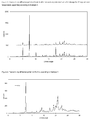
Figure 1 is an X-Ray powder diffractogram of Form B according to a preferred embodiment of the present invention; -
Figure 2 is a differential scanning calorimetry thermogram of Form B according to a preferred embodiment of the present invention; -
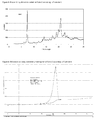
Figure 3 is an X-Ray powder diffractogram of Form B after preparation on day 1 (lower line) and on day 32 (upper line) according to Example 5 of the present invention; -
Figure 4 is an powder X-ray diffraction pattern of Form C according to Example 7 of the present invention; -
Figure 5 is an powder X-ray diffraction pattern of Form C according to Example 8 of the present invention; -
Figure 6 is a differential scanning calorimetry thermogram of Form C according to a preferred embodiment of the present invention; -
Figure 7 is an powder X-ray diffraction pattern of Form C after preparation (bottom line) and after storage for 20 days at room temperature (upper line) according to Example 10 of the present invention; -
Figure 8 is an X-Ray powder diffractogram of Form D according to Example 11 of the present invention; -
Figure 9 is an X-Ray powder diffractogram of Form D according to Example 12 of the present invention; -
Figure 10 is an X-ray powder diffractogram of Form D after preparation on day 1 (lower line) and after storage for two weeks at room temperature (upper line) according to Example 13 of the present invention. - According to one aspect, the present invention discloses novel stable, highly crystalline forms of anacetrapib, designated herein as Form B, Form C and Form D. Crystalline forms of anacetrapib according to the present invention have a high h degree of crystallinity, great thermal stability which is indicative for improved chemical and/or physical stability, and show no changes in polymorphic forms. The present invention also provides a simple, effective and economically advantageous process for preparation of crystalline forms of anacetrapib. Furthermore, crystalline forms of anacetrapib due to their excellent stability are easy to handle.
- The term "highly crystalline" used herein generally means having a signal-to-noise ratio of the most intense peak at least 100 : 1 of and having a signal-to-noise ratio of the second most intensive peak of at least 50 : 1.
- A highly crystalline sample of anacetrapib is characterized by a low level of amorphous content (typically up to only 20 % at maximum), several intense powder X-ray diffraction peaks and a reasonably high enthalpy of fusion determined by DSC. Amorphous anacetrapib has a glass transition temperature near 40 °C and no melting peak is observed (i.e. the enthalpy of fusion equals zero). Amorphous and poorly crystalline anacetrapib exhibits an enthalpy of fusion from 0 to 20 J/g, whereas highly crystalline anacetrapib shows an enthalpy of fusion greater than 22 J/g, preferably about 25 to 30 J/g. In addition, highly crystalline anacetrapib shows at least three powder X-ray diffraction peaks with a signal-to-noise ratio that is greater than 50 : 1.
- The term "stable" used herein generally means having about the same characteristics determined by X-ray powder diffraction (XPD) after standing in a closed vial at room temperature at about 19 °C to 25 °C for at least one week, preferably at least two weeks, more preferably more than three weeks compared to day 1.
- The term "same characteristics" used herein generally means having XRD peak locations within the given range of ± 0.2° in 2 theta angle, having XRD peak intensities within 50%, suitably within 30% and particularly within 20% of the original value before storage, and having at least three peaks with a signal-to-noise ratio greater than 50 in XRD pattern.
- The term "about" used herein generally means within 10%, suitably within 5% and particularly within 1 % of a given value or range, or within 10% of a given intensity value or ratio. Alternatively, the term "about" means within an acceptable standard error of the mean, when considered by one of the ordinary skill in the art.
- Anacetrapib is a compound that is extremely difficult to crystallize. Surprisingly, the crystalline forms of anacetrapib according to the present invention, compared to previously described non-solvate or heptane solvate forms, show a good tendency towards crystallization. Therefore the forms described herein are very useful for the purification of the compound, even if the compound as such is optionally formulated in the amorphous form. Furthermore the new crystalline forms of anacetrapib are thermodynamically substantially more stable thus are likely to display higher chemical and/or physical stability. The crystalline forms described herein may be useful of its own as final pharmaceutically acceptable forms, or may be used as intermediates for being transformed onto other forms, including but not limited to amorphous form, to mixtures of different forms (amorphous and/or different crystalline forms) or to individual forms. Yet, the present invention can significantly contribute reproducibility and product uniformity.
- In certain embodiments, the present invention relates to Form B, characterized by one of the following particular XRD patterns:
- in a sufficiently pure and unique form, Form B is characterized by at least significant peaks at 2θ values of 5.1, 7.7, 19.4, 20.7 and 21.2 in an XRD, respectively exactly or ± 0.2 degrees 2θ at the indicated 2θ values;
- in a more specific form, Form B is characterized by peaks at 2θ values of 5.1, 7.7, 14.3, 17.0, 17.9, 19.4, 20.7, 21.2 and 22.1 in an XRD, respectively exactly or ± 0.2 degrees 2θ at the indicated 2θ values;
- in a certain exemplified form, the crystalline Form B is characterized by an X-ray powder diffractog ram shown in
Figure 1 . - Unexpectedly, the said polymorphic Form B is further characterized as being highly crystalline (i.e. having a signal-to-noise ratio of at least about 100 : 1 of the most intense peak and having a signal-to-noise ratio of at least about 50 : 1 of the second and third most intensive peaks if measured as indicated in the experimental part). Surprisingly, the said polymorphic Form B is further characterized as being stable (i.e. having about the same characteristics after standing at room temperature at about 19 °C to 25 °C for at least one week, preferably at least two weeks, more preferably more than three weeks compared to day 1). In particular, the characteristics of Form B are characterized by XRD having at least significant peaks at 2θ values of 5.1, 7.7, 19.4, 20.7 and 21.2, respectively exactly or ± 0.2 degrees 2θ at the indicated 2θ values, preferably peaks in the XRD at 2θ values of 5.1, 7.7, 14.3, 17.0, 17.9, 19.4, 20.7, 21.2 and 22.1, respectively exactly or ± 0.2 degrees 2θ at the indicated 2θ values, more preferably the XRD as shown in
Figure 1 after standing at room temperature at about 19 °C to 25 °C for at least one week, preferably at least two weeks, more preferably more than three weeks. - In another aspect the invention relates to a polymorphic Form B further characterized by a differential scanning calorimetry thermogram having an endothermic peak in the range of 75 °C to 95 °C, preferably in the range of 85 °C to 90 °C.
- Another aspect of the present invention relates to a process for the preparation of polymorphic Form B, the process comprising the steps of:
- a) dissolving of amorphous form of anacetrapib in a solvent;
- b) adding an anti-solvent to the mixture obtained in step a);
- c) optionally stirring the mixture obtained in step b);
- d) allowing the mixture obtained in step b) to crystallize.
- This aspect of the present invention provides an efficient combination of process steps to repeatedly arrive at pure and physically stable Form B of anacetrapib. Formation of Form B according to this aspect of the present invention may constitute parts of a complete process, i.e. involving consecutive steps which start from relevant educts and finally yield the desired Form B of anacetrapib.
- The process includes dissolving of amorphous anacetrapib in a solvent and allowing the mixture obtained to crystallize. A solvent is selected from an organic solvent, preferably alcohol, more preferably ethanol or a mixture of organic solvent and water, preferably a mixture of alcohol and water, most preferably a mixture of ethanol and water is used for dissolving the amorphous form of anacetrapib.
- Form B of anacetrapib can be isolated or recovered from the reaction solution by precipitation, while allowing the desired crystal form to crystallize. The precipitation can be spontaneous depending on solvent system. The precipitation is caused by adding an anti-solvent, for example water, ethers and hydrocarbons.
- In one process embodiment of the invention the precipitation of Form B occurs after adding an anti-solvent, preferably water to the reaction mixture and after long standing of the suspension at temperature lower than room temperature, preferably at about 5 °C, while optionally stirring.
- In a preferred process embodiment of the invention the precipitation of Form B occurs after adding water to a solution of the compound in an alcohol, preferably ethanol to a solvent to water ratio of about 4 : 1, while optionally stirring and adding seed crystals of Form B.
- In another process embodiment of the invention the precipitation of Form B occurs after adding an anti-solvent, preferably water to the reaction mixture, while optionally stirring and adding seed crystals of Form B (obtained according to aforedefined aspect of the invention) to the reaction mixture and after long standing of the suspension at about room temperature at about 19 °C to 25 °C.
- Induction of the precipitation can be further enhanced by reducing the temperature of reaction mixture, especially if initial temperature of reaction mixture is elevated. Induction of the precipitation can also be enhance by reduction of solution volume, preferably under diminished pressure, or by complete evaporation of solvent.
- Obtained Form B of anacetrapib may be separated by techniques well known in the art, e.g. filtration, centrifugation, decanting, preferably by filtration under vacuum at room temperature at about 19 °C to 25 °C.
- This aspect of the present invention provides particularly efficient combination of process steps to repeatedly arrive at pure and physically stable Form B of anacetrapib. The process allows the desired crystalline anacetrapib to be easily and repeatedly purified. In addition, the Form B of the present invention may be obtained substantially free of any residual organic solvents, that is preferably less than 500 parts of organic solvent per million (ppm), more preferably less than 100 parts of organic solvent per million (ppm).
- Another aspect of the present invention is a pharmaceutical composition for administering a therapeutically effective amount of crystal Form B of anacetrapib of present invention in unit dosage form.
- Form B of anacetrapib in accordance with present invention can be embodied for example in form of tablet, capsules, pellets, granules and suppositories or their combined forms. Pharmaceutical composition in accordance with present invention can be suitable for immediate release or modified release of crystal Form B of anacetrapib of the present invention. Solid pharmaceutical compositions can be for example coated with aim of increasing peletibility or regulating the disintegration or absorption.
- Pharmaceutically acceptable excipients may be selected from the group consisting of binders, diluents, disintegrating agents, stabilizing agents, preservatives, lubricants, fragrances, flavoring agents, sweeteners and other excipients known in the field of the pharmaceutical technology. Preferably, carriers and excipients may be selected from the group consisting of lactose, microcrystalline cellulose, cellulose derivatives, (e.g. hydroxypropylcellulose, croscarmellose sodium), polyacrylates, calcium carbonate, starch, colloidal silicone dioxide, sodium starch glycolate, talc, magnesium stearate, mannitol, polyvinylpyrrolidone, polyethylene glycol and other excipients known in the field of the pharmaceutical technology.
- Optionally, the pharmaceutical compositions of the invention may be combination product comprising one or more additional pharmaceutically active components in addition to Form B of anacetrapib.
- In another aspect the present invention is related to use of crystal Form B of anacetrapib, for the manufacture of medicament for inhibiting of cholesterylester transfer protein in an organism. Said inhibitor is preferably used in prophylaxis or therapeutic treatment of atherosclerosis in a patient in need of treatment comprising the administration of a therapeutically effective amount of anacetrapib, characterized as being a crystalline non-solvate.
- In another aspect, the present invention relates to new cristalline forms of anacetrapib (Form C and Form D) that may exist in a solvent-free state, but can optionally contain up to about 30% of the respective solvent in the crystal lattice.
- In a particular aspect the present invention relates to a crystalline anacetrapib (Form C), which can preferably contain n-pentane or other linear alkanes. Compared to previously described non-solvate or heptane solvate forms, the crystalline Form C according to present invention is thermodynamically more stable and thus is likely to display higher chemical and/or physical stability. Whereas isolation of these crystalline solvates is difficult, and especially difficult when small quantities are used in a crystallization experiment, it is conceivable that some of the suspected solvated forms could be helpful to drug substance purification. Form C is particularly useful for the purification process because pentane can be easily removed.
- In particular embodiment, the present invention relates to Form C, characterized by XRD. In a sufficiently pure and unique form, Form C is characterized by at least XRD significant peaks at 2θ values of 17.5, 20.2, 20.6, and 20.9, respectively exactly or ± 0.2 degrees 2θ at the indicated 2θ values,
in a more pure and specific form, Form C is characterized by peaks at 2θ values of 7.4, 14.2, 17.5, 20.2, 20.6, 20.9, 22.3 and 22.6 in an XRD, respectively exactly or ± 0.2 degrees 2θ at the indicated 2θ values;
in a certain exemplified form, the crystalline Form C is characterized by an X-ray powder diffractogram shown inFigure 4 . - Unexpectedly, the said polymorphic Form C is further characterized as being highly crystalline (i.e. having a signal-to-noise ratio of at least about 100 : 1 of the most intense peak and having a signal-to-noise ratio of at least about 50 : 1 of the second and third most intensive peaks if measured as indicated in the experimental part). Surprisingly, the said Form C is further characterized as being stable (i.e. having about the same characteristics after standing at room temperature at about 19 °C to 25 °C for at least one week, preferably at least two weeks, more preferably more than three weeks compared to day 1). In particular, the characteristics of Form C are characterized by XRD having at least significant peaks at 2θ values of 17.5, 20.2, 20.6, and 20.9, respectively exactly or ± 0.2 degrees 2θ at the indicated 2θ values, preferably peaks in the XRD at 2θ values of 7.4, 14.2, 17.5, 20.2, 20.6, 20.9, 22.3 and 22.6, respectively exactly or ± 0.2 degrees 2θ at the indicated 2θ values, more preferably the XRD as shown in
Figure 4 after standing at room temperature at about 19 °C to 25 °C for at least one week, preferably at least two weeks, more preferably more than three weeks. - Another aspect of the present invention relates to a process for the preparation of crystalline Form C of anacetrapib. The process includes dissolving of amorphous anacetrapib in a solvent and allowing the mixture obtained to crystallize. A solvent is selected from an organic solvent, preferably pentane is used for dissolving the amorphous form of anacetrapib.
- This aspect of the present invention provides an efficient combination of process steps to repeatedly arrive at pure and physically stable Form C of anacetrapib. Formation of Form C according to this aspect of the present invention may constitute parts of a complete process, i.e. involving consecutive steps which start from relevant educts and finally yield the desired Form C of anacetrapib.
- Form C of anacetrapib can be isolated or recovered from the reaction solution by precipitation, while allowing the desired crystal form to crystallize. The precipitation can be spontaneous depending on solvent system. Initiation of the precipitation can be enhanced by reducing the temperature of reaction mixture. Initiation of the precipitation can also be enhanced by reduction of solution volume, preferably under diminished pressure, or by complete evaporation of solvent.
- In one aspect of the invention the precipitation of Form C occurs after adding a solvent and after long standing of the suspension at temperature lower than room temperature, preferably lower than 5 °C.
- Obtained Form C of anacetrapib may be separated by techniques well known in the art, e.g. filtration, centrifugation, decanting, evaporation of the remaining solvent, lyophilization, preferably at temperatures lower than room temperature.
- This aspect of the present invention provides particularly efficient combination of process steps to repeatedly arrive at pure and physically stable Form C of anacetrapib. The process allows the desired crystalline anacetrapib to be easily and repeatedly purified.
- In another aspect the present invention relates to a crystalline anacetrapib (Form D), which can preferably contain methyl-cyclohexane or nonafluoro-methoxy-butane. Compared to previously described non-solvate or crystalline heptane solvate forms, the crystalline Form D according to present invention is thermodynamically more stable and thus is likely to display higher chemical and/or physical stability.
- In particular embodiment, the present invention relates to Form D, characterized by XRD. In a sufficiently pure and unique form, Form D is characterized by at least XRD significant peaks at 2θ values of 6.0, 14.0, 16.6, 18.1 and 19.5, respectively exactly or ± 0.2 degrees 2θ at the indicated 2θ values,
in a more pure and specific form, Form D is characterized by peaks at 2θ values of 6.0, 13.7, 14.0, 16.6, 18.1,19.5, 20.6 and 27.5 in an XRD, respectively exactly or ± 0.2 degrees 2θ at the indicated 2θ values;
in a certain exemplified form, the crystalline Form D is characterized by an X-ray powder diffractogram shown inFigure 8 . - Unexpectedly, the said polymorphic Form D is further characterized as being highly crystalline (i.e. having a signal-to-noise ratio of at least about 100 : 1 of the most intense peak and having a signal-to-noise ratio of at least about 50 : 1 of the second and third most intensive peaks if measured as indicated in the experimental part). Surprisingly, the said Form D is further characterized as being stable (i.e. having about the same characteristics after standing at room temperature at about 19 °C to 25 °C for at least one week, preferably at least two weeks, more preferably more than three weeks compared to day 1). In particular, the characteristics of Form D are characterized by XRD having at least significant peaks at 2θ values of 6.0, 14.0, 16.6, 18.1 and 19.5, respectively exactly or ± 0.2 degrees 2θ at the indicated 2θ values, preferably peaks in the XRD at 2θ values of 6.0, 13.7, 14.0, 16.6, 18.1,19.5, 20.6 and 27.5, respectively exactly or ± 0.2 degrees 2θ at the indicated 2θ values, more preferably the XRD as shown in
Figure 8 after standing at room temperature at about 19 °C to 25 °C for at least one week, preferably at least two weeks, more preferably more than three weeks. - Another aspect of the present invention relates to a process for the preparation of crystalline Form D of anacetrapib. The process includes dissolving of amorphous anacetrapib in a solvent and allowing the mixture obtained to crystallize. A solvent is selected from an organic solvent, preferably methyl-cyclohexane, most preferably nonafluoro-methoxy-butane is used for dissolving the amorphous form of anacetrapib.
- This aspect of the present invention provides an efficient combination of process steps to repeatedly arrive at pure and physically stable Form D of anacetrapib. Formation of Form D according to this aspect of the present invention may constitute parts of a complete process, i.e. involving consecutive steps which start from relevant educts and finally yield the desired Form D of anacetrapib.
- Form D of anacetrapib can be isolated or recovered from the reaction solution by precipitation, while allowing the desired crystal form to crystallize. The precipitation can be spontaneous depending on solvent system. Initiation of the precipitation can be enhanced by reducing the temperature of reaction mixture. Initiation of the precipitation can also be enhanced by reduction of solution volume, preferably under diminished pressure, or by complete evaporation of solvent.
- In one particular process embodiment of the invention the precipitation of Form D occurs after adding a solvent and after long standing of the suspension at temperature lower than room temperature, preferably at about 5 °C.
- Obtained Form D of anacetrapib may be separated by techniques well known in the art, e.g. filtration, centrifugation, decanting, evaporation of the remaining solvent, lyophilization, preferably at temperatures lower than room temperature, preferably at about -80 °C.
- This aspect of the present invention provides particularly efficient combination of process steps to repeatedly arrive at pure and physically stable Form D of anacetrapib. The process allows the desired crystalline anacetrapib to be easily and repeatedly purified.
- Anacetrapib may be prepared according to procedures in
PCT application WO2007/005572 . - High-throughput polymorph screening investigations using a set of 96 different solvents and solvent mixtures under 256 different experimental conditions were performed and revealed no new form of crystalline anacetrapib.
- 12.9 mg of amorphous anacetrapib was weighed into a small 4 ml glass vial and dissolved in 50 microliters (µl) of ethanol : water 95 : 5 (v/v) and 200 µl of ethanol were added. To this
solution 100 µl of water was added and a slightly turbid suspension was obtained. This suspension was stirred at room temperature at about 19 °C to 25 °C for about one day. Thereafter, the vial was stored in a refrigerator at 5 ± 2 °C for about five weeks. Light microscopic inspection of the solid formed in the stored vial showed that crystalline material was obtained. Yield is about 10 mg. - 154 mg of amorphous anacetrapib was weighed into a small 7 ml glass vial and dissolved in 1.0 ml of ethanol. To this
solution 200 µl of water was added and a turbid suspension was obtained. This suspension was placed on a laboratory shaker and shaken at 500 rpm for about one day. As no crystallization was observed, the vial was stored in a refrigerator at 5 ± 2 °C. Visual inspection of the glass vial after eight days did not reveal any sign of crystalline material. However, after five additional weeks of storage of the sample in the refrigerator at 5 ± 2 °C the visual appearance of the sample suggested a crystalline material. Light microscopic inspection of the solid formed in the stored vial confirmed that crystalline material was obtained. Investigation of the obtained product by powder X-ray diffraction showed essentially the same XRD pattern as shown inFigure 1 . The yield was about 100 mg. - 282 mg of amorphous anacetrapib was weighed into a 15 ml glass vial and dissolved in 4.0 ml of ethanol. To this solution 1.0 ml water was added and upon shaking of the vial a slightly turbid emulsion (or suspension) was obtained. To this emulsion 4 to 5 mg of seed crystals of Form B obtained by a process according to Example 1 or Example 2, were added and the mixture was stirred at room temperature at about 19 °C to 25 °C for two days. Thereafter, a suspension was obtained which was filtered and the obtained solid material was dried under vacuum at room temperature at about 19 °C to 25 °C for about twenty hours. Investigation of the product by powder X-ray diffraction showed that a crystalline form was obtained as shown in
Figure 1 . DSC of this sample showed an endothermic signal attributable to melting of the sample near 87 °C with an enthalpy of fusion of about 26 J/g as shown inFigure 2 . Thermogravimetric analysis of the obtained sample showed a weight loss of less than 0.1% upon heating to 150 °C at a heating rate of 10 K/min. The residual content of ethanol was measured by gas chromatography coupled with mass spectrometry. The amount of residual ethanol was found to be less than 100 ppm. The yield was about 160 mg.
The signal to noise ratios of the strongest peaks of the powder X-ray diffraction pattern were evaluated and the following results were found:Peak location (2θ) 5.1° 7.7° 19.4° 21.2° Peak counts 3607 15017 6397 9448 Baseline counts 521 772 2340 2309 Noise level counts 80 80 80 80 Signal to noise 77 356 101 178 - About 1.1 g of amorphous anacetrapib was dissolved in 20 ml of ethanol and 5 ml water was added as anti-solvent. The solution was stirred for about 30 minutes before about 5 mg of seed crystals of anacetrapib Form B were added. Stirring was continued for six days at room temperature until crystallization was observed by light microscopy. Stirring was continued and nitrogen was purged through the vial at a flow rate of 50 ml/min in order to remove solvent to a volume of about 15 ml. After two days of further stirring under nitrogen the suspension was filtered and the obtained solid dried under vacuum at room temperature at about 19 °C to 25 °C for about 4 hours. Powder X-ray diffraction of the obtained sample shows that Form B was obtained with yield of 831 mg.
- 42 mg of crystalline Form B were placed into a 4 ml glass vial with its screw cap closed and stored for 32 days at room temperature. Thereafter, powder X-ray diffraction of the stored sample was performed and essentially the same XRD pattern as shown in
Figure 3 (upper and lower line) was obtained. Five months later the sample recovered from the X-ray sample holder was investigated by light microscopy and it was still found to be crystalline. - 43 mg of crystalline Form B were placed into a 4 ml glass vial with its screw cap closed and stored for 32 days at 40 °C. Thereafter, powder X-ray diffraction of the stored sample was performed and essentially the same XRD pattern as shown in
Figure 3 (upper and lower line) was obtained. - 687 mg amorphous anacetrapib was weighed into a 15 ml glass vial and dissolved in 3.0 ml pentane at room temperature. This solution was slowly cooled to 4 °C and stirred at this temperature. After about three hours a suspension was obtained and stirring was continued overnight. On the next day the temperature was reduced to -5 °C and stirring was continued for two hours before the solid product was separated by filtration with a glass frit that has been cooled to - 25 °C in a freezer. Air was drawn through the filter for about 5 minutes of drying and powder X-ray diffraction was performed. A powder X-ray diffraction pattern of Form C as shown in
Figure 4 was obtained. The yield was about 300 mg. - 966 mg of amorphous anacetrapib was weighed into a 15 ml glass vial and dissolved in 4.5 ml of heptane at 40 °C. This solution was slowly cooled to 10 °C; however, an amorphous precipitate was obtained. After temperature cycling between 10 °C and 20 °C the vial was placed in a refrigerator at about 4 °C for three days. Visual inspection suggested that the sample was partially crystalline, then the suspension was stirred at 2 °C for about 20 hours until it became well stirable and was completely crystalline. After further cooling to -34 °C and stirring at this temperature for about three hours before the crystalline material was separated by filtration with pre-cooled glass frit. Air was drawn through the filter for about 5 minutes for drying and powder X-ray diffraction was performed. A powder X-ray diffraction pattern of Form C as shown in
Figure 5 was obtained. Investigation of the sample by thermogravimetry coupled with FTIR spectroscopy revealed a mass loss of less than 0.8% upon heating to 200 °C at a heating rate of 10K/min. The yield was about 550 mg. - 1.08 g amorphous anacetrapib was weighed into a 15 ml glass vial and dissolved in 4.0 ml pentane at room temperature. This solution was slowly cooled to 4 °C and stirred at this temperature. After about three hours a suspension was obtained and stirring was continued at 0 °C overnight. On the next day the temperature was reduced to -5 °C and stirring was continued for about one hour before the solid product was separated by filtration with a glass frit that has been cooled to -25 °C in a freezer. Air was drawn through the filter for about 5 minutes for drying. The yield was about 600 mg.
- Powder X-ray diffraction was performed and a powder X-ray diffraction pattern of Form C identical to that shown in
Figure 4 was obtained. The sample from the X-ray diffraction sample holder was recovered and used for analysis by thermogravimetry coupled with FT-IR and DSC. The thermogravimetric analysis showed that the sample is essentially free of residual solvent; i.e., no weight loss was observed upon heating to 250 °C. The DSC analysis show no signal at the glass transition temperature at 40 °C, but it shows a melting peak near 83 °C with an enthalpy of fusion of 24 J/g as shown inFigure 6 . The signal to noise ratios of the strongest peaks of the powder X-ray diffraction pattern were evaluated and the following results were found:Peak location (2θ) 7.4° 17.5° 19.1° 20.9° Peak counts 33293 5788 9329 16555 Baseline counts 700 1540 2211 3100 Noise level counts ~100 ~100 ~100 ~100 Signal to noise 652 85 142 269 - About 50 mg of Form C according to Example 7 was prepared into circular silicon X-ray diffraction sample holder with 12 mm diameter and 0.5 mm depth and powder X-ray diffraction is performed. After the measurement the sample holder was kept at room temperature and humidity in a cell culture plate covered with a glass plate for twenty days. After twenty days the sample was again investigated by powder X-ray diffraction which confirmed that the crystalline form was stable and no significant change of the powder X-ray diffraction pattern was found as shown in
Figure 7 . The yield was about 50 mg. - 13.4 mg of amorphous anacetrapib was weighted into a 7 ml glass vial and 150 µl of nonafluoro-methoxy-butane was added. The clear solution was left in the refrigerator at 5 ± 2 °C for two months until crystals were observed by visual inspection. The cap of the vial was opened to let evaporate the remaining amount of solvent. The crystalline material was collected from the bottom of the vial and powder X-ray diffraction was performed. A powder X-ray diffraction pattern as shown in
Figure 8 was obtained. Thermogravimetry coupled with Fourier Transform Infrared spectroscopy of the X-rayed sample revealed that the solid contains about 17% of residual nonafluoro-methoxy-butane. The yield was about 10 mg. - 515 mg of amorphous anacetrapib was dissolved in 300 µl of methyl cyclohexane and the prepared clear solution was frozen in a bed of dry ice (solid CO2) at -78 °C, and subsequently the glass flask with the frozen solution was connected to a lyophilizer. Lyophilizer type CHRIST, BETA 2-8 LD-2 was operated at a cold trap temperature of -80 °C. After overnight freeze drying the lyophilization was complete, the flask was disconnected and the open flask was placed into a dessicator over liquid methyl cyclohexane. After one day a sample was recovered from the flask and prepared onto a 1.0 mm XRD sample holder, the solid covered with Kapton film, and measured immediately. Powder X-ray diffraction showed that the sample is partially crystalline and a XRD pattern as shown in
Figure 9 was obtained. The yield was about 500 mg. - 156 mg of amorphous anacetrapib was dissolved in 2.0 ml nonafluoro-methoxy-butane in a 4 ml glass vial. The cap was left open to let the solvent evaporate slowly. After one day the solvent was evaporated but a glassy solid residue was obtained. Another 50 µm of nonafluoro-methoxy-butane was added, the cap of the vial was closed and the sample was kept in the refrigerator at 5 ± 2 °C for one day. Light microscopy showed that crystalline material was obtained and powder X-ray diffraction of the sample confirmed the presence of Form D. After powder X-ray diffraction was performed, the sample was recovered from the sample holder and kept in a glass vial for 14 days at room temperature then again tested by powder X-ray diffraction which confirmed that the crystalline form was still identical (as shown in
Figure 10 ). The yield was about 150 mg. - The products were analyzed by following methods:
- X-Ray powder diffraction method (XRD):
- Conditions for obtaining powder X-ray diffraction patterns: the powder X-ray diffraction patterns were obtained by methods known in the art using Bruker D8 Advance powder X-ray diffractometer using CuKα radiation (tube operating at 40 kV and 40 mA) in the Bragg-Brentano reflection geometry. Generally, the 2θ values are accurate within an error of ± 0.1 - 0.2 °. Data were recorded in the step size was 0.02 °2θ with a step time of 37 seconds. The samples were rotated at 0.5 rps during the measurement. The X-ray diffractometer was equipped with a LynxEye detector. A variable divergence slight was used with a 3° window.
- H :
- Peak height
- h :
- Height of baseline noise as visualized in the scheme below.

- Differential Scanning Calorimetry (DSC): Thermograms were obtained with a Perkin Elmer DSC-7 differential scanning calorimeter. The samples were placed in into gold crucibles that were sealed under nitrogen. The measurements were performed with a heating rate of 10 °C or 20 °C per minute over the temperature range from -50 °C to about 200 °C.
- Thermogravimety: Thermogravimetry was performed with a TGA Q5000 from TA Instruments. The samples were heated in open aluminium crucibles from room temperature to variable end temperatures under N2 atmosphere with a heating rate of 10 °C per minute.
- Thermogravimetry coupled with Fourier Transform Infrared Spectroscopy (TG-FTIR): TG-FTIR was performed on a Netzsch Thermo-Microbalance TG 209, which is coupled to a Bruker FT-IR Spectrometer Vector 22. The measurements were carried out with aluminum crucibles with a micro pinhole under a nitrogen atmosphere and at a heating rate of 10 °C/min over the range of 25 °C to 250 °C.

Claims (17)
- Anacetrapib which is defined by a stable highly crystalline form.
- The anacetrapib according to claim 1, characterized by one of the following X-ray powder diffractogram (XRD) characteristics (i) to (iii):(i) at least significant peaks in the XRD pattern at 2θ values of 5.1, 7.7, 19.4, 20.7 and 21.2, respectively exactly or ± 0.2 degrees 2θ at the indicated 2θ values;(ii) peaks in the XRD at 2θ values of 5.1, 7.7, 14.3, 17.0, 17.9, 19.4, 20.7, 21.2 and 22.1 in an X-ray powder diffractogram, respectively exactly or ± 0.2 degrees 2θ at the indicated 2θ values;(iii) the XRD as shown in Figure 1.
- The anacetrapib according claim 1 or 2, further characterized by differential scanning calorimetry thermogram having endotherm peak in the range of 75°C to 95 °C and having an enthalpy of fusion greater than 22 J/g.
- A process for the preparation of the anacetrapib according to any one of claims 1 to 3, comprising the steps of:a) dissolving of amorphous form of anacetrapib in a solvent;b) adding an anti-solvent to the mixture obtained in step a);c) optionally stirring the mixture obtained in step b);d) allowing the mixture obtained in step b) to crystallize.
- The process according to claim 4, wherein step a) is carried out in a solvent, selected from- organic solvent, preferably alcohol, more preferably ethanol and- mixture of organic solvent and water, preferably a mixture of alcohol and water, most preferably a mixture of ethanol and water.
- The process according to claim 4 or 5, wherein the solvent is a mixture of organic solvent and water at a ratio of organic solvent, preferably alcohol and more preferably ethanol, to water of about 4 : 1.
- The process according to any one of claims 4 to 6, wherein an anti-solvent in step b) is water.
- The process according to any one of claims 4 to 7, wherein the mixture obtained in step b) is cooled to a temperature lower than room temperature.
- The process according to any one of claims 4 to 8, wherein seed crystals of the crystalline anacetrapib according to claim 2 or 3 are added to the mixture obtained in step b).
- A pharmaceutical composition comprising crystalline anacetrapib according to claim 2 or 3.
- The pharmaceutical composition according to claim 10, for the use in prophylaxis or therapeutic treatment of atherosclerosis, wherein the anacetrapib is in a crystalline non-solvate form.
- The anacetrapib according to claim 1, containing 0 to 30% (w/w) of solvent included in the crystal lattice.
- The anacetrapib according to claim 12, wherein the included solvate is n-pentane.
- The anacetrapib according to claim 12 or 13, characterized by one of the following X-ray powder diffractogram (XRD) characteristics (i) to (iii):(i) at least significant peaks in the XRD pattern at 2θ values of 17.5, 20.2, 20.6, and 20.9, respectively exactly or ± 0.2 degrees 2θ at the indicated 2θ values;(ii) peaks in the XRD at 2θ values of 7.4, 14.2, 17.5, 20.2, 20.6, 20.9, 22.3 and 22.6 in an X-ray powder diffractogram, respectively exactly or ± 0.2 degrees 2θ at the indicated 2θ values;(iii) the XRD as shown in Figure 4.
- The anacetrapib according to claim 12, wherein the included solvent is nonafluoro-methoxy-butane.
- The anacetrapib according to claim 12 or 15, characterized by one of the following X-ray powder diffractogram (XRD) characteristics (i) to (iii):(i) at least significant peaks in the XRD pattern at 2θ values of 6.0, 14.0, 16.6, 18.1 and 19.5, respectively exactly or ± 0.2 degrees 2θ at the indicated 2θ values;(ii) peaks in the XRD at 2θ values of 6.0, 13.7, 14.0, 16.6, 18.1, 19.5, 20.6 and 27.5 in an X-ray powder diffractogram, respectively exactly or ± 0.2 degrees 2θ at the indicated 2θ values;(iii) the XRD as shown in Figure 8.
- Use of the anacetrapib according to any one of claims 12 to 16 for producing a pharmaceutically active anacetrapib to be used in a pharmaceutically composition.
Priority Applications (1)
| Application Number | Priority Date | Filing Date | Title |
|---|---|---|---|
| EP10165878A EP2397473A1 (en) | 2010-06-14 | 2010-06-14 | A stable highly crystalline anacetrapib |
Applications Claiming Priority (1)
| Application Number | Priority Date | Filing Date | Title |
|---|---|---|---|
| EP10165878A EP2397473A1 (en) | 2010-06-14 | 2010-06-14 | A stable highly crystalline anacetrapib |
Publications (1)
| Publication Number | Publication Date |
|---|---|
| EP2397473A1 true EP2397473A1 (en) | 2011-12-21 |
Family
ID=42953806
Family Applications (1)
| Application Number | Title | Priority Date | Filing Date |
|---|---|---|---|
| EP10165878A Ceased EP2397473A1 (en) | 2010-06-14 | 2010-06-14 | A stable highly crystalline anacetrapib |
Country Status (1)
| Country | Link |
|---|---|
| EP (1) | EP2397473A1 (en) |
Cited By (3)
| Publication number | Priority date | Publication date | Assignee | Title |
|---|---|---|---|---|
| CN104434913A (en) * | 2014-12-20 | 2015-03-25 | 长沙佰顺生物科技有限公司 | Anacetrapib pharmaceutical composition and preparation method thereof |
| WO2015106674A1 (en) * | 2014-01-14 | 2015-07-23 | 杭州普晒医药科技有限公司 | Crystal form of anacetrapib and preparation method, pharmaceutical composition and use thereof |
| CN108299327A (en) * | 2017-01-11 | 2018-07-20 | 上海宣创生物科技有限公司 | Ansai Qu A crystal forms and preparation method thereof |
Citations (2)
| Publication number | Priority date | Publication date | Assignee | Title |
|---|---|---|---|---|
| WO2006014413A1 (en) | 2004-07-02 | 2006-02-09 | Merck & Co., Inc. | Cetp inhibitors |
| WO2007005572A1 (en) | 2005-07-01 | 2007-01-11 | Merck & Co., Inc. | Process for synthesizing a cetp inhibitor |
-
2010
- 2010-06-14 EP EP10165878A patent/EP2397473A1/en not_active Ceased
Patent Citations (2)
| Publication number | Priority date | Publication date | Assignee | Title |
|---|---|---|---|---|
| WO2006014413A1 (en) | 2004-07-02 | 2006-02-09 | Merck & Co., Inc. | Cetp inhibitors |
| WO2007005572A1 (en) | 2005-07-01 | 2007-01-11 | Merck & Co., Inc. | Process for synthesizing a cetp inhibitor |
Non-Patent Citations (3)
| Title |
|---|
| BRITTAIN: "X-RAY DIFFRACTION III: PHARMACEUTICAL APPLICATIONS", SPECTROSCOPY, vol. 16, no. 7, July 2001 (2001-07-01), pages 14 - 18, XP002606497 * |
| BYRN ET AL.: "Solid-State Chemistry of Drugs", 1 January 1999, SSCI, SSCI INC, WEST LAFAYETTE, PAGE(S) 82 - 85, ISBN: 978-0-9670671-0-0, XP002588305 * |
| CAIRA: "CRYSTALLINE POLYMORPHISM OF ORGANIC COMPOUNDS", TOPICS IN CURRENT CHEMISTRY, vol. 198, 1 January 1998 (1998-01-01), pages 163 - 208, XP001156954 * |
Cited By (5)
| Publication number | Priority date | Publication date | Assignee | Title |
|---|---|---|---|---|
| WO2015106674A1 (en) * | 2014-01-14 | 2015-07-23 | 杭州普晒医药科技有限公司 | Crystal form of anacetrapib and preparation method, pharmaceutical composition and use thereof |
| CN104955816A (en) * | 2014-01-14 | 2015-09-30 | 杭州普晒医药科技有限公司 | A crystal form of ansertrapib, its preparation method, its pharmaceutical composition and application |
| CN104955816B (en) * | 2014-01-14 | 2016-08-31 | 杭州普晒医药科技有限公司 | A crystal form of ansertrapib, its preparation method, its pharmaceutical composition and application |
| CN104434913A (en) * | 2014-12-20 | 2015-03-25 | 长沙佰顺生物科技有限公司 | Anacetrapib pharmaceutical composition and preparation method thereof |
| CN108299327A (en) * | 2017-01-11 | 2018-07-20 | 上海宣创生物科技有限公司 | Ansai Qu A crystal forms and preparation method thereof |
Similar Documents
| Publication | Publication Date | Title |
|---|---|---|
| EP3218351B1 (en) | A method for the preparation, isolation and purification of pharmaceutically applicable forms of ahu-377 | |
| DK2240431T3 (en) | CRYSTALLIC MODIFICATION OF (1R, 2R) -3- (3-DIMETHYLAMINO-1-ETHYL-2-METHYL-PROPYL) -PHENOL | |
| WO2008104512A2 (en) | Novel polymorphs of aprepitant and processes for preparation | |
| US20250243223A1 (en) | Solid state forms of ixazomib citrate | |
| EP3743405B1 (en) | Crystalline siponimod fumaric acid and polymorphs thereof | |
| CN119300819A (en) | Polymorphs of dihydroorotate dehydrogenase (DHOD) inhibitors | |
| WO2012017028A1 (en) | A novel crystalline compound comprising saxagliptin and phosphoric acid | |
| WO2007128561A1 (en) | Crystalline forms of letrozole and processes for making them | |
| WO2018022704A1 (en) | Crystalline form vi of selexipag | |
| WO2025149547A1 (en) | New solid forms of n-[(1s,2e)-1-cyclopropyl-3-(methanesulfonyl)prop-2-en-1-yl]-2- (1,1-difluoroethyl)-4- phenoxypyrimidine-5-carboxamide | |
| EP2354132A2 (en) | Crystallized form of dronedarone base | |
| WO2013064188A1 (en) | A stable highly crystalline anacetrapib | |
| US20240158378A1 (en) | Solid forms of a 4h-pyran-4-one structured cyp11a1 inhibitor | |
| WO2016172333A1 (en) | A solid state form of perampanel | |
| WO2008021559A2 (en) | Crystalline and amorphous forms of tiagabine | |
| US20140135353A1 (en) | Crystalline sodium salt of an hiv integrase inhibitor | |
| US20080064727A1 (en) | Crystalline forms of tiagabine hydrochloride | |
| WO2010131118A2 (en) | Polymorphs of etravirine and processes for preparation thereof | |
| WO2006009549A1 (en) | Novel crystalline forms of compositions of matter including the elements gallium, nitrogen, and oxygen | |
| TW202527943A (en) | 2˗(4˗(2˗(7,8˗dimethyl˗[1,2,4]triazolo[1,5˗a] pyridin˗6˗yl)˗3˗isopropyl˗1h˗indol˗5˗yl)piperidin˗1˗yl)acetamide salt and crystalline forms thereof | |
| EP2895469B1 (en) | Solid forms of (s)-2-methoxy-3-{4-[2-(5-methyl-2-phenyl-oxazol-4-yl)-ethoxy]-benzo[b]thiophen-7-yl}-propionic acid and of salts thereof | |
| TW202333694A (en) | Crystal form of fused ring derivative and preparation method and application thereof | |
| US20210380543A1 (en) | Solid state forms of pemafibrate | |
| TW200302830A (en) | Anhydrate/hydrate of an erythromycin derivative and processes for preparing said anhydrate/hydrate | |
| HK40001929A (en) | Method for producing a polymorphic form of 3-[5-amino-4-(3- cyanobenzoyl)-pyrazol-1-yl]-n-cyclopropyl-4-methylbenzamide |
Legal Events
| Date | Code | Title | Description |
|---|---|---|---|
| AK | Designated contracting states |
Kind code of ref document: A1 Designated state(s): AL AT BE BG CH CY CZ DE DK EE ES FI FR GB GR HR HU IE IS IT LI LT LU LV MC MK MT NL NO PL PT RO SE SI SK SM TR |
|
| AX | Request for extension of the european patent |
Extension state: BA ME RS |
|
| PUAI | Public reference made under article 153(3) epc to a published international application that has entered the european phase |
Free format text: ORIGINAL CODE: 0009012 |
|
| RIN1 | Information on inventor provided before grant (corrected) |
Inventor name: BLATTER, FRITZ |
|
| 17P | Request for examination filed |
Effective date: 20120621 |
|
| 17Q | First examination report despatched |
Effective date: 20130118 |
|
| STAA | Information on the status of an ep patent application or granted ep patent |
Free format text: STATUS: THE APPLICATION HAS BEEN REFUSED |
|
| 18R | Application refused |
Effective date: 20140207 |