EP2395086A1 - Inhibitors of micro-RNAs for use for preventing and/or attenuating skin ageing and/or for hydrating skin - Google Patents
Inhibitors of micro-RNAs for use for preventing and/or attenuating skin ageing and/or for hydrating skin Download PDFInfo
- Publication number
- EP2395086A1 EP2395086A1 EP10305617A EP10305617A EP2395086A1 EP 2395086 A1 EP2395086 A1 EP 2395086A1 EP 10305617 A EP10305617 A EP 10305617A EP 10305617 A EP10305617 A EP 10305617A EP 2395086 A1 EP2395086 A1 EP 2395086A1
- Authority
- EP
- European Patent Office
- Prior art keywords
- mir
- keratinocytes
- microrna
- expression
- cells
- Prior art date
- Legal status (The legal status is an assumption and is not a legal conclusion. Google has not performed a legal analysis and makes no representation as to the accuracy of the status listed.)
- Withdrawn
Links
- 230000032683 aging Effects 0.000 title claims abstract description 24
- 230000000887 hydrating effect Effects 0.000 title claims abstract description 14
- 239000003112 inhibitor Substances 0.000 title claims description 14
- 108091070501 miRNA Proteins 0.000 title abstract description 29
- 210000002510 keratinocyte Anatomy 0.000 claims abstract description 118
- 230000014509 gene expression Effects 0.000 claims abstract description 78
- 108700011259 MicroRNAs Proteins 0.000 claims abstract description 64
- 230000000694 effects Effects 0.000 claims abstract description 58
- 239000002679 microRNA Substances 0.000 claims abstract description 57
- 150000001875 compounds Chemical class 0.000 claims abstract description 51
- 238000000034 method Methods 0.000 claims abstract description 46
- 210000003491 skin Anatomy 0.000 claims abstract description 41
- 230000005764 inhibitory process Effects 0.000 claims abstract description 20
- 238000012360 testing method Methods 0.000 claims abstract description 19
- 238000012216 screening Methods 0.000 claims abstract description 9
- 238000000338 in vitro Methods 0.000 claims abstract description 6
- 101710140697 Tumor protein 63 Proteins 0.000 claims description 35
- 102100027881 Tumor protein 63 Human genes 0.000 claims description 33
- 108091031103 miR-181a stem-loop Proteins 0.000 claims description 32
- 108091046591 miR-181a-4 stem-loop Proteins 0.000 claims description 32
- 108091049627 miR-181a-5 stem-loop Proteins 0.000 claims description 32
- 108091034054 MiR-138 Proteins 0.000 claims description 31
- 108091030496 miR-138 stem-loop Proteins 0.000 claims description 31
- 230000012010 growth Effects 0.000 claims description 26
- 239000013589 supplement Substances 0.000 claims description 22
- 108091033433 MiR-191 Proteins 0.000 claims description 21
- 108020004999 messenger RNA Proteins 0.000 claims description 21
- 239000000284 extract Substances 0.000 claims description 16
- 239000002537 cosmetic Substances 0.000 claims description 4
- 210000004027 cell Anatomy 0.000 description 132
- 108020005345 3' Untranslated Regions Proteins 0.000 description 43
- 101710087047 Cytoskeleton-associated protein 4 Proteins 0.000 description 31
- 239000000203 mixture Substances 0.000 description 30
- 238000010790 dilution Methods 0.000 description 29
- 239000012895 dilution Substances 0.000 description 29
- 108060001084 Luciferase Proteins 0.000 description 28
- 239000005089 Luciferase Substances 0.000 description 28
- 238000001890 transfection Methods 0.000 description 26
- 239000003795 chemical substances by application Substances 0.000 description 24
- 238000003753 real-time PCR Methods 0.000 description 23
- 238000004458 analytical method Methods 0.000 description 22
- IQFYYKKMVGJFEH-XLPZGREQSA-N Thymidine Chemical class O=C1NC(=O)C(C)=CN1[C@@H]1O[C@H](CO)[C@@H](O)C1 IQFYYKKMVGJFEH-XLPZGREQSA-N 0.000 description 20
- -1 impregnated pads Substances 0.000 description 19
- 108091032973 (ribonucleotides)n+m Proteins 0.000 description 18
- PEDCQBHIVMGVHV-UHFFFAOYSA-N Glycerine Chemical compound OCC(O)CO PEDCQBHIVMGVHV-UHFFFAOYSA-N 0.000 description 18
- KRKNYBCHXYNGOX-UHFFFAOYSA-N citric acid Chemical compound OC(=O)CC(O)(C(O)=O)CC(O)=O KRKNYBCHXYNGOX-UHFFFAOYSA-N 0.000 description 18
- 239000002609 medium Substances 0.000 description 18
- 230000009758 senescence Effects 0.000 description 18
- 102100033254 Tumor suppressor ARF Human genes 0.000 description 17
- 108010005774 beta-Galactosidase Proteins 0.000 description 16
- CDEURGJCGCHYFH-DJLDLDEBSA-N 5-ethynyl-2'-deoxyuridine Chemical compound C1[C@H](O)[C@@H](CO)O[C@H]1N1C(=O)NC(=O)C(C#C)=C1 CDEURGJCGCHYFH-DJLDLDEBSA-N 0.000 description 15
- WSFSSNUMVMOOMR-UHFFFAOYSA-N Formaldehyde Chemical compound O=C WSFSSNUMVMOOMR-UHFFFAOYSA-N 0.000 description 15
- WOVKYSAHUYNSMH-RRKCRQDMSA-N 5-bromodeoxyuridine Chemical compound C1[C@H](O)[C@@H](CO)O[C@H]1N1C(=O)NC(=O)C(Br)=C1 WOVKYSAHUYNSMH-RRKCRQDMSA-N 0.000 description 14
- 102000005936 beta-Galactosidase Human genes 0.000 description 14
- 238000001514 detection method Methods 0.000 description 14
- 230000002062 proliferating effect Effects 0.000 description 13
- 108090000623 proteins and genes Proteins 0.000 description 13
- 230000022131 cell cycle Effects 0.000 description 12
- 238000011002 quantification Methods 0.000 description 12
- 239000013598 vector Substances 0.000 description 11
- 230000006820 DNA synthesis Effects 0.000 description 10
- FAPWRFPIFSIZLT-UHFFFAOYSA-M Sodium chloride Chemical compound [Na+].[Cl-] FAPWRFPIFSIZLT-UHFFFAOYSA-M 0.000 description 10
- 230000004663 cell proliferation Effects 0.000 description 10
- 239000000499 gel Substances 0.000 description 10
- 210000004379 membrane Anatomy 0.000 description 10
- 239000012528 membrane Substances 0.000 description 10
- 229940127073 nucleoside analogue Drugs 0.000 description 10
- 239000012192 staining solution Substances 0.000 description 10
- 238000001262 western blot Methods 0.000 description 10
- 102000007469 Actins Human genes 0.000 description 9
- 108010085238 Actins Proteins 0.000 description 9
- WOVKYSAHUYNSMH-UHFFFAOYSA-N BROMODEOXYURIDINE Natural products C1C(O)C(CO)OC1N1C(=O)NC(=O)C(Br)=C1 WOVKYSAHUYNSMH-UHFFFAOYSA-N 0.000 description 9
- 108700008625 Reporter Genes Proteins 0.000 description 9
- 229950004398 broxuridine Drugs 0.000 description 9
- 230000003292 diminished effect Effects 0.000 description 9
- 238000003780 insertion Methods 0.000 description 9
- 230000037431 insertion Effects 0.000 description 9
- 229920000642 polymer Polymers 0.000 description 9
- 239000000843 powder Substances 0.000 description 9
- 238000010186 staining Methods 0.000 description 9
- 108020004414 DNA Proteins 0.000 description 8
- 101000733249 Homo sapiens Tumor suppressor ARF Proteins 0.000 description 8
- 239000012097 Lipofectamine 2000 Substances 0.000 description 8
- 238000002123 RNA extraction Methods 0.000 description 8
- 108010052090 Renilla Luciferases Proteins 0.000 description 8
- 230000002222 downregulating effect Effects 0.000 description 8
- UCSJYZPVAKXKNQ-HZYVHMACSA-N streptomycin Chemical compound CN[C@H]1[C@H](O)[C@@H](O)[C@H](CO)O[C@H]1O[C@@H]1[C@](C=O)(O)[C@H](C)O[C@H]1O[C@@H]1[C@@H](NC(N)=N)[C@H](O)[C@@H](NC(N)=N)[C@H](O)[C@H]1O UCSJYZPVAKXKNQ-HZYVHMACSA-N 0.000 description 8
- 101100297347 Caenorhabditis elegans pgl-3 gene Proteins 0.000 description 7
- 238000010348 incorporation Methods 0.000 description 7
- 239000002773 nucleotide Substances 0.000 description 7
- 125000003729 nucleotide group Chemical group 0.000 description 7
- 239000000523 sample Substances 0.000 description 7
- TWRXJAOTZQYOKJ-UHFFFAOYSA-L Magnesium chloride Chemical compound [Mg+2].[Cl-].[Cl-] TWRXJAOTZQYOKJ-UHFFFAOYSA-L 0.000 description 6
- 230000010094 cellular senescence Effects 0.000 description 6
- 238000006243 chemical reaction Methods 0.000 description 6
- 235000014113 dietary fatty acids Nutrition 0.000 description 6
- 230000004069 differentiation Effects 0.000 description 6
- 239000000194 fatty acid Substances 0.000 description 6
- 229930195729 fatty acid Natural products 0.000 description 6
- 239000003550 marker Substances 0.000 description 6
- 108091035328 miR-217 stem-loop Proteins 0.000 description 6
- 108091039135 miR-217-1 stem-loop Proteins 0.000 description 6
- 108091029206 miR-217-2 stem-loop Proteins 0.000 description 6
- 235000013336 milk Nutrition 0.000 description 6
- 210000004080 milk Anatomy 0.000 description 6
- 239000000049 pigment Substances 0.000 description 6
- OPIFSICVWOWJMJ-AEOCFKNESA-N 5-bromo-4-chloro-3-indolyl beta-D-galactoside Chemical compound O[C@@H]1[C@@H](O)[C@@H](O)[C@@H](CO)O[C@H]1OC1=CNC2=CC=C(Br)C(Cl)=C12 OPIFSICVWOWJMJ-AEOCFKNESA-N 0.000 description 5
- DWRXFEITVBNRMK-UHFFFAOYSA-N Beta-D-1-Arabinofuranosylthymine Natural products O=C1NC(=O)C(C)=CN1C1C(O)C(O)C(CO)O1 DWRXFEITVBNRMK-UHFFFAOYSA-N 0.000 description 5
- 238000010599 BrdU assay Methods 0.000 description 5
- SXRSQZLOMIGNAQ-UHFFFAOYSA-N Glutaraldehyde Chemical compound O=CCCCC=O SXRSQZLOMIGNAQ-UHFFFAOYSA-N 0.000 description 5
- 108010001336 Horseradish Peroxidase Proteins 0.000 description 5
- 102100023970 Keratin, type I cytoskeletal 10 Human genes 0.000 description 5
- 101710183404 Keratin, type I cytoskeletal 10 Proteins 0.000 description 5
- 241000699666 Mus <mouse, genus> Species 0.000 description 5
- 241000283973 Oryctolagus cuniculus Species 0.000 description 5
- 239000002033 PVDF binder Substances 0.000 description 5
- VYPSYNLAJGMNEJ-UHFFFAOYSA-N Silicium dioxide Chemical compound O=[Si]=O VYPSYNLAJGMNEJ-UHFFFAOYSA-N 0.000 description 5
- GWEVSGVZZGPLCZ-UHFFFAOYSA-N Titan oxide Chemical compound O=[Ti]=O GWEVSGVZZGPLCZ-UHFFFAOYSA-N 0.000 description 5
- IQFYYKKMVGJFEH-UHFFFAOYSA-N beta-L-thymidine Natural products O=C1NC(=O)C(C)=CN1C1OC(CO)C(O)C1 IQFYYKKMVGJFEH-UHFFFAOYSA-N 0.000 description 5
- 238000004113 cell culture Methods 0.000 description 5
- 230000001413 cellular effect Effects 0.000 description 5
- UQLDLKMNUJERMK-UHFFFAOYSA-L di(octadecanoyloxy)lead Chemical compound [Pb+2].CCCCCCCCCCCCCCCCCC([O-])=O.CCCCCCCCCCCCCCCCCC([O-])=O UQLDLKMNUJERMK-UHFFFAOYSA-L 0.000 description 5
- 235000013861 fat-free Nutrition 0.000 description 5
- 238000000684 flow cytometry Methods 0.000 description 5
- 238000011534 incubation Methods 0.000 description 5
- 239000000463 material Substances 0.000 description 5
- 239000008267 milk Substances 0.000 description 5
- 239000003068 molecular probe Substances 0.000 description 5
- 229920002401 polyacrylamide Polymers 0.000 description 5
- 229920002981 polyvinylidene fluoride Polymers 0.000 description 5
- 239000000276 potassium ferrocyanide Substances 0.000 description 5
- 235000018102 proteins Nutrition 0.000 description 5
- 102000004169 proteins and genes Human genes 0.000 description 5
- 230000008943 replicative senescence Effects 0.000 description 5
- 239000011780 sodium chloride Substances 0.000 description 5
- 239000001488 sodium phosphate Substances 0.000 description 5
- 229910000162 sodium phosphate Inorganic materials 0.000 description 5
- 238000003786 synthesis reaction Methods 0.000 description 5
- 230000008685 targeting Effects 0.000 description 5
- XOGGUFAVLNCTRS-UHFFFAOYSA-N tetrapotassium;iron(2+);hexacyanide Chemical compound [K+].[K+].[K+].[K+].[Fe+2].N#[C-].N#[C-].N#[C-].N#[C-].N#[C-].N#[C-] XOGGUFAVLNCTRS-UHFFFAOYSA-N 0.000 description 5
- 229940104230 thymidine Drugs 0.000 description 5
- RYFMWSXOAZQYPI-UHFFFAOYSA-K trisodium phosphate Chemical compound [Na+].[Na+].[Na+].[O-]P([O-])([O-])=O RYFMWSXOAZQYPI-UHFFFAOYSA-K 0.000 description 5
- 238000005406 washing Methods 0.000 description 5
- OYPRJOBELJOOCE-UHFFFAOYSA-N Calcium Chemical compound [Ca] OYPRJOBELJOOCE-UHFFFAOYSA-N 0.000 description 4
- 238000003718 Dual-Luciferase Reporter Assay System Methods 0.000 description 4
- 241000196324 Embryophyta Species 0.000 description 4
- 108700039887 Essential Genes Proteins 0.000 description 4
- WQZGKKKJIJFFOK-GASJEMHNSA-N Glucose Natural products OC[C@H]1OC(O)[C@H](O)[C@@H](O)[C@@H]1O WQZGKKKJIJFFOK-GASJEMHNSA-N 0.000 description 4
- UQSXHKLRYXJYBZ-UHFFFAOYSA-N Iron oxide Chemical compound [Fe]=O UQSXHKLRYXJYBZ-UHFFFAOYSA-N 0.000 description 4
- 241001465754 Metazoa Species 0.000 description 4
- 108091028141 MiR-203 Proteins 0.000 description 4
- 229940122938 MicroRNA inhibitor Drugs 0.000 description 4
- 229930182555 Penicillin Natural products 0.000 description 4
- JGSARLDLIJGVTE-MBNYWOFBSA-N Penicillin G Chemical compound N([C@H]1[C@H]2SC([C@@H](N2C1=O)C(O)=O)(C)C)C(=O)CC1=CC=CC=C1 JGSARLDLIJGVTE-MBNYWOFBSA-N 0.000 description 4
- XLOMVQKBTHCTTD-UHFFFAOYSA-N Zinc monoxide Chemical compound [Zn]=O XLOMVQKBTHCTTD-UHFFFAOYSA-N 0.000 description 4
- 239000011543 agarose gel Substances 0.000 description 4
- 230000015572 biosynthetic process Effects 0.000 description 4
- 239000011575 calcium Substances 0.000 description 4
- 229910052791 calcium Inorganic materials 0.000 description 4
- 230000015556 catabolic process Effects 0.000 description 4
- 238000006731 degradation reaction Methods 0.000 description 4
- 239000000945 filler Substances 0.000 description 4
- 239000012737 fresh medium Substances 0.000 description 4
- 239000008103 glucose Substances 0.000 description 4
- 229910052500 inorganic mineral Inorganic materials 0.000 description 4
- 238000002955 isolation Methods 0.000 description 4
- 238000011068 loading method Methods 0.000 description 4
- 238000003670 luciferase enzyme activity assay Methods 0.000 description 4
- 239000011707 mineral Substances 0.000 description 4
- 235000010755 mineral Nutrition 0.000 description 4
- 239000013642 negative control Substances 0.000 description 4
- 238000010606 normalization Methods 0.000 description 4
- 239000003921 oil Substances 0.000 description 4
- 239000002245 particle Substances 0.000 description 4
- 229940049954 penicillin Drugs 0.000 description 4
- 239000013641 positive control Substances 0.000 description 4
- 239000000047 product Substances 0.000 description 4
- 230000035755 proliferation Effects 0.000 description 4
- 238000010839 reverse transcription Methods 0.000 description 4
- 230000002441 reversible effect Effects 0.000 description 4
- 239000000243 solution Substances 0.000 description 4
- 238000010561 standard procedure Methods 0.000 description 4
- 229960005322 streptomycin Drugs 0.000 description 4
- 239000000725 suspension Substances 0.000 description 4
- 210000001519 tissue Anatomy 0.000 description 4
- 108020004705 Codon Proteins 0.000 description 3
- 241000275449 Diplectrum formosum Species 0.000 description 3
- LFQSCWFLJHTTHZ-UHFFFAOYSA-N Ethanol Chemical compound CCO LFQSCWFLJHTTHZ-UHFFFAOYSA-N 0.000 description 3
- 241000699670 Mus sp. Species 0.000 description 3
- 240000004713 Pisum sativum Species 0.000 description 3
- 235000010582 Pisum sativum Nutrition 0.000 description 3
- 238000010240 RT-PCR analysis Methods 0.000 description 3
- 238000002679 ablation Methods 0.000 description 3
- 239000013543 active substance Substances 0.000 description 3
- 239000006071 cream Substances 0.000 description 3
- 230000003247 decreasing effect Effects 0.000 description 3
- 235000013870 dimethyl polysiloxane Nutrition 0.000 description 3
- 239000000839 emulsion Substances 0.000 description 3
- 210000002889 endothelial cell Anatomy 0.000 description 3
- 239000012634 fragment Substances 0.000 description 3
- 230000000670 limiting effect Effects 0.000 description 3
- 229910001629 magnesium chloride Inorganic materials 0.000 description 3
- 239000010445 mica Substances 0.000 description 3
- 229910052618 mica group Inorganic materials 0.000 description 3
- 235000019198 oils Nutrition 0.000 description 3
- 229920000435 poly(dimethylsiloxane) Polymers 0.000 description 3
- 230000008488 polyadenylation Effects 0.000 description 3
- 229920002635 polyurethane Polymers 0.000 description 3
- 239000004814 polyurethane Substances 0.000 description 3
- 229920002379 silicone rubber Polymers 0.000 description 3
- 239000004094 surface-active agent Substances 0.000 description 3
- NIXOWILDQLNWCW-UHFFFAOYSA-N 2-Propenoic acid Natural products OC(=O)C=C NIXOWILDQLNWCW-UHFFFAOYSA-N 0.000 description 2
- 102100022712 Alpha-1-antitrypsin Human genes 0.000 description 2
- CIWBSHSKHKDKBQ-JLAZNSOCSA-N Ascorbic acid Chemical compound OC[C@H](O)[C@H]1OC(=O)C(O)=C1O CIWBSHSKHKDKBQ-JLAZNSOCSA-N 0.000 description 2
- UXVMQQNJUSDDNG-UHFFFAOYSA-L Calcium chloride Chemical compound [Cl-].[Cl-].[Ca+2] UXVMQQNJUSDDNG-UHFFFAOYSA-L 0.000 description 2
- 102000008186 Collagen Human genes 0.000 description 2
- 108010035532 Collagen Proteins 0.000 description 2
- 244000068988 Glycine max Species 0.000 description 2
- 235000010469 Glycine max Nutrition 0.000 description 2
- AEMRFAOFKBGASW-UHFFFAOYSA-N Glycolic acid Chemical compound OCC(O)=O AEMRFAOFKBGASW-UHFFFAOYSA-N 0.000 description 2
- 241000282412 Homo Species 0.000 description 2
- 101000823116 Homo sapiens Alpha-1-antitrypsin Proteins 0.000 description 2
- 101001010513 Homo sapiens Leukocyte elastase inhibitor Proteins 0.000 description 2
- 239000004698 Polyethylene Substances 0.000 description 2
- 239000002202 Polyethylene glycol Substances 0.000 description 2
- 101710137877 Regulatory protein SIR1 Proteins 0.000 description 2
- VYGQUTWHTHXGQB-FFHKNEKCSA-N Retinol Palmitate Chemical compound CCCCCCCCCCCCCCCC(=O)OC\C=C(/C)\C=C\C=C(/C)\C=C\C1=C(C)CCCC1(C)C VYGQUTWHTHXGQB-FFHKNEKCSA-N 0.000 description 2
- 108020004459 Small interfering RNA Proteins 0.000 description 2
- 108091023040 Transcription factor Proteins 0.000 description 2
- 102000040945 Transcription factor Human genes 0.000 description 2
- 239000000654 additive Substances 0.000 description 2
- 239000002671 adjuvant Substances 0.000 description 2
- 125000000217 alkyl group Chemical group 0.000 description 2
- WQZGKKKJIJFFOK-FPRJBGLDSA-N beta-D-galactose Chemical compound OC[C@H]1O[C@@H](O)[C@H](O)[C@@H](O)[C@H]1O WQZGKKKJIJFFOK-FPRJBGLDSA-N 0.000 description 2
- 230000004071 biological effect Effects 0.000 description 2
- 239000001110 calcium chloride Substances 0.000 description 2
- 229910001628 calcium chloride Inorganic materials 0.000 description 2
- 235000011148 calcium chloride Nutrition 0.000 description 2
- 230000008859 change Effects 0.000 description 2
- 229920001436 collagen Polymers 0.000 description 2
- 230000001143 conditioned effect Effects 0.000 description 2
- 238000013270 controlled release Methods 0.000 description 2
- 229920001577 copolymer Polymers 0.000 description 2
- 230000003467 diminishing effect Effects 0.000 description 2
- 239000006185 dispersion Substances 0.000 description 2
- 238000005516 engineering process Methods 0.000 description 2
- 210000005175 epidermal keratinocyte Anatomy 0.000 description 2
- 150000002148 esters Chemical class 0.000 description 2
- 210000002950 fibroblast Anatomy 0.000 description 2
- 239000003205 fragrance Substances 0.000 description 2
- 230000006870 function Effects 0.000 description 2
- KWIUHFFTVRNATP-UHFFFAOYSA-N glycine betaine Chemical compound C[N+](C)(C)CC([O-])=O KWIUHFFTVRNATP-UHFFFAOYSA-N 0.000 description 2
- BXWNKGSJHAJOGX-UHFFFAOYSA-N hexadecan-1-ol Chemical compound CCCCCCCCCCCCCCCCO BXWNKGSJHAJOGX-UHFFFAOYSA-N 0.000 description 2
- BJRNKVDFDLYUGJ-RMPHRYRLSA-N hydroquinone O-beta-D-glucopyranoside Chemical compound O[C@@H]1[C@@H](O)[C@H](O)[C@@H](CO)O[C@H]1OC1=CC=C(O)C=C1 BJRNKVDFDLYUGJ-RMPHRYRLSA-N 0.000 description 2
- 238000001727 in vivo Methods 0.000 description 2
- 239000004615 ingredient Substances 0.000 description 2
- 230000002427 irreversible effect Effects 0.000 description 2
- JVTAAEKCZFNVCJ-UHFFFAOYSA-N lactic acid Chemical compound CC(O)C(O)=O JVTAAEKCZFNVCJ-UHFFFAOYSA-N 0.000 description 2
- 229920000126 latex Polymers 0.000 description 2
- 150000002632 lipids Chemical class 0.000 description 2
- 239000006210 lotion Substances 0.000 description 2
- 239000004005 microsphere Substances 0.000 description 2
- 239000002077 nanosphere Substances 0.000 description 2
- GLDOVTGHNKAZLK-UHFFFAOYSA-N octadecan-1-ol Chemical compound CCCCCCCCCCCCCCCCCCO GLDOVTGHNKAZLK-UHFFFAOYSA-N 0.000 description 2
- 239000002674 ointment Substances 0.000 description 2
- 230000002018 overexpression Effects 0.000 description 2
- 229920000728 polyester Polymers 0.000 description 2
- 229920000570 polyether Polymers 0.000 description 2
- 229920000573 polyethylene Polymers 0.000 description 2
- 229920001223 polyethylene glycol Polymers 0.000 description 2
- 229920001296 polysiloxane Polymers 0.000 description 2
- 239000003531 protein hydrolysate Substances 0.000 description 2
- 230000001105 regulatory effect Effects 0.000 description 2
- 230000003362 replicative effect Effects 0.000 description 2
- 239000000377 silicon dioxide Substances 0.000 description 2
- 229940075554 sorbate Drugs 0.000 description 2
- 239000004408 titanium dioxide Substances 0.000 description 2
- 230000000699 topical effect Effects 0.000 description 2
- XLYOFNOQVPJJNP-UHFFFAOYSA-N water Substances O XLYOFNOQVPJJNP-UHFFFAOYSA-N 0.000 description 2
- 239000001993 wax Substances 0.000 description 2
- 230000037303 wrinkles Effects 0.000 description 2
- 239000011787 zinc oxide Substances 0.000 description 2
- JNYAEWCLZODPBN-JGWLITMVSA-N (2r,3r,4s)-2-[(1r)-1,2-dihydroxyethyl]oxolane-3,4-diol Chemical compound OC[C@@H](O)[C@H]1OC[C@H](O)[C@H]1O JNYAEWCLZODPBN-JGWLITMVSA-N 0.000 description 1
- DSEKYWAQQVUQTP-XEWMWGOFSA-N (2r,4r,4as,6as,6as,6br,8ar,12ar,14as,14bs)-2-hydroxy-4,4a,6a,6b,8a,11,11,14a-octamethyl-2,4,5,6,6a,7,8,9,10,12,12a,13,14,14b-tetradecahydro-1h-picen-3-one Chemical compound C([C@H]1[C@]2(C)CC[C@@]34C)C(C)(C)CC[C@]1(C)CC[C@]2(C)[C@H]4CC[C@@]1(C)[C@H]3C[C@@H](O)C(=O)[C@@H]1C DSEKYWAQQVUQTP-XEWMWGOFSA-N 0.000 description 1
- WSGCRSMLXFHGRM-DEVHWETNSA-N (2s)-2-[[(2s)-6-amino-2-[[(2s,3r)-2-[[(2s,3r)-2-[[(2s)-6-amino-2-(hexadecanoylamino)hexanoyl]amino]-3-hydroxybutanoyl]amino]-3-hydroxybutanoyl]amino]hexanoyl]amino]-3-hydroxypropanoic acid Chemical group CCCCCCCCCCCCCCCC(=O)N[C@@H](CCCCN)C(=O)N[C@@H]([C@@H](C)O)C(=O)N[C@@H]([C@@H](C)O)C(=O)N[C@@H](CCCCN)C(=O)N[C@@H](CO)C(O)=O WSGCRSMLXFHGRM-DEVHWETNSA-N 0.000 description 1
- OIQXFRANQVWXJF-QBFSEMIESA-N (2z)-2-benzylidene-4,7,7-trimethylbicyclo[2.2.1]heptan-3-one Chemical class CC1(C)C2CCC1(C)C(=O)\C2=C/C1=CC=CC=C1 OIQXFRANQVWXJF-QBFSEMIESA-N 0.000 description 1
- XUHRVZXFBWDCFB-QRTDKPMLSA-N (3R)-4-[[(3S,6S,9S,12R,15S,18R,21R,24R,27R,28R)-12-(3-amino-3-oxopropyl)-6-[(2S)-butan-2-yl]-3-(2-carboxyethyl)-18-(hydroxymethyl)-28-methyl-9,15,21,24-tetrakis(2-methylpropyl)-2,5,8,11,14,17,20,23,26-nonaoxo-1-oxa-4,7,10,13,16,19,22,25-octazacyclooctacos-27-yl]amino]-3-[[(2R)-2-[[(3S)-3-hydroxydecanoyl]amino]-4-methylpentanoyl]amino]-4-oxobutanoic acid Chemical compound CCCCCCC[C@H](O)CC(=O)N[C@H](CC(C)C)C(=O)N[C@H](CC(O)=O)C(=O)N[C@@H]1[C@@H](C)OC(=O)[C@H](CCC(O)=O)NC(=O)[C@@H](NC(=O)[C@H](CC(C)C)NC(=O)[C@@H](CCC(N)=O)NC(=O)[C@H](CC(C)C)NC(=O)[C@@H](CO)NC(=O)[C@@H](CC(C)C)NC(=O)[C@@H](CC(C)C)NC1=O)[C@@H](C)CC XUHRVZXFBWDCFB-QRTDKPMLSA-N 0.000 description 1
- SMZOUWXMTYCWNB-UHFFFAOYSA-N 2-(2-methoxy-5-methylphenyl)ethanamine Chemical compound COC1=CC=C(C)C=C1CCN SMZOUWXMTYCWNB-UHFFFAOYSA-N 0.000 description 1
- TYYHDKOVFSVWON-UHFFFAOYSA-N 2-butyl-2-methoxy-1,3-diphenylpropane-1,3-dione Chemical compound C=1C=CC=CC=1C(=O)C(OC)(CCCC)C(=O)C1=CC=CC=C1 TYYHDKOVFSVWON-UHFFFAOYSA-N 0.000 description 1
- DWYHDSLIWMUSOO-UHFFFAOYSA-N 2-phenyl-1h-benzimidazole Chemical class C1=CC=CC=C1C1=NC2=CC=CC=C2N1 DWYHDSLIWMUSOO-UHFFFAOYSA-N 0.000 description 1
- BVNWQSXXRMNYKH-UHFFFAOYSA-N 4-phenyl-2h-benzotriazole Chemical class C1=CC=CC=C1C1=CC=CC2=C1NN=N2 BVNWQSXXRMNYKH-UHFFFAOYSA-N 0.000 description 1
- XDGPRIQAERKLFM-UHFFFAOYSA-N 5-oxohept-6-ene-3-sulfonic acid Chemical compound CCC(S(O)(=O)=O)CC(=O)C=C XDGPRIQAERKLFM-UHFFFAOYSA-N 0.000 description 1
- HRPVXLWXLXDGHG-UHFFFAOYSA-N Acrylamide Chemical compound NC(=O)C=C HRPVXLWXLXDGHG-UHFFFAOYSA-N 0.000 description 1
- NIXOWILDQLNWCW-UHFFFAOYSA-M Acrylate Chemical compound [O-]C(=O)C=C NIXOWILDQLNWCW-UHFFFAOYSA-M 0.000 description 1
- 244000144927 Aloe barbadensis Species 0.000 description 1
- 235000002961 Aloe barbadensis Nutrition 0.000 description 1
- 239000005995 Aluminium silicate Substances 0.000 description 1
- 108020004491 Antisense DNA Proteins 0.000 description 1
- 108020005544 Antisense RNA Proteins 0.000 description 1
- 244000125300 Argania sideroxylon Species 0.000 description 1
- 235000016108 Argania sideroxylon Nutrition 0.000 description 1
- 241000195940 Bryophyta Species 0.000 description 1
- 235000014037 Castanea sativa Nutrition 0.000 description 1
- 240000007857 Castanea sativa Species 0.000 description 1
- 244000146462 Centella asiatica Species 0.000 description 1
- 235000004032 Centella asiatica Nutrition 0.000 description 1
- 241000206575 Chondrus crispus Species 0.000 description 1
- 235000007716 Citrus aurantium Nutrition 0.000 description 1
- 240000003791 Citrus myrtifolia Species 0.000 description 1
- 235000000228 Citrus myrtifolia Nutrition 0.000 description 1
- 235000016646 Citrus taiwanica Nutrition 0.000 description 1
- 240000009226 Corylus americana Species 0.000 description 1
- 235000001543 Corylus americana Nutrition 0.000 description 1
- 235000007466 Corylus avellana Nutrition 0.000 description 1
- 102100028717 Cytosolic 5'-nucleotidase 3A Human genes 0.000 description 1
- ZAKOWWREFLAJOT-CEFNRUSXSA-N D-alpha-tocopherylacetate Chemical compound CC(=O)OC1=C(C)C(C)=C2O[C@@](CCC[C@H](C)CCC[C@H](C)CCCC(C)C)(C)CCC2=C1C ZAKOWWREFLAJOT-CEFNRUSXSA-N 0.000 description 1
- 230000005778 DNA damage Effects 0.000 description 1
- 231100000277 DNA damage Toxicity 0.000 description 1
- KCXVZYZYPLLWCC-UHFFFAOYSA-N EDTA Chemical class OC(=O)CN(CC(O)=O)CCN(CC(O)=O)CC(O)=O KCXVZYZYPLLWCC-UHFFFAOYSA-N 0.000 description 1
- 102000002322 Egg Proteins Human genes 0.000 description 1
- 108010000912 Egg Proteins Proteins 0.000 description 1
- 229940122858 Elastase inhibitor Drugs 0.000 description 1
- 102000016942 Elastin Human genes 0.000 description 1
- 108010014258 Elastin Proteins 0.000 description 1
- AFSDNFLWKVMVRB-UHFFFAOYSA-N Ellagic acid Chemical compound OC1=C(O)C(OC2=O)=C3C4=C2C=C(O)C(O)=C4OC(=O)C3=C1 AFSDNFLWKVMVRB-UHFFFAOYSA-N 0.000 description 1
- ATJXMQHAMYVHRX-CPCISQLKSA-N Ellagic acid Natural products OC1=C(O)[C@H]2OC(=O)c3cc(O)c(O)c4OC(=O)C(=C1)[C@H]2c34 ATJXMQHAMYVHRX-CPCISQLKSA-N 0.000 description 1
- 229920002079 Ellagic acid Polymers 0.000 description 1
- 206010048554 Endothelial dysfunction Diseases 0.000 description 1
- 102000004190 Enzymes Human genes 0.000 description 1
- 108090000790 Enzymes Proteins 0.000 description 1
- 240000008620 Fagopyrum esculentum Species 0.000 description 1
- 235000009419 Fagopyrum esculentum Nutrition 0.000 description 1
- 229940123457 Free radical scavenger Drugs 0.000 description 1
- 229920002683 Glycosaminoglycan Polymers 0.000 description 1
- 235000006200 Glycyrrhiza glabra Nutrition 0.000 description 1
- 244000303040 Glycyrrhiza glabra Species 0.000 description 1
- 229920002907 Guar gum Chemical class 0.000 description 1
- 241000208680 Hamamelis mollis Species 0.000 description 1
- 235000005206 Hibiscus Nutrition 0.000 description 1
- 235000007185 Hibiscus lunariifolius Nutrition 0.000 description 1
- 244000284380 Hibiscus rosa sinensis Species 0.000 description 1
- 108010033040 Histones Proteins 0.000 description 1
- 102000006947 Histones Human genes 0.000 description 1
- 101000980932 Homo sapiens Cyclin-dependent kinase inhibitor 2A Proteins 0.000 description 1
- 101000766853 Homo sapiens Cytoskeleton-associated protein 4 Proteins 0.000 description 1
- 101000987003 Homo sapiens Tumor protein 63 Proteins 0.000 description 1
- UFHFLCQGNIYNRP-UHFFFAOYSA-N Hydrogen Chemical compound [H][H] UFHFLCQGNIYNRP-UHFFFAOYSA-N 0.000 description 1
- MLSJBGYKDYSOAE-DCWMUDTNSA-N L-Ascorbic acid-2-glucoside Chemical compound OC[C@H](O)[C@H]1OC(=O)C(O[C@@H]2[C@@H]([C@@H](O)[C@H](O)[C@@H](CO)O2)O)=C1O MLSJBGYKDYSOAE-DCWMUDTNSA-N 0.000 description 1
- QAQJMLQRFWZOBN-LAUBAEHRSA-N L-ascorbyl-6-palmitate Chemical compound CCCCCCCCCCCCCCCC(=O)OC[C@H](O)[C@H]1OC(=O)C(O)=C1O QAQJMLQRFWZOBN-LAUBAEHRSA-N 0.000 description 1
- 239000011786 L-ascorbyl-6-palmitate Substances 0.000 description 1
- JHWNWJKBPDFINM-UHFFFAOYSA-N Laurolactam Chemical compound O=C1CCCCCCCCCCCN1 JHWNWJKBPDFINM-UHFFFAOYSA-N 0.000 description 1
- 235000014647 Lens culinaris subsp culinaris Nutrition 0.000 description 1
- 244000043158 Lens esculenta Species 0.000 description 1
- 241000219745 Lupinus Species 0.000 description 1
- FYYHWMGAXLPEAU-UHFFFAOYSA-N Magnesium Chemical compound [Mg] FYYHWMGAXLPEAU-UHFFFAOYSA-N 0.000 description 1
- 241000124008 Mammalia Species 0.000 description 1
- 229920000881 Modified starch Polymers 0.000 description 1
- 239000004368 Modified starch Substances 0.000 description 1
- 244000179886 Moringa oleifera Species 0.000 description 1
- 235000011347 Moringa oleifera Nutrition 0.000 description 1
- 102100031455 NAD-dependent protein deacetylase sirtuin-1 Human genes 0.000 description 1
- 241000234479 Narcissus Species 0.000 description 1
- 238000000636 Northern blotting Methods 0.000 description 1
- 229920000299 Nylon 12 Polymers 0.000 description 1
- YBGZDTIWKVFICR-JLHYYAGUSA-N Octyl 4-methoxycinnamic acid Chemical compound CCCCC(CC)COC(=O)\C=C\C1=CC=C(OC)C=C1 YBGZDTIWKVFICR-JLHYYAGUSA-N 0.000 description 1
- 102000015636 Oligopeptides Human genes 0.000 description 1
- 108010038807 Oligopeptides Proteins 0.000 description 1
- 229910019142 PO4 Inorganic materials 0.000 description 1
- 208000002193 Pain Diseases 0.000 description 1
- 235000010627 Phaseolus vulgaris Nutrition 0.000 description 1
- 244000046052 Phaseolus vulgaris Species 0.000 description 1
- 108010064851 Plant Proteins Proteins 0.000 description 1
- 244000014047 Polianthes tuberosa Species 0.000 description 1
- 235000016067 Polianthes tuberosa Nutrition 0.000 description 1
- 229920002367 Polyisobutene Polymers 0.000 description 1
- 239000004721 Polyphenylene oxide Substances 0.000 description 1
- 229920000289 Polyquaternium Polymers 0.000 description 1
- 239000004793 Polystyrene Substances 0.000 description 1
- 102000016611 Proteoglycans Human genes 0.000 description 1
- 108010067787 Proteoglycans Proteins 0.000 description 1
- 102000006382 Ribonucleases Human genes 0.000 description 1
- 108010083644 Ribonucleases Proteins 0.000 description 1
- 240000004808 Saccharomyces cerevisiae Species 0.000 description 1
- 235000014680 Saccharomyces cerevisiae Nutrition 0.000 description 1
- 241000195663 Scenedesmus Species 0.000 description 1
- 235000003434 Sesamum indicum Nutrition 0.000 description 1
- 244000040738 Sesamum orientale Species 0.000 description 1
- 108010041191 Sirtuin 1 Proteins 0.000 description 1
- 229930006000 Sucrose Natural products 0.000 description 1
- CZMRCDWAGMRECN-UGDNZRGBSA-N Sucrose Chemical compound O[C@H]1[C@H](O)[C@@H](CO)O[C@@]1(CO)O[C@@H]1[C@H](O)[C@@H](O)[C@H](O)[C@@H](CO)O1 CZMRCDWAGMRECN-UGDNZRGBSA-N 0.000 description 1
- ULUAUXLGCMPNKK-UHFFFAOYSA-N Sulfobutanedioic acid Chemical class OC(=O)CC(C(O)=O)S(O)(=O)=O ULUAUXLGCMPNKK-UHFFFAOYSA-N 0.000 description 1
- 241000215636 Tarzetta Species 0.000 description 1
- 102100024547 Tensin-1 Human genes 0.000 description 1
- 108010088950 Tensins Proteins 0.000 description 1
- 241000589499 Thermus thermophilus Species 0.000 description 1
- RTAQQCXQSZGOHL-UHFFFAOYSA-N Titanium Chemical compound [Ti] RTAQQCXQSZGOHL-UHFFFAOYSA-N 0.000 description 1
- WGLPBDUCMAPZCE-UHFFFAOYSA-N Trioxochromium Chemical compound O=[Cr](=O)=O WGLPBDUCMAPZCE-UHFFFAOYSA-N 0.000 description 1
- 235000021307 Triticum Nutrition 0.000 description 1
- 244000098338 Triticum aestivum Species 0.000 description 1
- 235000004240 Triticum spelta Nutrition 0.000 description 1
- 108010091356 Tumor Protein p73 Proteins 0.000 description 1
- 102100030018 Tumor protein p73 Human genes 0.000 description 1
- 240000008042 Zea mays Species 0.000 description 1
- 235000005824 Zea mays ssp. parviglumis Nutrition 0.000 description 1
- 235000002017 Zea mays subsp mays Nutrition 0.000 description 1
- MCMNRKCIXSYSNV-UHFFFAOYSA-N ZrO2 Inorganic materials O=[Zr]=O MCMNRKCIXSYSNV-UHFFFAOYSA-N 0.000 description 1
- OEWBEINAQKIQLZ-CMRBMDBWSA-N [(2s)-2-[(2r)-3,4-bis(2-hexyldecanoyloxy)-5-oxo-2h-furan-2-yl]-2-(2-hexyldecanoyloxy)ethyl] 2-hexyldecanoate Chemical compound CCCCCCCCC(CCCCCC)C(=O)OC[C@H](OC(=O)C(CCCCCC)CCCCCCCC)[C@H]1OC(=O)C(OC(=O)C(CCCCCC)CCCCCCCC)=C1OC(=O)C(CCCCCC)CCCCCCCC OEWBEINAQKIQLZ-CMRBMDBWSA-N 0.000 description 1
- 239000000443 aerosol Substances 0.000 description 1
- 150000005215 alkyl ethers Chemical class 0.000 description 1
- 208000026935 allergic disease Diseases 0.000 description 1
- 235000011399 aloe vera Nutrition 0.000 description 1
- 229940061720 alpha hydroxy acid Drugs 0.000 description 1
- 150000001280 alpha hydroxy acids Chemical class 0.000 description 1
- 235000012211 aluminium silicate Nutrition 0.000 description 1
- 229940051879 analgesics and antipyretics salicylic acid and derivative Drugs 0.000 description 1
- 230000002491 angiogenic effect Effects 0.000 description 1
- 125000000129 anionic group Chemical group 0.000 description 1
- 239000003963 antioxidant agent Substances 0.000 description 1
- 235000006708 antioxidants Nutrition 0.000 description 1
- 239000003816 antisense DNA Substances 0.000 description 1
- 239000008346 aqueous phase Substances 0.000 description 1
- 229960000271 arbutin Drugs 0.000 description 1
- 235000010323 ascorbic acid Nutrition 0.000 description 1
- 229960005070 ascorbic acid Drugs 0.000 description 1
- 239000011668 ascorbic acid Substances 0.000 description 1
- 229940067599 ascorbyl glucoside Drugs 0.000 description 1
- 235000010385 ascorbyl palmitate Nutrition 0.000 description 1
- 238000003556 assay Methods 0.000 description 1
- 229960005193 avobenzone Drugs 0.000 description 1
- 239000011324 bead Substances 0.000 description 1
- 235000013871 bee wax Nutrition 0.000 description 1
- 239000012166 beeswax Substances 0.000 description 1
- 239000012965 benzophenone Substances 0.000 description 1
- 150000008366 benzophenones Chemical class 0.000 description 1
- 150000001277 beta hydroxy acids Chemical class 0.000 description 1
- 229960003237 betaine Drugs 0.000 description 1
- 239000004305 biphenyl Substances 0.000 description 1
- 229910052797 bismuth Inorganic materials 0.000 description 1
- JCXGWMGPZLAOME-UHFFFAOYSA-N bismuth atom Chemical compound [Bi] JCXGWMGPZLAOME-UHFFFAOYSA-N 0.000 description 1
- 235000020827 calorie restriction Nutrition 0.000 description 1
- 239000002775 capsule Substances 0.000 description 1
- 239000004203 carnauba wax Substances 0.000 description 1
- 235000013869 carnauba wax Nutrition 0.000 description 1
- 239000003054 catalyst Substances 0.000 description 1
- 125000002091 cationic group Chemical group 0.000 description 1
- 230000030833 cell death Effects 0.000 description 1
- 230000024245 cell differentiation Effects 0.000 description 1
- 239000001913 cellulose Chemical class 0.000 description 1
- 229920002678 cellulose Chemical class 0.000 description 1
- 235000013339 cereals Nutrition 0.000 description 1
- CETPSERCERDGAM-UHFFFAOYSA-N ceric oxide Chemical compound O=[Ce]=O CETPSERCERDGAM-UHFFFAOYSA-N 0.000 description 1
- 229910000422 cerium(IV) oxide Inorganic materials 0.000 description 1
- 229960000541 cetyl alcohol Drugs 0.000 description 1
- 238000002512 chemotherapy Methods 0.000 description 1
- 229910000423 chromium oxide Inorganic materials 0.000 description 1
- 230000003280 chronobiological effect Effects 0.000 description 1
- 150000001851 cinnamic acid derivatives Chemical class 0.000 description 1
- 238000003776 cleavage reaction Methods 0.000 description 1
- 229960002424 collagenase Drugs 0.000 description 1
- 230000000295 complement effect Effects 0.000 description 1
- 239000000470 constituent Substances 0.000 description 1
- 238000010276 construction Methods 0.000 description 1
- 230000001276 controlling effect Effects 0.000 description 1
- 235000005822 corn Nutrition 0.000 description 1
- 239000008406 cosmetic ingredient Substances 0.000 description 1
- 125000004122 cyclic group Chemical group 0.000 description 1
- 210000000805 cytoplasm Anatomy 0.000 description 1
- ZAKOWWREFLAJOT-UHFFFAOYSA-N d-alpha-Tocopheryl acetate Natural products CC(=O)OC1=C(C)C(C)=C2OC(CCCC(C)CCCC(C)CCCC(C)C)(C)CCC2=C1C ZAKOWWREFLAJOT-UHFFFAOYSA-N 0.000 description 1
- GVJHHUAWPYXKBD-UHFFFAOYSA-N d-alpha-tocopherol Natural products OC1=C(C)C(C)=C2OC(CCCC(C)CCCC(C)CCCC(C)C)(C)CCC2=C1C GVJHHUAWPYXKBD-UHFFFAOYSA-N 0.000 description 1
- 230000006196 deacetylation Effects 0.000 description 1
- 238000003381 deacetylation reaction Methods 0.000 description 1
- 230000007423 decrease Effects 0.000 description 1
- 230000007547 defect Effects 0.000 description 1
- 230000007812 deficiency Effects 0.000 description 1
- 230000002950 deficient Effects 0.000 description 1
- 230000001419 dependent effect Effects 0.000 description 1
- 238000011161 development Methods 0.000 description 1
- 230000018109 developmental process Effects 0.000 description 1
- NZZIMKJIVMHWJC-UHFFFAOYSA-N dibenzoylmethane Chemical class C=1C=CC=CC=1C(=O)CC(=O)C1=CC=CC=C1 NZZIMKJIVMHWJC-UHFFFAOYSA-N 0.000 description 1
- 201000010099 disease Diseases 0.000 description 1
- 208000037265 diseases, disorders, signs and symptoms Diseases 0.000 description 1
- 230000003828 downregulation Effects 0.000 description 1
- 239000008298 dragée Substances 0.000 description 1
- 238000001035 drying Methods 0.000 description 1
- 239000000975 dye Substances 0.000 description 1
- 239000003602 elastase inhibitor Substances 0.000 description 1
- 229920002549 elastin Polymers 0.000 description 1
- 238000004520 electroporation Methods 0.000 description 1
- 229960002852 ellagic acid Drugs 0.000 description 1
- 235000004132 ellagic acid Nutrition 0.000 description 1
- 231100001129 embryonic lethality Toxicity 0.000 description 1
- 230000001804 emulsifying effect Effects 0.000 description 1
- 230000008694 endothelial dysfunction Effects 0.000 description 1
- 230000003511 endothelial effect Effects 0.000 description 1
- 229940088598 enzyme Drugs 0.000 description 1
- 210000002615 epidermis Anatomy 0.000 description 1
- 230000009786 epithelial differentiation Effects 0.000 description 1
- 230000008508 epithelial proliferation Effects 0.000 description 1
- 230000001815 facial effect Effects 0.000 description 1
- 150000004665 fatty acids Chemical class 0.000 description 1
- 150000002191 fatty alcohols Chemical class 0.000 description 1
- 239000012530 fluid Substances 0.000 description 1
- 125000001153 fluoro group Chemical group F* 0.000 description 1
- 210000001650 focal adhesion Anatomy 0.000 description 1
- 238000010230 functional analysis Methods 0.000 description 1
- FOYKKGHVWRFIBD-UHFFFAOYSA-N gamma-tocopherol acetate Natural products CC(=O)OC1=C(C)C(C)=C2OC(CCCC(C)CCCC(C)CCCC(C)C)(C)CCC2=C1 FOYKKGHVWRFIBD-UHFFFAOYSA-N 0.000 description 1
- 239000003349 gelling agent Substances 0.000 description 1
- 210000004602 germ cell Anatomy 0.000 description 1
- LPLVUJXQOOQHMX-QWBHMCJMSA-N glycyrrhizinic acid Chemical compound O([C@@H]1[C@@H](O)[C@H](O)[C@H](O[C@@H]1O[C@@H]1C([C@H]2[C@]([C@@H]3[C@@]([C@@]4(CC[C@@]5(C)CC[C@@](C)(C[C@H]5C4=CC3=O)C(O)=O)C)(C)CC2)(C)CC1)(C)C)C(O)=O)[C@@H]1O[C@H](C(O)=O)[C@@H](O)[C@H](O)[C@H]1O LPLVUJXQOOQHMX-QWBHMCJMSA-N 0.000 description 1
- 239000008187 granular material Substances 0.000 description 1
- 230000036433 growing body Effects 0.000 description 1
- 239000003102 growth factor Substances 0.000 description 1
- 239000000665 guar gum Chemical class 0.000 description 1
- 235000010417 guar gum Nutrition 0.000 description 1
- 229960002154 guar gum Drugs 0.000 description 1
- 229920001519 homopolymer Polymers 0.000 description 1
- 238000009396 hybridization Methods 0.000 description 1
- 229930195733 hydrocarbon Natural products 0.000 description 1
- 150000002430 hydrocarbons Chemical class 0.000 description 1
- 239000000017 hydrogel Substances 0.000 description 1
- 239000001257 hydrogen Substances 0.000 description 1
- 229910052739 hydrogen Inorganic materials 0.000 description 1
- 229910052588 hydroxylapatite Inorganic materials 0.000 description 1
- 238000010874 in vitro model Methods 0.000 description 1
- 230000006698 induction Effects 0.000 description 1
- 102000006495 integrins Human genes 0.000 description 1
- 108010044426 integrins Proteins 0.000 description 1
- 229940119170 jojoba wax Drugs 0.000 description 1
- NLYAJNPCOHFWQQ-UHFFFAOYSA-N kaolin Chemical compound O.O.O=[Al]O[Si](=O)O[Si](=O)O[Al]=O NLYAJNPCOHFWQQ-UHFFFAOYSA-N 0.000 description 1
- WZNJWVWKTVETCG-UHFFFAOYSA-N kojic acid Natural products OC(=O)C(N)CN1C=CC(=O)C(O)=C1 WZNJWVWKTVETCG-UHFFFAOYSA-N 0.000 description 1
- BEJNERDRQOWKJM-UHFFFAOYSA-N kojic acid Chemical compound OCC1=CC(=O)C(O)=CO1 BEJNERDRQOWKJM-UHFFFAOYSA-N 0.000 description 1
- 229960004705 kojic acid Drugs 0.000 description 1
- 235000014655 lactic acid Nutrition 0.000 description 1
- 239000004310 lactic acid Substances 0.000 description 1
- 239000004816 latex Substances 0.000 description 1
- 235000021374 legumes Nutrition 0.000 description 1
- 208000032839 leukemia Diseases 0.000 description 1
- 239000007788 liquid Substances 0.000 description 1
- 235000011477 liquorice Nutrition 0.000 description 1
- 125000003588 lysine group Chemical group [H]N([H])C([H])([H])C([H])([H])C([H])([H])C([H])([H])C([H])(N([H])[H])C(*)=O 0.000 description 1
- 239000011777 magnesium Substances 0.000 description 1
- 229910052749 magnesium Inorganic materials 0.000 description 1
- 229940078752 magnesium ascorbyl phosphate Drugs 0.000 description 1
- 238000004519 manufacturing process Methods 0.000 description 1
- 239000011159 matrix material Substances 0.000 description 1
- 230000002503 metabolic effect Effects 0.000 description 1
- 239000003475 metalloproteinase inhibitor Substances 0.000 description 1
- 125000002496 methyl group Chemical group [H]C([H])([H])* 0.000 description 1
- FAARLWTXUUQFSN-UHFFFAOYSA-N methylellagic acid Natural products O1C(=O)C2=CC(O)=C(O)C3=C2C2=C1C(OC)=C(O)C=C2C(=O)O3 FAARLWTXUUQFSN-UHFFFAOYSA-N 0.000 description 1
- 239000004530 micro-emulsion Substances 0.000 description 1
- 239000011325 microbead Substances 0.000 description 1
- 239000002480 mineral oil Substances 0.000 description 1
- 230000000394 mitotic effect Effects 0.000 description 1
- 235000019426 modified starch Nutrition 0.000 description 1
- 239000003607 modifier Substances 0.000 description 1
- 235000011929 mousse Nutrition 0.000 description 1
- 210000004400 mucous membrane Anatomy 0.000 description 1
- GOQYKNQRPGWPLP-UHFFFAOYSA-N n-heptadecyl alcohol Natural products CCCCCCCCCCCCCCCCCO GOQYKNQRPGWPLP-UHFFFAOYSA-N 0.000 description 1
- 239000007908 nanoemulsion Substances 0.000 description 1
- 229930014626 natural product Natural products 0.000 description 1
- 108020004707 nucleic acids Proteins 0.000 description 1
- 102000039446 nucleic acids Human genes 0.000 description 1
- 150000007523 nucleic acids Chemical class 0.000 description 1
- 229920001778 nylon Polymers 0.000 description 1
- CXQXSVUQTKDNFP-UHFFFAOYSA-N octamethyltrisiloxane Chemical class C[Si](C)(C)O[Si](C)(C)O[Si](C)(C)C CXQXSVUQTKDNFP-UHFFFAOYSA-N 0.000 description 1
- 229960001679 octinoxate Drugs 0.000 description 1
- 230000005853 oncogenic activation Effects 0.000 description 1
- 230000003287 optical effect Effects 0.000 description 1
- 239000011146 organic particle Substances 0.000 description 1
- 230000003204 osmotic effect Effects 0.000 description 1
- 230000036542 oxidative stress Effects 0.000 description 1
- RVTZCBVAJQQJTK-UHFFFAOYSA-N oxygen(2-);zirconium(4+) Chemical compound [O-2].[O-2].[Zr+4] RVTZCBVAJQQJTK-UHFFFAOYSA-N 0.000 description 1
- BJRNKVDFDLYUGJ-UHFFFAOYSA-N p-hydroxyphenyl beta-D-alloside Natural products OC1C(O)C(O)C(CO)OC1OC1=CC=C(O)C=C1 BJRNKVDFDLYUGJ-UHFFFAOYSA-N 0.000 description 1
- 230000037361 pathway Effects 0.000 description 1
- XYJRXVWERLGGKC-UHFFFAOYSA-D pentacalcium;hydroxide;triphosphate Chemical compound [OH-].[Ca+2].[Ca+2].[Ca+2].[Ca+2].[Ca+2].[O-]P([O-])([O-])=O.[O-]P([O-])([O-])=O.[O-]P([O-])([O-])=O XYJRXVWERLGGKC-UHFFFAOYSA-D 0.000 description 1
- 235000019271 petrolatum Nutrition 0.000 description 1
- 125000001997 phenyl group Chemical group [H]C1=C([H])C([H])=C(*)C([H])=C1[H] 0.000 description 1
- 235000021317 phosphate Nutrition 0.000 description 1
- 150000003013 phosphoric acid derivatives Chemical class 0.000 description 1
- 230000035479 physiological effects, processes and functions Effects 0.000 description 1
- 239000000419 plant extract Substances 0.000 description 1
- 239000010773 plant oil Substances 0.000 description 1
- 235000021118 plant-derived protein Nutrition 0.000 description 1
- 229920005862 polyol Polymers 0.000 description 1
- 150000003077 polyols Chemical class 0.000 description 1
- 229920002223 polystyrene Polymers 0.000 description 1
- 229920003009 polyurethane dispersion Polymers 0.000 description 1
- 230000002028 premature Effects 0.000 description 1
- 239000003755 preservative agent Substances 0.000 description 1
- 230000008569 process Effects 0.000 description 1
- 230000001737 promoting effect Effects 0.000 description 1
- 230000001681 protective effect Effects 0.000 description 1
- 230000005855 radiation Effects 0.000 description 1
- 238000010526 radical polymerization reaction Methods 0.000 description 1
- 239000002516 radical scavenger Substances 0.000 description 1
- 230000009467 reduction Effects 0.000 description 1
- 229920005989 resin Polymers 0.000 description 1
- 239000011347 resin Substances 0.000 description 1
- 235000019172 retinyl palmitate Nutrition 0.000 description 1
- 229940108325 retinyl palmitate Drugs 0.000 description 1
- 239000011769 retinyl palmitate Substances 0.000 description 1
- 150000003873 salicylate salts Chemical class 0.000 description 1
- 150000003839 salts Chemical class 0.000 description 1
- 230000007017 scission Effects 0.000 description 1
- 230000035807 sensation Effects 0.000 description 1
- 239000003352 sequestering agent Substances 0.000 description 1
- 229920002545 silicone oil Polymers 0.000 description 1
- 229920002050 silicone resin Polymers 0.000 description 1
- 230000037067 skin hydration Effects 0.000 description 1
- 239000000344 soap Substances 0.000 description 1
- YRWWOAFMPXPHEJ-OFBPEYICSA-K sodium L-ascorbic acid 2-phosphate Chemical compound [Na+].[Na+].[Na+].OC[C@H](O)[C@H]1OC(=O)C(OP([O-])([O-])=O)=C1[O-] YRWWOAFMPXPHEJ-OFBPEYICSA-K 0.000 description 1
- 229940048058 sodium ascorbyl phosphate Drugs 0.000 description 1
- 239000002904 solvent Substances 0.000 description 1
- 230000000392 somatic effect Effects 0.000 description 1
- 235000012424 soybean oil Nutrition 0.000 description 1
- 239000003549 soybean oil Substances 0.000 description 1
- 239000007921 spray Substances 0.000 description 1
- 239000003381 stabilizer Substances 0.000 description 1
- 210000000130 stem cell Anatomy 0.000 description 1
- 230000035882 stress Effects 0.000 description 1
- 239000000126 substance Substances 0.000 description 1
- 239000005720 sucrose Substances 0.000 description 1
- 239000007940 sugar coated tablet Substances 0.000 description 1
- 229920001059 synthetic polymer Polymers 0.000 description 1
- 239000006188 syrup Substances 0.000 description 1
- 235000020357 syrup Nutrition 0.000 description 1
- 239000003826 tablet Substances 0.000 description 1
- 239000000454 talc Substances 0.000 description 1
- 229910052623 talc Inorganic materials 0.000 description 1
- 230000001225 therapeutic effect Effects 0.000 description 1
- 239000002562 thickening agent Substances 0.000 description 1
- 230000025934 tissue morphogenesis Effects 0.000 description 1
- 229910052719 titanium Inorganic materials 0.000 description 1
- 239000010936 titanium Substances 0.000 description 1
- OGIDPMRJRNCKJF-UHFFFAOYSA-N titanium oxide Inorganic materials [Ti]=O OGIDPMRJRNCKJF-UHFFFAOYSA-N 0.000 description 1
- 235000010384 tocopherol Nutrition 0.000 description 1
- 229960001295 tocopherol Drugs 0.000 description 1
- 229930003799 tocopherol Natural products 0.000 description 1
- 239000011732 tocopherol Substances 0.000 description 1
- 238000011200 topical administration Methods 0.000 description 1
- 231100000419 toxicity Toxicity 0.000 description 1
- 230000001988 toxicity Effects 0.000 description 1
- 230000007704 transition Effects 0.000 description 1
- 238000013519 translation Methods 0.000 description 1
- 150000003918 triazines Chemical class 0.000 description 1
- 229910052721 tungsten Inorganic materials 0.000 description 1
- 230000006444 vascular growth Effects 0.000 description 1
- 125000000391 vinyl group Chemical group [H]C([*])=C([H])[H] 0.000 description 1
- 229920002554 vinyl polymer Polymers 0.000 description 1
- 239000011782 vitamin Substances 0.000 description 1
- 229930003231 vitamin Natural products 0.000 description 1
- 229940088594 vitamin Drugs 0.000 description 1
- 235000013343 vitamin Nutrition 0.000 description 1
- 239000000341 volatile oil Substances 0.000 description 1
- 239000000080 wetting agent Substances 0.000 description 1
- 229940118846 witch hazel Drugs 0.000 description 1
- 239000000230 xanthan gum Chemical class 0.000 description 1
- 229920001285 xanthan gum Chemical class 0.000 description 1
- 235000010493 xanthan gum Nutrition 0.000 description 1
- 229940082509 xanthan gum Drugs 0.000 description 1
- 239000012138 yeast extract Substances 0.000 description 1
- GVJHHUAWPYXKBD-IEOSBIPESA-N α-tocopherol Chemical compound OC1=C(C)C(C)=C2O[C@@](CCC[C@H](C)CCC[C@H](C)CCCC(C)C)(C)CCC2=C1C GVJHHUAWPYXKBD-IEOSBIPESA-N 0.000 description 1
Images



Classifications
-
- C—CHEMISTRY; METALLURGY
- C12—BIOCHEMISTRY; BEER; SPIRITS; WINE; VINEGAR; MICROBIOLOGY; ENZYMOLOGY; MUTATION OR GENETIC ENGINEERING
- C12N—MICROORGANISMS OR ENZYMES; COMPOSITIONS THEREOF; PROPAGATING, PRESERVING, OR MAINTAINING MICROORGANISMS; MUTATION OR GENETIC ENGINEERING; CULTURE MEDIA
- C12N15/00—Mutation or genetic engineering; DNA or RNA concerning genetic engineering, vectors, e.g. plasmids, or their isolation, preparation or purification; Use of hosts therefor
- C12N15/09—Recombinant DNA-technology
- C12N15/11—DNA or RNA fragments; Modified forms thereof; Non-coding nucleic acids having a biological activity
- C12N15/113—Non-coding nucleic acids modulating the expression of genes, e.g. antisense oligonucleotides; Antisense DNA or RNA; Triplex- forming oligonucleotides; Catalytic nucleic acids, e.g. ribozymes; Nucleic acids used in co-suppression or gene silencing
-
- C—CHEMISTRY; METALLURGY
- C12—BIOCHEMISTRY; BEER; SPIRITS; WINE; VINEGAR; MICROBIOLOGY; ENZYMOLOGY; MUTATION OR GENETIC ENGINEERING
- C12N—MICROORGANISMS OR ENZYMES; COMPOSITIONS THEREOF; PROPAGATING, PRESERVING, OR MAINTAINING MICROORGANISMS; MUTATION OR GENETIC ENGINEERING; CULTURE MEDIA
- C12N2310/00—Structure or type of the nucleic acid
- C12N2310/10—Type of nucleic acid
- C12N2310/11—Antisense
- C12N2310/113—Antisense targeting other non-coding nucleic acids, e.g. antagomirs
Definitions
- the invention relates to the identification and the use of compounds which inhibit the expression or activity of micro-RNAs for preventing and/or attenuating ageing, and/or for hydrating skin.
- Cellular senescence is a form of irreversible growth arrest, originally described for end-stage proliferative cells in culture, but known to be induced by several stimuli such as DNA damage, oxidative stress, chemotherapy and excess of mitotic stimuli such as oncogenic activation (Serrano et al 1997; Campisi 2001; Schmitt et al 2002).
- Cells enter in a stage of irreversible arrest, showing distinctive features, including enhanced beta-galactosidase activity and increased expression of key mediators including p53, promyelocitic leukemia protein (PML), p16INK4a and p19Arf (Serrano et al 1997; Narita et al 2003; Sharpless et al 2004).
- p63 KO mice exhibit several epithelial defects, including absence of skin, hair and ectodermal derivatives (Yang et al 1999; Mills et al 1999). Some reports indicate that p63 is essential for maintaining the stem cell pool of the epidermis (Seeno et al 2007). Recently, it has been reported that p63 is also regulated by microRNAs. In particular, it has been shown that miR-203, by targeting p63, controls the proliferative potential of basal layer keratinocytes (Lena et al 2008; Yi et al 2008), thus controlling the crucial transition among basal and spinous layer.
- SirT-1 (or Sirt-1) is also a key molecule linking senescence and aging. It's a NAD + - dependent deacetylase that regulates gene expression by deacetylation of lysine residues on histones, transcription factor and co-factors. Cells with SirT-1 gain of function improves metabolic efficiency, promoting longevity and resistance to diseases ( Haigis MC, Guarente LP. Mammalian sirtuins-emerging roles in physiology, aging, and calorie restriction. Genes Dev. 2006. 1;20(21):2913-21 ).
- SirT-1 has a protective effects against endothelial dysfunction by preventing stress-induced senescence ( Potente M, Ghaeni L, Baldessari D, Mostoslavsky R, Rossig L, Dequiedt F, Haendeler J, Mione M, Dejana E, Alt FW, Zeiher AM, Dimmeler S. SIRT1 controls endothelial angiogenic functions during vascular growth. Genes Dev. 2007. 21(20):2644-58 ).
- SirT-1 is regulated by the microRNA miR-217 in endothelial cell senescent system ( Menghini R, Casagrande V, Cardellini M, Martelli E, Terrinoni A, Amati F, Vasa-Nicotera M, Ippoliti A, Novelli G, Melino G, Lauro R, Federici M.
- MicroRNA 217 modulates endothelial cell senescence via silent information regulator 1. Circulation. 2009. 120(15):1524-32 ).
- MicroRNAs are single-stranded RNA molecules that regulate the expression of messenger mRNA. miRs are generated as pre-microRNA transcripts that are imported into the cytoplasm, where they are cleaved by Dicer, a ribonuclease III-like enzyme. In mammals Dicer plays important roles in cell differentiation and tissue morphogenesis and ablation of Dicer in mice induces embryonic lethality at developmental stage E6-E7 (Bernstein et al 2003). Ablation of Dicer in embryonic fibroblasts induces a premature senescence phenotype that was also observed in vivo after Dicer ablation in the developing limb and adult skin (Mudhasani et al 2008). The mature miRs negatively regulate gene expression by targeting specific messenger mRNAs for cleavage or translation repression. Growing body of evidence suggests that they are involved in the control of a wide range of physiological pathways including cellular senescence.
- the present invention thus provides a method for identifying such useful agents.
- the present invention thus relates to an in vitro method for screening for candidate compounds for preventing and/or attenuating ageing of the skin, and/or for hydrating the skin, comprising the following steps:
- the keratinocytes are pre-senescent keratinocytes.
- the present invention relates to an in vitro method for screening for candidate compounds for preventing and/or attenuating ageing of the skin, and/or for hydrating the skin, comprising the following steps:
- pre-senescent keratinocytes cells which express p16 at a detectable level (this level can be determined by Western blot), but which do not express beta-galactosidase; they are beta-gal negative. These cells proliferate slower than young keratinocytes.
- step b. is performed before and after step a.
- the expression or activity of the microRNA measured in the keratinocytes, preferably pre-senescent, before step a. corresponds to the control value (i.e. untreated keratinocytes, preferably pre-senescent).
- step c. comprises the selection of the compounds for which an inhibition of at least 40% of the expression or an inhibition of at least 40% of the activity of at least one microRNA is measured in the keratinocytes, preferably pre-senescent, treated in a. compared with the same keratinocytes, preferably pre-senescent, before step a.
- the method comprises a first step a'. of preparing samples of keratinocytes, preferably pre-senescent.
- the present invention relates to an in vitro method for screening for candidate compounds for preventing and/or attenuating ageing of the skin, and/or for hydrating the skin, comprising the following steps:
- the expression or activity of the microRNA measured in the sample of keratinocytes, preferably pre-senescent, not submitted to step a. corresponds to the control value (i.e. untreated keratinocytes, preferably pre-senescent).
- ageing of the skin any change in the external appearance of the skin due to ageing, whether this is chronobiological and/or photo-induced, such as, for example, wrinkles and fine lines, withered skin, flaccid skin, thinned skin, and skin lacking elasticity and/or tonus, and also any internal change in the skin which is not systematically reflected by a changed external appearance, such as, for example, any internal degradation of the skin, particularly of collagen, following exposure to ultraviolet radiation.
- hydrating the skin it is meant maintaining the natural humidity of the skin and preventing its drying.
- the miRs of interest in step b. target the p63 protein and/or the p63 mRNA and/or the corresponding gene (i.e. TP63 in humans).
- the miRs of interest in step b. target the TP63 gene or the p63 mRNA.
- miRs are chosen from the group consisting of miR-130a, miR-138, miR-181a and miR-191.
- test compounds tested may be of any type. They may be of natural origin or may have been produced by chemical synthesis. This may involve a library of structurally defined chemical compounds, uncharacterized compounds or substances, or a mixture of compounds.
- Natural compounds include compounds from animal or vegetal origin, like plants and animals.
- the test compounds are vegetal, preferably chosen from botanical extracts.
- the pre-senescent keratinocytes used in steps a'. and a. above are a cellular model for replicative senescence. These pre-senescent keratinocytes are obtained after 37 population doublings in classical culture conditions.
- the classical culture conditions comprise a culture of the keratinocytes in 154 medium added with HKGS growth supplements, constantly kept in a subconfluent state.
- Human Primary Epidermal Keratinocytes neonatal are cultured in an appropriate medium.
- a medium may be 154 medium added with HKGS growth supplements. They are constantly kept subconfluent. Cells are passaged at appropriate periods of time, usually once a week.
- a portion of the cells is collected and analyzed to measure population doublings, population doubling time, senescence biochemical markers and cell cycle.
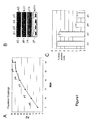
- the population doublings of primary human keratinocytes is measured during 40 days of culture. After 37 population doublings the growth curve has a plateau, showing that cells stop dividing and are reaching the senescent state.
- Analysis of proliferation marker (p63), differentiation marker (K10) and senescent markers (p16/INK) suggest that while the proliferation marker decreases, the cells are not differentiating. Cells undergo replicative senescence after the fourth passage at 37 population doublings. In addition, the percentage of proliferating cells is diminishing during senescence.
- the test compound is put into contact with a sample of keratinocytes, preferably pre-senescent.
- step b. the expression and/or the activity of at least one microRNA is measured in said keratinocytes, preferably pre-senescent.
- microRNA expression of a microRNA
- the term "activity of a microRNA” is intended to mean the ability of said microRNA to inhibit the level of the mRNA to which it hybridizes.
- the expression of the microRNA can be measured by real-time PCR.
- the activity of the microRNA can be measured by real-time PCR on the mRNA targets, or by evaluating the protein level of the target by Western blot.
- the activity of the microRNA can be tested by evaluating the biological effect of the microRNA itself, such as an effect on beta-gal staining or on proliferation.
- the expression of the microRNA is measured by real-time PCR.
- the expression or activity of the microRNA after treatment with the test compound is then compared to a control value, i.e. a value obtained in the same keratinocytes (preferably pre-senescent) before treatment, or a value obtained in another sample of keratinocytes (preferably pre-senescent) which are untreated.
- a control value i.e. a value obtained in the same keratinocytes (preferably pre-senescent) before treatment, or a value obtained in another sample of keratinocytes (preferably pre-senescent) which are untreated.
- the useful compounds are those for which an inhibition of at least 40% of the expression or an inhibition of at least 40% of the activity of at least one microRNA is measured in the treated keratinocytes, preferably pre-senescent, compared with untreated keratinocytes, preferably pre-senescent.
- the inhibition of the expression or of the activity of said microRNA is of at least 50%, preferably of at least 60%.
- the compounds selected by means of the screening methods defined herein can subsequently be tested on other in vitro models and/or in vivo models (in animals or humans) for their effects on skin ageing and/or skin hydration.
- the useful compounds according to the invention are inhibitors of the targeted microRNA.
- a subject of the invention is also the cosmetic use of an inhibitor of at least one microRNA, said inhibitor being identified according to the above described method, for preventing and/or attenuating ageing of the skin and/or for hydrating the skin.
- an object of the present invention is the use of at least one microRNA inhibitor, said inhibitor being identified according to the above described method, to make a therapeutic composition for preventing and/or attenuating ageing of the skin and/or for hydrating the skin.
- the present invention thus also relates to the use of at least one microRNA inhibitor, said inhibitor being identified according to the above described method, for preventing and/or attenuating ageing of the skin and/or for hydrating the skin.
- the inhibitor refers to a compound which eliminates or substantially reduces the expression or activity of the microRNA.
- the term “substantially” signifies a reduction of at least 40%, preferably of at least 50%, more preferably of at least 60%.
- the microRNA inhibitor can be used in a proportion of from 0.001 to 10% by weight, preferably in a proportion of from 0.01 to 5% by weight of the composition.
- the inhibitor may be an antisense DNA or RNA polynucleotide or a siRNA.
- inhibitors of microRNA are anti-miRs.
- Anti-miRs are miR inhibitors that specifically inhibit endogenous miRs.
- Anti-miRs are single stranded nucleic acids designed to specifically bind to and inhibit endogenous microRNA molecules.
- Anti-miRs have nucleic sequence complementary to the sequence of the target miR.
- Anti-miRs are commercially available; they can for example be obtained by Ambion or Applied Biosystems.
- the miR inhibitors identified thanks to the screening method described above can be formulated within a composition, in combination with a physiologically acceptable carrier, preferably a cosmetically acceptable medium, i.e. a medium that is suitable for use in contact with human skin without any risk of toxicity, incompatibility, instability or allergic response and especially that does not cause any sensations of discomfort (redness, tautness, stinging, etc.) that are unacceptable to the user.
- a physiologically acceptable carrier preferably a cosmetically acceptable medium, i.e. a medium that is suitable for use in contact with human skin without any risk of toxicity, incompatibility, instability or allergic response and especially that does not cause any sensations of discomfort (redness, tautness, stinging, etc.) that are unacceptable to the user.
- a physiologically acceptable carrier preferably a cosmetically acceptable medium, i.e. a medium that is suitable for use in contact with human skin without any risk of toxicity, incompatibility, instability or allergic response and especially that does not cause any sensations of discomfort
- the composition may be in the form of tablets, gel capsules, sugar-coated tablets, syrups, suspensions, solutions, powders, granules, emulsions, suspensions of microspheres or nanospheres or lipid or polymeric vesicles for controlled release.
- topical administration the composition is more particularly for use in treating the skin and the mucous membranes and may be in the form of salves, creams, milks, ointments, powders, impregnated pads, solutions, gels, sprays, lotions or suspensions. It may also be in the form of suspensions of microspheres or nanospheres or lipid or polymeric vesicles or polymeric patches or hydrogels for controlled release.
- composition for topical application may be in anhydrous form, in aqueous form or in the form of an emulsion.
- the composition for topical application may be in the form of an oil-in-water, water-in-oil or multiple emulsion (W/O/W or O/W/O), which may optionally be microemulsions or nanoemulsions, or in the form of an aqueous dispersion, a solution, an aqueous gel or a powder.
- W/O/W or O/W/O multiple emulsion
- the composition is in the form of a gel, a cream or a lotion.
- the physiologically acceptable carrier of the composition generally comprises water and optionally other solvents such as ethanol.
- This composition is preferably used as a care and/or cleansing product for facial and/or bodily skin and it may especially be in the form of a fluid, a gel or a mousse, conditioned, for example, in a pump-dispenser bottle, an aerosol or a tube, or in the form of cream conditioned, for example, in a jar. As a variant, it may be in the form of a makeup product and in particular a foundation or a loose or compact powder.
- composition may also comprise at least one compound with an optical effect such as fillers, pigments, nacres, tensioning agents and matting polymers, and mixtures thereof.
- an optical effect such as fillers, pigments, nacres, tensioning agents and matting polymers, and mixtures thereof.
- fillers should be understood as meaning colorless or white, mineral or synthetic, lamellar or non-lamellar particles suitable for giving the composition body or rigidity and/or softness, a matt effect and uniformity immediately on application. Fillers that may especially be mentioned include talc, mica, silica, kaolin, Nylon® powders such as Nylon-12 (OrgasolR sold by the company Atochem), polyethylene powders, polyurethane powders, polystyrene powders, polyester powders, optionally modified starch, silicone resin microbeads such as those sold by the company Toshiba under the name TospearlR, hydroxyapatite, and hollow silica microspheres (Silica Beads® from the company Maprecos).
- pigments should be understood as meaning white or colored, mineral or organic particles that are insoluble in the medium, which are intended to color and/or opacify the composition. They may be of standard or nanometric size.
- mineral pigments that may be mentioned are titanium dioxide, zirconium dioxide and cerium dioxide, and also zinc oxide, iron oxide and chromium oxide.
- nacres should be understood as meaning iridescent particles that reflect light.
- the mass concentration in the aqueous phase of these fillers and/or pigments and/or nacres is generally from 0.1% to 20% and preferably from 0.2% to 7% by weight relative to the total weight of the composition.
- tensioning agent should be understood as meaning a compound suitable for making the skin taut and, by means of this tension effect, making the skin smooth and reducing or even immediately eliminating wrinkles and fine lines therefrom.
- Tensioning agents that may be mentioned include polymers of natural origin.
- polymer of natural origin means polymers of plant origin, polymers derived from integuments, egg proteins and latices of natural origin. These polymers are preferably hydrophilic.
- Polymers of plant origin that may especially be mentioned include proteins and protein hydrolyzates, and more particularly extracts of cereals, of legumes and of oil-yielding plants, such as extracts of corn, of rye, of wheat, of buckwheat, of sesame, of spelt, of pea, of bean, of lentil, of soybean and of lupin.
- the synthetic polymers are generally in the form of a latex or a pseudolatex and may be of polycondensate type or obtained by free-radical polymerization. Mention may be made especially of polyester/polyurethane and polyether/polyurethane dispersions.
- the tensioning agent is a copolymer of PVP/dimethiconyl acrylate and of hydrophilic polyurethane (Aquamere S-2001R from the company Hydromer).
- matrix polymers means herein any polymer in solution, in dispersion or in the form of particles, which reduces the sheen of the skin and which unifies the complexion.
- examples that may be mentioned include silicone elastomers; resin particles; and mixtures thereof.
- silicone elastomers examples include the products sold under the name KSG® by the company Shin-Etsu, under the name Trefil®, BY29® or EPSX® by the company Dow Coming or under the name Gransil® by the company Grant Industries.
- composition used according to the invention may also comprise active agents other than the micro-RNA inhibitor, and in particular at least one active agent chosen from: agents that stimulate the production of growth factors; anti-glycation or deglycating agents; agents that increase collagen synthesis or that prevent its degradation (anti-collagenase agents and especially matrix metalloprotease inhibitors); agents that increase elastin synthesis or prevent its degradation (anti-elastase agents); agents that stimulate the synthesis of integrin or of focal adhesion constituents such as tensin; agents that increase the synthesis of glycosaminoglycans or proteoglycans or that prevent their degradation (anti-proteoglycanase agents); agents that increase fibroblast proliferation; depigmenting or anti-pigmenting agents; antioxidants or free-radical scavengers or anti-pollution agents; and mixtures thereof, without this list being limiting.
- active agents that stimulate the production of growth factors
- anti-glycation or deglycating agents agents that
- Such agents are especially: plant extracts and in particular extracts of Chondrus crispus , of Thermus thermophilus , of Pisum sativum (Proteasyl® TP LS), of Centella asiatica, of Scenedesmus, of Moringa pterygosperma, of witch hazel, of Castanea sativa, of Hibiscus sabdriffa, of Polianthes tuberosa, of Argania spinosa, of Aloe vera, of Narcissus tarzetta, or of liquorice; an essential oil of Citrus aurantium (Neroli); ⁇ -hydroxy acids such as glycolic acid, lactic acid and citric acid, and esters thereof; ⁇ -hydroxy acids such as salicylic acid and derivatives thereof; plant protein hydrolyzates (especially of soybean or of hazelnut); acylated oligopeptides (sold especially by the company Sederma under the trade names Maxilip®, Matrixyl® 3000, Biopeptide® CL or Biopeptid
- composition used according to the invention may comprise at least one elastase inhibitor (anti-elastase), such as an extract of Pisum sativum seeds that is sold especially by the company Laboratoires Sérobiologiques/Cognis France under the trade name Proteasyl TP LS®.
- elastase inhibitor anti-elastase
- composition may also contain inert additives or combinations of these additives, such as wetting agents, stabilizers, moisture regulators, pH regulators, osmotic pressure modifiers, or UV-A and UV-B screens.
- inert additives such as wetting agents, stabilizers, moisture regulators, pH regulators, osmotic pressure modifiers, or UV-A and UV-B screens.
- Example 1 Construction of a model of senescent keratinocytes
- Neonatal Human Primary Epidermal Keratinocytes (Hekn, Cascade, Invitrogen, Carlsbad, California, USA) were cultured in 154 medium added with HKGS growth supplements (Cascade). Cells were constantly kept subconfluent in order to avoid triggering of a differentiation process. Cells were passaged usually once a week, at each passage the harvested cells number and seeded cell number were recorded in order to calculate the population doublings occurring between passages and the population doubling time. At each passage different aliquots of the cells were harvested to extract in triplicate RNA and proteins and an aliquot was submitted to senescence activated ⁇ -galactosidase staining in order to assay the senescent or non-senescent state of the cells.
- Cells were grown in 6-well culture plates, washed with PBS, and fixed with 2% formaldehyde/0.2% glutaraldehyde in PBS for 5 minutes. After another washing step with PBS, cells were incubated with ⁇ -galactosidase staining solution (150 mmol/L NaCl, 2 mmol/L MgC12, 5 mmol/L potassium ferricyanide, 5 mmol/L potassium ferrocyanide, 40 mmol/L citric acid, 12 mmol/L sodium phosphate, pH 6.0, containing 1 mg/mL 5-bromo-4-chloro-3-indolyl- ⁇ -Dgalactoside [X-gal]) for 24 hours at 37°C. The reaction was stopped by replacing the staining solution with 70% glycerol.
- ⁇ -galactosidase staining solution 150 mmol/L NaCl, 2 mmol/L MgC12, 5 mmol/L potassium ferri
- Methods used to evaluate cell proliferation are generally based on incorporation of thymidine analogues such as 3H thymidine or bromodeoxyuridine (BrdU) during DNA synthesis.
- thymidine analogues such as 3H thymidine or bromodeoxyuridine (BrdU) during DNA synthesis.
- the Click-iTTM EdU flow cytometry assay kit is a novel alternative to BrdU assay (Molecular Probes, Eugene, OR, USA). This method replaces antibody-based detection of the nucleoside analogue, BrdU, with EdU (5-ethynyl-2'-deoxyuridine), which is a nucleoside analogue of thymidine that is incorporated into DNA during active DNA synthesis. Briefly, cells were incubated with EdU for 4 hrs.
- anti-p63 (Ab4, Neomarkers, Fremont, California, USA; 1/500 dilution), polyclonal anti-K10 (Covance, Princeton, New Jersey, USA; 1/1000 dilution), anti- ⁇ actin (Sigma, St Louis, Minnesota, USA; 1/5000 dilution), anti-p16 (Santa Cruz Biotechnology, California, USA; dilution 1:1000), anti-p53 (Santa Cruz Biotechnology, California, USA; dilution 1:300), anti-p21 (Santa Cruz Biotechnology, California, USA; dilution 1:200) were used.
- Figure 1A is showing the population doublings of primary human keratinocytes during 40 days of culture. After 37 population doublings the growth curve has a plateau, showing that cells stop dividing and are reaching the senescent state.
- Percentage of proliferating cells is diminishing during senescence as shown by the percentage of BrdU positive primary human keratinocytes at different passages. BrdU incorporation was assessed using the Click-iT technology.
- the cells hereby obtained are a model for senescent keratinocytes, and are called pre-senescent keratinocytes.
- Example 2 Expression of miR-130a during keratinocyte induced senescence
- Example 1 The human primary keratinocytes described in Example 1 are used in this example.
- Human primary keratinocytes were cultured in EpiLife medium with HKGS growth supplements (Cascade) and treated with CaC12 1,2 mM in order to induce the differentiation process. Differentiated cells were harvested after 7 days of treatment for microRNA levels analysis. Human primary keratinocytes were transfected with human pre-miR-130a, anti-miR-130a and Cy3-labeled negative control (Ambion, Texas, USA) using the SiPORT neoFX transfection agent (Ambion) according to manufacturer protocols. 16hrs after transfection, the medium was removed and replaced with fresh medium.
- HEK 293E cells were grown in D-MEM High glucose with 10% FBS, 100U penicillin, 100 ⁇ g streptomycin (GIBCO, Invitrogen).
- HEK 293E cells were transfected by Lipofectamine 2000 according to manufacturer protocols (Invitrogen). Hekn cells were treated with the test compounds for 48 hrs. Cells were collected and mRNA extracted following standard procedures. Real time PCR were performed as described below.
- RNA from cells or tissue was isolated using mirVana mirRNA Isolation Kit (Ambion) by following the manufacturer's protocol for total RNA extraction.
- Total RNA was quantified using a NanoDrop Spectophotometer (Thermo Scientific, Delaware, USA) and RNA quality was controlled on an agarose gel.
- RNA was reverse transcribed using TaqMan MicroRNA Reverse Transcription kit and qRT-PCR was performed with TaqMan universal master mix (Applied Biosystem) and specific primers for miR-130a.
- U18 was used as an internal control (Applied Biosystem).
- the expression of each gene and miR was defined from the threshold cycle (Ct), and relative expression levels were calculated by using the 2- ⁇ Ct method after normalization with reference to the expression of the housekeeping gene U18.
- Cells were grown in 6-well culture plates, washed with PBS, and fixed with 2% formaldehyde/0.2% glutaraldehyde in PBS for 5 minutes. After another washing step with PBS, cells were incubated with ⁇ -galactosidase staining solution (150 mmol/L NaCl, 2 mmol/L MgCl2, 5 mmol/L potassium ferricyanide, 5 mmol/L potassium ferrocyanide, 40 mmol/L citric acid, 12 mmol/L sodium phosphate, pH 6.0, containing 1 mg/mL 5-bromo-4-chloro-3-indolyl- ⁇ -Dgalactoside [X-gal]) for 24 hours at 37°C. The reaction was stopped by replacing the staining solution with 70% glycerol.
- ⁇ -galactosidase staining solution 150 mmol/L NaCl, 2 mmol/L MgCl2, 5 mmol/L potassium ferri
- Methods used to evaluate cell proliferation are generally based on incorporation of thymidine analogues such as 3H thymidine or bromodeoxyuridine (BrdU) during DNA synthesis.
- thymidine analogues such as 3H thymidine or bromodeoxyuridine (BrdU) during DNA synthesis.
- the Click-iTTM EdU flow cytometry assay kit is a novel alternative to BrdU assay (Molecular Probes, Eugene, OR, USA). This method replaces antibody-based detection of the nucleoside analogue, BrdU, with EdU (5-ethynyl-2'-deoxyuridine), which is a nucleoside analogue of thymidine that is incorporated into DNA during active DNA synthesis. Briefly, cells were incubated with EdU for 4 hrs.
- Human p63 3'UTR was amplified by PCR from the first nucleotide after stop codon to the last nucleotide before polyadenylation signal from human genomic DNA using the following primers:
- the 2770bp fragment (i.e. p63 3'UTR wt), after SpeI restriction, was ligated to a compatible Xbal linearized pGL3 Control vector (Promega, Madison, Wisconsin, USA).
- the miR-130a predicted target site (7bp, UUGCACU) was deleted by PCR using the following overlapping primers:
- 2x10 5 HEK 293E cells were seeded in 12 well dishes 24 hours before transfection.
- Cells were transfected using Lipofectamine 2000 (Invitrogen) with 100ng of pGL3 vectors (i.e. with p63 3'UTR wt or p63 3'UTR miR-130a del), 12pmol of pre-miR-130a or pre-miR scramble sequence (Ambion), and 10ng of Renilla luciferase pRL-CMV vector.
- Luciferase activities of cellular extracts were measured 24 hours after transfection, by using a Dual Luciferase Reporter Assay System (Promega); light emission was measured over 10 seconds using an OPTOCOMP I luminometer. Efficiency of transfection was normalised using Renilla luciferase activity.
- anti-p63 (Ab4, Neomarkers, Fremont, California, USA; 1/500 dilution), polyclonal anti-K10 ( Covance, Princeton, New Jersey, USA; 1/1000 dilution), anti- ⁇ actin (Sigma, St Louis, Minnesota, USA; 1/5000 dilution), anti-p16 (Santa Cruz Biotechnology, California, USA; dilution 1:1000), anti-p53 (Santa Cruz Biotechnology, California, USA; dilution 1:300), anti-p21 (Santa Cruz Biotechnology, California, USA; dilution 1:200) were used.
- miR-130a levels in senescing and differentiating keratinocytes
- miR-130a levels between p1 and p4 shows significant increase in miR-130a expression in senescent keratinocytes: at p4, miR-130a expression is around 1.48 ( ⁇ 0.08) higher than its expression at p1 (which is equal to 1.00 ⁇ 0.07).
- miR-130a expression is around 0.347 ( ⁇ 0.04), whereas at day 0 it is 1.00 ( ⁇ 0.07).
- the keratinocyte senescent state but not the keratinocyte proliferating state, is associated with an increase in miR-130a expression.
- miR-130a targets p63 mRNA at 3'UTR
- p63 3'UTR wt in a luciferase reporter gene leads to diminished luciferase activity in the presence of pre-miR-130a (0.503 ⁇ 0.05 fold over control).
- Additional control cells were transfected with pre-miR-203 (a known miR targeting p63 3'UTR) as positive control: the luciferase activity in this case is 0.58 ⁇ 0.0096 fold over control ( Fig.2B ).
- p63 3'UTR miR-130a del in a luciferase reporter gene leads to a slightly decreased luciferase activity in the presence of pre-miR-130a (0.89 ⁇ 0.0537 fold over control). Additional control cells transfected with pre-miR-203 show a luciferase activity 0.56 ⁇ 0.013 fold over control ( Fig.2B ).
- p63 protein is markedly diminished in human keratinocytes transfected with pre-miR-130a versus human keratinocytes transfected with a scrambled sequence.
- miR-130a overexpression
- keratinocytes overexpressing miR-130a show an increase in p16/INK4a expression, a marker of cellular senescence.
- ⁇ -actin protein levels are reported as a loading control.
- Example 1 The human primary keratinocytes described in Example 1 are used in this example.
- Human primary keratinocytes were cultured in EpiLife medium with HKGS growth supplements (Cascade) and treated with CaCl2 1,2 mM in order to induce the differentiation process. Differentiated cells were harvested after 7 days of treatment for microRNA levels analysis. Human primary keratinocytes were transfected with human pre-miR-138, anti-miR-138 and Cy3-labeled negative control (Ambion, Texas, USA) using the SiPORT neoFX transfection agent (Ambion) according to manufacturer protocols. 16hrs after transfection, the medium was removed and replaced with fresh medium.
- HEK 293E cells were grown in D-MEM High glucose with 10% FBS, 100U penicillin, 100 ⁇ g streptomycin (GIBCO, Invitrogen).
- HEK 293E cells were transfected by Lipofectamine 2000 according to manufacturer protocols (Invitrogen). Hekn cells were treated with the test compounds for 48 hrs. Cells were collected and mRNA extracted following standard procedures. Real time PCR were performed as described below.
- RNA from cells or tissue was isolated using mirVana mirRNA Isolation Kit (Ambion) by following the manufacturer's protocol for total RNA extraction.
- Total RNA was quantified using a NanoDrop Spectophotometer (Thermo Scientific, Delaware, USA) and RNA quality was controlled on an agarose gel.
- RNA was reverse transcribed using TaqMan MicroRNA Reverse Transcription kit and qRT-PCR was performed with TaqMan universal master mix (Applied Biosystem) and specific primers for miR-138.
- U18 was used as an internal control (Applied Biosystem).
- the expression of each gene and miR was defined from the threshold cycle (Ct), and relative expression levels were calculated by using the 2- ⁇ Ct method after normalization with reference to the expression of the housekeeping gene U18.
- Cells were grown in 6-well culture plates, washed with PBS, and fixed with 2% formaldehyde/0.2% glutaraldehyde in PBS for 5 minutes. After another washing step with PBS, cells were incubated with ⁇ -galactosidase staining solution (150 mmol/L NaCl, 2 mmol/L MgCl2, 5 mmol/L potassium ferricyanide, 5 mmol/L potassium ferrocyanide, 40 mmol/L citric acid, 12 mmol/L sodium phosphate, pH 6.0, containing 1 mg/mL 5-bromo-4-chloro-3-indolyl- ⁇ -Dgalactoside [X-gal])for 24 hours at 37°C. The reaction was stopped by replacing the staining solution with 70% glycerol.
- ⁇ -galactosidase staining solution 150 mmol/L NaCl, 2 mmol/L MgCl2, 5 mmol/L potassium ferri
- Methods used to evaluate cell proliferation are generally based on incorporation of thymidine analogues such as 3H thymidine or bromodeoxyuridine (BrdU) during DNA synthesis.
- thymidine analogues such as 3H thymidine or bromodeoxyuridine (BrdU) during DNA synthesis.
- the Click-iTTM EdU flow cytometry assay kit is a novel alternative to BrdU assay (Molecular Probes, Eugene, OR, USA). This method replaces antibody-based detection of the nucleoside analogue, BrdU, with EdU (5-ethynyl-2'-deoxyuridine), which is a nucleoside analogue of thymidine that is incorporated into DNA during active DNA synthesis. Briefly, cells were incubated with EdU for 4 hrs.
- Human Sirt-1 3'UTR was amplified by PCR from the first nucleotide after stop codon to the last nucleotide before polyadenylation signal from human genomic DNA using the following primers:
- the 1940 bp fragment i.e. pSirT1 3'UTR wt
- SpeI restriction was ligated to a compatible XbaI linearized pGL3 Control vector (Promega, Madison, Wisconsin, USA).
- the miR-138 predicted target site (7bp, CACCAGCA) was deleted by PCR using the following overlapping primers:
- 2x10 5 HEK 293E cells were seeded in 12 well dishes 24 hours before transfection.
- Cells were transfected using Lipofectamine 2000 (Invitrogen) with 100ng of pGL3 vectors (i.e. with Sirt-1 3'UTR wt or Sirt-1 3'UTR miR-138 del), 12pmol of pre-miR-138 or pre-miR scramble sequence (Ambion), and 10ng of Renilla luciferase pRL-CMV vector.
- Luciferase activities of cellular extracts were measured 24 hours after transfection, by using a Dual Luciferase Reporter Assay System (Promega); light emission was measured over 10 seconds using an OPTOCOMP I luminometer. Efficiency of transfection was normalised using Renilla luciferase activity.
- anti-Sirt-1 (Abcam, Cambridge, United Kingdom; 1/500 dilution), polyclonal anti-K10 (Covance, Princeton, New Jersey, USA; 1/1000 dilution), anti- ⁇ actin (Sigma, St Louis, Minnesota, USA; 1/5000 dilution), anti-p16 (Santa Cruz Biotechnology, California, USA; dilution 1:1000), anti-p53 (Santa Cruz Biotechnology, California, USA; dilution 1:300), anti-p21 (Santa Cruz Biotechnology, California, USA; dilution 1:200) were used.
- miR-138 levels in senescing and differentiating keratinocytes
- miR-138 expression is around 2.76 ( ⁇ 0.06) higher than its expression at p1 (which is equal to 1.00 ⁇ 0.05).
- miR-138 expression is around 0.21 ( ⁇ 0.02), whereas at day 0 it is 1.00 ( ⁇ 0.02).
- the keratinocyte senescent state but not the keratinocyte proliferating state, is associated with an increase in miR-138 expression.
- miR-138 targets Sirt-1 mRNA at 3'UTR
- Example 1 The human primary keratinocytes described in Example 1 are used in this example.
- Human primary keratinocytes were cultured in EpiLife medium with HKGS growth supplements (Cascade) and treated with CaCl2 1,2 mM in order to induce the differentiation process. Differentiated cells were harvested after 7 days of treatment for microRNA levels analysis. Human primary keratinocytes were transfected with human pre-miR-181a, anti-miR-181a and Cy3-labeled negative control (Ambion, Texas, USA) using the SiPORT neoFX transfection agent (Ambion) according to manufacturer protocols. 16hrs after transfection, the medium was removed and replaced with fresh medium.
- HEK 293E cells were grown in D-MEM High glucose with 10% FBS, 100U penicillin, 100 ⁇ g streptomycin (GIBCO, Invitrogen).
- HEK 293E cells were transfected by Lipofectamine 2000 according to manufacturer protocols (Invitrogen). Hekn cells were treated with the test compounds for 48 hrs. Cells were collected and mRNA extracted following standard procedures. Real time PCR were performed as described below.
- RNA from cells or tissue was isolated using mirVana mirRNA Isolation Kit (Ambion) by following the manufacturer's protocol for total RNA extraction.
- Total RNA was quantified using a NanoDrop Spectophotometer (Thermo Scientific, Delaware, USA) and RNA quality was controlled on an agarose gel.
- RNA was reverse transcribed using TaqMan MicroRNA Reverse Transcription kit and qRT-PCR was performed with TaqMan universal master mix (Applied Biosystem) and specific primers for miR-181a. U18 was used as an internal control (Applied Biosystem).
- the expression of each gene and miR was defined from the threshold cycle (Ct), and relative expression levels were calculated by using the 2- ⁇ Ct method after normalization with reference to the expression of the housekeeping gene U18.
- Cells were grown in 6-well culture plates, washed with PBS, and fixed with 2% formaldehyde/0.2% glutaraldehyde in PBS for 5 minutes. After another washing step with PBS, cells were incubated with ⁇ -galactosidase staining solution (150 mmol/L NaCl, 2 mmol/L MgC12, 5 mmol/L potassium ferricyanide, 5 mmol/L potassium ferrocyanide, 40 mmol/L citric acid, 12 mmol/L sodium phosphate, pH 6.0, containing 1 mg/mL 5-bromo-4-chloro-3-indolyl- ⁇ -Dgalactoside [X-gal]) for 24 hours at 37°C. The reaction was stopped by replacing the staining solution with 70% glycerol.
- ⁇ -galactosidase staining solution 150 mmol/L NaCl, 2 mmol/L MgC12, 5 mmol/L potassium ferri
- Methods used to evaluate cell proliferation are generally based on incorporation of thymidine analogues such as 3H thymidine or bromodeoxyuridine (BrdU) during DNA synthesis.
- thymidine analogues such as 3H thymidine or bromodeoxyuridine (BrdU) during DNA synthesis.
- the Click-iTTM EdU flow cytometry assay kit is a novel alternative to BrdU assay (Molecular Probes, Eugene, OR, USA). This method replaces antibody-based detection of the nucleoside analogue, BrdU, with EdU (5-ethynyl-2'-deoxyuridine), which is a nucleoside analogue of thymidine that is incorporated into DNA during active DNA synthesis. Briefly, cells were incubated with EdU for 4 hrs.
- Human Sirt-1 3'UTR was amplified by PCR from the first nucleotide after stop codon to the last nucleotide before polyadenylation signal from human genomic DNA using the following primers:
- the 1940 bp fragment i.e. pSirT1 3'UTR wt
- SpeI restriction was ligated to a compatible XbaI linearized pGL3 Control vector (Promega, Madison, Wisconsin, USA).
- the miR-181a predicted target site (7bp, UGAAUGU) was deleted by PCR using the following overlapping primers:
- 2x10 5 HEK 293E cells were seeded in 12 well dishes 24 hours before transfection.
- Cells were transfected using Lipofectamine 2000 (Invitrogen) with 100ng of pGL3 vectors (i.e. with Sirt-1 3'UTR wt or Sirt-1 3'UTR miR-181a del), 12pmol of pre-miR-181a or pre-miR scramble sequence (Ambion), and 10ng of Renilla luciferase pRL-CMV vector.
- Luciferase activities of cellular extracts were measured 24 hours after transfection, by using a Dual Luciferase Reporter Assay System (Promega); light emission was measured over 10 seconds using an OPTOCOMP I luminometer. Efficiency of transfection was normalised using Renilla luciferase activity.
- Anti-Sirt-1 (Abcam, Cambridge, United Kingdom; 1/500 dilution), polyclonal anti-K10 ( Covance, Princeton, New Jersey, USA; 1/1000 dilution), anti- ⁇ actin (Sigma, St Louis, Minnesota, USA; 1/5000 dilution), anti-p16 (Santa Cruz Biotechnology, California, USA; dilution 1:1000), anti-p53 (Santa Cruz Biotechnology, California, USA; dilution 1:300), anti-p21 (Santa Cruz Biotechnology, California, USA; dilution 1:200) were used.
- miR-181a levels in senescing and differentiating keratinocytes
- miR-181a expression is around 1.3 ( ⁇ 0.05) higher than its expression at p1 (which is equal to 1.00 ⁇ 0.03).
- miR-181a expression is around 0.93 ( ⁇ 0.029), whereas at day 0 it is 1.00 ( ⁇ 0.029).
- the keratinocyte senescent state but not the keratinocyte proliferating state, is associated with an increase in miR-181a expression.
- miR-181a targets Sirt-1 mRNA at 3'UTR
- Example 5 Expression of miR-191 during keratinocyte induced senescence
- Example 1 The human primary keratinocytes described in Example 1 are used in this example.
- Human primary keratinocytes were cultured in EpiLife medium with HKGS growth supplements (Cascade) and treated with CaC12 1,2 mM in order to induce the differentiation process. Differentiated cells were harvested after 7 days of treatment for microRNA levels analysis. Human primary keratinocytes were transfected with human pre-miR-191, anti-miR-191 and Cy3-labeled negative control (Ambion, Texas, USA) using the SiPORT neoFX transfection agent (Ambion) according to manufacturer protocols. 16hrs after transfection, the medium was removed and replaced with fresh medium.
- HEK 293E cells were grown in D-MEM High glucose with 10% FBS, 100U penicillin, 100 ⁇ g streptomycin (GIBCO, Invitrogen).
- HEK 293E cells were transfected by Lipofectamine 2000 according to manufacturer protocols (Invitrogen). Hekn cells were treated with the test compounds for 48 hrs. Cells were collected and mRNA extracted following standard procedures. Real time PCR were performed as described below.
- RNA from cells or tissue was isolated using mirVana mirRNA Isolation Kit (Ambion) by following the manufacturer's protocol for total RNA extraction.
- Total RNA was quantified using a NanoDrop Spectophotometer (Thermo Scientific, Delaware, USA) and RNA quality was controlled on an agarose gel.
- RNA was reverse transcribed using TaqMan MicroRNA Reverse Transcription kit and qRT-PCR was performed with TaqMan universal master mix (Applied Biosystem) and specific primers for miR-191.
- U18 was used as an internal control (Applied Biosystem).
- the expression of each gene and miR was defined from the threshold cycle (Ct), and relative expression levels were calculated by using the 2- ⁇ Ct method after normalization with reference to the expression of the housekeeping gene U18.
- Cells were grown in 6-well culture plates, washed with PBS, and fixed with 2% formaldehyde/0.2% glutaraldehyde in PBS for 5 minutes. After another washing step with PBS, cells were incubated with ⁇ -galactosidase staining solution (150 mmol/L NaCl, 2 mmol/L MgCl2, 5 mmol/L potassium ferricyanide, 5 mmol/L potassium ferrocyanide, 40 mmol/L citric acid, 12 mmol/L sodium phosphate, pH 6.0, containing 1 mg/mL 5-bromo-4-chloro-3-indolyl- ⁇ -Dgalactoside [X-gal]) for 24 hours at 37°C. The reaction was stopped by replacing the staining solution with 70% glycerol.
- ⁇ -galactosidase staining solution 150 mmol/L NaCl, 2 mmol/L MgCl2, 5 mmol/L potassium ferri
- Methods used to evaluate cell proliferation are generally based on incorporation of thymidine analogues such as 3H thymidine or bromodeoxyuridine (BrdU) during DNA synthesis.
- thymidine analogues such as 3H thymidine or bromodeoxyuridine (BrdU) during DNA synthesis.
- the Click-iTTM EdU flow cytometry assay kit is a novel alternative to BrdU assay (Molecular Probes, Eugene, OR, USA). This method replaces antibody-based detection of the nucleoside analogue, BrdU, with EdU (5-ethynyl-2'-deoxyuridine), which is a nucleoside analogue of thymidine that is incorporated into DNA during active DNA synthesis. Briefly, cells were incubated with EdU for 4 hrs.
- 2x10 5 HEK 293E cells were seeded in 12 well dishes 24 hours before transfection.
- Cells were transfected using Lipofectamine 2000 (Invitrogen) with 100ng of pGL3 vectors (i.e. with Sirt-1 3'UTR wt or Sirt-1 3'UTR miR-181a del), 12pmol of pre-miR-191 or pre-miR scramble sequence (Ambion), and 10ng of Renilla luciferase pRL-CMV vector.
- Luciferase activities of cellular extracts were measured 24 hours after transfection, by using a Dual Luciferase Reporter Assay System (Promega); light emission was measured over 10 seconds using an OPTOCOMP I luminometer. Efficiency of transfection was normalised using Renilla luciferase activity.
- Polyclonal anti-K10 Covance, Princeton, New Jersey, USA; 1/1000 dilution
- anti- ⁇ actin Sigma, St Louis, Minnesota, USA; 1/5000 dilution
- anti-p16 Santa Cruz Biotechnology, California, USA; dilution 1:1000
- anti-p53 Santa Cruz Biotechnology, California, USA; dilution 1:300
- anti-p21 Santa Cruz Biotechnology, California, USA; dilution 1:200
- miR-191 expression is around 1.9 ( ⁇ 0.07) higher than its expression at p1 (which is equal to 1.0 ⁇ 0.04).
- miR-191 expression is around 0.41 ( ⁇ 0.019), whereas at day 0 it is 1.0 ( ⁇ 0.02).
- the keratinocyte senescent state but not the keratinocyte proliferating state, is associated with an increase in miR-191 expression.
Landscapes
- Health & Medical Sciences (AREA)
- Life Sciences & Earth Sciences (AREA)
- Engineering & Computer Science (AREA)
- Genetics & Genomics (AREA)
- Biomedical Technology (AREA)
- Chemical & Material Sciences (AREA)
- Molecular Biology (AREA)
- Organic Chemistry (AREA)
- Biotechnology (AREA)
- General Engineering & Computer Science (AREA)
- Zoology (AREA)
- Bioinformatics & Cheminformatics (AREA)
- Wood Science & Technology (AREA)
- Microbiology (AREA)
- Plant Pathology (AREA)
- Physics & Mathematics (AREA)
- Biochemistry (AREA)
- General Health & Medical Sciences (AREA)
- Biophysics (AREA)
- Pharmaceuticals Containing Other Organic And Inorganic Compounds (AREA)
- Measuring Or Testing Involving Enzymes Or Micro-Organisms (AREA)
Abstract
The invention relates to the identification and the use of compounds which inhibit the expression or activity of micro-RNAs for preventing and/or attenuating ageing, and/or for hydrating skin.
The invention thus relates to an in vitro method for screening for candidate compounds for preventing and/or attenuating ageing of the skin, and/or for hydrating the skin, comprising the following steps:
a. bringing at least one test compound in contact with a sample of keratinocytes ;
b. measuring the expression or the activity of at least one microRNA in said keratinocytes;
c. selecting the compounds for which an inhibition of at least 40 % of the expression or an inhibition of at least 40 % of the activity of at least one microRNA is measured in the keratinocytes treated in a. compared with the untreated keratinocytes.
a. bringing at least one test compound in contact with a sample of keratinocytes ;
b. measuring the expression or the activity of at least one microRNA in said keratinocytes;
c. selecting the compounds for which an inhibition of at least 40 % of the expression or an inhibition of at least 40 % of the activity of at least one microRNA is measured in the keratinocytes treated in a. compared with the untreated keratinocytes.
Description
- The invention relates to the identification and the use of compounds which inhibit the expression or activity of micro-RNAs for preventing and/or attenuating ageing, and/or for hydrating skin.
- Cellular senescence is a form of irreversible growth arrest, originally described for end-stage proliferative cells in culture, but known to be induced by several stimuli such as DNA damage, oxidative stress, chemotherapy and excess of mitotic stimuli such as oncogenic activation (Serrano et al 1997; Campisi 2001; Schmitt et al 2002). Cells enter in a stage of irreversible arrest, showing distinctive features, including enhanced beta-galactosidase activity and increased expression of key mediators including p53, promyelocitic leukemia protein (PML), p16INK4a and p19Arf (Serrano et al 1997; Narita et al 2003; Sharpless et al 2004). Although mostly studied in vitro, cellular senescence has been correlatively linked to the aging process at the level of the whole animal, thus implicating many of the factors that regulate senescence as contributing to organism aging (Sharpless and DePinho 2004, Campisi 2005).
- Recent findings identify the p53-related protein p63, as a key molecule linking senescence and aging (Keyers et al 2005; Sommer et al 2006). Indeed, p63 heterozygous mice have a shortened life span and display features of accelerated aging. Both germline and somatic p63 deficient cells present enhanced expression of beta-galactosidase activity, PML and p16INK4a, demonstrating that p63 deficiency accelerated the aging phenotype (Keyers et al 2005). Beside the involvement in aging, the transcription factor p63 has an important role in development due to its ability to regulate epithelial proliferation, differentiation and cell fate. p63 KO mice exhibit several epithelial defects, including absence of skin, hair and ectodermal derivatives (Yang et al 1999; Mills et al 1999). Some reports indicate that p63 is essential for maintaining the stem cell pool of the epidermis (Seeno et al 2007). Recently, it has been reported that p63 is also regulated by microRNAs. In particular, it has been shown that miR-203, by targeting p63, controls the proliferative potential of basal layer keratinocytes (Lena et al 2008; Yi et al 2008), thus controlling the crucial transition among basal and spinous layer.
- SirT-1 (or Sirt-1) is also a key molecule linking senescence and aging. It's a NAD+- dependent deacetylase that regulates gene expression by deacetylation of lysine residues on histones, transcription factor and co-factors. Cells with SirT-1 gain of function improves metabolic efficiency, promoting longevity and resistance to diseases (Haigis MC, Guarente LP. Mammalian sirtuins-emerging roles in physiology, aging, and calorie restriction. Genes Dev. 2006. 1;20(21):2913-21). In addition it as been known that SirT-1 has a protective effects against endothelial dysfunction by preventing stress-induced senescence (Potente M, Ghaeni L, Baldessari D, Mostoslavsky R, Rossig L, Dequiedt F, Haendeler J, Mione M, Dejana E, Alt FW, Zeiher AM, Dimmeler S. SIRT1 controls endothelial angiogenic functions during vascular growth. Genes Dev. 2007. 21(20):2644-58). Recently, it has been shown that SirT-1 is regulated by the microRNA miR-217 in endothelial cell senescent system (Menghini R, Casagrande V, Cardellini M, Martelli E, Terrinoni A, Amati F, Vasa-Nicotera M, Ippoliti A, Novelli G, Melino G, Lauro R, Federici M. ).
- MicroRNAs (miRs) are single-stranded RNA molecules that regulate the expression of messenger mRNA. miRs are generated as pre-microRNA transcripts that are imported into the cytoplasm, where they are cleaved by Dicer, a ribonuclease III-like enzyme. In mammals Dicer plays important roles in cell differentiation and tissue morphogenesis and ablation of Dicer in mice induces embryonic lethality at developmental stage E6-E7 (Bernstein et al 2003). Ablation of Dicer in embryonic fibroblasts induces a premature senescence phenotype that was also observed in vivo after Dicer ablation in the developing limb and adult skin (Mudhasani et al 2008). The mature miRs negatively regulate gene expression by targeting specific messenger mRNAs for cleavage or translation repression. Growing body of evidence suggests that they are involved in the control of a wide range of physiological pathways including cellular senescence.
- It is thus desirable and important to provide products or active agents which prevent, reduce or even inhibit the cellular senescence, particularly the keratinocyte senescence.
- The present invention thus provides a method for identifying such useful agents.
- The present invention thus relates to an in vitro method for screening for candidate compounds for preventing and/or attenuating ageing of the skin, and/or for hydrating the skin, comprising the following steps:
- a. bringing at least one test compound into contact with a sample of keratinocytes ;
- b. measuring the expression or the activity of at least one microRNA in said keratinocytes;
- c. selecting the compounds for which an inhibition of at least 40% of the expression or an inhibition of at least 40% of the activity of at least one microRNA is measured in the keratinocytes treated in a. compared with the untreated keratinocytes.
- Preferably, the keratinocytes are pre-senescent keratinocytes. Thus, the present invention relates to an in vitro method for screening for candidate compounds for preventing and/or attenuating ageing of the skin, and/or for hydrating the skin, comprising the following steps:
- a. bringing at least one test compound into contact with a sample of pre-senescent keratinocytes ;
- b. measuring the expression or the activity of at least one microRNA in said pre-senescent keratinocytes;
- c. selecting the compounds for which an inhibition of at least 40% of the expression or an inhibition of at least 40% of the activity of at least one microRNA is measured in the pre-senescent keratinocytes treated in a. compared with the untreated pre-senescent keratinocytes.
- By "pre-senescent keratinocytes", it is meant cells which express p16 at a detectable level (this level can be determined by Western blot), but which do not express beta-galactosidase; they are beta-gal negative. These cells proliferate slower than young keratinocytes.
- According to a first embodiment, step b. is performed before and after step a. In this case, the expression or activity of the microRNA measured in the keratinocytes, preferably pre-senescent, before step a. corresponds to the control value (i.e. untreated keratinocytes, preferably pre-senescent). Thus, step c. comprises the selection of the compounds for which an inhibition of at least 40% of the expression or an inhibition of at least 40% of the activity of at least one microRNA is measured in the keratinocytes, preferably pre-senescent, treated in a. compared with the same keratinocytes, preferably pre-senescent, before step a.
- According to another embodiment, the method comprises a first step a'. of preparing samples of keratinocytes, preferably pre-senescent. Thus, preferably, the present invention relates to an in vitro method for screening for candidate compounds for preventing and/or attenuating ageing of the skin, and/or for hydrating the skin, comprising the following steps:
- a'. preparing at least two samples of keratinocytes, preferably pre-senescent ;
- a. bringing one of the samples into contact with at least one test compound ; then
- b. measuring the expression or the activity of at least one microRNA in said samples ; and
- c. selecting the compounds for which an inhibition of at least 40% of the expression or an inhibition of at least 40% of the activity of at least one microRNA is measured in the keratinocytes, preferably pre-senescent, treated in a. compared with the sample of untreated keratinocytes, preferably pre-senescent.
- In this second embodiment, the expression or activity of the microRNA measured in the sample of keratinocytes, preferably pre-senescent, not submitted to step a. corresponds to the control value (i.e. untreated keratinocytes, preferably pre-senescent).
- By the expression "ageing of the skin" is intended any change in the external appearance of the skin due to ageing, whether this is chronobiological and/or photo-induced, such as, for example, wrinkles and fine lines, withered skin, flaccid skin, thinned skin, and skin lacking elasticity and/or tonus, and also any internal change in the skin which is not systematically reflected by a changed external appearance, such as, for example, any internal degradation of the skin, particularly of collagen, following exposure to ultraviolet radiation.
- By "hydrating the skin", it is meant maintaining the natural humidity of the skin and preventing its drying.
- Preferably, the miRs of interest in step b. target the p63 protein and/or the p63 mRNA and/or the corresponding gene (i.e. TP63 in humans). Thus preferably, the miRs of interest in step b. target the TP63 gene or the p63 mRNA.
- Preferably, miRs are chosen from the group consisting of miR-130a, miR-138, miR-181a and miR-191.
- miR-130a is of SEQ ID No. 1. It is the sequence HGNC:31514;
- miR-138 is of SEQ ID No. 2. It is the sequence HGNC: 31524;
- miR-181a is of SEQ ID No. 3. It is the sequence HGNC:31590;
- miR-191 is of SEQ ID No. 4. It is the sequence HGNC: 31561.
- These sequences come from the HGNC database.
- The test compounds tested may be of any type. They may be of natural origin or may have been produced by chemical synthesis. This may involve a library of structurally defined chemical compounds, uncharacterized compounds or substances, or a mixture of compounds.
- Natural compounds include compounds from animal or vegetal origin, like plants and animals. Preferably, the test compounds are vegetal, preferably chosen from botanical extracts.
- The pre-senescent keratinocytes used in steps a'. and a. above are a cellular model for replicative senescence. These pre-senescent keratinocytes are obtained after 37 population doublings in classical culture conditions. The classical culture conditions comprise a culture of the keratinocytes in 154 medium added with HKGS growth supplements, constantly kept in a subconfluent state.
- Preferably, they are obtained thanks to the following process:
- Human Primary Epidermal Keratinocytes, neonatal are cultured in an appropriate medium. Such a medium may be 154 medium added with HKGS growth supplements. They are constantly kept subconfluent. Cells are passaged at appropriate periods of time, usually once a week.
- At each passage, a portion of the cells is collected and analyzed to measure population doublings, population doubling time, senescence biochemical markers and cell cycle.
- The population doublings of primary human keratinocytes is measured during 40 days of culture. After 37 population doublings the growth curve has a plateau, showing that cells stop dividing and are reaching the senescent state. Analysis of proliferation marker (p63), differentiation marker (K10) and senescent markers (p16/INK) suggest that while the proliferation marker decreases, the cells are not differentiating. Cells undergo replicative senescence after the fourth passage at 37 population doublings. In addition, the percentage of proliferating cells is diminishing during senescence.
- According to step a., the test compound is put into contact with a sample of keratinocytes, preferably pre-senescent.
- According to step b., the expression and/or the activity of at least one microRNA is measured in said keratinocytes, preferably pre-senescent.
- The term "expression of a microRNA" is intended to mean the amount of produced microRNA.
- The term "activity of a microRNA" is intended to mean the ability of said microRNA to inhibit the level of the mRNA to which it hybridizes.
- Those skilled in the art are familiar with the techniques for quantitatively or semi-quantitatively detecting the mRNA to which said microRNA hybridizes, and thus, determining said microRNA activity. Techniques based on hybridization of the mRNA with specific nucleotide probes are the most common, like Northern blotting, RT-PCR (reverse transcriptase polymerase chain reaction), quantitative RT-PCR (qRT-PCR).
- Those skilled in the art are also familiar with the techniques for quantitatively or semi-quantitatively detecting the microRNA, or the mRNA to which said microRNA hybridizes. In particular, the expression of the microRNA can be measured by real-time PCR. The activity of the microRNA can be measured by real-time PCR on the mRNA targets, or by evaluating the protein level of the target by Western blot. Alternatively, if the target is unknown, the activity of the microRNA can be tested by evaluating the biological effect of the microRNA itself, such as an effect on beta-gal staining or on proliferation.
- Preferably, the expression of the microRNA is measured by real-time PCR.
- The expression or activity of the microRNA after treatment with the test compound is then compared to a control value, i.e. a value obtained in the same keratinocytes (preferably pre-senescent) before treatment, or a value obtained in another sample of keratinocytes (preferably pre-senescent) which are untreated.
- According to step c., the useful compounds are those for which an inhibition of at least 40% of the expression or an inhibition of at least 40% of the activity of at least one microRNA is measured in the treated keratinocytes, preferably pre-senescent, compared with untreated keratinocytes, preferably pre-senescent. Preferably, the inhibition of the expression or of the activity of said microRNA is of at least 50%, preferably of at least 60%.
- The compounds selected by means of the screening methods defined herein can subsequently be tested on other in vitro models and/or in vivo models (in animals or humans) for their effects on skin ageing and/or skin hydration. The useful compounds according to the invention are inhibitors of the targeted microRNA.
- A subject of the invention is also the cosmetic use of an inhibitor of at least one microRNA, said inhibitor being identified according to the above described method, for preventing and/or attenuating ageing of the skin and/or for hydrating the skin.
- According to another aspect, an objet of the present invention is the use of at least one microRNA inhibitor, said inhibitor being identified according to the above described method, to make a therapeutic composition for preventing and/or attenuating ageing of the skin and/or for hydrating the skin. The present invention thus also relates to the use of at least one microRNA inhibitor, said inhibitor being identified according to the above described method, for preventing and/or attenuating ageing of the skin and/or for hydrating the skin.
- The inhibitor refers to a compound which eliminates or substantially reduces the expression or activity of the microRNA. The term "substantially" signifies a reduction of at least 40%, preferably of at least 50%, more preferably of at least 60%.
- The microRNA inhibitor can be used in a proportion of from 0.001 to 10% by weight, preferably in a proportion of from 0.01 to 5% by weight of the composition.
- The inhibitor may be an antisense DNA or RNA polynucleotide or a siRNA. Preferably, inhibitors of microRNA (miR) are anti-miRs.
- Anti-miRs are miR inhibitors that specifically inhibit endogenous miRs. Anti-miRs are single stranded nucleic acids designed to specifically bind to and inhibit endogenous microRNA molecules. Anti-miRs have nucleic sequence complementary to the sequence of the target miR. These ready-to-use inhibitors can be introduced into cells using transfection or electroporation parameters similar to those used for siRNAs, and enable detailed study of miR biological effects. Use of the anti-miR enables miR functional analysis by down-regulation of miR activity.
- Anti-miRs are commercially available; they can for example be obtained by Ambion or Applied Biosystems.
- Based on litterature, it is possible that 70% inhibition of miR expression will have an effect on induction/inhibition of senescence in human normal cells (Menghini R, Casagrande V, Cardellini M, Martelli E, Terrinoni A, Amati F, Vasa-Nicotera M, Ippoliti A, Novelli G, Melino G, Lauro R, Federici M., ).
- The miR inhibitors identified thanks to the screening method described above can be formulated within a composition, in combination with a physiologically acceptable carrier, preferably a cosmetically acceptable medium, i.e. a medium that is suitable for use in contact with human skin without any risk of toxicity, incompatibility, instability or allergic response and especially that does not cause any sensations of discomfort (redness, tautness, stinging, etc.) that are unacceptable to the user. These compositions may be administered, for example, orally, or topically. Preferably, the composition is applied topically. By oral administration, the composition may be in the form of tablets, gel capsules, sugar-coated tablets, syrups, suspensions, solutions, powders, granules, emulsions, suspensions of microspheres or nanospheres or lipid or polymeric vesicles for controlled release. By topical administration, the composition is more particularly for use in treating the skin and the mucous membranes and may be in the form of salves, creams, milks, ointments, powders, impregnated pads, solutions, gels, sprays, lotions or suspensions. It may also be in the form of suspensions of microspheres or nanospheres or lipid or polymeric vesicles or polymeric patches or hydrogels for controlled release. This composition for topical application may be in anhydrous form, in aqueous form or in the form of an emulsion. The composition for topical application may be in the form of an oil-in-water, water-in-oil or multiple emulsion (W/O/W or O/W/O), which may optionally be microemulsions or nanoemulsions, or in the form of an aqueous dispersion, a solution, an aqueous gel or a powder. In a preferred variant, the composition is in the form of a gel, a cream or a lotion.
- The physiologically acceptable carrier of the composition generally comprises water and optionally other solvents such as ethanol.
- This composition is preferably used as a care and/or cleansing product for facial and/or bodily skin and it may especially be in the form of a fluid, a gel or a mousse, conditioned, for example, in a pump-dispenser bottle, an aerosol or a tube, or in the form of cream conditioned, for example, in a jar. As a variant, it may be in the form of a makeup product and in particular a foundation or a loose or compact powder.
- It may comprise various adjuvants, such as at least one compound chosen from:
- oils, which may be chosen especially from: linear or cyclic, volatile or nonvolatile silicone oils, such as polydimethylsiloxanes (dimethicones), polyalkylcyclosiloxanes (cyclomethicones) and polyalkylphenylsiloxanes (phenyl dimethicones); synthetic oils such as fluoro oils, alkylbenzoates and branched hydrocarbons such as polyisobutylene; plant oils and especially soybean oil or jojoba oil; and mineral oils such as liquid petroleum jelly;
- waxes such as ozokerite, polyethylene wax, beeswax or carnauba wax;
- silicone elastomers obtained especially by reaction, in the presence of a catalyst, of a polysiloxane containing at least one reactive group (especially hydrogen or vinyl) and bearing at least one alkyl group (especially methyl) or phenyl, in a terminal and/or side position, with an organosilicone such as an organohydrogenopolysiloxane;
- surfactants, preferably emulsifying surfactants, whether they are nonionic, anionic, cationic or amphoteric, and in particular fatty acid esters of polyols such as fatty acid esters of glycerol, fatty acid esters of sorbitan, fatty acid esters of polyethylene glycol and fatty acid esters of sucrose; fatty alkyl ethers of polyethylene glycol; alkylpolyglucosides; polysiloxane-modified polyethers; betaine and derivatives thereof; polyquaterniums; ethoxylated fatty alkyl sulfate salts; sulfosuccinates; sarcosinates; alkyl and dialkyl phosphates, and salts thereof; and fatty acid soaps;
- co-surfactants such as linear fatty alcohols and in particular cetyl alcohol and stearyl alcohol;
- thickeners and/or gelling agents, and in particular crosslinked or non-crosslinked, hydrophilic or amphiphilic homopolymers and copolymers, of acryloylmethylpropanesulfonic acid (AMPS) and/or of acrylamide and/or of acrylic acid and/or of acrylic acid salts or esters; xanthan gum or guar gum; cellulose derivatives; and silicone gums (dimethiconol);
- organic screening agents, such as dibenzoylmethane derivatives (including butyl-methoxydibenzoylmethane), cinnamic acid derivatives (including ethylhexyl methoxycinnamate), salicylates, para-aminobenzoic acids, β,β'-diphenyl acrylates, benzophenones, benzylidenecamphor derivatives, phenylbenzimidazoles, triazines, phenylbenzotriazoles and anthranilic derivatives;
- inorganic screening agents, based on mineral oxides in the form of coated or uncoated pigments or nanopigments, and in particular based on titanium dioxide or zinc oxide;
- dyes;
- preserving agents;
- sequestrants such as EDTA salts;
- fragrances;
- and mixtures thereof, without this list being limiting.
- Examples of such adjuvants are especially mentioned in the CTFA dictionary (International Cosmetic Ingredient Dictionary and Handbook published by The Cosmetic, Toiletry and Fragrance Association, 11 th edition, 2006), which describes a wide variety, without limitation, of cosmetic and pharmaceutical ingredients usually used in the skincare industry, that are suitable for use as additional ingredients in the compositions according to the present invention.
- The composition may also comprise at least one compound with an optical effect such as fillers, pigments, nacres, tensioning agents and matting polymers, and mixtures thereof.
- The term "fillers" should be understood as meaning colorless or white, mineral or synthetic, lamellar or non-lamellar particles suitable for giving the composition body or rigidity and/or softness, a matt effect and uniformity immediately on application. Fillers that may especially be mentioned include talc, mica, silica, kaolin, Nylon® powders such as Nylon-12 (OrgasolⓇ sold by the company Atochem), polyethylene powders, polyurethane powders, polystyrene powders, polyester powders, optionally modified starch, silicone resin microbeads such as those sold by the company Toshiba under the name TospearlⓇ, hydroxyapatite, and hollow silica microspheres (Silica Beads® from the company Maprecos).
- The term "pigments" should be understood as meaning white or colored, mineral or organic particles that are insoluble in the medium, which are intended to color and/or opacify the composition. They may be of standard or nanometric size. Among the mineral pigments that may be mentioned are titanium dioxide, zirconium dioxide and cerium dioxide, and also zinc oxide, iron oxide and chromium oxide.
- The term "nacres" should be understood as meaning iridescent particles that reflect light. Among the nacres that may be envisaged, mention may be made of natural mother-of-pearl, mica coated with titanium oxide, with iron oxide, with natural pigment or with bismuth oxychoride, and also colored titanium mica.
- The mass concentration in the aqueous phase of these fillers and/or pigments and/or nacres is generally from 0.1% to 20% and preferably from 0.2% to 7% by weight relative to the total weight of the composition.
- The term "tensioning agent" should be understood as meaning a compound suitable for making the skin taut and, by means of this tension effect, making the skin smooth and reducing or even immediately eliminating wrinkles and fine lines therefrom. Tensioning agents that may be mentioned include polymers of natural origin. The term "polymer of natural origin" means polymers of plant origin, polymers derived from integuments, egg proteins and latices of natural origin. These polymers are preferably hydrophilic. Polymers of plant origin that may especially be mentioned include proteins and protein hydrolyzates, and more particularly extracts of cereals, of legumes and of oil-yielding plants, such as extracts of corn, of rye, of wheat, of buckwheat, of sesame, of spelt, of pea, of bean, of lentil, of soybean and of lupin. The synthetic polymers are generally in the form of a latex or a pseudolatex and may be of polycondensate type or obtained by free-radical polymerization. Mention may be made especially of polyester/polyurethane and polyether/polyurethane dispersions. Preferably, the tensioning agent is a copolymer of PVP/dimethiconyl acrylate and of hydrophilic polyurethane (Aquamere S-2001Ⓡ from the company Hydromer).
- The term "matting polymers" means herein any polymer in solution, in dispersion or in the form of particles, which reduces the sheen of the skin and which unifies the complexion. Examples that may be mentioned include silicone elastomers; resin particles; and mixtures thereof. Examples of silicone elastomers that may be mentioned include the products sold under the name KSG® by the company Shin-Etsu, under the name Trefil®, BY29® or EPSX® by the company Dow Coming or under the name Gransil® by the company Grant Industries.
- The composition used according to the invention may also comprise active agents other than the micro-RNA inhibitor, and in particular at least one active agent chosen from: agents that stimulate the production of growth factors; anti-glycation or deglycating agents; agents that increase collagen synthesis or that prevent its degradation (anti-collagenase agents and especially matrix metalloprotease inhibitors); agents that increase elastin synthesis or prevent its degradation (anti-elastase agents); agents that stimulate the synthesis of integrin or of focal adhesion constituents such as tensin; agents that increase the synthesis of glycosaminoglycans or proteoglycans or that prevent their degradation (anti-proteoglycanase agents); agents that increase fibroblast proliferation; depigmenting or anti-pigmenting agents; antioxidants or free-radical scavengers or anti-pollution agents; and mixtures thereof, without this list being limiting.
- Examples of such agents are especially: plant extracts and in particular extracts of Chondrus crispus, of Thermus thermophilus, of Pisum sativum (Proteasyl® TP LS), of Centella asiatica, of Scenedesmus, of Moringa pterygosperma, of witch hazel, of Castanea sativa, of Hibiscus sabdriffa, of Polianthes tuberosa, of Argania spinosa, of Aloe vera, of Narcissus tarzetta, or of liquorice; an essential oil of Citrus aurantium (Neroli); α-hydroxy acids such as glycolic acid, lactic acid and citric acid, and esters thereof; β-hydroxy acids such as salicylic acid and derivatives thereof; plant protein hydrolyzates (especially of soybean or of hazelnut); acylated oligopeptides (sold especially by the company Sederma under the trade names Maxilip®, Matrixyl® 3000, Biopeptide® CL or Biopeptide® EL); yeast extracts and in particular of Saccharomyces cerevisiae; algal extracts and in particular of laminairia; vitamins and derivatives thereof such as retinyl palmitate, ascorbic acid, ascorbyl glucoside, magnesium or sodium ascorbyl phosphate, ascorbyl palmitate, ascorbyl tetraisopalmitate, ascorbyl sorbate, tocopherol, tocopheryl acetate and tocopheryl sorbate; arbutin; kojic acid; ellagic acid; and mixtures thereof.
- As a variant or in addition, the composition used according to the invention may comprise at least one elastase inhibitor (anti-elastase), such as an extract of Pisum sativum seeds that is sold especially by the company Laboratoires Sérobiologiques/Cognis France under the trade name Proteasyl TP LS®.
- The composition may also contain inert additives or combinations of these additives, such as wetting agents, stabilizers, moisture regulators, pH regulators, osmotic pressure modifiers, or UV-A and UV-B screens.
- The following examples illustrate the invention without limiting the scope thereof. These examples are based on the figures listed below:
-
Figure 1 : Establishment of a model for replicative senescence in primary human neonatal keratinocytes ("pre-senescent keratinocytes")- (A) Human primary keratinocytes were cultured in medium 154 with HKGS growth supplements. Cells were culture and serially passaged untill the reached the senescent state. The graph is showing the population doublings of primary human keratinocytes during 40 days of culture. After 37 population doublings the growth curve has a plateau, showing that cells stop dividing and are reaching the senescent state.
- (B) Cells were collected at the indicated time points to perform western blot analysis for p63,
cytokeratin 10 and p16/INK4a. Dimished expression of p63 and increasing levels of p16/INK4a show that cells are entering the replicative senescent state but are not differentiating as show by the undetectability ofcytokeratin 10 from the first to the fourth passage. β-actin protein levels are reported as a loading control. - (C) Percentage of proliferating cells is dimishing during senescence as shown by the the percentage of BrdU positive primary human keratinocytes at different passages. BrdU incorporation was assessed using the Click-iT technology.
-
Figure 2 : miR-130a targets p63 mRNA at 3'-UTR- (a) A predicted miR-130a target site on p63 3'-UTR was identified by TargetScan 5.1 I software. (b) Insertion of p63 3'-UTR in a luciferase reporter gene leads to diminished luciferase activity in the presence of miR-130a, as additional control cells were transfected with miR-203.
- (c)Western blot indicating that ΔNp63 protein is markedly diminished in human keratinocytes transfected pre-miR-130a versus human keratinocytes transfected with a scrambled sequence. As a consequence of miR-130a overexpression, keratinocytes overexpressing miR-130a show an increase in p16/INK4a expression, a marker of cellular senescence. β-actin protein levels are reported as a loading control.
-
Figure 3 : Modulation of miR-130a by synthetic compounds
Primary human keratinocytes were plated in EpiLife with HKGS growth supplements and treated with several compounds at different concentrations. After 48 hours cells were harvested for relative quantification of miR-130a levels using Real time PCR. The tested compound is significantly downregulating miR-130a levels with respect to the untreated cells. -
Figure 4 : miR-138 targets Sirt-1 mRNA at 3'-UTR- (a) A predicted miR-138 target site on Sirt-1 3'-UTR was identified by TargetScan 5.1 software. (b) Insertion of Sirt-1 3'-UTR in a luciferase reporter gene leads to diminished luciferase activity in the presence of miR-138.
-
Figure 5 : Modulation of miR-138 by anti-miR-138
Primary human keratinocytes were plated in EpiLife with HKGS growth supplements and transfected with anti-miR-138 (Ambion). After 48 hours cells were harvested for relative quantification of miR-138 levels using Real time PCR. The anti-miR-138 is significantly downregulating miR-138 levels with respect to scramble-transfected cells. -
Figure 6 : miR-181a targets Sirt-1 mRNA at 3'-UTR- (a) A predicted miR-181a target site on Sirt-1 3'-UTR was identified by TargetScan 5.1 software.
- (b) Insertion of Sirt-1 3'-UTR in a luciferase reporter gene leads to diminished luciferase activity in the presence of miR-181a. MiR-217 was used as positive control.
-
Figure 7 : Modulation of miR-181a by anti-miR-181a
Primary human keratinocytes were plated in EpiLife with HKGS growth supplements and transfected with anti-miR-181a (Ambion). After 48 hours cells were harvested for relative quantification of miR-181a levels using Real time PCR. The anti-miR-181a is significantly downregulating miR-181a levels with respect to scramble-transfected cells. -
Figure 8 : Modulation of miR-191 by anti-miR-191
Primary human keratinocytes were plated in EpiLife with HKGS growth supplements and transfected with anti-miR-191 (Ambion). After 48 hours cells were harvested for relative quantification of miR-191 levels using Real time PCR. The anti-miR-191 is significantly downregulating miR-191 levels with respect to scramble-transfected cells. - Neonatal Human Primary Epidermal Keratinocytes (Hekn, Cascade, Invitrogen, Carlsbad, California, USA) were cultured in 154 medium added with HKGS growth supplements (Cascade). Cells were constantly kept subconfluent in order to avoid triggering of a differentiation process. Cells were passaged usually once a week, at each passage the harvested cells number and seeded cell number were recorded in order to calculate the population doublings occurring between passages and the population doubling time. At each passage different aliquots of the cells were harvested to extract in triplicate RNA and proteins and an aliquot was submitted to senescence activated β-galactosidase staining in order to assay the senescent or non-senescent state of the cells.
- Cells were grown in 6-well culture plates, washed with PBS, and fixed with 2% formaldehyde/0.2% glutaraldehyde in PBS for 5 minutes. After another washing step with PBS, cells were incubated with β-galactosidase staining solution (150 mmol/L NaCl, 2 mmol/L MgC12, 5 mmol/L potassium ferricyanide, 5 mmol/L potassium ferrocyanide, 40 mmol/L citric acid, 12 mmol/L sodium phosphate, pH 6.0, containing 1 mg/mL 5-bromo-4-chloro-3-indolyl- β-Dgalactoside [X-gal]) for 24 hours at 37°C. The reaction was stopped by replacing the staining solution with 70% glycerol.
- Methods used to evaluate cell proliferation are generally based on incorporation of thymidine analogues such as 3H thymidine or bromodeoxyuridine (BrdU) during DNA synthesis. The Click-iT™ EdU flow cytometry assay kit is a novel alternative to BrdU assay (Molecular Probes, Eugene, OR, USA). This method replaces antibody-based detection of the nucleoside analogue, BrdU, with EdU (5-ethynyl-2'-deoxyuridine), which is a nucleoside analogue of thymidine that is incorporated into DNA during active DNA synthesis. Briefly, cells were incubated with EdU for 4 hrs. After incubation, samples were fixed, permeabilized and stained according to the manufacturer's protocol. Cell cycle was analysed using a FACSCalibur flow cytometer (BD Biosciences, San Jose, CA, USA). Fifteen thousand events were evaluated using the Cell Quest (BD) and Modfit LT (Verity Software; BD) programs.
- Total cell extracts were resolved on a SDS polyacrylamide gel, blotted on a Hybond P PVDF membrane (G&E Healthcare, UK). Membranes were blocked with
PBST 5% non fat dry milk, incubated with primary antibodies for 2 h at room temperature, washed and hybridized for 1 h at room temperature using the appropriate horseradish peroxidase-conjugated secondary antibody (rabbit and mouse, BioRad, Hercules, California, USA). Detection was performed with the ECL chemiluminescence kit (Perkin Elmer, Waltham, Massachusetts, USA). - anti-p63 (Ab4, Neomarkers, Fremont, California, USA; 1/500 dilution), polyclonal anti-K10 (Covance, Princeton, New Jersey, USA; 1/1000 dilution), anti-β actin (Sigma, St Louis, Minnesota, USA; 1/5000 dilution), anti-p16 (Santa Cruz Biotechnology, California, USA; dilution 1:1000), anti-p53 (Santa Cruz Biotechnology, California, USA; dilution 1:300), anti-p21 (Santa Cruz Biotechnology, California, USA; dilution 1:200) were used.
- Human primary keratinocytes were cultured in medium 154 with HKGS growth supplements. Cells were culture and serially passaged untill the reached the senescent state.
Figure 1A is showing the population doublings of primary human keratinocytes during 40 days of culture. After 37 population doublings the growth curve has a plateau, showing that cells stop dividing and are reaching the senescent state. - Cells were collected at p1, p3, p4 and p5 to perform western blot analysis for p63,
cytokeratin 10 and p16/INK4a. Diminished expression of p63 and increasing levels of p16/INK4a show that cells are entering into the replicative senescent state but are not differentiating as shown by the undetectability ofcytokeratin 10 from the first to the fourth passage. β-actin protein levels are reported as a loading control. - Primary human keratinocytes undergo replicative senescence after the fourth passage at 37 population doublings. Photomicrographs of SA-β-galactosidase staining in primary human keratinocytes at different passages show the expression of the senescent marker in older cells. Cells expressing SA-β-galactosidase show a deep blue staining.
- Percentage of proliferating cells is diminishing during senescence as shown by the percentage of BrdU positive primary human keratinocytes at different passages. BrdU incorporation was assessed using the Click-iT technology.
- The cells hereby obtained are a model for senescent keratinocytes, and are called pre-senescent keratinocytes.
- The human primary keratinocytes described in Example 1 are used in this example.
- Human primary keratinocytes were cultured in EpiLife medium with HKGS growth supplements (Cascade) and treated with
CaC12 - 800.000 human primary keratinocytes were plated in EpiLife with HKGS growth supplements and treated with test compounds. After 48 hours cells were harvested for microRNA levels analysis. HEK 293E cells were grown in D-MEM High glucose with 10% FBS, 100U penicillin, 100 µg streptomycin (GIBCO, Invitrogen).
- HEK 293E cells were transfected by Lipofectamine 2000 according to manufacturer protocols (Invitrogen). Hekn cells were treated with the test compounds for 48 hrs. Cells were collected and mRNA extracted following standard procedures. Real time PCR were performed as described below.
- Total RNA from cells or tissue was isolated using mirVana mirRNA Isolation Kit (Ambion) by following the manufacturer's protocol for total RNA extraction. Total RNA was quantified using a NanoDrop Spectophotometer (Thermo Scientific, Delaware, USA) and RNA quality was controlled on an agarose gel. For microRNA detection, RNA was reverse transcribed using TaqMan MicroRNA Reverse Transcription kit and qRT-PCR was performed with TaqMan universal master mix (Applied Biosystem) and specific primers for miR-130a. U18 was used as an internal control (Applied Biosystem). The expression of each gene and miR was defined from the threshold cycle (Ct), and relative expression levels were calculated by using the 2-ΔΔCt method after normalization with reference to the expression of the housekeeping gene U18.
- Cells were grown in 6-well culture plates, washed with PBS, and fixed with 2% formaldehyde/0.2% glutaraldehyde in PBS for 5 minutes. After another washing step with PBS, cells were incubated with β-galactosidase staining solution (150 mmol/L NaCl, 2 mmol/L MgCl2, 5 mmol/L potassium ferricyanide, 5 mmol/L potassium ferrocyanide, 40 mmol/L citric acid, 12 mmol/L sodium phosphate, pH 6.0, containing 1 mg/mL 5-bromo-4-chloro-3-indolyl- β-Dgalactoside [X-gal]) for 24 hours at 37°C. The reaction was stopped by replacing the staining solution with 70% glycerol.
- Methods used to evaluate cell proliferation are generally based on incorporation of thymidine analogues such as 3H thymidine or bromodeoxyuridine (BrdU) during DNA synthesis. The Click-iT™ EdU flow cytometry assay kit is a novel alternative to BrdU assay (Molecular Probes, Eugene, OR, USA). This method replaces antibody-based detection of the nucleoside analogue, BrdU, with EdU (5-ethynyl-2'-deoxyuridine), which is a nucleoside analogue of thymidine that is incorporated into DNA during active DNA synthesis. Briefly, cells were incubated with EdU for 4 hrs. After incubation, samples were fixed, permeabilized and stained according to the manufacturer's protocol. Cell cycle was analysed using a FACSCalibur flow cytometer (BD Biosciences, San Jose, CA, USA). Fifteen thousand events were evaluated using the Cell Quest (BD) and Modfit LT (Verity Software; BD) programs.
- Human p63 3'UTR was amplified by PCR from the first nucleotide after stop codon to the last nucleotide before polyadenylation signal from human genomic DNA using the following primers:
- p63UTR-SpeIF 5'-GGCCACTAGTGCCTCACCATGTGAGCTCTTC -3';
- p63UTR-SpeIR 5'-GGCCACTAGTGCATGTCCTGGCAAACAAAAAGAG -3'.
- The 2770bp fragment (i.e. p63 3'UTR wt), after SpeI restriction, was ligated to a compatible Xbal linearized pGL3 Control vector (Promega, Madison, Wisconsin, USA).
- On the other hand, from this wild type sequence, the miR-130a predicted target site (7bp, UUGCACU) was deleted by PCR using the following overlapping primers:
- De1130F 5'-TTAAATGAAAGAAAATTGAGTATTGACCATTTTTTAATT -3';
- De1130R 5'- AATTAAAAAATGGTCAATACTCAATTTTCTTTCATTTAA -3'.
- Therefore, the p63 3'UTR miR-130a del is obtained.
- Analysis of miR-130a target sites on p63 3'UTR were performed using the TargetScan 5.1 software available at http://www.targetscan.org/
- 2x10⁵ HEK 293E cells were seeded in 12 well dishes 24 hours before transfection. Cells were transfected using Lipofectamine 2000 (Invitrogen) with 100ng of pGL3 vectors (i.e. with p63 3'UTR wt or p63 3'UTR miR-130a del), 12pmol of pre-miR-130a or pre-miR scramble sequence (Ambion), and 10ng of Renilla luciferase pRL-CMV vector. Luciferase activities of cellular extracts were measured 24 hours after transfection, by using a Dual Luciferase Reporter Assay System (Promega); light emission was measured over 10 seconds using an OPTOCOMP I luminometer. Efficiency of transfection was normalised using Renilla luciferase activity.
- Total cell extracts were resolved on a SDS polyacrylamide gel, blotted on a Hybond P PVDF membrane (G&E Healthcare, UK). Membranes were blocked with
PBST 5% non fat dry milk, incubated with primary antibodies for 2 h at room temperature, washed and hybridized for 1 h at room temperature using the appropriate horseradish peroxidase-conjugated secondary antibody (rabbit and mouse, BioRad, Hercules, California, USA). Detection was performed with the ECL chemiluminescence kit (Perkin Elmer, Waltham, Massachusetts, USA). - anti-p63 (Ab4, Neomarkers, Fremont, California, USA; 1/500 dilution), polyclonal anti-K10 ( Covance, Princeton, New Jersey, USA; 1/1000 dilution), anti-β actin (Sigma, St Louis, Minnesota, USA; 1/5000 dilution), anti-p16 (Santa Cruz Biotechnology, California, USA; dilution 1:1000), anti-p53 (Santa Cruz Biotechnology, California, USA; dilution 1:300), anti-p21 (Santa Cruz Biotechnology, California, USA; dilution 1:200) were used.
- At p1 and p4, cells were collected to perform Real time PCR.
- Relative quantification of miR-130a levels between p1 and p4 shows significant increase in miR-130a expression in senescent keratinocytes: at p4, miR-130a expression is around 1.48 (± 0.08) higher than its expression at p1 (which is equal to 1.00 ± 0.07).
- To the contrary, in proliferating keratinocytes, after 7 days of calcium treatment, miR-130a expression is around 0.347 (± 0.04), whereas at
day 0 it is 1.00 (± 0.07). - Therefore, the keratinocyte senescent state, but not the keratinocyte proliferating state, is associated with an increase in miR-130a expression.
- The insertion of p63 3'UTR wt in a luciferase reporter gene leads to diminished luciferase activity in the presence of pre-miR-130a (0.503 ± 0.05 fold over control). Additional control cells were transfected with pre-miR-203 (a known miR targeting p63 3'UTR) as positive control: the luciferase activity in this case is 0.58 ± 0.0096 fold over control (
Fig.2B ). - The insertion of p63 3'UTR miR-130a del in a luciferase reporter gene leads to a slightly decreased luciferase activity in the presence of pre-miR-130a (0.89 ± 0.0537 fold over control). Additional control cells transfected with pre-miR-203 show a luciferase activity 0.56 ± 0.013 fold over control (
Fig.2B ). - As shown in
Fig.2C , p63 protein is markedly diminished in human keratinocytes transfected with pre-miR-130a versus human keratinocytes transfected with a scrambled sequence. As a consequence of miR-130a overexpression, keratinocytes overexpressing miR-130a show an increase in p16/INK4a expression, a marker of cellular senescence. β-actin protein levels are reported as a loading control. - These results suggest that miR-130a targets p63 mRNA at 3'UTR.
- Primary human keratinocytes were plated in EpiLife with HKGS growth supplements and treated with an anti-miR-130a at different concentrations. After 48 hours cells were harvested for relative quantification of miR-130a levels using Real time PCR. The anti-miR-130a is significantly downregulating miR-130a levels with respect to the untreated cells; the expression of miR-130a in treated cells is only 0.138 ± 0.032 (whereas it is 1.00 ± 0.01 for scramble) (
Fig.3 ). - The human primary keratinocytes described in Example 1 are used in this example.
- Human primary keratinocytes were cultured in EpiLife medium with HKGS growth supplements (Cascade) and treated with
CaCl2 - 800.000 human primary keratinocytes were plated in EpiLife with HKGS growth supplements and treated with the test compounds. After 48 hours cells were harvested for microRNA levels analysis. HEK 293E cells were grown in D-MEM High glucose with 10% FBS, 100U penicillin, 100 µg streptomycin (GIBCO, Invitrogen).
- HEK 293E cells were transfected by Lipofectamine 2000 according to manufacturer protocols (Invitrogen). Hekn cells were treated with the test compounds for 48 hrs. Cells were collected and mRNA extracted following standard procedures. Real time PCR were performed as described below.
- Total RNA from cells or tissue was isolated using mirVana mirRNA Isolation Kit (Ambion) by following the manufacturer's protocol for total RNA extraction. Total RNA was quantified using a NanoDrop Spectophotometer (Thermo Scientific, Delaware, USA) and RNA quality was controlled on an agarose gel. For microRNA detection, RNA was reverse transcribed using TaqMan MicroRNA Reverse Transcription kit and qRT-PCR was performed with TaqMan universal master mix (Applied Biosystem) and specific primers for miR-138. U18 was used as an internal control (Applied Biosystem). The expression of each gene and miR was defined from the threshold cycle (Ct), and relative expression levels were calculated by using the 2-ΔΔCt method after normalization with reference to the expression of the housekeeping gene U18.
- Cells were grown in 6-well culture plates, washed with PBS, and fixed with 2% formaldehyde/0.2% glutaraldehyde in PBS for 5 minutes. After another washing step with PBS, cells were incubated with β-galactosidase staining solution (150 mmol/L NaCl, 2 mmol/L MgCl2, 5 mmol/L potassium ferricyanide, 5 mmol/L potassium ferrocyanide, 40 mmol/L citric acid, 12 mmol/L sodium phosphate, pH 6.0, containing 1 mg/mL 5-bromo-4-chloro-3-indolyl- β-Dgalactoside [X-gal])for 24 hours at 37°C. The reaction was stopped by replacing the staining solution with 70% glycerol.
- Methods used to evaluate cell proliferation are generally based on incorporation of thymidine analogues such as 3H thymidine or bromodeoxyuridine (BrdU) during DNA synthesis. The Click-iT™ EdU flow cytometry assay kit is a novel alternative to BrdU assay (Molecular Probes, Eugene, OR, USA). This method replaces antibody-based detection of the nucleoside analogue, BrdU, with EdU (5-ethynyl-2'-deoxyuridine), which is a nucleoside analogue of thymidine that is incorporated into DNA during active DNA synthesis. Briefly, cells were incubated with EdU for 4 hrs. After incubation, samples were fixed, permeabilized and stained according to the manufacturer's protocol. Cell cycle was analysed using a FACSCalibur flow cytometer (BD Biosciences, San Jose, CA, USA). Fifteen thousand events were evaluated using the Cell Quest (BD) and Modfit LT (Verity Software; BD) programs.
- Human Sirt-1 3'UTR was amplified by PCR from the first nucleotide after stop codon to the last nucleotide before polyadenylation signal from human genomic DNA using the following primers:
- pSirT1UTR-StyIF 5'-GACCCTAGGAGATGATCAAGAGGC -3';
- pSirT1UTR-StyIR 5'- GCCTAGGAAGCTGTACAAATTGCT -3'.
- The 1940 bp fragment (i.e. pSirT1 3'UTR wt), after SpeI restriction, was ligated to a compatible XbaI linearized pGL3 Control vector (Promega, Madison, Wisconsin, USA).
- On the other hand, from this wild type sequence, the miR-138 predicted target site (7bp, CACCAGCA) was deleted by PCR using the following overlapping primers:
- De1138F 5'- GCAGGTACAGGAATTGTTCCTTAGGAACTTTAGCATGTC-3';
- De1138R 5'- GACATGCTAAAGTTCCTAAGGAACAATTCCTGTACCTGC-3'.
- Therefore, the SirT1 3'UTR miR-138 del is obtained.
- Analysis of miR-138 target sites on Sirt-1 3'UTR were performed using the TargetScan 5.1 software available at http://www.targetscan.org/
- 2x10⁵ HEK 293E cells were seeded in 12 well dishes 24 hours before transfection. Cells were transfected using Lipofectamine 2000 (Invitrogen) with 100ng of pGL3 vectors (i.e. with Sirt-1 3'UTR wt or Sirt-1 3'UTR miR-138 del), 12pmol of pre-miR-138 or pre-miR scramble sequence (Ambion), and 10ng of Renilla luciferase pRL-CMV vector. Luciferase activities of cellular extracts were measured 24 hours after transfection, by using a Dual Luciferase Reporter Assay System (Promega); light emission was measured over 10 seconds using an OPTOCOMP I luminometer. Efficiency of transfection was normalised using Renilla luciferase activity.
- Total cell extracts were resolved on a SDS polyacrylamide gel, blotted on a Hybond P PVDF membrane (G&E Healthcare, UK). Membranes were blocked with
PBST 5% non fat dry milk, incubated with primary antibodies for 2 h at room temperature, washed and hybridized for 1 h at room temperature using the appropriate horseradish peroxidase-conjugated secondary antibody (rabbit and mouse, BioRad, Hercules, California, USA). Detection was performed with the ECL chemiluminescence kit (Perkin Elmer, Waltham, Massachusetts, USA). - anti-Sirt-1 (Abcam, Cambridge, United Kingdom; 1/500 dilution), polyclonal anti-K10 (Covance, Princeton, New Jersey, USA; 1/1000 dilution), anti-β actin (Sigma, St Louis, Minnesota, USA; 1/5000 dilution), anti-p16 (Santa Cruz Biotechnology, California, USA; dilution 1:1000), anti-p53 (Santa Cruz Biotechnology, California, USA; dilution 1:300), anti-p21 (Santa Cruz Biotechnology, California, USA; dilution 1:200) were used.
- At p1 and p4, cells were collected to perform Real time PCR.
- Relative quantification of miR-138 levels between p1 and p4 shows significant increase in miR-138 expression in senescent keratinocytes: at p4, miR-138 expression is around 2.76 (± 0.06) higher than its expression at p1 (which is equal to 1.00 ± 0.05).
- To the contrary, in proliferating keratinocytes, after 7 days of calcium treatment, miR-138 expression is around 0.21 (± 0.02), whereas at
day 0 it is 1.00 (± 0.02). - Therefore, the keratinocyte senescent state, but not the keratinocyte proliferating state, is associated with an increase in miR-138 expression.
- The insertion of Sirt-1 3'UTR wt in a luciferase reporter gene leads to diminished luciferase activity in the presence of pre-miR-138 (0.39 ± 0.014 fold over control). Additional control cells were transfected with pre-miR-217 (a known miR targeting Sirt-1 3'UTR) as positive control: the luciferase activity in this case is 0.35 ± 0.009 fold over control (
Fig.4B ). - The insertion of Sirt-1 3'UTR miR-138 del in a luciferase reporter gene leads to a slightly decreased luciferase activity in the presence of pre-miR-138 (0.78 ± 0.03 fold over control). Additional control cells transfected with pre-miR-217 show a luciferase activity 0.4 ± 0.008 fold over control (
Fig.4B ). - Primary human keratinocytes were plated in EpiLife with HKGS growth supplements and treated with an anti-miR-138 at different concentrations. After 48 hours cells were harvested for relative quantification of miR-138 levels using Real time PCR. The anti-miR-138 is significantly downregulating miR-138 levels with respect to the untreated cells; the expression of miR-138 in treated cells is only 0.032 ± 0.026 (
Fig.5 ). - The human primary keratinocytes described in Example 1 are used in this example.
- Human primary keratinocytes were cultured in EpiLife medium with HKGS growth supplements (Cascade) and treated with
CaCl2 - 800.000 human primary keratinocytes were plated in EpiLife with HKGS growth supplements and treated with test compounds. After 48 hours cells were harvested for microRNA levels analysis. HEK 293E cells were grown in D-MEM High glucose with 10% FBS, 100U penicillin, 100 µg streptomycin (GIBCO, Invitrogen).
- HEK 293E cells were transfected by Lipofectamine 2000 according to manufacturer protocols (Invitrogen). Hekn cells were treated with the test compounds for 48 hrs. Cells were collected and mRNA extracted following standard procedures. Real time PCR were performed as described below.
- Total RNA from cells or tissue was isolated using mirVana mirRNA Isolation Kit (Ambion) by following the manufacturer's protocol for total RNA extraction. Total RNA was quantified using a NanoDrop Spectophotometer (Thermo Scientific, Delaware, USA) and RNA quality was controlled on an agarose gel. For microRNA detection, RNA was reverse transcribed using TaqMan MicroRNA Reverse Transcription kit and qRT-PCR was performed with TaqMan universal master mix (Applied Biosystem) and specific primers for miR-181a. U18 was used as an internal control (Applied Biosystem). The expression of each gene and miR was defined from the threshold cycle (Ct), and relative expression levels were calculated by using the 2-ΔΔCt method after normalization with reference to the expression of the housekeeping gene U18.
- Cells were grown in 6-well culture plates, washed with PBS, and fixed with 2% formaldehyde/0.2% glutaraldehyde in PBS for 5 minutes. After another washing step with PBS, cells were incubated with β-galactosidase staining solution (150 mmol/L NaCl, 2 mmol/L MgC12, 5 mmol/L potassium ferricyanide, 5 mmol/L potassium ferrocyanide, 40 mmol/L citric acid, 12 mmol/L sodium phosphate, pH 6.0, containing 1 mg/mL 5-bromo-4-chloro-3-indolyl- β-Dgalactoside [X-gal]) for 24 hours at 37°C. The reaction was stopped by replacing the staining solution with 70% glycerol.
- Methods used to evaluate cell proliferation are generally based on incorporation of thymidine analogues such as 3H thymidine or bromodeoxyuridine (BrdU) during DNA synthesis. The Click-iT™ EdU flow cytometry assay kit is a novel alternative to BrdU assay (Molecular Probes, Eugene, OR, USA). This method replaces antibody-based detection of the nucleoside analogue, BrdU, with EdU (5-ethynyl-2'-deoxyuridine), which is a nucleoside analogue of thymidine that is incorporated into DNA during active DNA synthesis. Briefly, cells were incubated with EdU for 4 hrs. After incubation, samples were fixed, permeabilized and stained according to the manufacturer's protocol. Cell cycle was analysed using a FACSCalibur flow cytometer (BD Biosciences, San Jose, CA, USA). Fifteen thousand events were evaluated using the Cell Quest (BD) and Modfit LT (Verity Software; BD) programs.
- Human Sirt-1 3'UTR was amplified by PCR from the first nucleotide after stop codon to the last nucleotide before polyadenylation signal from human genomic DNA using the following primers:
- pSirT1UTR-StyIF 5'- GACCCTAGGAGATGATCAAGAGGC -3';
- pSirT1UTR-StyIR 5'- GCCTAGGAAGCTGTACAAATTGCT -3'.
- The 1940 bp fragment (i.e. pSirT1 3'UTR wt), after SpeI restriction, was ligated to a compatible XbaI linearized pGL3 Control vector (Promega, Madison, Wisconsin, USA).
- On the other hand, from this wild type sequence, the miR-181a predicted target site (7bp, UGAAUGU) was deleted by PCR using the following overlapping primers:
- Del181aF 5'- GGAACTTTAGCATGTCAAAATTACTTGTGAACTCGATAGA-3';
- Del181aR 5'- TCTATCGAGTTCACAAGTAATTTTGACATGCTAAAGTTCC-3'.
- Therefore, the SirT1 3'UTR miR-181a del is obtained.
- Analysis of miR-181a target sites on Sirt-1 3'UTR were performed using the TargetScan 5.1 software available at http://www.targetscan.org/
- 2x10⁵ HEK 293E cells were seeded in 12 well dishes 24 hours before transfection. Cells were transfected using Lipofectamine 2000 (Invitrogen) with 100ng of pGL3 vectors (i.e. with Sirt-1 3'UTR wt or Sirt-1 3'UTR miR-181a del), 12pmol of pre-miR-181a or pre-miR scramble sequence (Ambion), and 10ng of Renilla luciferase pRL-CMV vector. Luciferase activities of cellular extracts were measured 24 hours after transfection, by using a Dual Luciferase Reporter Assay System (Promega); light emission was measured over 10 seconds using an OPTOCOMP I luminometer. Efficiency of transfection was normalised using Renilla luciferase activity.
- Total cell extracts were resolved on a SDS polyacrylamide gel, blotted on a Hybond P PVDF membrane (G&E Healthcare, UK). Membranes were blocked with
PBST 5% non fat dry milk, incubated with primary antibodies for 2 h at room temperature, washed and hybridized for 1h at room temperature using the appropriate horseradish peroxidase-conjugated secondary antibody (rabbit and mouse, BioRad, Hercules, California, USA). Detection was performed with the ECL chemiluminescence kit (Perkin Elmer, Waltham, Massachusetts, USA). - Anti-Sirt-1 (Abcam, Cambridge, United Kingdom; 1/500 dilution), polyclonal anti-K10 ( Covance, Princeton, New Jersey, USA; 1/1000 dilution), anti-β actin (Sigma, St Louis, Minnesota, USA; 1/5000 dilution), anti-p16 (Santa Cruz Biotechnology, California, USA; dilution 1:1000), anti-p53 (Santa Cruz Biotechnology, California, USA; dilution 1:300), anti-p21 (Santa Cruz Biotechnology, California, USA; dilution 1:200) were used.
- At p1 and p4, cells were collected to perform Real time PCR.
- Relative quantification of miR-181a levels between p1 and p4 shows significant increase in miR-181a expression in senescent keratinocytes: at p4, miR-181a expression is around 1.3 (± 0.05) higher than its expression at p1 (which is equal to 1.00 ± 0.03).
- To the contrary, in proliferating keratinocytes, after 7 days of calcium treatment, miR-181a expression is around 0.93 (± 0.029), whereas at
day 0 it is 1.00 (± 0.029). - Therefore, the keratinocyte senescent state, but not the keratinocyte proliferating state, is associated with an increase in miR-181a expression.
- The insertion of Sirt-1 3'UTR wt in a luciferase reporter gene leads to diminished luciferase activity in the presence of pre-miR-181a (0.648 ± 0.1 fold over control). Additional control cells were transfected with pre-miR-217 (a known miR targeting Sirt-1 3'UTR) as positive control: the luciferase activity in this case is 0.35 ± 0.0096 fold over control (
Fig.6B ). - The insertion of Sirt 3'UTR miR-181a del in a luciferase reporter gene leads to a slightly decreased luciferase activity in the presence of pre-miR-181a (0.93 ±0.09 fold over control). Additional control cells transfected with pre-miR-217 show a luciferase activity 0.3 ±0.07 fold over control (
Fig.6B ). - Primary human keratinocytes were plated in EpiLife with HKGS growth supplements and treated with an anti-miR-181a at different concentrations. After 48 hours cells were harvested for relative quantification of miR-181a levels using Real time PCR. The anti-miR-181a is significantly downregulating miR-181a levels with respect to the untreated cells; the expression of miR-181a in treated cells is only 0.075 ± 0.052 (whereas it is 1.00 ± 0.029 for scramble) (
Fig.7 ). - The human primary keratinocytes described in Example 1 are used in this example.
- Human primary keratinocytes were cultured in EpiLife medium with HKGS growth supplements (Cascade) and treated with
CaC12 - 800.000 human primary keratinocytes were plated in EpiLife with HKGS growth supplements and treated with test compounds. After 48 hours cells were harvested for microRNA levels analysis. HEK 293E cells were grown in D-MEM High glucose with 10% FBS, 100U penicillin, 100 µg streptomycin (GIBCO, Invitrogen).
- HEK 293E cells were transfected by Lipofectamine 2000 according to manufacturer protocols (Invitrogen). Hekn cells were treated with the test compounds for 48 hrs. Cells were collected and mRNA extracted following standard procedures. Real time PCR were performed as described below.
- Total RNA from cells or tissue was isolated using mirVana mirRNA Isolation Kit (Ambion) by following the manufacturer's protocol for total RNA extraction. Total RNA was quantified using a NanoDrop Spectophotometer (Thermo Scientific, Delaware, USA) and RNA quality was controlled on an agarose gel. For microRNA detection, RNA was reverse transcribed using TaqMan MicroRNA Reverse Transcription kit and qRT-PCR was performed with TaqMan universal master mix (Applied Biosystem) and specific primers for miR-191. U18 was used as an internal control (Applied Biosystem). The expression of each gene and miR was defined from the threshold cycle (Ct), and relative expression levels were calculated by using the 2-ΔΔCt method after normalization with reference to the expression of the housekeeping gene U18.
- Cells were grown in 6-well culture plates, washed with PBS, and fixed with 2% formaldehyde/0.2% glutaraldehyde in PBS for 5 minutes. After another washing step with PBS, cells were incubated with β-galactosidase staining solution (150 mmol/L NaCl, 2 mmol/L MgCl2, 5 mmol/L potassium ferricyanide, 5 mmol/L potassium ferrocyanide, 40 mmol/L citric acid, 12 mmol/L sodium phosphate, pH 6.0, containing 1 mg/mL 5-bromo-4-chloro-3-indolyl- β-Dgalactoside [X-gal]) for 24 hours at 37°C. The reaction was stopped by replacing the staining solution with 70% glycerol.
- Methods used to evaluate cell proliferation are generally based on incorporation of thymidine analogues such as 3H thymidine or bromodeoxyuridine (BrdU) during DNA synthesis. The Click-iT™ EdU flow cytometry assay kit is a novel alternative to BrdU assay (Molecular Probes, Eugene, OR, USA). This method replaces antibody-based detection of the nucleoside analogue, BrdU, with EdU (5-ethynyl-2'-deoxyuridine), which is a nucleoside analogue of thymidine that is incorporated into DNA during active DNA synthesis. Briefly, cells were incubated with EdU for 4 hrs. After incubation, samples were fixed, permeabilized and stained according to the manufacturer's protocol. Cell cycle was analysed using a FACSCalibur flow cytometer (BD Biosciences, San Jose, CA, USA). Fifteen thousand events were evaluated using the Cell Quest (BD) and Modfit LT (Verity Software; BD) programs.
- Analysis of miR-191 target sites on Sirt-1 3'UTR were performed using the TargetScan 5.1 software available at http://www.targetscan.org/
- 2x10⁵ HEK 293E cells were seeded in 12 well dishes 24 hours before transfection. Cells were transfected using Lipofectamine 2000 (Invitrogen) with 100ng of pGL3 vectors (i.e. with Sirt-1 3'UTR wt or Sirt-1 3'UTR miR-181a del), 12pmol of pre-miR-191 or pre-miR scramble sequence (Ambion), and 10ng of Renilla luciferase pRL-CMV vector. Luciferase activities of cellular extracts were measured 24 hours after transfection, by using a Dual Luciferase Reporter Assay System (Promega); light emission was measured over 10 seconds using an OPTOCOMP I luminometer. Efficiency of transfection was normalised using Renilla luciferase activity.
- Total cell extracts were resolved on a SDS polyacrylamide gel, blotted on a Hybond P PVDF membrane (G&E Healthcare, UK). Membranes were blocked with
PBST 5% non fat dry milk, incubated with primary antibodies for 2 h at room temperature, washed and hybridized for 1 h at room temperature using the appropriate horseradish peroxidase-conjugated secondary antibody (rabbit and mouse, BioRad, Hercules, California, USA). Detection was performed with the ECL chemiluminescence kit (Perkin Elmer, Waltham, Massachusetts, USA). - Polyclonal anti-K10 ( Covance, Princeton, New Jersey, USA; 1/1000 dilution), anti-β actin (Sigma, St Louis, Minnesota, USA; 1/5000 dilution), anti-p16 (Santa Cruz Biotechnology, California, USA; dilution 1:1000), anti-p53 (Santa Cruz Biotechnology, California, USA; dilution 1:300), anti-p21 (Santa Cruz Biotechnology, California, USA; dilution 1:200) were used.
- At p1 and p4, cells were collected to perform Real time PCR.
- Relative quantification of miR-191 levels between p1 and p4 shows significant increase in miR-191 expression in senescent keratinocytes: at p4, miR-191 expression is around 1.9 (± 0.07) higher than its expression at p1 (which is equal to 1.0 ± 0.04).
- To the contrary, in proliferating keratinocytes, after 7 days of calcium treatment, miR-191 expression is around 0.41 (± 0.019), whereas at
day 0 it is 1.0 (± 0.02). - Therefore, the keratinocyte senescent state, but not the keratinocyte proliferating state, is associated with an increase in miR-191 expression.
- Primary human keratinocytes were plated in EpiLife with HKGS growth supplements and treated withan anti-miR-191 at different concentrations. After 48 hours cells were harvested for relative quantification of miR-191 levels using Real time PCR. The anti-miR-191 is significantly downregulating miR-191 levels with respect to the untreated cells; the expression of miR-191 in treated cells is only 0.061 ± 0.049 (whereas it is 1.00 ± 0.019 for scramble) (
Fig.8 ). -
- Serrano et al (1997), Cell 88:593-562
- Campisi (2001), Trends Cell Biol 11:S27-S31
- Schmitt et al (2002) Cell 109:335-346
- Narita et al (2003), Cell 113:703-706
- Sharpless et al 2004) J Clin Invest 113:160-168
- Campisi (2005) Cell 120:513-522
- Yang et al (1999), Nature 398: 714-718
- Mills et al (1999), Nature 398 : 708-713
- Lena et al (2008), Cell Death Differ 15:1187
- Yi et al (2008), Nature 452:225
- Bernstein et al (2003), Nature Genetics 35:215-217
- Keyers et al (2005), Genes and Dev 19:1986-1999
- Mudhasani et al (2008), J Cell Biol 181:1055-1063
- Sommer et al (2006), Cell Cycle 5:2005-2011

Claims (13)
- In vitro method for screening for candidate compounds for preventing and/or attenuating ageing of the skin, and/or for hydrating the skin, comprising the following steps:a. bringing at least one test compound in contact with a sample of keratinocytes ;b. measuring the expression or the activity of at least one microRNA in said keratinocytes;c. selecting the compounds for which an inhibition of at least 40% of the expression or an inhibition of at least 40% of the activity of at least one microRNA is measured in the keratinocytes treated in a. compared with the untreated keratinocytes.
- Method according to Claim 1, characterized in that step b. is performed before and after step a.
- Method according to Claim 1, characterized it comprises the following steps:a'. preparing at least two samples of keratinocytes ;a. bringing one of the samples into contact with at least one test compound ; thenb. measuring the expression or the activity of at least one microRNA in said samples; andc. selecting the compounds for which an inhibition of at least 40% of the expression or an inhibition of at least 40% of the activity of at least one microRNA is measured in the keratinocytes treated in a. compared with the sample of untreated keratinocytes.
- Method according to any one of claims 1 to 3, characterized in that said keratinocytes are pre-senescent keratinocytes.
- Method according to any one of Claims 1 to 4, characterized in that the microRNA targets p63 mRNA or TP63 gene.
- Method according to any one of Claims 1 to 5, characterized in that the microRNA is chosen from the group consisting of miR-130a, miR-138, miR-181a and miR-191.
- Method according to any one of Claims 4 to 6, characterized in that the pre-senescent keratinocytes are obtained after 37 population doublings in classical culture conditions.
- Method according to Claim 7, characterized in that the classical culture conditions comprise a culture of the keratinocytes in 154 medium added with HKGS growth supplements, and constantly kept in a subconfluent state.
- Method according to any one of Claims 1 to 8, characterized in that the test compounds are chosen from botanical extracts.
- Method according to any one of Claims 1 to 9, characterized in that the inhibition of expression or activity of the microRNA measured in step c. is of at least 50 %, preferably of at least 60 %.
- Cosmetic use of an inhibitor of at least one microRNA, which can be obtained according to the method of any one of Claims 1 to 10, for preventing and/or attenuating ageing of the skin and/or for hydrating the skin.
- Inhibitor of at least one microRNA, which can be obtained according to the method of any one of Claims 1 to 10, for preventing and/or attenuating ageing of the skin and/or for hydrating the skin.
- Keratinocytes obtained after at least 37 population doublings in classical culture conditions.
Priority Applications (10)
| Application Number | Priority Date | Filing Date | Title |
|---|---|---|---|
| EP10305617A EP2395086A1 (en) | 2010-06-09 | 2010-06-09 | Inhibitors of micro-RNAs for use for preventing and/or attenuating skin ageing and/or for hydrating skin |
| PCT/EP2011/059392 WO2011154402A1 (en) | 2010-06-09 | 2011-06-07 | Inhibitors of micro-rnas for use for preventing and/or attenuating skin ageing and/or for hydrating skin |
| ES13196980.0T ES2526897T3 (en) | 2010-06-09 | 2011-06-07 | Inhibitors of several microRNAs for use in the prevention and / or attenuation of skin aging and / or to hydrate the skin |
| EP20130196985 EP2711423B1 (en) | 2010-06-09 | 2011-06-07 | Inhibitors of micro-RNAs for use for preventing and/or attenuating skin ageing and/or for hydrating skin |
| ES11725690T ES2459143T3 (en) | 2010-06-09 | 2011-06-07 | Inhibitors of several microRNAs for use in the prevention and / or attenuation of skin aging and / or to hydrate the skin |
| US13/700,839 US9096852B2 (en) | 2010-06-09 | 2011-06-07 | Inhibitors of micro-RNAs for use for preventing and/or attenuating skin ageing and/or for hydrating skin |
| EP20110725690 EP2580327B1 (en) | 2010-06-09 | 2011-06-07 | Inhibitors of micro-rnas for use for preventing and/or attenuating skin ageing and/or for hydrating skin |
| ES13196985.9T ES2529246T3 (en) | 2010-06-09 | 2011-06-07 | MicroRNA inhibitors for use in the prevention and / or attenuation of skin aging and / or to hydrate the skin |
| EP20130196980 EP2711422B1 (en) | 2010-06-09 | 2011-06-07 | Inhibitors of micro-RNAs for use for preventing and/or attenuating skin ageing and/or for hydrating skin |
| JP2013513665A JP5886278B2 (en) | 2010-06-09 | 2011-06-07 | MicroRNA inhibitors for use in preventing and / or reducing skin aging and / or moisturizing skin |
Applications Claiming Priority (1)
| Application Number | Priority Date | Filing Date | Title |
|---|---|---|---|
| EP10305617A EP2395086A1 (en) | 2010-06-09 | 2010-06-09 | Inhibitors of micro-RNAs for use for preventing and/or attenuating skin ageing and/or for hydrating skin |
Publications (1)
| Publication Number | Publication Date |
|---|---|
| EP2395086A1 true EP2395086A1 (en) | 2011-12-14 |
Family
ID=43301944
Family Applications (1)
| Application Number | Title | Priority Date | Filing Date |
|---|---|---|---|
| EP10305617A Withdrawn EP2395086A1 (en) | 2010-06-09 | 2010-06-09 | Inhibitors of micro-RNAs for use for preventing and/or attenuating skin ageing and/or for hydrating skin |
Country Status (1)
| Country | Link |
|---|---|
| EP (1) | EP2395086A1 (en) |
Cited By (1)
| Publication number | Priority date | Publication date | Assignee | Title |
|---|---|---|---|---|
| FR2987371A1 (en) * | 2012-02-24 | 2013-08-30 | Isp Investments Inc | In vitro method for identifying or evaluating effectiveness of compound on modulation of cell differentiation, comprises e.g. contacting compound with keratinocytes, measuring microRNA-203 expression level and comparing expression levels |
Citations (2)
| Publication number | Priority date | Publication date | Assignee | Title |
|---|---|---|---|---|
| US20080009508A1 (en) * | 2006-07-10 | 2008-01-10 | Lucie Szucova | 6,9-Disubstituted Purine Derivatives And Their Use For Treating Skin |
| WO2009066967A2 (en) * | 2007-11-23 | 2009-05-28 | Panagene Inc. | Microrna antisense pnas, compositions comprising the same, and methods for using and evaluating the same |
-
2010
- 2010-06-09 EP EP10305617A patent/EP2395086A1/en not_active Withdrawn
Patent Citations (2)
| Publication number | Priority date | Publication date | Assignee | Title |
|---|---|---|---|---|
| US20080009508A1 (en) * | 2006-07-10 | 2008-01-10 | Lucie Szucova | 6,9-Disubstituted Purine Derivatives And Their Use For Treating Skin |
| WO2009066967A2 (en) * | 2007-11-23 | 2009-05-28 | Panagene Inc. | Microrna antisense pnas, compositions comprising the same, and methods for using and evaluating the same |
Non-Patent Citations (18)
| Title |
|---|
| BERNSTEIN ET AL., NATURE GENETICS, vol. 35, 2003, pages 215 - 217 |
| CAMPISI, CELL, vol. 120, 2005, pages 513 - 522 |
| CAMPISI, TRENDS CELL BIOL, vol. I1, 2001, pages S27 - S31 |
| HAIGIS MC; GUARENTE LP: "Mammalian sirtuins-emerging roles in physiology, aging, and calorie restriction", GENES DEV., vol. 20, no. 21, 2006, pages 2913 - 21 |
| KEYERS ET AL., GENES AND DEV, vol. 19, 2005, pages 1986 - 1999 |
| LENA A M ET AL: "miR-203 represses 'stemness' by repressing DeltaNp63.", CELL DEATH AND DIFFERENTIATION JUL 2008 LNKD- PUBMED:18483491, vol. 15, no. 7, July 2008 (2008-07-01), pages 1187 - 1195, XP002614115, ISSN: 1350-9047 * |
| LENA ET AL., CELL DEATH DIFFER, vol. 15, 2008, pages 1187 |
| MENGHINI R; CASAGRANDE V; CARDELLINI M; MARTELLI E; TERRINONI A; AMATI F; VASA-NICOTERA M; IPPOLITI A; NOVELLI G; MELINO G: "MicroRNA 217 modulates endothelial cell senescence via silent information regulator 1", CIRCULATION, vol. 120, no. 15, 2009, pages 1524 - 32 |
| MILLS ET AL., NATURE, vol. 398, 1999, pages 708 - 713 |
| MUDHASANI ET AL., J CELL BIOL, vol. 181, 2008, pages 1055 - 1063 |
| NARITA ET AL., CELL, vol. 113, 2003, pages 703 - 706 |
| POTENTE M; GHAENI L; BALDESSARI D; MOSTOSLAVSKY R; ROSSIG L; DEQUIEDT F; HAENDELER J; MIONE M; DEJANA E; ALT FW: "SIRT1 controls endothelial angiogenic functions during vascular growth", GENES DEV., vol. 21, no. 20, 2007, pages 2644 - 58 |
| SCHMITT ET AL., CELL, vol. 109, 2002, pages 335 - 346 |
| SERRANO ET AL., CELL, vol. 88, 1997, pages 593 - 562 |
| SHARPLESS ET AL., J CLIN INVEST, vol. 113, 2004, pages 160 - 168 |
| SOMMER ET AL., CELL CYCLE, vol. 5, 2006, pages 2005 - 2011 |
| YANG ET AL., NATURE, vol. 398, 1999, pages 714 - 718 |
| YI ET AL., NATURE, vol. 452, 2008, pages 225 |
Cited By (1)
| Publication number | Priority date | Publication date | Assignee | Title |
|---|---|---|---|---|
| FR2987371A1 (en) * | 2012-02-24 | 2013-08-30 | Isp Investments Inc | In vitro method for identifying or evaluating effectiveness of compound on modulation of cell differentiation, comprises e.g. contacting compound with keratinocytes, measuring microRNA-203 expression level and comparing expression levels |
Similar Documents
| Publication | Publication Date | Title |
|---|---|---|
| US9568467B2 (en) | Inhibitors of micro-RNAs for use for preventing and/or attenuating skin ageing | |
| US20120259000A1 (en) | Epidermal differentiation microrna signature and uses thereof | |
| EP3198032B1 (en) | Sestrin activators for preventing and/or attenuating skin ageing and/or hydrating the skin and/or for regulating skin pigmentation | |
| EP2711422B1 (en) | Inhibitors of micro-RNAs for use for preventing and/or attenuating skin ageing and/or for hydrating skin | |
| EP2924432B1 (en) | Screening of hs6st2 activators for preventing and/or attenuating skin ageing and/or hydrating skin | |
| EP2783212B1 (en) | Novel markers of papillary and reticular fibroblasts and uses thereof | |
| JP6230545B2 (en) | Use of microRNA molecules that affect skin pigmentation | |
| KR20170063263A (en) | Composition for inhibiting melanoma metastasis comprising miRNA | |
| EP3124620B1 (en) | Activators of uc.291 for use for improving skin barrier function and/or for preventing and/or attenuating skin ageing and/or for hydrating skin | |
| KR102674299B1 (en) | Development of skin aging biomarker or anti-aging molecule using modulation of microRNA-10a, 30c and 451a | |
| Class et al. | Patent application title: INHIBITORS OF MICRO-RNAS FOR USE FOR PREVENTING AND/OR ATTENUATING SKIN AGEING AND/OR FOR HYDRATING SKIN Inventors: Eleonora Candi (Rome, IT) Gennaro Melino (Rome, IT) Gaelle Saintigny (Paris, FR) Gaelle Saintigny (Paris, FR) Christian Mahe (Neuilly Sur Seine, FR) Assignees: CHANEL PARFUMS BEAUTE | |
| CN110022849A (en) | The screening method of skin lightening compositions comprising SH3BP4 inhibiting substances and SH3BP4 inhibiting substances | |
| WO2012156419A2 (en) | Lmna, fnta and face-1 activators for preventing and/or attenuating skin ageing and/or hydrating skin | |
| WO2011069914A1 (en) | Method for screening active agents that stimulate the expression of arnt2 to improve the skin's barrier function |
Legal Events
| Date | Code | Title | Description |
|---|---|---|---|
| AK | Designated contracting states |
Kind code of ref document: A1 Designated state(s): AL AT BE BG CH CY CZ DE DK EE ES FI FR GB GR HR HU IE IS IT LI LT LU LV MC MK MT NL NO PL PT RO SE SI SK SM TR |
|
| AX | Request for extension of the european patent |
Extension state: BA ME RS |
|
| PUAI | Public reference made under article 153(3) epc to a published international application that has entered the european phase |
Free format text: ORIGINAL CODE: 0009012 |
|
| STAA | Information on the status of an ep patent application or granted ep patent |
Free format text: STATUS: THE APPLICATION IS DEEMED TO BE WITHDRAWN |
|
| 18D | Application deemed to be withdrawn |
Effective date: 20120615 |