EP2393928B1 - Use of trehalase to obtain drought resistance in plants - Google Patents
Use of trehalase to obtain drought resistance in plants Download PDFInfo
- Publication number
- EP2393928B1 EP2393928B1 EP10703455.5A EP10703455A EP2393928B1 EP 2393928 B1 EP2393928 B1 EP 2393928B1 EP 10703455 A EP10703455 A EP 10703455A EP 2393928 B1 EP2393928 B1 EP 2393928B1
- Authority
- EP
- European Patent Office
- Prior art keywords
- plants
- trehalase
- tre
- trehalose
- plant
- Prior art date
- Legal status (The legal status is an assumption and is not a legal conclusion. Google has not performed a legal analysis and makes no representation as to the accuracy of the status listed.)
- Active
Links
- 102100029677 Trehalase Human genes 0.000 title claims abstract description 94
- 108010087472 Trehalase Proteins 0.000 title claims abstract description 73
- 230000002018 overexpression Effects 0.000 claims abstract description 27
- 230000012010 growth Effects 0.000 claims description 21
- 230000024346 drought recovery Effects 0.000 claims description 10
- 230000015784 hyperosmotic salinity response Effects 0.000 claims description 3
- XLYOFNOQVPJJNP-UHFFFAOYSA-N water Substances O XLYOFNOQVPJJNP-UHFFFAOYSA-N 0.000 abstract description 6
- 238000011084 recovery Methods 0.000 abstract description 2
- 150000003839 salts Chemical class 0.000 abstract description 2
- 241000196324 Embryophyta Species 0.000 description 94
- HDTRYLNUVZCQOY-LIZSDCNHSA-N alpha,alpha-trehalose Chemical compound O[C@@H]1[C@@H](O)[C@H](O)[C@@H](CO)O[C@@H]1O[C@@H]1[C@H](O)[C@@H](O)[C@H](O)[C@@H](CO)O1 HDTRYLNUVZCQOY-LIZSDCNHSA-N 0.000 description 65
- HDTRYLNUVZCQOY-UHFFFAOYSA-N α-D-glucopyranosyl-α-D-glucopyranoside Natural products OC1C(O)C(O)C(CO)OC1OC1C(O)C(O)C(O)C(CO)O1 HDTRYLNUVZCQOY-UHFFFAOYSA-N 0.000 description 40
- HDTRYLNUVZCQOY-WSWWMNSNSA-N Trehalose Natural products O[C@@H]1[C@@H](O)[C@@H](O)[C@@H](CO)O[C@@H]1O[C@@H]1[C@H](O)[C@@H](O)[C@@H](O)[C@@H](CO)O1 HDTRYLNUVZCQOY-WSWWMNSNSA-N 0.000 description 40
- 101000649137 Arabidopsis thaliana Trehalase Proteins 0.000 description 24
- 230000014509 gene expression Effects 0.000 description 23
- 210000004027 cell Anatomy 0.000 description 22
- 108020004414 DNA Proteins 0.000 description 20
- 230000000694 effects Effects 0.000 description 20
- 241000219194 Arabidopsis Species 0.000 description 17
- 229920003266 Leaf® Polymers 0.000 description 17
- 230000037431 insertion Effects 0.000 description 14
- 238000003780 insertion Methods 0.000 description 14
- 238000003752 polymerase chain reaction Methods 0.000 description 13
- 239000002689 soil Substances 0.000 description 13
- 108090000623 proteins and genes Proteins 0.000 description 11
- 230000035882 stress Effects 0.000 description 10
- WQZGKKKJIJFFOK-GASJEMHNSA-N Glucose Natural products OC[C@H]1OC(O)[C@H](O)[C@@H](O)[C@@H]1O WQZGKKKJIJFFOK-GASJEMHNSA-N 0.000 description 9
- 238000000034 method Methods 0.000 description 9
- 239000008103 glucose Substances 0.000 description 8
- 239000000463 material Substances 0.000 description 8
- 210000001938 protoplast Anatomy 0.000 description 8
- 239000000872 buffer Substances 0.000 description 7
- 230000007423 decrease Effects 0.000 description 7
- 235000000346 sugar Nutrition 0.000 description 7
- 239000007987 MES buffer Substances 0.000 description 6
- 238000011161 development Methods 0.000 description 6
- 230000004060 metabolic process Effects 0.000 description 6
- 239000013612 plasmid Substances 0.000 description 6
- 238000003753 real-time PCR Methods 0.000 description 6
- 229930006000 Sucrose Natural products 0.000 description 5
- CZMRCDWAGMRECN-UGDNZRGBSA-N Sucrose Chemical compound O[C@H]1[C@H](O)[C@@H](CO)O[C@@]1(CO)O[C@@H]1[C@H](O)[C@@H](O)[C@H](O)[C@@H](CO)O1 CZMRCDWAGMRECN-UGDNZRGBSA-N 0.000 description 5
- 238000006243 chemical reaction Methods 0.000 description 5
- 239000005720 sucrose Substances 0.000 description 5
- 238000011282 treatment Methods 0.000 description 5
- LFQSCWFLJHTTHZ-UHFFFAOYSA-N Ethanol Chemical compound CCO LFQSCWFLJHTTHZ-UHFFFAOYSA-N 0.000 description 4
- 230000018109 developmental process Effects 0.000 description 4
- 230000005764 inhibitory process Effects 0.000 description 4
- 238000002703 mutagenesis Methods 0.000 description 4
- 231100000350 mutagenesis Toxicity 0.000 description 4
- 238000002360 preparation method Methods 0.000 description 4
- 102000004169 proteins and genes Human genes 0.000 description 4
- 230000004044 response Effects 0.000 description 4
- 238000010839 reverse transcription Methods 0.000 description 4
- 238000003757 reverse transcription PCR Methods 0.000 description 4
- 230000002786 root growth Effects 0.000 description 4
- 108010020589 trehalose-6-phosphate synthase Proteins 0.000 description 4
- 241000219195 Arabidopsis thaliana Species 0.000 description 3
- 108091026890 Coding region Proteins 0.000 description 3
- 108010014303 DNA-directed DNA polymerase Proteins 0.000 description 3
- 102000016928 DNA-directed DNA polymerase Human genes 0.000 description 3
- 108091081024 Start codon Proteins 0.000 description 3
- 238000003556 assay Methods 0.000 description 3
- 239000002299 complementary DNA Substances 0.000 description 3
- 210000002615 epidermis Anatomy 0.000 description 3
- 230000035784 germination Effects 0.000 description 3
- 238000003306 harvesting Methods 0.000 description 3
- SBUJHOSQTJFQJX-NOAMYHISSA-N kanamycin Chemical compound O[C@@H]1[C@@H](O)[C@H](O)[C@@H](CN)O[C@@H]1O[C@H]1[C@H](O)[C@@H](O[C@@H]2[C@@H]([C@@H](N)[C@H](O)[C@@H](CO)O2)O)[C@H](N)C[C@@H]1N SBUJHOSQTJFQJX-NOAMYHISSA-N 0.000 description 3
- 230000000670 limiting effect Effects 0.000 description 3
- 238000005259 measurement Methods 0.000 description 3
- 239000000203 mixture Substances 0.000 description 3
- 230000035772 mutation Effects 0.000 description 3
- 108020004707 nucleic acids Proteins 0.000 description 3
- 102000039446 nucleic acids Human genes 0.000 description 3
- 150000007523 nucleic acids Chemical class 0.000 description 3
- 230000008121 plant development Effects 0.000 description 3
- 108091008146 restriction endonucleases Proteins 0.000 description 3
- 238000013517 stratification Methods 0.000 description 3
- 150000008163 sugars Chemical class 0.000 description 3
- 230000017260 vegetative to reproductive phase transition of meristem Effects 0.000 description 3
- 108010067424 Arabidopsis trehalase 1 Proteins 0.000 description 2
- IJGRMHOSHXDMSA-UHFFFAOYSA-N Atomic nitrogen Chemical compound N#N IJGRMHOSHXDMSA-UHFFFAOYSA-N 0.000 description 2
- UXVMQQNJUSDDNG-UHFFFAOYSA-L Calcium chloride Chemical compound [Cl-].[Cl-].[Ca+2] UXVMQQNJUSDDNG-UHFFFAOYSA-L 0.000 description 2
- 238000007399 DNA isolation Methods 0.000 description 2
- KCXVZYZYPLLWCC-UHFFFAOYSA-N EDTA Chemical compound OC(=O)CN(CC(O)=O)CCN(CC(O)=O)CC(O)=O KCXVZYZYPLLWCC-UHFFFAOYSA-N 0.000 description 2
- 108091092584 GDNA Proteins 0.000 description 2
- 231100000674 Phytotoxicity Toxicity 0.000 description 2
- 238000002123 RNA extraction Methods 0.000 description 2
- JARYYMUOCXVXNK-UHFFFAOYSA-N Validamycin A Natural products OC1C(O)C(OC2C(C(O)C(O)C(CO)O2)O)C(CO)CC1NC1C=C(CO)C(O)C(O)C1O JARYYMUOCXVXNK-UHFFFAOYSA-N 0.000 description 2
- 230000036579 abiotic stress Effects 0.000 description 2
- 238000009825 accumulation Methods 0.000 description 2
- 230000006978 adaptation Effects 0.000 description 2
- LABSPYBHMPDTEL-LIZSDCNHSA-N alpha,alpha-trehalose 6-phosphate Chemical compound O[C@@H]1[C@@H](O)[C@H](O)[C@@H](CO)O[C@@H]1O[C@@H]1[C@H](O)[C@@H](O)[C@H](O)[C@@H](COP(O)(O)=O)O1 LABSPYBHMPDTEL-LIZSDCNHSA-N 0.000 description 2
- 230000001580 bacterial effect Effects 0.000 description 2
- 230000033228 biological regulation Effects 0.000 description 2
- 238000009835 boiling Methods 0.000 description 2
- 239000001110 calcium chloride Substances 0.000 description 2
- 229910001628 calcium chloride Inorganic materials 0.000 description 2
- 150000001720 carbohydrates Chemical class 0.000 description 2
- 235000014633 carbohydrates Nutrition 0.000 description 2
- 210000000170 cell membrane Anatomy 0.000 description 2
- 238000010367 cloning Methods 0.000 description 2
- 230000018044 dehydration Effects 0.000 description 2
- 238000006297 dehydration reaction Methods 0.000 description 2
- 230000008641 drought stress Effects 0.000 description 2
- 238000002474 experimental method Methods 0.000 description 2
- 230000004927 fusion Effects 0.000 description 2
- 239000000499 gel Substances 0.000 description 2
- JVTAAEKCZFNVCJ-UHFFFAOYSA-N lactic acid Chemical compound CC(O)C(O)=O JVTAAEKCZFNVCJ-UHFFFAOYSA-N 0.000 description 2
- 230000004807 localization Effects 0.000 description 2
- 239000003550 marker Substances 0.000 description 2
- 239000002609 medium Substances 0.000 description 2
- 230000004048 modification Effects 0.000 description 2
- 238000012986 modification Methods 0.000 description 2
- YBYRMVIVWMBXKQ-UHFFFAOYSA-N phenylmethanesulfonyl fluoride Chemical compound FS(=O)(=O)CC1=CC=CC=C1 YBYRMVIVWMBXKQ-UHFFFAOYSA-N 0.000 description 2
- 230000008635 plant growth Effects 0.000 description 2
- BASFCYQUMIYNBI-UHFFFAOYSA-N platinum Chemical compound [Pt] BASFCYQUMIYNBI-UHFFFAOYSA-N 0.000 description 2
- 229920000036 polyvinylpyrrolidone Polymers 0.000 description 2
- 235000013855 polyvinylpyrrolidone Nutrition 0.000 description 2
- 230000008569 process Effects 0.000 description 2
- 230000021217 seedling development Effects 0.000 description 2
- 230000035945 sensitivity Effects 0.000 description 2
- 238000010186 staining Methods 0.000 description 2
- 230000004960 subcellular localization Effects 0.000 description 2
- 230000009261 transgenic effect Effects 0.000 description 2
- JARYYMUOCXVXNK-CSLFJTBJSA-N validamycin A Chemical compound N([C@H]1C[C@@H]([C@H]([C@H](O)[C@H]1O)O[C@H]1[C@@H]([C@@H](O)[C@H](O)[C@@H](CO)O1)O)CO)[C@H]1C=C(CO)[C@@H](O)[C@H](O)[C@H]1O JARYYMUOCXVXNK-CSLFJTBJSA-N 0.000 description 2
- 239000012808 vapor phase Substances 0.000 description 2
- 239000013598 vector Substances 0.000 description 2
- 235000013311 vegetables Nutrition 0.000 description 2
- 108091032973 (ribonucleotides)n+m Proteins 0.000 description 1
- QKNYBSVHEMOAJP-UHFFFAOYSA-N 2-amino-2-(hydroxymethyl)propane-1,3-diol;hydron;chloride Chemical compound Cl.OCC(N)(CO)CO QKNYBSVHEMOAJP-UHFFFAOYSA-N 0.000 description 1
- JLIDBLDQVAYHNE-YKALOCIXSA-N Abscisic acid Natural products OC(=O)/C=C(/C)\C=C\[C@@]1(O)C(C)=CC(=O)CC1(C)C JLIDBLDQVAYHNE-YKALOCIXSA-N 0.000 description 1
- 108090000104 Actin-related protein 3 Proteins 0.000 description 1
- 102000007469 Actins Human genes 0.000 description 1
- 108010085238 Actins Proteins 0.000 description 1
- 108020005544 Antisense RNA Proteins 0.000 description 1
- 101100046916 Arabidopsis thaliana TRE1 gene Proteins 0.000 description 1
- OKTJSMMVPCPJKN-UHFFFAOYSA-N Carbon Chemical compound [C] OKTJSMMVPCPJKN-UHFFFAOYSA-N 0.000 description 1
- CURLTUGMZLYLDI-UHFFFAOYSA-N Carbon dioxide Chemical compound O=C=O CURLTUGMZLYLDI-UHFFFAOYSA-N 0.000 description 1
- 108020004705 Codon Proteins 0.000 description 1
- 102000004190 Enzymes Human genes 0.000 description 1
- 108090000790 Enzymes Proteins 0.000 description 1
- 241000588724 Escherichia coli Species 0.000 description 1
- 108700024394 Exon Proteins 0.000 description 1
- 108010031186 Glycoside Hydrolases Proteins 0.000 description 1
- 102000005744 Glycoside Hydrolases Human genes 0.000 description 1
- 241000218513 Groundnut rosette virus Species 0.000 description 1
- 206010021033 Hypomenorrhoea Diseases 0.000 description 1
- 240000008415 Lactuca sativa Species 0.000 description 1
- 235000003228 Lactuca sativa Nutrition 0.000 description 1
- 241000244206 Nematoda Species 0.000 description 1
- 240000007594 Oryza sativa Species 0.000 description 1
- 244000046052 Phaseolus vulgaris Species 0.000 description 1
- 235000010627 Phaseolus vulgaris Nutrition 0.000 description 1
- 229920001030 Polyethylene Glycol 4000 Polymers 0.000 description 1
- 238000011529 RT qPCR Methods 0.000 description 1
- 244000061456 Solanum tuberosum Species 0.000 description 1
- 235000002595 Solanum tuberosum Nutrition 0.000 description 1
- 244000300264 Spinacia oleracea Species 0.000 description 1
- 235000009337 Spinacia oleracea Nutrition 0.000 description 1
- 101150097620 TRE1 gene Proteins 0.000 description 1
- 108010006785 Taq Polymerase Proteins 0.000 description 1
- 101710110901 Trehalase inhibitor Proteins 0.000 description 1
- 230000001594 aberrant effect Effects 0.000 description 1
- 239000011543 agarose gel Substances 0.000 description 1
- 150000001413 amino acids Chemical class 0.000 description 1
- 230000003321 amplification Effects 0.000 description 1
- 239000003242 anti bacterial agent Substances 0.000 description 1
- 229940088710 antibiotic agent Drugs 0.000 description 1
- 238000002306 biochemical method Methods 0.000 description 1
- 230000006696 biosynthetic metabolic pathway Effects 0.000 description 1
- 230000015572 biosynthetic process Effects 0.000 description 1
- 239000007844 bleaching agent Substances 0.000 description 1
- 239000011575 calcium Substances 0.000 description 1
- 229910052791 calcium Inorganic materials 0.000 description 1
- 230000025938 carbohydrate utilization Effects 0.000 description 1
- 229910052799 carbon Inorganic materials 0.000 description 1
- 235000011089 carbon dioxide Nutrition 0.000 description 1
- 230000006860 carbon metabolism Effects 0.000 description 1
- 230000015556 catabolic process Effects 0.000 description 1
- 210000002421 cell wall Anatomy 0.000 description 1
- 230000001413 cellular effect Effects 0.000 description 1
- 238000005119 centrifugation Methods 0.000 description 1
- 238000012512 characterization method Methods 0.000 description 1
- 239000003153 chemical reaction reagent Substances 0.000 description 1
- 239000000460 chlorine Substances 0.000 description 1
- 229910052801 chlorine Inorganic materials 0.000 description 1
- 210000003763 chloroplast Anatomy 0.000 description 1
- 239000003184 complementary RNA Substances 0.000 description 1
- 238000010276 construction Methods 0.000 description 1
- 238000006731 degradation reaction Methods 0.000 description 1
- 230000037430 deletion Effects 0.000 description 1
- 238000012217 deletion Methods 0.000 description 1
- 238000004925 denaturation Methods 0.000 description 1
- 230000036425 denaturation Effects 0.000 description 1
- 150000002016 disaccharides Chemical class 0.000 description 1
- 235000021186 dishes Nutrition 0.000 description 1
- 230000003828 downregulation Effects 0.000 description 1
- 239000002158 endotoxin Substances 0.000 description 1
- 230000006353 environmental stress Effects 0.000 description 1
- 210000001339 epidermal cell Anatomy 0.000 description 1
- 238000010195 expression analysis Methods 0.000 description 1
- 239000003517 fume Substances 0.000 description 1
- 230000002538 fungal effect Effects 0.000 description 1
- 125000002791 glucosyl group Chemical group C1([C@H](O)[C@@H](O)[C@H](O)[C@H](O1)CO)* 0.000 description 1
- 238000000227 grinding Methods 0.000 description 1
- 230000009036 growth inhibition Effects 0.000 description 1
- 239000001963 growth medium Substances 0.000 description 1
- 230000008642 heat stress Effects 0.000 description 1
- 239000012135 ice-cold extraction buffer Substances 0.000 description 1
- 238000005213 imbibition Methods 0.000 description 1
- 230000006872 improvement Effects 0.000 description 1
- 238000000338 in vitro Methods 0.000 description 1
- 238000011534 incubation Methods 0.000 description 1
- 230000002401 inhibitory effect Effects 0.000 description 1
- 238000007689 inspection Methods 0.000 description 1
- 238000002955 isolation Methods 0.000 description 1
- 229960000318 kanamycin Drugs 0.000 description 1
- 229930027917 kanamycin Natural products 0.000 description 1
- 229930182823 kanamycin A Natural products 0.000 description 1
- 235000014655 lactic acid Nutrition 0.000 description 1
- 239000004310 lactic acid Substances 0.000 description 1
- 230000002015 leaf growth Effects 0.000 description 1
- 239000007788 liquid Substances 0.000 description 1
- 239000002207 metabolite Substances 0.000 description 1
- 238000001690 micro-dialysis Methods 0.000 description 1
- 238000007431 microscopic evaluation Methods 0.000 description 1
- 229910052757 nitrogen Inorganic materials 0.000 description 1
- 238000003199 nucleic acid amplification method Methods 0.000 description 1
- 238000000879 optical micrograph Methods 0.000 description 1
- 230000001717 pathogenic effect Effects 0.000 description 1
- 239000008188 pellet Substances 0.000 description 1
- 230000029553 photosynthesis Effects 0.000 description 1
- 238000010672 photosynthesis Methods 0.000 description 1
- 230000035479 physiological effects, processes and functions Effects 0.000 description 1
- 229910052697 platinum Inorganic materials 0.000 description 1
- 239000001267 polyvinylpyrrolidone Substances 0.000 description 1
- 238000000746 purification Methods 0.000 description 1
- 230000002829 reductive effect Effects 0.000 description 1
- 230000008439 repair process Effects 0.000 description 1
- 230000000754 repressing effect Effects 0.000 description 1
- 230000003938 response to stress Effects 0.000 description 1
- 230000002441 reversible effect Effects 0.000 description 1
- 230000033764 rhythmic process Effects 0.000 description 1
- 230000021749 root development Effects 0.000 description 1
- 239000011833 salt mixture Substances 0.000 description 1
- 238000005204 segregation Methods 0.000 description 1
- 239000006152 selective media Substances 0.000 description 1
- 230000009758 senescence Effects 0.000 description 1
- 238000002741 site-directed mutagenesis Methods 0.000 description 1
- 238000009331 sowing Methods 0.000 description 1
- 241000894007 species Species 0.000 description 1
- 239000008223 sterile water Substances 0.000 description 1
- 230000001954 sterilising effect Effects 0.000 description 1
- 238000004659 sterilization and disinfection Methods 0.000 description 1
- 239000011550 stock solution Substances 0.000 description 1
- 230000015378 stomatal closure Effects 0.000 description 1
- 239000000725 suspension Substances 0.000 description 1
- 210000001519 tissue Anatomy 0.000 description 1
- 238000013518 transcription Methods 0.000 description 1
- 230000035897 transcription Effects 0.000 description 1
- 238000001890 transfection Methods 0.000 description 1
- 230000001131 transforming effect Effects 0.000 description 1
- 230000010474 transient expression Effects 0.000 description 1
- 238000013519 translation Methods 0.000 description 1
- 108020003272 trehalose-phosphatase Proteins 0.000 description 1
- 238000011144 upstream manufacturing Methods 0.000 description 1
- 210000003462 vein Anatomy 0.000 description 1
- 239000011782 vitamin Substances 0.000 description 1
- 229940088594 vitamin Drugs 0.000 description 1
- 229930003231 vitamin Natural products 0.000 description 1
- 235000013343 vitamin Nutrition 0.000 description 1
Images




Classifications
-
- C—CHEMISTRY; METALLURGY
- C12—BIOCHEMISTRY; BEER; SPIRITS; WINE; VINEGAR; MICROBIOLOGY; ENZYMOLOGY; MUTATION OR GENETIC ENGINEERING
- C12N—MICROORGANISMS OR ENZYMES; COMPOSITIONS THEREOF; PROPAGATING, PRESERVING, OR MAINTAINING MICROORGANISMS; MUTATION OR GENETIC ENGINEERING; CULTURE MEDIA
- C12N15/00—Mutation or genetic engineering; DNA or RNA concerning genetic engineering, vectors, e.g. plasmids, or their isolation, preparation or purification; Use of hosts therefor
- C12N15/09—Recombinant DNA-technology
- C12N15/63—Introduction of foreign genetic material using vectors; Vectors; Use of hosts therefor; Regulation of expression
- C12N15/79—Vectors or expression systems specially adapted for eukaryotic hosts
- C12N15/82—Vectors or expression systems specially adapted for eukaryotic hosts for plant cells, e.g. plant artificial chromosomes (PACs)
- C12N15/8241—Phenotypically and genetically modified plants via recombinant DNA technology
- C12N15/8261—Phenotypically and genetically modified plants via recombinant DNA technology with agronomic (input) traits, e.g. crop yield
- C12N15/8271—Phenotypically and genetically modified plants via recombinant DNA technology with agronomic (input) traits, e.g. crop yield for stress resistance, e.g. heavy metal resistance
- C12N15/8273—Phenotypically and genetically modified plants via recombinant DNA technology with agronomic (input) traits, e.g. crop yield for stress resistance, e.g. heavy metal resistance for drought, cold, salt resistance
Landscapes
- Genetics & Genomics (AREA)
- Health & Medical Sciences (AREA)
- Life Sciences & Earth Sciences (AREA)
- Engineering & Computer Science (AREA)
- Zoology (AREA)
- Wood Science & Technology (AREA)
- Organic Chemistry (AREA)
- Biomedical Technology (AREA)
- Chemical & Material Sciences (AREA)
- Biotechnology (AREA)
- General Engineering & Computer Science (AREA)
- Molecular Biology (AREA)
- Bioinformatics & Cheminformatics (AREA)
- Microbiology (AREA)
- Physics & Mathematics (AREA)
- Plant Pathology (AREA)
- Biophysics (AREA)
- Biochemistry (AREA)
- General Health & Medical Sciences (AREA)
- Cell Biology (AREA)
- Breeding Of Plants And Reproduction By Means Of Culturing (AREA)
- Micro-Organisms Or Cultivation Processes Thereof (AREA)
Abstract
Description
- The present invention relates to the use of trehalase to obtain drought and/or salt resistance in plants. More specifically, it relates to genetically modified constructs, transformed into plants and resulting in overexpression of trehalase, whereby the transformed plants show a significantly better drought resistance during the drought period, and a better recovery when water is supplied after the drought period.
- The disaccharide trehalose (α-D-glucopyranosyl-1,1-α-D-glucopyranoside) is a non-reducing sugar, found in a variety of organisms, including plants. The role of trehalose has often been associated with stress resistance, particularly resistance to desiccation. Jang et al. (2003) describe the construction of transgenic rice plants with increased abiotic stress tolerance, by the expression of a fusion of the Escherichia coli genes for trehalose-6-phosphate synthase and trehalose-6phosphate phosphatase. Suarez et al. (2008) obtained improvement of drought tolerance in common beans by overexpression of trehalose-6-phosphate synthase. In those studies, the accumulation of trehalose is promoted by increasing the biosynthesis.
- However, apart from the biosynthetic pathway, the level of trehalose may be influenced by trehalose degradation. Trehalase is the only known enzyme in Arabidopsis, able to degrade trehalose to two glucose units. The expression of its gene, AtTRE1, is significantly upregulated during specific plant development stages such as flowering and senescence and during stress conditions. Because of the intimate connection between trehalose metabolism and plant vital processes, stringent level control of trehalose, or indirectly of T6P, by trehalase activity might be crucial in the fine regulation of these metabolites/signals and subsequently, in the control of plant growth and development. Trehalase may also mobilize stress-induced trehalose levels to allow subsequent cellular repair, as is the case in lower organisms. Moreover, high trehalase activity may also prevent perturbations of carbon metabolism by external trehalose, released by pathogenic or symbiotic microbes. However, despite the involvement in multiple processes, little is known about the exact role of trehalase in higher plants.
-
EP0784095 discloses trehalose accumulation in potato upon inhibition of trehalase, either by addition of the trehalase inhibitor Validamycin A, or by expressing trehalase anti-sense RNA. However, these inhibition experiments were carried out in trehalose-6-phosphate synthase overexpressing plants, making it difficult to make a distinction between the effect of the overexpression of the synthase and that of the inhibition of the trehalase.WO2008095919 discloses the use of overexpression of a trehalase gene to confer nematode resistance to plants. However, no reference to drought or salt tolerance was made. On the contrary, it was indicated that higher trehalose concentration results in increased tolerance to drought and stress. - Surprisingly we found that overexpression of trehalase resulted in a better tolerance of drought, and a better growth upon rewatering after a period of drought. Knock out of the trehalase gene caused a decrease in drought tolerance.
- A first aspect of the invention is the use of recombinant trehalase overexpression to obtain drought and/or salt tolerance in plants.
- Trehalase as used here means a glycoside hydrolase, converting trehalose into glucose. Trehalases are known to the person skilled in the art, and include, but are not limited to bacterial, fungal and plant trehalases. Preferably, said trehalase is an Arabidopsis trehalase, even more preferably it is the Arabidopsis trehalase TRE1 (genbank accession number NM_118536). A recombinant trehalase, as used here, means that the nucleic acid encoding the trehalase has been isolated, was optionally modified, and introduced into a plant, resulting in modified drought and/or stress tolerance. Said nucleic acid may have an optimized coding sequence. Optimized coding sequences, as used here, includes, as a non limiting example, codon optimation for better translation as well as mutations that may increase the specific activity of the protein. However, modification of the nucleic acid is optional. As a non-limiting example of the use of a trehalase without modification, the gene of one species, even a non-plant species, may be introduced in the plant. Said introduction can be a single copy, or several copies can be introduced. Alternatively, the plant may be transformed with the endogenous gene to obtain a higher copy number of the gene, and so a higher expression of the trehalase protein. Drought tolerance, as used here, comprises drought tolerance during cultivation, as well as drought tolerance after harvesting, resulting in a better shelf life of the harvested plant. As a non limiting example, drought tolerance after harvest may result in a better shelf life of ornamental flowers, or in a better shelf life of vegetable, preferably green vegetables such as, but not limited to, lettuce and spinach.
- Preferably, said overexpression of said trehalase is specifically in the stomatal guard cells. Specific expression in the stomatal guard cells as used here means that the expression is largely biased towards the stomatal guard cells; preferably there is expression in the stomatal guard cells and no expression in the mesophyllic or epidermal cells of the plant leafs or plant stem, but there may be expression in parts of the root or the flowers. Such specific overexpression can be realized by the endogenous Arabidopsis thaliana TRE1 promoter.
- Methods to obtain recombinant trehalase overexpression are known to the person skilled in the art, and include, but are not limited to increasing the copy number of trehalase genes, placing the trehalase coding sequence under control of a strong promoter, or removing repressing elements from the promoter. Preferably, trehalase overexpression is obtained by isolating a trehalase gene, adapting it for overexpression and transforming it into a plant. Preferably, said overexpression is resulting in improved drought tolerance. Preferably said trehalase is placed after a stomata specific promoter, and said overexpression is specifically in the stomatal guard cells. Still another aspect of the invention is the use of trehalase overexpression to obtain improved growth upon rewatering after a drought period. Rewatering, as used here, means that after a period of drought, the plant is exposed again to water. Improved growth as used here includes, amongst others, a shorter adaptation period after the start of the rewatering, and better growth after adaptation.
- Still another aspect of the invention is the use of a recombinant trehalase overexpression according to the invention, to limit the aperture of the stomatal cells, and/ or the number of stomatal cells per leaf surface unit, and/or the stomatal index. Preferably, modulation of the stomatal function is realized by modulating the aperture of the stomata. Preferably said use of trehalase is overexpression and said modulation of the stomatal function is a limitation of the opening of the stomata. It is clear for the person skilled in the art that a limitation of the opening of stomata, or and/or a decrease in number of stomatal guard cells per leaf surface, or and/or a decrease of stomatal index can limit water loss and result in drought resistance, at least as long as a decrease of one factor is not compensated by an increase of another factor.
-
-
Figure 1 : Arabidopsis AtTRE1 mutant lines. A) Cartoon of the insertion sites of GT tre KO and SA TRE OX lines in gDNA of Arabidopsis. The exact (full lines) and predicted (dotted lines) insertion sites of SA TRE OX are shown. For GT tre KO, prediction insertion site was confirmed. Positions of primer sets are also shown; black boxes are exons. B) Relative trehalase expression of GT tre KO lines, compared to wild type (wt) Arabidopsis thaliana ecotype Landsberg erecta (Ler) C) Relative trehalase expression of SA TRE OX lines, compared to wt Arabidopsis thaliana ecotype Colombia (Col). For B) and C) real-time PCR results normalized to actin, are shown from one representative line. Homozygous seedlings were grown for 10 days on 1 xMS (1% suc, 12h-12h day/night cycle). Data are means ± SE, n=2, with ± 100 seedlings per experiment. -
Figure 2 : Trehalase activity of AtTRE1 Arabidopsis mutant lines. Trehalase activities (nkat/g protein) were determined A) in adult leaves of wt Col and SA TRE OX plants, grown in soil; B) in mixtures of young and ripe silique material of wt Ler and GT tre KO, grown in soil (data are mean values of mixed plant material from different plants per line). -
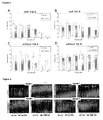
Figure 3 : Growth phenotypes of AtTRE1 mutants on trehalose. A) GT tre KO lines and wt Ler with Val A. B) SA TRE OX lines and wt Col with Val A. C) GT tre KO lines and wt Ler without Val A. D) SA TRE OX lines and wt Col without Val A. Approximately 30 seedlings/treatment were grown on vertical plates, 1xMS without suc, in a 12h-12h day/night cycle, for 10 days with 0, 0.5, 1, 5, 10, or 25 mM trehalose. Data are means ± SE. -
Figure 4 : Growth phenotypes of AtTRE1 mutants on high trehalose. Seedlings grown in same conditions as described inFig. 3 , without Val A, and with higher concentration of trehalose: 50, 100, 150, and 200 mM. Representative seedlings are shown. -
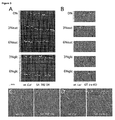
Figure 5 : Carbohydrate use of AtTRE1 mutant seedlings. A) SA TRE OX plants and wt Col plants grown on horizontally oriented plates with 1xMS, 0%, 3%, 6% suc or glc, 16h-8h, 10 days. B) GT tre KO plants and wt Ler plants (same conditions as in A). C) SA TRE OX plants and wt Col plants grown on vertically oriented plates in continuous light with 1% sucrose, 0.5xMS, 6 days. D) GT tre KO plants and wt Ler plants (same conditions as in C). Representative seedlings are shown. -
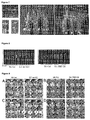
Figure 6 : Leaf growth of AtTRE1 mutants at different diurnal rhythm. A) Leaves of wt Ler (first line) and GT tre KO plants (two different lines), 12h-12h day/night cycle. B) Leaves of wt Ler (first line) and GT tre KO plants (two different lines), 16h-8h day/night cycle. C) Leaves of wt Col (first line) and SA TRE OX plants (two different lines), 12h-12h day/night cycle. D) Leaves of wt Col (first line) and SA TRE OX plants (two different lines), 16-8h day/night cycle. Cotelydons, and rosette leaves are placed in order of appearance. Plants 4 weeks old, grown in soil. Representative seedlings are shown. -
Figure 7 : Reproduction of AtTRE1 mutants. A) Earlier flowering of GT tre KO plants compared to wt Ler plants, grown in soil, 4 weeks old (16h-8h). B) View of plant development of wt Ler and GT tre KO plants and C) wt Col and SA TRE OX plants, grown in soil for 7 weeks old (16h-8h). D) Detail of flowers and siliques of wt Ler and GT tre KO plants. Phenotypes were observed several times, and representative plants are shown. -
Figure 8 : Seedling development of AtTRE1 mutants at elevated temperature. Germination and growth of SA TRE OX and GT tre KO seedlings and respectively wild types in 33°C (continuous low light, 1xMS, 1% suc, 10 days). Representative seedlings are shown. -
Figure 9 : Drought responses of AtTRE1 OX and KO Arabidopsis plants. Drought stress responses of plants, grown in soil, in normal watered conditions for 4 weeks, stopped watering for 2 weeks (A, B) and a couple of days after rewatering (C, D). Representative plants are shown. -
Figure 10 : Localization of AtTRE1 in mesophyll protoplasts. A) Light microscopy image of protoplast using dark interference contrast. B) Localisation of AtTRE1 with GFP-fluorescence mainly in the plasma-membrane. C) The auto-fluorescence of chloroplasts. -
Figure 11 : AtTRE1 expression pattern in 10 D old seedlings (grown on 1x MS), using promoter-GUS/GFP single insertion lines after GUS staining.
A: expression in leaf A, leaf 2 and leaf primordia; B: expression in stomatal guard cells. -
Figure 12 : Stomata closure and opening assay of AtTRE1 OX and KO lines. Differences in opening of stomata in trehalase overexpression lines (OX) compared with the trehalase knock out (KO) and the wild type plants. -
Figure 13 : Stomata and pavement cell counting assay of AtTRE1 OX and KO lines. Number of stomata (A) and pavement cells (B) counted on a sample of 0.142mm2 for trehalase overexpressing plants (OX) compared with the knock out line (KO) and the wild type plants -
Figure 14 : Stomatal index of AtTRE1 OX and KO lines. The stomatal index corresponds to the ratio of stomata per total number of cells in the epidermis (#stomata/(2x #stomata+#pavement cells). -
Table I: plant lines Name Ecotype Source SA TRE OX (SALK_151791) Colombia ABRC* GT tre KO (GT_16843) Landsberg erecta CSHL* * From the ordered lines, homozygous plants were obtained in this study -
Table II: Cloning and side-directed mutagenesis primers Primer Sequence RE AtTRE1fw GGAAGATCTATGAAATCATACAAACTTAATAACC BglII AtTRE1rv TCCCCCGGGGGCTTCAATGCTAAGATGAGAG SmaI AtTRE1717sdmfw AACTATCTTGTCTACAAGAAAAGTGGGACTA AtTRE1717sdmrv TAGTCCCACTTTTCTTGTAGACAAGATAGTT abbreviations: fw (forward), rv (reverse); RE (restriction enzyme). Table III: Real-time PCR primers and semi quantitative RT-PCR primers Name primer Sequence AtTREP1fw ACATGGAAGGCTGAGAACC AtTREP1rv CCAAGAAATAATCCACTACG AtTREP2fw CCTCTCATCTTAGCATTGAAG AtTREP2rv CCAAGAAATAATCCACTACGAT AtTREP3fw AGCGAGAGAGAAAGCGTTTC AtTREP3rv CCTTCCATGTCTCAGATTCC ACTIN2fw GAAGAGCACCCTGTTCTTCT ACTIN2rv TGGCGTACAAGGAGAGAACA Table IV: Primers to check insertion in Arabidopsis mutants Primer Sequence Mutant line Lba1 TGGTTCACGTAGTGGGCCATCG SALK Ds3 CCGTCCCGCAAGTTAAATATG GT AtTRELP1 GCCTTTTTCAAACTCAAGTTGCAC SA TRE OX AtTRERP1 GAGTTTATTATGTGTGTGCGTGGA SA TRE OX AtTRELP2 ACTCATCTCCACGCACACAC GT tre KO AtTRERP2 AATCTCGAACCGGGAATGAT GT tre KO Abbreviations: SA (SALK lines); GT (Genetrap line), LP (left primer), and RP (right primer). - Trehalase CDS was cloned (source material: silques and flowers of wild type Arabidopsis thaliana ecotype Colombia) in plant vector pGFP (Kovtun et al., 1998; 2000; Hwang and Sheen, 2001). pGFP= pUC18 modified for GFP fusion. CDS sequence was blasted against TAIR Arabidopsis Genome Initiative Coding Sequence datasets (www.arabidopsis.org) and mutations, leading to amino acid changes, were corrected by side-directed mutagenesis (sdm).
- Transgenic and wild type Arabidopsis, ecotype Col and ecotype Ler seeds were vapor-phase sterilized according to a protocol adapted from Ye et al. (1999). Seeds were placed in open micro-centrifuge tubes and put inside a desiccator jar, where bleach-chlorine fumes sterilize the seeds for a period of 3-9h (bleach + concentrated HCl). Sterile water is added afterwards working in laminar flow, followed by a 48h cold treatment under constant light for imbibition and stratification.
- Vapor-sterilized seeds were sown, after a 48h stratification period, on wet soil and germinated for two days in high humidity. In general, they were grown in 12h-12h, 16h-8h day/night cycle or continuous light (21°C, 60% humidity, 100µmol s-1 m-2).
- Vapor-sterilized seeds were sown after a 48h stratification period in vertically or horizontally oriented Petri dishes on a full strength (or mentioned otherwise) Murashige and Skoog Salt Mixture including vitamins (MS) medium (4.3g/l) with MES (0.5g/l) and solidified with Phytagar (8g/l) (Duchefa, Haarlem, The Netherlands). The media was enriched with sucrose/glucose (0-6%) or trehalose, depending on the tested conditions, which are specified. Val A was added in a concentration of 10µM.
- For homozygous plant selection, SALK lines, and GT lines (with the NTPII marker gene as selection marker) were screened on 1xMS + Kanamycin (50µg/ml, Sigma-Aldrich). For growth on MS media with selective media, seeds were germinated for 7 days on MS and antibiotics, positives were transferred to soil to flower and to set seeds.
- Plant samples (seedlings) were harvested and immediately frozen in liquid nitrogen. RNA extraction of plant material was performed with Trizol reagent (Invitrogen), according to the manufacturer's instructions. For each sample, reverse transcription (RT) was performed using 1µg of total RNA (Reverse Transcription System, Promega).
-
- Mini preparation - CTAB method (Del Sal et al., 1988)
- Mini preparation - GenElute™ Plasmid Miniprep kit (Sigma-Aldrich)
- Maxi preparation - Pure Yield Plasmid Maxiprep System (Promega)
- Rapid Genomic DNA isolation from Arabidopsis plants
- After grinding a medium size leaf with screwdriver-pestle in 100µl TPS buffer (100mM Tris-HCl, pH 9.5, 1 M KCI, 10mM EDTA), the samples were incubated at 70°C for 20-30 min. The debris was pelleted by centrifugation at top speed for 10 min at RT and supernatans transferred to a new eppendorf tube. For further PCR reactions, 0.5 to 1µl supernatans was used in a 20-50µl reaction.
- PCR reactions were performed using different polymerase kits, according to manufacturer's recommendations; High-Fidelity Taq Polymerases (Roche), Phusion High-Fidelity DNA polymerase (FINNZYMES) and Ultra Pfu HF DNA polymerase (Stratagene) for cloning and ExTaq (TAKARA) for diagnostic PCR.
- Equal amount of PCI was added to the PCR product (45µl-45µl), vortex, and centrifuged at max speed, for 5 min. To the transferred supernatans, NaAc 3M (3.6µl) and ice-cold pure ethanol (109µl) was added, vortex, and spinned down for 1 min at max speed. After additional wash with ice-cold 80% ethanol, the pellet was dried out and dissolved in 12.5µl H2O. PCR products could be also purified with using the Wizard SV Gel and PCR Clean-UP System (Promega, USA), according to manufacturer's guideline.
- PCR was performed on cDNA samples equally diluted to 250ng/µl and a control gene was used as control. The PCR product was run on 1% agarose gel and visualised with SYBR Safe DNA gel stain (Invitrogen)
- 25µl real-time PCR reaction was composed of 12.5µl Platinum SYBR Green qPCR SuperMix-UDG (Invitrogen), 0.5µl of ROX reference dye, 1.25µl of each primer of 500nM stock solution and 5µl of cDNA mix (100ng/µl). The PCR program comprised an initial denaturation of 2 min at 95°C, amplification by 50 cycles of 15s at 95°C, 1 min at 58°C The expression levels were analyzed with ABI prism and were all normalized to ACTIN2 expression.
- Side-directed mutagenesis (sdm) was performed according to the Stratagene's QuickChange Site-Directed Mutagenesis kit. As such, point mutations, insertions and deletions were created in a plasmid with Ultra Pfu HF DNA polymerase (Stratagene).
- Three to four week-old Arabidopsis plants (in soil, 12h-12h day/night cycle, under low light, 50-75µmol m-2 s-1) with healthy, unstressed, and well-expanded true leaves were used. This technique is detailed described by Yoo et al., (2007) (http://genetics.mgh.harvard.edu/sheenweb/protocols reg.html). Briefly, after the removal of cell walls, protoplasts are released, washed and collected. DNA-PEG4000(platelets, Fluka)-Calcium transfection is performed using 2x10⁴ protoplasts per 10-20µg of endotoxin free (maxiprep) plasmid DNA. The transfected protoplasts are incubated for 6h in the light before harvesting.
- Subcellular localization in mesophyll protoplast cells of the protein of interest can be determined by fluorescence microscopic analysis, using the GFP-tagged vectors.
- Crude leaf material (300mg, mix of plant material/different plants) was homogenized and powdered on dry ice, suspended in 2ml ice-cold extraction buffer (0.1 M MES/K+,
pH 6; 1 mM PMSF 2mM EDTA, 10mg/gFW insoluble PVP, polyvinylpyrrolidone). The suspension was vortexed and centrifuged (13000 rpm, cold, 10 min). The supernatans was dialysed (BRL microdialysis system) ON at 4°C againstMES buffer pH 7 with 50µl CaCl2. Trehalase activity was determined by a method described by Pemambuco et al. (1996) adapted to microtiter plates. 10µl dialysed sample was added to 50µl trehalose buffer (250mM trehalose, 25mM MES,pH 7, 50µl CaCl2). The microtiter plate was incubated for 30 min at 30°C and reaction was stopped by boiling 5 min at 95°C warm waterbath. Glucose was determined using glucose oxidase-peroxidase method by adding 200µl GOD-PAP (Dialab) (blancs: residual glucose content in each sample determined by boiling samples before trehalose addition). A505 was measured after 15 min of incubation at 30°C. The amount of protein was determined using Lowry method with BSA as standard (Lowry et al., 1951). - The transposon insertion Genetrap (GT) line 'GT_16843' (A. thaliana, ecotype Ler), was originally produced in the Martienssen's Cold Spring Harbor Laboratory (Sundaresan et al., 1995; Martienssen, 1998). Based on the flanking sequences of the insertion site obtained by TAIL-PCR (Liu et al., 1995), line 'GT_16843' was predicted to carry a unique insertion of a GT transposable Ds element, 395 bp downstream of the ATG start codon, in the middle of the first exon of the AtTRE1 gene (
Fig. 1A ). T3 descendants showed 3:1 (resistant-susceptible) segregation on KAN selection media, consistent with a single insertion. Homozygous lines were obtained and confirmed by PCR (Ds3, AtTRELP2-RP2 primer set) and the CSHL predicted insertion site was confirmed. Semi-quantitative RT-PCR (primerset AtTREP1fw-rv) and real-time PCR (primerset AtTREP2fw-rv,Fig. 1 B) revealed strong downregulation of AtTRE1 in the homozygous 'GT_16843' plants, hereinafter designed as 'GT tre KO' plants. - The 'SALK_151791' line (A. thaliana, ecotype Col) (
Fig. 1A ), originated from the SALK Institute (Alonso et al., 2003), was available from the Arabidopsis Biological Resource Center (ABRC), and ordered via NASC. From the ordered seeds, we selected plants, homozygous for a single T-DNA insertion in the AtTRE1 gDNA. After KAN selection, plants were checked for homozygousy with primers Lba1 and AtTRELP1-RP1 primer set (designed with SIGnAL). Flanking T- DNA insertion sequences were obtained 304 bp upstream of the start codon (TAIR predicted 211 bp in front of the ATG start codon). Surprisingly, semi-quantitative RT-PCR (AtTREP1fw-rv) revealed higher AtTRE1 expression in the mutants, suggesting OX instead of KO. This was confirmed by real time-PCR (Fig. 1C , homozygous SALK_151791 plants are hereinafter designed as SA TRE OX). Closer inspection of the left border of the T-DNA reveals a 35S CaMV promoter, which might be responsible for this overexpression. Also insertion of the T-DNA in an important region for transcription regulation (e.g. a repressor binding site) is possible. - Measurements of trehalase activity in different plant tissues demonstrated that SA TRE OX plants exhibited much higher trehalase activity than control wild type plants. For example, up to 25 times more trehalase activity was observed in adult leaves of TRE OX, compared to wild type Col leaves (
Fig. 2A ). In contrast, very low to no detectable trehalase activity was measured in the leaves and siliques (Fig. 2B ) of the GT tre KO plants compared to the control plants. - Trehalose causes dramatic effects on plant metabolism, growth and development. Validamycin A (Val A) specifically inhibits trehalase activity, and prohibits the use of trehalose as an extra source of glucose. It is worth noting that, while Val A treatment alters adult plant stress and reproduction responses and even causes phytotoxicity, no phenotypic irregularities are observed in seedlings (Wingler et al., 2000; Müller et al., 2001; Ishikawa et al., 2005; 2007; Ramon et al., 2007).
- In our growth assay, no extra sugar was added to the media. As known from literature, gradually increased levels of trehalose in the presence of Val A, cause increased inhibition of root growth and development of wild type seedlings (
Fig. 3A, B ). The sensitivity to trehalose differed between the ecotypes Ler and Col, with a rather gradual inhibitory effect in Ler wild type plants, and a more dramatic decrease in root length of Col wild type plants at 10 mM trehalose. GT tre KO lines exhibited similar growth inhibition on trehalose as wild type Ler seedlings in the presence of Val A (Fig. 3A ), consistent with lack of trehalase activity in both plants. In contrast, SA TRE OX plants were significantly more resistant to higher trehalose levels than wild type controls in the presence of Val A (Fig. 3B ), suggesting that the amount of Val A (10 µM) is not sufficient to inhibit increased trehalase activity in the OX lines. - In the absence of Val A, external supplied trehalose can be used as an extra glucose source for growth. On high trehalose concentrations, wild type seedlings arrest with development shortly after germination, show altered cotyledons extension, and develop only short primary roots (Wingler et al., 2000).
- Interestingly, at low trehalose contents, GT tre KO seedlings do not seem to be able to use the extra glucose source for growth (
Fig. 3C ), because of total lack of trehalase activity. Moreover, with increasing trehalose concentrations, KO mutants are significantly more affected in development, compared to wild type Ler controls (Fig. 3C, Fig. 4 ). In contrast, SA TRE OX plants seem to be insensitive to high trehalose concentrations compared to wild type seedlings (Fig. 3D, Fig. 4 ). - Mutants in trehalose metabolism have been reported to exhibit sensitivity to supplemented sugars, and T6P has been highlighted as an important regulator for carbohydrate utilization (Schluepmann et al., 2003; Avonce et al.; 2004).
- When grown on gradually increasing sugar concentrations, SA TRE OX seedlings exhibit similar leaf and hypocotyl development as control seedlings (horizontally orientated plates, 16h-8h day/night cycle (
Fig. 5A ). However, root growth of SA TRE OX seedlings was significantly affected, with reduced length and increased root branching. This aberrant phenotype was also observed on vertically oriented plates in continuous light with 1% sucrose (Fig. 5C ). However, the mutants displayed a somewhat accelerated root growth on media without sugars. All together, it seems that overexpressing trehalase allows seedlings to efficiently use carbon supplies in low energy conditions, but makes them unable to deal with high energy conditions. In contrast, a slightly longer root growth of GT tre KO could be observed when more energy was available (Fig. 5B, D ), and interestingly, GT tre KO plants seemed to germinate slower in media without sucrose. - Plants engineered in trehalose metabolism typically exhibit dramatic phenotypic irregularities, with altered physiology and morphology. Also Val A treatment can alter plant reproduction and can even cause phytotoxicity (Müller et al., 1995; Müller et al., 2001; Ishikawa et al., 2005; 2007).
- However to our surprise, altering endogenous trehalase activities did not seem to cause severe phenotypic irregularities in Arabidopsis. We did notice a slower germination rate of GT tre KO seeds in soil in a 12h-12h day/night cycle, and this phenotype was abrogated when increasing the light period to 16h. Moreover, in a 12h-12h day/night cycle, leaves of the GT tre KO plants were smaller (
Fig. 6A ), and when increasing the day length, the growth rate of these KO plants increased (Fig. 6B , growth stages according to Boyes et al. (2001), 1.10 for wt and 1.11 for KO). - This observation again suggests that growth of plants, altered in trehalase activity, strongly depends on the available energy. GT tre KO plants seem to have problems to cope with low energy conditions, whereas higher growth rates are achieved when more energy is available, e.g. through longer photosynthesis or supplied sugars. In contrast, SA TRE OX plants grow slightly better than controls in low carbohydrate conditions (Fig. VI.6C, e.g. rosette leaf nr 9), while at a 16h-8h day/night cycle, no obvious growth phenotype was observed (
Fig. 6D ). - Interestingly, GT tre KO plants started flowering earlier than wild types (16h-8h day/night cycle) (
Fig. 7A ), displayed longer inflorescence stems, and altered silique orientation (Fig. 7B;D ). Stems of SA TRE OX plants (Fig. 7C ) appeared somewhat smaller, but no obvious other phenotypes could be observed. - Given trehalose modified plants performed better in multiple stress treatments, we tested trehalase OX and KO plants under variable stress conditions.
- When performing heat-stress during germinating (33°C, continuous low light, 1xMS, 1% suc), we noticed a better early seedling development of SA TRE OX seeds, compared to wild type seeds, in contrast to GT tre KO lines (
Fig. 8 ). - These results, together with ample circumstantial evidence of pivotal roles of trehalose metabolism in abiotic stress responses, give us incentives to look closer to more environmental stresses such as drought and dehydration stresses in the vegetative stage. Four-weeks old KO and OX plants grown in a 16h-8h day/night cycle (in soil with controlled watering regime), were subjected to drought stress for 2 weeks and then rewatered. In contrast to the performances of GT tre KO lines, the SA TRE OX plants withstand and recovered much better the dehydration stress (
Fig. 9 ). - Given trehalase controls extracellular trehalose levels, but seems also to regulate plant trehalose (sugar) metabolism, we analysed the fluorescence of AtTRE1-GFP constructs in Arabidopsis mesophyll protoplasts, to gain more insight in the exact location of trehalase. AtTRE1 seemed to be mainly localized in the plasma-membrane (
Fig. 10 ). This result was recently confirmed and published by Frison and coworkers (2007). - The expression was further analyzed by fusing the trehalase promoter to a GUS/GFP construct and analyzing the plants after GUS staining. In leafs and leaf primordia, a clear specificity of the expression is seen in the stomatal guard cells (
Figure 11 ); expression could also be detected in the flowers (in stomata in sepals of inflorescence, stomata in pedicel of inflorescence , petal veins and chalaza in siliques) and in the root tips. - To analyze further the effect of modulation of trehalase expression on stomata, mutants of AtTRE1 were grown in soil under normal moist conditions in a growth room, 21 days after sowing Leaf 1 or Leaf 2 were cut out of the plant and submerged for the abaxial side in aperture buffer (10mM MES, 10mM CaCL2, 10mM KCI, pH 6.1) under light conditions, or closure buffer (10mM MES, 10mM CaCL2, pH 6.1) under dark conditions, after 2 hours leaves were submerged in aperture buffer containing 20uM ABA under light conditions for 2 hours, the abaxial epidermis was mounted on a slide with double-sided tape and stomata aperture measurements (width) were recorded under a microscope, n=50. Trehalase overexpression plants showed a decrease in opening of stomata in aperture buffer, whereas in closure buffer no significant difference between the wild types, overexpression of KO plant could be detected (
Figure 12 ). - To analyze the effect of trehalase expression on number of stomata, mutants of AtTRE1 were grown on ½ MS, 1% sucrose horizontal plates, under 16h light/8h dark regime for 21 days. Leaf 1 or Leaf 2 were cut off and cleared in lactic acid for 2 days under constant shaking, leaves were put on a slide and pictures (0.142mm2) of 2 areas (tip and base) of each leaf were taken to count stomata and pavement cells, n=10 and to calculate the stomatal index. The stomatal index corresponds to the ratio of stomata per total number of cells in the epidermis (#stomata/(2x #stomata+#pavement cells). Compared with their respective wild types, there is a slight decrease in number of stomata (
Figure 13, A ) and in stomatal index (Figure 14 ). Whereas for the overexpressing plant no influence on the number of pavement cells was seen, the KO showed a small increase in pavement cell number (Figure 13 B) . The results indicate that the trehalase modulates drought resistance by modulating the opening of the stomatal guard cells, and/or the number of stomatal guard cells per surface unit and/or the stomatal index. -
- Alonso, J.M., Stepanova, A.N., Leisse, T.J., Kim, C.J., Chen, H., Shinn, P., Stevenson, D.K., Zimmerman, J., Barajas, P., Cheuk, R., Gadrinab, C., Heller, C., Jeske, A., Koesema, E., Meyers, C.C., Parker, H., Prednis, L., Ansari, Y., Choy, N., Deen, H., Geralt, M., Hazari, N., Hom, E., Karnes, M., Mulholland, C., Ndubaku, R., Schmidt, I., Guzman, P., Aguilar-Henonin, L., Schmid, M., Weigel, D., Carter, D.E., Marchand, T., Risseeuw, E., Brogden, D., Zeko, A., Crosby, W.L., Berry, C.C., and Ecker, J.R. (2003). Genome-wide insertional mutagenesis of Arabidopsis thaliana. Science 301, 653-657 .
- Avonce, N., Leyman, B., Mascorro-Gallardo, J.O., Van Dijck, P., Thevelein, J.M., and Iturriaga, G. (2004). The Arabidopsis trehalose-6-P synthase AtTPS1 gene is a regulator of glucose, abscisic acid, and stress signaling. Plant Physiol 136, 3649-3659.
- Boyes, D.C., Zayed, A.M., Ascenzi, R., McCaskill, A.J., Hoffman, N.E., Davis, K.R., and Gorlach, J. (2001). Growth stage-based phenotypic analysis of Arabidopsis: a model for high throughput functional genomics in plants. Plant Cell 13, 1499-1510.
- Del Sal, G., Manfioletti, G., and Schneider, C. (1988). The CTAB-DNA precipitation method: a common mini-scale preparation of template DNA from phagemids, phages or plasmids suitable for sequencing. .
- Frison, M., Parrou, J.L., Guillaumot, D., Masquelier, D., Francois, J., Chaumont, F., and Batoko, H: (2007). The Arabidopsis thaliana trehalase is a plasma membrane-bound enzyme with extracellular activity. FEBS Lett 581, 4010-4016.
- Hauser, M.T., Morikami, A., and Benfey, P.N. (1995). Conditional root expansion mutants of Arabidopsis. Development 121, 1237-1252.
- Hwang, I., and Sheen, J. (2001). Two-component circuitry in Arabidopsis cytokinin signal transduction. Nature 413, 383-389.
- Ishikawa, R., shirouzu, K., nakashita, H., Teraoka, T., and Arie, T. (2007). Control efficacy of validamycin A against Fusarium wilt correlated with the severity of phytotoxic necrosis formed on tomato tissues. J. Pestic. Sci. 32 .
- Ishikawa, R., Shirouzu, K., Nakashita, H., Lee, H.Y., Motoyama, T., Yamaguchi, I., Teraoka, T., and Arie, T. (2005). Foliar Spray of Validamycin A or Validoxylamine A Controls Tomato Fusarium Wilt. Phytopathology 95, 1209-1216.
- Jang, I.C., Oh, S.J., Seo, J.S., Choi, W.B., Song, S.I., Kim, C.H., Kim, Y.S., Seo, H.S., Choi, Y.D., Nahm, B.H. and Kim, J.K. (2003). Expression of bifunctional fusion of Escherichia coli gene for trehalose-6-phosphate synthase and trehalose-6-phosphate phosphatase in transgenic rice plants increases trehalose accumulation and abiotic stress tolerance without stunting growth. Plant Physiology 131, 516-524.
- Kovtun, Y., Chiu, W.L., Tena, G., and Sheen, J. (2000). Functional analysis of oxidative stress-activated mitogen-activated protein kinase cascade in plants. Proc Natl Acad Sci U S A 97, 2940-2945.
- Kovtun, Y., Chiu, W.L., Zeng, W., and Sheen, J. (1998). Suppression of auxin signal transduction by a MAPK cascade in higher plants. Nature 395, 716-720.
- Liu, Y.G., Mitsukawa, N., Oosumi, T., and Whittier, R.F. (1995). Efficient isolation and mapping of Arabidopsis thaliana T-DNA insert junctions by thermal asymmetric interlaced PCR. .
- Lowry, O.H., Rosebrough, N.J., Farr, A.L., and Randall, R.J. (1951). Protein measurement with the Folin phenol reagent. J Biol Chem 193, 265-275.
- Martienssen, R. (1998). Functional genomics: probing plant gene function and expression with transposons. Proc. Natl. Acad. Sci. 95, 2021-2026.
- Müller, J., Aeschbacher, R.A., Wingler, A., Boller, T., and Wiemken, A. (2001 a). Trehalose and trehalase in Arabidopsis. Plant Physiol 125, 1086-1093.
- Müller, J., Boller, T., and Wiemken, A. (1995b). Effects of validamycin A, a potent trehalase inhibitor, and phytohormones on trehalose metabolism in roots and nodules of soybean and cowpea. Planta 197, 362-368.
- Ramon, M., Rolland, F., Thevelein, J.M., Van Dijck, P., and Leyman, B. (2007). ABI4 mediates the effects of exogenous trehalose on Arabidopsis growth and starch breakdown. Plant Mol Biol 63, 195-206.
- Schluepmann, H., Pellny, T., van Dijken, A., Smeekens, S., and Paul, M. (2003). Trehalose 6-phosphate is indispensable for carbohydrate utilization and growth in Arabidopsis thaliana. Proc Natl .
- Suarez, R., Wong, A., Ramirez, M., Barraza, A., Orozco Mdel, C., Cevallos, M.A., Lara, M., Hernandez, G and Iturriaga, G. (2008). Improvement of drought resistance and grain yield in common bean by overexpressing trehalose-6-phosphate synthase in rhizobia. Mol. Plant Microbe Interact. 21, 958-966.
- Sundaresan, V., Springer, P., Volpe, T., Haward, S., Jones, J.D., Dean, C., Ma, H., and Martienssen, R. (1995). Patterns of gene action in plant development revealed by enhancer trap and gene trap transposable elements. Genes Dev 9, 1797-1810.
- Wingler, A., Fritzius, T., Wiemken, A., Boller, T., and Aeschbacher, R.A. (2000). Trehalose induces the ADP-glucose pyrophosphorylase gene, ApL3, and starch synthesis in Arabidopsis. Plant Physiol 124, 105-114.
- Ye, G.N., Stone, D., Pang, S.Z., Creely, W., Gonzalez, K., and Hinchee, M. (1999). Arabidopsis ovule is the target for Agrobacterium in planta vacuum infiltration transformation. Plant J 19, 249-257.
- Yoo, S.D., Cho, Y. ans Sheen, J. (2007). Arabidopsis mesophyll protoplasts: a versatile cell system for transient gene expression analysis. Nature protocols 2, 1565-1572.
-
- <110> VIB VZW KATHOLIEKE UNIVERSITEIT LEUVEN, K.U.LEUVEN R&D
- <120> USE OF TREHALASE TO OBTAIN DROUGHT RESISTANCE IN PLANTS
- <130> PVD/TRE/V308
- <150>
US 61/207,188
<151> 2009-02-09 - <160> 18
- <170> PatentIn version 3.5
- <210> 1
<211> 34
<212> DNA
<213> Artificial Sequence - <220>
<223> Primer - <400> 1
ggaagatcta tgaaatcata caaacttaat aacc 34 - <210> 2
<211> 31
<212> DNA
<213> Artificial Sequence - <220>
<223> Primer - <400> 2
tcccccgggg gcttcaatgc taagatgaga g 31 - <210> 3
<211> 31
<212> DNA
<213> Artificial Sequence - <220>
<223> Primer - <400> 3
aactatcttg tctacaagaa aagtgggact a 31 - <210> 4
<211> 31
<212> DNA
<213> Artificial Sequence - <220>
<223> Primer - <400> 4
tagtcccact tttcttgtag acaagatagt t 31 - <210> 5
<211> 19
<212> DNA
<213> Artificial Sequence - <220>
<223> Primer - <400> 5
acatggaagg ctgagaacc 19 - <210> 6
<211> 20
<212> DNA
<213> Artificial Sequence - <220>
<223> Primer - <400> 6
ccaagaaata atccactacg 20 - <210> 7
<211> 21
<212> DNA
<213> Artificial Sequence - <220>
<223> Primer - <400> 7
cctctcatct tagcattgaa g 21 - <210> 8
<211> 22
<212> DNA
<213> Artificial Sequence - <220>
<223> Primer - <400> 8
ccaagaaata atccactacg at 22 - <210> 9
<211> 20
<212> DNA
<213> Artificial Sequence - <220>
<223> Primer - <400> 9
agcgagagag aaagcgtttc 20 - <210> 10
<211> 20
<212> DNA
<213> Artificial Sequence - <220>
<223> Primer - <400> 10
ccttccatgt ctcagattcc 20 - <210> 11
<211> 20
<212> DNA
<213> Artificial Sequence - <220>
<223> Primer - <400> 11
gaagagcacc ctgttcttct 20 - <210> 12
<211> 20
<212> DNA
<213> Artificial Sequence - <220>
<223> Primer - <400> 12
tggcgtacaa ggagagaaca 20 - <210> 13
<211> 22
<212> DNA
<213> Artificial Sequence - <220>
<223> Primer - <400> 13
tggttcacgt agtgggccat cg 22 - <210> 14
<211> 21
<212> DNA
<213> Artificial Sequence - <220>
<223> Primer - <400> 14
ccgtcccgca agttaaatat g 21 - <210> 15
<211> 24
<212> DNA
<213> Artificial Sequence - <220>
<223> Primer - <400> 15
gcctttttca aactcaagtt gcac 24 - <210> 16
<211> 24
<212> DNA
<213> Artificial Sequence - <220>
<223> Primer - <400> 16
gagtttatta tgtgtgtgcg tgga 24 - <210> 17
<211> 20
<212> DNA
<213> Artificial Sequence - <220>
<223> Primer - <400> 17
actcatctcc acgcacacac 20 - <210> 18
<211> 20
<212> DNA
<213> Artificial Sequence - <220>
<223> Primer - <400> 18
aatctcgaac cgggaatgat 20
Claims (5)
- The use of recombinant trehalase overexpression to obtain drought and/or salt tolerance in plants.
- The use of recombinant trehalase overexpression according to claim 1 to obtain improved growth upon rewatering after a drought period.
- The use of recombinant trehalase overexpression according to claim 1 or 2, whereby said overexpression is specific for the stomatal guard cells.
- The use of recombinant trehalase overexpression to modulate the function of the stomatal guard cells.
- The use of recombinant trehalase overexpression according to claim 4, whereby said modulation of the stomatal function is a limitation of the opening of the stomata.
Applications Claiming Priority (2)
| Application Number | Priority Date | Filing Date | Title |
|---|---|---|---|
| US20718809P | 2009-02-09 | 2009-02-09 | |
| PCT/EP2010/051500 WO2010089392A1 (en) | 2009-02-09 | 2010-02-08 | Use of trehalase to obtain drought resistance in plants |
Publications (2)
| Publication Number | Publication Date |
|---|---|
| EP2393928A1 EP2393928A1 (en) | 2011-12-14 |
| EP2393928B1 true EP2393928B1 (en) | 2013-11-20 |
Family
ID=42014942
Family Applications (1)
| Application Number | Title | Priority Date | Filing Date |
|---|---|---|---|
| EP10703455.5A Active EP2393928B1 (en) | 2009-02-09 | 2010-02-08 | Use of trehalase to obtain drought resistance in plants |
Country Status (11)
| Country | Link |
|---|---|
| US (1) | US20120005774A1 (en) |
| EP (1) | EP2393928B1 (en) |
| CN (1) | CN102348804B (en) |
| AU (1) | AU2010210154B2 (en) |
| BR (1) | BRPI1007973A2 (en) |
| CA (1) | CA2751920A1 (en) |
| CL (1) | CL2011001925A1 (en) |
| EA (1) | EA201171019A1 (en) |
| ES (1) | ES2447847T3 (en) |
| MX (1) | MX2011008419A (en) |
| WO (1) | WO2010089392A1 (en) |
Families Citing this family (8)
| Publication number | Priority date | Publication date | Assignee | Title |
|---|---|---|---|---|
| US20130055471A1 (en) | 2009-12-15 | 2013-02-28 | Edwin Henricus Antonius HOLMAN | Transgenic Ozone-Resistant Plants |
| WO2012058528A2 (en) * | 2010-10-28 | 2012-05-03 | E. I. Du Pont De Nemours And Company | Drought tolerant plants and related constructs and methods involving genes encoding dtp6 polypeptides |
| CN103275999B (en) * | 2013-06-07 | 2014-08-20 | 江苏省农业科学院 | Apolygus lucorum membrane-bound trehalase, its coding sequence, vector and strain of sequence, and application of vector or strain |
| US20170275641A1 (en) * | 2014-12-17 | 2017-09-28 | Syngenta Participations Ag | Compositions and methods for improving abiotic stress tolerance |
| CN111073905B (en) * | 2019-12-11 | 2022-08-23 | 南京农业大学 | Application of soybean mitogen-activated protein kinase GmMMK1 coding gene |
| CN114747581B (en) * | 2022-05-18 | 2022-11-25 | 安徽农业大学 | Application of exogenous trehalose in improvement of filling and setting characteristics of big-ear rice |
| CN115918674A (en) * | 2022-11-23 | 2023-04-07 | 怀化学院 | Plant seed initiator, preparation method and application |
| CN117925694B (en) * | 2024-01-22 | 2026-01-27 | 广州大学 | Method for improving salt tolerance and drought resistance of soybean and application thereof |
Family Cites Families (5)
| Publication number | Priority date | Publication date | Assignee | Title |
|---|---|---|---|---|
| IL116564A0 (en) * | 1995-01-04 | 1996-03-31 | Mogen Int | Process for producing trehalose in plants |
| EP0784095A3 (en) * | 1996-01-12 | 1997-12-29 | Mogen International N.V. | Enhanced accummulation of trehalose in plants |
| EP1111051B1 (en) * | 1999-12-21 | 2005-02-23 | Korea Kumho Petrochemical Co. Ltd. | Promoter for guard cell-specific gene expression in plants |
| US20040064846A1 (en) * | 2001-02-28 | 2004-04-01 | Henry Daniell | Genetic engineering of drought tolerance via a plastid genome |
| BRPI0806995A2 (en) | 2007-02-08 | 2014-04-08 | Basf Plant Science Gmbh | TRANSGENIC PLANT, SEED, EXPRESSION VECTOR, METHOD FOR INCREASING NEMATOID RESISTANCE ON A PLANT |
-
2010
- 2010-02-08 CN CN2010800115221A patent/CN102348804B/en not_active Expired - Fee Related
- 2010-02-08 EA EA201171019A patent/EA201171019A1/en unknown
- 2010-02-08 WO PCT/EP2010/051500 patent/WO2010089392A1/en not_active Ceased
- 2010-02-08 EP EP10703455.5A patent/EP2393928B1/en active Active
- 2010-02-08 BR BRPI1007973-4A patent/BRPI1007973A2/en not_active IP Right Cessation
- 2010-02-08 ES ES10703455.5T patent/ES2447847T3/en active Active
- 2010-02-08 US US13/148,655 patent/US20120005774A1/en not_active Abandoned
- 2010-02-08 CA CA2751920A patent/CA2751920A1/en not_active Abandoned
- 2010-02-08 MX MX2011008419A patent/MX2011008419A/en active IP Right Grant
- 2010-02-08 AU AU2010210154A patent/AU2010210154B2/en not_active Ceased
-
2011
- 2011-08-09 CL CL2011001925A patent/CL2011001925A1/en unknown
Also Published As
| Publication number | Publication date |
|---|---|
| EP2393928A1 (en) | 2011-12-14 |
| CN102348804A (en) | 2012-02-08 |
| WO2010089392A1 (en) | 2010-08-12 |
| MX2011008419A (en) | 2011-10-14 |
| US20120005774A1 (en) | 2012-01-05 |
| AU2010210154B2 (en) | 2014-07-31 |
| EA201171019A1 (en) | 2012-03-30 |
| CA2751920A1 (en) | 2010-08-12 |
| AU2010210154A1 (en) | 2011-09-15 |
| ES2447847T3 (en) | 2014-03-13 |
| CL2011001925A1 (en) | 2012-03-23 |
| CN102348804B (en) | 2013-05-08 |
| BRPI1007973A2 (en) | 2015-09-01 |
Similar Documents
| Publication | Publication Date | Title |
|---|---|---|
| AU2010210154B2 (en) | Use of trehalase to obtain drought resistance in plants | |
| BRPI0924537A2 (en) | Method for enhancing yield characteristics in plants, plants or parts thereof, or plant cells, construct, use of a construct and nucleic acid sequence, method for producing transgenic plants, harvestable parts, and products | |
| TWI484907B (en) | Manipulation of plant senescence using modified promoters | |
| EP3095863B1 (en) | Parthenocarpy regulation gene and use thereof | |
| WO2016100624A1 (en) | Compositions and methods for improving abiotic stress tolerance | |
| KR20110100417A (en) | Genes and Transgenic Plants Related to Dry Stress Tolerance and Growth Promotion | |
| MX2013009997A (en) | Plants having enhanced yield-related traits and producing methods thereof. | |
| US20170306346A1 (en) | Improved agronomic characteristics under water limiting conditions for plants expressing pub10 polypeptides | |
| CN107827963B (en) | Application of arabidopsis IDD14 gene in improving drought stress tolerance of plants | |
| CN113462690B (en) | Application of soybean gene promoters pRPS28 and pRPS28-I in soybeans, arabidopsis thaliana and tobaccos | |
| CN113462689B (en) | Application of soybean gene promoters pEIF1 and pEIF1-I in soybean, Arabidopsis and tobacco | |
| KR102003114B1 (en) | Method for improving the resistance to drought stress using pepper protein phosphatase CaAIPP1 in plants | |
| JP2013051911A (en) | Method for increasing root knot nematode resistance of plant | |
| US7405346B2 (en) | Gene capable of imparting salt stress resistance | |
| KR100860199B1 (en) | Preparation of Tree-Modified Fruit Trees Using the MADS--Box Gene | |
| US20120011599A1 (en) | Hyddroperoxide genes and tolerance to abiotic stress in plants | |
| Ismail et al. | Cloning and characterization of Heat shock factor (BvHSF) from Sugar Beet (Beta vulgaris) | |
| US20160369295A1 (en) | Drought tolerant plants and related constructs and methods involving genes encoding dtp4 polypeptides | |
| EP0967278A2 (en) | Flowering regulating gene and its use | |
| KR100742194B1 (en) | Method for enhancing environmental stress resistance of plant using environmental stress resistance controlling gene | |
| KR102674994B1 (en) | Method for improving the resistance to the drought stress using pepper protein kinase CaGRAS1 in plants | |
| KR100859988B1 (en) | Terrestrial specific promoter and method for specific expression of the region of the target protein using the same | |
| JP2003310071A (en) | Genetically modified plant having enhanced stress resistance | |
| Zhou et al. | Ectopic expression of CsMADS24, an AGAMOUS ortholog from cucumber, causes homeotic conversion of sepals into carpels in transgenic Arabidopsis plants | |
| KR102047270B1 (en) | Method for improving the resistance to the drought stress using CaUBP12 in plants |
Legal Events
| Date | Code | Title | Description |
|---|---|---|---|
| PUAI | Public reference made under article 153(3) epc to a published international application that has entered the european phase |
Free format text: ORIGINAL CODE: 0009012 |
|
| 17P | Request for examination filed |
Effective date: 20110902 |
|
| AK | Designated contracting states |
Kind code of ref document: A1 Designated state(s): AT BE BG CH CY CZ DE DK EE ES FI FR GB GR HR HU IE IS IT LI LT LU LV MC MK MT NL NO PL PT RO SE SI SK SM TR |
|
| AX | Request for extension of the european patent |
Extension state: RS |
|
| RAX | Requested extension states of the european patent have changed |
Extension state: RS Payment date: 20110902 |
|
| 17Q | First examination report despatched |
Effective date: 20120914 |
|
| GRAP | Despatch of communication of intention to grant a patent |
Free format text: ORIGINAL CODE: EPIDOSNIGR1 |
|
| INTG | Intention to grant announced |
Effective date: 20130611 |
|
| GRAS | Grant fee paid |
Free format text: ORIGINAL CODE: EPIDOSNIGR3 |
|
| GRAA | (expected) grant |
Free format text: ORIGINAL CODE: 0009210 |
|
| AK | Designated contracting states |
Kind code of ref document: B1 Designated state(s): AT BE BG CH CY CZ DE DK EE ES FI FR GB GR HR HU IE IS IT LI LT LU LV MC MK MT NL NO PL PT RO SE SI SK SM TR |
|
| AX | Request for extension of the european patent |
Extension state: RS |
|
| REG | Reference to a national code |
Ref country code: GB Ref legal event code: FG4D |
|
| REG | Reference to a national code |
Ref country code: CH Ref legal event code: EP |
|
| REG | Reference to a national code |
Ref country code: AT Ref legal event code: REF Ref document number: 641689 Country of ref document: AT Kind code of ref document: T Effective date: 20131215 |
|
| REG | Reference to a national code |
Ref country code: IE Ref legal event code: FG4D |
|
| REG | Reference to a national code |
Ref country code: DE Ref legal event code: R096 Ref document number: 602010011860 Country of ref document: DE Effective date: 20140116 |
|
| REG | Reference to a national code |
Ref country code: NL Ref legal event code: T3 |
|
| REG | Reference to a national code |
Ref country code: ES Ref legal event code: FG2A Ref document number: 2447847 Country of ref document: ES Kind code of ref document: T3 Effective date: 20140313 |
|
| REG | Reference to a national code |
Ref country code: AT Ref legal event code: MK05 Ref document number: 641689 Country of ref document: AT Kind code of ref document: T Effective date: 20131120 |
|
| REG | Reference to a national code |
Ref country code: LT Ref legal event code: MG4D |
|
| PG25 | Lapsed in a contracting state [announced via postgrant information from national office to epo] |
Ref country code: LT Free format text: LAPSE BECAUSE OF FAILURE TO SUBMIT A TRANSLATION OF THE DESCRIPTION OR TO PAY THE FEE WITHIN THE PRESCRIBED TIME-LIMIT Effective date: 20131120 Ref country code: NO Free format text: LAPSE BECAUSE OF FAILURE TO SUBMIT A TRANSLATION OF THE DESCRIPTION OR TO PAY THE FEE WITHIN THE PRESCRIBED TIME-LIMIT Effective date: 20140220 Ref country code: HR Free format text: LAPSE BECAUSE OF FAILURE TO SUBMIT A TRANSLATION OF THE DESCRIPTION OR TO PAY THE FEE WITHIN THE PRESCRIBED TIME-LIMIT Effective date: 20131120 Ref country code: FI Free format text: LAPSE BECAUSE OF FAILURE TO SUBMIT A TRANSLATION OF THE DESCRIPTION OR TO PAY THE FEE WITHIN THE PRESCRIBED TIME-LIMIT Effective date: 20131120 Ref country code: IS Free format text: LAPSE BECAUSE OF FAILURE TO SUBMIT A TRANSLATION OF THE DESCRIPTION OR TO PAY THE FEE WITHIN THE PRESCRIBED TIME-LIMIT Effective date: 20140320 Ref country code: SE Free format text: LAPSE BECAUSE OF FAILURE TO SUBMIT A TRANSLATION OF THE DESCRIPTION OR TO PAY THE FEE WITHIN THE PRESCRIBED TIME-LIMIT Effective date: 20131120 |
|
| PG25 | Lapsed in a contracting state [announced via postgrant information from national office to epo] |
Ref country code: AT Free format text: LAPSE BECAUSE OF FAILURE TO SUBMIT A TRANSLATION OF THE DESCRIPTION OR TO PAY THE FEE WITHIN THE PRESCRIBED TIME-LIMIT Effective date: 20131120 Ref country code: LV Free format text: LAPSE BECAUSE OF FAILURE TO SUBMIT A TRANSLATION OF THE DESCRIPTION OR TO PAY THE FEE WITHIN THE PRESCRIBED TIME-LIMIT Effective date: 20131120 |
|
| PG25 | Lapsed in a contracting state [announced via postgrant information from national office to epo] |
Ref country code: PT Free format text: LAPSE BECAUSE OF FAILURE TO SUBMIT A TRANSLATION OF THE DESCRIPTION OR TO PAY THE FEE WITHIN THE PRESCRIBED TIME-LIMIT Effective date: 20140320 |
|
| PG25 | Lapsed in a contracting state [announced via postgrant information from national office to epo] |
Ref country code: EE Free format text: LAPSE BECAUSE OF FAILURE TO SUBMIT A TRANSLATION OF THE DESCRIPTION OR TO PAY THE FEE WITHIN THE PRESCRIBED TIME-LIMIT Effective date: 20131120 |
|
| REG | Reference to a national code |
Ref country code: DE Ref legal event code: R097 Ref document number: 602010011860 Country of ref document: DE |
|
| PG25 | Lapsed in a contracting state [announced via postgrant information from national office to epo] |
Ref country code: SK Free format text: LAPSE BECAUSE OF FAILURE TO SUBMIT A TRANSLATION OF THE DESCRIPTION OR TO PAY THE FEE WITHIN THE PRESCRIBED TIME-LIMIT Effective date: 20131120 Ref country code: PL Free format text: LAPSE BECAUSE OF FAILURE TO SUBMIT A TRANSLATION OF THE DESCRIPTION OR TO PAY THE FEE WITHIN THE PRESCRIBED TIME-LIMIT Effective date: 20131120 Ref country code: CZ Free format text: LAPSE BECAUSE OF FAILURE TO SUBMIT A TRANSLATION OF THE DESCRIPTION OR TO PAY THE FEE WITHIN THE PRESCRIBED TIME-LIMIT Effective date: 20131120 Ref country code: RO Free format text: LAPSE BECAUSE OF FAILURE TO SUBMIT A TRANSLATION OF THE DESCRIPTION OR TO PAY THE FEE WITHIN THE PRESCRIBED TIME-LIMIT Effective date: 20131120 |
|
| PLBE | No opposition filed within time limit |
Free format text: ORIGINAL CODE: 0009261 |
|
| STAA | Information on the status of an ep patent application or granted ep patent |
Free format text: STATUS: NO OPPOSITION FILED WITHIN TIME LIMIT |
|
| PG25 | Lapsed in a contracting state [announced via postgrant information from national office to epo] |
Ref country code: MC Free format text: LAPSE BECAUSE OF FAILURE TO SUBMIT A TRANSLATION OF THE DESCRIPTION OR TO PAY THE FEE WITHIN THE PRESCRIBED TIME-LIMIT Effective date: 20131120 Ref country code: DK Free format text: LAPSE BECAUSE OF FAILURE TO SUBMIT A TRANSLATION OF THE DESCRIPTION OR TO PAY THE FEE WITHIN THE PRESCRIBED TIME-LIMIT Effective date: 20131120 |
|
| REG | Reference to a national code |
Ref country code: CH Ref legal event code: PL |
|
| 26N | No opposition filed |
Effective date: 20140821 |
|
| PG25 | Lapsed in a contracting state [announced via postgrant information from national office to epo] |
Ref country code: CH Free format text: LAPSE BECAUSE OF NON-PAYMENT OF DUE FEES Effective date: 20140228 Ref country code: LI Free format text: LAPSE BECAUSE OF NON-PAYMENT OF DUE FEES Effective date: 20140228 |
|
| REG | Reference to a national code |
Ref country code: IE Ref legal event code: MM4A |
|
| REG | Reference to a national code |
Ref country code: DE Ref legal event code: R097 Ref document number: 602010011860 Country of ref document: DE Effective date: 20140821 |
|
| PG25 | Lapsed in a contracting state [announced via postgrant information from national office to epo] |
Ref country code: IE Free format text: LAPSE BECAUSE OF NON-PAYMENT OF DUE FEES Effective date: 20140208 |
|
| PG25 | Lapsed in a contracting state [announced via postgrant information from national office to epo] |
Ref country code: SI Free format text: LAPSE BECAUSE OF FAILURE TO SUBMIT A TRANSLATION OF THE DESCRIPTION OR TO PAY THE FEE WITHIN THE PRESCRIBED TIME-LIMIT Effective date: 20131120 |
|
| PG25 | Lapsed in a contracting state [announced via postgrant information from national office to epo] |
Ref country code: IT Free format text: LAPSE BECAUSE OF FAILURE TO SUBMIT A TRANSLATION OF THE DESCRIPTION OR TO PAY THE FEE WITHIN THE PRESCRIBED TIME-LIMIT Effective date: 20131120 |
|
| REG | Reference to a national code |
Ref country code: FR Ref legal event code: PLFP Year of fee payment: 7 |
|
| PG25 | Lapsed in a contracting state [announced via postgrant information from national office to epo] |
Ref country code: MT Free format text: LAPSE BECAUSE OF FAILURE TO SUBMIT A TRANSLATION OF THE DESCRIPTION OR TO PAY THE FEE WITHIN THE PRESCRIBED TIME-LIMIT Effective date: 20131120 |
|
| PGFP | Annual fee paid to national office [announced via postgrant information from national office to epo] |
Ref country code: LU Payment date: 20160224 Year of fee payment: 7 |
|
| PG25 | Lapsed in a contracting state [announced via postgrant information from national office to epo] |
Ref country code: SM Free format text: LAPSE BECAUSE OF FAILURE TO SUBMIT A TRANSLATION OF THE DESCRIPTION OR TO PAY THE FEE WITHIN THE PRESCRIBED TIME-LIMIT Effective date: 20131120 |
|
| PGFP | Annual fee paid to national office [announced via postgrant information from national office to epo] |
Ref country code: ES Payment date: 20160210 Year of fee payment: 7 Ref country code: DE Payment date: 20160218 Year of fee payment: 7 |
|
| PGFP | Annual fee paid to national office [announced via postgrant information from national office to epo] |
Ref country code: BE Payment date: 20160217 Year of fee payment: 7 Ref country code: GB Payment date: 20160217 Year of fee payment: 7 Ref country code: FR Payment date: 20160218 Year of fee payment: 7 Ref country code: NL Payment date: 20160217 Year of fee payment: 7 |
|
| PG25 | Lapsed in a contracting state [announced via postgrant information from national office to epo] |
Ref country code: CY Free format text: LAPSE BECAUSE OF FAILURE TO SUBMIT A TRANSLATION OF THE DESCRIPTION OR TO PAY THE FEE WITHIN THE PRESCRIBED TIME-LIMIT Effective date: 20131120 Ref country code: BG Free format text: LAPSE BECAUSE OF FAILURE TO SUBMIT A TRANSLATION OF THE DESCRIPTION OR TO PAY THE FEE WITHIN THE PRESCRIBED TIME-LIMIT Effective date: 20131120 Ref country code: GR Free format text: LAPSE BECAUSE OF FAILURE TO SUBMIT A TRANSLATION OF THE DESCRIPTION OR TO PAY THE FEE WITHIN THE PRESCRIBED TIME-LIMIT Effective date: 20140221 |
|
| PG25 | Lapsed in a contracting state [announced via postgrant information from national office to epo] |
Ref country code: HU Free format text: LAPSE BECAUSE OF FAILURE TO SUBMIT A TRANSLATION OF THE DESCRIPTION OR TO PAY THE FEE WITHIN THE PRESCRIBED TIME-LIMIT; INVALID AB INITIO Effective date: 20100208 Ref country code: TR Free format text: LAPSE BECAUSE OF FAILURE TO SUBMIT A TRANSLATION OF THE DESCRIPTION OR TO PAY THE FEE WITHIN THE PRESCRIBED TIME-LIMIT Effective date: 20131120 |
|
| PG25 | Lapsed in a contracting state [announced via postgrant information from national office to epo] |
Ref country code: BE Free format text: LAPSE BECAUSE OF NON-PAYMENT OF DUE FEES Effective date: 20170228 |
|
| REG | Reference to a national code |
Ref country code: DE Ref legal event code: R119 Ref document number: 602010011860 Country of ref document: DE |
|
| REG | Reference to a national code |
Ref country code: NL Ref legal event code: MM Effective date: 20170301 |
|
| GBPC | Gb: european patent ceased through non-payment of renewal fee |
Effective date: 20170208 |
|
| PG25 | Lapsed in a contracting state [announced via postgrant information from national office to epo] |
Ref country code: NL Free format text: LAPSE BECAUSE OF NON-PAYMENT OF DUE FEES Effective date: 20170301 |
|
| REG | Reference to a national code |
Ref country code: FR Ref legal event code: ST Effective date: 20171031 |
|
| PG25 | Lapsed in a contracting state [announced via postgrant information from national office to epo] |
Ref country code: LU Free format text: LAPSE BECAUSE OF NON-PAYMENT OF DUE FEES Effective date: 20170208 |
|
| PG25 | Lapsed in a contracting state [announced via postgrant information from national office to epo] |
Ref country code: FR Free format text: LAPSE BECAUSE OF NON-PAYMENT OF DUE FEES Effective date: 20170228 Ref country code: DE Free format text: LAPSE BECAUSE OF NON-PAYMENT OF DUE FEES Effective date: 20170901 |
|
| REG | Reference to a national code |
Ref country code: BE Ref legal event code: MM Effective date: 20170228 |
|
| PG25 | Lapsed in a contracting state [announced via postgrant information from national office to epo] |
Ref country code: GB Free format text: LAPSE BECAUSE OF NON-PAYMENT OF DUE FEES Effective date: 20170208 |
|
| PG25 | Lapsed in a contracting state [announced via postgrant information from national office to epo] |
Ref country code: MK Free format text: LAPSE BECAUSE OF FAILURE TO SUBMIT A TRANSLATION OF THE DESCRIPTION OR TO PAY THE FEE WITHIN THE PRESCRIBED TIME-LIMIT Effective date: 20131120 |
|
| REG | Reference to a national code |
Ref country code: ES Ref legal event code: FD2A Effective date: 20180705 |
|
| PG25 | Lapsed in a contracting state [announced via postgrant information from national office to epo] |
Ref country code: ES Free format text: LAPSE BECAUSE OF NON-PAYMENT OF DUE FEES Effective date: 20170209 |