EP2392693A1 - Mg-BASED STRUCTURED MEMBER - Google Patents
Mg-BASED STRUCTURED MEMBER Download PDFInfo
- Publication number
- EP2392693A1 EP2392693A1 EP10735918A EP10735918A EP2392693A1 EP 2392693 A1 EP2392693 A1 EP 2392693A1 EP 10735918 A EP10735918 A EP 10735918A EP 10735918 A EP10735918 A EP 10735918A EP 2392693 A1 EP2392693 A1 EP 2392693A1
- Authority
- EP
- European Patent Office
- Prior art keywords
- coating film
- base
- structural material
- apatite
- magnesium
- Prior art date
- Legal status (The legal status is an assumption and is not a legal conclusion. Google has not performed a legal analysis and makes no representation as to the accuracy of the status listed.)
- Granted
Links
Images








Classifications
-
- C—CHEMISTRY; METALLURGY
- C23—COATING METALLIC MATERIAL; COATING MATERIAL WITH METALLIC MATERIAL; CHEMICAL SURFACE TREATMENT; DIFFUSION TREATMENT OF METALLIC MATERIAL; COATING BY VACUUM EVAPORATION, BY SPUTTERING, BY ION IMPLANTATION OR BY CHEMICAL VAPOUR DEPOSITION, IN GENERAL; INHIBITING CORROSION OF METALLIC MATERIAL OR INCRUSTATION IN GENERAL
- C23C—COATING METALLIC MATERIAL; COATING MATERIAL WITH METALLIC MATERIAL; SURFACE TREATMENT OF METALLIC MATERIAL BY DIFFUSION INTO THE SURFACE, BY CHEMICAL CONVERSION OR SUBSTITUTION; COATING BY VACUUM EVAPORATION, BY SPUTTERING, BY ION IMPLANTATION OR BY CHEMICAL VAPOUR DEPOSITION, IN GENERAL
- C23C22/00—Chemical surface treatment of metallic material by reaction of the surface with a reactive liquid, leaving reaction products of surface material in the coating, e.g. conversion coatings, passivation of metals
- C23C22/82—After-treatment
- C23C22/83—Chemical after-treatment
-
- C—CHEMISTRY; METALLURGY
- C23—COATING METALLIC MATERIAL; COATING MATERIAL WITH METALLIC MATERIAL; CHEMICAL SURFACE TREATMENT; DIFFUSION TREATMENT OF METALLIC MATERIAL; COATING BY VACUUM EVAPORATION, BY SPUTTERING, BY ION IMPLANTATION OR BY CHEMICAL VAPOUR DEPOSITION, IN GENERAL; INHIBITING CORROSION OF METALLIC MATERIAL OR INCRUSTATION IN GENERAL
- C23C—COATING METALLIC MATERIAL; COATING MATERIAL WITH METALLIC MATERIAL; SURFACE TREATMENT OF METALLIC MATERIAL BY DIFFUSION INTO THE SURFACE, BY CHEMICAL CONVERSION OR SUBSTITUTION; COATING BY VACUUM EVAPORATION, BY SPUTTERING, BY ION IMPLANTATION OR BY CHEMICAL VAPOUR DEPOSITION, IN GENERAL
- C23C22/00—Chemical surface treatment of metallic material by reaction of the surface with a reactive liquid, leaving reaction products of surface material in the coating, e.g. conversion coatings, passivation of metals
- C23C22/05—Chemical surface treatment of metallic material by reaction of the surface with a reactive liquid, leaving reaction products of surface material in the coating, e.g. conversion coatings, passivation of metals using aqueous solutions
- C23C22/06—Chemical surface treatment of metallic material by reaction of the surface with a reactive liquid, leaving reaction products of surface material in the coating, e.g. conversion coatings, passivation of metals using aqueous solutions using aqueous acidic solutions with pH less than 6
- C23C22/07—Chemical surface treatment of metallic material by reaction of the surface with a reactive liquid, leaving reaction products of surface material in the coating, e.g. conversion coatings, passivation of metals using aqueous solutions using aqueous acidic solutions with pH less than 6 containing phosphates
- C23C22/08—Orthophosphates
- C23C22/22—Orthophosphates containing alkaline earth metal cations
-
- C—CHEMISTRY; METALLURGY
- C23—COATING METALLIC MATERIAL; COATING MATERIAL WITH METALLIC MATERIAL; CHEMICAL SURFACE TREATMENT; DIFFUSION TREATMENT OF METALLIC MATERIAL; COATING BY VACUUM EVAPORATION, BY SPUTTERING, BY ION IMPLANTATION OR BY CHEMICAL VAPOUR DEPOSITION, IN GENERAL; INHIBITING CORROSION OF METALLIC MATERIAL OR INCRUSTATION IN GENERAL
- C23C—COATING METALLIC MATERIAL; COATING MATERIAL WITH METALLIC MATERIAL; SURFACE TREATMENT OF METALLIC MATERIAL BY DIFFUSION INTO THE SURFACE, BY CHEMICAL CONVERSION OR SUBSTITUTION; COATING BY VACUUM EVAPORATION, BY SPUTTERING, BY ION IMPLANTATION OR BY CHEMICAL VAPOUR DEPOSITION, IN GENERAL
- C23C22/00—Chemical surface treatment of metallic material by reaction of the surface with a reactive liquid, leaving reaction products of surface material in the coating, e.g. conversion coatings, passivation of metals
- C23C22/05—Chemical surface treatment of metallic material by reaction of the surface with a reactive liquid, leaving reaction products of surface material in the coating, e.g. conversion coatings, passivation of metals using aqueous solutions
- C23C22/60—Chemical surface treatment of metallic material by reaction of the surface with a reactive liquid, leaving reaction products of surface material in the coating, e.g. conversion coatings, passivation of metals using aqueous solutions using alkaline aqueous solutions with pH greater than 8
-
- C—CHEMISTRY; METALLURGY
- C23—COATING METALLIC MATERIAL; COATING MATERIAL WITH METALLIC MATERIAL; CHEMICAL SURFACE TREATMENT; DIFFUSION TREATMENT OF METALLIC MATERIAL; COATING BY VACUUM EVAPORATION, BY SPUTTERING, BY ION IMPLANTATION OR BY CHEMICAL VAPOUR DEPOSITION, IN GENERAL; INHIBITING CORROSION OF METALLIC MATERIAL OR INCRUSTATION IN GENERAL
- C23C—COATING METALLIC MATERIAL; COATING MATERIAL WITH METALLIC MATERIAL; SURFACE TREATMENT OF METALLIC MATERIAL BY DIFFUSION INTO THE SURFACE, BY CHEMICAL CONVERSION OR SUBSTITUTION; COATING BY VACUUM EVAPORATION, BY SPUTTERING, BY ION IMPLANTATION OR BY CHEMICAL VAPOUR DEPOSITION, IN GENERAL
- C23C22/00—Chemical surface treatment of metallic material by reaction of the surface with a reactive liquid, leaving reaction products of surface material in the coating, e.g. conversion coatings, passivation of metals
- C23C22/05—Chemical surface treatment of metallic material by reaction of the surface with a reactive liquid, leaving reaction products of surface material in the coating, e.g. conversion coatings, passivation of metals using aqueous solutions
- C23C22/68—Chemical surface treatment of metallic material by reaction of the surface with a reactive liquid, leaving reaction products of surface material in the coating, e.g. conversion coatings, passivation of metals using aqueous solutions using aqueous solutions with pH between 6 and 8
-
- C—CHEMISTRY; METALLURGY
- C23—COATING METALLIC MATERIAL; COATING MATERIAL WITH METALLIC MATERIAL; CHEMICAL SURFACE TREATMENT; DIFFUSION TREATMENT OF METALLIC MATERIAL; COATING BY VACUUM EVAPORATION, BY SPUTTERING, BY ION IMPLANTATION OR BY CHEMICAL VAPOUR DEPOSITION, IN GENERAL; INHIBITING CORROSION OF METALLIC MATERIAL OR INCRUSTATION IN GENERAL
- C23C—COATING METALLIC MATERIAL; COATING MATERIAL WITH METALLIC MATERIAL; SURFACE TREATMENT OF METALLIC MATERIAL BY DIFFUSION INTO THE SURFACE, BY CHEMICAL CONVERSION OR SUBSTITUTION; COATING BY VACUUM EVAPORATION, BY SPUTTERING, BY ION IMPLANTATION OR BY CHEMICAL VAPOUR DEPOSITION, IN GENERAL
- C23C28/00—Coating for obtaining at least two superposed coatings either by methods not provided for in a single one of groups C23C2/00 - C23C26/00 or by combinations of methods provided for in subclasses C23C and C25C or C25D
-
- C—CHEMISTRY; METALLURGY
- C23—COATING METALLIC MATERIAL; COATING MATERIAL WITH METALLIC MATERIAL; CHEMICAL SURFACE TREATMENT; DIFFUSION TREATMENT OF METALLIC MATERIAL; COATING BY VACUUM EVAPORATION, BY SPUTTERING, BY ION IMPLANTATION OR BY CHEMICAL VAPOUR DEPOSITION, IN GENERAL; INHIBITING CORROSION OF METALLIC MATERIAL OR INCRUSTATION IN GENERAL
- C23C—COATING METALLIC MATERIAL; COATING MATERIAL WITH METALLIC MATERIAL; SURFACE TREATMENT OF METALLIC MATERIAL BY DIFFUSION INTO THE SURFACE, BY CHEMICAL CONVERSION OR SUBSTITUTION; COATING BY VACUUM EVAPORATION, BY SPUTTERING, BY ION IMPLANTATION OR BY CHEMICAL VAPOUR DEPOSITION, IN GENERAL
- C23C28/00—Coating for obtaining at least two superposed coatings either by methods not provided for in a single one of groups C23C2/00 - C23C26/00 or by combinations of methods provided for in subclasses C23C and C25C or C25D
- C23C28/04—Coating for obtaining at least two superposed coatings either by methods not provided for in a single one of groups C23C2/00 - C23C26/00 or by combinations of methods provided for in subclasses C23C and C25C or C25D only coatings of inorganic non-metallic material
-
- C—CHEMISTRY; METALLURGY
- C23—COATING METALLIC MATERIAL; COATING MATERIAL WITH METALLIC MATERIAL; CHEMICAL SURFACE TREATMENT; DIFFUSION TREATMENT OF METALLIC MATERIAL; COATING BY VACUUM EVAPORATION, BY SPUTTERING, BY ION IMPLANTATION OR BY CHEMICAL VAPOUR DEPOSITION, IN GENERAL; INHIBITING CORROSION OF METALLIC MATERIAL OR INCRUSTATION IN GENERAL
- C23C—COATING METALLIC MATERIAL; COATING MATERIAL WITH METALLIC MATERIAL; SURFACE TREATMENT OF METALLIC MATERIAL BY DIFFUSION INTO THE SURFACE, BY CHEMICAL CONVERSION OR SUBSTITUTION; COATING BY VACUUM EVAPORATION, BY SPUTTERING, BY ION IMPLANTATION OR BY CHEMICAL VAPOUR DEPOSITION, IN GENERAL
- C23C30/00—Coating with metallic material characterised only by the composition of the metallic material, i.e. not characterised by the coating process
Definitions
- the present invention relates to an Mg-based structural material comprising magnesium or a magnesium alloy, which is formed in a desired structured shape of parts of transportation equipment such as automobiles, IT instruments such as mobile telephones, housings of home electric appliances such as televisions, etc. More precisely, the invention relates to improvement in corrosion resistance of an Mg-based structural material.
- a magnesium alloy has relatively high specific strength and its abundant resources are available, and therefore its application to lightweight parts for improving the fuel efficiency of automobiles and aircrafts is now under investigation.
- the strength and the electromagnetic wave-shielding effect thereof are higher than those of plastics, it is utilized as housings for IT instruments such as typically mobile telephones and personal computers and as those for home electric appliances such as televisions. These parts are required to have high corrosion resistance in various environments.
- magnesium is a chemically active substance and is therefore disadvantageous in that its corrosion resistance is low especially in acidic/neutral environments containing chloride ions.
- Transportation equipment and home electric appliances are exposed to rain and seawater droplets and human sweat containing chloride ions. Therefore, it is said necessary to form a highly corrosion-resistant coating film to cover them, and for some parts, to make painting in addition to the highly corrosion-resistant coating film.
- the mainstream of conventional coating films for improving the corrosion resistance of magnesium materials is one that contains an element having a high environmental load such as chromium, manganese, fluorine or the like. Accordingly, a oorrosion-resistant film is desired that is composed of elements of which the environmental load in the production process is low and of which the safety to the environment during use is high.
- a chemical treatment solution and an electrolytic solution for anodic oxidation containing phosphoric acid, manganic acid and/or calcium oxide have been developed (Patent References 1 to 5), and the formed films have high corrosion resistance and good adhesiveness to paints.
- manganic acid is a substance that requires waste treatment, and therefore a corrosion-resistant film of which the environmental load is further low and its production method are desired.
- an object of the present invention is to provide an Mg-based structural material having a corrosion-resistant film composed of environment-safe elements. Another object is to provide its production method in which the environmental load for its production is low.
- the coating film that serves as the corrosion-resistant film comprises, as the main component thereof, apatite having high thermodynamic stability among calcium phosphate of which the environmental load is low.
- the invention is as follows:
- the Mg-based structural material production method relates to production of the above-mentioned Mg-based structural material, which is characterized in that the base formed in a desired shape is dipped in an aqueous solution containing a phosphate ion and a non-chloride calcium ion dissolved in a supersaturation state, thereby precipitating a coating film comprising apatite crystals as the main component thereof, on the surface of the base.
- the calcium ion in the aqueous solution is prepared by dissolution of a calcium chelate compound therein.
- Calcium phosphate such as typically apatite has a low solubility in neutral environments and is not corroded by a chloride ion.
- apatite is in the form of a crystal structure having high thermodynamic stability, and therefore its solubility in an aqueous solution is lower than that of other calcium phosphate.
- Calcium phosphate is a main component of the bone of a living body, and is therefore a highly environment-safe material composed of elements of which the environmental load is low.
- magnesium is an element that inhibits crystallization of apatite, and the related technical knowledge is that direct precipitation of apatite from an aqueous solution on the surface of a magnesium material would be impossible.
- the present invention has broken down the technical knowledge.
- the Mg-based structural material of the invention has a coating film comprising apatite as the main component thereof, and is therefore effective for preventing the corrosion of the magnesium or magnesium alloy base thereof.
- the Mg-based structural material is composed of environment-safe elements alone, and is therefore effective for reducing the environmental load in recycling the magnesium material.
- the solution for coating film formation is an aqueous solution containing environment-safe elements alone, and is therefore effective for securing the environmental protection around factories and for reducing the waste treatment cost.
- a phosphate-containing coating film has high adhesiveness to paint and is therefore expected to have excellent paint adhesiveness to the coating film comprising an apatite crystal as the main component thereof; and in addition, since the apatite crystal is a transparent or white crystal, another advantage is expected that the coating film does not detract from coloration of the overcoating paint.
- the coating film that comprises an apatite crystal as the main component thereof and covers the surface of the base is a film formed through precipitation of the phosphate ion and the calcium ion contained in the treatment solution on the surface of the base as an apatite crystal thereon, and therefore can be formed irrespective of the composition of the base.
- the composition of the base is not specifically defined, and may be pure magnesium or a magnesium alloy.
- the coating film is formed through dipping treatment in an aqueous solution, and even though the surface configuration of the base is a complicated one, it does not have any influence on the coating film.
- the coating film comprises, as described in the above, an apatite crystal as the main component thereof and has, depending on the dipping treatment condition, a layer comprising crystalline Mg(OH) 2 as the main component thereof, in the boundary to the base.
- the solubility in a salt solution of the apatite crystal having a thermodynamically stable crystal structure is extremely low.
- the solubility of the crystalline Mg(OH) 2 is extremely lower than that of the amorphous Mg(OH) 2 formed on the surface of a magnesium material in air. Accordingly, the Mg-based structural material of the invention can exhibit high corrosion resistance as compared with a magnesium material having a coating film formed through oxidation in air.
- the surface treatment solution for producing the Mg-based structural material of the invention is an aqueous solution containing a calcium chelate compound and a phosphate ion and having pH of from 5 to 13.
- the calcium compound capable of dissolving a high-concentration calcium ion in a broad pH range includes a calcium compound of a chelate such as EDTA, NTA, HEDTE, aminopolycarboxylic acid or the like, etc. So far as it is a neutral to acidic treatment solution, also usable is an inorganic salt such as calcium hydroxide, calcium nitrate, calcium carbonate, calcium acetate, calcium dihydrogenphosphate, calcium thiosulfate, etc. Adding a chelating agent along an inorganic salt increases the calcium ion concentration. In such a manner, when a chelate compound is employed as the calcium source, a relatively high-concentration calcium ion can be dissolved not only in an acidic aqueous solution but also in an alkaline aqueous solution.
- An alkaline aqueous solution containing a chelating agent such as EDTA or the like is used for smut removal from the surface of an acid-washed magnesium material. Therefore, when the concentration of the chelating agent is too high, then the surface of the base, magnesium may tend to be roughened. For example, when the EDTA concentration is higher than 2.5 ⁇ 10 -1 M for pure magnesium, then the surface of the magnesium base may be greatly roughened and a coating film comprising calcium phosphate as the main component thereof could not homogeneously cover the surface.
- the presence of the chelating agent promotes degreasing of the base surface and removal of the release agent, oxide film and smut from the surface along with film formation, and is therefore expected to reduce the impurities in the coating film to be formed.
- the inorganic phosphate salt constituting the treatment solution includes various alkali salts, ammonium salts, alkaline earth orthodihydrogen salts and the like, such as potassium dihydrogenphosphate, disodium hydrogenphosphate, ammonium dihydrogenphosphate, diammonium hydrogenphosphate, calcium monohydrogenphosphate, etc.
- the apatite crystal precipitation speed may tend to be extremely low. In this case, the dipping time will have to be prolonged.
- an alkaline solution of sodium hydroxide, potassium hydroxide, ammonia or the like is used for the purpose of controlling the pH of the treatment solution prepared from a calcium compound and an inorganic phosphate salt.
- the pH range to be controlled is preferably within a range of pH 5 to pH 13.
- the magnesium base dipped in the treatment solution may start to dissolve, and owing to the pH increase through the dissolution reaction, the pH around the surface of the magnesium base could be pH 7 or more at which the apatite crystal phase could be stable. Even in the pH range of pH 11 or more in which magnesium hydroxide is insoluble, the apatite crystal phase is still stable, and therefore apatite can be precipitated on the surface of the magnesium base.
- the thickness of the coating film that comprises an apatite crystal as the main component thereof is preferably from 1 ⁇ 10 -2 ⁇ m to 5 ⁇ 10 1 ⁇ m. More preferably, the lowermost limit is at least 1 ⁇ 10 -1 ⁇ m, even more preferably at least 5 ⁇ 10 -1 ⁇ m, still more preferably at least 1 ⁇ m. The uppermost limit is more preferably at most 2.5 ⁇ 10 1 ⁇ m, even more preferably at most 1 ⁇ 10 1 ⁇ m, still more preferably at most 5 ⁇ m. When the coating film is too thin, then it could not uniformly coat the surface of the base and the corrosion resistance may be poor; but when too thick, the film may readily peel off from the base surface.
- the Mg-based structural material of the invention is used in various applications. It may be used for parts of automobiles and two-wheeled vehicles, and housings of mobile telephones, personal computers, video cameras, etc.
- the Mg-based structural material of the invention exhibits excellent corrosion resistance as it is just treated, but for further improving the corrosion resistance thereof, or for improving the aesthetic appearance of the magnesium material, the Mg-based structural material may be painted, if desired.
- the paint may be either a water-bases paint or a solvent-bases paint.
- the painting method may be any known method of dip painting, spray painting, electrodeposition painting, etc.
- a base of pure magnesium of which the surface had been finished with a 0.1- ⁇ m alumina lapping film was dipped in a solution prepared by adding 1 N NaOH solution to an aqueous solution of 50 mM Ca-EDTA/50 mM KH 2 PO 4 in a ratio of 0, 1/40, 1/20 or 3/40 by volume to the latter so as to have a controlled pH value, and statically kept therein at 95°C for 8 hours to thereby prepare samples A to D.
- Fig. 1 shows the XRD patterns of the treated samples A to D. All the samples gave peaks of hydroxyapatite (HAp) and Mg(OH) 2 (Brucite form). With the increase in the pH of the treatment solution, the HAp peak intensity increased and the Mg(OH) 2 (Brucite) peak intensity decreased.
- HAp hydroxyapatite
- Mg(OH) 2 Brucite
- Figs. 2 to 5 each show the electron microscopic picture of the surface and the cross section of Samples B and C. It is confirmed that in every sample, the surface is uniformly covered with an apatite crystal.
- the apatite is a tabular or needle-like crystal having a size of from 1 ⁇ m to 10 ⁇ m or so.
- the coating film is composed of a layer comprising, as the main component thereof, apatite crystals having a high concentration of Ca, P and O, and a boundary layer comprising, as the main component thereof, Mg(OH) 2 having a high concentration of O and Mg.
- the Mg(OH) 2 boundary layer is extremely thin so that it could not be definitely observed through SEM, or is absent.
- the thickness of the formed film is shown in Table 1. With the increase in the pH of the treatment solution, the thickness tended to increase.
- Example 2 As shown in Table 2, a pure magnesium base that had been surface-finished in the same manner as in Example 1 was dipped in an aqueous solution of 50 mM Ca-EDTA/50 mM KH 2 PO 4 prepared by adding 1 N NaOH thereto in a ratio of 1/40 by volume to the former so as to have a controlled pH value, and statically kept therein at 95°C for 24, 96 or 168 hours to thereby prepare samples E to G.
- a pure magnesium base that had been surface-finished in the same manner as in Example 1 was dipped in an aqueous solution of 50 mM Ca-EDTA/50 mM KH 2 PO 4 prepared by adding 1 N NaOH thereto in a ratio of 1/20 by volume to the former so as to have a controlled pH value, and statically kept therein at 95°C for 2, 4, 16, 24, 96 or 168 hours to thereby prepare samples H to M.
- Fig. 6 shows the XRD patterns of the samples H and I treated with a solution having a pH of from 7.1 to 7.4; and
- Fig. 7 shows the XRD patterns of the surfaces of the samples K to M treated with a solution having a pH of from 7.1 to 7.4.
- the thickness of the coating film is shown in Table 2.
- the thickness of the coating film thinner than 1 ⁇ m is a value presumed from the relationship between the treatment time and the film thickness. Even when the treatment time is 2 hours and is short, the apatite crystal uniformly covers the surface of the base, as shown in Fig. 8 , and with the increase in the treatment time, the thickness of the apatite crystal layer tended to increase. When the treatment time is 96 hours or more and is long, the apatite crystal precipitation amount increased, but in many cases, a part or all of the coating film peeled from the surface of the base.
- the apatite crystal layer can be formed even when the treatment time is short, and that the apatite crystal precipitation amount can be varied by changing the treatment time and the film thickness can be thereby controlled.
- the coating film is often peeled.
- Example 3 a pure magnesium base that had been surface-finished in the same manner as in Example 1 was dipped in an aqueous solution of 250 mM Ca-EDTA/250 mM KH 2 PO 4 prepared by adding 1 N NaOH thereto in a ratio of 1/40, 1/20 or 3/40 by volume to the former so as to have a controlled pH value, and statically kept therein at 95°C for 8 hours to thereby prepare samples N to P.
- the phosphate ion and the calcium ion concentration was 5 times that of the solution used in Example 1 and Example 2.
- Fig. 9 shows the XRD patterns of the treated samples N to P. All the samples gave HAp peaks of hydroxyapatite. With the increase in the pH of the treatment solution, the HAp peak intensity increased. Samples O and P gave Mg(OH) 2 (Brucite) peaks; however, sample N for which the pH of the treatment solution was relatively low did not give a definite peak. The Mg(OH) 2 peaks of samples O and P were extremely small as compared with those of samples A to D. These indicate that the magnesium hydroxide layer is difficult to be formed in the solution having a high calcium ion and phosphate ion concentration. The thickness of the formed film is shown in Table 3.
- the HAp peak intensity of the surface treated with the 250 mM solution was higher.
- the Mg(OH) 2 peak intensity of the surface treated with the 250 mM solution was lower.
- the treatment of the invention forms a coating film comprising an apatite crystal as the main component thereof on the surface of the base, irrespective of the composition of the base, magnesium alloy.
- Table 4 Sample Code Q R S T Base Alloy AZ31 AZ61 AZ91 Mg-1.0 Al Ca-EDTA Concentration mM 50 50 KH 2 PO 4 Concentration mM 50 50 Addition Ratio of 1 N NaOH (*1) - 1 /40 pH of Treatment Solution (*2) pH 5.3-5.5 7.7-7.9 Treatment Time h 8 8 Apatite Formation (*3) ⁇ ⁇ ⁇ ⁇ Film Thickness ⁇ m 15 26 , 24 4 *1 Added amount in terms of volume relative to the volume of the Ca-EDTA/KH 2 PO 4 solution taken as the denominator.
- a pure magnesium base of which the surface had been finished with a 0.1- ⁇ m alumina lapping film was dipped in an aqueous solution of which the Ca-EDTA and KH 2 PO 4 concentration had been so designed that the ratio of Ca/P could be the same as that, 1.67 of HAp, and statically kept therein at 95°C for 8 hours to thereby prepare samples U to W.
- Fig. 11 shows the XRD patterns of samples U to W.
- the calcium ion concentration was 1 mM
- the samples gave only trace-level HAp peaks except a HAp(002) plane-derived peak, but with the increase in the calcium ion concentration, the HAp peaks increased.
- the calcium ion and phosphate ion concentration in the treatment solution is preferably higher.
- the samples U and V for which the calcium ion and phosphate ion concentration in the treatment solution was low did not give definite Mg(OH) 2 peaks. This indicates that the presence of the magnesium hydroxide layer depends on the calcium ion and phosphate ion concentration in the treatment solution.
- NaCl in an amount of 1 g/m 2 was deposited to the surface of the samples C, J and K shown in Table 1 and Table 2 and to a just-polished sample, and at room temperature, subjected to a dry-wet cycle test for a total of 96 hours in which the relative humidity was controlled to be from 55% to 95% and again 55% at intervals of 8 hours.
- the comparative sample, just-polished sample is a 0.1- ⁇ m alumina lapping-finished sample.
- the NaCl deposition amount of 1 g/m 2 is close to the NaCl deposition amount in a seaside region, and means an extremely severe corrosion environment. Even though corroded in this test, the samples are not always corroded in actual environments.
- Fig.12 to Fig. 15 are pictures each showing the surface of the samples C, J and K and the just-polished sample after the 96-hour dry-wet cycle test, from which the surface-treated layer and the corrosion product had been removed.
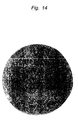
- the samples C and K had small filiform corrosion at the edge thereof; however, the sample J did not have any remarkable corrosion.
- the just-polished sample was covered with filiform corrosion almost on the entire surface thereof. This clarifies that the surface treatment in the invention provides sufficient corrosion resistance against atmospheric corrosion. It addition, it is known that even a thin coating film having a thickness of less than 5 ⁇ m secures sufficient corrosion resistance.
- the samples C, J and K shown in Table 1 and Table 2 and the just-polished sample were anodically polarized in a 3.5 wt.% NaCl solution at room temperature.
- the NaCl concentration of 3.5 wt.% is the same salt concentration as in seawater.
- Fig.16 shows the polarization curves of the samples C, J and K and the just-polished sample.
- the anode current density at a potential of - 1.45 V (SCE) is collectively shown in Fig. 17 and Table 6.
- the current density of the just-polished sample rapidly increased, which showed an anode current density of larger than 10 mA/cm 2 ; however, the magnesium material having the coating film of the invention had a pseudo-passive region in a potential width of several tens mV around the corrosion potential, therefore still showing a low current density of lower than 1 mA/cm 2 even after rapid increase in the current density owing to film breakdown.
- a water-based epoxy paint was applied to the surface of the samples H, land C shown in Table 1 and Table 2 and to the surface of the just-polished sample, and tested in a cross-cut test (JIS K 5600-5-6). According to the JIS classification, the paint peeling ratio was evaluated. The test results are shown in Table 7.
- the just-polished sample was graded in GT 3, but the sample I was in GT 2. This clarifies that the coating film in the invention improves the adhesiveness to the paint. It is known that the adhesiveness to the water-based epoxy paint depends on the thickness of the coating film, and the thickness is preferably from 1 to 2 ⁇ m.
- the Mg-based structural material of the invention is used in various application. It may be used for parts of transportation equipment such as automobiles and two-wheeled vehicles, and housings of mobile telephones, personal computers, video cameras, etc.
- the production method for the Mg-based structural material of the invention reduces the environmental load of the production process and is effective for environmental protection.
Landscapes
- Chemical & Material Sciences (AREA)
- Chemical Kinetics & Catalysis (AREA)
- Engineering & Computer Science (AREA)
- Materials Engineering (AREA)
- Mechanical Engineering (AREA)
- Metallurgy (AREA)
- Organic Chemistry (AREA)
- General Chemical & Material Sciences (AREA)
- Inorganic Chemistry (AREA)
- Chemical Treatment Of Metals (AREA)
Abstract
Description
- The present invention relates to an Mg-based structural material comprising magnesium or a magnesium alloy, which is formed in a desired structured shape of parts of transportation equipment such as automobiles, IT instruments such as mobile telephones, housings of home electric appliances such as televisions, etc. More precisely, the invention relates to improvement in corrosion resistance of an Mg-based structural material.
- A magnesium alloy has relatively high specific strength and its abundant resources are available, and therefore its application to lightweight parts for improving the fuel efficiency of automobiles and aircrafts is now under investigation. In addition, since the strength and the electromagnetic wave-shielding effect thereof are higher than those of plastics, it is utilized as housings for IT instruments such as typically mobile telephones and personal computers and as those for home electric appliances such as televisions. These parts are required to have high corrosion resistance in various environments.
- On the other hand, magnesium is a chemically active substance and is therefore disadvantageous in that its corrosion resistance is low especially in acidic/neutral environments containing chloride ions. Transportation equipment and home electric appliances are exposed to rain and seawater droplets and human sweat containing chloride ions. Therefore, it is said necessary to form a highly corrosion-resistant coating film to cover them, and for some parts, to make painting in addition to the highly corrosion-resistant coating film.
- The mainstream of conventional coating films for improving the corrosion resistance of magnesium materials is one that contains an element having a high environmental load such as chromium, manganese, fluorine or the like. Accordingly, a oorrosion-resistant film is desired that is composed of elements of which the environmental load in the production process is low and of which the safety to the environment during use is high.
- There are known reports of highly corrosion-resistant films formed through anodic oxidation in a solution that comprises mainly phosphoric acid and is composed of elements of which the environmental load is low (Patent Reference 1); however, anodic oxidation is disadvantageous in that it requires a measurable amount of power.
- A chemical treatment solution and an electrolytic solution for anodic oxidation containing phosphoric acid, manganic acid and/or calcium oxide have been developed (
Patent References 1 to 5), and the formed films have high corrosion resistance and good adhesiveness to paints. However, manganic acid is a substance that requires waste treatment, and therefore a corrosion-resistant film of which the environmental load is further low and its production method are desired. - Patent Reference 1:
WO2003/080897 - Patent Reference 2:
JP-A 11-131225 - Patent Reference 3:
JP-A 2003-286582 - Patent Reference 4:
JP-A 2003-3237 - Patent Reference 5:
JP-A 2005-281717 - In view of the situation as above, an object of the present invention is to provide an Mg-based structural material having a corrosion-resistant film composed of environment-safe elements. Another object is to provide its production method in which the environmental load for its production is low.
- In the invention, for the purpose of attaining the above-mentioned object, the coating film that serves as the corrosion-resistant film comprises, as the main component thereof, apatite having high thermodynamic stability among calcium phosphate of which the environmental load is low. Concretely, the invention is as follows:
- First, the Mg-based structural material is characterized in that the surface of the base thereof is coated with a film comprising apatite crystals as the main component thereof.
- Secondly, in the Mg-based structural material of the first aspect, the coating film and the base are integrated via a magnesium hydroxide layer.
- Thirdly, in the Mg-based structural material of the first or second aspect, the surface of the coating film is painted with a resin paint.
- Fourthly, in the Mg-based structural material of any one of the first to third aspects, the thickness of the coating film is from 1 to 5 µm.
- The Mg-based structural material production method relates to production of the above-mentioned Mg-based structural material, which is characterized in that the base formed in a desired shape is dipped in an aqueous solution containing a phosphate ion and a non-chloride calcium ion dissolved in a supersaturation state, thereby precipitating a coating film comprising apatite crystals as the main component thereof, on the surface of the base.
- In the Mg-based structural material production method of the above aspect, the calcium ion in the aqueous solution is prepared by dissolution of a calcium chelate compound therein.
- Calcium phosphate such as typically apatite has a low solubility in neutral environments and is not corroded by a chloride ion. Among various types of crystal structures that calcium phosphate may have, apatite is in the form of a crystal structure having high thermodynamic stability, and therefore its solubility in an aqueous solution is lower than that of other calcium phosphate. Calcium phosphate is a main component of the bone of a living body, and is therefore a highly environment-safe material composed of elements of which the environmental load is low.
- From the above-mentioned characteristics, it may be taken into consideration to provide a highly corrosion-resistant magnesium material having a low environmental load by precipitating calcium phosphate such as typically apatite, and especially apatite on the surface of magnesium. Further, formation of a film that comprises apatite as the main component thereof in an aqueous solution, if possible, could reduce the environmental load in the production process.
- However, magnesium is an element that inhibits crystallization of apatite, and the related technical knowledge is that direct precipitation of apatite from an aqueous solution on the surface of a magnesium material would be impossible.
- The present invention has broken down the technical knowledge.
- The Mg-based structural material of the invention has a coating film comprising apatite as the main component thereof, and is therefore effective for preventing the corrosion of the magnesium or magnesium alloy base thereof.
- The Mg-based structural material is composed of environment-safe elements alone, and is therefore effective for reducing the environmental load in recycling the magnesium material.
- Moreover, the solution for coating film formation is an aqueous solution containing environment-safe elements alone, and is therefore effective for securing the environmental protection around factories and for reducing the waste treatment cost.
- In general, a phosphate-containing coating film has high adhesiveness to paint and is therefore expected to have excellent paint adhesiveness to the coating film comprising an apatite crystal as the main component thereof; and in addition, since the apatite crystal is a transparent or white crystal, another advantage is expected that the coating film does not detract from coloration of the overcoating paint.
-
-
Fig.1 is a graph showing the XRD patterns of samples A to D. -
Fig. 2 is an electron microscopic picture of the surface of sample B. -
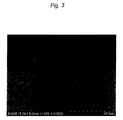
Fig. 3 is an electron microscopic picture of the cross section of sample B. -
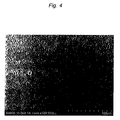
Fig. 4 is an electron microscopic picture of the surface of sample C. -
Fig. 5 is an electron microscopic picture of the cross section of sample C. -
Fig. 6 is a graph showing the XRD patterns of samples H and I. -
Fig. 7 is a graph showing the XRD patterns of samples K to M. -
Fig. 8 is an electron microscopic picture of the surface of sample H. -
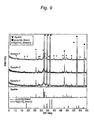
Fig. 9 is a graph showing the XRD patterns of samples N to P. -
Fig. 10 is a graph showing the XRD patterns of samples Q to T. -
Fig. 11 is a graph showing the XRD patterns of samples U to W. -
Fig. 12 is a photographic picture of the surface of sample C of which the surface treatment layer and the corrosion product were removed after 96-hour dry-wet cycle test. -
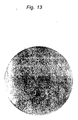
Fig. 13 is a photographic picture of the surface of sample J of which the surface treatment layer and the corrosion product were removed after 24-hour dry-wet cycle test. -
Fig. 14 is a photographic picture of the surface of sample K of which the surface treatment layer and the corrosion product were removed after 24-hour dry-wet cycle test. -
Fig. 15 is a photographic picture of the surface of just-polished sample of which the surface treatment layer and the corrosion product were removed after 24-hour dry-wet cycle test. -
Fig.16 shows anode polarization curves in 3.5 wt.% NaCl solution of samples C, J, K and just-polished sample. -
Fig. 17 is a graph showing anode current density at -1.45 V (SCE). - In the invention, the coating film that comprises an apatite crystal as the main component thereof and covers the surface of the base is a film formed through precipitation of the phosphate ion and the calcium ion contained in the treatment solution on the surface of the base as an apatite crystal thereon, and therefore can be formed irrespective of the composition of the base. Accordingly, the composition of the base is not specifically defined, and may be pure magnesium or a magnesium alloy.
- The coating film is formed through dipping treatment in an aqueous solution, and even though the surface configuration of the base is a complicated one, it does not have any influence on the coating film.
- The coating film comprises, as described in the above, an apatite crystal as the main component thereof and has, depending on the dipping treatment condition, a layer comprising crystalline Mg(OH)2 as the main component thereof, in the boundary to the base. The solubility in a salt solution of the apatite crystal having a thermodynamically stable crystal structure is extremely low. The solubility of the crystalline Mg(OH)2 is extremely lower than that of the amorphous Mg(OH)2 formed on the surface of a magnesium material in air. Accordingly, the Mg-based structural material of the invention can exhibit high corrosion resistance as compared with a magnesium material having a coating film formed through oxidation in air.
- The surface treatment solution for producing the Mg-based structural material of the invention is an aqueous solution containing a calcium chelate compound and a phosphate ion and having pH of from 5 to 13.
- The calcium compound capable of dissolving a high-concentration calcium ion in a broad pH range includes a calcium compound of a chelate such as EDTA, NTA, HEDTE, aminopolycarboxylic acid or the like, etc. So far as it is a neutral to acidic treatment solution, also usable is an inorganic salt such as calcium hydroxide, calcium nitrate, calcium carbonate, calcium acetate, calcium dihydrogenphosphate, calcium thiosulfate, etc. Adding a chelating agent along an inorganic salt increases the calcium ion concentration. In such a manner, when a chelate compound is employed as the calcium source, a relatively high-concentration calcium ion can be dissolved not only in an acidic aqueous solution but also in an alkaline aqueous solution.
- An alkaline aqueous solution containing a chelating agent such as EDTA or the like is used for smut removal from the surface of an acid-washed magnesium material. Therefore, when the concentration of the chelating agent is too high, then the surface of the base, magnesium may tend to be roughened. For example, when the EDTA concentration is higher than 2.5 × 10⁻¹ M for pure magnesium, then the surface of the magnesium base may be greatly roughened and a coating film comprising calcium phosphate as the main component thereof could not homogeneously cover the surface.
- On the other hand, the presence of the chelating agent promotes degreasing of the base surface and removal of the release agent, oxide film and smut from the surface along with film formation, and is therefore expected to reduce the impurities in the coating film to be formed.
- The inorganic phosphate salt constituting the treatment solution includes various alkali salts, ammonium salts, alkaline earth orthodihydrogen salts and the like, such as potassium dihydrogenphosphate, disodium hydrogenphosphate, ammonium dihydrogenphosphate, diammonium hydrogenphosphate, calcium monohydrogenphosphate, etc.
- When the calcium salt and phosphate salt concentration is less than 5 × 10⁻⁴ M, then the apatite crystal precipitation speed may tend to be extremely low. In this case, the dipping time will have to be prolonged.
- Accordingly, for the purpose of controlling the pH of the treatment solution prepared from a calcium compound and an inorganic phosphate salt, an alkaline solution of sodium hydroxide, potassium hydroxide, ammonia or the like is used. The pH range to be controlled is preferably within a range of
pH 5 to pH 13. Within the pH range, the magnesium base dipped in the treatment solution may start to dissolve, and owing to the pH increase through the dissolution reaction, the pH around the surface of the magnesium base could be pH 7 or more at which the apatite crystal phase could be stable. Even in the pH range of pH 11 or more in which magnesium hydroxide is insoluble, the apatite crystal phase is still stable, and therefore apatite can be precipitated on the surface of the magnesium base. - The thickness of the coating film that comprises an apatite crystal as the main component thereof is preferably from 1 × 10⁻² µm to 5 × 101 µm. More preferably, the lowermost limit is at least 1 × 10⁻¹ µm, even more preferably at least 5 × 10⁻¹ µm, still more preferably at least 1 µm. The uppermost limit is more preferably at most 2.5 × 101 µm, even more preferably at most 1 × 101 µm, still more preferably at most 5 µm. When the coating film is too thin, then it could not uniformly coat the surface of the base and the corrosion resistance may be poor; but when too thick, the film may readily peel off from the base surface.
- The Mg-based structural material of the invention is used in various applications. It may be used for parts of automobiles and two-wheeled vehicles, and housings of mobile telephones, personal computers, video cameras, etc.
- The Mg-based structural material of the invention exhibits excellent corrosion resistance as it is just treated, but for further improving the corrosion resistance thereof, or for improving the aesthetic appearance of the magnesium material, the Mg-based structural material may be painted, if desired. Not specifically defined, the paint may be either a water-bases paint or a solvent-bases paint. Not also specifically defined, the painting method may be any known method of dip painting, spray painting, electrodeposition painting, etc.
- As shown in Table 1, a base of pure magnesium of which the surface had been finished with a 0.1-µm alumina lapping film was dipped in a solution prepared by adding 1 N NaOH solution to an aqueous solution of 50 mM Ca-EDTA/50 mM KH2PO4 in a ratio of 0, 1/40, 1/20 or 3/40 by volume to the latter so as to have a controlled pH value, and statically kept therein at 95°C for 8 hours to thereby prepare samples A to D.
-
Fig. 1 shows the XRD patterns of the treated samples A to D. All the samples gave peaks of hydroxyapatite (HAp) and Mg(OH)2 (Brucite form). With the increase in the pH of the treatment solution, the HAp peak intensity increased and the Mg(OH)2 (Brucite) peak intensity decreased. -
Figs. 2 to 5 each show the electron microscopic picture of the surface and the cross section of Samples B and C. It is confirmed that in every sample, the surface is uniformly covered with an apatite crystal. The apatite is a tabular or needle-like crystal having a size of from 1 µm to 10 µm or so. Through cross section observation, EDS analysis and XRD measurement, it is known that the coating film is composed of a layer comprising, as the main component thereof, apatite crystals having a high concentration of Ca, P and O, and a boundary layer comprising, as the main component thereof, Mg(OH)2 having a high concentration of O and Mg. In some samples like sample B, the Mg(OH)2 boundary layer is extremely thin so that it could not be definitely observed through SEM, or is absent. The thickness of the formed film is shown in Table 1. With the increase in the pH of the treatment solution, the thickness tended to increase. - These results confirm that the size of the apatite crystal and the thickness of the coating film can be controlled through pH control of the treatment solution.
Table 1 Sample Code A B C D Ca- EDTA Concentration mM 50 KH2PO4 Concentration mM 50 Addition Ratio of 1N NaOH (*1) 0 1/40 1/20 3/40 pH of Treatment Solution (*2) pH 5.3-5.5 6.1-6.5 7.1-7.4 11.0-11.5 Treatment Time h 8 Apatite Formation (*3) ○ ○ ○ ○ Film Thickness µm 1.3 1.5 2.5 2.3 *1 Added amount in terms of volume relative to the volume of the Ca-EDTA/KH2PO4 solution taken as the denominator. *2 Value measured with a pH test paper. The right and left values of the range indicate the lowermost and uppermost limit of the error range. *3 ○: Apatite crystal-derived peaks are observed definitely on the XRD spectrum. Δ: Apatite crystal-derived peaks are extremely small on the XRD spectrum. ×: No apatite crystal-deived peak is observed on the XRD spectrum. - As shown in Table 2, a pure magnesium base that had been surface-finished in the same manner as in Example 1 was dipped in an aqueous solution of 50 mM Ca-EDTA/50 mM KH2PO4 prepared by adding 1 N NaOH thereto in a ratio of 1/40 by volume to the former so as to have a controlled pH value, and statically kept therein at 95°C for 24, 96 or 168 hours to thereby prepare samples E to G. In addition, a pure magnesium base that had been surface-finished in the same manner as in Example 1 was dipped in an aqueous solution of 50 mM Ca-EDTA/50 mM KH2PO4 prepared by adding 1 N NaOH thereto in a ratio of 1/20 by volume to the former so as to have a controlled pH value, and statically kept therein at 95°C for 2, 4, 16, 24, 96 or 168 hours to thereby prepare samples H to M.
Fig. 6 shows the XRD patterns of the samples H and I treated with a solution having a pH of from 7.1 to 7.4; andFig. 7 shows the XRD patterns of the surfaces of the samples K to M treated with a solution having a pH of from 7.1 to 7.4. Treated for a different period of time, the samples gave HAp peaks; and the samples treated for a longer period of time additionally gave Mg(OH)2 (Brucite) peaks. On the other hand, the sample H treated for 2 hours gave no peak of Mg(OH)2 (Brucite). - With the increase in the treatment time, the HAp peaks became sharper and the intensity thereof significantly increased. The Mg(OH)2 peak intensity also increased with the increase in the treatment time. On the other hand, the base magnesium peak intensity significantly decreased with the increase in the treatment time. The samples E to G treated with a solution having a pH of from 6.1 to 6.5 gave the same results.
- The thickness of the coating film, as determined through observation of the cross section of the sample, is shown in Table 2. The thickness of the coating film thinner than 1 µm is a value presumed from the relationship between the treatment time and the film thickness. Even when the treatment time is 2 hours and is short, the apatite crystal uniformly covers the surface of the base, as shown in
Fig. 8 , and with the increase in the treatment time, the thickness of the apatite crystal layer tended to increase. When the treatment time is 96 hours or more and is long, the apatite crystal precipitation amount increased, but in many cases, a part or all of the coating film peeled from the surface of the base. - These results indicate that the apatite crystal layer can be formed even when the treatment time is short, and that the apatite crystal precipitation amount can be varied by changing the treatment time and the film thickness can be thereby controlled. However, in case where the treatment time is too long and when the film thickness is more than 50 µm, then the coating film is often peeled.
Table 2 Sample Code E F G H I J K L M Ca- EDTA Concentration mM 50 50 KH2PO4 Concentration mM 50 50 Addition Ratio of 1 N NaOH (*1) - 1 /40 1/20 pH of Treatment Solution (*2) pH 6.1-6.5 7.1-7.4 Treatment Time h 24 96 168 2 4 16 24 96 168 Apatite Formation (*3) ○ ○ ○ ○ ○ ○ ○ ○ ○ Film Thickness µm 2 75 90 0.7 1.5 3.7 5 220 550 *1 Added amount in terms of volume relative to the volume of the Ca-EDTA/KH2PO4 solution taken as the denominator. *2 Value measured with a pH test paper. The right and left values of the range indicate the lowermost and uppermost limit of the error range. *3 ○: Apatite crystal-derived peaks are observed definitely on the XRD spectrum. Δ: Apatite crystal-derived peaks are extremely small on the XRD spectrum. ×: No apatite crystal-derived peak is observed on the XRD spectrum. - As shown in Table 3, a pure magnesium base that had been surface-finished in the same manner as in Example 1 was dipped in an aqueous solution of 250 mM Ca-EDTA/250 mM KH2PO4 prepared by adding 1 N NaOH thereto in a ratio of 1/40, 1/20 or 3/40 by volume to the former so as to have a controlled pH value, and statically kept therein at 95°C for 8 hours to thereby prepare samples N to P. In the treatment solution used herein, the phosphate ion and the calcium ion concentration was 5 times that of the solution used in Example 1 and Example 2.
-
Fig. 9 shows the XRD patterns of the treated samples N to P. All the samples gave HAp peaks of hydroxyapatite. With the increase in the pH of the treatment solution, the HAp peak intensity increased. Samples O and P gave Mg(OH)2 (Brucite) peaks; however, sample N for which the pH of the treatment solution was relatively low did not give a definite peak. The Mg(OH)2 peaks of samples O and P were extremely small as compared with those of samples A to D. These indicate that the magnesium hydroxide layer is difficult to be formed in the solution having a high calcium ion and phosphate ion concentration. The thickness of the formed film is shown in Table 3. - When compared with that of the surface treated with 50 mM Ca-EDTA/50 mM KH2PO4 solution in Example 1, the HAp peak intensity of the surface treated with the 250 mM solution was higher. On the other hand, the Mg(OH)2 peak intensity of the surface treated with the 250 mM solution was lower.
- These results indicate that the increase in the phosphate ion and calcium ion concentration in the treatment solution increases the apatite crystal precipitation amount and retards the growth of the boundary layer, Mg(OH)2 layer.
Table 3 Sample Code N O P Ca-EDTA Concentration mM 250 KH2PO4 Concentration mM 250 Addition Ratio of 1N NaOH (*1) - 1 /40 1/20 3/40 pH of Treatment Solution (*2) pH 6.1 6.1-6.2 6.5-7.0 Treatment Time h 8 Apatite Formation (*3) ○ ○ ○ Film Thickness µm 1.7 1.8 2.7 *1 Added amount in terms of volume relative to the volume of the Ca-EDTA/KH2PO4 solution taken as the denominator. *2 Value measured with a pH test paper. The right and left values of the range indicate the lowermost and uppermost limit of the error range. *3 ○: Apatite crystal-derived peaks are observed definitely on the XRD spectrum. Δ: Apatite crystal-derived peaks are extremely small on the XRD spectrum. ×: No apatite crystal-derived peak is observed on the XRD spectrum. - As shown in Table 4, an alloy base of AZ31, AZ61, AZ91 or Mg-1.0 Al, of which the surface had been finished with a 0.1-µm alumina lapping film, was dipped in an aqueous solution of 50 mM Ca-EDTA/50 mM KH2PO4, and statically kept therein at 95°C for 8 hours to thereby prepare samples Q to T.
Fig. 10 shows the XRD patterns of samples Q to T. All the samples gave HAp peaks. With the increase in the Al concentration in the AZ series alloys, the relative peak intensity of HAp to the base alloy increased. On the other hand, the samples gave no definite peak of Mg(OH)2 (Brucite). These indicate that the easiness in the magnesium hydroxide layer formation differs depending on the kind of the base. The thickness of the coating film is shown in Table 4. The film thickness varies depending on the kind of the base alloy. - The above clarifies that the treatment of the invention forms a coating film comprising an apatite crystal as the main component thereof on the surface of the base, irrespective of the composition of the base, magnesium alloy. -
Table 4 Sample Code Q R S T Base Alloy AZ31 AZ61 AZ91 Mg-1.0 Al Ca- EDTA Concentration mM 50 50 KH2PO4 Concentration mM 50 50 Addition Ratio of 1 N NaOH (*1) - 1 /40 pH of Treatment Solution (*2) pH 5.3-5.5 7.7-7.9 Treatment Time h 8 8 Apatite Formation (*3) ○ ○ ○ ○ Film Thickness µm 15 26 , 24 4 *1 Added amount in terms of volume relative to the volume of the Ca-EDTA/KH2PO4 solution taken as the denominator. *2 Value measured with a pH test paper. The right and left values of the range indicate the lowermost and uppermost limit of the error range. *3 O: Apatite crystal-derived peaks are observed definitely on the XRD spectrum. Δ: Apatite crystat-derived peaks are extremely small on the XRD spectrum. ×: No apatite crystal-derived peak is observed on the XRD spectrum. - As shown in Table 5, a pure magnesium base of which the surface had been finished with a 0.1-µm alumina lapping film was dipped in an aqueous solution of which the Ca-EDTA and KH2PO4 concentration had been so designed that the ratio of Ca/P could be the same as that, 1.67 of HAp, and statically kept therein at 95°C for 8 hours to thereby prepare samples U to W.
Fig. 11 shows the XRD patterns of samples U to W. When the calcium ion concentration was 1 mM, the samples gave only trace-level HAp peaks except a HAp(002) plane-derived peak, but with the increase in the calcium ion concentration, the HAp peaks increased. This indicates that, for forming a film comprising apatite crystals as the main component thereof on the surface of the material comprising, as the main component thereof, magnesium that inhibits HAp crystal formation, the calcium ion and phosphate ion concentration in the treatment solution is preferably higher. The samples U and V for which the calcium ion and phosphate ion concentration in the treatment solution was low did not give definite Mg(OH)2 peaks. This indicates that the presence of the magnesium hydroxide layer depends on the calcium ion and phosphate ion concentration in the treatment solution.Table 5 Sample Code unit U V W Ca- EDTA Concentration mM 1 10 50 KH2PO4 Concentration mM 0.6 6 30 Addition Ratio of 1N NaOH (*1) 3/5000 3/500 3/100 pH of Treatment Solution (*2) pH 6.1-6.5 8.1-8.3 8.3-8.5 Treatment Time h 8 8 8 Apatite Formation (*3) △ ○ ○ Film Thickness µm <1 1.5 2.9 *1 Added amount in terms of volume relative to the volume of the Ca-EDTA/KH2PO4 solution taken as the denominator. *2 Value measured with a pH test paper. The right and left values of the range indicate the lowermost and uppermost limit of the error range. *3 ○: Apatite crystal-derived peaks are observed definitely on the XRD spectrum. Δ: Apatite crystal-derived peaks are extremely small on the XRD spectrum. ×: No apatite crystat-derived peak is observed on the XRD spectrum. - NaCl in an amount of 1 g/m2 was deposited to the surface of the samples C, J and K shown in Table 1 and Table 2 and to a just-polished sample, and at room temperature, subjected to a dry-wet cycle test for a total of 96 hours in which the relative humidity was controlled to be from 55% to 95% and again 55% at intervals of 8 hours. The comparative sample, just-polished sample is a 0.1-µm alumina lapping-finished sample. The NaCl deposition amount of 1 g/m2 is close to the NaCl deposition amount in a seaside region, and means an extremely severe corrosion environment. Even though corroded in this test, the samples are not always corroded in actual environments.
-
Fig.12 to Fig. 15 are pictures each showing the surface of the samples C, J and K and the just-polished sample after the 96-hour dry-wet cycle test, from which the surface-treated layer and the corrosion product had been removed. After the 96-hour test, the samples C and K had small filiform corrosion at the edge thereof; however, the sample J did not have any remarkable corrosion. On the other hand, the just-polished sample was covered with filiform corrosion almost on the entire surface thereof. This clarifies that the surface treatment in the invention provides sufficient corrosion resistance against atmospheric corrosion. It addition, it is known that even a thin coating film having a thickness of less than 5 µm secures sufficient corrosion resistance. - The samples C, J and K shown in Table 1 and Table 2 and the just-polished sample were anodically polarized in a 3.5 wt.% NaCl solution at room temperature. The NaCl concentration of 3.5 wt.% is the same salt concentration as in seawater.
Fig.16 shows the polarization curves of the samples C, J and K and the just-polished sample. The anode current density at a potential of - 1.45 V (SCE) is collectively shown inFig. 17 and Table 6. Just after the start of polarization, the current density of the just-polished sample rapidly increased, which showed an anode current density of larger than 10 mA/cm2; however, the magnesium material having the coating film of the invention had a pseudo-passive region in a potential width of several tens mV around the corrosion potential, therefore still showing a low current density of lower than 1 mA/cm2 even after rapid increase in the current density owing to film breakdown. - These results clarify that, even in an aqueous solution containing NaCl to the same level concentration as in seawater, the magnesium material having the coating film of the invention exhibits high corrosion resistance. In addition, it is known that a thicker coating film exhibits higher corrosion resistance in an aqueous solution.
Table 6 Sample Code C J K Comparative Example Treatment Time [h] 8 16 24 just polished Film Thickness [µm] 2.5 3.7 5 Anode Current at-1.45V [A cm-2] 6.7 x 10⁻⁴ 9.7 x 10⁻⁶ 9.6 x 10⁻⁷ 7.8 x 10⁻³ - A water-based epoxy paint was applied to the surface of the samples H, land C shown in Table 1 and Table 2 and to the surface of the just-polished sample, and tested in a cross-cut test (JIS K 5600-5-6). According to the JIS classification, the paint peeling ratio was evaluated. The test results are shown in Table 7. The just-polished sample was graded in GT 3, but the sample I was in
GT 2. This clarifies that the coating film in the invention improves the adhesiveness to the paint. It is known that the adhesiveness to the water-based epoxy paint depends on the thickness of the coating film, and the thickness is preferably from 1 to 2 µm.Table 7 Sample Code H I C Comparative Example Dipping Time [h] 2 4 8 just polished Film Thickness [µm] 0.7 1.5 2.5 - Cross-Cut Test Grading (*1) 4 2 4 3 *1 The grading is based on JIS K 5600. The larger number indicates a larger paint peeling ratio. - The Mg-based structural material of the invention is used in various application. It may be used for parts of transportation equipment such as automobiles and two-wheeled vehicles, and housings of mobile telephones, personal computers, video cameras, etc. The production method for the Mg-based structural material of the invention reduces the environmental load of the production process and is effective for environmental protection.
Claims (6)
- An Mg-based structural material comprising a magnesium or magnesium alloy base and formed in a desired structural shape, wherein the surface of the base is coated with a film comprising apatite crystals as the main component thereof.
- The Mg-based structural material as claimed in claim 1, wherein the coating film and the base are integrated via a magnesium hydroxide layer.
- The Mg-based structural material as claimed in claim 1 or 2, wherein the surface of the coating film is painted with a resin paint.
- The Mg-based structural material as claimed in any of claims 1 to 3, wherein the thickness of the coating film is from 1 to 5 µm.
- A production method for the Mg-based structural material of any one of claims 1 to 4, wherein the base formed in a desired shape is dipped in an aqueous solution containing a phosphate ion and a non-chloride calcium ion dissolved in a supersaturation state, thereby precipitating a coating film comprising apatite crystals as the main component thereof, on the surface of the base.
- The production method for the Mg-based structural material as claimed in claim 5, wherein the calcium ion in the aqueous solution is prepared by dissolution of a calcium chelate compound therein.
Applications Claiming Priority (2)
| Application Number | Priority Date | Filing Date | Title |
|---|---|---|---|
| JP2009021268A JP5517024B2 (en) | 2009-02-02 | 2009-02-02 | Mg-based structural member |
| PCT/JP2010/051284 WO2010087456A1 (en) | 2009-02-02 | 2010-01-29 | Mg-BASED STRUCTURED MEMBER |
Publications (3)
| Publication Number | Publication Date |
|---|---|
| EP2392693A1 true EP2392693A1 (en) | 2011-12-07 |
| EP2392693A4 EP2392693A4 (en) | 2014-06-04 |
| EP2392693B1 EP2392693B1 (en) | 2018-08-15 |
Family
ID=42395711
Family Applications (1)
| Application Number | Title | Priority Date | Filing Date |
|---|---|---|---|
| EP10735918.4A Not-in-force EP2392693B1 (en) | 2009-02-02 | 2010-01-29 | Mg-BASED STRUCTURED MEMBER |
Country Status (4)
| Country | Link |
|---|---|
| EP (1) | EP2392693B1 (en) |
| JP (1) | JP5517024B2 (en) |
| CN (1) | CN102301034B (en) |
| WO (1) | WO2010087456A1 (en) |
Cited By (4)
| Publication number | Priority date | Publication date | Assignee | Title |
|---|---|---|---|---|
| WO2017153036A1 (en) * | 2016-03-10 | 2017-09-14 | Audi Ag | Method for passivating a surface of a metal part |
| CN108273133A (en) * | 2018-03-05 | 2018-07-13 | 北京科技大学 | A method for preparing biomedical alloy HA coating by gel injection molding |
| DE102017011379A1 (en) * | 2017-12-11 | 2019-06-13 | Audi Ag | Anti-corrosion coating for metallic substrates |
| EP3643811A4 (en) * | 2017-06-22 | 2021-03-31 | Nihon Parkerizing Co., Ltd. | MAGNESIUM METAL MATERIAL WITH COATING FILM |
Families Citing this family (5)
| Publication number | Priority date | Publication date | Assignee | Title |
|---|---|---|---|---|
| JP5669859B2 (en) * | 2009-12-11 | 2015-02-18 | ラティテュード・18,インコーポレイテッド | Inorganic phosphate anti-corrosion coating |
| CN103966578B (en) * | 2014-05-09 | 2016-01-27 | 哈尔滨工程大学 | The method of the super-hydrophobic rete of hydroxyapatite is constructed at Mg alloy surface |
| JP6783465B2 (en) * | 2017-01-19 | 2020-11-11 | 国立研究開発法人物質・材料研究機構 | Medical bioabsorbable member and its manufacturing method |
| CN113463156B (en) * | 2021-07-23 | 2022-09-20 | 中国科学院青海盐湖研究所 | Magnesium hydroxide film layer and preparation method and system thereof |
| CN114606486A (en) * | 2022-03-11 | 2022-06-10 | 重庆大学 | Magnesium alloy CaCO3Conversion film treating agent and treating method thereof |
Family Cites Families (11)
| Publication number | Priority date | Publication date | Assignee | Title |
|---|---|---|---|---|
| JP3983862B2 (en) | 1997-10-24 | 2007-09-26 | Dowaホールディングス株式会社 | Sputtering target and its joining method and joining apparatus |
| JP3768388B2 (en) * | 2000-07-18 | 2006-04-19 | 独立行政法人科学技術振興機構 | Biological magnesium material and method for producing the same |
| JP2003003237A (en) | 2001-06-20 | 2003-01-08 | Nippon Steel Corp | Steel sheet for continuous casting enamel with low in-plane anisotropy and method for producing the same |
| KR100999313B1 (en) | 2002-03-25 | 2010-12-09 | 오카야마켄 | Magnesium or magnesium alloy product having a conductive anodized film on its surface and a method of manufacturing the same |
| JP3845328B2 (en) | 2002-03-29 | 2006-11-15 | 株式会社栗本鐵工所 | Method for forming a chemical conversion coating on magnesium alloy |
| JP2005281717A (en) | 2004-03-26 | 2005-10-13 | Kurimoto Ltd | Method for forming chemical conversion coating on magnesium alloy |
| EP1997522B1 (en) * | 2006-03-20 | 2015-05-13 | National Institute for Materials Science | Method of controlling degradation time of a biodegradable device |
| WO2008059968A1 (en) * | 2006-11-17 | 2008-05-22 | National Institute For Materials Science | Magnesium-based medical device and process for producing the same |
| CN101249280B (en) * | 2008-03-31 | 2011-06-08 | 武汉理工大学 | Biomimetic Preparation of Apatite Coating on Pure Magnesium Surface |
| JP2010063534A (en) * | 2008-09-09 | 2010-03-25 | Olympus Corp | Graft material and method of manufacturing the same |
| JP5339347B2 (en) * | 2008-12-25 | 2013-11-13 | 独立行政法人物質・材料研究機構 | A medical bioabsorbable member and a method for producing the same. |
-
2009
- 2009-02-02 JP JP2009021268A patent/JP5517024B2/en active Active
-
2010
- 2010-01-29 WO PCT/JP2010/051284 patent/WO2010087456A1/en not_active Ceased
- 2010-01-29 CN CN201080005817.8A patent/CN102301034B/en not_active Expired - Fee Related
- 2010-01-29 EP EP10735918.4A patent/EP2392693B1/en not_active Not-in-force
Cited By (7)
| Publication number | Priority date | Publication date | Assignee | Title |
|---|---|---|---|---|
| WO2017153036A1 (en) * | 2016-03-10 | 2017-09-14 | Audi Ag | Method for passivating a surface of a metal part |
| DE102016002852A1 (en) * | 2016-03-10 | 2017-09-14 | Audi Ag | Method for passivating a surface of a metal component |
| EP3643811A4 (en) * | 2017-06-22 | 2021-03-31 | Nihon Parkerizing Co., Ltd. | MAGNESIUM METAL MATERIAL WITH COATING FILM |
| US20210172067A1 (en) * | 2017-06-22 | 2021-06-10 | Nihon Parkerizing Co., Ltd. | Production method for magnesium-containing metal material provided with coating |
| DE102017011379A1 (en) * | 2017-12-11 | 2019-06-13 | Audi Ag | Anti-corrosion coating for metallic substrates |
| CN108273133A (en) * | 2018-03-05 | 2018-07-13 | 北京科技大学 | A method for preparing biomedical alloy HA coating by gel injection molding |
| CN108273133B (en) * | 2018-03-05 | 2020-05-19 | 北京科技大学 | A method for preparing biomedical alloy HA coating by gel injection molding |
Also Published As
| Publication number | Publication date |
|---|---|
| CN102301034B (en) | 2013-09-18 |
| JP2010174363A (en) | 2010-08-12 |
| CN102301034A (en) | 2011-12-28 |
| JP5517024B2 (en) | 2014-06-11 |
| WO2010087456A1 (en) | 2010-08-05 |
| EP2392693A4 (en) | 2014-06-04 |
| EP2392693B1 (en) | 2018-08-15 |
Similar Documents
| Publication | Publication Date | Title |
|---|---|---|
| EP2392693B1 (en) | Mg-BASED STRUCTURED MEMBER | |
| Phuong et al. | Zinc phosphate conversion coatings on magnesium alloys: A review | |
| DE19913242C2 (en) | Chemically passivated article made of magnesium or its alloys, method of manufacture and its use | |
| US5932083A (en) | Electrodeposition of cerium-based coatings for corrosion protection of aluminum alloys | |
| EP3392374B1 (en) | Film forming treatment agent for composite chemical conversion film for magnesium alloy, and film forming process | |
| EP1390564A2 (en) | Method for coating metallic surfaces and use of the substrates coated in this manner | |
| EP2957658B1 (en) | Metal member with excellent corrosion resistance, manufacturing method and repair method thereof | |
| EP1693485A1 (en) | Liquid trivalent chromate for aluminum or aluminum alloy and method for forming corrosion-resistant film over surface of aluminum or aluminum alloy by using same | |
| US20120152409A1 (en) | Surface treatment of magnesium alloy castings for corrosion protection | |
| NZ273541A (en) | Cleaning metal surfaces by treatment with alkaline cleaning solution and then with rare earth ion-containing, acidic solution; metal surfaces coated with rare earth (compounds) | |
| EP3424697A1 (en) | Composite body | |
| JP4112219B2 (en) | Surface treatment method for lithium-based magnesium alloy material | |
| EP1080795B1 (en) | Coating structure having corrosion resistance | |
| Hiromoto | Corrosion of calcium phosphate coated AZ31 magnesium alloy under a salt spray test | |
| JP4579714B2 (en) | Chemically treated steel sheet with excellent film adhesion after forming | |
| EP1340839B1 (en) | Whiskerless galvanized product having multi-layer rust prevention film and manufacturing method of whiskerless galvanized product having multi-layer rust prevention film | |
| Van Ooij et al. | Chemical stability of phosphate conversion coatings on cold-rolled and electrogalvanized steels | |
| JP2005281717A (en) | Method for forming chemical conversion coating on magnesium alloy | |
| WO2001077411A1 (en) | Method for forming phosphate coatings on nonferrous metals and plated steel sheets | |
| JP2000219975A (en) | Surface-treated Mg alloy and surface treatment method | |
| JP2018135570A (en) | Sn BASED ALLOY PLATED STEEL SHEET AND METHOD FOR MANUFACTURING THE SAME | |
| Arun Kumar et al. | Corrosion behaviour of magnesium alloys and chemical conversion coatings for their improved corrosion resistance | |
| EP2940187B1 (en) | Phosphate solution for zinc- or zinc-based alloy-plated steel sheet, and zinc or zinc-based alloy-plated steel sheet using same | |
| Vee et al. | Microstructure and elemental analysis of ZnO-coated AZ91D magnesium alloy via anodic oxidation coating for corrosion protection | |
| Heller | Phosphate post-treatment of cerium-based conversion coatings on aluminum alloy 2024-T3 |
Legal Events
| Date | Code | Title | Description |
|---|---|---|---|
| PUAI | Public reference made under article 153(3) epc to a published international application that has entered the european phase |
Free format text: ORIGINAL CODE: 0009012 |
|
| 17P | Request for examination filed |
Effective date: 20110719 |
|
| AK | Designated contracting states |
Kind code of ref document: A1 Designated state(s): AT BE BG CH CY CZ DE DK EE ES FI FR GB GR HR HU IE IS IT LI LT LU LV MC MK MT NL NO PL PT RO SE SI SK SM TR |
|
| DAX | Request for extension of the european patent (deleted) | ||
| A4 | Supplementary search report drawn up and despatched |
Effective date: 20140508 |
|
| RIC1 | Information provided on ipc code assigned before grant |
Ipc: C23C 22/60 20060101ALI20140430BHEP Ipc: C23C 28/04 20060101ALI20140430BHEP Ipc: C23C 28/00 20060101ALI20140430BHEP Ipc: A61L 27/32 20060101ALI20140430BHEP Ipc: C23C 30/00 20060101ALI20140430BHEP Ipc: C23C 22/83 20060101ALI20140430BHEP Ipc: C23C 22/68 20060101ALI20140430BHEP Ipc: C23C 22/22 20060101AFI20140430BHEP |
|
| STAA | Information on the status of an ep patent application or granted ep patent |
Free format text: STATUS: EXAMINATION IS IN PROGRESS |
|
| 17Q | First examination report despatched |
Effective date: 20171025 |
|
| GRAP | Despatch of communication of intention to grant a patent |
Free format text: ORIGINAL CODE: EPIDOSNIGR1 |
|
| STAA | Information on the status of an ep patent application or granted ep patent |
Free format text: STATUS: GRANT OF PATENT IS INTENDED |
|
| INTG | Intention to grant announced |
Effective date: 20180323 |
|
| GRAS | Grant fee paid |
Free format text: ORIGINAL CODE: EPIDOSNIGR3 |
|
| GRAJ | Information related to disapproval of communication of intention to grant by the applicant or resumption of examination proceedings by the epo deleted |
Free format text: ORIGINAL CODE: EPIDOSDIGR1 |
|
| GRAL | Information related to payment of fee for publishing/printing deleted |
Free format text: ORIGINAL CODE: EPIDOSDIGR3 |
|
| STAA | Information on the status of an ep patent application or granted ep patent |
Free format text: STATUS: EXAMINATION IS IN PROGRESS |
|
| GRAR | Information related to intention to grant a patent recorded |
Free format text: ORIGINAL CODE: EPIDOSNIGR71 |
|
| STAA | Information on the status of an ep patent application or granted ep patent |
Free format text: STATUS: GRANT OF PATENT IS INTENDED |
|
| GRAA | (expected) grant |
Free format text: ORIGINAL CODE: 0009210 |
|
| STAA | Information on the status of an ep patent application or granted ep patent |
Free format text: STATUS: THE PATENT HAS BEEN GRANTED |
|
| INTC | Intention to grant announced (deleted) | ||
| AK | Designated contracting states |
Kind code of ref document: B1 Designated state(s): AT BE BG CH CY CZ DE DK EE ES FI FR GB GR HR HU IE IS IT LI LT LU LV MC MK MT NL NO PL PT RO SE SI SK SM TR |
|
| INTG | Intention to grant announced |
Effective date: 20180706 |
|
| REG | Reference to a national code |
Ref country code: CH Ref legal event code: EP Ref country code: GB Ref legal event code: FG4D Ref country code: AT Ref legal event code: REF Ref document number: 1029861 Country of ref document: AT Kind code of ref document: T Effective date: 20180815 |
|
| REG | Reference to a national code |
Ref country code: IE Ref legal event code: FG4D |
|
| REG | Reference to a national code |
Ref country code: DE Ref legal event code: R096 Ref document number: 602010052753 Country of ref document: DE |
|
| REG | Reference to a national code |
Ref country code: NL Ref legal event code: MP Effective date: 20180815 |
|
| REG | Reference to a national code |
Ref country code: LT Ref legal event code: MG4D |
|
| REG | Reference to a national code |
Ref country code: AT Ref legal event code: MK05 Ref document number: 1029861 Country of ref document: AT Kind code of ref document: T Effective date: 20180815 |
|
| PG25 | Lapsed in a contracting state [announced via postgrant information from national office to epo] |
Ref country code: FI Free format text: LAPSE BECAUSE OF FAILURE TO SUBMIT A TRANSLATION OF THE DESCRIPTION OR TO PAY THE FEE WITHIN THE PRESCRIBED TIME-LIMIT Effective date: 20180815 Ref country code: LT Free format text: LAPSE BECAUSE OF FAILURE TO SUBMIT A TRANSLATION OF THE DESCRIPTION OR TO PAY THE FEE WITHIN THE PRESCRIBED TIME-LIMIT Effective date: 20180815 Ref country code: SE Free format text: LAPSE BECAUSE OF FAILURE TO SUBMIT A TRANSLATION OF THE DESCRIPTION OR TO PAY THE FEE WITHIN THE PRESCRIBED TIME-LIMIT Effective date: 20180815 Ref country code: GR Free format text: LAPSE BECAUSE OF FAILURE TO SUBMIT A TRANSLATION OF THE DESCRIPTION OR TO PAY THE FEE WITHIN THE PRESCRIBED TIME-LIMIT Effective date: 20181116 Ref country code: BG Free format text: LAPSE BECAUSE OF FAILURE TO SUBMIT A TRANSLATION OF THE DESCRIPTION OR TO PAY THE FEE WITHIN THE PRESCRIBED TIME-LIMIT Effective date: 20181115 Ref country code: AT Free format text: LAPSE BECAUSE OF FAILURE TO SUBMIT A TRANSLATION OF THE DESCRIPTION OR TO PAY THE FEE WITHIN THE PRESCRIBED TIME-LIMIT Effective date: 20180815 Ref country code: NO Free format text: LAPSE BECAUSE OF FAILURE TO SUBMIT A TRANSLATION OF THE DESCRIPTION OR TO PAY THE FEE WITHIN THE PRESCRIBED TIME-LIMIT Effective date: 20181115 Ref country code: NL Free format text: LAPSE BECAUSE OF FAILURE TO SUBMIT A TRANSLATION OF THE DESCRIPTION OR TO PAY THE FEE WITHIN THE PRESCRIBED TIME-LIMIT Effective date: 20180815 Ref country code: IS Free format text: LAPSE BECAUSE OF FAILURE TO SUBMIT A TRANSLATION OF THE DESCRIPTION OR TO PAY THE FEE WITHIN THE PRESCRIBED TIME-LIMIT Effective date: 20181215 |
|
| PG25 | Lapsed in a contracting state [announced via postgrant information from national office to epo] |
Ref country code: HR Free format text: LAPSE BECAUSE OF FAILURE TO SUBMIT A TRANSLATION OF THE DESCRIPTION OR TO PAY THE FEE WITHIN THE PRESCRIBED TIME-LIMIT Effective date: 20180815 Ref country code: LV Free format text: LAPSE BECAUSE OF FAILURE TO SUBMIT A TRANSLATION OF THE DESCRIPTION OR TO PAY THE FEE WITHIN THE PRESCRIBED TIME-LIMIT Effective date: 20180815 Ref country code: ES Free format text: LAPSE BECAUSE OF FAILURE TO SUBMIT A TRANSLATION OF THE DESCRIPTION OR TO PAY THE FEE WITHIN THE PRESCRIBED TIME-LIMIT Effective date: 20180815 |
|
| PG25 | Lapsed in a contracting state [announced via postgrant information from national office to epo] |
Ref country code: CZ Free format text: LAPSE BECAUSE OF FAILURE TO SUBMIT A TRANSLATION OF THE DESCRIPTION OR TO PAY THE FEE WITHIN THE PRESCRIBED TIME-LIMIT Effective date: 20180815 Ref country code: IT Free format text: LAPSE BECAUSE OF FAILURE TO SUBMIT A TRANSLATION OF THE DESCRIPTION OR TO PAY THE FEE WITHIN THE PRESCRIBED TIME-LIMIT Effective date: 20180815 Ref country code: RO Free format text: LAPSE BECAUSE OF FAILURE TO SUBMIT A TRANSLATION OF THE DESCRIPTION OR TO PAY THE FEE WITHIN THE PRESCRIBED TIME-LIMIT Effective date: 20180815 Ref country code: PL Free format text: LAPSE BECAUSE OF FAILURE TO SUBMIT A TRANSLATION OF THE DESCRIPTION OR TO PAY THE FEE WITHIN THE PRESCRIBED TIME-LIMIT Effective date: 20180815 Ref country code: EE Free format text: LAPSE BECAUSE OF FAILURE TO SUBMIT A TRANSLATION OF THE DESCRIPTION OR TO PAY THE FEE WITHIN THE PRESCRIBED TIME-LIMIT Effective date: 20180815 |
|
| REG | Reference to a national code |
Ref country code: DE Ref legal event code: R097 Ref document number: 602010052753 Country of ref document: DE |
|
| PG25 | Lapsed in a contracting state [announced via postgrant information from national office to epo] |
Ref country code: DK Free format text: LAPSE BECAUSE OF FAILURE TO SUBMIT A TRANSLATION OF THE DESCRIPTION OR TO PAY THE FEE WITHIN THE PRESCRIBED TIME-LIMIT Effective date: 20180815 Ref country code: SK Free format text: LAPSE BECAUSE OF FAILURE TO SUBMIT A TRANSLATION OF THE DESCRIPTION OR TO PAY THE FEE WITHIN THE PRESCRIBED TIME-LIMIT Effective date: 20180815 Ref country code: SM Free format text: LAPSE BECAUSE OF FAILURE TO SUBMIT A TRANSLATION OF THE DESCRIPTION OR TO PAY THE FEE WITHIN THE PRESCRIBED TIME-LIMIT Effective date: 20180815 |
|
| PLBE | No opposition filed within time limit |
Free format text: ORIGINAL CODE: 0009261 |
|
| STAA | Information on the status of an ep patent application or granted ep patent |
Free format text: STATUS: NO OPPOSITION FILED WITHIN TIME LIMIT |
|
| 26N | No opposition filed |
Effective date: 20190516 |
|
| PG25 | Lapsed in a contracting state [announced via postgrant information from national office to epo] |
Ref country code: SI Free format text: LAPSE BECAUSE OF FAILURE TO SUBMIT A TRANSLATION OF THE DESCRIPTION OR TO PAY THE FEE WITHIN THE PRESCRIBED TIME-LIMIT Effective date: 20180815 Ref country code: MC Free format text: LAPSE BECAUSE OF FAILURE TO SUBMIT A TRANSLATION OF THE DESCRIPTION OR TO PAY THE FEE WITHIN THE PRESCRIBED TIME-LIMIT Effective date: 20180815 |
|
| REG | Reference to a national code |
Ref country code: CH Ref legal event code: PL |
|
| PG25 | Lapsed in a contracting state [announced via postgrant information from national office to epo] |
Ref country code: LU Free format text: LAPSE BECAUSE OF NON-PAYMENT OF DUE FEES Effective date: 20190129 |
|
| REG | Reference to a national code |
Ref country code: BE Ref legal event code: MM Effective date: 20190131 |
|
| REG | Reference to a national code |
Ref country code: IE Ref legal event code: MM4A |
|
| PG25 | Lapsed in a contracting state [announced via postgrant information from national office to epo] |
Ref country code: FR Free format text: LAPSE BECAUSE OF NON-PAYMENT OF DUE FEES Effective date: 20190131 |
|
| PG25 | Lapsed in a contracting state [announced via postgrant information from national office to epo] |
Ref country code: BE Free format text: LAPSE BECAUSE OF NON-PAYMENT OF DUE FEES Effective date: 20190131 |
|
| PG25 | Lapsed in a contracting state [announced via postgrant information from national office to epo] |
Ref country code: LI Free format text: LAPSE BECAUSE OF NON-PAYMENT OF DUE FEES Effective date: 20190131 Ref country code: CH Free format text: LAPSE BECAUSE OF NON-PAYMENT OF DUE FEES Effective date: 20190131 |
|
| PG25 | Lapsed in a contracting state [announced via postgrant information from national office to epo] |
Ref country code: IE Free format text: LAPSE BECAUSE OF NON-PAYMENT OF DUE FEES Effective date: 20190129 |
|
| PG25 | Lapsed in a contracting state [announced via postgrant information from national office to epo] |
Ref country code: TR Free format text: LAPSE BECAUSE OF FAILURE TO SUBMIT A TRANSLATION OF THE DESCRIPTION OR TO PAY THE FEE WITHIN THE PRESCRIBED TIME-LIMIT Effective date: 20180815 |
|
| PG25 | Lapsed in a contracting state [announced via postgrant information from national office to epo] |
Ref country code: PT Free format text: LAPSE BECAUSE OF FAILURE TO SUBMIT A TRANSLATION OF THE DESCRIPTION OR TO PAY THE FEE WITHIN THE PRESCRIBED TIME-LIMIT Effective date: 20181215 Ref country code: MT Free format text: LAPSE BECAUSE OF NON-PAYMENT OF DUE FEES Effective date: 20190129 |
|
| PG25 | Lapsed in a contracting state [announced via postgrant information from national office to epo] |
Ref country code: CY Free format text: LAPSE BECAUSE OF FAILURE TO SUBMIT A TRANSLATION OF THE DESCRIPTION OR TO PAY THE FEE WITHIN THE PRESCRIBED TIME-LIMIT Effective date: 20180815 |
|
| PGFP | Annual fee paid to national office [announced via postgrant information from national office to epo] |
Ref country code: GB Payment date: 20210121 Year of fee payment: 12 Ref country code: DE Payment date: 20210120 Year of fee payment: 12 |
|
| PG25 | Lapsed in a contracting state [announced via postgrant information from national office to epo] |
Ref country code: HU Free format text: LAPSE BECAUSE OF FAILURE TO SUBMIT A TRANSLATION OF THE DESCRIPTION OR TO PAY THE FEE WITHIN THE PRESCRIBED TIME-LIMIT; INVALID AB INITIO Effective date: 20100129 |
|
| PG25 | Lapsed in a contracting state [announced via postgrant information from national office to epo] |
Ref country code: MK Free format text: LAPSE BECAUSE OF FAILURE TO SUBMIT A TRANSLATION OF THE DESCRIPTION OR TO PAY THE FEE WITHIN THE PRESCRIBED TIME-LIMIT Effective date: 20180815 |
|
| REG | Reference to a national code |
Ref country code: DE Ref legal event code: R119 Ref document number: 602010052753 Country of ref document: DE |
|
| GBPC | Gb: european patent ceased through non-payment of renewal fee |
Effective date: 20220129 |
|
| PG25 | Lapsed in a contracting state [announced via postgrant information from national office to epo] |
Ref country code: GB Free format text: LAPSE BECAUSE OF NON-PAYMENT OF DUE FEES Effective date: 20220129 Ref country code: DE Free format text: LAPSE BECAUSE OF NON-PAYMENT OF DUE FEES Effective date: 20220802 |