EP2392663A1 - Thermophilic organisms for conversion of lignocellulosic biomass to ethanol - Google Patents
Thermophilic organisms for conversion of lignocellulosic biomass to ethanol Download PDFInfo
- Publication number
- EP2392663A1 EP2392663A1 EP11175094A EP11175094A EP2392663A1 EP 2392663 A1 EP2392663 A1 EP 2392663A1 EP 11175094 A EP11175094 A EP 11175094A EP 11175094 A EP11175094 A EP 11175094A EP 2392663 A1 EP2392663 A1 EP 2392663A1
- Authority
- EP
- European Patent Office
- Prior art keywords
- organism
- gene
- gram
- pta
- sequence
- Prior art date
- Legal status (The legal status is an assumption and is not a legal conclusion. Google has not performed a legal analysis and makes no representation as to the accuracy of the status listed.)
- Withdrawn
Links
Images






Classifications
-
- C—CHEMISTRY; METALLURGY
- C12—BIOCHEMISTRY; BEER; SPIRITS; WINE; VINEGAR; MICROBIOLOGY; ENZYMOLOGY; MUTATION OR GENETIC ENGINEERING
- C12N—MICROORGANISMS OR ENZYMES; COMPOSITIONS THEREOF; PROPAGATING, PRESERVING, OR MAINTAINING MICROORGANISMS; MUTATION OR GENETIC ENGINEERING; CULTURE MEDIA
- C12N9/00—Enzymes; Proenzymes; Compositions thereof; Processes for preparing, activating, inhibiting, separating or purifying enzymes
- C12N9/10—Transferases (2.)
- C12N9/1025—Acyltransferases (2.3)
- C12N9/1029—Acyltransferases (2.3) transferring groups other than amino-acyl groups (2.3.1)
-
- C—CHEMISTRY; METALLURGY
- C12—BIOCHEMISTRY; BEER; SPIRITS; WINE; VINEGAR; MICROBIOLOGY; ENZYMOLOGY; MUTATION OR GENETIC ENGINEERING
- C12N—MICROORGANISMS OR ENZYMES; COMPOSITIONS THEREOF; PROPAGATING, PRESERVING, OR MAINTAINING MICROORGANISMS; MUTATION OR GENETIC ENGINEERING; CULTURE MEDIA
- C12N1/00—Microorganisms; Compositions thereof; Processes of propagating, maintaining or preserving microorganisms or compositions thereof; Processes of preparing or isolating a composition containing a microorganism; Culture media therefor
- C12N1/20—Bacteria; Culture media therefor
- C12N1/205—Bacterial isolates
-
- C—CHEMISTRY; METALLURGY
- C12—BIOCHEMISTRY; BEER; SPIRITS; WINE; VINEGAR; MICROBIOLOGY; ENZYMOLOGY; MUTATION OR GENETIC ENGINEERING
- C12N—MICROORGANISMS OR ENZYMES; COMPOSITIONS THEREOF; PROPAGATING, PRESERVING, OR MAINTAINING MICROORGANISMS; MUTATION OR GENETIC ENGINEERING; CULTURE MEDIA
- C12N9/00—Enzymes; Proenzymes; Compositions thereof; Processes for preparing, activating, inhibiting, separating or purifying enzymes
- C12N9/0004—Oxidoreductases (1.)
- C12N9/0006—Oxidoreductases (1.) acting on CH-OH groups as donors (1.1)
-
- C—CHEMISTRY; METALLURGY
- C12—BIOCHEMISTRY; BEER; SPIRITS; WINE; VINEGAR; MICROBIOLOGY; ENZYMOLOGY; MUTATION OR GENETIC ENGINEERING
- C12N—MICROORGANISMS OR ENZYMES; COMPOSITIONS THEREOF; PROPAGATING, PRESERVING, OR MAINTAINING MICROORGANISMS; MUTATION OR GENETIC ENGINEERING; CULTURE MEDIA
- C12N9/00—Enzymes; Proenzymes; Compositions thereof; Processes for preparing, activating, inhibiting, separating or purifying enzymes
- C12N9/10—Transferases (2.)
- C12N9/12—Transferases (2.) transferring phosphorus containing groups, e.g. kinases (2.7)
- C12N9/1217—Phosphotransferases with a carboxyl group as acceptor (2.7.2)
-
- C—CHEMISTRY; METALLURGY
- C12—BIOCHEMISTRY; BEER; SPIRITS; WINE; VINEGAR; MICROBIOLOGY; ENZYMOLOGY; MUTATION OR GENETIC ENGINEERING
- C12P—FERMENTATION OR ENZYME-USING PROCESSES TO SYNTHESISE A DESIRED CHEMICAL COMPOUND OR COMPOSITION OR TO SEPARATE OPTICAL ISOMERS FROM A RACEMIC MIXTURE
- C12P7/00—Preparation of oxygen-containing organic compounds
- C12P7/02—Preparation of oxygen-containing organic compounds containing a hydroxy group
- C12P7/04—Preparation of oxygen-containing organic compounds containing a hydroxy group acyclic
- C12P7/06—Ethanol, i.e. non-beverage
- C12P7/08—Ethanol, i.e. non-beverage produced as by-product or from waste or cellulosic material substrate
- C12P7/10—Ethanol, i.e. non-beverage produced as by-product or from waste or cellulosic material substrate substrate containing cellulosic material
-
- C—CHEMISTRY; METALLURGY
- C12—BIOCHEMISTRY; BEER; SPIRITS; WINE; VINEGAR; MICROBIOLOGY; ENZYMOLOGY; MUTATION OR GENETIC ENGINEERING
- C12Y—ENZYMES
- C12Y203/00—Acyltransferases (2.3)
- C12Y203/01—Acyltransferases (2.3) transferring groups other than amino-acyl groups (2.3.1)
- C12Y203/01008—Phosphate acetyltransferase (2.3.1.8)
-
- C—CHEMISTRY; METALLURGY
- C12—BIOCHEMISTRY; BEER; SPIRITS; WINE; VINEGAR; MICROBIOLOGY; ENZYMOLOGY; MUTATION OR GENETIC ENGINEERING
- C12Y—ENZYMES
- C12Y207/00—Transferases transferring phosphorus-containing groups (2.7)
- C12Y207/02—Phosphotransferases with a carboxy group as acceptor (2.7.2)
- C12Y207/02001—Acetate kinase (2.7.2.1)
-
- C—CHEMISTRY; METALLURGY
- C12—BIOCHEMISTRY; BEER; SPIRITS; WINE; VINEGAR; MICROBIOLOGY; ENZYMOLOGY; MUTATION OR GENETIC ENGINEERING
- C12R—INDEXING SCHEME ASSOCIATED WITH SUBCLASSES C12C - C12Q, RELATING TO MICROORGANISMS
- C12R2001/00—Microorganisms ; Processes using microorganisms
- C12R2001/01—Bacteria or Actinomycetales ; using bacteria or Actinomycetales
- C12R2001/145—Clostridium
-
- Y—GENERAL TAGGING OF NEW TECHNOLOGICAL DEVELOPMENTS; GENERAL TAGGING OF CROSS-SECTIONAL TECHNOLOGIES SPANNING OVER SEVERAL SECTIONS OF THE IPC; TECHNICAL SUBJECTS COVERED BY FORMER USPC CROSS-REFERENCE ART COLLECTIONS [XRACs] AND DIGESTS
- Y02—TECHNOLOGIES OR APPLICATIONS FOR MITIGATION OR ADAPTATION AGAINST CLIMATE CHANGE
- Y02E—REDUCTION OF GREENHOUSE GAS [GHG] EMISSIONS, RELATED TO ENERGY GENERATION, TRANSMISSION OR DISTRIBUTION
- Y02E50/00—Technologies for the production of fuel of non-fossil origin
- Y02E50/10—Biofuels, e.g. bio-diesel
Definitions
- the present invention pertains to the field of biomass processing to produce ethanol.
- novel thermophilic organisms that consume a variety of biomass derived substrates and produce ethanol in high yield are disclosed, as well as processes for the production and use of the organisms.
- Biomass represents an inexpensive and readily available cellulolytic substrate from which sugars may be produced. These sugars may be used alone or fermented to produce alcohols and other products. Among bioconversion products, interest in ethanol is high because it may be used as a renewable domestic fuel.
- ⁇ -glucosidase ceases to hydrolyze cellobiose in the presence of glucose and, in turn, the build-up of cellobiose impedes cellulose degradation.
- An SSCF process involving co-fermentation of cellulose and hemicellulose hydrolysis products may alleviate this problem by converting glucose into one or more products that do not inhibit the hydrolytic activity of ⁇ -glucosidase.
- CBP Consolidated bioprocessing
- Some bacteria have the ability to convert pentose sugars into hexose sugars, and to ferment the hexose sugars into a mixture of organic acids and other products by glycolysis.
- the glycolytic pathway begins with conversion of a six-carbon glucose molecule into two three-carbon molecules of pyruvate. Pyruvate may then be converted to lactate by the action of lactate dehydrogenase (" ldh "), or to acetyl coenzyme A (“acetyl-CoA”) by the action of pyruvate dehydrogenase or pyruvate-ferredoxin oxidoreductase.
- Acetyl-CoA is further converted to acetate by phosphotransacetylase and acetate kinase, or reduced to ethanol by acetaldehyde dehydrogenase ("AcDH”) and alcohol dehydrogenase (" adh ”) .
- AcDH acetaldehyde dehydrogenase
- adh alcohol dehydrogenase
- the performance of ethanol-producing organisms is compromised by production of organic products other than ethanol, and particularly by ldh- mediated conversion of pyruvate to lactate, and by conversion of acetyl-CoA to acetate by phosphotransacetylase and acetate kinase.
- thermophilic, anaerobic bacteria that consume a variety of biomass derived substrates and produce ethanol in near theoretical yields.
- Methods for producing ethanol using the organisms are also disclosed.
- the instrumentalities reported herein result in the knockout of various genes either singly or in combination, where such genes in the native organism would otherwise result in the formation of organic acids.
- Thermoanaerobacter genus including Thermoanaerobacterium thermosulfurigenes, Thermoanaerobacterium aotearoense, Thermoanaerobacterium polysaccharolyticum, Thermoanaerobacterium zeae, Thermoanaerobacterium thermosaccharolyticum, and Thermoanaerobacterium xylanolyticum.
- the methods and materials are useful generally in the field of metabolically engineered, thermophilic, Gram-positive bacteria.
- an isolated organism which does not express pyruvate decarboxylase, ferments a cellulolytic substrate to produce ethanol in a concentration that is at least 90% of a theoretical yield.
- a Gram-positive bacterium that in a native state contains at least one gene which confers upon the Gram-positive bacterium an ability to produce acetic acid as a fermentation product, is transformed to eliminate expression of the at least one gene.
- the bacterium may be a Thermoanaerobacter, such as Thermoanaerobacterium saccharolyticum.
- the gene which confers upon the Gram-positive bacterium an ability to produce acetic acid as a fermentation product may code for expression of acetate kinase and/or phosphotransacetylase.
- the Gram-positive bacterium may be further transformed to eliminate expression of one or more genes that confer upon the Gram-positive bacterium the ability to produce lactic acid as a fermentation product.
- the gene that confers the ability to produce lactic acid may be lactate dehydrogenase.
- a method for producing ethanol includes transforming a native organism to produce a Gram-positive bacterium that has been transformed to eliminate expression of all genes that confer upon the Gram-positive bacterium the ability to produce organic acids as fermentation products, to produce a transformed bacterial host, and culturing the transformed bacterial host in medium that contains a substrate including a material selected from the group consisting of glucose, xylose, cellobiose, sucrose, xylan, starch, and combinations thereof under suitable conditions for a period of time sufficient to allow saccharification and fermentation of the substrate.
- a biologically pure culture of a microorganism designated ALK1 and deposited with the ATCC under Patent Deposit Designation No. PTA-7206 is described.
- an isolated polynucleotide comprises (a) a sequence of SEQ ID NO: 10, or (b) a sequence of SEQ ID NO: 9 and SEQ ID NO: 10, or (c) a sequence having at least about 90% sequence identity with the sequence of (a) or (b).
- a vector comprising the isolated polynucleotide of (a), (b), or (c) is described, as well as a host cell genetically engineered to express a compliment of the polynucleotide of (a), (b), or (c).
- an isolated polynucleotide comprises a sequence having at least about 95% sequence identity with the sequence of (a) or (b).
- a method of producing ethanol includes culturing a mutant bacterium expressing a compliment of the isolated polynucleotide of (a), (b), or (c) in medium containing a substrate selected from the group consisting of glucose, xylose, cellobiose, sucrose, xylan, starch, and combinations thereof under suitable conditions for a period of time sufficient to allow fermentation of the substrate to ethanol.
- a substrate selected from the group consisting of glucose, xylose, cellobiose, sucrose, xylan, starch, and combinations thereof under suitable conditions for a period of time sufficient to allow fermentation of the substrate to ethanol.
- Fig. 1 shows reactions of the glycolytic pathway.
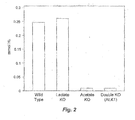
- Fig. 2 shows hydrogen production in wild-type T. saccharolyticum compared to various knockout strains of T. saccharolyticum.
- Fig. 3 shows a comparison of experimental and expected polynucleotide sequences for the ldh region of the suicide vector pSGD9 (SEQ ID NO: 9) integrated into the genome of T. saccharolyticum.
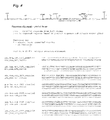
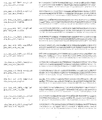
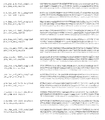
- Fig. 4 shows a comparison of experimental and expected polynucleotide sequences for the pta / ack region of the suicide vector pSGD8-Erm (SEQ ID NO: 10) integrated into the genome of T. saccharolyticum.
- Figs. 5-7 show high-performance liquid chromotography (HPLC) traces of a fermentation broth at various time intervals during growth of ALK1.
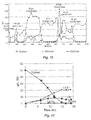
- Fig. 8 shows xylose, organic acid and ethanol concentrations during fermentation by strain ALK1.
- Fig. 9 shows xylose, organic acid and ethanol concentrations during fermentation by wild-type T. saccharolyticum.
- Fig. 10 shows xylose, organic acid and ethanol concentrations during a continuous culture challenge of ALK1.
- Fig. 11 shows xylose, organic acid and ethanol concentrations during fermentation by strain ALK2.
- thermophilic, anaerobic, Gram-positive bacteria in the conversion of biomass to ethanol.
- an organism is in "a native state” if it is has not been genetically engineered or otherwise manipulated by the hand of man in a manner that intentionally alters the genetic and/or phenotypic constitution of the organism.
- wild-type organisms may be considered to be in a native state.
- ethanol yield is at least about 90% of the theoretical maximum.
- ALK1, and its decendents have the potential to contribute significant savings in the lignocellulosic biomass to ethanol conversion due to its growth conditions, which are substantially optimal for cellulase activity in a simultaneous saccharification and co-fermentation (SSCF) process.
- optimal cellulase activity parameters include a pH between 4-5 and temperature between 40-50°C. Additionally, it is unnecessary to adjust the pH of the fermentation broth when knockout organisms, which lack the ability to produce organic acids, are used.
- ALK1, and similar organisms may also be suitable for a consolidated bioprocessing co-culture fermentation where the knockout organism would convert pentoses to ethanol, and cellulose would be degraded by a cellulolytic organism such as C. thermocellum.
- thermophilic temperatures offer several important benefits over conventional mesophilic fermentation temperatures of 30-37°C.
- costs for a process step dedicated to cellulase production are substantially reduced (e.g., 2-fold or more) for thermophilic SSCF and are eliminated for CBP.
- Costs associated with fermentor cooling and also heat exchange before and after fermentation are also expected to be reduced for both thermophilic SSCF and CBP.
- processes featuring thermophilic biocatalysts may be less susceptible to microbial contamination as compared to processes featuring conventional mesophilic biocatalysts.
- pyruvate may be metabolized to acetyl-CoA, carbon dioxide, and reduced ferredoxin by the enzyme pyruvate-ferredoxin oxidoreductase, 2.
- the electrons carried by reduced ferredoxin must all be transferred to NAD via NAD:ferredoxin oxidoreductase, 3, to form NADH.
- NADH is subsequently oxidized back to NAD in the course of the two-step reduction of acetyl-CoA to ethanol by acetaldehyde dehydrogenase, 7, and alcohol dehydrogenase, 8.
- Evidence of the efficient utilization of NADH may be observed in Fig.
- Gram-positive bacteria such as members of the Thermoanaerober genus; Clostridium thermocellum and other thermophilic and mesophilic Clostridia; thermophilic and mesophilic Bacillus species; Gram-negative bacteria, such as Escherichia coli and Klebsiella oxytoca; Fibrobacter succinogenes and other Fibrobacter species; Thermoga neopolitana and other Thermotoga species; and anaerobic fungi including Neocallimatix and Piromyces species lack the ability to express PDC, and may benefit from the disclosed instrumentalities.
- the lignocellulosic material may be any feedstock that contains one or more of glucose, xylose, mannose, arabinose, galactose, fructose, cellobiose, sucrose, maltose, xylan, mannan and starch.
- the lignocellulosic biomass comprises wood, corn stover, sawdust, bark, leaves, agricultural and forestry residues, grasses such as switchgrass, ruminant digestion products, municipal wastes, paper mill effluent, newspaper, cardboard, or combinations thereof.
- Thermoanaerobacterium saccharolyticum strain JW/SL-YS485 (DSM 8691) is a thermophilic, anaerobic bacteria isolated from the West Thumb Basin in Yellowstone National Park, Wyoming ( Lui, S.Y; Gherardini, F.C.; Matuschek, M.; Bahl, H.; Wiegel, J. "Cloning, sequencing, and expression of the gene encoding a large Slayer-associated endoxylanase from Thermoanaerobacterium sp strain JW/SL-YS485 in Escherichia coli" J. Bacteriol. 178: 1539-1547, 1996 ; Mai, V.; Wiegel, J.
- lactate dehydrogenase ( L-ldh ) The lactate dehydrogenase ( L-ldh ) , phosphotransacetylase ( pta ) , and acetate kinase ( ack ) genes were identified and sequenced using standard techniques, as reported previously for L-ldh (Desai, 2004). Degenerate primers were made using the CODE-HOP algorithm ( Rose, T.; Schultz, E.; Henikoff, J.; Pietrokovski, S.; McCallum, C.; Henikoff, S.
- the 6.2 kb suicide vector pSGD9 was based on pBLUESCRIPT II SK (+) (Stratagene) using a design approach similar to that reported earlier (Desai, 2004; Mai, 2000).
- Gene fragments of the pta / ack sequence, pta-up ( ⁇ 1.2 kb) and ack -down ( ⁇ 0.6 kb), were amplified from genomic DNA using primer pairs SEQ ID NOS: 1-2, and SEQ ID NOS: 3-4.
- PCR amplification was performed with pfu DNA polymerase and the fragments were extracted from a 1% electrophoresis gel.
- TOPO containing ack -down was digested with XbaI / SphI and subcloned into pUC19 (Invitrogen).
- XbaI / AflIII fragment containing ack -down was digested and subcloned downstream of the kanamycin marker to obtain the final construct pSGD9.
- Lactate dehydrogenase knockout vector with erythromycin resistance pSGD8-Erm
- the 5.5 kb suicide vector pSGD8-Erm was based on the plasmid pSGD8 as produced by Desai et al. 2004.
- a fusion gene based on the aph promoter from the plasmid pIKM1 and the adenine methylase gene conferring erythromycin resistance from the plasmid pCTC1 ( Klapatch, T.R.; Guerinot, M.L.; Lynd, L.R. "Electrotransformation of Clostridium thermosaccharolyticum” J. Ind. Microbiol. 16(6): 342-7, June 1996 ) were used for selection.
- PCR gene fragments were created using pfu polymerase (Stategene) and the primers SEQ ID NOS: 5-6 for the aph promoter and SEQ ID NOS: 7-8 for the adenine methylase open reading frame. Fragments were digested with XbaI / BamH1 ( aph fragment) and BamHI / EcoRI (adenine methylase) and ligated into the multiple cloning site of pIKM1. This fusion gene was then excised with BseRI / EcoRI and ligated into similarly digested pSGD8.
- Transformation of T. saccharolyticum was performed interchangeably with two methods, the first as previously described ( Mai, V.; Lorenz, W.; Weigel, J. "Transformation of Thermoanaerobacterium sp. strain JW/SL-YS485 with plasmid PIKM1 conferring kanamycin resistance” FEMS Microbiol. Lett. 148: 163-167, 1997 ) and the second with several modifications following cell harvest and based on the method developed for Clostridium thermocellum ( Tyurin, M. V.; Desai, S. G.; Lynd, L. R. "Electrotransformation of Clostridium thermocellum” Appl. Environ. Microbiol. 70(2): 883-890, 2004 ).
- Cells were grown overnight using pre-reduced medium DSMZ 122 in sterile disposable culture tubes inside an anaerobic chamber in an incubator maintained at 55°C. Thereafter, cells were sub-cultured with 4 ⁇ g/ml isonicotonic acid hydrazide (isoniacin), a cell wall weakening agent ( Hermans, J.; Boschloo, J.G.; de Bont, J.A.M. "Transformation of M. aurum by electroporation: the use of glycine, lysozyme and isonicotinic acid hydrazide in enhancing transformation efficiency" FEMS Microbiol. Lett. 72, 221-224, 1990 ), added to the medium after the initial lag phase.
- isonicotonic acid hydrazide isoniacin
- a cell wall weakening agent Hermans, J.; Boschloo, J.G.; de Bont, J.A.M. "Transformation of M. aurum by electroporation
- Exponential phase cells were harvested and washed with pre-reduced cold sterile 200mM cellobiose solution, and resuspended in the same solution and kept on ice. Extreme care was taken following the harvesting of cells to keep them cold (approximately 4°C) at all times including the time during centrifugation.
- a voltage threshold corresponding to the formation of electropores in a cell sample was evaluated as a non-linear current change when pulse voltage was linearly increased in 200V increments.
- a particular voltage that provided the best ratio of transformation yield versus cell viability rate at a given DNA concentration was used, which in this particular case was 25kV/cm.
- Pulsed cells were initially diluted with 500 ⁇ l DSM 122 medium, held on ice for 10 minutes and then recovered at 55°C for 4-6 hrs. Following recovery, cells transformed with pSGD9 were mixed with 2% agar medium containing kanamycin at 75 ⁇ g/ml and poured onto petri plates and incubated in anaerobic jars for 4 days. Cells transformed with pSGD8-Erm were allowed to recover at 48°C for 4-6 hrs and were either plated in 2% agar medium at pH 6.0 containing erythromycin at 5 ⁇ g/ml or similar liquid media and incubated in anaerobic jars at 48°C for 6 days. Either of the transformed cell lines may be used without further manipulation.
- Sequencing of the site directed knockout regions was done by PCR from genomic DNA using Taq polymerase (New England Biolabs) and primers outside the regions of homologous overlap between the genome and the suicide vectors. Primers inside the PCR products were used for sequencing with the BigDye Terminator kit v3.1 (ABI, Foster City, CA). Regions were arranged using the CAP3 software program ( Huang, X. "An improved sequence assembly program” Genomics 33: 21-31, 1996 ) and compared to the expected DNA sequence using the CLUSTALW algorithm ( Higgins, D. G.; Bleasby, A. J.; Fuchs, R.
- Identity refers to a comparison between pairs of nucleic acid or amino acid molecules. Methods for determining sequence identity are known. See, for example, computer programs commonly employed for this purpose, such as the Gap program (Wisconsin Sequence Analysis Package, Version 8 for Unix, Genetics Computer Group, University Research Park, Madison Wisconsin), that uses the algorithm of Smith and Waterman, 1981, Adv. Appl. Math. 2: 482-489 .
- Genomic DNA from the mutant strain Thermoanaerobacterium saccharolyticum JW/SL-YS485 ALK1 (“ALK1") showed the expected site-directed homologous recombination in the L-ldh and pta / ack loci through DNA sequencing. Both integration events were double integrations, which is a more genetically stable genotype.
- T. saccharolyticum was grown in partially defined MTC media containing 2.5 g/L Yeast Extract ( Zhang, Y.; Lynd, L. R. "Quantification of cell and cellulase mass concentrations during anaerobic cellulose fermentation: development of an enzyme-linked immunosorbent assay-based method with application to Clostridium thermocellum batch cultures" Anal. Chem. 75: 219-222, 2003 ).
- Glucose, xylose, acetate, lactate and ethanol were analyzed by HPLC on an Aminex 87H column (BioRad Laboratories, Hercules, CA) at 55°C.
- the mobile phase consisted of 5mM sulfuric acid at a flow rate of 0.7ml/min.
- Detection was via refractive index using a Waters 410 refractometer (Milford, MA). The minimum detection level for acetate was 1.0 mM. A standard trace containing 5 g/L xylose, 5 g/L lactic acid, 5 g/L acetic acid and 5 g/L ethanol is shown in Fig. 5 .
- Strain ALK1 produced only ethanol with up to 17 g/L xylose, or with 5 g/L xylose and 5 g/L glucose, with no organic acids or other products detected by HPLC.
- Fig. 6 shows the ALK1 strain fermentation at time 0 hours and
- Fig. 7 shows the same fermentation at 72 hours.
- Time course fermentation plots of strain ALK1 and wild-type on xylose media buffered with 8 g/L MES at an initial pH of 6.0, 55°C and 100 rpm show that strain ALK1 is able to convert over 99% of xylose to ethanol ( Fig. 8 ), while the wild-type under similar conditions becomes pH limited due to organic acid production and is unable to consume all the xylose present ( Fig. 9 ).
- the wild-type organism yielded 0.15 mM ethanol, while ALK1 yielded 0.46 mM ethanol.
- a continuous culture in which feed substrate concentration was increased over time was utilized to challenge ALK1.
- Fig. 10 shows xylose, xylulose and ethanol concentrations during the continuous culture. After more than 1000 hours of exposure to this stress-evolution cycle, an improved strain, ALK2, was isolated from the fermentation broth. ALK2 was able to initiate growth at 50 g/L xylose in batch culture.
- Fig. 11 shows xylose, organic acid, optical density (OD) and ethanol concentrations during fermentation by strain ALK2.
- ALK1 has been deposited with the American Type Culture Collection, Manassas, VA 20110-2209. The deposit was made on November 1, 2005 and received Patent Deposit Designation Number PTA-7206. This deposit was made in compliance with the Budapest Treaty requirements that the duration of the deposit should be for thirty (30) years from the date of deposit or for five (5) years after the last request for the deposit at the depository or for the enforceable life of a U.S. Patent that matures from this application, whichever is longer. ALK1 will be replenished should it become non-viable at the depository.
- the foregoing examples may be suitably modified for use upon any Gram-positive bacterium, and especially members of the Thermoanaerobacter genus including Thermoanaerobacterium thermosulfurigenes, Thermoanaerobacterium aotearoense, Thermoanaerobacterium polysaccharolyticum, Thermoanaerobacterium zeae, Thermoanaerobacterium thermosaccharolyticum, and Thermoanaerobacterium xylanolyticum.
- members of the Thermoanaerobacter genus including Thermoanaerobacterium thermosulfurigenes, Thermoanaerobacterium aotearoense, Thermoanaerobacterium polysaccharolyticum, Thermoanaerobacterium zeae, Thermoanaerobacterium thermosaccharolyticum, and Therm
Landscapes
- Chemical & Material Sciences (AREA)
- Life Sciences & Earth Sciences (AREA)
- Organic Chemistry (AREA)
- Health & Medical Sciences (AREA)
- Engineering & Computer Science (AREA)
- Zoology (AREA)
- Wood Science & Technology (AREA)
- Bioinformatics & Cheminformatics (AREA)
- Genetics & Genomics (AREA)
- General Health & Medical Sciences (AREA)
- Biochemistry (AREA)
- General Engineering & Computer Science (AREA)
- Biotechnology (AREA)
- Microbiology (AREA)
- Biomedical Technology (AREA)
- Medicinal Chemistry (AREA)
- Molecular Biology (AREA)
- Chemical Kinetics & Catalysis (AREA)
- General Chemical & Material Sciences (AREA)
- Virology (AREA)
- Tropical Medicine & Parasitology (AREA)
- Preparation Of Compounds By Using Micro-Organisms (AREA)
- Micro-Organisms Or Cultivation Processes Thereof (AREA)
- Measuring Or Testing Involving Enzymes Or Micro-Organisms (AREA)
Abstract
Description
- This application claims priority to
U.S. Application No. 60/731,674, filed October 31, 2005 U.S. Application No. 60/796,380, filed May 1, 2006 - The United States Government may have certain rights in the present invention as research relevant to its development was funded by National Institute of Standards and Technology (NIST) contract number 60NANB1D0064.
- The present invention pertains to the field of biomass processing to produce ethanol. In particular, novel thermophilic organisms that consume a variety of biomass derived substrates and produce ethanol in high yield are disclosed, as well as processes for the production and use of the organisms.
- Biomass represents an inexpensive and readily available cellulolytic substrate from which sugars may be produced. These sugars may be used alone or fermented to produce alcohols and other products. Among bioconversion products, interest in ethanol is high because it may be used as a renewable domestic fuel.
- Significant research has been performed in the areas of reactor design, pretreatment protocols and separation technologies, so that bioconversion processes are becoming economically competitive with petroleum fuel technologies. However, it is estimated that the largest cost savings may be obtained when two or more process steps are combined. For example, simultaneous saccharification and fermentation (SSF) and simultaneous saccharification and co-fermentation (SSCF) processes combine an enzymatic saccharification step with fermentation in a single reactor or continuous process apparatus. In addition to savings associated with shorter reaction times and reduced capital costs, co-fermentation processes may also provide improved product yields because certain compounds that would otherwise accrue at levels that inhibit metabolysis or hydrolysis are consumed by the co-fermenting organisms. In one such example, β-glucosidase ceases to hydrolyze cellobiose in the presence of glucose and, in turn, the build-up of cellobiose impedes cellulose degradation. An SSCF process involving co-fermentation of cellulose and hemicellulose hydrolysis products may alleviate this problem by converting glucose into one or more products that do not inhibit the hydrolytic activity of β-glucosidase.
- Consolidated bioprocessing (CBP) involves four biologically-mediated events: (1) enzyme production, (2) substrate hydrolysis, (3) hexose fermentation and (4) pentose fermentation. These events may be performed in a single step. This strategy requires a microorganism that utilizes cellulose and hemicellulose. Development of CBP organisms could potentially result in very large cost reductions as compared to the more conventional approach of producing saccharolytic enzymes in a dedicated process step. CBP processes that utilize more than one organism to accomplish the four biologically-mediated events are referred to as consolidated bioprocessing co-culture fermentations.
- Some bacteria have the ability to convert pentose sugars into hexose sugars, and to ferment the hexose sugars into a mixture of organic acids and other products by glycolysis. The glycolytic pathway begins with conversion of a six-carbon glucose molecule into two three-carbon molecules of pyruvate. Pyruvate may then be converted to lactate by the action of lactate dehydrogenase ("ldh"), or to acetyl coenzyme A ("acetyl-CoA") by the action of pyruvate dehydrogenase or pyruvate-ferredoxin oxidoreductase. Acetyl-CoA is further converted to acetate by phosphotransacetylase and acetate kinase, or reduced to ethanol by acetaldehyde dehydrogenase ("AcDH") and alcohol dehydrogenase ("adh"). Overall, the performance of ethanol-producing organisms is compromised by production of organic products other than ethanol, and particularly by ldh-mediated conversion of pyruvate to lactate, and by conversion of acetyl-CoA to acetate by phosphotransacetylase and acetate kinase.
- Metabolic engineering of bacteria has recently resulted in the creation of a knockout of lactate dehydrogenase in the thermophilic, anaerobic, Gram-positive bacterium T. saccharolyticum. See, Desai, S.G.; Guerinot, M.L.; Lynd, L.R. "Cloning of L-lactate dehydrogenase and elimination of lactic acid production via gene knockout in Thermoanaerobacterium saccharolyticum JW/SL-YS485" Appl. Microbiol. Biotechnol. 65: 600-605, 2004.
- Although the knockout of ldh constitutes an advance in the art, it is problematic for some uses of this organism in that this strain of T. saccharolyticum continues to make organic acid - in particular, acetic acid.
- The present instumentalities advance the art and overcome the problems outlined above by providing thermophilic, anaerobic bacteria that consume a variety of biomass derived substrates and produce ethanol in near theoretical yields. Methods for producing ethanol using the organisms are also disclosed.
- The instrumentalities reported herein result in the knockout of various genes either singly or in combination, where such genes in the native organism would otherwise result in the formation of organic acids. For example, there may be knockouts of: (a) acetate kinase and/or phosphotransacetylase and (b) lactate dehydrogenase (ldh), acetate kinase (ack) and phosphotransacetylase (pta) in T. saccharolyticum JW/SL-YS485. Although the results reported herein are for T. saccharolyticum, the methods and materials also apply to other members of the Thermoanaerobacter genus including Thermoanaerobacterium thermosulfurigenes, Thermoanaerobacterium aotearoense, Thermoanaerobacterium polysaccharolyticum, Thermoanaerobacterium zeae, Thermoanaerobacterium thermosaccharolyticum, and Thermoanaerobacterium xylanolyticum. The methods and materials are useful generally in the field of metabolically engineered, thermophilic, Gram-positive bacteria.
- In one embodiment, an isolated organism, which does not express pyruvate decarboxylase, ferments a cellulolytic substrate to produce ethanol in a concentration that is at least 90% of a theoretical yield.
- In one embodiment, a Gram-positive bacterium, that in a native state contains at least one gene which confers upon the Gram-positive bacterium an ability to produce acetic acid as a fermentation product, is transformed to eliminate expression of the at least one gene. The bacterium may be a Thermoanaerobacter, such as Thermoanaerobacterium saccharolyticum. The gene which confers upon the Gram-positive bacterium an ability to produce acetic acid as a fermentation product may code for expression of acetate kinase and/or phosphotransacetylase.
- In another embodiment, the Gram-positive bacterium may be further transformed to eliminate expression of one or more genes that confer upon the Gram-positive bacterium the ability to produce lactic acid as a fermentation product. For example, the gene that confers the ability to produce lactic acid may be lactate dehydrogenase.
- In one embodiment, a method for producing ethanol includes transforming a native organism to produce a Gram-positive bacterium that has been transformed to eliminate expression of all genes that confer upon the Gram-positive bacterium the ability to produce organic acids as fermentation products, to produce a transformed bacterial host, and culturing the transformed bacterial host in medium that contains a substrate including a material selected from the group consisting of glucose, xylose, cellobiose, sucrose, xylan, starch, and combinations thereof under suitable conditions for a period of time sufficient to allow saccharification and fermentation of the substrate.
- In one embodiment, a biologically pure culture of a microorganism designated ALK1 and deposited with the ATCC under Patent Deposit Designation No. PTA-7206 is described.
- In one embodiment an isolated polynucleotide comprises (a) a sequence of SEQ ID NO: 10, or (b) a sequence of SEQ ID NO: 9 and SEQ ID NO: 10, or (c) a sequence having at least about 90% sequence identity with the sequence of (a) or (b). A vector comprising the isolated polynucleotide of (a), (b), or (c) is described, as well as a host cell genetically engineered to express a compliment of the polynucleotide of (a), (b), or (c). In another embodiment, an isolated polynucleotide comprises a sequence having at least about 95% sequence identity with the sequence of (a) or (b).
- In one embodiment, a method of producing ethanol includes culturing a mutant bacterium expressing a compliment of the isolated polynucleotide of (a), (b), or (c) in medium containing a substrate selected from the group consisting of glucose, xylose, cellobiose, sucrose, xylan, starch, and combinations thereof under suitable conditions for a period of time sufficient to allow fermentation of the substrate to ethanol.
-
Fig. 1 shows reactions of the glycolytic pathway. -
Fig. 2 shows hydrogen production in wild-type T. saccharolyticum compared to various knockout strains of T. saccharolyticum. -
Fig. 3 shows a comparison of experimental and expected polynucleotide sequences for the ldh region of the suicide vector pSGD9 (SEQ ID NO: 9) integrated into the genome of T. saccharolyticum. -
Fig. 4 shows a comparison of experimental and expected polynucleotide sequences for the pta/ack region of the suicide vector pSGD8-Erm (SEQ ID NO: 10) integrated into the genome of T. saccharolyticum. -
Figs. 5-7 show high-performance liquid chromotography (HPLC) traces of a fermentation broth at various time intervals during growth of ALK1. -
Fig. 8 shows xylose, organic acid and ethanol concentrations during fermentation by strain ALK1. -
Fig. 9 shows xylose, organic acid and ethanol concentrations during fermentation by wild-type T. saccharolyticum. -
Fig. 10 shows xylose, organic acid and ethanol concentrations during a continuous culture challenge of ALK1. -
Fig. 11 shows xylose, organic acid and ethanol concentrations during fermentation by strain ALK2. - There will now be shown and described methods for engineering and utilizing thermophilic, anaerobic, Gram-positive bacteria in the conversion of biomass to ethanol.
- As used herein, an organism is in "a native state" if it is has not been genetically engineered or otherwise manipulated by the hand of man in a manner that intentionally alters the genetic and/or phenotypic constitution of the organism. For example, wild-type organisms may be considered to be in a native state.
- Complete elimination of organic acid production from a T. saccharolyticum in a native state was achieved using two site-directed DNA homologous recombination events. The mutant strain, Thermoanaerobacterium saccharolyticum JW/SL-YS485 ALK1 ("ALK1") produces near theoretical amounts of ethanol at low substrate feedings in batch culture with a temperature in a range of about 30-66°C and a pH in a range of about 3.85-6.5. In one embodiment, ethanol yield is at least about 90% of the theoretical maximum. ALK1, and its decendents, have the potential to contribute significant savings in the lignocellulosic biomass to ethanol conversion due to its growth conditions, which are substantially optimal for cellulase activity in a simultaneous saccharification and co-fermentation (SSCF) process. For example, optimal cellulase activity parameters include a pH between 4-5 and temperature between 40-50°C. Additionally, it is unnecessary to adjust the pH of the fermentation broth when knockout organisms, which lack the ability to produce organic acids, are used. ALK1, and similar organisms, may also be suitable for a consolidated bioprocessing co-culture fermentation where the knockout organism would convert pentoses to ethanol, and cellulose would be degraded by a cellulolytic organism such as C. thermocellum.
- Operating either an SSCF or CBP process at thermophilic temperatures offers several important benefits over conventional mesophilic fermentation temperatures of 30-37°C. In particular, costs for a process step dedicated to cellulase production are substantially reduced (e.g., 2-fold or more) for thermophilic SSCF and are eliminated for CBP. Costs associated with fermentor cooling and also heat exchange before and after fermentation are also expected to be reduced for both thermophilic SSCF and CBP. Finally, processes featuring thermophilic biocatalysts may be less susceptible to microbial contamination as compared to processes featuring conventional mesophilic biocatalysts.
- In contrast to known "homoethanol-fermenting" microorganisms, such as naturally-occurring Saccharomyces cerevisiae and Zymomonas mobilis, and recombinant strains of Escherchia coli and Klebsiella oxytoca, the presently disclosed organisms do not depend on conversion of pyruvate to acetaldehyde via the action of pyruvate decarboxylase (
Fig. 1 ,9 ). In fact, bacteria belonging to the Thermoanaerobacter genus do not express pyruvate decarboxylase in the native state. From the reactions of the glycolytic pathway shown inFig. 1 , it can be observed that pyruvate may be metabolized to acetyl-CoA, carbon dioxide, and reduced ferredoxin by the enzyme pyruvate-ferredoxin oxidoreductase, 2. However, in order to produce ethanol as the only fermentation product, the electrons carried by reduced ferredoxin must all be transferred to NAD via NAD:ferredoxin oxidoreductase, 3, to form NADH. NADH is subsequently oxidized back to NAD in the course of the two-step reduction of acetyl-CoA to ethanol by acetaldehyde dehydrogenase, 7, and alcohol dehydrogenase, 8. Evidence of the efficient utilization of NADH may be observed inFig. 2 as a decrease in production of H2 by both the acetate knockout organism, which is unable to express ack and pta, and the double knockout organism (ALK1), which is unable to express ack, pta and ldh. These organisms provide the first demonstration of stoichiometric electron transfer from reduced ferredoxin to NAD, and subsequently to ethanol. - The above-described pathway, which produces stoichiometric ethanol yields in organisms that do not possess the ability to express PDC, is in contrast to the pathway employed in all previously-described homoethanol-fermenting strains. Previously-described strains utilize endogenous pyruvate decarboxylase (PDC), or are engineered to express exogenous PDC. Since expression of PDC is rare in the microbial world, the ability to redirect electron flow by virtue of modifications to carbon flow has broad implications. For example, this approach could be used to produce high ethanol yields in strains other than T. saccharolyticum and/or to produce solvents other than ethanol. In particular, Gram-positive bacteria, such as members of the Thermoanaerober genus; Clostridium thermocellum and other thermophilic and mesophilic Clostridia; thermophilic and mesophilic Bacillus species; Gram-negative bacteria, such as Escherichia coli and Klebsiella oxytoca; Fibrobacter succinogenes and other Fibrobacter species; Thermoga neopolitana and other Thermotoga species; and anaerobic fungi including Neocallimatix and Piromyces species lack the ability to express PDC, and may benefit from the disclosed instrumentalities.
- It will be appreciated that the lignocellulosic material may be any feedstock that contains one or more of glucose, xylose, mannose, arabinose, galactose, fructose, cellobiose, sucrose, maltose, xylan, mannan and starch. In various embodiments, the lignocellulosic biomass comprises wood, corn stover, sawdust, bark, leaves, agricultural and forestry residues, grasses such as switchgrass, ruminant digestion products, municipal wastes, paper mill effluent, newspaper, cardboard, or combinations thereof.
- Thermoanaerobacterium saccharolyticum strain JW/SL-YS485 (DSM 8691) is a thermophilic, anaerobic bacteria isolated from the West Thumb Basin in Yellowstone National Park, Wyoming (Lui, S.Y; Gherardini, F.C.; Matuschek, M.; Bahl, H.; Wiegel, J. "Cloning, sequencing, and expression of the gene encoding a large Slayer-associated endoxylanase from Thermoanaerobacterium sp strain JW/SL-YS485 in Escherichia coli" J. Bacteriol. 178: 1539-1547, 1996; Mai, V.; Wiegel, J. "Advances in development of a genetic system for Thermoanaerobacterium spp: Expression of genes encoding hydrolytic enzymes, development of a second shuttle vector, and integration of genes into the chromosome" Appl. Environ. Microbiol. 66: 4817-4821, 2000). It grows in a temperature range of 30-66°C and in a pH range of 3.85-6.5. It consumes a variety of biomass derived substrates including the monosaccharides glucose and xylose, the disaccharides cellobiose and sucrose, and the polysaccharides xylan and starch, but not cellulose. The organism produces ethanol as well as the organic acids lactic acid and acetic acid as primary fermentation products.
- The lactate dehydrogenase (L-ldh), phosphotransacetylase (pta), and acetate kinase (ack) genes were identified and sequenced using standard techniques, as reported previously for L-ldh (Desai, 2004). Degenerate primers were made using the CODE-HOP algorithm (Rose, T.; Schultz, E.; Henikoff, J.; Pietrokovski, S.; McCallum, C.; Henikoff, S. "Consensus-degenerate hybrid oligonucleotide primers for amplification of distantly-related sequences" Nucleic Acids Research, 26(7):1628-1635, 1 Apr 1998) and PCR reactions were performed to obtain the DNA sequence between conserved regions. The gene fragments outside of the conserved regions were sequenced directly from genomic DNA using ThermoFidelase (Fidelity Systems, Gaithersburg, MD) enzyme with BigDye Terminator kit v3.1 (ABI, Foster City CA).
- Standard cloning techniques were followed (Sambrook). The 6.2 kb suicide vector pSGD9 was based on pBLUESCRIPT II SK (+) (Stratagene) using a design approach similar to that reported earlier (Desai, 2004; Mai, 2000). Gene fragments of the pta/ack sequence, pta-up (∼1.2 kb) and ack-down (∼0.6 kb), were amplified from genomic DNA using primer pairs SEQ ID NOS: 1-2, and SEQ ID NOS: 3-4. PCR amplification was performed with pfu DNA polymerase and the fragments were extracted from a 1% electrophoresis gel. Fragments pta-up and ack-down were then A-tailed with Taq polymerase and cloned into TOPO pCR2.1 (Invitrogen, Carlsbad, CA). A 1.5 kb fragment containing the kanamycin marker was obtained from a PstI/XbaI digest of pIKM1 and subcloned into pBLUESCRIPT II SK (+). TOPO containing pta-up was digested with XhoI/BsiHKAI and subcloned into XhoI/PstI digested pBLUESCRIPT II SK (+), upstream of the previously subcloned kanamycin marker. TOPO containing ack-down was digested with XbaI/SphI and subcloned into pUC19 (Invitrogen). XbaI/AflIII fragment containing ack-down was digested and subcloned downstream of the kanamycin marker to obtain the final construct pSGD9.
- The 5.5 kb suicide vector pSGD8-Erm was based on the plasmid pSGD8 as produced by Desai et al. 2004. In place of the aph kanamycin antibiotic marker, a fusion gene based on the aph promoter from the plasmid pIKM1 and the adenine methylase gene conferring erythromycin resistance from the plasmid pCTC1 (Klapatch, T.R.; Guerinot, M.L.; Lynd, L.R. "Electrotransformation of Clostridium thermosaccharolyticum" J. Ind. Microbiol. 16(6): 342-7, June 1996) were used for selection. PCR gene fragments were created using pfu polymerase (Stategene) and the primers SEQ ID NOS: 5-6 for the aph promoter and SEQ ID NOS: 7-8 for the adenine methylase open reading frame. Fragments were digested with XbaI/BamH1 (aph fragment) and BamHI/EcoRI (adenine methylase) and ligated into the multiple cloning site of pIKM1. This fusion gene was then excised with BseRI/EcoRI and ligated into similarly digested pSGD8.
- Transformation of T. saccharolyticum was performed interchangeably with two methods, the first as previously described (Mai, V.; Lorenz, W.; Weigel, J. "Transformation of Thermoanaerobacterium sp. strain JW/SL-YS485 with plasmid PIKM1 conferring kanamycin resistance" FEMS Microbiol. Lett. 148: 163-167, 1997) and the second with several modifications following cell harvest and based on the method developed for Clostridium thermocellum (Tyurin, M. V.; Desai, S. G.; Lynd, L. R. "Electrotransformation of Clostridium thermocellum" Appl. Environ. Microbiol. 70(2): 883-890, 2004). Cells were grown overnight using pre-reduced medium DSMZ 122 in sterile disposable culture tubes inside an anaerobic chamber in an incubator maintained at 55°C. Thereafter, cells were sub-cultured with 4 µg/ml isonicotonic acid hydrazide (isoniacin), a cell wall weakening agent (Hermans, J.; Boschloo, J.G.; de Bont, J.A.M. "Transformation of M. aurum by electroporation: the use of glycine, lysozyme and isonicotinic acid hydrazide in enhancing transformation efficiency" FEMS Microbiol. Lett. 72, 221-224, 1990), added to the medium after the initial lag phase. Exponential phase cells were harvested and washed with pre-reduced cold sterile 200mM cellobiose solution, and resuspended in the same solution and kept on ice. Extreme care was taken following the harvesting of cells to keep them cold (approximately 4°C) at all times including the time during centrifugation.
- Samples composed of 90 µl of the cell suspension and 2 to 6 µl of pSGD9 or pSGD8-Erm (1 to 3 µg) added just before pulse application, were placed into sterile 2 ml polypropylene microcentrifuge disposable tubes that served as electrotransformation cuvettes. A square-wave with pulse length set at 10ms was applied using a custom-built pulse generator/titanium electrode system. A voltage threshold corresponding to the formation of electropores in a cell sample was evaluated as a non-linear current change when pulse voltage was linearly increased in 200V increments. A particular voltage that provided the best ratio of transformation yield versus cell viability rate at a given DNA concentration was used, which in this particular case was 25kV/cm. Pulsed cells were initially diluted with 500 µl DSM 122 medium, held on ice for 10 minutes and then recovered at 55°C for 4-6 hrs. Following recovery, cells transformed with pSGD9 were mixed with 2% agar medium containing kanamycin at 75 µg/ml and poured onto petri plates and incubated in anaerobic jars for 4 days. Cells transformed with pSGD8-Erm were allowed to recover at 48°C for 4-6 hrs and were either plated in 2% agar medium at pH 6.0 containing erythromycin at 5 µg/ml or similar liquid media and incubated in anaerobic jars at 48°C for 6 days. Either of the transformed cell lines may be used without further manipulation. However, an organism where elimination of expression of all genes that confer the ability to produce organic acids was obtained by performing a second (sequential) transformation. The second transformation was carried out as described above with the primary transformant substituted for the non-transformed cell suspension. The secondary transformant, ALK1, was grown on medium containing both kanamycin and erythromycin.
- Sequencing of the site directed knockout regions was done by PCR from genomic DNA using Taq polymerase (New England Biolabs) and primers outside the regions of homologous overlap between the genome and the suicide vectors. Primers inside the PCR products were used for sequencing with the BigDye Terminator kit v3.1 (ABI, Foster City, CA). Regions were arranged using the CAP3 software program (Huang, X. "An improved sequence assembly program" Genomics 33: 21-31, 1996) and compared to the expected DNA sequence using the CLUSTALW algorithm (Higgins, D. G.; Bleasby, A. J.; Fuchs, R. "CLUSTAL V: improved software for multiple sequence alignment" Computer Applications in the Biosciences (CABIOS), 8(2): 189-191, 1992). A high degree of homology (percent identity) existed between the experimentally compiled sequence and the expected sequence based on the known wild-type and suicide vector sequences (
Figs. 3 and4 ). - "Identity" refers to a comparison between pairs of nucleic acid or amino acid molecules. Methods for determining sequence identity are known. See, for example, computer programs commonly employed for this purpose, such as the Gap program (Wisconsin Sequence Analysis Package,
Version 8 for Unix, Genetics Computer Group, University Research Park, Madison Wisconsin), that uses the algorithm of Smith and Waterman, 1981, Adv. Appl. Math. 2: 482-489. - Genomic DNA from the mutant strain Thermoanaerobacterium saccharolyticum JW/SL-YS485 ALK1 ("ALK1") showed the expected site-directed homologous recombination in the L-ldh and pta/ack loci through DNA sequencing. Both integration events were double integrations, which is a more genetically stable genotype.
- T. saccharolyticum was grown in partially defined MTC media containing 2.5 g/L Yeast Extract (Zhang, Y.; Lynd, L. R. "Quantification of cell and cellulase mass concentrations during anaerobic cellulose fermentation: development of an enzyme-linked immunosorbent assay-based method with application to Clostridium thermocellum batch cultures" Anal. Chem. 75: 219-222, 2003). Glucose, xylose, acetate, lactate and ethanol were analyzed by HPLC on an Aminex 87H column (BioRad Laboratories, Hercules, CA) at 55°C. The mobile phase consisted of 5mM sulfuric acid at a flow rate of 0.7ml/min. Detection was via refractive index using a Waters 410 refractometer (Milford, MA). The minimum detection level for acetate was 1.0 mM. A standard trace containing 5 g/L xylose, 5 g/L lactic acid, 5 g/L acetic acid and 5 g/L ethanol is shown in
Fig. 5 . - Strain ALK1 produced only ethanol with up to 17 g/L xylose, or with 5 g/L xylose and 5 g/L glucose, with no organic acids or other products detected by HPLC.
Fig. 6 shows the ALK1 strain fermentation attime 0 hours andFig. 7 shows the same fermentation at 72 hours. Time course fermentation plots of strain ALK1 and wild-type on xylose media buffered with 8 g/L MES at an initial pH of 6.0, 55°C and 100 rpm show that strain ALK1 is able to convert over 99% of xylose to ethanol (Fig. 8 ), while the wild-type under similar conditions becomes pH limited due to organic acid production and is unable to consume all the xylose present (Fig. 9 ). The wild-type organism yielded 0.15 mM ethanol, while ALK1 yielded 0.46 mM ethanol. - As shown in
FIG. 10 , a continuous culture in which feed substrate concentration was increased over time was utilized to challenge ALK1.Fig. 10 shows xylose, xylulose and ethanol concentrations during the continuous culture. After more than 1000 hours of exposure to this stress-evolution cycle, an improved strain, ALK2, was isolated from the fermentation broth. ALK2 was able to initiate growth at 50 g/L xylose in batch culture.Fig. 11 shows xylose, organic acid, optical density (OD) and ethanol concentrations during fermentation by strain ALK2. - ALK1 has been deposited with the American Type Culture Collection, Manassas, VA 20110-2209. The deposit was made on November 1, 2005 and received Patent Deposit Designation Number PTA-7206. This deposit was made in compliance with the Budapest Treaty requirements that the duration of the deposit should be for thirty (30) years from the date of deposit or for five (5) years after the last request for the deposit at the depository or for the enforceable life of a U.S. Patent that matures from this application, whichever is longer. ALK1 will be replenished should it become non-viable at the depository.
- The description of the specific embodiments reveals general concepts that others can modify and/or adapt for various applications or uses that do not depart from the general concepts. Therefore, such adaptations and modifications should and are intended to be comprehended within the meaning and range of equivalents of the disclosed embodiments. It is to be understood that the phraseology or terminology employed herein is for the purpose of description and not limitation.
- The foregoing examples may be suitably modified for use upon any Gram-positive bacterium, and especially members of the Thermoanaerobacter genus including Thermoanaerobacterium thermosulfurigenes, Thermoanaerobacterium aotearoense, Thermoanaerobacterium polysaccharolyticum, Thermoanaerobacterium zeae, Thermoanaerobacterium thermosaccharolyticum, and Thermoanaerobacterium xylanolyticum.
- All references mentioned in this application are incorporated by reference to the same extent as though fully replicated herein.


Claims (18)
- An organism containing in its native state at least one gene, wherein said at least one gene confers upon said organism an ability to produce acetic acid as a fermentation product, said organism having been transformed to eliminate expression of said at least one gene.
- The organism according to claim 1, wherein said organism has been further transformed to eliminate expression of one or more genes that confer upon said organism the ability to produce lactic acid as a fermentation product.
- The organism according to claim 1, wherein said organism is a Gram-positive bacterium.
- The organism according to claim 3, wherein said Gram-positive bacterium belongs to the Thermoanaerobacterium genus.
- The organism according to claim 3, wherein said Gram-positive bacterium is Thermoanaerobacterium saccharolyticum.
- The organism according to claim 1, wherein said at least one gene is selected from the group consisting of phosphotransacetylase (pta) gene, acetate kinase (ack) gene, and combination thereof.
- The organism according to claim 1, wherein expression of both the pta gene and the ack gene has been eliminated.
- The organism according to claim 7, wherein expression of lactate dehydrogenase (ldh) gene has been eliminated.
- The organism according to claim 1, wherein the organism does not express pyruvate decarboxylase.
- The organism according to claim 1 wherein the organism is ALK1 having Patent Deposit Designation No. PTA-7206.
- A method for producing ethanol, said method comprising(a) transforming a Gram-positive bacterium to produce a transformed bacterial host by eliminating expression of at least one gene, wherein said at least one gene confers upon said bacterium an ability to produce acetic acid as a fermentation product in its native state; and(b) culturing the transformed bacterial host in a medium comprising a substrate for a period of time sufficient to allow saccharification and fermentation of the substrate, said substrate being selected from the group consisting of glucose, xylose, mannose, arabinose, galactose, fructose, cellobiose, sucrose, maltose, xylan, mannan, starch, and combinations thereof.
- The method according to claim 11, wherein said bacterial host is a Thermoanaerobacterium saccharolyticum.
- The method according to claim 11, wherein said at least one gene is selected from the group consisting of phosphotransacetylase (pta) gene, acetate kinase (ack) gene, and combination thereof.
- The method according to claim 11, further comprising the step of transforming said Gram-positive bacterium to eliminate expression of one or more genes that confer upon said Gram-positive bacterium the ability to produce lactic acid as a fermentation product.
- The method according to claim 14, wherein at least one of said one or more genes encodes a lactate dehydrogenase.
- The method of claim 11, wherein the transformed bacterial host is Thermoanaerobacterium saccharolyticum, especially the ALK1 strain having a Patent Deposit Designation No. PTA-7206.
- An isolated polynucleotide, especially contained in a vector, the isolated polynucleotide comprising: (a) a sequence of SEQ ID NO: 10; (b) a sequence of SEQ ID NO: 9 and SEQ ID NO: 10; or (c) a sequence having at least 90% sequence identity, especially 95% sequence identity, with the sequence of (a) or (b).
- A genetic construct, especially contained in a recombinant bacterium, especially in Thermoanaerobacterium saccharolyticum, comprising SEQ ID NO: 10 and a promoter expressible in a bacterium, said promoter being operably connected to the polynucleotide of SEQ ID NO: 10.
Applications Claiming Priority (3)
| Application Number | Priority Date | Filing Date | Title |
|---|---|---|---|
| US73167405P | 2005-10-31 | 2005-10-31 | |
| US79638006P | 2006-05-01 | 2006-05-01 | |
| EP06844238A EP1948813A2 (en) | 2005-10-31 | 2006-10-31 | Thermophilic organisms for conversion of lignocellulosic biomass to ethanol |
Related Parent Applications (1)
| Application Number | Title | Priority Date | Filing Date |
|---|---|---|---|
| EP06844238.3 Division | 2006-10-31 |
Publications (1)
| Publication Number | Publication Date |
|---|---|
| EP2392663A1 true EP2392663A1 (en) | 2011-12-07 |
Family
ID=39153985
Family Applications (2)
| Application Number | Title | Priority Date | Filing Date |
|---|---|---|---|
| EP06844238A Withdrawn EP1948813A2 (en) | 2005-10-31 | 2006-10-31 | Thermophilic organisms for conversion of lignocellulosic biomass to ethanol |
| EP11175094A Withdrawn EP2392663A1 (en) | 2005-10-31 | 2006-10-31 | Thermophilic organisms for conversion of lignocellulosic biomass to ethanol |
Family Applications Before (1)
| Application Number | Title | Priority Date | Filing Date |
|---|---|---|---|
| EP06844238A Withdrawn EP1948813A2 (en) | 2005-10-31 | 2006-10-31 | Thermophilic organisms for conversion of lignocellulosic biomass to ethanol |
Country Status (6)
| Country | Link |
|---|---|
| US (3) | US20100015678A1 (en) |
| EP (2) | EP1948813A2 (en) |
| JP (2) | JP2009513145A (en) |
| BR (1) | BRPI0618074A2 (en) |
| CA (1) | CA2627191A1 (en) |
| WO (2) | WO2007053600A2 (en) |
Families Citing this family (47)
| Publication number | Priority date | Publication date | Assignee | Title |
|---|---|---|---|---|
| JP2009513145A (en) * | 2005-10-31 | 2009-04-02 | ザ トラスティーズ オブ ダートマウス カレッジ | Thermophilic organisms that convert lignocellulosic biomass into ethanol |
| US8969033B2 (en) | 2005-11-02 | 2015-03-03 | Battelle Energy Alliance, Llc | Alteration and modulation of protein activity by varying post-translational modification |
| EP1984514A4 (en) | 2006-01-27 | 2010-09-01 | Univ Massachusetts | SYSTEMS AND METHODS FOR OBTAINING BIOFUELS AND RELATED SUBSTANCES |
| DK2035543T5 (en) * | 2006-05-22 | 2013-11-11 | Biogasol Ipr Aps | Thermoanaerobacter mathranii strain BG1 |
| EP2097499A4 (en) | 2006-12-18 | 2012-05-02 | Univ Maryland | METHOD FOR RAPID ANAEROBIC DIGESTION OF BIOMASS USING MICROBES AND PRODUCTION OF BIOFUELS THEREFROM |
| EP2064225A4 (en) * | 2007-05-09 | 2010-03-03 | Mascoma Corp | Gene knockout mesophilic and thermophilic organisms, and methods of use thereof |
| WO2009079584A1 (en) * | 2007-12-17 | 2009-06-25 | The Trustees Of Dartmouth College | Modification of hydrogenase activities in thermophilic bacteria to enhance ethanol production |
| JP2011523346A (en) * | 2008-01-25 | 2011-08-11 | バテル エナジー アライアンス,エルエルシー | Heat- and acid-resistant β-xylosidase, gene encoding, related organisms, and methods |
| US8492114B2 (en) | 2008-01-25 | 2013-07-23 | Battelle Energy Alliance, Llc | Methods of combined bioprocessing and related microorganisms, thermophilic and/or acidophilic enzymes, and nucleic acids encoding said enzymes |
| US9732330B2 (en) | 2008-01-25 | 2017-08-15 | Battelle Energy Alliance, Llc | Methods of combined bioprocessing and related microorganisms, thermophilic and/or acidophilic enzymes, and nucleic acids encoding said enzymes |
| US8426185B2 (en) * | 2008-01-31 | 2013-04-23 | Battelle Energy Alliance, Llc | Thermophilic and thermoacidophilic biopolymer-degrading genes and enzymes from Alicyclobacillus acidocaldarius and related organisms, methods |
| US8497110B2 (en) | 2008-01-31 | 2013-07-30 | Battelle Energy Alliance, Llc | Thermophilic and thermoacidophilic biopolymer-degrading genes and enzymes from alicyclobacillus acidocaldarius and related organisms, methods |
| US8557557B2 (en) * | 2008-01-31 | 2013-10-15 | Battelle Energy Alliance, Llc | Thermophilic and thermoacidophilic biopolymer-degrading genes and enzymes from Alicyclobacillus acidocaldarius and related organisms, methods |
| EP2235174A4 (en) | 2008-01-31 | 2012-05-09 | Battelle Energy Alliance Llc | Thermophilic and thermoacidophilic biopolymer- degrading genes and enzymes from alicyclobacillus acidocaldarius and related organisms, methods |
| EP2245040A4 (en) | 2008-02-22 | 2013-06-05 | Battelle Energy Alliance Llc | Transcriptional control in alicyclobacillus acidocaldarius and associated genes, proteins, and methods |
| EP2257566A4 (en) | 2008-02-26 | 2012-05-30 | Battelle Energy Alliance Llc | Thermophilic and thermoacidophilic sugar transporter genes and enzymes from alicyclobacillus acidocaldarius and related organisms, methods |
| AU2009219150A1 (en) * | 2008-02-27 | 2009-09-03 | Qteros, Inc. | Methods for the conversion of plant materials into fuels and chemicals by sequential action of two microorganisms |
| AU2009310370A1 (en) | 2008-02-27 | 2010-05-06 | Battelle Energy Alliance, Llc | Thermophilic and thermoacidophilic glycosylation genes and enzymes from Alicyclobacillus acidocaldarius and related organisms, methods |
| CN102216451A (en) | 2008-02-28 | 2011-10-12 | 巴特勒能源同盟有限公司 | Thermophilic and thermoacidophilic metabolism genes and enzymes from alicyclobacillus acidocaldarius and related organisms, methods |
| US8268600B2 (en) | 2008-03-05 | 2012-09-18 | Council Of Scientific & Industrial Research | Strain and a novel process for ethanol production from lignocellulosic biomass at high temperature |
| US20100105114A1 (en) * | 2008-06-11 | 2010-04-29 | University Of Massachusetts | Methods and Compositions for Regulating Sporulation |
| MX2011000716A (en) | 2008-07-24 | 2011-02-23 | Biogasol Ipr Aps | Increased ethanol production in recombinant bacteria. |
| NZ590750A (en) | 2008-07-28 | 2012-12-21 | Univ Massachusetts | Methods and compositions for improving the production of products in microorganisms, especially clostridium phytofermentans |
| US9193979B2 (en) | 2008-11-11 | 2015-11-24 | Richard Allen Kohn | Process for producing lower alkyl alcohols from cellulosic biomass using microorganisms |
| CA2743505A1 (en) * | 2008-11-12 | 2010-05-20 | Mascoma Corporation | Gene knockout mesophilic and thermophilic organisms, and methods of use thereof |
| US9206434B2 (en) | 2008-12-23 | 2015-12-08 | Enchi Corporation | Heterologous biomass degrading enzyme expression in thermoanaerobacterium saccharolyticum |
| US20100086981A1 (en) * | 2009-06-29 | 2010-04-08 | Qteros, Inc. | Compositions and methods for improved saccharification of biomass |
| EP2421984A1 (en) * | 2009-04-20 | 2012-02-29 | Qteros, Inc. | Compositions and methods for fermentation of biomass |
| CA2783533A1 (en) * | 2009-12-07 | 2011-06-16 | Mascoma Corporation | Heterologous expression of urease in anaerobic, thermophilic hosts |
| CN102770526A (en) * | 2009-12-22 | 2012-11-07 | 比奥咖索尔Ipr有限公司 | A thermophilic Thermoanaerobacter italicum subsp. marato with high alcohol yield |
| GB2478791A (en) * | 2010-03-19 | 2011-09-21 | Qteros Inc | Ethanol production by genetically-modified bacteria |
| US20110275135A1 (en) | 2010-05-05 | 2011-11-10 | Battelle Energy Alliance, Llc | Genetic elements, proteins, and associated methods including application of additional genetic information to gram (+) thermoacidophiles |
| PT3401410T (en) | 2010-06-26 | 2021-04-05 | Virdia Llc | Sugar mixtures and methods for production and use thereof |
| IL207945A0 (en) | 2010-09-02 | 2010-12-30 | Robert Jansen | Method for the production of carbohydrates |
| WO2012109578A2 (en) * | 2011-02-11 | 2012-08-16 | The Trustees Of Dartmouth College | Clostridium thermocellum strains for enhanced ethanol production and method of their use |
| GB2524906B8 (en) | 2011-04-07 | 2016-12-07 | Virdia Ltd | Lignocellulose conversion processes and products |
| WO2013055785A1 (en) | 2011-10-10 | 2013-04-18 | Virdia Ltd | Sugar compositions |
| CN102433293A (en) * | 2011-12-29 | 2012-05-02 | 华南理工大学 | An engineering bacterium capable of producing optically pure L-lactic acid by fermenting xylose and its construction |
| EP2878349B1 (en) | 2012-05-03 | 2022-07-06 | Virdia, LLC | Fractionation of a mixture by sequential simulated moving bed chromatography |
| GB201215505D0 (en) | 2012-08-31 | 2012-10-17 | C5 Labs Aps | Process for the production of ethanol |
| BR112015027743B8 (en) | 2013-05-03 | 2021-01-26 | Virdia Inc | methods for preparing thermally stable lignin fractions |
| WO2016112134A1 (en) | 2015-01-07 | 2016-07-14 | Virdia, Inc. | Methods for extracting and converting hemicellulose sugars |
| KR102197507B1 (en) | 2015-07-13 | 2020-12-31 | 피벗 바이오, 인크. | Methods and compositions for improving plant traits |
| EP4149245A2 (en) * | 2020-05-13 | 2023-03-22 | Pivot Bio, Inc. | De-repression of nitrogen fixation in gram-positive microorganisms |
| CN114717174B (en) * | 2022-04-26 | 2023-10-20 | 苏州聚维元创生物科技有限公司 | Engineering strain for producing high-quality reducing sugar, construction method and application thereof |
| CN115873773B (en) * | 2022-10-20 | 2024-12-31 | 山东中成自然生物科技有限公司 | Coli for producing L-lactic acid by efficiently utilizing sucrose and application thereof |
| CN119753032B (en) * | 2024-12-27 | 2025-09-05 | 东莞理工学院 | A method for producing hydrogen and electricity using biomass |
Citations (1)
| Publication number | Priority date | Publication date | Assignee | Title |
|---|---|---|---|---|
| WO2002029030A2 (en) * | 2000-10-06 | 2002-04-11 | Elsworth Biotechnology Limited | Ethanol production |
Family Cites Families (4)
| Publication number | Priority date | Publication date | Assignee | Title |
|---|---|---|---|---|
| US5182199A (en) * | 1987-05-27 | 1993-01-26 | Hartley Brian S | Thermophilic ethanol production in a two-stage closed system |
| CA2491145A1 (en) * | 2002-07-03 | 2004-01-15 | Basf Aktiengesellschaft | Microorganisms and processes for enhanced production of pantothenate |
| FI118012B (en) * | 2004-06-04 | 2007-05-31 | Valtion Teknillinen | Process for producing ethanol |
| JP2009513145A (en) * | 2005-10-31 | 2009-04-02 | ザ トラスティーズ オブ ダートマウス カレッジ | Thermophilic organisms that convert lignocellulosic biomass into ethanol |
-
2006
- 2006-10-31 JP JP2008538101A patent/JP2009513145A/en active Pending
- 2006-10-31 EP EP06844238A patent/EP1948813A2/en not_active Withdrawn
- 2006-10-31 EP EP11175094A patent/EP2392663A1/en not_active Withdrawn
- 2006-10-31 WO PCT/US2006/042442 patent/WO2007053600A2/en not_active Ceased
- 2006-10-31 US US12/090,745 patent/US20100015678A1/en not_active Abandoned
- 2006-10-31 CA CA002627191A patent/CA2627191A1/en not_active Abandoned
- 2006-10-31 BR BRPI0618074-4A patent/BRPI0618074A2/en not_active IP Right Cessation
-
2007
- 2007-05-01 US US12/299,070 patent/US10066217B2/en active Active
- 2007-05-01 WO PCT/US2007/067941 patent/WO2007130984A2/en not_active Ceased
-
2009
- 2009-03-05 US US12/398,876 patent/US20090239277A1/en not_active Abandoned
-
2012
- 2012-06-22 JP JP2012141137A patent/JP2012187121A/en active Pending
Patent Citations (1)
| Publication number | Priority date | Publication date | Assignee | Title |
|---|---|---|---|---|
| WO2002029030A2 (en) * | 2000-10-06 | 2002-04-11 | Elsworth Biotechnology Limited | Ethanol production |
Non-Patent Citations (20)
| Title |
|---|
| DESAI, S.G., GUERINOT, M.L., LYND, L.R.: "Cloning of L-lactate dehydrogenase and elimination of lactic acid production via gene knockout in Thermoanaerobacterium saccharolyticum JW/SL-YS485", APPL. MICROBIOL. BIOTECHNOL., vol. 65, 2004, pages 600 - 605 |
| DESAI, S.G., GUERINOT, M.L., LYND, L.R.: "Cloning of L-lactate dehydrogenase and elimination of lactic acid production via gene knockout in Thermoanaerobacterium saccharolyticum JW/SL-YS485", APPL. MICROBIOL. BIOTECHNOL., vol. 65, 2004, pages 600 - 605, XP002393736 * |
| HERMANS, J., BOSCHLOO, J.G., DE BONT, J.A.M.: "Transformation of M aurum by electroporation: the use of glycine, ly- sozyme and isonicotinic acid hydrazide in enhancing transformation efficiency", FEMS MICROBIOL. LETT., vol. 72, 1990, pages 221 - 224 |
| HIGGINS, D. G., BLEASBY, A. J., FUCHS, R.: "CLUSTAL V: improved software for multiple sequence alignment", COMPUTER APPLICATIONS IN THE BIOSCIENCES (CABIOS, vol. 8, no. 2, 1992, pages 189 - 191 |
| HUANG, X.: "An improved sequence assembly program", GENOMICS, vol. 33, 1996, pages 21 - 31 |
| JOE SHAW ET AL: "End-product pathways in the xylose fermenting bacterium, Thermoanaerobacterium saccharolyticum", ENZYME AND MICROBIAL TECHNOLOGY, STONEHAM, MA, US, vol. 42, no. 6, 19 January 2008 (2008-01-19), pages 453 - 458, XP022573920, ISSN: 0141-0229 * |
| KLAPATCH TARYN R ET AL: "Organism development and characterization for ethanol production using thermophilic bacteria", APPLIED BIOCHEMISTRY AND BIOTECHNOLOGY, THE HUMANA PRESS, INC, US, vol. 45-46, 1 January 1994 (1994-01-01), pages 209 - 223, XP009104255, ISSN: 0273-2289, DOI: 10.1007/BF02941800 * |
| KLAPATCH, T.R., GUERINOT, M.L., LYND, L.R.: "Electrotransformation of Clostridium thermosaccharolyticum", J. IND. MICROBIOL., vol. 16, no. 6, June 1996 (1996-06-01), pages 342 - 7 |
| LUI, S.Y, GHERARDINI, F.C., MATUSCHEK, M., BAHL, H., WIEGEL, J.: "Cloning, sequencing, and expression of the gene encoding a large Slayer-associated endoxylanase from Thermoanaerobacterium sp strain JW/SL-YS485 in Escherichia coli", J. BACTERIOL., vol. 178, 1996, pages 1539 - 1547 |
| LYND L R ET AL: "MICROBIAL CELLULOSE UTILIZATION: FUNDAMENTALS AND BIOTECHNOLOGY", MICROBIOLOGY AND MOLECULAR BIOLOGY REVIEWS, AMERICAN SOCIETY FOR MICROBIOLOGY, US, vol. 66, no. 3, 1 September 2002 (2002-09-01), pages 506 - 577, XP001120774, ISSN: 1092-2172, DOI: 10.1128/MMBR.66.3.506-577.2002 * |
| MAI, V., LORENZ, W., WEIGEL, J.: "Transformation of Thermoanaerobacterium sp. strain JW/SL-YS485 with plasmid PIKM1 conferring kanamycin resistance", FEMS MICROBIOL. LETT., vol. 148, 1997, pages 163 - 167 |
| MAI, V., WIEGEL, J.: "Advances in development of a genetic system for Thermoanaerobacterium spp: Expression of genes encoding hydrolytic enzymes, development of a second shuttle vector, and integration of genes into the chromosome", APPL. ENVIRON. MICROBIOL., vol. 66, 2000, pages 4817 - 4821 |
| MAYER M A G ET AL: "ISOLATION AND PROPERTIES OF ACETATE KINASE- AND PHOSPHOTRANSACETYLSAE-NEGATIVE MUTANTS OF THERMOANAEROBACTER THERMOHYDROSULFURICUS", MICROBIOLOGY, SOCIETY FOR GENERAL MICROBIOLOGY, READING, GB, vol. 141, no. 11, 1 November 1995 (1995-11-01), pages 2891 - 2896, XP000646034, ISSN: 1350-0872 * |
| PAYTON M A: "PRODUCTION OF ETHANOL BY THERMOPHILIC BACTERIA", TRENDS IN BIOTECHNOLOGY, ELSEVIER PUBLICATIONS, CAMBRIDGE, GB, vol. 2, no. 6, 1 January 1984 (1984-01-01), pages 153 - 158, XP000999007, ISSN: 0167-7799, DOI: 10.1016/0167-7799(84)90032-5 * |
| ROSE, T., SCHULTZ, E., HENIKOFF, J., PIETROKOVSKI, S., MCCALLUM, C., HENIKOFF, S.: "Consensus-degenerate hybrid oligonucleotide primers for amplification of distantly-related sequences", NUCLEIC ACIDS RESEARCH, vol. 26, no. 7, 1 April 1998 (1998-04-01), pages 1628 - 1635 |
| ROTHSTEIN D M: "CLOSTRIDIUM-THERMOSACCHAROLYTICUM STRAIN DEFICIENT IN ACETATE PRODUCTION", JOURNAL OF BACTERIOLOGY, vol. 165, no. 1, 1986, pages 319 - 320, XP002661115, ISSN: 0021-9193 * |
| SHAW A JOE ET AL: "Metabolic engineering of a thermophilic bacterium to produce ethanol at high yield", PROCEEDINGS OF THE NATIONAL ACADEMY OF SCIENCES OF THE UNITED STATES OF AMERICA, vol. 105, no. 37, September 2008 (2008-09-01), pages 13769 - 13774, XP002661116, ISSN: 0027-8424 * |
| SMITH, WATERMAN, ADV. APPL. MATH., vol. 2, 1981, pages 482 - 489 |
| TYURIN, M. V., DESAI, S. G., LYND, L. R.: "Electrotransformation of Clostridium thermocellum", APPL. ENVIRON. MICROBIOL., vol. 70, no. 2, 2004, pages 883 - 890 |
| ZHANG, Y., LYND, L. R.: "Quantification of cell and cellulase mass concentrations during anaerobic cellulose fermentation: development of an enzyme-linked immunosorbent assay-based method with application to Clostridium thermocellum batch cultures", ANAL. CHEM., vol. 75, 2003, pages 219 - 222 |
Also Published As
| Publication number | Publication date |
|---|---|
| US10066217B2 (en) | 2018-09-04 |
| WO2007053600A2 (en) | 2007-05-10 |
| WO2007053600A3 (en) | 2008-07-10 |
| WO2007130984A9 (en) | 2008-03-13 |
| JP2009513145A (en) | 2009-04-02 |
| US20090239277A1 (en) | 2009-09-24 |
| EP1948813A2 (en) | 2008-07-30 |
| US20090221049A1 (en) | 2009-09-03 |
| WO2007130984A8 (en) | 2009-07-23 |
| US20120077239A9 (en) | 2012-03-29 |
| BRPI0618074A2 (en) | 2011-08-16 |
| WO2007130984A3 (en) | 2008-07-03 |
| CA2627191A1 (en) | 2007-05-10 |
| US20100015678A1 (en) | 2010-01-21 |
| JP2012187121A (en) | 2012-10-04 |
| WO2007130984A2 (en) | 2007-11-15 |
Similar Documents
| Publication | Publication Date | Title |
|---|---|---|
| US10066217B2 (en) | Thermophilic organisms for conversion of lignocellulosic biomass to ethanol | |
| EP2035543B1 (en) | Thermoanaerobacter mathranii strain bg1 | |
| Chang et al. | Thermophilic, lignocellulolytic bacteria for ethanol production: current state and perspectives | |
| US8652817B2 (en) | Recombinant host cells and media for ethanol production | |
| JP2010526536A (en) | Gene knockout mesophilic and thermophilic organisms and methods of use | |
| EP2334799B1 (en) | Increased ethanol production in recombinant bacteria | |
| AU2001292094A1 (en) | Ethanol production | |
| EP2397556A1 (en) | Thermophilic organisms for conversion of lignocellulosic biomass to ethanol | |
| US20110256601A1 (en) | Modification of hydrogenase activities in thermophilic bacteria to enhance ethanol production | |
| CN101341253A (en) | Thermophilic organisms for the conversion of lignocellulosic biomass to ethanol |
Legal Events
| Date | Code | Title | Description |
|---|---|---|---|
| AC | Divisional application: reference to earlier application |
Ref document number: 1948813 Country of ref document: EP Kind code of ref document: P |
|
| AK | Designated contracting states |
Kind code of ref document: A1 Designated state(s): AT BE BG CH CY CZ DE DK EE ES FI FR GB GR HU IE IS IT LI LT LU LV MC NL PL PT RO SE SI SK TR |
|
| AX | Request for extension of the european patent |
Extension state: AL BA HR MK RS |
|
| PUAI | Public reference made under article 153(3) epc to a published international application that has entered the european phase |
Free format text: ORIGINAL CODE: 0009012 |
|
| RIN1 | Information on inventor provided before grant (corrected) |
Inventor name: TYURIN, MIKHAIL V. Inventor name: LYND, LEE R. Inventor name: DESAI, SUNIL G. Inventor name: SHAW, ARTHUR JOSEPHUS, IV |
|
| 17P | Request for examination filed |
Effective date: 20120606 |
|
| 17Q | First examination report despatched |
Effective date: 20130221 |
|
| STAA | Information on the status of an ep patent application or granted ep patent |
Free format text: STATUS: THE APPLICATION IS DEEMED TO BE WITHDRAWN |
|
| 18D | Application deemed to be withdrawn |
Effective date: 20130903 |