EP2392342A1 - Compositions for use in the treatment or diagnosis of prion diseases - Google Patents
Compositions for use in the treatment or diagnosis of prion diseases Download PDFInfo
- Publication number
- EP2392342A1 EP2392342A1 EP10290300A EP10290300A EP2392342A1 EP 2392342 A1 EP2392342 A1 EP 2392342A1 EP 10290300 A EP10290300 A EP 10290300A EP 10290300 A EP10290300 A EP 10290300A EP 2392342 A1 EP2392342 A1 EP 2392342A1
- Authority
- EP
- European Patent Office
- Prior art keywords
- prp
- lysine
- compound
- poly
- pdl
- Prior art date
- Legal status (The legal status is an assumption and is not a legal conclusion. Google has not performed a legal analysis and makes no representation as to the accuracy of the status listed.)
- Withdrawn
Links
- 238000011282 treatment Methods 0.000 title claims abstract description 22
- 208000024777 Prion disease Diseases 0.000 title claims description 27
- 239000000203 mixture Substances 0.000 title claims description 19
- 238000003745 diagnosis Methods 0.000 title claims description 5
- 102000029797 Prion Human genes 0.000 claims abstract description 85
- 108091000054 Prion Proteins 0.000 claims abstract description 85
- KDXKERNSBIXSRK-RXMQYKEDSA-N D-lysine Chemical compound NCCCC[C@@H](N)C(O)=O KDXKERNSBIXSRK-RXMQYKEDSA-N 0.000 claims abstract description 81
- 150000001875 compounds Chemical class 0.000 claims abstract description 36
- 108090000623 proteins and genes Proteins 0.000 claims abstract description 31
- 102000004169 proteins and genes Human genes 0.000 claims abstract description 30
- 210000004556 brain Anatomy 0.000 claims abstract description 21
- 230000002265 prevention Effects 0.000 claims abstract description 14
- 230000001575 pathological effect Effects 0.000 claims abstract description 13
- 238000003556 assay Methods 0.000 claims description 19
- 102000013455 Amyloid beta-Peptides Human genes 0.000 claims description 12
- 108010090849 Amyloid beta-Peptides Proteins 0.000 claims description 12
- 208000020406 Creutzfeldt Jacob disease Diseases 0.000 claims description 12
- 208000003407 Creutzfeldt-Jakob Syndrome Diseases 0.000 claims description 12
- 208000010859 Creutzfeldt-Jakob disease Diseases 0.000 claims description 12
- 208000010544 human prion disease Diseases 0.000 claims description 11
- 208000024827 Alzheimer disease Diseases 0.000 claims description 10
- 238000000338 in vitro Methods 0.000 claims description 8
- 208000008864 scrapie Diseases 0.000 claims description 6
- 208000018756 Variant Creutzfeldt-Jakob disease Diseases 0.000 claims description 5
- 208000005881 bovine spongiform encephalopathy Diseases 0.000 claims description 5
- 230000015572 biosynthetic process Effects 0.000 claims description 4
- 210000004369 blood Anatomy 0.000 claims description 4
- 239000008280 blood Substances 0.000 claims description 4
- 230000003321 amplification Effects 0.000 claims description 3
- 125000004122 cyclic group Chemical group 0.000 claims description 3
- 238000003199 nucleic acid amplification method Methods 0.000 claims description 3
- 208000011580 syndromic disease Diseases 0.000 claims description 3
- 201000006061 fatal familial insomnia Diseases 0.000 claims description 2
- 229920000729 poly(L-lysine) polymer Polymers 0.000 description 37
- 101710138751 Major prion protein Proteins 0.000 description 23
- 238000001228 spectrum Methods 0.000 description 23
- 230000003993 interaction Effects 0.000 description 20
- 210000004027 cell Anatomy 0.000 description 18
- 239000000523 sample Substances 0.000 description 14
- 230000008859 change Effects 0.000 description 11
- 238000001262 western blot Methods 0.000 description 10
- 210000001218 blood-brain barrier Anatomy 0.000 description 9
- 108010067770 Endopeptidase K Proteins 0.000 description 8
- 230000008499 blood brain barrier function Effects 0.000 description 8
- 238000004132 cross linking Methods 0.000 description 8
- 230000000694 effects Effects 0.000 description 8
- 238000002474 experimental method Methods 0.000 description 8
- 238000000034 method Methods 0.000 description 8
- 230000007704 transition Effects 0.000 description 8
- 238000004113 cell culture Methods 0.000 description 7
- 238000006243 chemical reaction Methods 0.000 description 7
- 238000011534 incubation Methods 0.000 description 7
- 239000012528 membrane Substances 0.000 description 7
- 238000002983 circular dichroism Methods 0.000 description 6
- 238000002372 labelling Methods 0.000 description 6
- 229920000656 polylysine Polymers 0.000 description 6
- 238000004458 analytical method Methods 0.000 description 5
- 239000013598 vector Substances 0.000 description 5
- 239000000872 buffer Substances 0.000 description 4
- 125000000524 functional group Chemical group 0.000 description 4
- 239000000499 gel Substances 0.000 description 4
- 230000002401 inhibitory effect Effects 0.000 description 4
- 239000000178 monomer Substances 0.000 description 4
- 210000004897 n-terminal region Anatomy 0.000 description 4
- YBYRMVIVWMBXKQ-UHFFFAOYSA-N phenylmethanesulfonyl fluoride Chemical compound FS(=O)(=O)CC1=CC=CC=C1 YBYRMVIVWMBXKQ-UHFFFAOYSA-N 0.000 description 4
- 238000010791 quenching Methods 0.000 description 4
- 108091003079 Bovine Serum Albumin Proteins 0.000 description 3
- QIVBCDIJIAJPQS-VIFPVBQESA-N L-tryptophane Chemical compound C1=CC=C2C(C[C@H](N)C(O)=O)=CNC2=C1 QIVBCDIJIAJPQS-VIFPVBQESA-N 0.000 description 3
- 239000007993 MOPS buffer Substances 0.000 description 3
- 241000699666 Mus <mouse, genus> Species 0.000 description 3
- 101001090203 Mus musculus Major prion protein Proteins 0.000 description 3
- 108010029485 Protein Isoforms Proteins 0.000 description 3
- 102000001708 Protein Isoforms Human genes 0.000 description 3
- QIVBCDIJIAJPQS-UHFFFAOYSA-N Tryptophan Natural products C1=CC=C2C(CC(N)C(O)=O)=CNC2=C1 QIVBCDIJIAJPQS-UHFFFAOYSA-N 0.000 description 3
- 238000007413 biotinylation Methods 0.000 description 3
- 230000006287 biotinylation Effects 0.000 description 3
- VACPHADLPQIWHS-UHFFFAOYSA-N bis(2,5-dioxopyrrolidin-1-yl) butanedioate;ethane-1,2-diol Chemical compound OCCO.O=C1CCC(=O)N1OC(=O)CCC(=O)ON1C(=O)CCC1=O VACPHADLPQIWHS-UHFFFAOYSA-N 0.000 description 3
- 229940098773 bovine serum albumin Drugs 0.000 description 3
- 230000002490 cerebral effect Effects 0.000 description 3
- 230000001419 dependent effect Effects 0.000 description 3
- 230000029087 digestion Effects 0.000 description 3
- 201000010099 disease Diseases 0.000 description 3
- 208000037265 diseases, disorders, signs and symptoms Diseases 0.000 description 3
- 239000001963 growth medium Substances 0.000 description 3
- 239000002609 medium Substances 0.000 description 3
- 238000000386 microscopy Methods 0.000 description 3
- 230000004048 modification Effects 0.000 description 3
- 238000012986 modification Methods 0.000 description 3
- 210000002569 neuron Anatomy 0.000 description 3
- 238000006384 oligomerization reaction Methods 0.000 description 3
- 229920000642 polymer Polymers 0.000 description 3
- 238000000746 purification Methods 0.000 description 3
- 210000002966 serum Anatomy 0.000 description 3
- HEVGGTGPGPKZHF-UHFFFAOYSA-N Epilaurene Natural products CC1C(=C)CCC1(C)C1=CC=C(C)C=C1 HEVGGTGPGPKZHF-UHFFFAOYSA-N 0.000 description 2
- CPELXLSAUQHCOX-UHFFFAOYSA-N Hydrogen bromide Chemical compound Br CPELXLSAUQHCOX-UHFFFAOYSA-N 0.000 description 2
- KFZMGEQAYNKOFK-UHFFFAOYSA-N Isopropanol Chemical compound CC(C)O KFZMGEQAYNKOFK-UHFFFAOYSA-N 0.000 description 2
- 239000004472 Lysine Substances 0.000 description 2
- 102000004855 Multi drug resistance-associated proteins Human genes 0.000 description 2
- 108090001099 Multi drug resistance-associated proteins Proteins 0.000 description 2
- 102000036675 Myoglobin Human genes 0.000 description 2
- 239000002202 Polyethylene glycol Substances 0.000 description 2
- 108010039918 Polylysine Proteins 0.000 description 2
- 230000002159 abnormal effect Effects 0.000 description 2
- 125000003277 amino group Chemical group 0.000 description 2
- 238000000429 assembly Methods 0.000 description 2
- 230000000712 assembly Effects 0.000 description 2
- 239000012472 biological sample Substances 0.000 description 2
- 210000004899 c-terminal region Anatomy 0.000 description 2
- 239000013592 cell lysate Substances 0.000 description 2
- 230000001413 cellular effect Effects 0.000 description 2
- 238000001142 circular dichroism spectrum Methods 0.000 description 2
- 238000012217 deletion Methods 0.000 description 2
- 230000037430 deletion Effects 0.000 description 2
- 235000014113 dietary fatty acids Nutrition 0.000 description 2
- 230000008034 disappearance Effects 0.000 description 2
- 239000003814 drug Substances 0.000 description 2
- 229930195729 fatty acid Natural products 0.000 description 2
- 239000000194 fatty acid Substances 0.000 description 2
- 150000004665 fatty acids Chemical class 0.000 description 2
- 125000005456 glyceride group Chemical group 0.000 description 2
- 230000013595 glycosylation Effects 0.000 description 2
- 238000006206 glycosylation reaction Methods 0.000 description 2
- 238000007913 intrathecal administration Methods 0.000 description 2
- 125000005647 linker group Chemical group 0.000 description 2
- 239000002502 liposome Substances 0.000 description 2
- 230000004807 localization Effects 0.000 description 2
- 239000000463 material Substances 0.000 description 2
- 230000007246 mechanism Effects 0.000 description 2
- 230000001404 mediated effect Effects 0.000 description 2
- 208000015122 neurodegenerative disease Diseases 0.000 description 2
- 230000008506 pathogenesis Effects 0.000 description 2
- 150000003904 phospholipids Chemical class 0.000 description 2
- 230000010399 physical interaction Effects 0.000 description 2
- 229920000333 poly(propyleneimine) Polymers 0.000 description 2
- 229920001223 polyethylene glycol Polymers 0.000 description 2
- 102000004196 processed proteins & peptides Human genes 0.000 description 2
- 108090000765 processed proteins & peptides Proteins 0.000 description 2
- 230000017854 proteolysis Effects 0.000 description 2
- 238000011536 re-plating Methods 0.000 description 2
- 238000012552 review Methods 0.000 description 2
- 239000000243 solution Substances 0.000 description 2
- 230000002269 spontaneous effect Effects 0.000 description 2
- 230000008685 targeting Effects 0.000 description 2
- 230000001225 therapeutic effect Effects 0.000 description 2
- 210000001519 tissue Anatomy 0.000 description 2
- YBJHBAHKTGYVGT-ZKWXMUAHSA-N (+)-Biotin Chemical compound N1C(=O)N[C@@H]2[C@H](CCCCC(=O)O)SC[C@@H]21 YBJHBAHKTGYVGT-ZKWXMUAHSA-N 0.000 description 1
- WBQJTPDOGLYTBE-VIFPVBQESA-N 1-nitroso-L-tryptophan Chemical compound C1=CC=C2C(C[C@H](N)C(O)=O)=CN(N=O)C2=C1 WBQJTPDOGLYTBE-VIFPVBQESA-N 0.000 description 1
- FWBHETKCLVMNFS-UHFFFAOYSA-N 4',6-Diamino-2-phenylindol Chemical compound C1=CC(C(=N)N)=CC=C1C1=CC2=CC=C(C(N)=N)C=C2N1 FWBHETKCLVMNFS-UHFFFAOYSA-N 0.000 description 1
- DGZSVBBLLGZHSF-UHFFFAOYSA-N 4,4-diethylpiperidine Chemical compound CCC1(CC)CCNCC1 DGZSVBBLLGZHSF-UHFFFAOYSA-N 0.000 description 1
- QFVHZQCOUORWEI-UHFFFAOYSA-N 4-[(4-anilino-5-sulfonaphthalen-1-yl)diazenyl]-5-hydroxynaphthalene-2,7-disulfonic acid Chemical compound C=12C(O)=CC(S(O)(=O)=O)=CC2=CC(S(O)(=O)=O)=CC=1N=NC(C1=CC=CC(=C11)S(O)(=O)=O)=CC=C1NC1=CC=CC=C1 QFVHZQCOUORWEI-UHFFFAOYSA-N 0.000 description 1
- 239000012103 Alexa Fluor 488 Substances 0.000 description 1
- 208000000044 Amnesia Diseases 0.000 description 1
- 241000283690 Bos taurus Species 0.000 description 1
- 101000589056 Bos taurus Myoglobin Proteins 0.000 description 1
- 238000011537 Coomassie blue staining Methods 0.000 description 1
- 235000000638 D-biotin Nutrition 0.000 description 1
- 239000011665 D-biotin Substances 0.000 description 1
- 241000588724 Escherichia coli Species 0.000 description 1
- DHMQDGOQFOQNFH-UHFFFAOYSA-N Glycine Chemical compound NCC(O)=O DHMQDGOQFOQNFH-UHFFFAOYSA-N 0.000 description 1
- 241000282412 Homo Species 0.000 description 1
- 108010001336 Horseradish Peroxidase Proteins 0.000 description 1
- KDXKERNSBIXSRK-YFKPBYRVSA-N L-lysine Chemical compound NCCCC[C@H](N)C(O)=O KDXKERNSBIXSRK-YFKPBYRVSA-N 0.000 description 1
- KDXKERNSBIXSRK-UHFFFAOYSA-N Lysine Natural products NCCCCC(N)C(O)=O KDXKERNSBIXSRK-UHFFFAOYSA-N 0.000 description 1
- 241000124008 Mammalia Species 0.000 description 1
- 102000018697 Membrane Proteins Human genes 0.000 description 1
- 108010052285 Membrane Proteins Proteins 0.000 description 1
- 208000026139 Memory disease Diseases 0.000 description 1
- 241001465754 Metazoa Species 0.000 description 1
- 241000699670 Mus sp. Species 0.000 description 1
- 108010062374 Myoglobin Proteins 0.000 description 1
- HRNLUBSXIHFDHP-UHFFFAOYSA-N N-(2-aminophenyl)-4-[[[4-(3-pyridinyl)-2-pyrimidinyl]amino]methyl]benzamide Chemical compound NC1=CC=CC=C1NC(=O)C(C=C1)=CC=C1CNC1=NC=CC(C=2C=NC=CC=2)=N1 HRNLUBSXIHFDHP-UHFFFAOYSA-N 0.000 description 1
- 206010029260 Neuroblastoma Diseases 0.000 description 1
- 239000000020 Nitrocellulose Substances 0.000 description 1
- 102000007990 Organic Anion Transporters Human genes 0.000 description 1
- 108010089503 Organic Anion Transporters Proteins 0.000 description 1
- 229930040373 Paraformaldehyde Natural products 0.000 description 1
- 229920002684 Sepharose Polymers 0.000 description 1
- DBMJMQXJHONAFJ-UHFFFAOYSA-M Sodium laurylsulphate Chemical compound [Na+].CCCCCCCCCCCCOS([O-])(=O)=O DBMJMQXJHONAFJ-UHFFFAOYSA-M 0.000 description 1
- ZMZDMBWJUHKJPS-UHFFFAOYSA-M Thiocyanate anion Chemical compound [S-]C#N ZMZDMBWJUHKJPS-UHFFFAOYSA-M 0.000 description 1
- 239000007983 Tris buffer Substances 0.000 description 1
- 230000002776 aggregation Effects 0.000 description 1
- 238000004220 aggregation Methods 0.000 description 1
- 150000001412 amines Chemical class 0.000 description 1
- 230000000389 anti-prion effect Effects 0.000 description 1
- 230000000840 anti-viral effect Effects 0.000 description 1
- AFYNADDZULBEJA-UHFFFAOYSA-N bicinchoninic acid Chemical compound C1=CC=CC2=NC(C=3C=C(C4=CC=CC=C4N=3)C(=O)O)=CC(C(O)=O)=C21 AFYNADDZULBEJA-UHFFFAOYSA-N 0.000 description 1
- 235000020958 biotin Nutrition 0.000 description 1
- 150000001615 biotins Chemical class 0.000 description 1
- 244000309466 calf Species 0.000 description 1
- 150000001720 carbohydrates Chemical class 0.000 description 1
- 235000014633 carbohydrates Nutrition 0.000 description 1
- 230000015556 catabolic process Effects 0.000 description 1
- 150000001768 cations Chemical class 0.000 description 1
- 210000000170 cell membrane Anatomy 0.000 description 1
- 238000005119 centrifugation Methods 0.000 description 1
- 210000001175 cerebrospinal fluid Anatomy 0.000 description 1
- 230000001713 cholinergic effect Effects 0.000 description 1
- 239000000412 dendrimer Substances 0.000 description 1
- 229920000736 dendritic polymer Polymers 0.000 description 1
- 238000010217 densitometric analysis Methods 0.000 description 1
- 238000011161 development Methods 0.000 description 1
- 238000010790 dilution Methods 0.000 description 1
- 239000012895 dilution Substances 0.000 description 1
- 238000006471 dimerization reaction Methods 0.000 description 1
- 229940079593 drug Drugs 0.000 description 1
- 239000003937 drug carrier Substances 0.000 description 1
- 230000002900 effect on cell Effects 0.000 description 1
- 230000008030 elimination Effects 0.000 description 1
- 238000003379 elimination reaction Methods 0.000 description 1
- 238000000295 emission spectrum Methods 0.000 description 1
- 210000002472 endoplasmic reticulum Anatomy 0.000 description 1
- 230000005284 excitation Effects 0.000 description 1
- 238000000684 flow cytometry Methods 0.000 description 1
- 210000002288 golgi apparatus Anatomy 0.000 description 1
- ZMZDMBWJUHKJPS-UHFFFAOYSA-N hydrogen thiocyanate Natural products SC#N ZMZDMBWJUHKJPS-UHFFFAOYSA-N 0.000 description 1
- 230000002267 hypothalamic effect Effects 0.000 description 1
- 238000001727 in vivo Methods 0.000 description 1
- 210000003000 inclusion body Anatomy 0.000 description 1
- 208000015181 infectious disease Diseases 0.000 description 1
- 230000002458 infectious effect Effects 0.000 description 1
- 230000005764 inhibitory process Effects 0.000 description 1
- 230000003834 intracellular effect Effects 0.000 description 1
- 238000001990 intravenous administration Methods 0.000 description 1
- 238000011835 investigation Methods 0.000 description 1
- 125000000741 isoleucyl group Chemical group [H]N([H])C(C(C([H])([H])[H])C([H])([H])C([H])([H])[H])C(=O)O* 0.000 description 1
- 150000002605 large molecules Chemical class 0.000 description 1
- 150000002632 lipids Chemical class 0.000 description 1
- 239000006166 lysate Substances 0.000 description 1
- 229920002521 macromolecule Polymers 0.000 description 1
- 238000004519 manufacturing process Methods 0.000 description 1
- 230000006984 memory degeneration Effects 0.000 description 1
- 206010027175 memory impairment Diseases 0.000 description 1
- 208000023060 memory loss Diseases 0.000 description 1
- 230000004060 metabolic process Effects 0.000 description 1
- 229910052751 metal Inorganic materials 0.000 description 1
- 239000002184 metal Substances 0.000 description 1
- 239000003068 molecular probe Substances 0.000 description 1
- 239000012120 mounting media Substances 0.000 description 1
- 239000002105 nanoparticle Substances 0.000 description 1
- 230000001537 neural effect Effects 0.000 description 1
- 229920001220 nitrocellulos Polymers 0.000 description 1
- 231100000065 noncytotoxic Toxicity 0.000 description 1
- 210000000056 organ Anatomy 0.000 description 1
- 229920002866 paraformaldehyde Polymers 0.000 description 1
- 230000007331 pathological accumulation Effects 0.000 description 1
- 239000008188 pellet Substances 0.000 description 1
- 229920002401 polyacrylamide Polymers 0.000 description 1
- 238000002264 polyacrylamide gel electrophoresis Methods 0.000 description 1
- 229920000768 polyamine Polymers 0.000 description 1
- 238000006116 polymerization reaction Methods 0.000 description 1
- 229920001184 polypeptide Polymers 0.000 description 1
- 231100000683 possible toxicity Toxicity 0.000 description 1
- 238000002731 protein assay Methods 0.000 description 1
- 239000010453 quartz Substances 0.000 description 1
- 230000009467 reduction Effects 0.000 description 1
- 230000010076 replication Effects 0.000 description 1
- VYPSYNLAJGMNEJ-UHFFFAOYSA-N silicon dioxide Inorganic materials O=[Si]=O VYPSYNLAJGMNEJ-UHFFFAOYSA-N 0.000 description 1
- 235000020183 skimmed milk Nutrition 0.000 description 1
- 210000000952 spleen Anatomy 0.000 description 1
- 238000010186 staining Methods 0.000 description 1
- 238000010561 standard procedure Methods 0.000 description 1
- 229960005322 streptomycin Drugs 0.000 description 1
- QAOWNCQODCNURD-UHFFFAOYSA-L sulfate group Chemical group S(=O)(=O)([O-])[O-] QAOWNCQODCNURD-UHFFFAOYSA-L 0.000 description 1
- 230000007607 synaptic alteration Effects 0.000 description 1
- 238000002560 therapeutic procedure Methods 0.000 description 1
- 238000004448 titration Methods 0.000 description 1
- 238000012546 transfer Methods 0.000 description 1
- 230000001052 transient effect Effects 0.000 description 1
- LENZDBCJOHFCAS-UHFFFAOYSA-N tris Chemical compound OCC(N)(CO)CO LENZDBCJOHFCAS-UHFFFAOYSA-N 0.000 description 1
- GPRLSGONYQIRFK-MNYXATJNSA-N triton Chemical compound [3H+] GPRLSGONYQIRFK-MNYXATJNSA-N 0.000 description 1
- 238000002211 ultraviolet spectrum Methods 0.000 description 1
- 238000012800 visualization Methods 0.000 description 1
- 238000005406 washing Methods 0.000 description 1
Images




Classifications
-
- A—HUMAN NECESSITIES
- A61—MEDICAL OR VETERINARY SCIENCE; HYGIENE
- A61K—PREPARATIONS FOR MEDICAL, DENTAL OR TOILETRY PURPOSES
- A61K38/00—Medicinal preparations containing peptides
- A61K38/16—Peptides having more than 20 amino acids; Gastrins; Somatostatins; Melanotropins; Derivatives thereof
Definitions
- the present invention relates to compositions for use in prevention or treatment of the pathological binding of a prion protein (PrP) to a protein liable to form brain aggregates, and to methods for diagnosing prion diseases.
- PrP prion protein
- Prion diseases are a group of infectious, invariably fatal neurodegenerative disorders, also known as transmissible spongiform encephalopathies, notably comprising Creutzfeldt-Jakob disease (CJD), Gerstmann-St Hurssler-Scheinker syndrome (GSS), fatal familial insomia (FFI) in humans, and bovine spongiform encephalopathy (BSE) or scrapie in animals.
- CJD Creutzfeldt-Jakob disease
- GSS Gerstmann-St syndrome
- FFI fatal familial insomia
- BSE bovine spongiform encephalopathy
- prion was at the origin of the well-known crisis in the 90's due to the "mad cow disease", which revealed the transmissibility of BSE to human, generating the new variant of CJD (vCJD).
- Prion diseases are characterized by the conversion of a non-pathological host-encoded protein PrP C into a pathological ⁇ -sheet rich isoform called PrP SC or PrPres, which is resistant to proteolysis and aggregates to form filaments ( Prusiner (1998) Proc. Natl. Acad. Sci. USA 95:13363-13383 ).
- PrP SC pathological ⁇ -sheet rich isoform
- the transition from PrP C to PrP SC which is favored by PrP SC , is a key step in the pathogenesis of prion.
- study of the conversion of PrP C and the modulation of different PrP isoforms and assemblies is considered of utmost importance for prion diseases.
- poly-L-lysine has been proposed to be useful for dissolving fibrils of amyloid ⁇ peptide in vitro in US 6,639,058 and Nguyen et al. (2002) Biochem. Biophys. Res. Commun. 291:764-768 .
- the present invention arises from the unexpected finding, by the inventors, that incubation of neuronal cell lines infected by a prion strain with poly-D-lysine (PDL), but not with poly-L-lysine (PLL) or D-lysine, suppressed the presence of the pathological, proteolysis-resistant form of PrP.
- PDL poly-D-lysine
- PLL poly-L-lysine
- D-lysine suppressed the presence of the pathological, proteolysis-resistant form of PrP.
- the inventors have further shown that this effect is mediated by a direct interaction of poly-D-Lysine with PrP C , in particular in the H2H3 region of PrP C , thus preventing transconformation towards the pathological form of PrP.
- the present invention thus relates to a compound comprising or consisting of poly-D-Lysine, for use in the prevention or treatment of the binding, in particular the pathological binding, of a prion protein (PrP) to a protein liable to form brain aggregates in an individual.
- a prion protein PrP
- the present invention also relates to a compound comprising or consisting of poly-D-Lysine, for use in the prevention or treatment of a transmissible spongiform encephalopathy or a prion disease in an individual.
- the present invention also relates to a compound comprising or consisting of poly-D-Lysine, for use in the prevention or treatment of Alzheimer's disease, in particular by inhibiting a binding of a prion protein (PrP) to amyloid- ⁇ peptide, in an individual.
- a prion protein PrP
- the present invention also relates to the use of a compound comprising or consisting of poly-D-Lysine for the manufacture of a medicament intended for the prevention or treatment of:
- the present invention also relates to a method for the prevention or treatment of:
- the present invention also relates to the use of a compound comprising or consisting of poly-D-Lysine, for the in vitro diagnosis of a transmissible spongiform encephalopathy.
- the present invention further relates to a Protein Misfolding Cyclic Amplification (PMCA) assay, comprising:
- the prevention or treatment of the binding, in particular the pathological binding, of a prion protein (PrP) to a protein liable to form brain aggregates in an individual relates to inhibiting, in vivo, the formation of a complex between a prion protein (PrP), in particular PrP C , with a protein liable to form brain aggregates in an individual.
- a prion protein PrP
- PrP C prion protein
- a “brain aggregate” or “cerebral aggregate” according to the invention relates to any protein aggregate which may be specifically found in the brain or cerebral tissues of individual having a neurodegenerative disorder.
- the brain aggregates according to the invention may be fibrils, filaments, or plaques.
- the protein liable to form brain aggregates according to the invention may be of any type liable to form such aggregates, however, it is preferred that the protein liable to form brain aggregates is selected from the group consisting of the prion protein, in particular PrP SC or PrPres, and the amyloid- ⁇ peptide.
- the binding of the prion protein (PrP) to a protein liable to form brain aggregates is a pathological binding, in that it underlies the development of a disease.
- the binding of PrP SC or PrPres to PrP C may cause the transconformation of PrP C to PrP SC or PrPres and may result in the pathological accumulation and/or aggregation of PrP SC or PrPres, which is characteristic of transmissible spongiform encephalopathies or prion diseases.
- the binding of PrP C to the amyloid- ⁇ peptide, in particular in the form of amyloid- ⁇ peptide oligomers, as is notably shown by Lauren et al. (2009) Nature 457:1128-1132 may underlie particular aspects of Alzheimer's disease, such as memory loss for instance.
- the prevention or treatment, according to the invention, of the binding, in particular the pathological binding, of a prion protein (PrP) to a protein liable to form brain aggregates in an individual is the prevention or treatment of a transmissible spongiform encephalopathy or a prion disease.
- the protein liable to form brain aggregates is a prion protein (PrP), in particular PrP SC or PrPres.
- a transmissible spongiform encephalopathy or a prion disease is selected from the group consisting of Creutzfeldt-Jacob disease, in particular the variant of Creutzfeldt-Jacob disease (vCJD), sporadic Creutzfeldt-Jacob disease, and familial Creutzfeldt-Jacob disease; Gerstmann-Straüssler-Scheinker syndrome; fatal familial insomnia; bovine spongiform encephalopathy; and scrapie.
- Creutzfeldt-Jacob disease in particular the variant of Creutzfeldt-Jacob disease (vCJD), sporadic Creutzfeldt-Jacob disease, and familial Creutzfeldt-Jacob disease
- Gerstmann-Straüssler-Scheinker syndrome fatal familial insomnia
- bovine spongiform encephalopathy and scrapie.
- the individual may have Alzheimer's disease.
- the protein liable to form brain aggregates is the amyloid ⁇ peptide.
- poly-D-Iysine has the property of spontaneously adsorbing to biological membranes, such as the plasma membrane, which is advantageous for crossing the Blood Brain Barrier (BBB) or hematoencephalic barrier.
- BBB Blood Brain Barrier
- the blood brain barrier harbors several receptors which may increase the crossing efficiency of compounds comprising or consisting of poly-D-lysine, such as receptors for lysine or for amines, as well as members of the Multidrug Resistance-associated Protein (MRP), Solute Carrier (SLC), or Organic Anion Transporters (OAT, RST and UST) membrane protein families.
- MRP Multidrug Resistance-associated Protein
- SLC Solute Carrier
- OAT, RST and UST Organic Anion Transporters
- poly-D-Lysine is a polymer of D-Lysine residues associated together through peptide bonds.
- the D-Lysine residues may be modified by attachment, in particular covalent attachment, of functional groups, notably intended to increase the affinity of interaction of poly-D-lysine for PrP, to decrease a potential toxicity of the compound comprising or consisting of poly-D-Iysine when administered to the individual of the invention or to improve or to provide new properties, such as crossing the blood brain barrier (BBB), targeting a specific organ (spleen for example) or targeting various metabolic/catabolic processes.
- BBB blood brain barrier
- D-lysine residues on the ⁇ -NH 2 group Preferably also, less than 90%, 80%, 70%, 60%, 50%, 40%, 30%, 20%, or 10% of the D-Lysine residues of the poly-D-Lysine according to the invention are modified. Besides, in a particular embodiment of the invention, essentially no D-Lysine residues of the poly-D-Lysine according to the invention are modified.
- poly-D-Lysine according to the invention has a molecular weight of from 4 kDa to 300 kDa, more preferably of from 15 kDa or 30 kDa to 150 kDa, and most preferably of from 70 kDa to 150 kDa.
- the compound comprising poly-D-Lysine according to the invention may further comprise other groups linked to poly-D-Lysine, preferably attached, in particular covalently attached, to the N-terminus or to the C-terminus of poly-D-Lysine.
- said groups may be peptides, polypeptides, proteins, such as monoclonal antibodies, carbohydrates, lipids, such as phospholipids and glycerides, fatty acids, or sulfate groups.
- the compound comprising or consisting of poly-D-lysine according to the invention only consists of poly-D-Lysine according to the invention.
- the individual according to the invention is preferably a mammal, more preferably a human.
- Administration of the compound comprising or consisting of poly-D-lysine according to the invention to the individual may proceed through any route suitable for delivering poly-D-lysine to cerebral tissues of the individual, however, the intravenous route, the intrathecal route, the inhalational route or the oral route are preferred, and the oral route is particularly preferred.
- the compound comprising or consisting of poly-D-Lysine according to the invention may be associated to vectors intended for crossing the blood brain barrier. These vectors intended for crossing the blood brain barrier may be groups or functional groups attached to poly-D-Lysine as defined above.
- the vectors may be pharmaceutically acceptable carriers non-covalently associated to the compounds comprising or consisting of poly-D-Lysine according to the invention.
- Vectors intended for crossing the blood brain barrier according to the invention are well-known to one of skill in the art and are preferably selected from the group consisting of polyethylene glycol (PEG), liposomes, in particular magnetic liposomes such as described by Saiyed et al. (2010) Int J Nanomedicine 5:157-166 , fatty acids, glycerides, phospholipids, nanoparticles or monoclonal antibodies.
- PMCA is a method well-known to one of skill in the art, first reported in Saborio et al. (2001) Nature 411:810-3 . It is notably described by Deleault et al. (2007) Proc. Natl. Acad. Sci. USA 104:9741-9746 and by Grassi et al. (2008) Vet. Res. 39:33 .
- a compound comprising or consisting of poly-D-Lysine according to the invention to a composition comprising PrP C to be used in a Protein Misfolding Cyclic Amplification (PMCA) assay is useful for preventing spontaneous generation of PrP SC or PrPres from PrP C , which may occur in this method and which may be the cause for a loss of specificity of the method.
- PMCA Protein Misfolding Cyclic Amplification
- the PMCA assay according to the invention is for use in the in vitro diagnosis of a transmissible spongiform encephalopathy or a prion disease.
- the sample to assay is biological sample, more preferably a biological sample selected from the group consisting of a blood sample or a cerebrospinal fluid sample and most preferably a blood sample, such as a whole blood sample, a plasma sample and a serum sample.
- Poly-D-lysine (PDL) hydrobromide of various sizes (1 to 4, 4 to 15, 15 to 30, 30 to 70, 70 to 150, 150 to 300, or >300 kDa), poly-L-lysine (PLL) hydrobromide, D-lysine, ethylene glycol bis-succinimidyl succinate (EGS) were purchased from Sigma-Aldrich. Unless specified otherwise, the size of PDL used in the experiments was 70-150 kDa.
- mice cholinergic septal neuronal cell line SN56 described in Magalhaes et al. (2005) J Neurosci. 25(21):5207-5216 was grown in a culture medium composed of OptiMem (Gibco), supplemented with 10% foetal calf serum (FCS) and 1% Penicillin-Streptomycin (PS).
- FCS foetal calf serum
- PS Penicillin-Streptomycin
- Cells were inoculated by clarified homogenates from brains of mice infected by Chandler or 22L Prion strains, as described in Vilette et al. (2001) PNAS 98:4055-4059 , and then chronically maintained.
- pellets were resuspended and heated for 5 min at 100°C in 25 ⁇ l of Laemmli buffer.
- lysates (7.5 ⁇ g of total protein) were not PK-digested but directly diluted in 2x Laemmli buffer.
- Samples were subjected to sodium dodecyl sulfate 12% polyacrylamide gel electrophoresis (SDS-PAGE) and electroblotted to nitrocellulose membranes in transfer buffer (12 mM Tris; 80 mM glycine; 10% isopropanol), at 20 V overnight.
- transfer buffer (12 mM Tris; 80 mM glycine; 10% isopropanol)
- the membranes were blocked in 5% (wt/vol) fat-free milk, processed with the Saf83 antibody and an anti-mouse horseradish-peroxidase coupled secondary antibody. Revelation was performed using the ECL kit (Amersham Pharmacia Biotech) by an autoradiographic method.
- Circular Dichroism (CD) experiments were performed in a Jasco 810 device with a home made thermostatic apparatus adapted to a 0.01 cm circular quartz cuvette.
- Recombinant full-length PrP was used at 50 ⁇ M in 5 mM MOPS buffer adjusted to pH 7.0, with 100 mM NaF, with or without PDL or PLL at 50 ⁇ M.
- spectra were recorded at 20°C.
- spectra were recorded at 57°C every 10 minutes, over 10 hours, using a 0.1 nm data pitch and a 20 nm.min -1 scanning speed.
- the wavelength scale is adapted to the saturation of the photomultiplicator.
- ovine truncated (aa 103-232) 1206W mutant recPrP ( ⁇ OvPrP-1206W) was used at 50 ⁇ M in 50 mM MOPS buffer adjusted to pH 7.0. Increasing concentrations (0 to 200 ⁇ M final concentrations) of PDL 70-150 kDa were added to the solution. The single tryptophan fluorescence was recorded (excitation at 280 nm, emission spectrum from 295 to 450 nm) in a Jasco FP-6200 spectrofluorimeter and the evolution of the maximum at 348 nm of the spectrum was plotted.
- cross-linking was induced at 4°C by the addition of EGS (20 ⁇ M final concentration) in a solution of 20 ⁇ M recombinant full-length mouse PrP, mutants or other proteins with or without 20 ⁇ M PDL or PLL in 50 mM MOPS buffer at pH 7.0. Reactions were stopped after 10 min by an excess of amine groups with 15% Tris-glycine buffer. After addition of an equal volume of 2x Laemmli buffer, samples were heated for 5 min at 100°C and then subjected to SDS-PAGE in a 12% polyacrylamide gel. Staining of gels with Coomassie blue followed standard procedure.
- ScSN56 cells chronically infected with Chandler scrapie prion strain (hereafter referred to as ScSN56), were studied in the presence and absence of PDL (70-150 kDa), D-lysine or PLL (70-150 kDa).
- PrPres The amount of PrPres was analyzed after proteinase K digestion of cell lysates by Western blots with the PrP-specific monoclonal antibody Saf83.
- Example 2 Poly-n-lysine interacts with the H2H3 region of PrP.
- PrP ethylene glycol bis-succinimidyl succinate
- N-Ter N-terminal region
- ⁇ MoPrP C-terminal region
- PrP oligomers display a different structure, enriched in ⁇ -sheet, compared to monomeric PrP, the inventors also tested whether PDL and PLL interacted with heat-oligomerized MoPrP.
- EGS cross-linking assay showed that PDL and PLL interacted with heat-oligomerized MoPrP similarly to native MoPrP monomer.
- the effect of PDL on the secondary structure of oligomerized MoPrP was evaluated. The subtraction of the spectrum of PDL from that of the mixture led to a curve that is typical of a ⁇ -sheet structure, also displayed by the oligomerized MoPrP control.
- Example 3 PrPres removal in cell culture and interaction in vitro with poly-D-lysine are both concentration- and size-dependent.
- the concentration of PDL (70-150 kDa) required to cross-link half of the MoPrP monomers in the EGS assay was within the range of concentration needed to decrease the fluorescence by half in the fluorescence-quenching experiment ( Fig. 3D ) , which is in the order of magnitude of 10 ⁇ M.
- Example 4 Poly-D-lysine, but not poly-L-lysine, prevents heat-induced a to ⁇ transition of PrP.
- H2H3 may be the most important region of PrP for abnormal conversion and polymerization, as it would bridge the gap between biophysical and modelling studies on H2H3 and biological relevance.
- Evidence provided here implies that drugs, rationally designed to target H2H3 on PrP C , can block prion replication. Therefore, new therapeutic strategies based on H2H3 find here fundamental support and consistence.
Landscapes
- Health & Medical Sciences (AREA)
- Life Sciences & Earth Sciences (AREA)
- Pharmacology & Pharmacy (AREA)
- Proteomics, Peptides & Aminoacids (AREA)
- Engineering & Computer Science (AREA)
- Bioinformatics & Cheminformatics (AREA)
- Immunology (AREA)
- Medicinal Chemistry (AREA)
- Gastroenterology & Hepatology (AREA)
- Chemical & Material Sciences (AREA)
- Epidemiology (AREA)
- Animal Behavior & Ethology (AREA)
- General Health & Medical Sciences (AREA)
- Public Health (AREA)
- Veterinary Medicine (AREA)
- Peptides Or Proteins (AREA)
- Acyclic And Carbocyclic Compounds In Medicinal Compositions (AREA)
Abstract
The present invention relates to a compound comprising or consisting of poly-D-Lysine, for use in the prevention or treatment of the pathological binding of a prion protein (PrP) to a protein liable to form brain aggregates in an individual.
Description
- The present invention relates to compositions for use in prevention or treatment of the pathological binding of a prion protein (PrP) to a protein liable to form brain aggregates, and to methods for diagnosing prion diseases.
- Prion diseases are a group of infectious, invariably fatal neurodegenerative disorders, also known as transmissible spongiform encephalopathies, notably comprising Creutzfeldt-Jakob disease (CJD), Gerstmann-Sträussler-Scheinker syndrome (GSS), fatal familial insomia (FFI) in humans, and bovine spongiform encephalopathy (BSE) or scrapie in animals. In particular, prion was at the origin of the well-known crisis in the 90's due to the "mad cow disease", which revealed the transmissibility of BSE to human, generating the new variant of CJD (vCJD).
- Prion diseases are characterized by the conversion of a non-pathological host-encoded protein PrPC into a pathological β-sheet rich isoform called PrPSC or PrPres, which is resistant to proteolysis and aggregates to form filaments (Prusiner (1998) Proc. Natl. Acad. Sci. USA 95:13363-13383). The transition from PrPC to PrPSC, which is favored by PrPSC, is a key step in the pathogenesis of prion. As such, study of the conversion of PrPC and the modulation of different PrP isoforms and assemblies is considered of utmost importance for prion diseases.
- In addition, Lauren et al. (2009) Nature 457:1128-1132 recently highlighted an interaction between amyloid β peptide oligomers, which might be the most relevant assemblies for Alzheimer's disease, and PrPC. They further showed that PrPC mediate synaptic alteration caused by the amyloid-β peptide, evidencing the role of an interaction between PrP and amyloid-β peptide in the mechanisms underlying Alzheimer's disease pathogenesis. It has been further confirmed by Gimbel et al. (2010) J Neurosci. 30:6367-74 that this interaction has relevant consequences in memory impairment associated to Alzheimer's disease.
- Several therapeutic strategies have been explored for treating prion diseases, among which treatment with polycationic compounds. The use of branched polyamines, such as polyamidoamide (PAMAM) or polypropyleneimine (PPI) dendrimers has thus been proposed in this regard, as is notably reported in Supattapone et al. (1999) Proc. Natl. Acad. Sci. USA 96:14529-14534; Supattapone et al. (2001) J. Virol. 75:3453-3461;
US 6,419,916 ;US 6,331,296 ; orUS 2005/221404 . - In addition, poly-L-lysine has been proposed to be useful for dissolving fibrils of amyloid β peptide in vitro in
US 6,639,058 and Nguyen et al. (2002) Biochem. Biophys. Res. Commun. 291:764-768. - However, despite all these fundamental discoveries, no straightforward efficient therapy against prion diseases (Trevitt & Collinge (2006) Brain 129:2241-2265) or Alzheimer's disease is currently available.
- Accordingly, it is an object of the present invention to provide novel compounds liable to yield novel treatments for prion-mediated diseases.
- The present invention arises from the unexpected finding, by the inventors, that incubation of neuronal cell lines infected by a prion strain with poly-D-lysine (PDL), but not with poly-L-lysine (PLL) or D-lysine, suppressed the presence of the pathological, proteolysis-resistant form of PrP. The inventors have further shown that this effect is mediated by a direct interaction of poly-D-Lysine with PrPC, in particular in the H2H3 region of PrPC, thus preventing transconformation towards the pathological form of PrP.
- The present invention thus relates to a compound comprising or consisting of poly-D-Lysine, for use in the prevention or treatment of the binding, in particular the pathological binding, of a prion protein (PrP) to a protein liable to form brain aggregates in an individual.
- The present invention also relates to a compound comprising or consisting of poly-D-Lysine, for use in the prevention or treatment of a transmissible spongiform encephalopathy or a prion disease in an individual.
- The present invention also relates to a compound comprising or consisting of poly-D-Lysine, for use in the prevention or treatment of Alzheimer's disease, in particular by inhibiting a binding of a prion protein (PrP) to amyloid-β peptide, in an individual.
- The present invention also relates to the use of a compound comprising or consisting of poly-D-Lysine for the manufacture of a medicament intended for the prevention or treatment of:
- the binding, in particular the pathological binding, of a prion protein (PrP) to a protein liable to form brain aggregates, in an individual;
- a transmissible spongiform encephalopathy or a prion disease, in an individual; or
- Alzheimer's disease, in particular by inhibiting the binding of a prion protein (PrP) to amyloid-β peptide, in an individual.
- The present invention also relates to a method for the prevention or treatment of:
- the binding, in particular the pathological binding, of a prion protein (PrP) to a protein liable to form brain aggregates;
- a transmissible spongiform encephalopathy or a prion disease; or
- Alzheimer's disease in particular by inhibiting the binding of a prion protein (PrP) to amyloid-β peptide;
- The present invention also relates to the use of a compound comprising or consisting of poly-D-Lysine, for the in vitro diagnosis of a transmissible spongiform encephalopathy.
- The present invention further relates to a Protein Misfolding Cyclic Amplification (PMCA) assay, comprising:
- (i) adding a composition comprising PrPC to a sample to assay;
- (ii) incubating the sample added with the composition comprising PrPC in conditions allowing the formation of PrPSC aggregates in the sample;
- (iii) dispersing the aggregates which may have formed in the sample;
- (iv) adding a composition comprising PrPC to the sample; (v) repeating steps (ii) to (iv);
- (vi) determining the presence or absence of PrPSC or PrPres aggregates in the sample;
wherein the composition comprising PrPC further comprises a compound comprising or consisting of poly-D-Lysine. - As intended herein the prevention or treatment of the binding, in particular the pathological binding, of a prion protein (PrP) to a protein liable to form brain aggregates in an individual relates to inhibiting, in vivo, the formation of a complex between a prion protein (PrP), in particular PrPC, with a protein liable to form brain aggregates in an individual.
- A "brain aggregate" or "cerebral aggregate" according to the invention relates to any protein aggregate which may be specifically found in the brain or cerebral tissues of individual having a neurodegenerative disorder. By way of example, the brain aggregates according to the invention may be fibrils, filaments, or plaques. In addition, the protein liable to form brain aggregates according to the invention may be of any type liable to form such aggregates, however, it is preferred that the protein liable to form brain aggregates is selected from the group consisting of the prion protein, in particular PrPSC or PrPres, and the amyloid-β peptide.
- As intended herein the binding of the prion protein (PrP) to a protein liable to form brain aggregates is a pathological binding, in that it underlies the development of a disease. By way of example, the binding of PrPSC or PrPres to PrPC may cause the transconformation of PrPC to PrPSC or PrPres and may result in the pathological accumulation and/or aggregation of PrPSC or PrPres, which is characteristic of transmissible spongiform encephalopathies or prion diseases. Also by way of example, the binding of PrPC to the amyloid-β peptide, in particular in the form of amyloid-β peptide oligomers, as is notably shown by Lauren et al. (2009) Nature 457:1128-1132, may underlie particular aspects of Alzheimer's disease, such as memory loss for instance.
- Preferably, the prevention or treatment, according to the invention, of the binding, in particular the pathological binding, of a prion protein (PrP) to a protein liable to form brain aggregates in an individual, is the prevention or treatment of a transmissible spongiform encephalopathy or a prion disease. In that case, as will be clear to one of skill in the art, the protein liable to form brain aggregates is a prion protein (PrP), in particular PrPSC or PrPres.
- Preferably also, a transmissible spongiform encephalopathy or a prion disease according to the invention is selected from the group consisting of Creutzfeldt-Jacob disease, in particular the variant of Creutzfeldt-Jacob disease (vCJD), sporadic Creutzfeldt-Jacob disease, and familial Creutzfeldt-Jacob disease; Gerstmann-Straüssler-Scheinker syndrome; fatal familial insomnia; bovine spongiform encephalopathy; and scrapie.
- Preferably also, the individual may have Alzheimer's disease. In that case, as will be clear to one of skill in the art, the protein liable to form brain aggregates is the amyloid β peptide.
- Without wishing to be bound to a particular theory, the inventors believe that the binding of the compound comprising or consisting of poly-D-Iysine to the prion protein, in particular PrPC, prevents binding to the protein liable to form brain aggregates according to the invention. Poly-D-lysine has the property of spontaneously adsorbing to biological membranes, such as the plasma membrane, which is advantageous for crossing the Blood Brain Barrier (BBB) or hematoencephalic barrier. In addition, the blood brain barrier harbors several receptors which may increase the crossing efficiency of compounds comprising or consisting of poly-D-lysine, such as receptors for lysine or for amines, as well as members of the Multidrug Resistance-associated Protein (MRP), Solute Carrier (SLC), or Organic Anion Transporters (OAT, RST and UST) membrane protein families. Such receptors are notably described in Varatharajan & Thomas (2009) Antiviral Res. 82:A99-A109.
- As intended herein, poly-D-Lysine according to the invention is a polymer of D-Lysine residues associated together through peptide bonds. The D-Lysine residues may be modified by attachment, in particular covalent attachment, of functional groups, notably intended to increase the affinity of interaction of poly-D-lysine for PrP, to decrease a potential toxicity of the compound comprising or consisting of poly-D-Iysine when administered to the individual of the invention or to improve or to provide new properties, such as crossing the blood brain barrier (BBB), targeting a specific organ (spleen for example) or targeting various metabolic/catabolic processes.
- Preferably, where present, functional groups are attached to D-lysine residues on the ε-NH2 group. Preferably also, less than 90%, 80%, 70%, 60%, 50%, 40%, 30%, 20%, or 10% of the D-Lysine residues of the poly-D-Lysine according to the invention are modified. Besides, in a particular embodiment of the invention, essentially no D-Lysine residues of the poly-D-Lysine according to the invention are modified. Preferably, poly-D-Lysine according to the invention has a molecular weight of from 4 kDa to 300 kDa, more preferably of from 15 kDa or 30 kDa to 150 kDa, and most preferably of from 70 kDa to 150 kDa.
- In a particular embodiment of the invention, the compound comprising poly-D-Lysine according to the invention may further comprise other groups linked to poly-D-Lysine, preferably attached, in particular covalently attached, to the N-terminus or to the C-terminus of poly-D-Lysine. By way of example, said groups may be peptides, polypeptides, proteins, such as monoclonal antibodies, carbohydrates, lipids, such as phospholipids and glycerides, fatty acids, or sulfate groups.
- As will be clear to one of skill in the art, the covalent attachment of functional groups or groups as defined above, to poly-D-lysine according to the invention may notably proceed through linker moieties. Biotine is a particularly preferred linker moiety in the frame of the present invention.
- In another particular embodiment of the invention, the compound comprising or consisting of poly-D-lysine according to the invention only consists of poly-D-Lysine according to the invention.
- The individual according to the invention is preferably a mammal, more preferably a human.
- Administration of the compound comprising or consisting of poly-D-lysine according to the invention to the individual may proceed through any route suitable for delivering poly-D-lysine to cerebral tissues of the individual, however, the intravenous route, the intrathecal route, the inhalational route or the oral route are preferred, and the oral route is particularly preferred. In particular, where administration routes other than the intrathecal route are to be used, the compound comprising or consisting of poly-D-Lysine according to the invention may be associated to vectors intended for crossing the blood brain barrier. These vectors intended for crossing the blood brain barrier may be groups or functional groups attached to poly-D-Lysine as defined above. Alternatively, the vectors may be pharmaceutically acceptable carriers non-covalently associated to the compounds comprising or consisting of poly-D-Lysine according to the invention. Vectors intended for crossing the blood brain barrier according to the invention are well-known to one of skill in the art and are preferably selected from the group consisting of polyethylene glycol (PEG), liposomes, in particular magnetic liposomes such as described by Saiyed et al. (2010) Int J Nanomedicine 5:157-166, fatty acids, glycerides, phospholipids, nanoparticles or monoclonal antibodies.
- PMCA is a method well-known to one of skill in the art, first reported in Saborio et al. (2001) Nature 411:810-3. It is notably described by Deleault et al. (2007) Proc. Natl. Acad. Sci. USA 104:9741-9746 and by Grassi et al. (2008) Vet. Res. 39:33. Advantageously, adding a compound comprising or consisting of poly-D-Lysine according to the invention to a composition comprising PrPC to be used in a Protein Misfolding Cyclic Amplification (PMCA) assay is useful for preventing spontaneous generation of PrPSC or PrPres from PrPC, which may occur in this method and which may be the cause for a loss of specificity of the method.
- Preferably, the PMCA assay according to the invention is for use in the in vitro diagnosis of a transmissible spongiform encephalopathy or a prion disease. Preferably also, in the PMCA assay according to the invention the sample to assay is biological sample, more preferably a biological sample selected from the group consisting of a blood sample or a cerebrospinal fluid sample and most preferably a blood sample, such as a whole blood sample, a plasma sample and a serum sample.
-
-
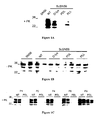
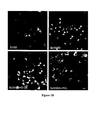
Figures 1A, 1B, 1C and1D : Elimination of PrPres by PDL in ScSN56.
Figures 1A and 1B represent a Western blot analysis using anti-PrP monoclonal antibody Saf83: on uninfected SN56, Chandler-infected ScSN56 treated with D-lysine (D-lys), PDL 70-150 kDa (PDL), PLL 70-150 kDa (PLL) or not treated (NT). Infigure 1A , Proteinase K (PK)-resistant PrP is removed by PDL treatment. InFigure 1B , total PrP, without PK digestion, does not change in a major way either in its amount or in its glycosylation pattern. All conditions are duplicated.
Figure 1C represents a Western blot of PK-digested duplicate samples over several passages (P1 to P8).
Figure 1D represents the immunofluorescent labelling and microscopy visualization of permeabilized SN56 and ScSN56 treated with D-lysine (lower left), PDL (lower right) or not treated (upper right). White arrows point to morphologically ScSN56-specific aggregates. Scale bar, 20 µm. -
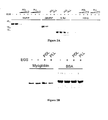
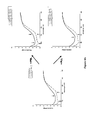
Figures 2A, 2B and2C : PDL interacts with H2H3 domain of PrP without change of secondary structure.
Figures 2A and 2B represent ethylene glycol bis-succinimidyl succinate (EGS) cross-linking assay. Target proteins at 20 µM include (Figure 2A ) full-length mouse recombinant PrP (MoPrP) and truncated mutants PrP99-230 (ΔMoPrP), PrP23-124 (N-Ter), PrP170-230 (H2H3) as well as controls (Figure 2B ) myoglobin and bovine serum albumin (BSA). Each protein is shown either alone or incubated only with EGS or with EGS and PDL/PLL (20 µM). For MoPrP and H2H3, three concentrations (10, 20 and 40 µM) of PDL/PLL are tested.
Figures 2C represent a CD analysis showing that PrP secondary structure is not altered in the presence of PDL. Upper left panel represents a far-UV spectrum of MoPrP (50 µM). Upper right one represents PDL (50 µM) spectrum. Lower left panel represents the spectrum of the equimolar mixture (experimental, continuous line) superimposed with the algebraic sum of the MoPrP and PDL spectra (theoretical, dotted line). Lower right panel represents a processed spectrum of the equimolar mixture of MoPrP and PDL (50 µM each) with the algebraic subtraction of the PDL spectrum (theoretical, continuous line), superimposed with the experimental spectrum of MoPrP (50 µM) (experimental, dotted line). -
Figures 3A, 3B ,3C and 3D : PDL effect on prion is size and concentration-dependent
Figures 3A and 3B represent western blots of PrPres from ScSN56 culture treated with different sizes of PDL, using the concentration 7.5 µg/ml in the medium (Figure 3A ) and increasing concentrations, using PDL 70-150 kDa (Figure 3B ).
Figure 3C represents a densitometric analysis of Coomassie-stained SDS-PAGE signals from EGS cross-linking assays using ranges of concentration and four sizes of PDL: 1-4 kDa (up-sided triangle), 4-15 kDa (down-sided triangle), 30-70 kDa (square) and 70-150 kDa (circle).
Figure 3D represents a Fluorescence-quenching assay using ΔOvPrP-1206W and increasing concentrations of PDL 70-150 kDa. -
Figures 4A and4B : Enantiospecific inhibition of MoPrP α to β conversion by PDL
Figures 4A represents MoPrP at 50 µM was incubated for 10 hours at 57°C either alone (left panel), with PDL (50 µM) (upper right panel) or with PLL (50 µM) (lower right panel). For incubation with PDL and PLL, spectra are processed by subtracting the spectrum of PDL or PLL from the spectra of the mixture, so that only the MoPrP component is shown. Displayed spectra are the first (dotted line and the last (normal line) of the kinetics.
Figure 4B represents the NMR structure of MoPrP where negatively charged residues are shown in white (globular side chains). -
Figures 5A and 5B : PDL treatment of infected GT1-7 and binding of PDL on cells
Figure 5A represents Western blot analysis of PrPres in GT1-7, which reproduces the effect of PDL observed in SN56 cell line. Western blot using Saf83 shows uninfected GT1-7 cells (GT1-7), 22L-scrapie-infected GT1-7 (ScGT1-7) treated with D-lysine (D-lys), PDL 70-150 kDa (PDL), PLL 70-150 kDa (PLL) or not treated (NT). All conditions are duplicated.
Figure 5B represents the quantity of PDL or PLL bound on ScSN56 surface. After 24 hours, more PDL is bound on ScSN56 surface than PLL.Figure 5B shows that biotinylation of PDL and PLL does not affect the results observed without this modification. Western blot analysis of PrPres in ScSN56 treated with biotinylated PDL (b-PDL), biotinylated PLL (b-PLL) or not treated (NT). Biotinylation of PDL/PLL was performed using EZ-Link Biotinylation kit (Pierce) at the ratio ∼22 biotins/molecule. - The invention will be further illustrated by the following nonlimiting Examples.
- Poly-D-lysine (PDL) hydrobromide of various sizes (1 to 4, 4 to 15, 15 to 30, 30 to 70, 70 to 150, 150 to 300, or >300 kDa), poly-L-lysine (PLL) hydrobromide, D-lysine, ethylene glycol bis-succinimidyl succinate (EGS) were purchased from Sigma-Aldrich. Unless specified otherwise, the size of PDL used in the experiments was 70-150 kDa.
- The full-length recombinant mouse PrP and deletion mutants were produced and purified as described in Rezaei et al. (2000) Eur. J Biochem. 267:2833-2839. Briefly, genes encoding full-length mouse PrP (PrP23-230), C-terminal mutant (PrP 99-230), N-terminal mutant (PrP23-124) and H2H3 mutant (PrP170-230), notably described by Chakroun et al., (2010) FASEB J. 24:1-10, were cloned into Escherichia coli and expressed. Inclusion bodies were extracted, sonicated and solubilised. Purification was performed on a Ni Sepharose column (GE Healthcare) using the high affinity between metal cations and the N-terminal part of the prion protein or 6xHis tag for mutants lacking the N-terminal part.
- The mouse cholinergic septal neuronal cell line SN56 described in Magalhaes et al. (2005) J Neurosci. 25(21):5207-5216 was grown in a culture medium composed of OptiMem (Gibco), supplemented with 10% foetal calf serum (FCS) and 1% Penicillin-Streptomycin (PS). The hypothalamic neuronal GT1-7 cell line described in Schätzl et al. (1997) J Virol. 71:8821-8831 was maintained in OptiMem, with 5% FCS, 5% horse serum and 1% PS. Cells were inoculated by clarified homogenates from brains of mice infected by Chandler or 22L Prion strains, as described in Vilette et al. (2001) PNAS 98:4055-4059, and then chronically maintained.
- Unless stated otherwise, incubation with PDL, PLL or other compounds was done on the third day after passage, for 24 hours in culture medium, prior to extensive rinse with PBS then replating and/or analysis. A PDL concentration-dependence experiment was carried out and on the basis of the result (
Fig. 3B ). The 7.5 µg/ml concentration was thus validated in culture medium for all compounds for standard use in all cell culture experiments. - Cells were grown in Lab-Tek slides (Nunc) following the cell culture procedure. For immunofluorescent labelling of PrP, cells were fixed with 4% paraformaldehyde, permeabilized with 0.1% Triton and treated with 4.23 M guanidium thiocyanate. The Saf83 monoclonal antibody was used to detect PrP and was revealed with Alexa Fluor 488-conjugated secondary antibody (Molecular Probes). Cover slips were mounted on slides using the Vectashield Hardset mounting medium with DAPI (Vector Labs). Image acquisition was performed on a Leica DM6000B fluorescence microscope.
- After incubation with or without PDL, PLL or other indicated compounds, cells were trypsinized, and lysed for 10 min at 4°C. Nuclei and cellular remnants were removed by centrifugation at 104 g for 2 min. The amount of protein was determined and normalized to 200 µg using bicinchoninic acid protein assay (Uptima). Samples were treated by proteinase K (PK) for 30 min at 37 °C, phenylmethylsulfonyl fluoride (
PMSF 1 mM) was added to stop digestion and proteins were centrifuged at 1.5x10⁴ g for 1 h at 4°C. The pellets were resuspended and heated for 5 min at 100°C in 25 µl of Laemmli buffer. For analysis of total PrP, lysates (7.5 µg of total protein) were not PK-digested but directly diluted in 2x Laemmli buffer. - Samples were subjected to sodium dodecyl sulfate 12% polyacrylamide gel electrophoresis (SDS-PAGE) and electroblotted to nitrocellulose membranes in transfer buffer (12 mM Tris; 80 mM glycine; 10% isopropanol), at 20 V overnight. The membranes were blocked in 5% (wt/vol) fat-free milk, processed with the Saf83 antibody and an anti-mouse horseradish-peroxidase coupled secondary antibody. Revelation was performed using the ECL kit (Amersham Pharmacia Biotech) by an autoradiographic method.
- Circular Dichroism (CD) experiments were performed in a Jasco 810 device with a home made thermostatic apparatus adapted to a 0.01 cm circular quartz cuvette. Recombinant full-length PrP was used at 50 µM in 5 mM MOPS buffer adjusted to pH 7.0, with 100 mM NaF, with or without PDL or PLL at 50 µM. For analysis of structural change upon interaction, spectra were recorded at 20°C. For the study of α to β transition kinetics of PrP, spectra were recorded at 57°C every 10 minutes, over 10 hours, using a 0.1 nm data pitch and a 20 nm.min-1 scanning speed. The wavelength scale is adapted to the saturation of the photomultiplicator.
- For the fluorescence-quenching assay, ovine truncated (aa 103-232) 1206W mutant recPrP (ΔOvPrP-1206W) was used at 50 µM in 50 mM MOPS buffer adjusted to pH 7.0. Increasing concentrations (0 to 200 µM final concentrations) of PDL 70-150 kDa were added to the solution. The single tryptophan fluorescence was recorded (excitation at 280 nm, emission spectrum from 295 to 450 nm) in a Jasco FP-6200 spectrofluorimeter and the evolution of the maximum at 348 nm of the spectrum was plotted.
- Unless stated otherwise, cross-linking was induced at 4°C by the addition of EGS (20 µM final concentration) in a solution of 20 µM recombinant full-length mouse PrP, mutants or other proteins with or without 20 µM PDL or PLL in 50 mM MOPS buffer at pH 7.0. Reactions were stopped after 10 min by an excess of amine groups with 15% Tris-glycine buffer. After addition of an equal volume of 2x Laemmli buffer, samples were heated for 5 min at 100°C and then subjected to SDS-PAGE in a 12% polyacrylamide gel. Staining of gels with Coomassie blue followed standard procedure.
- SN56 cells chronically infected with Chandler scrapie prion strain (hereafter referred to as ScSN56), were studied in the presence and absence of PDL (70-150 kDa), D-lysine or PLL (70-150 kDa).
- The amount of PrPres was analyzed after proteinase K digestion of cell lysates by Western blots with the PrP-specific monoclonal antibody Saf83.
- Incubation of ScSN56 with 7.5 µg/ml PDL for 24 hours in the medium was sufficient to decrease the signal of proteinase-K-resistant PrP down to trace amount, (
Fig: 1A ). No cytotoxic effect was observed with this transient exposure. However, in these conditions, only a faint reduction of PrPres could be detected with PLL, as previously described in Supattapone et al. (1999) PNAS 96:14529-14534, and no effect with D-lysine (Fig.1A ). - Similar observations were made in another cell line GT1-7, which was infected with the 22L scrapie prion strain (
Fig. 5A ). - Therefore the removal of PrPres in two different cell lines, infected by two different prion isolates, was specific for poly-D-lysine.
- Although after treatment, cells were carefully washed in PBS to remove PDL, a putative interference of the remaining PDL with subsequent purification process including PK-digestion could not be completely excluded. To circumvent this uncertainty, a single treatment with PDL was done at
passage 0 and the presence of PrPres was assessed after 1, 2, 4, 6 and 8 passages (Fig. 1C ). Wash steps and 1:10 dilution replating of cells at each passage reduced the PDL left on the culture down to a negligible amount.Fig. 1C showed that, up topassage 6, only trace amount of PrPres was detected without significant increase compared topassage 1. A strong PrPres signal reappeared atpassage 8. Thus, discarding the possibility of an artefact, this experiment demonstrated that the infected cells were effectively and stably cured for several passages, after a single 24-hour treatment. - The observation of PDL effect on PrPres was also supported by immunofluorescent labelling of PrP. Microscopy analysis showed the presence of a specific intracellular aggregate, beside the membrane labelling, in infected cells (ScSN56), as well as in D-lysine-treated ones, that is different from the labelling of uninfected SN56, supposed to be essentially on the membrane, in the Golgi apparatus and endoplasmic reticulum as reported previously (Kristiansen et al. (2005) J Biol. Chem. 280:38851-38861; review Harris (2003) British Medical Bulletin 66:71-85; review Westergard et al. (2007) Biochim Biophys Acta 1772(6):629-644). Incubation with PDL, but not D-lysine, purged ScSN56 of this specific aggregate making them undistinguishable from uninfected cells.
- To determine whether this enantiospecific removal of PrPres by PDL was due to a decrease in either expressed PrPC or a modification of membrane localization, the amount of total PrP and surface PrP was evaluated by Western blot and flow cytometry respectively. The estimation by Western blot of total PrP in cell lysate revealed no significant variation between controls and treated samples (
Fig. 1B ). This figure also showed no obvious difference in glycosylation pattern. This lack of total PrP variation has to be compared to the nearly complete disappearance of PrPres signal reported inFig. 1A and5A . - To determine if the effect of PDL involves a direct link with PrP, the inventors chose to probe a potential physical interaction by cross-linking mouse recombinant PrP (MoPrP) and PDL with ethylene glycol bis-succinimidyl succinate (EGS), a 16 A linear molecule that creates covalent links between two sufficiently close amine groups.
- Full-length MoPrP, truncated mutants PrP99-230 (ΔMoPrP), PrP23-124 (N-Ter) and PrP170-230 (H2H3) were incubated on ice for 10 minutes with or without PDL or PLL in the presence of EGS (
Fig. 2A ). It should be noted that at pH < 11, polylysines are positively-charged large molecules that cannot enter standard SDS-PAGE gels which results in the blockade of the entry to the gel of any protein cross-linked to PDL or PLL. - As shown in
Fig. 2A , a decrease of the Coomassie blue staining of MoPrP in the presence of PDL was observed, indicating an interaction between the two molecules (Fig. 2A , lanes "MoPrP"). No spontaneous dimerization or oligomerization of MoPrP incubated alone with EGS could be seen saw and no sign of interaction between polylysines and control proteins, such as bovine serum albumin and myoglobin, could be detected (Fig. 2B ). Interaction with PLL showed no difference compared to PDL. - To precisely localize the region involved in PrP/PDL interaction, deletion mutants of PrP were used. As shown in
Fig. 2A , the N-terminal region (N-Ter) did not interact with PDL, whereas the C-terminal region (ΔMoPrP) and particularly H2H3 interacted with PDL. - Since oligomerization and fibrillization of PrP require a conformational change, the inventors wondered whether the interaction of PrP with PDL or PLL would affect its secondary structure.
- Far-UV circular dichroism (CD) spectra were recorded for monomeric MoPrP (
Fig. 2C , upper left, PDL (Fig. 2C , upper right) and their equimolar mixture. - The inventors reasoned that if there were a change in secondary structure either in MoPrP or PDL upon interaction, the algebraic subtraction of PDL spectrum from the experimental spectrum of the mixture would not fit the original individual spectrum of MoPrP. Given the resolution of CD, no fundamental difference between them could be observed (
Fig. 2C , lower right), indicating that the interaction between MoPrP and PDL involved no major change in the secondary structure of MoPrP monomers. - Because PrP oligomers display a different structure, enriched in β-sheet, compared to monomeric PrP, the inventors also tested whether PDL and PLL interacted with heat-oligomerized MoPrP.
- EGS cross-linking assay showed that PDL and PLL interacted with heat-oligomerized MoPrP similarly to native MoPrP monomer. Likewise, using circular dichroism, the effect of PDL on the secondary structure of oligomerized MoPrP was evaluated. The subtraction of the spectrum of PDL from that of the mixture led to a curve that is typical of a β-sheet structure, also displayed by the oligomerized MoPrP control.
- Overall, polylysines directly interacted with the H2H3 region of MoPrP monomer and oligomer, without affecting its secondary structure in a detectable way.
- To further characterize both the effect on cell culture and the interaction in vitro, PDL concentration and size-dependence were studied. In infected cells, increasing PDL concentration in the medium enhanced the efficiency of PrPres removal, giving an approximation of the concentration of PDL needed to lower the amount of PrPres by 50 %, which is around 0.15 µg/ml, corresponding to the nanomolar range (
Fig. 3B ). - The influence of the size of the polymers on the removal of PrPres was then probed. While incubation with D-lysine and 1-4 kDa PDL did not result in significant change in signal compared to untreated control, a similar level of removal of PrPres for all other sizes of PDL, from 4-15 kDa up to over 300 kDa could be observed (
Fig. 3A ). - Similarly, interaction probed by EGS cross-linking showed that interaction was concentration-dependent and that large polymers had a higher propensity to interact with MoPrP (
Fig. 3C ). - As cross-linking experiments are not suitable for providing numerical affinity or avidity estimates, the presence of EGS being a bias in the reaction equilibrium, a fluorescence-quenching assay was performed. Based on the result that the interaction sites may be on H2H3 (
Fig. 2A ), a truncated mutant of ovine PrP (aa 103-232, which then displayed no tryptophan) was generated on which the isoleucine residue at position 206 on H3 was replaced by a tryptophan (ΔOvPrP-I206W). The titration of ΔOvPrP-1206W by PDL revealed a decrease of the single tryptophan fluorescence indicating a modification of H3 environment. The concentration of PDL (70-150 kDa) required to cross-link half of the MoPrP monomers in the EGS assay was within the range of concentration needed to decrease the fluorescence by half in the fluorescence-quenching experiment (Fig. 3D ), which is in the order of magnitude of 10 µM. - Change in conformation of PrP is a key step in the formation of prion (Caughey et al. (1991) Biochem. 30:7673-7680; Pan et al. (1993) PNAS 90:10962-10966). The inventors thus probed by CD whether PDL or PLL could influence the heat-induced transition of MoPrP from an α-helix-rich structure to a β-sheet one.
- Results in
Fig. 2C , lower right panel, showed that interaction of MoPrP with polylysines did not induce per se any major change in secondary structure of MoPrP. In other words, from a practical point of view, it was possible to retrieve the CD spectrum of MoPrP by subtracting that of polylysine from the spectrum of the mixture. The same reasoning was applied in the study of α to β transition of MoPrP at pH 7.0 at 57°C over 10 hours, in the presence or absence of polylysine. - When incubated alone, the spectrum of PDL over time displayed no significant change of structure. In the case of MoPrP heated alone, results showed a typical transition from a high α-helix content to a high β-sheet content (
Fig. 4A , left panel), characterized by the disappearance of local minima after 10 hours. - In the spectra of the equimolar mixture of MoPrP and PDL (respectively PLL), the spectrum of PDL (resp. PLL) was subtracted to specifically visualize the MoPrP component. In the presence of PDL, the processed spectrum was maintained over time and constantly corresponded to an α-helix-rich structure (
Fig. 4A , upper right panel), whereas the presence of PLL allowed a visible change from α to β (Fig. 4A , lower right panel) similar to the transition in the spectrum of MoPrP incubated alone (Fig. 4A , left panel). - Overall, the results demonstrated an enantiospecific effect of PDL on the heat-induced α to β transition of MoPrP, maintaining it in an α-helix-rich structure.
- In conclusion, it is herein reported for the first time that PDL has an anti-prion effect. Indeed, PDL drastically removes PrPres from prion-infected neuronal cell culture without affecting significantly the expression and the membrane localization of PrPC. Furthermore, through in vitro investigations a physical interaction was identified between PrP and PDL. This interaction provides the key to hypothesize that PDL acts on prion by preventing the conversion of normal cellular PrPC into its abnormal β-sheet-enriched isoform PrPSC. This mechanism is strengthened by the fact that PDL physically interacts with the H2H3 domain, which is implicated in the oligomerization and fibrillization of the full-length protein. Consequently, this report strongly supports the hypothesis that H2H3 may be the most important region of PrP for abnormal conversion and polymerization, as it would bridge the gap between biophysical and modelling studies on H2H3 and biological relevance. Evidence provided here implies that drugs, rationally designed to target H2H3 on PrPC, can block prion replication. Therefore, new therapeutic strategies based on H2H3 find here fundamental support and consistence.
Claims (15)
- A compound comprising or consisting of poly-D-Lysine, for use in the prevention or treatment of a pathological binding of a prion protein (PrP) to a protein liable to form brain aggregates in an individual.
- The compound for use according to claim 1, wherein the protein liable to form brain aggregates is selected from the group consisting of the prion protein and the amyloid-β peptide.
- The compound for use according to claim 1 or 2, in the prevention or treatment of a transmissible spongiform encephalopathy.
- The compound for use according to any of claims 1 to 3, in the prevention or treatment of a transmissible spongiform encephalopathy selected from the group consisting of Creutzfeldt-Jacob disease, Gerstmann-Straüssler-Scheinker syndrome, fatal familial insomnia, bovine spongiform encephalopathy, and scrapie.
- The compound for use according to any of claims 1 to 4, in the prevention or treatment of Creutzfeldt-Jacob disease, the variant of Creutzfeldt-Jacob disease, sporadic Creutzfeldt-Jacob disease, and familial Creutzfeldt-Jacob disease.
- The compound for use according to claim 1 or 2, wherein the individual has Alzheimer's disease.
- The compound for use according to any of claims 1 to 6, wherein poly-D-Lysine has a molecular weight of from 4 kDa to 300 kDa.
- The compound for use according to any of claims 1 to 7, wherein poly-D-Lysine has a molecular weight of from 70 to 150 kDa.
- The compound for use according to any of claims 1 to 8, wherein the compound consists of poly-D-Lysine.
- Use of a compound comprising or consisting of poly-D-Lysine, for the in vitro diagnosis of a transmissible spongiform encephalopathy.
- The use according to claim 10, wherein the compound comprising or consisting of poly-D-Lysine is as defined in any of claims 7 to 9.
- A Protein Misfolding Cyclic Amplification (PMCA) assay, comprising:(i) adding a composition comprising PrPC to a sample to assay;(ii) incubating the sample added with the composition comprising PrPC in conditions allowing the formation of PrPSC aggregates in the sample;(iii) dispersing the aggregates which may have formed in the sample;(iv) adding a composition comprising PrPC to the sample;(v) repeating steps (ii) to (iv);(vi) determining the presence or absence of PrPSC or PrPres aggregates in the sample;wherein the composition comprising PrPC further comprises a compound comprising or consisting of poly-D-Lysine.
- The PMCA assay according to claim 12, wherein the compound comprising or consisting of poly-D-Lysine is as defined in any of claims 7 to 9.
- The PMCA assay according to claim 12 or 13, for the in vitro diagnosis of a transmissible spongiform encephalopathy.
- The PMCA assay according to any of claims 12 to 14, wherein the sample to assay is a blood sample.
Priority Applications (2)
| Application Number | Priority Date | Filing Date | Title |
|---|---|---|---|
| EP10290300A EP2392342A1 (en) | 2010-06-04 | 2010-06-04 | Compositions for use in the treatment or diagnosis of prion diseases |
| PCT/IB2011/052419 WO2011151798A1 (en) | 2010-06-04 | 2011-06-01 | Compositions for use in the treatment or diagnosis of prion diseases |
Applications Claiming Priority (1)
| Application Number | Priority Date | Filing Date | Title |
|---|---|---|---|
| EP10290300A EP2392342A1 (en) | 2010-06-04 | 2010-06-04 | Compositions for use in the treatment or diagnosis of prion diseases |
Publications (1)
| Publication Number | Publication Date |
|---|---|
| EP2392342A1 true EP2392342A1 (en) | 2011-12-07 |
Family
ID=42650642
Family Applications (1)
| Application Number | Title | Priority Date | Filing Date |
|---|---|---|---|
| EP10290300A Withdrawn EP2392342A1 (en) | 2010-06-04 | 2010-06-04 | Compositions for use in the treatment or diagnosis of prion diseases |
Country Status (2)
| Country | Link |
|---|---|
| EP (1) | EP2392342A1 (en) |
| WO (1) | WO2011151798A1 (en) |
Families Citing this family (1)
| Publication number | Priority date | Publication date | Assignee | Title |
|---|---|---|---|---|
| WO2013173699A2 (en) * | 2012-05-17 | 2013-11-21 | Yale University | METHOD FOR DETECTION OF PrP-INTERACTING Aβ OLIGOMERIC SPECIES IN BIOLOGICAL MATERIALS AS A DIAGNOSIS OF ALZHEIMER'S DISEASE |
Citations (7)
| Publication number | Priority date | Publication date | Assignee | Title |
|---|---|---|---|---|
| WO2001054736A2 (en) * | 2000-01-31 | 2001-08-02 | The Regents Of The University Of California | Compositions treated to inactivate infectious proteins |
| US6331296B1 (en) | 1999-06-01 | 2001-12-18 | Stanley B. Prusiner | Food additives which affect conformationally altered proteins |
| US6419916B1 (en) | 1999-06-01 | 2002-07-16 | The Regents Of The University Of California | Assay for compounds which affect conformationally altered proteins |
| US20020165124A1 (en) * | 2001-05-04 | 2002-11-07 | Nguyen Khue Vu | Poly-L-Lysine dissolves fibrillar aggregation of the alzheimer beta-amyloid peptide in vitro |
| US20040138125A1 (en) * | 2001-09-24 | 2004-07-15 | Yanming Wang | Composition and method to prevent and treat brain and spinal cord injuries |
| US20050221404A1 (en) | 2002-02-28 | 2005-10-06 | Lane Amin R | Binding of pathological forms of prion proteins |
| WO2009145194A1 (en) * | 2008-05-28 | 2009-12-03 | 独立行政法人農業・食品産業技術総合研究機構 | Method for efficiently amplifying abnormal prion protein derived from sheep scrapie |
-
2010
- 2010-06-04 EP EP10290300A patent/EP2392342A1/en not_active Withdrawn
-
2011
- 2011-06-01 WO PCT/IB2011/052419 patent/WO2011151798A1/en not_active Ceased
Patent Citations (8)
| Publication number | Priority date | Publication date | Assignee | Title |
|---|---|---|---|---|
| US6331296B1 (en) | 1999-06-01 | 2001-12-18 | Stanley B. Prusiner | Food additives which affect conformationally altered proteins |
| US6419916B1 (en) | 1999-06-01 | 2002-07-16 | The Regents Of The University Of California | Assay for compounds which affect conformationally altered proteins |
| WO2001054736A2 (en) * | 2000-01-31 | 2001-08-02 | The Regents Of The University Of California | Compositions treated to inactivate infectious proteins |
| US20020165124A1 (en) * | 2001-05-04 | 2002-11-07 | Nguyen Khue Vu | Poly-L-Lysine dissolves fibrillar aggregation of the alzheimer beta-amyloid peptide in vitro |
| US6639058B2 (en) | 2001-05-04 | 2003-10-28 | Mai Dao | Method of dissolving preformed β-amyloid peptide fibrils in vitro by poly-lysine |
| US20040138125A1 (en) * | 2001-09-24 | 2004-07-15 | Yanming Wang | Composition and method to prevent and treat brain and spinal cord injuries |
| US20050221404A1 (en) | 2002-02-28 | 2005-10-06 | Lane Amin R | Binding of pathological forms of prion proteins |
| WO2009145194A1 (en) * | 2008-05-28 | 2009-12-03 | 独立行政法人農業・食品産業技術総合研究機構 | Method for efficiently amplifying abnormal prion protein derived from sheep scrapie |
Non-Patent Citations (23)
| Title |
|---|
| CAUGHEY ET AL., BIOCHEM., vol. 30, 1991, pages 7673 - 7680 |
| CHAKROUN ET AL., FASEB J., vol. 24, 2010, pages 1 - 10 |
| DELEAULT ET AL., PROC. NATL. ACAD. SCI. USA, vol. 104, 2007, pages 9741 - 9746 |
| GIMBEL ET AL., J NEUROSCI., vol. 30, 2010, pages 6367 - 74 |
| GRASSI ET AL., VET. RES., vol. 39, 2008, pages 33 |
| HARRIS, BRITISH MEDICAL BULLETIN, vol. 66, 2003, pages 71 - 85 |
| KRISTIANSEN ET AL., J BIOL. CHEM., vol. 280, 2005, pages 38851 - 38861 |
| LAUREN ET AL., NATURE, vol. 457, 2009, pages 1128 - 1132 |
| MAGALHAES ET AL., J NEUROSCI., vol. 25, no. 21, 2005, pages 5207 - 5216 |
| NGUYEN ET AL., BIOCHEM. BIOPHYS. RES. COMMUN., vol. 291, 2002, pages 764 - 768 |
| PAN ET AL., PNAS, vol. 90, 1993, pages 10962 - 10966 |
| PRUSINER, PROC. NATL. ACAD. SCI. USA, vol. 95, 1998, pages 13363 - 13383 |
| REZAEI ET AL., EUR. J BIOCHEM., vol. 267, 2000, pages 2833 - 2839 |
| SABORIO ET AL., NATURE, vol. 411, 2001, pages 810 - 3 |
| SAIYED ET AL., INT JNANOMEDICINE, vol. 5, 2010, pages 157 - 166 |
| SCHÄTZL ET AL., J VIROL., vol. 71, 1997, pages 8821 - 8831 |
| SUPATTAPONE ET AL., J. VIROL., vol. 75, 2001, pages 3453 - 3461 |
| SUPATTAPONE ET AL., PNAS, vol. 96, 1999, pages 14529 - 14534 |
| SUPATTAPONE ET AL., PROC. NATL: ACAD. SCI: USA, vol. 96, 1999, pages 14529 - 14534 |
| TREVITT; COLLINGE, BRAIN, vol. 129, 2006, pages 2241 - 2265 |
| VARATHARAJAN; THOMAS, ANTIVIRAL RES., vol. 82, 2009, pages A99 - A109 |
| VILETTE ET AL., PNAS, vol. 98, 2001, pages 4055 - 4059 |
| WESTERGARD ET AL., BIOCHIM BIOPHYS ACTA, vol. 1772, no. 6, 2007, pages 629 - 644 |
Also Published As
| Publication number | Publication date |
|---|---|
| WO2011151798A1 (en) | 2011-12-08 |
Similar Documents
| Publication | Publication Date | Title |
|---|---|---|
| Baral et al. | Transition of the prion protein from a structured cellular form (PrPC) to the infectious scrapie agent (PrPSc) | |
| Das et al. | Microglial remodeling of actin network by Tau oligomers, via G protein‐coupled purinergic receptor, P2Y12R‐driven chemotaxis | |
| Béland et al. | The prion protein unstructured N‐terminal region is a broad‐spectrum molecular sensor with diverse and contrasting potential functions | |
| Aguzzi et al. | The prion's elusive reason for being | |
| Aguzzi et al. | Insights into prion strains and neurotoxicity | |
| Hijazi et al. | Copper binding to PrPC may inhibit prion disease propagation | |
| Poggiolini et al. | Prion protein misfolding, strains, and neurotoxicity: an update from studies on mammalian prions | |
| Mallucci et al. | Rational targeting for prion therapeutics | |
| Neff et al. | Immunotherapy and naturally occurring autoantibodies in neurodegenerative disorders | |
| Dirikoc et al. | Nonpsychoactive cannabidiol prevents prion accumulation and protects neurons against prion toxicity | |
| Rambold et al. | Green tea extracts interfere with the stress‐protective activity of PrPC and the formation of PrPSc | |
| Zhou et al. | Conformational conversion of prion protein in prion diseases | |
| Kakinen et al. | Single-molecular heteroamyloidosis of human islet amyloid polypeptide | |
| Vieira et al. | PrP meets alpha‐synuclein: Molecular mechanisms and implications for disease | |
| GB2451254A (en) | Cannabidiol for use in the treatment of neurodegenerative conditions | |
| US20080027025A1 (en) | Protection From And Treatment Of Prion Protein Infection | |
| Moukhles et al. | α‐dystroglycan isoforms are differentially distributed in adult rat retina | |
| Krammer et al. | Therapy in prion diseases: from molecular and cellular biology to therapeutic targets | |
| WO2011151798A1 (en) | Compositions for use in the treatment or diagnosis of prion diseases | |
| Noinville et al. | Misfolding of the prion protein: linking biophysical and biological approaches | |
| JP6227523B2 (en) | Amyrodosis targets useful in therapeutic methods and for compound screening | |
| Chen et al. | Removal of the glycosylation of prion protein provokes apoptosis in SF126 | |
| JP4354956B2 (en) | PH-dependent polypeptide aggregation and uses thereof | |
| EP4186918A1 (en) | Inhibitory peptides for the diagnostic and/or treatment of tauopathies | |
| Rehders et al. | Peptide NMHRYPNQ of the Cellular Prion Protein (PrPC) Inhibits Aggregation and Is a Potential Key for Understanding Prion–Prion Interactions |
Legal Events
| Date | Code | Title | Description |
|---|---|---|---|
| AK | Designated contracting states |
Kind code of ref document: A1 Designated state(s): AL AT BE BG CH CY CZ DE DK EE ES FI FR GB GR HR HU IE IS IT LI LT LU LV MC MK MT NL NO PL PT RO SE SI SK SM TR |
|
| AX | Request for extension of the european patent |
Extension state: BA ME RS |
|
| PUAI | Public reference made under article 153(3) epc to a published international application that has entered the european phase |
Free format text: ORIGINAL CODE: 0009012 |
|
| STAA | Information on the status of an ep patent application or granted ep patent |
Free format text: STATUS: THE APPLICATION IS DEEMED TO BE WITHDRAWN |
|
| 18D | Application deemed to be withdrawn |
Effective date: 20120609 |