EP2391004A1 - Systems and methods for controlling the volume output from a media presentation device - Google Patents
Systems and methods for controlling the volume output from a media presentation device Download PDFInfo
- Publication number
- EP2391004A1 EP2391004A1 EP11167984A EP11167984A EP2391004A1 EP 2391004 A1 EP2391004 A1 EP 2391004A1 EP 11167984 A EP11167984 A EP 11167984A EP 11167984 A EP11167984 A EP 11167984A EP 2391004 A1 EP2391004 A1 EP 2391004A1
- Authority
- EP
- European Patent Office
- Prior art keywords
- volume
- media presentation
- presentation device
- output
- audio
- Prior art date
- Legal status (The legal status is an assumption and is not a legal conclusion. Google has not performed a legal analysis and makes no representation as to the accuracy of the status listed.)
- Granted
Links
Images

Classifications
-
- G—PHYSICS
- G06—COMPUTING OR CALCULATING; COUNTING
- G06F—ELECTRIC DIGITAL DATA PROCESSING
- G06F3/00—Input arrangements for transferring data to be processed into a form capable of being handled by the computer; Output arrangements for transferring data from processing unit to output unit, e.g. interface arrangements
- G06F3/16—Sound input; Sound output
- G06F3/165—Management of the audio stream, e.g. setting of volume, audio stream path
-
- G—PHYSICS
- G06—COMPUTING OR CALCULATING; COUNTING
- G06F—ELECTRIC DIGITAL DATA PROCESSING
- G06F3/00—Input arrangements for transferring data to be processed into a form capable of being handled by the computer; Output arrangements for transferring data from processing unit to output unit, e.g. interface arrangements
- G06F3/01—Input arrangements or combined input and output arrangements for interaction between user and computer
- G06F3/048—Interaction techniques based on graphical user interfaces [GUI]
- G06F3/0484—Interaction techniques based on graphical user interfaces [GUI] for the control of specific functions or operations, e.g. selecting or manipulating an object, an image or a displayed text element, setting a parameter value or selecting a range
- G06F3/04842—Selection of displayed objects or displayed text elements
-
- H—ELECTRICITY
- H03—ELECTRONIC CIRCUITRY
- H03G—CONTROL OF AMPLIFICATION
- H03G3/00—Gain control in amplifiers or frequency changers
- H03G3/20—Automatic control
- H03G3/30—Automatic control in amplifiers having semiconductor devices
- H03G3/32—Automatic control in amplifiers having semiconductor devices the control being dependent upon ambient noise level or sound level
-
- H—ELECTRICITY
- H03—ELECTRONIC CIRCUITRY
- H03G—CONTROL OF AMPLIFICATION
- H03G7/00—Volume compression or expansion in amplifiers
- H03G7/007—Volume compression or expansion in amplifiers of digital or coded signals
-
- H—ELECTRICITY
- H04—ELECTRIC COMMUNICATION TECHNIQUE
- H04N—PICTORIAL COMMUNICATION, e.g. TELEVISION
- H04N21/00—Selective content distribution, e.g. interactive television or video on demand [VOD]
- H04N21/40—Client devices specifically adapted for the reception of or interaction with content, e.g. set-top-box [STB]; Operations thereof
- H04N21/47—End-user applications
- H04N21/485—End-user interface for client configuration
- H04N21/4852—End-user interface for client configuration for modifying audio parameters, e.g. switching between mono and stereo
Definitions
- Media devices such as a set top box, a stereo, a television, a computer system, a game system, or the like, may be used to present programming to users.
- Such programming may contain video information and audio information.
- the programming may be an audio only type of program, such as a music channel, a music station, or radio.
- the level of the detected audio output is compared with the predetermined volume parameters by processing means of an audio detector arranged to communicate with the media presentation device.
- the wireless communication may be by any appropriate means, for example, by infrared communication or by radio frequency signals.
- receiving specification of the maximum volume limit further comprises:
- generating and communicating the volume output limit command comprises:
- the invention also extends to a remote control, comprising:
- the media device 102 provides streamed program content 126 to one or more media presentation devices 128.
- the presentation device interface 114 is illustrated as coupled to two exemplary media presentation devices 128, namely, a television (TV) 128a and an audio device 128b.
- the audio device 128b may be a stereo, a compact disk (CD) player, a radio, a surround-sound receiver, or combinations thereof.
- the audio detector 134 is a portable device that may be located and oriented in a manner such that the microphone 136 primarily detects the sounds 142 emitted from the controlled media presentation devices 128.
- the audio detector 134 may be located in proximity to the user and may be oriented towards the TV 128a.
- the audio detector 134 may be located near a door of a media room where the audio device 128b is playing music so that the volume output level can be determined at a point where the sound 142 is leaving the media room. Any suitable location and/or orientation of the audio detector 134 may be selected so as to detect the sounds 142.
- volume output limit command is a specified volume setting.
- the volume output limit command may specify the volume setting of a particular controlled media presentation device 128.
- the volume output limit may be a specified volume output level setting and/or may be a specified percentage of its maximum volume output setting.
- the volume output setting is reduced to the specified maximum volume limit, and other audio levels are correspondingly scaled down in accordance with the maximum volume limit.
- volume output limit 122 When a plurality of media presentation devices 128 are controlled in accordance with a volume output limit 122, multiple different volume output limit commands may be generated and communicated to the different media presentation devices 128.
- the specific volume output limit commands may be unique to a particular controlled media presentation device 128. That is, one or more characteristics of the each volume output limit command may differ. For example, if the volume output limit command are based on digital IR signal patterns, the IR signal patterns used to control the different media presentation devices 128 may differ.
- the volume output limit may be enforced based upon a detected peak value of the sound 142. Alternatively, and/or additionally, the volume output limit may be enforced based upon a rolling average of peak sound levels over some predefined duration. In such circumstances, the occasional and/or infrequent "extra loud" peak in the detected sound 142 may not result in a reduction of the volume output of the controlled media presentation devices 128 based on the occasional or infrequent peak sound levels.
- the output volume of the controlled media presentation devices 128 may be differentiated from the volume level of any present ambient noise.
- multiple audio detectors 134 may be positioned and oriented about the media room. Differences between the audio information 144 received from the different ones of the audio detectors 134 may be compared to more accurately determine the volume output of the controlled media presentation devices 128. Then, volume output limit command can be determined for the controlled media presentation devices 128.
- FIGURE 3 is a block diagram of an embodiment of a scheduled volume limiter 100 operating cooperatively with an infrared (IR) blaster 302.
- the IR blaster 302 is a communication device that emulates the remote control commands generated by a variety of remote controls each associated with a particular different media presentation device 128. For example, when operating in a first mode, the IR blaster 302 may directly control the TV 128a. When operating in a second mode, the IR blaster 302 may directly control the audio device 128b. Accordingly, volume control codes are readily available within the IR blaster 302 for adjusting volume output of the various controlled media presentation devices 128.
Landscapes
- Engineering & Computer Science (AREA)
- Theoretical Computer Science (AREA)
- General Engineering & Computer Science (AREA)
- Human Computer Interaction (AREA)
- Physics & Mathematics (AREA)
- General Physics & Mathematics (AREA)
- Multimedia (AREA)
- General Health & Medical Sciences (AREA)
- Audiology, Speech & Language Pathology (AREA)
- Health & Medical Sciences (AREA)
- Signal Processing (AREA)
- Circuit For Audible Band Transducer (AREA)
- Two-Way Televisions, Distribution Of Moving Picture Or The Like (AREA)
- Selective Calling Equipment (AREA)
- Details Of Television Systems (AREA)
Abstract
Description
- The present invention relates to systems and methods for controlling the volume output from a media presentation device.
- Media devices, such as a set top box, a stereo, a television, a computer system, a game system, or the like, may be used to present programming to users. Such programming may contain video information and audio information. In some situations, the programming may be an audio only type of program, such as a music channel, a music station, or radio.
- The volume of the audio information presented is controlled by the user. However, it is possible for a user to increase the volume of the output audio information to such an extent that others may be annoyed, bothered or otherwise distracted. For example, children may wake early Saturday morning to watch their favorite cartoons. If the children are allowed to control the media device in an unsupervised manner, the parents may not be able to sleep in. As another example, a user may watch a movie late at night. At times, especially if the movie is an action film with explosions or similar, the output volume from the media presentation device may be so loud as to wake or disturb other members of the household. As yet another example, loud music played at a late night party may disturb neighbors.
- The present invention proposes that the volume of a media device be controlled and seeks to provide systems and methods providing for such control.
- According to a first aspect of the present invention there is provided a method for controlling the volume output from a media presentation devices, the method comprising:
- detecting the audio output of at least one media presentation device,
- comparing the level of the detected audio output with predetermined volume parameters;
- generating a volume command in response to the detected audio output differing from the predetermined volume parameters;
- communicating the volume command to the media presentation device, and
- causing the media presentation device to alter the volume level of its audio output in response to the volume command.
- Embodiments of the invention enable the volume level of the audio output by a media device to be altered by control means, which are not being manipulated by the user, when the level differs from predetermined parameters. Generally, the volume output will be automatically turned down when the audio output is too high, that is, too loud. Of course, it is also possible to employ the automatic control to turn up the volume when it is too low.
- Preferably, the method further comprises determining an enforcement period, wherein communicating the volume command occurs only during the enforcement period.
- The enforcement period may be a user specified period and automatic control of the volume may be relinquished outside of the enforcement period.
- In an embodiment, the method further comprises presenting a volume controlling electronic program guide on a display which indicates volume control parameters for determination by a user.
- The user may switch on the automatic control of volume for specific programs, or for specific genres of programs, for example, for action movies. There is also the possibility to use different parameters for different sections of the program. For example, in an action movie, action scenes with explosions and other loud noises can be volume limited, whereas quieter passages, for example, speech might have the volume increased.
- In an embodiment, the level of the detected audio output is compared with the predetermined volume parameters by processing means of the media device.
- In an alternative embodiment, the level of the detected audio output is compared with the predetermined volume parameters by processing means of a remote control arranged to control the media presentation device.
- Alternatively, the level of the detected audio output is compared with the predetermined volume parameters by processing means of an audio detector arranged to communicate with the media presentation device.
- Basically, the elements used by a method of the invention may be distributed between the media presentation device, its remote control, and separate, independent elements are required.
- Preferably, the method further comprises converting the detected analog audio output from the media presentation device into a digital signal and communicating the digital signal to said processor means.
- In an embodiment, the audio output of the media presentation device is detected by a microphone which is located remotely from the media presentation device, and communicating an output of the microphone wirelessly with said processor means.
- The wireless communication may be by any appropriate means, for example, by infrared communication or by radio frequency signals.
- Preferably, the predetermined volume parameters comprise one or more predetermined maximum volume limits, the method allowing a user to determine the maximum volume limits in dependence upon the nature of programs to be presented by the media presentation device.
- The present invention also extends to a system for controlling the volume output by a media presentation device, the system comprising:
- a media presentation device receiving programming and controlling output devices to present programming, the output devices including audio output means;
- an audio detector for detecting the audio output;
- processing means for comparing the level of the detected audio output with predetermined volume parameters, and for generating a volume command in response to the detected audio output differing from the predetermined volume parameters; and
- volume control means, responsive to the volume command, to alter the voltage level of the audio output means.
- In an embodiment, the volume output by a media presentation device as claimed in Claim 10, wherein the volume control means is provided in the media presentation device, in a remote control for controlling the media presentation device, or in the audio detector associated with the media presentation device.
- As set out above, an element, as the volume control means, may be distributed across the system as required. For example, the audio detector may be incorporated in the remote control.
- The audio detector may be any required construction. In an embodiment, the audio detector comprises a microphone for detecting the audio output.
- Preferably, the microphone is a directional microphone arranged to detect volume output from the media presentation device, and arranged to omit detection of ambient noise.
- According to a further aspect of the present invention there is provided a remote control for controlling a media presentation device, comprising:
- an audio detector for detecting sound;
- storage means for storing predetermined volume parameters;
- processing means for comparing the level of sound detected by the audio detector with the stored predetermined volume parameters and to generate a volume command where the detected sound differs from the stored volume parameters; and
- a wireless transmitter coupled to the processing means and arranged to communicate the volume command to the media presentation device.
- The invention also extends to a method for limiting volume output from media presentation devices, the method comprising:
- detecting a sound using a microphone, wherein the sound corresponds to an audio output of at least one controlled media presentation device, and wherein the microphone is remotely located from the at least one controlled media presentation device;
- comparing a level of the detected sound with a predefined maximum volume limit;
- generating a volume output limit command in response to the detected sound exceeding the predefined maximum volume limit; and
- communicating the volume output limit command to the media presentation device,
- wherein the media presentation device reduces a volume level of its audio output.
- Preferably, the method further comprises:
- determining a start of an enforcement period, wherein communicating the volume output limit command occurs only during the enforcement period.
- The method may further comprise:
- determining an end of the enforcement period, wherein communicating the volume output limit command ceases at the end of the enforcement period.
- In an embodiment, at the end of the enforcement period, the method further comprises:
- communicating a signal to the media presentation device that changes a current volume output setting of the media presentation device back to a previous volume output settings in effect prior to the start of the enforcement period.
- Preferably, the method further comprises:
- communicating audio information to a media device,
- wherein the audio information corresponds to the sound detected by the microphone, and
- wherein the media device generates and communicates the volume output limit command to the controlled media presentation device.
- In an embodiment, the method further comprises:
- converting an analog output of the microphone into a digital signal using an analog to digital converter;
- generating at least one of an infrared (IR) signal and a radio frequency (RF) signal corresponding to the digital signal; and
- communicating the at least one IR signal and RF signal to the media device.
- Where the microphone resides in a remote control that is configured to control the media presentation device, the method further comprises:
- converting an analog output of the microphone into a digital signal using an analog to digital converter;
- generating at least one of an infrared (IR) signal and a radio frequency (RF) signal corresponding to the volume output limit command; and
- communicating the at least one IR signal and RF signal to the controlled media presentation device.
- The method may further comprise:
- communicating the volume output limit command to an infrared (IR) blaster,
- wherein the IR blaster is configured to generate an IR signal corresponding to the volume output limit command, and
- wherein the IR blaster is configured to communicate the IR signal to the controlled media presentation device.
- Preferably, the method further comprises:
- receiving specification of a start of an enforcement period;
- receiving specification of an end of the enforcement period;
- receiving specification of a maximum volume limit associated with the enforcement period; and
- generating a volume output limit based on the start time and the end time of the enforcement period, and based on the maximum volume limit.
- The method may further comprise:
- presenting a volume limiter electronic program guide on a display;
- wherein the volume limiter electronic program guide is configured to receive the specifications of the start and end of the enforcement period.
- In an embodiment, receiving specification of the maximum volume limit further comprises:
- receiving a specification based upon a sound level of interest determined by a user; and
- defining the maximum volume limit based upon the detected sound at substantially the time of receiving the specification based upon the sound level of interest.
- The method may further comprise:
- generating a volume limiter notification,
- wherein the visual volume limiter notification is generated substantially concurrently with the communication of the volume output limit command.
- Preferably, generating and communicating the volume output limit command comprises:
- generating a first volume output limit command in response to the detected sound exceeding the predefined maximum volume limit;
- communicating the first volume output limit command to a first controlled media presentation device;
- generating a second volume output limit command in response to the detected sound exceeding the predefined maximum volume limit; and
- communicating the second volume output limit command to a second controlled media presentation device,
- wherein a characteristic of the first volume output limit command is different from a characteristic of the second volume output limit command, and
- wherein at least one of the first controlled media presentation device and the second controlled media presentation device reduces its output volume.
- In an embodiment, the volume limit output command is a first volume output limit command, and the method further comprises:
- continuing to detect the sound using the microphone;
- continuing to compare the level of the detected sound with the predefined maximum volume limit;
- generating a second volume output limit command in response to the detected sound remaining less than the predefined maximum volume limit for a predefined duration; and
- communicating the second volume output limit command to the controlled media presentation device, wherein the controlled media presentation device increases its output volume.
- In an embodiment, sounds emitted by the controlled media presentation device having a level greater than the maximum volume limit are limited by the maximum volume limit, and wherein sounds emitted by the controlled media presentation device having a level less than the maximum volume limit are not limited by the maximum volume limit.
- The invention also extends to a scheduled volume limiter system configured to limit volume output from media presentation devices, comprising:
- an audio detector, comprising:
- a microphone configured to detect sound; and
- an output device configured to communicate audio information corresponding to the detected sound; and
- a media device, comprising:
- an audio detector interface configured to receive the audio information communicated by the output device of the audio detector;
- a memory configured to store at least one predefined volume output limit, wherein the volume output limit includes a start time of an enforcement period, an end time of the enforcement period, and a maximum volume limit;
- a processor system communicatively coupled to the memory and the audio detector interface, wherein the processor system is configured to determine the start of the enforcement period, is configured to compare a level of the detected sound with a predefined maximum volume limit, and is configured to generate a volume output limit command in response to the detected sound exceeding the predefined maximum volume limit; and
- a presentation device interface communicatively coupled to the processor system, wherein the presentation device interface is configured to communicatively couple to at least one controlled media presentation device, and is configured to communicate the volume output limit command to the controlled media presentation device,
- wherein the audio detector is remotely located from the media device and is oriented to detect sound emitted by the controlled media presentation device, and
- wherein the volume output limit command is configured to reduce the output volume of the controlled media presentation device.
- A scheduled volume limiter system may have the audio detector is implemented in a remote control, wherein the remote control comprises:
- a remote control processor system communicatively coupled to the microphone, wherein the remote control processor system is configured to determine the start of the enforcement period, is configured to compare a level of the detected sound with the predefined maximum volume limit, is configured to generate the volume output limit command in response to the detected sound exceeding the predefined maximum volume limit; and
- a wireless transmitter communicatively coupled to the remote control processor system, wherein the wireless transmitter is configured to communicate the volume output limit command to the controlled media presentation device.
- Preferably, the microphone is a directional microphone configured to substantially detect volume output from the controlled media presentation device, and is configured to omit detection of ambient noise.
- The invention also extends to a remote control, comprising:
- a microphone configured to detect sound;
- a memory configured to store at least one predefined volume output limit, wherein the volume output limit includes a start time of an enforcement period, an end time of the enforcement period, and a maximum volume limit;
- a processor system communicatively coupled to the memory and the microphone, wherein the processor system is configured to identify an occurrence of the start of the enforcement period, is configured to compare a level of the detected sound with the maximum volume limit, is configured to generate a volume output limit command in response to the detected sound exceeding the predefined maximum volume limit; and
- wireless transmitter communicatively coupled to the remote control processor system, wherein the wireless transmitter is configured to communicate the volume output limit command to the media presentation device.
- In an embodiment, the wireless transmitter is configured to communicate user selections to a media device, and the remote control further comprises:
- a receiver configured receive communications from the media device,
- wherein a first user selection causes the media device to generate a volume limiter electronic program guide that is presented on a display,
- wherein a second user selection specifies the start of the enforcement period,
- wherein a third user selection specifies the maximum volume limit, and
- wherein a processor system of the media device defines a volume output limit based upon the specified start of the enforcement period and the specified maximum volume limit.
- Embodiment of the present invention will hereinafter be described, by way of example, with reference to the accompanying drawings, in which:
-
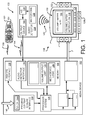
FIGURE 1 is a block diagram of an embodiment of a scheduled volume limiter; -
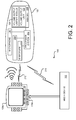
FIGURE 2 is a block diagram of an embodiment of a scheduled volume limiter implemented in a remote control; and -
FIGURE 3 is a block diagram of an embodiment of a scheduled volume limiter operating cooperatively with an infrared blaster. -
FIGURE 1 is a block diagram of an embodiment of a scheduledvolume limiter 100 implemented in amedia device 102, such as a set top box (STB). The scheduledvolume limiter 100 may be implemented in other media devices, such as stereos, surround-sound receivers, radios, televisions (TVs), digital video disc (DVD) players, digital video recorders (DVRs), game playing devices, or personal computers (PCs) that output audio information. - A scheduled volume limiter, as 100, limits the output volume of presented programs. Depending upon the embodiment, volume output limits may be enforced by controlling the
media device 102. In other situations, volume output limits may be enforced by indirectly controlling a media presentation device. For example, by controlling themedia device 102 that directly controls the media presentation device. - Volume output limits may be enforced in accordance with a user defined enforcement period. The enforcement period may be defined by scheduling specified dates, days, times, and/or durations. Volume output limits may be set for a single enforcement period, or may be set for re-occurring enforcement periods.
- For example, parents may define a maximum volume output from the television on Saturday morning from 7:00-9:00 a.m. When their children wake early Saturday morning to watch their favorite cartoons, volume output of the television is limited for the predefined enforcement period during Saturday morning so that the parents may be able to sleep in without being disturbed by the loud volume of the morning cartoons.
- As another example, a user may watch a movie late at night. The scheduled
volume limiter 100 could be set to limit volume output from 10:00 p.m. for 8 hours. Accordingly, if the movie is an action film with explosions or the like, the output volume is limited so that other members of the household are not disturbed. The scheduled volume limit could be set in a manner such that volume output is limited during that particular enforcement period. - As yet another example, loud music played at a late night party that would otherwise disturb neighbors could be automatically limited so that party goers are not able to increase the volume output of the stereo system beyond some predefined volume output limit. The scheduled volume limit could such that volume output is limited during the enforcement period every Friday and Saturday night.
- The
media device 102 illustrated comprises a programcontent stream interface 104, aprocessor system 106, amemory 108, a program buffer 110, an optional digital video recorder (DVR) 112, a presentation device interface 114, a remote interface 116, and an optional audio detector interface 118. Thememory 108 comprises portions for storing a volumeoutput limiter module 120, one or morevolume output limits 122, and themedia device logic 124. The volumeoutput limiter module 120 and themedia device logic 124 may be integrated together, and/or may be integrated with other logic. Other media devices may include some, or may omit some, of the above-described media processing components. Additional components, which are not described here, may also be incorporated in the media device. - The
media device 102 provides streamed program content 126 to one or moremedia presentation devices 128. The presentation device interface 114 is illustrated as coupled to two exemplarymedia presentation devices 128, namely, a television (TV) 128a and anaudio device 128b. Theaudio device 128b may be a stereo, a compact disk (CD) player, a radio, a surround-sound receiver, or combinations thereof. - The video portion of the streamed program content 126 is displayed on a
display 130 of the TV and the audio portion of the streamed program content 126 is reproduced as sounds by one or more TV speakers (not shown). The volume output of the audio portion may be controllable at theTV 128b, and/or may be controllable at themedia device 102. - Alternatively, or additionally, the audio portion of the streamed program content 126 may reproduced as sounds by a plurality of
speakers 132 of theaudio device 128b. The volume output of the audio portion may be controllable at theaudio device 128b, and/or may be controllable at themedia device 102. - The
media device 102 illustrated receives volume output information communicated from one or moreaudio detectors 134. Theaudio detector 134 comprises amicrophone 136, an optional analog to digital (A/D)converter 138, and anoutput device 140. Otheraudio detectors 134 may include some, or may omit some, of these components. Additional components, which are not described here may also be incorporated in the audio detector. Anysuitable microphone 136, an A/D converter 138, and/or anoutput device 140 may be provided. - The
microphone 136 detectssounds 142 emitted from one or more of themedia presentation devices 128. Themicrophone 136 may also detect other ambient noises. - The analog output from the
microphone 136 is received by the A/D converter 138 and converted into a digital signal. The digital signal is received by theoutput device 140 and is communicated asaudio information 144. The communicated digitalaudio information 144 is received by the audio detector interface 118 of themedia device 102. Alternatively, and/or additionally, the analog signal from themicrophone 136 may be received directly by theoutput device 140 and communicated to themedia device 102 asanalog audio information 144. - The
audio information 144 is communicated appropriately to themedia device 102. For example, the audio information may be communicated using an infrared signal or by using a radio frequency (RF) signal medium. The optional audio detector interface 118 receives the infrared signals or the RF signals. Alternatively, the remote interface 116 may receive theaudio information 144. Alternatively, and/or additionally, theaudio detector 134 may communicate theaudio information 144 to themedia device 102 over a physical wire, cable, or the like. - Preferably, the
audio detector 134 is a portable device that may be located and oriented in a manner such that themicrophone 136 primarily detects thesounds 142 emitted from the controlledmedia presentation devices 128. For example, if the user is watching television on theTV 128a, theaudio detector 134 may be located in proximity to the user and may be oriented towards theTV 128a. Alternatively, or additionally, theaudio detector 134 may be located near a door of a media room where theaudio device 128b is playing music so that the volume output level can be determined at a point where thesound 142 is leaving the media room. Any suitable location and/or orientation of theaudio detector 134 may be selected so as to detect thesounds 142. - The functionality of the
media device 102, which in the illustrated example is a set top box, will now be described. A program provider provides program content that is received in one or more program content streams 146. Aprogram content stream 146 typically comprises a plurality of programs multiplexed together. The one or more program content streams 146 are communicated to themedia device 102 from a media system sourced from a remote head end facility (not shown) operated by a media provider. Examples of such media systems include broadcast systems, satellite systems, cable systems, and the Internet. For example, if the program provider provides programming via a satellite-based communication system, themedia device 102 receives one or more broadcast satellite signals detected by an antenna (not shown). Alternatively, and/or additionally, theprogram content stream 146 can be received from one or more different sources, such as a cable system, a radio frequency (RF) communication system, another electronic device, or the Internet. - The one or more program content streams 146 are received by the program
content stream interface 104. One ormore tuners 104a in the programcontent stream interface 104 selectively tune to one of the program content streams 146 in accordance with instructions received from theprocessor system 106. Theprocessor system 106, based upon a request for a program of interest specified by a user, parses out program content associated with the program of interest. The program of interest is then assembled into a stream of video and/or audio information which may be stored by the program buffer 110 such that the program content can be streamed out to the media presentation device, such as theTV 128a, via the presentation device interface 114. Alternatively, or additionally, the parsed out program content may be saved into the DVR 112 for later presentation. - The
media device 102 receives commands from a user via aremote control 152. Theremote control 152 includes one ormore controllers 154. The user, by actuating one or more of thecontrollers 154, causes theremote control 152 to generate and transmit commands, via awireless signal 156, to themedia device 102. The commands control themedia device 102 and/or control themedia presentation devices 128. Thewireless signal 156 may be an infrared signal or an RF signal. - The above processes performed by the
media device 102 are generally implemented by theprocessor system 106 which executes themedia device logic 124. Themedia device 102 may perform a variety of functions, including maintaining a clock, a calendar, and/or a timer. The timer may be for scheduling an enforcement period as described below. Theprocessor system 106 retrieves and executes the volumeoutput limiter module 120 so that, during an enforcement period occurring at predefined or specified dates, times, and/or durations, the volume output emitted from one or more of themedia presentation devices 128 is limited. - Volume output limit parameters are set by the user. Examples of volume output limit parameters include a maximum volume limit, channel, and/or program identified by title. Enforcement parameters also define the enforcement period wherein the user specifies a predefined or specified date, time, and/or duration. For example, the volume output limit parameter may specify that the enforcement period is periodically enforced (e.g., every Friday night from 10:00 p.m. to midnight) or is enforced only a single time.
- A volume limiter electronic program guide (EPG) 150 is presented to assist the user in defining the volume output limit parameters. For example, the
volume limiter EPG 150 may be presented on thedisplay 130 of theTV 128a. Thevolume limiter EPG 150 is a type of a user interface that presents a menu, or a series of menus, that use a combination of text and symbols to indicate volume output limit parameters choices that may be selected by the user. - The
volume limiter EPG 150 is interactive with the user. The user, via theremote control 152, "scrolls" or "navigates" about thevolume limiter EPG 150 presented on thedisplay 130 to select volume output limit parameters. When the user highlights the portion of thevolume limiter EPG 150 corresponding to a particular one of the volume output limit parameters, the user actuates one ormore controllers 154 to cause themedia device 102 to define that particular volume output limit parameter. The user specified volume output limit parameters are used to define thevolume output limit 122. The definition of the start time may be set using other suitable devices. - Each
volume output limit 122 may be defined by a start time that denotes the start of an enforcement period. A clock, timer or other similar timing function is monitored by theprocessor system 106. - Each
volume output limit 122 may be defined by an end time or by a duration that denotes the end of the enforcement period. A clock, timer or other similar timing function is monitored by theprocessor system 106 to identify the end time or expiration of the specified enforcement period. - The
volume output limit 122 may define a channel and/or program that is to be subject to a volume output limit enforcement. A program EPG that presents available programming choices to the user may also be used to specify a selected channel and/or program that will be subject to a volume output limit. In this case, the user may navigate about the program EPG, highlight a selected channel and/or program, and actuate one or more of thecontrollers 154 on theremote control 152 to select the channel and/or program. When a particular program is selected, the start and end times for the enforcement period may be based upon the start and end times of the selected program. - Each
volume output limit 122 may be defined by a maximum volume limit. The maximum volume limit is associated with the volume output of themedia presentation devices 128. That is, the scheduledvolume limiter 100 limits volume output of one or moremedia presentation devices 128 under the presumption that limiting volume output from themedia presentation devices 128 will limit thesound 142. - The maximum volume limit may be interactively defined by the user based on the current volume output of the controlled
media presentation devices 128. For example, a test tone or sound may be presented to the user when avolume output limit 122 is being defined. Alternatively, the volume output of a currently presented program may be used when avolume output limit 122 is being defined. The user may interactively adjust the volume output of the controlledmedia presentation devices 128, such as by using theirremote control 152 and/or volume controllers residing on the controlledmedia presentation devices 128. - When the level of the test tone, the test sound, or the program sound is at a desired level, the user may actuate one of the
controllers 154 on theremote control 152, or actuate another controller, to specify the desired maximum volume limit. Thus, a specification based upon a sound level of interest determined by the user is received. Then, the maximum volume limit is defined based upon thesound 142 detected using themicrophone 136 at substantially the time of receiving the specification from the user. Accordingly, when the scheduledvolume limiter 100 is enforcing volume limits, the maximum volume limit specified in thevolume output limit 122 is used to generate a volume output limit command that limits or otherwise adjusts the volume output level of the controlledmedia presentation devices 128. - During the enforcement period, the
audio information 144 communicated to themedia device 102 from the audio detector(s) 134 is compared with a specified maximum volume limit of the currently enforcedvolume output limit 122. When the value of theaudio information 144 exceeds the maximum volume limit, then the volume output limit command is generated and communicated to the controlledmedia presentation devices 128. The volume output limit command changes the volume control setting of at least one of themedia presentation devices 128. Accordingly, the volume of the controlledmedia presentation device 128 is reduced in accordance with the volume output limit command. - Different types of volume output limit commands may be generated and communicated. One type of volume output limit command is a specified volume setting. For example, the volume output limit command may specify the volume setting of a particular controlled
media presentation device 128. The volume output limit may be a specified volume output level setting and/or may be a specified percentage of its maximum volume output setting. Here, the volume output setting is reduced to the specified maximum volume limit, and other audio levels are correspondingly scaled down in accordance with the maximum volume limit. - Alternatively, and/or additionally, the volume output limit command may correspond to a single incremental volume setting change for the controlled
media presentation devices 128. For example, the volume output limit command may specify an incremental volume setting decrease of "one" such that the controlledmedia presentation device 128 reduces its current volume setting down by one increment. For example, the output volume setting may be changed from a current setting of "7" to a new setting of "6" for theTV 128a. Incremental changes may be expressed in other formats, such as by percentage increments. For example, the output volume setting may be changed from a current setting of "70%" to a new setting of "60%" for theTV 128a. - Alternatively, and/or additionally, the volume output limit command may correspond to a threshold volume output limit such that any volume output from a controlled
media presentation device 128 is clipped to the specified volume output limit. The volume output of the controlledmedia presentation device 128 is only modified by clipping any audio that has a level exceeding the specified maximum volume limit. For example, the volume level for conversations among actors of an action film would not be reduced. In contrast, volume levels associated with loud explosions would be clipped to the specified maximum volume limit, and would accordingly, be "muffled" or otherwise attenuated. - When a plurality of
media presentation devices 128 are controlled in accordance with avolume output limit 122, multiple different volume output limit commands may be generated and communicated to the differentmedia presentation devices 128. The specific volume output limit commands may be unique to a particular controlledmedia presentation device 128. That is, one or more characteristics of the each volume output limit command may differ. For example, if the volume output limit command are based on digital IR signal patterns, the IR signal patterns used to control the differentmedia presentation devices 128 may differ. - It may not be known if the
TV 128a or theaudio device 128b is generating the audio for a currently presented program. Upon determining that a maximum volume limit is being exceeded, themedia device 102 may generate and communicate a first volume output limit command to theTV 128a to reduce output volume of theTV 128a. If theTV 128a is not providing audio output, the volume output limit command for theTV 128a will have no practical effect on thesound 142 detected by theaudio detector 134. A second volume output limit command may be generated and communicated to theaudio device 128b. These commands may be consecutive or concurrent. Assuming that the user is watching a movie with surround sound provided by theaudio device 128b, the second volume output limit command will reduce the output volume of theaudio device 128b. Because theTV 128a and theaudio device 128b may be built by different manufacturers or have different remote controller designs, the first volume output limit command will probably differ from the second volume output limit command. - Adjustment of the volume output from the controlled
media presentation devices 128 may be performed on a real-time basis. There may be no particular reason to reduce the actual output volume of a presented program below a specified maximum volume limit when thesound 142 is less that the enforced maximum volume limit. Embodiments may impose enforcement only when the detectedsound 142 exceeds the maximum volume limit. At other times, volume output limit enforcement is not imposed on themedia presentation devices 128. - The volume output limit may be enforced based upon a detected peak value of the
sound 142. Alternatively, and/or additionally, the volume output limit may be enforced based upon a rolling average of peak sound levels over some predefined duration. In such circumstances, the occasional and/or infrequent "extra loud" peak in the detectedsound 142 may not result in a reduction of the volume output of the controlledmedia presentation devices 128 based on the occasional or infrequent peak sound levels. - Alternatively, and/or additionally, the output volume of the
media presentation devices 128 may be increased so as to increase the level of thesound 142 up to the specified maximum volume limit, or up to a second specified limit, thereby defining a range for the level of thesound 142. For example, the user may be watching an action film with loud explosions. The volume output may be limited during the explosions. However, to allow the user to hear conversations during less loud portions of the action movie, thesound 142 at such times may be detected and the volume output of themedia presentation devices 128 increased accordingly. - A maximum volume limit for a predefined duration may be enforced. In an action movie with loud explosions, the very loud scenes may last a relatively long period of time. Accordingly, based upon a peak level of the detected
sound 142, a volume output limit command may be determined that is enforced for a predefined duration, such as five minutes or the like. Then, a new volume output limit command may be determined based on a currently detected peak level of thesound 142. If the explosions are continuing, the new volume output limit command could be the same as the previous volume output limit command. On the other hand, if the scene with the explosions has concluded, the second volume output limit command may permit a higher output volume setting at the controlledmedia presentation devices 128. - The volume output limit command may be adjusted after the level of the detected
sound 142 decreases below a second predefined level for a predefined duration. For example, when the action movie presents the scenes with the loud explosions, a first volume output limit command may be determined so as to limit thesound 142 during that particular scene. Once the explosions in that scene ends, the attendant volume output decreases. That is, the loud peak sounds associated with the explosions are no longer being detected. After the predefined duration, assuming no other peak sound levels are detected during the predefined duration, enforcement of the volume output limit is released. Accordingly, the volume setting of the controlledmedia presentation devices 128 may be increased. Thus, a second volume output limit command would be determined to permit a higher output volume setting of the controlledmedia presentation devices 128. - An anticipated difficulty with controlling output volume on a real-time basis is the potential effect of ambient noise that is detected by the
audio detectors 134. That is, in addition to the output volume of themedia presentation devices 128, ambient noise may also affect the sound level of the detectedsound 142. In some situations, the ambient noise level may be higher than the output volume of the controlledmedia presentation devices 128. It would not necessarily be desirable to further reduce the volume output setting of the controlledmedia presentation devices 128 based upon detection of the loud ambient noise since such volume output limit changes would not significantly reduce the level of the detectedsound 142 as the ambient noise level is the predominant source of the detectedsound 142. - The output volume of the controlled
media presentation devices 128 may be differentiated from the volume level of any present ambient noise. For example, multipleaudio detectors 134 may be positioned and oriented about the media room. Differences between theaudio information 144 received from the different ones of theaudio detectors 134 may be compared to more accurately determine the volume output of the controlledmedia presentation devices 128. Then, volume output limit command can be determined for the controlledmedia presentation devices 128. - A directional type of
microphone 136 may be employed. Thedirectional microphone 136 in theaudio detector 134 may be located and oriented to substantially detect volume output from the controlledmedia presentation device 128. Detection of ambient noise would be reduced since the sources of ambient noise would likely be outside of the direction and/or detection range of thedirectional microphone 136. - On the other hand, it may be desirable to reduce the volume output of the controlled
media presentation devices 128 even when loud ambient noise is present. The volume output of the controlledmedia presentation devices 128 may be reduced even when the ambient noise is the predominant source of the peak value of thesound 142. For example, children may be watching cartoons early Saturday morning. At times, the children may also be making loud noises. If the volume output of the controlledmedia presentation devices 128 is reduced, the children may realize that they need to quiet themselves if they want to continue hearing the audio portion of their cartoon. As another example, partygoers attending a late night party may realize that they need to lower their voices if they want to listen to the music. - A first volume output limit parameter may be defined based on the level of the detected
sound 142 that includes loud ambient noise. A secondvolume output limit 122 may be defined that differentiates between ambient noise and the output volume of the controlledmedia presentation devices 128. Accordingly, the user has flexibility to tailor avolume output limit 122 based upon particular presentation circumstances. - The user may be notified that volume output of the controlled
media presentation devices 128 is currently being limited. For example, a visualvolume limiter notification 148 may be generated that is presented to the user, such as on thedisplay 130 of theTV 128a. Any suitable text message and/or graphical icon may be used in a presented visualvolume limiter notification 148. Alternatively, and/or additionally, an audible volume limiter notification may be generated which corresponds to a unique tone or sound. The audible volume limiter notification may be output from the controlledmedia presentation devices 128. - Based on the defined end time and/or the defined enforcement period specified in a
volume output limit 122, enforcement of the volume output limit concludes at the defined end time and/or the defined duration. When the volume output limit enforcement concludes, volume control settings of the controlledmedia presentation devices 128 may be left at their current settings. Alternatively, the volume control settings of the controlledmedia presentation devices 128 may be changed back to the previous volume output setting in effect prior to the start of the enforcement period. -
FIGURE 2 is a block diagram of an embodiment of a scheduledvolume limiter 100 implemented in aremote control 152. Theremote control 152 comprises themicrophone 136, aprocessor system 202, an infrared (IR)transmitter 204, an optional IR receiver 206, and amemory 208. A volumeoutput limiter module 120 resides in thememory 208 of theremote control 152. Additionally, and/or alternatively, one or morevolume output limits 122 may be stored in thememory 208. - The
microphone 136 residing in theremote control 152 detectssounds 142 corresponding to the volume output of the controlledmedia presentation devices 128. Theprocessor 202 processes information corresponding to the detectedsound 142, and generates anIR signal 210 that is communicated to themedia device 102 for enforcement of the currentvolume output limit 122. - The
processor system 202 may execute the volumeoutput limiter module 120 to compare the detectedsound 142 to the maximum volume limit. The maximum volume limit may reside on the localvolume output limit 122 stored in thememory 208 of theremote control 152. Theprocessor 202 may then generate the volume output limit command, which corresponds to a volume change command or code that already is implemented in theremote control 152 for controlling audio levels. The generated volume output limit command can then be communicated to themedia device 102 to enforce the currentvolume output limit 122. - The
remote control 152 may directly operate the controlledmedia presentation devices 128, thus optionally bypassing themedia device 102. Such universal typeremote controls 152 emulate the remote control commands generated by a variety of remote controls each associated with a particular differentmedia presentation device 128. Volume control codes are readily available within theremote control 152 for adjusting volume output of the various controlledmedia presentation devices 128. For example, when operating in a first mode, theremote control 152 may be configured to generate and communicate a volume output limit command that directly controls theTV 128a. When operating in a second mode, theremote control 152 may be reconfigured to generate and communicate a volume output limit command that directly controls theaudio device 128b. - Alternatively, the maximum volume limit may be retrieved from the local
volume output limit 122 stored in themedia device 102 and communicated back to the optional IR receiver 206. Theremote control 152 may then generate and transmit a suitable volumeoutput limit command 212 to change the volume control setting of the controlledmedia presentation devices 128 in accordance with thevolume output limit 122. Alternatively, a volume output limit command may be generated by themedia device 102 and then communicated to theremote control 152. - The
remote control 152 may communicate using RF signals or another suitable wireless medium. Accordingly, the transmitter and the optional receiver may be suitable RF or other wireless media devices. Further, since a universal typeremote control 152 controls a variety of differentmedia presentation devices 128, the transmitter and the optional receiver may be suitable RF or other wireless media devices may be included along with theIR transmitter 204 and the optional IR receiver 206. -
FIGURE 3 is a block diagram of an embodiment of a scheduledvolume limiter 100 operating cooperatively with an infrared (IR)blaster 302. TheIR blaster 302 is a communication device that emulates the remote control commands generated by a variety of remote controls each associated with a particular differentmedia presentation device 128. For example, when operating in a first mode, theIR blaster 302 may directly control theTV 128a. When operating in a second mode, theIR blaster 302 may directly control theaudio device 128b. Accordingly, volume control codes are readily available within theIR blaster 302 for adjusting volume output of the various controlledmedia presentation devices 128. - The
audio detector 134 further comprises aprocessor system 304 and amemory 306. The volumeoutput limiter module 120 resides in thememory 306 of theremote control 152. Additionally, or alternatively, one or morevolume output limits 122 may be stored in thememory 306. Theaudio detector 134 generates the volume output limit command based upon the detectedsound 142. The volume output limit command is communicated to theIR blaster 302 as theaudio information 144. TheIR blaster 302 generates and communicates suitable volume output control signals to the controlledmedia presentation devices 128. - In the embodiments described and illustrated, the
audio detector 134 is provided in thevolume limiter 100. However, it will be appreciated that theaudio detector 134 may be a component of themedia device 102. It will also be appreciated that modifications in, or variations of, the embodiments as described and illustrated may be made within the scope of the accompanying claims.
Claims (15)
- A method for controlling the volume output from a media presentation device, the method comprising:detecting the audio output of at least one media presentation device,comparing the level of the detected audio output with predetermined volume parameters;generating a volume command in response to the detected audio output differing from the predetermined volume parameters;communicating the volume command to the media presentation device, andcausing the media presentation device to alter the volume level of its audio output in response to the volume command.
- A method as claimed in Claim 1, further comprising:determining an enforcement period, wherein communicating the volume command occurs only during the enforcement period.
- A method as claimed in Claim 1 or Claim 2, further comprising:presenting a volume controlling electronic program guide on a display which indicates volume control parameters for determination by a user.
- A method as claimed in any preceding claim, wherein the level of the detected audio output is compared with the predetermined volume parameters by processing means of the media device.
- A method as claimed in any of Claims 1 to 3, wherein the level of the detected audio output is compared with the predetermined volume parameters by processing means of a remote control arranged to control the media presentation device.
- A method as claimed in any of Claims 1 to 3, wherein the level of the detected audio output is compared with the predetermined volume parameters by processing means of an audio detector arranged to communicate with the media presentation device.
- A method as claimed in any of Claims 4 to 6, comprising converting the detected analog audio output from the media presentation device into a digital signal and communicating the digital signal to said processor means.
- A method as claimed in any of Claims 4 to 7, wherein the audio output of the media presentation device is detected by a microphone which is located remotely from the media presentation device, and communicating an output of the microphone wirelessly with said processor means.
- A method as claimed in any preceding claim, wherein the predetermined volume parameters comprise one or more predetermined maximum volume limits, the method allowing a user to determine the maximum volume limits in dependence upon the nature of programs to be presented by the media presentation device.
- A system for controlling the volume output by a media presentation device, the system comprising:a media presentation device receiving programming and controlling output devices to present programming, the output devices including audio output means;an audio detector for detecting the audio output;processing means for comparing the level of the detected audio output with predetermined volume parameters, and for generating a volume command in response to the detected audio output differing from the predetermined volume parameters; andvolume control means, responsive to the volume command, to alter the voltage level of the audio output means.
- A system for controlling the volume output by a media presentation device as claimed in Claim 10, wherein the volume control means is provided in the media presentation device, in a remote control for controlling the media presentation device, or in the audio detector associated with the media presentation device.
- A system for controlling the volume output by a media presentation device as claimed in Claim 11, wherein the audio detector is incorporated in the remote control.
- A system for controlling the volume output by a media presentation device as claimed in any of Claims 10 to 12, wherein the audio detector comprises a microphone for detecting the audio output.
- A system for controlling the volume output by a media presentation device as claimed in Claim 13, wherein the microphone is a directional microphone arranged to detect volume output from the media presentation device, and arranged to omit detection of ambient noise.
- A remote control for controlling a media presentation device, comprising:an audio detector for detecting sound;storage means for storing predetermined volume parameters;processing means for comparing the level of sound detected by the audio detector with the stored predetermined volume parameters and to generate a volume command where the detected sound differs from the stored volume parameters; anda wireless transmitter coupled to the processing means and arranged to communicate the volume command to the media presentation device.
Applications Claiming Priority (1)
| Application Number | Priority Date | Filing Date | Title |
|---|---|---|---|
| US12/790,638 US8995685B2 (en) | 2010-05-28 | 2010-05-28 | Apparatus, systems and methods for limiting output volume of a media presentation device |
Publications (2)
| Publication Number | Publication Date |
|---|---|
| EP2391004A1 true EP2391004A1 (en) | 2011-11-30 |
| EP2391004B1 EP2391004B1 (en) | 2014-05-14 |
Family
ID=44118014
Family Applications (1)
| Application Number | Title | Priority Date | Filing Date |
|---|---|---|---|
| EP11167984.1A Active EP2391004B1 (en) | 2010-05-28 | 2011-05-27 | Systems and methods for controlling the volume output from a media presentation device |
Country Status (2)
| Country | Link |
|---|---|
| US (6) | US8995685B2 (en) |
| EP (1) | EP2391004B1 (en) |
Cited By (17)
| Publication number | Priority date | Publication date | Assignee | Title |
|---|---|---|---|---|
| WO2016030679A1 (en) * | 2014-08-27 | 2016-03-03 | Echostar Uk Holdings Limited | Contextual volume control |
| US9571054B2 (en) | 2013-02-28 | 2017-02-14 | Rovi Guides, Inc. | Systems and methods for dynamically adjusting volume based on media content |
| US10987028B2 (en) | 2018-05-07 | 2021-04-27 | Apple Inc. | Displaying user interfaces associated with physical activities |
| US11039778B2 (en) | 2018-03-12 | 2021-06-22 | Apple Inc. | User interfaces for health monitoring |
| US11107580B1 (en) | 2020-06-02 | 2021-08-31 | Apple Inc. | User interfaces for health applications |
| US11152100B2 (en) | 2019-06-01 | 2021-10-19 | Apple Inc. | Health application user interfaces |
| US11209957B2 (en) | 2019-06-01 | 2021-12-28 | Apple Inc. | User interfaces for cycle tracking |
| US11223899B2 (en) | 2019-06-01 | 2022-01-11 | Apple Inc. | User interfaces for managing audio exposure |
| US11228835B2 (en) | 2019-06-01 | 2022-01-18 | Apple Inc. | User interfaces for managing audio exposure |
| US11266330B2 (en) | 2019-09-09 | 2022-03-08 | Apple Inc. | Research study user interfaces |
| US11317833B2 (en) | 2018-05-07 | 2022-05-03 | Apple Inc. | Displaying user interfaces associated with physical activities |
| US11698710B2 (en) | 2020-08-31 | 2023-07-11 | Apple Inc. | User interfaces for logging user activities |
| US12002588B2 (en) | 2019-07-17 | 2024-06-04 | Apple Inc. | Health event logging and coaching user interfaces |
| US12008290B2 (en) | 2022-05-16 | 2024-06-11 | Apple Inc. | Methods and user interfaces for monitoring sound reduction |
| US12154450B2 (en) | 2020-06-02 | 2024-11-26 | Apple Inc. | User interfaces for tracking of physical activity events |
| EP4513879A1 (en) | 2023-08-22 | 2025-02-26 | Arçelik Anonim Sirketi | An electronic device comprising an on-screen sound level bar and the control method thereof |
| US12314632B2 (en) | 2022-05-16 | 2025-05-27 | Apple Inc. | Methods and user interfaces for monitoring sound reduction |
Families Citing this family (44)
| Publication number | Priority date | Publication date | Assignee | Title |
|---|---|---|---|---|
| US8995685B2 (en) * | 2010-05-28 | 2015-03-31 | Echostar Technologies L.L.C. | Apparatus, systems and methods for limiting output volume of a media presentation device |
| US9729120B1 (en) * | 2011-07-13 | 2017-08-08 | The Directv Group, Inc. | System and method to monitor audio loudness and provide audio automatic gain control |
| US8627349B2 (en) | 2011-08-23 | 2014-01-07 | Echostar Technologies L.L.C. | User interface |
| JP5853813B2 (en) * | 2012-03-27 | 2016-02-09 | 船井電機株式会社 | Audio signal output device and audio output system |
| JP6015085B2 (en) * | 2012-04-13 | 2016-10-26 | 船井電機株式会社 | Audio signal output device |
| TW201415912A (en) * | 2012-10-03 | 2014-04-16 | Hon Hai Prec Ind Co Ltd | Hand held device and method for adjusting the volume of electronic apparatus |
| JP6012388B2 (en) * | 2012-10-15 | 2016-10-25 | 任天堂株式会社 | Audio output system, audio output program, audio output control method, and information processing apparatus |
| US10027303B2 (en) * | 2012-11-13 | 2018-07-17 | Snell Advanced Media Limited | Management of broadcast audio loudness |
| US9602875B2 (en) | 2013-03-15 | 2017-03-21 | Echostar Uk Holdings Limited | Broadcast content resume reminder |
| EP2802122A1 (en) | 2013-05-07 | 2014-11-12 | Nagravision S.A. | A Media Player for Receiving Media Content from a Remote Server |
| US9647621B2 (en) | 2013-06-13 | 2017-05-09 | Google Inc. | Methods, systems, and media for controlling audio of an HDMI audio system |
| US9930404B2 (en) | 2013-06-17 | 2018-03-27 | Echostar Technologies L.L.C. | Event-based media playback |
| US9848249B2 (en) | 2013-07-15 | 2017-12-19 | Echostar Technologies L.L.C. | Location based targeted advertising |
| US20150042447A1 (en) * | 2013-08-09 | 2015-02-12 | Flyover Innovations, Llc | Entertainment environment remote control and audio/video streaming method and system |
| CN104427075B (en) * | 2013-08-26 | 2019-02-26 | 深圳富泰宏精密工业有限公司 | Sound volume regulating system and method |
| GB2519339A (en) * | 2013-10-18 | 2015-04-22 | Realeyes O | Method of collecting computer user data |
| US10297287B2 (en) | 2013-10-21 | 2019-05-21 | Thuuz, Inc. | Dynamic media recording |
| US9860477B2 (en) | 2013-12-23 | 2018-01-02 | Echostar Technologies L.L.C. | Customized video mosaic |
| US9420333B2 (en) | 2013-12-23 | 2016-08-16 | Echostar Technologies L.L.C. | Mosaic focus control |
| CN103886731B (en) | 2014-03-10 | 2017-08-22 | 北京智谷睿拓技术服务有限公司 | A kind of noise control method and equipment |
| CN103903606B (en) | 2014-03-10 | 2020-03-03 | 北京智谷睿拓技术服务有限公司 | Noise control method and equipment |
| CN103886857B (en) * | 2014-03-10 | 2017-08-01 | 北京智谷睿拓技术服务有限公司 | A kind of noise control method and equipment |
| WO2015182597A1 (en) * | 2014-05-26 | 2015-12-03 | ヤマハ株式会社 | Connection confirmation system, connection confirmation program, connection confirmation method, and connection detection device |
| US9681176B2 (en) | 2014-08-27 | 2017-06-13 | Echostar Technologies L.L.C. | Provisioning preferred media content |
| US9681196B2 (en) | 2014-08-27 | 2017-06-13 | Echostar Technologies L.L.C. | Television receiver-based network traffic control |
| US9936248B2 (en) | 2014-08-27 | 2018-04-03 | Echostar Technologies L.L.C. | Media content output control |
| US9628861B2 (en) | 2014-08-27 | 2017-04-18 | Echostar Uk Holdings Limited | Source-linked electronic programming guide |
| US9621959B2 (en) | 2014-08-27 | 2017-04-11 | Echostar Uk Holdings Limited | In-residence track and alert |
| US9565474B2 (en) | 2014-09-23 | 2017-02-07 | Echostar Technologies L.L.C. | Media content crowdsource |
| US10419830B2 (en) | 2014-10-09 | 2019-09-17 | Thuuz, Inc. | Generating a customized highlight sequence depicting an event |
| US10536758B2 (en) | 2014-10-09 | 2020-01-14 | Thuuz, Inc. | Customized generation of highlight show with narrative component |
| US11863848B1 (en) | 2014-10-09 | 2024-01-02 | Stats Llc | User interface for interaction with customized highlight shows |
| US10433030B2 (en) | 2014-10-09 | 2019-10-01 | Thuuz, Inc. | Generating a customized highlight sequence depicting multiple events |
| US10432296B2 (en) | 2014-12-31 | 2019-10-01 | DISH Technologies L.L.C. | Inter-residence computing resource sharing |
| US9800938B2 (en) | 2015-01-07 | 2017-10-24 | Echostar Technologies L.L.C. | Distraction bookmarks for live and recorded video |
| US10042602B2 (en) | 2015-09-30 | 2018-08-07 | Sonos, Inc. | Activity reset |
| US9898245B1 (en) * | 2016-01-15 | 2018-02-20 | Sonos, Inc. | System limits based on known triggers |
| US10015539B2 (en) | 2016-07-25 | 2018-07-03 | DISH Technologies L.L.C. | Provider-defined live multichannel viewing events |
| US10021448B2 (en) | 2016-11-22 | 2018-07-10 | DISH Technologies L.L.C. | Sports bar mode automatic viewing determination |
| US11138438B2 (en) | 2018-05-18 | 2021-10-05 | Stats Llc | Video processing for embedded information card localization and content extraction |
| US11264048B1 (en) | 2018-06-05 | 2022-03-01 | Stats Llc | Audio processing for detecting occurrences of loud sound characterized by brief audio bursts |
| US11025985B2 (en) | 2018-06-05 | 2021-06-01 | Stats Llc | Audio processing for detecting occurrences of crowd noise in sporting event television programming |
| US10461710B1 (en) * | 2018-08-28 | 2019-10-29 | Sonos, Inc. | Media playback system with maximum volume setting |
| US10943598B2 (en) * | 2019-03-18 | 2021-03-09 | Rovi Guides, Inc. | Method and apparatus for determining periods of excessive noise for receiving smart speaker voice commands |
Citations (5)
| Publication number | Priority date | Publication date | Assignee | Title |
|---|---|---|---|---|
| GB2292854A (en) * | 1994-08-12 | 1996-03-06 | Motorola Ltd | Control of audio output using motional feedback and ambient noise detection |
| DE19648871A1 (en) * | 1996-11-26 | 1998-05-28 | Harald Meyer | Automatic volume controller e.g. for television |
| GB2370927A (en) * | 2001-01-13 | 2002-07-10 | Philip John Mcglone | Remote control device for controlling audio equipment to keep the volume level within a user defined range |
| US7278101B1 (en) * | 1999-09-30 | 2007-10-02 | Intel Corporation | Controlling audio volume in processor-based systems |
| EP2149983A1 (en) * | 2008-07-29 | 2010-02-03 | Lg Electronics Inc. | A method and an apparatus for processing an audio signal |
Family Cites Families (8)
| Publication number | Priority date | Publication date | Assignee | Title |
|---|---|---|---|---|
| GB0307183D0 (en) * | 2003-03-28 | 2003-04-30 | Koninkl Philips Electronics Nv | Volume control method and system |
| CN1784828A (en) * | 2003-05-09 | 2006-06-07 | 皇家飞利浦电子股份有限公司 | Audio output coordination |
| GB0402952D0 (en) * | 2004-02-11 | 2004-03-17 | Koninkl Philips Electronics Nv | Remote control system and related method and apparatus |
| US7831054B2 (en) * | 2005-06-28 | 2010-11-09 | Microsoft Corporation | Volume control |
| JP2007073096A (en) * | 2005-09-05 | 2007-03-22 | Matsushita Electric Ind Co Ltd | Eccentric disk detection method and optical disk apparatus |
| US20080118086A1 (en) * | 2006-11-16 | 2008-05-22 | Scott Krig | Method and System For Controlling Volume Settings For Multimedia Devices |
| WO2009152442A1 (en) * | 2008-06-14 | 2009-12-17 | Michael Petroff | Hearing aid with anti-occlusion effect techniques and ultra-low frequency response |
| US8995685B2 (en) * | 2010-05-28 | 2015-03-31 | Echostar Technologies L.L.C. | Apparatus, systems and methods for limiting output volume of a media presentation device |
-
2010
- 2010-05-28 US US12/790,638 patent/US8995685B2/en active Active
-
2011
- 2011-05-27 EP EP11167984.1A patent/EP2391004B1/en active Active
-
2015
- 2015-03-30 US US14/673,235 patent/US9442692B2/en active Active
-
2016
- 2016-09-12 US US15/262,491 patent/US9996313B2/en active Active
-
2018
- 2018-06-08 US US16/004,155 patent/US10379807B2/en active Active
-
2019
- 2019-08-09 US US16/536,670 patent/US11231902B2/en active Active
-
2022
- 2022-01-11 US US17/573,459 patent/US11907612B2/en active Active
Patent Citations (5)
| Publication number | Priority date | Publication date | Assignee | Title |
|---|---|---|---|---|
| GB2292854A (en) * | 1994-08-12 | 1996-03-06 | Motorola Ltd | Control of audio output using motional feedback and ambient noise detection |
| DE19648871A1 (en) * | 1996-11-26 | 1998-05-28 | Harald Meyer | Automatic volume controller e.g. for television |
| US7278101B1 (en) * | 1999-09-30 | 2007-10-02 | Intel Corporation | Controlling audio volume in processor-based systems |
| GB2370927A (en) * | 2001-01-13 | 2002-07-10 | Philip John Mcglone | Remote control device for controlling audio equipment to keep the volume level within a user defined range |
| EP2149983A1 (en) * | 2008-07-29 | 2010-02-03 | Lg Electronics Inc. | A method and an apparatus for processing an audio signal |
Cited By (38)
| Publication number | Priority date | Publication date | Assignee | Title |
|---|---|---|---|---|
| US9571054B2 (en) | 2013-02-28 | 2017-02-14 | Rovi Guides, Inc. | Systems and methods for dynamically adjusting volume based on media content |
| US9444422B2 (en) | 2014-08-27 | 2016-09-13 | Echostar Uk Holdings Limited | Contextual volume control |
| US9698745B2 (en) | 2014-08-27 | 2017-07-04 | Echostar Uk Holdings Limited | Contextual volume control for adjusting volume level of a mobile device |
| WO2016030679A1 (en) * | 2014-08-27 | 2016-03-03 | Echostar Uk Holdings Limited | Contextual volume control |
| US11039778B2 (en) | 2018-03-12 | 2021-06-22 | Apple Inc. | User interfaces for health monitoring |
| US12629080B2 (en) | 2018-03-12 | 2026-05-19 | Apple Inc. | User interfaces for health monitoring |
| US11950916B2 (en) | 2018-03-12 | 2024-04-09 | Apple Inc. | User interfaces for health monitoring |
| US11202598B2 (en) | 2018-03-12 | 2021-12-21 | Apple Inc. | User interfaces for health monitoring |
| US11317833B2 (en) | 2018-05-07 | 2022-05-03 | Apple Inc. | Displaying user interfaces associated with physical activities |
| US10987028B2 (en) | 2018-05-07 | 2021-04-27 | Apple Inc. | Displaying user interfaces associated with physical activities |
| US11103161B2 (en) | 2018-05-07 | 2021-08-31 | Apple Inc. | Displaying user interfaces associated with physical activities |
| US11712179B2 (en) | 2018-05-07 | 2023-08-01 | Apple Inc. | Displaying user interfaces associated with physical activities |
| US11223899B2 (en) | 2019-06-01 | 2022-01-11 | Apple Inc. | User interfaces for managing audio exposure |
| US11228835B2 (en) | 2019-06-01 | 2022-01-18 | Apple Inc. | User interfaces for managing audio exposure |
| US11234077B2 (en) | 2019-06-01 | 2022-01-25 | Apple Inc. | User interfaces for managing audio exposure |
| US11527316B2 (en) | 2019-06-01 | 2022-12-13 | Apple Inc. | Health application user interfaces |
| US12362056B2 (en) | 2019-06-01 | 2025-07-15 | Apple Inc. | Health application user interfaces |
| US12143784B2 (en) | 2019-06-01 | 2024-11-12 | Apple Inc. | User interfaces for managing audio exposure |
| US11209957B2 (en) | 2019-06-01 | 2021-12-28 | Apple Inc. | User interfaces for cycle tracking |
| US11842806B2 (en) | 2019-06-01 | 2023-12-12 | Apple Inc. | Health application user interfaces |
| US11152100B2 (en) | 2019-06-01 | 2021-10-19 | Apple Inc. | Health application user interfaces |
| US12002588B2 (en) | 2019-07-17 | 2024-06-04 | Apple Inc. | Health event logging and coaching user interfaces |
| US12400765B2 (en) | 2019-07-17 | 2025-08-26 | Apple Inc. | Health event logging and coaching user interfaces |
| US11266330B2 (en) | 2019-09-09 | 2022-03-08 | Apple Inc. | Research study user interfaces |
| US12127829B2 (en) | 2019-09-09 | 2024-10-29 | Apple Inc. | Research study user interfaces |
| US11194455B1 (en) | 2020-06-02 | 2021-12-07 | Apple Inc. | User interfaces for health applications |
| US11710563B2 (en) | 2020-06-02 | 2023-07-25 | Apple Inc. | User interfaces for health applications |
| US12154450B2 (en) | 2020-06-02 | 2024-11-26 | Apple Inc. | User interfaces for tracking of physical activity events |
| US12198804B2 (en) | 2020-06-02 | 2025-01-14 | Apple Inc. | User interfaces for health applications |
| US11594330B2 (en) | 2020-06-02 | 2023-02-28 | Apple Inc. | User interfaces for health applications |
| US11482328B2 (en) | 2020-06-02 | 2022-10-25 | Apple Inc. | User interfaces for health applications |
| US11107580B1 (en) | 2020-06-02 | 2021-08-31 | Apple Inc. | User interfaces for health applications |
| US12001648B2 (en) | 2020-08-31 | 2024-06-04 | Apple Inc. | User interfaces for logging user activities |
| US11698710B2 (en) | 2020-08-31 | 2023-07-11 | Apple Inc. | User interfaces for logging user activities |
| US12164748B2 (en) | 2020-08-31 | 2024-12-10 | Apple Inc. | User interfaces for logging user activities |
| US12008290B2 (en) | 2022-05-16 | 2024-06-11 | Apple Inc. | Methods and user interfaces for monitoring sound reduction |
| US12314632B2 (en) | 2022-05-16 | 2025-05-27 | Apple Inc. | Methods and user interfaces for monitoring sound reduction |
| EP4513879A1 (en) | 2023-08-22 | 2025-02-26 | Arçelik Anonim Sirketi | An electronic device comprising an on-screen sound level bar and the control method thereof |
Also Published As
| Publication number | Publication date |
|---|---|
| US11907612B2 (en) | 2024-02-20 |
| US20220129241A1 (en) | 2022-04-28 |
| US10379807B2 (en) | 2019-08-13 |
| US20110293113A1 (en) | 2011-12-01 |
| EP2391004B1 (en) | 2014-05-14 |
| US20150205576A1 (en) | 2015-07-23 |
| US20180293048A1 (en) | 2018-10-11 |
| US8995685B2 (en) | 2015-03-31 |
| US11231902B2 (en) | 2022-01-25 |
| US9442692B2 (en) | 2016-09-13 |
| US20160378430A1 (en) | 2016-12-29 |
| US9996313B2 (en) | 2018-06-12 |
| US20200110573A1 (en) | 2020-04-09 |
Similar Documents
| Publication | Publication Date | Title |
|---|---|---|
| US11907612B2 (en) | Apparatus, systems and methods for limiting output volume of a media presentation device | |
| US9596429B2 (en) | Apparatus, systems and methods for providing content when loud background noise is present | |
| US10178492B2 (en) | Apparatus, systems and methods for adjusting output audio volume based on user location | |
| CN100518269C (en) | Audio level control device and method | |
| US20060107281A1 (en) | Remotely controlled electronic device responsive to biometric identification of user | |
| US20120254909A1 (en) | System and method for adjusting presentation characteristics of audio/video content in response to detection of user sleeping patterns | |
| US20100235745A1 (en) | Accessibility system for consumer devices | |
| EP1926313A2 (en) | Method and system for controlling volume settings for multimedia devices | |
| US8024753B1 (en) | Method and apparatus for parental control | |
| CN112291604A (en) | Method and system for automatically controlling audio output of TV device based on ambient noise | |
| KR20060127858A (en) | Constant sound level | |
| JP6800052B2 (en) | Video display device | |
| JP2010258776A (en) | Audio signal processing device | |
| CN101304243A (en) | Method and device for controlling individual volume of channel switching of electronic product | |
| JP2006025196A (en) | Television receiver | |
| KR100731534B1 (en) | PID device and its playback method | |
| KR101644093B1 (en) | TV apparatus and method for processing audio thereof | |
| US20050238184A1 (en) | Apparatus and method for adjusting sound volume for televisions and other audio systems | |
| WO2008097006A1 (en) | Record control apparatus for mobile terminal, and method for the same | |
| TWI399692B (en) | Electronic device, system and method for controlling volume thereof | |
| US20050271224A1 (en) | Apparatus and method for adjusting sound volume for televisions and other audio systems | |
| KR20070093630A (en) | Apparatus and method for providing sound effect according to broadcasting program | |
| HK1132118A (en) | A method and system for controlling the operation of a multimedia device | |
| KR20090075227A (en) | How to control the alarm on your television |
Legal Events
| Date | Code | Title | Description |
|---|---|---|---|
| AK | Designated contracting states |
Kind code of ref document: A1 Designated state(s): AL AT BE BG CH CY CZ DE DK EE ES FI FR GB GR HR HU IE IS IT LI LT LU LV MC MK MT NL NO PL PT RO RS SE SI SK SM TR |
|
| AX | Request for extension of the european patent |
Extension state: BA ME |
|
| PUAI | Public reference made under article 153(3) epc to a published international application that has entered the european phase |
Free format text: ORIGINAL CODE: 0009012 |
|
| 17P | Request for examination filed |
Effective date: 20120530 |
|
| 17Q | First examination report despatched |
Effective date: 20120629 |
|
| GRAP | Despatch of communication of intention to grant a patent |
Free format text: ORIGINAL CODE: EPIDOSNIGR1 |
|
| INTG | Intention to grant announced |
Effective date: 20130709 |
|
| GRAS | Grant fee paid |
Free format text: ORIGINAL CODE: EPIDOSNIGR3 |
|
| GRAP | Despatch of communication of intention to grant a patent |
Free format text: ORIGINAL CODE: EPIDOSNIGR1 |
|
| INTG | Intention to grant announced |
Effective date: 20131211 |
|
| GRAA | (expected) grant |
Free format text: ORIGINAL CODE: 0009210 |
|
| AK | Designated contracting states |
Kind code of ref document: B1 Designated state(s): AL AT BE BG CH CY CZ DE DK EE ES FI FR GB GR HR HU IE IS IT LI LT LU LV MC MK MT NL NO PL PT RO RS SE SI SK SM TR |
|
| REG | Reference to a national code |
Ref country code: GB Ref legal event code: FG4D |
|
| REG | Reference to a national code |
Ref country code: AT Ref legal event code: REF Ref document number: 668940 Country of ref document: AT Kind code of ref document: T Effective date: 20140615 |
|
| REG | Reference to a national code |
Ref country code: IE Ref legal event code: FG4D |
|
| REG | Reference to a national code |
Ref country code: DE Ref legal event code: R096 Ref document number: 602011006857 Country of ref document: DE Effective date: 20140626 |
|
| REG | Reference to a national code |
Ref country code: NL Ref legal event code: T3 |
|
| REG | Reference to a national code |
Ref country code: AT Ref legal event code: MK05 Ref document number: 668940 Country of ref document: AT Kind code of ref document: T Effective date: 20140514 |
|
| REG | Reference to a national code |
Ref country code: LT Ref legal event code: MG4D |
|
| PG25 | Lapsed in a contracting state [announced via postgrant information from national office to epo] |
Ref country code: LT Free format text: LAPSE BECAUSE OF FAILURE TO SUBMIT A TRANSLATION OF THE DESCRIPTION OR TO PAY THE FEE WITHIN THE PRESCRIBED TIME-LIMIT Effective date: 20140514 Ref country code: IS Free format text: LAPSE BECAUSE OF FAILURE TO SUBMIT A TRANSLATION OF THE DESCRIPTION OR TO PAY THE FEE WITHIN THE PRESCRIBED TIME-LIMIT Effective date: 20140914 Ref country code: NO Free format text: LAPSE BECAUSE OF FAILURE TO SUBMIT A TRANSLATION OF THE DESCRIPTION OR TO PAY THE FEE WITHIN THE PRESCRIBED TIME-LIMIT Effective date: 20140814 Ref country code: GR Free format text: LAPSE BECAUSE OF FAILURE TO SUBMIT A TRANSLATION OF THE DESCRIPTION OR TO PAY THE FEE WITHIN THE PRESCRIBED TIME-LIMIT Effective date: 20140815 Ref country code: FI Free format text: LAPSE BECAUSE OF FAILURE TO SUBMIT A TRANSLATION OF THE DESCRIPTION OR TO PAY THE FEE WITHIN THE PRESCRIBED TIME-LIMIT Effective date: 20140514 Ref country code: CY Free format text: LAPSE BECAUSE OF FAILURE TO SUBMIT A TRANSLATION OF THE DESCRIPTION OR TO PAY THE FEE WITHIN THE PRESCRIBED TIME-LIMIT Effective date: 20140514 |
|
| PG25 | Lapsed in a contracting state [announced via postgrant information from national office to epo] |
Ref country code: PL Free format text: LAPSE BECAUSE OF FAILURE TO SUBMIT A TRANSLATION OF THE DESCRIPTION OR TO PAY THE FEE WITHIN THE PRESCRIBED TIME-LIMIT Effective date: 20140514 Ref country code: LV Free format text: LAPSE BECAUSE OF FAILURE TO SUBMIT A TRANSLATION OF THE DESCRIPTION OR TO PAY THE FEE WITHIN THE PRESCRIBED TIME-LIMIT Effective date: 20140514 Ref country code: HR Free format text: LAPSE BECAUSE OF FAILURE TO SUBMIT A TRANSLATION OF THE DESCRIPTION OR TO PAY THE FEE WITHIN THE PRESCRIBED TIME-LIMIT Effective date: 20140514 Ref country code: RS Free format text: LAPSE BECAUSE OF FAILURE TO SUBMIT A TRANSLATION OF THE DESCRIPTION OR TO PAY THE FEE WITHIN THE PRESCRIBED TIME-LIMIT Effective date: 20140514 Ref country code: ES Free format text: LAPSE BECAUSE OF FAILURE TO SUBMIT A TRANSLATION OF THE DESCRIPTION OR TO PAY THE FEE WITHIN THE PRESCRIBED TIME-LIMIT Effective date: 20140514 Ref country code: AT Free format text: LAPSE BECAUSE OF FAILURE TO SUBMIT A TRANSLATION OF THE DESCRIPTION OR TO PAY THE FEE WITHIN THE PRESCRIBED TIME-LIMIT Effective date: 20140514 Ref country code: SE Free format text: LAPSE BECAUSE OF FAILURE TO SUBMIT A TRANSLATION OF THE DESCRIPTION OR TO PAY THE FEE WITHIN THE PRESCRIBED TIME-LIMIT Effective date: 20140514 |
|
| PG25 | Lapsed in a contracting state [announced via postgrant information from national office to epo] |
Ref country code: PT Free format text: LAPSE BECAUSE OF FAILURE TO SUBMIT A TRANSLATION OF THE DESCRIPTION OR TO PAY THE FEE WITHIN THE PRESCRIBED TIME-LIMIT Effective date: 20140915 |
|
| REG | Reference to a national code |
Ref country code: CH Ref legal event code: PL |
|
| PG25 | Lapsed in a contracting state [announced via postgrant information from national office to epo] |
Ref country code: CH Free format text: LAPSE BECAUSE OF NON-PAYMENT OF DUE FEES Effective date: 20140531 Ref country code: SK Free format text: LAPSE BECAUSE OF FAILURE TO SUBMIT A TRANSLATION OF THE DESCRIPTION OR TO PAY THE FEE WITHIN THE PRESCRIBED TIME-LIMIT Effective date: 20140514 Ref country code: BE Free format text: LAPSE BECAUSE OF FAILURE TO SUBMIT A TRANSLATION OF THE DESCRIPTION OR TO PAY THE FEE WITHIN THE PRESCRIBED TIME-LIMIT Effective date: 20140514 Ref country code: DK Free format text: LAPSE BECAUSE OF FAILURE TO SUBMIT A TRANSLATION OF THE DESCRIPTION OR TO PAY THE FEE WITHIN THE PRESCRIBED TIME-LIMIT Effective date: 20140514 Ref country code: LI Free format text: LAPSE BECAUSE OF NON-PAYMENT OF DUE FEES Effective date: 20140531 Ref country code: RO Free format text: LAPSE BECAUSE OF FAILURE TO SUBMIT A TRANSLATION OF THE DESCRIPTION OR TO PAY THE FEE WITHIN THE PRESCRIBED TIME-LIMIT Effective date: 20140514 Ref country code: CZ Free format text: LAPSE BECAUSE OF FAILURE TO SUBMIT A TRANSLATION OF THE DESCRIPTION OR TO PAY THE FEE WITHIN THE PRESCRIBED TIME-LIMIT Effective date: 20140514 Ref country code: EE Free format text: LAPSE BECAUSE OF FAILURE TO SUBMIT A TRANSLATION OF THE DESCRIPTION OR TO PAY THE FEE WITHIN THE PRESCRIBED TIME-LIMIT Effective date: 20140514 |
|
| REG | Reference to a national code |
Ref country code: DE Ref legal event code: R097 Ref document number: 602011006857 Country of ref document: DE |
|
| REG | Reference to a national code |
Ref country code: IE Ref legal event code: MM4A |
|
| PLBE | No opposition filed within time limit |
Free format text: ORIGINAL CODE: 0009261 |
|
| STAA | Information on the status of an ep patent application or granted ep patent |
Free format text: STATUS: NO OPPOSITION FILED WITHIN TIME LIMIT |
|
| 26N | No opposition filed |
Effective date: 20150217 |
|
| PG25 | Lapsed in a contracting state [announced via postgrant information from national office to epo] |
Ref country code: IT Free format text: LAPSE BECAUSE OF FAILURE TO SUBMIT A TRANSLATION OF THE DESCRIPTION OR TO PAY THE FEE WITHIN THE PRESCRIBED TIME-LIMIT Effective date: 20140514 Ref country code: IE Free format text: LAPSE BECAUSE OF NON-PAYMENT OF DUE FEES Effective date: 20140527 |
|
| REG | Reference to a national code |
Ref country code: DE Ref legal event code: R097 Ref document number: 602011006857 Country of ref document: DE Effective date: 20150217 |
|
| PG25 | Lapsed in a contracting state [announced via postgrant information from national office to epo] |
Ref country code: SI Free format text: LAPSE BECAUSE OF FAILURE TO SUBMIT A TRANSLATION OF THE DESCRIPTION OR TO PAY THE FEE WITHIN THE PRESCRIBED TIME-LIMIT Effective date: 20140514 |
|
| PG25 | Lapsed in a contracting state [announced via postgrant information from national office to epo] |
Ref country code: MT Free format text: LAPSE BECAUSE OF FAILURE TO SUBMIT A TRANSLATION OF THE DESCRIPTION OR TO PAY THE FEE WITHIN THE PRESCRIBED TIME-LIMIT Effective date: 20140514 |
|
| REG | Reference to a national code |
Ref country code: FR Ref legal event code: PLFP Year of fee payment: 6 |
|
| PG25 | Lapsed in a contracting state [announced via postgrant information from national office to epo] |
Ref country code: SM Free format text: LAPSE BECAUSE OF FAILURE TO SUBMIT A TRANSLATION OF THE DESCRIPTION OR TO PAY THE FEE WITHIN THE PRESCRIBED TIME-LIMIT Effective date: 20140514 Ref country code: MC Free format text: LAPSE BECAUSE OF FAILURE TO SUBMIT A TRANSLATION OF THE DESCRIPTION OR TO PAY THE FEE WITHIN THE PRESCRIBED TIME-LIMIT Effective date: 20140514 |
|
| PG25 | Lapsed in a contracting state [announced via postgrant information from national office to epo] |
Ref country code: BG Free format text: LAPSE BECAUSE OF FAILURE TO SUBMIT A TRANSLATION OF THE DESCRIPTION OR TO PAY THE FEE WITHIN THE PRESCRIBED TIME-LIMIT Effective date: 20140514 |
|
| PG25 | Lapsed in a contracting state [announced via postgrant information from national office to epo] |
Ref country code: LU Free format text: LAPSE BECAUSE OF NON-PAYMENT OF DUE FEES Effective date: 20140527 Ref country code: TR Free format text: LAPSE BECAUSE OF FAILURE TO SUBMIT A TRANSLATION OF THE DESCRIPTION OR TO PAY THE FEE WITHIN THE PRESCRIBED TIME-LIMIT Effective date: 20140514 Ref country code: HU Free format text: LAPSE BECAUSE OF FAILURE TO SUBMIT A TRANSLATION OF THE DESCRIPTION OR TO PAY THE FEE WITHIN THE PRESCRIBED TIME-LIMIT; INVALID AB INITIO Effective date: 20110527 |
|
| REG | Reference to a national code |
Ref country code: FR Ref legal event code: PLFP Year of fee payment: 7 |
|
| REG | Reference to a national code |
Ref country code: FR Ref legal event code: PLFP Year of fee payment: 8 |
|
| PG25 | Lapsed in a contracting state [announced via postgrant information from national office to epo] |
Ref country code: MK Free format text: LAPSE BECAUSE OF FAILURE TO SUBMIT A TRANSLATION OF THE DESCRIPTION OR TO PAY THE FEE WITHIN THE PRESCRIBED TIME-LIMIT Effective date: 20140514 |
|
| PG25 | Lapsed in a contracting state [announced via postgrant information from national office to epo] |
Ref country code: AL Free format text: LAPSE BECAUSE OF FAILURE TO SUBMIT A TRANSLATION OF THE DESCRIPTION OR TO PAY THE FEE WITHIN THE PRESCRIBED TIME-LIMIT Effective date: 20140514 |
|
| REG | Reference to a national code |
Ref country code: DE Ref legal event code: R082 Ref document number: 602011006857 Country of ref document: DE Representative=s name: HERNANDEZ, YORCK, DIPL.-ING., DE Ref country code: DE Ref legal event code: R081 Ref document number: 602011006857 Country of ref document: DE Owner name: DISH TECHNOLOGIES L.L.C., ENGLEWOOD, US Free format text: FORMER OWNER: ECHOSTAR TECHNOLOGIES L.L.C., ENGLEWOOD, COL., US |
|
| REG | Reference to a national code |
Ref country code: NL Ref legal event code: HC Owner name: DISH TECHNOLOGIES L.L.C.; US Free format text: DETAILS ASSIGNMENT: CHANGE OF OWNER(S), CHANGE OF OWNER(S) NAME; FORMER OWNER NAME: ECHOSTAR TECHNOLOGIES L.L.C. Effective date: 20190829 |
|
| REG | Reference to a national code |
Ref country code: FR Ref legal event code: PLFP Year of fee payment: 13 |
|
| P01 | Opt-out of the competence of the unified patent court (upc) registered |
Effective date: 20230521 |
|
| PGFP | Annual fee paid to national office [announced via postgrant information from national office to epo] |
Ref country code: GB Payment date: 20260313 Year of fee payment: 16 |
|
| PGFP | Annual fee paid to national office [announced via postgrant information from national office to epo] |
Ref country code: NL Payment date: 20260409 Year of fee payment: 16 |
|
| PGFP | Annual fee paid to national office [announced via postgrant information from national office to epo] |
Ref country code: DE Payment date: 20260331 Year of fee payment: 16 |
|
| PGFP | Annual fee paid to national office [announced via postgrant information from national office to epo] |
Ref country code: FR Payment date: 20260401 Year of fee payment: 16 |