EP2388338A1 - Method for determination of and medicament for influencing the activity of the immune system - Google Patents
Method for determination of and medicament for influencing the activity of the immune system Download PDFInfo
- Publication number
- EP2388338A1 EP2388338A1 EP10161687A EP10161687A EP2388338A1 EP 2388338 A1 EP2388338 A1 EP 2388338A1 EP 10161687 A EP10161687 A EP 10161687A EP 10161687 A EP10161687 A EP 10161687A EP 2388338 A1 EP2388338 A1 EP 2388338A1
- Authority
- EP
- European Patent Office
- Prior art keywords
- semaphorin
- cells
- immune system
- determination
- activity
- Prior art date
- Legal status (The legal status is an assumption and is not a legal conclusion. Google has not performed a legal analysis and makes no representation as to the accuracy of the status listed.)
- Withdrawn
Links
- 210000000987 immune system Anatomy 0.000 title claims abstract description 37
- 239000003814 drug Substances 0.000 title claims abstract description 16
- 238000000034 method Methods 0.000 title claims abstract description 13
- 230000000694 effects Effects 0.000 title abstract description 19
- 108020004999 messenger RNA Proteins 0.000 claims abstract description 21
- 230000004913 activation Effects 0.000 claims abstract description 18
- 230000003213 activating effect Effects 0.000 claims abstract description 12
- 238000004458 analytical method Methods 0.000 claims abstract description 12
- 108090000623 proteins and genes Proteins 0.000 claims abstract description 8
- 102000004169 proteins and genes Human genes 0.000 claims abstract description 7
- 101710199403 Semaphorin-5A Proteins 0.000 claims description 130
- 102100032782 Semaphorin-5A Human genes 0.000 claims description 130
- 108010002350 Interleukin-2 Proteins 0.000 claims description 18
- 238000004519 manufacturing process Methods 0.000 claims description 7
- 239000002773 nucleotide Substances 0.000 claims description 6
- 125000003729 nucleotide group Chemical group 0.000 claims description 6
- 239000008194 pharmaceutical composition Substances 0.000 claims description 6
- 238000006243 chemical reaction Methods 0.000 claims description 4
- 125000003275 alpha amino acid group Chemical group 0.000 claims description 2
- 108091034117 Oligonucleotide Proteins 0.000 claims 2
- JLCPHMBAVCMARE-UHFFFAOYSA-N [3-[[3-[[3-[[3-[[3-[[3-[[3-[[3-[[3-[[3-[[3-[[5-(2-amino-6-oxo-1H-purin-9-yl)-3-[[3-[[3-[[3-[[3-[[3-[[5-(2-amino-6-oxo-1H-purin-9-yl)-3-[[5-(2-amino-6-oxo-1H-purin-9-yl)-3-hydroxyoxolan-2-yl]methoxy-hydroxyphosphoryl]oxyoxolan-2-yl]methoxy-hydroxyphosphoryl]oxy-5-(5-methyl-2,4-dioxopyrimidin-1-yl)oxolan-2-yl]methoxy-hydroxyphosphoryl]oxy-5-(6-aminopurin-9-yl)oxolan-2-yl]methoxy-hydroxyphosphoryl]oxy-5-(6-aminopurin-9-yl)oxolan-2-yl]methoxy-hydroxyphosphoryl]oxy-5-(6-aminopurin-9-yl)oxolan-2-yl]methoxy-hydroxyphosphoryl]oxy-5-(6-aminopurin-9-yl)oxolan-2-yl]methoxy-hydroxyphosphoryl]oxyoxolan-2-yl]methoxy-hydroxyphosphoryl]oxy-5-(5-methyl-2,4-dioxopyrimidin-1-yl)oxolan-2-yl]methoxy-hydroxyphosphoryl]oxy-5-(4-amino-2-oxopyrimidin-1-yl)oxolan-2-yl]methoxy-hydroxyphosphoryl]oxy-5-(5-methyl-2,4-dioxopyrimidin-1-yl)oxolan-2-yl]methoxy-hydroxyphosphoryl]oxy-5-(5-methyl-2,4-dioxopyrimidin-1-yl)oxolan-2-yl]methoxy-hydroxyphosphoryl]oxy-5-(6-aminopurin-9-yl)oxolan-2-yl]methoxy-hydroxyphosphoryl]oxy-5-(6-aminopurin-9-yl)oxolan-2-yl]methoxy-hydroxyphosphoryl]oxy-5-(4-amino-2-oxopyrimidin-1-yl)oxolan-2-yl]methoxy-hydroxyphosphoryl]oxy-5-(4-amino-2-oxopyrimidin-1-yl)oxolan-2-yl]methoxy-hydroxyphosphoryl]oxy-5-(4-amino-2-oxopyrimidin-1-yl)oxolan-2-yl]methoxy-hydroxyphosphoryl]oxy-5-(6-aminopurin-9-yl)oxolan-2-yl]methoxy-hydroxyphosphoryl]oxy-5-(4-amino-2-oxopyrimidin-1-yl)oxolan-2-yl]methyl [5-(6-aminopurin-9-yl)-2-(hydroxymethyl)oxolan-3-yl] hydrogen phosphate Polymers Cc1cn(C2CC(OP(O)(=O)OCC3OC(CC3OP(O)(=O)OCC3OC(CC3O)n3cnc4c3nc(N)[nH]c4=O)n3cnc4c3nc(N)[nH]c4=O)C(COP(O)(=O)OC3CC(OC3COP(O)(=O)OC3CC(OC3COP(O)(=O)OC3CC(OC3COP(O)(=O)OC3CC(OC3COP(O)(=O)OC3CC(OC3COP(O)(=O)OC3CC(OC3COP(O)(=O)OC3CC(OC3COP(O)(=O)OC3CC(OC3COP(O)(=O)OC3CC(OC3COP(O)(=O)OC3CC(OC3COP(O)(=O)OC3CC(OC3COP(O)(=O)OC3CC(OC3COP(O)(=O)OC3CC(OC3COP(O)(=O)OC3CC(OC3COP(O)(=O)OC3CC(OC3COP(O)(=O)OC3CC(OC3COP(O)(=O)OC3CC(OC3CO)n3cnc4c(N)ncnc34)n3ccc(N)nc3=O)n3cnc4c(N)ncnc34)n3ccc(N)nc3=O)n3ccc(N)nc3=O)n3ccc(N)nc3=O)n3cnc4c(N)ncnc34)n3cnc4c(N)ncnc34)n3cc(C)c(=O)[nH]c3=O)n3cc(C)c(=O)[nH]c3=O)n3ccc(N)nc3=O)n3cc(C)c(=O)[nH]c3=O)n3cnc4c3nc(N)[nH]c4=O)n3cnc4c(N)ncnc34)n3cnc4c(N)ncnc34)n3cnc4c(N)ncnc34)n3cnc4c(N)ncnc34)O2)c(=O)[nH]c1=O JLCPHMBAVCMARE-UHFFFAOYSA-N 0.000 claims 2
- 239000000470 constituent Substances 0.000 claims 1
- 210000001744 T-lymphocyte Anatomy 0.000 abstract description 23
- 210000004027 cell Anatomy 0.000 abstract description 23
- 239000003550 marker Substances 0.000 abstract description 12
- 230000035755 proliferation Effects 0.000 abstract description 12
- 230000003013 cytotoxicity Effects 0.000 abstract description 8
- 231100000135 cytotoxicity Toxicity 0.000 abstract description 8
- 210000004369 blood Anatomy 0.000 abstract description 3
- 239000008280 blood Substances 0.000 abstract description 3
- 210000005087 mononuclear cell Anatomy 0.000 abstract description 2
- 230000002093 peripheral effect Effects 0.000 abstract description 2
- 201000010099 disease Diseases 0.000 description 31
- 208000037265 diseases, disorders, signs and symptoms Diseases 0.000 description 31
- 210000000822 natural killer cell Anatomy 0.000 description 25
- 102100034922 T-cell surface glycoprotein CD8 alpha chain Human genes 0.000 description 20
- 230000001965 increasing effect Effects 0.000 description 18
- 239000000523 sample Substances 0.000 description 14
- 230000001472 cytotoxic effect Effects 0.000 description 10
- 102000001398 Granzyme Human genes 0.000 description 9
- 108060005986 Granzyme Proteins 0.000 description 9
- 238000011282 treatment Methods 0.000 description 8
- 102100027974 Semaphorin-3A Human genes 0.000 description 7
- 108010090319 Semaphorin-3A Proteins 0.000 description 7
- 238000002405 diagnostic procedure Methods 0.000 description 7
- 210000003819 peripheral blood mononuclear cell Anatomy 0.000 description 7
- 108091032973 (ribonucleotides)n+m Proteins 0.000 description 6
- 108010085238 Actins Proteins 0.000 description 6
- 102000007469 Actins Human genes 0.000 description 6
- 230000014509 gene expression Effects 0.000 description 6
- 108020004635 Complementary DNA Proteins 0.000 description 5
- 102100032851 Natural cytotoxicity triggering receptor 2 Human genes 0.000 description 5
- 230000000735 allogeneic effect Effects 0.000 description 5
- 238000010804 cDNA synthesis Methods 0.000 description 5
- 239000002299 complementary DNA Substances 0.000 description 5
- 210000003958 hematopoietic stem cell Anatomy 0.000 description 5
- 230000000638 stimulation Effects 0.000 description 5
- 230000003827 upregulation Effects 0.000 description 5
- 101000589305 Homo sapiens Natural cytotoxicity triggering receptor 2 Proteins 0.000 description 4
- 210000002865 immune cell Anatomy 0.000 description 4
- 238000003753 real-time PCR Methods 0.000 description 4
- 108091026890 Coding region Proteins 0.000 description 3
- 208000009329 Graft vs Host Disease Diseases 0.000 description 3
- 101001057504 Homo sapiens Interferon-stimulated gene 20 kDa protein Proteins 0.000 description 3
- 101001055144 Homo sapiens Interleukin-2 receptor subunit alpha Proteins 0.000 description 3
- 101000654697 Homo sapiens Semaphorin-5A Proteins 0.000 description 3
- 102100026878 Interleukin-2 receptor subunit alpha Human genes 0.000 description 3
- 238000004113 cell culture Methods 0.000 description 3
- 208000024908 graft versus host disease Diseases 0.000 description 3
- 102000056453 human SEMA5A Human genes 0.000 description 3
- 210000004408 hybridoma Anatomy 0.000 description 3
- RAXXELZNTBOGNW-UHFFFAOYSA-N imidazole Natural products C1=CNC=N1 RAXXELZNTBOGNW-UHFFFAOYSA-N 0.000 description 3
- 230000028993 immune response Effects 0.000 description 3
- 210000005259 peripheral blood Anatomy 0.000 description 3
- 239000011886 peripheral blood Substances 0.000 description 3
- 238000010839 reverse transcription Methods 0.000 description 3
- 210000000130 stem cell Anatomy 0.000 description 3
- 238000009168 stem cell therapy Methods 0.000 description 3
- 238000009580 stem-cell therapy Methods 0.000 description 3
- 208000023275 Autoimmune disease Diseases 0.000 description 2
- 101001027081 Homo sapiens Killer cell immunoglobulin-like receptor 2DL1 Proteins 0.000 description 2
- 101000945371 Homo sapiens Killer cell immunoglobulin-like receptor 2DL2 Proteins 0.000 description 2
- 101001109501 Homo sapiens NKG2-D type II integral membrane protein Proteins 0.000 description 2
- 101150069255 KLRC1 gene Proteins 0.000 description 2
- 102100037363 Killer cell immunoglobulin-like receptor 2DL1 Human genes 0.000 description 2
- 102100033599 Killer cell immunoglobulin-like receptor 2DL2 Human genes 0.000 description 2
- 101100404845 Macaca mulatta NKG2A gene Proteins 0.000 description 2
- 102100022682 NKG2-A/NKG2-B type II integral membrane protein Human genes 0.000 description 2
- 102100022680 NKG2-D type II integral membrane protein Human genes 0.000 description 2
- 108010004217 Natural Cytotoxicity Triggering Receptor 1 Proteins 0.000 description 2
- 108010004222 Natural Cytotoxicity Triggering Receptor 3 Proteins 0.000 description 2
- 102100032870 Natural cytotoxicity triggering receptor 1 Human genes 0.000 description 2
- 102100032852 Natural cytotoxicity triggering receptor 3 Human genes 0.000 description 2
- 230000003321 amplification Effects 0.000 description 2
- 238000010171 animal model Methods 0.000 description 2
- 239000000090 biomarker Substances 0.000 description 2
- 238000001574 biopsy Methods 0.000 description 2
- 150000001875 compounds Chemical class 0.000 description 2
- 239000012228 culture supernatant Substances 0.000 description 2
- 231100000050 cytotoxic potential Toxicity 0.000 description 2
- 229940079593 drug Drugs 0.000 description 2
- 238000011156 evaluation Methods 0.000 description 2
- 238000002474 experimental method Methods 0.000 description 2
- 239000002609 medium Substances 0.000 description 2
- 238000003199 nucleic acid amplification method Methods 0.000 description 2
- 238000003757 reverse transcription PCR Methods 0.000 description 2
- 238000000926 separation method Methods 0.000 description 2
- 210000002966 serum Anatomy 0.000 description 2
- 210000004989 spleen cell Anatomy 0.000 description 2
- 230000002195 synergetic effect Effects 0.000 description 2
- 238000002560 therapeutic procedure Methods 0.000 description 2
- BZSXEZOLBIJVQK-UHFFFAOYSA-N 2-methylsulfonylbenzoic acid Chemical compound CS(=O)(=O)C1=CC=CC=C1C(O)=O BZSXEZOLBIJVQK-UHFFFAOYSA-N 0.000 description 1
- 108010001857 Cell Surface Receptors Proteins 0.000 description 1
- 102000000844 Cell Surface Receptors Human genes 0.000 description 1
- 208000035473 Communicable disease Diseases 0.000 description 1
- 206010010356 Congenital anomaly Diseases 0.000 description 1
- 238000002965 ELISA Methods 0.000 description 1
- 102100023795 Elafin Human genes 0.000 description 1
- 108010015972 Elafin Proteins 0.000 description 1
- 208000010201 Exanthema Diseases 0.000 description 1
- 206010061598 Immunodeficiency Diseases 0.000 description 1
- 239000012097 Lipofectamine 2000 Substances 0.000 description 1
- 241001465754 Metazoa Species 0.000 description 1
- 241000699666 Mus <mouse, genus> Species 0.000 description 1
- 241000699670 Mus sp. Species 0.000 description 1
- 102000000834 NK Cell Lectin-Like Receptor Subfamily C Human genes 0.000 description 1
- 108010001880 NK Cell Lectin-Like Receptor Subfamily C Proteins 0.000 description 1
- 108010001657 NK Cell Lectin-Like Receptor Subfamily K Proteins 0.000 description 1
- 102000000812 NK Cell Lectin-Like Receptor Subfamily K Human genes 0.000 description 1
- 206010028980 Neoplasm Diseases 0.000 description 1
- 102000007056 Recombinant Fusion Proteins Human genes 0.000 description 1
- 108010008281 Recombinant Fusion Proteins Proteins 0.000 description 1
- 101150075566 Sema5a gene Proteins 0.000 description 1
- 102000014105 Semaphorin Human genes 0.000 description 1
- 108050003978 Semaphorin Proteins 0.000 description 1
- 239000012190 activator Substances 0.000 description 1
- 239000000427 antigen Substances 0.000 description 1
- 102000036639 antigens Human genes 0.000 description 1
- 108091007433 antigens Proteins 0.000 description 1
- 238000009534 blood test Methods 0.000 description 1
- 210000001185 bone marrow Anatomy 0.000 description 1
- 201000011510 cancer Diseases 0.000 description 1
- 239000006143 cell culture medium Substances 0.000 description 1
- 230000003915 cell function Effects 0.000 description 1
- 230000004663 cell proliferation Effects 0.000 description 1
- 238000001516 cell proliferation assay Methods 0.000 description 1
- 239000003795 chemical substances by application Substances 0.000 description 1
- 238000003759 clinical diagnosis Methods 0.000 description 1
- 238000012733 comparative method Methods 0.000 description 1
- 230000003750 conditioning effect Effects 0.000 description 1
- 231100000433 cytotoxic Toxicity 0.000 description 1
- 238000002784 cytotoxicity assay Methods 0.000 description 1
- 231100000263 cytotoxicity test Toxicity 0.000 description 1
- 238000001514 detection method Methods 0.000 description 1
- 238000003745 diagnosis Methods 0.000 description 1
- MDCUNMLZLNGCQA-HWOAGHQOSA-N elafin Chemical compound N([C@H](C(=O)N[C@@H](CCCCN)C(=O)NCC(=O)N1CCC[C@H]1C(=O)N[C@H](C(=O)N[C@@H](CO)C(=O)N[C@H](C(=O)N[C@@H](CCCCN)C(=O)N1CCC[C@H]1C(=O)NCC(=O)N[C@@H](CO)C(=O)N[C@@H]1C(=O)N2CCC[C@H]2C(=O)N[C@H](C(=O)N[C@H](C(=O)N[C@@H](CC(C)C)C(=O)N[C@H](C(=O)N[C@@H](CCCNC(N)=N)C(=O)N[C@H]2CSSC[C@H]3C(=O)NCC(=O)N[C@@H](CCSC)C(=O)N[C@@H](C)C(=O)N[C@@H](CSSC[C@H]4C(=O)N5CCC[C@H]5C(=O)NCC(=O)N[C@H](C(N[C@@H](CCCCN)C(=O)N[C@@H](CCCCN)C(=O)N[C@@H](CSSC[C@H](NC(=O)[C@H](CCCNC(N)=N)NC(=O)[C@H](CC(N)=O)NC(=O)[C@H]5N(CCC5)C(=O)[C@H]5N(CCC5)C(=O)[C@H](CC(N)=O)NC(=O)[C@H](CC(C)C)NC(=O)[C@H](CCSC)NC(=O)[C@H](C)NC2=O)C(=O)N[C@@H](CC(C)C)C(=O)N[C@@H](CCCCN)C(=O)N[C@@H](CC(O)=O)C(=O)N[C@@H]([C@@H](C)O)C(=O)N[C@@H](CC(O)=O)C(=O)N4)C(=O)N[C@@H](CSSC1)C(=O)N[C@@H](CCC(O)=O)C(=O)NCC(=O)N[C@@H](CO)C(=O)N3)=O)[C@@H](C)CC)C(=O)N[C@@H](CC=1C=CC=CC=1)C(=O)N[C@@H](C(C)C)C(=O)N1[C@@H](CCC1)C(=O)N[C@@H](CCC(N)=O)C(O)=O)[C@@H](C)CC)[C@@H](C)CC)[C@@H](C)CC)[C@@H](C)O)C(C)C)C(C)C)C(=O)[C@@H]1CCCN1C(=O)[C@H](CCC(O)=O)NC(=O)[C@H](CCC(N)=O)NC(=O)[C@H](C)N MDCUNMLZLNGCQA-HWOAGHQOSA-N 0.000 description 1
- 238000010828 elution Methods 0.000 description 1
- 238000005516 engineering process Methods 0.000 description 1
- 201000005884 exanthem Diseases 0.000 description 1
- 238000000684 flow cytometry Methods 0.000 description 1
- 239000012634 fragment Substances 0.000 description 1
- 238000011134 hematopoietic stem cell transplantation Methods 0.000 description 1
- 238000010842 high-capacity cDNA reverse transcription kit Methods 0.000 description 1
- 238000001597 immobilized metal affinity chromatography Methods 0.000 description 1
- 230000005965 immune activity Effects 0.000 description 1
- 230000003053 immunization Effects 0.000 description 1
- 229960003444 immunosuppressant agent Drugs 0.000 description 1
- 230000001861 immunosuppressant effect Effects 0.000 description 1
- 239000003018 immunosuppressive agent Substances 0.000 description 1
- 238000000338 in vitro Methods 0.000 description 1
- 238000000099 in vitro assay Methods 0.000 description 1
- 230000001939 inductive effect Effects 0.000 description 1
- 239000004615 ingredient Substances 0.000 description 1
- 210000003292 kidney cell Anatomy 0.000 description 1
- 238000001638 lipofection Methods 0.000 description 1
- 230000002934 lysing effect Effects 0.000 description 1
- 239000000203 mixture Substances 0.000 description 1
- 238000012544 monitoring process Methods 0.000 description 1
- 210000000056 organ Anatomy 0.000 description 1
- 239000013610 patient sample Substances 0.000 description 1
- 239000013612 plasmid Substances 0.000 description 1
- 238000002360 preparation method Methods 0.000 description 1
- 108090000765 processed proteins & peptides Proteins 0.000 description 1
- 239000000047 product Substances 0.000 description 1
- 238000000746 purification Methods 0.000 description 1
- 238000011002 quantification Methods 0.000 description 1
- 206010037844 rash Diseases 0.000 description 1
- 230000004044 response Effects 0.000 description 1
- 231100000046 skin rash Toxicity 0.000 description 1
- 238000002415 sodium dodecyl sulfate polyacrylamide gel electrophoresis Methods 0.000 description 1
- 229910000162 sodium phosphate Inorganic materials 0.000 description 1
- 239000001488 sodium phosphate Substances 0.000 description 1
- 238000010561 standard procedure Methods 0.000 description 1
- 238000007619 statistical method Methods 0.000 description 1
- 230000004936 stimulating effect Effects 0.000 description 1
- 239000006228 supernatant Substances 0.000 description 1
- 238000012360 testing method Methods 0.000 description 1
- 238000005382 thermal cycling Methods 0.000 description 1
- RYFMWSXOAZQYPI-UHFFFAOYSA-K trisodium phosphate Chemical compound [Na+].[Na+].[Na+].[O-]P([O-])([O-])=O RYFMWSXOAZQYPI-UHFFFAOYSA-K 0.000 description 1
- 238000002255 vaccination Methods 0.000 description 1
- 238000001262 western blot Methods 0.000 description 1
Images


Classifications
-
- C—CHEMISTRY; METALLURGY
- C12—BIOCHEMISTRY; BEER; SPIRITS; WINE; VINEGAR; MICROBIOLOGY; ENZYMOLOGY; MUTATION OR GENETIC ENGINEERING
- C12Q—MEASURING OR TESTING PROCESSES INVOLVING ENZYMES, NUCLEIC ACIDS OR MICROORGANISMS; COMPOSITIONS OR TEST PAPERS THEREFOR; PROCESSES OF PREPARING SUCH COMPOSITIONS; CONDITION-RESPONSIVE CONTROL IN MICROBIOLOGICAL OR ENZYMOLOGICAL PROCESSES
- C12Q1/00—Measuring or testing processes involving enzymes, nucleic acids or microorganisms; Compositions therefor; Processes of preparing such compositions
- C12Q1/68—Measuring or testing processes involving enzymes, nucleic acids or microorganisms; Compositions therefor; Processes of preparing such compositions involving nucleic acids
- C12Q1/6876—Nucleic acid products used in the analysis of nucleic acids, e.g. primers or probes
- C12Q1/6883—Nucleic acid products used in the analysis of nucleic acids, e.g. primers or probes for diseases caused by alterations of genetic material
-
- A—HUMAN NECESSITIES
- A61—MEDICAL OR VETERINARY SCIENCE; HYGIENE
- A61P—SPECIFIC THERAPEUTIC ACTIVITY OF CHEMICAL COMPOUNDS OR MEDICINAL PREPARATIONS
- A61P35/00—Antineoplastic agents
-
- C—CHEMISTRY; METALLURGY
- C12—BIOCHEMISTRY; BEER; SPIRITS; WINE; VINEGAR; MICROBIOLOGY; ENZYMOLOGY; MUTATION OR GENETIC ENGINEERING
- C12Q—MEASURING OR TESTING PROCESSES INVOLVING ENZYMES, NUCLEIC ACIDS OR MICROORGANISMS; COMPOSITIONS OR TEST PAPERS THEREFOR; PROCESSES OF PREPARING SUCH COMPOSITIONS; CONDITION-RESPONSIVE CONTROL IN MICROBIOLOGICAL OR ENZYMOLOGICAL PROCESSES
- C12Q2600/00—Oligonucleotides characterized by their use
- C12Q2600/142—Toxicological screening, e.g. expression profiles which identify toxicity
-
- C—CHEMISTRY; METALLURGY
- C12—BIOCHEMISTRY; BEER; SPIRITS; WINE; VINEGAR; MICROBIOLOGY; ENZYMOLOGY; MUTATION OR GENETIC ENGINEERING
- C12Q—MEASURING OR TESTING PROCESSES INVOLVING ENZYMES, NUCLEIC ACIDS OR MICROORGANISMS; COMPOSITIONS OR TEST PAPERS THEREFOR; PROCESSES OF PREPARING SUCH COMPOSITIONS; CONDITION-RESPONSIVE CONTROL IN MICROBIOLOGICAL OR ENZYMOLOGICAL PROCESSES
- C12Q2600/00—Oligonucleotides characterized by their use
- C12Q2600/158—Expression markers
Definitions
- the present invention relates to a diagnostic method for the determination of the state of the immune system, e.g. the state of activity and activation, respectively, of the immune system, especially ofNK-cells and of T-cells, using the determination of presence of a blood or peripheral mononuclear cell or plasma marker.
- the marker can be determined directly, e.g. by determination of its titre using a specific antibody against the marker, or indirectly, e.g. by the determination of the mRNA encoding the marker.
- the invention relates to the use of the protein corresponding to the marker analysed in the analytical method, as a medicament, especially for influencing, e.g. for activating the immune system, more specifically for activating the cytotoxicity ofNK cells as well as for activating the cytotoxicity and the proliferation of T-cells.
- the diagnostic method is especially suitable for use in the determination of the status of the immune system in samples obtained from patients having received a transplant, which especially is an allogeneic transplant of stem cells, e.g. of bone marrow stem cells in order to determine the state of the graft-versus-host (GvH) disease. Further, the diagnostic method is suitable for determination of the status of the immune system in a sample obtained from a patient having an autoimmune disease, or for monitoring the state of activity of the immune system in a sample obtained from a patient who is receiving medication influencing the activity of the immune system.
- a transplant which especially is an allogeneic transplant of stem cells, e.g. of bone marrow stem cells in order to determine the state of the graft-versus-host (GvH) disease.
- the diagnostic method is suitable for determination of the status of the immune system in a sample obtained from a patient having an autoimmune disease, or for monitoring the state of activity of the immune system in a sample obtained from a patient who is receiving medication influencing the activity of the immune
- the invention especially relates to the activation of the immune system by making use of the characteristics of the protein to activate the immune response, e.g. in an immuno-compromised patient.
- the invention relates to the compound for use as a medicament or for use in the manufacture of a medicament, especially for the treatment of a low activity of the immune system.
- an organ biopsy is generally used for diagnosis of the GvH disease, which is indicated e.g. by skin rashes.
- Paczesny et al. (Science Translational Medicine 2, 13ra2 (2010 )) describe the analysis of Elafin as a specific biomarker in plasma for the graft versus host disease.
- a further object is to provide a compound for use in the activation of the immune system.
- the invention achieves the above-mentioned objects by the features defined in the claims, and especially by providing an analytical or diagnostic method, and an analytical or diagnostic test kit suitable for performing the method, which analyses the concentration of Semaphorin 5A, either of Semaphorin 5A (SEMA5A) protein or peptide, and/or of Semaphorin 5A-specific mRNA.
- an analytical or diagnostic method and an analytical or diagnostic test kit suitable for performing the method, which analyses the concentration of Semaphorin 5A, either of Semaphorin 5A (SEMA5A) protein or peptide, and/or of Semaphorin 5A-specific mRNA.
- the present invention provides for Semaphorin 5A for use in the production of a pharmaceutical composition, and Semaphorin 5A for use in the treatment of a lack of immune activity, i.e. for increasing the activity of the immune system, especially for increasing the cytotoxic activity of NK cells, and for increasing the proliferation and the cytotoxic activity of T-cells, especially CD8 + -T-cells.
- Semaphorin 5A is provided for use as a medicament, especially as an agent for stimulating and/or activating the immune system, which activation of the immune system preferably comprises or consists of activating NK cells, increasing the cytotoxicity of NK cells, and increasing the proliferation of T-cells, especially CD8 + -T-cells.
- Semaphorin 5A is for use as a medicament in combination with IL-2 and/or IL-15. Accordingly, this embodiment also relates to a medicament comprising Semaphorin 5A which is adapted or prepared for the medical treatment, especially for the activation of the immune system.
- the embodiments of the invention are based on the observation that the titre of Semaphorin 5A and of Semaphorin 5A-mRNA is increased in patients being suspected of GvH disease or having clinically manifest GvH disease by a factor of about 20 in comparison to healthy patients. Further, it has been observed that the immune system can be activated by administration of Semaphorin 5A protein, as e.g. exemplified by the in vitro activation of the cytotoxic activity and increased cytotoxic activity ofNK cells by Semaphorin 5A, and as exemplified by the proliferation of CD8 + T-cells upon addition of the recombinantly produced Semaphorin 5A protein to the cultivation medium.
- a marker that is suitable for identifying a status of activity of the immune system indicating GvH disease approximately 60 patients having received hematopoietic stem cell therapy using allogeneic stem cells were monitored for the GvH disease, i.e. the activation of the immune cells was monitored. In accordance with standard practice, this was done by a biopsy, because no validated diagnostic blood test is available that can determine the graft versus host disease, i.e. an activation of the immune system in response to antigen.
- the level of Semaphorin 5A protein in peripheral blood is a reliable marker for the presence of an increased activity of the immune system, i.e. for the immune response of the graft versus host disease in the transplant patients.
- levels of Semaphorin 5A preferably determined as Semaphorin 5A mRNA, an increase by a factor of at least 2, preferably by a factor of at least 4 to 5, preferably by a factor of at least 10, more preferably by a factor of about 15, and most preferably by a factor of about 20 or above in relation to an average concentration of Semaphorin 5A indicates an increased activity of the immune system, which is e. g. indicative of GvH disease in hematopoietic stem cell transplant recipients, or of an autoimmune disease.
- the diagnostic method preferably includes the step of normalizing the signal specifically detected for Semaphorin 5A to a constitutively expressed gene product, and determining the relation of the normalized signal for Semaphorin 5A to the signal for Semaphorin 5A which has been determined and normalized in a sample obtained from a healthy person.
- the resulting relation of the signal for Semaphorin 5A of the patient to the signal obtained in a healthy person can be edited, e.g. for subsequent medical evaluation.
- Semaphorin 5A or the mRNA encoding Semaphorin 5A, can be analysed by the method in a sample obtained from a patient, which sample is preferably a cell-containing sample, e.g. blood, and specifically peripheral blood mononuclear cells (PBMC).
- a sample obtained from a patient which sample is preferably a cell-containing sample, e.g. blood, and specifically peripheral blood mononuclear cells (PBMC).
- PBMC peripheral blood mononuclear cells
- the concentrations of Semaphorin 5A are standardized by relating them to the signal determined for a constitutive sample component.
- the ⁇ -actin encoding sequence can be the constitutive sample component, in relation to which the signal specific for Semaphorin 5A is normalized.
- a specific antibody reaction against Semaphorin 5A can be used.
- Polyclonal, preferably monoclonal antibody that is specifically directed against Semaphorin 5A can be produced by standard methods, e.g. by immunizing an experimental animal with Semaphorin 5A and collecting serum for polyclonal antibody, or using spleen cells from the immunized animal for generation of hybridoma and selecting a clone to produce a monoclonal antibody.
- the invention provides Semaphorin 5A in a pharmaceutical composition or as an ingredient in a medicament for use in the activation of the immune system, especially for activating the cytotoxic activity ofNK cells, for activating the cytotoxic activity of CD8 + T-cells, and for the proliferation of CD8 + T-cells.
- Semaphorin 5A is in the treatment of an insufficient immune system.
- the Semaphorin 5A for use as a medicament is a combination of Semaphorin 5A with IL-2 and/or with IL-15 for use as a medicament, especially for activating the immune system.
- Example 1 Semaphorin 5A is specifically increased in GvH patients.
- peripheral blood mononuclear cell samples were isolated from 60 patients (30-60 years old) who underwent allogeneic hematopoietic stem cell therapy. Prior to this therapy, similar conditioning regimens were applied. From these patients, 5 were suspected of GvH disease, 6 patients presented clinical signs of GvH disease at the time the analysis was made, or had been diagnosed with GvH disease up to two months before, and a further 6 patients had been diagnosed with clinical GvH disease at 6-2 months before the analysis was made. 43 of the patients never developed GvH disease or were free of GvH disease for more then 6 months. As a control, PBMCs from 10 healthy individuals was used.
- MGB minor groove binding
- Semaphorin 5A the primers corresponding to SEQ ID NO 1 (5'-CAACGGCGGCCACTATG -3') and to SEQ ID NO 2 (5'- CCAGGCGGGCTTTGC -3'), using MGB-probe of SEQ ID NO 3 (5'FAM- CAACGATTCCGATACACA 3') were used, for Semaphorin 3A primers having SEQ ID NO 4 (5'- TTCAGCAATGGAGCTTTCCA -3') and SEQ ID NO 5 (5'- CAACCCCAGCCGTTGAAC -3') with the MGB-probe according to SEQ ID NO 6 (5'-FAM- AAGCAGCAACAACTATATA -3') were used, and for ⁇ -actin primers according to SEQ ID NO 7 (5'- ATG ATG ATA TCG CCG CGC -3') and SEQ ID NO 8 (5'- GCC TTG CAC ATG CCG G -3'), and MGB-probe having SEQ ID NO 9 (5'
- the mRNA for human Semaphorin 5A is available under accession number NM_003966.2 from GenBank (SEQ ID NO 10).
- the nucleotide sequence of Semaphorin 5A corresponds to SEQ ID NO 10
- the specific identification of Semaphorin 5A uses a nucleotide sequence according to SEQ ID NO 10, e.g. contained in a sample and used in the above described RT-PCR.
- Semaphorin 5A protein according to this invention is preferably encoded by nucleotide sequence according SEQ ID NO 10, more preferably from nt 779 to nt 3934, and most preferably, Semaphorin 5A protein according to this invention has an amino acid sequence according to SEQ ID NO 11.
- Results are shown in Figure 1 , wherein mRNA levels of Semaphorin 5A are normalized to ⁇ -actin mRNA levels and the levels of Semaphorin 5A mRNA are normalized to the values of the healthy control group.
- the data show that the level of Semaphorin 5A in PBMCs is indicative of the increased activity of the immune system occurring in GvH disease.
- the group of patients which are suspected of GvH disease Suspect of GvH
- the group of patients being diagnosed with GvH disease GvHD
- GvH disease After treatment of the patients suffering from GvH disease (after GvHD), i.e. by standard immunosuppressant therapy, levels of Semaphorin 5A were in the same range as those of healthy control and no GvHD-patients, demonstrating the diagnostic value of Semaphorin 5A levels for GvH disease.
- Semaphorin 3A The analysis of Semaphorin 3A in the same patient samples showed that Semaphorin 5A was unregulated in GvH disease-cases, whereas Semaphorin 3A was not.
- Semaphorin 3A no difference was measured between patients without GvH disease (No GvHD, RQ: 10.9 ⁇ 2.25) and patients suspected of GvH disease (Suspect of GvHD, RQ: 11.5 ⁇ 0.4), and no differences were observed in patients diagnosed with GvH disease (GvHD, RQ: 3.2 ⁇ 1.59) and patients after GvH disease (After GvHD, RQ: 3.1 ⁇ 2.1), which results are shown in greater detail in Fig. 2 .
- Semaphorin 5A As an example for the manufacture of Semaphorin 5A, e.g. for use in the production of a pharmaceutical composition containing Semaphorin 5A for use in the treatment of a low activity of the immune system, the extracellular domain of human Semaphorin 5A was expressed in HEK cells. For ease of purification, the expression construct included a His-tag. Briefly, the plasmid pcDNA3.1 was provided with the coding sequence for the extracellular domain of human Semaphorin 5A with an added soluble His-tag, and transfected using lipofection (Lipofectamine 2000, Invitrogen) into the human embryonic kidney cell line HK293.
- lipofection Lipofectamine 2000, Invitrogen
- Semaphorin 5A protein with its added His-tag was isolated from cell culture supernatant by immobilized-metal affinity chromatography on HisTrapFF columns (GE Healthcare, Little Chalfont, Great Britain). Cell culture supernatants were pooled, adjusted to pH 8.0, and loaded onto the columns using a BioLogic DuoFlow System, Bio-Rad, Hercules, USA). Elution of Semaphorin 5A was by 20 mM sodium phosphate, 0.5 M sodium chlorate, 0.5 M imidazole, pH 7.4. Recombinant protein was quality-controlled by Western blotting and an ELISA using detection antibodies against the V5 epitope and the His-tag (available from Invitrogen). The result is shown in Fig. 3 , with the arrow indicating Semaphorin 5A.
- Polyclonal and monoclonal antibody specific for Semaphorin 5A was produced according to standard practice in experimental animals. In short, experimental mice were vaccinated with Semaphorin 5A as produced according to example 2, using at least 2 booster vaccinations. For polyclonal antibody, serum was collected and purified as generally known. The specificity could be determined against immobilized Semaphorin 5A by detecting bound antibody using a secondary antibody.
- spleen cells of a mouse were used for the hybridoma technique, and from hybridoma cultures, a producer was screened according to the affinity of the supernatant to immobilized Semaphorin 5A.
- Example 4 Activation NK cells and of the cytotoxic activity of NK cells by Semaphorin 5A
- Natural killer cells were isolated from peripheral blood of 8 healthy donors using magnetic assisted cell separation technology. Cells were cultured in the presence of IL-2 and IL-15, in the presence of Semaphorin 5A alone, or in a combination of Semaphorin 5A with IL-2 and IL-15. As a control, heat-denatured Semaphorin 5A was used. Cultivation was generally in standard cell culture medium under standard cultivation conditions.
- Semaphorin 5A exposure of the cultivated immune cells to Semaphorin 5A stimulated an increase of the frequency of CD25 + NK cells by up to 20%, as shown in Fig. 5 .
- the stimulation is even more pronounced when Semaphorin 5A is used in combination with IL-2 and IL-15.
- NK cells increased significantly in the presence of Semaphorin 5A, when compared to NK cells that had been cultivated in the absence of Semaphorin 5A (NC), or NK cells that were incubated in the presence of Semaphorin 5A alone. No significant changes in the expression were observed for expression of NKp30, NKp46, KIR2DL1 or KIR2DL2 (data not shown).
- Semaphorin 5A e.g. in the form of recombinant Semaphorin 5A, and preferably in the presence of additional IL-2 and/or IL-15, is an activator ofNK cell function.
- Semaphorin 5A stimulates NK cells to have increased levels of Granzyme B (1.72 ⁇ 0.31) in comparison to NK cells cultivated without Semaphorin 5A (1 ⁇ 0.05).
- mRNA levels of Granzyme B were evaluated by real-time PCR for determining its upregulation. The data shown are normalized to ⁇ -actin levels determined in aliquots.
- Semaphorin 5A An increased, e.g. synergistic effect for the upregulation of Granzyme B transcripts was observed for Semaphorin 5A in combination with both IL-2 and IL-15 (11.57 ⁇ 4.11), when compared to NK cells cultivated in IL-2 and IL-15 but without Semaphorin 5A (6.7 ⁇ 2.5). This clearly shows that Semaphorin 5A enhances the cytotoxic potential ofNK cells, even in the absence of target cells. As a control, non-simulated NK cells were used.
- NK cells previously incubated in the presence or absence of Semaphorin 5A were used in cytotoxicity assays with K562 cells as targets.
- NK cells previously cultivated in the presence of Semaphorin 5A showed an increased lysing capacity of the target cells (25% ⁇ 0.3%) in comparison to NK cells cultivated in the absence of Semaphorin 5A (16.5% ⁇ 3%), as is also shown in Fig. 8 .
- Example 5 Stimulation of proliferation of CD8 + T-cells, and increase of cytotoxicity of CD8 + T-cells by Semaphorin 5A.
- CD8 + T-cells were isolated from the peripheral blood of 4 healthy donors using magnetic assisted cell separation. Prior to the proliferation assays, CD8 + T-cells were labelled with 5,6-carboxy-succinimidyl-fluorescein-ester (CFSE), and cultured in the presence of IL-2 (50U), Semaphorin 5A (10 ⁇ g) alone, or in a combination of Semaphorin 5A (10 ⁇ g) and IL-2 (50U) for 5 days under standard cell cultivation conditions. In comparison to CD8 + T-cells cultivated without added stimulant (Control), cultures supplemented with IL-2 showed a 4% increase in the proliferation rate for CD8 + T-cells.
- CFSE 5,6-carboxy-succinimidyl-fluorescein-ester
- Presence of IL-2 in the cultivation of CD8 + T-cells caused a 2.4 ⁇ 0.1 -fold increase in levels of Granzyme B.
- Presence of Semaphorin 5A alone, i.e. without additional IL-2 also induces an upregulation of Granzyme B-transcripts by a factor of 2.2 ⁇ 0.1.
- the combination added IL-2 and Semaphorin 5A lead to an increase of levels of Granzyme B by a factor of 2.3 ⁇ 0.07.
Landscapes
- Chemical & Material Sciences (AREA)
- Life Sciences & Earth Sciences (AREA)
- Health & Medical Sciences (AREA)
- Organic Chemistry (AREA)
- Proteomics, Peptides & Aminoacids (AREA)
- Genetics & Genomics (AREA)
- Zoology (AREA)
- Wood Science & Technology (AREA)
- Engineering & Computer Science (AREA)
- Analytical Chemistry (AREA)
- General Health & Medical Sciences (AREA)
- Immunology (AREA)
- Microbiology (AREA)
- General Engineering & Computer Science (AREA)
- Pathology (AREA)
- Bioinformatics & Cheminformatics (AREA)
- Biochemistry (AREA)
- Physics & Mathematics (AREA)
- Biophysics (AREA)
- Molecular Biology (AREA)
- Biotechnology (AREA)
- Pharmacology & Pharmacy (AREA)
- Medicinal Chemistry (AREA)
- Nuclear Medicine, Radiotherapy & Molecular Imaging (AREA)
- General Chemical & Material Sciences (AREA)
- Chemical Kinetics & Catalysis (AREA)
- Veterinary Medicine (AREA)
- Animal Behavior & Ethology (AREA)
- Public Health (AREA)
- Medicines That Contain Protein Lipid Enzymes And Other Medicines (AREA)
- Measuring Or Testing Involving Enzymes Or Micro-Organisms (AREA)
Abstract
Description
- The present invention relates to a diagnostic method for the determination of the state of the immune system, e.g. the state of activity and activation, respectively, of the immune system, especially ofNK-cells and of T-cells, using the determination of presence of a blood or peripheral mononuclear cell or plasma marker. The marker can be determined directly, e.g. by determination of its titre using a specific antibody against the marker, or indirectly, e.g. by the determination of the mRNA encoding the marker.
- Further, the invention relates to the use of the protein corresponding to the marker analysed in the analytical method, as a medicament, especially for influencing, e.g. for activating the immune system, more specifically for activating the cytotoxicity ofNK cells as well as for activating the cytotoxicity and the proliferation of T-cells.
- The diagnostic method is especially suitable for use in the determination of the status of the immune system in samples obtained from patients having received a transplant, which especially is an allogeneic transplant of stem cells, e.g. of bone marrow stem cells in order to determine the state of the graft-versus-host (GvH) disease. Further, the diagnostic method is suitable for determination of the status of the immune system in a sample obtained from a patient having an autoimmune disease, or for monitoring the state of activity of the immune system in a sample obtained from a patient who is receiving medication influencing the activity of the immune system.
- In a second aspect, the invention especially relates to the activation of the immune system by making use of the characteristics of the protein to activate the immune response, e.g. in an immuno-compromised patient. Therein, the invention relates to the compound for use as a medicament or for use in the manufacture of a medicament, especially for the treatment of a low activity of the immune system.
- Generally, for diagnosis of the GvH disease, which is indicated e.g. by skin rashes, an organ biopsy is generally used.
- Paczesny et al. (Science Translational Medicine 2, 13ra2 (2010)) describe the analysis of Elafin as a specific biomarker in plasma for the graft versus host disease.
- It is an object of the present invention to provide for an alternative diagnostic test method that can reliably determine the state of the immune system, e.g. a state of the immune response indicative of the GvH disease. A further object is to provide a compound for use in the activation of the immune system.
- The invention achieves the above-mentioned objects by the features defined in the claims, and especially by providing an analytical or diagnostic method, and an analytical or diagnostic test kit suitable for performing the method, which analyses the concentration of Semaphorin 5A, either of Semaphorin 5A (SEMA5A) protein or peptide, and/or of Semaphorin 5A-specific mRNA. In this first embodiment of the invention, there is provided a method for determining the state of activity of the immune system by determining the concentration of Semaphorin 5A, either by determining the concentration of Semaphorin 5A protein, and/or by the determining the concentration of Semaphorin 5A-specific mRNA.
- In the second embodiment, the present invention provides for Semaphorin 5A for use in the production of a pharmaceutical composition, and Semaphorin 5A for use in the treatment of a lack of immune activity, i.e. for increasing the activity of the immune system, especially for increasing the cytotoxic activity of NK cells, and for increasing the proliferation and the cytotoxic activity of T-cells, especially CD8+-T-cells. In greater detail, Semaphorin 5A is provided for use as a medicament, especially as an agent for stimulating and/or activating the immune system, which activation of the immune system preferably comprises or consists of activating NK cells, increasing the cytotoxicity of NK cells, and increasing the proliferation of T-cells, especially CD8+-T-cells. Preferably, Semaphorin 5A is for use as a medicament in combination with IL-2 and/or IL-15. Accordingly, this embodiment also relates to a medicament comprising Semaphorin 5A which is adapted or prepared for the medical treatment, especially for the activation of the immune system.
- The embodiments of the invention are based on the observation that the titre of Semaphorin 5A and of Semaphorin 5A-mRNA is increased in patients being suspected of GvH disease or having clinically manifest GvH disease by a factor of about 20 in comparison to healthy patients. Further, it has been observed that the immune system can be activated by administration of Semaphorin 5A protein, as e.g. exemplified by the in vitro activation of the cytotoxic activity and increased cytotoxic activity ofNK cells by Semaphorin 5A, and as exemplified by the proliferation of CD8+ T-cells upon addition of the recombinantly produced Semaphorin 5A protein to the cultivation medium.
- The invention will now be described in greater detail with reference to the figures, wherein
-
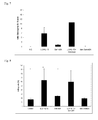
Figure 1 shows mRNA levels of Semaphorin 5A in PBMCs in allogeneic hematopoietic stem cell transplant recipients, -
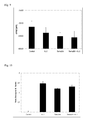
Figure 2 shows mRNA levels of Semaphorin 3A in hematopoietic stem cell therapy patients, -
Figure 3 shows an SDS-PAGE of Semaphorin 5A expressed from transfected cells, -
Figure 4 shows the activation of NKp44+ cells upon stimulation by Semaphorin 5A, -
Figure 5 shows the activation of CD25+ NK cells upon stimulation with Semaphorin 5A, -
Figure 6 shows the presence of NKG2A and NKG2D receptors on NK cells upon stimulation with Semaphorin 5A, -
Figure 7 shows the upregulation of mRNA specific for Granzyme B in NK cells by Semaphorin 5A, -
Figure 8 shows the effect of Semaphorin 5A increasing the cytotoxicity ofNK cells against target cells, -
Figure 9 shows the effect of Semaphorin 5A on the proliferation of CD8+ T-cells, and -
Figure 10 shows the upregulation of Granzyme B in CD8+ T-cells by Semaphorin 5A. - In the figures, p<0.05 is indicated by a *, and p<0.01 is indicated by a **, which is both considered as statistically significant in the Mann-Withney U-test applied in the statistical analysis. In the figures, the same abbreviations denote the same samples or experiments, respectively.
- For identifying a marker that is suitable for identifying a status of activity of the immune system indicating GvH disease, approximately 60 patients having received hematopoietic stem cell therapy using allogeneic stem cells were monitored for the GvH disease, i.e. the activation of the immune cells was monitored. In accordance with standard practice, this was done by a biopsy, because no validated diagnostic blood test is available that can determine the graft versus host disease, i.e. an activation of the immune system in response to antigen.
- When searching for a biomarker that is indicative of the activation of the immune system or occurring in the GvH disease, it has been found that the level of Semaphorin 5A protein in peripheral blood is a reliable marker for the presence of an increased activity of the immune system, i.e. for the immune response of the graft versus host disease in the transplant patients.
- It has been found that levels of Semaphorin 5A, preferably determined as Semaphorin 5A mRNA, an increase by a factor of at least 2, preferably by a factor of at least 4 to 5, preferably by a factor of at least 10, more preferably by a factor of about 15, and most preferably by a factor of about 20 or above in relation to an average concentration of Semaphorin 5A indicates an increased activity of the immune system, which is e. g. indicative of GvH disease in hematopoietic stem cell transplant recipients, or of an autoimmune disease. Accordingly, the diagnostic method preferably includes the step of normalizing the signal specifically detected for Semaphorin 5A to a constitutively expressed gene product, and determining the relation of the normalized signal for Semaphorin 5A to the signal for Semaphorin 5A which has been determined and normalized in a sample obtained from a healthy person. The resulting relation of the signal for Semaphorin 5A of the patient to the signal obtained in a healthy person can be edited, e.g. for subsequent medical evaluation.
- Generally, Semaphorin 5A, or the mRNA encoding Semaphorin 5A, can be analysed by the method in a sample obtained from a patient, which sample is preferably a cell-containing sample, e.g. blood, and specifically peripheral blood mononuclear cells (PBMC).
- Preferably, the concentrations of Semaphorin 5A are standardized by relating them to the signal determined for a constitutive sample component. For embodiments of the method for analysis determining the concentration of Semaphorin 5A by RT-PCR, i.e. by reverse transcription of RNA isolated from the sample to cDNA, followed by specific amplification of a fragment of the
semaphorin 5A coding sequence by PCR, the β-actin encoding sequence can be the constitutive sample component, in relation to which the signal specific for Semaphorin 5A is normalized. - As an alternative to determining the mRNA by reverse transcription of RNA to produce cDNA, followed by PCR on the basis of the cDNA using primers specific for the
semaphorin 5A coding sequence, a specific antibody reaction against Semaphorin 5A can be used. Polyclonal, preferably monoclonal antibody that is specifically directed against Semaphorin 5A can be produced by standard methods, e.g. by immunizing an experimental animal with Semaphorin 5A and collecting serum for polyclonal antibody, or using spleen cells from the immunized animal for generation of hybridoma and selecting a clone to produce a monoclonal antibody. - When analysing the activity of Semaphorin 5A (protein) on immune cells in in vitro assays, it has been found that the addition of Semaphorin 5A to the cultivation medium increases the cytotoxic activity of NK cells, the cytotoxic activity of CD8+ T-cells, and the proliferation of CD8+ T-cells, also in the absence of target cells, e.g. of allogeneic cells. Accordingly, in the second embodiment, the invention provides Semaphorin 5A in a pharmaceutical composition or as an ingredient in a medicament for use in the activation of the immune system, especially for activating the cytotoxic activity ofNK cells, for activating the cytotoxic activity of CD8+ T-cells, and for the proliferation of CD8+ T-cells. Preferably, the use of Semaphorin 5A is in the treatment of an insufficient immune system. The use of Semaphorin 5A as a medicament for the treatment of a low activity of the immune system, and Semaphorin 5A for use in the preparation of a pharmaceutical composition for use in the treatment of a low activity of the immune system, e.g. for increasing the activity of the immune system, preferably in patients suffering from congenital or aquired immune deficiences, infectious diseases or cancer.
- More preferably, the Semaphorin 5A for use as a medicament is a combination of Semaphorin 5A with IL-2 and/or with IL-15 for use as a medicament, especially for activating the immune system.
- After written consent, as applicable, peripheral blood mononuclear cell samples were isolated from 60 patients (30-60 years old) who underwent allogeneic hematopoietic stem cell therapy. Prior to this therapy, similar conditioning regimens were applied. From these patients, 5 were suspected of GvH disease, 6 patients presented clinical signs of GvH disease at the time the analysis was made, or had been diagnosed with GvH disease up to two months before, and a further 6 patients had been diagnosed with clinical GvH disease at 6-2 months before the analysis was made. 43 of the patients never developed GvH disease or were free of GvH disease for more then 6 months. As a control, PBMCs from 10 healthy individuals was used.
- Total RNA was isolated from PBMC samples, and reverse transcription was performed on RNA to produce complementary DNA (cDNA) using a high capacity cDNA reverse transcription kit (Applied Biosystems, Foster City, USA). For each reaction, 50 ng total RNA was used. Semaphorin 5A and, in parallel reactions, Semaphorin 3A and β-actin mRNA were determined using a two-step real time PCR (TaqMan Gene Expression Master Mix, Applied Biosystems, Foster City, USA) using amplification primers and FAM-labelled minor groove binding (MGB) Taqman probes.
- For Semaphorin 5A, the primers corresponding to SEQ ID NO 1 (5'-CAACGGCGGCCACTATG -3') and to SEQ ID NO 2 (5'- CCAGGCGGGCTTTGC -3'), using MGB-probe of SEQ ID NO 3 (5'FAM- CAACGATTCCGATACACA 3') were used, for Semaphorin 3A primers having SEQ ID NO 4 (5'- TTCAGCAATGGAGCTTTCCA -3') and SEQ ID NO 5 (5'- CAACCCCAGCCGTTGAAC -3') with the MGB-probe according to SEQ ID NO 6 (5'-FAM- AAGCAGCAACAACTATATA -3') were used, and for β-actin primers according to SEQ ID NO 7 (5'- ATG ATG ATA TCG CCG CGC -3') and SEQ ID NO 8 (5'- GCC TTG CAC ATG CCG G -3'), and MGB-probe having SEQ ID NO 9 (5'-FAM- CGT CGT CGA CAA CGG -3') were used. For standardizing levels of Semaphorin 5A and of Semaphorin 3A mRNAs, respectively, the specific amount of β-actin-mRNA of parallel aliquots was used. Thermal cycling in a Step One plus real-time PCR system (Applied Biosystems) was 95°C for 10min, followed by 40 cycles at 95°C for 15s and 60°C for 1min. For analysis, the Step One software version 2.0 (Applied BioSystems) and a quantification-comparative method were used. Generally, patient data for
Semaphorin 5A were normalized to theSemaphorin 5A signals of the healthy control group after normalizing each signal ofSemaphorin 5A to that of β-actin. - The mRNA for
human Semaphorin 5A is available under accession number NM_003966.2 from GenBank (SEQ ID NO 10). Preferably, the nucleotide sequence ofSemaphorin 5A corresponds toSEQ ID NO 10, and the specific identification ofSemaphorin 5A uses a nucleotide sequence according toSEQ ID NO 10, e.g. contained in a sample and used in the above described RT-PCR. Further,Semaphorin 5A protein according to this invention is preferably encoded by nucleotide sequence accordingSEQ ID NO 10, more preferably from nt 779 to nt 3934, and most preferably,Semaphorin 5A protein according to this invention has an amino acid sequence according toSEQ ID NO 11. - It was found that in comparison to the group without GvH disease (relative quantification (RQ):1.7±7.2), the patients suspected of GvH disease (RQ: 23.7±0.33; p<0.001) and patients with clinical diagnosis of GvH disease (RQ: 21.7±5.3; p<0.001) showed a significant increase of mRNA levels specific for
Semaphorin 5A. After hematopoietic stem cell transplantation, no significant difference in the levels ofSemaphorin 5A mRNA was observed in the group of patients after GvH disease (RQ: 1±1.7), when compared to the group without GvH disease. Results are shown inFigure 1 , wherein mRNA levels ofSemaphorin 5A are normalized to β-actin mRNA levels and the levels ofSemaphorin 5A mRNA are normalized to the values of the healthy control group. The data show that the level ofSemaphorin 5A in PBMCs is indicative of the increased activity of the immune system occurring in GvH disease. In detail, the group of patients which are suspected of GvH disease (Suspect of GvH) and the group of patients being diagnosed with GvH disease (GvHD) have an increase in the normalized mRNA levels ofSemaphorin 5A by a factor of about 20 in comparison to the control group (NC), and in relation to the patients without GvH disease (No GvHD). After treatment of the patients suffering from GvH disease (after GvHD), i.e. by standard immunosuppressant therapy, levels ofSemaphorin 5A were in the same range as those of healthy control and no GvHD-patients, demonstrating the diagnostic value ofSemaphorin 5A levels for GvH disease. - The analysis of
Semaphorin 3A in the same patient samples showed thatSemaphorin 5A was unregulated in GvH disease-cases, whereasSemaphorin 3A was not. In detail, forSemaphorin 3A, no difference was measured between patients without GvH disease (No GvHD, RQ: 10.9±2.25) and patients suspected of GvH disease (Suspect of GvHD, RQ: 11.5± 0.4), and no differences were observed in patients diagnosed with GvH disease (GvHD, RQ: 3.2±1.59) and patients after GvH disease (After GvHD, RQ: 3.1±2.1), which results are shown in greater detail inFig. 2 . - As an example for the manufacture of
Semaphorin 5A, e.g. for use in the production of a pharmaceuticalcomposition containing Semaphorin 5A for use in the treatment of a low activity of the immune system, the extracellular domain ofhuman Semaphorin 5A was expressed in HEK cells. For ease of purification, the expression construct included a His-tag. Briefly, the plasmid pcDNA3.1 was provided with the coding sequence for the extracellular domain ofhuman Semaphorin 5A with an added soluble His-tag, and transfected using lipofection (Lipofectamine 2000, Invitrogen) into the human embryonic kidney cell line HK293. Therecombinant Semaphorin 5A protein with its added His-tag was isolated from cell culture supernatant by immobilized-metal affinity chromatography on HisTrapFF columns (GE Healthcare, Little Chalfont, Great Britain). Cell culture supernatants were pooled, adjusted to pH 8.0, and loaded onto the columns using a BioLogic DuoFlow System, Bio-Rad, Hercules, USA). Elution ofSemaphorin 5A was by 20 mM sodium phosphate, 0.5 M sodium chlorate, 0.5 M imidazole, pH 7.4. Recombinant protein was quality-controlled by Western blotting and an ELISA using detection antibodies against the V5 epitope and the His-tag (available from Invitrogen). The result is shown inFig. 3 , with thearrow indicating Semaphorin 5A. - Polyclonal and monoclonal antibody specific for
Semaphorin 5A was produced according to standard practice in experimental animals. In short, experimental mice were vaccinated withSemaphorin 5A as produced according to example 2, using at least 2 booster vaccinations. For polyclonal antibody, serum was collected and purified as generally known. The specificity could be determined against immobilizedSemaphorin 5A by detecting bound antibody using a secondary antibody. - For monoclonal antibody, spleen cells of a mouse were used for the hybridoma technique, and from hybridoma cultures, a producer was screened according to the affinity of the supernatant to immobilized
Semaphorin 5A. - Natural killer cells (NK cells) were isolated from peripheral blood of 8 healthy donors using magnetic assisted cell separation technology. Cells were cultured in the presence of IL-2 and IL-15, in the presence of
Semaphorin 5A alone, or in a combination ofSemaphorin 5A with IL-2 and IL-15. As a control, heat-denaturedSemaphorin 5A was used. Cultivation was generally in standard cell culture medium under standard cultivation conditions. - After 48 hours of cultivation, the following cell surface receptors were determined by flow cytometry specific for cell surface expression of KIR2DL1, KIR2DL2, NKp30, NKp44, NKp46, NKG2A, NKG2D, and CD25. Results are shown in
Fig. 4 and demonstrate, that the exposure of the immune cells toSemaphorin 5A (Sema5A) lead to increase of the natural cytotoxic receptor NKp44, i.e. NKp44+ NK cells by approximately 12%. As expression of NKp44 is restricted to activated NK cells, this result demonstrates thatSemaphorin 5A activates NK cells. This activation ofNK cells is even more pronounced for the combination ofSemaphorin 5A with IL-2 and IL-15 (IL-2+ IL-15+Sema5A), whereas control cells (NC) withoutSemaphorin 5A and cells exposed to denaturedSemaphorin 5A (den Sema5a) show lower activation. - In addition, exposure of the cultivated immune cells to
Semaphorin 5A stimulated an increase of the frequency of CD25+ NK cells by up to 20%, as shown inFig. 5 . The stimulation is even more pronounced whenSemaphorin 5A is used in combination with IL-2 and IL-15. - As shown in
Fig. 6 , the NKG2A+ (21.2%±5.7%) and NKG2D+ (93.8%±4%) NK cells increased significantly in the presence ofSemaphorin 5A, when compared to NK cells that had been cultivated in the absence ofSemaphorin 5A (NC), or NK cells that were incubated in the presence ofSemaphorin 5A alone. No significant changes in the expression were observed for expression of NKp30, NKp46, KIR2DL1 or KIR2DL2 (data not shown). - This data show that
Semaphorin 5A, e.g. in the form ofrecombinant Semaphorin 5A, and preferably in the presence of additional IL-2 and/or IL-15, is an activator ofNK cell function. As shown inFigure 7 ,Semaphorin 5A stimulates NK cells to have increased levels of Granzyme B (1.72±0.31) in comparison to NK cells cultivated withoutSemaphorin 5A (1±0.05). mRNA levels of Granzyme B were evaluated by real-time PCR for determining its upregulation. The data shown are normalized to β-actin levels determined in aliquots. - An increased, e.g. synergistic effect for the upregulation of Granzyme B transcripts was observed for
Semaphorin 5A in combination with both IL-2 and IL-15 (11.57±4.11), when compared to NK cells cultivated in IL-2 and IL-15 but withoutSemaphorin 5A (6.7±2.5). This clearly shows thatSemaphorin 5A enhances the cytotoxic potential ofNK cells, even in the absence of target cells. As a control, non-simulated NK cells were used. - In an additional experiment, the NK cells previously incubated in the presence or absence of
Semaphorin 5A, as described above, were used in cytotoxicity assays with K562 cells as targets. NK cells previously cultivated in the presence ofSemaphorin 5A showed an increased lysing capacity of the target cells (25%±0.3%) in comparison to NK cells cultivated in the absence ofSemaphorin 5A (16.5%±3%), as is also shown inFig. 8 . - CD8+ T-cells were isolated from the peripheral blood of 4 healthy donors using magnetic assisted cell separation. Prior to the proliferation assays, CD8+ T-cells were labelled with 5,6-carboxy-succinimidyl-fluorescein-ester (CFSE), and cultured in the presence of IL-2 (50U),
Semaphorin 5A (10µg) alone, or in a combination ofSemaphorin 5A (10µg) and IL-2 (50U) for 5 days under standard cell cultivation conditions. In comparison to CD8+ T-cells cultivated without added stimulant (Control), cultures supplemented with IL-2 showed a 4% increase in the proliferation rate for CD8+ T-cells. A strong increase of the proliferation rate by about 10% was observed in the culture of CD8+ T-cells in the presence ofSemaphorin 5A. Essentially no synergistic effect onto the proliferation rate was detected for the combination of IL-2 andSemaphorin 5A in this culture of CD8+ T-cells. - For an evaluation of the cytotoxic potential of CD8+ T-cells, total RNA was isolated from the individual cultures, and the level of Granzyme B transcripts were measured by real-time PCR. Data are shown in
Fig. 10 . Presence of IL-2 in the cultivation of CD8+ T-cells caused a 2.4±0.1 -fold increase in levels of Granzyme B. Presence ofSemaphorin 5A alone, i.e. without additional IL-2, also induces an upregulation of Granzyme B-transcripts by a factor of 2.2±0.1. The combination added IL-2 andSemaphorin 5A lead to an increase of levels of Granzyme B by a factor of 2.3±0.07. These data demonstrate that it isSemaphorin 5A alone that is capable of inducing cell proliferation and an increased cytotoxicity of CD8+ T-cells..


Claims (13)
- Method for analysis of the state of activation of the immune system of a patient, characterized by the determination of the concentration of Semaphorin 5A in a sample of the patient.
- Method according to claim 1, characterized in that the concentration of Semaphorin 5A is determined by detecting the mRNA encoding Semaphorin 5A, or by detecting the reaction of an antibody that is specific for Semaphorin 5A protein.
- Method according to claim 1, characterized in that the concentration of Semaphorin 5A is normalized to a signal determined for a constitutively expressed constituent of the sample.
- Kit of components for use in a method according to one of the preceding claims, comprising a pair of oligonucleotides specifically hybridising to a nucleotide sequence containing at least a fraction of the nucleotide sequence encoding Semaphorin 5A.
- Kit according to claim 4, characterized in that it further comprises a pair of oligonucleotides specifically hybridising to a nucleotide sequence encoding at least a fraction of a constitutively expressed mammalian protein.
- Kit of components for use in a method according to one of claims 1 to 3, comprising an antibody which is specific for Semaphorin 5A.
- Kit according to claim 6, characterized in that it further comprises an antibody which is specific for a constitutively expressed mammalian protein.
- Semaphorin 5A protein for use as a medicament.
- Semaphorin 5A for use according to claim 8, characterized in that the medicament is used for activating the immune system.
- Semaphorin 5A for use according to claim 8 or 9, characterized in that Semaphorin 5A has an amino acid sequence according to SEQ ID NO 11.
- Semaphorin 5A for use according to one of claims 8 or 9, characterized in that Semaphorin 5A is in combination with IL-2 and/or IL-15.
- Use of Semaphorin 5A in the production of a pharmaceutical composition.
- Use according to claim 11, characterized in that the pharmaceutical composition is prepared for use in the activation of the immune system of a patient.
Priority Applications (3)
| Application Number | Priority Date | Filing Date | Title |
|---|---|---|---|
| EP10161687A EP2388338A1 (en) | 2010-04-30 | 2010-04-30 | Method for determination of and medicament for influencing the activity of the immune system |
| EP11164434.0A EP2388339B1 (en) | 2010-04-30 | 2011-05-02 | Method for determination of and medicament for influencing the activity of the immune system |
| US13/099,185 US20110293560A1 (en) | 2010-04-30 | 2011-05-02 | Method for determining immune system activity and medicament for influencing same |
Applications Claiming Priority (1)
| Application Number | Priority Date | Filing Date | Title |
|---|---|---|---|
| EP10161687A EP2388338A1 (en) | 2010-04-30 | 2010-04-30 | Method for determination of and medicament for influencing the activity of the immune system |
Publications (1)
| Publication Number | Publication Date |
|---|---|
| EP2388338A1 true EP2388338A1 (en) | 2011-11-23 |
Family
ID=42246021
Family Applications (2)
| Application Number | Title | Priority Date | Filing Date |
|---|---|---|---|
| EP10161687A Withdrawn EP2388338A1 (en) | 2010-04-30 | 2010-04-30 | Method for determination of and medicament for influencing the activity of the immune system |
| EP11164434.0A Active EP2388339B1 (en) | 2010-04-30 | 2011-05-02 | Method for determination of and medicament for influencing the activity of the immune system |
Family Applications After (1)
| Application Number | Title | Priority Date | Filing Date |
|---|---|---|---|
| EP11164434.0A Active EP2388339B1 (en) | 2010-04-30 | 2011-05-02 | Method for determination of and medicament for influencing the activity of the immune system |
Country Status (2)
| Country | Link |
|---|---|
| US (1) | US20110293560A1 (en) |
| EP (2) | EP2388338A1 (en) |
Families Citing this family (1)
| Publication number | Priority date | Publication date | Assignee | Title |
|---|---|---|---|---|
| JP6860922B2 (en) * | 2016-02-12 | 2021-04-21 | 国立大学法人 岡山大学 | Immune function test method, cancer patient selection method, cancer therapeutic effect prediction method, intracellular calcium ion concentration increasing agent, effector memory (EM) and effector (eff) selective function improving agent in tumor tissue, How to monitor the effects of cancer drugs |
Citations (3)
| Publication number | Priority date | Publication date | Assignee | Title |
|---|---|---|---|---|
| US20050042636A1 (en) * | 2003-04-28 | 2005-02-24 | Liotta Lance A. | Compositions and methods for detecting abnormal cell proliferation |
| WO2005104785A2 (en) * | 2004-04-27 | 2005-11-10 | Illumigen Biosciences, Inc. | Methods and compositions for specifically targeting human hepatocellular carcinoma cells |
| WO2006013614A1 (en) * | 2004-08-02 | 2006-02-09 | Mitsubishi Denki Kabushiki Kaisha | Radar |
-
2010
- 2010-04-30 EP EP10161687A patent/EP2388338A1/en not_active Withdrawn
-
2011
- 2011-05-02 EP EP11164434.0A patent/EP2388339B1/en active Active
- 2011-05-02 US US13/099,185 patent/US20110293560A1/en not_active Abandoned
Patent Citations (3)
| Publication number | Priority date | Publication date | Assignee | Title |
|---|---|---|---|---|
| US20050042636A1 (en) * | 2003-04-28 | 2005-02-24 | Liotta Lance A. | Compositions and methods for detecting abnormal cell proliferation |
| WO2005104785A2 (en) * | 2004-04-27 | 2005-11-10 | Illumigen Biosciences, Inc. | Methods and compositions for specifically targeting human hepatocellular carcinoma cells |
| WO2006013614A1 (en) * | 2004-08-02 | 2006-02-09 | Mitsubishi Denki Kabushiki Kaisha | Radar |
Non-Patent Citations (3)
| Title |
|---|
| LI X C ET AL: "IL-15 and IL-2: a matter of life and death for T cells in vivo.", NATURE MEDICINE JAN 2001 LNKD- PUBMED:11135625, vol. 7, no. 1, January 2001 (2001-01-01), pages 114 - 118, XP002589010, ISSN: 1078-8956 * |
| PACZESNY ET AL., SCIENCE TRANSLATIONAL MEDICINE, vol. 2, 2010, pages 13RA2 |
| REDDY PAVAN: "Pathophysiology of acute graft-versus-host disease.", HEMATOLOGICAL ONCOLOGY DEC 2003 LNKD- PUBMED:14735553, vol. 21, no. 4, December 2003 (2003-12-01), pages 149 - 161, XP002589009, ISSN: 0278-0232 * |
Also Published As
| Publication number | Publication date |
|---|---|
| EP2388339A1 (en) | 2011-11-23 |
| US20110293560A1 (en) | 2011-12-01 |
| EP2388339B1 (en) | 2016-02-17 |
Similar Documents
| Publication | Publication Date | Title |
|---|---|---|
| WO2021247540A1 (en) | Methods for modulating mhc-i expression and immunotherapy uses thereof | |
| Walsh et al. | Activated human T cells express alternative mRNA transcripts encoding a secreted form of RANKL | |
| Matsuzaki et al. | β2-Microglobulin is an appropriate reference gene for RT-PCR-based gene expression analysis of hematopoietic stem cells | |
| CN116583537A (en) | T cell phenotypes associated with response to adoptive cell therapy | |
| EP3781588B1 (en) | Blood biomarker for eosinophilic gastrointestinal disorders | |
| US12618837B2 (en) | Method of identifying pro-inflammatory dendritic cells | |
| WO2015169781A1 (en) | Predictive markers for successful cancer immunotherapy | |
| KR20200143308A (en) | Markers for predicting the response of lymphocytes to a tumor and use thereof | |
| Pérez et al. | Expression of Fas, FasL, and soluble Fas mRNA in endomyocardial biopsies of human cardiac allografts | |
| Cao et al. | Novel PAP-targeted CAR-T therapy enhances antitumor efficacy through CoupledCAR approach | |
| EP2388339B1 (en) | Method for determination of and medicament for influencing the activity of the immune system | |
| WO2006103639A2 (en) | Methods and reagents for identifying/isolating t regulatory (treg) cells and for treating individuals | |
| KR20210004888A (en) | A Cell surface antigen of T cell and the use thereof | |
| Smyth et al. | Distinct granzyme expression in human CD3-CD56+ large granular-and CD3-CD56+ small high density-lymphocytes displaying non-MHC-restricted cytolytic activity | |
| CN109477838B (en) | Method for examining activity of NK cell utilizing receptor synergistic activity and diagnostic method using same | |
| US20220042996A1 (en) | Compositions and methods related to latrophilins as biomarkers for haematopoietic cell cancer | |
| Xie et al. | Serum microRNA181a: Correlates with the intracellular cytokine levels and a potential biomarker for acute graft-versus-host disease | |
| WO2018132753A1 (en) | Validation of neoepitope-based treatment | |
| Amakawa et al. | Thyroglobulin mRNA expression in peripheral blood lymphocytes of healthy subjects and patients with thyroid disease | |
| KR101968962B1 (en) | Compositions for diagnosing obesity resistance | |
| EP4378533A1 (en) | Patient selection and therapy monitoring for autoimmune disorders | |
| JP2020115791A (en) | Marker that determines effectiveness of application of cancer therapy including cancer immune therapy to cancer patient, and use thereof | |
| Margarido Pereira et al. | TNF blockade with certolizumab improves the efficacy of anti-PD-1 and anti-CTLA-4 combination therapy for melanoma | |
| Cartura et al. | Immunomodulatory endothelial cells contribute to T cell recruitment and activation through antigen presentation on MHC class II | |
| KR20180099123A (en) | Biomarker for predicting resistance to anticancer agent |
Legal Events
| Date | Code | Title | Description |
|---|---|---|---|
| AK | Designated contracting states |
Kind code of ref document: A1 Designated state(s): AT BE BG CH CY CZ DE DK EE ES FI FR GB GR HR HU IE IS IT LI LT LU LV MC MK MT NL NO PL PT RO SE SI SK SM TR |
|
| AX | Request for extension of the european patent |
Extension state: AL BA ME RS |
|
| PUAI | Public reference made under article 153(3) epc to a published international application that has entered the european phase |
Free format text: ORIGINAL CODE: 0009012 |
|
| RIN1 | Information on inventor provided before grant (corrected) |
Inventor name: GRAS, CHRISTIANE Inventor name: BLASCZYK, RAINER Inventor name: FERREIRA DE FIGUEIREDO, CONSTANCA |
|
| STAA | Information on the status of an ep patent application or granted ep patent |
Free format text: STATUS: THE APPLICATION IS DEEMED TO BE WITHDRAWN |
|
| 18D | Application deemed to be withdrawn |
Effective date: 20120624 |