EP2388321A1 - Novel expression vector - Google Patents
Novel expression vector Download PDFInfo
- Publication number
- EP2388321A1 EP2388321A1 EP10731241A EP10731241A EP2388321A1 EP 2388321 A1 EP2388321 A1 EP 2388321A1 EP 10731241 A EP10731241 A EP 10731241A EP 10731241 A EP10731241 A EP 10731241A EP 2388321 A1 EP2388321 A1 EP 2388321A1
- Authority
- EP
- European Patent Office
- Prior art keywords
- vector
- nbrc
- kocuria
- strain
- seq
- Prior art date
- Legal status (The legal status is an assumption and is not a legal conclusion. Google has not performed a legal analysis and makes no representation as to the accuracy of the status listed.)
- Withdrawn
Links
- 239000013604 expression vector Substances 0.000 title description 3
- 108090000623 proteins and genes Proteins 0.000 claims abstract description 68
- 102000004169 proteins and genes Human genes 0.000 claims abstract description 46
- 244000005700 microbiome Species 0.000 claims abstract description 42
- 241000579722 Kocuria Species 0.000 claims abstract description 29
- 241000196833 Kocuria rhizophila DC2201 Species 0.000 claims abstract description 27
- 239000013598 vector Substances 0.000 claims description 57
- 238000006243 chemical reaction Methods 0.000 claims description 53
- 239000002773 nucleotide Substances 0.000 claims description 28
- 125000003729 nucleotide group Chemical group 0.000 claims description 28
- 239000000126 substance Substances 0.000 claims description 24
- 108091033319 polynucleotide Proteins 0.000 claims description 19
- 239000002157 polynucleotide Substances 0.000 claims description 19
- 102000040430 polynucleotide Human genes 0.000 claims description 19
- 108090000790 Enzymes Proteins 0.000 claims description 16
- 238000004519 manufacturing process Methods 0.000 claims description 16
- 102000004190 Enzymes Human genes 0.000 claims description 15
- 238000012258 culturing Methods 0.000 claims description 9
- FWMNVWWHGCHHJJ-SKKKGAJSSA-N 4-amino-1-[(2r)-6-amino-2-[[(2r)-2-[[(2r)-2-[[(2r)-2-amino-3-phenylpropanoyl]amino]-3-phenylpropanoyl]amino]-4-methylpentanoyl]amino]hexanoyl]piperidine-4-carboxylic acid Chemical compound C([C@H](C(=O)N[C@H](CC(C)C)C(=O)N[C@H](CCCCN)C(=O)N1CCC(N)(CC1)C(O)=O)NC(=O)[C@H](N)CC=1C=CC=CC=1)C1=CC=CC=C1 FWMNVWWHGCHHJJ-SKKKGAJSSA-N 0.000 claims description 6
- 230000000295 complement effect Effects 0.000 claims description 6
- 239000011942 biocatalyst Substances 0.000 claims description 5
- 241000186063 Arthrobacter Species 0.000 claims description 2
- 241000192041 Micrococcus Species 0.000 claims description 2
- 239000003960 organic solvent Substances 0.000 abstract description 12
- 239000013605 shuttle vector Substances 0.000 abstract description 12
- 230000009466 transformation Effects 0.000 abstract description 9
- 241000191953 Kocuria varians Species 0.000 abstract description 8
- 210000003850 cellular structure Anatomy 0.000 abstract description 8
- 210000004027 cell Anatomy 0.000 description 41
- 239000013612 plasmid Substances 0.000 description 28
- 230000001580 bacterial effect Effects 0.000 description 27
- 108020004414 DNA Proteins 0.000 description 23
- 239000000243 solution Substances 0.000 description 18
- 229930027917 kanamycin Natural products 0.000 description 17
- 229960000318 kanamycin Drugs 0.000 description 17
- SBUJHOSQTJFQJX-NOAMYHISSA-N kanamycin Chemical compound O[C@@H]1[C@@H](O)[C@H](O)[C@@H](CN)O[C@@H]1O[C@H]1[C@H](O)[C@@H](O[C@@H]2[C@@H]([C@@H](N)[C@H](O)[C@@H](CO)O2)O)[C@H](N)C[C@@H]1N SBUJHOSQTJFQJX-NOAMYHISSA-N 0.000 description 17
- 229930182823 kanamycin A Natural products 0.000 description 17
- 238000000034 method Methods 0.000 description 16
- 238000011144 upstream manufacturing Methods 0.000 description 16
- 230000000694 effects Effects 0.000 description 14
- 239000002609 medium Substances 0.000 description 13
- XEKOWRVHYACXOJ-UHFFFAOYSA-N Ethyl acetate Chemical compound CCOC(C)=O XEKOWRVHYACXOJ-UHFFFAOYSA-N 0.000 description 12
- 108010033272 Nitrilase Proteins 0.000 description 11
- 241000588724 Escherichia coli Species 0.000 description 10
- 108091081024 Start codon Proteins 0.000 description 10
- 229940088598 enzyme Drugs 0.000 description 10
- 239000012634 fragment Substances 0.000 description 9
- 238000011534 incubation Methods 0.000 description 7
- 108091008146 restriction endonucleases Proteins 0.000 description 7
- QBYIENPQHBMVBV-HFEGYEGKSA-N (2R)-2-hydroxy-2-phenylacetic acid Chemical compound O[C@@H](C(O)=O)c1ccccc1.O[C@@H](C(O)=O)c1ccccc1 QBYIENPQHBMVBV-HFEGYEGKSA-N 0.000 description 6
- 206010059866 Drug resistance Diseases 0.000 description 6
- PEDCQBHIVMGVHV-UHFFFAOYSA-N Glycerine Chemical compound OCC(O)CO PEDCQBHIVMGVHV-UHFFFAOYSA-N 0.000 description 6
- DHMQDGOQFOQNFH-UHFFFAOYSA-N Glycine Chemical compound NCC(O)=O DHMQDGOQFOQNFH-UHFFFAOYSA-N 0.000 description 6
- IWYDHOAUDWTVEP-UHFFFAOYSA-N R-2-phenyl-2-hydroxyacetic acid Natural products OC(=O)C(O)C1=CC=CC=C1 IWYDHOAUDWTVEP-UHFFFAOYSA-N 0.000 description 6
- 108010012715 Superoxide dismutase Proteins 0.000 description 6
- 229960002510 mandelic acid Drugs 0.000 description 6
- NNICRUQPODTGRU-UHFFFAOYSA-N mandelonitrile Chemical compound N#CC(O)C1=CC=CC=C1 NNICRUQPODTGRU-UHFFFAOYSA-N 0.000 description 6
- 230000000813 microbial effect Effects 0.000 description 6
- 230000003362 replicative effect Effects 0.000 description 6
- QKNYBSVHEMOAJP-UHFFFAOYSA-N 2-amino-2-(hydroxymethyl)propane-1,3-diol;hydron;chloride Chemical compound Cl.OCC(N)(CO)CO QKNYBSVHEMOAJP-UHFFFAOYSA-N 0.000 description 5
- CURLTUGMZLYLDI-UHFFFAOYSA-N Carbon dioxide Chemical compound O=C=O CURLTUGMZLYLDI-UHFFFAOYSA-N 0.000 description 5
- 102000019197 Superoxide Dismutase Human genes 0.000 description 5
- XSQUKJJJFZCRTK-UHFFFAOYSA-N Urea Chemical compound NC(N)=O XSQUKJJJFZCRTK-UHFFFAOYSA-N 0.000 description 5
- 238000004520 electroporation Methods 0.000 description 5
- 239000000499 gel Substances 0.000 description 5
- 230000001939 inductive effect Effects 0.000 description 5
- 239000003550 marker Substances 0.000 description 5
- XLYOFNOQVPJJNP-UHFFFAOYSA-N water Substances O XLYOFNOQVPJJNP-UHFFFAOYSA-N 0.000 description 5
- 241000186073 Arthrobacter sp. Species 0.000 description 4
- 101150066002 GFP gene Proteins 0.000 description 4
- TWRXJAOTZQYOKJ-UHFFFAOYSA-L Magnesium chloride Chemical compound [Mg+2].[Cl-].[Cl-] TWRXJAOTZQYOKJ-UHFFFAOYSA-L 0.000 description 4
- FAPWRFPIFSIZLT-UHFFFAOYSA-M Sodium chloride Chemical compound [Na+].[Cl-] FAPWRFPIFSIZLT-UHFFFAOYSA-M 0.000 description 4
- 238000004458 analytical method Methods 0.000 description 4
- 239000000872 buffer Substances 0.000 description 4
- 229910052799 carbon Inorganic materials 0.000 description 4
- 238000005119 centrifugation Methods 0.000 description 4
- 238000012217 deletion Methods 0.000 description 4
- 230000037430 deletion Effects 0.000 description 4
- 239000003814 drug Substances 0.000 description 4
- 229940079593 drug Drugs 0.000 description 4
- 230000001965 increasing effect Effects 0.000 description 4
- 239000013600 plasmid vector Substances 0.000 description 4
- 101150087539 sodA gene Proteins 0.000 description 4
- 239000006228 supernatant Substances 0.000 description 4
- 238000013519 translation Methods 0.000 description 4
- IAZDPXIOMUYVGZ-UHFFFAOYSA-N Dimethylsulphoxide Chemical compound CS(C)=O IAZDPXIOMUYVGZ-UHFFFAOYSA-N 0.000 description 3
- KCXVZYZYPLLWCC-UHFFFAOYSA-N EDTA Chemical compound OC(=O)CN(CC(O)=O)CCN(CC(O)=O)CC(O)=O KCXVZYZYPLLWCC-UHFFFAOYSA-N 0.000 description 3
- 108700039691 Genetic Promoter Regions Proteins 0.000 description 3
- 239000004471 Glycine Substances 0.000 description 3
- OKKJLVBELUTLKV-UHFFFAOYSA-N Methanol Chemical compound OC OKKJLVBELUTLKV-UHFFFAOYSA-N 0.000 description 3
- CDBYLPFSWZWCQE-UHFFFAOYSA-L Sodium Carbonate Chemical compound [Na+].[Na+].[O-]C([O-])=O CDBYLPFSWZWCQE-UHFFFAOYSA-L 0.000 description 3
- 230000002051 biphasic effect Effects 0.000 description 3
- 229910002092 carbon dioxide Inorganic materials 0.000 description 3
- 239000006285 cell suspension Substances 0.000 description 3
- 238000009826 distribution Methods 0.000 description 3
- 238000003780 insertion Methods 0.000 description 3
- 230000037431 insertion Effects 0.000 description 3
- 238000001155 isoelectric focusing Methods 0.000 description 3
- 230000007246 mechanism Effects 0.000 description 3
- 230000010076 replication Effects 0.000 description 3
- 101150017120 sod gene Proteins 0.000 description 3
- 101150018269 sodB gene Proteins 0.000 description 3
- 239000007858 starting material Substances 0.000 description 3
- 238000006467 substitution reaction Methods 0.000 description 3
- 238000000539 two dimensional gel electrophoresis Methods 0.000 description 3
- 108020004465 16S ribosomal RNA Proteins 0.000 description 2
- UMCMPZBLKLEWAF-BCTGSCMUSA-N 3-[(3-cholamidopropyl)dimethylammonio]propane-1-sulfonate Chemical compound C([C@H]1C[C@H]2O)[C@H](O)CC[C@]1(C)[C@@H]1[C@@H]2[C@@H]2CC[C@H]([C@@H](CCC(=O)NCCC[N+](C)(C)CCCS([O-])(=O)=O)C)[C@@]2(C)[C@@H](O)C1 UMCMPZBLKLEWAF-BCTGSCMUSA-N 0.000 description 2
- 229920001817 Agar Polymers 0.000 description 2
- IJGRMHOSHXDMSA-UHFFFAOYSA-N Atomic nitrogen Chemical compound N#N IJGRMHOSHXDMSA-UHFFFAOYSA-N 0.000 description 2
- OKTJSMMVPCPJKN-UHFFFAOYSA-N Carbon Chemical compound [C] OKTJSMMVPCPJKN-UHFFFAOYSA-N 0.000 description 2
- 102000016928 DNA-directed DNA polymerase Human genes 0.000 description 2
- 108010014303 DNA-directed DNA polymerase Proteins 0.000 description 2
- 230000005526 G1 to G0 transition Effects 0.000 description 2
- OUUQCZGPVNCOIJ-UHFFFAOYSA-M Superoxide Chemical compound [O-][O] OUUQCZGPVNCOIJ-UHFFFAOYSA-M 0.000 description 2
- 239000008272 agar Substances 0.000 description 2
- 229960000723 ampicillin Drugs 0.000 description 2
- AVKUERGKIZMTKX-NJBDSQKTSA-N ampicillin Chemical compound C1([C@@H](N)C(=O)N[C@H]2[C@H]3SC([C@@H](N3C2=O)C(O)=O)(C)C)=CC=CC=C1 AVKUERGKIZMTKX-NJBDSQKTSA-N 0.000 description 2
- 239000008346 aqueous phase Substances 0.000 description 2
- 239000011324 bead Substances 0.000 description 2
- 238000009739 binding Methods 0.000 description 2
- 230000003115 biocidal effect Effects 0.000 description 2
- 239000004202 carbamide Substances 0.000 description 2
- 239000001569 carbon dioxide Substances 0.000 description 2
- 239000003054 catalyst Substances 0.000 description 2
- 230000003197 catalytic effect Effects 0.000 description 2
- 210000000170 cell membrane Anatomy 0.000 description 2
- 239000013611 chromosomal DNA Substances 0.000 description 2
- 238000011161 development Methods 0.000 description 2
- 238000001962 electrophoresis Methods 0.000 description 2
- 239000003480 eluent Substances 0.000 description 2
- JBKVHLHDHHXQEQ-UHFFFAOYSA-N epsilon-caprolactam Chemical compound O=C1CCCCCN1 JBKVHLHDHHXQEQ-UHFFFAOYSA-N 0.000 description 2
- MHYCRLGKOZWVEF-UHFFFAOYSA-N ethyl acetate;hydrate Chemical compound O.CCOC(C)=O MHYCRLGKOZWVEF-UHFFFAOYSA-N 0.000 description 2
- 239000000284 extract Substances 0.000 description 2
- 125000000524 functional group Chemical group 0.000 description 2
- 239000007789 gas Substances 0.000 description 2
- 238000004128 high performance liquid chromatography Methods 0.000 description 2
- 229910001629 magnesium chloride Inorganic materials 0.000 description 2
- 239000011159 matrix material Substances 0.000 description 2
- 238000001840 matrix-assisted laser desorption--ionisation time-of-flight mass spectrometry Methods 0.000 description 2
- 230000035772 mutation Effects 0.000 description 2
- 239000008057 potassium phosphate buffer Substances 0.000 description 2
- 102000004196 processed proteins & peptides Human genes 0.000 description 2
- 108090000765 processed proteins & peptides Proteins 0.000 description 2
- 239000000047 product Substances 0.000 description 2
- 238000000746 purification Methods 0.000 description 2
- 238000011002 quantification Methods 0.000 description 2
- 239000002994 raw material Substances 0.000 description 2
- 239000011780 sodium chloride Substances 0.000 description 2
- 230000003381 solubilizing effect Effects 0.000 description 2
- 239000000758 substrate Substances 0.000 description 2
- UMGDCJDMYOKAJW-UHFFFAOYSA-N thiourea Chemical compound NC(N)=S UMGDCJDMYOKAJW-UHFFFAOYSA-N 0.000 description 2
- 230000001131 transforming effect Effects 0.000 description 2
- 238000005406 washing Methods 0.000 description 2
- IWYDHOAUDWTVEP-SSDOTTSWSA-N (R)-mandelic acid Chemical compound OC(=O)[C@H](O)C1=CC=CC=C1 IWYDHOAUDWTVEP-SSDOTTSWSA-N 0.000 description 1
- BFSVOASYOCHEOV-UHFFFAOYSA-N 2-diethylaminoethanol Chemical compound CCN(CC)CCO BFSVOASYOCHEOV-UHFFFAOYSA-N 0.000 description 1
- CHZAMJVESILJGH-UHFFFAOYSA-N 3-[bis(2-cyanoethyl)phosphanyl]propanenitrile Chemical compound N#CCCP(CCC#N)CCC#N CHZAMJVESILJGH-UHFFFAOYSA-N 0.000 description 1
- 241000894006 Bacteria Species 0.000 description 1
- 239000002028 Biomass Substances 0.000 description 1
- 108020004705 Codon Proteins 0.000 description 1
- 102000004127 Cytokines Human genes 0.000 description 1
- 108090000695 Cytokines Proteins 0.000 description 1
- 102000012410 DNA Ligases Human genes 0.000 description 1
- 108010061982 DNA Ligases Proteins 0.000 description 1
- 229920002307 Dextran Polymers 0.000 description 1
- 102000001390 Fructose-Bisphosphate Aldolase Human genes 0.000 description 1
- 108010068561 Fructose-Bisphosphate Aldolase Proteins 0.000 description 1
- 239000006142 Luria-Bertani Agar Substances 0.000 description 1
- 102000016943 Muramidase Human genes 0.000 description 1
- 108010014251 Muramidase Proteins 0.000 description 1
- 108010062010 N-Acetylmuramoyl-L-alanine Amidase Proteins 0.000 description 1
- 229930193140 Neomycin Natural products 0.000 description 1
- 101710163270 Nuclease Proteins 0.000 description 1
- 238000002105 Southern blotting Methods 0.000 description 1
- 239000007984 Tris EDTA buffer Substances 0.000 description 1
- 102000004142 Trypsin Human genes 0.000 description 1
- 108090000631 Trypsin Proteins 0.000 description 1
- FGDQGIKMWOAFIK-UHFFFAOYSA-N acetonitrile;phosphoric acid Chemical compound CC#N.OP(O)(O)=O FGDQGIKMWOAFIK-UHFFFAOYSA-N 0.000 description 1
- 239000002253 acid Substances 0.000 description 1
- 238000001042 affinity chromatography Methods 0.000 description 1
- 238000007605 air drying Methods 0.000 description 1
- 238000012870 ammonium sulfate precipitation Methods 0.000 description 1
- 230000003321 amplification Effects 0.000 description 1
- 239000003242 anti bacterial agent Substances 0.000 description 1
- 239000001506 calcium phosphate Substances 0.000 description 1
- 229910000389 calcium phosphate Inorganic materials 0.000 description 1
- 235000011010 calcium phosphates Nutrition 0.000 description 1
- 125000002091 cationic group Chemical group 0.000 description 1
- 238000012824 chemical production Methods 0.000 description 1
- 229960005091 chloramphenicol Drugs 0.000 description 1
- WIIZWVCIJKGZOK-RKDXNWHRSA-N chloramphenicol Chemical compound ClC(Cl)C(=O)N[C@H](CO)[C@H](O)C1=CC=C([N+]([O-])=O)C=C1 WIIZWVCIJKGZOK-RKDXNWHRSA-N 0.000 description 1
- 238000004587 chromatography analysis Methods 0.000 description 1
- 230000002759 chromosomal effect Effects 0.000 description 1
- 238000013461 design Methods 0.000 description 1
- 238000000502 dialysis Methods 0.000 description 1
- 238000004090 dissolution Methods 0.000 description 1
- 238000005265 energy consumption Methods 0.000 description 1
- 238000005516 engineering process Methods 0.000 description 1
- 238000006911 enzymatic reaction Methods 0.000 description 1
- 238000012869 ethanol precipitation Methods 0.000 description 1
- 238000011156 evaluation Methods 0.000 description 1
- 238000002474 experimental method Methods 0.000 description 1
- 125000002485 formyl group Chemical class [H]C(*)=O 0.000 description 1
- 230000008014 freezing Effects 0.000 description 1
- 238000007710 freezing Methods 0.000 description 1
- 238000001641 gel filtration chromatography Methods 0.000 description 1
- 230000002068 genetic effect Effects 0.000 description 1
- 238000010353 genetic engineering Methods 0.000 description 1
- 239000011521 glass Substances 0.000 description 1
- 229940088597 hormone Drugs 0.000 description 1
- 239000005556 hormone Substances 0.000 description 1
- 229930195733 hydrocarbon Natural products 0.000 description 1
- 150000002430 hydrocarbons Chemical class 0.000 description 1
- 230000002209 hydrophobic effect Effects 0.000 description 1
- 238000005805 hydroxylation reaction Methods 0.000 description 1
- 239000000411 inducer Substances 0.000 description 1
- 239000012770 industrial material Substances 0.000 description 1
- 238000009776 industrial production Methods 0.000 description 1
- 238000004255 ion exchange chromatography Methods 0.000 description 1
- 239000002608 ionic liquid Substances 0.000 description 1
- QHDRKFYEGYYIIK-UHFFFAOYSA-N isovaleronitrile Chemical compound CC(C)CC#N QHDRKFYEGYYIIK-UHFFFAOYSA-N 0.000 description 1
- 239000007788 liquid Substances 0.000 description 1
- 239000004325 lysozyme Substances 0.000 description 1
- 229960000274 lysozyme Drugs 0.000 description 1
- 235000010335 lysozyme Nutrition 0.000 description 1
- 230000014759 maintenance of location Effects 0.000 description 1
- 239000000463 material Substances 0.000 description 1
- 238000012986 modification Methods 0.000 description 1
- 230000004048 modification Effects 0.000 description 1
- 229960004927 neomycin Drugs 0.000 description 1
- 229910052757 nitrogen Inorganic materials 0.000 description 1
- 238000003199 nucleic acid amplification method Methods 0.000 description 1
- 238000006213 oxygenation reaction Methods 0.000 description 1
- 239000008188 pellet Substances 0.000 description 1
- 230000008569 process Effects 0.000 description 1
- 239000012460 protein solution Substances 0.000 description 1
- 230000036647 reaction Effects 0.000 description 1
- 238000004064 recycling Methods 0.000 description 1
- 230000000717 retained effect Effects 0.000 description 1
- 239000010979 ruby Substances 0.000 description 1
- 229910001750 ruby Inorganic materials 0.000 description 1
- 150000003839 salts Chemical class 0.000 description 1
- 239000000523 sample Substances 0.000 description 1
- 150000003384 small molecules Chemical class 0.000 description 1
- 238000002415 sodium dodecyl sulfate polyacrylamide gel electrophoresis Methods 0.000 description 1
- 239000012064 sodium phosphate buffer Substances 0.000 description 1
- 239000002904 solvent Substances 0.000 description 1
- 238000010186 staining Methods 0.000 description 1
- 230000008961 swelling Effects 0.000 description 1
- QORWJWZARLRLPR-UHFFFAOYSA-H tricalcium bis(phosphate) Chemical compound [Ca+2].[Ca+2].[Ca+2].[O-]P([O-])([O-])=O.[O-]P([O-])([O-])=O QORWJWZARLRLPR-UHFFFAOYSA-H 0.000 description 1
- 239000012588 trypsin Substances 0.000 description 1
- 108700026220 vif Genes Proteins 0.000 description 1
- 239000002699 waste material Substances 0.000 description 1
Images


Classifications
-
- C—CHEMISTRY; METALLURGY
- C12—BIOCHEMISTRY; BEER; SPIRITS; WINE; VINEGAR; MICROBIOLOGY; ENZYMOLOGY; MUTATION OR GENETIC ENGINEERING
- C12N—MICROORGANISMS OR ENZYMES; COMPOSITIONS THEREOF; PROPAGATING, PRESERVING, OR MAINTAINING MICROORGANISMS; MUTATION OR GENETIC ENGINEERING; CULTURE MEDIA
- C12N15/00—Mutation or genetic engineering; DNA or RNA concerning genetic engineering, vectors, e.g. plasmids, or their isolation, preparation or purification; Use of hosts therefor
- C12N15/09—Recombinant DNA-technology
- C12N15/63—Introduction of foreign genetic material using vectors; Vectors; Use of hosts therefor; Regulation of expression
- C12N15/74—Vectors or expression systems specially adapted for prokaryotic hosts other than E. coli, e.g. Lactobacillus, Micromonospora
-
- C—CHEMISTRY; METALLURGY
- C12—BIOCHEMISTRY; BEER; SPIRITS; WINE; VINEGAR; MICROBIOLOGY; ENZYMOLOGY; MUTATION OR GENETIC ENGINEERING
- C12N—MICROORGANISMS OR ENZYMES; COMPOSITIONS THEREOF; PROPAGATING, PRESERVING, OR MAINTAINING MICROORGANISMS; MUTATION OR GENETIC ENGINEERING; CULTURE MEDIA
- C12N9/00—Enzymes; Proenzymes; Compositions thereof; Processes for preparing, activating, inhibiting, separating or purifying enzymes
- C12N9/0004—Oxidoreductases (1.)
- C12N9/0089—Oxidoreductases (1.) acting on superoxide as acceptor (1.15)
-
- C—CHEMISTRY; METALLURGY
- C12—BIOCHEMISTRY; BEER; SPIRITS; WINE; VINEGAR; MICROBIOLOGY; ENZYMOLOGY; MUTATION OR GENETIC ENGINEERING
- C12N—MICROORGANISMS OR ENZYMES; COMPOSITIONS THEREOF; PROPAGATING, PRESERVING, OR MAINTAINING MICROORGANISMS; MUTATION OR GENETIC ENGINEERING; CULTURE MEDIA
- C12N9/00—Enzymes; Proenzymes; Compositions thereof; Processes for preparing, activating, inhibiting, separating or purifying enzymes
- C12N9/14—Hydrolases (3)
- C12N9/78—Hydrolases (3) acting on carbon to nitrogen bonds other than peptide bonds (3.5)
-
- C—CHEMISTRY; METALLURGY
- C12—BIOCHEMISTRY; BEER; SPIRITS; WINE; VINEGAR; MICROBIOLOGY; ENZYMOLOGY; MUTATION OR GENETIC ENGINEERING
- C12Y—ENZYMES
- C12Y115/00—Oxidoreductases acting on superoxide as acceptor (1.15)
- C12Y115/01—Oxidoreductases acting on superoxide as acceptor (1.15) with NAD or NADP as acceptor (1.15.1)
- C12Y115/01001—Superoxide dismutase (1.15.1.1)
-
- C—CHEMISTRY; METALLURGY
- C12—BIOCHEMISTRY; BEER; SPIRITS; WINE; VINEGAR; MICROBIOLOGY; ENZYMOLOGY; MUTATION OR GENETIC ENGINEERING
- C12Y—ENZYMES
- C12Y305/00—Hydrolases acting on carbon-nitrogen bonds, other than peptide bonds (3.5)
- C12Y305/05—Hydrolases acting on carbon-nitrogen bonds, other than peptide bonds (3.5) in nitriles (3.5.5)
- C12Y305/05001—Nitrilase (3.5.5.1)
Definitions
- the present invention relates to shuttle vectors that are replicable and allow inducible expression of a foreign gene in microorganisms belonging to the genus Kocuria, and uses thereof.
- Processes for producing useful substances such as industrial materials using microorganisms generally have the characteristic of low energy consumption and less waste generation. Therefore, with concerns about exhaustion of resources and effects of emissions such as CO 2 on the environment in recent years, development of techniques for producing useful substances by utilizing the functions of microorganisms (bioprocesses) is needed as a basic manufacturing technology platform in environment-conscious recycling-oriented industrial systems.
- bioprocesses are basically performed in an aqueous reaction site, and this significantly narrows down the application range of bioprocesses because producible targets (chemicals) become limited. While the aqueous reaction site is suitable for conversion and production of hydrophilic substances, it is not suitable for conversion, reaction, or production of hydrophobic substances which account for a large segment of chemicals.
- reactions that produce expensive products from inexpensive raw materials include carbon-to-carbon binding reactions. For example, it is thought that reactions that polymerize through carbon-to-carbon binding by an aldolase using inexpensive low-molecular weight compounds such as an aldehyde as the starting material and reactions that polymerize through fixation of inexpensive carbon dioxide gas (carbon dioxide fixation reaction) are useful.
- reactions useful for production of functional groups necessary to convert into those chemicals include, for example, hydroxylation reaction and carbon oxygenation reaction.
- chemical substances that do not dissolve in water such as hydrocarbons are substantively used as the starting material in most cases, it is necessary to carry out the reaction in a non-aqueous reaction site, and enzymes that can be used in a non-aqueous system become necessary.
- organic solvent resistance and enzyme including three-dimensional structure is not clear, and the relationship needs to be elucidated by using organic solvent-resistant enzymes obtained so far (for example, nitrilase) as models and observing their three-dimensional structure and changes in organic solvent resistance by mutations.
- Non-patent Document 1 J. Bacteriol. Vol. 190, p 4139-4146, 2008 .
- An objective of the present invention is to provide shuttle vectors that are replicable and allow inducible expression of a foreign protein in microorganisms belonging to the genus Kocuria.
- the present inventors constructed a transformation system which uses as a host the Kocuria rhizophila NBRC 103217 strain which maintains its cellular structure in various organic solvents and show little protein leakage.
- the entire nucleotide sequence (2.7 Mb) of the Kocuria rhizophila NBRC 103217 genome was determined, and 2,356 ORFs were estimated from the nucleotide sequence. Based on the ORF information, the upstream and downstream sequences of the SD sequence that are most suitable for translation were predicted.
- the pKV15358-3 vector (4.3 kb) for the Kocuria rhizophila NBRC 103217 strain was constructed by miniaturizing pKV15358-1 and adding the above-mentioned optimal-for-translation upstream and downstream sequences of the SD sequence in the Kocuria rhizophila NBRC 103217 strain.
- nitrilase gene derived from the Arthrobacter sp. F73 strain was expressed in the Kocuria rhizophila NBRC 103217 strain, nitrilase activity was shown even though the expression level was about 1% of that in Escherichia coli.
- the same transformant was used in an ethyl acetate-water biphasic reaction in which mandelic acid production is not observed in E. coli, even in a system containing 60% ethyl acetate, it showed a 60% activity of that in an aqueous-phase reaction.
- the present inventors successfully induced expression of a foreign protein in microorganisms of the genus Kocuria which can maintain their cellular structure in non-aqueous systems and show little protein leakage, and thereby completed the present invention.
- the present invention provides:
- the present invention provides shuttle vectors that are replicable and allow inducible expression of a foreign protein in microorganisms belonging to the genus Kocuria.
- Vectors of the present invention carry a DNA region that is replicable in microorganisms of the genus Kocuria, and a drug marker that confers drug resistance to microorganisms of the genus Kocuria.
- Vectors of the present invention are shuttle vector plasmids that can be replicated in microorganisms of the genus Kocuria, and are efficient vectors for expressing a foreign protein in microorganisms of the genus Kocuria.
- Shuttle vectors of the present invention include circular plasmids that can be obtained from the Kocuria varians NBRC15358 strain. By elucidating the DNA region involved in replication of these plasmids and producing plasmids containing that DNA region, such plasmids are replicable in microorganisms of the genus Kocuria.
- the replicable DNA region in microorganisms belonging to the genus Kocuria is not particularly limited as long as it is a region that enables a vector to be replicated when a vector containing the region is introduced into a microorganism of the genus Kocuria, and includes, for example, an autonomously replicating region derived from an endogenous plasmid vector pKV15358-1 (SEQ ID NO: 5) carried by the Kocuria varians strain.
- the autonomously replicating region derived from pKV15358-1 may be the full-length pKV15358-1, but to simplify the genetic manipulations it is preferably a portion of pKV15358-1.
- a portion of pKV15358-1 includes a region comprising the nucleotide sequence of SEQ ID NO: 1. Furthermore, as long as it can function in microorganisms of the genus Kocuria, it may be a DNA region comprising a sequence with one or several nucleotide substitutions, deletions, insertions, and/or such in the nucleotide sequence of SEQ ID NO: 1, or a DNA region that hybridizes under stringent conditions with a polynucleotide comprising the nucleotide sequence of SEQ ID NO: 1 or a probe that may be prepared from this sequence.
- “several” refers to, for example, two to 50, preferably two to ten, and more preferably two to five.
- Stringent conditions include washing conditions for conventional Southern hybridization, which are 60°C and a salt concentration corresponding to 1x SSC, and 0.1% SDS, or preferably 0.1x SSC, and 0.1% SDS.
- washing conditions for conventional Southern hybridization which are 60°C and a salt concentration corresponding to 1x SSC, and 0.1% SDS, or preferably 0.1x SSC, and 0.1% SDS.
- One or several nucleotide substitutions, deletions, and/or insertions can be carried out by techniques known to those skilled in the art at the time of filing the application.
- the above-described region necessary for autonomous replication in the pKV15358-1 vector can be identified by deletion experiments which use expression of an antibiotic resistance gene in antibiotic-sensitive host cells as an indicator. That is, after introducing a drug resistance gene such as a kanamycin resistance gene or an ampicillin resistance gene into the pKV15358-1 vector, the vector is digested with a single restriction enzyme or a combination of restriction enzymes that do not digest this gene, recircularized by a DNA ligase, and then used to transform drug-sensitive bacterial cells.
- a drug resistance gene such as a kanamycin resistance gene or an ampicillin resistance gene
- Drug-resistant bacterial strains that are selected from these cells using drug resistance as the indicator carry the derived vector containing the autonomously replicating region of the pKV15358-1 vector; and the autonomously replicating region of the pKV15358-1 vector can be identified by comparing the restriction enzyme map of the vector.
- a drug marker that confers resistance to microorganisms of the genus Kocuria is not particularly limited as long as it is a gene that confers drug resistance when it is introduced into the bacteria, and includes, for example, a kanamycin resistance gene, an ampicillin resistance gene, a neomycin resistance gene, or a chloramphenicol resistance gene.
- Plasmid vectors of the present invention are vectors comprising the above-mentioned autonomously replicating region and a drug resistance marker, and such vectors specifically include pKV15358-2 (SEQ ID NO: 6).
- pKV15358-2 is a vector composed of a fragment comprising an autonomously replicating region obtained by cleaving the above-mentioned pKV15358-1 with the Xba I restriction enzyme, as well as a kanamycin resistance gene and such.
- the vector of the present invention may be a modified form of pKV15358-2. Examples of the modification include mutations at sites not involved in the replication ability or drug resistance, and deletions or substitutions of a portion of the restriction enzyme sites.
- a vector of the present invention may further comprise an SD sequence derived from a microorganism belonging to the genus Kocuria.
- the SD sequence is not particularly limited, but is preferably, for example, the SD sequence of SEQ ID NO: 2.
- Vectors further comprising an SD sequence include pKV15358-3 (SEQ ID NO: 7).
- a promoter that may function in microorganisms of the genus Kocuria can be further incorporated.
- the promoter is not particularly limited, and examples include a promoter that expresses a gene encoding superoxide dismutase.
- microorganisms belonging to the genus Kocuria are not particularly limited, but a preferred example includes Kocuria rhizophila NBRC 103217.
- the present invention relates to transformants produced by transforming a host with a shuttle vector for inducible expression in microorganisms of the genus Kocuria into which a foreign protein-encoding DNA is inserted.
- the present invention relates to methods for producing a foreign protein, which comprise the steps of culturing the above-mentioned transformants and isolating a foreign protein from the obtained culture.
- Recombinant vectors of the present invention are produced by inserting a DNA encoding a foreign protein into the vectors of the present invention (for example, pKV15358-2 or pKV15358-3).
- the foreign protein that one desires to express is not particularly limited, and includes enzymes, hormones, cytokines, and prepared proteins.
- Preferred examples of the foreign protein of the present invention include a catalytic enzyme used when producing substances in non-aqueous systems (for example, in organic solvents).
- An example of the catalytic enzyme includes nitrilase and the vector into which the foreign protein is introduced includes pKV15358-4 (SEQ ID NO: 20).
- a transformant of the present invention can be produced by transforming a host with a vector of the present invention or a recombinant vector of the present invention.
- the electroporation method, calcium phosphate method, and DEAE dextran method can be used as the method for transformation.
- the host for expressing a foreign protein or host to be used for propagation and collection of vector plasmids microorganisms of the genus Kocuria can be used.
- the present invention enables production of a foreign protein by culturing the above-described transformant and isolating the foreign protein from the obtained culture.
- the method for culturing the transformant one can appropriately select a method suitable for the microorganism of the genus Kocuria used as the host.
- culturing can be carried out in a non-aqueous system (for example, in an organic solvent).
- Expression of a foreign protein can be induced by the vector of the present invention using inducers (for example, ⁇ -caprolactam and isovaleronitrile).
- inducers for example, ⁇ -caprolactam and isovaleronitrile.
- culture refers to a material that can be obtained by culturing such as bacterial cells, culture, cell-free extract, and cell membrane.
- Cell-free extracts can be obtained, for example, by physically disrupting cultured bacterial cells using a homogenizer after adding a sodium phosphate buffer, then separating by centrifugation and collecting the supernatant so that undisrupted bacterial cells (cells) are not present.
- Cell membrane can be obtained by suspending the pellet obtained by the above-mentioned centrifugation in a solubilizing buffer.
- a culture solution may be used as it is.
- a foreign protein of interest may be concentrated and purified using known methods such as dialysis and ammonium sulfate precipitation, or known methods such as various chromatographic methods such as gel filtration, ion exchange, and affinity chromatography alone or in combination.
- the present invention relates to a method for producing a substance of interest, wherein the above-mentioned transformant is used as a biological catalyst for producing the substance of interest in a non-aqueous reaction site.
- Non-aqueous system refers to a reaction site that is not 100% water, a reaction site having an arbitrary ratio of organic solvent and water, a reaction site which is a supercritical gas, or a reaction site which is an ionic liquid.
- Microorganisms of the genus Kocuria are microorganisms that maintain their cellular structure even in a non-aqueous system. Even when a chemical substance serving as a starting material of the substance of interest is contacted with a transformant of a microorganism of the genus Kocuria (used as a biocatalyst) in a non-aqueous reaction site, activity is not lost due to dissolution of the transformant and the substance of interest can be obtained with high productivity.
- the substance of interest is not particularly limited, and examples include mandelic acid and such.
- the upstream and downstream sequences of the SD sequence that are most suitable for translation were predicted.
- AACCT SEQ ID NO: 8
- 7 bp may be the optimal number of nucleotides between the SD sequence and the start codon.
- 5'-CTAGCAAGGAGGCCAACCT-3' (SEQ ID NO: 11) was predicted as the optimal upstream and downstream sequences of the SD sequence by combining the "AACCT" sequence (SEQ ID NO: 8) upstream of the start codon estimated from quantification analysis type 2 with the results of distribution analysis of the upstream and downstream sequences of the SD sequence.
- an Nde I site which contains an ATG start codon was added to improve convenience at the time of gene introduction, and this was used as the final upstream and downstream sequences of the SD sequence (5'-CTAGCAAGGAGGCCAACATATG-3', SEQ ID NO: 12).
- a plasmid vector that is replicable in the Kocuria rhizophila NBRC 103217 strain was prepared. Since the rescue plasmid (SEQ ID NO: 5) of the plasmid (pKV15358-1) derived from Kocuria varians NBRC 15358 is replicable in the Kocuria rhizophila NBRC 103217 strain, this plasmid was miniaturized and the upstream and downstream sequences of the SD sequence (SEQ ID NO: 2) found in Example 1 was further added to construct vector pKV15358-3 (4.3 kb) (SEQ ID NO: 7) for the Kocuria rhizophila NBRC 103217 strain.
- the Kocuria varians NBRC15358 strain was cultured while shaking at 150 rpm in a 500-mL baffled conical flask containing 100 mL of LB medium at 30°C until the turbidity at 600 nm reached 8.0. Two-hundred milliliters of the culture solution was centrifuged (9,970 x g, 4°C, ten minutes) to collect the cells, and after washing with 15 mL of STE (10 mM Tris-HCl, 0.5 mM EDTA, 5 mM NaCl; pH 8.0), the cells were collected by centrifugation (9,970 x g, 4°C, ten minutes).
- plasmid DNA was extracted using the Qiagen Plasmid Maxi Kit (Qiagen).
- Qiagen Plasmid Maxi Kit Qiagen Plasmid Maxi Kit
- 4 mg/mL of lysozyme was added to Buffer P1, and after suspending the bacterial cells in this solution, this was incubated at 37°C for two hours. Operations thereafter were carried out according to the method recommended by the manufacturer.
- a transposon was inserted according to the instructions for the EZ-Tn5 ⁇ R6K ⁇ ori / KAN-2> Insertion Kit (Epicentre).
- TransforMax EC100D pir Electrocompetent E. coli (Epicentre) was transformed using the reaction solution, and the transformants were selected on an LB agar plate containing 50 ⁇ g/mL kanamycin.
- Competent cells of the NBRC 103217 strain were prepared using bacterial cells obtained by growing this bacterial strain in shake culture at 30°C in a 500-mL baffled conical flask containing 100 mL of LB medium supplemented with 1.5% (w/v) glycine until the turbidity at 600 nm reached 0.7.
- the culture solution was centrifuged (1,400 x g, 4°C, ten minutes) to collect the bacterial cells, and the cells were washed twice with 200 mL and once with 35 mL of cooled sterilized water.
- the cells were further washed twice with 35 mL of 10% (v/v) glycerol solution, and suspended in 10% (v/v) glycerol solution so that the turbidity at 600 nm becomes approximately 50.
- the obtained bacterial cell suspension was dispensed into a 1.5 mL tube (100 ⁇ L/tube), and after freezing using liquid nitrogen, this was stored at -80°C.
- the competent cells were thawed on ice, 0.5 ⁇ g of DNA was added, and the NBRC 103217 strain was transformed using the electroporation method (800 ⁇ , 25 ⁇ F, 12.5 kV/cm) using Gene Pulser (Bio-rad). After electroporation and addition of 0.9 mL SOC medium, it was cultured while shaking (30°C, 150 rpm, 16 hours). Then, colonies obtained by 30°C culturing on an SOB agar plate containing 400 ⁇ g/mL kanamycin were selected.
- the plasmid of interest was retained in the cases where four types of plasmids were used.
- nitrilase gene derived from the Arthrobacter sp. F73 strain was expressed in the Kocuria rhizophila NBRC 103217 strain.
- F73Nit-309F-NdeI primer (5'-GTGCATATGAGCGAGTACACCCAGCAATACCGCGTC-3', SEQ ID NO: 13) and F73Nit-1430R-XbaI primer (5'-TCCTCTAGATCAGAGCTGAACGGCCTCCTCCGAACGC-3', SEQ ID NO: 14) were designed.
- PCR was performed by adding 37.5 U/mL of Pfu turbo DNA polymerase to a reaction system containing 0.2 ⁇ M of each primer, 1 ng/ ⁇ L of chromosomal DNA of the F-73 strain as a template, and 2.5% (v/v) DMSO.
- the PCR included incubation at 98°C for two minutes and thirty seconds, and then 30 cycles of a reaction consisting of three steps of 98°C for 30 seconds, 55°C for one minute, and 72°C for one minute and thirty seconds, followed by incubation at 72°C for ten minutes.
- the amplified DNA fragment was purified using the GFX PCR Purification Kit (GE Healthcare), and then digested with Nde I and Xba I, and ligated with plasmid pKV15358-3 digested with the same restriction enzymes.
- TransforMax EC100D pir Electrocompetent E. coli (Epicentre) was transformed with the obtained reaction solution, and transformants carrying the target pKV15358-4 plasmid were obtained from the strains grown in an LB medium containing 50 ⁇ g/mL kanamycin.
- the NBRC 103217 strain was transformed using plasmid DNA extracted from these transformants to obtain NBRC 103217 strain transformants carrying these plasmids.
- nitrilase activity was investigated by using mandelonitrile present in the cells as a substrate.
- the reaction was initiated by adding the bacterial cell suspension. Using a BioShaker M ⁇ BR-022UP (Taitec), the reaction solution was incubated at 30°C for two hours while shaking at 1,400 rpm. Then, the reaction system was homogenized by adding 0.5 mL of methanol, and centrifuged (20,400 x g, 4°C, ten minutes) to remove bacterial cells.
- the amount of mandelic acid contained in the obtained supernatant was quantified by HPLC.
- LC-10ADvp SHIMADZU
- the Inertsil ODS-3 column ⁇ 4.6 x 150 mm, GL Sciences
- Analyses were carried out by setting the column temperature to 40°C, and passing 10 mM phosphoric acid-acetonitrile (55:45) as the eluent at a flow rate of 1 mL/min.
- the standard curve was produced using 0.02, 1, 5, 10, 15, 20, and 50 mM R-mandelic acid.
- the retention time was 2.2 minutes.
- the Kocuria rhizophila NBRC 103217 strain was cultured while shaking at 150 rpm at 30°C in a 500-mL baffled conical flask containing 100 mL of LB medium until the turbidity at 600 nm reached 11 (65 hours). 20 mL of the culture solution was centrifuged (2,300 x g, 4°C, ten minutes) to collect bacterial cells, the cells were washed with 5 mL of STE (10 mM Tris-HCl, 0.5 mM EDTA, 5 mM NaCl; pH 8.0), and then centrifuged (2,300 x g, 4°C, ten minutes) to collect the cells. The obtained bacterial cells were stored at -30°C.
- Bacterial cells in 10 mL of culture solution were suspended in 0.7 mL of solubilizing buffer (10 mM Tris-HCl, 8 M urea, 4% (w/v) CHAPS, 60 mM DTT; pH 7.4), transferred to a 2-mL tube containing 0.5 mL of glass beads ( ⁇ 0.1 mm), and then the cells were disrupted using a Multi-Beads shocker (Yasui Kikai) (2,500 rpm, 4°C, 20 minutes). Supernatant obtained from centrifugation (20,400 x g, 4°C, ten minutes) was collected. Protein was purified from 100 ⁇ L of the obtained supernatant using the ReadyPrep 2-D Cleanup Kit (Bio-rad).
- solubilizing buffer 10 mM Tris-HCl, 8 M urea, 4% (w/v) CHAPS, 60 mM DTT; pH 7.4
- solubilizing buffer 10 mM Tris-HCl, 8 M
- the obtained protein was dissolved in 60 ⁇ L of swelling buffer (7 M urea, 2 M thiourea, 2% (w/v) CHAPS, 20 mM DTT, 0.2% (v/v) Biolyte 3-10, 0.039% (w/v) tris-(2-cyanoethyl)phosphine) to produce a protein solution for two-dimensional electrophoresis.
- swelling buffer 7 M urea, 2 M thiourea, 2% (w/v) CHAPS, 20 mM DTT, 0.2% (v/v) Biolyte 3-10, 0.039% (w/v) tris-(2-cyanoethyl)phosphine
- Two-dimensional electrophoresis was carried out by subjecting 50 ⁇ g of the protein to isoelectric focusing using PROTEAN IEF Cell (Bio-rad). IPG ReadyStrip pH 3-10NL (7 cm, Bio-rad) was used for the isoelectric focusing electrophoresis gel. After the electrophoresis, the isoelectric focusing gel was removed, and this was subjected to SDS-PAGE using a 12.5% uniform gel. Thereafter, the gel was subjected to protein staining using SYPRO Ruby (Invitrogen), and then a large spot which appeared to be NBRC 103217-LAP1 was excised ( Fig. 3 ).
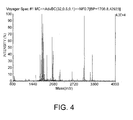
- Tris-HCl (pH 8.0) containing trypsin was added to the excised gel slice, and this was incubated at 35°C for 20 hours. After the obtained reaction solution was desalted using ZipTip C18 (Millipore), this was mixed with a matrix ( ⁇ -cyano-4-hydroxyxinnamic acid solution), and spotted onto a plate. After air drying, this was subjected to MALDI-TOF MS. Using Voyager-DE STR (Applied Biosystems) in the reflector mode, peptides with cationic m/z values of 800 to 4,000 were detected ( Fig. 4 ).
- the superoxide dismutase gene sodA (KRH_00400) was found to be highly expressed in the NBRC 103217 strain. Accordingly, when searching for a promoter predicted upstream of this gene, sequences "TTGACC” (SEQ ID NO: 15) and “GACAGT” (SEQ ID NO: 16) showing similarity to the -35 region and -10 region of an E. coli -derived promoter were found 67 bp to 62 bp and 43 bp to 38 bp upstream of the sodA gene start codon, respectively.
- gene0045-F1 primer (5'-GGCGTCGACCGAGGGTAGGGCGGGAGTG-3', SEQ ID NO: 17)
- gene0045-R1 primer (5'-TCGACTAGTGGCGTGATGGTTCAACTGTC-3', SEQ ID NO: 18)
- gene0045-R2-v2 primer (5'-AGCCATATGGAAACATCCTTTCGTTTGCG-3', SEQ ID NO: 19) were prepared.
- PCR was performed by adding 25 U/mL of PrimeSTAR DNA Polymerase. The PCR was performed by incubation at 96°C for five minutes, and then 30 cycles of a reaction consisting of three steps of: 98°C for 10 seconds; 55°C for 15 seconds; and 72°C for thirty seconds, followed by incubation at 72°C for ten minutes.
- the obtained DNA fragments (PsodA1 and PsodA2) were purified using the GFX PCR Purification Kit (GE Healthcare), and then they were double-digested with Sal I- Spe I and Nde I- Sal I, respectively.
- the obtained DNA fragments were ligated with fragments each produced by digesting pKV15358-8 (SEQ ID NO: 24), which is a vector for promoter evaluation, with the same restriction enzymes.
- coli JM109 was transformed using the reaction solution, and transformants carrying the plasmids of interest, pKV15358-5 (SEQ ID NO: 21) and pKV15358-6 (SEQ ID NO: 22), were obtained from the strains grown in an LB medium containing 50 ⁇ g/mL kanamycin.
- the NBRC 103217 strain was transformed, and by culturing at 30°C on an SOB agar plate containing 400 ⁇ g/mL kanamycin, the NBRC 103217 strain transformants carrying each of the plasmids were obtained.
- the NBRC 103217 strain transformant that carries pKV15358-5 with optimized upstream and downstream sequences of the SD sequences showed a nitrilase activity 86 times greater than that of the NBRC 103217 strain transformant carrying pKV15358-4 which does not contain an sodA-derived promoter (P sodA ). Furthermore, in the NBRC 10317 strain, the transformant exhibited an activity three times greater than that of pKV15358-6, to which sodA's original upstream and downstream sequences of the SD sequence was added.
- shuttle vectors of the NBRC 103217 strain and E. coli which are the Bsp HI- Nde I fragment (2,309 bp) of pKV15358-9 (SEQ ID NO: 25) and the Bsp HI- Nde I fragment (1,253 bp) of pKV15358-5, were ligated.
- the reaction solutions were used to transform E.
- the plasmids of interest pKV15358-5 and pKV15358-7 (SEQ ID NO: 23) were obtained as high-expression vectors for the NBRC 103217 strain.
- shuttle vectors developed by the present inventors By introducing shuttle vectors developed by the present inventors into microorganisms belonging to the genus Kocuria which can maintain their cellular structure in non-aqueous systems, expression of a foreign protein of interest can be induced in non-aqueous systems. Furthermore, by using microorganisms introduced with a shuttle vector of the present invention, the activity of a foreign protein (for example, catalyst activity) can be expressed in a non-aqueous system.
- a foreign protein for example, catalyst activity
Landscapes
- Chemical & Material Sciences (AREA)
- Health & Medical Sciences (AREA)
- Life Sciences & Earth Sciences (AREA)
- Organic Chemistry (AREA)
- Genetics & Genomics (AREA)
- Engineering & Computer Science (AREA)
- Wood Science & Technology (AREA)
- Bioinformatics & Cheminformatics (AREA)
- Zoology (AREA)
- General Engineering & Computer Science (AREA)
- General Health & Medical Sciences (AREA)
- Biochemistry (AREA)
- Biotechnology (AREA)
- Biomedical Technology (AREA)
- Microbiology (AREA)
- Molecular Biology (AREA)
- Medicinal Chemistry (AREA)
- Physics & Mathematics (AREA)
- Biophysics (AREA)
- Plant Pathology (AREA)
- Micro-Organisms Or Cultivation Processes Thereof (AREA)
- Preparation Of Compounds By Using Micro-Organisms (AREA)
- Enzymes And Modification Thereof (AREA)
Abstract
Description
- The present invention relates to shuttle vectors that are replicable and allow inducible expression of a foreign gene in microorganisms belonging to the genus Kocuria, and uses thereof.
- Processes for producing useful substances such as industrial materials using microorganisms generally have the characteristic of low energy consumption and less waste generation. Therefore, with concerns about exhaustion of resources and effects of emissions such as CO2 on the environment in recent years, development of techniques for producing useful substances by utilizing the functions of microorganisms (bioprocesses) is needed as a basic manufacturing technology platform in environment-conscious recycling-oriented industrial systems.
- To construct fossil resource-independent or environmentally-friendly production processes in the chemical industry with the ultimate aim of carbon neutrality, it is necessary to construct a chemical production system that includes a bio-refinery from biomass. To accomplish this, several technical breakthroughs are necessary, and in particular, it is necessary to expand the range of use and application range of bioprocesses that use microbial cells which are suitable for natural resource recycling. Currently, bioprocesses are basically performed in an aqueous reaction site, and this significantly narrows down the application range of bioprocesses because producible targets (chemicals) become limited. While the aqueous reaction site is suitable for conversion and production of hydrophilic substances, it is not suitable for conversion, reaction, or production of hydrophobic substances which account for a large segment of chemicals.
- Consequently, techniques are essential for designing a microbial factory or a biocatalyst by freely coordinating an optimal enzyme gene and host cell, which may produce chemicals of interest in an optimal reaction site. There are few examples of studies relating to the functions of microbial reactions in a non-aqueous reaction site containing organic solvents and examples of industrial production in such reaction site. A microorganism that can be practically used for microbial conversion reactions in organic solvents is the microorganism Kocuria rhizophila NBRC 103217, as searched from the standpoint of maintaining cellular structure in organic solvents, and its genetic information has been elucidated (Non-patent Document 1). However, many sections including the microorganism's mechanism for durability are unknown.
- To construct a microbial factory or a biocatalyst that has more durability in a non-aqueous reaction site, it is necessary to elucidate the mechanism for durability and design host cells based on that mechanism in parallel.
- On the other hand, with the focus on enzyme reactions, the most important factor to achieve a cost-competitive production process is a reaction that produces an expensive product of high value from inexpensive raw materials, and enzymes that catalyze such reactions are required. Furthermore, in the production step of various chemicals, practical enzymes that catalyze reactions useful in producing functional groups necessary for conversion into chemicals with higher value are also required. Reactions that produce expensive products from inexpensive raw materials include carbon-to-carbon binding reactions. For example, it is thought that reactions that polymerize through carbon-to-carbon binding by an aldolase using inexpensive low-molecular weight compounds such as an aldehyde as the starting material and reactions that polymerize through fixation of inexpensive carbon dioxide gas (carbon dioxide fixation reaction) are useful.
- Furthermore, when various chemicals are produced, reactions useful for production of functional groups necessary to convert into those chemicals include, for example, hydroxylation reaction and carbon oxygenation reaction. In the case of these reactions, since chemical substances that do not dissolve in water such as hydrocarbons are substantively used as the starting material in most cases, it is necessary to carry out the reaction in a non-aqueous reaction site, and enzymes that can be used in a non-aqueous system become necessary. However, the relationship between organic solvent resistance and enzyme including three-dimensional structure is not clear, and the relationship needs to be elucidated by using organic solvent-resistant enzymes obtained so far (for example, nitrilase) as models and observing their three-dimensional structure and changes in organic solvent resistance by mutations.
- Accordingly, for smooth progression of microbial reactions in a non-aqueous reaction site, development of vectors capable of expressing a desired foreign protein (organic solvent-resistant enzyme) in a microorganism that maintains the cellular structure even in a non-aqueous system has been desired.
- [Non-patent Document 1] J. Bacteriol. Vol. 190, p 4139-4146, 2008.
- The present invention was achieved in view of the above circumstances. An objective of the present invention is to provide shuttle vectors that are replicable and allow inducible expression of a foreign protein in microorganisms belonging to the genus Kocuria.
- To solve the above-mentioned problems, the present inventors constructed a transformation system which uses as a host the Kocuria rhizophila NBRC 103217 strain which maintains its cellular structure in various organic solvents and show little protein leakage.
- First, the entire nucleotide sequence (2.7 Mb) of the Kocuria rhizophila NBRC 103217 genome was determined, and 2,356 ORFs were estimated from the nucleotide sequence. Based on the ORF information, the upstream and downstream sequences of the SD sequence that are most suitable for translation were predicted.
- Next, a transformation system of the Kocuria rhizophila NBRC 103217 strain was established using the EZ-TN5<KAN-2>Tnp transposon. It was found out that the efficiency of transformation is greatly improved by using the NBRC 10317 strain bacterial cells grown until OD600 = 0.7 in an LB medium containing 1.5% glycine as the competent cells, and after incubation at 35°C for five minutes, they are used for electroporation. Furthermore, when a transposon containing not only a kanamycin resistance gene which is a selection marker but also the GFP gene was constructed and the Kocuria rhizophila NBRC 103217 strain was transformed, a transformant carrying the GFP gene could be obtained even though the transformation efficiency was 3% of that when a transposon carries only the kanamycin resistance gene.
- Next, since a rescue plasmid of the Kocuria varians NBRC 15358-derived plasmid (pKV15358-1) is replicable in the Kocuria rhizophila NBRC 103217 strain, to produce a plasmid vector that is replicable in the Kocuria rhizophila NBRC 103217 strain, the pKV15358-3 vector (4.3 kb) for the Kocuria rhizophila NBRC 103217 strain was constructed by miniaturizing pKV15358-1 and adding the above-mentioned optimal-for-translation upstream and downstream sequences of the SD sequence in the Kocuria rhizophila NBRC 103217 strain. When a nitrilase gene derived from the Arthrobacter sp. F73 strain was expressed in the Kocuria rhizophila NBRC 103217 strain, nitrilase activity was shown even though the expression level was about 1% of that in Escherichia coli. When the same transformant was used in an ethyl acetate-water biphasic reaction in which mandelic acid production is not observed in E. coli, even in a system containing 60% ethyl acetate, it showed a 60% activity of that in an aqueous-phase reaction.
- Furthermore, to obtain a promoter for increasing the expression level of a foreign gene, superoxide dismutase was discovered as one of the proteins highly produced in the stationary phase of culture. It was revealed that expression of the nitrilase gene was increased 150 times when a promoter region that expresses the superoxide dismutase-encoding gene was identified, cloned, and introduced into a vector for the Kocuria rhizophila NBRC 103217 strain.
- More specifically, by developing novel shuttle vectors, the present inventors successfully induced expression of a foreign protein in microorganisms of the genus Kocuria which can maintain their cellular structure in non-aqueous systems and show little protein leakage, and thereby completed the present invention.
- More specifically, the present invention provides:
- [1] a vector capable of expressing a foreign protein in a microorganism, which comprises a polynucleotide comprising the nucleotide sequence of SEQ ID NO: 1, or a polynucleotide that hybridizes under stringent conditions with a complementary strand of a polynucleotide comprising the nucleotide sequence of SEQ ID NO: 1;
- [2] the vector of [1], wherein the vector additionally comprises a polynucleotide comprising the nucleotide sequence of SEQ ID NO: 2, or a polynucleotide that hybridizes under stringent conditions with a complementary strand of a polynucleotide comprising the nucleotide sequence of SEQ ID NO: 2;
- [3] the vector of [1] or [2], wherein the vector additionally comprises a polynucleotide comprising the nucleotide sequence of SEQ ID NO: 3 or 4, or a polynucleotide that hybridizes under stringent conditions with a complementary strand of a polynucleotide comprising the nucleotide sequence of SEQ ID NO: 3 or 4;
- [4] the vector of any one of [1] to [3], wherein the microorganism in which a foreign protein is expressed is a microorganism belonging to the genus Kocuria, the genus Micrococcus, or the genus Arthrobacter;
- [5] the vector of [4], wherein the microorganism belonging to the genus Kocuria is the Kocuria rhizophila NBRC 103217 strain;
- [6] a recombinant vector in which a DNA encoding a foreign protein is inserted into the vector of any one of [1] to [5];
- [7] a transformant in which a host is transformed with the vector of any one of [1] to [5] and the recombinant vector of [6];
- [8] a method for producing a foreign protein, which comprises the steps of culturing the transformant of [7] and isolating a foreign protein from the obtained culture; and
- [9] a method for producing a substance of interest, wherein the transformant of [7] is used as a biocatalyst for producing the substance of interest in a non-aqueous reaction site.
-
-
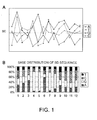
Fig. 1 shows the category scores. -
Fig. 2 shows the results of analyzing the distribution of all ORFs of the NBRC 103217 strain. -
Fig. 3 depicts a two-dimensional electrophoresis. -
Fig. 4 shows the results of MALDI-TOF MS. - The present invention provides shuttle vectors that are replicable and allow inducible expression of a foreign protein in microorganisms belonging to the genus Kocuria.
- Vectors of the present invention carry a DNA region that is replicable in microorganisms of the genus Kocuria, and a drug marker that confers drug resistance to microorganisms of the genus Kocuria. Vectors of the present invention are shuttle vector plasmids that can be replicated in microorganisms of the genus Kocuria, and are efficient vectors for expressing a foreign protein in microorganisms of the genus Kocuria.
- Shuttle vectors of the present invention include circular plasmids that can be obtained from the Kocuria varians NBRC15358 strain. By elucidating the DNA region involved in replication of these plasmids and producing plasmids containing that DNA region, such plasmids are replicable in microorganisms of the genus Kocuria.
- The replicable DNA region in microorganisms belonging to the genus Kocuria is not particularly limited as long as it is a region that enables a vector to be replicated when a vector containing the region is introduced into a microorganism of the genus Kocuria, and includes, for example, an autonomously replicating region derived from an endogenous plasmid vector pKV15358-1 (SEQ ID NO: 5) carried by the Kocuria varians strain. The autonomously replicating region derived from pKV15358-1 may be the full-length pKV15358-1, but to simplify the genetic manipulations it is preferably a portion of pKV15358-1. A portion of pKV15358-1 includes a region comprising the nucleotide sequence of SEQ ID NO: 1. Furthermore, as long as it can function in microorganisms of the genus Kocuria, it may be a DNA region comprising a sequence with one or several nucleotide substitutions, deletions, insertions, and/or such in the nucleotide sequence of SEQ ID NO: 1, or a DNA region that hybridizes under stringent conditions with a polynucleotide comprising the nucleotide sequence of SEQ ID NO: 1 or a probe that may be prepared from this sequence. Herein, "several" refers to, for example, two to 50, preferably two to ten, and more preferably two to five. Stringent conditions include washing conditions for conventional Southern hybridization, which are 60°C and a salt concentration corresponding to 1x SSC, and 0.1% SDS, or preferably 0.1x SSC, and 0.1% SDS. One or several nucleotide substitutions, deletions, and/or insertions can be carried out by techniques known to those skilled in the art at the time of filing the application.
- The above-described region necessary for autonomous replication in the pKV15358-1 vector can be identified by deletion experiments which use expression of an antibiotic resistance gene in antibiotic-sensitive host cells as an indicator. That is, after introducing a drug resistance gene such as a kanamycin resistance gene or an ampicillin resistance gene into the pKV15358-1 vector, the vector is digested with a single restriction enzyme or a combination of restriction enzymes that do not digest this gene, recircularized by a DNA ligase, and then used to transform drug-sensitive bacterial cells. Drug-resistant bacterial strains that are selected from these cells using drug resistance as the indicator carry the derived vector containing the autonomously replicating region of the pKV15358-1 vector; and the autonomously replicating region of the pKV15358-1 vector can be identified by comparing the restriction enzyme map of the vector.
- In the present invention, a drug marker that confers resistance to microorganisms of the genus Kocuria is not particularly limited as long as it is a gene that confers drug resistance when it is introduced into the bacteria, and includes, for example, a kanamycin resistance gene, an ampicillin resistance gene, a neomycin resistance gene, or a chloramphenicol resistance gene.
- Plasmid vectors of the present invention are vectors comprising the above-mentioned autonomously replicating region and a drug resistance marker, and such vectors specifically include pKV15358-2 (SEQ ID NO: 6). pKV15358-2 is a vector composed of a fragment comprising an autonomously replicating region obtained by cleaving the above-mentioned pKV15358-1 with the XbaI restriction enzyme, as well as a kanamycin resistance gene and such. The vector of the present invention may be a modified form of pKV15358-2. Examples of the modification include mutations at sites not involved in the replication ability or drug resistance, and deletions or substitutions of a portion of the restriction enzyme sites.
- A vector of the present invention may further comprise an SD sequence derived from a microorganism belonging to the genus Kocuria. The SD sequence is not particularly limited, but is preferably, for example, the SD sequence of SEQ ID NO: 2. Vectors further comprising an SD sequence include pKV15358-3 (SEQ ID NO: 7).
- Furthermore, a promoter that may function in microorganisms of the genus Kocuria can be further incorporated. The promoter is not particularly limited, and examples include a promoter that expresses a gene encoding superoxide dismutase.
- In the present invention, microorganisms belonging to the genus Kocuria are not particularly limited, but a preferred example includes Kocuria rhizophila NBRC 103217.
- The present invention relates to transformants produced by transforming a host with a shuttle vector for inducible expression in microorganisms of the genus Kocuria into which a foreign protein-encoding DNA is inserted.
- Furthermore, the present invention relates to methods for producing a foreign protein, which comprise the steps of culturing the above-mentioned transformants and isolating a foreign protein from the obtained culture.
- To express a foreign protein that one desires to express in microorganisms of the genus Kocuria using the present invention's shuttle vector for inducible expression in microorganisms of the genus Kocuria, it is necessary to produce a recombinant vector into which a DNA encoding the foreign protein is inserted into a vector of the present invention.
- Recombinant vectors of the present invention are produced by inserting a DNA encoding a foreign protein into the vectors of the present invention (for example, pKV15358-2 or pKV15358-3).
- In the present invention, the foreign protein that one desires to express is not particularly limited, and includes enzymes, hormones, cytokines, and prepared proteins. Preferred examples of the foreign protein of the present invention include a catalytic enzyme used when producing substances in non-aqueous systems (for example, in organic solvents). An example of the catalytic enzyme includes nitrilase and the vector into which the foreign protein is introduced includes pKV15358-4 (SEQ ID NO: 20).
- A transformant of the present invention can be produced by transforming a host with a vector of the present invention or a recombinant vector of the present invention. For example, the electroporation method, calcium phosphate method, and DEAE dextran method can be used as the method for transformation. As the host for expressing a foreign protein or host to be used for propagation and collection of vector plasmids, microorganisms of the genus Kocuria can be used.
- The present invention enables production of a foreign protein by culturing the above-described transformant and isolating the foreign protein from the obtained culture. As the method for culturing the transformant, one can appropriately select a method suitable for the microorganism of the genus Kocuria used as the host. In the method, culturing can be carried out in a non-aqueous system (for example, in an organic solvent).
- Expression of a foreign protein can be induced by the vector of the present invention using inducers (for example, ε-caprolactam and isovaleronitrile).
- In the present invention, "culture" refers to a material that can be obtained by culturing such as bacterial cells, culture, cell-free extract, and cell membrane. Cell-free extracts can be obtained, for example, by physically disrupting cultured bacterial cells using a homogenizer after adding a sodium phosphate buffer, then separating by centrifugation and collecting the supernatant so that undisrupted bacterial cells (cells) are not present. Cell membrane can be obtained by suspending the pellet obtained by the above-mentioned centrifugation in a solubilizing buffer.
- For a foreign protein of interest, a culture solution may be used as it is. Alternatively, a foreign protein of interest may be concentrated and purified using known methods such as dialysis and ammonium sulfate precipitation, or known methods such as various chromatographic methods such as gel filtration, ion exchange, and affinity chromatography alone or in combination.
- Furthermore, the present invention relates to a method for producing a substance of interest, wherein the above-mentioned transformant is used as a biological catalyst for producing the substance of interest in a non-aqueous reaction site.
- Non-aqueous system refers to a reaction site that is not 100% water, a reaction site having an arbitrary ratio of organic solvent and water, a reaction site which is a supercritical gas, or a reaction site which is an ionic liquid. Microorganisms of the genus Kocuria are microorganisms that maintain their cellular structure even in a non-aqueous system. Even when a chemical substance serving as a starting material of the substance of interest is contacted with a transformant of a microorganism of the genus Kocuria (used as a biocatalyst) in a non-aqueous reaction site, activity is not lost due to dissolution of the transformant and the substance of interest can be obtained with high productivity. In the present invention, the substance of interest is not particularly limited, and examples include mandelic acid and such.
- All prior art documents cited in this specification are incorporated herein by reference.
- The entire nucleotide sequence (2.7 Mb) of the Kocuria rhizophila NBRC 103217 strain genome was determined, and 2,356 ORFs were estimated from that nucleotide sequence.
- Based on the ORF information, the upstream and downstream sequences of the SD sequence that are most suitable for translation were predicted.
- Five nucleotides upstream and nine nucleotides downstream of each of the start codons for all ORFs (2,356 ORFs) predicted from the whole genome sequence (2,697,540 bp) of the Kocuria rhizophila NBRC 103217 strain were analyzed by
quantification theory type 2. In the analysis, as pseudo start codon data, codons ATG, GTG, and TTG which do not overlap with start codons were extracted with a frequency equivalent to that of the start codons. - Since the category scores (
Fig. 1 ) indicate importance of each nucleotide, "AACCT" (SEQ ID NO: 8), which is a sequence of nucleotides showing high scores at each position, was predicted to be the most suitable sequence immediately upstream of the start codon for translation. - Furthermore, since the sequence of the 3' end of 16S rRNA is AUCACCUCCUUUCU-3' (SEQ ID NO: 9), the SD sequence was predicted to be AGGAGG (SEQ ID NO: 10). As shown in
Fig. 2 , as a result of analyzing the distribution of the predicted sequences upstream and downstream sequences of the SD sequence in all ORFs of the NBRC 103217 strain, this also confirmed that there is a strong complementarity to the 3' end sequence of the 16S ribosomal RNA (nucleotide sequence ofpositions 3 to 7). The most frequent number of nucleotides in the sequence between the SD sequence and the start codon was 6 bp, but since 7 bp showed nearly the same value and 7 bp is often optimal in other microorganisms, 7 bp may be the optimal number of nucleotides between the SD sequence and the start codon. - Therefore, 5'-CTAGCAAGGAGGCCAACCT-3' (SEQ ID NO: 11) was predicted as the optimal upstream and downstream sequences of the SD sequence by combining the "AACCT" sequence (SEQ ID NO: 8) upstream of the start codon estimated from
quantification analysis type 2 with the results of distribution analysis of the upstream and downstream sequences of the SD sequence. - When introducing into an actual vector, an NdeI site which contains an ATG start codon was added to improve convenience at the time of gene introduction, and this was used as the final upstream and downstream sequences of the SD sequence
(5'-CTAGCAAGGAGGCCAACATATG-3', SEQ ID NO: 12). - Next, a transformation system of the Kocuria rhizophila NBRC 103217 strain was established using the EZ-TN5<KAN-2>Tnp transposon. It was found out that the efficiency of transformation is greatly improved by using the NBRC 10317 strain bacterial cells grown until OD600 = 0.7 in an LB medium containing 1.5% glycine as the competent cells, and after incubation at 35°C for five minutes, they are used for electroporation. Furthermore, when a transposon containing not only a kanamycin resistance gene which is a selection marker but also the GFP gene was constructed and the NBRC 103217 strain was transformed, a transformant carrying the GFP gene could be obtained even though the transformation efficiency was 3% of that when a transposon carries only the kanamycin resistance.
- Next, a plasmid vector that is replicable in the Kocuria rhizophila NBRC 103217 strain was prepared. Since the rescue plasmid (SEQ ID NO: 5) of the plasmid (pKV15358-1) derived from Kocuria varians NBRC 15358 is replicable in the Kocuria rhizophila NBRC 103217 strain, this plasmid was miniaturized and the upstream and downstream sequences of the SD sequence (SEQ ID NO: 2) found in Example 1 was further added to construct vector pKV15358-3 (4.3 kb) (SEQ ID NO: 7) for the Kocuria rhizophila NBRC 103217 strain.
- More specifically, the Kocuria varians NBRC15358 strain was cultured while shaking at 150 rpm in a 500-mL baffled conical flask containing 100 mL of LB medium at 30°C until the turbidity at 600 nm reached 8.0. Two-hundred milliliters of the culture solution was centrifuged (9,970 x g, 4°C, ten minutes) to collect the cells, and after washing with 15 mL of STE (10 mM Tris-HCl, 0.5 mM EDTA, 5 mM NaCl; pH 8.0), the cells were collected by centrifugation (9,970 x g, 4°C, ten minutes). From the obtained bacterial cells, plasmid DNA was extracted using the Qiagen Plasmid Maxi Kit (Qiagen). When using this kit, 4 mg/mL of lysozyme was added to Buffer P1, and after suspending the bacterial cells in this solution, this was incubated at 37°C for two hours. Operations thereafter were carried out according to the method recommended by the manufacturer.
- 25 mM MgCl2 was added to the obtained DNA solution (final 2 mM MgCl2), and then RingMaster Nuclease (Novagen) was added to achieve 0.5 U/µL. The contaminating chromosomal DNAs were removed by one hour reaction at 37°C. After completion of the reaction, the enzyme was inactivated by incubation at 75°C for ten minutes. Plasmid DNA was collected by ethanol precipitation, and dissolved in 20 µL of TE buffer (10 mM Tris-HCl, 1 mM EDTA; pH 8.0).
- To the obtained plasmid, a transposon was inserted according to the instructions for the EZ-Tn5 <R6Kγori / KAN-2> Insertion Kit (Epicentre). TransforMax EC100D pir Electrocompetent E. coli (Epicentre) was transformed using the reaction solution, and the transformants were selected on an LB agar plate containing 50 µg/mL kanamycin.
- From the six strains of obtained transformants, plasmid DNAs were prepared and the NBRC 103217 strain was transformed. Competent cells of the NBRC 103217 strain were prepared using bacterial cells obtained by growing this bacterial strain in shake culture at 30°C in a 500-mL baffled conical flask containing 100 mL of LB medium supplemented with 1.5% (w/v) glycine until the turbidity at 600 nm reached 0.7. The culture solution was centrifuged (1,400 x g, 4°C, ten minutes) to collect the bacterial cells, and the cells were washed twice with 200 mL and once with 35 mL of cooled sterilized water. The cells were further washed twice with 35 mL of 10% (v/v) glycerol solution, and suspended in 10% (v/v) glycerol solution so that the turbidity at 600 nm becomes approximately 50. The obtained bacterial cell suspension was dispensed into a 1.5 mL tube (100 µL/tube), and after freezing using liquid nitrogen, this was stored at -80°C.
- The competent cells were thawed on ice, 0.5 µg of DNA was added, and the NBRC 103217 strain was transformed using the electroporation method (800 Ω, 25 µF, 12.5 kV/cm) using Gene Pulser (Bio-rad). After electroporation and addition of 0.9 mL SOC medium, it was cultured while shaking (30°C, 150 rpm, 16 hours). Then, colonies obtained by 30°C culturing on an SOB agar plate containing 400 µg/mL kanamycin were selected.
- Of the six types of plasmids tested for introduction into the NBRC 103217 strain, the plasmid of interest was retained in the cases where four types of plasmids were used.
- Using the pKV15358-3 vector constructed in Example 2, a nitrilase gene derived from the Arthrobacter sp. F73 strain was expressed in the Kocuria rhizophila NBRC 103217 strain.
- To enable amplification of a DNA fragment with NdeI site added to the 5' end and XbaI site added to the 3' end of the nitrilase gene derived from Arthrobacter sp. F73 strain, two types of primers, F73Nit-309F-NdeI primer
(5'-GTGCATATGAGCGAGTACACCCAGCAATACCGCGTC-3', SEQ ID NO: 13) and F73Nit-1430R-XbaI primer (5'-TCCTCTAGATCAGAGCTGAACGGCCTCCTCCGAACGC-3', SEQ ID NO: 14) were designed. PCR was performed by adding 37.5 U/mL of Pfu turbo DNA polymerase to a reaction system containing 0.2 µM of each primer, 1 ng/µL of chromosomal DNA of the F-73 strain as a template, and 2.5% (v/v) DMSO. The PCR included incubation at 98°C for two minutes and thirty seconds, and then 30 cycles of a reaction consisting of three steps of 98°C for 30 seconds, 55°C for one minute, and 72°C for one minute and thirty seconds, followed by incubation at 72°C for ten minutes. The amplified DNA fragment was purified using the GFX PCR Purification Kit (GE Healthcare), and then digested with NdeI and XbaI, and ligated with plasmid pKV15358-3 digested with the same restriction enzymes. TransforMax EC100D pir Electrocompetent E. coli (Epicentre) was transformed with the obtained reaction solution, and transformants carrying the target pKV15358-4 plasmid were obtained from the strains grown in an LB medium containing 50 µg/mL kanamycin. - The NBRC 103217 strain was transformed using plasmid DNA extracted from these transformants to obtain NBRC 103217 strain transformants carrying these plasmids. For bacterial cells obtained by growing the strain in shake culture (250 rpm) at 20°C, 25°C, or 30°C in an LB medium containing 300 µg/mL kanamycin, nitrilase activity was investigated by using mandelonitrile present in the cells as a substrate.
- As a result, activity was not seen when grown at 30°C, but activity was observed when grown at 20°C and 25°C. The highest activity was observed when cultured at 25°C for 64 hours. For each bacterial cell, this was approximately 1% of that in E. coli (the activity of the NBRC 103217 strain bacterial cell suspension per OD600 = 1 was 6.1 mU/mL).
- When the same transformant was used in an ethyl acetate-water biphasic reaction in which mandelic acid production is not observed in E. coli, even in a system containing 60% ethyl acetate, it showed a 60% activity of that in an aqueous phase reaction. More specifically, the following examinations were carried out.
- The NBRC 103217 strain carrying pKV15358-5 (SEQ ID NO: 21) was cultured while shaking (150 rpm) for 144 hours in 100 mL of LB medium containing 300 µg/mL kanamycin (500-mL baffled conical flask), and the obtained culture solution (OD600 = 12.6) was centrifuged (2,300 x g, 4°C, ten minutes) to collect bacterial cells. Bacterial cells were suspended in 50 mM potassium phosphate buffer (pH 8.0), and bacterial cells were reacted with mandelonitrile as the substrate.
- The total volume (0.5 mL) of the reaction solution was prepared at 50% (v/v) ethyl acetate, 1 M mandelonitrile, and 50 mM potassium phosphate buffer (pH 8.0), and the bacterial cells were added so that OD600 = 10. The reaction was initiated by adding the bacterial cell suspension. Using a BioShaker M·BR-022UP (Taitec), the reaction solution was incubated at 30°C for two hours while shaking at 1,400 rpm. Then, the reaction system was homogenized by adding 0.5 mL of methanol, and centrifuged (20,400 x g, 4°C, ten minutes) to remove bacterial cells. The amount of mandelic acid contained in the obtained supernatant was quantified by HPLC. For the apparatus, LC-10ADvp (SHIMADZU) was used, and for the column, the Inertsil ODS-3 column (φ 4.6 x 150 mm, GL Sciences) was used. Analyses were carried out by setting the column temperature to 40°C, and passing 10 mM phosphoric acid-acetonitrile (55:45) as the eluent at a flow rate of 1 mL/min. The standard curve was produced using 0.02, 1, 5, 10, 15, 20, and 50 mM R-mandelic acid. The retention time was 2.2 minutes. The samples after completion of the bacterial cell reaction were diluted ten-fold using the eluent and subjected to HPLC. In the reaction using the K. rhizophila NBRC 103217 (pKV15358-5) bacterial cells in a solvent system of water/ethyl acetate = 1/1, 83.7 g/L of mandelic acid accumulated.
- Furthermore, to obtain a promoter for increasing the expression level of a foreign gene, superoxide dismutase was discovered as one of the proteins highly produced in the stationary phase of culture. It was revealed that expression of the nitrilase gene was increased 150 times when a promoter region that expresses the superoxide dismutase-encoding gene was identified, cloned, and introduced into a vector for the Kocuria rhizophila NBRC 103217 strain. More specifically, the following examinations were carried out.
- The Kocuria rhizophila NBRC 103217 strain was cultured while shaking at 150 rpm at 30°C in a 500-mL baffled conical flask containing 100 mL of LB medium until the turbidity at 600 nm reached 11 (65 hours). 20 mL of the culture solution was centrifuged (2,300 x g, 4°C, ten minutes) to collect bacterial cells, the cells were washed with 5 mL of STE (10 mM Tris-HCl, 0.5 mM EDTA, 5 mM NaCl; pH 8.0), and then centrifuged (2,300 x g, 4°C, ten minutes) to collect the cells. The obtained bacterial cells were stored at -30°C.
- Bacterial cells in 10 mL of culture solution were suspended in 0.7 mL of solubilizing buffer (10 mM Tris-HCl, 8 M urea, 4% (w/v) CHAPS, 60 mM DTT; pH 7.4), transferred to a 2-mL tube containing 0.5 mL of glass beads (φ 0.1 mm), and then the cells were disrupted using a Multi-Beads shocker (Yasui Kikai) (2,500 rpm, 4°C, 20 minutes). Supernatant obtained from centrifugation (20,400 x g, 4°C, ten minutes) was collected. Protein was purified from 100 µL of the obtained supernatant using the ReadyPrep 2-D Cleanup Kit (Bio-rad). The obtained protein was dissolved in 60 µL of swelling buffer (7 M urea, 2 M thiourea, 2% (w/v) CHAPS, 20 mM DTT, 0.2% (v/v) Biolyte 3-10, 0.039% (w/v) tris-(2-cyanoethyl)phosphine) to produce a protein solution for two-dimensional electrophoresis.
- Two-dimensional electrophoresis was carried out by subjecting 50 µg of the protein to isoelectric focusing using PROTEAN IEF Cell (Bio-rad). IPG ReadyStrip pH 3-10NL (7 cm, Bio-rad) was used for the isoelectric focusing electrophoresis gel. After the electrophoresis, the isoelectric focusing gel was removed, and this was subjected to SDS-PAGE using a 12.5% uniform gel. Thereafter, the gel was subjected to protein staining using SYPRO Ruby (Invitrogen), and then a large spot which appeared to be NBRC 103217-LAP1 was excised (
Fig. 3 ). - Tris-HCl (pH 8.0) containing trypsin was added to the excised gel slice, and this was incubated at 35°C for 20 hours. After the obtained reaction solution was desalted using ZipTip C18 (Millipore), this was mixed with a matrix (α-cyano-4-hydroxyxinnamic acid solution), and spotted onto a plate. After air drying, this was subjected to MALDI-TOF MS. Using Voyager-DE STR (Applied Biosystems) in the reflector mode, peptides with cationic m/z values of 800 to 4,000 were detected (
Fig. 4 ). Among proteins encoded by the ORFs of the NBRC 103217 strain, search for a protein predicted to be NBRC 103217-LAP1 was carried out using Mascot (Matrix science) based on the monoisotopic mass of the obtained peptides, and it is highly possible that the protein was KRH_00400 encoding superoxide dismutase (SodA). - Therefore, the superoxide dismutase gene sodA (KRH_00400) was found to be highly expressed in the NBRC 103217 strain. Accordingly, when searching for a promoter predicted upstream of this gene, sequences "TTGACC" (SEQ ID NO: 15) and "GACAGT" (SEQ ID NO: 16) showing similarity to the -35 region and -10 region of an E. coli-derived promoter were found 67 bp to 62 bp and 43 bp to 38 bp upstream of the sodA gene start codon, respectively. To amplify DNA fragments containing these promoter regions by PCR, gene0045-F1 primer (5'-GGCGTCGACCGAGGGTAGGGCGGGAGTG-3', SEQ ID NO: 17), gene0045-R1 primer (5'-TCGACTAGTGGCGTGATGGTTCAACTGTC-3', SEQ ID NO: 18), and gene0045-R2-v2 primer (5'-AGCCATATGGAAACATCCTTTCGTTTGCG-3', SEQ ID NO: 19) were prepared. Using 1 ng/µL of chromosomal DNA of the NBRC 103217 strain as the template, and either the gene0045-F1 and gene0045-R1 primer pair or the gene0045-F1 and gene0045-R2-v2 primer pair (0.2 µM each), PCR was performed by adding 25 U/mL of PrimeSTAR DNA Polymerase. The PCR was performed by incubation at 96°C for five minutes, and then 30 cycles of a reaction consisting of three steps of: 98°C for 10 seconds; 55°C for 15 seconds; and 72°C for thirty seconds, followed by incubation at 72°C for ten minutes. The obtained DNA fragments (PsodA1 and PsodA2) were purified using the GFX PCR Purification Kit (GE Healthcare), and then they were double-digested with SalI-SpeI and NdeI-SalI, respectively. The obtained DNA fragments were ligated with fragments each produced by digesting pKV15358-8 (SEQ ID NO: 24), which is a vector for promoter evaluation, with the same restriction enzymes. E. coli JM109 was transformed using the reaction solution, and transformants carrying the plasmids of interest, pKV15358-5 (SEQ ID NO: 21) and pKV15358-6 (SEQ ID NO: 22), were obtained from the strains grown in an LB medium containing 50 µg/mL kanamycin. Using plasmid DNAs extracted from the obtained transformants, the NBRC 103217 strain was transformed, and by culturing at 30°C on an SOB agar plate containing 400 µg/mL kanamycin, the NBRC 103217 strain transformants carrying each of the plasmids were obtained.
- When each of the obtained transformants were cultured while shaking (150 rpm) in 100 mL of an LB medium without kanamycin and an LB medium containing 300 µg/mL kanamycin (500-mL baffled conical flask), the NBRC 103217 strain transformant that carries pKV15358-5 with optimized upstream and downstream sequences of the SD sequences showed a nitrilase activity 86 times greater than that of the NBRC 103217 strain transformant carrying pKV15358-4 which does not contain an sodA-derived promoter (PsodA). Furthermore, in the NBRC 10317 strain, the transformant exhibited an activity three times greater than that of pKV15358-6, to which sodA's original upstream and downstream sequences of the SD sequence was added.
- To produce high-expression vectors for the NBRC 103217 strain, shuttle vectors of the NBRC 103217 strain and E. coli, which are the BspHI-NdeI fragment (2,309 bp) of pKV15358-9 (SEQ ID NO: 25) and the BspHI-NdeI fragment (1,253 bp) of pKV15358-5, were ligated. The reaction solutions were used to transform E. coli JM109, and from the strains grown in an LB medium containing 50 µg/mL kanamycin, the plasmids of interest pKV15358-5 and pKV15358-7 (SEQ ID NO: 23) were obtained as high-expression vectors for the NBRC 103217 strain.
- By introducing shuttle vectors developed by the present inventors into microorganisms belonging to the genus Kocuria which can maintain their cellular structure in non-aqueous systems, expression of a foreign protein of interest can be induced in non-aqueous systems. Furthermore, by using microorganisms introduced with a shuttle vector of the present invention, the activity of a foreign protein (for example, catalyst activity) can be expressed in a non-aqueous system.


Claims (9)
- A vector capable of expressing a foreign protein in a microorganism, which comprises a polynucleotide comprising the nucleotide sequence of SEQ ID NO: 1, or a polynucleotide that hybridizes under stringent conditions with a complementary strand of a polynucleotide comprising the nucleotide sequence of SEQ ID NO: 1.
- The vector of claim 1, wherein the vector additionally comprises a polynucleotide comprising the nucleotide sequence of SEQ ID NO: 2, or a polynucleotide that hybridizes under stringent conditions with a complementary strand of a polynucleotide comprising the nucleotide sequence of SEQ ID NO: 2.
- The vector of claim 1 or 2, wherein the vector additionally comprises a polynucleotide comprising the nucleotide sequence of SEQ ID NO: 3 or 4, or a polynucleotide that hybridizes under stringent conditions with a complementary strand of a polynucleotide comprising the nucleotide sequence of SEQ ID NO: 3 or 4.
- The vector of any one of claims 1 to 3, wherein the microorganism in which a foreign protein is expressed is a microorganism belonging to the genus Kocuria, the genus Micrococcus, or the genus Arthrobacter.
- The vector of claim 4, wherein the microorganism belonging to the genus Kocuria is the Kocuria rhizophila NBRC 103217 strain.
- A recombinant vector in which a DNA encoding a foreign protein is inserted into the vector of any one of claims 1 to 5.
- A transformant in which a host is transformed with the vector of any one of claims 1 to 5 and the recombinant vector of claim 6.
- A method for producing a foreign protein, which comprises the steps of culturing the transformant of claim 7 and isolating the foreign protein from the obtained culture.
- A method for producing a substance of interest, wherein the transformant of claim 7 is used as a biocatalyst for producing the substance of interest in a non-aqueous reaction site.
Applications Claiming Priority (2)
| Application Number | Priority Date | Filing Date | Title |
|---|---|---|---|
| JP2009004905A JP5284804B2 (en) | 2009-01-13 | 2009-01-13 | New expression vector |
| PCT/JP2010/050245 WO2010082572A1 (en) | 2009-01-13 | 2010-01-13 | Novel expression vector |
Publications (2)
| Publication Number | Publication Date |
|---|---|
| EP2388321A1 true EP2388321A1 (en) | 2011-11-23 |
| EP2388321A4 EP2388321A4 (en) | 2012-07-25 |
Family
ID=42339826
Family Applications (1)
| Application Number | Title | Priority Date | Filing Date |
|---|---|---|---|
| EP10731241A Withdrawn EP2388321A4 (en) | 2009-01-13 | 2010-01-13 | NEW EXPRESSION VECTOR |
Country Status (5)
| Country | Link |
|---|---|
| US (1) | US20120142050A1 (en) |
| EP (1) | EP2388321A4 (en) |
| JP (1) | JP5284804B2 (en) |
| CN (1) | CN102348797A (en) |
| WO (1) | WO2010082572A1 (en) |
Families Citing this family (1)
| Publication number | Priority date | Publication date | Assignee | Title |
|---|---|---|---|---|
| JP5807866B2 (en) | 2010-03-31 | 2015-11-10 | 国立研究開発法人海洋研究開発機構 | Plasmid vector |
-
2009
- 2009-01-13 JP JP2009004905A patent/JP5284804B2/en not_active Expired - Fee Related
-
2010
- 2010-01-13 US US13/144,176 patent/US20120142050A1/en not_active Abandoned
- 2010-01-13 EP EP10731241A patent/EP2388321A4/en not_active Withdrawn
- 2010-01-13 CN CN2010800113669A patent/CN102348797A/en active Pending
- 2010-01-13 WO PCT/JP2010/050245 patent/WO2010082572A1/en not_active Ceased
Non-Patent Citations (3)
| Title |
|---|
| GRONES J ET AL: "Transformation of microorganisms with the plasmid vector with the replicon from pAC1 from Acetobacter pasteurianus.", BIOCHEMICAL AND BIOPHYSICAL RESEARCH COMMUNICATIONS 26 JAN 1995 LNKD- PUBMED:7832808, vol. 206, no. 3, 26 January 1995 (1995-01-26), pages 942-947, XP002677139, ISSN: 0006-291X * |
| SANDU CRISTINEL ET AL: "Plasmids for nicotine-dependent and -independent gene expression in Arthrobacter nicotinovorans and other arthrobacter species.", APPLIED AND ENVIRONMENTAL MICROBIOLOGY DEC 2005 LNKD- PUBMED:16332890, vol. 71, no. 12, December 2005 (2005-12), pages 8920-8924, XP002677140, ISSN: 0099-2240 * |
| See also references of WO2010082572A1 * |
Also Published As
| Publication number | Publication date |
|---|---|
| JP2010161946A (en) | 2010-07-29 |
| WO2010082572A1 (en) | 2010-07-22 |
| JP5284804B2 (en) | 2013-09-11 |
| US20120142050A1 (en) | 2012-06-07 |
| EP2388321A4 (en) | 2012-07-25 |
| CN102348797A (en) | 2012-02-08 |
Similar Documents
| Publication | Publication Date | Title |
|---|---|---|
| CN104745556B (en) | One kind restructuring halide alcohol dehalogenase, mutant, engineering bacteria and its application | |
| US11884951B2 (en) | Method for producing RNA | |
| Ujiie et al. | Extracellular production of Pseudozyma (Candida) antarctica lipase B with genuine primary sequence in recombinant Escherichia coli | |
| CN104152425B (en) | A kind of thermophilic esterase and the application in degraded PAEs thereof | |
| CN115725529B (en) | A fluoridase mutant and a microbial cell displaying fluoridase on the cell surface and applications thereof | |
| EP2388321A1 (en) | Novel expression vector | |
| CN117836415A (en) | Systems and methods for transposing cargo nucleotide sequences | |
| CN106032543B (en) | A kind of method for preparing S-cyanohydrin | |
| JP5030579B2 (en) | Expression vector for Rhodococcus bacteria | |
| CN116396949A (en) | A fusion protein with dual PET hydrolase activity and method for degrading PET | |
| JP2021100434A (en) | Vector for microorganism of genus streptomyces | |
| Hou et al. | A rapid in situ immobilization of d-amino acid oxidase based on immobilized metal affinity chromatography | |
| JP4180862B2 (en) | Inducible high expression system | |
| Yin et al. | Refolding with simultaneous purification of recombinant Serratia marcescens lipase by one-step ultrasonication process | |
| CN110234761B (en) | Diphosphate mevalonate decarboxylase variant, and method for producing an olefin compound utilizing the variant | |
| US20150072898A1 (en) | Broad Host Range Expression Vector for Diverse Prokaryotes | |
| CN119286809B (en) | Penicillin G expandase mutant and polynucleotide, expression vector, and use | |
| RU2846583C1 (en) | Recombinant plasmid dna pb2k_t5_sumo_hrv_3c, providing synthesis of chimeric protein sumo-hrv_3c in escherichia coli cells and recombinant escherichia coli krx/pb2k_t5_sumo_hrv_3c strain, which produces chimeric protein sumo-hrv_3c used to produce recombinant picornaine 3c a28 enzyme used to cleave fused proteins and affinity tags | |
| CN112626042B (en) | Oxidoreductase and its design, preparation methods and applications | |
| JP5334044B2 (en) | D-aminoacylase and method for producing D-amino acid using the same | |
| CN121136945A (en) | A halogenating enzyme derived from symbiotic microorganisms of deep-sea mussels and its application | |
| CN115838745A (en) | A linear DNA template suitable for cell-free synthesis of restriction endonuclease BsaI, system and use thereof | |
| CN121950748A (en) | RNA polymerase variants and uses thereof | |
| JP6120066B2 (en) | Novel nuclease and its gene | |
| CN116042588A (en) | Preparation method and application of recombinant creatinase |
Legal Events
| Date | Code | Title | Description |
|---|---|---|---|
| PUAI | Public reference made under article 153(3) epc to a published international application that has entered the european phase |
Free format text: ORIGINAL CODE: 0009012 |
|
| 17P | Request for examination filed |
Effective date: 20110810 |
|
| AK | Designated contracting states |
Kind code of ref document: A1 Designated state(s): AT BE BG CH CY CZ DE DK EE ES FI FR GB GR HR HU IE IS IT LI LT LU LV MC MK MT NL NO PL PT RO SE SI SK SM TR |
|
| DAX | Request for extension of the european patent (deleted) | ||
| RIC1 | Information provided on ipc code assigned before grant |
Ipc: C12P 21/02 20060101ALI20120613BHEP Ipc: C12N 9/78 20060101ALI20120613BHEP Ipc: C12N 1/21 20060101ALI20120613BHEP Ipc: C12N 1/15 20060101ALI20120613BHEP Ipc: C12N 1/19 20060101ALI20120613BHEP Ipc: C12N 15/09 20060101AFI20120613BHEP Ipc: C12N 15/74 20060101ALI20120613BHEP Ipc: C12N 5/10 20060101ALI20120613BHEP Ipc: C12P 7/40 20060101ALI20120613BHEP |
|
| A4 | Supplementary search report drawn up and despatched |
Effective date: 20120625 |
|
| 17Q | First examination report despatched |
Effective date: 20130226 |
|
| STAA | Information on the status of an ep patent application or granted ep patent |
Free format text: STATUS: THE APPLICATION IS DEEMED TO BE WITHDRAWN |
|
| 18D | Application deemed to be withdrawn |
Effective date: 20130709 |