EP2385934B1 - Inhibitors of phosphatidylinositol-3-kinase (pi3) and inducers of nitric oxide (no) - Google Patents
Inhibitors of phosphatidylinositol-3-kinase (pi3) and inducers of nitric oxide (no) Download PDFInfo
- Publication number
- EP2385934B1 EP2385934B1 EP10703198.1A EP10703198A EP2385934B1 EP 2385934 B1 EP2385934 B1 EP 2385934B1 EP 10703198 A EP10703198 A EP 10703198A EP 2385934 B1 EP2385934 B1 EP 2385934B1
- Authority
- EP
- European Patent Office
- Prior art keywords
- compound
- compounds
- cells
- nmr
- cdcl
- Prior art date
- Legal status (The legal status is an assumption and is not a legal conclusion. Google has not performed a legal analysis and makes no representation as to the accuracy of the status listed.)
- Not-in-force
Links
- MWUXSHHQAYIFBG-UHFFFAOYSA-N Nitric oxide Chemical compound O=[N] MWUXSHHQAYIFBG-UHFFFAOYSA-N 0.000 title claims description 45
- 108091007960 PI3Ks Proteins 0.000 title claims description 22
- 102000003993 Phosphatidylinositol 3-kinases Human genes 0.000 title claims description 22
- 108090000430 Phosphatidylinositol 3-kinases Proteins 0.000 title claims description 22
- 239000003112 inhibitor Substances 0.000 title description 2
- 239000000411 inducer Substances 0.000 title 1
- 150000001875 compounds Chemical class 0.000 claims description 178
- 206010028980 Neoplasm Diseases 0.000 claims description 51
- 201000011510 cancer Diseases 0.000 claims description 29
- 238000011282 treatment Methods 0.000 claims description 22
- 230000036210 malignancy Effects 0.000 claims description 19
- 230000037361 pathway Effects 0.000 claims description 14
- 208000031261 Acute myeloid leukaemia Diseases 0.000 claims description 10
- 208000033776 Myeloid Acute Leukemia Diseases 0.000 claims description 10
- 230000005764 inhibitory process Effects 0.000 claims description 9
- 208000032791 BCR-ABL1 positive chronic myelogenous leukemia Diseases 0.000 claims description 8
- 208000010833 Chronic myeloid leukaemia Diseases 0.000 claims description 8
- 241000124008 Mammalia Species 0.000 claims description 8
- 208000033761 Myelogenous Chronic BCR-ABL Positive Leukemia Diseases 0.000 claims description 8
- 230000037396 body weight Effects 0.000 claims description 8
- 208000006664 Precursor Cell Lymphoblastic Leukemia-Lymphoma Diseases 0.000 claims description 7
- 208000024893 Acute lymphoblastic leukemia Diseases 0.000 claims description 6
- 208000014697 Acute lymphocytic leukaemia Diseases 0.000 claims description 6
- 210000000481 breast Anatomy 0.000 claims description 6
- 210000000496 pancreas Anatomy 0.000 claims description 5
- 210000002307 prostate Anatomy 0.000 claims description 5
- 229940125773 compound 10 Drugs 0.000 claims description 4
- ZLVXBBHTMQJRSX-VMGNSXQWSA-N jdtic Chemical compound C1([C@]2(C)CCN(C[C@@H]2C)C[C@H](C(C)C)NC(=O)[C@@H]2NCC3=CC(O)=CC=C3C2)=CC=CC(O)=C1 ZLVXBBHTMQJRSX-VMGNSXQWSA-N 0.000 claims description 4
- SZUVGFMDDVSKSI-WIFOCOSTSA-N (1s,2s,3s,5r)-1-(carboxymethyl)-3,5-bis[(4-phenoxyphenyl)methyl-propylcarbamoyl]cyclopentane-1,2-dicarboxylic acid Chemical compound O=C([C@@H]1[C@@H]([C@](CC(O)=O)([C@H](C(=O)N(CCC)CC=2C=CC(OC=3C=CC=CC=3)=CC=2)C1)C(O)=O)C(O)=O)N(CCC)CC(C=C1)=CC=C1OC1=CC=CC=C1 SZUVGFMDDVSKSI-WIFOCOSTSA-N 0.000 claims description 3
- GHYOCDFICYLMRF-UTIIJYGPSA-N (2S,3R)-N-[(2S)-3-(cyclopenten-1-yl)-1-[(2R)-2-methyloxiran-2-yl]-1-oxopropan-2-yl]-3-hydroxy-3-(4-methoxyphenyl)-2-[[(2S)-2-[(2-morpholin-4-ylacetyl)amino]propanoyl]amino]propanamide Chemical compound C1(=CCCC1)C[C@@H](C(=O)[C@@]1(OC1)C)NC([C@H]([C@@H](C1=CC=C(C=C1)OC)O)NC([C@H](C)NC(CN1CCOCC1)=O)=O)=O GHYOCDFICYLMRF-UTIIJYGPSA-N 0.000 claims description 3
- VIMVUWLHPXPEDL-UHFFFAOYSA-N 2-(3,4-dihydroxyphenyl)-2-methylpropanenitrile Chemical compound N#CC(C)(C)C1=CC=C(O)C(O)=C1 VIMVUWLHPXPEDL-UHFFFAOYSA-N 0.000 claims description 3
- UDIDTFDXKLLBKF-UHFFFAOYSA-N 5-(2-methylbut-3-en-2-yl)-1,3-benzodioxole Chemical compound C=CC(C)(C)C1=CC=C2OCOC2=C1 UDIDTFDXKLLBKF-UHFFFAOYSA-N 0.000 claims description 3
- 229940125797 compound 12 Drugs 0.000 claims description 3
- 229940126543 compound 14 Drugs 0.000 claims description 3
- 230000006698 induction Effects 0.000 claims description 3
- 238000007918 intramuscular administration Methods 0.000 claims description 3
- 238000001990 intravenous administration Methods 0.000 claims description 3
- 238000007920 subcutaneous administration Methods 0.000 claims description 3
- 210000004027 cell Anatomy 0.000 description 71
- HEDRZPFGACZZDS-MICDWDOJSA-N Trichloro(2H)methane Chemical compound [2H]C(Cl)(Cl)Cl HEDRZPFGACZZDS-MICDWDOJSA-N 0.000 description 66
- FHEHIXJLCWUPCZ-UHFFFAOYSA-N 4-prop-2-enylbenzene-1,2-diol Chemical compound OC1=CC=C(CC=C)C=C1O FHEHIXJLCWUPCZ-UHFFFAOYSA-N 0.000 description 63
- RTZKZFJDLAIYFH-UHFFFAOYSA-N Diethyl ether Chemical compound CCOCC RTZKZFJDLAIYFH-UHFFFAOYSA-N 0.000 description 59
- 239000000203 mixture Substances 0.000 description 44
- HEDRZPFGACZZDS-UHFFFAOYSA-N Chloroform Chemical compound ClC(Cl)Cl HEDRZPFGACZZDS-UHFFFAOYSA-N 0.000 description 40
- 238000002360 preparation method Methods 0.000 description 35
- 239000011541 reaction mixture Substances 0.000 description 32
- 229940125904 compound 1 Drugs 0.000 description 31
- 239000003208 petroleum Substances 0.000 description 31
- 238000005160 1H NMR spectroscopy Methods 0.000 description 25
- 239000000243 solution Substances 0.000 description 25
- VYPSYNLAJGMNEJ-UHFFFAOYSA-N Silicium dioxide Chemical compound O=[Si]=O VYPSYNLAJGMNEJ-UHFFFAOYSA-N 0.000 description 23
- 239000000741 silica gel Substances 0.000 description 20
- 229910002027 silica gel Inorganic materials 0.000 description 20
- 125000003118 aryl group Chemical group 0.000 description 19
- 150000003839 salts Chemical class 0.000 description 19
- WYURNTSHIVDZCO-UHFFFAOYSA-N Tetrahydrofuran Chemical compound C1CCOC1 WYURNTSHIVDZCO-UHFFFAOYSA-N 0.000 description 16
- OKKJLVBELUTLKV-UHFFFAOYSA-N Methanol Chemical compound OC OKKJLVBELUTLKV-UHFFFAOYSA-N 0.000 description 15
- 230000006907 apoptotic process Effects 0.000 description 14
- 239000007788 liquid Substances 0.000 description 14
- 210000003819 peripheral blood mononuclear cell Anatomy 0.000 description 14
- XLYOFNOQVPJJNP-UHFFFAOYSA-N water Substances O XLYOFNOQVPJJNP-UHFFFAOYSA-N 0.000 description 14
- 239000002904 solvent Substances 0.000 description 13
- 238000001644 13C nuclear magnetic resonance spectroscopy Methods 0.000 description 12
- CSCPPACGZOOCGX-UHFFFAOYSA-N Acetone Chemical compound CC(C)=O CSCPPACGZOOCGX-UHFFFAOYSA-N 0.000 description 12
- YMWUJEATGCHHMB-UHFFFAOYSA-N Dichloromethane Chemical compound ClCCl YMWUJEATGCHHMB-UHFFFAOYSA-N 0.000 description 12
- PMZURENOXWZQFD-UHFFFAOYSA-L Sodium Sulfate Chemical compound [Na+].[Na+].[O-]S([O-])(=O)=O PMZURENOXWZQFD-UHFFFAOYSA-L 0.000 description 11
- 230000000694 effects Effects 0.000 description 11
- SRCZQMGIVIYBBJ-UHFFFAOYSA-N ethoxyethane;ethyl acetate Chemical compound CCOCC.CCOC(C)=O SRCZQMGIVIYBBJ-UHFFFAOYSA-N 0.000 description 11
- 108020004459 Small interfering RNA Proteins 0.000 description 10
- IPZJQDSFZGZEOY-UHFFFAOYSA-N dimethylmethylene Chemical compound C[C]C IPZJQDSFZGZEOY-UHFFFAOYSA-N 0.000 description 10
- 238000001727 in vivo Methods 0.000 description 10
- 238000000034 method Methods 0.000 description 10
- 239000003921 oil Substances 0.000 description 10
- 235000019198 oils Nutrition 0.000 description 10
- -1 2-(3,4-dihydroxyphenyl)-2-methylpropanal oxime Compound Chemical class 0.000 description 9
- XEKOWRVHYACXOJ-UHFFFAOYSA-N Ethyl acetate Chemical compound CCOC(C)=O XEKOWRVHYACXOJ-UHFFFAOYSA-N 0.000 description 9
- 108010075520 Nitric Oxide Synthase Type III Proteins 0.000 description 9
- 102100028452 Nitric oxide synthase, endothelial Human genes 0.000 description 9
- 238000006243 chemical reaction Methods 0.000 description 9
- 230000012010 growth Effects 0.000 description 9
- 239000001963 growth medium Substances 0.000 description 9
- 238000004519 manufacturing process Methods 0.000 description 9
- 230000017074 necrotic cell death Effects 0.000 description 9
- 239000007787 solid Substances 0.000 description 9
- 239000000725 suspension Substances 0.000 description 9
- OKKJLVBELUTLKV-MZCSYVLQSA-N Deuterated methanol Chemical compound [2H]OC([2H])([2H])[2H] OKKJLVBELUTLKV-MZCSYVLQSA-N 0.000 description 8
- LFQSCWFLJHTTHZ-UHFFFAOYSA-N Ethanol Chemical compound CCO LFQSCWFLJHTTHZ-UHFFFAOYSA-N 0.000 description 8
- 208000033962 Fontaine progeroid syndrome Diseases 0.000 description 8
- 241000699670 Mus sp. Species 0.000 description 8
- JUJWROOIHBZHMG-UHFFFAOYSA-N Pyridine Chemical compound C1=CC=NC=C1 JUJWROOIHBZHMG-UHFFFAOYSA-N 0.000 description 8
- 238000004440 column chromatography Methods 0.000 description 8
- 239000012153 distilled water Substances 0.000 description 8
- XJMOSONTPMZWPB-UHFFFAOYSA-M propidium iodide Chemical compound [I-].[I-].C12=CC(N)=CC=C2C2=CC=C(N)C=C2[N+](CCC[N+](C)(CC)CC)=C1C1=CC=CC=C1 XJMOSONTPMZWPB-UHFFFAOYSA-M 0.000 description 8
- 238000000746 purification Methods 0.000 description 8
- YLQBMQCUIZJEEH-UHFFFAOYSA-N tetrahydrofuran Natural products C=1C=COC=1 YLQBMQCUIZJEEH-UHFFFAOYSA-N 0.000 description 8
- VHYFNPMBLIVWCW-UHFFFAOYSA-N 4-Dimethylaminopyridine Chemical compound CN(C)C1=CC=NC=C1 VHYFNPMBLIVWCW-UHFFFAOYSA-N 0.000 description 7
- 239000002253 acid Substances 0.000 description 7
- 238000002290 gas chromatography-mass spectrometry Methods 0.000 description 7
- 238000001819 mass spectrum Methods 0.000 description 7
- BWHMMNNQKKPAPP-UHFFFAOYSA-L potassium carbonate Chemical compound [K+].[K+].[O-]C([O-])=O BWHMMNNQKKPAPP-UHFFFAOYSA-L 0.000 description 7
- 239000003826 tablet Substances 0.000 description 7
- 206010006187 Breast cancer Diseases 0.000 description 6
- 201000009030 Carcinoma Diseases 0.000 description 6
- 240000008154 Piper betle Species 0.000 description 6
- 235000008180 Piper betle Nutrition 0.000 description 6
- YXFVVABEGXRONW-UHFFFAOYSA-N Toluene Chemical compound CC1=CC=CC=C1 YXFVVABEGXRONW-UHFFFAOYSA-N 0.000 description 6
- YCIMNLLNPGFGHC-UHFFFAOYSA-N catechol Chemical compound OC1=CC=CC=C1O YCIMNLLNPGFGHC-UHFFFAOYSA-N 0.000 description 6
- 239000000706 filtrate Substances 0.000 description 6
- 238000009472 formulation Methods 0.000 description 6
- HQKMJHAJHXVSDF-UHFFFAOYSA-L magnesium stearate Chemical compound [Mg+2].CCCCCCCCCCCCCCCCCC([O-])=O.CCCCCCCCCCCCCCCCCC([O-])=O HQKMJHAJHXVSDF-UHFFFAOYSA-L 0.000 description 6
- LEHBURLTIWGHEM-UHFFFAOYSA-N pyridinium chlorochromate Chemical compound [O-][Cr](Cl)(=O)=O.C1=CC=[NH+]C=C1 LEHBURLTIWGHEM-UHFFFAOYSA-N 0.000 description 6
- 208000026310 Breast neoplasm Diseases 0.000 description 5
- MHAJPDPJQMAIIY-UHFFFAOYSA-N Hydrogen peroxide Chemical compound OO MHAJPDPJQMAIIY-UHFFFAOYSA-N 0.000 description 5
- 239000013058 crude material Substances 0.000 description 5
- 239000003937 drug carrier Substances 0.000 description 5
- 230000002269 spontaneous effect Effects 0.000 description 5
- 238000001890 transfection Methods 0.000 description 5
- 239000003981 vehicle Substances 0.000 description 5
- WFDIJRYMOXRFFG-UHFFFAOYSA-N Acetic anhydride Chemical compound CC(=O)OC(C)=O WFDIJRYMOXRFFG-UHFFFAOYSA-N 0.000 description 4
- 108090000672 Annexin A5 Proteins 0.000 description 4
- 102000004121 Annexin A5 Human genes 0.000 description 4
- 206010003445 Ascites Diseases 0.000 description 4
- IAZDPXIOMUYVGZ-UHFFFAOYSA-N Dimethylsulphoxide Chemical compound CS(C)=O IAZDPXIOMUYVGZ-UHFFFAOYSA-N 0.000 description 4
- 239000004480 active ingredient Substances 0.000 description 4
- BHELZAPQIKSEDF-UHFFFAOYSA-N allyl bromide Chemical compound BrCC=C BHELZAPQIKSEDF-UHFFFAOYSA-N 0.000 description 4
- 239000012267 brine Substances 0.000 description 4
- 239000002775 capsule Substances 0.000 description 4
- 238000002425 crystallisation Methods 0.000 description 4
- 230000008025 crystallization Effects 0.000 description 4
- 239000008273 gelatin Substances 0.000 description 4
- 229920000159 gelatin Polymers 0.000 description 4
- OLBAYJUQWFSQAY-UHFFFAOYSA-N hydroxychavicol acetate Natural products CC(=O)OC1=CC=C(CC=C)C=C1OC(C)=O OLBAYJUQWFSQAY-UHFFFAOYSA-N 0.000 description 4
- 238000000338 in vitro Methods 0.000 description 4
- 238000002347 injection Methods 0.000 description 4
- 239000007924 injection Substances 0.000 description 4
- ZCSHNCUQKCANBX-UHFFFAOYSA-N lithium diisopropylamide Chemical compound [Li+].CC(C)[N-]C(C)C ZCSHNCUQKCANBX-UHFFFAOYSA-N 0.000 description 4
- 239000012299 nitrogen atmosphere Substances 0.000 description 4
- 231100000252 nontoxic Toxicity 0.000 description 4
- 230000003000 nontoxic effect Effects 0.000 description 4
- 239000012044 organic layer Substances 0.000 description 4
- 239000008194 pharmaceutical composition Substances 0.000 description 4
- 229910000027 potassium carbonate Inorganic materials 0.000 description 4
- 239000000843 powder Substances 0.000 description 4
- 102000004169 proteins and genes Human genes 0.000 description 4
- 108090000623 proteins and genes Proteins 0.000 description 4
- UMJSCPRVCHMLSP-UHFFFAOYSA-N pyridine Natural products COC1=CC=CN=C1 UMJSCPRVCHMLSP-UHFFFAOYSA-N 0.000 description 4
- 230000019491 signal transduction Effects 0.000 description 4
- HPALAKNZSZLMCH-UHFFFAOYSA-M sodium;chloride;hydrate Chemical compound O.[Na+].[Cl-] HPALAKNZSZLMCH-UHFFFAOYSA-M 0.000 description 4
- 238000003756 stirring Methods 0.000 description 4
- 239000000126 substance Substances 0.000 description 4
- 238000004809 thin layer chromatography Methods 0.000 description 4
- 229960000549 4-dimethylaminophenol Drugs 0.000 description 3
- 108091003079 Bovine Serum Albumin Proteins 0.000 description 3
- 108010010803 Gelatin Proteins 0.000 description 3
- 241000699660 Mus musculus Species 0.000 description 3
- 229940088382 Nitric oxide scavenger Drugs 0.000 description 3
- 206010061902 Pancreatic neoplasm Diseases 0.000 description 3
- DNIAPMSPPWPWGF-UHFFFAOYSA-N Propylene glycol Chemical compound CC(O)CO DNIAPMSPPWPWGF-UHFFFAOYSA-N 0.000 description 3
- 239000000654 additive Substances 0.000 description 3
- 230000001640 apoptogenic effect Effects 0.000 description 3
- 229940126142 compound 16 Drugs 0.000 description 3
- JNGZXGGOCLZBFB-IVCQMTBJSA-N compound E Chemical compound N([C@@H](C)C(=O)N[C@@H]1C(N(C)C2=CC=CC=C2C(C=2C=CC=CC=2)=N1)=O)C(=O)CC1=CC(F)=CC(F)=C1 JNGZXGGOCLZBFB-IVCQMTBJSA-N 0.000 description 3
- UAOMVDZJSHZZME-UHFFFAOYSA-N diisopropylamine Chemical compound CC(C)NC(C)C UAOMVDZJSHZZME-UHFFFAOYSA-N 0.000 description 3
- 239000002552 dosage form Substances 0.000 description 3
- 238000007876 drug discovery Methods 0.000 description 3
- 235000019441 ethanol Nutrition 0.000 description 3
- 238000002474 experimental method Methods 0.000 description 3
- 239000012091 fetal bovine serum Substances 0.000 description 3
- 238000000684 flow cytometry Methods 0.000 description 3
- 235000019322 gelatine Nutrition 0.000 description 3
- 235000011852 gelatine desserts Nutrition 0.000 description 3
- FVIZARNDLVOMSU-UHFFFAOYSA-N ginsenoside K Natural products C1CC(C2(CCC3C(C)(C)C(O)CCC3(C)C2CC2O)C)(C)C2C1C(C)(CCC=C(C)C)OC1OC(CO)C(O)C(O)C1O FVIZARNDLVOMSU-UHFFFAOYSA-N 0.000 description 3
- 150000007857 hydrazones Chemical class 0.000 description 3
- 239000010410 layer Substances 0.000 description 3
- 235000019359 magnesium stearate Nutrition 0.000 description 3
- 208000015486 malignant pancreatic neoplasm Diseases 0.000 description 3
- 239000000463 material Substances 0.000 description 3
- 108010082117 matrigel Proteins 0.000 description 3
- 230000001404 mediated effect Effects 0.000 description 3
- 238000002844 melting Methods 0.000 description 3
- 230000008018 melting Effects 0.000 description 3
- 239000000401 methanolic extract Substances 0.000 description 3
- 125000002496 methyl group Chemical group [H]C([H])([H])* 0.000 description 3
- VLKZOEOYAKHREP-UHFFFAOYSA-N n-Hexane Chemical compound CCCCCC VLKZOEOYAKHREP-UHFFFAOYSA-N 0.000 description 3
- 230000007935 neutral effect Effects 0.000 description 3
- 238000011580 nude mouse model Methods 0.000 description 3
- 201000002528 pancreatic cancer Diseases 0.000 description 3
- 208000008443 pancreatic carcinoma Diseases 0.000 description 3
- 239000002245 particle Substances 0.000 description 3
- 238000012746 preparative thin layer chromatography Methods 0.000 description 3
- 239000003755 preservative agent Substances 0.000 description 3
- 239000000651 prodrug Substances 0.000 description 3
- 229940002612 prodrug Drugs 0.000 description 3
- LVTJOONKWUXEFR-FZRMHRINSA-N protoneodioscin Natural products O(C[C@@H](CC[C@]1(O)[C@H](C)[C@@H]2[C@]3(C)[C@H]([C@H]4[C@@H]([C@]5(C)C(=CC4)C[C@@H](O[C@@H]4[C@H](O[C@H]6[C@@H](O)[C@@H](O)[C@@H](O)[C@H](C)O6)[C@@H](O)[C@H](O[C@H]6[C@@H](O)[C@@H](O)[C@@H](O)[C@H](C)O6)[C@H](CO)O4)CC5)CC3)C[C@@H]2O1)C)[C@H]1[C@H](O)[C@H](O)[C@H](O)[C@@H](CO)O1 LVTJOONKWUXEFR-FZRMHRINSA-N 0.000 description 3
- 238000011160 research Methods 0.000 description 3
- 229920006395 saturated elastomer Polymers 0.000 description 3
- 239000011734 sodium Substances 0.000 description 3
- 239000000600 sorbitol Substances 0.000 description 3
- 235000010356 sorbitol Nutrition 0.000 description 3
- 230000003595 spectral effect Effects 0.000 description 3
- 235000000346 sugar Nutrition 0.000 description 3
- 239000006188 syrup Substances 0.000 description 3
- 235000020357 syrup Nutrition 0.000 description 3
- 239000000454 talc Substances 0.000 description 3
- 235000012222 talc Nutrition 0.000 description 3
- 229910052623 talc Inorganic materials 0.000 description 3
- 230000035899 viability Effects 0.000 description 3
- AOSZTAHDEDLTLQ-AZKQZHLXSA-N (1S,2S,4R,8S,9S,11S,12R,13S,19S)-6-[(3-chlorophenyl)methyl]-12,19-difluoro-11-hydroxy-8-(2-hydroxyacetyl)-9,13-dimethyl-6-azapentacyclo[10.8.0.02,9.04,8.013,18]icosa-14,17-dien-16-one Chemical compound C([C@@H]1C[C@H]2[C@H]3[C@]([C@]4(C=CC(=O)C=C4[C@@H](F)C3)C)(F)[C@@H](O)C[C@@]2([C@@]1(C1)C(=O)CO)C)N1CC1=CC=CC(Cl)=C1 AOSZTAHDEDLTLQ-AZKQZHLXSA-N 0.000 description 2
- UNILWMWFPHPYOR-KXEYIPSPSA-M 1-[6-[2-[3-[3-[3-[2-[2-[3-[[2-[2-[[(2r)-1-[[2-[[(2r)-1-[3-[2-[2-[3-[[2-(2-amino-2-oxoethoxy)acetyl]amino]propoxy]ethoxy]ethoxy]propylamino]-3-hydroxy-1-oxopropan-2-yl]amino]-2-oxoethyl]amino]-3-[(2r)-2,3-di(hexadecanoyloxy)propyl]sulfanyl-1-oxopropan-2-yl Chemical compound O=C1C(SCCC(=O)NCCCOCCOCCOCCCNC(=O)COCC(=O)N[C@@H](CSC[C@@H](COC(=O)CCCCCCCCCCCCCCC)OC(=O)CCCCCCCCCCCCCCC)C(=O)NCC(=O)N[C@H](CO)C(=O)NCCCOCCOCCOCCCNC(=O)COCC(N)=O)CC(=O)N1CCNC(=O)CCCCCN\1C2=CC=C(S([O-])(=O)=O)C=C2CC/1=C/C=C/C=C/C1=[N+](CC)C2=CC=C(S([O-])(=O)=O)C=C2C1 UNILWMWFPHPYOR-KXEYIPSPSA-M 0.000 description 2
- ACPIOQKVNYLGJL-UHFFFAOYSA-N 2-(1,3-benzodioxol-5-yl)-2-methylpropanal Chemical compound O=CC(C)(C)C1=CC=C2OCOC2=C1 ACPIOQKVNYLGJL-UHFFFAOYSA-N 0.000 description 2
- JKMHFZQWWAIEOD-UHFFFAOYSA-N 2-[4-(2-hydroxyethyl)piperazin-1-yl]ethanesulfonic acid Chemical compound OCC[NH+]1CCN(CCS([O-])(=O)=O)CC1 JKMHFZQWWAIEOD-UHFFFAOYSA-N 0.000 description 2
- NLXLAEXVIDQMFP-UHFFFAOYSA-N Ammonia chloride Chemical compound [NH4+].[Cl-] NLXLAEXVIDQMFP-UHFFFAOYSA-N 0.000 description 2
- FMMWHPNWAFZXNH-UHFFFAOYSA-N Benz[a]pyrene Chemical compound C1=C2C3=CC=CC=C3C=C(C=C3)C2=C2C3=CC=CC2=C1 FMMWHPNWAFZXNH-UHFFFAOYSA-N 0.000 description 2
- VTYYLEPIZMXCLO-UHFFFAOYSA-L Calcium carbonate Chemical compound [Ca+2].[O-]C([O-])=O VTYYLEPIZMXCLO-UHFFFAOYSA-L 0.000 description 2
- 102100035882 Catalase Human genes 0.000 description 2
- 108010053835 Catalase Proteins 0.000 description 2
- 229940126657 Compound 17 Drugs 0.000 description 2
- 229940126062 Compound A Drugs 0.000 description 2
- 229920002261 Corn starch Polymers 0.000 description 2
- FBPFZTCFMRRESA-FSIIMWSLSA-N D-Glucitol Natural products OC[C@H](O)[C@H](O)[C@@H](O)[C@H](O)CO FBPFZTCFMRRESA-FSIIMWSLSA-N 0.000 description 2
- IAZDPXIOMUYVGZ-WFGJKAKNSA-N Dimethyl sulfoxide Chemical compound [2H]C([2H])([2H])S(=O)C([2H])([2H])[2H] IAZDPXIOMUYVGZ-WFGJKAKNSA-N 0.000 description 2
- 108010040476 FITC-annexin A5 Proteins 0.000 description 2
- 238000002738 Giemsa staining Methods 0.000 description 2
- WQZGKKKJIJFFOK-GASJEMHNSA-N Glucose Natural products OC[C@H]1OC(O)[C@H](O)[C@@H](O)[C@@H]1O WQZGKKKJIJFFOK-GASJEMHNSA-N 0.000 description 2
- NLDMNSXOCDLTTB-UHFFFAOYSA-N Heterophylliin A Natural products O1C2COC(=O)C3=CC(O)=C(O)C(O)=C3C3=C(O)C(O)=C(O)C=C3C(=O)OC2C(OC(=O)C=2C=C(O)C(O)=C(O)C=2)C(O)C1OC(=O)C1=CC(O)=C(O)C(O)=C1 NLDMNSXOCDLTTB-UHFFFAOYSA-N 0.000 description 2
- GUBGYTABKSRVRQ-QKKXKWKRSA-N Lactose Natural products OC[C@H]1O[C@@H](O[C@H]2[C@H](O)[C@@H](O)C(O)O[C@@H]2CO)[C@H](O)[C@@H](O)[C@H]1O GUBGYTABKSRVRQ-QKKXKWKRSA-N 0.000 description 2
- 235000010643 Leucaena leucocephala Nutrition 0.000 description 2
- 240000007472 Leucaena leucocephala Species 0.000 description 2
- 229910010084 LiAlH4 Inorganic materials 0.000 description 2
- 241000699666 Mus <mouse, genus> Species 0.000 description 2
- LRHPLDYGYMQRHN-UHFFFAOYSA-N N-Butanol Chemical compound CCCCO LRHPLDYGYMQRHN-UHFFFAOYSA-N 0.000 description 2
- 238000005481 NMR spectroscopy Methods 0.000 description 2
- 102100029438 Nitric oxide synthase, inducible Human genes 0.000 description 2
- 101710089543 Nitric oxide synthase, inducible Proteins 0.000 description 2
- 206010060862 Prostate cancer Diseases 0.000 description 2
- 208000000236 Prostatic Neoplasms Diseases 0.000 description 2
- 102000001708 Protein Isoforms Human genes 0.000 description 2
- 108010029485 Protein Isoforms Proteins 0.000 description 2
- UIIMBOGNXHQVGW-UHFFFAOYSA-M Sodium bicarbonate Chemical compound [Na+].OC([O-])=O UIIMBOGNXHQVGW-UHFFFAOYSA-M 0.000 description 2
- DBMJMQXJHONAFJ-UHFFFAOYSA-M Sodium laurylsulphate Chemical compound [Na+].CCCCCCCCCCCCOS([O-])(=O)=O DBMJMQXJHONAFJ-UHFFFAOYSA-M 0.000 description 2
- 229920002472 Starch Polymers 0.000 description 2
- GLNADSQYFUSGOU-GPTZEZBUSA-J Trypan blue Chemical compound [Na+].[Na+].[Na+].[Na+].C1=C(S([O-])(=O)=O)C=C2C=C(S([O-])(=O)=O)C(/N=N/C3=CC=C(C=C3C)C=3C=C(C(=CC=3)\N=N\C=3C(=CC4=CC(=CC(N)=C4C=3O)S([O-])(=O)=O)S([O-])(=O)=O)C)=C(O)C2=C1N GLNADSQYFUSGOU-GPTZEZBUSA-J 0.000 description 2
- 230000002378 acidificating effect Effects 0.000 description 2
- 150000007513 acids Chemical class 0.000 description 2
- 230000004913 activation Effects 0.000 description 2
- 230000001154 acute effect Effects 0.000 description 2
- VSCWAEJMTAWNJL-UHFFFAOYSA-K aluminium trichloride Chemical compound Cl[Al](Cl)Cl VSCWAEJMTAWNJL-UHFFFAOYSA-K 0.000 description 2
- 238000004458 analytical method Methods 0.000 description 2
- 230000001093 anti-cancer Effects 0.000 description 2
- 230000002790 anti-mutagenic effect Effects 0.000 description 2
- 239000003963 antioxidant agent Substances 0.000 description 2
- 238000003556 assay Methods 0.000 description 2
- 230000015572 biosynthetic process Effects 0.000 description 2
- 210000004369 blood Anatomy 0.000 description 2
- 239000008280 blood Substances 0.000 description 2
- 239000001768 carboxy methyl cellulose Substances 0.000 description 2
- 230000003197 catalytic effect Effects 0.000 description 2
- 230000025084 cell cycle arrest Effects 0.000 description 2
- 230000030833 cell death Effects 0.000 description 2
- 229920002678 cellulose Polymers 0.000 description 2
- 239000001913 cellulose Substances 0.000 description 2
- 235000010980 cellulose Nutrition 0.000 description 2
- 239000003795 chemical substances by application Substances 0.000 description 2
- 230000002113 chemopreventative effect Effects 0.000 description 2
- 239000003086 colorant Substances 0.000 description 2
- 229940125782 compound 2 Drugs 0.000 description 2
- 229940126214 compound 3 Drugs 0.000 description 2
- 238000001816 cooling Methods 0.000 description 2
- 239000003085 diluting agent Substances 0.000 description 2
- 230000008034 disappearance Effects 0.000 description 2
- 201000010099 disease Diseases 0.000 description 2
- 208000037265 diseases, disorders, signs and symptoms Diseases 0.000 description 2
- 239000002270 dispersing agent Substances 0.000 description 2
- 239000003814 drug Substances 0.000 description 2
- 238000002330 electrospray ionisation mass spectrometry Methods 0.000 description 2
- 238000010828 elution Methods 0.000 description 2
- 239000003995 emulsifying agent Substances 0.000 description 2
- 239000000839 emulsion Substances 0.000 description 2
- 239000002158 endotoxin Substances 0.000 description 2
- DEFVIWRASFVYLL-UHFFFAOYSA-N ethylene glycol bis(2-aminoethyl)tetraacetic acid Chemical compound OC(=O)CN(CC(O)=O)CCOCCOCCN(CC(O)=O)CC(O)=O DEFVIWRASFVYLL-UHFFFAOYSA-N 0.000 description 2
- RRAFCDWBNXTKKO-UHFFFAOYSA-N eugenol Chemical compound COC1=CC(CC=C)=CC=C1O RRAFCDWBNXTKKO-UHFFFAOYSA-N 0.000 description 2
- 230000007717 exclusion Effects 0.000 description 2
- 239000000284 extract Substances 0.000 description 2
- 239000000945 filler Substances 0.000 description 2
- 239000000796 flavoring agent Substances 0.000 description 2
- MHMNJMPURVTYEJ-UHFFFAOYSA-N fluorescein-5-isothiocyanate Chemical compound O1C(=O)C2=CC(N=C=S)=CC=C2C21C1=CC=C(O)C=C1OC1=CC(O)=CC=C21 MHMNJMPURVTYEJ-UHFFFAOYSA-N 0.000 description 2
- 239000006260 foam Substances 0.000 description 2
- 239000008103 glucose Substances 0.000 description 2
- 238000011534 incubation Methods 0.000 description 2
- 230000001939 inductive effect Effects 0.000 description 2
- 239000012442 inert solvent Substances 0.000 description 2
- INQOMBQAUSQDDS-UHFFFAOYSA-N iodomethane Chemical compound IC INQOMBQAUSQDDS-UHFFFAOYSA-N 0.000 description 2
- 239000008101 lactose Substances 0.000 description 2
- 229920006008 lipopolysaccharide Polymers 0.000 description 2
- 239000012280 lithium aluminium hydride Substances 0.000 description 2
- 239000007937 lozenge Substances 0.000 description 2
- 239000000314 lubricant Substances 0.000 description 2
- 208000003747 lymphoid leukemia Diseases 0.000 description 2
- 238000005259 measurement Methods 0.000 description 2
- 239000002609 medium Substances 0.000 description 2
- 230000001338 necrotic effect Effects 0.000 description 2
- 230000009826 neoplastic cell growth Effects 0.000 description 2
- 150000007524 organic acids Chemical class 0.000 description 2
- 235000005985 organic acids Nutrition 0.000 description 2
- 239000000546 pharmaceutical excipient Substances 0.000 description 2
- 229920001592 potato starch Polymers 0.000 description 2
- 235000018102 proteins Nutrition 0.000 description 2
- 239000000523 sample Substances 0.000 description 2
- 230000035945 sensitivity Effects 0.000 description 2
- 235000019333 sodium laurylsulphate Nutrition 0.000 description 2
- 238000004611 spectroscopical analysis Methods 0.000 description 2
- 238000010186 staining Methods 0.000 description 2
- 235000019698 starch Nutrition 0.000 description 2
- 239000007858 starting material Substances 0.000 description 2
- 150000008163 sugars Chemical class 0.000 description 2
- 230000001629 suppression Effects 0.000 description 2
- 239000000375 suspending agent Substances 0.000 description 2
- 238000003786 synthesis reaction Methods 0.000 description 2
- 238000012360 testing method Methods 0.000 description 2
- 230000001225 therapeutic effect Effects 0.000 description 2
- FYSNRJHAOHDILO-UHFFFAOYSA-N thionyl chloride Chemical compound ClS(Cl)=O FYSNRJHAOHDILO-UHFFFAOYSA-N 0.000 description 2
- 210000001519 tissue Anatomy 0.000 description 2
- GGUBFICZYGKNTD-UHFFFAOYSA-N triethyl phosphonoacetate Chemical compound CCOC(=O)CP(=O)(OCC)OCC GGUBFICZYGKNTD-UHFFFAOYSA-N 0.000 description 2
- 210000004881 tumor cell Anatomy 0.000 description 2
- 238000001262 western blot Methods 0.000 description 2
- 239000012130 whole-cell lysate Substances 0.000 description 2
- QFLWZFQWSBQYPS-AWRAUJHKSA-N (3S)-3-[[(2S)-2-[[(2S)-2-[5-[(3aS,6aR)-2-oxo-1,3,3a,4,6,6a-hexahydrothieno[3,4-d]imidazol-4-yl]pentanoylamino]-3-methylbutanoyl]amino]-3-(4-hydroxyphenyl)propanoyl]amino]-4-[1-bis(4-chlorophenoxy)phosphorylbutylamino]-4-oxobutanoic acid Chemical compound CCCC(NC(=O)[C@H](CC(O)=O)NC(=O)[C@H](Cc1ccc(O)cc1)NC(=O)[C@@H](NC(=O)CCCCC1SC[C@@H]2NC(=O)N[C@H]12)C(C)C)P(=O)(Oc1ccc(Cl)cc1)Oc1ccc(Cl)cc1 QFLWZFQWSBQYPS-AWRAUJHKSA-N 0.000 description 1
- IWZSHWBGHQBIML-ZGGLMWTQSA-N (3S,8S,10R,13S,14S,17S)-17-isoquinolin-7-yl-N,N,10,13-tetramethyl-2,3,4,7,8,9,11,12,14,15,16,17-dodecahydro-1H-cyclopenta[a]phenanthren-3-amine Chemical compound CN(C)[C@H]1CC[C@]2(C)C3CC[C@@]4(C)[C@@H](CC[C@@H]4c4ccc5ccncc5c4)[C@@H]3CC=C2C1 IWZSHWBGHQBIML-ZGGLMWTQSA-N 0.000 description 1
- MZOFCQQQCNRIBI-VMXHOPILSA-N (3s)-4-[[(2s)-1-[[(2s)-1-[[(1s)-1-carboxy-2-hydroxyethyl]amino]-4-methyl-1-oxopentan-2-yl]amino]-5-(diaminomethylideneamino)-1-oxopentan-2-yl]amino]-3-[[2-[[(2s)-2,6-diaminohexanoyl]amino]acetyl]amino]-4-oxobutanoic acid Chemical compound OC[C@@H](C(O)=O)NC(=O)[C@H](CC(C)C)NC(=O)[C@H](CCCN=C(N)N)NC(=O)[C@H](CC(O)=O)NC(=O)CNC(=O)[C@@H](N)CCCCN MZOFCQQQCNRIBI-VMXHOPILSA-N 0.000 description 1
- ZORQXIQZAOLNGE-UHFFFAOYSA-N 1,1-difluorocyclohexane Chemical compound FC1(F)CCCCC1 ZORQXIQZAOLNGE-UHFFFAOYSA-N 0.000 description 1
- ONBQEOIKXPHGMB-VBSBHUPXSA-N 1-[2-[(2s,3r,4s,5r)-3,4-dihydroxy-5-(hydroxymethyl)oxolan-2-yl]oxy-4,6-dihydroxyphenyl]-3-(4-hydroxyphenyl)propan-1-one Chemical compound O[C@@H]1[C@H](O)[C@@H](CO)O[C@H]1OC1=CC(O)=CC(O)=C1C(=O)CCC1=CC=C(O)C=C1 ONBQEOIKXPHGMB-VBSBHUPXSA-N 0.000 description 1
- UUFQTNFCRMXOAE-UHFFFAOYSA-N 1-methylmethylene Chemical compound C[CH] UUFQTNFCRMXOAE-UHFFFAOYSA-N 0.000 description 1
- IIZPXYDJLKNOIY-JXPKJXOSSA-N 1-palmitoyl-2-arachidonoyl-sn-glycero-3-phosphocholine Chemical compound CCCCCCCCCCCCCCCC(=O)OC[C@H](COP([O-])(=O)OCC[N+](C)(C)C)OC(=O)CCC\C=C/C\C=C/C\C=C/C\C=C/CCCCC IIZPXYDJLKNOIY-JXPKJXOSSA-N 0.000 description 1
- PPGNSVHWVIRQLC-UHFFFAOYSA-N 2-(1,3-benzodioxol-5-yl)-2-methylpropan-1-ol Chemical compound OCC(C)(C)C1=CC=C2OCOC2=C1 PPGNSVHWVIRQLC-UHFFFAOYSA-N 0.000 description 1
- ODVLMCWNGKLROU-UHFFFAOYSA-N 2-(1,3-benzodioxol-5-yl)acetic acid Chemical compound OC(=O)CC1=CC=C2OCOC2=C1 ODVLMCWNGKLROU-UHFFFAOYSA-N 0.000 description 1
- UAIUNKRWKOVEES-UHFFFAOYSA-N 3,3',5,5'-tetramethylbenzidine Chemical compound CC1=C(N)C(C)=CC(C=2C=C(C)C(N)=C(C)C=2)=C1 UAIUNKRWKOVEES-UHFFFAOYSA-N 0.000 description 1
- RUHPVABIDKCXIA-UHFFFAOYSA-N 3,5-dimethoxy-4-(3-methylbut-2-enoxy)benzaldehyde Chemical compound COC1=CC(C=O)=CC(OC)=C1OCC=C(C)C RUHPVABIDKCXIA-UHFFFAOYSA-N 0.000 description 1
- PARWTEYYJSDGQM-UHFFFAOYSA-N 3-prop-2-enylbenzene-1,2-diol Chemical compound OC1=CC=CC(CC=C)=C1O PARWTEYYJSDGQM-UHFFFAOYSA-N 0.000 description 1
- LRUFROQLKSHGMA-UHFFFAOYSA-N 4-(1-hydroxyimino-2-methylpropan-2-yl)benzene-1,2-diol Chemical compound ON=CC(C)(C)C1=CC=C(O)C(O)=C1 LRUFROQLKSHGMA-UHFFFAOYSA-N 0.000 description 1
- SCTPZNJTGOGSQD-UHFFFAOYSA-N 4-propylbenzene-1,2-diol Chemical compound CCCC1=CC=C(O)C(O)=C1 SCTPZNJTGOGSQD-UHFFFAOYSA-N 0.000 description 1
- ARSRBNBHOADGJU-UHFFFAOYSA-N 7,12-dimethyltetraphene Chemical compound C1=CC2=CC=CC=C2C2=C1C(C)=C(C=CC=C1)C1=C2C ARSRBNBHOADGJU-UHFFFAOYSA-N 0.000 description 1
- ZCYVEMRRCGMTRW-UHFFFAOYSA-N 7553-56-2 Chemical compound [I] ZCYVEMRRCGMTRW-UHFFFAOYSA-N 0.000 description 1
- 230000007730 Akt signaling Effects 0.000 description 1
- 235000019489 Almond oil Nutrition 0.000 description 1
- GUBGYTABKSRVRQ-XLOQQCSPSA-N Alpha-Lactose Chemical compound O[C@@H]1[C@@H](O)[C@@H](O)[C@@H](CO)O[C@H]1O[C@@H]1[C@@H](CO)O[C@H](O)[C@H](O)[C@H]1O GUBGYTABKSRVRQ-XLOQQCSPSA-N 0.000 description 1
- QGZKDVFQNNGYKY-UHFFFAOYSA-O Ammonium Chemical compound [NH4+] QGZKDVFQNNGYKY-UHFFFAOYSA-O 0.000 description 1
- 241000416162 Astragalus gummifer Species 0.000 description 1
- COVZYZSDYWQREU-UHFFFAOYSA-N Busulfan Chemical compound CS(=O)(=O)OCCCCOS(C)(=O)=O COVZYZSDYWQREU-UHFFFAOYSA-N 0.000 description 1
- OJRUSAPKCPIVBY-KQYNXXCUSA-N C1=NC2=C(N=C(N=C2N1[C@H]3[C@@H]([C@@H]([C@H](O3)COP(=O)(CP(=O)(O)O)O)O)O)I)N Chemical compound C1=NC2=C(N=C(N=C2N1[C@H]3[C@@H]([C@@H]([C@H](O3)COP(=O)(CP(=O)(O)O)O)O)O)I)N OJRUSAPKCPIVBY-KQYNXXCUSA-N 0.000 description 1
- 0 CC(C)(C=*)c(cc1)cc2c1OCO2 Chemical compound CC(C)(C=*)c(cc1)cc2c1OCO2 0.000 description 1
- OYPRJOBELJOOCE-UHFFFAOYSA-N Calcium Chemical compound [Ca] OYPRJOBELJOOCE-UHFFFAOYSA-N 0.000 description 1
- 229920002134 Carboxymethyl cellulose Polymers 0.000 description 1
- 208000024172 Cardiovascular disease Diseases 0.000 description 1
- NPBVQXIMTZKSBA-UHFFFAOYSA-N Chavibetol Natural products COC1=CC=C(CC=C)C=C1O NPBVQXIMTZKSBA-UHFFFAOYSA-N 0.000 description 1
- 102000004127 Cytokines Human genes 0.000 description 1
- 108090000695 Cytokines Proteins 0.000 description 1
- FBPFZTCFMRRESA-JGWLITMVSA-N D-glucitol Chemical compound OC[C@H](O)[C@@H](O)[C@H](O)[C@H](O)CO FBPFZTCFMRRESA-JGWLITMVSA-N 0.000 description 1
- 239000001856 Ethyl cellulose Substances 0.000 description 1
- ZZSNKZQZMQGXPY-UHFFFAOYSA-N Ethyl cellulose Chemical compound CCOCC1OC(OC)C(OCC)C(OCC)C1OC1C(O)C(O)C(OC)C(CO)O1 ZZSNKZQZMQGXPY-UHFFFAOYSA-N 0.000 description 1
- 239000005770 Eugenol Substances 0.000 description 1
- 229920001917 Ficoll Polymers 0.000 description 1
- 238000005033 Fourier transform infrared spectroscopy Methods 0.000 description 1
- 239000007995 HEPES buffer Substances 0.000 description 1
- 241000282412 Homo Species 0.000 description 1
- 239000004354 Hydroxyethyl cellulose Substances 0.000 description 1
- 229920000663 Hydroxyethyl cellulose Polymers 0.000 description 1
- AVXURJPOCDRRFD-UHFFFAOYSA-N Hydroxylamine Chemical compound ON AVXURJPOCDRRFD-UHFFFAOYSA-N 0.000 description 1
- 206010020751 Hypersensitivity Diseases 0.000 description 1
- DGAQECJNVWCQMB-PUAWFVPOSA-M Ilexoside XXIX Chemical compound C[C@@H]1CC[C@@]2(CC[C@@]3(C(=CC[C@H]4[C@]3(CC[C@@H]5[C@@]4(CC[C@@H](C5(C)C)OS(=O)(=O)[O-])C)C)[C@@H]2[C@]1(C)O)C)C(=O)O[C@H]6[C@@H]([C@H]([C@@H]([C@H](O6)CO)O)O)O.[Na+] DGAQECJNVWCQMB-PUAWFVPOSA-M 0.000 description 1
- 102000013462 Interleukin-12 Human genes 0.000 description 1
- 108010065805 Interleukin-12 Proteins 0.000 description 1
- 208000028018 Lymphocytic leukaemia Diseases 0.000 description 1
- 235000019759 Maize starch Nutrition 0.000 description 1
- 241001465754 Metazoa Species 0.000 description 1
- 229920000168 Microcrystalline cellulose Polymers 0.000 description 1
- 229920000715 Mucilage Polymers 0.000 description 1
- GXCLVBGFBYZDAG-UHFFFAOYSA-N N-[2-(1H-indol-3-yl)ethyl]-N-methylprop-2-en-1-amine Chemical compound CN(CCC1=CNC2=C1C=CC=C2)CC=C GXCLVBGFBYZDAG-UHFFFAOYSA-N 0.000 description 1
- 102000003945 NF-kappa B Human genes 0.000 description 1
- 108010057466 NF-kappa B Proteins 0.000 description 1
- 229910017912 NH2OH Inorganic materials 0.000 description 1
- 206010029096 Neoplasm prostate Diseases 0.000 description 1
- 206010029098 Neoplasm skin Diseases 0.000 description 1
- 244000061176 Nicotiana tabacum Species 0.000 description 1
- 235000002637 Nicotiana tabacum Nutrition 0.000 description 1
- 102100022397 Nitric oxide synthase, brain Human genes 0.000 description 1
- 101710111444 Nitric oxide synthase, brain Proteins 0.000 description 1
- 239000012828 PI3K inhibitor Substances 0.000 description 1
- 239000002202 Polyethylene glycol Substances 0.000 description 1
- 239000004793 Polystyrene Substances 0.000 description 1
- ZLMJMSJWJFRBEC-UHFFFAOYSA-N Potassium Chemical compound [K] ZLMJMSJWJFRBEC-UHFFFAOYSA-N 0.000 description 1
- 102100038277 Prostaglandin G/H synthase 1 Human genes 0.000 description 1
- 108050003243 Prostaglandin G/H synthase 1 Proteins 0.000 description 1
- 102000004005 Prostaglandin-endoperoxide synthases Human genes 0.000 description 1
- 108090000459 Prostaglandin-endoperoxide synthases Proteins 0.000 description 1
- UVMRYBDEERADNV-UHFFFAOYSA-N Pseudoeugenol Natural products COC1=CC(C(C)=C)=CC=C1O UVMRYBDEERADNV-UHFFFAOYSA-N 0.000 description 1
- 230000006295 S-nitrosylation Effects 0.000 description 1
- 208000000453 Skin Neoplasms Diseases 0.000 description 1
- VMHLLURERBWHNL-UHFFFAOYSA-M Sodium acetate Chemical compound [Na+].CC([O-])=O VMHLLURERBWHNL-UHFFFAOYSA-M 0.000 description 1
- 235000021355 Stearic acid Nutrition 0.000 description 1
- 229930006000 Sucrose Natural products 0.000 description 1
- CZMRCDWAGMRECN-UGDNZRGBSA-N Sucrose Chemical compound O[C@H]1[C@H](O)[C@@H](CO)O[C@@]1(CO)O[C@@H]1[C@H](O)[C@@H](O)[C@H](O)[C@@H](CO)O1 CZMRCDWAGMRECN-UGDNZRGBSA-N 0.000 description 1
- OUUQCZGPVNCOIJ-UHFFFAOYSA-M Superoxide Chemical compound [O-][O] OUUQCZGPVNCOIJ-UHFFFAOYSA-M 0.000 description 1
- 229920001615 Tragacanth Polymers 0.000 description 1
- 108060008682 Tumor Necrosis Factor Proteins 0.000 description 1
- 102000000852 Tumor Necrosis Factor-alpha Human genes 0.000 description 1
- LUBHBRSXNOSCGU-UHFFFAOYSA-N [2-acetyloxy-4-(1-acetyloxyimino-2-methylpropan-2-yl)phenyl] acetate Chemical compound CC(=O)ON=CC(C)(C)C1=CC=C(OC(C)=O)C(OC(C)=O)=C1 LUBHBRSXNOSCGU-UHFFFAOYSA-N 0.000 description 1
- ZVQOOHYFBIDMTQ-UHFFFAOYSA-N [methyl(oxido){1-[6-(trifluoromethyl)pyridin-3-yl]ethyl}-lambda(6)-sulfanylidene]cyanamide Chemical compound N#CN=S(C)(=O)C(C)C1=CC=C(C(F)(F)F)N=C1 ZVQOOHYFBIDMTQ-UHFFFAOYSA-N 0.000 description 1
- 230000005856 abnormality Effects 0.000 description 1
- 238000010521 absorption reaction Methods 0.000 description 1
- DPXJVFZANSGRMM-UHFFFAOYSA-N acetic acid;2,3,4,5,6-pentahydroxyhexanal;sodium Chemical compound [Na].CC(O)=O.OCC(O)C(O)C(O)C(O)C=O DPXJVFZANSGRMM-UHFFFAOYSA-N 0.000 description 1
- TUCNEACPLKLKNU-UHFFFAOYSA-N acetyl Chemical compound C[C]=O TUCNEACPLKLKNU-UHFFFAOYSA-N 0.000 description 1
- WETWJCDKMRHUPV-UHFFFAOYSA-N acetyl chloride Chemical compound CC(Cl)=O WETWJCDKMRHUPV-UHFFFAOYSA-N 0.000 description 1
- 239000012346 acetyl chloride Substances 0.000 description 1
- 239000011149 active material Substances 0.000 description 1
- 230000000996 additive effect Effects 0.000 description 1
- 239000000853 adhesive Substances 0.000 description 1
- 208000026935 allergic disease Diseases 0.000 description 1
- 230000007815 allergy Effects 0.000 description 1
- 239000008168 almond oil Substances 0.000 description 1
- XAGFODPZIPBFFR-UHFFFAOYSA-N aluminium Chemical compound [Al] XAGFODPZIPBFFR-UHFFFAOYSA-N 0.000 description 1
- 229910052782 aluminium Inorganic materials 0.000 description 1
- CEGOLXSVJUTHNZ-UHFFFAOYSA-K aluminium tristearate Chemical compound [Al+3].CCCCCCCCCCCCCCCCCC([O-])=O.CCCCCCCCCCCCCCCCCC([O-])=O.CCCCCCCCCCCCCCCCCC([O-])=O CEGOLXSVJUTHNZ-UHFFFAOYSA-K 0.000 description 1
- 229940063655 aluminum stearate Drugs 0.000 description 1
- 150000001413 amino acids Chemical class 0.000 description 1
- 230000003217 anti-cancerogenic effect Effects 0.000 description 1
- 230000003110 anti-inflammatory effect Effects 0.000 description 1
- 230000000259 anti-tumor effect Effects 0.000 description 1
- 230000003078 antioxidant effect Effects 0.000 description 1
- 238000013459 approach Methods 0.000 description 1
- 239000008346 aqueous phase Substances 0.000 description 1
- 239000007864 aqueous solution Substances 0.000 description 1
- 239000008135 aqueous vehicle Substances 0.000 description 1
- 206010003246 arthritis Diseases 0.000 description 1
- 230000008901 benefit Effects 0.000 description 1
- WPYMKLBDIGXBTP-UHFFFAOYSA-N benzoic acid group Chemical group C(C1=CC=CC=C1)(=O)O WPYMKLBDIGXBTP-UHFFFAOYSA-N 0.000 description 1
- SESFRYSPDFLNCH-UHFFFAOYSA-N benzyl benzoate Chemical compound C=1C=CC=CC=1C(=O)OCC1=CC=CC=C1 SESFRYSPDFLNCH-UHFFFAOYSA-N 0.000 description 1
- WQZGKKKJIJFFOK-VFUOTHLCSA-N beta-D-glucose Chemical compound OC[C@H]1O[C@@H](O)[C@H](O)[C@@H](O)[C@@H]1O WQZGKKKJIJFFOK-VFUOTHLCSA-N 0.000 description 1
- 239000011230 binding agent Substances 0.000 description 1
- 238000002306 biochemical method Methods 0.000 description 1
- 201000008274 breast adenocarcinoma Diseases 0.000 description 1
- 201000008275 breast carcinoma Diseases 0.000 description 1
- 239000011575 calcium Substances 0.000 description 1
- 229910052791 calcium Inorganic materials 0.000 description 1
- 229910000019 calcium carbonate Inorganic materials 0.000 description 1
- 235000010216 calcium carbonate Nutrition 0.000 description 1
- 239000001506 calcium phosphate Substances 0.000 description 1
- 229910000389 calcium phosphate Inorganic materials 0.000 description 1
- 235000011010 calcium phosphates Nutrition 0.000 description 1
- 230000005880 cancer cell killing Effects 0.000 description 1
- 150000001720 carbohydrates Chemical class 0.000 description 1
- 235000014633 carbohydrates Nutrition 0.000 description 1
- 235000010948 carboxy methyl cellulose Nutrition 0.000 description 1
- 239000008112 carboxymethyl-cellulose Substances 0.000 description 1
- 231100000357 carcinogen Toxicity 0.000 description 1
- 239000003183 carcinogenic agent Substances 0.000 description 1
- 230000010261 cell growth Effects 0.000 description 1
- 230000004663 cell proliferation Effects 0.000 description 1
- 239000006285 cell suspension Substances 0.000 description 1
- 230000003833 cell viability Effects 0.000 description 1
- 229920002301 cellulose acetate Polymers 0.000 description 1
- 238000005119 centrifugation Methods 0.000 description 1
- 239000003153 chemical reaction reagent Substances 0.000 description 1
- 238000002512 chemotherapy Methods 0.000 description 1
- 230000001684 chronic effect Effects 0.000 description 1
- 239000011248 coating agent Substances 0.000 description 1
- 229940110456 cocoa butter Drugs 0.000 description 1
- 235000019868 cocoa butter Nutrition 0.000 description 1
- 239000003240 coconut oil Substances 0.000 description 1
- 235000019864 coconut oil Nutrition 0.000 description 1
- 238000004891 communication Methods 0.000 description 1
- 229940125898 compound 5 Drugs 0.000 description 1
- 239000000470 constituent Substances 0.000 description 1
- 239000008120 corn starch Substances 0.000 description 1
- 229940111134 coxibs Drugs 0.000 description 1
- 239000012043 crude product Substances 0.000 description 1
- 125000004093 cyano group Chemical group *C#N 0.000 description 1
- WZHCOOQXZCIUNC-UHFFFAOYSA-N cyclandelate Chemical compound C1C(C)(C)CC(C)CC1OC(=O)C(O)C1=CC=CC=C1 WZHCOOQXZCIUNC-UHFFFAOYSA-N 0.000 description 1
- 239000003260 cyclooxygenase 1 inhibitor Substances 0.000 description 1
- 239000003255 cyclooxygenase 2 inhibitor Substances 0.000 description 1
- 238000000432 density-gradient centrifugation Methods 0.000 description 1
- 238000011161 development Methods 0.000 description 1
- WBKFWQBXFREOFH-UHFFFAOYSA-N dichloromethane;ethyl acetate Chemical compound ClCCl.CCOC(C)=O WBKFWQBXFREOFH-UHFFFAOYSA-N 0.000 description 1
- 238000000113 differential scanning calorimetry Methods 0.000 description 1
- IJKVHSBPTUYDLN-UHFFFAOYSA-N dihydroxy(oxo)silane Chemical compound O[Si](O)=O IJKVHSBPTUYDLN-UHFFFAOYSA-N 0.000 description 1
- 229940043279 diisopropylamine Drugs 0.000 description 1
- 229960001760 dimethyl sulfoxide Drugs 0.000 description 1
- 239000007884 disintegrant Substances 0.000 description 1
- 238000010494 dissociation reaction Methods 0.000 description 1
- 230000005593 dissociations Effects 0.000 description 1
- VHJLVAABSRFDPM-QWWZWVQMSA-N dithiothreitol Chemical compound SC[C@@H](O)[C@H](O)CS VHJLVAABSRFDPM-QWWZWVQMSA-N 0.000 description 1
- 229940079593 drug Drugs 0.000 description 1
- 239000008157 edible vegetable oil Substances 0.000 description 1
- 150000002148 esters Chemical class 0.000 description 1
- BEFDCLMNVWHSGT-UHFFFAOYSA-N ethenylcyclopentane Chemical compound C=CC1CCCC1 BEFDCLMNVWHSGT-UHFFFAOYSA-N 0.000 description 1
- FUAAXTSRWHVYPU-UHFFFAOYSA-N ethyl 4-(1,3-benzodioxol-5-yl)-4-methylpent-2-enoate Chemical compound CCOC(=O)C=CC(C)(C)C1=CC=C2OCOC2=C1 FUAAXTSRWHVYPU-UHFFFAOYSA-N 0.000 description 1
- 239000002038 ethyl acetate fraction Substances 0.000 description 1
- UREBWPXBXRYXRJ-UHFFFAOYSA-N ethyl acetate;methanol Chemical compound OC.CCOC(C)=O UREBWPXBXRYXRJ-UHFFFAOYSA-N 0.000 description 1
- 235000019325 ethyl cellulose Nutrition 0.000 description 1
- 229920001249 ethyl cellulose Polymers 0.000 description 1
- 125000001495 ethyl group Chemical group [H]C([H])([H])C([H])([H])* 0.000 description 1
- 229960002217 eugenol Drugs 0.000 description 1
- 238000001704 evaporation Methods 0.000 description 1
- 230000008020 evaporation Effects 0.000 description 1
- 238000000605 extraction Methods 0.000 description 1
- 239000003925 fat Substances 0.000 description 1
- 235000019197 fats Nutrition 0.000 description 1
- 238000001914 filtration Methods 0.000 description 1
- 235000019634 flavors Nutrition 0.000 description 1
- 239000007789 gas Substances 0.000 description 1
- 239000000499 gel Substances 0.000 description 1
- 235000001727 glucose Nutrition 0.000 description 1
- 125000005456 glyceride group Chemical group 0.000 description 1
- 239000008187 granular material Substances 0.000 description 1
- 238000010438 heat treatment Methods 0.000 description 1
- 235000019447 hydroxyethyl cellulose Nutrition 0.000 description 1
- 239000007943 implant Substances 0.000 description 1
- 230000002757 inflammatory effect Effects 0.000 description 1
- 238000002329 infrared spectrum Methods 0.000 description 1
- 238000001802 infusion Methods 0.000 description 1
- 229940117681 interleukin-12 Drugs 0.000 description 1
- 230000003834 intracellular effect Effects 0.000 description 1
- 230000009545 invasion Effects 0.000 description 1
- 229910052740 iodine Inorganic materials 0.000 description 1
- 239000011630 iodine Substances 0.000 description 1
- 235000010445 lecithin Nutrition 0.000 description 1
- 239000000787 lecithin Substances 0.000 description 1
- 229940067606 lecithin Drugs 0.000 description 1
- DLEDOFVPSDKWEF-UHFFFAOYSA-N lithium butane Chemical compound [Li+].CCC[CH2-] DLEDOFVPSDKWEF-UHFFFAOYSA-N 0.000 description 1
- 210000002540 macrophage Anatomy 0.000 description 1
- 159000000003 magnesium salts Chemical class 0.000 description 1
- 230000003211 malignant effect Effects 0.000 description 1
- MIKKOBKEXMRYFQ-WZTVWXICSA-N meglumine amidotrizoate Chemical compound C[NH2+]C[C@H](O)[C@@H](O)[C@H](O)[C@H](O)CO.CC(=O)NC1=C(I)C(NC(C)=O)=C(I)C(C([O-])=O)=C1I MIKKOBKEXMRYFQ-WZTVWXICSA-N 0.000 description 1
- UKVIEHSSVKSQBA-UHFFFAOYSA-N methane;palladium Chemical compound C.[Pd] UKVIEHSSVKSQBA-UHFFFAOYSA-N 0.000 description 1
- LXFBEXIZTPMNAO-UHFFFAOYSA-N methyl 2-(1,3-benzodioxol-5-yl)-2-methylpropanoate Chemical compound COC(=O)C(C)(C)C1=CC=C2OCOC2=C1 LXFBEXIZTPMNAO-UHFFFAOYSA-N 0.000 description 1
- ZUFFHFHJHSEHJI-UHFFFAOYSA-N methyl 2-(1,3-benzodioxol-5-yl)propanoate Chemical compound COC(=O)C(C)C1=CC=C2OCOC2=C1 ZUFFHFHJHSEHJI-UHFFFAOYSA-N 0.000 description 1
- 229920000609 methyl cellulose Polymers 0.000 description 1
- 235000010270 methyl p-hydroxybenzoate Nutrition 0.000 description 1
- LSEFCHWGJNHZNT-UHFFFAOYSA-M methyl(triphenyl)phosphanium;bromide Chemical compound [Br-].C=1C=CC=CC=1[P+](C=1C=CC=CC=1)(C)C1=CC=CC=C1 LSEFCHWGJNHZNT-UHFFFAOYSA-M 0.000 description 1
- 239000001923 methylcellulose Substances 0.000 description 1
- 235000010981 methylcellulose Nutrition 0.000 description 1
- 235000019813 microcrystalline cellulose Nutrition 0.000 description 1
- 229940016286 microcrystalline cellulose Drugs 0.000 description 1
- 239000008108 microcrystalline cellulose Substances 0.000 description 1
- 150000007522 mineralic acids Chemical class 0.000 description 1
- 230000004048 modification Effects 0.000 description 1
- 238000012986 modification Methods 0.000 description 1
- 239000002808 molecular sieve Substances 0.000 description 1
- 238000004264 monolayer culture Methods 0.000 description 1
- 238000010172 mouse model Methods 0.000 description 1
- 238000002703 mutagenesis Methods 0.000 description 1
- 231100000350 mutagenesis Toxicity 0.000 description 1
- 230000035772 mutation Effects 0.000 description 1
- MZRVEZGGRBJDDB-UHFFFAOYSA-N n-Butyllithium Substances [Li]CCCC MZRVEZGGRBJDDB-UHFFFAOYSA-N 0.000 description 1
- ODPVESJVJICNCC-UHFFFAOYSA-N n-[2-(1,3-benzodioxol-5-yl)-2-methylpropylidene]hydroxylamine Chemical compound ON=CC(C)(C)C1=CC=C2OCOC2=C1 ODPVESJVJICNCC-UHFFFAOYSA-N 0.000 description 1
- GBIDWRWENADLCD-UHFFFAOYSA-N n-[[2-(1,3-benzodioxol-5-yl)-2-methylpropylidene]amino]aniline Chemical compound C=1C=C2OCOC2=CC=1C(C)(C)C=NNC1=CC=CC=C1 GBIDWRWENADLCD-UHFFFAOYSA-N 0.000 description 1
- 239000002687 nonaqueous vehicle Substances 0.000 description 1
- 238000000655 nuclear magnetic resonance spectrum Methods 0.000 description 1
- 235000015097 nutrients Nutrition 0.000 description 1
- 235000016709 nutrition Nutrition 0.000 description 1
- 230000035764 nutrition Effects 0.000 description 1
- QIQXTHQIDYTFRH-UHFFFAOYSA-N octadecanoic acid Chemical compound CCCCCCCCCCCCCCCCCC(O)=O QIQXTHQIDYTFRH-UHFFFAOYSA-N 0.000 description 1
- OQCDKBAXFALNLD-UHFFFAOYSA-N octadecanoic acid Natural products CCCCCCCC(C)CCCCCCCCC(O)=O OQCDKBAXFALNLD-UHFFFAOYSA-N 0.000 description 1
- 238000011275 oncology therapy Methods 0.000 description 1
- 238000002638 palliative care Methods 0.000 description 1
- 238000007911 parenteral administration Methods 0.000 description 1
- 239000002304 perfume Substances 0.000 description 1
- 210000005259 peripheral blood Anatomy 0.000 description 1
- 239000011886 peripheral blood Substances 0.000 description 1
- 210000003200 peritoneal cavity Anatomy 0.000 description 1
- ISWSIDIOOBJBQZ-UHFFFAOYSA-N phenol group Chemical group C1(=CC=CC=C1)O ISWSIDIOOBJBQZ-UHFFFAOYSA-N 0.000 description 1
- JOVOSQBPPZZESK-UHFFFAOYSA-N phenylhydrazine hydrochloride Chemical compound Cl.NNC1=CC=CC=C1 JOVOSQBPPZZESK-UHFFFAOYSA-N 0.000 description 1
- 229940038531 phenylhydrazine hydrochloride Drugs 0.000 description 1
- 229940043441 phosphoinositide 3-kinase inhibitor Drugs 0.000 description 1
- OJMIONKXNSYLSR-UHFFFAOYSA-N phosphorous acid Chemical class OP(O)O OJMIONKXNSYLSR-UHFFFAOYSA-N 0.000 description 1
- 230000026731 phosphorylation Effects 0.000 description 1
- 238000006366 phosphorylation reaction Methods 0.000 description 1
- 230000000704 physical effect Effects 0.000 description 1
- 230000004962 physiological condition Effects 0.000 description 1
- 239000006187 pill Substances 0.000 description 1
- 230000037039 plant physiology Effects 0.000 description 1
- 238000007747 plating Methods 0.000 description 1
- 239000002798 polar solvent Substances 0.000 description 1
- 229920001223 polyethylene glycol Polymers 0.000 description 1
- 229920002223 polystyrene Polymers 0.000 description 1
- 239000001267 polyvinylpyrrolidone Substances 0.000 description 1
- 229920000036 polyvinylpyrrolidone Polymers 0.000 description 1
- 235000013855 polyvinylpyrrolidone Nutrition 0.000 description 1
- 230000034190 positive regulation of NF-kappaB transcription factor activity Effects 0.000 description 1
- 239000011591 potassium Substances 0.000 description 1
- 229910052700 potassium Inorganic materials 0.000 description 1
- LPNYRYFBWFDTMA-UHFFFAOYSA-N potassium tert-butoxide Chemical compound [K+].CC(C)(C)[O-] LPNYRYFBWFDTMA-UHFFFAOYSA-N 0.000 description 1
- 230000003389 potentiating effect Effects 0.000 description 1
- 238000000634 powder X-ray diffraction Methods 0.000 description 1
- 230000002265 prevention Effects 0.000 description 1
- 230000003449 preventive effect Effects 0.000 description 1
- 125000002924 primary amino group Chemical group [H]N([H])* 0.000 description 1
- 230000001686 pro-survival effect Effects 0.000 description 1
- 239000000047 product Substances 0.000 description 1
- 230000000069 prophylactic effect Effects 0.000 description 1
- 238000011321 prophylaxis Methods 0.000 description 1
- 235000010232 propyl p-hydroxybenzoate Nutrition 0.000 description 1
- QELSKZZBTMNZEB-UHFFFAOYSA-N propylparaben Chemical class CCCOC(=O)C1=CC=C(O)C=C1 QELSKZZBTMNZEB-UHFFFAOYSA-N 0.000 description 1
- 230000005855 radiation Effects 0.000 description 1
- 239000003642 reactive oxygen metabolite Substances 0.000 description 1
- 230000001105 regulatory effect Effects 0.000 description 1
- 230000027425 release of sequestered calcium ion into cytosol Effects 0.000 description 1
- 238000012552 review Methods 0.000 description 1
- 206010039073 rheumatoid arthritis Diseases 0.000 description 1
- 238000000926 separation method Methods 0.000 description 1
- 238000010898 silica gel chromatography Methods 0.000 description 1
- 239000000377 silicon dioxide Substances 0.000 description 1
- 235000020374 simple syrup Nutrition 0.000 description 1
- 238000010583 slow cooling Methods 0.000 description 1
- 229910052708 sodium Inorganic materials 0.000 description 1
- URGAHOPLAPQHLN-UHFFFAOYSA-N sodium aluminosilicate Chemical compound [Na+].[Al+3].[O-][Si]([O-])=O.[O-][Si]([O-])=O URGAHOPLAPQHLN-UHFFFAOYSA-N 0.000 description 1
- 229910000030 sodium bicarbonate Inorganic materials 0.000 description 1
- 235000019812 sodium carboxymethyl cellulose Nutrition 0.000 description 1
- 229920001027 sodium carboxymethylcellulose Polymers 0.000 description 1
- 239000008109 sodium starch glycolate Substances 0.000 description 1
- 229940079832 sodium starch glycolate Drugs 0.000 description 1
- 229920003109 sodium starch glycolate Polymers 0.000 description 1
- 229910052938 sodium sulfate Inorganic materials 0.000 description 1
- 235000011152 sodium sulphate Nutrition 0.000 description 1
- 235000010199 sorbic acid Nutrition 0.000 description 1
- 239000004334 sorbic acid Substances 0.000 description 1
- 229940075582 sorbic acid Drugs 0.000 description 1
- 239000001593 sorbitan monooleate Substances 0.000 description 1
- 235000011069 sorbitan monooleate Nutrition 0.000 description 1
- 229940035049 sorbitan monooleate Drugs 0.000 description 1
- 238000001228 spectrum Methods 0.000 description 1
- 208000010110 spontaneous platelet aggregation Diseases 0.000 description 1
- 239000003381 stabilizer Substances 0.000 description 1
- 230000000087 stabilizing effect Effects 0.000 description 1
- 239000008107 starch Substances 0.000 description 1
- 229940032147 starch Drugs 0.000 description 1
- 239000008117 stearic acid Substances 0.000 description 1
- 125000001424 substituent group Chemical group 0.000 description 1
- 239000005720 sucrose Substances 0.000 description 1
- 239000006228 supernatant Substances 0.000 description 1
- 239000000829 suppository Substances 0.000 description 1
- 239000002511 suppository base Substances 0.000 description 1
- 230000004083 survival effect Effects 0.000 description 1
- 239000003765 sweetening agent Substances 0.000 description 1
- 208000024891 symptom Diseases 0.000 description 1
- CZDYPVPMEAXLPK-UHFFFAOYSA-N tetramethylsilane Chemical compound C[Si](C)(C)C CZDYPVPMEAXLPK-UHFFFAOYSA-N 0.000 description 1
- 238000002560 therapeutic procedure Methods 0.000 description 1
- RZWIIPASKMUIAC-VQTJNVASSA-N thromboxane Chemical compound CCCCCCCC[C@H]1OCCC[C@@H]1CCCCCCC RZWIIPASKMUIAC-VQTJNVASSA-N 0.000 description 1
- 235000010487 tragacanth Nutrition 0.000 description 1
- 239000000196 tragacanth Substances 0.000 description 1
- 229940116362 tragacanth Drugs 0.000 description 1
- 239000012096 transfection reagent Substances 0.000 description 1
- QORWJWZARLRLPR-UHFFFAOYSA-H tricalcium bis(phosphate) Chemical compound [Ca+2].[Ca+2].[Ca+2].[O-]P([O-])([O-])=O.[O-]P([O-])([O-])=O QORWJWZARLRLPR-UHFFFAOYSA-H 0.000 description 1
- 230000004222 uncontrolled growth Effects 0.000 description 1
- 238000012800 visualization Methods 0.000 description 1
- 238000005406 washing Methods 0.000 description 1
- 239000000080 wetting agent Substances 0.000 description 1
- QDLHCMPXEPAAMD-QAIWCSMKSA-N wortmannin Chemical compound C1([C@]2(C)C3=C(C4=O)OC=C3C(=O)O[C@@H]2COC)=C4[C@@H]2CCC(=O)[C@@]2(C)C[C@H]1OC(C)=O QDLHCMPXEPAAMD-QAIWCSMKSA-N 0.000 description 1
- QDLHCMPXEPAAMD-UHFFFAOYSA-N wortmannin Natural products COCC1OC(=O)C2=COC(C3=O)=C2C1(C)C1=C3C2CCC(=O)C2(C)CC1OC(C)=O QDLHCMPXEPAAMD-UHFFFAOYSA-N 0.000 description 1
Images


Classifications
-
- C—CHEMISTRY; METALLURGY
- C07—ORGANIC CHEMISTRY
- C07D—HETEROCYCLIC COMPOUNDS
- C07D317/00—Heterocyclic compounds containing five-membered rings having two oxygen atoms as the only ring hetero atoms
- C07D317/02—Heterocyclic compounds containing five-membered rings having two oxygen atoms as the only ring hetero atoms having the hetero atoms in positions 1 and 2
- C07D317/06—Heterocyclic compounds containing five-membered rings having two oxygen atoms as the only ring hetero atoms having the hetero atoms in positions 1 and 2 condensed with carbocyclic rings or ring systems
-
- A—HUMAN NECESSITIES
- A61—MEDICAL OR VETERINARY SCIENCE; HYGIENE
- A61P—SPECIFIC THERAPEUTIC ACTIVITY OF CHEMICAL COMPOUNDS OR MEDICINAL PREPARATIONS
- A61P35/00—Antineoplastic agents
-
- A—HUMAN NECESSITIES
- A61—MEDICAL OR VETERINARY SCIENCE; HYGIENE
- A61P—SPECIFIC THERAPEUTIC ACTIVITY OF CHEMICAL COMPOUNDS OR MEDICINAL PREPARATIONS
- A61P35/00—Antineoplastic agents
- A61P35/02—Antineoplastic agents specific for leukemia
-
- C—CHEMISTRY; METALLURGY
- C07—ORGANIC CHEMISTRY
- C07C—ACYCLIC OR CARBOCYCLIC COMPOUNDS
- C07C251/00—Compounds containing nitrogen atoms doubly-bound to a carbon skeleton
- C07C251/32—Oximes
- C07C251/34—Oximes with oxygen atoms of oxyimino groups bound to hydrogen atoms or to carbon atoms of unsubstituted hydrocarbon radicals
- C07C251/36—Oximes with oxygen atoms of oxyimino groups bound to hydrogen atoms or to carbon atoms of unsubstituted hydrocarbon radicals with the carbon atoms of the oxyimino groups bound to hydrogen atoms or to acyclic carbon atoms
- C07C251/40—Oximes with oxygen atoms of oxyimino groups bound to hydrogen atoms or to carbon atoms of unsubstituted hydrocarbon radicals with the carbon atoms of the oxyimino groups bound to hydrogen atoms or to acyclic carbon atoms to carbon atoms of an unsaturated carbon skeleton
-
- C—CHEMISTRY; METALLURGY
- C07—ORGANIC CHEMISTRY
- C07C—ACYCLIC OR CARBOCYCLIC COMPOUNDS
- C07C251/00—Compounds containing nitrogen atoms doubly-bound to a carbon skeleton
- C07C251/32—Oximes
- C07C251/62—Oximes having oxygen atoms of oxyimino groups esterified
- C07C251/64—Oximes having oxygen atoms of oxyimino groups esterified by carboxylic acids
- C07C251/66—Oximes having oxygen atoms of oxyimino groups esterified by carboxylic acids with the esterifying carboxyl groups bound to hydrogen atoms, to acyclic carbon atoms or to carbon atoms of rings other than six-membered aromatic rings
-
- C—CHEMISTRY; METALLURGY
- C07—ORGANIC CHEMISTRY
- C07C—ACYCLIC OR CARBOCYCLIC COMPOUNDS
- C07C255/00—Carboxylic acid nitriles
- C07C255/01—Carboxylic acid nitriles having cyano groups bound to acyclic carbon atoms
- C07C255/32—Carboxylic acid nitriles having cyano groups bound to acyclic carbon atoms having cyano groups bound to acyclic carbon atoms of a carbon skeleton containing at least one six-membered aromatic ring
- C07C255/36—Carboxylic acid nitriles having cyano groups bound to acyclic carbon atoms having cyano groups bound to acyclic carbon atoms of a carbon skeleton containing at least one six-membered aromatic ring the carbon skeleton being further substituted by hydroxy groups
-
- C—CHEMISTRY; METALLURGY
- C07—ORGANIC CHEMISTRY
- C07C—ACYCLIC OR CARBOCYCLIC COMPOUNDS
- C07C255/00—Carboxylic acid nitriles
- C07C255/01—Carboxylic acid nitriles having cyano groups bound to acyclic carbon atoms
- C07C255/32—Carboxylic acid nitriles having cyano groups bound to acyclic carbon atoms having cyano groups bound to acyclic carbon atoms of a carbon skeleton containing at least one six-membered aromatic ring
- C07C255/38—Carboxylic acid nitriles having cyano groups bound to acyclic carbon atoms having cyano groups bound to acyclic carbon atoms of a carbon skeleton containing at least one six-membered aromatic ring the carbon skeleton being further substituted by esterified hydroxy groups
Definitions
- the present invention relates to compounds of general formula 1 for the treatment of malignancies(cancers).
- Malignancies may be treated by the inhibition of phosphatidylinositol-3-kinase (PI3) pathway or by inducing nitric oxide (NO).
- PI3 phosphatidylinositol-3-kinase
- NO nitric oxide
- Cancer or malignancy is the result of uncontrolled growth of a given cell type that occurs together with invasion of the surrounding tissue and the spread of malignant cells.
- Molecular evidence suggests the important roles for PI3 signaling pathway in tumor promotion and progression ( Nature Rev. Drug Discovery 2005, 4, 988-1003 ).
- References may be made to Journal " Nature Rev. Drug Discovery 2005, 4, 988-1003 PI3" wherein signaling pathway abnormalities are common in many cancers regardless of their origin, for example breast, prostate, pancreas, acute lymphoblastic leukemia, chronic myelogenous leukemia. Therefore, inhibition of PI3 signaling pathway by molecules is an efficient approach for the development of novel drugs for treating diseases such as cancers of different origin.
- PI3 inhibitors have anticancer properties.
- Wortmannin and LY 294002 have antitumor activity in vitro and in vivo, and sensitize tumor cells to other targeted therapeutics, chemotherapy and radiation ( Clin. Cancer Res. 1997, 3, 1149-1156 ; Clin. Cancer Res. 2001, 7, 3269-3275 ; Leuk. Res. 2000, 24, 917-925 ; Cancer Res. 2002, 62, 1087-1092 ).
- Hydroxychavicol is known to induce cell cycle arrest and apoptosis in oral KB carcinoma cell line ( Cell. Mol. Life Sci., 2004, 61, 83-96 ) and in hepatocarcinoma cells ( Cancer lett., 2000, 155, 29-35 ). Hydroxychavicol has anti-oxidative property inducing cell-cycle arrest and apoptosis of oral KB carcinoma cells ( British Journal of Pharmacology, 2002, 135, 619-630 ), anti-mutagenic property against tobacco-specific carcinogens ( Mutat.
- Hydroxychavicol is a potent COX-1/COX-2 inhibitor and could be potentially used in prevention or treatment of cardiovascular disease through its anti-inflammatory effect ( British Journal of Pharmacology, 2007, 152, 73-82 ).
- the anti-mutagenic and anti-carcinogenic properties of hydroxychavicol and eugenol have been reported ( Mutagenesis, 1989, 4, 200-204 ).
- the present invention relates to inhibition of prosurvival pathway PI3-Akt.
- the phosphatidylinositol-3-kinase (PI3)/AKT signaling pathway is crucial to many aspects of cell growth and survival.
- the PI3/Akt pathway is activated in cancer ( Nature Reviews Drug Discovery, 2005, 4, 988-1003 ) making this pathway an optimal target for cancer therapy.
- the present invention also relates to production of NO (nitric oxide) by hydroxychavicol in cancer cells.
- NO nitric oxide
- eNOS endothelial nitric oxide synthase
- Hydroxychavicol has some inherent problem of arial autooxidation leading to production of super oxide and hydrogen peroxide ( Mutation Research, 2004, 565, 35-44 ). Autooxidation makes this molecule very unstable. We therefore prepared some derivatives of hydroxychavicol which lack autooxidation potential making the molecules more stable. At the present time, the inventors are not aware of any prior arts that discloses that hydroxychavicol or its derivates inhibit PI3 signaling pathway and or induce nitric oxide in cancer cells.
- the main objective of the present invention is to provide compounds of general formula 1 for the treatment of malignancies (cancer).
- Another objective of the present invention is to provide compounds of general formula 1 for the treatment of malignancies (cancer) of breast, prostate, pancreas, acute lymphoblastic leukemia, and acute/chronic myelogenous leukemia.
- Another objective of the present invention is that the malignancies may be treated by PI3 (phosphatidylinositol-3-kinase) pathway inhibition or by nitric oxide production.
- Another objective of the present invention is to provides a method of inhibition of PI3 pathway or induction of Nitric oxide (NO) by administering the compound of general formula 1 containing such a compound to a mammal in need thereof.
- present invention provides 2-(3,4-dihydroxyphenyl)-2-methylpropanal oxime;(9) 2-(3,4-dihydroxyphenyl)-2-methylpropanenitrile;(10) 4-(1-(aeetoxyimino)-2-methylpropan-2-yl)-1,2-phenylene diacetate;(12) and 5-(2-methylbut-3-en-2-yl)benzo[d] [1,3]dioxole;(14)
- the structural formulae of the representative compounds are: 2-(3,4-dihydroxyphenyl)-2-methylpropanal oxime Compound 9 2-(3,4-dihydroxyphenyl)-2-methylpropanenitrile Compound 10 4-(1-(acetoxyimino)-2-methylpropan-2-yl)-1,2-phenylene diacetate Compound 12 5-(2-methylbut-3-en-2-yl)benzo[d] [1,3]dioxole Compound 14
- the compounds are useful for the treatment of malignancy.
- the malignancy is characterized by phosphatidylinositol-3-kinase (PI3) /Akt pathway inhibition or by Nitric oxide induction.
- PI3 phosphatidylinositol-3-kinase
- the malignancy is a malignancy of breast, prostate, pancreas, acute lymphoblastic leukemia, acute myelogenous leukemia, or chronic myelogenous leukemia.
- the compound is administered through oral, intravenous, intramuscular or subcutaneous route, to a mammal in need thereof.
- the present invention provides a pharmaceutical composition including a compound according to claim for the treatment of malignancies.
- the salts are pharmaceutically acceptable salts and are in particular salts which are non-toxic, or which can be used physiologically.
- pharmaceutically acceptable salts is meant to include salts of the active compounds which are prepared with acids or bases, depending on the particular substituents found on the compounds described herein.
- base addition salts can be obtained by contacting the neutral form of such compounds with a sufficient amount of the desired base, either neat or in a suitable inert solvent.
- pharmaceutically acceptable base addition salts include sodium, potassium, calcium, ammonium, organic amino, or magnesium salt, or a similar salt.
- acid addition salts can be obtained by contacting the neutral form of such compounds with a sufficient amount of the desired acid, either neat or in a suitable inert solvent.
- Examples of pharmaceutically acceptable acid addition salts include those derived from inorganic acids like hydrochloric, hydrobromic, nitric, carbonic, monohydrogencarbonic, phosphoric, monohydrogenphosphoric, dihydrogenphosphoric, sulfuric, monohydrogensulfuric, hydriodic, or phosphorous acids and the like, as well as the salts derived from relatively nontoxic organic acids like acetic, propionic, isobutyric, oxalic, maleic, malonic, benzoic, succinic, suberic, fumaric, mandelic, phthalic, benzenesulfonic, p-tolylsulfonic, citric, tartaric, methanesulfonic, and the like.
- inorganic acids like hydrochloric, hydrobromic, nitric, carbonic, monohydrogencarbonic, phosphoric, monohydrogenphosphoric, dihydrogenphosphoric, sulfuric, monohydrogensulfuric, hydriodic, or phospho
- salts of amino acids such as arginate and the like, and salts of organic acids like glucuronic or galactunoric acids and the like.
- Certain specific compounds of the present invention contain both basic and acidic functionalities that allow the compounds to be converted into either base or acid addition salts.
- the neutral forms of the compounds may be regenerated by contacting the salt with a base or acid and isolating the parent compound in the conventional manner.
- the parent form of the compound differs from the various salt forms in certain physical properties, such as solubility in polar solvents, but otherwise the salts are equivalent to the parent form of the compound for the purposes of the present invention.
- Certain compounds of the present invention can exist in unsolvated forms as well as solvated forms, including hydrated forms.
- the solvated forms are equivalent to unsolvated forms and are intended to be encompassed within the scope of the present invention.
- the present invention provides compounds, which are in a prodrug form.
- Prodrugs of the compounds described herein are those compounds that readily undergo chemical changes under physiological conditions to provide the compounds of the present invention. Additionally, prodrugs can be converted to the compounds of the present invention by chemical or biochemical methods in an ex vivo environment.
- polymorphs of compounds of the present invention can be prepared by crystallization of the compounds under different conditions.
- the different conditions are, for example, using different commonly used solvents or their mixtures for crystallization; crystallization at different temperatures; various modes of cooling, ranging from very fast to very slow cooling during crystallizations.
- Polymorphs can also be obtained by heating or melting the compound followed by gradual or fast cooling.
- the presence of polymorphs can be determined by IR (Infra-red) spectroscopy, solid probe NMR (Nuclear Magnetic Resonance) spectroscopy, differential scanning calorimetry, powder X-ray diffraction or such other techniques.
- the present invention includes all possible geometric or cis-trans (E/Z) isomers of the compounds of the present invention.
- the invention includes the Cis form and the Trans form as well as mixtures of these forms in all ratios.
- the preparation of individual isomers can be carried out, if desired, by separation of a mixture by customary methods.
- active ingredient includes the compound of claim 1.
- composition includes formulations or other preparations that are suitable for administration to a mammal.
- treating includes preventive (prophylactic) and palliative treatment.
- safe and effective amount means an amount of compound or composition, sufficient to significantly induce a positive modification in the condition to be regulated or treated, but low enough to avoid serious side effects (at a reasonable benefit/risk ratio), within the scope of sound medical judgment.
- the safe and effective amount of the compound or composition will vary with the particular condition being treated, the age and physical condition of the end user, the severity of the condition being treated/prevented, the duration of the treatment, the nature of concurrent therapy, the specific compound or composition employed, the particular pharmaceutically acceptable carrier utilized, and like factors. As used herein, all percentages are by weight unless otherwise specified.
- mammal includes a human.
- the amount of a compound of the invention required for use in treatment will vary with the nature of the condition being treated and the age and the condition of the patient and will be ultimately at the discretion of the attendant physician.
- the compound is administered in a daily dose of about 30 mg/kg of the body weight to about 300 mg/kg of the body weight, to a human in need thereof.
- the daily dose for a non-human mammal would be the same.
- the desired dose may conveniently be presented in a single dose or as divided doses administered at appropriate intervals, for example as two, three, four or more sub-doses per day.
- dosage form refers to physically discrete units suitable as unit dosage forms for mammals such as humans. Each dosage form contains a predetermined quantity of active materials calculated to produce the desired therapeutic effect, in association with a suitable pharmaceutical carrier.
- compositions according to the invention may contain between 0.1-99 % of the active ingredient, conveniently from 30-95 % for tablets and capsules and 3-50 % for liquid preparations.
- the term "pharmaceutically acceptable carrier” means a non-toxic, inert, solid, semi-solid, diluent, encapsulating material or formulation auxiliary of any type.
- materials which can serve as pharmaceutically acceptable carriers are sugars such as lactose, glucose, and sucrose; starches such as corn starch and potato starch; cellulose and its derivatives such as sodium carboxymethyl cellulose, ethyl cellulose and cellulose acetate; malt; gelatin; talc; as well as other non-toxic compatible lubricants such as sodium lauryl sulfate and magnesium stearate, as well as coloring agents, releasing agents, coating agents, sweetening, flavoring and perfuming agents; preservatives and antioxidants can also be present in the composition, according to the judgment of the formulator.
- the pharmaceutical compositions may contain additives such as, for example, fillers, antioxidants, dispersants, emulsifiers, defoamers, flavors, preservatives, solubilizers or colorants.
- the additive may be selected from a group consisting of nutrients such as proteins, carbohydrates, sugars, talc, magnesium stearate, cellulose, calcium carbonate, starch-gelatin paste and/or pharmaceutically acceptable carriers, excipients, diluents or solvents.
- the composition is administered through known routes of administration such as oral, intravenous, intramuscular or subcutaneous routes to a mammal such as a human suffering from said malignancies or chronic arthritis including rheumatoid arthritis, or allergy which may be characterised by activation of NF- ⁇ B pathway and/or elevated levels of inflammatory cytokines.
- routes of administration such as oral, intravenous, intramuscular or subcutaneous routes to a mammal such as a human suffering from said malignancies or chronic arthritis including rheumatoid arthritis, or allergy which may be characterised by activation of NF- ⁇ B pathway and/or elevated levels of inflammatory cytokines.
- the treatment methods and methods for reducing cellular proliferation described herein include the administration of pharmaceutical compositions described above, by known administration routes, modes, etc. including the following.
- the composition can be administered orally, for example in the form of pills, tablets, coated tablets, capsules, granules, elixirs or syrup.
- the pharmaceutical composition may be in the forms normally employed, such as tablets, lozenges, capsules, powders, syrups, solutions, suspensions and the like specially formulated for oral, buccal, parenteral, transdermal, inhalation, intranasal, transmucosal, implant, or rectal administration.
- the formulation may take the form of tablets or lozenges formulated in conventional manner.
- Tablets and capsules for oral administration may contain conventional excipients such as binding agents, (for example, acacia, gelatin, sorbitol, tragacanth, mucilage - of starch or polyvinylpyrrolidone), fillers (for example, lactose, sugar, microcrystalline cellulose, maize-starch, calcium phosphate or sorbitol), lubricants (for example, magnesium stearate, stearic acid, talc, polyethylene glycol or silica), disintegrants (for example, potato starch or sodium starch glycolate) or wetting agents, such as sodium lauryl sulfate.
- binding agents for example, acacia, gelatin, sorbitol, tragacanth, mucilage - of starch or polyvinylpyrrolidone
- fillers for example, lactose, sugar, microcrystalline cellulose, maize-starch, calcium phosphate or sorbitol
- lubricants for
- the compounds of the present invention may be incorporated into oral liquid preparations such as aqueous or oily suspensions, solutions, emulsions, syrups or elixirs.
- formulations containing these compounds may be presented as a dry product for constitution with water or other suitable vehicle before use.
- Such liquid preparations may contain conventional additives such as suspending agents such as sorbitol syrup, methyl cellulose, glucose/sugar syrup, gelatin, hydroxyethylcellulose, carboxymethyl cellulose, aluminum stearate gel or hydrogenated edible fats; emulsifying agents such as lecithin, sorbitan mono-oleate or acacia; non-aqueous vehicles (which may include edible oils) such as almond oil, fractionated coconut oil, oily esters, propylene glycol or ethyl alcohol; and preservatives such as methyl or propyl p-hydroxybenzoates or sorbic acid.
- Such preparations may also be formulated as suppositories, e.g., containing conventional suppository bases such as cocoa butter or other glycerides.
- formulations of the present invention may be formulated for parenteral administration by injection or continuous infusion.
- Formulations for injection may take such forms as suspensions, solutions, or emulsions in oily or aqueous vehicles, and may contain formulatory agents such as suspending, stabilizing and/or dispersing agents.
- the active ingredient may be in powder form for constitution with a suitable vehicle (e.g., sterile, pyrogen-free water) before use.
- the compound of claim 1 or a composition containing such compound inhibits the growth of lymphoid leukemia cell line Molt-4.
- the compound of claim 1 or a composition containing such compound inhibits the growth of acute myeloid leukemia cell line U937.
- the compound of claim 1 or a composition containing such compound inhibits the growth of another acute myeloid leukemia cell line HL-60.
- the compound of claim 1 or a composition containing such compound inhibits the growth of chronic myeloid leukemic cell line K562.
- the compound of claim 1 or a composition containing such compound inhibits the growth of another chronic myeloid leukemia cell line KU812.
- the compound of claim 1 or a composition containing such compound inhibits the growth of prostate cancer cell line PC3.
- the compound of claim 1 or a composition containing such compound inhibits the growth of breast cancer cell line MCF-7 of epithelial origin.
- the compound of claim 1 or a composition containing such compound inhibits the growth of pancreatic cancer cell line MIA PaCa-2.
- PBMC peripheral blood mononuclear cells
- the compound of claim 1 or a composition containing such compound induces apoptosis and necrosis of acute myeloid leukemia cell line U937.
- the compound of claim 1 or a composition containing such compound inhibits the growth of Ehrlich ascites carcinoma of epithelial origin in vivo.
- the compound of claim 1 or a composition containing such compound exhibits in vivo efficacy in breast carcinoma (MCF-7) model.
- NMR spectra were recorded on a Bruker DPX 300 MHz and Bruker DRX 600 MHz NMR instrument at room temperature and making a solution of samples in CDCl 3 or DMSO-d6 solvent using tetramethylsilane (TMS) as the internal standard and are given in the ⁇ (parts per million) scale.
- TMS tetramethylsilane
- the peak shapes are denoted as follows: s, singlet; d, doublet; t, triplet; q, quartet; m, multiplet; dd, double doublet; br s, broad singlet.
- Mass spectra, ESI and GCMS were recorded in a Micro mass Q-TOF MicroTM spectrometer and SHIMADZU GCMS-QP5050A GAS CHROMATOGRAPH MASS SPECROMETER using ZB-5 capillary column respectively. Mass spectral data, correspond to ESIMS or GCMS are given in m/z unit.
- Infrared spectra were recorded on a JASCO-FT-IR Model-410. Spectra were calibrated against the polystyrene absorption at 1601cm-1. Samples were scanned in neat or KBr discs.
- TLC thin layer chromatography
- the methanol extract was partitioned between ethyl acetate and water.
- the aqueous layer was further extracted with n-butanol. Removal of the solvent in vacuo from ethyl acetate-soluble portion, n-butanol-soluble and aqueous phase yielded 46 g, 10.4 g and 50.1 g of fraction respectively.
- the ethyl acetate fraction (21 g) was subjected to silica gel chromatography with petroleum ether, chloroform-petroleum ether (1:1), chloroform-petroleum ether (9:1) and chloroform as eluants. Each eluant was evaporated to dryness and the residue was tested for bioactivity in various cancer cell-lines.
- the compound B (5 g, 0.033 mol) was heated at 170°C temperature for 2 hours under N 2 atmosphere. After completion of the reaction, the crude reaction mixture was purified by column chromatography (silica gel: 60-120) using petroleum ether with increasing concentration of chloroform. The pure compounds corresponding to Compound No. 16 and Compound No. 1 were eluted with 45 % and 75% chloroform in petroleum ether respectively.
- reaction mixture was purified by column chromatography (silica gel: 60-120 mesh) using petroleum ether with increasing concentration of chloroform.
- the pure compounds corresponding to Compound No. 17 and Compound No. 4 were eluted at 25 % and 45 % chloroform in petroleum ether respectively.
- the crude material was heated at 175-180 °C for 2 hours.
- the reaction mixture was cooled to room temperature and purified by column chromatography (silica gel: 60-120 mesh) using petroleum ether with increasing proportion of chloroform.
- reaction mixture was purified by column chromatography (silica gel: 60-120 mesh) using petroleum ether with increasing concentration of chloroform. Elution of 60 % and 75 % chloroform in petroleum ether yielded pure compounds corresponding to Compound No. 2 and Compound No. 3 as liquids respectively.
- TEPA triethyl phosphonoacetate
- Fig. 1 represents the data of sensitivity of spontaneous autooxidation of Compound 1 and Compound 7.
- PBMC normal human peripheral blood mononuclear cells
- Table 5 In vitro activity of Compounds of claim 1 against normal human peripheral blood mononuclear cells (PBMC) or cancer cell lines of different origin* Activity (IC 50 [ ⁇ M])
- PBMC peripheral blood mononuclear cells
- IC 50 [ ⁇ M] Compound No Normal PBMC Cancer cell lines K562 KU812 HL-60 U937 Molt-4 PC-3 MCF-7 MIAPaCa-2 1** 80 20 25 25 25 30 35 35 35 1 80 20 25 25 25 30 35 35 35 2 ND*** 13 25 25 ND 30 ND 40 ND 3 80 52 ND 60 ND 50 ND 70 70 7 70 13 15 15 13 15 25 25 30 9 100 64 70 64 ND 70 80 85 85 10 150 113 115 110 110 ND 120 100 120 12 250 194 190 190 190 190 200 200 ND 13 75 50 45 50 45 45 70 70 ND 14 800 657 650 670 670 650 670 680 680 16 30 20 25 20 25 20 30 ND ND 19 30 13 20 15 15 20 20 20 20
- Certain compounds of the present invention induced killing of cancer cell lines of different origin, for example, chronic myeloid leukemia (K562, KU812), acute myeloid leukemia (HL-60, U937), acute lymphoblastic leukemia (Molt-4), prostate neoplasia (PC-3), breast neoplasia (MCF-7) and pancreatic neoplasia (MIA PaCa-2).
- Chronic myeloid leukemia K562, KU812
- HL-60 acute myeloid leukemia
- Molt-4 acute lymphoblastic leukemia
- PC-3 prostate neoplasia
- MCF-7 breast neoplasia
- MIA PaCa-2 pancreatic neoplasia
- U937 cells were treated with standard growth medium alone or with standard growth medium containing hydroxychavicol (30 ⁇ M) for 24 hours. Treated and untreated cells were stained with Giemsa and viewed under microscope (magnification ⁇ 1000). For measurement of apoptosis/necrosis, cells were left untreated or treated with Compound No. 1 (30 ⁇ M) or Compound No.7 (15 ⁇ M) for 24 hours. After washing, cells were stained with fluorescein isothiocyanate (FITC)-conjugated annexin V and propidium iodide (PI) and analysed in a flow cytometer (BD LSR, Becton Dickinson).
- FITC fluorescein isothiocyanate
- PI propidium iodide
- Figure 2A shows the Morphology of U937 cells after treatment with regular growth medium alone and regular growth medium containing Compound No. 1 (30 ⁇ M)) for 24 hours followed by Giemsa staining.
- ⁇ indicates healthy cells; while ⁇ indicates necrotic morphology; ⁇ indicates apoptotic morphology.
- Figure 2B indicates flow cytometric determination of apoptosis and necrosis by Compound No.1 (hydroxychavicol) and Compound No.7.
- Apoptosis and necrosis of U937 cells were induced.
- Cells were left untreated (extreme left panel), or incubated with Compound No.1 (30 ⁇ M) (middle panel) or Compound No.7 (extreme right panel) (15 ⁇ M) for 24 hours and processed for flow cytometry after staining with annexin V-FITC and propidium iodide (PI).
- Viable cells are in the lower left quadrant (stained neither by annexin V nor by PI), early apoptotic cells (stained by annexin V only) are in the lower right quadrant, late-stage apoptotic cells (stained by both annexin V and PI) are in the upper right quadrant and the necrotic cells (stained by PI only) are in the upper left quadrant.
- Figure 2C indicates flow cytometric determination of apoptosis and necrosis of normal human PBMC by Compound 1 (30 ⁇ M) and Compound 7 (30 ⁇ M) after incubation for 24 hours.
- Compound 1 inhibitis the activation of PI3/Akt pathway which is reversed by the nitric oxide scavenger cPTIO.
- the effect of Compound 1 is mediated by production of nitric oxide.
- MIA PaCa 2 cells were transfected with control siRNA, nNOS siRNA, iNOS siRNA or eNOS siRNA (purchased from Santa Cruz Biotechnology) for 48 hr. Transfections were carried out following the manufacturer's instructions. The transfection reagent used for siRNA transfection was purchased from Santa Cruz. Cells were then treated with vehicle control or Compound 1 (30 ⁇ M) for 24 hr. Apoptosis was analyzed by flow cytometry. Representative dot plots are shown in Figure 4A . To confirm that transfectin with siRNAs attenuate the protein expression of respective NOS isoforms, Western blot was performed with whole cell lysates. Results are presented in Figure 4B .
- Endothelial nitric oxide synthase is responsible for Compound 1-induced nitric oxide production and cell death.
- MCF-7 breast cancer cell line
- the MCF-7 cell line is of epithelial origin.
- Ehrlich ascites carcinoma is a tumor of epithelial origin ( Cancer Research, 1958, 18, 1167-1185 ).
- EAC was established in Swiss albino mice as described ( Biochemical and Biophysical Research Communications, 2001, 288, 658-665 ).
- Swiss albino mice were injected with EAC (2 x 10 6 cells/mouse) intraperitoneally. 2 days post-injection of tumor cells, these mice (5 per group) were injected intraperitoneally with Compound No.
- mice were sacrificed, and viable cells from peritoneal cavity were counted microscopically.
- Vehicle dimethyl sulphoxide [DMSO], 0.1%) was used as control. Results are as indicated in Figure 5 .
- Compound No.1 (hydroxychavicol) and Compound No.7 are effective in vivo in destroying EAC tumor of epithelial origin.
- MCF-7 cells were suspended to 5 ⁇ 10 7 cells/ml in Matrigel (BD Biosciences; 1 volume of cells with 1 volume of cold Matrigel). Nude female mice of 6 to 7 weeks of age (National Institute of Nutrition, India) were injected with 0.2 ml of this cell suspension. Animals were left untreated until MCF-7 xenografts reached 200-300 mm 3 . Compound 1 (100 mg/kg body weight) or vehicle control were administered via oral route twice a day for 10 days (5 mice per group). Results are presented in Fig. 6 .
Landscapes
- Chemical & Material Sciences (AREA)
- Organic Chemistry (AREA)
- Health & Medical Sciences (AREA)
- General Health & Medical Sciences (AREA)
- Chemical Kinetics & Catalysis (AREA)
- General Chemical & Material Sciences (AREA)
- Medicinal Chemistry (AREA)
- Nuclear Medicine, Radiotherapy & Molecular Imaging (AREA)
- Pharmacology & Pharmacy (AREA)
- Life Sciences & Earth Sciences (AREA)
- Animal Behavior & Ethology (AREA)
- Public Health (AREA)
- Veterinary Medicine (AREA)
- Oncology (AREA)
- Hematology (AREA)
- Pharmaceuticals Containing Other Organic And Inorganic Compounds (AREA)
Description
- The present invention relates to compounds of
general formula 1 for the treatment of malignancies(cancers). Malignancies may be treated by the inhibition of phosphatidylinositol-3-kinase (PI3) pathway or by inducing nitric oxide (NO). - Cancer or malignancy is the result of uncontrolled growth of a given cell type that occurs together with invasion of the surrounding tissue and the spread of malignant cells. Molecular evidence suggests the important roles for PI3 signaling pathway in tumor promotion and progression (Nature Rev. Drug Discovery 2005, 4, 988-1003). References may be made to Journal "Nature Rev. Drug Discovery 2005, 4, 988-1003PI3" wherein signaling pathway abnormalities are common in many cancers regardless of their origin, for example breast, prostate, pancreas, acute lymphoblastic leukemia, chronic myelogenous leukemia. Therefore, inhibition of PI3 signaling pathway by molecules is an efficient approach for the development of novel drugs for treating diseases such as cancers of different origin.
- PI3 inhibitors have anticancer properties. For example, Wortmannin and LY 294002 have antitumor activity in vitro and in vivo, and sensitize tumor cells to other targeted therapeutics, chemotherapy and radiation (Clin. Cancer Res. 1997, 3, 1149-1156; Clin. Cancer Res. 2001, 7, 3269-3275; Leuk. Res. 2000, 24, 917-925; Cancer Res. 2002, 62, 1087-1092).
- High levels of intracellular nitric oxide (NO) production cause S-nitrosylation of a number of proteins leading to cell death (Nature Cell Biology 2005, 7, 645-646). Hydroxychavicol is known to induce cell cycle arrest and apoptosis in oral KB carcinoma cell line (Cell. Mol. Life Sci., 2004, 61, 83-96) and in hepatocarcinoma cells (Cancer lett., 2000, 155, 29-35). Hydroxychavicol has anti-oxidative property inducing cell-cycle arrest and apoptosis of oral KB carcinoma cells (British Journal of Pharmacology, 2002, 135, 619-630), anti-mutagenic property against tobacco-specific carcinogens (Mutat. Res., 1989, 210,249-253), as well as chemopreventive activity against benzo[a]pyrene induced forestomach tumors in mice (J. Ethnopharmacol., 1991, 34, 207-213). Conflicting literature exists on the effect of hydroxychavicol on cycloxygenase 2: while one report suggested enhancement of expression (J. Oral Pathol. Med., 2003, 32, 522-529), another report suggested hydroxychavicol-mediated inhibition of platelet aggregation by suppression of cyclooxygenase, thromboxane production and calcium mobilization (British Journal of Pharmacology, 2007, 152, 73-82). Hydroxychavicol is a potent COX-1/COX-2 inhibitor and could be potentially used in prevention or treatment of cardiovascular disease through its anti-inflammatory effect (British Journal of Pharmacology, 2007, 152, 73-82). The chemopreventive efficacy of betel leaf extract and its constituents, including hydroxychavicol on 7,12-dimethylbenz(a)anthracene induced skin tumors in mouse, has been reported (Indian Journal of Experimental Biology, 1991, 29, 346-351). The anti-mutagenic and anti-carcinogenic properties of hydroxychavicol and eugenol have been reported (Mutagenesis, 1989, 4, 200-204). Another recent report suggested that allylpyrocatechol (hydroxychavicol) inhibitied NF-κB pathway in lipopolysaccharide (LPS)-induced macrophages leading to suppression of iNOS, interleukin-12 and TNF-α (International Immunopharmacoloty, 2008, 8, 1264-1271).
- The present invention relates to inhibition of prosurvival pathway PI3-Akt. The phosphatidylinositol-3-kinase (PI3)/AKT signaling pathway is crucial to many aspects of cell growth and survival. The PI3/Akt pathway is activated in cancer (Nature Reviews Drug Discovery, 2005, 4, 988-1003) making this pathway an optimal target for cancer therapy. The present invention also relates to production of NO (nitric oxide) by hydroxychavicol in cancer cells. Experiments with siRNAs identified endothelial nitric oxide synthase (eNOS) as the producer of hydroxychavicol mediated NO. Hydroxychavicol has some inherent problem of arial autooxidation leading to production of super oxide and hydrogen peroxide (Mutation Research, 2004, 565, 35-44). Autooxidation makes this molecule very unstable. We therefore prepared some derivatives of hydroxychavicol which lack autooxidation potential making the molecules more stable. At the present time, the inventors are not aware of any prior arts that discloses that hydroxychavicol or its derivates inhibit PI3 signaling pathway and or induce nitric oxide in cancer cells.
- The main objective of the present invention is to provide compounds of
general formula 1 for the treatment of malignancies (cancer). - Another objective of the present invention is to provide compounds of
general formula 1 for the treatment of malignancies (cancer) of breast, prostate, pancreas, acute lymphoblastic leukemia, and acute/chronic myelogenous leukemia. - Another objective of the present invention is that the malignancies may be treated by PI3 (phosphatidylinositol-3-kinase) pathway inhibition or by nitric oxide production. Another objective of the present invention is to provides a method of inhibition of PI3 pathway or induction of Nitric oxide (NO) by administering the compound of
general formula 1 containing such a compound to a mammal in need thereof. - Accordingly, present invention provides 2-(3,4-dihydroxyphenyl)-2-methylpropanal oxime;(9) 2-(3,4-dihydroxyphenyl)-2-methylpropanenitrile;(10) 4-(1-(aeetoxyimino)-2-methylpropan-2-yl)-1,2-phenylene diacetate;(12) and 5-(2-methylbut-3-en-2-yl)benzo[d] [1,3]dioxole;(14)
- In another embodiment of the invention, the structural formulae of the representative compounds are:

methylpropanal oxime Compound 9
methylpropanenitrile Compound 10
phenylene diacetate Compound 12
- In yet another embodiment of the invention, the compounds are useful for the treatment of malignancy.
- In yet another embodiment of the invention, the malignancy is characterized by phosphatidylinositol-3-kinase (PI3) /Akt pathway inhibition or by Nitric oxide induction.
- In yet another embodiment of the invention, the malignancy is a malignancy of breast, prostate, pancreas, acute lymphoblastic leukemia, acute myelogenous leukemia, or chronic myelogenous leukemia.
- In yet another embodiment of the invention, the compound is administered through oral, intravenous, intramuscular or subcutaneous route, to a mammal in need thereof.
-
-
Figure 1 shows compound 1 (hydroxychavicol) is sensitive to autooxidation butcompound 7 is resistant to autooxidation. -
Figure 2A shows morphology of U937 cells (acute myeloid leukemia cell line) after treatment with regular growth medium alone and regular growth medium containing Compound 1 (hydroxychavicol) (30.0 µM) for 24 hours followed by Giemsa staining -
Figure 2B shows Flows cytometric analysis of apoptosis and necrosis of U937 cells using Compound 1 (hydroxychavicol) and Compound 7 (4-allyl-1,2-phenylene diacetate). -
Figure 3 shows Effect of hydroxychavicol (Compound 1) on the activation of PI3/Akt pathway. -
Figure 4 shows involvement of endothelial nitric oxide synthase (eNOS) in Compound 1 (hydroxy chavicol)-induced apoptosis and nitric oxide production. (A) Effect of transfection with NOS siRNAs on Compound 1-induced apoptosis ofMIA PaCa 2 cells (pancreatic cancer cell line). (B) Attenuation of Compound 1-induced upregulatin of eNOS protein inMIA PaCa 2 cells by transfection with eNOS siRNA. -
Figure 5 shows In vivo activity of Compound 1 (hydroxychavicol) and Compound No.7 (4-allyl-1,2-phenylene diacetate) against Ehrlich ascites carcinoma. -
Figure 6 shows In vivo therapeutic activity ofCompound 1 in mice bearing human breaset tumor xenograft. (A) MCF-7 cells (breast cancer cell line) embedded in Matrigel were staged in nude mice until tumors reached 200-300 mm3. Veh. control or Compound 1 (100 mg/kg body weight) was administered orally twice a day for 10 days. (B) Representative gross appearance of MCF-7 xenografts after receiving indicated treatments. - The present invention provides a pharmaceutical composition including a compound according to claim for the treatment of malignancies.
- Compound 1 (hydroxychavicol) was obtained from Piper betle extract as described in Example 2. Compound 1 (hydroxychavicol) can also be prepared synthetically and this is described in Example 3. Synthesis of many of the compounds of
general formula 1 was accomplished starting with commercially available catechol. The synthesis is shown inSchemes claim 1. - The salts are pharmaceutically acceptable salts and are in particular salts which are non-toxic, or which can be used physiologically.
- The term pharmaceutically acceptable salts is meant to include salts of the active compounds which are prepared with acids or bases, depending on the particular substituents found on the compounds described herein. When compounds of the present invention contain relatively acidic functionalities, base addition salts can be obtained by contacting the neutral form of such compounds with a sufficient amount of the desired base, either neat or in a suitable inert solvent. Examples of pharmaceutically acceptable base addition salts include sodium, potassium, calcium, ammonium, organic amino, or magnesium salt, or a similar salt. When compounds of the present invention contain relatively basic functionalities, acid addition salts can be obtained by contacting the neutral form of such compounds with a sufficient amount of the desired acid, either neat or in a suitable inert solvent. Examples of pharmaceutically acceptable acid addition salts include those derived from inorganic acids like hydrochloric, hydrobromic, nitric, carbonic, monohydrogencarbonic, phosphoric, monohydrogenphosphoric, dihydrogenphosphoric, sulfuric, monohydrogensulfuric, hydriodic, or phosphorous acids and the like, as well as the salts derived from relatively nontoxic organic acids like acetic, propionic, isobutyric, oxalic, maleic, malonic, benzoic, succinic, suberic, fumaric, mandelic, phthalic, benzenesulfonic, p-tolylsulfonic, citric, tartaric, methanesulfonic, and the like. Also included are salts of amino acids such as arginate and the like, and salts of organic acids like glucuronic or galactunoric acids and the like. Certain specific compounds of the present invention contain both basic and acidic functionalities that allow the compounds to be converted into either base or acid addition salts.
- The neutral forms of the compounds may be regenerated by contacting the salt with a base or acid and isolating the parent compound in the conventional manner. The parent form of the compound differs from the various salt forms in certain physical properties, such as solubility in polar solvents, but otherwise the salts are equivalent to the parent form of the compound for the purposes of the present invention.
- Certain compounds of the present invention can exist in unsolvated forms as well as solvated forms, including hydrated forms. In general, the solvated forms are equivalent to unsolvated forms and are intended to be encompassed within the scope of the present invention.
- Certain, compounds of the present invention may exist in multiple crystalline or amorphous forms. In general, all physical forms are equivalent for the uses contemplated by the present invention and are intended to be within the scope of the present invention.
- In addition to salt forms, the present invention provides compounds, which are in a prodrug form. Prodrugs of the compounds described herein are those compounds that readily undergo chemical changes under physiological conditions to provide the compounds of the present invention. Additionally, prodrugs can be converted to the compounds of the present invention by chemical or biochemical methods in an ex vivo environment.
- Various polymorphs of compounds of the present invention can be prepared by crystallization of the compounds under different conditions. The different conditions are, for example, using different commonly used solvents or their mixtures for crystallization; crystallization at different temperatures; various modes of cooling, ranging from very fast to very slow cooling during crystallizations. Polymorphs can also be obtained by heating or melting the compound followed by gradual or fast cooling. The presence of polymorphs can be determined by IR (Infra-red) spectroscopy, solid probe NMR (Nuclear Magnetic Resonance) spectroscopy, differential scanning calorimetry, powder X-ray diffraction or such other techniques. The present invention includes all possible geometric or cis-trans (E/Z) isomers of the compounds of the present invention. In the case of a cis/trans isomerism the invention includes the Cis form and the Trans form as well as mixtures of these forms in all ratios. The preparation of individual isomers can be carried out, if desired, by separation of a mixture by customary methods.
- The term "active ingredient" as used herein includes the compound of
claim 1. - The term "composition" includes formulations or other preparations that are suitable for administration to a mammal.
- The term "treating", "treat" or "treatment" as used herein includes preventive (prophylactic) and palliative treatment.
- As used herein, "safe and effective amount" means an amount of compound or composition, sufficient to significantly induce a positive modification in the condition to be regulated or treated, but low enough to avoid serious side effects (at a reasonable benefit/risk ratio), within the scope of sound medical judgment. The safe and effective amount of the compound or composition will vary with the particular condition being treated, the age and physical condition of the end user, the severity of the condition being treated/prevented, the duration of the treatment, the nature of concurrent therapy, the specific compound or composition employed, the particular pharmaceutically acceptable carrier utilized, and like factors. As used herein, all percentages are by weight unless otherwise specified.
- As used herein, the term "mammal" includes a human.
- It will be appreciated by those skilled in the art that reference herein to treatment extends to prophylaxis as well as the treatment of established diseases or symptoms. Moreover, it will be appreciated that the amount of a compound of the invention required for use in treatment will vary with the nature of the condition being treated and the age and the condition of the patient and will be ultimately at the discretion of the attendant physician. In one aspect of the invention, the compound is administered in a daily dose of about 30 mg/kg of the body weight to about 300 mg/kg of the body weight, to a human in need thereof. The daily dose for a non-human mammal would be the same. The desired dose may conveniently be presented in a single dose or as divided doses administered at appropriate intervals, for example as two, three, four or more sub-doses per day.
- The term "dosage form" refers to physically discrete units suitable as unit dosage forms for mammals such as humans. Each dosage form contains a predetermined quantity of active materials calculated to produce the desired therapeutic effect, in association with a suitable pharmaceutical carrier.
- The compositions according to the invention may contain between 0.1-99 % of the active ingredient, conveniently from 30-95 % for tablets and capsules and 3-50 % for liquid preparations.
- As used herein, the term "pharmaceutically acceptable carrier" means a non-toxic, inert, solid, semi-solid, diluent, encapsulating material or formulation auxiliary of any type. Some examples of materials which can serve as pharmaceutically acceptable carriers are sugars such as lactose, glucose, and sucrose; starches such as corn starch and potato starch; cellulose and its derivatives such as sodium carboxymethyl cellulose, ethyl cellulose and cellulose acetate; malt; gelatin; talc; as well as other non-toxic compatible lubricants such as sodium lauryl sulfate and magnesium stearate, as well as coloring agents, releasing agents, coating agents, sweetening, flavoring and perfuming agents; preservatives and antioxidants can also be present in the composition, according to the judgment of the formulator.
- In addition to the active ingredient and carrier substances, the pharmaceutical compositions may contain additives such as, for example, fillers, antioxidants, dispersants, emulsifiers, defoamers, flavors, preservatives, solubilizers or colorants.
- In one aspect of the invention of the present invention, the additive may be selected from a group consisting of nutrients such as proteins, carbohydrates, sugars, talc, magnesium stearate, cellulose, calcium carbonate, starch-gelatin paste and/or pharmaceutically acceptable carriers, excipients, diluents or solvents.
- In another aspect of the invention of the present invention, the composition is administered through known routes of administration such as oral, intravenous, intramuscular or subcutaneous routes to a mammal such as a human suffering from said malignancies or chronic arthritis including rheumatoid arthritis, or allergy which may be characterised by activation of NF-κB pathway and/or elevated levels of inflammatory cytokines.
- The treatment methods and methods for reducing cellular proliferation described herein include the administration of pharmaceutical compositions described above, by known administration routes, modes, etc. including the following.
- The composition can be administered orally, for example in the form of pills, tablets, coated tablets, capsules, granules, elixirs or syrup. The pharmaceutical composition may be in the forms normally employed, such as tablets, lozenges, capsules, powders, syrups, solutions, suspensions and the like specially formulated for oral, buccal, parenteral, transdermal, inhalation, intranasal, transmucosal, implant, or rectal administration. For buccal administration, the formulation may take the form of tablets or lozenges formulated in conventional manner. Tablets and capsules for oral administration may contain conventional excipients such as binding agents, (for example, acacia, gelatin, sorbitol, tragacanth, mucilage - of starch or polyvinylpyrrolidone), fillers (for example, lactose, sugar, microcrystalline cellulose, maize-starch, calcium phosphate or sorbitol), lubricants (for example, magnesium stearate, stearic acid, talc, polyethylene glycol or silica), disintegrants (for example, potato starch or sodium starch glycolate) or wetting agents, such as sodium lauryl sulfate. The tablets may be coated according to methods well known in the art. Alternatively, the compounds of the present invention may be incorporated into oral liquid preparations such as aqueous or oily suspensions, solutions, emulsions, syrups or elixirs. Moreover, formulations containing these compounds may be presented as a dry product for constitution with water or other suitable vehicle before use. Such liquid preparations may contain conventional additives such as suspending agents such as sorbitol syrup, methyl cellulose, glucose/sugar syrup, gelatin, hydroxyethylcellulose, carboxymethyl cellulose, aluminum stearate gel or hydrogenated edible fats; emulsifying agents such as lecithin, sorbitan mono-oleate or acacia; non-aqueous vehicles (which may include edible oils) such as almond oil, fractionated coconut oil, oily esters, propylene glycol or ethyl alcohol; and preservatives such as methyl or propyl p-hydroxybenzoates or sorbic acid. Such preparations may also be formulated as suppositories, e.g., containing conventional suppository bases such as cocoa butter or other glycerides.
- Additionally, formulations of the present invention may be formulated for parenteral administration by injection or continuous infusion. Formulations for injection may take such forms as suspensions, solutions, or emulsions in oily or aqueous vehicles, and may contain formulatory agents such as suspending, stabilizing and/or dispersing agents. Alternatively, the active ingredient may be in powder form for constitution with a suitable vehicle (e.g., sterile, pyrogen-free water) before use.
- In yet another aspect of the invention, the compound of
claim 1 or a composition containing such compound inhibits the growth of lymphoid leukemia cell line Molt-4. - In another aspect of the invention, the compound of
claim 1 or a composition containing such compound inhibits the growth of acute myeloid leukemia cell line U937. - In yet another aspect of the invention, the compound of
claim 1 or a composition containing such compound inhibits the growth of another acute myeloid leukemia cell line HL-60. - In another aspect of the invention, the compound of
claim 1 or a composition containing such compound inhibits the growth of chronic myeloid leukemic cell line K562. - In yet another aspect of the invention, the compound of
claim 1 or a composition containing such compound inhibits the growth of another chronic myeloid leukemia cell line KU812. - In another aspect of the invention, the compound of
claim 1 or a composition containing such compound inhibits the growth of prostate cancer cell line PC3. - In yet another aspect of the invention, the compound of
claim 1 or a composition containing such compound inhibits the growth of breast cancer cell line MCF-7 of epithelial origin. - In another aspect of the invention, the compound of
claim 1 or a composition containing such compound inhibits the growth of pancreatic cancer cell line MIA PaCa-2. - In yet another aspect of the invention, most compounds of
claim 1 or their compositions do not affect the viability of normal human peripheral blood mononuclear cells (PBMC). - In another aspect of the invention, the compound of
claim 1 or a composition containing such compound induces apoptosis and necrosis of acute myeloid leukemia cell line U937. - In yet another aspect of the invention, the compound of
claim 1 or a composition containing such compound inhibits the growth of Ehrlich ascites carcinoma of epithelial origin in vivo. - In a further aspect of the invention, the compound of
claim 1 or a composition containing such compound exhibits in vivo efficacy in breast carcinoma (MCF-7) model. - DMAP :4-(N,N-dimethyl)aminopyridine
- DTT : dithiothreitol
- EGTA : ethylene glycol tetraacetic acid
- HCl.NH2NHPh: phenyl hydrazine hydrochloride
- HEPES : 4-(2-hydroxyethyl)-1-piperazineethanesulfonic acid The compounds were characterized by comparison of the spectral data obtained with literature data available.
- Melting points were recorded on a SPAC-N-SERVICE (India) open capillary melting point apparatus and are uncorrected.
- NMR spectra were recorded on a Bruker DPX 300 MHz and Bruker DRX 600 MHz NMR instrument at room temperature and making a solution of samples in CDCl3 or DMSO-d6 solvent using tetramethylsilane (TMS) as the internal standard and are given in the δ (parts per million) scale. The peak shapes are denoted as follows: s, singlet; d, doublet; t, triplet; q, quartet; m, multiplet; dd, double doublet; br s, broad singlet. Mass spectra, ESI and GCMS were recorded in a Micro mass Q-TOF MicroTM spectrometer and SHIMADZU GCMS-QP5050A GAS CHROMATOGRAPH MASS SPECROMETER using ZB-5 capillary column respectively. Mass spectral data, correspond to ESIMS or GCMS are given in m/z unit.
- Infrared spectra were recorded on a JASCO-FT-IR Model-410. Spectra were calibrated against the polystyrene absorption at 1601cm-1. Samples were scanned in neat or KBr discs.
- Analytical thin layer chromatography (TLC) was performed on standard Merck TLC silica gel 60 F254 aluminum sheets. Visualization of the spots on TLC plate was achieved either by exposure to iodine vapor or UV light. All reactions were monitored by employing TLC technique. Column chromatography was carried out on a silica gel 60-120 mesh.
- All evaporation of solvents was carried out under reduced pressure on a EYELA Aspirator A-3S with EYELA Cool ACE- 1111.
- The present invention will be more specifically explained by following examples. The examples not falling within the scope of the claims are reference examples.
- The leaves of Piper betle were collected from different areas of West Bengal, India. A voucher specimen was deposited at the Department of Medicinal Chemistry at the Indian Institute of Chemical Biology, Kolkata, India.
- Fresh leaves of Piper betle (5 kg) were collected, cut into small pieces, and homogenized with 4.0 liter of methanol in a blender. The homogenate was kept for 48 hours in a percolator and then it was passed through fine cheesecloth to filter out the large particles. The fine suspended particles in filtrate were removed by filtering through filter paper. The clear solution of methanol extract was evaporated to dryness under reduced pressure. All the solid particles were collected in the percolator and extraction was repeated with methanol two more times following the above method to get maximum yield. The combined methanol extract was dried to a semi-solid mass (106 g).
- The methanol extract was partitioned between ethyl acetate and water. The aqueous layer was further extracted with n-butanol. Removal of the solvent in vacuo from ethyl acetate-soluble portion, n-butanol-soluble and aqueous phase yielded 46 g, 10.4 g and 50.1 g of fraction respectively. The ethyl acetate fraction (21 g) was subjected to silica gel chromatography with petroleum ether, chloroform-petroleum ether (1:1), chloroform-petroleum ether (9:1) and chloroform as eluants. Each eluant was evaporated to dryness and the residue was tested for bioactivity in various cancer cell-lines. The activity was found in the residue obtained from chloroform-petroleum ether (9:1) eluant (2.9 g). Rechromatography of this residue over silica gel using the same procedure furnished a pure compound (1.4 g) identified as hydroxychavicol (Compound No. 1), m.p. 48-49 °C.
IR (Neat) cm-1: 3360, 1607, 1519, 1441, 1281, 1110 and 913
1H NMR (600MHz, CDCl3): δ 3.27 (d, 2H, J = 7.2 Hz), 5.03 - 5.10 (m, 2H), 5.19 (brs, 2H), 5.89 - 5.95 (m, 1H), 6.63 (dd, J = 1.8, 4.8 Hz, 1H), 6.71 (d, J = 1.8 Hz, 1H), 6.79 (d, J = 7.8 Hz, 1H).
13CNMR (125 MHz, CDCl3): δ 39.49, 115.32, 115.59, 115.67, 121.00, 133.24, 137.60, 141.64,143.42.
MS (EI) m/z : 150 (M+), 131,123,103, 77 and 51 - To a solution of pyrocatechol (Compound A) (5 g, 0.045 mol) in dry acetone (20 mL) was added dry potassium carbonate (K2CO3) (6.36 g, 0.044 mol) in portions for 30 minutes. The reaction mixture was stirred at room temperature for 1 hour. Allyl bromide (3.84 mL, 0.045 mol) was then added to the above mixture over 30 minutes. The reaction mixture was refluxed at 60-70 °C for 5 hours. After completion of the reaction, K2C03 was filtered off. The filtrate was concentrated and extracted with chloroform (3 x 75 mL), washed with brine (1 x 50 mL) and dried over anhydrous sodium sulfate. The crude material was purified by column chromatography over silica gel (silica gel; 60-120 mesh) using increasing concentration of chloroform in petroleum ether. Eluants of 4 % chloroform in petroleum ether, on concentration, yielded pure Compound B as a thick orange coloured liquid.
Yield : 5.8 g (85 %),
1H NMR (300 MHz, CDCl3): δ 4.59 (d, J = 4.29Hz, 2H,) 5.35 (qt, J = 17.2,10.46 Hz, 2H,), 5.69 (s, 1H), 6.04-6.08 (m, 1H) 6.81-6.96 (m, 4H). Mass (ESI) m/z : 149 [M-H]- - The compound B (5 g, 0.033 mol) was heated at 170°C temperature for 2 hours under N2 atmosphere. After completion of the reaction, the crude reaction mixture was purified by column chromatography (silica gel: 60-120) using petroleum ether with increasing concentration of chloroform. The pure compounds corresponding to Compound No. 16 and Compound No. 1 were eluted with 45 % and 75% chloroform in petroleum ether respectively.
- Yield : 900 mg (18 %); White solid
M. P. : 40-45°C,
1H NMR (600MHz, CDCl3) : δ 3.27 (d, 2H, J = 7.2 Hz), 5.03 - 5.10 (m, 2H), 5.19 (brs, 2H), 5.89 - 5.95 (m, 1H), 6.63 (dd, J = 1.8, 4.8 Hz, 1H), 6.71 (d, J = 1. 8 Hz, 1H), 6.79 (d, J = 7.8 Hz, 1H).
13C NMR (125 MHz, CDCl3) : δ 39.49, 115.32, 115.59, 115.67, 121.00, 133.24, 137.60, 141.64, 143.42.
GCMS m/z :150 [M+, 100%] - Yield : 2.7 g (54 %); Colourless liquid
1H NMR (600MHz, CDCl3): δ 3.42 (d, J = 6 Hz, 2H), 5.15 - 5.20 (m, 2H), 5.31 (s, 1H, -OH), 5.45 (s, 1H, -OH), 5.99 - 6.1 (m, 1H), 6.67 - 6.78 (m, 3H).
13C NMR (125 MHz, CDCl3) : δ 35.04, 113.61, 116.50, 120.74, 121.98, 125.88, 136.45, 141.98, and 143.96.
GCMS m/z : 150 [M+, 100%] - To a solution of Compound No. 1(5 g, 0.033 mol) as obtained in Example 3, in dry methanol (30 mL) was added 10 % Pd-charcoal (750 mg, 1.5 eq.). The reaction mixture was stirred at room temperature for 2 hours. After complete disappearance of the starting material, the reaction mixture was filtered over a bed of Celite using methanol. The filtrate was concentrated and purified by column chromatography (silica gel: 60-120 mesh) using petroleum ether with increasing proportion of chloroform. The eluant of 60 % chloroform in petroleum ether, on concentration, gave the desired compound C.
Yield : 4.8 g (95 %); Colourless liquid
1H NMR (300MHz, CDCl3): δ 0.98 (t, J = 7.31 Hz, 3H), 1.58 - 1.72 (m, 2H), 2.58 (t, J = 7.64 Hz, 2H), 5.05 (brs, 2H), 6.60 (d, J = 6.62 Hz, 1H), 6.67 (d, J = 6.69 Hz, 1H), 6.75 (s, 1H).
GCMS m/z : 152 [M+, 100%] - Compound C (1 g, 0.0066 mol) and dry acetone (15mL) were stirred for 30 minutes and then dry K2CO3 (0.832 g, 0.0059 mol) was added in portions for 30 minutes The stirring was continued for another hour. Allyl bromide (0.499 mL, 0.0058 mol) was then added to the mixture for 30 minutes. The reaction mixture was refluxed for 5 hours. After completion of the reaction, the reaction mixture was filtered. The filtrate was concentrated and extracted with chloroform (3 x 50 mL), washed with brine (1 x 50 mL) and dried over anhydrous sodium sulfate. The solvent was then removed under reduced pressure. The crude material was heated at 175-180 °C for 2 hours. After complete disappearance of the starting material, the reaction mixture was purified by column chromatography (silica gel: 60-120 mesh) using petroleum ether with increasing concentration of chloroform. The pure compounds corresponding to Compound No. 17 and Compound No. 4 were eluted at 25 % and 45 % chloroform in petroleum ether respectively.
- Yield : 200 mg (15 %); colourless liquid
1H NMR (300MHz, CDCl3,): δ 0.97 (t, J = 7.24 Hz, 3H), 1.57 - 1.67 (m, 2H), 2.54 (t, J = 7.82 Hz, 2H), 3.39 (d, J =6.18 Hz, 2H), 4.9-5.39 (m, 4H), 5.9-6.07 (m, 1H), 6.60 (s, 1H), 6.65 (s. Hz, 1H).
Mass (ESI) m/z : 191[M-H]- - Yield : 260 mg (20.58 %); light yellow liquid.
1H NMR (300MHz, CDCl3): δ 0.97 (t, J = 7.22 Hz, 3H), 1.59 - 1.67 (m, 2H), 2.57 (t, J = 7.54 Hz, 2H), 3.31 (d; J =5.94 Hz, 2H), 5.01 (d, J = 8.0, 2H), 5.35 (s, 1H), 5.59 (s, 1H), 5.88-5.9 (m, 1H), 6.59 (d, J = 7.54 Hz, 1H), 6.66 (d, J = 7.54 Hz, 1H).
Mass (ESI) m/z : 191 [M-H]- - Compound No. 4 (0.100 g, 0.00052 mol) as obtained in Example 4, and dry acetone (5 mL) were stirred for 30 minutes and then dry K2CO3 (0.065 g, 0.000468 mol) was added in portions for 30 minutes. The stirring was continued for another hour. Allyl bromide (0.04 mL, 0.000468 mol) was added to the mixture over a period of 30 minutes. Then the reaction mixture was refluxed for 5 hours. After completion of the reaction, the reaction mixture was filtered. The filtrate was concentrated, extracted with chloroform (3 x 10 mL), washed with brine (
1x 10 mL) and dried over anhydrous sodium sulfate. The solvent was removed under reduced pressure. The crude material was heated at 175-180 °C for 2 hours. The reaction mixture was cooled to room temperature and purified by column chromatography (silica gel: 60-120 mesh) using petroleum ether with increasing proportion of chloroform. The eluant of 25 % chloroform in petroleum ether, on concentration, afforded pure compound corresponding to Compound No. 18 as a colourless liquid. - Yield : 27 mg (22.4 %); colourless liquid.
1H NMR (300MHz, CDCl3): δ 0.94 (t, J = 7.29 Hz, 3H), 1.45-1.56 (m, 2H), 2.51 (t, J = 7.98 Hz, 2H), 3.26 (d, J = 7.1, 2H) 3.29 (d, J = 7.3, 2H), 5.01-5.31 (m, 6H). 5.90 6.1 (m, 2H), 6.51 (s, 1H).
Mass (ESI) m/z : 231 [M-H]- - To a solution of pyrocatechol (Compound A) (1 g, 0.009 mol) and dry acetone (10 mL) was added dry K2CO3 (2.646 g, 0.0189 mol) in portions for 30 minutes. The stirring was continued for another hour. Allyl bromide (1.6 mL, 0.0189 mol) was added to the mixture for 30 minutes and the mixture was refluxed for 5 hours. After completion of the reaction, the solid was filtered and filtrate was concentrated and extracted with chloroform (3 x 50 mL), washed with brine (1 x 50 mL), dried over anhydrous sodium sulfate and solvent was removed under reduced pressure. The crude material was heated at 175-180 °C for 2 hours. The reaction mixture was purified by column chromatography (silica gel: 60-120 mesh) using petroleum ether with increasing concentration of chloroform. Elution of 60 % and 75 % chloroform in petroleum ether yielded pure compounds corresponding to Compound No. 2 and Compound No. 3 as liquids respectively.
- Yield : 220 mg (12.86 %); light yellow liquid
1H NMR (300MHz, CDCl3): δ 3.21 (d, 4H, J = 6.21 Hz), 5.01 - 5.08 (m, 4H), 5.15 (brs, 2H), 5.81 - 5.92 (m, 2H), 6.76 (s, 2H).
13C NMR (75Hz, CDCl3) : δ 35.28 (2C), 116.64 (2C), 121.83 (2C), 124.48 (2C), 137.06 (2C), 142.66 (2C).
Mass (ESI) m/z :189 [M-H]- - Yield : 140 mg (8.18 %); brown liquid.
1H NMR (300 MHz, CDCl3): δ 3.30 (d, 2H, J = 6.13 Hz), 3.42 (d, J = 5.82 Hz, 2H), 4.98 - 5.12 (m, 6H), 5.91-5.99 (m, 2H), 6.64 (s, 1H), 6.73 (s, 1H).
Mass (ESI) m/z : 189 [M-H]- - To a solution of Compound No. 16 (1 g, 0.0066 mol) as obtained in Example 3, in dry pyridine (4 mL) was added acetyl chloride (1.05 mL, 0.0146 mol) under ice-cold conditions for 30 minutes. The reaction mixture was heated at 60-70 °C for 4 hours. After completion of the reaction, the solvent was removed under reduced pressure using rotary evaporator to leave a solid mass. The crude product was purified by column chromatography over silica gel (60-120 mesh) using petroleum ether with increasing proportion of chloroform. Eluant of 20 % chloroform in petroleum ether yielded Compound No. 19 as white powder. This was further crystallized from chloroform in petroleum ether.
- Spectral data of compounds corresponding to Compound No. 7 and Compound No. 19 are given below as representative data:
-
Compound 7 Yield : 0.86 g (55 %), colourless liquid. - 1H NMR (300 MHz, CDCl3): δ 2.18(s, 3H),2.24(s, 3H), 3.36 (d, J = 6.6Hz, 2H), 5.09 (d, J = 13.4, 2H), 5.85-5.97(m, 1H), 6.99(s, 1H), 7.10(d, J = 14Hz, 2H).
- 13C NMR (75 MHz, CDCl3): δ 20.32(2C), 39.18, 116.37, 122.92, 123.14, 126.39, 136.20, 138.65, 140.08, 141.69, 168.03, 168.12.
- GCMS m/z : 234 (M+, 100%)
-
Compound 19 Yield : 0.7 g (45 %), white powder - m.p. : 58-60°C.
- 1H NMR (300 MHz, CDCl3): δ 2.27 (s, 3H), 2.29 (s, 3H), 3.34 (d, J = 6.49Hz, 2H), 5.08 (d, J = 12.45 Hz, 2H), 5.80 - 5.95 (m, 1H), 7.05 - 7.24 (m, 3H).
- 13C NMR (75 MHz, CDCl3): δ 20.29, 20.62, 34.51, 116.56, 121.39, 126.28, 127.42, 134.01, 135.31, 140.61, 142.51, 167.99, and 168.29.
- GCMS m/z : 234 [M]+
-

- A solution of commercially available 3,4-(methylenedioxy)-phenyl acetic acid (Compound D) (5.00 g, 27.75 mmol) in methanol (20 mL) was cooled at 0 °C and thionyl chloride (2.5 mL, 28.85 mmol) added drop wise and the reaction mixture was stirred for 30 minutes. The reaction mixture was evaporated to dryness, diluted with ethyl acetate and washed with saturated, aqueous NaHCO3 and water respectively. The organic layer was dried over anhydrous sodium sulfate, filtered and then concentrated. Purification on silica gel using 6:1 petroleum ether-ethyl acetate as eluant afforded Compound E (5.00 g, 93 %) as a colourless oil.
1H NMR (600 MHz, CDCl3): δ 6.78-6.70 (m, 3H, aromatic protons), 5.94 (s, 2
H, OCH 2O), 3.69 (s, 3 H, CO2CH 3), 3.54 (s, 2H, CH 2CO2CH3). -

- To a solution of diisopropylamine (3.46 mL, 24.78 mmol) in tetrahydrofuran (15 mL) at 0 °C, n-BuLi (1.6 M in hexane) (15.45 mL, 24.66 mmol) was added dropwise under N2 atmosphere. The solution was stirred at 0 °C for 30 minutes and then cooled to - 78°C. A solution of Compound E (4.00 g, 20.59 mmol) in tetrahydrofuran (15 mL) was then added dropwise. The reaction mixture was stirred at -78°C for 2 hours and then CH3I (6.4 mL, 102.99 mmol) was added dropwise. The resulting mixture was stirred overnight at -78 °C. The reaction was quenched with saturated, aqueous NH4Cl solution and was allowed to attain room temperature. The solution was diluted with diethyl ether and washed with distilled water. The organic layer was dried over anhydrous sodium sulfate, filtered and concentrated. Purification on silica gel column using 12:1 petroleum ether-ethyl acetate as eluant yielded Compound F (4.00 g, 77.6 %) as a light yellow oil.
1H NMR (600 MHz, CDCl3): δ 6.81-6.74 (m, 3 H, aromatic protons), 5.94 (s, 2 H, OCH 2O), 3.66 (s, 3 H, CO2CH 3), 3.64 (q, 1H, CHCH3, J= 7.2 Hz), 1.46 (d, 3 H, CH 3, J= 7.2 Hz) -

- Compound F (4.26 g, 20.46 mmol) was treated with LDA (lithium diisopropylamide) and CH3I in dry tetrahydrofuran under the similar condition as described for the preparation of
compound 6 to obtain Compound G. After purification on silica gel column using 12:1 petroleum ether-ethyl acetate as eluant afforded the desired compound G (4.34 g, 95 %) as a yellow oil.
1H NMR (600 MHz, (CDCl3): δ 6.84-6.75 (m, 3 H, aromatic protons), 5.94 (s, 2 H, OCH 2O), 3.65 (s, 3 H, CO2CH 3), 1.55, 1.54 (2 s, 6 H, 2 CH 3). -

- The solution of Compound G (3.94 g, 17.73 mmol) in dry tetrahydrofuran (15 mL) was added dropwise to an ice cooled (0°C) suspension of LiAlH4 (740 mg, 19.50 mmol) in dry tetrahydrofuran (15 mL). After completion of addition, the reaction mixture was stirred at 0 °C for 30 minutes and then at room temperature for additional 2 hours. It was then cooled to 0°C and a saturated aqueous solution of sodium sulfate added dropwise. The reaction mixture was further stirred for 30 minutes to destroy excess LiAlH4, filtered, washed with diethyl ether and obtained Compound H as a white solid (3 g, 87 %).
1H NMR (300 MHz, CDCl3): δ 6.89-6.76 (m, 3 H, aromatic protons), 5.94 (s, 2 H, OCH 2O), 3.56 (s, 2 H, CH 2OH), 1.29 (s, 6H, 2 CH 3). -

- A suspension of 3A° molecular sieves (6.5 g) in CH2Cl2 (15 mL) was stirred at room temperature for 30 minutes and then PCC (pyridinium chlorochromate) (2 g) was added. To this PCC suspension, a solution of Compound H (1 g, 5.15 mmol) in dry CH2Cl2 (15 mL) was added dropwise and was stirred at room temperature for 3.5 hours. The reaction mixture was evaporated to dryness and purified by silica gel column. Elution with diethyl ether afforded desired Compound I (700 mg, 71 %) as light yellow oil.
1H NMR (300 MHz, CDCl3): δ 9.43 (s, 1 H, CHO), 6.82-6.72 (m, 3 H, aromatic protons), 5.96 (s, 2 H, OCH 2O), 1.56 (s, 6 H, 2 CH 3). -

- To a solution of Compound I (511 mg, 2.66 mmol) in ethanol (1 mL), HCl.NH2OH (277 mg, 4.00 mmol) and pyridine (2.2 mL, 26.58 mmol) were added and it was stirred at room temperature for 1.5 hours. The reaction mixture was evaporated to dryness and added 10 mL of ethyl acetate. The organic layer was washed with distilled water, dried over anhydrous sodium sulfate, filtered and evaporated. The crude reaction mixture was purified over silica gel column using 5:1 petroleum ether-ethyl acetate as solvent to afford Compound J (528 mg, 96 %) as a white foam.
1H NMR (300 MHz, CDCl3): δ 7.44 (s, 1 H, CH=NOH), 6.82-6.77 (m, 3H, aromatic protons), 5.94 (s, 2 H, OCH 2O), 1.45 (s, 6 H, 2 CH 3). - To a suspension of anhydrous AlCl3 (193 mg, 1.45 mmol) in dry CH2Cl2 (1 mL), a solution of Compound J (60 mg, 0.29 mmol) in dry CH2Cl2 (1 mL) was added drop-wise at room temperature under N2 atmosphere and stirred at the same temperature for 3 hours. The reaction mixture was cooled to 0 °C, 20 µL of cold distilled water was added, the reaction mixture was allowed to attain room temperature and stirred for 12 hours at the same temperature under N2 atmosphere. The reaction mixture was evaporated to dryness and triturated several times with 2:1 ethyl acetate-CH2Cl2 and followed by 10:1 ethyl acetate-methanol. The organic solutions were combined and evaporated to dryness. The crude material was purified by preparative thin-layer chromatography using 2:1 petroleum ether-ethyl acetate to obtain the desired Compound No. 9 (30 mg, 53 %) as white foam.
1H NMR (300 MHz, CD3OD): δ 7.36 (s, 1 H, CH=NOH), 6.77-6.62 (m, 3 H, aromatic protons), 1.40 (s, 6 H, 2 CH 3). 13C NMR (75
13C NMR (75 MHz, CD3OD): δ 158.75 (CH=NOH), 146.11, 144.75, 139.26, 118.23, 116.20, 114.60 (aromatic carbons), 41.09 [>C(CH3)2], 27.32 [>C(CH3)2].
Mass spectrum (EI, m/z) : 195 (M)+(C10H13NO3 requires 195.2). - A mixture of Compound No. 9 (5 mg, 0.03 mmol), Ac2O (36 µL, 0.39 mmol), catalytic amount of DMAP and pyridine (200 µL) was kept at room temperature for 48 hours. The reaction, mixture was quenched with 20 µL of cold distilled water, evaporated to dryness and co-evaporated three times 3 x 200 µL with toluene. The crude reaction mixture was purified over silica gel column using 5:1 petroleum ether-ethyl acetate as solvent to afford Compound No. 12 (5 mg, 52 %) as oil.
1H NMR (300 MHz, CDCl3): δ 7.67 (s, 1 H, CH=NOH), 7.26-7.12 (m, 3 H, aromatic protons), 2.31, 2.30, 2.29 (3s, 9 H, OCOCH 3), 1.57 (s, 6 H, 2 CH 3).
13C NMR (75 MHz, CDCl3): δ 168.72, 168.29, 168.25 (3 OCOCH3), 163.65 (CH=NOAc), 142.97, 142.07, 140.98, 124.51, 123.56, 121.44 (aromatic carbons), 41.53 [>C(CH3)2], 25.99 [>C(CH3)2], 20.66, 20.61 and 19.59 (3 OCOCH3).
Mass spectrum (ESI, m/z): 344.2 (M+Na)+(C16H19NO6Na requires 344.2). -

- To a solution of Compound I (100 mg, 0.52 mmol) in ethanol (1 mL), HCl.NH2NHPh (90 mg, 0.62 mmol) and NaOAc (85 mg, 1.04 mmol) were added and it was stirred at room temperature for 30 minutes. The reaction mixture was evaporated to dryness and 5 mL of CH2Cl2 added. The organic layer was washed with distilled water, dried over anhydrous sodium sulfate, filtered and evaporated. The crude reaction mixture having more than 95 % of hydrazone corresponding to Compound L was used directly in next step, as it was unstable on silica gel. Hydrazone corresponding to Compound L was also confirmed from the mass spectra of the crude mixture.
- On removal of methylenedioxy group of Compound L (50 mg, 0.18 mmol) under similar conditions as described in the preparation of Compound No. 9, the expected dihydroxy hydrazone derivative was not observed. Purification by preparative thin-layer chromatography using 2:1 petroleum ether-ethyl acetate afforded the rearranged cyano compound corresponding to Compound No. 10 (20 mg, 58 %) as a reddish oil.
1H NMR (300 MHz, CD3OD): δ 6.92-6.76 (m, 3H, aromatic protons), 1.65 (s, 6H, 2CH 3).
13C NMR (75 MHz, CD3OD): δ 146.77,146.14, 134.55, 126.31, 17.42, 116.58, 113.66 (aromatic carbons and -C≡N), 37.80 [>C(CH3)2], 29.71 [>C(CH3)2]
IR (neat) γmax : 2242.
Mass spectrum (EI), m/z : 177 (M)+(C10H11NO2 requires 177.2). -

- To a suspension of 60 % NaH (11.2 mg, 0.28 mmol) in dry tetrahydrofuran (0.4 mL) at 0 °C, triethyl phosphonoacetate (TEPA) (60 µL,. 0.26 mmol) was added. The mixture was allowed to attain room temperature, stirred at the same temperature for 1 hour and again cooled to 0 °C. To this mixture at 0 °C, a solution of Compound I (30 mg, 0.16 mmol) in dry CH2Cl2 (0.8 mL) was added drop-wise and stirred at room temperature overnight. The reaction mixture was poured into distilled water (1 mL) and extracted with diethyl ether. The ether layer was dried over anhydrous sodium sulfate, filtered and evaporated. Purification on silica gel column using 20:1 petroleum ether-ethyl acetate afforded Compound K (30 mg, 72 %) as a colourless oil.
1H NMR (300 MHz) (CDCl3): 8 7.07 (d, 1H, J 15.8 Hz, =CHCOOEt), 6.79-6.75 (m, 3H, aromatic protons), 5.93 (s, 2H, CH 2O), 5.78 (d, 1H, J 15.8 Hz, >CH=CHCOOEt), 4.19 (q, 2 H, CO2CH 2CH3), 1.42 [s, 6H, >C(CH 3)2], 1.29 (t, 3 H, CO2CH2CH 3). - Removal of methylenedioxy group of Compound K (154 mg, 0.587 mmol) was performed under similar conditions as described in the preparation of Compound No. 9. Purification by preparative thin-layer chromatography using 5:1 petroleum ether-ethyl acetate afforded the desired Compound No. 13 (72 mg, 50%) as reddish oil.
1H NMR (300 MHz, CDCl3): δ 7.08 (d, 1H, J= 15.8 Hz, =CHCOOEt), 6.80-6.68 (m, 3H, aromatic protons), 5.78 (d, 1H, J= 15.8 Hz, >CH=CHCOOEt), 5.55 (s, 2H, 2 phenolic-OH), 4.20 (q, 2 H, CO2CH 2CH3), 1.40 [s, 6H, >C(CH 3)2], 1.30 (t, 3 H, CO2CH2CH 3).
13C NMR (75 MHz) (CDCl3): δ 168.21 (CO2Et) 158.36 (CH=CHCO2Et) 143.67, 142.23, 139.05 (aromatic carbons), 118.18, 117.25, 115.10, 113.53 (aromatic carbons, CH=CHCO2Et) 60.77 (CO2 CH2CH3), 40.38 [>C(CH3)2], 27.71 [>C(CH3)2], 14.10 (CO2CH2 CH3).
Mass spectrum (EI, m/z) : 250 (M)+(C14H18O4 requires 250.3). - A suspension of methyl triphenyl phosphonium bromide (325 mg,. 0.95 mmol) and t-BuOK (87.5 mg, 0.78 mmol) in dry tetrahydrofuran (1 mL) was stirred at 0 °C for 1 hour. To this mixture at 0 °C, a solution of Compound I (50 mg, 0.26 mmol) in dry tetrahydrofuran (1 mL) was added dropwise. The reaction mixture was stirred at 0 °C for 1 hour and at room temperature for 2 hours and then refluxed for 5 hours. It was then cooled to 0 °C and quenched by NH4Cl solution with stirring for 30 minutes. The reaction mixture was then extracted with diethyl ether. The ether layer was washed with distilled water, dried over anhydrous sodium sulfate, filtered and evaporated. Purification on silica gel column using petroleum ether followed by with 20:1 petroleum ether-ethyl acetate afforded desired Compound No. 14 (1 mg) as colourless oil.
1H NMR (300 MHz, CDCl3): δ 6.85-6.72 (m, 3H, aromatic protons), 6.02-5.91 (m, 3H, >CH=CH2, OCH 2O), 5.06-5.00 (m, 2H, >CH=CH 2), 1.36 [s, 6H, >C(CH 3)2]. - A mixture of Compound No. 13 (25 mg, 0.10 mmol) as obtained in Example 11, Ac2O (0.2 mL, 2.0 mmol), catalytic amount of DMAP and pyridine (0.2 mL) was kept at room temperature for 48 hours. The reaction mixture was quenched with 0.2 mL of cold distilled water, evaporated to dryness and co-evaporated three times 3 x 0.2 mL with toluene. The crude reaction mixture was purified over silica gel column using 5:1 petroleum ether-ethyl acetate as solvent to afford Compound No. 15 (23 mg, 76 %) as oil.
1H NMR (300 MHz, CDCl3): δ 7.26-7.06 (m, 4 H, aromatic protons, =CHCOOEt), 5.83 (d, 1H, J= 14.0 Hz, >CH=CHCOOEt), 4.20 (q, 2 H, CO2CH 2CH3), 2.29, 2.28 (2s, 6 H, CH3CO), 1.45 [s, 6 H, >C(CH 3)2], 1.29 (t, 3 H, CO2CH2CH 3).
13C NMR (75 MHz) (CDCl3): δ 168.21, 168.23, 166.85 (2 COCH3, CO2Et), 156.07 (CH=CHCO2Et), 145.39, 141.74, 140.41, 124.48, 123.13, 121.24, 118.50 (aromatic carbons, CH=CHCO2Et), 60.41 (CO2CH2CH3), 40.76 [>C(CH3)2], 27.81 [>C(CH3)2], 20.65, 20.61 (2 COCH 3), 14.22 (CO2CH2 CH3).
Mass spectrum (EI, m/z) : 334 (M)+(C18H22O6 requires 334.37). - Spontaneous autooxidation of compounds having phenolic groups produce reactive oxygen species like H2O2. The enzyme Catalase breaks down H2O2 to water We therefore incubated
Compound 1 and 7 (30 □M each) for 30 min and 2 hr in medium alone in the presence and absence of Catalase. Level of H2O2 in the supernatant was then measured as reported using 3,5,3',5'-tetramethylbenzidine (TMB) reagent (Plant Physiology, 2004, 136, 3114-3123).Fig. 1 represents the data of sensitivity of spontaneous autooxidation ofCompound 1 andCompound 7. - Conclusions:
Compound 1 undergoes spontaneous autooxidation whileCompound 7 is resistant to spontaneous autooxidation. - Effects of Compounds of
claim 1 on viability of cancer cell lines and normal
human peripheral blood mononuclear cells (PBMC) in vitro
Following cancer cell lines were used: chronic myeloid leukemia cell lines K562, KU812; acute myeloid leukemia cell lines HL60, U937; T-lymphoblastic leukemia cell line Molt-4; prostate cancer cell line PC-3; breast cancer cell line MCF-7; pancreatic cancer cell line MIA PaCa-2. These cancer cell lines were maintained in tissue culture in standard growth medium containing 10% heat-inactivated fetal bovine serum (FBS). Normal human peripheral blood mononuclear cells (PBMC) were separated from whole blood by Ficoll/Hypaque density gradient centrifugation. Peripheral blood samples were collected from normal donors with due approval from the Human Ethics Committee of Indian Institute of Chemical Biology, Kolkata, India, and all experiments with human blood were conducted under an approved institutional Human Ethics committee protocol. Informed consent was provided according to the Declaration of Helsinki. Cancer cell lines and PBMC (5 x 10³) in triplicate were incubated in 0.2 mL of standard growth medium containing 10 % FBS with varying concentrations of test compounds of the present invention. After 72 hours of incubation, cells were collected by centrifugation (at 1000 g for 5 minutes) and cell-viability was determined by the trypan blue exclusion assay. At least 200 cells were examined in each sample. Because of monolayer culture, treated and untreated PC-3, MCF-7 and MIA PaCa-2 cells were detached from the wells by treatment with Cell Dissociation Solution (Sigma Chemical, St. Louis, MO) before counting. Data are represented as IC50 (minimum concentration required to inhibit the viability by 50 %) in Table 5.Table 5: In vitro activity of Compounds of claim 1 against normal human peripheral blood mononuclear cells (PBMC) or cancer cell lines of different origin*Activity (IC50 [µM]) Compound No Normal PBMC Cancer cell lines K562 KU812 HL-60 U937 Molt-4 PC-3 MCF-7 MIAPaCa-2 1** 80 20 25 25 25 30 35 35 35 1 80 20 25 25 25 30 35 35 35 2 ND*** 13 25 25 ND 30 ND 40 ND 3 80 52 ND 60 ND 50 ND 70 70 7 70 13 15 15 13 15 25 25 30 9 100 64 70 64 ND 70 80 85 85 10 150 113 115 110 110 ND 120 100 120 12 250 194 190 190 190 190 200 200 ND 13 75 50 45 50 45 45 70 70 ND 14 800 657 650 670 670 650 670 680 680 16 30 20 25 20 25 20 30 ND ND 19 30 13 20 15 15 20 20 20 20 *Cell count assays were performed by plating cells in regular growth medium in the absence and presence of varying concentrations of test compounds of the present invention. Viable cells were counted as assessed by exclusion of trypan blue.
**Isolated from Piper betle leaves.
***ND, Not Done - Certain compounds of the present invention induced killing of cancer cell lines of different origin, for example, chronic myeloid leukemia (K562, KU812), acute myeloid leukemia (HL-60, U937), acute lymphoblastic leukemia (Molt-4), prostate neoplasia (PC-3), breast neoplasia (MCF-7) and pancreatic neoplasia (MIA PaCa-2). Normal human peripheral blood mononuclear cells (PBMC) were used as control.
- Morphology analysis and measurement of apoptosis/necrosis in U937 cells after treatment with Compound No. 1 (4-Allyl-benzene-1,2-diol/hydroxychavicol) and Compound No. 7 (4-allyl-1,2-phenylene diacetate)
- U937 cells were treated with standard growth medium alone or with standard growth medium containing hydroxychavicol (30 µM) for 24 hours. Treated and untreated cells were stained with Giemsa and viewed under microscope (magnification ×1000). For measurement of apoptosis/necrosis, cells were left untreated or treated with Compound No. 1 (30 µM) or Compound No.7 (15 µM) for 24 hours. After washing, cells were stained with fluorescein isothiocyanate (FITC)-conjugated annexin V and propidium iodide (PI) and analysed in a flow cytometer (BD LSR, Becton Dickinson).
-
Figure 2A shows the Morphology of U937 cells after treatment with regular growth medium alone and regular growth medium containing Compound No. 1 (30 µM)) for 24 hours followed by Giemsa staining. - Δ indicates healthy cells; while ▲ indicates necrotic morphology; → indicates apoptotic morphology.
-
Figure 2B indicates flow cytometric determination of apoptosis and necrosis by Compound No.1 (hydroxychavicol) and Compound No.7. Apoptosis and necrosis of U937 cells were induced. Cells were left untreated (extreme left panel), or incubated with Compound No.1 (30 µM) (middle panel) or Compound No.7 (extreme right panel) (15 µM) for 24 hours and processed for flow cytometry after staining with annexin V-FITC and propidium iodide (PI). Viable cells are in the lower left quadrant (stained neither by annexin V nor by PI), early apoptotic cells (stained by annexin V only) are in the lower right quadrant, late-stage apoptotic cells (stained by both annexin V and PI) are in the upper right quadrant and the necrotic cells (stained by PI only) are in the upper left quadrant. -
Figure 2C indicates flow cytometric determination of apoptosis and necrosis of normal human PBMC by Compound 1 (30 µM) and Compound 7 (30 µM) after incubation for 24 hours. - Microscopic examination indicated that hydroxychavicol-induced killing of U937 cells is due to both apoptosis and necrosis (
Figure. 2A ). Flowcytometry-based studies after staining with annexin V-FITC/PI indicate that both hydroxychavicol and Compound No.7 induce apoptosis and necrosis (Figure. 2B ). In contrast, normal human PBMC remained unaffected byCompound 1 and Compound 7 (Figure 2C ). - Effects of
Compound 1 and nitric oxide scavenger cPTIO on PI3-Aktpathway MIA PaCa 2 cells were pretreated with NAC (5 mM), cPTIO (25 µM), PI3K inhibitor LY294002 (10 µM) for 3 hr followed by treatment with Compound 1 (30 µM) for 24 hr. Whole cell lysates were prepared and the phosphorylation status and protein expression of Akt were analyzed by Western blot. Cells were also treated with medium alone, Compound 1 (30 µM), c-PTIO (nitric oxide scavenger; 25µM) orcompound 1 plus c-PTIO for 24 hr. Results of these experiments are shown inFigure 3 . -
Compound 1 inhibitis the activation of PI3/Akt pathway which is reversed by the nitric oxide scavenger cPTIO. Thus, the effect ofCompound 1 is mediated by production of nitric oxide. -
MIA PaCa 2 cells were transfected with control siRNA, nNOS siRNA, iNOS siRNA or eNOS siRNA (purchased from Santa Cruz Biotechnology) for 48 hr. Transfections were carried out following the manufacturer's instructions. The transfection reagent used for siRNA transfection was purchased from Santa Cruz. Cells were then treated with vehicle control or Compound 1 (30 µM) for 24 hr. Apoptosis was analyzed by flow cytometry. Representative dot plots are shown inFigure 4A . To confirm that transfectin with siRNAs attenuate the protein expression of respective NOS isoforms, Western blot was performed with whole cell lysates. Results are presented inFigure 4B . - Endothelial nitric oxide synthase (eNOS) is responsible for Compound 1-induced nitric oxide production and cell death.
- The in vitro studies indicate that hydroxychavicol and other compounds of the present invention induce killing of a variety of cancer cell lines including breast cancer cell line MCF-7 (Table 5). The MCF-7 cell line is of epithelial origin. Studies were extended in vivo in mouse model for a tumor of epithelial origin. Ehrlich ascites carcinoma is a tumor of epithelial origin (Cancer Research, 1958, 18, 1167-1185). EAC was established in Swiss albino mice as described (Biochemical and Biophysical Research Communications, 2001, 288, 658-665). Swiss albino mice were injected with EAC (2 x 10⁶ cells/mouse) intraperitoneally. 2 days post-injection of tumor cells, these mice (5 per group) were injected intraperitoneally with Compound No. 1 (hydroxychavicol) (30 mg/kg body weight) or Compound No. 7 (30 mg/kg body weight) thrice a week for three weeks. One week after the last injection, mice were sacrificed, and viable cells from peritoneal cavity were counted microscopically. Vehicle (dimethyl sulphoxide [DMSO], 0.1%) was used as control. Results are as indicated in
Figure 5 . - Compound No.1 (hydroxychavicol) and Compound No.7 are effective in vivo in destroying EAC tumor of epithelial origin.
- MCF-7 cells were suspended to 5×10⁷ cells/ml in Matrigel (BD Biosciences; 1 volume of cells with 1 volume of cold Matrigel). Nude female mice of 6 to 7 weeks of age (National Institute of Nutrition, Hyderabad, India) were injected with 0.2 ml of this cell suspension. Animals were left untreated until MCF-7 xenografts reached 200-300 mm3. Compound 1 (100 mg/kg body weight) or vehicle control were administered via oral route twice a day for 10 days (5 mice per group). Results are presented in
Fig. 6 . - It should be noted that, as used in this specification and the appended claims, the singular forms "a," "an," and "the" include plural referents unless the content clearly dictates otherwise. Thus, for example, reference to a composition containing "a compound" includes a mixture of two or more compounds. It should also be noted that the term "or" is generally employed in its sense including "and/or" unless the content clearly dictates otherwise.
- The invention has been described with reference to various specific and preferred embodiments and techniques.
-
- Present invention provides compounds for the treatment of malignancies (cancer).
- Present invention provides compounds for the treatment of malignancies (cancer) of breast, prostate, pancreas, acute lymphoblastic leukemia, and acute/chronic myelogenous leukemia.
- Malignancies may be treated by PI3 (phosphatidylinositol-3-kinase) pathway inhibition or by nitric oxide production.
Claims (5)
- A compound of formula:
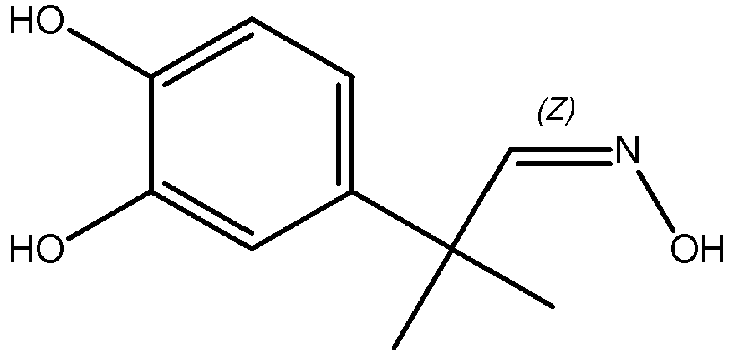


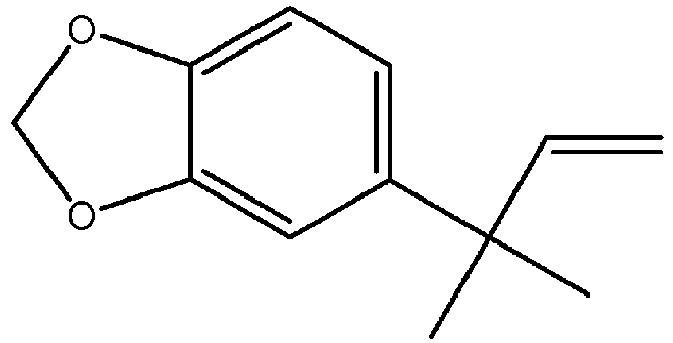
- A compound as claimed in claim 1 for use in the treatment of malignancy.
- A compound for use according to claim 2, wherein the treatment of malignancy includes phosphatidylinositol-3-kinase (PI3) /Akt pathway inhibition or Nitric oxide induction, wherein the malignancy is a malignancy of a breast, prostate, pancreas, acute lymphoblastic leukemia, acute myelogenous leukemia, or chronic myelogenous leukemia.
- A compound for use according to claim 2 wherein the compound is administered through an oral, intravenous, intramuscular or subcutaneous route, to the mammal in need thereof.
- A compound for use according to claim 2 wherein the compound is administered at 30 mg/kg of compound to body weight to about 300 mg/kg of compound to body weight, to a mammal in need thereof.
Applications Claiming Priority (2)
| Application Number | Priority Date | Filing Date | Title |
|---|---|---|---|
| IN44DE2009 | 2009-01-12 | ||
| PCT/IB2010/000040 WO2010079423A1 (en) | 2009-01-12 | 2010-01-12 | Inhibitors of phosphatidylinositol-3-kinase (pi3) and inducers of nitric oxide (no) |
Publications (2)
| Publication Number | Publication Date |
|---|---|
| EP2385934A1 EP2385934A1 (en) | 2011-11-16 |
| EP2385934B1 true EP2385934B1 (en) | 2016-05-18 |
Family
ID=42115319
Family Applications (1)
| Application Number | Title | Priority Date | Filing Date |
|---|---|---|---|
| EP10703198.1A Not-in-force EP2385934B1 (en) | 2009-01-12 | 2010-01-12 | Inhibitors of phosphatidylinositol-3-kinase (pi3) and inducers of nitric oxide (no) |
Country Status (3)
| Country | Link |
|---|---|
| US (1) | US9290473B2 (en) |
| EP (1) | EP2385934B1 (en) |
| WO (1) | WO2010079423A1 (en) |
Family Cites Families (7)
| Publication number | Priority date | Publication date | Assignee | Title |
|---|---|---|---|---|
| DE2701586A1 (en) * | 1977-01-15 | 1978-07-20 | Bayer Ag | Insecticidal and acaricidal compsn. - contg. benzodioxole deriv. synergist and carbamate, pyrethrin or phosphate ester pesticide |
| DE3684445D1 (en) * | 1985-08-05 | 1992-04-23 | Mitsui Petrochemical Ind | NEW UREA DERIVATIVES, METHOD FOR THEIR PRODUCTION AND HERBICIDES. |
| FI874163L (en) * | 1986-09-26 | 1988-03-27 | Mitsui Toatsu Chemicals | KATEKOLDERIVAT SAMT PREPARAT INNEHAOLLANDE DESAMMA FOER HAEMMANDE OCH BOTANDE AV REGRESSIVA SJUKDOMAR I DET CENTRALA NERVSYSTEMET. |
| AU701883B2 (en) * | 1996-01-25 | 1999-02-11 | Duphar International Research B.V. | Process for the stereoselective preparation of a hetero-bicyclic alcohol enantiomer |
| IT1304513B1 (en) * | 1998-12-30 | 2001-03-19 | Endura Spa | PROCESS FOR THE SYNTHESIS OF 5- (ALPHA-HYDROXIALKYL) BENZO (1,3) DIOXINS. |
| US7091238B1 (en) * | 1999-06-21 | 2006-08-15 | University Of Maryland | Thienylhydrazon with digitalis-like properties (positive inotropic effects) |
| EP1405851A1 (en) * | 2002-10-02 | 2004-04-07 | Takasago International Corporation | Method for producing seven-membered diether compounds and intermediates thereof |
-
2010
- 2010-01-12 EP EP10703198.1A patent/EP2385934B1/en not_active Not-in-force
- 2010-01-12 WO PCT/IB2010/000040 patent/WO2010079423A1/en not_active Ceased
- 2010-01-12 US US13/144,263 patent/US9290473B2/en not_active Expired - Fee Related
Non-Patent Citations (3)
| Title |
|---|
| E. L. CAVALIERI ET AL: "Initiation of cancer and other diseases by catechol ortho-quinones: a unifying mechanism", CELLULAR AND MOLECULAR LIFE SCIENCES, vol. 59, no. 4, 1 April 2002 (2002-04-01), pages 665 - 681, XP055179842, ISSN: 1420-682X, DOI: 10.1007/s00018-002-8456-0 * |
| NIKIFOROVA, I. S.; MEL'KANOVITSKAYA, S. G.: "Allylation of phenols and phenol ethers. V. Allylation of pyrocatechol and hydroquinone in the presence of compounds of monovalent copper", ZHURNAL ORGANICHESKOI KHIMII / JOURNAL OF ORGANIC CHEMISTRY OF THE USSR., vol. 2, no. 8, 1966, pages 1443 - 1446, XP008153530 * |
| SUSANTHA MOHOTTALAGE ET AL: "Components from Sri LankanPiper betle L. leaf oil and their analogues showing toxicity against the housefly,Musca domestica", FLAVOUR AND FRAGRANCE JOURNAL, vol. 22, no. 2, 1 January 2007 (2007-01-01), pages 130 - 138, XP055032705, ISSN: 0882-5734, DOI: 10.1002/ffj.1770 * |
Also Published As
| Publication number | Publication date |
|---|---|
| US9290473B2 (en) | 2016-03-22 |
| WO2010079423A1 (en) | 2010-07-15 |
| US20120190738A1 (en) | 2012-07-26 |
| EP2385934A1 (en) | 2011-11-16 |
Similar Documents
| Publication | Publication Date | Title |
|---|---|---|
| Rao et al. | Differential effects of synthesized 2′-oxygenated chalcone derivatives: modulation of human cell cycle phase distribution | |
| Cheng et al. | Synthesis and cytotoxic, anti-inflammatory, and anti-oxidant activities of 2′, 5′-dialkoxylchalcones as cancer chemopreventive agents | |
| US4350705A (en) | Cyclohexane derivatives, process for preparation thereof and medicines containing these cyclohexane derivatives | |
| Qian et al. | Design and synthesis novel di-carbonyl analogs of curcumin (DACs) act as potent anti-inflammatory agents against LPS-induced acute lung injury (ALI) | |
| EP3151829B1 (en) | Novel sesquiterpene derivatives and their use in inflammation and cancer treatment | |
| EP1284952B1 (en) | Substituted chalcones as therapeutic compounds | |
| WO2013148324A1 (en) | Anti-cancer polyketide compounds | |
| US20080152737A1 (en) | Cancer and inflammatory disorder treatment | |
| KR20170139049A (en) | Plural origin of plant origin Biologically active substance | |
| EP2486026B1 (en) | Derivatives of di(phenylpropanoid) glycerol for the treatment of cancer | |
| WO2013130020A1 (en) | Quercetin derivatives, their pharmaceutical composition and use | |
| US9290473B2 (en) | Inhibitors of phosphatidylinositol-3-kinase (PI3) and inducers of nitric oxide (NO) | |
| EP1972611A1 (en) | Aryl dihydro-naphthalene compounds, their preparation and their use as akt inhibitor for the prevention and treatment of cancer | |
| Han et al. | Stilbenoid derivatives as potent inhibitors of HIF-1α-centric cancer metabolism under hypoxia | |
| Guo et al. | Design and synthesis of forsythin derivatives as anti-inflammatory agents for acute lung injury | |
| EP4292593A1 (en) | Pharmaceutical composition for preventing cytokine storm | |
| US12414960B2 (en) | Analogues of oleuropein and oleacein and uses thereof | |
| WO2008020625A1 (en) | Dibenzoylmethane compound and pharmaceutical composition comprising the compound as active ingredient | |
| Ng et al. | Antioxidative effects of 6-methoxysorigenin and its derivatives from Rhamnus nakaharai | |
| US9302967B2 (en) | Substituted cathechols as inhibitors of IL-4 and IL-5 for the treatment of bronchial asthma | |
| EP2786981B1 (en) | Stilbenoid compounds as inhibitors for squamous carcinoma and hepatoma and uses thereof | |
| US20040176471A1 (en) | Novel chalcone derivatives and pharmaceutical compositions comprising the same | |
| Epifano¹ et al. | Auraptene: Phytochemical and pharmacological properties | |
| US5397802A (en) | Gem-dichlorocyclopropanes as antitumor agents | |
| KR101752231B1 (en) | A composition comprising extracts, fractions or isolated active fractions of Magnoliae flos for prevention and treatment of chronic obstructive pulmonary disease |
Legal Events
| Date | Code | Title | Description |
|---|---|---|---|
| PUAI | Public reference made under article 153(3) epc to a published international application that has entered the european phase |
Free format text: ORIGINAL CODE: 0009012 |
|
| 17P | Request for examination filed |
Effective date: 20110810 |
|
| AK | Designated contracting states |
Kind code of ref document: A1 Designated state(s): AT BE BG CH CY CZ DE DK EE ES FI FR GB GR HR HU IE IS IT LI LT LU LV MC MK MT NL NO PL PT RO SE SI SK SM TR |
|
| DAX | Request for extension of the european patent (deleted) | ||
| 17Q | First examination report despatched |
Effective date: 20120720 |
|
| GRAP | Despatch of communication of intention to grant a patent |
Free format text: ORIGINAL CODE: EPIDOSNIGR1 |
|
| INTG | Intention to grant announced |
Effective date: 20160201 |
|
| GRAS | Grant fee paid |
Free format text: ORIGINAL CODE: EPIDOSNIGR3 |
|
| GRAA | (expected) grant |
Free format text: ORIGINAL CODE: 0009210 |
|
| AK | Designated contracting states |
Kind code of ref document: B1 Designated state(s): AT BE BG CH CY CZ DE DK EE ES FI FR GB GR HR HU IE IS IT LI LT LU LV MC MK MT NL NO PL PT RO SE SI SK SM TR |
|
| REG | Reference to a national code |
Ref country code: GB Ref legal event code: FG4D |
|
| REG | Reference to a national code |
Ref country code: CH Ref legal event code: EP |
|
| REG | Reference to a national code |
Ref country code: IE Ref legal event code: FG4D Ref country code: AT Ref legal event code: REF Ref document number: 800315 Country of ref document: AT Kind code of ref document: T Effective date: 20160615 |
|
| REG | Reference to a national code |
Ref country code: DE Ref legal event code: R096 Ref document number: 602010033444 Country of ref document: DE |
|
| REG | Reference to a national code |
Ref country code: NL Ref legal event code: MP Effective date: 20160518 |
|
| REG | Reference to a national code |
Ref country code: LT Ref legal event code: MG4D |
|
| PG25 | Lapsed in a contracting state [announced via postgrant information from national office to epo] |
Ref country code: LT Free format text: LAPSE BECAUSE OF FAILURE TO SUBMIT A TRANSLATION OF THE DESCRIPTION OR TO PAY THE FEE WITHIN THE PRESCRIBED TIME-LIMIT Effective date: 20160518 Ref country code: NL Free format text: LAPSE BECAUSE OF FAILURE TO SUBMIT A TRANSLATION OF THE DESCRIPTION OR TO PAY THE FEE WITHIN THE PRESCRIBED TIME-LIMIT Effective date: 20160518 Ref country code: NO Free format text: LAPSE BECAUSE OF FAILURE TO SUBMIT A TRANSLATION OF THE DESCRIPTION OR TO PAY THE FEE WITHIN THE PRESCRIBED TIME-LIMIT Effective date: 20160818 Ref country code: FI Free format text: LAPSE BECAUSE OF FAILURE TO SUBMIT A TRANSLATION OF THE DESCRIPTION OR TO PAY THE FEE WITHIN THE PRESCRIBED TIME-LIMIT Effective date: 20160518 |
|
| REG | Reference to a national code |
Ref country code: AT Ref legal event code: MK05 Ref document number: 800315 Country of ref document: AT Kind code of ref document: T Effective date: 20160518 |
|
| PG25 | Lapsed in a contracting state [announced via postgrant information from national office to epo] |
Ref country code: ES Free format text: LAPSE BECAUSE OF FAILURE TO SUBMIT A TRANSLATION OF THE DESCRIPTION OR TO PAY THE FEE WITHIN THE PRESCRIBED TIME-LIMIT Effective date: 20160518 Ref country code: LV Free format text: LAPSE BECAUSE OF FAILURE TO SUBMIT A TRANSLATION OF THE DESCRIPTION OR TO PAY THE FEE WITHIN THE PRESCRIBED TIME-LIMIT Effective date: 20160518 Ref country code: SE Free format text: LAPSE BECAUSE OF FAILURE TO SUBMIT A TRANSLATION OF THE DESCRIPTION OR TO PAY THE FEE WITHIN THE PRESCRIBED TIME-LIMIT Effective date: 20160518 Ref country code: HR Free format text: LAPSE BECAUSE OF FAILURE TO SUBMIT A TRANSLATION OF THE DESCRIPTION OR TO PAY THE FEE WITHIN THE PRESCRIBED TIME-LIMIT Effective date: 20160518 Ref country code: GR Free format text: LAPSE BECAUSE OF FAILURE TO SUBMIT A TRANSLATION OF THE DESCRIPTION OR TO PAY THE FEE WITHIN THE PRESCRIBED TIME-LIMIT Effective date: 20160819 Ref country code: PT Free format text: LAPSE BECAUSE OF FAILURE TO SUBMIT A TRANSLATION OF THE DESCRIPTION OR TO PAY THE FEE WITHIN THE PRESCRIBED TIME-LIMIT Effective date: 20160919 |
|
| PG25 | Lapsed in a contracting state [announced via postgrant information from national office to epo] |
Ref country code: IT Free format text: LAPSE BECAUSE OF FAILURE TO SUBMIT A TRANSLATION OF THE DESCRIPTION OR TO PAY THE FEE WITHIN THE PRESCRIBED TIME-LIMIT Effective date: 20160518 |
|
| REG | Reference to a national code |
Ref country code: FR Ref legal event code: PLFP Year of fee payment: 8 |
|
| PG25 | Lapsed in a contracting state [announced via postgrant information from national office to epo] |
Ref country code: RO Free format text: LAPSE BECAUSE OF FAILURE TO SUBMIT A TRANSLATION OF THE DESCRIPTION OR TO PAY THE FEE WITHIN THE PRESCRIBED TIME-LIMIT Effective date: 20160518 Ref country code: DK Free format text: LAPSE BECAUSE OF FAILURE TO SUBMIT A TRANSLATION OF THE DESCRIPTION OR TO PAY THE FEE WITHIN THE PRESCRIBED TIME-LIMIT Effective date: 20160518 Ref country code: CZ Free format text: LAPSE BECAUSE OF FAILURE TO SUBMIT A TRANSLATION OF THE DESCRIPTION OR TO PAY THE FEE WITHIN THE PRESCRIBED TIME-LIMIT Effective date: 20160518 Ref country code: SK Free format text: LAPSE BECAUSE OF FAILURE TO SUBMIT A TRANSLATION OF THE DESCRIPTION OR TO PAY THE FEE WITHIN THE PRESCRIBED TIME-LIMIT Effective date: 20160518 Ref country code: EE Free format text: LAPSE BECAUSE OF FAILURE TO SUBMIT A TRANSLATION OF THE DESCRIPTION OR TO PAY THE FEE WITHIN THE PRESCRIBED TIME-LIMIT Effective date: 20160518 |
|
| REG | Reference to a national code |
Ref country code: DE Ref legal event code: R097 Ref document number: 602010033444 Country of ref document: DE |
|
| PG25 | Lapsed in a contracting state [announced via postgrant information from national office to epo] |
Ref country code: SM Free format text: LAPSE BECAUSE OF FAILURE TO SUBMIT A TRANSLATION OF THE DESCRIPTION OR TO PAY THE FEE WITHIN THE PRESCRIBED TIME-LIMIT Effective date: 20160518 Ref country code: BE Free format text: LAPSE BECAUSE OF FAILURE TO SUBMIT A TRANSLATION OF THE DESCRIPTION OR TO PAY THE FEE WITHIN THE PRESCRIBED TIME-LIMIT Effective date: 20160518 Ref country code: PL Free format text: LAPSE BECAUSE OF FAILURE TO SUBMIT A TRANSLATION OF THE DESCRIPTION OR TO PAY THE FEE WITHIN THE PRESCRIBED TIME-LIMIT Effective date: 20160518 Ref country code: AT Free format text: LAPSE BECAUSE OF FAILURE TO SUBMIT A TRANSLATION OF THE DESCRIPTION OR TO PAY THE FEE WITHIN THE PRESCRIBED TIME-LIMIT Effective date: 20160518 |
|
| PLBE | No opposition filed within time limit |
Free format text: ORIGINAL CODE: 0009261 |
|
| STAA | Information on the status of an ep patent application or granted ep patent |
Free format text: STATUS: NO OPPOSITION FILED WITHIN TIME LIMIT |
|
| 26N | No opposition filed |
Effective date: 20170221 |
|
| PG25 | Lapsed in a contracting state [announced via postgrant information from national office to epo] |
Ref country code: SI Free format text: LAPSE BECAUSE OF FAILURE TO SUBMIT A TRANSLATION OF THE DESCRIPTION OR TO PAY THE FEE WITHIN THE PRESCRIBED TIME-LIMIT Effective date: 20160518 |
|
| REG | Reference to a national code |
Ref country code: CH Ref legal event code: PL |
|
| PG25 | Lapsed in a contracting state [announced via postgrant information from national office to epo] |
Ref country code: MC Free format text: LAPSE BECAUSE OF FAILURE TO SUBMIT A TRANSLATION OF THE DESCRIPTION OR TO PAY THE FEE WITHIN THE PRESCRIBED TIME-LIMIT Effective date: 20160518 |
|
| PG25 | Lapsed in a contracting state [announced via postgrant information from national office to epo] |
Ref country code: CH Free format text: LAPSE BECAUSE OF NON-PAYMENT OF DUE FEES Effective date: 20170131 Ref country code: LI Free format text: LAPSE BECAUSE OF NON-PAYMENT OF DUE FEES Effective date: 20170131 |
|
| REG | Reference to a national code |
Ref country code: IE Ref legal event code: MM4A |
|
| PG25 | Lapsed in a contracting state [announced via postgrant information from national office to epo] |
Ref country code: LU Free format text: LAPSE BECAUSE OF NON-PAYMENT OF DUE FEES Effective date: 20170112 |
|
| REG | Reference to a national code |
Ref country code: FR Ref legal event code: PLFP Year of fee payment: 9 |
|
| PG25 | Lapsed in a contracting state [announced via postgrant information from national office to epo] |
Ref country code: IE Free format text: LAPSE BECAUSE OF NON-PAYMENT OF DUE FEES Effective date: 20170112 |
|
| PG25 | Lapsed in a contracting state [announced via postgrant information from national office to epo] |
Ref country code: MT Free format text: LAPSE BECAUSE OF NON-PAYMENT OF DUE FEES Effective date: 20170112 |
|
| PG25 | Lapsed in a contracting state [announced via postgrant information from national office to epo] |
Ref country code: HU Free format text: LAPSE BECAUSE OF FAILURE TO SUBMIT A TRANSLATION OF THE DESCRIPTION OR TO PAY THE FEE WITHIN THE PRESCRIBED TIME-LIMIT; INVALID AB INITIO Effective date: 20100112 |
|
| PG25 | Lapsed in a contracting state [announced via postgrant information from national office to epo] |
Ref country code: BG Free format text: LAPSE BECAUSE OF FAILURE TO SUBMIT A TRANSLATION OF THE DESCRIPTION OR TO PAY THE FEE WITHIN THE PRESCRIBED TIME-LIMIT Effective date: 20160518 |
|
| PG25 | Lapsed in a contracting state [announced via postgrant information from national office to epo] |
Ref country code: CY Free format text: LAPSE BECAUSE OF NON-PAYMENT OF DUE FEES Effective date: 20160518 |
|
| PG25 | Lapsed in a contracting state [announced via postgrant information from national office to epo] |
Ref country code: MK Free format text: LAPSE BECAUSE OF FAILURE TO SUBMIT A TRANSLATION OF THE DESCRIPTION OR TO PAY THE FEE WITHIN THE PRESCRIBED TIME-LIMIT Effective date: 20160518 |
|
| PG25 | Lapsed in a contracting state [announced via postgrant information from national office to epo] |
Ref country code: TR Free format text: LAPSE BECAUSE OF FAILURE TO SUBMIT A TRANSLATION OF THE DESCRIPTION OR TO PAY THE FEE WITHIN THE PRESCRIBED TIME-LIMIT Effective date: 20160518 |
|
| PG25 | Lapsed in a contracting state [announced via postgrant information from national office to epo] |
Ref country code: IS Free format text: LAPSE BECAUSE OF FAILURE TO SUBMIT A TRANSLATION OF THE DESCRIPTION OR TO PAY THE FEE WITHIN THE PRESCRIBED TIME-LIMIT Effective date: 20160918 |
|
| PGFP | Annual fee paid to national office [announced via postgrant information from national office to epo] |
Ref country code: FR Payment date: 20230116 Year of fee payment: 14 |
|
| PGFP | Annual fee paid to national office [announced via postgrant information from national office to epo] |
Ref country code: GB Payment date: 20230116 Year of fee payment: 14 Ref country code: DE Payment date: 20230126 Year of fee payment: 14 |
|
| REG | Reference to a national code |
Ref country code: DE Ref legal event code: R119 Ref document number: 602010033444 Country of ref document: DE |
|
| GBPC | Gb: european patent ceased through non-payment of renewal fee |
Effective date: 20240112 |
|
| PG25 | Lapsed in a contracting state [announced via postgrant information from national office to epo] |
Ref country code: DE Free format text: LAPSE BECAUSE OF NON-PAYMENT OF DUE FEES Effective date: 20240801 |
|
| PG25 | Lapsed in a contracting state [announced via postgrant information from national office to epo] |
Ref country code: GB Free format text: LAPSE BECAUSE OF NON-PAYMENT OF DUE FEES Effective date: 20240112 |
|
| PG25 | Lapsed in a contracting state [announced via postgrant information from national office to epo] |
Ref country code: FR Free format text: LAPSE BECAUSE OF NON-PAYMENT OF DUE FEES Effective date: 20240131 |
|
| PG25 | Lapsed in a contracting state [announced via postgrant information from national office to epo] |
Ref country code: GB Free format text: LAPSE BECAUSE OF NON-PAYMENT OF DUE FEES Effective date: 20240112 Ref country code: FR Free format text: LAPSE BECAUSE OF NON-PAYMENT OF DUE FEES Effective date: 20240131 Ref country code: DE Free format text: LAPSE BECAUSE OF NON-PAYMENT OF DUE FEES Effective date: 20240801 |