EP2377938A1 - Capping-prone RNA polymerase enzymes and their applications - Google Patents
Capping-prone RNA polymerase enzymes and their applications Download PDFInfo
- Publication number
- EP2377938A1 EP2377938A1 EP10305400A EP10305400A EP2377938A1 EP 2377938 A1 EP2377938 A1 EP 2377938A1 EP 10305400 A EP10305400 A EP 10305400A EP 10305400 A EP10305400 A EP 10305400A EP 2377938 A1 EP2377938 A1 EP 2377938A1
- Authority
- EP
- European Patent Office
- Prior art keywords
- catalytic domain
- rna polymerase
- dna
- rna
- dependant
- Prior art date
- Legal status (The legal status is an assumption and is not a legal conclusion. Google has not performed a legal analysis and makes no representation as to the accuracy of the status listed.)
- Withdrawn
Links
- 102000004163 DNA-directed RNA polymerases Human genes 0.000 title claims abstract description 135
- 108090000626 DNA-directed RNA polymerases Proteins 0.000 title claims abstract description 134
- 102000004190 Enzymes Human genes 0.000 claims abstract description 185
- 108090000790 Enzymes Proteins 0.000 claims abstract description 185
- 230000003197 catalytic effect Effects 0.000 claims abstract description 156
- 108010012974 RNA triphosphatase Proteins 0.000 claims abstract description 46
- 108010064833 guanylyltransferase Proteins 0.000 claims abstract description 42
- 108700040121 Protein Methyltransferases Proteins 0.000 claims abstract description 16
- 102000055027 Protein Methyltransferases Human genes 0.000 claims abstract description 16
- 239000008194 pharmaceutical composition Substances 0.000 claims abstract description 7
- 241001515965 unidentified phage Species 0.000 claims description 40
- 108020001778 catalytic domains Proteins 0.000 claims description 27
- 108060004795 Methyltransferase Proteins 0.000 claims description 25
- 108091028043 Nucleic acid sequence Proteins 0.000 claims description 25
- 108090000765 processed proteins & peptides Proteins 0.000 claims description 25
- 102000016397 Methyltransferase Human genes 0.000 claims description 24
- 108010009460 RNA Polymerase II Proteins 0.000 claims description 24
- 102000009572 RNA Polymerase II Human genes 0.000 claims description 24
- 102000039446 nucleic acids Human genes 0.000 claims description 23
- 108020004707 nucleic acids Proteins 0.000 claims description 23
- 150000007523 nucleic acids Chemical class 0.000 claims description 23
- 239000013598 vector Substances 0.000 claims description 17
- 238000000034 method Methods 0.000 claims description 14
- 230000001086 cytosolic effect Effects 0.000 claims description 13
- 238000004519 manufacturing process Methods 0.000 claims description 11
- 238000000338 in vitro Methods 0.000 claims description 9
- 241000700605 Viruses Species 0.000 claims description 8
- 239000000178 monomer Substances 0.000 claims description 8
- 229940088598 enzyme Drugs 0.000 description 165
- 210000004027 cell Anatomy 0.000 description 86
- 239000013612 plasmid Substances 0.000 description 76
- 239000005089 Luciferase Substances 0.000 description 63
- 230000014509 gene expression Effects 0.000 description 60
- 108020004414 DNA Proteins 0.000 description 45
- 101710137500 T7 RNA polymerase Proteins 0.000 description 43
- 108091032973 (ribonucleotides)n+m Proteins 0.000 description 38
- 108090000623 proteins and genes Proteins 0.000 description 36
- 230000035897 transcription Effects 0.000 description 31
- 238000013518 transcription Methods 0.000 description 31
- 230000001419 dependent effect Effects 0.000 description 28
- 238000001890 transfection Methods 0.000 description 24
- 108020004999 messenger RNA Proteins 0.000 description 23
- 108090000331 Firefly luciferases Proteins 0.000 description 22
- 230000003013 cytotoxicity Effects 0.000 description 20
- 231100000135 cytotoxicity Toxicity 0.000 description 20
- 108060001084 Luciferase Proteins 0.000 description 19
- 102000004169 proteins and genes Human genes 0.000 description 18
- 101800002638 Alpha-amanitin Proteins 0.000 description 17
- RXGJTYFDKOHJHK-UHFFFAOYSA-N S-deoxo-amaninamide Natural products CCC(C)C1NC(=O)CNC(=O)C2Cc3c(SCC(NC(=O)CNC1=O)C(=O)NC(CC(=O)N)C(=O)N4CC(O)CC4C(=O)NC(C(C)C(O)CO)C(=O)N2)[nH]c5ccccc35 RXGJTYFDKOHJHK-UHFFFAOYSA-N 0.000 description 17
- 239000004007 alpha amanitin Substances 0.000 description 17
- CIORWBWIBBPXCG-SXZCQOKQSA-N alpha-amanitin Chemical compound O=C1N[C@@H](CC(N)=O)C(=O)N2C[C@H](O)C[C@H]2C(=O)N[C@@H]([C@@H](C)[C@@H](O)CO)C(=O)N[C@@H](C2)C(=O)NCC(=O)N[C@@H]([C@@H](C)CC)C(=O)NCC(=O)N[C@H]1C[S@@](=O)C1=C2C2=CC=C(O)C=C2N1 CIORWBWIBBPXCG-SXZCQOKQSA-N 0.000 description 17
- CIORWBWIBBPXCG-UHFFFAOYSA-N alpha-amanitin Natural products O=C1NC(CC(N)=O)C(=O)N2CC(O)CC2C(=O)NC(C(C)C(O)CO)C(=O)NC(C2)C(=O)NCC(=O)NC(C(C)CC)C(=O)NCC(=O)NC1CS(=O)C1=C2C2=CC=C(O)C=C2N1 CIORWBWIBBPXCG-UHFFFAOYSA-N 0.000 description 17
- 235000018102 proteins Nutrition 0.000 description 17
- 229960005502 α-amanitin Drugs 0.000 description 17
- 238000003556 assay Methods 0.000 description 16
- 238000004020 luminiscence type Methods 0.000 description 16
- 230000006907 apoptotic process Effects 0.000 description 15
- 210000000805 cytoplasm Anatomy 0.000 description 15
- ROHFNLRQFUQHCH-YFKPBYRVSA-N L-leucine Chemical compound CC(C)C[C@H](N)C(O)=O ROHFNLRQFUQHCH-YFKPBYRVSA-N 0.000 description 14
- 108700026244 Open Reading Frames Proteins 0.000 description 14
- 101100273253 Rhizopus niveus RNAP gene Proteins 0.000 description 14
- 108700019146 Transgenes Proteins 0.000 description 14
- 230000003833 cell viability Effects 0.000 description 14
- 230000002255 enzymatic effect Effects 0.000 description 14
- 210000003527 eukaryotic cell Anatomy 0.000 description 14
- ROHFNLRQFUQHCH-UHFFFAOYSA-N Leucine Natural products CC(C)CC(N)C(O)=O ROHFNLRQFUQHCH-UHFFFAOYSA-N 0.000 description 13
- 241000700618 Vaccinia virus Species 0.000 description 13
- 230000014616 translation Effects 0.000 description 13
- 210000004940 nucleus Anatomy 0.000 description 12
- 150000001413 amino acids Chemical class 0.000 description 11
- 230000000694 effects Effects 0.000 description 11
- 102000004196 processed proteins & peptides Human genes 0.000 description 11
- 241000701386 African swine fever virus Species 0.000 description 9
- 241000701867 Enterobacteria phage T7 Species 0.000 description 9
- 239000012097 Lipofectamine 2000 Substances 0.000 description 9
- 235000001014 amino acid Nutrition 0.000 description 9
- 230000008901 benefit Effects 0.000 description 9
- 230000007170 pathology Effects 0.000 description 9
- 239000012096 transfection reagent Substances 0.000 description 9
- 108010065868 RNA polymerase SP6 Proteins 0.000 description 8
- 240000004808 Saccharomyces cerevisiae Species 0.000 description 8
- 235000014680 Saccharomyces cerevisiae Nutrition 0.000 description 8
- 108010028263 bacteriophage T3 RNA polymerase Proteins 0.000 description 8
- 239000002609 medium Substances 0.000 description 8
- 229920001184 polypeptide Polymers 0.000 description 8
- UYTPUPDQBNUYGX-UHFFFAOYSA-N Guanine Natural products O=C1NC(N)=NC2=C1N=CN2 UYTPUPDQBNUYGX-UHFFFAOYSA-N 0.000 description 7
- 210000004899 c-terminal region Anatomy 0.000 description 7
- 241001492234 Bamboo mosaic virus Species 0.000 description 6
- 241000120506 Bluetongue virus Species 0.000 description 6
- 230000001580 bacterial effect Effects 0.000 description 6
- 239000013066 combination product Substances 0.000 description 6
- 229940127555 combination product Drugs 0.000 description 6
- 239000001177 diphosphate Substances 0.000 description 6
- XPPKVPWEQAFLFU-UHFFFAOYSA-J diphosphate(4-) Chemical compound [O-]P([O-])(=O)OP([O-])([O-])=O XPPKVPWEQAFLFU-UHFFFAOYSA-J 0.000 description 6
- 235000011180 diphosphates Nutrition 0.000 description 6
- 238000007619 statistical method Methods 0.000 description 6
- 239000000758 substrate Substances 0.000 description 6
- 238000012546 transfer Methods 0.000 description 6
- 238000013519 translation Methods 0.000 description 6
- 108090000994 Catalytic RNA Proteins 0.000 description 5
- 102000053642 Catalytic RNA Human genes 0.000 description 5
- 239000003153 chemical reaction reagent Substances 0.000 description 5
- 230000000295 complement effect Effects 0.000 description 5
- LOKCTEFSRHRXRJ-UHFFFAOYSA-I dipotassium trisodium dihydrogen phosphate hydrogen phosphate dichloride Chemical compound P(=O)(O)(O)[O-].[K+].P(=O)(O)([O-])[O-].[Na+].[Na+].[Cl-].[K+].[Cl-].[Na+] LOKCTEFSRHRXRJ-UHFFFAOYSA-I 0.000 description 5
- 230000004927 fusion Effects 0.000 description 5
- 238000001415 gene therapy Methods 0.000 description 5
- 230000001939 inductive effect Effects 0.000 description 5
- 208000015181 infectious disease Diseases 0.000 description 5
- 108010026228 mRNA guanylyltransferase Proteins 0.000 description 5
- 239000002953 phosphate buffered saline Substances 0.000 description 5
- 108091092562 ribozyme Proteins 0.000 description 5
- 241000588724 Escherichia coli Species 0.000 description 4
- 241001465754 Metazoa Species 0.000 description 4
- 108010077850 Nuclear Localization Signals Proteins 0.000 description 4
- 206010046865 Vaccinia virus infection Diseases 0.000 description 4
- 235000018936 Vitellaria paradoxa Nutrition 0.000 description 4
- 230000033228 biological regulation Effects 0.000 description 4
- 230000001413 cellular effect Effects 0.000 description 4
- 238000012761 co-transfection Methods 0.000 description 4
- 210000004748 cultured cell Anatomy 0.000 description 4
- 208000037265 diseases, disorders, signs and symptoms Diseases 0.000 description 4
- 108020001507 fusion proteins Proteins 0.000 description 4
- 102000037865 fusion proteins Human genes 0.000 description 4
- 238000007422 luminescence assay Methods 0.000 description 4
- 125000002496 methyl group Chemical group [H]C([H])([H])* 0.000 description 4
- 230000002265 prevention Effects 0.000 description 4
- 230000001225 therapeutic effect Effects 0.000 description 4
- 230000001960 triggered effect Effects 0.000 description 4
- 239000001226 triphosphate Substances 0.000 description 4
- 235000011178 triphosphate Nutrition 0.000 description 4
- UNXRWKVEANCORM-UHFFFAOYSA-N triphosphoric acid Chemical compound OP(O)(=O)OP(O)(=O)OP(O)(O)=O UNXRWKVEANCORM-UHFFFAOYSA-N 0.000 description 4
- 208000007089 vaccinia Diseases 0.000 description 4
- 230000003612 virological effect Effects 0.000 description 4
- FWBHETKCLVMNFS-UHFFFAOYSA-N 4',6-Diamino-2-phenylindol Chemical compound C1=CC(C(=N)N)=CC=C1C1=CC2=CC=C(C(N)=N)C=C2N1 FWBHETKCLVMNFS-UHFFFAOYSA-N 0.000 description 3
- 241001556567 Acanthamoeba polyphaga mimivirus Species 0.000 description 3
- OIRDTQYFTABQOQ-KQYNXXCUSA-N Adenosine Natural products C1=NC=2C(N)=NC=NC=2N1[C@@H]1O[C@H](CO)[C@@H](O)[C@H]1O OIRDTQYFTABQOQ-KQYNXXCUSA-N 0.000 description 3
- 101100022493 African swine fever virus (strain Badajoz 1971 Vero-adapted) Ba71V-101 gene Proteins 0.000 description 3
- 108020005544 Antisense RNA Proteins 0.000 description 3
- IJGRMHOSHXDMSA-UHFFFAOYSA-N Atomic nitrogen Chemical compound N#N IJGRMHOSHXDMSA-UHFFFAOYSA-N 0.000 description 3
- 101150014715 CAP2 gene Proteins 0.000 description 3
- BWGNESOTFCXPMA-UHFFFAOYSA-N Dihydrogen disulfide Chemical compound SS BWGNESOTFCXPMA-UHFFFAOYSA-N 0.000 description 3
- NYHBQMYGNKIUIF-UUOKFMHZSA-N Guanosine Natural products C1=NC=2C(=O)NC(N)=NC=2N1[C@@H]1O[C@H](CO)[C@@H](O)[C@H]1O NYHBQMYGNKIUIF-UUOKFMHZSA-N 0.000 description 3
- 241000282412 Homo Species 0.000 description 3
- 241001138401 Kluyveromyces lactis Species 0.000 description 3
- 101100326803 Neurospora crassa (strain ATCC 24698 / 74-OR23-1A / CBS 708.71 / DSM 1257 / FGSC 987) fac-2 gene Proteins 0.000 description 3
- 108091028664 Ribonucleotide Proteins 0.000 description 3
- 108091027967 Small hairpin RNA Proteins 0.000 description 3
- 108020004459 Small interfering RNA Proteins 0.000 description 3
- 238000002835 absorbance Methods 0.000 description 3
- 230000015572 biosynthetic process Effects 0.000 description 3
- 238000004113 cell culture Methods 0.000 description 3
- 239000003184 complementary RNA Substances 0.000 description 3
- 208000035475 disorder Diseases 0.000 description 3
- 239000003814 drug Substances 0.000 description 3
- 238000002474 experimental method Methods 0.000 description 3
- MHMNJMPURVTYEJ-UHFFFAOYSA-N fluorescein-5-isothiocyanate Chemical compound O1C(=O)C2=CC(N=C=S)=CC=C2C21C1=CC=C(O)C=C1OC1=CC(O)=CC=C21 MHMNJMPURVTYEJ-UHFFFAOYSA-N 0.000 description 3
- 230000001976 improved effect Effects 0.000 description 3
- 238000001727 in vivo Methods 0.000 description 3
- 230000000977 initiatory effect Effects 0.000 description 3
- 238000003670 luciferase enzyme activity assay Methods 0.000 description 3
- 102100039604 mRNA guanylyltransferase Human genes 0.000 description 3
- 239000003550 marker Substances 0.000 description 3
- 230000002438 mitochondrial effect Effects 0.000 description 3
- 239000013642 negative control Substances 0.000 description 3
- 108091027963 non-coding RNA Proteins 0.000 description 3
- 102000042567 non-coding RNA Human genes 0.000 description 3
- 239000002773 nucleotide Substances 0.000 description 3
- 125000003729 nucleotide group Chemical group 0.000 description 3
- 125000002467 phosphate group Chemical group [H]OP(=O)(O[H])O[*] 0.000 description 3
- 230000008488 polyadenylation Effects 0.000 description 3
- 230000002829 reductive effect Effects 0.000 description 3
- 230000000717 retained effect Effects 0.000 description 3
- 239000002336 ribonucleotide Substances 0.000 description 3
- 239000004055 small Interfering RNA Substances 0.000 description 3
- 238000012360 testing method Methods 0.000 description 3
- 210000001519 tissue Anatomy 0.000 description 3
- 239000003053 toxin Substances 0.000 description 3
- 231100000765 toxin Toxicity 0.000 description 3
- 230000002103 transcriptional effect Effects 0.000 description 3
- 230000032258 transport Effects 0.000 description 3
- 230000035899 viability Effects 0.000 description 3
- 102100024321 Alkaline phosphatase, placental type Human genes 0.000 description 2
- 241000724287 Apple mosaic virus Species 0.000 description 2
- 108091003079 Bovine Serum Albumin Proteins 0.000 description 2
- 239000002126 C01EB10 - Adenosine Substances 0.000 description 2
- 101150077194 CAP1 gene Proteins 0.000 description 2
- 101100038180 Caenorhabditis briggsae rpb-1 gene Proteins 0.000 description 2
- 101100038181 Caenorhabditis elegans ama-1 gene Proteins 0.000 description 2
- 241000283707 Capra Species 0.000 description 2
- 108010076667 Caspases Proteins 0.000 description 2
- 102000011727 Caspases Human genes 0.000 description 2
- 108091035707 Consensus sequence Proteins 0.000 description 2
- MIKUYHXYGGJMLM-GIMIYPNGSA-N Crotonoside Natural products C1=NC2=C(N)NC(=O)N=C2N1[C@H]1O[C@@H](CO)[C@H](O)[C@@H]1O MIKUYHXYGGJMLM-GIMIYPNGSA-N 0.000 description 2
- NYHBQMYGNKIUIF-UHFFFAOYSA-N D-guanosine Natural products C1=2NC(N)=NC(=O)C=2N=CN1C1OC(CO)C(O)C1O NYHBQMYGNKIUIF-UHFFFAOYSA-N 0.000 description 2
- 102100039178 Dimethyladenosine transferase 1, mitochondrial Human genes 0.000 description 2
- 102100039147 Dimethyladenosine transferase 2, mitochondrial Human genes 0.000 description 2
- 101000972160 Drosophila melanogaster Transcription termination factor, mitochondrial Proteins 0.000 description 2
- 239000006144 Dulbecco’s modified Eagle's medium Substances 0.000 description 2
- 241000196324 Embryophyta Species 0.000 description 2
- 208000005331 Hepatitis D Diseases 0.000 description 2
- 206010019851 Hepatotoxicity Diseases 0.000 description 2
- 101000833492 Homo sapiens Jouberin Proteins 0.000 description 2
- 101000651236 Homo sapiens NCK-interacting protein with SH3 domain Proteins 0.000 description 2
- 101001116554 Homo sapiens Transcription termination factor 1, mitochondrial Proteins 0.000 description 2
- 102100024407 Jouberin Human genes 0.000 description 2
- WHUUTDBJXJRKMK-VKHMYHEASA-N L-glutamic acid Chemical compound OC(=O)[C@@H](N)CCC(O)=O WHUUTDBJXJRKMK-VKHMYHEASA-N 0.000 description 2
- 101100438378 Neurospora crassa (strain ATCC 24698 / 74-OR23-1A / CBS 708.71 / DSM 1257 / FGSC 987) fac-1 gene Proteins 0.000 description 2
- 108020003217 Nuclear RNA Proteins 0.000 description 2
- 102000043141 Nuclear RNA Human genes 0.000 description 2
- 239000004365 Protease Substances 0.000 description 2
- 108010076504 Protein Sorting Signals Proteins 0.000 description 2
- 108010013845 RNA Polymerase I Proteins 0.000 description 2
- 102000017143 RNA Polymerase I Human genes 0.000 description 2
- 108010078067 RNA Polymerase III Proteins 0.000 description 2
- 102000014450 RNA Polymerase III Human genes 0.000 description 2
- 241000283984 Rodentia Species 0.000 description 2
- 108010063499 Sigma Factor Proteins 0.000 description 2
- PXIPVTKHYLBLMZ-UHFFFAOYSA-N Sodium azide Chemical compound [Na+].[N-]=[N+]=[N-] PXIPVTKHYLBLMZ-UHFFFAOYSA-N 0.000 description 2
- 238000000692 Student's t-test Methods 0.000 description 2
- 108091023040 Transcription factor Proteins 0.000 description 2
- 102000040945 Transcription factor Human genes 0.000 description 2
- 102100024950 Transcription termination factor 1, mitochondrial Human genes 0.000 description 2
- 101710188297 Trehalose synthase/amylase TreS Proteins 0.000 description 2
- 102000044209 Tumor Suppressor Genes Human genes 0.000 description 2
- 108700025716 Tumor Suppressor Genes Proteins 0.000 description 2
- 229960005305 adenosine Drugs 0.000 description 2
- 238000003782 apoptosis assay Methods 0.000 description 2
- 239000006143 cell culture medium Substances 0.000 description 2
- 238000003570 cell viability assay Methods 0.000 description 2
- 210000003763 chloroplast Anatomy 0.000 description 2
- 238000003776 cleavage reaction Methods 0.000 description 2
- 238000010367 cloning Methods 0.000 description 2
- 125000000151 cysteine group Chemical group N[C@@H](CS)C(=O)* 0.000 description 2
- 238000002784 cytotoxicity assay Methods 0.000 description 2
- 230000007423 decrease Effects 0.000 description 2
- 238000013461 design Methods 0.000 description 2
- 238000009826 distribution Methods 0.000 description 2
- 238000001952 enzyme assay Methods 0.000 description 2
- 239000013604 expression vector Substances 0.000 description 2
- 239000012091 fetal bovine serum Substances 0.000 description 2
- -1 guanine nucleoside Chemical class 0.000 description 2
- 229940029575 guanosine Drugs 0.000 description 2
- 231100000304 hepatotoxicity Toxicity 0.000 description 2
- 230000007686 hepatotoxicity Effects 0.000 description 2
- 238000010166 immunofluorescence Methods 0.000 description 2
- 230000001771 impaired effect Effects 0.000 description 2
- 206010022000 influenza Diseases 0.000 description 2
- NOESYZHRGYRDHS-UHFFFAOYSA-N insulin Chemical compound N1C(=O)C(NC(=O)C(CCC(N)=O)NC(=O)C(CCC(O)=O)NC(=O)C(C(C)C)NC(=O)C(NC(=O)CN)C(C)CC)CSSCC(C(NC(CO)C(=O)NC(CC(C)C)C(=O)NC(CC=2C=CC(O)=CC=2)C(=O)NC(CCC(N)=O)C(=O)NC(CC(C)C)C(=O)NC(CCC(O)=O)C(=O)NC(CC(N)=O)C(=O)NC(CC=2C=CC(O)=CC=2)C(=O)NC(CSSCC(NC(=O)C(C(C)C)NC(=O)C(CC(C)C)NC(=O)C(CC=2C=CC(O)=CC=2)NC(=O)C(CC(C)C)NC(=O)C(C)NC(=O)C(CCC(O)=O)NC(=O)C(C(C)C)NC(=O)C(CC(C)C)NC(=O)C(CC=2NC=NC=2)NC(=O)C(CO)NC(=O)CNC2=O)C(=O)NCC(=O)NC(CCC(O)=O)C(=O)NC(CCCNC(N)=N)C(=O)NCC(=O)NC(CC=3C=CC=CC=3)C(=O)NC(CC=3C=CC=CC=3)C(=O)NC(CC=3C=CC(O)=CC=3)C(=O)NC(C(C)O)C(=O)N3C(CCC3)C(=O)NC(CCCCN)C(=O)NC(C)C(O)=O)C(=O)NC(CC(N)=O)C(O)=O)=O)NC(=O)C(C(C)CC)NC(=O)C(CO)NC(=O)C(C(C)O)NC(=O)C1CSSCC2NC(=O)C(CC(C)C)NC(=O)C(NC(=O)C(CCC(N)=O)NC(=O)C(CC(N)=O)NC(=O)C(NC(=O)C(N)CC=1C=CC=CC=1)C(C)C)CC1=CN=CN1 NOESYZHRGYRDHS-UHFFFAOYSA-N 0.000 description 2
- 230000007246 mechanism Effects 0.000 description 2
- 210000003470 mitochondria Anatomy 0.000 description 2
- 210000003463 organelle Anatomy 0.000 description 2
- 230000003071 parasitic effect Effects 0.000 description 2
- 108010031345 placental alkaline phosphatase Proteins 0.000 description 2
- 230000001105 regulatory effect Effects 0.000 description 2
- 108091008146 restriction endonucleases Proteins 0.000 description 2
- 210000003705 ribosome Anatomy 0.000 description 2
- 210000002966 serum Anatomy 0.000 description 2
- 241000894007 species Species 0.000 description 2
- UCSJYZPVAKXKNQ-HZYVHMACSA-N streptomycin Chemical compound CN[C@H]1[C@H](O)[C@@H](O)[C@H](CO)O[C@H]1O[C@@H]1[C@](C=O)(O)[C@H](C)O[C@H]1O[C@@H]1[C@@H](NC(N)=N)[C@H](O)[C@@H](NC(N)=N)[C@H](O)[C@H]1O UCSJYZPVAKXKNQ-HZYVHMACSA-N 0.000 description 2
- 238000002560 therapeutic procedure Methods 0.000 description 2
- 230000005030 transcription termination Effects 0.000 description 2
- 238000001521 two-tailed test Methods 0.000 description 2
- AOUOVFRSCMDPFA-QSDJMHMYSA-N (2s)-2-[[(2s)-2-[[(2s)-2-[[(2s)-2-amino-3-carboxypropanoyl]amino]-4-carboxybutanoyl]amino]-3-methylbutanoyl]amino]butanedioic acid Chemical compound OC(=O)C[C@@H](C(O)=O)NC(=O)[C@H](C(C)C)NC(=O)[C@H](CCC(O)=O)NC(=O)[C@@H](N)CC(O)=O AOUOVFRSCMDPFA-QSDJMHMYSA-N 0.000 description 1
- 0 *[U](=C)=*1CCCCC1 Chemical compound *[U](=C)=*1CCCCC1 0.000 description 1
- 208000030507 AIDS Diseases 0.000 description 1
- 102100024643 ATP-binding cassette sub-family D member 1 Human genes 0.000 description 1
- 201000011452 Adrenoleukodystrophy Diseases 0.000 description 1
- HJCMDXDYPOUFDY-WHFBIAKZSA-N Ala-Gln Chemical compound C[C@H](N)C(=O)N[C@H](C(O)=O)CCC(N)=O HJCMDXDYPOUFDY-WHFBIAKZSA-N 0.000 description 1
- 208000024827 Alzheimer disease Diseases 0.000 description 1
- 201000001320 Atherosclerosis Diseases 0.000 description 1
- 206010003805 Autism Diseases 0.000 description 1
- 208000020706 Autistic disease Diseases 0.000 description 1
- 208000023275 Autoimmune disease Diseases 0.000 description 1
- 241000271566 Aves Species 0.000 description 1
- 241000894006 Bacteria Species 0.000 description 1
- DWRXFEITVBNRMK-UHFFFAOYSA-N Beta-D-1-Arabinofuranosylthymine Natural products O=C1NC(=O)C(C)=CN1C1C(O)C(O)C(CO)O1 DWRXFEITVBNRMK-UHFFFAOYSA-N 0.000 description 1
- 208000020925 Bipolar disease Diseases 0.000 description 1
- 108010039209 Blood Coagulation Factors Proteins 0.000 description 1
- 102000015081 Blood Coagulation Factors Human genes 0.000 description 1
- 208000003508 Botulism Diseases 0.000 description 1
- 206010006187 Breast cancer Diseases 0.000 description 1
- 208000026310 Breast neoplasm Diseases 0.000 description 1
- 101150016130 CP77 gene Proteins 0.000 description 1
- 102000047934 Caspase-3/7 Human genes 0.000 description 1
- 108700037887 Caspase-3/7 Proteins 0.000 description 1
- 108091062157 Cis-regulatory element Proteins 0.000 description 1
- 108700010070 Codon Usage Proteins 0.000 description 1
- 206010009900 Colitis ulcerative Diseases 0.000 description 1
- 208000001333 Colorectal Neoplasms Diseases 0.000 description 1
- 108091028732 Concatemer Proteins 0.000 description 1
- 208000014526 Conduction disease Diseases 0.000 description 1
- 102000012437 Copper-Transporting ATPases Human genes 0.000 description 1
- 241000700626 Cowpox virus Species 0.000 description 1
- 241000699802 Cricetulus griseus Species 0.000 description 1
- 208000011231 Crohn disease Diseases 0.000 description 1
- 102000012605 Cystic Fibrosis Transmembrane Conductance Regulator Human genes 0.000 description 1
- 108010079245 Cystic Fibrosis Transmembrane Conductance Regulator Proteins 0.000 description 1
- 201000003883 Cystic fibrosis Diseases 0.000 description 1
- 102000004127 Cytokines Human genes 0.000 description 1
- 108090000695 Cytokines Proteins 0.000 description 1
- 101710173353 Cytotoxicity-associated immunodominant antigen Proteins 0.000 description 1
- HMFHBZSHGGEWLO-SOOFDHNKSA-N D-ribofuranose Chemical compound OC[C@H]1OC(O)[C@H](O)[C@@H]1O HMFHBZSHGGEWLO-SOOFDHNKSA-N 0.000 description 1
- 102000053602 DNA Human genes 0.000 description 1
- 102000016928 DNA-directed DNA polymerase Human genes 0.000 description 1
- 108010014303 DNA-directed DNA polymerase Proteins 0.000 description 1
- 101100038183 Dictyostelium discoideum polr2a gene Proteins 0.000 description 1
- 101710103881 Dimethyladenosine transferase 1, mitochondrial Proteins 0.000 description 1
- 101710101659 Dimethyladenosine transferase 2, mitochondrial Proteins 0.000 description 1
- 206010013801 Duchenne Muscular Dystrophy Diseases 0.000 description 1
- 108010069091 Dystrophin Proteins 0.000 description 1
- 102000001039 Dystrophin Human genes 0.000 description 1
- IMROMDMJAWUWLK-UHFFFAOYSA-N Ethenol Chemical compound OC=C IMROMDMJAWUWLK-UHFFFAOYSA-N 0.000 description 1
- 241000206602 Eukaryota Species 0.000 description 1
- 108010074860 Factor Xa Proteins 0.000 description 1
- 108010088842 Fibrinolysin Proteins 0.000 description 1
- 206010016654 Fibrosis Diseases 0.000 description 1
- 101000636168 Grapevine leafroll-associated virus 3 (isolate United States/NY1) Movement protein p5 Proteins 0.000 description 1
- 108010051696 Growth Hormone Proteins 0.000 description 1
- 101710189078 Helicase Proteins 0.000 description 1
- 208000005176 Hepatitis C Diseases 0.000 description 1
- 208000002972 Hepatolenticular Degeneration Diseases 0.000 description 1
- 208000017604 Hodgkin disease Diseases 0.000 description 1
- 208000021519 Hodgkin lymphoma Diseases 0.000 description 1
- 208000010747 Hodgkins lymphoma Diseases 0.000 description 1
- 101000835023 Homo sapiens Transcription factor A, mitochondrial Proteins 0.000 description 1
- 208000023105 Huntington disease Diseases 0.000 description 1
- 108010067060 Immunoglobulin Variable Region Proteins 0.000 description 1
- 102000017727 Immunoglobulin Variable Region Human genes 0.000 description 1
- 102100023915 Insulin Human genes 0.000 description 1
- 108090001061 Insulin Proteins 0.000 description 1
- ZDXPYRJPNDTMRX-VKHMYHEASA-N L-glutamine Chemical compound OC(=O)[C@@H](N)CCC(N)=O ZDXPYRJPNDTMRX-VKHMYHEASA-N 0.000 description 1
- 229930182816 L-glutamine Natural products 0.000 description 1
- 201000003533 Leber congenital amaurosis Diseases 0.000 description 1
- 229920002858 MOWIOL ® 4-88 Polymers 0.000 description 1
- 241000124008 Mammalia Species 0.000 description 1
- 208000001826 Marfan syndrome Diseases 0.000 description 1
- 108010049137 Member 1 Subfamily D ATP Binding Cassette Transporter Proteins 0.000 description 1
- 108010052285 Membrane Proteins Proteins 0.000 description 1
- 101100038261 Methanococcus vannielii (strain ATCC 35089 / DSM 1224 / JCM 13029 / OCM 148 / SB) rpo2C gene Proteins 0.000 description 1
- 208000002678 Mucopolysaccharidoses Diseases 0.000 description 1
- 101100091963 Mus musculus Polrmt gene Proteins 0.000 description 1
- 208000021642 Muscular disease Diseases 0.000 description 1
- 206010028980 Neoplasm Diseases 0.000 description 1
- 208000009905 Neurofibromatoses Diseases 0.000 description 1
- 208000015914 Non-Hodgkin lymphomas Diseases 0.000 description 1
- 102000007399 Nuclear hormone receptor Human genes 0.000 description 1
- 108020005497 Nuclear hormone receptor Proteins 0.000 description 1
- 102000003832 Nucleotidyltransferases Human genes 0.000 description 1
- 108090000119 Nucleotidyltransferases Proteins 0.000 description 1
- 101150073872 ORF3 gene Proteins 0.000 description 1
- 208000022873 Ocular disease Diseases 0.000 description 1
- 108091034117 Oligonucleotide Proteins 0.000 description 1
- 239000012124 Opti-MEM Substances 0.000 description 1
- 229910019142 PO4 Inorganic materials 0.000 description 1
- 108090000526 Papain Proteins 0.000 description 1
- 229930040373 Paraformaldehyde Natural products 0.000 description 1
- 208000018737 Parkinson disease Diseases 0.000 description 1
- 229930182555 Penicillin Natural products 0.000 description 1
- JGSARLDLIJGVTE-MBNYWOFBSA-N Penicillin G Chemical compound N([C@H]1[C@H]2SC([C@@H](N2C1=O)C(O)=O)(C)C)C(=O)CC1=CC=CC=C1 JGSARLDLIJGVTE-MBNYWOFBSA-N 0.000 description 1
- 108091005804 Peptidases Proteins 0.000 description 1
- 102000005877 Peptide Initiation Factors Human genes 0.000 description 1
- 108010044843 Peptide Initiation Factors Proteins 0.000 description 1
- 201000011252 Phenylketonuria Diseases 0.000 description 1
- 206010035226 Plasma cell myeloma Diseases 0.000 description 1
- 241000139306 Platt Species 0.000 description 1
- 241000276498 Pollachius virens Species 0.000 description 1
- 241000288906 Primates Species 0.000 description 1
- 101100145480 Prochlorococcus marinus (strain SARG / CCMP1375 / SS120) rpoC2 gene Proteins 0.000 description 1
- 201000004681 Psoriasis Diseases 0.000 description 1
- 108010007131 Pulmonary Surfactant-Associated Protein B Proteins 0.000 description 1
- 102100032617 Pulmonary surfactant-associated protein B Human genes 0.000 description 1
- 102100036164 Putative phospholipase B-like 2 Human genes 0.000 description 1
- 101710200837 Putative phospholipase B-like 2 Proteins 0.000 description 1
- 108091034057 RNA (poly(A)) Proteins 0.000 description 1
- 108020005067 RNA Splice Sites Proteins 0.000 description 1
- 101710118046 RNA-directed RNA polymerase Proteins 0.000 description 1
- 101150033071 RPO7 gene Proteins 0.000 description 1
- 108700008625 Reporter Genes Proteins 0.000 description 1
- 208000017442 Retinal disease Diseases 0.000 description 1
- 208000007014 Retinitis pigmentosa Diseases 0.000 description 1
- 102100037486 Reverse transcriptase/ribonuclease H Human genes 0.000 description 1
- PYMYPHUHKUWMLA-LMVFSUKVSA-N Ribose Natural products OC[C@@H](O)[C@@H](O)[C@@H](O)C=O PYMYPHUHKUWMLA-LMVFSUKVSA-N 0.000 description 1
- 241000282849 Ruminantia Species 0.000 description 1
- MTCFGRXMJLQNBG-UHFFFAOYSA-N Serine Natural products OCC(N)C(O)=O MTCFGRXMJLQNBG-UHFFFAOYSA-N 0.000 description 1
- 101710106714 Shutoff protein Proteins 0.000 description 1
- 101000948099 Solenopsis invicta Chymotrypsin-1 Proteins 0.000 description 1
- 102100038803 Somatotropin Human genes 0.000 description 1
- 101710172711 Structural protein Proteins 0.000 description 1
- 201000009594 Systemic Scleroderma Diseases 0.000 description 1
- 206010042953 Systemic sclerosis Diseases 0.000 description 1
- 206010043376 Tetanus Diseases 0.000 description 1
- 206010043395 Thalassaemia sickle cell Diseases 0.000 description 1
- 108090000190 Thrombin Proteins 0.000 description 1
- IQFYYKKMVGJFEH-XLPZGREQSA-N Thymidine Natural products O=C1NC(=O)C(C)=CN1[C@@H]1O[C@H](CO)[C@@H](O)C1 IQFYYKKMVGJFEH-XLPZGREQSA-N 0.000 description 1
- 102100026155 Transcription factor A, mitochondrial Human genes 0.000 description 1
- 229920004890 Triton X-100 Polymers 0.000 description 1
- 239000013504 Triton X-100 Substances 0.000 description 1
- 108090000631 Trypsin Proteins 0.000 description 1
- 102000004142 Trypsin Human genes 0.000 description 1
- 206010067584 Type 1 diabetes mellitus Diseases 0.000 description 1
- 201000006704 Ulcerative Colitis Diseases 0.000 description 1
- 208000018839 Wilson disease Diseases 0.000 description 1
- JLCPHMBAVCMARE-UHFFFAOYSA-N [3-[[3-[[3-[[3-[[3-[[3-[[3-[[3-[[3-[[3-[[3-[[5-(2-amino-6-oxo-1H-purin-9-yl)-3-[[3-[[3-[[3-[[3-[[3-[[5-(2-amino-6-oxo-1H-purin-9-yl)-3-[[5-(2-amino-6-oxo-1H-purin-9-yl)-3-hydroxyoxolan-2-yl]methoxy-hydroxyphosphoryl]oxyoxolan-2-yl]methoxy-hydroxyphosphoryl]oxy-5-(5-methyl-2,4-dioxopyrimidin-1-yl)oxolan-2-yl]methoxy-hydroxyphosphoryl]oxy-5-(6-aminopurin-9-yl)oxolan-2-yl]methoxy-hydroxyphosphoryl]oxy-5-(6-aminopurin-9-yl)oxolan-2-yl]methoxy-hydroxyphosphoryl]oxy-5-(6-aminopurin-9-yl)oxolan-2-yl]methoxy-hydroxyphosphoryl]oxy-5-(6-aminopurin-9-yl)oxolan-2-yl]methoxy-hydroxyphosphoryl]oxyoxolan-2-yl]methoxy-hydroxyphosphoryl]oxy-5-(5-methyl-2,4-dioxopyrimidin-1-yl)oxolan-2-yl]methoxy-hydroxyphosphoryl]oxy-5-(4-amino-2-oxopyrimidin-1-yl)oxolan-2-yl]methoxy-hydroxyphosphoryl]oxy-5-(5-methyl-2,4-dioxopyrimidin-1-yl)oxolan-2-yl]methoxy-hydroxyphosphoryl]oxy-5-(5-methyl-2,4-dioxopyrimidin-1-yl)oxolan-2-yl]methoxy-hydroxyphosphoryl]oxy-5-(6-aminopurin-9-yl)oxolan-2-yl]methoxy-hydroxyphosphoryl]oxy-5-(6-aminopurin-9-yl)oxolan-2-yl]methoxy-hydroxyphosphoryl]oxy-5-(4-amino-2-oxopyrimidin-1-yl)oxolan-2-yl]methoxy-hydroxyphosphoryl]oxy-5-(4-amino-2-oxopyrimidin-1-yl)oxolan-2-yl]methoxy-hydroxyphosphoryl]oxy-5-(4-amino-2-oxopyrimidin-1-yl)oxolan-2-yl]methoxy-hydroxyphosphoryl]oxy-5-(6-aminopurin-9-yl)oxolan-2-yl]methoxy-hydroxyphosphoryl]oxy-5-(4-amino-2-oxopyrimidin-1-yl)oxolan-2-yl]methyl [5-(6-aminopurin-9-yl)-2-(hydroxymethyl)oxolan-3-yl] hydrogen phosphate Polymers Cc1cn(C2CC(OP(O)(=O)OCC3OC(CC3OP(O)(=O)OCC3OC(CC3O)n3cnc4c3nc(N)[nH]c4=O)n3cnc4c3nc(N)[nH]c4=O)C(COP(O)(=O)OC3CC(OC3COP(O)(=O)OC3CC(OC3COP(O)(=O)OC3CC(OC3COP(O)(=O)OC3CC(OC3COP(O)(=O)OC3CC(OC3COP(O)(=O)OC3CC(OC3COP(O)(=O)OC3CC(OC3COP(O)(=O)OC3CC(OC3COP(O)(=O)OC3CC(OC3COP(O)(=O)OC3CC(OC3COP(O)(=O)OC3CC(OC3COP(O)(=O)OC3CC(OC3COP(O)(=O)OC3CC(OC3COP(O)(=O)OC3CC(OC3COP(O)(=O)OC3CC(OC3COP(O)(=O)OC3CC(OC3COP(O)(=O)OC3CC(OC3CO)n3cnc4c(N)ncnc34)n3ccc(N)nc3=O)n3cnc4c(N)ncnc34)n3ccc(N)nc3=O)n3ccc(N)nc3=O)n3ccc(N)nc3=O)n3cnc4c(N)ncnc34)n3cnc4c(N)ncnc34)n3cc(C)c(=O)[nH]c3=O)n3cc(C)c(=O)[nH]c3=O)n3ccc(N)nc3=O)n3cc(C)c(=O)[nH]c3=O)n3cnc4c3nc(N)[nH]c4=O)n3cnc4c(N)ncnc34)n3cnc4c(N)ncnc34)n3cnc4c(N)ncnc34)n3cnc4c(N)ncnc34)O2)c(=O)[nH]c1=O JLCPHMBAVCMARE-UHFFFAOYSA-N 0.000 description 1
- 206010000210 abortion Diseases 0.000 description 1
- 206010064930 age-related macular degeneration Diseases 0.000 description 1
- 229960002648 alanylglutamine Drugs 0.000 description 1
- 208000006682 alpha 1-Antitrypsin Deficiency Diseases 0.000 description 1
- HMFHBZSHGGEWLO-UHFFFAOYSA-N alpha-D-Furanose-Ribose Natural products OCC1OC(O)C(O)C1O HMFHBZSHGGEWLO-UHFFFAOYSA-N 0.000 description 1
- APKFDSVGJQXUKY-INPOYWNPSA-N amphotericin B Chemical compound O[C@H]1[C@@H](N)[C@H](O)[C@@H](C)O[C@H]1O[C@H]1/C=C/C=C/C=C/C=C/C=C/C=C/C=C/[C@H](C)[C@@H](O)[C@@H](C)[C@H](C)OC(=O)C[C@H](O)C[C@H](O)CC[C@@H](O)[C@H](O)C[C@H](O)C[C@](O)(C[C@H](O)[C@H]2C(O)=O)O[C@H]2C1 APKFDSVGJQXUKY-INPOYWNPSA-N 0.000 description 1
- 238000004873 anchoring Methods 0.000 description 1
- 239000003242 anti bacterial agent Substances 0.000 description 1
- 230000000118 anti-neoplastic effect Effects 0.000 description 1
- 229940088710 antibiotic agent Drugs 0.000 description 1
- 210000004507 artificial chromosome Anatomy 0.000 description 1
- 230000002238 attenuated effect Effects 0.000 description 1
- 208000022362 bacterial infectious disease Diseases 0.000 description 1
- IQFYYKKMVGJFEH-UHFFFAOYSA-N beta-L-thymidine Natural products O=C1NC(=O)C(C)=CN1C1OC(CO)C(O)C1 IQFYYKKMVGJFEH-UHFFFAOYSA-N 0.000 description 1
- 230000027455 binding Effects 0.000 description 1
- 230000004071 biological effect Effects 0.000 description 1
- 239000003114 blood coagulation factor Substances 0.000 description 1
- 210000000481 breast Anatomy 0.000 description 1
- 239000001506 calcium phosphate Substances 0.000 description 1
- 229910000389 calcium phosphate Inorganic materials 0.000 description 1
- 235000011010 calcium phosphates Nutrition 0.000 description 1
- 230000000747 cardiac effect Effects 0.000 description 1
- 239000000969 carrier Substances 0.000 description 1
- 210000003855 cell nucleus Anatomy 0.000 description 1
- 208000015114 central nervous system disease Diseases 0.000 description 1
- 239000003795 chemical substances by application Substances 0.000 description 1
- 230000007882 cirrhosis Effects 0.000 description 1
- 208000019425 cirrhosis of liver Diseases 0.000 description 1
- 230000015271 coagulation Effects 0.000 description 1
- 238000005345 coagulation Methods 0.000 description 1
- 238000007398 colorimetric assay Methods 0.000 description 1
- 208000018631 connective tissue disease Diseases 0.000 description 1
- 238000010276 construction Methods 0.000 description 1
- 238000012937 correction Methods 0.000 description 1
- 230000008878 coupling Effects 0.000 description 1
- 238000010168 coupling process Methods 0.000 description 1
- 238000005859 coupling reaction Methods 0.000 description 1
- 230000009089 cytolysis Effects 0.000 description 1
- 108091092330 cytoplasmic RNA Proteins 0.000 description 1
- 231100000433 cytotoxic Toxicity 0.000 description 1
- 230000001472 cytotoxic effect Effects 0.000 description 1
- 235000013365 dairy product Nutrition 0.000 description 1
- 238000012217 deletion Methods 0.000 description 1
- 230000037430 deletion Effects 0.000 description 1
- 238000010586 diagram Methods 0.000 description 1
- 230000029087 digestion Effects 0.000 description 1
- 239000000539 dimer Substances 0.000 description 1
- 201000010099 disease Diseases 0.000 description 1
- 230000002526 effect on cardiovascular system Effects 0.000 description 1
- 230000000464 effect on transcription Effects 0.000 description 1
- 238000004520 electroporation Methods 0.000 description 1
- 238000005516 engineering process Methods 0.000 description 1
- 230000009088 enzymatic function Effects 0.000 description 1
- 238000006911 enzymatic reaction Methods 0.000 description 1
- 238000001976 enzyme digestion Methods 0.000 description 1
- 239000002532 enzyme inhibitor Substances 0.000 description 1
- 229940125532 enzyme inhibitor Drugs 0.000 description 1
- 230000007608 epigenetic mechanism Effects 0.000 description 1
- 239000003797 essential amino acid Substances 0.000 description 1
- 235000020776 essential amino acid Nutrition 0.000 description 1
- 239000012634 fragment Substances 0.000 description 1
- 230000006870 function Effects 0.000 description 1
- 230000030279 gene silencing Effects 0.000 description 1
- 238000012637 gene transfection Methods 0.000 description 1
- 230000002068 genetic effect Effects 0.000 description 1
- 208000007345 glycogen storage disease Diseases 0.000 description 1
- 125000003630 glycyl group Chemical group [H]N([H])C([H])([H])C(*)=O 0.000 description 1
- 239000000122 growth hormone Substances 0.000 description 1
- 208000034737 hemoglobinopathy Diseases 0.000 description 1
- 230000023597 hemostasis Effects 0.000 description 1
- 208000002672 hepatitis B Diseases 0.000 description 1
- 208000010710 hepatitis C virus infection Diseases 0.000 description 1
- 210000005260 human cell Anatomy 0.000 description 1
- 230000002209 hydrophobic effect Effects 0.000 description 1
- 206010020871 hypertrophic cardiomyopathy Diseases 0.000 description 1
- 230000002637 immunotoxin Effects 0.000 description 1
- 239000002596 immunotoxin Substances 0.000 description 1
- 231100000608 immunotoxin Toxicity 0.000 description 1
- 229940051026 immunotoxin Drugs 0.000 description 1
- 238000011534 incubation Methods 0.000 description 1
- 230000002458 infectious effect Effects 0.000 description 1
- 208000018337 inherited hemoglobinopathy Diseases 0.000 description 1
- 239000003112 inhibitor Substances 0.000 description 1
- 230000002401 inhibitory effect Effects 0.000 description 1
- 238000003780 insertion Methods 0.000 description 1
- 230000037431 insertion Effects 0.000 description 1
- 229940125396 insulin Drugs 0.000 description 1
- 210000003734 kidney Anatomy 0.000 description 1
- 208000017169 kidney disease Diseases 0.000 description 1
- 208000032839 leukemia Diseases 0.000 description 1
- 239000003446 ligand Substances 0.000 description 1
- 239000002502 liposome Substances 0.000 description 1
- 208000019423 liver disease Diseases 0.000 description 1
- 230000004807 localization Effects 0.000 description 1
- 239000012139 lysis buffer Substances 0.000 description 1
- 208000002780 macular degeneration Diseases 0.000 description 1
- 201000004792 malaria Diseases 0.000 description 1
- 230000003211 malignant effect Effects 0.000 description 1
- 210000004962 mammalian cell Anatomy 0.000 description 1
- 230000035800 maturation Effects 0.000 description 1
- 201000001441 melanoma Diseases 0.000 description 1
- 208000030159 metabolic disease Diseases 0.000 description 1
- 238000007069 methylation reaction Methods 0.000 description 1
- 108091064355 mitochondrial RNA Proteins 0.000 description 1
- 108010045576 mitochondrial transcription factor A Proteins 0.000 description 1
- 238000002156 mixing Methods 0.000 description 1
- 239000000203 mixture Substances 0.000 description 1
- 229940126619 mouse monoclonal antibody Drugs 0.000 description 1
- 206010028093 mucopolysaccharidosis Diseases 0.000 description 1
- 201000006417 multiple sclerosis Diseases 0.000 description 1
- 201000006938 muscular dystrophy Diseases 0.000 description 1
- 201000000050 myeloid neoplasm Diseases 0.000 description 1
- 230000003274 myotonic effect Effects 0.000 description 1
- 201000004931 neurofibromatosis Diseases 0.000 description 1
- 210000004492 nuclear pore Anatomy 0.000 description 1
- 108020004017 nuclear receptors Proteins 0.000 description 1
- 239000002777 nucleoside Substances 0.000 description 1
- 210000001672 ovary Anatomy 0.000 description 1
- 230000001590 oxidative effect Effects 0.000 description 1
- 238000004806 packaging method and process Methods 0.000 description 1
- 229940055729 papain Drugs 0.000 description 1
- 235000019834 papain Nutrition 0.000 description 1
- 229920002866 paraformaldehyde Polymers 0.000 description 1
- 229940049954 penicillin Drugs 0.000 description 1
- NBIIXXVUZAFLBC-UHFFFAOYSA-K phosphate Chemical compound [O-]P([O-])([O-])=O NBIIXXVUZAFLBC-UHFFFAOYSA-K 0.000 description 1
- 239000010452 phosphate Substances 0.000 description 1
- 230000026731 phosphorylation Effects 0.000 description 1
- 238000006366 phosphorylation reaction Methods 0.000 description 1
- 229940012957 plasmin Drugs 0.000 description 1
- 229920000729 poly(L-lysine) polymer Polymers 0.000 description 1
- 208000030761 polycystic kidney disease Diseases 0.000 description 1
- 238000002360 preparation method Methods 0.000 description 1
- 230000000861 pro-apoptotic effect Effects 0.000 description 1
- 238000012545 processing Methods 0.000 description 1
- 239000000047 product Substances 0.000 description 1
- 235000019419 proteases Nutrition 0.000 description 1
- 238000002731 protein assay Methods 0.000 description 1
- 239000011541 reaction mixture Substances 0.000 description 1
- 230000007115 recruitment Effects 0.000 description 1
- 230000009467 reduction Effects 0.000 description 1
- 230000003362 replicative effect Effects 0.000 description 1
- 208000023504 respiratory system disease Diseases 0.000 description 1
- 230000002441 reversible effect Effects 0.000 description 1
- 230000033764 rhythmic process Effects 0.000 description 1
- 101150109946 rpo1C gene Proteins 0.000 description 1
- 101150047139 rpo1N gene Proteins 0.000 description 1
- 101150085857 rpo2 gene Proteins 0.000 description 1
- 101150037064 rpoA gene Proteins 0.000 description 1
- 101150090202 rpoB gene Proteins 0.000 description 1
- 101150042391 rpoC gene Proteins 0.000 description 1
- 101150103066 rpoC1 gene Proteins 0.000 description 1
- 101150040886 rpoE gene Proteins 0.000 description 1
- 201000000980 schizophrenia Diseases 0.000 description 1
- 208000007056 sickle cell anemia Diseases 0.000 description 1
- 101150077142 sigH gene Proteins 0.000 description 1
- 208000017520 skin disease Diseases 0.000 description 1
- 210000001812 small ribosome subunit Anatomy 0.000 description 1
- 230000010473 stable expression Effects 0.000 description 1
- 229960005322 streptomycin Drugs 0.000 description 1
- 239000006228 supernatant Substances 0.000 description 1
- 238000003786 synthesis reaction Methods 0.000 description 1
- 201000000596 systemic lupus erythematosus Diseases 0.000 description 1
- 229960004072 thrombin Drugs 0.000 description 1
- 229940104230 thymidine Drugs 0.000 description 1
- 230000001988 toxicity Effects 0.000 description 1
- 231100000419 toxicity Toxicity 0.000 description 1
- 230000005029 transcription elongation Effects 0.000 description 1
- 230000005026 transcription initiation Effects 0.000 description 1
- 230000001052 transient effect Effects 0.000 description 1
- 230000014621 translational initiation Effects 0.000 description 1
- QORWJWZARLRLPR-UHFFFAOYSA-H tricalcium bis(phosphate) Chemical compound [Ca+2].[Ca+2].[Ca+2].[O-]P([O-])([O-])=O.[O-]P([O-])([O-])=O QORWJWZARLRLPR-UHFFFAOYSA-H 0.000 description 1
- 229960001322 trypsin Drugs 0.000 description 1
- 239000012588 trypsin Substances 0.000 description 1
- 208000001072 type 2 diabetes mellitus Diseases 0.000 description 1
- 241000701161 unidentified adenovirus Species 0.000 description 1
- 241000701447 unidentified baculovirus Species 0.000 description 1
- 241001430294 unidentified retrovirus Species 0.000 description 1
- 238000011144 upstream manufacturing Methods 0.000 description 1
- 239000013603 viral vector Substances 0.000 description 1
- 238000005406 washing Methods 0.000 description 1
Images





Classifications
-
- C—CHEMISTRY; METALLURGY
- C12—BIOCHEMISTRY; BEER; SPIRITS; WINE; VINEGAR; MICROBIOLOGY; ENZYMOLOGY; MUTATION OR GENETIC ENGINEERING
- C12N—MICROORGANISMS OR ENZYMES; COMPOSITIONS THEREOF; PROPAGATING, PRESERVING, OR MAINTAINING MICROORGANISMS; MUTATION OR GENETIC ENGINEERING; CULTURE MEDIA
- C12N9/00—Enzymes; Proenzymes; Compositions thereof; Processes for preparing, activating, inhibiting, separating or purifying enzymes
- C12N9/10—Transferases (2.)
-
- A—HUMAN NECESSITIES
- A61—MEDICAL OR VETERINARY SCIENCE; HYGIENE
- A61P—SPECIFIC THERAPEUTIC ACTIVITY OF CHEMICAL COMPOUNDS OR MEDICINAL PREPARATIONS
- A61P1/00—Drugs for disorders of the alimentary tract or the digestive system
-
- C—CHEMISTRY; METALLURGY
- C12—BIOCHEMISTRY; BEER; SPIRITS; WINE; VINEGAR; MICROBIOLOGY; ENZYMOLOGY; MUTATION OR GENETIC ENGINEERING
- C12P—FERMENTATION OR ENZYME-USING PROCESSES TO SYNTHESISE A DESIRED CHEMICAL COMPOUND OR COMPOSITION OR TO SEPARATE OPTICAL ISOMERS FROM A RACEMIC MIXTURE
- C12P19/00—Preparation of compounds containing saccharide radicals
- C12P19/26—Preparation of nitrogen-containing carbohydrates
- C12P19/28—N-glycosides
- C12P19/30—Nucleotides
- C12P19/34—Polynucleotides, e.g. nucleic acids, oligoribonucleotides
-
- A—HUMAN NECESSITIES
- A61—MEDICAL OR VETERINARY SCIENCE; HYGIENE
- A61P—SPECIFIC THERAPEUTIC ACTIVITY OF CHEMICAL COMPOUNDS OR MEDICINAL PREPARATIONS
- A61P1/00—Drugs for disorders of the alimentary tract or the digestive system
- A61P1/16—Drugs for disorders of the alimentary tract or the digestive system for liver or gallbladder disorders, e.g. hepatoprotective agents, cholagogues, litholytics
-
- A—HUMAN NECESSITIES
- A61—MEDICAL OR VETERINARY SCIENCE; HYGIENE
- A61P—SPECIFIC THERAPEUTIC ACTIVITY OF CHEMICAL COMPOUNDS OR MEDICINAL PREPARATIONS
- A61P17/00—Drugs for dermatological disorders
-
- A—HUMAN NECESSITIES
- A61—MEDICAL OR VETERINARY SCIENCE; HYGIENE
- A61P—SPECIFIC THERAPEUTIC ACTIVITY OF CHEMICAL COMPOUNDS OR MEDICINAL PREPARATIONS
- A61P19/00—Drugs for skeletal disorders
- A61P19/04—Drugs for skeletal disorders for non-specific disorders of the connective tissue
-
- A—HUMAN NECESSITIES
- A61—MEDICAL OR VETERINARY SCIENCE; HYGIENE
- A61P—SPECIFIC THERAPEUTIC ACTIVITY OF CHEMICAL COMPOUNDS OR MEDICINAL PREPARATIONS
- A61P25/00—Drugs for disorders of the nervous system
- A61P25/14—Drugs for disorders of the nervous system for treating abnormal movements, e.g. chorea, dyskinesia
-
- A—HUMAN NECESSITIES
- A61—MEDICAL OR VETERINARY SCIENCE; HYGIENE
- A61P—SPECIFIC THERAPEUTIC ACTIVITY OF CHEMICAL COMPOUNDS OR MEDICINAL PREPARATIONS
- A61P25/00—Drugs for disorders of the nervous system
- A61P25/14—Drugs for disorders of the nervous system for treating abnormal movements, e.g. chorea, dyskinesia
- A61P25/16—Anti-Parkinson drugs
-
- A—HUMAN NECESSITIES
- A61—MEDICAL OR VETERINARY SCIENCE; HYGIENE
- A61P—SPECIFIC THERAPEUTIC ACTIVITY OF CHEMICAL COMPOUNDS OR MEDICINAL PREPARATIONS
- A61P25/00—Drugs for disorders of the nervous system
- A61P25/18—Antipsychotics, i.e. neuroleptics; Drugs for mania or schizophrenia
-
- A—HUMAN NECESSITIES
- A61—MEDICAL OR VETERINARY SCIENCE; HYGIENE
- A61P—SPECIFIC THERAPEUTIC ACTIVITY OF CHEMICAL COMPOUNDS OR MEDICINAL PREPARATIONS
- A61P25/00—Drugs for disorders of the nervous system
- A61P25/28—Drugs for disorders of the nervous system for treating neurodegenerative disorders of the central nervous system, e.g. nootropic agents, cognition enhancers, drugs for treating Alzheimer's disease or other forms of dementia
-
- A—HUMAN NECESSITIES
- A61—MEDICAL OR VETERINARY SCIENCE; HYGIENE
- A61P—SPECIFIC THERAPEUTIC ACTIVITY OF CHEMICAL COMPOUNDS OR MEDICINAL PREPARATIONS
- A61P3/00—Drugs for disorders of the metabolism
- A61P3/08—Drugs for disorders of the metabolism for glucose homeostasis
- A61P3/10—Drugs for disorders of the metabolism for glucose homeostasis for hyperglycaemia, e.g. antidiabetics
-
- A—HUMAN NECESSITIES
- A61—MEDICAL OR VETERINARY SCIENCE; HYGIENE
- A61P—SPECIFIC THERAPEUTIC ACTIVITY OF CHEMICAL COMPOUNDS OR MEDICINAL PREPARATIONS
- A61P31/00—Antiinfectives, i.e. antibiotics, antiseptics, chemotherapeutics
- A61P31/12—Antivirals
- A61P31/14—Antivirals for RNA viruses
-
- A—HUMAN NECESSITIES
- A61—MEDICAL OR VETERINARY SCIENCE; HYGIENE
- A61P—SPECIFIC THERAPEUTIC ACTIVITY OF CHEMICAL COMPOUNDS OR MEDICINAL PREPARATIONS
- A61P31/00—Antiinfectives, i.e. antibiotics, antiseptics, chemotherapeutics
- A61P31/12—Antivirals
- A61P31/14—Antivirals for RNA viruses
- A61P31/16—Antivirals for RNA viruses for influenza or rhinoviruses
-
- A—HUMAN NECESSITIES
- A61—MEDICAL OR VETERINARY SCIENCE; HYGIENE
- A61P—SPECIFIC THERAPEUTIC ACTIVITY OF CHEMICAL COMPOUNDS OR MEDICINAL PREPARATIONS
- A61P31/00—Antiinfectives, i.e. antibiotics, antiseptics, chemotherapeutics
- A61P31/12—Antivirals
- A61P31/14—Antivirals for RNA viruses
- A61P31/18—Antivirals for RNA viruses for HIV
-
- A—HUMAN NECESSITIES
- A61—MEDICAL OR VETERINARY SCIENCE; HYGIENE
- A61P—SPECIFIC THERAPEUTIC ACTIVITY OF CHEMICAL COMPOUNDS OR MEDICINAL PREPARATIONS
- A61P31/00—Antiinfectives, i.e. antibiotics, antiseptics, chemotherapeutics
- A61P31/12—Antivirals
- A61P31/20—Antivirals for DNA viruses
-
- A—HUMAN NECESSITIES
- A61—MEDICAL OR VETERINARY SCIENCE; HYGIENE
- A61P—SPECIFIC THERAPEUTIC ACTIVITY OF CHEMICAL COMPOUNDS OR MEDICINAL PREPARATIONS
- A61P35/00—Antineoplastic agents
-
- A—HUMAN NECESSITIES
- A61—MEDICAL OR VETERINARY SCIENCE; HYGIENE
- A61P—SPECIFIC THERAPEUTIC ACTIVITY OF CHEMICAL COMPOUNDS OR MEDICINAL PREPARATIONS
- A61P37/00—Drugs for immunological or allergic disorders
- A61P37/02—Immunomodulators
- A61P37/06—Immunosuppressants, e.g. drugs for graft rejection
-
- A—HUMAN NECESSITIES
- A61—MEDICAL OR VETERINARY SCIENCE; HYGIENE
- A61P—SPECIFIC THERAPEUTIC ACTIVITY OF CHEMICAL COMPOUNDS OR MEDICINAL PREPARATIONS
- A61P7/00—Drugs for disorders of the blood or the extracellular fluid
- A61P7/04—Antihaemorrhagics; Procoagulants; Haemostatic agents; Antifibrinolytic agents
-
- A—HUMAN NECESSITIES
- A61—MEDICAL OR VETERINARY SCIENCE; HYGIENE
- A61P—SPECIFIC THERAPEUTIC ACTIVITY OF CHEMICAL COMPOUNDS OR MEDICINAL PREPARATIONS
- A61P9/00—Drugs for disorders of the cardiovascular system
-
- A—HUMAN NECESSITIES
- A61—MEDICAL OR VETERINARY SCIENCE; HYGIENE
- A61P—SPECIFIC THERAPEUTIC ACTIVITY OF CHEMICAL COMPOUNDS OR MEDICINAL PREPARATIONS
- A61P9/00—Drugs for disorders of the cardiovascular system
- A61P9/06—Antiarrhythmics
-
- C—CHEMISTRY; METALLURGY
- C12—BIOCHEMISTRY; BEER; SPIRITS; WINE; VINEGAR; MICROBIOLOGY; ENZYMOLOGY; MUTATION OR GENETIC ENGINEERING
- C12N—MICROORGANISMS OR ENZYMES; COMPOSITIONS THEREOF; PROPAGATING, PRESERVING, OR MAINTAINING MICROORGANISMS; MUTATION OR GENETIC ENGINEERING; CULTURE MEDIA
- C12N15/00—Mutation or genetic engineering; DNA or RNA concerning genetic engineering, vectors, e.g. plasmids, or their isolation, preparation or purification; Use of hosts therefor
- C12N15/09—Recombinant DNA-technology
- C12N15/11—DNA or RNA fragments; Modified forms thereof; Non-coding nucleic acids having a biological activity
- C12N15/62—DNA sequences coding for fusion proteins
-
- C—CHEMISTRY; METALLURGY
- C12—BIOCHEMISTRY; BEER; SPIRITS; WINE; VINEGAR; MICROBIOLOGY; ENZYMOLOGY; MUTATION OR GENETIC ENGINEERING
- C12N—MICROORGANISMS OR ENZYMES; COMPOSITIONS THEREOF; PROPAGATING, PRESERVING, OR MAINTAINING MICROORGANISMS; MUTATION OR GENETIC ENGINEERING; CULTURE MEDIA
- C12N15/00—Mutation or genetic engineering; DNA or RNA concerning genetic engineering, vectors, e.g. plasmids, or their isolation, preparation or purification; Use of hosts therefor
- C12N15/09—Recombinant DNA-technology
- C12N15/63—Introduction of foreign genetic material using vectors; Vectors; Use of hosts therefor; Regulation of expression
- C12N15/79—Vectors or expression systems specially adapted for eukaryotic hosts
-
- C—CHEMISTRY; METALLURGY
- C12—BIOCHEMISTRY; BEER; SPIRITS; WINE; VINEGAR; MICROBIOLOGY; ENZYMOLOGY; MUTATION OR GENETIC ENGINEERING
- C12N—MICROORGANISMS OR ENZYMES; COMPOSITIONS THEREOF; PROPAGATING, PRESERVING, OR MAINTAINING MICROORGANISMS; MUTATION OR GENETIC ENGINEERING; CULTURE MEDIA
- C12N9/00—Enzymes; Proenzymes; Compositions thereof; Processes for preparing, activating, inhibiting, separating or purifying enzymes
- C12N9/10—Transferases (2.)
- C12N9/1003—Transferases (2.) transferring one-carbon groups (2.1)
- C12N9/1007—Methyltransferases (general) (2.1.1.)
-
- C—CHEMISTRY; METALLURGY
- C12—BIOCHEMISTRY; BEER; SPIRITS; WINE; VINEGAR; MICROBIOLOGY; ENZYMOLOGY; MUTATION OR GENETIC ENGINEERING
- C12N—MICROORGANISMS OR ENZYMES; COMPOSITIONS THEREOF; PROPAGATING, PRESERVING, OR MAINTAINING MICROORGANISMS; MUTATION OR GENETIC ENGINEERING; CULTURE MEDIA
- C12N9/00—Enzymes; Proenzymes; Compositions thereof; Processes for preparing, activating, inhibiting, separating or purifying enzymes
- C12N9/10—Transferases (2.)
- C12N9/12—Transferases (2.) transferring phosphorus containing groups, e.g. kinases (2.7)
-
- C—CHEMISTRY; METALLURGY
- C12—BIOCHEMISTRY; BEER; SPIRITS; WINE; VINEGAR; MICROBIOLOGY; ENZYMOLOGY; MUTATION OR GENETIC ENGINEERING
- C12N—MICROORGANISMS OR ENZYMES; COMPOSITIONS THEREOF; PROPAGATING, PRESERVING, OR MAINTAINING MICROORGANISMS; MUTATION OR GENETIC ENGINEERING; CULTURE MEDIA
- C12N9/00—Enzymes; Proenzymes; Compositions thereof; Processes for preparing, activating, inhibiting, separating or purifying enzymes
- C12N9/10—Transferases (2.)
- C12N9/12—Transferases (2.) transferring phosphorus containing groups, e.g. kinases (2.7)
- C12N9/1241—Nucleotidyltransferases (2.7.7)
-
- C—CHEMISTRY; METALLURGY
- C12—BIOCHEMISTRY; BEER; SPIRITS; WINE; VINEGAR; MICROBIOLOGY; ENZYMOLOGY; MUTATION OR GENETIC ENGINEERING
- C12N—MICROORGANISMS OR ENZYMES; COMPOSITIONS THEREOF; PROPAGATING, PRESERVING, OR MAINTAINING MICROORGANISMS; MUTATION OR GENETIC ENGINEERING; CULTURE MEDIA
- C12N9/00—Enzymes; Proenzymes; Compositions thereof; Processes for preparing, activating, inhibiting, separating or purifying enzymes
- C12N9/10—Transferases (2.)
- C12N9/12—Transferases (2.) transferring phosphorus containing groups, e.g. kinases (2.7)
- C12N9/1241—Nucleotidyltransferases (2.7.7)
- C12N9/1247—DNA-directed RNA polymerase (2.7.7.6)
-
- C—CHEMISTRY; METALLURGY
- C12—BIOCHEMISTRY; BEER; SPIRITS; WINE; VINEGAR; MICROBIOLOGY; ENZYMOLOGY; MUTATION OR GENETIC ENGINEERING
- C12N—MICROORGANISMS OR ENZYMES; COMPOSITIONS THEREOF; PROPAGATING, PRESERVING, OR MAINTAINING MICROORGANISMS; MUTATION OR GENETIC ENGINEERING; CULTURE MEDIA
- C12N9/00—Enzymes; Proenzymes; Compositions thereof; Processes for preparing, activating, inhibiting, separating or purifying enzymes
- C12N9/14—Hydrolases (3)
-
- A—HUMAN NECESSITIES
- A61—MEDICAL OR VETERINARY SCIENCE; HYGIENE
- A61K—PREPARATIONS FOR MEDICAL, DENTAL OR TOILETRY PURPOSES
- A61K38/00—Medicinal preparations containing peptides
-
- C—CHEMISTRY; METALLURGY
- C07—ORGANIC CHEMISTRY
- C07K—PEPTIDES
- C07K2319/00—Fusion polypeptide
-
- C—CHEMISTRY; METALLURGY
- C12—BIOCHEMISTRY; BEER; SPIRITS; WINE; VINEGAR; MICROBIOLOGY; ENZYMOLOGY; MUTATION OR GENETIC ENGINEERING
- C12Y—ENZYMES
- C12Y201/00—Transferases transferring one-carbon groups (2.1)
- C12Y201/01—Methyltransferases (2.1.1)
- C12Y201/01056—Methyltransferases (2.1.1) mRNA (guanine-N7-)-methyltransferase (2.1.1.56)
-
- C—CHEMISTRY; METALLURGY
- C12—BIOCHEMISTRY; BEER; SPIRITS; WINE; VINEGAR; MICROBIOLOGY; ENZYMOLOGY; MUTATION OR GENETIC ENGINEERING
- C12Y—ENZYMES
- C12Y306/00—Hydrolases acting on acid anhydrides (3.6)
- C12Y306/04—Hydrolases acting on acid anhydrides (3.6) acting on acid anhydrides; involved in cellular and subcellular movement (3.6.4)
- C12Y306/04013—RNA helicase (3.6.4.13)
-
- Y—GENERAL TAGGING OF NEW TECHNOLOGICAL DEVELOPMENTS; GENERAL TAGGING OF CROSS-SECTIONAL TECHNOLOGIES SPANNING OVER SEVERAL SECTIONS OF THE IPC; TECHNICAL SUBJECTS COVERED BY FORMER USPC CROSS-REFERENCE ART COLLECTIONS [XRACs] AND DIGESTS
- Y02—TECHNOLOGIES OR APPLICATIONS FOR MITIGATION OR ADAPTATION AGAINST CLIMATE CHANGE
- Y02A—TECHNOLOGIES FOR ADAPTATION TO CLIMATE CHANGE
- Y02A50/00—TECHNOLOGIES FOR ADAPTATION TO CLIMATE CHANGE in human health protection, e.g. against extreme weather
- Y02A50/30—Against vector-borne diseases, e.g. mosquito-borne, fly-borne, tick-borne or waterborne diseases whose impact is exacerbated by climate change
Definitions
- the present invention relates to the field of transgenesis, particularly in eukaryotic cells.
- the invention relates to a chimeric enzyme useful for the production of RNA molecules with 5'-terminal m 7 GpppN cap structures.
- Eukaryotic expression is very widely used in the life sciences, biotechnology and medicine. Thus, many methods for efficient transgenesis in eukaryotic cells have been developed.
- Common DNA sources and delivery mechanisms are viruses (e.g. baculovirus, retrovirus, or adenovirus) or non-viral vectors including plasmids and artificial chromosomes.
- non-viral plasmids are commonly used as expression vectors for gene transfer into eukaryotic cells both in vitro and in vivo applications.
- levels of transgene expression achieved by non-viral methods are usually modest and declines rapidly.
- a common explanation for this modest efficacy is the fact that DNA molecules, which are over approximately 40,000 Daltons, are too large to pass through the nuclear pores and enter the nucleus, where they are transcribed by the nuclear RNA polymerase II (Lang, Scholz et al. 1986; Zabner, Fasbender et al. 1995).
- the pET expression system is a popular method for gene expression in prokaryotes (Studier, Rosenberg et al. 1990). It relies on the expression of the bacteriophage single-subunit T7 DNA-dependent RNA polymerase (T7 RNA polymerase, T7RNAP), the product of T7 gene 1, to transcribe genes of interest engineered to be expressed under the control of a T7 promoter.
- T7RNA polymerase T7 RNA polymerase
- the pET expression system has been adapted to eukaryotic cells and is usually designated as the hybrid RNA polymerase.
- vaccinia virus/bacteriophage RNAP hybrid expression system is based on a recombinant vaccinia virus that synthesizes the bacteriophage T7 DNA dependent RNA polymerase in the cytoplasm of infected mammalian cells (Fuerst, Niles et al. 1986; Fuerst, Earl et al. 1987; Elroy-Stein, Fuerst et al. 1989; Fuerst, Fernandez et al. 1989; Fuerst and Moss 1989; Elroy-Stein and Moss 1990).
- the target gene for the bacteriophage RNA polymerase flanked by T7 promoter and termination sequences, is introduced into infected cells either by transfection of a recombinant plasmid or by infection with a second recombinant vaccinia virus (Fuerst, Niles et al. 1986; Elroy-Stein, Fuerst et al. 1989; Elroy-Stein and Moss 1990). It was expected that the vaccinia virus-encoded cytoplasmic enzymes for mRNA capping would act on the T7 transcripts to improve their translatability. However, the capping of T7 transcripts remains infra-optimal (Fuerst and Moss 1989).
- T7 transcripts can comprise up to 30% of total cytoplasmic RNA after a 24 hour period, but only 5%-10% of T7 transcripts contained 5'-terminal cap structures (Fuerst and Moss 1989).
- technical drawbacks of the vaccinia virus/bacteriophage RNAP hybrid expression system clearly restrain its generalization and use at large-scale. Firstly, this system is based on recombinant vaccinia viruses, which are infectious for humans. Therefore, handling these recombinant viruses require specific laboratory facilities and practices. An attenuated avian host-range-restricted strain, i.e.
- the modified vaccinia Ankara (MVA), which aborts its replicative cycle at a late-stage packaging step in human cells, can be used to better control this hazard (Wyatt, Moss et al. 1995; Engleka, Lewis et al. 1998).
- the recombinant vaccinia or MVA viruses are cytotoxic. Therefore, the vaccinia virus/bacteriophage RNAP hybrid expression system can only be used for transient transgenesis (Elroy-Stein, Fuerst et al. 1989; Elroy-Stein and Moss 1990).
- the vaccinia virus/bacteriophage RNAP hybrid expression system can be readily used in some cellular models that are permissive to vaccinia infection (e.g. BSC-1), whereas some are not (e.g. CHO).
- BSC-1 permissive to vaccinia infection
- CHO Chinese hamster ovary
- the vaccinia virus/bacteriophage RNAP hybrid expression system is a cost and labor-consuming technology, which is therefore poorly appropriate for large-scale assays and protein production.
- this enzyme has been fused to the carboxyl-terminal domain (CTD) of the largest subunit of the RNA polymerase II (POLR2A), (Natalizio, Robson-Dixon et al. 2009).
- CTD comprises 25-52 heptapeptide repeats of the consensus sequence 1 YSPTSPS 7 , which is highly conserved throughout evolution and subject to reversible phosphorylation during the transcription cycle (Palancade and Bensaude 2003).
- RNA polymerase II with Ser 5 -phosphorylated CTD repeats undergoes promoter proximal pausing which is coincident with the co-transcriptional capping of the nascent transcripts (Komarnitsky, Cho et al. 2000; Schroeder, Schwer et al. 2000).
- the capping is a specialized structure found at the 5'-end of nearly all eukaryotic messenger RNAs.
- the simplest cap structure, cap0 results of the addition of a guanine nucleoside methylated at N 7 that is joined by 5'-5' triphosphate bound to the end of primary RNA (i.e. m 7 GpppN where N is any base, p denotes a phosphate and m a methyl group).
- RNA triphosphatase removes the ⁇ phosphate residue of 5' triphosphate end of nascent pre-mRNA to diphosphate
- GTase RNA guanylyltransferase
- N7-MTase RNA N7-guanine methyltransferase
- the 2'-hydroxyl group of the ribose of the first (i.e. cap1 structures; m 7 GpppNm 2'-O pN) and second (i.e. cap2 structures; m 7 GpppNm 2'-O pNm 2'-O ) transcribed nucleotides can be methylated by two separate ribose-2'-O MTases, respectively named cap1- and cap2-specific MTases (Langberg and Moss 1981).
- cap1 ribose-2'-O MTase activity has been detected in both the cytoplasm and nucleus of HeLa cells, whereas cap2 MTase activity is exclusively found in their cytoplasm (Langberg and Moss 1981).
- the formation of the 5'-terminal m 7 GpppN cap is the first step of pre-mRNA processing.
- the m 7 GpppN cap plays important roles in mRNA stability and its transport from the nucleus to the cytoplasm (Huang and Steitz 2005; Kohler and Hurt 2007).
- the 5'-terminal m 7 GpppN cap is important for the translation of mRNA to protein by anchoring the eukaryotic translation initiation factor 4F (eIF4F) complex, which mediates the recruitment of the 16S portion of the small ribosomal subunit to mRNA (Furuichi, LaFiandra et al. 1977; Gingras, Raught et al. 1999; Rhoads 1999).
- eIF4F eukaryotic translation initiation factor 4F
- the 5'-terminal m 7 GpppN cap therefore enhances drastically the translation of mRNA both in vitro (Lo, Huang et al. 1998), and in vivo (Malone, Felgner et al. 1989; Gallie 1991; Lo, Huang et al. 1998; Kozak 2005).
- the effects of 2'-O-methylation on mRNA translation appear to depend on the type of cells and the conditions of the experimentation (Epicentre Biotechnologies website ; Drummond, Armstrong et al. 1985; Kuge, Brownlee et al. 1998).
- the purpose of the invention is to fulfill this need by providing new chimeric enzymes, which make it possible to solve in whole or part the problems mentioned-above.
- chimeric enzymes comprising a catalytic domain of a RNA triphosphatase, a catalytic domain of a guanylyltransferase, a catalytic domain of a N 7 -guanine methyltransferase, and a catalytic domain of a DNA-dependant RNA polymerase are able to synthesize RNA molecules with 5'-terminal m 7 GpppN caps, which are highly translatable by the eukaryotic translational machinery, without cytotoxicity and while not inducing apoptosis.
- the invention relates to a chimeric enzyme comprising:
- a chimeric enzyme refers to enzyme that is not a native enzyme that is found in nature. Accordingly, a chimeric enzyme may comprises catalytic domains that are derived from different sources (e.g. from different enzymes) or catalytic domains derived from the same source (e.g. from the same enzyme), but arranged in a different manner than that found in nature.
- chimeric enzyme encompasses monomeric (i.e. single-unit) enzyme but also oligomeric (i.e. multi-unit) enzyme, in particular hetero-oligomeric enzyme.
- the term "monomeric enzyme” relates to a single-unit enzyme that consists of only one polypeptide chain.
- oligomeric enzyme refers to a multi-units enzyme that consists of at least two polypeptides chains, linked together covalently or noncovalently.
- oligomeric enzyme encompasses homo-oligomeric enzyme that is a multi-unit enzyme consisting of only one type of monomers (subunit) and hetero-oligomeric enzyme consisting of different types of monomers (subunits).
- the invention relates to the chimeric enzyme according to the invention comprising:
- the invention relates to the chimeric enzyme according to the invention comprising:
- said chimeric enzyme according to the invention upon expression in a eukaryotic host cell, is able to synthesize RNA molecules with 5'-terminal m 7 GpppN cap, which are preferably translatable by the eukaryotic translational machinery.
- said catalytic domains of a RNA triphosphatase, of a guanylyltransferase and of a N 7 -guanine methyltransferase are able to add a m 7 GpppN cap at the 5'-terminal end of RNA molecules synthesized by said catalytic domain of a DNA-dependant RNA polymerase and preferably said RNA molecules with 5'-terminal m 7 GpppN cap are translatable by the eukaryotic translational machinery.
- said catalytic domain of a DNA-dependant RNA polymerase is a catalytic domain of a bacteriophage DNA-dependant RNA polymerase
- said catalytic domains of a RNA triphosphatase, of a guanylyltransferase and of a N 7 -guanine methyltransferase are able to add a m 7 GpppN cap at the 5'-terminal end of RNA molecules that have a guanosine ribonucleotide at their 5' terminal end.
- said catalytic domain of a DNA-dependant RNA polymerase is a catalytic domain of a bacterial DNA-dependant RNA polymerase
- said catalytic domains of a RNA triphosphatase, of a guanylyltransferase and of a N 7 -guanine methyltransferase are able to add a m 7 GpppN cap at the 5'-terminal end of RNA molecules that have a guanosine or a adenosine ribonucleotide at their 5' terminal end.
- said catalytic domain of a DNA-dependant RNA polymerase is a catalytic domain of a human or mouse mitochondrial DNA-dependant RNA polymerase
- said catalytic domains of a RNA triphosphatase, of a guanylyltransferase and of a N 7 -guanine methyltransferase are able to add a m 7 GpppN cap at the 5'-terminal end of RNA molecules that have a adenosine or a thymidine ribonucleotide at their 5' terminal end.
- catalytic domain of an enzyme relates to domain, which is necessary and sufficient, in particular in its three-dimensional structure, to assure the enzymatic function.
- a catalytic domain of a RNA triphosphatase is the domain, which is necessary and sufficient to assure the RNA triphosphatase function.
- catalytic domain encompasses catalytic domain of wild type or mutant enzyme.
- the chimeric enzyme according to the invention comprises at least said catalytic domains but can further comprise the whole or part of the enzymes containing said catalytic domains.
- said catalytic domain of a DNA-dependant RNA polymerase can be included in the whole or part of a DNA-dependant RNA polymerase, preferably of a monomeric DNA-dependant RNA polymerase.
- Said catalytic domain of a RNA triphosphatase, said catalytic domain of a guanylyltransferase and said catalytic domain of a N 7 -guanine methyltransferase can also be included in the whole or part of a capping enzyme, preferably of a monomeric capping enzyme.
- the chimeric enzyme according to the invention can be a nuclear enzyme, a subcellular compartment enzyme or a cytoplasmic enzyme.
- the chimeric enzyme according to the invention can comprise a signal peptide or a marker-signal well known by one skilled in the art, which directs the transport of the enzyme in cells.
- the chimeric enzyme according to the invention can comprise a nuclear localization signal (NLS), which directs the enzyme to the nucleus.
- NLS nuclear localization signal
- Such NLS is often a unit consisting of five basic, plus-charged amino acids. The NLS can be located anywhere on the peptide chain.
- the chimeric enzyme according to the invention is a cytoplasmic chimeric enzyme.
- it does not comprise signal peptide or marker-signal that directs the transport of the enzyme, except to the cytoplasm.
- the cytoplasmic localisation of the chimeric enzyme according to the invention has the advantage that it optimizes the levels of transgene expression by avoiding the active transfer of large DNA molecules (i.e. transgene) from the cytoplasm to the nucleus of eukaryotic cells and the export of RNA molecules from the nucleus to the cytoplasm.
- cytoplasmic chimeric enzymes according to the invention can thus be useful to generate a host-independent, eukaryotic gene expression system that is able to work in the cytoplasm in which significantly higher amounts of transfected DNA are usually found as compared to the nucleus.
- cytoplasmic chimeric enzymes according to the invention are able to synthesize RNA molecules with 5'-terminal m 7 GpppN caps, which are highly translatable by the eukaryotic cytoplasmic translational machinery, without cytotoxicity and while not inducing apoptosis.
- cytoplasmic chimeric enzyme according to the invention is thus notably appropriate for large-scale assays and protein production
- said catalytic domain of a RNA triphosphatase, said catalytic domain of a guanylyltransferase, said catalytic domain of a N 7 -guanine methyltransferase are included in a monomer.
- said catalytic domain of a RNA triphosphatase, said catalytic domain of a guanylyltransferase, and said catalytic domain of a N 7 -guanine methyltransferase are included in a monomeric capping enzyme.
- the chimeric enzyme according to the invention comprise a monomeric capping enzyme, which includes said catalytic domain of a RNA triphosphatase, said catalytic domain of a guanylyltransferase, and said catalytic domain of a N 7 -guanine methyltransferase.
- Said monomeric capping enzyme can be a monomeric virus capping enzyme, in particular chosen in the group consisting of the bluetongue virus capping enzyme, the bamboo mosaic virus capping enzyme, the African swine fever virus capping enzyme, the acanthamoeba polyphaga mimivirus capping enzyme and, more particularly of the African swine fever virus capping enzyme.
- said catalytic domain of a DNA-dependant RNA polymerase can also be included in a monomer.
- said catalytic domain of a DNA-dependant RNA polymerase is included in a monomeric DNA-dependent RNA polymerase.
- the chimeric enzyme according to the invention comprises a monomeric DNA-dependent RNA polymerase, which includes said catalytic domain of a DNA-dependant RNA polymerase.
- Said monomeric DNA-dependent RNA polymerase can be a monomeric phage DNA-dependent RNA polymerase, in particular chosen in the group consisting of T7 RNA polymerase, T3 RNA polymerase and SP6 RNA polymerase and mutants or derivatives thereof, which are able to synthesize single-stranded RNA complementary in sequence to the double-stranded template DNA in the 5' ⁇ 3' direction, more particularly of T7 RNA polymerase and mutants or derivatives thereof, which are able to synthesize single-stranded RNA complementary in sequence to the double-stranded template DNA in the 5' ⁇ 3' direction.
- the chimeric enzyme according to the invention can be monomeric or oligomeric.
- said catalytic domains of a RNA triphosphatase, of a guanylyltransferase, of a N 7 -guanine methyltransferase and of a DNA-dependant RNA polymerase can be included in one or several polypeptides.
- the chimeric enzyme according to the invention is monomeric.
- a monomeric chimeric enzyme comprising a catalytic domain of a RNA triphosphatase, a catalytic domain of a guanylyltransferase, a catalytic domain of a N 7 -guanine methyltransferase, and a catalytic domain of a DNA-dependant RNA polymerase are able to synthesize RNA molecules with 5'-terminal m 7 GpppN caps, which are highly translatable by the eukaryotic translational machinery, without cytotoxicity and while not inducing apoptosis.
- the monomeric chimeric enzyme according to the invention has in particular the advantages that it is not expensive, quick and easy to implement and thus appropriate notably for large-scale assays and protein production. In fact, the production of a monomeric enzyme is easier than of oligomeric enzyme. There is also no problem of unit assembly, since there is only a single-unit. The monomeric enzyme is also easier to manipulate than multimeric enzyme.
- RNAPs DNA-dependent RNA polymerase
- DNA-dependent RNA polymerase relates to nucleotidyl transferases that synthesize single-stranded RNA complementary in sequence to the double-stranded template DNA in the 5' ⁇ 3' direction.
- said catalytic domain of a DNA-dependant RNA polymerase is a catalytic domain of an enzyme, which have a relatively simple structure and more preferably, which have characterized genomic enzymatic regulation elements (i.e. promoter, transcription termination signal and concatemer junction).
- said catalytic domain of a DNA-dependant RNA polymerase can be a catalytic domain of a bacteriophage DNA-dependant RNA polymerase, of a bacterial DNA-dependant RNA polymerase or of a DNA-dependant RNA polymerase of various eukaryotic organelles (e.g. mitochondria, chloroplast and proplastids).
- said catalytic domain of a DNA-dependant RNA polymerase is a catalytic domain of a bacteriophage DNA-dependant RNA polymerase.
- the bacteriophage DNA-dependant RNA polymerases have notably the advantage that they optimize the levels of transgene expression, in particular by having a higher processivity than the eukaryotic RNA polymerases.
- the bacteriophage DNA-dependant RNA polymerases have also a much simpler structure than most nuclear eukaryotic polymerases, which have complex structure with multiple subunits (e.g. RNA polymerase II) (Chen and Schneider 2005).
- Several of these enzymes which are named for the bacteriophages from which they have been cloned, have also well-characterized regulation genomic elements (i.e. promoter, termination signals, transcriptional pausing sequences), which are important for transgenesis.
- RNA transcripts in any eukaryotic species (e.g. yeast, rodents, and humans). They are not expensive, quick and easy to implement and thus appropriate for large-scale assays and protein productions; it allows the production of RNA transcripts in any biological system (e.g.
- RNA polymerase II acellular reaction mix, cultured cells, and living organisms
- most of bacteriophage DNA dependant RNA polymerases do not require associated factors for initiation, elongation or termination of transcription.
- Said catalytic domain of a bacteriophage DNA-dependant RNA polymerase can be a catalytic domain of a bacteriophage DNA-dependant RNA polymerase, in particular chosen in the group consisting of the wild type of the T7 RNA polymerase, the wild type of the T3 RNA polymerase (NCBI genomic sequence ID# NC_003298; GeneID# 927437; UniProtKB/Swiss-Prot ID# Q778M8), the wild type of the K11 RNA polymerase (NCBI genomic K11 RNAP sequence ID# NC_004665; GeneID# 1258850; UniProtKB/Swiss-Prot ID# Q859H5), the wild type of the ⁇ A1122 RNA polymerase (NCBI genomic sequence ID# NC_004777; GeneID# 1733944; UniProtKB/Swiss-Prot protein ID# Q858N4), the wild type of the ⁇ Yeo3-12 RNA polyme
- T7 RNA polymerase relates to the bacteriophage T7 DNA-dependant RNA polymerase.
- the T7 RNA polymerase have the amino acid sequence of SEQ ID N°1 (NCBI genomic sequence ID# N_001604; GeneID# 1261050; UniProtKB/Swiss-Prot ID# P00573) and is a 883 amino-acid protein with a molecular weight of 98.8 kDa (Davanloo, Rosenberg et al. 1984; Moffatt, Dunn et al. 1984).
- the T7 RNA polymerase has in particular the advantage that, in vitro, the enzyme is extremely processive and elongates 240-250 nucleotides/s at 37°C in the 5' ⁇ 3' direction (Golomb and Chamberlin 1974; Lyakhov, He et al. 1997; Zhang and Studier 1997; Finn, MacLachlan et al. 2005). Moreover, when expressed in eukaryotic cells, the T7 RNA polymerase, remains largely in the cytoplasm (Elroy-Stein and Moss 1990; Gao and Huang 1993; Brisson, He et al. 1999), and thus optimizes the levels of transgene expression by avoiding the active transfer of large DNA molecules (i.e. transgene) from the cytoplasm to the nucleus of eukaryotic cells and the export of RNA molecules from the nucleus to the cytoplasm.
- transgene large DNA molecules
- the catalytic domain of a DNA-dependant RNA polymerase can be the one of the wild-type of the T7 RNA polymerase but also of mutants of the T7 RNA polymerase, which are able to synthesize single-stranded RNA complementary in sequence to the double-stranded template DNA in the 5' ⁇ 3' direction, even with reduced processivity.
- said mutants can be chosen in the group comprising R551S, F644A, Q649S, G645A, R627S, I810S, and D812E (Makarova, Makarov et al. 1995), and K631M (Osumi-Davis, de Aguilera et al. 1992; Osumi-Davis, Sreerama et al. 1994).
- said catalytic domain of a DNA-dependant RNA polymerase is located C-terminally with respect to said catalytic domain of a RNA triphosphatase, said catalytic domain of a guanylyltransferase, and said catalytic domain of a N 7 -guanine methyltransferase.
- the catalytic domain of a DNA-dependant RNA polymerase is a catalytic domain of a bacteriophage DNA-dependant RNA polymerase, in particular of a bacteriophage DNA-dependant RNA polymerase chosen in the group consisting of T7, T3 and SP6-RNA polymerases
- said catalytic domain preferably conserves its native carboxyl-terminal end.
- the C-terminal end of said catalytic domain of a DNA-dependant RNA polymerase, particularly of a bacteriophage DNA-dependant RNA polymerase corresponds to the C-terminal end of said chimeric enzyme.
- the chimeric enzyme comprises a whole bacteriophage DNA-dependant RNA polymerase, in particular of a bacteriophage DNA-dependant RNA polymerase chosen in the group consisting of T7, T3 and SP6-RNA polymerases
- said polymerase preferably conserves its native carboxyl-terminal end.
- the C-terminal end of said catalytic domain of a DNA-dependant RNA polymerase, particularly of a bacteriophage DNA-dependant RNA polymerase corresponds to the C-terminal end of said chimeric enzyme.
- said catalytic domain of a DNA-dependant RNA polymerase in particular of a bacteriophage DNA-dependant RNA polymerase chosen in the group consisting of T7, T3 and SP6-RNA polymerases, is included in the whole or part of a bacteriophage DNA-dependant RNA polymerase and wherein the C-terminal end of said bacteriophage DNA-dependant RNA polymerase corresponds to the C-terminal end of said chimeric enzyme.
- said catalytic domain of a DNA-dependant RNA polymerase is located C-terminally with respect to said catalytic domain of a RNA triphosphatase, said catalytic domain of a guanylyltransferase, and said catalytic domain of a N 7 -guanine methyltransferase.
- said catalytic domain of a DNA-dependant RNA polymerase is a catalytic domain of a bacterial DNA-dependant RNA polymerase.
- said bacterial DNA-dependant RNA polymerase has a moderate structure complexity.
- said bacterial DNA-dependant RNA polymerase can be the E. coli DNA-dependent RNA polymerase (NCBI genomic sequence of K-12 substrain DH10B ID# N_010473), which consists of four different subunits ( ⁇ subunit: rpoA GeneID# 6060938, UniProtKB/Swiss-Prot ID# B1X6E7; ⁇ subunit: rpoB GeneID# 6058462, UniProtKB/Swiss-Prot ID# B1XBY9; ⁇ ' subunit: rpoC GeneID# 6058956, UniProtKB/Swiss-Prot ID# B1XBZ0; ⁇ subunit: rpoE GeneID# 6060683, UniProtKB/Swiss-Prot ID# B1XBQ0), which are assembled in a five ⁇ ' ⁇ subunit complex (Lodish, Berk et al.
- the genomic elements involved in the regulation of the enzymatic activity are well-characterized, including E. coli RNA polymerase promoters (Lisser and Margalit 1993), termination signals including rho-dependant and -independent terminators (Platt 1986; Uptain and Chamberlin 1997), and transcriptional pausing sequences (Lee, Phung et al. 1990).
- said catalytic domain of a DNA-dependant RNA polymerase is a catalytic domain of a DNA-dependant RNA polymerase of a eukaryotic organelle, like mitochondria, chloroplast and proplastids.
- these polymerases can also have relatively simple structure.
- said catalytic domain of a DNA-dependant RNA polymerase is a catalytic domain of a mitochondrial DNA-dependant RNA polymerase.
- said catalytic domain of a DNA-dependant RNA polymerase can be the catalytic domain of the mammalian mouse mitochondrial RNA polymerase, which is a single-unit 120 kDa protein (GeneID# 216151, UniProtKB/Swiss-Prot ID# Q8BKF1), which shares homology with the bacteriophage RNA polymerases (Tiranti, Savoia et al. 1997).
- TFB1M mitochondrial transcription factor B1; mouse GeneID# 224481, UniProtKB/Swiss-Prot ID# Q8JZM0
- TFB2M mitochondrial transcription factor B2; mouse GeneID# 15278, UniProtKB/Swiss-Prot ID# Q3TL26
- TFAM mitochondrial transcription factor A
- mouse GeneID# 21780 UniProtKB/Swiss-Prot ID# P40630
- mTERF mitochondriachondrial transcription termination factor
- the genomic elements involved in the regulation of the enzymatic activity of the mitochondrial RNA polymerase are well-characterized, including two promoters at light- and heavy-strands of the mitochondrial genome (Ojala, Montoya et al. 1981; Clayton 1991), as well as transcriptional termination signals (Kruse, Narasimhan et al. 1989).
- RNA triphosphatase relates to the enzyme, which removes the ⁇ phosphate residue of 5' triphosphate end of nascent pre-mRNA to diphosphate (Furuichi and Shatkin 2000).
- RNA guanylyltransferase refers to the enzyme, which transfers GMP from GTP to the diphosphate nascent RNA terminus (Furuichi and Shatkin 2000).
- N7-guanine methyltransferase (N7-MTase) relates to the enzyme, which adds a methyl residue on azote 7 of guanine to the GpppN cap (Furuichi and Shatkin 2000).
- Said catalytic domains of a RNA triphosphatase, of a guanylyltransferase, of a N 7 -guanine methyltransferase can be of the same or of different capping enzymes. If said catalytic domains are of the same enzyme, said catalytic domain of a DNA-dependant RNA polymerase is of a different enzyme.
- said catalytic domains of a RNA triphosphatase, of a guanylyltransferase, of a N 7 -guanine methyltransferase are from one or several cytoplasmic enzymes, which have advantageously relatively simple structure and well-characterized enzymatic activities.
- said catalytic domains of a RNA triphosphatase, of a guanylyltransferase, of a N 7 -guanine methyltransferase can be catalytic domains of one or several virus capping enzymes, or of capping enzymes of cytoplasmic episomes.
- said catalytic domains of a RNA triphosphatase, of a guanylyltransferase, of a N 7 -guanine methyltransferase are from one or several virus capping enzymes, in particular chosen in the group consisting of the wild type bluetongue virus capping enzyme, the wild type bamboo mosaic virus capping enzyme, the wild type African swine fever virus capping enzyme, the wild type acanthamoeba polyphaga mimivirus capping enzyme, and mutants or derivatives thereof which are able respectively to remove the ⁇ phosphate residue of 5' triphosphate end of nascent pre-mRNA to diphosphate or transfer GMP from GTP to the diphosphate nascent RNA terminus or add a methyl residue on azote 7 of guanine to the GpppN cap, more particularly of the wild type African swine fever virus capping enzyme.
- Bluetongue virus capping enzyme relates to the single-unit VP4 capping enzyme of Bluetongue virus (BTV), which is a 76 kDa protein (644 amino-acids; for sequence, see for instance NCBI BTV serotype 10 genomic sequence ID# Y00421; GeneID# 2943157; UniProtKB/Swiss-Prot ID# P07132, D0UZ45, Q5J7C0, Q65751, Q8BA65, P33428, P33429, P33427, C3TUP7, Q8BAD5, C5IWW0, B4E551, Q3KVQ2, Q3KVQ1, Q65732, Q3KVP8, Q3KVP9, Q3KVQ0).
- BTV Bluetongue virus
- This capping enzyme is likely able to homodimerize through the leucine zipper located near its carboxyl-terminus (Ramadevi, Rodriguez et al. 1998).
- VP4 catalyze all three enzymatic steps required for mRNA m 7 GpppN capping synthesis: RTPase (Martinez-Costas, Sutton et al. 1998), GTase (Martinez-Costas, Sutton et al. 1998; Ramadevi, Burroughs et al. 1998) and N7-MTase (Ramadevi, Burroughs et al. 1998).
- the term "bamboo mosaic virus capping enzyme” relates to ORF1, the Bamboo Mosaic Virus (BMV) mRNA capping enzyme, which is a single-unit 155-kDa protein (1365-amino acids; NCBI BMV isolate BaMV-O genomic sequence ID# NC_001642; GeneID# 1497253; UniProtKB/Swiss-Prot ID# Q65005).
- ORF1 protein has all the enzymatic activities required to generate m 7 GpppN mRNA capping, i.e. RTPase (Li, Shih et al. 2001; Han, Tsai et al.
- ORF1 has RNA-dependent RNA-polymerase activity, which is not mandatory for chimeric enzymatic activities according to the invention and can be abolished by deletion of Asp 1229 ASp 1230 residues of the mRNA capping enzyme (Li, Cheng et al. 1998).
- African swine fever virus capping enzyme relates to the NP868R capping enzyme (G4R), (ASFV), which is a single-unit 100 kDa protein (868 amino-acids; NCBI ASFV genomic sequence strain BA71V ID# N_001659; GeneID# 1488865; UniProtKB/Swiss-Prot ID# P32094).
- acanthamoeba polyphaga mimivirus capping enzyme relates to R382, (APMV), which is another single-unit 136.5 kDa protein (1170 amino-acids; NCBI APMV genomic sequence ID# NC_006450; GeneID# 3162607; UniProtKB/Swiss-Prot ID# Q5UQX1).
- said catalytic domains of a RNA triphosphatase, of a guanylyltransferase, of a N 7 -guanine methyltransferase are from one or several capping enzymes of cytoplasmic episomes, like pGKL2.
- said catalytic domains of a RNA triphosphatase, of a guanylyltransferase, of a N 7 -guanine methyltransferase are included in the whole or part of the capping enzyme of the yeast linear extra-chromosomal episome pGKL2.
- Cytoplasmic linear episomes are double-stranded DNA structures, which stably replicate in the cytoplasm of various yeast strains (Cong, Yarrow et al. 1994).
- yeast linear extra-chromosomal episome pGKL2 (13,457 bp; also named pGK12)
- pGK12 yeast linear extra-chromosomal episome
- the capping enzyme encoded by the ORF3 gene of Kluyveromyces lactis pGKL2 is a 594 amino-acid protein (70.6 kDa protein).
- At least two, in particularly at least three and more particularly the whole catalytic domains can be assembled, fused, or bound directly or indirectly by a linking peptide.
- Linking peptide has the advantage of generating fusion proteins in which steric hindrance is minimizes and enough space is provided for the components of the fusion protein to remain in their native conformation.
- At least said catalytic domain of a DNA-dependant RNA polymerase is bound by a linking peptide to at least one of the catalytic domain chosen in the group consisting of:
- the linking peptide can be located N-terminally with respect to said catalytic domain of a DNA-dependant RNA polymerase, in particular of a bacteriophage DNA-dependant RNA polymerase chosen in the group consisting of T7, T3 and SP6-RNA polymerases, and C-terminally with respect to said catalytic domain of a RNA triphosphatase, said catalytic domain of a guanylyltransferase, and said catalytic domain of a N 7 -guanine methyltransferase.
- a DNA-dependant RNA polymerase in particular of a bacteriophage DNA-dependant RNA polymerase chosen in the group consisting of T7, T3 and SP6-RNA polymerases, and C-terminally with respect to said catalytic domain of a RNA triphosphatase, said catalytic domain of a guanylyltransferase, and said catalytic domain of a N 7 -guanine
- N-terminal end of said catalytic domain of a DNA-dependant RNA polymerase in particular of a bacteriophage DNA-dependant RNA polymerase chosen in the group consisting of T7, T3 and SP6-RNA polymerases, is linked by a linking peptide to the C-terminal end of one of the catalytic domain chosen in the group consisting of:
- Said linking peptide can be chosen from the group consisting of:
- the flexible linker peptides of formula (Gly m Ser p ) n have the advantages that the glycine residues confer peptide flexibility, while the serine provide some solubility (Huston, Levinson et al. 1988). Furthermore, the absence of sensitive sites for chymotrypsin I, factor Xa, papain, plasmin, thrombin and trypsin in the (Gly m Ser p ) n linker sequences is supposed to increase the overall stability of the resulting fusion proteins (Crasto and Feng 2000).
- (Gly m Ser p ) n linkers of variable lengths are commonly used to engineer single-chain Fv fragment (sFv) antibodies (Huston, Levinson et al. 1988).
- (Gly m Ser p ) n linkers have been used to generate various fusion proteins, which frequently retain the biological activities of each of their components (Newton, Xue et al. 1996; Lieschke, Rao et al. 1997; Shao, Zhang et al. 2000; Hu, Li et al. 2004).
- peptide linkers can be also considered to generate chimeric enzymes according to the invention, such as GGGGIAPSMVGGGGS (SEQ ID N°2) (Turner, Ritter et al. 1997), SPNGASNSGSAPDTSSAPGSQ (SEQ ID N°3) (Hennecke, Krebber et al. 1998), EGKSSGSGSESKSTE (SEQ ID N°4) (Bird, Hardman et al. 1988), EGKSSGSGSESKEF (SEQ ID N°5) (Newton, Xue et al.
- Said catalytic domains of a RNA triphosphatase, of a guanylyltransferase, of a N 7 -guanine methyltransferase, and of a DNA-dependant RNA polymerase can also be assembled by specific protein elements, like leucine zippers, in the chimeric enzyme according to the invention.
- At least two of said catalytic domains can be assembled, by leucine zippers.
- At least said catalytic domain of a DNA-dependant RNA polymerase is assembled by leucine zippers to at least one of the catalytic domain chosen in the group consisting of:
- the leucine zippers which are dimeric coiled-coil protein structures composed of two amphipathic ⁇ -helices that interact with each other, are commonly used to homo- or hetero-dimerize proteins (O'Shea, Klemm et al. 1991).
- Each helices consist of repeats of seven amino acids, in which the first amino-acid (residue a) is hydrophobic, the fourth (residue d) is usually a Leucine, while the other residues are polar.
- the leucine zippers VELCRO ACID-p1 and BASE-p1 which form a parallel heterodimeric two-stranded coiled coil structures, have high propensity to form parallel protein hetero-dimers (O'Shea, Lumb et al. 1993). They have been used to heterodimerize membrane proteins (Chang, Bao et al. 1994; Pashine, Busch et al. 2003), as well as several soluble proteins (Busch, Reich et al. 1998; Busch, Pashine et al. 2002).
- oligomerisation peptide domains can be also considered to generate chimeric enzyme according to the invention, to assemble at least two of said catalytic domains of the chimeric enzyme according to the invention, especially leucine zippers that form antiparallel heteromeric structures, such as the ACID-a1/BASE-a1 (Oakley and Kim 1998), ACID-Kg/BASE-Eg (McClain, Woods et al. 2001), NZ/CZ (Ghosh, Hamilton et al. 2000), and ACID-pLL/ BASE-pLL leucine zippers.
- leucine zippers that form antiparallel heteromeric structures
- Disulfide-linked versions of leucine zippers can be also used to generate disulfide coiled coil-bound heterodimeric chimeric enzyme according to the invention (O'Shea, Lumb et al. 1993), as well as interchain disulfide bridges between cysteine residues under oxidizing conditions (Wells and Powers 1986).
- At least two of said catalytic domains of a RNA triphosphatase, of a guanylyltransferase, of a N 7 -guanine methyltransferase, and of a DNA-dependant RNA polymerase can thus be assembled by leucine zippers, in particular leucine zippers that form antiparallel heteromeric structures, such as the ACID-al/BASE-a1 (Oakley and Kim 1998), ACID-Kg/BASE-Eg (McClain, Woods et al. 2001), NZ/CZ (Ghosh, Hamilton et al.
- the invention also relates to an isolated nucleic acid molecule encoding a chimeric enzyme according to the invention.
- nucleic acid molecule according to the invention can be operatively linked to at least one, preferably the whole promoter(s) chosen from the group consisting of:
- the link of the nucleic acid to a promoter for a eukaryotic DNA dependant RNA polymerase, preferably for RNA polymerase II has notably the advantage that when the chimeric enzyme of the invention is expressed in an eukaryotic host cell, the expression of the chimeric enzymes is driven by the eukaryotic RNA polymerase, preferably the RNA polymerase II. These chimeric enzymes, in turn, can initiate transcription of the transgene. If tissue-specific RNA polymerase II promoters are used, the chimeric enzyme of the invention can be selectively expressed in the targeted tissues/cells.
- Said promoter can be a constitutive promoter or an inducible promoter well known by one skilled in the art.
- the promoter can be developmentally regulated, inducible or tissue specific.
- the invention also relates to a vector comprising a nucleic acid molecule according to the invention.
- Said vector can be appropriated for semi-stable or stable expression.
- Particularly said vector according to the invention is a cloning or an expression vector.
- the invention also relates to a host cell comprising a nucleic acid molecule according to the invention or a vector according to the invention.
- the host cell according to the invention can be useful for large-scale protein production
- said catalytic domains of the DNA-polymerase RNA polymerase chimeric enzyme according to the invention are from different enzymes than those of the host cell to prevent the competition between the endogenous gene transcription and the transgene transcription.
- the invention also relates to a genetically engineered non-human eukaryotic organism, which expresses a chimeric enzyme according to invention.
- Said non-human eukaryotic organism can be any non-human animals, plants.
- the invention also relates to the use, particularly in vitro or ex vivo, of a chimeric enzyme according to the invention, for the production of RNA molecule with 5'-terminal m 7 GpppN cap.
- the invention also relates to the in vitro or ex vivo use of a chimeric enzyme according to the invention for the production of protein, in particular protein of therapeutic interest like antibody, particularly in eukaryotic systems, such as in vitro synthesized protein assay or cultured cells.
- the invention also relates to a method, particularly in vitro or ex vivo, for producing a RNA molecule with 5'-terminal m 7 GpppN cap encoded by a DNA sequence, in a host cell, said method comprising the step of expressing in the host cell a nucleic acid molecule according to the invention, wherein said DNA sequence is operatively linked to a promoter for said catalytic domain of a DNA-dependant RNA polymerase, particularly said promoter being effective in said host cell.
- said catalytic domain of the DNA-dependent RNA-polymerase of the chimeric enzyme according to the invention is from different enzymes than those of the host cell to prevent the competition between the endogenous gene transcription and said DNA sequence transcription.
- said method according to the invention can further comprise the step of introducing in the host cell said DNA sequence and/or the nucleic acid according to the invention, using well-known methods by one skilled in the art like by transfection using calcium phosphate, by electroporation or by mixing a cationic lipid with DNA to produce liposomes.
- said RNA molecule can encode a polypeptide of therapeutic interest.
- said RNA molecule can be a non-coding RNA molecule chosen in the group comprising siRNA, ribozyme, shRNA and antisense RNA.
- said DNA sequence can encode a RNA molecule chosen in the group consisting of mRNA, non-coding RNA, particularly siRNA, ribozyme, shRNA and antisense RNA.
- the invention also relates to the use of a chimeric enzyme according to the invention as a capping enzyme and DNA-dependent RNA polymerase.
- the invention also relates to a kit for the production of a RNA molecule with 5'-terminal m 7 GpppN cap, comprising at least one chimeric enzyme according to the invention, and/or an isolated nucleic acid molecule according to the invention, and/or a vector according to the invention.
- the invention also relates to a chimeric enzyme according to the invention, an isolated nucleic acid molecule according to the invention, or a vector according to the invention, for its use as a medicament.
- the invention also relates to a pharmaceutical composition
- a pharmaceutical composition comprising a chimeric enzyme according to the invention, and/or an isolated nucleic acid molecule according to the invention, and/or a vector according to the invention.
- said pharmaceutical composition according to the invention is formulated in a pharmaceutical acceptable carrier.
- composition according to the invention can further comprise:
- the invention also relates to a therapeutic method comprising the administration of a chimeric enzyme according to the invention, and/or an isolated nucleic acid molecule according to the invention, and/or a vector according to the invention in a therapeutically amount to a subject in need thereof.
- the therapeutic method according to the invention can further comprise the administration of at least one DNA sequence of interest, wherein said DNA sequence is operatively linked to a promoter for said catalytic domain of a DNA-dependant RNA polymerase, in a therapeutically amount to a subject in need thereof.
- Said chimeric enzyme, nucleic acid molecule and/or said vector according to the invention can be administrated simultaneously, separately or sequentially of said DNA sequence of interest, in particular before said DNA sequence of interest.
- the invention also relates to a pharmaceutical composition according to the invention for its use for the prevention and/or treatment of human or animal pathologies, in particular by means of gene therapy.
- Said pathologies can be chosen from the group consisting of pathologies, which can be improved by the administration of said at least one DNA sequence of interest.
- the invention also relates to the use of a chimeric enzyme according to the invention, and/or an isolated nucleic acid molecule according to the invention, and/or a vector according to the invention, for the preparation of a medicament for the prevention and/or treatment of human or animal pathologies, in particular by means of gene therapy.
- the invention also relates to a combination product, which comprises:
- Said DNA sequence of interest can be an anti-oncogene (a tumor suppressor gene).
- Said DNA sequence of interest can encode a polypeptide of therapeutic interest or a non-coding RNA chosen in the group comprising siRNA, ribozyme, shRNA and antisense RNA.
- Said polypeptide of therapeutic interest can be selected from, a cytokine, a cell or nuclear receptor, a ligand, a coagulation factor, the CFTR protein, insulin, dystrophin, a growth hormone, an enzyme, an enzyme inhibitor, a polypeptide which has an antineoplastic effect, a polypeptide which is capable of inhibiting a bacterial, parasitic or viral, in particular HIV, infection, an antibody, a toxin, an immunotoxin, a subunit of RNA polymerase II (in particular the Rpb1subunit of RNA polymerase II, which can be inhibited by the alpha-amanitin toxin) and a marker.
- the combination product according to the invention can be formulated in a pharmaceutical acceptable carrier.
- said vector is administrated before said DNA sequence of interest.
- the invention also relates to a combination product according to the invention, for its use for the prevention and/or treatment of human or animal pathologies, in particular by means of gene therapy.
- Said pathologies can be chosen from the group consisting of pathologies, which can be improved by the administration of at least one DNA sequence of interest, as described above.
- said pathologies can be chosen from the group comprising cancers and their predisposition (especially breast and colorectal cancers, melanoma), malignant hemopathies (in particular leukemias, Hodgkin's and non-Hodgkin's lymphomas, myeloma), coagulation and hemostasis disorders, hemoglobinopathies (especially sickle cell anemia and thalassemias), autoimmune disorders (including systemic lupus erythematosus and scleroderma), cardiovascular pathologies (in particular cardiac rhythm and conduction disorders, and hypertrophic cardiomyopathy), metabolic disorders (especially type I and type II diabetes mellitus and their complications, dsylipidemia, atherosclerosis and their complications, mucopolysaccharidoses, glycogen storage diseases, phenylketonuria), infectious disorders (including AIDS, viral hepatitis B, viral hepatitis C, influenza flu and
- the combination product of the invention comprises:
- the invention also relates to this combination product for its use for the prevention and/or treatment of human or animal hepatotoxicity due to the alpha-amanitin, by means of gene therapy.
- One plasmid has been synthesized, which encode for fusions between NP868R, the mRNA capping enzyme of the African Swine Fever Virus, and the wild-type phage DNA-dependent RNA polymerase of the bacteriophage T7.
- the capping enzyme was fused to the amino-terminal end of the T7 RNA polymerase via a (Gly 3 Ser) 4 linker.
- the pNP868R-T7RNAP plasmid was used to assess the activity of the encoded enzyme by a firefly luciferase gene reporter expression assay ( Figure 1 ).
- pNP868R-T7RNAP and pT7p-Luciferase plasmids were co-transfected in the human HEK-293 cultured cells.
- the expression of the NP868R-T7RNAP enzyme is driven by the RNA polymerase II-dependent CMV promoter of the corresponding plasmid.
- NP868R-T7RNAP enzyme is expected to initiate the transcription of the pT7p-Luciferase plasmid at its T7 promoter.
- luciferase mRNA having m 7 GpppGm cap structures are to be synthesized, which in turn can be translated into firefly luciferase protein and detected by cell luminescence assay.
- the pNP868R-T7RNAP plasmid was used to investigate the cellular distribution of the enzyme, as well as the cell viability, cytotoxicity and apoptosis related with the expression of the enzyme in the HEK-293 cells.
- the plasmid encoding for the NP868R-T7RNAP and T7RNAP (T7 RNA polymerase) enzymes were synthesized in four steps by GeneArt AG (Regensburg, Germany).
- the protein sequence encoded by pT7RNA plasmid corresponds to SEQ ID N°19.
- the protein sequence encoded by pNP868R-T7RNAP plasmid corresponds to SEQ ID N°20.
- MCS multiple cloning site
- a cassette was introduced in the pCMV-Script plasmid between its CMV promoter and its SV40 polyadenylation signal.
- This cassette consisted of the Lac operator stem-loop (Gilbert and Maxam 1973), a MCS, a poly[A]-tract, and a T ⁇ class-I hairpin terminator signal (Lyakhov, He et al. 1997).
- the Kozak consensus sequence for initiation of translation (Kozak 1987), followed by the entire open-reading frame (ORF) of the NP868R-T7RNAP or T7RNAP enzymes were assembled from synthetic oligonucleotides using a PCR-based method, cloned and fully sequence verified.
- the ORF of the NP868R-T7RNAP (SEQ ID N°21) and of the ORF of the T7RNAP (SEQ ID N°22) were optimized by altering for preferred codon usage, removing of cis-acting elements such as cryptic splice sites and poly(A) signals, as well as improving mRNA stability by removal of direct repeats and secondary structure elements.
- the entire ORFs of each NP868R-T7RNAP or T7RNAP were subcloned in the MCS of the cassette, resulting in the pNP868R-T7RNAP plasmid and the pT7RNAP plasmid.
- the pNP868R-T7RNAP and pT7RNAP plasmids had the following design ( Figures 2A and 2B ): CMV promoter, Kozak sequence followed by the NP868R-T7RNAP or T7RNAP ORFs, poly[A]-track, T ⁇ terminator for phage RNA polymerase transcription, and SV40 polyadenylation signal.
- pET-22b(+)RNAPp-Luciferase plasmid (named pT7p-Luciferase thereafter) was designed to assay the activity of the chimeric enzyme according to the invention.
- a test sequence was introduced in the pET-22b(+) backbone (Novagen, San Diego, CA USA), which consisted of an array of RNA polymerase promoters (T7, T3 and SP6 phage RNAP promoters, followed by the E.
- coli ribosomal rrnD1 promoter a Lac operator stem-loop sequence, the entire ORF of the firefly luciferase, a poly[A]-track, a hepatitis-D ribozyme encoding sequence for RNA auto-cleavage (Conzelmann and Schnell 1994; Garcin, Pelet et al. 1995; Bridgen and Elliott 1996; Schurer, Lang et al. 2002; Walker, Avis et al. 2003) and the T ⁇ terminator for phage RNA polymerase transcription ( Figure 3A ).
- the pCMV-Luciferase plasmid which was used as an active comparator, contained the firefly luciferase downstream to the RNA polymerase II-dependent CMV promoter of the pCMV-Script plasmid ( Figure 3C ).
- the Human Embryonic Kidney 293 cells (HEK-293, ATCC CRL 1573) were grown at 37°C with 5% CO 2 . Cells were maintained in Dulbecco's Modified Eagle's Medium (DMEM) supplemented with 3.97mM L-alanyl-L-glutamine (substituted on a molar equivalent basis for L-glutamine), 10% fetal bovine serum (FBS), 1% non-essential amino-acids, 1% penicillin and streptomycin, and 0.2% fungizone.
- DMEM Dulbecco's Modified Eagle's Medium
- FBS fetal bovine serum
- non-essential amino-acids 1% penicillin and streptomycin
- penicillin and streptomycin 0.2% fungizone.
- HEK-293 cells were plated in 24 well plates at densities of approximately 8 x 10 4 cells per well. One hour prior to transfection, the medium was changed to fresh complete medium without antibiotics. Transfections were performed with Lipofectamine 2000 (Invitrogen, Carlsbad, CA USA) according to manufacturer's recommendations. In brief, plasmid DNA diluted in Opti-MEM I reduced serum medium (Invitrogen, Carlsbad, CA USA) and mixed with Lipofectamine 2000, were added to the cell medium. Following transfection, cells were incubated up to 120 hours prior to testing for luciferase and SEAP gene reporter expression.
- Cells were co-transfected with the pT7RNAP or pNP868R-T7RNAP (0.4 ⁇ g DNA/well and 1 ⁇ L/well Lipofectamine 2000), together with the pT7p-Luciferase reporter plasmid (0.4 ⁇ g DNA/well and 1 ⁇ L/well Lipofectamine 2000).
- transfection conditions were used as negative controls and included: (a) the same co-transfection as before, except that the pT7p-Luciferase was digested by the BamHI restriction enzyme, which disrupts the physical connection between the luciferase ORF and the T7 promoter, (b) the pNP868R-T7RNAP or pT7RNAP plasmids alone, (c) the pT7p-Luciferase reporter plasmid digested or not alone, (d) the transfection reagent alone (i.e. Lipofectamine 2000).
- Cells were also transfected with the pORF-eSEAP plasmid (InvivoGen, San Diego, CA; used to normalize for transfection efficacy), as well as with the pCMV-T7RNAP plasmid (used as an active comparator).
- pORF-eSEAP plasmid InvivoGen, San Diego, CA; used to normalize for transfection efficacy
- pCMV-T7RNAP plasmid used as an active comparator.
- HEK-293 cells were lysed in Cell Culture Lysis Reagent (CCLR) lysis buffer, and then centrifuged at 12,000 ⁇ g for 2 minutes at 4°C. Luciferase Assay Reagent (Promega; 100 ⁇ l/well) was added to supernatant (20 ⁇ l/well). Luminescence readout was taken on a luminometer reader (Fluostar; BMG Labtech, Offenburg Germany) according to the manufacturer's instructions.
- CCLR Cell Culture Lysis Reagent
- pORF-eSEAP plasmid The expression of pORF-eSEAP plasmid was used to normalize for transfection efficiency. This plasmid encodes for the secreted placental alkaline phosphatase (SEAP), which was assayed for enzymatic activity in cell culture medium using the Quanti-Blue colorimetric enzyme assay kit (InvivoGen, San Diego, CA) at selected time points. Gene reporter expression was expressed as the luciferase luminescence in studied cells subtracted for luminescence in cells treated with the transfection reagent only (RLU; relative light units), then divided by SEAP absorbance to normalize for transfection efficacy (OD, optic density) ratio.
- RLU relative light units
- a firefly luciferase reporter luminescence assay was used to assess the translatability of mRNA generated by the chimeric enzyme according to the invention or T7RNAP enzyme.
- the co-transfection of the pT7RNAP and pT7p-Luciferase plasmids triggered low but detectable luciferase expression signal in comparison to cells co-transfected with the pT7RNAP/BamHI-digested version of the pT7p-Luciferase plasmid (which therefore demonstrate that luciferase gene reporter expression is driven by the phage T7 promoter; Figures 4A and 4B ).
- the pNP868R-T7RNAP plasmid was cotransfected with the pT7p-Luciferase plasmid and tested under same conditions as above. At peak, approximately 23-fold higher luciferase expression signal was observed with pNP868R-T7RNAP/pT7p-Luciferase than with the pT7RNAP/pT7p-Luciferase plasmids ( Figure 4A ).
- the activity of the chimeric NP868R-T7RNAP enzyme according to the invention encoded by the pNP868R-T7RNAP plasmid has been demonstrated using a firefly luciferase reporter luminescence assay.
- the specificity of the present findings is supported by a series of controls, which suggest that both the mRNA capping and DNA-dependent RNA polymerase enzymatic activities of the NP868R-T7RNAP enzyme are retained when expressed in HEK-293 cells.
- Alpha-amanitin is a specific inhibitor of the nuclear RNA polymerase II (Jacob, Sajdel et al. 1970; Kedinger, Gniazdowski et al. 1970; Lindell, Weinberg et al. 1970), which binds its Rpb1 subunit (Bushnell, Cramer et al. 2002).
- alpha-amanitin has no effect on transcription by the phage T7 RNA polymerase which was used to engineer the NP868R-T7RNAP chimeric enzyme according to the invention (Kupper, McAllister et al. 1973; Engleka, Lewis et al. 1998).
- NP868R-T7RNAP To initiate the expression of the NP868R-T7RNAP enzyme, which is driven by the RNA polymerase II-dependent CMV promoter, cells were transfected with the pNP868R-T7RNAP 24 hours before addition of ⁇ -amanitin to cell medium (at concentrations ranging from 0 to 20 ⁇ g/ml) and a second transfection with the pT7p-Luciferase plasmid ( Figure 5A ). For the pCMV-Luciferase plasmid, cells were simultaneously transfected and treated with ⁇ -amanitin (at 0 or 20 ⁇ g/ml; Figure 5A ).
- HEK-293 cells were plated in 24 well plates at 8 x 10 4 cells/well, on poly-L-lysine coated coverslips (BD BioCoat; Bioscience, Mississauga, ON USA), then transfected as previously described.
- BD BioCoat phosphate buffered saline
- the ApoTox-Glo Triplex Assay (Promega, Madison WI) was used to investigate whether the expression of the NP868R-T7RNAP enzyme impair viability, or induce toxicity or apoptosis of transfected cells.
- Two protease activities were assayed by fluorescence: one is a marker of cell viability (i.e. the peptide substrate GF-AFC), and the other is a marker of cytotoxicity (i.e. the peptide substrate bis-AAF-R110).
- Apoptosis was assayed by the luminogenic caspase-3/7 substrate, which contains the tetrapeptide sequence DEVD, in a reagent optimized for caspase activity.
- HEK-293 cells were plated in 96-well plates at densities ranging of 1.2 x 10 4 cells per well.
- Cells were transfected with the pNP868R-T7RNAP plasmid, the pT7RNAP plasmid, or the transfection reagent only.
- ApoTox-Glo Triplex Assay was performed according to manufacturer's recommendations. In brief, at selected time points, the viability/cytotoxicity reagent containing both GF-AFC Substrate and bis-AAF-R110 substrates were added to the wells and incubated for 30 minutes at 37°C, before fluorescence assessment at two different wavelength sets for viability and cytotoxicity.
- the caspase reagent was then added to all wells, and luminescence was measured after 30 minutes incubation at room temperature. Statistical analysis was performed as above. Cell viability, cytotoxicity and apoptosis levels were expressed as the luminescence/fluorescence signal in studied cells subtracted for luminescence/fluorescence in untreated cells.
Landscapes
- Health & Medical Sciences (AREA)
- Life Sciences & Earth Sciences (AREA)
- Chemical & Material Sciences (AREA)
- Engineering & Computer Science (AREA)
- Organic Chemistry (AREA)
- Bioinformatics & Cheminformatics (AREA)
- General Health & Medical Sciences (AREA)
- Genetics & Genomics (AREA)
- Medicinal Chemistry (AREA)
- Zoology (AREA)
- Wood Science & Technology (AREA)
- Biomedical Technology (AREA)
- Molecular Biology (AREA)
- Chemical Kinetics & Catalysis (AREA)
- General Chemical & Material Sciences (AREA)
- Nuclear Medicine, Radiotherapy & Molecular Imaging (AREA)
- Public Health (AREA)
- Veterinary Medicine (AREA)
- Animal Behavior & Ethology (AREA)
- Pharmacology & Pharmacy (AREA)
- Biotechnology (AREA)
- General Engineering & Computer Science (AREA)
- Biochemistry (AREA)
- Microbiology (AREA)
- Virology (AREA)
- Neurosurgery (AREA)
- Neurology (AREA)
- Oncology (AREA)
- Diabetes (AREA)
- Communicable Diseases (AREA)
- Immunology (AREA)
- Heart & Thoracic Surgery (AREA)
- Cardiology (AREA)
- Plant Pathology (AREA)
- Hematology (AREA)
- Psychology (AREA)
- Psychiatry (AREA)
- Biophysics (AREA)
- Physics & Mathematics (AREA)
- Hospice & Palliative Care (AREA)
Abstract
The invention provides a chimeric enzyme comprising at least one catalytic domain of a RNA triphosphatase, at least one catalytic domain of a guanylyltransferase, at least one catalytic domain of a N7-guanine methyltransferase, and at least one catalytic domain of a DNA-dependant RNA polymerase. The invention also provides pharmaceutical composition comprising said chimeric enzyme and uses of said chimeric enzyme.
Description
- The present invention relates to the field of transgenesis, particularly in eukaryotic cells.
- In particular, the invention relates to a chimeric enzyme useful for the production of RNA molecules with 5'-terminal m7GpppN cap structures.
- Eukaryotic expression is very widely used in the life sciences, biotechnology and medicine. Thus, many methods for efficient transgenesis in eukaryotic cells have been developed. Common DNA sources and delivery mechanisms are viruses (e.g. baculovirus, retrovirus, or adenovirus) or non-viral vectors including plasmids and artificial chromosomes.
- Because of their simplicity, the non-viral plasmids are commonly used as expression vectors for gene transfer into eukaryotic cells both in vitro and in vivo applications. However, the levels of transgene expression achieved by non-viral methods are usually modest and declines rapidly. A common explanation for this modest efficacy is the fact that DNA molecules, which are over approximately 40,000 Daltons, are too large to pass through the nuclear pores and enter the nucleus, where they are transcribed by the nuclear RNA polymerase II (Lang, Scholz et al. 1986; Zabner, Fasbender et al. 1995). In fact, only a very small amount (< 0.1-0.001 %) of large DNA molecules is actively transferred from the cytoplasm to the nucleus of eukaryotic cells. The mechanisms by which expression rapidly declines are also possibly nuclear-specific and related to the silencing of transgene expression by various epigenetic mechanisms (Loser, Jennings et al. 1998; Gill, Smyth et al. 2001; Miao, Thompson et al. 2001; Nicol, Wong et al. 2002; Miao, Ye et al. 2003).
- Other drawbacks of transgenesis methods using endogenous RNA transcription system of eukaryotic cells also restrain their use. Firstly, the weak processivity of nuclear eukaryotic RNA polymerases (e.g. 10-20 nucleotides/second for RNA polymerase II) (Fire, Samuels et al. 1984; Ucker and Yamamoto 1984; Bengal, Flores et al. 1991; Izban and Luse 1992). Secondly, the competition between endogenous gene transcription and transgene transcription. Thirdly, the extreme complexity of eukaryotic RNA polymerases, which are made of several subunits (e.g. 12 subunits for RNA polymerase II and regulated by multiple transcription factors (Lodish, Berk et al. 2008).
- In view of these disadvantages, some transgenesis methods based on bacteriophage DNA-dependent RNA polymerases have been developed. These methods have notably the advantage of not using the endogenous RNA transcription system of eukaryotic cells but some bacteriophage DNA-dependent RNA polymerases, which have a higher processivity than the eukaryotic RNA polymerases.
- The pET expression system is a popular method for gene expression in prokaryotes (Studier, Rosenberg et al. 1990). It relies on the expression of the bacteriophage single-subunit T7 DNA-dependent RNA polymerase (T7 RNA polymerase, T7RNAP), the product of
T7 gene 1, to transcribe genes of interest engineered to be expressed under the control of a T7 promoter. The pET expression system has been adapted to eukaryotic cells and is usually designated as the hybrid RNA polymerase. However, in an eukaryotic environment, the high enzymatic activity of the T7 DNA dependent RNA polymerase remarkably contrasts with very weak translation yields of the T7 transcripts (Fuerst, Niles et al. 1986). The absence of maturation of the transcripts in eukaryotic cells, which are neither modified by the addition of cap structures at their 5'- terminal (Benton, Eng et al. 1990; Dower and Rosbash 2002), nor strongly polyadenylated at their 3'-terminal (Mifflin and Kellems 1991; Dower and Rosbash 2002), provides an explanation for this discrepancy. - Methods for improving the translatability of uncapped transcripts produced by the hybrid system have thus been developed, like the vaccinia virus/bacteriophage RNAP hybrid expression system. This eukaryotic expression system is based on a recombinant vaccinia virus that synthesizes the bacteriophage T7 DNA dependent RNA polymerase in the cytoplasm of infected mammalian cells (Fuerst, Niles et al. 1986; Fuerst, Earl et al. 1987; Elroy-Stein, Fuerst et al. 1989; Fuerst, Fernandez et al. 1989; Fuerst and Moss 1989; Elroy-Stein and Moss 1990). The target gene for the bacteriophage RNA polymerase, flanked by T7 promoter and termination sequences, is introduced into infected cells either by transfection of a recombinant plasmid or by infection with a second recombinant vaccinia virus (Fuerst, Niles et al. 1986; Elroy-Stein, Fuerst et al. 1989; Elroy-Stein and Moss 1990). It was expected that the vaccinia virus-encoded cytoplasmic enzymes for mRNA capping would act on the T7 transcripts to improve their translatability. However, the capping of T7 transcripts remains infra-optimal (Fuerst and Moss 1989). For instance, using this expression system, it was found that T7 transcripts can comprise up to 30% of total cytoplasmic RNA after a 24 hour period, but only 5%-10% of T7 transcripts contained 5'-terminal cap structures (Fuerst and Moss 1989). Although rather efficient, technical drawbacks of the vaccinia virus/bacteriophage RNAP hybrid expression system clearly restrain its generalization and use at large-scale. Firstly, this system is based on recombinant vaccinia viruses, which are infectious for humans. Therefore, handling these recombinant viruses require specific laboratory facilities and practices. An attenuated avian host-range-restricted strain, i.e. the modified vaccinia Ankara (MVA), which aborts its replicative cycle at a late-stage packaging step in human cells, can be used to better control this hazard (Wyatt, Moss et al. 1995; Engleka, Lewis et al. 1998). Secondly, the recombinant vaccinia or MVA viruses are cytotoxic. Therefore, the vaccinia virus/bacteriophage RNAP hybrid expression system can only be used for transient transgenesis (Elroy-Stein, Fuerst et al. 1989; Elroy-Stein and Moss 1990). Thirdly, the vaccinia virus/bacteriophage RNAP hybrid expression system can be readily used in some cellular models that are permissive to vaccinia infection (e.g. BSC-1), whereas some are not (e.g. CHO). The insertion of the CP77 gene of cowpox virus into the genome of the recombinant vaccinia virus can overcome the vaccinia virus/bacteriophage RNAP hybrid expression system host range restriction of Chinese hamster ovary (CHO) cells by enabling the vaccinia virus to productively infect these cells (Spehner, Gillard et al. 1988; Ramsey-Ewing and Moss 1996). Fourthly, due to the complexity of the system, significant variability in its efficacy can be expected, even in the same cellular model. Fifthly, the vaccinia virus/bacteriophage RNAP hybrid expression system is a cost and labor-consuming technology, which is therefore poorly appropriate for large-scale assays and protein production.
- In an attempt to couple capping to transcription and thus to improve the translatability of uncapped transcripts produced by the T7 RNA polymerase, this enzyme has been fused to the carboxyl-terminal domain (CTD) of the largest subunit of the RNA polymerase II (POLR2A), (Natalizio, Robson-Dixon et al. 2009). The CTD comprises 25-52 heptapeptide repeats of the consensus sequence 1YSPTSPS7, which is highly conserved throughout evolution and subject to reversible phosphorylation during the transcription cycle (Palancade and Bensaude 2003). When phosphorylated, the CTD is thought to mediate the coupling of transcription and capping of nascent transcripts, by binding one or more subunits of the mRNA capping enzymes in yeast (Cho, Takagi et al. 1997; McCracken, Fong et al. 1997) and mammals (McCracken, Fong et al. 1997; Yue, Maldonado et al. 1997). Noticeably, RNA polymerase II with Ser5-phosphorylated CTD repeats undergoes promoter proximal pausing which is coincident with the co-transcriptional capping of the nascent transcripts (Komarnitsky, Cho et al. 2000; Schroeder, Schwer et al. 2000). However, in contrast to what could be expected intuitively, the fusion of the CTD to the single-unit T7 RNA polymerase is not sufficient to enhance the capping of both constitutively and alternatively spliced substrates in vivo (Natalizio, Robson-Dixon et al. 2009).
- The capping is a specialized structure found at the 5'-end of nearly all eukaryotic messenger RNAs. The simplest cap structure, cap0, results of the addition of a guanine nucleoside methylated at N7 that is joined by 5'-5' triphosphate bound to the end of primary RNA (i.e. m7 GpppN where N is any base, p denotes a phosphate and m a methyl group). The formation of the cap0 involves a series of three enzymatic reactions: RNA triphosphatase (RTPase) removes the γ phosphate residue of 5' triphosphate end of nascent pre-mRNA to diphosphate, RNA guanylyltransferase (GTase) transfers GMP from GTP to the diphosphate nascent RNA terminus, and RNA N7-guanine methyltransferase (N7-MTase) adds a methyl residue on azote 7 of guanine to the GpppN cap (Furuichi and Shatkin 2000). In higher eukaryotes and some viruses, the 2'-hydroxyl group of the ribose of the first (i.e. cap1 structures; m7GpppNm2'-OpN) and second (i.e. cap2 structures; m7GpppNm2'-OpNm2'-O) transcribed nucleotides can be methylated by two separate ribose-2'-O MTases, respectively named cap1- and cap2-specific MTases (Langberg and Moss 1981). However, In contrast to the cellular N7-MTase activity that is exclusively nuclear, cap1 ribose-2'-O MTase activity has been detected in both the cytoplasm and nucleus of HeLa cells, whereas cap2 MTase activity is exclusively found in their cytoplasm (Langberg and Moss 1981).
- The formation of the 5'-terminal m7GpppN cap is the first step of pre-mRNA processing. The m7GpppN cap plays important roles in mRNA stability and its transport from the nucleus to the cytoplasm (Huang and Steitz 2005; Kohler and Hurt 2007). In addition, the 5'-terminal m7GpppN cap is important for the translation of mRNA to protein by anchoring the eukaryotic translation initiation factor 4F (eIF4F) complex, which mediates the recruitment of the 16S portion of the small ribosomal subunit to mRNA (Furuichi, LaFiandra et al. 1977; Gingras, Raught et al. 1999; Rhoads 1999). The 5'-terminal m7GpppN cap therefore enhances drastically the translation of mRNA both in vitro (Lo, Huang et al. 1998), and in vivo (Malone, Felgner et al. 1989; Gallie 1991; Lo, Huang et al. 1998; Kozak 2005). In contrast, the effects of 2'-O-methylation on mRNA translation appear to depend on the type of cells and the conditions of the experimentation (Epicentre Biotechnologies website ; Drummond, Armstrong et al. 1985; Kuge, Brownlee et al. 1998).
- There remains therefore a significant need in the art for new and improved systems for efficient transgenesis in eukaryotic cells, which are appropriate for gene therapy and large-scale protein production without cytotoxicity or induced-cytotoxicity. The present inventor has made a significant step forward with the invention disclosed herein.
- The purpose of the invention is to fulfill this need by providing new chimeric enzymes, which make it possible to solve in whole or part the problems mentioned-above.
- Unexpectedly, the inventor has demonstrated that chimeric enzymes comprising a catalytic domain of a RNA triphosphatase, a catalytic domain of a guanylyltransferase, a catalytic domain of a N7-guanine methyltransferase, and a catalytic domain of a DNA-dependant RNA polymerase are able to synthesize RNA molecules with 5'-terminal m7GpppN caps, which are highly translatable by the eukaryotic translational machinery, without cytotoxicity and while not inducing apoptosis.
- These results are surprising since the capping of T7 transcripts remains infra-optimal with the vaccinia virus/bacteriophage RNAP hybrid expression system, and cannot be achieved by the fusion enzyme CTD-T7 RNA polymerase.
- Thus, in one aspect, the invention relates to a chimeric enzyme comprising:
- at least one, in particular a catalytic domain of a RNA triphosphatase,
- at least one, in particular a catalytic domain of a guanylyltransferase,
- at least one, in particular a catalytic domain of a N7-guanine methyltransferase, and
- at least one, in particular a catalytic domain of a DNA-dependant RNA polymerase.
- The chimeric enzyme according to the invention has in particular the following advantages:
- There is no competition between the endogenous gene transcription and the transgene transcription;
- It is not expensive, quick and easy to implement and thus appropriate for large-scale assays and protein production;
- In contrast to the vaccinia virus/bacteriophage RNAP hybrid expression system, it has no obvious cytotoxicity or pro-apoptotic activities;
- It allows the production of RNA transcripts in any eukaryotic species (e.g. yeast, plants, rodents, dairy ruminants, primates, and humans).
- Unless defined otherwise, all technical and scientific terms used herein have the same meaning as commonly understood to one skilled in the relevant art.
- For convenience, the meaning of certain terms and phrases employed in the specification, examples, and claims are provided.
- As used herein, the term "chimeric enzyme" refers to enzyme that is not a native enzyme that is found in nature. Accordingly, a chimeric enzyme may comprises catalytic domains that are derived from different sources (e.g. from different enzymes) or catalytic domains derived from the same source (e.g. from the same enzyme), but arranged in a different manner than that found in nature.
- The term "chimeric enzyme" encompasses monomeric (i.e. single-unit) enzyme but also oligomeric (i.e. multi-unit) enzyme, in particular hetero-oligomeric enzyme.
- As used herein, the term "monomeric enzyme" relates to a single-unit enzyme that consists of only one polypeptide chain.
- As used herein, the term "oligomeric enzyme" refers to a multi-units enzyme that consists of at least two polypeptides chains, linked together covalently or noncovalently. The term "oligomeric enzyme" encompasses homo-oligomeric enzyme that is a multi-unit enzyme consisting of only one type of monomers (subunit) and hetero-oligomeric enzyme consisting of different types of monomers (subunits).
- In particular, the invention relates to the chimeric enzyme according to the invention comprising:
- at least one, particularly a catalytic domain of a RNA triphosphatase,
- at least one, particularly a catalytic domain of a guanylyltransferase,
- at least one, particularly a catalytic domain of a N7-guanine methyltransferase, and
- at least one, particularly a catalytic domain of a DNA-dependant RNA polymerase;
with the exception of chimeric enzyme comprising: - a catalytic domain of a RNA triphosphatase,
- a catalytic domain of a guanylyltransferase,
- a catalytic domain of a N7-guanine methyltransferase, and
- only catalytic domains of nuclear eukaryotic DNA-dependant RNA polymerase I, II and/or III; and more particularly, only catalytic domain(s) of the DNA-dependant RNA polymerase II.
- In particular, the invention relates to the chimeric enzyme according to the invention comprising:
- at least one, particularly a catalytic domain of a RNA triphosphatase,
- at least one, particularly a catalytic domain of a guanylyltransferase,
- at least one, particularly a catalytic domain of a N7-guanine methyltransferase, and
- at least one, particularly a catalytic domain of a DNA-dependant RNA polymerase;
with the exception of chimeric enzyme comprising: - a catalytic domain of a RNA triphosphatase,
- a catalytic domain of a guanylyltransferase,
- a catalytic domain of a N7-guanine methyltransferase, and
- catalytic domains of nuclear eukaryotic DNA-dependant RNA polymerase I, II and/or III, more particularly, at least a catalytic domain of the DNA-dependant RNA polymerase II.
- In particular, upon expression in a eukaryotic host cell, said chimeric enzyme according to the invention is able to synthesize RNA molecules with 5'-terminal m7GpppN cap, which are preferably translatable by the eukaryotic translational machinery.
- Particularly, upon expression in a eukaryotic host cell said catalytic domains of a RNA triphosphatase, of a guanylyltransferase and of a N7-guanine methyltransferase are able to add a m7GpppN cap at the 5'-terminal end of RNA molecules synthesized by said catalytic domain of a DNA-dependant RNA polymerase and preferably said RNA molecules with 5'-terminal m7GpppN cap are translatable by the eukaryotic translational machinery.
- Particularly, upon expression in a eukaryotic host cell, when said catalytic domain of a DNA-dependant RNA polymerase is a catalytic domain of a bacteriophage DNA-dependant RNA polymerase, said catalytic domains of a RNA triphosphatase, of a guanylyltransferase and of a N7-guanine methyltransferase are able to add a m7GpppN cap at the 5'-terminal end of RNA molecules that have a guanosine ribonucleotide at their 5' terminal end.
- Particularly, upon expression in a eukaryotic host cell, when said catalytic domain of a DNA-dependant RNA polymerase is a catalytic domain of a bacterial DNA-dependant RNA polymerase, said catalytic domains of a RNA triphosphatase, of a guanylyltransferase and of a N7-guanine methyltransferase are able to add a m7GpppN cap at the 5'-terminal end of RNA molecules that have a guanosine or a adenosine ribonucleotide at their 5' terminal end.
- Particularly, upon expression in a eukaryotic host cell, when said catalytic domain of a DNA-dependant RNA polymerase is a catalytic domain of a human or mouse mitochondrial DNA-dependant RNA polymerase, said catalytic domains of a RNA triphosphatase, of a guanylyltransferase and of a N7-guanine methyltransferase are able to add a m7GpppN cap at the 5'-terminal end of RNA molecules that have a adenosine or a thymidine ribonucleotide at their 5' terminal end.
- A used herein the term "catalytic domain" of an enzyme relates to domain, which is necessary and sufficient, in particular in its three-dimensional structure, to assure the enzymatic function. For example, a catalytic domain of a RNA triphosphatase is the domain, which is necessary and sufficient to assure the RNA triphosphatase function. The term "catalytic domain" encompasses catalytic domain of wild type or mutant enzyme.
- The chimeric enzyme according to the invention comprises at least said catalytic domains but can further comprise the whole or part of the enzymes containing said catalytic domains. In fact, according to one embodiment of the chimeric enzyme according to the invention, said catalytic domain of a DNA-dependant RNA polymerase can be included in the whole or part of a DNA-dependant RNA polymerase, preferably of a monomeric DNA-dependant RNA polymerase. Said catalytic domain of a RNA triphosphatase, said catalytic domain of a guanylyltransferase and said catalytic domain of a N7-guanine methyltransferase can also be included in the whole or part of a capping enzyme, preferably of a monomeric capping enzyme.
- The chimeric enzyme according to the invention can be a nuclear enzyme, a subcellular compartment enzyme or a cytoplasmic enzyme. Thus, the chimeric enzyme according to the invention can comprise a signal peptide or a marker-signal well known by one skilled in the art, which directs the transport of the enzyme in cells. For example, the chimeric enzyme according to the invention can comprise a nuclear localization signal (NLS), which directs the enzyme to the nucleus. Such NLS is often a unit consisting of five basic, plus-charged amino acids. The NLS can be located anywhere on the peptide chain.
- Preferably, the chimeric enzyme according to the invention is a cytoplasmic chimeric enzyme. In particular, it does not comprise signal peptide or marker-signal that directs the transport of the enzyme, except to the cytoplasm.
- The cytoplasmic localisation of the chimeric enzyme according to the invention has the advantage that it optimizes the levels of transgene expression by avoiding the active transfer of large DNA molecules (i.e. transgene) from the cytoplasm to the nucleus of eukaryotic cells and the export of RNA molecules from the nucleus to the cytoplasm.
- These cytoplasmic chimeric enzymes according to the invention can thus be useful to generate a host-independent, eukaryotic gene expression system that is able to work in the cytoplasm in which significantly higher amounts of transfected DNA are usually found as compared to the nucleus.
- These cytoplasmic chimeric enzymes according to the invention are able to synthesize RNA molecules with 5'-terminal m7GpppN caps, which are highly translatable by the eukaryotic cytoplasmic translational machinery, without cytotoxicity and while not inducing apoptosis.
- There is also no competition between the endogenous gene transcription and the transgene transcription, since the endogenous gene transcription occurs in the nucleus of eukaryotic cells in contrast to the transgene transcription, which occurs in the cytoplasm.
- The cytoplasmic chimeric enzyme according to the invention is thus notably appropriate for large-scale assays and protein production
- In one embodiment of the chimeric enzyme according to the invention, said catalytic domain of a RNA triphosphatase, said catalytic domain of a guanylyltransferase, said catalytic domain of a N7-guanine methyltransferase, are included in a monomer.
- In particular, said catalytic domain of a RNA triphosphatase, said catalytic domain of a guanylyltransferase, and said catalytic domain of a N7-guanine methyltransferase are included in a monomeric capping enzyme. In this case, the chimeric enzyme according to the invention comprise a monomeric capping enzyme, which includes said catalytic domain of a RNA triphosphatase, said catalytic domain of a guanylyltransferase, and said catalytic domain of a N7-guanine methyltransferase. Said monomeric capping enzyme can be a monomeric virus capping enzyme, in particular chosen in the group consisting of the bluetongue virus capping enzyme, the bamboo mosaic virus capping enzyme, the African swine fever virus capping enzyme, the acanthamoeba polyphaga mimivirus capping enzyme and, more particularly of the African swine fever virus capping enzyme.
- In particular, said catalytic domain of a DNA-dependant RNA polymerase can also be included in a monomer.
- In particular, said catalytic domain of a DNA-dependant RNA polymerase is included in a monomeric DNA-dependent RNA polymerase. In this case, the chimeric enzyme according to the invention comprises a monomeric DNA-dependent RNA polymerase, which includes said catalytic domain of a DNA-dependant RNA polymerase. Said monomeric DNA-dependent RNA polymerase can be a monomeric phage DNA-dependent RNA polymerase, in particular chosen in the group consisting of T7 RNA polymerase, T3 RNA polymerase and SP6 RNA polymerase and mutants or derivatives thereof, which are able to synthesize single-stranded RNA complementary in sequence to the double-stranded template DNA in the 5' → 3' direction, more particularly of T7 RNA polymerase and mutants or derivatives thereof, which are able to synthesize single-stranded RNA complementary in sequence to the double-stranded template DNA in the 5' → 3' direction.
- Said catalytic domain of a DNA-dependant RNA polymerase and at least one, preferably at least two and more preferably the whole catalytic domain chosen in the group consisting of:
- said catalytic domain of a RNA triphosphatase;
- said catalytic domain of a guanylyltransferase; and
- said catalytic domain of a N7-guanine methyltransferase; can be included in a monomer.
- The chimeric enzyme according to the invention can be monomeric or oligomeric. In fact, said catalytic domains of a RNA triphosphatase, of a guanylyltransferase, of a N7-guanine methyltransferase and of a DNA-dependant RNA polymerase can be included in one or several polypeptides.
- Preferably, the chimeric enzyme according to the invention is monomeric.
- In fact, the inventor has demonstrated that a monomeric chimeric enzyme comprising a catalytic domain of a RNA triphosphatase, a catalytic domain of a guanylyltransferase, a catalytic domain of a N7-guanine methyltransferase, and a catalytic domain of a DNA-dependant RNA polymerase are able to synthesize RNA molecules with 5'-terminal m7GpppN caps, which are highly translatable by the eukaryotic translational machinery, without cytotoxicity and while not inducing apoptosis.
- It was not obvious that the capping of transcripts well occurred with a monomeric enzyme, due to steric hindrance and components and the enzyme, which have to remain in their native conformation. In fact, the capping of T7 transcripts cannot be achieved by the fusion enzyme CTD-T7 RNA polymerase, although it was supposed to trigger m7GpppN capping at the 5'-terminal end of nascent RNA molecules.
- The monomeric chimeric enzyme according to the invention has in particular the advantages that it is not expensive, quick and easy to implement and thus appropriate notably for large-scale assays and protein production. In fact, the production of a monomeric enzyme is easier than of oligomeric enzyme. There is also no problem of unit assembly, since there is only a single-unit. The monomeric enzyme is also easier to manipulate than multimeric enzyme.
- As used herein, the term "DNA-dependent RNA polymerase" (RNAPs) relates to nucleotidyl transferases that synthesize single-stranded RNA complementary in sequence to the double-stranded template DNA in the 5' → 3' direction.
- Preferably, said catalytic domain of a DNA-dependant RNA polymerase is a catalytic domain of an enzyme, which have a relatively simple structure and more preferably, which have characterized genomic enzymatic regulation elements (i.e. promoter, transcription termination signal and concatemer junction). Thus, in particular, said catalytic domain of a DNA-dependant RNA polymerase can be a catalytic domain of a bacteriophage DNA-dependant RNA polymerase, of a bacterial DNA-dependant RNA polymerase or of a DNA-dependant RNA polymerase of various eukaryotic organelles (e.g. mitochondria, chloroplast and proplastids).
- In one embodiment, said catalytic domain of a DNA-dependant RNA polymerase is a catalytic domain of a bacteriophage DNA-dependant RNA polymerase.
- The bacteriophage DNA-dependant RNA polymerases have notably the advantage that they optimize the levels of transgene expression, in particular by having a higher processivity than the eukaryotic RNA polymerases. The bacteriophage DNA-dependant RNA polymerases have also a much simpler structure than most nuclear eukaryotic polymerases, which have complex structure with multiple subunits (e.g. RNA polymerase II) (Chen and Schneider 2005). Most of the bacteriophage DNA-dependant RNA polymerases characterized so far are single-subunit enzymes, which require no accessory proteins for initiation, elongation, or termination of transcription (Chen and Schneider 2005). Several of these enzymes, which are named for the bacteriophages from which they have been cloned, have also well-characterized regulation genomic elements (i.e. promoter, termination signals, transcriptional pausing sequences), which are important for transgenesis.
- There is also no competition between the endogenous gene transcription and the transgene transcription. The chimeric enzymes according to the invention, which comprise bacteriophage DNA dependant RNA-polymerase moieties allow the production of RNA transcripts in any eukaryotic species (e.g. yeast, rodents, and humans). They are not expensive, quick and easy to implement and thus appropriate for large-scale assays and protein productions; it allows the production of RNA transcripts in any biological system (e.g. acellular reaction mix, cultured cells, and living organisms), since in contrast to eukaryotic RNA polymerase such as RNA polymerase II, most of bacteriophage DNA dependant RNA polymerases do not require associated factors for initiation, elongation or termination of transcription.
- Said catalytic domain of a bacteriophage DNA-dependant RNA polymerase can be a catalytic domain of a bacteriophage DNA-dependant RNA polymerase, in particular chosen in the group consisting of the wild type of the T7 RNA polymerase, the wild type of the T3 RNA polymerase (NCBI genomic sequence ID# NC_003298; GeneID# 927437; UniProtKB/Swiss-Prot ID# Q778M8), the wild type of the K11 RNA polymerase (NCBI genomic K11 RNAP sequence ID# NC_004665; GeneID# 1258850; UniProtKB/Swiss-Prot ID# Q859H5), the wild type of the ϕA1122 RNA polymerase (NCBI genomic sequence ID# NC_004777; GeneID# 1733944; UniProtKB/Swiss-Prot protein ID# Q858N4), the wild type of the ϕYeo3-12 RNA polymerase (NCBI genomic sequence ID# NC_001271; GeneID# 1262422; UniProtKB/Swiss-Prot ID# Q9T145) and the wild type of the gh-1 RNA polymerase (NCBI genomic sequence ID# NC_004665; GeneID# 1258850; UniProtKB/Swiss-Prot protein ID# Q859H5), the wild type of the K1-5 RNAP RNA polymerase (NCBI genomic sequence ID# NC_008152; GeneID# 5075932; UniProtKB/Swiss-Prot protein ID# Q8SCG8) and the wild type of the SP6 RNA polymerase (NCBI genomic sequence ID# NC_004831; GeneID# 1481778; UniProtKB/Swiss-Prot protein ID# Q7Y5R1), and mutants or derivatives thereof, which are able to synthesize single-stranded RNA complementary in sequence to the double-stranded template DNA in the 5' → 3' direction, more particularly of the wild type of T7 RNA polymerase.
- As used herein, the term "T7 RNA polymerase" relates to the bacteriophage T7 DNA-dependant RNA polymerase. Preferably, the T7 RNA polymerase have the amino acid sequence of SEQ ID N°1 (NCBI genomic sequence ID# N_001604; GeneID# 1261050; UniProtKB/Swiss-Prot ID# P00573) and is a 883 amino-acid protein with a molecular weight of 98.8 kDa (Davanloo, Rosenberg et al. 1984; Moffatt, Dunn et al. 1984).
- The T7 RNA polymerase has in particular the advantage that, in vitro, the enzyme is extremely processive and elongates 240-250 nucleotides/s at 37°C in the 5' → 3' direction (Golomb and Chamberlin 1974; Lyakhov, He et al. 1997; Zhang and Studier 1997; Finn, MacLachlan et al. 2005). Moreover, when expressed in eukaryotic cells, the T7 RNA polymerase, remains largely in the cytoplasm (Elroy-Stein and Moss 1990; Gao and Huang 1993; Brisson, He et al. 1999), and thus optimizes the levels of transgene expression by avoiding the active transfer of large DNA molecules (i.e. transgene) from the cytoplasm to the nucleus of eukaryotic cells and the export of RNA molecules from the nucleus to the cytoplasm.
- The catalytic domain of a DNA-dependant RNA polymerase can be the one of the wild-type of the T7 RNA polymerase but also of mutants of the T7 RNA polymerase, which are able to synthesize single-stranded RNA complementary in sequence to the double-stranded template DNA in the 5' → 3' direction, even with reduced processivity. For example, said mutants can be chosen in the group comprising R551S, F644A, Q649S, G645A, R627S, I810S, and D812E (Makarova, Makarov et al. 1995), and K631M (Osumi-Davis, de Aguilera et al. 1992; Osumi-Davis, Sreerama et al. 1994).
- In one embodiment of the chimeric enzyme according to the invention, said catalytic domain of a DNA-dependant RNA polymerase is located C-terminally with respect to said catalytic domain of a RNA triphosphatase, said catalytic domain of a guanylyltransferase, and said catalytic domain of a N7-guanine methyltransferase.
- In fact, when the catalytic domain of a DNA-dependant RNA polymerase is a catalytic domain of a bacteriophage DNA-dependant RNA polymerase, in particular of a bacteriophage DNA-dependant RNA polymerase chosen in the group consisting of T7, T3 and SP6-RNA polymerases, said catalytic domain preferably conserves its native carboxyl-terminal end. In particular, the C-terminal end of said catalytic domain of a DNA-dependant RNA polymerase, particularly of a bacteriophage DNA-dependant RNA polymerase corresponds to the C-terminal end of said chimeric enzyme. In particular, when the chimeric enzyme comprises a whole bacteriophage DNA-dependant RNA polymerase, in particular of a bacteriophage DNA-dependant RNA polymerase chosen in the group consisting of T7, T3 and SP6-RNA polymerases, said polymerase preferably conserves its native carboxyl-terminal end. In particular, the C-terminal end of said catalytic domain of a DNA-dependant RNA polymerase, particularly of a bacteriophage DNA-dependant RNA polymerase corresponds to the C-terminal end of said chimeric enzyme. Particularly, said catalytic domain of a DNA-dependant RNA polymerase, in particular of a bacteriophage DNA-dependant RNA polymerase chosen in the group consisting of T7, T3 and SP6-RNA polymerases, is included in the whole or part of a bacteriophage DNA-dependant RNA polymerase and wherein the C-terminal end of said bacteriophage DNA-dependant RNA polymerase corresponds to the C-terminal end of said chimeric enzyme.
- In one embodiment of the chimeric enzyme according to the invention, said catalytic domain of a DNA-dependant RNA polymerase, particularly said catalytic domain of a bacteriophage DNA-dependant RNA polymerase, in particular of a bacteriophage DNA-dependant RNA polymerase chosen in the group consisting of T7, T3 and SP6-RNA polymerases,, is located C-terminally with respect to said catalytic domain of a RNA triphosphatase, said catalytic domain of a guanylyltransferase, and said catalytic domain of a N7-guanine methyltransferase.
- In another embodiment, said catalytic domain of a DNA-dependant RNA polymerase is a catalytic domain of a bacterial DNA-dependant RNA polymerase.
- Preferably said bacterial DNA-dependant RNA polymerase has a moderate structure complexity.
- For example, said bacterial DNA-dependant RNA polymerase can be the E. coli DNA-dependent RNA polymerase (NCBI genomic sequence of K-12 substrain DH10B ID# N_010473), which consists of four different subunits (α subunit: rpoA GeneID# 6060938, UniProtKB/Swiss-Prot ID# B1X6E7; β subunit: rpoB GeneID# 6058462, UniProtKB/Swiss-Prot ID# B1XBY9; β' subunit: rpoC GeneID# 6058956, UniProtKB/Swiss-Prot ID# B1XBZ0; σ subunit: rpoE GeneID# 6060683, UniProtKB/Swiss-Prot ID# B1XBQ0), which are assembled in a five ααββ'σ subunit complex (Lodish, Berk et al. 2008). The genomic elements involved in the regulation of the enzymatic activity are well-characterized, including E. coli RNA polymerase promoters (Lisser and Margalit 1993), termination signals including rho-dependant and -independent terminators (Platt 1986; Uptain and Chamberlin 1997), and transcriptional pausing sequences (Lee, Phung et al. 1990).
- In another embodiment, said catalytic domain of a DNA-dependant RNA polymerase is a catalytic domain of a DNA-dependant RNA polymerase of a eukaryotic organelle, like mitochondria, chloroplast and proplastids. In fact, these polymerases can also have relatively simple structure.
- In particular, said catalytic domain of a DNA-dependant RNA polymerase is a catalytic domain of a mitochondrial DNA-dependant RNA polymerase.
- Particularly, said catalytic domain of a DNA-dependant RNA polymerase can be the catalytic domain of the mammalian mouse mitochondrial RNA polymerase, which is a single-
unit 120 kDa protein (GeneID# 216151, UniProtKB/Swiss-Prot ID# Q8BKF1), which shares homology with the bacteriophage RNA polymerases (Tiranti, Savoia et al. 1997). Several transcription factors are required for transcription initiation, elongation, or termination: TFB1M (mitochondrial transcription factor B1; mouse GeneID# 224481, UniProtKB/Swiss-Prot ID# Q8JZM0) or TFB2M (mitochondrial transcription factor B2; mouse GeneID# 15278, UniProtKB/Swiss-Prot ID# Q3TL26), TFAM (mitochondrial transcription factor A; mouse GeneID# 21780, UniProtKB/Swiss-Prot ID# P40630), and mTERF (mitochondrial transcription termination factor; mouse GeneID# 545725, UniProtKB/Swiss-Prot ID# Q8CHZ9) for termination of transcription (Fisher and Clayton 1985; Fisher, Topper et al. 1987; Fisher and Clayton 1988; Topper and Clayton 1989; Fernandez-Silva, Martinez-Azorin et al. 1997; Prieto-Martin, Montoya et al. 2001; McCulloch, Seidel-Rogol et al. 2002). The genomic elements involved in the regulation of the enzymatic activity of the mitochondrial RNA polymerase are well-characterized, including two promoters at light- and heavy-strands of the mitochondrial genome (Ojala, Montoya et al. 1981; Clayton 1991), as well as transcriptional termination signals (Kruse, Narasimhan et al. 1989). - As used herein, the term "RNA triphosphatase" (RTPase) relates to the enzyme, which removes the γ phosphate residue of 5' triphosphate end of nascent pre-mRNA to diphosphate (Furuichi and Shatkin 2000).
- As used herein, the term "RNA guanylyltransferase" (GTase) refers to the enzyme, which transfers GMP from GTP to the diphosphate nascent RNA terminus (Furuichi and Shatkin 2000).
- As used herein, the term "N7-guanine methyltransferase" (N7-MTase) relates to the enzyme, which adds a methyl residue on azote 7 of guanine to the GpppN cap (Furuichi and Shatkin 2000).
- Said catalytic domains of a RNA triphosphatase, of a guanylyltransferase, of a N7-guanine methyltransferase, can be of the same or of different capping enzymes. If said catalytic domains are of the same enzyme, said catalytic domain of a DNA-dependant RNA polymerase is of a different enzyme.
- Preferably, said catalytic domains of a RNA triphosphatase, of a guanylyltransferase, of a N7-guanine methyltransferase are from one or several cytoplasmic enzymes, which have advantageously relatively simple structure and well-characterized enzymatic activities. Thus, in particular, said catalytic domains of a RNA triphosphatase, of a guanylyltransferase, of a N7-guanine methyltransferase can be catalytic domains of one or several virus capping enzymes, or of capping enzymes of cytoplasmic episomes.
- In one embodiment, said catalytic domains of a RNA triphosphatase, of a guanylyltransferase, of a N7-guanine methyltransferase are from one or several virus capping enzymes, in particular chosen in the group consisting of the wild type bluetongue virus capping enzyme, the wild type bamboo mosaic virus capping enzyme, the wild type African swine fever virus capping enzyme, the wild type acanthamoeba polyphaga mimivirus capping enzyme, and mutants or derivatives thereof which are able respectively to remove the γ phosphate residue of 5' triphosphate end of nascent pre-mRNA to diphosphate or transfer GMP from GTP to the diphosphate nascent RNA terminus or add a methyl residue on azote 7 of guanine to the GpppN cap, more particularly of the wild type African swine fever virus capping enzyme.
- As used herein the term "bluetongue virus capping enzyme" relates to the single-unit VP4 capping enzyme of Bluetongue virus (BTV), which is a 76 kDa protein (644 amino-acids; for sequence, see for instance
NCBI BTV serotype 10 genomic sequence ID# Y00421; GeneID# 2943157; UniProtKB/Swiss-Prot ID# P07132, D0UZ45, Q5J7C0, Q65751, Q8BA65, P33428, P33429, P33427, C3TUP7, Q8BAD5, C5IWW0, B4E551, Q3KVQ2, Q3KVQ1, Q65732, Q3KVP8, Q3KVP9, Q3KVQ0). This capping enzyme is likely able to homodimerize through the leucine zipper located near its carboxyl-terminus (Ramadevi, Rodriguez et al. 1998). VP4 catalyze all three enzymatic steps required for mRNA m7GpppN capping synthesis: RTPase (Martinez-Costas, Sutton et al. 1998), GTase (Martinez-Costas, Sutton et al. 1998; Ramadevi, Burroughs et al. 1998) and N7-MTase (Ramadevi, Burroughs et al. 1998). - As used herein, the term "bamboo mosaic virus capping enzyme" relates to ORF1, the Bamboo Mosaic Virus (BMV) mRNA capping enzyme, which is a single-unit 155-kDa protein (1365-amino acids; NCBI BMV isolate BaMV-O genomic sequence ID# NC_001642; GeneID# 1497253; UniProtKB/Swiss-Prot ID# Q65005). ORF1 protein has all the enzymatic activities required to generate m7GpppN mRNA capping, i.e. RTPase (Li, Shih et al. 2001; Han, Tsai et al. 2007), GTase and N7-MTase (Li, Chen et al. 2001; Li, Shih et al. 2001). In addition, ORF1 has RNA-dependent RNA-polymerase activity, which is not mandatory for chimeric enzymatic activities according to the invention and can be abolished by deletion of Asp1229ASp1230 residues of the mRNA capping enzyme (Li, Cheng et al. 1998). As used herein, the term "African swine fever virus capping enzyme "relates to the NP868R capping enzyme (G4R), (ASFV), which is a single-
unit 100 kDa protein (868 amino-acids; NCBI ASFV genomic sequence strain BA71V ID# N_001659; GeneID# 1488865; UniProtKB/Swiss-Prot ID# P32094). - As used herein, the term "acanthamoeba polyphaga mimivirus capping enzyme " relates to R382, (APMV), which is another single-unit 136.5 kDa protein (1170 amino-acids; NCBI APMV genomic sequence ID# NC_006450; GeneID# 3162607; UniProtKB/Swiss-Prot ID# Q5UQX1).
- In one embodiment, said catalytic domains of a RNA triphosphatase, of a guanylyltransferase, of a N7-guanine methyltransferase are from one or several capping enzymes of cytoplasmic episomes, like pGKL2. In particular, said catalytic domains of a RNA triphosphatase, of a guanylyltransferase, of a N7-guanine methyltransferase are included in the whole or part of the capping enzyme of the yeast linear extra-chromosomal episome pGKL2.
- Cytoplasmic linear episomes are double-stranded DNA structures, which stably replicate in the cytoplasm of various yeast strains (Cong, Yarrow et al. 1994). One prototype of yeast linear extra-chromosomal episome, pGKL2 (13,457 bp; also named pGK12), has been entirely sequenced from various yeast strains, including Kluyveromyces lactis CB 2359 and Saccharomyces cerevisiae F102-2 (Tommasino, Ricci et al. 1988). The capping enzyme encoded by the ORF3 gene of Kluyveromyces lactis pGKL2 (NCBI Kluyveromyces lactis CB 2359 pGKL2 genomic sequence ID# N_010187; UniProtKB/Swiss-Prot ID# P05469) is a 594 amino-acid protein (70.6 kDa protein).
- In one embodiment of the chimeric enzyme according to the invention, at least two, in particularly at least three and more particularly the whole catalytic domains can be assembled, fused, or bound directly or indirectly by a linking peptide.
- In particular at least two, particularly at least three and more particularly the whole catalytic domains chosen in the group consisting of:
- a catalytic domain of a RNA triphosphatase,
- a catalytic domain of a guanylyltransferase,
- a catalytic domain of a N7-guanine methyltransferase, and
- a catalytic domain of a DNA-dependant RNA polymerase. are bound directly or by a linking peptide.
- Linking peptide has the advantage of generating fusion proteins in which steric hindrance is minimizes and enough space is provided for the components of the fusion protein to remain in their native conformation.
- Preferably, at least said catalytic domain of a DNA-dependant RNA polymerase is bound by a linking peptide to at least one of the catalytic domain chosen in the group consisting of:
- said catalytic domain of a RNA triphosphatase;
- said catalytic domain of a guanylyltransferase; and
- said catalytic domain of a N7-guanine methyltransferase.
- Particularly, the linking peptide can be located N-terminally with respect to said catalytic domain of a DNA-dependant RNA polymerase, in particular of a bacteriophage DNA-dependant RNA polymerase chosen in the group consisting of T7, T3 and SP6-RNA polymerases, and C-terminally with respect to said catalytic domain of a RNA triphosphatase, said catalytic domain of a guanylyltransferase, and said catalytic domain of a N7-guanine methyltransferase.
- In particular, the N-terminal end of said catalytic domain of a DNA-dependant RNA polymerase, in particular of a bacteriophage DNA-dependant RNA polymerase chosen in the group consisting of T7, T3 and SP6-RNA polymerases, is linked by a linking peptide to the C-terminal end of one of the catalytic domain chosen in the group consisting of:
- said catalytic domain of a RNA triphosphatase,
- said catalytic domain of a guanylyltransferase, and
- said catalytic domain of a N7-guanine methyltransferase.
- Said linking peptide can be chosen from the group consisting of:
- peptides of formula (GlymSerp)n , in which:
- m represents an integer from 0 to 12, in particular from 1 to 8, and more particularly from 3 to 6 and even more particularly 4;
- p represents an integer from 0 to 6, in particular from 0 to 5, more particularly from 0 to 3 and more particularly 1; and
- n represents an integer from 0 to 30, in particular from 0 to 12, more particularly from 0 to 8 and even more particularly between 1 and 6 inclusive;
- peptides consisting of an amino acid sequence selected from the group consisting of SEQ ID N°2, SEQ ID N°3, SEQ ID N°4,.SEQ ID N°5, SEQ ID N6, SEQ ID N°7, SEQ ID N°8, SEQ ID N°9, SEQ ID N°10, SEQ ID N°11, SEQ ID N°12, SEQ ID N°13, SEQ ID N°14, SEQ ID N°15, SEQ ID N°16,SEQ ID N°17, SEQ ID N°18.
- The flexible linker peptides of formula (GlymSerp)n have the advantages that the glycine residues confer peptide flexibility, while the serine provide some solubility (Huston, Levinson et al. 1988). Furthermore, the absence of sensitive sites for chymotrypsin I, factor Xa, papain, plasmin, thrombin and trypsin in the (GlymSerp)n linker sequences is supposed to increase the overall stability of the resulting fusion proteins (Crasto and Feng 2000).
- (GlymSerp)n linkers of variable lengths are commonly used to engineer single-chain Fv fragment (sFv) antibodies (Huston, Levinson et al. 1988). In addition, (GlymSerp)n linkers have been used to generate various fusion proteins, which frequently retain the biological activities of each of their components (Newton, Xue et al. 1996; Lieschke, Rao et al. 1997; Shao, Zhang et al. 2000; Hu, Li et al. 2004).
- Other types of peptide linkers can be also considered to generate chimeric enzymes according to the invention, such as GGGGIAPSMVGGGGS (SEQ ID N°2) (Turner, Ritter et al. 1997), SPNGASNSGSAPDTSSAPGSQ (SEQ ID N°3) (Hennecke, Krebber et al. 1998), EGKSSGSGSESKSTE (SEQ ID N°4) (Bird, Hardman et al. 1988), EGKSSGSGSESKEF (SEQ ID N°5) (Newton, Xue et al. 1996), GGGSGGGSGGGTGGGSGGG (SEQ ID N°6) (Robinson and Sauer 1998), GSTSGSGKSSEGKG (SEQ ID N°7) (Bedzyk, Weidner et al. 1990), YPRSIYIRRRHPSPSLTT (SEQ ID N°8) (Tang, Jiang et al. 1996), GSTSGSGKPGSGEGSTKG (SEQ ID N°9) (Whitlow, Bell et al. 1993), GSTSGSGKPGSGEGS (SEQ ID N°10) (Ting, Kain et al. 2001), SSADDAKKDAAKKDDAKKDDAKKDA (SEQ ID N°11) (Pantoliano, Bird et al. 1991), GSADDAXXDAAXKDDAKKDDAKKDGS (SEQ ID N°12) (Gregoire, Lin et al. 1996), LSADDAKKDAAKKDDAKKDDAKKDL (SEQ ID N°13) (Pavlinkova, Beresford et al. 1999), AEAAAKEAAAKEAAAKA (SEQ ID N°14) (Wickham, Carrion et al. 1995), GSHSGSGKP (SEQ ID N°15) (Ting, Kain et al. 2001), GSTSGSGKPGSGEGSTGAGGAGSTSGSGKPSGEG (SEQ ID N°16) (Ting 2003), LSLEVAEEIARLEAEV (SEQ ID N°17) (Liu, Jian-Bo et al. 2005), and GTPTPTPTPTGEF (SEQ ID N°18) (Gustavsson, Lehtio et al. 2001).
- Said catalytic domains of a RNA triphosphatase, of a guanylyltransferase, of a N7-guanine methyltransferase, and of a DNA-dependant RNA polymerase can also be assembled by specific protein elements, like leucine zippers, in the chimeric enzyme according to the invention.
- In one embodiment of the chimeric enzyme according to the invention, at least two of said catalytic domains can be assembled, by leucine zippers.
- Preferably, at least said catalytic domain of a DNA-dependant RNA polymerase is assembled by leucine zippers to at least one of the catalytic domain chosen in the group consisting of:
- said catalytic domain of a RNA triphosphatase;
- said catalytic domain of a guanylyltransferase; and
- said catalytic domain of a N7-guanine methyltransferase.
- The leucine zippers, which are dimeric coiled-coil protein structures composed of two amphipathic α-helices that interact with each other, are commonly used to homo- or hetero-dimerize proteins (O'Shea, Klemm et al. 1991). Each helices consist of repeats of seven amino acids, in which the first amino-acid (residue a) is hydrophobic, the fourth (residue d) is usually a Leucine, while the other residues are polar. The leucine zippers VELCRO ACID-p1 and BASE-p1, which form a parallel heterodimeric two-stranded coiled coil structures, have high propensity to form parallel protein hetero-dimers (O'Shea, Lumb et al. 1993). They have been used to heterodimerize membrane proteins (Chang, Bao et al. 1994; Pashine, Busch et al. 2003), as well as several soluble proteins (Busch, Reich et al. 1998; Busch, Pashine et al. 2002).
- Other types of oligomerisation peptide domains can be also considered to generate chimeric enzyme according to the invention, to assemble at least two of said catalytic domains of the chimeric enzyme according to the invention, especially leucine zippers that form antiparallel heteromeric structures, such as the ACID-a1/BASE-a1 (Oakley and Kim 1998), ACID-Kg/BASE-Eg (McClain, Woods et al. 2001), NZ/CZ (Ghosh, Hamilton et al. 2000), and ACID-pLL/ BASE-pLL leucine zippers. Disulfide-linked versions of leucine zippers can be also used to generate disulfide coiled coil-bound heterodimeric chimeric enzyme according to the invention (O'Shea, Lumb et al. 1993), as well as interchain disulfide bridges between cysteine residues under oxidizing conditions (Wells and Powers 1986).
- At least two of said catalytic domains of a RNA triphosphatase, of a guanylyltransferase, of a N7-guanine methyltransferase, and of a DNA-dependant RNA polymerase can thus be assembled by leucine zippers, in particular leucine zippers that form antiparallel heteromeric structures, such as the ACID-al/BASE-a1 (Oakley and Kim 1998), ACID-Kg/BASE-Eg (McClain, Woods et al. 2001), NZ/CZ (Ghosh, Hamilton et al. 2000), and ACID-pLL/ BASE-pLL leucine zippers, disulfide coiled coil-bound (O'Shea, Lumb et al. 1993), as well as disulfide bridges between cysteine residues (Wells and Powers 1986).
- The invention also relates to an isolated nucleic acid molecule encoding a chimeric enzyme according to the invention.
- In particular, the nucleic acid molecule according to the invention can be operatively linked to at least one, preferably the whole promoter(s) chosen from the group consisting of:
- a promoter for an eukaryotic DNA dependant RNA polymerase, preferably for RNA polymerase II; and
- a promoter for said catalytic domain of a DNA-dependant RNA polymerase.
- The link of the nucleic acid to a promoter for a eukaryotic DNA dependant RNA polymerase, preferably for RNA polymerase II has notably the advantage that when the chimeric enzyme of the invention is expressed in an eukaryotic host cell, the expression of the chimeric enzymes is driven by the eukaryotic RNA polymerase, preferably the RNA polymerase II. These chimeric enzymes, in turn, can initiate transcription of the transgene. If tissue-specific RNA polymerase II promoters are used, the chimeric enzyme of the invention can be selectively expressed in the targeted tissues/cells.
- Said promoter can be a constitutive promoter or an inducible promoter well known by one skilled in the art. The promoter can be developmentally regulated, inducible or tissue specific.
- The invention also relates to a vector comprising a nucleic acid molecule according to the invention. Said vector can be appropriated for semi-stable or stable expression.
- Particularly said vector according to the invention is a cloning or an expression vector.
- The invention also relates to a host cell comprising a nucleic acid molecule according to the invention or a vector according to the invention.
- The host cell according to the invention can be useful for large-scale protein production
- Preferably, said catalytic domains of the DNA-polymerase RNA polymerase chimeric enzyme according to the invention are from different enzymes than those of the host cell to prevent the competition between the endogenous gene transcription and the transgene transcription.
- The invention also relates to a genetically engineered non-human eukaryotic organism, which expresses a chimeric enzyme according to invention. Said non-human eukaryotic organism can be any non-human animals, plants.
- The invention also relates to the use, particularly in vitro or ex vivo, of a chimeric enzyme according to the invention, for the production of RNA molecule with 5'-terminal m7GpppN cap.
- The invention also relates to the in vitro or ex vivo use of a chimeric enzyme according to the invention for the production of protein, in particular protein of therapeutic interest like antibody, particularly in eukaryotic systems, such as in vitro synthesized protein assay or cultured cells.
- The invention also relates to a method, particularly in vitro or ex vivo, for producing a RNA molecule with 5'-terminal m7GpppN cap encoded by a DNA sequence, in a host cell, said method comprising the step of expressing in the host cell a nucleic acid molecule according to the invention, wherein said DNA sequence is operatively linked to a promoter for said catalytic domain of a DNA-dependant RNA polymerase, particularly said promoter being effective in said host cell.
- Preferably, said catalytic domain of the DNA-dependent RNA-polymerase of the chimeric enzyme according to the invention is from different enzymes than those of the host cell to prevent the competition between the endogenous gene transcription and said DNA sequence transcription.
- In particular, said method according to the invention can further comprise the step of introducing in the host cell said DNA sequence and/or the nucleic acid according to the invention, using well-known methods by one skilled in the art like by transfection using calcium phosphate, by electroporation or by mixing a cationic lipid with DNA to produce liposomes.
- In one embodiment of the method according to the invention, said RNA molecule can encode a polypeptide of therapeutic interest.
- In another embodiment, said RNA molecule can be a non-coding RNA molecule chosen in the group comprising siRNA, ribozyme, shRNA and antisense RNA. In particular, said DNA sequence can encode a RNA molecule chosen in the group consisting of mRNA, non-coding RNA, particularly siRNA, ribozyme, shRNA and antisense RNA.
- The invention also relates to the use of a chimeric enzyme according to the invention as a capping enzyme and DNA-dependent RNA polymerase.
- The invention also relates to a kit for the production of a RNA molecule with 5'-terminal m7GpppN cap, comprising at least one chimeric enzyme according to the invention, and/or an isolated nucleic acid molecule according to the invention, and/or a vector according to the invention.
- The invention also relates to a chimeric enzyme according to the invention, an isolated nucleic acid molecule according to the invention, or a vector according to the invention, for its use as a medicament.
- The invention also relates to a pharmaceutical composition comprising a chimeric enzyme according to the invention, and/or an isolated nucleic acid molecule according to the invention, and/or a vector according to the invention. Preferably, said pharmaceutical composition according to the invention is formulated in a pharmaceutical acceptable carrier.
- Pharmaceutical acceptable carriers are well known by one skilled in the art.
- The pharmaceutical composition according to the invention can further comprise:
- at least one DNA sequence of interest, wherein said DNA sequence is operatively linked to a promoter for said catalytic domain of a DNA-dependant RNA polymerase;
- The invention also relates to a therapeutic method comprising the administration of a chimeric enzyme according to the invention, and/or an isolated nucleic acid molecule according to the invention, and/or a vector according to the invention in a therapeutically amount to a subject in need thereof. The therapeutic method according to the invention can further comprise the administration of at least one DNA sequence of interest, wherein said DNA sequence is operatively linked to a promoter for said catalytic domain of a DNA-dependant RNA polymerase, in a therapeutically amount to a subject in need thereof.
- Said chimeric enzyme, nucleic acid molecule and/or said vector according to the invention can be administrated simultaneously, separately or sequentially of said DNA sequence of interest, in particular before said DNA sequence of interest.
- The invention also relates to a pharmaceutical composition according to the invention for its use for the prevention and/or treatment of human or animal pathologies, in particular by means of gene therapy.
- Said pathologies can be chosen from the group consisting of pathologies, which can be improved by the administration of said at least one DNA sequence of interest.
- The invention also relates to the use of a chimeric enzyme according to the invention, and/or an isolated nucleic acid molecule according to the invention, and/or a vector according to the invention, for the preparation of a medicament for the prevention and/or treatment of human or animal pathologies, in particular by means of gene therapy.
- The invention also relates to a combination product, which comprises:
- at least one enzyme according to the invention and/or at least one nucleic acid molecule according to the invention and/or a at least one vector comprising and/or expressing a nucleic acid molecule according to the invention; and
- at least one DNA sequence of interest, wherein said DNA sequence is operatively linked to a promoter for said catalytic domain of a DNA-dependant RNA polymerase;
- Said DNA sequence of interest can be an anti-oncogene (a tumor suppressor gene).
- Said DNA sequence of interest can encode a polypeptide of therapeutic interest or a non-coding RNA chosen in the group comprising siRNA, ribozyme, shRNA and antisense RNA.
- Said polypeptide of therapeutic interest can be selected from, a cytokine, a cell or nuclear receptor, a ligand, a coagulation factor, the CFTR protein, insulin, dystrophin, a growth hormone, an enzyme, an enzyme inhibitor, a polypeptide which has an antineoplastic effect, a polypeptide which is capable of inhibiting a bacterial, parasitic or viral, in particular HIV, infection, an antibody, a toxin, an immunotoxin, a subunit of RNA polymerase II (in particular the Rpb1subunit of RNA polymerase II, which can be inhibited by the alpha-amanitin toxin) and a marker.
- Preferably, the combination product according to the invention can be formulated in a pharmaceutical acceptable carrier.
- In one embodiment of the combination product according to the invention, said vector is administrated before said DNA sequence of interest.
- The invention also relates to a combination product according to the invention, for its use for the prevention and/or treatment of human or animal pathologies, in particular by means of gene therapy.
- Said pathologies can be chosen from the group consisting of pathologies, which can be improved by the administration of at least one DNA sequence of interest, as described above.
- For example, said pathologies, as well as their clinical, biological or genetic subtypes, can be chosen from the group comprising cancers and their predisposition (especially breast and colorectal cancers, melanoma), malignant hemopathies (in particular leukemias, Hodgkin's and non-Hodgkin's lymphomas, myeloma), coagulation and hemostasis disorders, hemoglobinopathies (especially sickle cell anemia and thalassemias), autoimmune disorders (including systemic lupus erythematosus and scleroderma), cardiovascular pathologies (in particular cardiac rhythm and conduction disorders, and hypertrophic cardiomyopathy), metabolic disorders (especially type I and type II diabetes mellitus and their complications, dsylipidemia, atherosclerosis and their complications, mucopolysaccharidoses, glycogen storage diseases, phenylketonuria), infectious disorders (including AIDS, viral hepatitis B, viral hepatitis C, influenza flu and other viral diseases; botulism, tetanus and other bacterial disorders; malaria and other parasitic disorders), muscular disorders (including Duchenne muscular dystrophy and Steinert myotonic muscular dystrophy), respiratory diseases (especially cystic fibrosis and alpha-1 antitrypsin deficiency), renal disease (especially polycystic kidney disease), liver diseases (including cirrhosis, Wilson disease, hepatotoxicity due to the alpha-amanitin), colorectal disorders (including Crohn's disease and ulcerative colitis), ocular disorders especially retinal diseases (especially Leber's amaurosis, retinitis pigmentosa, age related macular degeneration), central nervous system disorders (especially Alzheimer's disease, Parkinson's disease, multiple sclerosis, Huntington's disease, neurofibromatosis, adrenoleukodystrophy, bipolar disease, schizophrenia and autism), and skin and connective tissue disorders (especially Marfan syndrome and psoriasis).
- In one embodiment, the combination product of the invention comprises:
- at least one vector comprising and expressing a nucleic acid molecule according to the invention, wherein said catalytic domain of a DNA-dependant RNA polymerase is a catalytic domain of a bacteriophage DNA-dependant RNA polymerase, particularly of a T7 bacteriophage DNA-dependant RNA polymerase; and
- at least one DNA sequence of interest, wherein said DNA sequence is operatively linked to a promoter for said catalytic domain of a bacteriophage DNA-dependant RNA polymerase, particularly of a T7 bacteriophage DNA-dependant RNA polymerase, wherein said DNA sequence of interest encodes the Rpb1 subunit of RNA polymerase II, which can be inhibited by the alpha-amanitin toxin.
- The invention also relates to this combination product for its use for the prevention and/or treatment of human or animal hepatotoxicity due to the alpha-amanitin, by means of gene therapy.
-
-
Figure 1 represents a firefly luciferase gene reporter expression assay, which was used to monitor the translation yields triggered by a chimeric enzyme according to the invention the NP868R-T7RNAP. The pNP868R-T7RNAP or the pT7RNAP plasmids were co-transfected with the pT7p-Luciferase plasmid in the human HEK-293 cultured cells. The expression of NP868R-T7RNAP and T7RNAP enzymes is driven by the RNA polymerase II-dependent CMV promoter of the corresponding plasmids. The NP868R-T7RNAP and T7RNAP enzymes, in turn, are expected to initiate transcription at the T7 promoter of the pT7p-Luciferase gene reporter plasmid. If both the mRNA capping and DNA-dependent RNAP enzymatic activities of the NP868R-T7RNAP enzymes are retained, luciferase mRNA having a m7GpppGm cap structures are to be synthesized, which can be translated into firefly luciferase protein and detected by cell luminescence assay. In contrast, the T7RNAP enzyme is expected to synthesize RNA molecules without 5'-terminal m7GpppN cap, which are therefore poorly translated. -
Figure 2 (A-B) represents the physical maps of the pNP868R-T7RNAP and pT7RNAP plasmids. Physical maps of (A) pT7RNAP plasmid, which encodes for the wild-type phage DNA-dependent T7 RNA polymerase, (B) pNP868R-T7RNAP plasmids, which encodes for a fusion between the NP868R mRNA capping enzymes (African Swine Fever Virus) and the wild-type phage DNA-dependent T7 RNA polymerase (bacteriophage T7), via a flexible (Gly3Ser)4 linker. These two plasmids have the same design: CMV promoter, Kozak sequence followed by the NP868R-T7RNAP or T7RNAP open-reading frames (ORFs), poly[A]-track, Tφ terminator for phage RNA polymerase transcription, and SV40 polyadenylation signal. -
Figure 3 (A-C) represents the physical maps of the firefly luciferase gene reporter plasmids. (A) pT7p-Luciferase: was designed to assay the activity of the NP868R-T7RNAP and the T7RNAP enzymes. It consist of an array of RNA polymerase promoters (T7, T3 and SP6 phage RNAP promoters, followed by the E. coli ribosomal rrnD1 promoter), a Lac operator sequence, the entire ORF of the firefly luciferase, a poly[A]-track, a hepatitis-D ribozyme encoding sequence for RNA auto-cleavage and the Tφ terminator in pET-22b(+) backbone, (B) BamHI-digested pT7p-Luciferase: in which the physical connection between the luciferase ORF and the promoter array is disrupted by the restriction enzyme digestion. This plasmid is used as a negative control. Arrows indicate the sites of digestion. (C) pCMV-Luciferase: in which the entire ORF of the firefly luciferase is under control of the CMV promoter. This plasmid is used as a positive comparator. -
Figure 4 (A-C) shows the Firefly luciferase gene reporter expression after plasmid transfection in HEK-293 cells. HEK-293 cells were cultured and transfected as described above. Cells were transfected with either the pNP868R-T7RNAP or the pT7RNAP plasmids (0.4µg DNA/well and 1µL/well Lipofectamine 2000), and/or the pT7p-Luciferase, BamHI-digested pT7p-Luciferase, or pCMV-T7RNAP (0.4µg DNA/well and 1µL/well Lipofectamine 2000), or none. The firefly luciferase luminescence was assayed at selected time points using the Luciferase Assay System (Promega, Madison WI USA). To normalize for transfection efficiency, cells were also transfected with the pORF-eSEAP plasmid, which encodes for the secreted placental alkaline phosphatase (SEAP) that was assayed in cell culture medium using the Quanti-Blue colorimetric enzyme assay kit (InvivoGen, San Diego, CA). Gene reporter expression was expressed as the luciferase luminescence in studied cells subtracted for luminescence in cells treated with the transfection reagent only (RLU; relative light units), then divided by SEAP absorbance (OD, optic density) ratio. Two independent repetitions of this experiment were performed. Errors bars represent standard error of the mean (SEM). Statistical analyses were performed using Student's t two-tailed test. (A) Firefly luciferase gene reporter expression in pNP868R-T7RNAP/pT7p-Luciferase, pT7RNAP/pT7p-Luciferase and pCMV-Luciferase transfected cells. Cells transfected with the pNP868R-T7RNAP/pT7p-Luciferase and the pCMV-Luciferase plasmids display 23- and 33-fold fold higher signal than the cells co-transfected with pT7RNAP/pT7p-Luciferase, respectively (*p<0.05). (B) Firefly luciferase gene reporter expression for cells transfected with pT7RNAP/pT7p-Luciferase, pT7RNAP/BamHI-digested pT7p-Luciferase (*p<0.05) and other control conditions (pT7RNAP alone, pT7p-Luciferase digested or not alone, or transfection reagent only). (C) Firefly luciferase gene reporter expression for the pNP868R-T7RNAP/pT7p-Luciferase, pNP868R-T7RNAP/BamHI-digested pT7p-Luciferase (*p<0.05) and other control conditions (pNP868R-T7RNAP alone, pT7p-Luciferase digested or not alone, or transfection reagent only). -
Figure 5 (A-C) represents the Firefly luciferase gene reporter expression of HEK-293 transfected cells treated with α-amanitin. (A) Schematic diagram of the assay. For the pCMV-Luciferase plasmid (expression of luciferase is driven by the RNA polymerase II-dependent CMV promoter), α-amanitin was added to cell medium (at 0 or 20µg/ml) simultaneously to cell transfection. For the pNP868R-T7RNAP/pT7p-Luciferase plasmids, a first transfection with the pNP868R-T7RNAP plasmid (expression of NP868R-T7RNAP is driven by the RNA polymerase II-dependent CMV promoter) was performed 24 hours before addition of α-amanitin to the cell medium (at concentrations ranging from 0 to 20µg/ml) and a second transfection with the pT7p-Luciferase plasmid. Two repetitions of these experiments were performed. Errors bars represent standard error of the mean (SEM). Statistical analysis was performed as described above. (B) α-amanitin nearly completely abolished luciferase gene reporter expression of cells transfected with the pCMV-Luciferase plasmid; *p<0.05) (C) α-amanitin triggered only a mild decrease of luciferase expression signal in cells transfected with the pNP868R-T7RNAP/pT7p-Luciferase plasmids (*p<0.05), which therefore suggest that the transcription by the NP868R-T7RNAP enzyme is dependent of its phage DNA-dependent T7 RNA polymerase moiety. -
Figure 6 (A-C) represents the cell viability, cytotoxicity and apoptosis assays of HEK-293 transfected cells. Cells were cultured and transfected as above with the pNP868R-T7RNAP or pT7RNAP plasmids. Cell viability, cytotoxicity and apoptosis were assessed at selected time points using the ApoTox-Glo Triplex Assay. Two repetitions of this experiment were performed. Errors bars represent standard error of the mean (SEM). Cell viability, cytotoxicity and apoptosis levels were expressed as the luminescence/fluorescence signal in studied cells subtracted for luminescence/fluorescence in untreated cells. Statistical analysis was performed as above. The transfection reagent (i.e. Lipofectamine 2000), with or without plasmid DNA, impairs cell viability, cytotoxicity and apoptosis. However, no statistically significant difference was observed between cells transfected with the pNP868R-T7RNAP plasmid and the pT7RNAP plasmid for (A) cell viability levels, at all time points, except at day 1 (two-tailed Student's t test, *p<0.05), (B) cytotoxicity levels at all time points, or (C) apoptosis levels at all time points. - The present invention will be explained in detail with examples in the following, but the technical scope of the present invention is not limited to these examples.
- One plasmid has been synthesized, which encode for fusions between NP868R, the mRNA capping enzyme of the African Swine Fever Virus, and the wild-type phage DNA-dependent RNA polymerase of the bacteriophage T7. The capping enzyme was fused to the amino-terminal end of the T7 RNA polymerase via a (Gly3Ser)4 linker.
- The pNP868R-T7RNAP plasmid was used to assess the activity of the encoded enzyme by a firefly luciferase gene reporter expression assay (
Figure 1 ). In brief, pNP868R-T7RNAP and pT7p-Luciferase plasmids were co-transfected in the human HEK-293 cultured cells. The expression of the NP868R-T7RNAP enzyme is driven by the RNA polymerase II-dependent CMV promoter of the corresponding plasmid. NP868R-T7RNAP enzyme, in turn, is expected to initiate the transcription of the pT7p-Luciferase plasmid at its T7 promoter. If both the mRNA capping and DNA-dependent RNAP enzymatic activities of the NP868R-T7RNAP enzyme are retained, luciferase mRNA having m7GpppGm cap structures are to be synthesized, which in turn can be translated into firefly luciferase protein and detected by cell luminescence assay. In addition, the pNP868R-T7RNAP plasmid was used to investigate the cellular distribution of the enzyme, as well as the cell viability, cytotoxicity and apoptosis related with the expression of the enzyme in the HEK-293 cells. - The plasmid encoding for the NP868R-T7RNAP and T7RNAP (T7 RNA polymerase) enzymes were synthesized in four steps by GeneArt AG (Regensburg, Germany). The protein sequence encoded by pT7RNA plasmid corresponds to SEQ ID N°19. The protein sequence encoded by pNP868R-T7RNAP plasmid corresponds to SEQ ID N°20. Firstly, a DNA fragment containing the T7 RNA polymerase promoter and the multiple cloning site (MCS) was removed from the pCMV-Script plasmid (Stratagene, La Jolla, CA USA). Secondly, a cassette was introduced in the pCMV-Script plasmid between its CMV promoter and its SV40 polyadenylation signal. This cassette consisted of the Lac operator stem-loop (Gilbert and Maxam 1973), a MCS, a poly[A]-tract, and a Tφ class-I hairpin terminator signal (Lyakhov, He et al. 1997). Thirdly, the Kozak consensus sequence for initiation of translation (Kozak 1987), followed by the entire open-reading frame (ORF) of the NP868R-T7RNAP or T7RNAP enzymes were assembled from synthetic oligonucleotides using a PCR-based method, cloned and fully sequence verified. The ORF of the NP868R-T7RNAP (SEQ ID N°21) and of the ORF of the T7RNAP (SEQ ID N°22) were optimized by altering for preferred codon usage, removing of cis-acting elements such as cryptic splice sites and poly(A) signals, as well as improving mRNA stability by removal of direct repeats and secondary structure elements. Fourthly, the entire ORFs of each NP868R-T7RNAP or T7RNAP were subcloned in the MCS of the cassette, resulting in the pNP868R-T7RNAP plasmid and the pT7RNAP plasmid. As a consequence of the construction strategy, two additional amino-acids (Glu, Phe) were added immediately downstream to the ATG of the Kozak sequence, two other were added immediately upstream to the (Gly3Ser)4 linker (Gly, Pro), and two immediately downstream to this linker (Leu, Glu) of the NP868R-T7RNAP enzyme. Finally, the pNP868R-T7RNAP and pT7RNAP plasmids had the following design (
Figures 2A and 2B ): CMV promoter, Kozak sequence followed by the NP868R-T7RNAP or T7RNAP ORFs, poly[A]-track, Tφ terminator for phage RNA polymerase transcription, and SV40 polyadenylation signal. - Two plasmids encoding for the firefly luciferase reporter gene were synthesized by Eurofins/MWG/Operon (Ebersberg, Germany). The pET-22b(+)RNAPp-Luciferase plasmid (named pT7p-Luciferase thereafter) was designed to assay the activity of the chimeric enzyme according to the invention. A test sequence was introduced in the pET-22b(+) backbone (Novagen, San Diego, CA USA), which consisted of an array of RNA polymerase promoters (T7, T3 and SP6 phage RNAP promoters, followed by the E. coli ribosomal rrnD1 promoter), a Lac operator stem-loop sequence, the entire ORF of the firefly luciferase, a poly[A]-track, a hepatitis-D ribozyme encoding sequence for RNA auto-cleavage (Conzelmann and Schnell 1994; Garcin, Pelet et al. 1995; Bridgen and Elliott 1996; Schurer, Lang et al. 2002; Walker, Avis et al. 2003) and the Tφ terminator for phage RNA polymerase transcription (
Figure 3A ). A BamHI-digested version of the pT7p-Luciferase plasmid, which disrupts the physical connection between the luciferase ORF and the T7 promoter, was also used as negative control (Figure 3B ). Moreover, the pCMV-Luciferase plasmid, which was used as an active comparator, contained the firefly luciferase downstream to the RNA polymerase II-dependent CMV promoter of the pCMV-Script plasmid (Figure 3C ). - The Human Embryonic Kidney 293 cells (HEK-293, ATCC CRL 1573) were grown at 37°C with 5% CO2. Cells were maintained in Dulbecco's Modified Eagle's Medium (DMEM) supplemented with 3.97mM L-alanyl-L-glutamine (substituted on a molar equivalent basis for L-glutamine), 10% fetal bovine serum (FBS), 1% non-essential amino-acids, 1% penicillin and streptomycin, and 0.2% fungizone.
- The day before transfection, HEK-293 cells were plated in 24 well plates at densities of approximately 8 x 10⁴ cells per well. One hour prior to transfection, the medium was changed to fresh complete medium without antibiotics. Transfections were performed with Lipofectamine 2000 (Invitrogen, Carlsbad, CA USA) according to manufacturer's recommendations. In brief, plasmid DNA diluted in Opti-MEM I reduced serum medium (Invitrogen, Carlsbad, CA USA) and mixed with
Lipofectamine 2000, were added to the cell medium. Following transfection, cells were incubated up to 120 hours prior to testing for luciferase and SEAP gene reporter expression. - Cells were co-transfected with the pT7RNAP or pNP868R-T7RNAP (0.4µg DNA/well and 1µL/well Lipofectamine 2000), together with the pT7p-Luciferase reporter plasmid (0.4µg DNA/well and 1µL/well Lipofectamine 2000). A series of other transfection conditions were used as negative controls and included: (a) the same co-transfection as before, except that the pT7p-Luciferase was digested by the BamHI restriction enzyme, which disrupts the physical connection between the luciferase ORF and the T7 promoter, (b) the pNP868R-T7RNAP or pT7RNAP plasmids alone, (c) the pT7p-Luciferase reporter plasmid digested or not alone, (d) the transfection reagent alone (i.e. Lipofectamine 2000). Cells were also transfected with the pORF-eSEAP plasmid (InvivoGen, San Diego, CA; used to normalize for transfection efficacy), as well as with the pCMV-T7RNAP plasmid (used as an active comparator).
- The firefly luciferase luminescence was assayed with the Luciferase Assay System according to manufacturer's recommendations (Promega, Madison WI USA). In brief, HEK-293 cells were lysed in Cell Culture Lysis Reagent (CCLR) lysis buffer, and then centrifuged at 12,000 × g for 2 minutes at 4°C. Luciferase Assay Reagent (Promega; 100µl/well) was added to supernatant (20µl/well). Luminescence readout was taken on a luminometer reader (Fluostar; BMG Labtech, Offenburg Germany) according to the manufacturer's instructions.
- The expression of pORF-eSEAP plasmid was used to normalize for transfection efficiency. This plasmid encodes for the secreted placental alkaline phosphatase (SEAP), which was assayed for enzymatic activity in cell culture medium using the Quanti-Blue colorimetric enzyme assay kit (InvivoGen, San Diego, CA) at selected time points. Gene reporter expression was expressed as the luciferase luminescence in studied cells subtracted for luminescence in cells treated with the transfection reagent only (RLU; relative light units), then divided by SEAP absorbance to normalize for transfection efficacy (OD, optic density) ratio.
- All statistical analyses were performed using Student's t two-tailed test adjusted by Holm-Bonferroni correction for multiple testing, if appropriate. A p-value of less than 0.05 was regarded as being significant.
- A firefly luciferase reporter luminescence assay was used to assess the translatability of mRNA generated by the chimeric enzyme according to the invention or T7RNAP enzyme. The co-transfection of the pT7RNAP and pT7p-Luciferase plasmids triggered low but detectable luciferase expression signal in comparison to cells co-transfected with the pT7RNAP/BamHI-digested version of the pT7p-Luciferase plasmid (which therefore demonstrate that luciferase gene reporter expression is driven by the phage T7 promoter;
Figures 4A and4B ). This is in agreement with previously published reports, which have shown that the T7RNAP expressed in eukaryotic cells can synthesize RNA molecules which are poorly translated because of their absence of 5'-capping (Fuerst, Niles et al. 1986; Chen, Li et al. 1994). A drastic reduction of the firefly luciferase gene expression signal was also observed when the transfection was performed without the pT7RNAP plasmid (which confirm that luciferase expression require the presence of T7RNAP) or the pT7p-Luciferase plasmid (which confirm the specificity of the luminescence signal), or both. - The pNP868R-T7RNAP plasmid was cotransfected with the pT7p-Luciferase plasmid and tested under same conditions as above. At peak, approximately 23-fold higher luciferase expression signal was observed with pNP868R-T7RNAP/pT7p-Luciferase than with the pT7RNAP/pT7p-Luciferase plasmids (
Figure 4A ). The specificity of the above findings was confirmed by the co-transfection of BamHI-digested version of the pT7p-Luciferase plasmid, as well as the transfection by pNP868R-T7RNAP or pT7p-Luciferase plasmids digested or not alone, which gave drastically reduced luciferase expression signal (Figure 4C ). At peak, co-transfection of pNP868R-T7RNAP/pT7p-Luciferase plasmids gave 72% of the luciferase expression signal to that of pCMV-T7RNAP plasmid (Figure 4A ). - In summary, the activity of the chimeric NP868R-T7RNAP enzyme according to the invention encoded by the pNP868R-T7RNAP plasmid has been demonstrated using a firefly luciferase reporter luminescence assay. The specificity of the present findings is supported by a series of controls, which suggest that both the mRNA capping and DNA-dependent RNA polymerase enzymatic activities of the NP868R-T7RNAP enzyme are retained when expressed in HEK-293 cells.
- To further demonstrate that the transcription by pNP868R-T7RNAP is dependent of its phage DNA-dependent T7 RNA polymerase moiety, gene transfection assays were also performed in α-amanitin treated cells. Alpha-amanitin is a specific inhibitor of the nuclear RNA polymerase II (Jacob, Sajdel et al. 1970; Kedinger, Gniazdowski et al. 1970; Lindell, Weinberg et al. 1970), which binds its Rpb1 subunit (Bushnell, Cramer et al. 2002). In contrast, alpha-amanitin has no effect on transcription by the phage T7 RNA polymerase which was used to engineer the NP868R-T7RNAP chimeric enzyme according to the invention (Kupper, McAllister et al. 1973; Engleka, Lewis et al. 1998).
- To initiate the expression of the NP868R-T7RNAP enzyme, which is driven by the RNA polymerase II-dependent CMV promoter, cells were transfected with the pNP868R-
T7RNAP 24 hours before addition of α-amanitin to cell medium (at concentrations ranging from 0 to 20µg/ml) and a second transfection with the pT7p-Luciferase plasmid (Figure 5A ). For the pCMV-Luciferase plasmid, cells were simultaneously transfected and treated with α-amanitin (at 0 or 20µg/ml;Figure 5A ). Gene reporter expression was expressed as the luciferase luminescence in studied cells subtracted for luminescence in cells treated with the transfection reagent only (RLU; relative light units), then divided by SEAP absorbance to normalize for transfection efficacy (OD, optic density) ratio. - As expected, α-amanitin nearly completely abolished firefly luciferase gene reporter expression of pCMV-Luciferase transfected cells (
Figure 5B ). In contrast, only a mild decrease of luciferase expression was triggered by α-amanitin at all concentrations in pNP868R-T7RNAP/pT7p-Luciferase transfected cells (Figure 5C ). - The present findings, therefore confirms that the transcription by NP868R-T7RNAP enzyme depends of the enzymatic activity of its phage T7 DNA-dependent RNA polymerase moiety.
- The subcellular distribution of the NP868R-T7RNAP enzyme was investigated by indirect immunofluorescence. HEK-293 cells were plated in 24 well plates at 8 x 10⁴ cells/well, on poly-L-lysine coated coverslips (BD BioCoat; Bioscience, Mississauga, ON USA), then transfected as previously described. Six and 24-hours after transfection, cells were washed in phosphate buffered saline (PBS), and then fixed in 4% paraformaldehyde for 15 minutes. After fixation, cells were washed with PBS, and then permeabilised for 30 minutes in PBS containing 5% goat serum (Invitrogen), 0.1% Triton X-100 and 0.02% sodium azide. Cells were incubated overnight at 4°C with the mouse monoclonal antibody raised against T7 RNA Polymerase (1:200, Novagen). After extensive washing with PBS, cells were incubated for 3 hours at room temperature with fluorescein isothiocyanate-conjugated (FITC) goat anti-mouse IgG (Sigma-Aldrich). Cell nuclei were stained with 4'-6-Diamidino-2-phenylindole (DAPI) for 5 minutes. Cells were then washed and mounted in the anti-fade medium Mowiol 4-88 (Calbiochem, Gibbstown, NJ USA). Cells were analyzed by using an epifluorescence microscope with appropriate filters.
- As expected, a weak but detectable FITC signal was observed at both 6 and 24-hours in the cytoplasm of cells transfected with the pNP868R-T7RNAP plasmid, while their nuclei were stained by DAPI.
- The ApoTox-Glo Triplex Assay (Promega, Madison WI) was used to investigate whether the expression of the NP868R-T7RNAP enzyme impair viability, or induce toxicity or apoptosis of transfected cells. Two protease activities were assayed by fluorescence: one is a marker of cell viability (i.e. the peptide substrate GF-AFC), and the other is a marker of cytotoxicity (i.e. the peptide substrate bis-AAF-R110). Apoptosis was assayed by the luminogenic caspase-3/7 substrate, which contains the tetrapeptide sequence DEVD, in a reagent optimized for caspase activity.
- Cell culture and transfections were performed as previously, except that HEK-293 cells were plated in 96-well plates at densities ranging of 1.2 x 10⁴ cells per well. Cells were transfected with the pNP868R-T7RNAP plasmid, the pT7RNAP plasmid, or the transfection reagent only. ApoTox-Glo Triplex Assay was performed according to manufacturer's recommendations. In brief, at selected time points, the viability/cytotoxicity reagent containing both GF-AFC Substrate and bis-AAF-R110 substrates were added to the wells and incubated for 30 minutes at 37°C, before fluorescence assessment at two different wavelength sets for viability and cytotoxicity. The caspase reagent was then added to all wells, and luminescence was measured after 30 minutes incubation at room temperature. Statistical analysis was performed as above. Cell viability, cytotoxicity and apoptosis levels were expressed as the luminescence/fluorescence signal in studied cells subtracted for luminescence/fluorescence in untreated cells.
- As previously reported (Patil, Rhodes et al. 2004), the cell viability, cytotoxicity and apoptosis were significantly impaired in cells treated with the transfection reagent (i.e. Lipofectamine 2000) as compared to untreated cells (
Figures 6A ,6B and6C ). As also expected, cell viability, cytotoxicity and apoptosis were generally more impaired when plasmid DNA were added to transfection mixture (Figures 6A ,6B and6C ). However, at all studied time points, the cell viability, cytotoxicity or apoptosis markers of cells transfected with the pNP868R-T7RNAP plasmid were not statistically different to that of pT7RNAP plasmid, except 24 hours after transfection for cell viability only, which is possibly due to hazard only (Figures 6A ,6B and6C ; two-tailed Student's t test for individual time points, P-value<0.05). - In conclusion, no obvious difference in cytotoxicity, cell viability, and apoptosis of the NP868R-T7RNAP enzyme can be demonstrated in comparison to T7RNAP, which has no recognized capping enzymatic activity.
-
- Bedzyk, W. D., K. M. Weidner, et al. (1990). "Immunological and structural characterization of a high affinity anti-fluorescein single-chain antibody." J Biol Chem 265(30): 18615-18620.
- Bengal, E., O. Flores, et al. (1991). "Role of the mammalian transcription factors IIF, IIS, and IIX during elongation by RNA polymerase II." Mol Cell Biol 11(3): 1195-1206.
- Benton, B. M., W. K. Eng, et al. (1990). "Signal-mediated import of bacteriophage T7 RNA polymerase into the Saccharomyces cerevisiae nucleus and specific transcription of target genes." Mol Cell Biol 10(1): 353-360.
- Bird, R. E., K. D. Hardman, et al. (1988). "Single-chain antigen-binding proteins." Science 242(4877): 423-426.
- Bridgen, A. and R. M. Elliott (1996). "Rescue of a segmented negative-strand RNA virus entirely from cloned complementary DNAs." Proc Natl Acad Sci U S A 93(26): 15400-15404.
- Brisson, M., Y. He, et al. (1999). "A novel T7 RNA polymerase autogene for efficient cytoplasmic expression of target genes." Gene Ther 6(2): 263-270.
- Busch, R., A. Pashine, et al. (2002). "Stabilization of soluble, low-affinity HLA-DM/HLA-DR1 complexes by leucine zippers." J Immunol Methods 263(1-2): 111-121.
- Busch, R., Z. Reich, et al. (1998). "Secondary structure composition and pH-dependent conformational changes of soluble recombinant HLA-DM." J Biol Chem 273(42): 27557-27564.
- Bushnell, D. A., P. Cramer, et al. (2002). "Structural basis of transcription: alpha-amanitin-RNA polymerase II cocrystal at 2.8 A resolution." Proc Natl Acad Sci U S A 99(3): 1218-1222.
- Chang, H. C., Z. Bao, et al. (1994). "A general method for facilitating heterodimeric pairing between two proteins: application to expression of alpha and beta T-cell receptor extracellular segments." Proc Natl Acad Sci U S A 91(24): 11408-11412.
- Chen, X., Y. Li, et al. (1994). "A self-initiating eukaryotic transient gene expression system based on contransfection of bacteriophage T7 RNA polymerase and DNA vectors containing a T7 autogene." Nucleic Acids Res 22(11): 2114-2120.
- Chen, Z. and T. D. Schneider (2005). "Information theory based T7-like promoter models: classification of bacteriophages and differential evolution of promoters and their polymerases." Nucleic Acids Res 33(19): 6172-6187.
- Cho, E. J., T. Takagi, et al. (1997). "mRNA capping enzyme is recruited to the transcription complex by phosphorylation of the RNA polymerase II carboxy-terminal domain." Genes Dev 11(24): 3319-3326.
- Clayton, D. A. (1991). "Replication and transcription of vertebrate mitochondrial DNA." Annu Rev Cell Biol 7: 453-478.
- Cong, Y. S., D. Yarrow, et al. (1994). "Linear DNA plasmids from Pichia etchellsii, Debaryomyces hansenii and Wingea robertsiae." Microbiology 140 (Pt 6): 1327-1335.
- Conzelmann, K. K. and M. Schnell (1994). "Rescue of synthetic genomic RNA analogs of rabies virus by plasmid-encoded proteins." J Virol 68(2): 713-719.
- Crasto, C. J. and J. A. Feng (2000). "LINKER: a program to generate linker sequences for fusion proteins." Protein Eng 13(5): 309-312.
- Davanloo, P., A. H. Rosenberg, et al. (1984). "Cloning and expression of the gene for bacteriophage T7 RNA polymerase." Proc Natl Acad Sci U S A 81(7): 2035-2039.
- Dower, K. and M. Rosbash (2002). "T7 RNA polymerase-directed transcripts are processed in yeast and link 3' end formation to mRNA nuclear export." Rna 8(5): 686-697.
- Drummond, D. R., J. Armstrong, et al. (1985). "The effect of capping and polyadenylation on the stability, movement and translation of synthetic messenger RNAs in Xenopus oocytes." Nucleic Acids Res 13(20): 7375-7394.
- Elroy-Stein, O., T. R. Fuerst, et al. (1989). "Cap-independent translation of mRNA conferred by encephalomyocarditis virus 5' sequence improves the performance of the vaccinia virus/bacteriophage T7 hybrid expression system." Proc Natl Acad Sci U S A 86(16): 6126-6130.
- Elroy-Stein, O. and B. Moss (1990). "Cytoplasmic expression system based on constitutive synthesis of bacteriophage T7 RNA polymerase in mammalian cells." Proc Natl Acad Sci U S A 87(17): 6743-6747.
- Engleka, K. A., E. W. Lewis, et al. (1998). "Mechanisms of replication-deficient vaccinia virus/T7 RNA polymerase hybrid expression: effect of T7 RNA polymerase levels and alpha-amanitin." Virology 243(2): 331-339.
- Epicentre Biotechnologies website. "ScriptCap™ 2'-O-Methyltransferase."
- Fernandez-Silva, P., F. Martinez-Azorin, et al. (1997). "The human mitochondrial transcription termination factor (mTERF) is a multizipper protein but binds to DNA as a monomer, with evidence pointing to intramolecular leucine zipper interactions." Embo J 16(5): 1066-1079.
- Finn, J., I. MacLachlan, et al. (2005). "Factors limiting autogene-based cytoplasmic expression systems." Faseb J 19(6): 608-610.
- Fire, A., M. Samuels, et al. (1984). "Interactions between RNA polymerase II, factors, and template leading to accurate transcription." J Biol Chem 259(4): 2509-2516.
- Fisher, R. P. and D. A. Clayton (1985). "A transcription factor required for promoter recognition by human mitochondrial RNA polymerase. Accurate initiation at the heavy- and light-strand promoters dissected and reconstituted in vitro." J Biol Chem 260(20): 11330-11338.
- Fisher, R. P. and D. A. Clayton (1988). "Purification and characterization of human .
- Fisher, R. P., J. N. Topper, et al. (1987). "Promoter selection in human mitochondria involves binding of a transcription factor to orientation-independent upstream regulatory elements." Cell 50(2): 247-258.
- Fuerst, T. R., P. L. Earl, et al. (1987). "Use of a hybrid vaccinia virus-T7 RNA polymerase system for expression of target genes." Mol Cell Biol 7(7): 2538-2544.
- Fuerst, T. R., M. P. Fernandez, et al. (1989). "Transfer of the inducible lac repressor/operator system from Escherichia coli to a vaccinia virus expression vector." Proc Natl Acad Sci U S A 86(8): 2549-2553.
- Fuerst, T. R. and B. Moss (1989). "Structure and stability of mRNA synthesized by vaccinia virus-encoded bacteriophage T7 RNA polymerase in mammalian cells. Importance of the 5' untranslated leader." J Mol Biol 206(2): 333-348.
- Fuerst, T. R., E. G. Niles, et al. (1986). "Eukaryotic transient-expression system based on recombinant vaccinia virus that synthesizes bacteriophage T7 RNA polymerase." Proc Natl Acad Sci U S A 83(21): 8122-8126.
- Furuichi, Y., A. LaFiandra, et al. (1977). "5'-Terminal structure and mRNA stability." Nature 266(5599): 235-239.
- Furuichi, Y. and A. J. Shatkin (2000). "Viral and cellular mRNA capping: past and prospects." Adv Virus Res 55: 135-184.
- Gallie, D. R. (1991). "The cap and poly(A) tail function synergistically to regulate mRNA translational efficiency." Genes Dev 5(11): 2108-2116.
- Gao, X. and L. Huang (1993). "Cytoplasmic expression of a reporter gene by co-delivery of T7 RNA polymerase and T7 promoter sequence with cationic liposomes." Nucleic Acids Res 21(12): 2867-2872.
- Garcin, D., T. Pelet, et al. (1995). "A highly recombinogenic system for the recovery of infectious Sendai paramyxovirus from cDNA: generation of a novel copy-back nondefective interfering virus." Embo J 14(24): 6087-6094.
- Ghosh, I., A. D. Hamilton, et al. (2000). "Antiparallel Leucine Zipper-Directed Protein Reassembly: Application to the Green Fluorescent Protein." Journal of the American Chemical Society 122(23): 5658-5659.
- Gilbert, W. and A. Maxam (1973). "The nucleotide sequence of the lac operator." Proc Natl Acad Sci U S A 70(12): 3581-3584.
- Gill, D. R., S. E. Smyth, et al. (2001). "Increased persistence of lung gene expression using plasmids containing the ubiquitin C or .
- Gingras, A. C., B. Raught, et al. (1999). "eIF4 initiation factors: effectors of mRNA recruitment to ribosomes and regulators of translation." Annu Rev Biochem 68: 913-963.
- Golomb, M. and M. Chamberlin (1974). "Characterization of T7-specific ribonucleic acid polymerase. IV. Resolution of the major in vitro transcripts by gel electrophoresis." J Biol Chem 249(9): 2858-2863.
- Gregoire, C., S. Y. Lin, et al. (1996). "Covalent assembly of a soluble T cell receptor-peptide-major histocompatibility class I complex." Proc Natl Acad Sci U S A 93(14): 7184-7189.
- Gustavsson, M., J. Lehtio, et al. (2001). "Stable linker peptides for a cellulose-binding domain-lipase fusion protein expressed in Pichia pastoris." Protein Eng 14(9):711-715.
- Han, Y. T., C. S. Tsai, et al. (2007). "Mutational analysis of a helicase motif-based RNA 5'-triphosphatase/NTPase from bamboo mosaic virus." Virology .
- Hennecke, F., C. Krebber, et al. (1998). "Non-repetitive single-chain Fv linkers selected by selectively infective phage (SIP) technology." Protein Eng 11(5): 405-410.
- Hu, W., F. Li, et al. (2004). "A flexible peptide linker enhances the immunoreactivity of two copies HBsAg preS1 (21-47) fusion protein." J Biotechnol 107(1): 83-90.
- Huang, Y. and J. A. Steitz (2005). "SRprises along a messenger's journey." Mol Cell 17(5): 613-615.
- Huston, J. S., D. Levinson, et al. (1988). "Protein engineering of antibody binding sites: recovery of specific activity in an anti-digoxin single-chain Fv analogue produced in Escherichia coli." Proc Natl Acad Sci U S A 85(16): 5879-5883.
- Izban, M. G. and D. S. Luse (1992). "Factor-stimulated RNA polymerase II transcribes at physiological elongation rates on naked DNA but very poorly on chromatin templates." J Biol Chem 267(19): 13647-13655.
- Jacob, S. T., E. M. Sajdel, et al. (1970). "Specific action of alpha-amanitin on mammalian RNA polymerase protein." Nature 225(5227): 60-62.
- Kedinger, C., M. Gniazdowski, et al. (1970). "Alpha-amanitin: a specific inhibitor of one of two DNA-pendent RNA polymerase activities from calf thymus." Biochem Biophys Res Commun 38(1): 165-171.
- Kohler, A. and E. Hurt (2007). "Exporting RNA from the nucleus to the cytoplasm." Nat Rev Mol Cell Biol 8(10): 761-773.
- Komarnitsky, P., E. J. Cho, et al. (2000). "Different phosphorylated forms of RNA polymerase II and associated mRNA processing factors during transcription." Genes Dev 14(19): 2452-2460.
- Kozak, M. (1987). "At least six nucleotides preceding the AUG initiator codon enhance translation in mammalian cells." J Mol Biol 196(4): 947-950.
- Kozak, M. (2005). "Regulation of translation via mRNA structure in prokaryotes and eukaryotes." Gene 361: 13-37.
- Kruse, B., N. Narasimhan, et al. (1989). "Termination of transcription in human mitochondria: identification and purification of a DNA binding protein factor that promotes termination." Cell 58(2): 391-397.
- Kuge, H., G. G. Brownlee, et al. (1998). "Cap ribose methylation of c-mos mRNA stimulates translation and oocyte maturation in Xenopus laevis." Nucleic Acids Res 26(13): 3208-3214.
- Kupper, H. A., W. T. McAllister, et al. (1973). "Comparison of Escherichia coli and T3 RNA polymerases. Differential inhibition of transcription by various drugs." Eur J Biochem 38(3): 581-586.
- Lang, I., M. Scholz, et al. (1986). "Molecular mobility and nucleocytoplasmic flux in hepatoma cells." J Cell Biol 102(4): 1183-1190.
- Langberg, S. R. and B. Moss (1981). "Post-transcriptional modifications of mRNA. Purification and characterization of cap I and cap II RNA (nucleoside-2'-)-methyltransferases from HeLa cells." J Biol Chem 256(19): 10054-10060.
- Lee, D. N., L. Phung, et al. (1990). "Transcription pausing by Escherichia coli RNA polymerase is modulated by downstream DNA sequences." J Biol Chem 265(25): 15145-15153.
- Li, Y. I., Y. J. Chen, et al. (2001). "Characterization of the AdoMet-dependent guanylyltransferase activity that is associated with the N terminus of bamboo mosaic virus replicase." J Virol 75(2): 782-788.
- Li, Y. I., Y. M. Cheng, et al. (1998). "Identification and characterization of the Escherichia coli-expressed RNA-dependent RNA polymerase of bamboo mosaic virus." J Virol 72(12): 10093-10099.
- Li, Y. I., T. W. Shih, et al. (2001). "The helicase-like domain of plant potexvirus replicase participates in formation of RNA 5' cap structure by exhibiting RNA 5'-triphosphatase activity." J Virol 75(24): 12114-12120.
- Lieschke, G. J., P. K. Rao, et al. (1997). "Bioactive murine and human interleukin-12 fusion proteins which retain antitumor activity in vivo." Nat Biotechnol 15(1): 35-40.
- Lindell, T. J., F. Weinberg, et al. (1970). "Specific inhibition of nuclear RNA polymerase II by alpha-amanitin." Science 170(956): 447-449.
- Lisser, S. and H. Margalit (1993). "Compilation of E. coli mRNA promoter sequences." Nucleic Acids Res 21(7): 1507-1516.
- Liu, Z., J. Jian-Bo, et al. (2005). " Anti-proteolysis Study of Recombinant IIn-UK Fusion Protein in CHO Cell " Prog. Biochem. Biophys 32(6): 544-550.
- Lo, H. J., H. K. Huang, et al. (1998). "RNA polymerase I-promoted HIS4 expression yields uncapped, polyadenylated mRNA that is unstable and inefficiently translated in Saccharomyces cerevisiae." Mol Cell Biol 18(2): 665-675.
- Lodish, H., A. Berk, et al. (2008). Molecular Cell Biology. New York, USA, Freeman,W.H. and Co.
- Loser, P., G. S. Jennings, et al. (1998). "Reactivation of the previously silenced cytomegalovirus major immediate-early promoter in the mouse liver: involvement of NFkappaB." J Virol 72(1): 180-190.
- Lyakhov, D. L., B. He, et al. (1997). "Mutant bacteriophage T7 RNA polymerases with altered termination properties." J Mol Biol 269(1): 28-40.
- Makarova, O. V., E. M. Makarov, et al. (1995). "Transcribing of Escherichia coli genes with mutant T7 RNA polymerases: stability of lacZ mRNA inversely correlates with polymerase speed." Proc Natl Acad Sci U S A 92(26): 12250-12254.
- Malone, R. W., P. L. Felgner, et al. (1989). "Cationic liposome-mediated RNA transfection." Proc Natl Acad Sci U S A 86(16): 6077-6081.
- Martinez-Costas, J., G. Sutton, et al. (1998). "Guanylyltransferase and RNA 5'-triphosphatase activities of the purified expressed VP4 protein of bluetongue virus." J Mol Biol 280(5): 859-866.
- McClain, D. L., H. L. Woods, et al. (2001). "Design and characterization of a heterodimeric coiled coil that forms exclusively with an antiparallel relative helix orientation." J Am Chem Soc 123(13): 3151-3152.
- McCracken, S., N. Fong, et al. (1997). "5'-Capping enzymes are targeted to pre-mRNA by binding to the phosphorylated carboxy-terminal domain of RNA polymerase II." Genes Dev 11(24): 3306-3318.
- McCulloch, V., B. L. Seidel-Rogol, et al. (2002). "A human mitochondrial transcription factor is related to RNA adenine methyltransferases and binds S-adenosylmethionine." Mol Cell Biol 22(4): 1116-1125.
- Miao, C. H., A. R. Thompson, et al. (2001). "Long-term and therapeutic-level hepatic gene expression of human factor IX after naked plasmid transfer in vivo." Mol Ther 3(6): 947-957.
- Miao, C. H., X. Ye, et al. (2003). "High-level factor VIII gene expression in vivo achieved by nonviral liver-specific gene therapy vectors." Hum Gene Ther 14(14): 1297-1305.
- Mifflin, R. C. and R. E. Kellems (1991). "Coupled transcription-polyadenylation in a cell-free system." J Biol Chem 266(29): 19593-19598.
- Moffatt, B. A., J. J. Dunn, et al. (1984). "Nucleotide sequence of the gene for bacteriophage T7 RNA polymerase." J Mol Biol 173(2): 265-269.
- Natalizio, B. J., N. D. Robson-Dixon, et al. (2009). "The Carboxyl-terminal Domain of RNA Polymerase II Is Not Sufficient to Enhance the Efficiency of Pre-mRNA Capping or Splicing in the Context of a Different Polymerase." J Biol Chem 284(13): 8692-8702.
- Newton, D. L., Y. Xue, et al. (1996). "Angiogenin single-chain immunofusions: influence of peptide linkers and spacers between fusion protein domains." Biochemistry 35(2): 545-553.
- Nicol, F., M. Wong, et al. (2002). "Poly-L-glutamate, an anionic polymer, enhances transgene expression for plasmids delivered by intramuscular injection with in vivo electroporation." Gene Ther 9(20): 1351-1358.
- O'Shea, E. K., J. D. Klemm, et al. (1991). "X-ray structure of the GCN4 leucine zipper, a two-stranded, parallel coiled coil." Science 254(5031): 539-544.
- O'Shea, E. K., K. J. Lumb, et al. (1993). "Peptide 'Velcro': design of a heterodimeric coiled coil." Curr Biol 3(10): 658-667.
- Oakley, M. G. and P. S. Kim (1998). "A buried polar interaction can direct the relative orientation of helices in a coiled coil." Biochemistry 37(36): 12603-12610.
- Ojala, D., J. Montoya, et al. (1981). "tRNA punctuation model of RNA processing in human mitochondria." Nature 290(5806): 470-474.
- Osumi-Davis, P. A., M. C. de Aguilera, et al. (1992). "Asp537, Asp812 are essential and Lys631, His811 are catalytically significant in bacteriophage T7 RNA polymerase activity." J Mol Biol 226(1): 37-45.
- Osumi-Davis, P. A., N. Sreerama, et al. (1994). "Bacteriophage T7 RNA polymerase and its active-site mutants. Kinetic, spectroscopic and calorimetric characterization." J Mol Biol 237(1): 5-19.
- Palancade, B. and O. Bensaude (2003). "Investigating RNA polymerase II carboxyl-terminal domain (CTD) phosphorylation." Eur J Biochem 270(19): 3859-3870.
- Pantoliano, M. W., R. E. Bird, et al. (1991). "Conformational stability, folding, and ligand-binding affinity of single-chain Fv immunoglobulin fragments expressed in Escherichia coli." Biochemistry 30(42): 10117-10125.
- Pashine, A., R. Busch, et al. (2003). "Interaction of HLA-DR with an acidic face of HLA-DM disrupts sequence-dependent interactions with peptides." Immunity 19(2): 183-192.
- Patil, S. D., D. G. Rhodes, et al. (2004). "Anionic liposomal delivery system for DNA transfection." AapsJ 6(4): e29.
- Pavlinkova, G., G. W. Beresford, et al. (1999). "Pharmacokinetics and biodistribution of engineered single-chain antibody constructs of MAb CC49 in colon carcinoma xenografts." J Nucl Med 40(9): 1536-1546.
- Platt, T. (1986). "Transcription termination and the regulation of gene expression." Annu Rev Biochem 55: 339-372.
- Prieto-Martin, A., J. Montoya, et al. (2001). "A study on the human mitochondrial RNA polymerase activity points to existence of a transcription factor B-like protein." FEBS Lett 503(1): 51-55.
- Ramadevi, N., N. J. Burroughs, et al. (1998). "Capping and methylation of mRNA by purified recombinant VP4 protein of bluetongue virus." Proc Natl Acad Sci U S A 95(23): 13537-13542.
- Ramadevi, N., J. Rodriguez, et al. (1998). "A leucine zipper-like domain is essential for dimerization and encapsidation of bluetongue virus nucleocapsid protein VP4." J Virol 72(4): 2983-2990.
- Ramsey-Ewing, A. and B. Moss (1996). "Recombinant protein synthesis in Chinese hamster ovary cells using a vaccinia virus/bacteriophage T7 hybrid expression system." J Biol Chem 271(28): 16962-16966.
- Rhoads, R. E. (1999). "Signal transduction pathways that regulate eukaryotic protein synthesis." J Biol Chem 274(43): 30337-30340.
- Robinson, C. R. and R. T. Sauer (1998). "Optimizing the stability of single-chain proteins by linker length and composition mutagenesis." Proc Natl Acad Sci U S A 95(11): 5929-5934.
- Schroeder, S. C., B. Schwer, et al. (2000). "Dynamic association of capping enzymes with transcribing RNA polymerase II." Genes Dev 14(19): 2435-2440.
- Schurer, H., K. Lang, et al. (2002). "A universal method to produce in vitro transcripts with homogeneous 3' ends." Nucleic Acids Res 30(12): e56.
- Shao, W. H., X. E. Zhang, et al. (2000). "Anchor-chain molecular system for orientation control in enzyme immobilization." Bioconjug Chem 11(6): 822-826.
- Spehner, D., S. Gillard, et al. (1988). "A cowpox virus gene required for multiplication in Chinese hamster ovary cells." J Virol 62(4): 1297-1304.
- Studier, F. W., A. H. Rosenberg, et al. (1990). "Use of T7 RNA polymerase to direct expression of cloned genes." Methods Enzymol 185: 60-89.
- Tang, Y., N. Jiang, et al. (1996). "Selection of linkers for a catalytic single-chain antibody using phage display technology." J Biol Chem 271(26): 15682-15686.
- Ting, A. (2003). Genetically encoded fluorescent reporters of kinase, methyltransferase, and acetyl-transferase activities.
- Ting, A. Y., K. H. Kain, et al. (2001). "Genetically encoded fluorescent reporters of protein tyrosine kinase activities in living cells." Proc Natl Acad Sci U S A 98(26): 15003-15008.
- Tiranti, V., A. Savoia, et al. (1997). "Identification of the gene encoding the human mitochondrial RNA polymerase (h-mtRPOL) by cyberscreening of the Expressed Sequence Tags database." Hum Mol Genet 6(4): 615-625.
- Tommasino, M., S. Ricci, et al. (1988). "Genome organization of the killer plasmid pGK12 from Kluyveromyces lactis." Nucleic Acids Res 16(13): 5863-5878.
- Topper, J. N. and D. A. Clayton (1989). "Identification of transcriptional regulatory elements in human mitochondrial DNA by linker substitution analysis." Mol Cell Biol 9(3): 1200-1211.
- Turner, D. J., M. A. Ritter, et al. (1997). "Importance of the linker in expression of single-chain Fv antibody fragments: optimisation of peptide sequence using phage display technology." J Immunol Methods 205(1): 43-54.
- Ucker, D. S. and K. R. Yamamoto (1984). "Early events in the stimulation of mammary tumor virus RNA synthesis by glucocorticoids. Novel assays of transcription rates." J Biol Chem 259(12): 7416-7420.
- Uptain, S. M. and M. J. Chamberlin (1997). "Escherichia coli RNA polymerase terminates transcription efficiently at rho-independent terminators on single-stranded DNA templates." Proc Natl Acad Sci U S A 94(25): 13548-13553.
- Walker, S. C., J. M. Avis, et al. (2003). "General plasmids for producing RNA in vitro transcripts with homogeneous ends." Nucleic Acids Res 31(15): e82.
- Wells, J. A. and D. B. Powers (1986). "In vivo formation and stability of engineered disulfide bonds in subtilisin." J Biol Chem 261(14): 6564-6570.
- Whitlow, M., B. A. Bell, et al. (1993). "An improved linker for single-chain Fv with reduced aggregation and enhanced proteolytic stability." Protein Eng 6(8): 989-995.
- Wickham, T. J., M. E. Carrion, et al. (1995). "Targeting of adenovirus penton base to new receptors through replacement of its RGD motif with other receptor-specific peptide motifs." Gene Ther 2(10): 750-756.
- Wyatt, L. S., B. Moss, et al. (1995). "Replication-deficient vaccinia virus encoding bacteriophage T7 RNA polymerase for transient gene expression in mammalian cells." Virology 210(1): 202-205.
- Yue, Z., E. Maldonado, et al. (1997). "Mammalian capping enzyme complements mutant Saccharomyces cerevisiae lacking mRNA guanylyltransferase and selectively binds the elongating form of RNA polymerase II." Proc Natl Acad Sci U S A 94(24): 12898-12903.
- Zabner, J., A. J. Fasbender, et al. (1995). "Cellular and molecular barriers to gene transfer by a cationic lipid." J Biol Chem 270(32): 18997-19007.
- Zhang, X. and F. W. Studier (1997). "Mechanism of inhibition of bacteriophage T7 RNA polymerase by T7 lysozyme." J Mol Biol 269(1): 10-27.


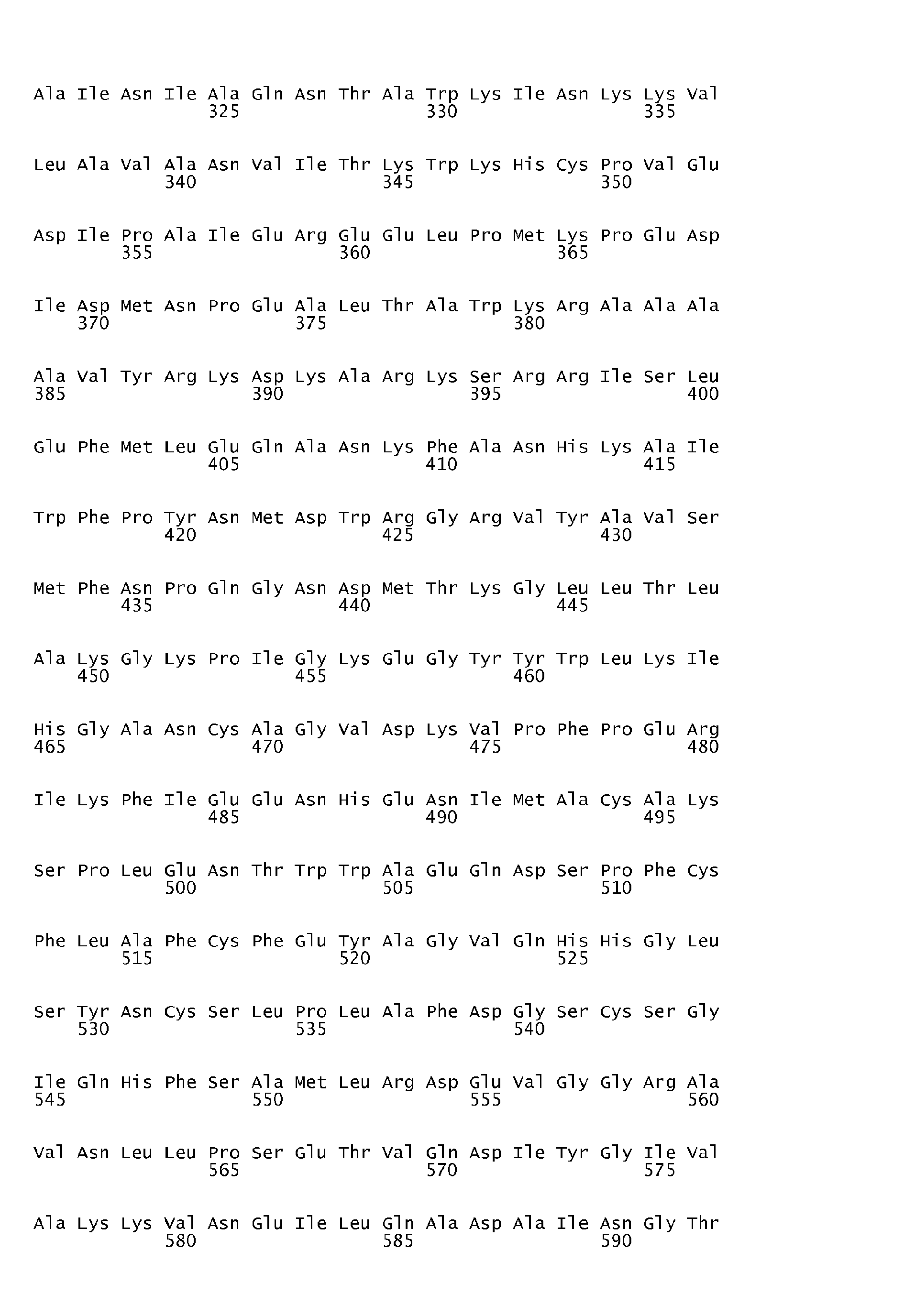


Claims (19)
- A chimeric enzyme comprising:- at least one catalytic domain of a RNA triphosphatase,- at least one catalytic domain of a guanylyltransferase,- at least one catalytic domain of a N7-guanine methyltransferase, and- at least one catalytic domain of a DNA-dependant RNA polymerase.
- The chimeric enzyme according to Claim 1, characterized in that it is a cytoplasmic chimeric enzyme.
- The chimeric enzyme according to Claim 1 or 2, wherein said catalytic domain of a RNA triphosphatase, said catalytic domain of a guanylyltransferase, said catalytic domain of a N7-guanine methyltransferase, are included in a monomer.
- The chimeric enzyme according to any one of Claims 1 to 3, wherein said catalytic domain of a DNA-dependant RNA polymerase is included in a monomer.
- The chimeric enzyme according to any one of Claims 1 to 4, wherein said catalytic domain of a DNA-dependant RNA polymerase and at least one of the catalytic domain chosen in the group consisting of:- said catalytic domain of a RNA triphosphatase;- said catalytic domain of a guanylyltransferase; and- said catalytic domain of a N7-guanine methyltransferase;are included in a monomer.
- The chimeric enzyme according to any one of Claims 1 to 5, wherein said catalytic domain of a DNA-dependant RNA polymerase is a catalytic domain of a bacteriophage DNA-dependant RNA polymerase.
- The chimeric enzyme according to any one of Claims 1 to 6, wherein at least one of said catalytic domain chosen in the group consisting of:- said catalytic domain of a RNA triphosphatase;- said catalytic domain of a guanylyltransferase; and- said catalytic domain of a N7-guanine methyltransferase;is a catalytic domain of a virus capping enzyme.
- The chimeric enzyme according to any one of Claims 1 to 7, characterized in that it is a monomeric enzyme.
- The chimeric enzyme according to any one of Claims 1 to 8, wherein at least two of said catalytic domains chosen in the group consisting of:- a catalytic domain of a RNA triphosphatase,- a catalytic domain of a guanylyltransferase,- a catalytic domain of a N7-guanine methyltransferase, and- a catalytic domain of a DNA-dependant RNA polymerase,are bound by a linking peptide.
- An isolated nucleic acid molecule encoding a chimeric enzyme according to any one of Claims 1 to 9.
- The nucleic acid molecule according to Claim 10, which is operatively linked to at least one promoter chosen from the group consisting of:- a promoter for RNA polymerase II; and- a promoter for said catalytic domain of a DNA-dependant RNA polymerase.
- A vector comprising a nucleic acid molecule according to Claim 10 or 11.
- A host cell comprising a nucleic acid molecule according to Claim 10 or 11 or a vector according to Claim 12.
- A genetically engineered non-human eukaryotic organism, which expresses a chimeric enzyme according to any one of Claims 1 to 9.
- In vitro or ex vivo use of a chimeric enzyme according to any one of Claims 1 to 9, for the production of RNA molecule with 5'-terminal m7GpppN cap.
- An in vitro or ex vivo method for producing a RNA molecule with 5'-terminal m7GpppN cap encoded by a DNA sequence, in a host cell, said method comprising the step of expressing in the host cell a nucleic acid molecule according to Claim 10 or 11, wherein said DNA sequence is operatively linked to a promoter for said catalytic domain of a DNA-dependant RNA polymerase.
- A kit for the production of a RNA molecule with 5'-terminal m7GpppN cap, comprising at least one chimeric enzyme according to any one of Claims 1 to 9, and/or an isolated nucleic acid molecule according to Claim 10 or 11, and/or a vector according to Claim 12.
- A pharmaceutical composition comprising a chimeric enzyme according to any one of Claims 1 to 9, and/or an isolated nucleic acid molecule according to Claim 10 or 11, and/or a vector according to Claim 12.
- The pharmaceutical composition according to Claim 18, which further comprise:- at least one DNA sequence of interest, wherein said DNA sequence is operatively linked to a promoter for said catalytic domain of a DNA-dependant RNA polymerase.
Priority Applications (12)
| Application Number | Priority Date | Filing Date | Title |
|---|---|---|---|
| EP10305400A EP2377938A1 (en) | 2010-04-16 | 2010-04-16 | Capping-prone RNA polymerase enzymes and their applications |
| EP11714562.3A EP2558579B1 (en) | 2010-04-16 | 2011-04-15 | Capping-prone rna polymerase enzymes and their applications |
| DK11714562.3T DK2558579T3 (en) | 2010-04-16 | 2011-04-15 | CAPPING ADDITIONAL RNA POLYMERASE ENZYMES AND APPLICATIONS THEREOF |
| US13/641,584 US8962292B2 (en) | 2010-04-16 | 2011-04-15 | Capping-prone RNA polymerase enzymes and their applications |
| JP2013504294A JP5432415B2 (en) | 2010-04-16 | 2011-04-15 | Capping prone RNA polymerase enzyme and its application |
| SG2012076899A SG184893A1 (en) | 2010-04-16 | 2011-04-15 | Capping-prone rna polymerase enzymes and their applications |
| PCT/EP2011/056051 WO2011128444A2 (en) | 2010-04-16 | 2011-04-15 | Capping-prone rna polymerase enzymes and their applications |
| CA2796175A CA2796175C (en) | 2010-04-16 | 2011-04-15 | Capping-prone rna polymerase enzymes and their applications |
| KR1020127030027A KR101930091B1 (en) | 2010-04-16 | 2011-04-15 | Capping-prone RNA polymerase enzymes and their applications |
| ES11714562T ES2436356T3 (en) | 2010-04-16 | 2011-04-15 | RNA polymerase enzymes prone to hood formation and their applications |
| IL222357A IL222357A (en) | 2010-04-16 | 2012-10-11 | Capping-prone rna polymerase enzymes and their applications |
| US14/598,874 US9540671B2 (en) | 2010-04-16 | 2015-01-16 | Capping prone RNA polymerase enzymes and their applications |
Applications Claiming Priority (1)
| Application Number | Priority Date | Filing Date | Title |
|---|---|---|---|
| EP10305400A EP2377938A1 (en) | 2010-04-16 | 2010-04-16 | Capping-prone RNA polymerase enzymes and their applications |
Publications (1)
| Publication Number | Publication Date |
|---|---|
| EP2377938A1 true EP2377938A1 (en) | 2011-10-19 |
Family
ID=42358243
Family Applications (2)
| Application Number | Title | Priority Date | Filing Date |
|---|---|---|---|
| EP10305400A Withdrawn EP2377938A1 (en) | 2010-04-16 | 2010-04-16 | Capping-prone RNA polymerase enzymes and their applications |
| EP11714562.3A Active EP2558579B1 (en) | 2010-04-16 | 2011-04-15 | Capping-prone rna polymerase enzymes and their applications |
Family Applications After (1)
| Application Number | Title | Priority Date | Filing Date |
|---|---|---|---|
| EP11714562.3A Active EP2558579B1 (en) | 2010-04-16 | 2011-04-15 | Capping-prone rna polymerase enzymes and their applications |
Country Status (10)
| Country | Link |
|---|---|
| US (2) | US8962292B2 (en) |
| EP (2) | EP2377938A1 (en) |
| JP (1) | JP5432415B2 (en) |
| KR (1) | KR101930091B1 (en) |
| CA (1) | CA2796175C (en) |
| DK (1) | DK2558579T3 (en) |
| ES (1) | ES2436356T3 (en) |
| IL (1) | IL222357A (en) |
| SG (1) | SG184893A1 (en) |
| WO (1) | WO2011128444A2 (en) |
Cited By (35)
| Publication number | Priority date | Publication date | Assignee | Title |
|---|---|---|---|---|
| US8822663B2 (en) | 2010-08-06 | 2014-09-02 | Moderna Therapeutics, Inc. | Engineered nucleic acids and methods of use thereof |
| US8980864B2 (en) | 2013-03-15 | 2015-03-17 | Moderna Therapeutics, Inc. | Compositions and methods of altering cholesterol levels |
| US8999380B2 (en) | 2012-04-02 | 2015-04-07 | Moderna Therapeutics, Inc. | Modified polynucleotides for the production of biologics and proteins associated with human disease |
| US9107886B2 (en) | 2012-04-02 | 2015-08-18 | Moderna Therapeutics, Inc. | Modified polynucleotides encoding basic helix-loop-helix family member E41 |
| US9186372B2 (en) | 2011-12-16 | 2015-11-17 | Moderna Therapeutics, Inc. | Split dose administration |
| US9283287B2 (en) | 2012-04-02 | 2016-03-15 | Moderna Therapeutics, Inc. | Modified polynucleotides for the production of nuclear proteins |
| US9334328B2 (en) | 2010-10-01 | 2016-05-10 | Moderna Therapeutics, Inc. | Modified nucleosides, nucleotides, and nucleic acids, and uses thereof |
| US9428535B2 (en) | 2011-10-03 | 2016-08-30 | Moderna Therapeutics, Inc. | Modified nucleosides, nucleotides, and nucleic acids, and uses thereof |
| US9464124B2 (en) | 2011-09-12 | 2016-10-11 | Moderna Therapeutics, Inc. | Engineered nucleic acids and methods of use thereof |
| US9533047B2 (en) | 2011-03-31 | 2017-01-03 | Modernatx, Inc. | Delivery and formulation of engineered nucleic acids |
| US9572897B2 (en) | 2012-04-02 | 2017-02-21 | Modernatx, Inc. | Modified polynucleotides for the production of cytoplasmic and cytoskeletal proteins |
| US9597380B2 (en) | 2012-11-26 | 2017-03-21 | Modernatx, Inc. | Terminally modified RNA |
| US10077439B2 (en) | 2013-03-15 | 2018-09-18 | Modernatx, Inc. | Removal of DNA fragments in mRNA production process |
| WO2018171946A1 (en) * | 2017-03-21 | 2018-09-27 | Centre National De La Recherche Scientifique | Production of rna by yeasts with recombinant pseudo-viral particles |
| US10138507B2 (en) | 2013-03-15 | 2018-11-27 | Modernatx, Inc. | Manufacturing methods for production of RNA transcripts |
| US10286086B2 (en) | 2014-06-19 | 2019-05-14 | Modernatx, Inc. | Alternative nucleic acid molecules and uses thereof |
| US10323076B2 (en) | 2013-10-03 | 2019-06-18 | Modernatx, Inc. | Polynucleotides encoding low density lipoprotein receptor |
| US10385088B2 (en) | 2013-10-02 | 2019-08-20 | Modernatx, Inc. | Polynucleotide molecules and uses thereof |
| US10407683B2 (en) | 2014-07-16 | 2019-09-10 | Modernatx, Inc. | Circular polynucleotides |
| US10428106B2 (en) | 2015-10-16 | 2019-10-01 | Modernatx, Inc. | Phosphate replacement mRNA cap analogs |
| US10526629B2 (en) | 2017-08-18 | 2020-01-07 | Modernatx, Inc. | RNA polymerase variants |
| US10590161B2 (en) | 2013-03-15 | 2020-03-17 | Modernatx, Inc. | Ion exchange purification of mRNA |
| CN111032863A (en) * | 2017-06-30 | 2020-04-17 | 科德克希思公司 | T7 RNA polymerase variants |
| US10815291B2 (en) | 2013-09-30 | 2020-10-27 | Modernatx, Inc. | Polynucleotides encoding immune modulating polypeptides |
| US11027025B2 (en) | 2013-07-11 | 2021-06-08 | Modernatx, Inc. | Compositions comprising synthetic polynucleotides encoding CRISPR related proteins and synthetic sgRNAs and methods of use |
| US11236311B2 (en) | 2017-06-30 | 2022-02-01 | Codexis, Inc. | T7 RNA polymerase variants |
| US11377470B2 (en) | 2013-03-15 | 2022-07-05 | Modernatx, Inc. | Ribonucleic acid purification |
| US11434486B2 (en) | 2015-09-17 | 2022-09-06 | Modernatx, Inc. | Polynucleotides containing a morpholino linker |
| US11485960B2 (en) | 2019-02-20 | 2022-11-01 | Modernatx, Inc. | RNA polymerase variants for co-transcriptional capping |
| RU2796061C2 (en) * | 2017-06-30 | 2023-05-16 | Кодексис, Инк. | T7 rna polymerase variants |
| US11866754B2 (en) | 2015-10-16 | 2024-01-09 | Modernatx, Inc. | Trinucleotide mRNA cap analogs |
| US12109274B2 (en) | 2015-09-17 | 2024-10-08 | Modernatx, Inc. | Polynucleotides containing a stabilizing tail region |
| CN119464248A (en) * | 2025-01-14 | 2025-02-18 | 昆明医科大学 | T7 RNA polymerase mutant with improved thermal stability and transcription performance for preparing mRNA vaccines and preparation method thereof |
| US12385034B2 (en) | 2016-06-24 | 2025-08-12 | Modernatx, Inc. | Methods and apparatus for filtration |
| EP4514959A4 (en) * | 2022-04-25 | 2026-05-06 | Univ Texas | Compositions and methods associated with manipulated RNA polymerases with capping enzymes |
Families Citing this family (19)
| Publication number | Priority date | Publication date | Assignee | Title |
|---|---|---|---|---|
| EP2377938A1 (en) | 2010-04-16 | 2011-10-19 | Eukarys | Capping-prone RNA polymerase enzymes and their applications |
| WO2014028429A2 (en) * | 2012-08-14 | 2014-02-20 | Moderna Therapeutics, Inc. | Enzymes and polymerases for the synthesis of rna |
| EP4098743A1 (en) * | 2015-05-29 | 2022-12-07 | CureVac AG | Method for adding cap structures to rna using immobilized enzymes |
| AU2018308684A1 (en) | 2017-07-27 | 2020-02-06 | Eukarys | New chimeric enzymes and their applications |
| EP4017995A1 (en) | 2019-08-23 | 2022-06-29 | New England Biolabs, Inc. | Enzymatic rna capping method |
| US11788074B2 (en) | 2020-06-23 | 2023-10-17 | New England Biolabs, Inc. | Vaccinia capping enzyme compositions and methods |
| JP7751631B2 (en) * | 2020-08-04 | 2025-10-08 | ユーキャリーズ | Artificial eukaryotic expression systems with enhanced performance |
| WO2022159664A1 (en) * | 2021-01-22 | 2022-07-28 | Chan Zuckerberg Biohub, Inc. | Engineered multi-segmented rna viruses for large-scale combinatorial genetic screening |
| US11028379B1 (en) | 2021-01-27 | 2021-06-08 | New England Biolabs, Inc. | FCE mRNA capping enzyme compositions, methods and kits |
| KR20230162968A (en) * | 2021-03-29 | 2023-11-29 | 징코 바이오웍스, 인크. | Preparation of vaccinia capping enzyme |
| CN115197327B (en) * | 2021-04-08 | 2026-03-17 | 上海细胞治疗集团股份有限公司 | RNA-modified chimeric proteins and their applications |
| CN113862235B (en) * | 2021-09-24 | 2024-07-05 | 苏州近岸蛋白质科技股份有限公司 | Chimeric enzyme and application and method thereof in one-step reaction synthesis of Cap0 mRNA in vitro |
| CN114181957B (en) * | 2021-12-03 | 2024-02-02 | 北京化工大学 | A stable T7 expression system based on viral capping enzyme and its method for expressing proteins in eukaryotes |
| WO2023201294A1 (en) * | 2022-04-14 | 2023-10-19 | Modernatx, Inc. | Rna polymerase variants |
| CN114807210B (en) * | 2022-04-22 | 2024-02-02 | 北京化工大学 | A T7 expression system based on cytoplasmic linear plasmid and its method for expressing proteins in yeast |
| WO2024039652A1 (en) | 2022-08-16 | 2024-02-22 | Aldevron, L.L.C. | Cell-free method of producing synthetic circular nucleic acid |
| CN116083392A (en) * | 2023-02-13 | 2023-05-09 | 深圳蓝晶生物科技有限公司 | Mammalian Quantitative Expression System |
| CN116179507B (en) * | 2023-03-20 | 2025-01-24 | 核芯生物医药科技(杭州)有限公司 | A T7 RNA polymerase mutant and its preparation method and application |
| WO2025122991A1 (en) * | 2023-12-07 | 2025-06-12 | Dna Twopointo, Inc. | mRNA CAPPING ENZYMES |
Citations (1)
| Publication number | Priority date | Publication date | Assignee | Title |
|---|---|---|---|---|
| US6312926B1 (en) * | 1998-08-14 | 2001-11-06 | University Of Medicine & Dentistry Of New Jersey | mRNA capping enzymes and uses thereof |
Family Cites Families (3)
| Publication number | Priority date | Publication date | Assignee | Title |
|---|---|---|---|---|
| US5126251A (en) * | 1986-09-03 | 1992-06-30 | The United States Of America As Represented By The Secretary Of The Department Of Health And Human Services | Stable mammalian cell line expressing a bacteriophage RNA polymerase |
| US7056683B2 (en) | 2002-11-12 | 2006-06-06 | Massachusetts Institute Of Technology | Genetically encoded fluorescent reporters of kinase, methyltransferase, and acetyl-transferase activities |
| EP2377938A1 (en) | 2010-04-16 | 2011-10-19 | Eukarys | Capping-prone RNA polymerase enzymes and their applications |
-
2010
- 2010-04-16 EP EP10305400A patent/EP2377938A1/en not_active Withdrawn
-
2011
- 2011-04-15 EP EP11714562.3A patent/EP2558579B1/en active Active
- 2011-04-15 CA CA2796175A patent/CA2796175C/en active Active
- 2011-04-15 JP JP2013504294A patent/JP5432415B2/en active Active
- 2011-04-15 US US13/641,584 patent/US8962292B2/en active Active
- 2011-04-15 WO PCT/EP2011/056051 patent/WO2011128444A2/en not_active Ceased
- 2011-04-15 DK DK11714562.3T patent/DK2558579T3/en active
- 2011-04-15 SG SG2012076899A patent/SG184893A1/en unknown
- 2011-04-15 KR KR1020127030027A patent/KR101930091B1/en active Active
- 2011-04-15 ES ES11714562T patent/ES2436356T3/en active Active
-
2012
- 2012-10-11 IL IL222357A patent/IL222357A/en active IP Right Grant
-
2015
- 2015-01-16 US US14/598,874 patent/US9540671B2/en active Active
Patent Citations (1)
| Publication number | Priority date | Publication date | Assignee | Title |
|---|---|---|---|---|
| US6312926B1 (en) * | 1998-08-14 | 2001-11-06 | University Of Medicine & Dentistry Of New Jersey | mRNA capping enzymes and uses thereof |
Non-Patent Citations (130)
Cited By (95)
| Publication number | Priority date | Publication date | Assignee | Title |
|---|---|---|---|---|
| US8822663B2 (en) | 2010-08-06 | 2014-09-02 | Moderna Therapeutics, Inc. | Engineered nucleic acids and methods of use thereof |
| US9447164B2 (en) | 2010-08-06 | 2016-09-20 | Moderna Therapeutics, Inc. | Engineered nucleic acids and methods of use thereof |
| US9937233B2 (en) | 2010-08-06 | 2018-04-10 | Modernatx, Inc. | Engineered nucleic acids and methods of use thereof |
| US9181319B2 (en) | 2010-08-06 | 2015-11-10 | Moderna Therapeutics, Inc. | Engineered nucleic acids and methods of use thereof |
| US9657295B2 (en) | 2010-10-01 | 2017-05-23 | Modernatx, Inc. | Modified nucleosides, nucleotides, and nucleic acids, and uses thereof |
| US10064959B2 (en) | 2010-10-01 | 2018-09-04 | Modernatx, Inc. | Modified nucleosides, nucleotides, and nucleic acids, and uses thereof |
| US9334328B2 (en) | 2010-10-01 | 2016-05-10 | Moderna Therapeutics, Inc. | Modified nucleosides, nucleotides, and nucleic acids, and uses thereof |
| US9950068B2 (en) | 2011-03-31 | 2018-04-24 | Modernatx, Inc. | Delivery and formulation of engineered nucleic acids |
| US9533047B2 (en) | 2011-03-31 | 2017-01-03 | Modernatx, Inc. | Delivery and formulation of engineered nucleic acids |
| US12502431B2 (en) | 2011-03-31 | 2025-12-23 | Modernatx, Inc. | Delivery and formulation of engineered nucleic acids |
| US10898574B2 (en) | 2011-03-31 | 2021-01-26 | Modernatx, Inc. | Delivery and formulation of engineered nucleic acids |
| US12419957B2 (en) | 2011-03-31 | 2025-09-23 | Modernatx, Inc. | Delivery and formulation of engineered nucleic acids |
| US11911474B2 (en) | 2011-03-31 | 2024-02-27 | Modernatx, Inc. | Delivery and formulation of engineered nucleic acids |
| US12409226B2 (en) | 2011-03-31 | 2025-09-09 | Modernatx, Inc. | Delivery and formulation of engineered nucleic acids |
| US12364763B2 (en) | 2011-03-31 | 2025-07-22 | Modernatx, Inc. | Delivery and formulation of engineered nucleic acids |
| US9464124B2 (en) | 2011-09-12 | 2016-10-11 | Moderna Therapeutics, Inc. | Engineered nucleic acids and methods of use thereof |
| US10751386B2 (en) | 2011-09-12 | 2020-08-25 | Modernatx, Inc. | Engineered nucleic acids and methods of use thereof |
| US10022425B2 (en) | 2011-09-12 | 2018-07-17 | Modernatx, Inc. | Engineered nucleic acids and methods of use thereof |
| US9428535B2 (en) | 2011-10-03 | 2016-08-30 | Moderna Therapeutics, Inc. | Modified nucleosides, nucleotides, and nucleic acids, and uses thereof |
| US9295689B2 (en) | 2011-12-16 | 2016-03-29 | Moderna Therapeutics, Inc. | Formulation and delivery of PLGA microspheres |
| US9271996B2 (en) | 2011-12-16 | 2016-03-01 | Moderna Therapeutics, Inc. | Formulation and delivery of PLGA microspheres |
| US9186372B2 (en) | 2011-12-16 | 2015-11-17 | Moderna Therapeutics, Inc. | Split dose administration |
| US9828416B2 (en) | 2012-04-02 | 2017-11-28 | Modernatx, Inc. | Modified polynucleotides for the production of secreted proteins |
| US9061059B2 (en) | 2012-04-02 | 2015-06-23 | Moderna Therapeutics, Inc. | Modified polynucleotides for treating protein deficiency |
| US9303079B2 (en) | 2012-04-02 | 2016-04-05 | Moderna Therapeutics, Inc. | Modified polynucleotides for the production of cytoplasmic and cytoskeletal proteins |
| US9283287B2 (en) | 2012-04-02 | 2016-03-15 | Moderna Therapeutics, Inc. | Modified polynucleotides for the production of nuclear proteins |
| US9254311B2 (en) | 2012-04-02 | 2016-02-09 | Moderna Therapeutics, Inc. | Modified polynucleotides for the production of proteins |
| US9255129B2 (en) | 2012-04-02 | 2016-02-09 | Moderna Therapeutics, Inc. | Modified polynucleotides encoding SIAH E3 ubiquitin protein ligase 1 |
| US9233141B2 (en) | 2012-04-02 | 2016-01-12 | Moderna Therapeutics, Inc. | Modified polynucleotides for the production of proteins associated with blood and lymphatic disorders |
| US9220755B2 (en) | 2012-04-02 | 2015-12-29 | Moderna Therapeutics, Inc. | Modified polynucleotides for the production of proteins associated with blood and lymphatic disorders |
| US9572897B2 (en) | 2012-04-02 | 2017-02-21 | Modernatx, Inc. | Modified polynucleotides for the production of cytoplasmic and cytoskeletal proteins |
| US9587003B2 (en) | 2012-04-02 | 2017-03-07 | Modernatx, Inc. | Modified polynucleotides for the production of oncology-related proteins and peptides |
| US8999380B2 (en) | 2012-04-02 | 2015-04-07 | Moderna Therapeutics, Inc. | Modified polynucleotides for the production of biologics and proteins associated with human disease |
| US9221891B2 (en) | 2012-04-02 | 2015-12-29 | Moderna Therapeutics, Inc. | In vivo production of proteins |
| US9675668B2 (en) | 2012-04-02 | 2017-06-13 | Moderna Therapeutics, Inc. | Modified polynucleotides encoding hepatitis A virus cellular receptor 2 |
| US9782462B2 (en) | 2012-04-02 | 2017-10-10 | Modernatx, Inc. | Modified polynucleotides for the production of proteins associated with human disease |
| US9814760B2 (en) | 2012-04-02 | 2017-11-14 | Modernatx, Inc. | Modified polynucleotides for the production of biologics and proteins associated with human disease |
| US9827332B2 (en) | 2012-04-02 | 2017-11-28 | Modernatx, Inc. | Modified polynucleotides for the production of proteins |
| US9050297B2 (en) | 2012-04-02 | 2015-06-09 | Moderna Therapeutics, Inc. | Modified polynucleotides encoding aryl hydrocarbon receptor nuclear translocator |
| US9878056B2 (en) | 2012-04-02 | 2018-01-30 | Modernatx, Inc. | Modified polynucleotides for the production of cosmetic proteins and peptides |
| US9220792B2 (en) | 2012-04-02 | 2015-12-29 | Moderna Therapeutics, Inc. | Modified polynucleotides encoding aquaporin-5 |
| US9216205B2 (en) | 2012-04-02 | 2015-12-22 | Moderna Therapeutics, Inc. | Modified polynucleotides encoding granulysin |
| US9192651B2 (en) | 2012-04-02 | 2015-11-24 | Moderna Therapeutics, Inc. | Modified polynucleotides for the production of secreted proteins |
| US9149506B2 (en) | 2012-04-02 | 2015-10-06 | Moderna Therapeutics, Inc. | Modified polynucleotides encoding septin-4 |
| US10772975B2 (en) | 2012-04-02 | 2020-09-15 | Modernatx, Inc. | Modified Polynucleotides for the production of biologics and proteins associated with human disease |
| US9114113B2 (en) | 2012-04-02 | 2015-08-25 | Moderna Therapeutics, Inc. | Modified polynucleotides encoding citeD4 |
| US9107886B2 (en) | 2012-04-02 | 2015-08-18 | Moderna Therapeutics, Inc. | Modified polynucleotides encoding basic helix-loop-helix family member E41 |
| US9301993B2 (en) | 2012-04-02 | 2016-04-05 | Moderna Therapeutics, Inc. | Modified polynucleotides encoding apoptosis inducing factor 1 |
| US10703789B2 (en) | 2012-04-02 | 2020-07-07 | Modernatx, Inc. | Modified polynucleotides for the production of secreted proteins |
| US9089604B2 (en) | 2012-04-02 | 2015-07-28 | Moderna Therapeutics, Inc. | Modified polynucleotides for treating galactosylceramidase protein deficiency |
| US10577403B2 (en) | 2012-04-02 | 2020-03-03 | Modernatx, Inc. | Modified polynucleotides for the production of secreted proteins |
| US10385106B2 (en) | 2012-04-02 | 2019-08-20 | Modernatx, Inc. | Modified polynucleotides for the production of secreted proteins |
| US9095552B2 (en) | 2012-04-02 | 2015-08-04 | Moderna Therapeutics, Inc. | Modified polynucleotides encoding copper metabolism (MURR1) domain containing 1 |
| US10501512B2 (en) | 2012-04-02 | 2019-12-10 | Modernatx, Inc. | Modified polynucleotides |
| US9597380B2 (en) | 2012-11-26 | 2017-03-21 | Modernatx, Inc. | Terminally modified RNA |
| US10077439B2 (en) | 2013-03-15 | 2018-09-18 | Modernatx, Inc. | Removal of DNA fragments in mRNA production process |
| US11377470B2 (en) | 2013-03-15 | 2022-07-05 | Modernatx, Inc. | Ribonucleic acid purification |
| US10590161B2 (en) | 2013-03-15 | 2020-03-17 | Modernatx, Inc. | Ion exchange purification of mRNA |
| US8980864B2 (en) | 2013-03-15 | 2015-03-17 | Moderna Therapeutics, Inc. | Compositions and methods of altering cholesterol levels |
| US10138507B2 (en) | 2013-03-15 | 2018-11-27 | Modernatx, Inc. | Manufacturing methods for production of RNA transcripts |
| US11845772B2 (en) | 2013-03-15 | 2023-12-19 | Modernatx, Inc. | Ribonucleic acid purification |
| US10858647B2 (en) | 2013-03-15 | 2020-12-08 | Modernatx, Inc. | Removal of DNA fragments in mRNA production process |
| US11027025B2 (en) | 2013-07-11 | 2021-06-08 | Modernatx, Inc. | Compositions comprising synthetic polynucleotides encoding CRISPR related proteins and synthetic sgRNAs and methods of use |
| US10815291B2 (en) | 2013-09-30 | 2020-10-27 | Modernatx, Inc. | Polynucleotides encoding immune modulating polypeptides |
| US10385088B2 (en) | 2013-10-02 | 2019-08-20 | Modernatx, Inc. | Polynucleotide molecules and uses thereof |
| US10323076B2 (en) | 2013-10-03 | 2019-06-18 | Modernatx, Inc. | Polynucleotides encoding low density lipoprotein receptor |
| US10286086B2 (en) | 2014-06-19 | 2019-05-14 | Modernatx, Inc. | Alternative nucleic acid molecules and uses thereof |
| US10407683B2 (en) | 2014-07-16 | 2019-09-10 | Modernatx, Inc. | Circular polynucleotides |
| US12071620B2 (en) | 2015-09-17 | 2024-08-27 | Modernatx, Inc. | Polynucleotides containing a morpholino linker |
| US12109274B2 (en) | 2015-09-17 | 2024-10-08 | Modernatx, Inc. | Polynucleotides containing a stabilizing tail region |
| US11434486B2 (en) | 2015-09-17 | 2022-09-06 | Modernatx, Inc. | Polynucleotides containing a morpholino linker |
| US10563195B2 (en) | 2015-10-16 | 2020-02-18 | Modernatx, Inc. | Phosphate replacement mRNA cap analogs |
| US10428106B2 (en) | 2015-10-16 | 2019-10-01 | Modernatx, Inc. | Phosphate replacement mRNA cap analogs |
| US10570388B2 (en) | 2015-10-16 | 2020-02-25 | Modernatx, Inc. | Phosphate replacement MRNA cap analogs |
| US11866754B2 (en) | 2015-10-16 | 2024-01-09 | Modernatx, Inc. | Trinucleotide mRNA cap analogs |
| US12385034B2 (en) | 2016-06-24 | 2025-08-12 | Modernatx, Inc. | Methods and apparatus for filtration |
| WO2018171946A1 (en) * | 2017-03-21 | 2018-09-27 | Centre National De La Recherche Scientifique | Production of rna by yeasts with recombinant pseudo-viral particles |
| US12006525B2 (en) | 2017-03-21 | 2024-06-11 | Centre National De La Recherche Scientifique | Production of RNA by yeasts with recombinant pseudo-viral particles |
| FR3064276A1 (en) * | 2017-03-21 | 2018-09-28 | Centre National De La Recherche Scientifique | RNA PRODUCTION BY RECOMBINANT PESEUDOVIRAL PARTICULATE YEASTS |
| EP3645711A4 (en) * | 2017-06-30 | 2021-04-21 | Codexis, Inc. | T7 rna polymerase variants |
| US11236312B2 (en) | 2017-06-30 | 2022-02-01 | Codexis, Inc. | T7 RNA polymerase variants |
| RU2796061C2 (en) * | 2017-06-30 | 2023-05-16 | Кодексис, Инк. | T7 rna polymerase variants |
| US11236311B2 (en) | 2017-06-30 | 2022-02-01 | Codexis, Inc. | T7 RNA polymerase variants |
| CN111032863A (en) * | 2017-06-30 | 2020-04-17 | 科德克希思公司 | T7 RNA polymerase variants |
| US12129494B2 (en) | 2017-06-30 | 2024-10-29 | Codexis, Inc. | T7 RNA polymerase variants |
| EP3645711A1 (en) | 2017-06-30 | 2020-05-06 | Codexis, Inc. | T7 rna polymerase variants |
| US12195778B2 (en) | 2017-08-18 | 2025-01-14 | Modernatx, Inc. | RNA polymerase variants |
| US11767548B2 (en) | 2017-08-18 | 2023-09-26 | Modernatx, Inc. | RNA polymerase variants |
| US11066686B2 (en) | 2017-08-18 | 2021-07-20 | Modernatx, Inc. | RNA polymerase variants |
| US10526629B2 (en) | 2017-08-18 | 2020-01-07 | Modernatx, Inc. | RNA polymerase variants |
| US12180518B2 (en) | 2019-02-20 | 2024-12-31 | Modernatx, Inc. | RNA polymerase variants for co-transcriptional capping |
| US11485960B2 (en) | 2019-02-20 | 2022-11-01 | Modernatx, Inc. | RNA polymerase variants for co-transcriptional capping |
| EP4514959A4 (en) * | 2022-04-25 | 2026-05-06 | Univ Texas | Compositions and methods associated with manipulated RNA polymerases with capping enzymes |
| CN119464248A (en) * | 2025-01-14 | 2025-02-18 | 昆明医科大学 | T7 RNA polymerase mutant with improved thermal stability and transcription performance for preparing mRNA vaccines and preparation method thereof |
| CN119464248B (en) * | 2025-01-14 | 2025-03-28 | 昆明医科大学 | T7 RNA polymerase mutant with heat stability and transcription performance improvement for preparing mRNA vaccine and preparation method thereof |
Also Published As
| Publication number | Publication date |
|---|---|
| US20150203888A1 (en) | 2015-07-23 |
| EP2558579B1 (en) | 2013-08-21 |
| WO2011128444A2 (en) | 2011-10-20 |
| DK2558579T3 (en) | 2013-11-11 |
| IL222357A (en) | 2016-09-29 |
| CA2796175C (en) | 2019-04-30 |
| SG184893A1 (en) | 2012-11-29 |
| IL222357A0 (en) | 2012-12-31 |
| WO2011128444A3 (en) | 2015-07-09 |
| JP5432415B2 (en) | 2014-03-05 |
| US20130042334A1 (en) | 2013-02-14 |
| CA2796175A1 (en) | 2011-10-20 |
| EP2558579A2 (en) | 2013-02-20 |
| ES2436356T3 (en) | 2013-12-30 |
| US9540671B2 (en) | 2017-01-10 |
| KR20130069632A (en) | 2013-06-26 |
| JP2013531467A (en) | 2013-08-08 |
| KR101930091B1 (en) | 2018-12-17 |
| US8962292B2 (en) | 2015-02-24 |
Similar Documents
| Publication | Publication Date | Title |
|---|---|---|
| EP2558579B1 (en) | Capping-prone rna polymerase enzymes and their applications | |
| KR102654180B1 (en) | Nucleic acid that encodes a repetitive amino acid sequence rich in proline and alanine residues and has a low repetitive nucleotide sequence | |
| Andres et al. | cDNA cloning of component A of Rab geranylgeranyl transferase and demonstration of its role as a Rab escort protein | |
| KR20230049084A (en) | SARS-COV-2 and Influenza Combination Vaccine | |
| US11760982B2 (en) | Chimeric enzymes and their applications | |
| KR101464842B1 (en) | FUSION POLYPEPTIDE AGAINST EB VIRUS-INDUCED TUMOR AND COLICIN Ia MUTANT | |
| GB2594683A (en) | Vaccine | |
| KR20130063510A (en) | Capsular gram-positive bacteria bioconjugate vaccines | |
| KR101758778B1 (en) | Anti-Mycoplasma Spp. Subunit Vaccine | |
| CN114478718B (en) | Recombinant novel coronavirus protein vaccine, preparation method and application thereof | |
| RS63526B1 (en) | VACCINES FOR THE FLU VIRUS AND THEIR USES | |
| WO2022173940A1 (en) | Coronavirus spike protein designs, compositions and methods for their use | |
| DK1893228T3 (en) | CHIMERIC POLYPEPTIDES AND THEIR THERAPEUTIC APPLICATIONS TOWARDS A Flaviviridae INFECTION | |
| CN114008205A (en) | Leader sequence | |
| WO1994023019A1 (en) | Novel polypeptide, dna coding for said polypeptide, recombinant vector containing said dna, recombinant virus prepared using said vector, and use thereof | |
| WO2019059817A1 (en) | Vaccine based on fusion protein and plasmid dna | |
| KR20230004330A (en) | Peptide for enhancing neutralizing antibody-producing ability and vaccine composition comprising the same | |
| KR101642499B1 (en) | A recombinant fusion protein, an immunogenic composition, comprising water-soluble Pasteurella multocida toxin (PMT), and a method for preparing thereof | |
| WO2025144636A1 (en) | ENGINEERED hMPV F PROTEIN IMMUNOGENS AND RELATED VACCINES | |
| CN120904340A (en) | Broad-spectrum anti-COVID-19 vaccine immunogen composition, preparation and application thereof | |
| HK40073047B (en) | A recombinant protein-based covid-19 vaccine as well as its preparation method and application thereof | |
| JPH05227971A (en) | Recombinant DNA sequences and plasmids for bacterial immune vaccines derived from bacterial toxin-antigen conjugates and methods of use thereof | |
| WO2022119481A1 (en) | Vaccine for preventing and treating a coronavirus infection | |
| HK40073046A (en) | A recombinant protein-based covid-19 vaccine as well as its preparation method and application thereof |
Legal Events
| Date | Code | Title | Description |
|---|---|---|---|
| AK | Designated contracting states |
Kind code of ref document: A1 Designated state(s): AT BE BG CH CY CZ DE DK EE ES FI FR GB GR HR HU IE IS IT LI LT LU LV MC MK MT NL NO PL PT RO SE SI SK SM TR |
|
| AX | Request for extension of the european patent |
Extension state: AL BA ME RS |
|
| PUAI | Public reference made under article 153(3) epc to a published international application that has entered the european phase |
Free format text: ORIGINAL CODE: 0009012 |
|
| STAA | Information on the status of an ep patent application or granted ep patent |
Free format text: STATUS: THE APPLICATION IS DEEMED TO BE WITHDRAWN |
|
| 18D | Application deemed to be withdrawn |
Effective date: 20120420 |