EP2376461B1 - Nitric oxide furoxan derivative compounds endowed with antitumoral activity - Google Patents
Nitric oxide furoxan derivative compounds endowed with antitumoral activity Download PDFInfo
- Publication number
- EP2376461B1 EP2376461B1 EP10702454.9A EP10702454A EP2376461B1 EP 2376461 B1 EP2376461 B1 EP 2376461B1 EP 10702454 A EP10702454 A EP 10702454A EP 2376461 B1 EP2376461 B1 EP 2376461B1
- Authority
- EP
- European Patent Office
- Prior art keywords
- compounds
- furoxan
- cells
- nmr
- dmso
- Prior art date
- Legal status (The legal status is an assumption and is not a legal conclusion. Google has not performed a legal analysis and makes no representation as to the accuracy of the status listed.)
- Not-in-force
Links
- -1 Nitric oxide furoxan derivative compounds Chemical class 0.000 title claims description 4
- 230000000259 anti-tumor effect Effects 0.000 title description 3
- MWUXSHHQAYIFBG-UHFFFAOYSA-N nitrogen oxide Inorganic materials O=[N] MWUXSHHQAYIFBG-UHFFFAOYSA-N 0.000 title 1
- 206010028980 Neoplasm Diseases 0.000 claims description 27
- 150000001875 compounds Chemical class 0.000 claims description 27
- 206010060862 Prostate cancer Diseases 0.000 claims description 11
- 239000002671 adjuvant Substances 0.000 claims description 10
- 239000003814 drug Substances 0.000 claims description 10
- 201000011510 cancer Diseases 0.000 claims description 9
- 239000007845 reactive nitrogen species Substances 0.000 claims description 8
- 238000011282 treatment Methods 0.000 claims description 8
- 208000000236 Prostatic Neoplasms Diseases 0.000 claims description 6
- 230000001024 immunotherapeutic effect Effects 0.000 claims description 6
- 230000007170 pathology Effects 0.000 claims description 5
- 239000000825 pharmaceutical preparation Substances 0.000 claims description 4
- 239000002904 solvent Substances 0.000 claims description 4
- 238000002560 therapeutic procedure Methods 0.000 claims description 3
- 239000000654 additive Substances 0.000 claims description 2
- 239000003963 antioxidant agent Substances 0.000 claims description 2
- 230000003078 antioxidant effect Effects 0.000 claims description 2
- 239000011230 binding agent Substances 0.000 claims description 2
- 239000000872 buffer Substances 0.000 claims description 2
- 239000004067 bulking agent Substances 0.000 claims description 2
- 239000002738 chelating agent Substances 0.000 claims description 2
- 239000003085 diluting agent Substances 0.000 claims description 2
- 239000007884 disintegrant Substances 0.000 claims description 2
- 239000003995 emulsifying agent Substances 0.000 claims description 2
- 239000000945 filler Substances 0.000 claims description 2
- 239000000796 flavoring agent Substances 0.000 claims description 2
- 235000013355 food flavoring agent Nutrition 0.000 claims description 2
- 208000015181 infectious disease Diseases 0.000 claims description 2
- 208000027866 inflammatory disease Diseases 0.000 claims description 2
- 239000000314 lubricant Substances 0.000 claims description 2
- 230000009826 neoplastic cell growth Effects 0.000 claims description 2
- 239000003002 pH adjusting agent Substances 0.000 claims description 2
- 239000000546 pharmaceutical excipient Substances 0.000 claims description 2
- 239000004014 plasticizer Substances 0.000 claims description 2
- 229920000642 polymer Polymers 0.000 claims description 2
- 239000003755 preservative agent Substances 0.000 claims description 2
- 239000003381 stabilizer Substances 0.000 claims description 2
- 239000006254 rheological additive Substances 0.000 claims 1
- IAZDPXIOMUYVGZ-WFGJKAKNSA-N Dimethyl sulfoxide Chemical compound [2H]C([2H])([2H])S(=O)C([2H])([2H])[2H] IAZDPXIOMUYVGZ-WFGJKAKNSA-N 0.000 description 42
- 210000004027 cell Anatomy 0.000 description 27
- XEKOWRVHYACXOJ-UHFFFAOYSA-N Ethyl acetate Chemical compound CCOC(C)=O XEKOWRVHYACXOJ-UHFFFAOYSA-N 0.000 description 22
- YMWUJEATGCHHMB-UHFFFAOYSA-N Dichloromethane Chemical compound ClCCl YMWUJEATGCHHMB-UHFFFAOYSA-N 0.000 description 20
- 241000699670 Mus sp. Species 0.000 description 13
- 239000003480 eluent Substances 0.000 description 12
- 238000001644 13C nuclear magnetic resonance spectroscopy Methods 0.000 description 11
- 238000005160 1H NMR spectroscopy Methods 0.000 description 11
- 235000019439 ethyl acetate Nutrition 0.000 description 11
- KFZMGEQAYNKOFK-UHFFFAOYSA-N Isopropanol Chemical compound CC(C)O KFZMGEQAYNKOFK-UHFFFAOYSA-N 0.000 description 10
- 210000003171 tumor-infiltrating lymphocyte Anatomy 0.000 description 10
- PMYJGTWUVVVOFO-UHFFFAOYSA-N 4-phenyl-3-furoxancarbonitrile Chemical class N#CC1=[N+]([O-])ON=C1C1=CC=CC=C1 PMYJGTWUVVVOFO-UHFFFAOYSA-N 0.000 description 9
- 210000001744 T-lymphocyte Anatomy 0.000 description 8
- 230000001506 immunosuppresive effect Effects 0.000 description 8
- NHBKXEKEPDILRR-UHFFFAOYSA-N 2,3-bis(butanoylsulfanyl)propyl butanoate Chemical compound CCCC(=O)OCC(SC(=O)CCC)CSC(=O)CCC NHBKXEKEPDILRR-UHFFFAOYSA-N 0.000 description 6
- 241001465754 Metazoa Species 0.000 description 6
- 238000013459 approach Methods 0.000 description 6
- 238000003556 assay Methods 0.000 description 6
- 230000001461 cytolytic effect Effects 0.000 description 6
- 210000004988 splenocyte Anatomy 0.000 description 6
- 102000004452 Arginase Human genes 0.000 description 5
- 108700024123 Arginases Proteins 0.000 description 5
- 102000008299 Nitric Oxide Synthase Human genes 0.000 description 5
- 108010021487 Nitric Oxide Synthase Proteins 0.000 description 5
- 238000010790 dilution Methods 0.000 description 5
- 239000012895 dilution Substances 0.000 description 5
- 230000000694 effects Effects 0.000 description 5
- 201000001514 prostate carcinoma Diseases 0.000 description 5
- 238000012546 transfer Methods 0.000 description 5
- 238000011740 C57BL/6 mouse Methods 0.000 description 4
- 102000004190 Enzymes Human genes 0.000 description 4
- 108090000790 Enzymes Proteins 0.000 description 4
- 101001046686 Homo sapiens Integrin alpha-M Proteins 0.000 description 4
- 102100022338 Integrin alpha-M Human genes 0.000 description 4
- 229940079593 drug Drugs 0.000 description 4
- 230000006870 function Effects 0.000 description 4
- 210000004698 lymphocyte Anatomy 0.000 description 4
- GXBMZGGYEICJPH-UHFFFAOYSA-N 1,3-dimethyl-5-[(5-nitrofuran-2-yl)methylidene]-1,3-diazinane-2,4,6-trione Chemical compound O=C1N(C)C(=O)N(C)C(=O)C1=CC1=CC=C([N+]([O-])=O)O1 GXBMZGGYEICJPH-UHFFFAOYSA-N 0.000 description 3
- VYZAMTAEIAYCRO-UHFFFAOYSA-N Chromium Chemical compound [Cr] VYZAMTAEIAYCRO-UHFFFAOYSA-N 0.000 description 3
- 238000011467 adoptive cell therapy Methods 0.000 description 3
- 239000000427 antigen Substances 0.000 description 3
- WPYMKLBDIGXBTP-UHFFFAOYSA-N benzoic acid group Chemical group C(C1=CC=CC=C1)(=O)O WPYMKLBDIGXBTP-UHFFFAOYSA-N 0.000 description 3
- 238000001516 cell proliferation assay Methods 0.000 description 3
- 239000011651 chromium Substances 0.000 description 3
- 229910052804 chromium Inorganic materials 0.000 description 3
- 238000009169 immunotherapy Methods 0.000 description 3
- 238000000034 method Methods 0.000 description 3
- 210000002307 prostate Anatomy 0.000 description 3
- 150000003839 salts Chemical class 0.000 description 3
- 210000000952 spleen Anatomy 0.000 description 3
- 210000004881 tumor cell Anatomy 0.000 description 3
- GIANIJCPTPUNBA-QMMMGPOBSA-N (2s)-3-(4-hydroxyphenyl)-2-nitramidopropanoic acid Chemical class [O-][N+](=O)N[C@H](C(=O)O)CC1=CC=C(O)C=C1 GIANIJCPTPUNBA-QMMMGPOBSA-N 0.000 description 2
- GAGAGGYSVRYFNO-UHFFFAOYSA-N (4-carbamoyl-5-oxido-1,2,5-oxadiazol-5-ium-3-yl)methyl 3-hydroxybenzoate Chemical compound O1[N+]([O-])=C(C(=O)N)C(COC(=O)C=2C=C(O)C=CC=2)=N1 GAGAGGYSVRYFNO-UHFFFAOYSA-N 0.000 description 2
- IHBZAFBMEPSAHM-UHFFFAOYSA-N (4-carbamoyl-5-oxido-1,2,5-oxadiazol-5-ium-3-yl)methyl 4-hydroxybenzoate Chemical compound O1[N+]([O-])=C(C(=O)N)C(COC(=O)C=2C=CC(O)=CC=2)=N1 IHBZAFBMEPSAHM-UHFFFAOYSA-N 0.000 description 2
- CSCPPACGZOOCGX-UHFFFAOYSA-N Acetone Chemical compound CC(C)=O CSCPPACGZOOCGX-UHFFFAOYSA-N 0.000 description 2
- 238000011725 BALB/c mouse Methods 0.000 description 2
- HEDRZPFGACZZDS-UHFFFAOYSA-N Chloroform Chemical compound ClC(Cl)Cl HEDRZPFGACZZDS-UHFFFAOYSA-N 0.000 description 2
- 206010009944 Colon cancer Diseases 0.000 description 2
- 239000006144 Dulbecco’s modified Eagle's medium Substances 0.000 description 2
- 102000004457 Granulocyte-Macrophage Colony-Stimulating Factor Human genes 0.000 description 2
- 108010017213 Granulocyte-Macrophage Colony-Stimulating Factor Proteins 0.000 description 2
- WZUVPPKBWHMQCE-UHFFFAOYSA-N Haematoxylin Chemical compound C12=CC(O)=C(O)C=C2CC2(O)C1C1=CC=C(O)C(O)=C1OC2 WZUVPPKBWHMQCE-UHFFFAOYSA-N 0.000 description 2
- 206010062016 Immunosuppression Diseases 0.000 description 2
- ODKSFYDXXFIFQN-BYPYZUCNSA-N L-arginine Chemical compound OC(=O)[C@@H](N)CCCN=C(N)N ODKSFYDXXFIFQN-BYPYZUCNSA-N 0.000 description 2
- 229930064664 L-arginine Natural products 0.000 description 2
- 235000014852 L-arginine Nutrition 0.000 description 2
- CSNNHWWHGAXBCP-UHFFFAOYSA-L Magnesium sulfate Chemical compound [Mg+2].[O-][S+2]([O-])([O-])[O-] CSNNHWWHGAXBCP-UHFFFAOYSA-L 0.000 description 2
- ISWSIDIOOBJBQZ-UHFFFAOYSA-N Phenol Natural products OC1=CC=CC=C1 ISWSIDIOOBJBQZ-UHFFFAOYSA-N 0.000 description 2
- UIIMBOGNXHQVGW-UHFFFAOYSA-M Sodium bicarbonate Chemical compound [Na+].OC([O-])=O UIIMBOGNXHQVGW-UHFFFAOYSA-M 0.000 description 2
- 230000006052 T cell proliferation Effects 0.000 description 2
- HEDRZPFGACZZDS-MICDWDOJSA-N Trichloro(2H)methane Chemical compound [2H]C(Cl)(Cl)Cl HEDRZPFGACZZDS-MICDWDOJSA-N 0.000 description 2
- 230000009471 action Effects 0.000 description 2
- 230000004913 activation Effects 0.000 description 2
- 235000001014 amino acid Nutrition 0.000 description 2
- 150000001413 amino acids Chemical class 0.000 description 2
- 102000036639 antigens Human genes 0.000 description 2
- 108091007433 antigens Proteins 0.000 description 2
- 238000002784 cytotoxicity assay Methods 0.000 description 2
- 231100000263 cytotoxicity test Toxicity 0.000 description 2
- 238000011161 development Methods 0.000 description 2
- 238000002474 experimental method Methods 0.000 description 2
- 238000000338 in vitro Methods 0.000 description 2
- 238000001727 in vivo Methods 0.000 description 2
- 238000011534 incubation Methods 0.000 description 2
- 239000011159 matrix material Substances 0.000 description 2
- 230000007246 mechanism Effects 0.000 description 2
- 230000037353 metabolic pathway Effects 0.000 description 2
- 230000004060 metabolic process Effects 0.000 description 2
- 208000010658 metastatic prostate carcinoma Diseases 0.000 description 2
- 239000000203 mixture Substances 0.000 description 2
- 210000004479 myeloid suppressor cell Anatomy 0.000 description 2
- 230000035755 proliferation Effects 0.000 description 2
- 230000002829 reductive effect Effects 0.000 description 2
- 230000004044 response Effects 0.000 description 2
- 230000004043 responsiveness Effects 0.000 description 2
- DAEPDZWVDSPTHF-UHFFFAOYSA-M sodium pyruvate Chemical compound [Na+].CC(=O)C([O-])=O DAEPDZWVDSPTHF-UHFFFAOYSA-M 0.000 description 2
- UCSJYZPVAKXKNQ-HZYVHMACSA-N streptomycin Chemical compound CN[C@H]1[C@H](O)[C@@H](O)[C@H](CO)O[C@H]1O[C@@H]1[C@](C=O)(O)[C@H](C)O[C@H]1O[C@@H]1[C@@H](NC(N)=N)[C@H](O)[C@@H](NC(N)=N)[C@H](O)[C@H]1O UCSJYZPVAKXKNQ-HZYVHMACSA-N 0.000 description 2
- 230000001225 therapeutic effect Effects 0.000 description 2
- 230000001173 tumoral effect Effects 0.000 description 2
- 238000002255 vaccination Methods 0.000 description 2
- DGVVWUTYPXICAM-UHFFFAOYSA-N β‐Mercaptoethanol Chemical compound OCCS DGVVWUTYPXICAM-UHFFFAOYSA-N 0.000 description 2
- YWHHKFGUOITYRD-UHFFFAOYSA-N (4-carbamoyl-5-oxido-1,2,5-oxadiazol-5-ium-3-yl)methyl 2-hydroxybenzoate Chemical compound O1[N+]([O-])=C(C(=O)N)C(COC(=O)C=2C(=CC=CC=2)O)=N1 YWHHKFGUOITYRD-UHFFFAOYSA-N 0.000 description 1
- RJADFHLESNFJBQ-UHFFFAOYSA-N (4-carbamoyl-5-oxido-1,2,5-oxadiazol-5-ium-3-yl)methyl 4-aminobenzoate Chemical compound O1[N+]([O-])=C(C(=O)N)C(COC(=O)C=2C=CC(N)=CC=2)=N1 RJADFHLESNFJBQ-UHFFFAOYSA-N 0.000 description 1
- HGRNIJDMISMGTL-UHFFFAOYSA-N (4-carbamoyl-5-oxido-1,2,5-oxadiazol-5-ium-3-yl)methyl 4-chlorobenzoate Chemical compound O1[N+]([O-])=C(C(=O)N)C(COC(=O)C=2C=CC(Cl)=CC=2)=N1 HGRNIJDMISMGTL-UHFFFAOYSA-N 0.000 description 1
- ZCJUMUHWWFCDDZ-UHFFFAOYSA-N (4-carbamoyl-5-oxido-1,2,5-oxadiazol-5-ium-3-yl)methyl 4-cyanobenzoate Chemical compound O1[N+]([O-])=C(C(=O)N)C(COC(=O)C=2C=CC(=CC=2)C#N)=N1 ZCJUMUHWWFCDDZ-UHFFFAOYSA-N 0.000 description 1
- JTRSYBXCASKONS-UHFFFAOYSA-N (4-carbamoyl-5-oxido-1,2,5-oxadiazol-5-ium-3-yl)methyl 4-fluorobenzoate Chemical compound O1[N+]([O-])=C(C(=O)N)C(COC(=O)C=2C=CC(F)=CC=2)=N1 JTRSYBXCASKONS-UHFFFAOYSA-N 0.000 description 1
- XNNRZHJRXVEDGJ-UHFFFAOYSA-N (4-carbamoyl-5-oxido-1,2,5-oxadiazol-5-ium-3-yl)methyl 4-methoxybenzoate Chemical compound C1=CC(OC)=CC=C1C(=O)OCC1=NO[N+]([O-])=C1C(N)=O XNNRZHJRXVEDGJ-UHFFFAOYSA-N 0.000 description 1
- ZWVFWQDCWCPFMT-UHFFFAOYSA-N (4-carbamoyl-5-oxido-1,2,5-oxadiazol-5-ium-3-yl)methyl 4-methylbenzoate Chemical compound C1=CC(C)=CC=C1C(=O)OCC1=NO[N+]([O-])=C1C(N)=O ZWVFWQDCWCPFMT-UHFFFAOYSA-N 0.000 description 1
- CBPCPSHIVKKPLO-UHFFFAOYSA-N (4-carbamoyl-5-oxido-1,2,5-oxadiazol-5-ium-3-yl)methyl 4-nitrobenzoate Chemical compound O1[N+]([O-])=C(C(=O)N)C(COC(=O)C=2C=CC(=CC=2)[N+]([O-])=O)=N1 CBPCPSHIVKKPLO-UHFFFAOYSA-N 0.000 description 1
- BRWPEGVBYXGDON-UHFFFAOYSA-N (4-carbamoyl-5-oxido-1,2,5-oxadiazol-5-ium-3-yl)methyl benzoate Chemical compound O1[N+]([O-])=C(C(=O)N)C(COC(=O)C=2C=CC=CC=2)=N1 BRWPEGVBYXGDON-UHFFFAOYSA-N 0.000 description 1
- JKMHFZQWWAIEOD-UHFFFAOYSA-N 2-[4-(2-hydroxyethyl)piperazin-1-yl]ethanesulfonic acid Chemical compound OCC[NH+]1CCN(CCS([O-])(=O)=O)CC1 JKMHFZQWWAIEOD-UHFFFAOYSA-N 0.000 description 1
- HSTOKWSFWGCZMH-UHFFFAOYSA-N 3,3'-diaminobenzidine Chemical compound C1=C(N)C(N)=CC=C1C1=CC=C(N)C(N)=C1 HSTOKWSFWGCZMH-UHFFFAOYSA-N 0.000 description 1
- BFMZALWOVUAZLN-UHFFFAOYSA-N 4-(bromomethyl)-2-oxido-1,2,5-oxadiazol-2-ium-3-carboxamide Chemical compound NC(=O)C=1C(CBr)=NO[N+]=1[O-] BFMZALWOVUAZLN-UHFFFAOYSA-N 0.000 description 1
- IPHRXVUYWVWSTP-UHFFFAOYSA-N 4-(hydroxymethyl)-2-oxido-1,2,5-oxadiazol-2-ium-3-carboxamide Chemical compound NC(=O)C=1C(CO)=NO[N+]=1[O-] IPHRXVUYWVWSTP-UHFFFAOYSA-N 0.000 description 1
- QGZKDVFQNNGYKY-UHFFFAOYSA-O Ammonium Chemical compound [NH4+] QGZKDVFQNNGYKY-UHFFFAOYSA-O 0.000 description 1
- 239000005711 Benzoic acid Substances 0.000 description 1
- 229920002134 Carboxymethyl cellulose Polymers 0.000 description 1
- 102000008186 Collagen Human genes 0.000 description 1
- 108010035532 Collagen Proteins 0.000 description 1
- 108090000695 Cytokines Proteins 0.000 description 1
- 102000004127 Cytokines Human genes 0.000 description 1
- 102100025137 Early activation antigen CD69 Human genes 0.000 description 1
- 101000934374 Homo sapiens Early activation antigen CD69 Proteins 0.000 description 1
- 101001057504 Homo sapiens Interferon-stimulated gene 20 kDa protein Proteins 0.000 description 1
- 101001055144 Homo sapiens Interleukin-2 receptor subunit alpha Proteins 0.000 description 1
- 101000851370 Homo sapiens Tumor necrosis factor receptor superfamily member 9 Proteins 0.000 description 1
- DGAQECJNVWCQMB-PUAWFVPOSA-M Ilexoside XXIX Chemical compound C[C@@H]1CC[C@@]2(CC[C@@]3(C(=CC[C@H]4[C@]3(CC[C@@H]5[C@@]4(CC[C@@H](C5(C)C)OS(=O)(=O)[O-])C)C)[C@@H]2[C@]1(C)O)C)C(=O)O[C@H]6[C@@H]([C@H]([C@@H]([C@H](O6)CO)O)O)O.[Na+] DGAQECJNVWCQMB-PUAWFVPOSA-M 0.000 description 1
- 108010002350 Interleukin-2 Proteins 0.000 description 1
- 102100026878 Interleukin-2 receptor subunit alpha Human genes 0.000 description 1
- ZDXPYRJPNDTMRX-VKHMYHEASA-N L-glutamine Chemical compound OC(=O)[C@@H](N)CCC(N)=O ZDXPYRJPNDTMRX-VKHMYHEASA-N 0.000 description 1
- 229930182816 L-glutamine Natural products 0.000 description 1
- OUYCCCASQSFEME-QMMMGPOBSA-N L-tyrosine Chemical compound OC(=O)[C@@H](N)CC1=CC=C(O)C=C1 OUYCCCASQSFEME-QMMMGPOBSA-N 0.000 description 1
- 206010025323 Lymphomas Diseases 0.000 description 1
- 239000004472 Lysine Substances 0.000 description 1
- KDXKERNSBIXSRK-UHFFFAOYSA-N Lysine Natural products NCCCCC(N)C(O)=O KDXKERNSBIXSRK-UHFFFAOYSA-N 0.000 description 1
- OKKJLVBELUTLKV-UHFFFAOYSA-N Methanol Chemical compound OC OKKJLVBELUTLKV-UHFFFAOYSA-N 0.000 description 1
- 150000001204 N-oxides Chemical class 0.000 description 1
- 206010067482 No adverse event Diseases 0.000 description 1
- 229930040373 Paraformaldehyde Natural products 0.000 description 1
- 229930182555 Penicillin Natural products 0.000 description 1
- JGSARLDLIJGVTE-MBNYWOFBSA-N Penicillin G Chemical compound N([C@H]1[C@H]2SC([C@@H](N2C1=O)C(O)=O)(C)C)C(=O)CC1=CC=CC=C1 JGSARLDLIJGVTE-MBNYWOFBSA-N 0.000 description 1
- KHGNFPUMBJSZSM-UHFFFAOYSA-N Perforine Natural products COC1=C2CCC(O)C(CCC(C)(C)O)(OC)C2=NC2=C1C=CO2 KHGNFPUMBJSZSM-UHFFFAOYSA-N 0.000 description 1
- 102000003992 Peroxidases Human genes 0.000 description 1
- ZLMJMSJWJFRBEC-UHFFFAOYSA-N Potassium Chemical compound [K] ZLMJMSJWJFRBEC-UHFFFAOYSA-N 0.000 description 1
- 239000012979 RPMI medium Substances 0.000 description 1
- 239000012980 RPMI-1640 medium Substances 0.000 description 1
- 229930006000 Sucrose Natural products 0.000 description 1
- CZMRCDWAGMRECN-UGDNZRGBSA-N Sucrose Chemical compound O[C@H]1[C@H](O)[C@@H](CO)O[C@@]1(CO)O[C@@H]1[C@H](O)[C@@H](O)[C@H](O)[C@@H](CO)O1 CZMRCDWAGMRECN-UGDNZRGBSA-N 0.000 description 1
- 230000005867 T cell response Effects 0.000 description 1
- 102100036856 Tumor necrosis factor receptor superfamily member 9 Human genes 0.000 description 1
- 241000700605 Viruses Species 0.000 description 1
- 239000012190 activator Substances 0.000 description 1
- 238000007605 air drying Methods 0.000 description 1
- 230000000961 alloantigen Effects 0.000 description 1
- 238000004458 analytical method Methods 0.000 description 1
- 239000000538 analytical sample Substances 0.000 description 1
- 230000005809 anti-tumor immunity Effects 0.000 description 1
- 210000000612 antigen-presenting cell Anatomy 0.000 description 1
- 230000008901 benefit Effects 0.000 description 1
- 235000010233 benzoic acid Nutrition 0.000 description 1
- 230000033228 biological regulation Effects 0.000 description 1
- 230000015572 biosynthetic process Effects 0.000 description 1
- 239000012267 brine Substances 0.000 description 1
- 230000000711 cancerogenic effect Effects 0.000 description 1
- 239000001768 carboxy methyl cellulose Substances 0.000 description 1
- 235000010948 carboxy methyl cellulose Nutrition 0.000 description 1
- 239000008112 carboxymethyl-cellulose Substances 0.000 description 1
- 231100000357 carcinogen Toxicity 0.000 description 1
- 239000003183 carcinogenic agent Substances 0.000 description 1
- 238000004113 cell culture Methods 0.000 description 1
- 238000006243 chemical reaction Methods 0.000 description 1
- 229920001436 collagen Polymers 0.000 description 1
- 238000002425 crystallisation Methods 0.000 description 1
- 230000008025 crystallization Effects 0.000 description 1
- 230000009089 cytolysis Effects 0.000 description 1
- 210000001151 cytotoxic T lymphocyte Anatomy 0.000 description 1
- 230000007812 deficiency Effects 0.000 description 1
- 230000001419 dependent effect Effects 0.000 description 1
- 230000007783 downstream signaling Effects 0.000 description 1
- 239000012636 effector Substances 0.000 description 1
- 210000000981 epithelium Anatomy 0.000 description 1
- 210000003722 extracellular fluid Anatomy 0.000 description 1
- 230000002349 favourable effect Effects 0.000 description 1
- 239000000834 fixative Substances 0.000 description 1
- JKFAIQOWCVVSKC-UHFFFAOYSA-N furazan Chemical compound C=1C=NON=1 JKFAIQOWCVVSKC-UHFFFAOYSA-N 0.000 description 1
- 239000008187 granular material Substances 0.000 description 1
- 210000000987 immune system Anatomy 0.000 description 1
- 238000002991 immunohistochemical analysis Methods 0.000 description 1
- 238000003364 immunohistochemistry Methods 0.000 description 1
- 238000013388 immunohistochemistry analysis Methods 0.000 description 1
- 238000000099 in vitro assay Methods 0.000 description 1
- 238000011065 in-situ storage Methods 0.000 description 1
- 238000010348 incorporation Methods 0.000 description 1
- 239000003112 inhibitor Substances 0.000 description 1
- 230000002401 inhibitory effect Effects 0.000 description 1
- 238000011081 inoculation Methods 0.000 description 1
- 230000003993 interaction Effects 0.000 description 1
- 230000008611 intercellular interaction Effects 0.000 description 1
- 230000002452 interceptive effect Effects 0.000 description 1
- 230000002601 intratumoral effect Effects 0.000 description 1
- 230000002147 killing effect Effects 0.000 description 1
- 229910052943 magnesium sulfate Inorganic materials 0.000 description 1
- 230000036210 malignancy Effects 0.000 description 1
- 230000003211 malignant effect Effects 0.000 description 1
- 238000004519 manufacturing process Methods 0.000 description 1
- 239000000463 material Substances 0.000 description 1
- 230000001394 metastastic effect Effects 0.000 description 1
- 206010061289 metastatic neoplasm Diseases 0.000 description 1
- 239000003607 modifier Substances 0.000 description 1
- 238000006396 nitration reaction Methods 0.000 description 1
- 231100000252 nontoxic Toxicity 0.000 description 1
- 210000000056 organ Anatomy 0.000 description 1
- 239000012074 organic phase Substances 0.000 description 1
- 229920002866 paraformaldehyde Polymers 0.000 description 1
- 230000036961 partial effect Effects 0.000 description 1
- 229940049954 penicillin Drugs 0.000 description 1
- 229930192851 perforin Natural products 0.000 description 1
- KHIWWQKSHDUIBK-UHFFFAOYSA-N periodic acid Chemical compound OI(=O)(=O)=O KHIWWQKSHDUIBK-UHFFFAOYSA-N 0.000 description 1
- 210000005259 peripheral blood Anatomy 0.000 description 1
- 239000011886 peripheral blood Substances 0.000 description 1
- 108040007629 peroxidase activity proteins Proteins 0.000 description 1
- 230000010287 polarization Effects 0.000 description 1
- 229910052700 potassium Inorganic materials 0.000 description 1
- 239000011591 potassium Substances 0.000 description 1
- 230000003389 potentiating effect Effects 0.000 description 1
- 238000002360 preparation method Methods 0.000 description 1
- 208000023958 prostate neoplasm Diseases 0.000 description 1
- NGVDGCNFYWLIFO-UHFFFAOYSA-N pyridoxal 5'-phosphate Chemical compound CC1=NC=C(COP(O)(O)=O)C(C=O)=C1O NGVDGCNFYWLIFO-UHFFFAOYSA-N 0.000 description 1
- 238000011472 radical prostatectomy Methods 0.000 description 1
- 238000001959 radiotherapy Methods 0.000 description 1
- 230000009467 reduction Effects 0.000 description 1
- 238000003345 scintillation counting Methods 0.000 description 1
- 150000003384 small molecules Chemical class 0.000 description 1
- 229910052708 sodium Inorganic materials 0.000 description 1
- 239000011734 sodium Substances 0.000 description 1
- 229910000030 sodium bicarbonate Inorganic materials 0.000 description 1
- 229940054269 sodium pyruvate Drugs 0.000 description 1
- HPALAKNZSZLMCH-UHFFFAOYSA-M sodium;chloride;hydrate Chemical compound O.[Na+].[Cl-] HPALAKNZSZLMCH-UHFFFAOYSA-M 0.000 description 1
- 239000007787 solid Substances 0.000 description 1
- 239000000243 solution Substances 0.000 description 1
- 238000010186 staining Methods 0.000 description 1
- 229960005322 streptomycin Drugs 0.000 description 1
- 239000005720 sucrose Substances 0.000 description 1
- 230000004083 survival effect Effects 0.000 description 1
- 239000000725 suspension Substances 0.000 description 1
- 238000003786 synthesis reaction Methods 0.000 description 1
- 210000001519 tissue Anatomy 0.000 description 1
- 230000004614 tumor growth Effects 0.000 description 1
- OUYCCCASQSFEME-UHFFFAOYSA-N tyrosine Natural products OC(=O)C(N)CC1=CC=C(O)C=C1 OUYCCCASQSFEME-UHFFFAOYSA-N 0.000 description 1
- XLYOFNOQVPJJNP-UHFFFAOYSA-N water Substances O XLYOFNOQVPJJNP-UHFFFAOYSA-N 0.000 description 1
- 150000003751 zinc Chemical class 0.000 description 1
Images


Classifications
-
- C—CHEMISTRY; METALLURGY
- C07—ORGANIC CHEMISTRY
- C07D—HETEROCYCLIC COMPOUNDS
- C07D271/00—Heterocyclic compounds containing five-membered rings having two nitrogen atoms and one oxygen atom as the only ring hetero atoms
- C07D271/02—Heterocyclic compounds containing five-membered rings having two nitrogen atoms and one oxygen atom as the only ring hetero atoms not condensed with other rings
- C07D271/10—1,3,4-Oxadiazoles; Hydrogenated 1,3,4-oxadiazoles
-
- C—CHEMISTRY; METALLURGY
- C07—ORGANIC CHEMISTRY
- C07D—HETEROCYCLIC COMPOUNDS
- C07D498/00—Heterocyclic compounds containing in the condensed system at least one hetero ring having nitrogen and oxygen atoms as the only ring hetero atoms
- C07D498/02—Heterocyclic compounds containing in the condensed system at least one hetero ring having nitrogen and oxygen atoms as the only ring hetero atoms in which the condensed system contains two hetero rings
- C07D498/04—Ortho-condensed systems
Definitions
- the present invention pertains to the field of medicine; in particular, it concerns new furoxan derivative compounds able to inhibit some metabolic pathways involved in tumoral development.
- Prostate cancer is the second leading cause of malignancy-related mortality in males in the Western world. While radical prostatectomy and local radiotherapy are largely successful for patients with localized cancer, available treatments for metastatic prostate carcinoma (PCa) have demonstrated weak curative efficacy. It is therefore necessary to find alternative therapeutic approaches to hormone-refractory metastatic prostate cancer. Immunotherapy may provide valid alternative therapy for patients with hormone-refractory metastatic PCa. The success of this approach depends on the ability of cytotoxic T cells to kill tumor cells. However, if the tumor environment exerts a suppressive action on antigen-specific tumor infiltrating lymphocytes (TIL), immunotherapy will achieve little, if any, successes. Thus, it is paramount to understand the cell biology of TIL and the modulation of TIL responses by the tumor environment.
- TIL tumor infiltrating lymphocytes
- the role of the prostate tumor environment in modulating T cell response have been analyzed with a study based on the use of collagen gel-matrix supported organ cultures of human PCa.
- the advantage of using this technique is that the microenvironment remains intact and all the factors that may affect TIL functions, such as cell-cell interaction, cell-matrix supported interaction and interstitial fluid, are preserved. This innovative approach to TIL biology allowed to obtain several important new findings.
- TIL infiltrating PCa samples are mainly CD8+ T lymphocytes with an antigen-experienced, terminally differentiated phenotype (CD8+ CD45RA+ CD62L-CCR7-), positive for perforin and therefore able to kill the cancerous cells; however, they are in dormant state since they do not express activation markers such as CD25, CD69 and CD137.
- TIL are not activated locally by powerful signals acting either on TCR or downstream signaling pathways, indicating a tumor-restricted deficiency.
- RNS reactive nitrogen species
- results from clinical trials have shown that the efficacy of different immunotherapeutic approaches is not adequate for an immediate and widespread transfer of this novel therapeutic approach to cancer patients.
- An important emerging concept is that the altered metabolism present in tumor microenvironment may have a profound impact on antitumor activity.
- RNS reactive nitrogen species
- the present invention concerns novel small molecules interfering with multiple and interconnected metabolic pathways.
- the molecules of the present invention potentiate the function of effector anti-tumor lymphocytes either spontaneously present, elicited in patients upon vaccination, or injected through an adoptive immunotherapy protocol.
- the present invention concerns N-oxides of 1,2,5-oxadiazole as per claims 1.
- the present invention relates to the compounds of the invention for use as a medicament as per claim 2 and, as a preferred embodiment, to their use as medicaments for the therapy of pathologies characterized by the generation of reactive nitrogen species, according to claim 3 and 4.
- they are for use for the treatment of prostatic cancer, as per claim 5.
- the invention relates to a pharmaceutical preparation comprising the compounds of the invention, according to claim 7 and 8.
- the present invention relates to the use of the compounds of the invention as adjuvant in the immunotherapeutic protocols against cancer as per claim 6.
- the present invention relates to new furoxan compounds.
- CT26 H-2d
- MBL-2 H-2b
- C26-GM a cell line derived from the C26 colon carcinoma (H-2d) genetically modified to release granulocyte-macrophage colony-stimulating factor (GM-CSF).
- DMEM Invitrogen
- RPMI medium 1640 Euroclone supplemented with 2 mM L-glutamine, 10 mM Hepes (DMEM) or 1 mM sodium pyruvate (RPMI 1640), 20 mM 2-mercaptoethanol, 150 units/ml streptomycin and 200 units/ml penicillin, 10% heat-inactivated FBS (Invitrogen or BioWhittaker).
- mice BALB/c (H-2 d ) and C57BL/6 (H-2 d ) mice (8 weeks old) were purchased from Harlan.
- mice were inoculated s.c. in the inguinal fold with 0.5 x10 6 C26GM cells. Mice were killed after 9 days and splenocytes were used for in vitro assay.
- mice were inoculated s.c. on the left flank with 0.5 x10 6 C26GM cells.
- 3 H-TdR PerkinElmer
- immunosuppressed splenocytes (6x10 5 cells/well) derived from tumor-bearing mice were stimulated with ⁇ -irradiated C57BL/6 splenocytes (6x10 5 cells/well) in 96-well, flat-bottom plates either with or without furoxan derivates at scalar dilutions.
- the percentage of CD11b + cells present in the spleen of these mice varied from 20 to 40%.
- the percentage of specific lysis was calculated from triplicate samples as follows: (experimental cpm-spontaneous cpm)/(maximal cpm-spontaneous cpm) x100, whereas litic unit 30 (LU30) represent the number of CTL cells required to kill 30% of target cells.
- the tumors were fixed in PLP fixative (Paraformaldehyde/Lysine/Periodate), cryoprotected in 30% sucrose and frozen in OCT.
- the samples were cut with a cryostat (6 mm) and after air drying, the sections were fixed with acetone for 3 min. Subsequently, the slides were rehydrated with PBS and endogenous peroxidase activity and the aspecific sites were blocked.
- the tissue sections were incubated with the primary antibodies anti-Nitrotyrosine (1:200, Calbiochem) or anti-CD3 (1:50, Dako) for 2h at r.t.
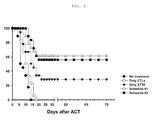
- Adoptive cell therapy was performed after inoculation of C57BL/6 mice with 10 5 EG-7 tumor cells subcutaneously on day 0. Tumor was allowed to grow and, at day 6, drug treatment was started. Mice were divided in 5 groups: tumor growth control (receiving only carboxymethylcellulose); adoptive transfer of tumor-antigen specific CTLs; AT38 alone; schedule 1 (mice were treated continuously after day 6 till sacrifice) together with adoptive transfer; schedule 2 (drug was suspended the day after cells transfer) and adoptive cell transfer. Treated mice received AT38 at 30 mg/kg/die divided in 2 doses of 15mg/kg every 12 hours. On day 10, 5x10 6 tumor antigen-specific CTLs were injected i.v. and mice were then treated i.p. with 30,000 IU of recombinant IL-2 twice a day for 3 consecutive days. On day 14 mice were sacrificed and tumors were taken for immunohistochemical analysis. Other mice were followed for survival as shown in Fig. 4 .
- tumor growth control receiving only carboxymethyl
- Table 1 above reports a partial list of compounds that have been screened.
- the second column from left reports the minimal effective concentration of each furoxan adjuvant required to restore the T cell proliferation in immunosuppressive condition. Twenty out of 95 adjuvants restored T lymphocytes responsiveness, which was inhibited by the presence of myeloid suppressor cells.
- Adjuvants which demonstrate to be ineffective in a proliferation assay were discarded, while the others were tested in a cytotoxicity assay to evaluate their efficacy in restoring T cell cytolytic activity against allogenic target cells using two different immunosuppressive conditions (third and fourth column from left).
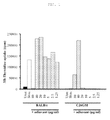
- Figure 1 shows the results of one representative assay among those performed (results for other 19 compounds were similar).
- adjuvant used in this assay restored T lymphocytes responsiveness inhibited by the presence of myeloid suppressor cells.
- No toxic effects were observed on control cell coltures by the furoxan derivate since scalar dilution of each compound does not affect lymphocyte proliferation of control BALB/c cell coltures(left panel), whereas restored the proliferation under immunosuppressive conditions (right panel).
- Figure 2 depicts the results of a representative chromium release assay.
- a single dose of each compound was added at time 0 to the alloantigen-stimulated T cell coltures.
- scalar dilutions of the furoxan derivate do not to affect the cytolitic activity of BALB/c control cell coltures except at the higher dose (200 ⁇ M).
- 100 ⁇ M and 50 ⁇ M of furoxan derivate are able to restore the cytolytic functions of CD8 + T cell as shown by LU30/10 6 cells that is comparable to the control. No effect was seen at lower concentrations.
- AT38 antitumor immunity elicited by cancer vaccination in tumor-bearing mice.
- the animals were injected subcutaneously with coloncarcinoma26 at day 0.
- the animals were treated for nine days with 3 different doses of AT38 (10, 30 and 100 mg/kg/day) orally administered starting from day 0 (see Fig. 3 ).
- the animals were euthanized and tumors removed for immunohistochemistry analysis.
- animals that have received AT38 for nine days showed an enhancement of CD3 + T tumor infiltrating lymphocytes and a strong reduction of nitrotyrosine staining.
- RNS reactive nitrogen species
- the compounds of the invention may be used for the treatment of prostate cancer.
- the disclosed compounds for use as adjuvant in the immunotherapeutic protocols against the above mentioned pathologies and, in particular, against malignant cancer.
- the disclosed compounds may be formulated, together with excipients and additives selected in the group comprising diluent, solvents, bulking agents, fillers, reological modifier, stabilizers, binders, lubricants, disintegrant, preservatives, pH adjusting agents, buffers, antioxidant, chelating agents, plasticizer, polymers, emulsifiers, edulcorants, flavoring agents; alone or in combination thereof, to give a pharmaceutical preparation as per the third embodiment of the invention.
- excipients and additives selected in the group comprising diluent, solvents, bulking agents, fillers, reological modifier, stabilizers, binders, lubricants, disintegrant, preservatives, pH adjusting agents, buffers, antioxidant, chelating agents, plasticizer, polymers, emulsifiers, edulcorants, flavoring agents; alone or in combination thereof, to give a pharmaceutical preparation as per the third embodiment of the invention.
- pharmaceutically acceptable salt is intended to include any salts suitable to be administered to human or animal and having suitable technological properties, such as, for instance, sodium, potassium, ammonium, zinc salt or any salts with amino acids (see, for a general reference, Remington's Pharmaceutical Sciences Handbook, Mack Pub. Co., N.Y., USA 17th edition, 1985 ).
Landscapes
- Chemical & Material Sciences (AREA)
- Organic Chemistry (AREA)
- Pharmaceuticals Containing Other Organic And Inorganic Compounds (AREA)
Description
- The present invention pertains to the field of medicine; in particular, it concerns new furoxan derivative compounds able to inhibit some metabolic pathways involved in tumoral development.
- Prostate cancer is the second leading cause of malignancy-related mortality in males in the Western world. While radical prostatectomy and local radiotherapy are largely successful for patients with localized cancer, available treatments for metastatic prostate carcinoma (PCa) have demonstrated weak curative efficacy. It is therefore necessary to find alternative therapeutic approaches to hormone-refractory metastatic prostate cancer. Immunotherapy may provide valid alternative therapy for patients with hormone-refractory metastatic PCa. The success of this approach depends on the ability of cytotoxic T cells to kill tumor cells. However, if the tumor environment exerts a suppressive action on antigen-specific tumor infiltrating lymphocytes (TIL), immunotherapy will achieve little, if any, successes. Thus, it is paramount to understand the cell biology of TIL and the modulation of TIL responses by the tumor environment.
- The role of the prostate tumor environment in modulating T cell response have been analyzed with a study based on the use of collagen gel-matrix supported organ cultures of human PCa. The advantage of using this technique is that the microenvironment remains intact and all the factors that may affect TIL functions, such as cell-cell interaction, cell-matrix supported interaction and interstitial fluid, are preserved. This innovative approach to TIL biology allowed to obtain several important new findings.
- In principle, TIL infiltrating PCa samples are mainly CD8+ T lymphocytes with an antigen-experienced, terminally differentiated phenotype (CD8+ CD45RA+ CD62L-CCR7-), positive for perforin and therefore able to kill the cancerous cells; however, they are in dormant state since they do not express activation markers such as CD25, CD69 and CD137. Moreover, different from normally responsive lymphocytes in tumor free prostates and peripheral blood, TIL are not activated locally by powerful signals acting either on TCR or downstream signaling pathways, indicating a tumor-restricted deficiency. In addition, evidence has been accumulating that arginase (ARG) and nitric oxide synthase (NOS) enzymes are over expressed in PCa as compared with hyperplasic prostate, with the intriguing observation that the tumor cells themselves rather than myeloid infiltrating cells could be the main source of the enzymes. The results indicate that the steady-state regulation of the dormant state is dependent on the enhanced intra-tumoral metabolism of the amino acid L-Arginine (L-Arg), since the simple addition of ARG and NOS specific inhibitors was sufficient to rouse these CTL, activate them and start a number of events leading to cytolitic granule polarization and killing of cognate targets. In addition, it has also been demonstrated the presence of high levels of nitrotyrosines in TILs, suggesting a local production of peroxynitrites, possibly due to ARG and NOS activities, since by inhibiting the activity of the enzymes a reduced tyrosine nitration was also achieved.
- These results identify a mechanism by which human prostate cancer induces in situ immunosuppression. Thus, drug controlling the generation of reactive nitrogen species (RNS) might be useful to aid immunotherapeutic approches for the treatment of cancer, by creating a favorable tumor environment for lymphocyte activation (Bronte et al., 2005).
- Results from clinical trials have shown that the efficacy of different immunotherapeutic approaches is not adequate for an immediate and widespread transfer of this novel therapeutic approach to cancer patients. An important emerging concept is that the altered metabolism present in tumor microenvironment may have a profound impact on antitumor activity. Considering results mentioned above, it is clear that drugs controlling the generation of reactive nitrogen species (RNS) might enhance significantly the impact of immunotherapeutic approaches for the treatment of cancer. Accordingly, the present invention provides new furoxan compounds acting on the mechanisms of tumoral development.
- Considering the strict relationship between ARG, NOS and cyclooxigenase enzymes, all over-expressed in prostate cancer cells as compared to normal prostate epithelium, the present invention concerns novel small molecules interfering with multiple and interconnected metabolic pathways. In contrast to conventional adjuvants, such as cytokines and activators of antigen presenting cells, which are characterized by broad action on the immune system, lack of selectivity and potentially important side effects, the molecules of the present invention potentiate the function of effector anti-tumor lymphocytes either spontaneously present, elicited in patients upon vaccination, or injected through an adoptive immunotherapy protocol.
- In first object, the present invention concerns N-oxides of 1,2,5-oxadiazole as per claims 1.
- In a second embodiment, the present invention relates to the compounds of the invention for use as a medicament as per claim 2 and, as a preferred embodiment, to their use as medicaments for the therapy of pathologies characterized by the generation of reactive nitrogen species, according to claim 3 and 4.
- As a preferred embodiment, they are for use for the treatment of prostatic cancer, as per
claim 5. - As a third embodiment, the invention relates to a pharmaceutical preparation comprising the compounds of the invention, according to claim 7 and 8.
- In a further embodiment, the present invention relates to the use of the compounds of the invention as adjuvant in the immunotherapeutic protocols against cancer as per claim 6.
-
-
FIG. 1 shows the results of the proliferation assay. -
FIG. 2 shows the results of the chromium assay. -
FIG. 3 shows a graph of the immunohistochemal analysis. -
FIG. 4 shows the results of the in vivo experiments on compound AT38. - In a first embodiment, the present invention relates to new furoxan compounds.
- In particular, the compounds of the invention are those of the following formulae:


- To a stirred suspension of KF (3 mmol) and 4-(bromomethyl)furoxan-3-carboxamide (1 mmol) in dry DMF (10 mL), the appropriate benzoic acid (1 mmol) was added and the mixture of reaction was stirred at RT for 1 h.
- Then, water (30 mL) was added and resulting mixture was extracted with EtOAc (3x10 mL). The combined organic phases were washed with 10 % NaHCO3 solution (2x10 mL), brine (1x10 mL), and then dried on MgSO4. Solvent was removed under reduced pressure to give a white solid that was purified by flash-cromatography using the reported eluents.
- Analytical samples were obtained by crystallization with appropriate solvents.
- 1) [3-(aminocarbonyl)furoxan-4-yl]methyl benzoate
- Eluent: PE 7 / EtOAc 3; yield: 80%.
- M.p.: 163-165 °C (H2O / iPrOH).
- 1H-NMR (DMSO-d6): δ, 8.51 (s br, 1H, -CONH 2); 8.01 (d, 2H, Ph); 7.82 (s br, 1H, -CONH 2); 7.70 (t, 1H, Ph); 7.56 (t, 2H, Ph); 5.63 (s, 2H, -OCH2 -Fx).
- 13C-NMR (DMSO-d6): δ, 164.9; 155.6; 154.7; 133.7; 129.2; 128.9; 128.7; 110.3; 57.4.
- Mass (CI) (m/z): 264 [MH+].
- Anal. Calcd. for C11H9N3O5 C% 50.19, H% 3.45, N% 15.96; found C% 50.44, H% 3.58, N% 16.04.
- 2) [3-(aminocarbonyl)furoxan-4-yl]methyl salicylate
- Eluent: CH2Cl2 8 / EtOAc 2; yield: 80%.
- M.p.: 176-177 °C (H2O / iPrOH).
- 1H-NMR (CDCl3): δ, 8.51 (s br, 1H, -CONH 2); 7.86 (d, 1H, Ph); 7.59 (s br, 1H, -CONH2 ); 7.53 (t, 1H, Ph) ; 6.95 (m, 2H, Ph); 5.70 (s, 2H, -OCH 2-Fx).
- 13C-NMR (DMSO-d6): δ, 167.0; 159.8; 155.6; 154.0; 135.8; 130.2; 119.2; 117.6; 112.7; 110.4; 57.5.
- Mass (CI) (m/z): 280 [MH+].
- Anal. Calcd. for C11H9N3O6 C% 47.32, H% 3.25, N% 15.05; found C% 47.36, H% 3.58, N% 14.97.
- 3) [3-(aminocarbonyl)furoxan-4-yl]methyl 3-hydroxybenzoate
- Eluent: CH2Cl2 8 / EtOAc 2; yield: 82%.
- M.p.: 203-204 °C (H2O / iPrOH).
- 1H-NMR (DMSO-d6): δ, 9.91 (s, 1H, Ph-OH); 8.51 (s br, 1H, -CONH 2); 7.83 (s br, 1H, -CONH 2); 7.46-7.31 (m, 3H, Ph); 7.09-7.06 (m, 1H, Ph); 5.61 (s, 2H, -OCH 2-Fx).
- 13C-NMR (DMSO-d6): δ, 130.6; 165.7; 158.3; 156.4; 155.5; 130.7; 121.6; 120.9; 116.6; 111.2; 60.5.
- Massa (CI) (m/z): 280 [MH+].
- Anal. Calcd. for C11H9N3O6 C% 47.32, H% 3.25, N% 15.05; found C% 46.97, H% 3.18, N% 15.45.
- 4) [3-(aminocarbonyl)furoxan-4-yl]methyl 4-hydroxybenzoate
- Eluent: CH2Cl2 8 / CH3OH 2; yield: 50%.
- M.p.: 241-242 °C (H2O /iPrOH).
- 1H-NMR (DMSO-d6): δ, 10.44 (s, 1H, Ph-OH); 8.49 (s br, 1H, -CONH 2); 7.85 (d, 2H, Ph) ; 7.82 (s br, 1H, -CONH 2); 6.87 (d, 2H, Ph); 5.55 (s, 2H, -OCH 2-Fx).
- 13C-NMR (DMSO-d6): δ, 164.7; 162.4; 155.6; 154.9; 131.7; 119.2; 115.4; 110.3; 57.0.
- Mass (CI) (m/z): 280 [MH+].
- Anal. Calcd. for C11H9N3O6 C% 47.32, H% 3.25, N% 15.05; found C% 47.29, H% 3.25, N% 15.17.
- 5) [3-(aminocarbonyl)furoxan-4-yl]methyl 4-fluorobenzoate
- Eluent: CH2Cl2 8 / EtOAc 2; yield: 90%.
- M.p.: 163-164 °C (H2O / iPrOH).
- 1H-NMR (DMSO-d6): δ, 8.52 (sbr ,, 1H, -CONH2); 8.08 (m, 2H, Ph) ; 7.83 (sbr ,, 1H, -CONH2); 7.37 (t, 2H, Ph); 5. 62 (s, 2H, - OCH 2-Fx).
- 13C-NMR (DMSO-d6): δ, 165.3 (d, J1 CF = 270 Hz); 164.0; 155.6; 154.6; 132.3 (d, J3 CF = 9. 75 Hz); 125.3; 116.0 (d, J2 CF = 22.2 Hz) ; 110. 4; 57.6.
- Mass (CI) (m/z): 282 [MH+].
- Anal. Calcd. for C11H8N3O5F C% 46.98, H% 2.87, N% 14.94; found C% 47.10, H% 2.86, N% 15.00.
- 6) [3-(aminocarbonyl)furoxan-4-yl]methyl 4-nitrobenzoate
- Eluent: CH2Cl2 9 / EtOAc 1; yield; 86%.
- M.p.: 172-173 °C (H2O / iPrOH).
- 1H-NMR (DMSO-d6): δ, 8.53 (sbr, 1H, -CONH 2); 8.28 (d, 2H, Ph); 8.25 (d, 2H, Ph); 7.85 (sbr, 1H, -CONH2 ); 5.76 (s, 2H, -OCH 2-Fx).
- 13C-NMR (DMSO-d6): δ, 163.5; 155.4; 154.3; 150.4; 134.1; 130.8; 123.9; 110.4; 58.1.
- Mass (CI) (m/z): 309 [MH+]
- Anal. Calcd. for C11H8N4O7 C% 42.87, H% 2.62, N% 18.18; found C% 42.85, H% 2.67, N% 18.05.
- 7) [3-(aminocarbonyl)furoxan-4-yl]methyl 4-cyanobenzoate
- Eluent: CH2Cl2 9 / EtOAc 1; yield: 87%.
- M.p.: 190-191 °C (CHCl3 / n-Hex).
- 1H-NMR (DMSO-d6): δ, 8.51 (sbr, 1H, -CONH2 ); 8.15 (d, 2H, Ph); 8.14 (d, 2H, Ph); 7.82 (sbr , 1H, -CONH 2); 5.66 (s, 2H, -OCH 2-Fx).
- 13C-NMR (DMSO-d6): δ, 163.7; 155.5; 154.4; 132.9; 132.6; 129.9; 117.9; 115.8; 110.4; 57.9.
- Mass (CI) (m/z): 289 [MH+].
- Anal. Calcd. for C12H8N4O5 C% 50.01, H% 2. 79, N% 19.44; found C% 50.13, H% 2.84, N% 19.48.
- 8) [3-(aminocarbonyl)furoxan-4-yl]methyl 4-methylbenzoate
- Eluent: CH2Cl2 9.5 / EtOAc 0.5; yield: 68%.
- M.p.: 149-150 °C (H2O / iPrOH).
- 1H-NMR (DMSO-d6): δ, 8.51 (sbr , 1H, -CONH 2); 7.90 (d, 2H, Ph); 7.84 (sbr , 1H, -CONH 2); 7.37 (d, 2H, Ph); 5.61 (s, 2H, -OCH 2-Fx); 2.41 (s, 3H, Ph-CH 3).
- 13C-NMR (DMSO-d6): δ, 164.8; 155.5; 154.7; 144.2; 129.4; 129.3; 125.9; 110.3; 96.9; 57.3.
- Mass (CI) (m/z):278 [MH+].
- Anal. Calcd. for C12H11N3O5 C% 51.98, H% 3.99, N% 15.16; found C% 52.10, H% 3.99, N% 15.14.
- 9) [3-(aminocarbonyl)furoxan-4-yl]methyl 4-methoxybenzoate
- Eluent: CH2Cl2 9 / EtOAc 1; yield: 95%.
- M.p.: 175-176 °C (H2O / iPrOH).
- 1H-NMR (DMSO-d6): δ, 8.50 (sbr , 1H, -CONH 2); 7.94 (d, 2H, Ph) ; 7.83 (sbr , 1H, -CONH 2); 7.06 (d, 2H, Ph) ; 5.83 (s, 2H, -OCH 2-Fx); 3.85 (s, 3H, -OCH 3).
- 13C-NMR (DMSO-d6): δ, 164.5; 163.5; 155.6; 154.8; 131.5; 120.8; 114.1; 110.3; 57.2; 55.5.
- Mass (CI) (m/z) : 294 [MH+].
- Anal. Calcd. for C12H11N3O6 C% 49.15, H% 3.78, N% 14.33; found C%49.27, H% 3.79, N% 14.33.
- 10) [3-(aminocarbonyl)furoxan-4-yl]methyl 4-aminobenzoate
- Eluent: CH2Cl2 9 / EtOAc 1; yield: 89%.
- M.p.: 206-208 °C (H2O / iPrOH).
- 1H-NMR (DMSO-d6): δ, 8.50 (sbr, 1H, -CONH 2); 7.83 (sbr , 1H, -CONH 2); 7.69 (d, 2H, Ph) ; 7.59 (d, 2H, Ph); 6.09 (s, 2H, -NH2); 5.52 (s, 2H, -OCH 2-Fx).
- 13C-NMR (DMSO-d6): δ, 164.9; 155.6; 155.2; 153.9; 131.4; 114.4; 112.6; 110.3; 56.6.
- Mass (CI) (m/z): 279 [MH+].
- Anal. Calcd. for C11H10N4O5 C% 47.48, H% 3.62, N% 20.14; found C% 47.31, H% 3.60, N% 20.20.
- 11) [3-(aminocarbonyl)furoxan-4-yl]methyl 4-chlorobenzoate
- Eluent: CH2Cl2 9 / EtOAc 1; yield: 98%.
- M.p.: 171-172 °C (n-Hex / iPrOH).
- 1H-NMR (DMSO-d6): δ, 8.51 (sbr, 1H, -CONH 2); 8.02 (d, 2H, Ph); 7.83 (sbr , 1H, -CONH 2); 7.65 (d, 2H, Ph) ; 5. 63 (s, 2H, -OCH 2-Fx).
- 13C-NMR (DMSO-d6): δ, 164.1; 155.5; 154.5; 138.7; 130.8; 129.0; 127.6; 110.4; 57.7.
- Mass (CI) (m/z): 298 [MH+].
- Anal. Calcd. for C11H8N3O5Cl C% 44.38, H% 2.71, N% 14.12; found C% 44.32, H% 2.75, N% 14.13.
- It is submitted that the person skilled in the art will be able to preparare other compounds falling within the scope of the present invention without undue burden.
- CT26 (H-2d), a BALB/c carcinogen-induced colon carcinoma; MBL-2 (H-2b), a Moloney virus-induced lymphoma; C26-GM, a cell line derived from the C26 colon carcinoma (H-2d) genetically modified to release granulocyte-macrophage colony-stimulating factor (GM-CSF).
- Cells were grown in DMEM (Invitrogen) or in RPMI medium 1640 (Euroclone) supplemented with 2 mM L-glutamine, 10 mM Hepes (DMEM) or 1 mM sodium pyruvate (RPMI 1640), 20 mM 2-mercaptoethanol, 150 units/ml streptomycin and 200 units/ml penicillin, 10% heat-inactivated FBS (Invitrogen or BioWhittaker).
- BALB/c (H-2d) and C57BL/6 (H-2d) mice (8 weeks old) were purchased from Harlan.
- BALB/c mice were inoculated s.c. in the inguinal fold with 0.5 x10⁶ C26GM cells. Mice were killed after 9 days and splenocytes were used for in vitro assay.
- For in vivo experiments, BALB/c mice were inoculated s.c. on the left flank with 0.5 x10⁶ C26GM cells.
- BALB/c splenocytes from control animals and from coloncarcinoma26 (C26GM) tumor bearing-mice were plated at 6x10⁵ cells/well and stimulated with 3 µg/ml anti-CD3 (2C11, ATCC) and 2 µg/ml anti-CD28 (clone 37.5, ATCC) either with or without scalar dilutions of each furoxan derivate as adjuvant. After 2 days of incubation, 1 µCi/well (1 Ci=37 GBq) of 3H-TdR (PerkinElmer) was added to the cultures for 18 h, and 3H-TdR incorporation was measured by scintillation counting.
- Two different cell cultures were set up to evaluate the CTL response. First, BALB/c splenocytes (6x10⁵ cells/well) were stimulated with (6x10⁵ cells/well) γ-irradiated C57BL/6 splenocytes in 96-well, flat-bottom plates (BD Falcon), either with or without furoxan derivates at scalar dilutions. To obtain immunosuppression, CD11b+ cells sorted from the spleens of tumor-bearing mice were added at a final concentration of 3% to a mixed leucocytes culture. Second, immunosuppressed splenocytes (6x10⁵ cells/well) derived from tumor-bearing mice were stimulated with γ-irradiated C57BL/6 splenocytes (6x10⁵ cells/well) in 96-well, flat-bottom plates either with or without furoxan derivates at scalar dilutions. The percentage of CD11b+ cells present in the spleen of these mice varied from 20 to 40%.
- In both experimental conditions, after 5 days of incubation, cultures were tested for ability to kill 2x10³ allogenic (MBL-2) or singenic (CT26) target cells in a 5-h 51Cr-release assay.
- The percentage of specific lysis was calculated from triplicate samples as follows: (experimental cpm-spontaneous cpm)/(maximal cpm-spontaneous cpm) x100, whereas litic unit 30 (LU30) represent the number of CTL cells required to kill 30% of target cells.
- The tumors were fixed in PLP fixative (Paraformaldehyde/Lysine/Periodate), cryoprotected in 30% sucrose and frozen in OCT. The samples were cut with a cryostat (6 mm) and after air drying, the sections were fixed with acetone for 3 min. Subsequently, the slides were rehydrated with PBS and endogenous peroxidase activity and the aspecific sites were blocked. The tissue sections were incubated with the primary antibodies anti-Nitrotyrosine (1:200, Calbiochem) or anti-CD3 (1:50, Dako) for 2h at r.t. After washes with PBS, the samples were incubated with goat-anti-rabbit-peroxidase (Dako) for 1h at r.t. Immunoreactivity was visualized with 3,3-diaminobenzidine (DAB). Sections were counterstained with hematoxylin and mounted in Eukitt.
- Adoptive cell therapy (ACT) was performed after inoculation of C57BL/6 mice with 105 EG-7 tumor cells subcutaneously on
day 0. Tumor was allowed to grow and, at day 6, drug treatment was started. Mice were divided in 5 groups: tumor growth control (receiving only carboxymethylcellulose); adoptive transfer of tumor-antigen specific CTLs; AT38 alone; schedule 1 (mice were treated continuously after day 6 till sacrifice) together with adoptive transfer; schedule 2 (drug was suspended the day after cells transfer) and adoptive cell transfer. Treated mice received AT38 at 30 mg/kg/die divided in 2 doses of 15mg/kg every 12 hours. Onday 10, 5x10⁶ tumor antigen-specific CTLs were injected i.v. and mice were then treated i.p. with 30,000 IU of recombinant IL-2 twice a day for 3 consecutive days. On day 14 mice were sacrificed and tumors were taken for immunohistochemical analysis. Other mice were followed for survival as shown inFig. 4 . -
Table 1 in vitro lympho-proliferation in vitro cytotoxicity assay Range of concentration to rescue T cell proliferation (µM) Range of concentration to rescue cytolytic activity (µM) COMPOUNDS C26GM spleen B6+C26GM B6+Balb+ 3%CD11b+ AT24 100-12.5 INEFFECTIVE INEFFECTIVE AT25 25-6.25 INEFFECTIVE not yet tested AT27 63-13 25 63-32 AT38 72-18 25 72-34 AT43 68 INEFFECTIVE 68-17 AT44 76-38 INEFFECTIVE 76 AT45 72-9 100 72 AT47 72-18 50 72-18 AT84 100 50-25 50-25 AT88 19-6.25 1.25 µg/ml 6.25-3.1 AT94 19-9 INEFFECTIVE 10-5 AT101 285-142 100-50 not yet tested AT103 140 100-50 not yet tested AT104 140 100-50 not yet tested AT105 273-68 100-50 not yet tested AT108 1.8X10³ Not yet tested not yet tested AT110 200-100 100 not yet tested AT111 100 100-50 not yet tested AT112 200 200 not yet tested AT113 50 100 not yet tested - Table 1 above reports a partial list of compounds that have been screened. The second column from left reports the minimal effective concentration of each furoxan adjuvant required to restore the T cell proliferation in immunosuppressive condition. Twenty out of 95 adjuvants restored T lymphocytes responsiveness, which was inhibited by the presence of myeloid suppressor cells.
- Adjuvants, which demonstrate to be ineffective in a proliferation assay were discarded, while the others were tested in a cytotoxicity assay to evaluate their efficacy in restoring T cell cytolytic activity against allogenic target cells using two different immunosuppressive conditions (third and fourth column from left).
- Nine out of twenty compounds completely restored the cytolitic function of CD8+ T cells in the alloreactive cultures containing 3% of immunosuppressive CD11b+ cells, one is ineffective (fourth column).
- Under strong immunosuppressive conditions (third column) 14 of 20 compounds restored the alloreactivity of CD8+ T cells, whereas 5 of 20 were ineffective.
-
Figure 1 shows the results of one representative assay among those performed (results for other 19 compounds were similar). In particular, it can be seen that adjuvant used in this assay restored T lymphocytes responsiveness inhibited by the presence of myeloid suppressor cells. No toxic effects were observed on control cell coltures by the furoxan derivate since scalar dilution of each compound does not affect lymphocyte proliferation of control BALB/c cell coltures(left panel), whereas restored the proliferation under immunosuppressive conditions (right panel). -
Figure 2 depicts the results of a representative chromium release assay. A single dose of each compound was added attime 0 to the alloantigen-stimulated T cell coltures. In the upper panel, scalar dilutions of the furoxan derivate do not to affect the cytolitic activity of BALB/c control cell coltures except at the higher dose (200 µM). Under immunosuppressive conditions, 100 µM and 50 µM of furoxan derivate are able to restore the cytolytic functions of CD8+ T cell as shown by LU30/106 cells that is comparable to the control. No effect was seen at lower concentrations. These data are representative of one compound, the other 19 showing similar results. - We also evaluated the solubility in physiological vehicles and the stability at pH 2 for 24 h in order to understand if we could perform an oral-administration of the adjuvants.
- Based on the findings, it was investigated whether the compound AT38 could be useful in antitumor immunity elicited by cancer vaccination in tumor-bearing mice. The animals were injected subcutaneously with coloncarcinoma26 at
day 0. The animals were treated for nine days with 3 different doses of AT38 (10, 30 and 100 mg/kg/day) orally administered starting from day 0 (seeFig. 3 ). Atday 10 the animals were euthanized and tumors removed for immunohistochemistry analysis. Compared to untreated controls, animals that have received AT38 for nine days showed an enhancement of CD3+ T tumor infiltrating lymphocytes and a strong reduction of nitrotyrosine staining. - According to the above, it is a second object of the invention the compounds of the invention for use as a medicament.
- In a preferred embodiment, they are used for the treatment of pathologies characterized by the generation of RNS (reactive nitrogen species), such as, for instance, neoplasia, inflammatory diseases or chronicle infections.
- In a still preferred embodiment, the compounds of the invention may be used for the treatment of prostate cancer.
- As per the above, it is a third object of the invention, the disclosed compounds for use as adjuvant in the immunotherapeutic protocols against the above mentioned pathologies and, in particular, against malignant cancer.
- For the purposes of the present invention, the disclosed compounds may be formulated, together with excipients and additives selected in the group comprising diluent, solvents, bulking agents, fillers, reological modifier, stabilizers, binders, lubricants, disintegrant, preservatives, pH adjusting agents, buffers, antioxidant, chelating agents, plasticizer, polymers, emulsifiers, edulcorants, flavoring agents; alone or in combination thereof, to give a pharmaceutical preparation as per the third embodiment of the invention. In particular, "pharmaceutically acceptable salt" is intended to include any salts suitable to be administered to human or animal and having suitable technological properties, such as, for instance, sodium, potassium, ammonium, zinc salt or any salts with amino acids (see, for a general reference, Remington's Pharmaceutical Sciences Handbook, Mack Pub. Co., N.Y., USA 17th edition, 1985).
Claims (8)
- Compounds selected among the following:


- Compounds according to claims 1 for use as a medicament.
- Compounds according to claim 1 or 2 for use as a medicament for the therapy of pathologies characterized by the generation of reactive nitrogen species.
- Compounds for use according to claim 3, wherein said pathologies comprise neoplasia, inflammatory diseases or chronicle infections.
- Compounds for use according to claim 4 for the treatment of prostate cancer.
- Compounds for use according to claim 5 as adjuvant in the immunotherapeutic protocols against cancer.
- A pharmaceutical preparation comprising one or more of the compounds of claim 1.
- The pharmaceutical preparation of claim 7 further comprising excipients and additives selected in the group comprising diluent, solvents, bulking agents, fillers, rheological modifier, stabilizers, binders, lubricants, disintegrant, preservatives, pH adjusting agents, buffers, antioxidant, chelating agents, plasticizer, polymers, emulsifiers, edulcorants, flavoring agents; alone or in combination thereof.
Priority Applications (1)
| Application Number | Priority Date | Filing Date | Title |
|---|---|---|---|
| EP10702454.9A EP2376461B1 (en) | 2009-01-15 | 2010-01-15 | Nitric oxide furoxan derivative compounds endowed with antitumoral activity |
Applications Claiming Priority (3)
| Application Number | Priority Date | Filing Date | Title |
|---|---|---|---|
| PCT/EP2009/000206 WO2010081488A1 (en) | 2009-01-15 | 2009-01-15 | Nitric oxide furoxan derivative compounds endowed with antitumoral activity |
| PCT/EP2010/050455 WO2010081877A1 (en) | 2009-01-15 | 2010-01-15 | Nitric oxide furoxan derivative compounds endowed with antitumoral activity |
| EP10702454.9A EP2376461B1 (en) | 2009-01-15 | 2010-01-15 | Nitric oxide furoxan derivative compounds endowed with antitumoral activity |
Publications (2)
| Publication Number | Publication Date |
|---|---|
| EP2376461A1 EP2376461A1 (en) | 2011-10-19 |
| EP2376461B1 true EP2376461B1 (en) | 2015-03-11 |
Family
ID=44613792
Family Applications (1)
| Application Number | Title | Priority Date | Filing Date |
|---|---|---|---|
| EP10702454.9A Not-in-force EP2376461B1 (en) | 2009-01-15 | 2010-01-15 | Nitric oxide furoxan derivative compounds endowed with antitumoral activity |
Country Status (1)
| Country | Link |
|---|---|
| EP (1) | EP2376461B1 (en) |
-
2010
- 2010-01-15 EP EP10702454.9A patent/EP2376461B1/en not_active Not-in-force
Also Published As
| Publication number | Publication date |
|---|---|
| EP2376461A1 (en) | 2011-10-19 |
Similar Documents
| Publication | Publication Date | Title |
|---|---|---|
| US11279701B2 (en) | Immunomodulators and immunomodulator conjugates | |
| JP6883079B2 (en) | Process for the synthesis of indoleamine 2,3-dioxygenase inhibitor | |
| CN108026053B (en) | Fused imidazoles as mIDH1 inhibitors | |
| EA027476B1 (en) | Use of n-(4-{[6,7-bis(methyloxy)quinolin-4-yl]oxy}phenyl)-n'-(4-fluorophenyl)cyclopropane-1,1-dicarboxamide for the treatment of castration-resistant prostate cancer and osteoblastic bone metastases | |
| CN111393415B (en) | Heteroaromatic nitrile compound and application thereof | |
| EP3829520B1 (en) | Haloallylamine sulfone derivative inhibitors of lysyl oxidases and uses thereof | |
| US8592464B2 (en) | Nitric oxide furoxan derivative compounds endowed with antitumoral activity | |
| KR20250012611A (en) | Macrocyclic immunomodulators | |
| KR20180107261A (en) | MAX binders as Myc modifiers and their uses | |
| KR20220040480A (en) | Difluorohaloallylamine sulfone derivative inhibitor of lysyl oxidase, preparation method and use thereof | |
| CN115873018A (en) | Benzopyrimidine and phentriazine hematopoietic progenitor cell kinase 1 degradation agent and application thereof | |
| EP4171538B1 (en) | Selective histone deacetylase 6 inhibitors | |
| US11987648B2 (en) | Cyclohexapeptides as selective somatostatin SST5 receptor agonists | |
| EP2539328B1 (en) | Water soluble furoxan derivatives having antitumor activity | |
| US20250163104A1 (en) | Macrocyclic immunomodulators | |
| US20240360178A1 (en) | Macrocyclic immunomodulators | |
| JP4780540B2 (en) | Survivin-derived cancer antigen peptide | |
| EP2376461A1 (en) | Nitric oxide furoxan derivative compounds endowed with antitumoral activity | |
| CN103183722A (en) | Glyoxalase I inhibitor, preparation method and medical application thereof | |
| KR20210016995A (en) | Exosome derived from radiated cancer cell, cancer vaccine comprising dendritic cell prepared by using the same and preparing method thereof | |
| CN107556315B (en) | Imidazole derivatives containing four-membered rings | |
| KR20230042650A (en) | Pharmaceutical composition for regulating immune response | |
| US20150202273A1 (en) | Prostate-specific tumor antigens and uses thereof | |
| WO2011045340A1 (en) | Ido inhibitors and therapeutic uses thereof | |
| CN118354783A (en) | Extracellular cyclophilin inhibitor and application thereof |
Legal Events
| Date | Code | Title | Description |
|---|---|---|---|
| PUAI | Public reference made under article 153(3) epc to a published international application that has entered the european phase |
Free format text: ORIGINAL CODE: 0009012 |
|
| 17P | Request for examination filed |
Effective date: 20110621 |
|
| AK | Designated contracting states |
Kind code of ref document: A1 Designated state(s): AT BE BG CH CY CZ DE DK EE ES FI FR GB GR HR HU IE IS IT LI LT LU LV MC MK MT NL NO PL PT RO SE SI SK SM TR |
|
| DAX | Request for extension of the european patent (deleted) | ||
| 17Q | First examination report despatched |
Effective date: 20130412 |
|
| REG | Reference to a national code |
Ref country code: DE Ref legal event code: R079 Ref document number: 602010023014 Country of ref document: DE Free format text: PREVIOUS MAIN CLASS: C07D0271100000 Ipc: A61K0031424500 |
|
| RIC1 | Information provided on ipc code assigned before grant |
Ipc: A61K 31/4245 20060101AFI20140904BHEP |
|
| GRAP | Despatch of communication of intention to grant a patent |
Free format text: ORIGINAL CODE: EPIDOSNIGR1 |
|
| INTG | Intention to grant announced |
Effective date: 20141013 |
|
| GRAS | Grant fee paid |
Free format text: ORIGINAL CODE: EPIDOSNIGR3 |
|
| GRAA | (expected) grant |
Free format text: ORIGINAL CODE: 0009210 |
|
| AK | Designated contracting states |
Kind code of ref document: B1 Designated state(s): AT BE BG CH CY CZ DE DK EE ES FI FR GB GR HR HU IE IS IT LI LT LU LV MC MK MT NL NO PL PT RO SE SI SK SM TR |
|
| REG | Reference to a national code |
Ref country code: GB Ref legal event code: FG4D |
|
| REG | Reference to a national code |
Ref country code: CH Ref legal event code: EP |
|
| REG | Reference to a national code |
Ref country code: IE Ref legal event code: FG4D |
|
| REG | Reference to a national code |
Ref country code: AT Ref legal event code: REF Ref document number: 714936 Country of ref document: AT Kind code of ref document: T Effective date: 20150415 |
|
| REG | Reference to a national code |
Ref country code: DE Ref legal event code: R096 Ref document number: 602010023014 Country of ref document: DE Effective date: 20150423 |
|
| REG | Reference to a national code |
Ref country code: CH Ref legal event code: NV Representative=s name: JACOBACCI AND PARTNERS SA, CH |
|
| REG | Reference to a national code |
Ref country code: SE Ref legal event code: TRGR |
|
| REG | Reference to a national code |
Ref country code: NL Ref legal event code: T3 |
|
| REG | Reference to a national code |
Ref country code: ES Ref legal event code: FG2A Ref document number: 2539136 Country of ref document: ES Kind code of ref document: T3 Effective date: 20150626 |
|
| REG | Reference to a national code |
Ref country code: PT Ref legal event code: SC4A Free format text: AVAILABILITY OF NATIONAL TRANSLATION Effective date: 20150609 |
|
| PG25 | Lapsed in a contracting state [announced via postgrant information from national office to epo] |
Ref country code: HR Free format text: LAPSE BECAUSE OF FAILURE TO SUBMIT A TRANSLATION OF THE DESCRIPTION OR TO PAY THE FEE WITHIN THE PRESCRIBED TIME-LIMIT Effective date: 20150311 Ref country code: FI Free format text: LAPSE BECAUSE OF FAILURE TO SUBMIT A TRANSLATION OF THE DESCRIPTION OR TO PAY THE FEE WITHIN THE PRESCRIBED TIME-LIMIT Effective date: 20150311 Ref country code: LT Free format text: LAPSE BECAUSE OF FAILURE TO SUBMIT A TRANSLATION OF THE DESCRIPTION OR TO PAY THE FEE WITHIN THE PRESCRIBED TIME-LIMIT Effective date: 20150311 Ref country code: NO Free format text: LAPSE BECAUSE OF FAILURE TO SUBMIT A TRANSLATION OF THE DESCRIPTION OR TO PAY THE FEE WITHIN THE PRESCRIBED TIME-LIMIT Effective date: 20150611 |
|
| REG | Reference to a national code |
Ref country code: AT Ref legal event code: MK05 Ref document number: 714936 Country of ref document: AT Kind code of ref document: T Effective date: 20150311 |
|
| REG | Reference to a national code |
Ref country code: LT Ref legal event code: MG4D |
|
| PG25 | Lapsed in a contracting state [announced via postgrant information from national office to epo] |
Ref country code: LV Free format text: LAPSE BECAUSE OF FAILURE TO SUBMIT A TRANSLATION OF THE DESCRIPTION OR TO PAY THE FEE WITHIN THE PRESCRIBED TIME-LIMIT Effective date: 20150311 Ref country code: GR Free format text: LAPSE BECAUSE OF FAILURE TO SUBMIT A TRANSLATION OF THE DESCRIPTION OR TO PAY THE FEE WITHIN THE PRESCRIBED TIME-LIMIT Effective date: 20150612 |
|
| PG25 | Lapsed in a contracting state [announced via postgrant information from national office to epo] |
Ref country code: EE Free format text: LAPSE BECAUSE OF FAILURE TO SUBMIT A TRANSLATION OF THE DESCRIPTION OR TO PAY THE FEE WITHIN THE PRESCRIBED TIME-LIMIT Effective date: 20150311 Ref country code: SK Free format text: LAPSE BECAUSE OF FAILURE TO SUBMIT A TRANSLATION OF THE DESCRIPTION OR TO PAY THE FEE WITHIN THE PRESCRIBED TIME-LIMIT Effective date: 20150311 Ref country code: CZ Free format text: LAPSE BECAUSE OF FAILURE TO SUBMIT A TRANSLATION OF THE DESCRIPTION OR TO PAY THE FEE WITHIN THE PRESCRIBED TIME-LIMIT Effective date: 20150311 Ref country code: RO Free format text: LAPSE BECAUSE OF FAILURE TO SUBMIT A TRANSLATION OF THE DESCRIPTION OR TO PAY THE FEE WITHIN THE PRESCRIBED TIME-LIMIT Effective date: 20150311 |
|
| PG25 | Lapsed in a contracting state [announced via postgrant information from national office to epo] |
Ref country code: PL Free format text: LAPSE BECAUSE OF FAILURE TO SUBMIT A TRANSLATION OF THE DESCRIPTION OR TO PAY THE FEE WITHIN THE PRESCRIBED TIME-LIMIT Effective date: 20150311 Ref country code: AT Free format text: LAPSE BECAUSE OF FAILURE TO SUBMIT A TRANSLATION OF THE DESCRIPTION OR TO PAY THE FEE WITHIN THE PRESCRIBED TIME-LIMIT Effective date: 20150311 Ref country code: IS Free format text: LAPSE BECAUSE OF FAILURE TO SUBMIT A TRANSLATION OF THE DESCRIPTION OR TO PAY THE FEE WITHIN THE PRESCRIBED TIME-LIMIT Effective date: 20150711 |
|
| REG | Reference to a national code |
Ref country code: DE Ref legal event code: R097 Ref document number: 602010023014 Country of ref document: DE |
|
| PLBE | No opposition filed within time limit |
Free format text: ORIGINAL CODE: 0009261 |
|
| STAA | Information on the status of an ep patent application or granted ep patent |
Free format text: STATUS: NO OPPOSITION FILED WITHIN TIME LIMIT |
|
| PG25 | Lapsed in a contracting state [announced via postgrant information from national office to epo] |
Ref country code: DK Free format text: LAPSE BECAUSE OF FAILURE TO SUBMIT A TRANSLATION OF THE DESCRIPTION OR TO PAY THE FEE WITHIN THE PRESCRIBED TIME-LIMIT Effective date: 20150311 |
|
| REG | Reference to a national code |
Ref country code: FR Ref legal event code: PLFP Year of fee payment: 7 |
|
| 26N | No opposition filed |
Effective date: 20151214 |
|
| PG25 | Lapsed in a contracting state [announced via postgrant information from national office to epo] |
Ref country code: SI Free format text: LAPSE BECAUSE OF FAILURE TO SUBMIT A TRANSLATION OF THE DESCRIPTION OR TO PAY THE FEE WITHIN THE PRESCRIBED TIME-LIMIT Effective date: 20150311 |
|
| PG25 | Lapsed in a contracting state [announced via postgrant information from national office to epo] |
Ref country code: LU Free format text: LAPSE BECAUSE OF FAILURE TO SUBMIT A TRANSLATION OF THE DESCRIPTION OR TO PAY THE FEE WITHIN THE PRESCRIBED TIME-LIMIT Effective date: 20160115 |
|
| PG25 | Lapsed in a contracting state [announced via postgrant information from national office to epo] |
Ref country code: MC Free format text: LAPSE BECAUSE OF FAILURE TO SUBMIT A TRANSLATION OF THE DESCRIPTION OR TO PAY THE FEE WITHIN THE PRESCRIBED TIME-LIMIT Effective date: 20150311 |
|
| REG | Reference to a national code |
Ref country code: IE Ref legal event code: MM4A |
|
| REG | Reference to a national code |
Ref country code: FR Ref legal event code: PLFP Year of fee payment: 8 |
|
| PG25 | Lapsed in a contracting state [announced via postgrant information from national office to epo] |
Ref country code: IE Free format text: LAPSE BECAUSE OF NON-PAYMENT OF DUE FEES Effective date: 20160115 |
|
| PG25 | Lapsed in a contracting state [announced via postgrant information from national office to epo] |
Ref country code: MT Free format text: LAPSE BECAUSE OF FAILURE TO SUBMIT A TRANSLATION OF THE DESCRIPTION OR TO PAY THE FEE WITHIN THE PRESCRIBED TIME-LIMIT Effective date: 20150311 |
|
| REG | Reference to a national code |
Ref country code: FR Ref legal event code: PLFP Year of fee payment: 9 |
|
| PGFP | Annual fee paid to national office [announced via postgrant information from national office to epo] |
Ref country code: NL Payment date: 20180130 Year of fee payment: 9 |
|
| PGFP | Annual fee paid to national office [announced via postgrant information from national office to epo] |
Ref country code: DE Payment date: 20180131 Year of fee payment: 9 Ref country code: ES Payment date: 20180201 Year of fee payment: 9 Ref country code: CH Payment date: 20180216 Year of fee payment: 9 Ref country code: GB Payment date: 20180130 Year of fee payment: 9 |
|
| PG25 | Lapsed in a contracting state [announced via postgrant information from national office to epo] |
Ref country code: HU Free format text: LAPSE BECAUSE OF FAILURE TO SUBMIT A TRANSLATION OF THE DESCRIPTION OR TO PAY THE FEE WITHIN THE PRESCRIBED TIME-LIMIT; INVALID AB INITIO Effective date: 20100115 Ref country code: SM Free format text: LAPSE BECAUSE OF FAILURE TO SUBMIT A TRANSLATION OF THE DESCRIPTION OR TO PAY THE FEE WITHIN THE PRESCRIBED TIME-LIMIT Effective date: 20150311 Ref country code: CY Free format text: LAPSE BECAUSE OF FAILURE TO SUBMIT A TRANSLATION OF THE DESCRIPTION OR TO PAY THE FEE WITHIN THE PRESCRIBED TIME-LIMIT Effective date: 20150311 |
|
| PGFP | Annual fee paid to national office [announced via postgrant information from national office to epo] |
Ref country code: IT Payment date: 20180131 Year of fee payment: 9 Ref country code: BE Payment date: 20180130 Year of fee payment: 9 Ref country code: SE Payment date: 20180131 Year of fee payment: 9 Ref country code: FR Payment date: 20180131 Year of fee payment: 9 Ref country code: PT Payment date: 20180215 Year of fee payment: 9 |
|
| PG25 | Lapsed in a contracting state [announced via postgrant information from national office to epo] |
Ref country code: MT Free format text: LAPSE BECAUSE OF FAILURE TO SUBMIT A TRANSLATION OF THE DESCRIPTION OR TO PAY THE FEE WITHIN THE PRESCRIBED TIME-LIMIT Effective date: 20160131 Ref country code: TR Free format text: LAPSE BECAUSE OF FAILURE TO SUBMIT A TRANSLATION OF THE DESCRIPTION OR TO PAY THE FEE WITHIN THE PRESCRIBED TIME-LIMIT Effective date: 20150311 Ref country code: MK Free format text: LAPSE BECAUSE OF FAILURE TO SUBMIT A TRANSLATION OF THE DESCRIPTION OR TO PAY THE FEE WITHIN THE PRESCRIBED TIME-LIMIT Effective date: 20150311 |
|
| PG25 | Lapsed in a contracting state [announced via postgrant information from national office to epo] |
Ref country code: BG Free format text: LAPSE BECAUSE OF FAILURE TO SUBMIT A TRANSLATION OF THE DESCRIPTION OR TO PAY THE FEE WITHIN THE PRESCRIBED TIME-LIMIT Effective date: 20150311 |
|
| REG | Reference to a national code |
Ref country code: DE Ref legal event code: R119 Ref document number: 602010023014 Country of ref document: DE |
|
| REG | Reference to a national code |
Ref country code: CH Ref legal event code: PL |
|
| REG | Reference to a national code |
Ref country code: NL Ref legal event code: MM Effective date: 20190201 |
|
| GBPC | Gb: european patent ceased through non-payment of renewal fee |
Effective date: 20190115 |
|
| REG | Reference to a national code |
Ref country code: BE Ref legal event code: MM Effective date: 20190131 |
|
| PG25 | Lapsed in a contracting state [announced via postgrant information from national office to epo] |
Ref country code: PT Free format text: LAPSE BECAUSE OF NON-PAYMENT OF DUE FEES Effective date: 20190715 Ref country code: SE Free format text: LAPSE BECAUSE OF NON-PAYMENT OF DUE FEES Effective date: 20190116 Ref country code: DE Free format text: LAPSE BECAUSE OF NON-PAYMENT OF DUE FEES Effective date: 20190801 Ref country code: NL Free format text: LAPSE BECAUSE OF NON-PAYMENT OF DUE FEES Effective date: 20190201 Ref country code: FR Free format text: LAPSE BECAUSE OF NON-PAYMENT OF DUE FEES Effective date: 20190131 |
|
| PG25 | Lapsed in a contracting state [announced via postgrant information from national office to epo] |
Ref country code: BE Free format text: LAPSE BECAUSE OF NON-PAYMENT OF DUE FEES Effective date: 20190131 |
|
| PG25 | Lapsed in a contracting state [announced via postgrant information from national office to epo] |
Ref country code: GB Free format text: LAPSE BECAUSE OF NON-PAYMENT OF DUE FEES Effective date: 20190115 Ref country code: LI Free format text: LAPSE BECAUSE OF NON-PAYMENT OF DUE FEES Effective date: 20190131 Ref country code: CH Free format text: LAPSE BECAUSE OF NON-PAYMENT OF DUE FEES Effective date: 20190131 |
|
| PG25 | Lapsed in a contracting state [announced via postgrant information from national office to epo] |
Ref country code: IT Free format text: LAPSE BECAUSE OF NON-PAYMENT OF DUE FEES Effective date: 20190115 |
|
| REG | Reference to a national code |
Ref country code: ES Ref legal event code: FD2A Effective date: 20200310 |
|
| PG25 | Lapsed in a contracting state [announced via postgrant information from national office to epo] |
Ref country code: ES Free format text: LAPSE BECAUSE OF NON-PAYMENT OF DUE FEES Effective date: 20190116 |