EP2373169B1 - Imidazopyrazine syk inhibitors - Google Patents
Imidazopyrazine syk inhibitors Download PDFInfo
- Publication number
- EP2373169B1 EP2373169B1 EP20090832228 EP09832228A EP2373169B1 EP 2373169 B1 EP2373169 B1 EP 2373169B1 EP 20090832228 EP20090832228 EP 20090832228 EP 09832228 A EP09832228 A EP 09832228A EP 2373169 B1 EP2373169 B1 EP 2373169B1
- Authority
- EP
- European Patent Office
- Prior art keywords
- phenyl
- optionally substituted
- methoxyphenyl
- hydroxy
- substituted
- Prior art date
- Legal status (The legal status is an assumption and is not a legal conclusion. Google has not performed a legal analysis and makes no representation as to the accuracy of the status listed.)
- Active
Links
- 0 *c1c(*)nc2[n]1c(*)c(*)nc2N* Chemical compound *c1c(*)nc2[n]1c(*)c(*)nc2N* 0.000 description 1
Classifications
-
- C—CHEMISTRY; METALLURGY
- C07—ORGANIC CHEMISTRY
- C07D—HETEROCYCLIC COMPOUNDS
- C07D487/00—Heterocyclic compounds containing nitrogen atoms as the only ring hetero atoms in the condensed system, not provided for by groups C07D451/00 - C07D477/00
- C07D487/02—Heterocyclic compounds containing nitrogen atoms as the only ring hetero atoms in the condensed system, not provided for by groups C07D451/00 - C07D477/00 in which the condensed system contains two hetero rings
- C07D487/04—Ortho-condensed systems
-
- A—HUMAN NECESSITIES
- A61—MEDICAL OR VETERINARY SCIENCE; HYGIENE
- A61K—PREPARATIONS FOR MEDICAL, DENTAL OR TOILETRY PURPOSES
- A61K31/00—Medicinal preparations containing organic active ingredients
- A61K31/33—Heterocyclic compounds
- A61K31/395—Heterocyclic compounds having nitrogen as a ring hetero atom, e.g. guanethidine or rifamycins
- A61K31/495—Heterocyclic compounds having nitrogen as a ring hetero atom, e.g. guanethidine or rifamycins having six-membered rings with two or more nitrogen atoms as the only ring heteroatoms, e.g. piperazine or tetrazines
-
- A—HUMAN NECESSITIES
- A61—MEDICAL OR VETERINARY SCIENCE; HYGIENE
- A61K—PREPARATIONS FOR MEDICAL, DENTAL OR TOILETRY PURPOSES
- A61K31/00—Medicinal preparations containing organic active ingredients
- A61K31/33—Heterocyclic compounds
- A61K31/395—Heterocyclic compounds having nitrogen as a ring hetero atom, e.g. guanethidine or rifamycins
- A61K31/495—Heterocyclic compounds having nitrogen as a ring hetero atom, e.g. guanethidine or rifamycins having six-membered rings with two or more nitrogen atoms as the only ring heteroatoms, e.g. piperazine or tetrazines
- A61K31/498—Pyrazines or piperazines ortho- and peri-condensed with carbocyclic ring systems, e.g. quinoxaline, phenazine
-
- A—HUMAN NECESSITIES
- A61—MEDICAL OR VETERINARY SCIENCE; HYGIENE
- A61P—SPECIFIC THERAPEUTIC ACTIVITY OF CHEMICAL COMPOUNDS OR MEDICINAL PREPARATIONS
- A61P11/00—Drugs for disorders of the respiratory system
-
- A—HUMAN NECESSITIES
- A61—MEDICAL OR VETERINARY SCIENCE; HYGIENE
- A61P—SPECIFIC THERAPEUTIC ACTIVITY OF CHEMICAL COMPOUNDS OR MEDICINAL PREPARATIONS
- A61P11/00—Drugs for disorders of the respiratory system
- A61P11/02—Nasal agents, e.g. decongestants
-
- A—HUMAN NECESSITIES
- A61—MEDICAL OR VETERINARY SCIENCE; HYGIENE
- A61P—SPECIFIC THERAPEUTIC ACTIVITY OF CHEMICAL COMPOUNDS OR MEDICINAL PREPARATIONS
- A61P11/00—Drugs for disorders of the respiratory system
- A61P11/06—Antiasthmatics
-
- A—HUMAN NECESSITIES
- A61—MEDICAL OR VETERINARY SCIENCE; HYGIENE
- A61P—SPECIFIC THERAPEUTIC ACTIVITY OF CHEMICAL COMPOUNDS OR MEDICINAL PREPARATIONS
- A61P11/00—Drugs for disorders of the respiratory system
- A61P11/08—Bronchodilators
-
- A—HUMAN NECESSITIES
- A61—MEDICAL OR VETERINARY SCIENCE; HYGIENE
- A61P—SPECIFIC THERAPEUTIC ACTIVITY OF CHEMICAL COMPOUNDS OR MEDICINAL PREPARATIONS
- A61P11/00—Drugs for disorders of the respiratory system
- A61P11/16—Central respiratory analeptics
-
- A—HUMAN NECESSITIES
- A61—MEDICAL OR VETERINARY SCIENCE; HYGIENE
- A61P—SPECIFIC THERAPEUTIC ACTIVITY OF CHEMICAL COMPOUNDS OR MEDICINAL PREPARATIONS
- A61P13/00—Drugs for disorders of the urinary system
- A61P13/12—Drugs for disorders of the urinary system of the kidneys
-
- A—HUMAN NECESSITIES
- A61—MEDICAL OR VETERINARY SCIENCE; HYGIENE
- A61P—SPECIFIC THERAPEUTIC ACTIVITY OF CHEMICAL COMPOUNDS OR MEDICINAL PREPARATIONS
- A61P19/00—Drugs for skeletal disorders
- A61P19/02—Drugs for skeletal disorders for joint disorders, e.g. arthritis, arthrosis
-
- A—HUMAN NECESSITIES
- A61—MEDICAL OR VETERINARY SCIENCE; HYGIENE
- A61P—SPECIFIC THERAPEUTIC ACTIVITY OF CHEMICAL COMPOUNDS OR MEDICINAL PREPARATIONS
- A61P25/00—Drugs for disorders of the nervous system
-
- A—HUMAN NECESSITIES
- A61—MEDICAL OR VETERINARY SCIENCE; HYGIENE
- A61P—SPECIFIC THERAPEUTIC ACTIVITY OF CHEMICAL COMPOUNDS OR MEDICINAL PREPARATIONS
- A61P29/00—Non-central analgesic, antipyretic or antiinflammatory agents, e.g. antirheumatic agents; Non-steroidal antiinflammatory drugs [NSAID]
-
- A—HUMAN NECESSITIES
- A61—MEDICAL OR VETERINARY SCIENCE; HYGIENE
- A61P—SPECIFIC THERAPEUTIC ACTIVITY OF CHEMICAL COMPOUNDS OR MEDICINAL PREPARATIONS
- A61P35/00—Antineoplastic agents
-
- A—HUMAN NECESSITIES
- A61—MEDICAL OR VETERINARY SCIENCE; HYGIENE
- A61P—SPECIFIC THERAPEUTIC ACTIVITY OF CHEMICAL COMPOUNDS OR MEDICINAL PREPARATIONS
- A61P35/00—Antineoplastic agents
- A61P35/02—Antineoplastic agents specific for leukemia
-
- A—HUMAN NECESSITIES
- A61—MEDICAL OR VETERINARY SCIENCE; HYGIENE
- A61P—SPECIFIC THERAPEUTIC ACTIVITY OF CHEMICAL COMPOUNDS OR MEDICINAL PREPARATIONS
- A61P37/00—Drugs for immunological or allergic disorders
-
- A—HUMAN NECESSITIES
- A61—MEDICAL OR VETERINARY SCIENCE; HYGIENE
- A61P—SPECIFIC THERAPEUTIC ACTIVITY OF CHEMICAL COMPOUNDS OR MEDICINAL PREPARATIONS
- A61P37/00—Drugs for immunological or allergic disorders
- A61P37/02—Immunomodulators
-
- A—HUMAN NECESSITIES
- A61—MEDICAL OR VETERINARY SCIENCE; HYGIENE
- A61P—SPECIFIC THERAPEUTIC ACTIVITY OF CHEMICAL COMPOUNDS OR MEDICINAL PREPARATIONS
- A61P37/00—Drugs for immunological or allergic disorders
- A61P37/02—Immunomodulators
- A61P37/06—Immunosuppressants, e.g. drugs for graft rejection
-
- A—HUMAN NECESSITIES
- A61—MEDICAL OR VETERINARY SCIENCE; HYGIENE
- A61P—SPECIFIC THERAPEUTIC ACTIVITY OF CHEMICAL COMPOUNDS OR MEDICINAL PREPARATIONS
- A61P37/00—Drugs for immunological or allergic disorders
- A61P37/08—Antiallergic agents
-
- A—HUMAN NECESSITIES
- A61—MEDICAL OR VETERINARY SCIENCE; HYGIENE
- A61P—SPECIFIC THERAPEUTIC ACTIVITY OF CHEMICAL COMPOUNDS OR MEDICINAL PREPARATIONS
- A61P43/00—Drugs for specific purposes, not provided for in groups A61P1/00-A61P41/00
-
- C—CHEMISTRY; METALLURGY
- C07—ORGANIC CHEMISTRY
- C07D—HETEROCYCLIC COMPOUNDS
- C07D471/00—Heterocyclic compounds containing nitrogen atoms as the only ring hetero atoms in the condensed system, at least one ring being a six-membered ring with one nitrogen atom, not provided for by groups C07D451/00 - C07D463/00
- C07D471/02—Heterocyclic compounds containing nitrogen atoms as the only ring hetero atoms in the condensed system, at least one ring being a six-membered ring with one nitrogen atom, not provided for by groups C07D451/00 - C07D463/00 in which the condensed system contains two hetero rings
- C07D471/04—Ortho-condensed systems
-
- C—CHEMISTRY; METALLURGY
- C07—ORGANIC CHEMISTRY
- C07D—HETEROCYCLIC COMPOUNDS
- C07D491/00—Heterocyclic compounds containing in the condensed ring system both one or more rings having oxygen atoms as the only ring hetero atoms and one or more rings having nitrogen atoms as the only ring hetero atoms, not provided for by groups C07D451/00 - C07D459/00, C07D463/00, C07D477/00 or C07D489/00
- C07D491/02—Heterocyclic compounds containing in the condensed ring system both one or more rings having oxygen atoms as the only ring hetero atoms and one or more rings having nitrogen atoms as the only ring hetero atoms, not provided for by groups C07D451/00 - C07D459/00, C07D463/00, C07D477/00 or C07D489/00 in which the condensed system contains two hetero rings
- C07D491/10—Spiro-condensed systems
- C07D491/107—Spiro-condensed systems with only one oxygen atom as ring hetero atom in the oxygen-containing ring
-
- C—CHEMISTRY; METALLURGY
- C07—ORGANIC CHEMISTRY
- C07D—HETEROCYCLIC COMPOUNDS
- C07D498/00—Heterocyclic compounds containing in the condensed system at least one hetero ring having nitrogen and oxygen atoms as the only ring hetero atoms
- C07D498/02—Heterocyclic compounds containing in the condensed system at least one hetero ring having nitrogen and oxygen atoms as the only ring hetero atoms in which the condensed system contains two hetero rings
- C07D498/04—Ortho-condensed systems
-
- C—CHEMISTRY; METALLURGY
- C07—ORGANIC CHEMISTRY
- C07D—HETEROCYCLIC COMPOUNDS
- C07D519/00—Heterocyclic compounds containing more than one system of two or more relevant hetero rings condensed among themselves or condensed with a common carbocyclic ring system not provided for in groups C07D453/00 or C07D455/00
-
- C—CHEMISTRY; METALLURGY
- C12—BIOCHEMISTRY; BEER; SPIRITS; WINE; VINEGAR; MICROBIOLOGY; ENZYMOLOGY; MUTATION OR GENETIC ENGINEERING
- C12Q—MEASURING OR TESTING PROCESSES INVOLVING ENZYMES, NUCLEIC ACIDS OR MICROORGANISMS; COMPOSITIONS OR TEST PAPERS THEREFOR; PROCESSES OF PREPARING SUCH COMPOSITIONS; CONDITION-RESPONSIVE CONTROL IN MICROBIOLOGICAL OR ENZYMOLOGICAL PROCESSES
- C12Q1/00—Measuring or testing processes involving enzymes, nucleic acids or microorganisms; Compositions therefor; Processes of preparing such compositions
- C12Q1/02—Measuring or testing processes involving enzymes, nucleic acids or microorganisms; Compositions therefor; Processes of preparing such compositions involving viable microorganisms
-
- C—CHEMISTRY; METALLURGY
- C12—BIOCHEMISTRY; BEER; SPIRITS; WINE; VINEGAR; MICROBIOLOGY; ENZYMOLOGY; MUTATION OR GENETIC ENGINEERING
- C12Q—MEASURING OR TESTING PROCESSES INVOLVING ENZYMES, NUCLEIC ACIDS OR MICROORGANISMS; COMPOSITIONS OR TEST PAPERS THEREFOR; PROCESSES OF PREPARING SUCH COMPOSITIONS; CONDITION-RESPONSIVE CONTROL IN MICROBIOLOGICAL OR ENZYMOLOGICAL PROCESSES
- C12Q1/00—Measuring or testing processes involving enzymes, nucleic acids or microorganisms; Compositions therefor; Processes of preparing such compositions
- C12Q1/48—Measuring or testing processes involving enzymes, nucleic acids or microorganisms; Compositions therefor; Processes of preparing such compositions involving transferase
- C12Q1/485—Measuring or testing processes involving enzymes, nucleic acids or microorganisms; Compositions therefor; Processes of preparing such compositions involving transferase involving kinase
-
- G—PHYSICS
- G01—MEASURING; TESTING
- G01N—INVESTIGATING OR ANALYSING MATERIALS BY DETERMINING THEIR CHEMICAL OR PHYSICAL PROPERTIES
- G01N33/00—Investigating or analysing materials by specific methods not covered by groups G01N1/00 - G01N31/00
- G01N33/48—Biological material, e.g. blood, urine; Haemocytometers
- G01N33/50—Chemical analysis of biological material, e.g. blood, urine; Testing involving biospecific ligand binding methods; Immunological testing
- G01N33/53—Immunoassay; Biospecific binding assay; Materials therefor
- G01N33/573—Immunoassay; Biospecific binding assay; Materials therefor for enzymes or isoenzymes
-
- G—PHYSICS
- G01—MEASURING; TESTING
- G01N—INVESTIGATING OR ANALYSING MATERIALS BY DETERMINING THEIR CHEMICAL OR PHYSICAL PROPERTIES
- G01N2333/00—Assays involving biological materials from specific organisms or of a specific nature
- G01N2333/90—Enzymes; Proenzymes
- G01N2333/91—Transferases (2.)
- G01N2333/912—Transferases (2.) transferring phosphorus containing groups, e.g. kinases (2.7)
- G01N2333/91205—Phosphotransferases in general
Definitions
- Spleen Tyrosine Kinase is a member of the Syk family of tyrosine kinases, and is a regulator of early B-cell development as well as mature B-cell activation, signaling, and survival.
- Syk is a non-receptor tyrosine kinase that plays critical roles in immunoreceptor- and integrin-mediated signaling in a variety of cell types, including B cells, macrophages, monocytes, mast cells, eosinophils, basophils, neutrophils, dendritic cells, T cells, natural killer cells, platelets, and osteoclasts.
- Immunoreceptors as described here include classical immunoreceptors and immunoreceptor-like molecules.
- Classical immunoreceptors include B-cell and T-cell antigen receptors as well as various immunoglobulin receptors (Fc receptors).
- Immunoreceptor-like molecules are either structurally related to immunoreceptors or participate in similar signal transduction pathways and are primarily involved in non-adaptive immune functions, including neutrophil activation, natural killer cell recognition, and osteoclast activity. Integrins are cell surface receptors that play key roles in the control of leukocyte adhesion and activation in both innate and adaptive immunity.
- Syk is essential for B-cell activation through B-cell receptor (BCR) signaling.
- BCR B-cell receptor
- SYK becomes activated upon binding to phosphoryated BCR and thus initiates the early signaling events following BCR activation.
- B-cell signaling through BCR can lead to a wide range of biological outputs, which in turn depend on the developmental stage of the B-cell.
- the magnitude and duration of BCR signals must be precisely regulated.
- Aberrant BCR-mediated signaling can cause disregulated B-cell activation and/or the formation of pathogenic auto-antibodies leading to multiple autoimmune and/or inflammatory diseases.
- Mice lacking Syk show impaired maturation of B-cells, diminished immunoglobulin production, compromised T-cell-independent immune responses and marked attenuation of the sustained calcium sign upon BCR stimulation.
- Protein-based therapeutics such as Rituxan developed to deplete B-cells represent an approach to the treatment of a number of autoimmune and inflammatory diseases.
- Auto-antibodies and their resulting immune complexes are known to play pathogenic roles in autoimmune disease and/or inflammatory disease.
- the pathogenic response to these antibodies is dependent on signaling through Fc Receptors, which is, in turn, dependent upon Syk. Because of Syk's role in B-cell activation, as well as FcR dependent signaling, inhibitors of Syk can be useful as inhibitors of B-cell mediated pathogenic activity, including autoantibody production. Therefore, inhibition of Syk enzymatic activity in cells is proposed as a treatment for autoimmune disease through its effects on autoantibody production.
- Syk also plays a key role in FC ⁇ RI mediated mast cell degranulation and eosinophil activation.
- Syk binds to the phosphorylated gamma chain of FC ⁇ RI via its SH2 domains and is essential for downstream signaling.
- Syk deficient mast cells demonstrate defective degranulation, arachidonic acid and cytokine secretion. This also has been shown for pharmacologic agents that inhibit Syk activity in mast cells.
- Treatment with Syk antisense oligonucleotides inhibits antigen-induced infiltration of eosinophils and neutrophils in an animal model of asthma.
- Syk deficient eosinophils also show impaired activation in response to FC ⁇ RI stimulation. Therefore, small molecule inhibitors of Syk will be useful for treatment of allergy-induced inflammatory diseases including asthma.
- Syk is also expressed in mast cells and monocytes and has been shown to be important for the function of these cells. For example, Syk deficiency in mice is associated with impaired IgE-mediated mast cell activation, which is marked diminution of TNF-alpha and other inflammatory cytokine release. Syk kinase inhibitors have also been shown to inhibit mast cell degranulation in cell based assays. Additionally, a Syk inhibitors have been shown to inhibit antigen-induced passive cutaneous anaphylaxsis, bronchoconstriction and bronchial edema in rats.
- the inhibition of Syk activity can be useful for the treatment of allergic disorders, autoimmune diseases and inflammatory diseases such as: SLE, rheumatoid arthritis, multiple vasculitides, idiopathic thrombocytopenic purpura (ITP), myasthenia gravis, allergic rhinitis, chronic obstructive pulmonary disease (COPD), adult respiratory distress syndrome (ARDs) and asthma.
- SLE rheumatoid arthritis
- multiple vasculitides idiopathic thrombocytopenic purpura (ITP), myasthenia gravis, allergic rhinitis, chronic obstructive pulmonary disease (COPD), adult respiratory distress syndrome (ARDs) and asthma.
- ITP idiopathic thrombocytopenic purpura
- COPD chronic obstructive pulmonary disease
- ARDs adult respiratory distress syndrome
- inhibition of Syk activity may be useful in treating certain types of cancer, including B-cell lymphoma and leukemia.
- At least one chemical entity chosen from compounds of Formula I: and pharmaceutically acceptable salts thereof, wherein R 1 is phenyl substituted with one or two groups chosen from
- At least one chemical entity chosen from compounds of Formula I: and pharmaceutically acceptable salts thereof, wherein R 1 is phenyl substituted with one or two groups chosen from
- compositions comprising at least one chemical entity as defined in the claims, together with at least one pharmaceutically acceptable vehicle chosen from carriers, adjuvants, and excipients.
- At least one chemical entity according to the claims for use in a method for treating a patient having a disease responsive to inhibition of Syk activity, comprising administering to the patient an effective amount of the at least one chemical entity.
- At least one chemical entity according to the claims for use in a method for treating a patient having a disease chosen from cancer, autoimmune diseases, inflammatory diseases, acute inflammatory reactions, and allergic disorders comprising administering to the patient an effective amount of the at least one chemical entity. Also provided is at least one chemical entity according to the claims for use in a method for treating a patient having polycystic kidney disease comprising administering to the patient an effective amount of the at least one chemical entity.
- Also disclosed is a method for increasing sensitivity of cancer cells to chemotherapy comprising administering to a patient undergoing chemotherapy with a chemotherapeutic agent an amount of at least one chemical entity described herein, sufficient to increase the sensitivity of cancer cells to the chemotherapeutic agent.
- Also provided is a method for determining the presence of Syk in a sample comprising contacting the sample with at least one chemical entity as defined in the claims under conditions that permit detection of Syk activity, detecting a level of Syk activity in the sample, and therefrom determining the presence or absence of Syk in the sample.
- Also provided is a method for inhibiting B-cell activity comprising contacting cells expressing Syk with at least one chemical entity as defined in the claims described herein in an amount sufficient to detectably decrease B-cell activity in vitro.
- a dash (“-") that is not between two letters or symbols is used to indicate a point of attachment for a substituent.
- -CONH 2 is attached through the carbon atom.
- Alkyl encompasses straight chain and branched chain having the indicated number of carbon atoms, usually from 1 to 20 carbon atoms, for example 1 to 8 carbon atoms, such as 1 to 6 carbon atoms.
- C 1 -C 6 alkyl encompasses both straight and branched chain alkyl of from 1 to 6 carbon atoms.
- alkyl groups include methyl, ethyl, propyl, isopropyl, n-butyl, sec-butyl, tert-butyl, pentyl, 2-pentyl, isopentyl, neopentyl, hexyl, 2-hexyl, 3-hexyl, 3-methylpentyl, and the like.
- Alkylene is another subset of alkyl, referring to the same residues as alkyl, but having two points of attachment. Alkylene groups will usually have from 2 to 20 carbon atoms, for example 2 to 8 carbon atoms, such as from 2 to 6 carbon atoms. For example, C 0 alkylene indicates a covalent bond and C 1 alkylene is a methylene group.
- alkyl residue having a specific number of carbons is named, all geometric isomers having that number of carbons are intended to be encompassed; thus, for example, “butyl” is meant to include n-butyl, sec-butyl, isobutyl and t-butyl; "propyl” includes n-propyl and isopropyl.
- “Lower alkyl” refers to alkyl groups having 1 to 4 carbons.
- Alkenyl indicates an unsaturated branched or straight-chain alkyl group having at least one carbon-carbon double bond derived by the removal of one molecule of hydrogen from adjacent carbon atoms of the parent alkyl.
- the group may be in either the cis or trans configuration about the double bond(s).
- Typical alkenyl groups include, but are not limited to, ethenyl; propenyls such as prop-1-en-1-yl, prop-1-en-2-yl, prop-2-en-1-yl (allyl), prop-2-en-2-yl; butenyls such as but-1-en-1-yl, but-1-en-2-yl, 2-methyl-prop-1-en-1-yl, but-2-en-1-yl, but-2-en-1-yl, but-2-en-2-yl, buta-1,3-dien-1-yl, buta-1,3-dien-2-yl; and the like.
- an alkenyl group has from 2 to 20 carbon atoms and in other embodiments, from 2 to 6 carbon atoms.
- Cycloalkyl indicates a saturated hydrocarbon ring group, having the specified number of carbon atoms, usually from 3 to 7 ring carbon atoms.
- Examples of cycloalkyl groups include cyclopropyl, cyclobutyl, cyclopentyl, and cyclohexyl as well as bridged and caged saturated ring groups such as norbornane.
- alkoxy is meant an alkyl group of the indicated number of carbon atoms attached through an oxygen bridge such as, for example, methoxy, ethoxy, propoxy, isopropoxy, n-butoxy, sec-butoxy, tert-butoxy, pentoxy, 2-pentyloxy, isopentoxy, neopentoxy, hexoxy, 2-hexoxy, 3-hexoxy, 3-methylpentoxy, and the like.
- Alkoxy groups will usually have from 1 to 6 carbon atoms attached through the oxygen bridge.
- “Lower alkoxy” refers to alkoxy groups having 1 to 4 carbons.
- Acyl refers to the groups (alkyl)-C(O)-; (cycloalkyl)-C(O)-; (aryl)-C(O)-; (heteroaryl)-C(O)-; and (heterocycloalkyl)-C(O)-, wherein the group is attached to the parent structure through the carbonyl functionality and wherein alkyl, cycloalkyl, aryl, heteroaryl, and heterocycloalkyl are as described herein.
- Acyl groups have the indicated number of carbon atoms, with the carbon of the keto group being included in the numbered carbon atoms.
- a C 1 -C 6 alkoxycarbonyl group is an alkoxy group having from 1 to 6 carbon atoms attached through its oxygen to a carbonyl linker.
- amino is meant the group -NH 2 .
- aryloxy refers to the group -O-aryl.
- halo includes fluoro, chloro, bromo, and iodo
- halogen includes fluorine, chlorine, bromine, and iodine
- Heteroaryl encompasses:
- Substituted heteroaryl also includes ring systems substituted with one or more oxide (-O-) substituents, such as pyridinyl N-oxides.
- heteroaryloxy refers to the group -O-heteroaryl.
- heterocycloalkyl is meant a single aliphatic ring, usually with 3 to 7 ring atoms, containing at least 2 carbon atoms in addition to 1-3 heteroatoms independently selected from oxygen, sulfur, and nitrogen, as well as combinations comprising at least one of the foregoing heteroatoms.
- Suitable heterocycloalkyl groups include, for example (as numbered from the linkage position assigned priority 1), 2-pyrrolinyl, 2,4-imidazolidinyl, 2,3-pyrazolidinyl, 2-piperidyl, 3-piperidyl, 4-piperdyl, and 2,5-piperzinyl.
- Morpholinyl groups are also contemplated, including 2-morpholinyl and 3-morpholinyl (numbered wherein the oxygen is assigned priority 1).
- Substituted heterocycloalkyl also includes ring systems substituted with one or more oxo moieties, such as piperidinyl N-oxide, morpholinyl-N-oxide, 1-oxo-1-thiomorpholinyl and 1,1-dioxo-1-thiomorpholinyl.
- Heterocycloalkyl also includes bicyclic ring systems wherein neither of the rings is aromatic and wherein at least one of the rings in the bicyclic ring system contains at least 2 carbon atoms in addition to 1-3 heteroatoms independently chosen from oxygen, sulfur, and nitrogen.
- heterocycloalkyloxy refers to the group -O-heterocylcoalkyl.
- nitro refers to the group -NO 2 .
- phosphono refers to the group -PO 3 H 2 .
- sulfanyl includes the groups: -S-(optionally substituted (C 1 -C 6 )alkyl), -S-(optionally substituted aryl), -S-(optionally substituted heteroaryl), and -S-(optionally substituted heterocycloalkyl).
- sulfanyl includes the group C 1 -C 6 alkylsulfanyl.
- sulfinyl includes the groups: -S(O)-H, -S(O)-(optionally substituted (C 1 -C 6 )alkyl), -S(O)-optionally substituted aryl), -S(O)-optionally substituted heteroaryl), -S(O)-(optionally substituted heterocycloalkyl); and -S(O)-(optionally substituted amino).
- sulfonyl includes the groups: -S(O 2 )-H, -S(O 2 )-(optionally substituted (C 1 -C 6 )alkyl), -S(O 2 )-optionally substituted aryl), -S(O 2 )-optionally substituted heteroaryl), -S(O 2 )-(optionally substituted heterocycloalkyl), -S(O 2 )-(optionally substituted alkoxy), -S(O 2 )-optionally substituted aryloxy), -S(O 2 )-optionally substituted heteroaryloxy), -S(O 2 )-(optionally substituted heterocyclyloxy); and -S(O 2 )-(optionally substituted amino).
- substituted means that any one or more hydrogens on the designated atom or group is replaced with a selection from the indicated group, provided that the designated atom's normal valence is not exceeded.
- substituents and/or variables are permissible only if such combinations result in stable compounds or useful synthetic intermediates.
- a stable compound or stable structure is meant to imply a compound that is sufficiently robust to survive isolation from a reaction mixture, and subsequent formulation as an agent having at least practical utility.
- substituents are named into the core structure. For example, it is to be understood that when (cycloalkyl)alkyl is listed as a possible substituent, the point of attachment of this substituent to the core structure is in the alkyl portion.
- substituted alkyl, cycloalkyl, aryl, heterocycloalkyl, and heteroaryl including without limitation dihydrobenzoxazinyl, dihydroquinoxalinyl, dihydrobenzodiazolyl, dihydroindolyl, pyrimidinyl, quinolinyl, indazolyl, indolyl, benzoimidazolyl, benzothiozolyl, benzotriazolyl, quinoxalinyl, quinazolinyl, morpholinyl, azetidinyl, pyrrolidinyl, oxanyl, pyridinyl, oxazolyl, piperazinyl, and pyradazinyl group), unless otherwise expressly defined, refer respectively to alkyl, cycloalkyl, aryl, heterocycloalkyl, and heteroaryl (including without limitation dihydrobenzoxazinyl, dihydroquinox
- substituted acyl refers to the groups (substituted alkyl)-C(O)-; (substituted cycloalkyl)-C(O)-; (substituted aryl)-C(O)-; (substituted heteroaryl)-C(O)-; and (substituted heterocycloalkyl)-C(O)-, wherein the group is attached to the parent structure through the carbonyl functionality and wherein substituted alkyl, cycloalkyl, aryl, heteroaryl, and heterocycloalkyl are as described herein.
- substituted alkoxy refers to alkoxy wherein the alkyl constituent is substituted (i.e., -O-(substituted alkyl)) wherein “substituted alkyl” is as described herein.
- substituted alkoxycarbonyl refers to the group (substituted alkyl)-O-C(O)- wherein the group is attached to the parent structure through the carbonyl functionality and wherein “substituted alkyl” is as described herein.
- substituted aryloxy refers to aryloxy wherein the aryl constituent is substituted (i.e., -O-(substituted aryl)) wherein “substituted aryl” is as described herein.
- substituted heteroaryloxy refers to heteroaryloxy wherein the aryl constituent is substituted (i.e., -O-(substituted heteroaryl)) wherein “substituted heteroaryl” is as described herein.
- substituted cycloalkyloxy refers to cycloalkyloxy wherein the cycloalkyl constituent is substituted (i.e., -O-(substituted cycloalkyl)) wherein “substituted cycloalkyl” is as described herein.
- substituted heterocycloalkyloxy refers to heterocycloalkyloxy wherein the alkyl constituent is substituted (i.e., -O-(substituted heterocycloalkyl)) wherein “substituted heterocycloalkyl” is as described herein.
- substituted amino refers to the group -NHR d or -NR d R d where each R d is independently chosen from: hydroxy, optionally substituted alkyl, optionally substituted cycloalkyl, optionally substituted acyl, aminocarbonyl, optionally substituted aryl, optionally substituted heteroaryl, optionally substituted heterocycloalkyl, alkoxycarbonyl, sulfinyl and sulfonyl, provided that only one R d may be hydroxyl, and wherein substituted alkyl, cycloalkyl, aryl, heterocycloalkyl, and heteroaryl refer respectively to alkyl, cycloalkyl, aryl, heterocycloalkyl, and heteroaryl wherein one or more (such as up to 5, for example, up to 3) hydrogen atoms are replaced by a substituent independently chosen from:
- substituted amino also refers to N-oxides of the groups -NHR d , and NR d R d each as described above.
- N-oxides can be prepared by treatment of the corresponding amino group with, for example, hydrogen peroxide or m-chloroperoxybenzoic acid. The person skilled in the art is familiar with reaction conditions for carrying out the N-oxidation.
- Compounds described herein include, but are not limited to, their optical isomers, racemates, and other mixtures thereof.
- the single enantiomers or diastereomers i.e., optically active forms
- Resolution of the racemates can be accomplished, for example, by conventional methods such as crystallization in the presence of a resolving agent, or chromatography, using, for example a chiral highpressure liquid chromatography (HPLC) column.
- HPLC highpressure liquid chromatography
- such compounds include Z- and E- forms (or cis- and trans- forms) of compounds with carbon-carbon double bonds.
- chemical entities include all tautomeric forms of the compound.
- Such compounds also include crystal forms including polymorphs and clathrates.
- Compounds of Formula I also include crystalline and amorphous forms of those compounds, including, for example, polymorphs, pseudopolymorphs, solvates, hydrates, unsolvated polymorphs (including anhydrates), conformational polymorphs, and amorphous forms of the compounds, as well as mixtures thereof.
- Crystal form may be used interchangeably herein, and are meant to include all crystalline and amorphous forms of the compound, including, for example, polymorphs, pseudopolymorphs, solvates, hydrates, unsolvated polymorphs (including anhydrates), conformational polymorphs, and amorphous forms, as well as mixtures thereof, unless a particular crystalline or amorphous form is referred to.
- Compounds of Formula I also include pharmaceutically acceptable forms of the recited compounds, including chelates, non-covalent complexes, prodrugs, and mixtures thereof.
- Chemical entities include, but are not limited to compounds described herein and all pharmaceutically acceptable forms thereof. Hence, the terms “chemical entity” and “chemical entities” also encompass pharmaceutically acceptable salts.
- “Pharmaceutically acceptable salts” include, but are not limited to salts with inorganic acids, such as hydrochlorate, phosphate, diphosphate, hydrobromate, sulfate, sulfinate, nitrate, and like salts; as well as salts with an organic acid, such as malate, maleate, fumarate, tartrate, succinate, citrate, acetate, lactate, methanesulfonate, p-toluenesulfonate, 2-hydroxyethylsulfonate, benzoate, salicylate, stearate, and alkanoate such as acetate, HOOC-(CH 2 ) n -COOH where n is 0-4, and like salts.
- pharmaceutically acceptable cations include, but are not limited to sodium, potassium, calcium, aluminum, lithium, and ammonium.
- the free base can be obtained by basifying a solution of the acid salt.
- an addition salt particularly a pharmaceutically acceptable addition salt, may be produced by dissolving the free base in a suitable organic solvent and treating the solution with an acid, in accordance with conventional procedures for preparing acid addition salts from base compounds.
- Those skilled in the art will recognize various synthetic methodologies that may be used to prepare nontoxic pharmaceutically acceptable addition salts.
- a “solvate” is formed by the interaction of a solvent and a compound.
- the term “compound” is intended to include solvates of compounds.
- “salts” includes solvates of salts.
- Suitable solvates are pharmaceutically acceptable solvates, such as hydrates, including monohydrates and hemi-hydrates.
- a “chelate” is formed by the coordination of a compound to a metal ion at two (or more) points.
- the term “compound” is intended to include chelates of compounds.
- salts includes chelates of salts.
- non-covalent complex is formed by the interaction of a compound and another molecule wherein a covalent bond is not formed between the compound and the molecule.
- complexation can occur through van der Waals interactions, hydrogen bonding, and electrostatic interactions (also called ionic bonding).
- Such non-covalent complexes are included in the term "compound'.
- hydrogen bond refers to a form of association between an electronegative atom (also known as a hydrogen bond acceptor) and a hydrogen atom attached to a second, relatively electronegative atom (also known as a hydrogen bond donor).
- Suitable hydrogen bond donor and acceptors are well understood in medicinal chemistry ( G. C. Pimentel and A. L. McClellan, The Hydrogen Bond, Freeman, San Francisco, 1960 ; R. Taylor and O. Kennard, "Hydrogen Bond Geometry in Organic Crystals", Accounts of Chemical Research, 17, pp. 320-326 (1984 )).
- Hydrogen bond acceptor refers to a group comprising an oxygen or nitrogen, especially an oxygen or nitrogen that is sp 2 -hybridized, an ether oxygen, or the oxygen of a sulfoxide or N-oxide.
- hydrogen bond donor refers to an oxygen, nitrogen, or heteroaromatic carbon that bears a hydrogen group containing a ring nitrogen or a heteroaryl group containing a ring nitrogen.
- group As used herein the terms "group”, “radical” or “fragment” are synonymous and are intended to indicate functional groups or fragments of molecules attachable to a bond or other fragments of molecules.
- an “active agent” is used to indicate a chemical entity which has biological activity.
- an “active agent” is a compound having pharmaceutical utility.
- an active agent may be an anti-cancer therapeutic.
- a therapeutically effective amount of a chemical entity described herein means an amount effective, when administered to a human or non-human patient, to provide a therapeutic benefit such as amelioration of symptoms, slowing of disease progression, or prevention of disease e.g., a therapeutically effective amount may be an amount sufficient to decrease the symptoms of a disease responsive to inhibition of Syk activity. In some embodiments, a therapeutically effective amount is an amount sufficient to reduce cancer symptoms, the symptoms of an allergic disorder, the symptoms of an autoimmune and/or inflammatory disease, or the symptoms of an acute inflammatory reaction. In some embodiments a therapeutically effective amount is an amount sufficient to decrease the number of detectable cancerous cells in an organism, detectably slow, or stop the growth of a cancerous tumor.
- a therapeutically effective amount is an amount sufficient to shrink a cancerous tumor. In some circumstances a patient suffering from cancer may not present symptoms of being affected. In some embodiments, a therapeutically effective amount of a chemical entity is an amount sufficient to prevent a significant increase or significantly reduce the detectable level of cancerous cells or cancer markers in the patient's blood, serum, or tissues.
- a therapeutically effective amount may also be an amount sufficient, when administered to a patient, to detectably slow progression of the disease, or prevent the patient to whom the chemical entity is given from presenting symptoms of the allergic disorders and/or autoimmune and/or inflammatory disease, and/or acute inflammatory response.
- a therapeutically effective amount may also be an amount sufficient to produce a detectable decrease in the amount of a marker protein or cell type in the patient's blood or serum.
- a therapeutically effective amount is an amount of a chemical entity described herein sufficient to significantly decrease the activity of B-cells. In another example, in some embodiments a therapeutically effective amount is an amount of a chemical entity described herein sufficient to significantly decrease the number of B-cells. In another example, in some embodiments a therapeutically effective amount is an amount of a chemical entity described herein sufficient to decrease the level of anti- acetylcholine receptor antibody in a patient's blood with the disease myasthenia gravis.
- inhibitors indicates a significant decrease in the baseline activity of a biological activity or process.
- “Inhibition of Syk activity” refers to a decrease in Syk activity as a direct or indirect response to the presence of at least one chemical entity described herein, relative to the activity of Syk in the absence of the at least one chemical entity.
- the decrease in activity may be due to the direct interaction of the compound with Syk, or due to the interaction of the chemical entity(ies) described herein with one or more other factors that in turn affect Syk activity.
- the presence of the chemical entity(ies) may decrease Syk activity by directly binding to the Syk, by causing (directly or indirectly) another factor to decrease Syk activity, or by (directly or indirectly) decreasing the amount of Syk present in the cell or organism.
- Inhibition of Syk activity also refers to observable inhibition of Syk activity in a standard biochemical assay for Syk activity, such as the ATP hydrolysis assay described below.
- the chemical entity described herein has an IC 50 value less than or equal to 1 micromolar. In some embodiments, the chemical entity has an IC 50 value less than or equal to less than 100 nanomolar. In some embodiments, the chemical entity has an IC 50 value less than or equal to 10 nanomolar.
- “Inhibition of B-cell activity” refers to a decrease in B-cell activity as a direct or indirect response to the presence of at least one chemical entity described herein, relative to the activity of B-cells in the absence of the at least one chemical entity.
- the decrease in activity may be due to the direct interaction of the compound with Syk or with one or more other factors that in turn affect B-cell activity.
- Inhibition of B-cell activity also refers to observable inhibition of CD86 expression in a standard assay such as the assay described below.
- the chemical entity described herein has an IC 50 value less than or equal to 10 micromolar. In some embodiments, the chemical entity has an IC 50 value less than or equal to less than 1 micromolar. In some embodiments, the chemical entity has an IC 50 value less than or equal to 500 nanomolar.
- B cell activity also includes activation, redistribution, reorganization, or capping of one or more various B cell membrane receptors, or membrane-bound immunoglobulins, e.g, IgM, IgG, and IgD. Most B cells also have membrane receptors for Fc portion of IgG in the form of either antigen-antibody complexes or aggregated IgG. B cells also carry membrane receptors for the activated components of complement, e.g., C3b, C3d, C4, and Clq. These various membrane receptors and membrane-bound immunoglobulins have membrane mobility and can undergo redistribution and capping that can initiate signal transduction.
- B cell activity also includes the synthesis or production of antibodies or immunoglobulins.
- Immunoglobulins are synthesized by the B cell series and have common structural features and structural units. Five immunoglobulin classes, i.e., IgG, IgA, IgM, IgD, and IgE, are recognized on the basis of structural differences of their heavy chains including the amino acid sequence and length of the polypeptide chain.
- Antibodies to a given antigen may be detected in all or several classes of immunoglobulins or may be restricted to a single class or subclass of immunoglobulin.
- Autoantibodies or autoimmune antibodies may likewise belong to one or several classes of immunoglobulins. For example, rheumatoid factors (antibodies to IgG) are most often recognized as an IgM imnnunoglobulin, but can also consist of IgG or IgA.
- B cell activity also is intended to include a series of events leading to B cell clonal expansion (proliferation) from precursor B lymphocytes and differentiation into antibody-synthesizing plasma cells which takes place in conjunction with antigen-binding and with cytokine signals from other cells.
- “Inhibition of B-cell proliferation” refers to inhibition of proliferation of abnormal B-cells, such as cancerous B-cells, e.g. lymphoma B-cells and/ or inhibition of normal, non-diseased B-cells.
- the term “inhibition of B-cell proliferation” indicates any significant decrease in the number of B-cells, either in vitro or in vivo. Thus an inhibition of B-cell proliferation in vitro would be any significant decrease in the number of B-cells in an in vitro sample contacted with at least one chemical entity described herein as compared to a matched sample not contacted with the chemical entity(ies).
- Inhibition of B-cell proliferation also refers to observable inhibition of B-cell proliferation in a standard thymidine incorporation assay for B-cell proliferation, such as the assay described herein.
- the chemical entity has an IC 50 value less than or equal to 10 micromolar. In some embodiments, the chemical entity has an IC 50 value less than or equal to less than 1 micromolar. In some embodiments, the chemical entity has an IC 50 value less than or equal to 500 nanomolar.
- Allergic disorder refers to acquired hypersensitivity to a substance (allergen). Allergic conditions include eczema, allergic rhinitis or coryza, hay fever, bronchial asthma, urticaria (hives) and food allergies, and other atopic conditions.
- Asthma refers to a disorder of the respiratory system characterized by inflammation, narrowing of the airways and increased reactivity of the airways to inhaled agents. Asthma is frequently, although not exclusively associated with atopic or allergic symptoms.
- significant is meant any detectable change that is statistically significant in a standard parametric test of statistical significance such as Student's T-test, where p ⁇ 0.05.
- a "disease responsive to inhibition of Syk activity” is a disease in which inhibiting Syk kinase provides a therapeutic benefit such as an amelioration of symptoms, decrease in disease progression, prevention or delay of disease onset, or inhibition of aberrant activity of certain cell-types (monocytes, B-cells, and mast cells).
- Treatment or treating means any treatment of a disease in a patient, including:
- Patient refers to an animal, such as a mammal, that has been or will be the object of treatment, observation or experiment.
- the compounds for use in the methods described herein may be useful in both human therapy and veterinary applications.
- the patient is a mammal; in some embodiments the patient is human; and in some embodiments the patient is chosen from cats and dogs.
- R 3 is chosen from hydrogen, methyl, ethyl, and chloro. In some embodiments, R 3 is hydrogen.
- R 4 is chosen from hydrogen and methyl. In some embodiments, R 4 is hydrogen.
- At least one chemical entity chosen from compounds of Formula I: and pharmaceutically acceptable salts thereof, wherein R 1 is phenyl substituted with one or two groups chosen from
- R 1 may be phenyl substituted with one or two groups chosen from
- R 1 may be phenyl substituted with one or two groups chosen from
- R 1 may be phenyl substituted with one or two groups chosen from
- At least one chemical entity chosen from compounds of Formula I: and pharmaceutically acceptable salts thereof, wherein R 1 is phenyl substituted with one or two groups chosen from
- R 1 may be phenyl substituted with one or two groups chosen from
- R 1 may be phenyl substituted with one or two groups chosen from
- R 1 is phenyl substituted with one or two groups chosen from
- R 1 is chosen from (1-hydroxycyclobutyl)phenyl, (1,1,1-trifluoro-2-hydroxypropan-2-yl)phenyl, (2,2,2-trifluoro-1-hydroxyethyl)phenyl, (1,1,1,3,3,3-hexafluoro-2-hydroxypropan-2-yl)phenyl, (2-hydroxy-2-methylpropoxy)-3-methoxyphenyl, (2-hydroxyethyl)(methyl)amino)-3-methoxyphenyl, (2-methoxyethyl)(methyl)amino)-3-methoxyphenyl, (1-hydroxyethyl)phenyl, 3,4-dimethoxyphenyl, 3-methoxyphenyl, 4-ethoxy-3-methoxyphenyl, 4-hydroxymethyl-3-methoxyphenyl, 3-hydroxymethyl-4-methoxyphenyl, 2-fluoro-4-methoxyphenyl, 4-(dimethylamino)propoxy-3
- R 1 may be phenyl substituted with one or two groups chosen from
- R 1 may be phenyl substituted with one or two groups chosen from
- R 1 may be phenyl substituted with one or two groups chosen from
- R 1 is chosen from (1-hydroxyethyl)phenyl, 3,4-dimethoxyphenyl, 3-methoxyphenyl, 4-ethoxy-3-methoxyphenyl, 4-hydroxymethyl-3-methoxyphenyl, 3-hydroxymethyl-4-methoxyphenyl, 2-fluoro-4-methoxyphenyl, 4-(dimethylamino)propoxy-3-methoxyphenyl, 4-hydroxypropoxy-3-methoxyphenyl, 4-(2-hydroxy-1,1-dimethylethyl)phenyl, 4-(1-hydroxy-1-methylethyl)phenyl, 4-methoxy-3-(pyrrolidin-1-yl)phenyl, 3-methoxy-4-(pyrrolidin-1-yl)phenyl, 3-methoxy-4-(propan-2-yloxy)phenyl, 3-methoxy-4-(morpholin-4-yl)phenyl, 4-(pyrrolidin-1-yl)phenyl, 4-(
- R 1 may be
- A may be an optionally substituted heterocycloalkyl group comprising one or more heteroatoms chosen from O and N.
- the heterocylcloalkyl group is substituted with one or more groups chosen from lower alkyl and oxo.
- the heteroatom N is substituted by lower alkyl.
- R 1 is chosen from 3,4-dihydro-2H-benzo[b][1,4]oxazin-6-yl, 4-methyl-3,4-dihydro-2H-benzo[b][1,4]oxazin-6-yl, 2,3,4,5-tetrahydrobenzo[b][1,4]oxazepin-7-yl, 5-methyl-2,3,4,5-tetrahydrobenzo[b][1,4]oxazepin-7-yl, 2,3-dihydro-1H-indol-2-one-6-yl, and 2,3-dihydro-1H-indol-2-one-5-yl.
- R 2 may be chosen from
- R 2 may be chosen from
- R 2 may be chosen from 2,3-dihydro-1,4-benzodioxin-6-yl, 4-methyl-3,4-dihydro-2H-1,4-benzoxazin-6-yl, 1,3-benzoxazol-5-yl, 2H-1,3-benzodioxol-5-yl, 2,3-dihydro-1H-indol-6-yl, 2-methyl-1,2,3,4-tetrahydroisoquinolin-6-yl, 1-methyl-2,3-dihydro-1H-indol-2-one-6-yl, 1,2,3,4-tetrahydroisoquinolin-2-yl-ethan-1-one-6-yl, 2-ethyl-1,2,3,4-tetrahydroisoquinolin-7-yl, 2-aminoquinazolin-6-yl, 2-hydroxyethyl-2H-indazol-6-yl, 1-hydroxyethyl-2H
- R 2 may be chosen from optionally substituted heteroaryl, dihydrobenzoxazinyl optionally substituted with lower alkyl and oxo, and phenyl substituted with one or more groups chosen from optionally substituted alkyl, cyano, nitro, lower alkoxy, halo, sulfonyl, optionally substituted amino, and optionally substituted heteroaryl.
- R 2 may be chosen from optionally substituted pyridinyl, pyrimidinyl, thiophenyl, quinolinyl optionally substituted with amino, indazolyl optionally substituted with halo, carbamoyl, methyl or amino, indolyl, indolinyl optionally substituted with one or two groups chosen from lower alkyl and oxo, benzoimidazolyl optionally substituted with methyl or amino, benzothiozolyl, benzoxazolyl, benzotriazolyl, quinoxalinyl optionally substituted with amino, quinazolinyl optionally substituted with amino, dihydrobenzoxazinyl optionally substituted with methyl and oxo, 1 H-pyrrolo[3,2-b]pyridinyl, and phenyl substituted with one or more groups chosen from optionally substituted alkyl, cyano, chloro, fluoro, nitro, methoxy, sulf
- R 2 may be chosen from 1 H-1,3-benzodiazol-6-yl, 1 H-indol-6-yl, 1 H-pyrrolo[3,2-b]pyridin-6-yl, 1-methyl-1 H-1,3-benzodiazol-5-yl, 1-methyl-1 H-1,3-benzodiazol-6-yl, 1-methyl-1H-benzo[d]imidazol-5-yl, 2-methyl-1 H-benzo[d]imidazol-5-yl, 2-oxoindolin-6-yl, 3,3-dimethyl-2-oxoindolin-6-yl, 3,4-dihydro-2H-1,4-benzoxazin-6-yl, 3,4-dihydro-2H-1,4-benzoxazin-7-yl, 3-amino-1H-indazol-5-yl, 3-amino-1H-indazol-6-yl, 3-carbamoyl-1 H-indazol-6-yl,
- R 2 may be chosen from optionally substituted pyridinyl, pyrimidinyl, thiophenyl, quinolinyl optionally substituted with amino, indazolyl optionally substituted with methyl or amino, indolyl, benzoimidazolyl optionally substituted with methyl or amino, benzothiozolyl, benzoxazolyl, benzotriazolyl, quinoxalinyl optionally substituted with amino, quinazolinyl optionally substituted with amino, dihydrobenzoxazinyl optionally substituted with methyl and oxo, and phenyl substituted with one or more groups chosen from optionally substituted alkyl, cyano, chloro, fluoro, nitro, methoxy, sulfonyl, heteroaryl, amino, and NHC(O)R 12 where R 12 is lower alkyl.
- R 2 may be chosen from 3-methylphenyl, 4-methylphenyl, 3-nitrophenyl, 3-[(ethylamino)methyl]phenyl, 4-[(ethylamino)methyl]phenyl, 3-(trifluoromethyl)phenyl, 3-methoxyphenyl, 4-pyridinyl, 3-pyridinyl, 4-cyanophenyl, 3-cyanophenyl, 4-chlorophenyl, 3-chlorophenyl, 4-chloro-3-methylphenyl, 3-chloro-4-methylphenyl, 4-fluorophenyl, 3-fluorophenyl, 4-fluoro-3-methylphenyl, 3-fluoro-4-methylphenyl, 3,4-difluorophenyl, 4-sulfonamidophenyl, 3-sulfonamidophenyl, 4-methanesulfonylphenyl, 3-methanesulfonylphenyl, 2-fluoropyr
- the chemical entities can be administered alone, as mixtures, or in combination with other active agents.
- Step 1 an excess (such as about 3.5 equivalents) of a compound of Formula 100, where L is a leaving group such as bromide is combined with an aqueous solution of acid (such as 48% aqueous hydrogen bromide), and the mixture is stirred at reflux for about 2 h.
- the mixture is cooled to about 40 °C and base (such as solid sodium bicarbonate) is added.
- the reaction mixture is filtered and a compound of Formula 101, where L is a leaving group such as bromide is added, and the reaction mixture is stirred at reflux for about 16 h.
- the product, a compound of Formula 102 is isolated and optionally purified.
- a solution of a compound of Formula 103 in a polar solvent such as N,N-dimethylformamide is added an excess (such as about 1.3 equivalents) to a compound of Formula 102, where L is a leaving group such as bromide.
- An organic base such as N , N -diisopropylethylamine is added and the mixture is stirred at about 120 °C for about 13 h.
- the product, a compound of Formula 104 is isolated and optionally purified.
- Step 3 a mixture of a compound of Formula 105, where L is a leaving group such as bromide is combined with an excess of bis(pinacolato)diboron (such as about 1.1 equivalents) and an excess of an inorganic base (such as about 3.0 equivalents), such as potassium acetate in a polar solvent such as dimethyl sulfoxide.
- the reaction mixture is sparged with nitrogen and stirred for about 5 min.
- the reaction mixture is treated with about 0.2 equivalent of dichloro 1,1-bis(diphenylphosphino)ferrocene palladium(II) dichloromethane and stirred at about 80 °C for about 3 h.
- the product, a compound of Formula 106 is isolated and optionally purified.
- an excess of compound of Formula 106 (such as about 1.1 equivalents) and a compound of Formula 104 where L is a leaving group such as bromide are taken up in an aqueous solution of base (such as 1 M sodium carbonate) and an inert solvent such as 1,4-dioxane.
- base such as 1 M sodium carbonate
- an inert solvent such as 1,4-dioxane.
- the reaction mixture is sparged with nitrogen and stirred for about 5 min.
- the resulting mixture is treated with about 0.1 equivalent of tetrakis(triphenylphosphine)palladium(0) and reacted under microwave irradiation at about 135 °C for about 30 min.
- the resulting product, a compound of Formula 107 is isolated and optionally purified.
- At least one chemical entity for use in a method of treating a patient, for example, a mammal, such as a human, having a disease responsive to inhibition of Syk activity, comprising administrating to the patient having such a disease, an effective amount of the at least one chemical entity.
- the chemical entities described herein may also inhibit other kinases, such that disease, disease symptoms, and conditions associated with these kinases is also treated.
- the at least one chemical entity according to the claims for use in a method of treatment also includes inhibiting Syk activity and/ or inhibiting B-cell activity, by inhibiting ATP binding or hydrolysis by Syk or by some other mechanism, in vivo, in a patient suffering from a disease responsive to inhibition of Syk activity, by administering an effective concentration of the at least one chemical entity.
- An example of an effective concentration would be that concentration sufficient to inhibit Syk activity in vitro .
- An effective concentration may be ascertained experimentally, for example by assaying blood concentration of the chemical entity, or theoretically, by calculating bioavailability.
- the condition responsive to inhibition of Syk activity and/ or B-cell activity is cancer, an allergic disorder and/or an autoimmune and/or inflammatory disease, and/or an acute inflammatory reaction.
- At least one chemical entity for use in a method of treating a patient having cancer, an allergic disorder and/or an autoimmune and/or inflammatory disease, and/or an acute inflammatory reaction, by administering an effective amount of the at least one chemical entity.
- the conditions and diseases that can be affected using chemical entities described herein include, but are not limited to: allergic disorders, including but not limited to eczema, allergic rhinitis or coryza, hay fever, bronchial asthma, urticaria (hives) and food allergies, and other atopic conditions; autoimmune and/or inflammatory diseases, including but not limited to psoriasis, Crohn's disease, irritable bowel syndrome, Sjogren's disease, tissue graft rejection, and hyperacute rejection of transplanted organs, asthma, systemic lupus erythematosus (and associated glomerulonephritis), dermatomyositis, multiple sclerosis, scleroderma , vasculitis (ANCA-associated and other vasculitides), autoimmune hemolytic and thrombocytopenic states, Goodpasture's syndrome (and associated glomerulonephritis and pulmonary hemorrhage), atherosclerosis, r
- Syk is a known inhibitor of apoptosis in lymphoma B-cells. Defective apoptosis contributes to the pathogenesis and drug resistance of human leukemias and lymphomas.
- at least one chemical entity according to the claims for use in a method of promoting or inducing apoptosis in cells expressing Syk comprising contacting the cell with the at least one chemical entity.
- At least one chemical entity for use in a method of treatment in which the at least one chemical entity is the only active agent given to a patient and also includes uses in which the at least one chemical entity is given to a patient in combination with one or more additional active agents.
- At least one chemical entity according to the claims for use in a method of treating cancer, an allergic disorder and/or an autoimmune and/or inflammatory disease, and/or an acute inflammatory reaction comprises administering to a patient in need thereof an effective amount of the at least one chemical entity , together with a second active agent, which can be useful for treating a cancer, an allergic disorder and/or an autoimmune and/or inflammatory disease, and/or an acute inflammatory reaction.
- a second agent may be an anti-inflammatory agent.
- Treatment with the second active agent may be prior to, concomitant with, or following treatment with at least one chemical entity described herein.
- the at least one chemical entity is combined with another active agent in a single dosage form.
- Suitable antitumor therapeutics that may be used in combination with the at least one chemical entity include, but are not limited to, chemotherapeutic agents, for example mitomycin C, carboplatin, taxol, cisplatin, paclitaxel, etoposide, doxorubicin, or a combination comprising at least one of the foregoing chemotherapeutic agents. Radiotherapeutic antitumor agents may also be used, alone or in combination with chemotherapeutic agents.
- Chemical entities described herein can be useful as chemosensitizing agents, and, thus, can be useful in combination with other chemotherapeutic drugs, in particular, drugs that induce apoptosis.
- At least one chemical entity according to the claims for use in a method for increasing sensitivity of cancer cells to chemotherapy, comprising administering to a patient undergoing chemotherapy a chemotherapeutic agent together with the at least one chemical entity in an amount sufficient to increase the sensitivity of cancer cells to the chemotherapeutic agent is also provided herein.
- chemotherapeutic drugs examples include topoisomerase I inhibitors (camptothesin or topotecan), topoisomerase II inhibitors (e.g. daunomycin and etoposide), alkylating agents (e.g. cyclophosphamide, melphalan and BCNU), tubulin directed agents (e.g. taxol and vinblastine), and biological agents (e.g. antibodies such as anti CD20 antibody, IDEC 8, immunotoxins, and cytokines).
- topoisomerase I inhibitors camptothesin or topotecan
- topoisomerase II inhibitors e.g. daunomycin and etoposide
- alkylating agents e.g. cyclophosphamide, melphalan and BCNU
- tubulin directed agents e.g. taxol and vinblastine
- biological agents e.g. antibodies such as anti CD20 antibody, IDEC 8, immunotoxins, and cytokines.
- the chemical entities described herein are used in combination with Rituxan® (Rituximab) or other agents that work by selectively depleting CD20+ B-cells.
- At least one chemical entity described herein for use in a method of treatment in which the at least one chemical entity is administered in combination with an anti-inflammatory agent.
- Anti-inflammatory agents include but are not limited to NSAIDs, non-specific and COX- 2 specific cyclooxgenase enzyme inhibitors, gold compounds, corticosteroids, methotrexate, tumor necrosis factor receptor (TNF) receptors antagonists, immunosuppressants and methotrexate.
- NSAIDs include, but are not limited to ibuprofen, flurbiprofen, naproxen and naproxen sodium, diclofenac, combinations of diclofenac sodium and misoprostol, sulindac, oxaprozin, diflunisal, piroxicam, indomethacin, etodolac, fenoprofen calcium, ketoprofen, sodium nabumetone, sulfasalazine, tolmetin sodium, and hydroxychloroquine.
- NSAIDs also include COX-2 specific inhibitors (i.e., a compound that inhibits COX-2 with an IC 50 that is at least 50-fold lower than the IC 50 for COX-1) such as celecoxib, valdecoxib, lumiracoxib, etoricoxib and/or rofecoxib.
- COX-2 specific inhibitors i.e., a compound that inhibits COX-2 with an IC 50 that is at least 50-fold lower than the IC 50 for COX-1
- celecoxib valdecoxib
- lumiracoxib etoricoxib
- etoricoxib etoricoxib
- rofecoxib rofecoxib
- the anti-inflammatory agent is a salicylate.
- Salicylates include but are not limited to acetylsalicylic acid or aspirin, sodium salicylate, and choline and magnesium salicylates.
- the anti-inflammatory agent may also be a corticosteroid.
- the corticosteroid may be chosen from cortisone, dexamethasone, methylprednisolone, prednisolone, prednisolone sodium phosphate, and prednisone.
- the anti-inflammatory therapeutic agent is a gold compound such as gold sodium thiomalate or auranofin.
- the anti-inflammatory agent is a metabolic inhibitor such as a dihydrofolate reductase inhibitor, such as methotrexate or a dihydroorotate dehydrogenase inhibitor, such as leflunomide.
- a metabolic inhibitor such as a dihydrofolate reductase inhibitor, such as methotrexate or a dihydroorotate dehydrogenase inhibitor, such as leflunomide.
- At least one anti-inflammatory compound is an anti-C5 monoclonal antibody (such as eculizumab or pexelizumab), a TNF antagonist, such as entanercept, or infliximab, which is an anti-TNF alpha monoclonal antibody are used.
- an anti-C5 monoclonal antibody such as eculizumab or pexelizumab
- a TNF antagonist such as entanercept, or infliximab, which is an anti-TNF alpha monoclonal antibody
- At least one active agent is an immunosuppressant compound such as methotrexate, leflunomide, cyclosporine, tacrolimus, azathioprine, or mycophenolate mofetil are used.
- Dosage levels of the order for example, of from 0.1 mg to 140 mg per kilogram of body weight per day can be useful in the treatment of the above-indicated conditions (0.5 mg to 7 g per patient per day).
- the amount of active ingredient that may be combined with the vehicle to produce a single dosage form will vary depending upon the host treated and the particular mode of administration. Dosage unit forms will generally contain from 1 mg to 500 mg of an active ingredient.
- Frequency of dosage may also vary depending on the compound used and the particular disease treated. In some embodiments, for example, for the treatment of an allergic disorder and/or autoimmune and/or inflammatory disease, a dosage regimen of 4 times daily or less is used. In some embodiments, a dosage regimen of 1 or 2 times daily is used. It will be understood, however, that the specific dose level for any particular patient will depend upon a variety of factors including the activity of the specific compound employed, the age, body weight, general health, sex, diet, time of administration, route of administration, and rate of excretion, drug combination and the severity of the particular disease in the patient undergoing therapy.
- a labeled form of a chemical entity described herein can be used as a diagnostic for identifying and/or obtaining compounds that have the function of modulating an activity of a kinase as described herein.
- the chemical entities described herein may additionally be used for validating, optimizing, and standardizing bioassays.
- label herein is meant that the compound is either directly or indirectly labeled with a label which provides a detectable signal, e.g., radioisotope, fluorescent tag, enzyme, antibodies, particles such as magnetic particles, chemiluminescent tag, or specific binding molecules, etc.
- Specific binding molecules include pairs, such as biotin and streptavidin, digoxin and antidigoxin etc.
- the complementary member would normally be labeled with a molecule which provides for detection, in accordance with known procedures, as outlined above.
- the label can directly or indirectly provide a detectable signal.
- the resulting suspension was filtered into a 1-L four-neck round bottomed flask and the filter cake was washed with ethanol (200 mL).
- the flask was equipped with a temperature probe, mechanical stirrer and reflux condenser.
- 3,5-Dibromopyrazin-2-amine (50.0 g, 198 mmol) was added and the reaction mixture was heated at reflux, with vigorous stirring, for 16 h. After this time, the suspension was cooled to 0 °C and filtered.
- the filter cake was washed with cold ethanol (50 mL), dried under vacuum and added to a 1-L three-neck round bottomed flask equipped with a mechanical stirrer.
- Tetrakis(triphenyl-phosphine) palladium(0) (69 mg, 0.06 mmol) was then added and the resulting mixture reacted under microwave irradiation at 135 °C for 30 min. After this time, the reaction was cooled to ambient temperature, diluted with 1:9 methanol/ethyl acetate (75 mL), and washed with water (50 mL) then brine (50 mL). The organic phase was dried over anhydrous sodium sulfate, filtered and concentrated under reduced pressure.
- MS data reported in this example was obtained as follows: MS conditions: Electrospray MS is performed on a MICROMASS LCT equipped with a LockSpray source for accurate mass measurements. Spectra are acquired in positive ion mode from 100-1000 Da at an acquisition rate of 1 spectrum/0.9s with a 0.1s interscan delay. The instrument is tuned for a resolution of 5000 (FWHM). Every 5 th scan is taken from the reference position of the Lockspray source. Leucine enkephalin (556.2771 [M+H] + ) is used as the reference, or lock mass.
- a master mix minus Syk enzyme is prepared containing 1X Cell Signaling kinase buffer (25 mM Tris-HCl, pH 7.5, 5 mM beta-glycerophosphate, 2 mM dithiothreitol, 0.1 mM Na 3 VO 4 , 10 mM MgCl 2 ), 0.5 ⁇ M Promega PTK Biotinylated peptide substrate 1, 0.01% casein, 0.01% Triton-X100, and 0.25% glycerol.
- 1X Cell Signaling kinase buffer 25 mM Tris-HCl, pH 7.5, 5 mM beta-glycerophosphate, 2 mM dithiothreitol, 0.1 mM Na 3 VO 4 , 10 mM MgCl 2
- 0.5 ⁇ M Promega PTK Biotinylated peptide substrate 1, 0.01% casein, 0.01% Triton-X100, and 0.25% gly
- a master mix plus Syk enzyme is prepared containing 1X Cell Signaling kinase buffer, 0.5 ⁇ M PTK Biotinylated peptide substrate 1, 0.01% casein, 0.01% Triton-X100, 0.25% glycerol and 0.4 ng/well Syk enzyme.
- Syk enzyme is purchased from Cell Signaling Technologies, expressed in baculovirus and is an N-terminally GST-tagged full length human wildtype Syk (accession number NM-00377). The Syk protein was purified in one step using glutathione-agarose. The purity of the final protein preparation was assessed by SDS-PAGE and Coomassie staining.
- a solution of 200 ⁇ M ATP is prepared in water and adjusted to pH7.4 with 1 N NaOH.
- a quantity of 1.25 ⁇ L of compounds in 5% DMSO is transferred to a 96-well 1 ⁇ 2 area Costar polystyrene plate Compounds are tested singly and with an 11-point dose-responsive curve (starting concentration is 10 - 1 ⁇ M; 1:2 dilution).
- a quantity of 18.75 ⁇ L of master mix minus enzyme (as a negative control) and master mix plus enzyme is transferred to appropriate wells in 96-well 1 ⁇ 2 area costar polystyrene plate.
- 5 ⁇ L of 200 ⁇ M ATP is added to that mixture in the 96-well 1 ⁇ 2 area Costar polystyrene plate for final ATP concentration of 40 ⁇ M. The reaction is allowed to incubate for 1 hour at room temperature.
- the reaction is stopped with Perkin Elmer 1X detection buffer containing 30 mM EDTA, 80 nM SA-APC, and 4 nM PT66 Ab.
- the plate is read using time-resolved fluorescence with a Perkin Elmer Envision using excitation filter 330 nm, emission filter 665 nm, and 2 nd emission filter 615 nm.
- IC 50 values are subsequently calculated using a linear regression algorithm.
- Ramos cells are serum starved at 2 x 10 6 cells/ml in serum-free RPMI for 1 hour in an upright T175 Falcon TC flask. Cells are centrifuged (1100 rpm x 5 min) and incubated at a density of 0.5x10 7 cells/ml in the presence of test compound or DMSO controls for 1 hr at 37 °C. Cells are then stimulated by incubating with 10 ⁇ g/ml anti-human IgM F(ab) 2 for 5 minutes at 37 °C. Cells are pelleted, lysed in 40 ul cell lysis buffer, and mixed with Invitrogen SDS-PAGE loading buffer.
- B-cells are purified from spleens of 8-16 week old Balb/c mice using a B-cell isolation kit (Miltenyi Biotech, Cat # 130-090-862). Test compounds are diluted in 0.25% DMSO and incubated with 2.5 x 10 5 purified mouse splenic B-cells for 30 min prior to addition of 10 ⁇ g/ml of an anti-mouse IgM antibody (Southern Biotechnology Associates Cat # 1022-01) in a final volume of 100 ⁇ l.
- T cells are purified from spleens of 8-16 week old Balb/c mice using a Pan T cell isolation kit (Miltenyi Biotech, Cat # 130-090-861). Test compounds are diluted in 0.25% DMSO and incubated with 2.5 x 10 5 purified mouse splenic T cells in a final volume of 100 ⁇ l in flat clear bottom plates precoated for 90 min at 37°C with 10 ⁇ g/ml each of anti-CD3 (BD # 553057) and anti-CD28 (BD # 553294) antibodies.
- Total mouse splenocytes are purified from spleens of 8-16 week old Balb/c mice by red blood cell lysis (BD Pharmingen #555899). Testing compounds are diluted to 0.5% DMSO and incubated with 1.25 x 10 6 splenocytes in a final volume of 200 ⁇ l in flat clear bottom plates (Falcon 353072) for 60 min at 37°C. Cells are then stimulated with the addition of 15 ⁇ g/ml IgM (Jackson ImmunoResearch 115-006-020), and incubated for 16 hr at 37°C, 5% CO 2 .
- cells are transferred to conical bottom clear 96-well plates and pelleted by centrifugation at 1200 x g x 5 min.
- Cells are preblocked by CD16/CD32 (BD Pharmingen #553142), followed by triple staining with CD19-FITC (BD Pharmingen #553785), CD69-PE (BD Pharmingen #553237), and 7AAD (BD Pharmingen #51-68981 E).
- Cells are sorted on a BD FACSCalibur and gated on the CD19 + /7AAD - population. The levels of CD69 surface expression on the gated population is measured versus test compound concentration.
- BMMC bone-marrow derived mouse mast cell
- Bone-marrow derived mast cells were cultured for >4 weeks with IL-3 (10ng/ml) and SCF (10ng/ml). The cells were determined to be > 90% cKit + /FceRI + by FACS analysis at the time of use.
- Cells (6 x 10 7 cells/50 ml) were serum-starved in a T150 tissue culture flask for 16h in the absence of IL-3 and SCF containing IgE ⁇ -DNP at 1 ug/ml. Overnight sensitized cells are washed twice in Tyrodes buffer and resuspended to 5 x 10 6 cells/ml.
- 5 x 10 5 cells are plated in a 96 well microtiter plate (Falcon 353072) and test compounds are serially diluted to a final concentration 0.25% DMSO in the plate for 1 hr at 37°C, 5% CO 2 .
- Wells are treated with a DNP-BSA antigen challenge (50 ng/ml) and incubated for and additional 30 min at 37°C.
- Supernatants are assayed for hexosamimidase release versus control wells.
- Cell pellets are simultaneously lysed and assed for total hexosamimidase release to calculate specific release. Dose-response curves are generated using 4- parameter logistical fit and IC50s calculated.
- PCA Passive Cutaneous Anaphylaxis
- This solution or a further dilution in saline is diluted 1:1 with 2% Evan's Blue in sterile saline that has been filtered though 0.02um filter and refiltered prior to injection.
- a final solution of 0.5 mg/ml of DNP-BSA in 1% Evans blue can be used.
- -Evan's blue dye A 2% stock in saline will be sterile filtered and diluted 1:1 with DNP-BSA saline solution for final concentration of 1% for injection.
- mice On d0, animals, anesthetized with isofluorine, are passively sensitized by intradermal injections of IgE anti-DNP using a 29-gauge insulin syringe.
- the right ear receives 10 ul intradermal injection of anti-DNP IgE while the left ear receives PBS.
- antigen challenge is administered by tail i.v. injection of DNP-BSA in 200 ul of 1% Evan's blue dye solution in saline. Tails are immersed in warm water prior to iv injection to improve success.
- drug is delivered sc or po in 10% EtOH/ 20% cremaphor/ 70% saline.
- Each animal has one anti-DNP IgE sensitized ear (right ear by convention) and one PBS control ear (left ear by convention).
- Groups 1-8 represent the vehicle and compound testing arms;
- Group 11 represents the non-antigen challenged, non-sensitized negative control group (Groups 9-11 represent negative controls for background levels only and require only minimal number of animals per group.)
- Example 3 The compounds disclosed in the examples above were tested in the Syk biochemical assay described herein (Example 3) and certain of those compounds exhibited an IC 50 value less than or equal to 1 micromolar. Certain of those compounds exhibited an IC 50 value less than or equal to 100 nM. Certain of those compounds exhibited an IC 50 value less than or equal to 10 nM. Certain of those compounds exhibited an IC 50 value less than or equal to 1 nM.
- Example 2 Some of the compounds disclosed in Example 2 were tested in the B-cell proliferation assay (as described in Example 5) and exhibited an IC 50 value less than or equal to 10 micromolar. Certain of those compounds exhibited an IC 50 value less than or equal to 1 micromolar.
- Certain of those compounds did not inhibit T-cell proliferation and had IC 50 values greater than or equal to 5 micromolar when assayed under conditions described herein (as described in Example 6).
- Certain compounds described herein exhibited IC 50 values for inhibition of T-cell proliferation that were at least 3-fold, and in some instances 5-fold, greater than the IC 50 values of those compounds for inhibition of B-cell proliferation.
- Some of the compounds described herein were tested in an assay for inhibition of B cell activity (under the conditions described in example 7), and exhibited an IC 50 value less than or equal to 10 micromolar. Certain of those compounds exhibited an IC 50 value less than or equal to 1 micromolar.
- Some of the compounds disclosed in described herein exhibited both biochemical and cell-based activity. For example, some of the compounds described herein exhibited an IC 50 value less than or equal to 10 micromolar in the Syk biochemical assay described herein (Example 3) and an IC 50 value less than or equal to 10 micromolar in at least one of the cell-based assays (other than the T-cell assay) described herein (Examples 4, 5, 7 or 8).
- Certain of those compounds exhibited an IC 50 value less than or equal to 1 micromolar in the Syk biochemical assay described herein (Example 4) and an IC 50 value less than or equal to 10 micromolar in at least one of the cell-based assays (other than the T-cell assay) described herein (Examples 4, 5, 7 or 8). Certain of those compounds exhibited an IC 50 value less than or equal to 0.1 micromolar and an IC 50 value less than or equal to 10 micromolar in at least one of the cell-based assays (other than the T-cell assay) described herein (Examples 4, 5, 7 or 8).
Landscapes
- Chemical & Material Sciences (AREA)
- Health & Medical Sciences (AREA)
- Organic Chemistry (AREA)
- Life Sciences & Earth Sciences (AREA)
- Engineering & Computer Science (AREA)
- General Health & Medical Sciences (AREA)
- Medicinal Chemistry (AREA)
- Veterinary Medicine (AREA)
- Public Health (AREA)
- Animal Behavior & Ethology (AREA)
- Pharmacology & Pharmacy (AREA)
- Immunology (AREA)
- Bioinformatics & Cheminformatics (AREA)
- General Chemical & Material Sciences (AREA)
- Nuclear Medicine, Radiotherapy & Molecular Imaging (AREA)
- Chemical Kinetics & Catalysis (AREA)
- Molecular Biology (AREA)
- Zoology (AREA)
- Wood Science & Technology (AREA)
- Proteomics, Peptides & Aminoacids (AREA)
- Pulmonology (AREA)
- Biochemistry (AREA)
- Physics & Mathematics (AREA)
- Microbiology (AREA)
- Biotechnology (AREA)
- Analytical Chemistry (AREA)
- Hematology (AREA)
- Biomedical Technology (AREA)
- Urology & Nephrology (AREA)
- General Engineering & Computer Science (AREA)
- Genetics & Genomics (AREA)
- Biophysics (AREA)
- Epidemiology (AREA)
- Pathology (AREA)
- Cell Biology (AREA)
- General Physics & Mathematics (AREA)
- Food Science & Technology (AREA)
- Rheumatology (AREA)
- Oncology (AREA)
- Otolaryngology (AREA)
Description
- Provided herein are certain imidazopyrazines, compositions, and methods of their manufacture and use.
- Protein kinases, the largest family of human enzymes, encompass well over 500 proteins. Spleen Tyrosine Kinase (Syk) is a member of the Syk family of tyrosine kinases, and is a regulator of early B-cell development as well as mature B-cell activation, signaling, and survival.
- Syk is a non-receptor tyrosine kinase that plays critical roles in immunoreceptor- and integrin-mediated signaling in a variety of cell types, including B cells, macrophages, monocytes, mast cells, eosinophils, basophils, neutrophils, dendritic cells, T cells, natural killer cells, platelets, and osteoclasts. Immunoreceptors as described here include classical immunoreceptors and immunoreceptor-like molecules. Classical immunoreceptors include B-cell and T-cell antigen receptors as well as various immunoglobulin receptors (Fc receptors). Immunoreceptor-like molecules are either structurally related to immunoreceptors or participate in similar signal transduction pathways and are primarily involved in non-adaptive immune functions, including neutrophil activation, natural killer cell recognition, and osteoclast activity. Integrins are cell surface receptors that play key roles in the control of leukocyte adhesion and activation in both innate and adaptive immunity.
- Ligand binding leads to activation of both immunoreceptors and integrins, which results in Src family kinases being activated, and phosphorylation of immunoreceptor tyrosine-based activation motifs (ITAMs) in the cytoplasmic face of receptor-associated transmembrane adaptors. Syk binds to the phosphorylated ITAM motifs of the adaptors, leading to activation of Syk and subsequent phosphorylation and activation of downstream signaling pathways.
- Syk is essential for B-cell activation through B-cell receptor (BCR) signaling. SYK becomes activated upon binding to phosphoryated BCR and thus initiates the early signaling events following BCR activation. B-cell signaling through BCR can lead to a wide range of biological outputs, which in turn depend on the developmental stage of the B-cell. The magnitude and duration of BCR signals must be precisely regulated. Aberrant BCR-mediated signaling can cause disregulated B-cell activation and/or the formation of pathogenic auto-antibodies leading to multiple autoimmune and/or inflammatory diseases. Mice lacking Syk show impaired maturation of B-cells, diminished immunoglobulin production, compromised T-cell-independent immune responses and marked attenuation of the sustained calcium sign upon BCR stimulation.
- A large body of evidence supports the role of B-cells and the humoral immune system in the pathogenesis of autoimmune and/or inflammatory diseases. Protein-based therapeutics (such as Rituxan) developed to deplete B-cells represent an approach to the treatment of a number of autoimmune and inflammatory diseases. Auto-antibodies and their resulting immune complexes are known to play pathogenic roles in autoimmune disease and/or inflammatory disease. The pathogenic response to these antibodies is dependent on signaling through Fc Receptors, which is, in turn, dependent upon Syk. Because of Syk's role in B-cell activation, as well as FcR dependent signaling, inhibitors of Syk can be useful as inhibitors of B-cell mediated pathogenic activity, including autoantibody production. Therefore, inhibition of Syk enzymatic activity in cells is proposed as a treatment for autoimmune disease through its effects on autoantibody production.
- Syk also plays a key role in FCεRI mediated mast cell degranulation and eosinophil activation. Thus, Syk is implicated in allergic disorders including asthma. Syk binds to the phosphorylated gamma chain of FCεRI via its SH2 domains and is essential for downstream signaling. Syk deficient mast cells demonstrate defective degranulation, arachidonic acid and cytokine secretion. This also has been shown for pharmacologic agents that inhibit Syk activity in mast cells. Treatment with Syk antisense oligonucleotides inhibits antigen-induced infiltration of eosinophils and neutrophils in an animal model of asthma. Syk deficient eosinophils also show impaired activation in response to FCεRI stimulation. Therefore, small molecule inhibitors of Syk will be useful for treatment of allergy-induced inflammatory diseases including asthma.
- Syk is also expressed in mast cells and monocytes and has been shown to be important for the function of these cells. For example, Syk deficiency in mice is associated with impaired IgE-mediated mast cell activation, which is marked diminution of TNF-alpha and other inflammatory cytokine release. Syk kinase inhibitors have also been shown to inhibit mast cell degranulation in cell based assays. Additionally, a Syk inhibitors have been shown to inhibit antigen-induced passive cutaneous anaphylaxsis, bronchoconstriction and bronchial edema in rats.
- Thus, the inhibition of Syk activity can be useful for the treatment of allergic disorders, autoimmune diseases and inflammatory diseases such as: SLE, rheumatoid arthritis, multiple vasculitides, idiopathic thrombocytopenic purpura (ITP), myasthenia gravis, allergic rhinitis, chronic obstructive pulmonary disease (COPD), adult respiratory distress syndrome (ARDs) and asthma. In addition, Syk has been reported to play an important role in ligand-independent tonic signaling through the B-cell receptor, known to be an important survival signal in B-cells. Thus, inhibition of Syk activity may be useful in treating certain types of cancer, including B-cell lymphoma and leukemia.
- Disclosed is at least one chemical entity chosen from the compounds of Formula (I) as defined in the claims and pharmaceutically acceptable salts thereof. Disclosed is at least one chemical entity chosen from compounds of Formula I:

R1 is phenyl substituted with one or two groups chosen from - halo,
- hydroxy,
- carboxy,
- cyano,
- cycloalkyl optionally substituted with one or two groups chosen from hydroxy, lower alkoxy, and lower alkyl,
- cycloalkyloxy optionally substituted with one or two groups chosen from hydroxy, lower alkoxy, and lower alkyl,
- heterocycloalkyl optionally substituted with one or two groups chosen from acyl, halo, optionally substituted amino, hydroxy, lower alkoxy, lower alkyl, lower alkyl substituted with hydroxy, lower alkyl substituted with lower alkoxy, lower alkyl substituted with one, two, or three halo groups, optionally substituted amino, optionally substituted heterocycloalkyl, and oxo,
- heterocycloalkyloxy optionally substituted with one or two groups chosen from halo, optionally substituted amino, hydroxy, lower alkoxy, lower alkyl, lower alkyl substituted with hydroxy, lower alkyl substituted with lower alkoxy, lower alkyl substituted with one, two, or three halo groups, optionally substituted amino, optionally substituted heterocycloalkyl, and oxo,
- heteroaryl,
- amino optionally substituted with one or two groups chosen from lower alkyl, lower alkyl substituted with halo, lower alkyl substituted with hydroxy, and lower alkyl substituted with lower alkoxy,
- -C(O)NR6R7 wherein R6 and R7 are independently selected from hydrogen, lower alkyl, lower alkyl substituted with hydroxy, lower alkyl substituted with optionally substituted amino, cycloalkyl, aryl, heteroaryl, and heterocycloalkyl, or R6 and R7 together with the nitrogen to which they are bound form a 3- to 7-membered heterocycloalkyl ring optionally substituted with one or two groups chosen from hydroxy, lower alkyl, and lower alkyl substituted with hydroxy,
- -S(O)2NR6R7 wherein R6 and R7 are independently selected from hydrogen, lower alkyl, lower alkyl substituted with hydroxy, lower alkyl substituted with optionally substituted amino, cycloalkyl, aryl, heteroaryl, and heterocycloalkyl, or R6 and R7 together with the nitrogen to which they are bound form a 3- to 7-membered heterocycloalkyl ring optionally substituted with one or two groups chosen from hydroxy, lower alkyl, and lower alkyl substituted with hydroxy, provided that at least one of R6 and R7 is not hydrogen,
- lower alkoxy optionally substituted with one or two groups chosen from hydroxy, lower alkoxy, optionally substituted aminocarbonyl, optionally substituted amino, carboxy, aminocarbonyl, and heterocycloalkyl,
- heteroaryloxy, and
- lower alkyl optionally substituted with one or two groups chosen from hydroxy, lower alkoxy, halo, trifluoromethyl, optionally substituted amino, and heterocycloalkyl optionally substituted with lower alkyl; or
- Also disclosed is at least one chemical entity chosen from compounds of Formula I:

R1 is phenyl substituted with one or two groups chosen from - halo,
- hydroxy,
- carboxy,
- cycloalkyl optionally substituted with one or two groups chosen from hydroxy, lower alkoxy, and lower alkyl,
- heterocycloalkyl optionally substituted with one or two groups chosen from hydroxy, lower alkoxy, lower alkyl, lower alkyl substituted with hydroxy, optionally substituted amino, and oxo,
- heteroaryl,
- amino optionally substituted with one or two groups chosen from lower alkyl, lower alkyl substituted with halo, lower alkyl substituted with hydroxy, and lower alkyl substituted with lower alkoxy,
- -C(O)NR6R7 wherein R6 and R7 are independently selected from hydrogen, lower alkyl, lower alkyl substituted with hydroxy, lower alkyl substituted with optionally substituted amino, cycloalkyl, aryl, heteroaryl, and heterocycloalkyl, or R6 and R7 together with the nitrogen to which they are bound form a 3- to 7-membered heterocycloalkyl ring optionally substituted with one or two groups chosen from hydroxy, lower alkyl, and lower alkyl substituted with hydroxy,
- -S(O)2NR6R7 wherein R6 and R7 are independently selected from hydrogen, lower alkyl, lower alkyl substituted with hydroxy, lower alkyl substituted with optionally substituted amino, cycloalkyl, aryl, heteroaryl, and heterocycloalkyl, or R6 and R7 together with the nitrogen to which they are bound form a 3- to 7-membered heterocycloalkyl ring optionally substituted with one or two groups chosen from hydroxy, lower alkyl, and lower alkyl substituted with hydroxy, provided that at least one of R6 and R7 is not hydrogen,
- lower alkoxy optionally substituted with one or two groups chosen from hydroxy, lower alkoxy, optionally substituted amino, carboxy, aminocarbonyl, and heterocycloalkyl,
- heteroaryloxy, and
- lower alkyl optionally substituted with one or two groups chosen from hydroxy, lower alkoxy, halo, trifluoromethyl, optionally substituted amino, and heterocycloalkyl optionally substituted with lower alkyl; or
- Also disclosed is at least one chemical entity chosen from compounds of Formula I:

R1 is phenyl substituted with one or two groups chosen from - halo,
- hydroxy,
- cycloalkyl optionally substituted with one or two groups chosen from hydroxy, lower alkoxy, and lower alkyl,
- heterocycloalkyl optionally substituted with one or two groups chosen from hydroxy, lower alkoxy, and lower alkyl,
- amino optionally substituted with one or two groups chosen from lower alkyl,
- lower alkyl substituted with halo, lower alkyl substituted with hydroxy, and lower alkyl substituted with lower alkoxy,
- lower alkoxy optionally substituted with one or two groups chosen from hydroxy, lower alkoxy, and optionally substituted amino, and
- lower alkyl optionally substituted with one or two groups chosen from hydroxy, lower alkoxy, halo, trifluoromethyl, and optionally substituted amino; or
- Also provided is a pharmaceutical composition, comprising at least one chemical entity as defined in the claims, together with at least one pharmaceutically acceptable vehicle chosen from carriers, adjuvants, and excipients.
- Also provided is at least one chemical entity according to the claims for use in a method for treating a patient having a disease responsive to inhibition of Syk activity, comprising administering to the patient an effective amount of the at least one chemical entity.
- Also provided is at least one chemical entity according to the claims for use in a method for treating a patient having a disease chosen from cancer, autoimmune diseases, inflammatory diseases, acute inflammatory reactions, and allergic disorders comprising administering to the patient an effective amount of the at least one chemical entity. Also provided is at least one chemical entity according to the claims for use in a method for treating a patient having polycystic kidney disease comprising administering to the patient an effective amount of the at least one chemical entity.
- Also disclosed is a method for increasing sensitivity of cancer cells to chemotherapy, comprising administering to a patient undergoing chemotherapy with a chemotherapeutic agent an amount of at least one chemical entity described herein, sufficient to increase the sensitivity of cancer cells to the chemotherapeutic agent.
- Also provided is a method for inhibiting ATP hydrolysis, the method comprising contacting cells expressing Syk with at least one chemical entity as defined in the claims in an amount sufficient to detectably decrease the level of ATP hydrolysis in vitro.
- Also provided is a method for determining the presence of Syk in a sample, comprising contacting the sample with at least one chemical entity as defined in the claims under conditions that permit detection of Syk activity, detecting a level of Syk activity in the sample, and therefrom determining the presence or absence of Syk in the sample.
- Also provided is a method for inhibiting B-cell activity comprising contacting cells expressing Syk with at least one chemical entity as defined in the claims described herein in an amount sufficient to detectably decrease B-cell activity in vitro.
- As used herein, when any variable occurs more than one time in a chemical formula, its definition on each occurrence is independent of its definition at every other occurrence. In accordance with the usual meaning of "a" and "the" in patents, reference, for example, to "a" kinase or "the" kinase is inclusive of one or more kinases.
- As used in the present specification, the following words, phrases and symbols are generally intended to have the meanings as set forth below, except to the extent that the context in which they are used indicates otherwise. The following abbreviations and terms have the indicated meanings throughout:
- A dash ("-") that is not between two letters or symbols is used to indicate a point of attachment for a substituent. For example, -CONH2 is attached through the carbon atom.
- By "optional" or "optionally" is meant that the subsequently described event or circumstance may or may not occur, and that the description includes instances where the event or circumstance occurs and instances in which it does not. For example, "optionally substituted alkyl" encompasses both "alkyl" and "substituted alkyl" as defined below. It will be understood by those skilled in the art, with respect to any group containing one or more substituents, that such groups are not intended to introduce any substitution or substitution patterns that are sterically impractical, synthetically non-feasible and/or inherently unstable.
- "Alkyl" encompasses straight chain and branched chain having the indicated number of carbon atoms, usually from 1 to 20 carbon atoms, for example 1 to 8 carbon atoms, such as 1 to 6 carbon atoms. For example C1-C6 alkyl encompasses both straight and branched chain alkyl of from 1 to 6 carbon atoms. Examples of alkyl groups include methyl, ethyl, propyl, isopropyl, n-butyl, sec-butyl, tert-butyl, pentyl, 2-pentyl, isopentyl, neopentyl, hexyl, 2-hexyl, 3-hexyl, 3-methylpentyl, and the like. Alkylene is another subset of alkyl, referring to the same residues as alkyl, but having two points of attachment. Alkylene groups will usually have from 2 to 20 carbon atoms, for example 2 to 8 carbon atoms, such as from 2 to 6 carbon atoms. For example, C0 alkylene indicates a covalent bond and C1 alkylene is a methylene group. When an alkyl residue having a specific number of carbons is named, all geometric isomers having that number of carbons are intended to be encompassed; thus, for example, "butyl" is meant to include n-butyl, sec-butyl, isobutyl and t-butyl; "propyl" includes n-propyl and isopropyl. "Lower alkyl" refers to alkyl groups having 1 to 4 carbons.
- "Alkenyl" indicates an unsaturated branched or straight-chain alkyl group having at least one carbon-carbon double bond derived by the removal of one molecule of hydrogen from adjacent carbon atoms of the parent alkyl. The group may be in either the cis or trans configuration about the double bond(s). Typical alkenyl groups include, but are not limited to, ethenyl; propenyls such as prop-1-en-1-yl, prop-1-en-2-yl, prop-2-en-1-yl (allyl), prop-2-en-2-yl; butenyls such as but-1-en-1-yl, but-1-en-2-yl, 2-methyl-prop-1-en-1-yl, but-2-en-1-yl, but-2-en-1-yl, but-2-en-2-yl, buta-1,3-dien-1-yl, buta-1,3-dien-2-yl; and the like. In some embodiments, an alkenyl group has from 2 to 20 carbon atoms and in other embodiments, from 2 to 6 carbon atoms.
- "Cycloalkyl" indicates a saturated hydrocarbon ring group, having the specified number of carbon atoms, usually from 3 to 7 ring carbon atoms. Examples of cycloalkyl groups include cyclopropyl, cyclobutyl, cyclopentyl, and cyclohexyl as well as bridged and caged saturated ring groups such as norbornane.
- By "alkoxy" is meant an alkyl group of the indicated number of carbon atoms attached through an oxygen bridge such as, for example, methoxy, ethoxy, propoxy, isopropoxy, n-butoxy, sec-butoxy, tert-butoxy, pentoxy, 2-pentyloxy, isopentoxy, neopentoxy, hexoxy, 2-hexoxy, 3-hexoxy, 3-methylpentoxy, and the like. Alkoxy groups will usually have from 1 to 6 carbon atoms attached through the oxygen bridge. "Lower alkoxy" refers to alkoxy groups having 1 to 4 carbons.
- "Aminocarbonyl" encompasses a group of the formula -(C=O)NRaRb where Ra and Rb are independently chosen from hydrogen and the optional substituents for "substituted amino" described below.
- "Acyl" refers to the groups (alkyl)-C(O)-; (cycloalkyl)-C(O)-; (aryl)-C(O)-; (heteroaryl)-C(O)-; and (heterocycloalkyl)-C(O)-, wherein the group is attached to the parent structure through the carbonyl functionality and wherein alkyl, cycloalkyl, aryl, heteroaryl, and heterocycloalkyl are as described herein. Acyl groups have the indicated number of carbon atoms, with the carbon of the keto group being included in the numbered carbon atoms. For example a C2 acyl group is an acetyl group having the formula CH3(C=O)-.
- By "alkoxycarbonyl" is meant an ester group of the formula (alkoxy)(C=O)-attached through the carbonyl carbon wherein the alkoxy group has the indicated number of carbon atoms. Thus a C1-C6alkoxycarbonyl group is an alkoxy group having from 1 to 6 carbon atoms attached through its oxygen to a carbonyl linker.
- By "amino" is meant the group -NH2.
- "Aryl" encompasses:
- 5- and 6-membered carbocyclic aromatic rings, for example, benzene;
- bicyclic ring systems wherein at least one ring is carbocyclic and aromatic, for example, naphthalene, indane, and tetralin; and
- tricyclic ring systems wherein at least one ring is carbocyclic and aromatic, for example, fluorene.
- The term "aryloxy" refers to the group -O-aryl.
- The term "halo" includes fluoro, chloro, bromo, and iodo, and the term "halogen" includes fluorine, chlorine, bromine, and iodine.
- "Heteroaryl" encompasses:
- 5- to 7-membered aromatic, monocyclic rings containing one or more, for example, from 1 to 4, or In some embodiments, from 1 to 3, heteroatoms chosen from N, O, and S, with the remaining ring atoms being carbon; and
- bicyclic heterocycloalkyl rings containing one or more, for example, from 1 to 4, or In some embodiments, from 1 to 3, heteroatoms chosen from N, O, and S, with the remaining ring atoms being carbon and wherein at least one heteroatom is present in an aromatic ring.
- Substituted heteroaryl also includes ring systems substituted with one or more oxide (-O-) substituents, such as pyridinyl N-oxides.
- The term "heteroaryloxy" refers to the group -O-heteroaryl.
- By "heterocycloalkyl" is meant a single aliphatic ring, usually with 3 to 7 ring atoms, containing at least 2 carbon atoms in addition to 1-3 heteroatoms independently selected from oxygen, sulfur, and nitrogen, as well as combinations comprising at least one of the foregoing heteroatoms. Suitable heterocycloalkyl groups include, for example (as numbered from the linkage position assigned priority 1), 2-pyrrolinyl, 2,4-imidazolidinyl, 2,3-pyrazolidinyl, 2-piperidyl, 3-piperidyl, 4-piperdyl, and 2,5-piperzinyl. Morpholinyl groups are also contemplated, including 2-morpholinyl and 3-morpholinyl (numbered wherein the oxygen is assigned priority 1). Substituted heterocycloalkyl also includes ring systems substituted with one or more oxo moieties, such as piperidinyl N-oxide, morpholinyl-N-oxide, 1-oxo-1-thiomorpholinyl and 1,1-dioxo-1-thiomorpholinyl.
- "Heterocycloalkyl" also includes bicyclic ring systems wherein neither of the rings is aromatic and wherein at least one of the rings in the bicyclic ring system contains at least 2 carbon atoms in addition to 1-3 heteroatoms independently chosen from oxygen, sulfur, and nitrogen.
- The term "heterocycloalkyloxy" refers to the group -O-heterocylcoalkyl.
- The term "nitro" refers to the group -NO2.
- The term "phosphono" refers to the group -PO3H2.
- "Thiocarbonyl" refers to the group -C(=O)SH.
- The term "optionally substituted thiocarbonyl" includes the following groups: -C(=O)S-(optionally substituted (C1-C6)alkyl), -C(=O)S-(optionally substituted aryl), -C(=O)S-(optionally substituted heteroaryl), and C(=O)S-(optionally substituted heterocycloalkyl).
- The term "sulfanyl" includes the groups: -S-(optionally substituted (C1-C6)alkyl), -S-(optionally substituted aryl), -S-(optionally substituted heteroaryl), and -S-(optionally substituted heterocycloalkyl). Hence, sulfanyl includes the group C1-C6 alkylsulfanyl.
- The term "sulfinyl" includes the groups: -S(O)-H, -S(O)-(optionally substituted (C1-C6)alkyl), -S(O)-optionally substituted aryl), -S(O)-optionally substituted heteroaryl), -S(O)-(optionally substituted heterocycloalkyl); and -S(O)-(optionally substituted amino).
- The term "sulfonyl" includes the groups: -S(O2)-H, -S(O2)-(optionally substituted (C1-C6)alkyl), -S(O2)-optionally substituted aryl), -S(O2)-optionally substituted heteroaryl), -S(O2)-(optionally substituted heterocycloalkyl), -S(O2)-(optionally substituted alkoxy), -S(O2)-optionally substituted aryloxy), -S(O2)-optionally substituted heteroaryloxy), -S(O2)-(optionally substituted heterocyclyloxy); and -S(O2)-(optionally substituted amino).
- The term "substituted", as used herein, means that any one or more hydrogens on the designated atom or group is replaced with a selection from the indicated group, provided that the designated atom's normal valence is not exceeded. When a substituent is oxo (i.e., =O) then 2 hydrogens on the atom are replaced. Combinations of substituents and/or variables are permissible only if such combinations result in stable compounds or useful synthetic intermediates. A stable compound or stable structure is meant to imply a compound that is sufficiently robust to survive isolation from a reaction mixture, and subsequent formulation as an agent having at least practical utility. Unless otherwise specified, substituents are named into the core structure. For example, it is to be understood that when (cycloalkyl)alkyl is listed as a possible substituent, the point of attachment of this substituent to the core structure is in the alkyl portion.
- The terms "substituted" alkyl, cycloalkyl, aryl, heterocycloalkyl, and heteroaryl (including without limitation dihydrobenzoxazinyl, dihydroquinoxalinyl, dihydrobenzodiazolyl, dihydroindolyl, pyrimidinyl, quinolinyl, indazolyl, indolyl, benzoimidazolyl, benzothiozolyl, benzotriazolyl, quinoxalinyl, quinazolinyl, morpholinyl, azetidinyl, pyrrolidinyl, oxanyl, pyridinyl, oxazolyl, piperazinyl, and pyradazinyl group), unless otherwise expressly defined, refer respectively to alkyl, cycloalkyl, aryl, heterocycloalkyl, and heteroaryl (including without limitation dihydrobenzoxazinyl, dihydroquinoxalinyl, dihydrobenzodiazolyl, dihydroindolyl, pyrimidinyl, quinolinyl, indazolyl, indolyl, benzoimidazolyl, benzothiozolyl, benzotriazolyl, quinoxalinyl, quinazolinyl, morpholinyl, azetidinyl, pyrrolidinyl, oxanyl, pyridinyl, oxazolyl, piperazinyl, and pyradazinyl group) wherein one or more (such as up to 5, for example, up to 3) hydrogen atoms are replaced by a substituent independently chosen from:
- -Ra, -ORb, -O(C1-C2 alkyl)O- (e.g., methylenedioxy-), -SRb, guanidine, guanidine wherein one or more of the guanidine hydrogens are replaced with a lower-alkyl group, -NRbRc, halo, cyano, oxo (as a substituent for heterocycloalkyl), nitro, -CORb, -CO2Rb, -CONRbRc, -OCORb, -OCO2Ra, -OCONRbRc, -NRcCORb, -NRcCO2Ra, -NRcCONRbRc, -SORa, -SO2Ra, -SO2NRbRc, and -NRcSO2Ra,
- where Ra is chosen from optionally substituted C1-C6 alkyl, optionally substituted cycloalkyl, optionally substituted aryl, optionally substituted heterocycloalkyl, and optionally substituted heteroaryl;
- Rb is chosen from H, optionally substituted C1-C6 alkyl, optionally substituted aryl, and optionally substituted heteroaryl; and
- Rc is chosen from hydrogen and optionally substituted C1-C4 alkyl; or
- Rb and Rc, and the nitrogen to which they are attached, form an optionally substituted heterocycloalkyl group; and
- where each optionally substituted group is unsubstituted or independently substituted with one or more, such as one, two, or three, substituents independently selected from C1-C4 alkyl, C3-C6 cycloalkyl, aryl, heteroaryl, aryl-C1-C4 alkyl-, heteroaryl-C1-C4 alkyl-, C1-C4 haloalkyl-, -OC1-C4 alkyl, -OC1-C4 alkylphenyl, - C1-C4 alkyl-OH, -C1-C4 alkyl-O-C1-C4 alkyl, -OC1-C4 haloalkyl, halo, -OH, -NH2, -C1-C4 alkyl-NH2, -N(C1-C4 alkyl)(C1-C4 alkyl), -NH(C1-C4 alkyl), -N(C1-C4 alkyl)(C1-C4 alkylphenyl), -NH(C1-C4 alkylphenyl), cyano, nitro, oxo (as a substitutent for heteroaryl), -CO2H, -C(O)OC1-C4 alkyl, -CON(C1-C4 alkyl)(C1-C4 alkyl), -CONH(C1-C4 alkyl), -CONH2, -NHC(O)(C1-C4 alkyl), -NHC(O)(phenyl), -N(C1-C4 alkyl)C(O)(C1-C4 alkyl), -N(C1-C4 alkyl)C(O)(phenyl), -C(O)C1-C4 alkyl, -C(O)C1-C4 phenyl, -C(O)C1-C4 haloalkyl, -OC(O)C1-C4 alkyl, -SO2(C1-C4 alkyl), - SO2(phenyl), -SO2(C1-C4 haloalkyl), -SO2NH2, -SO2NH(C1-C4 alkyl), -SO2NH(phenyl), - NHSO2(C1-C4 alkyl), -NHSO2(phenyl), and -NHSO2(C1-C4 haloalkyl).
- The term "substituted acyl" refers to the groups (substituted alkyl)-C(O)-; (substituted cycloalkyl)-C(O)-; (substituted aryl)-C(O)-; (substituted heteroaryl)-C(O)-; and (substituted heterocycloalkyl)-C(O)-, wherein the group is attached to the parent structure through the carbonyl functionality and wherein substituted alkyl, cycloalkyl, aryl, heteroaryl, and heterocycloalkyl are as described herein.
- The term "substituted alkoxy" refers to alkoxy wherein the alkyl constituent is substituted (i.e., -O-(substituted alkyl)) wherein "substituted alkyl" is as described herein.
- The term "substituted alkoxycarbonyl" refers to the group (substituted alkyl)-O-C(O)- wherein the group is attached to the parent structure through the carbonyl functionality and wherein "substituted alkyl" is as described herein.
- The term "substituted aryloxy" refers to aryloxy wherein the aryl constituent is substituted (i.e., -O-(substituted aryl)) wherein "substituted aryl" is as described herein.
- The term "substituted heteroaryloxy" refers to heteroaryloxy wherein the aryl constituent is substituted (i.e., -O-(substituted heteroaryl)) wherein "substituted heteroaryl" is as described herein.
- The term "substituted cycloalkyloxy" refers to cycloalkyloxy wherein the cycloalkyl constituent is substituted (i.e., -O-(substituted cycloalkyl)) wherein "substituted cycloalkyl" is as described herein.
- The term "substituted heterocycloalkyloxy" refers to heterocycloalkyloxy wherein the alkyl constituent is substituted (i.e., -O-(substituted heterocycloalkyl)) wherein "substituted heterocycloalkyl" is as described herein.
- The term "substituted amino" refers to the group -NHRd or -NRdRd where each Rd is independently chosen from: hydroxy, optionally substituted alkyl, optionally substituted cycloalkyl, optionally substituted acyl, aminocarbonyl, optionally substituted aryl, optionally substituted heteroaryl, optionally substituted heterocycloalkyl, alkoxycarbonyl, sulfinyl and sulfonyl, provided that only one Rd may be hydroxyl, and wherein substituted alkyl, cycloalkyl, aryl, heterocycloalkyl, and heteroaryl refer respectively to alkyl, cycloalkyl, aryl, heterocycloalkyl, and heteroaryl wherein one or more (such as up to 5, for example, up to 3) hydrogen atoms are replaced by a substituent independently chosen from:
- -Ra, -ORb, -O(C1-C2 alkyl)O- (e.g., methylenedioxy-), -SRb, guanidine, guanidine wherein one or more of the guanidine hydrogens are replaced with a lower-alkyl group, -NRbRc, halo, cyano, nitro, -CORb, -CO2Rb, -CONRbRc, -OCORb, -OCO2Ra, -OCONRbRc, -NRcCORb, -NRcCO2Ra, -NRcCONRbRc, -SORa, -SO2Ra, -SO2NRbRc, and -NRcSO2Ra,
- where Ra is chosen from optionally substituted C1-C6 alkyl, optionally substituted aryl, and optionally substituted heteroaryl;
- Rb is chosen from H, optionally substituted C1-C6 alkyl, optionally substituted aryl, and optionally substituted heteroaryl; and
- Rc is chosen from hydrogen and optionally substituted C1-C4 alkyl; or
- Rb and Rc, and the nitrogen to which they are attached, form an optionally substituted heterocycloalkyl group; and
- where each optionally substituted group is unsubstituted or independently substituted with one or more, such as one, two, or three, substituents independently selected from C1-C4 alkyl, aryl, heteroaryl, aryl-C1-C4 alkyl-, heteroaryl-C1-C4 alkyl-, C1-C4 haloalkyl-, -OC1-C4 alkyl, -OC1-C4 alkylphenyl, -C1-C4 alkyl-OH, -OC1-C4 haloalkyl, halo, -OH, -NH2, -C1-C4 alkyl-NH2, -N(C1-C4 alkyl)(C1-C4 alkyl), -NH(C1-C4 alkyl), -N(C1-C4 alkyl)(C1-C4 alkylphenyl), -NH(C1-C4 alkylphenyl), cyano, nitro, oxo (as a substitutent for heteroaryl), -CO2H, -C(O)OC1-C4 alkyl, -CON(C1-C4 alkyl)(C1-C4 alkyl), -CONH(C1-C4 alkyl), -CONH2, -NHC(O)(C1-C4 alkyl), -NHC(O)(phenyl), -N(C1-C4 alkyl)C(O)(C1-C4 alkyl), -N(C1-C4 alkyl)C(O)(phenyl), -C(O)C1-C4 alkyl, -C(O)C1-C4 phenyl, -C(O)C1-C4 haloalkyl, -OC(O)C1-C4 alkyl, - SO2(C1-C4 alkyl), -SO2(phenyl), -SO2(C1-C4 haloalkyl), -SO2NH2, -SO2NH(C1-C4 alkyl), -SO2NH(phenyl), -NHSO2(C1-C4 alkyl), -NHSO2(phenyl), and -NHSO2(C1-C4 haloalkyl); and
- wherein optionally substituted acyl, aminocarbonyl, alkoxycarbonyl, sulfinyl and sulfonyl are as defined herein.
- The term "substituted amino" also refers to N-oxides of the groups -NHRd, and NRdRd each as described above. N-oxides can be prepared by treatment of the corresponding amino group with, for example, hydrogen peroxide or m-chloroperoxybenzoic acid. The person skilled in the art is familiar with reaction conditions for carrying out the N-oxidation.
- Compounds described herein include, but are not limited to, their optical isomers, racemates, and other mixtures thereof. In those situations, the single enantiomers or diastereomers, i.e., optically active forms, can be obtained by asymmetric synthesis or by resolution of the racemates. Resolution of the racemates can be accomplished, for example, by conventional methods such as crystallization in the presence of a resolving agent, or chromatography, using, for example a chiral highpressure liquid chromatography (HPLC) column. In addition, such compounds include Z- and E- forms (or cis- and trans- forms) of compounds with carbon-carbon double bonds. Where compounds described herein exist in various tautomeric forms, chemical entities include all tautomeric forms of the compound. Such compounds also include crystal forms including polymorphs and clathrates.
- Compounds of Formula I also include crystalline and amorphous forms of those compounds, including, for example, polymorphs, pseudopolymorphs, solvates, hydrates, unsolvated polymorphs (including anhydrates), conformational polymorphs, and amorphous forms of the compounds, as well as mixtures thereof. "Crystalline form," "polymorph," and "novel form" may be used interchangeably herein, and are meant to include all crystalline and amorphous forms of the compound, including, for example, polymorphs, pseudopolymorphs, solvates, hydrates, unsolvated polymorphs (including anhydrates), conformational polymorphs, and amorphous forms, as well as mixtures thereof, unless a particular crystalline or amorphous form is referred to. Compounds of Formula I also include pharmaceutically acceptable forms of the recited compounds, including chelates, non-covalent complexes, prodrugs, and mixtures thereof.
- Chemical entities include, but are not limited to compounds described herein and all pharmaceutically acceptable forms thereof. Hence, the terms "chemical entity" and "chemical entities" also encompass pharmaceutically acceptable salts.
- "Pharmaceutically acceptable salts" include, but are not limited to salts with inorganic acids, such as hydrochlorate, phosphate, diphosphate, hydrobromate, sulfate, sulfinate, nitrate, and like salts; as well as salts with an organic acid, such as malate, maleate, fumarate, tartrate, succinate, citrate, acetate, lactate, methanesulfonate, p-toluenesulfonate, 2-hydroxyethylsulfonate, benzoate, salicylate, stearate, and alkanoate such as acetate, HOOC-(CH2)n-COOH where n is 0-4, and like salts. Similarly, pharmaceutically acceptable cations include, but are not limited to sodium, potassium, calcium, aluminum, lithium, and ammonium.
- In addition, if the compounds described herein are obtained as an acid addition salt, the free base can be obtained by basifying a solution of the acid salt. Conversely, if the product is a free base, an addition salt, particularly a pharmaceutically acceptable addition salt, may be produced by dissolving the free base in a suitable organic solvent and treating the solution with an acid, in accordance with conventional procedures for preparing acid addition salts from base compounds. Those skilled in the art will recognize various synthetic methodologies that may be used to prepare nontoxic pharmaceutically acceptable addition salts.
- A "solvate" is formed by the interaction of a solvent and a compound. The term "compound" is intended to include solvates of compounds. Similarly, "salts" includes solvates of salts. Suitable solvates are pharmaceutically acceptable solvates, such as hydrates, including monohydrates and hemi-hydrates.
- A "chelate" is formed by the coordination of a compound to a metal ion at two (or more) points. The term "compound" is intended to include chelates of compounds. Similarly, "salts" includes chelates of salts.
- A "non-covalent complex" is formed by the interaction of a compound and another molecule wherein a covalent bond is not formed between the compound and the molecule. For example, complexation can occur through van der Waals interactions, hydrogen bonding, and electrostatic interactions (also called ionic bonding). Such non-covalent complexes are included in the term "compound'.
- The term "hydrogen bond" refers to a form of association between an electronegative atom (also known as a hydrogen bond acceptor) and a hydrogen atom attached to a second, relatively electronegative atom (also known as a hydrogen bond donor). Suitable hydrogen bond donor and acceptors are well understood in medicinal chemistry (G. C. Pimentel and A. L. McClellan, The Hydrogen Bond, Freeman, San Francisco, 1960; R. Taylor and O. Kennard, "Hydrogen Bond Geometry in Organic Crystals", Accounts of Chemical Research, 17, pp. 320-326 (1984)).
- "Hydrogen bond acceptor" refers to a group comprising an oxygen or nitrogen, especially an oxygen or nitrogen that is sp2 -hybridized, an ether oxygen, or the oxygen of a sulfoxide or N-oxide.
- The term "hydrogen bond donor" refers to an oxygen, nitrogen, or heteroaromatic carbon that bears a hydrogen group containing a ring nitrogen or a heteroaryl group containing a ring nitrogen.
- As used herein the terms "group", "radical" or "fragment" are synonymous and are intended to indicate functional groups or fragments of molecules attachable to a bond or other fragments of molecules.
- The term "active agent" is used to indicate a chemical entity which has biological activity. In some embodiments, an "active agent" is a compound having pharmaceutical utility. For example an active agent may be an anti-cancer therapeutic.
- The term "therapeutically effective amount" of a chemical entity described herein means an amount effective, when administered to a human or non-human patient, to provide a therapeutic benefit such as amelioration of symptoms, slowing of disease progression, or prevention of disease e.g., a therapeutically effective amount may be an amount sufficient to decrease the symptoms of a disease responsive to inhibition of Syk activity. In some embodiments, a therapeutically effective amount is an amount sufficient to reduce cancer symptoms, the symptoms of an allergic disorder, the symptoms of an autoimmune and/or inflammatory disease, or the symptoms of an acute inflammatory reaction. In some embodiments a therapeutically effective amount is an amount sufficient to decrease the number of detectable cancerous cells in an organism, detectably slow, or stop the growth of a cancerous tumor. In some embodiments, a therapeutically effective amount is an amount sufficient to shrink a cancerous tumor. In some circumstances a patient suffering from cancer may not present symptoms of being affected. In some embodiments, a therapeutically effective amount of a chemical entity is an amount sufficient to prevent a significant increase or significantly reduce the detectable level of cancerous cells or cancer markers in the patient's blood, serum, or tissues. In the compounds for use in the methods described herein for treating allergic disorders and/or autoimmune and/or inflammatory diseases and/or acute inflammatory reactions, a therapeutically effective amount may also be an amount sufficient, when administered to a patient, to detectably slow progression of the disease, or prevent the patient to whom the chemical entity is given from presenting symptoms of the allergic disorders and/or autoimmune and/or inflammatory disease, and/or acute inflammatory response. In some uses described herein for treating allergic disorders and/or autoimmune and/or inflammatory diseases and/or acute inflammatory reactions, a therapeutically effective amount may also be an amount sufficient to produce a detectable decrease in the amount of a marker protein or cell type in the patient's blood or serum. For example, in some embodiments a therapeutically effective amount is an amount of a chemical entity described herein sufficient to significantly decrease the activity of B-cells. In another example, in some embodiments a therapeutically effective amount is an amount of a chemical entity described herein sufficient to significantly decrease the number of B-cells. In another example, in some embodiments a therapeutically effective amount is an amount of a chemical entity described herein sufficient to decrease the level of anti- acetylcholine receptor antibody in a patient's blood with the disease myasthenia gravis.
- The term "inhibition" indicates a significant decrease in the baseline activity of a biological activity or process. "Inhibition of Syk activity" refers to a decrease in Syk activity as a direct or indirect response to the presence of at least one chemical entity described herein, relative to the activity of Syk in the absence of the at least one chemical entity. The decrease in activity may be due to the direct interaction of the compound with Syk, or due to the interaction of the chemical entity(ies) described herein with one or more other factors that in turn affect Syk activity. For example, the presence of the chemical entity(ies) may decrease Syk activity by directly binding to the Syk, by causing (directly or indirectly) another factor to decrease Syk activity, or by (directly or indirectly) decreasing the amount of Syk present in the cell or organism.
- Inhibition of Syk activity also refers to observable inhibition of Syk activity in a standard biochemical assay for Syk activity, such as the ATP hydrolysis assay described below. In some embodiments, the chemical entity described herein has an IC50 value less than or equal to 1 micromolar. In some embodiments, the chemical entity has an IC50 value less than or equal to less than 100 nanomolar. In some embodiments, the chemical entity has an IC50 value less than or equal to 10 nanomolar.
- "Inhibition of B-cell activity" refers to a decrease in B-cell activity as a direct or indirect response to the presence of at least one chemical entity described herein, relative to the activity of B-cells in the absence of the at least one chemical entity. The decrease in activity may be due to the direct interaction of the compound with Syk or with one or more other factors that in turn affect B-cell activity.
- Inhibition of B-cell activity also refers to observable inhibition of CD86 expression in a standard assay such as the assay described below. In some embodiments, the chemical entity described herein has an IC50 value less than or equal to 10 micromolar. In some embodiments, the chemical entity has an IC50 value less than or equal to less than 1 micromolar. In some embodiments, the chemical entity has an IC50 value less than or equal to 500 nanomolar.
- "B cell activity" also includes activation, redistribution, reorganization, or capping of one or more various B cell membrane receptors, or membrane-bound immunoglobulins, e.g, IgM, IgG, and IgD. Most B cells also have membrane receptors for Fc portion of IgG in the form of either antigen-antibody complexes or aggregated IgG. B cells also carry membrane receptors for the activated components of complement, e.g., C3b, C3d, C4, and Clq. These various membrane receptors and membrane-bound immunoglobulins have membrane mobility and can undergo redistribution and capping that can initiate signal transduction.
- B cell activity also includes the synthesis or production of antibodies or immunoglobulins. Immunoglobulins are synthesized by the B cell series and have common structural features and structural units. Five immunoglobulin classes, i.e., IgG, IgA, IgM, IgD, and IgE, are recognized on the basis of structural differences of their heavy chains including the amino acid sequence and length of the polypeptide chain. Antibodies to a given antigen may be detected in all or several classes of immunoglobulins or may be restricted to a single class or subclass of immunoglobulin. Autoantibodies or autoimmune antibodies may likewise belong to one or several classes of immunoglobulins. For example, rheumatoid factors (antibodies to IgG) are most often recognized as an IgM imnnunoglobulin, but can also consist of IgG or IgA.
- In addition, B cell activity also is intended to include a series of events leading to B cell clonal expansion (proliferation) from precursor B lymphocytes and differentiation into antibody-synthesizing plasma cells which takes place in conjunction with antigen-binding and with cytokine signals from other cells.
- "Inhibition of B-cell proliferation" refers to inhibition of proliferation of abnormal B-cells, such as cancerous B-cells, e.g. lymphoma B-cells and/ or inhibition of normal, non-diseased B-cells. The term "inhibition of B-cell proliferation" indicates any significant decrease in the number of B-cells, either in vitro or in vivo. Thus an inhibition of B-cell proliferation in vitro would be any significant decrease in the number of B-cells in an in vitro sample contacted with at least one chemical entity described herein as compared to a matched sample not contacted with the chemical entity(ies).
- Inhibition of B-cell proliferation also refers to observable inhibition of B-cell proliferation in a standard thymidine incorporation assay for B-cell proliferation, such as the assay described herein. In some embodiments, the chemical entity has an IC50 value less than or equal to 10 micromolar. In some embodiments, the chemical entity has an IC50 value less than or equal to less than 1 micromolar. In some embodiments, the chemical entity has an IC50 value less than or equal to 500 nanomolar.
- An "allergy" or "allergic disorder" refers to acquired hypersensitivity to a substance (allergen). Allergic conditions include eczema, allergic rhinitis or coryza, hay fever, bronchial asthma, urticaria (hives) and food allergies, and other atopic conditions.
- "Asthma" refers to a disorder of the respiratory system characterized by inflammation, narrowing of the airways and increased reactivity of the airways to inhaled agents. Asthma is frequently, although not exclusively associated with atopic or allergic symptoms.
- By "significant" is meant any detectable change that is statistically significant in a standard parametric test of statistical significance such as Student's T-test, where p < 0.05.
- A "disease responsive to inhibition of Syk activity" is a disease in which inhibiting Syk kinase provides a therapeutic benefit such as an amelioration of symptoms, decrease in disease progression, prevention or delay of disease onset, or inhibition of aberrant activity of certain cell-types (monocytes, B-cells, and mast cells).
- "Treatment or treating means any treatment of a disease in a patient, including:
- a) preventing the disease, that is, causing the clinical symptoms of the disease not to develop;
- b) inhibiting the disease;
- c) slowing or arresting the development of clinical symptoms; and/or
- d) relieving the disease, that is, causing the regression of clinical symptoms.
- "Patient" refers to an animal, such as a mammal, that has been or will be the object of treatment, observation or experiment. The compounds for use in the methods described herein may be useful in both human therapy and veterinary applications. In some embodiments, the patient is a mammal; in some embodiments the patient is human; and in some embodiments the patient is chosen from cats and dogs.
- Disclosed is at least one chemical entity chosen from compounds of Formula I:

R1 is phenyl substituted with one or two groups chosen from - halo,
- hydroxy,
- carboxy,
- cyano,
- cycloalkyl optionally substituted with one or two groups chosen from hydroxy, lower alkoxy, and lower alkyl,
- cycloalkyloxy optionally substituted with one or two groups chosen from hydroxy, lower alkoxy, and lower alkyl,
- heterocycloalkyl optionally substituted with one or two groups chosen from acyl, halo, optionally substituted amino, hydroxy, lower alkoxy, lower alkyl, lower alkyl substituted with hydroxy, lower alkyl substituted with lower alkoxy, lower alkyl substituted with one, two, or three halo groups, optionally substituted amino, optionally substituted heterocycloalkyl, and oxo,
- heterocycloalkyloxy optionally substituted with one or two groups chosen from halo, optionally substituted amino, hydroxy, lower alkoxy, lower alkyl, lower alkyl substituted with hydroxy, lower alkyl substituted with lower alkoxy, lower alkyl substituted with one, two, or three halo groups, optionally substituted amino, optionally substituted heterocycloalkyl, and oxo,
- heteroaryl,
- amino optionally substituted with one or two groups chosen from lower alkyl, lower alkyl substituted with halo, lower alkyl substituted with hydroxy, and lower alkyl substituted with lower alkoxy,
- -C(O)NR6R7 wherein R6 and R7 are independently selected from hydrogen, lower alkyl, lower alkyl substituted with hydroxy, lower alkyl substituted with optionally substituted amino, cycloalkyl, aryl, heteroaryl, and heterocycloalkyl, or R6 and R7 together with the nitrogen to which they are bound form a 3- to 7-membered heterocycloalkyl ring optionally substituted with one or two groups chosen from hydroxy, lower alkyl, and lower alkyl substituted with hydroxy,
- -S(O)2NR6R7 wherein R6 and R7 are independently selected from hydrogen, lower alkyl, lower alkyl substituted with hydroxy, lower alkyl substituted with optionally substituted amino, cycloalkyl, aryl, heteroaryl, and heterocycloalkyl, or R6 and R7 together with the nitrogen to which they are bound form a 3- to 7-membered heterocycloalkyl ring optionally substituted with one or two groups chosen from hydroxy, lower alkyl, and lower alkyl substituted with hydroxy, provided that at least one of R6 and R7 is not hydrogen,
- lower alkoxy optionally substituted with one or two groups chosen from hydroxy, lower alkoxy, optionally substituted aminocarbonyl, optionally substituted amino, carboxy, aminocarbonyl, and heterocycloalkyl,
- heteroaryloxy, and
- lower alkyl optionally substituted with one or two groups chosen from hydroxy, lower alkoxy, halo, trifluoromethyl, optionally substituted amino, and heterocycloalkyl optionally substituted with lower alkyl; or
- In some embodiments, R3 is chosen from hydrogen, methyl, ethyl, and chloro. In some embodiments, R3 is hydrogen.
- In some embodiments, R4 is chosen from hydrogen and methyl. In some embodiments, R4 is hydrogen.
- Also disclosed is at least one chemical entity chosen from compounds of Formula I:

R1 is phenyl substituted with one or two groups chosen from - halo,
- hydroxy,
- carboxy,
- cycloalkyl optionally substituted with one or two groups chosen from hydroxy, lower alkoxy, and lower alkyl,
- heterocycloalkyl optionally substituted with one or two groups chosen from hydroxy, lower alkoxy, lower alkyl, lower alkyl substituted with hydroxy, optionally substituted amino, and oxo,
- heteroaryl,
- amino optionally substituted with one or two groups chosen from lower alkyl, lower alkyl substituted with halo, lower alkyl substituted with hydroxy, and lower alkyl substituted with lower alkoxy,
- -C(O)NR6R7 wherein R6 and R7 are independently selected from hydrogen, lower alkyl, lower alkyl substituted with hydroxy, lower alkyl substituted with optionally substituted amino, cycloalkyl, aryl, heteroaryl, and heterocycloalkyl, or R6 and R7 together with the nitrogen to which they are bound form a 3- to 7-membered heterocycloalkyl ring optionally substituted with one or two groups chosen from hydroxy, lower alkyl, and lower alkyl substituted with hydroxy,
- -S(O)2NR6R7 wherein R6 and R7 are independently selected from hydrogen, lower alkyl, lower alkyl substituted with hydroxy, lower alkyl substituted with optionally substituted amino, cycloalkyl, aryl, heteroaryl, and heterocycloalkyl, or R6 and R7 together with the nitrogen to which they are bound form a 3- to 7-membered heterocycloalkyl ring optionally substituted with one or two groups chosen from hydroxy, lower alkyl, and lower alkyl substituted with hydroxy, provided that at least one of R6 and R7 is not hydrogen,
- lower alkoxy optionally substituted with one or two groups chosen from hydroxy, lower alkoxy, optionally substituted amino, carboxy, aminocarbonyl, and heterocycloalkyl,
- heteroaryloxy, and
- lower alkyl optionally substituted with one or two groups chosen from hydroxy, lower alkoxy, halo, trifluoromethyl, optionally substituted amino, and heterocycloalkyl optionally substituted with lower alkyl; or
- Disclosed herein, R1 may be phenyl substituted with one or two groups chosen from
- halo,
- hydroxy,
- carboxy,
- cycloalkyl optionally substituted with one or two groups chosen from hydroxy, lower alkoxy, and lower alkyl,
- heterocycloalkyl optionally substituted with one or two groups chosen from hydroxy, lower alkoxy, lower alkyl, lower alkyl substituted with hydroxy, optionally substituted amino, and oxo,
- heteroaryl,
- amino optionally substituted with one or two groups chosen from lower alkyl, lower alkyl substituted with halo, lower alkyl substituted with hydroxy, and lower alkyl substituted with lower alkoxy,
- -C(O)NR6R7 wherein R6 and R7 are independently selected from hydrogen, lower alkyl, lower alkyl substituted with hydroxy, lower alkyl substituted with optionally substituted amino, cycloalkyl, aryl, heteroaryl, and heterocycloalkyl, or R6 and R7 together with the nitrogen to which they are bound form a 3- to 7-membered heterocycloalkyl ring optionally substituted with one or two groups chosen from hydroxy, lower alkyl, and lower alkyl substituted with hydroxy,
- -S(O)2NR6R7 wherein R6 and R7 are independently selected from hydrogen, lower alkyl, lower alkyl substituted with hydroxy, lower alkyl substituted with optionally substituted amino, cycloalkyl, aryl, heteroaryl, and heterocycloalkyl, or R6 and R7 together with the nitrogen to which they are bound form a 3- to 7-membered heterocycloalkyl ring optionally substituted with one or two groups chosen from hydroxy, lower alkyl, and lower alkyl substituted with hydroxy, provided that at least one of R6 and R7 is not hydrogen,
- lower alkoxy optionally substituted with one or two groups chosen from hydroxy, lower alkoxy, optionally substituted amino, carboxy, aminocarbonyl, and heterocycloalkyl,
- heteroaryloxy, and
- lower alkyl optionally substituted with one or two groups chosen from hydroxy, lower alkoxy, halo, trifluoromethyl, optionally substituted amino, and heterocycloalkyl optionally substituted with lower alkyl.
- Disclosed herein, R1 may be phenyl substituted with one or two groups chosen from
- halo,
- hydroxy,
- heterocycloalkyl optionally substituted with one or two groups chosen from hydroxy, lower alkoxy, lower alkyl, and lower alkyl substituted with hydroxy,
- amino optionally substituted with one or two groups chosen from lower alkyl, lower alkyl substituted with hydroxy, and lower alkyl substituted with lower alkoxy,
- lower alkoxy optionally substituted with one or two groups chosen from hydroxy, lower alkoxy, and optionally substituted amino,
- lower alkyl optionally substituted with one or two groups chosen from hydroxy, lower alkoxy, trifluoromethyl, optionally substituted amino, and heterocycloalkyl, and
- -C(O)NR6R7 wherein R6 and R7 are independently selected from hydrogen, lower alkyl, lower alkyl substituted with hydroxy, lower alkyl substituted with optionally substituted amino, cycloalkyl, aryl, heteroaryl, and heterocycloalkyl, or R6 and R7 together with the nitrogen to which they are bound form a 3- to 7-membered heterocycloalkyl ring optionally substituted with one or two groups chosen from hydroxy, lower alkyl, and lower alkyl substituted with hydroxy.
- Disclosed herein, R1 may be phenyl substituted with one or two groups chosen from
- hydroxy,
- heterocycloalkyl optionally substituted with one or two groups chosen from hydroxy, lower alkoxy, lower alkyl, and lower alkyl substituted with hydroxy,
- lower alkoxy optionally substituted with one or two groups chosen from hydroxy and lower alkoxy, and
- lower alkyl substituted with one or two groups chosen from hydroxy, lower alkoxy, trifluoromethyl, optionally substituted amino, and heterocycloalkyl.
- Also disclosed is at least one chemical entity chosen from compounds of Formula I:

R1 is phenyl substituted with one or two groups chosen from - halo,
- hydroxy,
- cycloalkyl optionally substituted with one or two groups chosen from hydroxy, lower alkoxy, and lower alkyl,
- heterocycloalkyl optionally substituted with one or two groups chosen from hydroxy, lower alkoxy, and lower alkyl,
- amino optionally substituted with one or two groups chosen from lower alkyl, lower alkyl substituted with halo, lower alkyl substituted with hydroxy, and lower alkyl substituted with lower alkoxy,
- lower alkoxy optionally substituted with one or two groups chosen from hydroxy, lower alkoxy, and optionally substituted amino, and
- lower alkyl optionally substituted with one or two groups chosen from hydroxy, lower alkoxy, halo, trifluoromethyl, and optionally substituted amino; or
- Disclosed herein, R1 may be phenyl substituted with one or two groups chosen from
- halo,
- hydroxy,
- heterocycloalkyl optionally substituted with one or two groups chosen from hydroxy, lower alkoxy, and lower alkyl,
- lower alkoxy optionally substituted with optionally substituted amino, and lower alkyl optionally substituted with one or two groups chosen from hydroxy, lower alkoxy, and optionally substituted amino; or
- R1 is

- Disclosed herein, R1 may be phenyl substituted with one or two groups chosen from
- hydroxy,
- heterocycloalkyl optionally substituted with one or two groups chosen from hydroxy, lower alkoxy, and lower alkyl,
- amino optionally substituted with one or two groups chosen from lower alkyl, lower alkyl substituted with hydroxy, and lower alkyl substituted with lower alkoxy,
- lower alkoxy optionally substituted with one or two groups chosen from hydroxy and optionally substituted amino, and
- lower alkyl optionally substituted with one or two groups chosen from hydroxy, lower alkoxy, trifluoromethyl, and optionally substituted amino.
- In some embodiments, R1 is phenyl substituted with one or two groups chosen from
- hydroxy,
- heterocycloalkyl optionally substituted with one or two groups chosen from hydroxy, lower alkoxy, and lower alkyl,
- lower alkoxy, and
- lower alkyl substituted with one or two groups chosen from hydroxy, lower alkoxy, trifluoromethyl, and optionally substituted amino.
- In some embodiments, R1 is chosen from (1-hydroxycyclobutyl)phenyl, (1,1,1-trifluoro-2-hydroxypropan-2-yl)phenyl, (2,2,2-trifluoro-1-hydroxyethyl)phenyl, (1,1,1,3,3,3-hexafluoro-2-hydroxypropan-2-yl)phenyl, (2-hydroxy-2-methylpropoxy)-3-methoxyphenyl, (2-hydroxyethyl)(methyl)amino)-3-methoxyphenyl, (2-methoxyethyl)(methyl)amino)-3-methoxyphenyl, (1-hydroxyethyl)phenyl, 3,4-dimethoxyphenyl, 3-methoxyphenyl, 4-ethoxy-3-methoxyphenyl, 4-hydroxymethyl-3-methoxyphenyl, 3-hydroxymethyl-4-methoxyphenyl, 2-fluoro-4-methoxyphenyl, 4-(dimethylamino)propoxy-3-methoxyphenyl, 4-hydroxypropoxy-3-methoxyphenyl, 4-(2-hydroxy-1,1-dimethylethyl)phenyl, 4-(1-hydroxy-1-methylethyl)phenyl, 4-methoxy-3-(pyrrolidin-1-yl)phenyl, 3-methoxy-4-(pyrrolidin-1-yl)phenyl, 3-methoxy-4-(propan-2-yloxy)phenyl, 3-methoxy-4-(morpholin-4-yl)phenyl, 4-(pyrrolidin-1-yl)phenyl, 4-(3-hydroxypyrrolidinyl)phenyl, 4-(4-hydroxypiperidinyl)-3-methoxyphenyl, 4-(3-hydroxyazetidinyl)-3-methoxyphenyl, 4-(3-hydroxypyrrolidinyl)-3-methoxyphenyl, 4-(2-methoxypropan-2-yl)phenyl, 4-(4-ethylpiperazin-1-yl)-3-methoxyphenyl, 4-(4-ethylpiperazin-1-yl)phenyl, 4-(3-hydroxy-3-methylpiperidinyl)phenyl, and 3-hydroxymethylphenyl.
- Disclosed herein, R1 may be phenyl substituted with one or two groups chosen from
- hydroxy,
- heterocycloalkyl optionally substituted with one or two groups chosen from hydroxy, lower alkoxy, and lower alkyl,
- lower alkoxy optionally substituted with optionally substituted amino, and lower alkyl optionally substituted with one or two groups chosen from hydroxy,
- lower alkoxy, and optionally substituted amino.
- Disclosed herein, R1 may be phenyl substituted with one or two groups chosen from
- hydroxy,
- heterocycloalkyl optionally substituted with one or two groups chosen from hydroxy, lower alkoxy, and lower alkyl,
- lower alkoxy, and
- lower alkyl substituted with one or two groups chosen from hydroxy, lower alkoxy, and optionally substituted amino.
- Disclosed herein, R1 may be phenyl substituted with one or two groups chosen from
- hydroxy,
- heterocycloalkyl optionally substituted with one or two groups chosen from hydroxy and lower alkyl,
- lower alkoxy, and
- lower alkyl substituted with one or two groups chosen from hydroxy and lower alkoxy.
- In some embodiments, R1 is chosen from (1-hydroxyethyl)phenyl, 3,4-dimethoxyphenyl, 3-methoxyphenyl, 4-ethoxy-3-methoxyphenyl, 4-hydroxymethyl-3-methoxyphenyl, 3-hydroxymethyl-4-methoxyphenyl, 2-fluoro-4-methoxyphenyl, 4-(dimethylamino)propoxy-3-methoxyphenyl, 4-hydroxypropoxy-3-methoxyphenyl, 4-(2-hydroxy-1,1-dimethylethyl)phenyl, 4-(1-hydroxy-1-methylethyl)phenyl, 4-methoxy-3-(pyrrolidin-1-yl)phenyl, 3-methoxy-4-(pyrrolidin-1-yl)phenyl, 3-methoxy-4-(propan-2-yloxy)phenyl, 3-methoxy-4-(morpholin-4-yl)phenyl, 4-(pyrrolidin-1-yl)phenyl, 4-(3-hydroxypyrrolidinyl)phenyl, 4-(4-hydroxypiperidinyl)-3-methoxyphenyl, 4-(3-hydroxyazetidinyl)-3-methoxyphenyl, 4-(3-hydroxypyrrolidinyl)-3-methoxyphenyl, 4-(2-methoxypropan-2-yl)phenyl, 4-(4-ethylpiperazin-1-yl)-3-methoxyphenyl, 4-(4-ethylpiperazin-1-yl)phenyl, 4-(3-hydroxy-3-methylpiperidinyl)phenyl, and 3-hydroxymethylphenyl.
- Disclosed herein, R1 may be

- Disclosed herein, A may be an optionally substituted heterocycloalkyl group comprising one or more heteroatoms chosen from O and N. In some embodiments, the heterocylcloalkyl group is substituted with one or more groups chosen from lower alkyl and oxo. In some embodiments, the heteroatom N is substituted by lower alkyl.
- In some embodiments, R1 is chosen from 3,4-dihydro-2H-benzo[b][1,4]oxazin-6-yl, 4-methyl-3,4-dihydro-2H-benzo[b][1,4]oxazin-6-yl, 2,3,4,5-tetrahydrobenzo[b][1,4]oxazepin-7-yl, 5-methyl-2,3,4,5-tetrahydrobenzo[b][1,4]oxazepin-7-yl, 2,3-dihydro-1H-indol-2-one-6-yl, and 2,3-dihydro-1H-indol-2-one-5-yl.
- IDisclosed herein, R2 may be chosen from
- optionally substituted heteroaryl;
- dihydrobenzoxazinyl optionally substituted with one or more groups chosen from lower alkyl, halo, and oxo,
- dihydroquinoxalinyl optionally substitued with one or more groups chosen from lower alkyl and oxo;
- dihydrobenzodiazolyl optionally substitued with oxo;
- dihydroindolyl optionally substituted with one or more groups chosen from lower alkyl and oxo, and
- phenyl substituted with one or more groups chosen from optionally substituted alkyl, cyano, nitro, lower alkoxy, halo, sulfonyl, optionally substituted amino, and optionally substituted heteroaryl.
- Disclosed herein, R2 may be chosen from
- optionally substituted pyridinyl,
- pyrimidinyl,
- thiophenyl,
- quinolinyl optionally substituted with amino,
- indazolyl optionally substituted with one or two groups chosen from carbamoyl, halo, lower alkyl, and amino,
- indolyl optionally substituted with one or two groups chosen from lower alkyl, carbamoyl,
- benzoimidazolyl optionally substituted with methyl or amino,
- benzothiozolyl optionally substituted with lower alkyl,
- benzoxazolyl,
- benzotriazolyl,
- quinoxalinyl optionally substituted with amino,
- quinazolinyl optionally substituted with amino, dihydrobenzoxazinyl optionally substituted with one or more groups chosen from methyl, halo, and oxo,
- 1 H-pyrrolo[3,2-b]pyridinyl,
- dihydrobenzoxazinyl optionally substituted with one or more groups chosen from lower alkyl, halo, and oxo,
- dihydroindolyl optionally substituted with one or more groups chosen from lower alkyl and oxo, and
- phenyl substituted with one or more groups chosen from optionally substituted alkyl, cyano, chloro, fluoro, nitro, methoxy, sulfonyl, heteroaryl, amino, and NHC(O)R12 where R12 is lower alkyl.
- Disclosed herein, R2 may be chosen from 2,3-dihydro-1,4-benzodioxin-6-yl, 4-methyl-3,4-dihydro-2H-1,4-benzoxazin-6-yl, 1,3-benzoxazol-5-yl, 2H-1,3-benzodioxol-5-yl, 2,3-dihydro-1H-indol-6-yl, 2-methyl-1,2,3,4-tetrahydroisoquinolin-6-yl, 1-methyl-2,3-dihydro-1H-indol-2-one-6-yl, 1,2,3,4-tetrahydroisoquinolin-2-yl-ethan-1-one-6-yl, 2-ethyl-1,2,3,4-tetrahydroisoquinolin-7-yl, 2-aminoquinazolin-6-yl, 2-hydroxyethyl-2H-indazol-6-yl, 1-hydroxyethyl-2H-indazol-6-yl 1H-indazol-7-yl, 1,2,3,4-tetrahydroisoquinolin-6-yl, 3-(diethylamino)methyl-1H-indazol-6-yl, 1,2-dihydroquinoxalin-2-one-6-yl, 1,2-dihydroquinolin-2-one-6-yl, 1H-pyrazol-4-yl, 1,3-thiazol-5-yl, 2-methyl-1,3-benzothiazol-5-yl, 1'2'-dihydrospiro[cyclopropane-1,3'-indole]-2'-one-6-yl, 3,3-dimethyl-2-oxo-2,3-dihydro-1H-indol-6-yl, 3-(1,3-thizaol-4-ylmethylidene)-2,3-dihydro-1H-indole-2-one-6-yl, 1-methyl-1H-indazol-6-yl, (N,N-dimethylaminocarbonyl)indol-6-yl, 1,3-benzothiazol-5-yl, 1,3-benzothiazol-6-yl, 1H,2H,3H-pyrido[2,3-b][1,4]oxazin-2-one-6-yl, 2,2-difluoro-3,4-dihydro-2H-1,4-benzoxazin-3-one-6-yl, 3-ethyl-1 H-indazol-6-yl, 1 H-indol-2-yl, 1 H-indol-3-yl, 4-fluoro-1 H-indazol-6-yl, 1H-1,2,3-benzotriazol-6-yl, 2,3-dihydro-1H-1,3-benzodiazol-2-one-6-yl, 1 H-1,3-benzodiazol-6-yl, 1 H-indol-6-yl, 1 H-pyrrolo[3,2-b]pyridin-6-yl, 1-methyl-1 H-1,3-benzodiazol-5-yl, 1-methyl-1H-1,3-benzodiazol-6-yl, 1-methyl-1H-benzo[d]imidazol-5-yl, 2-methyl-1 H-benzo[d]imidazol-5-yl, 2-oxoindolin-6-yl, 3,3-dimethyl-2-oxoindolin-6-yl, 3,4-dihydro-2H-1,4-benzoxazin-6-yl, 3,4-dihydro-2H-1,4-benzoxazin-7-yl, 3-amino-1H-indazol-5-yl, 3-amino-1H-indazol-6-yl, 3-carbamoyl-1 H-indazol-6-yl, 3-methyl-1 H-indazol-6-yl, 3-oxo-3,4-dihydro-2H-benzo[b][1,4]oxazin-6-yl, 4-(1-hydroxy-2-methylpropan-2-yl)phenyl, 5-fluoro-1 H-indazol-6-yl, and indolin-6-yl.
- Disclosed herein, R2 may be chosen from optionally substituted heteroaryl, dihydrobenzoxazinyl optionally substituted with lower alkyl and oxo, and phenyl substituted with one or more groups chosen from optionally substituted alkyl, cyano, nitro, lower alkoxy, halo, sulfonyl, optionally substituted amino, and optionally substituted heteroaryl.
- Disclosed herein, R2 may be chosen from optionally substituted pyridinyl, pyrimidinyl, thiophenyl, quinolinyl optionally substituted with amino, indazolyl optionally substituted with halo, carbamoyl, methyl or amino, indolyl, indolinyl optionally substituted with one or two groups chosen from lower alkyl and oxo, benzoimidazolyl optionally substituted with methyl or amino, benzothiozolyl, benzoxazolyl, benzotriazolyl, quinoxalinyl optionally substituted with amino, quinazolinyl optionally substituted with amino, dihydrobenzoxazinyl optionally substituted with methyl and oxo, 1 H-pyrrolo[3,2-b]pyridinyl, and phenyl substituted with one or more groups chosen from optionally substituted alkyl, cyano, chloro, fluoro, nitro, methoxy, sulfonyl, heteroaryl, amino, and NHC(O)R12 where R12 is lower alkyl.
- Disclosed herein, R2 may be chosen from 1 H-1,3-benzodiazol-6-yl, 1 H-indol-6-yl, 1 H-pyrrolo[3,2-b]pyridin-6-yl, 1-methyl-1 H-1,3-benzodiazol-5-yl, 1-methyl-1 H-1,3-benzodiazol-6-yl, 1-methyl-1H-benzo[d]imidazol-5-yl, 2-methyl-1 H-benzo[d]imidazol-5-yl, 2-oxoindolin-6-yl, 3,3-dimethyl-2-oxoindolin-6-yl, 3,4-dihydro-2H-1,4-benzoxazin-6-yl, 3,4-dihydro-2H-1,4-benzoxazin-7-yl, 3-amino-1H-indazol-5-yl, 3-amino-1H-indazol-6-yl, 3-carbamoyl-1 H-indazol-6-yl, 3-methyl-1 H-indazol-6-yl, 3-oxo-3,4-dihydro-2H-benzo[b][1,4]oxazin-6-yl, 4-(1-hydroxy-2-methylpropan-2-yl)phenyl, 5-fluoro-1H-indazol-6-yl, and indolin-6-yl.
- Disclosed herein, R2 may be chosen from optionally substituted pyridinyl, pyrimidinyl, thiophenyl, quinolinyl optionally substituted with amino, indazolyl optionally substituted with methyl or amino, indolyl, benzoimidazolyl optionally substituted with methyl or amino, benzothiozolyl, benzoxazolyl, benzotriazolyl, quinoxalinyl optionally substituted with amino, quinazolinyl optionally substituted with amino, dihydrobenzoxazinyl optionally substituted with methyl and oxo, and phenyl substituted with one or more groups chosen from optionally substituted alkyl, cyano, chloro, fluoro, nitro, methoxy, sulfonyl, heteroaryl, amino, and NHC(O)R12 where R12 is lower alkyl.
- Disclosed herein, R2 may be chosen from 3-methylphenyl, 4-methylphenyl, 3-nitrophenyl, 3-[(ethylamino)methyl]phenyl, 4-[(ethylamino)methyl]phenyl, 3-(trifluoromethyl)phenyl, 3-methoxyphenyl, 4-pyridinyl, 3-pyridinyl, 4-cyanophenyl, 3-cyanophenyl, 4-chlorophenyl, 3-chlorophenyl, 4-chloro-3-methylphenyl, 3-chloro-4-methylphenyl, 4-fluorophenyl, 3-fluorophenyl, 4-fluoro-3-methylphenyl, 3-fluoro-4-methylphenyl, 3,4-difluorophenyl, 4-sulfonamidophenyl, 3-sulfonamidophenyl, 4-methanesulfonylphenyl, 3-methanesulfonylphenyl, 2-fluoropyridin-4-yl, 5-methylpyridin-3-yl, 5-chloropyridin-3-yl, pyrimidin-5-yl, (4-acetylpiperazin-1-yl)methylphenyl, (3-acetylpiperazin-1-yl)m ethyl phenyl, (3-piperazin-1-ylmethyl)phenyl, (4-piperazin-1-ylmethyl)phenyl, 3-acetamidophenyl, 4-acetamidophenyl, 4-aminophenyl, 3-aminophenyl, thiophen-3-yl, thiophen-2-yl, 1 H-indazol-5-yl, 1 H-indazol-6-yl, 3-amino-1 H-indazol-5-yl, 1-methyl-1 H-indazol-5-yl, 1-methyl-1 H-indazol-6-yl, 3-methyl-1 H-indazol-5-yl, 2,3-dimethyl-2H-indazol-5-yl, 3-amino-1H-indazol-6-yl, 3-amino-1H-indazol-5-yl, 4-(1H-imidazol-2-yl)phenyl, 4-(1H-imidazol-5-yl)phenyl, 3-(1 H-imidazol-5-yl)phenyl, quinolin-6-yl, 2-aminoquinoline-6-yl, 3-aminoquinoline-6-yl, 1,3-benzothiazol-5-yl, 1,3-benzothiazol-6-yl, 2-aminoquinazoline-6-yl, 3-(1,3-thiazol-2-yl)phenyl, 4-(1,3-thiazol-2-yl)phenyl, 3-(1,3-thiazol-2-yl)phenyl, 1,2-dihydropyridin-2-one-5-yl, 4-(1,3-oxazol-2-yl)phenyl, 3-(1,3-oxazol-2-yl)phenyl, 2-aminopyridine-5-yl, 1H-1,2,3-benzotriazol-6-yl, 1H-imidazo[4,5-b]pyridin-6-yl, 1,3-benzoxazol-5-yl, 1,3-benzoxazol-6-yl, 1 H-indol-6-yl, 1 H-indol-5-yl, 1-methyl-1H-1,3-benzodiazol-5-yl, 2-amino-1H-1,3-benzodiazol-6-yl, 1-methyl-1H-1,3-benzodiazol-6-yl, 2H,3H,4H-pyrido[3,2-b][1,4]oxazin-3-one-6-yl, 1H,2H,3H-pyrido[3,2-b][1,4]oxazin-3-one-6-yl, 3,4-dihydro-2H-1,4-benzoxazin-3-one-6-yl, 3,4-dihydro-2H-1,4-benzoxazin-3-one-7-yl, 4-methyl-3,4-dihydro-2H-1,4-benzoxazin-3-one-6-yl, 2-methyl-3,4-dihydro-2H-1,4-benzoxazin-3-one-6-yl, 2,2-dimethyl-3,4-dihydro-2H-1,4-benzoxazin-3-one-6-yl, 2-hydroxyquinolin-6-yl, 1-methyl-1,2-dihydropyridin-2-one-5-yl, and quinoxalin-2-ol-7-yl.
- Also provided is at least one chemical entity chosen from:
- N-(4-ethoxy-3-methoxyphenyl)-6-(2-fluoropyridin-4-yl)imidazo[1,2-a]pyrazin-8-amine;
- N-(4-ethoxy-3-methoxyphenyl)-6-(5-methylpyridin-3-yl)imidazo[1,2-a]pyrazin-8-amine;
- 6-(5-chloropyridin-3-yl)-N-(4-ethoxy-3-methoxyphenyl)imidazo[1,2-a]pyrazin-8-amine;
- 5-{8-[(3,4-dimethoxyphenyl)amino]imidazo[1,2-a]pyrazin-6-yl}pyridin-2-amine;
- Also provided is at least one chemical entity chosen from:
- N-[3-methoxy-4-(morpholin-4-yl)phenyl]-6-(6-methoxypyridin-3-yl)imidazo[1,2-a]pyrazin-8-amine;
- N-[3-methoxy-4-(morpholin-4-yl)phenyl]-6-(5-methoxypyridin-3-yl)imidazo[1,2-a]pyrazin-8-amine;
- Also provided is at least one chemical entity chosen from:
- N-methyl-5-(8-{[4-(morpholin-4-yl)phenyl]amino}imidazo[1,2-a]pyrazin-6-yl)pyridin-3-amine,
- 5-(8-{[3-methoxy-4-(morpholin-4-yl)phenyl]amino}imidazo[1,2-a]pyrazin-6-yl)-N-methylpyridin-3-amine,
- In all of the foregoing examples, the chemical entities can be administered alone, as mixtures, or in combination with other active agents.
- Methods for obtaining the novel compounds described herein will be apparent to those of ordinary skill in the art, suitable procedures being described, for example, in the reaction schemes and examples below, and in the references cited herein.

- Referring to Reaction Scheme 1, Step 1, an excess (such as about 3.5 equivalents) of a compound of Formula 100, where L is a leaving group such as bromide is combined with an aqueous solution of acid (such as 48% aqueous hydrogen bromide), and the mixture is stirred at reflux for about 2 h. The mixture is cooled to about 40 °C and base (such as solid sodium bicarbonate) is added. The reaction mixture is filtered and a compound of Formula 101, where L is a leaving group such as bromide is added, and the reaction mixture is stirred at reflux for about 16 h. The product, a compound of Formula 102, is isolated and optionally purified.
- Referring to Reaction Scheme 1, Step 2, a solution of a compound of Formula 103 in a polar solvent such as N,N-dimethylformamide is added an excess (such as about 1.3 equivalents) to a compound of Formula 102, where L is a leaving group such as bromide. An organic base such as N,N-diisopropylethylamine is added and the mixture is stirred at about 120 °C for about 13 h. The product, a compound of Formula 104, is isolated and optionally purified.
- Referring to the Reaction Scheme 1, Step 3, a mixture of a compound of Formula 105, where L is a leaving group such as bromide is combined with an excess of bis(pinacolato)diboron (such as about 1.1 equivalents) and an excess of an inorganic base (such as about 3.0 equivalents), such as potassium acetate in a polar solvent such as dimethyl sulfoxide. The reaction mixture is sparged with nitrogen and stirred for about 5 min. The reaction mixture is treated with about 0.2 equivalent of dichloro 1,1-bis(diphenylphosphino)ferrocene palladium(II) dichloromethane and stirred at about 80 °C for about 3 h. The product, a compound of Formula 106, is isolated and optionally purified.
- Referring to Reaction Scheme 1, Step 4, an excess of compound of Formula 106 (such as about 1.1 equivalents) and a compound of Formula 104 where L is a leaving group such as bromide are taken up in an aqueous solution of base (such as 1 M sodium carbonate) and an inert solvent such as 1,4-dioxane. The reaction mixture is sparged with nitrogen and stirred for about 5 min. The resulting mixture is treated with about 0.1 equivalent of tetrakis(triphenylphosphine)palladium(0) and reacted under microwave irradiation at about 135 °C for about 30 min. The resulting product, a compound of Formula 107, is isolated and optionally purified.
- Accordingly, provided is at least one chemical entity according to the claims for use in a method of treating a patient, for example, a mammal, such as a human, having a disease responsive to inhibition of Syk activity, comprising administrating to the patient having such a disease, an effective amount of the at least one chemical entity.
- In some embodiments, the chemical entities described herein may also inhibit other kinases, such that disease, disease symptoms, and conditions associated with these kinases is also treated.
- The at least one chemical entity according to the claims for use in a method of treatment also includes inhibiting Syk activity and/ or inhibiting B-cell activity, by inhibiting ATP binding or hydrolysis by Syk or by some other mechanism, in vivo, in a patient suffering from a disease responsive to inhibition of Syk activity, by administering an effective concentration of the at least one chemical entity. An example of an effective concentration would be that concentration sufficient to inhibit Syk activity in vitro. An effective concentration may be ascertained experimentally, for example by assaying blood concentration of the chemical entity, or theoretically, by calculating bioavailability.
- In some embodiments, the condition responsive to inhibition of Syk activity and/ or B-cell activity is cancer, an allergic disorder and/or an autoimmune and/or inflammatory disease, and/or an acute inflammatory reaction.
- Also provided is at least one chemical entity according to the claims for use in a method of treating a patient having cancer, an allergic disorder and/or an autoimmune and/or inflammatory disease, and/or an acute inflammatory reaction, by administering an effective amount of the at least one chemical entity.
- In some embodiments, the conditions and diseases that can be affected using chemical entities described herein, include, but are not limited to: allergic disorders, including but not limited to eczema, allergic rhinitis or coryza, hay fever, bronchial asthma, urticaria (hives) and food allergies, and other atopic conditions; autoimmune and/or inflammatory diseases, including but not limited to psoriasis, Crohn's disease, irritable bowel syndrome, Sjogren's disease, tissue graft rejection, and hyperacute rejection of transplanted organs, asthma, systemic lupus erythematosus (and associated glomerulonephritis), dermatomyositis, multiple sclerosis, scleroderma , vasculitis (ANCA-associated and other vasculitides), autoimmune hemolytic and thrombocytopenic states, Goodpasture's syndrome (and associated glomerulonephritis and pulmonary hemorrhage), atherosclerosis, rheumatoid arthritis, chronic Idiopathic thrombocytopenic purpura (ITP), Addison's disease, Parkinson's disease, Alzheimer's disease, diabetes, septic shock, myasthenia gravis, and the like; acute inflammatory reactions, including but not limited to skin sunburn, inflammatory pelvic disease, inflammatory bowel disease, urethritis, uvitis, sinusitis, pneumonitis, encephalitis, meningitis, myocarditis, nephritis, osteomyelitis, myositis, hepatitis, gastritis, enteritis, dermatitis, gingivitis, appendicitis, pancreatitis, and cholocystitis; polycystic kidney disease, and cancer, including but not limited to, B-cell lymphoma, lymphoma (including Hodgkin's and non-Hodgkins lymphoma), hairy cell leukemia, multiple myeloma, chronic and acute myelogenous leukemia, and chronic and acute lymphocytic leukemia.
- Syk is a known inhibitor of apoptosis in lymphoma B-cells. Defective apoptosis contributes to the pathogenesis and drug resistance of human leukemias and lymphomas. Thus, further provided is at least one chemical entity according to the claims for use in a method of promoting or inducing apoptosis in cells expressing Syk comprising contacting the cell with the at least one chemical entity.
- Also provided is at least one chemical entity according to the claims for use in a method of treatment in which the at least one chemical entity is the only active agent given to a patient and also includes uses in which the at least one chemical entity is given to a patient in combination with one or more additional active agents.
- Thus in some embodiments, at least one chemical entity according to the claims for use in a method of treating cancer, an allergic disorder and/or an autoimmune and/or inflammatory disease, and/or an acute inflammatory reaction comprises administering to a patient in need thereof an effective amount of the at least one chemical entity , together with a second active agent, which can be useful for treating a cancer, an allergic disorder and/or an autoimmune and/or inflammatory disease, and/or an acute inflammatory reaction. For example the second agent may be an anti-inflammatory agent. Treatment with the second active agent may be prior to, concomitant with, or following treatment with at least one chemical entity described herein. In some embodiments, the at least one chemical entity is combined with another active agent in a single dosage form. Suitable antitumor therapeutics that may be used in combination with the at least one chemical entity include, but are not limited to, chemotherapeutic agents, for example mitomycin C, carboplatin, taxol, cisplatin, paclitaxel, etoposide, doxorubicin, or a combination comprising at least one of the foregoing chemotherapeutic agents. Radiotherapeutic antitumor agents may also be used, alone or in combination with chemotherapeutic agents.
- Chemical entities described herein can be useful as chemosensitizing agents, and, thus, can be useful in combination with other chemotherapeutic drugs, in particular, drugs that induce apoptosis.
- At least one chemical entity according to the claims for use in a method for increasing sensitivity of cancer cells to chemotherapy, comprising administering to a patient undergoing chemotherapy a chemotherapeutic agent together with the at least one chemical entity in an amount sufficient to increase the sensitivity of cancer cells to the chemotherapeutic agent is also provided herein.
- Examples of other chemotherapeutic drugs that can be used in combination with chemical entities described herein include topoisomerase I inhibitors (camptothesin or topotecan), topoisomerase II inhibitors (e.g. daunomycin and etoposide), alkylating agents (e.g. cyclophosphamide, melphalan and BCNU), tubulin directed agents (e.g. taxol and vinblastine), and biological agents (e.g. antibodies such as anti CD20 antibody, IDEC 8, immunotoxins, and cytokines).
- In some embodiments, the chemical entities described herein are used in combination with Rituxan® (Rituximab) or other agents that work by selectively depleting CD20+ B-cells.
- Included herein is at least one chemical entity described herein for use in a method of treatment in which the at least one chemical entity is administered in combination with an anti-inflammatory agent. Anti-inflammatory agents include but are not limited to NSAIDs, non-specific and COX- 2 specific cyclooxgenase enzyme inhibitors, gold compounds, corticosteroids, methotrexate, tumor necrosis factor receptor (TNF) receptors antagonists, immunosuppressants and methotrexate.
- Examples of NSAIDs include, but are not limited to ibuprofen, flurbiprofen, naproxen and naproxen sodium, diclofenac, combinations of diclofenac sodium and misoprostol, sulindac, oxaprozin, diflunisal, piroxicam, indomethacin, etodolac, fenoprofen calcium, ketoprofen, sodium nabumetone, sulfasalazine, tolmetin sodium, and hydroxychloroquine. Examples of NSAIDs also include COX-2 specific inhibitors (i.e., a compound that inhibits COX-2 with an IC50 that is at least 50-fold lower than the IC50 for COX-1) such as celecoxib, valdecoxib, lumiracoxib, etoricoxib and/or rofecoxib.
- In a further embodiment, the anti-inflammatory agent is a salicylate. Salicylates include but are not limited to acetylsalicylic acid or aspirin, sodium salicylate, and choline and magnesium salicylates.
- The anti-inflammatory agent may also be a corticosteroid. For example, the corticosteroid may be chosen from cortisone, dexamethasone, methylprednisolone, prednisolone, prednisolone sodium phosphate, and prednisone.
- In some embodiments, the anti-inflammatory therapeutic agent is a gold compound such as gold sodium thiomalate or auranofin.
- In some embodiments, the anti-inflammatory agent is a metabolic inhibitor such as a dihydrofolate reductase inhibitor, such as methotrexate or a dihydroorotate dehydrogenase inhibitor, such as leflunomide.
- In some embodiments, combinations in which at least one anti-inflammatory compound is an anti-C5 monoclonal antibody (such as eculizumab or pexelizumab), a TNF antagonist, such as entanercept, or infliximab, which is an anti-TNF alpha monoclonal antibody are used.
- In some embodiments, combinations in which at least one active agent is an immunosuppressant compound such as methotrexate, leflunomide, cyclosporine, tacrolimus, azathioprine, or mycophenolate mofetil are used.
- Dosage levels of the order, for example, of from 0.1 mg to 140 mg per kilogram of body weight per day can be useful in the treatment of the above-indicated conditions (0.5 mg to 7 g per patient per day). The amount of active ingredient that may be combined with the vehicle to produce a single dosage form will vary depending upon the host treated and the particular mode of administration. Dosage unit forms will generally contain from 1 mg to 500 mg of an active ingredient.
- Frequency of dosage may also vary depending on the compound used and the particular disease treated. In some embodiments, for example, for the treatment of an allergic disorder and/or autoimmune and/or inflammatory disease, a dosage regimen of 4 times daily or less is used. In some embodiments, a dosage regimen of 1 or 2 times daily is used. It will be understood, however, that the specific dose level for any particular patient will depend upon a variety of factors including the activity of the specific compound employed, the age, body weight, general health, sex, diet, time of administration, route of administration, and rate of excretion, drug combination and the severity of the particular disease in the patient undergoing therapy.
- A labeled form of a chemical entity described herein can be used as a diagnostic for identifying and/or obtaining compounds that have the function of modulating an activity of a kinase as described herein. The chemical entities described herein may additionally be used for validating, optimizing, and standardizing bioassays.
- By "labeled" herein is meant that the compound is either directly or indirectly labeled with a label which provides a detectable signal, e.g., radioisotope, fluorescent tag, enzyme, antibodies, particles such as magnetic particles, chemiluminescent tag, or specific binding molecules, etc. Specific binding molecules include pairs, such as biotin and streptavidin, digoxin and antidigoxin etc. For the specific binding members, the complementary member would normally be labeled with a molecule which provides for detection, in accordance with known procedures, as outlined above. The label can directly or indirectly provide a detectable signal.
- The invention is further illustrated by the following non-limiting examples.
- In the examples below, the following abbreviations have the following meanings. If an abbreviation is not defined, it has its generally accepted meaning.
- DME
- = dimethyl ether
- DMEM
- = Dulbecco's modified Eagle's medium
- DMF
- = N,N-dimethylformamide
- DMSO
- = dimethylsulfoxide
- Et2O
- = diethylether
- g
- = gram
- h
- = hour
- mg
- = milligram
- min
- = minutes
- mL
- = milliliter
- mmol
- = millimoles
- mM
- = millimolar
- ng
- = nanogram
- nm
- = nanometer
- nM
- = nanomolar
- PBS
- = phosphate buffered saline
- µL
- = microliter
- µM
- = micromolar
-

- Preparation of 6,8-dibromoimidazo[1,2-a]pyrazine (1) A 1-L four-neck round bottom flask equipped with a temperature probe, mechanical stirrer and reflux condenser was charged with 2-bromo-1,1-diethoxyethane (68.1 g, 346 mmol) and 48% aqueous hydrogen bromide (11.3 mL, 99.2 mmol), and the reaction mixture was stirred at reflux for 2 h. The resulting mixture was allowed to cool to 40 °C and solid sodium bicarbonate (8.50 g, 101 mmol) was added in small portions until gas evolution was observed to cease. Caution: initial addition of sodium bicarbonate to the warm solution resulted in vigorous gas evolution (foaming). The resulting suspension was filtered into a 1-L four-neck round bottomed flask and the filter cake was washed with ethanol (200 mL). The flask was equipped with a temperature probe, mechanical stirrer and reflux condenser. 3,5-Dibromopyrazin-2-amine (50.0 g, 198 mmol) was added and the reaction mixture was heated at reflux, with vigorous stirring, for 16 h. After this time, the suspension was cooled to 0 °C and filtered. The filter cake was washed with cold ethanol (50 mL), dried under vacuum and added to a 1-L three-neck round bottomed flask equipped with a mechanical stirrer. Water (200 mL) was added and the vigorously stirred suspension was treated portion-wise with solid potassium carbonate (27.4 g, 198 mmol). Caution: gas evolution upon the addition of potassium carbonate observed. After stirring for 30 min, the resulting precipitate was isolated by filtration and the filter cake washed with water (100 mL) followed by ethanol (50 mL). The filter cake was dried at 50 °C to a constant weight, under vacuum to provide 6,8-dibromoimidazo[1,2-a]pyrazine (1) (52.0 g, 94%) as a light yellow solid: 1H NMR (300 MHz, DMSO-d6 ) δ 9.02 (s, 1 H), 8.23 (s, 1 H), 7.90 (s, 1 H).
- Preparation of 6-bromo-N-(3,4-dimethoxyphenyl)imidazo[1,2-a]pyrazin-8-amine (2) A mixture of 3,4-dimethoxyaniline (18.0 g, 118 mmol), 6,8-dibromoimidazo[1,2-a]pyrazine (25.0 g, 90.4 mmol), and N,N-diisopropylethylamine (11.7 g, 90.4 mmol) in DMF (500 mL) was stirred at 120 °C overnight. After this time, the reaction was cooled to room temperature and concentrated to approximately 100 mL under reduced pressure. The dark brown reaction mixture was poured into ice-cold water (300 mL) and stirred for 10 min. The resulting brown precipitate was filtered and the filter cake washed with water (100 mL). The filter cake was dried under vacuum and recrystallization from methanol (~800 mL) to afford 6-bromo-N-(3,4,5-trimethoxyphenyl)imidazo[1,2-a]pyrazin-8-amine (2) (23.3 g, 74%) as a light brown needle-shaped solid: 1H NMR (300 MHz, OMSO-d6□□) 9.81 (s, 1 H), 8.22 (s, 1 H), 7.93 (s, 1 H), 7.75 (d, J = 2.4 Hz, 1 H), 7.62 (s, 1 H), 7.53 (dd, J = 8.7, 2.4, 1 H), 6.94 (d, J = 8.7 Hz, 1 H), 3.77 (s, 3H), 3.75 (s, 3H); ESI MS m/z 349.2 [M + H]+; HPLC, 6.92 min, >99% (AUC).
- Preparation of 5-(4,4,5,5-tetramethyl-1,3,2-dioxaborolan-2-yl)benzo[d]thiazole (3) A mixture of 5-bromobenzo[d]thiazole (428 mg, 2.00 mmol), bis(pinacolato)diboron (558 mg, 2.20 mmol) and potassium acetate (588 mg, 6.00 mmol) in dimethyl sulfoxide (7 mL) was sparged with nitrogen while stirring for 5 min. Dichloro 1,1-bis(diphenylphosphino)ferrocene palladium(II) dichloromethane (293 mg, 0.40 mmol) was then added and the reaction stirred at 85 °C for 3 h. After this time, the mixture was filtered through a pad of Celite and the filter cake was washed with ethyl acetate (75 mL) then water (20 mL). The filtrate was diluted with ethyl acetate (100 mL) and washed with water (2 x 75 mL), then brine (75 mL). The organic phase was dried over anhydrous sodium sulfate, filtered and concentrated under reduced pressure. The resulting residue was purified by chromatography (silica, gradient 0% to 50% ethyl acetate in methylene chloride) to afford 5-(4,4,5,5-tetramethyl-1,3,2-dioxaborolan-2-yl)benzo[d]thiazole (3) (200 mg, 38%) as a light brown solid: 1H NMR (300 MHz, DMSO-d6 ) δ 9.41 (s, 1H), 8.32 (s, 1H), 8.18 (d, 1 H, J = 8.0 Hz), 7.72 (d, 1 H, J = 8.0 Hz), 1.33 (s, 12H); ESI MS m/z 262.1 [M + H]+.
- Preparation of 6-(benzo[d]thiazol-5-yl)-N-(3,4-dimethoxyphenyl)imidazo[1,2-a]pyrazin-8-amine (4) A mixture of 6-bromo-N-(3,4-dimethoxyphenyl)imidazo[1,2-a]pyrazin-8-amine (2) (209 mg, 0.601 mmol), and 5-(4,4,5,5-tetramethyl-1,3,2-dioxaborolan-2-yl)benzo[d]thiazole (3) (180 mg, 0.689 mmol) in 1 M aqueous sodium carbonate (0.76 mL) and 1,4-dioxane (2.4 mL) was sparged with nitrogen while stirring for 5 min. Tetrakis(triphenyl-phosphine) palladium(0) (69 mg, 0.06 mmol) was then added and the resulting mixture reacted under microwave irradiation at 135 °C for 30 min. After this time, the reaction was cooled to ambient temperature, diluted with 1:9 methanol/ethyl acetate (75 mL), and washed with water (50 mL) then brine (50 mL). The organic phase was dried over anhydrous sodium sulfate, filtered and concentrated under reduced pressure. The resulting residue was purified by chromatography (silica, gradient 0% to 10% methanol in methylene chloride) to afford 6-(benzo[d]thiazol-5-yl)-N-(3,4-dimethoxyphenyl)imidazo[1,2-a]pyrazin-8-amine (4) (169 mg, 70%) as an off-white solid: mp 179-181 °C; 1H NMR (300 MHz, DMSO-d6 ) δ 9.56 (s, 1 H), 9.45 (s, 1 H), 8.78 (s, 1 H), 8.76 (d, 1 H, J = 1.2 Hz), 8.26 (d, 1 H, J = 8.7 Hz), 8.14 (m, 2H), 8.00 (s, 1 H), 7.66 (s, 1 H), 7.58 (dd, 1 H, J = 8.7, 2.4 Hz), 6.99 (d, 1 H, J = 8.7 Hz), 3.87 (s, 3H), 3.76 (s, 3H); MS m/z 404.6 [M + H]+; HPLC, 6.475 min, 98.6% (AUC).
- The following compounds were prepared using procedures similar to those described above. Those of ordinary skill in the art of organic synthesis will recognize when starting materials or reaction conditions should be varied to obtain the desired compound.
- MS data reported in this example was obtained as follows: MS conditions: Electrospray MS is performed on a MICROMASS LCT equipped with a LockSpray source for accurate mass measurements. Spectra are acquired in positive ion mode from 100-1000 Da at an acquisition rate of 1 spectrum/0.9s with a 0.1s interscan delay. The instrument is tuned for a resolution of 5000 (FWHM). Every 5th scan is taken from the reference position of the Lockspray source. Leucine enkephalin (556.2771 [M+H]+) is used as the reference, or lock mass.
Structure Name [M+H]+ 
N-(4-ethoxy-3-methoxyphenyl)-6-(2-fluoropyridin-4-yl)imidazo[1,2-a]pyrazin-8-amine 380.3 
N-(4-ethoxy-3-methoxyphenyl)-6-(5-methylpyridin-3-yl)imidazo[1,2-a]pyrazin-8-amine 376.5 
6-(5-chloropyridin-3-yl)-N-(4-ethoxy-3-methoxyphenyl)imidazo[1,2-a]pyrazin-8-amine 396.2 
5-{8-[(3,4-dimethoxyphenyl)amino]imidazo[1, 2-a]pyrazin-6-yl}pyridin-2-amine 363.2 
N-[3-methoxy-4-(morpholin-4-yl)phenyl]-6-(6-methoxypyridin-3-yl)imidazo[1,2-a]pyrazin-8-amine 433.5 
N-[3-methoxy-4-(morpholin-4-yl)phenyl]-6-(5-methoxypyridin-3-yl)imidazo[1,2-a]pyrazin-8-amine 433.4 
N-methyl-5-(8-{[4-(morpholin-4-yl)phenyl]amino}imidazo[1,2-a]pyrazin-6-yl)pyridin-3-amine 402.3 
5-(8-{[3-methoxy-4-(morpholin-4-yl)phenyl]amino}imidazo[1,2-a]pyrazin-6-yl)-N-methylpyridin-3-amine 432.5 - A generalized procedure for one standard biochemical Syk Kinase Assay that can be used to test compounds disclosed in this application is as follows.
- A master mix minus Syk enzyme is prepared containing 1X Cell Signaling kinase buffer (25 mM Tris-HCl, pH 7.5, 5 mM beta-glycerophosphate, 2 mM dithiothreitol, 0.1 mM Na3VO4, 10 mM MgCl2), 0.5 µM Promega PTK Biotinylated peptide substrate 1, 0.01% casein, 0.01% Triton-X100, and 0.25% glycerol. A master mix plus Syk enzyme is prepared containing 1X Cell Signaling kinase buffer, 0.5 µM PTK Biotinylated peptide substrate 1, 0.01% casein, 0.01% Triton-X100, 0.25% glycerol and 0.4 ng/well Syk enzyme. Syk enzyme is purchased from Cell Signaling Technologies, expressed in baculovirus and is an N-terminally GST-tagged full length human wildtype Syk (accession number NM-00377). The Syk protein was purified in one step using glutathione-agarose. The purity of the final protein preparation was assessed by SDS-PAGE and Coomassie staining. A solution of 200 µM ATP is prepared in water and adjusted to pH7.4 with 1 N NaOH. A quantity of 1.25 µL of compounds in 5% DMSO is transferred to a 96-well ½ area Costar polystyrene plate Compounds are tested singly and with an 11-point dose-responsive curve (starting concentration is 10 - 1 µM; 1:2 dilution). A quantity of 18.75 µL of master mix minus enzyme (as a negative control) and master mix plus enzyme is transferred to appropriate wells in 96-well ½ area costar polystyrene plate. 5 µL of 200 µM ATP is added to that mixture in the 96-well ½ area Costar polystyrene plate for final ATP concentration of 40 µM. The reaction is allowed to incubate for 1 hour at room temperature. The reaction is stopped with Perkin Elmer 1X detection buffer containing 30 mM EDTA, 80 nM SA-APC, and 4 nM PT66 Ab. The plate is read using time-resolved fluorescence with a Perkin Elmer Envision using excitation filter 330 nm, emission filter 665 nm, and 2nd emission filter 615 nm. IC50 values are subsequently calculated using a linear regression algorithm.
- Another generalized procedure for a standard cellular Syk Kinase Assay that can be used to test compounds disclosed in this application is as follows.
- Ramos cells are serum starved at 2 x 10⁶ cells/ml in serum-free RPMI for 1 hour in an upright T175 Falcon TC flask. Cells are centrifuged (1100 rpm x 5 min) and incubated at a density of 0.5x10⁷ cells/ml in the presence of test compound or DMSO controls for 1 hr at 37 °C. Cells are then stimulated by incubating with 10 µg/ml anti-human IgM F(ab)2 for 5 minutes at 37 °C. Cells are pelleted, lysed in 40 ul cell lysis buffer, and mixed with Invitrogen SDS-PAGE loading buffer. 20 ul of cell lysate for each sample are subject to SDS-PAGE and western blotting with anti-phosphoBLNK(Tyr96) antibody (Cell Signaling Technology #3601) to assess Syk activity and anti-Syk antibody (BD Transduction Labs #611116) to control for total protein load in each lysate. The images are detected using fluorescent secondary detection systems and the LiCor Odyssey software.
- A generalized procedure for a standard cellular B-cell proliferation assay that can be used to test compounds disclosed in this application is as follows.
- B-cells are purified from spleens of 8-16 week old Balb/c mice using a B-cell isolation kit (Miltenyi Biotech, Cat # 130-090-862). Test compounds are diluted in 0.25% DMSO and incubated with 2.5 x 10⁵ purified mouse splenic B-cells for 30 min prior to addition of 10µg/ml of an anti-mouse IgM antibody (Southern Biotechnology Associates Cat # 1022-01) in a final volume of 100 µl. Following 24 hr incubation, 1 µCi 3H-thymidine is added and plates are incubated an additional 36 hr prior to harvest using the manufacturer's protocol for SPA[3H] thymidine uptake assay system (Amersham Biosciences # RPNQ 0130). SPA-bead based fluorescence is counted in a microbeta counter (Wallace Triplex 1450, Perkin Elmer).
- A generalized procedure for a standard T cell proliferation assay that can be used to test compounds disclosed in this application is as follows.
- T cells are purified from spleens of 8-16 week old Balb/c mice using a Pan T cell isolation kit (Miltenyi Biotech, Cat # 130-090-861). Test compounds are diluted in 0.25% DMSO and incubated with 2.5 x 10⁵ purified mouse splenic T cells in a final volume of 100 µl in flat clear bottom plates precoated for 90 min at 37°C with 10 µg/ml each of anti-CD3 (BD # 553057) and anti-CD28 (BD # 553294) antibodies. Following 24 hr incubation, 1 µCi 3H-thymidine is added and plates incubated an additional 36 hr prior to harvest using the manufacturer's protocol for SPA[3H] thymidine uptake assay system (Amersham Biosciences # RPNQ 0130). SPA-bead based fluorescence was counted in a microbeta counter (Wallace Triplex 1450, Perkin Elmer).
- A generalized procedure for a standard assay for the inhibition of B cell activity that can be used to test compounds disclosed in this application is as follows.
- Total mouse splenocytes are purified from spleens of 8-16 week old Balb/c mice by red blood cell lysis (BD Pharmingen #555899). Testing compounds are diluted to 0.5% DMSO and incubated with 1.25 x 10⁶ splenocytes in a final volume of 200 µl in flat clear bottom plates (Falcon 353072) for 60 min at 37°C. Cells are then stimulated with the addition of 15 µg/ml IgM (Jackson ImmunoResearch 115-006-020), and incubated for 16 hr at 37°C, 5% CO2. Following the 16 hr incubation, cells are transferred to conical bottom clear 96-well plates and pelleted by centrifugation at 1200 x g x 5 min. Cells are preblocked by CD16/CD32 (BD Pharmingen #553142), followed by triple staining with CD19-FITC (BD Pharmingen #553785), CD69-PE (BD Pharmingen #553237), and 7AAD (BD Pharmingen #51-68981 E). Cells are sorted on a BD FACSCalibur and gated on the CD19+/7AAD- population. The levels of CD69 surface expression on the gated population is measured versus test compound concentration.
- A generalized procedure for a standard assay for bone-marrow derived mouse mast cell (BMMC) degranulation that can be used to test compounds disclosed in this application is as follows.
- Bone-marrow derived mast cells were cultured for >4 weeks with IL-3 (10ng/ml) and SCF (10ng/ml). The cells were determined to be > 90% cKit+/FceRI+ by FACS analysis at the time of use. Cells (6 x 10⁷ cells/50 ml) were serum-starved in a T150 tissue culture flask for 16h in the absence of IL-3 and SCF containing IgEα-DNP at 1 ug/ml. Overnight sensitized cells are washed twice in Tyrodes buffer and resuspended to 5 x 10⁶ cells/ml. 5 x 10⁵ cells (100ul) are plated in a 96 well microtiter plate (Falcon 353072) and test compounds are serially diluted to a final concentration 0.25% DMSO in the plate for 1 hr at 37°C, 5% CO2. Wells are treated with a DNP-BSA antigen challenge (50 ng/ml) and incubated for and additional 30 min at 37°C. Supernatants are assayed for hexosamimidase release versus control wells. Cell pellets are simultaneously lysed and assed for total hexosamimidase release to calculate specific release. Dose-response curves are generated using 4- parameter logistical fit and IC50s calculated.
- The following is a procedure for a standard PCA model used for measuring in vivo IgE anti-DNP Ab sensitization and DNP-BSA antigen for triggering mast cell degranulation and release of immune regulators that cause acute vessel permeability monitored by Evan's blue dye into the inflamed area in the mouse ear.
- Reagents: Anti-DNP IgE: is supplied as 1.2 mg/ml in a phosphate buffered solution with BSA for additional protein and azide for sterility. This is diluted 1:100 in sterile PBS as a 12 ug/ml working stock that can be further diluted in PBS to the appropriate concentration for injection. A further 1:5 dilution give a final 1:500 solution at 2.4 ng/ul. (10 ul /ear = 24 ng). Sterile PBS alone will be used as a negative control. -DNP-BSA: will be made up at 4mg/ml in sterile ddH2O and stored at 40°C solution. It is further diluted 1:1 with sterile saline prior to use. This solution or a further dilution in saline is diluted 1:1 with 2% Evan's Blue in sterile saline that has been filtered though 0.02um filter and refiltered prior to injection. For these experiments a final solution of 0.5 mg/ml of DNP-BSA in 1% Evans blue can be used. Tail vein injections will be held constant at 200 ul = 100 ug in 1 % Evan's Blue. -Evan's blue dye: A 2% stock in saline will be sterile filtered and diluted 1:1 with DNP-BSA saline solution for final concentration of 1% for injection.
- 1) On d0, animals, anesthetized with isofluorine, are passively sensitized by intradermal injections of IgE anti-DNP using a 29-gauge insulin syringe. By convention, the right ear receives 10 ul intradermal injection of anti-DNP IgE while the left ear receives PBS. 2) 20hr post sensitization, antigen challenge is administered by tail i.v. injection of DNP-BSA in 200 ul of 1% Evan's blue dye solution in saline. Tails are immersed in warm water prior to iv injection to improve success. 3) 30 minutes to 2 hr prior to this antigen challenge, drug is delivered sc or po in 10% EtOH/ 20% cremaphor/ 70% saline. 4) Animals are sacrifice by CO2 inhalation 30-60 min post antigen challenge and ears are removed for extraction of Evan's blue dye in 500 ul of formamide overnight at 65°C. 5) Blood is obtained by cardiac puncture just prior to final cervical dislocation and processed for plasma to provide PK analysis. 6) Evan's blue dye is quantified by reading absorbency of 200 ul of extracted solution in microtiter plates at 620 nm.
- Each animal has one anti-DNP IgE sensitized ear (right ear by convention) and one PBS control ear (left ear by convention). Groups 1-8: represent the vehicle and compound testing arms; Group 9: represents the non-antigen negative control; Group 10: represents the non-sensitized challenged negative control; Group 11: represents the non-antigen challenged, non-sensitized negative control group (Groups 9-11 represent negative controls for background levels only and require only minimal number of animals per group.)
- The compounds disclosed in the examples above were tested in the Syk biochemical assay described herein (Example 3) and certain of those compounds exhibited an IC50 value less than or equal to 1 micromolar. Certain of those compounds exhibited an IC50 value less than or equal to 100 nM. Certain of those compounds exhibited an IC50 value less than or equal to 10 nM. Certain of those compounds exhibited an IC50 value less than or equal to 1 nM.
- Some of the compounds disclosed in Example 2 were tested in the B-cell proliferation assay (as described in Example 5) and exhibited an IC50 value less than or equal to 10 micromolar. Certain of those compounds exhibited an IC50 value less than or equal to 1 micromolar.
- Certain of those compounds did not inhibit T-cell proliferation and had IC50 values greater than or equal to 5 micromolar when assayed under conditions described herein (as described in Example 6).
- Certain compounds described herein exhibited IC50 values for inhibition of T-cell proliferation that were at least 3-fold, and in some instances 5-fold, greater than the IC50 values of those compounds for inhibition of B-cell proliferation.
- Some of the compounds described herein were tested in an assay for inhibition of B cell activity (under the conditions described in example 7), and exhibited an IC50 value less than or equal to 10 micromolar. Certain of those compounds exhibited an IC50 value less than or equal to 1 micromolar.
- Some of the compounds disclosed in described herein exhibited both biochemical and cell-based activity. For example, some of the compounds described herein exhibited an IC50 value less than or equal to 10 micromolar in the Syk biochemical assay described herein (Example 3) and an IC50 value less than or equal to 10 micromolar in at least one of the cell-based assays (other than the T-cell assay) described herein (Examples 4, 5, 7 or 8). Certain of those compounds exhibited an IC50 value less than or equal to 1 micromolar in the Syk biochemical assay described herein (Example 4) and an IC50 value less than or equal to 10 micromolar in at least one of the cell-based assays (other than the T-cell assay) described herein (Examples 4, 5, 7 or 8). Certain of those compounds exhibited an IC50 value less than or equal to 0.1 micromolar and an IC50 value less than or equal to 10 micromolar in at least one of the cell-based assays (other than the T-cell assay) described herein (Examples 4, 5, 7 or 8).

heterocycloalkyl groups, each of which groups having from 5 to 7 ring atoms including the atoms shared with the 6 membered aromatic ring and each of which groups being optionally substituted;
R2 is chosen from optionally substituted aryl and optionally substituted heteroaryl;
R3 is chosen from hydrogen, lower alkyl, and halo;
R4 is chosen from hydrogen and lower alkyl; and
R5 is hydrogen,
provided that
if R3 and R4 are hydrogen and R1 is 3-methoxy-4-(morpholin-4-ylcarbonyl)phenyl, 4-(morpholin-4-yl)phenyl, 3,4-diethoxyphenyl, 3-fluoro-4-methoxyphenyl, 4-(4-ethyipiperazin-1-yl)phenyl, 4-(3-oxopiperazin-1-yl)phenyl, 4-(morpholin-4-yl)phenyl, 3-methoxy-4-(morpholin-4-yl)phenyl, 3-methoxy-4-methylphenyl, 4-methoxy-3-methylphenyl, 2-(dimethylamino)ethoxy-3-methoxyphenyl, 3-ethoxy-4-methoxyphenyl, or 4-ethoxy-3-methoxyphenyl, then R2 is not phenyl substituted with -(CO)NHR6 where R6 is optionally substituted aryl;
if R3 and R4 are hydrogen and R1 is 3,4-dimethoxyphenyl, then R2 is not phenyl substituted with
-(CO)NR8R9 where R8 and R9 taken together form an optionally substituted heterocycloalkyl or optionally substituted heteroaryl or where R8 is hydrogen, methyl or ethyl and R9 is hydrogen, optionally substituted aryl, optionally substituted cycloalkyl, optionally substituted heterocycloalkyl, optionally substituted alkyl, or optionally substituted heteroaryl wherein said phenyl is further optionally substituted with a group chosen from methyl, methoxy, and halo, or
-(SO2)NHR10 where R10 is optionally substituted phenyl;
if R3 and R4 are hydrogen and R1 is 4-(morpholin-4-yl)phenyl, then R2 is not pyridinyl, 2-fluorophenyl, benzo[d][1,3]dioxolyl, 2-methoxyphenyl, 2,6-dimethoxyphenyl, 3-acetamidophenyl, 3-carboxyphenyl, 2-(hydroxymethyl)phenyl, furanyl, or 3-(hydroxyethylcarbamoyl)phenyl;
if R3 and R4 are hydrogen and R1 is chlorophenyl, then R2 is not phenyl substituted with piperidin-1-yl-carbonyl or NH(CO)NHR12 where R12 is phenyl substituted with trifluoromethyl or one or more halogens;
if R3 and R4 are hydrogen and R1 is phenyl substituted with optionally substituted piperazinyl then R2 is not 3-aminophenyl;
if R3 and R4 are hydrogen and R1 is 4-chlorophenyl, then R2 is not 4-carboxyphenyl, 3-(2-(dimethylamino)ethylcarbamoyl)phenyl, or 4-(2-(dimethylamino)ethylcarbamoyl)phenyl; and
if R3 and R4 are hydrogen and R1 is 4-(2-hydroxy-ethyl)phenyl or 4-(hydroxyethyl)phenyl, then R2 is not 2-methoxyphenyl or 2-fluorophenyl;
if R3 and R4 are hydrogen and R1 is 4-[(4-ethylpiperazin-1-yl)methyl]phenyl or 4-(2-hydroxypropan-2-yl)phenyl, then R2 is not phenyl substituted with -(CO)NR8R9 where R8 is hydrogen and R9 is hydrogen, methyl or optionally substituted aryl wherein said phenyl is optionally further substituted with a group chosen from methyl;
if R3 and R4 are hydrogen and R2 is 4-carbamoylphenyl, then R1 is not 4-(hydroxymethyl)phenyl, 3-(1-hydroxyethyl)phenyl, 4-(1 H-imidazol-2-yl)-3-methylphenyl, 3-methoxy-4-(piperidin-4-yloxy)phenyl, 3-methoxy-4-(2-methoxyethoxy)phenyl, 4-[2-(dimethylamino)ethoxy]-3-methoxyphenyl, 4-(2-hydroxyethoxy)-3-methoxyphenyl, 3-methoxy-4-(propan-2-yloxy)phenyl, 3-methoxy-4-propoxyphenyl, 4-(propylcarbamoyl)phenyl, 4-ethoxy-3-methoxyphenyl, 4-(1 H-imidazol-2-yl)phenyl, 3-methoxy-4-(1 H-pyrazol-5-yl)phenyl,
if R3 and R4 are hydrogen and R2 is pyridin-3-yl substituted with carbamoyl, then R1 is not 3,4-dimethoxyphenyl,
if R3 and R4 are hydrogen and R1 is 4-ethoxy-3-methoxyphenyl, then R2 is not phenyl substituted with methyl and further substituted with -(CO)NR8R9 where R8 is hydrogen and R9 is 4-(methylcarbamoyl)phenyl, and
further provided that R2 is not phenyl substituted with -NHC(O)R11 where R11 is optionally substituted aryl.

R2 is chosen from optionally substituted aryl and optionally substituted heteroaryl;
R3 is hydrogen;
R4 is hydrogen; and
R5 is hydrogen,
provided that
if R1 is 3-methoxy-4-methylphenyl, 4-methoxy-3-methylphenyl, 2-(dimethylamino)ethoxy-3-methoxyphenyl, 3-ethoxy-4-methoxyphenyl, or 4-ethoxy-3-methoxyphenyl, then R2 is not phenyl substituted with -(CO)NHR6 where R6 is optionally substituted aryl;
if R1 is 3,4-dimethoxyphenyl, then R2 is not phenyl substituted with
-(CO)NR8R9 where R8 and R9 taken together form an optionally substituted heterocycloalkyl or optionally substituted heteroaryl or where R8 is hydrogen and R9 is optionally substituted aryl, optionally substituted cycloalkyl, optionally substituted heterocycloalkyl, optionally substituted alkyl, or optionally substituted heteroaryl, or
-(SO2)NHR10 where R10 is optionally substituted phenyl;
if R1 is 4-(morpholin-4-yl)phenyl, then R2 is not pyridinyl, 2-fluorophenyl, benzo[d][1,3]dioxolyl, 2-methoxyphenyl, 2,6-dimethoxyphenyl, 3-acetamidophenyl, 3-carboxyphenyl, 2-(hydroxymethyl)phenyl, furanyl, or 3-(hyroxyethylcarbamoyl)phenyl;
if R1 is chlorophenyl, then R2 is not phenyl substituted with piperidin-1-yl-carbonyl or NH(CO)NR12 where R12 is phenyl substituted with trifluoromethyl or one or more halogens;
if R1 is optionally substituted piperazinyl then R2 is not 3-aminophenyl;
if R1 is 4-chlorophenyl, then R2 is not 4-carboxyphenyl, 3-(2-(dimethylamino)ethylcarbamoyl)phenyl, or 4-(2-(dimethylamino)ethylcarbamoyl)phenyl; and
if R1 is 4-(2-hydroxy-ethyl)phenyl or 4-(hydroxyethyl)phenyl, then R2 is not 2-methoxyphenyl or 2-fluorophenyl; and
further provided that R2 is not phenyl substituted with -NHC(O)R11 where R11 is optionally substituted aryl.
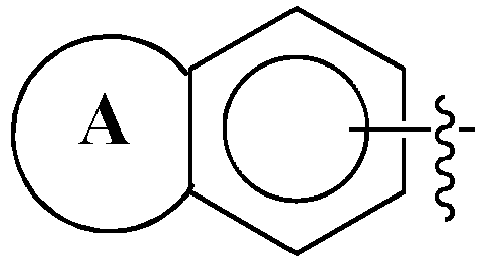
R2 is chosen from optionally substituted aryl and optionally substituted heteroaryl;
R3 is hydrogen;
R4 is hydrogen; and
R5 is hydrogen,
provided that
if R1 is 3-methoxy-4-methylphenyl, 4-methoxy-3-methylphenyl, 2-(dimethylamino)ethoxy-3-methoxyphenyl, 3-ethoxy-4-methoxyphenyl, or 4-ethoxy-3-methoxyphenyl, then R2 is not phenyl substituted with -(CO)NHR6 where R6 is optionally substituted aryl;
if R1 is 3,4-dimethoxyphenyl, then R2 is not phenyl substituted with
-(CO)NR8R9 where R8 and R9 taken together form an optionally substituted heterocycloalkyl or optionally substituted heteroaryl or where R8 is hydrogen and R9 is optionally substituted aryl, optionally substituted cycloalkyl, optionally substituted heterocycloalkyl, optionally substituted alkyl, or optionally substituted heteroaryl, or
-(SO2)NHR10 where R10 is optionally substituted phenyl;
if R1 is 4-(morpholin-4-yl)phenyl, then R2 is not pyridinyl, 2-fluorophenyl, benzo[d][1,3]dioxolyl, 2-methoxyphenyl, 2,6-dimethoxyphenyl, 3-acetamidophenyl, 3-carboxyphenyl, 2-(hydroxymethyl)phenyl, furanyl, or 3-(hydroxyethylcarbamoyl)phenyl;
if R1 is chlorophenyl, then R2 is not phenyl substituted with piperidin-1-yl-carbonyl or NH(CO)NR12 where R12 is phenyl substituted with trifluoromethyl or one or more halogens;
if R1 is optionally substituted piperazinyl then R2 is not 3-aminophenyl;
if R1 is 4-chlorophenyl, then R2 is not 4-carboxyphenyl, 3-(2-(dimethylamino)ethylcarbamoyl)phenyl, or 4-(2-(dimethylamino)ethylcarbamoyl)phenyl; and
if R1 is 4-(2-hydroxy-ethyl)phenyl or 4-(hydroxyethyl)phenyl, then R2 is not 2-methoxyphenyl or 2-fluorophenyl; and
further provided that R2 is not phenyl substituted with -NHC(O)R11 where R11 is optionally substituted aryl.

R2 is chosen from optionally substituted aryl and optionally substituted heteroaryl;
R3 is chosen from hydrogen, lower alkyl, and halo;
R4 is chosen from hydrogen and lower alkyl; and
R5 is hydrogen,
provided that
if R3 and R4 are hydrogen and R1 is 3-methoxy-4-(morpholin-4-ylcarbonyl)phenyl, 4-(morpholin-4-yl)phenyl, 3,4-diethoxyphenyl, 3-fluoro-4-methoxyphenyl, 4-(4-ethylpiperazin-1-yl)phenyl, 4-(3-oxopiperazin-1-yl)phenyl, 4-(morpholin-4-yl)phenyl, 3-methoxy-4-(morpholin-4-yl)phenyl, 3-methoxy-4-methylphenyl, 4-methoxy-3-methylphenyl, 2-(dimethylamino)ethoxy-3-methoxyphenyl, 3-ethoxy-4-methoxyphenyl, or 4-ethoxy-3-methoxyphenyl, then R2 is not phenyl substituted with -(CO)NHR6 where R6 is optionally substituted aryl;
if R3 and R4 are hydrogen and R1 is 3,4-dimethoxyphenyl, then R2 is not phenyl substituted with
-(CO)NR8R9 where R8 and R9 taken together form an optionally substituted heterocycloalkyl or optionally substituted heteroaryl or where R8 is hydrogen, methyl or ethyl and R9 is hydrogen, optionally substituted aryl, optionally substituted cycloalkyl, optionally substituted heterocycloalkyl, optionally substituted alkyl, or optionally substituted heteroaryl wherein said phenyl is further optionally substituted with a group chosen from methyl, methoxy, and halo, or
-(SO2)NHR10 where R10 is optionally substituted phenyl;
if R3 and R4 are hydrogen and R1 is 4-(morpholin-4-yl)phenyl, then R2 is not pyridinyl, 2-fluorophenyl, benzo[d][1,3]dioxolyl, 2-methoxyphenyl, 2,6-dimethoxyphenyl, 3-acetamidophenyl, 3-carboxyphenyl, 2-(hydroxymethyl)phenyl, furanyl, or 3-(hydroxyethylcarbamoyl)phenyl;
if R3 and R4 are hydrogen and R1 is chlorophenyl, then R2 is not phenyl substituted with piperidin-1-yl-carbonyl or NH(CO)NHR12 where R12 is phenyl substituted with trifluoromethyl or one or more halogens;
if R3 and R4 are hydrogen and R1 is phenyl substituted with optionally substituted piperazinyl then R2 is not 3-aminophenyl;
if R3 and R4 are hydrogen and R1 is 4-chlorophenyl, then R2 is not 4-carboxyphenyl, 3-(2-(dimethylamino)ethylcarbamoyl)phenyl, or 4-(2-(dimethylamino)ethylcarbamoyl)phenyl; and
if R3 and R4 are hydrogen and R1 is 4-(2-hydroxy-ethyl)phenyl or 4-(hydroxyethyl)phenyl, then R2 is not 2-methoxyphenyl or 2-fluorophenyl;
if R3 and R4 are hydrogen and R1 is 4-[(4-ethylpiperazin-1-yl)methyl]phenyl or 4-(2-hydroxypropan-2-yl)phenyl, then R2 is not phenyl substituted with - (CO)NR8R9 where R8 is hydrogen and R9 is hydrogen, methyl or optionally substituted aryl wherein said phenyl is optionally further substituted with a group chosen from methyl;
if R3 and R4 are hydrogen and R2 is 4-carbamoylphenyl, then R1 is not 4-(hydroxymethyl)phenyl, 3-(1-hydroxyethyl)phenyl, 4-(1 H-imidazol-2-yl)-3-methylphenyl, 3-methoxy-4-(piperidin-4-yloxy)phenyl, 3-methoxy-4-(2-methoxyethoxy)phenyl, 4-[2-(dimethylamino)ethoxy]-3-methoxyphenyl, 4-(2-hydroxyethoxy)-3-methoxyphenyl, 3-methoxy-4-(propan-2-yloxy)phenyl, 3-methoxy-4-propoxyphenyl, 4-(propylcarbamoyl)phenyl, 4-ethoxy-3-methoxyphenyl, 4-(1 H-imidazol-2-yl)phenyl, 3-methoxy-4-(1H-pyrazol-5-yl)phenyl,
if R3 and R4 are hydrogen and R2 is pyridin-3-yl substituted with carbamoyl, then R1 is not 3,4-dimethoxyphenyl,
if R3 and R4 are hydrogen and R1 is 4-ethoxy-3-methoxyphenyl, then R2 is not phenyl substituted with methyl and further substituted with -(CO)NR8R9 where R8 is hydrogen and R9 is 4-(methylcarbamoyl)phenyl, and
further provided that R2 is not phenyl substituted with -NHC(O)R11 where R11 is optionally substituted aryl.
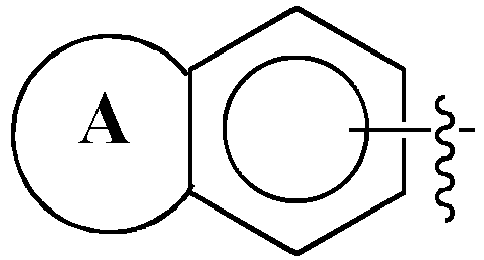
R2 is chosen from optionally substituted aryl and optionally substituted heteroaryl;
R3 is hydrogen;
R4 is hydrogen; and
R5 is hydrogen,
provided that
if R1 is 3-methoxy-4-methylphenyl, 4-methoxy-3-methylphenyl, 2-(dimethylamino)ethoxy-3-methoxyphenyl, 3-ethoxy-4-methoxyphenyl, or 4-ethoxy-3-methoxyphenyl, then R2 is not phenyl substituted with -(CO)NHR6 where R6 is optionally substituted aryl;
if R1 is 3,4-dimethoxyphenyl, then R2 is not phenyl substituted with
-(CO)NR8R9 where R8 and R9 taken together form an optionally substituted heterocycloalkyl or optionally substituted heteroaryl or where R8 is hydrogen and R9 is optionally substituted aryl, optionally substituted cycloalkyl, optionally substituted heterocycloalkyl, optionally substituted alkyl, or optionally substituted heteroaryl, or
-(SO2)NHR10 where R10 is optionally substituted phenyl;
if R1 is 4-(morpholin-4-yl)phenyl, then R2 is not pyridinyl, 2-fluorophenyl, benzo[d][1,3]dioxolyl, 2-methoxyphenyl, 2,6-dimethoxyphenyl, 3-acetamidophenyl, 3-carboxyphenyl, 2-(hydroxymethyl)phenyl, furanyl, or 3-(hyroxyethylcarbamoyl)phenyl;
if R1 is chlorophenyl, then R2 is not phenyl substituted with piperidin-1-yl-carbonyl or NH(CO)NR12 where R12 is phenyl substituted with trifluoromethyl or one or more halogens;
if R1 is optionally substituted piperazinyl then R2 is not 3-aminophenyl;
if R1 is 4-chlorophenyl, then R2 is not 4-carboxyphenyl, 3-(2-(dimethylamino)ethylcarbamoyl)phenyl, or 4-(2-(dimethylamino)ethylcarbamoyl)phenyl; and
if R1 is 4-(2-hydroxy-ethyl)phenyl or 4-(hydroxyethyl)phenyl, then R2 is not 2-methoxyphenyl or 2-fluorophenyl; and
further provided that R2 is not phenyl substituted with -NHC(O)R11 where R11 is optionally substituted aryl.

R2 is chosen from optionally substituted aryl and optionally substituted heteroaryl; R3 is hydrogen;
R4 is hydrogen; and
R5 is hydrogen,
provided that
if R1 is 3-methoxy-4-methylphenyl, 4-methoxy-3-methylphenyl, 2-(dimethylamino)ethoxy-3-methoxyphenyl, 3-ethoxy-4-methoxyphenyl, or 4-ethoxy-3-methoxyphenyl, then R2 is not phenyl substituted with -(CO)NHR6 where R6 is optionally substituted aryl;
if R1 is 3,4-dimethoxyphenyl, then R2 is not phenyl substituted with
-(CO)NR8R9 where R8 and R9 taken together form an optionally substituted heterocycloalkyl or optionally substituted heteroaryl or where R8 is hydrogen and R9 is optionally substituted aryl, optionally substituted cycloalkyl, optionally substituted heterocycloalkyl, optionally substituted alkyl, or optionally substituted heteroaryl, or
-(SO2)NHR10 where R10 is optionally substituted phenyl;
if R1 is 4-(morpholin-4-yl)phenyl, then R2 is not pyridinyl, 2-fluorophenyl, benzo[d][1,3]dioxolyl, 2-methoxyphenyl, 2,6-dimethoxyphenyl, 3-acetamidophenyl, 3-carboxyphenyl, 2-(hydroxymethyl)phenyl, furanyl, or 3-(hyroxyethylcarbamoyl)phenyl;
if R1 is chlorophenyl, then R2 is not phenyl substituted with piperidin-1-yl-carbonyl or NH(CO)NR12 where R12 is phenyl substituted with trifluoromethyl or one or more halogens;
if R1 is optionally substituted piperazinyl then R2 is not 3-aminophenyl;
if R1 is 4-chlorophenyl, then R2 is not 4-carboxyphenyl, 3-(2-(dimethylamino)ethylcarbamoyl)phenyl, or 4-(2-(dimethylamino)ethylcarbamoyl)phenyl; and
if R1 is 4-(2-hydroxy-ethyl)phenyl or 4-(hydroxyethyl)phenyl, then R2 is not 2-methoxyphenyl or 2-fluorophenyl; and
further provided that R2 is not phenyl substituted with -NHC(O)Rn where R11 is optionally substituted aryl.
Claims (11)
- At least one chemical entity chosen from compounds of Formula (I):
 R1 is chosen from (1-hydroxycyclobutyl)phenyl, (1,1,1-trifluoro-2-hydroxypropan-2-yl)phenyl, (2,2,2-trifluoro-1-hydroxyethyl)phenyl, (1,1,1,3,3,3-hexafluoro-2-hydroxypropan-2-yl)phenyl, (2-hydroxy-2-methylpropoxy)-3-methoxyphenyl, (2-hydroxyethyl)(methyl)amino)-3-methoxyphenyl, (2-methoxyethyl)(methyl)amino)-3-methoxyphenyl, (1-hydroxyethyl)phenyl, 3,4-dimethoxyphenyl, 3-methoxyphenyl, 4-ethoxy-3-methoxyphenyl, 4-hydroxymethyl-3-methoxyphenyl, 3-hydroxymethyl-4-methoxyphenyl, 2-fluoro-4-methoxyphenyl, 4-(dimethylamino)propoxy-3-methoxyphenyl, 4-hydroxypropoxy-3-methoxyphenyl, 4-(2-hydroxy-1,1-dimethylethyl)phenyl, 4-(1-hydroxy-1-methylethyl)phenyl, 4-methoxy-3-(pyrrolidin-1-yl)phenyl, 3-methoxy-4-(pyrrolidin-1-yl)phenyl, 3-methoxy-4-(propan-2-yloxy)phenyl, 3-methoxy-4-(morpholin-4-yl)phenyl, 4-(pyrrolidin-1-yl)phenyl, 4-(3-hydroxypyrrolidinyl)phenyl, 4-(4-hydroxypiperidinyl)-3-methoxyphenyl, 4-(3-hydroxyazetidinyl)-3-methoxyphenyl, 4-(3-hydroxypyrrolidinyl)-3-methoxyphenyl, 4-(2-methoxypropan-2-yl)phenyl, 4-(4-ethylpiperazin-1-yl)-3-methoxyphenyl, 4-(4-ethylpiperazin-1-yl)phenyl, 4-(3-hydroxy-3-methylpiperidinyl)phenyl, 3-hydroxymethylphenyl, 3,4-dihydro-2H-benzo[b][1,4]oxazin-6-yl, 4-methyl-3,4-dihydro-2H-benzo[b][1,4]oxazin-6-yl, 2,3,4,5-tetrahydrobenzo[b][1,4]oxazepin-7-yl, 5-methyl 2,3,4,5-tetrahydrobenzo[b][1,4]oxazepin-7-yl, 2,3-dihydro-1H-indol-2-one-6-yl, and 2,3-dihydro-1H-indol-2-one-5-yl;R2 is chosen from 2-fluoropyridin-4-yl, 5-methylpyridin-3-yl, 5-chloropyridin-3-yl, and 2-aminopyridine-5-yl;R3 is chosen from hydrogen, C1-C4 alkyl, and halo;R4 is chosen from hydrogen and C1-C4 alkyl; andRs is hydrogen.
 - At least one chemical entity of claim 1, wherein R1 is chosen from (1-hydroxyethyl)phenyl, 3,4-dimethoxyphenyl, 3-methoxyphenyl, 4-ethoxy-3-methoxyphenyl, 4-hydroxymethyl-3-methoxyphenyl, 3-hydroxymethyl-4-methoxyphenyl, 2-fluoro-4-methoxyphenyl, 4-(dimethylamino)propoxy-3-methoxyphenyl, 4-hydroxypropoxy-3-methoxyphenyl, 4-(2-hydroxy-1,1-dimethylethyl)phenyl, 4-(1-hydroxy-1-methylethyl)phenyl, 4-methoxy-3-(pyrrolidin-1-yl)phenyl, 3-methoxy-4-(pyrrolidin-1-yl)phenyl, 3-methoxy-4-(propan-2-yloxy)phenyl, 3-methoxy-4-(morpholin-4-yl)phenyl, 4-(pyrrolidin-1-yl)phenyl, 4-(3-hydroxypyrrolidinyl)phenyl, 4-(4-hydroxypiperidinyl)-3-methoxyphenyl, 4-(3-hydroxyazetidinyl)-3-methoxyphenyl, 4-(3-hydroxypyrrolidinyl)-3-methoxyphenyl, 4-(2-methoxypropan-2-yl)phenyl, 4-(4-ethylpiperazin-1-yl)-3-methoxyphenyl, 4-(4-ethylpiperazin-1-yl)phenyl, 4-(3-hydroxy-3-methylpiperidinyl)phenyl, and 3-hydroxymethylphenyl.
- At least one chemical entity chosen from:


- A pharmaceutical composition comprising at least one chemical entity of any one of claims 1 to 3, together with at least one pharmaceutically acceptable vehicle chosen from carriers, adjuvants, and excipients.
- At least one chemical entity according to any one of claims 1 to 3 for use in a method for treating a human having a disease selected from the group consisting of cancer, an autoimmune disease, an inflammatory disease, and an allergic disorder.
- At least one chemical entity for the use according to claim 5, wherein an effective amount of said at least one chemical entity is administered intravenously, intramuscularly, parenterally, or orally.
- At least one chemical entity for the use according to claim 5, wherein the disease is selected from the group consisting of rheumatoid arthritis, allergic rhinitis, chronic obstructive pulmonary disease (COPD), adult respiratory distress syndrome (ARDs), allergy-induced inflammatory disease, multiple sclerosis, acute inflammatory reaction, and polycystic kidney disease.
- At least one chemical entity for the use according to claim 5, wherein the disease is B-cell lymphoma or leukemia.
- A method for determining the presence of Syk in a sample, comprising contacting the sample with at least one chemical entity of any one of claims 1 to 3 under conditions that permit detection of Syk activity, detecting a level of Syk activity in the sample, and therefrom determining the presence or absence of Syk in the sample.
- An in vitro method for inhibiting B-cell activity comprising contacting cells expressing Syk with at least one chemical entity of any one of claims 1 to 3, in an amount sufficient to detectably decrease B-cell activity in vitro.
- An in vitro method for inhibiting ATP hydrolysis, the method comprising contacting cells expressing Syk with at least one chemical entity of any one of claims 1 to 3 in an amount sufficient to detectably decrease the level of ATP hydrolysis in vitro.
Priority Applications (7)
| Application Number | Priority Date | Filing Date | Title |
|---|---|---|---|
| PL09832228T PL2373169T3 (en) | 2008-12-08 | 2009-12-07 | Imidazopyrazine syk inhibitors |
| DK13005979.3T DK2716157T3 (en) | 2008-12-08 | 2009-12-07 | Imidazopyrazin-Syk inhibitors |
| SI200931249T SI2373169T1 (en) | 2008-12-08 | 2009-12-07 | Imidazopyrazine syk inhibitors |
| EP13005979.3A EP2716157B1 (en) | 2008-12-08 | 2009-12-07 | Imidazopyrazine Syk inhibitors |
| EP16164453.9A EP3123864A1 (en) | 2008-12-08 | 2009-12-07 | Imidazopyrazine syk inhibitors |
| SM201600267T SMT201600267B (en) | 2008-12-08 | 2016-08-05 | INHIBITORS OF SYK IMIDAZOPIRAZINICI |
| CY20161100814T CY1118377T1 (en) | 2008-12-08 | 2016-08-18 | SYK IMIDAZOPYRAZIN INHIBITIONS |
Applications Claiming Priority (4)
| Application Number | Priority Date | Filing Date | Title |
|---|---|---|---|
| US12058708P | 2008-12-08 | 2008-12-08 | |
| US14051408P | 2008-12-23 | 2008-12-23 | |
| US24097909P | 2009-09-09 | 2009-09-09 | |
| PCT/US2009/006445 WO2010068257A1 (en) | 2008-12-08 | 2009-12-07 | Imidazopyrazine syk inhibitors |
Related Child Applications (3)
| Application Number | Title | Priority Date | Filing Date |
|---|---|---|---|
| EP13005979.3A Division EP2716157B1 (en) | 2008-12-08 | 2009-12-07 | Imidazopyrazine Syk inhibitors |
| EP13005979.3A Division-Into EP2716157B1 (en) | 2008-12-08 | 2009-12-07 | Imidazopyrazine Syk inhibitors |
| EP16164453.9A Division EP3123864A1 (en) | 2008-12-08 | 2009-12-07 | Imidazopyrazine syk inhibitors |
Publications (3)
| Publication Number | Publication Date |
|---|---|
| EP2373169A1 EP2373169A1 (en) | 2011-10-12 |
| EP2373169A4 EP2373169A4 (en) | 2012-08-29 |
| EP2373169B1 true EP2373169B1 (en) | 2015-05-20 |
Family
ID=42242994
Family Applications (3)
| Application Number | Title | Priority Date | Filing Date |
|---|---|---|---|
| EP20090832228 Active EP2373169B1 (en) | 2008-12-08 | 2009-12-07 | Imidazopyrazine syk inhibitors |
| EP16164453.9A Withdrawn EP3123864A1 (en) | 2008-12-08 | 2009-12-07 | Imidazopyrazine syk inhibitors |
| EP13005979.3A Active EP2716157B1 (en) | 2008-12-08 | 2009-12-07 | Imidazopyrazine Syk inhibitors |
Family Applications After (2)
| Application Number | Title | Priority Date | Filing Date |
|---|---|---|---|
| EP16164453.9A Withdrawn EP3123864A1 (en) | 2008-12-08 | 2009-12-07 | Imidazopyrazine syk inhibitors |
| EP13005979.3A Active EP2716157B1 (en) | 2008-12-08 | 2009-12-07 | Imidazopyrazine Syk inhibitors |
Country Status (30)
| Country | Link |
|---|---|
| US (7) | US8455493B2 (en) |
| EP (3) | EP2373169B1 (en) |
| JP (4) | JP5567587B2 (en) |
| KR (4) | KR101745732B1 (en) |
| CN (2) | CN104744476B (en) |
| AU (1) | AU2009325132B2 (en) |
| BR (1) | BRPI0922225B1 (en) |
| CA (1) | CA2746023C (en) |
| CL (1) | CL2011001360A1 (en) |
| CO (1) | CO6390078A2 (en) |
| CY (1) | CY1118377T1 (en) |
| DK (1) | DK2716157T3 (en) |
| EA (3) | EA024140B1 (en) |
| ES (2) | ES2590804T3 (en) |
| HR (1) | HRP20161036T1 (en) |
| HU (1) | HUE030427T2 (en) |
| IL (3) | IL213365A (en) |
| LT (1) | LT2716157T (en) |
| MX (1) | MX2011006091A (en) |
| NZ (1) | NZ593459A (en) |
| PE (2) | PE20140975A1 (en) |
| PL (2) | PL2373169T3 (en) |
| PT (2) | PT2373169E (en) |
| RS (1) | RS55055B1 (en) |
| SG (1) | SG171991A1 (en) |
| SI (2) | SI2373169T1 (en) |
| SM (1) | SMT201600267B (en) |
| TW (2) | TWI478922B (en) |
| VN (1) | VN28228A1 (en) |
| WO (1) | WO2010068257A1 (en) |
Families Citing this family (67)
| Publication number | Priority date | Publication date | Assignee | Title |
|---|---|---|---|---|
| NZ587039A (en) | 2008-02-13 | 2013-01-25 | Gilead Connecticut Inc | 6-aryl-imidazo[1, 2-a]pyrazine derivatives, method of making, and method of use thereof |
| US8450321B2 (en) | 2008-12-08 | 2013-05-28 | Gilead Connecticut, Inc. | 6-(1H-indazol-6-yl)-N-[4-(morpholin-4-yl)phenyl]imidazo-[1,2-A]pyrazin-8-amine, or a pharmaceutically acceptable salt thereof, as a SYK inhibitor |
| KR101745732B1 (en) | 2008-12-08 | 2017-06-12 | 질레드 코네티컷 인코포레이티드 | Imidazopyrazine syk inhibitors |
| KR101743784B1 (en) * | 2008-12-08 | 2017-06-05 | 질레드 코네티컷 인코포레이티드 | Imidazopyrazine syk inhibitors |
| MY162604A (en) * | 2009-08-17 | 2017-06-30 | Intellikine Llc | Heterocyclic compounds and uses thereof |
| ES2530449T3 (en) | 2010-03-11 | 2015-03-02 | Gilead Connecticut Inc | Imidazopyridine Syk inhibitors |
| EP2678016B1 (en) | 2011-02-23 | 2016-08-10 | Intellikine, LLC | Heterocyclic compounds and uses thereof |
| CA2834062A1 (en) | 2011-05-10 | 2012-11-15 | Merck Sharp & Dohme Corp. | Pyridyl aminopyridines as syk inhibitors |
| US9145391B2 (en) | 2011-05-10 | 2015-09-29 | Merck Sharp & Dohme Corp. | Bipyridylaminopyridines as Syk inhibitors |
| AU2012253885A1 (en) | 2011-05-10 | 2013-10-31 | Merck Sharp & Dohme Corp. | Aminopyrimidines as Syk inhibitors |
| EP2763974B1 (en) | 2011-10-05 | 2016-09-14 | Merck Sharp & Dohme Corp. | Phenyl carboxamide-containing spleen tyrosine kinase (syk) inhibitors |
| EP2763976B1 (en) | 2011-10-05 | 2016-05-18 | Merck Sharp & Dohme Corp. | 2-pyridyl carboxamide-containing spleen tyrosine kinase (syk) inhibitors |
| WO2013052393A1 (en) | 2011-10-05 | 2013-04-11 | Merck Sharp & Dohme Corp. | 3-PYRIDYL CARBOXAMIDE-CONTAINING SPLEEN TYROSINE KINASE (Syk) INHIBITORS |
| AR090650A1 (en) | 2012-04-12 | 2014-11-26 | Alcon Res Ltd | TREATMENT FOR INFLAMMATORY RESPONSES INDUCED BY EYE MICROBES |
| WO2013188856A1 (en) * | 2012-06-14 | 2013-12-19 | Gilead Connecticut, Inc. | Imidazopyrazine syk inhibitors |
| EP2863914B1 (en) | 2012-06-20 | 2018-10-03 | Merck Sharp & Dohme Corp. | Pyrazolyl derivatives as syk inhibitors |
| WO2013192128A1 (en) | 2012-06-20 | 2013-12-27 | Merck Sharp & Dohme Corp. | Imidazolyl analogs as syk inhibitors |
| EP2863916B1 (en) | 2012-06-22 | 2018-07-18 | Merck Sharp & Dohme Corp. | Substituted pyridine spleen tyrosine kinase (syk) inhibitors |
| US9416111B2 (en) | 2012-06-22 | 2016-08-16 | Merck Sharp & Dohme Corp. | Substituted diazine and triazine spleen tyrosine kinease (Syk) inhibitors |
| US20140051696A1 (en) * | 2012-08-14 | 2014-02-20 | Gilead Calistoga Llc | Therapies for treating cancer |
| US9353066B2 (en) | 2012-08-20 | 2016-05-31 | Merck Sharp & Dohme Corp. | Substituted phenyl-Spleen Tyrosine Kinase (Syk) inhibitors |
| US9586931B2 (en) | 2012-09-28 | 2017-03-07 | Merck Sharp & Dohme Corp. | Triazolyl derivatives as Syk inhibitors |
| US9624210B2 (en) | 2012-12-12 | 2017-04-18 | Merck Sharp & Dohme Corp. | Amino-pyrimidine-containing spleen tyrosine kinase (Syk) inhibitors |
| US9598405B2 (en) | 2012-12-21 | 2017-03-21 | Merck Sharp & Dohme Corp. | Thiazole-substituted aminopyridines as spleen tyrosine kinase inhibitors |
| WO2014176210A1 (en) | 2013-04-26 | 2014-10-30 | Merck Sharp & Dohme Corp. | Thiazole-substituted aminoheteroaryls as spleen tyrosine kinase inhibitors |
| EP2988749B1 (en) | 2013-04-26 | 2019-08-14 | Merck Sharp & Dohme Corp. | Thiazole-substituted aminopyrimidines as spleen tyrosine kinase inhibitors |
| SG11201600378SA (en) * | 2013-07-30 | 2016-02-26 | Gilead Connecticut Inc | Formulation of syk inhibitors |
| EA029281B1 (en) * | 2013-07-30 | 2018-03-30 | Джилид Коннектикут, Инк. | POLYMORPH OF SYK INHIBITORS |
| JP6159028B2 (en) | 2013-07-31 | 2017-07-05 | ギリアード サイエンシーズ, インコーポレイテッド | Syk inhibitor |
| US9687492B2 (en) | 2013-12-04 | 2017-06-27 | Gilead Sciences, Inc. | Methods for treating cancers |
| EP3083560B1 (en) | 2013-12-20 | 2021-10-27 | Merck Sharp & Dohme Corp. | Thiazole-substituted aminoheteroaryls as spleen tyrosine kinase inhibitors |
| WO2015095445A1 (en) | 2013-12-20 | 2015-06-25 | Merck Sharp & Dohme Corp. | Thiazole-substituted aminoheteroaryls as spleen tyrosine kinase inhibitors |
| US9783531B2 (en) | 2013-12-20 | 2017-10-10 | Merck Sharp & Dohme Corp. | Thiazole-substituted aminoheteroaryls as spleen tyrosine kinase inhibitors |
| TWI735853B (en) * | 2013-12-23 | 2021-08-11 | 美商克洛諾斯生技有限公司 | Syk inhibitors |
| US9290505B2 (en) | 2013-12-23 | 2016-03-22 | Gilead Sciences, Inc. | Substituted imidazo[1,2-a]pyrazines as Syk inhibitors |
| WO2015138273A1 (en) | 2014-03-13 | 2015-09-17 | Merck Sharp & Dohme Corp. | 2-pyrazine carboxamides as spleen tyrosine kinase inhibitors |
| WO2015187470A1 (en) * | 2014-06-04 | 2015-12-10 | Merck Sharp & Dohme Corp. | Imidazo-pyrazine derivatives useful as soluble guanylate cyclase activators |
| CA2955180A1 (en) | 2014-07-14 | 2016-01-21 | Gilead Sciences, Inc. | Combinations comprising entospletinib and a vinca-alkaloid for treating cancers |
| TW201617074A (en) * | 2014-07-14 | 2016-05-16 | 吉李德科學股份有限公司 | Syk inhibitors |
| TW201639573A (en) * | 2015-02-03 | 2016-11-16 | 吉李德科學股份有限公司 | Combination therapies for treating cancers |
| CA2983611A1 (en) * | 2015-04-21 | 2016-10-27 | Gilead Sciences, Inc. | Treatment of chronic graft versus host disease with syk inhibitors |
| CA2984496A1 (en) * | 2015-05-12 | 2016-11-17 | Kalyra Pharmaceuticals, Inc. | Bicyclic compounds |
| CN107709336B (en) * | 2015-06-12 | 2021-06-22 | 杭州英创医药科技有限公司 | Heterocyclic compounds as Syk inhibitors and/or dual Syk-HDAC inhibitors |
| US20170173034A1 (en) | 2015-12-17 | 2017-06-22 | Gilead Sciences, Inc. | Combination of a jak inhibitor and a syk inhibitor for treating cancers and inflammatory disorders |
| WO2018018097A1 (en) * | 2016-07-28 | 2018-02-01 | Qbiotics Limited | Method of treatment |
| WO2018053190A1 (en) | 2016-09-14 | 2018-03-22 | Gilead Sciences, Inc. | Syk inhibitors |
| TW201822764A (en) | 2016-09-14 | 2018-07-01 | 美商基利科學股份有限公司 | Syk inhibitors |
| CN110099909B (en) * | 2016-12-12 | 2021-11-19 | 杭州英创医药科技有限公司 | Heterocyclic compounds as Syk inhibitors and/or as dual Syk-HDAC inhibitors |
| WO2018195471A1 (en) | 2017-04-21 | 2018-10-25 | Gilead Sciences, Inc. | Syk inhibitors in combination with hypomethylating agents |
| CN111032630B (en) * | 2017-08-18 | 2022-12-16 | 北京韩美药品有限公司 | A compound, its pharmaceutical composition and its use and application |
| CN115028640A (en) | 2017-08-25 | 2022-09-09 | 吉利德科学公司 | Polymorphic forms of a SYK inhibitor |
| CA3079292A1 (en) | 2017-10-19 | 2019-04-25 | Bayer Animal Health Gmbh | Use of fused heteroaromatic pyrrolidones for treatment and prevention of diseases in animals |
| CN109879878A (en) * | 2017-12-06 | 2019-06-14 | 朱允涛 | A kind of deuterated Imidazopyrazine spleen tyrosine kinase (Syk) inhibitor |
| US12012394B2 (en) | 2018-02-19 | 2024-06-18 | Washington University | Alpha-synuclein ligands |
| CN113194752A (en) | 2018-06-01 | 2021-07-30 | 康奈尔大学 | Combination therapy for PI3K related diseases or disorders |
| WO2020172431A1 (en) | 2019-02-22 | 2020-08-27 | Gilead Sciences, Inc. | Solid forms of condensed pyrazines as syk inhibitors |
| EP3942045A1 (en) | 2019-03-21 | 2022-01-26 | Onxeo | A dbait molecule in combination with kinase inhibitor for the treatment of cancer |
| EP4054579A1 (en) | 2019-11-08 | 2022-09-14 | Institut National de la Santé et de la Recherche Médicale (INSERM) | Methods for the treatment of cancers that have acquired resistance to kinase inhibitors |
| WO2021148581A1 (en) | 2020-01-22 | 2021-07-29 | Onxeo | Novel dbait molecule and its use |
| WO2021244430A1 (en) * | 2020-06-01 | 2021-12-09 | Nanjing Ruijie Pharma Co., Ltd. | Compounds and their uses as spleen tyrosine kinase inhibitors |
| TWI908894B (en) | 2020-09-28 | 2025-12-21 | 南韓商福斯特生物股份有限公司 | Indazoles as hematopoietic progenitor kinase 1 (hpk1) inhibitors and use thereof |
| KR102560178B1 (en) * | 2021-02-10 | 2023-07-27 | 재단법인 대구경북첨단의료산업진흥재단 | Imidazo[1,5-a]pyrazine derivative compounds and pharmaceutical compositions for use in preventing or treating cancer or autoimmune disease containing the same as active ingredients |
| CN113480543B (en) * | 2021-07-07 | 2022-05-17 | 无锡市第二人民医院 | 2,6, 8-polysubstituted imidazo [1,2-a ] pyrazine and synthetic method and application thereof |
| JP2025509598A (en) * | 2022-03-14 | 2025-04-11 | パーデュー・リサーチ・ファウンデーション | Spleen tyrosine kinase inhibitors, compositions, and methods of use |
| JP2025510271A (en) * | 2022-03-25 | 2025-04-14 | ファースト・バイオセラピューティクス・インコーポレイテッド | Indazoles as hematopoietic progenitor kinase 1 (HPK1) inhibitors and methods of use thereof |
| CN119630668A (en) * | 2022-07-25 | 2025-03-14 | 细胞基因公司 | Substituted imidazopyrazine compounds as IRAK3 binders |
| WO2024102970A1 (en) * | 2022-11-11 | 2024-05-16 | Kronos Bio, Inc. | Compounds for modulating syk activity and e3 ubiquitin ligase activity |
Family Cites Families (76)
| Publication number | Priority date | Publication date | Assignee | Title |
|---|---|---|---|---|
| FR2607813B1 (en) | 1986-12-05 | 1989-03-31 | Montpellier I Universite | ALKYLAMINO-8 IMIDAZO (1,2-A) PYRAZINES AND DERIVATIVES, THEIR PREPARATION AND THEIR THERAPEUTIC APPLICATION |
| US5137876A (en) | 1990-10-12 | 1992-08-11 | Merck & Co., Inc. | Nucleoside antiviral and anti-inflammatory compounds and compositions and methods for using same |
| DE4327027A1 (en) | 1993-02-15 | 1994-08-18 | Bayer Ag | Imidazoazine |
| DE4337611A1 (en) | 1993-11-04 | 1995-05-11 | Boehringer Ingelheim Kg | New benzoylguanidines, their preparation and their use in medicines |
| DE4337609A1 (en) | 1993-11-04 | 1995-05-11 | Boehringer Ingelheim Kg | Novel pyrazinecarboxamide derivatives, their preparation and their use in medicines |
| FR2711993B1 (en) | 1993-11-05 | 1995-12-01 | Rhone Poulenc Rorer Sa | Drugs containing 7H-imidazol [1,2-a] pyrazine-8-one derivatives, new compounds and their preparation. |
| US6334997B1 (en) | 1994-03-25 | 2002-01-01 | Isotechnika, Inc. | Method of using deuterated calcium channel blockers |
| CN1087725C (en) | 1994-03-25 | 2002-07-17 | 同位素技术有限公司 | Enhancement of the effect of drugs by deuteration |
| FR2723373B1 (en) | 1994-08-02 | 1996-09-13 | Rhone Poulenc Rorer Sa | PURIFIED FORM OF STREPTOGRAMINS, ITS PREPARATION AND THE PHARMACEUTICAL COMPOSITIONS CONTAINING THE SAME |
| AU5348396A (en) | 1995-05-01 | 1996-11-21 | Fujisawa Pharmaceutical Co., Ltd. | Imidazo 1,2-a pyridine and imidazo 1,2-a pyridezine derivati ves and their use as bone resorption inhibitors |
| US5593997A (en) | 1995-05-23 | 1997-01-14 | Pfizer Inc. | 4-aminopyrazolo(3-,4-D)pyrimidine and 4-aminopyrazolo-(3,4-D)pyridine tyrosine kinase inhibitors |
| US6249495B1 (en) | 1997-02-27 | 2001-06-19 | Matsushita Electric Industrial Co., Ltd. | Stepping motor control method and disk drive apparatus |
| SE9704404D0 (en) | 1997-11-28 | 1997-11-28 | Astra Ab | New compounds |
| DE19948434A1 (en) | 1999-10-08 | 2001-06-07 | Gruenenthal Gmbh | Substance library containing bicyclic imidazo-5-amines and / or bicyclic imidazo-3-amines |
| JP2001302667A (en) | 2000-04-28 | 2001-10-31 | Bayer Ag | Imidazopyrimidine derivative and triazolopyrimidine derivative |
| US6953413B2 (en) | 2000-06-19 | 2005-10-11 | Tay Armin S | Axial position changing transmission mechanism |
| GB0018473D0 (en) | 2000-07-27 | 2000-09-13 | Merck Sharp & Dohme | Therapeutic agents |
| DE10050663A1 (en) | 2000-10-13 | 2002-04-18 | Gruenenthal Gmbh | Use of substituted imidazo [1,2-a] pyridine, pyrimidine and pyrazin-3-yl amine derivatives for the production of medicaments for NOS inhibition |
| US20030089434A1 (en) | 2000-11-20 | 2003-05-15 | Flynn Thomas M. | Method and apparatus for the preparation and usage of a cryogenic propellant or explosive system |
| DK174233B1 (en) | 2000-12-27 | 2002-10-07 | Dss Danish Separation Systems | Sanitary coil filter system |
| EP1363702A4 (en) | 2001-01-30 | 2007-08-22 | Cytopia Pty Ltd | Methods of inhibiting kinases |
| GB0103926D0 (en) | 2001-02-17 | 2001-04-04 | Astrazeneca Ab | Chemical compounds |
| WO2002076985A1 (en) | 2001-03-23 | 2002-10-03 | Smithkline Beecham Corporation | Compounds useful as kinase inhibitors for the treatment of hyperproliferative diseases |
| US7003125B2 (en) | 2001-09-12 | 2006-02-21 | Seung-Hwan Yi | Micromachined piezoelectric microspeaker and fabricating method thereof |
| US6858613B2 (en) | 2002-02-19 | 2005-02-22 | Pfizer Inc. | Fused bicyclic-N-bridged-heteroaromatic carboxamides for the treatment of disease |
| CA2482991A1 (en) | 2002-04-19 | 2003-10-30 | Cellular Genomics, Inc. | Imidazo[1,2-a]pyrazin-8-ylamines method of making and method of use thereof |
| KR20040012451A (en) | 2002-05-14 | 2004-02-11 | 어플라이드 머티어리얼스, 인코포레이티드 | Methods for etching photolithographic reticles |
| US7288075B2 (en) | 2002-06-27 | 2007-10-30 | Ethicon, Inc. | Methods and devices utilizing rheological materials |
| JP2004053714A (en) | 2002-07-17 | 2004-02-19 | Fuji Xerox Co Ltd | Image fixing device and image fixing method |
| US6761361B2 (en) | 2002-08-09 | 2004-07-13 | Credo Technology Corporation | Drill and drive apparatus with improved tool holder |
| US20040026867A1 (en) | 2002-08-09 | 2004-02-12 | Adams David J. | Bearing seal |
| WO2004022562A1 (en) | 2002-09-09 | 2004-03-18 | Cellular Genomics, Inc. | 6-ARYL-IMIDAZO[1,2-a]PYRAZIN-8-YLAMINES, METHOD OF MAKING, AND METHOD OF USE THEREOF |
| DE60317529T2 (en) | 2002-09-19 | 2008-09-25 | Schering Corp. | IMIDAZOPYRIDINES AS INHIBITORS CYCLIN DEPENDENT KINASES |
| AU2003275031B2 (en) | 2002-09-23 | 2006-08-17 | Schering Corporation | Novel imidazopyrazines as cyclin dependent kinase inhibitors |
| DE60317353T2 (en) | 2002-09-23 | 2008-08-28 | Schering Corp. | IMIDAZOPYRAZINES AS CDK INHIBITORS |
| JP4056346B2 (en) | 2002-09-30 | 2008-03-05 | 三洋電機株式会社 | Nonaqueous electrolyte secondary battery |
| KR101301653B1 (en) | 2002-10-29 | 2013-08-30 | 트랜세이브, 인코포레이티드 | Sustained release of antiinfectives |
| US7160885B2 (en) | 2003-02-10 | 2007-01-09 | Cgi Pharmaceuticals, Inc. | Certain 6, 8-(heteroaryl or aryl) disubstituted imidazo[1,2-a]pyrazines as modulators of Hsp90 complex activity |
| AR043002A1 (en) * | 2003-02-18 | 2005-07-13 | Altana Pharma Ag | 6-SUBSTITUTED IMIDAZOPIRAZINS |
| US7157460B2 (en) | 2003-02-20 | 2007-01-02 | Sugen Inc. | Use of 8-amino-aryl-substituted imidazopyrazines as kinase inhibitors |
| US7186832B2 (en) | 2003-02-20 | 2007-03-06 | Sugen Inc. | Use of 8-amino-aryl-substituted imidazopyrazines as kinase inhibitors |
| US7456393B2 (en) | 2003-04-10 | 2008-11-25 | Ge Homeland Protection, Inc. | Device for testing surfaces of articles for traces of explosives and/or drugs |
| WO2005014599A1 (en) | 2003-06-04 | 2005-02-17 | Cellular Genomics, Inc. | Imidazo[1,2-a]pyrazin-8-ylamines and method of inhibition of bruton’s tyrosine kinase by such compounds |
| US20060183746A1 (en) * | 2003-06-04 | 2006-08-17 | Currie Kevin S | Certain imidazo[1,2-a]pyrazin-8-ylamines and method of inhibition of Bruton's tyrosine kinase by such compounds |
| WO2005005429A1 (en) | 2003-06-30 | 2005-01-20 | Cellular Genomics, Inc. | Certain heterocyclic substituted imidazo[1,2-a]pyrazin-8-ylamines and methods of inhibition of bruton’s tyrosine kinase by such compounds |
| US7259164B2 (en) | 2003-08-11 | 2007-08-21 | Cgi Pharmaceuticals, Inc. | Certain substituted imidazo[1,2-a]pyrazines, as modulators of kinase activity |
| US7236749B2 (en) | 2003-10-15 | 2007-06-26 | Honeywell International Inc. | Stuck microphone deselection system and method |
| WO2005047290A2 (en) * | 2003-11-11 | 2005-05-26 | Cellular Genomics Inc. | Imidazo[1,2-a] pyrazin-8-ylamines as kinase inhibitors |
| WO2005085252A1 (en) * | 2004-03-04 | 2005-09-15 | Biofocus Discovery Limited | Imidazo ‘1,2-a’ pyrazine compounds which interact with protein kinases |
| JP2006099930A (en) | 2004-09-01 | 2006-04-13 | Tdk Corp | Information recording medium, recording/reproducing apparatus, and stamper |
| US8145601B2 (en) | 2004-09-09 | 2012-03-27 | Microsoft Corporation | Method, system, and apparatus for providing resilient data transfer in a data protection system |
| DE602005023333D1 (en) * | 2004-10-15 | 2010-10-14 | Takeda Pharmaceutical | KINASE INHIBITORS |
| CN101124227A (en) * | 2004-11-10 | 2008-02-13 | Cgi制药有限公司 | Imidazolo[1,2-a]pyrazin-8-ylamines useful as modulators of kinase activity |
| EP1812442A2 (en) * | 2004-11-10 | 2007-08-01 | CGI Pharmaceuticals, Inc. | Imidazo[1,2-a]pyrazin-8-ylamines useful as modulators of kinase activity |
| JP4883959B2 (en) | 2005-08-17 | 2012-02-22 | Ntn株式会社 | Rotation detection device and bearing with rotation detection device |
| GB0520838D0 (en) * | 2005-10-13 | 2005-11-23 | Glaxo Group Ltd | Novel compounds |
| CA2628455A1 (en) | 2005-11-10 | 2007-05-24 | Merck Sharp & Dohme Corp. | Imidazopyrazines as protein kinase inhibitors |
| JP4837378B2 (en) | 2006-01-04 | 2011-12-14 | 株式会社日立製作所 | Storage device to prevent data tampering |
| US7446352B2 (en) | 2006-03-09 | 2008-11-04 | Tela Innovations, Inc. | Dynamic array architecture |
| DE102006032495A1 (en) | 2006-07-13 | 2008-02-07 | Nokia Siemens Networks Gmbh & Co.Kg | Method and apparatus for avoiding interference in a cellular radio communication system |
| US20080025821A1 (en) | 2006-07-25 | 2008-01-31 | Applied Materials, Inc. | Octagon transfer chamber |
| ES2549862T3 (en) | 2006-08-30 | 2015-11-02 | Cellzome Limited | Triazole derivatives as kinase inhibitors |
| ES2307402B1 (en) | 2006-10-30 | 2009-09-30 | Archivel Farma, S.L. | PROFILACTIC VACCINE AGAINST TUBERCULOSIS. |
| US8133895B2 (en) * | 2007-05-10 | 2012-03-13 | Janssen Pharmaceutica N.V. | Fused pyrazine compounds useful for the treatment of degenerative and inflammatory diseases |
| CN101952283B (en) | 2007-12-14 | 2013-04-17 | 霍夫曼-拉罗奇有限公司 | Imidazo[1,2-a]pyridine and imidazo[1,2-b]pyridazine derivatives |
| NZ587039A (en) | 2008-02-13 | 2013-01-25 | Gilead Connecticut Inc | 6-aryl-imidazo[1, 2-a]pyrazine derivatives, method of making, and method of use thereof |
| JP5529852B2 (en) * | 2008-05-06 | 2014-06-25 | ジリード コネティカット,インコーポレイティド | Substituted amides, their preparation and use as Btk inhibitors |
| CA2726460C (en) | 2008-07-15 | 2017-02-21 | F. Hoffmann-La Roche Ag | Novel phenyl-imidazopyridines and pyridazines |
| TWI453207B (en) | 2008-09-08 | 2014-09-21 | Signal Pharm Llc | Aminotriazolopyridines, compositions thereof, and methods of treatment therewith |
| KR101743784B1 (en) | 2008-12-08 | 2017-06-05 | 질레드 코네티컷 인코포레이티드 | Imidazopyrazine syk inhibitors |
| KR101745732B1 (en) | 2008-12-08 | 2017-06-12 | 질레드 코네티컷 인코포레이티드 | Imidazopyrazine syk inhibitors |
| US8450321B2 (en) | 2008-12-08 | 2013-05-28 | Gilead Connecticut, Inc. | 6-(1H-indazol-6-yl)-N-[4-(morpholin-4-yl)phenyl]imidazo-[1,2-A]pyrazin-8-amine, or a pharmaceutically acceptable salt thereof, as a SYK inhibitor |
| US20110099133A1 (en) | 2009-10-28 | 2011-04-28 | Industrial Technology Research Institute | Systems and methods for capturing and managing collective social intelligence information |
| ES2530449T3 (en) | 2010-03-11 | 2015-03-02 | Gilead Connecticut Inc | Imidazopyridine Syk inhibitors |
| JP5554746B2 (en) | 2011-05-06 | 2014-07-23 | 株式会社日立製作所 | Gas insulation bus and method for removing foreign matter from gas insulation bus |
| US20140148430A1 (en) | 2012-11-26 | 2014-05-29 | Gilead Connecticut, Inc. | Imidazopyridines syk inhibitors |
-
2009
- 2009-12-07 KR KR1020117015724A patent/KR101745732B1/en active Active
- 2009-12-07 EP EP20090832228 patent/EP2373169B1/en active Active
- 2009-12-07 KR KR1020177002329A patent/KR20170013414A/en not_active Ceased
- 2009-12-07 LT LTEP13005979.3T patent/LT2716157T/en unknown
- 2009-12-07 EP EP16164453.9A patent/EP3123864A1/en not_active Withdrawn
- 2009-12-07 PE PE2014000121A patent/PE20140975A1/en active IP Right Grant
- 2009-12-07 PT PT98322282T patent/PT2373169E/en unknown
- 2009-12-07 CN CN201510093652.9A patent/CN104744476B/en active Active
- 2009-12-07 EA EA201400197A patent/EA024140B1/en active IP Right Revival
- 2009-12-07 CA CA2746023A patent/CA2746023C/en not_active Expired - Fee Related
- 2009-12-07 EA EA201690111A patent/EA201690111A1/en unknown
- 2009-12-07 KR KR1020177014984A patent/KR20170066685A/en not_active Ceased
- 2009-12-07 VN VN201101623A patent/VN28228A1/en unknown
- 2009-12-07 MX MX2011006091A patent/MX2011006091A/en active IP Right Grant
- 2009-12-07 PL PL09832228T patent/PL2373169T3/en unknown
- 2009-12-07 JP JP2011539524A patent/JP5567587B2/en active Active
- 2009-12-07 SI SI200931249T patent/SI2373169T1/en unknown
- 2009-12-07 SG SG2011041241A patent/SG171991A1/en unknown
- 2009-12-07 RS RS20160667A patent/RS55055B1/en unknown
- 2009-12-07 EA EA201190042A patent/EA020461B1/en active IP Right Revival
- 2009-12-07 TW TW098141713A patent/TWI478922B/en active
- 2009-12-07 BR BRPI0922225-1A patent/BRPI0922225B1/en not_active IP Right Cessation
- 2009-12-07 PT PT130059793T patent/PT2716157T/en unknown
- 2009-12-07 HU HUE13005979A patent/HUE030427T2/en unknown
- 2009-12-07 TW TW103135973A patent/TWI529172B/en active
- 2009-12-07 SI SI200931503A patent/SI2716157T1/en unknown
- 2009-12-07 EP EP13005979.3A patent/EP2716157B1/en active Active
- 2009-12-07 US US12/632,140 patent/US8455493B2/en active Active
- 2009-12-07 ES ES13005979.3T patent/ES2590804T3/en active Active
- 2009-12-07 CN CN200980156331.1A patent/CN102307474B/en active Active
- 2009-12-07 WO PCT/US2009/006445 patent/WO2010068257A1/en not_active Ceased
- 2009-12-07 AU AU2009325132A patent/AU2009325132B2/en active Active
- 2009-12-07 PL PL13005979T patent/PL2716157T3/en unknown
- 2009-12-07 ES ES09832228.2T patent/ES2545610T3/en active Active
- 2009-12-07 DK DK13005979.3T patent/DK2716157T3/en active
- 2009-12-07 NZ NZ593459A patent/NZ593459A/en not_active IP Right Cessation
- 2009-12-07 PE PE2011001178A patent/PE20120058A1/en active IP Right Grant
- 2009-12-07 KR KR1020147035525A patent/KR101748925B1/en active Active
-
2011
- 2011-06-05 IL IL213365A patent/IL213365A/en not_active IP Right Cessation
- 2011-06-07 CL CL2011001360A patent/CL2011001360A1/en unknown
- 2011-06-21 CO CO11077863A patent/CO6390078A2/en active IP Right Grant
-
2013
- 2013-04-23 US US13/868,971 patent/US8748607B2/en active Active
- 2013-04-23 US US13/868,967 patent/US8765761B2/en active Active
-
2014
- 2014-05-07 JP JP2014095907A patent/JP5832586B2/en active Active
- 2014-05-09 US US14/274,618 patent/US9120811B2/en active Active
- 2014-06-09 US US14/300,189 patent/US9212191B2/en active Active
- 2014-08-27 IL IL234326A patent/IL234326A/en not_active IP Right Cessation
- 2014-11-23 IL IL235837A patent/IL235837A0/en unknown
-
2015
- 2015-08-12 JP JP2015159313A patent/JP6132445B2/en active Active
- 2015-10-13 US US14/882,278 patent/US9796718B2/en active Active
-
2016
- 2016-08-05 SM SM201600267T patent/SMT201600267B/en unknown
- 2016-08-17 HR HRP20161036TT patent/HRP20161036T1/en unknown
- 2016-08-18 CY CY20161100814T patent/CY1118377T1/en unknown
-
2017
- 2017-03-13 JP JP2017047354A patent/JP2017101090A/en not_active Withdrawn
- 2017-09-28 US US15/719,399 patent/US20180086769A1/en not_active Abandoned
Also Published As
Similar Documents
| Publication | Publication Date | Title |
|---|---|---|
| EP2716157B1 (en) | Imidazopyrazine Syk inhibitors | |
| AU2016202807B2 (en) | Imidazopyrazine Syk inhibitors | |
| HK1162250B (en) | Imidazopyrazine syk inhibitors | |
| HK1196037B (en) | Imidazopyrazine syk inhibitors | |
| HK40015584A (en) | Imidazopyrazine syk inhibitors | |
| HK1233445A1 (en) | Imidazopyrazine syk inhibitors |
Legal Events
| Date | Code | Title | Description |
|---|---|---|---|
| PUAI | Public reference made under article 153(3) epc to a published international application that has entered the european phase |
Free format text: ORIGINAL CODE: 0009012 |
|
| 17P | Request for examination filed |
Effective date: 20110621 |
|
| AK | Designated contracting states |
Kind code of ref document: A1 Designated state(s): AT BE BG CH CY CZ DE DK EE ES FI FR GB GR HR HU IE IS IT LI LT LU LV MC MK MT NL NO PL PT RO SE SI SK SM TR |
|
| AX | Request for extension of the european patent |
Extension state: AL BA RS |
|
| RIN1 | Information on inventor provided before grant (corrected) |
Inventor name: ARMISTEAD, DAVID, M Inventor name: ZHAO, ZHONGDONG Inventor name: BARBOSA, ANTONIO J., JR. Inventor name: HARDING, JAMES P. Inventor name: STAFFORD, DOUGLAS G. Inventor name: XU, JIANJUN Inventor name: LEE, SEUNG H. Inventor name: KROPF, JEFFREY E. Inventor name: BLOMGREN, PETER A. Inventor name: CURRIE, KEVIN S. Inventor name: MITCHELL, SCOTT A. |
|
| RIN1 | Information on inventor provided before grant (corrected) |
Inventor name: ARMISTEAD, DAVID, M Inventor name: ZHAO, ZHONGDONG Inventor name: BARBOSA, ANTONIO J., JR. Inventor name: HARDING, JAMES P. Inventor name: STAFFORD, DOUGLAS G. Inventor name: XU, JIANJUN Inventor name: LEE, SEUNG H. Inventor name: KROPF, JEFFREY E. Inventor name: BLOMGREN, PETER A. Inventor name: CURRIE, KEVIN S. Inventor name: MITCHELL, SCOTT A. |
|
| A4 | Supplementary search report drawn up and despatched |
Effective date: 20120727 |
|
| RIC1 | Information provided on ipc code assigned before grant |
Ipc: A61K 31/495 20060101ALI20120723BHEP Ipc: C07D 487/04 20060101ALI20120723BHEP Ipc: A01N 43/60 20060101AFI20120723BHEP Ipc: C07D 519/00 20060101ALI20120723BHEP |
|
| REG | Reference to a national code |
Ref country code: HK Ref legal event code: DE Ref document number: 1162250 Country of ref document: HK |
|
| 17Q | First examination report despatched |
Effective date: 20130606 |
|
| GRAP | Despatch of communication of intention to grant a patent |
Free format text: ORIGINAL CODE: EPIDOSNIGR1 |
|
| INTG | Intention to grant announced |
Effective date: 20141208 |
|
| GRAS | Grant fee paid |
Free format text: ORIGINAL CODE: EPIDOSNIGR3 |
|
| GRAA | (expected) grant |
Free format text: ORIGINAL CODE: 0009210 |
|
| AK | Designated contracting states |
Kind code of ref document: B1 Designated state(s): AT BE BG CH CY CZ DE DK EE ES FI FR GB GR HR HU IE IS IT LI LT LU LV MC MK MT NL NO PL PT RO SE SI SK SM TR |
|
| AX | Request for extension of the european patent |
Extension state: AL BA RS |
|
| REG | Reference to a national code |
Ref country code: GB Ref legal event code: FG4D |
|
| REG | Reference to a national code |
Ref country code: CH Ref legal event code: EP |
|
| REG | Reference to a national code |
Ref country code: AT Ref legal event code: REF Ref document number: 727234 Country of ref document: AT Kind code of ref document: T Effective date: 20150615 |
|
| REG | Reference to a national code |
Ref country code: IE Ref legal event code: FG4D |
|
| REG | Reference to a national code |
Ref country code: DE Ref legal event code: R096 Ref document number: 602009031371 Country of ref document: DE |
|
| REG | Reference to a national code |
Ref country code: CH Ref legal event code: NV Representative=s name: MARKS AND CLERK (LUXEMBOURG) LLP, CH |
|
| REG | Reference to a national code |
Ref country code: NL Ref legal event code: T3 |
|
| REG | Reference to a national code |
Ref country code: SE Ref legal event code: TRGR |
|
| REG | Reference to a national code |
Ref country code: ES Ref legal event code: FG2A Ref document number: 2545610 Country of ref document: ES Kind code of ref document: T3 Effective date: 20150914 |
|
| REG | Reference to a national code |
Ref country code: PT Ref legal event code: SC4A Free format text: AVAILABILITY OF NATIONAL TRANSLATION Effective date: 20150818 |
|
| REG | Reference to a national code |
Ref country code: NO Ref legal event code: T2 Effective date: 20150520 |
|
| REG | Reference to a national code |
Ref country code: LT Ref legal event code: MG4D |
|
| PG25 | Lapsed in a contracting state [announced via postgrant information from national office to epo] |
Ref country code: LT Free format text: LAPSE BECAUSE OF FAILURE TO SUBMIT A TRANSLATION OF THE DESCRIPTION OR TO PAY THE FEE WITHIN THE PRESCRIBED TIME-LIMIT Effective date: 20150520 Ref country code: HR Free format text: LAPSE BECAUSE OF FAILURE TO SUBMIT A TRANSLATION OF THE DESCRIPTION OR TO PAY THE FEE WITHIN THE PRESCRIBED TIME-LIMIT Effective date: 20150520 Ref country code: FI Free format text: LAPSE BECAUSE OF FAILURE TO SUBMIT A TRANSLATION OF THE DESCRIPTION OR TO PAY THE FEE WITHIN THE PRESCRIBED TIME-LIMIT Effective date: 20150520 |
|
| REG | Reference to a national code |
Ref country code: PL Ref legal event code: T3 |
|
| REG | Reference to a national code |
Ref country code: GR Ref legal event code: EP Ref document number: 20150401709 Country of ref document: GR Effective date: 20150929 |
|
| PG25 | Lapsed in a contracting state [announced via postgrant information from national office to epo] |
Ref country code: LV Free format text: LAPSE BECAUSE OF FAILURE TO SUBMIT A TRANSLATION OF THE DESCRIPTION OR TO PAY THE FEE WITHIN THE PRESCRIBED TIME-LIMIT Effective date: 20150520 Ref country code: BG Free format text: LAPSE BECAUSE OF FAILURE TO SUBMIT A TRANSLATION OF THE DESCRIPTION OR TO PAY THE FEE WITHIN THE PRESCRIBED TIME-LIMIT Effective date: 20150820 Ref country code: IS Free format text: LAPSE BECAUSE OF FAILURE TO SUBMIT A TRANSLATION OF THE DESCRIPTION OR TO PAY THE FEE WITHIN THE PRESCRIBED TIME-LIMIT Effective date: 20150920 |
|
| REG | Reference to a national code |
Ref country code: FR Ref legal event code: PLFP Year of fee payment: 7 |
|
| PG25 | Lapsed in a contracting state [announced via postgrant information from national office to epo] |
Ref country code: DK Free format text: LAPSE BECAUSE OF FAILURE TO SUBMIT A TRANSLATION OF THE DESCRIPTION OR TO PAY THE FEE WITHIN THE PRESCRIBED TIME-LIMIT Effective date: 20150520 Ref country code: EE Free format text: LAPSE BECAUSE OF FAILURE TO SUBMIT A TRANSLATION OF THE DESCRIPTION OR TO PAY THE FEE WITHIN THE PRESCRIBED TIME-LIMIT Effective date: 20150520 |
|
| REG | Reference to a national code |
Ref country code: HK Ref legal event code: GR Ref document number: 1162250 Country of ref document: HK |
|
| REG | Reference to a national code |
Ref country code: DE Ref legal event code: R097 Ref document number: 602009031371 Country of ref document: DE |
|
| PG25 | Lapsed in a contracting state [announced via postgrant information from national office to epo] |
Ref country code: RO Free format text: LAPSE BECAUSE OF NON-PAYMENT OF DUE FEES Effective date: 20150520 |
|
| REG | Reference to a national code |
Ref country code: SK Ref legal event code: T3 Ref document number: E 19574 Country of ref document: SK |
|
| PLBE | No opposition filed within time limit |
Free format text: ORIGINAL CODE: 0009261 |
|
| STAA | Information on the status of an ep patent application or granted ep patent |
Free format text: STATUS: NO OPPOSITION FILED WITHIN TIME LIMIT |
|
| 26N | No opposition filed |
Effective date: 20160223 |
|
| PG25 | Lapsed in a contracting state [announced via postgrant information from national office to epo] |
Ref country code: LU Free format text: LAPSE BECAUSE OF FAILURE TO SUBMIT A TRANSLATION OF THE DESCRIPTION OR TO PAY THE FEE WITHIN THE PRESCRIBED TIME-LIMIT Effective date: 20151207 Ref country code: MC Free format text: LAPSE BECAUSE OF FAILURE TO SUBMIT A TRANSLATION OF THE DESCRIPTION OR TO PAY THE FEE WITHIN THE PRESCRIBED TIME-LIMIT Effective date: 20150520 |
|
| REG | Reference to a national code |
Ref country code: FR Ref legal event code: PLFP Year of fee payment: 8 |
|
| PG25 | Lapsed in a contracting state [announced via postgrant information from national office to epo] |
Ref country code: IT Free format text: LAPSE BECAUSE OF NON-PAYMENT OF DUE FEES Effective date: 20151207 |
|
| PG25 | Lapsed in a contracting state [announced via postgrant information from national office to epo] |
Ref country code: SM Free format text: LAPSE BECAUSE OF FAILURE TO SUBMIT A TRANSLATION OF THE DESCRIPTION OR TO PAY THE FEE WITHIN THE PRESCRIBED TIME-LIMIT Effective date: 20150520 Ref country code: HU Free format text: LAPSE BECAUSE OF FAILURE TO SUBMIT A TRANSLATION OF THE DESCRIPTION OR TO PAY THE FEE WITHIN THE PRESCRIBED TIME-LIMIT; INVALID AB INITIO Effective date: 20091207 |
|
| REG | Reference to a national code |
Ref country code: AT Ref legal event code: UEP Ref document number: 727234 Country of ref document: AT Kind code of ref document: T Effective date: 20150520 |
|
| PG25 | Lapsed in a contracting state [announced via postgrant information from national office to epo] |
Ref country code: CY Free format text: LAPSE BECAUSE OF FAILURE TO SUBMIT A TRANSLATION OF THE DESCRIPTION OR TO PAY THE FEE WITHIN THE PRESCRIBED TIME-LIMIT Effective date: 20150520 |
|
| PG25 | Lapsed in a contracting state [announced via postgrant information from national office to epo] |
Ref country code: IT Free format text: LAPSE BECAUSE OF NON-PAYMENT OF DUE FEES Effective date: 20151207 Ref country code: MT Free format text: LAPSE BECAUSE OF FAILURE TO SUBMIT A TRANSLATION OF THE DESCRIPTION OR TO PAY THE FEE WITHIN THE PRESCRIBED TIME-LIMIT Effective date: 20150520 |
|
| PGRI | Patent reinstated in contracting state [announced from national office to epo] |
Ref country code: IT Effective date: 20170710 |
|
| REG | Reference to a national code |
Ref country code: FR Ref legal event code: PLFP Year of fee payment: 9 |
|
| PG25 | Lapsed in a contracting state [announced via postgrant information from national office to epo] |
Ref country code: MK Free format text: LAPSE BECAUSE OF FAILURE TO SUBMIT A TRANSLATION OF THE DESCRIPTION OR TO PAY THE FEE WITHIN THE PRESCRIBED TIME-LIMIT Effective date: 20150520 |
|
| REG | Reference to a national code |
Ref country code: CH Ref legal event code: PUE Owner name: KRONOS BIO, INC., US Free format text: FORMER OWNER: GILEAD CONNECTICUT, INC., US Ref country code: CH Ref legal event code: NV Representative=s name: SERVOPATENT GMBH, CH |
|
| REG | Reference to a national code |
Ref country code: DE Ref legal event code: R082 Ref document number: 602009031371 Country of ref document: DE Ref country code: DE Ref legal event code: R081 Ref document number: 602009031371 Country of ref document: DE Owner name: KRONOS BIO, INC. (N.D.GES.D.STAATES DELAWARE),, US Free format text: FORMER OWNER: GILEAD CONNECTICUT, INC., FOSTER CITY, CALIF., US |
|
| REG | Reference to a national code |
Ref country code: AT Ref legal event code: PC Ref document number: 727234 Country of ref document: AT Kind code of ref document: T Owner name: KRONOS BIO, INC., US Effective date: 20210217 |
|
| REG | Reference to a national code |
Ref country code: GB Ref legal event code: 732E Free format text: REGISTERED BETWEEN 20210408 AND 20210414 |
|
| REG | Reference to a national code |
Ref country code: NO Ref legal event code: CHAD Owner name: KRONOS BIO, US |
|
| REG | Reference to a national code |
Ref country code: BE Ref legal event code: PD Owner name: KRONOS BIO, INC.; US Free format text: DETAILS ASSIGNMENT: CHANGE OF OWNER(S), ASSIGNMENT; FORMER OWNER NAME: GILEAD CONNECTICUT, INC. Effective date: 20210726 |
|
| PGFP | Annual fee paid to national office [announced via postgrant information from national office to epo] |
Ref country code: SE Payment date: 20221115 Year of fee payment: 14 Ref country code: NO Payment date: 20221123 Year of fee payment: 14 Ref country code: IE Payment date: 20221111 Year of fee payment: 14 |
|
| PGFP | Annual fee paid to national office [announced via postgrant information from national office to epo] |
Ref country code: GR Payment date: 20221229 Year of fee payment: 14 |
|
| REG | Reference to a national code |
Ref country code: SE Ref legal event code: EUG |
|
| REG | Reference to a national code |
Ref country code: IE Ref legal event code: MM4A |
|
| PG25 | Lapsed in a contracting state [announced via postgrant information from national office to epo] |
Ref country code: IE Free format text: LAPSE BECAUSE OF NON-PAYMENT OF DUE FEES Effective date: 20231207 |
|
| PG25 | Lapsed in a contracting state [announced via postgrant information from national office to epo] |
Ref country code: GR Free format text: LAPSE BECAUSE OF NON-PAYMENT OF DUE FEES Effective date: 20240712 |
|
| PG25 | Lapsed in a contracting state [announced via postgrant information from national office to epo] |
Ref country code: NO Free format text: LAPSE BECAUSE OF NON-PAYMENT OF DUE FEES Effective date: 20231231 Ref country code: IE Free format text: LAPSE BECAUSE OF NON-PAYMENT OF DUE FEES Effective date: 20231207 Ref country code: GR Free format text: LAPSE BECAUSE OF NON-PAYMENT OF DUE FEES Effective date: 20240712 |
|
| PGFP | Annual fee paid to national office [announced via postgrant information from national office to epo] |
Ref country code: PT Payment date: 20241104 Year of fee payment: 16 |
|
| PGFP | Annual fee paid to national office [announced via postgrant information from national office to epo] |
Ref country code: NL Payment date: 20241125 Year of fee payment: 16 |
|
| PGFP | Annual fee paid to national office [announced via postgrant information from national office to epo] |
Ref country code: DE Payment date: 20241125 Year of fee payment: 16 |
|
| PGFP | Annual fee paid to national office [announced via postgrant information from national office to epo] |
Ref country code: BE Payment date: 20241122 Year of fee payment: 16 Ref country code: PL Payment date: 20241029 Year of fee payment: 16 |
|
| PGFP | Annual fee paid to national office [announced via postgrant information from national office to epo] |
Ref country code: GB Payment date: 20241204 Year of fee payment: 16 |
|
| PGFP | Annual fee paid to national office [announced via postgrant information from national office to epo] |
Ref country code: FR Payment date: 20241204 Year of fee payment: 16 |
|
| PGFP | Annual fee paid to national office [announced via postgrant information from national office to epo] |
Ref country code: AT Payment date: 20241125 Year of fee payment: 16 |
|
| PGFP | Annual fee paid to national office [announced via postgrant information from national office to epo] |
Ref country code: CZ Payment date: 20241029 Year of fee payment: 16 |
|
| PGFP | Annual fee paid to national office [announced via postgrant information from national office to epo] |
Ref country code: SK Payment date: 20241122 Year of fee payment: 16 |
|
| PGFP | Annual fee paid to national office [announced via postgrant information from national office to epo] |
Ref country code: IT Payment date: 20241126 Year of fee payment: 16 |
|
| PGFP | Annual fee paid to national office [announced via postgrant information from national office to epo] |
Ref country code: TR Payment date: 20241105 Year of fee payment: 16 |
|
| PGFP | Annual fee paid to national office [announced via postgrant information from national office to epo] |
Ref country code: SI Payment date: 20241106 Year of fee payment: 16 |
|
| PGFP | Annual fee paid to national office [announced via postgrant information from national office to epo] |
Ref country code: ES Payment date: 20250107 Year of fee payment: 16 |
|
| PGFP | Annual fee paid to national office [announced via postgrant information from national office to epo] |
Ref country code: CH Payment date: 20250101 Year of fee payment: 16 |
|
| PG25 | Lapsed in a contracting state [announced via postgrant information from national office to epo] |
Ref country code: SE Free format text: LAPSE BECAUSE OF NON-PAYMENT OF DUE FEES Effective date: 20231208 |