EP2371351A1 - Pharmaceutical composition for the treatment of solar urticaria - Google Patents
Pharmaceutical composition for the treatment of solar urticaria Download PDFInfo
- Publication number
- EP2371351A1 EP2371351A1 EP10003676A EP10003676A EP2371351A1 EP 2371351 A1 EP2371351 A1 EP 2371351A1 EP 10003676 A EP10003676 A EP 10003676A EP 10003676 A EP10003676 A EP 10003676A EP 2371351 A1 EP2371351 A1 EP 2371351A1
- Authority
- EP
- European Patent Office
- Prior art keywords
- urticaria
- pharmaceutical composition
- derivative
- lidocaine
- prilocaine
- Prior art date
- Legal status (The legal status is an assumption and is not a legal conclusion. Google has not performed a legal analysis and makes no representation as to the accuracy of the status listed.)
- Withdrawn
Links
- 239000008194 pharmaceutical composition Substances 0.000 title claims abstract description 34
- 206010041307 solar urticaria Diseases 0.000 title claims abstract description 26
- 238000011282 treatment Methods 0.000 title claims abstract description 20
- NNJVILVZKWQKPM-UHFFFAOYSA-N Lidocaine Chemical compound CCN(CC)CC(=O)NC1=C(C)C=CC=C1C NNJVILVZKWQKPM-UHFFFAOYSA-N 0.000 claims abstract description 51
- 239000003589 local anesthetic agent Substances 0.000 claims abstract description 38
- 206010046751 Urticaria physical Diseases 0.000 claims abstract description 27
- 229960004194 lidocaine Drugs 0.000 claims abstract description 27
- 201000002881 physical urticaria Diseases 0.000 claims abstract description 27
- MVFGUOIZUNYYSO-UHFFFAOYSA-N prilocaine Chemical compound CCCNC(C)C(=O)NC1=CC=CC=C1C MVFGUOIZUNYYSO-UHFFFAOYSA-N 0.000 claims abstract description 26
- 229960001807 prilocaine Drugs 0.000 claims abstract description 25
- 229960005015 local anesthetics Drugs 0.000 claims abstract description 15
- 230000002265 prevention Effects 0.000 claims abstract description 14
- 239000006071 cream Substances 0.000 claims abstract description 13
- XPXMKIXDFWLRAA-UHFFFAOYSA-N hydrazinide Chemical compound [NH-]N XPXMKIXDFWLRAA-UHFFFAOYSA-N 0.000 claims abstract description 9
- 208000024780 Urticaria Diseases 0.000 claims description 25
- 239000002552 dosage form Substances 0.000 claims description 5
- 206010046742 Urticaria contact Diseases 0.000 claims description 4
- 239000002674 ointment Substances 0.000 claims description 4
- 206010052571 Urticaria vibratory Diseases 0.000 claims description 2
- 230000003111 delayed effect Effects 0.000 claims description 2
- 239000000839 emulsion Substances 0.000 claims description 2
- 239000006260 foam Substances 0.000 claims description 2
- 239000006210 lotion Substances 0.000 claims description 2
- 239000007921 spray Substances 0.000 claims description 2
- 201000003937 vibratory urticaria Diseases 0.000 claims description 2
- 208000001480 vibratory angioedema Diseases 0.000 claims 1
- WZSPWMATVLBWRS-UHFFFAOYSA-N 2-(diethylamino)-n-(2,6-dimethylphenyl)acetamide;n-(2-methylphenyl)-2-(propylamino)propanamide Chemical compound CCCNC(C)C(=O)NC1=CC=CC=C1C.CCN(CC)CC(=O)NC1=C(C)C=CC=C1C WZSPWMATVLBWRS-UHFFFAOYSA-N 0.000 abstract description 6
- 210000003491 skin Anatomy 0.000 description 27
- 229940019097 EMLA Drugs 0.000 description 22
- 208000024891 symptom Diseases 0.000 description 15
- 210000001217 buttock Anatomy 0.000 description 10
- 206010015150 Erythema Diseases 0.000 description 8
- 231100000321 erythema Toxicity 0.000 description 8
- 210000000245 forearm Anatomy 0.000 description 8
- 230000037338 UVA radiation Effects 0.000 description 7
- 150000001875 compounds Chemical class 0.000 description 7
- 238000000034 method Methods 0.000 description 7
- 238000001690 micro-dialysis Methods 0.000 description 7
- NTYJJOPFIAHURM-UHFFFAOYSA-N Histamine Chemical compound NCCC1=CN=CN1 NTYJJOPFIAHURM-UHFFFAOYSA-N 0.000 description 6
- 210000003630 histaminocyte Anatomy 0.000 description 6
- 208000003251 Pruritus Diseases 0.000 description 5
- 238000006243 chemical reaction Methods 0.000 description 5
- 201000010099 disease Diseases 0.000 description 5
- 208000037265 diseases, disorders, signs and symptoms Diseases 0.000 description 5
- 230000003444 anaesthetic effect Effects 0.000 description 4
- 208000028185 Angioedema Diseases 0.000 description 3
- 201000010435 allergic urticaria Diseases 0.000 description 3
- 229960001340 histamine Drugs 0.000 description 3
- 230000008506 pathogenesis Effects 0.000 description 3
- 206010040882 skin lesion Diseases 0.000 description 3
- 231100000444 skin lesion Toxicity 0.000 description 3
- 239000000126 substance Substances 0.000 description 3
- 210000001519 tissue Anatomy 0.000 description 3
- 230000000699 topical effect Effects 0.000 description 3
- 206010002091 Anaesthesia Diseases 0.000 description 2
- 238000001720 action spectrum Methods 0.000 description 2
- 238000001949 anaesthesia Methods 0.000 description 2
- 230000037005 anaesthesia Effects 0.000 description 2
- 230000001387 anti-histamine Effects 0.000 description 2
- 239000000739 antihistaminic agent Substances 0.000 description 2
- 230000000694 effects Effects 0.000 description 2
- 238000002474 experimental method Methods 0.000 description 2
- 229960000470 omalizumab Drugs 0.000 description 2
- 229940052264 other local anesthetics in atc Drugs 0.000 description 2
- 238000002360 preparation method Methods 0.000 description 2
- 230000000770 proinflammatory effect Effects 0.000 description 2
- 230000005855 radiation Effects 0.000 description 2
- 238000005070 sampling Methods 0.000 description 2
- 238000002560 therapeutic procedure Methods 0.000 description 2
- ZKMNUMMKYBVTFN-HNNXBMFYSA-N (S)-ropivacaine Chemical compound CCCN1CCCC[C@H]1C(=O)NC1=C(C)C=CC=C1C ZKMNUMMKYBVTFN-HNNXBMFYSA-N 0.000 description 1
- LEBVLXFERQHONN-UHFFFAOYSA-N 1-butyl-N-(2,6-dimethylphenyl)piperidine-2-carboxamide Chemical compound CCCCN1CCCCC1C(=O)NC1=C(C)C=CC=C1C LEBVLXFERQHONN-UHFFFAOYSA-N 0.000 description 1
- QTGIAADRBBLJGA-UHFFFAOYSA-N Articaine Chemical compound CCCNC(C)C(=O)NC=1C(C)=CSC=1C(=O)OC QTGIAADRBBLJGA-UHFFFAOYSA-N 0.000 description 1
- 206010006784 Burning sensation Diseases 0.000 description 1
- 102000004127 Cytokines Human genes 0.000 description 1
- 108090000695 Cytokines Proteins 0.000 description 1
- VTUSIVBDOCDNHS-UHFFFAOYSA-N Etidocaine Chemical compound CCCN(CC)C(CC)C(=O)NC1=C(C)C=CC=C1C VTUSIVBDOCDNHS-UHFFFAOYSA-N 0.000 description 1
- 206010015866 Extravasation Diseases 0.000 description 1
- OAKJQQAXSVQMHS-UHFFFAOYSA-N Hydrazine Chemical class NN OAKJQQAXSVQMHS-UHFFFAOYSA-N 0.000 description 1
- 108060003951 Immunoglobulin Proteins 0.000 description 1
- 241000124008 Mammalia Species 0.000 description 1
- 206010029098 Neoplasm skin Diseases 0.000 description 1
- 108090000189 Neuropeptides Proteins 0.000 description 1
- 206010030113 Oedema Diseases 0.000 description 1
- 206010033546 Pallor Diseases 0.000 description 1
- YQKAVWCGQQXBGW-UHFFFAOYSA-N Piperocaine Chemical compound CC1CCCCN1CCCOC(=O)C1=CC=CC=C1 YQKAVWCGQQXBGW-UHFFFAOYSA-N 0.000 description 1
- 206010040914 Skin reaction Diseases 0.000 description 1
- FAPWRFPIFSIZLT-UHFFFAOYSA-M Sodium chloride Chemical compound [Na+].[Cl-] FAPWRFPIFSIZLT-UHFFFAOYSA-M 0.000 description 1
- GUGOEEXESWIERI-UHFFFAOYSA-N Terfenadine Chemical compound C1=CC(C(C)(C)C)=CC=C1C(O)CCCN1CCC(C(O)(C=2C=CC=CC=2)C=2C=CC=CC=2)CC1 GUGOEEXESWIERI-UHFFFAOYSA-N 0.000 description 1
- 230000004913 activation Effects 0.000 description 1
- 239000000654 additive Substances 0.000 description 1
- 239000013566 allergen Substances 0.000 description 1
- 208000026935 allergic disease Diseases 0.000 description 1
- 230000000172 allergic effect Effects 0.000 description 1
- 150000001408 amides Chemical class 0.000 description 1
- 239000000427 antigen Substances 0.000 description 1
- 102000036639 antigens Human genes 0.000 description 1
- 108091007433 antigens Proteins 0.000 description 1
- 229960003831 articaine Drugs 0.000 description 1
- 208000010668 atopic eczema Diseases 0.000 description 1
- 230000008901 benefit Effects 0.000 description 1
- 230000015572 biosynthetic process Effects 0.000 description 1
- 239000008280 blood Substances 0.000 description 1
- 210000004369 blood Anatomy 0.000 description 1
- 210000004204 blood vessel Anatomy 0.000 description 1
- 229960003150 bupivacaine Drugs 0.000 description 1
- 230000020411 cell activation Effects 0.000 description 1
- 239000003795 chemical substances by application Substances 0.000 description 1
- PUFQVTATUTYEAL-UHFFFAOYSA-N cinchocaine Chemical compound C1=CC=CC2=NC(OCCCC)=CC(C(=O)NCCN(CC)CC)=C21 PUFQVTATUTYEAL-UHFFFAOYSA-N 0.000 description 1
- 238000013270 controlled release Methods 0.000 description 1
- 230000010339 dilation Effects 0.000 description 1
- 231100000673 dose–response relationship Toxicity 0.000 description 1
- 230000003828 downregulation Effects 0.000 description 1
- 229940079593 drug Drugs 0.000 description 1
- 239000003814 drug Substances 0.000 description 1
- 230000002500 effect on skin Effects 0.000 description 1
- 230000005670 electromagnetic radiation Effects 0.000 description 1
- 150000002148 esters Chemical class 0.000 description 1
- 229960003976 etidocaine Drugs 0.000 description 1
- 239000000374 eutectic mixture Substances 0.000 description 1
- 210000003722 extracellular fluid Anatomy 0.000 description 1
- 230000036251 extravasation Effects 0.000 description 1
- 238000009093 first-line therapy Methods 0.000 description 1
- 102000018358 immunoglobulin Human genes 0.000 description 1
- 238000001727 in vivo Methods 0.000 description 1
- 230000008595 infiltration Effects 0.000 description 1
- 238000001764 infiltration Methods 0.000 description 1
- 230000005764 inhibitory process Effects 0.000 description 1
- 238000002347 injection Methods 0.000 description 1
- 239000007924 injection Substances 0.000 description 1
- 238000003780 insertion Methods 0.000 description 1
- 230000037431 insertion Effects 0.000 description 1
- 230000007803 itching Effects 0.000 description 1
- 229960004288 levobupivacaine Drugs 0.000 description 1
- LEBVLXFERQHONN-INIZCTEOSA-N levobupivacaine Chemical compound CCCCN1CCCC[C@H]1C(=O)NC1=C(C)C=CC=C1C LEBVLXFERQHONN-INIZCTEOSA-N 0.000 description 1
- 238000002690 local anesthesia Methods 0.000 description 1
- 238000011866 long-term treatment Methods 0.000 description 1
- 230000007246 mechanism Effects 0.000 description 1
- 229960002409 mepivacaine Drugs 0.000 description 1
- INWLQCZOYSRPNW-UHFFFAOYSA-N mepivacaine Chemical compound CN1CCCCC1C(=O)NC1=C(C)C=CC=C1C INWLQCZOYSRPNW-UHFFFAOYSA-N 0.000 description 1
- 210000005036 nerve Anatomy 0.000 description 1
- 239000004096 non-sedating histamine H1 antagonist Substances 0.000 description 1
- 230000003950 pathogenic mechanism Effects 0.000 description 1
- 239000000825 pharmaceutical preparation Substances 0.000 description 1
- 229960001045 piperocaine Drugs 0.000 description 1
- 230000009467 reduction Effects 0.000 description 1
- 230000002441 reversible effect Effects 0.000 description 1
- 229960001549 ropivacaine Drugs 0.000 description 1
- 150000003839 salts Chemical class 0.000 description 1
- 230000001953 sensory effect Effects 0.000 description 1
- 230000020341 sensory perception of pain Effects 0.000 description 1
- 239000002884 skin cream Substances 0.000 description 1
- 231100000430 skin reaction Toxicity 0.000 description 1
- 230000035483 skin reaction Effects 0.000 description 1
- 239000011780 sodium chloride Substances 0.000 description 1
- 239000000243 solution Substances 0.000 description 1
- 238000002693 spinal anesthesia Methods 0.000 description 1
- 238000005507 spraying Methods 0.000 description 1
- 230000007480 spreading Effects 0.000 description 1
- 230000036561 sun exposure Effects 0.000 description 1
- 230000037072 sun protection Effects 0.000 description 1
- 230000037316 sun-exposed skin Effects 0.000 description 1
- 238000001356 surgical procedure Methods 0.000 description 1
- 238000013268 sustained release Methods 0.000 description 1
- 239000012730 sustained-release form Substances 0.000 description 1
- 230000002123 temporal effect Effects 0.000 description 1
- 230000024664 tolerance induction Effects 0.000 description 1
- 238000002691 topical anesthesia Methods 0.000 description 1
- 229950002569 trimecaine Drugs 0.000 description 1
- GOZBHBFUQHMKQB-UHFFFAOYSA-N trimecaine Chemical compound CCN(CC)CC(=O)NC1=C(C)C=C(C)C=C1C GOZBHBFUQHMKQB-UHFFFAOYSA-N 0.000 description 1
- 229940072358 xylocaine Drugs 0.000 description 1
Images


Classifications
-
- A—HUMAN NECESSITIES
- A61—MEDICAL OR VETERINARY SCIENCE; HYGIENE
- A61K—PREPARATIONS FOR MEDICAL, DENTAL OR TOILETRY PURPOSES
- A61K9/00—Medicinal preparations characterised by special physical form
- A61K9/0012—Galenical forms characterised by the site of application
- A61K9/0014—Skin, i.e. galenical aspects of topical compositions
-
- A—HUMAN NECESSITIES
- A61—MEDICAL OR VETERINARY SCIENCE; HYGIENE
- A61K—PREPARATIONS FOR MEDICAL, DENTAL OR TOILETRY PURPOSES
- A61K31/00—Medicinal preparations containing organic active ingredients
- A61K31/16—Amides, e.g. hydroxamic acids
- A61K31/165—Amides, e.g. hydroxamic acids having aromatic rings, e.g. colchicine, atenolol, progabide
- A61K31/167—Amides, e.g. hydroxamic acids having aromatic rings, e.g. colchicine, atenolol, progabide having the nitrogen of a carboxamide group directly attached to the aromatic ring, e.g. lidocaine, paracetamol
-
- A—HUMAN NECESSITIES
- A61—MEDICAL OR VETERINARY SCIENCE; HYGIENE
- A61P—SPECIFIC THERAPEUTIC ACTIVITY OF CHEMICAL COMPOUNDS OR MEDICINAL PREPARATIONS
- A61P17/00—Drugs for dermatological disorders
-
- A—HUMAN NECESSITIES
- A61—MEDICAL OR VETERINARY SCIENCE; HYGIENE
- A61P—SPECIFIC THERAPEUTIC ACTIVITY OF CHEMICAL COMPOUNDS OR MEDICINAL PREPARATIONS
- A61P17/00—Drugs for dermatological disorders
- A61P17/02—Drugs for dermatological disorders for treating wounds, ulcers, burns, scars, keloids, or the like
Definitions
- the present invention refers to local anesthetics, in particular lidocaine and/or prilocaine, in the treatment or prevention of physical urticaria, in particular solar urticaria.
- Physical urticarias are characterized by wheal-and-flare-type skin reactions and/or angioedema following exposure to a specific, exogenous, physical stimulus.
- the different subtypes are classified according to their eliciting physical trigger. These include thermal triggers (cold or heat contact), electromagnetic radiation (usually UVA or visible light), and mechanical triggers (friction, pressure, or vibration) (Zuberbier et al. , 2006).
- Solar urticaria is characterized by the early onset of itching, erythema, and whealing after exposure to UVA, visible light, less commonly UVB and rarely infrared radiation. Typically, symptoms occur within minutes after solar radiation and are limited to sun-exposed skin areas ( Figure 1 ).
- the pathogenesis of allergic urticaria is well known.
- the trigger is the allergen that causes an allergic response.
- the antigen By binding of the antigen to mast cells, degranulation is initiated and causes release of histamine.
- Nonsedating H1-antihistamines are the first line therapy for solar urticaria, but in severe cases conventional antihistaminic treatment is often unsuccessful. High-grade sun blockers are usually not sufficient, and light-hardening therapy, although sometimes quite effective, is not appropriate for long-term treatment because of the risk of skin tumour development.
- Anti-IgE therapy has been shown to be effective in a single case of severe antihistamine-resistant solar urticaria (Güzelbey et al. , 2008).
- omalizumab is currently not licensed for urticaria, is very expensive, and data from clinical trials with larger patient numbers are missing.
- US 2008/0221206 discloses lidocaine derived compounds and pharmaceutical compositions for use in the treatment of allergic urticaria, which is a different type of urticaria underlying a different mode of triggering urticaria-like symptoms.
- the object to be solved is to provide methods and means for an effective treatment of physical urticaria, in particular solar urticaria.
- the object of the present invention is solved by a local anesthetic for use in the treatment or prevention of physical urticaria in a subject.
- the local anesthetic is selected from the group of aminoamide local anesthetics.
- the local anesthetic is lidocaine, or a derivative thereof, or is prilocaine, or a derivative thereof.
- the object of the present invention is also solved by a combination of lidocaine, or a derivative thereof, and prilocaine, or a derivative thereof, for use in the treatment or prevention of physical urticaria in a subject.
- the object of the present invention is further solved by a pharmaceutical composition comprising at least one local anesthetic for use in the treatment or prevention of physical urticaria in a subject.
- a pharmaceutical composition comprising at least one local anesthetic for use in the treatment or prevention of physical urticaria in a subject.
- One, two or more different local anesthetics are considered.
- the at least one local anesthetic is one selected from the group of aminoamide local anesthetics.
- the at least one local anesthetic is lidocaine, or a derivative thereof, or is prilocaine, or a derivative thereof.
- the pharmaceutical composition comprises both lidocaine, or a derivative thereof, and prilocaine, or a derivative thereof.
- the pharmaceutical composition comprises both lidocaine, or a derivative thereof, and prilocaine, or a derivative thereof, and, in addition, at least one further local anesthetic, preferably selected from the group of aminoamide local anesthetics.
- the pharmaceutical composition further comprises additives such as a sun protection factor or skin care agents.
- the pharmaceutical composition is formulated to be administered non-systemically, e.g. locally, topically, transdermally, or subcutaneously.
- the pharmaceutical composition is comprised by or formulated as a pharmaceutical dosage form selected from the group consisting of a cream, an ointment, a salve, an elixier, a lotion, a solution, a patch, an emulsion, a foam, and a spray.
- a pharmaceutical dosage form selected from the group consisting of a cream, an ointment, a salve, an elixier, a lotion, a solution, a patch, an emulsion, a foam, and a spray.
- dosage forms may be applied by spreading, spraying, or by injection.
- Controlled-release dosage forms e.g. a patch for sustained-release, are also considered.
- Dosage forms prepared to be administered in an individual dosage regimen are also considered.
- the pharmaceutical composition is comprised by or formulated as a cream, preferably a skin cream, comprising 2.5% by weight lidocaine and 2.5% by weight prilocaine.
- the pharmaceutical composition is EMLA ® cream.
- the cream is used at a dosage of 5 g per site.
- the pharmaceutical composition is comprised by or formulated as a patch comprising 25 mg lidocaine and 25 mg prilocaine per patch.
- the pharmaceutical composition is comprised by EMLA ® patch.
- the object of the present invention is further solved by a use of at least on local anesthetic, preferably lidocaine and/or prilocaine, for the preparation of a pharmaceutical composition for the treatment or prevention of physical urticaria in a subject.
- local anesthetic preferably lidocaine and/or prilocaine
- the object of the present invention is further solved by a use of a combination of lidocaine, or a derivative thereof, and prilocaine, or a derivative thereof, for the preparation of a pharmaceutical composition for the treatment or prevention of physical urticaria in a subject.
- the object of the present invention is further solved by a method of using at least one local anesthetic, preferably selected from the group of aminoamide local anesthetics, most preferably lidocaine and/or prilocaine, for the treatment or prevention of physical urticaria in a subject.
- at least one local anesthetic preferably selected from the group of aminoamide local anesthetics, most preferably lidocaine and/or prilocaine, for the treatment or prevention of physical urticaria in a subject.
- the object of the present invention is further solved by a method of using a combination of lidocaine, or a derivative thereof, and prilocaine, or a derivatiave thereof, for the treatment or prevention of physical urticaria in a subject.
- the physical urticaria is selected from the group consisting of cold contact urticaria, delayed pressure urticaria, heat contact urticaria, urticaria factitia (also referred to as dermographic urticaria), vibratory urticaria (angioedema), and solar urticaria.
- the physical urticaria is solar urticaria.
- the subject is a subject in need of a treatment or prevention of physical urticaria, preferably solar urticaria.
- the subject is a mammal, most preferably a human.
- Particularly preferred is a subject having solar urticaria and being sensitive to UVA-radiation, i.e. responding to UVA-radiation by developing symptoms of solar urticaria.
- a local anesthetic refers to a drug that causes reversible local anesthesia and a loss of nociception. Chemically, the group of local anesthetics comprises aminoesters ("ester type”) and aminoamides ("amide type"). Local anesthetics may be used for topical anesthesia, infiltration, plexus block, epidural block, and spinal anesthesia. For use in the present invention, aminoamide local anesthetics, aminoester local anesthetics and other types of local anesthetics are considered.
- the group of "aminoamide local anesthetics” comprises lidocaine (lignocaine, xylocaine), prilocaine, articaine, bupivacaine, cinchocaine (dibucaine), etidocaine, levobupivacaine, mepivacaine, piperocaine, ropivacaine, and trimecaine.
- a “physical urticaria” may be also referred to as “non-allergic urticaria” in order to distinguish this type of urticaria from urticaria of allergic pathogenesis.
- For use "in the treatment" of physical urticaria, preferably solar urticaria, means a use in a subject showing symptoms of the disease. In this case, skin areas showing the symptoms may be treated.
- urticaria for use "in the prevention" of physical urticaria, preferably solar urticaria, means a use in a subject without established symptoms of the disease.
- the subject may be one in whom the disease has been diagnosed previously, or may be one being at risk of developing the disease, e.g. due to a familiar disposition. In this case, skin areas to be exposed to e.g. sun light may be treated.
- a derivative e.g. a derivative of lidocaine refers to a compound chemically derived from lidocaine or being related in chemical structure.
- a derivative of prilocaine refers to a compound chemically derived from prilocaine or being related in chemical structure.
- Pharmaceutically acceptable salts of lidocaine or prilocaine or their derivatives are also considered.
- a combination of lidocaine, or a derivative thereof, and prilocaine, or a derivative thereof means that the active compounds are used in conjunction.
- the active compounds may be comprised by one and the same pharmaceutical composition.
- each active compound may be comprised singly by a pharmaceutical composition, and the pharmaceutical compositions are used together.
- the aim of the study underlying the present invention was to investigate pathogenic mechanisms in a type of physical urticaria, i.e. solar urticaria.
- a pharmaceutical composition (EMLA ® cream) comprising lidocaine and prilocaine was used as a topical anesthetic on skin parts of patients to be exposed to UV-radiation.
- EMLA ® cream a pharmaceutical composition comprising lidocaine and prilocaine was used as a topical anesthetic on skin parts of patients to be exposed to UV-radiation.
- the topical application of the local anaesthetic EMLA ® cream resulted in a reduction of clinical symptoms of solar urticaria (wheals, erythema, pruritus; Figure 3 ).
- EMLA ® The effectiveness of EMLA ® suggests that an application of the active compounds comprised in EMLA ® prior to UV-provocation stabilizes or inhibits sensory nerve fibres of the skin and induces down-regulation or inhibition of the release of pro-inflammatory neuropeptides. Due to this more general concept it is assumed that (1) other local anesthetics in addition to lidocaine and prilocaine, (2) lidocaine alone or prilocaine alone, and (3) lidocaine and/or prilocaine in combination with other local anesthetics are effective as well.
- Subjects to this experiment were two solar urticaria patients, one male (aged 29) and one female (aged 36). Both patients were sensitive to UVA-radiation ( Figure 1 ).
- EMLA ® is a topical anaesthetic cream (a eutectic mixture of lidocaine and prilocaine) widely used for superficial anaesthesia of the skin before taking blood samples or prior to superficial skin surgery.
- 1 g of EMLA ® cream (Astra Zeneca) contains 25 mg lidocaine (i.e. 2.5% by weight) and 25 mg prilocaine (i.e. 2.5% by weight).
- Microdialysis is a well-established technique for the continuous sampling of small, watersoluble molecules within the extracellular fluid space in vivo. It has the advantage over other sampling techniques in that it can be used in intact tissues to follow temporal variations in the generation and the release of substances at discrete locations within the tissue space.
- EMLA ® cream (5 g per site) was applied to the skin of the volar forearm or buttocks of the two solar urticaria patients for 1.5 hours to achieve superficial anaesthesia of the skin prior to dermal insertion of microdialysis catheters ( Figure 2 ).
- Urticaria-like skin lesions usually develop after 5-20 min. This is demonstrated in Figure 1 , displaying a dose-dependent whealing reaction on the buttocks of both patients after UVA radiation. Both patients showed a similar but slightly weaker reaction to UVA light on their volar forearms (photos not shown). The lesser symptoms may be explained by tolerance induction of skin sites such as the forearms which are more frequently exposed to the sun as compared to the buttocks.
- UV-provocation and microdialysis was performed a second time in skin without previous sun exposure, namely the buttocks.
- the female patient of Example 1 underwent the same procedure as described in Example 1 for the volar forearm again on the buttocks.
- a control area was irradiated with UVA but without prior application of EMLA ® ( Figure 4 ).
Landscapes
- Health & Medical Sciences (AREA)
- Public Health (AREA)
- Veterinary Medicine (AREA)
- Chemical & Material Sciences (AREA)
- Medicinal Chemistry (AREA)
- Pharmacology & Pharmacy (AREA)
- Life Sciences & Earth Sciences (AREA)
- Animal Behavior & Ethology (AREA)
- General Health & Medical Sciences (AREA)
- Epidemiology (AREA)
- Dermatology (AREA)
- Pain & Pain Management (AREA)
- Engineering & Computer Science (AREA)
- Bioinformatics & Cheminformatics (AREA)
- Chemical Kinetics & Catalysis (AREA)
- General Chemical & Material Sciences (AREA)
- Nuclear Medicine, Radiotherapy & Molecular Imaging (AREA)
- Organic Chemistry (AREA)
- Acyclic And Carbocyclic Compounds In Medicinal Compositions (AREA)
- Medicines That Contain Protein Lipid Enzymes And Other Medicines (AREA)
- Medicinal Preparation (AREA)
Abstract
The present invention refers to a local anesthetic, preferably selected from the group of aminoamide local anesthetics, in particular lidocaine or prilocaine, for use in the treatment or prevention of physical urticaria, in particular solar urticaria. The present invention further refers to a pharmaceutical composition, e.g. a cream, comprising such a local anesthetic, in particular a combination of lidocaine and prilocaine.
Description
- The present invention refers to local anesthetics, in particular lidocaine and/or prilocaine, in the treatment or prevention of physical urticaria, in particular solar urticaria.
- Physical urticarias are characterized by wheal-and-flare-type skin reactions and/or angioedema following exposure to a specific, exogenous, physical stimulus. The different subtypes are classified according to their eliciting physical trigger. These include thermal triggers (cold or heat contact), electromagnetic radiation (usually UVA or visible light), and mechanical triggers (friction, pressure, or vibration) (Zuberbier et al., 2006).
- The symptoms of physical urticarias are caused by the activation of skin mast cells and subsequent release of histamine and other pro-inflammatory mediators including cytokines. As a result patients experience pruritus and/or burning sensations. Skin blood vessels show signs of dilation and increased extravasation, which allows erythema and edema (wheal or angioedema) to form. However, it is largely unknown how and why mast cells are activated in patients with physical urticaria, i.e. what signals are responsible for mast cell activation and what causes them to come about.
- Solar urticaria is characterized by the early onset of itching, erythema, and whealing after exposure to UVA, visible light, less commonly UVB and rarely infrared radiation. Typically, symptoms occur within minutes after solar radiation and are limited to sun-exposed skin areas (
Figure 1 ). - In contrast to physical urticaria, the pathogenesis of allergic urticaria is well known. There, the trigger is the allergen that causes an allergic response. By binding of the antigen to mast cells, degranulation is initiated and causes release of histamine.
- The pathogenesis of solar urticaria, however, is still poorly understood. Because solar urticaria symptoms are easy to induce, it is a suitable model condition to assess triggers, mechanisms and causes of physical urticaria. One of the favoured hypothesis is that irradiation with light produces a photoallergen within the skin which crosslinks specific immunoglobulin E (IgE) bound to the FcεRI-receptor of cutaneous mast cells. The ensuing mast-cell degranulation then leads to the release of a wide range of mediators, including histamine, which cause pruritus and the typical wheal and flare reaction. Yet, the hypothesis is not established.
- Nonsedating H1-antihistamines are the first line therapy for solar urticaria, but in severe cases conventional antihistaminic treatment is often unsuccessful. High-grade sun blockers are usually not sufficient, and light-hardening therapy, although sometimes quite effective, is not appropriate for long-term treatment because of the risk of skin tumour development.
- Anti-IgE therapy (omalizumab) has been shown to be effective in a single case of severe antihistamine-resistant solar urticaria (Güzelbey et al., 2008). However, omalizumab is currently not licensed for urticaria, is very expensive, and data from clinical trials with larger patient numbers are missing.
-
US 2008/0221206 discloses lidocaine derived compounds and pharmaceutical compositions for use in the treatment of allergic urticaria, which is a different type of urticaria underlying a different mode of triggering urticaria-like symptoms. - Accordingly, the object to be solved is to provide methods and means for an effective treatment of physical urticaria, in particular solar urticaria.
- The object of the present invention is solved by a local anesthetic for use in the treatment or prevention of physical urticaria in a subject.
- In one embodiment, the local anesthetic is selected from the group of aminoamide local anesthetics.
- In one embodiment, the local anesthetic is lidocaine, or a derivative thereof, or is prilocaine, or a derivative thereof.
- The object of the present invention is also solved by a combination of lidocaine, or a derivative thereof, and prilocaine, or a derivative thereof, for use in the treatment or prevention of physical urticaria in a subject.
- The object of the present invention is further solved by a pharmaceutical composition comprising at least one local anesthetic for use in the treatment or prevention of physical urticaria in a subject. One, two or more different local anesthetics are considered.
- In one embodiment of the pharmaceutical composition, the at least one local anesthetic is one selected from the group of aminoamide local anesthetics.
- In one embodiment of the pharmaceutical composition, the at least one local anesthetic is lidocaine, or a derivative thereof, or is prilocaine, or a derivative thereof.
- In one embodiment, the pharmaceutical composition comprises both lidocaine, or a derivative thereof, and prilocaine, or a derivative thereof.
- In one embodiment, the pharmaceutical composition comprises both lidocaine, or a derivative thereof, and prilocaine, or a derivative thereof, and, in addition, at least one further local anesthetic, preferably selected from the group of aminoamide local anesthetics.
- In one embodiment, the pharmaceutical composition further comprises additives such as a sun protection factor or skin care agents.
- In one embodiment, the pharmaceutical composition is formulated to be administered non-systemically, e.g. locally, topically, transdermally, or subcutaneously.
- In one embodiment, the pharmaceutical composition is comprised by or formulated as a pharmaceutical dosage form selected from the group consisting of a cream, an ointment, a salve, an elixier, a lotion, a solution, a patch, an emulsion, a foam, and a spray. Such dosage forms may be applied by spreading, spraying, or by injection. Controlled-release dosage forms, e.g. a patch for sustained-release, are also considered. Dosage forms prepared to be administered in an individual dosage regimen are also considered.
- In one embodiment, the pharmaceutical composition is comprised by or formulated as a cream, preferably a skin cream, comprising 2.5% by weight lidocaine and 2.5% by weight prilocaine.
- In a preferred embodiment, the pharmaceutical composition is EMLA® cream.
- In one embodiment, the cream is used at a dosage of 5 g per site.
- In one embodiment, the pharmaceutical composition is comprised by or formulated as a patch comprising 25 mg lidocaine and 25 mg prilocaine per patch.
- In a preferred embodiment, the pharmaceutical composition is comprised by EMLA® patch.
- The object of the present invention is further solved by a use of at least on local anesthetic, preferably lidocaine and/or prilocaine, for the preparation of a pharmaceutical composition for the treatment or prevention of physical urticaria in a subject.
- The object of the present invention is further solved by a use of a combination of lidocaine, or a derivative thereof, and prilocaine, or a derivative thereof, for the preparation of a pharmaceutical composition for the treatment or prevention of physical urticaria in a subject.
- The object of the present invention is further solved by a method of using at least one local anesthetic, preferably selected from the group of aminoamide local anesthetics, most preferably lidocaine and/or prilocaine, for the treatment or prevention of physical urticaria in a subject.
- The object of the present invention is further solved by a method of using a combination of lidocaine, or a derivative thereof, and prilocaine, or a derivatiave thereof, for the treatment or prevention of physical urticaria in a subject.
- In one embodiment of the present invention, i.e. in one embodiment of the local anesthetic, the combination, the pharmaceutical composition, the use, and the method, the physical urticaria is selected from the group consisting of cold contact urticaria, delayed pressure urticaria, heat contact urticaria, urticaria factitia (also referred to as dermographic urticaria), vibratory urticaria (angioedema), and solar urticaria.
- In a particularly preferred embodiment of the present invention, the physical urticaria is solar urticaria.
- In one embodiment of the present invention, the subject is a subject in need of a treatment or prevention of physical urticaria, preferably solar urticaria. Preferably, the subject is a mammal, most preferably a human. Particularly preferred is a subject having solar urticaria and being sensitive to UVA-radiation, i.e. responding to UVA-radiation by developing symptoms of solar urticaria.
- The term "a local anesthetic" refers to a drug that causes reversible local anesthesia and a loss of nociception. Chemically, the group of local anesthetics comprises aminoesters ("ester type") and aminoamides ("amide type"). Local anesthetics may be used for topical anesthesia, infiltration, plexus block, epidural block, and spinal anesthesia. For use in the present invention, aminoamide local anesthetics, aminoester local anesthetics and other types of local anesthetics are considered.
- The group of "aminoamide local anesthetics" comprises lidocaine (lignocaine, xylocaine), prilocaine, articaine, bupivacaine, cinchocaine (dibucaine), etidocaine, levobupivacaine, mepivacaine, piperocaine, ropivacaine, and trimecaine.
- A "physical urticaria" may be also referred to as "non-allergic urticaria" in order to distinguish this type of urticaria from urticaria of allergic pathogenesis.
- For use "in the treatment" of physical urticaria, preferably solar urticaria, means a use in a subject showing symptoms of the disease. In this case, skin areas showing the symptoms may be treated.
- For use "in the prevention" of physical urticaria, preferably solar urticaria, means a use in a subject without established symptoms of the disease. The subject may be one in whom the disease has been diagnosed previously, or may be one being at risk of developing the disease, e.g. due to a familiar disposition. In this case, skin areas to be exposed to e.g. sun light may be treated.
- The term "a derivative", e.g. a derivative of lidocaine, refers to a compound chemically derived from lidocaine or being related in chemical structure. Similarly, a derivative of prilocaine refers to a compound chemically derived from prilocaine or being related in chemical structure. Pharmaceutically acceptable salts of lidocaine or prilocaine or their derivatives are also considered.
- The term "a combination" of lidocaine, or a derivative thereof, and prilocaine, or a derivative thereof, means that the active compounds are used in conjunction. Thus, the active compounds may be comprised by one and the same pharmaceutical composition. Alternatively, each active compound may be comprised singly by a pharmaceutical composition, and the pharmaceutical compositions are used together.
- The aim of the study underlying the present invention was to investigate pathogenic mechanisms in a type of physical urticaria, i.e. solar urticaria. A pharmaceutical composition (EMLA® cream) comprising lidocaine and prilocaine was used as a topical anesthetic on skin parts of patients to be exposed to UV-radiation. Surprisingly, the topical application of the local anaesthetic EMLA® cream resulted in a reduction of clinical symptoms of solar urticaria (wheals, erythema, pruritus;
Figure 3 ). - This effect was further demonstrated by comparing parts of the skin exposed to UV-radiation with and without prior application of EMLA® (
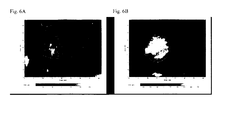
Figures 4 and 5 ). These findings were confirmed by digital time lapse photography (Figure 6 ). - The effectiveness of EMLA® suggests that an application of the active compounds comprised in EMLA® prior to UV-provocation stabilizes or inhibits sensory nerve fibres of the skin and induces down-regulation or inhibition of the release of pro-inflammatory neuropeptides. Due to this more general concept it is assumed that (1) other local anesthetics in addition to lidocaine and prilocaine, (2) lidocaine alone or prilocaine alone, and (3) lidocaine and/or prilocaine in combination with other local anesthetics are effective as well.
- In summary, it was demonstrated in two of two patients with solar urticaria and an action spectrum to UVA that the combination of lidocaine and prilocaine protects the tissue and inhibts triggering of the cascade which usually leads to typical symptoms of this disease. These results suggest the use of EMLA® as a treatment option in solar urticaria patients. Such a treatment is not only effective, as demonstrated herein, but is also convenient to the patient since a pharmaceutical composition may be topically applied and, moreover, is associated with low side-effects.
- The present invention shall now be described in more detail on the basis of the following examples and with reference to the attached figures.
-
Figure 1 shows symptoms of solar urticaria on the skin of the buttock after UVA- and UVB provocation. In this case, both patients were sensitive to UVA-radiation, but not to UVB-radiation. The skin shows erythema and wheals where exposed to UVA-radiation. -
Figure 2 shows a volar forearm of a patient 1.5 hours after EMLA® application. The skin shows pallor where the anesthetic cream has been applied due to vascoconstriction. -
Figure 3 shows negative reaction to UVA-provocation in EMLA-treated skin after 20 min on volar forearm of a patient during microdialysis. The duration of UVA-provocation was 3.35 min. -
Figure 4 shows the buttock of a patient directly after the end of UVA-provocation with (Figure 4A ) and without (Figure 4B ) prior application of EMLA®. No symptoms could be observed. -
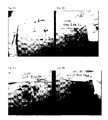
Figure 5 shows the same experiment as inFigure 4 , 30 min after UV-provocation. The clinical symptoms (wheal and erythema size) were much more pronounced in the non-EMLA® skin site (Figure 5B ) compared to the anaesthesized site (Figure 5A ). -
Figure 6 shows the results of digital time lapse photography of wheal formation in buttocks of a patient directly after the end of UVA provocation with (Figure 6A ) and without (Figure 6B ) prior application ofEMLA ® 30 min after UV-provocation. The kinetics of skin lesion development after 30 min was documented and the results showed that wheals of the skin without prior application of EMLA® covered a larger area than the ones on the pre-treated skin area. - Subjects to this experiment were two solar urticaria patients, one male (aged 29) and one female (aged 36). Both patients were sensitive to UVA-radiation (
Figure 1 ). - EMLA® is a topical anaesthetic cream (a eutectic mixture of lidocaine and prilocaine) widely used for superficial anaesthesia of the skin before taking blood samples or prior to superficial skin surgery. 1 g of EMLA® cream (Astra Zeneca) contains 25 mg lidocaine (i.e. 2.5% by weight) and 25 mg prilocaine (i.e. 2.5% by weight).
- The patients with solar urticaria and action spectrum to UVA underwent skin microdialysis after UVA provocation.
- Microdialysis is a well-established technique for the continuous sampling of small, watersoluble molecules within the extracellular fluid space in vivo. It has the advantage over other sampling techniques in that it can be used in intact tissues to follow temporal variations in the generation and the release of substances at discrete locations within the tissue space.
- EMLA® cream (5 g per site) was applied to the skin of the volar forearm or buttocks of the two solar urticaria patients for 1.5 hours to achieve superficial anaesthesia of the skin prior to dermal insertion of microdialysis catheters (
Figure 2 ). - Four microdialysis catheters per subject were inserted into the volar forearm or buttocks of the patient and perfused with saline. Following localised UVA provocation (provocation time was always 3.35 min) on the arm or buttocks the dialysate was collected for 30 min.
- Urticaria-like skin lesions usually develop after 5-20 min. This is demonstrated in
Figure 1 , displaying a dose-dependent whealing reaction on the buttocks of both patients after UVA radiation. Both patients showed a similar but slightly weaker reaction to UVA light on their volar forearms (photos not shown). The lesser symptoms may be explained by tolerance induction of skin sites such as the forearms which are more frequently exposed to the sun as compared to the buttocks. - In the previously anaesthesized skin (as prepared for microdialysis) of the volar forearm, however, neither wheals, nor erythema or pruritus were seen 20-30 min after UVA provocation in both patients (
Figure 3 ). - For comparison study, UV-provocation (and microdialysis) was performed a second time in skin without previous sun exposure, namely the buttocks. Thus, the female patient of Example 1 underwent the same procedure as described in Example 1 for the volar forearm again on the buttocks. A control area was irradiated with UVA but without prior application of EMLA® (
Figure 4 ). - Fifteen min after UVA radiation an erythema developed in both skin sites previously treated with and without EMLA®. A whealing reaction was seen after 15 min in the non-EMLA® skin site and after 20 min in the EMLA®-treated skin area, but less pronounced. After 30 min the clinical symptoms (wheal and erythema size) were much more pronounced in the non-EMLA® skin site compared to the anaesthesized site (
Figure 5 ). The kinetics of skin lesion development after 30 min was also documented by digital time lapse photography (Figure 6 ). -
- Güzelbey O., Ardelean E., Magerl M., Zuberbier T., Maurer M., Metz M. (2008) "Successful treatment of solar urticaria with anti-immunoglobulin E therapy", Allergy 63: 1559-1565.
- Zuberbier T., Bindslev-Jensen C., Canonica W., Grattan C. E. H., Greaves M. W., Henz B. M., Kapp A., Kozel M. M. A., Maurer M., Merk H. F., Schäfer T., Simon D., Vena G. A., Wedi B. (2006) "EAACI/GA2LEN/EDF guideline: definition, classification and diagnosis of urticaria" Allergy 61: 316-320.
Claims (12)
- A local anesthetic for use in the treatment or prevention of physical urticaria.
- The local anesthetic according to claim 1, wherein the local anesthetic is selected from the group of aminoamide local anesthetics.
- The local anesthetic according to claim 1 or 2, wherein the local anesthetic is lidocaine, or a derivative thereof, or is prilocaine, or a derivative thereof.
- A combination of lidocaine, or a derivative thereof, and prilocaine, or a derivative thereof, for use in the treatment or prevention of physical urticaria.
- A pharmaceutical composition comprising at least one local anesthetic for use in the treatment or prevention of physical urticaria.
- The pharmaceutical composition according to claim 5, wherein at least one local anesthetic is selected from the group of aminoamide local anesthetics.
- The pharmaceutical composition according to claim 5 or 6, wherein at least one local anesthetic is lidocaine, or a derivative thereof, or is prilocaine, or a derivative thereof.
- The pharmaceutical composition according to any of claims 5 to 7, wherein the pharmaceutical composition comprises both lidocaine, or a derivative thereof, and prilocaine, or a derivative thereof.
- The pharmaceutical composition according to any of claims 5 to 8, wherein the pharmaceutical composition is comprised by a pharmaceutical dosage form selected from the group consisting of a cream, an ointment, a salve, an elixier, a lotion, a solution, a patch, an emulsion, a foam, and a spray.
- The pharmaceutical composition according to any of claims 5 to 9, wherein the pharmaceutical composition is a cream comprising 2.5% by weight lidocaine and 2.5% by weight prilocaine.
- The local anesthetic according to any of claims 1 to 3, or the combination according to claim 4, or the pharmaceutical composition according to any of claims 5 to 10, wherein the physical urticaria is selected from the group consisting of cold contact urticaria, delayed pressure urticaria, heat contact urticaria, urticaria factitia/dermographic urticaria, vibratory urticaria/angioedema, and solar urticaria.
- The local anesthetic according to claim 11, or the combination according to claim 11, or the pharmaceutical composition according to claim 11, wherein the physical urticaria is solar urticaria.
Priority Applications (2)
| Application Number | Priority Date | Filing Date | Title |
|---|---|---|---|
| EP10003676A EP2371351A1 (en) | 2010-04-01 | 2010-04-01 | Pharmaceutical composition for the treatment of solar urticaria |
| US13/152,670 US20110294894A1 (en) | 2010-04-01 | 2011-06-03 | Pharmaceutical Composition for the Treatment of Solar Urticaria |
Applications Claiming Priority (1)
| Application Number | Priority Date | Filing Date | Title |
|---|---|---|---|
| EP10003676A EP2371351A1 (en) | 2010-04-01 | 2010-04-01 | Pharmaceutical composition for the treatment of solar urticaria |
Publications (1)
| Publication Number | Publication Date |
|---|---|
| EP2371351A1 true EP2371351A1 (en) | 2011-10-05 |
Family
ID=42357824
Family Applications (1)
| Application Number | Title | Priority Date | Filing Date |
|---|---|---|---|
| EP10003676A Withdrawn EP2371351A1 (en) | 2010-04-01 | 2010-04-01 | Pharmaceutical composition for the treatment of solar urticaria |
Country Status (2)
| Country | Link |
|---|---|
| US (1) | US20110294894A1 (en) |
| EP (1) | EP2371351A1 (en) |
Cited By (2)
| Publication number | Priority date | Publication date | Assignee | Title |
|---|---|---|---|---|
| WO2013001073A1 (en) * | 2011-06-29 | 2013-01-03 | Galderma Research & Development | A new stable anesthetic composition for reducing skin reactions |
| CN106806338A (en) * | 2015-12-01 | 2017-06-09 | 四川海思科制药有限公司 | A kind of compound lidocaine emulsifiable paste pharmaceutical composition and preparation method thereof |
Citations (1)
| Publication number | Priority date | Publication date | Assignee | Title |
|---|---|---|---|---|
| US20080221206A1 (en) | 2004-06-07 | 2008-09-11 | Fundção Oswaldo Cruz-Fiocruz | Compounds Derived From Lidocaine, Pharmaceutical Compositions, Use And Method Of Treatment, Prevention Or Inhibition Of Disease |
-
2010
- 2010-04-01 EP EP10003676A patent/EP2371351A1/en not_active Withdrawn
-
2011
- 2011-06-03 US US13/152,670 patent/US20110294894A1/en not_active Abandoned
Patent Citations (1)
| Publication number | Priority date | Publication date | Assignee | Title |
|---|---|---|---|---|
| US20080221206A1 (en) | 2004-06-07 | 2008-09-11 | Fundção Oswaldo Cruz-Fiocruz | Compounds Derived From Lidocaine, Pharmaceutical Compositions, Use And Method Of Treatment, Prevention Or Inhibition Of Disease |
Non-Patent Citations (7)
| Title |
|---|
| AUBIN F ET AL: "Delayed pressure urticaria inhibition of induced lesions by adrenaline", CLINICAL AND EXPERIMENTAL DERMATOLOGY, BLACKWELL SCIENTIFIC PUBLICATIONS, GB, vol. 13, no. 6, 1 January 1988 (1988-01-01), pages 397 - 401, XP007914237, ISSN: 0307-6938 * |
| DELORME P: "Localized heat urticaria", JOURNAL OF ALLERGY, MOSBY COMPANY, ST. LOUIS, MO, US LNKD- DOI:10.1016/0021-8707(69)90149-X, vol. 43, no. 5, 1 May 1969 (1969-05-01), pages 284 - 291, XP007914238, ISSN: 0021-8707, [retrieved on 20041111] * |
| GIIZELBEY O.; ARDELEAN E.; MAGERL M.; ZUBERBIER T.; MAURER M.; METZ M: "Successful treatment of solar urticaria with anti-immunoglobulin E therapy", ALLERGY, vol. 63, 2008, pages 1559 - 1565 |
| JUHLIN L ET AL: "Solar urticaria: mechanism and treatment", PHOTODERMATOLOGY, MUNKSGAARD, COPENHAGEN, DK, vol. 3, no. 3, 1 June 1986 (1986-06-01), pages 164 - 168, XP009137153, ISSN: 0108-9684 * |
| POLMAN T A L ET AL: "Solar uticaria ///Zonneallergie", HUISARTS EN WETENSCHAP, NEDERLANDS HUISARTSEN GENOOTSCHAP, BUSSUM, NL, vol. 47, no. 5, 1 January 2004 (2004-01-01), pages 242 - 245, XP009137151, ISSN: 0018-7070 * |
| SKREBOVA N ET AL: "Localized heat urticaria: a clinical study using laser Doppler flowmetry", JOURNAL OF DERMATOLOGICAL SCIENCE, ELSEVIER SCIENCE PUBLISHERS, SHANNON, IE, vol. 26, no. 2, 1 June 2001 (2001-06-01), pages 112 - 118, XP007914242, ISSN: 0923-1811 * |
| ZUBERBIER T.; BINDSLEV-JENSEN C.; CANONICA W.; GRATTAN C. E. H.; GREAVES M. W.; HENZ B. M.; KAPP A.; KOZEL M. M. A.; MAURER M.; ME: "EAACI/GA2LEN/EDF guideline: definition, classification and diagnosis of urticaria", ALLERGY, vol. 61, 2006, pages 316 - 320 |
Cited By (4)
| Publication number | Priority date | Publication date | Assignee | Title |
|---|---|---|---|---|
| WO2013001073A1 (en) * | 2011-06-29 | 2013-01-03 | Galderma Research & Development | A new stable anesthetic composition for reducing skin reactions |
| FR2977493A1 (en) * | 2011-07-05 | 2013-01-11 | Galderma Res & Dev | NOVEL STABLE ANESTHETIC COMPOSITION FOR REDUCING SKIN REACTIONS |
| CN106806338A (en) * | 2015-12-01 | 2017-06-09 | 四川海思科制药有限公司 | A kind of compound lidocaine emulsifiable paste pharmaceutical composition and preparation method thereof |
| CN106806338B (en) * | 2015-12-01 | 2021-05-25 | 四川海思科制药有限公司 | Compound lidocaine cream pharmaceutical composition and preparation method thereof |
Also Published As
| Publication number | Publication date |
|---|---|
| US20110294894A1 (en) | 2011-12-01 |
Similar Documents
| Publication | Publication Date | Title |
|---|---|---|
| Wagner et al. | Clinical evaluation of perioperative administration of gabapentin as an adjunct for postoperative analgesia in dogs undergoing amputation of a forelimb | |
| CN103142458B (en) | Without prescription and the preparation method of additive analgesia sustained release drug delivery systems | |
| Gajraj et al. | Eutectic mixture of local anesthetics (EMLA®) cream | |
| Bigat et al. | Does dexamethasone improve the quality of intravenous regional anesthesia and analgesia? A randomized, controlled clinical study | |
| JP2006527734A (en) | Anesthetic composition for topical administration | |
| RU2095060C1 (en) | Composition showing analgetic or antiinflammatory activity, a method of analgia or treatment of allergic diseases | |
| Harvey-Clark et al. | Transdermal fentanyl compared with parenteral buprenorphine in post-surgical pain in swine: a case study | |
| KR20150131330A (en) | neosaxitoxin combination formulations for prolonged local anesthesia | |
| JP2002527392A (en) | Peripherally acting antipruritic opiates | |
| US20110294894A1 (en) | Pharmaceutical Composition for the Treatment of Solar Urticaria | |
| CN108697673A (en) | For treating the capsaicine of Morton neuroma pain administration way successively | |
| JP2014518239A (en) | Novel stable anesthetic composition for reducing skin reaction | |
| CA1169774A (en) | Medication having penetration through cutaneous surfaces into articular and muscular areas | |
| WO2015024420A1 (en) | Local anesthesia pain-relieving time-delay agent | |
| US10201535B2 (en) | Pharmaceutical compositions comprising 7-(1H-imidazol-4-ylmethyl)-5,6,7,8-tetrahydro-quinoline for treating skin diseases and conditions | |
| WO1999021585A1 (en) | Pharmaceutical combination of a cyclooxigenase-2 inhibitor and acetaminophen or an opiate | |
| Mahajan et al. | Local warming at injection site helps alleviate pain after rocuronium administration | |
| JPWO2008120562A1 (en) | Tablets for treating postherpetic neuralgia and methods for treating postherpetic neuralgia | |
| JP5781532B2 (en) | Pharmaceutical composition for treating skin burns | |
| Mally et al. | Combination of foot stimulation and tramadol treatment reverses irritation induced bladder overactivity in cats | |
| Shaikh et al. | The influence of a eutectic mixture of lidocaine and prilocaine on minor surgical procedures: a randomized controlled double‐blind trial | |
| Biben et al. | Experimental study of tumescence injection to provide anesthesia without local anesthetics | |
| Borer | Local analgesic techniques in small animals | |
| Rusca et al. | (279) Comparison of plasma pharmacokinetics of FLECTOR Patch (diclofenac epolamine topical patch) and oral Voltaren (diclofenac sodium enteric-coated tablets) in healthy volunteers | |
| RU2849260C1 (en) | Method for relieving neuropathic pain (options) |
Legal Events
| Date | Code | Title | Description |
|---|---|---|---|
| PUAI | Public reference made under article 153(3) epc to a published international application that has entered the european phase |
Free format text: ORIGINAL CODE: 0009012 |
|
| AK | Designated contracting states |
Kind code of ref document: A1 Designated state(s): AT BE BG CH CY CZ DE DK EE ES FI FR GB GR HR HU IE IS IT LI LT LU LV MC MK MT NL NO PL PT RO SE SI SK SM TR |
|
| AX | Request for extension of the european patent |
Extension state: AL BA ME RS |
|
| 17P | Request for examination filed |
Effective date: 20120405 |
|
| 17Q | First examination report despatched |
Effective date: 20120601 |
|
| STAA | Information on the status of an ep patent application or granted ep patent |
Free format text: STATUS: THE APPLICATION IS DEEMED TO BE WITHDRAWN |
|
| 18D | Application deemed to be withdrawn |
Effective date: 20121013 |