EP2367565B1 - Methods for the treatment and the prognostic assessment of malignant pleural mesothelioma. - Google Patents
Methods for the treatment and the prognostic assessment of malignant pleural mesothelioma. Download PDFInfo
- Publication number
- EP2367565B1 EP2367565B1 EP09784083.9A EP09784083A EP2367565B1 EP 2367565 B1 EP2367565 B1 EP 2367565B1 EP 09784083 A EP09784083 A EP 09784083A EP 2367565 B1 EP2367565 B1 EP 2367565B1
- Authority
- EP
- European Patent Office
- Prior art keywords
- nts
- neurotensin
- ntsr1
- expression
- mesothelioma
- Prior art date
- Legal status (The legal status is an assumption and is not a legal conclusion. Google has not performed a legal analysis and makes no representation as to the accuracy of the status listed.)
- Not-in-force
Links
Images



Classifications
-
- C—CHEMISTRY; METALLURGY
- C07—ORGANIC CHEMISTRY
- C07K—PEPTIDES
- C07K16/00—Immunoglobulins [IG], e.g. monoclonal or polyclonal antibodies
- C07K16/18—Immunoglobulins [IG], e.g. monoclonal or polyclonal antibodies against material from animals or humans
- C07K16/26—Immunoglobulins [IG], e.g. monoclonal or polyclonal antibodies against material from animals or humans against hormones ; against hormone releasing or inhibiting factors
-
- A—HUMAN NECESSITIES
- A61—MEDICAL OR VETERINARY SCIENCE; HYGIENE
- A61K—PREPARATIONS FOR MEDICAL, DENTAL OR TOILETRY PURPOSES
- A61K31/00—Medicinal preparations containing organic active ingredients
- A61K31/33—Heterocyclic compounds
- A61K31/395—Heterocyclic compounds having nitrogen as a ring hetero atom, e.g. guanethidine or rifamycins
- A61K31/435—Heterocyclic compounds having nitrogen as a ring hetero atom, e.g. guanethidine or rifamycins having six-membered rings with one nitrogen as the only ring hetero atom
- A61K31/47—Quinolines; Isoquinolines
- A61K31/4709—Non-condensed quinolines and containing further heterocyclic rings
-
- A—HUMAN NECESSITIES
- A61—MEDICAL OR VETERINARY SCIENCE; HYGIENE
- A61K—PREPARATIONS FOR MEDICAL, DENTAL OR TOILETRY PURPOSES
- A61K38/00—Medicinal preparations containing peptides
- A61K38/16—Peptides having more than 20 amino acids; Gastrins; Somatostatins; Melanotropins; Derivatives thereof
- A61K38/43—Enzymes; Proenzymes; Derivatives thereof
- A61K38/46—Hydrolases (3)
- A61K38/48—Hydrolases (3) acting on peptide bonds (3.4)
- A61K38/4813—Exopeptidases (3.4.11. to 3.4.19)
-
- A—HUMAN NECESSITIES
- A61—MEDICAL OR VETERINARY SCIENCE; HYGIENE
- A61K—PREPARATIONS FOR MEDICAL, DENTAL OR TOILETRY PURPOSES
- A61K38/00—Medicinal preparations containing peptides
- A61K38/16—Peptides having more than 20 amino acids; Gastrins; Somatostatins; Melanotropins; Derivatives thereof
- A61K38/43—Enzymes; Proenzymes; Derivatives thereof
- A61K38/46—Hydrolases (3)
- A61K38/48—Hydrolases (3) acting on peptide bonds (3.4)
- A61K38/482—Serine endopeptidases (3.4.21)
-
- A—HUMAN NECESSITIES
- A61—MEDICAL OR VETERINARY SCIENCE; HYGIENE
- A61K—PREPARATIONS FOR MEDICAL, DENTAL OR TOILETRY PURPOSES
- A61K38/00—Medicinal preparations containing peptides
- A61K38/16—Peptides having more than 20 amino acids; Gastrins; Somatostatins; Melanotropins; Derivatives thereof
- A61K38/43—Enzymes; Proenzymes; Derivatives thereof
- A61K38/46—Hydrolases (3)
- A61K38/48—Hydrolases (3) acting on peptide bonds (3.4)
- A61K38/4886—Metalloendopeptidases (3.4.24), e.g. collagenase
-
- A—HUMAN NECESSITIES
- A61—MEDICAL OR VETERINARY SCIENCE; HYGIENE
- A61P—SPECIFIC THERAPEUTIC ACTIVITY OF CHEMICAL COMPOUNDS OR MEDICINAL PREPARATIONS
- A61P35/00—Antineoplastic agents
-
- C—CHEMISTRY; METALLURGY
- C07—ORGANIC CHEMISTRY
- C07K—PEPTIDES
- C07K16/00—Immunoglobulins [IG], e.g. monoclonal or polyclonal antibodies
- C07K16/18—Immunoglobulins [IG], e.g. monoclonal or polyclonal antibodies against material from animals or humans
- C07K16/28—Immunoglobulins [IG], e.g. monoclonal or polyclonal antibodies against material from animals or humans against receptors, cell surface antigens or cell surface determinants
- C07K16/30—Immunoglobulins [IG], e.g. monoclonal or polyclonal antibodies against material from animals or humans against receptors, cell surface antigens or cell surface determinants from tumour cells
- C07K16/3023—Lung
-
- C—CHEMISTRY; METALLURGY
- C12—BIOCHEMISTRY; BEER; SPIRITS; WINE; VINEGAR; MICROBIOLOGY; ENZYMOLOGY; MUTATION OR GENETIC ENGINEERING
- C12Q—MEASURING OR TESTING PROCESSES INVOLVING ENZYMES, NUCLEIC ACIDS OR MICROORGANISMS; COMPOSITIONS OR TEST PAPERS THEREFOR; PROCESSES OF PREPARING SUCH COMPOSITIONS; CONDITION-RESPONSIVE CONTROL IN MICROBIOLOGICAL OR ENZYMOLOGICAL PROCESSES
- C12Q1/00—Measuring or testing processes involving enzymes, nucleic acids or microorganisms; Compositions therefor; Processes of preparing such compositions
- C12Q1/68—Measuring or testing processes involving enzymes, nucleic acids or microorganisms; Compositions therefor; Processes of preparing such compositions involving nucleic acids
- C12Q1/6876—Nucleic acid products used in the analysis of nucleic acids, e.g. primers or probes
- C12Q1/6883—Nucleic acid products used in the analysis of nucleic acids, e.g. primers or probes for diseases caused by alterations of genetic material
- C12Q1/6886—Nucleic acid products used in the analysis of nucleic acids, e.g. primers or probes for diseases caused by alterations of genetic material for cancer
-
- G—PHYSICS
- G01—MEASURING; TESTING
- G01N—INVESTIGATING OR ANALYSING MATERIALS BY DETERMINING THEIR CHEMICAL OR PHYSICAL PROPERTIES
- G01N33/00—Investigating or analysing materials by specific methods not covered by groups G01N1/00 - G01N31/00
- G01N33/48—Biological material, e.g. blood, urine; Haemocytometers
- G01N33/50—Chemical analysis of biological material, e.g. blood, urine; Testing involving biospecific ligand binding methods; Immunological testing
- G01N33/53—Immunoassay; Biospecific binding assay; Materials therefor
- G01N33/575—Immunoassay; Biospecific binding assay; Materials therefor for cancer
- G01N33/57557—Immunoassay; Biospecific binding assay; Materials therefor for cancer of other specific parts of the body, e.g. brain
-
- C—CHEMISTRY; METALLURGY
- C07—ORGANIC CHEMISTRY
- C07K—PEPTIDES
- C07K2317/00—Immunoglobulins specific features
- C07K2317/70—Immunoglobulins specific features characterized by effect upon binding to a cell or to an antigen
- C07K2317/76—Antagonist effect on antigen, e.g. neutralization or inhibition of binding
-
- C—CHEMISTRY; METALLURGY
- C12—BIOCHEMISTRY; BEER; SPIRITS; WINE; VINEGAR; MICROBIOLOGY; ENZYMOLOGY; MUTATION OR GENETIC ENGINEERING
- C12Q—MEASURING OR TESTING PROCESSES INVOLVING ENZYMES, NUCLEIC ACIDS OR MICROORGANISMS; COMPOSITIONS OR TEST PAPERS THEREFOR; PROCESSES OF PREPARING SUCH COMPOSITIONS; CONDITION-RESPONSIVE CONTROL IN MICROBIOLOGICAL OR ENZYMOLOGICAL PROCESSES
- C12Q2600/00—Oligonucleotides characterized by their use
- C12Q2600/118—Prognosis of disease development
-
- C—CHEMISTRY; METALLURGY
- C12—BIOCHEMISTRY; BEER; SPIRITS; WINE; VINEGAR; MICROBIOLOGY; ENZYMOLOGY; MUTATION OR GENETIC ENGINEERING
- C12Q—MEASURING OR TESTING PROCESSES INVOLVING ENZYMES, NUCLEIC ACIDS OR MICROORGANISMS; COMPOSITIONS OR TEST PAPERS THEREFOR; PROCESSES OF PREPARING SUCH COMPOSITIONS; CONDITION-RESPONSIVE CONTROL IN MICROBIOLOGICAL OR ENZYMOLOGICAL PROCESSES
- C12Q2600/00—Oligonucleotides characterized by their use
- C12Q2600/158—Expression markers
-
- C—CHEMISTRY; METALLURGY
- C12—BIOCHEMISTRY; BEER; SPIRITS; WINE; VINEGAR; MICROBIOLOGY; ENZYMOLOGY; MUTATION OR GENETIC ENGINEERING
- C12Y—ENZYMES
- C12Y304/00—Hydrolases acting on peptide bonds, i.e. peptidases (3.4)
- C12Y304/17—Metallocarboxypeptidases (3.4.17)
- C12Y304/17001—Carboxypeptidase A (3.4.17.1)
-
- C—CHEMISTRY; METALLURGY
- C12—BIOCHEMISTRY; BEER; SPIRITS; WINE; VINEGAR; MICROBIOLOGY; ENZYMOLOGY; MUTATION OR GENETIC ENGINEERING
- C12Y—ENZYMES
- C12Y304/00—Hydrolases acting on peptide bonds, i.e. peptidases (3.4)
- C12Y304/21—Serine endopeptidases (3.4.21)
- C12Y304/21039—Chymase (3.4.21.39)
-
- C—CHEMISTRY; METALLURGY
- C12—BIOCHEMISTRY; BEER; SPIRITS; WINE; VINEGAR; MICROBIOLOGY; ENZYMOLOGY; MUTATION OR GENETIC ENGINEERING
- C12Y—ENZYMES
- C12Y304/00—Hydrolases acting on peptide bonds, i.e. peptidases (3.4)
- C12Y304/24—Metalloendopeptidases (3.4.24)
- C12Y304/24016—Neurolysin (3.4.24.16)
-
- G—PHYSICS
- G01—MEASURING; TESTING
- G01N—INVESTIGATING OR ANALYSING MATERIALS BY DETERMINING THEIR CHEMICAL OR PHYSICAL PROPERTIES
- G01N2333/00—Assays involving biological materials from specific organisms or of a specific nature
- G01N2333/435—Assays involving biological materials from specific organisms or of a specific nature from animals; from humans
- G01N2333/705—Assays involving receptors, cell surface antigens or cell surface determinants
- G01N2333/72—Assays involving receptors, cell surface antigens or cell surface determinants for hormones
- G01N2333/726—G protein coupled receptor, e.g. TSHR-thyrotropin-receptor, LH/hCG receptor, FSH
-
- G—PHYSICS
- G01—MEASURING; TESTING
- G01N—INVESTIGATING OR ANALYSING MATERIALS BY DETERMINING THEIR CHEMICAL OR PHYSICAL PROPERTIES
- G01N2410/00—Assays, e.g. immunoassays or enzyme assays, involving peptides of less than 20 animo acids
-
- G—PHYSICS
- G01—MEASURING; TESTING
- G01N—INVESTIGATING OR ANALYSING MATERIALS BY DETERMINING THEIR CHEMICAL OR PHYSICAL PROPERTIES
- G01N2800/00—Detection or diagnosis of diseases
- G01N2800/56—Staging of a disease; Further complications associated with the disease
Definitions
- the present invention relates to methods for the treatment and the prognostic assessment of malignant pleural mesothelioma.
- MCM Malignant pleural mesothelioma
- the present invention relates to an inhibitor of the neurotensin activation of neurotensin receptor 1 (NTSR1) for use in the treatment of malignant pleural mesothelioma according to claim 2.
- NTSR1 neurotensin receptor 1
- the present invention also relates to a method of determining the prognosis of a subject suffering from malignant pleural mesothelioma, comprising the step of detecting the expression of neurotensin (NTS) in a mesothelioma sample obtained from said subject.
- NTS neurotensin
- the expression of NTS is associated with a worse prognostic, i.e. a lowest survival rate.
- the present disclosure provides a method for treating malignant pleural mesothelioma, comprising the step of administering an effective amount of an inhibitor of the neurotensin activation of the neurotensin receptor 1 (NTSR1) to a subject in need thereof.
- NTSR1 neurotensin receptor 1
- inhibitors of the neurotensin activation of the neurotensin receptor 1 for the treatment of malignant pleural mesothelioma.
- the expression "inhibitors of the neurotensin activation of NTSR1” should be understood broadly, this expression refers to agents down-regulating the expression of neurotensin or of neurotensin receptor 1, compounds that bind to neurotensin (NTS) or NTSR1 and inhibit the neurotensin activation of NTSR1, or a protease that can degrade NTS.
- inhibitors of the neurotensin activation of NTSR1 may be selected from the group consisting of an agent down-regulating the expression of neurotensin or of neurotensin receptor 1, an antibody against neurotensin or a fragment thereof which binds to neurotensin, an antibody against the neurotensin receptor 1 or a fragment thereof which binds to the neurotensin receptor 1, an antagonist of the neurotensin receptor 1, and a protease that can degrade NTS.
- the inhibitor of the neurotensin activation of the neurotensin receptor 1 according to the invention is an antibody against neurotensin or a fragment thereof which binds to neurotensin, an antibody against the neurotensin receptor 1 or a fragment thereof which binds to the neurotensin receptor 1.
- specific antibodies or fragment thereof may be generated by immunizing an animal with neurotensin or with NTSR1 and by selecting the antibodies which inhibit the neurotensin activation of the neurotensin receptor 1.
- the inhibition of the neurotensin activation of the neurotensin receptor 1 may be measured with biological assays estimating the second messenger level, or the oncogenic cellular effect, or the morphological changes of the cells ( Skrzydelski D et al Mol Pharmacol. 64(2):421-9 2003 ; Xu-van Opstal WY et al, Microsc Res Tech. 28(5):440-7 1994 ; Souaze F et al. Can Res 66(12):6243-9 2006 ).
- the present invention therefore comprehends use of antibody specific for neurotensin or NTSR1 which include F(ab') 2 , F(ab) 2 , Fab, Fv and Fd antibody fragments, chimeric antibodies in which one or more regions have been replaced by homologous human or non-human portions.
- NTSR1 neurotensin or NTSR1
- F(ab') 2 , F(ab) 2 , Fab, Fv and Fd antibody fragments chimeric antibodies in which one or more regions have been replaced by homologous human or non-human portions.
- fragments such as for example ScFv fragments and divalent ScFv-type molecules can be prepared using recombinant methods.
- the inhibitor of the neurotensin activation of the neurotensin receptor 1 is SR48692.
- SR48692 is a commonly used inhibitor of NTSR1 (see for example Gully et al. 1993, Proc. Natl. Acad. Sci. 90, 65-69 and Gully et al. 1997, J. Pharmacol. Exp. Ther. 280, 802-812 ).
- treating means reversing, alleviating, inhibiting the progress of, or preventing the disorder or condition to which such term applies, or reversing, alleviating, inhibiting the progress of, or preventing one or more symptoms of malignant pleural mesothelioma.
- a “therapeutically effective amount” of an inhibitor of the neurotensin activation of the neurotensin receptor 1 is meant a sufficient amount to treat malignant pleural mesothelioma, at a reasonable benefit/risk ratio applicable to any medical treatment. It will be understood, however, that the total daily usage of the inhibitor will be decided by the attending physician within the scope of sound medical judgment.
- the specific therapeutically effective dose level for any particular subject in need thereof will depend upon a variety of factors including the stage of malignant pleural mesothelioma being treated and the activity of the specific inhibitor employed, the age, body weight, general health, sex and diet of the subject, the time of administration, route of administration, the duration of the treatment; drugs used in combination or coincidental with the and like factors well known in the medical arts. For example, it is well known within the skill of the art to start doses of the compound at levels lower than those required to achieve the desired therapeutic effect and to gradually increase the dosage until the desired effect is achieved.
- medicaments according to the disclosure comprise an inhibitor of the neurotensin activation of the neurotensin receptor 1with a pharmaceutically-acceptable carrier.
- a pharmaceutically-acceptable carrier e.g., a pharmaceutically-acceptable carrier.
- a method of treatment may be used in combination with any other therapeutic strategy for treating malignant pleural mesothelioma, e.g. surgery, (pleurectomy, pleurectomy-decortication or pleuro-pneumonectomy), chemotherapy or or targeted therapies (inhibition of growth factors pathways).
- surgery pleurectomy, pleurectomy-decortication or pleuro-pneumonectomy
- chemotherapy or or targeted therapies (inhibition of growth factors pathways).
- a diagnostic test may be performed in order to determine whether the malignant pleural mesothelioma displays NTS-expressing cells.
- NTS expression may be measured for example by RT-PCR or immunohistochemistry performed on a pleural sample obtained by biopsy.
- levels of neurotensin or a precursor thereof such as proneurotensin in a sample obtained from the subjects may be determined in order to treat only those subjects having an elevated level of neurotensin or a precursor thereof such as proneurotensin.
- samples obtained from the subjects are whole blood sample, plasma sample or serum sample, as well as whole blood, serum or plasma samples obtained from samples collected from peritumoral veins (e.g. intercostal or azygos veins).
- Neurotensin or proneurotensin survey may also be used to detect an eventual recurrence of the tumor and/or of metastases. Examples of method for measuring the levels of proneurotensin are given in WO2006/079528 , in Ernst et al., Peptides 27 (2006) 1787-1793 and in Friry et al, Biochemical and Biophysical research Communication 290, 1161-1168 (2002 ).
- the present invention also relates to a method of determining the prognosis of a subject suffering from malignant pleural mesothelioma, comprising the step of detecting the expression of NTS in a mesothelioma sample obtained from said subject.
- NTS neurodegenerative disease
- the present disclosure also enables the evaluation of the risk of recurrence of a subject which has been surgically treated.
- detecting includes qualitative and/or quantitative detection (measuring levels) with or without reference to a control.
- NTS expression may be measured for example by RT-PCR or immunohistochemistry performed on a pleural sample obtained by biopsy.
- levels of neurotensin or a precursor thereof such as proneurotensin in whole blood sample, plasma sample or serum sample obtained from the subjects may be determined.
- levels of neurotensin or a precursor thereof such as proneurotensin in whole blood, serum or plasma samples obtained from samples collected from peritumoral veins (e.g. intercostal or azygos veins) may be determined.
- a method of prognosis according to the invention may be used in combination with any other methods already used for the prognostic assessment of malignant pleural mesothelioma, including stage, demographic and antropometric parameters, results of routine clinical or laboratory examination, assessment of mesothelin and osteopontin.
- NTS and NTSR1 expression were found in 71.1%% and 90.4% of malignant mesotheliomas, respectively.
- In vitro studies showed that inhibition of the NTS system resulted in a significant reduction of both migration and collagen invasion of mesothelioma cells.
- NTS neurotensinergic system
- NTS immunoreactivity was conducted using rabbit antibody directed against NTS (1/500) (NA1230 Biomol, USA) for 2 hours at RT in a humidified chamber for tumor.
- NTSR1 immunoreactivity was detected using a goat polyclonal antibody directed against the human carboxy terminus of the receptor (1:100) (C-20 Santa Cruz USA). All slides were rinsed three times with TBS; sections were incubated with biotinylated secondary antibody (1:200) (Vector, USA), for 30 min at RT. The antigen-antibody complex was revealed with avidin-biotin-peroxidase complex, for 30 min, according to the manufacturer's instructions for the Vectastain ABC Kit (Vector, USA).
- DAB diamino-benzidine tetrahydrochloride
- the human mesothelioma cell line, MSTO-211H was selected because of its intense proliferative activity and its aggressive profile (ATCC CRL-2081, 211H).
- the MSTO-211H cells were grown in RPMI-1640 medium (Invitrogen, USA) supplemented with 10% fetal calf serum (PAATM) and 2 mM glutamine (Gibco®). Cells were stored at 37° in 5% CO 2 atmosphere.
- RNA extraction was performed on 1 ⁇ g of total RNA using a specific NTSR1 primer (5'-GCTGACGTAGAAGAG-3' SEQ ID NO:3) or 50 pmol of oligo dT and oligo dN.
- NTSR1 primer 5'-GCTGACGTAGAAGAG-3' SEQ ID NO:3
- the PCR amplification was performed on a 1:5 v/v of the RT reaction using 25 pmol of each primer 5'-CGTGGAGCTGTACAACTTCA-3' SEQ ID NO:4 and 5'-CAGCCAGCAGACCACAAAGG-3' SEQ ID NO:5 for NTSR1, and 5'-AAGCACATGTTCCCTCTT-3' SEQ ID NO:6 and 5'-CATACAGCTGCCGTTTCAGA-3' SEQ ID NO:7 for NTS, and 1 unit of Taq polymerase (ABgeneTM, France).
- the amplification profile consisted of denaturation at 94°C for 30s, annealing at 57°C for 45s, and extension at 72°C for 45s.
- PCR cycle were preceded by denaturation at 95°C for 15 min and were followed by a final extension at 72°C for 7 min. Amplification was performed in a DNA thermal cycler 9700 (Perkin Elmer Applied Biosystems, Courtaboeuf, France).
- Cellular growth was performed using 6 well-tissue-culture dishes. 15x10 4 MSTO-211H cells were seeded, after 24h cells were washed twice with PBS, and complete media containing either 10 -6 M SR 48692, a NTSR1 antagonist, or 10 -4 M de DMSO was added to the cells. After 24, 48, and 72h of growth, cells were trypsinized and counted with a cells coulter (Z1 Coulter® Particle Counter, Beckman CoulterTM).
- a wound healing assay was performed. 1.75x10 6 MSTO-211H cells were plated per well in 6 well dishes containing the medium in order to reach confluence. After 24 hours cells were serum-starved and scarification was performed in a Moscona buffer with a 20 ⁇ l pipette tip. Cells were maintained in culture with low serum medium (0.5% FCS) and treated with 10 -6 M SR48692. Control cells were exposed or not to the SR48692 solvent, DMSO. Pictures were taken at the beginning and 24 and 30 hours later with a photonic microscope. The "remaining gap" was calculated as percentage between wound size at 30 hours and initial wound size.
- Collagen invasion assay was performed by using tissue culture inserts composed of a 8 ⁇ m porous polycarbonate membrane, placed as inner chamber in 24 well-tissue-culture dishes. This membrane was coated with 40 ⁇ L of 2 mg/ml type I collagen diluted in RPMI-1640 medium (Collagen type I, rat tail, Upstate). The bottom chamber was filled with 500 ⁇ L RPMI-1640 medium supplemented with 10% fetal calf serum and 2 mM glutamine. 10 3 MSTO-211H cells were seeded on the top of the inner chamber. Cells were treated with 5x10 -6 M of NTSR1 antagonist SR48692 or with 1:50 solution of anti-NTS rabbit antibody (NA1230, Tebu-Bio).
- NTS labeling was often very intense and was always detected throughout the entire cytosol. For the most part, all cancer cells were labeled, whereas the tumor stroma was negative. A typical image of the observed NTS immunostaining is shown in figure 1A right.
- NTSR1 staining of cancer cells from patients with MPM was granular, mainly restricted to the cytoplasm, and rarely detected at the cell surface, as shown figure 1A left. Expression of NTS was found in 37/52 cases (71.1%) and scored 0 (no expression), 1 and 2 in 15, 20, and 17 cases, respectively. Expression of NTSR1 was found in 47/52 cases (90.4%) and scored as 0; 1 and 2 in 5, 35, and 12 cases, respectively.
- NTS and NTSR1 were observed in 8/26 (31%) and 20/26 (77%) cases, respectively, whereas no expression of either NTS or NTSR1 was observed in the pulmonary parenchyma of apical resection specimens.
- NTSR1 staining in pleural of patients with pneumothorax was different as compared to MPM, as it was in almost all the cases restricted to the cell membrane ( Figure 1B inset magnification).
- the wound healing assay showed a residual gap at 24 and 30 hours was larger (48% of original gap) when cells are treated with SR48692 as compared to control treatments, 27% and 30% of original gap in untreated cells or in the presence of DMSO, respectively ( Figure 4A and B ). Wound closure process after scarification of the cell layer, and the cellular invasion activity are therefore affected by selective pharmacological blockade of NTSR1.
- the percentage of specimen expressing NTSR1 was high in both normal pleura and mesothelioma, however the expression pattern was different, as a thin, peripheral (membranous) staining was generally observed in normal tissue, whereas a strong intracellular staining was seen in mesothelioma samples, suggesting an active endocytosis process of the receptor in the latter. This suggests that the NTS/NTSR1 system is relatively quiescent in normal tissue, as opposed to a condition of sustained activation in mesothelioma samples, which possibly lead to oncogenic NTS effects occurring and participate to tumorigenesis and progression of mesothelioma.
- NTS/NTSR1 blockade by a specific NTSR1 antagonist or NTS blocking anti sera strongly reduced invasion and mobility cellular activity. Recently, it was shown that NTSR1 activation elicits IKB-alpha degradation and NF-KB activation with subsequent expression and released of IL-8.
- IL-8 has been shown to be an important mediator in the development of pleural effusion in mesothelioma; and represents an autocrine growth factor for malignant pleural mesothelioma.
- NTS induced chemokine expression and cell migration provide a strong hypothetic role for NTS in the pathogenesis of clinical manifestations of mesothelioma.
- NTS/NTSR1 complex is not only a potential marker of negative prognosis, but also a mediator of disease progression.
Landscapes
- Health & Medical Sciences (AREA)
- Life Sciences & Earth Sciences (AREA)
- Chemical & Material Sciences (AREA)
- Immunology (AREA)
- General Health & Medical Sciences (AREA)
- Medicinal Chemistry (AREA)
- Engineering & Computer Science (AREA)
- Proteomics, Peptides & Aminoacids (AREA)
- Organic Chemistry (AREA)
- Public Health (AREA)
- Veterinary Medicine (AREA)
- Animal Behavior & Ethology (AREA)
- Pharmacology & Pharmacy (AREA)
- Epidemiology (AREA)
- Molecular Biology (AREA)
- Bioinformatics & Cheminformatics (AREA)
- Biochemistry (AREA)
- Gastroenterology & Hepatology (AREA)
- Genetics & Genomics (AREA)
- Biophysics (AREA)
- Analytical Chemistry (AREA)
- Pathology (AREA)
- Hematology (AREA)
- Biomedical Technology (AREA)
- Urology & Nephrology (AREA)
- Biotechnology (AREA)
- Physics & Mathematics (AREA)
- Cell Biology (AREA)
- Microbiology (AREA)
- Wood Science & Technology (AREA)
- Zoology (AREA)
- Endocrinology (AREA)
- General Physics & Mathematics (AREA)
- Food Science & Technology (AREA)
- General Engineering & Computer Science (AREA)
- Oncology (AREA)
- Hospice & Palliative Care (AREA)
- Chemical Kinetics & Catalysis (AREA)
- General Chemical & Material Sciences (AREA)
- Nuclear Medicine, Radiotherapy & Molecular Imaging (AREA)
Description
- The present invention relates to methods for the treatment and the prognostic assessment of malignant pleural mesothelioma.
- Malignant pleural mesothelioma (MPM) is a relatively infrequent disease, whose incidence is estimated in western countries between less than 1 case/million/year among persons non exposed to asbestos and 100 cases/million/year among individuals professionally exposed to asbestos. The incidence of disease is expected to continue to increase in the next years, with a peak between 2015 and 2020.
- Prognosis of MPM is generally poor: a recent study showed that in a comprehensive unselected population, median survival was 8.9 months. Reports from referral institutions concerning patients participating to clinical trials showed a slightly better outcome. A randomized study comparing mono-chemotherapy with cisplatin to the association cisplatin - pemetrexed (an antifolate drug) showed a median survival of 9.3 months and 12.1 months in the two arms, respectively, this later drug association is now considered the standard of care. Nevertheless, these results are globally discouraging because of the very low rate of long term survival. More recently, a treatment strategy based on the association of induction chemotherapy and radical surgery by extrapleural pneumonectomy resulted in 5-year survival rate of approximately 40% in patients with epithelioid mesothelioma, complete (R0) resection, and no mediastinal nodes involvement. However, only a minority of patients with MPM can benefit from this aggressive therapeutic strategy, because of advanced disease, histological type, advanced age or co-morbidities. In current practice less than 40% of patients with MPM receive chemotherapy and the remaining ones are offered only supportive cares.
- Identification of new prognostic factors would help in the understanding of disease progression and thereby patient management. Dacic et al. (2008) disclose a prognostic significance of p16/cdkn 2a loss in pleural malignant mesotheliomas.
- The present invention relates to an inhibitor of the neurotensin activation of neurotensin receptor 1 (NTSR1) for use in the treatment of malignant pleural mesothelioma according to
claim 2. - The present invention also relates to a method of determining the prognosis of a subject suffering from malignant pleural mesothelioma, comprising the step of detecting the expression of neurotensin (NTS) in a mesothelioma sample obtained from said subject. The expression of NTS is associated with a worse prognostic, i.e. a lowest survival rate.
- The present disclosure provides a method for treating malignant pleural mesothelioma, comprising the step of administering an effective amount of an inhibitor of the neurotensin activation of the neurotensin receptor 1 (NTSR1) to a subject in need thereof.
- Also provided is an inhibitor of the neurotensin activation of the neurotensin receptor 1 (NTSR1) for the treatment of malignant pleural mesothelioma. The expression "inhibitors of the neurotensin activation of NTSR1" should be understood broadly, this expression refers to agents down-regulating the expression of neurotensin or of
neurotensin receptor 1, compounds that bind to neurotensin (NTS) or NTSR1 and inhibit the neurotensin activation of NTSR1, or a protease that can degrade NTS. - Examples of inhibitors of the neurotensin activation of NTSR1 may be selected from the group consisting of an agent down-regulating the expression of neurotensin or of
neurotensin receptor 1, an antibody against neurotensin or a fragment thereof which binds to neurotensin, an antibody against theneurotensin receptor 1 or a fragment thereof which binds to theneurotensin receptor 1, an antagonist of theneurotensin receptor 1, and a protease that can degrade NTS. - The inhibitor of the neurotensin activation of the
neurotensin receptor 1 according to the invention is an antibody against neurotensin or a fragment thereof which binds to neurotensin, an antibody against theneurotensin receptor 1 or a fragment thereof which binds to theneurotensin receptor 1. - The person skilled in the art will be aware of standard methods for production of such specific antibody or fragment thereof. For example, specific antibodies or fragment thereof may be generated by immunizing an animal with neurotensin or with NTSR1 and by selecting the antibodies which inhibit the neurotensin activation of the
neurotensin receptor 1. - Typically the inhibition of the neurotensin activation of the
neurotensin receptor 1 may be measured with biological assays estimating the second messenger level, or the oncogenic cellular effect, or the morphological changes of the cells (Skrzydelski D et al Mol Pharmacol. 64(2):421-9 2003; Xu-van Opstal WY et al, Microsc Res Tech. 28(5):440-7 1994; Souaze F et al. Can Res 66(12):6243-9 2006). - The person skilled in the art will be aware of standard methods for production of both polyclonal and monoclonal antibodies and fragments thereof which binds to NTS or to NTSR1. Antibody fragments, particularly Fab fragments and other fragments which retain epitope-binding capacity and specificity are also well known, as are chimeric antibodies, and "humanized" antibodies, in which structural (not determining specificity for antigen) regions of the antibody are replaced with analogous or similar regions from another species. Thus antibodies generated in mice can be "humanized" to reduce negative effects which may occur upon administration to human subjects. Chimeric antibodies are now accepted therapeutic modalities with several now on the market. The present invention therefore comprehends use of antibody specific for neurotensin or NTSR1 which include F(ab')2, F(ab)2, Fab, Fv and Fd antibody fragments, chimeric antibodies in which one or more regions have been replaced by homologous human or non-human portions. The person skilled in the art will also be aware that fragments such as for example ScFv fragments and divalent ScFv-type molecules can be prepared using recombinant methods.
- In a further embodiment of the present invention, the inhibitor of the neurotensin activation of the
neurotensin receptor 1 is SR48692. SR48692 is a commonly used inhibitor of NTSR1 (see for example Gully et al. 1993, Proc. Natl. Acad. Sci. 90, 65-69 and Gully et al. 1997, J. Pharmacol. Exp. Ther. 280, 802-812). - In the context of the invention, the term "treating" or "treatment", as used herein, means reversing, alleviating, inhibiting the progress of, or preventing the disorder or condition to which such term applies, or reversing, alleviating, inhibiting the progress of, or preventing one or more symptoms of malignant pleural mesothelioma.
- By a "therapeutically effective amount" of an inhibitor of the neurotensin activation of the
neurotensin receptor 1 is meant a sufficient amount to treat malignant pleural mesothelioma, at a reasonable benefit/risk ratio applicable to any medical treatment. It will be understood, however, that the total daily usage of the inhibitor will be decided by the attending physician within the scope of sound medical judgment. The specific therapeutically effective dose level for any particular subject in need thereof will depend upon a variety of factors including the stage of malignant pleural mesothelioma being treated and the activity of the specific inhibitor employed, the age, body weight, general health, sex and diet of the subject, the time of administration, route of administration, the duration of the treatment; drugs used in combination or coincidental with the and like factors well known in the medical arts. For example, it is well known within the skill of the art to start doses of the compound at levels lower than those required to achieve the desired therapeutic effect and to gradually increase the dosage until the desired effect is achieved. - Typically medicaments according to the disclosure comprise an inhibitor of the neurotensin activation of the neurotensin receptor 1with a pharmaceutically-acceptable carrier. A person skilled in the art will be aware of suitable carriers. Suitable formulations for administration by any desired route may be prepared by standard methods, for example by reference to well-known text such as Remington; The Science and Practice of Pharmacy.
- A method of treatment may be used in combination with any other therapeutic strategy for treating malignant pleural mesothelioma, e.g. surgery, (pleurectomy, pleurectomy-decortication or pleuro-pneumonectomy), chemotherapy or or targeted therapies (inhibition of growth factors pathways).
- Typically, before applying a method of treatment according to the present invention to a subject suffering from malignant pleural mesothelioma, a diagnostic test may be performed in order to determine whether the malignant pleural mesothelioma displays NTS-expressing cells. By performing such a pre-treatment diagnostic test, it is possible to determine whether a subject would be responsive to a method of treatment according to the invention.
- It falls within the ability of the skilled artisan to carry out such a diagnostic test. Typically NTS expression may be measured for example by RT-PCR or immunohistochemistry performed on a pleural sample obtained by biopsy. Alternatively, levels of neurotensin or a precursor thereof such as proneurotensin in a sample obtained from the subjects may be determined in order to treat only those subjects having an elevated level of neurotensin or a precursor thereof such as proneurotensin. Examples of samples obtained from the subjects are whole blood sample, plasma sample or serum sample, as well as whole blood, serum or plasma samples obtained from samples collected from peritumoral veins (e.g. intercostal or azygos veins). Neurotensin or proneurotensin survey may also be used to detect an eventual recurrence of the tumor and/or of metastases. Examples of method for measuring the levels of proneurotensin are given in
WO2006/079528 , in Ernst et al., Peptides 27 (2006) 1787-1793 and in Friry et al, Biochemical and Biophysical research Communication 290, 1161-1168 (2002). - The present invention also relates to a method of determining the prognosis of a subject suffering from malignant pleural mesothelioma, comprising the step of detecting the expression of NTS in a mesothelioma sample obtained from said subject.
- The expression of NTS is associated with a worse prognostic, i.e. a lowest survival rate.
- The present disclosure also enables the evaluation of the risk of recurrence of a subject which has been surgically treated.
- The term "detecting" as used above includes qualitative and/or quantitative detection (measuring levels) with or without reference to a control. Typically NTS expression may be measured for example by RT-PCR or immunohistochemistry performed on a pleural sample obtained by biopsy. Alternatively, levels of neurotensin or a precursor thereof such as proneurotensin in whole blood sample, plasma sample or serum sample obtained from the subjects may be determined. Alternatively, levels of neurotensin or a precursor thereof such as proneurotensin in whole blood, serum or plasma samples obtained from samples collected from peritumoral veins (e.g. intercostal or azygos veins) may be determined.
- A method of prognosis according to the invention may be used in combination with any other methods already used for the prognostic assessment of malignant pleural mesothelioma, including stage, demographic and antropometric parameters, results of routine clinical or laboratory examination, assessment of mesothelin and osteopontin.
- In the following, the invention will be illustrated by means of the following examples as well as the figures.
-
-
Figure 1 : NTS (left) and NTSR1 (right) expression in patients with malignant pleural mesothelioma (A), or with idiopathic spontaneous pneumothorax (B). (A) Examples of immunohistochemistry of three different patients are shown. Forpatient -
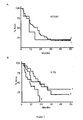
Figure 2 : NTSR1 and NTS expression in pleural mesothelioma and global survival at five-year duration.
Kaplan-Maier analysis and comparison made by the log-rank test was performed (A) on groups with positive (1) or negative (0) for NTSR1 expression; (B) on groups with t absence (1), moderate (2) or strong (3) expression for NTS (B). -
Figure 3 : Effect of NTSR1 antagonist on MSTO-211H cell growth and invasion.- A) NTS and NTSR1 transcript analysis. RNA from LNM35 (
lane 1 and 3) and MSTO-211H (lane 2 and 4) were reverse-transcribed and PCR was performed as described in the experimental procedures. B) Effect of NTSR1 antagonist on MSTO-211H cellular growth. Cells were treated with 10-6M SR 48692 or with 10-4 M DMSO, cells were counted after 24, 48, and 72h of growth. Results represent the percentage of cells for each time point, compared to the number of cells initially seeded in the culture dishes. C) Effect of NTSR1 blockade on invasive activity of MSTO-21H cells. NTSR1 activity was blocked either with 5 10-6M SR
- A) NTS and NTSR1 transcript analysis. RNA from LNM35 (
-
Figure 4 : Effect of NTSR1 blockade on cellular migration. Wound repair process was studied on MSTO-211H in the presence or absence of NTSR1 antagonist, SR48692.- A) Example of wound healing assay: initial gap (TO) and remaining gap (T30h) of cells treated or not with
SR 48692 or in the presence ofSR 48692 solvent is shown. The black marks allow relocating the wound after the first measure. B) Percentage of remaining gap was calculated for control cells, or DMSO orSR 48692 treated cells. Remaining gap is the distance of the open wound after 24 or 30h compared to the initial wound. Results represent the mean ± SEM from three independent experiments. ***, P< 0.001
- A) Example of wound healing assay: initial gap (TO) and remaining gap (T30h) of cells treated or not with
- In the following description, all molecular biology experiments for which no detailed protocol is given are performed according to standard protocol.
- In this example, we studied the expression of both NTS and NTSR1 in a series of consecutive patients treated for malignant pleural mesothelioma in a curative intent, and evaluated the possible impact on prognosis of the expression of these molecules. Furthermore, using mesothelioma cell line, we demonstrated the effects of the inhibition of the neurotensinergic system on cellular migration and collagen invasion.
- Methods: A series of 52 consecutive patients with malignant mesothelioma undergoing management with curative intent were studied by immunochemistry for the expression of NTS and NTSR1. In vitro cell migration and wound healing were performed on the mesothelioma cell line, MSTO-211H.
- Results: Immunohistochemistry revealed that NTS and NTSR1 expression was found in 71.1%% and 90.4% of malignant mesotheliomas, respectively. Expression of NTS was significantly (p=0.015) correlated with prognosis, with median survivals of 11.0 months, 18.4 months, and 29.8 months in patients showing expression scored as 2, 1, and 0, respectively. Multivariate analysis showed that expression of NTS (p=0.007) and non surgical therapy (p=0.004) were independent predictors of worse prognosis. In vitro studies showed that inhibition of the NTS system resulted in a significant reduction of both migration and collagen invasion of mesothelioma cells.
- Conclusion: The expression of NTS is identified as a prognostic marker in patients with malignant pleural mesothelioma. Furthermore, using mesothelioma cell line, we demonstrated the effects of the inhibition of the neurotensinergic system on cellular migration and collagen invasion. Due to its contribution in mesothelioma progression, neurotensinergic system represents a target of choice for the treatment malignant pleural mesothelioma.
- Clinical files of patients treated at the Thoracic Surgery Department of Hôtel-Dieu Hospital, Paris, France, between 2002 and 2006 for malignant pleural mesothelioma were retrospectively reviewed. Among these patients, those responding to the following criteria were selected: 1) histological diagnosis on samples obtained at video-assisted thoracoscopy 2) subsequent treatment by either chemotherapy alone (associating Cisplatin and Pemetrexed) or by induction chemotherapy followed by extrapleural pneumonectomy 3) no death related to the treatment (chemotherapy or surgery). In almost all cases talc poudrage had been performed during the same operative time as video-assisted thoracoscopy. 26 patients with recurrent idiopathic spontaneous pneumothorax treated by video-assisted thoracoscopy were used as controls.
- For all cases new histologic slides of tumors were obtained by the paraffin wax embedded tissues stocked in the Pathology Department. Standard H&E staining was used to ensure the tumoral character of the specimen, and adjacent sections were obtained for immunohistochemistry. Immunostaining of NTS and NTSR1 was carried out on 4 µm thick deparaffinized sections, using the avidin biotin peroxidase complex method, as previously described (Souaze et al. Cancer Res 2006;66:6243-6249). After inhibition of endogenous peroxidases with 3% hydrogen peroxide, slides were washed in TBS and incubated with 10% normal rabbit serum at room temperature (RT) for 30 min. NTS immunoreactivity was conducted using rabbit antibody directed against NTS (1/500) (NA1230 Biomol, USA) for 2 hours at RT in a humidified chamber for tumor. NTSR1 immunoreactivity was detected using a goat polyclonal antibody directed against the human carboxy terminus of the receptor (1:100) (C-20 Santa Cruz USA). All slides were rinsed three times with TBS; sections were incubated with biotinylated secondary antibody (1:200) (Vector, USA), for 30 min at RT. The antigen-antibody complex was revealed with avidin-biotin-peroxidase complex, for 30 min, according to the manufacturer's instructions for the Vectastain ABC Kit (Vector, USA). Staining was done for 5 min with diamino-benzidine tetrahydrochloride (DAB) (Sigma, USA). All slides were counterstained with hematoxylin. All specimens were scored by an anatomopathologist (unaware of treatment modalities and states at follow up) as follows: 0: positive staining <10% of tumor cells; 1: positive staining involving>10% and less than 50% of tumor cells; 2: strong positive staining involving more than 50% of tumor cells.
- The human mesothelioma cell line, MSTO-211H, was selected because of its intense proliferative activity and its aggressive profile (ATCC CRL-2081, 211H). The MSTO-211H cells were grown in RPMI-1640 medium (Invitrogen, USA) supplemented with 10% fetal calf serum (PAATM) and 2 mM glutamine (Gibco®). Cells were stored at 37° in 5% CO2 atmosphere.
- The protocols for total RNA extraction, reverse-transcription reaction (RT), and PCR are documented in Souazé et al; J Biol Chem 1997;272:10087-10094. RT was performed on 1 µg of total RNA using a specific NTSR1 primer (5'-GCTGACGTAGAAGAG-3' SEQ ID NO:3) or 50 pmol of oligo dT and oligo dN. The PCR amplification was performed on a 1:5 v/v of the RT reaction using 25 pmol of each primer 5'-CGTGGAGCTGTACAACTTCA-3' SEQ ID NO:4 and 5'-CAGCCAGCAGACCACAAAGG-3' SEQ ID NO:5 for NTSR1, and 5'-AAGCACATGTTCCCTCTT-3' SEQ ID NO:6 and 5'-CATACAGCTGCCGTTTCAGA-3' SEQ ID NO:7 for NTS, and 1 unit of Taq polymerase (ABgeneTM, France). The amplification profile consisted of denaturation at 94°C for 30s, annealing at 57°C for 45s, and extension at 72°C for 45s. The PCR cycle were preceded by denaturation at 95°C for 15 min and were followed by a final extension at 72°C for 7 min. Amplification was performed in a DNA thermal cycler 9700 (Perkin Elmer Applied Biosystems, Courtaboeuf, France).
- Cellular growth was performed using 6 well-tissue-culture dishes. 15x104MSTO-211H cells were seeded, after 24h cells were washed twice with PBS, and complete media containing either 10-6
M SR 48692, a NTSR1 antagonist, or 10-4M de DMSO was added to the cells. After 24, 48, and 72h of growth, cells were trypsinized and counted with a cells coulter (Z1 Coulter® Particle Counter, Beckman CoulterTM). - In order to evaluate the impact of the neurotensinergic system on cell migration, a wound healing assay was performed. 1.75x10⁶ MSTO-211H cells were plated per well in 6 well dishes containing the medium in order to reach confluence. After 24 hours cells were serum-starved and scarification was performed in a Moscona buffer with a 20 µl pipette tip. Cells were maintained in culture with low serum medium (0.5% FCS) and treated with 10-6 M SR48692. Control cells were exposed or not to the SR48692 solvent, DMSO. Pictures were taken at the beginning and 24 and 30 hours later with a photonic microscope. The "remaining gap" was calculated as percentage between wound size at 30 hours and initial wound size.
- Collagen invasion assay was performed by using tissue culture inserts composed of a 8 µm porous polycarbonate membrane, placed as inner chamber in 24 well-tissue-culture dishes. This membrane was coated with 40µL of 2 mg/ml type I collagen diluted in RPMI-1640 medium (Collagen type I, rat tail, Upstate). The bottom chamber was filled with 500 µL RPMI-1640 medium supplemented with 10% fetal calf serum and 2 mM glutamine. 103 MSTO-211H cells were seeded on the top of the inner chamber. Cells were treated with 5x10⁻⁶ M of NTSR1 antagonist SR48692 or with 1:50 solution of anti-NTS rabbit antibody (NA1230, Tebu-Bio). Cells were placed for 48 hours at 37°C in 5% CO2 atmosphere. After incubation, non invasive cells on the upper surface of the collagen matrix were wiped off with cotton swabs. Filter membranes were fixed with 5% glutaraldehyde and remaining cells stained with 0.5% toluidine blue. Quantitation of invasive cells was carried out at the 400x magnification by using the software CELINA.
- Continuous variables were compared by the Wilcoxon or T test, as appropriate. Dicotomic variables were compared by the Chi-square or the Fisher exact test, as appropriate. Survival rates were calculated by the Kaplan-Meyer method and comparison of survival curves was performed with the log-rank test. All the available variables possibly influencing survival were used to carry out a multivariate analysis by using the Cox model. Statistical significance was accepted at p<0.05. The biochemical data were compared by Student's t test or of variances analysis followed by Neuman-Keuls test.
- Fifty-two consecutive patients responding to the inclusion criteria were considered for the study. There were 34 men whose mean age was 66 +10.5 years. Ten patients had a history of previously treated extrathoracic malignancy; 54% had a history of tobacco smoke and 45% of work exposition to asbestos. 44% of patients had unintentional loss of body weight >5% in the last three months; whereas 34% had a pre-operative CRP greater than 50 mg/dL. All these patients had diagnostic video-assisted thoracoscopy which was associated to talc poudrage in 50 cases. Chemotherapy by Cisplatin-Pemetrexed was administered in all the cases, which was used for induction purposes in 13 cases and as definitive treatment in the remaining patients. Extrapleural pneumonectomy could be carried out in all the 13 patients in whom it was initially planned.
- NTS labeling was often very intense and was always detected throughout the entire cytosol. For the most part, all cancer cells were labeled, whereas the tumor stroma was negative. A typical image of the observed NTS immunostaining is shown in
figure 1A right. NTSR1 staining of cancer cells from patients with MPM was granular, mainly restricted to the cytoplasm, and rarely detected at the cell surface, as shownfigure 1A left. Expression of NTS was found in 37/52 cases (71.1%) and scored 0 (no expression), 1 and 2 in 15, 20, and 17 cases, respectively. Expression of NTSR1 was found in 47/52 cases (90.4%) and scored as 0; 1 and 2 in 5, 35, and 12 cases, respectively. - In pleura of patients treated for idiopathic spontaneous pneumothorax, expression of NTS and NTSR1 was observed in 8/26 (31%) and 20/26 (77%) cases, respectively, whereas no expression of either NTS or NTSR1 was observed in the pulmonary parenchyma of apical resection specimens. Of note, NTSR1 staining in pleural of patients with pneumothorax was different as compared to MPM, as it was in almost all the cases restricted to the cell membrane (
Figure 1B inset magnification). - Expression of NTSR1, as assessed by immunohistochemistry, had no impact on survival in patients with MPM (
Figure 2A ). On the other hand, the expression of NTS was associated with a significantly (p=0.015) worse prognosis: median survivals were 29.8 months, 18.4 months, and 11 months in patients having NTS expression scored as 0, 1, and 2, respectively. Five-year survival was 33.3% (95% C.I. 15-2-58.3 months) in patients with no NTS expression as compared to 0% in case of positive staining (Figure 2B ). - With respect to other clinical parameters possibly influencing survival, no difference in terms of survival was observed using univariate analysis according to sex and age. High levels of CRP (>50mg/L) were associated with a strong trend toward poor prognosis (p=0.061). On the other hand patients treated by extra-pleural pneumonectomy showed a trend (p=0.075) toward better prognosis as compared to patients not receiving this surgical treatment (5-year survival rates of 42.3% [95% C.I. 19.8%-68.6%] vs 11.0% [95% C.I. 4.0-27.1%], respectively). Using multivariate analysis only expression of NTS1 (p=0.007) and a non-surgical treatment (p=0.04) negatively affected the outcome.
- Expression of both NTS and NTSR1 in human malignant mesothelioma MSTO-211 has been investigated in the present study. Two specific PCR amplicons with a size of 210 bp and 434 bp, corresponding respectively to NTS and NTSR1, were detected (
Figure 3A lane 2 and 4). Correspondence was verified by comparison to the positive control cell line, LNM 35, known to express the peptide and the receptor, (Figure 3A lane 1 and 3). - As shown in
Figure 3B , inhibition of neurotensinergic system, by the presence in the culture media, of a specific NTSR1 antagonist,SR 48692 had no effect on cell growth. However, MSTO-211H invasivness ability is decreased when SR48692 or blocking NTS antibody is present in the culture media, only 4% and 5% of cells invaded the type I collagen, respectively, as compared to 13% (untreated cells) and 11% (supplemented with DMSO) in the control groups (Figure 3C ). The wound healing assay showed a residual gap at 24 and 30 hours was larger (48% of original gap) when cells are treated with SR48692 as compared to control treatments, 27% and 30% of original gap in untreated cells or in the presence of DMSO, respectively (Figure 4A and B ). Wound closure process after scarification of the cell layer, and the cellular invasion activity are therefore affected by selective pharmacological blockade of NTSR1. - In the present study we report evidence that a strong NTS expression is associated with poor long term outcome in patients with epithelioid malignant pleural mesothelioma. This was confirmed by multivariate analysis which showed that in experimental population, only the expression of NTS and the absence of surgery with curative intent (extra-pleural pneumonectomy) were independent predictors of poor 5-year survival. NTS staining was found in 61% of the mesothelioma samples, but less frequently (30%. of cases) and with a slighter intensity in normal pleura specimens. The percentage of specimen expressing NTSR1 was high in both normal pleura and mesothelioma, however the expression pattern was different, as a thin, peripheral (membranous) staining was generally observed in normal tissue, whereas a strong intracellular staining was seen in mesothelioma samples, suggesting an active endocytosis process of the receptor in the latter. This suggests that the NTS/NTSR1 system is relatively quiescent in normal tissue, as opposed to a condition of sustained activation in mesothelioma samples, which possibly lead to oncogenic NTS effects occurring and participate to tumorigenesis and progression of mesothelioma.
- In the clinical evolution of mesothelioma local growth and cellular migration inside the pleural cavity and invasion of the neighboring structure represent characteristic features, whereas distant metastasis often occur relatively late in the evolution of the disease. We addressed the NTS potential role in these processes, using cellular model expressing endogenously NTS and NTSR1, the MSTO-211H cells. NTS/NTSR1 blockade by a specific NTSR1 antagonist or NTS blocking anti sera strongly reduced invasion and mobility cellular activity. Recently, it was shown that NTSR1 activation elicits IKB-alpha degradation and NF-KB activation with subsequent expression and released of IL-8. IL-8 has been shown to be an important mediator in the development of pleural effusion in mesothelioma; and represents an autocrine growth factor for malignant pleural mesothelioma. Thus NTS induced chemokine expression and cell migration provide a strong hypothetic role for NTS in the pathogenesis of clinical manifestations of mesothelioma.
- The availability of useful prognostic factors in mesothelioma is made difficult due to the extreme heterogeneousness of patient populations, in terms of histological typing, disease staging, and type of treatments. For these reasons, we focused our approach on studying patients whose disease was accessible to a treatment with possibly curative intent. In our series, overall 5-year survival was 19%, and the relative figure were 42.3% and 11% in patients receiving, or not, extrapleural pneumonectomy as a part of their management. All these figures were in agreement with currently available data on patients receiving a similar management. In this selected patient population, we found that only high pre-operative CRP levels (an already known prognostic marker), a non-surgical treatment, and high expression of NTS negatively affected outcome (the significance was reached for NTS, whereas p values were close to significance for CRP and exptrapleural pneumonectomy treatment), with only the last two parameters being significant at multivariate analysis. Importantly among patients with high expression of NTS (scored=2) no survivor was observed beyond 22 months after histological diagnosis. Thus high NTS expression could help in identification of patients requiring stricter follow-up and/or a even more aggressive treatment.
- Our clinical and experimental data indicates that the NTS/NTSR1 complex is not only a potential marker of negative prognosis, but also a mediator of disease progression.
-
- <110> INSERM
- <120> Methods for the treatment and the prognostic assessment of malignant pleural mesothelioma
- <130> BEP080414
- <160> 7
- <170> PatentIn version 3.3
- <210> 1
<211> 21
<212> DNA
<213> Artificial - <220>
<223> siRNA - <400> 1
aagaagttca tcagcgccat c 21 - <210> 2
<211> 19
<212> DNA
<213> Artificial - <220>
<223> siRNA - <400> 2
gcaatgttga caatatacc 19 - <210> 3
<211> 15
<212> DNA
<213> Artificial - <220>
<223> primer - <400> 3
gctgacgtag aagag 15 - <210> 4
<211> 20
<212> DNA
<213> Artificial - <220>
<223> primer - <400> 4
cgtggagctg tacaacttca 20 - <210> 5
<211> 20
<212> DNA
<213> Artificial - <220>
<223> primer - <400> 5
cagccagcag accacaaagg 20 - <210> 6
<211> 18
<212> DNA
<213> Artificial - <220>
<223> primer - <400> 6
aagcacatgt tccctctt 18 - <210> 7
<211> 20
<212> DNA
<213> Artificial - <220>
<223> primer - <400> 7
catacagctg ccgtttcaga 20
Claims (2)
- A method of determining the prognosis of a subject suffering from malignant pleural mesothelioma, comprising the step of detecting the expression of neurotensin (NTS) in a mesothelioma sample obtained from said subject, wherein expression of NTS is associated with a poor prognosis.
- An inhibitor of the neurotensin activation of neurotensin receptor 1 (NTSR1) for use in the treatment of malignant pleural mesothelioma, wherein the inhibitor is selected from the group consisting of an antibody against neurotensin, a fragment thereof which binds to neurotensin, an antibody against the neurotensin receptor 1, a fragment thereof which binds to the neurotensin receptor 1 and 2-[[[1-(7-Chloro-4-quinolinyl)-5-(2,6-dimethoxyphenyl)-1H-pyrazol-3-yl]carbonyl]amino]-tricyclo[3.3.1.13,7]decane-2-carboxylic acid (SR48692).
Priority Applications (1)
| Application Number | Priority Date | Filing Date | Title |
|---|---|---|---|
| EP09784083.9A EP2367565B1 (en) | 2008-12-18 | 2009-12-14 | Methods for the treatment and the prognostic assessment of malignant pleural mesothelioma. |
Applications Claiming Priority (3)
| Application Number | Priority Date | Filing Date | Title |
|---|---|---|---|
| EP08305971 | 2008-12-18 | ||
| PCT/EP2009/067094 WO2010069929A1 (en) | 2008-12-18 | 2009-12-14 | Methods for the treatment and the prognostic assessment of malignant pleural mesothelioma. |
| EP09784083.9A EP2367565B1 (en) | 2008-12-18 | 2009-12-14 | Methods for the treatment and the prognostic assessment of malignant pleural mesothelioma. |
Publications (2)
| Publication Number | Publication Date |
|---|---|
| EP2367565A1 EP2367565A1 (en) | 2011-09-28 |
| EP2367565B1 true EP2367565B1 (en) | 2015-04-15 |
Family
ID=40292505
Family Applications (1)
| Application Number | Title | Priority Date | Filing Date |
|---|---|---|---|
| EP09784083.9A Not-in-force EP2367565B1 (en) | 2008-12-18 | 2009-12-14 | Methods for the treatment and the prognostic assessment of malignant pleural mesothelioma. |
Country Status (3)
| Country | Link |
|---|---|
| US (3) | US8771691B2 (en) |
| EP (1) | EP2367565B1 (en) |
| WO (1) | WO2010069929A1 (en) |
Families Citing this family (6)
| Publication number | Priority date | Publication date | Assignee | Title |
|---|---|---|---|---|
| WO2015163728A1 (en) * | 2014-04-24 | 2015-10-29 | 엘지전자 주식회사 | Method for transmitting synchronization signal for d2d communication in wireless communication system and apparatus therefor |
| EP3149038B1 (en) | 2014-06-02 | 2019-08-21 | Institut National de la Sante et de la Recherche Medicale (INSERM) | Anti-neurotensin antibodies and uses thereof |
| ES2778251T3 (en) * | 2014-06-02 | 2020-08-10 | Inserm (Institut National De La Santé Et De La Rech Médicale) | Antineurotensin Antibodies and Uses The Same |
| WO2016182591A1 (en) * | 2015-05-08 | 2016-11-17 | Intel Corporation | Scrambling and modulation of channel state information reference signals (csi-rs) for full-dimensional multiple-input-multiple-output (fd-mimo) systems |
| TWI781647B (en) * | 2020-06-09 | 2022-10-21 | 財團法人國家衛生研究院 | Anti-human neurotensin receptor 1 antibody and use thereof |
| US12091454B2 (en) | 2022-12-28 | 2024-09-17 | Development Center For Biotechnology | Humanized anti-human neurotensin receptor 1 antibodies and their uses |
-
2009
- 2009-12-14 WO PCT/EP2009/067094 patent/WO2010069929A1/en not_active Ceased
- 2009-12-14 US US13/139,907 patent/US8771691B2/en not_active Expired - Fee Related
- 2009-12-14 EP EP09784083.9A patent/EP2367565B1/en not_active Not-in-force
-
2014
- 2014-06-06 US US14/298,366 patent/US20140286967A1/en not_active Abandoned
-
2015
- 2015-10-07 US US14/877,450 patent/US20160024206A1/en not_active Abandoned
Non-Patent Citations (4)
| Title |
|---|
| ALIFANO M ET AL: "Neurotensin expression and outcome of malignant pleural mesothelioma", BIOCHIMIE, MASSON, PARIS, FR, vol. 92, no. 2, 1 February 2010 (2010-02-01), pages 164 - 170, XP026855289, ISSN: 0300-9084, [retrieved on 20091120] * |
| CARRAWAY ET AL: "Involvement of neurotensin in cancer growth: Evidence, mechanisms and development of diagnostic tools", PEPTIDES, ELSEVIER, AMSTERDAM, NL, vol. 27, no. 10, 1 October 2006 (2006-10-01), pages 2445 - 2460, XP005661213, ISSN: 0196-9781, DOI: 10.1016/J.PEPTIDES.2006.04.030 * |
| SANDRA DUPOUY ET AL: "The potential use of the neurotensin high affinity receptor 1 as a biomarker for cancer progression and as a component of personalized medicine in selective cancers", BIOCHIMIE, MASSON, PARIS, FR, vol. 93, no. 9, 30 April 2011 (2011-04-30), pages 1369 - 1378, XP028245636, ISSN: 0300-9084, [retrieved on 20110517], DOI: 10.1016/J.BIOCHI.2011.04.024 * |
| SANJA DACIC ET AL: "Prognostic significance of p16/cdkn2a loss in pleural malignant mesotheliomas", VIRCHOWS ARCHIV, SPRINGER, BERLIN, DE, vol. 453, no. 6, 29 October 2008 (2008-10-29), pages 627 - 635, XP019658146, ISSN: 1432-2307, DOI: 10.1007/S00428-008-0689-3 * |
Also Published As
| Publication number | Publication date |
|---|---|
| US8771691B2 (en) | 2014-07-08 |
| US20140286967A1 (en) | 2014-09-25 |
| US20160024206A1 (en) | 2016-01-28 |
| US20110300161A1 (en) | 2011-12-08 |
| WO2010069929A1 (en) | 2010-06-24 |
| EP2367565A1 (en) | 2011-09-28 |
Similar Documents
| Publication | Publication Date | Title |
|---|---|---|
| Sato et al. | Autophagy is activated in colorectal cancer cells and contributes to the tolerance to nutrient deprivation | |
| EP2971113B1 (en) | Method for the prognosis and treatment of cancer metastasis | |
| EP3553186B1 (en) | Method for the diagnosis, prognosis and treatment of prostate cancer metastasis | |
| Song et al. | Gastrin inhibits a novel, pathological colon cancer signaling pathway involving EGR1, AE2, and P-ERK | |
| US9182415B2 (en) | Use of IMP3 as a prognostic marker for cancer | |
| US20160024206A1 (en) | Methods for the Treatment and the Prognostic Assessment of Malignant Pleural Mesothelioma | |
| EP2859120A2 (en) | Method for the diagnosis, prognosis and treatment of lung cancer metastasis | |
| US9523691B2 (en) | Use of the olfactomedin-4 protein (OLFM4) in colorectal cancer diagnosis | |
| WO2015052583A2 (en) | Method for the prognosis and treatment of cancer metastasis | |
| Zhuang et al. | The expression and role of tyrosine kinase ETK/BMX in renal cell carcinoma | |
| Sawhney et al. | Cytoplasmic accumulation of activated leukocyte cell adhesion molecule is a predictor of disease progression and reduced survival in oral cancer patients | |
| CN103238069A (en) | BARD1 isoforms and their application in lung and colorectal cancer | |
| Kwong et al. | p14ARF protein expression is a predictor of both relapse and survival in squamous cell carcinoma of the anterior tongue | |
| Alifano et al. | Neurotensin expression and outcome of malignant pleural mesothelioma | |
| Xing et al. | Epigenetic regulation and tumor suppressive function of lncRNA EP300-AS1 in nasopharyngeal carcinoma through activation of TFAP2C binding to CST6: implications for diagnosis, prognosis, and therapy | |
| US8980638B2 (en) | Use of IMP3 as a prognostic marker for cancer | |
| Zhou et al. | Multiomics reveals the mechanism of KNG1 in promoting tumor progression in adamantinomatous craniopharyngioma | |
| JP7250307B2 (en) | Method for predicting onset, metastasis or recurrence of uterine cancer | |
| WO2009140973A1 (en) | A combined method for predicting the response to an anti-cancer therapy | |
| US20250334588A1 (en) | Treating tuberous sclerosis complex-associated diseases | |
| Yu et al. | Increase of ASH1L Expression Promotes Hepatocellular Carcinoma Development and Affects the Prognosis of Liver Transplantation Patients | |
| Zhu | Development, validation and translational potential of novel anti-metastasis drug-screening strategies | |
| Palafox Sánchez et al. | High p16 expression and heterozygous RB1 loss are biomarkers for CDK4/6 inhibitor resistance in ER+ breast cancer | |
| CN117487913A (en) | Application of STOX1-A in the diagnosis and treatment of liver cancer | |
| Pagano | The potential role of CXCR4 and SDF-1 as indicators of tumor aggressiviness in patients with conventional papillary thyroid carcinoma |
Legal Events
| Date | Code | Title | Description |
|---|---|---|---|
| PUAI | Public reference made under article 153(3) epc to a published international application that has entered the european phase |
Free format text: ORIGINAL CODE: 0009012 |
|
| 17P | Request for examination filed |
Effective date: 20110530 |
|
| AK | Designated contracting states |
Kind code of ref document: A1 Designated state(s): AT BE BG CH CY CZ DE DK EE ES FI FR GB GR HR HU IE IS IT LI LT LU LV MC MK MT NL NO PL PT RO SE SI SK SM TR |
|
| DAX | Request for extension of the european patent (deleted) | ||
| 17Q | First examination report despatched |
Effective date: 20131028 |
|
| RAP1 | Party data changed (applicant data changed or rights of an application transferred) |
Owner name: INSERM - INSTITUT NATIONAL DE LA SANTE ET DE LA RE Owner name: ASSISTANCE PUBLIQUE - HOPITAUX DE PARIS |
|
| REG | Reference to a national code |
Ref country code: DE Ref legal event code: R079 Ref document number: 602009030699 Country of ref document: DE Free format text: PREVIOUS MAIN CLASS: A61K0038480000 Ipc: C07K0016260000 |
|
| RIC1 | Information provided on ipc code assigned before grant |
Ipc: C07K 16/30 20060101ALI20141017BHEP Ipc: C07K 16/26 20060101AFI20141017BHEP Ipc: G01N 33/574 20060101ALI20141017BHEP Ipc: A61K 38/48 20060101ALI20141017BHEP |
|
| GRAP | Despatch of communication of intention to grant a patent |
Free format text: ORIGINAL CODE: EPIDOSNIGR1 |
|
| INTG | Intention to grant announced |
Effective date: 20141209 |
|
| GRAS | Grant fee paid |
Free format text: ORIGINAL CODE: EPIDOSNIGR3 |
|
| GRAA | (expected) grant |
Free format text: ORIGINAL CODE: 0009210 |
|
| AK | Designated contracting states |
Kind code of ref document: B1 Designated state(s): AT BE BG CH CY CZ DE DK EE ES FI FR GB GR HR HU IE IS IT LI LT LU LV MC MK MT NL NO PL PT RO SE SI SK SM TR |
|
| REG | Reference to a national code |
Ref country code: GB Ref legal event code: FG4D Ref country code: CH Ref legal event code: EP |
|
| REG | Reference to a national code |
Ref country code: IE Ref legal event code: FG4D |
|
| REG | Reference to a national code |
Ref country code: AT Ref legal event code: REF Ref document number: 721930 Country of ref document: AT Kind code of ref document: T Effective date: 20150515 |
|
| REG | Reference to a national code |
Ref country code: DE Ref legal event code: R096 Ref document number: 602009030699 Country of ref document: DE Effective date: 20150528 |
|
| REG | Reference to a national code |
Ref country code: NL Ref legal event code: VDEP Effective date: 20150415 |
|
| REG | Reference to a national code |
Ref country code: AT Ref legal event code: MK05 Ref document number: 721930 Country of ref document: AT Kind code of ref document: T Effective date: 20150415 |
|
| REG | Reference to a national code |
Ref country code: LT Ref legal event code: MG4D |
|
| PG25 | Lapsed in a contracting state [announced via postgrant information from national office to epo] |
Ref country code: NL Free format text: LAPSE BECAUSE OF FAILURE TO SUBMIT A TRANSLATION OF THE DESCRIPTION OR TO PAY THE FEE WITHIN THE PRESCRIBED TIME-LIMIT Effective date: 20150415 |
|
| PG25 | Lapsed in a contracting state [announced via postgrant information from national office to epo] |
Ref country code: ES Free format text: LAPSE BECAUSE OF FAILURE TO SUBMIT A TRANSLATION OF THE DESCRIPTION OR TO PAY THE FEE WITHIN THE PRESCRIBED TIME-LIMIT Effective date: 20150415 Ref country code: NO Free format text: LAPSE BECAUSE OF FAILURE TO SUBMIT A TRANSLATION OF THE DESCRIPTION OR TO PAY THE FEE WITHIN THE PRESCRIBED TIME-LIMIT Effective date: 20150715 Ref country code: LT Free format text: LAPSE BECAUSE OF FAILURE TO SUBMIT A TRANSLATION OF THE DESCRIPTION OR TO PAY THE FEE WITHIN THE PRESCRIBED TIME-LIMIT Effective date: 20150415 Ref country code: HR Free format text: LAPSE BECAUSE OF FAILURE TO SUBMIT A TRANSLATION OF THE DESCRIPTION OR TO PAY THE FEE WITHIN THE PRESCRIBED TIME-LIMIT Effective date: 20150415 Ref country code: FI Free format text: LAPSE BECAUSE OF FAILURE TO SUBMIT A TRANSLATION OF THE DESCRIPTION OR TO PAY THE FEE WITHIN THE PRESCRIBED TIME-LIMIT Effective date: 20150415 |
|
| REG | Reference to a national code |
Ref country code: FR Ref legal event code: PLFP Year of fee payment: 7 |
|
| PG25 | Lapsed in a contracting state [announced via postgrant information from national office to epo] |
Ref country code: GR Free format text: LAPSE BECAUSE OF FAILURE TO SUBMIT A TRANSLATION OF THE DESCRIPTION OR TO PAY THE FEE WITHIN THE PRESCRIBED TIME-LIMIT Effective date: 20150716 Ref country code: LV Free format text: LAPSE BECAUSE OF FAILURE TO SUBMIT A TRANSLATION OF THE DESCRIPTION OR TO PAY THE FEE WITHIN THE PRESCRIBED TIME-LIMIT Effective date: 20150415 Ref country code: IS Free format text: LAPSE BECAUSE OF FAILURE TO SUBMIT A TRANSLATION OF THE DESCRIPTION OR TO PAY THE FEE WITHIN THE PRESCRIBED TIME-LIMIT Effective date: 20150815 Ref country code: AT Free format text: LAPSE BECAUSE OF FAILURE TO SUBMIT A TRANSLATION OF THE DESCRIPTION OR TO PAY THE FEE WITHIN THE PRESCRIBED TIME-LIMIT Effective date: 20150415 |
|
| REG | Reference to a national code |
Ref country code: DE Ref legal event code: R097 Ref document number: 602009030699 Country of ref document: DE |
|
| PG25 | Lapsed in a contracting state [announced via postgrant information from national office to epo] |
Ref country code: EE Free format text: LAPSE BECAUSE OF FAILURE TO SUBMIT A TRANSLATION OF THE DESCRIPTION OR TO PAY THE FEE WITHIN THE PRESCRIBED TIME-LIMIT Effective date: 20150415 Ref country code: DK Free format text: LAPSE BECAUSE OF FAILURE TO SUBMIT A TRANSLATION OF THE DESCRIPTION OR TO PAY THE FEE WITHIN THE PRESCRIBED TIME-LIMIT Effective date: 20150415 |
|
| PLBE | No opposition filed within time limit |
Free format text: ORIGINAL CODE: 0009261 |
|
| STAA | Information on the status of an ep patent application or granted ep patent |
Free format text: STATUS: NO OPPOSITION FILED WITHIN TIME LIMIT |
|
| PG25 | Lapsed in a contracting state [announced via postgrant information from national office to epo] |
Ref country code: CZ Free format text: LAPSE BECAUSE OF FAILURE TO SUBMIT A TRANSLATION OF THE DESCRIPTION OR TO PAY THE FEE WITHIN THE PRESCRIBED TIME-LIMIT Effective date: 20150415 Ref country code: SK Free format text: LAPSE BECAUSE OF FAILURE TO SUBMIT A TRANSLATION OF THE DESCRIPTION OR TO PAY THE FEE WITHIN THE PRESCRIBED TIME-LIMIT Effective date: 20150415 Ref country code: RO Free format text: LAPSE BECAUSE OF NON-PAYMENT OF DUE FEES Effective date: 20150415 Ref country code: PL Free format text: LAPSE BECAUSE OF FAILURE TO SUBMIT A TRANSLATION OF THE DESCRIPTION OR TO PAY THE FEE WITHIN THE PRESCRIBED TIME-LIMIT Effective date: 20150415 |
|
| 26N | No opposition filed |
Effective date: 20160118 |
|
| PG25 | Lapsed in a contracting state [announced via postgrant information from national office to epo] |
Ref country code: IT Free format text: LAPSE BECAUSE OF FAILURE TO SUBMIT A TRANSLATION OF THE DESCRIPTION OR TO PAY THE FEE WITHIN THE PRESCRIBED TIME-LIMIT Effective date: 20150415 |
|
| PG25 | Lapsed in a contracting state [announced via postgrant information from national office to epo] |
Ref country code: SI Free format text: LAPSE BECAUSE OF FAILURE TO SUBMIT A TRANSLATION OF THE DESCRIPTION OR TO PAY THE FEE WITHIN THE PRESCRIBED TIME-LIMIT Effective date: 20150415 Ref country code: BE Free format text: LAPSE BECAUSE OF NON-PAYMENT OF DUE FEES Effective date: 20151231 |
|
| PG25 | Lapsed in a contracting state [announced via postgrant information from national office to epo] |
Ref country code: MC Free format text: LAPSE BECAUSE OF FAILURE TO SUBMIT A TRANSLATION OF THE DESCRIPTION OR TO PAY THE FEE WITHIN THE PRESCRIBED TIME-LIMIT Effective date: 20150415 Ref country code: LU Free format text: LAPSE BECAUSE OF FAILURE TO SUBMIT A TRANSLATION OF THE DESCRIPTION OR TO PAY THE FEE WITHIN THE PRESCRIBED TIME-LIMIT Effective date: 20151214 |
|
| REG | Reference to a national code |
Ref country code: CH Ref legal event code: PL |
|
| PG25 | Lapsed in a contracting state [announced via postgrant information from national office to epo] |
Ref country code: BE Free format text: LAPSE BECAUSE OF FAILURE TO SUBMIT A TRANSLATION OF THE DESCRIPTION OR TO PAY THE FEE WITHIN THE PRESCRIBED TIME-LIMIT Effective date: 20150415 |
|
| REG | Reference to a national code |
Ref country code: IE Ref legal event code: MM4A |
|
| PG25 | Lapsed in a contracting state [announced via postgrant information from national office to epo] |
Ref country code: IE Free format text: LAPSE BECAUSE OF NON-PAYMENT OF DUE FEES Effective date: 20151214 Ref country code: CH Free format text: LAPSE BECAUSE OF NON-PAYMENT OF DUE FEES Effective date: 20151231 Ref country code: LI Free format text: LAPSE BECAUSE OF NON-PAYMENT OF DUE FEES Effective date: 20151231 |
|
| REG | Reference to a national code |
Ref country code: FR Ref legal event code: PLFP Year of fee payment: 8 |
|
| PG25 | Lapsed in a contracting state [announced via postgrant information from national office to epo] |
Ref country code: SM Free format text: LAPSE BECAUSE OF FAILURE TO SUBMIT A TRANSLATION OF THE DESCRIPTION OR TO PAY THE FEE WITHIN THE PRESCRIBED TIME-LIMIT Effective date: 20150415 Ref country code: BG Free format text: LAPSE BECAUSE OF FAILURE TO SUBMIT A TRANSLATION OF THE DESCRIPTION OR TO PAY THE FEE WITHIN THE PRESCRIBED TIME-LIMIT Effective date: 20150415 Ref country code: HU Free format text: LAPSE BECAUSE OF FAILURE TO SUBMIT A TRANSLATION OF THE DESCRIPTION OR TO PAY THE FEE WITHIN THE PRESCRIBED TIME-LIMIT; INVALID AB INITIO Effective date: 20091214 |
|
| PG25 | Lapsed in a contracting state [announced via postgrant information from national office to epo] |
Ref country code: CY Free format text: LAPSE BECAUSE OF FAILURE TO SUBMIT A TRANSLATION OF THE DESCRIPTION OR TO PAY THE FEE WITHIN THE PRESCRIBED TIME-LIMIT Effective date: 20150415 Ref country code: SE Free format text: LAPSE BECAUSE OF FAILURE TO SUBMIT A TRANSLATION OF THE DESCRIPTION OR TO PAY THE FEE WITHIN THE PRESCRIBED TIME-LIMIT Effective date: 20150415 |
|
| PG25 | Lapsed in a contracting state [announced via postgrant information from national office to epo] |
Ref country code: MT Free format text: LAPSE BECAUSE OF FAILURE TO SUBMIT A TRANSLATION OF THE DESCRIPTION OR TO PAY THE FEE WITHIN THE PRESCRIBED TIME-LIMIT Effective date: 20150415 Ref country code: TR Free format text: LAPSE BECAUSE OF FAILURE TO SUBMIT A TRANSLATION OF THE DESCRIPTION OR TO PAY THE FEE WITHIN THE PRESCRIBED TIME-LIMIT Effective date: 20150415 |
|
| REG | Reference to a national code |
Ref country code: FR Ref legal event code: PLFP Year of fee payment: 9 |
|
| PG25 | Lapsed in a contracting state [announced via postgrant information from national office to epo] |
Ref country code: PT Free format text: LAPSE BECAUSE OF FAILURE TO SUBMIT A TRANSLATION OF THE DESCRIPTION OR TO PAY THE FEE WITHIN THE PRESCRIBED TIME-LIMIT Effective date: 20150415 Ref country code: MK Free format text: LAPSE BECAUSE OF FAILURE TO SUBMIT A TRANSLATION OF THE DESCRIPTION OR TO PAY THE FEE WITHIN THE PRESCRIBED TIME-LIMIT Effective date: 20150415 |
|
| PGFP | Annual fee paid to national office [announced via postgrant information from national office to epo] |
Ref country code: GB Payment date: 20201123 Year of fee payment: 12 Ref country code: DE Payment date: 20201119 Year of fee payment: 12 Ref country code: FR Payment date: 20201120 Year of fee payment: 12 |
|
| REG | Reference to a national code |
Ref country code: DE Ref legal event code: R119 Ref document number: 602009030699 Country of ref document: DE |
|
| GBPC | Gb: european patent ceased through non-payment of renewal fee |
Effective date: 20211214 |
|
| PG25 | Lapsed in a contracting state [announced via postgrant information from national office to epo] |
Ref country code: GB Free format text: LAPSE BECAUSE OF NON-PAYMENT OF DUE FEES Effective date: 20211214 Ref country code: DE Free format text: LAPSE BECAUSE OF NON-PAYMENT OF DUE FEES Effective date: 20220701 |
|
| PG25 | Lapsed in a contracting state [announced via postgrant information from national office to epo] |
Ref country code: FR Free format text: LAPSE BECAUSE OF NON-PAYMENT OF DUE FEES Effective date: 20211231 |