EP2365332A1 - HMGB1 and anti-HMGB1 antibodies in HIV infected patients especially with neurological disorders - Google Patents
HMGB1 and anti-HMGB1 antibodies in HIV infected patients especially with neurological disorders Download PDFInfo
- Publication number
- EP2365332A1 EP2365332A1 EP10290124A EP10290124A EP2365332A1 EP 2365332 A1 EP2365332 A1 EP 2365332A1 EP 10290124 A EP10290124 A EP 10290124A EP 10290124 A EP10290124 A EP 10290124A EP 2365332 A1 EP2365332 A1 EP 2365332A1
- Authority
- EP
- European Patent Office
- Prior art keywords
- hmgb1
- hiv
- sample
- cerebrospinal fluid
- infection
- Prior art date
- Legal status (The legal status is an assumption and is not a legal conclusion. Google has not performed a legal analysis and makes no representation as to the accuracy of the status listed.)
- Granted
Links
Images







Classifications
-
- A—HUMAN NECESSITIES
- A61—MEDICAL OR VETERINARY SCIENCE; HYGIENE
- A61B—DIAGNOSIS; SURGERY; IDENTIFICATION
- A61B5/00—Measuring for diagnostic purposes; Identification of persons
- A61B5/0033—Features or image-related aspects of imaging apparatus, e.g. for MRI, optical tomography or impedance tomography apparatus; Arrangements of imaging apparatus in a room
- A61B5/004—Features or image-related aspects of imaging apparatus, e.g. for MRI, optical tomography or impedance tomography apparatus; Arrangements of imaging apparatus in a room adapted for image acquisition of a particular organ or body part
- A61B5/0042—Features or image-related aspects of imaging apparatus, e.g. for MRI, optical tomography or impedance tomography apparatus; Arrangements of imaging apparatus in a room adapted for image acquisition of a particular organ or body part for the brain
-
- A—HUMAN NECESSITIES
- A61—MEDICAL OR VETERINARY SCIENCE; HYGIENE
- A61B—DIAGNOSIS; SURGERY; IDENTIFICATION
- A61B5/00—Measuring for diagnostic purposes; Identification of persons
- A61B5/05—Detecting, measuring or recording for diagnosis by means of electric currents or magnetic fields; Measuring using microwaves or radio waves
- A61B5/055—Detecting, measuring or recording for diagnosis by means of electric currents or magnetic fields; Measuring using microwaves or radio waves involving electronic [EMR] or nuclear [NMR] magnetic resonance, e.g. magnetic resonance imaging
-
- A—HUMAN NECESSITIES
- A61—MEDICAL OR VETERINARY SCIENCE; HYGIENE
- A61B—DIAGNOSIS; SURGERY; IDENTIFICATION
- A61B5/00—Measuring for diagnostic purposes; Identification of persons
- A61B5/15—Devices for taking samples of blood
-
- A—HUMAN NECESSITIES
- A61—MEDICAL OR VETERINARY SCIENCE; HYGIENE
- A61B—DIAGNOSIS; SURGERY; IDENTIFICATION
- A61B5/00—Measuring for diagnostic purposes; Identification of persons
- A61B5/40—Detecting, measuring or recording for evaluating the nervous system
- A61B5/4029—Detecting, measuring or recording for evaluating the nervous system for evaluating the peripheral nervous systems
-
- A—HUMAN NECESSITIES
- A61—MEDICAL OR VETERINARY SCIENCE; HYGIENE
- A61B—DIAGNOSIS; SURGERY; IDENTIFICATION
- A61B5/00—Measuring for diagnostic purposes; Identification of persons
- A61B5/40—Detecting, measuring or recording for evaluating the nervous system
- A61B5/4058—Detecting, measuring or recording for evaluating the nervous system for evaluating the central nervous system
- A61B5/4064—Evaluating the brain
-
- A—HUMAN NECESSITIES
- A61—MEDICAL OR VETERINARY SCIENCE; HYGIENE
- A61B—DIAGNOSIS; SURGERY; IDENTIFICATION
- A61B5/00—Measuring for diagnostic purposes; Identification of persons
- A61B5/40—Detecting, measuring or recording for evaluating the nervous system
- A61B5/4058—Detecting, measuring or recording for evaluating the nervous system for evaluating the central nervous system
- A61B5/407—Evaluating the spinal cord
-
- A—HUMAN NECESSITIES
- A61—MEDICAL OR VETERINARY SCIENCE; HYGIENE
- A61B—DIAGNOSIS; SURGERY; IDENTIFICATION
- A61B5/00—Measuring for diagnostic purposes; Identification of persons
- A61B5/40—Detecting, measuring or recording for evaluating the nervous system
- A61B5/4076—Diagnosing or monitoring particular conditions of the nervous system
- A61B5/4082—Diagnosing or monitoring movement diseases, e.g. Parkinson, Huntington or Tourette
-
- A—HUMAN NECESSITIES
- A61—MEDICAL OR VETERINARY SCIENCE; HYGIENE
- A61B—DIAGNOSIS; SURGERY; IDENTIFICATION
- A61B5/00—Measuring for diagnostic purposes; Identification of persons
- A61B5/40—Detecting, measuring or recording for evaluating the nervous system
- A61B5/4076—Diagnosing or monitoring particular conditions of the nervous system
- A61B5/4088—Diagnosing of monitoring cognitive diseases, e.g. Alzheimer, prion diseases or dementia
-
- G—PHYSICS
- G01—MEASURING; TESTING
- G01N—INVESTIGATING OR ANALYSING MATERIALS BY DETERMINING THEIR CHEMICAL OR PHYSICAL PROPERTIES
- G01N33/00—Investigating or analysing materials by specific methods not covered by groups G01N1/00 - G01N31/00
- G01N33/48—Biological material, e.g. blood, urine; Haemocytometers
- G01N33/50—Chemical analysis of biological material, e.g. blood, urine; Testing involving biospecific ligand binding methods; Immunological testing
- G01N33/53—Immunoassay; Biospecific binding assay; Materials therefor
- G01N33/569—Immunoassay; Biospecific binding assay; Materials therefor for microorganisms, e.g. protozoa, bacteria, viruses
- G01N33/56983—Viruses
- G01N33/56988—HIV or HTLV
-
- G—PHYSICS
- G01—MEASURING; TESTING
- G01N—INVESTIGATING OR ANALYSING MATERIALS BY DETERMINING THEIR CHEMICAL OR PHYSICAL PROPERTIES
- G01N33/00—Investigating or analysing materials by specific methods not covered by groups G01N1/00 - G01N31/00
- G01N33/48—Biological material, e.g. blood, urine; Haemocytometers
- G01N33/50—Chemical analysis of biological material, e.g. blood, urine; Testing involving biospecific ligand binding methods; Immunological testing
- G01N33/68—Chemical analysis of biological material, e.g. blood, urine; Testing involving biospecific ligand binding methods; Immunological testing involving proteins, peptides or amino acids
- G01N33/6854—Immunoglobulins
-
- G—PHYSICS
- G01—MEASURING; TESTING
- G01N—INVESTIGATING OR ANALYSING MATERIALS BY DETERMINING THEIR CHEMICAL OR PHYSICAL PROPERTIES
- G01N33/00—Investigating or analysing materials by specific methods not covered by groups G01N1/00 - G01N31/00
- G01N33/48—Biological material, e.g. blood, urine; Haemocytometers
- G01N33/50—Chemical analysis of biological material, e.g. blood, urine; Testing involving biospecific ligand binding methods; Immunological testing
- G01N33/68—Chemical analysis of biological material, e.g. blood, urine; Testing involving biospecific ligand binding methods; Immunological testing involving proteins, peptides or amino acids
- G01N33/6893—Chemical analysis of biological material, e.g. blood, urine; Testing involving biospecific ligand binding methods; Immunological testing involving proteins, peptides or amino acids related to diseases not provided for elsewhere
- G01N33/6896—Neurological disorders, e.g. Alzheimer's disease
-
- A—HUMAN NECESSITIES
- A61—MEDICAL OR VETERINARY SCIENCE; HYGIENE
- A61B—DIAGNOSIS; SURGERY; IDENTIFICATION
- A61B10/00—Instruments for taking body samples for diagnostic purposes; Other methods or instruments for diagnosis, e.g. for vaccination diagnosis, sex determination or ovulation-period determination; Throat striking implements
- A61B10/0045—Devices for taking samples of body liquids
- A61B2010/0077—Cerebrospinal fluid
-
- G—PHYSICS
- G01—MEASURING; TESTING
- G01N—INVESTIGATING OR ANALYSING MATERIALS BY DETERMINING THEIR CHEMICAL OR PHYSICAL PROPERTIES
- G01N2333/00—Assays involving biological materials from specific organisms or of a specific nature
- G01N2333/005—Assays involving biological materials from specific organisms or of a specific nature from viruses
- G01N2333/08—RNA viruses
- G01N2333/15—Retroviridae, e.g. bovine leukaemia virus, feline leukaemia virus, feline leukaemia virus, human T-cell leukaemia-lymphoma virus
- G01N2333/155—Lentiviridae, e.g. visna-maedi virus, equine infectious virus, FIV, SIV
- G01N2333/16—HIV-1, HIV-2
-
- G—PHYSICS
- G01—MEASURING; TESTING
- G01N—INVESTIGATING OR ANALYSING MATERIALS BY DETERMINING THEIR CHEMICAL OR PHYSICAL PROPERTIES
- G01N2333/00—Assays involving biological materials from specific organisms or of a specific nature
- G01N2333/435—Assays involving biological materials from specific organisms or of a specific nature from animals; from humans
- G01N2333/52—Assays involving cytokines
-
- G—PHYSICS
- G01—MEASURING; TESTING
- G01N—INVESTIGATING OR ANALYSING MATERIALS BY DETERMINING THEIR CHEMICAL OR PHYSICAL PROPERTIES
- G01N2333/00—Assays involving biological materials from specific organisms or of a specific nature
- G01N2333/435—Assays involving biological materials from specific organisms or of a specific nature from animals; from humans
- G01N2333/52—Assays involving cytokines
- G01N2333/521—Chemokines
- G01N2333/522—Alpha-chemokines, e.g. NAP-2, ENA-78, GRO-alpha/MGSA/NAP-3, GRO-beta/MIP-2alpha, GRO-gamma/MIP-2beta, IP-10, GCP-2, MIG, PBSF, PF-4 or KC
-
- G—PHYSICS
- G01—MEASURING; TESTING
- G01N—INVESTIGATING OR ANALYSING MATERIALS BY DETERMINING THEIR CHEMICAL OR PHYSICAL PROPERTIES
- G01N2333/00—Assays involving biological materials from specific organisms or of a specific nature
- G01N2333/435—Assays involving biological materials from specific organisms or of a specific nature from animals; from humans
- G01N2333/52—Assays involving cytokines
- G01N2333/521—Chemokines
- G01N2333/523—Beta-chemokines, e.g. RANTES, I-309/TCA-3, MIP-1alpha, MIP-1beta/ACT-2/LD78/SCIF, MCP-1/MCAF, MCP-2, MCP-3, LDCF-1or LDCF-2
-
- G—PHYSICS
- G01—MEASURING; TESTING
- G01N—INVESTIGATING OR ANALYSING MATERIALS BY DETERMINING THEIR CHEMICAL OR PHYSICAL PROPERTIES
- G01N2800/00—Detection or diagnosis of diseases
- G01N2800/28—Neurological disorders
-
- G—PHYSICS
- G01—MEASURING; TESTING
- G01N—INVESTIGATING OR ANALYSING MATERIALS BY DETERMINING THEIR CHEMICAL OR PHYSICAL PROPERTIES
- G01N2800/00—Detection or diagnosis of diseases
- G01N2800/56—Staging of a disease; Further complications associated with the disease
Definitions
- the application relates to the quantitation of the protein HMG B 1 or of the antibodies specific for HMGB1 in biological sample, in particular serum and CerebroSpinal Fluid (CSF), and their respective correlation with the monitoring of HIV infection or with viral load as well as prognostic methods of the state of progression of AIDS and neurological disorders associated with AIDS.
- CSF CerebroSpinal Fluid
- HIV-1 Shortly after infection, HIV-1 is able to penetrate the brain, eventually resulting in HIV-1 associated complications in the Central Nervous System (CNS).
- HIV associated dementia HAD is clinically characterized by motor and behavioral dysfunctions leading to seizures, coma, and death within 6 months of onset.
- HIV-encephalitis the pathological correlate of HAD, is characterized by widespread astrogliosis, oxidative stress, cytokine/chemokine dysregulation, and neuronal degeneration ( Gonzalez-Scarano and Martin-Garcia, Nat Rev Immunol 2005, 5: 69-81 ). Since neurons are not infected by HIV-1, the current thinking is that these cells are damaged indirectly by pro-inflammatory chemokines released by activated glial cells.
- IP-10 (CXCL10) is a neurotoxic chemokine that is upregulated in astroglia and has been suggested to enhance retrovirus infection and mediate neuronal injury. Elevation of IP-10 in CSF was reported in HIV-infection, and its level correlated with CSF HIV viral load ( Cinque P et al. J Neuroimmunol 2005, 168:154 ). It was also reported a possible association between CSF macrophage chemoattractant protein 1 (MCP-1 or CCL2) levels and the development of HAD in a HAART-experienced cohort with advanced HIV infection ( Sevigny JJ, Albert SM, McDermott MP; et al. Neurology. 2004;63:2084 ). Another study reported an association between plasma MCP-1 levels and HIV-associated dementia ( Sevigny et al. Arch. Neurol. 2007, 64:97 ).
- the high mobility group box 1 (HMGB1) protein is a non-histone chromosomal protein that acts as a potent proinflammatory cytokine when actively secreted from activated macrophages, monocytes, dendritic cells or other cells such as NK cells.
- HMGB1 behaves as a trigger of inflammation, attracting inflammatory cells, and of tissue repair, recruiting stem cells and promoting their proliferation.
- HMGB1 activates dendritic cells (DCs) and promotes their functional maturation and their response to lymph node chemokines.
- DCs dendritic cells
- Activated leukocytes actively secrete HMGB1 in the microenvironment.
- HMGB1 acts in an autocrine/paracrine fashion and sustains long-term repair and defense programs (Bianchi and Manfredi, 2007; Lotze and Tracey, 2005).
- HMGB1 was shown to trigger HIV-replication in HIV-infected DC, thus contributing to the constitution of viral reservoirs in DCs ( Saidi H, Melki M-T, Gougeon M-L, PLoS One 2008 ). Considering that DCs are the first targets for HIV in the first hours of mucosal infection, which will then migrate to secondary lymphoid organs where they will transmit HIV to T cells, these findings challenge the question of the in vivo involvement of HMGB1 in the triggering of viral replication and replenishment of viral reservoirs. HMGB1 was produced during a cross-talk between HIV-infected DCs and activated NK cells, also resulting in resistance of HIV-infected DCs to NK killing.
- DC survival was associated with the upregulation of two apoptosis inhibitors, c-IAP2 and c-FLIP in infected DCs, a process induced by HMGB1 ( Melki M-T et al. PLoS Pathogens 2010, in press ).
- Patent application PCT/EP2009/06828 also made the hypothesis that the more anti-HMGB1 antibodies in sera, the less serum viral load. However, this hypothesis has not been confirmed in a thorough analysis of the experiments performed and in a greater cohort of patients. Indeed, the correlation established between anti-HMGB1 antibodies and serum viral load disclosed in patent PCT/EP2009/06828 was further shown to derived from an improper statistical analysis of the results derived from a cohort of patients encompassing both untreated patients and treated patients (treatment having an effect on the viral load).
- the present invention addresses the question of methods based on the quantitation of HMGB1 and anti-HMGB1 antibodies, to monitor HIV infection and in some cases to monitor viral load, as well as the question of the possible implication of HMGB1, anti-HMGB1 antibodies, and other chemokines in prognostic method of occurrence of AIDS and neurological disorders associated with AIDS or HIV infection.
- HMGB1 is a well-known protein appearing in the nucleus and is also known to be a cytokine. Physical and functional characteristics of HMGB1 are disclosed by and incorporated by reference to Lotze, et al., Nature Reviews, Immunology 5:351 (2005 ).
- Antibodies which bind to HMGB1 are known and can be produced by methods well-known in the art.
- An example of commercially available anti-HMGB1 antibodies are Rabbit primary polyclonal antibodies to human HMGB1 (Abcam ref. 18256) which are directed against a KLH-conjugated synthetic peptide derived from residues 150 to C-terminus of human HMGB1. These methods include those which produce polyclonal antibodies to HMGB1 and monoclonal antibodies to HMGB1 or to specific fragments of HMGB1.
- Antibodies used in therapeutic applications have the characteristic to be blocking, e.g., especially they interfere with HMGB1-induced HIV replication in infected dendritic cells.
- antibodies are preferably derived from the same species as the subject to which they are administered and recognize or are induced to the HMGB1 of the same species to which they will be administered. These antibodies may have different isotypes, such as IgA, IgG or IgM isotypes.
- Antibody fragments which bind HMGB1 may also be employed, including Fab, Fab 2 , and single chain antibodies or their fragments.
- the invention concerns an in vitro method for quantitating antibodies, especially total antibodies, specific for HMGB1 contained in a cerebrospinal fluid sample obtained from a subject, comprising (a) if the antibodies to be quantitated are total antibodies, treating the cerebrospinal fluid sample by an acid treatment to dissociate the immune complexes involving HMGB1 found in the sample, preferably with glycine 1.5M at a low pH; (b) in any case contacting said, optionally treated, biological sample with native HMGB1 protein or derivatives thereof; and (c) quantitating the antibodies, especially total antibodies, specific for HMGB1.
- the acid treatment consists to put in contact the cerebrospinal fluid sample with an acidic dissociation solution, having a low pH, preferably between pH 1 and 3, chosen to separate the HMGB1 protein from antibodies to which it is immunologically bound in the cerebrospinal fluid sample, without altering binding ability of this antibody.
- the acidic dissociation solution is glycine (e.g. 1.5M) at a low pH, preferably between pH 1 and 3 (e.g. 1.85).
- the acid treatment is then stopped with a neutralization buffer (such as Tris, for example 1.5M Tris, pH9).
- the incubation with the acidic dissociation solution is carried out at a temperature between 20 and 37°C, preferably at 25°C, and/or the neutralization step takes place in ice.
- cerebrospinal fluid ' or " CSF ' refers to the fluid that occupies the subarachnoid space and the ventricular system around and inside the brain.
- the CSF occupies the space between the arachnoid mater and the pia mater. It constitutes the content of all intra-cerebral ventricles, cisterns, and sulci as well as the central canal of the spinal cord. CSF is usually obtained by lumbar puncture.
- quantitating encompasses the term " quantifying ' and any suitable informative determination of the HMGB1 protein or specific antibodies.
- circulating it is meant the residual antibodies found in the sample, in particular in the serum or the CSF, i.e., the antibodies that are found in a non-complexed form (with the protein HMGB).
- total it is meant the sum or combined amount of circulating antibodies and immunologically complexed antibodies.
- the invention also relates to an in vitro method for monitoring the HIV infection by quantitating the antibodies specific for High Mobility Group Box I (HMGB1) especially total antibodies specific for HMGB1 contained in a fluid sample(s) which is either a serum sample or a cerebrospinal fluid sample or in both samples obtained from a subject infected with a HIV, comprising:
- the treatment step disclosed herein to prepare the total antibodies specific for HMGB1 in the cerebrospinal fluid sample applies similarly to obtain such antibodies from the serum sample.
- the methods of the invention are suitable for monitoring the condition of a subject infected with a HIV, especially HIV-1 or HIV-2.
- condition of the subject refers to the clinical status of the subject after infection with an HIV or to the risk of this subject to progress toward AIDS or toward HIV associated neurological disorders.
- the invention also relates to an in vitro method for monitoring the HIV infection in a subject who is known to be infected with HIV, comprising quantitating the antibodies specific for High mobility group box I (HMGB1) contained in a cerebrospinal fluid sample obtained from this subject, wherein the antibodies targeted for quantitation are either the total antibodies specific for HMGB1 or their circulating fraction (circulating antibodies) or their immunological complexed fraction.
- HMGB1 High mobility group box I
- the methods for monitoring the HIV infection, for evaluating the immune deficiency or for determining the level of immune activation as well as the prognostic methods disclosed herein including when said method is performed with a parallel determination of the viral load may be based on either the quantitation of the circulating antibodies specific for HMGB1, or on the quantitation of the total antibodies specific for HMGB1 or on the quantitation of the fraction of immunological HMGB1 / specific antibodies complex.
- all these methods are based on either the quantitation of circulating so-called residual, specific antibodies or total specific antibodies.
- HMGB1 The quantitation of the total antibodies specific for HMGB1 may be preferred.
- the methods of the invention also comprise a step suitable for dissociation of immunological complexes formed with HMGB1-specific antibodies, and for example the methods of the invention use or include the quantitation method based on the acidic treatment as disclosed above and in particular the one disclosed in the examples.
- said dissociation step is not required.
- said quantitation of the antibodies specific for HMGB1 is carried out by contacting a cerebrospinal fluid sample (obtained from a subject) with the High mobility group box I (HMGB1) protein or derivatives thereof.
- HMGB1 High mobility group box I
- the contact of the cerebrospinal fluid sample with said protein as well as the quantitation of the formed complexes are carried out in vitro.
- HMGB1 protein mammalian origin, preferably human origin such as the one defined under Accession Number NP_002119
- any peptide (10 to 30 amino acid residues) or polypeptide (30 to 215 amino acid residues, preferably 30 to 50, or 30 to 100, or 30 to 150 residues) derived from HMGB1 (HMGB1 protein derivatives) as long as these derivatives bind to antibodies specific for HMGB1 and/or enable to quantitate the anti-HGB1 antibodies.
- Such derivatives are selected in the group consisting of a recombinant HMGB1 (e.g. the protein commercialized as HMG biotech HM-115), an immunologically reactive part of HMGB1, an immunologically reactive part of HMGB1 whose sequence is common to HMGB1 proteins of various origins.
- a recombinant HMGB1 e.g. the protein commercialized as HMG biotech HM-115
- an immunologically reactive part of HMGB1 e.g. the protein commercialized as HMG biotech HM-115
- an immunologically reactive part of HMGB1 e.g. the protein commercialized as HMG biotech HM-115
- an immunologically reactive part of HMGB1 e.g. the protein commercialized as HMG biotech HM-115
- HIV-infected patient ' or "a subject who is known to be infected with HIV” it is meant a subject or patient who has been positively and accurately diagnosed for a HIV virus, and for whom HIV-infection has been confirmed following relevant testing.
- HIV-infected patients may be classified according to several parameters such as viral load, CD4 T cells number or clinical symptoms of AIDS.
- a particular classification is based on these neurological disorders associated with HIV infection, as determined by clinicians, as follows; Stage 1, with normal NP (Neuropsychological) testing Stage 2, with at least 2 SD (standard deviation) below the mean in one cognitive test or at least 1 SD below the mean in more than 1 test exploring the same domain.
- Stage 3 including patients with criteria for ANI (asymptomatic neurocognitive impairment).
- Stage 4 including patients with MCD (minor neurocognitive disorder)
- detecting or monitoring HIV infection by performing detection or quantitation of HMGB1 or of anti-HMGB1 antibodies in serum samples may be accompanied by determination of viral load through well known techniques.
- determining said viral load may be achieved by performing the methods of the invention themselves, especially when the diagnosed patients is not treated for HIV infection.
- the invention thus also concerns in a particular embodiment a method for monitoring the HIV viral load of a subject who is known to be infected with HIV, comprising carrying out the method of quantitation of the total antibodies specific for HMGB1, in a sample, in particular in a serum or in a cerebrospinal fluid sample, wherein the more the antibodies specific for HMGB1, the more the viral load.
- This approach to monitor the viral load (VL) would be relevant in a patient who is known to be infected with HIV and is not treated for this infection at the time of the viral load monitoring, or in patients whose VL is not controlled.
- viral load it is meant either the HIV RNA (which is derived from viral particles and present in plasma) or the HIV DNA (which is integrated in the cell genome and present in cells).
- the methods of the invention based on the quantitation of antibodies specific for HMGB1 are suitable to monitor the HIV RNA viral load.
- monitoring the HIV infection it is meant the follow-up of the HIV infection in time. HIV infection can be assessed by various parameters such as the measurement of the viral load, CD4 T cell count, and/or clinical parameters associated with disease evolution.
- the progression of the HIV infection i.e , the decrease, the increase or the stability of measured parameters, as compared to a previous assay, will dictate the way of caring the patient.
- the progression of the HIV infection reflects the HIV replication and/or the integration of the HIV genome into the genome of target cells.
- the invention is also directed to an in vitro prognostic method of either the state of progression of Acquired immune deficiency syndrome (AIDS) or the state of progression toward AIDS, of a patient infected with HIV, or the state of progression towards neurological disorders associated with HIV infection, comprising carrying out the quantitation method or the method for monitoring HIV infection disclosed above, in a sample, in particular in a serum or in cerebrospinal fluid sample, obtained from a patient after HIV infection, and preferably during primary or acute infection, or during chronic infection and wherein the more the level of antibodies specific for HMGB1, the more the risk to develop AIDS or an advanced state of AIDS and in particular the more the risk to develop neurological disorders associated with HIV infection.
- AIDS Acquired immune deficiency syndrome
- prognostic refers to the possibility to evaluate, at the time the quantitation of the antibodies specific for HMGB1 is carried out on a sample obtained from a patient, the risk for the patient to develop AIDS or to progress toward AIDS or to progress toward neurological disorders.
- state of progression of AIDS or towards AIDS' refers to the various stages met in the progression of AIDS or toward AIDS, and in particular refers to the WHO Disease Staging System for HIV Infection and Disease produced and updated by the World Health Organisation, which is summarized hereinafter.
- Stage I HIV disease is asymptomatic and not categorized as AIDS; Stage II includes minor mucocutaneous manifestations and recurrent upper respiratory tract infections; Stage III includes unexplained chronic diarrhea for longer than a month, severe bacterial infections and pulmonary tuberculosis; and Stage IV includes toxoplasmosis of the brain, candidiasis of the oesophagus, trachea, bronchi or lungs and Kaposi's sarcoma.
- state of progression towards neurological disorders refers to the neurological disorders stages (1 to 4) classification as described above.
- the invention is directed to an in vitro prognostic method of either the state of progression of neurological disorders associated with Acquired Immune Deficiency Syndrome (AIDS) or the state of progression toward neurological disorders associated with HIV infection or with AIDS, of a patient infected with HIV, comprising carrying out the quantitation method or the method for monitoring HIV infection disclosed above, in a sample, in particular in a serum or in a cerebrospinal fluid sample, obtained from said patient after infection, and preferably during primary or acute infection or during chronic infection, and wherein the more the level of antibodies specific for HMGB1, the more the risk to develop neurological disorders associated with AIDS or to develop advanced neurological disorders associated with AIDS or neurological disorders of an advanced stage of AIDS.
- AIDS Acquired Immune Deficiency Syndrome
- Neurological disorders associated with Acquired Immune Deficiency Syndrome or " AIDS-associated neurological disorders” or “ neurological disorders associated with HIV infection” encompasses neurological disorders of the nervous system which are caused directly by the HIV virus, by certain cancers and/or opportunistic infections, as well as disorders of unknown origin which are influenced by but are not known to be caused directly by the virus. Some of these neurological disorders associated with AIDS may be characteristic of the state of progression of the disease, as defined above.
- AIDS dementia complex or HIV-associated encephalopathy
- central nervous system lymphomas cryptococcal meningitis
- CMV cytomegalovirus
- encephalitis encephalitis and myelitis caused by the herpes zoster virus
- neuropathy peripheral neuropathy and distal sensory polyneuropathy
- neurosyphilis progressive multifocal leukoencephalopathy (PML)
- toxoplasma encephalitis or cerebral toxoplasmosis and vacuolar myelopathy Some patients with controlled viral load (VL) who are not at the AIDS stage may develop neurological disorders.
- VL controlled viral load
- the present invention also concerns an in vitro method for evaluating the immune deficiency (or immunodeficiency) of a subject who is known to be infected with HIV comprising carrying out the quantitation method or the method for monitoring HIV infection disclosed above, in a sample, in particular in a serum or in a cerebrospinal fluid sample, obtained from said subject, wherein the more the antibodies specific for HMGB1, the more the immune deficiency is high.
- the immunodeficiency observed following infection is the result of the decrease in the CD4 T cells, which have been shown in the present invention to be negatively correlated with the level of specific HMGB1 antibodies.
- An in vitro method for determining the level of immune activation especially persistent immune activation or persistent immune activation in some compartment(s) of the body, eliciting especially persistent inflammatory state in a subject who is known to be infected with HIV comprising carrying out the quantitation method disclosed above, in a sample, in particular in a serum or in a cerebrospinal fluid sample, obtained from said subject, wherein the more the antibodies specific for HMGB1, the more the immune activation is persistent, is also part of the present invention.
- the persistent (or chronic) immune activation is associated with a high expression of activation markers on CD8 T cells, in particular CD38 and/or HLA-DR markers. Therefore, the present invention has put in evidence that a high level of specific HMGB1 antibodies is correlated with high level of both CD8 + CD38 + T cells and CD8 + HLA-DR + T cells.
- Immune activation in particular refers to immune activation observed in patients in acute phase of HIV infection, or to immune activation observed in patients with chronic HIV infection, especially when said patient is not under treatment (ART) or is presenting neurological disorders associated with HIV infection.
- Each and all the in vitro methods disclosed in the present application optionally further comprise the quantitation of other molecules found in the sample (such as the serum or the cerebrospinal fluid sample), and in particular of chemokines.
- chemokines that can, independently, be assayed and quantitated, are the chemokine IP-10 and the chemokine MCP-1.
- the human chemokine IP-10 (10 kDa interferon-gamma-induced protein) is also called Chemokine (C-X-C motif) ligand 10 or CXCL10, and is referenced under NCBI Accession Number NP-_001556); the human chemokine MCP-1 (for monocyte chemotactic protein-1) is also called Chemokine (C-C motif) ligand 2 (CCL2) and is referenced under NCBI Accession Number NP_002973).
- the term “quantitating" or “ quantitation” encompasses the term “ quantifying " and any suitable informative determination of the level of chemokine IP-10 and chemokine MCP-1.
- the invention relates to an in vitro method for monitoring the state of a subject who is known to be infected with HIV, comprising carrying out the quantitation method disclosed above (quantitation of antibodies specific for HMGB1) and a step to quantitate the chemokine IP-10 and/or the chemokine MCP-1, in a sample, in particular in a serum or in a cerebrospinal fluid sample, obtained from said subject.
- the invention is also directed to an in vitro method of prognosticating either the state of progression of neurological disorders associated with Acquired Immune Deficiency Syndrome (AIDS) or with HIV infection in general or the state of progression toward neurological disorders associated with AIDS or with HIV infection in general, of a patient infected with HIV, comprising carrying out the quantitation method or the method for monitoring HIV infection disclosed above (quantitation of antibodies specific for HMGB1) and steps to quantitate the chemokine IP-10 and/or the chemokine MCP-1, in a sample, in particular in a serum or in a cerebrospinal fluid sample, obtained from said patient after infection and wherein the more the level of antibodies specific for HMGB1 and the more the chemokine IP-10 and/or the more chemokine MCP-1, the more the risk to develop neurological disorders associated with AIDS or with HIV infection in general or to develop an advanced stage of neurological disorders associated with AIDS or with HIV infection in general.
- AIDS Acquired Immune Deficiency Syndrome
- the invention also concerns a method comprising the quantitation of the antibodies specific for HMGB1 (for example as described above), in the cerebrospinal fluid sample and in the serum sample of a HIV-infected individual, both quantitations being carried in the same individual and on samples taken at the same time, and, optionally, the quantitation of the chemokine IP-10 and/or the chemokine MCP-1, both in the cerebrospinal fluid sample and the serum sample of the same individual and said samples being taken at the same time.
- HMGB1 for example as described above
- the samples are obtained from a determined patient, within a period of time in which the clinical symptoms, in particular the neurological disorders, the stage of AIDS and/or the serum or CSF viral load of said HIV-infected patients are similar (statistically not significant) or identical. In particular, this period does not exceed (is less than) 6 months, 3 months, 1 month or two weeks.
- the HIV viral load is determined using a conventional method (for example by PCR).
- the expression " in parallel ' means that the methods are carried out in samples obtained from the same patient at the same time.
- the quantitation of a large quantity of antibodies specific for HMGB1, possibly together with large quantity of the chemokine IP-10 and/or the chemokine MCP-1 reveals that the HIV virus replicates in other compartments or organs such as liver, brain or intestine.
- treated HIV-infected patients having low or undetectable HIV viral load according to the known standards do not progress towards AIDS while presenting neurological disorders.
- other assays such as the quantitation of antibodies specific for HMGB1 may be implemented to take into account the fact that the HIV virus infects and maintains in various organs and compartments.
- any of the in vitro methods disclosed above involving the quantitation of the antibodies specific for HMGB1 may be carried out by implementing ELISA, or other immunological detection methods, using the High mobility group box I (HMGB1) protein or derivatives thereof coated on a solid support, and optionally using secondary antibodies able to detect the HMGB1 specific antibodies.
- HMGB1 High mobility group box I
- the inventors have also put in evidence that the protein HMGB1 itself can be assayed in a cerebrospinal fluid sample.
- yet another aspect of the invention involves detection of an increased concentration of HMGB1 in cerebrospinal fluid samples from HIV-infected subjects.
- a positive correlation between the viral load and HMGB1 concentration, in a cerebrospinal fluid sample, may also be used to monitor HIV infection.
- HMGB1 concentration may be quantitated with well-known diagnostic tests, such as ELISA tests.
- Recombinant hHMGB1, anti-hHMGB1 monoclonal antibodies and rabbit anti-hHMGB1 serum are commercially available and may used in such diagnostic tests.
- the invention also relates to an in vitro method for monitoring HIV infection in a subject infected with HIV comprising quantitating High mobility group box I (HMGB1) protein contained in a cerebrospinal fluid sample obtained from said subject, in particular by contacting the biological sample from said subject infected with HIV, with antibodies that immunologically bind to High mobility group box I (HMGB1), wherein the HMGB1 protein targeted for quantitation is either the total HMGB1 protein or its circulating fraction (circulating HMGB1) or its immunological complexed fraction.
- HMGB1 High mobility group box I
- the invention also concerns an in vitro method for monitoring the HIV viral load of a subject known to be infected with HIV, comprising carrying out the quantitation of the HMGB1 protein in a cerebrospinal fluid sample obtained from said subject, wherein the more the HMGB1 protein, the more the viral load.
- viral load it is meant either the HIV RNA (which is derived from viral particles and present in plasma) or the HIV DNA (which is integrated in the cell genome and present in cells).
- the methods of the invention based on the quantitation of HMGB1 are suitable to monitor the HIV RNA viral load.
- the methods for monitoring the HIV infection or the viral load may be implemented based on the quantitation of the circulating (residual) HMGB1, based on the quantitation of the total HMGB1 or based on the quantitation of the fraction of immunological HMGB1 / specific antibodies complex.
- these methods are based on either the quantitation of circulating HMGB1 or total HMGB1.
- the methods of the invention also comprise a step suitable for dissociation of immunological complexes formed with HMGB1-specific antibodies, and for example the methods of the invention use or include an acidic treatment of the cerebrospinal fluid sample.
- a suitable acidic treatment comprises contacting the cerebrospinal fluid sample with an acidic dissociation solution, having a low pH, preferably between pH 1 and 3, chosen to separate the HMGB1 protein from the specific antibody without altering the HMGB1 protein and its recognition capacity by specific antibodies.
- the acidic dissociation solution is glycine (e.g. 1.5M) at a low pH, preferably between pH 1 and 3 (e.g. 1.85).
- the acid treatment is then stopped with a neutralization buffer (such as Tris, for example 1.5M Tris, pH9).
- the incubation with the acidic dissociation solution is carried out at a temperature between 20 and 37°C, preferably at 25°C, and/or the neutralization step takes place in ice.
- the quantitation of the HMGB1 protein may be compared to the amount of HMGB1 from a cerebrospinal fluid sample obtained from a subject not infected with HIV, or to the amount of HMGB1 from a cerebrospinal fluid sample obtained from the same subject at a different time.
- the invention also concerns, for the same applications, a method comprising the quantitation of HMGB1 (for example as described above) in the cerebrospinal fluid sample and in the serum sample of a HIV-infected individual, both quantitations being carried in the same individual and at the same time, and, optionally, the quantitation of the chemokine IP-10 and/or the chemokine MCP-1, both in the cerebrospinal fluid sample and the serum sample of the same individual and at the same time.
- HMGB1 for example as described above
- chemokine IP-10 and/or the chemokine MCP-1 both in the cerebrospinal fluid sample and the serum sample of the same individual and at the same time.
- kits that may be used to implement one of the following applications: to monitor the human immunodeficiency virus (HIV) infection of a HIV-infected subject, to monitor the HIV viral load of a HIV-infected subject who is not under treatment for HIV infection, to carry out the prognostic of either the state of progression of Acquired immune deficiency syndrome (AIDS) or the state of progression toward AIDS of a patient infected with HIV, to carry out the prognostic of either the state of progression of neurological disorders associated with Acquired immune deficiency syndrome (AIDS) or with HIV infection or the state of progression toward neurological disorders associated with AIDS of a patient infected with HIV or with HIV infection, to evaluate the immune deficiency of a HIV-infected subject, to determine the level of immune activation especially persistent immune activation in a HIV-infected subject and to monitor the state of HIV-infected subject.
- HIV human immunodeficiency virus
- This kit comprises native HMGB1 protein or derivatives thereof as defined above, and an acidic dissociation solution suitable to dissociate immunological HMGB1/anti-HMGB1 antibody complexes found in the biological sample, when taken from the patient, such as defined above, and optionally means to quantitate the chemokine IP-10 and/or means to quantitate the chemokine MCP-1.
- this kit may also contain a neutralization buffer, for example as defined above and/or secondary antibodies binding to and/or revealing the formation of the HMGB1/specific antibodies complex.
- the kit is implemented to quantitate the anti-HMGB1 antibodies from any biological sample, in particular from the cerebrospinal fluid sample of a HIV-infected patient or from the serum sample of a HIV-infected patient, or when parallel quantitation is required from both the cerebrospinal fluid sample and the serum sample of said HIV-infected patient.
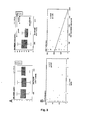
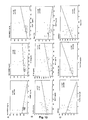
- FIG. 1 Detection of HMGB1 and anti-HMGB1 antibodies in CSF from HIV-1-infected patients.
- HIV-infected patients were stratified from stage 2 to stage 4 according to neurological disorder severity, CSF being obtained for stage 3 and stage 4 patients only.
- HMGB1 was detected at increased concentrations in CSF from stage 3 patients vs HD, but due to the variability of the values, the differences between HD and patients from both groups were not statistically significant.
- FIG. 2 Impact of viral load on HMGB1 and anti-HMGB1 antibody levels in CSF.
- VL CSF viral load
- VL> 40 copies/ml mean values are indicated on each box.
- HMGB1 and anti-HMGB1 concentrations were compared between these 2 groups and p values are reported (non-parametric Mann-Whitney test).
- C Spearman correlations between plasma VL and CSF HMGB1 concentration (left panel) or CSF VL (right panel). The coefficient of correlation (r) and p values are reported.
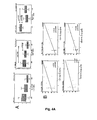
- FIG. 3 Correlation of Anti-HMGB1 antibody levels in CSF with disease evolution.
- a ⁇ Peripheral CD4 T cell number is a correlate of disease evolution. Patients were stratified into 3 groups according to their blood CD4 T cell numbers, and HMGB1 and anti-HMGB1 antibody levels were compared between the 3 groups. p values (non-parametric Mann-Whitney test) are reported. B- Spearman correlations between CSF concentrations of either HMGB1 or anti-HMGB1 Abs and CD4 T cell numbers. The coefficients of correlation (r) and p values are reported.
- Figure 4 Correlation of CSF HMGB1 and antiHMGB1 antibody levels with immune activation.
- A-CSF VL, the % T CD8 + HLA-DR + and T CD8 + CD38 + were compared among the three groups of patients stratified according to their CD4 T cell number. p values are reported (non-parametric Mann-Whitney test).
- C- Top panel Spearman correlations between CSF anti-HMGB1 antibodies and the % of CD4 + HLA-DR + T cells, or CD8 + HLA-DR + T cells.
- Bottom panel Spearman correlations between CSF HMGB1 and the % CD8 + HLA-DR + T cells. The coefficients of correlation (r) and p values are reported
- Figure 5 Quantification of 24 cytokines and chemokines in CSF of stage 3 and stage 4 patients.
- a panel of 24 cytokines and chemokines have been quantified by MAP technology (Luminex) in CSF from HD, stage 3 and stage 4 patients. Box and Whisker Plots represent the mean ⁇ SD of a panel of chemokines. Only IP-10 and MCP-1 were detected at significant levels. p values are reported (non-parametric Mann-Whitney test) for statistical comparisons between patients and HD.
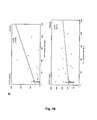
- Figure 6 Correlation of CSF IP-10 and MCP-1 levels with CSF viral load and disease evolution.
- the coefficients of correlation (r) and p values are reported.
- Figure 7 Correlation of CSF IP-10 and MCP-1 in stage 3 and stage 4 patients, and with anti-HMGB1 antibodies .
- p values are reported (non-parametric Mann-Whitney test) for statistical comparisons between patients and HD.
- B- Spearman correlations between CSF anti-HMGB1 antibodies and CSF IP-10 or CSF MCP1 are shown. The coefficients of correlation (r) and p values are reported.
- Figure 8 Correlation of serum anti-HMGB1 antibody levels at stage 2 with plasma VL.
- p values are reported (non-parametric Mann-Whitney test) for statistical comparisons between the groups of patients.
- Anti-HMGB1 Abs and CD4 T cell numbers were compared between these 2 groups and p values are reported (non-parametric Mann-Whitney test).
- C - Patients were stratified according to VL as indicated on the x axis.
- Anti-HMGB1 antibodies and HMGB1 concentrations were compared for each group and p values are reported (non-parametric Mann-Whitney test).
- the top right panel shows the Spearman correlation between anti-HMGB1 antibodies and serum VL on 105 patients. The coefficients of correlation (r) and p values are reported.
- Figure 9 Correlation between serum anti-HMGB1 antibody levels with IP-10
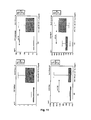
- FIG. 10 Suppression of VL with HAART is associated with reduction of CSF anti-HMGB1, HMGB1, IP-10, MCP-1 and immune activation. Patients were stratified according to the fact that they received either HAART or no antiretroviral therapy. The mean levels of viral load (VL), HMGB1, anti-HMGB1 antibodies (Abs) ( A ), the percentage of CD8+CD38+ and CD8+HLA-DR+ cells (B), and the levels of IP-10 and MCP1 ( C ) were compared between the two groups (non-parametric Mann-Whitney test). p values are reported.
- FIG 11 Persistence of HMGB1, anti-HMGB1, IP-10 and MCP1 in CSF from patients with suppressed viral load.
- HMGB1, anti-HMGB1, IP-10 and MCP1 levels were compared in CSF in 66 patients with VL ⁇ 40 cp/ml and 10 healthy donors (HD). The median values (25%-75% percentiles) are shown. Statistical comparisons were made with the non-parametric Mann-Whitney test. p Values are reported.
- FIG. 12 Neurological disorders are associated with increased levels of serum anti-HMGB1 Abs in patients with suppressed VL.
- C Same comparisons than in B (stage 1 versus patients with HAND) were done for the indicated parameters. No statistical differences were found for any of these parameters.
- Figure 13 Correlations between anti-HMGB1, MCP1, IP-10 and immune activation in patients with HAND and suppressed viral load.
- HMGB1 protein and anti-HMGB1 antibodies in sample (serum and/or human cerebrospinal fluid)
- HMGB1 protein concentration in sample from HIV-infected patients was quantitated, according to the ELISA kit Shino Test (IBL).
- the Elisa assay was carried out as follows:
- the group of patients analyzed for CSF content in HMGB1 and in anti-HMGB1 antibodies is part of a cohort of 105 chronically HIV-infected patients, classified according to AIDS-associated neurological disorders (as explained above).
- Group 1 includes HIV-1-infected patients without neurological disorders, whereas group 2, 3 and 4 include patients with increasing neurocognitive disorders.
- HMGB1 and anti-HMGB1 antibodies from CSF sample correlate with viral load
- HIV-1 is probably driving the production of HMGB1 and anti-HMGB1 antibodies in CSF. This is suggested by the higher level of both molecules in patients with uncontrolled viral load (VL) compared with patients with undetectable VL ( ⁇ 40 cp/ml CSF) ( Fig. 2A ). In addition, HMGB1 and anti-HMGB1 antibody levels were found positively correlated with HIV-1 VL in CSF ( Fig. 2B ). As a corollary (considering that CSF VL is strongly correlated with plasma VL, Fig. 2C ), CSF HMGB1 level was positively correlated with plasma VL ( Fig 2C ) .
- Fig. 3 A shows that the level of anti-HMGB1 antibodies in CSF is increasing when CD4 T cell numbers are decreasing, and it is significantly higher in patients with low ( ⁇ 300) versus high (>600) CD4 T cell numbers. Moreover, the level of anti-HMGB1 antibodies in CSF appears to be a correlate of disease evolution, as anti-HMGB1 antibodies negatively correlate with CD4 T cell numbers ( Fig. 3B right panel). Regarding HMGB1 levels in CSF, they do not vary with CD4 T cell numbers ( Fig.3A, 3B left panels).
- CSF HMGB1 and anti-HMGB1 antibody levels are associated with a persistent immune activation
- Fig. 4A shows that the percentages of CD8+CD38 + T cells is significantly increased in patients with low CD4 T cell numbers (CD4 ⁇ 300/uL) compared to patients with high numbers (>600/uL), and the activation state of T cells ( i .
- HMGB1 and anti-HMGB1 detection in CSF of patients with neurological disorders is the consequence of persistent immune activation driven by HIV.
- Increased levels of HMGB1 and anti-HMGB1 antibodies in CSF sample are associated with increased levels of inflammatory chemokines IP-10 and MCP-1.
- cytokine/chemokine signatures were characterized by the detection of two chemokines, IP-10 and MCP-1. In CSF from HIV + patients, these two chemokines were also detected, but at higher levels. Increased concentration of IP-10 in patients' CSF was correlated with CSF VL (in agreement with a previous report ( Paola Cinquea et al.
- IP-10 Cerebrospinal fluid interferon- ⁇ -inducible protein 10
- Fig. 6A Cerebrospinal fluid interferon- ⁇ -inducible protein 10
- Fig. 6B Cerebrospinal fluid interferon- ⁇ -inducible protein 10
- Fig. 6C shows that the levels of IP-10 and MCP-1 are positively correlated in patients'CSF.
- IP-10 and MCP-1 levels were compared between HD and stage 3 and stage 4 patients.
- Fig 7A shows that stage 3 is associated with a significant increase of both IP-10 and MCP-1.
- CSF IP-10 and MCP-1 concentrations were positively associated with the levels of anti-HMGB1 antibodies ( Fig. 7B ).
- HMGB1, anti-HMGB1 antibodies and chemokine signatures in sera from HIV + patients with neurological disorders.
- Serum anti-HMGB1 antibodies levels are increased from stage 2 and driven by HIV viral load
- Fig 8A shows that, from stage 2, patients showed a significant increase in serum anti-HMGB1 antibody levels, whereas HMGB1 levels were less discriminating. There was no significant difference in VL between the different groups (not shown).
- Stratification of patients on the basis of serum viral load revealed that anti-HMGB1 antibodies were significantly increased in patients with detectable viral load ( Fig 8B ).
- detectable VL was associated with reduced numbers of CD4 T cells ( Fig. 8B ).
- Serum anti-HMGB1 Abs levels are correlated with IP-10 concentrations
- IP-10 IP-10 was found to be a correlate of disease evolution, since it increases with CD4 loss, and its production was associated to the persistent activation of the immune system, as evaluated by the expression of activation markers on T cells ( Fig 9B ).
- Fig 9A the levels of HMGB1 and anti-HMGB1 antibodies were inversely correlated ( Fig 9A ) suggesting that the production of anti-HMGB1 antibodies is driven by the production of HMGB1, and that the anti-HMGB1 antibodies have a neutralizing activity.
- VL Viral Load
- HAART Suppression of Viral Load
- Successful anti-retroviral therapy is associated with suppression of CSF viral load in most of the patients with neurological disorders ( Fig.10A ).
- the levels of CSF HMGB1, anti-HMGB1 ( Fig.10A ), IP-10 and MCP1 ( Fig 10C ) are reduced, and the expression of CD38 and HLA-DR on CD8 T cells as well ( Fig 10B ).
- Serum anti-HMGB1 Abs distinguish patients with HIV-associated neurological disorders (HAND) from stage 1 patients, in spite of suppression of viral replication. Anti-HMGB1 Abs were found still significantly increased in HIV+ patients with HAND compared to HIV+ patients at stage 1 (with no neurological troubles), although all these patients showed undetectable levels of VL ( ⁇ 40 cp/ml) ( Fig 12A ). Fig 12B and 12C show that anti-HMGB1 levels represent the only factor that distinguishes patients with HAND from those without. Neither HMGB1, IP-10 or MCP-1 levels, nor the nCD4 T cells, nCD8 T cells, Nadir CD4, the percentages of activated CD4 and CD8 T cells, were found different in patients with HAND versus patients without.
- Fig 13A shows that anti-HMGB1 levels are positively correlated with IP-10 and MCP-1 levels, being themselves related to the state of immune activation, measured by the expression of HLA-DR and CD38 on CD4 and CD8 T cells ( Fig 13B ).
- the state of immune activation is a correlate of disease evolution measured by the number of CD4 T cells ( Fig 13C ).
- IP-10 is a potent chemoattractant and it has been suggested to enhance retrovirus infection and mediate neuronal injury.
- the proinflammatory properties of MCP1 and its ability to up-regulate HIV-1 replication was also suggested to contribute to the development of increased risk of dementia.
- MCP-1 may facilitate migration of infected and/or activated monocytes into the brain where they become host cells for HIV-1 replication and by activating macrophages, microglia and astrocytes that results in release of a number of potent neurotoxins ( Dhillon et al. Roles of MCP-1 in development of HIV-dementia. Front Biosci. 2008, 13: 3913-3918 ).
- Our observations bring new findings demonstrating that the alarmin HMGB1, and most importantly the antibodies specific for this alarmin, are detected (in addition to IP-10 and MCP-1) in CSF from HIV-infected patients with HAND, and that they represent a correlate of viral replication and disease evolution.
- the persistence of anti-HMGB1 antibodies in patients with suppressed viral replication is a determinant of HAND.
Landscapes
- Health & Medical Sciences (AREA)
- Life Sciences & Earth Sciences (AREA)
- Engineering & Computer Science (AREA)
- Biomedical Technology (AREA)
- Molecular Biology (AREA)
- Neurology (AREA)
- Physics & Mathematics (AREA)
- General Health & Medical Sciences (AREA)
- Pathology (AREA)
- Immunology (AREA)
- Hematology (AREA)
- Heart & Thoracic Surgery (AREA)
- Surgery (AREA)
- Animal Behavior & Ethology (AREA)
- Biophysics (AREA)
- Public Health (AREA)
- Veterinary Medicine (AREA)
- Medical Informatics (AREA)
- Chemical & Material Sciences (AREA)
- Urology & Nephrology (AREA)
- Neurosurgery (AREA)
- Physiology (AREA)
- Nuclear Medicine, Radiotherapy & Molecular Imaging (AREA)
- Medicinal Chemistry (AREA)
- Microbiology (AREA)
- Biotechnology (AREA)
- Food Science & Technology (AREA)
- Cell Biology (AREA)
- Analytical Chemistry (AREA)
- Biochemistry (AREA)
- General Physics & Mathematics (AREA)
- Radiology & Medical Imaging (AREA)
- Virology (AREA)
- Proteomics, Peptides & Aminoacids (AREA)
- Psychology (AREA)
- Developmental Disabilities (AREA)
- High Energy & Nuclear Physics (AREA)
- AIDS & HIV (AREA)
- Tropical Medicine & Parasitology (AREA)
- Psychiatry (AREA)
Abstract
Description
- The application relates to the quantitation of the protein HMGB1 or of the antibodies specific for HMGB1 in biological sample, in particular serum and CerebroSpinal Fluid (CSF), and their respective correlation with the monitoring of HIV infection or with viral load as well as prognostic methods of the state of progression of AIDS and neurological disorders associated with AIDS.
- Shortly after infection, HIV-1 is able to penetrate the brain, eventually resulting in HIV-1 associated complications in the Central Nervous System (CNS). HIV associated dementia (HAD) is clinically characterized by motor and behavioral dysfunctions leading to seizures, coma, and death within 6 months of onset. HIV-encephalitis, the pathological correlate of HAD, is characterized by widespread astrogliosis, oxidative stress, cytokine/chemokine dysregulation, and neuronal degeneration (Gonzalez-Scarano and Martin-Garcia, Nat Rev Immunol 2005, 5: 69-81). Since neurons are not infected by HIV-1, the current thinking is that these cells are damaged indirectly by pro-inflammatory chemokines released by activated glial cells. IP-10 (CXCL10) is a neurotoxic chemokine that is upregulated in astroglia and has been suggested to enhance retrovirus infection and mediate neuronal injury. Elevation of IP-10 in CSF was reported in HIV-infection, and its level correlated with CSF HIV viral load (Cinque P et al. J Neuroimmunol 2005, 168:154). It was also reported a possible association between CSF macrophage chemoattractant protein 1 (MCP-1 or CCL2) levels and the development of HAD in a HAART-experienced cohort with advanced HIV infection (Sevigny JJ, Albert SM, McDermott MP; et al. Neurology. 2004;63:2084). Another study reported an association between plasma MCP-1 levels and HIV-associated dementia (Sevigny et al. Arch. Neurol. 2007, 64:97).
- The high mobility group box 1 (HMGB1) protein is a non-histone chromosomal protein that acts as a potent proinflammatory cytokine when actively secreted from activated macrophages, monocytes, dendritic cells or other cells such as NK cells. HMGB1 behaves as a trigger of inflammation, attracting inflammatory cells, and of tissue repair, recruiting stem cells and promoting their proliferation. Moreover, HMGB1 activates dendritic cells (DCs) and promotes their functional maturation and their response to lymph node chemokines. Activated leukocytes actively secrete HMGB1 in the microenvironment. Thus, HMGB1 acts in an autocrine/paracrine fashion and sustains long-term repair and defense programs (Bianchi and Manfredi, 2007; Lotze and Tracey, 2005).
- In recent studies, HMGB1 was shown to trigger HIV-replication in HIV-infected DC, thus contributing to the constitution of viral reservoirs in DCs (Saidi H, Melki M-T, Gougeon M-L, PLoS One 2008). Considering that DCs are the first targets for HIV in the first hours of mucosal infection, which will then migrate to secondary lymphoid organs where they will transmit HIV to T cells, these findings challenge the question of the in vivo involvement of HMGB1 in the triggering of viral replication and replenishment of viral reservoirs. HMGB1 was produced during a cross-talk between HIV-infected DCs and activated NK cells, also resulting in resistance of HIV-infected DCs to NK killing. DC survival was associated with the upregulation of two apoptosis inhibitors, c-IAP2 and c-FLIP in infected DCs, a process induced by HMGB1 (Melki M-T et al. PLoS Pathogens 2010, in press). Blocking HMGB1 activity by specific inhibitors, such as glycyrrhizin or blocking antibodies, abrogates HIV replication in infected DCs ( Saidi H, Melki M-T, Gougeon M-L, PLoS One 2008), and restores the susceptibility of infected DCs to NK killing (Melki M-T et al. PLoS Pathogens 2010, in press). These findings, which provide new insights into how HIV hijacks DCs to promote viral dissemination and to maintain viability of long-term reservoirs, have made the object of patent application
PCT/EP2009/06828 - These findings also challenge the question of the in vivo involvement of HMGB1 in the triggering of viral replication and replenishment of viral reservoirs. To address this question, HMGB1 concentration in sera from HIV-infected patients have been quantified (Elisa, Shino test, IBL) to assess the in vivo contribution of circulating HMGB1 to plasma HIV viral load and to disease evolution. Moreover, considering that auto-antibodies specific for HMGB1 could be found in autoimmune diseases such as SLE (lupus) (Hayashi et al., 2009), a specific Elisa assay was developed to check whether anti-HMGB1-specific antibodies in sera from HIV-infected patients were detected in HIV disease.
- The measure of both HMGB1 and anti-HMGB1 antibodies in patients' sera has been reported in patent application
PCT/EP2009/06828 - (i) chronic HIV infection triggers the production of HMGB1, detected at increased levels in sera from infected patients, which in turn induces the production of neutralizing antibodies;
- (ii) an inverse correlation is detected between HMGB1 and anti-HMGB1 Abs, indicating that when HMGB1 is bound to the antibodies, it is not detected anymore in serum samples;
- (iii) the more serum anti-HMGB1 antibodies (meaning the more HMGB1 produced earlier) in sera, the less CD4 T cells, suggesting that increased levels of serum anti-HMGB1 antibodies are associated with disease evolution; and
- (iv) potent anti-retroviral therapy (HAART) reduces serum levels of both HMGB1 and anti-HMGB1 antibodies and may normalize them under baseline levels.
- Patent application
PCT/EP2009/06828 PCT/EP2009/06828 - The present invention addresses the question of methods based on the quantitation of HMGB1 and anti-HMGB1 antibodies, to monitor HIV infection and in some cases to monitor viral load, as well as the question of the possible implication of HMGB1, anti-HMGB1 antibodies, and other chemokines in prognostic method of occurrence of AIDS and neurological disorders associated with AIDS or HIV infection.
- HMGB1 is a well-known protein appearing in the nucleus and is also known to be a cytokine. Physical and functional characteristics of HMGB1 are disclosed by and incorporated by reference to Lotze, et al., Nature Reviews, Immunology 5:351 (2005).
- Antibodies which bind to HMGB1 are known and can be produced by methods well-known in the art. An example of commercially available anti-HMGB1 antibodies are Rabbit primary polyclonal antibodies to human HMGB1 (Abcam ref. 18256) which are directed against a KLH-conjugated synthetic peptide derived from residues 150 to C-terminus of human HMGB1. These methods include those which produce polyclonal antibodies to HMGB1 and monoclonal antibodies to HMGB1 or to specific fragments of HMGB1. Antibodies used in therapeutic applications have the characteristic to be blocking, e.g., especially they interfere with HMGB1-induced HIV replication in infected dendritic cells. These antibodies are preferably derived from the same species as the subject to which they are administered and recognize or are induced to the HMGB1 of the same species to which they will be administered. These antibodies may have different isotypes, such as IgA, IgG or IgM isotypes. Antibody fragments which bind HMGB1 may also be employed, including Fab, Fab2, and single chain antibodies or their fragments.
- The invention concerns an in vitro method for quantitating antibodies, especially total antibodies, specific for HMGB1 contained in a cerebrospinal fluid sample obtained from a subject, comprising (a) if the antibodies to be quantitated are total antibodies, treating the cerebrospinal fluid sample by an acid treatment to dissociate the immune complexes involving HMGB1 found in the sample, preferably with glycine 1.5M at a low pH; (b) in any case contacting said, optionally treated, biological sample with native HMGB1 protein or derivatives thereof; and (c) quantitating the antibodies, especially total antibodies, specific for HMGB1.
- In a preferred embodiment, the acid treatment consists to put in contact the cerebrospinal fluid sample with an acidic dissociation solution, having a low pH, preferably between
pH pH 1 and 3 (e.g. 1.85). The acid treatment is then stopped with a neutralization buffer (such as Tris, for example 1.5M Tris, pH9). In another preferred embodiment, in combination with the previous one or not, the incubation with the acidic dissociation solution is carried out at a temperature between 20 and 37°C, preferably at 25°C, and/or the neutralization step takes place in ice. - The expression "cerebrospinal fluid' or "CSF' refers to the fluid that occupies the subarachnoid space and the ventricular system around and inside the brain. The CSF occupies the space between the arachnoid mater and the pia mater. It constitutes the content of all intra-cerebral ventricles, cisterns, and sulci as well as the central canal of the spinal cord. CSF is usually obtained by lumbar puncture.
- In the present application, the term "quantitating" encompasses the term "quantifying' and any suitable informative determination of the HMGB1 protein or specific antibodies.
- By "circulating", it is meant the residual antibodies found in the sample, in particular in the serum or the CSF, i.e., the antibodies that are found in a non-complexed form (with the protein HMGB).
- By "total", it is meant the sum or combined amount of circulating antibodies and immunologically complexed antibodies.
- All the methods discloses in the present application and implemented in the CSF may be carried out by analogy, i.e. similarly on other biological samples, and in particular on serum, blood, plasma, saliva or tissue.
- In a particular embodiment, the invention also relates to an in vitro method for monitoring the HIV infection by quantitating the antibodies specific for High Mobility Group Box I (HMGB1) especially total antibodies specific for HMGB1 contained in a fluid sample(s) which is either a serum sample or a cerebrospinal fluid sample or in both samples obtained from a subject infected with a HIV, comprising:
- a) contacting said fluid sample(s) with native HMGB1 protein or derivatives thereof; and
- b) quantitating the antibodies specific for HMGB1 wherein the quantity of detected anti-HMGB1 antibodies correlates with the prognosis of the infection in particular wherein said correlation is independent from the viral load in said subject.
- The treatment step disclosed herein to prepare the total antibodies specific for HMGB1 in the cerebrospinal fluid sample applies similarly to obtain such antibodies from the serum sample.
- The methods of the invention are suitable for monitoring the condition of a subject infected with a HIV, especially HIV-1 or HIV-2.
- The "condition" of the subject refers to the clinical status of the subject after infection with an HIV or to the risk of this subject to progress toward AIDS or toward HIV associated neurological disorders.
- The invention also relates to an in vitro method for monitoring the HIV infection in a subject who is known to be infected with HIV, comprising quantitating the antibodies specific for High mobility group box I (HMGB1) contained in a cerebrospinal fluid sample obtained from this subject, wherein the antibodies targeted for quantitation are either the total antibodies specific for HMGB1 or their circulating fraction (circulating antibodies) or their immunological complexed fraction.
- The methods for monitoring the HIV infection, for evaluating the immune deficiency or for determining the level of immune activation as well as the prognostic methods disclosed herein including when said method is performed with a parallel determination of the viral load, may be based on either the quantitation of the circulating antibodies specific for HMGB1, or on the quantitation of the total antibodies specific for HMGB1 or on the quantitation of the fraction of immunological HMGB1 / specific antibodies complex.
- In a particular embodiment, all these methods are based on either the quantitation of circulating so-called residual, specific antibodies or total specific antibodies.
- The quantitation of the total antibodies specific for HMGB1 may be preferred.
- When the quantitation is based on the total antibodies specific for HMGB1, the methods of the invention also comprise a step suitable for dissociation of immunological complexes formed with HMGB1-specific antibodies, and for example the methods of the invention use or include the quantitation method based on the acidic treatment as disclosed above and in particular the one disclosed in the examples. When the quantitation is based on the circulating antibodies specific for HMGB1, said dissociation step is not required.
- In a particular embodiment, said quantitation of the antibodies specific for HMGB1 is carried out by contacting a cerebrospinal fluid sample (obtained from a subject) with the High mobility group box I (HMGB1) protein or derivatives thereof. The contact of the cerebrospinal fluid sample with said protein as well as the quantitation of the formed complexes are carried out in vitro.
- It is understood that in the methods designed for monitoring the HIV infection, in particular when accompanied by the determination of the viral load, for evaluating the immune deficiency and for determining the level of immune activation as well as the prognostic methods, of the invention, it is possible to use the sequence of the full length HMGB1 protein (mammalian origin, preferably human origin such as the one defined under Accession Number NP_002119) or any peptide (10 to 30 amino acid residues) or polypeptide (30 to 215 amino acid residues, preferably 30 to 50, or 30 to 100, or 30 to 150 residues) derived from HMGB1 (HMGB1 protein derivatives) as long as these derivatives bind to antibodies specific for HMGB1 and/or enable to quantitate the anti-HGB1 antibodies. Such derivatives are selected in the group consisting of a recombinant HMGB1 (e.g. the protein commercialized as HMG biotech HM-115), an immunologically reactive part of HMGB1, an immunologically reactive part of HMGB1 whose sequence is common to HMGB1 proteins of various origins. Such an example is the recombinant BOXB from HMGB1 corresponding to the sequence common to human and mouse of HMGB1 (HMGbiotech HM-051).
- By "HIV-infected patient' or "a subject who is known to be infected with HIV" it is meant a subject or patient who has been positively and accurately diagnosed for a HIV virus, and for whom HIV-infection has been confirmed following relevant testing. HIV-infected patients may be classified according to several parameters such as viral load, CD4 T cells number or clinical symptoms of AIDS. In patients suffering from neurological disorders, a particular classification is based on these neurological disorders associated with HIV infection, as determined by clinicians, as follows;
Stage 1, with normal NP (Neuropsychological) testing
Stage 2, with at least 2 SD (standard deviation) below the mean in one cognitive test or at least 1 SD below the mean in more than 1 test exploring the same domain. These results define the condition of ND (neuropsychological deficit).
Stage 3, including patients with criteria for ANI (asymptomatic neurocognitive impairment).
Stage 4, including patients with MCD (minor neurocognitive disorder)
As disclosed above detecting or monitoring HIV infection by performing detection or quantitation of HMGB1 or of anti-HMGB1 antibodies in serum samples may be accompanied by determination of viral load through well known techniques. - In a particular embodiment of the invention, determining said viral load may be achieved by performing the methods of the invention themselves, especially when the diagnosed patients is not treated for HIV infection.
- The invention thus also concerns in a particular embodiment a method for monitoring the HIV viral load of a subject who is known to be infected with HIV, comprising carrying out the method of quantitation of the total antibodies specific for HMGB1, in a sample, in particular in a serum or in a cerebrospinal fluid sample, wherein the more the antibodies specific for HMGB1, the more the viral load. This approach to monitor the viral load (VL) would be relevant in a patient who is known to be infected with HIV and is not treated for this infection at the time of the viral load monitoring, or in patients whose VL is not controlled.
- By "viral load', it is meant either the HIV RNA (which is derived from viral particles and present in plasma) or the HIV DNA (which is integrated in the cell genome and present in cells). In a particular embodiment, the methods of the invention based on the quantitation of antibodies specific for HMGB1 are suitable to monitor the HIV RNA viral load.
- By "monitoring the HIV infection", it is meant the follow-up of the HIV infection in time. HIV infection can be assessed by various parameters such as the measurement of the viral load, CD4 T cell count, and/or clinical parameters associated with disease evolution. The progression of the HIV infection, i.e, the decrease, the increase or the stability of measured parameters, as compared to a previous assay, will dictate the way of caring the patient. The progression of the HIV infection reflects the HIV replication and/or the integration of the HIV genome into the genome of target cells.
- The invention is also directed to an in vitro prognostic method of either the state of progression of Acquired immune deficiency syndrome (AIDS) or the state of progression toward AIDS, of a patient infected with HIV, or the state of progression towards neurological disorders associated with HIV infection, comprising carrying out the quantitation method or the method for monitoring HIV infection disclosed above, in a sample, in particular in a serum or in cerebrospinal fluid sample, obtained from a patient after HIV infection, and preferably during primary or acute infection, or during chronic infection and wherein the more the level of antibodies specific for HMGB1, the more the risk to develop AIDS or an advanced state of AIDS and in particular the more the risk to develop neurological disorders associated with HIV infection.
- The term "prognostic" refers to the possibility to evaluate, at the time the quantitation of the antibodies specific for HMGB1 is carried out on a sample obtained from a patient, the risk for the patient to develop AIDS or to progress toward AIDS or to progress toward neurological disorders. The expression "state of progression of AIDS or towards AIDS' refers to the various stages met in the progression of AIDS or toward AIDS, and in particular refers to the WHO Disease Staging System for HIV Infection and Disease produced and updated by the World Health Organisation, which is summarized hereinafter. Stage I: HIV disease is asymptomatic and not categorized as AIDS; Stage II includes minor mucocutaneous manifestations and recurrent upper respiratory tract infections; Stage III includes unexplained chronic diarrhea for longer than a month, severe bacterial infections and pulmonary tuberculosis; and Stage IV includes toxoplasmosis of the brain, candidiasis of the oesophagus, trachea, bronchi or lungs and Kaposi's sarcoma.
- The expression "state of progression towards neurological disorders" refers to the neurological disorders stages (1 to 4) classification as described above.
- More particularly, the invention is directed to an in vitro prognostic method of either the state of progression of neurological disorders associated with Acquired Immune Deficiency Syndrome (AIDS) or the state of progression toward neurological disorders associated with HIV infection or with AIDS, of a patient infected with HIV, comprising carrying out the quantitation method or the method for monitoring HIV infection disclosed above, in a sample, in particular in a serum or in a cerebrospinal fluid sample, obtained from said patient after infection, and preferably during primary or acute infection or during chronic infection, and wherein the more the level of antibodies specific for HMGB1, the more the risk to develop neurological disorders associated with AIDS or to develop advanced neurological disorders associated with AIDS or neurological disorders of an advanced stage of AIDS.
- The expression "neurological disorders associated with Acquired Immune Deficiency Syndrome" or "AIDS-associated neurological disorders" or "neurological disorders associated with HIV infection" encompasses neurological disorders of the nervous system which are caused directly by the HIV virus, by certain cancers and/or opportunistic infections, as well as disorders of unknown origin which are influenced by but are not known to be caused directly by the virus. Some of these neurological disorders associated with AIDS may be characteristic of the state of progression of the disease, as defined above. Examples of neurological disorders associated with AIDS are AIDS dementia complex (ADC) or HIV-associated encephalopathy, central nervous system lymphomas, cryptococcal meningitis, cytomegalovirus (CMV) encephalitis, encephalitis and myelitis caused by the herpes zoster virus, neuropathy (peripheral neuropathy and distal sensory polyneuropathy), neurosyphilis, progressive multifocal leukoencephalopathy (PML), toxoplasma encephalitis or cerebral toxoplasmosis and vacuolar myelopathy. Some patients with controlled viral load (VL) who are not at the AIDS stage may develop neurological disorders. A clinical classification regarding these neurological disorders is disclosed above.
- The present invention also concerns an in vitro method for evaluating the immune deficiency (or immunodeficiency) of a subject who is known to be infected with HIV comprising carrying out the quantitation method or the method for monitoring HIV infection disclosed above, in a sample, in particular in a serum or in a cerebrospinal fluid sample, obtained from said subject, wherein the more the antibodies specific for HMGB1, the more the immune deficiency is high. The immunodeficiency observed following infection is the result of the decrease in the CD4 T cells, which have been shown in the present invention to be negatively correlated with the level of specific HMGB1 antibodies.
- An in vitro method for determining the level of immune activation especially persistent immune activation or persistent immune activation in some compartment(s) of the body, eliciting especially persistent inflammatory state in a subject who is known to be infected with HIV comprising carrying out the quantitation method disclosed above, in a sample, in particular in a serum or in a cerebrospinal fluid sample, obtained from said subject, wherein the more the antibodies specific for HMGB1, the more the immune activation is persistent, is also part of the present invention. The persistent (or chronic) immune activation is associated with a high expression of activation markers on CD8 T cells, in particular CD38 and/or HLA-DR markers. Therefore, the present invention has put in evidence that a high level of specific HMGB1 antibodies is correlated with high level of both CD8+ CD38+ T cells and CD8+ HLA-DR+ T cells.
- Immune activation in particular refers to immune activation observed in patients in acute phase of HIV infection, or to immune activation observed in patients with chronic HIV infection, especially when said patient is not under treatment (ART) or is presenting neurological disorders associated with HIV infection.
- Each and all the in vitro methods disclosed in the present application optionally further comprise the quantitation of other molecules found in the sample (such as the serum or the cerebrospinal fluid sample), and in particular of chemokines. Examples of chemokines that can, independently, be assayed and quantitated, are the chemokine IP-10 and the chemokine MCP-1. The human chemokine IP-10 (10 kDa interferon-gamma-induced protein) is also called Chemokine (C-X-C motif)
ligand 10 or CXCL10, and is referenced under NCBI Accession Number NP-_001556); the human chemokine MCP-1 (for monocyte chemotactic protein-1) is also called Chemokine (C-C motif) ligand 2 (CCL2) and is referenced under NCBI Accession Number NP_002973). - When applied to the molecules and in particular to the chemokines such as the chemokine IP-10 and the chemokine MCP-1, the term "quantitating" or "quantitation" encompasses the term "quantifying" and any suitable informative determination of the level of chemokine IP-10 and chemokine MCP-1.
- In particular, the invention relates to an in vitro method for monitoring the state of a subject who is known to be infected with HIV, comprising carrying out the quantitation method disclosed above (quantitation of antibodies specific for HMGB1) and a step to quantitate the chemokine IP-10 and/or the chemokine MCP-1, in a sample, in particular in a serum or in a cerebrospinal fluid sample, obtained from said subject.
- In another embodiment, the invention is also directed to an in vitro method of prognosticating either the state of progression of neurological disorders associated with Acquired Immune Deficiency Syndrome (AIDS) or with HIV infection in general or the state of progression toward neurological disorders associated with AIDS or with HIV infection in general, of a patient infected with HIV, comprising carrying out the quantitation method or the method for monitoring HIV infection disclosed above (quantitation of antibodies specific for HMGB1) and steps to quantitate the chemokine IP-10 and/or the chemokine MCP-1, in a sample, in particular in a serum or in a cerebrospinal fluid sample, obtained from said patient after infection and wherein the more the level of antibodies specific for HMGB1 and the more the chemokine IP-10 and/or the more chemokine MCP-1, the more the risk to develop neurological disorders associated with AIDS or with HIV infection in general or to develop an advanced stage of neurological disorders associated with AIDS or with HIV infection in general.
- The invention also concerns a method comprising the quantitation of the antibodies specific for HMGB1 (for example as described above), in the cerebrospinal fluid sample and in the serum sample of a HIV-infected individual, both quantitations being carried in the same individual and on samples taken at the same time, and, optionally, the quantitation of the chemokine IP-10 and/or the chemokine MCP-1, both in the cerebrospinal fluid sample and the serum sample of the same individual and said samples being taken at the same time.
- This method, based on parallel quantitation of the antibodies specific for HMGB1 in two different samples may be used in the following applications:
- an in vitro method for monitoring of the human immunodeficiency virus (HIV) infection in a subject who is known to be infected with HIV;
- an in vitro prognostic method for the state of progression of Acquired immune deficiency syndrome (AIDS) or the state of progression toward AIDS, of a patient infected with HIV, and preferably during primary or acute infection or during chronic infection; and
- an in vitro prognostic method for either the state of progression of neurological disorders associated with Acquired immune deficiency syndrome (AIDS) or with HIV infection or the state of progression toward neurological disorders associated with AIDS or with HIV infection, of a patient infected with HIV, during primary or acute infection or during chronic infection.
- By "at the same time", it is meant that the samples are obtained from a determined patient, within a period of time in which the clinical symptoms, in particular the neurological disorders, the stage of AIDS and/or the serum or CSF viral load of said HIV-infected patients are similar (statistically not significant) or identical. In particular, this period does not exceed (is less than) 6 months, 3 months, 1 month or two weeks.
- In parallel to each and all the an in vitro prognostic method, the in vitro method for evaluating the immune deficiency, the in vitro monitoring of the state, the in vitro method for determining the level of immune activation and the method of quantitation of the antibodies specific for HMGB1 in the cerebrospinal fluid sample and in the serum sample as disclosed above, the HIV viral load is determined using a conventional method (for example by PCR). The expression "in parallel' means that the methods are carried out in samples obtained from the same patient at the same time.
- Interestingly, while the serum and/or CSF viral load of a patient may be undetectable and reveals an absence of replication of the HIV virus in blood and/or CNS, the quantitation of a large quantity of antibodies specific for HMGB1, possibly together with large quantity of the chemokine IP-10 and/or the chemokine MCP-1, reveals that the HIV virus replicates in other compartments or organs such as liver, brain or intestine. This may explain that treated HIV-infected patients having low or undetectable HIV viral load according to the known standards do not progress towards AIDS while presenting neurological disorders. This observation justifies that, in parallel to the determination of the serum viral load, other assays, such as the quantitation of antibodies specific for HMGB1, may be implemented to take into account the fact that the HIV virus infects and maintains in various organs and compartments.
- Any of the in vitro methods disclosed above involving the quantitation of the antibodies specific for HMGB1 may be carried out by implementing ELISA, or other immunological detection methods, using the High mobility group box I (HMGB1) protein or derivatives thereof coated on a solid support, and optionally using secondary antibodies able to detect the HMGB1 specific antibodies.
- When the quantitation of the chemokine IP-10 and/or of the chemokine MCP-1 is concerned, ELISA or any other methods known in the art may be used.
- The inventors have also put in evidence that the protein HMGB1 itself can be assayed in a cerebrospinal fluid sample.
- Consequently, yet another aspect of the invention involves detection of an increased concentration of HMGB1 in cerebrospinal fluid samples from HIV-infected subjects. A positive correlation between the viral load and HMGB1 concentration, in a cerebrospinal fluid sample, may also be used to monitor HIV infection. HMGB1 concentration may be quantitated with well-known diagnostic tests, such as ELISA tests. Recombinant hHMGB1, anti-hHMGB1 monoclonal antibodies and rabbit anti-hHMGB1 serum are commercially available and may used in such diagnostic tests.
- The invention also relates to an in vitro method for monitoring HIV infection in a subject infected with HIV comprising quantitating High mobility group box I (HMGB1) protein contained in a cerebrospinal fluid sample obtained from said subject, in particular by contacting the biological sample from said subject infected with HIV, with antibodies that immunologically bind to High mobility group box I (HMGB1), wherein the HMGB1 protein targeted for quantitation is either the total HMGB1 protein or its circulating fraction (circulating HMGB1) or its immunological complexed fraction.
- The invention also concerns an in vitro method for monitoring the HIV viral load of a subject known to be infected with HIV, comprising carrying out the quantitation of the HMGB1 protein in a cerebrospinal fluid sample obtained from said subject, wherein the more the HMGB1 protein, the more the viral load. By "viral load', it is meant either the HIV RNA (which is derived from viral particles and present in plasma) or the HIV DNA (which is integrated in the cell genome and present in cells). In a particular embodiment, the methods of the invention based on the quantitation of HMGB1 are suitable to monitor the HIV RNA viral load.
- The methods for monitoring the HIV infection or the viral load may be implemented based on the quantitation of the circulating (residual) HMGB1, based on the quantitation of the total HMGB1 or based on the quantitation of the fraction of immunological HMGB1 / specific antibodies complex.
- In a particular embodiment, these methods are based on either the quantitation of circulating HMGB1 or total HMGB1. When the quantitation is based on the total HMGB1, the methods of the invention also comprise a step suitable for dissociation of immunological complexes formed with HMGB1-specific antibodies, and for example the methods of the invention use or include an acidic treatment of the cerebrospinal fluid sample.
- A suitable acidic treatment comprises contacting the cerebrospinal fluid sample with an acidic dissociation solution, having a low pH, preferably between
pH pH 1 and 3 (e.g. 1.85). The acid treatment is then stopped with a neutralization buffer (such as Tris, for example 1.5M Tris, pH9). In another preferred embodiment, in combination with the previous one or not, the incubation with the acidic dissociation solution is carried out at a temperature between 20 and 37°C, preferably at 25°C, and/or the neutralization step takes place in ice. - The quantitation of the HMGB1 protein may be compared to the amount of HMGB1 from a cerebrospinal fluid sample obtained from a subject not infected with HIV, or to the amount of HMGB1 from a cerebrospinal fluid sample obtained from the same subject at a different time.
- The invention also concerns, for the same applications, a method comprising the quantitation of HMGB1 (for example as described above) in the cerebrospinal fluid sample and in the serum sample of a HIV-infected individual, both quantitations being carried in the same individual and at the same time, and, optionally, the quantitation of the chemokine IP-10 and/or the chemokine MCP-1, both in the cerebrospinal fluid sample and the serum sample of the same individual and at the same time.
- Another aspect of the invention concerns a kit that may be used to implement one of the following applications: to monitor the human immunodeficiency virus (HIV) infection of a HIV-infected subject, to monitor the HIV viral load of a HIV-infected subject who is not under treatment for HIV infection, to carry out the prognostic of either the state of progression of Acquired immune deficiency syndrome (AIDS) or the state of progression toward AIDS of a patient infected with HIV, to carry out the prognostic of either the state of progression of neurological disorders associated with Acquired immune deficiency syndrome (AIDS) or with HIV infection or the state of progression toward neurological disorders associated with AIDS of a patient infected with HIV or with HIV infection, to evaluate the immune deficiency of a HIV-infected subject, to determine the level of immune activation especially persistent immune activation in a HIV-infected subject and to monitor the state of HIV-infected subject.
- This kit comprises native HMGB1 protein or derivatives thereof as defined above, and an acidic dissociation solution suitable to dissociate immunological HMGB1/anti-HMGB1 antibody complexes found in the biological sample, when taken from the patient, such as defined above, and optionally means to quantitate the chemokine IP-10 and/or means to quantitate the chemokine MCP-1. Optionally, this kit may also contain a neutralization buffer, for example as defined above and/or secondary antibodies binding to and/or revealing the formation of the HMGB1/specific antibodies complex.
- The kit is implemented to quantitate the anti-HMGB1 antibodies from any biological sample, in particular from the cerebrospinal fluid sample of a HIV-infected patient or from the serum sample of a HIV-infected patient, or when parallel quantitation is required from both the cerebrospinal fluid sample and the serum sample of said HIV-infected patient.
-
Figure 1 : Detection of HMGB1 and anti-HMGB1 antibodies in CSF from HIV-1-infected patients. A- Left Panel. HMGB1 concentration was quantitated by Elisa (Shinotest, IBL), in CSF from 10 healthy donors (HD) and 23 HIV-1-infected patients with neurological disorders. Box and Whisker Plots represent the mean ± SD of CSF HMGB1 concentration (limit of detection 0.25 pg/ml) in the two groups [0.5 pg/ml (range 0.25-1.47) in HD vs 1.67 pg/ml (range 0.25 ― 15.9) in patients]. A- Right panel. HIV-infected patients were stratified fromstage 2 to stage 4 according to neurological disorder severity, CSF being obtained forstage 3 andstage 4 patients only. HMGB1 was detected at increased concentrations in CSF fromstage 3 patients vs HD, but due to the variability of the values, the differences between HD and patients from both groups were not statistically significant. B ― Left Panel. Anti-HMGB1 Abs concentration was quantified by Elisa in CSF from 10 healthy donors (HD) and 23 HIV-1-infected patients with neurological disorders. Box and Whisker Plots represent the mean ± SD of CSF anti-HMGB1 concentrations (the mean and range values are indicated on the boxes). The p value of significant differences is reported (non-parametric Mann-Whitney test). B- Right panel. CSF of stage 3 (n=12) and stage 4 (n=11) patients were tested for anti-HMGB1 Abs and compared to HD (n=10). Box and Whisker Plots represent the mean ± SD of anti-HMGB1 concentration. The p value of significant differences is reported (non-parametric Mann-Whitney test). -
Figure 2 : Impact of viral load on HMGB1 and anti-HMGB1 antibody levels in CSF. A- Patients were stratified into 2 groups according to CSF viral load (VL): undetectable (i.e., < 40 copies/ml) and positive (VL> 40 copies/ml). Mean values are indicated on each box. HMGB1 and anti-HMGB1 concentrations were compared between these 2 groups and p values are reported (non-parametric Mann-Whitney test). B- Spearman correlations between CSF concentrations of either HMGB1 or anti-HMGB1 antibodies and CSF Log VL. The coefficient of correlation (r) and p values are reported. C: Spearman correlations between plasma VL and CSF HMGB1 concentration (left panel) or CSF VL (right panel). The coefficient of correlation (r) and p values are reported. -
Figure 3 : Correlation of Anti-HMGB1 antibody levels in CSF with disease evolution. A ― Peripheral CD4 T cell number is a correlate of disease evolution. Patients were stratified into 3 groups according to their blood CD4 T cell numbers, and HMGB1 and anti-HMGB1 antibody levels were compared between the 3 groups. p values (non-parametric Mann-Whitney test) are reported. B- Spearman correlations between CSF concentrations of either HMGB1 or anti-HMGB1 Abs and CD4 T cell numbers. The coefficients of correlation (r) and p values are reported. -
Figure 4 : Correlation of CSF HMGB1 and antiHMGB1 antibody levels with immune activation. A-CSF VL, the % T CD8+ HLA-DR+ and T CD8+ CD38+ were compared among the three groups of patients stratified according to their CD4 T cell number. p values are reported (non-parametric Mann-Whitney test). B- Spearman Correlations between CSF or serum VL and the % of CD8+ CD38+ T cells or CD8+ HLA-DR+ T cells. The coefficients of correlation (r) and p values are reported. C- Top panel: Spearman correlations between CSF anti-HMGB1 antibodies and the % of CD4+ HLA-DR+ T cells, or CD8+ HLA-DR+ T cells. Bottom panel: Spearman correlations between CSF HMGB1 and the % CD8+ HLA-DR+ T cells. The coefficients of correlation (r) and p values are reported -
Figure 5 : Quantification of 24 cytokines and chemokines in CSF ofstage 3 andstage 4 patients. A panel of 24 cytokines and chemokines have been quantified by MAP technology (Luminex) in CSF from HD,stage 3 andstage 4 patients. Box and Whisker Plots represent the mean ± SD of a panel of chemokines. Only IP-10 and MCP-1 were detected at significant levels. p values are reported (non-parametric Mann-Whitney test) for statistical comparisons between patients and HD. -
Figure 6 : Correlation of CSF IP-10 and MCP-1 levels with CSF viral load and disease evolution. A- Spearman correlations between CSF IP-10 and CSF VL, % T CD8+CD38+ and % CD8+ HLA-DR+. The coefficients of correlation (r) and p values are reported. B, C- Spearman correlations between CSF MCP-1 and the number of blood CD4 T cells, the % CD8+CD38+ T cells (B) and CSF IL-10 (C). The coefficients of correlation (r) and p values are reported. -
Figure 7 : Correlation of CSF IP-10 and MCP-1 instage 3 andstage 4 patients, and with anti-HMGB1 antibodies. A - Comparative IP-10 (top panel) and MCP1 (bottom panel) concentrations in patients atstage 3 orstage 4 and HD. The mean values are indicated at the bottom of the figure. p values are reported (non-parametric Mann-Whitney test) for statistical comparisons between patients and HD. B- Spearman correlations between CSF anti-HMGB1 antibodies and CSF IP-10 or CSF MCP1 are shown. The coefficients of correlation (r) and p values are reported. -
Figure 8 : Correlation of serum anti-HMGB1 antibody levels atstage 2 with plasma VL. A- Comparative serum HMGB1 (left panel) and anti-HMGB1 antibodies (right panel) concentrations in HIV-infected patients at stage 1 (n=33, no neurological disorder), stage 2 (n=41, mild neurological disorder), stage 3 (n=17) and stage 4 (n=13). p values are reported (non-parametric Mann-Whitney test) for statistical comparisons between the groups of patients. B- Patients were stratified into 2 groups according to CSF VL: undetectable (i.e. <40 cp/ml, n=55) and positive (VL<40 cp/ml, n=28). Anti-HMGB1 Abs and CD4 T cell numbers were compared between these 2 groups and p values are reported (non-parametric Mann-Whitney test). C- Patients were stratified according to VL as indicated on the x axis. Anti-HMGB1 antibodies and HMGB1 concentrations (top left and bottom panels) were compared for each group and p values are reported (non-parametric Mann-Whitney test). The top right panel shows the Spearman correlation between anti-HMGB1 antibodies and serum VL on 105 patients. The coefficients of correlation (r) and p values are reported. -
Figure 9 : Correlation between serum anti-HMGB1 antibody levels with IP-10 A- Spearman correlations between anti-HMGB1 antibody levels and IP-10 (left panel) or HMGB1 (right panel) on sera from 106 patients. The coefficients of correlation (r) and p values are reported. B- Spearman correlations between IP-10 and CD4 T cell number (left panel) or % T CD8+ HLA-DR+ (right panel) on sera from 105 and 86 patients respectively. The coefficients of correlation (r) and p values are reported. -
Figure 10 : Suppression of VL with HAART is associated with reduction of CSF anti-HMGB1, HMGB1, IP-10, MCP-1 and immune activation. Patients were stratified according to the fact that they received either HAART or no antiretroviral therapy. The mean levels of viral load (VL), HMGB1, anti-HMGB1 antibodies (Abs) (A), the percentage of CD8+CD38+ and CD8+HLA-DR+ cells (B), and the levels of IP-10 and MCP1 (C) were compared between the two groups (non-parametric Mann-Whitney test). p values are reported. -
Figure 11 : Persistence of HMGB1, anti-HMGB1, IP-10 and MCP1 in CSF from patients with suppressed viral load. HMGB1, anti-HMGB1, IP-10 and MCP1 levels were compared in CSF in 66 patients with VL<40 cp/ml and 10 healthy donors (HD). The median values (25%-75% percentiles) are shown. Statistical comparisons were made with the non-parametric Mann-Whitney test. p Values are reported. -
Figure 12 : Neurological disorders are associated with increased levels of serum anti-HMGB1 Abs in patients with suppressed VL. The levels of anti-HMGB1 antibodies (Abs) and HMGB1 were compared between the different neurological stages (A) or between patients with HAND (n=45) andstage 1 patients (n=21) (B), all of them presenting with a VL<40 cp/ml. Mean values are shown and statistical comparisons were made with the non-parametric Mann-Whitney test. p values are reported.
C- Same comparisons than in B (stage 1 versus patients with HAND) were done for the indicated parameters. No statistical differences were found for any of these parameters. -
Figure 13 : Correlations between anti-HMGB1, MCP1, IP-10 and immune activation in patients with HAND and suppressed viral load. A,B,C - Spearman correlations between indicated parameters in sera from 45 HIV+ patients with HAND and VL<40 cp/ml. The coefficients of correlation (r) and p values are reported. - The concentration of HMGB1 protein in sample from HIV-infected patients was quantitated, according to the ELISA kit Shino Test (IBL).
- Moreover, a specific Elisa assay for the detection of total anti-HMGB1-specific antibodies was developed. The following reagents have been used:
- Rabbit primary polyclonal antibodies to human HMGB1 (Adcam ab18256) are directed against a KLH-conjugated synthetic peptide derived from residues 150 to C-terminus of human HMGB1.
- Recombinant BOXB from HMGB1 (HMGBiotech HM-051) produced in E. Coli from an expression plasmid coding for the mammalian sequence, which is totally identical in human and mouse.
- Control rabbit serum (Sigma ;Ref: R9133)
- anti-rabbit IgG or IgM conjugated to phosphatase alkaline (PAL), substrate p-nitrophenyl phosphate tablets (pNPP),
- calibrators: human IgG from serum (Sigma; ref 12511) and Human IgM from serum (Sigma; ref 18260)
- Anti-human IgG (Fc specific)-alkaline phosphatase antibody produced in goat (Sigma; Ref A9544), anti-human IgM (µ-chain specific)-alkaline phosphatase antibody produced in goat (Sigma ; ref A3437)
- The Elisa assay was carried out as follows:
- Coating of 96-well plates was performed overnight at 4°C with 0.5µg/ml of BOXB in DPBS. Simultaneously, coating of the calibrator was performed with serial dilutions in DPBS of corresponding isotypes (only for ELISA assay carried out with human samples). Plates were washed four times with DPBS/0.05% (v/v)
Tween® 20, using a microplate washer (Atlantis ; Oasys). Similar washings were performed after each step of the ELISA assay. Unbound sites were blocked at 4°C for 2 hours with PBS/2% (w/v) BSA. 100µl aliquots of sample diluted in DPBS/0.05% (v/v) Tween® /1 % (W/V) BSA were added to coated and uncoated wells and incubated for 1 hour at 37°C. All samples have been tested treated with 1.5M Glycine (v/v, pH 1.85) for 30 mn at 25°C in a water bath, and further kept on ice and diluted with 1.5M Tris, v/v,pH ratio 1/10000), or goat anti-human IgG (ratio 1/2000), or IgM (ratio 1/2000) alkaline phosphatase-conjugated antibodies diluted in DPBS/0.05% (v/v) Tween® /1% (WN) BSA were added for 1 hour at 37°C. Detection of antigen-specific antibodies was performed after 30 mn of incubation at 37°C with 100µl pNPP substrate and the reaction was stopped by addition of 100µl NaOH 3M. Concentration of BOXB-specific antibodies has been calculated according to the standard curve obtained from standard immunoglobulin solution absorbance by Ascent software, ThermoElectrocorp, as we previously reported in an Elisa specific for Shigella LPS (Launay et al. Vaccine 2009, 27:1184-1191). The data are expressed in µg/ml of antibodies detected. - The group of patients analyzed for CSF content in HMGB1 and in anti-HMGB1 antibodies, is part of a cohort of 105 chronically HIV-infected patients, classified according to AIDS-associated neurological disorders (as explained above).
Group 1 includes HIV-1-infected patients without neurological disorders, whereasgroup - Using the Shinotest Elisa (IBL) assay for HMGB1 detection (limit of detection 0.25 pg/ml) and our home made Elisa assay for anti-HMGB1 antibody detection (limit of
detection 90 ng/ml), increased levels of both HMGB1 (Fig 1A ) and anti-HMGB1 antibodies (Fig 1B ) have been found in CSF from HIV-infected patients (P) as compared to healthy donors (HD). The increased level of HMGB1 in patients' CSF was not statistically different to that of HD (Fig 1A ) whereas the levels of anti-HMGB1 antibodies were significantly increased compared to HD (Fig 1B ). Stratification of patients according to their neurological stage showed that increased levels of both HMGB1 and anti-HMGB1 antibodies in CSF was observed for patients instage Fig. 1 ). - HIV-1 is probably driving the production of HMGB1 and anti-HMGB1 antibodies in CSF. This is suggested by the higher level of both molecules in patients with uncontrolled viral load (VL) compared with patients with undetectable VL (<40 cp/ml CSF) (
Fig. 2A ). In addition, HMGB1 and anti-HMGB1 antibody levels were found positively correlated with HIV-1 VL in CSF (Fig. 2B ). As a corollary (considering that CSF VL is strongly correlated with plasma VL,Fig. 2C ), CSF HMGB1 level was positively correlated with plasma VL (Fig 2C ). - The hallmark of HIV infection is the progressive disappearance of CD4 T cells in the blood, and the peripheral number of CD4 T cells is a marker of HIV disease progression.
Fig. 3 A (right panel) shows that the level of anti-HMGB1 antibodies in CSF is increasing when CD4 T cell numbers are decreasing, and it is significantly higher in patients with low (<300) versus high (>600) CD4 T cell numbers. Moreover, the level of anti-HMGB1 antibodies in CSF appears to be a correlate of disease evolution, as anti-HMGB1 antibodies negatively correlate with CD4 T cell numbers (Fig. 3B right panel). Regarding HMGB1 levels in CSF, they do not vary with CD4 T cell numbers (Fig.3A, 3B left panels). It is noteworthy that the assay that was used for HMGB1 quantification (Shinotest, IBL) only detects residual free HMGB1 (i.e., not HMGB1 complexed with antibodies), while the assay developed in our laboratory for anti-HMGB1 antibody quantification detects the total antibodies, including the ones that are complexed to HMGB1. Thus the levels of anti-HMGB1 antibodies (1000 fold more than HMGB1) represents a more accurate measure of disease evolution than residual HMGB1. - A number of studies have demonstrated that chronic HIV-infection induces a state of immune activation which is a strong marker of disease progression (Giorgi JV, et al. Shorter survival in advanced HIV-1 infection is more closely associated with T lymphocyte activation than with plasma virus burden or virus chemokine coreceptor usage. J Infect Dis 1999). Immune activation can be analyzed through the expression of activation markers on blood CD8 T cells, in particular CD38 and HLA-DR, whose combination is associated with the risk of progression to AIDS (Liu Z, et al. Elevated CD38 antigen expression on CD8+ T cells is a stronger marker for the risk of chronic HIV disease progression to AIDS and death in the MACS Study than CD4+ cell count, soluble immune activation markers, or combinations of HLA-DR and CD38 expression. J Acquir Immune Defic Syndr Hum Retrovirol 1997; 16:83-92).
Fig. 4A shows that the percentages of CD8+CD38+ T cells is significantly increased in patients with low CD4 T cell numbers (CD4 <300/uL) compared to patients with high numbers (>600/uL), and the activation state of T cells (i.e., the percentage of CD8+CD38+ T cells and CD8+HLA-DR+ T cells) is positively correlated with both CSF and plasma viral load (Fig. 4B). In that context it is noteworthy that the expression of HMGB1 and anti-HMGB1 antibodies is positively correlated with the activation state of T ceiis (Fig 4C). - Therefore, HMGB1 and anti-HMGB1 detection in CSF of patients with neurological disorders is the consequence of persistent immune activation driven by HIV.
- CSF from HD and HIV+ patients with neurological disorders at
stage 3 orstage 4 were tested with the MAP (MultiAnalyte Profiling) technology for the simultaneous detection of 24 cytokine/chemokines.Fig. 5 shows the comparison of chemokine profiles in CSF from HD and HIV+ patients. In CSF from HD, cytokine/chemokine signatures were characterized by the detection of two chemokines, IP-10 and MCP-1. In CSF from HIV+ patients, these two chemokines were also detected, but at higher levels. Increased concentration of IP-10 in patients' CSF was correlated with CSF VL (in agreement with a previous report (Paola Cinquea et al. Cerebrospinal fluid interferon-γ-inducible protein 10 (IP-10, CXCL10) in HIV-1 infection. J Neuroimmunology 2005) and with the activation state of CD8 T cells (Fig. 6A ). Similarly, increased concentrations of MCP-1 were correlated with the activation state of T cells, and MCP-1 levels appeared to be a correlate of disease evolution, as shown by the inverse correlation between CSF MCP1 concentration and CD4 T cell numbers (Fig. 6B). Fig. 6C shows that the levels of IP-10 and MCP-1 are positively correlated in patients'CSF.
In order to characterize the nature of mediators detected in CSF from patients with neurological disorders, IP-10 and MCP-1 levels were compared between HD andstage 3 andstage 4 patients.Fig 7A shows thatstage 3 is associated with a significant increase of both IP-10 and MCP-1. Interestingly, CSF IP-10 and MCP-1 concentrations were positively associated with the levels of anti-HMGB1 antibodies (Fig. 7B ). -
Fig 8A shows that, fromstage 2, patients showed a significant increase in serum anti-HMGB1 antibody levels, whereas HMGB1 levels were less discriminating. There was no significant difference in VL between the different groups (not shown). Stratification of patients on the basis of serum viral load (undetectable <40 cp/ml vs positive >40 cp/ml) revealed that anti-HMGB1 antibodies were significantly increased in patients with detectable viral load (Fig 8B ). As expected, detectable VL was associated with reduced numbers of CD4 T cells (Fig. 8B ). A more refined stratification of serum VL showed that anti-HMGB1 antibodies significantly rose from VL>1000 cp/ml, and HMGB1 Abs levels were positively correlated with VL (Fig 8C ). As observed in CSF, HMGB1 levels were less discriminating. - As observed in patients' CSF, a positive correlation was found between anti-HMGB1 antibodies and IP-10 levels (
Fig 9A ). IP-10 was found to be a correlate of disease evolution, since it increases with CD4 loss, and its production was associated to the persistent activation of the immune system, as evaluated by the expression of activation markers on T cells (Fig 9B ). Interestingly the levels of HMGB1 and anti-HMGB1 antibodies were inversely correlated (Fig 9A ) suggesting that the production of anti-HMGB1 antibodies is driven by the production of HMGB1, and that the anti-HMGB1 antibodies have a neutralizing activity. - Suppression of Viral Load (VL) with HAART is associated with reduction of CSF anti-HMGB1, HMGB1, IP-10, MCP-1 and immune activation. Successful anti-retroviral therapy is associated with suppression of CSF viral load in most of the patients with neurological disorders (
Fig.10A ). Concomitantly, the levels of CSF HMGB1, anti-HMGB1 (Fig.10A ), IP-10 and MCP1 (Fig 10C ) are reduced, and the expression of CD38 and HLA-DR on CD8 T cells as well (Fig 10B ). - Persistence of HMGB1, anti-HMGB1, IP-10 and MCP1 in CSF from patients with suppressed viral load compared to healthy donors. Comparison of cytokine/chemokine levels in CSF from HIV+ patients with VL<40 cp/ml and in CSF from healthy donors revealed the persistence of HMGB1, anti-HMGB1, IP-10 and MCP-1 (
Fig 11 ). Thus these data show that neurological disorders that persist despite VL suppression are associated with elevated levels of anti-HMGB1, IP-10 and MCP1 molecules in CSF. - Serum anti-HMGB1 Abs distinguish patients with HIV-associated neurological disorders (HAND) from
stage 1 patients, in spite of suppression of viral replication. Anti-HMGB1 Abs were found still significantly increased in HIV+ patients with HAND compared to HIV+ patients at stage 1 (with no neurological troubles), although all these patients showed undetectable levels of VL (<40 cp/ml) (Fig 12A). Fig 12B and 12C show that anti-HMGB1 levels represent the only factor that distinguishes patients with HAND from those without. Neither HMGB1, IP-10 or MCP-1 levels, nor the nCD4 T cells, nCD8 T cells, Nadir CD4, the percentages of activated CD4 and CD8 T cells, were found different in patients with HAND versus patients without. - Correlations between anti-HMGB1, MCP1, IP-10 and immune activation in patients with HAND and suppressed viral load
To understand the causes of persistent anti-HMGB1 levels despite controlled viral load, Spearman correlations were analyzed between various parameters associated with clinical evolution.Fig 13A shows that anti-HMGB1 levels are positively correlated with IP-10 and MCP-1 levels, being themselves related to the state of immune activation, measured by the expression of HLA-DR and CD38 on CD4 and CD8 T cells (Fig 13B ). As already observed in the whole cohort (discussed above), the state of immune activation is a correlate of disease evolution measured by the number of CD4 T cells (Fig 13C ). Overall, these data show that a persistent immune activation is detected in patients with suppressed viral load and HAND, driving the production of anti-HMGB1 Abs. The negative correlation between serum anti-HMGB1 and HMGB1 found both in the whole cohort of patients (stage 1 to stage 4 with variable viral load) (Fig 9A ) and in patients with HAND and suppressed viral load (Fig 13A ) suggest an in vivo neutralizing activity of the antibodies. - This detailed analysis of soluble mediators detected in serum and CSF from HIV-infected patients, some of them suffering from AIDS-associated neurological disorders, showed in CSF a profile of inflammation, characterized by important levels of anti-HMGB1 antibodies (in reaction to released HMGB1) associated with high expression of the chemokine IP-10. Chemokines have been implicated in the immunopathogenesis of neurological disorders, such as Multiple Sclerosis (MS), and in particular IP-10 was reported to be increased in CSF from MS patients when inflammation is prominent (Scarpini E et al. J Neurological Sciences 195:41, 2002). In HIV-infected patients, a study reported that IP-10 levels were increased in subjects with primary and asymptomatic HIV infections and AIDS dementia complex, and positively correlated with CSF viral load (Paola Cinquea et al. Cerebrospinal fluid interferon-γ-inducible protein 10 (IP-10, CXCL10) in HIV-1 infection. J Neuroimmunology 2005). IP-10 is a potent chemoattractant and it has been suggested to enhance retrovirus infection and mediate neuronal injury. The proinflammatory properties of MCP1 and its ability to up-regulate HIV-1 replication was also suggested to contribute to the development of increased risk of dementia. MCP-1 may facilitate migration of infected and/or activated monocytes into the brain where they become host cells for HIV-1 replication and by activating macrophages, microglia and astrocytes that results in release of a number of potent neurotoxins (Dhillon et al. Roles of MCP-1 in development of HIV-dementia. Front Biosci. 2008, 13: 3913-3918). Our observations bring new findings demonstrating that the alarmin HMGB1, and most importantly the antibodies specific for this alarmin, are detected (in addition to IP-10 and MCP-1) in CSF from HIV-infected patients with HAND, and that they represent a correlate of viral replication and disease evolution. Moreover, the persistence of anti-HMGB1 antibodies in patients with suppressed viral replication is a determinant of HAND.
- These results suggest that the combination of HMGB1/anti-HMGB1 antibodies, IP-10, MCP-1, is both a response to and contributing determinant of local infection in CNS, and that the molecular signature anti-HMGB1 antibodies, IP-10 and MCP-1 may be useful in the diagnosis and prognosis of AIDS dementia complex.
- Various modifications and variations of the disclosed products, compositions, and methods as well as the concept of the invention will be apparent to those skilled in the art without departing from the scope and spirit of the invention. Although the invention has been described in connection with specific preferred embodiments, it should be understood that the invention as claimed is not intended to be limited to such specific embodiments. Various modifications of the described modes for carrying out the invention which are obvious to those skilled in the medical, immunological, biological, chemical or pharmacological arts or related fields are intended to be within the scope of the following claims.
- Each document, patent, patent application or patent publication cited by or referred to in this disclosure is incorporated by reference in its entirety, especially with respect to the specific subject matter surrounding the citation of the reference in the text. However, no admission is made that any such reference constitutes background art and the right to challenge the accuracy and pertinence of the cited documents is reserved.
Claims (15)
- An in vitro method for quantitating the antibodies specific for High Mobility Group Box I (HMGB1) contained in a cerebrospinal fluid sample obtained from a subject, comprising:a) contacting said cerebrospinal fluid sample with native HMGB1 protein or derivatives thereof; andb) quantitating the antibodies specific for HMGB1.
- An in vitro method according to claim 1, for monitoring the Human Immunodeficiency Virus (HIV) infection of a subject who is known to be infected with HIV comprising, before contacting the cerebrospinal fluid sample with native HMGB1 protein or derivatives thereof, a step of treating the cerebrospinal fluid sample by an acid treatment to dissociate the immune complexes found in the sample, preferably with Glycine 1.5M at a low pH and wherein in said method, quantitating the antibodies specific for High Mobility Group Box I (HMGB1) from a cerebrospinal fluid sample obtained from said subject, is quantitating total antibodies specific for HMGB1.
- An in vitro method according to claim 1, for monitoring the Human Immunodeficiency Virus (HIV) infection of a subject who is known to be infected with HIV, comprising quantitating the antibodies specific for HMGB1 from a cerebrospinal fluid sample obtained from said subject which are the circulating fraction of said antibodies (circulating antibodies) or their immunologically complexed fraction.
- A method according to claim 1, 2 or 3, wherein the HMGB1 protein derivative is selected in the group consisting of a recombinant HMGB1, an immunologically reactive part of HMGB1, an immunologically reactive part of HMGB1 whose sequence is common to HMGB1 proteins of various origins and the recombinant BOXB from HMGB1 corresponding to the sequence common to human and mouse of HMGB1.
- An in vitro prognostic method of either the state of progression of Acquired Immune Deficiency Syndrome (AIDS) or the state of progression toward AIDS, of a patient infected with HIV, comprising carrying out the method as defined in any one of claims 1 to 4 in a sample, in particular a serum or a cerebrospinal fluid sample or both in a sample of serum and in a sample of cerebrospinal fluid, obtained from said patient after infection, and preferably during primary or acute infection or during chronic infection, and wherein the more the level of antibodies specific for HMGB1, the more the risk to develop AIDS or an advanced state of AIDS.
- An in vitro prognostic method of either the state of progression of neurological disorders associated with HIV infection or the state of progression toward neurological disorders associated with HIV infection, of a patient infected with HIV, comprising carrying out the method as defined in any one of claims 1 to 4 in a sample, in particular a serum or a cerebrospinal fluid sample or both in a sample of serum and in a sample of cerebrospinal fluid, obtained from said patient after infection, and preferably during primary or acute infection or during chronic infection, and wherein the more the level of antibodies specific for HMGB1, the more the risk to develop neurological disorders associated with HIV infection or to develop an advanced stage of neurological disorders associated with HIV infection.
- An in vitro method for evaluating the immune deficiency of a subject who is known to be infected with HIV comprising carrying out the method as defined in any one of claims 1 to 4, in a sample, in particular a serum or a cerebrospinal fluid sample or both in a sample of serum and in a sample of cerebrospinal fluid, obtained from said subject, wherein the more the antibodies specific for HMGB1, the more the immune deficiency is high.
- An in vitro method for determining the level of immune activation in a subject who is known to be infected with HIV comprising carrying out the method as defined in any one of claims 1 to 4, in a sample, in particular a serum or a cerebrospinal fluid sample or both in a sample of serum and in a sample of cerebrospinal fluid, obtained from said subject, wherein the more the antibodies specific for HMGB1, the more the immune activation is persistent.
- An in vitro method according to any one of claims 2 to 8, further comprising the quantitation of other molecules found in the cerebrospinal fluid sample such as chemokines, and preferably the quantitation of the chemokine IP-10 and/or the chemokines MCP-1.
- An in vitro method for monitoring the condition of a subject who is known to be infected with HIV, comprising carrying out a method to quantitate antibodies specific for High Mobility Group Box I (HMGB1) as defined in any one of claims 1 to 4, and to quantitate the chemokine IP-10 and/or the chemokine MCP-1 in a sample, in particular a serum or a cerebrospinal fluid sample or both in a sample of serum and in a sample of cerebrospinal fluid, obtained from said subject.
- An in vitro prognostic method of either the state of progression of neurological disorders associated with HIV infection or the state of progression toward neurological disorders associated with HIV infection, of a patient infected with HIV, comprising carrying out a method to quantitate antibodies specific for High mobility group box I (HMGB1) as defined in any one of claims 1 to 4, and to quantitate the chemokine IP-10 and/or the chemokine MCP-1 in a sample, in particular a serum or a cerebrospinal fluid sample or both in a sample of serum and in a sample of cerebrospinal fluid, obtained from said patient after infection and wherein the more the level of antibodies specific for HMGB1 and the more chemokine IP-10 and/or the more chemokine MCP-1, the more the risk to develop neurological disorders associated with HIV infection or to develop an advanced stage of neurological disorders associated with HIV infection.
- A method according to any one of claims 1 to 11, further comprising the determination of the viral load in said subject or patient.
- An in vitro method for monitoring HIV infection in a subject infected with HIV comprising quantitating High Mobility Group Box I (HMGB1) protein contained in a cerebrospinal fluid sample obtained from said subject, wherein said HMGB1 protein targeted for quantitation is either total HMGB1 or its circulating fraction (circulating HMGB1) or its immunologically complexed fraction.
- An in vitro method according to claim 13, wherein said quantitated HMGB1 is compared to the amount of HMGB1 from a cerebrospinal fluid sample obtained from a subject not infected with HIV, or to the amount of HMGB1 from a cerebrospinal fluid sample obtained from the same subject at a different time.
- An in vitro method according to any one of claims 1 to 14, wherein said HIV is HIV-1 or HIV-2.
Priority Applications (25)
| Application Number | Priority Date | Filing Date | Title |
|---|---|---|---|
| PT102901246T PT2365332E (en) | 2010-03-10 | 2010-03-10 | HMGB1 AND ANTI-HMGB1 ANTIBODIES IN HIV-INFECTED PATIENTS ESPECIALLY PRESENTING NEUROLOGICAL DISORDERS |
| EP10290124.6A EP2365332B1 (en) | 2010-03-10 | 2010-03-10 | HMGB1 and anti-HMGB1 antibodies in HIV infected patients especially with neurological disorders |
| PL10290124T PL2365332T3 (en) | 2010-03-10 | 2010-03-10 | HMGB1 and anti-HMGB1 antibodies in HIV infected patients especially with neurological disorders |
| ES10290124T ES2413437T3 (en) | 2010-03-10 | 2010-03-10 | HMGB1 and anti-HMGB1 antibodies in HIV-infected patients especially with neurological disorders |
| DK10290124.6T DK2365332T3 (en) | 2010-03-10 | 2010-03-10 | HMGB1 and anti-HMGB1 antibodies in HIV-infected patients, especially with neurological disorders |
| CA2944657A CA2944657C (en) | 2010-03-10 | 2011-03-10 | Hmgb1 and anti-hmgb1 antibodies for the prognostic of neurological disorders |
| ES11710151.9T ES2532101T3 (en) | 2010-03-10 | 2011-03-10 | HMGB1 and anti-HMGB1 antibodies for the prognosis of neurological disorders |
| ES14150638.6T ES2561610T3 (en) | 2010-03-10 | 2011-03-10 | HMGB1 and anti-HMGB1 antibodies for the prognosis of neurological disorders |
| CA2792506A CA2792506C (en) | 2010-03-10 | 2011-03-10 | Hmgb1 and anti-hmgb1 antibodies for the prognostic of neurological disorders |
| JP2012556527A JP5703314B2 (en) | 2010-03-10 | 2011-03-10 | HMGB1 and anti-HMGB1 antibodies for the prognosis of neurological disorders |
| PL11710151T PL2545380T3 (en) | 2010-03-10 | 2011-03-10 | HMGB1 and anti-HMGB1 antibodies for the prognosis of neurological disorders |
| DK11710151.9T DK2545380T3 (en) | 2010-03-10 | 2011-03-10 | HMGB1 and anti-HMGB1 antibodies for prognosis of neurological disorders |
| US13/583,031 US8728748B2 (en) | 2010-03-10 | 2011-03-10 | HMGB1 and anti-HMGB1 antibodies for the prognostic of neurological disorders |
| DK14150638.6T DK2720043T3 (en) | 2010-03-10 | 2011-03-10 | HMGB1 and anti-HMGB1 antibodies for prognosis of neurological disorders |
| PT11710151T PT2545380E (en) | 2010-03-10 | 2011-03-10 | HMGB1 AND ANTI-HMGB1 ANTIBODIES FOR THE PROGNOSIS OF NEUROLOGICAL DISORDERS |
| EP11710151.9A EP2545380B1 (en) | 2010-03-10 | 2011-03-10 | Hmgb1 and anti-hmgb1 antibodies for the prognostic of neurological disorders |
| EP14150638.6A EP2720043B1 (en) | 2010-03-10 | 2011-03-10 | HMGB1 and anti-HMGB1 antibodies for the prognosis of neurological disorders |
| KR1020127026192A KR101972602B1 (en) | 2010-03-10 | 2011-03-10 | Hmgb1 and anti-hmgb1 antibodies for the prognostic of neurological disorders |
| PCT/EP2011/053656 WO2011110650A2 (en) | 2010-03-10 | 2011-03-10 | Hmgb1 and anti-hmgb1 antibodies for the prognostic of neurological disorders |
| PL14150638.6T PL2720043T3 (en) | 2010-03-10 | 2011-03-10 | HMGB1 and anti-HMGB1 antibodies for the prognosis of neurological disorders |
| CN201180023546.3A CN102884432B (en) | 2010-03-10 | 2011-03-10 | For HMGB1 and the anti-HMGB1 antibody of the prognosis of nervous disorders |
| US14/270,623 US9164107B2 (en) | 2010-03-10 | 2014-05-06 | HMGB1 and anti-HMGB1 antibodies for the prognostic of neurological disorders |
| JP2014162124A JP5851565B2 (en) | 2010-03-10 | 2014-08-08 | HMGB1 and anti-HMGB1 antibodies for the prognosis of neurological disorders |
| US14/851,008 US9766254B2 (en) | 2010-03-10 | 2015-09-11 | HMGB1 and anti-HMGB1 antibodies for the prognostic of neurological disorders |
| JP2015231636A JP6196278B2 (en) | 2010-03-10 | 2015-11-27 | HMGB1 and anti-HMGB1 antibodies for the prognosis of neurological disorders |
Applications Claiming Priority (1)
| Application Number | Priority Date | Filing Date | Title |
|---|---|---|---|
| EP10290124.6A EP2365332B1 (en) | 2010-03-10 | 2010-03-10 | HMGB1 and anti-HMGB1 antibodies in HIV infected patients especially with neurological disorders |
Publications (2)
| Publication Number | Publication Date |
|---|---|
| EP2365332A1 true EP2365332A1 (en) | 2011-09-14 |
| EP2365332B1 EP2365332B1 (en) | 2013-05-29 |
Family
ID=42289547
Family Applications (3)
| Application Number | Title | Priority Date | Filing Date |
|---|---|---|---|
| EP10290124.6A Active EP2365332B1 (en) | 2010-03-10 | 2010-03-10 | HMGB1 and anti-HMGB1 antibodies in HIV infected patients especially with neurological disorders |
| EP11710151.9A Active EP2545380B1 (en) | 2010-03-10 | 2011-03-10 | Hmgb1 and anti-hmgb1 antibodies for the prognostic of neurological disorders |
| EP14150638.6A Active EP2720043B1 (en) | 2010-03-10 | 2011-03-10 | HMGB1 and anti-HMGB1 antibodies for the prognosis of neurological disorders |
Family Applications After (2)
| Application Number | Title | Priority Date | Filing Date |
|---|---|---|---|
| EP11710151.9A Active EP2545380B1 (en) | 2010-03-10 | 2011-03-10 | Hmgb1 and anti-hmgb1 antibodies for the prognostic of neurological disorders |
| EP14150638.6A Active EP2720043B1 (en) | 2010-03-10 | 2011-03-10 | HMGB1 and anti-HMGB1 antibodies for the prognosis of neurological disorders |
Country Status (11)
| Country | Link |
|---|---|
| US (3) | US8728748B2 (en) |
| EP (3) | EP2365332B1 (en) |
| JP (3) | JP5703314B2 (en) |
| KR (1) | KR101972602B1 (en) |
| CN (1) | CN102884432B (en) |
| CA (2) | CA2944657C (en) |
| DK (3) | DK2365332T3 (en) |
| ES (3) | ES2413437T3 (en) |
| PL (3) | PL2365332T3 (en) |
| PT (2) | PT2365332E (en) |
| WO (1) | WO2011110650A2 (en) |
Cited By (1)
| Publication number | Priority date | Publication date | Assignee | Title |
|---|---|---|---|---|
| CN119775408A (en) * | 2025-03-12 | 2025-04-08 | 武汉伊莱瑞特生物科技股份有限公司 | Anti-monkey high-mobility group protein B1 monoclonal antibody, enzyme-linked immunosorbent assay kit and application thereof |
Families Citing this family (10)
| Publication number | Priority date | Publication date | Assignee | Title |
|---|---|---|---|---|
| JP5710482B2 (en) | 2008-09-11 | 2015-04-30 | アンスティテュ・パストゥール | Monitoring and inhibition of human immunodeficiency virus infection by modulation of HMGB1-dependent induced HIV-1 replication and persistence |
| PL2365332T3 (en) | 2010-03-10 | 2013-10-31 | Pasteur Institut | HMGB1 and anti-HMGB1 antibodies in HIV infected patients especially with neurological disorders |
| JP6249712B2 (en) * | 2013-10-09 | 2017-12-20 | 公益財団法人ヒューマンサイエンス振興財団 | Method of operating prognostic device for patients with non-paraneoplastic acute encephalitis |
| EP3067699A1 (en) * | 2015-03-11 | 2016-09-14 | Neuron Bio, S.A. | Method for diagnosing alzheimer's disease |
| KR101734529B1 (en) | 2015-05-08 | 2017-05-11 | 건국대학교 산학협력단 | Method of screening compound for treating sepsis and pharmaceutical composition for treating sepsis |
| EP3165927A1 (en) | 2015-11-03 | 2017-05-10 | Institut Pasteur | An assay to detect and quantitate specific antibodies for various redox forms of hmgb1 |
| JP7107839B2 (en) | 2015-12-11 | 2022-07-27 | ルプレヒト-カールス-ウニベルジテート ハイデルベルク | Combination formulations of PKM2 modulators and HMGB1 |
| AR108688A1 (en) | 2016-05-03 | 2018-09-19 | Univ Arkansas | YEAST VACCINE VECTOR INCLUDING IMMUNE STIMULATING AND ANTIGEN POLYPEPTIDES, METHODS FOR USE |
| JP2019152666A (en) * | 2018-03-02 | 2019-09-12 | 富士レビオ株式会社 | Method and kit for detecting zika virus |
| CN111671895B (en) * | 2020-06-02 | 2022-03-08 | 江汉大学 | Application of anti-PfHMGB 1 antibody in anti-algal toxin reagent and anti-algal toxin reagent |
Citations (1)
| Publication number | Priority date | Publication date | Assignee | Title |
|---|---|---|---|---|
| WO2010029164A1 (en) * | 2008-09-11 | 2010-03-18 | Institut Pasteur | Monitoring and inhibiting human immunodeficiency virus infection by modulating hmgb1 dependent triggering of hiv-1 replication and persistence |
Family Cites Families (17)
| Publication number | Priority date | Publication date | Assignee | Title |
|---|---|---|---|---|
| US5384240A (en) * | 1992-11-25 | 1995-01-24 | Akzo Nobel, N.V. | Base dissociation assay |
| JP3472048B2 (en) * | 1995-10-09 | 2003-12-02 | 鐘淵化学工業株式会社 | Diagnostics for autoimmune diseases |
| EP1577671A1 (en) * | 1996-07-17 | 2005-09-21 | Kaneka Corporation | Diagnostic drugs for autoimmune diseases |
| US6541208B1 (en) * | 1998-03-17 | 2003-04-01 | University Of Maryland Biotechnology Institute | Diagnostic method for distinguishing HIV-associated dementia from other forms of dementia |
| WO2000031536A2 (en) * | 1998-11-23 | 2000-06-02 | President And Fellows Of Harvard College | Detecting structural or synthetic information about chemical compounds |
| US6303321B1 (en) * | 1999-02-11 | 2001-10-16 | North Shore-Long Island Jewish Research Institute | Methods for diagnosing sepsis |
| GB0226251D0 (en) * | 2002-11-11 | 2002-12-18 | San Raffaele Centro Fond | Acetylated protein |
| EP1668035A2 (en) | 2003-09-11 | 2006-06-14 | Critical Therapeutics, Inc. | Monoclonal antibodies against hmgb1 |
| CN1930474B (en) * | 2004-03-05 | 2012-07-04 | 普利玛食品株式会社 | Method of detecting allergen |
| MX2007001155A (en) * | 2004-07-29 | 2007-08-14 | Creabilis Therapeutics Spa | Methods, systems, and computer program products for providing presence gateway functionality in a telecommunications network. |
| CN101132811B (en) * | 2004-10-22 | 2012-05-30 | 米迪缪尼有限公司 | High affinity antibodies against HMGB1 and methods of use thereof |
| JP4682307B2 (en) * | 2005-11-17 | 2011-05-11 | 財団法人ヒューマンサイエンス振興財団 | Marker for measuring HIV virus production and method for using the same |
| US20070154955A1 (en) * | 2005-12-30 | 2007-07-05 | Industrial Technology Research Institute | Method of diagnosing autoimmune polyglandular syndrome and kits thereof |
| CN101394860B (en) * | 2006-01-13 | 2013-05-29 | 范斯坦医药研究院 | Inhibition of inflammatory cytokine production with tanshinones |
| ATE504000T1 (en) * | 2006-09-05 | 2011-04-15 | Hvidovre Hospital | IP-10 BASED IMMUNOLOGICAL MONITORING |
| CN101622364A (en) * | 2007-01-11 | 2010-01-06 | 杜克大学 | Methods of Monitoring HIV Infection |
| PL2365332T3 (en) | 2010-03-10 | 2013-10-31 | Pasteur Institut | HMGB1 and anti-HMGB1 antibodies in HIV infected patients especially with neurological disorders |
-
2010
- 2010-03-10 PL PL10290124T patent/PL2365332T3/en unknown
- 2010-03-10 PT PT102901246T patent/PT2365332E/en unknown
- 2010-03-10 ES ES10290124T patent/ES2413437T3/en active Active
- 2010-03-10 DK DK10290124.6T patent/DK2365332T3/en active
- 2010-03-10 EP EP10290124.6A patent/EP2365332B1/en active Active
-
2011
- 2011-03-10 EP EP11710151.9A patent/EP2545380B1/en active Active
- 2011-03-10 DK DK14150638.6T patent/DK2720043T3/en active
- 2011-03-10 EP EP14150638.6A patent/EP2720043B1/en active Active
- 2011-03-10 PL PL11710151T patent/PL2545380T3/en unknown
- 2011-03-10 ES ES14150638.6T patent/ES2561610T3/en active Active
- 2011-03-10 PT PT11710151T patent/PT2545380E/en unknown
- 2011-03-10 CA CA2944657A patent/CA2944657C/en active Active
- 2011-03-10 DK DK11710151.9T patent/DK2545380T3/en active
- 2011-03-10 US US13/583,031 patent/US8728748B2/en active Active
- 2011-03-10 KR KR1020127026192A patent/KR101972602B1/en not_active Expired - Fee Related
- 2011-03-10 JP JP2012556527A patent/JP5703314B2/en active Active
- 2011-03-10 ES ES11710151.9T patent/ES2532101T3/en active Active
- 2011-03-10 WO PCT/EP2011/053656 patent/WO2011110650A2/en not_active Ceased
- 2011-03-10 PL PL14150638.6T patent/PL2720043T3/en unknown
- 2011-03-10 CA CA2792506A patent/CA2792506C/en active Active
- 2011-03-10 CN CN201180023546.3A patent/CN102884432B/en active Active
-
2014
- 2014-05-06 US US14/270,623 patent/US9164107B2/en active Active
- 2014-08-08 JP JP2014162124A patent/JP5851565B2/en active Active
-
2015
- 2015-09-11 US US14/851,008 patent/US9766254B2/en active Active
- 2015-11-27 JP JP2015231636A patent/JP6196278B2/en active Active
Patent Citations (1)
| Publication number | Priority date | Publication date | Assignee | Title |
|---|---|---|---|---|
| WO2010029164A1 (en) * | 2008-09-11 | 2010-03-18 | Institut Pasteur | Monitoring and inhibiting human immunodeficiency virus infection by modulating hmgb1 dependent triggering of hiv-1 replication and persistence |
Non-Patent Citations (16)
Cited By (1)
| Publication number | Priority date | Publication date | Assignee | Title |
|---|---|---|---|---|
| CN119775408A (en) * | 2025-03-12 | 2025-04-08 | 武汉伊莱瑞特生物科技股份有限公司 | Anti-monkey high-mobility group protein B1 monoclonal antibody, enzyme-linked immunosorbent assay kit and application thereof |
Also Published As
Similar Documents
| Publication | Publication Date | Title |
|---|---|---|
| EP2365332B1 (en) | HMGB1 and anti-HMGB1 antibodies in HIV infected patients especially with neurological disorders | |
| US12105095B2 (en) | Assay to detect and quantitate specific antibodies for various redox forms of HMGB1 | |
| US10094826B2 (en) | Method of assessing rheumatoid arthritis by measuring anti-CCP and anti-PIK3CD | |
| Genovese et al. | Presepsin: Methods of measure, features and biomarker potential in sepsis and critical care | |
| Karabörk et al. | CXCL13 levels in cerebrospinal fluids of patients with multiple sclerosis: The role of Borrelia proteins in neuro infections | |
| US20150338399A1 (en) | Methods for diagnosing and monitoring disease by directly quantifying disease modified biomolecules | |
| Kojouri | Performance of Commercially Antibody-Based Assays for Covid-19 Detection | |
| Gürkov | Analysis of intrathecal antibody production against Chlamydia pneumoniae in multiple sclerosis patients | |
| JP2016090456A (en) | Method for testing human T lymphophilic virus-1 (HTLV-1) -related myelopathy (HAM / TSP) and kit for testing |
Legal Events
| Date | Code | Title | Description |
|---|---|---|---|
| PUAI | Public reference made under article 153(3) epc to a published international application that has entered the european phase |
Free format text: ORIGINAL CODE: 0009012 |
|
| AK | Designated contracting states |
Kind code of ref document: A1 Designated state(s): AT BE BG CH CY CZ DE DK EE ES FI FR GB GR HR HU IE IS IT LI LT LU LV MC MK MT NL NO PL PT RO SE SI SK SM TR |
|
| AX | Request for extension of the european patent |
Extension state: AL BA ME RS |
|
| 17P | Request for examination filed |
Effective date: 20120308 |
|
| GRAP | Despatch of communication of intention to grant a patent |
Free format text: ORIGINAL CODE: EPIDOSNIGR1 |
|
| GRAS | Grant fee paid |
Free format text: ORIGINAL CODE: EPIDOSNIGR3 |
|
| GRAA | (expected) grant |
Free format text: ORIGINAL CODE: 0009210 |
|
| AK | Designated contracting states |
Kind code of ref document: B1 Designated state(s): AT BE BG CH CY CZ DE DK EE ES FI FR GB GR HR HU IE IS IT LI LT LU LV MC MK MT NL NO PL PT RO SE SI SK SM TR |
|
| REG | Reference to a national code |
Ref country code: GB Ref legal event code: FG4D |
|
| REG | Reference to a national code |
Ref country code: CH Ref legal event code: EP |
|
| REG | Reference to a national code |
Ref country code: CH Ref legal event code: NV Representative=s name: BOHEST AG, CH |
|
| REG | Reference to a national code |
Ref country code: AT Ref legal event code: REF Ref document number: 614726 Country of ref document: AT Kind code of ref document: T Effective date: 20130615 |
|
| REG | Reference to a national code |
Ref country code: IE Ref legal event code: FG4D |
|
| REG | Reference to a national code |
Ref country code: ES Ref legal event code: FG2A Ref document number: 2413437 Country of ref document: ES Kind code of ref document: T3 Effective date: 20130716 |
|
| REG | Reference to a national code |
Ref country code: DE Ref legal event code: R096 Ref document number: 602010007297 Country of ref document: DE Effective date: 20130725 |
|
| REG | Reference to a national code |
Ref country code: PT Ref legal event code: SC4A Free format text: AVAILABILITY OF NATIONAL TRANSLATION Effective date: 20130729 |
|
| REG | Reference to a national code |
Ref country code: DK Ref legal event code: T3 |
|
| REG | Reference to a national code |
Ref country code: NL Ref legal event code: T3 |
|
| REG | Reference to a national code |
Ref country code: SE Ref legal event code: TRGR |
|
| REG | Reference to a national code |
Ref country code: LT Ref legal event code: MG4D |
|
| PG25 | Lapsed in a contracting state [announced via postgrant information from national office to epo] |
Ref country code: SI Free format text: LAPSE BECAUSE OF FAILURE TO SUBMIT A TRANSLATION OF THE DESCRIPTION OR TO PAY THE FEE WITHIN THE PRESCRIBED TIME-LIMIT Effective date: 20130529 Ref country code: IS Free format text: LAPSE BECAUSE OF FAILURE TO SUBMIT A TRANSLATION OF THE DESCRIPTION OR TO PAY THE FEE WITHIN THE PRESCRIBED TIME-LIMIT Effective date: 20130929 Ref country code: LT Free format text: LAPSE BECAUSE OF FAILURE TO SUBMIT A TRANSLATION OF THE DESCRIPTION OR TO PAY THE FEE WITHIN THE PRESCRIBED TIME-LIMIT Effective date: 20130529 Ref country code: NO Free format text: LAPSE BECAUSE OF FAILURE TO SUBMIT A TRANSLATION OF THE DESCRIPTION OR TO PAY THE FEE WITHIN THE PRESCRIBED TIME-LIMIT Effective date: 20130829 Ref country code: GR Free format text: LAPSE BECAUSE OF FAILURE TO SUBMIT A TRANSLATION OF THE DESCRIPTION OR TO PAY THE FEE WITHIN THE PRESCRIBED TIME-LIMIT Effective date: 20130830 |
|
| REG | Reference to a national code |
Ref country code: PL Ref legal event code: T3 |
|
| PG25 | Lapsed in a contracting state [announced via postgrant information from national office to epo] |
Ref country code: HR Free format text: LAPSE BECAUSE OF FAILURE TO SUBMIT A TRANSLATION OF THE DESCRIPTION OR TO PAY THE FEE WITHIN THE PRESCRIBED TIME-LIMIT Effective date: 20130529 Ref country code: BG Free format text: LAPSE BECAUSE OF FAILURE TO SUBMIT A TRANSLATION OF THE DESCRIPTION OR TO PAY THE FEE WITHIN THE PRESCRIBED TIME-LIMIT Effective date: 20130829 |
|
| PG25 | Lapsed in a contracting state [announced via postgrant information from national office to epo] |
Ref country code: LV Free format text: LAPSE BECAUSE OF FAILURE TO SUBMIT A TRANSLATION OF THE DESCRIPTION OR TO PAY THE FEE WITHIN THE PRESCRIBED TIME-LIMIT Effective date: 20130529 |
|
| PG25 | Lapsed in a contracting state [announced via postgrant information from national office to epo] |
Ref country code: EE Free format text: LAPSE BECAUSE OF FAILURE TO SUBMIT A TRANSLATION OF THE DESCRIPTION OR TO PAY THE FEE WITHIN THE PRESCRIBED TIME-LIMIT Effective date: 20130529 Ref country code: SK Free format text: LAPSE BECAUSE OF FAILURE TO SUBMIT A TRANSLATION OF THE DESCRIPTION OR TO PAY THE FEE WITHIN THE PRESCRIBED TIME-LIMIT Effective date: 20130529 |
|
| PG25 | Lapsed in a contracting state [announced via postgrant information from national office to epo] |
Ref country code: RO Free format text: LAPSE BECAUSE OF FAILURE TO SUBMIT A TRANSLATION OF THE DESCRIPTION OR TO PAY THE FEE WITHIN THE PRESCRIBED TIME-LIMIT Effective date: 20130529 |
|
| PLBE | No opposition filed within time limit |
Free format text: ORIGINAL CODE: 0009261 |
|
| STAA | Information on the status of an ep patent application or granted ep patent |
Free format text: STATUS: NO OPPOSITION FILED WITHIN TIME LIMIT |
|
| 26N | No opposition filed |
Effective date: 20140303 |
|
| REG | Reference to a national code |
Ref country code: DE Ref legal event code: R097 Ref document number: 602010007297 Country of ref document: DE Effective date: 20140303 |
|
| REG | Reference to a national code |
Ref country code: CH Ref legal event code: PCAR Free format text: NEW ADDRESS: HOLBEINSTRASSE 36-38, 4051 BASEL (CH) |
|
| PG25 | Lapsed in a contracting state [announced via postgrant information from national office to epo] |
Ref country code: MT Free format text: LAPSE BECAUSE OF FAILURE TO SUBMIT A TRANSLATION OF THE DESCRIPTION OR TO PAY THE FEE WITHIN THE PRESCRIBED TIME-LIMIT Effective date: 20130529 |
|
| REG | Reference to a national code |
Ref country code: FR Ref legal event code: PLFP Year of fee payment: 7 |
|
| PG25 | Lapsed in a contracting state [announced via postgrant information from national office to epo] |
Ref country code: SM Free format text: LAPSE BECAUSE OF FAILURE TO SUBMIT A TRANSLATION OF THE DESCRIPTION OR TO PAY THE FEE WITHIN THE PRESCRIBED TIME-LIMIT Effective date: 20130529 |
|
| PG25 | Lapsed in a contracting state [announced via postgrant information from national office to epo] |
Ref country code: MC Free format text: LAPSE BECAUSE OF FAILURE TO SUBMIT A TRANSLATION OF THE DESCRIPTION OR TO PAY THE FEE WITHIN THE PRESCRIBED TIME-LIMIT Effective date: 20130529 |
|
| PG25 | Lapsed in a contracting state [announced via postgrant information from national office to epo] |
Ref country code: CY Free format text: LAPSE BECAUSE OF FAILURE TO SUBMIT A TRANSLATION OF THE DESCRIPTION OR TO PAY THE FEE WITHIN THE PRESCRIBED TIME-LIMIT Effective date: 20130529 |
|
| PG25 | Lapsed in a contracting state [announced via postgrant information from national office to epo] |
Ref country code: HU Free format text: LAPSE BECAUSE OF FAILURE TO SUBMIT A TRANSLATION OF THE DESCRIPTION OR TO PAY THE FEE WITHIN THE PRESCRIBED TIME-LIMIT; INVALID AB INITIO Effective date: 20100310 |
|
| REG | Reference to a national code |
Ref country code: FR Ref legal event code: PLFP Year of fee payment: 8 |
|
| PGFP | Annual fee paid to national office [announced via postgrant information from national office to epo] |
Ref country code: FI Payment date: 20170223 Year of fee payment: 8 |
|
| PGFP | Annual fee paid to national office [announced via postgrant information from national office to epo] |
Ref country code: DK Payment date: 20170223 Year of fee payment: 8 Ref country code: PL Payment date: 20170217 Year of fee payment: 8 Ref country code: LU Payment date: 20170224 Year of fee payment: 8 |
|
| PGFP | Annual fee paid to national office [announced via postgrant information from national office to epo] |
Ref country code: TR Payment date: 20170303 Year of fee payment: 8 |
|
| REG | Reference to a national code |
Ref country code: FR Ref legal event code: PLFP Year of fee payment: 9 |
|
| PG25 | Lapsed in a contracting state [announced via postgrant information from national office to epo] |
Ref country code: MK Free format text: LAPSE BECAUSE OF FAILURE TO SUBMIT A TRANSLATION OF THE DESCRIPTION OR TO PAY THE FEE WITHIN THE PRESCRIBED TIME-LIMIT Effective date: 20130529 |
|
| REG | Reference to a national code |
Ref country code: DK Ref legal event code: EBP Effective date: 20180331 |
|
| PG25 | Lapsed in a contracting state [announced via postgrant information from national office to epo] |
Ref country code: FI Free format text: LAPSE BECAUSE OF NON-PAYMENT OF DUE FEES Effective date: 20180310 |
|
| PG25 | Lapsed in a contracting state [announced via postgrant information from national office to epo] |
Ref country code: LU Free format text: LAPSE BECAUSE OF NON-PAYMENT OF DUE FEES Effective date: 20180310 |
|
| PG25 | Lapsed in a contracting state [announced via postgrant information from national office to epo] |
Ref country code: DK Free format text: LAPSE BECAUSE OF NON-PAYMENT OF DUE FEES Effective date: 20180331 |
|
| PG25 | Lapsed in a contracting state [announced via postgrant information from national office to epo] |
Ref country code: PL Free format text: LAPSE BECAUSE OF NON-PAYMENT OF DUE FEES Effective date: 20180310 |
|
| PGFP | Annual fee paid to national office [announced via postgrant information from national office to epo] |
Ref country code: IE Payment date: 20210219 Year of fee payment: 12 |
|
| PG25 | Lapsed in a contracting state [announced via postgrant information from national office to epo] |
Ref country code: TR Free format text: LAPSE BECAUSE OF NON-PAYMENT OF DUE FEES Effective date: 20180310 |
|
| PG25 | Lapsed in a contracting state [announced via postgrant information from national office to epo] |
Ref country code: IE Free format text: LAPSE BECAUSE OF NON-PAYMENT OF DUE FEES Effective date: 20220310 |
|
| PGFP | Annual fee paid to national office [announced via postgrant information from national office to epo] |
Ref country code: NL Payment date: 20240226 Year of fee payment: 15 |
|
| PGFP | Annual fee paid to national office [announced via postgrant information from national office to epo] |
Ref country code: AT Payment date: 20240222 Year of fee payment: 15 |
|
| PGFP | Annual fee paid to national office [announced via postgrant information from national office to epo] |
Ref country code: DE Payment date: 20240307 Year of fee payment: 15 Ref country code: CZ Payment date: 20240220 Year of fee payment: 15 Ref country code: PT Payment date: 20240220 Year of fee payment: 15 Ref country code: GB Payment date: 20240325 Year of fee payment: 15 |
|
| PGFP | Annual fee paid to national office [announced via postgrant information from national office to epo] |
Ref country code: SE Payment date: 20240319 Year of fee payment: 15 Ref country code: IT Payment date: 20240311 Year of fee payment: 15 Ref country code: FR Payment date: 20240325 Year of fee payment: 15 Ref country code: BE Payment date: 20240326 Year of fee payment: 15 |
|
| PGFP | Annual fee paid to national office [announced via postgrant information from national office to epo] |
Ref country code: CH Payment date: 20240402 Year of fee payment: 15 |
|
| PGFP | Annual fee paid to national office [announced via postgrant information from national office to epo] |
Ref country code: ES Payment date: 20240405 Year of fee payment: 15 |
|
| REG | Reference to a national code |
Ref country code: DE Ref legal event code: R119 Ref document number: 602010007297 Country of ref document: DE |
|
| PG25 | Lapsed in a contracting state [announced via postgrant information from national office to epo] |
Ref country code: PT Free format text: LAPSE BECAUSE OF NON-PAYMENT OF DUE FEES Effective date: 20250910 |
|
| PG25 | Lapsed in a contracting state [announced via postgrant information from national office to epo] |
Ref country code: CZ Free format text: LAPSE BECAUSE OF NON-PAYMENT OF DUE FEES Effective date: 20250310 |
|
| REG | Reference to a national code |
Ref country code: CH Ref legal event code: H13 Free format text: ST27 STATUS EVENT CODE: U-0-0-H10-H13 (AS PROVIDED BY THE NATIONAL OFFICE) Effective date: 20251023 |
|
| REG | Reference to a national code |
Ref country code: SE Ref legal event code: EUG |
|
| REG | Reference to a national code |
Ref country code: NL Ref legal event code: MM Effective date: 20250401 |
|
| REG | Reference to a national code |
Ref country code: AT Ref legal event code: MM01 Ref document number: 614726 Country of ref document: AT Kind code of ref document: T Effective date: 20250310 |
|
| GBPC | Gb: european patent ceased through non-payment of renewal fee |
Effective date: 20250310 |
|
| REG | Reference to a national code |
Ref country code: BE Ref legal event code: MM Effective date: 20250331 |
|
| PG25 | Lapsed in a contracting state [announced via postgrant information from national office to epo] |
Ref country code: NL Free format text: LAPSE BECAUSE OF NON-PAYMENT OF DUE FEES Effective date: 20250401 |
|
| PG25 | Lapsed in a contracting state [announced via postgrant information from national office to epo] |
Ref country code: DE Free format text: LAPSE BECAUSE OF NON-PAYMENT OF DUE FEES Effective date: 20251001 |
|
| PG25 | Lapsed in a contracting state [announced via postgrant information from national office to epo] |
Ref country code: GB Free format text: LAPSE BECAUSE OF NON-PAYMENT OF DUE FEES Effective date: 20250310 |
|
| PG25 | Lapsed in a contracting state [announced via postgrant information from national office to epo] |
Ref country code: AT Free format text: LAPSE BECAUSE OF NON-PAYMENT OF DUE FEES Effective date: 20250310 |
|
| PG25 | Lapsed in a contracting state [announced via postgrant information from national office to epo] |
Ref country code: FR Free format text: LAPSE BECAUSE OF NON-PAYMENT OF DUE FEES Effective date: 20250331 Ref country code: IT Free format text: LAPSE BECAUSE OF NON-PAYMENT OF DUE FEES Effective date: 20250310 |
|
| PG25 | Lapsed in a contracting state [announced via postgrant information from national office to epo] |
Ref country code: BE Free format text: LAPSE BECAUSE OF NON-PAYMENT OF DUE FEES Effective date: 20250331 |
|
| PG25 | Lapsed in a contracting state [announced via postgrant information from national office to epo] |
Ref country code: CH Free format text: LAPSE BECAUSE OF NON-PAYMENT OF DUE FEES Effective date: 20250331 |
|
| PG25 | Lapsed in a contracting state [announced via postgrant information from national office to epo] |
Ref country code: SE Free format text: LAPSE BECAUSE OF NON-PAYMENT OF DUE FEES Effective date: 20250311 |
|
| REG | Reference to a national code |
Ref country code: ES Ref legal event code: FD2A Effective date: 20260428 |