EP2364035A2 - A method and device for accelerating the startup process of IP televisions - Google Patents
A method and device for accelerating the startup process of IP televisions Download PDFInfo
- Publication number
- EP2364035A2 EP2364035A2 EP11156631A EP11156631A EP2364035A2 EP 2364035 A2 EP2364035 A2 EP 2364035A2 EP 11156631 A EP11156631 A EP 11156631A EP 11156631 A EP11156631 A EP 11156631A EP 2364035 A2 EP2364035 A2 EP 2364035A2
- Authority
- EP
- European Patent Office
- Prior art keywords
- content information
- content
- value
- client device
- server
- Prior art date
- Legal status (The legal status is an assumption and is not a legal conclusion. Google has not performed a legal analysis and makes no representation as to the accuracy of the status listed.)
- Granted
Links
Images



Classifications
-
- H—ELECTRICITY
- H04—ELECTRIC COMMUNICATION TECHNIQUE
- H04N—PICTORIAL COMMUNICATION, e.g. TELEVISION
- H04N21/00—Selective content distribution, e.g. interactive television or video on demand [VOD]
- H04N21/40—Client devices specifically adapted for the reception of or interaction with content, e.g. set-top-box [STB]; Operations thereof
- H04N21/43—Processing of content or additional data, e.g. demultiplexing additional data from a digital video stream; Elementary client operations, e.g. monitoring of home network or synchronising decoder's clock; Client middleware
- H04N21/433—Content storage operation, e.g. storage operation in response to a pause request, caching operations
- H04N21/4335—Housekeeping operations, e.g. prioritizing content for deletion because of storage space restrictions
-
- H—ELECTRICITY
- H04—ELECTRIC COMMUNICATION TECHNIQUE
- H04N—PICTORIAL COMMUNICATION, e.g. TELEVISION
- H04N21/00—Selective content distribution, e.g. interactive television or video on demand [VOD]
- H04N21/40—Client devices specifically adapted for the reception of or interaction with content, e.g. set-top-box [STB]; Operations thereof
- H04N21/43—Processing of content or additional data, e.g. demultiplexing additional data from a digital video stream; Elementary client operations, e.g. monitoring of home network or synchronising decoder's clock; Client middleware
- H04N21/443—OS processes, e.g. booting an STB, implementing a Java virtual machine in an STB or power management in an STB
- H04N21/4432—Powering on the client, e.g. bootstrap loading using setup parameters being stored locally or received from the server
-
- H—ELECTRICITY
- H04—ELECTRIC COMMUNICATION TECHNIQUE
- H04N—PICTORIAL COMMUNICATION, e.g. TELEVISION
- H04N21/00—Selective content distribution, e.g. interactive television or video on demand [VOD]
- H04N21/40—Client devices specifically adapted for the reception of or interaction with content, e.g. set-top-box [STB]; Operations thereof
- H04N21/45—Management operations performed by the client for facilitating the reception of or the interaction with the content or administrating data related to the end-user or to the client device itself, e.g. learning user preferences for recommending movies, resolving scheduling conflicts
- H04N21/458—Scheduling content for creating a personalised stream, e.g. by combining a locally stored advertisement with an incoming stream; Updating operations, e.g. for OS modules ; time-related management operations
- H04N21/4586—Content update operation triggered locally, e.g. by comparing the version of software modules in a DVB carousel to the version stored locally
-
- H—ELECTRICITY
- H04—ELECTRIC COMMUNICATION TECHNIQUE
- H04N—PICTORIAL COMMUNICATION, e.g. TELEVISION
- H04N21/00—Selective content distribution, e.g. interactive television or video on demand [VOD]
- H04N21/60—Network structure or processes for video distribution between server and client or between remote clients; Control signalling between clients, server and network components; Transmission of management data between server and client, e.g. sending from server to client commands for recording incoming content stream; Communication details between server and client
- H04N21/61—Network physical structure; Signal processing
- H04N21/6106—Network physical structure; Signal processing specially adapted to the downstream path of the transmission network
- H04N21/6125—Network physical structure; Signal processing specially adapted to the downstream path of the transmission network involving transmission via Internet
-
- H—ELECTRICITY
- H04—ELECTRIC COMMUNICATION TECHNIQUE
- H04N—PICTORIAL COMMUNICATION, e.g. TELEVISION
- H04N21/00—Selective content distribution, e.g. interactive television or video on demand [VOD]
- H04N21/60—Network structure or processes for video distribution between server and client or between remote clients; Control signalling between clients, server and network components; Transmission of management data between server and client, e.g. sending from server to client commands for recording incoming content stream; Communication details between server and client
- H04N21/61—Network physical structure; Signal processing
- H04N21/6156—Network physical structure; Signal processing specially adapted to the upstream path of the transmission network
- H04N21/6175—Network physical structure; Signal processing specially adapted to the upstream path of the transmission network involving transmission via Internet
Definitions
- the present invention is related to a stochastic method developed for reducing the loading duration of the content which will be viewed in client device in IPTV systems during the startup.
- Client devices in the IPTV systems used nowadays access the content information loaded and broadcasted on the servers and display them to the users.
- Internet infrastructure is utilized for transmission of the said content information to the client devices.
- IPTV based closed systems when the client devices initially start up, they download the related contents to the local volatile storage unit by connecting to the servers, and whenever this process is finished, the client devices display the content in the local storage unit to the user by means of an internet browser.
- Downloading all of the content information to be used during the startup process to the client device causes the prolongation of the startup duration and users are not allowed to use the client device efficiently.
- the broadcasted content information over the server is previously downloaded and written to a non-volatile storage unit of the client device.
- this causes the prolongation of the startup duration by controlling update status of content information.
- CN101304502 it is described how various pictures can be downloaded from the internet with the start up of the television. It does not mention any method to reduce the loading duration of the content information.
- US2007078810 a method to observe the update times of web pages is described where the aim of this prior art invention do not target IPTV's. Instead, it has a structure which allows saving current date to compare with the previous content information following the download of the up-to-date content information in order to evaluate the update date of the web sites in a more efficient way.
- the purpose of the invention is to allow client devices to access to the content information over the servers during the startup process; and to reduce the loading duration of the mentioned content information under intense network traffic.
- Another purpose of the invention is to assign an update date for the content information lack of an expiration date or an update date. Furthermore, the invention aims at updating primarily the outdated content information among those with an assigned update time.
- the present invention aims to develop a device and a method to reduce the initial startup duration in the electronic devices such as set top box receivers, digital televisions and media players operating over Internet Protocol.
- Another objective of the invention is to reduce the duration required for accessing of the client device to the servers in each startup by saving the said content information completely or partially in the non-volatile storage unit of the client device instead of downloading the content information to be displayed to the users by the client device from the servers under intense traffic at each startup.
- Another objective of the present invention is to list the elements of the related content information in a table within the client device; and allow the prediction of the changes in the said elements of the related contents over the server by means of the mentioned list in the client device thereby reducing the duration to access the said content information.
- Another objective of the present invention is to reduce the duration for accessing the content information by grading the relevant variation table using a specific stochastic model and then checking the elements through the server device or client device based on the grading value in view of the topology of the installed network.
- Another objective of the present invention is to use system resource more controlled by performing the control of the content element updates on the server in the possible precalculated update frequency according to the values set in the table.
- Another objective of the present invention is to provide assigning an update date for the content information having no expiration date or no update date.
- the invention also aims at updating primarily the outdated content information among those with an assigned update time.
- Client device (1) operating through the Internet Protocol basically includes a control unit (3) and a content information storage unit (4).
- the control unit (3) both transmits the content information to be broadcasted onto the screen and performs downloading of the said content information through the server (2) as well as recording into the content storage unit (4).
- the client devices (1) download the related content information to the local volatile storage unit by connecting to the servers (2), and whenever this process is finished, the client devices (1) display the content information in the local storage unit (4) to the user by means of an internet browser.
- This process occurred at the first start-up takes a very long time within the intensive Internet traffic, and all processes are repeated whenever the system restarts since the content information is downloaded in the volatile memory area.
- loading of several client devices (1) to the servers (2) creates very intensive network traffic.
- the present invention proposes having a copy of the content information that is on the server (2) on the client devices (1) as well. Thus, it will not be necessary to connect to the servers (2) at the start-up for the content information; so, the time used for downloading the content information will not be a problem.
- the stochastic method (100) in the present invention is started (101) with the start-up of the client device (1) by the control unit (3).
- the control unit (3) controls whether the content information being kept in the content storage unit (4) is updated (102). If all the content information is updated, the client device (1) displays the said content information being kept in its local memory to the user (103) either through the screen or through similar appropriate interfaces upon an instruction given by the control unit (3). If the content information is outdated, it updates the outdated content information (104) that needs to be updated.
- Another process is started simultaneously with the update, yet that will use minimum system resources operating at the background. This process will list the content elements in a table, and calculates a defined stochastic algorithm (100) for each content element and the timeout period (110).
- Calculation of the timeout period involves two sub processes operating simultaneously at the background.
- One of these sub processes is to use the system clock to check the expiration periods of the content elements in the table (111). This is the most important and most consuming part of the algorithm in terms of process power.
- the second sub process is the follow-up of mass changes that may be performed by the server (114). This sub process (114) is in a continuous following with barred mode, and only contributes to the main process when it receives a mass update instruction from the server. Therefore, it does not consume power. Below is the operation of these two sub processes in order:
- First one of the processes operating in the background is to check the expiration periods of the content elements in the table using the system clock (111): if there is a timeout for any content information, it checks the update status of the relevant element by connecting to the server (2).
- This control process may also be implemented on the server (2) or on the client device (1), depending on the network topology. As a result of the control process, if the relevant element is changed, a first parameter D i value is increased by one (113), if not said first parameter D i is decreased by one as long as it is not below zero (112).
- the second sub process follows up the changes made by the server (2) by operating in the background (114).
- a second parameter, D s value is determined by the proposed method (114). The said second parameter, D s value indicates a mass update of the content information by the server (2).
- the D s value is taken as 1 for each element at the beginning and this value is increased by one (116) for each mass update sent by the server (2) to the client devices. If there is no change on any content information by the server (2), D s value of this content information remains as it is (115).
- D k represents a third parameter. All D k values calculated for each one of content are recorded with the content information (118). D k values of this content information increase with often updating of the said content information.
- timeout period (t) for each one of content is calculated (107) using the following formula (12) wherein ⁇ refers to system normalization constant and t k is the timeout value for the relevant element.
- Each t k time value obtained as a result of calculations is added to the download date and time of the content information (108), and the new date and time will show the update time for the content information.
- This data having time, date and expiration date of the content is saved along with the content information (109).
- the other content information is checked for updates (120). The cycle is started with this control. If the said content information is not updated, content updating process (104) is performed for this content. Otherwise, the next content information is checked for updates.
- the cycle is broken and the contents are displayed to the user as described above (103). Since all these said processes will be performed in the background while the client device will be working in normal conditions, the content information may be displayed to the user during the performance of these processes.
- the said stochastic method (100) will be re-operated each time the client device (1) is turned on, the correction process will vary depending on the on-off cycle, amount of content information and frequency of change for the content information.
- This proposed method will also continue working in the background, while the user is watching TV or playing games, to control the content elements and download the necessary ones into the local memory. Thus, total bandwidth used will be less leading to less intensity on the network.
- system normalization constant ( ⁇ ) may either be equal to a constant value determined during the production of the client device or may be changed later on by the user. To this aim, it is possible for the user to adjust the said constant to a low level or vice versa where content changes are more frequent.
Landscapes
- Engineering & Computer Science (AREA)
- Multimedia (AREA)
- Signal Processing (AREA)
- Databases & Information Systems (AREA)
- General Engineering & Computer Science (AREA)
- Software Systems (AREA)
- Information Transfer Between Computers (AREA)
Abstract
Description
- The present invention is related to a stochastic method developed for reducing the loading duration of the content which will be viewed in client device in IPTV systems during the startup.
- Client devices in the IPTV systems used nowadays access the content information loaded and broadcasted on the servers and display them to the users. Internet infrastructure is utilized for transmission of the said content information to the client devices. In IPTV based closed systems when the client devices initially start up, they download the related contents to the local volatile storage unit by connecting to the servers, and whenever this process is finished, the client devices display the content in the local storage unit to the user by means of an internet browser.
- Downloading all of the content information to be used during the startup process to the client device causes the prolongation of the startup duration and users are not allowed to use the client device efficiently. For this purpose, the broadcasted content information over the server is previously downloaded and written to a non-volatile storage unit of the client device. However, during startup, this causes the prolongation of the startup duration by controlling update status of content information.
- In patent document,
CN101304502 it is described how various pictures can be downloaded from the internet with the start up of the television. It does not mention any method to reduce the loading duration of the content information. - In another patent document,
US2007078810 , a method to observe the update times of web pages is described where the aim of this prior art invention do not target IPTV's. Instead, it has a structure which allows saving current date to compare with the previous content information following the download of the up-to-date content information in order to evaluate the update date of the web sites in a more efficient way. - The purpose of the invention is to allow client devices to access to the content information over the servers during the startup process; and to reduce the loading duration of the mentioned content information under intense network traffic. Another purpose of the invention is to assign an update date for the content information lack of an expiration date or an update date. Furthermore, the invention aims at updating primarily the outdated content information among those with an assigned update time.
- The present invention aims to develop a device and a method to reduce the initial startup duration in the electronic devices such as set top box receivers, digital televisions and media players operating over Internet Protocol.
- Another objective of the invention is to reduce the duration required for accessing of the client device to the servers in each startup by saving the said content information completely or partially in the non-volatile storage unit of the client device instead of downloading the content information to be displayed to the users by the client device from the servers under intense traffic at each startup.
- Another objective of the present invention is to list the elements of the related content information in a table within the client device; and allow the prediction of the changes in the said elements of the related contents over the server by means of the mentioned list in the client device thereby reducing the duration to access the said content information.
- Another objective of the present invention is to reduce the duration for accessing the content information by grading the relevant variation table using a specific stochastic model and then checking the elements through the server device or client device based on the grading value in view of the topology of the installed network.
- Another objective of the present invention is to use system resource more controlled by performing the control of the content element updates on the server in the possible precalculated update frequency according to the values set in the table.
- Another objective of the present invention is to provide assigning an update date for the content information having no expiration date or no update date. The invention also aims at updating primarily the outdated content information among those with an assigned update time.
- For the purposes of this invention, the method for reducing the start-up time and IPTV is illustrated in attached diagrams, among which:
-
Figure 1 ; Schematic view of IPTV that is the subject of the invention. -
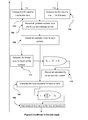
Figure 2 ; Flow diagram of the stochastic method to reduce the startup that is the subject of the invention. - In these figures, each part is numbered individually meaning:
Client device (1) Server (2) Control unit (3) Storage unit (4) Stochastic method (100) - Client device (1) operating through the Internet Protocol that is the subject of invention basically includes a control unit (3) and a content information storage unit (4). The control unit (3) both transmits the content information to be broadcasted onto the screen and performs downloading of the said content information through the server (2) as well as recording into the content storage unit (4).
- In IPTV based closed systems, at the first start-up the client devices (1) download the related content information to the local volatile storage unit by connecting to the servers (2), and whenever this process is finished, the client devices (1) display the content information in the local storage unit (4) to the user by means of an internet browser. This process occurred at the first start-up takes a very long time within the intensive Internet traffic, and all processes are repeated whenever the system restarts since the content information is downloaded in the volatile memory area. Besides, loading of several client devices (1) to the servers (2) creates very intensive network traffic.
- The present invention proposes having a copy of the content information that is on the server (2) on the client devices (1) as well. Thus, it will not be necessary to connect to the servers (2) at the start-up for the content information; so, the time used for downloading the content information will not be a problem.
- In addition, it is possible to update one or more parts of the content information kept on the server (2). Due to the possibility of not being updated since the last server (2) access time, it is necessary to check whether they are still updated. Yet, it is critical to possess always the most updated version of the content information in order to be operated accurately by the client devices (1). For the control unit (3) to check the validity of the existing content information, it is preferred to have a stochastic method (100) operating on the basis of update frequency.
- The stochastic method (100) in the present invention is started (101) with the start-up of the client device (1) by the control unit (3). The control unit (3), first of all, controls whether the content information being kept in the content storage unit (4) is updated (102). If all the content information is updated, the client device (1) displays the said content information being kept in its local memory to the user (103) either through the screen or through similar appropriate interfaces upon an instruction given by the control unit (3). If the content information is outdated, it updates the outdated content information (104) that needs to be updated. Another process is started simultaneously with the update, yet that will use minimum system resources operating at the background. This process will list the content elements in a table, and calculates a defined stochastic algorithm (100) for each content element and the timeout period (110).
- Calculation of the timeout period involves two sub processes operating simultaneously at the background. One of these sub processes is to use the system clock to check the expiration periods of the content elements in the table (111). This is the most important and most consuming part of the algorithm in terms of process power. The second sub process is the follow-up of mass changes that may be performed by the server (114). This sub process (114) is in a continuous following with barred mode, and only contributes to the main process when it receives a mass update instruction from the server. Therefore, it does not consume power. Below is the operation of these two sub processes in order:
- First one of the processes operating in the background is to check the expiration periods of the content elements in the table using the system clock (111): if there is a timeout for any content information, it checks the update status of the relevant element by connecting to the server (2). This control process may also be implemented on the server (2) or on the client device (1), depending on the network topology. As a result of the control process, if the relevant element is changed, a first parameter Di value is increased by one (113), if not said first parameter Di is decreased by one as long as it is not below zero (112).
- Nonetheless, sometimes there occurs a significant change on the content information kept on the server (2), and these changes are transmitted to the client device by the server (2) as a whole. As described above, the second sub process follows up the changes made by the server (2) by operating in the background (114). When there is a mass change notice from the server (2) to the client devices (1), the changes are done; but at the same time, a second parameter, Ds value is determined by the proposed method (114). The said second parameter, Ds value indicates a mass update of the content information by the server (2). Since all content information will be downloaded for once onto the client device (1) at the first moment of operation, the Ds value is taken as 1 for each element at the beginning and this value is increased by one (116) for each mass update sent by the server (2) to the client devices. If there is no change on any content information by the server (2), Ds value of this content information remains as it is (115).
- The control unit (3) records all updated content information into the content storage unit (4) again (105). Doing this, it activates another process in the background that assigns an expiration time for each part of the content information (106). In order to determine the validity period of the contents, in other words the timeout period ('t'), distance of each element from zero change is calculated by using the Euclid norm (117) as shown in below equation (11). The zero change, which is the ideal situation, is a situation where the content elements are never updated. Data in the table are fixed, and the user is given permission for immediate access to this element.

- According to equation (11) Dk represents a third parameter. All Dk values calculated for each one of content are recorded with the content information (118). Dk values of this content information increase with often updating of the said content information. Following this, timeout period (t) for each one of content is calculated (107) using the following formula (12) wherein β refers to system normalization constant and tk is the timeout value for the relevant element.

- Each tk time value obtained as a result of calculations is added to the download date and time of the content information (108), and the new date and time will show the update time for the content information. This data having time, date and expiration date of the content is saved along with the content information (109). Following this record, the other content information is checked for updates (120). The cycle is started with this control. If the said content information is not updated, content updating process (104) is performed for this content. Otherwise, the next content information is checked for updates. At the time of first start-up of the client device, yet after the completion of controlling of all contents, the cycle is broken and the contents are displayed to the user as described above (103). Since all these said processes will be performed in the background while the client device will be working in normal conditions, the content information may be displayed to the user during the performance of these processes.
- During the recording of the updated content information into the storage unit (4) (105), as indicated above, all Ds values are 1 at the start-up. Therefore, timeout period for all contents will be the same. However, these values will change during the operation of the client device (1) both in mass updates triggered by the server (2) and with the other updates to be detected by the client device (1). While the number is high for that content information accepted to have higher update potential and frequency, which is to be checked for determining the existence of the updates caused by lower timeout values for initial usages, this number will gradually decrease and correct itself to more often check the frequently updated contents.
- Since the said stochastic method (100) will be re-operated each time the client device (1) is turned on, the correction process will vary depending on the on-off cycle, amount of content information and frequency of change for the content information. This proposed method will also continue working in the background, while the user is watching TV or playing games, to control the content elements and download the necessary ones into the local memory. Thus, total bandwidth used will be less leading to less intensity on the network.
- Besides, in order to calculate the distance, it is possible to calculate Euclid norm plus arithmetic mean or compound of Di and Ds values according to a different mathematics or statistics theory.
- In order to calculate tk timeout value in the same manner, it is possible to realize the calculation according to any mathematical or statistical theory, which is connected to D¡ and Ds, and which helps to decrease the tk value that each content information corresponds on the basis of the change frequency.
- In terms of preferred application of the invention, system normalization constant (β) may either be equal to a constant value determined during the production of the client device or may be changed later on by the user. To this aim, it is possible for the user to adjust the said constant to a low level or vice versa where content changes are more frequent.
Claims (6)
- A stochastic method (100) for reducing the loading duration of the content information to client devices (1) through a server (2) at start-up in Internet Protocol based TV systems, characterized in that it comprises the steps of:- Starting said stochastic method (100) with the start-up of the client device (1) by a control unit (3) (101);- Controlling whether content information being kept in the content storage unit (4) is updated or not (102);- If said content information is outdated, updating said outdated content information (104) that needs to be updated by said server (2);- Determination of a first parameter found by said client device (1) for each said content information in proportion to an update frequency of said content information;- Determination of a second parameter as to performance of said update for relevant content information during mass updates performed by said server (2) for each said content information;- Recording said updated content information into said content storage unit (4) (105);- Determination of at least one timeout value according to a mathematical or statistical formula in proportion to said first and said second parameters in order to determine last usage time during said recording process;- Addition of each said timeout value reached as a result of calculations to download time and date of said content information (108);- Recording date and time data along with said content as information about an expiration date of said content information (109) and performing necessary updates.
- A stochastic method (100) according to claim 1 characterized in that said expiration date determination comprises the steps of ;- Calculation of Euclid norm (117) of said first parameter value determined by increasing by one for each update of said content information with timeout during said controlling of the updates and by decreasing by one if said content information is not updated, and said second parameter value increased by one for determination of an update for each content information as a result of each said mass update done by said server (2) or remained same with no updates done;- Recording each said Euclid norm value as a third parameter value (118);- Calculating said timeout value by proportioning said timeout values with total value set for all said content information and then by multiplying it with a normalization constant in order to determine expiration date of each said content information (107),
- A stochastic method according to Claim 2 characterized by comprising fixation of the said normalization constant value preferably at a specific value or its changeability by user (100).
- A client device (1) which performs said stochastic method (100) steps characterized in that it comprises a control unit (2) that can download content information through a content storage unit (4) and a server (2) that can display such content information on the client device (1).
- A control unit (2) according to Claim 4 characterized in that said expiration date determination steps are performed.
- A client device (1) according to Claim 4 characterized by fixation of normalization constant value preferably at a specific value or its changeability by a user.
Applications Claiming Priority (1)
| Application Number | Priority Date | Filing Date | Title |
|---|---|---|---|
| TR2010/01662A TR201001662A2 (en) | 2010-03-04 | 2010-03-04 | IP is a method and device that accelerates the opening process in televisions. |
Publications (3)
| Publication Number | Publication Date |
|---|---|
| EP2364035A2 true EP2364035A2 (en) | 2011-09-07 |
| EP2364035A3 EP2364035A3 (en) | 2013-01-16 |
| EP2364035B1 EP2364035B1 (en) | 2016-10-05 |
Family
ID=44170407
Family Applications (1)
| Application Number | Title | Priority Date | Filing Date |
|---|---|---|---|
| EP11156631.1A Not-in-force EP2364035B1 (en) | 2010-03-04 | 2011-03-02 | A method and device for accelerating the startup process of IP televisions |
Country Status (3)
| Country | Link |
|---|---|
| EP (1) | EP2364035B1 (en) |
| ES (1) | ES2606135T3 (en) |
| TR (1) | TR201001662A2 (en) |
Families Citing this family (1)
| Publication number | Priority date | Publication date | Assignee | Title |
|---|---|---|---|---|
| CN106550272B (en) * | 2015-09-17 | 2020-05-05 | 青岛海信宽带多媒体技术有限公司 | Set top box starting method and set top box |
Citations (2)
| Publication number | Priority date | Publication date | Assignee | Title |
|---|---|---|---|---|
| US20070078810A1 (en) | 2005-09-30 | 2007-04-05 | Keith Hackworth | Methods, systems, and products for updating web content |
| CN101304502A (en) | 2008-06-18 | 2008-11-12 | 南京Lg新港显示有限公司 | Television boot-strap menu display process |
Family Cites Families (6)
| Publication number | Priority date | Publication date | Assignee | Title |
|---|---|---|---|---|
| KR20060132352A (en) * | 2005-06-17 | 2006-12-21 | 엘지전자 주식회사 | Automatic Advertising System and Method Using Mobile Communication Terminal |
| CN101282453B (en) * | 2007-04-03 | 2010-08-11 | 华为技术有限公司 | Method, server, terminal and system for updating electronic business guide |
| US8359614B2 (en) * | 2008-05-16 | 2013-01-22 | Sony Computer Entertainment America Llc | Channel hopping scheme for update of data for multiple services across multiple digital broadcast channels |
| JP2010020610A (en) * | 2008-07-11 | 2010-01-28 | Sony Corp | Recorder, method for acquiring software update data, program, and data delivery system |
| CN101420602B (en) * | 2008-11-05 | 2010-12-08 | 中兴通讯股份有限公司 | A method and terminal for updating mobile multimedia broadcasting electronic service guide |
| ATE536695T1 (en) * | 2009-03-25 | 2011-12-15 | Vestel Elekt Sanayi Ve Ticaret | METHOD FOR ACCELERating CHANNEL SWITCHING IN IP TELEVISION PRODUCTS |
-
2010
- 2010-03-04 TR TR2010/01662A patent/TR201001662A2/en unknown
-
2011
- 2011-03-02 ES ES11156631.1T patent/ES2606135T3/en active Active
- 2011-03-02 EP EP11156631.1A patent/EP2364035B1/en not_active Not-in-force
Patent Citations (2)
| Publication number | Priority date | Publication date | Assignee | Title |
|---|---|---|---|---|
| US20070078810A1 (en) | 2005-09-30 | 2007-04-05 | Keith Hackworth | Methods, systems, and products for updating web content |
| CN101304502A (en) | 2008-06-18 | 2008-11-12 | 南京Lg新港显示有限公司 | Television boot-strap menu display process |
Also Published As
| Publication number | Publication date |
|---|---|
| EP2364035B1 (en) | 2016-10-05 |
| EP2364035A3 (en) | 2013-01-16 |
| TR201001662A2 (en) | 2011-09-21 |
| ES2606135T3 (en) | 2017-03-22 |
Similar Documents
| Publication | Publication Date | Title |
|---|---|---|
| JP5367237B2 (en) | server | |
| JP4076498B2 (en) | Method, apparatus, system, and machine-readable medium for distributing feedback information to scheduling service | |
| CN112188225B (en) | Bullet screen issuing method for live broadcast playback and live broadcast video bullet screen playback method | |
| He et al. | LiveClip: towards intelligent mobile short-form video streaming with deep reinforcement learning | |
| TWI470983B (en) | Method and apparatus for updating http content descriptions | |
| CN106066791A (en) | The gray scale dissemination method of application and device | |
| JP6572245B2 (en) | Experience quality optimization system, experience quality optimization device, recommendation request device, experience quality optimization method, recommendation request method and program | |
| US20100011348A1 (en) | Recording apparatus, software update data acquisition method, program, and data delivery system | |
| CN103327110A (en) | Method and system for pushing information | |
| US11741292B2 (en) | Adaptive content delivery | |
| Schien et al. | Using behavioural data to assess the environmental impact of electricity consumption of alternate television service distribution platforms | |
| CN101334739A (en) | System and method for managing evolving user preferences | |
| US11483594B2 (en) | System and method for partial caching of video background | |
| US20130104175A1 (en) | Using Video Viewing Patterns to Determine Content Placement | |
| EP2364035B1 (en) | A method and device for accelerating the startup process of IP televisions | |
| US11005780B2 (en) | Device, system and method for allocating resources for video streaming | |
| DE602006000954T2 (en) | Method and system for controlling multiple home devices with a single control unit | |
| CN103761584A (en) | Method and system for carrying out information issue adjustment according to information resource hot spots | |
| EP1840867A2 (en) | Apparatus for driving the backlight unit of a display provided in a mobile communication terminal with an economical power and a method thereof | |
| CN117112132A (en) | Dynamic expansion and contraction methods, devices, equipment and storage media | |
| DE60036313T4 (en) | METHOD AND DEVICE FOR PROVIDING CONTENTS TO USERS | |
| Qiao et al. | Pira: Pan-cdn intra-video resource adaptation for short video streaming | |
| CN102694823A (en) | Method, server and client side to realize control of segmented program playing | |
| EP3349113A1 (en) | Updating software based on function usage statistics | |
| CN106714004A (en) | Weather forecast method and system of two-way digital television set top box |
Legal Events
| Date | Code | Title | Description |
|---|---|---|---|
| PUAI | Public reference made under article 153(3) epc to a published international application that has entered the european phase |
Free format text: ORIGINAL CODE: 0009012 |
|
| AK | Designated contracting states |
Kind code of ref document: A2 Designated state(s): AL AT BE BG CH CY CZ DE DK EE ES FI FR GB GR HR HU IE IS IT LI LT LU LV MC MK MT NL NO PL PT RO RS SE SI SK SM TR |
|
| AX | Request for extension of the european patent |
Extension state: BA ME |
|
| PUAL | Search report despatched |
Free format text: ORIGINAL CODE: 0009013 |
|
| AK | Designated contracting states |
Kind code of ref document: A3 Designated state(s): AL AT BE BG CH CY CZ DE DK EE ES FI FR GB GR HR HU IE IS IT LI LT LU LV MC MK MT NL NO PL PT RO RS SE SI SK SM TR |
|
| AX | Request for extension of the european patent |
Extension state: BA ME |
|
| RIC1 | Information provided on ipc code assigned before grant |
Ipc: H04N 21/458 20110101ALI20121211BHEP Ipc: H04N 21/443 20110101ALI20121211BHEP Ipc: H04N 21/4335 20110101AFI20121211BHEP |
|
| 17P | Request for examination filed |
Effective date: 20130715 |
|
| 17Q | First examination report despatched |
Effective date: 20140605 |
|
| RIC1 | Information provided on ipc code assigned before grant |
Ipc: H04N 21/458 20110101ALI20150612BHEP Ipc: H04N 21/61 20110101ALN20150612BHEP Ipc: H04N 21/443 20110101ALI20150612BHEP Ipc: H04N 21/4335 20110101AFI20150612BHEP |
|
| REG | Reference to a national code |
Ref country code: DE Ref legal event code: R079 Ref document number: 602011030889 Country of ref document: DE Free format text: PREVIOUS MAIN CLASS: H04N0021433000 Ipc: H04N0021433500 |
|
| RIC1 | Information provided on ipc code assigned before grant |
Ipc: H04N 21/458 20110101ALI20160407BHEP Ipc: H04N 21/4335 20110101AFI20160407BHEP Ipc: H04N 21/61 20110101ALN20160407BHEP Ipc: H04N 21/443 20110101ALI20160407BHEP |
|
| GRAP | Despatch of communication of intention to grant a patent |
Free format text: ORIGINAL CODE: EPIDOSNIGR1 |
|
| INTG | Intention to grant announced |
Effective date: 20160519 |
|
| RIC1 | Information provided on ipc code assigned before grant |
Ipc: H04N 21/443 20110101ALI20160510BHEP Ipc: H04N 21/4335 20110101AFI20160510BHEP Ipc: H04N 21/458 20110101ALI20160510BHEP |
|
| GRAS | Grant fee paid |
Free format text: ORIGINAL CODE: EPIDOSNIGR3 |
|
| GRAA | (expected) grant |
Free format text: ORIGINAL CODE: 0009210 |
|
| AK | Designated contracting states |
Kind code of ref document: B1 Designated state(s): AL AT BE BG CH CY CZ DE DK EE ES FI FR GB GR HR HU IE IS IT LI LT LU LV MC MK MT NL NO PL PT RO RS SE SI SK SM TR |
|
| REG | Reference to a national code |
Ref country code: GB Ref legal event code: FG4D |
|
| REG | Reference to a national code |
Ref country code: CH Ref legal event code: EP |
|
| REG | Reference to a national code |
Ref country code: AT Ref legal event code: REF Ref document number: 835497 Country of ref document: AT Kind code of ref document: T Effective date: 20161015 |
|
| REG | Reference to a national code |
Ref country code: IE Ref legal event code: FG4D |
|
| REG | Reference to a national code |
Ref country code: DE Ref legal event code: R096 Ref document number: 602011030889 Country of ref document: DE |
|
| REG | Reference to a national code |
Ref country code: NL Ref legal event code: MP Effective date: 20161005 |
|
| REG | Reference to a national code |
Ref country code: LT Ref legal event code: MG4D |
|
| REG | Reference to a national code |
Ref country code: FR Ref legal event code: PLFP Year of fee payment: 7 |
|
| PG25 | Lapsed in a contracting state [announced via postgrant information from national office to epo] |
Ref country code: LV Free format text: LAPSE BECAUSE OF FAILURE TO SUBMIT A TRANSLATION OF THE DESCRIPTION OR TO PAY THE FEE WITHIN THE PRESCRIBED TIME-LIMIT Effective date: 20161005 |
|
| REG | Reference to a national code |
Ref country code: AT Ref legal event code: MK05 Ref document number: 835497 Country of ref document: AT Kind code of ref document: T Effective date: 20161005 |
|
| REG | Reference to a national code |
Ref country code: ES Ref legal event code: FG2A Ref document number: 2606135 Country of ref document: ES Kind code of ref document: T3 Effective date: 20170322 |
|
| PG25 | Lapsed in a contracting state [announced via postgrant information from national office to epo] |
Ref country code: GR Free format text: LAPSE BECAUSE OF FAILURE TO SUBMIT A TRANSLATION OF THE DESCRIPTION OR TO PAY THE FEE WITHIN THE PRESCRIBED TIME-LIMIT Effective date: 20170106 Ref country code: SE Free format text: LAPSE BECAUSE OF FAILURE TO SUBMIT A TRANSLATION OF THE DESCRIPTION OR TO PAY THE FEE WITHIN THE PRESCRIBED TIME-LIMIT Effective date: 20161005 Ref country code: LT Free format text: LAPSE BECAUSE OF FAILURE TO SUBMIT A TRANSLATION OF THE DESCRIPTION OR TO PAY THE FEE WITHIN THE PRESCRIBED TIME-LIMIT Effective date: 20161005 Ref country code: NO Free format text: LAPSE BECAUSE OF FAILURE TO SUBMIT A TRANSLATION OF THE DESCRIPTION OR TO PAY THE FEE WITHIN THE PRESCRIBED TIME-LIMIT Effective date: 20170105 |
|
| PG25 | Lapsed in a contracting state [announced via postgrant information from national office to epo] |
Ref country code: PL Free format text: LAPSE BECAUSE OF FAILURE TO SUBMIT A TRANSLATION OF THE DESCRIPTION OR TO PAY THE FEE WITHIN THE PRESCRIBED TIME-LIMIT Effective date: 20161005 Ref country code: HR Free format text: LAPSE BECAUSE OF FAILURE TO SUBMIT A TRANSLATION OF THE DESCRIPTION OR TO PAY THE FEE WITHIN THE PRESCRIBED TIME-LIMIT Effective date: 20161005 Ref country code: NL Free format text: LAPSE BECAUSE OF FAILURE TO SUBMIT A TRANSLATION OF THE DESCRIPTION OR TO PAY THE FEE WITHIN THE PRESCRIBED TIME-LIMIT Effective date: 20161005 Ref country code: RS Free format text: LAPSE BECAUSE OF FAILURE TO SUBMIT A TRANSLATION OF THE DESCRIPTION OR TO PAY THE FEE WITHIN THE PRESCRIBED TIME-LIMIT Effective date: 20161005 Ref country code: BE Free format text: LAPSE BECAUSE OF FAILURE TO SUBMIT A TRANSLATION OF THE DESCRIPTION OR TO PAY THE FEE WITHIN THE PRESCRIBED TIME-LIMIT Effective date: 20161005 Ref country code: AT Free format text: LAPSE BECAUSE OF FAILURE TO SUBMIT A TRANSLATION OF THE DESCRIPTION OR TO PAY THE FEE WITHIN THE PRESCRIBED TIME-LIMIT Effective date: 20161005 Ref country code: PT Free format text: LAPSE BECAUSE OF FAILURE TO SUBMIT A TRANSLATION OF THE DESCRIPTION OR TO PAY THE FEE WITHIN THE PRESCRIBED TIME-LIMIT Effective date: 20170206 Ref country code: IS Free format text: LAPSE BECAUSE OF FAILURE TO SUBMIT A TRANSLATION OF THE DESCRIPTION OR TO PAY THE FEE WITHIN THE PRESCRIBED TIME-LIMIT Effective date: 20170205 Ref country code: FI Free format text: LAPSE BECAUSE OF FAILURE TO SUBMIT A TRANSLATION OF THE DESCRIPTION OR TO PAY THE FEE WITHIN THE PRESCRIBED TIME-LIMIT Effective date: 20161005 |
|
| REG | Reference to a national code |
Ref country code: DE Ref legal event code: R097 Ref document number: 602011030889 Country of ref document: DE |
|
| PG25 | Lapsed in a contracting state [announced via postgrant information from national office to epo] |
Ref country code: RO Free format text: LAPSE BECAUSE OF FAILURE TO SUBMIT A TRANSLATION OF THE DESCRIPTION OR TO PAY THE FEE WITHIN THE PRESCRIBED TIME-LIMIT Effective date: 20161005 Ref country code: CZ Free format text: LAPSE BECAUSE OF FAILURE TO SUBMIT A TRANSLATION OF THE DESCRIPTION OR TO PAY THE FEE WITHIN THE PRESCRIBED TIME-LIMIT Effective date: 20161005 Ref country code: SK Free format text: LAPSE BECAUSE OF FAILURE TO SUBMIT A TRANSLATION OF THE DESCRIPTION OR TO PAY THE FEE WITHIN THE PRESCRIBED TIME-LIMIT Effective date: 20161005 Ref country code: EE Free format text: LAPSE BECAUSE OF FAILURE TO SUBMIT A TRANSLATION OF THE DESCRIPTION OR TO PAY THE FEE WITHIN THE PRESCRIBED TIME-LIMIT Effective date: 20161005 Ref country code: DK Free format text: LAPSE BECAUSE OF FAILURE TO SUBMIT A TRANSLATION OF THE DESCRIPTION OR TO PAY THE FEE WITHIN THE PRESCRIBED TIME-LIMIT Effective date: 20161005 |
|
| PLBE | No opposition filed within time limit |
Free format text: ORIGINAL CODE: 0009261 |
|
| STAA | Information on the status of an ep patent application or granted ep patent |
Free format text: STATUS: NO OPPOSITION FILED WITHIN TIME LIMIT |
|
| PG25 | Lapsed in a contracting state [announced via postgrant information from national office to epo] |
Ref country code: BG Free format text: LAPSE BECAUSE OF FAILURE TO SUBMIT A TRANSLATION OF THE DESCRIPTION OR TO PAY THE FEE WITHIN THE PRESCRIBED TIME-LIMIT Effective date: 20170105 Ref country code: SM Free format text: LAPSE BECAUSE OF FAILURE TO SUBMIT A TRANSLATION OF THE DESCRIPTION OR TO PAY THE FEE WITHIN THE PRESCRIBED TIME-LIMIT Effective date: 20161005 |
|
| 26N | No opposition filed |
Effective date: 20170706 |
|
| REG | Reference to a national code |
Ref country code: CH Ref legal event code: PL |
|
| PG25 | Lapsed in a contracting state [announced via postgrant information from national office to epo] |
Ref country code: MC Free format text: LAPSE BECAUSE OF FAILURE TO SUBMIT A TRANSLATION OF THE DESCRIPTION OR TO PAY THE FEE WITHIN THE PRESCRIBED TIME-LIMIT Effective date: 20161005 Ref country code: SI Free format text: LAPSE BECAUSE OF FAILURE TO SUBMIT A TRANSLATION OF THE DESCRIPTION OR TO PAY THE FEE WITHIN THE PRESCRIBED TIME-LIMIT Effective date: 20161005 |
|
| REG | Reference to a national code |
Ref country code: IE Ref legal event code: MM4A |
|
| PG25 | Lapsed in a contracting state [announced via postgrant information from national office to epo] |
Ref country code: LU Free format text: LAPSE BECAUSE OF NON-PAYMENT OF DUE FEES Effective date: 20170302 |
|
| PG25 | Lapsed in a contracting state [announced via postgrant information from national office to epo] |
Ref country code: IE Free format text: LAPSE BECAUSE OF NON-PAYMENT OF DUE FEES Effective date: 20170302 Ref country code: CH Free format text: LAPSE BECAUSE OF NON-PAYMENT OF DUE FEES Effective date: 20170331 Ref country code: LI Free format text: LAPSE BECAUSE OF NON-PAYMENT OF DUE FEES Effective date: 20170331 |
|
| REG | Reference to a national code |
Ref country code: FR Ref legal event code: PLFP Year of fee payment: 8 |
|
| PG25 | Lapsed in a contracting state [announced via postgrant information from national office to epo] |
Ref country code: MT Free format text: LAPSE BECAUSE OF NON-PAYMENT OF DUE FEES Effective date: 20170302 |
|
| PG25 | Lapsed in a contracting state [announced via postgrant information from national office to epo] |
Ref country code: HU Free format text: LAPSE BECAUSE OF FAILURE TO SUBMIT A TRANSLATION OF THE DESCRIPTION OR TO PAY THE FEE WITHIN THE PRESCRIBED TIME-LIMIT; INVALID AB INITIO Effective date: 20110302 |
|
| PG25 | Lapsed in a contracting state [announced via postgrant information from national office to epo] |
Ref country code: CY Free format text: LAPSE BECAUSE OF NON-PAYMENT OF DUE FEES Effective date: 20161005 |
|
| PG25 | Lapsed in a contracting state [announced via postgrant information from national office to epo] |
Ref country code: MK Free format text: LAPSE BECAUSE OF FAILURE TO SUBMIT A TRANSLATION OF THE DESCRIPTION OR TO PAY THE FEE WITHIN THE PRESCRIBED TIME-LIMIT Effective date: 20161005 |
|
| PG25 | Lapsed in a contracting state [announced via postgrant information from national office to epo] |
Ref country code: AL Free format text: LAPSE BECAUSE OF FAILURE TO SUBMIT A TRANSLATION OF THE DESCRIPTION OR TO PAY THE FEE WITHIN THE PRESCRIBED TIME-LIMIT Effective date: 20161005 |
|
| PGFP | Annual fee paid to national office [announced via postgrant information from national office to epo] |
Ref country code: FR Payment date: 20210323 Year of fee payment: 11 Ref country code: IT Payment date: 20210329 Year of fee payment: 11 |
|
| PGFP | Annual fee paid to national office [announced via postgrant information from national office to epo] |
Ref country code: DE Payment date: 20210319 Year of fee payment: 11 Ref country code: GB Payment date: 20210324 Year of fee payment: 11 |
|
| PGFP | Annual fee paid to national office [announced via postgrant information from national office to epo] |
Ref country code: ES Payment date: 20210525 Year of fee payment: 11 |
|
| PGFP | Annual fee paid to national office [announced via postgrant information from national office to epo] |
Ref country code: TR Payment date: 20220228 Year of fee payment: 12 |
|
| REG | Reference to a national code |
Ref country code: DE Ref legal event code: R119 Ref document number: 602011030889 Country of ref document: DE |
|
| GBPC | Gb: european patent ceased through non-payment of renewal fee |
Effective date: 20220302 |
|
| PG25 | Lapsed in a contracting state [announced via postgrant information from national office to epo] |
Ref country code: GB Free format text: LAPSE BECAUSE OF NON-PAYMENT OF DUE FEES Effective date: 20220302 Ref country code: FR Free format text: LAPSE BECAUSE OF NON-PAYMENT OF DUE FEES Effective date: 20220331 Ref country code: DE Free format text: LAPSE BECAUSE OF NON-PAYMENT OF DUE FEES Effective date: 20221001 |
|
| REG | Reference to a national code |
Ref country code: ES Ref legal event code: FD2A Effective date: 20230427 |
|
| PG25 | Lapsed in a contracting state [announced via postgrant information from national office to epo] |
Ref country code: IT Free format text: LAPSE BECAUSE OF NON-PAYMENT OF DUE FEES Effective date: 20220302 |
|
| PG25 | Lapsed in a contracting state [announced via postgrant information from national office to epo] |
Ref country code: ES Free format text: LAPSE BECAUSE OF NON-PAYMENT OF DUE FEES Effective date: 20220303 |
|
| PG25 | Lapsed in a contracting state [announced via postgrant information from national office to epo] |
Ref country code: TR Free format text: LAPSE BECAUSE OF NON-PAYMENT OF DUE FEES Effective date: 20230302 |