EP2363048A1 - Steam oven for "sous-vide" cooking and method for using such oven - Google Patents
Steam oven for "sous-vide" cooking and method for using such oven Download PDFInfo
- Publication number
- EP2363048A1 EP2363048A1 EP10155661A EP10155661A EP2363048A1 EP 2363048 A1 EP2363048 A1 EP 2363048A1 EP 10155661 A EP10155661 A EP 10155661A EP 10155661 A EP10155661 A EP 10155661A EP 2363048 A1 EP2363048 A1 EP 2363048A1
- Authority
- EP
- European Patent Office
- Prior art keywords
- food
- minutes
- predetermined
- heating time
- temperature
- Prior art date
- Legal status (The legal status is an assumption and is not a legal conclusion. Google has not performed a legal analysis and makes no representation as to the accuracy of the status listed.)
- Granted
Links
Images
Classifications
-
- A—HUMAN NECESSITIES
- A23—FOODS OR FOODSTUFFS; TREATMENT THEREOF, NOT COVERED BY OTHER CLASSES
- A23L—FOODS, FOODSTUFFS OR NON-ALCOHOLIC BEVERAGES, NOT OTHERWISE PROVIDED FOR; PREPARATION OR TREATMENT THEREOF
- A23L5/00—Preparation or treatment of foods or foodstuffs, in general; Food or foodstuffs obtained thereby; Materials therefor
- A23L5/10—General methods of cooking foods, e.g. by roasting or frying
- A23L5/17—General methods of cooking foods, e.g. by roasting or frying in a gaseous atmosphere with forced air or gas circulation, in vacuum or under pressure
-
- A—HUMAN NECESSITIES
- A23—FOODS OR FOODSTUFFS; TREATMENT THEREOF, NOT COVERED BY OTHER CLASSES
- A23L—FOODS, FOODSTUFFS OR NON-ALCOHOLIC BEVERAGES, NOT OTHERWISE PROVIDED FOR; PREPARATION OR TREATMENT THEREOF
- A23L5/00—Preparation or treatment of foods or foodstuffs, in general; Food or foodstuffs obtained thereby; Materials therefor
- A23L5/10—General methods of cooking foods, e.g. by roasting or frying
- A23L5/13—General methods of cooking foods, e.g. by roasting or frying using water or steam
-
- A—HUMAN NECESSITIES
- A47—FURNITURE; DOMESTIC ARTICLES OR APPLIANCES; COFFEE MILLS; SPICE MILLS; SUCTION CLEANERS IN GENERAL
- A47J—KITCHEN EQUIPMENT; COFFEE MILLS; SPICE MILLS; APPARATUS FOR MAKING BEVERAGES
- A47J27/00—Cooking-vessels
- A47J27/04—Cooking-vessels for cooking food in steam; Devices for extracting fruit juice by means of steam ; Vacuum cooking vessels
Definitions
- the present invention relates to a steam oven for cooking food placed in a vacuumized and sealed pouch and comprising an user interface and an electronic control unit.
- the present invention is also related to a method for cooking food placed in a vacuumized and sealed pouch when loaded in a steam oven.
- Sous-vide, French for "under vacuum”, is a food processing technology that involves the vacuum sealing of raw or partially prepared food in barrier plastic pouches, thermal processing at pasteurization temperatures and possibly chilling and storage at 0-3°C before reconstitution and consumption.
- Vacuum packaging provides a suitable environment for Clostridium botulinum type E, which is capable of growth and toxin production at 3°C.
- Pathogens capable of growth at low temperatures e.g. Listeria monocytogenes, enterotoxigenic Escherichia coli and spore-formers such as Bacillus cereus may survive an inadequate heat process and then they can grow during chilled storage of the product. Strict adherence to temperature control must therefore be mandatory for the sous-vide processor, distributor, retailer and consumer.
- any leaks in the seal and packaging material may allow post-thermal processing contamination with pathogens.
- L. monocytogenes a Gram positive asporogenous rod, as an agent of food-borne disease had become of major concern in recent years to the food industry as L. monocytogenes is one of the few food-borne pathogens that are capable of growth at refrigeration temperatures under anaerobic or microaerophilic conditions.
- L. monocytogenes which is ubiquitous in environmental distribution, may survive the pasteurization process, and then grow during chilled storage of the product to infective levels. This is of particular concern in those products that may be consumed without any reheating.
- listeriosi Clinical manifestations of listeriosi include meningitis, septicaemia, spontaneous abortion, conjuctivitis, oculoglandular listeriosis, cutaneous listeriosis, pneumonic listeriosis and cervicoglandular listeriosis.
- a food processing is represented by different steps or operations involved in the production of a food products or ready-meals. Several variables or parameters are involved in each single step. These must be controlled in order to manage the whole process and to assess the quality of the final product.
- the flow diagram of a representative sous-vide process is shown in Figure 1 .
- step 10 the raw food can be subjected to an optional precook operation, for instance in order to induce a Maillard reaction on the surface of a meat piece.
- step 12 the piece of food is introduced into a shaped pouch of a barrier multilayer film.
- step 14 the open portion of the pouch is heat sealed under vacuum.
- the storage step 16 at low temperature (around 3° C) cannot be longer than 7 days in order to prevent an increase of pathogens.
- step 18 the food is heated/cooked at a temperature usually lower than 100°C for a predetermined time.
- step 20 the pouch is quickly cooled at around 3°C and it is ready for consumption or for storage in step 22. After storage, the pouch can be re-heated (step 24), the food can be extracted from the pouch (step 26) and it can be consumed.
- the different phases of the process were analysed in order to identify the main hazards.
- the risk analysis was focused on microbiological and hygienic hazard.
- the risk analysis was conducted by assessing, for each hazard taken into consideration and for each phase, the severity of the hazard and the probability of its occurring in a specific phase of the process.
- Foodstuff has been clusterized into food categories, representative of ingredients suitable for sous vide cooking preparations.
- the calculation of the minimum cooking time is obtained from specific curves of lethality obtained through an experimental activity.
- the minimum cooking time value is correspondent to time necessary to reduction of 6 logarithmic unit " Listeria monocytogenes " when priory inoculated in food. This technique is widely applied in microbiological studies in order to give precisely data about safety of food, and it does not need to be fully explained here.
- Table 1 shows food categories and related cooking temperature conditions for sous-vide cooking cycles.
- Tests were carried out by the applicant on a steam oven having a cavity of 37 litres liters and a maximum power of 1.2 kW.
- figure 2 shows a graphical calculation of minimum cooking time based on F value of Listeria monocytogenes in meat.
- F-value is defined in units of time (minutes) and is a measure of the microbial inactivation capability of a heat sterilization process.
- the F-value indicates the effect of a heat treatment, which is governed by the product heating temperature and the time during which the product is held at this temperature (product holding time).
- the time and temperature factors govern the ultimate effect, this effect being directly proportional to the time; triplication of the time at the relevant temperature triplicates the effect.
- the thermal death time ( TDT ) or F T - value is a parameter used to compare the microbial lethality induced by heat treatments. It corresponds to the time required to achieve, at a given temperature, a specified reduction in microbial number. It is quoted with suffixes indicating the heat treatment temperature and the z value (z: interval of temperature, in Celsius degrees, able to bring about a ten-fold change of the decimal reduction time, D T ) of the target or reference micro-organism.
- the decimal reduction time (known as D value) is the time required at a given temperature to reduce a specific microbial population by 90% (or 1 Logarithm cycle), while z value is the temperature coefficient of microbial destruction, i.e. the increase of temperature required to achieve a tenfold change of the decimal reduction time.
- D value is the time required at a given temperature to reduce a specific microbial population by 90% (or 1 Logarithm cycle)
- z value is the temperature coefficient of microbial destruction, i.e. the increase of temperature required to achieve a tenfold change of the decimal reduction time.
- the decimal reduction time D and the z value are two basic parameters defining the heat resistance characteristics of single microorganisms.
- the F value was, thus calculated by summation of the finite partial equivalent thermal time.
- the electronic control unit of the oven after the user has inputted the food category through the user interface of the oven, is capable to choose a predetermined cooking temperature stored for instance in a look up table and corresponding to a certain cluster of food categories, and to fix the minimum cooking time based on data of the above table 2 for each food category.
- the processed food have been analysed during the shelf life at different time (about every 3 days) in order to confirm the effect of the pasteurization treatment. Each condition of testing has been replicated three times.
- microbiological analyses were performed during the storage of cooked food in temperature abuse conditions (12°C) in order to verify:
- the tests that gave negative results are indicated Significant ( SIGN ).
- the tests which gave positive results are indicated as non-significant ( NON SIGN ). None of the tests showed positive results as regards non spore-forming pathogenic micro-organisms; the positive results involved the tests where Clostridium butirycum and Bacillus cereus micro-organisms were used.
Landscapes
- Health & Medical Sciences (AREA)
- Nutrition Science (AREA)
- Life Sciences & Earth Sciences (AREA)
- Chemical & Material Sciences (AREA)
- Engineering & Computer Science (AREA)
- Food Science & Technology (AREA)
- Polymers & Plastics (AREA)
- Food Preservation Except Freezing, Refrigeration, And Drying (AREA)
Abstract
Description
- The present invention relates to a steam oven for cooking food placed in a vacuumized and sealed pouch and comprising an user interface and an electronic control unit. The present invention is also related to a method for cooking food placed in a vacuumized and sealed pouch when loaded in a steam oven.
- Sous-vide, French for "under vacuum", is a food processing technology that involves the vacuum sealing of raw or partially prepared food in barrier plastic pouches, thermal processing at pasteurization temperatures and possibly chilling and storage at 0-3°C before reconstitution and consumption.
- Most researches on sous-vide cooking are dedicated to microbiological aspects; in fact legislation is moving towards the application of general food hygiene regulations and the requirement to use HACCP (hazard analysis and critical control point) principles. Sector-specific guidelines are being developed in many countries. The process steps involving heating or cooling are important as they should enhance the microbial stability of the food among other beneficial effects, such as flavour development, etc. In the heating up step usually only moderate core temperatures are obtained (typically 70°C) which guarantees superior quality in terms of nutritional and sensorial properties, but this also implies that vegetative cells of pathogenous microorganisms may survive. The main factors which determine the microbiological safety of sous-vide products are: the intensity of heat treatment, the rapidity of cooling, the temperature reached and the control of chilled storage (temperature and time).
- Some of the major microbiological hazards associated with sous-vide processing are linked to food pathogens. Vacuum packaging provides a suitable environment for Clostridium botulinum type E, which is capable of growth and toxin production at 3°C. Pathogens capable of growth at low temperatures, e.g. Listeria monocytogenes, enterotoxigenic Escherichia coli and spore-formers such as Bacillus cereus may survive an inadequate heat process and then they can grow during chilled storage of the product. Strict adherence to temperature control must therefore be mandatory for the sous-vide processor, distributor, retailer and consumer.
- Moreover, any leaks in the seal and packaging material may allow post-thermal processing contamination with pathogens.
- For these reasons sous-vide development has been accompanied by dire warnings from regulatory authorities.
- In 1988 the Food and Drug Administration of the USA (FDA) barred sous-vide production by small establishments such as restaurants, but allowed sous-vide processing in establishments which filed a process deemed to be safe by relevant health authorities.
- The recommendations of the US Food and Drug Administration (FDA) for sous-vide processing are listed below:
- Sous-vide products should be produced and distributed with a HACCP approach.
- In addition to HACCP, GMP (Good Manufacturing Practices) sanitation guidelines should be strictly followed.
- In addition to the primary barrier of refrigeration, multiple barriers or hurdles should be incorporated into sous-vide products. Validation of the efficacy of multiple barriers should be accomplished with either inoculated pack studies or challenge studies.
- Because temperature abuse is common, sous-vide processors should use time-temperature recorders to monitor a product's temperature history. Also recommended is the use of individual time-temperature integrators on each package to indicate if temperature abuse has occurred and whether a potential hazard exists.
- Furthermore, the National Advisory Committee on Microbiological criteria for Foods (NACMCF, USA) recommended that sous vide producers demonstrate a process sufficient to achieve a minimum 4 log reduction for L. monocytogenes and destruction of all vegetative pathogens, while the UK Department of Health and the Australian Quarantine and Inspection Services recommended a minimum product core temperature of 70°C during thermal processing for an intended shelf-life of 28 days at 0±3°C.
- The role and importance of L. monocytogenes, a Gram positive asporogenous rod, as an agent of food-borne disease had become of major concern in recent years to the food industry as L. monocytogenes is one of the few food-borne pathogens that are capable of growth at refrigeration temperatures under anaerobic or microaerophilic conditions. One of the major concerns with sous vide products was therefore that L. monocytogenes, which is ubiquitous in environmental distribution, may survive the pasteurization process, and then grow during chilled storage of the product to infective levels. This is of particular concern in those products that may be consumed without any reheating. Clinical manifestations of listeriosi include meningitis, septicaemia, spontaneous abortion, conjuctivitis, oculoglandular listeriosis, cutaneous listeriosis, pneumonic listeriosis and cervicoglandular listeriosis.
- It is clear that with all the above requirements and restrictions the so called sous-vide cooking process has not yet been adopted at home as a usual way of cooking food.
- It is therefore an object of the present invention to provide a steam domestic oven which is capable to perform a sous-vide cooking process without the above risk of pathogens contaminating the cooked food. Another object of the present invention is to provide a cooking algorithms able to guarantee the quality and safety of sous-vide processed food products.
- The above objects are reached thanks to the features listed in the appended claims.
- Thanks to a dedicated set of cooking algorithms (well-defined combination of cooking time, temperature, and power) and to a maximum quantity of food loaded in the steam oven cavity, safety and performance of food cooked in "Sous-Vide" technique is guaranteed for different food categories that embrace plenty different recipes.
- Further advantages and features of an oven and cooking method according to the present invention will be clear from the detailed following description, with reference to the attached drawings in which:
-
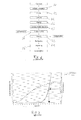
Figure 1 is a flow diagram showing the general sous vide process,
and -
Figure 2 is a chart showing the lethal effect for L. monocytogenes in a whole meat muscle, in which a graphical explanation of the algorithms according to the invention is shown. - In order to identify the principal hazards and identify the phases (critical point) in which a specific hazard can arise, the sous-vide process and its operating phases were studied and analysed.
- This risk analysis was conducted using the HACCP method. A food processing is represented by different steps or operations involved in the production of a food products or ready-meals. Several variables or parameters are involved in each single step. These must be controlled in order to manage the whole process and to assess the quality of the final product. The flow diagram of a representative sous-vide process is shown in
Figure 1 . - In
step 10 the raw food can be subjected to an optional precook operation, for instance in order to induce a Maillard reaction on the surface of a meat piece. Then instep 12 the piece of food is introduced into a shaped pouch of a barrier multilayer film. Instep 14 the open portion of the pouch is heat sealed under vacuum. Thestorage step 16 at low temperature (around 3° C) cannot be longer than 7 days in order to prevent an increase of pathogens. Instep 18 the food is heated/cooked at a temperature usually lower than 100°C for a predetermined time. Instep 20 the pouch is quickly cooled at around 3°C and it is ready for consumption or for storage instep 22. After storage, the pouch can be re-heated (step 24), the food can be extracted from the pouch (step 26) and it can be consumed. - From
figure 1 it is clear that the consumption of sous-vide processed food can occur in different phases of the process. In several cases the domestic user can consume the prepared meal after cooling (+3°C) or after storing at fridge temperature. Some food preparations can be eaten warm, thus they have to be re-heated before the consumption. This step (re-heating) can't be considered a treatment able to remove eventual microbiological contaminations. - The different phases of the process were analysed in order to identify the main hazards. In particular the risk analysis was focused on microbiological and hygienic hazard. The risk analysis was conducted by assessing, for each hazard taken into consideration and for each phase, the severity of the hazard and the probability of its occurring in a specific phase of the process. Foodstuff has been clusterized into food categories, representative of ingredients suitable for sous vide cooking preparations.
- According to gastronomy literature/chef experience three processing temperatures (95°C, 85°C and 75°C) have been identified and associated to the different food categories, and particularly 95°C for a first cluster of food categories comprising creams (salty or sweet), fruits, vegetables and mollusks, 85°C for a second cluster of food categories comprising shellfishes, fishes and poultry, and 75°C for a third cluster of food categories including all kind of meats.
- For each food category and for a predetermined maximum quantity of food loaded into a single pouch a theoretical minimum cooking time was determined. The maximum load of food that can be processed at the same time is strictly linked to the positioning of pouches on a single or double rack (4 pouches max on one rack, laying horizontally in a single layer). In order to avoid too long cooking time, the applicant has found that the best compromise is a total load lower than 5600 g of food (double rack), preferably lower than 4200 g of food and more preferably around 2800 g (single rack) of a certain food placed in different pouches. For each pouch the preferred load is not higher than 700 g of food. Of course this load has to be considered as a maximum value admissible for assuring the predetermined reduction of food pathogens, and lower values can be used as well.
- The calculation of the minimum cooking time is obtained from specific curves of lethality obtained through an experimental activity. The minimum cooking time value is correspondent to time necessary to reduction of 6 logarithmic unit "Listeria monocytogenes" when priory inoculated in food. This technique is widely applied in microbiological studies in order to give precisely data about safety of food, and it does not need to be fully explained here. Following table 1 shows food categories and related cooking temperature conditions for sous-vide cooking cycles.
Table 1 Food category Recipe Cooking temperature (°C) Meat (whole muscle) Chine 75 Poultry Stuffed chicken 85 Fish (fillet) Salmon 85 Mollusc Octopus 95 Shellfish Shrimps 85 Vegetables Potatoes & Mushrooms 95 Fruit Apple 95 sweet cream Sweet cream 95 Salty cream Salmon and cream 95 - Tests were carried out by the applicant on a steam oven having a cavity of 37 litres liters and a maximum power of 1.2 kW.
- As an example of graphical use of an algorithm according to the invention,
figure 2 shows a graphical calculation of minimum cooking time based on F value of Listeria monocytogenes in meat. - F-value is defined in units of time (minutes) and is a measure of the microbial inactivation capability of a heat sterilization process.
- The F-value indicates the effect of a heat treatment, which is governed by the product heating temperature and the time during which the product is held at this temperature (product holding time). The time and temperature factors govern the ultimate effect, this effect being directly proportional to the time; triplication of the time at the relevant temperature triplicates the effect.
- Other setup conditions of the experimentation:
- ● Oven used for testing: Saturated steam oven
- ● Temperature set: 75°C
- ● Food load: max possible (700g per pouch)
- ● Pouch number: 4 pouches on a single shelf/grid
- ● Temperature probe: 4 different thermocouples positioned at core of each pouch (one per pouch)
- In the experimentation the derived time has been exclusively calculated taking into account the slower temperature profile among four pouches so that most critical conditions were selected.
- The thermal death time (TDT) or FT-value is a parameter used to compare the microbial lethality induced by heat treatments. It corresponds to the time required to achieve, at a given temperature, a specified reduction in microbial number. It is quoted with suffixes indicating the heat treatment temperature and the z value (z: interval of temperature, in Celsius degrees, able to bring about a ten-fold change of the decimal reduction time, DT) of the target or reference micro-organism. The FT value o lethality effect could be considered as the time needed to reduce microbial population by a multiple of the D-value according the following Eq. (1):

where L is the lethal rate:
where Tref is the reference temperature used to determine a decimal reduction time and z values of a specific bacterium. - The decimal reduction time (known as D value) is the time required at a given temperature to reduce a specific microbial population by 90% (or 1 Logarithm cycle), while z value is the temperature coefficient of microbial destruction, i.e. the increase of temperature required to achieve a tenfold change of the decimal reduction time. The decimal reduction time D and the z value are two basic parameters defining the heat resistance characteristics of single microorganisms.
- And consequently:

- Conditions during heat treatment and thermal properties of food do not permit instantaneous temperature change in the bulk system and the equivalent lethal effect at the reference temperature need to be determined.
- Among the various mathematical and graphical methods developed to determine the equivalent thermal time of a heat treatment, the following equation (4) was considered:

- The F value was, thus calculated by summation of the finite partial equivalent thermal time.
- For our purpose, temperature data were acquired every 1 min (Δt =1 min), a reference temperature equal to 60 °C (Tref) and a z value of 7.2 °C were considered. The latter value was chosen as referred to an alterative and pathogenic microorganism particularly thermo resistant L. monocytogenes.
- In the example shown in
figure 2 , for a calculated threshold F value of 22,8 minutes, the use of the F value curve gives a minimum derived time of 79 min for meat. - An additional margin has been applied for each food category and the "minimum cooking time" has been finally defined.
- Following table 2 reports values of time estimated F from charts and "minimum cooking time" for each food category:
Table 2 Menu Submenu Food category Calculated lethal effect time (min) Cooking time (min) [minimum value] Cooking time (min) [maximum value] Sous Vide Cooking SV Meat (whole piece) 79 80 240 Meat (chopped or sliced) 43 45 240 Poultry 43 45 240 Fish (fillets or piece) 38 40 240 Mollusc 20 30 240 Shellfish 22 28 240 Vegetables 20 35 240 Fruit 17 25 240 Sweet cream 33 35 240 Salty cream 19 30 240 Reheat SV Refrigerated (+4°C) - 0 240 Frozen (-18°C) - 0 240 - Even if in
figure 2 for sake of clarity is shown a graphical method to calculate the minimum cooking time, it is clear that the electronic control unit of the oven, after the user has inputted the food category through the user interface of the oven, is capable to choose a predetermined cooking temperature stored for instance in a look up table and corresponding to a certain cluster of food categories, and to fix the minimum cooking time based on data of the above table 2 for each food category. - Even if the above tests (used for designing table 2) were carried out with four pouches on a single layer or shelf, identical results in terms of cooking and pathogens reduction were obtained by using up to eight pouches each containing a maximum load of 700 g of food, placed at two different levels in the steam oven cavity and avoiding an overlapping of pouches.
- The cooking cycles tested by the applicant represent the best possible compromise in "Sous-Vide" cooking technique between high quality result for each recipe and safety. Thanks to that the customer can access this complicated technique massively used in industrial processing and now scaled down to domestic environment. Each algorithm according to the invention is able to provide a certain amount of heat to foodstuff in order to reach an acceptable sanity of food inside the pouch.
- In order to assess real safety of food based on the experimental curves and theoretical calculation a series of microbiological test have been carried out by the applicant.
- The processed food have been analysed during the shelf life at different time (about every 3 days) in order to confirm the effect of the pasteurization treatment. Each condition of testing has been replicated three times.
- The microbiological analyses were performed during the storage of cooked food in temperature abuse conditions (12°C) in order to verify:
- The absence of pathogens non-spore-forming such as: Aeromonas hydrophila, Listeria monocytogenes, Vibrio parahemolyticus, Salmonella spp, Staphylococcus aureus
- The increase or not of spore-forming bacteria such as: Clostridium butyricum, Bacillus cereus, Clostridium perfringens
- Tests included many different potential factors of failure and variation, high levels of initial contamination and unusual temperature of storing.
- The results of microbiological tests are reported in the following table.
- The tests that gave negative results (growth of spore-forming bacteria or failure to eliminate non spore-forming bacteria) are indicated Significant (SIGN). The tests which gave positive results (absence of spore-forming or non-spore-forming bacteria) are indicated as non-significant (NON SIGN). None of the tests showed positive results as regards non spore-forming pathogenic micro-organisms; the positive results involved the tests where Clostridium butirycum and Bacillus cereus micro-organisms were used.
- The tests performed on "Chine" and "Sweet cream" products never showed any positive results.
- The following table 3 shows that only "Potatoes & mushrooms" recipe reported significant data below 7 days storing while all others not. These tests showed the presence of Clostridiun butyricum. Test repetition, after increasing the "minimum cooking time" to 35 min, showed negative results up to 7 days also for this category.
- This experimental activity was useful to assess the effectiveness of the theoretical calculation for sanity food.
Table 3 Recipe Refrigeration time (g) Outcome NON SIGN. SIGN. Chine (whole muscle of meat) 3 36 7 3 10 41 Stuffed chicken 2 4 3 60 5 4 7 5 10 82 3 Sweet cream 6 12 Potatoes & Mushrooms 2 8 3 52 2 4 2 6 7 7 36 8 10 9 Salmon 2 4 3 54 5 4 7 10 10 56 7 - On the basis of these results, it is possible to confirm that the cooking algorithm according to the invention is able to guarantee quality and safety of sous vide-processed food. A shelf life of 48 hours at 3°C without loss of safety, nutritional values and weight was obtained by using a steam oven with minor modifications to the electronic control unit and to user interface compared to a traditional steam oven. The shelf-life was reported on the plastic bag like a useful indication for the domestic user.
Claims (15)
- Steam oven for cooking food placed in a vacuumized and sealed pouch and comprising a user interface and an electronic control unit, characterized in that said electronic control unit is adapted to select a predetermined heating temperature on the basis of a food category chosen by the user through the user interface and of a maximum predetermined load of food, and to select a heating time according to a predetermined reduction of food pathogens.
- Steam oven according to claim 1, wherein the electronic control unit is capable of storing different cooking temperatures each corresponding to a predetermined cluster of food categories, and different predetermined heating time each corresponding to a food category.
- Steam oven according to claim 2, wherein the electronic control unit is capable of storing three different temperatures of 95°C, 85°C and 75°C corresponding to the following three clusters of food categories: a first cluster of food categories comprising creams (salty or sweet), fruits, vegetables and mollusks, a second cluster of food categories comprising shellfishes, fishes and poultry, and a third cluster of food categories including all kind of meats.
- Steam oven according to claim 2 or 3, wherein the electronic unit is capable of storing a minimum heating time comprised between 17 and 25 minutes for fruits, a minimum heating time comprised between 22 and 28 minutes for shellfishes, a minimum heating time comprised between 19 and 30 minutes for salty creams and mollusks, a minimum heating time comprised between 20 and 35 minutes for sweet creams and vegetables, a minimum heating time comprised between 38 and 40 minutes for fishes, a minimum heating time comprised between 43 and 45 minutes for poultry and chopped or sliced meats and a minimum heating time comprised between 79 and 80 minutes for meats in a whole piece.
- Steam oven according to claim 4, wherein the electronic unit is capable of storing a minimum heating time of about 25 minutes for fruits, a minimum heating time of about 28 minutes for shellfishes, a minimum heating time of about 30 minutes for salty creams and mollusks, a minimum heating time of about 35 minutes for sweet creams and vegetables, a minimum heating time of about 40 minutes for fishes, a minimum heating time of 45 minutes for poultry and chopped or sliced meats and a minimum heating time of about 80 minutes for meats in a whole piece.
- Steam oven according to any of the preceding claims, wherein the oven is capable of cooking a maximum predetermined load of food that is equal or lower than 5600 g.
- Steam oven according to claim 6, wherein the food is placed in pouch containing a load equal or lower than 700 g of food.
- Method for cooking food placed in a vacuumized and sealed pouch and loaded in a steam oven, characterized in that it comprises the following steps:- choosing a food category;- automatically selecting a predetermined heating temperature related to a cluster of food categories to which the chosen food category belongs and to a predetermined maximum amount of food, and- maintaining the food at said predetermined temperature for a predetermined time in order to achieve a predetermined reduction of food pathogens.
- Method according to claim 8, wherein said predetermined time is assessed experimentally on the basis of a threshold F value:

where T is the measured temperature inside the food contained in a vacuum pouch loaded in the oven at the predetermined heating temperature, Tref is the reference temperature used to determine a decimal reduction time and z value is the temperature coefficient of microbial destruction for a predetermined pathogen. - Method according to claim 8, wherein said predetermined time is assessed experimentally on the basis of a threshold F value:

where T is the measured temperature inside the food contained in a vacuum pouch, Tref is the reference temperature used to determine a decimal reduction time, z value is the temperature coefficient of microbial destruction for a predetermined pathogen and L is the lethal time
- Method according to claim 9 or 10, wherein the reference temperature is about 60 °C and z value is about 7.2 °C, the reference pathogenic microorganism being L. monocytogenes.
- Method according to any of claims 8-11, wherein the temperature is selected among three different temperatures of 95°C, 85°C and 75°C corresponding to the following three clusters of food categories: a first cluster of food categories comprising creams (salty or sweet), fruits, vegetables and mollusks, a second cluster of food categories comprising shellfishes, fishes and poultry, and a third cluster of food categories including all kind of meats.
- Method according to claim 12, wherein the predetermined heating time is comprised between 17 and 25 minutes for fruits, between 22 and 28 minutes for shellfishes, between 19 and 30 minutes for salty creams and mollusks, between 20 and 35 minutes for sweet creams and vegetables, between 38 and 40 minutes for fishes, between 43 and 45 minutes for poultry and chopped or sliced meats and between 79 and 80 minutes for meats in a whole piece.
- Method according to any of the preceding claims, wherein the predetermined maximum amount of food is equal or lower than 5600 g.
- Method according to claim 14, wherein the maximum load of food in each pouch is equal or lower than 700 g.
Priority Applications (5)
| Application Number | Priority Date | Filing Date | Title |
|---|---|---|---|
| ES10155661T ES2393156T3 (en) | 2010-03-05 | 2010-03-05 | Steam oven for vacuum cooking and method for using said oven |
| EP10155661A EP2363048B1 (en) | 2010-03-05 | 2010-03-05 | Steam oven for "sous-vide" cooking and method for using such oven |
| PL10155661T PL2363048T3 (en) | 2010-03-05 | 2010-03-05 | Steam oven for "sous-vide" cooking and method for using such oven |
| CA2731347A CA2731347A1 (en) | 2010-03-05 | 2011-02-09 | Steam oven for "sous-vide" cooking and method for using such oven |
| US13/038,425 US20110217439A1 (en) | 2010-03-05 | 2011-03-02 | Steam oven for "sous-vide" cooking and method for using such oven |
Applications Claiming Priority (1)
| Application Number | Priority Date | Filing Date | Title |
|---|---|---|---|
| EP10155661A EP2363048B1 (en) | 2010-03-05 | 2010-03-05 | Steam oven for "sous-vide" cooking and method for using such oven |
Publications (2)
| Publication Number | Publication Date |
|---|---|
| EP2363048A1 true EP2363048A1 (en) | 2011-09-07 |
| EP2363048B1 EP2363048B1 (en) | 2012-10-10 |
Family
ID=42735376
Family Applications (1)
| Application Number | Title | Priority Date | Filing Date |
|---|---|---|---|
| EP10155661A Revoked EP2363048B1 (en) | 2010-03-05 | 2010-03-05 | Steam oven for "sous-vide" cooking and method for using such oven |
Country Status (5)
| Country | Link |
|---|---|
| US (1) | US20110217439A1 (en) |
| EP (1) | EP2363048B1 (en) |
| CA (1) | CA2731347A1 (en) |
| ES (1) | ES2393156T3 (en) |
| PL (1) | PL2363048T3 (en) |
Cited By (9)
| Publication number | Priority date | Publication date | Assignee | Title |
|---|---|---|---|---|
| EP2537418A1 (en) * | 2011-06-21 | 2012-12-26 | V-Zug AG | Method for cooking a food item using steam |
| EP2754355A1 (en) * | 2013-01-11 | 2014-07-16 | Electrolux Home Products Corporation N.V. | Steam cooking method and steam cooking oven |
| RU2601810C2 (en) * | 2015-04-06 | 2016-11-10 | Федеральное государственное бюджетное общеобразовательное учреждение высшего профессионального образования "Астраханский государственный технический университет" ФГБОУ ВПО АГТУ | Method for thermal treatment of meat semi-finished products |
| RU2622698C1 (en) * | 2016-03-21 | 2017-06-19 | Федеральное государственное бюджетное образовательное учреждение высшего образования "Кубанский государственный технологический университет" (ФГБОУ ВО "КубГТУ") | Method for manufacturing semi-finished products from jerusalem artichoke |
| RU2625966C1 (en) * | 2016-11-10 | 2017-07-20 | Общество с ограниченной ответственностью "МИНИМИ ПЕТС" | Method for manufacturing wet fodder for non-productive animals |
| RU2645886C1 (en) * | 2016-11-22 | 2018-02-28 | Андрей Павлович Пермин | Method of processing meat semi-finished products with increased collagen content |
| US10627790B2 (en) | 2014-04-09 | 2020-04-21 | Mellow Inc. | Sous vide cooking |
| US10772454B2 (en) | 2014-04-09 | 2020-09-15 | New Mellow Co | Cooking system |
| WO2026095784A1 (en) | 2024-11-01 | 2026-05-07 | Pogodins Nikolajs | Sous-vide cooking method for mass production of readymade meat and vegetables |
Families Citing this family (13)
| Publication number | Priority date | Publication date | Assignee | Title |
|---|---|---|---|---|
| EP2719309B1 (en) * | 2012-10-10 | 2014-12-17 | Nutresia SA | Regeneration household machine for regenerating packaged cooked and subsequently chilled or frozen portions of food and method carried out by said machine |
| US20160037956A1 (en) | 2013-02-14 | 2016-02-11 | Jeff Wu | Circulator cooker |
| US20150082996A1 (en) * | 2013-09-20 | 2015-03-26 | Jeff Wu | Submersable circulator cooker |
| US9808028B2 (en) | 2014-02-18 | 2017-11-07 | Bruno Bertin | Food preparation and method |
| GB201408169D0 (en) * | 2014-05-08 | 2014-06-25 | South Bank Univ Entpr Ltd | Oven |
| ES2740427T3 (en) * | 2015-03-10 | 2020-02-05 | Villa Food S R L | Processing method of a food product and a corresponding processing apparatus |
| GB201512048D0 (en) | 2015-07-09 | 2015-08-19 | Strix Ltd | Food preparation |
| US20180255957A1 (en) * | 2015-09-30 | 2018-09-13 | Jeff Wu | System and method for minimum safe temperature in cooking sous vide |
| JP6174226B1 (en) * | 2016-11-18 | 2017-08-02 | 勝広 篠原 | Raw meat preservation method |
| NL2020337B1 (en) * | 2017-01-30 | 2019-02-25 | John Bean Technologies Corp | Commercial scale sous-vide system and method |
| US20190159486A1 (en) | 2017-11-29 | 2019-05-30 | IXON Food Technology Limited | Method for Preparing Food |
| US11375843B2 (en) | 2019-04-12 | 2022-07-05 | Anova Applied Electronics, Inc. | Sous vide cooker |
| US20220061362A1 (en) * | 2020-08-25 | 2022-03-03 | Osi Industries, Llc | Breaded and sous vide chicken product design and manufacturing process |
Citations (2)
| Publication number | Priority date | Publication date | Assignee | Title |
|---|---|---|---|---|
| US5445062A (en) * | 1993-05-21 | 1995-08-29 | Polster; Louis S. | Cooker/rethermalizer |
| US20080066624A1 (en) * | 2006-04-06 | 2008-03-20 | Alex Taylor | Sous vide cooker with integrated immersion circulator |
Family Cites Families (2)
| Publication number | Priority date | Publication date | Assignee | Title |
|---|---|---|---|---|
| US5188854A (en) * | 1991-09-18 | 1993-02-23 | Tyson Holding Company | Process for preparing a fish analog |
| US5540944A (en) * | 1994-09-30 | 1996-07-30 | Nestec S.A. | Process of preparing a film-coated meat product |
-
2010
- 2010-03-05 PL PL10155661T patent/PL2363048T3/en unknown
- 2010-03-05 EP EP10155661A patent/EP2363048B1/en not_active Revoked
- 2010-03-05 ES ES10155661T patent/ES2393156T3/en active Active
-
2011
- 2011-02-09 CA CA2731347A patent/CA2731347A1/en not_active Abandoned
- 2011-03-02 US US13/038,425 patent/US20110217439A1/en not_active Abandoned
Patent Citations (2)
| Publication number | Priority date | Publication date | Assignee | Title |
|---|---|---|---|---|
| US5445062A (en) * | 1993-05-21 | 1995-08-29 | Polster; Louis S. | Cooker/rethermalizer |
| US20080066624A1 (en) * | 2006-04-06 | 2008-03-20 | Alex Taylor | Sous vide cooker with integrated immersion circulator |
Non-Patent Citations (1)
| Title |
|---|
| BALDWIN D: "A Practical Guide To Sous Vide Cooking", 20081127, no. Draft 0.4f, 27 November 2008 (2008-11-27), pages 1 - 38, XP007915110 * |
Cited By (11)
| Publication number | Priority date | Publication date | Assignee | Title |
|---|---|---|---|---|
| EP2537418A1 (en) * | 2011-06-21 | 2012-12-26 | V-Zug AG | Method for cooking a food item using steam |
| EP2754355A1 (en) * | 2013-01-11 | 2014-07-16 | Electrolux Home Products Corporation N.V. | Steam cooking method and steam cooking oven |
| WO2014108504A3 (en) * | 2013-01-11 | 2014-09-04 | Electrolux Home Products Corporation N. V. | Steam cooking method and steam cooking oven |
| US10627790B2 (en) | 2014-04-09 | 2020-04-21 | Mellow Inc. | Sous vide cooking |
| US10772454B2 (en) | 2014-04-09 | 2020-09-15 | New Mellow Co | Cooking system |
| RU2601810C2 (en) * | 2015-04-06 | 2016-11-10 | Федеральное государственное бюджетное общеобразовательное учреждение высшего профессионального образования "Астраханский государственный технический университет" ФГБОУ ВПО АГТУ | Method for thermal treatment of meat semi-finished products |
| RU2622698C1 (en) * | 2016-03-21 | 2017-06-19 | Федеральное государственное бюджетное образовательное учреждение высшего образования "Кубанский государственный технологический университет" (ФГБОУ ВО "КубГТУ") | Method for manufacturing semi-finished products from jerusalem artichoke |
| RU2625966C1 (en) * | 2016-11-10 | 2017-07-20 | Общество с ограниченной ответственностью "МИНИМИ ПЕТС" | Method for manufacturing wet fodder for non-productive animals |
| WO2018088930A1 (en) * | 2016-11-10 | 2018-05-17 | Общество с ограниченной ответственностью "МИНИМИ ПЕТС" | Method of producing wet feed for domestic animals |
| RU2645886C1 (en) * | 2016-11-22 | 2018-02-28 | Андрей Павлович Пермин | Method of processing meat semi-finished products with increased collagen content |
| WO2026095784A1 (en) | 2024-11-01 | 2026-05-07 | Pogodins Nikolajs | Sous-vide cooking method for mass production of readymade meat and vegetables |
Also Published As
| Publication number | Publication date |
|---|---|
| ES2393156T3 (en) | 2012-12-18 |
| PL2363048T3 (en) | 2013-02-28 |
| US20110217439A1 (en) | 2011-09-08 |
| CA2731347A1 (en) | 2011-09-05 |
| EP2363048B1 (en) | 2012-10-10 |
Similar Documents
| Publication | Publication Date | Title |
|---|---|---|
| EP2363048B1 (en) | Steam oven for "sous-vide" cooking and method for using such oven | |
| Peng et al. | Thermal pasteurization of ready-to-eat foods and vegetables: Critical factors for process design and effects on quality | |
| Bryan | Hazard analysis critical control point (HACCP) systems for retail food and restaurant operations | |
| Silva et al. | Thermal pasteurization requirements for the inactivation of Salmonella in foods | |
| Nyati | An evaluation of the effect of storage and processing temperatures on the microbiological status of sous vide extended shelf-life products | |
| Park et al. | Principles of food processing | |
| Doyle | Survival and growth of Clostridium perfringens during the cooling step of thermal processing of meat products | |
| Elansari et al. | Processing, storage and quality of cook-chill or cook-freeze foods | |
| US20090297672A1 (en) | Process for improving shelf life of refrigerated foods | |
| Bryan et al. | Hazard analysis and control of roast beef preparation in foodservice establishments | |
| EP0604412A1 (en) | Method for packaging meat | |
| Bryan et al. | Critical control points of hospital foodservice operations | |
| Szymczak et al. | Effect of filling type and heating method on prevalence of Listeria species and Listeria monocytogenes in dumplings produced in Poland | |
| Juneja | Sous-vide processed foods: Safety hazards and control of microbial risks | |
| Snyder et al. | Microbiological quality of foodservice menu items produced and stored by cook/chill, cook/freeze, cook/hot-hold and heat/serve methods | |
| Corlett Jr | 10. Selection of Microbiological Criteria Based on Hazard Analysis of Food | |
| Juneja et al. | Sous Vide and Cook‐Chill Processing of Foods: Concept Development and Microbiological Safety | |
| Pittia et al. | Safe cooking optimisation by F-value computation in a semi-automatic oven | |
| Thobaben | Causes and prevention of foodborne illness | |
| Dawson et al. | Thermal processing of poultry products | |
| AU2006257762B2 (en) | Process for improving shelf life of refrigerated foods | |
| Eley | FOOD SAFETY IN THE HOME: CURRENT MICROBIOLOGICALPERSPECTIVES | |
| Doyle | FRI BRIEFINGS | |
| Ruzaike et al. | Development of mathematical model for calculation of thermal treatment regimes of potato products packed in soft retortable pouches | |
| Doores | of Pathogens |
Legal Events
| Date | Code | Title | Description |
|---|---|---|---|
| PUAI | Public reference made under article 153(3) epc to a published international application that has entered the european phase |
Free format text: ORIGINAL CODE: 0009012 |
|
| AK | Designated contracting states |
Kind code of ref document: A1 Designated state(s): AT BE BG CH CY CZ DE DK EE ES FI FR GB GR HR HU IE IS IT LI LT LU LV MC MK MT NL NO PL PT RO SE SI SK SM TR |
|
| AX | Request for extension of the european patent |
Extension state: AL BA ME RS |
|
| 17P | Request for examination filed |
Effective date: 20120301 |
|
| RIC1 | Information provided on ipc code assigned before grant |
Ipc: A47J 27/04 20060101AFI20120509BHEP Ipc: A23L 1/01 20060101ALI20120509BHEP |
|
| GRAP | Despatch of communication of intention to grant a patent |
Free format text: ORIGINAL CODE: EPIDOSNIGR1 |
|
| GRAS | Grant fee paid |
Free format text: ORIGINAL CODE: EPIDOSNIGR3 |
|
| GRAA | (expected) grant |
Free format text: ORIGINAL CODE: 0009210 |
|
| RIN1 | Information on inventor provided before grant (corrected) |
Inventor name: MORANDOTTI, ALBERTO Inventor name: BONASSI, LUCA |
|
| AK | Designated contracting states |
Kind code of ref document: B1 Designated state(s): AT BE BG CH CY CZ DE DK EE ES FI FR GB GR HR HU IE IS IT LI LT LU LV MC MK MT NL NO PL PT RO SE SI SK SM TR |
|
| REG | Reference to a national code |
Ref country code: GB Ref legal event code: FG4D |
|
| REG | Reference to a national code |
Ref country code: AT Ref legal event code: REF Ref document number: 578555 Country of ref document: AT Kind code of ref document: T Effective date: 20121015 Ref country code: CH Ref legal event code: EP |
|
| REG | Reference to a national code |
Ref country code: IE Ref legal event code: FG4D |
|
| REG | Reference to a national code |
Ref country code: DE Ref legal event code: R096 Ref document number: 602010003110 Country of ref document: DE Effective date: 20121213 |
|
| REG | Reference to a national code |
Ref country code: ES Ref legal event code: FG2A Ref document number: 2393156 Country of ref document: ES Kind code of ref document: T3 Effective date: 20121218 |
|
| PG25 | Lapsed in a contracting state [announced via postgrant information from national office to epo] |
Ref country code: SI Free format text: LAPSE BECAUSE OF FAILURE TO SUBMIT A TRANSLATION OF THE DESCRIPTION OR TO PAY THE FEE WITHIN THE PRESCRIBED TIME-LIMIT Effective date: 20121010 |
|
| REG | Reference to a national code |
Ref country code: PL Ref legal event code: T3 |
|
| REG | Reference to a national code |
Ref country code: NL Ref legal event code: VDEP Effective date: 20121010 |
|
| REG | Reference to a national code |
Ref country code: AT Ref legal event code: MK05 Ref document number: 578555 Country of ref document: AT Kind code of ref document: T Effective date: 20121010 |
|
| REG | Reference to a national code |
Ref country code: LT Ref legal event code: MG4D |
|
| PG25 | Lapsed in a contracting state [announced via postgrant information from national office to epo] |
Ref country code: SE Free format text: LAPSE BECAUSE OF FAILURE TO SUBMIT A TRANSLATION OF THE DESCRIPTION OR TO PAY THE FEE WITHIN THE PRESCRIBED TIME-LIMIT Effective date: 20121010 Ref country code: LT Free format text: LAPSE BECAUSE OF FAILURE TO SUBMIT A TRANSLATION OF THE DESCRIPTION OR TO PAY THE FEE WITHIN THE PRESCRIBED TIME-LIMIT Effective date: 20121010 Ref country code: NL Free format text: LAPSE BECAUSE OF FAILURE TO SUBMIT A TRANSLATION OF THE DESCRIPTION OR TO PAY THE FEE WITHIN THE PRESCRIBED TIME-LIMIT Effective date: 20121010 Ref country code: HR Free format text: LAPSE BECAUSE OF FAILURE TO SUBMIT A TRANSLATION OF THE DESCRIPTION OR TO PAY THE FEE WITHIN THE PRESCRIBED TIME-LIMIT Effective date: 20121010 Ref country code: NO Free format text: LAPSE BECAUSE OF FAILURE TO SUBMIT A TRANSLATION OF THE DESCRIPTION OR TO PAY THE FEE WITHIN THE PRESCRIBED TIME-LIMIT Effective date: 20130110 Ref country code: IS Free format text: LAPSE BECAUSE OF FAILURE TO SUBMIT A TRANSLATION OF THE DESCRIPTION OR TO PAY THE FEE WITHIN THE PRESCRIBED TIME-LIMIT Effective date: 20130210 Ref country code: FI Free format text: LAPSE BECAUSE OF FAILURE TO SUBMIT A TRANSLATION OF THE DESCRIPTION OR TO PAY THE FEE WITHIN THE PRESCRIBED TIME-LIMIT Effective date: 20121010 |
|
| PG25 | Lapsed in a contracting state [announced via postgrant information from national office to epo] |
Ref country code: PT Free format text: LAPSE BECAUSE OF FAILURE TO SUBMIT A TRANSLATION OF THE DESCRIPTION OR TO PAY THE FEE WITHIN THE PRESCRIBED TIME-LIMIT Effective date: 20130211 Ref country code: BE Free format text: LAPSE BECAUSE OF FAILURE TO SUBMIT A TRANSLATION OF THE DESCRIPTION OR TO PAY THE FEE WITHIN THE PRESCRIBED TIME-LIMIT Effective date: 20121010 Ref country code: GR Free format text: LAPSE BECAUSE OF FAILURE TO SUBMIT A TRANSLATION OF THE DESCRIPTION OR TO PAY THE FEE WITHIN THE PRESCRIBED TIME-LIMIT Effective date: 20130111 Ref country code: LV Free format text: LAPSE BECAUSE OF FAILURE TO SUBMIT A TRANSLATION OF THE DESCRIPTION OR TO PAY THE FEE WITHIN THE PRESCRIBED TIME-LIMIT Effective date: 20121010 |
|
| PG25 | Lapsed in a contracting state [announced via postgrant information from national office to epo] |
Ref country code: AT Free format text: LAPSE BECAUSE OF FAILURE TO SUBMIT A TRANSLATION OF THE DESCRIPTION OR TO PAY THE FEE WITHIN THE PRESCRIBED TIME-LIMIT Effective date: 20121010 |
|
| PLBI | Opposition filed |
Free format text: ORIGINAL CODE: 0009260 |
|
| PG25 | Lapsed in a contracting state [announced via postgrant information from national office to epo] |
Ref country code: CZ Free format text: LAPSE BECAUSE OF FAILURE TO SUBMIT A TRANSLATION OF THE DESCRIPTION OR TO PAY THE FEE WITHIN THE PRESCRIBED TIME-LIMIT Effective date: 20121010 Ref country code: DK Free format text: LAPSE BECAUSE OF FAILURE TO SUBMIT A TRANSLATION OF THE DESCRIPTION OR TO PAY THE FEE WITHIN THE PRESCRIBED TIME-LIMIT Effective date: 20121010 Ref country code: BG Free format text: LAPSE BECAUSE OF FAILURE TO SUBMIT A TRANSLATION OF THE DESCRIPTION OR TO PAY THE FEE WITHIN THE PRESCRIBED TIME-LIMIT Effective date: 20130110 Ref country code: EE Free format text: LAPSE BECAUSE OF FAILURE TO SUBMIT A TRANSLATION OF THE DESCRIPTION OR TO PAY THE FEE WITHIN THE PRESCRIBED TIME-LIMIT Effective date: 20121010 Ref country code: SK Free format text: LAPSE BECAUSE OF FAILURE TO SUBMIT A TRANSLATION OF THE DESCRIPTION OR TO PAY THE FEE WITHIN THE PRESCRIBED TIME-LIMIT Effective date: 20121010 |
|
| 26 | Opposition filed |
Opponent name: ELECTROLUX ROTHENBURG GMBH FACTORY AND DEVELOPMENT Effective date: 20130710 |
|
| PLAX | Notice of opposition and request to file observation + time limit sent |
Free format text: ORIGINAL CODE: EPIDOSNOBS2 |
|
| PG25 | Lapsed in a contracting state [announced via postgrant information from national office to epo] |
Ref country code: RO Free format text: LAPSE BECAUSE OF FAILURE TO SUBMIT A TRANSLATION OF THE DESCRIPTION OR TO PAY THE FEE WITHIN THE PRESCRIBED TIME-LIMIT Effective date: 20121010 |
|
| REG | Reference to a national code |
Ref country code: DE Ref legal event code: R026 Ref document number: 602010003110 Country of ref document: DE Effective date: 20130710 |
|
| PG25 | Lapsed in a contracting state [announced via postgrant information from national office to epo] |
Ref country code: MC Free format text: LAPSE BECAUSE OF NON-PAYMENT OF DUE FEES Effective date: 20130331 |
|
| PG25 | Lapsed in a contracting state [announced via postgrant information from national office to epo] |
Ref country code: CY Free format text: LAPSE BECAUSE OF FAILURE TO SUBMIT A TRANSLATION OF THE DESCRIPTION OR TO PAY THE FEE WITHIN THE PRESCRIBED TIME-LIMIT Effective date: 20121010 |
|
| PLBB | Reply of patent proprietor to notice(s) of opposition received |
Free format text: ORIGINAL CODE: EPIDOSNOBS3 |
|
| REG | Reference to a national code |
Ref country code: IE Ref legal event code: MM4A |
|
| PG25 | Lapsed in a contracting state [announced via postgrant information from national office to epo] |
Ref country code: IE Free format text: LAPSE BECAUSE OF NON-PAYMENT OF DUE FEES Effective date: 20130305 |
|
| PG25 | Lapsed in a contracting state [announced via postgrant information from national office to epo] |
Ref country code: MT Free format text: LAPSE BECAUSE OF FAILURE TO SUBMIT A TRANSLATION OF THE DESCRIPTION OR TO PAY THE FEE WITHIN THE PRESCRIBED TIME-LIMIT Effective date: 20121010 |
|
| REG | Reference to a national code |
Ref country code: CH Ref legal event code: PL |
|
| PG25 | Lapsed in a contracting state [announced via postgrant information from national office to epo] |
Ref country code: CH Free format text: LAPSE BECAUSE OF NON-PAYMENT OF DUE FEES Effective date: 20140331 Ref country code: LI Free format text: LAPSE BECAUSE OF NON-PAYMENT OF DUE FEES Effective date: 20140331 |
|
| RDAF | Communication despatched that patent is revoked |
Free format text: ORIGINAL CODE: EPIDOSNREV1 |
|
| APBM | Appeal reference recorded |
Free format text: ORIGINAL CODE: EPIDOSNREFNO |
|
| APBP | Date of receipt of notice of appeal recorded |
Free format text: ORIGINAL CODE: EPIDOSNNOA2O |
|
| APAH | Appeal reference modified |
Free format text: ORIGINAL CODE: EPIDOSCREFNO |
|
| PG25 | Lapsed in a contracting state [announced via postgrant information from national office to epo] |
Ref country code: SM Free format text: LAPSE BECAUSE OF FAILURE TO SUBMIT A TRANSLATION OF THE DESCRIPTION OR TO PAY THE FEE WITHIN THE PRESCRIBED TIME-LIMIT Effective date: 20121010 |
|
| APBQ | Date of receipt of statement of grounds of appeal recorded |
Free format text: ORIGINAL CODE: EPIDOSNNOA3O |
|
| PG25 | Lapsed in a contracting state [announced via postgrant information from national office to epo] |
Ref country code: TR Free format text: LAPSE BECAUSE OF FAILURE TO SUBMIT A TRANSLATION OF THE DESCRIPTION OR TO PAY THE FEE WITHIN THE PRESCRIBED TIME-LIMIT Effective date: 20121010 |
|
| PG25 | Lapsed in a contracting state [announced via postgrant information from national office to epo] |
Ref country code: LU Free format text: LAPSE BECAUSE OF NON-PAYMENT OF DUE FEES Effective date: 20130305 Ref country code: MK Free format text: LAPSE BECAUSE OF FAILURE TO SUBMIT A TRANSLATION OF THE DESCRIPTION OR TO PAY THE FEE WITHIN THE PRESCRIBED TIME-LIMIT Effective date: 20121010 Ref country code: HU Free format text: LAPSE BECAUSE OF FAILURE TO SUBMIT A TRANSLATION OF THE DESCRIPTION OR TO PAY THE FEE WITHIN THE PRESCRIBED TIME-LIMIT; INVALID AB INITIO Effective date: 20100305 |
|
| REG | Reference to a national code |
Ref country code: FR Ref legal event code: PLFP Year of fee payment: 7 |
|
| REG | Reference to a national code |
Ref country code: FR Ref legal event code: PLFP Year of fee payment: 8 |
|
| PGFP | Annual fee paid to national office [announced via postgrant information from national office to epo] |
Ref country code: PL Payment date: 20161215 Year of fee payment: 8 |
|
| REG | Reference to a national code |
Ref country code: FR Ref legal event code: PLFP Year of fee payment: 9 |
|
| APBU | Appeal procedure closed |
Free format text: ORIGINAL CODE: EPIDOSNNOA9O |
|
| PG25 | Lapsed in a contracting state [announced via postgrant information from national office to epo] |
Ref country code: PL Free format text: LAPSE BECAUSE OF NON-PAYMENT OF DUE FEES Effective date: 20180305 |
|
| PLCK | Communication despatched that opposition was rejected |
Free format text: ORIGINAL CODE: EPIDOSNREJ1 |
|
| STAA | Information on the status of an ep patent application or granted ep patent |
Free format text: STATUS: THE PATENT HAS BEEN GRANTED |
|
| APAH | Appeal reference modified |
Free format text: ORIGINAL CODE: EPIDOSCREFNO |
|
| APBM | Appeal reference recorded |
Free format text: ORIGINAL CODE: EPIDOSNREFNO |
|
| APBP | Date of receipt of notice of appeal recorded |
Free format text: ORIGINAL CODE: EPIDOSNNOA2O |
|
| APBQ | Date of receipt of statement of grounds of appeal recorded |
Free format text: ORIGINAL CODE: EPIDOSNNOA3O |
|
| RAP4 | Party data changed (patent owner data changed or rights of a patent transferred) |
Owner name: WHIRLPOOL CORPORATION |
|
| PGFP | Annual fee paid to national office [announced via postgrant information from national office to epo] |
Ref country code: FR Payment date: 20230110 Year of fee payment: 14 |
|
| PGFP | Annual fee paid to national office [announced via postgrant information from national office to epo] |
Ref country code: IT Payment date: 20230213 Year of fee payment: 14 Ref country code: GB Payment date: 20230112 Year of fee payment: 14 Ref country code: DE Payment date: 20230110 Year of fee payment: 14 |
|
| P01 | Opt-out of the competence of the unified patent court (upc) registered |
Effective date: 20230523 |
|
| PGFP | Annual fee paid to national office [announced via postgrant information from national office to epo] |
Ref country code: ES Payment date: 20230407 Year of fee payment: 14 |
|
| APBU | Appeal procedure closed |
Free format text: ORIGINAL CODE: EPIDOSNNOA9O |
|
| REG | Reference to a national code |
Ref country code: DE Ref legal event code: R103 Ref document number: 602010003110 Country of ref document: DE Ref country code: DE Ref legal event code: R064 Ref document number: 602010003110 Country of ref document: DE |
|
| RDAF | Communication despatched that patent is revoked |
Free format text: ORIGINAL CODE: EPIDOSNREV1 |
|
| STAA | Information on the status of an ep patent application or granted ep patent |
Free format text: STATUS: PATENT REVOKED |
|
| RDAG | Patent revoked |
Free format text: ORIGINAL CODE: 0009271 |
|
| 27W | Patent revoked |
Effective date: 20231110 |
|
| GBPR | Gb: patent revoked under art. 102 of the ep convention designating the uk as contracting state |
Effective date: 20231110 |