EP2349304B1 - Uses of curculigo latifolia (c. latifolia) extracts - Google Patents
Uses of curculigo latifolia (c. latifolia) extracts Download PDFInfo
- Publication number
- EP2349304B1 EP2349304B1 EP09823871.0A EP09823871A EP2349304B1 EP 2349304 B1 EP2349304 B1 EP 2349304B1 EP 09823871 A EP09823871 A EP 09823871A EP 2349304 B1 EP2349304 B1 EP 2349304B1
- Authority
- EP
- European Patent Office
- Prior art keywords
- latifolia
- extracts
- insulin
- use according
- diabetes mellitus
- Prior art date
- Legal status (The legal status is an assumption and is not a legal conclusion. Google has not performed a legal analysis and makes no representation as to the accuracy of the status listed.)
- Not-in-force
Links
- 240000006284 Molineria latifolia Species 0.000 title claims abstract description 87
- 239000000284 extract Substances 0.000 title claims abstract description 87
- 206010012601 diabetes mellitus Diseases 0.000 claims abstract description 45
- 235000013399 edible fruits Nutrition 0.000 claims abstract description 15
- 208000030159 metabolic disease Diseases 0.000 claims abstract description 10
- 208000008589 Obesity Diseases 0.000 claims abstract description 8
- 208000037265 diseases, disorders, signs and symptoms Diseases 0.000 claims abstract description 8
- 235000020824 obesity Nutrition 0.000 claims abstract description 8
- 241000196324 Embryophyta Species 0.000 claims abstract description 7
- 201000001320 Atherosclerosis Diseases 0.000 claims abstract description 5
- NOESYZHRGYRDHS-UHFFFAOYSA-N insulin Chemical compound N1C(=O)C(NC(=O)C(CCC(N)=O)NC(=O)C(CCC(O)=O)NC(=O)C(C(C)C)NC(=O)C(NC(=O)CN)C(C)CC)CSSCC(C(NC(CO)C(=O)NC(CC(C)C)C(=O)NC(CC=2C=CC(O)=CC=2)C(=O)NC(CCC(N)=O)C(=O)NC(CC(C)C)C(=O)NC(CCC(O)=O)C(=O)NC(CC(N)=O)C(=O)NC(CC=2C=CC(O)=CC=2)C(=O)NC(CSSCC(NC(=O)C(C(C)C)NC(=O)C(CC(C)C)NC(=O)C(CC=2C=CC(O)=CC=2)NC(=O)C(CC(C)C)NC(=O)C(C)NC(=O)C(CCC(O)=O)NC(=O)C(C(C)C)NC(=O)C(CC(C)C)NC(=O)C(CC=2NC=NC=2)NC(=O)C(CO)NC(=O)CNC2=O)C(=O)NCC(=O)NC(CCC(O)=O)C(=O)NC(CCCNC(N)=N)C(=O)NCC(=O)NC(CC=3C=CC=CC=3)C(=O)NC(CC=3C=CC=CC=3)C(=O)NC(CC=3C=CC(O)=CC=3)C(=O)NC(C(C)O)C(=O)N3C(CCC3)C(=O)NC(CCCCN)C(=O)NC(C)C(O)=O)C(=O)NC(CC(N)=O)C(O)=O)=O)NC(=O)C(C(C)CC)NC(=O)C(CO)NC(=O)C(C(C)O)NC(=O)C1CSSCC2NC(=O)C(CC(C)C)NC(=O)C(NC(=O)C(CCC(N)=O)NC(=O)C(CC(N)=O)NC(=O)C(NC(=O)C(N)CC=1C=CC=CC=1)C(C)C)CC1=CN=CN1 NOESYZHRGYRDHS-UHFFFAOYSA-N 0.000 claims description 68
- 230000000694 effects Effects 0.000 claims description 38
- 102000004877 Insulin Human genes 0.000 claims description 34
- 108090001061 Insulin Proteins 0.000 claims description 34
- 229940125396 insulin Drugs 0.000 claims description 34
- WQZGKKKJIJFFOK-GASJEMHNSA-N Glucose Natural products OC[C@H]1OC(O)[C@H](O)[C@@H](O)[C@@H]1O WQZGKKKJIJFFOK-GASJEMHNSA-N 0.000 claims description 25
- 239000008103 glucose Substances 0.000 claims description 25
- 108010076365 Adiponectin Proteins 0.000 claims description 18
- 102000011690 Adiponectin Human genes 0.000 claims description 18
- 210000004369 blood Anatomy 0.000 claims description 16
- 239000008280 blood Substances 0.000 claims description 16
- 238000011282 treatment Methods 0.000 claims description 16
- XLYOFNOQVPJJNP-UHFFFAOYSA-N water Chemical compound O XLYOFNOQVPJJNP-UHFFFAOYSA-N 0.000 claims description 15
- 208000001072 type 2 diabetes mellitus Diseases 0.000 claims description 11
- 230000004190 glucose uptake Effects 0.000 claims description 10
- 239000012153 distilled water Substances 0.000 claims description 6
- WQZGKKKJIJFFOK-VFUOTHLCSA-N beta-D-glucose Chemical compound OC[C@H]1O[C@@H](O)[C@H](O)[C@@H](O)[C@@H]1O WQZGKKKJIJFFOK-VFUOTHLCSA-N 0.000 claims description 3
- 230000002265 prevention Effects 0.000 claims description 3
- 208000024172 Cardiovascular disease Diseases 0.000 claims description 2
- 206010067584 Type 1 diabetes mellitus Diseases 0.000 claims description 2
- 235000011869 dried fruits Nutrition 0.000 claims description 2
- 235000021022 fresh fruits Nutrition 0.000 claims description 2
- 230000002526 effect on cardiovascular system Effects 0.000 abstract description 4
- 210000004027 cell Anatomy 0.000 description 44
- 241000700159 Rattus Species 0.000 description 26
- 210000001789 adipocyte Anatomy 0.000 description 22
- 235000005911 diet Nutrition 0.000 description 18
- 230000037213 diet Effects 0.000 description 18
- ZSJLQEPLLKMAKR-GKHCUFPYSA-N streptozocin Chemical compound O=NN(C)C(=O)N[C@H]1[C@@H](O)O[C@H](CO)[C@@H](O)[C@@H]1O ZSJLQEPLLKMAKR-GKHCUFPYSA-N 0.000 description 11
- ZSJLQEPLLKMAKR-UHFFFAOYSA-N Streptozotocin Natural products O=NN(C)C(=O)NC1C(O)OC(CO)C(O)C1O ZSJLQEPLLKMAKR-UHFFFAOYSA-N 0.000 description 10
- 230000000081 effect on glucose Effects 0.000 description 10
- 229960001052 streptozocin Drugs 0.000 description 10
- 238000000034 method Methods 0.000 description 9
- 230000028327 secretion Effects 0.000 description 7
- 238000003556 assay Methods 0.000 description 6
- 230000037396 body weight Effects 0.000 description 6
- 230000003914 insulin secretion Effects 0.000 description 6
- 239000002609 medium Substances 0.000 description 6
- 239000006144 Dulbecco’s modified Eagle's medium Substances 0.000 description 5
- 206010022489 Insulin Resistance Diseases 0.000 description 5
- 241001465754 Metazoa Species 0.000 description 5
- 230000004069 differentiation Effects 0.000 description 5
- 235000009200 high fat diet Nutrition 0.000 description 5
- 238000000338 in vitro Methods 0.000 description 5
- 238000012360 testing method Methods 0.000 description 5
- 210000001519 tissue Anatomy 0.000 description 5
- 239000000706 filtrate Substances 0.000 description 4
- 239000000843 powder Substances 0.000 description 4
- 230000035899 viability Effects 0.000 description 4
- VRYALKFFQXWPIH-PPNYQRBUSA-N (2r,3r,4s,5r)-3,4,5,6-tetrahydroxy-2-tritiohexanal Chemical compound O=C[C@H]([3H])[C@@H](O)[C@H](O)[C@H](O)CO VRYALKFFQXWPIH-PPNYQRBUSA-N 0.000 description 3
- 108091003079 Bovine Serum Albumin Proteins 0.000 description 3
- RTZKZFJDLAIYFH-UHFFFAOYSA-N Diethyl ether Chemical compound CCOCC RTZKZFJDLAIYFH-UHFFFAOYSA-N 0.000 description 3
- 239000003472 antidiabetic agent Substances 0.000 description 3
- 229940125708 antidiabetic agent Drugs 0.000 description 3
- 239000008122 artificial sweetener Substances 0.000 description 3
- 235000021311 artificial sweeteners Nutrition 0.000 description 3
- 239000000872 buffer Substances 0.000 description 3
- 239000012091 fetal bovine serum Substances 0.000 description 3
- 235000012631 food intake Nutrition 0.000 description 3
- 235000003599 food sweetener Nutrition 0.000 description 3
- 230000002093 peripheral effect Effects 0.000 description 3
- 102000004169 proteins and genes Human genes 0.000 description 3
- 108090000623 proteins and genes Proteins 0.000 description 3
- 238000003756 stirring Methods 0.000 description 3
- 239000003765 sweetening agent Substances 0.000 description 3
- 208000024891 symptom Diseases 0.000 description 3
- 108010011485 Aspartame Proteins 0.000 description 2
- 238000012286 ELISA Assay Methods 0.000 description 2
- 206010060378 Hyperinsulinaemia Diseases 0.000 description 2
- CSNNHWWHGAXBCP-UHFFFAOYSA-L Magnesium sulfate Chemical compound [Mg+2].[O-][S+2]([O-])([O-])[O-] CSNNHWWHGAXBCP-UHFFFAOYSA-L 0.000 description 2
- 208000004880 Polyuria Diseases 0.000 description 2
- 239000012980 RPMI-1640 medium Substances 0.000 description 2
- UIIMBOGNXHQVGW-UHFFFAOYSA-M Sodium bicarbonate Chemical compound [Na+].OC([O-])=O UIIMBOGNXHQVGW-UHFFFAOYSA-M 0.000 description 2
- FAPWRFPIFSIZLT-UHFFFAOYSA-M Sodium chloride Chemical compound [Na+].[Cl-] FAPWRFPIFSIZLT-UHFFFAOYSA-M 0.000 description 2
- 238000002835 absorbance Methods 0.000 description 2
- 239000000605 aspartame Substances 0.000 description 2
- IAOZJIPTCAWIRG-QWRGUYRKSA-N aspartame Chemical compound OC(=O)C[C@H](N)C(=O)N[C@H](C(=O)OC)CC1=CC=CC=C1 IAOZJIPTCAWIRG-QWRGUYRKSA-N 0.000 description 2
- 229960003438 aspartame Drugs 0.000 description 2
- 235000010357 aspartame Nutrition 0.000 description 2
- 238000004166 bioassay Methods 0.000 description 2
- 239000003795 chemical substances by application Substances 0.000 description 2
- 231100000135 cytotoxicity Toxicity 0.000 description 2
- 230000003013 cytotoxicity Effects 0.000 description 2
- 230000007547 defect Effects 0.000 description 2
- UREBDLICKHMUKA-CXSFZGCWSA-N dexamethasone Chemical compound C1CC2=CC(=O)C=C[C@]2(C)[C@]2(F)[C@@H]1[C@@H]1C[C@@H](C)[C@@](C(=O)CO)(O)[C@@]1(C)C[C@@H]2O UREBDLICKHMUKA-CXSFZGCWSA-N 0.000 description 2
- 229960003957 dexamethasone Drugs 0.000 description 2
- LOKCTEFSRHRXRJ-UHFFFAOYSA-I dipotassium trisodium dihydrogen phosphate hydrogen phosphate dichloride Chemical compound P(=O)(O)(O)[O-].[K+].P(=O)(O)([O-])[O-].[Na+].[Na+].[Cl-].[K+].[Cl-].[Na+] LOKCTEFSRHRXRJ-UHFFFAOYSA-I 0.000 description 2
- 239000012909 foetal bovine serum Substances 0.000 description 2
- 229960004580 glibenclamide Drugs 0.000 description 2
- ZDXPYRJPNDTMRX-UHFFFAOYSA-N glutamine Natural products OC(=O)C(N)CCC(N)=O ZDXPYRJPNDTMRX-UHFFFAOYSA-N 0.000 description 2
- ZNNLBTZKUZBEKO-UHFFFAOYSA-N glyburide Chemical compound COC1=CC=C(Cl)C=C1C(=O)NCCC1=CC=C(S(=O)(=O)NC(=O)NC2CCCCC2)C=C1 ZNNLBTZKUZBEKO-UHFFFAOYSA-N 0.000 description 2
- 230000003451 hyperinsulinaemic effect Effects 0.000 description 2
- 201000008980 hyperinsulinism Diseases 0.000 description 2
- 238000001727 in vivo Methods 0.000 description 2
- 238000002347 injection Methods 0.000 description 2
- 239000007924 injection Substances 0.000 description 2
- 238000012528 insulin ELISA Methods 0.000 description 2
- 239000000203 mixture Substances 0.000 description 2
- 239000002953 phosphate buffered saline Substances 0.000 description 2
- 206010036067 polydipsia Diseases 0.000 description 2
- 238000002360 preparation method Methods 0.000 description 2
- 230000008569 process Effects 0.000 description 2
- 239000000047 product Substances 0.000 description 2
- 108700002051 rat Adipoq Proteins 0.000 description 2
- 229960005322 streptomycin Drugs 0.000 description 2
- UCSJYZPVAKXKNQ-HZYVHMACSA-N streptomycin Chemical compound CN[C@H]1[C@H](O)[C@@H](O)[C@H](CO)O[C@H]1O[C@@H]1[C@](C=O)(O)[C@H](C)O[C@H]1O[C@@H]1[C@@H](NC(N)=N)[C@H](O)[C@@H](NC(N)=N)[C@H](O)[C@H]1O UCSJYZPVAKXKNQ-HZYVHMACSA-N 0.000 description 2
- 230000003442 weekly effect Effects 0.000 description 2
- JKMHFZQWWAIEOD-UHFFFAOYSA-N 2-[4-(2-hydroxyethyl)piperazin-1-yl]ethanesulfonic acid Chemical compound OCC[NH+]1CCN(CCS([O-])(=O)=O)CC1 JKMHFZQWWAIEOD-UHFFFAOYSA-N 0.000 description 1
- 210000002237 B-cell of pancreatic islet Anatomy 0.000 description 1
- 206010005003 Bladder cancer Diseases 0.000 description 1
- 208000003174 Brain Neoplasms Diseases 0.000 description 1
- UXVMQQNJUSDDNG-UHFFFAOYSA-L Calcium chloride Chemical compound [Cl-].[Cl-].[Ca+2] UXVMQQNJUSDDNG-UHFFFAOYSA-L 0.000 description 1
- 244000084791 Curculigo orchioides Species 0.000 description 1
- 102000004127 Cytokines Human genes 0.000 description 1
- 108090000695 Cytokines Proteins 0.000 description 1
- 208000034826 Genetic Predisposition to Disease Diseases 0.000 description 1
- 102000058061 Glucose Transporter Type 4 Human genes 0.000 description 1
- 239000007995 HEPES buffer Substances 0.000 description 1
- 206010019280 Heart failures Diseases 0.000 description 1
- 206010020710 Hyperphagia Diseases 0.000 description 1
- 102000003746 Insulin Receptor Human genes 0.000 description 1
- 108010001127 Insulin Receptor Proteins 0.000 description 1
- 239000007836 KH2PO4 Substances 0.000 description 1
- 229930182555 Penicillin Natural products 0.000 description 1
- JGSARLDLIJGVTE-MBNYWOFBSA-N Penicillin G Chemical compound N([C@H]1[C@H]2SC([C@@H](N2C1=O)C(O)=O)(C)C)C(=O)CC1=CC=CC=C1 JGSARLDLIJGVTE-MBNYWOFBSA-N 0.000 description 1
- 239000004743 Polypropylene Substances 0.000 description 1
- 208000001647 Renal Insufficiency Diseases 0.000 description 1
- 108091006300 SLC2A4 Proteins 0.000 description 1
- 206010070834 Sensitisation Diseases 0.000 description 1
- 229930006000 Sucrose Natural products 0.000 description 1
- CZMRCDWAGMRECN-UGDNZRGBSA-N Sucrose Chemical compound O[C@H]1[C@H](O)[C@@H](CO)O[C@@]1(CO)O[C@@H]1[C@H](O)[C@@H](O)[C@H](O)[C@@H](CO)O1 CZMRCDWAGMRECN-UGDNZRGBSA-N 0.000 description 1
- 208000007097 Urinary Bladder Neoplasms Diseases 0.000 description 1
- 239000002253 acid Substances 0.000 description 1
- 210000000577 adipose tissue Anatomy 0.000 description 1
- 230000001476 alcoholic effect Effects 0.000 description 1
- 239000012675 alcoholic extract Substances 0.000 description 1
- 238000004458 analytical method Methods 0.000 description 1
- 239000003242 anti bacterial agent Substances 0.000 description 1
- 229940088710 antibiotic agent Drugs 0.000 description 1
- 238000013459 approach Methods 0.000 description 1
- 239000006286 aqueous extract Substances 0.000 description 1
- 210000000227 basophil cell of anterior lobe of hypophysis Anatomy 0.000 description 1
- 230000008901 benefit Effects 0.000 description 1
- 230000003115 biocidal effect Effects 0.000 description 1
- 238000009835 boiling Methods 0.000 description 1
- 229940098773 bovine serum albumin Drugs 0.000 description 1
- 239000007853 buffer solution Substances 0.000 description 1
- 239000001110 calcium chloride Substances 0.000 description 1
- 235000011148 calcium chloride Nutrition 0.000 description 1
- 229910001628 calcium chloride Inorganic materials 0.000 description 1
- 150000001720 carbohydrates Chemical class 0.000 description 1
- 238000012754 cardiac puncture Methods 0.000 description 1
- 238000004113 cell culture Methods 0.000 description 1
- 238000001516 cell proliferation assay Methods 0.000 description 1
- 238000003570 cell viability assay Methods 0.000 description 1
- 230000008859 change Effects 0.000 description 1
- 239000002285 corn oil Substances 0.000 description 1
- 235000005687 corn oil Nutrition 0.000 description 1
- 108010010165 curculin Proteins 0.000 description 1
- 229940109275 cyclamate Drugs 0.000 description 1
- HCAJEUSONLESMK-UHFFFAOYSA-N cyclohexylsulfamic acid Chemical compound OS(=O)(=O)NC1CCCCC1 HCAJEUSONLESMK-UHFFFAOYSA-N 0.000 description 1
- 238000011161 development Methods 0.000 description 1
- 235000021004 dietary regimen Nutrition 0.000 description 1
- 229940079593 drug Drugs 0.000 description 1
- 239000003814 drug Substances 0.000 description 1
- 235000006694 eating habits Nutrition 0.000 description 1
- 238000013401 experimental design Methods 0.000 description 1
- 238000002474 experimental method Methods 0.000 description 1
- 235000020650 eye health related herbal supplements Nutrition 0.000 description 1
- 230000037406 food intake Effects 0.000 description 1
- 230000004927 fusion Effects 0.000 description 1
- 230000036541 health Effects 0.000 description 1
- 230000005802 health problem Effects 0.000 description 1
- 201000001421 hyperglycemia Diseases 0.000 description 1
- 230000002218 hypoglycaemic effect Effects 0.000 description 1
- 230000002473 insulinotropic effect Effects 0.000 description 1
- 238000001990 intravenous administration Methods 0.000 description 1
- 150000002632 lipids Chemical class 0.000 description 1
- 210000004185 liver Anatomy 0.000 description 1
- 230000007774 longterm Effects 0.000 description 1
- 229910052943 magnesium sulfate Inorganic materials 0.000 description 1
- 238000004519 manufacturing process Methods 0.000 description 1
- 230000007246 mechanism Effects 0.000 description 1
- 230000001404 mediated effect Effects 0.000 description 1
- 230000004060 metabolic process Effects 0.000 description 1
- 238000012986 modification Methods 0.000 description 1
- 230000004048 modification Effects 0.000 description 1
- 229910000402 monopotassium phosphate Inorganic materials 0.000 description 1
- 210000003205 muscle Anatomy 0.000 description 1
- 210000003098 myoblast Anatomy 0.000 description 1
- 231100000252 nontoxic Toxicity 0.000 description 1
- 230000003000 nontoxic effect Effects 0.000 description 1
- 238000007410 oral glucose tolerance test Methods 0.000 description 1
- 230000008506 pathogenesis Effects 0.000 description 1
- 235000021401 pellet diet Nutrition 0.000 description 1
- 229940049954 penicillin Drugs 0.000 description 1
- 239000000419 plant extract Substances 0.000 description 1
- 208000022530 polyphagia Diseases 0.000 description 1
- -1 polypropylene Polymers 0.000 description 1
- 229920001155 polypropylene Polymers 0.000 description 1
- 239000013641 positive control Substances 0.000 description 1
- GNSKLFRGEWLPPA-UHFFFAOYSA-M potassium dihydrogen phosphate Chemical compound [K+].OP(O)([O-])=O GNSKLFRGEWLPPA-UHFFFAOYSA-M 0.000 description 1
- 230000003389 potentiating effect Effects 0.000 description 1
- 210000000229 preadipocyte Anatomy 0.000 description 1
- 208000020016 psychiatric disease Diseases 0.000 description 1
- 230000002285 radioactive effect Effects 0.000 description 1
- 230000009467 reduction Effects 0.000 description 1
- CVHZOJJKTDOEJC-UHFFFAOYSA-N saccharin Chemical compound C1=CC=C2C(=O)NS(=O)(=O)C2=C1 CVHZOJJKTDOEJC-UHFFFAOYSA-N 0.000 description 1
- 239000012266 salt solution Substances 0.000 description 1
- 230000000276 sedentary effect Effects 0.000 description 1
- 230000008313 sensitization Effects 0.000 description 1
- 239000004017 serum-free culture medium Substances 0.000 description 1
- 239000002356 single layer Substances 0.000 description 1
- 229910000030 sodium bicarbonate Inorganic materials 0.000 description 1
- 239000011780 sodium chloride Substances 0.000 description 1
- 238000012453 sprague-dawley rat model Methods 0.000 description 1
- 239000005720 sucrose Substances 0.000 description 1
- 239000000725 suspension Substances 0.000 description 1
- 235000019605 sweet taste sensations Nutrition 0.000 description 1
- 125000003831 tetrazolyl group Chemical group 0.000 description 1
- 201000005112 urinary bladder cancer Diseases 0.000 description 1
- 235000008939 whole milk Nutrition 0.000 description 1
Images




Classifications
-
- A—HUMAN NECESSITIES
- A61—MEDICAL OR VETERINARY SCIENCE; HYGIENE
- A61K—PREPARATIONS FOR MEDICAL, DENTAL OR TOILETRY PURPOSES
- A61K36/00—Medicinal preparations of undetermined constitution containing material from algae, lichens, fungi or plants, or derivatives thereof, e.g. traditional herbal medicines
- A61K36/18—Magnoliophyta (angiosperms)
- A61K36/88—Liliopsida (monocotyledons)
- A61K36/896—Liliaceae (Lily family), e.g. daylily, plantain lily, Hyacinth or narcissus
-
- A—HUMAN NECESSITIES
- A61—MEDICAL OR VETERINARY SCIENCE; HYGIENE
- A61K—PREPARATIONS FOR MEDICAL, DENTAL OR TOILETRY PURPOSES
- A61K36/00—Medicinal preparations of undetermined constitution containing material from algae, lichens, fungi or plants, or derivatives thereof, e.g. traditional herbal medicines
- A61K36/18—Magnoliophyta (angiosperms)
- A61K36/88—Liliopsida (monocotyledons)
-
- A—HUMAN NECESSITIES
- A61—MEDICAL OR VETERINARY SCIENCE; HYGIENE
- A61P—SPECIFIC THERAPEUTIC ACTIVITY OF CHEMICAL COMPOUNDS OR MEDICINAL PREPARATIONS
- A61P3/00—Drugs for disorders of the metabolism
-
- A—HUMAN NECESSITIES
- A61—MEDICAL OR VETERINARY SCIENCE; HYGIENE
- A61P—SPECIFIC THERAPEUTIC ACTIVITY OF CHEMICAL COMPOUNDS OR MEDICINAL PREPARATIONS
- A61P3/00—Drugs for disorders of the metabolism
- A61P3/04—Anorexiants; Antiobesity agents
-
- A—HUMAN NECESSITIES
- A61—MEDICAL OR VETERINARY SCIENCE; HYGIENE
- A61P—SPECIFIC THERAPEUTIC ACTIVITY OF CHEMICAL COMPOUNDS OR MEDICINAL PREPARATIONS
- A61P3/00—Drugs for disorders of the metabolism
- A61P3/08—Drugs for disorders of the metabolism for glucose homeostasis
- A61P3/10—Drugs for disorders of the metabolism for glucose homeostasis for hyperglycaemia, e.g. antidiabetics
-
- A—HUMAN NECESSITIES
- A61—MEDICAL OR VETERINARY SCIENCE; HYGIENE
- A61P—SPECIFIC THERAPEUTIC ACTIVITY OF CHEMICAL COMPOUNDS OR MEDICINAL PREPARATIONS
- A61P9/00—Drugs for disorders of the cardiovascular system
-
- A—HUMAN NECESSITIES
- A61—MEDICAL OR VETERINARY SCIENCE; HYGIENE
- A61P—SPECIFIC THERAPEUTIC ACTIVITY OF CHEMICAL COMPOUNDS OR MEDICINAL PREPARATIONS
- A61P9/00—Drugs for disorders of the cardiovascular system
- A61P9/10—Drugs for disorders of the cardiovascular system for treating ischaemic or atherosclerotic diseases, e.g. antianginal drugs, coronary vasodilators, drugs for myocardial infarction, retinopathy, cerebrovascula insufficiency, renal arteriosclerosis
-
- A—HUMAN NECESSITIES
- A61—MEDICAL OR VETERINARY SCIENCE; HYGIENE
- A61K—PREPARATIONS FOR MEDICAL, DENTAL OR TOILETRY PURPOSES
- A61K2236/00—Isolation or extraction methods of medicinal preparations of undetermined constitution containing material from algae, lichens, fungi or plants, or derivatives thereof, e.g. traditional herbal medicine
- A61K2236/30—Extraction of the material
- A61K2236/33—Extraction of the material involving extraction with hydrophilic solvents, e.g. lower alcohols, esters or ketones
- A61K2236/331—Extraction of the material involving extraction with hydrophilic solvents, e.g. lower alcohols, esters or ketones using water, e.g. cold water, infusion, tea, steam distillation or decoction
Definitions
- the present invention relates to the uses of Curculigo latifolia (C. latifolia) extracts, in the treatment and prevention of metabolic disorder diseases.
- Heterogeneous metabolic disorder such as Type 2 diabetes mellitus is mainly caused by inadequacy of insulin-producing ⁇ -cells to keep up with demand and insulin resistance occurring in peripheral tissues such as liver, adipose and muscle tissues.
- peripheral tissues such as liver, adipose and muscle tissues.
- the combinations of sedentary lifestyle, unhealthy dietary habits, and genetic predisposition are the main reasons for this problem. If the condition is not controlled, it can lead to other health problems like obesity, cardiovascular diseases, kidney failures and lost of vision.
- Adiponectin is a cytokine which has been secreted exclusively by adipose tissue during adipocyte differentiation. It plays a role in metabolism to improved insulin sensitivity, glucose tolerance and lipid profile. However, in diabetes situation, the adiponectin level is decrease and it can contribute into insulin resistance and hyperinsulinemia occurrence. Insulin resistance can be defined as insulin-mediated glucose clearance into target tissues which is a peripheral tissue. In normal scenario, insulin induce glucose uptake in these tissues by binding to the insulin receptor proteins at the surface of the cell.
- the present invention relates to the uses of Curculigo latifolia (C. latifolia) extracts.
- Curculigo latifolia C. latifolia
- this specification will describe the present invention according to the preferred embodiments of the present invention.
- limiting the description to the preferred embodiments of the invention is merely to facilitate discussion of the present invention and it is envisioned that those skilled in the art may devise various modifications and equivalents without departing from the scope of the appended claims.
- the present invention relates to a method for ameliorating blood glucose, glucose uptake activity, insulin and adiponectin level.
- the treatment involves administration of C . latifolia extracts.
- C. latifolia extracts which can modulate diabetes mellitus by administrating an effective amount of C. latifolia extracts to the subject, wherein the amount of C. latifolia extracts modulates the symptoms of diabetes mellitus.
- the subject has been induced to develop diabetes mellitus by combination of high fat diet (HFD) and low dose streptozotocin (STZ).
- HFD high fat diet
- STZ low dose streptozotocin
- An embodiment of the present invention is reducing blood glucose in a diabetes mellitus subject by administering an effective amount of C. latifolia extracts.
- the C. latifolia extracts reduce blood glucose level and increase insulin and adiponectin levels in the subject.
- Fresh C. latifolia fruits were washed with distilled water. Then, 50 g of C. latifolia fruits were extracted with 2 l of distilled water in 5 I beaker for 24 hours with continuous stirring at room temperature. This extract was filtered through Whatman no.1 filter paper. The filtrate was then collected and lyophilized. The lyophilized sample was kept at -80°C until use.
- C. latifolia leave powder Five grams of C. latifolia leave powder were extracted with 200 ml of distilled water and were soaked for 24 hours with continuous stirring at room temperature. This extract was filtered through Whatman no.1 filter paper. The filtrate was then collected and lyophilized. The lyophilized sample was kept at -80°C until use.
- Figures 3a, 3b , 3c and 3d show the C. latifolia extracts effect on glucose uptake activity in differentiated 3T3 adipocytes, respectively, whereas, Figures 4a, 4b , 4c and 4d show the C. latifolia extracts effect on glucose uptake activity in differentiated L6 myotubes, respectively.
- Figure 5 shows the C. latifolia extracts effect on adiponectin secretion activity in differentiated 3T3 adipocytes with absence of insulin whereas
- Figure 6 shows the C. latifolia extracts effect on adiponectin secretion activity in differentiated 3T3 adipocytes with presence of insulin.
- SD rats 160-200g were used for this study. They were housed individually in polypropylene cages and maintained under controlled room temperature (22 ⁇ 2°C) and humidity (55 ⁇ 5%) with 12:12 h light and dark cycle. All rats were provided with free access to water and commercially available rat normal pallet (NPD) prior to acclimatize period. All experimental protocols for animal care and use was approved by the Animal Care and Use Committee (ACUC) of Faculty of Medicine and Health Sciences, Universiti Putra Malaysia.
- ACUC Animal Care and Use Committee
- the HF diet was formulated based on the composition provided by Levin et. al. (1989). It will be prepared from a mixture of 50% normal rat chow pallet, 24% of corn oil (Mazola brand), 20% of full-cream milk powder (Nespray brand from Nestlé) and 6% sugar.
- the present invention relates to:
Landscapes
- Health & Medical Sciences (AREA)
- Natural Medicines & Medicinal Plants (AREA)
- Life Sciences & Earth Sciences (AREA)
- Engineering & Computer Science (AREA)
- Veterinary Medicine (AREA)
- Medicinal Chemistry (AREA)
- Pharmacology & Pharmacy (AREA)
- Chemical & Material Sciences (AREA)
- Animal Behavior & Ethology (AREA)
- General Health & Medical Sciences (AREA)
- Public Health (AREA)
- Bioinformatics & Cheminformatics (AREA)
- Diabetes (AREA)
- Chemical Kinetics & Catalysis (AREA)
- General Chemical & Material Sciences (AREA)
- Nuclear Medicine, Radiotherapy & Molecular Imaging (AREA)
- Organic Chemistry (AREA)
- Alternative & Traditional Medicine (AREA)
- Biotechnology (AREA)
- Epidemiology (AREA)
- Mycology (AREA)
- Microbiology (AREA)
- Medical Informatics (AREA)
- Botany (AREA)
- Hematology (AREA)
- Obesity (AREA)
- Cardiology (AREA)
- Heart & Thoracic Surgery (AREA)
- Child & Adolescent Psychology (AREA)
- Vascular Medicine (AREA)
- Endocrinology (AREA)
- Emergency Medicine (AREA)
- Urology & Nephrology (AREA)
- Medicines Containing Plant Substances (AREA)
Abstract
Description
- The present invention relates to the uses of Curculigo latifolia (C. latifolia) extracts, in the treatment and prevention of metabolic disorder diseases.
- Heterogeneous metabolic disorder such as
Type 2 diabetes mellitus is mainly caused by inadequacy of insulin-producing β-cells to keep up with demand and insulin resistance occurring in peripheral tissues such as liver, adipose and muscle tissues. Apart from that, the combinations of sedentary lifestyle, unhealthy dietary habits, and genetic predisposition are the main reasons for this problem. If the condition is not controlled, it can lead to other health problems like obesity, cardiovascular diseases, kidney failures and lost of vision. - Recently, hypoadiponectin, insulin resistance and defect in glucose uptake activity become a central issue in the pathogenesis of
type 2. Adiponectin is a cytokine which has been secreted exclusively by adipose tissue during adipocyte differentiation. It plays a role in metabolism to improved insulin sensitivity, glucose tolerance and lipid profile. However, in diabetes situation, the adiponectin level is decrease and it can contribute into insulin resistance and hyperinsulinemia occurrence. Insulin resistance can be defined as insulin-mediated glucose clearance into target tissues which is a peripheral tissue. In normal scenario, insulin induce glucose uptake in these tissues by binding to the insulin receptor proteins at the surface of the cell. Then, it will activate a series of protein within the cell to translocate GLUT4 onto the cell surface to uptake the glucose from the bloodstream into the cells but intype 2 diabetic condition, the glucose uptake activity is being defect and glucose remains in the bloodstream. These mechanisms highlight that hypoadinopectin, hyperinsulinemia and hyperglucosemia aretype 2 diabetes symptoms. - Ethnobotanicals have been used widely for many years in East Asian countries mainly in developing countries. Meanwhile, in Western countries, the herbal supplements usage has steadily increased over the last decades. However, there are limited scientific evidences are reported for the efficacy of these ethnobotanicals. Recently, the use of ethnobotanicals in diabetes mellitus treatment has vigorously increased. This emerging interest has led to collaborative works among the scientists to search and study on plants which may have potentials as antidiabetic agents. Many studies have shown that some of ethnobotanicals may improve blood glucose levels in type-2 diabetes mellitus patients and also prevent diabetes-related long term complication. Further studies demonstrated that antidiabetic agents in these plant components display characteristics of insulin sensitization in peripheral tissues and/or insulinotropic action from pancreatic β-cells.
- Madhavan and coworkers (Madhavan, V. et al. (2007) Pharmceut. Biol. 45, 18-21) reported that alcoholic and aqueous extracts of the root tuber of Curculigo orchioides caused a significant hypoglycemic effect in diabetic rats resulting in a pronounced reduction of blood glucose levels.
- C. latifolia is a stemless herb that grows in Western Malaysia and its fruits have been used by the natives as sweetener. Interestingly, the sweet taste is from the isolated protein, curculin presence in the C . latifolia fruit. This protein exhibits both sweet-tasting and taste-modifying activities. However, there are no proper studies about their potential use neither as an antidiabetic agent nor as an artificial sweetener for diabetic patients since it has been shown that the fruits of C. latifolia are 9000 times sweeter than sucrose.
- Currently, some work showed that artificial sweetener consumptions like saccharine, aspartame and cyclamate have side effects such as psychological problems, mental disorders, bladder cancer, heart failure and brain tumors. In order to overcome this problem, the search for non-carbohydrate sweeteners from natural sources has led to the discovery of many intensely sweet-tasting over artificial sweeteners. Since they are natural, they could be safer than aspartame and other sweeteners. This is a new approach to the potential treatment of diabetes, obesity and other metabolic disorders.
- Accordingly, the present invention provides Curculigo latifolia (C. latifolia) extracts, wherein the extracts extracted from different parts of a plant such as fruits, roots and leaves, individually and in any combinations thereof, characterized in that the extracts are used as an agent for treating and preventing metabolic disorder diseases such as diabetes mellitus, obesity, cardiovascular, and atherosclerosis.
- The present invention consists of several novel features and a combination of parts hereinafter fully described and illustrated in the accompanying description and drawing, it being understood that various changes in the details may be made without departing from the scope of the invention or sacrificing any of the advantages of the present invention.
- The present invention will be fully understood from the detailed description given herein below and the accompanying drawings which are given by way of illustration only, and thus are not limitative of the present invention, wherein:
-
Figure 1a shows the effect of C. latifolia extracts on BRIN-BD11 pancretic cell lines viability; -
Figure 1b shows the effect of C. latifolia extracts on 3T3-L1 adipocyte cell lines viability; -
Figure 1c shows the effect of C. latifolia extracts on L6 myotubes cell lines viability; -
Figure 2 shows the effect of C. latifolia extract on BRIN-BD11 cell in insulin secretion after 30 minutes treatment; -
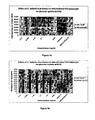
Figure 3a shows the C. latifolia fruit extract effect on glucose uptake activity in differentiated 3T3-L1 adipocytes in presence and absence of insulin; -
Figure 3b shows the C. latifolia root extract effect on glucose uptake activity in differentiated 3T3-L1 adipocytes in presence and absence of insulin; -
Figure 3c shows the C. latifolia leaf (hot water) extract effect on glucose uptake activity in differentiated 3T3-L1 adipocytes in presence and absence of insulin; -
Figure 3d shows the C. latifolia leaf extract effect on glucose uptake activity in differentiated 3T3-L1 adipocytes in presence and absence of insulin; -
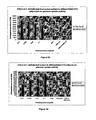
Figure 4a shows the C. latifolia fruit extract effect on glucose uptake activity in differentiated L6 myotubes in presence and absence of insulin; -
Figure 4b shows the C. latifolia root extract effect on glucose uptake activity in differentiated L6 myotubes in presence and absence of insulin; -
Figure 4c shows the C. latifolia leaf (hot water) extract effect on glucose uptake activity in differentiated L6 myotubes in presence and absence of insulin; -
Figure 4d shows the C. latifolia leaf extract effect on glucose uptake activity in differentiated L6 myotubes in presence and absence of insulin; -
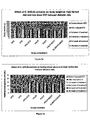
Figure 5 shows the effect of C. latifolia extracts on differentiated 3T3-L1 adipocyte in adiponectin secretion after 30 minutes treatment with absence of insulin. -
Figure 6 shows the effect of C. latifolia extracts on differentiated 3T3-L1 adipocyte in adiponectin secretion after 30 minutes treatment with presence of insulin. -
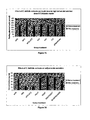
Figure 7a shows the effect of C. latifolia extracts on body weight in high fat-fed diet and low dose STZ induced diabetic rats; -
Figure 7b shows the effect of C. latifolia extracts on fasting blood glucose in high fat-fed diet induced diabetic rats; -
Figure 7c shows the effect of C. latifolia extracts on insulin level in high fat-fed diet induced diabetic rats; and -
Figure 7d shows the effect of C. latifolia extracts on adiponectin level in high fat-fed diet induced diabetic rats. - The present invention relates to the uses of Curculigo latifolia (C. latifolia) extracts. Hereinafter, this specification will describe the present invention according to the preferred embodiments of the present invention. However, it is to be understood that limiting the description to the preferred embodiments of the invention is merely to facilitate discussion of the present invention and it is envisioned that those skilled in the art may devise various modifications and equivalents without departing from the scope of the appended claims.
- More particularly, the present invention relates to a method for ameliorating blood glucose, glucose uptake activity, insulin and adiponectin level. The treatment involves administration of C. latifolia extracts.
- Accordingly, it is an object of the present invention to provide C. latifolia extracts which can modulate diabetes mellitus by administrating an effective amount of C. latifolia extracts to the subject, wherein the amount of C. latifolia extracts modulates the symptoms of diabetes mellitus.
- In order to achieve the above object, the extensive studies in in vitro and in vivo have been conducted. In in vitro, an effective amount of C. latifolia extracts have been tested in cell lines: BRIN-BD11, 3T3-L1 adipocytes and L6 myotubes. Meanwhile, in in vivo, C. latifolia extracts has been administered orally to subjects.
- Accordingly, it is derscribed herein a method of cytotoxicity of BRIN-BD11, 3T3-L1 adipocyte and L6 myotubes treated with C. latifolia extracts, wherein the amount of C. latifolia extracts is found to be non-toxic towards those cell lines.
- Described is also a method of glucose uptake in 3T3-L1 adipocyte and L6 myotubes cell lines treated with C. latifolia extracts, wherein the amount of C. latifolia extracts is found to increase glucose uptake activity in 3T3-L1 adipocyte and L6 myotubes cell lines.
- Furthermore, it is described a method of secretion of insulin in BRIN BD11 cell line and adiponectin in 3T3-L1 adipocytes cell line treated with C. latifolia extracts, wherein the amount of C. latifolia extracts is found to increase secretion of insulin in BRIN BD11 cell line and adiponectin in 3T3-L1 adipocyte.
- According to above objects, the subject has been induced to develop diabetes mellitus by combination of high fat diet (HFD) and low dose streptozotocin (STZ).
- Diabetes mellitus is non-insulin dependent diabetes mellitus (NIDDM). The symptoms of diabetes mellitus can be selected from the group that showing hyperglycemia, obesity, increased insulin level, polyphagia, polydipsia and polyuria.
- Yet further, subject has been administered orally with an effective dose is about 100 mg/kg body weight per day. More specifically, subject has been administered for a 30 days.
- An embodiment of the present invention is reducing blood glucose in a diabetes mellitus subject by administering an effective amount of C. latifolia extracts.
- According to the method for ameliorating blood glucose level described in the present invention , fasting blood glucose and oral glucose tolerance are monitored.
- It is envisioned that the C. latifolia extracts reduce blood glucose level and increase insulin and adiponectin levels in the subject.
- Further envisioned of the present study, C. latifolia extracts increase oral glucose tolerance in the subject.
- The C. latifolia extracts according to the present invention can be prepared in accordance with the following process.
- Fresh C. latifolia fruits were washed with distilled water. Then, 50 g of C. latifolia fruits were extracted with 2 l of distilled water in 5 I beaker for 24 hours with continuous stirring at room temperature. This extract was filtered through Whatman no.1 filter paper. The filtrate was then collected and lyophilized. The lyophilized sample was kept at -80°C until use.
- Five grams of C. latifolia leave powder were placed in 200 ml boiling (distilled) water. Then it was removed from the heat source and allowed to infuse for 15 min. This suspension was filtered with Whatman no. 1 filter paper. The filtrate was then collected and lyophilized. The lyophilized sample was kept at -80°C until use.
- Five grams of C. latifolia leave powder were extracted with 200 ml of distilled water and were soaked for 24 hours with continuous stirring at room temperature. This extract was filtered through Whatman no.1 filter paper. The filtrate was then collected and lyophilized. The lyophilized sample was kept at -80°C until use.
- Five grams of C. latifolia root powder were extracted with 200 ml of distilled water and were soaked for 24 hours with continuous stirring at room temperature. This extract was filtered through Whatman no.1 filter paper. The filtrate was then collected and lyophilized. The lyophilized sample was kept at -80°C until use.
- BRIN-BD11 cell line was cultured and maintained in RPMI 1640 medium supplemented with 10% foetal bovine serum, 1% penicillin-streptomycin and 1% glutamine at 37°C in a humidified atmosphere of 5% CO2. Meanwhile, 3T3 adipocytes and L6 myotubes cells were cultured in Dulbecco's modified Eagle's medium (DMEM) supplemented with streptomycin/penicillin antibiotics and 10% fetal bovine serum. Both cells were maintained in humidified atmosphere of 5% CO2 at 37°C. Cells were subcultured every 2 to 3 days at approximately 80% confluence using trypsin-EDTA to detach the cell from the culture flask. Cell counting was done using hemocytometer. For differentiation, L6 cells were transferred to DMEM with 2% fetal bovine serum, 4-6 days post-confluence. The extent of differentiation was established by observing multinucleation of cells and >90% fusion of myoblasts into myotubes were considered.. Meanwhile, differentiation of 3T3 preadipocyte was grown in the plates to reach confluence in 3 days. At this point (day 0) cells were switched to differentiation medium (DMEM, 10% FBS, 0.25 µM dexamethasone, 0.25 mM IBMX, and 1 µg/ml insulin) for 3 days, with one medium change in between. On
day 3, the dexamethasone and IBMX were removed leaving insulin on the cells for an additional 4 days, changing the medium every 2 days. Thereafter the cells were maintained in the original propagation DMEM, changing medium every 2-3 days, until use. Plates where cells were >90% differentiated were used for experiments between days 9 to 12 post-induction. - To date various methods have been developed and introduced to measure the viability cell. The CellTiter 96® aqueous non-radioactive cell proliferation assay (Promega, Madison, WI) is one of them. The cells were seeded onto 96-well plates at a
concentration 2×10⁵ cells/well in 100 µl of medium culture and allowed to attach for 24 hours. The cells monolayer were washed with phosphate-buffered saline (PBS) to remove unattached cells; the attached cells were incubated in fresh serum free media with different concentrations of C. latifolia fruit, leave and root extracts for 72 hours. Cells were then incubated with 20 µl of tetrazolium salt solution for four hours. The absorbance of each well was measured at 490 nm using a Microplate reader (Opsys MR, Thermolabsystems) to quantify the formazon product. The number of living cells in culture is proportional to quantity of formazon product presence. -
Figures 1a, 1b and1c show the effect of C. latifolia extracts on BRIN BD11, 3T3-L1 adipocyte and L6 myotubes cell lines, respectively. - BRIN-BD11 cell line was used to evaluate insulin secretion. Insulin secretion activity was determined using 24-well plates. Cells were seeded at a
concentration 2×10⁵ cells/well in RPMI 1640 containing 10% foetal bovine serum, 1% antibiotic and 1% glutamine and allowed attachment overnight. Cell were then washed thrice with Kreb's-Ringer bicarbonate buffer (KRB; 115 mM NaCl, 4.7 mM KCI, 1.28 mM CaCl2, 1.2 mM KH2PO4, 1.2 mM MgSO4, 24 mM NaHCO3, 10 mM Hepes-free acid, 1 g/I bovine serum albumin, 1.1 mM glucose; pH 7.4) and preincubated for 40 minutes in KRB buffer at 37°C. Cells were then incubated for 30 min with 1 ml KRB buffer in the absence and presence of C. latifolia extracts and glibenclamide as positive control. Aliquots were removed from each well and stored at -20°C for insulin assay later. - In order to quantify the insulin concentration, aliquot from insulin secretion in in vitro study were used and assay was done using Mercodia Rat Insulin ELISA (Uppsala, Sweden) protocol. The absorbance of each well was measured at 450 nm using a Microplate reader (Opsys MR, Thermolabsystems) to quantify the insulin concentration.
-
Figure 2 shows the effect of C. latifolia extract on BRIN-BD11 cell in insulin secretion after 30 minutes treatment. - Glucose uptake was measured in fully differentiated L6 myotubes and 3T3 adipocyte. Cells were rinsed thrice with Krebs-Ringer HEPES buffer (pH 7.4) before treated with C. latifolia extracts in the presence and absence of insulin (100 nM). This treatment was allowed to proceed for 30 min. After 30 min, 1 µCi/ml of 2-deoxy-D-[1-3H] glucose was added and allowed 30 min incubated. Before the cells were digested, the medium was collected to vials and frozen at -20°C for adiponectin analysis and the collected process has done on a bed of ice. Then, plates were washed thrice with ice-cold KRH buffer and cells were digested with 0.1% SDS. An aliquot was used to measure the radioactivity by using scintillation counter (Tri-Carb 2300TR, Perkin Elmer Life and Analytical Services, Boston, MA, USA) using Ultima Gold ™ LLT as the scintillation cocktail (Perkin Elmer, Boston, MA, USA). Glucose uptake was expressed as disintegrations per minute (dpm).
-
Figures 3a, 3b ,3c and 3d show the C. latifolia extracts effect on glucose uptake activity in differentiated 3T3 adipocytes, respectively, whereas,Figures 4a, 4b ,4c and 4d show the C. latifolia extracts effect on glucose uptake activity in differentiated L6 myotubes, respectively. - BioVision Rat Adiponectin ELISA assay (Mountain View, USA) was used to screen C. latifolia extracts to potentiate the adiponectin secretion in differentiated 3T3 adipocytes. Aliquot collected from glucose uptake assay were used and assay was done according to the kit procedure.
-
Figure 5 shows the C. latifolia extracts effect on adiponectin secretion activity in differentiated 3T3 adipocytes with absence of insulin whereasFigure 6 shows the C. latifolia extracts effect on adiponectin secretion activity in differentiated 3T3 adipocytes with presence of insulin. - A total of 42 male Sprague-Dawley (SD) rats (160-200g) were used for this study. They were housed individually in polypropylene cages and maintained under controlled room temperature (22±2°C) and humidity (55±5%) with 12:12 h light and dark cycle. All rats were provided with free access to water and commercially available rat normal pallet (NPD) prior to acclimatize period. All experimental protocols for animal care and use was approved by the Animal Care and Use Committee (ACUC) of Faculty of Medicine and Health Sciences, Universiti Putra Malaysia.
- The HF diet was formulated based on the composition provided by Levin et. al. (1989). It will be prepared from a mixture of 50% normal rat chow pallet, 24% of corn oil (Mazola brand), 20% of full-cream milk powder (Nespray brand from Nestlé) and 6% sugar.
- Rats were allocated into two groups based on dietary regimens; NPD and HFD and they were fed for a month. After a month on either diet, rats which were introduced with HFD will be anesthetized with diethyl ether after an overnight fast and then inject with STZ (35 mg/kg) via intravenous. Rats were continued to their original diets (chow or fat) and water after the STZ injection. After seven days of STZ injection, diabetes conditions were identified by polydipsia, polyuria and by measuring fasting blood glucose level; glucose level >170 mg/dl were included in the study.
- Body weight, food consumption and fasting blood glucose were determined weekly.
- The animals are randomly divided into seven groups of three animals each.
- Group 1 : Normal control ( normal pellet diet, non-diabetic, untreated) rats
- Group 2 : Diabetic control ( high fat-fed diet, diabetic, untreated) rats
- Group 3 : Diabetic control (high fat-fed diet, induced with STZ, diabetic, untreated) rats
- Group 4 : Diabetes test rats (high fat-fed diet, induced with STZ, diabetic, treated), treatment with glibenclimide 600µg per b.w
- Group 5 : Diabetic test rats (high fat-fed diet, induced with STZ, diabetic, untreated), treatment with C. latifolia fruit extract 100mg per b.w
- Group 6 : Diabetic test rats (high fat-fed diet, induced with STZ, diabetic, untreated), treatment with C. latifolia root extract 100mg per b.w
- Group 7 : Diabetic test rats (high fat-fed diet, induced with STZ, diabetic, untreated), treatment with combination of C. latifolia root and fruit extract 100mg per b.w
- Body weight, food consumption and fasting blood glucose are determined weekly.
- Fasting blood glucose level of each rat was determined at zero-time (after overnight fasting with free access to water). Glucose (2g/kg b.w) was orally administered 30 minutes after an oral administration of the C. latifolia extracts or glibenclamide. Blood glucose concentration was measured just before and 30, 60 and 120 minutes after the oral administration of test sample.
- Blood samples were collected at the end of every phase of treatments. Plasma was collected by cardiac puncture for various biological assays. Physical and biochemical parameters were obtained such as changes in body weights, food intake, plasma glucose, insulin and adiponectin level. Insulin level was measured using an Insulin ELISA kit (Mercodia AB, Uppsala, Sweeden) with rat insulin as a standard. Adiponectin level is measured using BioVision Rat Adiponectin ELISA assay (Mountain View, USA).
-
Figure 7a shows the effect of C. latifolia extracts on body weight in high fat-fed diet and low dose STZ induced diabetic rats whereasFigure 7b shows the effect of C. latifolia extracts on fasting blood glucose in high fat-fed diet induced diabetic rats. - On the other hand,
Figure 7c shows the effect of C. latifolia extracts on insulin level in high fat-fed diet induced diabetic rats whereasFigure 7d shows the effect of C. latifolia extracts on adiponectin level in high fat-fed diet induced diabetic rats - In specific embodiments, the present invention relates to:
- Embodiment 1: Curculigo latifolia (C. latifolia) extracts, wherein the extracts extracted from different parts of a plant such as fruits, roots and leaves, individually and in any combinations thereof, characterized in that the extracts are used as an agent for treating and preventing metabolic disorder diseases such as diabetes mellitus, obesity, cardiovascular, and atherosclerosis.
- Embodiment 2: C. latifolia extracts according to
embodiment 1, wherein fresh and dried fruits, roots and leaves are extracted with distilled water. - Embodiment 3: A use of an effective amount of C. latifolia extracts in the manufacture of a medicament for treating and preventing metabolic disorder diseases such as diabetes mellitus, obesity, cardiovascular, and atherosclerosis in a subject in need thereof.
- Embodiment 4: A use according to
embodiment 3, wherein the subject is suffering from diabetes mellitus. - Embodiment 5: A use according to embodiment 4, wherein the diabetes mellitus is Type I or Type II diabetes
- Embodiment 6: A use according to any one of
dembodiments 2 to 6 wherein the extracts are administered orally or intravenously.
Claims (8)
- Curculigo latifolia (C. latifolia) extracts for use in the treatment and prevention of metabolic disorder diseases, wherein the extracts are extracted from different parts of a plant, individually and in any combinations.
- The C. latifolia extracts for use according to claim 1, wherein the different parts of a plant are selected from the group consisting of fruits, roots, and leaves.
- The C. latifolia extracts for use according to claim 2, wherein fresh and dried fruits, roots and leaves are extracted with distilled water.
- The C. latifolia extracts for use according to any one of claims 1 to 3, wherein the metabolic disorder diseases are selected from the group consisting of diabetes mellitus, obesity, cardiovascular diseases, and atherosclerosis.
- The C. latifolia extracts for use according to claim 4, wherein the metabolic disorder disease is diabetes mellitus.
- The C. latifolia extracts for use according to claim 5, wherein the diabetes mellitus is Type I or Type II diabetes
- The C. latifolia extracts for use according to any one of claims 1 to 6 wherein the extracts are administered orally or intravenously.
- The C. latifolia extracts for use according to any one of claims 1 to 7, wherein the treatment or prevention involves any one of ameliorating blood glucose, glucose uptake activity, insulin level, and adiponectin level.
Applications Claiming Priority (2)
| Application Number | Priority Date | Filing Date | Title |
|---|---|---|---|
| MYPI20084284A MY159747A (en) | 2008-10-28 | 2008-10-28 | Uses of curculigo latifolia (c. latifolia) extracts |
| PCT/MY2009/000112 WO2010050793A1 (en) | 2008-10-28 | 2009-08-07 | Uses of curculigo latifolia (c. latifolia) extracts |
Publications (4)
| Publication Number | Publication Date |
|---|---|
| EP2349304A1 EP2349304A1 (en) | 2011-08-03 |
| EP2349304A4 EP2349304A4 (en) | 2012-06-06 |
| EP2349304B1 true EP2349304B1 (en) | 2013-06-26 |
| EP2349304B8 EP2349304B8 (en) | 2013-11-06 |
Family
ID=42129014
Family Applications (1)
| Application Number | Title | Priority Date | Filing Date |
|---|---|---|---|
| EP09823871.0A Not-in-force EP2349304B8 (en) | 2008-10-28 | 2009-08-07 | Uses of curculigo latifolia (c. latifolia) extracts |
Country Status (6)
| Country | Link |
|---|---|
| US (2) | US20110223270A1 (en) |
| EP (1) | EP2349304B8 (en) |
| JP (1) | JP5475791B2 (en) |
| ES (1) | ES2428966T3 (en) |
| MY (1) | MY159747A (en) |
| WO (1) | WO2010050793A1 (en) |
Family Cites Families (10)
| Publication number | Priority date | Publication date | Assignee | Title |
|---|---|---|---|---|
| US5178900A (en) * | 1988-06-21 | 1993-01-12 | Yoshie Kurihara | Method for stabilizing taste-modifier |
| US5178899A (en) * | 1988-06-21 | 1993-01-12 | Yoshie Kurihara | Method for processing taste-modifier |
| JPH0813244B2 (en) * | 1988-06-21 | 1996-02-14 | 良枝 栗原 | Chewing gum composition |
| JPH0427356A (en) * | 1990-05-22 | 1992-01-30 | Yoshie Kurihara | Method for stabilizing taste modifying composition and taste modifying substance |
| JPH0597896A (en) * | 1991-10-01 | 1993-04-20 | Yoshie Kurihara | Taste modifiers |
| KR100672949B1 (en) * | 2004-03-31 | 2007-04-12 | 퓨리메드 주식회사 | Extract of lotus root meat for treating depression, pharmaceutical composition and health food comprising same |
| US7851005B2 (en) * | 2005-05-23 | 2010-12-14 | Cadbury Adams Usa Llc | Taste potentiator compositions and beverages containing same |
| CN100439314C (en) * | 2006-01-27 | 2008-12-03 | 浙江大学 | Preparation method of non-steroidal anti-inflammatory drug felbinac |
| US20080014331A1 (en) * | 2006-07-17 | 2008-01-17 | Constantin Badalov | Super sweet sugar crystals and syrups for health and method |
| US20080107787A1 (en) * | 2006-11-02 | 2008-05-08 | The Coca-Cola Company | Anti-Diabetic Composition with High-Potency Sweetener |
-
2008
- 2008-10-28 MY MYPI20084284A patent/MY159747A/en unknown
-
2009
- 2009-08-07 US US13/124,377 patent/US20110223270A1/en not_active Abandoned
- 2009-08-07 ES ES09823871T patent/ES2428966T3/en active Active
- 2009-08-07 JP JP2011533124A patent/JP5475791B2/en not_active Expired - Fee Related
- 2009-08-07 WO PCT/MY2009/000112 patent/WO2010050793A1/en not_active Ceased
- 2009-08-07 EP EP09823871.0A patent/EP2349304B8/en not_active Not-in-force
-
2013
- 2013-08-15 US US13/967,883 patent/US20130330432A1/en not_active Abandoned
Also Published As
| Publication number | Publication date |
|---|---|
| ES2428966T3 (en) | 2013-11-12 |
| EP2349304B8 (en) | 2013-11-06 |
| US20110223270A1 (en) | 2011-09-15 |
| EP2349304A1 (en) | 2011-08-03 |
| EP2349304A4 (en) | 2012-06-06 |
| JP5475791B2 (en) | 2014-04-16 |
| MY159747A (en) | 2017-01-31 |
| WO2010050793A1 (en) | 2010-05-06 |
| JP2012506855A (en) | 2012-03-22 |
| US20130330432A1 (en) | 2013-12-12 |
Similar Documents
| Publication | Publication Date | Title |
|---|---|---|
| Deshmukh et al. | Antihyperglycaemic activity of alcoholic extract of Aerva lanata (L.) AL Juss. Ex JA Schultes leaves in alloxan induced diabetic mice | |
| AU2009307753A1 (en) | Novel mitochondrial uncoupling methods and compositions for enhancing adipocyte thermogenesis | |
| RS20080536A (en) | Composition comprising at least one higher aliphatic alcohol and an extract of griffonia simplicifolia | |
| Menon et al. | Hypoglycemic and hypocholesterolemic activities of the aqueous preparation of Kalanchoe pinnata leaves in streptozotocin-induced diabetic rats | |
| Khartourn | Antidiabetic effects of fenugreek (Trigonella foenum-graecum) seeds in the domestic rabbit (Oryctolagus cuniculus) | |
| CN102697781A (en) | Application of trigonelline in preparation of medicament for preventing and treating diabetes and complication thereof | |
| US11266668B2 (en) | Dietary supplement for glycemia control and diabetes prevention | |
| HK1211221A1 (en) | Formulations for the treatment and prevention of obesity | |
| US8318216B2 (en) | Ayurvedic formulation advocated for the prevention and management of coronary heart disease | |
| US20200146325A1 (en) | Dietary supplement for glycemia control and diabetes prevention | |
| KR101385191B1 (en) | Use of Cichorium intybus extracts for preventing, treating improving muscular atrophy | |
| Dubey et al. | Application of bioactive molecules in the treatment and management of type-1 diabetic disease | |
| ASMEI | Effects of crystal derived from Stevia rebaudiana leaves on Alloxan induced type-1 diabetic mice | |
| JP2007504099A (en) | Treatment of aspirin resistance using Tansan, its extract and composition | |
| US20110223270A1 (en) | Uses of curculigo latifolia (c. latifolia) extracts | |
| KR101436213B1 (en) | Compositions for prevention and/or treatment of obesity comprising extracts of Boehmeria sieboldiana | |
| KR20110095765A (en) | Antiallergic composition comprising Hyunsam extract | |
| Jawaid et al. | Antidiabetic and antihyperlipidemic effcets of the ethanolic extract of Alocasia indica rhizomes in high fat diet/streptozotocin and streptozotocin/nicotinamide-induced type 2 diabetic rats | |
| Thounaojam et al. | Acute and sub chronic oral toxicity of Sida rhomboidea. Roxb leaf extract | |
| KR20140032961A (en) | Composition for preventing and treating diabetes and diabetes complications comprising amphicarpaea edgeworthii var. trisperma powder or an extract thereof | |
| KR101851639B1 (en) | Composition for anti-obesity comprising Chaenomelis Fructus extract or its fraction as effective component | |
| Jarald | Comparative Evaluation of Antihyperglycaemic and Hypoglycaemic Activity of Various Parts of Catharanthus roseus Linn. E. Edwin Jarald, E. Sheeja, S. Motwani, KR Dutt and RK Goel Department of Herbal Drug Research | |
| KR101332824B1 (en) | Pharmaceutical Compositions for Preventing or Treating Arthritis Comprising Euphorbia ebracteolata Extracts | |
| KR20100111088A (en) | Composition for preventing and treating diabetes mellitus or diabetic complications comprising extract of herbal combination | |
| JP2014155489A (en) | Composition for preventing and treating diabetes, containing smilax china l. leaves extract |
Legal Events
| Date | Code | Title | Description |
|---|---|---|---|
| PUAI | Public reference made under article 153(3) epc to a published international application that has entered the european phase |
Free format text: ORIGINAL CODE: 0009012 |
|
| 17P | Request for examination filed |
Effective date: 20110511 |
|
| AK | Designated contracting states |
Kind code of ref document: A1 Designated state(s): AT BE BG CH CY CZ DE DK EE ES FI FR GB GR HR HU IE IS IT LI LT LU LV MC MK MT NL NO PL PT RO SE SI SK SM TR |
|
| DAX | Request for extension of the european patent (deleted) | ||
| A4 | Supplementary search report drawn up and despatched |
Effective date: 20120507 |
|
| RIC1 | Information provided on ipc code assigned before grant |
Ipc: A61P 3/10 20060101ALI20120427BHEP Ipc: A61P 9/10 20060101ALI20120427BHEP Ipc: A61K 36/896 20060101AFI20120427BHEP |
|
| REG | Reference to a national code |
Ref country code: DE Ref legal event code: R079 Ref document number: 602009016753 Country of ref document: DE Free format text: PREVIOUS MAIN CLASS: A61K0036880000 Ipc: A61K0036896000 |
|
| RIC1 | Information provided on ipc code assigned before grant |
Ipc: A61K 36/896 20060101AFI20121206BHEP Ipc: A61P 9/10 20060101ALI20121206BHEP Ipc: A61P 3/10 20060101ALI20121206BHEP |
|
| GRAP | Despatch of communication of intention to grant a patent |
Free format text: ORIGINAL CODE: EPIDOSNIGR1 |
|
| GRAS | Grant fee paid |
Free format text: ORIGINAL CODE: EPIDOSNIGR3 |
|
| GRAA | (expected) grant |
Free format text: ORIGINAL CODE: 0009210 |
|
| AK | Designated contracting states |
Kind code of ref document: B1 Designated state(s): AT BE BG CH CY CZ DE DK EE ES FI FR GB GR HR HU IE IS IT LI LT LU LV MC MK MT NL NO PL PT RO SE SI SK SM TR |
|
| REG | Reference to a national code |
Ref country code: GB Ref legal event code: FG4D |
|
| REG | Reference to a national code |
Ref country code: CH Ref legal event code: EP |
|
| REG | Reference to a national code |
Ref country code: AT Ref legal event code: REF Ref document number: 618389 Country of ref document: AT Kind code of ref document: T Effective date: 20130715 |
|
| REG | Reference to a national code |
Ref country code: IE Ref legal event code: FG4D |
|
| REG | Reference to a national code |
Ref country code: DE Ref legal event code: R096 Ref document number: 602009016753 Country of ref document: DE Effective date: 20130822 |
|
| REG | Reference to a national code |
Ref country code: CH Ref legal event code: PK Free format text: DAS PRIORITAETSAKTENZEICHEN WURDE BERICHTIGT: MY PI0804284 / 28.10.2008 |
|
| PG25 | Lapsed in a contracting state [announced via postgrant information from national office to epo] |
Ref country code: SI Free format text: LAPSE BECAUSE OF FAILURE TO SUBMIT A TRANSLATION OF THE DESCRIPTION OR TO PAY THE FEE WITHIN THE PRESCRIBED TIME-LIMIT Effective date: 20130626 Ref country code: GR Free format text: LAPSE BECAUSE OF FAILURE TO SUBMIT A TRANSLATION OF THE DESCRIPTION OR TO PAY THE FEE WITHIN THE PRESCRIBED TIME-LIMIT Effective date: 20130927 Ref country code: FI Free format text: LAPSE BECAUSE OF FAILURE TO SUBMIT A TRANSLATION OF THE DESCRIPTION OR TO PAY THE FEE WITHIN THE PRESCRIBED TIME-LIMIT Effective date: 20130626 Ref country code: SE Free format text: LAPSE BECAUSE OF FAILURE TO SUBMIT A TRANSLATION OF THE DESCRIPTION OR TO PAY THE FEE WITHIN THE PRESCRIBED TIME-LIMIT Effective date: 20130626 Ref country code: LT Free format text: LAPSE BECAUSE OF FAILURE TO SUBMIT A TRANSLATION OF THE DESCRIPTION OR TO PAY THE FEE WITHIN THE PRESCRIBED TIME-LIMIT Effective date: 20130626 Ref country code: NO Free format text: LAPSE BECAUSE OF FAILURE TO SUBMIT A TRANSLATION OF THE DESCRIPTION OR TO PAY THE FEE WITHIN THE PRESCRIBED TIME-LIMIT Effective date: 20130926 |
|
| REG | Reference to a national code |
Ref country code: ES Ref legal event code: FG2A Ref document number: 2428966 Country of ref document: ES Kind code of ref document: T3 Effective date: 20131112 |
|
| REG | Reference to a national code |
Ref country code: AT Ref legal event code: MK05 Ref document number: 618389 Country of ref document: AT Kind code of ref document: T Effective date: 20130626 |
|
| REG | Reference to a national code |
Ref country code: LT Ref legal event code: MG4D |
|
| PG25 | Lapsed in a contracting state [announced via postgrant information from national office to epo] |
Ref country code: BG Free format text: LAPSE BECAUSE OF FAILURE TO SUBMIT A TRANSLATION OF THE DESCRIPTION OR TO PAY THE FEE WITHIN THE PRESCRIBED TIME-LIMIT Effective date: 20130926 Ref country code: HR Free format text: LAPSE BECAUSE OF FAILURE TO SUBMIT A TRANSLATION OF THE DESCRIPTION OR TO PAY THE FEE WITHIN THE PRESCRIBED TIME-LIMIT Effective date: 20130626 |
|
| REG | Reference to a national code |
Ref country code: NL Ref legal event code: VDEP Effective date: 20130626 |
|
| PG25 | Lapsed in a contracting state [announced via postgrant information from national office to epo] |
Ref country code: LV Free format text: LAPSE BECAUSE OF FAILURE TO SUBMIT A TRANSLATION OF THE DESCRIPTION OR TO PAY THE FEE WITHIN THE PRESCRIBED TIME-LIMIT Effective date: 20130626 |
|
| PG25 | Lapsed in a contracting state [announced via postgrant information from national office to epo] |
Ref country code: SK Free format text: LAPSE BECAUSE OF FAILURE TO SUBMIT A TRANSLATION OF THE DESCRIPTION OR TO PAY THE FEE WITHIN THE PRESCRIBED TIME-LIMIT Effective date: 20130626 Ref country code: CZ Free format text: LAPSE BECAUSE OF FAILURE TO SUBMIT A TRANSLATION OF THE DESCRIPTION OR TO PAY THE FEE WITHIN THE PRESCRIBED TIME-LIMIT Effective date: 20130626 Ref country code: PT Free format text: LAPSE BECAUSE OF FAILURE TO SUBMIT A TRANSLATION OF THE DESCRIPTION OR TO PAY THE FEE WITHIN THE PRESCRIBED TIME-LIMIT Effective date: 20131028 Ref country code: CY Free format text: LAPSE BECAUSE OF FAILURE TO SUBMIT A TRANSLATION OF THE DESCRIPTION OR TO PAY THE FEE WITHIN THE PRESCRIBED TIME-LIMIT Effective date: 20130626 Ref country code: EE Free format text: LAPSE BECAUSE OF FAILURE TO SUBMIT A TRANSLATION OF THE DESCRIPTION OR TO PAY THE FEE WITHIN THE PRESCRIBED TIME-LIMIT Effective date: 20130626 Ref country code: BE Free format text: LAPSE BECAUSE OF FAILURE TO SUBMIT A TRANSLATION OF THE DESCRIPTION OR TO PAY THE FEE WITHIN THE PRESCRIBED TIME-LIMIT Effective date: 20130626 Ref country code: AT Free format text: LAPSE BECAUSE OF FAILURE TO SUBMIT A TRANSLATION OF THE DESCRIPTION OR TO PAY THE FEE WITHIN THE PRESCRIBED TIME-LIMIT Effective date: 20130626 Ref country code: IS Free format text: LAPSE BECAUSE OF FAILURE TO SUBMIT A TRANSLATION OF THE DESCRIPTION OR TO PAY THE FEE WITHIN THE PRESCRIBED TIME-LIMIT Effective date: 20131026 |
|
| PG25 | Lapsed in a contracting state [announced via postgrant information from national office to epo] |
Ref country code: RO Free format text: LAPSE BECAUSE OF FAILURE TO SUBMIT A TRANSLATION OF THE DESCRIPTION OR TO PAY THE FEE WITHIN THE PRESCRIBED TIME-LIMIT Effective date: 20130626 Ref country code: NL Free format text: LAPSE BECAUSE OF FAILURE TO SUBMIT A TRANSLATION OF THE DESCRIPTION OR TO PAY THE FEE WITHIN THE PRESCRIBED TIME-LIMIT Effective date: 20130626 Ref country code: PL Free format text: LAPSE BECAUSE OF FAILURE TO SUBMIT A TRANSLATION OF THE DESCRIPTION OR TO PAY THE FEE WITHIN THE PRESCRIBED TIME-LIMIT Effective date: 20130626 |
|
| REG | Reference to a national code |
Ref country code: CH Ref legal event code: PL |
|
| PG25 | Lapsed in a contracting state [announced via postgrant information from national office to epo] |
Ref country code: MC Free format text: LAPSE BECAUSE OF FAILURE TO SUBMIT A TRANSLATION OF THE DESCRIPTION OR TO PAY THE FEE WITHIN THE PRESCRIBED TIME-LIMIT Effective date: 20130626 Ref country code: DK Free format text: LAPSE BECAUSE OF FAILURE TO SUBMIT A TRANSLATION OF THE DESCRIPTION OR TO PAY THE FEE WITHIN THE PRESCRIBED TIME-LIMIT Effective date: 20130626 Ref country code: LI Free format text: LAPSE BECAUSE OF NON-PAYMENT OF DUE FEES Effective date: 20130831 Ref country code: CH Free format text: LAPSE BECAUSE OF NON-PAYMENT OF DUE FEES Effective date: 20130831 |
|
| PLBE | No opposition filed within time limit |
Free format text: ORIGINAL CODE: 0009261 |
|
| STAA | Information on the status of an ep patent application or granted ep patent |
Free format text: STATUS: NO OPPOSITION FILED WITHIN TIME LIMIT |
|
| REG | Reference to a national code |
Ref country code: IE Ref legal event code: MM4A |
|
| PG25 | Lapsed in a contracting state [announced via postgrant information from national office to epo] |
Ref country code: IT Free format text: LAPSE BECAUSE OF FAILURE TO SUBMIT A TRANSLATION OF THE DESCRIPTION OR TO PAY THE FEE WITHIN THE PRESCRIBED TIME-LIMIT Effective date: 20130626 |
|
| 26N | No opposition filed |
Effective date: 20140327 |
|
| REG | Reference to a national code |
Ref country code: DE Ref legal event code: R097 Ref document number: 602009016753 Country of ref document: DE Effective date: 20140327 |
|
| PG25 | Lapsed in a contracting state [announced via postgrant information from national office to epo] |
Ref country code: IE Free format text: LAPSE BECAUSE OF NON-PAYMENT OF DUE FEES Effective date: 20130807 |
|
| PG25 | Lapsed in a contracting state [announced via postgrant information from national office to epo] |
Ref country code: SM Free format text: LAPSE BECAUSE OF FAILURE TO SUBMIT A TRANSLATION OF THE DESCRIPTION OR TO PAY THE FEE WITHIN THE PRESCRIBED TIME-LIMIT Effective date: 20130626 |
|
| PG25 | Lapsed in a contracting state [announced via postgrant information from national office to epo] |
Ref country code: TR Free format text: LAPSE BECAUSE OF FAILURE TO SUBMIT A TRANSLATION OF THE DESCRIPTION OR TO PAY THE FEE WITHIN THE PRESCRIBED TIME-LIMIT Effective date: 20130626 Ref country code: MT Free format text: LAPSE BECAUSE OF FAILURE TO SUBMIT A TRANSLATION OF THE DESCRIPTION OR TO PAY THE FEE WITHIN THE PRESCRIBED TIME-LIMIT Effective date: 20130626 |
|
| PG25 | Lapsed in a contracting state [announced via postgrant information from national office to epo] |
Ref country code: LU Free format text: LAPSE BECAUSE OF NON-PAYMENT OF DUE FEES Effective date: 20130807 Ref country code: MK Free format text: LAPSE BECAUSE OF FAILURE TO SUBMIT A TRANSLATION OF THE DESCRIPTION OR TO PAY THE FEE WITHIN THE PRESCRIBED TIME-LIMIT Effective date: 20130626 Ref country code: HU Free format text: LAPSE BECAUSE OF FAILURE TO SUBMIT A TRANSLATION OF THE DESCRIPTION OR TO PAY THE FEE WITHIN THE PRESCRIBED TIME-LIMIT; INVALID AB INITIO Effective date: 20090807 |
|
| REG | Reference to a national code |
Ref country code: FR Ref legal event code: PLFP Year of fee payment: 8 |
|
| PGFP | Annual fee paid to national office [announced via postgrant information from national office to epo] |
Ref country code: DE Payment date: 20160824 Year of fee payment: 8 Ref country code: GB Payment date: 20160831 Year of fee payment: 8 |
|
| PGFP | Annual fee paid to national office [announced via postgrant information from national office to epo] |
Ref country code: FR Payment date: 20160829 Year of fee payment: 8 |
|
| PGFP | Annual fee paid to national office [announced via postgrant information from national office to epo] |
Ref country code: ES Payment date: 20160829 Year of fee payment: 8 |
|
| REG | Reference to a national code |
Ref country code: DE Ref legal event code: R119 Ref document number: 602009016753 Country of ref document: DE |
|
| GBPC | Gb: european patent ceased through non-payment of renewal fee |
Effective date: 20170807 |
|
| REG | Reference to a national code |
Ref country code: FR Ref legal event code: ST Effective date: 20180430 |
|
| PG25 | Lapsed in a contracting state [announced via postgrant information from national office to epo] |
Ref country code: GB Free format text: LAPSE BECAUSE OF NON-PAYMENT OF DUE FEES Effective date: 20170807 Ref country code: DE Free format text: LAPSE BECAUSE OF NON-PAYMENT OF DUE FEES Effective date: 20180301 |
|
| PG25 | Lapsed in a contracting state [announced via postgrant information from national office to epo] |
Ref country code: FR Free format text: LAPSE BECAUSE OF NON-PAYMENT OF DUE FEES Effective date: 20170831 |
|
| REG | Reference to a national code |
Ref country code: ES Ref legal event code: FD2A Effective date: 20181029 |
|
| PG25 | Lapsed in a contracting state [announced via postgrant information from national office to epo] |
Ref country code: ES Free format text: LAPSE BECAUSE OF NON-PAYMENT OF DUE FEES Effective date: 20170808 |