EP2349242B1 - Amino acid salts of prostaglandins - Google Patents
Amino acid salts of prostaglandins Download PDFInfo
- Publication number
- EP2349242B1 EP2349242B1 EP09748621.1A EP09748621A EP2349242B1 EP 2349242 B1 EP2349242 B1 EP 2349242B1 EP 09748621 A EP09748621 A EP 09748621A EP 2349242 B1 EP2349242 B1 EP 2349242B1
- Authority
- EP
- European Patent Office
- Prior art keywords
- prostaglandin
- free acid
- salt
- amino acid
- acid
- Prior art date
- Legal status (The legal status is an assumption and is not a legal conclusion. Google has not performed a legal analysis and makes no representation as to the accuracy of the status listed.)
- Active
Links
- 0 CC(C*)C(*)(*)*(C)[C@@](CC(C)=C([C@](CC1[C@@](CCCC(O)=O)C1)[C@](C1)O*)[C@]1O*)(O*)I Chemical compound CC(C*)C(*)(*)*(C)[C@@](CC(C)=C([C@](CC1[C@@](CCCC(O)=O)C1)[C@](C1)O*)[C@]1O*)(O*)I 0.000 description 1
- HNPFPERDNWXAGS-NFVOFSAMSA-N O[C@H](CC[C@H]([C@@H](C/C=C\CCCC(O)=O)[C@H](C1)O)[C@@H]1O)CCc1ccccc1 Chemical compound O[C@H](CC[C@H]([C@@H](C/C=C\CCCC(O)=O)[C@H](C1)O)[C@@H]1O)CCc1ccccc1 HNPFPERDNWXAGS-NFVOFSAMSA-N 0.000 description 1
Images



Classifications
-
- C—CHEMISTRY; METALLURGY
- C07—ORGANIC CHEMISTRY
- C07C—ACYCLIC OR CARBOCYCLIC COMPOUNDS
- C07C405/00—Compounds containing a five-membered ring having two side-chains in ortho position to each other, and having oxygen atoms directly attached to the ring in ortho position to one of the side-chains, one side-chain containing, not directly attached to the ring, a carbon atom having three bonds to hetero atoms with at the most one bond to halogen, and the other side-chain having oxygen atoms attached in gamma-position to the ring, e.g. prostaglandins ; Analogues or derivatives thereof
-
- A—HUMAN NECESSITIES
- A61—MEDICAL OR VETERINARY SCIENCE; HYGIENE
- A61K—PREPARATIONS FOR MEDICAL, DENTAL OR TOILETRY PURPOSES
- A61K31/00—Medicinal preparations containing organic active ingredients
- A61K31/13—Amines
- A61K31/155—Amidines (), e.g. guanidine (H2N—C(=NH)—NH2), isourea (N=C(OH)—NH2), isothiourea (—N=C(SH)—NH2)
-
- A—HUMAN NECESSITIES
- A61—MEDICAL OR VETERINARY SCIENCE; HYGIENE
- A61K—PREPARATIONS FOR MEDICAL, DENTAL OR TOILETRY PURPOSES
- A61K31/00—Medicinal preparations containing organic active ingredients
- A61K31/557—Eicosanoids, e.g. leukotrienes or prostaglandins
- A61K31/5575—Eicosanoids, e.g. leukotrienes or prostaglandins having a cyclopentane, e.g. prostaglandin E2, prostaglandin F2-alpha
-
- A—HUMAN NECESSITIES
- A61—MEDICAL OR VETERINARY SCIENCE; HYGIENE
- A61P—SPECIFIC THERAPEUTIC ACTIVITY OF CHEMICAL COMPOUNDS OR MEDICINAL PREPARATIONS
- A61P1/00—Drugs for disorders of the alimentary tract or the digestive system
- A61P1/04—Drugs for disorders of the alimentary tract or the digestive system for ulcers, gastritis or reflux esophagitis, e.g. antacids, inhibitors of acid secretion, mucosal protectants
-
- A—HUMAN NECESSITIES
- A61—MEDICAL OR VETERINARY SCIENCE; HYGIENE
- A61P—SPECIFIC THERAPEUTIC ACTIVITY OF CHEMICAL COMPOUNDS OR MEDICINAL PREPARATIONS
- A61P11/00—Drugs for disorders of the respiratory system
-
- A—HUMAN NECESSITIES
- A61—MEDICAL OR VETERINARY SCIENCE; HYGIENE
- A61P—SPECIFIC THERAPEUTIC ACTIVITY OF CHEMICAL COMPOUNDS OR MEDICINAL PREPARATIONS
- A61P11/00—Drugs for disorders of the respiratory system
- A61P11/02—Nasal agents, e.g. decongestants
-
- A—HUMAN NECESSITIES
- A61—MEDICAL OR VETERINARY SCIENCE; HYGIENE
- A61P—SPECIFIC THERAPEUTIC ACTIVITY OF CHEMICAL COMPOUNDS OR MEDICINAL PREPARATIONS
- A61P13/00—Drugs for disorders of the urinary system
- A61P13/10—Drugs for disorders of the urinary system of the bladder
-
- A—HUMAN NECESSITIES
- A61—MEDICAL OR VETERINARY SCIENCE; HYGIENE
- A61P—SPECIFIC THERAPEUTIC ACTIVITY OF CHEMICAL COMPOUNDS OR MEDICINAL PREPARATIONS
- A61P15/00—Drugs for genital or sexual disorders; Contraceptives
-
- A—HUMAN NECESSITIES
- A61—MEDICAL OR VETERINARY SCIENCE; HYGIENE
- A61P—SPECIFIC THERAPEUTIC ACTIVITY OF CHEMICAL COMPOUNDS OR MEDICINAL PREPARATIONS
- A61P15/00—Drugs for genital or sexual disorders; Contraceptives
- A61P15/08—Drugs for genital or sexual disorders; Contraceptives for gonadal disorders or for enhancing fertility, e.g. inducers of ovulation or of spermatogenesis
-
- A—HUMAN NECESSITIES
- A61—MEDICAL OR VETERINARY SCIENCE; HYGIENE
- A61P—SPECIFIC THERAPEUTIC ACTIVITY OF CHEMICAL COMPOUNDS OR MEDICINAL PREPARATIONS
- A61P17/00—Drugs for dermatological disorders
-
- A—HUMAN NECESSITIES
- A61—MEDICAL OR VETERINARY SCIENCE; HYGIENE
- A61P—SPECIFIC THERAPEUTIC ACTIVITY OF CHEMICAL COMPOUNDS OR MEDICINAL PREPARATIONS
- A61P17/00—Drugs for dermatological disorders
- A61P17/14—Drugs for dermatological disorders for baldness or alopecia
-
- A—HUMAN NECESSITIES
- A61—MEDICAL OR VETERINARY SCIENCE; HYGIENE
- A61P—SPECIFIC THERAPEUTIC ACTIVITY OF CHEMICAL COMPOUNDS OR MEDICINAL PREPARATIONS
- A61P19/00—Drugs for skeletal disorders
- A61P19/08—Drugs for skeletal disorders for bone diseases, e.g. rachitism, Paget's disease
- A61P19/10—Drugs for skeletal disorders for bone diseases, e.g. rachitism, Paget's disease for osteoporosis
-
- A—HUMAN NECESSITIES
- A61—MEDICAL OR VETERINARY SCIENCE; HYGIENE
- A61P—SPECIFIC THERAPEUTIC ACTIVITY OF CHEMICAL COMPOUNDS OR MEDICINAL PREPARATIONS
- A61P25/00—Drugs for disorders of the nervous system
-
- A—HUMAN NECESSITIES
- A61—MEDICAL OR VETERINARY SCIENCE; HYGIENE
- A61P—SPECIFIC THERAPEUTIC ACTIVITY OF CHEMICAL COMPOUNDS OR MEDICINAL PREPARATIONS
- A61P27/00—Drugs for disorders of the senses
- A61P27/02—Ophthalmic agents
-
- A—HUMAN NECESSITIES
- A61—MEDICAL OR VETERINARY SCIENCE; HYGIENE
- A61P—SPECIFIC THERAPEUTIC ACTIVITY OF CHEMICAL COMPOUNDS OR MEDICINAL PREPARATIONS
- A61P27/00—Drugs for disorders of the senses
- A61P27/02—Ophthalmic agents
- A61P27/06—Antiglaucoma agents or miotics
-
- A—HUMAN NECESSITIES
- A61—MEDICAL OR VETERINARY SCIENCE; HYGIENE
- A61P—SPECIFIC THERAPEUTIC ACTIVITY OF CHEMICAL COMPOUNDS OR MEDICINAL PREPARATIONS
- A61P27/00—Drugs for disorders of the senses
- A61P27/16—Otologicals
-
- A—HUMAN NECESSITIES
- A61—MEDICAL OR VETERINARY SCIENCE; HYGIENE
- A61P—SPECIFIC THERAPEUTIC ACTIVITY OF CHEMICAL COMPOUNDS OR MEDICINAL PREPARATIONS
- A61P43/00—Drugs for specific purposes, not provided for in groups A61P1/00-A61P41/00
-
- A—HUMAN NECESSITIES
- A61—MEDICAL OR VETERINARY SCIENCE; HYGIENE
- A61P—SPECIFIC THERAPEUTIC ACTIVITY OF CHEMICAL COMPOUNDS OR MEDICINAL PREPARATIONS
- A61P9/00—Drugs for disorders of the cardiovascular system
-
- C—CHEMISTRY; METALLURGY
- C07—ORGANIC CHEMISTRY
- C07C—ACYCLIC OR CARBOCYCLIC COMPOUNDS
- C07C279/00—Derivatives of guanidine, i.e. compounds containing the group, the singly-bound nitrogen atoms not being part of nitro or nitroso groups
- C07C279/04—Derivatives of guanidine, i.e. compounds containing the group, the singly-bound nitrogen atoms not being part of nitro or nitroso groups having nitrogen atoms of guanidine groups bound to acyclic carbon atoms of a carbon skeleton
- C07C279/14—Derivatives of guanidine, i.e. compounds containing the group, the singly-bound nitrogen atoms not being part of nitro or nitroso groups having nitrogen atoms of guanidine groups bound to acyclic carbon atoms of a carbon skeleton being further substituted by carboxyl groups
-
- C—CHEMISTRY; METALLURGY
- C07—ORGANIC CHEMISTRY
- C07B—GENERAL METHODS OF ORGANIC CHEMISTRY; APPARATUS THEREFOR
- C07B2200/00—Indexing scheme relating to specific properties of organic compounds
- C07B2200/07—Optical isomers
-
- C—CHEMISTRY; METALLURGY
- C07—ORGANIC CHEMISTRY
- C07C—ACYCLIC OR CARBOCYCLIC COMPOUNDS
- C07C2601/00—Systems containing only non-condensed rings
- C07C2601/06—Systems containing only non-condensed rings with a five-membered ring
- C07C2601/08—Systems containing only non-condensed rings with a five-membered ring the ring being saturated
Definitions
- the present invention is directed to novel amino acid salts of prostaglandins, to a pharmaceutical composition comprising said salts and to the salts for use in the treatment of certain medical disorders.
- prostaglandins are useful for the treatment of medical conditions including, for example: ocular disorders, such as glaucoma; skin disorders; circulatory disorders, such as hypertension; gastrointestinal disorders; hair loss; respiratory disorders; fertility control; and bone disorders, such as osteoporosis.
- Information regarding the biological effects of Prostaglandin F analogs is disclosed in the following references: PCT Publication No. WO 99/12895, 1999 ; PCT Publication No. WO 99/12896, 1999 ; PCT Publication No. WO 99/12898 ; Abstr. 1999 , 194116 " Molecular mechanisms of diverse actions of prostanoid receptors", Biochimica et Biophysica Acta, 1259 (1995) 109-120 ; U.S. Patent No.
- Prostaglandin F analogs wherein C 1 itself is replaced with a heteroatom have also been described in the art.
- PGF analogs containing a sulfonic acid moiety at C 1 The chemistry of prostaglandins containing the sulfo group. Iguchi, Y.; Kori, S.; Hayashi, M. J. Org. Chem., 40, pp. 521-523 1975
- PGF analogs containing a phosphonic acid moiety at C 1 The Synthesis of dimethylphosphonoprostaglandin analogs, Kluender, H. C. & Woessner, W. Prostaglandins and Medicine, 2: pp.441-444, 1979 ) have been disclosed.
- such compounds suffer from significantly diminished potency.
- the potent C 1 carboxylic acids are difficult to purify as they are most often synthesized as oils.
- US4005133 (A ) discloses the L-arginine salt oif PGF 2 ⁇ and a process for preparing a free-flowing solid form thereof. Further, the preparation and use of this salt in regulation of the estrus of domestic animals is described.
- WO02096868 (A2 ) discloses a new and effective process for the synthesis of 17-phenyl-18,19,20-trinor-PGF 2 ⁇ and its derivatives, including the anti-glaucoma drugs Bimatoprost and Latanoprost.
- the present invention provides an amino acid prostaglandin free acid salt, wherein the amino acid is arginine; and wherein the prostaglandin free acid is selected from the group consisting of latanoprost free acid and travoprost free acid, and wherein the free acid salt is crystalline.
- the present invention provides a pharmaceutical composition
- a pharmaceutical composition comprising the amino acid prostaglandin free acid salt of the invention and a pharmaceutically acceptable carrier.
- the present invention provides the amino acid prostaglandin free acid salt of the invention for use in improving nasal patency, treating glaucoma or other eye disease, skin disorders, respiratory disorders, circulatory disorders, gastrointestinal disorders, hair loss, fertility control, osteoporosis, or neurogenic bladder.
- the present invention provides the amino acid prostaglandin free acid salt of the invention for use in reducing ocular pressure.
- the present invention is directed to novel amino acid salts of prostaglandin free acids and the present specification further discloses methods of making and using these salts.
- the amino acid prostaglandin salts are useful in methods of treating eye diseases, such as glaucoma.
- the amino acid prostaglandin salts of the present invention are also useful in a method of treating bone disorders, such as osteoporosis, treating skin disorders, treating respiratory disorders, treating circulatory disorders such as hypertension, treating gastrointestinal disorders, treating hair loss, fertility control, improving nasal patency or treating neurogenic bladder.
- Alcohol protecting group refers to a protecting group that replaces the active hydrogen of a hydroxyl moiety thus preventing undesired side reaction at the hydroxyl moiety.
- Use of alcohol protecting groups in organic synthesis is well known in the art. Examples of alcohol protecting groups are found in Chapter 2 of Theodora W. Greene's text entitled: "Protective Groups in Organic Synthesis” (3rd Editi on). Suitable alcohol protecting groups include silyl ethers, alkoxymethyl ethers, tetrahydropyranyl, tetrahydrofuranyl, esters, and substituted or unsubstituted benzyl ethers. If more than one alcohol protecting group is present, the alcohol protecting groups may be the same or different. In some embodiments, the alcohol protecting groups may be orthogonal.
- Alkyl refers to a saturated or unsaturated hydrocarbon chain having 1 to 18 carbon atoms, suitably 1 to 12 carbon atoms, or 1 to 6 carbon atoms, or 1 to 4 carbon atoms.
- Alkyl gropus may be straight or branched. In some embodiments, branched alkyl groups have one or two branches. Unsaturated alkyl groups have one or more double bonds and/or one or more triple bonds. Suitably, unsaturated alkyl groups have one or two double bonds or one triple bond.
- Alkyl chains may be unsubstituted or substituted with from 1 to about 4 substituents unless otherwise specified. Suitably, alkyl groups are mono-, di-, or tri-substituted.
- Suitable alkyl substituents include, but are not limited to, cyano, halo, hydroxy, aryl (e.g., phenyl, tolyl, alkyloxphenyl, alkyloxycarbonylphenyl, halophenyl), heterocyclyl, and heteroaryl.
- Aromatic ring refers to an aromatic hydrocarbon ring system.
- Aromatic rings are monocyclic or fused bicyclic ring systems. Monocyclic aromatic rings contain from about 5 to about 10 carbon atoms, suitably from 5 to 7 carbon atoms, or from 5 to 6 carbon atoms in the ring. Bicyclic aromatic rings contain from 8 to 12 carbon atoms, suitably 9 or 10 carbon atoms in the ring.
- Aromatic rings may be unsubstituted or substituted with from 1 to about 4 substituents on the ring. Suitable aromatic ring substituents include, but are not limited to, halo, cyano, lower alkyl, heteroalkyl, haloalkyl, phenyl, phenoxy or any combination thereof. Suitably, the aromatic ring substituents are lower alkyl, cyano, halo or halo alkyl.
- Base amino acid refers to naturally-occurring and non-naturally-occurring alpha, beta and gamma amino acids, including all enantiomers and diastereomers, whether protected or unprotected, provided that the amino acids have a net positive charge at neutral pH.
- Neutral pH is a pH from about 6.5 to about 7.5.
- the basic amino acid may be basic when it is the free acid form, or it may only be basic as the ester or amide form of the amino acid.
- Suitable basic amino acids that are basic in the free acid form include, but are not limited to, arginine, lysine, histidine, L-Arginine, D-Arginine, DL-Arginine, homoarginine, 3- and 4-substituted arginine analogs, N(delta)-methyl-L-arginine (deltaMA), L-canavanine, D-canavanine, DL-canavanine, protected and/or substituted analogs of canavanine, L- ⁇ -Amino- ⁇ -guanidinopropionic acid, ⁇ -guanidinobutyric acid, citrulline, 3-guanidinopropionic acid, 4- ⁇ [amino(imino)methyl]amino ⁇ butanoic acid, 6- ⁇ [amino(imino)methyl]amino ⁇ hexanoic acid, L-2-Amino-3-guanidinopropionic acid, L-Homoarginine, L-Arginine hydroxa
- amino acids can be made into a basic amino acid if the acid group or groups are suitably protected.
- Suitable examples of basic amino acids that are esters include L-Arginine ethyl ester.
- Suitable examples of basic amino acids that are protected as amides include, but are not limited to, L-Argininamide, L-Arginine N-ethylamide, and Arg-beta-Ala hydrochloride, ( CAS #: 98957-79-0 ).
- the basic amino acid comprises a guanidino group.
- Carbocycle refers to a saturated or unsaturated hydrocarbon ring. Carbocycles are not aromatic. Carbocycles are monocyclic, or are fused, spiro, or bridged bicyclic ring systems. Monocyclic carbocycles contain from about 4 to about 10 carbon atoms, suitably from 4 to 7 carbon atoms, or from 5 to 6 carbon atoms in the ring. Bicyclic carbocycles contain from 8 to 12 carbon atoms, suitably from 9 to 10 carbon atoms in the ring. Carbocycles may be unsubstituted or substituted with from 1 to about 4 substituents on the ring.
- Suitable carbocycle substituents include, but are not limited to, halo, cyano, lower alkyl, heteroalkyl, haloalkyl, phenyl, phenoxy or any combination thereof.
- the carbocycle substituents are halo or haloalkyl.
- Suitable carbocycles include, but are not limited to, cyclopentyl, cyclohexyl, cyclohexenyl, cycloheptyl, and cyclooctyl.
- Halo refers to fluoro, chloro, bromo or iodo.
- Haloalkyl refers to a straight, branched, or cyclic hydrocarbon substituted with one or more halo substituents.
- the haloalkyl is C 1 -C 12 , or C 1 -C 6 , or C 1 -C 3 .
- Suitable halo substituents include fluoro and chloro.
- One suitable haloalkyl is trifluoromethyl.
- Heteroalkyl refers to a saturated or unsaturated chain containing carbon and at least one heteroatom, wherein no two heteroatoms are adjacent. Heteroalkyl groups contain from 1 to 18 member atoms (carbon and heteroatoms) in the chain, or 1 to 12 member atoms, or 1 to 6 member atoms, or 1 to 4 member atoms. Heteroalkyl groups may be straight or branched. Suitably, the branched heteroalkyl may have one or two branches. Unsaturated heteroalkyl have one or more double bonds and/or one or more triple bonds. Suitably, heteroalkyl groups have one or two double bonds or one triple bond.
- Heteroalkyl groups may be unsubstituted or substituted with from 1 to about 4 substituents unless otherwise specified. Suitable heteroalkyl substituents include halo, aryl (e.g., phenyl, tolyl, alkyloxyphenyl, alkyloxycarbonylphenyl, halophenyl), heterocyclyl, heteroaryl.
- alkyl chains substituted with the following substituents are heteroalkyl: alkoxy (e.g., methoxy, ethoxy, propoxy, butoxy, pentoxy), aryloxy (e.g., phenoxy, chlorophenoxy, tolyloxy, methoxyphenoxy, benzyloxy, alkyloxycarbonylphenoxy, acyloxyphenoxy), acyloxy (e.g., propionyloxy, benzoyloxy, acetoxy), carbamoyloxy, carboxy, mercapto, alkylthio, acylthio, arylthio (e.g., phenylthio, chlorophenylthio, alkylphenylthio, alkoxyphenylthio, benzylthio, alkyloxycarbonylphenylthio), amino (e.g., amino, mono- and di- C 1 -C 3 alkanylamino, methylphenylamino, methyl
- Heteroatom refers to a nitrogen, sulfur, or oxygen atom. Groups containing more than one heteroatom may contain different heteroatoms. As used herein, halogens are not considered heteroatoms.
- Heterocycle refers to a saturated or unsaturated ring containing carbon and from 1 to about 4 heteroatoms in the ring, wherein no two heteroatoms are adjacent in the ring and no carbon in the ring that has a heteroatom attached to it also has a hydroxyl, amino, or thiol group attached to it. Heterocycles are not aromatic. Heterocycles are monocyclic, or are fused or bridged bicyclic ring systems. Monocyclic heterocycles contain from about 4 to about 10 member atoms (carbon and heteroatoms), suitably from 4 to 7 member atoms, or from 5 to 6 member atoms in the ring.
- Bicyclic heterocycles contain from 8 to 12 member atoms, suitably 9 or 10 member atoms in the ring. Heterocycles may be unsubstituted or substituted with from 1 to about 4 substituents on the ring. Suitably, the substituents are halo or haloalkyl. Suitable heterocycle substituents include: halo, cyano, lower alkyl, heteroalkyl, haloalkyl, phenyl, phenoxy or any combination thereof. Suitable heterocycles include, but are not limited to, piperzyl, morpholinyl, tetrahydrofuranyl, tetrahydropyranyl and piperdyl.
- Heteroaryl refers to an aromatic ring system containing carbon and from 1 to about 4 heteroatoms in the ring. Heteroaryls are monocyclic or fused bicyclic ring systems. Monocyclic heteroaryls contain from about 5 to about 10 member atoms (carbon and heteroatoms), or from 5 to 7 member atoms, or from 5 to 6 member atoms in the ring. Bicyclic heteroaryls contain from 8 to 12 member atoms, or 9 or 10 member atoms in the ring. Heteroaryls may be unsubstituted or substituted with from 1 to about 4 substituents on the ring.
- Suitable heteroaryl substituents include: halo, cyano, lower alkyl, heteroalkyl, haloalkyl, phenyl, phenoxy or any combination thereof.
- the substituents are halo, haloalkyl or phenyl.
- Suitable heteroaryls include, but are not limited to, benzothienyl, benzofuranyl, thienyl, thiazolo, purinyl, pyrimidyl, pyridyl, and furanyl.
- Lower alkyl refers to an alkyl chain comprised of 1 to 4 carbon atoms, suitably 1 to 3 carbon atoms or 1 to 2 carbon atoms. Lower alkyl groups may be saturated or unsaturated and substituted or unsubstituted. Lower alkyl groups include, but are not limited to, methyl, ethyl, propyl, isopropyl, butyl, isobutyl and t-butyl.
- Lower heteroalkyl refers to a heteroalkyl chain comprised of 1 to 4 member atoms. Lower heteroalkyl groups may be saturated or unsaturated and substituted or unsubstituted.
- Member atom refers to a polyvalent atom (C, O, N, or S atom) in a chain or ring system that continues the chain or ring system.
- C, O, N, or S atom a polyvalent atom
- the six carbon atoms are member atoms and the six hydrogen atoms are not member atoms.
- Phenyl refers to a six-membered monocyclic aromatic ring which may or may not be substituted with from about 1 to about 4 substituents. The substituents may be substituted at the ortho , meta or para position on the phenyl ring, or any combination thereof. Suitable phenyl substituents include: halo, cyano, lower alkyl, heteroalkyl, haloalkyl, phenyl, phenoxy or any combination thereof.
- Prostaglandin analog refers to a compound that is designed to bind to a prostaglandin receptor.
- Prostaglandin analogs include protected prostaglandins, e.g. prostaglandins with esters or amides at the C1 position.
- Prostaglandin free acid refers to a prostaglandin, prostaglandin analog or prostaglandin intermediate that has a carboxylic acid moiety at the C1 position.
- Prostaglandin intermediate refers to a compound that is on the synthetic pathway to a compound that, in its active form, stimulates one or more of the prostaglandin receptors.
- Prostaglandin intermediates may be a protected prostaglandin or prostaglandin analog or they may have parts of their structures not yet attached.
- An example of a prostaglandin intermediate is a latanoprost free acid containing one or more silyl protecting groups on one or more of their alcohol moieties.
- Prostaglandin F analog or “PGF analog” or “analog of PGF 2 ⁇ ” refers to a compound that is structurally similar to naturally occurring PGF 2 ⁇ .
- Prostaglandin E analog or “PGE analog” or “analog of PGE 2 " or “analog of PGE 1 " refers to a compound that is structurally similar to naturally occurring PGE 2 .
- Prostaglandin D analog or “PGD analog” or “analog of PGD 2 " refers to a compound that is structurally similar to naturally occurring PGD 2 .
- Protected refers to a chemical structure wherein one or more of the chemically-sensitive groups in the molecule have been modified to reduce its activity and allow for better synthetic techniques to be used.
- typical groups where protection is used are the hydroxy groups and the carboxcyclic acid group. Less commonly protected are the ketones found in PGD and PGE analogues.
- Protecting groups vary but are generally found in the various editions of "Protecting Groups in Organic Synthesis” by Theadora Green .
- Unprotected refers to a chemical structure that does not contain any groups that have been added to protect sensitive functional moieties such as hydroxy groups or carboxcylic acid groups.
- “Pharmaceutically acceptable carrier” refers to a carrier that is useful for the preparation of a pharmaceutical composition that is: generally compatible with the other ingredients of the composition, not deleterious to the recipient, and neither biologically nor otherwise undesirable.
- a pharmaceutically acceptable carrier includes both one and more than one carrier. Embodiments include carriers for topical, ocular, parenteral, intravenous, intraperitoneal intramuscular, sublingual, nasal and oral administration. “Pharmaceutically acceptable carrier” also includes agents for preparation of aqueous dispersions and sterile powders for injection or dispersions.
- Excipient refers to a physiologically compatible additives useful in preparation of a pharmaceutical composition.
- Examples of pharmaceutically acceptable carriers and excipients can for example be found in Remington Pharmaceutical Science, 16th Ed .
- “Therapeutically effective amount” refers to a dosage of the compounds or compositions effective for influencing, increasing, decreasing the acitivty of a receptor, in particular a prostaglandin receptor in a mammal. This term as used herein may also refer to an amount effective at bringing about a desired in vivo effect in a mammal, preferably, a human, such as reduction in intraocular pressure.
- administering refers to administration of the compounds as needed to achieve the desired effect.
- Eye disease includes, glaucoma, allergy, cancers of the eye, neurodegenerative diseases of the eye, and dry eye.
- contacting a cell is used to mean contacting a cell in vitro or in vivo (i.e. within a subject, such as a mammal, including humans, rabbits, cats and dogs).
- the present specification discloses novel amino acid salts of prostaglandin free acids suchs as those of Formula I below: wherein [A] - is an anion of a prostaglandin free acid, and all optical isomers, diastereomers, enantiomers, solvates and hydrates thereof.
- the stereochemistry at all stereocenters is that of the naturally-occurring amino acid and naturally-occurring prostaglandin.
- the amino acid is a basic amino acid.
- the present specification further discloses novel amino acid salts of prostaglandin free acids suchs as those of Formula II below: or optical isomers, diastereomers, or enantiomers thereof;
- no carbon atom in Formula II has two or more heteroatoms attached to it unless the two or more heteroatoms are member atoms in a heteroaromatic ring system.
- the relative stereochemistry at C 8 , C 9 , and C 12 is as specified above. That is, the bond between C 7 and C 8 is in the ⁇ orientation, the alcohol (protected or unprotected) at C 9 is in the ⁇ orientation, and the bond between C 12 and C 13 is in the ⁇ orientation.
- the specification also includes optical isomers, diastereomers and enantiomers of the above structure. At all stereocenters where stereochemistry is not defined (e.g. C 11 and C 15 ), both epimers are envisioned. In some embodiments stereochemistry at all such stereocenters mimic that of naturally occurring PGF 2 ⁇ .
- Q 1 is either H or an alcohol protecting group and Q 2 and Q 3 are alcohol protecting groups. In other embodiments, Q 1 , Q 2 , and Q 3 are all alcohol protecting groups and may be different alcohol protecting groups and may be the same alcohol protecting group.
- prostaglandin free acids recited in claim 1 are latanoprost free acid and travoprost free acid. latanoprost free acid travoprost free acid
- amino acid prostaglandin salts of the present invention are readily formulatable and recrystallizable. They generally are dry free-flowing powders with relatively low tackiness and thus are useful in manufacture. Suitably, the salts have a melting point of at least about 35°C or at least about 50°C.
- a prostaglandin free acid is reacted with an amino acid in an appropriate solvent to generate the amino acid prostaglandin salt.
- Solvents can vary but methanol, ethanol, water, THF are generally acceptable solvents.
- the temperature of the reaction is suitably kept between -78°C and the ambient room temperature (about 20-25°C). Alternatively, the temperature is from about 0°C to about 20°C.
- the reaction is stirred for about 5 minutes to about 4 hours under these conditions until a precipitate forms, at which point the amino acid prostaglandin salt is removed by filtration.
- the salt may be recrystallized by well-known methods in the art.
- One suitable method is to dissolve the salt in an alcohol, such as methanol, ethanol or isopropanol, and then add diethyl ether or ethyl acetate until the cloud point, then cool to create a precipitate. The nascent precipitate is then warmed to resolubilize the material and then slowly cooled to create crystals.
- Prostaglandin free acids can be made from known starting materials and methods known to one of ordinary skill in the art. For example, many are also available from Cayman Chemical Company, Ann Arbor, MI. In addition, the following reference describes the synthesis of prostaglandins: Corey, E. J.; Weinshenker, N. M.; Schaaf, T. K.; Huber, W J. Am. Chem. Soc., 1969, 91, 5675 and Corey, E. J.; Schaaf, T. K.; Huber, W; Koelliker, U.; Weinshenker, N. M.; J. Am. Chem. Soc., 1970, 92, 397 .
- the amino acid prostaglandin salts may be used to treat various conditions, including eye disorders, such as glaucoma, osteoporosis, improving nasal patency or treating neurogenic bladder.
- the amino acid prostaglandin salts of the present invention are also useful in a method of reducing or decreasing intraocular pressure.
- a cell is contacted with an amount of an amino acid prostaglandin salt effective to reduce intraocular pressure.
- contacting a cell is used to mean contacting a cell in vitro or in vivo (i.e., in a subject, such as a mammal, including humans, rabbits, cats and dogs).
- the cell may be contacted as a result of administration of an amino acid prostaglandin salt to a subject.
- administration contemplates any route known to one of ordinary skill in the art, including, oral, topical, parenteral, injection, inhalation, implants, buccal and rectal.
- an effective amount of an amino acid prostaglandin salt according to the present invention will vary with the particular condition being treated, the age and physical condition of the patient being treated, the severity of the condition, the duration of treatment, the nature of concurrent therapy, the route of administration, the particular pharmaceutically-acceptable carrier utilized, and like factors within the knowledge and expertise of the attending physician.
- an effective amount of the amino acid prostaglandin salts of the present invention for systemic administration is from about 0.01 to about 1000 ⁇ g/kg body weight, preferably from about 0.1 to about 100 ⁇ g/kg per body weight, most preferably form about 1 to about 50 ⁇ g/kg body weight per day.
- Transdermal dosages would be designed to attain similar serum or plasma levels, based upon techniques known to those skilled in the art of pharmacokinetics and transdermal formulations.
- Plasma levels for systemic administration are expected to be in the range of 0.01 to 100 ng/mL, more preferably from 0.05 to 50 ng/mL and most preferably from 0.1 to 10 ng/mL. While these dosages are based upon a daily administration rate, the amino acid prostaglandin salts of the present invention may also be administered at other intervals, such as twice per day, twice weekly, once weekly, or once a month.
- One of ordinary skill in the art would be able to calculate suitable effective amounts for other intervals of administration.
- compositions Comprising Amino Acid Prostaglandin Salts
- the amino acid prostaglandin salts are administered in a pharmaceutically acceptable composition, such as in or with a pharmaceutically acceptable carrier.
- Compositions may include one or more of the isoforms of the amino acid prostaglandin salts of the present invention.
- each enantiomer or diastereomer may be separately used, or they may be combined in any proportion.
- tautomers all possible tautomers are specifically contemplated.
- compositions for use in accordance with the present invention may be formulated in a conventional manner using one or more physiologically acceptable carriers or excipients.
- the amino acid prostaglandin salts may be formulated for administration by, for example, solid dosing, eyedrop, in a topical oil-based formulation, injection, inhalation (either through the mouth or the nose), implants, or oral, buccal, parenteral or rectal administration. Techniques and formulations may generally be found in " Remington's Pharmaceutical Sciences", (Meade Publishing Co., Easton, Pa .).
- composition may be in a variety of forms, suitable, for example, for systemic administration (e.g., oral, rectal, nasal, sublingual, buccal, implants, or parenteral) or topical administration (e.g., local application on the skin, ocular, liposome or nanosphere delivery systems, or iontophoresis).
- systemic administration e.g., oral, rectal, nasal, sublingual, buccal, implants, or parenteral
- topical administration e.g., local application on the skin, ocular, liposome or nanosphere delivery systems, or iontophoresis.
- Carriers for systemic administration typically comprise at least one of a) diluents, b) lubricants, c) binders, d) disintegrants, e) colorants, f) flavors, g) sweeteners, h) antioxidants, j) preservatives, k) glidants, m) solvents, n) suspending agents, o) wetting agents, p) surfactants, combinations thereof, and others. All carriers are optional in the systemic compositions.
- system compositions comprise 0.01% to 50% of component A and 50 to 99.99% of component B.
- compositions for parenteral administration typically comprise A) 0.1 to 10% of the amino acid prostaglandin salts of the present invention and B) 90 to 99.9% of a carrier comprising a) a diluent and m) a solvent.
- component a) comprises propylene glycol and m) comprises ethanol or ethyl oleate.
- compositions for oral administration can have various dosage forms.
- solid forms include tablets, capsules, granules, and bulk powders.
- These oral dosage forms comprise a safe and effective amount, usually at least about 5%, and more particularly from about 25% to about 50% of component A).
- the oral dosage compositions further comprise about 50 to about 95% of component B), and more particularly, from about 50 to about 75%.
- Tablets can be compressed, tablet triturates, enteric-coated, sugar-coated, film-coated, or multiple-compressed. Tablets typically comprise component A, and component B a carrier comprising ingredients selected from the group consisting of a) diluents, b) lubricants, c) binders, d) disintegrants, e) colorants, f) flavors, g) sweeteners, k) glidants, and combinations thereof.
- Specific diluents include calcium carbonate, sodium carbonate, mannitol, lactose and cellulose.
- Specific binders include starch, gelatin, and sucrose.
- Specific disintegrants include alginic acid and croscarmelose.
- Specific lubricants include magnesium stearate, stearic acid, and talc.
- Specific colorants are the FD&C dyes, which can be added for appearance.
- Chewable tablets preferably contain g) sweeteners such as aspartame and saccharin, or f) flavors such as menthol, peppermint, fruit flavors, or a combination thereof.
- Capsules typically comprise component A, and a carrier comprising one or more a) diluents disclosed above in a capsule comprising gelatin.
- Granules typically comprise component A, and preferably further comprise k) glidants such as silicon dioxide to improve flow characteristics.
- Implants can be of the biodegradable or the non-biodegradable type. Implants may be prepared using any known biocompatible formulation.
- ingredients in the carrier for oral compositions depends on secondary considerations like taste, cost, and shelf stability, which are not critical for the purposes of this invention. One skilled in the art would know how to select appropriate ingredients without undue experimentation.
- the solid compositions may also be coated by conventional methods, typically with pH or time-dependent coatings, such that component A is released in the gastrointestinal tract in the vicinity of the desired application, or at various points and times to extend the desired action.
- the coatings typically comprise one or more components selected from the group consisting of cellulose acetate phthalate, polyvinyl acetate phthalate, hydroxypropyl methyl cellulose phthalate, ethyl cellulose, EUDRAGIT® coatings (available from Rohm & Haas G.M.B.H. of Darmstadt, Germany), waxes and shellac.
- compositions for oral administration can also have liquid forms.
- suitable liquid forms include aqueous solutions, emulsions, suspensions, solutions reconstituted from non-effervescent granules, suspensions reconstituted from non-effervescent granules, effervescent preparations reconstituted from effervescent granules, elixirs, tinctures, syrups, and the like.
- Liquid orally administered compositions typically comprise component A and component B, namely, a carrier comprising ingredients selected from the group consisting of a) diluents, e) colorants, f) flavors, g) sweeteners, j) preservatives, m) solvents, n) suspending agents, and o) surfactants.
- Peroral liquid compositions preferably comprise one or more ingredients selected from the group consisting of e) colorants, f) flavors, and g) sweeteners.
- compositions useful for attaining systemic delivery of the subject amino acid prostaglandin salts include sublingual, buccal and nasal dosage forms.
- Such compositions typically comprise one or more of soluble filler substances such as a) diluents including sucrose, sorbitol and mannitol; and c) binders such as acacia, microcrystalline cellulose, carboxymethyl cellulose, and hydroxypropyl methylcellulose.
- Such compositions may further comprise b) lubricants, e) colorants, f) flavors, g) sweeteners, h) antioxidants, and k) glidants.
- the amino acid prostaglandin salts of the present invention are topically administered.
- Topical compositions that can be applied locally to the eye may be in any form known in the art, non-limiting Examples of which include solids, gelable drops, sprays, ointments, or a sustained or non-sustained release unit placed in the conjunctival cul-du-sac of the eye or another appropriate location.
- Topical compositions that can be applied locally to the skin may be in any form including solids, solutions, oils, creams, ointments, gels, lotions, shampoos, leave-on and rinse-out hair conditioners, milks, cleansers, moisturizers, sprays, skin patches, and the like.
- Topical compositions comprise: component A, the amino acid prostaglandin salts described above, and component B, a carrier.
- the carrier of the topical composition preferably aids penetration of the amino acid prostaglandin salts into the eye.
- Component B may further comprise one or more optional components.
- each component in the topical composition depends on various factors.
- the amount of component A added to the topical composition is dependent on the IC50 of component A, typically expressed in nanomolar (nM) units. For example, if the IC50 of the medicament is 1 nM, the amount of component A will be from about 0.001 to about 0.3%. If the IC50 of the medicament is 10 nM, the amount of component A) will be from about 0.01 to about 1%. If the IC50 of the medicament is 100 nM, the amount of component A will be from about 0.1 to about 10%. If the IC50 of the medicament is 1000 nM, the amount of component A will be 1 to 100%, preferably 5% to 50%. If the amount of component A is outside the ranges specified above (i.e., lower), efficacy of the treatment may be reduced.
- One skilled in the art understands how to calculate and understand an IC50.
- the amount of the carrier employed in conjunction with component A is sufficient to provide a practical quantity of composition for administration per unit dose of the medicament.
- Techniques and compositions for making dosage forms useful in the methods of this invention are described in the following references: Modern Pharmaceutics, Chapters 9 and 10, Banker & Rhodes, eds. (1979 ); Lieberman et al., Pharmaceutical Dosage Forms: Tablets (1981 ); and Ansel, Introduction to Pharmaceutical Dosage Forms, 2nd Ed., (1976 ).
- Component B may comprise a single ingredient or a combination of two or more ingredients.
- component B comprises a topical carrier.
- Suitable topical carriers comprise one or more ingredients selected from the group consisting of phosphate buffered saline, isotonic water, deionized water, monofunctional alcohols, symmetrical alcohols, aloe vera gel, allantoin, glycerin, vitamin A and E oils, mineral oil, propylene glycol, PPG-2 myristyl propionate, dimethyl isosorbide, castor oil, combinations thereof, and the like. More particularly, carriers for skin applications include propylene glycol, dimethyl isosorbide, and water, and even more particularly, phosphate buffered saline, isotonic water, deionized water, monofunctional alcohols and symmetrical alcohols.
- the carrier of the topical composition may further comprise one or more ingredients selected from the group consisting of q) emollients, r) propellants, s) solvents, t) humectants, u) thickeners, v) powders, w) fragrances, x) pigments, and y) preservatives.
- the organic pigments and lakes useful in this invention include those selected from the group consisting of D&C Red No. 19 (CI 45,170), D&C Red No. 9 (CI 15,585), D&C Red No. 21 (CI 45,380), D&C Orange No. 4 (CI 15,510), D&C Orange No. 5 (CI 45,370), D&C Red No. 27 (CI 45,410), D&C Red No. 13 (CI 15,630), D&C Red No. 7 (CI 15,850), D&C Red No. 6 (CI 15,850), D&C Yellow No. 5 (CI 19,140), D&C Red No. 36 (CI 12,085), D&C Orange No. 10 (CI 45,425), D&C Yellow No. 6 (CI 15,985), D&C Red No. 30 (CI 73,360), D&C Red No. 3 (CI 45,430), the dye or lakes based on Cochineal Carmine (CI 75,570) and mixtures thereof.
- D&C Red No. 19 CI 45,170
- the pearlescent pigments useful in this invention include those selected from the group consisting of the white pearlescent pigments such as mica coated with titanium oxide, bismuth oxychloride, colored pearlescent pigments such as titanium mica with iron oxides, titanium mica with ferric blue, chromium oxide, titanium mica with an organic pigment of the above-mentioned type as well as those based on bismuth oxychloride and mixtures thereof.
- the amount of pigment in the topical composition is typically about 0 to about 10%. For ocular applications a pigment is generally not used.
- topical pharmaceutical compositions for ocular administration are prepared typically comprising component A and B (a carrier), such as purified water, and one or more ingredients selected from the group consisting of y) sugars or sugar alcohols such as dextrans, particularly mannitol and dextran 70, z) cellulose or a derivative thereof, aa) a salt, bb) disodium EDTA (Edetate disodium), and cc) a pH adjusting additive.
- a carrier such as purified water
- y sugars or sugar alcohols
- dextrans particularly mannitol and dextran 70, z
- cellulose or a derivative thereof aa salt
- bb) disodium EDTA (Edetate disodium) a pH adjusting additive
- Examples of z) cellulose derivatives suitable for use in the topical pharmaceutical composition for ocular administration include sodium carboxymethylcellulose, ethylcellulose, methylcellulose, and hydroxypropyl-methylcellulose, particularly, hydroxypropyl-methylcellulose.
- Examples of aa) salts suitable for use in the topical pharmaceutical composition for ocular administration include mono-, di- and trisodium phosphate, sodium chloride, potassium chloride, and combinations thereof.
- pH adjusting additives examples include HCI or NaOH in amounts sufficient to adjust the pH of the topical pharmaceutical composition for ocular administration to 5.0-7.5.
- Component A may be included in kits comprising component A, a systemic or topical composition described above, or both; and information, instructions, or both that use of the kit will provide treatment for cosmetic and medical conditions in mammals (particularly humans).
- the information and instructions may be in the form of words, pictures, or both, and the like.
- the kit may comprise the medicament, a composition, or both; and information, instructions, or both, regarding methods of application of medicament, or of composition, preferably with the benefit of treating or preventing cosmetic and medical conditions in mammals (e.g., humans).
- Latanoprost free acid (CAS # 41639-83-2) ( 1 , 21.2 mg, 0.054 mmol) in MeOH/H 2 O (4:1, 0.65 mL) was added L-Arginine (>98%, Sigma-Aldrich, St. Louis, MO). (72 mM solution in MeOH/H 2 O [4:1]) (754 ⁇ L, 0.054 mmol) and the solution was stirred for 30 minutes. The solvents were evaporated then azeotroped with Et 2 O and hexanes to give white crystalline Latanoprost-L-Arginine salt 2 (quantitative).
- Arginine salts of the following commercially-available prostaglandins can be made by following the above procedure and substituting the appropriate prostaglandin free acid.
- Example Free acid name CAS # 3 8-iso Prostaglandin F2 ⁇ 27415-26-5 4 Prostaglandin D2 41598-07-6 5 Prostaglandin E1 745-65-3 6 Prostaglandin F2 ⁇ 551-11-1 7 Prostaglandin D3 71902-47-1 8 16,16-dimethyl Prostaglandin E2 39746-25-3 9
- Prostaglandin A1 14152-28-4 13 Travoprost (free acid) 14 Latanoprost (free acid)-d4 15 17-phenyl trinor Prostaglandin E2 38315-43-4 16 15(S)-Latanopro
- composition in liquid form is prepared by conventional methods, formulated as follows:
- a skin care, topical product is prepared by formulating a cream composition as illusterated below.
- a skin care wipe product is prepared by impregnating such a wipe with the liquid composition of Example 75.
- Such a wipe may be impregnated by techniques known and readily available to those skilled in the art.
- a preferred example of a wipe product is the Oil of Olay Facial Wipes, owned and distributed by The Procter and Gamble Company of Cincinnati, Ohio.
- Shampoos comprising: Ex. 78-1 Ex. 78-2 Ex. 78-3 Ex. 78-4 Component Ammonium Lauryl Sulfate 11.5 % 11.5 % 9.5 % 7.5 % Ammonium Laureth Sulfate 4 % 3 % 2 % 2 % Cocamide MEA 2 % 2 % 2 % 2 % Ethylene Glycol Distearate 2 % 2 % 2 % 2 % 2 % Cetyl Alcohol 2 % 2 % 2 % 2 % 2 % Stearyl Alcohol 1.2 % 1.2 % % 1.2 % % Glycerin 1 % 1 % 1 % 1 % 1 % Polyquaternium 10 0.5 % 0.25 % - - Polyquaternium 24 - - 0.5 % 0.25 % Sodium Chloride 0.1 % 0.1 % % % 0.1 % Sucrose Polyesters of Cottonate Fatty Acid 3 % 3 % - - Sucrose
- a human subject suffering from male pattern baldness is treated by a method of this invention. Specifically, for 12 weeks, a shampoo described above is used daily by the subject. Approximately one liquid ounce of the formula is applied to the scalp and hair of the subject, left in place for not more than 5 minutes, then rinsed with water.
- Topical pharmaceutical compositions for lowering intraocular pressure are prepared by conventional methods and formulated as follows: Ingredient Amount (wt %) PGF analog arginine salt 0.50 Dextran 70 0.1 Hydroxypropyl methylcellulose 0.3 Sodium Chloride 0.77 Potassium chloride 0.12 Disodium EDTA 0.05 Benzalkonium chloride 0.01 HCl and/or NaOH pH 7.0-7.2 Purified water q.s. to 100%
- a compound according to this invention is used as the PF analog arginine salt.
- the composition When the composition is topically administered to the eyes as a 40 microliter drop instilled into the affected eye once daily, the above composition decreases intraocular pressure in a patient suffering from glaucoma.
- Example 79 is repeated using a PGE analog arginine salt according to this invention. When administered as a drop twice per day, the above composition substantially decreases intraocular pressure.
- Topical pharmaceutical compositions for nasal sprays are prepared by conventional methods and formulated as follows: Ingredient Amount (wt %) PGF analog arginine salt 0.1-0.50 Hydroxypropyl methylcellulose 0.0-0.3 Sorbitol 0.61 EDTA 0.05 Benzalkonium chloride 0.01 HCl and/or NaOH to pH 7.0-7.2 Purified water q.s. to 100%
- Topical pharmaceutical compositions for instillation, e . g ., into a bladder are prepared by conventional methods and formulated as follows: Ingredient Amount (wt %) PGF analog arginine salt 0.1-0.50 EDTA 0.05 Phosphate buffered saline q.s. to 100%
- bimataprost arginine salt (9) in DMF (20 mL) is added 2.01 equivalents of 2M ethyl amine solution in THF (Cat #395072, Sigma-Aldrich, St. Louis, MO) and 1.5 eq of EDC. and the solution is stirred overnight. Added is at least 5 equivalents of a 3:1 mixture of saturated aqueous ammonium chloride and 1 M hydrochloric acid (Sigma-Aldrich, St. Louis, MO), and the solution is extracted with ethyl acetate, washed and purified. Isolated is bimataprost N -ethyl amide ( 10 )
- bimataprost arginine salt ( 9 ) To 1.0 gram of bimataprost arginine salt ( 9 ) is added at least 5 equivalents of a 3:1 mixture of saturated aqueous ammonium chloride and 1 M hydrochloric acid (Sigma-Aldrich, St. Louis, MO), and the solution is extracted with diethyl ether. The organic layer is then separated, and added are: 20 mL of DMF, 2.01 equivalents of 2M ethyl amine solution in THF (Cat #395072, Sigma-Aldrich, St. Louis, MO), 1.5 eq of EDC and 0.2 eq. of DMAP, and the solution is stirred overnight.
- Latanoprost-L-Arginine salt 2 was prepared as described in Example 1.
- Latanoprost-L-Arginine salt 2 was recrystallized by dissolving the salt in 10 volumes of ethanol (under nitrogen) and cooling the solution to approximately -40°C. 30 volumes of methyl tert -butyl ether (MTBE) were added slowly to the solution while stirring gently. After the addition was complete, the mixture was stirred for a short period of time at approximately -40°C. Stirring was halted and the salt was allowed to settle. Most of the supernatant was removed by suction using a 100 mL pipet.
- MTBE methyl tert -butyl ether
Landscapes
- Health & Medical Sciences (AREA)
- Chemical & Material Sciences (AREA)
- Organic Chemistry (AREA)
- Medicinal Chemistry (AREA)
- Pharmacology & Pharmacy (AREA)
- Veterinary Medicine (AREA)
- Public Health (AREA)
- General Health & Medical Sciences (AREA)
- Animal Behavior & Ethology (AREA)
- Life Sciences & Earth Sciences (AREA)
- General Chemical & Material Sciences (AREA)
- Engineering & Computer Science (AREA)
- Nuclear Medicine, Radiotherapy & Molecular Imaging (AREA)
- Chemical Kinetics & Catalysis (AREA)
- Bioinformatics & Cheminformatics (AREA)
- Physical Education & Sports Medicine (AREA)
- Reproductive Health (AREA)
- Ophthalmology & Optometry (AREA)
- Endocrinology (AREA)
- Orthopedic Medicine & Surgery (AREA)
- Epidemiology (AREA)
- Dermatology (AREA)
- Rheumatology (AREA)
- Pulmonology (AREA)
- Heart & Thoracic Surgery (AREA)
- Biomedical Technology (AREA)
- Otolaryngology (AREA)
- Neurology (AREA)
- Cardiology (AREA)
- Gynecology & Obstetrics (AREA)
- Pregnancy & Childbirth (AREA)
- Urology & Nephrology (AREA)
- Neurosurgery (AREA)
- Pharmaceuticals Containing Other Organic And Inorganic Compounds (AREA)
- Medicines That Contain Protein Lipid Enzymes And Other Medicines (AREA)
- Organic Low-Molecular-Weight Compounds And Preparation Thereof (AREA)
- Medicinal Preparation (AREA)
Description
- The present invention is directed to novel amino acid salts of prostaglandins, to a pharmaceutical composition comprising said salts and to the salts for use in the treatment of certain medical disorders.
- Various prostaglandins are useful for the treatment of medical conditions including, for example: ocular disorders, such as glaucoma; skin disorders; circulatory disorders, such as hypertension; gastrointestinal disorders; hair loss; respiratory disorders; fertility control; and bone disorders, such as osteoporosis. Information regarding the biological effects of Prostaglandin F analogs is disclosed in the following references:
PCT Publication No. WO 99/12895, 1999 PCT Publication No. WO 99/12896, 1999 PCT Publication No. WO 99/12898 U.S. Patent No. 3,776,938 issued to Bergstrom, S., and Sjovall, J., December 4, 1973 ;U.S. Patent No. 3,882,241 issued to Pharriss, G., May 6, 1975 ;G.B. Patent No. 1,456,512 (1976 - All naturally occurring prostaglandins, including PGF2α, and almost all non-naturally-occurring prostaglandins possess a carboxylic acid moiety at the C1 position. The carboxylic acid moiety is a site for metabolic degradation by beta oxidation, which contributes to the rapid metabolism of the naturally occurring prostaglandins. Attempts to prevent beta oxidation by modifying the carboxylic acid moiety at the 1 position as an ester moiety, a sulfonamide moiety, and as a tetrazole are known in the art (See e.g.
PCT Publication No. WO 99/12895, 1999 PCT Publication No. WO 99/12896, 1999 PCT Publication No. WO 99/12898 - Prostaglandin F analogs wherein C1 itself is replaced with a heteroatom have also been described in the art. For example, PGF analogs containing a sulfonic acid moiety at C1 (The chemistry of prostaglandins containing the sulfo group. Iguchi, Y.; Kori, S.; Hayashi, M. J. Org. Chem., 40, pp. 521-523 1975) and PGF analogs containing a phosphonic acid moiety at C1 (The Synthesis of dimethylphosphonoprostaglandin analogs, Kluender, H. C. & Woessner, W. Prostaglandins and Medicine, 2: pp.441-444, 1979) have been disclosed. However, such compounds suffer from significantly diminished potency. However, the potent C1 carboxylic acids are difficult to purify as they are most often synthesized as oils.
-
US4005133 (A ) discloses the L-arginine salt oif PGF2α and a process for preparing a free-flowing solid form thereof. Further, the preparation and use of this salt in regulation of the estrus of domestic animals is described. -
WO02096868 (A2 - There is a need for solid forms of prostaglandins, both naturally and non-naturally occurring, for the purposes of purification and as intermediates in synthesis, as well as the direct use of these solids in drug products.
- The present invention provides an amino acid prostaglandin free acid salt, wherein the amino acid is arginine; and wherein the prostaglandin free acid is selected from the group consisting of latanoprost free acid and travoprost free acid, and wherein the free acid salt is crystalline.
- In another embodiment, the present invention provides a pharmaceutical composition comprising the amino acid prostaglandin free acid salt of the invention and a pharmaceutically acceptable carrier.
- In another embodiment, the present invention provides the amino acid prostaglandin free acid salt of the invention for use in improving nasal patency, treating glaucoma or other eye disease, skin disorders, respiratory disorders, circulatory disorders, gastrointestinal disorders, hair loss, fertility control, osteoporosis, or neurogenic bladder.
- In another embodiment, the present invention provides the amino acid prostaglandin free acid salt of the invention for use in reducing ocular pressure.
- The present specification further discloses the following 61 embodiments.
- 1. An amino acid salt of a prostaglandin free acid.
- 2. The salt according to embodiment 1, wherein the salt has a melting point of at least about 35°C.
- 3. The salt according to embodiment 1, wherein the amino acid is a basic amino acid.
- 4. The salt according to embodiment 1, wherein the prostaglandin free acid is a FP receptor ligand.
- 5. The salt according to embodiment 1, wherein the prostaglandin free acid is an EP receptor ligand.
- 6. The salt according to embodiment 1, wherein the amino acid comprises a guanidine group.
- 7. The salt according to embodiment 1, wherein the prostaglandin free acid is a compound according to Formula (II):

- wherein a and b are independently, single, double or triple bonds;
- wherein Q1, Q2 and Q3 are independently selected from hydrogen or alcohol protecting group;
- wherein each R1 is independently selected from hydrogen or lower alkyl;
- wherein Y is -O-, -S-, -S(O)-, -SO2-, -C(R2)2-, -NR1-, -CR2=CR2-, or -C≡C-;
- wherein Z is selected from hydrogen, carbocycle, aryl, or heteroaryl;
- wherein each R2, if present, is independently selected from hydrogen, lower alkyl, alkoxy or hydroxyl; and
- wherein p and q are independently an integer from 0 to 4.
- 8. The salt according to embodiment 7, wherein Z is bicyclic.
- 9. The salt according to embodiment 7, wherein Z is substituted.
- 10. The salt according to embodiment 7, selected from the group consisting of
7-((1R,2R,3R,5S)-3,5-dihydroxy-2-((S,E)-3-hydroxy-5-phenylpent-1-enyl)cyclopentyl)heptanoic acid, arginine salt:


PGD2 arginine salt:
- 11. The salt according to embodiment 1, wherein the prostaglandin free acid is tafluprost free acid.
- 12. The salt according to embodiment 1, wherein the prostaglandin free acid is bitamoprost free acid.
- 13. The salt according to embodiment 1, wherein the prostaglandin free acid is latanoprost free acid.
- 14. The salt according to embodiment 1, wherein the prostaglandin free acid is fluprostenol free acid.
- 15. The salt according to embodiment 1, wherein the salt is a product of a reaction between a prostaglandin free acid and an amino acid.
- 16. A pharmaceutical composition comprising a salt according to embodiment 1 and a pharmaceutically acceptable carrier.
- 17. A method of making an amino acid salt of a prostaglandin free acid comprising reacting a prostaglandin free acid with a basic amino acid to form an amino acid salt of prostaglandin free acid.
- 18. A method of making a prostaglandin analog comprising:
- reacting a prostaglandin free acid with a basic amino acid to form a salt; and
- converting the salt to a prostaglandin analog.
- 19. The method of embodiment 18, wherein the prostaglandin analog is an ester.
- 20. The method of embodiment 18, wherein the prostaglandin analog is an amide.
- 21. The method of embodiment 18, wherein the prostaglandin analog binds to the prostaglandin F receptor.
- 22. The method of embodiment 18, wherein the basic amino acid comprises a guanidino group.
- 23. A method of making a prostaglandin analog comprising:
- reacting a prostaglandin free acid with a basic amino acid to form a salt;
- neutralizing the salt to recover the prostaglandin free acid; and
- converting the prostaglandin free acid to a prostaglandin analog.
- 24. The method of embodiment 23, wherein the prostaglandin analog is an ester.
- 25. The method of embodiment 23, wherein the prostaglandin analog is an amide.
- 26. The method of embodiment 23, wherein the prostaglandin analog binds to the prostaglandin F receptor.
- 27. The method of embodiment 23, wherein the basic amino acid comprises a guanidino group.
- 28. A method of making a prostaglandin comprising
reacting a prostaglandin free acid with a basic amino acid to form a salt; and
converting the salt to a prostaglandin. - 29. The method of embodiment 28, wherein the prostaglandin binds to the prostaglandin F receptor.
- 30. The method of embodiment 28, wherein the basic amino acid comprises a guanidino group.
- 31. A method of treating glaucoma or other eye disease comprising administering to a subject in need thereof an effective amount of a salt according to embodiment 1.
- 32. A method of improving nasal patency or treating neurogenic bladder comprising administering to a subject in need thereof an effective amount of a salt according to embodiment 1.
- 33. A method of treating osteoporosis comprising administering to a subject in need thereof an effective amount of a salt according to embodiment 1.
- 34. A method of treating skin disorders, respiratory disorders, circulatory disorders, gastrointestinal disorders, hair loss or fertility control comprising administering to a subject in need thereof an effective amount of a salt according to embodiment 1.
- 35. A method of reducing ocular pressure comprising contacting a cell with an amount of a salt according to embodiment 1 effective to reduce ocular pressure.
- 36. The method of embodiment 35, wherein the cell is in a subject.
- 37. An amino acid prostaglandin free acid salt, wherein the amino acid is selected from the group consisting of arginine, homoarginine, N(delta)-methyl-L-arginine, L-canavanine, D-canavanine, DL-canavanine, L-α-amino-β-guanidinopropionic acid, γ-guanidinobutyric acid, and citrulene; and wherein the prostaglandin free acid is selected from the group consisting of latanoprost free acid, travoprost free acid, fluprostenol free acid, tafluprost free acid, and bitamoprost free acid.
- 38. The salt according to embodiment 1, wherein the amino acid is arginine.
- 39. The salt according to
embodiment 2, wherein the prostaglandin free acid is travoprost free acid. - 40. The salt according to
embodiment 2, wherein the prostaglandin free acid is fluprostenol free acid. - 41. The salt according to
embodiment 2, wherein the prostaglandin free acid is tafluprost free acid. - 42. The salt according to
embodiment 2, wherein the prostaglandin free acid is bimatoprost free acid. - 43. An amino acid prostaglandin free acid salt, wherein the prostaglandin free acid is latanoprost free acid and the amino acid is arginine.
- 44. A pharmaceutical composition comprising a salt according to embodiment 1 and a pharmaceutically acceptable carrier.
- 45. A method of making a prostaglandin free acid salt comprising reacting a mixture comprising a
prostaglandin free acid selected from the group consisting of latanoprost free acid, travoprost free acid, fluprostenol free acid, tafluprost free acid, and bitamoprost free acid with an amino acid selected from the group consisting of arginine, homoarginine, N(delta)-methyl-L-arginine, L-canavanine, D-canavanine, DL-canavanine, L-α-amino-β-guanidinopropionic acid, γ-guanidinobutyric acid, and citrulene to form a salt. - 46. A method of making a prostaglandin analog comprising:
- reacting a prostaglandin free acid selected from the group consisting of latanoprost free acid, travoprost free acid, fluprostenol free acid, tafluprost free acid, and bitamoprost free acid with an amino acid selected from the group consisting of arginine, homoarginine, N(delta)-methyl-L-arginine, L-canavanine, D-canavanine, DL-canavanine, L-α-amino-β-guanidinopropionic acid, γ-guanidinobutyric acid, and citrulene to form a salt; and
- converting the salt to a prostaglandin analog.
- 47. The method of embodiment 10, wherein the prostaglandin analog is an ester.
- 48. The method of embodiment 10, wherein the prostaglandin analog is an amide.
- 49. The method of embodiment 10, wherein the prostaglandin analog binds to the prostaglandin F receptor.
- 50. A method of making a prostaglandin analog comprising:
- reacting a prostaglandin free acid selected from the group consisting of latanoprost free acid, travoprost free acid, fluprostenol free acid, tafluprost free acid, and bitamoprost free acid with an amino acid selected from the group consisting of arginine, homoarginine, N(delta)-methyl-L-arginine, L-canavanine, D-canavanine, DL-canavanine, L-α-amino-β-guanidinopropionic acid, γ-guanidinobutyric acid, and citrulene to form a salt;
- neutralizing the salt to recover the prostaglandin free acid; and
- converting the prostaglandin free acid to a prostaglandin analog.
- 51. The method of embodiment 14, wherein the prostaglandin analog is an ester.
- 52. The method of embodiment 14, wherein the prostaglandin analog is an amide.
- 53. The method of embodiment 14, wherein the prostaglandin analog binds to the prostaglandin F receptor.
- 54. A method of making a prostaglandin comprising
reacting a prostaglandin free acid selected from the group consisting of latanoprost free acid, travoprost free acid, fluprostenol free acid, tafluprost free acid, and bitamoprost free acid with an amino acid selected from the group consisting of arginine, homoarginine, N(delta)-methyl-L-arginine, L-canavanine, D-canavanine, DL-canavanine, L-α-amino-β-guanidinopropionic acid, γ-guanidinobutyric acid, and citrulene to form a salt; and
converting the salt to a prostaglandin. - 55. The method of embodiment 18, wherein the prostaglandin binds to the prostaglandin F receptor.
- 56. A method of treating glaucoma, or other eye disease comprising administering to a subject in need thereof an effective amount of a salt according to embodiment 1.
- 57. A method of improving nasal patency or treating neurogenic bladder comprising administering to a subject in need thereof an effective amount of a salt according to embodiment 1.
- 58. A method of treating osteoporosis comprising administering to a subject in need thereof an effective amount of a salt according to embodiment 1.
- 59. A method of treating skin disorders, respiratory disorders, circulatory disorders, gastrointestinal disorders, hair loss or fertility control comprising administering to a subject in need thereof an effective amount of a salt according to embodiment 1.
- 60. A method of reducing ocular pressure comprising contacting a cell with an amount of a salt according to embodiment 1 effective to reduce ocular pressure.
- 61. The method of embodiment 24, wherein the cell is in a subject.
-
Figure 1 is an image of recrystallized Latanoprost-L-Arginine salt 2, described in Example 88, at 400x magnification. -
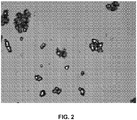
Figure 2 is an image of recrystallized Latanoprost-L-Arginine salt 2, described in Example 88, at 400x magnification. -
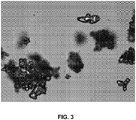
Figure 3 is an image of recrystallized Latanoprost-L-Arginine salt 2, described in Example 88, at 400x magnification. -
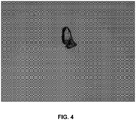
Figure 4 is an image of recrystallized Latanoprost-L-Arginine salt 2, described in Example 88, at 40x magnification. -
Figure 5 is an image of recrystallized Latanoprost-L-Arginine salt 2, described in Example 88, at 40x magnification. -
Figure 6 is an image of recrystallized Latanoprost-L-Arginine salt 2, described in Example 88, at 40x magnification. -
Figure 7 is an image of recrystallized Latanoprost-L-Arginine salt 2, described in Example 88, at 400x magnification. -
Figure 8 is an image of recrystallized Latanoprost-L-Arginine salt 2, described in Example 88, at 400x magnification. -
Figure 9 is an image of recrystallized Latanoprost-L-Arginine salt 2, described in Example 88, at 400x magnification. -
Figure 10 is an image of recrystallized Latanoprost-L-Arginine salt 2, described in Example 88, at 400x magnification.
-
- The present invention is directed to novel amino acid salts of prostaglandin free acids and the present specification further discloses methods of making and using these salts. The amino acid prostaglandin salts are useful in methods of treating eye diseases, such as glaucoma. The amino acid prostaglandin salts of the present invention are also useful in a method of treating bone disorders, such as osteoporosis, treating skin disorders, treating respiratory disorders, treating circulatory disorders such as hypertension, treating gastrointestinal disorders, treating hair loss, fertility control, improving nasal patency or treating neurogenic bladder.
- "Alcohol protecting group" refers to a protecting group that replaces the active hydrogen of a hydroxyl moiety thus preventing undesired side reaction at the hydroxyl moiety. Use of alcohol protecting groups in organic synthesis is well known in the art. Examples of alcohol protecting groups are found in
Chapter 2 of Theodora W. Greene's text entitled: "Protective Groups in Organic Synthesis" (3rd Editi - "Alkyl" refers to a saturated or unsaturated hydrocarbon chain having 1 to 18 carbon atoms, suitably 1 to 12 carbon atoms, or 1 to 6 carbon atoms, or 1 to 4 carbon atoms. Alkyl gropus may be straight or branched. In some embodiments, branched alkyl groups have one or two branches. Unsaturated alkyl groups have one or more double bonds and/or one or more triple bonds. Suitably, unsaturated alkyl groups have one or two double bonds or one triple bond. Alkyl chains may be unsubstituted or substituted with from 1 to about 4 substituents unless otherwise specified. Suitably, alkyl groups are mono-, di-, or tri-substituted. Suitable alkyl substituents include, but are not limited to, cyano, halo, hydroxy, aryl (e.g., phenyl, tolyl, alkyloxphenyl, alkyloxycarbonylphenyl, halophenyl), heterocyclyl, and heteroaryl.
- "Aromatic ring" refers to an aromatic hydrocarbon ring system. Aromatic rings are monocyclic or fused bicyclic ring systems. Monocyclic aromatic rings contain from about 5 to about 10 carbon atoms, suitably from 5 to 7 carbon atoms, or from 5 to 6 carbon atoms in the ring. Bicyclic aromatic rings contain from 8 to 12 carbon atoms, suitably 9 or 10 carbon atoms in the ring. Aromatic rings may be unsubstituted or substituted with from 1 to about 4 substituents on the ring. Suitable aromatic ring substituents include, but are not limited to, halo, cyano, lower alkyl, heteroalkyl, haloalkyl, phenyl, phenoxy or any combination thereof. Suitably, the aromatic ring substituents are lower alkyl, cyano, halo or halo alkyl.
- "Basic amino acid" refers to naturally-occurring and non-naturally-occurring alpha, beta and gamma amino acids, including all enantiomers and diastereomers, whether protected or unprotected, provided that the amino acids have a net positive charge at neutral pH. Neutral pH is a pH from about 6.5 to about 7.5. The basic amino acid may be basic when it is the free acid form, or it may only be basic as the ester or amide form of the amino acid. Suitable basic amino acids that are basic in the free acid form include, but are not limited to, arginine, lysine, histidine, L-Arginine, D-Arginine, DL-Arginine, homoarginine, 3- and 4-substituted arginine analogs, N(delta)-methyl-L-arginine (deltaMA), L-canavanine, D-canavanine, DL-canavanine, protected and/or substituted analogs of canavanine, L-α-Amino-β-guanidinopropionic acid, γ-guanidinobutyric acid, citrulline, 3-guanidinopropionic acid, 4-{[amino(imino)methyl]amino}butanoic acid, 6-{[amino(imino)methyl]amino}hexanoic acid, L-2-Amino-3-guanidinopropionic acid, L-Homoarginine, L-Arginine hydroxamate, Agmatine (CAS #: 2482-00-0), and NG-Methyl-L-arginine (CAS #: 53308-83-1). Other amino acids can be made into a basic amino acid if the acid group or groups are suitably protected. Suitable examples of basic amino acids that are esters include L-Arginine ethyl ester. Suitable examples of basic amino acids that are protected as amides include, but are not limited to, L-Argininamide, L-Arginine N-ethylamide, and Arg-beta-Ala hydrochloride, (CAS #: 98957-79-0). In some embodiments, the basic amino acid comprises a guanidino group.
- "Carbocycle" refers to a saturated or unsaturated hydrocarbon ring. Carbocycles are not aromatic. Carbocycles are monocyclic, or are fused, spiro, or bridged bicyclic ring systems. Monocyclic carbocycles contain from about 4 to about 10 carbon atoms, suitably from 4 to 7 carbon atoms, or from 5 to 6 carbon atoms in the ring. Bicyclic carbocycles contain from 8 to 12 carbon atoms, suitably from 9 to 10 carbon atoms in the ring. Carbocycles may be unsubstituted or substituted with from 1 to about 4 substituents on the ring. Suitable carbocycle substituents include, but are not limited to, halo, cyano, lower alkyl, heteroalkyl, haloalkyl, phenyl, phenoxy or any combination thereof. Suitably, the carbocycle substituents are halo or haloalkyl. Suitable carbocycles include, but are not limited to, cyclopentyl, cyclohexyl, cyclohexenyl, cycloheptyl, and cyclooctyl.
- "Halo" refers to fluoro, chloro, bromo or iodo.
- "Haloalkyl" refers to a straight, branched, or cyclic hydrocarbon substituted with one or more halo substituents. Suitably, the haloalkyl is C1-C12, or C1-C6, or C1-C3. Suitable halo substituents include fluoro and chloro. One suitable haloalkyl is trifluoromethyl.
- "Heteroalkyl" refers to a saturated or unsaturated chain containing carbon and at least one heteroatom, wherein no two heteroatoms are adjacent. Heteroalkyl groups contain from 1 to 18 member atoms (carbon and heteroatoms) in the chain, or 1 to 12 member atoms, or 1 to 6 member atoms, or 1 to 4 member atoms. Heteroalkyl groups may be straight or branched. Suitably, the branched heteroalkyl may have one or two branches. Unsaturated heteroalkyl have one or more double bonds and/or one or more triple bonds. Suitably, heteroalkyl groups have one or two double bonds or one triple bond. Heteroalkyl groups may be unsubstituted or substituted with from 1 to about 4 substituents unless otherwise specified. Suitable heteroalkyl substituents include halo, aryl (e.g., phenyl, tolyl, alkyloxyphenyl, alkyloxycarbonylphenyl, halophenyl), heterocyclyl, heteroaryl. For example, alkyl chains substituted with the following substituents are heteroalkyl: alkoxy (e.g., methoxy, ethoxy, propoxy, butoxy, pentoxy), aryloxy (e.g., phenoxy, chlorophenoxy, tolyloxy, methoxyphenoxy, benzyloxy, alkyloxycarbonylphenoxy, acyloxyphenoxy), acyloxy (e.g., propionyloxy, benzoyloxy, acetoxy), carbamoyloxy, carboxy, mercapto, alkylthio, acylthio, arylthio (e.g., phenylthio, chlorophenylthio, alkylphenylthio, alkoxyphenylthio, benzylthio, alkyloxycarbonylphenylthio), amino (e.g., amino, mono- and di- C1-C3 alkanylamino, methylphenylamino, methylbenzylamino, C1-C3 alkanylamido, carbamamido, ureido, guanidino).
- "Heteroatom" refers to a nitrogen, sulfur, or oxygen atom. Groups containing more than one heteroatom may contain different heteroatoms. As used herein, halogens are not considered heteroatoms.
- "Heterocycle" refers to a saturated or unsaturated ring containing carbon and from 1 to about 4 heteroatoms in the ring, wherein no two heteroatoms are adjacent in the ring and no carbon in the ring that has a heteroatom attached to it also has a hydroxyl, amino, or thiol group attached to it. Heterocycles are not aromatic. Heterocycles are monocyclic, or are fused or bridged bicyclic ring systems. Monocyclic heterocycles contain from about 4 to about 10 member atoms (carbon and heteroatoms), suitably from 4 to 7 member atoms, or from 5 to 6 member atoms in the ring. Bicyclic heterocycles contain from 8 to 12 member atoms, suitably 9 or 10 member atoms in the ring. Heterocycles may be unsubstituted or substituted with from 1 to about 4 substituents on the ring. Suitably, the substituents are halo or haloalkyl. Suitable heterocycle substituents include: halo, cyano, lower alkyl, heteroalkyl, haloalkyl, phenyl, phenoxy or any combination thereof. Suitable heterocycles include, but are not limited to, piperzyl, morpholinyl, tetrahydrofuranyl, tetrahydropyranyl and piperdyl.
- "Heteroaryl" refers to an aromatic ring system containing carbon and from 1 to about 4 heteroatoms in the ring. Heteroaryls are monocyclic or fused bicyclic ring systems. Monocyclic heteroaryls contain from about 5 to about 10 member atoms (carbon and heteroatoms), or from 5 to 7 member atoms, or from 5 to 6 member atoms in the ring. Bicyclic heteroaryls contain from 8 to 12 member atoms, or 9 or 10 member atoms in the ring. Heteroaryls may be unsubstituted or substituted with from 1 to about 4 substituents on the ring. Suitable heteroaryl substituents include: halo, cyano, lower alkyl, heteroalkyl, haloalkyl, phenyl, phenoxy or any combination thereof. Suitably, the substituents are halo, haloalkyl or phenyl. Suitable heteroaryls include, but are not limited to, benzothienyl, benzofuranyl, thienyl, thiazolo, purinyl, pyrimidyl, pyridyl, and furanyl.
- "Lower alkyl" refers to an alkyl chain comprised of 1 to 4 carbon atoms, suitably 1 to 3 carbon atoms or 1 to 2 carbon atoms. Lower alkyl groups may be saturated or unsaturated and substituted or unsubstituted. Lower alkyl groups include, but are not limited to, methyl, ethyl, propyl, isopropyl, butyl, isobutyl and t-butyl.
- "Lower heteroalkyl" refers to a heteroalkyl chain comprised of 1 to 4 member atoms. Lower heteroalkyl groups may be saturated or unsaturated and substituted or unsubstituted.
- "Member atom" refers to a polyvalent atom (C, O, N, or S atom) in a chain or ring system that continues the chain or ring system. For example, in benzene the six carbon atoms are member atoms and the six hydrogen atoms are not member atoms.
- "Phenyl" refers to a six-membered monocyclic aromatic ring which may or may not be substituted with from about 1 to about 4 substituents. The substituents may be substituted at the ortho, meta or para position on the phenyl ring, or any combination thereof. Suitable phenyl substituents include: halo, cyano, lower alkyl, heteroalkyl, haloalkyl, phenyl, phenoxy or any combination thereof.
- "Prostaglandin analog" refers to a compound that is designed to bind to a prostaglandin receptor. Prostaglandin analogs include protected prostaglandins, e.g. prostaglandins with esters or amides at the C1 position.
- "Prostaglandin free acid" refers to a prostaglandin, prostaglandin analog or prostaglandin intermediate that has a carboxylic acid moiety at the C1 position.
- "Prostaglandin intermediate" refers to a compound that is on the synthetic pathway to a compound that, in its active form, stimulates one or more of the prostaglandin receptors. Prostaglandin intermediates may be a protected prostaglandin or prostaglandin analog or they may have parts of their structures not yet attached. An example of a prostaglandin intermediate is a latanoprost free acid containing one or more silyl protecting groups on one or more of their alcohol moieties.
- "Prostaglandin F analog" or "PGF analog" or "analog of PGF2α" refers to a compound that is structurally similar to naturally occurring PGF2α.
- "Prostaglandin E analog" or "PGE analog" or "analog of PGE2" or "analog of PGE1" refers to a compound that is structurally similar to naturally occurring PGE2.
- "Prostaglandin D analog" or "PGD analog" or "analog of PGD2" refers to a compound that is structurally similar to naturally occurring PGD2.
- "Protected" refers to a chemical structure wherein one or more of the chemically-sensitive groups in the molecule have been modified to reduce its activity and allow for better synthetic techniques to be used. In prostaglandins, typical groups where protection is used are the hydroxy groups and the carboxcyclic acid group. Less commonly protected are the ketones found in PGD and PGE analogues. Protecting groups vary but are generally found in the various editions of "Protecting Groups in Organic Synthesis" by Theadora Green.
- "Unprotected" refers to a chemical structure that does not contain any groups that have been added to protect sensitive functional moieties such as hydroxy groups or carboxcylic acid groups.
- "Pharmaceutically acceptable carrier" refers to a carrier that is useful for the preparation of a pharmaceutical composition that is: generally compatible with the other ingredients of the composition, not deleterious to the recipient, and neither biologically nor otherwise undesirable.
- "A pharmaceutically acceptable carrier" includes both one and more than one carrier. Embodiments include carriers for topical, ocular, parenteral, intravenous, intraperitoneal intramuscular, sublingual, nasal and oral administration. "Pharmaceutically acceptable carrier" also includes agents for preparation of aqueous dispersions and sterile powders for injection or dispersions.
- "Excipient" refers to a physiologically compatible additives useful in preparation of a pharmaceutical composition. Examples of pharmaceutically acceptable carriers and excipients can for example be found in Remington Pharmaceutical Science, 16th Ed.
- "Therapeutically effective amount" refers to a dosage of the compounds or compositions effective for influencing, increasing, decreasing the acitivty of a receptor, in particular a prostaglandin receptor in a mammal. This term as used herein may also refer to an amount effective at bringing about a desired in vivo effect in a mammal, preferably, a human, such as reduction in intraocular pressure.
- "Administering" refers to administration of the compounds as needed to achieve the desired effect.
- "Eye disease" includes, glaucoma, allergy, cancers of the eye, neurodegenerative diseases of the eye, and dry eye.
- The term "contacting a cell" is used to mean contacting a cell in vitro or in vivo (i.e. within a subject, such as a mammal, including humans, rabbits, cats and dogs).
- The present specification discloses novel amino acid salts of prostaglandin free acids suchs as those of Formula I below:

- In some embodiments, the amino acid is a basic amino acid.
- The present specification further discloses novel amino acid salts of prostaglandin free acids suchs as those of Formula II below:

- wherein a and b are, independently, single, double or triple bonds;
- wherein Q1, Q2, and Q3 are independently selected from hydrogen or an alcohol protecting group;
- wherein each R1 is, independently selected from hydrogen or lower alkyl;
- wherein Y is -O-, -S-, -S(O), -SO2-, -C(R2)2-, -NR1-, -CR2=CR2-, or -C=C-;
- wherein Z is selected from hydrogen, carbocycle, aryl or heteroaryl;
- wherein each R2, if present, is independently selected from hydrogen, lower alkyl, alkoxy, or hydroxyl; and
- wherein p, and q are independently an integer of from 0 to 4.
- Suitably, no carbon atom in Formula II has two or more heteroatoms attached to it unless the two or more heteroatoms are member atoms in a heteroaromatic ring system.
- In Formula II above, the relative stereochemistry at C8, C9, and C12 is as specified above. That is, the bond between C7 and C8 is in the α orientation, the alcohol (protected or unprotected) at C9 is in the α orientation, and the bond between C12 and C13 is in the β orientation. The specification also includes optical isomers, diastereomers and enantiomers of the above structure. At all stereocenters where stereochemistry is not defined (e.g. C11 and C15), both epimers are envisioned. In some embodiments stereochemistry at all such stereocenters mimic that of naturally occurring PGF2α.
- In some embodiments, Q1 is either H or an alcohol protecting group and Q2 and Q3 are alcohol protecting groups. In other embodiments, Q1, Q2, and Q3 are all alcohol protecting groups and may be different alcohol protecting groups and may be the same alcohol protecting group.
- The prostaglandin free acids recited in claim 1 are latanoprost free acid and travoprost free acid.


- The amino acid prostaglandin salts of the present invention are readily formulatable and recrystallizable. They generally are dry free-flowing powders with relatively low tackiness and thus are useful in manufacture. Suitably, the salts have a melting point of at least about 35°C or at least about 50°C.
- It has surprisingly been discovered that the disadvantages of the difficult procedures used to solidify prostaglandin free acids can be overcome by making a basic amino acid salt of the free acid which can be easily crystallized and/or recrystallized as needed.
- The general process for making the amino acid prostaglandin salts according to the present invention is depicted below in Scheme I:

- A prostaglandin free acid is reacted with an amino acid in an appropriate solvent to generate the amino acid prostaglandin salt. Solvents can vary but methanol, ethanol, water, THF are generally acceptable solvents.
- The temperature of the reaction is suitably kept between -78°C and the ambient room temperature (about 20-25°C). Alternatively, the temperature is from about 0°C to about 20°C. The reaction is stirred for about 5 minutes to about 4 hours under these conditions until a precipitate forms, at which point the amino acid prostaglandin salt is removed by filtration.
- The salt may be recrystallized by well-known methods in the art. One suitable method is to dissolve the salt in an alcohol, such as methanol, ethanol or isopropanol, and then add diethyl ether or ethyl acetate until the cloud point, then cool to create a precipitate. The nascent precipitate is then warmed to resolubilize the material and then slowly cooled to create crystals.
- Prostaglandin free acids can be made from known starting materials and methods known to one of ordinary skill in the art. For example, many are also available from Cayman Chemical Company, Ann Arbor, MI. In addition, the following reference describes the synthesis of prostaglandins: Corey, E. J.; Weinshenker, N. M.; Schaaf, T. K.; Huber, W J. Am. Chem. Soc., 1969, 91, 5675 and Corey, E. J.; Schaaf, T. K.; Huber, W; Koelliker, U.; Weinshenker, N. M.; J. Am. Chem. Soc., 1970, 92, 397.
- The amino acid prostaglandin salts may be used to treat various conditions, including eye disorders, such as glaucoma, osteoporosis, improving nasal patency or treating neurogenic bladder. The amino acid prostaglandin salts of the present invention are also useful in a method of reducing or decreasing intraocular pressure.
- In one embodiment, a cell is contacted with an amount of an amino acid prostaglandin salt effective to reduce intraocular pressure. The term "contacting a cell" is used to mean contacting a cell in vitro or in vivo (i.e., in a subject, such as a mammal, including humans, rabbits, cats and dogs). In some embodiments, the cell may be contacted as a result of administration of an amino acid prostaglandin salt to a subject. The term "administration" contemplates any route known to one of ordinary skill in the art, including, oral, topical, parenteral, injection, inhalation, implants, buccal and rectal.
- An effective amount of an amino acid prostaglandin salt according to the present invention will vary with the particular condition being treated, the age and physical condition of the patient being treated, the severity of the condition, the duration of treatment, the nature of concurrent therapy, the route of administration, the particular pharmaceutically-acceptable carrier utilized, and like factors within the knowledge and expertise of the attending physician. For example, an effective amount of the amino acid prostaglandin salts of the present invention for systemic administration is from about 0.01 to about 1000 µg/kg body weight, preferably from about 0.1 to about 100 µg/kg per body weight, most preferably form about 1 to about 50 µg/kg body weight per day. Transdermal dosages would be designed to attain similar serum or plasma levels, based upon techniques known to those skilled in the art of pharmacokinetics and transdermal formulations. Plasma levels for systemic administration are expected to be in the range of 0.01 to 100 ng/mL, more preferably from 0.05 to 50 ng/mL and most preferably from 0.1 to 10 ng/mL. While these dosages are based upon a daily administration rate, the amino acid prostaglandin salts of the present invention may also be administered at other intervals, such as twice per day, twice weekly, once weekly, or once a month. One of ordinary skill in the art would be able to calculate suitable effective amounts for other intervals of administration.
- In one embodiment, the amino acid prostaglandin salts are administered in a pharmaceutically acceptable composition, such as in or with a pharmaceutically acceptable carrier.
- Compositions may include one or more of the isoforms of the amino acid prostaglandin salts of the present invention. When racemates exists, each enantiomer or diastereomer may be separately used, or they may be combined in any proportion. Where tautomers exist all possible tautomers are specifically contemplated.
- Pharmaceutical compositions for use in accordance with the present invention may be formulated in a conventional manner using one or more physiologically acceptable carriers or excipients. Thus, the amino acid prostaglandin salts may be formulated for administration by, for example, solid dosing, eyedrop, in a topical oil-based formulation, injection, inhalation (either through the mouth or the nose), implants, or oral, buccal, parenteral or rectal administration. Techniques and formulations may generally be found in "Remington's Pharmaceutical Sciences", (Meade Publishing Co., Easton, Pa.).
- The route by which the amino acid prostaglandin salts of the present invention (component A) will be administered and the form of the composition will dictate the type of carrier (component B) to be used. The composition may be in a variety of forms, suitable, for example, for systemic administration (e.g., oral, rectal, nasal, sublingual, buccal, implants, or parenteral) or topical administration (e.g., local application on the skin, ocular, liposome or nanosphere delivery systems, or iontophoresis).
- Carriers for systemic administration typically comprise at least one of a) diluents, b) lubricants, c) binders, d) disintegrants, e) colorants, f) flavors, g) sweeteners, h) antioxidants, j) preservatives, k) glidants, m) solvents, n) suspending agents, o) wetting agents, p) surfactants, combinations thereof, and others. All carriers are optional in the systemic compositions.
- Ingredient a) is a diluent. Suitable diluents for solid dosage forms include sugars such as glucose, lactose, dextrose, and sucrose; diols such as propylene glycol; calcium carbonate; sodium carbonate; sugar alcohols, such as glycerin; mannitol; and sorbitol. The amount of ingredient a) in the systemic or topical composition is typically about 50 to about 90%.
- Ingredient b) is a lubricant. Suitable lubricants for solid dosage forms are exemplified by solid lubricants including silica, talc, stearic acid and its magnesium salts and calcium salts, calcium sulfate; and liquid lubricants such as polyethylene glycol and vegetable oils such as peanut oil, cottonseed oil, sesame oil, olive oil, corn oil and oil of theobroma. The amount of ingredient b) in the systemic or topical composition is typically about 5 to about 10%.
- Ingredient c) is a binder. Suitable binders for solid dosage forms include polyvinyl pyrrolidone; magnesium aluminum silicate; starches such as corn starch and potato starch; gelatin; tragacanth; and cellulose and its derivatives, such as sodium carboxymethylcellulose, ethyl cellulose, methylcellulose, microcrystalline cellulose, and sodium carboxymethylcellulose. The amount of ingredient c) in the systemic composition is typically about 5 to about 50%, and in ocular solid dosing forms up to 99%.
- Ingredient d) is a disintegrant. Suitable disintegrants for solid dosage forms include agar, alginic acid and the sodium salt thereof, effervescent mixtures, croscarmelose, crospovidone, sodium carboxymethyl starch, sodium starch glycolate, clays, and ion exchange resins. The amount of ingredient d) in the systemic or topical composition is typically about 0.1 to about 10%.
- Ingredient e) for solid dosage forms is a colorant such as an FD&C dye. When used, the amount of ingredient e) in the systemic or topical composition is typically about 0.005 to about 0.1%.
- Ingredient f) for solid dosage forms is a flavor such as menthol, peppermint, and fruit flavors. The amount of ingredient f), when used, in the systemic or topical composition is typically about 0.1 to about 1.0%.
- Ingredient g) for solid dosage forms is a sweetener such as aspartame and saccharin. The amount of ingredient g) in the systemic or topical composition is typically about 0.001 to about 1%.
- Ingredient h) is an antioxidant such as butylated hydroxyanisole ("BHA"), butylated hydroxytoluene ("BHT"), and vitamin E. The amount of ingredient h) in the systemic or topical composition is typically about 0.1 to about 5%.
- Ingredient j) is a preservative such as benzalkonium chloride, methyl paraben and sodium benzoate. The amount of ingredient j) in the systemic or topical composition is typically about 0.001 to about 5%, suitably about 0.01 to about 5%.
- Ingredient k) for solid dosage forms is a glidant such as silicon dioxide. The amount of ingredient k) in the systemic or topical composition is typically about 1 to about 5%.
- Ingredient m) is a solvent, such as water, isotonic saline, ethyl oleate, glycerine, hydroxylated castor oils, alcohols such as ethanol, and phosphate buffer solutions. The amount of ingredient m) in the systemic or topical composition is typically from about 0 to about 100%.
- Ingredient n) is a suspending agent. Suitable suspending agents include Avicel® RC-591 (from FMC Corporation of Philadelphia, PA) and sodium alginate. The amount of ingredient n) in the systemic or topical composition is typically about 1 to about 8%.
- Ingredient o) is a surfactant such as lecithin, Polysorbate 80, and sodium lauryl sulfate, and the TWEENS® from Atlas Powder Company of Wilmington, Delaware. Suitable surfactants include those disclosed in the C.T.F.A. Cosmetic Ingredient Handbook, 1992, pp.587-592; Remington's Pharmaceutical Sciences, 15th Ed. 1975, pp. 335-337; and McCutcheon's Volume 1, Emulsifiers & Detergents, 1994, North American Edition, pp. 236-239. The amount of ingredient o) in the systemic or topical composition is typically about 0.1% to about 5%.
- Although the amounts of components A and B in the systemic compositions will vary depending on the type of systemic composition prepared, the specific derivative selected for component A and the ingredients of component B, in general, system compositions comprise 0.01% to 50% of component A and 50 to 99.99% of component B.
- Compositions for parenteral administration typically comprise A) 0.1 to 10% of the amino acid prostaglandin salts of the present invention and B) 90 to 99.9% of a carrier comprising a) a diluent and m) a solvent. In one embodiment, component a) comprises propylene glycol and m) comprises ethanol or ethyl oleate.
- Compositions for oral administration can have various dosage forms. For example, solid forms include tablets, capsules, granules, and bulk powders. These oral dosage forms comprise a safe and effective amount, usually at least about 5%, and more particularly from about 25% to about 50% of component A). The oral dosage compositions further comprise about 50 to about 95% of component B), and more particularly, from about 50 to about 75%.
- Tablets can be compressed, tablet triturates, enteric-coated, sugar-coated, film-coated, or multiple-compressed. Tablets typically comprise component A, and component B a carrier comprising ingredients selected from the group consisting of a) diluents, b) lubricants, c) binders, d) disintegrants, e) colorants, f) flavors, g) sweeteners, k) glidants, and combinations thereof. Specific diluents include calcium carbonate, sodium carbonate, mannitol, lactose and cellulose. Specific binders include starch, gelatin, and sucrose. Specific disintegrants include alginic acid and croscarmelose. Specific lubricants include magnesium stearate, stearic acid, and talc. Specific colorants are the FD&C dyes, which can be added for appearance. Chewable tablets preferably contain g) sweeteners such as aspartame and saccharin, or f) flavors such as menthol, peppermint, fruit flavors, or a combination thereof.
- Capsules (including implants, time release and sustained release formulations) typically comprise component A, and a carrier comprising one or more a) diluents disclosed above in a capsule comprising gelatin. Granules typically comprise component A, and preferably further comprise k) glidants such as silicon dioxide to improve flow characteristics. Implants can be of the biodegradable or the non-biodegradable type. Implants may be prepared using any known biocompatible formulation.
- The selection of ingredients in the carrier for oral compositions depends on secondary considerations like taste, cost, and shelf stability, which are not critical for the purposes of this invention. One skilled in the art would know how to select appropriate ingredients without undue experimentation.
- The solid compositions may also be coated by conventional methods, typically with pH or time-dependent coatings, such that component A is released in the gastrointestinal tract in the vicinity of the desired application, or at various points and times to extend the desired action. The coatings typically comprise one or more components selected from the group consisting of cellulose acetate phthalate, polyvinyl acetate phthalate, hydroxypropyl methyl cellulose phthalate, ethyl cellulose, EUDRAGIT® coatings (available from Rohm & Haas G.M.B.H. of Darmstadt, Germany), waxes and shellac.
- Compositions for oral administration can also have liquid forms. For example, suitable liquid forms include aqueous solutions, emulsions, suspensions, solutions reconstituted from non-effervescent granules, suspensions reconstituted from non-effervescent granules, effervescent preparations reconstituted from effervescent granules, elixirs, tinctures, syrups, and the like. Liquid orally administered compositions typically comprise component A and component B, namely, a carrier comprising ingredients selected from the group consisting of a) diluents, e) colorants, f) flavors, g) sweeteners, j) preservatives, m) solvents, n) suspending agents, and o) surfactants. Peroral liquid compositions preferably comprise one or more ingredients selected from the group consisting of e) colorants, f) flavors, and g) sweeteners.
- Other compositions useful for attaining systemic delivery of the subject amino acid prostaglandin salts include sublingual, buccal and nasal dosage forms. Such compositions typically comprise one or more of soluble filler substances such as a) diluents including sucrose, sorbitol and mannitol; and c) binders such as acacia, microcrystalline cellulose, carboxymethyl cellulose, and hydroxypropyl methylcellulose. Such compositions may further comprise b) lubricants, e) colorants, f) flavors, g) sweeteners, h) antioxidants, and k) glidants.
- In one embodiment of the invention, the amino acid prostaglandin salts of the present invention are topically administered. Topical compositions that can be applied locally to the eye may be in any form known in the art, non-limiting Examples of which include solids, gelable drops, sprays, ointments, or a sustained or non-sustained release unit placed in the conjunctival cul-du-sac of the eye or another appropriate location.
- Topical compositions that can be applied locally to the skin may be in any form including solids, solutions, oils, creams, ointments, gels, lotions, shampoos, leave-on and rinse-out hair conditioners, milks, cleansers, moisturizers, sprays, skin patches, and the like. Topical compositions comprise: component A, the amino acid prostaglandin salts described above, and component B, a carrier. The carrier of the topical composition preferably aids penetration of the amino acid prostaglandin salts into the eye. Component B may further comprise one or more optional components.
- The exact amounts of each component in the topical composition depend on various factors. The amount of component A added to the topical composition is dependent on the IC50 of component A, typically expressed in nanomolar (nM) units. For example, if the IC50 of the medicament is 1 nM, the amount of component A will be from about 0.001 to about 0.3%. If the IC50 of the medicament is 10 nM, the amount of component A) will be from about 0.01 to about 1%. If the IC50 of the medicament is 100 nM, the amount of component A will be from about 0.1 to about 10%. If the IC50 of the medicament is 1000 nM, the amount of component A will be 1 to 100%, preferably 5% to 50%. If the amount of component A is outside the ranges specified above (i.e., lower), efficacy of the treatment may be reduced. One skilled in the art understands how to calculate and understand an IC50. The remainder of the composition, up to 100%, is component B.
- The amount of the carrier employed in conjunction with component A is sufficient to provide a practical quantity of composition for administration per unit dose of the medicament. Techniques and compositions for making dosage forms useful in the methods of this invention are described in the following references: Modern Pharmaceutics, Chapters 9 and 10, Banker & Rhodes, eds. (1979); Lieberman et al., Pharmaceutical Dosage Forms: Tablets (1981); and Ansel, Introduction to Pharmaceutical Dosage Forms, 2nd Ed., (1976).
- Component B may comprise a single ingredient or a combination of two or more ingredients. In the topical compositions, component B comprises a topical carrier. Suitable topical carriers comprise one or more ingredients selected from the group consisting of phosphate buffered saline, isotonic water, deionized water, monofunctional alcohols, symmetrical alcohols, aloe vera gel, allantoin, glycerin, vitamin A and E oils, mineral oil, propylene glycol, PPG-2 myristyl propionate, dimethyl isosorbide, castor oil, combinations thereof, and the like. More particularly, carriers for skin applications include propylene glycol, dimethyl isosorbide, and water, and even more particularly, phosphate buffered saline, isotonic water, deionized water, monofunctional alcohols and symmetrical alcohols.
- The carrier of the topical composition may further comprise one or more ingredients selected from the group consisting of q) emollients, r) propellants, s) solvents, t) humectants, u) thickeners, v) powders, w) fragrances, x) pigments, and y) preservatives.
- Ingredient q) is an emollient. The amount of ingredient q) in a skin-based topical composition is typically about 5 to about 95%. Suitable emollients include stearyl alcohol, glyceryl monoricinoleate, glyceryl monostearate, propane-1,2-diol, butane-1,3-diol, mink oil, cetyl alcohol, isopropyl isostearate, stearic acid, isobutyl palmitate, isocetyl stearate, oleyl alcohol, isopropyl laurate, hexyl laurate, decyl oleate, octadecan-2-ol, isocetyl alcohol, cetyl palmitate, di-n-butyl sebacate, isopropyl myristate, isopropyl palmitate, isopropyl stearate, butyl stearate, polyethylene glycol, triethylene glycol, lanolin, sesame oil, coconut oil, arachis oil, castor oil, acetylated lanolin alcohols, petroleum, mineral oil, butyl myristate, isostearic acid, palmitic acid, isopropyl linoleate, lauryl lactate, myristyl lactate, decyl oleate, myristyl myristate, and combinations thereof. Specific emollients for skin include stearyl alcohol and polydimethylsiloxane.
- Ingredient r) is a propellant. The amount of ingredient r) in the topical composition is typically about 0 to about 95%. Suitable propellants include propane, butane, isobutane, dimethyl ether, carbon dioxide, nitrous oxide, and combinations thereof.
- Ingredient s) is a solvent. The amount of ingredient s) in the topical composition is typically about 0 to about 95%. Suitable solvents include water, ethyl alcohol, methylene chloride, isopropanol, castor oil, ethylene glycol monoethyl ether, diethylene glycol monobutyl ether, diethylene glycol monoethyl ether, dimethylsulfoxide, dimethyl formamide, tetrahydrofuran, and combinations thereof. Specific solvents include water, ethyl alcohol and propylene glycol.
- Ingredient t) is a humectant. The amount of ingredient t) in the topical composition is typically 0 to 95%. Suitable humectants include glycerin, sorbitol, sodium 2-pyrrolidone-5-carboxylate, soluble collagen, dibutyl phthalate, gelatin, and combinations thereof. Specific humectants include glycerin.
- Ingredient u) is a thickener. The amount of ingredient u) in the topical composition is typically about 0 to about 95%.
- Ingredient v) is a powder. The amount of ingredient v) in the topical composition is typically 0 to 95%. Suitable powders include beta-cyclodextrins, hydroxypropyl cyclodextrins, chalk, talc, fullers earth, kaolin, starch, gums, colloidal silicon dioxide, sodium polyacrylate, tetra alkyl ammonium smectites, trialkyl aryl ammonium smectites, chemically-modified magnesium aluminum silicate, organically-modified Montmorillonite clay, hydrated aluminum silicate, fumed silica, carboxyvinyl polymer, sodium carboxymethyl cellulose, ethylene glycol monostearate, and combinations thereof. For ocular applications, specific powders include beta-cyclodextrin, hydroxypropyl cyclodextrin, and sodium polyacrylate. For gel dosing ocular formulations, sodium polyacrylate may be used.
- Ingredient w) is a fragrance. The amount of ingredient w) in the topical composition is typically about 0 to about 0.5%, particularly, about 0.001 to about 0.1%. For ocular applications a fragrance is not typically used.
- Ingredient x) is a pigment. Suitable pigments for skin applications include inorganic pigments, organic lake pigments, pearlescent pigments, and mixtures thereof. Inorganic pigments useful in this invention include those selected from the group consisting of rutile or anatase titanium dioxide, coded in the Color Index under the reference CI 77,891; black, yellow, red and brown iron oxides, coded under references CI 77,499, 77,492 and, 77,491; manganese violet (CI 77,742); ultramarine blue (CI 77,007); chromium oxide (CI 77,288); chromium hydrate (CI 77,289); and ferric blue (CI 77,510) and mixtures thereof.
- The organic pigments and lakes useful in this invention include those selected from the group consisting of D&C Red No. 19 (CI 45,170), D&C Red No. 9 (CI 15,585), D&C Red No. 21 (CI 45,380), D&C Orange No. 4 (CI 15,510), D&C Orange No. 5 (CI 45,370), D&C Red No. 27 (CI 45,410), D&C Red No. 13 (CI 15,630), D&C Red No. 7 (CI 15,850), D&C Red No. 6 (CI 15,850), D&C Yellow No. 5 (CI 19,140), D&C Red No. 36 (CI 12,085), D&C Orange No. 10 (CI 45,425), D&C Yellow No. 6 (CI 15,985), D&C Red No. 30 (CI 73,360), D&C Red No. 3 (CI 45,430), the dye or lakes based on Cochineal Carmine (CI 75,570) and mixtures thereof.
- The pearlescent pigments useful in this invention include those selected from the group consisting of the white pearlescent pigments such as mica coated with titanium oxide, bismuth oxychloride, colored pearlescent pigments such as titanium mica with iron oxides, titanium mica with ferric blue, chromium oxide, titanium mica with an organic pigment of the above-mentioned type as well as those based on bismuth oxychloride and mixtures thereof. The amount of pigment in the topical composition is typically about 0 to about 10%. For ocular applications a pigment is generally not used.
- In a particularly preferred embodiment of the invention, topical pharmaceutical compositions for ocular administration are prepared typically comprising component A and B (a carrier), such as purified water, and one or more ingredients selected from the group consisting of y) sugars or sugar alcohols such as dextrans, particularly mannitol and dextran 70, z) cellulose or a derivative thereof, aa) a salt, bb) disodium EDTA (Edetate disodium), and cc) a pH adjusting additive.
- Examples of z) cellulose derivatives suitable for use in the topical pharmaceutical composition for ocular administration include sodium carboxymethylcellulose, ethylcellulose, methylcellulose, and hydroxypropyl-methylcellulose, particularly, hydroxypropyl-methylcellulose.
- Examples of aa) salts suitable for use in the topical pharmaceutical composition for ocular administration include mono-, di- and trisodium phosphate, sodium chloride, potassium chloride, and combinations thereof.
- Examples of cc) pH adjusting additives include HCI or NaOH in amounts sufficient to adjust the pH of the topical pharmaceutical composition for ocular administration to 5.0-7.5.
- Component A may be included in kits comprising component A, a systemic or topical composition described above, or both; and information, instructions, or both that use of the kit will provide treatment for cosmetic and medical conditions in mammals (particularly humans). The information and instructions may be in the form of words, pictures, or both, and the like. In addition or in the alternative, the kit may comprise the medicament, a composition, or both; and information, instructions, or both, regarding methods of application of medicament, or of composition, preferably with the benefit of treating or preventing cosmetic and medical conditions in mammals (e.g., humans).
- The following examples further illustrate the processes of the present invention:
-

- To Latanoprost free acid (CAS # 41639-83-2) (1, 21.2 mg, 0.054 mmol) in MeOH/H2O (4:1, 0.65 mL) was added L-Arginine (>98%, Sigma-Aldrich, St. Louis, MO). (72 mM solution in MeOH/H2O [4:1]) (754 µL, 0.054 mmol) and the solution was stirred for 30 minutes. The solvents were evaporated then azeotroped with Et2O and hexanes to give white crystalline Latanoprost-L-Arginine salt 2 (quantitative).
- Recrystallization: To 26.5 mg of 1 in a 4 mL vial was added approx 0.5 mL of MeOH to dissolve, followed by 1.2-1.5 mL of Et2O which precipitated out the product. The vial was put on ice for 5 min. The liquid was decanted and the solid dried to give pure 2, 22.9 mg.
- Using substantially the same procedure, but substituting PGE2 free acid (CAS #: 363-24-6) for latanoprost free acid the arginine salt of PGE2 can be made.
- Arginine salts of the following commercially-available prostaglandins can be made by following the above procedure and substituting the appropriate prostaglandin free acid.
Example Free acid name CAS # 3 8-iso Prostaglandin F2α 27415-26-5 4 Prostaglandin D2 41598-07-6 5 Prostaglandin E1 745-65-3 6 Prostaglandin F2α 551-11-1 7 Prostaglandin D3 71902-47-1 8 16,16-dimethyl Prostaglandin E2 39746-25-3 9 Butaprost (free acid) 433219-55-7 10 Tafluprost (free acid) 209860-88-8 11 Bimatoprost (free acid) 12 Prostaglandin A1 14152-28-4 13 Travoprost (free acid) 14 Latanoprost (free acid)-d4 15 17-phenyl trinor Prostaglandin E2 38315-43-4 16 15(S)-Latanoprost (free acid) 17 AL 8810 246246-19-5 18 Bimatoprost (free acid) 38344-08-0 19 (+)-15-epi Cloprostenol 54276-22-1 20 15-keto Latanoprost (free acid) 21 Prostaglandin E3 802-31-3 22 Limaprost 74397-12-9 23 (+)-Fluprostenol (also know as travoprost free acid) 54276-17-4 24 BW 245C 72814-32-5 25 Δ12-Prostaglandin J2 87893-54-7 26 11β-Prostaglandin F2α 38432-87-0 27 5-trans Prostaglandin E2 36150-00-2 28 19(R)-hydroxy Prostaglandin E2 64625-54-3 29 Fluprostenol (racemic) 40666-16-8 30 Prostaglandin F2β 4510-16-1 31 16-phenoxy tetranor Prostaglandin E2 32 (+)-Cloprostenol 54276-21-0 33 20-hydroxy Prostaglandin E2 57930-95-7 34 17,20-dimethyl Prostaglandin F1α 35 (+)-Cloprostenol 36 9-keto Fluprostenol 156406-33-6 37 Prostaglandin F1α 745-62-0 38 15(S)-Fluprostenol 39 5-trans Prostaglandin F2β 36150-02-4 40 15-keto-17-phenyl trinor Prostaglandin F2α 41 15-cyclohexyl pentanor Prostaglandin F2α 58611-97-5 42 Cloprostenol (racemic) 43 Prostaglandin F1 β 10164-73-5 44 3-methoxy Limaprost 45 13,14-dihydro Prostaglandin F2α 27376-74-5 46 15(R)-15-methyl Prostaglandin E2 55028-70-1 47 19(R)-hydroxy Prostaglandin E1 64625-55-4 48 9-deoxy-9-methylene Prostaglandin E2 61263-32-9 49 16-phenyl tetranor Prostaglandin E1 50 11-deoxy Prostaglandin F1α 37785-98-1 51 19(R)-hydroxy Prostaglandin F1α 81371-59-7 52 19(R)-hydroxy Prostaglandin F2α 64625-53-2 53 1a, 1b-dihomo Prostaglandin F2α 57944-39-5 54 15(R), 19(R)-hydroxy Prostaglandin F2α 55 16-phenoxy tetranor Prostaglandin F2α 51705-19-2 56 11-deoxy Prostaglandin F1β 37785-99-2 57 11-deoxy Prostaglandin F2β 37786-07-5 58 11β-Prostaglandin F1β 37785-86-7 59 15-keto Fluprostenol 60 15(S)-15-methyl Prostaglandin F2α 35700-23-3 61 16,16-dimethyl Prostaglandin E1 41692-15-3 62 16,16-dimethyl Prostaglandin F2α 39746-23-1 63 17-trifluoromethylphenyl-13,14-dihydro trinor Prostaglan 64 17-trifluoromethylphenyl trinor Prostaglandin F2α 221246-34-0 65 Bimatoprost (free acid)-d4 66 (+)-Fluprostenol-d4 67 Prostaglandin B2 13367-85-6 68 Prostaglandin B3 36614-32-1 69 17-phenyl trinor Prostaglandin A2 70 (S)-AL 8810 71 Lubiprostone 136790-76-6 - To Latanoprost (free acid) (1, 21.2 mg, 0.054 mmol) in MeOH/H2O (4:1, 0.65 mL) was added L-Arginine (72 mM solution in MeOH/H2O [4:1]) (754 µL, 0.054 mmol) ((>98%) from Sigma-Aldrich Cat. A5006) and the solution was stirred for 30 minutes. The solvents were evaporated then azeotroped with Et2O and hexanes to give white crystalline Latanoprost-L-Arginine salt 2 (quantitative).
- Recrystallization: To 26.5 mg of 1 in a 4 mL vial was added approx 0.5 mL of MeOH to dissolve, followed by 1.2-1.5 mL of Et2O which precipitated out the product. The vial was put on ice for 5 min. The liquid was decanted and the solid dried to give pure 2, 22.9 mg.
- To travoprost free acid ((+)-fluprostenol free acid) 3 in MeOH/H2O was added L-Arginine (>98%) (Sigma-Aldrich Cat. A5006) and the solution was stirred for 30 minutes. The solvents were evaporated then azeotroped with Et2O and hexanes to give white crystalline travoprost-L-Arginine salt 4 (quantitative).

- Recrystallization: To 4 is added enough MeOH to dissolve, and is followed by Et2O to the cloud point, then warmed to redissolved and slowly cooled overnight. The liquid is decanted and the solid is dried to give pure 4.
-

- To travoprost free acid ((+)-fluprostenol free acid) 3 in MeOH/H2O is added L-Homoarginine and the solution is stirred for 30 minutes. The solvents are evaporated then azeotroped with Et2O and hexanes to give white crystalline travoprost-L-Homoarginine salt 5 (quantitative).
- Recrystallization: To 5 was added enough EtOH to dissolve, followed by Et2O which precipitated the product. The vial was put on ice for 5 min. The liquid was decanted and the solid dried to give the salt 5.
- A composition in liquid form is prepared by conventional methods, formulated as follows:
-
Ingredient Quantity PGF analog arginine salt 0-5 mg PGE analog arginine salt 0-5 mg Propylene glycol 5 mL Ethyl alcohol 5 mL - 1.0 mL of the above composition, when administered once a day, substantially increases the beauty and health of the mammalian skin onto which it is applied.
- A skin care, topical product is prepared by formulating a cream composition as illusterated below.
-
Ingredient Quantity PGF analog arginine salt 50 mg Isopropyl isosterate 150 g Polyacrylate 13/polyisobutene/Polysorbate 20 35 g Methyl paraben/propyl paraben 1 g Distilled water 400 g - A skin care wipe product is prepared by impregnating such a wipe with the liquid composition of Example 75. Such a wipe may be impregnated by techniques known and readily available to those skilled in the art. Indeed, a preferred example of a wipe product is the Oil of Olay Facial Wipes, owned and distributed by The Procter and Gamble Company of Cincinnati, Ohio.
- Shampoos are made, comprising:
Ex. 78-1 Ex. 78-2 Ex. 78-3 Ex. 78-4 Component Ammonium Lauryl Sulfate 11.5 % 11.5 % 9.5 % 7.5 % Ammonium Laureth Sulfate 4 % 3 % 2 % 2 % Cocamide MEA 2 % 2 % 2 % 2 % Ethylene Glycol Distearate 2 % 2 % 2 % 2 % Cetyl Alcohol 2 % 2 % 2 % 2 % Stearyl Alcohol 1.2 % 1.2 % 1.2 % 1.2 % Glycerin 1 % 1 % 1 % 1 % Polyquaternium 10 0.5 % 0.25 % - - Polyquaternium 24 - - 0.5 % 0.25 % Sodium Chloride 0.1 % 0.1 % 0.1 % 0.1 % Sucrose Polyesters of Cottonate Fatty Acid 3 % 3 % - - Sucrose Polyesters of Behenate Fatty Acid 2% 3 % - - Polydimethyl Siloxane - - 3 % 2% Cocaminopropyl Betaine - 1 % 3% 3% Lauryl Dimethyl Amine Oxide 1.5 % 1.5 % 1.5 % 1.5 % Decyl Polyglucose - - 1 % 1 % DMDM Hydantoin 0.15 % 0.15 % 0.15 % 0.15 % PGF analog arginine salt - 0.2 % 0.2 % - PGE analog arginine salt 0.1 % - - 0.1 % Minoxidil 3 % 2 % Phenoxyethanol 0.5 % 0.5 % 0.5 % 0.5 % Fragrance 0.5 % 0.5 % 0.5 % 0.5 % Water q.s. q.s. q.s. q.s. - A human subject suffering from male pattern baldness is treated by a method of this invention. Specifically, for 12 weeks, a shampoo described above is used daily by the subject. Approximately one liquid ounce of the formula is applied to the scalp and hair of the subject, left in place for not more than 5 minutes, then rinsed with water.
- Topical pharmaceutical compositions for lowering intraocular pressure are prepared by conventional methods and formulated as follows:
Ingredient Amount (wt %) PGF analog arginine salt 0.50 Dextran 70 0.1 Hydroxypropyl methylcellulose 0.3 Sodium Chloride 0.77 Potassium chloride 0.12 Disodium EDTA 0.05 Benzalkonium chloride 0.01 HCl and/or NaOH pH 7.0-7.2 Purified water q.s. to 100% - A compound according to this invention is used as the PF analog arginine salt. When the composition is topically administered to the eyes as a 40 microliter drop instilled into the affected eye once daily, the above composition decreases intraocular pressure in a patient suffering from glaucoma.
- Example 79 is repeated using a PGE analog arginine salt according to this invention. When administered as a drop twice per day, the above composition substantially decreases intraocular pressure.
- Topical pharmaceutical compositions for nasal sprays are prepared by conventional methods and formulated as follows:
Ingredient Amount (wt %) PGF analog arginine salt 0.1-0.50 Hydroxypropyl methylcellulose 0.0-0.3 Sorbitol 0.61 EDTA 0.05 Benzalkonium chloride 0.01 HCl and/or NaOH to pH 7.0-7.2 Purified water q.s. to 100% - Topical pharmaceutical compositions for instillation, e.g., into a bladder are prepared by conventional methods and formulated as follows:
Ingredient Amount (wt %) PGF analog arginine salt 0.1-0.50 EDTA 0.05 Phosphate buffered saline q.s. to 100% -

- To 1.0 gram of Latanoprost L-arginine salt (2) in MeOH/H2O (4:1, 20 mL) is added 2.01 equivalents of isopropyl iodide (99%, Cat #148938, Sigma-Aldrich, St. Louis, MO). and the solution is stirred overnight. Saturated aqueous ammonium acetate is added along with ethyl acetate and the layers are separated. The organic layer is separated, and the solvents removed in vaccuo, and the material is chromatographed to give latanoprost as the isopropyl ester (6).
-

- The procedure of example 83 is repeated substituting fluprostenol for latanoprost and methyl iodide for isopropyl iodide. Isolated is fluprostenol methyl ester (7)
-

- To 1.0 gram of Arginyl 7-((1R,2R,3R,5S)-2-((R)-4-(2-fluorophenylthio)-3-hydroxybutyl)-3,5-dihydroxy cyclopentyl)heptanoate (8) in MeOH/H2O (4:1, 20 mL) is added, dropwise with cooling, at least 5 equivalents of a 3:1 mixture of saturated aqueous ammonium chloride and 1 M hydrochloric acid (Sigma-Aldrich, St. Louis, MO), and the solution is stirred for 15 minutes. Saturated aqueous sodium chloride is added along with ethyl acetate. The organic layer is separated; is washed again with brine; the solvents removed in vaccuo, and the material chromatographed to give the free acid, 7-((1R,2R,3R,5S)-2-((R)-4-(2-fluorophenylthio)-3-hydroxybutyl)-3,5-dihydroxy cyclopentyl)heptanoic acid (9).
-

- To 1.0 gram of bimataprost arginine salt (9) in DMF (20 mL) is added 2.01 equivalents of 2M ethyl amine solution in THF (Cat #395072, Sigma-Aldrich, St. Louis, MO) and 1.5 eq of EDC. and the solution is stirred overnight. Added is at least 5 equivalents of a 3:1 mixture of saturated aqueous ammonium chloride and 1 M hydrochloric acid (Sigma-Aldrich, St. Louis, MO), and the solution is extracted with ethyl acetate, washed and purified. Isolated is bimataprost N-ethyl amide (10)
-

- To 1.0 gram of bimataprost arginine salt (9) is added at least 5 equivalents of a 3:1 mixture of saturated aqueous ammonium chloride and 1 M hydrochloric acid (Sigma-Aldrich, St. Louis, MO), and the solution is extracted with diethyl ether. The organic layer is then separated, and added are: 20 mL of DMF, 2.01 equivalents of 2M ethyl amine solution in THF (Cat #395072, Sigma-Aldrich, St. Louis, MO), 1.5 eq of EDC and 0.2 eq. of DMAP, and the solution is stirred overnight. Then added is at least 5 equivalents of a 3:1 mixture of saturated aqueous ammonium chloride and 1 M hydrochloric acid (Sigma-Aldrich, St. Louis, MO), and the solution is extracted with ethyl acetate, washed and purified. Isolated is bimataprost N-ethyl amide (10)
- White crystalline Latanoprost-L-
Arginine salt 2 was prepared as described in Example 1. Latanoprost-L-Arginine salt 2 was recrystallized by dissolving the salt in 10 volumes of ethanol (under nitrogen) and cooling the solution to approximately -40°C. 30 volumes of methyl tert-butyl ether (MTBE) were added slowly to the solution while stirring gently. After the addition was complete, the mixture was stirred for a short period of time at approximately -40°C. Stirring was halted and the salt was allowed to settle. Most of the supernatant was removed by suction using a 100 mL pipet. 20 volumes of (1:3) ethanol:MTBE was added to the remaining mixture in the flask and stirred at approximately -40°C for a few minutes. Stirring was halted and the salt was allowed to settle. Most of the supernatant was removed by suction using a 100 mL pipet. 20 volumes of MTBE was added to the remaining mixture and stirred at approximately -40°C for a few minutes. Stirring was halted and the salt was allowed to settle. Most of the supernatant was removed by suction using a 100 mL pipet. 20 volumes of MTBE was added to the remaining mixture and stirred at approximately -40°C for a few minutes. The mixture was filtered and the solid was washed with 10 volumes of MTBE. The solid was placed a crystallizing dish in the vacuum oven under hi vac for drying. - Images of the recrystallized Latanoprost-L-
Arginine salt 2 were taken using a compound microscope and camera and are presented inFigures 1-10 . The images inFigures 4-6 were taken at 40x magnification, and the images inFigures 1-3 and7-10 were taken at 400x magnification. The crystals became more spherical over time, which may have indicated the uptake of water.
Claims (4)
- An amino acid prostaglandin free acid salt, wherein the amino acid is arginine; and wherein the prostaglandin free acid is selected from the group consisting of latanoprost free acid and travoprost free acid, and wherein the free acid salt is crystalline.
- A pharmaceutical composition comprising a salt according to claim 1 and a pharmaceutically acceptable carrier.
- A salt according to claim 1 for use in improving nasal patency, treating glaucoma or other eye disease, skin disorders, respiratory disorders, circulatory disorders, gastrointestinal disorders, hair loss, fertility control, osteoporosis, or neurogenic bladder.
- A salt according to claim 1 for use in reducing ocular pressure.
Applications Claiming Priority (3)
| Application Number | Priority Date | Filing Date | Title |
|---|---|---|---|
| US12/260,522 US8722739B2 (en) | 2008-10-29 | 2008-10-29 | Amino acid salts of prostaglandins |
| US12/260,534 US8623918B2 (en) | 2008-10-29 | 2008-10-29 | Amino acid salts of prostaglandins |
| PCT/US2009/062590 WO2010096123A2 (en) | 2008-10-29 | 2009-10-29 | Amino acid salts of prostaglandins |
Publications (2)
| Publication Number | Publication Date |
|---|---|
| EP2349242A2 EP2349242A2 (en) | 2011-08-03 |
| EP2349242B1 true EP2349242B1 (en) | 2018-12-05 |
Family
ID=42042980
Family Applications (1)
| Application Number | Title | Priority Date | Filing Date |
|---|---|---|---|
| EP09748621.1A Active EP2349242B1 (en) | 2008-10-29 | 2009-10-29 | Amino acid salts of prostaglandins |
Country Status (5)
| Country | Link |
|---|---|
| EP (1) | EP2349242B1 (en) |
| JP (1) | JP2012507552A (en) |
| AU (1) | AU2009340420A1 (en) |
| CA (1) | CA2739571A1 (en) |
| WO (1) | WO2010096123A2 (en) |
Families Citing this family (11)
| Publication number | Priority date | Publication date | Assignee | Title |
|---|---|---|---|---|
| US20020037914A1 (en) | 2000-03-31 | 2002-03-28 | Delong Mitchell Anthony | Compositions and methods for treating hair loss using C16-C20 aromatic tetrahydro prostaglandins |
| US20020172693A1 (en) | 2000-03-31 | 2002-11-21 | Delong Michell Anthony | Compositions and methods for treating hair loss using non-naturally occurring prostaglandins |
| US20020013294A1 (en) | 2000-03-31 | 2002-01-31 | Delong Mitchell Anthony | Cosmetic and pharmaceutical compositions and methods using 2-decarboxy-2-phosphinico derivatives |
| US8722739B2 (en) | 2008-10-29 | 2014-05-13 | Novaer Holdings, Inc. | Amino acid salts of prostaglandins |
| US8623918B2 (en) | 2008-10-29 | 2014-01-07 | Novaer Holdings, Inc. | Amino acid salts of prostaglandins |
| US20110293549A1 (en) | 2009-02-03 | 2011-12-01 | Athena Cosmetics, Inc. | Composition, method and kit for enhancing hair |
| WO2011072383A1 (en) * | 2009-12-18 | 2011-06-23 | Apotex Pharmachem Inc. | Processes for the purification of lubiprostone |
| CN106278982B (en) * | 2011-06-02 | 2019-06-14 | 奇诺因私人有限公司 | Novel method for the preparation of prostaglandin amides |
| US9115109B2 (en) * | 2013-08-15 | 2015-08-25 | Chirogate International Inc. | Processes and intermediates for the preparations of isomer free prostaglandins |
| CN106986766B (en) * | 2017-05-08 | 2021-01-12 | 扬子江药业集团有限公司 | Preparation method of tafluprost |
| CN109678715B (en) * | 2018-11-28 | 2019-11-12 | 中国药科大学 | Salt formed by 2-(1-acyloxy-n-pentyl)benzoic acid and basic amino acid or aminoguanidine, its preparation method and use |
Citations (1)
| Publication number | Priority date | Publication date | Assignee | Title |
|---|---|---|---|---|
| WO2002096868A2 (en) * | 2001-05-31 | 2002-12-05 | Finetech Laboratories Ltd. | Preparation of 17-phenyl- 18, 19, 20- trinor-pgf2a and its derivatives |
Family Cites Families (24)
| Publication number | Priority date | Publication date | Assignee | Title |
|---|---|---|---|---|
| ZA732818B (en) * | 1972-05-10 | 1974-03-27 | Upjohn Co | Composition and process(prostaglandin analogs) |
| US3931282A (en) * | 1974-02-21 | 1976-01-06 | Syntex (U.S.A.) Inc. | 11α-Hydroxymethyl prostaglandins |
| JPS5242788B2 (en) * | 1974-02-26 | 1977-10-26 | ||
| ES449162A1 (en) * | 1975-06-23 | 1977-12-16 | Syntex Inc | A PROCEDURE FOR THE PREPARATION OF A RACEMI-CO U 8R-ANTIMERIC COMPOUND. |
| JPS582925B2 (en) * | 1975-07-21 | 1983-01-19 | カケンカガク カブシキガイシヤ | Anteina prostaglandin F2 alpha |
| US4005133A (en) * | 1975-10-14 | 1977-01-25 | The Upjohn Company | PGF2.sub.α, L-Arginine salt |
| US4178457A (en) * | 1978-07-10 | 1979-12-11 | Syntex (U.S.A.) Inc. | (dl)-16-Phenoxy- and 16-substituted phenoxy-9-keto prostatrienoic acid derivatives and processes for the production thereof |
| JPS6032763A (en) * | 1983-07-29 | 1985-02-19 | Nippon Iyakuhin Kogyo Kk | Novel 11-oxoprostanoic acid derivative and its use |
| JPS63211231A (en) * | 1987-02-27 | 1988-09-02 | Sumitomo Pharmaceut Co Ltd | Remedy for male infertile animal |
| US5591887A (en) | 1987-04-30 | 1997-01-07 | R-Tech Ueno, Ltd. | Prostaglandins of the F series |
| JPH0764733B2 (en) * | 1988-05-11 | 1995-07-12 | 株式会社上野製薬応用研究所 | 15-keto-prostaglandin E or F compound uterine contractile agent |
| EP1348437A3 (en) | 1988-09-06 | 2003-11-19 | Pharmacia Aktiebolag | Prostaglandin derivatives for the treatment of glaucoma or ocular hypertension |
| US5972991A (en) | 1992-09-21 | 1999-10-26 | Allergan | Cyclopentane heptan(ene) oic acid, 2-heteroarylalkenyl derivatives as therapeutic agents |
| US5510383A (en) | 1993-08-03 | 1996-04-23 | Alcon Laboratories, Inc. | Use of cloprostenol, fluprostenol and their salts and esters to treat glaucoma and ocular hypertension |
| US6124344A (en) | 1993-12-28 | 2000-09-26 | Allergan Sales, Inc. | Cyclopentane heptan(ene)oic acid, 2-heteroarylalkenyl derivatives as therapeutic agents |
| WO1998021180A1 (en) | 1995-06-07 | 1998-05-22 | Alcon Laboratories, Inc. | Conformationally rigid aryl- or heteroaryl prostaglandins for use in glaucoma therapy |
| US5866602A (en) | 1995-12-22 | 1999-02-02 | Alcon Laboratories, Inc. | Keto-substituted tetrahydrofuran analogs of prostaglandins as ocular hypotensives |
| AU714272B2 (en) | 1995-12-22 | 1999-12-23 | Alcon Laboratories, Inc. | Substituted tetrahydrofuran analogs of prostaglandins as ocular hypotensives |
| EP0944593A2 (en) | 1996-11-12 | 1999-09-29 | Alcon Laboratories, Inc. | $i(CIS)-$g(D)?4 ANALOGS OF PROSTAGLANDINS AS OCULAR HYPOTENSIVES |
| BR9811774A (en) | 1997-09-09 | 2000-08-29 | Procter & Gamble | Aromatic tetrahydroprostaglandins substituted by c16-c20 useful as fp agonists |
| SK3382000A3 (en) | 1997-09-09 | 2000-10-09 | Procter & Gamble | A compound having structure of aromatic substituted prostaglandins and its use for the treatment of bone disorders |
| HUP0004436A3 (en) | 1997-09-09 | 2001-09-28 | Procter & Gamble | Aromatic c16-c20-substituted tetrahydro prostaglandins useful as fp agonists |
| US5877211A (en) | 1997-11-21 | 1999-03-02 | Allergan | EP2 receptor agonists as neuroprotective agents for the eye |
| TWI249520B (en) | 1998-07-15 | 2006-02-21 | Ono Pharmaceutical Co | 5-Thia-omega-substituted phenyl prostaglandin E derivatives, method for producing the same and medicines containing the same as the active ingredient |
-
2009
- 2009-10-29 JP JP2011534771A patent/JP2012507552A/en active Pending
- 2009-10-29 CA CA2739571A patent/CA2739571A1/en not_active Abandoned
- 2009-10-29 EP EP09748621.1A patent/EP2349242B1/en active Active
- 2009-10-29 WO PCT/US2009/062590 patent/WO2010096123A2/en not_active Ceased
- 2009-10-29 AU AU2009340420A patent/AU2009340420A1/en not_active Abandoned
Patent Citations (1)
| Publication number | Priority date | Publication date | Assignee | Title |
|---|---|---|---|---|
| WO2002096868A2 (en) * | 2001-05-31 | 2002-12-05 | Finetech Laboratories Ltd. | Preparation of 17-phenyl- 18, 19, 20- trinor-pgf2a and its derivatives |
Also Published As
| Publication number | Publication date |
|---|---|
| EP2349242A2 (en) | 2011-08-03 |
| WO2010096123A2 (en) | 2010-08-26 |
| WO2010096123A3 (en) | 2011-01-06 |
| CA2739571A1 (en) | 2010-08-26 |
| JP2012507552A (en) | 2012-03-29 |
| AU2009340420A1 (en) | 2010-08-26 |
Similar Documents
| Publication | Publication Date | Title |
|---|---|---|
| US8722739B2 (en) | Amino acid salts of prostaglandins | |
| US8623918B2 (en) | Amino acid salts of prostaglandins | |
| WO2010096123A2 (en) | Amino acid salts of prostaglandins | |
| US20100228015A1 (en) | Prodrug derivatives of acids using alcohols with homotopic hydroxy groups and methods for their preparation and use | |
| US11020385B2 (en) | Combination therapy | |
| DE69714023T2 (en) | CYCLOPENTANE HEPTAN (ENE) ACID, 2-HETEROARYLALKENYL DERIVATIVES AS A THERAPEUTIC AGENT | |
| AU741014B2 (en) | Aromatic C16-C20-substituted tetrahydro prostaglandins useful as FP agonists | |
| SK3382000A3 (en) | A compound having structure of aromatic substituted prostaglandins and its use for the treatment of bone disorders | |
| EP0366279B1 (en) | Ocular hypotensive agents | |
| US6894175B1 (en) | 2-Decarboxy-2-phosphinico prostaglandin derivatives and methods for their preparation and use | |
| JP4846150B2 (en) | Novel 2-decarboxy-2-phosphinico prostaglandin F analogs | |
| JP2025507180A (en) | Use of hypoxanthine compounds in the preparation of a medicament for the treatment of pulmonary fibrosis | |
| AU708243B2 (en) | Use of phosphinyloxyalkyl and phosphonamidoalkyl derivatives of cyclopentane(ENE) as therapeutic agents | |
| AU2001297521A1 (en) | Co-cycloalkyl 17-heteroaryl prostaglandin E2 analogs as EP2-receptor agonists | |
| CA2180010C (en) | 7-[carboxyalkyl or alkenyl]-6-[alkyl or alkenyl] 3-oxo-2,4-dioxobicyclo-[3.2.1] octane and derivatives thereof | |
| US20240010601A1 (en) | Methods to produce very long chain fatty acids (vlcfa) | |
| HK40004468B (en) | Combination therapy | |
| HK40004468A (en) | Combination therapy | |
| CZ2000848A3 (en) | Compound analogous to prostaglandin F and use thereof |
Legal Events
| Date | Code | Title | Description |
|---|---|---|---|
| PUAI | Public reference made under article 153(3) epc to a published international application that has entered the european phase |
Free format text: ORIGINAL CODE: 0009012 |
|
| 17P | Request for examination filed |
Effective date: 20110429 |
|
| AK | Designated contracting states |
Kind code of ref document: A2 Designated state(s): AT BE BG CH CY CZ DE DK EE ES FI FR GB GR HR HU IE IS IT LI LT LU LV MC MK MT NL NO PL PT RO SE SI SK SM TR |
|
| DAX | Request for extension of the european patent (deleted) | ||
| 17Q | First examination report despatched |
Effective date: 20130116 |
|
| RAP1 | Party data changed (applicant data changed or rights of an application transferred) |
Owner name: NOVAER HOLDINGS, INC. |
|
| STAA | Information on the status of an ep patent application or granted ep patent |
Free format text: STATUS: EXAMINATION IS IN PROGRESS |
|
| GRAP | Despatch of communication of intention to grant a patent |
Free format text: ORIGINAL CODE: EPIDOSNIGR1 |
|
| STAA | Information on the status of an ep patent application or granted ep patent |
Free format text: STATUS: GRANT OF PATENT IS INTENDED |
|
| INTG | Intention to grant announced |
Effective date: 20180615 |
|
| GRAS | Grant fee paid |
Free format text: ORIGINAL CODE: EPIDOSNIGR3 |
|
| GRAA | (expected) grant |
Free format text: ORIGINAL CODE: 0009210 |
|
| GRAA | (expected) grant |
Free format text: ORIGINAL CODE: 0009210 |
|
| STAA | Information on the status of an ep patent application or granted ep patent |
Free format text: STATUS: THE PATENT HAS BEEN GRANTED |
|
| AK | Designated contracting states |
Kind code of ref document: B1 Designated state(s): AT BE BG CH CY CZ DE DK EE ES FI FR GB GR HR HU IE IS IT LI LT LU LV MC MK MT NL NO PL PT RO SE SI SK SM TR |
|
| REG | Reference to a national code |
Ref country code: GB Ref legal event code: FG4D |
|
| REG | Reference to a national code |
Ref country code: CH Ref legal event code: EP |
|
| REG | Reference to a national code |
Ref country code: AT Ref legal event code: REF Ref document number: 1072193 Country of ref document: AT Kind code of ref document: T Effective date: 20181215 |
|
| REG | Reference to a national code |
Ref country code: IE Ref legal event code: FG4D |
|
| REG | Reference to a national code |
Ref country code: DE Ref legal event code: R096 Ref document number: 602009056046 Country of ref document: DE |
|
| REG | Reference to a national code |
Ref country code: NL Ref legal event code: MP Effective date: 20181205 |
|
| REG | Reference to a national code |
Ref country code: AT Ref legal event code: MK05 Ref document number: 1072193 Country of ref document: AT Kind code of ref document: T Effective date: 20181205 |
|
| REG | Reference to a national code |
Ref country code: LT Ref legal event code: MG4D |
|
| PG25 | Lapsed in a contracting state [announced via postgrant information from national office to epo] |
Ref country code: ES Free format text: LAPSE BECAUSE OF FAILURE TO SUBMIT A TRANSLATION OF THE DESCRIPTION OR TO PAY THE FEE WITHIN THE PRESCRIBED TIME-LIMIT Effective date: 20181205 Ref country code: AT Free format text: LAPSE BECAUSE OF FAILURE TO SUBMIT A TRANSLATION OF THE DESCRIPTION OR TO PAY THE FEE WITHIN THE PRESCRIBED TIME-LIMIT Effective date: 20181205 Ref country code: NO Free format text: LAPSE BECAUSE OF FAILURE TO SUBMIT A TRANSLATION OF THE DESCRIPTION OR TO PAY THE FEE WITHIN THE PRESCRIBED TIME-LIMIT Effective date: 20190305 Ref country code: LT Free format text: LAPSE BECAUSE OF FAILURE TO SUBMIT A TRANSLATION OF THE DESCRIPTION OR TO PAY THE FEE WITHIN THE PRESCRIBED TIME-LIMIT Effective date: 20181205 Ref country code: HR Free format text: LAPSE BECAUSE OF FAILURE TO SUBMIT A TRANSLATION OF THE DESCRIPTION OR TO PAY THE FEE WITHIN THE PRESCRIBED TIME-LIMIT Effective date: 20181205 Ref country code: BG Free format text: LAPSE BECAUSE OF FAILURE TO SUBMIT A TRANSLATION OF THE DESCRIPTION OR TO PAY THE FEE WITHIN THE PRESCRIBED TIME-LIMIT Effective date: 20190305 Ref country code: FI Free format text: LAPSE BECAUSE OF FAILURE TO SUBMIT A TRANSLATION OF THE DESCRIPTION OR TO PAY THE FEE WITHIN THE PRESCRIBED TIME-LIMIT Effective date: 20181205 Ref country code: LV Free format text: LAPSE BECAUSE OF FAILURE TO SUBMIT A TRANSLATION OF THE DESCRIPTION OR TO PAY THE FEE WITHIN THE PRESCRIBED TIME-LIMIT Effective date: 20181205 |
|
| PG25 | Lapsed in a contracting state [announced via postgrant information from national office to epo] |
Ref country code: SE Free format text: LAPSE BECAUSE OF FAILURE TO SUBMIT A TRANSLATION OF THE DESCRIPTION OR TO PAY THE FEE WITHIN THE PRESCRIBED TIME-LIMIT Effective date: 20181205 Ref country code: GR Free format text: LAPSE BECAUSE OF FAILURE TO SUBMIT A TRANSLATION OF THE DESCRIPTION OR TO PAY THE FEE WITHIN THE PRESCRIBED TIME-LIMIT Effective date: 20190306 |
|
| PG25 | Lapsed in a contracting state [announced via postgrant information from national office to epo] |
Ref country code: NL Free format text: LAPSE BECAUSE OF FAILURE TO SUBMIT A TRANSLATION OF THE DESCRIPTION OR TO PAY THE FEE WITHIN THE PRESCRIBED TIME-LIMIT Effective date: 20181205 |
|
| PG25 | Lapsed in a contracting state [announced via postgrant information from national office to epo] |
Ref country code: PT Free format text: LAPSE BECAUSE OF FAILURE TO SUBMIT A TRANSLATION OF THE DESCRIPTION OR TO PAY THE FEE WITHIN THE PRESCRIBED TIME-LIMIT Effective date: 20190405 Ref country code: PL Free format text: LAPSE BECAUSE OF FAILURE TO SUBMIT A TRANSLATION OF THE DESCRIPTION OR TO PAY THE FEE WITHIN THE PRESCRIBED TIME-LIMIT Effective date: 20181205 Ref country code: IT Free format text: LAPSE BECAUSE OF FAILURE TO SUBMIT A TRANSLATION OF THE DESCRIPTION OR TO PAY THE FEE WITHIN THE PRESCRIBED TIME-LIMIT Effective date: 20181205 Ref country code: CZ Free format text: LAPSE BECAUSE OF FAILURE TO SUBMIT A TRANSLATION OF THE DESCRIPTION OR TO PAY THE FEE WITHIN THE PRESCRIBED TIME-LIMIT Effective date: 20181205 |
|
| PG25 | Lapsed in a contracting state [announced via postgrant information from national office to epo] |
Ref country code: EE Free format text: LAPSE BECAUSE OF FAILURE TO SUBMIT A TRANSLATION OF THE DESCRIPTION OR TO PAY THE FEE WITHIN THE PRESCRIBED TIME-LIMIT Effective date: 20181205 Ref country code: SM Free format text: LAPSE BECAUSE OF FAILURE TO SUBMIT A TRANSLATION OF THE DESCRIPTION OR TO PAY THE FEE WITHIN THE PRESCRIBED TIME-LIMIT Effective date: 20181205 Ref country code: RO Free format text: LAPSE BECAUSE OF FAILURE TO SUBMIT A TRANSLATION OF THE DESCRIPTION OR TO PAY THE FEE WITHIN THE PRESCRIBED TIME-LIMIT Effective date: 20181205 Ref country code: IS Free format text: LAPSE BECAUSE OF FAILURE TO SUBMIT A TRANSLATION OF THE DESCRIPTION OR TO PAY THE FEE WITHIN THE PRESCRIBED TIME-LIMIT Effective date: 20190405 Ref country code: SK Free format text: LAPSE BECAUSE OF FAILURE TO SUBMIT A TRANSLATION OF THE DESCRIPTION OR TO PAY THE FEE WITHIN THE PRESCRIBED TIME-LIMIT Effective date: 20181205 |
|
| REG | Reference to a national code |
Ref country code: DE Ref legal event code: R097 Ref document number: 602009056046 Country of ref document: DE |
|
| PLBE | No opposition filed within time limit |
Free format text: ORIGINAL CODE: 0009261 |
|
| STAA | Information on the status of an ep patent application or granted ep patent |
Free format text: STATUS: NO OPPOSITION FILED WITHIN TIME LIMIT |
|
| PG25 | Lapsed in a contracting state [announced via postgrant information from national office to epo] |
Ref country code: DK Free format text: LAPSE BECAUSE OF FAILURE TO SUBMIT A TRANSLATION OF THE DESCRIPTION OR TO PAY THE FEE WITHIN THE PRESCRIBED TIME-LIMIT Effective date: 20181205 Ref country code: SI Free format text: LAPSE BECAUSE OF FAILURE TO SUBMIT A TRANSLATION OF THE DESCRIPTION OR TO PAY THE FEE WITHIN THE PRESCRIBED TIME-LIMIT Effective date: 20181205 |
|
| 26N | No opposition filed |
Effective date: 20190906 |
|
| PG25 | Lapsed in a contracting state [announced via postgrant information from national office to epo] |
Ref country code: TR Free format text: LAPSE BECAUSE OF FAILURE TO SUBMIT A TRANSLATION OF THE DESCRIPTION OR TO PAY THE FEE WITHIN THE PRESCRIBED TIME-LIMIT Effective date: 20181205 |
|
| PG25 | Lapsed in a contracting state [announced via postgrant information from national office to epo] |
Ref country code: MC Free format text: LAPSE BECAUSE OF FAILURE TO SUBMIT A TRANSLATION OF THE DESCRIPTION OR TO PAY THE FEE WITHIN THE PRESCRIBED TIME-LIMIT Effective date: 20181205 |
|
| REG | Reference to a national code |
Ref country code: CH Ref legal event code: PL |
|
| PG25 | Lapsed in a contracting state [announced via postgrant information from national office to epo] |
Ref country code: LI Free format text: LAPSE BECAUSE OF NON-PAYMENT OF DUE FEES Effective date: 20191031 Ref country code: LU Free format text: LAPSE BECAUSE OF NON-PAYMENT OF DUE FEES Effective date: 20191029 Ref country code: CH Free format text: LAPSE BECAUSE OF NON-PAYMENT OF DUE FEES Effective date: 20191031 |
|
| REG | Reference to a national code |
Ref country code: BE Ref legal event code: MM Effective date: 20191031 |
|
| PG25 | Lapsed in a contracting state [announced via postgrant information from national office to epo] |
Ref country code: BE Free format text: LAPSE BECAUSE OF NON-PAYMENT OF DUE FEES Effective date: 20191031 |
|
| PG25 | Lapsed in a contracting state [announced via postgrant information from national office to epo] |
Ref country code: IE Free format text: LAPSE BECAUSE OF NON-PAYMENT OF DUE FEES Effective date: 20191029 |
|
| PG25 | Lapsed in a contracting state [announced via postgrant information from national office to epo] |
Ref country code: CY Free format text: LAPSE BECAUSE OF FAILURE TO SUBMIT A TRANSLATION OF THE DESCRIPTION OR TO PAY THE FEE WITHIN THE PRESCRIBED TIME-LIMIT Effective date: 20181205 |
|
| PG25 | Lapsed in a contracting state [announced via postgrant information from national office to epo] |
Ref country code: HU Free format text: LAPSE BECAUSE OF FAILURE TO SUBMIT A TRANSLATION OF THE DESCRIPTION OR TO PAY THE FEE WITHIN THE PRESCRIBED TIME-LIMIT; INVALID AB INITIO Effective date: 20091029 Ref country code: MT Free format text: LAPSE BECAUSE OF FAILURE TO SUBMIT A TRANSLATION OF THE DESCRIPTION OR TO PAY THE FEE WITHIN THE PRESCRIBED TIME-LIMIT Effective date: 20181205 |
|
| PG25 | Lapsed in a contracting state [announced via postgrant information from national office to epo] |
Ref country code: MK Free format text: LAPSE BECAUSE OF FAILURE TO SUBMIT A TRANSLATION OF THE DESCRIPTION OR TO PAY THE FEE WITHIN THE PRESCRIBED TIME-LIMIT Effective date: 20181205 |
|
| PGFP | Annual fee paid to national office [announced via postgrant information from national office to epo] |
Ref country code: DE Payment date: 20251030 Year of fee payment: 17 |
|
| PGFP | Annual fee paid to national office [announced via postgrant information from national office to epo] |
Ref country code: GB Payment date: 20251030 Year of fee payment: 17 |
|
| PGFP | Annual fee paid to national office [announced via postgrant information from national office to epo] |
Ref country code: FR Payment date: 20251031 Year of fee payment: 17 |