EP2339012A1 - Method for producing sugar - Google Patents
Method for producing sugar Download PDFInfo
- Publication number
- EP2339012A1 EP2339012A1 EP09814569A EP09814569A EP2339012A1 EP 2339012 A1 EP2339012 A1 EP 2339012A1 EP 09814569 A EP09814569 A EP 09814569A EP 09814569 A EP09814569 A EP 09814569A EP 2339012 A1 EP2339012 A1 EP 2339012A1
- Authority
- EP
- European Patent Office
- Prior art keywords
- sugar
- juice
- sucrose
- ethanol
- fermentation
- Prior art date
- Legal status (The legal status is an assumption and is not a legal conclusion. Google has not performed a legal analysis and makes no representation as to the accuracy of the status listed.)
- Granted
Links
Images



Classifications
-
- C—CHEMISTRY; METALLURGY
- C12—BIOCHEMISTRY; BEER; SPIRITS; WINE; VINEGAR; MICROBIOLOGY; ENZYMOLOGY; MUTATION OR GENETIC ENGINEERING
- C12P—FERMENTATION OR ENZYME-USING PROCESSES TO SYNTHESISE A DESIRED CHEMICAL COMPOUND OR COMPOSITION OR TO SEPARATE OPTICAL ISOMERS FROM A RACEMIC MIXTURE
- C12P19/00—Preparation of compounds containing saccharide radicals
- C12P19/12—Disaccharides
-
- C—CHEMISTRY; METALLURGY
- C12—BIOCHEMISTRY; BEER; SPIRITS; WINE; VINEGAR; MICROBIOLOGY; ENZYMOLOGY; MUTATION OR GENETIC ENGINEERING
- C12N—MICROORGANISMS OR ENZYMES; COMPOSITIONS THEREOF; PROPAGATING, PRESERVING, OR MAINTAINING MICROORGANISMS; MUTATION OR GENETIC ENGINEERING; CULTURE MEDIA
- C12N9/00—Enzymes; Proenzymes; Compositions thereof; Processes for preparing, activating, inhibiting, separating or purifying enzymes
- C12N9/99—Enzyme inactivation by chemical treatment
-
- C—CHEMISTRY; METALLURGY
- C12—BIOCHEMISTRY; BEER; SPIRITS; WINE; VINEGAR; MICROBIOLOGY; ENZYMOLOGY; MUTATION OR GENETIC ENGINEERING
- C12P—FERMENTATION OR ENZYME-USING PROCESSES TO SYNTHESISE A DESIRED CHEMICAL COMPOUND OR COMPOSITION OR TO SEPARATE OPTICAL ISOMERS FROM A RACEMIC MIXTURE
- C12P7/00—Preparation of oxygen-containing organic compounds
- C12P7/02—Preparation of oxygen-containing organic compounds containing a hydroxy group
- C12P7/04—Preparation of oxygen-containing organic compounds containing a hydroxy group acyclic
- C12P7/06—Ethanol, i.e. non-beverage
-
- C—CHEMISTRY; METALLURGY
- C13—SUGAR INDUSTRY
- C13B—PRODUCTION OF SUCROSE; APPARATUS SPECIALLY ADAPTED THEREFOR
- C13B20/00—Purification of sugar juices
- C13B20/002—Purification of sugar juices using microorganisms or enzymes
-
- C—CHEMISTRY; METALLURGY
- C13—SUGAR INDUSTRY
- C13B—PRODUCTION OF SUCROSE; APPARATUS SPECIALLY ADAPTED THEREFOR
- C13B50/00—Sugar products, e.g. powdered, lump or liquid sugar; Working-up of sugar
- C13B50/002—Addition of chemicals or other foodstuffs
-
- C—CHEMISTRY; METALLURGY
- C13—SUGAR INDUSTRY
- C13K—SACCHARIDES OBTAINED FROM NATURAL SOURCES OR BY HYDROLYSIS OF NATURALLY OCCURRING DISACCHARIDES, OLIGOSACCHARIDES OR POLYSACCHARIDES
- C13K1/00—Glucose; Glucose-containing syrups
-
- Y—GENERAL TAGGING OF NEW TECHNOLOGICAL DEVELOPMENTS; GENERAL TAGGING OF CROSS-SECTIONAL TECHNOLOGIES SPANNING OVER SEVERAL SECTIONS OF THE IPC; TECHNICAL SUBJECTS COVERED BY FORMER USPC CROSS-REFERENCE ART COLLECTIONS [XRACs] AND DIGESTS
- Y02—TECHNOLOGIES OR APPLICATIONS FOR MITIGATION OR ADAPTATION AGAINST CLIMATE CHANGE
- Y02E—REDUCTION OF GREENHOUSE GAS [GHG] EMISSIONS, RELATED TO ENERGY GENERATION, TRANSMISSION OR DISTRIBUTION
- Y02E50/00—Technologies for the production of fuel of non-fossil origin
- Y02E50/10—Biofuels, e.g. bio-diesel
Definitions
- the present invention relates to a sugar production method, and more specifically relates to a method for efficiently producing sugar and ethanol.
- Ethanol fuel derived from plants is expected to be liquid fuel alternative to gasoline to prevent increase in carbon dioxide gas.
- sugar and ethanol are produced from a sugar juice derived from a plant, the following method has been employed. Specifically, first, sugar is produced from a sugar juice. The sugar juice after the sugar production is fermented by using a microorganism to produce ethanol (see, for example, JP-A 2004-321174 ).
- the sugar crystallization process has a problem such as reduction in a yield of sugar crystals, unless it uses a sugar juice with a high sucrose ratio, in other words, a sugar juice in which the content of a sucrose as a raw material of sugar is high relative to the total sugar amount including sugars that are other than the sucrose, and are not raw materials of the sugar. Accordingly, there is a problem that sugar cannot be produced, for example, in a period or from a cultivar having a low sucrose ratio.
- An object of the present invention is to provide a method for efficiently producing sugar and efficiently producing ethanol simultaneously.
- the present invention provides a sugar production method characterized by including: a pretreatment step of fermenting a sugar juice derived from a plant by using a microorganism not having sucrase; and a step of producing sugar from the fermented sugar juice.
- the present invention provides a sugar production method characterized by including: a pretreatment step of fermenting a sugar juice derived from a plant by using a microorganism in the presence of a sucrase inhibitor; and a step of producing sugar from the fermented sugar juice.
- a sugar juice that is low in both sugar concentration and salinity is fermented.
- a sugar production method of the present invention includes a pretreatment step of fermenting a sugar juice from a plant by using a microorganism not having sucrase, or a pretreatment step of fermenting a sugar juice derived from a plant by using a microorganism in the presence of a sucrase inhibitor. Since the sugar juice is fermented under such a condition, sucrose is not decomposed, but ethanol and so forth are produced only from invert sugars such as glucose and fructose. As a result, the proportion of sucrose in the sugar juice is increased, and thus the efficiency of crystallizing sugar can be improved.
- the conventional method has a problem of difficulty in crystallizing raw materials which have high sugars other than sucrose and which have low sucrose ratios (due to the cultivar and the harvesting period).
- the sugars other than sucrose are consumed by the fermentation, thus increasing the sucrose ratio. Accordingly, even raw materials having low sucrose ratios can be crystallized. This leads to increase in the utilizable range of sugarcane cultivars and extension in the harvesting period.
- nitrogen and the sugars combine with each other during the sugar production, coloring the molasses. This causes a problem of coloring exhaust water.
- nitrogen is consumed by the fermentation, thus reducing the coloring of molasses.
- the production period is long (approximately 48 to 72 hours) because all of the high-concentration sugar after the sugar production has to be converted into ethanol.
- the fermentation is also inhibited by the salt concentration.
- the low-concentration sugar is fermented. Accordingly, the fermentation is completed in a short period of time with less salt concentration. Thus, the production period can be shortened greatly.
- Examples of the plant include plants that accumulate sugars such as sugarcane and sugar beet. Sugarcane is preferable.
- a step of preparing the sugar juice derived from the plant can be accomplished by methods known to those skilled in the art, for example, a pressing step. Specifically, cane stem portions of reaped sugarcane are cut into pieces of 15 to 30 cm length with a cutter, and finely shredded with a shredder. The sugar juice is squeezed out with a roll mill. To improve the efficiency of squeezing out the sugars, water is poured into an end roll, and 95 to 97% of the sugars are squeezed out. Then, in a lime mixing bath, lime is added to the juice. After impurities aggregate and precipitate, the precipitate and the clarified liquid are separated from each other with an oliver filter. The clarified liquid is concentrated by evaporation.
- the obtained sugar juice mainly contains sucrose, glucose, fructose, and so on.
- microorganism not having sucrase examples include Saccharomyces dairenensis NBRC 0211, Saccharomyces transvaalensis NBRC 1625, Saccharomyces rosinii NBRC 10008, Zygosaccharomyces bisporus NBRC 1131, and the like. Meanwhile, among the microorganisms having sucrase, it is possible to use a fungal strain of microorganisms whose six sucrase genes (SUC1, SUC2, SUC3, SUC4, SUC6, SUC7) are all or partially disrupted by genetic engineering.
- sucrase inhibitor examples include a silver ion, copper ion, mercury ion, lead ion, methyl- ⁇ -D-glucopyranoside, PCMB (p-chloromercuribenzoate), glucosyl-D-psicose, and the like.
- the fermentation can be carried out by methods known to those skilled in the art. Examples thereof includes a batch method in which a fermentable microorganism and a sugar juice are blended at a predetermined ratio for fermentation, a continuous method in which a fermentable microorganism is immobilized and then supplied with a sugar juice continuously for fermentation, and the like.
- the sugar production method of the present invention subsequently includes a step of producing sugar from the fermented sugar juice.
- the sugar can be produced from the fermented sugar juice by methods known to those skilled in the art. Examples thereof include crystallization of sugar, and the like. Specifically, the fermented sugar juice is repeatedly heated and concentrated little by little (0.5 to 1 kl) under reduced pressure by suction. Sugar crystals of a certain size or larger is taken out. Then, the sugar crystals and the sugar juice are separated from each other with a centrifuge.
- the sugar production method of the present invention may include a step of collecting ethanol from the fermented sugar juice before the sugar is produced from the fermented sugar juice.
- the ethanol can be collected from the fermented sugar juice by methods known to those skilled in the art. An example includes separation of the ethanol through distillation. If the ethanol is separated through the distillation, the sugar juice is concentrated simultaneously. Thus, it is no longer necessary to perform the heating and concentrating again in the sugar production. Hence, both of time and energy can be saved.
- Example 1 Process Verification for case of Using Sugarcane as Raw Material and Yeast Not Having Sucrase
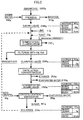
- Fig. 1 shows a flowchart of the production process
- Fig. 2 shows the result of the mass balance.
- Example 2 Process Verification for case of Using Sugarcane as Raw Material and Sucrase-gene-disrupted Strain
- Fig. 3 shows the result of the mass balance.
- the pressed juice was transferred to a 5-L jar fermentor, and hydrated lime Ca(OH) 2 of 0.05% by weight relative to the weight of the pressed juice was added thereto for the pH adjustment and aggregation of impurities.
- methyl- ⁇ -D-glucopyranoside serving as a sucrase inhibitor was added thereto at a concentration of 60 mM, 0.6 g in dry weight of yeast Saccharomyces cervisiae (Taiken 396 strain) having sucrase was planted therein for ethanol fermentation under anaerobic conditions at 30°C for 6 hours.
- Fig. 4 shows the result of the mass balance.
- S. dairenensis (NBRC 0211), S. transvaalensis (NBRC 1625), S. rosinii (NBRC 10008), Z. bisporus (NBRC 1131), which are yeasts not having sucrase and a strain (BY4742 SUC2-) of a yeast S. cervisiae BY4742 having sucrase gene disrupted were planted in a sugarcane-pressed juice.
- a fermentation test was conducted to confirm whether the sucrose was not decomposed and only the invert sugars were converted into ethanol.
- a similar fermentation test was conducted using a yeast S. cervisiae (Taiken 396 strain) having sucrase.
- Each of the fungal strains used for fermentation had been pre-precultured by shaking in 5 mL of a YM medium at 30°C for 24 hours, and then further precultured by shaking in 300 mL of a YPD medium at 30°C for 12 hours.
- the yeast was collected from the precultured medium by centrifugation.
- the yeast was suspended for fermentation in 100 mL of the pressed juice (in the pressed juice, the sucrose concentration was 12.0%, and the invert sugar concentration was 3.0%) placed in a 300-mL Erlenmeyer flask with a fermentation lock.
- the fermentation was carried out by shaking at 30°C at 120 rpm.
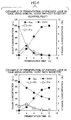
- Fig. 5 shows the examined result of the changes in the sugar concentration and the ethanol concentration due to the fermentation over time.
- S. cervisiae (Taiken 396 strain) which is a general yeast having sucrase was planted in a sugarcane-pressed juice. Methyl- ⁇ -D-glucopyranoside serving as a sucrase inhibitor was added thereto at a concentration 60 mM. A fermentation test was conducted to examine the changes in the concentrations of sucrose, invert sugars, and ethanol over time.
- the fungal strain used for fermentation had been pre-precultured by shaking in 10 mL of a YM medium at 30°C for 24 hours, and then further precultured by shaking in 500 mL of a YPD medium at 30°C for 12 hours.
- the yeast was collected from the precultured medium by centrifugation. 100 mL of the pressed juice (in the pressed juice, the sucrose concentration was 10.0%, and the invert sugar concentration was 3.0%) and 60 mM of methyl- ⁇ -D-glucopyranoside were placed in a 300-mL Erlenmeyer flask with a fermentation lock.
- the yeast collected from the precultured medium by centrifugation was added into the flask for fermentation.
- the fermentation was carried out by shaking at 30°C at 120 rpm.
- Fig. 6 shows the examined result of the changes in the sugar concentration and the ethanol concentration due to the fermentation over time.
- sucrose For S. cervisiae (Taiken 396 strain) which is an ordinary yeast, in a condition where no sucrase inhibitor exists, due to the action of the sucrase, almost all of sucrose was decomposed into the invert sugars in 6 hours after the fermentation was started, and then converted into ethanol. Since the sucrose decomposition speed was faster than the invert sugar-consumption speed of the yeast, the sucrose was completely consumed by the time when the invert sugars were consumed to thereby increase the sucrose ratio. It was accordingly confirmed that production of sugar from the fermented liquid was impossible.
- sucrose decomposition speed was made slow, and approximately half of the sucrose remained in 6 hours after the fermentation was started, while all the invert sugars were converted into ethanol.
- the sucrose ratio of the fermented liquid was as high as 94.0% in 8 hours after the fermentation was started. The sucrose ratio of the fermented liquid would allow the crystallization of the sugar readily.
Landscapes
- Chemical & Material Sciences (AREA)
- Life Sciences & Earth Sciences (AREA)
- Organic Chemistry (AREA)
- Engineering & Computer Science (AREA)
- Health & Medical Sciences (AREA)
- Biochemistry (AREA)
- Wood Science & Technology (AREA)
- Zoology (AREA)
- General Health & Medical Sciences (AREA)
- Bioinformatics & Cheminformatics (AREA)
- Genetics & Genomics (AREA)
- Microbiology (AREA)
- General Engineering & Computer Science (AREA)
- Biotechnology (AREA)
- General Chemical & Material Sciences (AREA)
- Food Science & Technology (AREA)
- Chemical Kinetics & Catalysis (AREA)
- Molecular Biology (AREA)
- Medicinal Chemistry (AREA)
- Biomedical Technology (AREA)
- Emergency Medicine (AREA)
- Preparation Of Compounds By Using Micro-Organisms (AREA)
- Non-Alcoholic Beverages (AREA)
- Micro-Organisms Or Cultivation Processes Thereof (AREA)
Abstract
Description
- The present invention relates to a sugar production method, and more specifically relates to a method for efficiently producing sugar and ethanol.
- Ethanol fuel derived from plants is expected to be liquid fuel alternative to gasoline to prevent increase in carbon dioxide gas. When both sugar and ethanol are produced from a sugar juice derived from a plant, the following method has been employed. Specifically, first, sugar is produced from a sugar juice. The sugar juice after the sugar production is fermented by using a microorganism to produce ethanol (see, for example,
JP-A 2004-321174 - In the above-described method, a crystallization process is needed to produce sugar from a sugar juice. For the crystallization process, the sugar concentration needs to be high. For this reason, it has been practiced that the sugar juice is heated to evaporate the water content and thereby is concentrated. Meanwhile, the high sugar concentration and the salinity in the sugar juice thus increased by heating and concentrating act as the inhibitory factor for the fermentation. Accordingly, a treatment such as dilution needs to be performed to produce ethanol from molasses after the sugar production. In addition, the above method is very ineffective in terms of energy, because the fermented liquid is heated again to extract the ethanol by distillation. Moreover, the sugar crystallization process has a problem such as reduction in a yield of sugar crystals, unless it uses a sugar juice with a high sucrose ratio, in other words, a sugar juice in which the content of a sucrose as a raw material of sugar is high relative to the total sugar amount including sugars that are other than the sucrose, and are not raw materials of the sugar. Accordingly, there is a problem that sugar cannot be produced, for example, in a period or from a cultivar having a low sucrose ratio.
- An object of the present invention is to provide a method for efficiently producing sugar and efficiently producing ethanol simultaneously.
- The present invention provides a sugar production method characterized by including: a pretreatment step of fermenting a sugar juice derived from a plant by using a microorganism not having sucrase; and a step of producing sugar from the fermented sugar juice. In addition, the present invention provides a sugar production method characterized by including: a pretreatment step of fermenting a sugar juice derived from a plant by using a microorganism in the presence of a sucrase inhibitor; and a step of producing sugar from the fermented sugar juice.
- In the methods of the present invention, a sugar juice that is low in both sugar concentration and salinity is fermented. Thus, it is possible to efficiently produce ethanol.
-
- [
Fig. 1] Fig. 1 is a flowchart of a process used in Example 1. - [
Fig. 2] Fig. 2 is a chart illustrating the mass balance in the process of Example 1. - [
Fig. 3] Fig. 3 is a chart illustrating the mass balance in a process of Example 2. - [
Fig. 4] Fig. 4 is a chart illustrating the mass balance in a process of Example 3. - [
Fig. 5] Fig. 5 shows graphs for a result of a fermentation test on sugarcane-pressed juices using yeasts not having sucrase and a yeast having a sucrase gene disrupted. - [
Fig. 6] Fig. 6 shows graphs for a result of a fermentation test on sugarcane-pressed juices using a sucrase inhibitor. - A sugar production method of the present invention includes a pretreatment step of fermenting a sugar juice from a plant by using a microorganism not having sucrase, or a pretreatment step of fermenting a sugar juice derived from a plant by using a microorganism in the presence of a sucrase inhibitor. Since the sugar juice is fermented under such a condition, sucrose is not decomposed, but ethanol and so forth are produced only from invert sugars such as glucose and fructose. As a result, the proportion of sucrose in the sugar juice is increased, and thus the efficiency of crystallizing sugar can be improved. Meanwhile, the conventional method has a problem of difficulty in crystallizing raw materials which have high sugars other than sucrose and which have low sucrose ratios (due to the cultivar and the harvesting period). However, in the sugar production method of the present invention, the sugars other than sucrose are consumed by the fermentation, thus increasing the sucrose ratio. Accordingly, even raw materials having low sucrose ratios can be crystallized. This leads to increase in the utilizable range of sugarcane cultivars and extension in the harvesting period. Additionally, in the conventional method, nitrogen and the sugars combine with each other during the sugar production, coloring the molasses. This causes a problem of coloring exhaust water. However, in the sugar production method of the present invention, nitrogen is consumed by the fermentation, thus reducing the coloring of molasses. Furthermore, in the conventional method, the production period is long (approximately 48 to 72 hours) because all of the high-concentration sugar after the sugar production has to be converted into ethanol. The fermentation is also inhibited by the salt concentration. However, in the sugar production method of the present invention, the low-concentration sugar is fermented. Accordingly, the fermentation is completed in a short period of time with less salt concentration. Thus, the production period can be shortened greatly.
- Examples of the plant include plants that accumulate sugars such as sugarcane and sugar beet. Sugarcane is preferable.
- A step of preparing the sugar juice derived from the plant can be accomplished by methods known to those skilled in the art, for example, a pressing step. Specifically, cane stem portions of reaped sugarcane are cut into pieces of 15 to 30 cm length with a cutter, and finely shredded with a shredder. The sugar juice is squeezed out with a roll mill. To improve the efficiency of squeezing out the sugars, water is poured into an end roll, and 95 to 97% of the sugars are squeezed out. Then, in a lime mixing bath, lime is added to the juice. After impurities aggregate and precipitate, the precipitate and the clarified liquid are separated from each other with an oliver filter. The clarified liquid is concentrated by evaporation. The obtained sugar juice mainly contains sucrose, glucose, fructose, and so on.
- Examples of the microorganism not having sucrase include Saccharomyces dairenensis NBRC 0211, Saccharomyces transvaalensis NBRC 1625, Saccharomyces rosinii NBRC 10008, Zygosaccharomyces bisporus NBRC 1131, and the like. Meanwhile, among the microorganisms having sucrase, it is possible to use a fungal strain of microorganisms whose six sucrase genes (SUC1, SUC2, SUC3, SUC4, SUC6, SUC7) are all or partially disrupted by genetic engineering.
- Examples of the sucrase inhibitor include a silver ion, copper ion, mercury ion, lead ion, methyl-α-D-glucopyranoside, PCMB (p-chloromercuribenzoate), glucosyl-D-psicose, and the like.
- The fermentation can be carried out by methods known to those skilled in the art. Examples thereof includes a batch method in which a fermentable microorganism and a sugar juice are blended at a predetermined ratio for fermentation, a continuous method in which a fermentable microorganism is immobilized and then supplied with a sugar juice continuously for fermentation, and the like.
- The sugar production method of the present invention subsequently includes a step of producing sugar from the fermented sugar juice. The sugar can be produced from the fermented sugar juice by methods known to those skilled in the art. Examples thereof include crystallization of sugar, and the like. Specifically, the fermented sugar juice is repeatedly heated and concentrated little by little (0.5 to 1 kl) under reduced pressure by suction. Sugar crystals of a certain size or larger is taken out. Then, the sugar crystals and the sugar juice are separated from each other with a centrifuge.
- The sugar production method of the present invention may include a step of collecting ethanol from the fermented sugar juice before the sugar is produced from the fermented sugar juice. The ethanol can be collected from the fermented sugar juice by methods known to those skilled in the art. An example includes separation of the ethanol through distillation. If the ethanol is separated through the distillation, the sugar juice is concentrated simultaneously. Thus, it is no longer necessary to perform the heating and concentrating again in the sugar production. Hence, both of time and energy can be saved.
- Cane stem portions, weighing 3200 g, of a sugarcane (NiF8) after harvest were shredded with a shredder, and then pressed with a four-roll mill. Thereby, 3114 mL of a pressed juice was obtained (pressed juice weight = 3348 g, sucrose content = 563 g, invert sugar content = 65 g, sucrose ratio = 79.4%) .
- The pressed juice was transferred to a 5-L jar fermentor, and hydrated lime Ca(OH)2 of 0.05% by weight relative to the weight of the pressed juice was added thereto for the pH adjustment and aggregation of impurities. Then, 0.3 g in dry weight of yeast Saccharomyces dairenensis (NBRC 0211) not having sucrase was planted therein for ethanol fermentation under anaerobic conditions at 30°C for 3 hours. The yeast precultured in advance in a YM medium was used. After the fermentation was completed, the yeast and the aggregated impurities were filtered through a filter. Thereby, separated was a fermented liquid of 3080 mL (pressed juice weight = 3288 g, ethanol concentration of 1.17 vol%, sucrose content = 558 g, invert sugar content = 0 g).
- The fermented liquid was heated under reduced pressure, and 28.6 g of ethanol thus evaporated was cooled and collected. Then, 2193 mL of water was successively evaporated. Thereby, 837 mL of a concentrated sugar juice was obtained (sugar juice weight = 1066 g, sucrose content = 558 g, invert sugar content = 0 g, sucrose ratio = 93.8%).
- Half of the sugar juice was extracted, which was further heated under reduced pressure and concentrated until the supersaturation for the sucrose reached 1.2. Then, 50 g of a seed crystal (particle size of 250 µm) for the sugar was added, and a crystal was formed in approximately 3 hours while the rest of the concentrated sugar juice was added little by little.
- The mixture of the crystallized sugar and the molasses was centrifuged in a perforated wall type centrifuge using a filter cloth of 50- to 100-µm mesh at 3000 rpm for 20 minutes. Thereby, 371 g of the sugar (sucrose collecting rate = 65.9%: excluding the added seed crystal) and 234 g of the molasses (sucrose content = 151 g, invert sugar content = 0 g, sucrose ratio = 87.4%) were separated from each other.
-
Fig. 1 shows a flowchart of the production process, andFig. 2 shows the result of the mass balance. - Cane stem portions, weighing 3200 g, of a sugarcane (NiF8) after harvest were shredded with a shredder, and then pressed with a four-roll mill. Thereby, 3000 mL of a pressed juice was obtained (pressed juice weight = 3264 g, sucrose content = 546 g, invert sugar content = 60 g, sucrose ratio = 78.9%) .
- The pressed juice was transferred to a 5-L jar fermentor, and hydrated lime Ca(OH)2 of 0.05% by weight relative to the weight of the pressed juice was added thereto for the pH adjustment and aggregation of impurities. Then, 0.3 g in dry weight of yeast strain Saccharomyces cervisiae BY4742 whose sucrase gene SUC2 was disrupted was planted therein for ethanol fermentation under anaerobic conditions at 30°C for 3 hours. The disrupted strain precultured in advance in a YM medium was used. After the fermentation was completed, the yeast and the aggregated impurities were filtered through a filter. Thereby, separated was a fermented liquid of 2986 mL (pressed juice weight = 3180 g, ethanol concentration of 1.38 vol%, sucrose content = 546 g, invert sugar content = 0 g).
- The fermented liquid was heated under reduced pressure, and 32.8 g of ethanol thus evaporated was cooled and collected. Then, 2083 mL of water was successively evaporated. Thereby, 860 mL of a concentrated sugar juice was obtained (sugar juice weight = 1065 g, sucrose content = 546 g, invert sugar content = 0 g, sucrose ratio = 87.1%).
- Half of the sugar juice was extracted, which was further heated under reduced pressure and concentrated until the supersaturation for the sucrose reached 1.2. Then, 50 g of a seed crystal (particle size of 250 µm) for the sugar was added, and a crystal was formed in approximately 3 hours while the rest of the concentrated sugar juice was added little by little.
- The mixture of the crystallized sugar and the molasses was centrifuged in a perforated wall type centrifuge using a filter cloth of 50- to 100-µm mesh at 3000 rpm for 20 minutes. Thereby, 351 g of the sugar (sucrose collecting rate = 64.3%: excluding the added seed crystal) and 239 g of the molasses (sucrose content = 123 g, invert sugar content = 23 g, sucrose ratio = 65.8%) were separated from each other.
-
Fig. 3 shows the result of the mass balance. - Cane stem portions, weighing 3000 g, of a sugarcane (NiF8) after harvest were shredded with a shredder, and then pressed with a four-roll mill. Thereby, 2868 mL of a pressed juice was obtained (pressed juice weight = 3120 g, sucrose content = 524 g, invert sugar content = 61 g, sucrose ratio = 78.3%) .
- The pressed juice was transferred to a 5-L jar fermentor, and hydrated lime Ca(OH)2 of 0.05% by weight relative to the weight of the pressed juice was added thereto for the pH adjustment and aggregation of impurities. After methyl-α-D-glucopyranoside serving as a sucrase inhibitor was added thereto at a concentration of 60 mM, 0.6 g in dry weight of yeast Saccharomyces cervisiae (Taiken 396 strain) having sucrase was planted therein for ethanol fermentation under anaerobic conditions at 30°C for 6 hours. The yeast precultured in advance in a YM medium was used. After the fermentation was completed, the yeast and the aggregated impurities were filtered through a filter. Thereby, separated was a fermented liquid of 2870 mL (pressed juice weight = 3064 g, ethanol concentration of 6.20 vol%, sucrose content = 252 g, invert sugar content = 0 g).
- The fermented liquid was heated under reduced pressure, and 150 g of ethanol thus evaporated was cooled and collected. Then, 2494 mL of water was successively evaporated. Thereby, 330 mL of a concentrated sugar juice was obtained (sugar juice weight = 420 g, sucrose content = 252 g, invert sugar content = 0 g, sucrose ratio = 94.0%).
- Half of the sugar juice was extracted, which was further heated under reduced pressure and concentrated until the supersaturation for the sucrose reached 1.2. Then, 50 g of a seed crystal (particle size of 250 µm) for the sugar was added, and a crystal was formed in approximately 3 hours while the rest of the concentrated sugar juice was added little by little.
- The mixture of the crystallized sugar and the molasses was centrifuged in a perforated wall type centrifuge using a filter cloth of 50- to 100-µm mesh at 3000 rpm for 20 minutes. Thereby, 203 g of the sugar (sucrose collecting rate = 29.2%: excluding the added seed crystal) and 151 g of the molasses (sucrose content = 88 g, invert sugar content = 0 g, sucrose ratio = 81.0%) were separated from each other.
-
Fig. 4 shows the result of the mass balance. - S. dairenensis (NBRC 0211), S. transvaalensis (NBRC 1625), S. rosinii (NBRC 10008), Z. bisporus (NBRC 1131), which are yeasts not having sucrase and a strain (BY4742 SUC2-) of a yeast S. cervisiae BY4742 having sucrase gene disrupted were planted in a sugarcane-pressed juice. A fermentation test was conducted to confirm whether the sucrose was not decomposed and only the invert sugars were converted into ethanol. As reference for the comparison, a similar fermentation test was conducted using a yeast S. cervisiae (Taiken 396 strain) having sucrase.
- Each of the fungal strains used for fermentation had been pre-precultured by shaking in 5 mL of a YM medium at 30°C for 24 hours, and then further precultured by shaking in 300 mL of a YPD medium at 30°C for 12 hours. The yeast was collected from the precultured medium by centrifugation. The yeast was suspended for fermentation in 100 mL of the pressed juice (in the pressed juice, the sucrose concentration was 12.0%, and the invert sugar concentration was 3.0%) placed in a 300-mL Erlenmeyer flask with a fermentation lock. The fermentation was carried out by shaking at 30°C at 120 rpm.
Fig. 5 shows the examined result of the changes in the sugar concentration and the ethanol concentration due to the fermentation over time. - For S. cervisiae (Taiken 396 strain) which is an ordinary yeast, due to the action of the sucrase, almost all of sucrose was decomposed into the invert sugars in 3 hours after the fermentation was started. In 24 hours, all of the sugars were converted into ethanol.
- Meanwhile, for the four yeasts not having sucrase and the strain having the sucrase gene disrupted, although the ethanol synthesis speed varied among one another, sucrose decomposition was observed in none of the cases, and it was confirmed that only the invert sugars were converted into ethanol.
- S. cervisiae (Taiken 396 strain) which is a general yeast having sucrase was planted in a sugarcane-pressed juice. Methyl-α-D-glucopyranoside serving as a sucrase inhibitor was added thereto at a
concentration 60 mM. A fermentation test was conducted to examine the changes in the concentrations of sucrose, invert sugars, and ethanol over time. - The fungal strain used for fermentation had been pre-precultured by shaking in 10 mL of a YM medium at 30°C for 24 hours, and then further precultured by shaking in 500 mL of a YPD medium at 30°C for 12 hours. The yeast was collected from the precultured medium by centrifugation. 100 mL of the pressed juice (in the pressed juice, the sucrose concentration was 10.0%, and the invert sugar concentration was 3.0%) and 60 mM of methyl-α-D-glucopyranoside were placed in a 300-mL Erlenmeyer flask with a fermentation lock. The yeast collected from the precultured medium by centrifugation was added into the flask for fermentation. The fermentation was carried out by shaking at 30°C at 120 rpm.
Fig. 6 shows the examined result of the changes in the sugar concentration and the ethanol concentration due to the fermentation over time. - For S. cervisiae (Taiken 396 strain) which is an ordinary yeast, in a condition where no sucrase inhibitor exists, due to the action of the sucrase, almost all of sucrose was decomposed into the invert sugars in 6 hours after the fermentation was started, and then converted into ethanol. Since the sucrose decomposition speed was faster than the invert sugar-consumption speed of the yeast, the sucrose was completely consumed by the time when the invert sugars were consumed to thereby increase the sucrose ratio. It was accordingly confirmed that production of sugar from the fermented liquid was impossible.
- Meanwhile, under the condition where the inhibitor existed, the sucrose decomposition speed was made slow, and approximately half of the sucrose remained in 6 hours after the fermentation was started, while all the invert sugars were converted into ethanol. The sucrose ratio of the fermented liquid was as high as 94.0% in 8 hours after the fermentation was started. The sucrose ratio of the fermented liquid would allow the crystallization of the sugar readily.
Claims (5)
- A sugar production method characterized by comprising:a pretreatment step of fermenting a sugar juice derived from a plant by using a microorganism not having sucrase; anda step of producing sugar from the fermented sugar juice.
- A sugar production method characterized by comprising:a pretreatment step of fermenting a sugar juice derived from a plant by using a microorganism in the presence of a sucrase inhibitor; anda step of producing sugar from the fermented sugar juice.
- The production method according to claim 1 or 2, further comprising a step of collecting ethanol from the fermented sugar juice before the sugar is produced from the fermented sugar juice.
- The production method according to any one of claims 1 to 3, wherein the step of collecting the ethanol from the fermented sugar juice includes separation of the ethanol through distillation.
- The production method according to any one of claims 1 to 4, wherein the plant is sugarcane.
Applications Claiming Priority (2)
| Application Number | Priority Date | Filing Date | Title |
|---|---|---|---|
| JP2008236727 | 2008-09-16 | ||
| PCT/JP2009/066092 WO2010032724A1 (en) | 2008-09-16 | 2009-09-15 | Method for producing sugar |
Publications (3)
| Publication Number | Publication Date |
|---|---|
| EP2339012A1 true EP2339012A1 (en) | 2011-06-29 |
| EP2339012A4 EP2339012A4 (en) | 2013-05-22 |
| EP2339012B1 EP2339012B1 (en) | 2015-01-07 |
Family
ID=42039548
Family Applications (1)
| Application Number | Title | Priority Date | Filing Date |
|---|---|---|---|
| EP09814569.1A Not-in-force EP2339012B1 (en) | 2008-09-16 | 2009-09-15 | Method for producing sugar |
Country Status (9)
| Country | Link |
|---|---|
| US (2) | US8460725B2 (en) |
| EP (1) | EP2339012B1 (en) |
| JP (1) | JP4883511B2 (en) |
| CN (1) | CN102159721B (en) |
| AU (1) | AU2009293797B2 (en) |
| BR (1) | BRPI0918744B1 (en) |
| MX (1) | MX2011002858A (en) |
| RU (1) | RU2477317C2 (en) |
| WO (1) | WO2010032724A1 (en) |
Cited By (1)
| Publication number | Priority date | Publication date | Assignee | Title |
|---|---|---|---|---|
| WO2014181848A1 (en) * | 2013-05-09 | 2014-11-13 | Asahi Group Holdings, Ltd. | Novel sucrose unassimilating flocculent yeast |
Families Citing this family (5)
| Publication number | Priority date | Publication date | Assignee | Title |
|---|---|---|---|---|
| JP2011109956A (en) * | 2009-11-26 | 2011-06-09 | Asahi Breweries Ltd | Method for producing sugar |
| CN104334734A (en) * | 2012-09-14 | 2015-02-04 | 朝日集团控股株式会社 | Method for producing sugar and ethanol by selective fermentation |
| CN105247061A (en) * | 2013-05-28 | 2016-01-13 | 朝日集团控股株式会社 | Raw sugar and ethanol production method using selective fermentation |
| WO2016080296A1 (en) * | 2014-11-18 | 2016-05-26 | コニカミノルタ株式会社 | Optical path changing element and optical coupling device |
| CN108902433A (en) * | 2018-07-26 | 2018-11-30 | 兴义市黔农居养种植农民专业合作社 | A kind of brown sugar powder and preparation method |
Family Cites Families (6)
| Publication number | Priority date | Publication date | Assignee | Title |
|---|---|---|---|---|
| US4335207A (en) * | 1980-06-03 | 1982-06-15 | Cpc International Inc. | Process for the production of high fructose syrups and ethanol |
| FR2609471A1 (en) | 1987-01-09 | 1988-07-15 | Rothschild Viticole Fermiere | PROCESS FOR OBTAINING WHITE ALCOHOL CALLED "PURE NATURAL SPIRIT OF SUGAR CANE" WITH LOW NON-ALCOHOL CONTENT, INSTALLATION FOR CARRYING OUT SAID METHOD AND ALCOHOL THUS OBTAINED |
| AT502601A1 (en) | 2003-03-11 | 2007-04-15 | Tulln Zuckerforschung Gmbh | METHOD FOR PRODUCING SUGAR OR SUGAR-CONTAINING PRODUCTS FROM SUGAR-CONTAINING VEGETABLE RAW MATERIALS |
| JP3769734B2 (en) | 2003-04-07 | 2006-04-26 | アサヒビール株式会社 | Process for producing sugar and useful substances |
| CN1802441A (en) * | 2003-04-07 | 2006-07-12 | 朝日啤酒株式会社 | Method for producing sugar and a useful material |
| WO2008002445A2 (en) | 2006-06-23 | 2008-01-03 | Daniel Nadel | Method of producing sugar and ethanol from inflorescence-deficient corn plants |
-
2009
- 2009-09-15 EP EP09814569.1A patent/EP2339012B1/en not_active Not-in-force
- 2009-09-15 RU RU2011115062/10A patent/RU2477317C2/en not_active IP Right Cessation
- 2009-09-15 US US13/063,044 patent/US8460725B2/en not_active Expired - Fee Related
- 2009-09-15 AU AU2009293797A patent/AU2009293797B2/en not_active Ceased
- 2009-09-15 MX MX2011002858A patent/MX2011002858A/en active IP Right Grant
- 2009-09-15 JP JP2010529761A patent/JP4883511B2/en active Active
- 2009-09-15 BR BRPI0918744-8A patent/BRPI0918744B1/en active IP Right Grant
- 2009-09-15 CN CN200980136357.XA patent/CN102159721B/en not_active Expired - Fee Related
- 2009-09-15 WO PCT/JP2009/066092 patent/WO2010032724A1/en not_active Ceased
-
2013
- 2013-03-05 US US13/785,860 patent/US8647845B2/en not_active Expired - Fee Related
Non-Patent Citations (2)
| Title |
|---|
| No further relevant documents disclosed * |
| See also references of WO2010032724A1 * |
Cited By (3)
| Publication number | Priority date | Publication date | Assignee | Title |
|---|---|---|---|---|
| WO2014181848A1 (en) * | 2013-05-09 | 2014-11-13 | Asahi Group Holdings, Ltd. | Novel sucrose unassimilating flocculent yeast |
| AU2014263497B2 (en) * | 2013-05-09 | 2016-06-09 | Asahi Group Holdings, Ltd. | Novel sucrose unassimilating flocculent yeast |
| US10059964B2 (en) | 2013-05-09 | 2018-08-28 | Asahi Group Holdings, Ltd. | Sucrose unassimilating flocculent yeast |
Also Published As
| Publication number | Publication date |
|---|---|
| US20110200710A1 (en) | 2011-08-18 |
| MX2011002858A (en) | 2011-04-07 |
| US8647845B2 (en) | 2014-02-11 |
| JP4883511B2 (en) | 2012-02-22 |
| EP2339012A4 (en) | 2013-05-22 |
| BRPI0918744A2 (en) | 2015-08-18 |
| CN102159721B (en) | 2015-04-01 |
| CN102159721A (en) | 2011-08-17 |
| US20130183724A1 (en) | 2013-07-18 |
| AU2009293797A1 (en) | 2010-03-25 |
| AU2009293797B2 (en) | 2012-07-19 |
| RU2477317C2 (en) | 2013-03-10 |
| BRPI0918744B1 (en) | 2018-05-15 |
| JPWO2010032724A1 (en) | 2012-02-09 |
| EP2339012B1 (en) | 2015-01-07 |
| WO2010032724A1 (en) | 2010-03-25 |
| US8460725B2 (en) | 2013-06-11 |
| RU2011115062A (en) | 2012-10-27 |
Similar Documents
| Publication | Publication Date | Title |
|---|---|---|
| US8647845B2 (en) | Method for producing sugar | |
| US4490469A (en) | Production of ethanol by fermentation | |
| CN101952449A (en) | Method of production of ethanol from two different starting materials | |
| AU2004227266B9 (en) | Process for producing sugar and useful substance | |
| AU2013316553B2 (en) | Method for producing sugar and ethanol by selective fermentation | |
| US20120225455A1 (en) | Method for Producing Sugar | |
| AU2014272231B2 (en) | Raw sugar and ethanol production method using selective fermentation | |
| ZA200507940B (en) | Process for producing sugar and useful substance | |
| CN101343647A (en) | Method for preparing ethyl alcohol with sorgo stalk | |
| CN116024275A (en) | Xylitol preparation process | |
| Ozioko et al. | Isolation and Characterization of Local Yeast Strains from Fermented African Breadfruits for Use in Pentose Sugars Fermentation | |
| Rahman et al. | Factors Influencing the Production of Mannitol from Inulin by Local Isolate of Leuconostoc mesenteroides | |
| Uribe et al. | Influence on the Productivity of Ethanol by two Strains of Yeasts in must Fermentation of Sweet Sorghum | |
| MXPA04000697A (en) | Yeasts for obtaining syrups enriched with glucose and fructose. |
Legal Events
| Date | Code | Title | Description |
|---|---|---|---|
| PUAI | Public reference made under article 153(3) epc to a published international application that has entered the european phase |
Free format text: ORIGINAL CODE: 0009012 |
|
| 17P | Request for examination filed |
Effective date: 20110418 |
|
| AK | Designated contracting states |
Kind code of ref document: A1 Designated state(s): AT BE BG CH CY CZ DE DK EE ES FI FR GB GR HR HU IE IS IT LI LT LU LV MC MK MT NL NO PL PT RO SE SI SK SM TR |
|
| AX | Request for extension of the european patent |
Extension state: AL BA RS |
|
| RIN1 | Information on inventor provided before grant (corrected) |
Inventor name: SUGIMOTO, AKIRA Inventor name: TERAJIMA YOSHIFUMI Inventor name: OHARA SATOSHI |
|
| DAX | Request for extension of the european patent (deleted) | ||
| RAP1 | Party data changed (applicant data changed or rights of an application transferred) |
Owner name: INCORPORATED ADMINISTRATIVE AGENCY NATIONAL AGRICU Owner name: ASAHI GROUP HOLDINGS, LTD. |
|
| A4 | Supplementary search report drawn up and despatched |
Effective date: 20130419 |
|
| RIC1 | Information provided on ipc code assigned before grant |
Ipc: C12P 7/06 20060101ALI20130415BHEP Ipc: C12P 19/00 20060101AFI20130415BHEP Ipc: C12R 1/85 20060101ALI20130415BHEP |
|
| GRAP | Despatch of communication of intention to grant a patent |
Free format text: ORIGINAL CODE: EPIDOSNIGR1 |
|
| INTG | Intention to grant announced |
Effective date: 20140604 |
|
| RIN1 | Information on inventor provided before grant (corrected) |
Inventor name: TERAJIMA, YOSHIFUMI Inventor name: SUGIMOTO, AKIRA Inventor name: OHARA, SATOSHI |
|
| GRAP | Despatch of communication of intention to grant a patent |
Free format text: ORIGINAL CODE: EPIDOSNIGR1 |
|
| INTG | Intention to grant announced |
Effective date: 20140818 |
|
| GRAS | Grant fee paid |
Free format text: ORIGINAL CODE: EPIDOSNIGR3 |
|
| GRAA | (expected) grant |
Free format text: ORIGINAL CODE: 0009210 |
|
| AK | Designated contracting states |
Kind code of ref document: B1 Designated state(s): AT BE BG CH CY CZ DE DK EE ES FI FR GB GR HR HU IE IS IT LI LT LU LV MC MK MT NL NO PL PT RO SE SI SK SM TR |
|
| REG | Reference to a national code |
Ref country code: GB Ref legal event code: FG4D |
|
| REG | Reference to a national code |
Ref country code: CH Ref legal event code: EP |
|
| REG | Reference to a national code |
Ref country code: IE Ref legal event code: FG4D |
|
| REG | Reference to a national code |
Ref country code: AT Ref legal event code: REF Ref document number: 705775 Country of ref document: AT Kind code of ref document: T Effective date: 20150215 |
|
| REG | Reference to a national code |
Ref country code: DE Ref legal event code: R096 Ref document number: 602009028876 Country of ref document: DE Effective date: 20150226 |
|
| REG | Reference to a national code |
Ref country code: NL Ref legal event code: VDEP Effective date: 20150107 |
|
| REG | Reference to a national code |
Ref country code: AT Ref legal event code: MK05 Ref document number: 705775 Country of ref document: AT Kind code of ref document: T Effective date: 20150107 |
|
| REG | Reference to a national code |
Ref country code: LT Ref legal event code: MG4D |
|
| PG25 | Lapsed in a contracting state [announced via postgrant information from national office to epo] |
Ref country code: SE Free format text: LAPSE BECAUSE OF FAILURE TO SUBMIT A TRANSLATION OF THE DESCRIPTION OR TO PAY THE FEE WITHIN THE PRESCRIBED TIME-LIMIT Effective date: 20150107 Ref country code: FI Free format text: LAPSE BECAUSE OF FAILURE TO SUBMIT A TRANSLATION OF THE DESCRIPTION OR TO PAY THE FEE WITHIN THE PRESCRIBED TIME-LIMIT Effective date: 20150107 Ref country code: BG Free format text: LAPSE BECAUSE OF FAILURE TO SUBMIT A TRANSLATION OF THE DESCRIPTION OR TO PAY THE FEE WITHIN THE PRESCRIBED TIME-LIMIT Effective date: 20150407 Ref country code: LT Free format text: LAPSE BECAUSE OF FAILURE TO SUBMIT A TRANSLATION OF THE DESCRIPTION OR TO PAY THE FEE WITHIN THE PRESCRIBED TIME-LIMIT Effective date: 20150107 Ref country code: NO Free format text: LAPSE BECAUSE OF FAILURE TO SUBMIT A TRANSLATION OF THE DESCRIPTION OR TO PAY THE FEE WITHIN THE PRESCRIBED TIME-LIMIT Effective date: 20150407 Ref country code: ES Free format text: LAPSE BECAUSE OF FAILURE TO SUBMIT A TRANSLATION OF THE DESCRIPTION OR TO PAY THE FEE WITHIN THE PRESCRIBED TIME-LIMIT Effective date: 20150107 Ref country code: HR Free format text: LAPSE BECAUSE OF FAILURE TO SUBMIT A TRANSLATION OF THE DESCRIPTION OR TO PAY THE FEE WITHIN THE PRESCRIBED TIME-LIMIT Effective date: 20150107 |
|
| PG25 | Lapsed in a contracting state [announced via postgrant information from national office to epo] |
Ref country code: LV Free format text: LAPSE BECAUSE OF FAILURE TO SUBMIT A TRANSLATION OF THE DESCRIPTION OR TO PAY THE FEE WITHIN THE PRESCRIBED TIME-LIMIT Effective date: 20150107 Ref country code: GR Free format text: LAPSE BECAUSE OF FAILURE TO SUBMIT A TRANSLATION OF THE DESCRIPTION OR TO PAY THE FEE WITHIN THE PRESCRIBED TIME-LIMIT Effective date: 20150408 Ref country code: AT Free format text: LAPSE BECAUSE OF FAILURE TO SUBMIT A TRANSLATION OF THE DESCRIPTION OR TO PAY THE FEE WITHIN THE PRESCRIBED TIME-LIMIT Effective date: 20150107 Ref country code: IS Free format text: LAPSE BECAUSE OF FAILURE TO SUBMIT A TRANSLATION OF THE DESCRIPTION OR TO PAY THE FEE WITHIN THE PRESCRIBED TIME-LIMIT Effective date: 20150507 Ref country code: PL Free format text: LAPSE BECAUSE OF FAILURE TO SUBMIT A TRANSLATION OF THE DESCRIPTION OR TO PAY THE FEE WITHIN THE PRESCRIBED TIME-LIMIT Effective date: 20150107 Ref country code: NL Free format text: LAPSE BECAUSE OF FAILURE TO SUBMIT A TRANSLATION OF THE DESCRIPTION OR TO PAY THE FEE WITHIN THE PRESCRIBED TIME-LIMIT Effective date: 20150107 |
|
| REG | Reference to a national code |
Ref country code: DE Ref legal event code: R097 Ref document number: 602009028876 Country of ref document: DE |
|
| PG25 | Lapsed in a contracting state [announced via postgrant information from national office to epo] |
Ref country code: CZ Free format text: LAPSE BECAUSE OF FAILURE TO SUBMIT A TRANSLATION OF THE DESCRIPTION OR TO PAY THE FEE WITHIN THE PRESCRIBED TIME-LIMIT Effective date: 20150107 Ref country code: EE Free format text: LAPSE BECAUSE OF FAILURE TO SUBMIT A TRANSLATION OF THE DESCRIPTION OR TO PAY THE FEE WITHIN THE PRESCRIBED TIME-LIMIT Effective date: 20150107 Ref country code: DK Free format text: LAPSE BECAUSE OF FAILURE TO SUBMIT A TRANSLATION OF THE DESCRIPTION OR TO PAY THE FEE WITHIN THE PRESCRIBED TIME-LIMIT Effective date: 20150107 Ref country code: RO Free format text: LAPSE BECAUSE OF FAILURE TO SUBMIT A TRANSLATION OF THE DESCRIPTION OR TO PAY THE FEE WITHIN THE PRESCRIBED TIME-LIMIT Effective date: 20150107 Ref country code: SK Free format text: LAPSE BECAUSE OF FAILURE TO SUBMIT A TRANSLATION OF THE DESCRIPTION OR TO PAY THE FEE WITHIN THE PRESCRIBED TIME-LIMIT Effective date: 20150107 |
|
| PLBE | No opposition filed within time limit |
Free format text: ORIGINAL CODE: 0009261 |
|
| STAA | Information on the status of an ep patent application or granted ep patent |
Free format text: STATUS: NO OPPOSITION FILED WITHIN TIME LIMIT |
|
| 26N | No opposition filed |
Effective date: 20151008 |
|
| PG25 | Lapsed in a contracting state [announced via postgrant information from national office to epo] |
Ref country code: IT Free format text: LAPSE BECAUSE OF FAILURE TO SUBMIT A TRANSLATION OF THE DESCRIPTION OR TO PAY THE FEE WITHIN THE PRESCRIBED TIME-LIMIT Effective date: 20150107 |
|
| PG25 | Lapsed in a contracting state [announced via postgrant information from national office to epo] |
Ref country code: SI Free format text: LAPSE BECAUSE OF FAILURE TO SUBMIT A TRANSLATION OF THE DESCRIPTION OR TO PAY THE FEE WITHIN THE PRESCRIBED TIME-LIMIT Effective date: 20150107 |
|
| PG25 | Lapsed in a contracting state [announced via postgrant information from national office to epo] |
Ref country code: LU Free format text: LAPSE BECAUSE OF FAILURE TO SUBMIT A TRANSLATION OF THE DESCRIPTION OR TO PAY THE FEE WITHIN THE PRESCRIBED TIME-LIMIT Effective date: 20150915 Ref country code: MC Free format text: LAPSE BECAUSE OF FAILURE TO SUBMIT A TRANSLATION OF THE DESCRIPTION OR TO PAY THE FEE WITHIN THE PRESCRIBED TIME-LIMIT Effective date: 20150107 |
|
| REG | Reference to a national code |
Ref country code: CH Ref legal event code: PL |
|
| PG25 | Lapsed in a contracting state [announced via postgrant information from national office to epo] |
Ref country code: BE Free format text: LAPSE BECAUSE OF FAILURE TO SUBMIT A TRANSLATION OF THE DESCRIPTION OR TO PAY THE FEE WITHIN THE PRESCRIBED TIME-LIMIT Effective date: 20150107 |
|
| REG | Reference to a national code |
Ref country code: IE Ref legal event code: MM4A |
|
| PG25 | Lapsed in a contracting state [announced via postgrant information from national office to epo] |
Ref country code: IE Free format text: LAPSE BECAUSE OF NON-PAYMENT OF DUE FEES Effective date: 20150915 Ref country code: LI Free format text: LAPSE BECAUSE OF NON-PAYMENT OF DUE FEES Effective date: 20150930 Ref country code: CH Free format text: LAPSE BECAUSE OF NON-PAYMENT OF DUE FEES Effective date: 20150930 |
|
| REG | Reference to a national code |
Ref country code: FR Ref legal event code: PLFP Year of fee payment: 8 |
|
| PGFP | Annual fee paid to national office [announced via postgrant information from national office to epo] |
Ref country code: GB Payment date: 20160914 Year of fee payment: 8 |
|
| PGFP | Annual fee paid to national office [announced via postgrant information from national office to epo] |
Ref country code: FR Payment date: 20160729 Year of fee payment: 8 |
|
| PGFP | Annual fee paid to national office [announced via postgrant information from national office to epo] |
Ref country code: TR Payment date: 20160824 Year of fee payment: 8 |
|
| PGFP | Annual fee paid to national office [announced via postgrant information from national office to epo] |
Ref country code: DE Payment date: 20161006 Year of fee payment: 8 |
|
| PG25 | Lapsed in a contracting state [announced via postgrant information from national office to epo] |
Ref country code: MT Free format text: LAPSE BECAUSE OF FAILURE TO SUBMIT A TRANSLATION OF THE DESCRIPTION OR TO PAY THE FEE WITHIN THE PRESCRIBED TIME-LIMIT Effective date: 20150107 |
|
| PG25 | Lapsed in a contracting state [announced via postgrant information from national office to epo] |
Ref country code: SM Free format text: LAPSE BECAUSE OF FAILURE TO SUBMIT A TRANSLATION OF THE DESCRIPTION OR TO PAY THE FEE WITHIN THE PRESCRIBED TIME-LIMIT Effective date: 20150107 Ref country code: HU Free format text: LAPSE BECAUSE OF FAILURE TO SUBMIT A TRANSLATION OF THE DESCRIPTION OR TO PAY THE FEE WITHIN THE PRESCRIBED TIME-LIMIT; INVALID AB INITIO Effective date: 20090915 |
|
| PG25 | Lapsed in a contracting state [announced via postgrant information from national office to epo] |
Ref country code: CY Free format text: LAPSE BECAUSE OF FAILURE TO SUBMIT A TRANSLATION OF THE DESCRIPTION OR TO PAY THE FEE WITHIN THE PRESCRIBED TIME-LIMIT Effective date: 20150107 |
|
| REG | Reference to a national code |
Ref country code: DE Ref legal event code: R119 Ref document number: 602009028876 Country of ref document: DE |
|
| GBPC | Gb: european patent ceased through non-payment of renewal fee |
Effective date: 20170915 |
|
| PG25 | Lapsed in a contracting state [announced via postgrant information from national office to epo] |
Ref country code: PT Free format text: LAPSE BECAUSE OF FAILURE TO SUBMIT A TRANSLATION OF THE DESCRIPTION OR TO PAY THE FEE WITHIN THE PRESCRIBED TIME-LIMIT Effective date: 20150107 Ref country code: MK Free format text: LAPSE BECAUSE OF FAILURE TO SUBMIT A TRANSLATION OF THE DESCRIPTION OR TO PAY THE FEE WITHIN THE PRESCRIBED TIME-LIMIT Effective date: 20150107 |
|
| REG | Reference to a national code |
Ref country code: FR Ref legal event code: ST Effective date: 20180531 |
|
| PG25 | Lapsed in a contracting state [announced via postgrant information from national office to epo] |
Ref country code: DE Free format text: LAPSE BECAUSE OF NON-PAYMENT OF DUE FEES Effective date: 20180404 Ref country code: GB Free format text: LAPSE BECAUSE OF NON-PAYMENT OF DUE FEES Effective date: 20170915 |
|
| PG25 | Lapsed in a contracting state [announced via postgrant information from national office to epo] |
Ref country code: FR Free format text: LAPSE BECAUSE OF NON-PAYMENT OF DUE FEES Effective date: 20171002 |
|
| PG25 | Lapsed in a contracting state [announced via postgrant information from national office to epo] |
Ref country code: TR Free format text: LAPSE BECAUSE OF NON-PAYMENT OF DUE FEES Effective date: 20170915 |