EP2335708B1 - Sulphated glycosaminoglycans, including heparin and derivatives thereof, for use in inhibiting the expression of hepcidin and for the therapeutic treatment of anaemia with high levels of hepcidin - Google Patents
Sulphated glycosaminoglycans, including heparin and derivatives thereof, for use in inhibiting the expression of hepcidin and for the therapeutic treatment of anaemia with high levels of hepcidin Download PDFInfo
- Publication number
- EP2335708B1 EP2335708B1 EP10192809.1A EP10192809A EP2335708B1 EP 2335708 B1 EP2335708 B1 EP 2335708B1 EP 10192809 A EP10192809 A EP 10192809A EP 2335708 B1 EP2335708 B1 EP 2335708B1
- Authority
- EP
- European Patent Office
- Prior art keywords
- hepcidin
- heparin
- anaemia
- expression
- bmp6
- Prior art date
- Legal status (The legal status is an assumption and is not a legal conclusion. Google has not performed a legal analysis and makes no representation as to the accuracy of the status listed.)
- Not-in-force
Links
- HTTJABKRGRZYRN-UHFFFAOYSA-N Heparin Chemical compound OC1C(NC(=O)C)C(O)OC(COS(O)(=O)=O)C1OC1C(OS(O)(=O)=O)C(O)C(OC2C(C(OS(O)(=O)=O)C(OC3C(C(O)C(O)C(O3)C(O)=O)OS(O)(=O)=O)C(CO)O2)NS(O)(=O)=O)C(C(O)=O)O1 HTTJABKRGRZYRN-UHFFFAOYSA-N 0.000 title claims description 101
- 229920000669 heparin Polymers 0.000 title claims description 96
- 229960002897 heparin Drugs 0.000 title claims description 93
- XJOTXKZIRSHZQV-RXHOOSIZSA-N (3S)-3-amino-4-[[(2S,3R)-1-[[(2S)-1-[[(2S)-1-[(2S)-2-[[(2S,3S)-1-[[(1R,6R,12R,17R,20S,23S,26R,31R,34R,39R,42S,45S,48S,51S,59S)-51-(4-aminobutyl)-31-[[(2S)-6-amino-1-[[(1S,2R)-1-carboxy-2-hydroxypropyl]amino]-1-oxohexan-2-yl]carbamoyl]-20-benzyl-23-[(2S)-butan-2-yl]-45-(3-carbamimidamidopropyl)-48-(hydroxymethyl)-42-(1H-imidazol-4-ylmethyl)-59-(2-methylsulfanylethyl)-7,10,19,22,25,33,40,43,46,49,52,54,57,60,63,64-hexadecaoxo-3,4,14,15,28,29,36,37-octathia-8,11,18,21,24,32,41,44,47,50,53,55,58,61,62,65-hexadecazatetracyclo[32.19.8.26,17.212,39]pentahexacontan-26-yl]amino]-3-methyl-1-oxopentan-2-yl]carbamoyl]pyrrolidin-1-yl]-1-oxo-3-phenylpropan-2-yl]amino]-3-(1H-imidazol-4-yl)-1-oxopropan-2-yl]amino]-3-hydroxy-1-oxobutan-2-yl]amino]-4-oxobutanoic acid Chemical compound CC[C@H](C)[C@H](NC(=O)[C@@H]1CCCN1C(=O)[C@H](Cc1ccccc1)NC(=O)[C@H](Cc1cnc[nH]1)NC(=O)[C@@H](NC(=O)[C@@H](N)CC(O)=O)[C@@H](C)O)C(=O)N[C@H]1CSSC[C@H](NC(=O)[C@@H]2CSSC[C@@H]3NC(=O)[C@@H]4CSSC[C@H](NC(=O)[C@H](Cc5ccccc5)NC(=O)[C@@H](NC1=O)[C@@H](C)CC)C(=O)N[C@@H](CSSC[C@H](NC(=O)[C@H](CCCCN)NC(=O)[C@H](CO)NC(=O)[C@H](CCCNC(N)=N)NC(=O)[C@H](Cc1cnc[nH]1)NC3=O)C(=O)NCC(=O)N[C@@H](CCSC)C(=O)N2)C(=O)NCC(=O)N4)C(=O)N[C@@H](CCCCN)C(=O)N[C@@H]([C@@H](C)O)C(O)=O XJOTXKZIRSHZQV-RXHOOSIZSA-N 0.000 title claims description 85
- 102000018511 hepcidin Human genes 0.000 title claims description 85
- 108060003558 hepcidin Proteins 0.000 title claims description 85
- 229940066919 hepcidin Drugs 0.000 title claims description 85
- 238000011282 treatment Methods 0.000 title claims description 21
- 229920002683 Glycosaminoglycan Polymers 0.000 title claims description 16
- 208000007502 anemia Diseases 0.000 title claims description 14
- 230000001225 therapeutic effect Effects 0.000 title claims description 6
- 230000014509 gene expression Effects 0.000 title description 27
- 230000002401 inhibitory effect Effects 0.000 title description 8
- XEEYBQQBJWHFJM-UHFFFAOYSA-N Iron Chemical compound [Fe] XEEYBQQBJWHFJM-UHFFFAOYSA-N 0.000 claims description 48
- 229910052742 iron Inorganic materials 0.000 claims description 24
- 210000002966 serum Anatomy 0.000 claims description 13
- 229940127215 low-molecular weight heparin Drugs 0.000 claims description 12
- 208000037265 diseases, disorders, signs and symptoms Diseases 0.000 claims description 11
- 201000010099 disease Diseases 0.000 claims description 7
- 230000002829 reductive effect Effects 0.000 claims description 7
- 230000013632 homeostatic process Effects 0.000 claims description 6
- 230000014508 negative regulation of coagulation Effects 0.000 claims description 6
- 208000017667 Chronic Disease Diseases 0.000 claims description 3
- 241000124008 Mammalia Species 0.000 claims description 2
- 239000003814 drug Substances 0.000 claims description 2
- 238000001990 intravenous administration Methods 0.000 claims description 2
- 238000007920 subcutaneous administration Methods 0.000 claims description 2
- 210000004027 cell Anatomy 0.000 description 35
- 102100022525 Bone morphogenetic protein 6 Human genes 0.000 description 33
- 101000899390 Homo sapiens Bone morphogenetic protein 6 Proteins 0.000 description 33
- 108090001005 Interleukin-6 Proteins 0.000 description 19
- 108020004999 messenger RNA Proteins 0.000 description 18
- 102100024506 Bone morphogenetic protein 2 Human genes 0.000 description 17
- 230000000694 effects Effects 0.000 description 16
- 101000762366 Homo sapiens Bone morphogenetic protein 2 Proteins 0.000 description 15
- 230000006698 induction Effects 0.000 description 13
- 230000005764 inhibitory process Effects 0.000 description 10
- 239000003055 low molecular weight heparin Substances 0.000 description 9
- 108020003175 receptors Proteins 0.000 description 9
- 102000005962 receptors Human genes 0.000 description 9
- 241000699670 Mus sp. Species 0.000 description 8
- 238000002474 experimental method Methods 0.000 description 8
- 210000004185 liver Anatomy 0.000 description 8
- 108090000623 proteins and genes Proteins 0.000 description 8
- 102100022544 Bone morphogenetic protein 7 Human genes 0.000 description 7
- 235000018102 proteins Nutrition 0.000 description 7
- 102000004169 proteins and genes Human genes 0.000 description 7
- 230000009467 reduction Effects 0.000 description 7
- 230000011664 signaling Effects 0.000 description 7
- 229920002971 Heparan sulfate Polymers 0.000 description 6
- 101000899361 Homo sapiens Bone morphogenetic protein 7 Proteins 0.000 description 6
- FAPWRFPIFSIZLT-UHFFFAOYSA-M Sodium chloride Chemical compound [Na+].[Cl-] FAPWRFPIFSIZLT-UHFFFAOYSA-M 0.000 description 6
- 238000001727 in vivo Methods 0.000 description 6
- 238000011534 incubation Methods 0.000 description 6
- 230000026731 phosphorylation Effects 0.000 description 6
- 238000006366 phosphorylation reaction Methods 0.000 description 6
- 102100021699 Eukaryotic translation initiation factor 3 subunit B Human genes 0.000 description 5
- 102000000213 Hemojuvelin Human genes 0.000 description 5
- 108050008605 Hemojuvelin Proteins 0.000 description 5
- 101000896557 Homo sapiens Eukaryotic translation initiation factor 3 subunit B Proteins 0.000 description 5
- 101000988834 Homo sapiens Hypoxanthine-guanine phosphoribosyltransferase Proteins 0.000 description 5
- 101710143113 Mothers against decapentaplegic homolog 5 Proteins 0.000 description 5
- 102100030610 Mothers against decapentaplegic homolog 5 Human genes 0.000 description 5
- 230000002757 inflammatory effect Effects 0.000 description 5
- 230000019491 signal transduction Effects 0.000 description 5
- 238000001262 western blot Methods 0.000 description 5
- 102000007469 Actins Human genes 0.000 description 4
- 108010085238 Actins Proteins 0.000 description 4
- 206010065973 Iron Overload Diseases 0.000 description 4
- 102100025725 Mothers against decapentaplegic homolog 4 Human genes 0.000 description 4
- 101710143112 Mothers against decapentaplegic homolog 4 Proteins 0.000 description 4
- 230000001419 dependent effect Effects 0.000 description 4
- 238000005516 engineering process Methods 0.000 description 4
- 230000002440 hepatic effect Effects 0.000 description 4
- 210000003494 hepatocyte Anatomy 0.000 description 4
- 239000003112 inhibitor Substances 0.000 description 4
- 239000002609 medium Substances 0.000 description 4
- 238000000034 method Methods 0.000 description 4
- 230000002188 osteogenic effect Effects 0.000 description 4
- 230000001105 regulatory effect Effects 0.000 description 4
- 210000000952 spleen Anatomy 0.000 description 4
- 102100024505 Bone morphogenetic protein 4 Human genes 0.000 description 3
- PEDCQBHIVMGVHV-UHFFFAOYSA-N Glycerine Chemical compound OCC(O)CO PEDCQBHIVMGVHV-UHFFFAOYSA-N 0.000 description 3
- 101000762379 Homo sapiens Bone morphogenetic protein 4 Proteins 0.000 description 3
- 241000699666 Mus <mouse, genus> Species 0.000 description 3
- 241000283973 Oryctolagus cuniculus Species 0.000 description 3
- 238000011529 RT qPCR Methods 0.000 description 3
- 238000010240 RT-PCR analysis Methods 0.000 description 3
- 108091006976 SLC40A1 Proteins 0.000 description 3
- 210000000988 bone and bone Anatomy 0.000 description 3
- 230000001413 cellular effect Effects 0.000 description 3
- 230000005754 cellular signaling Effects 0.000 description 3
- 102000006533 chordin Human genes 0.000 description 3
- 108010008846 chordin Proteins 0.000 description 3
- 208000035475 disorder Diseases 0.000 description 3
- 208000007475 hemolytic anemia Diseases 0.000 description 3
- 239000000203 mixture Substances 0.000 description 3
- 230000000921 morphogenic effect Effects 0.000 description 3
- 102000045246 noggin Human genes 0.000 description 3
- 108700007229 noggin Proteins 0.000 description 3
- 230000037361 pathway Effects 0.000 description 3
- 230000000144 pharmacologic effect Effects 0.000 description 3
- 238000003753 real-time PCR Methods 0.000 description 3
- 238000004064 recycling Methods 0.000 description 3
- 238000003757 reverse transcription PCR Methods 0.000 description 3
- 239000011780 sodium chloride Substances 0.000 description 3
- 239000007929 subcutaneous injection Substances 0.000 description 3
- 238000010254 subcutaneous injection Methods 0.000 description 3
- 230000009885 systemic effect Effects 0.000 description 3
- 108091032973 (ribonucleotides)n+m Proteins 0.000 description 2
- IJGRMHOSHXDMSA-UHFFFAOYSA-N Atomic nitrogen Chemical compound N#N IJGRMHOSHXDMSA-UHFFFAOYSA-N 0.000 description 2
- 108010049931 Bone Morphogenetic Protein 2 Proteins 0.000 description 2
- XTEGARKTQYYJKE-UHFFFAOYSA-M Chlorate Chemical compound [O-]Cl(=O)=O XTEGARKTQYYJKE-UHFFFAOYSA-M 0.000 description 2
- 206010022971 Iron Deficiencies Diseases 0.000 description 2
- 208000015710 Iron-Deficiency Anemia Diseases 0.000 description 2
- 241001465754 Metazoa Species 0.000 description 2
- 102100025744 Mothers against decapentaplegic homolog 1 Human genes 0.000 description 2
- 101700032040 SMAD1 Proteins 0.000 description 2
- 238000010521 absorption reaction Methods 0.000 description 2
- 230000004913 activation Effects 0.000 description 2
- 239000004480 active ingredient Substances 0.000 description 2
- 238000004458 analytical method Methods 0.000 description 2
- 239000005557 antagonist Substances 0.000 description 2
- 230000033228 biological regulation Effects 0.000 description 2
- 230000015556 catabolic process Effects 0.000 description 2
- 230000003247 decreasing effect Effects 0.000 description 2
- 238000006731 degradation reaction Methods 0.000 description 2
- 239000000284 extract Substances 0.000 description 2
- 239000001963 growth medium Substances 0.000 description 2
- 206010073071 hepatocellular carcinoma Diseases 0.000 description 2
- 239000007924 injection Substances 0.000 description 2
- 238000002347 injection Methods 0.000 description 2
- 230000000670 limiting effect Effects 0.000 description 2
- 239000012139 lysis buffer Substances 0.000 description 2
- 210000002540 macrophage Anatomy 0.000 description 2
- 230000011164 ossification Effects 0.000 description 2
- 230000001582 osteoblastic effect Effects 0.000 description 2
- 230000003389 potentiating effect Effects 0.000 description 2
- 108090000765 processed proteins & peptides Proteins 0.000 description 2
- PUZPDOWCWNUUKD-UHFFFAOYSA-M sodium fluoride Chemical compound [F-].[Na+] PUZPDOWCWNUUKD-UHFFFAOYSA-M 0.000 description 2
- 102000004411 Antithrombin III Human genes 0.000 description 1
- 108090000935 Antithrombin III Proteins 0.000 description 1
- 108010049976 Bone Morphogenetic Protein 5 Proteins 0.000 description 1
- 108010040422 Bone Morphogenetic Protein Receptors Proteins 0.000 description 1
- 102000001893 Bone Morphogenetic Protein Receptors Human genes 0.000 description 1
- 102100022526 Bone morphogenetic protein 5 Human genes 0.000 description 1
- 102100025422 Bone morphogenetic protein receptor type-2 Human genes 0.000 description 1
- 206010053567 Coagulopathies Diseases 0.000 description 1
- 102000038900 DAN family Human genes 0.000 description 1
- 108091065053 DAN family Proteins 0.000 description 1
- 102000016911 Deoxyribonucleases Human genes 0.000 description 1
- 108010053770 Deoxyribonucleases Proteins 0.000 description 1
- 101100453960 Drosophila melanogaster klar gene Proteins 0.000 description 1
- KCXVZYZYPLLWCC-UHFFFAOYSA-N EDTA Chemical compound OC(=O)CN(CC(O)=O)CCN(CC(O)=O)CC(O)=O KCXVZYZYPLLWCC-UHFFFAOYSA-N 0.000 description 1
- 102000003951 Erythropoietin Human genes 0.000 description 1
- 108090000394 Erythropoietin Proteins 0.000 description 1
- 108010014173 Factor X Proteins 0.000 description 1
- 102000016970 Follistatin Human genes 0.000 description 1
- 108010014612 Follistatin Proteins 0.000 description 1
- CEAZRRDELHUEMR-URQXQFDESA-N Gentamicin Chemical compound O1[C@H](C(C)NC)CC[C@@H](N)[C@H]1O[C@H]1[C@H](O)[C@@H](O[C@@H]2[C@@H]([C@@H](NC)[C@@](C)(O)CO2)O)[C@H](N)C[C@@H]1N CEAZRRDELHUEMR-URQXQFDESA-N 0.000 description 1
- 229930182566 Gentamicin Natural products 0.000 description 1
- 208000018565 Hemochromatosis Diseases 0.000 description 1
- 102000001554 Hemoglobins Human genes 0.000 description 1
- 108010054147 Hemoglobins Proteins 0.000 description 1
- 102100024025 Heparanase Human genes 0.000 description 1
- 208000033981 Hereditary haemochromatosis Diseases 0.000 description 1
- 101000934635 Homo sapiens Bone morphogenetic protein receptor type-2 Proteins 0.000 description 1
- 206010021143 Hypoxia Diseases 0.000 description 1
- 206010061218 Inflammation Diseases 0.000 description 1
- ZDXPYRJPNDTMRX-VKHMYHEASA-N L-glutamine Chemical compound OC(=O)[C@@H](N)CCC(N)=O ZDXPYRJPNDTMRX-VKHMYHEASA-N 0.000 description 1
- 229930182816 L-glutamine Natural products 0.000 description 1
- 101150018665 MAPK3 gene Proteins 0.000 description 1
- 239000000020 Nitrocellulose Substances 0.000 description 1
- 108091005804 Peptidases Proteins 0.000 description 1
- 102000035195 Peptidases Human genes 0.000 description 1
- 102000004160 Phosphoric Monoester Hydrolases Human genes 0.000 description 1
- 108090000608 Phosphoric Monoester Hydrolases Proteins 0.000 description 1
- 239000004365 Protease Substances 0.000 description 1
- 102000016611 Proteoglycans Human genes 0.000 description 1
- 108010067787 Proteoglycans Proteins 0.000 description 1
- 238000002123 RNA extraction Methods 0.000 description 1
- 206010072684 Refractory cytopenia with unilineage dysplasia Diseases 0.000 description 1
- 238000000692 Student's t-test Methods 0.000 description 1
- 108090000190 Thrombin Proteins 0.000 description 1
- 102000040945 Transcription factor Human genes 0.000 description 1
- 108091023040 Transcription factor Proteins 0.000 description 1
- 241000251539 Vertebrata <Metazoa> Species 0.000 description 1
- 230000002159 abnormal effect Effects 0.000 description 1
- 239000002253 acid Substances 0.000 description 1
- 230000004075 alteration Effects 0.000 description 1
- 235000001014 amino acid Nutrition 0.000 description 1
- 150000001413 amino acids Chemical class 0.000 description 1
- 230000033115 angiogenesis Effects 0.000 description 1
- 230000003171 anti-complementary effect Effects 0.000 description 1
- 239000003146 anticoagulant agent Substances 0.000 description 1
- 229940127219 anticoagulant drug Drugs 0.000 description 1
- 229960005348 antithrombin iii Drugs 0.000 description 1
- 230000031018 biological processes and functions Effects 0.000 description 1
- 230000015572 biosynthetic process Effects 0.000 description 1
- 230000023555 blood coagulation Effects 0.000 description 1
- 230000004097 bone metabolism Effects 0.000 description 1
- 244000309466 calf Species 0.000 description 1
- 150000001720 carbohydrates Chemical class 0.000 description 1
- 238000004113 cell culture Methods 0.000 description 1
- 239000013592 cell lysate Substances 0.000 description 1
- 210000000170 cell membrane Anatomy 0.000 description 1
- 238000006243 chemical reaction Methods 0.000 description 1
- YDQXYRCYDMRJGD-UHFFFAOYSA-N chloroform;phenol;thiocyanic acid Chemical compound SC#N.ClC(Cl)Cl.OC1=CC=CC=C1 YDQXYRCYDMRJGD-UHFFFAOYSA-N 0.000 description 1
- 208000037976 chronic inflammation Diseases 0.000 description 1
- 230000006020 chronic inflammation Effects 0.000 description 1
- 230000001609 comparable effect Effects 0.000 description 1
- 239000002299 complementary DNA Substances 0.000 description 1
- 235000018417 cysteine Nutrition 0.000 description 1
- XUJNEKJLAYXESH-UHFFFAOYSA-N cysteine Natural products SCC(N)C(O)=O XUJNEKJLAYXESH-UHFFFAOYSA-N 0.000 description 1
- 230000007423 decrease Effects 0.000 description 1
- 238000001514 detection method Methods 0.000 description 1
- 238000011161 development Methods 0.000 description 1
- 230000004069 differentiation Effects 0.000 description 1
- 238000009792 diffusion process Methods 0.000 description 1
- 229940042399 direct acting antivirals protease inhibitors Drugs 0.000 description 1
- 150000002016 disaccharides Chemical group 0.000 description 1
- 231100000673 dose–response relationship Toxicity 0.000 description 1
- 230000002183 duodenal effect Effects 0.000 description 1
- 230000002900 effect on cell Effects 0.000 description 1
- 210000001842 enterocyte Anatomy 0.000 description 1
- 210000000267 erythroid cell Anatomy 0.000 description 1
- 229940105423 erythropoietin Drugs 0.000 description 1
- 230000002068 genetic effect Effects 0.000 description 1
- 229960002518 gentamicin Drugs 0.000 description 1
- 229960002442 glucosamine Drugs 0.000 description 1
- 150000004676 glycans Chemical class 0.000 description 1
- 108010037536 heparanase Proteins 0.000 description 1
- 239000002628 heparin derivative Substances 0.000 description 1
- 230000009716 hepatic expression Effects 0.000 description 1
- 229940088597 hormone Drugs 0.000 description 1
- 239000005556 hormone Substances 0.000 description 1
- 230000007954 hypoxia Effects 0.000 description 1
- 238000003018 immunoassay Methods 0.000 description 1
- 238000003119 immunoblot Methods 0.000 description 1
- 238000000338 in vitro Methods 0.000 description 1
- 230000002779 inactivation Effects 0.000 description 1
- 230000004054 inflammatory process Effects 0.000 description 1
- 238000013383 initial experiment Methods 0.000 description 1
- 230000003993 interaction Effects 0.000 description 1
- 230000002452 interceptive effect Effects 0.000 description 1
- 238000007918 intramuscular administration Methods 0.000 description 1
- 230000009545 invasion Effects 0.000 description 1
- 238000011813 knockout mouse model Methods 0.000 description 1
- 239000003446 ligand Substances 0.000 description 1
- 230000007774 longterm Effects 0.000 description 1
- 238000004949 mass spectrometry Methods 0.000 description 1
- 239000000463 material Substances 0.000 description 1
- 108010047374 matriptase 2 Proteins 0.000 description 1
- 239000003094 microcapsule Substances 0.000 description 1
- 230000003387 muscular Effects 0.000 description 1
- 230000035772 mutation Effects 0.000 description 1
- 210000003098 myoblast Anatomy 0.000 description 1
- 229920001220 nitrocellulos Polymers 0.000 description 1
- 229910052757 nitrogen Inorganic materials 0.000 description 1
- 125000004430 oxygen atom Chemical group O* 0.000 description 1
- 239000000137 peptide hydrolase inhibitor Substances 0.000 description 1
- 239000000546 pharmaceutical excipient Substances 0.000 description 1
- 229940124531 pharmaceutical excipient Drugs 0.000 description 1
- 238000002205 phenol-chloroform extraction Methods 0.000 description 1
- -1 phospho Chemical class 0.000 description 1
- 229920001282 polysaccharide Polymers 0.000 description 1
- 239000005017 polysaccharide Substances 0.000 description 1
- OXCMYAYHXIHQOA-UHFFFAOYSA-N potassium;[2-butyl-5-chloro-3-[[4-[2-(1,2,4-triaza-3-azanidacyclopenta-1,4-dien-5-yl)phenyl]phenyl]methyl]imidazol-4-yl]methanol Chemical compound [K+].CCCCC1=NC(Cl)=C(CO)N1CC1=CC=C(C=2C(=CC=CC=2)C2=N[N-]N=N2)C=C1 OXCMYAYHXIHQOA-UHFFFAOYSA-N 0.000 description 1
- 238000002360 preparation method Methods 0.000 description 1
- 230000008569 process Effects 0.000 description 1
- 238000012545 processing Methods 0.000 description 1
- 230000035755 proliferation Effects 0.000 description 1
- 230000001737 promoting effect Effects 0.000 description 1
- 230000002797 proteolythic effect Effects 0.000 description 1
- 238000012755 real-time RT-PCR analysis Methods 0.000 description 1
- 230000008844 regulatory mechanism Effects 0.000 description 1
- 238000010839 reverse transcription Methods 0.000 description 1
- 230000003248 secreting effect Effects 0.000 description 1
- 238000002415 sodium dodecyl sulfate polyacrylamide gel electrophoresis Methods 0.000 description 1
- 235000013024 sodium fluoride Nutrition 0.000 description 1
- 239000011775 sodium fluoride Substances 0.000 description 1
- 230000006641 stabilisation Effects 0.000 description 1
- 238000007619 statistical method Methods 0.000 description 1
- 239000000126 substance Substances 0.000 description 1
- QAOWNCQODCNURD-UHFFFAOYSA-L sulfate group Chemical group S(=O)(=O)([O-])[O-] QAOWNCQODCNURD-UHFFFAOYSA-L 0.000 description 1
- 150000003467 sulfuric acid derivatives Chemical class 0.000 description 1
- 238000011287 therapeutic dose Methods 0.000 description 1
- 150000003568 thioethers Chemical class 0.000 description 1
- 229960004072 thrombin Drugs 0.000 description 1
- 210000001519 tissue Anatomy 0.000 description 1
- 238000012546 transfer Methods 0.000 description 1
- IHIXIJGXTJIKRB-UHFFFAOYSA-N trisodium vanadate Chemical compound [Na+].[Na+].[Na+].[O-][V]([O-])([O-])=O IHIXIJGXTJIKRB-UHFFFAOYSA-N 0.000 description 1
- 230000004614 tumor growth Effects 0.000 description 1
- 230000003612 virological effect Effects 0.000 description 1
- 238000005406 washing Methods 0.000 description 1
Images


Classifications
-
- A—HUMAN NECESSITIES
- A61—MEDICAL OR VETERINARY SCIENCE; HYGIENE
- A61K—PREPARATIONS FOR MEDICAL, DENTAL OR TOILETRY PURPOSES
- A61K31/00—Medicinal preparations containing organic active ingredients
- A61K31/70—Carbohydrates; Sugars; Derivatives thereof
- A61K31/715—Polysaccharides, i.e. having more than five saccharide radicals attached to each other by glycosidic linkages; Derivatives thereof, e.g. ethers, esters
- A61K31/726—Glycosaminoglycans, i.e. mucopolysaccharides
-
- A—HUMAN NECESSITIES
- A61—MEDICAL OR VETERINARY SCIENCE; HYGIENE
- A61K—PREPARATIONS FOR MEDICAL, DENTAL OR TOILETRY PURPOSES
- A61K31/00—Medicinal preparations containing organic active ingredients
- A61K31/70—Carbohydrates; Sugars; Derivatives thereof
- A61K31/715—Polysaccharides, i.e. having more than five saccharide radicals attached to each other by glycosidic linkages; Derivatives thereof, e.g. ethers, esters
- A61K31/726—Glycosaminoglycans, i.e. mucopolysaccharides
- A61K31/727—Heparin; Heparan
-
- A—HUMAN NECESSITIES
- A61—MEDICAL OR VETERINARY SCIENCE; HYGIENE
- A61P—SPECIFIC THERAPEUTIC ACTIVITY OF CHEMICAL COMPOUNDS OR MEDICINAL PREPARATIONS
- A61P7/00—Drugs for disorders of the blood or the extracellular fluid
- A61P7/06—Antianaemics
Definitions
- the present invention relates to a new therapeutic application of sulphated glycosaminoglycans.
- Sulphated glycosaminoglycans also known as glycosaminoglycan sulphides or sulphates
- heparin and low molecular weight heparins are high affinity binding molecules of numerous extracellular substances. It has been demonstrated that these molecules are potentially involved in biological processes such as angiogenesis, viral invasion, tumour growth and bone metabolism.
- Heparin is a natural carbohydrate which belongs to the glycosaminoglycan family. It is composed of repeating units of disaccharides, hyduronic acid and N-glucosamine, which bind sulphate groups to nitrogen and oxygen atoms. Commercial heparin has an average molecular weight of 13,000 -15,000 Dalton, and low molecular weight heparins are obtained by heparin depolymerisation. Heparin derivatives are glycosaminoglycans of natural origin, such as heparan sulphates, or biotechnological origin having a different degree of sulphation and which may have reduced anticoagulant activity or no anticoagulant activity.
- heparin and the derivatives thereof have been used for a long time as anticoagulant medicaments on account of their ability to bind to the anti-thrombin III, which in turn inactivates thrombin, factor X and other proteases involved in blood clotting.
- the present inventors have now surprisingly found that molecules belonging to the class of sulphated glycosaminoglycans, such as heparin and heparan sulphates, show an approximately 100-folds inhibitory activity of the expression of hepcidin in hepatic cell lines at pharmacological concentrations.
- Hepcidin is a small peptide rich in cysteine which plays a central role in regulating systemic iron homeostasis. Its expression is mainly hepatic, it is induced by iron overloads and by inflammatory states and is reduced by hypoxia and iron deficiency. Hepcidin induces degradation of its receptor, ferroportin, the sole cellular exporter of iron. Therefore, an increase in hepcidin results in the reduction of both iron uptake by duodenal enterocytes and hemoglobin iron recycling by the macrophages. The reduction of the expression of hepcidin is associated with iron overloads observed in hereditary haemochromatosis of various origin, while an excess of hepcidin is associated with refractory anaemia.
- Chronic disease anaemia (or inflammatory anaemia) is of particular importance given its diffusion and is characterised by an excess of hepcidin induced by the state of inflammation. It is also worth pointing out that, as of today, treatment of this disorder is based mainly on the use of erythropoietin and is very expensive and often not effective.
- the aforementioned sulphated glycosaminoglycans are involved in binding the molecules not implicated in clotting- such as presumably the BMPs, their receptors, co-receptors or inhibitors- which play a role in regulating the expression of hepcidin and are therefore useful in the therapeutic treatment of iron homeostasis diseases or conditions associated with high levels of hepcidin in circulation, such as chronic disease anaemia.
- An aspect of the present invention is therefore a sulphated glycosaminoglycan for use in the therapeutic treatment of a disease or condition with iron homeostasis disorders such as, preferably, an anaemia in a subject having high levels of serum hepcidin.
- the subject is a mammal, preferably a human being.
- the person skilled in the art is perfectly capable of establishing whether the serum hepcidin levels measured in a patient who is affected by a disease or condition with iron homeostasis disorders, such as for example an anemia, are comprised within the ranges of values which are considered as normal or whether, in contrast, they represent a high level.
- the normal serum hepcidin levels are actually known to the skilled in the art.
- the expression "high levels of serum hepcidin” means a value which is higher than about 11 nM, as measured e.g. by mass spectroscopy techniques. It is to be understood that the technique for measuring serum hepcidin levels is not a limiting feature, rather it is provided only as an example.
- Figure 1A is a graph showing the inhibition of hepcidin mRNA by heparin.
- HepG2 cells were incubated for 16 hours with the concentrations of unfractioned heparin (UFH) and low molecular weight heparin (LMWH) shown in figure and the level of hepcidin mRNA was assessed in real time PCR (qRT-PCR)in relation to that of HPRT1.
- the data are expressed as a percentage in logarithmic scale in relation to the untreated cells.
- the insert shows the inhibition by UFH in a linear scale.
- Figure 1B shows a Western Blotting of phosphoSMAD1/5/8 of total SMAD 5 and of beta-actin as a calibrator of the cellular extracts after incubation with UFH.
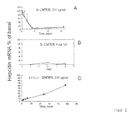
- Figure 2 shows graphs illustrating the kinetics of the levels of hepcidin mRNA in HepG2 cells after the addition of LMWH.
- A The cells were incubated with 200 ⁇ g/ml of LMW heparin for the time shown and the levels of hepcidin mRNA were measured.
- B the cells were incubated with 4 ⁇ g/ml of LMW heparin for the time shown, changing the culture medium containing LMW heparin every two days, and the level of hepcidin mRNA was measured.
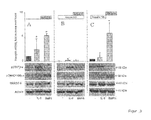
- Figure 3 shows the effect of heparin on hepcidin induction by BMP6 and IL-6.
- Panel A the HepG2 cells were grown for 6 hours with IL-6 (50 ng/ml), or BMP6 (10ng/ml) and then the mRNA hepcidin level was quantified by real time RT-PCR using HPRT1 mRNA as a reference.
- Panel B as in A, except that the cells were first incubated for 16 hours with 200 ⁇ g/ml LMWH, then added with IL-6 or BMP6 and further incubated for 6 hours in the presence of LMWH.
- Panel c as in B, except that the cells were first washed before enriching with IL-6 or BMP6 and incubated for 6 hours in the absence of heparin.
- the level of phosphoSTAT-3, phosphoSMAD1/5/8 and SMAD5 was measured by Western blotting and actin was used as a calibrator. Averages and SD of three independent experiments performed in triplicate. The asterisks indicate significant differences with respect to the unstimulated control.
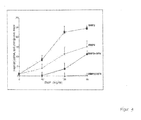
- Figure 4 shows the effect of heparin on hepcidin induction by BMP2 and BMP6.
- HepG2 cells were grown for 16 hours at the BMP2 or BMP6 concentrations shown in the figure, in the presence or absence of 4 ⁇ g/ml UFH, and the hepcidin transcript level was evaluated by qRT-PCR.
- Figure 5 shows the in vivo effect of heparin injections.
- A the mice were given subcutaneous injections of heparin or saline solution of 50mg/kg/day or saline for a week and the level of mRNA hepcidin in the liver was estimated by RT-PCR with respect to that of HPRT1. In the lower part of the figure, the phosphoSMAD1/5/8, SMAD5 and actin levels were analysed by Western blotting.
- B mice were treated for 15 days with the pharmacological concentration of 2 mg/kg/d UFH or saline and the hepatic level of hepcidin mRNA was analysed by qRT-PCR with reference to the HPRT1 level. The animals were also analysed for Spleen iron concentration and Serum iron concentration. Results of three independent experiments.
- Bone morphogenic proteins were originally identified for their ability to induce the ectopic formation of bone when implanted in muscular tissue and were isolated using heparin affinity columns. Over 15 BMPs have been identified in vertebrates and are classified into many sub-groups, among which BMP-2/4 and BMP-5/6/7. The proteins belonging to these two sub-groups have different structural properties. Most BMPs are expressed as inactive proteins which form homodimers or heterodimers and are secreted as active molecules after proteolytic processing. BMPs are widely expressed and their functions involve various development processes. In most conditions, BMPs act as morphogenes.
- BMPs signalling is begun by the bond with specific type I and type II receptors which cause the phosphorylation of SMAD-1, 5 and 8. They form a complex with SMAD4 which moves into the nucleus and regulates the expression of the genes in co-operation with other transcription factors. BMPs activity is modulated in a complex manner by various factors.
- Some secretory molecules bind BMPs and prevent their interaction with the receptors on the cell surface, acting as antagonists; these include noggin, chordin, follistatin and members of the DAN family.
- heparan sulphate proteoglycans can bind BMPs, their antagonists and their receptors and modulate BMPs functioning in a complex manner. Soluble heparin has also been found to bind BMPs and contribute to regulating how they function.
- the alteration of endogenous heparan sulphates of ROS 17/12.8 cells with chlorate or heparanase treatment reduces the BMP7 bond and BMPs signalling.
- C2C12 cells increases the morphogenic bioactivity of BMP2.
- heparin Treatment with exogenous heparin in some cases had an effect on BMPs activity. Such treatment inhibited BMP7 and BMP6 signalling, while potentiating the osteogenic activity of BMP-2 and -4.
- Other studies have shown that heparin inhibits the osteogenic activity of BMP2 by binding to the BMPs receptors. In addition it has been shown that low concentrations of heparin facilitate the osteogenesis of Saos-2 cells, while high concentrations inhibit it.
- the effect of heparin is further complicated by its high bonding affinity with BMPs inhibitors such as chordin and noggin and its ability to displace these proteins from the cell membrane.
- BMPs are implicated in the systemic regulation of iron homeostasis, promoting the hepatic expression of hepcidin.
- This is a peptide expressed as a pre-pro-hormone of 84 amino acids which is processed in its active form of 25 residues.
- the receptor of hepcidin is ferroportin, the sole cellular iron exporter, which regulates iron absorption and recycling. Binding with hepcidin induces ferroportin degradation, thus inappropriately low levels of hepcidin are associated with iron overloads and various forms of genetic haemochromatosis, while high levels of hepcidin are found in inflammatory states and are considered an important cause of anaemia.
- Hepcidin expression in hepatic cells is highly stimulated by all the BMPs tested so far, but BMP6 is likely its physiological regulator, since its expression is iron-dependent, and the BMP6 knock-out mice showed a high iron overload.
- Hepcidin expression is controlled by BMP/SMAD signalling, and hemojuvelin (HJV) is a BMPs co-receptor acting as a key regulator of hepcidin expression thereby facilitating SMAD signalling.
- Hepcidin is also stimulated by IL-6, by a signalling pathway which involves STAT-3, but which is dependent on the presence of SMAD4.
- heparin suppresses the basal expression of hepcidin at surprisingly high levels and that it also suppresses the introducton of hepcidin by BMP6 and BMP2. Moreover, surprisingly, heparin also inhibits the induction of hepcidin by the inflammatory cytokine IL-6. Moreover, in vivo experiments have shown that subcutaneous injections of heparin at pharmacological levels strongly inhibited the expression of hepcidin in the liver of mice and, surprisingly, also reduced systemic bioavailability of iron.
- the HepG2 cells were grown in Minimal Essential Medium (MEM) (Life Technologies, Invitrogen, Bethesda, MD) with 10% foetal calf serum (FCS, Clontech, Palo Alto, CA), 40 ⁇ g/ml gentamicin and 1 mM L-glutamine). The cells were kept at 37°C with 5% CO 2 . In phosphorylation or SMAD activation studies, 10 5 cells/well were seeded in 12-well plates, grown for 24 hours and then for another 16 hours in 0.5%FCS.
- MEM Minimal Essential Medium
- FCS foetal calf serum
- FCS foetal calf serum
- BMP2 R&D Systems
- BMP6 R&D Systems
- IL-6 R&D Systems
- heparin Eparina Vister or Calciparina, Italfarmaco
- low molecular weight heparin Clexane, Sanofi Aventis
- the cell extracts were lysed in lysis buffer (200mM Tris-HCI pH8, 100mM NaCl, 1mM EDTA, 0.5%NP-40 and 10% glycerol) containing a mixture of protease inhibitors (Sigma).
- lysis buffer 200mM Tris-HCI pH8, 100mM NaCl, 1mM EDTA, 0.5%NP-40 and 10% glycerol
- protease inhibitors Sigma
- 1 mM sodium orthovanadate (Sigma) and 1mM sodium fluoride (Sigma) were added to the lysis buffer as phosphatase inhibitors.
- the cell lysates were analysed on 10% SDS-PAGE and, after transfer, the nitrocellulose filters were incubated for 16 hours with specific antibodies, rinsed and incubated further for 1 hour with peroxidise-labelled secondary antibodies (Dako anti-mouse IgG, Glostrup, Denmark or Pierce anti-rabbit IgG).
- the following were used as primary antibodies: rabbit anti-phosphoSMAD1/ 5/8 antibody (1:1000; Cell Signalling Technology), rabbit anti-SMAD5 antibody (1:1000 Cell Signaling Technology), mouse anti phosphoSTAT-3 antibody (1:1000, Cell Signalling Technology) and rabbit anti-actin antibody (1:1000; Sigma).
- Bound activity was determined using an ECL kit(Amersham, Uppsala, Sweden) and revealed using a KODAK Image Station 440CF (Kodak, Rochester, NY).
- RNA extraction and RT-PCR The RNA was purified from the cells or from mouse livers using the guanidium thiocyanate-phenol-chloroform method (Trizol) according to the manufacturer's instructions (Ambion, Austin, Tx). Total RNA treated with DNase (1 ⁇ g) was used to synthesise the first cDNA strand with ImProm-II Reverse Transcription System (Promega), using oligo dT.
- mice The mice were given daily subcutaneous injections of saline solution, heparin or low molecular weight heparin. After seven days they were sacrificed and the livers homogenised and analysed for the hepcidin transcript or for phosphoSMAD1/5/8 and SMAD5, using actin as a control. For Western Blotting analysis, the antibodies mentioned above have been used. The following primers were used for RT-PCR analysis:
- mice-specific Assays-on-demand products (20x) and TaqMan Master Mix (2x) were used.
- Heparin inhibits hepcidin expression in HepG2 cells.
- BMPs and in particular BMP6 are the most important hepatic hepcidin regulators, thus it was of interest to evaluate how this regulatory pathway was influenced by exogenous heparin.
- the inventors used human hepatoma cells HepG2, a model widely used to study hepcidin expression. In initial experiments the cells were treated for 16 hours with different concentrations of heparin (from 0.4 to 400 ⁇ g/ml) and the level of hepcidin mRNA was analysed using Real Time RT-PCR. An inhibition curve was obtained with a reduction in the hepcidin transcript to a level of about 1/100 of the baseline at concentrations of over 4 ⁇ g/ml ( figure 1 ).
- the effect was quite rapid and already evident after 30 minutes of incubation.
- the cells were grown for up to seven days in 4 ⁇ g/ml of LMW heparin, changing the culture medium every two days.
- the data confirms that at this low concentration of heparin, the hepcidin mRNA was strongly inhibited to values below 10% of the baseline and showed that repression lasted for the entire incubation period ( figure 2B ). It had no effect on cell proliferation and vitality (data not shown).
- the duration of the inhibitory effect the cells were grown for 16 hours in 200 ⁇ g/ml LMW heparin, rinsed and grown further in a heparin-free medium for another two days.
- hepcidin mRNA level increased slowly from the initial 3% to about 60% of the baseline in 48 hours ( figure 2C ).
- the inventors have concluded that both heparin and LMW heparin have a strong inhibitory activity on hepcidin expression, which acts in a few hours and persists for days.
- Heparin inhibits the induction of hepcidin by BMP6 and IL-6.
- the inventors have confirmed that treatment of 6 hours with 10ng/ml of BMP6 causes a three to four-fold induction of hepcidin mRNA and with 50ng/ml of IL-6 a 2-3 fold induction ( figure 3A ).
- the cells were incubated for 16 hours in 200 ⁇ g/ml LMW heparin to reduce the hepcidin mRNA level, and then were treated with BMP6 or IL-6 in the presence of LMW heparin.
- the treatment with BMP6 and with IL-6 caused a marginal increase of about 15-20% ( figure 3B ). It is known that BMPs act on hepcidin expression by means of SMAD signalling, which includes the phosphorylation of the SMAD1/5/8.
- the level of phospho Erk1/2 was also analysed, and it was found that it is not influenced by LMW heparin (data not shown).
- the cells were treated for 16 hours with 200 ⁇ g/ml LMWH, washed and then added with IL-6 or BMP6.
- BMP6 caused hepcidin induction similar to that in the untreated cells, while IL-6 caused only a marginal induction.
- heparin has a comparable effect on the two BMPs which are more studied.
- the cells were incubated for 16 hours with varying concentrations of BMP2 and BMP6 in the presence or absence of 4 ⁇ g/ml heparin and then the hepcidin mRNA level was analysed.
- the data in figure 4 show that, surprisingly, heparine has a lower inhibitory effect on BMP2 activity than on BMP6 activity.
- Heparin inhibits in vivo hepatic hepcidin expression.
- mice were treated with daily injections of various doses of heparin or LMW heparin for one week and the liver and serum were analysed.
- RT-PCR analysis showed a marked reduction of hepcidin mRNA in the liver after treatment with 50mg/kg once a day ( figure 5A ). This was accompanied by a strong reduction in phosphoSMAD1/5/8.
- the mice were treated for two weeks with 2mg/kg a day of UFH.
- heparin and LMW heparin inhibit hepcidin expression in hepatoma HepG2 cells in a dose dependent manner. The effect is evident after 30 minutes of incubation and complete after 4 hours, after which it persists for up to one week. Moreover, after removal of the heparin, the inhibition slowly decreases and the level reaches 60% of the baseline in about two days. It has been demonstrated that LMW heparin is less potent than unfractionated heparin.
- heparin reduces the baseline level of phosphoSMAD1/5/8 and that it inhibits the induction of phosphorylation of the SMAD caused by BMP6. This indicates that it influences hepcidin expression by interfering with the signalling pathway BMP/SMAD. Many other molecules involved in this pathway bind heparin, including the BMP receptor, BMP inhibitors such as noggin or chordin and the BMP molecules themselves. The data present is not sufficient to establish which of them is the one mainly responsible for inhibition, but some indications may be obtained from the unexpected discovery that after having removed heparin by washing, addition of BMP6 completely abolishes hepcidin inhibition, suggesting that heparin sequestrates BMP6.
- BMP2 and BMP4 are characterised by an amino-terminal heparin-binding domain, and the osteogenic and SMAD activities of BMP2 and 4, are stimulated by low concentrations of heparin apparently in an indirect manner acting on the stabilisation of the BMPs.
- BMP6 and BMP7 belong to another sub-group of BMPs, which lacks the heparin-binding amino-terminal domain, but despite this BMP7 and BMP6 have a high binding affinity with heparins.
- BMP7 and BMP6 were also inhibited by low concentrations of exogenous heparin. All these data indicate that BMP2 and BMP6 can bind heparin in different ways, and that these proteins can recognise different receptors. In fact, the inactivation of the receptor II of the BMPs (BMPR2) reduces the signal from BMP2 and BMP4, but increases that of BMP6 and BMP7.
- BMPR2 receptor II of the BMPs
- IL-6 produces reduced hepcidin induction and does not abolish the inhibition caused by heparin. It has been shown that IL-6 acts through activation of STAT-3 which binds an element of the hepcidin promoter near the putative one of SMAD4 and which needs SMAD4 to induce hepcidin. Heparin does not modify the phosphorylation of STAT-3 but its inhibition of the SMAD pathway is probably sufficient to reduce the functionality of STAT-3. All together these data indicate that heparin inhibits the signalling pathway for hepcidin regulation which includes BMP6 and IL-6, the two physiological hepcidin regulators.
- heparin and LMW heparin have a strong inhibitory activity on the expression of hepcidin in vivo.
- the mice were treated with therapeutic doses of heparin and the reduction of hepcidin in the liver was dramatic, to 2-5% of that of the control animals.
- these treatments also resulted in increased serum iron and decreased iron concentration in the spleen. This is in complete agreement with the role of hepcidin whose reduction, caused by heparin treatment, increases the release of iron from spleen microphages and increases bioavailability of iron in serum. This opens the way for clinical use of heparin to reduce hepcidin in subjects suffering from anaemia.
- hepcidin An abnormal increase of hepcidin often occurs in inflammatory states and in chronic inflammations and is thought to be the cause of the reduced absorption and recycling of iron by the macrophages to the erythroid cells causing anaemia.
- IRIDA anaemia Iron Refractory Iron Deficiency Anaemia
- mutations of the matriptase 2 gene alter HJV functioning with a consequent increase of hepcidin. This causes iron deficiency and anaemia.
- the results obtained by the inventors indicate that heparin and the derivatives thereof, such as modified heparins with no anti-coagulant activity, may be useful in the therapeutic treatment of both types of disease.
- heparin or the derivatives thereof may be formulated in any pharmaceutical form suitable for subcutaneous or intravenous administration, said pharmaceutical form containing a pharmaceutically effective amount of active ingredient and using pharmaceutical excipients known per se.
- T h e pharmacologically effective amount of active ingredient depends on the characteristics of the disease to be treated and of the patient, but is usually comprised within the range of 1-200mg/kg/day.
Landscapes
- Health & Medical Sciences (AREA)
- Life Sciences & Earth Sciences (AREA)
- Public Health (AREA)
- General Health & Medical Sciences (AREA)
- Chemical & Material Sciences (AREA)
- Medicinal Chemistry (AREA)
- Pharmacology & Pharmacy (AREA)
- Veterinary Medicine (AREA)
- Animal Behavior & Ethology (AREA)
- Epidemiology (AREA)
- Dermatology (AREA)
- Molecular Biology (AREA)
- Engineering & Computer Science (AREA)
- Bioinformatics & Cheminformatics (AREA)
- Diabetes (AREA)
- Hematology (AREA)
- Chemical Kinetics & Catalysis (AREA)
- General Chemical & Material Sciences (AREA)
- Nuclear Medicine, Radiotherapy & Molecular Imaging (AREA)
- Organic Chemistry (AREA)
- Pharmaceuticals Containing Other Organic And Inorganic Compounds (AREA)
Description
- The present invention relates to a new therapeutic application of sulphated glycosaminoglycans.
- Sulphated glycosaminoglycans (also known as glycosaminoglycan sulphides or sulphates), more in particular heparin and low molecular weight heparins, are high affinity binding molecules of numerous extracellular substances. It has been demonstrated that these molecules are potentially involved in biological processes such as angiogenesis, viral invasion, tumour growth and bone metabolism.
- Heparin is a natural carbohydrate which belongs to the glycosaminoglycan family. It is composed of repeating units of disaccharides, hyduronic acid and N-glucosamine, which bind sulphate groups to nitrogen and oxygen atoms. Commercial heparin has an average molecular weight of 13,000 -15,000 Dalton, and low molecular weight heparins are obtained by heparin depolymerisation. Heparin derivatives are glycosaminoglycans of natural origin, such as heparan sulphates, or biotechnological origin having a different degree of sulphation and which may have reduced anticoagulant activity or no anticoagulant activity.
- As is known, heparin and the derivatives thereof have been used for a long time as anticoagulant medicaments on account of their ability to bind to the anti-thrombin III, which in turn inactivates thrombin, factor X and other proteases involved in blood clotting.
- The present inventors have now surprisingly found that molecules belonging to the class of sulphated glycosaminoglycans, such as heparin and heparan sulphates, show an approximately 100-folds inhibitory activity of the expression of hepcidin in hepatic cell lines at pharmacological concentrations.
- Hepcidin is a small peptide rich in cysteine which plays a central role in regulating systemic iron homeostasis. Its expression is mainly hepatic, it is induced by iron overloads and by inflammatory states and is reduced by hypoxia and iron deficiency. Hepcidin induces degradation of its receptor, ferroportin, the sole cellular exporter of iron. Therefore, an increase in hepcidin results in the reduction of both iron uptake by duodenal enterocytes and hemoglobin iron recycling by the macrophages. The reduction of the expression of hepcidin is associated with iron overloads observed in hereditary haemochromatosis of various origin, while an excess of hepcidin is associated with refractory anaemia. Chronic disease anaemia (or inflammatory anaemia) is of particular importance given its diffusion and is characterised by an excess of hepcidin induced by the state of inflammation. It is also worth pointing out that, as of today, treatment of this disorder is based mainly on the use of erythropoietin and is very expensive and often not effective.
- Recent studies have shown that hemojuvelin is the main regulator of the expression of hepcidin and that it acts as a co-receptor of bone morphogenic proteins (BMPs). Of these the protein BMP6 seems to be the physiological ligand of hemojuvelin and plays a central role in the regulation mechanism of hepcidin.
Furthermore, document "DATABASE WPI Week 199128" and article "An immunoassay for human serum hepcidin at last: Ganz klar?" (by BUNGARA CARLO) jointly disclose that iron deficiency anaemia is characterized by low levels of hepcidin.
Also, the scientific work "Novel hollow microcapsules based on iron-heparin complex multilayers" (YU LU ET AL.) describes heparin as an alternative polysaccharide for administering iron, so as to enhance and prolong its anti-coagulant activity.
At last, the article "Effect of intramuscular heparin on antibodies in idiopathic acquired hemolytic anemia" (ROTH K L ET AL) teaches that heparin has been used for the treatment of haemolytic anaemia, and describes the use of heparin in Idiopathic Acquired Haemolytic Anaemia which is based on a putative strong anticomplementary activity of heparin. - On the basis of this knowledge, it may be stated that the aforementioned sulphated glycosaminoglycans are involved in binding the molecules not implicated in clotting- such as presumably the BMPs, their receptors, co-receptors or inhibitors- which play a role in regulating the expression of hepcidin and are therefore useful in the therapeutic treatment of iron homeostasis diseases or conditions associated with high levels of hepcidin in circulation, such as chronic disease anaemia.
- An aspect of the present invention is therefore a sulphated glycosaminoglycan for use in the therapeutic treatment of a disease or condition with iron homeostasis disorders such as, preferably, an anaemia in a subject having high levels of serum hepcidin.
- According to a preferred embodiment, the subject is a mammal, preferably a human being.
- The person skilled in the art is perfectly capable of establishing whether the serum hepcidin levels measured in a patient who is affected by a disease or condition with iron homeostasis disorders, such as for example an anemia, are comprised within the ranges of values which are considered as normal or whether, in contrast, they represent a high level. The normal serum hepcidin levels are actually known to the skilled in the art. For example, if the subject is a human being, the expression "high levels of serum hepcidin" means a value which is higher than about 11 nM, as measured e.g. by mass spectroscopy techniques. It is to be understood that the technique for measuring serum hepcidin levels is not a limiting feature, rather it is provided only as an example.
- Further embodiments of the invention are defined in the appended dependent claims.
- The independent and dependent claims form an integral part of the description.
- The invention is described in more detail in the experimental part which follows, with reference to the appended drawings, in which:
-
Figure 1A is a graph showing the inhibition of hepcidin mRNA by heparin. HepG2 cells were incubated for 16 hours with the concentrations of unfractioned heparin (UFH) and low molecular weight heparin (LMWH) shown in figure and the level of hepcidin mRNA was assessed in real time PCR (qRT-PCR)in relation to that of HPRT1. The data are expressed as a percentage in logarithmic scale in relation to the untreated cells. The insert shows the inhibition by UFH in a linear scale.Figure 1B shows a Western Blotting of phosphoSMAD1/5/8 oftotal SMAD 5 and of beta-actin as a calibrator of the cellular extracts after incubation with UFH. -
Figure 2 shows graphs illustrating the kinetics of the levels of hepcidin mRNA in HepG2 cells after the addition of LMWH. A: The cells were incubated with 200 µg/ml of LMW heparin for the time shown and the levels of hepcidin mRNA were measured. B: the cells were incubated with 4 µg/ml of LMW heparin for the time shown, changing the culture medium containing LMW heparin every two days, and the level of hepcidin mRNA was measured. C: the cells were incubated for 16 hours with 200 µg/ml of LMW heparin, rinsed and then grown for the time shown in a heparin-free medium and the levels of hepcidin mRNA were measured. Averages and SD of three independent experiments performed in triplicate. -
Figure 3 shows the effect of heparin on hepcidin induction by BMP6 and IL-6. Panel A: the HepG2 cells were grown for 6 hours with IL-6 (50 ng/ml), or BMP6 (10ng/ml) and then the mRNA hepcidin level was quantified by real time RT-PCR using HPRT1 mRNA as a reference. Panel B: as in A, except that the cells were first incubated for 16 hours with 200 µg/ml LMWH, then added with IL-6 or BMP6 and further incubated for 6 hours in the presence of LMWH. Panel c: as in B, except that the cells were first washed before enriching with IL-6 or BMP6 and incubated for 6 hours in the absence of heparin. The level of phosphoSTAT-3, phosphoSMAD1/5/8 and SMAD5 was measured by Western blotting and actin was used as a calibrator. Averages and SD of three independent experiments performed in triplicate. The asterisks indicate significant differences with respect to the unstimulated control. -
Figure 4 shows the effect of heparin on hepcidin induction by BMP2 and BMP6. HepG2 cells were grown for 16 hours at the BMP2 or BMP6 concentrations shown in the figure, in the presence or absence of 4 µg/ml UFH, and the hepcidin transcript level was evaluated by qRT-PCR. -
Figure 5 shows the in vivo effect of heparin injections. A: the mice were given subcutaneous injections of heparin or saline solution of 50mg/kg/day or saline for a week and the level of mRNA hepcidin in the liver was estimated by RT-PCR with respect to that of HPRT1. In the lower part of the figure, the phosphoSMAD1/5/8, SMAD5 and actin levels were analysed by Western blotting. B: mice were treated for 15 days with the pharmacological concentration of 2 mg/kg/d UFH or saline and the hepatic level of hepcidin mRNA was analysed by qRT-PCR with reference to the HPRT1 level. The animals were also analysed for Spleen iron concentration and Serum iron concentration. Results of three independent experiments. - The experimental part which follows is provided merely by way of a non-limiting example of the scope of the invention as defined in the appended claims.
- Bone morphogenic proteins (BMPs) were originally identified for their ability to induce the ectopic formation of bone when implanted in muscular tissue and were isolated using heparin affinity columns. Over 15 BMPs have been identified in vertebrates and are classified into many sub-groups, among which BMP-2/4 and BMP-5/6/7. The proteins belonging to these two sub-groups have different structural properties. Most BMPs are expressed as inactive proteins which form homodimers or heterodimers and are secreted as active molecules after proteolytic processing. BMPs are widely expressed and their functions involve various development processes. In most conditions, BMPs act as morphogenes. Many recombinant BMPs have been found to be active in ectopic bone formation dosages and BMP2, BMP4 and BMP7 have been widely analysed for their ability to induce osteoblastic differentiation of myoblasts C2C12 or osteoblastic cells (ROS 17/2.8 or SaOS-2 cells). BMPs signalling is begun by the bond with specific type I and type II receptors which cause the phosphorylation of SMAD-1, 5 and 8. They form a complex with SMAD4 which moves into the nucleus and regulates the expression of the genes in co-operation with other transcription factors. BMPs activity is modulated in a complex manner by various factors. Some secretory molecules bind BMPs and prevent their interaction with the receptors on the cell surface, acting as antagonists; these include noggin, chordin, follistatin and members of the DAN family. In addition, heparan sulphate proteoglycans can bind BMPs, their antagonists and their receptors and modulate BMPs functioning in a complex manner. Soluble heparin has also been found to bind BMPs and contribute to regulating how they function. The alteration of endogenous heparan sulphates of ROS 17/12.8 cells with chlorate or heparanase treatment reduces the BMP7 bond and BMPs signalling. However the same treatment of C2C12 cells increases the morphogenic bioactivity of BMP2. Treatment with exogenous heparin in some cases had an effect on BMPs activity. Such treatment inhibited BMP7 and BMP6 signalling, while potentiating the osteogenic activity of BMP-2 and -4. Other studies have shown that heparin inhibits the osteogenic activity of BMP2 by binding to the BMPs receptors. In addition it has been shown that low concentrations of heparin facilitate the osteogenesis of Saos-2 cells, while high concentrations inhibit it. The effect of heparin is further complicated by its high bonding affinity with BMPs inhibitors such as chordin and noggin and its ability to displace these proteins from the cell membrane.
- More recently it has been shown that BMPs are implicated in the systemic regulation of iron homeostasis, promoting the hepatic expression of hepcidin. This is a peptide expressed as a pre-pro-hormone of 84 amino acids which is processed in its active form of 25 residues. The receptor of hepcidin is ferroportin, the sole cellular iron exporter, which regulates iron absorption and recycling. Binding with hepcidin induces ferroportin degradation, thus inappropriately low levels of hepcidin are associated with iron overloads and various forms of genetic haemochromatosis, while high levels of hepcidin are found in inflammatory states and are considered an important cause of anaemia. The expression of hepcidin in hepatic cells is highly stimulated by all the BMPs tested so far, but BMP6 is likely its physiological regulator, since its expression is iron-dependent, and the BMP6 knock-out mice showed a high iron overload. Hepcidin expression is controlled by BMP/SMAD signalling, and hemojuvelin (HJV) is a BMPs co-receptor acting as a key regulator of hepcidin expression thereby facilitating SMAD signalling. Hepcidin is also stimulated by IL-6, by a signalling pathway which involves STAT-3, but which is dependent on the presence of SMAD4.
- The role of heparin and heparan sulphate on BMP signalling in HepG2 hepatic cell lines expressing hepcidin has been studied by the present inventors. It has been found that heparin suppresses the basal expression of hepcidin at surprisingly high levels and that it also suppresses the introducton of hepcidin by BMP6 and BMP2. Moreover, surprisingly, heparin also inhibits the induction of hepcidin by the inflammatory cytokine IL-6. Moreover, in vivo experiments have shown that subcutaneous injections of heparin at pharmacological levels strongly inhibited the expression of hepcidin in the liver of mice and, surprisingly, also reduced systemic bioavailability of iron.
- Cell cultures. The HepG2 cells were grown in Minimal Essential Medium (MEM) (Life Technologies, Invitrogen, Bethesda, MD) with 10% foetal calf serum (FCS, Clontech, Palo Alto, CA), 40 µg/ml gentamicin and 1 mM L-glutamine). The cells were kept at 37°C with 5% CO2.In phosphorylation or SMAD activation studies, 105 cells/well were seeded in 12-well plates, grown for 24 hours and then for another 16 hours in 0.5%FCS. They were then incubated with recombinant BMP2 (R&D Systems), BMP6 (R&D Systems), IL-6 (R&D Systems), heparin (Eparina Vister or Calciparina, Italfarmaco) or low molecular weight heparin (Clexane, Sanofi Aventis).
- Immunoblotting. The cell extracts were lysed in lysis buffer (200mM Tris-HCI pH8, 100mM NaCl, 1mM EDTA, 0.5%NP-40 and 10% glycerol) containing a mixture of protease inhibitors (Sigma). For dosages of the phosphorylated SMADs, 1 mM sodium orthovanadate (Sigma) and 1mM sodium fluoride (Sigma) were added to the lysis buffer as phosphatase inhibitors.
- The cell lysates were analysed on 10% SDS-PAGE and, after transfer, the nitrocellulose filters were incubated for 16 hours with specific antibodies, rinsed and incubated further for 1 hour with peroxidise-labelled secondary antibodies (Dako anti-mouse IgG, Glostrup, Denmark or Pierce anti-rabbit IgG). The following were used as primary antibodies: rabbit anti-phosphoSMAD1/ 5/8 antibody (1:1000; Cell Signalling Technology), rabbit anti-SMAD5 antibody (1:1000 Cell Signaling Technology), mouse anti phosphoSTAT-3 antibody (1:1000, Cell Signalling Technology) and rabbit anti-actin antibody (1:1000; Sigma). Bound activity was determined using an ECL kit(Amersham, Uppsala, Sweden) and revealed using a KODAK Image Station 440CF (Kodak, Rochester, NY).
- RNA extraction and RT-PCR. The RNA was purified from the cells or from mouse livers using the guanidium thiocyanate-phenol-chloroform method (Trizol) according to the manufacturer's instructions (Ambion, Austin, Tx). Total RNA treated with DNase (1 µg) was used to synthesise the first cDNA strand with ImProm-II Reverse Transcription System (Promega), using oligo dT. For RT-PCR analysis, the assays-on-Demand products (20x) and TaqMan Master Mix (2x) of Applied Biosystems (Foster City, CA) were used according to the manufacturer's instructions and the reactions were run on an ABI PRISM 7700 Sequence Detection System (Applied Biosystems) in a final volume of 20 µl for 40 cycles. Hepcidin expression levels were normalised to those of HPRT1 in each sample.
- Mice. The mice were given daily subcutaneous injections of saline solution, heparin or low molecular weight heparin. After seven days they were sacrificed and the livers homogenised and analysed for the hepcidin transcript or for phosphoSMAD1/5/8 and SMAD5, using actin as a control. For Western Blotting analysis, the antibodies mentioned above have been used. The following primers were used for RT-PCR analysis:
- mHPRT1-for 5'- GCTTGCTGGTGAAAAGGACCTCTCGAAG -3'
- mHPRT1-rev 5'- CCCTGAAGTACTCATTATAGTCAAGGGCAT -3'
- mHEPC1-for: 5'- CTGTCTCCTGCTTCTCCTCCTT -3'
- mHEPC1-rev: 5'- CTGCAGCTCTGTAGTCTGTCTCATC -3'
- For Real Time RT-PCR analysis mouse-specific Assays-on-demand products (20x) and TaqMan Master Mix (2x) (Applied Biosystems) were used.
- Statistical analysis. A comparison of the untreated control (mock) cells and the treated cells was performed using the Student t test for unpaired data. Differences with P values below 0.05 were defined significant.
- Results
- Heparin inhibits hepcidin expression in HepG2 cells.
- BMPs and in particular BMP6, are the most important hepatic hepcidin regulators, thus it was of interest to evaluate how this regulatory pathway was influenced by exogenous heparin. The inventors used human hepatoma cells HepG2, a model widely used to study hepcidin expression. In initial experiments the cells were treated for 16 hours with different concentrations of heparin (from 0.4 to 400µg/ml) and the level of hepcidin mRNA was analysed using Real Time RT-PCR. An inhibition curve was obtained with a reduction in the hepcidin transcript to a level of about 1/100 of the baseline at concentrations of over 4 µg/ml (
figure 1 ). Similar inhibition curves were obtained after 48 hours of incubation (data not shown). The inventors then analysed a preparation of low molecular weight (LMW) heparin in the same concentration range. In this case too an inhibition of about 10-folds at concentrations over 40 µg/ml LMWH (figure 1 ) was obtained. The comparison betwen the two curves shows that LMW heparin is not as strong as heparin in inhibiting hepcidin expression. The inventors then performed time trend experiments with LMW heparin at the highly inhibitory concentration of 200µg/ml. Hepcidin mRNA decreased linearly in the first 4 hours and then levelled out at values below 10% of the baseline (figure 2A ). The effect was quite rapid and already evident after 30 minutes of incubation. To assess the long term effects, the cells were grown for up to seven days in 4 µg/ml of LMW heparin, changing the culture medium every two days. The data confirms that at this low concentration of heparin, the hepcidin mRNA was strongly inhibited to values below 10% of the baseline and showed that repression lasted for the entire incubation period (figure 2B ). It had no effect on cell proliferation and vitality (data not shown). To assess the duration of the inhibitory effect, the cells were grown for 16 hours in 200 µg/ml LMW heparin, rinsed and grown further in a heparin-free medium for another two days. The hepcidin mRNA level increased slowly from the initial 3% to about 60% of the baseline in 48 hours (figure 2C ). The inventors have concluded that both heparin and LMW heparin have a strong inhibitory activity on hepcidin expression, which acts in a few hours and persists for days. - Heparin inhibits the induction of hepcidin by BMP6 and IL-6.
- The inventors have confirmed that treatment of 6 hours with 10ng/ml of BMP6 causes a three to four-fold induction of hepcidin mRNA and with 50ng/ml of IL-6 a 2-3 fold induction (
figure 3A ). In further experiments, the cells were incubated for 16 hours in 200 µg/ml LMW heparin to reduce the hepcidin mRNA level, and then were treated with BMP6 or IL-6 in the presence of LMW heparin. The treatment with BMP6 and with IL-6 caused a marginal increase of about 15-20% (figure 3B ). It is known that BMPs act on hepcidin expression by means of SMAD signalling, which includes the phosphorylation of the SMAD1/5/8. Western blotting analysis of the cell homogenates showed that treatment with LMW heparin reduced the baseline level of phosphorylated SMAD, that treatment with IL-6 had no effect, while treatment with BMP2 and BMP6 caused strong induction (figure 3 ). More interestingly, in the cells treated for 16 hours with LMW heparin the level of phosphoSMAD1/5/8 remained repressed after 4 hours of treatment with IL-6 and BMP6, in parallel with hepcidin expression. The phosphorylation of STAT-3 was not influenced by LMW heparin, and was induced only by IL-6, to the same extent before and after incubation with heparin LMW (figure 3 ). The level of phospho Erk1/2 was also analysed, and it was found that it is not influenced by LMW heparin (data not shown). In a further experiment, the cells were treated for 16 hours with 200 µg/ml LMWH, washed and then added with IL-6 or BMP6. Surprisingly, BMP6 caused hepcidin induction similar to that in the untreated cells, while IL-6 caused only a marginal induction. - To study whether heparin has a comparable effect on the two BMPs which are more studied, the cells were incubated for 16 hours with varying concentrations of BMP2 and BMP6 in the presence or absence of 4 µg/ml heparin and then the hepcidin mRNA level was analysed. The data in
figure 4 show that, surprisingly, heparine has a lower inhibitory effect on BMP2 activity than on BMP6 activity. - Heparin inhibits in vivo hepatic hepcidin expression.
- The inventors then analysed the in vivo effect of heparin. The mice were treated with daily injections of various doses of heparin or LMW heparin for one week and the liver and serum were analysed. RT-PCR analysis showed a marked reduction of hepcidin mRNA in the liver after treatment with 50mg/kg once a day (
figure 5A ). This was accompanied by a strong reduction in phosphoSMAD1/5/8. In other experiments, the mice were treated for two weeks with 2mg/kg a day of UFH. Surprisingly, it was observed that also this physiological treatment with heparin is sufficient to stongly reduce the level of hepcidin in the liver measured using RT-PCR, to reduce iron in the spleen and to increase iron in serum (figure 5B ). - Discussion
- The inventors have demonstrated that heparin and LMW heparin inhibit hepcidin expression in hepatoma HepG2 cells in a dose dependent manner. The effect is evident after 30 minutes of incubation and complete after 4 hours, after which it persists for up to one week. Moreover, after removal of the heparin, the inhibition slowly decreases and the level reaches 60% of the baseline in about two days. It has been demonstrated that LMW heparin is less potent than unfractionated heparin.
- It has been observed that heparin reduces the baseline level of phosphoSMAD1/5/8 and that it inhibits the induction of phosphorylation of the SMAD caused by BMP6. This indicates that it influences hepcidin expression by interfering with the signalling pathway BMP/SMAD. Many other molecules involved in this pathway bind heparin, including the BMP receptor, BMP inhibitors such as noggin or chordin and the BMP molecules themselves. The data present is not sufficient to establish which of them is the one mainly responsible for inhibition, but some indications may be obtained from the unexpected discovery that after having removed heparin by washing, addition of BMP6 completely abolishes hepcidin inhibition, suggesting that heparin sequestrates BMP6. Another unexpected result is the evidence that heparin inhibits BMP6 induction but not BMP2 induction. These proteins belong to two separate groups of BMPs. BMP2 and BMP4 are characterised by an amino-terminal heparin-binding domain, and the osteogenic and SMAD activities of BMP2 and 4, are stimulated by low concentrations of heparin apparently in an indirect manner acting on the stabilisation of the BMPs. BMP6 and BMP7 belong to another sub-group of BMPs, which lacks the heparin-binding amino-terminal domain, but despite this BMP7 and BMP6 have a high binding affinity with heparins. In addition, the osteogenic activity of BMP7 and BMP6 was also inhibited by low concentrations of exogenous heparin. All these data indicate that BMP2 and BMP6 can bind heparin in different ways, and that these proteins can recognise different receptors. In fact, the inactivation of the receptor II of the BMPs (BMPR2) reduces the signal from BMP2 and BMP4, but increases that of BMP6 and BMP7.
- IL-6 produces reduced hepcidin induction and does not abolish the inhibition caused by heparin. It has been shown that IL-6 acts through activation of STAT-3 which binds an element of the hepcidin promoter near the putative one of SMAD4 and which needs SMAD4 to induce hepcidin. Heparin does not modify the phosphorylation of STAT-3 but its inhibition of the SMAD pathway is probably sufficient to reduce the functionality of STAT-3. All together these data indicate that heparin inhibits the signalling pathway for hepcidin regulation which includes BMP6 and IL-6, the two physiological hepcidin regulators.
- The inventors have also shown that heparin and LMW heparin have a strong inhibitory activity on the expression of hepcidin in vivo. The mice were treated with therapeutic doses of heparin and the reduction of hepcidin in the liver was dramatic, to 2-5% of that of the control animals. In addition, these treatments also resulted in increased serum iron and decreased iron concentration in the spleen. This is in complete agreement with the role of hepcidin whose reduction, caused by heparin treatment, increases the release of iron from spleen microphages and increases bioavailability of iron in serum. This opens the way for clinical use of heparin to reduce hepcidin in subjects suffering from anaemia.
- To conclude, the experimental results obtained by the inventors show that sulphated glycosaminoglycans are deeply involved in the signalling pathway of the BMPs in hepatic cells which regulates hepcidin expression. The role of the endogenous heparan sulphates still needs to be analysed, as well as the relationship between heparin and the various molecules which bind heparin involved in the signalling pathway. However, the most important discovery is that exogenous heparin is a strong inhibitor of the expression of hepcidin in vitro and in vivo. An abnormal increase of hepcidin often occurs in inflammatory states and in chronic inflammations and is thought to be the cause of the reduced absorption and recycling of iron by the macrophages to the erythroid cells causing anaemia. In IRIDA anaemia (Iron Refractory Iron Deficiency Anaemia), mutations of the matriptase 2 gene alter HJV functioning with a consequent increase of hepcidin. This causes iron deficiency and anaemia. The results obtained by the inventors indicate that heparin and the derivatives thereof, such as modified heparins with no anti-coagulant activity, may be useful in the therapeutic treatment of both types of disease.
- To such purpose, heparin or the derivatives thereof may be formulated in any pharmaceutical form suitable for subcutaneous or intravenous administration, said pharmaceutical form containing a pharmaceutically effective amount of active ingredient and using pharmaceutical excipients known per se. T h e pharmacologically effective amount of active ingredient depends on the characteristics of the disease to be treated and of the patient, but is usually comprised within the range of 1-200mg/kg/day.
Claims (6)
- A sulphated glycosaminoglycan for use in the therapeutic treatment of a disease or condition with iron homeostasis disorders in a subject having high levels of serum hepcidin.
- The sulphated glycosaminoglycan for use according to claim 1, wherein the disease or condition is an anaemia.
- The sulphated glycosaminoglycan for use according to claim 2, wherein the anaemia is chronic disease anaemia.
- The sulphated glycosaminoglycan for use according to any of claims 1 to 3, which is selected from the group consisting of heparin, low molecular weight heparins and natural or biotechnological derivatives thereof with reduced anticoagulant activity or with no anticoagulant activity.
- The sulphated glycosaminoglycan for use according to any of claims 1 to 4, which is formulated as a medicament suitable for subcutaneous or intravenous administration.
- The sulphated glycosaminoglycan for use according to any of claims 1 to 4, wherein the subject is a mammal, preferably a human being.
Applications Claiming Priority (1)
| Application Number | Priority Date | Filing Date | Title |
|---|---|---|---|
| ITTO2009A000940A IT1397285B1 (en) | 2009-12-01 | 2009-12-01 | SULFURATED GLYCOSAMINOGLYCANS, INCLUDING EPARIN, LOW MOLECULAR WEIGHT EPARINE AND THEIR DERIVATIVES, FOR THE USE IN THE THERAPEUTIC TREATMENT OF ANEMIES AND FOR THE INJECTION OF EPCIDINE EXPRESSION. |
Publications (2)
| Publication Number | Publication Date |
|---|---|
| EP2335708A1 EP2335708A1 (en) | 2011-06-22 |
| EP2335708B1 true EP2335708B1 (en) | 2013-10-09 |
Family
ID=42245585
Family Applications (1)
| Application Number | Title | Priority Date | Filing Date |
|---|---|---|---|
| EP10192809.1A Not-in-force EP2335708B1 (en) | 2009-12-01 | 2010-11-26 | Sulphated glycosaminoglycans, including heparin and derivatives thereof, for use in inhibiting the expression of hepcidin and for the therapeutic treatment of anaemia with high levels of hepcidin |
Country Status (2)
| Country | Link |
|---|---|
| EP (1) | EP2335708B1 (en) |
| IT (1) | IT1397285B1 (en) |
Cited By (1)
| Publication number | Priority date | Publication date | Assignee | Title |
|---|---|---|---|---|
| EP4041241A1 (en) | 2019-09-27 | 2022-08-17 | Disc Medicine, Inc. | Methods for treating myelofibrosis and related conditions |
Families Citing this family (1)
| Publication number | Priority date | Publication date | Assignee | Title |
|---|---|---|---|---|
| KR20230012539A (en) | 2020-05-13 | 2023-01-26 | 디스크 메디슨, 인크. | Anti-hemojuvelin (HJV) antibodies to treat myelofibrosis |
Family Cites Families (1)
| Publication number | Priority date | Publication date | Assignee | Title |
|---|---|---|---|---|
| SU1563697A1 (en) * | 1986-07-23 | 1990-05-15 | Научно-Исследовательский Институт Акушерства И Гинекологии Министерства Здравоохранения Узсср | Method of treating iron deficieny anemia of pregnancy |
-
2009
- 2009-12-01 IT ITTO2009A000940A patent/IT1397285B1/en active
-
2010
- 2010-11-26 EP EP10192809.1A patent/EP2335708B1/en not_active Not-in-force
Cited By (1)
| Publication number | Priority date | Publication date | Assignee | Title |
|---|---|---|---|---|
| EP4041241A1 (en) | 2019-09-27 | 2022-08-17 | Disc Medicine, Inc. | Methods for treating myelofibrosis and related conditions |
Also Published As
| Publication number | Publication date |
|---|---|
| IT1397285B1 (en) | 2013-01-04 |
| EP2335708A1 (en) | 2011-06-22 |
| ITTO20090940A1 (en) | 2011-06-02 |
Similar Documents
| Publication | Publication Date | Title |
|---|---|---|
| Pandey et al. | The hyaluronan receptor for endocytosis (HARE) activates NF-κB-mediated gene expression in response to 40–400-kDa, but not smaller or larger, hyaluronans | |
| Itokazu et al. | Clinical evaluation of high—molecular-weight sodium hyaluronate for the treatment of patients with periarthritis of the shoulder | |
| Tan et al. | Combination therapy with paricalcitol and trandolapril reduces renal fibrosis in obstructive nephropathy | |
| WO2015023691A2 (en) | 4-methylumbelliferone treatment for immune modulation | |
| Jin et al. | Sulodexide prevents peripheral nerve damage in streptozotocin induced diabetic rats | |
| Jayakumar et al. | Prolactin attenuates neuroinflammation in LPS-activated SIM-A9 microglial cells by inhibiting NF-κB pathways via ERK1/2 | |
| Asperti et al. | Pentosan polysulfate to control hepcidin expression in vitro and in vivo | |
| Gao et al. | Autophagy inhibition facilitates wound closure partially dependent on the YAP/IL‐33 signaling in a mouse model of skin wound healing | |
| Ji et al. | Dexmedetomidine inhibits the invasion, migration, and inflammation of rheumatoid arthritis fibroblast-like synoviocytes by reducing the expression of NLRC5 | |
| Meng et al. | Therapeutic effect and mechanism of combined use of FGF21 and insulin on diabetic nephropathy | |
| AU2006220034B2 (en) | Amide derivatives of hyaluronic acid in osteoarthrosis | |
| Wang et al. | Translational event mediates differential production of tumor necrosis factor‐α in hyaluronan‐stimulated microglia and macrophages | |
| EP2335708A1 (en) | Sulphated glycosaminoglycans, including heparin and derivatives thereof, for use in inhibiting the expression of hepcidin and for the therapeutic treatment of anaemia with high levels of hepcidin | |
| Asperti et al. | Sevuparin strongly reduces hepcidin expression in cells, mice, and healthy human volunteers | |
| Zhao et al. | Arctigenin protects mice from thioglycollate‐induced acute peritonitis | |
| US9597412B2 (en) | Injectable delivery system for heparan-binding growth factors | |
| JP2020504185A (en) | Medium molecular weight heparin | |
| Su et al. | Etidronate protects chronic ocular hypertension induced retinal oxidative stress and promotes retinal ganglion cells growth through IGF-1 signaling pathway | |
| Willoughby et al. | Effects of sequential injections of hepatocyte growth factor and insulin-like growth factor-I on adult rabbit extraocular muscle | |
| Gambaro et al. | Glycosaminoglycan treatment in glomerulonephritis? An interesting option to investigate | |
| CA2555616A1 (en) | New therapeutic use for a group of sulphated polysaccharides | |
| Heinz et al. | A new spectrophotometric assay for enzymes of purine metabolism | |
| EP3391880B1 (en) | Neddylation inhibitor for use in preventing or treating osteoporosis | |
| Taoka et al. | Antithrombin reduces compression-induced spinal cord injury in rats | |
| Lee et al. | Vinpocetine, a phosphodiesterase 1 inhibitor, mitigates atopic dermatitis-like skin inflammation |
Legal Events
| Date | Code | Title | Description |
|---|---|---|---|
| PUAI | Public reference made under article 153(3) epc to a published international application that has entered the european phase |
Free format text: ORIGINAL CODE: 0009012 |
|
| AK | Designated contracting states |
Kind code of ref document: A1 Designated state(s): AL AT BE BG CH CY CZ DE DK EE ES FI FR GB GR HR HU IE IS IT LI LT LU LV MC MK MT NL NO PL PT RO RS SE SI SK SM TR |
|
| AX | Request for extension of the european patent |
Extension state: BA ME |
|
| 17P | Request for examination filed |
Effective date: 20111220 |
|
| 17Q | First examination report despatched |
Effective date: 20120814 |
|
| GRAP | Despatch of communication of intention to grant a patent |
Free format text: ORIGINAL CODE: EPIDOSNIGR1 |
|
| INTG | Intention to grant announced |
Effective date: 20130522 |
|
| RAP1 | Party data changed (applicant data changed or rights of an application transferred) |
Owner name: UNIVERSITA' DEGLI STUDI DI BRESCIA |
|
| GRAS | Grant fee paid |
Free format text: ORIGINAL CODE: EPIDOSNIGR3 |
|
| GRAA | (expected) grant |
Free format text: ORIGINAL CODE: 0009210 |
|
| AK | Designated contracting states |
Kind code of ref document: B1 Designated state(s): AL AT BE BG CH CY CZ DE DK EE ES FI FR GB GR HR HU IE IS IT LI LT LU LV MC MK MT NL NO PL PT RO RS SE SI SK SM TR |
|
| REG | Reference to a national code |
Ref country code: GB Ref legal event code: FG4D |
|
| REG | Reference to a national code |
Ref country code: AT Ref legal event code: REF Ref document number: 635262 Country of ref document: AT Kind code of ref document: T Effective date: 20131015 Ref country code: CH Ref legal event code: EP |
|
| REG | Reference to a national code |
Ref country code: IE Ref legal event code: FG4D |
|
| REG | Reference to a national code |
Ref country code: DE Ref legal event code: R096 Ref document number: 602010010796 Country of ref document: DE Effective date: 20131205 |
|
| REG | Reference to a national code |
Ref country code: AT Ref legal event code: MK05 Ref document number: 635262 Country of ref document: AT Kind code of ref document: T Effective date: 20131009 |
|
| REG | Reference to a national code |
Ref country code: NL Ref legal event code: VDEP Effective date: 20131009 |
|
| PG25 | Lapsed in a contracting state [announced via postgrant information from national office to epo] |
Ref country code: SI Free format text: LAPSE BECAUSE OF FAILURE TO SUBMIT A TRANSLATION OF THE DESCRIPTION OR TO PAY THE FEE WITHIN THE PRESCRIBED TIME-LIMIT Effective date: 20131009 |
|
| REG | Reference to a national code |
Ref country code: LT Ref legal event code: MG4D |
|
| PG25 | Lapsed in a contracting state [announced via postgrant information from national office to epo] |
Ref country code: BE Free format text: LAPSE BECAUSE OF FAILURE TO SUBMIT A TRANSLATION OF THE DESCRIPTION OR TO PAY THE FEE WITHIN THE PRESCRIBED TIME-LIMIT Effective date: 20131009 Ref country code: LT Free format text: LAPSE BECAUSE OF FAILURE TO SUBMIT A TRANSLATION OF THE DESCRIPTION OR TO PAY THE FEE WITHIN THE PRESCRIBED TIME-LIMIT Effective date: 20131009 Ref country code: FI Free format text: LAPSE BECAUSE OF FAILURE TO SUBMIT A TRANSLATION OF THE DESCRIPTION OR TO PAY THE FEE WITHIN THE PRESCRIBED TIME-LIMIT Effective date: 20131009 Ref country code: NO Free format text: LAPSE BECAUSE OF FAILURE TO SUBMIT A TRANSLATION OF THE DESCRIPTION OR TO PAY THE FEE WITHIN THE PRESCRIBED TIME-LIMIT Effective date: 20140109 Ref country code: NL Free format text: LAPSE BECAUSE OF FAILURE TO SUBMIT A TRANSLATION OF THE DESCRIPTION OR TO PAY THE FEE WITHIN THE PRESCRIBED TIME-LIMIT Effective date: 20131009 Ref country code: SE Free format text: LAPSE BECAUSE OF FAILURE TO SUBMIT A TRANSLATION OF THE DESCRIPTION OR TO PAY THE FEE WITHIN THE PRESCRIBED TIME-LIMIT Effective date: 20131009 Ref country code: HR Free format text: LAPSE BECAUSE OF FAILURE TO SUBMIT A TRANSLATION OF THE DESCRIPTION OR TO PAY THE FEE WITHIN THE PRESCRIBED TIME-LIMIT Effective date: 20131009 Ref country code: IS Free format text: LAPSE BECAUSE OF FAILURE TO SUBMIT A TRANSLATION OF THE DESCRIPTION OR TO PAY THE FEE WITHIN THE PRESCRIBED TIME-LIMIT Effective date: 20140209 |
|
| PG25 | Lapsed in a contracting state [announced via postgrant information from national office to epo] |
Ref country code: ES Free format text: LAPSE BECAUSE OF FAILURE TO SUBMIT A TRANSLATION OF THE DESCRIPTION OR TO PAY THE FEE WITHIN THE PRESCRIBED TIME-LIMIT Effective date: 20131009 Ref country code: CY Free format text: LAPSE BECAUSE OF FAILURE TO SUBMIT A TRANSLATION OF THE DESCRIPTION OR TO PAY THE FEE WITHIN THE PRESCRIBED TIME-LIMIT Effective date: 20131009 Ref country code: PL Free format text: LAPSE BECAUSE OF FAILURE TO SUBMIT A TRANSLATION OF THE DESCRIPTION OR TO PAY THE FEE WITHIN THE PRESCRIBED TIME-LIMIT Effective date: 20131009 Ref country code: AT Free format text: LAPSE BECAUSE OF FAILURE TO SUBMIT A TRANSLATION OF THE DESCRIPTION OR TO PAY THE FEE WITHIN THE PRESCRIBED TIME-LIMIT Effective date: 20131009 Ref country code: RS Free format text: LAPSE BECAUSE OF FAILURE TO SUBMIT A TRANSLATION OF THE DESCRIPTION OR TO PAY THE FEE WITHIN THE PRESCRIBED TIME-LIMIT Effective date: 20131009 Ref country code: LV Free format text: LAPSE BECAUSE OF FAILURE TO SUBMIT A TRANSLATION OF THE DESCRIPTION OR TO PAY THE FEE WITHIN THE PRESCRIBED TIME-LIMIT Effective date: 20131009 |
|
| PG25 | Lapsed in a contracting state [announced via postgrant information from national office to epo] |
Ref country code: PT Free format text: LAPSE BECAUSE OF FAILURE TO SUBMIT A TRANSLATION OF THE DESCRIPTION OR TO PAY THE FEE WITHIN THE PRESCRIBED TIME-LIMIT Effective date: 20140210 |
|
| REG | Reference to a national code |
Ref country code: DE Ref legal event code: R097 Ref document number: 602010010796 Country of ref document: DE |
|
| PG25 | Lapsed in a contracting state [announced via postgrant information from national office to epo] |
Ref country code: EE Free format text: LAPSE BECAUSE OF FAILURE TO SUBMIT A TRANSLATION OF THE DESCRIPTION OR TO PAY THE FEE WITHIN THE PRESCRIBED TIME-LIMIT Effective date: 20131009 Ref country code: MC Free format text: LAPSE BECAUSE OF FAILURE TO SUBMIT A TRANSLATION OF THE DESCRIPTION OR TO PAY THE FEE WITHIN THE PRESCRIBED TIME-LIMIT Effective date: 20131009 |
|
| PLBE | No opposition filed within time limit |
Free format text: ORIGINAL CODE: 0009261 |
|
| STAA | Information on the status of an ep patent application or granted ep patent |
Free format text: STATUS: NO OPPOSITION FILED WITHIN TIME LIMIT |
|
| REG | Reference to a national code |
Ref country code: IE Ref legal event code: MM4A |
|
| PG25 | Lapsed in a contracting state [announced via postgrant information from national office to epo] |
Ref country code: SK Free format text: LAPSE BECAUSE OF FAILURE TO SUBMIT A TRANSLATION OF THE DESCRIPTION OR TO PAY THE FEE WITHIN THE PRESCRIBED TIME-LIMIT Effective date: 20131009 Ref country code: RO Free format text: LAPSE BECAUSE OF FAILURE TO SUBMIT A TRANSLATION OF THE DESCRIPTION OR TO PAY THE FEE WITHIN THE PRESCRIBED TIME-LIMIT Effective date: 20131009 Ref country code: CZ Free format text: LAPSE BECAUSE OF FAILURE TO SUBMIT A TRANSLATION OF THE DESCRIPTION OR TO PAY THE FEE WITHIN THE PRESCRIBED TIME-LIMIT Effective date: 20131009 |
|
| 26N | No opposition filed |
Effective date: 20140710 |
|
| PG25 | Lapsed in a contracting state [announced via postgrant information from national office to epo] |
Ref country code: DK Free format text: LAPSE BECAUSE OF FAILURE TO SUBMIT A TRANSLATION OF THE DESCRIPTION OR TO PAY THE FEE WITHIN THE PRESCRIBED TIME-LIMIT Effective date: 20131009 |
|
| REG | Reference to a national code |
Ref country code: DE Ref legal event code: R097 Ref document number: 602010010796 Country of ref document: DE Effective date: 20140710 |
|
| PG25 | Lapsed in a contracting state [announced via postgrant information from national office to epo] |
Ref country code: IE Free format text: LAPSE BECAUSE OF NON-PAYMENT OF DUE FEES Effective date: 20131126 |
|
| PG25 | Lapsed in a contracting state [announced via postgrant information from national office to epo] |
Ref country code: SM Free format text: LAPSE BECAUSE OF FAILURE TO SUBMIT A TRANSLATION OF THE DESCRIPTION OR TO PAY THE FEE WITHIN THE PRESCRIBED TIME-LIMIT Effective date: 20131009 |
|
| PG25 | Lapsed in a contracting state [announced via postgrant information from national office to epo] |
Ref country code: TR Free format text: LAPSE BECAUSE OF FAILURE TO SUBMIT A TRANSLATION OF THE DESCRIPTION OR TO PAY THE FEE WITHIN THE PRESCRIBED TIME-LIMIT Effective date: 20131009 |
|
| REG | Reference to a national code |
Ref country code: CH Ref legal event code: PL |
|
| GBPC | Gb: european patent ceased through non-payment of renewal fee |
Effective date: 20141126 |
|
| PG25 | Lapsed in a contracting state [announced via postgrant information from national office to epo] |
Ref country code: MK Free format text: LAPSE BECAUSE OF FAILURE TO SUBMIT A TRANSLATION OF THE DESCRIPTION OR TO PAY THE FEE WITHIN THE PRESCRIBED TIME-LIMIT Effective date: 20131009 Ref country code: HU Free format text: LAPSE BECAUSE OF FAILURE TO SUBMIT A TRANSLATION OF THE DESCRIPTION OR TO PAY THE FEE WITHIN THE PRESCRIBED TIME-LIMIT; INVALID AB INITIO Effective date: 20101126 Ref country code: LU Free format text: LAPSE BECAUSE OF NON-PAYMENT OF DUE FEES Effective date: 20131126 Ref country code: BG Free format text: LAPSE BECAUSE OF FAILURE TO SUBMIT A TRANSLATION OF THE DESCRIPTION OR TO PAY THE FEE WITHIN THE PRESCRIBED TIME-LIMIT Effective date: 20131009 Ref country code: CH Free format text: LAPSE BECAUSE OF NON-PAYMENT OF DUE FEES Effective date: 20141130 Ref country code: LI Free format text: LAPSE BECAUSE OF NON-PAYMENT OF DUE FEES Effective date: 20141130 |
|
| PG25 | Lapsed in a contracting state [announced via postgrant information from national office to epo] |
Ref country code: GR Free format text: LAPSE BECAUSE OF NON-PAYMENT OF DUE FEES Effective date: 20131009 Ref country code: MT Free format text: LAPSE BECAUSE OF FAILURE TO SUBMIT A TRANSLATION OF THE DESCRIPTION OR TO PAY THE FEE WITHIN THE PRESCRIBED TIME-LIMIT Effective date: 20131009 |
|
| PG25 | Lapsed in a contracting state [announced via postgrant information from national office to epo] |
Ref country code: GB Free format text: LAPSE BECAUSE OF NON-PAYMENT OF DUE FEES Effective date: 20141126 |
|
| REG | Reference to a national code |
Ref country code: FR Ref legal event code: PLFP Year of fee payment: 6 |
|
| PG25 | Lapsed in a contracting state [announced via postgrant information from national office to epo] |
Ref country code: GR Free format text: LAPSE BECAUSE OF FAILURE TO SUBMIT A TRANSLATION OF THE DESCRIPTION OR TO PAY THE FEE WITHIN THE PRESCRIBED TIME-LIMIT Effective date: 20140110 |
|
| REG | Reference to a national code |
Ref country code: FR Ref legal event code: PLFP Year of fee payment: 7 |
|
| REG | Reference to a national code |
Ref country code: FR Ref legal event code: PLFP Year of fee payment: 8 |
|
| PG25 | Lapsed in a contracting state [announced via postgrant information from national office to epo] |
Ref country code: AL Free format text: LAPSE BECAUSE OF FAILURE TO SUBMIT A TRANSLATION OF THE DESCRIPTION OR TO PAY THE FEE WITHIN THE PRESCRIBED TIME-LIMIT Effective date: 20131009 |
|
| PGFP | Annual fee paid to national office [announced via postgrant information from national office to epo] |
Ref country code: FR Payment date: 20201130 Year of fee payment: 11 Ref country code: DE Payment date: 20201130 Year of fee payment: 11 Ref country code: IT Payment date: 20201109 Year of fee payment: 11 |
|
| REG | Reference to a national code |
Ref country code: DE Ref legal event code: R119 Ref document number: 602010010796 Country of ref document: DE |
|
| PG25 | Lapsed in a contracting state [announced via postgrant information from national office to epo] |
Ref country code: DE Free format text: LAPSE BECAUSE OF NON-PAYMENT OF DUE FEES Effective date: 20220601 |
|
| PG25 | Lapsed in a contracting state [announced via postgrant information from national office to epo] |
Ref country code: FR Free format text: LAPSE BECAUSE OF NON-PAYMENT OF DUE FEES Effective date: 20211130 |
|
| PG25 | Lapsed in a contracting state [announced via postgrant information from national office to epo] |
Ref country code: IT Free format text: LAPSE BECAUSE OF NON-PAYMENT OF DUE FEES Effective date: 20211126 |