EP2332428B1 - Nutritional Formulation comprising a cow's milk peptide-containing hydrolysate and/or peptides derived thereof for tolerance induction - Google Patents
Nutritional Formulation comprising a cow's milk peptide-containing hydrolysate and/or peptides derived thereof for tolerance induction Download PDFInfo
- Publication number
- EP2332428B1 EP2332428B1 EP09015087.1A EP09015087A EP2332428B1 EP 2332428 B1 EP2332428 B1 EP 2332428B1 EP 09015087 A EP09015087 A EP 09015087A EP 2332428 B1 EP2332428 B1 EP 2332428B1
- Authority
- EP
- European Patent Office
- Prior art keywords
- milk
- cow
- peptides
- nutritional formulation
- peptide
- Prior art date
- Legal status (The legal status is an assumption and is not a legal conclusion. Google has not performed a legal analysis and makes no representation as to the accuracy of the status listed.)
- Revoked
Links
Images








Classifications
-
- A—HUMAN NECESSITIES
- A61—MEDICAL OR VETERINARY SCIENCE; HYGIENE
- A61K—PREPARATIONS FOR MEDICAL, DENTAL OR TOILETRY PURPOSES
- A61K38/00—Medicinal preparations containing peptides
- A61K38/01—Hydrolysed proteins; Derivatives thereof
- A61K38/012—Hydrolysed proteins; Derivatives thereof from animals
- A61K38/018—Hydrolysed proteins; Derivatives thereof from animals from milk
-
- A—HUMAN NECESSITIES
- A23—FOODS OR FOODSTUFFS; TREATMENT THEREOF, NOT COVERED BY OTHER CLASSES
- A23L—FOODS, FOODSTUFFS OR NON-ALCOHOLIC BEVERAGES, NOT OTHERWISE PROVIDED FOR; PREPARATION OR TREATMENT THEREOF
- A23L33/00—Modifying nutritive qualities of foods; Dietetic products; Preparation or treatment thereof
- A23L33/10—Modifying nutritive qualities of foods; Dietetic products; Preparation or treatment thereof using additives
- A23L33/17—Amino acids, peptides or proteins
- A23L33/18—Peptides; Protein hydrolysates
-
- A—HUMAN NECESSITIES
- A23—FOODS OR FOODSTUFFS; TREATMENT THEREOF, NOT COVERED BY OTHER CLASSES
- A23L—FOODS, FOODSTUFFS OR NON-ALCOHOLIC BEVERAGES, NOT OTHERWISE PROVIDED FOR; PREPARATION OR TREATMENT THEREOF
- A23L33/00—Modifying nutritive qualities of foods; Dietetic products; Preparation or treatment thereof
- A23L33/10—Modifying nutritive qualities of foods; Dietetic products; Preparation or treatment thereof using additives
- A23L33/17—Amino acids, peptides or proteins
- A23L33/185—Vegetable proteins
-
- A—HUMAN NECESSITIES
- A61—MEDICAL OR VETERINARY SCIENCE; HYGIENE
- A61P—SPECIFIC THERAPEUTIC ACTIVITY OF CHEMICAL COMPOUNDS OR MEDICINAL PREPARATIONS
- A61P37/00—Drugs for immunological or allergic disorders
- A61P37/02—Immunomodulators
-
- A—HUMAN NECESSITIES
- A23—FOODS OR FOODSTUFFS; TREATMENT THEREOF, NOT COVERED BY OTHER CLASSES
- A23V—INDEXING SCHEME RELATING TO FOODS, FOODSTUFFS OR NON-ALCOHOLIC BEVERAGES AND LACTIC OR PROPIONIC ACID BACTERIA USED IN FOODSTUFFS OR FOOD PREPARATION
- A23V2002/00—Food compositions, function of food ingredients or processes for food or foodstuffs
Definitions
- the present invention relates in one embodiment to a nutritional formulation or supplement comprising an extensively hydrolyzed cow's milk peptide-containing hydrolysate and/or a peptide-containing fraction of the extensively hydrolyzed cow's milk peptide-containing hydrolysate and/or one or more T cell epitone-containing peptides isolated from the extensively hydrolyzed cow's milk peptide-containing hydrolysate for use in the induction of tolerance to cow's milk, a protein contained in cow's milk or an allergen contained in cow's milk in a human subject, wherein said peptides contained in the hydrolysate or fraction of hydrolysate comprise T cell epitope-containing peptides or wherein said one or more peptides are T cell epitope-containing peptides, wherein said T cell epitope-containing peptides are capable of driving the immune reaction upon intake of the nutritional formulation towards tolerance, and wherein the extensively hydrolyzed cow's milk peptide-containing hydrolysate comprises less
- Cow's milk allergy is one of the most common food allergies in young children, with approximately 2% to 2.5% of all infants experiencing allergic reactions to milk. The majority of children out-grow their allergy to cow's milk before the age of 3, but 15% of these infants with retain their sensitivity to cow's milk into the second decade of life. Therefore, subjects having a cow's milk allergy are present in all age groups. Allergic diseases like milk allergy are immunological disorders which originate from the activation of a subset of T cells secreting allergic, inflammatory factors including IL-4, IL-5 and/or IL-13 ( Schmidt-Weber et al., Allergy 2002, Vol 57, pp 762-768 ).
- This subset of T cells controls the isotype switching of antigen-specific B cells to IgE and therefore plays a key role in the initiation of allergic symptoms, as well as in tolerance induction ( Kondo et al., Pediatr Allergy lmmunol. 2008, Vol. 19, pp 592-598 ).
- tolerance induction Kondo et al., Pediatr Allergy lmmunol. 2008, Vol. 19, pp 592-598 .
- allergen-specific T cells is a promising strategy to control allergic diseases.
- milk substitute formulas are presently used which replace nutrition with cow's milk. These formulas additionally provide the subject with a complete source of nutrition.
- Milk substitutes include free amino acids (such as Nutramigen TM AA, Neocate), soy based formulas (such as Pregomin), or hypoallergenic formulas based on partially or extensively hydrolyzed protein (such as Nutramigen TM , Alimentum, and Pregestemil).
- 6.077.558 describes an emulsifying system for elemental diet compositions comprising a protein source that may be an extensively hydrolyzed protein, free amino acids, short-chain-peptides, or a mixture thereof.
- WO 2008/056983 refers to probiotic infants and children's food and dietary supplements that contribute to general resistance to pathogens and the incidence of respiratory diseases in children.
- the supplements may include a casein hydrolysate, such as, for instance, a non-allergenic low-fat extensively hydrolyzed casein hydrolysate. Ruiter, B.
- non-milk derived amino acid-based formulas are suitable for the treatment of both mild-moderate and severe milk allergy.
- Soy based formulas have a risk of allergic sensitivity, as some subjects who are allergic to milk may also be allergic to soy.
- Partial hydrolysate formulas are characterized by a larger proportion of long amino acid chains (peptides) compared to extensive hydrolysates and are considered more palatable. They are usually intended for prophylactic use and are generally not considered suitable for treatment of milk allergy/intolerance.
- Extensively hydrolysed proteins comprise predominantly free amino acids and short peptides. Casein and whey are the most commonly used sources of protein for hydrolysates because of their high nutritional quality and their amino acid composition.
- cow's milk substitute formulas on the market are based on cow's milk that has been hydrolyzed to various degrees and/or on amino acid formulations. These cow's milk formulas are used to replace cow milk and thereby reduce allergic reactions in cow's milk allergic subjects. Moreover, cow's milk formulas can potentially prevent the development of cow's milk allergy in a subject being at risk of developing a milk allergy. However, even extensively hydrolyzed products have occasionally been observed to elicit allergic reactions in sensitized infants ( Rosendal et al. Journal of Dairy Science 2000, Vol. 83, No. 10, pp 2200-2210 ).
- the present invention relates in one embodiment to a nutritional formulation or supplement comprising an extensively hydrolyzed cow's milk peptide-containing hydrolysate and/or a peptide-containing fraction of the extensively hydrolyzed cow's milk pepotide-containing hydrolysate and/or one or more T cell epitope-containing peptides isolated from the extensively hydrolyzed cow's milk peptide-containing hydrolysate for use in the induction of tolerance to cow's milk, a protein contained in cow's milk or an allergen contained in cow's milk in a human subject, wherein said peptides contained in the hydrolysate or fraction of hydrolysate comprise T cell epitope-containing peptides or wherein said one or more peptides are T cell epitope-containing peptides, wherein said T cell epitope-containing peptides are capable of driving the immune reaction upon intake of the nutritional formulation towards tolerance, and wherein the extensively hydrolyzed cow's
- the term "nutritional formulation" as used herein describes a solid or liquid formulation which can therefore be eaten or drunk by a human subject for nutrition.
- the nutritional formulation of the invention preferably has a nutritional value of at least 1, more preferred at least 10 and even more preferred 50 kcal(kilo calorie)/100ml for liquid formulations and preferably at least 1, more preferred at least 10, even more preferred at least 50, such as at least 100, and most preferred at least 300 kcal/100g for dry food formulations.
- the nutritional formulation of the invention has a nutritional value of at least 50-200 kcal/100ml for liquid formulations and at least 300-600 kcal/100g for dry food formulations.
- a nutritional formulations is distinguished from a vaccine.
- a nutritional formulation does not comprise any of adjuvants (unless as contaminations), activated or inactivated viral compounds (unless as contaminations), activated or inactivated bacterial compounds (unless as contaminations), and pathogenic compounds (unless as contaminations).
- supply as used herein relates to a nutritional supplement which is a concentrated source of nutrient or alternatively other substances with a nutritional or physiological effect whose purpose is to supplement the normal diet.
- ingredients may be selected from lipids, minerals, carbohydrates, amino acids, amino acid chelates, anabolic nutrients, vitamins, antioxidants, probiotic bacterial strain and lipotropic agents in order to provide an optimal sustained energy and anabolic nutritional formulation.
- the nutritional formulation may be a nutritional supplement or may provide complete nutrition.
- Preferably the nutritional formulation is in the form of a dry food concentrate.
- the nutritional formulation of the invention provides a human subject with increasing preference with at least 5%, at least 10%, at least 25%, at least 50%, at least 75% or at least 90% of the daily calorie requirement of a human subject.
- the person skilled in the art is well aware that the daily calorie requirement is dependent on the gender, height and age of a human subject.
- the nutritional formulation of the present invention is an infant or a nutritional product for infants or juvenile.
- peptide as used herein describes linear molecular chains of amino acids, including single chain molecules or their fragments.
- a peptide in accordance with the invention contains with increasing preference about 2 to 100 amino acids, about 5 to 50 amino acids, or about 5 to 40 amino acids.
- Peptides may further form oligomers consisting of at least two identical or different molecules. The corresponding higher order structures of such multimers are, correspondingly, termed homo- or heterodimers, homo- or heterotrimers etc.
- peptidomimetics of such peptides where amino acid(s) and/or peptide bond(s) have been replaced by functional analogs are also encompassed by the term "peptide".
- Such functional analogues include all known amino acids other than the 20 gene-encoded amino acids, such as selenocysteine.
- the term "peptide” also refers to naturally modified peptides where the modification is effected e.g. by glycosylation, acetylation, phosphorylation and similar modifications which are well known in the art.
- a peptide has to be distinguished from a protein in the present invention.
- a protein in accordance with the present invention describes an organic compound made of amino acids arranged in a linear chain and folded into a globular form.
- a protein in accordance with the present invention describes an amino acids of more than 100 amino acids.
- Peptides may, e.g., be produced recombinantly, (semi-)synthetically, or obtained from natural sources such as after hydrolysation of proteins, all according to methods known in the art.
- cow's milk peptide-containing hydrolysate as used herein defines a formula which comprises peptides derived from hydrolyzed cow's milk proteins (e.g. bovine casein or bovine whey).
- a hydrolyzed protein is a protein that has been broken down into peptides and/or component amino acids. While there are many means of achieving protein hydrolysis, two of the most common means are prolonged boiling in a strong acid or strong base or using an enzyme such as the pancreatic protease enzyme to stimulate the naturally-occurring hydrolytic process. Hydrolysis of proteins derived from milk is preferably achieved using an enzyme or a mixture of enzyme.
- a cow milk hydrolysate can comprise peptides derived from milk, wherein the proteins of said milk have been hydrolyzed to various degrees. Accordingly, one can distinguish between a partially hydrolyzed cow's milk peptide-containing hydrolysate and an extensively hydrolyzed cow's milk peptide-containing hydrolysate.
- a partially hydrolyzed cow's milk peptide-containing hydrolysate comprises more than 20% of intact cow's milk protein whereas an extensively hydrolyzed cow's milk peptide-containing hydrolysate comprises less than 1% of peptides having a size of greater than 1.5kD.
- an extensively hydrolyzed cow's milk peptide-containing hydrolysate is preferably hypoallergenic.
- peptide derived from cow's milk as used herein defines a peptide which has an amino acid sequence which is a partial amino acid sequence of a cow's milk protein.
- Such peptides may be obtained as outlined above by hydrolysis or may be synthesized in vitro by methods known to the skilled person and described in the examples of the invention.
- T cell epitope-containing peptide in accordance with the invention describes a peptide which comprises an epitope which is capable to bind to a surface receptor which is present on a T-cell. It is preferred that the epitope is capable to bind to a T cell receptor (TCR).
- TCR T cell receptor
- peptide-containing fraction of the hydrolysate refers to a mixture of peptides comprising at least 2, preferably at least 5, more preferably at least 10 and most preferably at least 20 which have been isolated from the hydrolysate of the invention by filtration techniques which are known to the skilled person. Furthermore, techniques for the isolation of peptides from the hydrolysate of the invention are described herein below.
- tolerance refers to an immunological tolerance.
- Immunological tolerance is defined herein as the development of specific non-reactivity or partial non-reactivity of lymphoid tissues to a particular antigen or group of antigens.
- This particular antigen or group of antigens is capable of inducing an immune reaction in an atopic human subject upon intake of the particular antigen or group of antigens.
- tolerance to the particular antigen or group of antigens in accordance with the present invention is induced upon intake of one or more T cell epitope-containing peptides of the invention.
- tolerance may be induced, for example, by mechanism of anergy and deletion of specific allergen-reactive T cells.
- tolerance may, for example, be induced by cellular factor (i.e. cytokines) which could drive the T cell development into the direction of the development of a tolerogenic or suppressive T cell phenotype (regulatory T cells).
- T cell epitope-containing peptides capable to drive the immune reaction upon intake of the nutritional formulation towards tolerance specifies peptides which contribute to the development of specific non-reactivity of lymphoid tissues to a particular antigen or group of antigens, wherein this activity of the peptide is achieved by binding to a T cell surface receptor. Accordingly, the T cell epitope-containing peptides are present in an amount in the nutritional formation which allows for driving the immune reactions towards tolerance.
- the immune reaction is reduced by the induction of tolerance by at least 20%, such as at least 50%, such as by at least 75%, preferably by at least 90%, more preferably by at least 95%, and most preferably by 100% as compared to the immune reaction upon contact with the antigen without prior tolerance induction.
- Methods for measuring tolerance are known in the art and include for example the methods described in the examples of the invention. Accordingly, tolerance may be determined for example by measuring the amount of proinflammatory factors released from T cells (e.g. interleukins or interferones) or the proliferation of T cells.
- a peptide which is a T cell epitope-containing peptide capable of driving the immune reaction upon intake of the nutritional formulation towards tolerance can be indentified by methods known to the skilled person in the art which are, for example, described in the examples of the invention herein below. Accordingly, a peptide which can inhibit the proliferation of T cells, and/or downregulates the release of pro-inflammatory cytokines and/or cytokines driving T helper cell 2 (TH2) differentiation released in the supernatant of PBMCs is a T cell epitope-containing peptide capable of driving the immune reaction upon intake of the nutritional formulation towards tolerance.
- T helper cell 2 T helper cell 2
- T cell epitope-containing peptides contained in cow's milk hydrolysate and T cell epitope-containing peptides which are derived from a protein present in cow's milk can be used in the induction of tolerance
- the inventors have found that peptides contained in milk hydrolysates and peptides derived from a protein present in cow's milk can drastically decrease proliferation of T cells when there is a subsequent exposure to milk allergens, presumably via blocking T cell receptors and MHCII binding.
- T cell epitope-containing peptides contained in cow's milk hydrolysate and T cell epitope-containing peptides which are derived from a protein present in cow's milk reduce levels of cytokines driving a T-helper cell 2 (TH2) differentiation and levels of pro-inflammatory cytokines as compared to levels of said cytokines induced by milk proteins.
- cytokines driving a T-helper cell 2 (TH2) differentiation levels of pro-inflammatory cytokines as compared to levels of said cytokines induced by milk proteins.
- pro-inflammatory cytokines have detrimental effects on the intestinal barrier integrity and therefore are involved in the development of allergic as well as inflammatory disease.
- pro-inflammatory cytokines in particular IL-4 and IFN-gamma are known to destruct the coherence between the epithelial cells lining the gut surface thus compromising the intestinal barrier integrity.
- IL-4 and IFN-gamma are known to destruct the coherence between the epithelial cells lining the gut surface thus compromising the intestinal barrier integrity.
- the intestine becomes more permeable with increased exposure of allergens and dietary/microbial antigens to the immune cells in the gut wall.
- tolerance is believed to be induced directly by cow's milk derived peptides.
- cow's milk hydrolysates and peptides have only been used in order to replace cow's milk.
- an allergic reaction or the development of an allergic reaction has been avoided.
- the findings provided herein show that that peptides which are T cell epitope-containing peptides contained in cow's milk hydrolysate and T cell epitope-containing peptides which are derived from a protein present in cow's milk can moreover and unexpectedly be used to induce tolerance in a human subject.
- the tolerance is induced to cow's milk, a protein contained in cow's milk or an allergen contained in cow's milk.
- Cow's milk, a protein contained in cow's milk or an allergen contained in cow's milk are, for example, comprised in any food comprising cow's milk ingredients.
- Non-limiting examples are milk, curd, cream, butter, yoghourt and food containing any of these.
- allergen as used herein describes an antigen capable of stimulating a hypersensitivity reaction in an atopic (allergic) human subject. Furthermore, an allergen is in general a substance that is foreign to the body and can cause an allergic reaction only in atopic human subjects.
- a nutritional formulation or supplement comprising a cow's milk peptide-containing hydrolysate and/or peptide-containing fraction of the hydrolysate and/or one or more peptides derived from a protein present in cow's milk for use in treating or preventing inflammatory bowel disease, wherein said peptides contained in the hydrolysate or fraction of hydrolysate comprise T cell epitope-containing peptides or wherein said one or more peptides are T cell epitope-containing peptides, and wherein said T cell epitope-containing peptides are capable of downregulating pro-inflammatory cytokines upon intake of the nutritional formulation.
- inflammatory bowel disease defines a group of inflammatory conditions of the gastrointestinal tract.
- the major types of inflammatory bowel disease are Crohn's disease and ulcerative colitis.
- the main difference between Crohn's disease and ulcerative colitis is the location and nature of the inflammatory changes.
- Crohn's disease can affect any part of the gastrointestinal tract, from mouth to anus (skip lesions), although a majority of the cases start in the terminal ileum. Ulcerative colitis, in contrast, is restricted to the colon and the rectum.
- the inflammatory bowel disease is present in a human subject having a milk allergy or having the risk of developing a milk allergy.
- the inflammatory bowel disease is selected from one or more of Crohn's disease, ulcerative colitis, gastro esophageal reflux disease (GERD), gastroenteritis, colitis and/or esophagitis.
- GERD is a disease produced by the abnormal reflux in the esophagus.
- gastro esophageal reflux disease (GERD) gastroenteritis, colitis and/or esophagitis are common in human subjects having a cow's milk allergy.
- pro-inflammatory cytokines are cytokines which are released in a human subject by cells of the immune system, preferably by antigen presenting cells or T cells and most preferably by T cells and mediate and/or enhance an inflammatory disease.
- Non-limiting examples of inflammatory cytokines are IL-12, IL-17, IL-5, IL-4, IFN- ⁇ , IL-8, TNF- ⁇ , IL-6 or IL-1.
- Methods for measuring the level of cytokine released by cells of the immune system are well know to the skilled person and include the methods described in the examples. Accordingly, the methods include, for example, measuring cytokine levels in culture supernatants.
- T cell epitope-containing peptides capable of downregulating pro-inflammatory cytokines upon intake of the nutritional formulation refers to T cell epitope-containing peptides in the nutritional formulation which can downregulate the levels of pro-inflammatory cytokines which are released form immune cells, preferably T cells or APCs, and more preferably T cells. Furthermore, theses T cell epitope-containing peptides capable are administered to a human subject in amount which is sufficient to downregulate pro-inflammatory cytokines upon intake of the nutritional formulation.
- the level of pro-inflammatory cytokines are downregulated by at least 20%, such as at least 50%, such as by at least 75%, preferably by at least 90%, more preferably by at least 95%, and most preferably by 100% as compared to the level of pro-inflammatory cytokines in an atopic immune reaction upon contact with the antigen.
- a peptide which is a T cell epitope-containing peptides capable of downregulating pro-inflammatory cytokines upon intake of the nutritional formulation can be indentified by methods known to the skilled person in the art which are, for example, described in the examples of the invention herein below.
- measuring the level of pro-inflammatory cytokines released In the culture supernatant of PBMCs upon exposure to a peptide identifies a T cell epitope-containing peptide capable of downregulating pro-inflammatory cytokines upon intake of the nutritional formulation.
- T cell epitope-containing peptides of the invention derived from cow's milk are capable of downregulating inflammatory cytokines that are released upon exposure to or stimulation by allergens or dietary/microbial antigens. Therefore, the nutritional formulation of the invention is suitable to treat inflammatory bowel disease.
- the one or more peptides are T cell epitope-containing peptides isolated from the cow's milk peptide-containing hydrolysate.
- the cow's milk peptide-containing hydrolysate comprises peptides derived from hydrolyzed cow's milk proteins. These peptides may be isolated from the milk peptide-containing hydrolysate by standard technique well known to the person skilled in the art. Accordingly, an analytical purification generally utilizes at least one of three properties to separate peptides. First, peptides may be purified according to their isoelectric points by running them through a pH graded gel or an ion exchange column. Second, peptides can be separated according to their size or molecular weight via size exclusion chromatography or by SDS-PAGE (sodium dodecyl sulfate-polyacrylamide gel electrophoresis) analysis.
- SDS-PAGE sodium dodecyl sulfate-polyacrylamide gel electrophoresis
- peptide purification methodology could involve membrane filtration (e.g. Ultra filtration) which would generate a mixture of peptides suitable for the proposed application.
- Peptides are often purified by using 2D-PAGE and are then analyzed by peptide mass fingerprinting to establish the peptide identity.
- the isolated and identified peptide obtained from the hydrolysate may then be recombinantly produced by applying standard methods known to the skilled person and either be used alone or in combination with a cow's milk peptide-containing hydrolysate in accordance with the invention.
- a preferred embodiment of the invention relates to the nutritional formulation of the invention, wherein the one or more peptides have the amino acid sequence of SEQ ID NO: 3 and/or 4.
- the amino acid sequence of SEQ ID NO: 3 ( Figure 2 , Cas3, alphaS1-peptide 3) and SEQ ID NO: 4 ( Figure 2 , Cas4, alphaS1-peptide 4) suppress the proliferation of T-cells when re-stimulated with cow's milk protein and thereby induced tolerance to the cow's milk protein (cf. Figure 4 ).
- cow's milk peptide containing hydrolysate is an extensively hydrolyzed cow's milk peptide-containing hydrolysate.
- a preferred embodiment of the invention relates to the nutritional formulation of the invention, wherein the extensively hydrolyzed cow's milk peptide-containing hydrolysate is an extensively hydrolyzed bovine casein hydrolysate.
- VTP 3 is Nutramigen TM
- VTP11 is Nutramigen TM base
- VTP15 is the extensively hydrolyzed bovine casein that is used in Nutramigen TM .
- VTP3, VTP 11 and VTP 15 can be purchased via Mead Johnson Nutrition, 2400 West Lloyd Expressway Evansville, Indiana 47721-0001, USA.
- VTP3, VTP 11 and VTP 15 comprise extensively hydrolyzed bovine casein.
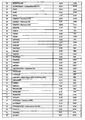
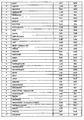
- a profile of the casein derived peptides comprised in VTP3, VTP 11 and VTP 15 is provided in Figure 8 .
- VTP15 only consist of the peptides listed in Figure 8 .
- Nutramigen TM comprises further to the peptides listed in Figure 8 the following ingredients: Glucose syrup, vegetable oil (palm olein oil, coconut oil, soybean oil, high oleic sunflower oil), modified corn starch, ⁇ 2 %, calcium phosphate ⁇ 1%, calcium citrate, potassium citrate, potassium chloride, L-Cystine, choline chloride, L-tyrosine, inositol, magnesium oxide, L-tryptophan, ascorbic acid, ferrous sulfate, taurine, L-carnitine, DL-alpha-tocopheryl acetate, zinc sulfate, nicotinamide, calcium pantothenate, cupric sulfate, retinyl palmitate, manganese sulfate, thiamine hydrochloride, riboflavin, pyridoxine hydrocholoride, sodium iodide, folic acid, phytomenadione, sodium molyb
- a further preferred embodiment of the invention relates to the nutritional formulation of the invention, wherein the human subject is a child or juvenile.
- child or the term "juvenile” is used herein in accordance with the definitions provided in the art.
- child means a human subject between the stages of birth and the age of about 10
- juvenile means a human subject between the age of about 10 and puberty (before sexual maturity).
- the invention relates in a further preferred embodiment to the nutritional formulation of the invention, wherein the human subject is an adult.
- adult is used herein in accordance with the definitions provided in the art. Thus, this term means a human subject after puberty (after sexual maturity).
- a further preferred embodiment of the invention relates to the nutritional formulation of the invention, wherein the human subject has a cow's milk allergy.
- cow's milk allergy describes a food allergy, i.e. an immune adverse reaction to one or more of the proteins contained in cow's milk in a human subject.
- the principal symptoms are gastrointestinal, dermatological and respiratory symptoms. These can translate into skin rashes, hives, vomiting, diarrhea, constipation and distress.
- the clinical spectrum extends to diverse disorders: anaphylactic reactions, atopic dermatitis, wheeze, infantile colic, gastro esophageal reflux disease (GERD), esophagitis, colitis gastroenteritis, headache/migraine and constipation.
- the nutritional formulation additionally comprises one or more of carbohydrates, nucleic acids, lipids, minerals, anabolic nutrients, vitamins, antioxidants, probiotic bacterial strains and lipotropic agents.
- lipids include coconut oil, soy oil, and mono- and diglycerides.
- exemplary carbohydrates are for example, glucose, edible lactose and hydrolyzed cornstarch.
- minerals and vitamins are calcium, phosphorous, potassium, sodium, chloride, magnesium, manganese, iron, copper, zinc, selenium, iodine, and Vitamins A, E, D, C, and the B complex, respectively.
- Probiotic bacterial strains include, for example, lactic acid bacteria (LAB) and bifidobacteria.
- antioxidants include natural antioxidants such as ascorbic acid (AA, E300) and tocopherols (E306), as well as synthetic antioxidants such as propyl gallate (PG, E310), tertiary butylhydroquinone (TBHQ), butylated hydroxyanisole (BHA, E320) and butylated hydroxytoluene (BHT, E321).
- Non-limiting examples of nucleic acids are deoxyribonucleic acid (DNA) and ribonucleic acid (RNA)
- a further preferred embodiment of the invention relates to the nutritional formulation of the invention, wherein the tolerance is induced transiently.
- transient induction of tolerance in accordance with the invention relates to a immunological tolerance which is induced for a limited period of time upon intake of the nutritional formulation of the invention in a human subject which preferably is a human subject having a cow's milk allergy or having the risk of developing a cow's milk allergy.
- a transient period of time specifies that the human subject does not gain constant tolerance.
- Transient tolerance preferably relates to tolerance induced for at least half a day, such as for at least one day, such as for at least two days, preferably for at least one week, more preferably for at least two weeks, even more preferably for at least one month and most preferably for at least 3 months.
- transient tolerance is induced for less than 6 months.
- VTP1-VTP16 Milk samples named VTP1-VTP16 were obtained from different suppliers and contained whole cow's milk protein, partially hydrolyzed, extensively hydrolyzed as well as amino acids formulations.
- cDNA coding for ⁇ S1-casein (r ⁇ S1-cas) was isolated by IgE immunoscreening from a cDNA expression library prepared from bovine mammary glands ( Schulmeister et al., J Immunol. 2009 ).
- Recombinant allergens were expressed in Escherichia coli strain BL21 Codon Plus (DE3)-RIPL (Stratagene, La Jolla, CA) as hexahistidine-tagged proteins and purified by Ni 2+ affinity chromatography (QIAGEN, Hilden, Germany).
- Recombinant Bet v1a was purchased from Biomay (Vienna, Austria).
- Pasteurized cow's milk containing 3.5% fat was bought at a local market (N ⁇ M, Austria, batch: 22 550 2:00) and natural cow's milk proteins were purchased from Sigma-Aldrich (Vienna, Austria).
- Rabbit sera were obtained by immunizing rabbits three times with purified raS1-cas, raS2-cas, r ⁇ -cas, r ⁇ -cas, r ⁇ -1a, r ⁇ -lg, and rlf (Charles, River, Kissleg, Germany).
- Cow's milk allergic patients were selected according to a positive case history, positive skin-prick reactions or determination of specific IgE to cow's milk extract using the ImmunoCAP System (Phadia, Uppsala, Sweden).
- composition of the milk samples VTP1-VTP16 was assessed by SDS-PAGE and Coomassie Brilliant Blue staining (Biorad, Hercules, CA).
- VTP1-VTP16 were dotted onto a nitrocellulose membrane (Schleicher & Schuell, Dassel, Germany).
- the nitrocellulose strips were blocked with PBST (PBS, 0.5% v/v Tween 20) and exposed to sera from milk allergic patients, healthy individuals or rabbit antisera diluted 1:10, 1:20 or 1:2000 in over night at 4°C.
- PBST PBS, 0.5% v/v Tween 20
- Bound human IgE antibodies were detected with 125 I-labelled anti-human IgE antibodies (IBL, Hamburg, Germany), diluted 1:15 or bound rabbit IgG with 125 I-labelled anti-rabbit IgG (Perkin Elmer, USA) diluted 1:2000 in PBST and visualized by autoradiography using Kodak XOMAT films with intensifying screens (Kodak, Austria) at -80°C.
- Endotoxin levels of the milk samples used in this study were quantified by limulus amoebocyte lysate assay (Lonza, Basel, Switzerland) with a sensitivity range of 0.1 EU/ml -1.0 EU/ml according to the manufacturer's instructions.
- huRBL cell mediator release assays were performed as described previously ( Schulmeister et al., J Immunol. 2009, Vol 182(11), pp 7019-29 ).
- RBL cells clone RBL-703/21 transfected with the human Fc ⁇ RI receptor were incubated with sera from cow's milk allergic patients overnight. On the next day the cells were washed, 100 ⁇ l of milk components (concentration: 0.3 ⁇ g/ml) were added and incubated for 1 hour at 37°C, 7% CO 2 , 95% humidity.
- PBMCs from non-allergic individuals and cow's milk allergic patients were separated from heparinized blood by Ficoll density-gradient centrifugation (GE Healthcare, Uppsala, Sweden).
- PBMCs (2x10 5 cells per well) were cultured in triplicates in 96-well plates (Nunclone; Nalgen Nunc International, Roskilde, Denmark) in 200 ⁇ l serum-free Ultra Culture medium (UltraCulture, Lonza, Verviers, Belgium) supplemented with 2mM L-glutamine (GIBCO, Auckland, NZ), 50 ⁇ M b-mercaptoethanol (GIBCO), and 0.1 mg/ml gentamicin (GIBCO).
- the cells were incubated at 37°C in a humidified atmosphere with 5% CO 2 for 7 days with or without different concentrations of various hydrolyzed samples.
- Cells were stimulated with different concentrations, 4U IL-2 per well (Roche, Mannheim, Germany) served as a positive control and medium alone served as a negative control.
- 4U IL-2 per well 4U IL-2 per well (Roche, Mannheim, Germany) served as a positive control and medium alone served as a negative control.
- 0.5mCi 3H-thymidine GE Healthcare
- Proliferation was expressed as counts per minute (c.p.m.; means of triplicates) using a microbeta scintillation counter (Wallac ADL, Freiburg, Germany).
- the stimulation index (SI) was calculated as quotient of c.p.m. with antigen and the medium control.
- Cytokine levels (IL-2, IL-4, IL-5, IL-6, IL-10, IL-12, IL-13, IFN- ⁇ , TNF- ⁇ , GM-CSF, TGF- ⁇ 1, TGF- ⁇ 2, and TGF- ⁇ 3) were measured in supernatants collected from PBMC cultures at day 6 of culture using xMAP Luminex fluorescent bead-based technology (Luminex Corp., Austin, TX). The assays were performed according to the manufacturer's instructions (R&D Systems, Wiesbaden, Germany), and fluorescent signals were read on a Luminex 100 system (Luminex Corp.).
- the limits of detection were 3.2 pg/ml for IL-2, 3.5 pg/ml for IL-4, 1.9 pg/ml for IL-5, 5.5 pg/ml for IL-6, 3.1 pg/ml for IL-10, 57 pg/ml for IL-12, 47 pg/ml for IL-13, 2.9 pg/ml for IFN- ⁇ , 5.3 pg/ml for TNF- ⁇ , 3.3 pg/ml for GM-CSF, 21 pg/ml for TGF- ⁇ 1, 178 pg/ml for TGF- ⁇ 2, and 5 pg/ml for TGF- ⁇ 3.
- PBMCs from healthy donors were isolated by Ficoll-density gradient, and the cells were further separated into two fractions.
- T-cells were enriched with a human Pan-T-cell isolation Kit (Miltenyi, Bergisch Gladbach, Germany), whereas antigen-presenting cells were enriched with human CD3 MicroBeads (Miltenyi, Bergisch Gladbach, Germany) by magnetic cell sorting. The purity of the cell fractions was confirmed by FACS analysis.
- the cell fractions containing the T-cells were incubated overnight with different peptides or medium alone at 37°C with 5% CO 2 and 95% humidity, the antigen-presenting-cell fractions were kept overnight at the same conditions without any antigens. On the next day, the T-cell fractions were washed with DPBS (GIBCO) three times and the T-cell and antigen-presenting-cell fractions were combined.
- the cells (2x10 5 cells per well) were cultured in triplicates in 96-well plates as described above. Cells were stimulated with different concentrations of milk samples, 4U IL-2 per well, or medium alone. The analysis was done as described for the lymphoproliferative assays.
- the experiments identified small peptides in the hydrolysates which can block the T cell receptors and MHCII so that there is limited or no proliferation when there is a subsequent exposure to milk allergens. Thus, the experiments identified a fraction so that a tolerance to cow's milk allergens can be induced.
- Another approach was to mix in the T cells that have been pre-exposed to peptides/hydrolysates in a culture of T-APC that have been preincubated and restimulated with whole protein preparations. This should demonstrate the capacity of peptides to inhibit/dampen the response to a whole milk protein challenge.
- cow's milk derived peptides induce T cell proliferations in PBMC. Since any T cell-reactive peptide can also induce T cell tolerance under certain conditions (e.g., binding to the T cell receptor without appropriate co-stimulation, presence of large amounts of T cell-reactive peptides early in life-infancy) it is assumed that alphaS1casein-derived T cell-reactive peptides can be used for the induction of tolerance to identify additional T cell-reactive peptides. In this respect, tolerogenic activity of the alpha S1casein-derived peptides that will be generated synthetically was demonstrated.
- T cell fraction PBMC from reactive persons were splitted into T cell fraction and a T cell-depleted fraction (anti-CD3-coupled beads) containing the APCs.
- the T cell fraction were pre-incubated with the casein-derived peptides and control peptides (grass pollen allergen Bet v1, Phl p 5-derived peptides), washed and then exposed to the APC fraction with the peptides. Using this assay it was possible to demonstrate the milk-specific tolerogenic activity of these casein-derived peptides.
- VTP3 Nutramigen TM
- VTP11 VTP11
- VTP14 VTP15
- VTP15 VTP15
Landscapes
- Life Sciences & Earth Sciences (AREA)
- Health & Medical Sciences (AREA)
- Engineering & Computer Science (AREA)
- Chemical & Material Sciences (AREA)
- Proteomics, Peptides & Aminoacids (AREA)
- Immunology (AREA)
- Polymers & Plastics (AREA)
- Food Science & Technology (AREA)
- Nutrition Science (AREA)
- Mycology (AREA)
- Animal Behavior & Ethology (AREA)
- Medicinal Chemistry (AREA)
- Pharmacology & Pharmacy (AREA)
- General Health & Medical Sciences (AREA)
- Public Health (AREA)
- Veterinary Medicine (AREA)
- Bioinformatics & Cheminformatics (AREA)
- Epidemiology (AREA)
- Molecular Biology (AREA)
- Zoology (AREA)
- Nuclear Medicine, Radiotherapy & Molecular Imaging (AREA)
- General Chemical & Material Sciences (AREA)
- Chemical Kinetics & Catalysis (AREA)
- Organic Chemistry (AREA)
- Medicines That Contain Protein Lipid Enzymes And Other Medicines (AREA)
- Coloring Foods And Improving Nutritive Qualities (AREA)
- Peptides Or Proteins (AREA)
Description
- The present invention relates in one embodiment to a nutritional formulation or supplement comprising an extensively hydrolyzed cow's milk peptide-containing hydrolysate and/or a peptide-containing fraction of the extensively hydrolyzed cow's milk peptide-containing hydrolysate and/or one or more T cell epitone-containing peptides isolated from the extensively hydrolyzed cow's milk peptide-containing hydrolysate for use in the induction of tolerance to cow's milk, a protein contained in cow's milk or an allergen contained in cow's milk in a human subject, wherein said peptides contained in the hydrolysate or fraction of hydrolysate comprise T cell epitope-containing peptides or wherein said one or more peptides are T cell epitope-containing peptides, wherein said T cell epitope-containing peptides are capable of driving the immune reaction upon intake of the nutritional formulation towards tolerance, and wherein the extensively hydrolyzed cow's milk peptide-containing hydrolysate comprises less than 1 % of peptides having a size of greater than 1.5kD.
- Cow's milk allergy is one of the most common food allergies in young children, with approximately 2% to 2.5% of all infants experiencing allergic reactions to milk. The majority of children out-grow their allergy to cow's milk before the age of 3, but 15% of these infants with retain their sensitivity to cow's milk into the second decade of life. Therefore, subjects having a cow's milk allergy are present in all age groups. Allergic diseases like milk allergy are immunological disorders which originate from the activation of a subset of T cells secreting allergic, inflammatory factors including IL-4, IL-5 and/or IL-13 (Schmidt-Weber et al., Allergy 2002, ). This subset of T cells controls the isotype switching of antigen-specific B cells to IgE and therefore plays a key role in the initiation of allergic symptoms, as well as in tolerance induction (Kondo et al., Pediatr Allergy lmmunol. 2008, Vol. 19, pp 592-598). Hence, the regulation of allergen-specific T cells is a promising strategy to control allergic diseases.
- In order to avoid allergic reactions upon exposure to cow's milk in a cow's milk allergic subject, and in particular in infants having a cow's milk allergy, mostly milk substitute formulas are presently used which replace nutrition with cow's milk. These formulas additionally provide the subject with a complete source of nutrition. Milk substitutes include free amino acids (such as Nutramigen™ AA, Neocate), soy based formulas (such as Pregomin), or hypoallergenic formulas based on partially or extensively hydrolyzed protein (such as Nutramigen™, Alimentum, and Pregestemil). United States Patent No.
6.077.558 describes an emulsifying system for elemental diet compositions comprising a protein source that may be an extensively hydrolyzed protein, free amino acids, short-chain-peptides, or a mixture thereof.WO 2008/056983 refers to probiotic infants and children's food and dietary supplements that contribute to general resistance to pathogens and the incidence of respiratory diseases in children. The supplements may include a casein hydrolysate, such as, for instance, a non-allergenic low-fat extensively hydrolyzed casein hydrolysate. Ruiter, B. et al., Characterization of T cell epitopes in αs1-casein in cow's milk allergic, atonic and non-atopic children, Clinical and Experimental Allergy, 36, 303-310 (2006) relates to the identification of T cell epitopes that may be useful targets in developing peptide immunotherapy. Lake, Alan M., Food-Induced Eosinophilic Proctocolitis, Journal of Pediatric Gastroenterology Nutrition, ) describes that an extensively hydrolyzed casein-based formulation_can be given to infants with eosinophilic procolitis in order to remove offending protein from the diet. If allergic subjects do not respond to protein hydrolysate formulas, non-milk derived amino acid-based formulas are suitable for the treatment of both mild-moderate and severe milk allergy. Soy based formulas have a risk of allergic sensitivity, as some subjects who are allergic to milk may also be allergic to soy. Partial hydrolysate formulas are characterized by a larger proportion of long amino acid chains (peptides) compared to extensive hydrolysates and are considered more palatable. They are usually intended for prophylactic use and are generally not considered suitable for treatment of milk allergy/intolerance. Extensively hydrolysed proteins, on the other hand, comprise predominantly free amino acids and short peptides. Casein and whey are the most commonly used sources of protein for hydrolysates because of their high nutritional quality and their amino acid composition. - Hence, most of today's cow's milk substitute formulas on the market are based on cow's milk that has been hydrolyzed to various degrees and/or on amino acid formulations. These cow's milk formulas are used to replace cow milk and thereby reduce allergic reactions in cow's milk allergic subjects. Moreover, cow's milk formulas can potentially prevent the development of cow's milk allergy in a subject being at risk of developing a milk allergy. However, even extensively hydrolyzed products have occasionally been observed to elicit allergic reactions in sensitized infants (Rosendal et al. Journal of Dairy Science 2000, Vol. 83, No. 10, pp 2200-2210).
- The current treatment for milk allergies is therefore the total avoidance of cow's milk and food. Consequently, a substance which could drive the immune reaction upon intake of the substance towards tolerance to cow's milk or food comprising cow's milk would drastically increase the quality of life of a subject having cow's milk allergy or having the risk of developing a cow's milk allergy. This need is addressed by the present invention.
- The present invention is defined by the claims. Accordingly, the present invention relates In one embodiment to a nutritional formulation or supplement comprising an extensively hydrolyzed cow's milk peptide-containing hydrolysate and/or a peptide-containing fraction of the extensively hydrolyzed cow's milk pepotide-containing hydrolysate and/or one or more T cell epitope-containing peptides isolated from the extensively hydrolyzed cow's milk peptide-containing hydrolysate for use in the induction of tolerance to cow's milk, a protein contained in cow's milk or an allergen contained in cow's milk in a human subject, wherein said peptides contained in the hydrolysate or fraction of hydrolysate comprise T cell epitope-containing peptides or wherein said one or more peptides are T cell epitope-containing peptides, wherein said T cell epitope-containing peptides are capable of driving the immune reaction upon intake of the nutritional formulation towards tolerance, and wherein the extensively hydrolyzed cow's milk peptide-containing hydrolysate comprises less than 1% of peptides having a size of greater than 1.5kD.
- The term "nutritional formulation" as used herein describes a solid or liquid formulation which can therefore be eaten or drunk by a human subject for nutrition. The nutritional formulation of the invention preferably has a nutritional value of at least 1, more preferred at least 10 and even more preferred 50 kcal(kilo calorie)/100ml for liquid formulations and preferably at least 1, more preferred at least 10, even more preferred at least 50, such as at least 100, and most preferred at least 300 kcal/100g for dry food formulations. In a preferred embodiment of the invention the nutritional formulation of the invention has a nutritional value of at least 50-200 kcal/100ml for liquid formulations and at least 300-600 kcal/100g for dry food formulations. A nutritional formulations is distinguished from a vaccine. In contrast to a vaccine, a nutritional formulation does not comprise any of adjuvants (unless as contaminations), activated or inactivated viral compounds (unless as contaminations), activated or inactivated bacterial compounds (unless as contaminations), and pathogenic compounds (unless as contaminations).
- The term "supplement" as used herein relates to a nutritional supplement which is a concentrated source of nutrient or alternatively other substances with a nutritional or physiological effect whose purpose is to supplement the normal diet.
- In addition to the above recited ingredients further ingredients may be selected from lipids, minerals, carbohydrates, amino acids, amino acid chelates, anabolic nutrients, vitamins, antioxidants, probiotic bacterial strain and lipotropic agents in order to provide an optimal sustained energy and anabolic nutritional formulation. The nutritional formulation may be a nutritional supplement or may provide complete nutrition. Preferably the nutritional formulation is in the form of a dry food concentrate. The nutritional formulation of the invention provides a human subject with increasing preference with at least 5%, at least 10%, at least 25%, at least 50%, at least 75% or at least 90% of the daily calorie requirement of a human subject. The person skilled in the art is well aware that the daily calorie requirement is dependent on the gender, height and age of a human subject. For example, a 30 year old male of 80kg body weight and 180cm height has a daily calorie requirement of around 2900 cal (calories) to maintain his body weight whereas a 30 year old female of 55kg body weight and 165cm height has a daily calorie requirement of around 2100 cal to maintain her body weight. In a preferred embodiment, the nutritional formulation of the present invention is an infant or a nutritional product for infants or juvenile.
- The term "peptide" as used herein describes linear molecular chains of amino acids, including single chain molecules or their fragments. A peptide in accordance with the invention contains with increasing preference about 2 to 100 amino acids, about 5 to 50 amino acids, or about 5 to 40 amino acids. Peptides may further form oligomers consisting of at least two identical or different molecules. The corresponding higher order structures of such multimers are, correspondingly, termed homo- or heterodimers, homo- or heterotrimers etc. Furthermore, peptidomimetics of such peptides where amino acid(s) and/or peptide bond(s) have been replaced by functional analogs are also encompassed by the term "peptide". Such functional analogues include all known amino acids other than the 20 gene-encoded amino acids, such as selenocysteine. The term "peptide" also refers to naturally modified peptides where the modification is effected e.g. by glycosylation, acetylation, phosphorylation and similar modifications which are well known in the art. A peptide has to be distinguished from a protein in the present invention. A protein in accordance with the present invention describes an organic compound made of amino acids arranged in a linear chain and folded into a globular form. Furthermore, a protein in accordance with the present invention describes an amino acids of more than 100 amino acids. Peptides may, e.g., be produced recombinantly, (semi-)synthetically, or obtained from natural sources such as after hydrolysation of proteins, all according to methods known in the art.
- The term "cow's milk peptide-containing hydrolysate" as used herein defines a formula which comprises peptides derived from hydrolyzed cow's milk proteins (e.g. bovine casein or bovine whey). In this regard, a hydrolyzed protein is a protein that has been broken down into peptides and/or component amino acids. While there are many means of achieving protein hydrolysis, two of the most common means are prolonged boiling in a strong acid or strong base or using an enzyme such as the pancreatic protease enzyme to stimulate the naturally-occurring hydrolytic process. Hydrolysis of proteins derived from milk is preferably achieved using an enzyme or a mixture of enzyme. A cow milk hydrolysate can comprise peptides derived from milk, wherein the proteins of said milk have been hydrolyzed to various degrees. Accordingly, one can distinguish between a partially hydrolyzed cow's milk peptide-containing hydrolysate and an extensively hydrolyzed cow's milk peptide-containing hydrolysate. In this regard, a partially hydrolyzed cow's milk peptide-containing hydrolysate comprises more than 20% of intact cow's milk protein whereas an extensively hydrolyzed cow's milk peptide-containing hydrolysate comprises less than 1% of peptides having a size of greater than 1.5kD. Furthermore, an extensively hydrolyzed cow's milk peptide-containing hydrolysate is preferably hypoallergenic.
- The term "peptide derived from cow's milk" as used herein defines a peptide which has an amino acid sequence which is a partial amino acid sequence of a cow's milk protein. Such peptides may be obtained as outlined above by hydrolysis or may be synthesized in vitro by methods known to the skilled person and described in the examples of the invention.
- The term "T cell epitope-containing peptide" in accordance with the invention describes a peptide which comprises an epitope which is capable to bind to a surface receptor which is present on a T-cell. It is preferred that the epitope is capable to bind to a T cell receptor (TCR).
- The term "peptide-containing fraction of the hydrolysate" refers to a mixture of peptides comprising at least 2, preferably at least 5, more preferably at least 10 and most preferably at least 20 which have been isolated from the hydrolysate of the invention by filtration techniques which are known to the skilled person. Furthermore, techniques for the isolation of peptides from the hydrolysate of the invention are described herein below.
- The term "tolerance" according to the invention refers to an immunological tolerance. Immunological tolerance is defined herein as the development of specific non-reactivity or partial non-reactivity of lymphoid tissues to a particular antigen or group of antigens. This particular antigen or group of antigens is capable of inducing an immune reaction in an atopic human subject upon intake of the particular antigen or group of antigens. Accordingly, tolerance to the particular antigen or group of antigens in accordance with the present invention is induced upon intake of one or more T cell epitope-containing peptides of the invention. Without wishing to be bound by theory, tolerance may be induced, for example, by mechanism of anergy and deletion of specific allergen-reactive T cells. Alternatively, tolerance may, for example, be induced by cellular factor (i.e. cytokines) which could drive the T cell development into the direction of the development of a tolerogenic or suppressive T cell phenotype (regulatory T cells).
- In this regard, the term "T cell epitope-containing peptides capable to drive the immune reaction upon intake of the nutritional formulation towards tolerance" specifies peptides which contribute to the development of specific non-reactivity of lymphoid tissues to a particular antigen or group of antigens, wherein this activity of the peptide is achieved by binding to a T cell surface receptor. Accordingly, the T cell epitope-containing peptides are present in an amount in the nutritional formation which allows for driving the immune reactions towards tolerance. It is preferred that the immune reaction is reduced by the induction of tolerance by at least 20%, such as at least 50%, such as by at least 75%, preferably by at least 90%, more preferably by at least 95%, and most preferably by 100% as compared to the immune reaction upon contact with the antigen without prior tolerance induction. Methods for measuring tolerance are known in the art and include for example the methods described in the examples of the invention. Accordingly, tolerance may be determined for example by measuring the amount of proinflammatory factors released from T cells (e.g. interleukins or interferones) or the proliferation of T cells. A peptide which is a T cell epitope-containing peptide capable of driving the immune reaction upon intake of the nutritional formulation towards tolerance can be indentified by methods known to the skilled person in the art which are, for example, described in the examples of the invention herein below. Accordingly, a peptide which can inhibit the proliferation of T cells, and/or downregulates the release of pro-inflammatory cytokines and/or cytokines driving T helper cell 2 (TH2) differentiation released in the supernatant of PBMCs is a T cell epitope-containing peptide capable of driving the immune reaction upon intake of the nutritional formulation towards tolerance.
- In accordance with the present invention, it has surprisingly been found that T cell epitope-containing peptides contained in cow's milk hydrolysate and T cell epitope-containing peptides which are derived from a protein present in cow's milk can be used in the induction of tolerance As is evident from the examples below, the inventors have found that peptides contained in milk hydrolysates and peptides derived from a protein present in cow's milk can drastically decrease proliferation of T cells when there is a subsequent exposure to milk allergens, presumably via blocking T cell receptors and MHCII binding. Specific peptides contained in milk hydrolysates or synthetic peptides corresponding to a partial sequence of a cow's milk peptide can even block proliferation of T cells when there is a subsequent exposure to milk allergens. Whereas T-cell epitopes in cow's milk proteins have been described in the art (e.g. Kondo et al., Pediatr Allergy Immunol. 2008, Vol. 19, pp 592-598; Elsayed et al., Mol Immunol. 2004, Vol 41(12), pp1225-34 ; Ruiter et al., Clin Exp Allergy. 2006, Vol 36(3), pp 303-10; Ruiter et al., lnt Arch Allergy lmmunol. 2007; Vol 143(2), pp119-26; or Nakajima-Adachi et al., J Allergy Clin Immunol. 1998; Vol 101 (5), pp 660-71), it has not been described previously that cow's milk derived peptides can induce tolerance. Further, in accordance with the present invention it has also been found that T cell epitope-containing peptides contained in cow's milk hydrolysate and T cell epitope-containing peptides which are derived from a protein present in cow's milk reduce levels of cytokines driving a T-helper cell 2 (TH2) differentiation and levels of pro-inflammatory cytokines as compared to levels of said cytokines induced by milk proteins. As known in the field on immunology, pro-inflammatory cytokines have detrimental effects on the intestinal barrier integrity and therefore are involved in the development of allergic as well as inflammatory disease. Amongst pro-inflammatory cytokines in particular IL-4 and IFN-gamma are known to destruct the coherence between the epithelial cells lining the gut surface thus compromising the intestinal barrier integrity. As a results of this the intestine becomes more permeable with increased exposure of allergens and dietary/microbial antigens to the immune cells in the gut wall.
- Thus, without wishing to be bound by theory, tolerance is believed to be induced directly by cow's milk derived peptides. Previously cow's milk hydrolysates and peptides have only been used in order to replace cow's milk. By the replacement of cow's milk an allergic reaction or the development of an allergic reaction has been avoided. The findings provided herein show that that peptides which are T cell epitope-containing peptides contained in cow's milk hydrolysate and T cell epitope-containing peptides which are derived from a protein present in cow's milk can moreover and unexpectedly be used to induce tolerance in a human subject.
- In accordance with the invention the tolerance is induced to cow's milk, a protein contained in cow's milk or an allergen contained in cow's milk.
- Cow's milk, a protein contained in cow's milk or an allergen contained in cow's milk are, for example, comprised in any food comprising cow's milk ingredients. Non-limiting examples are milk, curd, cream, butter, yoghourt and food containing any of these.
- Then term "allergen" as used herein describes an antigen capable of stimulating a hypersensitivity reaction in an atopic (allergic) human subject. Furthermore, an allergen is in general a substance that is foreign to the body and can cause an allergic reaction only in atopic human subjects.
- Also described herein is a nutritional formulation or supplement comprising a cow's milk peptide-containing hydrolysate and/or peptide-containing fraction of the hydrolysate and/or one or more peptides derived from a protein present in cow's milk for use in treating or preventing inflammatory bowel disease, wherein said peptides contained in the hydrolysate or fraction of hydrolysate comprise T cell epitope-containing peptides or wherein said one or more peptides are T cell epitope-containing peptides, and wherein said T cell epitope-containing peptides are capable of downregulating pro-inflammatory cytokines upon intake of the nutritional formulation.
- The term "inflammatory bowel disease" as used herein defines a group of inflammatory conditions of the gastrointestinal tract. The major types of inflammatory bowel disease are Crohn's disease and ulcerative colitis. The main difference between Crohn's disease and ulcerative colitis is the location and nature of the inflammatory changes. Crohn's disease can affect any part of the gastrointestinal tract, from mouth to anus (skip lesions), although a majority of the cases start in the terminal ileum. Ulcerative colitis, in contrast, is restricted to the colon and the rectum. In a preferred embodiment the inflammatory bowel disease is present in a human subject having a milk allergy or having the risk of developing a milk allergy. In a further preferred embodiment the inflammatory bowel disease is selected from one or more of Crohn's disease, ulcerative colitis, gastro esophageal reflux disease (GERD), gastroenteritis, colitis and/or esophagitis. GERD is a disease produced by the abnormal reflux in the esophagus. In particular, gastro esophageal reflux disease (GERD), gastroenteritis, colitis and/or esophagitis are common in human subjects having a cow's milk allergy.
- As used herein, the term "pro-inflammatory cytokines" are cytokines which are released in a human subject by cells of the immune system, preferably by antigen presenting cells or T cells and most preferably by T cells and mediate and/or enhance an inflammatory disease. Non-limiting examples of inflammatory cytokines are IL-12, IL-17, IL-5, IL-4, IFN-γ, IL-8, TNF-α, IL-6 or IL-1. Methods for measuring the level of cytokine released by cells of the immune system are well know to the skilled person and include the methods described in the examples. Accordingly, the methods include, for example, measuring cytokine levels in culture supernatants.
- The term "T cell epitope-containing peptides capable of downregulating pro-inflammatory cytokines upon intake of the nutritional formulation" refers to T cell epitope-containing peptides in the nutritional formulation which can downregulate the levels of pro-inflammatory cytokines which are released form immune cells, preferably T cells or APCs, and more preferably T cells. Furthermore, theses T cell epitope-containing peptides capable are administered to a human subject in amount which is sufficient to downregulate pro-inflammatory cytokines upon intake of the nutritional formulation. It is preferred that the level of pro-inflammatory cytokines are downregulated by at least 20%, such as at least 50%, such as by at least 75%, preferably by at least 90%, more preferably by at least 95%, and most preferably by 100% as compared to the level of pro-inflammatory cytokines in an atopic immune reaction upon contact with the antigen. A peptide which is a T cell epitope-containing peptides capable of downregulating pro-inflammatory cytokines upon intake of the nutritional formulation can be indentified by methods known to the skilled person in the art which are, for example, described in the examples of the invention herein below. Accordingly, measuring the level of pro-inflammatory cytokines released In the culture supernatant of PBMCs upon exposure to a peptide identifies a T cell epitope-containing peptide capable of downregulating pro-inflammatory cytokines upon intake of the nutritional formulation.
- As described herein it has been surprisingly found that T cell epitope-containing peptides of the invention derived from cow's milk are capable of downregulating inflammatory cytokines that are released upon exposure to or stimulation by allergens or dietary/microbial antigens. Therefore, the nutritional formulation of the invention is suitable to treat inflammatory bowel disease.
- In accordance with the invention the one or more peptides are T cell epitope-containing peptides isolated from the cow's milk peptide-containing hydrolysate.
- As detailed above, the cow's milk peptide-containing hydrolysate comprises peptides derived from hydrolyzed cow's milk proteins. These peptides may be isolated from the milk peptide-containing hydrolysate by standard technique well known to the person skilled in the art. Accordingly, an analytical purification generally utilizes at least one of three properties to separate peptides. First, peptides may be purified according to their isoelectric points by running them through a pH graded gel or an ion exchange column. Second, peptides can be separated according to their size or molecular weight via size exclusion chromatography or by SDS-PAGE (sodium dodecyl sulfate-polyacrylamide gel electrophoresis) analysis. Third, another peptide purification methodology could involve membrane filtration (e.g. Ultra filtration) which would generate a mixture of peptides suitable for the proposed application. Peptides are often purified by using 2D-PAGE and are then analyzed by peptide mass fingerprinting to establish the peptide identity. The isolated and identified peptide obtained from the hydrolysate may then be recombinantly produced by applying standard methods known to the skilled person and either be used alone or in combination with a cow's milk peptide-containing hydrolysate in accordance with the invention.
- A preferred embodiment of the invention relates to the nutritional formulation of the invention, wherein the one or more peptides have the amino acid sequence of SEQ ID NO: 3 and/or 4.
- As shown in the examples below, the amino acid sequence of SEQ ID NO: 3 (
Figure 2 , Cas3, alphaS1-peptide 3) and SEQ ID NO: 4 (Figure 2 , Cas4, alphaS1-peptide 4) suppress the proliferation of T-cells when re-stimulated with cow's milk protein and thereby induced tolerance to the cow's milk protein (cf.Figure 4 ). - In accordance with the invention the cow's milk peptide containing hydrolysate is an extensively hydrolyzed cow's milk peptide-containing hydrolysate.
- A preferred embodiment of the invention relates to the nutritional formulation of the invention, wherein the extensively hydrolyzed cow's milk peptide-containing hydrolysate is an extensively hydrolyzed bovine casein hydrolysate.
- As is shown in the Examples of the invention below an extensively hydrolyzed cow's milk peptide-containing hydrolysate is able to suppress the proliferation of T-cells when these are re-stimulated with cow's milk protein. Tolerance to the cow's milk protein is thereby induced. Accordingly,
VTP 3, VTP11 and VTP15 (cf.Figure 1 ) were most potent to induce tolerance and are, therefore, preferred examples of a nutritional formulation comprising an extensively hydrolyzed cow's milk peptide-containing hydrolysate in accordance with the invention, VTP3 is Nutramigen™, VTP11 is Nutramigen™ base and VTP15 is the extensively hydrolyzed bovine casein that is used in Nutramigen™. VTP3,VTP 11 andVTP 15 can be purchased via Mead Johnson Nutrition, 2400 West Lloyd Expressway Evansville, Indiana 47721-0001, USA. VTP3,VTP 11 andVTP 15 comprise extensively hydrolyzed bovine casein. A profile of the casein derived peptides comprised in VTP3,VTP 11 andVTP 15 is provided inFigure 8 . VTP15 only consist of the peptides listed inFigure 8 . Nutramigen™ (VTP3) comprises further to the peptides listed inFigure 8 the following ingredients: Glucose syrup, vegetable oil (palm olein oil, coconut oil, soybean oil, high oleic sunflower oil), modified corn starch, <2 %, calcium phosphate <1%, calcium citrate, potassium citrate, potassium chloride, L-Cystine, choline chloride, L-tyrosine, inositol, magnesium oxide, L-tryptophan, ascorbic acid, ferrous sulfate, taurine, L-carnitine, DL-alpha-tocopheryl acetate, zinc sulfate, nicotinamide, calcium pantothenate, cupric sulfate, retinyl palmitate, manganese sulfate, thiamine hydrochloride, riboflavin, pyridoxine hydrocholoride, sodium iodide, folic acid, phytomenadione, sodium molybdate, chromic chloride, cholecalciferol, sodium selenite, biotin, cyanocobalamin. - A further preferred embodiment of the invention relates to the nutritional formulation of the invention, wherein the human subject is a child or juvenile.
- The term "child" or the term "juvenile" is used herein in accordance with the definitions provided in the art. Thus, the term "child" means a human subject between the stages of birth and the age of about 10 and the term "juvenile" means a human subject between the age of about 10 and puberty (before sexual maturity).
- The invention relates in a further preferred embodiment to the nutritional formulation of the invention, wherein the human subject is an adult.
- The term "adult" is used herein in accordance with the definitions provided in the art. Thus, this term means a human subject after puberty (after sexual maturity).
- A further preferred embodiment of the invention relates to the nutritional formulation of the invention, wherein the human subject has a cow's milk allergy.
- The term "cow's milk allergy" describes a food allergy, i.e. an immune adverse reaction to one or more of the proteins contained in cow's milk in a human subject. The principal symptoms are gastrointestinal, dermatological and respiratory symptoms. These can translate into skin rashes, hives, vomiting, diarrhea, constipation and distress. The clinical spectrum extends to diverse disorders: anaphylactic reactions, atopic dermatitis, wheeze, infantile colic, gastro esophageal reflux disease (GERD), esophagitis, colitis gastroenteritis, headache/migraine and constipation.
- In another preferred embodiment of the nutritional formulation of the invention, the nutritional formulation additionally comprises one or more of carbohydrates, nucleic acids, lipids, minerals, anabolic nutrients, vitamins, antioxidants, probiotic bacterial strains and lipotropic agents.
- These additional compounds of the nutritional formulation of the invention are preferably added in order to provide the nutritional value of the nutritional formulation described herein above. Also they may be preferably added in order provide complete nutrition, an optimal sustained energy and/or an anabolic nutritional formulation. Non-limiting examples of lipids include coconut oil, soy oil, and mono- and diglycerides. Exemplary carbohydrates are for example, glucose, edible lactose and hydrolyzed cornstarch. Non-limiting examples of minerals and vitamins are calcium, phosphorous, potassium, sodium, chloride, magnesium, manganese, iron, copper, zinc, selenium, iodine, and Vitamins A, E, D, C, and the B complex, respectively. Probiotic bacterial strains include, for example, lactic acid bacteria (LAB) and bifidobacteria. Examples of antioxidants include natural antioxidants such as ascorbic acid (AA, E300) and tocopherols (E306), as well as synthetic antioxidants such as propyl gallate (PG, E310), tertiary butylhydroquinone (TBHQ), butylated hydroxyanisole (BHA, E320) and butylated hydroxytoluene (BHT, E321). Non-limiting examples of nucleic acids are deoxyribonucleic acid (DNA) and ribonucleic acid (RNA)
- A further preferred embodiment of the invention relates to the nutritional formulation of the invention, wherein the tolerance is induced transiently.
- The term "transient" induction of tolerance in accordance with the invention relates to a immunological tolerance which is induced for a limited period of time upon intake of the nutritional formulation of the invention in a human subject which preferably is a human subject having a cow's milk allergy or having the risk of developing a cow's milk allergy. In this regard a transient period of time specifies that the human subject does not gain constant tolerance. Transient tolerance preferably relates to tolerance induced for at least half a day, such as for at least one day, such as for at least two days, preferably for at least one week, more preferably for at least two weeks, even more preferably for at least one month and most preferably for at least 3 months. In accordance with the invention transient tolerance is induced for less than 6 months.
- The Figures show:
-
Figure 1 :- Overview of the milk test samples named VTP1-VTP16 which were obtained from by different suppliers and contained whole cow's milk protein formulas, partlially hydrolyzed, and extensively hydrolyzed casein and whey proteins as well as amino acids cow's milk formulas as well as amino acids formulas.
-
Figure 2 :- Synthetic peptides and proteins. The name of the peptides or protein, their amino acid sequence, length, pl and molecular weight in kDa are listed.
-
Figure 3 :- Demographic, clinical and serological characterization of individuals analyzed in the proliferation assays.
-
Figure 4
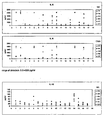
Proliferation assays were performed with PBMCs to test the T-cell reactivity to the milk samples VTP1-VTP16. PBMCs from 6 non-allergic individuals and from 7 cow's milk allergic patients were stimulated with milk samples, with cow's milk allergens (rαS1-casein, rαS2-casein, nα-casein), with αS1-casein-derived peptides (αS1-peptide 1- αS1-peptide 6), with birch pollen allergenrBet v 1a and grass pollen allergen Phl p 5-peptide 1. Stimulation indices are displayed. -
Figure 5
In order to analyze which cytokines are induced in PBMCs by the different milk samples (VTP1-VTP16), luminex-analyses were performed in the supernatants of PBMCs. Analysis of cytokine levels (y-axis: pg/ml) in supernatants of PBMC cultures from 6 non-allergic individuals (NA) and 5 cow's milk allergic patients (CMA) which had been stimulated with milk samples VTP1-VTP16 (1-16) or medium (17) are displayed. -
Figure 6
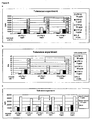
Tolerance experiments with a non-allergic individual (AB) were performed to show that peptides can tolerize T-cells in allergen-specific manner. Experiments in a non-allergic persons can also show tolerance because tolerance is measured as reduction of T cell reactivity (Ebner et al., J lmmunol 1995, Vol 154, pp 1932-1940). As long as a non-allergic person contains allergen-reactive T cells, tolerance to the allergen at the T cell level can be measured.
PBMCs were isolated and T-cell- and antigen-presenting cell (APC)-enriched fractions were obtained by MACS-separation technology. T-cell fractions were preincubated over night with high amounts of peptides (αS1-casein peptide 1, αS1-casein peptide 2, αS1-casein peptide 3 and a control peptide, Phl p 5-peptide 1) or with an extensive whey hydrolysate (VTP8) or partial whey/casein hydrolysate (VTP16). On the next day the T-cells and the APCs were combined and stimulated with whole cow's milk protein samples (VTP13, VTP14) or with intact rαS1-casein.
Two experiments were performed with the same individual. In panels a and c counts per minute (cpm; reflecting the proliferation of T cells) and in panels b and d stimulation indices (Sls) are displayed. -
Figure 7
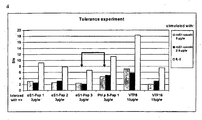
Tolerance experiment with a non-allergic individual (KFI) evaluating milk hydrolsates for their ability to tolerize T cells. T-cell fractions were preincubated over night with high amounts of Nutramigen™ base (VTP11), extensive casein hydrlysate (VTP15), whole cow's milk whey protein (VTP14), Nutramigen™ (VTP3), synthetic peptides (αS1-casein peptide 4 and a control peptide, Phl p 5-Pep 1) or buffer (UCO). On the next day the T-cells and the APCs were combined and stimulated with milk samples (VTP14, VTP1). T cell stimulation is given either in counts per minute (cpm) or as stimulation index (SI). Cpms of individual experiments and the means thereof are displayed. Data obtained by stimulating with 10 µg VTP14 are highlighted. -
Figure 8
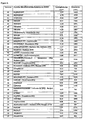
Profile of the casein derived peptides comprised in VTP3,VTP 11 and VTP 15 (Figure 1 ). The lonscore, the amino acid sequences of the peptides, the hydrophobicity score and the bitterness score are listed. - The Examples illustrate the invention.
- Milk samples named VTP1-VTP16 were obtained from different suppliers and contained whole cow's milk protein, partially hydrolyzed, extensively hydrolyzed as well as amino acids formulations. cDNA coding for αS1-casein (rαS1-cas) was isolated by IgE immunoscreening from a cDNA expression library prepared from bovine mammary glands (Schulmeister et al., J Immunol. 2009). Recombinant allergens were expressed in Escherichia coli strain BL21 Codon Plus (DE3)-RIPL (Stratagene, La Jolla, CA) as hexahistidine-tagged proteins and purified by Ni2+ affinity chromatography (QIAGEN, Hilden, Germany). Recombinant Bet v1a was purchased from Biomay (Vienna, Austria).
- Pasteurized cow's milk containing 3.5% fat was bought at a local market (NÖM, Austria, batch: 22 550 2:00) and natural cow's milk proteins were purchased from Sigma-Aldrich (Vienna, Austria).
- Rabbit sera were obtained by immunizing rabbits three times with purified raS1-cas, raS2-cas, rβ-cas, rκ-cas, rα-1a, rβ-lg, and rlf (Charles, River, Kissleg, Germany).
- Cow's milk allergic patients were selected according to a positive case history, positive skin-prick reactions or determination of specific IgE to cow's milk extract using the ImmunoCAP System (Phadia, Uppsala, Sweden).
- Persons without any problems after milk consumption were recruited as controls. They comprised non-allergic as well as patients with IgE-mediated allergy to allergen sources other than milk.
- The composition of the milk samples VTP1-VTP16 was assessed by SDS-PAGE and Coomassie Brilliant Blue staining (Biorad, Hercules, CA).
- For immunoblot analysis 1µg aliquots of VTP1-VTP16 were dotted onto a nitrocellulose membrane (Schleicher & Schuell, Dassel, Germany). The nitrocellulose strips were blocked with PBST (PBS, 0.5% v/v Tween 20) and exposed to sera from milk allergic patients, healthy individuals or rabbit antisera diluted 1:10, 1:20 or 1:2000 in over night at 4°C. Bound human IgE antibodies were detected with 125I-labelled anti-human IgE antibodies (IBL, Hamburg, Germany), diluted 1:15 or bound rabbit IgG with 125I-labelled anti-rabbit IgG (Perkin Elmer, USA) diluted 1:2000 in PBST and visualized by autoradiography using Kodak XOMAT films with intensifying screens (Kodak, Austria) at -80°C.
- Endotoxin levels of the milk samples used in this study were quantified by limulus amoebocyte lysate assay (Lonza, Basel, Switzerland) with a sensitivity range of 0.1 EU/ml -1.0 EU/ml according to the manufacturer's instructions.
- For the quantification of IgE antibody-mediated, immediate-type reactions, huRBL cell mediator release assays were performed as described previously (Schulmeister et al., J Immunol. 2009, Vol 182(11), pp 7019-29). In brief, RBL cells (clone RBL-703/21) transfected with the human FcεRI receptor were incubated with sera from cow's milk allergic patients overnight. On the next day the cells were washed, 100 µl of milk components (concentration: 0.3 µg/ml) were added and incubated for 1 hour at 37°C, 7% CO2, 95% humidity. Aliquots of the supernatants were mixed with assay solution (0.1 M citric acid or sodium citrate, pH 4.5 + 160µM 4-methyl umbelliferyl-N-acetyl-N-D-glucosamide) and incubated for 1 hour at 37°C, 7% CO2 95% humidity. Fluorescence was measured with a fluorescence microplate reader and specific release could be calculated. Values obtained with buffer alone were subtracted and the values exceeded 5% of total release were considered as positive.
- PBMCs from non-allergic individuals and cow's milk allergic patients were separated from heparinized blood by Ficoll density-gradient centrifugation (GE Healthcare, Uppsala, Sweden). PBMCs (2x10⁵ cells per well) were cultured in triplicates in 96-well plates (Nunclone; Nalgen Nunc International, Roskilde, Denmark) in 200 µl serum-free Ultra Culture medium (UltraCulture, Lonza, Verviers, Belgium) supplemented with 2mM L-glutamine (GIBCO, Auckland, NZ), 50 µM b-mercaptoethanol (GIBCO), and 0.1 mg/ml gentamicin (GIBCO). The cells were incubated at 37°C in a humidified atmosphere with 5% CO2 for 7 days with or without different concentrations of various hydrolyzed samples. Cells were stimulated with different concentrations, 4U IL-2 per well (Roche, Mannheim, Germany) served as a positive control and medium alone served as a negative control. After 6 days of incubation, 0.5mCi 3H-thymidine (GE Healthcare) was added to each well for 16 h then the incorporated radioactivity was measured by liquid scintillation counting. Proliferation was expressed as counts per minute (c.p.m.; means of triplicates) using a microbeta scintillation counter (Wallac ADL, Freiburg, Germany). The stimulation index (SI) was calculated as quotient of c.p.m. with antigen and the medium control.
- Cytokine levels (IL-2, IL-4, IL-5, IL-6, IL-10, IL-12, IL-13, IFN-γ, TNF-α, GM-CSF, TGF-β1, TGF-β2, and TGF-β3) were measured in supernatants collected from PBMC cultures at
day 6 of culture using xMAP Luminex fluorescent bead-based technology (Luminex Corp., Austin, TX). The assays were performed according to the manufacturer's instructions (R&D Systems, Wiesbaden, Germany), and fluorescent signals were read on aLuminex 100 system (Luminex Corp.). The limits of detection were 3.2 pg/ml for IL-2, 3.5 pg/ml for IL-4, 1.9 pg/ml for IL-5, 5.5 pg/ml for IL-6, 3.1 pg/ml for IL-10, 57 pg/ml for IL-12, 47 pg/ml for IL-13, 2.9 pg/ml for IFN-γ, 5.3 pg/ml for TNF-α, 3.3 pg/ml for GM-CSF, 21 pg/ml for TGF-β1, 178 pg/ml for TGF-β2, and 5 pg/ml for TGF-β3. - For the tolerance induction experiment, PBMCs from healthy donors were isolated by Ficoll-density gradient, and the cells were further separated into two fractions. T-cells were enriched with a human Pan-T-cell isolation Kit (Miltenyi, Bergisch Gladbach, Germany), whereas antigen-presenting cells were enriched with human CD3 MicroBeads (Miltenyi, Bergisch Gladbach, Germany) by magnetic cell sorting. The purity of the cell fractions was confirmed by FACS analysis.
- The cell fractions containing the T-cells were incubated overnight with different peptides or medium alone at 37°C with 5% CO2 and 95% humidity, the antigen-presenting-cell fractions were kept overnight at the same conditions without any antigens. On the next day, the T-cell fractions were washed with DPBS (GIBCO) three times and the T-cell and antigen-presenting-cell fractions were combined. The cells (2x10⁵ cells per well) were cultured in triplicates in 96-well plates as described above. Cells were stimulated with different concentrations of milk samples, 4U IL-2 per well, or medium alone. The analysis was done as described for the lymphoproliferative assays.
- Example 2:
- Healthy non-allergic individuals exhibit a normal IgG but no IgE response to cow's milk allergens. In the experiments both quantitative (proliferation) and qualitative (i.e., cytokines) responses in cow's milk allergic individuals as well as healthy non-allergic individuals were compared.
- The experiments identified small peptides in the hydrolysates which can block the T cell receptors and MHCII so that there is limited or no proliferation when there is a subsequent exposure to milk allergens. Thus, the experiments identified a fraction so that a tolerance to cow's milk allergens can be induced.
- Another approach was to mix in the T cells that have been pre-exposed to peptides/hydrolysates in a culture of T-APC that have been preincubated and restimulated with whole protein preparations. This should demonstrate the capacity of peptides to inhibit/dampen the response to a whole milk protein challenge.
- Up to now 6 non-allergic and 7 cow's milk allergic persons were tested regarding lymphoproliferative responses with the 16 cow's milk samples as well as with αS1casein-derived peptides and control antigens. Non-allergic individuals and cow's milk allergic patients induced comparable stimulation indices. The Nutramigen™ samples induced weaker T-cell proliferations compared to the other milk samples. Amino acid formulations induced the weakest responses. VTP13 and 14, identified by SDS-PAGE and mass spectrometry analysis as sources of intact cow's milk proteins, served as controls for tolerance experiments, because they induced strong lymphoproliferative responses. The culture supernatants from 11 of the tested individuals regarding the secretion of 13 cytokines were analyzed by luminex analysis.These results are extremely interesting and surprising for two reasons: First, the analysis of the cytokine levels showed that cytokines driving a Th2 differentiation (GM-CSF, IL-5 and IL-13) and pro-inflammatory cytokines (IL-6, TNF-alpha and IFN-gamma) are induced in low amounts by the Nutramigen™ samples (VTP3, 4, 11, 12, 15). By contrast, a strong induction of pro-inflammatory cytokines (e.g., IFN-gamma, TNF-alpha, IL-6) in the samples VTP2, VTP5 and VTP14 which are only partly hydrolysed or contain intact proteins has been found. In particular, the induction of IFN-gamma seems problematic because evidence exists that IFN-gamma can damage epithelial cells. Amounts of secreted cytokines were in the same range in experiments done with non-allergic and with allergic individuals, except of IFN-gamma, which was stronger upregulated in non-allergic individuals.
- Certain cow's milk derived peptides (e.g. alpha S1casein) induce T cell proliferations in PBMC. Since any T cell-reactive peptide can also induce T cell tolerance under certain conditions (e.g., binding to the T cell receptor without appropriate co-stimulation, presence of large amounts of T cell-reactive peptides early in life-infancy) it is assumed that alphaS1casein-derived T cell-reactive peptides can be used for the induction of tolerance to identify additional T cell-reactive peptides. In this respect, tolerogenic activity of the alpha S1casein-derived peptides that will be generated synthetically was demonstrated. PBMC from reactive persons were splitted into T cell fraction and a T cell-depleted fraction (anti-CD3-coupled beads) containing the APCs. The T cell fraction were pre-incubated with the casein-derived peptides and control peptides (grass pollen allergen Bet v1, Phl p 5-derived peptides), washed and then exposed to the APC fraction with the peptides. Using this assay it was possible to demonstrate the milk-specific tolerogenic activity of these casein-derived peptides.
- In an effort to search for tolerogenic peptides the culture conditions were successfully established. In a next step one αS1 casein-derived candidate peptide which showed in two independent experiments a suppression of T cell responses was identified. The alphaS1-casein-derived
peptide 3, when added to an isolated T-cell fraction suppressed the proliferation in the combined T-cell-APC fraction when re-stimulated with whey protein concentrate VTP14 or rαS1-casein. A similar result was obtained forpeptide 4. Further, the potential suppressive effects of casein hydrolysates VTP3 (Nutramigen™), VTP11, VTP14 and VTP15 on whole cow's milk protein induced proliferation were studied and it was found that in particular preincubation with Nutramigen™ (VTP3) was able to induce tolerance. -
- <110> Mead Johnson & Company
- <120> NUTRITIONAL FORMULATION COMPRISING A COW'S MILK PEPTIDE-CONTAINING
HYDROLYSATE AND/OR PEPTIDES DERIVED THEREOF FOR TOLERANCE INDUCTION - <130> R3074 EP
- <160> 12
- <170> PatentIn version 3.3
- <210> 1
<211> 32
<212> PRT
<213> BOS taurus - <400> 1

- <210> 2
<211> 33
<212> PRT
<213> BOS taurus - <400> 2

- <210> 3
<211> 36
<212> PRT
<213> BOS taurus - <400> 3

- <210> 4
<211> 34
<212> PRT
<213> BOS taurus - <400> 4

- <210> 5
<211> 35
<212> PRT
<213> BOS taurus - <400> 5

- <210> 6
<211> 33
<212> PRT
<213> BOS taurus - <400> 6

- <210> 7
<211> 205
<212> PRT
<213> BOS taurus - <400> 7


- <210> 8
<211> 213
<212> PRT
<213> BOS taurus - <400> 8

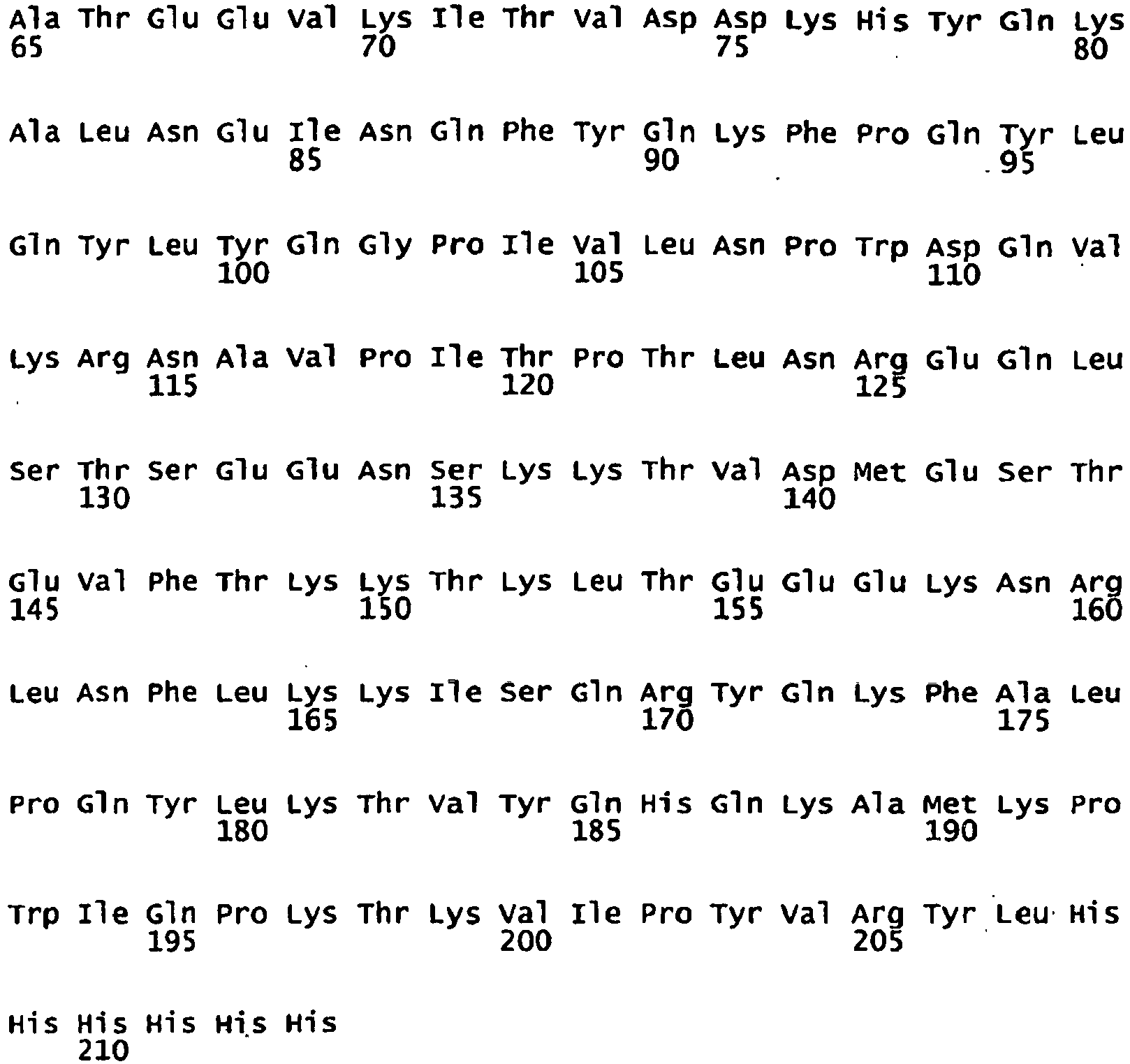
- <210> 9
<211> 159
<212> PRT
<213> Betula verrucosa - <400> 9


- <210> 10
<211> 32
<212> PRT
<213> Phleum pratense - <400> 10

- <210> 11
<211> 199
<212> PRT
<213> BOS taurus - <400> 11


- <210> 12
<211> 207
<212> PRT
<213> BOS taurus - <400> 12


Claims (10)
- A nutritional formulation or supplement comprising an extensively hydrolyzed cow's milk peptide-containing hydrolysate and/or a peptide-containing fraction of the extensively hydrolyzed cow's milk peptide-containing hydrolysate and/or one or more T cell epitope-containing peptides isolated from the extensively hydrolyzed cow's milk peptide-containing hydrolysate for use in the induction of tolerance to cow's milk, a protein contained in cow's milk or an allergen contained in cow's milk in a human subject, wherein said peptides contained in the hydrolysate or fraction of hydrolysate comprise T cell epitope-containing peptides or wherein said one or more peptides are T cell epitope-containing peptides, wherein said T cell epitope-containing peptides are capable of driving the immune reaction upon intake of the nutritional formulation towards tolerance and wherein the extensively hydrolyzed cow's milk peptide-containing hydrolysate comprises less than 1% of peptides having a size of greater than 1.5kD.
- The nutritional formulation or supplement of claim 1, wherein the one or more peptides have the amino acid sequence of SEQ ID NO: 3 and/or 4.
- The nutritional formulation or supplement of claim 1, wherein the extensively hydrolyzed cow's milk peptide-containing hydrolysate is an extensively hydrolyzed bovine casein-containing hydrolysate.
- The nutritional formulation or supplement of any of claims 1 to 3, wherein the human subject is a child or juvenile.
- The nutritional formulation or supplement of claims 1 to 3, wherein the human subject is an adult.
- The nutritional formulation or supplement of any of claims 1 to 5, wherein the human subject has a cow's milk allergy.
- The nutritional formulation or supplement of any of claims 1 to 6, wherein the nutritional formulation additionally comprises one or more of carbohydrates, nucleic acids, lipids, minerals, anabolic nutrients, vitamins, antioxidants, probiotic bacterial strains and lipotropic agents.
- The nutritional formulation or supplement of any of claims 1 to 7, wherein the tolerance is induced transiently.
- The nutritional formulation or supplement of any of claims 1 to 8, wherein the peptides consist of about 5 to 50 amino acids.
- The nutritional formulation or supplement of any of claims 1 to 9, wherein the T cell epitope-containing peptides are capable of down regulating inflammatory cytokines upon intake of the nutritional formulation.
Priority Applications (17)
| Application Number | Priority Date | Filing Date | Title |
|---|---|---|---|
| PL09015087T PL2332428T3 (en) | 2009-12-04 | 2009-12-04 | Nutritional Formulation comprising a cow's milk peptide-containing hydrolysate and/or peptides derived thereof for tolerance induction |
| EP09015087.1A EP2332428B1 (en) | 2009-12-04 | 2009-12-04 | Nutritional Formulation comprising a cow's milk peptide-containing hydrolysate and/or peptides derived thereof for tolerance induction |
| ES09015087.1T ES2524067T3 (en) | 2009-12-04 | 2009-12-04 | Nutritional formulation comprising a hydrolyzate containing cow's milk peptides and / or peptides derived therefrom for tolerance induction |
| PCT/US2010/058852 WO2011069042A2 (en) | 2009-12-04 | 2010-12-03 | Nutritional formulation comprising a cow's milk peptide-containing hydrolysate and/or peptides derived thereof for tolerance induction |
| MYPI2012001706A MY161010A (en) | 2009-12-04 | 2010-12-03 | Nutritional formulation comprising a cow's milk peptide-containing hydrolysate and/or peptides derived thereof for tolerance induction |
| RU2012127832/10A RU2012127832A (en) | 2009-12-04 | 2010-12-03 | NUTRITION COMPOSITION CONTAINING A HYDROLYSATE, CONTAINING BONE MILK PEPTID AND AND / OR PEPTIDES PRODUCED FROM IT FOR TOLERANCE INDUCTION |
| US12/959,956 US20110195153A1 (en) | 2009-12-04 | 2010-12-03 | Nutritional Formulation Comprising A Cows Milk Peptide Containing Hydrolysate And Or Peptides Derived Thereof For Tolerance Induction |
| CA2782693A CA2782693C (en) | 2009-12-04 | 2010-12-03 | Nutritional formulation comprising a cow's milk peptide-containing hydrolysate and/or peptides derived thereof for tolerance induction |
| BR112012011826-9A BR112012011826A2 (en) | 2009-12-04 | 2010-12-03 | NUTRITIONAL FORMULATION UNDERSTANDING HYDROLYSATE CONTAINING COW'S MILK PEPTIDE AND / OR PEPTIDES DERIVED FROM THE SAME FOR INDUCING TOLERANCE. |
| TW099142133A TWI584736B (en) | 2009-12-04 | 2010-12-03 | a nutritional formula comprising a hydrolysate containing bovine milk peptide for inducing tolerance and/or a peptide derived from bovine milk peptide |
| CN201080055014.3A CN102665446B (en) | 2009-12-04 | 2010-12-03 | For the tolerance-induced nutrient formulation comprising the hydrolyzate containing milk peptide and/or its derived peptide |
| PH1/2012/500738A PH12012500738B1 (en) | 2009-12-04 | 2010-12-03 | Nutirtional formulation comprising a cow`s milk peptide-containing hydrolysate and/or peptides derived thereof for tolerance induction |
| MX2012005907A MX2012005907A (en) | 2009-12-04 | 2010-12-03 | Nutritional formulation comprising a cow's milk peptide-containing hydrolysate and/or peptides derived thereof for tolerance induction. |
| PE2012000727A PE20130280A1 (en) | 2009-12-04 | 2010-12-03 | NUTRITIONAL FORMULA THAT INCLUDES A HYDROLYZED CONTAINING COW'S MILK PEPTIDE AND / OR PEPTIDES FROM THE SAME FOR THE INDUCTION OF TOLERANCE |
| HK11112895.8A HK1158457B (en) | 2011-11-28 | Nutritional formulation comprising a cow's milk peptide-containing hydrolysate and/or peptides derived thereof for tolerance induction | |
| CO12091855A CO6541625A2 (en) | 2009-12-04 | 2012-06-01 | NUTRITIONAL FORMULATION INCLUDING A HYDROLYZED CONTAINING COW MILK PEPTIDES AND / OR PEPTIDES DERIVED FROM THEM FOR TOLERANCE INDUCTION |
| ECSP12012022 ECSP12012022A (en) | 2009-12-04 | 2012-07-04 | NUTRITIONAL FORMULA UNDERSTANDING A COW MILK PEPTIDE CONTAINING HYDROLYZED AND / OR PEPTIDES DERIVED FROM THE SAME FOR TOLERANCE INDUCTION |
Applications Claiming Priority (1)
| Application Number | Priority Date | Filing Date | Title |
|---|---|---|---|
| EP09015087.1A EP2332428B1 (en) | 2009-12-04 | 2009-12-04 | Nutritional Formulation comprising a cow's milk peptide-containing hydrolysate and/or peptides derived thereof for tolerance induction |
Publications (2)
| Publication Number | Publication Date |
|---|---|
| EP2332428A1 EP2332428A1 (en) | 2011-06-15 |
| EP2332428B1 true EP2332428B1 (en) | 2014-08-20 |
Family
ID=42133417
Family Applications (1)
| Application Number | Title | Priority Date | Filing Date |
|---|---|---|---|
| EP09015087.1A Revoked EP2332428B1 (en) | 2009-12-04 | 2009-12-04 | Nutritional Formulation comprising a cow's milk peptide-containing hydrolysate and/or peptides derived thereof for tolerance induction |
Country Status (16)
| Country | Link |
|---|---|
| US (1) | US20110195153A1 (en) |
| EP (1) | EP2332428B1 (en) |
| CN (1) | CN102665446B (en) |
| BR (1) | BR112012011826A2 (en) |
| CA (1) | CA2782693C (en) |
| CO (1) | CO6541625A2 (en) |
| EC (1) | ECSP12012022A (en) |
| ES (1) | ES2524067T3 (en) |
| MX (1) | MX2012005907A (en) |
| MY (1) | MY161010A (en) |
| PE (1) | PE20130280A1 (en) |
| PH (1) | PH12012500738B1 (en) |
| PL (1) | PL2332428T3 (en) |
| RU (1) | RU2012127832A (en) |
| TW (1) | TWI584736B (en) |
| WO (1) | WO2011069042A2 (en) |
Families Citing this family (18)
| Publication number | Priority date | Publication date | Assignee | Title |
|---|---|---|---|---|
| WO2013083140A1 (en) | 2011-12-07 | 2013-06-13 | N.V. Nutricia | Beta-lactoglobulin peptides for treating cow's milk protein allergy |
| CN104411186B (en) * | 2011-12-30 | 2019-04-16 | 雅培制药有限公司 | Concentrated low water activity liquid human milk fortifier including deeply hydrolyzed protein |
| US8889633B2 (en) * | 2013-03-15 | 2014-11-18 | Mead Johnson Nutrition Company | Nutritional compositions containing a peptide component with anti-inflammatory properties and uses thereof |
| US9345727B2 (en) * | 2013-03-15 | 2016-05-24 | Mead Johnson Nutrition Company | Nutritional compositions containing a peptide component and uses thereof |
| US9352020B2 (en) * | 2013-03-15 | 2016-05-31 | Mead Johnson Nutrition Company | Reducing proinflammatory response |
| US9138455B2 (en) | 2013-03-15 | 2015-09-22 | Mead Johnson Nutrition Company | Activating adiponectin by casein hydrolysate |
| US9289461B2 (en) | 2013-03-15 | 2016-03-22 | Mead Johnson Nutrition Company | Reducing the risk of autoimmune disease |
| US9345741B2 (en) | 2013-03-15 | 2016-05-24 | Mead Johnson Nutrition Company | Nutritional composition containing a peptide component with adiponectin simulating properties and uses thereof |
| MY186968A (en) * | 2013-12-16 | 2021-08-26 | Nestle Sa | Newly identified peptides for use in the induction of oral tolerance in young mammals |
| WO2016198630A1 (en) | 2015-06-12 | 2016-12-15 | Nestec S.A. | Combination of tolerogenic peptides and tfg-b for use in the induction and maintenance of oral tolerance in young mammals |
| CN105254742B (en) * | 2015-10-16 | 2018-09-25 | 浙江辉肽生命健康科技有限公司 | A kind of biologically active polypeptide RLHSMKQGI and its preparation and application |
| CA3004722A1 (en) * | 2015-11-09 | 2017-05-18 | Mjn U.S. Holdings Llc | Nutritional compositions comprising lactobacillus rhamnosus gg, as well as dietary butyrate and/or a compound for stimulating formation of endogenous butyrate |
| CN108017705A (en) * | 2017-12-12 | 2018-05-11 | 浙江辉肽生命健康科技有限公司 | A kind of biologically active polypeptide TVMFPPQ and its preparation method and application |
| WO2019212329A1 (en) * | 2018-04-30 | 2019-11-07 | N.V. Nutricia | Formula with specific beta-lactoglobulin peptides |
| CN110317255B (en) * | 2019-07-19 | 2020-07-31 | 北京工商大学 | αs1Monoclonal antibody prepared from casein epitope and method for detecting cow milk allergen |
| CN112225815A (en) * | 2020-09-30 | 2021-01-15 | 四川携光生物技术有限公司 | Milk, wheat, peanut and soybean allergen fusion protein and construction method and application thereof |
| CA3192821A1 (en) * | 2020-10-16 | 2022-04-21 | Societe Des Produits Nestle S.A. | Infant or young child formula |
| MX2025013554A (en) * | 2023-05-16 | 2026-02-03 | Mileutis Ltd | IMPROVING MILK QUALITY |
Family Cites Families (11)
| Publication number | Priority date | Publication date | Assignee | Title |
|---|---|---|---|---|
| US4670268A (en) * | 1985-01-29 | 1987-06-02 | Abbott Laboratories | Enteral nutritional hypoallergenic formula |
| US6077558A (en) * | 1998-12-23 | 2000-06-20 | Bristol-Myers Squibb Company | Elemental nutritional products |
| MY129566A (en) * | 1999-01-19 | 2007-04-30 | Nestle Sa | A hypoallergenic composition containing tolerogenic peptides inducing oral tolerance |
| AU2065801A (en) * | 1999-12-06 | 2001-06-12 | Panacea Pharmaceuticals, Llc | Passive desensitization |
| CA2391063A1 (en) * | 2000-03-13 | 2001-09-20 | Hiroshi Miyakawa | Protein hydrolyzate, manufacuring method therefor, and foods and drinks containing the protein hydrolyzate |
| TWI317636B (en) * | 2002-11-22 | 2009-12-01 | Meiji Dairies Corp | Nutritional compositions for liver disease patients or for patients underhigh levels of invasive stress |
| DE102004040452A1 (en) * | 2004-08-20 | 2006-02-23 | N.V. Nutricia | peptide mixture |
| US8691213B2 (en) * | 2006-08-04 | 2014-04-08 | SHS International | Protein free formula |
| NL1032840C2 (en) * | 2006-11-09 | 2008-05-13 | Friesland Brands Bv | Probiotic hydrolyzate food for children. |
| CN101848649B (en) * | 2007-11-07 | 2014-03-26 | Mjn美国控股有限责任公司 | Method for decreasing bitterness and improving taste of protein-free and hydrolyzed infant formulas |
| US8859210B2 (en) * | 2008-10-17 | 2014-10-14 | Mead Johnson Nutrition Company | Method for identifying allergenic proteins and peptides |
-
2009
- 2009-12-04 ES ES09015087.1T patent/ES2524067T3/en active Active
- 2009-12-04 EP EP09015087.1A patent/EP2332428B1/en not_active Revoked
- 2009-12-04 PL PL09015087T patent/PL2332428T3/en unknown
-
2010
- 2010-12-03 CA CA2782693A patent/CA2782693C/en active Active
- 2010-12-03 WO PCT/US2010/058852 patent/WO2011069042A2/en not_active Ceased
- 2010-12-03 US US12/959,956 patent/US20110195153A1/en not_active Abandoned
- 2010-12-03 MX MX2012005907A patent/MX2012005907A/en active IP Right Grant
- 2010-12-03 PH PH1/2012/500738A patent/PH12012500738B1/en unknown
- 2010-12-03 MY MYPI2012001706A patent/MY161010A/en unknown
- 2010-12-03 TW TW099142133A patent/TWI584736B/en not_active IP Right Cessation
- 2010-12-03 PE PE2012000727A patent/PE20130280A1/en not_active Application Discontinuation
- 2010-12-03 RU RU2012127832/10A patent/RU2012127832A/en not_active Application Discontinuation
- 2010-12-03 BR BR112012011826-9A patent/BR112012011826A2/en not_active Application Discontinuation
- 2010-12-03 CN CN201080055014.3A patent/CN102665446B/en active Active
-
2012
- 2012-06-01 CO CO12091855A patent/CO6541625A2/en not_active Application Discontinuation
- 2012-07-04 EC ECSP12012022 patent/ECSP12012022A/en unknown
Also Published As
| Publication number | Publication date |
|---|---|
| WO2011069042A3 (en) | 2011-10-06 |
| ES2524067T3 (en) | 2014-12-03 |
| TW201200025A (en) | 2012-01-01 |
| ECSP12012022A (en) | 2012-08-31 |
| CO6541625A2 (en) | 2012-10-16 |
| PH12012500738B1 (en) | 2018-09-05 |
| MX2012005907A (en) | 2012-06-19 |
| PE20130280A1 (en) | 2013-03-28 |
| BR112012011826A2 (en) | 2021-01-05 |
| PH12012500738A1 (en) | 2012-11-26 |
| CA2782693A1 (en) | 2011-06-09 |
| US20110195153A1 (en) | 2011-08-11 |
| RU2012127832A (en) | 2014-01-10 |
| PL2332428T3 (en) | 2015-02-27 |
| CA2782693C (en) | 2018-05-01 |
| WO2011069042A2 (en) | 2011-06-09 |
| EP2332428A1 (en) | 2011-06-15 |
| MY161010A (en) | 2017-03-31 |
| CN102665446B (en) | 2016-08-03 |
| CN102665446A (en) | 2012-09-12 |
| TWI584736B (en) | 2017-06-01 |
| HK1158457A1 (en) | 2012-07-20 |
Similar Documents
| Publication | Publication Date | Title |
|---|---|---|
| CA2782693C (en) | Nutritional formulation comprising a cow's milk peptide-containing hydrolysate and/or peptides derived thereof for tolerance induction | |
| Jaiswal et al. | Recent perspective on cow’s milk allergy and dairy nutrition | |
| Gauthier et al. | Immunomodulatory peptides obtained by the enzymatic hydrolysis of whey proteins | |
| Schack et al. | Considerable variation in the concentration of osteopontin in human milk, bovine milk, and infant formulas | |
| Furlund et al. | Identification of lactoferrin peptides generated by digestion with human gastrointestinal enzymes | |
| Lönnerdal | Bioactive proteins in human milk: mechanisms of action | |
| Mine et al. | Recent advances in the understanding of egg allergens: basic, industrial, and clinical perspectives | |
| Oddy | A review of the effects of breastfeeding on respiratory infections, atopy, and childhood asthma | |
| van Neerven et al. | Which factors in raw cow's milk contribute to protection against allergies? | |
| Boyaka et al. | The mode of oral bovine lactoferrin administration influences mucosal and systemic immune responses in mice | |
| Lindholm Bøgh et al. | The sensitising capacity of intact β-lactoglobulin is reduced by co-administration with digested β-lactoglobulin | |
| Jyonouchi | Non-IgE mediated food allergy | |
| Do et al. | In vitro digestibility and immunoreactivity of bovine milk proteins | |
| Casas et al. | Detection of IgA antibodies to cat, β-lactoglobulin, and ovalbumin allergens in human milk | |
| AU2013407963B2 (en) | Newly identified peptides for use in the induction of oral tolerance in young mammals | |
| AU2013407963A1 (en) | Newly identified peptides for use in the induction of oral tolerance in young mammals | |
| WO2017144730A1 (en) | Milk allergy prevention and treatment | |
| Madsen et al. | The impact of structural integrity and route of administration on the antibody specificity against three cow’s milk allergens-a study in Brown Norway rats | |
| Kaza et al. | Risk factors for the development of food allergy | |
| HK1158457B (en) | Nutritional formulation comprising a cow's milk peptide-containing hydrolysate and/or peptides derived thereof for tolerance induction | |
| EP3344653B1 (en) | A complex of lactoferrin with manganese ions, a method of manufacturing use and a pharmaceutical composition comprising complex of lactoferrin with manganese ions | |
| HK1175663B (en) | Nutritional formulation comprising a cow's milk peptide-containing hydrolysate and/or peptides derived thereof for tolerance induction | |
| HK1175663A (en) | Nutritional formulation comprising a cow's milk peptide-containing hydrolysate and/or peptides derived thereof for tolerance induction | |
| Ameratunga et al. | Anaphylaxis to hyperallergenic functional foods | |
| Rytkönen | Effect of heat denaturation of bovine milk beta-lactoglobulin on its epithelial transport and allergenicity |
Legal Events
| Date | Code | Title | Description |
|---|---|---|---|
| PUAI | Public reference made under article 153(3) epc to a published international application that has entered the european phase |
Free format text: ORIGINAL CODE: 0009012 |
|
| AK | Designated contracting states |
Kind code of ref document: A1 Designated state(s): AT BE BG CH CY CZ DE DK EE ES FI FR GB GR HR HU IE IS IT LI LT LU LV MC MK MT NL NO PL PT RO SE SI SK SM TR |
|
| AX | Request for extension of the european patent |
Extension state: AL BA RS |
|
| 17P | Request for examination filed |
Effective date: 20111213 |
|
| 17Q | First examination report despatched |
Effective date: 20120120 |
|
| REG | Reference to a national code |
Ref country code: HK Ref legal event code: DE Ref document number: 1158457 Country of ref document: HK |
|
| GRAP | Despatch of communication of intention to grant a patent |
Free format text: ORIGINAL CODE: EPIDOSNIGR1 |
|
| INTG | Intention to grant announced |
Effective date: 20131105 |
|
| RAP1 | Party data changed (applicant data changed or rights of an application transferred) |
Owner name: MJN U.S. HOLDINGS LLC |
|
| GRAP | Despatch of communication of intention to grant a patent |
Free format text: ORIGINAL CODE: EPIDOSNIGR1 |
|
| RIN1 | Information on inventor provided before grant (corrected) |
Inventor name: VALENTA, RUDOLPH Inventor name: HERZ, UDO Inventor name: FOCKE-TEJKL, MARGARETE Inventor name: SCHULMEISTER, ULRIKE Inventor name: SWOBODA, INES Inventor name: VAN TOL, ERIC Inventor name: HOCHWALLNER, HEIDRUN |
|
| INTG | Intention to grant announced |
Effective date: 20140307 |
|
| GRAP | Despatch of communication of intention to grant a patent |
Free format text: ORIGINAL CODE: EPIDOSNIGR1 |
|
| INTG | Intention to grant announced |
Effective date: 20140509 |
|
| GRAS | Grant fee paid |
Free format text: ORIGINAL CODE: EPIDOSNIGR3 |
|
| GRAA | (expected) grant |
Free format text: ORIGINAL CODE: 0009210 |
|
| AK | Designated contracting states |
Kind code of ref document: B1 Designated state(s): AT BE BG CH CY CZ DE DK EE ES FI FR GB GR HR HU IE IS IT LI LT LU LV MC MK MT NL NO PL PT RO SE SI SK SM TR |
|
| REG | Reference to a national code |
Ref country code: GB Ref legal event code: FG4D |
|
| REG | Reference to a national code |
Ref country code: CH Ref legal event code: EP |
|
| REG | Reference to a national code |
Ref country code: AT Ref legal event code: REF Ref document number: 682916 Country of ref document: AT Kind code of ref document: T Effective date: 20140915 |
|
| REG | Reference to a national code |
Ref country code: IE Ref legal event code: FG4D |
|
| REG | Reference to a national code |
Ref country code: DE Ref legal event code: R096 Ref document number: 602009026082 Country of ref document: DE Effective date: 20141002 |
|
| REG | Reference to a national code |
Ref country code: SE Ref legal event code: TRGR |
|
| REG | Reference to a national code |
Ref country code: NL Ref legal event code: T3 |
|
| REG | Reference to a national code |
Ref country code: ES Ref legal event code: FG2A Ref document number: 2524067 Country of ref document: ES Kind code of ref document: T3 Effective date: 20141203 |
|
| REG | Reference to a national code |
Ref country code: CH Ref legal event code: NV Representative=s name: VOSSIUS AND PARTNER, CH |
|
| REG | Reference to a national code |
Ref country code: AT Ref legal event code: MK05 Ref document number: 682916 Country of ref document: AT Kind code of ref document: T Effective date: 20140820 |
|
| REG | Reference to a national code |
Ref country code: NO Ref legal event code: T2 Effective date: 20140820 |
|
| REG | Reference to a national code |
Ref country code: LT Ref legal event code: MG4D |
|
| PG25 | Lapsed in a contracting state [announced via postgrant information from national office to epo] |
Ref country code: PT Free format text: LAPSE BECAUSE OF FAILURE TO SUBMIT A TRANSLATION OF THE DESCRIPTION OR TO PAY THE FEE WITHIN THE PRESCRIBED TIME-LIMIT Effective date: 20141222 Ref country code: GR Free format text: LAPSE BECAUSE OF FAILURE TO SUBMIT A TRANSLATION OF THE DESCRIPTION OR TO PAY THE FEE WITHIN THE PRESCRIBED TIME-LIMIT Effective date: 20141121 Ref country code: FI Free format text: LAPSE BECAUSE OF FAILURE TO SUBMIT A TRANSLATION OF THE DESCRIPTION OR TO PAY THE FEE WITHIN THE PRESCRIBED TIME-LIMIT Effective date: 20140820 Ref country code: LT Free format text: LAPSE BECAUSE OF FAILURE TO SUBMIT A TRANSLATION OF THE DESCRIPTION OR TO PAY THE FEE WITHIN THE PRESCRIBED TIME-LIMIT Effective date: 20140820 Ref country code: BG Free format text: LAPSE BECAUSE OF FAILURE TO SUBMIT A TRANSLATION OF THE DESCRIPTION OR TO PAY THE FEE WITHIN THE PRESCRIBED TIME-LIMIT Effective date: 20141120 |
|
| PG25 | Lapsed in a contracting state [announced via postgrant information from national office to epo] |
Ref country code: LV Free format text: LAPSE BECAUSE OF FAILURE TO SUBMIT A TRANSLATION OF THE DESCRIPTION OR TO PAY THE FEE WITHIN THE PRESCRIBED TIME-LIMIT Effective date: 20140820 Ref country code: HR Free format text: LAPSE BECAUSE OF FAILURE TO SUBMIT A TRANSLATION OF THE DESCRIPTION OR TO PAY THE FEE WITHIN THE PRESCRIBED TIME-LIMIT Effective date: 20140820 Ref country code: IS Free format text: LAPSE BECAUSE OF FAILURE TO SUBMIT A TRANSLATION OF THE DESCRIPTION OR TO PAY THE FEE WITHIN THE PRESCRIBED TIME-LIMIT Effective date: 20141220 Ref country code: AT Free format text: LAPSE BECAUSE OF FAILURE TO SUBMIT A TRANSLATION OF THE DESCRIPTION OR TO PAY THE FEE WITHIN THE PRESCRIBED TIME-LIMIT Effective date: 20140820 |
|
| REG | Reference to a national code |
Ref country code: PL Ref legal event code: T3 |
|
| PG25 | Lapsed in a contracting state [announced via postgrant information from national office to epo] |
Ref country code: EE Free format text: LAPSE BECAUSE OF FAILURE TO SUBMIT A TRANSLATION OF THE DESCRIPTION OR TO PAY THE FEE WITHIN THE PRESCRIBED TIME-LIMIT Effective date: 20140820 Ref country code: DK Free format text: LAPSE BECAUSE OF FAILURE TO SUBMIT A TRANSLATION OF THE DESCRIPTION OR TO PAY THE FEE WITHIN THE PRESCRIBED TIME-LIMIT Effective date: 20140820 Ref country code: RO Free format text: LAPSE BECAUSE OF FAILURE TO SUBMIT A TRANSLATION OF THE DESCRIPTION OR TO PAY THE FEE WITHIN THE PRESCRIBED TIME-LIMIT Effective date: 20140820 |
|
| REG | Reference to a national code |
Ref country code: SK Ref legal event code: T3 Ref document number: E 18089 Country of ref document: SK |
|
| REG | Reference to a national code |
Ref country code: DE Ref legal event code: R026 Ref document number: 602009026082 Country of ref document: DE |
|
| PLBI | Opposition filed |
Free format text: ORIGINAL CODE: 0009260 |
|
| PLAX | Notice of opposition and request to file observation + time limit sent |
Free format text: ORIGINAL CODE: EPIDOSNOBS2 |
|
| PG25 | Lapsed in a contracting state [announced via postgrant information from national office to epo] |
Ref country code: BE Free format text: LAPSE BECAUSE OF NON-PAYMENT OF DUE FEES Effective date: 20141231 |
|
| 26 | Opposition filed |
Opponent name: N.V. NUTRICIA Effective date: 20150520 |
|
| PG25 | Lapsed in a contracting state [announced via postgrant information from national office to epo] |
Ref country code: LU Free format text: LAPSE BECAUSE OF FAILURE TO SUBMIT A TRANSLATION OF THE DESCRIPTION OR TO PAY THE FEE WITHIN THE PRESCRIBED TIME-LIMIT Effective date: 20141204 |
|
| REG | Reference to a national code |
Ref country code: IE Ref legal event code: MM4A |
|
| PLAF | Information modified related to communication of a notice of opposition and request to file observations + time limit |
Free format text: ORIGINAL CODE: EPIDOSCOBS2 |
|
| PG25 | Lapsed in a contracting state [announced via postgrant information from national office to epo] |
Ref country code: IE Free format text: LAPSE BECAUSE OF NON-PAYMENT OF DUE FEES Effective date: 20141204 |
|
| REG | Reference to a national code |
Ref country code: FR Ref legal event code: PLFP Year of fee payment: 7 |
|
| PG25 | Lapsed in a contracting state [announced via postgrant information from national office to epo] |
Ref country code: SI Free format text: LAPSE BECAUSE OF FAILURE TO SUBMIT A TRANSLATION OF THE DESCRIPTION OR TO PAY THE FEE WITHIN THE PRESCRIBED TIME-LIMIT Effective date: 20140820 |
|
| PLBB | Reply of patent proprietor to notice(s) of opposition received |
Free format text: ORIGINAL CODE: EPIDOSNOBS3 |
|
| PGFP | Annual fee paid to national office [announced via postgrant information from national office to epo] |
Ref country code: CZ Payment date: 20151116 Year of fee payment: 7 |
|
| REG | Reference to a national code |
Ref country code: HK Ref legal event code: GR Ref document number: 1158457 Country of ref document: HK |
|
| PG25 | Lapsed in a contracting state [announced via postgrant information from national office to epo] |
Ref country code: SM Free format text: LAPSE BECAUSE OF FAILURE TO SUBMIT A TRANSLATION OF THE DESCRIPTION OR TO PAY THE FEE WITHIN THE PRESCRIBED TIME-LIMIT Effective date: 20140820 |
|
| PG25 | Lapsed in a contracting state [announced via postgrant information from national office to epo] |
Ref country code: MC Free format text: LAPSE BECAUSE OF FAILURE TO SUBMIT A TRANSLATION OF THE DESCRIPTION OR TO PAY THE FEE WITHIN THE PRESCRIBED TIME-LIMIT Effective date: 20140820 |
|
| PG25 | Lapsed in a contracting state [announced via postgrant information from national office to epo] |
Ref country code: CY Free format text: LAPSE BECAUSE OF FAILURE TO SUBMIT A TRANSLATION OF THE DESCRIPTION OR TO PAY THE FEE WITHIN THE PRESCRIBED TIME-LIMIT Effective date: 20140820 |
|
| REG | Reference to a national code |
Ref country code: CH Ref legal event code: PFA Owner name: MJN U.S. HOLDINGS LLC, US Free format text: FORMER OWNER: MJN U.S. HOLDINGS LLC, US |
|
| PG25 | Lapsed in a contracting state [announced via postgrant information from national office to epo] |
Ref country code: MT Free format text: LAPSE BECAUSE OF FAILURE TO SUBMIT A TRANSLATION OF THE DESCRIPTION OR TO PAY THE FEE WITHIN THE PRESCRIBED TIME-LIMIT Effective date: 20140820 Ref country code: BE Free format text: LAPSE BECAUSE OF FAILURE TO SUBMIT A TRANSLATION OF THE DESCRIPTION OR TO PAY THE FEE WITHIN THE PRESCRIBED TIME-LIMIT Effective date: 20140820 Ref country code: HU Free format text: LAPSE BECAUSE OF FAILURE TO SUBMIT A TRANSLATION OF THE DESCRIPTION OR TO PAY THE FEE WITHIN THE PRESCRIBED TIME-LIMIT; INVALID AB INITIO Effective date: 20091204 Ref country code: TR Free format text: LAPSE BECAUSE OF FAILURE TO SUBMIT A TRANSLATION OF THE DESCRIPTION OR TO PAY THE FEE WITHIN THE PRESCRIBED TIME-LIMIT Effective date: 20140820 |
|
| REG | Reference to a national code |
Ref country code: FR Ref legal event code: PLFP Year of fee payment: 8 |
|
| PLCK | Communication despatched that opposition was rejected |
Free format text: ORIGINAL CODE: EPIDOSNREJ1 |
|
| STAA | Information on the status of an ep patent application or granted ep patent |
Free format text: STATUS: THE PATENT HAS BEEN GRANTED |
|
| APBM | Appeal reference recorded |
Free format text: ORIGINAL CODE: EPIDOSNREFNO |
|
| APBP | Date of receipt of notice of appeal recorded |
Free format text: ORIGINAL CODE: EPIDOSNNOA2O |
|
| APAH | Appeal reference modified |
Free format text: ORIGINAL CODE: EPIDOSCREFNO |
|
| PG25 | Lapsed in a contracting state [announced via postgrant information from national office to epo] |
Ref country code: CZ Free format text: LAPSE BECAUSE OF NON-PAYMENT OF DUE FEES Effective date: 20161204 |
|
| APBQ | Date of receipt of statement of grounds of appeal recorded |
Free format text: ORIGINAL CODE: EPIDOSNNOA3O |
|
| REG | Reference to a national code |
Ref country code: FR Ref legal event code: PLFP Year of fee payment: 9 |
|
| RAP2 | Party data changed (patent owner data changed or rights of a patent transferred) |
Owner name: MJN U.S. HOLDINGS LLC |
|
| PG25 | Lapsed in a contracting state [announced via postgrant information from national office to epo] |
Ref country code: MK Free format text: LAPSE BECAUSE OF FAILURE TO SUBMIT A TRANSLATION OF THE DESCRIPTION OR TO PAY THE FEE WITHIN THE PRESCRIBED TIME-LIMIT Effective date: 20140820 |
|
| REG | Reference to a national code |
Ref country code: FR Ref legal event code: PLFP Year of fee payment: 10 |
|
| PGFP | Annual fee paid to national office [announced via postgrant information from national office to epo] |
Ref country code: DE Payment date: 20181127 Year of fee payment: 17 Ref country code: PL Payment date: 20181011 Year of fee payment: 10 Ref country code: SE Payment date: 20181211 Year of fee payment: 10 Ref country code: SK Payment date: 20181029 Year of fee payment: 10 |
|
| PGFP | Annual fee paid to national office [announced via postgrant information from national office to epo] |
Ref country code: CH Payment date: 20181217 Year of fee payment: 10 |
|
| REG | Reference to a national code |
Ref country code: NO Ref legal event code: MMEP |
|
| REG | Reference to a national code |
Ref country code: SE Ref legal event code: EUG |
|
| REG | Reference to a national code |
Ref country code: CH Ref legal event code: PL |
|
| REG | Reference to a national code |
Ref country code: SK Ref legal event code: MM4A Ref document number: E 18089 Country of ref document: SK Effective date: 20191204 |
|
| PG25 | Lapsed in a contracting state [announced via postgrant information from national office to epo] |
Ref country code: SE Free format text: LAPSE BECAUSE OF NON-PAYMENT OF DUE FEES Effective date: 20191205 Ref country code: NO Free format text: LAPSE BECAUSE OF NON-PAYMENT OF DUE FEES Effective date: 20191231 Ref country code: SK Free format text: LAPSE BECAUSE OF NON-PAYMENT OF DUE FEES Effective date: 20191204 |
|
| PG25 | Lapsed in a contracting state [announced via postgrant information from national office to epo] |
Ref country code: CH Free format text: LAPSE BECAUSE OF NON-PAYMENT OF DUE FEES Effective date: 20191231 Ref country code: LI Free format text: LAPSE BECAUSE OF NON-PAYMENT OF DUE FEES Effective date: 20191231 |
|
| PGFP | Annual fee paid to national office [announced via postgrant information from national office to epo] |
Ref country code: NL Payment date: 20201113 Year of fee payment: 12 |
|
| PGFP | Annual fee paid to national office [announced via postgrant information from national office to epo] |
Ref country code: GB Payment date: 20201126 Year of fee payment: 12 Ref country code: IT Payment date: 20201110 Year of fee payment: 12 Ref country code: FR Payment date: 20201013 Year of fee payment: 12 |
|
| APBU | Appeal procedure closed |
Free format text: ORIGINAL CODE: EPIDOSNNOA9O |
|
| REG | Reference to a national code |
Ref country code: DE Ref legal event code: R064 Ref document number: 602009026082 Country of ref document: DE Ref country code: DE Ref legal event code: R103 Ref document number: 602009026082 Country of ref document: DE |
|
| RDAF | Communication despatched that patent is revoked |
Free format text: ORIGINAL CODE: EPIDOSNREV1 |
|
| STAA | Information on the status of an ep patent application or granted ep patent |
Free format text: STATUS: PATENT REVOKED |
|
| RDAG | Patent revoked |
Free format text: ORIGINAL CODE: 0009271 |
|
| PGFP | Annual fee paid to national office [announced via postgrant information from national office to epo] |
Ref country code: ES Payment date: 20210108 Year of fee payment: 12 |
|
| 27W | Patent revoked |
Effective date: 20210309 |
|
| GBPR | Gb: patent revoked under art. 102 of the ep convention designating the uk as contracting state |
Effective date: 20210309 |
|
| REG | Reference to a national code |
Ref country code: FI Ref legal event code: MGE |
|
| REG | Reference to a national code |
Ref country code: SK Ref legal event code: MC4A Ref document number: E 18089 Country of ref document: SK Effective date: 20210309 |
|
| PG25 | Lapsed in a contracting state [announced via postgrant information from national office to epo] |
Ref country code: PL Free format text: LAPSE BECAUSE OF NON-PAYMENT OF DUE FEES Effective date: 20191204 |