EP2330186A2 - Method for synthesizing protein containing high content of specific amino acid through simultaneous expression with trna of the specific amino acid - Google Patents
Method for synthesizing protein containing high content of specific amino acid through simultaneous expression with trna of the specific amino acid Download PDFInfo
- Publication number
- EP2330186A2 EP2330186A2 EP09814823A EP09814823A EP2330186A2 EP 2330186 A2 EP2330186 A2 EP 2330186A2 EP 09814823 A EP09814823 A EP 09814823A EP 09814823 A EP09814823 A EP 09814823A EP 2330186 A2 EP2330186 A2 EP 2330186A2
- Authority
- EP
- European Patent Office
- Prior art keywords
- protein
- amino acid
- specific amino
- trna
- expression
- Prior art date
- Legal status (The legal status is an assumption and is not a legal conclusion. Google has not performed a legal analysis and makes no representation as to the accuracy of the status listed.)
- Granted
Links
Images


Classifications
-
- C—CHEMISTRY; METALLURGY
- C12—BIOCHEMISTRY; BEER; SPIRITS; WINE; VINEGAR; MICROBIOLOGY; ENZYMOLOGY; MUTATION OR GENETIC ENGINEERING
- C12N—MICROORGANISMS OR ENZYMES; COMPOSITIONS THEREOF; PROPAGATING, PRESERVING, OR MAINTAINING MICROORGANISMS; MUTATION OR GENETIC ENGINEERING; CULTURE MEDIA
- C12N15/00—Mutation or genetic engineering; DNA or RNA concerning genetic engineering, vectors, e.g. plasmids, or their isolation, preparation or purification; Use of hosts therefor
- C12N15/09—Recombinant DNA-technology
- C12N15/63—Introduction of foreign genetic material using vectors; Vectors; Use of hosts therefor; Regulation of expression
- C12N15/67—General methods for enhancing the expression
-
- C—CHEMISTRY; METALLURGY
- C12—BIOCHEMISTRY; BEER; SPIRITS; WINE; VINEGAR; MICROBIOLOGY; ENZYMOLOGY; MUTATION OR GENETIC ENGINEERING
- C12N—MICROORGANISMS OR ENZYMES; COMPOSITIONS THEREOF; PROPAGATING, PRESERVING, OR MAINTAINING MICROORGANISMS; MUTATION OR GENETIC ENGINEERING; CULTURE MEDIA
- C12N1/00—Microorganisms; Compositions thereof; Processes of propagating, maintaining or preserving microorganisms or compositions thereof; Processes of preparing or isolating a composition containing a microorganism; Culture media therefor
- C12N1/20—Bacteria; Culture media therefor
-
- C—CHEMISTRY; METALLURGY
- C07—ORGANIC CHEMISTRY
- C07K—PEPTIDES
- C07K14/00—Peptides having more than 20 amino acids; Gastrins; Somatostatins; Melanotropins; Derivatives thereof
- C07K14/435—Peptides having more than 20 amino acids; Gastrins; Somatostatins; Melanotropins; Derivatives thereof from animals; from humans
- C07K14/43504—Peptides having more than 20 amino acids; Gastrins; Somatostatins; Melanotropins; Derivatives thereof from animals; from humans from invertebrates
- C07K14/43513—Peptides having more than 20 amino acids; Gastrins; Somatostatins; Melanotropins; Derivatives thereof from animals; from humans from invertebrates from arachnidae
- C07K14/43518—Peptides having more than 20 amino acids; Gastrins; Somatostatins; Melanotropins; Derivatives thereof from animals; from humans from invertebrates from arachnidae from spiders
-
- C—CHEMISTRY; METALLURGY
- C07—ORGANIC CHEMISTRY
- C07K—PEPTIDES
- C07K14/00—Peptides having more than 20 amino acids; Gastrins; Somatostatins; Melanotropins; Derivatives thereof
- C07K14/435—Peptides having more than 20 amino acids; Gastrins; Somatostatins; Melanotropins; Derivatives thereof from animals; from humans
- C07K14/43504—Peptides having more than 20 amino acids; Gastrins; Somatostatins; Melanotropins; Derivatives thereof from animals; from humans from invertebrates
- C07K14/43563—Peptides having more than 20 amino acids; Gastrins; Somatostatins; Melanotropins; Derivatives thereof from animals; from humans from invertebrates from insects
- C07K14/43586—Peptides having more than 20 amino acids; Gastrins; Somatostatins; Melanotropins; Derivatives thereof from animals; from humans from invertebrates from insects from silkworms
-
- C—CHEMISTRY; METALLURGY
- C12—BIOCHEMISTRY; BEER; SPIRITS; WINE; VINEGAR; MICROBIOLOGY; ENZYMOLOGY; MUTATION OR GENETIC ENGINEERING
- C12N—MICROORGANISMS OR ENZYMES; COMPOSITIONS THEREOF; PROPAGATING, PRESERVING, OR MAINTAINING MICROORGANISMS; MUTATION OR GENETIC ENGINEERING; CULTURE MEDIA
- C12N15/00—Mutation or genetic engineering; DNA or RNA concerning genetic engineering, vectors, e.g. plasmids, or their isolation, preparation or purification; Use of hosts therefor
- C12N15/09—Recombinant DNA-technology
Definitions
- the present invention relates to a method of increasing the expression of a target protein by co-expression of a gene encoding a target protein having a high content of a specific amino acid with a nucleotide sequence encoding the tRNA of the specific amino acid.
- the protein polymers are made based on genetic information (gene), and thus the various properties of the polymer proteins, such as length or steric properties, can be accurately controlled, unlike polymers made by a chemical synthesis method. Also, because the protein polymers can be prepared to have desired mechanical, chemical and biological properties, including biocompatibility and biodegradability, they can be advantageously used in the biomaterial engineering and tissue engineering fields.
- Repeating sequences of typical repeat proteins having the properties of protein polymers include elastin (GVGVP, VPGG, APGVGV), silk fibroin (GAGAGS), byssus (GPGGG), flagelliform silk (GPGGx), dragline silk (GPGQQ), GPGGY, GGYGPGS), collagen (GAPGAPGSQGAPGLQ, GAPGTPGPQGLPGSP), keratin (AKLKLAEAKLELA), sericin (SSTGSSSNTDSNSNSVGSSTSGGSSTYGYSSNSRDGSV), and synthetic repetitive protein ( Kumar et al., Biomacromolecules, 7:2543, 2006 ) .
- E . coli systems of expressing recombinant repeat proteins in bacteria, including E . coli, yeasts such as P . pastoris, insect cells infected with baculovirus, transformed potato, tobacco, rat cells and the like, were developed.
- the size of proteins expressible in such systems was 3-163 kDa ( Huang et al., J. Macromolecular Science, Part C: Polymer Reviews, 47:29, 2007 ; Scheller et al., Nat. Biotechnol., 19:573, 2001 ).
- E . coli is a bacterium which has been studied, and it is easy to handle and can be industrially cultured at a relatively low cost, and thus can be advantageously used as a host for producing recombinant proteins.
- the most typical method capable of improving the expression of a specific synthetic gene is to express the gene together with the tRNA of a codon which is essential for the synthesis of the protein but is rare in the host.
- this rare codon tRNA include ileX tRNA, arg U tRNA, thr U tRNA, tyr U tRNA, gly T tRNA, thr T tRNA, argW tRNA, met T tRNA, leu W tRNA, pro L tRNA, etc.
- the present inventors have found that, if a target protein such as a repetitive protein is co-expressed with tRNA of amino acid which is abundantly present in the protein, the expression of the target protein will be significantly increased, thereby completing the present invention.
- Another object of the present invention is to provide a method of preparing a protein having a high content of a specific amino acid by culturing said microorganism.
- the present invention provides a recombinant microorganism transformed with both a gene encoding a target protein having a specific amino acid content of 10% or more and a nucleotide sequence encoding the tRNA of the specific amino acid.
- the present invention also provides a recombinant vector containing both a gene encoding a target protein having a specific amino acid content of 10% or more and a nucleotide sequence encoding the tRNA of the specific amino acid.
- the present invention also provides a method of preparing a protein having a specific amino acid content of 10% or more, the method comprising culturing said recombinant microorganism to express a target protein having a specific amino acid content of 10% or more, and collecting the expressed target protein.
- the target protein may be a repetitive protein consisting of repeats of specific oligopeptides, wherein the repetitive protein may be selected from the group consisting of, but not limited to, elastin, silk protein, byssus, flagelliform silk, dragline silk, collagen, keratin, and sericin.
- the present invention is directed to a method of increasing the expression of a target protein having a high content of a specific amino acid. Also, the present invention is directed to a method of increasing the expression of the target protein by co-expression of a gene encoding the target protein acid with a nucleotide sequence encoding the tRNA of the specific amino acid using a recombinant microorganism transformed with both a gene encoding a target protein having a specific amino acid content of 10% or more and a nucleotide sequence encoding the tRNA of the specific amino acid.
- a recombinant E. coli strain transformed with both a gene encoding silk protein resulting from the modification of a dragline silk protein obtained from Nephila clavipes and a nucleotide sequence encoding the glycine tRNA was constructed and cultured. As a result, it was found that a silk protein having a high glycine content (41%), a high alanine content (18%) and a high serine content (6.3%) was overexpressed.
- the silk protein is a repetitive protein consisting of repeats of a specific amino acid sequence (SGRGGLGGTGAGMAAAAAMGGAGQGGYGGLGSQG), and it was found that the expression of the silk protein consisting of each of 32, 48 and 64 repeats was significantly increased.
- the cysK gene known to stimulate the expression of a serine-rich protein was co-expressed with a nucleotide sequence encoding the glycine tRNA, the expression of the silk protein was further increased.
- Repetitive proteins having a high content of a specific amino acid include, in addition to the silk protein, elastin (GVGVP, VPGG, APGVGV), byssus (GPGGG), flagelliform silk (GPGGx), dragline silk (GPGQQ, GPGGY, GGYGPGS), collagen (GAPGAPGSQGAPGLQ, GAPGTPGPQGLPGSP), keratin (AKLKLAEAKLELA), sericin (SSTGSSSNTDSNSNSVGSSTSGGSSTYGYSSNSRDGSV) and synthetic repetitive protein.
- GVGVP elastin
- GPGGG byssus
- flagelliform silk GPGGx
- dragline silk GPGQQ, GPGGY, GGYGPGS
- collagen GPGAPGSQGAPGLQ, GAPGTPGPQGLPGSP
- keratin AKLKLAEAKLELA
- sericin SSTGSSSNTDSNSNSVGSSTSGGSSTYGYSSNSRDGSV
- the expression levels of the proteins can be increased by co-expression with tRNA of a specific amino acid.
- the present invention illustrates only a recombinant microorganism transformed with both a recombinant vector containing a gene encoding a target protein and a recombinant vector containing a nucleotide sequence encoding tRNA of a specific amino acid, but a recombinant microorganism may also be obtained either by transforming a host microorganism with a recombinant vector containing both the target protein-encoding gene and tRNA of a specific amino acid or by inserting the target protein-encoding gene into the chromosome of a host microorganism and then introducing a recombinant vector, which contains a nucleotide sequence encoding tRNA of a specific amino acid, into the host microorganism.
- a recombinant microorganism may also be obtained by inserting both the target protein-encoding gene and the nucleotide sequence encoding tRNA of the specific amino acid into the chromosome of
- the term "vector” means a DNA construct containing a DNA sequence operably linked to a suitable control sequence capable of effecting the expression of the DNA in a suitable host.
- the vector may be a plasmid, a phage particle, or simply a potential genomic insert. Once incorporated into a suitable host, the vector may replicate and function independently of the host genome, or may in some instances, integrate into the genome itself.
- plasmid and vector are sometimes used interchangeably, as the plasmid is the most commonly used form of vector.
- the plasmid vector is preferably used.
- a typical plasmid vector which can be used for this purpose contains: (a) a replication origin by which replication occurs efficiently such that several hundred plasmid vectors per host cell are created; (b) an antibiotic-resistant gene by which host cells transformed with the plasmid vector can be selected; and (c) restriction enzyme cutting sites into which foreign DNA fragments can be inserted. Even if suitable restriction enzyme cutting sites are not present in the vector, the use of a conventional synthetic oligonucleotide adaptor or linker enables the easy ligation between the vector and the foreign DNA fragments. After ligation, the vector should be transformed into suitable host cells. The transformation can be easily achieved by the calcium chloride method or electroporation ( Neumann, et al., EMBO J., 1:841, 1982 ).
- an expression vector known in the art may be used.
- a nucleotide sequence is operably linked when it is arranged in a functional relationship with another nucleic acid sequence.
- the nucleotide sequence may be a gene and a control sequence(s) linked to be capable of expressing the gene when it binds to a control sequence(s) (e.g., transcription-activating protein).
- DNA for a pre-sequence or a secretory leader is operably linked to DNA encoding polypeptide when expressed as pre-protein participating in secretion of polypeptide; a promoter or an enhancer is operably linked to a coding sequence when affecting the transcription of the sequence; and a ribosome binding site is operably linked to a coding sequence when affecting the transcription of the sequence, or to a coding sequence when arranged to facilitate translation.
- the term "operably linked" means that the DNA linked sequences are contiguous, and in the case of the secretory leader, are contiguous and present in a reading frame.
- an enhancer is not necessarily contiguous. The linkage between these sequences is performed by ligation at a convenient restriction enzyme site. However, when the site does not exist, a synthetic oligonucleotide adaptor or a linker is used according to a conventional method.
- a corresponding gene in order to increase the expression level of a transfected gene in a host cell, a corresponding gene should be operably linked to transcription and translation expression control sequences which are operated in a selected expression host.
- the expression control sequences and the corresponding gene are included in one recombinant vector together with a bacterial selection marker and a replication origin.
- an recombinant vector should further include an expression marker which is useful in a eukaryotic expression host.
- the transformed cell constitutes another aspect of the present invention by the aforementioned recombinant vector.
- transformation means that DNA can be replicated as a factor outside of chromosome or by means of completion of the entire chromosome by introducing DNA into a host.
- vectors do not equally function to express DNA sequences according to the present invention.
- hosts do not equally function with respect to the same expression system.
- one skilled in the art may appropriately select from among various vectors, expression control sequences, and hosts without either departing from the scope of the present invention or bearing excessive experimental burden.
- a vector must be selected considering a host, because the vector must be replicated in the host.
- the copy number of the vector, the ability of regulating the copy number and the expression of other protein encoded by the corresponding vector should also be considered.
- the present invention illustrates only E. coli as a host microorganism, but a person skilled in the art will appreciate that the host microorganism is not limited to E . coli .
- the host microorganism is not limited to E . coli .
- other kinds of bacteria, yeasts, or fungi may also be used.
- Example 1 Construction of recombinant plasmid pTet-glyVXY
- the PCR reaction was performed using Pfu polymerase (SolGent, Korea) under the following conditions: initial denaturation at 95 °C for 4 min; then 10 cycles of denaturation at 95 °C for 20 sec, annealing at 51 °C for 30 sec and extension at 72 °C for 60 sec; and then 19 cycles of denaturation at 95 °C for 20 sec, annealing at 60 °C for 30 sec and extension at 72 °C for 60 sec; followed by final extension at 72 °C for 5 min.
- Pfu polymerase SolGent, Korea
- the DNA obtained by the PCR reaction was electrophoresed on agarose gel electrophoresis to obtain a purified 479-bp PCR product.
- the PCR product was digested with the restriction enzymes BamHI and EcoRV (New England Biolabs, USA), and in order to use the promoter of a tetracycline-resistant gene (tet) which can be continuously expressed, plasmid pACYC184 (New England Biolabs, USA) was also digested with the same restriction enzymes.
- the digested PCR product and plasmid were ligated to each other using T4 DNA ligase (Roche, Germany) and transformed into E.
- the PCR reaction was performed using Pfu polymerase (SolGent, Korea) under the following conditions: initial denaturation at 95 °C for 3 min; then 10 cycles of denaturation at 95 °C for 20 sec, annealing at 52 °C for 30 sec and extension at 72 °C for 50 sec; and then 19 cycles of denaturation at 95 °C for 20 sec, annealing at 62 °C for 30 sec and extension at 72 °C for 50 sec; followed by final extension at 72 °C for 5 min.
- Pfu polymerase SolGent, Korea
- the DNA obtained by the PCR reaction was electrophoresed on agarose gel to obtain a purified 674-bp PCR product.
- the 647-bp PCR product and the plasmid pTet-glyVXY were digested with the restriction enzymes Sph I and Sal I (New England Biolabs, USA) and ligated to each other by T4 DNA ligase (Roche, Germany), and then transformed into E . coli Top10.
- the transformed strain was selected on LB agar solid medium (10 g/L tryptone, 5 g/L yeast extract, 5 g/L NaCl, and 15 g/L agar) containing 34 mg/L chloramphenicol, thus constructing the recombinant plasmid pTet-gly2 ( FIG. 2 ).
- the constructed recombinant plasmid was confirmed by digestion with restriction enzymes and nucleotide sequence analysis.
- the digested plasmid was ligated with plasmid pAC104CysK ( Han et al., Appl. Environ. Microbiol., 69(10):5772, 2003 ) digested with the restriction enzymes Cla I and Eco RV, thus constructing the recombinant plasmid pgly-cysK ( FIG. 3 ).
- the constructed recombinant plasmid was confirmed by digestion with restriction.
- the direction of the ligated insert was determined by digestion with the restriction enzyme Spe I and Nhe I.
- the plasmid pSH16a was digested with the restriction enzymes Spe I and Nhe I to obtain a 1.7-kb fragment, which was then ligated with the plasmid pSH32 digested with the restriction enzyme Spe I, thus obtaining the recombinant plasmid pSH48.
- the plasmid pSH32 was digested with the restriction enzymes SpeI and Nhe I to obtain a 3.4-kb fragment, which was then ligated with the plasmid pSH32 digested with the restriction enzyme Spe I, thus obtaining the recombinant plasmid pSH64.
- the direction of each of the ligated inserts was determined by digestion with the restriction enzymes SpeI and Nhe I.
- overlapping PCR was performed using primers of SEQ ID NOS: 5 and 6, and the PCR product was digested with NdeI and XhoI and inserted into pET30a, thus constructing the plasmid pBWA1. Then, a fragment obtained by digesting the pBWA1 vector with SpeI and XmaI was ligated with a fragment obtained by digesting the pBWA1 vector with NheI and XmaI, thus constructing pBWA2.
- pBW2 was digested with a combination of the same enzymes as described above, and ligated, thus constructing pBWA4. According to this method, pBWA8, pBWA16, pBWA32, and finally pBWA64 were constructed.
- Example 5 Expression of silk protein consisting of 32 repeats by co-overexpression of glycine tRNA
- the plasmids pTet-glyVXY and pSH32 obtained in Examples 1 and 4, were introduced into E coli BL21 (DE3) ( F-ompT hsdS B (rB- mB-) gal dcm (DE3), a prophage carrying the T7 RNA polymerase gene) (New England Biolabs, USA).
- E coli BL21 (DE3) F-ompT hsdS B (rB- mB-) gal dcm (DE3), a prophage carrying the T7 RNA polymerase gene
- E coli BL21 (DE3) strain transformed with the plasmids pACYC184 and pSH32 was used.
- the transformed strains were inoculated into LB liquid medium (10 g/L tryptone, 5 g/L yeast extract, and 5 g/L NaCl) containing 34 mg/L chloramphenicol and 25 mg/L kanamycin and were cultured with continuous shaking at 180 rpm at 30 °C.
- LB liquid medium 10 g/L tryptone, 5 g/L yeast extract, and 5 g/L NaCl
- 1 mM IPTG was added to each strain to induce the expression of the silk protein gene. 5 hours after induction of the expression of the silk protein gene, the cultures were harvested.
- each of the harvested cultures was centrifuged at 4 °C at 10,000 g for 10 minutes to obtain cell pellets which were then dissolved in TE buffer and 5x Laemmli sample buffer.
- the same amount (0.024 mg) of samples were taken from the cultures using 10% SDS-PAGE and stained with Coomassie brilliant blue R250 (Bio-Rad, USA), followed by quantification with GS-710 Calibrated Imaging Densitometer (Bio-Rad, USA) ( FIG. 4 ).
- the expression of the silk protein consisting of 32 repeats was increased by about 50% compared to the control group due to the overexpression of the glycine tRNA regardless of the time point at which the expression of the silk protein was induced.
- Example 6 Expression of silk protein consisting of 48 repeats by co-overexpression of glycine tRNA
- the plasmids pTet-glyVXY and pSH48 obtained in Examples 1 and 4 were introduced into E. coli BL21 (DE3) ( F- omp T hsd SB( rB-mB -) gal dcm (DE3), a prophage carrying the T7 RNA polymerase gene) (New England Biolabs, USA).
- E. coli BL21 (DE3) strain transformed with the plasmids pACYC184 and pET30a or with the plasmids pACYC184 and pSH48 was used.
- the transformed strains were cultured under the same conditions as in Example 5, and the expression of the silk protein in the transformed strains was observed by SDS-PAGE ( FIG. 5 ). As a result, it was found that the silk protein consisting of 48 repeats was increased by about three times compared to the control group due to the overexpression of the glycine tRNA.
- Example 7 Expression of silk protein consisting of 64 repeats by co-overexpression of glycine tRNA
- the plasmids pTet-glyVXY and pSH64 obtained in Examples 1 and 4 were introduced into E. coli BL21 (DE3) ( F- omp T hsd SB( rB-mB -) gal dcm (DE3), a prophage carrying the T7 RNA polymerase gene) (New England Biolabs, USA).
- E. coli BL21 (DE3) F- omp T hsd SB( rB-mB -) gal dcm (DE3), a prophage carrying the T7 RNA polymerase gene
- E. coli BL21 (DE3) strain transformed with the plasmids pACYC184 and pSH64 was used.
- the transformed strains were cultured under the same conditions as in Example 5, and the expression of the silk protein in the strains was analyzed by SDS-PAGE ( FIG. 6 ). As a result, it was shown that the expression of the silk protein consisting of 64 repeats was increased by about 5 times compared to the control group due to the overexpression of the glycine tRNA.
- Example 8 Expression of new synthetic silk protein derived from Black Widow (Latrodectus hesperus) by co-overexpression of glycine tRNA
- the plasmids pTet-glyVXY and pBWA64 obtained in Examples 1 and 4 were introduced into E . coli BL21 (DE3) (F- omp T hsd SB (rB-mB-) gal dcm (DE3), a prophage carrying the T7 RNA polymerase gene) (New England Biolabs, USA).
- E . coli BL21 (DE3) F- omp T hsd SB (rB-mB-) gal dcm (DE3), a prophage carrying the T7 RNA polymerase gene
- E . coli BL21 (DE3) strain transformed with the plasmids pACYC184 and pBWA64 was used.
- the transformed strains were cultured under the same conditions as in Example 5, and the expression of silk protein in the transformed strains was observed by SDS-PAGE ( FIG. 7 ). As a result, it was shown that a new silk protein derived from Black Widow (L. hesperus) was increased by about three times compared to the control group due to the overexpression of the glycine tRNA.
- Example 9 Expression of silk protein consisting of several repeats by co-overexpression of glycine tRNA and cysK gene
- coli BL21 (DE3) (F- ompT hsdSB (rB- mB-) gal dcm (DE3), a prophage carrying the T7 RNA polymerase gene, New England Biolabs, USA) with two plasmids, the plasmid pgly-cysK obtained in Example 3 and pET30a, pSH16a, or pSH32 or pSH64 obtained in Example 4.
- the transformed strains were cultured under the same conditions as in Example 5, and the expression of silk protein in the transformed strains was observed by SDS-PAGE ( FIG. 8 ). As a result, it was shown that, due to the co-overexpression of the glycine tRNA and the cysK gene, the expression of a silk protein consisting of several repeats was significantly increased, and the growth of the silk protein was also promoted.
- the expression of a protein having a high content of a specific amino acid can be remarkably increased by co-expression with the tRNA of the specific amino acid.
- the present invention is useful for increasing the productivity of a protein having a high content of a specific amino acid, such as a repetitive protein.
Landscapes
- Health & Medical Sciences (AREA)
- Life Sciences & Earth Sciences (AREA)
- Chemical & Material Sciences (AREA)
- Genetics & Genomics (AREA)
- Organic Chemistry (AREA)
- Zoology (AREA)
- Engineering & Computer Science (AREA)
- Wood Science & Technology (AREA)
- Biotechnology (AREA)
- General Health & Medical Sciences (AREA)
- Bioinformatics & Cheminformatics (AREA)
- Biochemistry (AREA)
- General Engineering & Computer Science (AREA)
- Biomedical Technology (AREA)
- Biophysics (AREA)
- Molecular Biology (AREA)
- Insects & Arthropods (AREA)
- Tropical Medicine & Parasitology (AREA)
- Medicinal Chemistry (AREA)
- Microbiology (AREA)
- Toxicology (AREA)
- Proteomics, Peptides & Aminoacids (AREA)
- Gastroenterology & Hepatology (AREA)
- Plant Pathology (AREA)
- Physics & Mathematics (AREA)
- Virology (AREA)
- Preparation Of Compounds By Using Micro-Organisms (AREA)
- Micro-Organisms Or Cultivation Processes Thereof (AREA)
Abstract
Description
- The present invention relates to a method of increasing the expression of a target protein by co-expression of a gene encoding a target protein having a high content of a specific amino acid with a nucleotide sequence encoding the tRNA of the specific amino acid.
- Repetitive protein polymers consisting of repeats of various natural or non-natural amino acids have received attention as important substances (Barron et al., Curr. Opin. Chem. Biol., 3:681, 1999; Huang et al., J. Macromolecular Science, Part C: Polymer Reviews, 47:29, 2007; Kluge et al., Trends in Biotechnology, 26 (5) :244, 2007; Nagarsekar et al., Drug Target, 7:11, 1999; Vendrely et al., Macromol. Biosci., 7:401, 2007). This is because the protein polymers are made based on genetic information (gene), and thus the various properties of the polymer proteins, such as length or steric properties, can be accurately controlled, unlike polymers made by a chemical synthesis method. Also, because the protein polymers can be prepared to have desired mechanical, chemical and biological properties, including biocompatibility and biodegradability, they can be advantageously used in the biomaterial engineering and tissue engineering fields. Repeating sequences of typical repeat proteins having the properties of protein polymers include elastin (GVGVP, VPGG, APGVGV), silk fibroin (GAGAGS), byssus (GPGGG), flagelliform silk (GPGGx), dragline silk (GPGQQ), GPGGY, GGYGPGS), collagen (GAPGAPGSQGAPGLQ, GAPGTPGPQGLPGSP), keratin (AKLKLAEAKLELA), sericin (SSTGSSSNTDSNSNSVGSSTSGGSSTYGYSSNSRDGSV), and synthetic repetitive protein (Kumar et al., Biomacromolecules, 7:2543, 2006) .
- Meanwhile, systems of expressing recombinant repeat proteins in bacteria, including E. coli, yeasts such as P. pastoris, insect cells infected with baculovirus, transformed potato, tobacco, rat cells and the like, were developed. The size of proteins expressible in such systems was 3-163 kDa (Huang et al., J. Macromolecular Science, Part C: Polymer Reviews, 47:29, 2007; Scheller et al., Nat. Biotechnol., 19:573, 2001). Particularly, E. coli is a bacterium which has been studied, and it is easy to handle and can be industrially cultured at a relatively low cost, and thus can be advantageously used as a host for producing recombinant proteins. However, in the case of E. coli, because of the limitation of a translation apparatus, the yield of the production of repetitive proteins by high-concentration fermentation is as extremely low as about 140-360 mg/L depending on the size of the proteins (Fahnestock et al., Reviews in Molecular Biotechnology, 74:105, 1997; Scheibel et al., Microbial Cell Factories, 3, 2004). It has been difficult to produce repetitive proteins, particularly large amounts of high-molecular-weight repetitive proteins determining the mechanical properties of polymers, in E. coli (Fahnestock et al., Reviews in Molecular Biotechnology, 74:105, 2000; Huang et al., J. Biol. Chem., 278(46):46117, 2003; Lewis et al., Protein Expres. Purif., 7:400, 1996; Tsung et al., J. Biol. Chem., 264(8):4428, 1989).
- The most typical method capable of improving the expression of a specific synthetic gene is to express the gene together with the tRNA of a codon which is essential for the synthesis of the protein but is rare in the host. Examples of this rare codon tRNA include ileX tRNA, argU tRNA, thrU tRNA, tyrU tRNA, glyT tRNA, thrT tRNA, argW tRNA, metT tRNA, leuW tRNA, proL tRNA, etc.
- If codon usage requiring tRNA, which is less present or absent, for overexpression of a foreign gene in E. coli, has problems, translation cannot be accurately performed (Baca et al., Int. J. Parasitology, 30:113, 2000; Goldman et al., J. Mol. Biol., 245:467, 1995; Kane et al., Curr. Opin. Biotechnol., 6:494, 1995; Kurland et al., Curr. Opin. Biotechnol., 7: 489, 1996;). In order to prevent a translational delay or early translational termination, a translational frameshift, an incorrect amino acid linkage, etc., which can occur due to the lack of tRNA, studies focused on overexpressing a foreign protein together with a specific tRNA to solve the codon bias problems and increase the expression of the foreign protein have been reported (
Blattner et al., WO 2007/124493 ;Catherine et al., WO 00/36123 Ulrich et al., US 6270988 ). In addition, in order to produce a protein comprising a non-natural amino acid, co-overexpression of the protein with a specific tRNA has been used (Anderson et al., US 2006/160175 ;Tirrell et al., US 2008/160609 ;Shigeyuki et al., EP 1911840 ). - As described above, there has been an example of co-expressing a protein with rare tRNA to increase the production of the protein, but there has been no attempt to increase the expression of a specific repetitive protein by co-expressing the protein with tRNA of amino acid which is much present in the protein to be produced.
- Accordingly, the present inventors have found that, if a target protein such as a repetitive protein is co-expressed with tRNA of amino acid which is abundantly present in the protein, the expression of the target protein will be significantly increased, thereby completing the present invention.
- It is an object of the present invention to provide a recombinant microorganism transformed with both a protein gene having a high content of a specific amino acid and a nucleotide sequence encoding the tRNA of the specific amino acid.
- Another object of the present invention is to provide a method of preparing a protein having a high content of a specific amino acid by culturing said microorganism.
- To achieve the above objects, the present invention provides a recombinant microorganism transformed with both a gene encoding a target protein having a specific amino acid content of 10% or more and a nucleotide sequence encoding the tRNA of the specific amino acid.
- The present invention also provides a recombinant vector containing both a gene encoding a target protein having a specific amino acid content of 10% or more and a nucleotide sequence encoding the tRNA of the specific amino acid.
- The present invention also provides a method of preparing a protein having a specific amino acid content of 10% or more, the method comprising culturing said recombinant microorganism to express a target protein having a specific amino acid content of 10% or more, and collecting the expressed target protein.
- In the present invention, the target protein may be a repetitive protein consisting of repeats of specific oligopeptides, wherein the repetitive protein may be selected from the group consisting of, but not limited to, elastin, silk protein, byssus, flagelliform silk, dragline silk, collagen, keratin, and sericin.
- Other features and embodiments of the present invention will be more apparent from the following detailed descriptions and the appended claims.
-
-
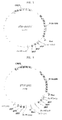
FIG. 1 is a gene map of the plasmid pTet-glyVXY. -
FIG. 2 is a gene map of the plasmid pTet-gly2. -
FIG. 3 is a gene map of the plasmid pgly-cysK. -
FIG. 4 shows the results of observing the expression level of a silk protein consisting of 32 repeats by SDS-PAGE. InFIG. 4 , lane 1: a marker showing protein standard molecular weight;lanes 2 and 4: the results of inducing the expression of a strain, transformed with the plasmids pSH32 and pACYC184, at OD600 values of 0.2 and 0.4, respectively; andlanes -
FIG. 5 shows the results of observing the expression level of a silk protein consisting of 48 repeats by SDS-PAGE. InFIG. 5 , lane 1: a marker showing protein standard molecular weight; lane 2: the results of inducing the expression of a strain, transformed with the plasmids pET30a and pACYC184, at an OD600 of 0.4; lane 3: the results of inducing the expression of a strain, transformed with the plasmids pSH48 and pACYC184, at an OD600 of 0.4; and lane 4: the results of inducing the expression of a strain, transformed with the plasmids pSH48 and pTet-glyVXY, at an OD600 of 0.4. -
FIG. 6 shows the results of observing the expression level of a silk protein consisting of 64 repeats. InFIG. 6 , lane 1: a marker showing protein standard molecular weight; lane 2: the results of inducing the expression of a strain, transformed with the plasmids pSH64 and pACYC184, at an OD600 of 0.4; and lane 3: the results of inducing the expression of a strain, transformed with the plasmids pSH64 and ptet-gly2, at an OD600 of 0.4. -
FIG. 7 shows the results of observing the expression of a new silk protein derived from Black Widow (Latrodectus hesperus) by SDS-PAGE. InFIG. 7 , lane 1: the results of inducing the expression of a strain, transformed with the plasmids pBWA64 and pACYC184, at an OD600 of 0.4; and lane 2: the results of inducing the expression of a strain, transformed with the plasmids pBWA64 and ptet-glyVXY, at an OD600 of 0.4. -
FIG. 8 shows the results of observing the expression level of a silk protein consisting of 48 repeats by SDS-PAGE. InFIG. 8 , lane 1: a marker showing protein standard molecular weight; lane 2: the results of inducing the expression of a strain, transformed with the plasmids pET30a and pgly-cysK, at an OD600 of 0.4; lane 3: the results of inducing the expression of a strain, transformed with the plasmids pSH16a and pgly-cysK, at an OD600 of 0.4; lane 4: the results of inducing the expression of a strain, transformed with the plasmids pSH32 and pgly-cysK, at an OD600 of 0.4; and lane 5: the results of a strain, transformed with the plasmids pSH48 and pgly-cysK, at an OD600 of 0.4. - The present invention is directed to a method of increasing the expression of a target protein having a high content of a specific amino acid. Also, the present invention is directed to a method of increasing the expression of the target protein by co-expression of a gene encoding the target protein acid with a nucleotide sequence encoding the tRNA of the specific amino acid using a recombinant microorganism transformed with both a gene encoding a target protein having a specific amino acid content of 10% or more and a nucleotide sequence encoding the tRNA of the specific amino acid.
- In one Example of the present invention, a recombinant E. coli strain transformed with both a gene encoding silk protein resulting from the modification of a dragline silk protein obtained from Nephila clavipes and a nucleotide sequence encoding the glycine tRNA was constructed and cultured. As a result, it was found that a silk protein having a high glycine content (41%), a high alanine content (18%) and a high serine content (6.3%) was overexpressed. In addition, the silk protein is a repetitive protein consisting of repeats of a specific amino acid sequence (SGRGGLGGTGAGMAAAAAMGGAGQGGYGGLGSQG), and it was found that the expression of the silk protein consisting of each of 32, 48 and 64 repeats was significantly increased. In addition, it was found that, when the cysK gene known to stimulate the expression of a serine-rich protein was co-expressed with a nucleotide sequence encoding the glycine tRNA, the expression of the silk protein was further increased.
- From the results in which the production of the silk protein having a high glycine content of 10% or more was increased due to the overexpression of the glycine tRNA, it will be obvious to a person of ordinary skill in the art that the overexpression of tRNA of a specific amino acid is useful for the production of not only a silk protein having a high glycine content, but also other proteins having a high content of a specific amino acid (10% or more).
- Repetitive proteins having a high content of a specific amino acid include, in addition to the silk protein, elastin (GVGVP, VPGG, APGVGV), byssus (GPGGG), flagelliform silk (GPGGx), dragline silk (GPGQQ, GPGGY, GGYGPGS), collagen (GAPGAPGSQGAPGLQ, GAPGTPGPQGLPGSP), keratin (AKLKLAEAKLELA), sericin (SSTGSSSNTDSNSNSVGSSTSGGSSTYGYSSNSRDGSV) and synthetic repetitive protein. When the concept of the present invention is applied to byssus, the expression of byssus consisting of repeats of GPGGG can be increased by co-expression with the glycine or proline tRNA.
- As a result, in the cases of not only the above-illustrated repetitive proteins, but also proteins having a high content of a specific amino acid (10% or more), the expression levels of the proteins can be increased by co-expression with tRNA of a specific amino acid.
- In addition, the present invention illustrates only a recombinant microorganism transformed with both a recombinant vector containing a gene encoding a target protein and a recombinant vector containing a nucleotide sequence encoding tRNA of a specific amino acid, but a recombinant microorganism may also be obtained either by transforming a host microorganism with a recombinant vector containing both the target protein-encoding gene and tRNA of a specific amino acid or by inserting the target protein-encoding gene into the chromosome of a host microorganism and then introducing a recombinant vector, which contains a nucleotide sequence encoding tRNA of a specific amino acid, into the host microorganism. In addition, a recombinant microorganism may also be obtained by inserting both the target protein-encoding gene and the nucleotide sequence encoding tRNA of the specific amino acid into the chromosome of a host microorganism.
- As used herein, the term "vector" means a DNA construct containing a DNA sequence operably linked to a suitable control sequence capable of effecting the expression of the DNA in a suitable host. The vector may be a plasmid, a phage particle, or simply a potential genomic insert. Once incorporated into a suitable host, the vector may replicate and function independently of the host genome, or may in some instances, integrate into the genome itself. In the present specification, "plasmid" and "vector" are sometimes used interchangeably, as the plasmid is the most commonly used form of vector. For the purpose of the present invention, the plasmid vector is preferably used. A typical plasmid vector which can be used for this purpose contains: (a) a replication origin by which replication occurs efficiently such that several hundred plasmid vectors per host cell are created; (b) an antibiotic-resistant gene by which host cells transformed with the plasmid vector can be selected; and (c) restriction enzyme cutting sites into which foreign DNA fragments can be inserted. Even if suitable restriction enzyme cutting sites are not present in the vector, the use of a conventional synthetic oligonucleotide adaptor or linker enables the easy ligation between the vector and the foreign DNA fragments. After ligation, the vector should be transformed into suitable host cells. The transformation can be easily achieved by the calcium chloride method or electroporation (Neumann, et al., EMBO J., 1:841, 1982).
- As the vector which is used for the overexpression of a gene according to the present invention, an expression vector known in the art may be used.
- A nucleotide sequence is operably linked when it is arranged in a functional relationship with another nucleic acid sequence. The nucleotide sequence may be a gene and a control sequence(s) linked to be capable of expressing the gene when it binds to a control sequence(s) (e.g., transcription-activating protein). For example, DNA for a pre-sequence or a secretory leader is operably linked to DNA encoding polypeptide when expressed as pre-protein participating in secretion of polypeptide; a promoter or an enhancer is operably linked to a coding sequence when affecting the transcription of the sequence; and a ribosome binding site is operably linked to a coding sequence when affecting the transcription of the sequence, or to a coding sequence when arranged to facilitate translation. Generally, the term "operably linked" means that the DNA linked sequences are contiguous, and in the case of the secretory leader, are contiguous and present in a reading frame. However, an enhancer is not necessarily contiguous. The linkage between these sequences is performed by ligation at a convenient restriction enzyme site. However, when the site does not exist, a synthetic oligonucleotide adaptor or a linker is used according to a conventional method.
- As is well known in the art, in order to increase the expression level of a transfected gene in a host cell, a corresponding gene should be operably linked to transcription and translation expression control sequences which are operated in a selected expression host. Preferably, the expression control sequences and the corresponding gene are included in one recombinant vector together with a bacterial selection marker and a replication origin. When an expression host is a eukaryotic cell, an recombinant vector should further include an expression marker which is useful in a eukaryotic expression host.
- The transformed cell constitutes another aspect of the present invention by the aforementioned recombinant vector. As used herein, the term "transformation" means that DNA can be replicated as a factor outside of chromosome or by means of completion of the entire chromosome by introducing DNA into a host.
- Of course, it should be understood that all vectors do not equally function to express DNA sequences according to the present invention. Similarly, all hosts do not equally function with respect to the same expression system. However, one skilled in the art may appropriately select from among various vectors, expression control sequences, and hosts without either departing from the scope of the present invention or bearing excessive experimental burden. For example, a vector must be selected considering a host, because the vector must be replicated in the host. Specifically, the copy number of the vector, the ability of regulating the copy number and the expression of other protein encoded by the corresponding vector (e.g., the expression of an antibiotic marker) should also be considered.
- Also, the present invention illustrates only E. coli as a host microorganism, but a person skilled in the art will appreciate that the host microorganism is not limited to E. coli. For example, other kinds of bacteria, yeasts, or fungi may also be used.
- Hereinafter, the present invention will be described in further detail with reference to examples. It will be obvious to a person of ordinary skill in the art that these examples are illustrative purposes only and are not to be construed to limit the scope of the present invention.
- All procedures for genetic manipulation were carried out according to standard methods (Sambrook et al., Molecular cloning: a laboratory manual, 2nd Ed., Cold Spring Harbor Laboratory Press, Cold Spring Harbor, New York, 1989). In order to obtain a glyVWX gene encoding the glycine tRNA, PCR was performed using a chromosome, isolated from an E. coli W3110 strain (derived from E. coli K-12, λ-, F-, prototrophic), as a template with primers of SEQ ID NO: 1 and SEQ ID NO: 2.
- SEQ ID NO: 1: 5'-GCTCGATATCTAACGACGCAGAAATGCGAAA-3'
- SEQ ID NO: 2: 5'-CATTGGATCCTAAGATTACAGCCTGAGGCTGTG-3'
- The PCR reaction was performed using Pfu polymerase (SolGent, Korea) under the following conditions: initial denaturation at 95 °C for 4 min; then 10 cycles of denaturation at 95 °C for 20 sec, annealing at 51 °C for 30 sec and extension at 72 °C for 60 sec; and then 19 cycles of denaturation at 95 °C for 20 sec, annealing at 60 °C for 30 sec and extension at 72 °C for 60 sec; followed by final extension at 72 °C for 5 min.
- The DNA obtained by the PCR reaction was electrophoresed on agarose gel electrophoresis to obtain a purified 479-bp PCR product. The PCR product was digested with the restriction enzymes BamHI and EcoRV (New England Biolabs, USA), and in order to use the promoter of a tetracycline-resistant gene (tet) which can be continuously expressed, plasmid pACYC184 (New England Biolabs, USA) was also digested with the same restriction enzymes. The digested PCR product and plasmid were ligated to each other using T4 DNA ligase (Roche, Germany) and transformed into E. coli Top10 (F-mcrA Δ (mrr-hsdRMS-mcrBC) ¢ 0lacZΔM15 ΔlacX74 recA1 araD139 Δ(ara-leu)7697 galU galK rpsL (StrR) endA1 nupG). The transformed strain was selected on LB agar solid medium (10 g/L trypton, 5 g/L yeast extract, 5 g/L NaCl, and 15 g/L agar) containing 34 mg/L chloramphenicol, thus constructing the recombinant plasmid pTet-glyVXY (
FIG. 1 ). The constructed recombinant plasmid was confirmed by digestion with restriction enzymes and nucleotide sequence analysis. - All procedures for gene manipulation were carried out according to standard methods (Sambrook et al., Molecular cloning: a laboratory manual, 2nd Ed., Cold Spring Harbor Laboratory Press, Cold Spring Harbor, New York, 1989). To further overexpress a glyVXY gene encoding the glycine tRNA, PCR was performed using pTet-glyVXY as a template with primers of SEQ ID NO: 3 and SEQ ID NO: 4.
- SEQ ID NO: 3: 5'-GGCTCGCATGCTCATGTTTGACAGCTTATCATCGA-3'
- SEQ ID NO: 4: 5'-ATTGTCGACTGCTGCAGTAAGATTACAGCCTGAGGCTGTG-3'
- The PCR reaction was performed using Pfu polymerase (SolGent, Korea) under the following conditions: initial denaturation at 95 °C for 3 min; then 10 cycles of denaturation at 95 °C for 20 sec, annealing at 52 °C for 30 sec and extension at 72 °C for 50 sec; and then 19 cycles of denaturation at 95 °C for 20 sec, annealing at 62 °C for 30 sec and extension at 72 °C for 50 sec; followed by final extension at 72 °C for 5 min.
- The DNA obtained by the PCR reaction was electrophoresed on agarose gel to obtain a purified 674-bp PCR product. The 647-bp PCR product and the plasmid pTet-glyVXY were digested with the restriction enzymes SphI and SalI (New England Biolabs, USA) and ligated to each other by T4 DNA ligase (Roche, Germany), and then transformed into E. coli Top10. The transformed strain was selected on LB agar solid medium (10 g/L tryptone, 5 g/L yeast extract, 5 g/L NaCl, and 15 g/L agar) containing 34 mg/L chloramphenicol, thus constructing the recombinant plasmid pTet-gly2 (
FIG. 2 ). The constructed recombinant plasmid was confirmed by digestion with restriction enzymes and nucleotide sequence analysis. - All procedures for gene manipulation were carried out according to standard methods (Sambrook et al., Molecular cloning: a laboratory manual, 2nd Ed., Cold Spring Harbor Laboratory Press, Cold Spring Harbor, New York, 1989). In order to overexpress the glycine tRNA gene together with the cysK gene encoding cycteine synthase A, plasmid pter-gly2 was digested with the restriction enzyme SalI (New England Biolabs, USA) and treated with Klenow enzyme to make blunt ends, and then digested with the restriction enzyme ClaI.
- Then, the digested plasmid was ligated with plasmid pAC104CysK (Han et al., Appl. Environ. Microbiol., 69(10):5772, 2003) digested with the restriction enzymes ClaI and EcoRV, thus constructing the recombinant plasmid pgly-cysK (
FIG. 3 ). The constructed recombinant plasmid was confirmed by digestion with restriction. - All procedures for gene manipulation were carried out according to standard methods (Sambrook et al., Molecular cloning: a laboratory manual, 2nd Ed., Cold Spring Harbor Laboratory Press, Cold Spring Harbor, New York, 1989). In order to construct the recombinant plasmid pSH32, the plasmid pSH16a (Lee et al., Theories and Applications of Chem. Eng., 8(2):3969, 2002) was digested with the restriction enzymes SpeI and NheI (New England Biolabs, USA) to obtain a 1.7-kb fragment, which was then ligated with the plasmid pSH16a digested with the restriction enzyme SpeI, thus obtaining the recombinant plasmid pSH32. The direction of the ligated insert was determined by digestion with the restriction enzyme SpeI and NheI. In the same manner, the plasmid pSH16a was digested with the restriction enzymes SpeI and NheI to obtain a 1.7-kb fragment, which was then ligated with the plasmid pSH32 digested with the restriction enzyme SpeI, thus obtaining the recombinant plasmid pSH48. Also, the plasmid pSH32 was digested with the restriction enzymes SpeI and NheI to obtain a 3.4-kb fragment, which was then ligated with the plasmid pSH32 digested with the restriction enzyme SpeI, thus obtaining the recombinant plasmid pSH64. The direction of each of the ligated inserts was determined by digestion with the restriction enzymes SpeI and NheI.
- Also, in order to construct the recombinant vector pBWA64 for synthesizing a new silk protein derived from Black Widow (L. hesperus), overlapping PCR was performed using primers of SEQ ID NOS: 5 and 6, and the PCR product was digested with NdeI and XhoI and inserted into pET30a, thus constructing the plasmid pBWA1. Then, a fragment obtained by digesting the pBWA1 vector with SpeI and XmaI was ligated with a fragment obtained by digesting the pBWA1 vector with NheI and XmaI, thus constructing pBWA2. pBW2 was digested with a combination of the same enzymes as described above, and ligated, thus constructing pBWA4. According to this method, pBWA8, pBWA16, pBWA32, and finally pBWA64 were constructed.


- In order to confirm the effect of the co-overpexpression of the glycine tRNA gene on the production of a silk protein, the plasmids pTet-glyVXY and pSH32, obtained in Examples 1 and 4, were introduced into E coli BL21 (DE3) (F-ompT hsdSB (rB- mB-) gal dcm (DE3), a prophage carrying the T7 RNA polymerase gene) (New England Biolabs, USA). As a control group, an E coli BL21 (DE3) strain transformed with the plasmids pACYC184 and pSH32 was used.
- The transformed strains were inoculated into LB liquid medium (10 g/L tryptone, 5 g/L yeast extract, and 5 g/L NaCl) containing 34 mg/L chloramphenicol and 25 mg/L kanamycin and were cultured with continuous shaking at 180 rpm at 30 °C. When the optical density (O.D.) measured with a spectrophotometer at a wavelength of 600 nm after inoculation of 1% of each strain reached 0.2, 0.4 and 0.6, 1 mM IPTG was added to each strain to induce the expression of the silk protein gene. 5 hours after induction of the expression of the silk protein gene, the cultures were harvested. For recombinant protein analysis, each of the harvested cultures was centrifuged at 4 °C at 10,000 g for 10 minutes to obtain cell pellets which were then dissolved in TE buffer and 5x Laemmli sample buffer. The same amount (0.024 mg) of samples were taken from the cultures using 10% SDS-PAGE and stained with Coomassie brilliant blue R250 (Bio-Rad, USA), followed by quantification with GS-710 Calibrated Imaging Densitometer (Bio-Rad, USA) (
FIG. 4 ). - As a result, it could be seen that the expression of the silk protein consisting of 32 repeats was increased by about 50% compared to the control group due to the overexpression of the glycine tRNA regardless of the time point at which the expression of the silk protein was induced.
- In order to confirm the effect of the co-overexpression of the glycine tRNA gene on the production of silk protein, the plasmids pTet-glyVXY and pSH48 obtained in Examples 1 and 4 were introduced into E. coli BL21 (DE3) (F- ompT hsdSB(rB-mB-) gal dcm (DE3), a prophage carrying the T7 RNA polymerase gene) (New England Biolabs, USA). As a control group, an E coli strain BL21 (DE3) strain transformed with the plasmids pACYC184 and pET30a or with the plasmids pACYC184 and pSH48 was used.
- The transformed strains were cultured under the same conditions as in Example 5, and the expression of the silk protein in the transformed strains was observed by SDS-PAGE (
FIG. 5 ). As a result, it was found that the silk protein consisting of 48 repeats was increased by about three times compared to the control group due to the overexpression of the glycine tRNA. - In order to confirm the effect of the co-overexpression of the glycine tRNA gene on the production of silk protein, the plasmids pTet-glyVXY and pSH64 obtained in Examples 1 and 4 were introduced into E. coli BL21 (DE3) (F- ompT hsdSB(rB-mB-) gal dcm (DE3), a prophage carrying the T7 RNA polymerase gene) (New England Biolabs, USA). As a control group, an E. coli BL21 (DE3) strain transformed with the plasmids pACYC184 and pSH64 was used.
- The transformed strains were cultured under the same conditions as in Example 5, and the expression of the silk protein in the strains was analyzed by SDS-PAGE (
FIG. 6 ). As a result, it was shown that the expression of the silk protein consisting of 64 repeats was increased by about 5 times compared to the control group due to the overexpression of the glycine tRNA. - In order to confirm the effect of the co-overexpression of the tRNA gene on the production of silk protein, the plasmids pTet-glyVXY and pBWA64 obtained in Examples 1 and 4 were introduced into E. coli BL21 (DE3) (F- ompT hsdSB(rB-mB-) gal dcm (DE3), a prophage carrying the T7 RNA polymerase gene) (New England Biolabs, USA). As a control group, an E. coli BL21 (DE3) strain transformed with the plasmids pACYC184 and pBWA64 was used.
- The transformed strains were cultured under the same conditions as in Example 5, and the expression of silk protein in the transformed strains was observed by SDS-PAGE (
FIG. 7 ). As a result, it was shown that a new silk protein derived from Black Widow (L. hesperus) was increased by about three times compared to the control group due to the overexpression of the glycine tRNA. - It was demonstrated that the expression of a serine-rich protein is increased by co-expression with the cysK gene (
KR 10-0489500 - The transformed strains were cultured under the same conditions as in Example 5, and the expression of silk protein in the transformed strains was observed by SDS-PAGE (
FIG. 8 ). As a result, it was shown that, due to the co-overexpression of the glycine tRNA and the cysK gene, the expression of a silk protein consisting of several repeats was significantly increased, and the growth of the silk protein was also promoted. - As described above in detail, according to the present invention, the expression of a protein having a high content of a specific amino acid can be remarkably increased by co-expression with the tRNA of the specific amino acid. Thus, the present invention is useful for increasing the productivity of a protein having a high content of a specific amino acid, such as a repetitive protein.
- Although the present invention has been described in detail with reference to the specific features, it will be apparent to those skilled in the art that this description is only for a preferred embodiment and does not limit the scope of the present invention. Thus, the substantial scope of the present invention will be defined by the appended claims and equivalents thereof. All these simple variations and modifications of the embodiment can be made by a person of ordinary skill in the art, and it is intended to cover in the appended claims all such modifications that fall within the scope of the invention.


Claims (14)
- A recombinant microorganism transformed with both a gene encoding a target protein having a specific amino acid content of 10% or more and a nucleotide sequence encoding the tRNA of the specific amino acid.
- The recombinant microorganism according to claim 1, wherein the target protein is a repetitive protein having repeats of specific oligopeptides.
- The recombinant microorganism according to claim 2, wherein the repetitive protein is selected from the group consisting of elastin, silk protein, byssus, flagelliform silk, dragline silk, collagen, keratin, sericin and synthetic repetitive protein.
- The recombinant microorganism according to claim 1, wherein the recombinant microorganism is E.coli.
- A recombinant vector containing both a gene encoding a target protein having a specific amino acid content of 10% or more and a nucleotide sequence encoding the tRNA of the specific amino acid.
- The recombinant vector according to claim 5, wherein the target protein is a repetitive protein having repeats of specific oligopeptides.
- The recombinant vector according to claim 6, wherein the repetitive protein is selected from the group consisting of elastin, silk protein, byssus, flagelliform silk, dragline silk, collagen, keratin, sericin and synthetic repetitive protein.
- The recombinant vector according to claim 5, wherein the recombinant vector comprises T7 promoter.
- A recombinant microorganism transformed with the recombinant vector of claim 5.
- The recombinant microorganism according to claim 9, wherein the recombinant microorganism is E.coli.
- A method of preparing a protein having a specific amino acid content of 10% or more, characterized in that the method comprises culturing said recombinant microorganism according to claim 1 to express a target protein having a specific amino acid content of 10% or more, and collecting the expressed target protein.
- The method according to claim 11, wherein the target protein is a repetitive protein having repeats of specific oligopeptides.
- The method according to claim 12, wherein the repetitive protein is selected from the group consisting of elastin, silk protein, byssus, flagelliform silk, dragline silk, collagen, keratin, sericin and synthetic repetitive protein.
- The method according to claim 11, wherein the target protein is silk protein and the specific amino acid is selected from the group consisting of glycin, alanine and serine.
Applications Claiming Priority (2)
| Application Number | Priority Date | Filing Date | Title |
|---|---|---|---|
| KR1020080092906A KR101147860B1 (en) | 2008-09-22 | 2008-09-22 | Method for Preparing Protein Having High Specific Amino Acid Content Through Co-expression of tRNA of Specific Amino Acid |
| PCT/KR2009/005394 WO2010033007A2 (en) | 2008-09-22 | 2009-09-22 | Method for synthesizing protein containing high content of specific amino acid through simultaneous expression with trna of the specific amino acid |
Publications (3)
| Publication Number | Publication Date |
|---|---|
| EP2330186A2 true EP2330186A2 (en) | 2011-06-08 |
| EP2330186A4 EP2330186A4 (en) | 2012-08-29 |
| EP2330186B1 EP2330186B1 (en) | 2014-12-31 |
Family
ID=42040037
Family Applications (1)
| Application Number | Title | Priority Date | Filing Date |
|---|---|---|---|
| EP09814823.2A Active EP2330186B1 (en) | 2008-09-22 | 2009-09-22 | Method for synthesizing protein containing high content of specific amino acid through simultaneous expression with trna of the specific amino acid |
Country Status (4)
| Country | Link |
|---|---|
| US (1) | US20110244515A1 (en) |
| EP (1) | EP2330186B1 (en) |
| KR (1) | KR101147860B1 (en) |
| WO (1) | WO2010033007A2 (en) |
Cited By (2)
| Publication number | Priority date | Publication date | Assignee | Title |
|---|---|---|---|---|
| EP2546263A4 (en) * | 2010-03-11 | 2013-07-31 | Korea Advanced Inst Sci & Tech | SILK PROTEIN OR SIMILAR TO RECOMBINANT SILK OF HIGH MOLECULAR WEIGHT, AND SPINTED CANVAS FIBER OR SIMILAR TO A MICRO- OR NANOMETRIC SCALE SPIDER CANOPY MADE USING THE SILK PROTEIN OR SIMILAR TO THE RECOMBINANT SILK |
| CN103983726B (en) * | 2014-05-29 | 2016-02-17 | 西南大学 | Glycocoll or its metabolism regulators are in the application improved in domestic silkworm silk output and method thereof |
Families Citing this family (3)
| Publication number | Priority date | Publication date | Assignee | Title |
|---|---|---|---|---|
| JP5947470B2 (en) * | 2014-05-29 | 2016-07-06 | 長瀬産業株式会社 | Method for improving substance productivity of microorganisms and kit used for the method |
| KR101765255B1 (en) | 2014-12-09 | 2017-08-04 | 한국과학기술원 | Method for Preparing Recombinant Proteins Through Reduced Expression of rnpA |
| KR102488022B1 (en) * | 2020-12-07 | 2023-01-13 | (주)메디코스바이오텍 | Recombinant Microorganism Having Enhanced Ability to Produce Recombinant Silk Protein and Method for Producing High Molecular Weight Recombinant Silk Protein Using The Same |
Family Cites Families (12)
| Publication number | Priority date | Publication date | Assignee | Title |
|---|---|---|---|---|
| AU618640B2 (en) | 1988-11-11 | 1992-01-02 | Boehringer Mannheim Gmbh | Process for the expression of a recombinant gene |
| US5733771A (en) * | 1994-03-14 | 1998-03-31 | University Of Wyoming | cDNAs encoding minor ampullate spider silk proteins |
| EP1010763A1 (en) | 1998-12-11 | 2000-06-21 | Institut Pasteur | Enhanced expression of heterologous proteins in recombinant bacteria through reduced growth temperature and co-expression of rare tRNA's |
| US6586207B2 (en) | 2000-05-26 | 2003-07-01 | California Institute Of Technology | Overexpression of aminoacyl-tRNA synthetases for efficient production of engineered proteins containing amino acid analogues |
| US6821755B2 (en) | 2000-07-27 | 2004-11-23 | Boehringer Ingelheim International Gmbh | Preparation of a recombinant protein in a prokaryotic host cell |
| WO2003020916A2 (en) * | 2001-08-29 | 2003-03-13 | University Of Wyoming | Spider silk protein encoding nucleic acids, polypeptides, antibodies and method of use thereof |
| KR100489500B1 (en) | 2003-02-12 | 2005-05-16 | 한국과학기술원 | Process for Preparing Serine-rich Protein Employing Cysteine Synthetase(cysK) |
| US20060160175A1 (en) | 2003-07-07 | 2006-07-20 | The Scripps Research Institute | Compositions of orthogonal leucyl-trna and aminoacyl-trna synthetase pairs and uses thereof |
| JP2005046068A (en) * | 2003-07-29 | 2005-02-24 | Sekisui Chem Co Ltd | Novel bacteria for protein production and method for producing protein |
| KR100542395B1 (en) * | 2003-11-13 | 2006-01-11 | 주식회사 하이닉스반도체 | Manufacturing Method of NAND Flash Device |
| JP2007037445A (en) | 2005-08-02 | 2007-02-15 | Institute Of Physical & Chemical Research | tRNA synthesis method, nucleic acid, aminoacyl tRNA synthesis method and method for producing unnatural amino acid-incorporating protein |
| ATE473278T1 (en) | 2006-04-22 | 2010-07-15 | Scarab Genomics Llc | METHOD AND COMPOSITIONS FOR PRODUCING RECOMBINANT PROTEINS USING A GENE FOR TRNA |
-
2008
- 2008-09-22 KR KR1020080092906A patent/KR101147860B1/en not_active Expired - Fee Related
-
2009
- 2009-09-22 US US13/120,404 patent/US20110244515A1/en not_active Abandoned
- 2009-09-22 WO PCT/KR2009/005394 patent/WO2010033007A2/en not_active Ceased
- 2009-09-22 EP EP09814823.2A patent/EP2330186B1/en active Active
Cited By (2)
| Publication number | Priority date | Publication date | Assignee | Title |
|---|---|---|---|---|
| EP2546263A4 (en) * | 2010-03-11 | 2013-07-31 | Korea Advanced Inst Sci & Tech | SILK PROTEIN OR SIMILAR TO RECOMBINANT SILK OF HIGH MOLECULAR WEIGHT, AND SPINTED CANVAS FIBER OR SIMILAR TO A MICRO- OR NANOMETRIC SCALE SPIDER CANOPY MADE USING THE SILK PROTEIN OR SIMILAR TO THE RECOMBINANT SILK |
| CN103983726B (en) * | 2014-05-29 | 2016-02-17 | 西南大学 | Glycocoll or its metabolism regulators are in the application improved in domestic silkworm silk output and method thereof |
Also Published As
| Publication number | Publication date |
|---|---|
| KR101147860B1 (en) | 2012-05-25 |
| EP2330186B1 (en) | 2014-12-31 |
| KR20100033845A (en) | 2010-03-31 |
| US20110244515A1 (en) | 2011-10-06 |
| WO2010033007A2 (en) | 2010-03-25 |
| WO2010033007A9 (en) | 2010-08-05 |
| WO2010033007A3 (en) | 2010-06-17 |
| EP2330186A4 (en) | 2012-08-29 |
Similar Documents
| Publication | Publication Date | Title |
|---|---|---|
| CN108884464B (en) | Recombinant mutant microorganism having malonic acid-producing ability and method for producing malonic acid using the same | |
| CN102239183A (en) | Screening of Abundantly Secreted Proteins and Their Use as Fusion Partners in the Production of Recombinant Proteins | |
| EP2330186B1 (en) | Method for synthesizing protein containing high content of specific amino acid through simultaneous expression with trna of the specific amino acid | |
| CZ264496A3 (en) | Increase of polypeptide secretion | |
| JP5662363B2 (en) | Method for clarifying protein fusion factor (TFP) for secretion of difficult-to-express protein, method for producing protein fusion factor (TFP) library, and method for recombinant production of difficult-to-express protein | |
| WO2025081737A1 (en) | Method for forming reversible membraneless organelle in microorganism | |
| JP7581195B2 (en) | Mass production system for recombinant bagworm silk protein | |
| KR101765255B1 (en) | Method for Preparing Recombinant Proteins Through Reduced Expression of rnpA | |
| US9321816B2 (en) | Expression systems and methods of producing spider silk proteins | |
| KR20130096111A (en) | Expression vector comprising gene coding for e. coli phosphoglycerate kinase as a novel fusion partner | |
| EP4257692A1 (en) | Recombinant microorganism having improved ability to produce recombinant silk protein and method for producing high-molecular-weight recombinant silk protein by using same | |
| RU2316590C1 (en) | RECOMBINANT PLASMID DNA pE-His8-TrxL-Ar2 ENCODING FUSION PROTEIN COMPRISING ANTIMICROBIAL SEA ANNELID WORM Arenicola marina PEPTIDE ARENICIN AND STRAIN Escherichia coli BL21(DE3)/pE-His8-TrxL-Ar2 AS PRODUCER OF ARENICIN-CONTAINING FUSION PROTEIN | |
| CN119613532B (en) | Recombinant III type humanized collagen and preparation method and application thereof | |
| KR102829493B1 (en) | Recombinant microorganism with collagen producing ability and method for preparing collagen using the same | |
| KR102829490B1 (en) | Recombinant microorganism with collagen producing ability and method for preparing collagen using the same | |
| KR102829492B1 (en) | Recombinant microorganism with collagen producing ability and method for preparing collagen using the same | |
| KR102793465B1 (en) | Gene insertion system in the genome of Corynebacterium glutamicum using Tn7-like type CrisprCAS | |
| US20240287443A1 (en) | Recombinant algae and production of spider silk protein from the recombinant algae | |
| WO2025137687A2 (en) | Production of peptides using tandem repetitive recombination strategy | |
| WO2025013948A1 (en) | Transgenic lepidoptera insect | |
| KR101717214B1 (en) | Method of Cell Surface Display of Enzyme Complex | |
| CN121592685A (en) | Method for secretory expression of recombinant mechanical structural protein by using escherichia coli and application | |
| US20080113405A1 (en) | Gene-Cassette For Enhancement Of Protein Production | |
| EP1517986A2 (en) | Bacterial cell digestion |
Legal Events
| Date | Code | Title | Description |
|---|---|---|---|
| PUAI | Public reference made under article 153(3) epc to a published international application that has entered the european phase |
Free format text: ORIGINAL CODE: 0009012 |
|
| 17P | Request for examination filed |
Effective date: 20110322 |
|
| AK | Designated contracting states |
Kind code of ref document: A2 Designated state(s): AT BE BG CH CY CZ DE DK EE ES FI FR GB GR HR HU IE IS IT LI LT LU LV MC MK MT NL NO PL PT RO SE SI SK SM TR |
|
| AX | Request for extension of the european patent |
Extension state: AL BA RS |
|
| DAX | Request for extension of the european patent (deleted) | ||
| A4 | Supplementary search report drawn up and despatched |
Effective date: 20120731 |
|
| RIC1 | Information provided on ipc code assigned before grant |
Ipc: C12N 15/67 20060101ALI20120725BHEP Ipc: C12N 1/21 20060101AFI20120725BHEP Ipc: C07K 14/435 20060101ALI20120725BHEP |
|
| 17Q | First examination report despatched |
Effective date: 20130327 |
|
| GRAP | Despatch of communication of intention to grant a patent |
Free format text: ORIGINAL CODE: EPIDOSNIGR1 |
|
| INTG | Intention to grant announced |
Effective date: 20140716 |
|
| GRAS | Grant fee paid |
Free format text: ORIGINAL CODE: EPIDOSNIGR3 |
|
| GRAA | (expected) grant |
Free format text: ORIGINAL CODE: 0009210 |
|
| AK | Designated contracting states |
Kind code of ref document: B1 Designated state(s): AT BE BG CH CY CZ DE DK EE ES FI FR GB GR HR HU IE IS IT LI LT LU LV MC MK MT NL NO PL PT RO SE SI SK SM TR |
|
| REG | Reference to a national code |
Ref country code: GB Ref legal event code: FG4D Ref country code: CH Ref legal event code: EP |
|
| REG | Reference to a national code |
Ref country code: IE Ref legal event code: FG4D |
|
| REG | Reference to a national code |
Ref country code: AT Ref legal event code: REF Ref document number: 704423 Country of ref document: AT Kind code of ref document: T Effective date: 20150215 |
|
| REG | Reference to a national code |
Ref country code: DE Ref legal event code: R096 Ref document number: 602009028740 Country of ref document: DE Effective date: 20150219 |
|
| PG25 | Lapsed in a contracting state [announced via postgrant information from national office to epo] |
Ref country code: FI Free format text: LAPSE BECAUSE OF FAILURE TO SUBMIT A TRANSLATION OF THE DESCRIPTION OR TO PAY THE FEE WITHIN THE PRESCRIBED TIME-LIMIT Effective date: 20141231 Ref country code: NO Free format text: LAPSE BECAUSE OF FAILURE TO SUBMIT A TRANSLATION OF THE DESCRIPTION OR TO PAY THE FEE WITHIN THE PRESCRIBED TIME-LIMIT Effective date: 20150331 Ref country code: LT Free format text: LAPSE BECAUSE OF FAILURE TO SUBMIT A TRANSLATION OF THE DESCRIPTION OR TO PAY THE FEE WITHIN THE PRESCRIBED TIME-LIMIT Effective date: 20141231 |
|
| REG | Reference to a national code |
Ref country code: NL Ref legal event code: VDEP Effective date: 20141231 |
|
| REG | Reference to a national code |
Ref country code: LT Ref legal event code: MG4D |
|
| PG25 | Lapsed in a contracting state [announced via postgrant information from national office to epo] |
Ref country code: HR Free format text: LAPSE BECAUSE OF FAILURE TO SUBMIT A TRANSLATION OF THE DESCRIPTION OR TO PAY THE FEE WITHIN THE PRESCRIBED TIME-LIMIT Effective date: 20141231 Ref country code: SE Free format text: LAPSE BECAUSE OF FAILURE TO SUBMIT A TRANSLATION OF THE DESCRIPTION OR TO PAY THE FEE WITHIN THE PRESCRIBED TIME-LIMIT Effective date: 20141231 Ref country code: GR Free format text: LAPSE BECAUSE OF FAILURE TO SUBMIT A TRANSLATION OF THE DESCRIPTION OR TO PAY THE FEE WITHIN THE PRESCRIBED TIME-LIMIT Effective date: 20150401 Ref country code: LV Free format text: LAPSE BECAUSE OF FAILURE TO SUBMIT A TRANSLATION OF THE DESCRIPTION OR TO PAY THE FEE WITHIN THE PRESCRIBED TIME-LIMIT Effective date: 20141231 |
|
| REG | Reference to a national code |
Ref country code: AT Ref legal event code: MK05 Ref document number: 704423 Country of ref document: AT Kind code of ref document: T Effective date: 20141231 |
|
| PG25 | Lapsed in a contracting state [announced via postgrant information from national office to epo] |
Ref country code: NL Free format text: LAPSE BECAUSE OF FAILURE TO SUBMIT A TRANSLATION OF THE DESCRIPTION OR TO PAY THE FEE WITHIN THE PRESCRIBED TIME-LIMIT Effective date: 20141231 |
|
| PG25 | Lapsed in a contracting state [announced via postgrant information from national office to epo] |
Ref country code: RO Free format text: LAPSE BECAUSE OF FAILURE TO SUBMIT A TRANSLATION OF THE DESCRIPTION OR TO PAY THE FEE WITHIN THE PRESCRIBED TIME-LIMIT Effective date: 20141231 Ref country code: SK Free format text: LAPSE BECAUSE OF FAILURE TO SUBMIT A TRANSLATION OF THE DESCRIPTION OR TO PAY THE FEE WITHIN THE PRESCRIBED TIME-LIMIT Effective date: 20141231 Ref country code: ES Free format text: LAPSE BECAUSE OF FAILURE TO SUBMIT A TRANSLATION OF THE DESCRIPTION OR TO PAY THE FEE WITHIN THE PRESCRIBED TIME-LIMIT Effective date: 20141231 Ref country code: CZ Free format text: LAPSE BECAUSE OF FAILURE TO SUBMIT A TRANSLATION OF THE DESCRIPTION OR TO PAY THE FEE WITHIN THE PRESCRIBED TIME-LIMIT Effective date: 20141231 |
|
| PG25 | Lapsed in a contracting state [announced via postgrant information from national office to epo] |
Ref country code: IS Free format text: LAPSE BECAUSE OF FAILURE TO SUBMIT A TRANSLATION OF THE DESCRIPTION OR TO PAY THE FEE WITHIN THE PRESCRIBED TIME-LIMIT Effective date: 20150430 Ref country code: AT Free format text: LAPSE BECAUSE OF FAILURE TO SUBMIT A TRANSLATION OF THE DESCRIPTION OR TO PAY THE FEE WITHIN THE PRESCRIBED TIME-LIMIT Effective date: 20141231 Ref country code: PL Free format text: LAPSE BECAUSE OF FAILURE TO SUBMIT A TRANSLATION OF THE DESCRIPTION OR TO PAY THE FEE WITHIN THE PRESCRIBED TIME-LIMIT Effective date: 20141231 |
|
| REG | Reference to a national code |
Ref country code: DE Ref legal event code: R097 Ref document number: 602009028740 Country of ref document: DE |
|
| PG25 | Lapsed in a contracting state [announced via postgrant information from national office to epo] |
Ref country code: EE Free format text: LAPSE BECAUSE OF FAILURE TO SUBMIT A TRANSLATION OF THE DESCRIPTION OR TO PAY THE FEE WITHIN THE PRESCRIBED TIME-LIMIT Effective date: 20141231 Ref country code: DK Free format text: LAPSE BECAUSE OF FAILURE TO SUBMIT A TRANSLATION OF THE DESCRIPTION OR TO PAY THE FEE WITHIN THE PRESCRIBED TIME-LIMIT Effective date: 20141231 |
|
| PLBE | No opposition filed within time limit |
Free format text: ORIGINAL CODE: 0009261 |
|
| STAA | Information on the status of an ep patent application or granted ep patent |
Free format text: STATUS: NO OPPOSITION FILED WITHIN TIME LIMIT |
|
| 26N | No opposition filed |
Effective date: 20151001 |
|
| PG25 | Lapsed in a contracting state [announced via postgrant information from national office to epo] |
Ref country code: IT Free format text: LAPSE BECAUSE OF FAILURE TO SUBMIT A TRANSLATION OF THE DESCRIPTION OR TO PAY THE FEE WITHIN THE PRESCRIBED TIME-LIMIT Effective date: 20141231 |
|
| PG25 | Lapsed in a contracting state [announced via postgrant information from national office to epo] |
Ref country code: SI Free format text: LAPSE BECAUSE OF FAILURE TO SUBMIT A TRANSLATION OF THE DESCRIPTION OR TO PAY THE FEE WITHIN THE PRESCRIBED TIME-LIMIT Effective date: 20141231 |
|
| PG25 | Lapsed in a contracting state [announced via postgrant information from national office to epo] |
Ref country code: MC Free format text: LAPSE BECAUSE OF FAILURE TO SUBMIT A TRANSLATION OF THE DESCRIPTION OR TO PAY THE FEE WITHIN THE PRESCRIBED TIME-LIMIT Effective date: 20141231 Ref country code: LU Free format text: LAPSE BECAUSE OF FAILURE TO SUBMIT A TRANSLATION OF THE DESCRIPTION OR TO PAY THE FEE WITHIN THE PRESCRIBED TIME-LIMIT Effective date: 20150922 |
|
| REG | Reference to a national code |
Ref country code: CH Ref legal event code: PL |
|
| PG25 | Lapsed in a contracting state [announced via postgrant information from national office to epo] |
Ref country code: BE Free format text: LAPSE BECAUSE OF FAILURE TO SUBMIT A TRANSLATION OF THE DESCRIPTION OR TO PAY THE FEE WITHIN THE PRESCRIBED TIME-LIMIT Effective date: 20141231 |
|
| REG | Reference to a national code |
Ref country code: IE Ref legal event code: MM4A |
|
| REG | Reference to a national code |
Ref country code: FR Ref legal event code: ST Effective date: 20160531 |
|
| PG25 | Lapsed in a contracting state [announced via postgrant information from national office to epo] |
Ref country code: IE Free format text: LAPSE BECAUSE OF NON-PAYMENT OF DUE FEES Effective date: 20150922 Ref country code: CH Free format text: LAPSE BECAUSE OF NON-PAYMENT OF DUE FEES Effective date: 20150930 Ref country code: LI Free format text: LAPSE BECAUSE OF NON-PAYMENT OF DUE FEES Effective date: 20150930 |
|
| PG25 | Lapsed in a contracting state [announced via postgrant information from national office to epo] |
Ref country code: FR Free format text: LAPSE BECAUSE OF NON-PAYMENT OF DUE FEES Effective date: 20150930 |
|
| PG25 | Lapsed in a contracting state [announced via postgrant information from national office to epo] |
Ref country code: MT Free format text: LAPSE BECAUSE OF FAILURE TO SUBMIT A TRANSLATION OF THE DESCRIPTION OR TO PAY THE FEE WITHIN THE PRESCRIBED TIME-LIMIT Effective date: 20141231 |
|
| PG25 | Lapsed in a contracting state [announced via postgrant information from national office to epo] |
Ref country code: SM Free format text: LAPSE BECAUSE OF FAILURE TO SUBMIT A TRANSLATION OF THE DESCRIPTION OR TO PAY THE FEE WITHIN THE PRESCRIBED TIME-LIMIT Effective date: 20141231 Ref country code: BG Free format text: LAPSE BECAUSE OF FAILURE TO SUBMIT A TRANSLATION OF THE DESCRIPTION OR TO PAY THE FEE WITHIN THE PRESCRIBED TIME-LIMIT Effective date: 20141231 Ref country code: HU Free format text: LAPSE BECAUSE OF FAILURE TO SUBMIT A TRANSLATION OF THE DESCRIPTION OR TO PAY THE FEE WITHIN THE PRESCRIBED TIME-LIMIT; INVALID AB INITIO Effective date: 20090922 |
|
| PG25 | Lapsed in a contracting state [announced via postgrant information from national office to epo] |
Ref country code: CY Free format text: LAPSE BECAUSE OF FAILURE TO SUBMIT A TRANSLATION OF THE DESCRIPTION OR TO PAY THE FEE WITHIN THE PRESCRIBED TIME-LIMIT Effective date: 20141231 |
|
| PG25 | Lapsed in a contracting state [announced via postgrant information from national office to epo] |
Ref country code: TR Free format text: LAPSE BECAUSE OF FAILURE TO SUBMIT A TRANSLATION OF THE DESCRIPTION OR TO PAY THE FEE WITHIN THE PRESCRIBED TIME-LIMIT Effective date: 20141231 |
|
| PG25 | Lapsed in a contracting state [announced via postgrant information from national office to epo] |
Ref country code: MK Free format text: LAPSE BECAUSE OF FAILURE TO SUBMIT A TRANSLATION OF THE DESCRIPTION OR TO PAY THE FEE WITHIN THE PRESCRIBED TIME-LIMIT Effective date: 20141231 |
|
| PG25 | Lapsed in a contracting state [announced via postgrant information from national office to epo] |
Ref country code: PT Free format text: LAPSE BECAUSE OF FAILURE TO SUBMIT A TRANSLATION OF THE DESCRIPTION OR TO PAY THE FEE WITHIN THE PRESCRIBED TIME-LIMIT Effective date: 20141231 |
|
| REG | Reference to a national code |
Ref country code: DE Ref legal event code: R081 Ref document number: 602009028740 Country of ref document: DE Owner name: MEDICOSBIOTECH, INC., KR Free format text: FORMER OWNER: KOREA ADVANCED INSTITUTE OF SCIENCE & TECHNOLOGY, DAEJEON, KR |
|
| REG | Reference to a national code |
Ref country code: GB Ref legal event code: 732E Free format text: REGISTERED BETWEEN 20220526 AND 20220601 |
|
| PGFP | Annual fee paid to national office [announced via postgrant information from national office to epo] |
Ref country code: DE Payment date: 20250924 Year of fee payment: 17 |
|
| PGFP | Annual fee paid to national office [announced via postgrant information from national office to epo] |
Ref country code: GB Payment date: 20251024 Year of fee payment: 17 |