EP2325770A1 - Anonymized electronic transaction - Google Patents
Anonymized electronic transaction Download PDFInfo
- Publication number
- EP2325770A1 EP2325770A1 EP20100184836 EP10184836A EP2325770A1 EP 2325770 A1 EP2325770 A1 EP 2325770A1 EP 20100184836 EP20100184836 EP 20100184836 EP 10184836 A EP10184836 A EP 10184836A EP 2325770 A1 EP2325770 A1 EP 2325770A1
- Authority
- EP
- European Patent Office
- Prior art keywords
- subscriber
- information
- payee
- party
- anonymity
- Prior art date
- Legal status (The legal status is an assumption and is not a legal conclusion. Google has not performed a legal analysis and makes no representation as to the accuracy of the status listed.)
- Withdrawn
Links
Images


Classifications
-
- G—PHYSICS
- G06—COMPUTING OR CALCULATING; COUNTING
- G06Q—INFORMATION AND COMMUNICATION TECHNOLOGY [ICT] SPECIALLY ADAPTED FOR ADMINISTRATIVE, COMMERCIAL, FINANCIAL, MANAGERIAL OR SUPERVISORY PURPOSES; SYSTEMS OR METHODS SPECIALLY ADAPTED FOR ADMINISTRATIVE, COMMERCIAL, FINANCIAL, MANAGERIAL OR SUPERVISORY PURPOSES, NOT OTHERWISE PROVIDED FOR
- G06Q30/00—Commerce
- G06Q30/06—Buying, selling or leasing transactions
- G06Q30/0601—Electronic shopping [e-shopping]
- G06Q30/0633—Managing shopping lists, e.g. compiling or processing purchase lists
- G06Q30/0635—Managing shopping lists, e.g. compiling or processing purchase lists replenishment orders; recurring orders
-
- G—PHYSICS
- G06—COMPUTING OR CALCULATING; COUNTING
- G06Q—INFORMATION AND COMMUNICATION TECHNOLOGY [ICT] SPECIALLY ADAPTED FOR ADMINISTRATIVE, COMMERCIAL, FINANCIAL, MANAGERIAL OR SUPERVISORY PURPOSES; SYSTEMS OR METHODS SPECIALLY ADAPTED FOR ADMINISTRATIVE, COMMERCIAL, FINANCIAL, MANAGERIAL OR SUPERVISORY PURPOSES, NOT OTHERWISE PROVIDED FOR
- G06Q20/00—Payment architectures, schemes or protocols
- G06Q20/02—Payment architectures, schemes or protocols involving a neutral party, e.g. certification authority, notary or trusted third party [TTP]
-
- G—PHYSICS
- G06—COMPUTING OR CALCULATING; COUNTING
- G06Q—INFORMATION AND COMMUNICATION TECHNOLOGY [ICT] SPECIALLY ADAPTED FOR ADMINISTRATIVE, COMMERCIAL, FINANCIAL, MANAGERIAL OR SUPERVISORY PURPOSES; SYSTEMS OR METHODS SPECIALLY ADAPTED FOR ADMINISTRATIVE, COMMERCIAL, FINANCIAL, MANAGERIAL OR SUPERVISORY PURPOSES, NOT OTHERWISE PROVIDED FOR
- G06Q20/00—Payment architectures, schemes or protocols
- G06Q20/04—Payment circuits
-
- G—PHYSICS
- G06—COMPUTING OR CALCULATING; COUNTING
- G06Q—INFORMATION AND COMMUNICATION TECHNOLOGY [ICT] SPECIALLY ADAPTED FOR ADMINISTRATIVE, COMMERCIAL, FINANCIAL, MANAGERIAL OR SUPERVISORY PURPOSES; SYSTEMS OR METHODS SPECIALLY ADAPTED FOR ADMINISTRATIVE, COMMERCIAL, FINANCIAL, MANAGERIAL OR SUPERVISORY PURPOSES, NOT OTHERWISE PROVIDED FOR
- G06Q20/00—Payment architectures, schemes or protocols
- G06Q20/04—Payment circuits
- G06Q20/045—Payment circuits using payment protocols involving tickets
-
- G—PHYSICS
- G06—COMPUTING OR CALCULATING; COUNTING
- G06Q—INFORMATION AND COMMUNICATION TECHNOLOGY [ICT] SPECIALLY ADAPTED FOR ADMINISTRATIVE, COMMERCIAL, FINANCIAL, MANAGERIAL OR SUPERVISORY PURPOSES; SYSTEMS OR METHODS SPECIALLY ADAPTED FOR ADMINISTRATIVE, COMMERCIAL, FINANCIAL, MANAGERIAL OR SUPERVISORY PURPOSES, NOT OTHERWISE PROVIDED FOR
- G06Q20/00—Payment architectures, schemes or protocols
- G06Q20/08—Payment architectures
- G06Q20/16—Payments settled via telecommunication systems
-
- G—PHYSICS
- G06—COMPUTING OR CALCULATING; COUNTING
- G06Q—INFORMATION AND COMMUNICATION TECHNOLOGY [ICT] SPECIALLY ADAPTED FOR ADMINISTRATIVE, COMMERCIAL, FINANCIAL, MANAGERIAL OR SUPERVISORY PURPOSES; SYSTEMS OR METHODS SPECIALLY ADAPTED FOR ADMINISTRATIVE, COMMERCIAL, FINANCIAL, MANAGERIAL OR SUPERVISORY PURPOSES, NOT OTHERWISE PROVIDED FOR
- G06Q20/00—Payment architectures, schemes or protocols
- G06Q20/22—Payment schemes or models
- G06Q20/24—Credit schemes, i.e. "pay after"
-
- G—PHYSICS
- G06—COMPUTING OR CALCULATING; COUNTING
- G06Q—INFORMATION AND COMMUNICATION TECHNOLOGY [ICT] SPECIALLY ADAPTED FOR ADMINISTRATIVE, COMMERCIAL, FINANCIAL, MANAGERIAL OR SUPERVISORY PURPOSES; SYSTEMS OR METHODS SPECIALLY ADAPTED FOR ADMINISTRATIVE, COMMERCIAL, FINANCIAL, MANAGERIAL OR SUPERVISORY PURPOSES, NOT OTHERWISE PROVIDED FOR
- G06Q20/00—Payment architectures, schemes or protocols
- G06Q20/30—Payment architectures, schemes or protocols characterised by the use of specific devices or networks
- G06Q20/32—Payment architectures, schemes or protocols characterised by the use of specific devices or networks using wireless devices
- G06Q20/322—Aspects of commerce using mobile devices [M-devices]
- G06Q20/3229—Use of the SIM of a M-device as secure element
-
- G—PHYSICS
- G06—COMPUTING OR CALCULATING; COUNTING
- G06Q—INFORMATION AND COMMUNICATION TECHNOLOGY [ICT] SPECIALLY ADAPTED FOR ADMINISTRATIVE, COMMERCIAL, FINANCIAL, MANAGERIAL OR SUPERVISORY PURPOSES; SYSTEMS OR METHODS SPECIALLY ADAPTED FOR ADMINISTRATIVE, COMMERCIAL, FINANCIAL, MANAGERIAL OR SUPERVISORY PURPOSES, NOT OTHERWISE PROVIDED FOR
- G06Q20/00—Payment architectures, schemes or protocols
- G06Q20/38—Payment protocols; Details thereof
- G06Q20/42—Confirmation, e.g. check or permission by the legal debtor of payment
- G06Q20/425—Confirmation, e.g. check or permission by the legal debtor of payment using two different networks, one for transaction and one for security confirmation
-
- G—PHYSICS
- G06—COMPUTING OR CALCULATING; COUNTING
- G06Q—INFORMATION AND COMMUNICATION TECHNOLOGY [ICT] SPECIALLY ADAPTED FOR ADMINISTRATIVE, COMMERCIAL, FINANCIAL, MANAGERIAL OR SUPERVISORY PURPOSES; SYSTEMS OR METHODS SPECIALLY ADAPTED FOR ADMINISTRATIVE, COMMERCIAL, FINANCIAL, MANAGERIAL OR SUPERVISORY PURPOSES, NOT OTHERWISE PROVIDED FOR
- G06Q30/00—Commerce
- G06Q30/06—Buying, selling or leasing transactions
Definitions
- GSM originally stood for Groupe Spécial Mobile, a European study group formed in 1982 to study and develop criteria for a pan-European mobile telephone system.
- GSM is currently recognized as an acronym for Global System for Mobile communications, and represents the criteria developed as a result of the work of the Groupe Spécial Mobile.
- GSM represents a set of mobile telephone standards and specifications. Equipment that meets GSM standards in one GSM network is compatible with any GSM network. GSM networks now exist worldwide.
- the techniques described below allow network subscribers to conduct electronic transactions with providers of goods and services, while maintaining a degree of personal privacy.
- the techniques are especially advantageous in the context of a GSM network, but are not limited to GSM.
- GSM systems are digital systems that employ time division multiple access technology, allowing several subscribers to share a frequency channel at the same time.
- GSM systems are intended to interface with digital communication networks such as the Integrated Services Digital Network (ISDN).
- ISDN Integrated Services Digital Network
- GSM systems are also intended to work with analog communication systems, such as the Public Switched Telephone Network (PSTN).
- PSTN Public Switched Telephone Network
- FIG. 1 shows a typical communications network 10 that includes GSM systems.
- a subscriber obtains wireless access to network 10 via mobile device 12.
- Mobile device 12 may be any kind of terminal that accesses network 10, such as a mobile telephone handset.
- Mobile device 12 typically is assigned a unique International Mobile device Identity, which identifies each piece of mobile device 12 to network 10.
- mobile device 12' interfaces with Subscriber Identity Module (SIM) 14, which uniquely identifies the subscriber to network 10.
- SIM Subscriber Identity Module
- a typical SIM 14 is a smart card that is inserted into a GSM terminal. The subscriber can make and receive calls with mobile device 12.
- Mobile device 12 accesses network 10 by establishing a wireless communication link with a base transceiver station 16.
- Base transceiver station 16 includes a transceiver that defines a cellular calling area.
- Base transceiver station 16 typically handles the wireless protocols with mobile device 12.
- a plurality of base station transceivers are generally managed by a base station controller 18.
- a plurality of base station controllers is usually coupled to a mobile services switching center 20, which typically acts as a central component in the cellular network.
- Base transceiver station 16, base station controller 18 and mobile services switching center 20 are typically operated under the auspices of a GSM provider 22.
- Mobile services switching center 20 interfaces with other communication services, such as ISDN 24 and PSTN 30, each of which may be operated under the auspices of different communications suppliers 26, 28.
- ISDN 24 and PSTN 30 provide service to subscribers such as telephone customers 32.
- ISDN 24 and PSTN 30 may each connect to automated subscribers 34, such as computers, copying machines, toll booths or vending machines. Toll booths and vending machines, for example, may dispense services or goods when provided with a signal authorizing them to do so.
- a subscriber can use mobile device 12 to place an electronic order for goods or services.
- This transaction may be processed in several ways, such as by accessing an account or authorizing payment by credit card.
- One method for processing the transaction is to use subscriber data stored in SIM 14. Invoices can then be billed to the subscriber's account with GSM provider 22.
- the entity receiving the order learns personal information from the subscriber's SIM 14 and mobile device 12, such as the subscriber's identity, location or calling pattern.
- subscribers may be giving up some of their privacy. The techniques described below allow GSM subscribers to preserve their privacy while making electronic transactional orders for goods and services.
- FIG. 2 shows a communications network 50 that includes a GSM system 52.
- network 50 of Figure 2 includes an element 54 to be called herein an "anonymizer," because it provides anonymity service.
- anonymizer 54 provides anonymity service to GSM subscribers using network 50.
- Network 50 of Figure 2 also includes a payee 56, which may be an automated subscriber like automated subscriber 34 in Figure 1 .
- a GSM user 58 who subscribes to the anonymity service provided by anonymizer 54 interfaces with network 50 via an interface such as mobile device 12. Payee 56 interfaces with network by way of an interface such as a connection to PSTN 30.
- Anonymizer 54 is shown in Figure 2 as interposed between PSTN 30 and payee 56, but anonymizer 54 may communicate with payee 56 by way of PSTN 30, or by way of another communication channel. Furthermore, anonymizer 54 could be placed at other locations in network 50. Anonymizer 54 could be, for example, part of GSM system 52 and operated under the auspices of GSM provider 22. Anonymizer 54 may alternatively be operated under the auspices of PSTN 30 or any other communication provider. The service of anonymizer 54 may also be offered by an anonymity service provider independent of the communication network. Furthermore, anonymizer 54 is not limited to application with an analog system such as PSTN 30, but may provide anonymity in a digital system such as ISDN 24 (not shown in Figure 2 ).
- Subscriber 58 to the anonymity service provided by anonymizer 54 may conduct transactions by providing no personal data or by providing a selected amount of personal data.
- Anonymizer 54 protects the 'privacy of subscriber 58 by providing no personal information, or limited personal information, to payee 56.
- FIG 3 illustrates an exemplary transaction using anonymizer 54.
- Subscriber 58 places an electronic transactional order for a good or service from payee 56, using mobile device 12. Subscriber 58 sends information that will be needed to process the order, such as the kind of service desired or the quantity of product needed. In addition, other information about subscriber 58 may be transmitted automatically, such as the name of the subscriber, the location of the call and the equipment used to make the order. This information is passed to GSM system 52, and may be relayed via PSTN 30 to anonymizer 54.
- Anonymizer 54 relays the order information to payee 56 (via PSTN 30 or other communication channel), but does not relay the other information about subscriber 58. Instead, anonymizer 54 may pass along limited information about subscriber 58. The information passed along is authorized by subscriber 58. For example, anonymizer 54 may pass along an address to which delivery is requested. In addition, payee 56 may pass information to anonymizer 54 to be relayed to subscriber 58, such as a confirmation number, or a demand for additional information. Anonymizer 54 may also pass along to payee 56 personal information about subscriber 58, as will be described in more detail below. After receiving a satisfactory order, payee 56 provides the products or services to subscriber 58 or to a recipient designated by subscriber 58.
- a voucher may be passed to anonymizer 54, which relays an anonymizer voucher to payee 56.
- a voucher represents an electronic payment authorization, such as a credit or other record exchangeable for payment.
- the voucher transmitted by anonymizer 54 to payee 56 may also represent a guarantee of payment, such that payee 56 does not bear a risk of nonpayment for products or services delivered.
- Subscriber 58 ultimately pays for the goods or services provided by payee 56, but subscriber 58 typically pays an entity other than payee 56.
- an arrangement between the GSM provider 22 and the anonymity service provider results in a voucher being transmitted from GSM system 52 to anonymizer 54.
- the bill for the goods or services may be added to the bill for GSM service sent to subscriber 58 by GSM provider 22.
- the bill for the goods or services is then to the bill sent to subscriber 58 by the anonymity service provider.
- Anonymizer 54 includes communication interfaces 80 and 82, by which anonymizer 54 connects to PSTN 30 or ISDN 24, and by which anonymizer 54 communicates with subscriber 58 and payee 56. In some circumstances anonymizer 54 may function with a single communication interface. Anonymizer 54 also may include database 86, which stores information about subscribers, including directives as to the degree of anonymity desired by each subscriber.
- Anonymizer 54 further includes processor 84, which performs several functions associated with anonymity service. For example, processor 84 retrieves information from database 86 about subscribers' desired anonymity. Processor 84 also receives subscribers' orders from one communication interface 80 and relays the orders via a second communication interface 82. In addition, processor 84 stores subscriber information in database 86.
- Anonymizer 54 may be implemented, for example, as a computer system. Techniques employed by anonymizer 54 may be implemented as software, which may be stored in a machine or computer system on any machine-readable medium such as a magnetic disk or optical drive, or may be stored within non-volatile memory such as read-only memory (ROM).
- ROM read-only memory
- FIG. 5 is a flowchart illustrating techniques for providing anonymizer service.
- anonymizer 54 receives data related to a subscriber's order, such as the identity of the payee, the product or service desired, and the quality or quantity desired (90).
- Anonymizer 54 also receives data identifying the subscriber (90).
- Anonymizer 54 retrieves from its database information about the subscriber, including, for example, the degree of privacy to be afforded the subscriber.
- One degree of anonymity is total anonymity.
- a payee receives no personal information about a subscriber having total anonymity.
- the subscriber may specify a lesser degree of anonymity by allowing anonymizer 54 to relay to payee 56, for example, information about the subscriber's name but not information about the subscribers address, telephone number or calling patterns.
- the subscriber may also specify that information about him be kept from payee 56, but that demographic information about him be disclosed.
- a subscriber may permit payee 56 to know the town where subscriber lives, for example, without disclosing the subscriber's name or address.
- a subscriber may also provide payee 56 with a pseudonym or a frequent-purchaser identification code.
- Anonymity may vary on the basis of the identity of the payee. The subscriber may authorize disclosure of more personal data when ordering airplane tickets, fbr example, than when ordering flowers. A further form of anonymity involves "negotiated anonymity,” which will be explained in more detail below.
- anonymizer 54 After retrieving the information from the database (92), anonymizer 54 relays data to payee 56, such as the order and voucher information (94). Anonymizer 54 may also pass along to payee 56 anonymous identification data, i.e., data about the identity of the subscriber that the subscriber has authorized to be passed along. In addition, anonymizer 54 ordinarily processes the transaction (96), which may include debiting the subscriber's account for the voucher issued to payee 56, or acknowledging a voucher received from GSM provider 22. Anonymizer 54 may also relay information from payee 56 to the subscriber, such as a confirmation number (98).
- a confirmation number 98
- FIG. 6 is a flowchart illustrating a variable anonymity technique.
- the degree of anonymity may become part of the transaction, and is automatically "negotiated" by anonymizer 54 on behalf of subscriber 58 and payee 56.
- Anonymizer 54 relays an anonymous order for a product or service to payee 56 (100), and includes an offer to provide additional information about subscriber 58 in exchange for consideration from payee 56, such as a discount. The offer is pre-authorized by subscriber 58. If payee 56 accepts (104), anonymizer 54 provides the additional information to payee 56 (110) and the transaction proceeds (112). Payee 56 may reject the offer and put forth a counteroffer (106).
- Payee's counteroffer may, for example, propose a smaller discount or request more information.
- Anonymizer 54 evaluates the counteroffer according to parameters previously authorized by subscriber 58, which are stored in database 86. If the counteroffer is not within the parameters, the counteroffer is rejected (114) and the transaction proceeds (112). If the counteroffer is accepted, anonymizer 54 provides the additional information to payee 56 (110) and the transaction proceeds (112).
- payee 56 may initiate the offer to provide the product or service at a discount if additional information is provided, and anonymizer 54 may counteroffer. Subscriber 58 may also specify a range of permissible prices, quantities or degrees of personal information, allowing further offers and counteroffers. In addition, payee 56 may refuse to accept anonymous orders, in which case its counteroffer represents a stipulation that unless certain information is provided, there will be no transaction.
Landscapes
- Business, Economics & Management (AREA)
- Accounting & Taxation (AREA)
- Engineering & Computer Science (AREA)
- Theoretical Computer Science (AREA)
- Physics & Mathematics (AREA)
- General Business, Economics & Management (AREA)
- General Physics & Mathematics (AREA)
- Strategic Management (AREA)
- Finance (AREA)
- Development Economics (AREA)
- Economics (AREA)
- Marketing (AREA)
- Computer Security & Cryptography (AREA)
- Computer Networks & Wireless Communication (AREA)
- Financial Or Insurance-Related Operations Such As Payment And Settlement (AREA)
- Telephonic Communication Services (AREA)
- Computer And Data Communications (AREA)
Abstract
A method is described for operating an anonymizer, that provides an anonymity service, that comprises receiving, over a network, an electronic order to be placed with a payee from a subscriber. The electronic order includes information identifying the payee with whom the electronic order is to be placed and information describing at least one item or service to be ordered. Subscriber information is then retrieved, including information about the desired level of an anonymity of the subscriber. Placement of the order to the payee may then be enabled without providing the payee any of the desired anonymity information of the subscriber. Embodiments of the invention may be implemented as a computer readable storage medium. A system is also provided for carrying out the method.
Description
- GSM originally stood for Groupe Spécial Mobile, a European study group formed in 1982 to study and develop criteria for a pan-European mobile telephone system. GSM is currently recognized as an acronym for Global System for Mobile communications, and represents the criteria developed as a result of the work of the Groupe Spécial Mobile. In general, GSM represents a set of mobile telephone standards and specifications. Equipment that meets GSM standards in one GSM network is compatible with any GSM network. GSM networks now exist worldwide.
-
-
Figure 1 is a diagram of a communications network. -
Figure 2 is a diagram of a communications network including an anonymizer. -
Figure 3 is a conceptual diagram depicting the flow of data, and goods or services in an electronic transaction involving an anonymizer. -
Figure 4 is a diagram of an anonymizer. -
Figure 5 is a flowchart illustrating techniques for providing anonymizer service. -
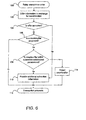
Figure 6 is a flowchart illustrating variable anonymity. - The techniques described below allow network subscribers to conduct electronic transactions with providers of goods and services, while maintaining a degree of personal privacy. The techniques are especially advantageous in the context of a GSM network, but are not limited to GSM.
- GSM systems are digital systems that employ time division multiple access technology, allowing several subscribers to share a frequency channel at the same time. GSM systems are intended to interface with digital communication networks such as the Integrated Services Digital Network (ISDN). GSM systems are also intended to work with analog communication systems, such as the Public Switched Telephone Network (PSTN).
-
Figure 1 shows atypical communications network 10 that includes GSM systems. A subscriber obtains wireless access tonetwork 10 viamobile device 12.Mobile device 12 may be any kind of terminal that accessesnetwork 10, such as a mobile telephone handset.Mobile device 12 typically is assigned a unique International Mobile device Identity, which identifies each piece ofmobile device 12 tonetwork 10. In addition, mobile device 12' interfaces with Subscriber Identity Module (SIM) 14, which uniquely identifies the subscriber tonetwork 10. Atypical SIM 14 is a smart card that is inserted into a GSM terminal. The subscriber can make and receive calls withmobile device 12. -
Mobile device 12 accessesnetwork 10 by establishing a wireless communication link with abase transceiver station 16.Base transceiver station 16 includes a transceiver that defines a cellular calling area.Base transceiver station 16 typically handles the wireless protocols withmobile device 12. A plurality of base station transceivers are generally managed by abase station controller 18. A plurality of base station controllers is usually coupled to a mobileservices switching center 20, which typically acts as a central component in the cellular network.Base transceiver station 16,base station controller 18 and mobileservices switching center 20 are typically operated under the auspices of aGSM provider 22. - Mobile
services switching center 20 interfaces with other communication services, such as ISDN 24 and PSTN 30, each of which may be operated under the auspices ofdifferent communications suppliers telephone customers 32. In addition, ISDN 24 and PSTN 30 may each connect toautomated subscribers 34, such as computers, copying machines, toll booths or vending machines. Toll booths and vending machines, for example, may dispense services or goods when provided with a signal authorizing them to do so. - In
typical network 10, a subscriber can usemobile device 12 to place an electronic order for goods or services. This transaction may be processed in several ways, such as by accessing an account or authorizing payment by credit card. One method for processing the transaction is to use subscriber data stored inSIM 14. Invoices can then be billed to the subscriber's account withGSM provider 22. Typically the entity receiving the order learns personal information from the subscriber'sSIM 14 andmobile device 12, such as the subscriber's identity, location or calling pattern. In exchange for the simplicity of making an electronic transactional order for goods or services, subscribers may be giving up some of their privacy. The techniques described below allow GSM subscribers to preserve their privacy while making electronic transactional orders for goods and services. -
Figure 2 shows acommunications network 50 that includes aGSM system 52. Unlikenetwork 10 ofFigure 1 ,network 50 ofFigure 2 includes anelement 54 to be called herein an "anonymizer," because it provides anonymity service. InFigure 2 ,anonymizer 54 provides anonymity service to GSMsubscribers using network 50.Network 50 ofFigure 2 also includes apayee 56, which may be an automated subscriber likeautomated subscriber 34 inFigure 1 . AGSM user 58 who subscribes to the anonymity service provided byanonymizer 54 interfaces withnetwork 50 via an interface such asmobile device 12. Payee 56 interfaces with network by way of an interface such as a connection toPSTN 30. -
Anonymizer 54 is shown inFigure 2 as interposed betweenPSTN 30 andpayee 56, butanonymizer 54 may communicate withpayee 56 by way ofPSTN 30, or by way of another communication channel. Furthermore,anonymizer 54 could be placed at other locations innetwork 50.Anonymizer 54 could be, for example, part ofGSM system 52 and operated under the auspices ofGSM provider 22. Anonymizer 54 may alternatively be operated under the auspices ofPSTN 30 or any other communication provider. The service ofanonymizer 54 may also be offered by an anonymity service provider independent of the communication network. Furthermore,anonymizer 54 is not limited to application with an analog system such asPSTN 30, but may provide anonymity in a digital system such as ISDN 24 (not shown inFigure 2 ). -
Subscriber 58 to the anonymity service provided byanonymizer 54 may conduct transactions by providing no personal data or by providing a selected amount of personal data. Anonymizer 54 protects the 'privacy ofsubscriber 58 by providing no personal information, or limited personal information, to payee 56. -
Figure 3 illustrates an exemplarytransaction using anonymizer 54.Subscriber 58 places an electronic transactional order for a good or service from payee 56, usingmobile device 12.Subscriber 58 sends information that will be needed to process the order, such as the kind of service desired or the quantity of product needed. In addition, other information aboutsubscriber 58 may be transmitted automatically, such as the name of the subscriber, the location of the call and the equipment used to make the order. This information is passed toGSM system 52, and may be relayed via PSTN 30 toanonymizer 54. -
Anonymizer 54 relays the order information to payee 56 (via PSTN 30 or other communication channel), but does not relay the other information aboutsubscriber 58. Instead,anonymizer 54 may pass along limited information aboutsubscriber 58. The information passed along is authorized bysubscriber 58. For example,anonymizer 54 may pass along an address to which delivery is requested. In addition,payee 56 may pass information to anonymizer 54 to be relayed tosubscriber 58, such as a confirmation number, or a demand for additional information.Anonymizer 54 may also pass along topayee 56 personal information aboutsubscriber 58, as will be described in more detail below. After receiving a satisfactory order,payee 56 provides the products or services tosubscriber 58 or to a recipient designated bysubscriber 58. - Payment for the products or services may be handled in several ways. As shown in
Figure 3 , a voucher may be passed toanonymizer 54, which relays an anonymizer voucher to payee 56. In general, a voucher represents an electronic payment authorization, such as a credit or other record exchangeable for payment. The voucher transmitted byanonymizer 54 to payee 56 may also represent a guarantee of payment, such thatpayee 56 does not bear a risk of nonpayment for products or services delivered. -
Subscriber 58 ultimately pays for the goods or services provided bypayee 56, butsubscriber 58 typically pays an entity other thanpayee 56. For example, as illustrated inFigure 3 , an arrangement between theGSM provider 22 and the anonymity service provider results in a voucher being transmitted fromGSM system 52 toanonymizer 54. The bill for the goods or services may be added to the bill for GSM service sent tosubscriber 58 byGSM provider 22. Alternatively, the bill for the goods or services is then to the bill sent tosubscriber 58 by the anonymity service provider. - A system diagram of anonymizer 54' is shown in
Figure 4 .Anonymizer 54 includes communication interfaces 80 and 82, by which anonymizer 54 connects toPSTN 30 orISDN 24, and by which anonymizer 54 communicates withsubscriber 58 andpayee 56. In some circumstances anonymizer 54 may function with a single communication interface.Anonymizer 54 also may includedatabase 86, which stores information about subscribers, including directives as to the degree of anonymity desired by each subscriber. -
Anonymizer 54 further includesprocessor 84, which performs several functions associated with anonymity service. For example,processor 84 retrieves information fromdatabase 86 about subscribers' desired anonymity.Processor 84 also receives subscribers' orders from onecommunication interface 80 and relays the orders via asecond communication interface 82. In addition,processor 84 stores subscriber information indatabase 86.Anonymizer 54 may be implemented, for example, as a computer system. Techniques employed byanonymizer 54 may be implemented as software, which may be stored in a machine or computer system on any machine-readable medium such as a magnetic disk or optical drive, or may be stored within non-volatile memory such as read-only memory (ROM). -
Figure 5 is a flowchart illustrating techniques for providing anonymizer service. In an exemplary configuration,anonymizer 54 receives data related to a subscriber's order, such as the identity of the payee, the product or service desired, and the quality or quantity desired (90).Anonymizer 54 also receives data identifying the subscriber (90).Anonymizer 54 retrieves from its database information about the subscriber, including, for example, the degree of privacy to be afforded the subscriber. - Several degrees of privacy may be offered, providing a range of anonymity. One degree of anonymity is total anonymity. A payee receives no personal information about a subscriber having total anonymity. The subscriber may specify a lesser degree of anonymity by allowing anonymizer 54 to relay to
payee 56, for example, information about the subscriber's name but not information about the subscribers address, telephone number or calling patterns. The subscriber may also specify that information about him be kept frompayee 56, but that demographic information about him be disclosed. A subscriber may permitpayee 56 to know the town where subscriber lives, for example, without disclosing the subscriber's name or address. A subscriber may also providepayee 56 with a pseudonym or a frequent-purchaser identification code. Another form of anonymity may vary on the basis of the identity of the payee. The subscriber may authorize disclosure of more personal data when ordering airplane tickets, fbr example, than when ordering flowers. A further form of anonymity involves "negotiated anonymity," which will be explained in more detail below. - After retrieving the information from the database (92),
anonymizer 54 relays data to payee 56, such as the order and voucher information (94).Anonymizer 54 may also pass along topayee 56 anonymous identification data, i.e., data about the identity of the subscriber that the subscriber has authorized to be passed along. In addition,anonymizer 54 ordinarily processes the transaction (96), which may include debiting the subscriber's account for the voucher issued topayee 56, or acknowledging a voucher received fromGSM provider 22.Anonymizer 54 may also relay information frompayee 56 to the subscriber, such as a confirmation number (98). - As described above,
anonymizer 54 may provide a range of anonymity.Figure 6 is a flowchart illustrating a variable anonymity technique. In this technique, the degree of anonymity may become part of the transaction, and is automatically "negotiated" byanonymizer 54 on behalf ofsubscriber 58 andpayee 56.Anonymizer 54 relays an anonymous order for a product or service to payee 56 (100), and includes an offer to provide additional information aboutsubscriber 58 in exchange for consideration frompayee 56, such as a discount. The offer is pre-authorized bysubscriber 58. Ifpayee 56 accepts (104),anonymizer 54 provides the additional information to payee 56 (110) and the transaction proceeds (112).Payee 56 may reject the offer and put forth a counteroffer (106). Payee's counteroffer may, for example, propose a smaller discount or request more information.Anonymizer 54 evaluates the counteroffer according to parameters previously authorized bysubscriber 58, which are stored indatabase 86. If the counteroffer is not within the parameters, the counteroffer is rejected (114) and the transaction proceeds (112). If the counteroffer is accepted,anonymizer 54 provides the additional information to payee 56 (110) and the transaction proceeds (112). - The techniques shown in
Figure 6 are for purposes of illustration. Variations of the techniques are possible. For example,payee 56 may initiate the offer to provide the product or service at a discount if additional information is provided, andanonymizer 54 may counteroffer.Subscriber 58 may also specify a range of permissible prices, quantities or degrees of personal information, allowing further offers and counteroffers. In addition,payee 56 may refuse to accept anonymous orders, in which case its counteroffer represents a stipulation that unless certain information is provided, there will be no transaction. - A number of embodiments of the invention have been described. Although the techniques for maintaining various degrees of anonymity have been described in the context of a GSM network, they may be adapted to any network in which a subscriber wishes to avoid having personal information passed to a payee. These and other embodiments are within the scope of the claims.
- The embodiments of the invention can be described with reference to the following numbered clauses, with preferred features laid out in the dependent clauses:
- 1. A method comprising:
- receiving an electronic order from a first party;
- receiving information about the first party;
- transmitting the order to a second party;
- transmitting less information about the first party to the second party than was received; and
- transmitting a voucher to the second party.
- 2. The method of
clause 1, further comprising transmitting no information about the first party to the second party. - 3. The method of
clause 1, further comprising transmitting selected information about the first party to the second party, wherein transmission of the selected information is authorized by the first party. - 4. The method of
clause 1, further comprising retrieving information from a database concerning the first party, and selecting information about the first party for transmission to the second party based on the retrieved information. - 5. The method of clause 4, wherein retrieving records from a database concerning the first party comprises retrieving directives describing the information to be withheld from the second party.
- 6. The method of
clause 1, wherein receiving information about the first party comprises receiving information about the first party from a subscriber identity module. - 7. An article comprising a computer-readable medium which stores computer-executable instructions for receiving and transmitting information, the instructions causing a machine to:
- receive an electronic transactional order from a first party;
- receive information about the first party;
- transmit the order to a second party;
- transmit less information about the first party to the second party than was received ; and
- transmit a voucher to the second party.
- 8. The article of clause 7, the instructions further causing the machine to transmit no information about the first party to the second party.
- 9. The article of clause 7, the instructions further causing the machine to transmit selected information about the first party to the second party, wherein transmission of the selected information is authorized by the first party.
- 10. The article of clause 7, the instructions further causing the machine to retrieve information from a database concerning the first party, and select information about the first party for transmission to the second party based on the retrieved information.
- 11. The article of
clause 10 wherein retrieving information from a database concerning the first party comprises retrieving directives describing the information to be withheld from the second party. - 12. The article of clause 7 wherein receiving information about the first party comprises receiving information about the first party from a subscriber identity module.
- 13. A system comprising:
- a processor and a database,
- wherein the processor is configured to receive information about a first party, wherein the processor is configured to receive an electronic transactional order from the first party, wherein the processor transmits the order to a second party, and wherein the database includes information about the first party and directives describing the information about the first party to be transmitted to the second party.
- 14. The system of clause 13 further comprising a communication interface coupled to the processor.
- 15. The system of
clause 14 wherein the processor receives information about the first party and an order from a first party by way of the communication interface. - 16. The system of
clause 14 wherein the processor transmits the order to a second party by way of the communication interface. - 17. The system of clause 13 wherein the directives describing the information about the first party to be provided to the second party include parameters defining the information to be provided in exchange for consideration from the second party.
- 18. A system comprising:
- a communication network;
- a first party interface coupled to the network;
- a second party interface coupled to the network; and
- an anonymizer, comprising a processor, a database and a communication interface, the anonymizer coupled to the network by the communication interface,
- wherein the anonymizer receives information about a first party, the anonymizer receives an electronic order placed on the network through the first party interface, the anonymizer is configured to transmit the order to the second party interface, and the anonymizer is configured to transmit less information about the first party to the second party interface than was received.
- 19. The system of
clause 18 wherein the communication network includes a GSM network. - 20. The system of clause 19 wherein the first party interface includes a subscriber identity module, and wherein information about the first party received by the anonymizer, is supplied by the subscriber identity module.
- 21. The system of
clause 18 wherein the communication network includes an integrated services digital network. - 22. The system of
clause 18 wherein the communication network includes a public switched telephone network. - 23. A method comprising:
- placing an electronic order with a second party on behalf of a first party; and
- providing information about the first party to the second party;
- wherein the amount of information provided is a function of consideration from the second party.
- 24. The method of clause 23 further comprising offering to provide identifying information in exchange for consideration from the second party.
- 25. The method of clause 23 further comprising:
- receiving an offer of consideration from the second party in exchange for providing information about the first party; and
- deciding whether the offer is acceptable based upon parameters specified by the first party prior to placing the order.
- 26. An article comprising a computer-readable medium which stores computer-executable instructions for receiving and transmitting information, the instructions causing a machine to:
- place an electronic order with a second party on behalf of a first party; and
- provide information about the first party to the second party;
- wherein the amount of information provided is a function of consideration from the second party.
- 27. The article of
clause 26, the instructions further causing the machine to offer to provide identifying information in exchange for consideration from the second party. - 28. The article of
clause 26, the instructions further causing the machine to:- receive an offer of consideration from the second party in exchange for providing information about the first party; and
- decide whether the offer is acceptable based upon parameters specified by the first party prior to placing the order.
Claims (12)
- A method of operating an anonymizer, comprising:receiving, over a network, an electronic order to be placed with a payee from a subscriber, the electronic order including
payee information identifying the payee with whom the electronic order is to be placed and
order information describing at least one item or at least one service ordered;retrieving subscriber information, the subscriber information including information about the desired anonymity of the subscriber; andenabling placement of the electronic order to the payee without providing the payee any of the desired anonymity information of the subscriber. - The method of claim 1, wherein the subscriber information includes payment and shipping information.
- The method of claim 1, wherein the subscriber's desired anonymity comprises a credit card number of the subscriber.
- The method of claim 1, wherein the anonymity information varies based on at least one of a good or service associated with the electronic order or the payee.
- A computer readable storage medium having instructions stored thereon, the instructions when executed by a machine, cause the machine to:receive, over a network, an electronic order to be placed with a payee from a subscriber, the electronic order including
payee information identifying the payee with whom the electronic order is to be placed and
order information describing at least one item or at least one service ordered;retrieve subscriber information, the subscriber information including information about the desired anonymity of the subscriber; andenable placement of the electronic order to the payee without providing the payee any of the desired anonymity information of the subscriber. - The medium of claim 5, wherein the subscriber information includes payment and shipping information.
- The medium of claim 5, wherein the subscriber's desired anonymity comprises a credit card number of the subscriber.
- The medium of claim 5, wherein the anonymity information varies based on at least one of a good or service associated with the electronic order or the payee.
- A system comprising:a processor; anda database,
wherein the processor is configured to
receive, over a network, an electronic order to be placed with a payee from a subscriber, the electronic order including
payee information identifying the payee with whom the electronic order is to be placed and
order information describing at least one item or at least one service ordered;retrieve subscriber information, the subscriber information including information about the desired anonymity of the subscriber; andenable placement of the electronic order to the payee without providing the payee any of the desired anonymity information of the subscriber. - The system of claim 9, wherein the subscriber information includes payment and shipping information.
- The system of claim 9, wherein the anonymity information varies based on at least one of a good or service associated with the electronic order or the payee.
- The system of claim 9, wherein the subscriber's desired anonymity comprises a credit card number of the subscriber.
Applications Claiming Priority (2)
| Application Number | Priority Date | Filing Date | Title |
|---|---|---|---|
| US09/751,322 US7242921B2 (en) | 2000-12-29 | 2000-12-29 | Anonymous electronic transactions |
| EP01991593A EP1352352A2 (en) | 2000-12-29 | 2001-12-20 | Anonymized electronic transaction |
Related Parent Applications (1)
| Application Number | Title | Priority Date | Filing Date |
|---|---|---|---|
| EP01991593.3 Division | 2001-12-20 |
Publications (1)
| Publication Number | Publication Date |
|---|---|
| EP2325770A1 true EP2325770A1 (en) | 2011-05-25 |
Family
ID=25021484
Family Applications (2)
| Application Number | Title | Priority Date | Filing Date |
|---|---|---|---|
| EP20100184836 Withdrawn EP2325770A1 (en) | 2000-12-29 | 2001-12-20 | Anonymized electronic transaction |
| EP01991593A Ceased EP1352352A2 (en) | 2000-12-29 | 2001-12-20 | Anonymized electronic transaction |
Family Applications After (1)
| Application Number | Title | Priority Date | Filing Date |
|---|---|---|---|
| EP01991593A Ceased EP1352352A2 (en) | 2000-12-29 | 2001-12-20 | Anonymized electronic transaction |
Country Status (7)
| Country | Link |
|---|---|
| US (3) | US7242921B2 (en) |
| EP (2) | EP2325770A1 (en) |
| KR (1) | KR100634858B1 (en) |
| CN (2) | CN101369334A (en) |
| AU (1) | AU2002231313A1 (en) |
| SG (1) | SG160188A1 (en) |
| WO (1) | WO2002054321A2 (en) |
Families Citing this family (42)
| Publication number | Priority date | Publication date | Assignee | Title |
|---|---|---|---|---|
| US20050026589A1 (en) * | 1999-07-29 | 2005-02-03 | Bryan Holland | Remote locator system using A E911-enabled wireless system |
| US8851369B2 (en) | 1999-11-05 | 2014-10-07 | Lead Core Fund, L.L.C. | Systems and methods for transaction processing using a smartcard |
| JP2002109325A (en) * | 2000-09-19 | 2002-04-12 | Internatl Business Mach Corp <Ibm> | System and method for buying merchandise, storage medium recorded with program for performing merchandise buying method and server used for the same |
| US7242921B2 (en) * | 2000-12-29 | 2007-07-10 | Intel Corporation | Anonymous electronic transactions |
| GB2372904B (en) * | 2001-03-02 | 2004-09-08 | Nokia Mobile Phones Ltd | Electronic transactions |
| US7716086B2 (en) * | 2001-08-31 | 2010-05-11 | Gateway, Inc. | Electronic retail order communication |
| WO2003107283A1 (en) * | 2002-06-18 | 2003-12-24 | Telefonaktiebolaget L M Ericsson (Publ) | Parallel coordinated operations in private domains |
| US8250225B1 (en) | 2003-10-14 | 2012-08-21 | Paradox Technical Solutions Llc | Generation of suffixes for pseudo e-mail addresses |
| US7567936B1 (en) | 2003-10-14 | 2009-07-28 | Paradox Technical Solutions Llc | Method and apparatus for handling pseudo identities |
| EP1676231A1 (en) * | 2003-10-22 | 2006-07-05 | Bridgestone/Firestone North American Tire, LLC | Method and system for executing a transaction |
| US8001047B2 (en) * | 2004-06-18 | 2011-08-16 | Paradox Technical Solutions Llc | Method and apparatus for effecting payment |
| FR2905022B1 (en) * | 2006-08-17 | 2009-12-25 | Ingenico Sa | ELECTRONIC PAYMENT TERMINAL AND METHOD FOR PROVIDING ELECTRONIC PAYMENT TERMINALS |
| US20080275808A1 (en) | 2007-05-01 | 2008-11-06 | Instinet Europe Limited | Anonymous block trade matching system |
| KR102035117B1 (en) * | 2007-05-01 | 2019-10-23 | 인스티넷 유로페 리미티드 | Anonymous block trade matching system |
| US8600857B2 (en) | 2009-01-21 | 2013-12-03 | Truaxis, Inc. | System and method for providing a savings opportunity in association with a financial account |
| US20110258028A1 (en) * | 2009-01-21 | 2011-10-20 | Billshrink, Inc. | System and method for providing a geographic map of alternative savings opportunities in association with a financial transaction data |
| US10594870B2 (en) | 2009-01-21 | 2020-03-17 | Truaxis, Llc | System and method for matching a savings opportunity using census data |
| US10504126B2 (en) | 2009-01-21 | 2019-12-10 | Truaxis, Llc | System and method of obtaining merchant sales information for marketing or sales teams |
| US8566197B2 (en) | 2009-01-21 | 2013-10-22 | Truaxis, Inc. | System and method for providing socially enabled rewards through a user financial instrument |
| US20110251891A1 (en) * | 2009-01-21 | 2011-10-13 | Billshrink, Inc. | System and method for an executable script related to providing a savings opportunity interface |
| NL1036700C2 (en) * | 2009-03-12 | 2009-12-29 | Pieter Van Duijn | Payment system for performing business transactions between trading partners, recognizes payment in conjunction with code, and provides electronic mail and short messaging service through computer to trading partner for making delivery |
| US20120130793A1 (en) * | 2010-11-24 | 2012-05-24 | Oron Greenbaum | Method and System for Discounted Offer and Sale of Goods and Services |
| WO2013106047A1 (en) * | 2011-04-07 | 2013-07-18 | Fotec Group Llc | Broker-mediated payment systems and methods |
| US20130275282A1 (en) | 2012-04-17 | 2013-10-17 | Microsoft Corporation | Anonymous billing |
| US9444817B2 (en) | 2012-09-27 | 2016-09-13 | Microsoft Technology Licensing, Llc | Facilitating claim use by service providers |
| CN103400276A (en) * | 2013-07-24 | 2013-11-20 | 北京小米科技有限责任公司 | Receiving information processing method and device |
| US11900305B2 (en) | 2014-04-29 | 2024-02-13 | Vivint, Inc. | Occupancy identification for guiding delivery personnel |
| US10534330B2 (en) | 2014-06-13 | 2020-01-14 | Vivint, Inc. | Selecting a level of autonomy |
| CN105493125A (en) * | 2014-07-31 | 2016-04-13 | 华为技术有限公司 | Trade order processing method and related device |
| US10115141B1 (en) * | 2014-09-24 | 2018-10-30 | Amazon Technologies, Inc. | Secure proxy service |
| CN104240121B (en) * | 2014-10-17 | 2017-10-17 | 广西师范大学 | A kind of transaction anonymity method in ecommerce |
| WO2016118896A1 (en) * | 2015-01-23 | 2016-07-28 | Visa International Service Association | Transaction utilizing anonymized user data |
| US10600305B2 (en) | 2016-04-08 | 2020-03-24 | Vivint, Inc. | Event based monitoring of a person |
| US9985834B1 (en) | 2016-11-30 | 2018-05-29 | Wipro Limited | Methods and systems for auto-configuration of digital subscriber line (DSL) modems in wireline broadband networks |
| CN109426935B (en) * | 2017-08-29 | 2022-08-19 | 菜鸟智能物流控股有限公司 | Communication information distribution method and device, communication method and device, equipment and medium |
| US11941114B1 (en) | 2018-01-31 | 2024-03-26 | Vivint, Inc. | Deterrence techniques for security and automation systems |
| US12248892B1 (en) | 2020-02-10 | 2025-03-11 | Vivint Llc | Techniques for lead information sharing |
| US12260737B1 (en) | 2020-09-30 | 2025-03-25 | Vivint, Inc. | Device configured to classify events and identify occupants |
| US12206813B1 (en) | 2021-06-18 | 2025-01-21 | Vivint, Inc | Techniques for camera programming |
| US11849521B1 (en) | 2021-10-08 | 2023-12-19 | Vivint, Inc. | Apparatus for lighting control |
| US12302475B2 (en) | 2021-10-08 | 2025-05-13 | Vivint Llc | Apparatus for lighting control |
| US12579854B2 (en) | 2023-01-31 | 2026-03-17 | Vivint Llc | Lock system with integrated sensors for translatable structure |
Citations (2)
| Publication number | Priority date | Publication date | Assignee | Title |
|---|---|---|---|---|
| WO1997010560A1 (en) * | 1995-09-14 | 1997-03-20 | Cybermark, L.L.C. | Stored value transaction system and method using anonymous account numbers |
| US6006200A (en) * | 1998-05-22 | 1999-12-21 | International Business Machines Corporation | Method of providing an identifier for transactions |
Family Cites Families (33)
| Publication number | Priority date | Publication date | Assignee | Title |
|---|---|---|---|---|
| US5794207A (en) | 1996-09-04 | 1998-08-11 | Walker Asset Management Limited Partnership | Method and apparatus for a cryptographically assisted commercial network system designed to facilitate buyer-driven conditional purchase offers |
| JPH07231367A (en) * | 1994-02-17 | 1995-08-29 | Fujitsu Ltd | Credit card charging service device for personal communication |
| US5533123A (en) | 1994-06-28 | 1996-07-02 | National Semiconductor Corporation | Programmable distributed personal security |
| US6029887A (en) * | 1994-07-18 | 2000-02-29 | Ntt Data Communications Systems Corporation | Electronic bankbook and processing system for financial transaction information using electronic bankbook |
| US5717989A (en) * | 1994-10-13 | 1998-02-10 | Full Service Trade System Ltd. | Full service trade system |
| FI100137B (en) | 1994-10-28 | 1997-09-30 | Vazvan Simin | Real-time wireless telecom payment system |
| US7165174B1 (en) * | 1995-02-13 | 2007-01-16 | Intertrust Technologies Corp. | Trusted infrastructure support systems, methods and techniques for secure electronic commerce transaction and rights management |
| US5689799A (en) * | 1995-04-26 | 1997-11-18 | Wink Communications, Inc. | Method and apparatus for routing confidential information |
| IL117424A (en) * | 1995-04-27 | 1999-09-22 | Optimark Tech Inc | Crossing network utilizing satisfaction density profile |
| WO1997025801A1 (en) * | 1996-01-12 | 1997-07-17 | International Business Machines Corporation | Secure anonymous information exchange in a network |
| US5822737A (en) * | 1996-02-05 | 1998-10-13 | Ogram; Mark E. | Financial transaction system |
| JPH1074221A (en) * | 1996-08-30 | 1998-03-17 | Digital Vision Lab:Kk | Information mediating device applied to network system and information transfer processing method applied to the system |
| US5896499A (en) * | 1997-02-21 | 1999-04-20 | International Business Machines Corporation | Embedded security processor |
| US5903878A (en) * | 1997-08-20 | 1999-05-11 | Talati; Kirit K. | Method and apparatus for electronic commerce |
| FI973788A7 (en) * | 1997-09-25 | 1999-03-26 | Nokia Telecommunications Oy | Electronic payment system |
| AU5299299A (en) * | 1998-09-21 | 2000-04-10 | International Business Machines Corporation | Method of improving security in electronic transactions |
| US6275824B1 (en) * | 1998-10-02 | 2001-08-14 | Ncr Corporation | System and method for managing data privacy in a database management system |
| WO2000065517A1 (en) * | 1999-04-27 | 2000-11-02 | Hertz Eli E | Commercial transaction method |
| WO2000067178A2 (en) * | 1999-05-04 | 2000-11-09 | Spendcash.Com, Inc. | Anonymous on-line payment system and method |
| US6370514B1 (en) * | 1999-08-02 | 2002-04-09 | Marc A. Messner | Method for marketing and redeeming vouchers for use in online purchases |
| US7308426B1 (en) * | 1999-08-11 | 2007-12-11 | C-Sam, Inc. | System and methods for servicing electronic transactions |
| US6629149B1 (en) * | 1999-08-17 | 2003-09-30 | At&T Corp. | Network system and method |
| US6646659B1 (en) * | 1999-12-17 | 2003-11-11 | International Business Machines Corporation | Method, system and program for specifying an electronic food menu with food preferences from a universally accessible database |
| JP2001250040A (en) * | 1999-12-28 | 2001-09-14 | Net Protections Inc | Electronic commerce system and method |
| US7203315B1 (en) * | 2000-02-22 | 2007-04-10 | Paul Owen Livesay | Methods and apparatus for providing user anonymity in online transactions |
| US7366695B1 (en) * | 2000-02-29 | 2008-04-29 | First Data Corporation | Electronic purchase method and funds transfer system |
| US6576700B2 (en) * | 2000-04-12 | 2003-06-10 | General Electric Company | High flow polyphenylene ether formulations |
| US20020069166A1 (en) * | 2000-09-15 | 2002-06-06 | Moreau Lawrence R. | Method and system for facilitating buying and selling transactions |
| US20020035538A1 (en) * | 2000-09-15 | 2002-03-21 | Moreau Lawrence R. | Method and system for facilitating buying and selling transactions |
| US20020069114A1 (en) * | 2000-12-01 | 2002-06-06 | Charette Phillip Carl | Method and system for placing a purchase order over a communications network |
| US7242921B2 (en) | 2000-12-29 | 2007-07-10 | Intel Corporation | Anonymous electronic transactions |
| US6823190B2 (en) * | 2002-12-03 | 2004-11-23 | International Business Machines Corporation | System and method to anonymously test for proximity of mobile users without revealing individual phase space coordinates |
| US7167174B2 (en) * | 2002-12-19 | 2007-01-23 | Mental Images Gmbh | Computer graphic system and method for efficiently encoding subdivision triangular surfaces of a triangular surface element and for recovering their coordinates |
-
2000
- 2000-12-29 US US09/751,322 patent/US7242921B2/en not_active Expired - Fee Related
-
2001
- 2001-12-20 KR KR20037008760A patent/KR100634858B1/en not_active Expired - Fee Related
- 2001-12-20 EP EP20100184836 patent/EP2325770A1/en not_active Withdrawn
- 2001-12-20 SG SG200505298-0A patent/SG160188A1/en unknown
- 2001-12-20 AU AU2002231313A patent/AU2002231313A1/en not_active Abandoned
- 2001-12-20 EP EP01991593A patent/EP1352352A2/en not_active Ceased
- 2001-12-20 WO PCT/US2001/050662 patent/WO2002054321A2/en not_active Ceased
- 2001-12-20 CN CNA2008101665204A patent/CN101369334A/en active Pending
- 2001-12-20 CN CNB018215920A patent/CN100437602C/en not_active Expired - Fee Related
-
2007
- 2007-04-17 US US11/736,427 patent/US8417216B2/en not_active Expired - Fee Related
-
2013
- 2013-04-08 US US13/858,548 patent/US10032211B2/en not_active Expired - Fee Related
Patent Citations (2)
| Publication number | Priority date | Publication date | Assignee | Title |
|---|---|---|---|---|
| WO1997010560A1 (en) * | 1995-09-14 | 1997-03-20 | Cybermark, L.L.C. | Stored value transaction system and method using anonymous account numbers |
| US6006200A (en) * | 1998-05-22 | 1999-12-21 | International Business Machines Corporation | Method of providing an identifier for transactions |
Also Published As
| Publication number | Publication date |
|---|---|
| US20180165752A9 (en) | 2018-06-14 |
| KR100634858B1 (en) | 2006-10-17 |
| WO2002054321A2 (en) | 2002-07-11 |
| US20020086660A1 (en) | 2002-07-04 |
| KR20030069198A (en) | 2003-08-25 |
| US8417216B2 (en) | 2013-04-09 |
| CN1636213A (en) | 2005-07-06 |
| US7242921B2 (en) | 2007-07-10 |
| CN101369334A (en) | 2009-02-18 |
| US20070184830A1 (en) | 2007-08-09 |
| SG160188A1 (en) | 2010-04-29 |
| EP1352352A2 (en) | 2003-10-15 |
| CN100437602C (en) | 2008-11-26 |
| US20140136374A1 (en) | 2014-05-15 |
| AU2002231313A1 (en) | 2002-07-16 |
| US10032211B2 (en) | 2018-07-24 |
| WO2002054321A8 (en) | 2002-10-31 |
Similar Documents
| Publication | Publication Date | Title |
|---|---|---|
| US8417216B2 (en) | Anonymous electronic transactions | |
| JP4503948B2 (en) | Service providing method and telecommunication platform | |
| FI105243B (en) | Method and system for payment management | |
| JP4036649B2 (en) | Transaction method and sales system | |
| EP0669031B1 (en) | Method for carrying out financial transactions by means of a mobile telephone system | |
| NL1001387C2 (en) | Facilitating unit for aiding ordering and payment of services | |
| US20020181710A1 (en) | Mobile transaction system and method | |
| KR100368600B1 (en) | wireless network-based bill-pay apparatus and bill-pay method thereof | |
| CN1301107A (en) | Transaction system and method | |
| KR20030001385A (en) | Shopping and payment/credit handling | |
| WO2003014994A1 (en) | Accounting method by authentication of mobile telecommunication company | |
| EP0873660A1 (en) | System for payment transactions between two active cards | |
| EP1348185A1 (en) | Payment system | |
| WO2003014995A1 (en) | Accounting method by authentication of mobile telecommunication company | |
| KR100486433B1 (en) | System and Method to make payment using credit card by mobile phone | |
| KR20040023182A (en) | Instant payment method using credit cards | |
| WO2001003415A1 (en) | Information distribution method |
Legal Events
| Date | Code | Title | Description |
|---|---|---|---|
| PUAI | Public reference made under article 153(3) epc to a published international application that has entered the european phase |
Free format text: ORIGINAL CODE: 0009012 |
|
| AC | Divisional application: reference to earlier application |
Ref document number: 1352352 Country of ref document: EP Kind code of ref document: P |
|
| AK | Designated contracting states |
Kind code of ref document: A1 Designated state(s): DE FI FR GB NL |
|
| STAA | Information on the status of an ep patent application or granted ep patent |
Free format text: STATUS: THE APPLICATION IS DEEMED TO BE WITHDRAWN |
|
| 18D | Application deemed to be withdrawn |
Effective date: 20111126 |