EP2322470A2 - Method for manufacturing uniform size polymeric nanoparticles containing poorly soluble drugs - Google Patents
Method for manufacturing uniform size polymeric nanoparticles containing poorly soluble drugs Download PDFInfo
- Publication number
- EP2322470A2 EP2322470A2 EP09738997A EP09738997A EP2322470A2 EP 2322470 A2 EP2322470 A2 EP 2322470A2 EP 09738997 A EP09738997 A EP 09738997A EP 09738997 A EP09738997 A EP 09738997A EP 2322470 A2 EP2322470 A2 EP 2322470A2
- Authority
- EP
- European Patent Office
- Prior art keywords
- poorly soluble
- poly
- soluble drugs
- polymeric nanoparticles
- bdd
- Prior art date
- Legal status (The legal status is an assumption and is not a legal conclusion. Google has not performed a legal analysis and makes no representation as to the accuracy of the status listed.)
- Withdrawn
Links
Images




Classifications
-
- A—HUMAN NECESSITIES
- A61—MEDICAL OR VETERINARY SCIENCE; HYGIENE
- A61K—PREPARATIONS FOR MEDICAL, DENTAL OR TOILETRY PURPOSES
- A61K9/00—Medicinal preparations characterised by special physical form
- A61K9/14—Particulate form, e.g. powders, Processes for size reducing of pure drugs or the resulting products, Pure drug nanoparticles
- A61K9/16—Agglomerates; Granulates; Microbeadlets ; Microspheres; Pellets; Solid products obtained by spray drying, spray freeze drying, spray congealing,(multiple) emulsion solvent evaporation or extraction
- A61K9/1605—Excipients; Inactive ingredients
- A61K9/1629—Organic macromolecular compounds
- A61K9/1652—Polysaccharides, e.g. alginate, cellulose derivatives; Cyclodextrin
-
- B—PERFORMING OPERATIONS; TRANSPORTING
- B82—NANOTECHNOLOGY
- B82B—NANOSTRUCTURES FORMED BY MANIPULATION OF INDIVIDUAL ATOMS, MOLECULES, OR LIMITED COLLECTIONS OF ATOMS OR MOLECULES AS DISCRETE UNITS; MANUFACTURE OR TREATMENT THEREOF
- B82B3/00—Manufacture or treatment of nanostructures by manipulation of individual atoms or molecules, or limited collections of atoms or molecules as discrete units
-
- A—HUMAN NECESSITIES
- A61—MEDICAL OR VETERINARY SCIENCE; HYGIENE
- A61K—PREPARATIONS FOR MEDICAL, DENTAL OR TOILETRY PURPOSES
- A61K31/00—Medicinal preparations containing organic active ingredients
- A61K31/21—Esters, e.g. nitroglycerine, selenocyanates
- A61K31/215—Esters, e.g. nitroglycerine, selenocyanates of carboxylic acids
- A61K31/235—Esters, e.g. nitroglycerine, selenocyanates of carboxylic acids having an aromatic ring attached to a carboxyl group
-
- A—HUMAN NECESSITIES
- A61—MEDICAL OR VETERINARY SCIENCE; HYGIENE
- A61K—PREPARATIONS FOR MEDICAL, DENTAL OR TOILETRY PURPOSES
- A61K31/00—Medicinal preparations containing organic active ingredients
- A61K31/33—Heterocyclic compounds
- A61K31/335—Heterocyclic compounds having oxygen as the only ring hetero atom, e.g. fungichromin
- A61K31/34—Heterocyclic compounds having oxygen as the only ring hetero atom, e.g. fungichromin having five-membered rings with one oxygen as the only ring hetero atom, e.g. isosorbide
- A61K31/343—Heterocyclic compounds having oxygen as the only ring hetero atom, e.g. fungichromin having five-membered rings with one oxygen as the only ring hetero atom, e.g. isosorbide condensed with a carbocyclic ring, e.g. coumaran, bufuralol, befunolol, clobenfurol, amiodarone
-
- A—HUMAN NECESSITIES
- A61—MEDICAL OR VETERINARY SCIENCE; HYGIENE
- A61K—PREPARATIONS FOR MEDICAL, DENTAL OR TOILETRY PURPOSES
- A61K31/00—Medicinal preparations containing organic active ingredients
- A61K31/33—Heterocyclic compounds
- A61K31/395—Heterocyclic compounds having nitrogen as a ring hetero atom, e.g. guanethidine or rifamycins
- A61K31/495—Heterocyclic compounds having nitrogen as a ring hetero atom, e.g. guanethidine or rifamycins having six-membered rings with two or more nitrogen atoms as the only ring heteroatoms, e.g. piperazine or tetrazines
- A61K31/505—Pyrimidines; Hydrogenated pyrimidines, e.g. trimethoprim
- A61K31/513—Pyrimidines; Hydrogenated pyrimidines, e.g. trimethoprim having oxo groups directly attached to the heterocyclic ring, e.g. cytosine
-
- A—HUMAN NECESSITIES
- A61—MEDICAL OR VETERINARY SCIENCE; HYGIENE
- A61K—PREPARATIONS FOR MEDICAL, DENTAL OR TOILETRY PURPOSES
- A61K31/00—Medicinal preparations containing organic active ingredients
- A61K31/33—Heterocyclic compounds
- A61K31/395—Heterocyclic compounds having nitrogen as a ring hetero atom, e.g. guanethidine or rifamycins
- A61K31/495—Heterocyclic compounds having nitrogen as a ring hetero atom, e.g. guanethidine or rifamycins having six-membered rings with two or more nitrogen atoms as the only ring heteroatoms, e.g. piperazine or tetrazines
- A61K31/505—Pyrimidines; Hydrogenated pyrimidines, e.g. trimethoprim
- A61K31/519—Pyrimidines; Hydrogenated pyrimidines, e.g. trimethoprim ortho- or peri-condensed with heterocyclic rings
-
- A—HUMAN NECESSITIES
- A61—MEDICAL OR VETERINARY SCIENCE; HYGIENE
- A61K—PREPARATIONS FOR MEDICAL, DENTAL OR TOILETRY PURPOSES
- A61K31/00—Medicinal preparations containing organic active ingredients
- A61K31/33—Heterocyclic compounds
- A61K31/395—Heterocyclic compounds having nitrogen as a ring hetero atom, e.g. guanethidine or rifamycins
- A61K31/54—Heterocyclic compounds having nitrogen as a ring hetero atom, e.g. guanethidine or rifamycins having six-membered rings with at least one nitrogen and one sulfur as the ring hetero atoms, e.g. sulthiame
- A61K31/5415—Heterocyclic compounds having nitrogen as a ring hetero atom, e.g. guanethidine or rifamycins having six-membered rings with at least one nitrogen and one sulfur as the ring hetero atoms, e.g. sulthiame ortho- or peri-condensed with carbocyclic ring systems, e.g. phenothiazine, chlorpromazine, piroxicam
-
- A—HUMAN NECESSITIES
- A61—MEDICAL OR VETERINARY SCIENCE; HYGIENE
- A61K—PREPARATIONS FOR MEDICAL, DENTAL OR TOILETRY PURPOSES
- A61K31/00—Medicinal preparations containing organic active ingredients
- A61K31/56—Compounds containing cyclopenta[a]hydrophenanthrene ring systems; Derivatives thereof, e.g. steroids
- A61K31/57—Compounds containing cyclopenta[a]hydrophenanthrene ring systems; Derivatives thereof, e.g. steroids substituted in position 17 beta by a chain of two carbon atoms, e.g. pregnane or progesterone
- A61K31/573—Compounds containing cyclopenta[a]hydrophenanthrene ring systems; Derivatives thereof, e.g. steroids substituted in position 17 beta by a chain of two carbon atoms, e.g. pregnane or progesterone substituted in position 21, e.g. cortisone, dexamethasone, prednisone or aldosterone
-
- A—HUMAN NECESSITIES
- A61—MEDICAL OR VETERINARY SCIENCE; HYGIENE
- A61K—PREPARATIONS FOR MEDICAL, DENTAL OR TOILETRY PURPOSES
- A61K31/00—Medicinal preparations containing organic active ingredients
- A61K31/56—Compounds containing cyclopenta[a]hydrophenanthrene ring systems; Derivatives thereof, e.g. steroids
- A61K31/58—Compounds containing cyclopenta[a]hydrophenanthrene ring systems; Derivatives thereof, e.g. steroids containing heterocyclic rings, e.g. danazol, stanozolol, pancuronium or digitogenin
- A61K31/585—Compounds containing cyclopenta[a]hydrophenanthrene ring systems; Derivatives thereof, e.g. steroids containing heterocyclic rings, e.g. danazol, stanozolol, pancuronium or digitogenin containing lactone rings, e.g. oxandrolone, bufalin
-
- A—HUMAN NECESSITIES
- A61—MEDICAL OR VETERINARY SCIENCE; HYGIENE
- A61K—PREPARATIONS FOR MEDICAL, DENTAL OR TOILETRY PURPOSES
- A61K31/00—Medicinal preparations containing organic active ingredients
- A61K31/70—Carbohydrates; Sugars; Derivatives thereof
- A61K31/7028—Compounds having saccharide radicals attached to non-saccharide compounds by glycosidic linkages
- A61K31/7034—Compounds having saccharide radicals attached to non-saccharide compounds by glycosidic linkages attached to a carbocyclic compound, e.g. phloridzin
- A61K31/704—Compounds having saccharide radicals attached to non-saccharide compounds by glycosidic linkages attached to a carbocyclic compound, e.g. phloridzin attached to a condensed carbocyclic ring system, e.g. sennosides, thiocolchicosides, escin, daunorubicin
-
- A—HUMAN NECESSITIES
- A61—MEDICAL OR VETERINARY SCIENCE; HYGIENE
- A61K—PREPARATIONS FOR MEDICAL, DENTAL OR TOILETRY PURPOSES
- A61K31/00—Medicinal preparations containing organic active ingredients
- A61K31/70—Carbohydrates; Sugars; Derivatives thereof
- A61K31/7042—Compounds having saccharide radicals and heterocyclic rings
- A61K31/7048—Compounds having saccharide radicals and heterocyclic rings having oxygen as a ring hetero atom, e.g. leucoglucosan, hesperidin, erythromycin, nystatin, digitoxin or digoxin
-
- A—HUMAN NECESSITIES
- A61—MEDICAL OR VETERINARY SCIENCE; HYGIENE
- A61K—PREPARATIONS FOR MEDICAL, DENTAL OR TOILETRY PURPOSES
- A61K9/00—Medicinal preparations characterised by special physical form
- A61K9/48—Preparations in capsules, e.g. of gelatin, of chocolate
- A61K9/50—Microcapsules having a gas, liquid or semi-solid filling; Solid microparticles or pellets surrounded by a distinct coating layer, e.g. coated microspheres, coated drug crystals
- A61K9/51—Nanocapsules; Nanoparticles
- A61K9/5107—Excipients; Inactive ingredients
- A61K9/513—Organic macromolecular compounds; Dendrimers
- A61K9/5146—Organic macromolecular compounds; Dendrimers obtained otherwise than by reactions only involving carbon-to-carbon unsaturated bonds, e.g. polyethylene glycol, polyamines, polyanhydrides
- A61K9/5153—Polyesters, e.g. poly(lactide-co-glycolide)
-
- A—HUMAN NECESSITIES
- A61—MEDICAL OR VETERINARY SCIENCE; HYGIENE
- A61P—SPECIFIC THERAPEUTIC ACTIVITY OF CHEMICAL COMPOUNDS OR MEDICINAL PREPARATIONS
- A61P1/00—Drugs for disorders of the alimentary tract or the digestive system
- A61P1/16—Drugs for disorders of the alimentary tract or the digestive system for liver or gallbladder disorders, e.g. hepatoprotective agents, cholagogues, litholytics
-
- B—PERFORMING OPERATIONS; TRANSPORTING
- B01—PHYSICAL OR CHEMICAL PROCESSES OR APPARATUS IN GENERAL
- B01D—SEPARATION
- B01D65/00—Accessories or auxiliary operations, in general, for separation processes or apparatus using semi-permeable membranes
-
- C—CHEMISTRY; METALLURGY
- C08—ORGANIC MACROMOLECULAR COMPOUNDS; THEIR PREPARATION OR CHEMICAL WORKING-UP; COMPOSITIONS BASED THEREON
- C08J—WORKING-UP; GENERAL PROCESSES OF COMPOUNDING; AFTER-TREATMENT NOT COVERED BY SUBCLASSES C08B, C08C, C08F, C08G or C08H
- C08J3/00—Processes of treating or compounding macromolecular substances
- C08J3/02—Making solutions, dispersions, lattices or gels by other methods than by solution, emulsion or suspension polymerisation techniques
- C08J3/03—Making solutions, dispersions, lattices or gels by other methods than by solution, emulsion or suspension polymerisation techniques in aqueous media
-
- B—PERFORMING OPERATIONS; TRANSPORTING
- B82—NANOTECHNOLOGY
- B82Y—SPECIFIC USES OR APPLICATIONS OF NANOSTRUCTURES; MEASUREMENT OR ANALYSIS OF NANOSTRUCTURES; MANUFACTURE OR TREATMENT OF NANOSTRUCTURES
- B82Y5/00—Nanobiotechnology or nanomedicine, e.g. protein engineering or drug delivery
-
- Y—GENERAL TAGGING OF NEW TECHNOLOGICAL DEVELOPMENTS; GENERAL TAGGING OF CROSS-SECTIONAL TECHNOLOGIES SPANNING OVER SEVERAL SECTIONS OF THE IPC; TECHNICAL SUBJECTS COVERED BY FORMER USPC CROSS-REFERENCE ART COLLECTIONS [XRACs] AND DIGESTS
- Y10—TECHNICAL SUBJECTS COVERED BY FORMER USPC
- Y10S—TECHNICAL SUBJECTS COVERED BY FORMER USPC CROSS-REFERENCE ART COLLECTIONS [XRACs] AND DIGESTS
- Y10S516/00—Colloid systems and wetting agents; subcombinations thereof; processes of
- Y10S516/924—Significant dispersive or manipulative operation or step in making or stabilizing colloid system
- Y10S516/929—Specified combination of agitation steps, e.g. mixing to make subcombination composition followed by homogenization
Definitions
- the present invention relates to a method for manufacturing uniform size polymeric nanoparticles containing poorly soluble drugs.
- active ingredients are delivered via physiochemically designed systems to maximize the treatment effect and to suit the convenience of patients. These systems are called dosage forms which include injections, capsules and tablets.
- Administered drugs pass through many biomembranes and organs to finally reach target organs.
- the drug reached the target organ combines with receptors distributed over the organ to realize pharmaceutical effects.
- the drug is metabolized by liver and other organs and released out of body with stool and/or urine.
- the problem is, however, it is usually difficult to control the process of delivering drugs to the target area, and the efficiency of delivery is usually low.
- it is necessary to control the in vivo behavior of drugs from the moment of administration until excretion to accomplish a selective delivery to the target area by employing a variety of methods.
- the system of the above control is called drug delivery system which has been extensively studied. ( Galenical pharmacy-pharmaceutics, Pharmaceutics subcommittee, Committee of Colleges of Pharmacy of Korea, p483, 2000 )
- Some of the drug delivery systems adopt manufacturing methods taking Advantage of nano- or micro-size particles which can deliver drugs impregnated or capsulized inside the polymer by using biodegradable polymer, and of emulsifiers.
- the method of using emulsifier is to prepare polymeric particles by redispersing a dispersion inside an emulsifier solution wherein active ingredients and polymer are mixed and dissolved in an organic solvent.
- polymers in the dispersion is hydrophobic, they can combine with the hydrophobic parts of emulsifiers resulting in formation of dispersed globular shaped particles whose sizes tend to decrease through intensive stirring or the strength of vibration.
- doxorubicin and poly-D, L- lactic acid -co-glycolic acid (PLGA) which are anticancer agents are dissolved in methylenechloride solution to form an oil phase, which is added into the 3% of poly vinylalcohol solution under the condition of a strong vibration of ultrasound to finally prepare PLGA nanoparticles containing doxorubicin which has an average size of less than 500 nm ( Tewes F et al., European Journal of Pharmaceutics and Biopharmaceutics 66:488492, 2007 ).
- biphenyl-dimethyl-dicarboxylate (BDD) drugs are used to treat hepatitis and protect liver, and clinically to inhibit activities of serum transaminase, especially Serum glutamic pyruvic transaminase (SGPT) ( Hyo-Seok Lee and others, The Korean Journal of Internal Medicine, vol. 40, No. 2, 1991 ).
- Animal tests have also shown that BDDs protect liver from the damage caused by toxicity of carbon tetrachloride or thioacetamide, and increase activities of cytochrome P 450 2B1 mRNA and benzyloxyresorufin-O-dealkylase in addition to removing free radicals.
- Another Korea Patent 1997-0058726 discloses a water soluble protein-containing drug evenly distributed on a biodegradable polymer, a sustained release dosage form which improves excessive release in early stage of intake by coating the water soluble protein-containing drugs with drug particles or a biodegradable polymer matrix which are biocompatible and hydrophobic. But the dissolution rate and sustained release effects still fall short of expectations.
- the present inventors have developed an original technology capable of manufacturing polymeric nanoparticles containing poorly soluble materials which are evenly distributed; by dissolving a poorly soluble materials in a biodegradable polymer solution which is dissolved in a non-volatile polar organic solvent especially in a highly hydrophilic organic solvent; and by coating with an emulsifier under the condition of low mechanical energy level stirring.
- the polymeric nanoparticles agent containing poorly soluble materials of the present invention may enhance bioavailability by increasing dissolution rate of poorly soluble drugs, and maintain a constant blood concentration over a long period of time, and reduce the dosage compared with the conventional poorly soluble drugs, thereby leading to completion of the present invention.
- An object of the present invention is to provide a method of manufacturing nanoparticles having a narrow size-distribution.
- the present invention provides a method of manufacturing polymeric nanoparticles including a first step of dissolving a biodegradable polymer in a non-volatile polar organic solvent, a second step of adding poorly soluble drugs to water and the biodegradable polymer solution to produce a dispersion, and a third step of adding the dispersion to emulsifier solutions in a batch under the condition of low mechanical energy level stirring.
- the polymeric nanoparticles of the present invention are capable of manufacturing nano-sized small and uniform polymeric nanoparticles using a low mechanical energy condition of stirring.
- the polymeric nanoparticles of the present invention are advantageous in that the dissolution rate of the poorly soluble drugs contained in polymeric particles is dramatically improved, and the poorly soluble drugs are gradually and steadily released and maintained at a constant density over a long period of time and consequently, the drug consumption may be reduced.
- the present invention provides a method of manufacturing uniform size polymeric nanoparticles containing poorly soluble drugs, including a first step of dissolving a biodegradable polymer in a non-volatile polar organic solvent, a second step of adding poorly soluble drugs to water and the biodegradable polymer solution to produce a dispersion, and a third step of adding the dispersion to emulsifier solutions in a batch under the condition of low mechanical energy level stirring.
- the first step is dissolving a biodegradable polymer in a non-volatile polar organic solvent.
- the biodegradable polymer is a biocompatible polymer which can be dissolved in the body. More particularly, one of or a mixture of polyester-based polymers such as poly-L-lactic acid (PLA), poly glycolic acid (PGA), poly-D-lactic acid-co-glycolic acid(PLGA), poly-L-lactic acid-co-glycolic acid, poly-D,L-lactic acid-co-glycol acid, poly-caprolactone, poly-valerolacton, poly-hydroxy butyrate and poly-hydroxy valerate may be used but not be limited thereto. Especially, it is more desirable to use PLGA from the perspective of biodegradability and biocompatibility.
- PLGA is a medically approved polymer by FDA, U.S., and free from toxicity to be more conveniently used than other polymers for medical applications such as a drug delivery agent or a biomaterial. Furthermore, PLGA is characterized to adjust the drug release behavior by changing the degrading speed of the polymers in accordance with the adjustment of fraction or molecular weight of glycolide and lactide when copolymerized. ( Anderson JM et al., Advanced Drug Delivery Reviews 28:5-24, 1997 ).
- Organic solvent of the first step above is preferably a non-volatile polar solvent, and more preferably, a highly hydrophilic solvent which has a similar polarity to water.
- non-volatile solvents such as dimethyl sulfoxide (DMSO), dimethyl formamide (DMF), Dimethyl acetamide (DMAc), N-methyl-2-pyrrolidone (NMP), pyrrolidone, 1,3-Dimethyl-3,4,5,6-tetrahydro-2(1H)-pyrimidinone (DMPU), hexamethylphosphoramide (HMPA) may be used but not be limited thereto.
- DMAc is more preferable.
- the second step is adding poorly soluble drugs to water and then, adding them to the biodegradable polymer solution to produce a dispersion.
- poorly soluble drugs to water may be used without specific restrictions if the drug controls bioavailability as dissolution of the drug becomes the rate determining step due to low solubility.
- above drugs may be used as either oil phase or crystal phase. More particularly, the following may be used: griseofulvin, digoxin, dipyridamole, spironolactone, cyclosporin, amphotericin B, fluorouracil, etoposide, 6-mercaptopurine, dexamethasone, perphenasine, biphenyl-dimethyl-dicarboxylate (BDD), a poorly soluble liver disease treatment agent and dimethyl dimethoxy biphenyl dicarboxylate (DDB).
- BDD biphenyl-dimethyl-dicarboxylate
- DDB dimethyl dimethoxy biphenyl dicarboxylate
- a dispersion containing poorly soluble drugs in an oil or crystal phase and the polymeric solution prepared in the first step may be produced.
- the ratio between the above poorly soluble drugs and biodegradable polymer is preferably at 0.5-5:10-100 on a part by weight basis.
- the third step is adding the dispersion produced in the second step on emulsifier solutions in a batch under the condition of low mechanical energy level stirring.
- Emulsifiers used in the third step may be any amphipathic (possessing both hydrophobic and hydrophilic elements) solvent which can disperse an oil phase in aqueous solutions.
- propylene glycol (1,2-dihydroxypropane) polyethylene glycol (especially, polyethylene glycol with molecular weight of 200 to 600 (PEG)), propylene carbonate (4-methyl-2-oxo-1,3-dioxolane), polyvinyl alcohol (PVA), poly vinyl pyrrolidone (PVP) may be used but not be limited thereto.
- the emulsifier aqueous solution is prepared by dissolving above emulsifiers in the Milli-Q distilled water, and especially PVA solution or PVP solution is desirable.
- the dispersion produced in the second step is added to emulsifier solutions in a batch under the condition of low mechanical energy level stirring, preferably at 50-5000 rpm and more preferably, at 100-1000 rpm.
- a dispersion with dispersed biodegradable polymeric nanoparticles that poorly soluble drugs are impregnated is produced.
- the solvent of the above dispersion has a polarity similar to water to be highly hydrophilic, the solvent diffuses rapidly and then, becomes stabilized by the emulsifier, and finally uniform size polymeric nanoparticles may be formed.
- the biodegradable polymeric nanoparticles containing poorly soluble drugs may be obtained.
- the manufacturing method of the present invention reduces operation costs because stirring is carried out under a low mechanical energy level.
- uniform size polymeric nanoparticles may be obtained.
- the biodegradable polymeric nanoparticles have a deviation in size of 0 ⁇ 30 nm, more preferably 5 ⁇ 25 nm, and an average size of 200 nm or less (Refer to FIGS. 1 to 5 and Table 1).
- these nanoparticles agents provide prolonged pharmaceutical effects for 2 weeks or more as shown in Examples.
- Treatment results of oral intake of nanoparticles containing active ingredients against carbon tetrachloride-induced liver damage were compared with those of oral intake of active ingredients only.
- the combination of nanoparticles and active ingredients showed a little lower but similar treatment effects compared with active ingredients-only.
- the protective effects of the combination lasted for 4 weeks (Refer to Tables 2 and 3) but those of active ingredients-only declined gradually for a while and decreased sharply in the 4 th week. (Refer to FIGS. 6 and 7 ). Consequently, the sustained solubility and the sustainability of the nanoparticles of the present invention were confirmed with the duration of over 2 weeks.
- the inhibiting effect of the BDD and BDD-containing polymeric nanoparticles administration group on increase of carbon tetrachloride-induced ALT and AST concentration were roughly 2 times or more.
- the effect of BDD-containing polymeric nanoparticles administration group of the Example 2 was numerically a little lower than that of the BDD administration group but similar.
- the total administration amount of BDD-containing polymeric nanoparticles of the Example 2 was 25 mg including 2.5 mg of BDD, which means the drug dosage accounts for 1/10 of the Group 2 which administered 25 mg of BDD.
- the biodegradable polymeric nanoparticles containing poorly soluble drugs of the present invention provide a more prolonged pharmaceutical effects with a less dosage per administration.
- PLGA poly-D-lactic acid-co-glycolic acid
- DMAc Dimethyl acetamide
- BDD biphenyl-dimethyl-dicarboxylate
- the nanoparticles solution was stirred in a container by using a pump-type separation membrane filtration device (LabscaleTM TFF System, Millipore, USA) and circulated through a separation pipe by a circulation pump to rapidly remove the emulsifier, the organic solvent and distilled water through a separation membrane filter (Pellicon XL Filter, 500K; Millipore, USA) of the separation membrane, and to concentrate the nanoparticles in a continuous-circulatory concentration manner.
- Separated and concentrated nanoparticles were frozen dried (EYELA, Japan) to obtain powder of the particles, and kept at 4°C.
- PLGA 100 mg was dissolved in 3 ml of DMSO, and 10 mg of BDD was added on it and was dissolved to prepare a dispersion.
- the above PLGA-BDD dispersion was added on the 30 ml of 4%-PVA emulsifier solution in a batch under the condition of low mechanical energy level stirring of 500 rpm for 3 hours.
- nanoparticles were obtained by the same method as Example 1 through separation concentration and frozen drying. Upon observing the finally obtained nanoparticles through a particle size analyzer, uniform PLGA-BDD nanoparticles containing active ingredients having narrow bounds of particles distribution and a 152 nm of average particle diameter were confirmed. (Refer to Table 1)
- PLGA PLGA was dissolved in 3 ml of dimethyl formamide (DMF), and 10 mg of BDD was added on it and dissolved to prepare a dispersion.
- DMF dimethyl formamide
- BDD BDD
- the above PLGA-BDD dispersion was added on the 30 ml of 4%-PVA emulsifier solution in a batch under the condition of low mechanical energy level stirring at 500 rpm for 3 hours.
- nanoparticles were obtained by the same method as Example 1 through separation concentration and frozen drying. Upon observing the finally obtained nanoparticles through a particle size analyzer, uniform PLGA-BDD nanoparticles containing active ingredients having narrow bounds of particles distribution and a 161 nm of average particle diameter were confirmed(Refer to Table 1).
- Table 1 Non- volatile polar solvent DMAc Deviation ( ⁇ ) DMSO Deviation ( ⁇ ) DMF Deviation ( ⁇ ) Average particle diameter (nm) 142.8 3.3 152.4 4 161.6 3.3
- 6-week old 20 male Sprague Dawley rats (Orient Bio, Korea) were weighed and distributed to 4 groups 5 to each group to be equal in average weight and degree of dispersion.
- 0.75 ml/kg of 50% solution (v/v) (Sigma-Aldrich, USA) of liver toxic carbon tetrachloride (CCl 4 ) mixed with corn oil was injected each time into the peritoneal cavity 2 times a week (Mondays & Fridays) for 4 weeks.
- ALT aminotransferase
- AST aminotransferase
- each animal was anesthetized by injecting 4% of 4 ml- chloral hydrate (BDH Laboratory Supplies, U.K.) Into the peritoneal cavity, and blood was taken out from the heart and left at a room temperature for an hour. After then, blood serum was obtained by spinning down at 16000 rpm for 20 minutes, and ALT and AST concentrations were measured by an automatic blood biochemistry analyzer (HITACHI 7080, HITACHI, Japan) using an ALT and AST test reagents (TA-Test Wako; WAKO Pure Chemical, Japan).
- HITACHI 7080, HITACHI, Japan automatic blood biochemistry analyzer
- ALT and AST test reagents T-Test Wako; WAKO Pure Chemical, Japan
- the inhibiting effect of the BDD and BDD-containing polymeric nanoparticles administration group of the Example 2 on increase of carbon tetrachloride-induced ALT and AST concentration were roughly 2 times or more.
- the effect of BDD-containing polymeric nanoparticles administration group of the Example 2 was numerically a little lower than that of the BDD administration group but similar.
- the total administration amount of BDD-containing polymeric nanoparticles of the Example 2 was 25 mg including 2.5 mg of BDD, which means the drug dosage accounts for 1/10 of the Group 2 which was administered 25 mg of BDD.
- BDD-containing polymeric nanoparticles of the present invention prepared via Example 2 Prolonged treatment effects of BDD-containing polymeric nanoparticles of the present invention prepared via Example 2 on carbon tetrachloride-induced liver damage were confirmed through animal tests.
- BDD and BDD containing polymeric nanoparticles of the present invention prepared via Example 2 were administered for 2 weeks, respectively and then, carbon tetrachloride was continuously administered to confirm treatment effects according to the time flow.
- the inhibiting effect of the PLGA-BDD nanoparticles of Example 2 on increase of carbon tetrachloride-induced ALT and AST concentration has been excellent even after 3 and 4 weeks but in case of BDD, the concentration of ALT and AST rebounded after 4 weeks.
- the dosage form of PLGA-BDD nanoparticles of the present invention prepared via Example 2 help drugs gradually and steadily released and consequently, the treatment effect on liver diseases may be better than BDD-only administration.
- Acute toxicity was investigated upon administering the PLGA-BDD nanoparticles of the present invention prepared via Example 2.
Landscapes
- Health & Medical Sciences (AREA)
- Chemical & Material Sciences (AREA)
- Life Sciences & Earth Sciences (AREA)
- Medicinal Chemistry (AREA)
- Public Health (AREA)
- Pharmacology & Pharmacy (AREA)
- Animal Behavior & Ethology (AREA)
- General Health & Medical Sciences (AREA)
- Veterinary Medicine (AREA)
- Epidemiology (AREA)
- Engineering & Computer Science (AREA)
- Bioinformatics & Cheminformatics (AREA)
- Nanotechnology (AREA)
- Molecular Biology (AREA)
- Chemical Kinetics & Catalysis (AREA)
- Organic Chemistry (AREA)
- Crystallography & Structural Chemistry (AREA)
- Physics & Mathematics (AREA)
- Optics & Photonics (AREA)
- Biomedical Technology (AREA)
- Emergency Medicine (AREA)
- Dispersion Chemistry (AREA)
- Polymers & Plastics (AREA)
- Gastroenterology & Hepatology (AREA)
- Manufacturing & Machinery (AREA)
- Nuclear Medicine, Radiotherapy & Molecular Imaging (AREA)
- General Chemical & Material Sciences (AREA)
- Medicinal Preparation (AREA)
- Pharmaceuticals Containing Other Organic And Inorganic Compounds (AREA)
- Acyclic And Carbocyclic Compounds In Medicinal Compositions (AREA)
- Processes Of Treating Macromolecular Substances (AREA)
Abstract
Description
- The present invention relates to a method for manufacturing uniform size polymeric nanoparticles containing poorly soluble drugs.
- When drugs are administered for treatment, active ingredients are delivered via physiochemically designed systems to maximize the treatment effect and to suit the convenience of patients. These systems are called dosage forms which include injections, capsules and tablets.
- Administered drugs pass through many biomembranes and organs to finally reach target organs. The drug reached the target organ combines with receptors distributed over the organ to realize pharmaceutical effects. After then, the drug is metabolized by liver and other organs and released out of body with stool and/or urine. The problem is, however, it is usually difficult to control the process of delivering drugs to the target area, and the efficiency of delivery is usually low. Hence, to obtain an optimal effect and safety, it is necessary to control the in vivo behavior of drugs from the moment of administration until excretion to accomplish a selective delivery to the target area by employing a variety of methods. The system of the above control is called drug delivery system which has been extensively studied. (Galenical pharmacy-pharmaceutics, Pharmaceutics subcommittee, Committee of Colleges of Pharmacy of Korea, p483, 2000)
- Some of the drug delivery systems adopt manufacturing methods taking Advantage of nano- or micro-size particles which can deliver drugs impregnated or capsulized inside the polymer by using biodegradable polymer, and of emulsifiers. The method of using emulsifier is to prepare polymeric particles by redispersing a dispersion inside an emulsifier solution wherein active ingredients and polymer are mixed and dissolved in an organic solvent. As polymers in the dispersion is hydrophobic, they can combine with the hydrophobic parts of emulsifiers resulting in formation of dispersed globular shaped particles whose sizes tend to decrease through intensive stirring or the strength of vibration. A manufacturing method using emulsifiers has been reported; doxorubicin and poly-D, L- lactic acid -co-glycolic acid (PLGA) which are anticancer agents are dissolved in methylenechloride solution to form an oil phase, which is added into the 3% of poly vinylalcohol solution under the condition of a strong vibration of ultrasound to finally prepare PLGA nanoparticles containing doxorubicin which has an average size of less than 500 nm (Tewes F et al., European Journal of Pharmaceutics and Biopharmaceutics 66:488492, 2007). However, the manufacturing methods of nonoparticles using emulsifiers have disadvantages; when ultrasound is applied, yield of nanoparticle is good but the operation cost increases because strong energy is required; and when stirring method is employed, high mechanical energy is required for the high rotational speed. Another drawback is that this method requires adjusting the speed of adding polymer-drug. Moreover, when volatile solvents having low boiling points are used, solvent recovery apparatuses are required to avoid risks involved, and the yield of nanoparticles decreases due to the extensive and/or uneven distribution of particles. To solve these problems, a process to manufacture nanoparticles having comparatively even distribution and high yield even under the low mechanical energy setting has been greatly needed.
- Patients with chronic diseases are required to take poorly soluble drugs containing poorly soluble materials as active ingredients over a long period of time. This means a single intake of even a slightly heavy dose may result in side effects due to in vivo accumulation of the drug over a long period of time. With poorly soluble drugs, patients with chronic diseases should take heavy dose each time because of the low dissolution rate, which should be desperately improved to prevent side effects. In addition, to avoid inconveniences of multiple daily intakes of drugs over a long period of time, it is preferred to develop a gradually and steadily releasing dosage form which can reduce the frequency of intake and maintain a constant blood concentration over a long period of time.
- For example, biphenyl-dimethyl-dicarboxylate (BDD) drugs are used to treat hepatitis and protect liver, and clinically to inhibit activities of serum transaminase, especially Serum glutamic pyruvic transaminase (SGPT) (Hyo-Seok Lee and others, The Korean Journal of Internal Medicine, vol. 40, No. 2, 1991). Animal tests have also shown that BDDs protect liver from the damage caused by toxicity of carbon tetrachloride or thioacetamide, and increase activities of cytochrome P450 2B1 mRNA and benzyloxyresorufin-O-dealkylase in addition to removing free radicals.
- Above compounds, however, have so poor solubility in water (2.0 - 4.0 µg/mℓ) and low dissolution rate that their bioavailability is no more than 20-30% when taken as a form of tablet. (Kim HJ et al., J Kor Pharm Sci Vol.30, No.2:119-125, 2000). Consequently, it is a demerit of liver treatment agents of BDDs; when they are administered as a form of tablet, heavy and continuous intakes are required due to the low in vivo dissolution rate and bioavailability.
- On the other hand, extensive studies are in progress to enhance dissolubility of poorly soluble drugs via physical or chemical reformation and especially, studies on enabling oral intake of poorly soluble drugs via physical reformation of drug crystals by using the nanoparticle process are under way. (Khang KS et al., Polymer Science and Technology 13(3)342-359, 2002). In addition, a variety of experiments have been reported enhancing bioavailability and duration of drug effects by containing drugs in biodegradable polymeric particles.
- For example, Korea Patent
2005-0038224 - Another Korea Patent
1997-0058726 - Thus, the present inventors have developed an original technology capable of manufacturing polymeric nanoparticles containing poorly soluble materials which are evenly distributed; by dissolving a poorly soluble materials in a biodegradable polymer solution which is dissolved in a non-volatile polar organic solvent especially in a highly hydrophilic organic solvent; and by coating with an emulsifier under the condition of low mechanical energy level stirring. The polymeric nanoparticles agent containing poorly soluble materials of the present invention may enhance bioavailability by increasing dissolution rate of poorly soluble drugs, and maintain a constant blood concentration over a long period of time, and reduce the dosage compared with the conventional poorly soluble drugs, thereby leading to completion of the present invention.
- An object of the present invention is to provide a method of manufacturing nanoparticles having a narrow size-distribution. In order to achieve the object, the present invention provides a method of manufacturing polymeric nanoparticles including a first step of dissolving a biodegradable polymer in a non-volatile polar organic solvent, a second step of adding poorly soluble drugs to water and the biodegradable polymer solution to produce a dispersion, and a third step of adding the dispersion to emulsifier solutions in a batch under the condition of low mechanical energy level stirring.
- According to the present invention, the polymeric nanoparticles of the present invention are capable of manufacturing nano-sized small and uniform polymeric nanoparticles using a low mechanical energy condition of stirring.
- The polymeric nanoparticles of the present invention are advantageous in that the dissolution rate of the poorly soluble drugs contained in polymeric particles is dramatically improved, and the poorly soluble drugs are gradually and steadily released and maintained at a constant density over a long period of time and consequently, the drug consumption may be reduced.
-
-
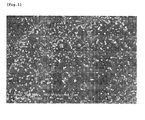
FIG. 1 is a Scanning Electron Microscope (SEM) picture of nanoparticles including poorly soluble BDD which was prepared by using DMAc, a non-volatile polar organic solvent; -
FIG. 2 is a Transmission Electron Microscope (TEM) picture of nanoparticles including poorly soluble BDD which was prepared by using DMAc, a non-volatile polar organic solvent; -
FIG. 3 is a picture of nanoparticles including poorly soluble BDD which was prepared by using DMAc, a non-volatile polar organic solvent; -
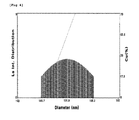
FIG. 4 is a picture illustrating distribution of nanoparticles including poorly soluble BDD which was prepared by using DMSO, a non-volatile polar organic solvent; -
FIG. 5 is a picture illustrating distribution of nanoparticles including poorly soluble BDD which was prepared by using DMF, a non-volatile polar organic solvent; -
FIG. 6 is a graph showing a lasting treatment effect (by measuring ALT concentration in the liver) of biodegradable polymeric nanoparticles containing BDD ofEmbodiment 2 of the present invention against the carbon tetrachloride-induced liver damage ; and -
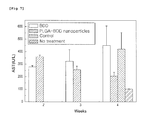
FIG. 7 is a graph showing a lasting treatment effect (by measuring AST concentration in the liver) of biodegradable polymeric nanoparticles containing BDD ofEmbodiment 2 of the present invention against the carbon tetrachloride-induced liver damage. - Hereinafter, the present invention will be described in detail.
- The present invention provides a method of manufacturing uniform size polymeric nanoparticles containing poorly soluble drugs, including a first step of dissolving a biodegradable polymer in a non-volatile polar organic solvent, a second step of adding poorly soluble drugs to water and the biodegradable polymer solution to produce a dispersion, and a third step of adding the dispersion to emulsifier solutions in a batch under the condition of low mechanical energy level stirring.
- Hereinafter, the present invention will be described in detail by step.
- The first step is dissolving a biodegradable polymer in a non-volatile polar organic solvent.
- The biodegradable polymer is a biocompatible polymer which can be dissolved in the body. More particularly, one of or a mixture of polyester-based polymers such as poly-L-lactic acid (PLA), poly glycolic acid (PGA), poly-D-lactic acid-co-glycolic acid(PLGA), poly-L-lactic acid-co-glycolic acid, poly-D,L-lactic acid-co-glycol acid, poly-caprolactone, poly-valerolacton, poly-hydroxy butyrate and poly-hydroxy valerate may be used but not be limited thereto. Especially, it is more desirable to use PLGA from the perspective of biodegradability and biocompatibility. Above-mentioned PLGA is a medically approved polymer by FDA, U.S., and free from toxicity to be more conveniently used than other polymers for medical applications such as a drug delivery agent or a biomaterial. Furthermore, PLGA is characterized to adjust the drug release behavior by changing the degrading speed of the polymers in accordance with the adjustment of fraction or molecular weight of glycolide and lactide when copolymerized. (Anderson JM et al., Advanced Drug Delivery Reviews 28:5-24, 1997).
- Organic solvent of the first step above is preferably a non-volatile polar solvent, and more preferably, a highly hydrophilic solvent which has a similar polarity to water. For example, one of or a mixture of non-volatile solvents such as dimethyl sulfoxide (DMSO), dimethyl formamide (DMF), Dimethyl acetamide (DMAc), N-methyl-2-pyrrolidone (NMP), pyrrolidone, 1,3-Dimethyl-3,4,5,6-tetrahydro-2(1H)-pyrimidinone (DMPU), hexamethylphosphoramide (HMPA) may be used but not be limited thereto. Among those, DMAc is more preferable.
- The second step is adding poorly soluble drugs to water and then, adding them to the biodegradable polymer solution to produce a dispersion.
- Above poorly soluble drugs to water may be used without specific restrictions if the drug controls bioavailability as dissolution of the drug becomes the rate determining step due to low solubility. Furthermore, above drugs may be used as either oil phase or crystal phase. More particularly, the following may be used: griseofulvin, digoxin, dipyridamole, spironolactone, cyclosporin, amphotericin B, fluorouracil, etoposide, 6-mercaptopurine, dexamethasone, perphenasine, biphenyl-dimethyl-dicarboxylate (BDD), a poorly soluble liver disease treatment agent and dimethyl dimethoxy biphenyl dicarboxylate (DDB).
- According to the second step, a dispersion containing poorly soluble drugs in an oil or crystal phase and the polymeric solution prepared in the first step may be produced.
- The ratio between the above poorly soluble drugs and biodegradable polymer is preferably at 0.5-5:10-100 on a part by weight basis.
- The third step is adding the dispersion produced in the second step on emulsifier solutions in a batch under the condition of low mechanical energy level stirring.
- Emulsifiers used in the third step may be any amphipathic (possessing both hydrophobic and hydrophilic elements) solvent which can disperse an oil phase in aqueous solutions. Preferably, propylene glycol (1,2-dihydroxypropane), polyethylene glycol (especially, polyethylene glycol with molecular weight of 200 to 600 (PEG)), propylene carbonate (4-methyl-2-oxo-1,3-dioxolane), polyvinyl alcohol (PVA), poly vinyl pyrrolidone (PVP) may be used but not be limited thereto. The emulsifier aqueous solution is prepared by dissolving above emulsifiers in the Milli-Q distilled water, and especially PVA solution or PVP solution is desirable.
- In the above third step, the dispersion produced in the second step is added to emulsifier solutions in a batch under the condition of low mechanical energy level stirring, preferably at 50-5000 rpm and more preferably, at 100-1000 rpm. As a result, a dispersion with dispersed biodegradable polymeric nanoparticles that poorly soluble drugs are impregnated is produced. At this moment, as the solvent of the above dispersion has a polarity similar to water to be highly hydrophilic, the solvent diffuses rapidly and then, becomes stabilized by the emulsifier, and finally uniform size polymeric nanoparticles may be formed. Upon removing emulsifiers, organic solvents and distilled water from above polymeric nanoparticles solution by using a filtration device such as a separation membrane filtration device, and simultaneously concentrating polymeric nanoparticles that poorly soluble drugs are impregnated, the biodegradable polymeric nanoparticles containing poorly soluble drugs may be obtained. The manufacturing method of the present invention reduces operation costs because stirring is carried out under a low mechanical energy level. In addition, uniform size polymeric nanoparticles may be obtained.
- The biodegradable polymeric nanoparticles have a deviation in size of 0 ~ 30 nm, more preferably 5 ~ 25 nm, and an average size of 200 nm or less (Refer to
FIGS. 1 to 5 and Table 1). - In addition, these nanoparticles agents provide prolonged pharmaceutical effects for 2 weeks or more as shown in Examples. Treatment results of oral intake of nanoparticles containing active ingredients against carbon tetrachloride-induced liver damage were compared with those of oral intake of active ingredients only. After a 4-week session of oral intake, the combination of nanoparticles and active ingredients showed a little lower but similar treatment effects compared with active ingredients-only. However, when the combination and the active ingredients-only were independently administered for 2 weeks and a continuous liver damage was conducted, the protective effects of the combination lasted for 4 weeks (Refer to Tables 2 and 3) but those of active ingredients-only declined gradually for a while and decreased sharply in the 4th week. (Refer to
FIGS. 6 and7 ). Consequently, the sustained solubility and the sustainability of the nanoparticles of the present invention were confirmed with the duration of over 2 weeks. - In addition, as shown in the table 2 and 3, the inhibiting effect of the BDD and BDD-containing polymeric nanoparticles administration group on increase of carbon tetrachloride-induced ALT and AST concentration were roughly 2 times or more. The effect of BDD-containing polymeric nanoparticles administration group of the Example 2 was numerically a little lower than that of the BDD administration group but similar. On the other hand, the total administration amount of BDD-containing polymeric nanoparticles of the Example 2 was 25 mg including 2.5 mg of BDD, which means the drug dosage accounts for 1/10 of the
Group 2 which administered 25 mg of BDD. Examining the results of theGroup 3 against the Example 2, it is understood that with the 1/10 of drug dosage of theGroup 2, the effects ratio against theGroup 2 reached about 56% (Table 1) and about 91% (Table 2), which means an actual dissolution rate was improved by 5.6 times and 9.1 times, respectively. - In summary, compared with BDD-only administration, the biodegradable polymeric nanoparticles containing poorly soluble drugs of the present invention provide a more prolonged pharmaceutical effects with a less dosage per administration.
- Hereinafter, the present invention will be described in more detail with reference to following examples. However, the following examples are provided for illustrative purposes only, and the scope of the present invention should not be limited thereto in any manner.
- 10 g of PLGA(poly-D-lactic acid-co-glycolic acid; Boehringer Ingelheim, Germany) was dissolved in 300 mℓ of Dimethyl acetamide (DMAc), and 1 g of BDD (biphenyl-dimethyl-dicarboxylate) was added and dissolved to prepare a dispersion. Above PLGA-BDD dispersion was added on the 3 ℓ of 4%-PVA (polyvinyl alcohol; Sigma-Aldrich, USA) emulsifier solution in a batch under the condition of low mechanical energy level stirring of 500 rpm for 3 hours.
- After then, the nanoparticles solution was stirred in a container by using a pump-type separation membrane filtration device (Labscale™ TFF System, Millipore, USA) and circulated through a separation pipe by a circulation pump to rapidly remove the emulsifier, the organic solvent and distilled water through a separation membrane filter (Pellicon XL Filter, 500K; Millipore, USA) of the separation membrane, and to concentrate the nanoparticles in a continuous-circulatory concentration manner. Separated and concentrated nanoparticles were frozen dried (EYELA, Japan) to obtain powder of the particles, and kept at 4°C.
- Upon observing the finally obtained nanoparticles through SEM (Sirion, Japan), TEM (JEOL, Japan) and a particle size analyzer (OTSUKA ELECTRONICS, Japan), uniform PLGA-BDD nanoparticles containing active ingredients having narrow bounds of particles distribution and 142 nm of average particle diameter were confirmed. (Refer to Table 1,
FIGS. 1 to 3 ). - 100 mg of PLGA was dissolved in 3 mℓ of DMSO, and 10 mg of BDD was added on it and was dissolved to prepare a dispersion. The above PLGA-BDD dispersion was added on the 30 mℓ of 4%-PVA emulsifier solution in a batch under the condition of low mechanical energy level stirring of 500 rpm for 3 hours.
- After then, nanoparticles were obtained by the same method as Example 1 through separation concentration and frozen drying. Upon observing the finally obtained nanoparticles through a particle size analyzer, uniform PLGA-BDD nanoparticles containing active ingredients having narrow bounds of particles distribution and a 152 nm of average particle diameter were confirmed. (Refer to Table 1)
- 100 mg of PLGA was dissolved in 3 mℓ of dimethyl formamide (DMF), and 10 mg of BDD was added on it and dissolved to prepare a dispersion. The above PLGA-BDD dispersion was added on the 30 mℓ of 4%-PVA emulsifier solution in a batch under the condition of low mechanical energy level stirring at 500 rpm for 3 hours.
- After then, nanoparticles were obtained by the same method as Example 1 through separation concentration and frozen drying. Upon observing the finally obtained nanoparticles through a particle size analyzer, uniform PLGA-BDD nanoparticles containing active ingredients having narrow bounds of particles distribution and a 161 nm of average particle diameter were confirmed(Refer to Table 1).
[Table 1] Non- volatile polar solvent DMAc Deviation (±) DMSO Deviation (±) DMF Deviation (±) Average particle diameter (nm) 142.8 3.3 152.4 4 161.6 3.3 - Treatment effects of the polymeric nanaoparticles of the present invention containing BDD prepared according to
Experiment 2 on carbon tetrachloride-induced liver damage was confirmed via animal tests. - 6-week old 20 male Sprague Dawley rats (Orient Bio, Korea) were weighed and distributed to 4 groups 5 to each group to be equal in average weight and degree of dispersion. Under the condition of 23±2°C of temperature and 55±5% of relative humidity in an animal facility, 0.75 mℓ/kg of 50% solution (v/v) (Sigma-Aldrich, USA) of liver toxic carbon tetrachloride (CCl4) mixed with corn oil was injected each time into the
peritoneal cavity 2 times a week (Mondays & Fridays) for 4 weeks. -
- 1. For Group 1 (control group), 0.75 mℓ/kg of carbon tetrachloride was injected each time into the
peritoneal cavity 2 times a week (Mondays & Fridays) for 4 weeks, and no additional compounds was administered any more. - 2. For
Group 2, in addition to the 0.75 mℓ/kg of carbon tetrachloride injection each time into theperitoneal cavity 2 times a week (Mondays & Fridays) for 4 weeks, BDD equivalent to 25 mg per 1 kg of body weight of each rat, which was suspended in 1% (w/v) of CMC (carboxyl methyl cellulose sodium salt, Sigma-Aldrich, USA) solution were orally administered each time once a day, 6 times a week for 4 weeks. - 3. For
Group 3, in addition to the 0.75 mℓ/kg of carbon tetrachloride injection each time into theperitoneal cavity 2 times a week (Mondays & Fridays) for 4 weeks, BDD-containing polymeric nanoparticles of the present invention prepared via Example 2 equivalent to 25 mg per 1 kg of body weight of each rat, which were suspended in 1% (w/v) of CMC (Carboxyl methyl cellulose sodium salt, Sigma-Aldrich, USA) solution were orally administered each time once a day, 6 times a week for 4 weeks. - 4. For Group 4 (no treatment group), no carbon tetrachloride and compounds were administered.
- Upon obtaining blood serum after the 4 weeks treatment, concentrations of ALT (alanine aminotransferase, GPT) and AST (aspartate aminotransferase, GOT) were measured to confirm the treatment effects of PLGA-BDD nanoparticles obtained via
Experiment 2 of the present invention. - In detail, after 4 weeks, each animal was anesthetized by injecting 4% of 4 mℓ- chloral hydrate (BDH Laboratory Supplies, U.K.) Into the peritoneal cavity, and blood was taken out from the heart and left at a room temperature for an hour. After then, blood serum was obtained by spinning down at 16000 rpm for 20 minutes, and ALT and AST concentrations were measured by an automatic blood biochemistry analyzer (HITACHI 7080, HITACHI, Japan) using an ALT and AST test reagents (TA-Test Wako; WAKO Pure Chemical, Japan).
- As shown in Tables 2 and 3, the inhibiting effect of the BDD and BDD-containing polymeric nanoparticles administration group of the Example 2 on increase of carbon tetrachloride-induced ALT and AST concentration were roughly 2 times or more. The effect of BDD-containing polymeric nanoparticles administration group of the Example 2 was numerically a little lower than that of the BDD administration group but similar. On the other hand, the total administration amount of BDD-containing polymeric nanoparticles of the Example 2 was 25 mg including 2.5 mg of BDD, which means the drug dosage accounts for 1/10 of the
Group 2 which was administered 25 mg of BDD. Examining the results of theGroup 3 against the Example 2, it is understood that with the 1/10 of drug dosage of theGroup 2, the effects obtained against theGroup 2 reached about 56% (Table 1) and about 91% (Table 2), which means an actual dissolution rate was improved by 5.6 times and 9.1 times, respectively.[Table 2] Animal group ALT*(SF IU/ℓ) No. of rats Relative concentration of ALT against the control group (%) Group 1 547.9±26.8 5 100 (Control group) Group 2229.6±99.7 5 42 (BDD) Group 3367.7±45.5 5 67.1 (Example 2) Group 454.6±15.4 5 - (No treatment) *:Average value of ALT concentration ± Deviation; SF: Sigma-Frankel, Activity of enzyme per unit volume [Table 3] Animal group ALT*(SF IU/ℓ) No. of rats Relative concentration of ALT against the control group (%) Group 1 906.6±92.0 5 100 (Control group) Group 2479.7±144.8 5 52.9 (BDD) Group 3516.1±37.0 5 56.9 (Example 2) Group 4194.3±14.5 5 - (No treatment) *:Average value of ALT concentration ± Deviation; SF: Sigma-Frankel, Activity of enzyme per unit volume - Prolonged treatment effects of BDD-containing polymeric nanoparticles of the present invention prepared via Example 2 on carbon tetrachloride-induced liver damage were confirmed through animal tests. In detail, BDD and BDD containing polymeric nanoparticles of the present invention prepared via Example 2 were administered for 2 weeks, respectively and then, carbon tetrachloride was continuously administered to confirm treatment effects according to the time flow.
- Carbon tetrachloride-induced liver damage was conducted on each of 8 groups, 5 rats to each group with the same method as Experimental Example 1-1.
-
- 1. For Group 1 (control group), 0.75 mℓ/kg of carbon tetrachloride was injected each time into the
peritoneal cavity 2 times a week (Mondays & Fridays) for 4 weeks, and no additional compounds was administered any more. - 2. For
Group 2, in addition to the 0.75 mℓ/kg of carbon tetrachloride injection each time into theperitoneal cavity 2 times a week (Mondays & Fridays) for 2 weeks, BDD equivalent to 25 mg per 1 kg of body weight of each rat, which was suspended in 1% (w/v) of CMC solution were orally administered each time once a day, 6 times a week for 2 weeks. - 3. For
Group 3, in addition to the 0.75 mℓ/kg of carbon tetrachloride injection each time into theperitoneal cavity 2 times a week (Mondays & Fridays) for 3 weeks, BDD equivalent to 25 mg per 1 kg of body weight of each rat, which was suspended in 1% (w/v) of CMC solution were orally administered each time once a day, 6 times a week for 2 weeks. - 4. For
Group 4, in addition to the 0.75 mℓ/kg of carbon tetrachloride injection each time into theperitoneal cavity 2 times a week (Mondays & Fridays) for 4 weeks, BDD equivalent to 25 mg per 1 kg of body weight of each rat, which was suspended in 1% (w/v) of CMC solution were orally administered each time once a day, 6 times a week for 2 weeks. - 5. For Group 5, in addition to the 0.75 mℓ/kg of carbon tetrachloride injection each time into the
peritoneal cavity 2 times a week (Mondays & Fridays) for 2 weeks, BDD-containing polymeric nanoparticles of the present invention prepared via Example 1-3 equivalent to 25 mg per 1 kg of body weight of each rat, which was suspended in 1% (w/v) of CMC solution were orally administered each time once a day, 6 times a week for 2 weeks. - 6. For Group 6, in addition to the 0.75 mℓ/kg of carbon tetrachloride injection each time into the
peritoneal cavity 2 times a week (Mondays & Fridays) for 3 weeks, BDD equivalent to 25 mg per 1 kg of body weight of each rat, which was suspended in 1% (w/v) of CMC solution were orally administered each time once a day, 6 times a week for 2 weeks. - 7. For Group 7, in addition to the 0.75 mℓ/kg of carbon tetrachloride injection each time into the
peritoneal cavity 2 times a week (Mondays & Fridays) for 4 weeks, BDD-containing polymeric nanoparticles of the present invention prepared via Example 2 equivalent to 25 mg per 1 kg of body weight of each rat, which was suspended in 1% (w/v) of CMC solution were orally administered each time once a day, 6 times a week for 2 weeks. - 8. For Group 8 (no treatment group), no carbon tetrachloride and compounds were administered.
- After 2 weeks, upon obtaining blood serum after euthanizing each animal every week with the same method as Experimental Example 2, concentrations of ALT and AST were measured to confirm the prolonged treatment effects of PLGA-BDD nanoparticles.
- As a result, as shown
FIGS. 6 and7 , the inhibiting effect of the PLGA-BDD nanoparticles of Example 2 on increase of carbon tetrachloride-induced ALT and AST concentration has been excellent even after 3 and 4 weeks but in case of BDD, the concentration of ALT and AST rebounded after 4 weeks. This result suggests that the dosage form of PLGA-BDD nanoparticles of the present invention prepared via Example 2 help drugs gradually and steadily released and consequently, the treatment effect on liver diseases may be better than BDD-only administration. - Acute toxicity was investigated upon administering the PLGA-BDD nanoparticles of the present invention prepared via Example 2.
- In detail, 20 to 25 g-weigh 20 ICR rats were distributed to 2 groups, 10 to each group, and BDD and PLGA-BDD nanoparticles of the present invention prepared via Example 2 equivalent to 0.005 g, 0.1 g, 0.25 g, 0.5 g and 1 g per 1 kg of body weight of each rat were orally administered, respectively to measure fatality rates by counting numbers of dead rats after 1 week. As a result, it was confirmed that the administration of PLGA-BDD nanoparticles of the present invention prepared via Example 2 is very safe and toxic-free.
[Table 4] 0.005 g 0.1 g 0.25 g 0.5 g 1 g LD50 (g/kg ) No. of dead rats Fatality rate (%) No. of dead rats Fatality rate (%) No. of dead rats Fatality rate (%) No. of dead rats Fatality rate (%) No. of dead rats Fatality rate (%) >2 BDD 0 0 0 0 0 0 0 0 0 0 >2 0 0 0 0 0 0 0 0 0 0 >2 Ex.2 - Although the preferred embodiments of the present invention have been disclosed for illustrative purposes, those skilled in the art will appreciate that various modifications, additions and substitutions are possible, without departing from the scope and spirit of the invention as disclosed in the accompanying claims.
Claims (11)
- A method for manufacturing uniform size polymeric nanoparticles containing poorly soluble drugs, including:a first step of dissolving a biodegradable polymer in a non-volatile polar organic solvent,a second step of adding poorly soluble drugs to water and the biodegradable polymer solution to produce a dispersion, anda third step of adding the dispersion to emulsifier solutions in a batch under the condition of low mechanical energy level stirring.
- The method according to claim 1, wherein the biodegradable polymer in the first step is one of or a mixture of two or more polyester-based polymers selected from the group consisting of poly-L-lactic acid (PLA), poly glycolic acid (PGA), poly-D-lactic acid-co-glycolic acid(PLGA), poly-L-lactic acid-co-glycolic acid, poly-D,L-lactic acid-co-glycol acid, poly-caprolactone, poly-valerolacton, poly-hydroxy butyrate and poly-hydroxy valerate.
- The method according to claim 2, wherein the biodegradable polymer is poly-D-lactic acid-co-glycolic acid(PLGA).
- The method according to claim 1, wherein the organic solvent is a highly hydrophilic solvent as a non-volatile polar solvent.
- The method according to claim 4, wherein the organic solvent is one selected from the group consisting of dimethyl sulfoxide (DMSO), dimethyl formamide (DMF), Dimethyl acetamide (DMAc), N-methyl-2-pyrrolidone (NMP), pyrrolidone, 1,3-Dimethyl-3,4,5,6-tetrahydro-2(1H)-pyrimidinone (DMPU), hexamethylphosphoramide (HMPA), or a mixture solvent thereof.
- The method according to claim 1, wherein the poorly soluble drugs in the second step are selected from the group consisting of griseofulvin, digoxin, dipyridamole, spironolactone, cyclosporin, amphotericin B, fluorouracil, etoposide, 6-mercaptopurine, dexamethasone, perphenasine, biphenyl-dimethyl-dicarboxylate (BDD) and dimethyl dimethoxy biphenyl dicarboxylate (DDB).
- The method according to claim 1, wherein the poorly soluble drugs in the dispersion exist oil or crystal phase.
- The method according to claim 1, wherein the emulsifiers used in the third step are one or more emulsifiers selected from the group consisting of propylene glycol (1,2-dihydroxypropane), polyethylene glycol (polyethylene glycol with molecular weight of 200 to 600 (PEG)), propylene carbonate (4-methyl-2-oxo-1,3-dioxolane), polyvinyl alcohol (PVA) and poly vinyl pyrrolidone (PVP).
- The method according to claim 1, wherein the condition of low mechanical energy level stirring in the third step is carried out at 50-5000 rpm.
- The method according to claim 1, wherein the condition of low mechanical energy level stirring in the third step is carried out at 100-1000 rpm.
- The method according to claim 1, wherein the polymeric nanoparticles prepared thereby is a uniform size polymeric nanoparticles having a deviation in size of 0 ~ 30 nm.
Applications Claiming Priority (2)
| Application Number | Priority Date | Filing Date | Title |
|---|---|---|---|
| KR1020080041017A KR101005562B1 (en) | 2008-05-01 | 2008-05-01 | Manufacturing method of uniform sized polymer nanoparticles containing poorly soluble drugs |
| PCT/KR2009/002289 WO2009134091A2 (en) | 2008-05-01 | 2009-04-30 | Method for manufacturing uniform size polymeric nanoparticles containing poorly soluble drugs |
Publications (2)
| Publication Number | Publication Date |
|---|---|
| EP2322470A2 true EP2322470A2 (en) | 2011-05-18 |
| EP2322470A4 EP2322470A4 (en) | 2013-12-11 |
Family
ID=41255565
Family Applications (1)
| Application Number | Title | Priority Date | Filing Date |
|---|---|---|---|
| EP09738997.7A Withdrawn EP2322470A4 (en) | 2008-05-01 | 2009-04-30 | METHOD FOR MANUFACTURING UNIFORM SIZE POLYMER NANOPARTICLES CONTAINING LOW SOLUBLE MEDICAMENTS |
Country Status (6)
| Country | Link |
|---|---|
| US (1) | US8758822B2 (en) |
| EP (1) | EP2322470A4 (en) |
| JP (1) | JP5425890B2 (en) |
| KR (1) | KR101005562B1 (en) |
| CN (1) | CN102083742B (en) |
| WO (1) | WO2009134091A2 (en) |
Cited By (1)
| Publication number | Priority date | Publication date | Assignee | Title |
|---|---|---|---|---|
| WO2013059898A1 (en) * | 2011-10-24 | 2013-05-02 | Universidade Federal De Ouro Preto - Ufop | Pharmaceutical compositions containing sesquiterpene lactones belonging to the class of furan heliangolides for the treatment of parasitic infections and tumours |
Families Citing this family (5)
| Publication number | Priority date | Publication date | Assignee | Title |
|---|---|---|---|---|
| CN103006565B (en) * | 2011-09-28 | 2014-12-10 | 国家纳米科学中心 | Nano granular medicinal composition and preparation method thereof |
| WO2018038267A1 (en) * | 2016-08-26 | 2018-03-01 | 株式会社 先端医療開発 | Poly(lactide-co-glycolide) copolymer nanoparticles, and method for producing poly(lactide-co-glycolide) copolymer nanoparticles |
| CN106282088B (en) * | 2016-08-30 | 2019-12-27 | 中国科学院长春应用化学研究所 | Preparation method of microcarrier |
| JP6993980B2 (en) * | 2016-10-13 | 2022-02-04 | 株式会社カネカ | Method for producing polyhydroxyalkanoate |
| RU2716706C1 (en) * | 2019-12-04 | 2020-03-16 | Федеральное государственное бюджетное учреждение "Национальный исследовательский центр "Курчатовский институт" | Method of producing a polymer-containing silybin composition |
Family Cites Families (15)
| Publication number | Priority date | Publication date | Assignee | Title |
|---|---|---|---|---|
| FR2693905B1 (en) | 1992-07-27 | 1994-09-02 | Rhone Merieux | Process for the preparation of microspheres for the sustained release of the hormone LHRH and its analogs, microspheres and formulations obtained. |
| ATE252894T1 (en) * | 1995-01-05 | 2003-11-15 | Univ Michigan | SURFACE-MODIFIED NANOPARTICLES AND METHODS FOR THEIR PRODUCTION AND USE |
| DK0752245T3 (en) | 1995-07-05 | 2002-09-09 | Europ Economic Community | Biocompatible and biodegradable nanoparticles developed for the absorption and delivery of proteinaceous drugs |
| KR0180334B1 (en) * | 1995-09-21 | 1999-03-20 | 김윤 | Drug messenger using el-2l-2 micelle and method for sealing drug to it |
| KR100210510B1 (en) | 1996-01-12 | 1999-07-15 | 성재갑 | Microparticles for sustained release of protein drug |
| KR100392501B1 (en) * | 2000-06-28 | 2003-07-22 | 동국제약 주식회사 | Preparation Method for Sustained Release Microparticles by Multiple Emulsion Method and Micropartic les Thereof |
| CN1470289A (en) * | 2002-07-26 | 2004-01-28 | 北京华京五方实用纳米科技开发有限公 | Polymeric nano medicine carrier and preparation preparing method |
| KR100502840B1 (en) * | 2002-09-04 | 2005-07-21 | 학교법인 포항공과대학교 | A block copolymer micelle composition having an improved drug loading capacity |
| EP1660039B1 (en) * | 2003-07-18 | 2016-09-28 | Oakwood Laboratories L.L.C. | Prevention of molecular weight reduction of the polymer, impurity formation and gelling in polymer compositions |
| KR100577514B1 (en) | 2003-10-21 | 2006-05-10 | 한미약품 주식회사 | Oral Microemulsion Compositions Containing Biphenyldimethyldicarboxylate, and Cardus Marianus Extract or Silbin Purified from It |
| KR20050093236A (en) * | 2004-03-18 | 2005-09-23 | 주식회사 태평양 | Sustained release microparticles containing poorly soluble drug and preparation method thereof |
| JP2006131577A (en) * | 2004-11-09 | 2006-05-25 | Ltt Bio-Pharma Co Ltd | Method for preparing nanoparticle having different particle diameters and containing sealed medicine and nanoparticle obtained by the method |
| AU2007309727A1 (en) * | 2006-04-11 | 2008-05-02 | Albany College Of Pharmacy And Health Sciences | Nanoparticle and polymer formulations for thyroid hormone analogs, antagonists, and formulations thereof |
| WO2008051291A2 (en) | 2006-04-11 | 2008-05-02 | Ordway Research Institute | Nanoparticle and polymer formulations for thyroid hormone analogs, antagonists, and formulations thereof |
| KR100722607B1 (en) * | 2006-05-11 | 2007-05-28 | 주식회사 펩트론 | Method for producing sustained-release microspheres with improved dispersibility and injection dose |
-
2008
- 2008-05-01 KR KR1020080041017A patent/KR101005562B1/en not_active Expired - Fee Related
-
2009
- 2009-04-30 JP JP2011507352A patent/JP5425890B2/en not_active Expired - Fee Related
- 2009-04-30 EP EP09738997.7A patent/EP2322470A4/en not_active Withdrawn
- 2009-04-30 US US12/990,540 patent/US8758822B2/en not_active Expired - Fee Related
- 2009-04-30 WO PCT/KR2009/002289 patent/WO2009134091A2/en not_active Ceased
- 2009-04-30 CN CN200980126044.6A patent/CN102083742B/en not_active Expired - Fee Related
Cited By (1)
| Publication number | Priority date | Publication date | Assignee | Title |
|---|---|---|---|---|
| WO2013059898A1 (en) * | 2011-10-24 | 2013-05-02 | Universidade Federal De Ouro Preto - Ufop | Pharmaceutical compositions containing sesquiterpene lactones belonging to the class of furan heliangolides for the treatment of parasitic infections and tumours |
Also Published As
| Publication number | Publication date |
|---|---|
| JP5425890B2 (en) | 2014-02-26 |
| KR20090115268A (en) | 2009-11-05 |
| US8758822B2 (en) | 2014-06-24 |
| CN102083742A (en) | 2011-06-01 |
| WO2009134091A2 (en) | 2009-11-05 |
| JP2011519371A (en) | 2011-07-07 |
| KR101005562B1 (en) | 2011-01-05 |
| WO2009134091A3 (en) | 2010-02-11 |
| US20110171269A1 (en) | 2011-07-14 |
| EP2322470A4 (en) | 2013-12-11 |
| CN102083742B (en) | 2014-08-20 |
Similar Documents
| Publication | Publication Date | Title |
|---|---|---|
| EP2306991B1 (en) | Injectable delivery of microparticles and compositions therefore | |
| US8758822B2 (en) | Method for manufacturing uniform size polymeric nanoparticles containing poorly soluble drugs | |
| US20240408050A1 (en) | Dihydromyricetin spray-dried dispersion formulations and methods for forming them | |
| EP3998065A1 (en) | Long-lasting formulation containing rivastigmine, and method for preparing same | |
| JP7366544B2 (en) | Biodegradable polymer microsphere composition for parenteral administration | |
| EP2379055A1 (en) | Method of making sustained release microparticles | |
| CN106474070B (en) | Microsphere capable of overcoming stagnation period and releasing hydrophobic drugs at constant speed and preparation method thereof | |
| WO2014169725A1 (en) | Exenatide microsphere preparation, preparation method and application thereof | |
| US11992559B2 (en) | Microsphere formulations comprising lurasidone and methods for making and using the same | |
| JP7814375B2 (en) | Microsphere formulations containing ketamine and methods of making and using same | |
| EP1834624A1 (en) | Medicinal composition and process for producing the same | |
| US10835489B2 (en) | Modified release formulations of mycophenolate mofetil | |
| CN1470289A (en) | Polymeric nano medicine carrier and preparation preparing method | |
| CN118414146A (en) | Solid composition comprising tenofovir alafenamide and/or bictegravir | |
| CN113811309A (en) | Polymer preparation for treating virus infection and preparation method and application thereof | |
| US20240307381A1 (en) | Microsphere formulations comprising lurasidone and methods for making and using the same | |
| EP4578442A1 (en) | Microsphere composition for contraceptive microneedles and contraceptive microneedles comprising the same | |
| US20240000772A1 (en) | Microsphere formulations comprising naltrexone and methods for making and using the same | |
| Zhang | Biodegradable microparticles and in situ forming implants/microparticles containing drugs in different physical states | |
| US20250195415A1 (en) | Biodegradable controlled release antiviral agent implants | |
| KR101130756B1 (en) | Oral formulation of rosiglitazone using nanoparticles and preparation method for the same | |
| WO2024163997A1 (en) | Microsphere formulations comprising naltrexone and methods for making and using the same | |
| KR20090115269A (en) | Poorly soluble drug-containing sustained-release polymer nanoparticle formulation | |
| JP2023122702A (en) | Injection and use of particle for producing injection | |
| CN116916920A (en) | Microsphere formulations containing lurasidone and methods of preparation and use thereof |
Legal Events
| Date | Code | Title | Description |
|---|---|---|---|
| PUAI | Public reference made under article 153(3) epc to a published international application that has entered the european phase |
Free format text: ORIGINAL CODE: 0009012 |
|
| 17P | Request for examination filed |
Effective date: 20101201 |
|
| AK | Designated contracting states |
Kind code of ref document: A2 Designated state(s): AT BE BG CH CY CZ DE DK EE ES FI FR GB GR HR HU IE IS IT LI LT LU LV MC MK MT NL NO PL PT RO SE SI SK TR |
|
| AX | Request for extension of the european patent |
Extension state: AL BA RS |
|
| DAX | Request for extension of the european patent (deleted) | ||
| A4 | Supplementary search report drawn up and despatched |
Effective date: 20131112 |
|
| RIC1 | Information provided on ipc code assigned before grant |
Ipc: A61K 31/343 20060101ALI20131106BHEP Ipc: A61K 31/513 20060101ALI20131106BHEP Ipc: A61K 31/704 20060101ALI20131106BHEP Ipc: A61K 31/7048 20060101ALI20131106BHEP Ipc: A61K 31/573 20060101ALI20131106BHEP Ipc: A61K 31/5415 20060101ALI20131106BHEP Ipc: B82B 3/00 20060101AFI20131106BHEP Ipc: A61K 31/519 20060101ALI20131106BHEP Ipc: A61K 31/585 20060101ALI20131106BHEP Ipc: A61K 9/16 20060101ALI20131106BHEP Ipc: A61K 31/235 20060101ALI20131106BHEP |
|
| 17Q | First examination report despatched |
Effective date: 20161004 |
|
| STAA | Information on the status of an ep patent application or granted ep patent |
Free format text: STATUS: THE APPLICATION IS DEEMED TO BE WITHDRAWN |
|
| 18D | Application deemed to be withdrawn |
Effective date: 20161215 |