EP2321409B1 - New endolysin plyp40 - Google Patents
New endolysin plyp40 Download PDFInfo
- Publication number
- EP2321409B1 EP2321409B1 EP09781074.1A EP09781074A EP2321409B1 EP 2321409 B1 EP2321409 B1 EP 2321409B1 EP 09781074 A EP09781074 A EP 09781074A EP 2321409 B1 EP2321409 B1 EP 2321409B1
- Authority
- EP
- European Patent Office
- Prior art keywords
- polypeptide
- listeria
- food
- plyp40
- monocytogenes
- Prior art date
- Legal status (The legal status is an assumption and is not a legal conclusion. Google has not performed a legal analysis and makes no representation as to the accuracy of the status listed.)
- Not-in-force
Links
- 108010062010 N-Acetylmuramoyl-L-alanine Amidase Proteins 0.000 title description 42
- KDXKERNSBIXSRK-UHFFFAOYSA-N lysine Chemical compound NCCCCC(N)C(O)=O KDXKERNSBIXSRK-UHFFFAOYSA-N 0.000 title description 42
- 108090000765 processed proteins & peptides Proteins 0.000 claims description 84
- 102000004196 processed proteins & peptides Human genes 0.000 claims description 83
- 229920001184 polypeptide Polymers 0.000 claims description 81
- 241000186781 Listeria Species 0.000 claims description 52
- 235000013305 food Nutrition 0.000 claims description 40
- 125000003275 alpha amino acid group Chemical group 0.000 claims description 24
- 210000004027 cell Anatomy 0.000 claims description 20
- 150000007523 nucleic acids Chemical class 0.000 claims description 20
- 239000012634 fragment Substances 0.000 claims description 17
- 208000015181 infectious disease Diseases 0.000 claims description 16
- 239000000126 substance Substances 0.000 claims description 16
- 108020004707 nucleic acids Proteins 0.000 claims description 15
- 102000039446 nucleic acids Human genes 0.000 claims description 15
- 210000002421 cell wall Anatomy 0.000 claims description 11
- 238000011109 contamination Methods 0.000 claims description 11
- 206010024641 Listeriosis Diseases 0.000 claims description 9
- 239000004599 antimicrobial Substances 0.000 claims description 9
- 201000010099 disease Diseases 0.000 claims description 9
- 208000037265 diseases, disorders, signs and symptoms Diseases 0.000 claims description 9
- 102000004190 Enzymes Human genes 0.000 claims description 8
- 108090000790 Enzymes Proteins 0.000 claims description 8
- 238000012545 processing Methods 0.000 claims description 8
- 241000251468 Actinopterygii Species 0.000 claims description 7
- 230000000845 anti-microbial effect Effects 0.000 claims description 7
- 239000002537 cosmetic Substances 0.000 claims description 7
- 239000000645 desinfectant Substances 0.000 claims description 6
- 235000019688 fish Nutrition 0.000 claims description 6
- 235000013622 meat product Nutrition 0.000 claims description 6
- 239000013598 vector Substances 0.000 claims description 6
- 201000009906 Meningitis Diseases 0.000 claims description 5
- 235000013365 dairy product Nutrition 0.000 claims description 5
- 208000005577 Gastroenteritis Diseases 0.000 claims description 4
- 238000001514 detection method Methods 0.000 claims description 4
- 239000003814 drug Substances 0.000 claims description 4
- 206010014599 encephalitis Diseases 0.000 claims description 4
- 230000007613 environmental effect Effects 0.000 claims description 4
- 239000002773 nucleotide Substances 0.000 claims description 4
- 125000003729 nucleotide group Chemical group 0.000 claims description 4
- 235000014102 seafood Nutrition 0.000 claims description 4
- 206010061218 Inflammation Diseases 0.000 claims description 3
- 240000008415 Lactuca sativa Species 0.000 claims description 3
- 206010040047 Sepsis Diseases 0.000 claims description 3
- 206010048038 Wound infection Diseases 0.000 claims description 3
- 239000003242 anti bacterial agent Substances 0.000 claims description 3
- 229940088710 antibiotic agent Drugs 0.000 claims description 3
- 210000000795 conjunctiva Anatomy 0.000 claims description 3
- 210000004087 cornea Anatomy 0.000 claims description 3
- 238000003745 diagnosis Methods 0.000 claims description 3
- 230000004054 inflammatory process Effects 0.000 claims description 3
- 235000012045 salad Nutrition 0.000 claims description 3
- 238000003860 storage Methods 0.000 claims description 3
- 238000009395 breeding Methods 0.000 claims description 2
- 230000001488 breeding effect Effects 0.000 claims description 2
- 230000006806 disease prevention Effects 0.000 claims description 2
- 239000003651 drinking water Substances 0.000 claims description 2
- 235000020188 drinking water Nutrition 0.000 claims description 2
- 238000003891 environmental analysis Methods 0.000 claims description 2
- 238000004186 food analysis Methods 0.000 claims description 2
- 230000007062 hydrolysis Effects 0.000 claims description 2
- 238000006460 hydrolysis reaction Methods 0.000 claims description 2
- 238000000338 in vitro Methods 0.000 claims description 2
- 244000144972 livestock Species 0.000 claims description 2
- 238000002560 therapeutic procedure Methods 0.000 claims description 2
- 238000004457 water analysis Methods 0.000 claims description 2
- 241000186779 Listeria monocytogenes Species 0.000 description 34
- 235000001014 amino acid Nutrition 0.000 description 30
- 150000001413 amino acids Chemical class 0.000 description 28
- 230000000694 effects Effects 0.000 description 27
- 230000009089 cytolysis Effects 0.000 description 23
- 108090000623 proteins and genes Proteins 0.000 description 20
- 235000018102 proteins Nutrition 0.000 description 18
- 102000004169 proteins and genes Human genes 0.000 description 18
- 241000186805 Listeria innocua Species 0.000 description 17
- 238000000034 method Methods 0.000 description 11
- 238000007413 biotinylation Methods 0.000 description 10
- 230000006287 biotinylation Effects 0.000 description 10
- 210000004899 c-terminal region Anatomy 0.000 description 9
- 239000000203 mixture Substances 0.000 description 9
- YBJHBAHKTGYVGT-ZKWXMUAHSA-N (+)-Biotin Chemical compound N1C(=O)N[C@@H]2[C@H](CCCCC(=O)O)SC[C@@H]21 YBJHBAHKTGYVGT-ZKWXMUAHSA-N 0.000 description 8
- 108010011170 Ala-Trp-Arg-His-Pro-Gln-Phe-Gly-Gly Proteins 0.000 description 8
- 108091005804 Peptidases Proteins 0.000 description 8
- 238000003556 assay Methods 0.000 description 8
- 230000037430 deletion Effects 0.000 description 8
- 238000012217 deletion Methods 0.000 description 8
- 230000004048 modification Effects 0.000 description 8
- 238000012986 modification Methods 0.000 description 8
- 238000006467 substitution reaction Methods 0.000 description 8
- 238000011282 treatment Methods 0.000 description 8
- 241000186814 Listeria welshimeri Species 0.000 description 7
- 239000004365 Protease Substances 0.000 description 7
- 230000008859 change Effects 0.000 description 7
- 229940088598 enzyme Drugs 0.000 description 7
- 241000186780 Listeria ivanovii Species 0.000 description 6
- 241000186807 Listeria seeligeri Species 0.000 description 6
- MSFSPUZXLOGKHJ-UHFFFAOYSA-N Muraminsaeure Natural products OC(=O)C(C)OC1C(N)C(O)OC(CO)C1O MSFSPUZXLOGKHJ-UHFFFAOYSA-N 0.000 description 6
- 108010013639 Peptidoglycan Proteins 0.000 description 6
- FAPWRFPIFSIZLT-UHFFFAOYSA-M Sodium chloride Chemical compound [Na+].[Cl-] FAPWRFPIFSIZLT-UHFFFAOYSA-M 0.000 description 6
- 239000000872 buffer Substances 0.000 description 6
- 230000004927 fusion Effects 0.000 description 6
- 241000894006 Bacteria Species 0.000 description 5
- 108091028043 Nucleic acid sequence Proteins 0.000 description 5
- 102100037486 Reverse transcriptase/ribonuclease H Human genes 0.000 description 5
- 238000011321 prophylaxis Methods 0.000 description 5
- 235000019419 proteases Nutrition 0.000 description 5
- 241000894007 species Species 0.000 description 5
- 239000000758 substrate Substances 0.000 description 5
- 241000186806 Listeria grayi Species 0.000 description 4
- 241001465754 Metazoa Species 0.000 description 4
- 238000002835 absorbance Methods 0.000 description 4
- 238000007792 addition Methods 0.000 description 4
- 230000001580 bacterial effect Effects 0.000 description 4
- 229960002685 biotin Drugs 0.000 description 4
- 235000020958 biotin Nutrition 0.000 description 4
- 239000011616 biotin Substances 0.000 description 4
- -1 capsules Natural products 0.000 description 4
- 238000000224 chemical solution deposition Methods 0.000 description 4
- 238000009472 formulation Methods 0.000 description 4
- 238000003780 insertion Methods 0.000 description 4
- 230000037431 insertion Effects 0.000 description 4
- 230000035772 mutation Effects 0.000 description 4
- FWMNVWWHGCHHJJ-SKKKGAJSSA-N 4-amino-1-[(2r)-6-amino-2-[[(2r)-2-[[(2r)-2-[[(2r)-2-amino-3-phenylpropanoyl]amino]-3-phenylpropanoyl]amino]-4-methylpentanoyl]amino]hexanoyl]piperidine-4-carboxylic acid Chemical compound C([C@H](C(=O)N[C@H](CC(C)C)C(=O)N[C@H](CCCCN)C(=O)N1CCC(N)(CC1)C(O)=O)NC(=O)[C@H](N)CC=1C=CC=CC=1)C1=CC=CC=C1 FWMNVWWHGCHHJJ-SKKKGAJSSA-N 0.000 description 3
- 102000035195 Peptidases Human genes 0.000 description 3
- 230000002378 acidificating effect Effects 0.000 description 3
- 230000004075 alteration Effects 0.000 description 3
- 238000007385 chemical modification Methods 0.000 description 3
- 238000003776 cleavage reaction Methods 0.000 description 3
- 102000037865 fusion proteins Human genes 0.000 description 3
- 108020001507 fusion proteins Proteins 0.000 description 3
- 238000010438 heat treatment Methods 0.000 description 3
- 230000002934 lysing effect Effects 0.000 description 3
- 230000003287 optical effect Effects 0.000 description 3
- KHPXUQMNIQBQEV-UHFFFAOYSA-L oxaloacetate(2-) Chemical compound [O-]C(=O)CC(=O)C([O-])=O KHPXUQMNIQBQEV-UHFFFAOYSA-L 0.000 description 3
- 239000008194 pharmaceutical composition Substances 0.000 description 3
- 230000008092 positive effect Effects 0.000 description 3
- 230000007017 scission Effects 0.000 description 3
- 239000011780 sodium chloride Substances 0.000 description 3
- AJPJDKMHJJGVTQ-UHFFFAOYSA-M sodium dihydrogen phosphate Chemical compound [Na+].OP(O)([O-])=O AJPJDKMHJJGVTQ-UHFFFAOYSA-M 0.000 description 3
- 229910000162 sodium phosphate Inorganic materials 0.000 description 3
- 239000007858 starting material Substances 0.000 description 3
- 108010016219 Acetyl-CoA carboxylase Proteins 0.000 description 2
- 102000000452 Acetyl-CoA carboxylase Human genes 0.000 description 2
- 108700023418 Amidases Proteins 0.000 description 2
- 108010018763 Biotin carboxylase Proteins 0.000 description 2
- BTBUEUYNUDRHOZ-UHFFFAOYSA-N Borate Chemical compound [O-]B([O-])[O-] BTBUEUYNUDRHOZ-UHFFFAOYSA-N 0.000 description 2
- 241000283690 Bos taurus Species 0.000 description 2
- KRKNYBCHXYNGOX-UHFFFAOYSA-K Citrate Chemical compound [O-]C(=O)CC(O)(CC([O-])=O)C([O-])=O KRKNYBCHXYNGOX-UHFFFAOYSA-K 0.000 description 2
- 108020004414 DNA Proteins 0.000 description 2
- LFQSCWFLJHTTHZ-UHFFFAOYSA-N Ethanol Chemical compound CCO LFQSCWFLJHTTHZ-UHFFFAOYSA-N 0.000 description 2
- 241000588748 Klebsiella Species 0.000 description 2
- KDXKERNSBIXSRK-YFKPBYRVSA-N L-lysine Chemical compound NCCCC[C@H](N)C(O)=O KDXKERNSBIXSRK-YFKPBYRVSA-N 0.000 description 2
- TWRXJAOTZQYOKJ-UHFFFAOYSA-L Magnesium chloride Chemical compound [Mg+2].[Cl-].[Cl-] TWRXJAOTZQYOKJ-UHFFFAOYSA-L 0.000 description 2
- 125000001429 N-terminal alpha-amino-acid group Chemical group 0.000 description 2
- 229920001213 Polysorbate 20 Polymers 0.000 description 2
- 240000004808 Saccharomyces cerevisiae Species 0.000 description 2
- 235000014680 Saccharomyces cerevisiae Nutrition 0.000 description 2
- 108010090804 Streptavidin Proteins 0.000 description 2
- 239000006180 TBST buffer Substances 0.000 description 2
- 238000010521 absorption reaction Methods 0.000 description 2
- 102000005922 amidase Human genes 0.000 description 2
- 244000052616 bacterial pathogen Species 0.000 description 2
- 239000002775 capsule Substances 0.000 description 2
- 239000000969 carrier Substances 0.000 description 2
- 239000003153 chemical reaction reagent Substances 0.000 description 2
- 239000003795 chemical substances by application Substances 0.000 description 2
- UQLDLKMNUJERMK-UHFFFAOYSA-L di(octadecanoyloxy)lead Chemical compound [Pb+2].CCCCCCCCCCCCCCCCCC([O-])=O.CCCCCCCCCCCCCCCCCC([O-])=O UQLDLKMNUJERMK-UHFFFAOYSA-L 0.000 description 2
- 230000002255 enzymatic effect Effects 0.000 description 2
- 239000000796 flavoring agent Substances 0.000 description 2
- 235000019634 flavors Nutrition 0.000 description 2
- 230000002101 lytic effect Effects 0.000 description 2
- 238000004519 manufacturing process Methods 0.000 description 2
- 244000052769 pathogen Species 0.000 description 2
- 230000001717 pathogenic effect Effects 0.000 description 2
- 235000010486 polyoxyethylene sorbitan monolaurate Nutrition 0.000 description 2
- 239000000256 polyoxyethylene sorbitan monolaurate Substances 0.000 description 2
- 108020001580 protein domains Proteins 0.000 description 2
- 238000011160 research Methods 0.000 description 2
- 229940081969 saccharomyces cerevisiae Drugs 0.000 description 2
- 150000003839 salts Chemical class 0.000 description 2
- 239000000243 solution Substances 0.000 description 2
- 125000006850 spacer group Chemical group 0.000 description 2
- 239000003381 stabilizer Substances 0.000 description 2
- 239000000829 suppository Substances 0.000 description 2
- 230000000699 topical effect Effects 0.000 description 2
- XLYOFNOQVPJJNP-UHFFFAOYSA-N water Substances O XLYOFNOQVPJJNP-UHFFFAOYSA-N 0.000 description 2
- 108091032973 (ribonucleotides)n+m Proteins 0.000 description 1
- 208000030507 AIDS Diseases 0.000 description 1
- 241000972773 Aulopiformes Species 0.000 description 1
- 241000271566 Aves Species 0.000 description 1
- 108090001008 Avidin Proteins 0.000 description 1
- 101000588395 Bacillus subtilis (strain 168) Beta-hexosaminidase Proteins 0.000 description 1
- 101710201279 Biotin carboxyl carrier protein Proteins 0.000 description 1
- 241000283707 Capra Species 0.000 description 1
- 102000014914 Carrier Proteins Human genes 0.000 description 1
- 108020004705 Codon Proteins 0.000 description 1
- 238000012270 DNA recombination Methods 0.000 description 1
- 102000016911 Deoxyribonucleases Human genes 0.000 description 1
- 108010053770 Deoxyribonucleases Proteins 0.000 description 1
- 241000283086 Equidae Species 0.000 description 1
- 241000588724 Escherichia coli Species 0.000 description 1
- 206010053172 Fatal outcomes Diseases 0.000 description 1
- 102000004157 Hydrolases Human genes 0.000 description 1
- 108090000604 Hydrolases Proteins 0.000 description 1
- 241000186660 Lactobacillus Species 0.000 description 1
- 241000866438 Listeria monocytogenes 10403S Species 0.000 description 1
- 241000440393 Listeria monocytogenes EGD-e Species 0.000 description 1
- 241000693046 Listeria phage PSA Species 0.000 description 1
- 241000123769 Listeria virus A511 Species 0.000 description 1
- 241000310423 Listeria virus P100 Species 0.000 description 1
- 101710175625 Maltose/maltodextrin-binding periplasmic protein Proteins 0.000 description 1
- 108010051679 Methylmalonyl-CoA carboxytransferase Proteins 0.000 description 1
- 102000016943 Muramidase Human genes 0.000 description 1
- 108010014251 Muramidase Proteins 0.000 description 1
- 125000003047 N-acetyl group Chemical group 0.000 description 1
- 206010028980 Neoplasm Diseases 0.000 description 1
- 241000283973 Oryctolagus cuniculus Species 0.000 description 1
- 229910019142 PO4 Inorganic materials 0.000 description 1
- 241001494479 Pecora Species 0.000 description 1
- 241000186334 Propionibacterium freudenreichii subsp. shermanii Species 0.000 description 1
- 108010053763 Pyruvate Carboxylase Proteins 0.000 description 1
- 102100039895 Pyruvate carboxylase, mitochondrial Human genes 0.000 description 1
- 208000035977 Rare disease Diseases 0.000 description 1
- 241000282849 Ruminantia Species 0.000 description 1
- 241001237745 Salamis Species 0.000 description 1
- 241000293869 Salmonella enterica subsp. enterica serovar Typhimurium Species 0.000 description 1
- 241000282887 Suidae Species 0.000 description 1
- 206010000210 abortion Diseases 0.000 description 1
- 231100000176 abortion Toxicity 0.000 description 1
- 230000021736 acetylation Effects 0.000 description 1
- 238000006640 acetylation reaction Methods 0.000 description 1
- 239000002253 acid Substances 0.000 description 1
- 150000007513 acids Chemical class 0.000 description 1
- 239000013543 active substance Substances 0.000 description 1
- 230000002776 aggregation Effects 0.000 description 1
- 238000004220 aggregation Methods 0.000 description 1
- 238000004458 analytical method Methods 0.000 description 1
- 230000000844 anti-bacterial effect Effects 0.000 description 1
- 239000007864 aqueous solution Substances 0.000 description 1
- 238000000149 argon plasma sintering Methods 0.000 description 1
- 230000004888 barrier function Effects 0.000 description 1
- 230000009286 beneficial effect Effects 0.000 description 1
- 108091008324 binding proteins Proteins 0.000 description 1
- 210000004369 blood Anatomy 0.000 description 1
- 239000008280 blood Substances 0.000 description 1
- 239000010836 blood and blood product Substances 0.000 description 1
- 230000008499 blood brain barrier function Effects 0.000 description 1
- 229940125691 blood product Drugs 0.000 description 1
- 210000001218 blood-brain barrier Anatomy 0.000 description 1
- 239000007853 buffer solution Substances 0.000 description 1
- 201000011510 cancer Diseases 0.000 description 1
- 125000003178 carboxy group Chemical group [H]OC(*)=O 0.000 description 1
- 210000000170 cell membrane Anatomy 0.000 description 1
- 239000006285 cell suspension Substances 0.000 description 1
- 235000013351 cheese Nutrition 0.000 description 1
- 230000001332 colony forming effect Effects 0.000 description 1
- 238000004590 computer program Methods 0.000 description 1
- 239000000470 constituent Substances 0.000 description 1
- 238000010411 cooking Methods 0.000 description 1
- 239000013078 crystal Substances 0.000 description 1
- 235000018417 cysteine Nutrition 0.000 description 1
- XUJNEKJLAYXESH-UHFFFAOYSA-N cysteine Natural products SCC(N)C(O)=O XUJNEKJLAYXESH-UHFFFAOYSA-N 0.000 description 1
- 238000003977 dairy farming Methods 0.000 description 1
- 238000005202 decontamination Methods 0.000 description 1
- 230000003588 decontaminative effect Effects 0.000 description 1
- 230000003247 decreasing effect Effects 0.000 description 1
- 230000029087 digestion Effects 0.000 description 1
- 239000003085 diluting agent Substances 0.000 description 1
- 239000008298 dragée Substances 0.000 description 1
- 229940079593 drug Drugs 0.000 description 1
- 239000003937 drug carrier Substances 0.000 description 1
- 239000002158 endotoxin Substances 0.000 description 1
- VJYFKVYYMZPMAB-UHFFFAOYSA-N ethoprophos Chemical compound CCCSP(=O)(OCC)SCCC VJYFKVYYMZPMAB-UHFFFAOYSA-N 0.000 description 1
- 230000005284 excitation Effects 0.000 description 1
- 235000013332 fish product Nutrition 0.000 description 1
- 238000000799 fluorescence microscopy Methods 0.000 description 1
- 230000002496 gastric effect Effects 0.000 description 1
- 125000003147 glycosyl group Chemical group 0.000 description 1
- 230000003862 health status Effects 0.000 description 1
- 230000003301 hydrolyzing effect Effects 0.000 description 1
- 230000028993 immune response Effects 0.000 description 1
- 210000000987 immune system Anatomy 0.000 description 1
- 238000001727 in vivo Methods 0.000 description 1
- 229940102223 injectable solution Drugs 0.000 description 1
- 230000000968 intestinal effect Effects 0.000 description 1
- 210000000936 intestine Anatomy 0.000 description 1
- 238000001990 intravenous administration Methods 0.000 description 1
- 230000007794 irritation Effects 0.000 description 1
- 229920006008 lipopolysaccharide Polymers 0.000 description 1
- 239000007788 liquid Substances 0.000 description 1
- 239000006210 lotion Substances 0.000 description 1
- 229960000274 lysozyme Drugs 0.000 description 1
- 239000004325 lysozyme Substances 0.000 description 1
- 235000010335 lysozyme Nutrition 0.000 description 1
- 229910001629 magnesium chloride Inorganic materials 0.000 description 1
- 239000000463 material Substances 0.000 description 1
- 238000005259 measurement Methods 0.000 description 1
- 238000002483 medication Methods 0.000 description 1
- 238000002844 melting Methods 0.000 description 1
- 230000008018 melting Effects 0.000 description 1
- 239000012528 membrane Substances 0.000 description 1
- 238000010369 molecular cloning Methods 0.000 description 1
- 235000019799 monosodium phosphate Nutrition 0.000 description 1
- 229940051921 muramidase Drugs 0.000 description 1
- 230000007935 neutral effect Effects 0.000 description 1
- 239000003960 organic solvent Substances 0.000 description 1
- 230000003647 oxidation Effects 0.000 description 1
- 238000007254 oxidation reaction Methods 0.000 description 1
- 238000004806 packaging method and process Methods 0.000 description 1
- 230000006320 pegylation Effects 0.000 description 1
- 239000010452 phosphate Substances 0.000 description 1
- 239000006187 pill Substances 0.000 description 1
- 230000003169 placental effect Effects 0.000 description 1
- 210000002381 plasma Anatomy 0.000 description 1
- 239000011505 plaster Substances 0.000 description 1
- 244000144977 poultry Species 0.000 description 1
- 244000062645 predators Species 0.000 description 1
- 125000002924 primary amino group Chemical group [H]N([H])* 0.000 description 1
- 230000008569 process Effects 0.000 description 1
- 235000019833 protease Nutrition 0.000 description 1
- 230000004845 protein aggregation Effects 0.000 description 1
- 238000000159 protein binding assay Methods 0.000 description 1
- 239000012460 protein solution Substances 0.000 description 1
- 230000017854 proteolysis Effects 0.000 description 1
- 238000000746 purification Methods 0.000 description 1
- 150000003212 purines Chemical class 0.000 description 1
- 150000003230 pyrimidines Chemical class 0.000 description 1
- 239000010453 quartz Substances 0.000 description 1
- 239000002994 raw material Substances 0.000 description 1
- 235000020185 raw untreated milk Nutrition 0.000 description 1
- 235000021487 ready-to-eat food Nutrition 0.000 description 1
- 230000009467 reduction Effects 0.000 description 1
- 230000005070 ripening Effects 0.000 description 1
- 230000000630 rising effect Effects 0.000 description 1
- 235000015175 salami Nutrition 0.000 description 1
- 235000019515 salmon Nutrition 0.000 description 1
- 210000002966 serum Anatomy 0.000 description 1
- VYPSYNLAJGMNEJ-UHFFFAOYSA-N silicon dioxide Inorganic materials O=[Si]=O VYPSYNLAJGMNEJ-UHFFFAOYSA-N 0.000 description 1
- 235000008983 soft cheese Nutrition 0.000 description 1
- 239000007787 solid Substances 0.000 description 1
- 238000005507 spraying Methods 0.000 description 1
- 230000006641 stabilisation Effects 0.000 description 1
- 238000013112 stability test Methods 0.000 description 1
- 238000011105 stabilization Methods 0.000 description 1
- 238000010561 standard procedure Methods 0.000 description 1
- 208000002254 stillbirth Diseases 0.000 description 1
- 231100000537 stillbirth Toxicity 0.000 description 1
- 210000002784 stomach Anatomy 0.000 description 1
- 230000004083 survival effect Effects 0.000 description 1
- 238000012360 testing method Methods 0.000 description 1
- 241001515965 unidentified phage Species 0.000 description 1
- 210000002700 urine Anatomy 0.000 description 1
- 229960005486 vaccine Drugs 0.000 description 1
- 230000001018 virulence Effects 0.000 description 1
- 238000005406 washing Methods 0.000 description 1
Images


Classifications
-
- A—HUMAN NECESSITIES
- A01—AGRICULTURE; FORESTRY; ANIMAL HUSBANDRY; HUNTING; TRAPPING; FISHING
- A01N—PRESERVATION OF BODIES OF HUMANS OR ANIMALS OR PLANTS OR PARTS THEREOF; BIOCIDES, e.g. AS DISINFECTANTS, AS PESTICIDES OR AS HERBICIDES; PEST REPELLANTS OR ATTRACTANTS; PLANT GROWTH REGULATORS
- A01N63/00—Biocides, pest repellants or attractants, or plant growth regulators containing microorganisms, viruses, microbial fungi, animals or substances produced by, or obtained from, microorganisms, viruses, microbial fungi or animals, e.g. enzymes or fermentates
- A01N63/50—Isolated enzymes; Isolated proteins
-
- A—HUMAN NECESSITIES
- A23—FOODS OR FOODSTUFFS; TREATMENT THEREOF, NOT COVERED BY OTHER CLASSES
- A23B—PRESERVATION OF FOODS, FOODSTUFFS OR NON-ALCOHOLIC BEVERAGES; CHEMICAL RIPENING OF FRUIT OR VEGETABLES
- A23B2/00—Preservation of foods or foodstuffs, in general
- A23B2/70—Preservation of foods or foodstuffs, in general by treatment with chemicals
- A23B2/725—Preservation of foods or foodstuffs, in general by treatment with chemicals in the form of liquids or solids
- A23B2/729—Organic compounds; Microorganisms; Enzymes
- A23B2/762—Organic compounds containing nitrogen
-
- A—HUMAN NECESSITIES
- A23—FOODS OR FOODSTUFFS; TREATMENT THEREOF, NOT COVERED BY OTHER CLASSES
- A23B—PRESERVATION OF FOODS, FOODSTUFFS OR NON-ALCOHOLIC BEVERAGES; CHEMICAL RIPENING OF FRUIT OR VEGETABLES
- A23B2/00—Preservation of foods or foodstuffs, in general
- A23B2/70—Preservation of foods or foodstuffs, in general by treatment with chemicals
- A23B2/725—Preservation of foods or foodstuffs, in general by treatment with chemicals in the form of liquids or solids
- A23B2/729—Organic compounds; Microorganisms; Enzymes
- A23B2/783—Microorganisms; Enzymes
-
- A—HUMAN NECESSITIES
- A23—FOODS OR FOODSTUFFS; TREATMENT THEREOF, NOT COVERED BY OTHER CLASSES
- A23B—PRESERVATION OF FOODS, FOODSTUFFS OR NON-ALCOHOLIC BEVERAGES; CHEMICAL RIPENING OF FRUIT OR VEGETABLES
- A23B4/00—Preservation of meat, sausages, fish or fish products
- A23B4/14—Preserving with chemicals not covered by groups A23B4/02 or A23B4/12
- A23B4/18—Preserving with chemicals not covered by groups A23B4/02 or A23B4/12 in the form of liquids or solids
- A23B4/20—Organic compounds; Microorganisms; Enzymes
-
- A—HUMAN NECESSITIES
- A61—MEDICAL OR VETERINARY SCIENCE; HYGIENE
- A61K—PREPARATIONS FOR MEDICAL, DENTAL OR TOILETRY PURPOSES
- A61K38/00—Medicinal preparations containing peptides
- A61K38/16—Peptides having more than 20 amino acids; Gastrins; Somatostatins; Melanotropins; Derivatives thereof
- A61K38/43—Enzymes; Proenzymes; Derivatives thereof
- A61K38/46—Hydrolases (3)
- A61K38/47—Hydrolases (3) acting on glycosyl compounds (3.2), e.g. cellulases, lactases
-
- A—HUMAN NECESSITIES
- A61—MEDICAL OR VETERINARY SCIENCE; HYGIENE
- A61K—PREPARATIONS FOR MEDICAL, DENTAL OR TOILETRY PURPOSES
- A61K45/00—Medicinal preparations containing active ingredients not provided for in groups A61K31/00 - A61K41/00
- A61K45/06—Mixtures of active ingredients without chemical characterisation, e.g. antiphlogistics and cardiaca
-
- A—HUMAN NECESSITIES
- A61—MEDICAL OR VETERINARY SCIENCE; HYGIENE
- A61P—SPECIFIC THERAPEUTIC ACTIVITY OF CHEMICAL COMPOUNDS OR MEDICINAL PREPARATIONS
- A61P1/00—Drugs for disorders of the alimentary tract or the digestive system
-
- A—HUMAN NECESSITIES
- A61—MEDICAL OR VETERINARY SCIENCE; HYGIENE
- A61P—SPECIFIC THERAPEUTIC ACTIVITY OF CHEMICAL COMPOUNDS OR MEDICINAL PREPARATIONS
- A61P15/00—Drugs for genital or sexual disorders; Contraceptives
-
- A—HUMAN NECESSITIES
- A61—MEDICAL OR VETERINARY SCIENCE; HYGIENE
- A61P—SPECIFIC THERAPEUTIC ACTIVITY OF CHEMICAL COMPOUNDS OR MEDICINAL PREPARATIONS
- A61P17/00—Drugs for dermatological disorders
-
- A—HUMAN NECESSITIES
- A61—MEDICAL OR VETERINARY SCIENCE; HYGIENE
- A61P—SPECIFIC THERAPEUTIC ACTIVITY OF CHEMICAL COMPOUNDS OR MEDICINAL PREPARATIONS
- A61P27/00—Drugs for disorders of the senses
- A61P27/02—Ophthalmic agents
-
- A—HUMAN NECESSITIES
- A61—MEDICAL OR VETERINARY SCIENCE; HYGIENE
- A61P—SPECIFIC THERAPEUTIC ACTIVITY OF CHEMICAL COMPOUNDS OR MEDICINAL PREPARATIONS
- A61P29/00—Non-central analgesic, antipyretic or antiinflammatory agents, e.g. antirheumatic agents; Non-steroidal antiinflammatory drugs [NSAID]
-
- A—HUMAN NECESSITIES
- A61—MEDICAL OR VETERINARY SCIENCE; HYGIENE
- A61P—SPECIFIC THERAPEUTIC ACTIVITY OF CHEMICAL COMPOUNDS OR MEDICINAL PREPARATIONS
- A61P31/00—Antiinfectives, i.e. antibiotics, antiseptics, chemotherapeutics
- A61P31/04—Antibacterial agents
-
- C—CHEMISTRY; METALLURGY
- C12—BIOCHEMISTRY; BEER; SPIRITS; WINE; VINEGAR; MICROBIOLOGY; ENZYMOLOGY; MUTATION OR GENETIC ENGINEERING
- C12N—MICROORGANISMS OR ENZYMES; COMPOSITIONS THEREOF; PROPAGATING, PRESERVING, OR MAINTAINING MICROORGANISMS; MUTATION OR GENETIC ENGINEERING; CULTURE MEDIA
- C12N9/00—Enzymes; Proenzymes; Compositions thereof; Processes for preparing, activating, inhibiting, separating or purifying enzymes
- C12N9/14—Hydrolases (3)
- C12N9/24—Hydrolases (3) acting on glycosyl compounds (3.2)
- C12N9/2402—Hydrolases (3) acting on glycosyl compounds (3.2) hydrolysing O- and S- glycosyl compounds (3.2.1)
-
- C—CHEMISTRY; METALLURGY
- C12—BIOCHEMISTRY; BEER; SPIRITS; WINE; VINEGAR; MICROBIOLOGY; ENZYMOLOGY; MUTATION OR GENETIC ENGINEERING
- C12N—MICROORGANISMS OR ENZYMES; COMPOSITIONS THEREOF; PROPAGATING, PRESERVING, OR MAINTAINING MICROORGANISMS; MUTATION OR GENETIC ENGINEERING; CULTURE MEDIA
- C12N9/00—Enzymes; Proenzymes; Compositions thereof; Processes for preparing, activating, inhibiting, separating or purifying enzymes
- C12N9/14—Hydrolases (3)
- C12N9/24—Hydrolases (3) acting on glycosyl compounds (3.2)
- C12N9/2402—Hydrolases (3) acting on glycosyl compounds (3.2) hydrolysing O- and S- glycosyl compounds (3.2.1)
- C12N9/2462—Lysozyme (3.2.1.17)
Definitions
- the present invention relates to a polypeptide with an amino acid sequence according to SEQ ID NO:1.
- the present invention further relates to the nucleic acid molecules comprising a nucleotide sequence coding for the polypeptide, vectors comprising the nucleic acid molecules, and host cells for the expression of the polypeptide.
- the present invention relates to the use of the polypeptide as a human medical, veterinary medical or diagnostic substance, as an antimicrobial agent in food, in cosmetics, as disinfecting agent or in the environmental field.
- Listeria are widespread human and animal pathogenic bacteria in the food sector, which elicit the disease pattern of listeriosis. Food products like fish, meat and dairy products are frequently contaminated with listeria.
- the genus Listeria comprises 6 distinct species with 16 different serotypes. In detail these are L. monocytogenes having the serotypes 1/2a, 1/2b, 1/2c, 3a, 3b, 3c, 4a, 4ab, 4b, 4c, 4d, 4e, 7; L. innocua having the serotypes 3, 6a, 6b, 4ab, U/S; L. ivanovii having the serotype 5; L.
- L. monocytogenes and L. ivanovii are considered to be pathogenic.
- a third species, L. seeligeri is regarded to be nonpathogenic, however there is one case known, in which L. seeligeri caused meningitis in a human being. The remaining species are considered to be nonpathogenic.
- About 90% of the listerioses are attributed to L . monocytogenes serovar 1/2a, 1/2b, and 4b ( Wing EJ & Gregory SH, 2002, Listeria monocytogenes: Clinical and Experimental Update, J Infect Diseases 185 (Suppl 1): S 18-S24 ).
- listeriosis is a rare disease, but it has to be taken very seriously because of the severity of the disease and the high mortality rate. Although only a minimal percentage of the food related diseases is induced by listeria (about 1% in the USA), almost 30% of the annual illnesses with fatal outcome, which are caused by food pathogens, are assigned to this pathogen. Affected are primarily immunosuppressed persons, e.g. elderly people, diabetics, and persons suffering from cancer and/or AIDS. Pregnant women and the unborn child constitute about 25% of all cases of listeriosis patients.
- listeria may cause meningitis, encephalitis, abortions, and stillbirths ( Wing EJ & Gregory SH, 2002, Listeria monocytogenes: Clinical and Experimental Update, J Infect Deseases 185 (Suppl 1): S18-S24 ; Doyle ME, 2001, Virulence Characteristics of Listeria monocytogenes, Food Research Institute, October 2001 ).
- Listeria are very well adapted to the survival in the environment during the food production. They are tolerant to weak acids and are capable of reproducing at relatively high salt concentrations and at temperatures from 1°C to 45°C.
- the main source of infection are articles of food, in particular those which are not heat-treated prior to consumption, such as many dairy products, smoked fish, salted fish, frozen seafood, meat products, salads, and also at an increasing rate convenience products ("ready-to-eat"-products, especially meat products).
- the contamination by listeria frequently takes place during the processing of food (removal from the cooking container, slicing, decorating, packaging, etc.).
- EP0781349 describes inter alia the Listeria phage lysin, Ply511, from the phage A511 that can be used for the aforementioned applications. Based on its broad host range against a multitude of Listeria serovars, Ply511 is very well suited, however, it exhibits a relatively low stability, which is an obstacle especially to its application in food products. Thus, Turner et al. (2007, Syst. And Appl. Microbiol., 30, 58-67 ) point out proteolysis problems in the expression of Ply511 in lactobacilli for the potential use in food products.
- EP 1 531 692 B1 describes the Listeria -phage P100 and the Listeria -phage lysin PlyP100 coded by it.
- Both Ply511 and PlyP100 have an optimum activity at a weakly alkaline pH, whereas an optimum activity in the neutral and weakly acidic pH range would be important in many applications.
- listeria denotes all bacteria, which are assigned to the genus Listeria.
- the term listeria encompasses the species L. monocytogenes having the serotypes 1/2a, 1/2b, 1/2c, 3a, 3b, 3c, 4a, 4ab, 4b, 4c, 4d, 4e, 7; L. innocua having the serotypes 3, 6a, 6b, 4ab, U/S; L. ivanovii having the serotype 5; L. seeligeri having the serotypes 1/2a, 1/2b, 1/2c, 4b, 4c, 4d, 6b; L. welshimeri having the serotypes 1/2a, 4c, 6a, 6b,U/S, and L. grayi having the serotype Grayi.
- Endolysin denotes enzymes that are naturally coded by bacteriophages and are produced by them at the end of their host cycle to lyse the host cell and thereby release the offspring phages.
- Endolysins are comprised of at least one enzymatically active domain (EAD) and a non-enzymatically active cell binding domain (CBD).
- EAD enzymatically active domain
- CBD non-enzymatically active cell binding domain
- the EADs can exhibit different enzymatic activities such as, e.g.
- N-acetyl-muramoyl-L-alanin amidase (amidase, e.g., Ami_2, Ami_5), (endo)-peptidase (e.g., CHAP), transglycosylase, glycosyl hydrolase, (N-acetyl)-muramidase (lysozyme), N-acetyl-glucosaminidase.
- bacterial "cell wall” denotes all components that form the outer cell enclosure of the bacteria und thus guarantee their integrity.
- this refers to the peptidoglycan, the outer membrane of the gram-negative bacteria with the lipopolysaccharide, the bacterial cell membrane, but also to additional layers deposited on the peptidoglycan, like capsules, slimes or outer protein layers.
- domain denotes a portion of an amino acid sequence that either has a specific functional and/or structural property.
- domains can frequently be predicted by employing appropriate computer programs that compare the amino acid sequences in freely available databases with known domains, e.g., conserveed Domain Database (CDD) at the NCBI ( Marchler-Bauer et al., 2005, Nucleic Acids Res. 33, D192-6 ), Pfam ( Finn et al., 2006, Nucleic Acids Research 34, D247-D251 ), or SMART ( Schultz et al., 1998, Proc. Natl. Acad. Sci. USA 95, 5857-5864 , Letunic et al., 2006, Nucleic Acids Res 34, D257-D260 ).
- CDD conserveed Domain Database
- domain linker denotes an amino acid sequence functioning to connect single protein domains with one another.
- domain linkers form no or only few regular secondary structures like ⁇ -helices or ⁇ -sheets and can occupy different conformations within the respective structural context. Properties of linker sequences as well as methods to detect those are described in the prior art ( George & Heringa, 2003, Protein Engineering, 15, 871-879 , Bae et al., 2005, Bioinformatics, 21, 2264-2270 ).
- CBD relates to polypeptide fragments, wherein the respective amino acid sequence corresponds to a portion in endolysins. Said portion is responsible for the binding of the endolysins to the listeria cell wall. Said polypeptide fragments are not enzymatically active.
- the CBD may also be present as a gene fusion with a spacer molecule (GFP, MBP, biotinylation domains) with and without an affinity tag (His-Tag, Strep-Tag, Avi-Tag, biotinylation domains) or also as a gene fusion only with affinity tag (His-Tag, Strep-Tag, Avi-Tag, biotinylation domains).
- EAD refers to the enzymatically active domain of a peptidoglycan lysing enzyme which is responsible for hydrolysis of the bacterial peptidoglycan. It contains at least one of the enzymatic activities described for a peptidoglycan lysing enzyme.
- EAD as used herein describes a segment within a polypeptide chain which is derived from a naturally occurring peptidoglycan lysing enzyme.
- wild type denotes the amino acid sequence of the endolysin PlyP40 from the phage P40 as specified in SEQ ID NO: 1.
- the term denotes also the nucleic acid sequence coding the amino acid sequence according to SEQ ID NO: 1.
- the nucleic acid sequence that codes the endolysin PlyP40 and has been isolated from the phage P40 is specified in SEQ ID NO: 2.
- the term also encompasses the nucleic acid sequence which contains different codons for single amino acids than those specified in SEQ ID NO: 2, but codes the same amino acid sequence due to the degenerated code.
- polypeptide or "protein”, as used herein, denotes peptides consisting of at least 8 amino acids.
- the polypeptides can be pharmacologically or immunologically active polypeptides, polypeptides used for diagnostic purposes, or polypeptides used as antimicrobial agent.
- proteases denotes an enzyme that is capable of hydrolytically cleave peptide bonds of proteins and/or peptides.
- the term encompasses proteases, which cleave single amino acids from the amino or the carboxy terminus as well as proteinases which cleave within a protein or polypeptide.
- variants means that a polypeptide has an altered amino acid sequence in comparison to the wild type sequences.
- the alterations can involve modifications, substitutions, mutations, deletions, additions, and insertions.
- mutant means an alteration of the starting amino acid sequence.
- individual or several immediately consecutive amino acids or amino acids interrupted by non-modified amino acids can be deleted (deletion), added (insertion or addition), or substituted by other amino acids (substitution).
- substitution also encompasses a combination of the individual mentioned alterations.
- the term encompasses also the N- or C-terminal fusion of a protein or peptide tag.
- modification can be used synonymously with “mutation”.
- modification also encompasses chemical modifications of the amino acids like e.g., biotinylation, acetylation, chemical modification of the amino-, SH-, or carboxyl groups.
- deletion means the removal of 1, 2 or more amino acids from the respective starting sequence.
- insertion or “addition”, as used herein, means the removal of 1, 2 or more amino acids from the respective starting sequence.
- substitution means the exchange of an amino acid located at a certain position for a different one.
- the present invention therefore relates to polypeptides possessing the amino acid sequence according to SEQ ID NO: 1.
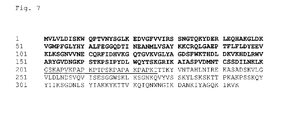
- the endolysin PlyP40 has a length of 344 amino acids in its wild type form. It possesses two functional domains that have only a minimal homology with other known endolysins.
- the N-terminal amino acids at the positions from 1 to 200 represent the enzymatically active domain (EAD).
- the cell binding domain (CBD) of PlyP40 comprises the C-terminal located amino acids from 227 to 344. The two domains are connected by a 26 amino acid linker from position 201 to 226.
- the present invention further relates to the polypeptides according to the invention comprising modifications.
- the present invention further relates to the nucleotide sequences coding the polypeptides according to the present invention.
- the modified polypeptides exhibit the lytic activity of the Wt-PlyP40 endolysin, wherein the activity can be higher, the same or lower, but is not completely lost.
- the activity is measured with assays known to a person skilled in the art, e.g., the plate lysis assay or the liquid lysis assay.
- the modifications can be mutations, in particular deletions, insertions or additions, substitutions or combinations thereof.
- the deletions introduced into the amino acid sequence according to SEQ ID NO: 1 of the naturally occurring endolysin PlyP40 can shorten the amino acid sequence such that the activity of the protein is not lost.
- the protease cleavage sites can be removed through the introduced deletions.
- the deletions may involve one or several amino acids. When several amino acids are deleted, then the deleted amino acids may be immediately adjacent to each other. Moreover, single deleted amino acids or regions with several deleted amino acids may be separated from each other by one or several non-deleted amino acids. Therefore, one or several deletions may be inserted in the starting sequence of the endolysin PlyP40 according to SEQ ID NO: 1.
- the substitutions introduced into the amino acid sequence according to SEQ ID NO: 1 of the naturally occurring endolysin PlyP40 can change the amino acid sequence such that the activity of the protein is not lost.
- the protease cleavage sites may be altered through the introduced substitutions in such a way that the protease which is specific for the cleavage site does no longer cleave the endolysin.
- substitutions may involve one or several amino acids. When several amino acids are substituted, then the substituted amino acids may be immediately adjacent to each other. Moreover, single substituted amino acids or regions with several substituted amino acids may be separated from each other by one or several non-substituted amino acids. Therefore, one or several substitutions can be inserted in the starting sequence of the endolysin PlyP40 according to SEQ ID NO: 1.
- Modifications such as N- or C-terminal tags or chemical modifications of single amino acids may be added to facilitate the production of the proteins (e.g., His-tag or Strep-tag for easier purification), to improve its utilization (e.g., Strep-tag, Avi-tag, JS-tag or chemical biotinylation for the immobilization on surfaces that possess streptavidin or avidin), or enhance solubility or stability (e.g., PEGylation).
- the modifications can comprise N- or C-terminal HA-tags, Myc-tags or GST-tags. All above mentioned tag-sequences are well known to people skilled in the art. The sequences can be obtained from literature or commercially available vectors.
- All of the modified PlyP40 endolysins according to the invention exhibit a lysis activity that is identical or comparable to the naturally occurring PlyP40 endolysin. Furthermore, the above described modifications exhibit positive effects that are beneficial for a commercial application of the endolysins. Such positive effects may involve an enhanced protease stability, thermal stability or stability against chemical denaturing agents. In addition, the stabilization can lead to a higher expression rate, solubility or a longer shelf life. The positive effect may also be expressed by an enhanced activity.
- the polypeptide fragments according to the invention exhibit an amino acid sequence (referring to the full-length sequence according to SEQ ID NO:1) from about position 227 to 344 as denoted in SEQ ID NO:4.
- the invention relates furthermore to nucleic acid molecules encoding the described preferred polypeptide fragments.
- the CBD may be coupled to low molecular substances, e.g ., biotin. It may be chemically introduced into the CBD or by fusion of the CBD with a polypeptide, in which biotin is introduced in vivo or in vitro using another protein.
- polypeptides are, e.g., biotinylation domains, i.e., regions in naturally occurring polypeptides, which are biotinylated.
- biotinylation domains are exhibited, e.g ., by the oxalacetate decarboxylase of Klebsiella ( US 5,252,466 and EP 0511747 ), the Salmonella typhimurium oxalacetate decarboxylase, the Propionibacterium shermanii transcarboxylase subunit, the biotin carboxyl carrier protein of the Escherichia coli acetyl-CoA carboxylase, the Saccharomyces cerevisiae pyruvate carboxylase or the Saccharomyces cer-evisiae acetyl-CoA carboxylase.
- Such a polypeptide may, however, also be the Avi-Tag (avidity-patents US 5,932,433 , US 5,874,239 , and US 5,723,584 ).
- a biotin may be chemically specifically coupled to a group by fusion with a polypeptide which carries said group, which is not or seldom - but hardly accessible - present in the protein (e.g ., cysteine).
- the so-called Strep-Tag Skerra, A. & Schmidt, T. G. M. Biomolecular Engineering 16 (1999), 79-86 , US 5,506,121 ) may be used, which is a short amino acid sequence and binds to streptavidin.
- the His-Tag may be used. It is also possible to combine different tags and in such a way to use the different binding affinities of the different tags, e.g ., Strep-Tag and His-Tag, or biotinylation domain and His-Tag.
- the biotinylation domains as well as the Avi-Tag, the Strep-Tag as well as the His-Tag are preferably coupled to the CBD using DNA-recombination technology.
- the fusion protein consists of the biotinylation domain of the oxalacetate decarboxylase from Klebsiella or the Avi-Tag, the Strep-Tag or the His-Tag, which are bound to the N-terminal end of the CBD at their C-terminal end.
- Such a fusion may also be one of the above-mentioned tags, with whose C-terminal end the N-terminus of another protein, which is used as a kind of "spacer molecule", is coupled, e.g ., GFP or maltose binding protein.
- the CBD may be coupled via its N-terminal end to the C-terminal end of said other protein.
- the CBDs according to the invention may be used for methods for enrichment, removal, and detection of listeria as described in the state of the art.
- the present invention further relates to polypeptide fragments of the endolysin PlyP40 having the property to enzymatically hydrolyse the cell wall of Listeria. Furthermore, the invention relates to the nucleic acid sequences coding for the polypeptide fragments according to the invention.
- the polypeptide fragments according to the invention are referred to in the following also as "enzymatically active domains" (EAD).
- the polypeptide fragments according to the invention exhibit an amino acid sequence (referring to the full-length sequence according to SEQ ID NO:1) from about position 1 to 200 as denoted in SEQ ID NO:3.
- the invention relates furthermore to nucleic acid molecules encoding the described preferred polypeptide fragments.
- the invention further relates to nucleic acid molecules comprising nucleotide sequences which code the described modified polypeptides according to the invention.
- a nucleic acid molecule according to the invention comprises a nucleotide sequence according to SEQ ID NO: 2.
- the present invention further relates to vectors comprising the nucleic acid molecules according to the invention.
- the present invention further relates to appropriate host cells for the expression of the polypeptides according to the invention.
- a suitable host cell for the expression of the polypeptides according to the invention comprises a nucleic acid molecule according to the invention or a vector according to the invention.
- a suitable host cell for the expression of the polypeptide according to the invention is transformed with a nucleic acid molecule according to the invention.
- the present invention further relates to the use of the proteins according to the invention as human medical, veterinary medical, or diagnostic substance, as an antimicrobial agent in food or in cosmetics, or as disinfecting agent.
- the present invention further relates to a pharmaceutical comprising a polypeptide according to the present invention.
- the present invention further relates to a pharmaceutical composition comprising the polypeptide according to the present invention.
- a pharmaceutical composition according to the present invention may additionally comprise a pharmaceutically acceptable buffer, a pharmaceutically acceptable diluting agent, or a pharmaceutically acceptable carrier.
- a pharmaceutical composition according to the present invention may contain suitable stabilizing agents, flavors or other suitable reagents.
- a further aspect of the present invention relates to the polypeptides according to the invention for the use as human medical, veterinary medical or diagnostic substance for therapy and/or prevention of diseases that are caused by listeria or for the diagnosis of listeria contaminations.
- Diseases that are caused by listeria comprise, among others, listeriosis, gastroenteritis, meningitis, encephalitis, sepsis, local wound infections caused by smear infections and inflammations of conjunctiva and cornea.
- the polypeptide according to the invention is used in a method for the treatment and/or prophylaxis of infections, in particular of infections that are caused by Listeria.
- this Listeria infection can be an infection caused by L. monozytogenes, preferably by L. monocytogenes with the serotypes 1/2a, 1/2b, 1/2c, 3a, 3b, 3c, 4a, 4ab, 4b, 4c, 4d, 4e, 7, especially by L. monocytogenes 1442 SV1/2a, L . monocytogenes 1042 SV 4b, L. monocytogenes 1019 SV 4c and/or L. monocytogenes 1001 SV 1/2 c.
- this infection can be a Listeria -infection caused by L. innocua, preferably by L. innocua with the serotypes 3, 6a, 6b, 4ab, U/S, especially by L. innocua 2011 SV 6a.
- the patient can be a human patient or an animal, in particular animals, which are used in animal husbandry and/or in dairy farming such as ruminants (e.g., cattle, cows, sheep or goats), pigs, horses, poultry, captive wild birds, rabbits, or predators.
- the method comprises the application of the polypeptides of the present invention in an adequate amount at the site of infection or at a site that is treated prophylactically against an infection.
- a polypeptide according to the present invention is used in a method for the treatment and/or prophylaxis of gastroenteritis, in particular, gastroenteritis caused by Listeria.
- a polypeptide according to the present invention is used in a method for the treatment and/or prophylaxis of listeriosis, meningitis, encephalitis, sepsis, as well as local wound infections caused by smear infections and inflammations of conjunctiva and cornea, which are caused especially by Listeria.
- a polypeptide according to the present invention is used in a method for the treatment and/or the prophylaxis of the above mentioned diseases during prenatal care.
- a polypeptide of the present invention is used for the medical treatment when the infection to be treated or prevented, has been caused by a resistant Listeria strain.
- a polypeptide of the present invention can be used in methods for the treatment of infections through administration in combination with conventional antibacterial active substances, such as antibiotics, other enzymes, e.g., endolysins etc.
- the dosage and the type of administration used in a method of treatment and/or prophylaxis of the aforementioned diseases depends on the specific disease and also the site of the infection to be treated.
- the type of administration can be an oral, topical, parenteral, intravenous, rectal, or any other type of administration.
- a polypeptide of the present invention may be formulated in a manner such that the polypeptide is protected from environmental influences like proteases, oxidation, or an immune response etc.
- a polypeptide of the present invention may be present in a capsule, in a dragee, in a pill, in a suppository, in an injectable solution, or in any other medically suitable galenic formulation.
- this galenic formulation can contain additionally suitable carriers, stabilizers, flavors, buffers or other suitable reagents.
- a polypeptide of the present invention can be administered in the form of a lotion or a plaster.
- a suppository formulation may be provided for the treatment of the intestine.
- an oral administration may be considered.
- the polypeptide of the present invention has to be protected from the influences of the gastrointestinal environment until it has reached the site of infection. For example, this can be accomplished through the use of bacteria as carriers, which survive the initial steps of digestion in the stomach and secrete a polypeptide of the present invention later on in the intestinal environment.
- the polypeptides of the present invention are a constituent part of a cosmetic composition.
- a cosmetic composition according to the invention can be used to inhibit or to prevent irritations caused through an infection of the skin by Listeria bacteria.
- a cosmetic composition according to the invention preferably contains a sufficient amount of polypeptides according to the invention in order to lyse already existing and/or freshly colonizing Listeria bacteria.
- a further aspect of the present invention relates to the use of the polypeptides according to the invention and/or host cells as an antimicrobial substance in food such as dairy products, smoked fish, salted fish, frozen seafood, meat products, salads, and convenience products ("ready-to-eat”-products, especially meat products and ready-made raw food products)
- a further aspect of the present invention relates to the use of the polypeptides according to the invention as an antimicrobial substance in food processing devices, in food processing facilities, on surface areas that come into contact with food such as shelves, on containers and in facilities that are used for the storage or the processing of food, and in all other situations, where Listeria bacteria may infest potential food materials.
- the polypeptides according to the invention can be used alone or in combination with different antimicrobial substances like disinfecting agents, antibiotics or enzymes such as, for example, different endolysins.
- polypeptides according to the invention can be introduced into or applied to food products and/or at various technical locations within food processing facilities through a multitude of means like for example by admixture of the polypeptides according to the invention to food products, by spraying of the polypeptides according to the invention on facility devices and/or by directly applying the polypeptides according to the invention onto facility devices.
- a further aspect of the invention relates to the use of the polypeptides according to the invention in the diagnosis and the detection, respectively, of listeria contaminations in medicine, food industry and food analysis, livestock breeding, and drinking water analysis or environmental analysis.
- Listeria contaminations can be detected with the aid of the polypeptides of the present invention in miscellaneous samples like for example in aqueous solutions and mixtures of water and organic solvents, foods, media, blood, blood products, plasma, serum, urine, stool samples, protein solutions, water/ethanol mixtures as well as in solutions in which nonaqueous solid substances to be assayed or isolated, respectively, are dissolved, such as, for example, proteins, DNA, RNA, sugar, salts, food, food-media homogenates, pharmaceuticals, vaccines, organic and inorganic chemicals (e.g., NaCl, MgCl 2 , purines, pyrimidines, etc.).
- miscellaneous samples like for example in aqueous solutions and mixtures of water and organic solvents, foods, media, blood, blood products, plasma, serum, urine, stool samples, protein solutions, water/ethanol mixtures as well as in solutions in which nonaqueous solid substances to be assayed or isolated, respectively, are dissolved, such as, for example, proteins
- Example 1 Concentration dependence of the lysis activity of endolysin PlyP40 against L. innocua S1147 (SV 6b).
- L. innocua S1147 (SV 6b) cells were employed as a substrate in a photometrical lysis assay for the determination of the concentration dependence of the lysis activity of endolysin PlyP40.
- L. innocua -cells were suspended in PBS buffer with 0,05% Tween 20 at pH 8.0 (1 x TBST) and thawed.
- the change in absorption per minute as an indicator of the lysis activity in dependence of the PlyP40 concentration was determined by adding 1 mM DNase and various amounts of endolysin PlyP40 in a total volume of 1 ml.
- a change in absorbance d abs /min per ⁇ g of protein in the linear range of 0.0294 was determined, so that a definite activity of the endolysin PlyP40 could be demonstrated.
- Example 2 pH dependence of the lysis activity of endolysin PlyP40 against L. innocua S1147 (SV 6b).
- L . innocua S1147 (SV 6b) cells were employed as a substrate in a photometrical lysis assay.
- frozen L . innocua cells were suspended either in 1x PBS buffers (pH 5-9) or in 50 mM citrate, 50 mM NaH 2 PO 4 , 50 mM borate buffers (pH 4.5 to 9.5) and thawed.
- the substrate cell suspensions were mixed with 12.8 ⁇ g of endolysin PlyP40 each. The change in the absorption per minute was determined in the photometer as an indicator of the lysis activity.
- Example 3 Lysis activity of endolysin PlyP40 against various Listeria strains.
- the lytic activity of endolysin PlyP40 against the Listeria strains L. monocytogenes 1442 SV1/2a, L. monocytogenes 1042 SV 4b, L. monocytogenes 1019 SV 4c, L. monocytogenes 1001 SV 1/2 c, L. innocua 2011 SV 6a, and L. welshimeri 50146 SV 6a was evaluated in a photometric lysis assay.
- the substrate cells of the individual Listeria strains were added as a starting material at an initial OD600 between 1.0 and 1.5 (normalized to 1.0) in 1x PBS buffer at pH 8 in a total volume of 1 ml.
- the assays were run at 30°C. A high lysis activity of the endolysin PlyP40 was determined for all L. monocytogenes strains from different serovar groups as well as for L. innocua, whereas the lysis activity against L. welshimeri was clearly less pronounced.
- Example 4 Comparison of the thermal stability of the two endolysins PlyP40 and Ply511.
- Example 5 Binding of GFP-tagged CBDs from different Listeria endolysins to the cell wall of different Listeria
- Late log phase cells of several Listeria strains were resuspended in PBST (50 mM NaH2PO4, 120 mM NaCl, PH 8,0, 0,01% Tween 20) and incubated with an excess of fusion proteins of green fluorescence protein (HGFP) and CBDs of different listeria binding proteins which are known in the art and described in Korndörfer et al. (2006: The Crystal Structure of the Bacteriophage PSA Endolysin Reveals a Unique Fold responsible for Specific Recognition of Listeria Cell Walls. J. Mol. Bio. 364: 678-689 ) and Loessner et al. (2002, Mol Microbiol. 44, 335-349 ).
- fusion proteins are incubated for 5 min at room temperature. After washing twice with TBST buffer, the cells were prepared for fluorescence microscopy, using an Axioplan microscope (Carl Zeiss). Pictures of green labeled cells were obtained with a filer set with excitation 450-490 nm, beamsplitter 510 nm, and emission 520 nm.
- HGFP-CBD-P40 containing amino acid 201 to 344 from SEQ ID NO:1 was C-terminally fused to HGFP as described in Loessner et al., 2002, Mol Microbiol. 44, 335-349 . The results of the binding assays are given in table 1 below.
- Table 1 Binding of GFP-tagged CBDs from different Listeria phage endolysins to the cell wall of Listeria cells from different species and serovars (++ strong, + weak, (+) very weak, - no binding).
- Species WLSC code Source Serovar Binding of CBD 118 006 500 PSA P35 511 P40 025 L. monocytogenes EGDe J. Kreft 1/2a ++ + - - ++ ++ ++ - L. monocytogenes 10403S D. Portnoy 1/2a ++ + - - ++ + ++ - L. monocytogenes 1442 Food 1/2a ++ ++ - - - ++ ++ - L.
Landscapes
- Life Sciences & Earth Sciences (AREA)
- Health & Medical Sciences (AREA)
- Engineering & Computer Science (AREA)
- Chemical & Material Sciences (AREA)
- Zoology (AREA)
- General Health & Medical Sciences (AREA)
- Wood Science & Technology (AREA)
- Organic Chemistry (AREA)
- Medicinal Chemistry (AREA)
- Bioinformatics & Cheminformatics (AREA)
- Pharmacology & Pharmacy (AREA)
- Animal Behavior & Ethology (AREA)
- Public Health (AREA)
- Veterinary Medicine (AREA)
- General Chemical & Material Sciences (AREA)
- Chemical Kinetics & Catalysis (AREA)
- Microbiology (AREA)
- Genetics & Genomics (AREA)
- Nuclear Medicine, Radiotherapy & Molecular Imaging (AREA)
- Polymers & Plastics (AREA)
- Food Science & Technology (AREA)
- Biotechnology (AREA)
- General Engineering & Computer Science (AREA)
- Proteomics, Peptides & Aminoacids (AREA)
- Molecular Biology (AREA)
- Biomedical Technology (AREA)
- Biochemistry (AREA)
- Epidemiology (AREA)
- Virology (AREA)
- Environmental Sciences (AREA)
- Dentistry (AREA)
- Plant Pathology (AREA)
- Pest Control & Pesticides (AREA)
- Agronomy & Crop Science (AREA)
- Immunology (AREA)
- Gastroenterology & Hepatology (AREA)
- Dermatology (AREA)
- Rheumatology (AREA)
- Communicable Diseases (AREA)
- Pain & Pain Management (AREA)
Description
- The present invention relates to a polypeptide with an amino acid sequence according to SEQ ID NO:1. The present invention further relates to the nucleic acid molecules comprising a nucleotide sequence coding for the polypeptide, vectors comprising the nucleic acid molecules, and host cells for the expression of the polypeptide. Moreover, the present invention relates to the use of the polypeptide as a human medical, veterinary medical or diagnostic substance, as an antimicrobial agent in food, in cosmetics, as disinfecting agent or in the environmental field.
- Listeria are widespread human and animal pathogenic bacteria in the food sector, which elicit the disease pattern of listeriosis. Food products like fish, meat and dairy products are frequently contaminated with listeria. The genus Listeria comprises 6 distinct species with 16 different serotypes. In detail these are L. monocytogenes having the
serotypes 1/2a, 1/2b, 1/2c, 3a, 3b, 3c, 4a, 4ab, 4b, 4c, 4d, 4e, 7; L. innocua having the serotypes 3, 6a, 6b, 4ab, U/S; L. ivanovii having theserotype 5; L. seeligeri having theserotypes 1/2a, 1/2b, 1/2c, 4b, 4c, 4d, 6b; L. welshimeri having theserotypes 1/2a, 4c, 6a, 6b,U/S, and L. grayi having the serotype Grayi. The two species L. monocytogenes and L. ivanovii are considered to be pathogenic. A third species, L. seeligeri, is regarded to be nonpathogenic, however there is one case known, in which L. seeligeri caused meningitis in a human being. The remaining species are considered to be nonpathogenic. About 90% of the listerioses are attributed to L. monocytogenesserovar 1/2a, 1/2b, and 4b (Wing EJ & Gregory SH, 2002, Listeria monocytogenes: Clinical and Experimental Update, J Infect Diseases 185 (Suppl 1): S 18-S24). - In fact, listeriosis is a rare disease, but it has to be taken very seriously because of the severity of the disease and the high mortality rate. Although only a minimal percentage of the food related diseases is induced by listeria (about 1% in the USA), almost 30% of the annual illnesses with fatal outcome, which are caused by food pathogens, are assigned to this pathogen. Affected are primarily immunosuppressed persons, e.g. elderly people, diabetics, and persons suffering from cancer and/or AIDS. Pregnant women and the unborn child constitute about 25% of all cases of listeriosis patients. Based on their ability to cross the blood brain barrier or the placental barrier, listeria may cause meningitis, encephalitis, abortions, and stillbirths (Wing EJ & Gregory SH, 2002, Listeria monocytogenes: Clinical and Experimental Update, J Infect Deseases 185 (Suppl 1): S18-S24; Doyle ME, 2001, Virulence Characteristics of Listeria monocytogenes, Food Research Institute, October 2001).
- Listeria are very well adapted to the survival in the environment during the food production. They are tolerant to weak acids and are capable of reproducing at relatively high salt concentrations and at temperatures from 1°C to 45°C. The main source of infection are articles of food, in particular those which are not heat-treated prior to consumption, such as many dairy products, smoked fish, salted fish, frozen seafood, meat products, salads, and also at an increasing rate convenience products ("ready-to-eat"-products, especially meat products). The contamination by listeria frequently takes place during the processing of food (removal from the cooking container, slicing, decorating, packaging, etc.). In food products, which are produced with the aid of starter cultures and are not heat-treated (e.g., raw milk cheese, salami), a contamination can also take place through the starter cultures or the raw materials themselves or also during ripening and storage. While there is a zero tolerance for L. monoocytogenes in ready-to-eat food in the USA, in many European countries, or Canada as well, a contamination with listeria of up to 100 CFU (colony forming units)/g food is permitted for specific food products. Nevertheless, the food products have to be tested for contamination by listeria in all cases. Many of these food products, e.g. seafood, smoked salmon, dairy products or even prefabricated raw food products, have only a limited shelf life. This frequently results in cost-intensive product recalls, if a listeria contamination and a contamination above the permitted limit, respectively, were detected in these products after delivery.
- For this reason there is a great interest in providing methods for the detection as well as for decontamination of listeria. Furthermore, uses of antimicrobial substances are important to prevent the growth of listeria on the one hand and to kill already present listeria on the other hand.
-
EP0781349 describes inter alia the Listeria phage lysin, Ply511, from the phage A511 that can be used for the aforementioned applications. Based on its broad host range against a multitude of Listeria serovars, Ply511 is very well suited, however, it exhibits a relatively low stability, which is an obstacle especially to its application in food products. Thus, Turner et al. (2007, Syst. And Appl. Microbiol., 30, 58-67) point out proteolysis problems in the expression of Ply511 in lactobacilli for the potential use in food products. -
EP 1 531 692 B1 - Both Ply511 and PlyP100 have an optimum activity at a weakly alkaline pH, whereas an optimum activity in the neutral and weakly acidic pH range would be important in many applications.
- It is therefore the object of the present invention to provide endolysins against listeria, which have a higher stability as well as a higher activity in the weakly acidic range.
- This object is solved by the subject-matter defined in the claims.
- The following figures serve to illustrate the invention.
-
Figure 1 shows the amino acid sequence of the endolysin PlyP40 (SEQ ID NO: 1) according to the present invention. -
Figure 2 shows the nucleotide sequence (SEQ ID NO:2) coding the endolysin PlyP40 according to the present invention. -
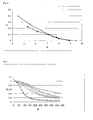
Figure 3 shows in a graph the concentration dependence of the lysis activity of endolysin PlyP40 according to the present invention against L. innocua S 1147 (SV 6b). The change in the absorbance per minute (A) was determined as a function of the concentration of PlyP40 (B) in µg/ml. -
Figure 4 shows in a graph the pH dependence of the lysis activity of endolysin PlyP40 according to the present invention against L. innocua S1147 (SV 6b). The change in the absorbance per minute (A) was determined as a function of the pH value (B) for 12.8 µg of the endolysin PlyP40 in 1x PBST in the pH range from 5 to 9 (A) and for 12.8 µg of the endolysin PlyP40 in 50 mM citrate, 50 mM NaH2PO4, 50 mM borate in the pH-range from 4.5 to 9.5 (□). -
Figure 5 shows in a graph the activity of the endolysin PlyP40 of the present invention against different Listeria strains. Substrate cells of the Listeria strains L. monocytogenes 1442 SV1/2a (■), L. monocytogenes 1042 SV 4b (□), L. monocytogenes 1019 SV 4c (●), L. monocytogenes 1001SV 1/2 c (▲), L. innocua 2011 SV 6a (+), and L. welshimeri 50146 SV 6a (x) were normalized to an initial OD600 of 1.0. The normalized OD600 (A) was traced at a temperature of 30°C in 1x PBS, pH 8.0, at an initial PlyP40 concentration of 200 pmole/ml as a function of the time (B) in seconds. -
Figure 6 shows in a graph the analysis of a thermal stability test of the endolysins PlyP40 and Ply511. Endolysin solutions of PlyP40 (■) and Ply511 (▲) were heated in the photometer. In this process, the increase in the protein aggregation, which corresponds to an increase of the absorbance (A) at a wavelength of 360 nm, is traced as a function of the temperature (B) in degrees Celsius. -
Figure 7 shows the amino acid sequence of the endolysin PlyP40 (SEQ ID NO: 1) according to the present invention. The N-terminal amino acids in bold type at the positions from 1 to 200 represent the enzymatically active domain (EAD). The cell binding domain (CBD) of PlyP40 comprises the C-terminal located amino acids from 227 to 344. The underlined amino acid sequences represent a 26 amino acid linker from position 201 to 226. - The term "listeria" as used herein denotes all bacteria, which are assigned to the genus Listeria. In particular, the term listeria encompasses the species L. monocytogenes having the
serotypes 1/2a, 1/2b, 1/2c, 3a, 3b, 3c, 4a, 4ab, 4b, 4c, 4d, 4e, 7; L. innocua having the serotypes 3, 6a, 6b, 4ab, U/S; L. ivanovii having theserotype 5; L. seeligeri having theserotypes 1/2a, 1/2b, 1/2c, 4b, 4c, 4d, 6b; L. welshimeri having theserotypes 1/2a, 4c, 6a, 6b,U/S, and L. grayi having the serotype Grayi. - The term "endolysin", as used herein, denotes enzymes that are naturally coded by bacteriophages and are produced by them at the end of their host cycle to lyse the host cell and thereby release the offspring phages. Endolysins are comprised of at least one enzymatically active domain (EAD) and a non-enzymatically active cell binding domain (CBD). The EADs can exhibit different enzymatic activities such as, e.g. N-acetyl-muramoyl-L-alanin amidase (amidase, e.g., Ami_2, Ami_5), (endo)-peptidase (e.g., CHAP), transglycosylase, glycosyl hydrolase, (N-acetyl)-muramidase (lysozyme), N-acetyl-glucosaminidase.
- The term bacterial "cell wall", as used herein, denotes all components that form the outer cell enclosure of the bacteria und thus guarantee their integrity. In particular, this refers to the peptidoglycan, the outer membrane of the gram-negative bacteria with the lipopolysaccharide, the bacterial cell membrane, but also to additional layers deposited on the peptidoglycan, like capsules, slimes or outer protein layers.
- The term "domain" or "protein domain", as used herein, denotes a portion of an amino acid sequence that either has a specific functional and/or structural property. On the basis of amino acid sequence homologies, domains can frequently be predicted by employing appropriate computer programs that compare the amino acid sequences in freely available databases with known domains, e.g., Conserved Domain Database (CDD) at the NCBI (Marchler-Bauer et al., 2005, Nucleic Acids Res. 33, D192-6), Pfam (Finn et al., 2006, Nucleic Acids Research 34, D247-D251), or SMART (Schultz et al., 1998, Proc. Natl. Acad. Sci. USA 95, 5857-5864 , Letunic et al., 2006, Nucleic Acids Res 34, D257-D260 ).
- The term "domain linker", as used herein, denotes an amino acid sequence functioning to connect single protein domains with one another. As a rule, domain linkers form no or only few regular secondary structures like α-helices or β-sheets and can occupy different conformations within the respective structural context. Properties of linker sequences as well as methods to detect those are described in the prior art (George & Heringa, 2003, Protein Engineering, 15, 871-879, Bae et al., 2005, Bioinformatics, 21, 2264-2270).
- The term "CBD", as used herein, relates to polypeptide fragments, wherein the respective amino acid sequence corresponds to a portion in endolysins. Said portion is responsible for the binding of the endolysins to the listeria cell wall. Said polypeptide fragments are not enzymatically active. The CBD may also be present as a gene fusion with a spacer molecule (GFP, MBP, biotinylation domains) with and without an affinity tag (His-Tag, Strep-Tag, Avi-Tag, biotinylation domains) or also as a gene fusion only with affinity tag (His-Tag, Strep-Tag, Avi-Tag, biotinylation domains).
- The term "EAD" as used herein refers to the enzymatically active domain of a peptidoglycan lysing enzyme which is responsible for hydrolysis of the bacterial peptidoglycan. It contains at least one of the enzymatic activities described for a peptidoglycan lysing enzyme. The term EAD as used herein describes a segment within a polypeptide chain which is derived from a naturally occurring peptidoglycan lysing enzyme.
- The term "wild type" or "wt", as used herein, denotes the amino acid sequence of the endolysin PlyP40 from the phage P40 as specified in SEQ ID NO: 1. The term denotes also the nucleic acid sequence coding the amino acid sequence according to SEQ ID NO: 1.The nucleic acid sequence that codes the endolysin PlyP40 and has been isolated from the phage P40 is specified in SEQ ID NO: 2. The term also encompasses the nucleic acid sequence which contains different codons for single amino acids than those specified in SEQ ID NO: 2, but codes the same amino acid sequence due to the degenerated code.
- The term "polypeptide" or "protein", as used herein, denotes peptides consisting of at least 8 amino acids. The polypeptides can be pharmacologically or immunologically active polypeptides, polypeptides used for diagnostic purposes, or polypeptides used as antimicrobial agent.
- The term "protease", as used herein, denotes an enzyme that is capable of hydrolytically cleave peptide bonds of proteins and/or peptides. The term encompasses proteases, which cleave single amino acids from the amino or the carboxy terminus as well as proteinases which cleave within a protein or polypeptide.
- The term "variants", as used herein, means that a polypeptide has an altered amino acid sequence in comparison to the wild type sequences. The alterations can involve modifications, substitutions, mutations, deletions, additions, and insertions.
- The term "mutation", as used herein, means an alteration of the starting amino acid sequence. Here individual or several immediately consecutive amino acids or amino acids interrupted by non-modified amino acids can be deleted (deletion), added (insertion or addition), or substituted by other amino acids (substitution). The term also encompasses a combination of the individual mentioned alterations. The term encompasses also the N- or C-terminal fusion of a protein or peptide tag.
- The term "modification", as used herein, can be used synonymously with "mutation". However, the term "modification", as used herein, also encompasses chemical modifications of the amino acids like e.g., biotinylation, acetylation, chemical modification of the amino-, SH-, or carboxyl groups.
- The term "deletion", as used herein, means the removal of 1, 2 or more amino acids from the respective starting sequence.
- The term "insertion" or "addition", as used herein, means the removal of 1, 2 or more amino acids from the respective starting sequence.
- The term "substitution", as used herein, means the exchange of an amino acid located at a certain position for a different one.
- The present invention therefore relates to polypeptides possessing the amino acid sequence according to SEQ ID NO: 1.
- The endolysin PlyP40 has a length of 344 amino acids in its wild type form. It possesses two functional domains that have only a minimal homology with other known endolysins. The N-terminal amino acids at the positions from 1 to 200 represent the enzymatically active domain (EAD). The cell binding domain (CBD) of PlyP40 comprises the C-terminal located amino acids from 227 to 344. The two domains are connected by a 26 amino acid linker from position 201 to 226.
- The present invention further relates to the polypeptides according to the invention comprising modifications. The present invention further relates to the nucleotide sequences coding the polypeptides according to the present invention. The modified polypeptides exhibit the lytic activity of the Wt-PlyP40 endolysin, wherein the activity can be higher, the same or lower, but is not completely lost. The activity is measured with assays known to a person skilled in the art, e.g., the plate lysis assay or the liquid lysis assay.
- The modifications can be mutations, in particular deletions, insertions or additions, substitutions or combinations thereof.
- Preferably, the deletions introduced into the amino acid sequence according to SEQ ID NO: 1 of the naturally occurring endolysin PlyP40 can shorten the amino acid sequence such that the activity of the protein is not lost. For example, the protease cleavage sites can be removed through the introduced deletions.
- The deletions may involve one or several amino acids. When several amino acids are deleted, then the deleted amino acids may be immediately adjacent to each other. Moreover, single deleted amino acids or regions with several deleted amino acids may be separated from each other by one or several non-deleted amino acids. Therefore, one or several deletions may be inserted in the starting sequence of the endolysin PlyP40 according to SEQ ID NO: 1.
- Preferably, the substitutions introduced into the amino acid sequence according to SEQ ID NO: 1 of the naturally occurring endolysin PlyP40 can change the amino acid sequence such that the activity of the protein is not lost. For instance, the protease cleavage sites may be altered through the introduced substitutions in such a way that the protease which is specific for the cleavage site does no longer cleave the endolysin.
- The substitutions may involve one or several amino acids. When several amino acids are substituted, then the substituted amino acids may be immediately adjacent to each other. Moreover, single substituted amino acids or regions with several substituted amino acids may be separated from each other by one or several non-substituted amino acids. Therefore, one or several substitutions can be inserted in the starting sequence of the endolysin PlyP40 according to SEQ ID NO: 1.
- Modifications such as N- or C-terminal tags or chemical modifications of single amino acids may be added to facilitate the production of the proteins (e.g., His-tag or Strep-tag for easier purification), to improve its utilization (e.g., Strep-tag, Avi-tag, JS-tag or chemical biotinylation for the immobilization on surfaces that possess streptavidin or avidin), or enhance solubility or stability (e.g., PEGylation). Furthermore, the modifications can comprise N- or C-terminal HA-tags, Myc-tags or GST-tags. All above mentioned tag-sequences are well known to people skilled in the art. The sequences can be obtained from literature or commercially available vectors.
- All of the modified PlyP40 endolysins according to the invention exhibit a lysis activity that is identical or comparable to the naturally occurring PlyP40 endolysin. Furthermore, the above described modifications exhibit positive effects that are beneficial for a commercial application of the endolysins. Such positive effects may involve an enhanced protease stability, thermal stability or stability against chemical denaturing agents. In addition, the stabilization can lead to a higher expression rate, solubility or a longer shelf life. The positive effect may also be expressed by an enhanced activity.
- The present invention further relates to polypeptide fragments of the endolysin PlyP40 having the property to bind to the cell wall of listeria, wherein the polypeptide fragments do not exhibit any enzymatically active cell wall hydrolysing regions anymore. Furthermore, the invention relates to the nucleic acid sequences coding for the polypeptide fragments according to the invention. The polypeptide fragments according to the invention are referred to in the following also as "cell wall binding domains" (CBD).
- Preferably, the polypeptide fragments according to the invention exhibit an amino acid sequence (referring to the full-length sequence according to SEQ ID NO:1) from about position 227 to 344 as denoted in SEQ ID NO:4. Preferably, the invention relates furthermore to nucleic acid molecules encoding the described preferred polypeptide fragments.
- Especially the CBD may be coupled to low molecular substances, e.g., biotin. It may be chemically introduced into the CBD or by fusion of the CBD with a polypeptide, in which biotin is introduced in vivo or in vitro using another protein. Such polypeptides are, e.g., biotinylation domains, i.e., regions in naturally occurring polypeptides, which are biotinylated. Such biotinylation domains are exhibited, e.g., by the oxalacetate decarboxylase of Klebsiella (
US 5,252,466 andEP 0511747 ), the Salmonella typhimurium oxalacetate decarboxylase, the Propionibacterium shermanii transcarboxylase subunit, the biotin carboxyl carrier protein of the Escherichia coli acetyl-CoA carboxylase, the Saccharomyces cerevisiae pyruvate carboxylase or the Saccharomyces cer-evisiae acetyl-CoA carboxylase. Such a polypeptide may, however, also be the Avi-Tag (avidity-patentsUS 5,932,433 ,US 5,874,239 , andUS 5,723,584 ). Furthermore, a biotin may be chemically specifically coupled to a group by fusion with a polypeptide which carries said group, which is not or seldom - but hardly accessible - present in the protein (e.g., cysteine). Furthermore, instead of biotin, the so-called Strep-Tag (Skerra, A. & Schmidt, T. G. M. Biomolecular Engineering 16 (1999), 79-86,US 5,506,121 ) may be used, which is a short amino acid sequence and binds to streptavidin. Furthermore, the His-Tag may be used. It is also possible to combine different tags and in such a way to use the different binding affinities of the different tags, e.g., Strep-Tag and His-Tag, or biotinylation domain and His-Tag. The biotinylation domains as well as the Avi-Tag, the Strep-Tag as well as the His-Tag are preferably coupled to the CBD using DNA-recombination technology. Preferably, the fusion protein consists of the biotinylation domain of the oxalacetate decarboxylase from Klebsiella or the Avi-Tag, the Strep-Tag or the His-Tag, which are bound to the N-terminal end of the CBD at their C-terminal end. Such a fusion, however, may also be one of the above-mentioned tags, with whose C-terminal end the N-terminus of another protein, which is used as a kind of "spacer molecule", is coupled, e.g., GFP or maltose binding protein. In this case, the CBD may be coupled via its N-terminal end to the C-terminal end of said other protein. - The CBDs according to the invention may be used for methods for enrichment, removal, and detection of listeria as described in the state of the art.
- The present invention further relates to polypeptide fragments of the endolysin PlyP40 having the property to enzymatically hydrolyse the cell wall of Listeria. Furthermore, the invention relates to the nucleic acid sequences coding for the polypeptide fragments according to the invention. The polypeptide fragments according to the invention are referred to in the following also as "enzymatically active domains" (EAD).
- Preferably, the polypeptide fragments according to the invention exhibit an amino acid sequence (referring to the full-length sequence according to SEQ ID NO:1) from about
position 1 to 200 as denoted in SEQ ID NO:3. Preferably, the invention relates furthermore to nucleic acid molecules encoding the described preferred polypeptide fragments. - Preferably, the invention further relates to nucleic acid molecules comprising nucleotide sequences which code the described modified polypeptides according to the invention. Preferably, a nucleic acid molecule according to the invention comprises a nucleotide sequence according to SEQ ID NO: 2.
- The present invention further relates to vectors comprising the nucleic acid molecules according to the invention.
- The present invention further relates to appropriate host cells for the expression of the polypeptides according to the invention. Preferably, a suitable host cell for the expression of the polypeptides according to the invention comprises a nucleic acid molecule according to the invention or a vector according to the invention. Preferably, a suitable host cell for the expression of the polypeptide according to the invention is transformed with a nucleic acid molecule according to the invention.
- The present invention further relates to the use of the proteins according to the invention as human medical, veterinary medical, or diagnostic substance, as an antimicrobial agent in food or in cosmetics, or as disinfecting agent.
- The present invention further relates to a pharmaceutical comprising a polypeptide according to the present invention. The present invention further relates to a pharmaceutical composition comprising the polypeptide according to the present invention. Preferably, a pharmaceutical composition according to the present invention may additionally comprise a pharmaceutically acceptable buffer, a pharmaceutically acceptable diluting agent, or a pharmaceutically acceptable carrier. Moreover, a pharmaceutical composition according to the present invention may contain suitable stabilizing agents, flavors or other suitable reagents.
- A further aspect of the present invention relates to the polypeptides according to the invention for the use as human medical, veterinary medical or diagnostic substance for therapy and/or prevention of diseases that are caused by listeria or for the diagnosis of listeria contaminations.
- Diseases that are caused by listeria comprise, among others, listeriosis, gastroenteritis, meningitis, encephalitis, sepsis, local wound infections caused by smear infections and inflammations of conjunctiva and cornea.
- In a further aspect of the present invention, the polypeptide according to the invention is used in a method for the treatment and/or prophylaxis of infections, in particular of infections that are caused by Listeria. In particular, this Listeria infection can be an infection caused by L. monozytogenes, preferably by L. monocytogenes with the
serotypes 1/2a, 1/2b, 1/2c, 3a, 3b, 3c, 4a, 4ab, 4b, 4c, 4d, 4e, 7, especially by L. monocytogenes 1442 SV1/2a, L. monocytogenes 1042 SV 4b, L. monocytogenes 1019 SV 4c and/or L. monocytogenes 1001SV 1/2 c. In addition, this infection can be a Listeria-infection caused by L. innocua, preferably by L. innocua with the serotypes 3, 6a, 6b, 4ab, U/S, especially by L. innocua 2011 SV 6a. The patient can be a human patient or an animal, in particular animals, which are used in animal husbandry and/or in dairy farming such as ruminants (e.g., cattle, cows, sheep or goats), pigs, horses, poultry, captive wild birds, rabbits, or predators. The method comprises the application of the polypeptides of the present invention in an adequate amount at the site of infection or at a site that is treated prophylactically against an infection. - In a further preferred embodiment, a polypeptide according to the present invention is used in a method for the treatment and/or prophylaxis of gastroenteritis, in particular, gastroenteritis caused by Listeria.
- In a further preferred embodiment, a polypeptide according to the present invention is used in a method for the treatment and/or prophylaxis of listeriosis, meningitis, encephalitis, sepsis, as well as local wound infections caused by smear infections and inflammations of conjunctiva and cornea, which are caused especially by Listeria.
- In a further preferred embodiment, a polypeptide according to the present invention is used in a method for the treatment and/or the prophylaxis of the above mentioned diseases during prenatal care.
- In a particularly preferred embodiment, a polypeptide of the present invention is used for the medical treatment when the infection to be treated or prevented, has been caused by a resistant Listeria strain. Moreover, a polypeptide of the present invention can be used in methods for the treatment of infections through administration in combination with conventional antibacterial active substances, such as antibiotics, other enzymes, e.g., endolysins etc.
- The dosage and the type of administration used in a method of treatment and/or prophylaxis of the aforementioned diseases depends on the specific disease and also the site of the infection to be treated. For instance, in particular embodiments of the present invention the type of administration can be an oral, topical, parenteral, intravenous, rectal, or any other type of administration. For the application of a polypeptide of the present invention at the site of infection (or the site at risk of being infected), a polypeptide of the present invention may be formulated in a manner such that the polypeptide is protected from environmental influences like proteases, oxidation, or an immune response etc.
- Therefore, a polypeptide of the present invention may be present in a capsule, in a dragee, in a pill, in a suppository, in an injectable solution, or in any other medically suitable galenic formulation. In some embodiments of the present invention, this galenic formulation can contain additionally suitable carriers, stabilizers, flavors, buffers or other suitable reagents.
- For instance, for topical applications a polypeptide of the present invention can be administered in the form of a lotion or a plaster.
- A suppository formulation may be provided for the treatment of the intestine. Alternatively, an oral administration may be considered. In this case, the polypeptide of the present invention has to be protected from the influences of the gastrointestinal environment until it has reached the site of infection. For example, this can be accomplished through the use of bacteria as carriers, which survive the initial steps of digestion in the stomach and secrete a polypeptide of the present invention later on in the intestinal environment.
- All medicinal uses are based on the effect of the polypeptide of the present invention to specifically and immediately lyse Listeria-bacteria when coming into contact with the bacteria. This has an immediate impact on the health status of the treated patient through the reduction of the pathogenic bacteria and bacterial load and the simultaneous support of the immune system. For this purpose, the same galenic formulations can be used such as those that are used in conventional medications for these applications.
- In a further aspect, the polypeptides of the present invention are a constituent part of a cosmetic composition. For example, a cosmetic composition according to the invention can be used to inhibit or to prevent irritations caused through an infection of the skin by Listeria bacteria. A cosmetic composition according to the invention preferably contains a sufficient amount of polypeptides according to the invention in order to lyse already existing and/or freshly colonizing Listeria bacteria.
- A further aspect of the present invention relates to the use of the polypeptides according to the invention and/or host cells as an antimicrobial substance in food such as dairy products, smoked fish, salted fish, frozen seafood, meat products, salads, and convenience products ("ready-to-eat"-products, especially meat products and ready-made raw food products)
- A further aspect of the present invention relates to the use of the polypeptides according to the invention as an antimicrobial substance in food processing devices, in food processing facilities, on surface areas that come into contact with food such as shelves, on containers and in facilities that are used for the storage or the processing of food, and in all other situations, where Listeria bacteria may infest potential food materials. In this context, the polypeptides according to the invention can be used alone or in combination with different antimicrobial substances like disinfecting agents, antibiotics or enzymes such as, for example, different endolysins.
- The polypeptides according to the invention can be introduced into or applied to food products and/or at various technical locations within food processing facilities through a multitude of means like for example by admixture of the polypeptides according to the invention to food products, by spraying of the polypeptides according to the invention on facility devices and/or by directly applying the polypeptides according to the invention onto facility devices.
- A further aspect of the invention relates to the use of the polypeptides according to the invention in the diagnosis and the detection, respectively, of listeria contaminations in medicine, food industry and food analysis, livestock breeding, and drinking water analysis or environmental analysis.
- Listeria contaminations can be detected with the aid of the polypeptides of the present invention in miscellaneous samples like for example in aqueous solutions and mixtures of water and organic solvents, foods, media, blood, blood products, plasma, serum, urine, stool samples, protein solutions, water/ethanol mixtures as well as in solutions in which nonaqueous solid substances to be assayed or isolated, respectively, are dissolved, such as, for example, proteins, DNA, RNA, sugar, salts, food, food-media homogenates, pharmaceuticals, vaccines, organic and inorganic chemicals (e.g., NaCl, MgCl2, purines, pyrimidines, etc.).
- The following examples illustrate the invention and are not to be considered to limit the scope of the invention. Unless stated otherwise, molecular biological standard methods have been used, such as described e.g. by Sambrook et al., 1989, Molecular cloning: A Laboratory Manual, 2nd edition, Cold Spring Harbor Laboratory Press, Cold Spring Harbor, New York.
- L. innocua S1147 (SV 6b) cells were employed as a substrate in a photometrical lysis assay for the determination of the concentration dependence of the lysis activity of endolysin PlyP40. For this purpose, L. innocua-cells were suspended in PBS buffer with 0,05
% Tween 20 at pH 8.0 (1 x TBST) and thawed. The change in absorption per minute as an indicator of the lysis activity in dependence of the PlyP40 concentration was determined by adding 1 mM DNase and various amounts of endolysin PlyP40 in a total volume of 1 ml. As a result, a change in absorbance dabs/min per µg of protein in the linear range of 0.0294 was determined, so that a definite activity of the endolysin PlyP40 could be demonstrated. - To examine the pH dependence of the lysis activity of the endolysin PlyP40, L. innocua S1147 (SV 6b) cells were employed as a substrate in a photometrical lysis assay. For this purpose, frozen L. innocua cells were suspended either in 1x PBS buffers (pH 5-9) or in 50 mM citrate, 50 mM NaH2PO4, 50 mM borate buffers (pH 4.5 to 9.5) and thawed. Subsequently, the substrate cell suspensions were mixed with 12.8 µg of endolysin PlyP40 each. The change in the absorption per minute was determined in the photometer as an indicator of the lysis activity. It was found that the maximal lysis activity in both buffer solutions is always found at the lowest pH value examined. A steadily decreasing lysis activity was observed with an increasing pH value, where at a pH greater than 8 only a very low or no lysis activity at all was observed. Hence, the optimum of lysis of endolysin PlyP40 is clearly in the acidic range and thus differs from the optima of lysis of the endolysins Ply511 and
PlyP 100. - The lytic activity of endolysin PlyP40 against the Listeria strains L. monocytogenes 1442 SV1/2a, L. monocytogenes 1042 SV 4b, L. monocytogenes 1019 SV 4c, L. monocytogenes 1001
SV 1/2 c, L. innocua 2011 SV 6a, and L. welshimeri 50146 SV 6a was evaluated in a photometric lysis assay. The substrate cells of the individual Listeria strains were added as a starting material at an initial OD600 between 1.0 and 1.5 (normalized to 1.0) in 1x PBS buffer atpH 8 in a total volume of 1 ml. PlyP40 was added at a concentration of 200 pmol/ml at the point in time t=0 and the change in the optical density was traced for several minutes as an indictor of the lysis activity of endolysin PlyP40. The assays were run at 30°C. A high lysis activity of the endolysin PlyP40 was determined for all L. monocytogenes strains from different serovar groups as well as for L. innocua, whereas the lysis activity against L. welshimeri was clearly less pronounced. - For the test of the
thermal stability 100 µg each of endolysin PlyP40 and Ply511 in 25 mM Na-phosphate, 100 mM NaCl, pH 8.0, were placed in a stirrable quartz cuvette (volume 1 ml). The increase in the optical density, which occurs at rising temperatures due to an altered light scattering, caused by the aggregation of the proteins, was traced during heating from 20 to 90 °C. A heating rate of 1°C/min was used for heating and the measurement of the optical density was carried out in the photometer at a wavelength of 360 nm. Melting points of 80°C for endolysin PlyP40 and of 68°C for endolysin Ply511 were determined by means of the thermal stability assay. - Late log phase cells of several Listeria strains were resuspended in PBST (50 mM NaH2PO4, 120 mM NaCl,
PH Table 1: Binding of GFP-tagged CBDs from different Listeria phage endolysins to the cell wall of Listeria cells from different species and serovars (++ strong, + weak, (+) very weak, - no binding). Species WLSC code Source Serovar Binding of CBD 118 006 500 PSA P35 511 P40 025 L. monocytogenes EGDe J. Kreft 1/2a ++ + - - ++ ++ ++ - L. monocytogenes 10403S D. Portnoy 1/2a ++ + - - ++ + ++ - L. monocytogenes 1442 Food 1/2a ++ ++ - - - ++ ++ - L. monocytogenes 1066 SLCC 8800 1/2b ++ + - - ++ + ++ - L. monocytogenes 1001 ATCC 19112 1/2c ++ + - - ++ + ++ - L. seeligeri 4007 ATCC 35967 1/2b ++ + - - ++ + ++ - L. welshimeri 50149 SLCC 5877 1/2b ++ ++ - - + ++ ++ - L. monocytogenes 1485 soft cheese 3a + (+) - - + + ++ - L. monocytogenes 1031 SLCC1694 3b + - - - ++ + ++ - L. monocytogenes 1032 SLCC 2479 3c + (+) - - ++ + ++ - L. seeligeri 40127 SLCC 8604 3b + - - - ++ ++ ++ - L. monocytogenes 1034 SLCC 2482 "7" + (+) - - - + ++ - L. monocytogenes 1020 ATCC 19114 4a - + ++ ++ ++ ++ ++ ++ L. monocytogenes 1042 ATCC 23074 4b - - ++ ++ - + ++ - L. monocytogenes ScottA J. Jay 4b - - ++ ++ - + ++ - L. monocytogenes 1019 ATCC 19116 4c - - ++ ++ ++ + + - L. monocytogenes 1033 ATCC 19117 4d - - ++ ++ + ++ ++ - L. monocytogenes 1018 ATCC 19118 4e - - ++ + (+) ++ ++ - L. ivanovii 3009 SLCC 4769 5 - - ++ ++ ++ + ++ ++ L. ivanovii (ssp. ivanovii) 3010 ATCC 19119 5 - - ++ ++ ++ + ++ ++ L. ivanovii (ssp. londoniensis) 3060 SLCC 3765 5 - - ++ (+) - + ++ - L. innocua 2011 ATCC 33090 6a - - ++ (+) - + + - L. innocua 2012 ATCC 33091 6b - - ++ ++ ++ + ++ ++ L. welshimeri 50146 SLCC 7622 6a - - ++ ++ + + (+) - L. grayi (ssp. grayi) 6036 ATCC 19120 - (+) - (+) - ++ (+) + - L. grayi (ssp. murrayi) 6037 ATCC 25401 - (+) - (+) + ++ (+) + - -
- <110> Profos AG
- <120> NEW ENDOLYSIN POLYP40
- <130> PRO-036 PCT
- <140> unknown
<141> 2009-07-24 - <150> 10
2008 002 972.6
<151> 2008-07-25 - <160> 4
- <170> PatentIn version 3.3
- <210> 1
<211> 344
<212> PRT
<213> Phage P40 - <400> 1


- <210> 2
<211> 1035
<212> DNA
<213> Phage P40 - <400> 2


- <210> 3
<211> 200
<212> PRT
<213> Phage P40 - <400> 3


- <210> 4
<211> 118
<212> PRT
<213> Phage P40 - <400> 4

Claims (13)
- A polypeptide with an amino acid sequence according to SEQ ID NO:1 or polypeptide fragments thereof, having the amino acid sequence according to SEQ ID NO: 3 or 4, the polypeptide fragments having the property to bind the cell wall of Listeria, wherein the polypeptide fragments do not exhibit any enzymatically active cell wall hydrolysis regions anymore.
- A nucleic acid molecule comprising a nucleotide sequence coding a polypeptide or a polypeptide fragment according to claim 1.
- A vector comprising a nucleic acid molecule according to claim 2.
- A host cell comprising a nucleic acid molecule according to claim 2 or a vector according to claim 4.
- The polypeptide according to claim 1 for use as a human medical, veterinary medical or diagnostic substance, as an antimicrobial in food or on cosmetics, as disinfecting agent or in the environmental field.
- The polypeptide for use according to claim 5, wherein the foods are dairy products, smoked fish, salted fish, frozen seafood, meat products, salads or convenience products.
- The polypeptide according to claim 1 for the application as a human medical, veterinary medical or diagnostic substance for therapy and/or prevention of diseases caused by listeria or for the diagnosis of listeria contaminations.
- The polypeptide for use according to claim 7, wherein the diseases caused by listeria comprise listeriosis, gastroenteritis, meningitis, encephalitis, sepsis, local wound infections caused by smear infections and inflammations of conjunctiva and cornea.
- The polypeptide for use according to one of the claims 7 or 8 during prenatal care.
- Use of the polypeptide according to claim 1 for the in vitro detection of listeria contaminations in medicine, in the food industry and food analysis, in livestock breeding, in drinking water analysis or environmental analysis.
- Use of the polypeptide according to claim 1 as an antimicrobial substance in food or in cosmetics, as disinfecting agent or in the environmental field.
- Use of the polypeptide according to claim 1 as an antimicrobial substance in food processing devices, in food processing facilities, on surface areas that come into contact with food, and in facilities that are used for storage or processing of food.
- Use according to claim 12, wherein the antimicrobial agent is used in combination with other disinfecting agents, antibiotics and/or enzymes.
Applications Claiming Priority (2)
| Application Number | Priority Date | Filing Date | Title |
|---|---|---|---|
| DE102008002972A DE102008002972A1 (en) | 2008-07-25 | 2008-07-25 | New endolysin PlyP40 |
| PCT/EP2009/059606 WO2010010192A1 (en) | 2008-07-25 | 2009-07-24 | New endolysin plyp40 |
Publications (2)
| Publication Number | Publication Date |
|---|---|
| EP2321409A1 EP2321409A1 (en) | 2011-05-18 |
| EP2321409B1 true EP2321409B1 (en) | 2013-08-28 |
Family
ID=41060021
Family Applications (1)
| Application Number | Title | Priority Date | Filing Date |
|---|---|---|---|
| EP09781074.1A Not-in-force EP2321409B1 (en) | 2008-07-25 | 2009-07-24 | New endolysin plyp40 |
Country Status (9)
| Country | Link |
|---|---|
| US (1) | US20140079727A1 (en) |
| EP (1) | EP2321409B1 (en) |
| JP (1) | JP2011528898A (en) |
| CN (1) | CN102076848A (en) |
| AU (1) | AU2009273145A1 (en) |
| BR (1) | BRPI0914245A2 (en) |
| CA (1) | CA2731630A1 (en) |
| DE (1) | DE102008002972A1 (en) |
| WO (1) | WO2010010192A1 (en) |
Families Citing this family (8)
| Publication number | Priority date | Publication date | Assignee | Title |
|---|---|---|---|---|
| EP2397548A1 (en) | 2010-06-18 | 2011-12-21 | Hyglos Invest GmbH | Methods of generating and screening for lytic chimeric polypeptides |
| PT105331A (en) * | 2010-10-12 | 2012-04-12 | Cev Biotecnologia Das Plantas S A | PRESERVATIVE FOOD |
| EP2714898A1 (en) | 2011-05-26 | 2014-04-09 | DSM IP Assets B.V. | Endolysins for controlling listeria in pasta filata cheese and related food products |
| AU2014241191A1 (en) | 2013-03-27 | 2015-10-22 | Sample Technologies, Inc. | Recombinant phage and bacterial detection methods |
| AU2014281406A1 (en) | 2013-06-19 | 2016-01-21 | Sample6 Technologies, Inc. | Phage-based bacterial detection assay |
| EP2904912A1 (en) | 2014-02-07 | 2015-08-12 | Hyglos Invest GmbH | Novel high pressure method with endolysin for processing of foods |
| CN105062992B (en) * | 2015-07-20 | 2018-05-11 | 昆明理工大学 | A kind of endolysin and the polynucleotides for encoding this endolysin |
| US20180228189A1 (en) | 2017-02-14 | 2018-08-16 | Kraft Foods Group Brands Llc | Process for maintaining freshness of vegetable pieces |
Family Cites Families (5)
| Publication number | Priority date | Publication date | Assignee | Title |
|---|---|---|---|---|
| EP0781349B1 (en) | 1994-09-09 | 2003-01-15 | Biotec Laboratories Limited | Decomposition of bacteria cells by phage lysins |
| AU2003247801B2 (en) * | 2002-07-08 | 2009-05-14 | Ebi Foodsafety B.V. | Virulent phages to control Listeria monocytogenes in foodstuffs and in food processing plants |
| DE102005040347A1 (en) * | 2005-08-25 | 2007-03-01 | Profos Ag | Methods and means of enrichment, removal and detection of Listeria |
| WO2007093849A2 (en) * | 2005-09-16 | 2007-08-23 | Ebi Food Safety, B.V. | P100 bacteriophage for control of listeria monocytogenes |
| DE102006061002A1 (en) * | 2006-12-22 | 2008-06-26 | Profos Ag | Method and means for enrichment, removal and detection of gram-positive bacteria |
-
2008
- 2008-07-25 DE DE102008002972A patent/DE102008002972A1/en not_active Ceased
-
2009
- 2009-07-24 BR BRPI0914245-2A patent/BRPI0914245A2/en not_active IP Right Cessation
- 2009-07-24 WO PCT/EP2009/059606 patent/WO2010010192A1/en not_active Ceased
- 2009-07-24 CN CN2009801254820A patent/CN102076848A/en active Pending
- 2009-07-24 JP JP2011519190A patent/JP2011528898A/en active Pending
- 2009-07-24 CA CA2731630A patent/CA2731630A1/en not_active Abandoned
- 2009-07-24 AU AU2009273145A patent/AU2009273145A1/en not_active Abandoned
- 2009-07-24 EP EP09781074.1A patent/EP2321409B1/en not_active Not-in-force
- 2009-07-24 US US13/055,646 patent/US20140079727A1/en not_active Abandoned
Also Published As
| Publication number | Publication date |
|---|---|
| CA2731630A1 (en) | 2010-01-28 |
| JP2011528898A (en) | 2011-12-01 |
| DE102008002972A1 (en) | 2010-01-28 |
| CN102076848A (en) | 2011-05-25 |
| US20140079727A1 (en) | 2014-03-20 |
| EP2321409A1 (en) | 2011-05-18 |
| AU2009273145A1 (en) | 2010-01-28 |
| BRPI0914245A2 (en) | 2015-08-04 |
| WO2010010192A1 (en) | 2010-01-28 |
Similar Documents
| Publication | Publication Date | Title |
|---|---|---|
| Hermoso et al. | Taking aim on bacterial pathogens: from phage therapy to enzybiotics | |
| EP3350322B1 (en) | A novel endolysin polypeptide | |
| US20140079727A1 (en) | New endolysin plyp40 | |
| EP2635676B1 (en) | Novel endolysin | |
| KR101711062B1 (en) | Antimicrobial agents | |
| AU2009284175A1 (en) | Artificial peptidoglycan lysing enzymes and peptidoglycan binding proteins | |
| JP2012530510A (en) | Antimicrobial agent | |
| KR102560651B1 (en) | Novel antimicrobial agents against Enterococcus bacteria | |
| AU2017375050B2 (en) | Novel endolysin | |
| EP4047011B9 (en) | Hybrid antimicrobial protein having strong bactericidal effect, and application thereof | |
| US20120128652A1 (en) | Endolysin plyp40 | |
| EP3813796A1 (en) | Recombinant lysins | |
| US20220024992A1 (en) | Compositions and methods comprising lysocins as bioengineered antimicrobials for use in targeting gram-negative bacteria | |
| US20110243916A1 (en) | Modified endolysin ply511 | |
| HK40013452B (en) | Novel endolysin | |
| HK40013452A (en) | Novel endolysin | |
| HK1258877B (en) | A novel endolysin polypeptide |
Legal Events
| Date | Code | Title | Description |
|---|---|---|---|
| PUAI | Public reference made under article 153(3) epc to a published international application that has entered the european phase |
Free format text: ORIGINAL CODE: 0009012 |
|
| 17P | Request for examination filed |
Effective date: 20110223 |
|
| AK | Designated contracting states |
Kind code of ref document: A1 Designated state(s): AT BE BG CH CY CZ DE DK EE ES FI FR GB GR HR HU IE IS IT LI LT LU LV MC MK MT NL NO PL PT RO SE SI SK SM TR |
|
| AX | Request for extension of the european patent |
Extension state: AL BA RS |
|
| DAX | Request for extension of the european patent (deleted) | ||
| 17Q | First examination report despatched |
Effective date: 20111107 |
|
| REG | Reference to a national code |
Ref country code: DE Ref legal event code: R079 Ref document number: 602009018414 Country of ref document: DE Free format text: PREVIOUS MAIN CLASS: C12N0009360000 Ipc: A23B0004200000 |
|
| GRAP | Despatch of communication of intention to grant a patent |
Free format text: ORIGINAL CODE: EPIDOSNIGR1 |
|
| RIC1 | Information provided on ipc code assigned before grant |
Ipc: C12N 9/24 20060101ALI20130228BHEP Ipc: A23B 4/20 20060101AFI20130228BHEP Ipc: A23L 3/3526 20060101ALI20130228BHEP |
|
| INTG | Intention to grant announced |
Effective date: 20130328 |
|
| GRAS | Grant fee paid |
Free format text: ORIGINAL CODE: EPIDOSNIGR3 |
|
| GRAA | (expected) grant |
Free format text: ORIGINAL CODE: 0009210 |
|
| AK | Designated contracting states |
Kind code of ref document: B1 Designated state(s): AT BE BG CH CY CZ DE DK EE ES FI FR GB GR HR HU IE IS IT LI LT LU LV MC MK MT NL NO PL PT RO SE SI SK SM TR |
|
| REG | Reference to a national code |
Ref country code: GB Ref legal event code: FG4D |
|
| REG | Reference to a national code |
Ref country code: CH Ref legal event code: EP |
|
| REG | Reference to a national code |
Ref country code: AT Ref legal event code: REF Ref document number: 628781 Country of ref document: AT Kind code of ref document: T Effective date: 20130915 |
|
| REG | Reference to a national code |
Ref country code: IE Ref legal event code: FG4D |
|
| REG | Reference to a national code |
Ref country code: DE Ref legal event code: R096 Ref document number: 602009018414 Country of ref document: DE Effective date: 20131024 |
|
| REG | Reference to a national code |
Ref country code: AT Ref legal event code: MK05 Ref document number: 628781 Country of ref document: AT Kind code of ref document: T Effective date: 20130828 |
|
| REG | Reference to a national code |
Ref country code: LT Ref legal event code: MG4D Ref country code: DE Ref legal event code: R082 Ref document number: 602009018414 Country of ref document: DE Representative=s name: DEHMEL & BETTENHAUSEN PATENT- UND RECHTSANWAEL, DE |
|
| REG | Reference to a national code |
Ref country code: NL Ref legal event code: VDEP Effective date: 20130828 |
|
| PG25 | Lapsed in a contracting state [announced via postgrant information from national office to epo] |
Ref country code: AT Free format text: LAPSE BECAUSE OF FAILURE TO SUBMIT A TRANSLATION OF THE DESCRIPTION OR TO PAY THE FEE WITHIN THE PRESCRIBED TIME-LIMIT Effective date: 20130828 Ref country code: HR Free format text: LAPSE BECAUSE OF FAILURE TO SUBMIT A TRANSLATION OF THE DESCRIPTION OR TO PAY THE FEE WITHIN THE PRESCRIBED TIME-LIMIT Effective date: 20130828 Ref country code: CY Free format text: LAPSE BECAUSE OF FAILURE TO SUBMIT A TRANSLATION OF THE DESCRIPTION OR TO PAY THE FEE WITHIN THE PRESCRIBED TIME-LIMIT Effective date: 20130717 Ref country code: LT Free format text: LAPSE BECAUSE OF FAILURE TO SUBMIT A TRANSLATION OF THE DESCRIPTION OR TO PAY THE FEE WITHIN THE PRESCRIBED TIME-LIMIT Effective date: 20130828 Ref country code: SE Free format text: LAPSE BECAUSE OF FAILURE TO SUBMIT A TRANSLATION OF THE DESCRIPTION OR TO PAY THE FEE WITHIN THE PRESCRIBED TIME-LIMIT Effective date: 20130828 Ref country code: PT Free format text: LAPSE BECAUSE OF FAILURE TO SUBMIT A TRANSLATION OF THE DESCRIPTION OR TO PAY THE FEE WITHIN THE PRESCRIBED TIME-LIMIT Effective date: 20131230 Ref country code: NO Free format text: LAPSE BECAUSE OF FAILURE TO SUBMIT A TRANSLATION OF THE DESCRIPTION OR TO PAY THE FEE WITHIN THE PRESCRIBED TIME-LIMIT Effective date: 20131128 Ref country code: IS Free format text: LAPSE BECAUSE OF FAILURE TO SUBMIT A TRANSLATION OF THE DESCRIPTION OR TO PAY THE FEE WITHIN THE PRESCRIBED TIME-LIMIT Effective date: 20131228 |
|
| REG | Reference to a national code |
Ref country code: NL Ref legal event code: VDEP Effective date: 20130828 |
|
| PG25 | Lapsed in a contracting state [announced via postgrant information from national office to epo] |
Ref country code: FI Free format text: LAPSE BECAUSE OF FAILURE TO SUBMIT A TRANSLATION OF THE DESCRIPTION OR TO PAY THE FEE WITHIN THE PRESCRIBED TIME-LIMIT Effective date: 20130828 Ref country code: GR Free format text: LAPSE BECAUSE OF FAILURE TO SUBMIT A TRANSLATION OF THE DESCRIPTION OR TO PAY THE FEE WITHIN THE PRESCRIBED TIME-LIMIT Effective date: 20131129 Ref country code: PL Free format text: LAPSE BECAUSE OF FAILURE TO SUBMIT A TRANSLATION OF THE DESCRIPTION OR TO PAY THE FEE WITHIN THE PRESCRIBED TIME-LIMIT Effective date: 20130828 Ref country code: BE Free format text: LAPSE BECAUSE OF FAILURE TO SUBMIT A TRANSLATION OF THE DESCRIPTION OR TO PAY THE FEE WITHIN THE PRESCRIBED TIME-LIMIT Effective date: 20130828 Ref country code: LV Free format text: LAPSE BECAUSE OF FAILURE TO SUBMIT A TRANSLATION OF THE DESCRIPTION OR TO PAY THE FEE WITHIN THE PRESCRIBED TIME-LIMIT Effective date: 20130828 Ref country code: SI Free format text: LAPSE BECAUSE OF FAILURE TO SUBMIT A TRANSLATION OF THE DESCRIPTION OR TO PAY THE FEE WITHIN THE PRESCRIBED TIME-LIMIT Effective date: 20130828 |
|
| REG | Reference to a national code |
Ref country code: DE Ref legal event code: R082 Ref document number: 602009018414 Country of ref document: DE Representative=s name: DEHMEL & BETTENHAUSEN PATENTANWAELTE PARTMBB, DE Effective date: 20140127 Ref country code: DE Ref legal event code: R082 Ref document number: 602009018414 Country of ref document: DE Representative=s name: DEHMEL & BETTENHAUSEN PATENT- UND RECHTSANWAEL, DE Effective date: 20140127 Ref country code: DE Ref legal event code: R081 Ref document number: 602009018414 Country of ref document: DE Owner name: HYGLOS INVEST GMBH, DE Free format text: FORMER OWNER: BIOMERIEUX S.A., HYGLOS INVEST GMBH, , FR Effective date: 20140127 Ref country code: DE Ref legal event code: R081 Ref document number: 602009018414 Country of ref document: DE Owner name: HYGLOS INVEST GMBH, DE Free format text: FORMER OWNERS: BIOMERIEUX S.A., MARCY L'ETOILE, FR; HYGLOS INVEST GMBH, 82347 BERNRIED, DE Effective date: 20140127 |
|
| PG25 | Lapsed in a contracting state [announced via postgrant information from national office to epo] |
Ref country code: CY Free format text: LAPSE BECAUSE OF FAILURE TO SUBMIT A TRANSLATION OF THE DESCRIPTION OR TO PAY THE FEE WITHIN THE PRESCRIBED TIME-LIMIT Effective date: 20130828 |
|
| PG25 | Lapsed in a contracting state [announced via postgrant information from national office to epo] |
Ref country code: DK Free format text: LAPSE BECAUSE OF FAILURE TO SUBMIT A TRANSLATION OF THE DESCRIPTION OR TO PAY THE FEE WITHIN THE PRESCRIBED TIME-LIMIT Effective date: 20130828 Ref country code: EE Free format text: LAPSE BECAUSE OF FAILURE TO SUBMIT A TRANSLATION OF THE DESCRIPTION OR TO PAY THE FEE WITHIN THE PRESCRIBED TIME-LIMIT Effective date: 20130828 Ref country code: RO Free format text: LAPSE BECAUSE OF FAILURE TO SUBMIT A TRANSLATION OF THE DESCRIPTION OR TO PAY THE FEE WITHIN THE PRESCRIBED TIME-LIMIT Effective date: 20130828 Ref country code: NL Free format text: LAPSE BECAUSE OF FAILURE TO SUBMIT A TRANSLATION OF THE DESCRIPTION OR TO PAY THE FEE WITHIN THE PRESCRIBED TIME-LIMIT Effective date: 20130828 Ref country code: SK Free format text: LAPSE BECAUSE OF FAILURE TO SUBMIT A TRANSLATION OF THE DESCRIPTION OR TO PAY THE FEE WITHIN THE PRESCRIBED TIME-LIMIT Effective date: 20130828 Ref country code: CZ Free format text: LAPSE BECAUSE OF FAILURE TO SUBMIT A TRANSLATION OF THE DESCRIPTION OR TO PAY THE FEE WITHIN THE PRESCRIBED TIME-LIMIT Effective date: 20130828 |
|
| PG25 | Lapsed in a contracting state [announced via postgrant information from national office to epo] |
Ref country code: IT Free format text: LAPSE BECAUSE OF FAILURE TO SUBMIT A TRANSLATION OF THE DESCRIPTION OR TO PAY THE FEE WITHIN THE PRESCRIBED TIME-LIMIT Effective date: 20130828 Ref country code: ES Free format text: LAPSE BECAUSE OF FAILURE TO SUBMIT A TRANSLATION OF THE DESCRIPTION OR TO PAY THE FEE WITHIN THE PRESCRIBED TIME-LIMIT Effective date: 20130828 |
|
| REG | Reference to a national code |
Ref country code: DE Ref legal event code: R097 Ref document number: 602009018414 Country of ref document: DE |
|
| PLBE | No opposition filed within time limit |
Free format text: ORIGINAL CODE: 0009261 |
|
| STAA | Information on the status of an ep patent application or granted ep patent |
Free format text: STATUS: NO OPPOSITION FILED WITHIN TIME LIMIT |
|
| 26N | No opposition filed |
Effective date: 20140530 |
|
| REG | Reference to a national code |
Ref country code: DE Ref legal event code: R097 Ref document number: 602009018414 Country of ref document: DE Effective date: 20140530 |
|
| REG | Reference to a national code |
Ref country code: DE Ref legal event code: R119 Ref document number: 602009018414 Country of ref document: DE |
|
| PG25 | Lapsed in a contracting state [announced via postgrant information from national office to epo] |
Ref country code: LU Free format text: LAPSE BECAUSE OF FAILURE TO SUBMIT A TRANSLATION OF THE DESCRIPTION OR TO PAY THE FEE WITHIN THE PRESCRIBED TIME-LIMIT Effective date: 20140724 |
|
| REG | Reference to a national code |
Ref country code: CH Ref legal event code: PL |
|
| GBPC | Gb: european patent ceased through non-payment of renewal fee |
Effective date: 20140724 |
|
| REG | Reference to a national code |
Ref country code: IE Ref legal event code: MM4A |
|
| REG | Reference to a national code |
Ref country code: FR Ref legal event code: ST Effective date: 20150331 |
|
| PG25 | Lapsed in a contracting state [announced via postgrant information from national office to epo] |
Ref country code: DE Free format text: LAPSE BECAUSE OF NON-PAYMENT OF DUE FEES Effective date: 20150203 Ref country code: LI Free format text: LAPSE BECAUSE OF NON-PAYMENT OF DUE FEES Effective date: 20140731 Ref country code: CH Free format text: LAPSE BECAUSE OF NON-PAYMENT OF DUE FEES Effective date: 20140731 |
|
| REG | Reference to a national code |
Ref country code: DE Ref legal event code: R119 Ref document number: 602009018414 Country of ref document: DE Effective date: 20150203 |
|
| PG25 | Lapsed in a contracting state [announced via postgrant information from national office to epo] |
Ref country code: GB Free format text: LAPSE BECAUSE OF NON-PAYMENT OF DUE FEES Effective date: 20140724 Ref country code: FR Free format text: LAPSE BECAUSE OF NON-PAYMENT OF DUE FEES Effective date: 20140731 |
|
| PG25 | Lapsed in a contracting state [announced via postgrant information from national office to epo] |
Ref country code: IE Free format text: LAPSE BECAUSE OF NON-PAYMENT OF DUE FEES Effective date: 20140724 |
|
| PG25 | Lapsed in a contracting state [announced via postgrant information from national office to epo] |
Ref country code: SM Free format text: LAPSE BECAUSE OF FAILURE TO SUBMIT A TRANSLATION OF THE DESCRIPTION OR TO PAY THE FEE WITHIN THE PRESCRIBED TIME-LIMIT Effective date: 20130828 Ref country code: MC Free format text: LAPSE BECAUSE OF FAILURE TO SUBMIT A TRANSLATION OF THE DESCRIPTION OR TO PAY THE FEE WITHIN THE PRESCRIBED TIME-LIMIT Effective date: 20130828 |
|
| PG25 | Lapsed in a contracting state [announced via postgrant information from national office to epo] |
Ref country code: MT Free format text: LAPSE BECAUSE OF FAILURE TO SUBMIT A TRANSLATION OF THE DESCRIPTION OR TO PAY THE FEE WITHIN THE PRESCRIBED TIME-LIMIT Effective date: 20130828 Ref country code: BG Free format text: LAPSE BECAUSE OF FAILURE TO SUBMIT A TRANSLATION OF THE DESCRIPTION OR TO PAY THE FEE WITHIN THE PRESCRIBED TIME-LIMIT Effective date: 20130828 |
|
| PG25 | Lapsed in a contracting state [announced via postgrant information from national office to epo] |
Ref country code: HU Free format text: LAPSE BECAUSE OF FAILURE TO SUBMIT A TRANSLATION OF THE DESCRIPTION OR TO PAY THE FEE WITHIN THE PRESCRIBED TIME-LIMIT; INVALID AB INITIO Effective date: 20090724 Ref country code: TR Free format text: LAPSE BECAUSE OF FAILURE TO SUBMIT A TRANSLATION OF THE DESCRIPTION OR TO PAY THE FEE WITHIN THE PRESCRIBED TIME-LIMIT Effective date: 20130828 |
|
| PG25 | Lapsed in a contracting state [announced via postgrant information from national office to epo] |
Ref country code: MK Free format text: LAPSE BECAUSE OF FAILURE TO SUBMIT A TRANSLATION OF THE DESCRIPTION OR TO PAY THE FEE WITHIN THE PRESCRIBED TIME-LIMIT Effective date: 20130828 |