EP2320912B1 - Treatment of retinal degeneration - Google Patents
Treatment of retinal degeneration Download PDFInfo
- Publication number
- EP2320912B1 EP2320912B1 EP09787409.3A EP09787409A EP2320912B1 EP 2320912 B1 EP2320912 B1 EP 2320912B1 EP 09787409 A EP09787409 A EP 09787409A EP 2320912 B1 EP2320912 B1 EP 2320912B1
- Authority
- EP
- European Patent Office
- Prior art keywords
- norgestrel
- compound
- retinal
- active
- treatment
- Prior art date
- Legal status (The legal status is an assumption and is not a legal conclusion. Google has not performed a legal analysis and makes no representation as to the accuracy of the status listed.)
- Not-in-force
Links
- 238000011282 treatment Methods 0.000 title claims description 17
- 201000007737 Retinal degeneration Diseases 0.000 title description 5
- 230000004258 retinal degeneration Effects 0.000 title description 5
- 239000007924 injection Substances 0.000 claims description 21
- 238000002347 injection Methods 0.000 claims description 21
- 239000000203 mixture Substances 0.000 claims description 18
- 208000007014 Retinitis pigmentosa Diseases 0.000 claims description 17
- 206010064930 age-related macular degeneration Diseases 0.000 claims description 14
- 208000002780 macular degeneration Diseases 0.000 claims description 14
- 150000001875 compounds Chemical class 0.000 claims description 13
- 208000010412 Glaucoma Diseases 0.000 claims description 10
- 239000000243 solution Substances 0.000 claims description 10
- 239000008194 pharmaceutical composition Substances 0.000 claims description 8
- 208000032578 Inherited retinal disease Diseases 0.000 claims description 7
- 208000032430 Retinal dystrophy Diseases 0.000 claims description 7
- 201000006321 fundus dystrophy Diseases 0.000 claims description 7
- 208000017532 inherited retinal dystrophy Diseases 0.000 claims description 7
- 239000003937 drug carrier Substances 0.000 claims description 5
- 239000003889 eye drop Substances 0.000 claims description 4
- 150000003839 salts Chemical class 0.000 claims description 4
- 229940012356 eye drops Drugs 0.000 claims description 3
- FTBJKONNNSKOLX-XUDSTZEESA-N norboletone Chemical compound C1CC2=CC(=O)CC[C@@H]2[C@@H]2[C@@H]1[C@@H]1CC[C@](CC)(O)[C@@]1(CC)CC2 FTBJKONNNSKOLX-XUDSTZEESA-N 0.000 claims description 3
- 230000002265 prevention Effects 0.000 claims description 2
- WWYNJERNGUHSAO-XUDSTZEESA-N (+)-Norgestrel Chemical compound O=C1CC[C@@H]2[C@H]3CC[C@](CC)([C@](CC4)(O)C#C)[C@@H]4[C@@H]3CCC2=C1 WWYNJERNGUHSAO-XUDSTZEESA-N 0.000 description 32
- 229960004400 levonorgestrel Drugs 0.000 description 32
- 210000004027 cell Anatomy 0.000 description 19
- 230000006907 apoptotic process Effects 0.000 description 17
- 210000001525 retina Anatomy 0.000 description 17
- 230000002207 retinal effect Effects 0.000 description 14
- 208000037265 diseases, disorders, signs and symptoms Diseases 0.000 description 13
- 108091008695 photoreceptors Proteins 0.000 description 13
- 241000699670 Mus sp. Species 0.000 description 11
- 201000010099 disease Diseases 0.000 description 10
- 238000000034 method Methods 0.000 description 10
- 210000000608 photoreceptor cell Anatomy 0.000 description 9
- 108010046016 Peanut Agglutinin Proteins 0.000 description 7
- 239000003814 drug Substances 0.000 description 7
- 230000002093 peripheral effect Effects 0.000 description 7
- LFQSCWFLJHTTHZ-UHFFFAOYSA-N Ethanol Chemical compound CCO LFQSCWFLJHTTHZ-UHFFFAOYSA-N 0.000 description 6
- WSFSSNUMVMOOMR-UHFFFAOYSA-N Formaldehyde Chemical compound O=C WSFSSNUMVMOOMR-UHFFFAOYSA-N 0.000 description 6
- PEDCQBHIVMGVHV-UHFFFAOYSA-N Glycerine Chemical compound OCC(O)CO PEDCQBHIVMGVHV-UHFFFAOYSA-N 0.000 description 6
- 230000007850 degeneration Effects 0.000 description 6
- XEYBHCRIKKKOSS-UHFFFAOYSA-N disodium;azanylidyneoxidanium;iron(2+);pentacyanide Chemical compound [Na+].[Na+].[Fe+2].N#[C-].N#[C-].N#[C-].N#[C-].N#[C-].[O+]#N XEYBHCRIKKKOSS-UHFFFAOYSA-N 0.000 description 6
- 230000008832 photodamage Effects 0.000 description 6
- 229940083618 sodium nitroprusside Drugs 0.000 description 6
- 238000010186 staining Methods 0.000 description 6
- 239000003981 vehicle Substances 0.000 description 6
- XLYOFNOQVPJJNP-UHFFFAOYSA-N water Substances O XLYOFNOQVPJJNP-UHFFFAOYSA-N 0.000 description 6
- 241001465754 Metazoa Species 0.000 description 5
- 102000004330 Rhodopsin Human genes 0.000 description 5
- 108090000820 Rhodopsin Proteins 0.000 description 5
- FAPWRFPIFSIZLT-UHFFFAOYSA-M Sodium chloride Chemical compound [Na+].[Cl-] FAPWRFPIFSIZLT-UHFFFAOYSA-M 0.000 description 5
- 238000013270 controlled release Methods 0.000 description 5
- 238000009472 formulation Methods 0.000 description 5
- 239000007943 implant Substances 0.000 description 5
- 108090000623 proteins and genes Proteins 0.000 description 5
- NCYCYZXNIZJOKI-IOUUIBBYSA-N 11-cis-retinal Chemical compound O=C/C=C(\C)/C=C\C=C(/C)\C=C\C1=C(C)CCCC1(C)C NCYCYZXNIZJOKI-IOUUIBBYSA-N 0.000 description 4
- 108091003079 Bovine Serum Albumin Proteins 0.000 description 4
- 241000282414 Homo sapiens Species 0.000 description 4
- 241000699666 Mus <mouse, genus> Species 0.000 description 4
- CZMRCDWAGMRECN-UGDNZRGBSA-N Sucrose Chemical compound O[C@H]1[C@H](O)[C@@H](CO)O[C@@]1(CO)O[C@@H]1[C@H](O)[C@@H](O)[C@H](O)[C@@H](CO)O1 CZMRCDWAGMRECN-UGDNZRGBSA-N 0.000 description 4
- 229930006000 Sucrose Natural products 0.000 description 4
- 229940098773 bovine serum albumin Drugs 0.000 description 4
- 230000030833 cell death Effects 0.000 description 4
- 238000001802 infusion Methods 0.000 description 4
- 238000001990 intravenous administration Methods 0.000 description 4
- 238000004519 manufacturing process Methods 0.000 description 4
- 230000007935 neutral effect Effects 0.000 description 4
- 239000011780 sodium chloride Substances 0.000 description 4
- 239000005720 sucrose Substances 0.000 description 4
- 230000001225 therapeutic effect Effects 0.000 description 4
- DNIAPMSPPWPWGF-UHFFFAOYSA-N Propylene glycol Chemical compound CC(O)CO DNIAPMSPPWPWGF-UHFFFAOYSA-N 0.000 description 3
- ZMANZCXQSJIPKH-UHFFFAOYSA-N Triethylamine Chemical compound CCN(CC)CC ZMANZCXQSJIPKH-UHFFFAOYSA-N 0.000 description 3
- 239000013543 active substance Substances 0.000 description 3
- 230000001154 acute effect Effects 0.000 description 3
- 239000000969 carrier Substances 0.000 description 3
- 230000003412 degenerative effect Effects 0.000 description 3
- 208000035475 disorder Diseases 0.000 description 3
- 229940079593 drug Drugs 0.000 description 3
- MHMNJMPURVTYEJ-UHFFFAOYSA-N fluorescein-5-isothiocyanate Chemical compound O1C(=O)C2=CC(N=C=S)=CC=C2C21C1=CC=C(O)C=C1OC1=CC(O)=CC=C21 MHMNJMPURVTYEJ-UHFFFAOYSA-N 0.000 description 3
- 239000004615 ingredient Substances 0.000 description 3
- 230000004410 intraocular pressure Effects 0.000 description 3
- 238000007912 intraperitoneal administration Methods 0.000 description 3
- 238000007913 intrathecal administration Methods 0.000 description 3
- 238000007914 intraventricular administration Methods 0.000 description 3
- 239000002502 liposome Substances 0.000 description 3
- 210000004379 membrane Anatomy 0.000 description 3
- 239000012528 membrane Substances 0.000 description 3
- 230000003204 osmotic effect Effects 0.000 description 3
- 210000000964 retinal cone photoreceptor cell Anatomy 0.000 description 3
- 210000003994 retinal ganglion cell Anatomy 0.000 description 3
- 210000000880 retinal rod photoreceptor cell Anatomy 0.000 description 3
- VBICKXHEKHSIBG-UHFFFAOYSA-N 1-monostearoylglycerol Chemical compound CCCCCCCCCCCCCCCCCC(=O)OCC(O)CO VBICKXHEKHSIBG-UHFFFAOYSA-N 0.000 description 2
- GUBGYTABKSRVRQ-XLOQQCSPSA-N Alpha-Lactose Chemical compound O[C@@H]1[C@@H](O)[C@@H](O)[C@@H](CO)O[C@H]1O[C@@H]1[C@@H](CO)O[C@H](O)[C@H](O)[C@H]1O GUBGYTABKSRVRQ-XLOQQCSPSA-N 0.000 description 2
- 201000004569 Blindness Diseases 0.000 description 2
- 102100033215 DNA nucleotidylexotransferase Human genes 0.000 description 2
- 108010008286 DNA nucleotidylexotransferase Proteins 0.000 description 2
- WQZGKKKJIJFFOK-GASJEMHNSA-N Glucose Natural products OC[C@H]1OC(O)[C@H](O)[C@@H](O)[C@@H]1O WQZGKKKJIJFFOK-GASJEMHNSA-N 0.000 description 2
- GUBGYTABKSRVRQ-QKKXKWKRSA-N Lactose Natural products OC[C@H]1O[C@@H](O[C@H]2[C@H](O)[C@@H](O)C(O)O[C@@H]2CO)[C@H](O)[C@@H](O)[C@H]1O GUBGYTABKSRVRQ-QKKXKWKRSA-N 0.000 description 2
- 206010038923 Retinopathy Diseases 0.000 description 2
- 229920002472 Starch Polymers 0.000 description 2
- VREFGVBLTWBCJP-UHFFFAOYSA-N alprazolam Chemical compound C12=CC(Cl)=CC=C2N2C(C)=NN=C2CN=C1C1=CC=CC=C1 VREFGVBLTWBCJP-UHFFFAOYSA-N 0.000 description 2
- 239000003708 ampul Substances 0.000 description 2
- WQZGKKKJIJFFOK-VFUOTHLCSA-N beta-D-glucose Chemical compound OC[C@H]1O[C@@H](O)[C@H](O)[C@@H](O)[C@@H]1O WQZGKKKJIJFFOK-VFUOTHLCSA-N 0.000 description 2
- 230000006727 cell loss Effects 0.000 description 2
- 239000007819 coupling partner Substances 0.000 description 2
- 238000001727 in vivo Methods 0.000 description 2
- 238000007918 intramuscular administration Methods 0.000 description 2
- 238000011835 investigation Methods 0.000 description 2
- 239000008101 lactose Substances 0.000 description 2
- 239000007788 liquid Substances 0.000 description 2
- HQKMJHAJHXVSDF-UHFFFAOYSA-L magnesium stearate Chemical compound [Mg+2].CCCCCCCCCCCCCCCCCC([O-])=O.CCCCCCCCCCCCCCCCCC([O-])=O HQKMJHAJHXVSDF-UHFFFAOYSA-L 0.000 description 2
- 210000004962 mammalian cell Anatomy 0.000 description 2
- 239000000463 material Substances 0.000 description 2
- 210000003205 muscle Anatomy 0.000 description 2
- 125000001151 peptidyl group Chemical group 0.000 description 2
- 239000000546 pharmaceutical excipient Substances 0.000 description 2
- 229920000136 polysorbate Polymers 0.000 description 2
- 238000002203 pretreatment Methods 0.000 description 2
- 102000004169 proteins and genes Human genes 0.000 description 2
- 230000001105 regulatory effect Effects 0.000 description 2
- 230000004044 response Effects 0.000 description 2
- 239000008107 starch Substances 0.000 description 2
- 235000019698 starch Nutrition 0.000 description 2
- 238000007910 systemic administration Methods 0.000 description 2
- 230000009885 systemic effect Effects 0.000 description 2
- 238000002560 therapeutic procedure Methods 0.000 description 2
- 231100000331 toxic Toxicity 0.000 description 2
- 230000002588 toxic effect Effects 0.000 description 2
- MIJDSYMOBYNHOT-UHFFFAOYSA-N 2-(ethylamino)ethanol Chemical compound CCNCCO MIJDSYMOBYNHOT-UHFFFAOYSA-N 0.000 description 1
- KCBWAFJCKVKYHO-UHFFFAOYSA-N 6-(4-cyclopropyl-6-methoxypyrimidin-5-yl)-1-[[4-[1-propan-2-yl-4-(trifluoromethyl)imidazol-2-yl]phenyl]methyl]pyrazolo[3,4-d]pyrimidine Chemical compound C1(CC1)C1=NC=NC(=C1C1=NC=C2C(=N1)N(N=C2)CC1=CC=C(C=C1)C=1N(C=C(N=1)C(F)(F)F)C(C)C)OC KCBWAFJCKVKYHO-UHFFFAOYSA-N 0.000 description 1
- QGZKDVFQNNGYKY-UHFFFAOYSA-O Ammonium Chemical compound [NH4+] QGZKDVFQNNGYKY-UHFFFAOYSA-O 0.000 description 1
- 241000283690 Bos taurus Species 0.000 description 1
- 238000011740 C57BL/6 mouse Methods 0.000 description 1
- OYPRJOBELJOOCE-UHFFFAOYSA-N Calcium Chemical compound [Ca] OYPRJOBELJOOCE-UHFFFAOYSA-N 0.000 description 1
- 241000282472 Canis lupus familiaris Species 0.000 description 1
- 241000282693 Cercopithecidae Species 0.000 description 1
- 208000035473 Communicable disease Diseases 0.000 description 1
- FBPFZTCFMRRESA-KVTDHHQDSA-N D-Mannitol Chemical compound OC[C@@H](O)[C@@H](O)[C@H](O)[C@H](O)CO FBPFZTCFMRRESA-KVTDHHQDSA-N 0.000 description 1
- 208000003556 Dry Eye Syndromes Diseases 0.000 description 1
- 206010013774 Dry eye Diseases 0.000 description 1
- 241000283086 Equidae Species 0.000 description 1
- 241000282326 Felis catus Species 0.000 description 1
- 241000287828 Gallus gallus Species 0.000 description 1
- 208000003098 Ganglion Cysts Diseases 0.000 description 1
- 108010010803 Gelatin Proteins 0.000 description 1
- 208000028782 Hereditary disease Diseases 0.000 description 1
- 241000282412 Homo Species 0.000 description 1
- DGAQECJNVWCQMB-PUAWFVPOSA-M Ilexoside XXIX Chemical compound C[C@@H]1CC[C@@]2(CC[C@@]3(C(=CC[C@H]4[C@]3(CC[C@@H]5[C@@]4(CC[C@@H](C5(C)C)OS(=O)(=O)[O-])C)C)[C@@H]2[C@]1(C)O)C)C(=O)O[C@H]6[C@@H]([C@H]([C@@H]([C@H](O6)CO)O)O)O.[Na+] DGAQECJNVWCQMB-PUAWFVPOSA-M 0.000 description 1
- HNDVDQJCIGZPNO-YFKPBYRVSA-N L-histidine Chemical compound OC(=O)[C@@H](N)CC1=CN=CN1 HNDVDQJCIGZPNO-YFKPBYRVSA-N 0.000 description 1
- 108090001090 Lectins Proteins 0.000 description 1
- 102000004856 Lectins Human genes 0.000 description 1
- NNJVILVZKWQKPM-UHFFFAOYSA-N Lidocaine Chemical compound CCN(CC)CC(=O)NC1=C(C)C=CC=C1C NNJVILVZKWQKPM-UHFFFAOYSA-N 0.000 description 1
- 241000124008 Mammalia Species 0.000 description 1
- 229930195725 Mannitol Natural products 0.000 description 1
- GXCLVBGFBYZDAG-UHFFFAOYSA-N N-[2-(1H-indol-3-yl)ethyl]-N-methylprop-2-en-1-amine Chemical compound CN(CCC1=CNC2=C1C=CC=C2)CC=C GXCLVBGFBYZDAG-UHFFFAOYSA-N 0.000 description 1
- 206010028980 Neoplasm Diseases 0.000 description 1
- 239000000020 Nitrocellulose Substances 0.000 description 1
- 240000007594 Oryza sativa Species 0.000 description 1
- 235000007164 Oryza sativa Nutrition 0.000 description 1
- 235000019483 Peanut oil Nutrition 0.000 description 1
- ZLMJMSJWJFRBEC-UHFFFAOYSA-N Potassium Chemical compound [K] ZLMJMSJWJFRBEC-UHFFFAOYSA-N 0.000 description 1
- 241001085205 Prenanthella exigua Species 0.000 description 1
- 208000017442 Retinal disease Diseases 0.000 description 1
- 206010057430 Retinal injury Diseases 0.000 description 1
- VYPSYNLAJGMNEJ-UHFFFAOYSA-N Silicium dioxide Chemical compound O=[Si]=O VYPSYNLAJGMNEJ-UHFFFAOYSA-N 0.000 description 1
- XUIMIQQOPSSXEZ-UHFFFAOYSA-N Silicon Chemical compound [Si] XUIMIQQOPSSXEZ-UHFFFAOYSA-N 0.000 description 1
- 241000282887 Suidae Species 0.000 description 1
- 208000005400 Synovial Cyst Diseases 0.000 description 1
- FEWJPZIEWOKRBE-UHFFFAOYSA-N Tartaric Acid Chemical class [H+].[H+].[O-]C(=O)C(O)C(O)C([O-])=O FEWJPZIEWOKRBE-UHFFFAOYSA-N 0.000 description 1
- 238000010521 absorption reaction Methods 0.000 description 1
- 239000002671 adjuvant Substances 0.000 description 1
- 125000003277 amino group Chemical group 0.000 description 1
- 238000013459 approach Methods 0.000 description 1
- 239000012062 aqueous buffer Substances 0.000 description 1
- 239000011230 binding agent Substances 0.000 description 1
- 210000004204 blood vessel Anatomy 0.000 description 1
- 210000004556 brain Anatomy 0.000 description 1
- 239000011575 calcium Substances 0.000 description 1
- 229910052791 calcium Inorganic materials 0.000 description 1
- 201000011510 cancer Diseases 0.000 description 1
- 239000002775 capsule Substances 0.000 description 1
- 150000001720 carbohydrates Chemical class 0.000 description 1
- 235000014633 carbohydrates Nutrition 0.000 description 1
- 125000003178 carboxy group Chemical group [H]OC(*)=O 0.000 description 1
- 210000003986 cell retinal photoreceptor Anatomy 0.000 description 1
- 239000001913 cellulose Substances 0.000 description 1
- 229920002678 cellulose Polymers 0.000 description 1
- 210000003169 central nervous system Anatomy 0.000 description 1
- 239000003795 chemical substances by application Substances 0.000 description 1
- 235000013330 chicken meat Nutrition 0.000 description 1
- 230000001684 chronic effect Effects 0.000 description 1
- 239000012141 concentrate Substances 0.000 description 1
- 239000000599 controlled substance Substances 0.000 description 1
- 230000008878 coupling Effects 0.000 description 1
- 238000010168 coupling process Methods 0.000 description 1
- 238000005859 coupling reaction Methods 0.000 description 1
- SKYSRIRYMSLOIN-UHFFFAOYSA-N cyclopentolate Chemical compound C1CCCC1(O)C(C(=O)OCCN(C)C)C1=CC=CC=C1 SKYSRIRYMSLOIN-UHFFFAOYSA-N 0.000 description 1
- 229960001815 cyclopentolate Drugs 0.000 description 1
- 230000006378 damage Effects 0.000 description 1
- 230000034994 death Effects 0.000 description 1
- 238000013461 design Methods 0.000 description 1
- 238000001514 detection method Methods 0.000 description 1
- 238000011161 development Methods 0.000 description 1
- 239000008121 dextrose Substances 0.000 description 1
- 239000003085 diluting agent Substances 0.000 description 1
- 230000006806 disease prevention Effects 0.000 description 1
- 239000002552 dosage form Substances 0.000 description 1
- 238000012377 drug delivery Methods 0.000 description 1
- 229940126534 drug product Drugs 0.000 description 1
- 239000012636 effector Substances 0.000 description 1
- 230000000694 effects Effects 0.000 description 1
- 230000004406 elevated intraocular pressure Effects 0.000 description 1
- 239000003995 emulsifying agent Substances 0.000 description 1
- 239000000839 emulsion Substances 0.000 description 1
- 238000005538 encapsulation Methods 0.000 description 1
- 238000011124 ex vivo culture Methods 0.000 description 1
- 238000002474 experimental method Methods 0.000 description 1
- 229940124566 female contraceptive agent Drugs 0.000 description 1
- 239000000835 fiber Substances 0.000 description 1
- 235000013312 flour Nutrition 0.000 description 1
- 239000008273 gelatin Substances 0.000 description 1
- 229920000159 gelatin Polymers 0.000 description 1
- 235000019322 gelatine Nutrition 0.000 description 1
- 235000011852 gelatine desserts Nutrition 0.000 description 1
- 238000001415 gene therapy Methods 0.000 description 1
- 230000002068 genetic effect Effects 0.000 description 1
- 239000008103 glucose Substances 0.000 description 1
- YQEMORVAKMFKLG-UHFFFAOYSA-N glycerine monostearate Natural products CCCCCCCCCCCCCCCCCC(=O)OC(CO)CO YQEMORVAKMFKLG-UHFFFAOYSA-N 0.000 description 1
- SVUQHVRAGMNPLW-UHFFFAOYSA-N glycerol monostearate Natural products CCCCCCCCCCCCCCCCC(=O)OCC(O)CO SVUQHVRAGMNPLW-UHFFFAOYSA-N 0.000 description 1
- HNDVDQJCIGZPNO-UHFFFAOYSA-N histidine Natural products OC(=O)C(N)CC1=CN=CN1 HNDVDQJCIGZPNO-UHFFFAOYSA-N 0.000 description 1
- 150000004679 hydroxides Chemical class 0.000 description 1
- 238000005286 illumination Methods 0.000 description 1
- 238000010166 immunofluorescence Methods 0.000 description 1
- 238000003125 immunofluorescent labeling Methods 0.000 description 1
- 238000000099 in vitro assay Methods 0.000 description 1
- 238000005462 in vivo assay Methods 0.000 description 1
- 208000015181 infectious disease Diseases 0.000 description 1
- 239000003112 inhibitor Substances 0.000 description 1
- 210000004347 intestinal mucosa Anatomy 0.000 description 1
- 239000007928 intraperitoneal injection Substances 0.000 description 1
- JJWLVOIRVHMVIS-UHFFFAOYSA-N isopropylamine Chemical compound CC(C)N JJWLVOIRVHMVIS-UHFFFAOYSA-N 0.000 description 1
- 238000002372 labelling Methods 0.000 description 1
- 238000002647 laser therapy Methods 0.000 description 1
- 239000002523 lectin Substances 0.000 description 1
- 229960004194 lidocaine Drugs 0.000 description 1
- 239000003589 local anesthetic agent Substances 0.000 description 1
- 239000008176 lyophilized powder Substances 0.000 description 1
- ZLNQQNXFFQJAID-UHFFFAOYSA-L magnesium carbonate Chemical compound [Mg+2].[O-]C([O-])=O ZLNQQNXFFQJAID-UHFFFAOYSA-L 0.000 description 1
- 239000001095 magnesium carbonate Substances 0.000 description 1
- 229910000021 magnesium carbonate Inorganic materials 0.000 description 1
- 235000019359 magnesium stearate Nutrition 0.000 description 1
- 239000000594 mannitol Substances 0.000 description 1
- 235000010355 mannitol Nutrition 0.000 description 1
- 230000007246 mechanism Effects 0.000 description 1
- 230000001404 mediated effect Effects 0.000 description 1
- 239000003094 microcapsule Substances 0.000 description 1
- 239000011859 microparticle Substances 0.000 description 1
- 235000010446 mineral oil Nutrition 0.000 description 1
- 239000002480 mineral oil Substances 0.000 description 1
- 239000003595 mist Substances 0.000 description 1
- 238000010172 mouse model Methods 0.000 description 1
- 210000002200 mouth mucosa Anatomy 0.000 description 1
- 230000035772 mutation Effects 0.000 description 1
- 239000006199 nebulizer Substances 0.000 description 1
- 230000000324 neuroprotective effect Effects 0.000 description 1
- 239000002840 nitric oxide donor Substances 0.000 description 1
- 229920001220 nitrocellulos Polymers 0.000 description 1
- 239000003921 oil Substances 0.000 description 1
- 235000019198 oils Nutrition 0.000 description 1
- 210000001328 optic nerve Anatomy 0.000 description 1
- 239000006179 pH buffering agent Substances 0.000 description 1
- 230000001575 pathological effect Effects 0.000 description 1
- 239000000312 peanut oil Substances 0.000 description 1
- 210000004303 peritoneum Anatomy 0.000 description 1
- 239000003208 petroleum Substances 0.000 description 1
- 229940124531 pharmaceutical excipient Drugs 0.000 description 1
- 239000000825 pharmaceutical preparation Substances 0.000 description 1
- 239000006187 pill Substances 0.000 description 1
- 239000011591 potassium Substances 0.000 description 1
- 229910052700 potassium Inorganic materials 0.000 description 1
- 239000000843 powder Substances 0.000 description 1
- MFDFERRIHVXMIY-UHFFFAOYSA-N procaine Chemical compound CCN(CC)CCOC(=O)C1=CC=C(N)C=C1 MFDFERRIHVXMIY-UHFFFAOYSA-N 0.000 description 1
- 229960004919 procaine Drugs 0.000 description 1
- 230000008569 process Effects 0.000 description 1
- 108090000765 processed proteins & peptides Proteins 0.000 description 1
- 230000000750 progressive effect Effects 0.000 description 1
- 230000035755 proliferation Effects 0.000 description 1
- 230000002685 pulmonary effect Effects 0.000 description 1
- 210000001747 pupil Anatomy 0.000 description 1
- 230000009467 reduction Effects 0.000 description 1
- 210000001116 retinal neuron Anatomy 0.000 description 1
- 239000000790 retinal pigment Substances 0.000 description 1
- 210000003583 retinal pigment epithelium Anatomy 0.000 description 1
- 238000012552 review Methods 0.000 description 1
- PYWVYCXTNDRMGF-UHFFFAOYSA-N rhodamine B Chemical compound [Cl-].C=12C=CC(=[N+](CC)CC)C=C2OC2=CC(N(CC)CC)=CC=C2C=1C1=CC=CC=C1C(O)=O PYWVYCXTNDRMGF-UHFFFAOYSA-N 0.000 description 1
- 235000009566 rice Nutrition 0.000 description 1
- CVHZOJJKTDOEJC-UHFFFAOYSA-N saccharin Chemical compound C1=CC=C2C(=O)NS(=O)(=O)C2=C1 CVHZOJJKTDOEJC-UHFFFAOYSA-N 0.000 description 1
- 210000003786 sclera Anatomy 0.000 description 1
- 210000002966 serum Anatomy 0.000 description 1
- 239000008159 sesame oil Substances 0.000 description 1
- 235000011803 sesame oil Nutrition 0.000 description 1
- 239000000741 silica gel Substances 0.000 description 1
- 229910002027 silica gel Inorganic materials 0.000 description 1
- 229910052710 silicon Inorganic materials 0.000 description 1
- 239000010703 silicon Substances 0.000 description 1
- 235000020183 skimmed milk Nutrition 0.000 description 1
- 239000011734 sodium Substances 0.000 description 1
- 229910052708 sodium Inorganic materials 0.000 description 1
- RYYKJJJTJZKILX-UHFFFAOYSA-M sodium octadecanoate Chemical compound [Na+].CCCCCCCCCCCCCCCCCC([O-])=O RYYKJJJTJZKILX-UHFFFAOYSA-M 0.000 description 1
- 239000002904 solvent Substances 0.000 description 1
- 239000003549 soybean oil Substances 0.000 description 1
- 235000012424 soybean oil Nutrition 0.000 description 1
- 210000000278 spinal cord Anatomy 0.000 description 1
- 239000008227 sterile water for injection Substances 0.000 description 1
- 238000007920 subcutaneous administration Methods 0.000 description 1
- 239000000829 suppository Substances 0.000 description 1
- 238000001356 surgical procedure Methods 0.000 description 1
- 239000000725 suspension Substances 0.000 description 1
- 238000013268 sustained release Methods 0.000 description 1
- 239000012730 sustained-release form Substances 0.000 description 1
- 239000003826 tablet Substances 0.000 description 1
- 239000000454 talc Substances 0.000 description 1
- 229910052623 talc Inorganic materials 0.000 description 1
- 235000002906 tartaric acid Nutrition 0.000 description 1
- JGVWCANSWKRBCS-UHFFFAOYSA-N tetramethylrhodamine thiocyanate Chemical compound [Cl-].C=12C=CC(N(C)C)=CC2=[O+]C2=CC(N(C)C)=CC=C2C=1C1=CC=C(SC#N)C=C1C(O)=O JGVWCANSWKRBCS-UHFFFAOYSA-N 0.000 description 1
- 239000003053 toxin Substances 0.000 description 1
- 231100000765 toxin Toxicity 0.000 description 1
- 150000003626 triacylglycerols Chemical class 0.000 description 1
- 238000013042 tunel staining Methods 0.000 description 1
- 235000013311 vegetables Nutrition 0.000 description 1
- 210000004127 vitreous body Anatomy 0.000 description 1
- 238000009736 wetting Methods 0.000 description 1
- 239000000080 wetting agent Substances 0.000 description 1
Images





Classifications
-
- A—HUMAN NECESSITIES
- A61—MEDICAL OR VETERINARY SCIENCE; HYGIENE
- A61K—PREPARATIONS FOR MEDICAL, DENTAL OR TOILETRY PURPOSES
- A61K31/00—Medicinal preparations containing organic active ingredients
- A61K31/56—Compounds containing cyclopenta[a]hydrophenanthrene ring systems; Derivatives thereof, e.g. steroids
-
- A—HUMAN NECESSITIES
- A61—MEDICAL OR VETERINARY SCIENCE; HYGIENE
- A61K—PREPARATIONS FOR MEDICAL, DENTAL OR TOILETRY PURPOSES
- A61K9/00—Medicinal preparations characterised by special physical form
- A61K9/0012—Galenical forms characterised by the site of application
- A61K9/0048—Eye, e.g. artificial tears
-
- A—HUMAN NECESSITIES
- A61—MEDICAL OR VETERINARY SCIENCE; HYGIENE
- A61P—SPECIFIC THERAPEUTIC ACTIVITY OF CHEMICAL COMPOUNDS OR MEDICINAL PREPARATIONS
- A61P27/00—Drugs for disorders of the senses
- A61P27/02—Ophthalmic agents
-
- A—HUMAN NECESSITIES
- A61—MEDICAL OR VETERINARY SCIENCE; HYGIENE
- A61P—SPECIFIC THERAPEUTIC ACTIVITY OF CHEMICAL COMPOUNDS OR MEDICINAL PREPARATIONS
- A61P27/00—Drugs for disorders of the senses
- A61P27/02—Ophthalmic agents
- A61P27/06—Antiglaucoma agents or miotics
Definitions
- the invention relates to a method of treating or preventing a disease or condition characterised by apoptosis or degeneration of mammalian cells, especially retinal photoreceptive cells.
- RP Retinitis Pigmentosa
- IOP intraocular pressure
- WO 2008/070726 describes the use of a propestapen, for example norgestrel, for the treatment of a dry eye condition.
- WHO 2006/082588 discloses the use of a mist of a pharmaceutical composition comprising protein or peptide active agents for ophthalmic delivery.
- the invention relates to a composition for use in treating or preventing a retinal dystrophy.
- the compound, or Active is a 13-polycarbon-alkyl-17-alkyl-17 ⁇ -hydroxygon-4-en-3-one.
- the Active is NORGESTREL TM (13 ⁇ , 17 ⁇ -diethyl-17 ⁇ -hydroxygon-4-en-3-one).
- the disease or condition is a retinal dystrophy, such as, for example, Retinitis Pigmentosa (RP), Glaucoma, or Age-related Macular Degeneration (AMD).
- RP Retinitis Pigmentosa
- Glaucoma Glaucoma
- AMD Age-related Macular Degeneration
- the invention also relates to the use of the Active as a medicament formulated for local delivery to the eye.
- the medicament is for treating a retinal dystrophy, especially Retinitis Pigmentosa (RP), Glaucoma, or Age-related Macular Degeneration (AMD).
- RP Retinitis Pigmentosa
- AMD Age-related Macular Degeneration
- the invention also relates to a pharmaceutical composition formulated as a solution suitable for local delivery to the eye, the composition comprising the Active and a pharmaceutically acceptable carrier.
- the pharmaceutical formulation is provided in a form selected from the group consisting of: an eye-drop solution; a solution suitable for intraocular injection; and a solution suitable for intravitreal injection.
- the therapeutic product of the invention are directed against a retinal dystrophy.
- the retinal degenerative condition is selected from the group comprising: RP; Glaucoma; retinopathies; and AMD.
- the term "amount effective" should be taken to mean an amount which results in a clinically significant reduction of degeneration or apoptosis in cells having a phenotype characteristic of a degenerative condition (i.e. retinal photoreceptor cells from a patient with AMD or RP).
- the Active is administered at a dose of between 1 microgram and 10 miligrams per ml, preferably between 10 micrograms and 5 miligrams per ml, more preferably between 100 micrograms and 2 miligrams per ml. Typically, it is given as a bolus dose.
- the Active when continuous infusion is used, such as by intrathecal pump, the Active may be administed at a dosage rate of between 5 and 20 ⁇ g/kg/minute, preferably between 7 and 15 ⁇ g/kg/minute. In one embodiment of the invention, the Active is administered using a dosage regime which is similar to that employed when the medicament is administered as a female contraceptive.
- the term "individual in need thereof" shall be taken to mean an individual who is afflicted with a disease or condition which involves apoptosis or degeneration of mammalian cells, especially apoptosis or degeneration of retinal photoreceptive cells. Retinal degenerative conditions or diseases such as RP, Glaucoma, Retinopathies, and AMD, are examples of such diseases or conditions.
- a means selected from the group: intravenous delivery; intrperitoneal delivery; oral delivery; intramuscular delivery; intrathecal delivery; and inhaled delivery are provided below:
- the Active when the individual is male, or a pre-menopausal female, the Active will be administered locally. When the individual is a post-menopausal female, the Active does not need to be administered locally.
- the Active is linked to a coupling partner, e.g. an effector molecule, a label, a drug, a toxin and/or a carrier or transport molecule.
- a coupling partner e.g. an effector molecule, a label, a drug, a toxin and/or a carrier or transport molecule.
- the invention provides use of a compound in the treatment and prevention of diseases or conditions characterized by apoptosis or degeneration of retinal photoreceptive cells, by administration to a subject in need of such treatment of a therapeutically or prophylactically effective amount of the Active.
- the subject is preferably an animal, including, but not limited to, animals such as monkeys, cows, pigs, horses, chickens, cats, dogs, etc., and is preferably a mammal, and most preferably human.
- various delivery systems are known and can be used to administer the Active of the invention, e.g., encapsulation in liposomes, microparticles, microcapsules.
- Methods of introduction include but are not limited to intradermal, intramuscular, intraperitoneal, intravenous, subcutaneous, intranasal, epidural, and oral routes.
- the Active may be administered by any convenient route, for example by infusion or bolus injection, by absorption through epithelial or mucocutaneous linings (e.g., oral mucosa, rectal and intestinal mucosa, etc.) and may be administered together with other biologically active agents. Administration can be systemic or local.
- intraventricular injection may be facilitated by an intraventricular catheter, for example, attached to a reservoir, such as an Ommaya reservoir.
- Pulmonary administration can also be employed, e.g., by use of an inhaler or nebulizer, and formulation with an aerosolizing agent.
- the Active can be delivered in a vesicle, in particular a liposome (see Langer, Science 249:1527-1533 (1990 ); Treat et al., in Liposomes in the Therapy of Infectious Disease and Cancer, Lopez-Berestein and Fidler (eds.), Liss, New York, pp. 353-365 (1989 ); Lopez-Berestein, ibid., pp. 317-327 ; see generally ibid.)
- the Active can be delivered in a controlled release system.
- a pump may be used (see Langer, supra; Sefton, CRC Crit. Ref. Biomed., Eng. 14:201 (1987 ); Buchwald et al., Surgery 88:75 (1980 ); Saudek et al., N. Engl. J. Med. 321:574 (1989 )).
- polymeric materials can be used (see Medical Applications of Controlled Release, Langer and Wise (eds.), CRC Pres., Boca Raton, Fla.
- a controlled release system can be placed in proximity of the therapeutic target, thus requiring only a fraction of the systemic dose (see, e.g., Goodson, in Medical Applications of Controlled Release, supra, vol. 2, pp. 115-138 (1984 )). Other controlled release systems are discussed in the review by Langer (Science 249:1527-1533 (1990 )).
- compositions comprising the Active.
- Such compositions comprise a therapeutically effective amount of the Active, and a pharmaceutically acceptable carrier.
- pharmaceutically acceptable means approved by a regulatory agency of the Federal or a state government or listed in the U.S. Pharmacopeia or other generally recognized pharmacopeia for use in animals, and more particularly in humans.
- carrier refers to a diluent, adjuvant, excipient, or vehicle with which the Active is administered.
- Such pharmaceutical carriers can be sterile liquids, such as water and oils, including those of petroleum, animal, vegetable or synthetic origin, such as peanut oil, soybean oil, mineral oil, sesame oil and the like. Water is a preferred carrier when the pharmaceutical composition is administered intravenously. Saline solutions and aqueous dextrose and glycerol solutions can also be employed as liquid carriers, particularly for injectable solutions.
- Suitable pharmaceutical excipients include starch, glucose, lactose, sucrose, gelatin, malt, rice, flour, chalk, silica gel, sodium stearate, glycerol monostearate, talc, sodium chloride, dried skim milk, glycerol, propylene glycol, water, ethanol and the like.
- compositions can also contain minor amounts of wetting or emulsifying agents, or pH buffering agents.
- These compositions can take the form of solutions, suspensions, emulsion, tablets, pills, capsules, powders, sustained-release formulations and the like.
- composition can be formulated as a suppository, with traditional binders and carriers such as triglycerides.
- Oral formulation can include standard carriers such as pharmaceutical grades of mannitol, lactose, starch, magnesium stearate, sodium saccharine, cellulose, magnesium carbonate, etc. Examples of suitable pharmaceutical carriers are described in "Remington's Pharmaceutical Sciences” by E. W. Martin.
- Such compositions will contain a therapeutically effective amount of the therapeutic, preferably in purified form, together with a suitable amount of carrier so as to provide the form for proper administration to the patient.
- the formulation should suit the mode of administration.
- the composition is formulated in accordance with routine procedures as a pharmaceutical composition adapted for intravenous administration to human beings.
- compositions for intravenous administration are solutions in sterile isotonic aqueous buffer.
- the composition may also include a solubilizing agent and a local anesthetic such as lignocaine to, ease pain at the, site of the injection.
- the ingredients are supplied either separately or mixed together in unit dosage form, for example, as a dry lyophilized powder or water free concentrate in a hermetically sealed container such as an ampoule or sachette indicating the quantity of active agent.
- composition is to be administered by infusion, it can be dispensed with an infusion bottle containing sterile pharmaceutical grade water or saline.
- an ampoule of sterile water for injection or saline can be provided so that the ingredients may be mixed prior to administration.
- the Active of the invention can be formulated as neutral or salt forms.
- Pharmaceutically acceptable salts include those formed with free amino groups such as those derived from hydrochloric, phosphoric, acetic, oxalic, tartaric acids, etc., and those formed with free carboxyl groups such as those derived from sodium, potassium, ammonium, calcium, ferric hydroxides, isopropylamine, triethylamine, 2-ethylamino ethanol, histidine, procaine, etc.
- the amount of the Active of the invention which will be effective in the treatment of a particular disorder or condition will depend on the nature of the disorder or condition, and can be determined by standard clinical techniques. In addition, in vivo and/or in vitro assays may optionally be employed to help predict optimal dosage ranges. The precise dose to be employed in the formulation will also depend on the route of administration, and the seriousness of the disease or disorder, and should be decided according to the judgment of the practitioner and each patient's circumstances.
- the invention also provides a pharmaceutical pack or kit comprising one or more containers filled with one or more of the ingredients of the pharmaceutical compositions of the invention.
- a pharmaceutical pack or kit comprising one or more containers filled with one or more of the ingredients of the pharmaceutical compositions of the invention.
- Optionally associated with such container(s) can be a notice in the form prescribed by a governmental agency regulating the manufacture, use or sale of pharmaceuticals or biological products, which notice reflects approval by the agency of manufacture, use or sale for human administration.
- Retinal explant culture Eyes from postnatal day 10, C57BL/6 mice were removed and cleaned with 70% ethanol. The anterior segment, vitreous body, and sclera were removed and the retina mounted on Millicell nitrocellulose inserts (Millipore, Billerica, MA) photoreceptor-side down. Explants were cultured without retinal pigment epithelium (RPE) in 1.2 ml of R16 specialised media (from Dr. P. A. Ekstrom, Wallenberg Retina Centre, Lund University, Lund, Sweden) without additional serum. Treated explants were cultured in medium containing 300 ⁇ M of the nitric oxide donor SNP (sodium nitroprusside) for 24 h.
- RPE retinal pigment epithelium
- TUNEL Terminal deoxynucleotidyl transferase-mediated biotinylated UTP nick end labeling
- Peanut agglutinin (PNA) staining Eyes were fixed in 10% neutral buffered formalin overnight at 4°C, followed by cryoprotection in 25% sucrose overnight at 4°C. Frozen sections (7 ⁇ m) were blocked with 0.1% bovine serum albumin (BSA) in 0.1% tween/PBS for 30 minutes at room temperature. Sections were incubated with rhodamine conjugated PNA (Invitrogen, Dun Laoghaire, Ireland) for 20 minutes at room temperature as per manufacturers' instructions. Sections were mounted and viewed under a fluorescence microscope (Leica DM LB2; Leica, Nussloch, Germany) using a TRITC filter.
- BSA bovine serum albumin
- Light damage model Balb/c mice were dark adapted for 18 h prior to exposure to constant light. Mice were injected intraperitoneally with 100mg/kg of norgestrel 1 hour prior to light damage. Immediately prior to light exposure their pupils were dilated with 0.5% cyclopentolate under red light. Retinal light damage was induced by exposure to 2 h of cool white fluorescent light at an illumination of 5000 lux. Following exposure to constant light, animals were placed in the dark for 24 h then killed immediately by cervical dislocation. Figure 3 shows that 2 hrs light damage induces apoptosis after 24 hours in the ONL. Photoreceptors are protected by IP injection of 100mg/kg norgestrel. TUNEL staining was performed as described above.
- Rd10 model The rd10 mouse strain exhibits autosomal recessive retinal degeneration and has a point mumtion in exon 13 the Pde6b gene. It is a better model of the slow progression of typical human autosomalre recessive RP than the acute light model as photoreceptor cells are lost over a period of weeks rather than days. Loss of photoreceptors in the rd10 mouse begins at approximately 2 weeks of age, with the peak of photoreceptor death occurring at postnatal day (P) 25.
Landscapes
- Health & Medical Sciences (AREA)
- Animal Behavior & Ethology (AREA)
- Public Health (AREA)
- Veterinary Medicine (AREA)
- Chemical & Material Sciences (AREA)
- General Health & Medical Sciences (AREA)
- Pharmacology & Pharmacy (AREA)
- Medicinal Chemistry (AREA)
- Life Sciences & Earth Sciences (AREA)
- Ophthalmology & Optometry (AREA)
- Epidemiology (AREA)
- Engineering & Computer Science (AREA)
- Nuclear Medicine, Radiotherapy & Molecular Imaging (AREA)
- General Chemical & Material Sciences (AREA)
- Chemical Kinetics & Catalysis (AREA)
- Organic Chemistry (AREA)
- Bioinformatics & Cheminformatics (AREA)
- Pharmaceuticals Containing Other Organic And Inorganic Compounds (AREA)
- Medicines That Contain Protein Lipid Enzymes And Other Medicines (AREA)
Description
- The invention relates to a method of treating or preventing a disease or condition characterised by apoptosis or degeneration of mammalian cells, especially retinal photoreceptive cells.
- The loss of retinal cells in Age-related Macular Degeneration (AMD) and Glaucoma are the two leading causes of blindness in the developed worked. Retinitis Pigmentosa (RP) is a rarer related condition that also leads to loss of sight. RP is a group of hereditary disorders of the retina caused by mutations in numerous genes involved in photoreceptor structure or function. The disease is characterized by early loss of photoreceptors leading to blindness. Glaucoma is caused by a number of different pathological mechanisms that in most cases result in elevated intraocular pressure (IOP) within the eye. Like RP, it is a multiple gene-related disease and genetic factors play a complex role in glaucoma predisposition. Over time, the increase in IOP causes damage to the optic nerve and gradual and continuous loss of retinal ganglion cells. Cell loss in AMD (Age-related Macular Degeneration) also occurs as a result of apoptosis of retinal pigment epithelial (RPE) cells followed by apoptosis of photoreceptors. A central feature of each of the above diseases is that retinal cell loss occurs by a cell death process known as apoptosis.
- There are no drugs on the market for the treatment of RP. There are a small number in early stage development, but most of them rely on repeated intavitreal injections directly into the eye for their effect or a gene therapy approach. For RP, there is a market realisation that preventing apoptosis may be a treatment option. In the case of glaucoma there are several treatment options currently available for this very large market segment. Most of these rely on the delivery of the drug in the form of eye drops. The goal of such treatments is to reduce the intra ocular pressure that is a causative factor that leads to the loss of retinal ganglion cells. Like RP there are no treatments focused on the prevention of retinal ganglion cell apoptosis. Finally, for AMD of which there are two main forms there are a number of treatment options ranging from laser therapy to the use of inhibitors that prevent blood vessel proliferation which is a characteristic of the condition and leads to loss of photoreceptors cells. Again each of these treatment options in invasive and requires repeated hospital visits.
WO 2008/070726 describes the use of a propestapen, for example norgestrel, for the treatment of a dry eye condition. WHO2006/082588 discloses the use of a mist of a pharmaceutical composition comprising protein or peptide active agents for ophthalmic delivery. - It is an object of the invention to overcome at least one of the above problems.
- Accordingly, the invention relates to a composition for use in treating or preventing a retinal dystrophy.
- Suitably, the compound, or Active, is a 13-polycarbon-alkyl-17-alkyl-17β-hydroxygon-4-en-3-one. Preferably, the Active is NORGESTREL™ (13β, 17α-diethyl-17β-hydroxygon-4-en-3-one).
- Examples of these Actives, and their methods of manufacture are described in
US Patent Serial Number 3,959,322 Specifically, the manufacture of NORGESTREL™ is described in Example 143 of the above-referenced Patent. - Suitably, the disease or condition is a retinal dystrophy, such as, for example, Retinitis Pigmentosa (RP), Glaucoma, or Age-related Macular Degeneration (AMD).
- The invention also relates to the use of the Active as a medicament formulated for local delivery to the eye. Suitably, the medicament is for treating a retinal dystrophy, especially Retinitis Pigmentosa (RP), Glaucoma, or Age-related Macular Degeneration (AMD).
- The invention also relates to a pharmaceutical composition formulated as a solution suitable for local delivery to the eye, the composition comprising the Active and a pharmaceutically acceptable carrier. Suitably, the pharmaceutical formulation is provided in a form selected from the group consisting of: an eye-drop solution; a solution suitable for intraocular injection; and a solution suitable for intravitreal injection.
-
-
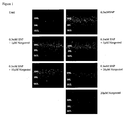
Figure 1 : This figures shows that SNP induces apoptosis at 24 hours in the outer nuclear layer (ONL) which contains the photoreceptor cells. Photoreceptors are protected from SNP induced apoptosis by increasing concentrations of norgestrel. The final panel shows that norgestrel at the highest concentration used is not toxic to retinal cells. -
Figure 2 : This figure represents the results of 2 independent experiments. The number of TUNEL positive photoreceptor cells in 3 40x fields per sample was counted and graphed with error bars. -
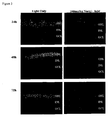
Figure 3 : In this figure the study was extended from ex vivo cultures to the light damage model in vivo. In this acute model of retinal disease albino balb/c mice are exposed to excessive white light causing the photoreceptor cells to die by apoptosis. This figure shows that mice exposed to bright white light undergo extensive apoptosis at 24, 48 and 72 hours post light damage. 1 hour pre-treatment with 100mg/kg norgestrel protects from the retinal damage observed. The protection extends to 72 hours with only a single injection of norgestrel. -
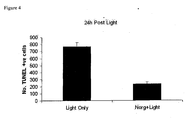
Figure 4 : A histogram of the data fromFigure 3 . TUNEL positive cells in three independent retinae were counted. Counts were performed on the central 40x field of the ONL and graphed with error bars (+/- standard deviation-SD). The graph indicates approx 70% protection from light induced cell death in the central retina at 24 hours. Only the 24 hour time point is shown here. -
Figure 5 shows the results obtained in a chronic model of retinal degeneration called the rd10 model. In this model photoreceptor cells degenerate more slowly than the light model over weeks rather than hours to days. Cell death is evident from postnatal day 18 (P18) and by P25 a significant loss of photoreceptor cell layers is observed.Figure 5 shows protection of photoreceptor cells in the outer nuclear layer (ONL) when mice are injected daily with 100mg/kg norgestrel. The central and peripheral retina degenerate at different rates in the rd10 model but these data show that both areas of the retina are protected. The upper panel of images, taken from the central retina, show that there is a protection of 3-4 layers of photoreceptor nuclei in the ONL in response to norgestrel. The lower panel of images, taken from the peripheral retina, also show a protection of approx 3-4 layers in the ONL. -
Figure 6 : Once it was established that daily injection of norgestrel protected from retinal degeneration in the rd10 model the dosing regimen was examined, To this end the injection frequency was reduced from daily to every second day.Figure 6 is a histogram of the data obtained. It shows that mice injected every second day are equally as protected as mice injected daily. For all figures hereafter mice have been injected every second day. -
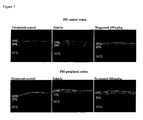
Figure 7 extends the study in the rd10 model from P25 to P30, to determine whether photoreceptor cells continue to be protected. Intraperitoneal (IP) injection of 100mg/kg norgestrel in the rd10 mouse every second day from P18-P30 continues to protect photoreceptor cells in the ONL. The upper panel of images, taken from the central retina, show that there is a protection of 1-2 layers of photoreceptor nuclei in response to norgestrel. The lower panel of images, taken from the peripheral retina, show that the protection is much more significant in this region of the retina. A protection of approx 4-5 layers is achieved with norgestrel injection. -
Figure 8 compares the number of photoreceptor nuclei remaining in the central retina at P25 and P30 in vehicle versus norgestrel treated retinae using the data fromfigure 6 (time point: P25) andfigure 7 (time point: P30). The central retina degenerates more slowly in norgestrel treated versus vehicle but the protection is more significant at P25 than at P30. -
Figure 9 also shows that the peripheral retina degenerates more slowly in norgestrel treated versus vehicle treated retinae. However, while the central does continue to degenerate from P25 to P30 albeit at a slower rate in norgestrel treated mice (figure 8 ), the degeneration of the peripheral retina virtually ceases. Very few cells are lost in the peripheral retinae of norgestrel treated mice between the ages of P25 and P30. This could be very significant if there is no further loss of photoreceptors in the periphery at even longer timepoints. This idea is currently undergoing further investigation. -
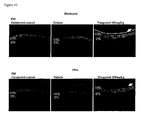
Figure 10 : The ONL comprises two types of cell; rod photoreceptors and cone photoreceptors. Infigure 10 we identify which cell types are protected by norgestrel treatment. Rhodopsin is a protein specifically found in the outer segments of rod photoreceptors. Immunofluorescent staining using an antibody specifc to rhodopsin indicates that more rhodopsin positive cells remain in the ONL of norgestrel treated mice compared to control. The arrow in the upper third panel indicates the intensity of rhodopsin staining following norgestrel injection. This intense staining is clearly lacking in uninjected or vehicle injected controls. Peanut agglutinin (PNA) is a lectin which binds to carbohydrates found in the outer membrane of cone photoreceptors but which are absent from rods. Staining retinal sections with PNA indicates that more cone cells are found in the ONL following norgestrel treatment. The arrow in the lower third panel indicates the intensity of PNA staining following norgestrel injection. This intense staining is not evident in uninjected or vehicle injected controls. Therefore the cells of the ONL involved in both colour and black/white vision are protected in the rd10 model by norgestrel. The data presented herein demonstrates the efficacious nature of norgestrel in two physiologically relevant models of retinal degeneration: the acute light model and the more slowly progressive rd10 model. In the latter disease state norgestrel protects both rod and cone photoreceptor cell types and proves significantly efficacious in the peripheral retina, the area of the retina degenerating slowest in this model. The capacity of norgestrel to protect different cell types degenerating at different rates is very significant and the neuroprotective effect of norgestrel on a more distal retinal neuron, the ganglion cell, is currently under investigation in a mouse model of glaucoma. - The therapeutic product of the invention are directed against a retinal dystrophy.
- In a preferred embodiment of the invention, the retinal degenerative condition is selected from the group comprising: RP; Glaucoma; retinopathies; and AMD.
- In this specification the term "amount effective" should be taken to mean an amount which results in a clinically significant reduction of degeneration or apoptosis in cells having a phenotype characteristic of a degenerative condition (i.e. retinal photoreceptor cells from a patient with AMD or RP). Suitably, the Active is administered at a dose of between 1 microgram and 10 miligrams per ml, preferably between 10 micrograms and 5 miligrams per ml, more preferably between 100 micrograms and 2 miligrams per ml. Typically, it is given as a bolus dose. However, when continuous infusion is used, such as by intrathecal pump, the Active may be administed at a dosage rate of between 5 and 20 µg/kg/minute, preferably between 7 and 15 µg/kg/minute. In one embodiment of the invention, the Active is administered using a dosage regime which is similar to that employed when the medicament is administered as a female contraceptive. In the context of the therapeutic aspects of the present invention, the term "individual in need thereof" shall be taken to mean an individual who is afflicted with a disease or condition which involves apoptosis or degeneration of mammalian cells, especially apoptosis or degeneration of retinal photoreceptive cells. Retinal degenerative conditions or diseases such as RP, Glaucoma, Retinopathies, and AMD, are examples of such diseases or conditions.
- In one embodiment of the invention, an individual in treated with the Active by direct delivery of the Active by a means selected from the group: intravenous delivery; intrperitoneal delivery; oral delivery; intramuscular delivery; intrathecal delivery; and inhaled delivery. Methods for achieving these means of delivery will be well known to those skilled in the art of drug delivery. Specific examples are provided below:
- Delivered intrathecially by mini-osmotoc pump. (ref: Ignacio et al., Ann. N.Y. Acad. Sci. 2005, 1053: 121-136).
- Intramuscular- delivery directly into muscle(s) by syringe or mini osmotic pump (Azzouz et al., Nat Med. 2005;11(4):429-33).
- Intraperitoneal- for systemic administration. Directly administered to peritoneum by syringe or mini osmotic pump (Kieran et al., Nat Med 2004; 10(4):402).
- Subcutaneous- for systemic administration. Directly administered below the skin by syringe (Reinholz et al., Exp Neurol. 1999;159(1):204-16).
- Intraventricular- direct administration to the ventricles in the brain, by injection or using small catheter attached to an osmotic pump.(Sathasivam et al., 2005 Neuropath App Neurobiol; 31(5): 467)
- Implant- Active can be prepared in an implant (eg small silicon implant) that will release the active. Implant can be placed at muscles or directly onto the spinal cord (Kieran and Greensmith, 2004 Neurosci 125(2):427-39).
- Generally, when the individual is male, or a pre-menopausal female, the Active will be administered locally. When the individual is a post-menopausal female, the Active does not need to be administered locally.
- In one embodiment of the therapy of the invention, the Active is linked to a coupling partner, e.g. an effector molecule, a label, a drug, a toxin and/or a carrier or transport molecule. Techniques for coupling the Active of the invention to both peptidyl and non-peptidyl coupling partners are well known in the art.
- The invention provides use of a compound in the treatment and prevention of diseases or conditions characterized by apoptosis or degeneration of retinal photoreceptive cells, by administration to a subject in need of such treatment of a therapeutically or prophylactically effective amount of the Active. The subject is preferably an animal, including, but not limited to, animals such as monkeys, cows, pigs, horses, chickens, cats, dogs, etc., and is preferably a mammal, and most preferably human.
- Apart from the specific delivery systems embodied below, various delivery systems are known and can be used to administer the Active of the invention, e.g., encapsulation in liposomes, microparticles, microcapsules. Methods of introduction include but are not limited to intradermal, intramuscular, intraperitoneal, intravenous, subcutaneous, intranasal, epidural, and oral routes. The Active may be administered by any convenient route, for example by infusion or bolus injection, by absorption through epithelial or mucocutaneous linings (e.g., oral mucosa, rectal and intestinal mucosa, etc.) and may be administered together with other biologically active agents. Administration can be systemic or local. In addition, it may be desirable to introduce the Active of the invention into the central nervous system by any suitable route, including intraventricular and intrathecal injection; intraventricular injection may be facilitated by an intraventricular catheter, for example, attached to a reservoir, such as an Ommaya reservoir. Pulmonary administration can also be employed, e.g., by use of an inhaler or nebulizer, and formulation with an aerosolizing agent.
- In a specific embodiment, it may be desirable to administer the Active of the invention locally to the area in need of treatment; this may be achieved, for example, by means of eye drops, intraocular injection, or an implant, said implant being of a porous, non-porous, or gelatinous material, including membranes, such as sialastic membranes, or fibers.
- In another embodiment, the Active can be delivered in a vesicle, in particular a liposome (see Langer, Science 249:1527-1533 (1990); Treat et al., in Liposomes in the Therapy of Infectious Disease and Cancer, Lopez-Berestein and Fidler (eds.), Liss, New York, pp. 353-365 (1989); Lopez-Berestein, ibid., pp. 317-327; see generally ibid.)
- In yet another embodiment, the Active can be delivered in a controlled release system. In one embodiment, a pump may be used (see Langer, supra; Sefton, CRC Crit. Ref. Biomed., Eng. 14:201 (1987); Buchwald et al., Surgery 88:75 (1980); Saudek et al., N. Engl. J. Med. 321:574 (1989)). In another embodiment, polymeric materials can be used (see Medical Applications of Controlled Release, Langer and Wise (eds.), CRC Pres., Boca Raton, Fla. (1974); Controlled Drug Bioavailability, Drug Product Design and Performance, Smolen and Ball (eds.), Wiley, New York (1984); Ranger and Peppas, J. Macromol. Sci. Rev. Macromol. Chem. 23:61 (1983); see also Levy et al., Science 228:190 (1985); During et al., Ann. Neurol. 25:351 (1989); Howard et al., J. Neurosurg. 71:105 (1989)). In yet another embodiment, a controlled release system can be placed in proximity of the therapeutic target, thus requiring only a fraction of the systemic dose (see, e.g., Goodson, in Medical Applications of Controlled Release, supra, vol. 2, pp. 115-138 (1984)). Other controlled release systems are discussed in the review by Langer (Science 249:1527-1533 (1990)).
- The present invention also provides pharmaceutical compositions comprising the Active. Such compositions comprise a therapeutically effective amount of the Active, and a pharmaceutically acceptable carrier. In a specific embodiment, the term "pharmaceutically acceptable" means approved by a regulatory agency of the Federal or a state government or listed in the U.S. Pharmacopeia or other generally recognized pharmacopeia for use in animals, and more particularly in humans.
- The term "carrier" refers to a diluent, adjuvant, excipient, or vehicle with which the Active is administered. Such pharmaceutical carriers can be sterile liquids, such as water and oils, including those of petroleum, animal, vegetable or synthetic origin, such as peanut oil, soybean oil, mineral oil, sesame oil and the like. Water is a preferred carrier when the pharmaceutical composition is administered intravenously. Saline solutions and aqueous dextrose and glycerol solutions can also be employed as liquid carriers, particularly for injectable solutions. Suitable pharmaceutical excipients include starch, glucose, lactose, sucrose, gelatin, malt, rice, flour, chalk, silica gel, sodium stearate, glycerol monostearate, talc, sodium chloride, dried skim milk, glycerol, propylene glycol, water, ethanol and the like.
- The composition, if desired, can also contain minor amounts of wetting or emulsifying agents, or pH buffering agents. These compositions can take the form of solutions, suspensions, emulsion, tablets, pills, capsules, powders, sustained-release formulations and the like.
- The composition can be formulated as a suppository, with traditional binders and carriers such as triglycerides. Oral formulation can include standard carriers such as pharmaceutical grades of mannitol, lactose, starch, magnesium stearate, sodium saccharine, cellulose, magnesium carbonate, etc. Examples of suitable pharmaceutical carriers are described in "Remington's Pharmaceutical Sciences" by E. W. Martin. Such compositions will contain a therapeutically effective amount of the therapeutic, preferably in purified form, together with a suitable amount of carrier so as to provide the form for proper administration to the patient. The formulation should suit the mode of administration.
- In a preferred embodiment, the composition is formulated in accordance with routine procedures as a pharmaceutical composition adapted for intravenous administration to human beings. Typically, compositions for intravenous administration are solutions in sterile isotonic aqueous buffer. Where necessary, the composition may also include a solubilizing agent and a local anesthetic such as lignocaine to, ease pain at the, site of the injection. Generally, the ingredients are supplied either separately or mixed together in unit dosage form, for example, as a dry lyophilized powder or water free concentrate in a hermetically sealed container such as an ampoule or sachette indicating the quantity of active agent. Where the composition is to be administered by infusion, it can be dispensed with an infusion bottle containing sterile pharmaceutical grade water or saline. Where the composition is administered by injection, an ampoule of sterile water for injection or saline can be provided so that the ingredients may be mixed prior to administration.
- The Active of the invention can be formulated as neutral or salt forms. Pharmaceutically acceptable salts include those formed with free amino groups such as those derived from hydrochloric, phosphoric, acetic, oxalic, tartaric acids, etc., and those formed with free carboxyl groups such as those derived from sodium, potassium, ammonium, calcium, ferric hydroxides, isopropylamine, triethylamine, 2-ethylamino ethanol, histidine, procaine, etc.
- The amount of the Active of the invention which will be effective in the treatment of a particular disorder or condition will depend on the nature of the disorder or condition, and can be determined by standard clinical techniques. In addition, in vivo and/or in vitro assays may optionally be employed to help predict optimal dosage ranges. The precise dose to be employed in the formulation will also depend on the route of administration, and the seriousness of the disease or disorder, and should be decided according to the judgment of the practitioner and each patient's circumstances.
- The invention also provides a pharmaceutical pack or kit comprising one or more containers filled with one or more of the ingredients of the pharmaceutical compositions of the invention. Optionally associated with such container(s) can be a notice in the form prescribed by a governmental agency regulating the manufacture, use or sale of pharmaceuticals or biological products, which notice reflects approval by the agency of manufacture, use or sale for human administration.
- Retinal explant culture: Eyes from postnatal day 10, C57BL/6 mice were removed and cleaned with 70% ethanol. The anterior segment, vitreous body, and sclera were removed and the retina mounted on Millicell nitrocellulose inserts (Millipore, Billerica, MA) photoreceptor-side down. Explants were cultured without retinal pigment epithelium (RPE) in 1.2 ml of R16 specialised media (from Dr. P. A. Ekstrom, Wallenberg Retina Centre, Lund University, Lund, Sweden) without additional serum. Treated explants were cultured in medium containing 300µM of the nitric oxide donor SNP (sodium nitroprusside) for 24 h. Pre-treatment with norgestrel was for 1 hour.
Figure 1 shows that photoreceptors are protected from SNP induced apoptosis by increasing concentrations of norgestrel. The final panel inFigure 1 shows that norgestrel at the highest concentration used in not toxic to retinal cells. - Apoptosis detection by Terminal deoxynucleotidyl transferase-mediated biotinylated UTP nick end labeling (TUNEL): Retinal explants were fixed in 10% neutral buffered formalin overnight at 4°C, followed by cryoprotection in 25% sucrose overnight at 4°C. Frozen sections (7µm) were incubated with terminal deoxynucleotidyl transferase (MSC, Dublin, Republic of Ireland) and fluorescein-12-dUTP (Roche, Lewes, UK) according to manufacturers' instructions at 37°C for 1h. Sections were mounted and viewed under a fluorescence microscope (Leica DM LB2; Leica, Nussloch, Germany) using an FITC filter.
Figure 2 shows that norgestrel protects photoreceptive cells from SNP induced cell death in an ex-vivo retinal explant model. - Peanut agglutinin (PNA) staining: Eyes were fixed in 10% neutral buffered formalin overnight at 4°C, followed by cryoprotection in 25% sucrose overnight at 4°C. Frozen sections (7µm) were blocked with 0.1% bovine serum albumin (BSA) in 0.1% tween/PBS for 30 minutes at room temperature. Sections were incubated with rhodamine conjugated PNA (Invitrogen, Dun Laoghaire, Ireland) for 20 minutes at room temperature as per manufacturers' instructions. Sections were mounted and viewed under a fluorescence microscope (Leica DM LB2; Leica, Nussloch, Germany) using a TRITC filter.
- Immunofluorescence: Eyes were fixed in 10% neutral buffered formalin overnight at 4°C, followed by cryoprotection in 25% sucrose overnight at 4°C. Frozen sections (7µm) were blocked with 0.1 % bovine serum albumin (BSA) in 0.1 % tween/PBS for 1 hour at room temperature. Sections were incubated with anti- rhodopsin antibody (LAB VISION Corporation, Fremont, CA., USA) overnight at 4°C. Sections were washed and incubated with FITC conjugated secondary mouse antibody (Dako, Glostrup, Denmark) for 1 hour at room temperature. Following further washes, sections were mounted and viewed under a fluorescence microscope (Leica DM LB2; Leica, Nussloch, Germany) using a FITC filter.
- Light damage model: Balb/c mice were dark adapted for 18 h prior to exposure to constant light. Mice were injected intraperitoneally with 100mg/kg of norgestrel 1 hour prior to light damage. Immediately prior to light exposure their pupils were dilated with 0.5% cyclopentolate under red light. Retinal light damage was induced by exposure to 2 h of cool white fluorescent light at an illumination of 5000 lux. Following exposure to constant light, animals were placed in the dark for 24 h then killed immediately by cervical dislocation.
Figure 3 shows that 2 hrs light damage induces apoptosis after 24 hours in the ONL. Photoreceptors are protected by IP injection of 100mg/kg norgestrel.
TUNEL staining was performed as described above. - Rd10 model: The rd10 mouse strain exhibits autosomal recessive retinal degeneration and has a point mumtion in exon 13 the Pde6b gene. It is a better model of the slow progression of typical human autosomalre recessive RP than the acute light model as photoreceptor cells are lost over a period of weeks rather than days. Loss of photoreceptors in the rd10 mouse begins at approximately 2 weeks of age, with the peak of photoreceptor death occurring at postnatal day (P) 25.
Claims (6)
- A compound for use in the treatment or prevention of a retinal dystrophy, wherein the compound is a 13-polycarbon-alkyl-17-alkyl-17β-hydroxygon-4-en-3-one, or a pharmaceutically acceptable salt thereof.
- The compound according to Claim 1 for the use of Claim 1 in which the retinal dystrophy is selected from the group consisting of: Retinitis Pigmentosa (RP); Glaucoma; or Age-related Macular Degeneration (AMD).
- The compound according to Claim 1 or 2 for the use of Claim 1 or 2 in which the compound is 13β, 17α-diethyl-17β-hydroxygon-4-en-3-one, or a pharmaceutically acceptable salt thereof.
- The compound according to any preceding Claim for use of any of the preceding claims in which the compound is locally administered to the eye.
- The compound according to Claim 4 for the use of Claim 4 in which the compound is administered by means of application of eye drops, intravitreal injection or intraocular injection.
- A pharmaceutical composition formulated as a solution for use in the treatment of a retinal dystrophy suitable for local delivery to the eye by intraocular injection and/or intravitreal injection, the composition comprising a pharmaceutically acceptable carrier and a 13-polycarbon-alkyl-17-alkyl-17β-hydroxygon-4-en-3-one compound, wherein the compound is 13β, 17α-diethyl-17β-hydroxygon-4-en-3-one.
Applications Claiming Priority (2)
| Application Number | Priority Date | Filing Date | Title |
|---|---|---|---|
| IE20080633 | 2008-08-05 | ||
| PCT/IE2009/000053 WO2010016042A1 (en) | 2008-08-05 | 2009-08-05 | Treatment of retinal degeneration |
Publications (2)
| Publication Number | Publication Date |
|---|---|
| EP2320912A1 EP2320912A1 (en) | 2011-05-18 |
| EP2320912B1 true EP2320912B1 (en) | 2015-01-14 |
Family
ID=42310944
Family Applications (1)
| Application Number | Title | Priority Date | Filing Date |
|---|---|---|---|
| EP09787409.3A Not-in-force EP2320912B1 (en) | 2008-08-05 | 2009-08-05 | Treatment of retinal degeneration |
Country Status (3)
| Country | Link |
|---|---|
| US (1) | US20110144077A1 (en) |
| EP (1) | EP2320912B1 (en) |
| WO (1) | WO2010016042A1 (en) |
Family Cites Families (8)
| Publication number | Priority date | Publication date | Assignee | Title |
|---|---|---|---|---|
| US3959322A (en) * | 1960-09-22 | 1976-05-25 | Herchel Smith | Synthesis of 13-alkyl-gon-4-ones |
| SE8305864D0 (en) * | 1983-10-25 | 1983-10-25 | L E Medical | eye drops |
| WO2008150547A1 (en) * | 2007-06-04 | 2008-12-11 | The Regents Of The University Of California | Pregnancy hormone combination for treatment of autoimmune diseases |
| JP2005104862A (en) * | 2003-09-29 | 2005-04-21 | Meiji Milk Prod Co Ltd | Age-related macular degeneration treatment |
| WO2005105106A2 (en) * | 2004-04-21 | 2005-11-10 | Roby Russell R | Hormone treatment of macular degeneration |
| US20080233053A1 (en) * | 2005-02-07 | 2008-09-25 | Pharmalight Inc. | Method and Device for Ophthalmic Administration of Active Pharmaceutical Ingredients |
| JP2008536808A (en) * | 2005-03-04 | 2008-09-11 | アルスジエン・インコーポレーテツド | Regulation of neurodegenerative diseases by progesterone receptors |
| US20080132475A1 (en) * | 2006-12-05 | 2008-06-05 | Charles Gerald Connor | Treatment for dry eye |
-
2009
- 2009-08-05 EP EP09787409.3A patent/EP2320912B1/en not_active Not-in-force
- 2009-08-05 WO PCT/IE2009/000053 patent/WO2010016042A1/en not_active Ceased
- 2009-08-05 US US13/057,544 patent/US20110144077A1/en not_active Abandoned
Non-Patent Citations (3)
| Title |
|---|
| CORDEIRO M FRANCESCA ET AL: "Real-time imaging of single nerve cell apoptosis in retinal neurodegeneration", PROCEEDINGS OF THE NATIONAL ACADEMY OF SCIENCES OF THE UNITED STATES OF AMERICA, vol. 101, no. 36, 7 September 2004 (2004-09-07), pages 13352 - 13356, ISSN: 0027-8424 * |
| DATABASE BIOSIS [online] BIOSCIENCES INFORMATION SERVICE, PHILADELPHIA, PA, US; November 2002 (2002-11-01), DUNAIEF JOSHUA L ET AL: "The role of apoptosis in age-related macular degeneration.", Database accession no. PREV200300010857 * |
| DUNAIEF JOSHUA L ET AL: "The role of apoptosis in age-related macular degeneration.", ARCHIVES OF OPHTHALMOLOGY, vol. 120, no. 11, November 2002 (2002-11-01), pages 1435 - 1442, ISSN: 0003-9950 * |
Also Published As
| Publication number | Publication date |
|---|---|
| EP2320912A1 (en) | 2011-05-18 |
| US20110144077A1 (en) | 2011-06-16 |
| WO2010016042A8 (en) | 2010-07-08 |
| WO2010016042A1 (en) | 2010-02-11 |
Similar Documents
| Publication | Publication Date | Title |
|---|---|---|
| CN110664757B (en) | Nanocrystalline eye drop, preparation method and application thereof | |
| JP2021113201A (en) | Compositions and Methods for Treating Pterygium | |
| WO2022194109A1 (en) | Complex for treating optic nerve disease, and preparation method therefor and use thereof | |
| US20140127269A1 (en) | Anti-Inflammatory Peptide Derived From Thrombospondin-1 and Uses Thereof | |
| US20190298674A1 (en) | Use of (1s,3s)-3-amino-4-(difluoromethylidene) cyclopentane-1-carboxylic acid and (s)-3-amino-4-(difluoromethylenyl)cyclopent-1-ene-1-carboxylic acid in the treatment of eye disorders | |
| JP2013510852A (en) | Treatment of ophthalmic conditions with fluorenone derivatives | |
| JP6946353B2 (en) | How to use 5'-adenosine diphosphate ribose (ADPR) | |
| EP3969070B1 (en) | Polymer-based implant for retinal therapy and methods of making and using the same | |
| JP7436067B2 (en) | Nano-low molecular weight peptide FG and its use in the preparation of therapeutic or preventive drugs for ocular fundus vascular diseases | |
| CN114929245A (en) | anti-C5 agent for the treatment of dry age-related macular degeneration (AMD) or geographic atrophy secondary to dry AMD | |
| WO2023091412A1 (en) | Polymer-based gel implant for retinal therapy and methods of making and using the same | |
| US20250213658A1 (en) | Methods and formulations for intranasal delivery of insulin in the treatment of diabetic eye disease | |
| US20110144077A1 (en) | Treatment of retinal degeneration | |
| US12297296B2 (en) | Nano small peptide and its use in preparation of drugs for treating and preventing fundus vascular diseases | |
| Bennett et al. | Gene delivery to the retina: from mouse to man | |
| US20110136898A1 (en) | Treatment of retinal degeneration | |
| CN108721315B (en) | Application of small molecular nucleic acid miR-21 in treatment of glaucoma | |
| US20220362219A1 (en) | Retina regeneration through epigenetics manipulation | |
| KR20230007963A (en) | Pharmaceutical composition for preventing or treating ocular disease comprising enavogliflozin | |
| WO2010016043A1 (en) | Treatment of retinal degeneration | |
| US20250134849A1 (en) | Pharmaceutical composition for preventing or treating ocular disease comprising enavogliflozin | |
| US20240035033A1 (en) | Prevention and treatment of age-related macular degeneration through suppression of cathepsin s expression | |
| CN120617248B (en) | Application of indoleacetic acid in the preparation of pharmaceuticals and medical devices for treating optic nerve damage | |
| Gerhardt et al. | Gene Therapy with Voretigene Neparvovec (Luxturna®) | |
| WO2026096543A1 (en) | Small molecule therapy for ocular conditions |
Legal Events
| Date | Code | Title | Description |
|---|---|---|---|
| PUAI | Public reference made under article 153(3) epc to a published international application that has entered the european phase |
Free format text: ORIGINAL CODE: 0009012 |
|
| 17P | Request for examination filed |
Effective date: 20110304 |
|
| AK | Designated contracting states |
Kind code of ref document: A1 Designated state(s): AT BE BG CH CY CZ DE DK EE ES FI FR GB GR HR HU IE IS IT LI LT LU LV MC MK MT NL NO PL PT RO SE SI SK SM TR |
|
| AX | Request for extension of the european patent |
Extension state: AL BA RS |
|
| 17Q | First examination report despatched |
Effective date: 20110930 |
|
| DAX | Request for extension of the european patent (deleted) | ||
| GRAP | Despatch of communication of intention to grant a patent |
Free format text: ORIGINAL CODE: EPIDOSNIGR1 |
|
| INTG | Intention to grant announced |
Effective date: 20140813 |
|
| GRAS | Grant fee paid |
Free format text: ORIGINAL CODE: EPIDOSNIGR3 |
|
| GRAA | (expected) grant |
Free format text: ORIGINAL CODE: 0009210 |
|
| AK | Designated contracting states |
Kind code of ref document: B1 Designated state(s): AT BE BG CH CY CZ DE DK EE ES FI FR GB GR HR HU IE IS IT LI LT LU LV MC MK MT NL NO PL PT RO SE SI SK SM TR |
|
| REG | Reference to a national code |
Ref country code: GB Ref legal event code: FG4D |
|
| REG | Reference to a national code |
Ref country code: CH Ref legal event code: EP |
|
| REG | Reference to a national code |
Ref country code: IE Ref legal event code: FG4D |
|
| REG | Reference to a national code |
Ref country code: AT Ref legal event code: REF Ref document number: 706639 Country of ref document: AT Kind code of ref document: T Effective date: 20150215 |
|
| REG | Reference to a national code |
Ref country code: DE Ref legal event code: R096 Ref document number: 602009029003 Country of ref document: DE Effective date: 20150226 |
|
| REG | Reference to a national code |
Ref country code: NL Ref legal event code: VDEP Effective date: 20150114 |
|
| REG | Reference to a national code |
Ref country code: AT Ref legal event code: MK05 Ref document number: 706639 Country of ref document: AT Kind code of ref document: T Effective date: 20150114 |
|
| REG | Reference to a national code |
Ref country code: LT Ref legal event code: MG4D |
|
| PG25 | Lapsed in a contracting state [announced via postgrant information from national office to epo] |
Ref country code: FI Free format text: LAPSE BECAUSE OF FAILURE TO SUBMIT A TRANSLATION OF THE DESCRIPTION OR TO PAY THE FEE WITHIN THE PRESCRIBED TIME-LIMIT Effective date: 20150114 Ref country code: LT Free format text: LAPSE BECAUSE OF FAILURE TO SUBMIT A TRANSLATION OF THE DESCRIPTION OR TO PAY THE FEE WITHIN THE PRESCRIBED TIME-LIMIT Effective date: 20150114 Ref country code: NO Free format text: LAPSE BECAUSE OF FAILURE TO SUBMIT A TRANSLATION OF THE DESCRIPTION OR TO PAY THE FEE WITHIN THE PRESCRIBED TIME-LIMIT Effective date: 20150414 Ref country code: HR Free format text: LAPSE BECAUSE OF FAILURE TO SUBMIT A TRANSLATION OF THE DESCRIPTION OR TO PAY THE FEE WITHIN THE PRESCRIBED TIME-LIMIT Effective date: 20150114 Ref country code: SE Free format text: LAPSE BECAUSE OF FAILURE TO SUBMIT A TRANSLATION OF THE DESCRIPTION OR TO PAY THE FEE WITHIN THE PRESCRIBED TIME-LIMIT Effective date: 20150114 Ref country code: ES Free format text: LAPSE BECAUSE OF FAILURE TO SUBMIT A TRANSLATION OF THE DESCRIPTION OR TO PAY THE FEE WITHIN THE PRESCRIBED TIME-LIMIT Effective date: 20150114 Ref country code: BG Free format text: LAPSE BECAUSE OF FAILURE TO SUBMIT A TRANSLATION OF THE DESCRIPTION OR TO PAY THE FEE WITHIN THE PRESCRIBED TIME-LIMIT Effective date: 20150414 |
|
| PG25 | Lapsed in a contracting state [announced via postgrant information from national office to epo] |
Ref country code: LV Free format text: LAPSE BECAUSE OF FAILURE TO SUBMIT A TRANSLATION OF THE DESCRIPTION OR TO PAY THE FEE WITHIN THE PRESCRIBED TIME-LIMIT Effective date: 20150114 Ref country code: AT Free format text: LAPSE BECAUSE OF FAILURE TO SUBMIT A TRANSLATION OF THE DESCRIPTION OR TO PAY THE FEE WITHIN THE PRESCRIBED TIME-LIMIT Effective date: 20150114 Ref country code: IS Free format text: LAPSE BECAUSE OF FAILURE TO SUBMIT A TRANSLATION OF THE DESCRIPTION OR TO PAY THE FEE WITHIN THE PRESCRIBED TIME-LIMIT Effective date: 20150514 Ref country code: NL Free format text: LAPSE BECAUSE OF FAILURE TO SUBMIT A TRANSLATION OF THE DESCRIPTION OR TO PAY THE FEE WITHIN THE PRESCRIBED TIME-LIMIT Effective date: 20150114 Ref country code: PL Free format text: LAPSE BECAUSE OF FAILURE TO SUBMIT A TRANSLATION OF THE DESCRIPTION OR TO PAY THE FEE WITHIN THE PRESCRIBED TIME-LIMIT Effective date: 20150114 Ref country code: GR Free format text: LAPSE BECAUSE OF FAILURE TO SUBMIT A TRANSLATION OF THE DESCRIPTION OR TO PAY THE FEE WITHIN THE PRESCRIBED TIME-LIMIT Effective date: 20150415 |
|
| REG | Reference to a national code |
Ref country code: DE Ref legal event code: R097 Ref document number: 602009029003 Country of ref document: DE |
|
| PG25 | Lapsed in a contracting state [announced via postgrant information from national office to epo] |
Ref country code: DK Free format text: LAPSE BECAUSE OF FAILURE TO SUBMIT A TRANSLATION OF THE DESCRIPTION OR TO PAY THE FEE WITHIN THE PRESCRIBED TIME-LIMIT Effective date: 20150114 Ref country code: RO Free format text: LAPSE BECAUSE OF FAILURE TO SUBMIT A TRANSLATION OF THE DESCRIPTION OR TO PAY THE FEE WITHIN THE PRESCRIBED TIME-LIMIT Effective date: 20150114 Ref country code: CZ Free format text: LAPSE BECAUSE OF FAILURE TO SUBMIT A TRANSLATION OF THE DESCRIPTION OR TO PAY THE FEE WITHIN THE PRESCRIBED TIME-LIMIT Effective date: 20150114 Ref country code: EE Free format text: LAPSE BECAUSE OF FAILURE TO SUBMIT A TRANSLATION OF THE DESCRIPTION OR TO PAY THE FEE WITHIN THE PRESCRIBED TIME-LIMIT Effective date: 20150114 Ref country code: SK Free format text: LAPSE BECAUSE OF FAILURE TO SUBMIT A TRANSLATION OF THE DESCRIPTION OR TO PAY THE FEE WITHIN THE PRESCRIBED TIME-LIMIT Effective date: 20150114 |
|
| PLBE | No opposition filed within time limit |
Free format text: ORIGINAL CODE: 0009261 |
|
| STAA | Information on the status of an ep patent application or granted ep patent |
Free format text: STATUS: NO OPPOSITION FILED WITHIN TIME LIMIT |
|
| 26N | No opposition filed |
Effective date: 20151015 |
|
| PG25 | Lapsed in a contracting state [announced via postgrant information from national office to epo] |
Ref country code: IT Free format text: LAPSE BECAUSE OF FAILURE TO SUBMIT A TRANSLATION OF THE DESCRIPTION OR TO PAY THE FEE WITHIN THE PRESCRIBED TIME-LIMIT Effective date: 20150114 |
|
| PG25 | Lapsed in a contracting state [announced via postgrant information from national office to epo] |
Ref country code: SI Free format text: LAPSE BECAUSE OF FAILURE TO SUBMIT A TRANSLATION OF THE DESCRIPTION OR TO PAY THE FEE WITHIN THE PRESCRIBED TIME-LIMIT Effective date: 20150114 |
|
| PG25 | Lapsed in a contracting state [announced via postgrant information from national office to epo] |
Ref country code: MC Free format text: LAPSE BECAUSE OF FAILURE TO SUBMIT A TRANSLATION OF THE DESCRIPTION OR TO PAY THE FEE WITHIN THE PRESCRIBED TIME-LIMIT Effective date: 20150114 Ref country code: LU Free format text: LAPSE BECAUSE OF FAILURE TO SUBMIT A TRANSLATION OF THE DESCRIPTION OR TO PAY THE FEE WITHIN THE PRESCRIBED TIME-LIMIT Effective date: 20150805 |
|
| REG | Reference to a national code |
Ref country code: CH Ref legal event code: PL |
|
| PG25 | Lapsed in a contracting state [announced via postgrant information from national office to epo] |
Ref country code: CH Free format text: LAPSE BECAUSE OF NON-PAYMENT OF DUE FEES Effective date: 20150831 Ref country code: LI Free format text: LAPSE BECAUSE OF NON-PAYMENT OF DUE FEES Effective date: 20150831 |
|
| PG25 | Lapsed in a contracting state [announced via postgrant information from national office to epo] |
Ref country code: BE Free format text: LAPSE BECAUSE OF FAILURE TO SUBMIT A TRANSLATION OF THE DESCRIPTION OR TO PAY THE FEE WITHIN THE PRESCRIBED TIME-LIMIT Effective date: 20150114 |
|
| REG | Reference to a national code |
Ref country code: FR Ref legal event code: PLFP Year of fee payment: 8 |
|
| PGFP | Annual fee paid to national office [announced via postgrant information from national office to epo] |
Ref country code: IE Payment date: 20160830 Year of fee payment: 8 Ref country code: GB Payment date: 20160830 Year of fee payment: 8 Ref country code: DE Payment date: 20160901 Year of fee payment: 8 |
|
| PGFP | Annual fee paid to national office [announced via postgrant information from national office to epo] |
Ref country code: FR Payment date: 20160831 Year of fee payment: 8 |
|
| PG25 | Lapsed in a contracting state [announced via postgrant information from national office to epo] |
Ref country code: MT Free format text: LAPSE BECAUSE OF FAILURE TO SUBMIT A TRANSLATION OF THE DESCRIPTION OR TO PAY THE FEE WITHIN THE PRESCRIBED TIME-LIMIT Effective date: 20150114 |
|
| PG25 | Lapsed in a contracting state [announced via postgrant information from national office to epo] |
Ref country code: HU Free format text: LAPSE BECAUSE OF FAILURE TO SUBMIT A TRANSLATION OF THE DESCRIPTION OR TO PAY THE FEE WITHIN THE PRESCRIBED TIME-LIMIT; INVALID AB INITIO Effective date: 20090805 Ref country code: SM Free format text: LAPSE BECAUSE OF FAILURE TO SUBMIT A TRANSLATION OF THE DESCRIPTION OR TO PAY THE FEE WITHIN THE PRESCRIBED TIME-LIMIT Effective date: 20150114 |
|
| PG25 | Lapsed in a contracting state [announced via postgrant information from national office to epo] |
Ref country code: CY Free format text: LAPSE BECAUSE OF FAILURE TO SUBMIT A TRANSLATION OF THE DESCRIPTION OR TO PAY THE FEE WITHIN THE PRESCRIBED TIME-LIMIT Effective date: 20150114 |
|
| PG25 | Lapsed in a contracting state [announced via postgrant information from national office to epo] |
Ref country code: TR Free format text: LAPSE BECAUSE OF FAILURE TO SUBMIT A TRANSLATION OF THE DESCRIPTION OR TO PAY THE FEE WITHIN THE PRESCRIBED TIME-LIMIT Effective date: 20150114 |
|
| REG | Reference to a national code |
Ref country code: DE Ref legal event code: R119 Ref document number: 602009029003 Country of ref document: DE |
|
| GBPC | Gb: european patent ceased through non-payment of renewal fee |
Effective date: 20170805 |
|
| REG | Reference to a national code |
Ref country code: FR Ref legal event code: ST Effective date: 20180430 |
|
| REG | Reference to a national code |
Ref country code: IE Ref legal event code: MM4A |
|
| PG25 | Lapsed in a contracting state [announced via postgrant information from national office to epo] |
Ref country code: MK Free format text: LAPSE BECAUSE OF FAILURE TO SUBMIT A TRANSLATION OF THE DESCRIPTION OR TO PAY THE FEE WITHIN THE PRESCRIBED TIME-LIMIT Effective date: 20150114 Ref country code: PT Free format text: LAPSE BECAUSE OF FAILURE TO SUBMIT A TRANSLATION OF THE DESCRIPTION OR TO PAY THE FEE WITHIN THE PRESCRIBED TIME-LIMIT Effective date: 20150114 |
|
| PG25 | Lapsed in a contracting state [announced via postgrant information from national office to epo] |
Ref country code: IE Free format text: LAPSE BECAUSE OF NON-PAYMENT OF DUE FEES Effective date: 20170805 Ref country code: DE Free format text: LAPSE BECAUSE OF NON-PAYMENT OF DUE FEES Effective date: 20180301 Ref country code: GB Free format text: LAPSE BECAUSE OF NON-PAYMENT OF DUE FEES Effective date: 20170805 |
|
| PG25 | Lapsed in a contracting state [announced via postgrant information from national office to epo] |
Ref country code: FR Free format text: LAPSE BECAUSE OF NON-PAYMENT OF DUE FEES Effective date: 20170831 |