EP2315853B1 - Method for detecting and identifying candida species - Google Patents
Method for detecting and identifying candida species Download PDFInfo
- Publication number
- EP2315853B1 EP2315853B1 EP09808435.3A EP09808435A EP2315853B1 EP 2315853 B1 EP2315853 B1 EP 2315853B1 EP 09808435 A EP09808435 A EP 09808435A EP 2315853 B1 EP2315853 B1 EP 2315853B1
- Authority
- EP
- European Patent Office
- Prior art keywords
- seq
- nucleotide sequence
- species
- candida
- primer set
- Prior art date
- Legal status (The legal status is an assumption and is not a legal conclusion. Google has not performed a legal analysis and makes no representation as to the accuracy of the status listed.)
- Not-in-force
Links
- 241000222120 Candida <Saccharomycetales> Species 0.000 title claims description 65
- 238000000034 method Methods 0.000 title claims description 61
- 239000002773 nucleotide Substances 0.000 claims description 90
- 125000003729 nucleotide group Chemical group 0.000 claims description 89
- 238000003752 polymerase chain reaction Methods 0.000 claims description 80
- 230000000295 complement effect Effects 0.000 claims description 36
- 241000222122 Candida albicans Species 0.000 claims description 28
- FWMNVWWHGCHHJJ-SKKKGAJSSA-N 4-amino-1-[(2r)-6-amino-2-[[(2r)-2-[[(2r)-2-[[(2r)-2-amino-3-phenylpropanoyl]amino]-3-phenylpropanoyl]amino]-4-methylpentanoyl]amino]hexanoyl]piperidine-4-carboxylic acid Chemical compound C([C@H](C(=O)N[C@H](CC(C)C)C(=O)N[C@H](CCCCN)C(=O)N1CCC(N)(CC1)C(O)=O)NC(=O)[C@H](N)CC=1C=CC=CC=1)C1=CC=CC=C1 FWMNVWWHGCHHJJ-SKKKGAJSSA-N 0.000 claims description 17
- 241000222173 Candida parapsilosis Species 0.000 claims description 17
- 241000222178 Candida tropicalis Species 0.000 claims description 17
- 241000235645 Pichia kudriavzevii Species 0.000 claims description 15
- 241000144583 Candida dubliniensis Species 0.000 claims description 13
- 241000222175 Diutina rugosa Species 0.000 claims description 13
- 241000235048 Meyerozyma guilliermondii Species 0.000 claims description 13
- 241001508813 Clavispora lusitaniae Species 0.000 claims description 12
- 239000012472 biological sample Substances 0.000 claims description 8
- 229940095731 candida albicans Drugs 0.000 claims description 7
- 235000014663 Kluyveromyces fragilis Nutrition 0.000 claims description 4
- 241000222126 [Candida] glabrata Species 0.000 claims description 4
- 208000032343 candida glabrata infection Diseases 0.000 claims description 4
- 229940055022 candida parapsilosis Drugs 0.000 claims description 4
- 238000012197 amplification kit Methods 0.000 claims description 2
- 241000235650 Kluyveromyces marxianus Species 0.000 claims 1
- 210000004027 cell Anatomy 0.000 description 84
- 239000013615 primer Substances 0.000 description 63
- 108020004414 DNA Proteins 0.000 description 49
- 108091034117 Oligonucleotide Proteins 0.000 description 47
- 238000003199 nucleic acid amplification method Methods 0.000 description 46
- 230000003321 amplification Effects 0.000 description 45
- 241000894007 species Species 0.000 description 33
- JLCPHMBAVCMARE-UHFFFAOYSA-N [3-[[3-[[3-[[3-[[3-[[3-[[3-[[3-[[3-[[3-[[3-[[5-(2-amino-6-oxo-1H-purin-9-yl)-3-[[3-[[3-[[3-[[3-[[3-[[5-(2-amino-6-oxo-1H-purin-9-yl)-3-[[5-(2-amino-6-oxo-1H-purin-9-yl)-3-hydroxyoxolan-2-yl]methoxy-hydroxyphosphoryl]oxyoxolan-2-yl]methoxy-hydroxyphosphoryl]oxy-5-(5-methyl-2,4-dioxopyrimidin-1-yl)oxolan-2-yl]methoxy-hydroxyphosphoryl]oxy-5-(6-aminopurin-9-yl)oxolan-2-yl]methoxy-hydroxyphosphoryl]oxy-5-(6-aminopurin-9-yl)oxolan-2-yl]methoxy-hydroxyphosphoryl]oxy-5-(6-aminopurin-9-yl)oxolan-2-yl]methoxy-hydroxyphosphoryl]oxy-5-(6-aminopurin-9-yl)oxolan-2-yl]methoxy-hydroxyphosphoryl]oxyoxolan-2-yl]methoxy-hydroxyphosphoryl]oxy-5-(5-methyl-2,4-dioxopyrimidin-1-yl)oxolan-2-yl]methoxy-hydroxyphosphoryl]oxy-5-(4-amino-2-oxopyrimidin-1-yl)oxolan-2-yl]methoxy-hydroxyphosphoryl]oxy-5-(5-methyl-2,4-dioxopyrimidin-1-yl)oxolan-2-yl]methoxy-hydroxyphosphoryl]oxy-5-(5-methyl-2,4-dioxopyrimidin-1-yl)oxolan-2-yl]methoxy-hydroxyphosphoryl]oxy-5-(6-aminopurin-9-yl)oxolan-2-yl]methoxy-hydroxyphosphoryl]oxy-5-(6-aminopurin-9-yl)oxolan-2-yl]methoxy-hydroxyphosphoryl]oxy-5-(4-amino-2-oxopyrimidin-1-yl)oxolan-2-yl]methoxy-hydroxyphosphoryl]oxy-5-(4-amino-2-oxopyrimidin-1-yl)oxolan-2-yl]methoxy-hydroxyphosphoryl]oxy-5-(4-amino-2-oxopyrimidin-1-yl)oxolan-2-yl]methoxy-hydroxyphosphoryl]oxy-5-(6-aminopurin-9-yl)oxolan-2-yl]methoxy-hydroxyphosphoryl]oxy-5-(4-amino-2-oxopyrimidin-1-yl)oxolan-2-yl]methyl [5-(6-aminopurin-9-yl)-2-(hydroxymethyl)oxolan-3-yl] hydrogen phosphate Polymers Cc1cn(C2CC(OP(O)(=O)OCC3OC(CC3OP(O)(=O)OCC3OC(CC3O)n3cnc4c3nc(N)[nH]c4=O)n3cnc4c3nc(N)[nH]c4=O)C(COP(O)(=O)OC3CC(OC3COP(O)(=O)OC3CC(OC3COP(O)(=O)OC3CC(OC3COP(O)(=O)OC3CC(OC3COP(O)(=O)OC3CC(OC3COP(O)(=O)OC3CC(OC3COP(O)(=O)OC3CC(OC3COP(O)(=O)OC3CC(OC3COP(O)(=O)OC3CC(OC3COP(O)(=O)OC3CC(OC3COP(O)(=O)OC3CC(OC3COP(O)(=O)OC3CC(OC3COP(O)(=O)OC3CC(OC3COP(O)(=O)OC3CC(OC3COP(O)(=O)OC3CC(OC3COP(O)(=O)OC3CC(OC3COP(O)(=O)OC3CC(OC3CO)n3cnc4c(N)ncnc34)n3ccc(N)nc3=O)n3cnc4c(N)ncnc34)n3ccc(N)nc3=O)n3ccc(N)nc3=O)n3ccc(N)nc3=O)n3cnc4c(N)ncnc34)n3cnc4c(N)ncnc34)n3cc(C)c(=O)[nH]c3=O)n3cc(C)c(=O)[nH]c3=O)n3ccc(N)nc3=O)n3cc(C)c(=O)[nH]c3=O)n3cnc4c3nc(N)[nH]c4=O)n3cnc4c(N)ncnc34)n3cnc4c(N)ncnc34)n3cnc4c(N)ncnc34)n3cnc4c(N)ncnc34)O2)c(=O)[nH]c1=O JLCPHMBAVCMARE-UHFFFAOYSA-N 0.000 description 31
- 150000007523 nucleic acids Chemical class 0.000 description 31
- 238000001514 detection method Methods 0.000 description 28
- 108020004707 nucleic acids Proteins 0.000 description 21
- 102000039446 nucleic acids Human genes 0.000 description 21
- 108091028043 Nucleic acid sequence Proteins 0.000 description 18
- 230000035945 sensitivity Effects 0.000 description 18
- 238000012360 testing method Methods 0.000 description 17
- 238000007857 nested PCR Methods 0.000 description 16
- 244000197813 Camelina sativa Species 0.000 description 13
- 244000285963 Kluyveromyces fragilis Species 0.000 description 12
- 239000000523 sample Substances 0.000 description 11
- 239000003550 marker Substances 0.000 description 10
- 238000003556 assay Methods 0.000 description 9
- 108091093088 Amplicon Proteins 0.000 description 8
- 239000003153 chemical reaction reagent Substances 0.000 description 8
- 239000000203 mixture Substances 0.000 description 8
- 108020004418 ribosomal RNA Proteins 0.000 description 8
- TWRXJAOTZQYOKJ-UHFFFAOYSA-L Magnesium chloride Chemical compound [Mg+2].[Cl-].[Cl-] TWRXJAOTZQYOKJ-UHFFFAOYSA-L 0.000 description 7
- 206010042938 Systemic candida Diseases 0.000 description 7
- 210000004369 blood Anatomy 0.000 description 7
- 239000008280 blood Substances 0.000 description 7
- 241000233866 Fungi Species 0.000 description 6
- 108020001027 Ribosomal DNA Proteins 0.000 description 5
- 201000003984 candidiasis Diseases 0.000 description 5
- 208000036732 invasive candidiasis Diseases 0.000 description 5
- 210000001519 tissue Anatomy 0.000 description 5
- HEDRZPFGACZZDS-UHFFFAOYSA-N Chloroform Chemical compound ClC(Cl)Cl HEDRZPFGACZZDS-UHFFFAOYSA-N 0.000 description 4
- 241000221204 Cryptococcus neoformans Species 0.000 description 4
- 229940121375 antifungal agent Drugs 0.000 description 4
- 208000015181 infectious disease Diseases 0.000 description 4
- 241000228197 Aspergillus flavus Species 0.000 description 3
- 241001225321 Aspergillus fumigatus Species 0.000 description 3
- 241000351920 Aspergillus nidulans Species 0.000 description 3
- 241000228245 Aspergillus niger Species 0.000 description 3
- 241001465318 Aspergillus terreus Species 0.000 description 3
- 206010007134 Candida infections Diseases 0.000 description 3
- 201000007336 Cryptococcosis Diseases 0.000 description 3
- 108090000790 Enzymes Proteins 0.000 description 3
- 102000004190 Enzymes Human genes 0.000 description 3
- 108091023242 Internal transcribed spacer Proteins 0.000 description 3
- 108010006785 Taq Polymerase Proteins 0.000 description 3
- 238000006243 chemical reaction Methods 0.000 description 3
- 238000004925 denaturation Methods 0.000 description 3
- 230000036425 denaturation Effects 0.000 description 3
- 238000003745 diagnosis Methods 0.000 description 3
- 238000005516 engineering process Methods 0.000 description 3
- 229910001629 magnesium chloride Inorganic materials 0.000 description 3
- 239000005022 packaging material Substances 0.000 description 3
- 229920000642 polymer Polymers 0.000 description 3
- 230000008569 process Effects 0.000 description 3
- 108090000623 proteins and genes Proteins 0.000 description 3
- 239000011541 reaction mixture Substances 0.000 description 3
- 239000001226 triphosphate Substances 0.000 description 3
- 235000011178 triphosphate Nutrition 0.000 description 3
- YBJHBAHKTGYVGT-ZKWXMUAHSA-N (+)-Biotin Chemical compound N1C(=O)N[C@@H]2[C@H](CCCCC(=O)O)SC[C@@H]21 YBJHBAHKTGYVGT-ZKWXMUAHSA-N 0.000 description 2
- 108020004463 18S ribosomal RNA Proteins 0.000 description 2
- 241000228212 Aspergillus Species 0.000 description 2
- 241001149711 Aspergillus lentulus Species 0.000 description 2
- 230000004544 DNA amplification Effects 0.000 description 2
- 238000007400 DNA extraction Methods 0.000 description 2
- 238000009007 Diagnostic Kit Methods 0.000 description 2
- KCXVZYZYPLLWCC-UHFFFAOYSA-N EDTA Chemical compound OC(=O)CN(CC(O)=O)CCN(CC(O)=O)CC(O)=O KCXVZYZYPLLWCC-UHFFFAOYSA-N 0.000 description 2
- LFQSCWFLJHTTHZ-UHFFFAOYSA-N Ethanol Chemical compound CCO LFQSCWFLJHTTHZ-UHFFFAOYSA-N 0.000 description 2
- KFZMGEQAYNKOFK-UHFFFAOYSA-N Isopropanol Chemical compound CC(C)O KFZMGEQAYNKOFK-UHFFFAOYSA-N 0.000 description 2
- ISWSIDIOOBJBQZ-UHFFFAOYSA-N Phenol Chemical compound OC1=CC=CC=C1 ISWSIDIOOBJBQZ-UHFFFAOYSA-N 0.000 description 2
- 240000004808 Saccharomyces cerevisiae Species 0.000 description 2
- DBMJMQXJHONAFJ-UHFFFAOYSA-M Sodium laurylsulphate Chemical compound [Na+].CCCCCCCCCCCCOS([O-])(=O)=O DBMJMQXJHONAFJ-UHFFFAOYSA-M 0.000 description 2
- 238000000137 annealing Methods 0.000 description 2
- 210000001124 body fluid Anatomy 0.000 description 2
- 239000010839 body fluid Substances 0.000 description 2
- 238000005119 centrifugation Methods 0.000 description 2
- 150000001875 compounds Chemical class 0.000 description 2
- 238000010276 construction Methods 0.000 description 2
- 239000005547 deoxyribonucleotide Substances 0.000 description 2
- 125000002637 deoxyribonucleotide group Chemical group 0.000 description 2
- 238000013461 design Methods 0.000 description 2
- LOKCTEFSRHRXRJ-UHFFFAOYSA-I dipotassium trisodium dihydrogen phosphate hydrogen phosphate dichloride Chemical compound P(=O)(O)(O)[O-].[K+].P(=O)(O)([O-])[O-].[Na+].[Na+].[Cl-].[K+].[Cl-].[Na+] LOKCTEFSRHRXRJ-UHFFFAOYSA-I 0.000 description 2
- 239000012154 double-distilled water Substances 0.000 description 2
- 230000000694 effects Effects 0.000 description 2
- 239000012634 fragment Substances 0.000 description 2
- 230000002538 fungal effect Effects 0.000 description 2
- 239000000499 gel Substances 0.000 description 2
- 239000011521 glass Substances 0.000 description 2
- 239000003112 inhibitor Substances 0.000 description 2
- 230000000977 initiatory effect Effects 0.000 description 2
- 244000005700 microbiome Species 0.000 description 2
- 238000001668 nucleic acid synthesis Methods 0.000 description 2
- 230000001717 pathogenic effect Effects 0.000 description 2
- 239000002953 phosphate buffered saline Substances 0.000 description 2
- 239000002987 primer (paints) Substances 0.000 description 2
- 238000003786 synthesis reaction Methods 0.000 description 2
- 125000002264 triphosphate group Chemical class [H]OP(=O)(O[H])OP(=O)(O[H])OP(=O)(O[H])O* 0.000 description 2
- QKNYBSVHEMOAJP-UHFFFAOYSA-N 2-amino-2-(hydroxymethyl)propane-1,3-diol;hydron;chloride Chemical compound Cl.OCC(N)(CO)CO QKNYBSVHEMOAJP-UHFFFAOYSA-N 0.000 description 1
- ASJSAQIRZKANQN-CRCLSJGQSA-N 2-deoxy-D-ribose Chemical compound OC[C@@H](O)[C@@H](O)CC=O ASJSAQIRZKANQN-CRCLSJGQSA-N 0.000 description 1
- 108090001008 Avidin Proteins 0.000 description 1
- 238000009631 Broth culture Methods 0.000 description 1
- 108020001019 DNA Primers Proteins 0.000 description 1
- 108020003215 DNA Probes Proteins 0.000 description 1
- 239000003155 DNA primer Substances 0.000 description 1
- 239000003298 DNA probe Substances 0.000 description 1
- 108010067770 Endopeptidase K Proteins 0.000 description 1
- 206010017533 Fungal infection Diseases 0.000 description 1
- WQZGKKKJIJFFOK-GASJEMHNSA-N Glucose Natural products OC[C@H]1OC(O)[C@H](O)[C@@H](O)[C@@H]1O WQZGKKKJIJFFOK-GASJEMHNSA-N 0.000 description 1
- 208000031886 HIV Infections Diseases 0.000 description 1
- 208000037357 HIV infectious disease Diseases 0.000 description 1
- 102000006947 Histones Human genes 0.000 description 1
- 108010033040 Histones Proteins 0.000 description 1
- 241000282412 Homo Species 0.000 description 1
- 206010061598 Immunodeficiency Diseases 0.000 description 1
- 241001465754 Metazoa Species 0.000 description 1
- 208000031888 Mycoses Diseases 0.000 description 1
- 208000007027 Oral Candidiasis Diseases 0.000 description 1
- 238000009004 PCR Kit Methods 0.000 description 1
- 238000012408 PCR amplification Methods 0.000 description 1
- 206010033645 Pancreatitis Diseases 0.000 description 1
- 206010040047 Sepsis Diseases 0.000 description 1
- 108091027568 Single-stranded nucleotide Proteins 0.000 description 1
- VMHLLURERBWHNL-UHFFFAOYSA-M Sodium acetate Chemical compound [Na+].CC([O-])=O VMHLLURERBWHNL-UHFFFAOYSA-M 0.000 description 1
- 239000007984 Tris EDTA buffer Substances 0.000 description 1
- 241000287411 Turdidae Species 0.000 description 1
- 238000000246 agarose gel electrophoresis Methods 0.000 description 1
- 239000003242 anti bacterial agent Substances 0.000 description 1
- 230000000843 anti-fungal effect Effects 0.000 description 1
- 230000000692 anti-sense effect Effects 0.000 description 1
- 229940088710 antibiotic agent Drugs 0.000 description 1
- 239000003429 antifungal agent Substances 0.000 description 1
- 239000002246 antineoplastic agent Substances 0.000 description 1
- 229940091771 aspergillus fumigatus Drugs 0.000 description 1
- 238000002820 assay format Methods 0.000 description 1
- 230000027455 binding Effects 0.000 description 1
- 230000015572 biosynthetic process Effects 0.000 description 1
- 229960002685 biotin Drugs 0.000 description 1
- 235000020958 biotin Nutrition 0.000 description 1
- 239000011616 biotin Substances 0.000 description 1
- 238000009640 blood culture Methods 0.000 description 1
- 208000037815 bloodstream infection Diseases 0.000 description 1
- 239000000872 buffer Substances 0.000 description 1
- 210000002421 cell wall Anatomy 0.000 description 1
- 239000003795 chemical substances by application Substances 0.000 description 1
- 239000013611 chromosomal DNA Substances 0.000 description 1
- 230000034994 death Effects 0.000 description 1
- 231100000517 death Toxicity 0.000 description 1
- 239000008121 dextrose Substances 0.000 description 1
- 201000010099 disease Diseases 0.000 description 1
- 208000037265 diseases, disorders, signs and symptoms Diseases 0.000 description 1
- 208000019164 disseminated candidiasis Diseases 0.000 description 1
- 239000012153 distilled water Substances 0.000 description 1
- 229940079593 drug Drugs 0.000 description 1
- 239000003814 drug Substances 0.000 description 1
- 238000013399 early diagnosis Methods 0.000 description 1
- 238000001962 electrophoresis Methods 0.000 description 1
- 239000011888 foil Substances 0.000 description 1
- 238000004108 freeze drying Methods 0.000 description 1
- 244000053095 fungal pathogen Species 0.000 description 1
- 238000001879 gelation Methods 0.000 description 1
- PCHJSUWPFVWCPO-UHFFFAOYSA-N gold Chemical compound [Au] PCHJSUWPFVWCPO-UHFFFAOYSA-N 0.000 description 1
- 208000013210 hematogenous Diseases 0.000 description 1
- 208000033519 human immunodeficiency virus infectious disease Diseases 0.000 description 1
- 238000009396 hybridization Methods 0.000 description 1
- 238000001727 in vivo Methods 0.000 description 1
- 239000004615 ingredient Substances 0.000 description 1
- 238000007689 inspection Methods 0.000 description 1
- 239000003446 ligand Substances 0.000 description 1
- 239000012139 lysis buffer Substances 0.000 description 1
- 239000000463 material Substances 0.000 description 1
- YACKEPLHDIMKIO-UHFFFAOYSA-L methylphosphonate(2-) Chemical compound CP([O-])([O-])=O YACKEPLHDIMKIO-UHFFFAOYSA-L 0.000 description 1
- 239000011859 microparticle Substances 0.000 description 1
- 238000012986 modification Methods 0.000 description 1
- 230000004048 modification Effects 0.000 description 1
- 208000004235 neutropenia Diseases 0.000 description 1
- -1 nucleotide triphosphates Chemical class 0.000 description 1
- 239000000123 paper Substances 0.000 description 1
- 238000002205 phenol-chloroform extraction Methods 0.000 description 1
- 150000004713 phosphodiesters Chemical class 0.000 description 1
- 239000004033 plastic Substances 0.000 description 1
- 230000003389 potentiating effect Effects 0.000 description 1
- 238000004321 preservation Methods 0.000 description 1
- 230000037452 priming Effects 0.000 description 1
- 102000004169 proteins and genes Human genes 0.000 description 1
- 238000011002 quantification Methods 0.000 description 1
- 230000002285 radioactive effect Effects 0.000 description 1
- 238000012216 screening Methods 0.000 description 1
- 238000012163 sequencing technique Methods 0.000 description 1
- 230000000405 serological effect Effects 0.000 description 1
- 239000001632 sodium acetate Substances 0.000 description 1
- 235000017281 sodium acetate Nutrition 0.000 description 1
- 239000007787 solid Substances 0.000 description 1
- 230000009870 specific binding Effects 0.000 description 1
- 230000007480 spreading Effects 0.000 description 1
- 239000000126 substance Substances 0.000 description 1
- 239000000758 substrate Substances 0.000 description 1
- 238000001356 surgical procedure Methods 0.000 description 1
- 230000008685 targeting Effects 0.000 description 1
- RYYWUUFWQRZTIU-UHFFFAOYSA-K thiophosphate Chemical compound [O-]P([O-])([O-])=S RYYWUUFWQRZTIU-UHFFFAOYSA-K 0.000 description 1
- 238000013518 transcription Methods 0.000 description 1
- 230000035897 transcription Effects 0.000 description 1
- XLYOFNOQVPJJNP-UHFFFAOYSA-N water Chemical compound O XLYOFNOQVPJJNP-UHFFFAOYSA-N 0.000 description 1
- DGVVWUTYPXICAM-UHFFFAOYSA-N β‐Mercaptoethanol Chemical compound OCCS DGVVWUTYPXICAM-UHFFFAOYSA-N 0.000 description 1
Images



Classifications
-
- C—CHEMISTRY; METALLURGY
- C12—BIOCHEMISTRY; BEER; SPIRITS; WINE; VINEGAR; MICROBIOLOGY; ENZYMOLOGY; MUTATION OR GENETIC ENGINEERING
- C12Q—MEASURING OR TESTING PROCESSES INVOLVING ENZYMES, NUCLEIC ACIDS OR MICROORGANISMS; COMPOSITIONS OR TEST PAPERS THEREFOR; PROCESSES OF PREPARING SUCH COMPOSITIONS; CONDITION-RESPONSIVE CONTROL IN MICROBIOLOGICAL OR ENZYMOLOGICAL PROCESSES
- C12Q1/00—Measuring or testing processes involving enzymes, nucleic acids or microorganisms; Compositions therefor; Processes of preparing such compositions
- C12Q1/68—Measuring or testing processes involving enzymes, nucleic acids or microorganisms; Compositions therefor; Processes of preparing such compositions involving nucleic acids
- C12Q1/6876—Nucleic acid products used in the analysis of nucleic acids, e.g. primers or probes
- C12Q1/6888—Nucleic acid products used in the analysis of nucleic acids, e.g. primers or probes for detection or identification of organisms
- C12Q1/6895—Nucleic acid products used in the analysis of nucleic acids, e.g. primers or probes for detection or identification of organisms for plants, fungi or algae
Definitions
- the present invention relates to design and use of amplification oligonucleotides used for the detection and identification of Candida species and a rapid detection and identification method therefor.
- the present invention relates to custom-designed primer sequences which are applicable for the detection and identification of ten Candida species and a rapid semi-nested polymerase chain reaction (PCR) method for detecting and identifying the same.
- PCR polymerase chain reaction
- Candida is a genus of yeast which includes a wide range of species that are usually endosymbionts or commensals. However, the genus Candida does include a significant numbers of species that are pathogenic and cause candidiasis or thrush in humans and other animals, especially in the immunocompromised patients. Candida species is currently the fourth highest contributor to nosocomial bloodstream infections in the United States.
- Invasive candidiasis is a fungal infection that occurs when Candida species enter the blood, causing bloodstream and then spreading throughout the body. It is also known as "disseminated candidiasis", “systemic candidiasis” or “hematogenous candidiasis”. It has been reported that the use of antineoplastic and immunosuppressive agents, broad-spectrum antibiotics, prosthetics devices, grafts and aggressive surgeries have caused the incidence of these cases of infection to increase. In addition, factors such as patients with bums, neutropenia, HIV infection and pancreatitis also contribute to the uptrend of the cases.
- Candida that cause invasive candidiasis, namely C. albicans, C. tropicalis, C. glabrata, C. parapsilosis and C . krusei.
- Each of these species has different susceptibility patterns towards antifungal drugs and some are even resistance towards them thus it is imperative to distinguish them to avoid wrong choices of antifungals administration that leads to unwanted side effects.
- U.S. Patent No. US5910409 discloses methods and reagents for detecting fungal pathogens in a biological sample.
- This invention provides materials and methods for sensitively and selectively screening biological samples for the presence of C. albicans.
- This invention discloses nucleic acids, reagents and primers for DNA amplification. The amplification specifically targets a 526 base pairs nucleotide sequence from DNA containing C. albicans.
- Another detection method of C . albicans is embodied by U.S. Patent No. US5545525 .
- a DNA probe is adapted to be used as PCR target for the detection. The presence of the organism is determined by amplicon detection on electrophoresis gel or hybridization.
- this probe and the method invented are designed to target the 25S rRNA of C . albicans. It also detects trace amount of C . stellatoidea.
- compositions for detecting and identifying species of Candida are U.S. Patent No. US2008102449 .
- the composition invented are combinations of oligonucleotides including pairs of forward and reverse primers for polymerase chain reactions (PCR), wherein each primer pair is capable of priming the synthesis of an amplicon specific to only one of the species.
- This invention also discloses probes capable of detecting these amplicons and sequencing primers to determine the nucleotide sequence in the amplicons.
- Another embodiment of this invention is methods to isolate nucleic acid, amplify the nucleotides, probe to ascertain the presence of the amplicons and determine the nucleotides sequence.
- the methods disclosed can be used to specifically identify only four species, including C . albicans, C. glabrata, C. parapsilosis and C . tropicalis.
- the DNA oligonucleotides can amplify and distinguish C . albicans, C . glabrata, C . parapsilosis and C . tropicalis.
- the identification method disclosed is only based on comparison of the length of the amplicons.
- the species-specific probes are generated by the PCR amplified products.
- Another U.S. Patent No. US6017699 also discloses an identification and quantification process of important Candida species by PCR.
- This invention relates to a set of DNA primers which, when utilized in conjunction with the PCR, can amplify and differentiate DNA from five medically important Candida species.
- the PCR amplified products generated by the primers can also be used to create specific probes which can also detect and confirm the five species of Candida.
- the method allows for early diagnosis and treatment of an infection as this is a technique for quantitatively determining the amount of Candida in a sample and selecting an appropriate dosage or type of antifungal agent for treating that infection caused by C . albicans, C. parapsilosis, C. tropicalis, C. glabrata and C . krusei.
- Still another invention relating to the detection of C . albicans is disclosed in Canadian Patent No. CA2608742 .
- This invention uses DNA fragment isolated from the internal transcribed spacer-1 (ITS 1) and internal transcribed spacer-2 (ITS 2) regions of Candida.
- the molecular method is based on the PCR in a multiplex variant in order to detect and identify a wider range of Candida species, utilizing the existence of conserved or variable sequences in fungal ribosomal genes and internal primers specifically for each one of the Candida.
- the methods disclosed by the patented technologies include a wide range of molecular techniques yet there are only a few types of Candida species specifically identified. Clearly there is a need for the present invention to develop a more innovative method for detecting and identifying clinically important Candida spp. which is more rapid and user-friendly than all patented technologies so as to ensure an earlier diagnosis of the infection and treatment.
- the primary object of the present invention is to develop sets of amplification oligonucleotides or primers for species-specifically detecting and identifying species of Candida.
- Another object of the present invention is to provide a diagnostic kit having primer sets for the detection and identification of ten species of clinically important Candida.
- Still another object of the present invention is a method for species-specifically detecting and identifying ten species of clinically important Candida, including C . albicans, C. dubliniensis, C. glabrata, C. guilliermondii, C. kefyr, C. krusei, C. lusitaniae, C. parapsilosis, C. rugosa and C . tropicalis.
- the present invention also aims to provide a rapid semi-nested PCR method for species-specifically detecting and identifying Candida species using custom-designed amplification oligonucleotides or primers targeting the ITS 1 and ITS 2 of the Candida species.
- At least one of the preceding objects is met, in whole or in part, by the present invention, in which one of the embodiments of the present invention describes an isolated oligonucleotide comprising a nucleotide sequence selected from the group consisting of SEQ ID NO: 1, SEQ ID NO: 2, SEQ ID NO: 3, SEQ ID NO: 4, SEQ ID NO: 5, SEQ ID NO: 6, SEQ ID NO: 7, SEQ ID NO: 8, SEQ ID NO: 9 or SEQ ID NO: 10, or any of complementary sequences thereof selected from the group consisting of SEQ ID NO: 13, SEQ ID NO: 14, SEQ ID NO: 15, SEQ ID NO: 16, SEQ ID NO: 17, SEQ ID NO: 18, SEQ ID NO: 19, SEQ ID NO: 20, SEQ ID NO: 21 or SEQ ID NO: 22.
- Another embodiment of the present invention is a primer for polymerase chain reaction (PCR)-based amplification comprising an amplification nucleotide sequences selected from the group consisting of SEQ ID NO: 1, SEQ ID NO: 2, SEQ ID NO: 3, SEQ ID NO: 4, SEQ ID NO: 5, SEQ ID NO: 6, SEQ ID NO: 7, SEQ ID NO: 8, SEQ ID NO: 9 or SEQ ID NO: 10, or any of complementary sequences thereof selected from the group consisting of SEQ ID NO: 13, SEQ ID NO: 14, SEQ ID NO: 15, SEQ ID NO: 16, SEQ ID NO: 17, SEQ ID NO: 18, SEQ ID NO: 19, SEQ ID NO: 20, SEQ ID NO: 21 or SEQ ID NO: 22.
- PCR polymerase chain reaction
- Still another embodiment of the present invention is a polymerase chain reaction (PCR)-based amplification kit for detecting and identifying Candida species in a biological sample
- PCR polymerase chain reaction
- primers having nucleotide sequences selected from the group consisting of SEQ ID NO: 1, SEQ ID NO: 2, SEQ ID NO: 3, SEQ ID NO: 4, SEQ ID NO: 5, SEQ ID NO: 6, SEQ ID NO: 7, SEQ ID NO: 8, SEQ ID NO: 9 or SEQ ID NO: 10, or any of complementary sequences thereof selected from the group consisting of SEQ ID NO: 13, SEQ ID NO: 14, SEQ ID NO: 15, SEQ ID NO: 16, SEQ ID NO: 17, SEQ ID NO: 18, SEQ ID NO: 19, SEQ ID NO: 20, SEQ ID NO: 21 or SEQ ID NO: 22.
- the present invention discloses a method for detecting and identifying Candida species comprising the step of amplifying conserved DNA segment of Candida species in a biological sample using a primer set having a nucleotide sequence of SEQ ID NO: 11 and a nucleotide sequence of SEQ ID NO: 12, and contacting the amplified conserved DNA segment with a primer set having a nucleotide sequence of SEQ ID NO: 11 and a nucleotide sequence selected from the group consisting of SEQ ID NO: 1, SEQ ID NO: 2, SEQ ID NO: 3, SEQ ID NO: 4, SEQ ID NO: 5, SEQ ID NO: 6, SEQ ID NO: 7, SEQ ID NO: 8, SEQ ID NO: 9 or SEQ ID NO: 10.
- One of the preferred embodiments of the present invention discloses a method for species-specifically detecting and identifying Candida albicans by contacting the amplified conserved DNA segment with a primer set having a nucleotide sequence of SEQ ID NO: 11 and a nucleotide sequence of SEQ ID NO: 1 or the complementary sequence thereof.
- Another preferred embodiment of the present invention discloses a method for species-specifically detecting and identifying Candida dubliniensis by contacting the amplified conserved DNA segment with a primer set having a nucleotide sequence of SEQ ID NO: 11 and a nucleotide sequence of SEQ ID NO: 2 or the complementary sequence thereof.
- Yet another preferred embodiment of the present invention discloses a method for species-specifically detecting and identifying Candida glabrata by contacting the amplified conserved DNA segment with a primer set having a nucleotide sequence of SEQ ID NO: 11 and a nucleotide sequence of SEQ ID NO: 3 or the complementary sequence thereof.
- Still another preferred embodiment of the present invention is a method for species-specifically detecting and identifying Candida guilliermondii by contacting the amplified conserved DNA segment with a primer set having a nucleotide sequence of SEQ ID NO: 11 and a nucleotide sequence of SEQ ID NO: 4 or the complementary sequence thereof.
- the present invention also discloses a method for species-specifically detecting and identifying Candida kefyr by contacting the amplified conserved DNA segment with a primer set having a nucleotide sequence of SEQ ID NO: 11 and a nucleotide sequence of SEQ ID NO: 5 or the complementary sequence thereof.
- Another preferred embodiment of the present invention is a method for species-specifically detecting and identifying Candida krusei by contacting the amplified conserved DNA segment with a primer set having a nucleotide sequence of SEQ ID NO: 11 and a nucleotide sequence of SEQ ID NO: 6 or the complementary sequence thereof.
- the Candida lusitaniae can be species-specifically detected and identified by contacting the amplified conserved DNA segment with a primer set having a nucleotide sequence of SEQ ID NO: 11 and a nucleotide sequence of SEQ ID NO: 7 or the complementary sequence thereof.
- the Candida parapsilosis can be species-specifically detected and identified by contacting the amplified conserved DNA segment with a primer set having a nucleotide sequence of SEQ ID NO: 11 and a nucleotide sequence of SEQ ID NO: 8 or the complementary sequence thereof.
- the Candida rugosa can be species-specifically detected and identified by contacting the amplified conserved DNA segment with a primer set having a nucleotide sequence of SEQ ID NO: 11 and a nucleotide sequence of SEQ ID NO: 9 or the complementary sequence thereof.
- the Candida tropicalis can be species-specifically detected and identified by contacting the amplified conserved DNA segment with a primer set having a nucleotide sequence of SEQ ID NO: 11 and a nucleotide sequence of SEQ ID NO: 10 or the complementary sequence thereof.
- the amplification oligonucleotides invented is useful for detecting the presence of Candida nucleic acids in test samples from human such as blood, blood derived samples, tissues, tissue-derived samples, other body fluids and body samples.
- semi-nested PCR method is applied by which the sensitivity of the assay can be increased as semi-nested PCR eliminates the occurrence of false positive and dilutes any inhibitors found in the sample during the first round PCR.
- the present invention relates to design and use of amplification oligonucleotides used for the detection and identification of Candida species and a rapid detection and identification method therefor.
- the present invention relates to custom-designed primer sequences which are applicable for the detection and identification of ten Candida species and a rapid semi-nested polymerase chain reaction (PCR) method for detecting and identifying the same.
- PCR polymerase chain reaction
- target nucleic acid is meant a nucleic acid having a target nucleotide sequence.
- oligonucleotide is meant a single-stranded nucleotide polymer made of more than two nucleotide subunits covalently joined together. Preferably, the number of nucleotide units present is ranged from 10 to 100, most preferably it is ranged from 12 to 50.
- the sugar group of the nucleotide subunits is deoxyribose.
- the nucleotide subunits of an oligonucleotide may be joined by phosphodiester linkages, phosphorothioate linkages, methyl phosphonate linkages or by other rare or non-naturally-occurring linkages that do not prevent amplification of the oligonucleotide.
- an oligonucleotide may have uncommon nucleotides or non-nucleotide moieties.
- An oligonucleotide as defined herein is a nucleic acid, DNA.
- Amplification oligonucleotides of a defined sequence may be produced by techniques known to those of ordinary skill in the art, such as by chemical synthesis.
- an oligonucleotide does not consist of wild-type chromosomal DNA or the in vivo transcription products thereof.
- target nucleic acid sequence By “target nucleic acid sequence”, “target nucleotide sequence” or “target sequence” is meant a specific deoxyribonucleotide sequence comprising all or a part of the nucleotide sequence of a single-stranded nucleic acid molecule, and the deoxyribonucleotide sequence complementary thereto.
- nucleotide sequences of similar regions of two single-stranded nucleic acids, or to different regions of the same single-stranded nucleic acid have a nucleotide base composition that allow the single strands to bind together in a stable double-stranded hydrogen-bonded region under stringent amplification conditions.
- a contiguous sequence of nucleotides of one single-stranded region is able to form a series of hydrogen-bonded base pairs with an analogous sequence of nucleotides of the other single-stranded region, such that A is paired with T and C is paired with G, the nucleotides sequences are complementary.
- amplification oligonucleotide is meant an oligonucleotide capable of binding to a target nucleic acid sequence and acting as a primer for nucleic acid synthesis for the initiation of nucleic acid synthesis.
- An amplification oligonucleotide may or may not have a 3' terminus which is modified to prevent or lessen the amount of primer extension.
- An amplification oligonucleotide as defined herein will preferably be 10 to 50 nucleotides in length; most preferably 15 to 25 nucleotides in length. While the amplification oligonucleotides of the present invention may be chemically synthesized and such oligonucleotides are not naturally-occurring nucleic acids.
- nucleic acid amplification or “target amplification” is meant increasing the number of nucleic acid molecules having at least one target nucleic acid sequence.
- antisense or “negative sense” is meant having a nucleic sequence complementary to that of a reference nucleic acid sequence.
- sense By “sense”, “same-sense” or “positive sense” is meant having a nucleic acid sequence analogous to that of a reference nucleic acid sequence.
- Organisms occupying adjacent and next to adjacent positions on the phylogenetic tree are closely related. Organisms occupying positions further away than adjacent or next to adjacent positions on the phylogenetic tree will still be closely related if they have significant total nucleic acid sequence homology.
- the present invention discloses an isolated oligonucleotide comprising a nucleotide sequence selected from the group consisting of SEQ ID NO: 1, SEQ ID NO: 2, SEQ ID NO: 3, SEQ ID NO: 4, SEQ ID NO: 5, SEQ ID NO: 6, SEQ ID NO: 7, SEQ ID NO: 8, SEQ ID NO: 9 or SEQ ID NO: 10, or any of complementary sequences thereof selected from the group consisting of SEQ ID NO: 13, SEQ ID NO: 14, SEQ ID NO: 15, SEQ ID NO: 16, SEQ ID NO: 17, SEQ ID NO: 18, SEQ ID NO: 19, SEQ ID NO: 20, SEQ ID NO: 21 or SEQ ID NO: 22.
- the amplification oligonucleotides invented is useful for detecting the presence of Candida nucleic acids in biological test samples from human such as blood, blood derived samples, tissues, tissue-derived samples, other body fluids and body samples.
- Another embodiment of the present invention is a primer for polymerase chain reaction (PCR)-based amplification comprising an amplification nucleotide sequences selected from the group consisting of SEQ ID NO: 1, SEQ ID NO: 2, SEQ ID NO: 3, SEQ ID NO: 4, SEQ ID NO: 5, SEQ ID NO: 6, SEQ ID NO: 7, SEQ ID NO: 8, SEQ ID NO: 9 or SEQ ID NO: 10, or any of complementary sequences thereof selected from the group consisting of SEQ ID NO: 13, SEQ ID NO: 14, SEQ ID NO: 15, SEQ ID NO: 16, SEQ ID NO: 17, SEQ ID NO: 18, SEQ ID NO: 19, SEQ ID NO: 20, SEQ ID NO: 21 or SEQ ID NO: 22.
- These primers when contacted with a nucleic acid polymerase under amplification conditions, will bind to or cause extension through a nucleic acid region having their complimentary sequences.
- the useful amplification oligonucleotides are designed to be complementary to specific regions of the ribosomal RNA (rRNA) or ribosomal DNA (rDNA) nucleotide sequences of Candida, or oligonucleotides having a nucleic acid sequence substantially corresponding to a specific portion from species of Candida rRNA or rDNA nucleotide sequences, comprising SEQ ID NO: 1, SEQ ID NO: 2, SEQ ID NO: 3, SEQ ID NO: 4, SEQ ID NO: 5, SEQ ID NO: 6, SEQ ID NO: 7, SEQ ID NO: 8, SEQ ID NO: 9, SEQ ID NO: 10 and its complementary sequences, comprising SEQ ID NO: 13, SEQ ID NO: 14, SEQ ID NO: 15, SEQ ID NO: 16, SEQ ID NO: 17, SEQ ID NO: 18, SEQ ID NO: 19, SEQ ID NO: 20, SEQ ID NO: 21 and SEQ ID NO: 22.
- amplification oligonucleotides are derived from the rRNA of pathogenic Candida, a superior detection assay is obtained due to the multicopy nature of the gene.
- the amplification oligonucleotides function by amplifying target Candida ITS1 and ITS2 rRNA and/or rDNA gene sequences under amplification conditions.
- the amplification oligonucleotides described herein when used together, can distinguish Candida spp. from other microorganisms found in clinical samples such as blood or tissues as well as from among the species in the genus. Accordingly, the amplification oligonucleotides may be used in an assay to specifically detect and/or amplify Candida species-derived nucleic acids.
- compositions for detecting Candida species which are nucleic acid hybrids formed between an oligonucleotide of the present invention and a specific region of a nucleotide polymer from Candida species.
- the nucleotide polymer contains a nucleic acid sequence that substantially corresponds to an oligonucleotide sequence of the present invention or its complement and is derived from the rDNA encoding the ribosomal RNA of the Candida species.
- the oligonucleotides present in these compositions are amplification oligonucleotide.
- compositions of the present invention contain one or more amplification oligonucleotides.
- Nucleotides compositions of the present invention containing an oligonucleotide primer amplifying its target sequence are useful for creating an initiation site for a polymerase at the 3' end of the primer, and/or providing a template for extension of the 3' end of the target sequence.
- a diagnostic system of the present invention may include a kit which contains, in an amount sufficient for at least one assay, amplification primers of the present invention in a packaging material. Typically, the kits would also include instructions for use of the packaged primers.
- the PCR-based amplification kit for detecting and identifying Candida species in a biological sample is described in another embodiment of the present invention.
- This kit comprises at least one of primers having nucleotide sequences selected from the group consisting of SEQ ID NO: 1, SEQ ID NO: 2, SEQ ID NO: 3, SEQ ID NO: 4, SEQ ID NO: 5, SEQ ID NO: 6, SEQ ID NO: 7, SEQ ID NO: 8, SEQ ID NO: 9 or SEQ ID NO: 10, or any of complementary sequences thereof selected from the group consisting of SEQ ID NO: 13, SEQ ID NO: 14, SEQ ID NO: 15, SEQ ID NO: 16, SEQ ID NO: 17, SEQ ID NO: 18, SEQ ID NO: 19, SEQ ID NO: 20, SEQ ID NO: 21 or SEQ ID NO: 22.
- the PCR kit contains one or more of the oligonucleotides of the present invention including amplification oligonucleotides or primer sets.
- a kit of the present invention includes at least one amplification oligonucleotide capable of specifically distinguishing C . albicans, C. dubliniensis, C. glabrata, C. guilliermondii, C. kefyr, C. krusei, C. lusitaniae, C. parapsilosis, C. rugosa or C . tropicalis from other microorganisms.
- the various components of the diagnostic kit may be provided in various forms.
- the required enzymes, the nucleotide triphosphates, the primers may be provided as a lyophilized reagent.
- These lyophilized reagents may be premixed before lyophilization so as to form a complete mixture with the proper ratio of each of the components ready for use in the assay.
- the diagnostic systems of the present invention may contain a reconstitution reagent for reconstituting the lyophilized reagents of the kit.
- the enzymes, nucleotides, triphosphates and required cofactors for the enzymes are provided as a single lyophilized reagent that when reconstituted forms a proper reagent for use in the present methods.
- a lyophilized primer agent may also be provided.
- Typical packaging materials would include solid matrices such as glass, plastic, paper, foil, micro particles and the like, capable of holding within fixed limits amplification primer of the present invention.
- a package made from packaging materials can be a glass vial used to contain sub-milligram (i.e.
- the present invention discloses a method for detecting and identifying Candida species comprising the step of amplifying conserved DNA segment of Candida species in a biological sample using a primer set having a nucleotide sequence of SEQ ID NO: 11 and a nucleotide sequence of SEQ ID NO: 12, and contacting the amplified conserved DNA segment with a primer set having a nucleotide sequence of SEQ ID NO: 11 and a nucleotide sequence selected from the group consisting of SEQ ID NO: 1, SEQ ID NO: 2, SEQ ID NO: 3, SEQ ID NO: 4, SEQ ID NO: 5, SEQ ID NO: 6, SEQ ID NO: 7, SEQ ID NO: 8, SEQ ID NO: 9 or SEQ ID NO: 10.
- nucleotide sequence of SEQ ID NO: 11 and a nucleotide sequence of SEQ ID NO: 12 embodied herein can be used as the universal sequences for all fungi as they are designed to target the conserved DNA segment. Therefore, this amplification oligonucleotides or primer set can be used to amplify the conserved DNA segment of Candida spp. All the oligonucleotides or primer sets used in the present invention are commercially obtained.
- a second round of PCR is carried out by using the amplified DNA fragment obtained from the first round of PCR which is primed by the nucleotide sequence of SEQ ID NO: 11 and SEQ ID NO: 12.
- the present invention contemplates methods for detecting the presence of Candida species by contacting a test sample under optimized amplification condition with nucleic acid primers capable of preferentially amplifying under optimized amplification assay conditions to Candida species target nucleic acid.
- nucleic acid primers capable of preferentially amplifying under optimized amplification assay conditions to Candida species target nucleic acid.
- One of the preferred embodiments of the present invention discloses a method for species-specifically detecting and identifying Candida albicans by contacting the amplified conserved DNA segment with a primer set having a nucleotide sequence of SEQ ID NO: 11 and a nucleotide sequence of SEQ ID NO: 1 or the complementary sequence thereof.
- Detection and identification of Candida dubliniensis can be performed by substituting the SEQ ID NO: 1 with SEQ ID NO: 2.
- the amplification of C . glabrata, C. guilliermondii, C. kefyr, C. krusei, C. lusitaniae, C. parapsilosis, C. rugosa and C . tropicalis can be carried out by substituting the SEQ ID NO: 1 with SEQ ID NO: 3, SEQ ID NO: 4, SEQ ID NO: 5, SEQ ID NO: 6, SEQ ID NO: 7, SEQ ID NO: 8, SEQ ID NO: 9 and SEQ ID NO: 10, respectively.
- the amplification oligonucleotides or primer sets of the present invention are directed to particular Candida ITS1 and ITS2 regions.
- the amplification oligonucleotides described and claimed herein comprise two sets of amplification oligonucleotides.
- Members of the set of amplification oligonucleotides are able to bind with a nucleic acid having or substantially corresponding to one of the following nucleotide sequences, which are SEQ ID NO: 1, SEQ ID NO: 2, SEQ ID NO: 3, SEQ ID NO: 4, SEQ ID NO: 5, SEQ ID NO: 6, SEQ ID NO: 7, SEQ ID NO: 8, SEQ ID NO: 9 and SEQ ID NO: 10.
- these amplification oligonucleotides have or substantially correspond to these complementary sequences, including SEQ ID NO: 13, SEQ ID NO: 14, SEQ ID NO: 15, SEQ ID NO: 16, SEQ ID NO: 17, SEQ ID NO: 18, SEQ ID NO: 19, SEQ ID NO: 20, SEQ ID NO: 21 and SEQ ID NO: 22.
- the nucleotide substrates or the primers can include a detectable label which is incorporated into newly synthesized DNA.
- the resulting labelled amplification product is then separated from the unused labelled nucleotides or primers and the label is detected in the separated product fraction.
- Substances which can serve as useful detectable labels include radioactive isotopes, fluorescent compounds, chemiluminescent compounds, chromophores, as well as ligands such as biotin and haptens which, while not directly detectable, can be readily detected by a reaction with labeled forms of their specific binding partners, e.g. avidin and antibodies, respectively.
- Amplification oligonucleotides or primers specific for Candida albicans were designed using sequences determined in prospective target areas using primers complementary to the 18S rDNA of Candida albicans (ATCC NO. 14053), Candida dubliniensis (ATCC NO. MYA-178), Candida glabrata (ATCC No. 2001), Candida guilliermondii (ATCC No. 6260), Candida kefyr (ATCC NO. 66028), Candida krusei (ATCC NO. 6258), Candida lusitaniae (ATCC NO. 66035), Candida parapsilosis (ATCC NO. 22019), Candida rugosa (ATCC NO. 10571), Candida tropicalis (ATCC NO.
- Candida species All the ten Candida species were purchased from American Type Culture Collection (ATCC). They were used as reference strains. Twenty-six clinical isolates of ten different Candida species were tested.
- ATCC American Type Culture Collection
- Candida cells were grown in 3 mL of Sabouraud Dextrose Broth (SDB) at 37°C overnight in a shaking incubator till they reached mid-log phase. Broth culture that contains the Candida cells were used for DNA extraction. Genomic DNA of the Candida cells were extracted using conventional phenol-chloroform extraction method. The cells were washed twice with 1 mL of phosphate buffered saline (PBS), pH 7.4 by centrifugation at 13,200 rpm for 2 minutes. The cell walls were broken down by adding 500 ⁇ L lysis buffer (1 M Tris-HCl, 0.5 M EDTA, 0.5% v/v ⁇ -mercaptoethanol) at 37°C in a shaking incubator.
- PBS phosphate buffered saline
- the cells were later lysed to release the DNA from the nucleus by adding 50 ⁇ L of 10% sodium dodecyl sulfate (SDS) and the cell debris were denatured using 2.5 ⁇ L 20 mg/mL proteinase K. Equal volume (approx. 553 ⁇ L) of phenol: chloroform: isoamyalcohol was added to separate the DNA from histones and protein. Released DNA were precipitated and concentrated by adding 1/10 volume (50 ⁇ L) of 3 M sodium acetate, pH 5.2 and equal volume of isopropanol (500 ⁇ L) and incubated for 10 minutes at room temperature.
- SDS sodium dodecyl sulfate
- the DNA were pelleted through centrifugation at 13,200 rpm for 15 minutes, washed with 70% cold ethanol, spun at 13,200 rpm for 5 minutes and finally resuspended in sterile distilled water or TE buffer, pH 7.4 (10 mM Tris-Cl, pH 7.4, 1 mM EDTA, pH 8.0) for longer preservation.
- the reaction mixture for polymerase chain reaction consists of PCR buffer, magnesium chloride (MgCl 2 ), deoxynucleotide triphosphates (dNTPs), forward primer and reverse primer and Taq DNA polymerase enzyme. All the PCR reaction ingredients are from Fermentas Life Sciences.
- the first round of PCR was carried out using the primers SEQ ID NO: 11 TCC GTA GGT GAA CCT GCG G and SEQ ID NO: 12 TCC TCC GCT TAT TGA TAT GC.
- Table 1 shows list of primers used in the first and second round of the semi-nested PCR process.
- the PCR reaction mixtures for the first round of PCR, using SEQ ID NO: 11 and SEQ ID NO: 12 as primers are shown in Table 2 whereas the PCR program is shown in Table 5, respectively.
- the SEQ ID NO: 11 remains and ten different species specific reverse primers for the respective species (SEQ ID NO: 1, 2, 3, 4, 5, 6, 7, 8, 9, 10) were used accordingly.
- One microlitre of the first round PCR product was used as template for the second round PCR.
- the details of the PCR reaction mixture and PCR program for every species PCR reactions are shown in Table 3 and Table 5. All the PCR products obtained are subjected to agarose gel electrophoresis at 72 volts for 45 minutes and later viewed using the gel documentation system.
- Table 1 Species Primer Length (bp) Sequence 5' to 3' Region All fungi SEQ ID NO: 11 19 TCC GTA GGT GAA CCT GCG G 18S rRNA All fungi SEQ ID NO: 12 20 TCC TCC GCT TAT TGA TAT GC 28S rRNA C. albicans SEQ ID NO: 1 21 CTA AGC CAT TGT CAA AGC GAT ITS2 C. dubliniensis SEQ ID NO: 2 22 CTA AGC CAT TGT CAA GCA TCT C ITS2 C. glabrata SEQ ID NO: 3 20 CAC TCC CAG GTC TTT GTC GG ITS1 C.
- guilliermondii SEQ ID NO: 4 20 GAA ATA TCC CGC CAC ACC AT ITS2 C. kefyr SEQ ID NO: 5 24 CGA GTC TTT ATA ACA CCT ATG AGT ITS2 C . krusei SEQ ID NO: 6 19 CAG CTT CGC TCC CTT TCA G ITS2 C. lusitaniae SEQ ID NO: 7 19 TTC GGA GCA ACG CCT AAC C ITS2 C. parapsilosis SEQ ID NO: 8 23 CCA ATG AGT GGA AAA AAC CTA TC ITS2 C. rugosa SEQ ID NO: 9 22 CTT AAC TGT TTT AGA CGG TCG C ITS2 C.
- lusitaniae 95°C, 2 mins 95°C, 30 secs 66.3°C, 30 secs 72°C, 20 secs 72°C, 4 mins C. parapsilosis 95°C, 2 mins 95°C, 30 secs 58.0°C, 30 secs 72°C, 30 secs 72°C, 4 mins C. rugosa 95°C, 2 mins 95°C, 30 secs 55.0°C, 30 secs 72°C, 30 secs 72°C, 4 mins C.
- Specificity testing was determined by using DNA of the ten Candida species (ATCC strains), six Aspergillus species (ATCC strains) and Cryptococcus neoformans (non-ATCC strain).
- the DNA amount template for the PCR is standardised at 150ng/ ⁇ L.
- Sensitivity testing was determined by performing the PCR using a factor of ten times serial diluted DNA extracted from one million cells/conidia.
- Candida species C . albicans, C. dubliniensis, C. glabrata, C. guilliermondii, C. kefyr, C. krusei, C. lusitaniae, C. parapsilosis, C. rugosa and C . tropicalis
- Aspergillus species A. flavus, A. fumigatus, A. lentulus, A. nidulans, A. niger, A. terreus
- Cryptococcus neoformans also human DNA other than the targeted ones.
- Candida clinical isolates were also tested and they were identified accurately according to the species. All these results implied that the species specific semi-nested PCR is able to differentiate and identify the correct species among the commonly found medically important fungi and ruled out the possibility of amplifying human DNA and avoid false positive results. Furthermore, it can be elaborated that there were no cross-amplification of the species specific primers towards other fungi and human DNA other than the one tested and thus confirming the specificity of the semi-nested for all the ten Candida species.
Landscapes
- Chemical & Material Sciences (AREA)
- Life Sciences & Earth Sciences (AREA)
- Analytical Chemistry (AREA)
- Engineering & Computer Science (AREA)
- Organic Chemistry (AREA)
- Proteomics, Peptides & Aminoacids (AREA)
- Health & Medical Sciences (AREA)
- Biotechnology (AREA)
- Zoology (AREA)
- Wood Science & Technology (AREA)
- Immunology (AREA)
- Mycology (AREA)
- Microbiology (AREA)
- Molecular Biology (AREA)
- Botany (AREA)
- Biophysics (AREA)
- Physics & Mathematics (AREA)
- Biochemistry (AREA)
- Bioinformatics & Cheminformatics (AREA)
- General Engineering & Computer Science (AREA)
- General Health & Medical Sciences (AREA)
- Genetics & Genomics (AREA)
- Measuring Or Testing Involving Enzymes Or Micro-Organisms (AREA)
Description
- The present invention relates to design and use of amplification oligonucleotides used for the detection and identification of Candida species and a rapid detection and identification method therefor. In more particular, the present invention relates to custom-designed primer sequences which are applicable for the detection and identification of ten Candida species and a rapid semi-nested polymerase chain reaction (PCR) method for detecting and identifying the same.
- Candida is a genus of yeast which includes a wide range of species that are usually endosymbionts or commensals. However, the genus Candida does include a significant numbers of species that are pathogenic and cause candidiasis or thrush in humans and other animals, especially in the immunocompromised patients. Candida species is currently the fourth highest contributor to nosocomial bloodstream infections in the United States.
- One of the many types of diseases that are caused by this genus is invasive candidiasis. Invasive candidiasis is a fungal infection that occurs when Candida species enter the blood, causing bloodstream and then spreading throughout the body. It is also known as "disseminated candidiasis", "systemic candidiasis" or "hematogenous candidiasis". It has been reported that the use of antineoplastic and immunosuppressive agents, broad-spectrum antibiotics, prosthetics devices, grafts and aggressive surgeries have caused the incidence of these cases of infection to increase. In addition, factors such as patients with bums, neutropenia, HIV infection and pancreatitis also contribute to the uptrend of the cases.
- There are many species in the genus Candida that cause invasive candidiasis, namely C. albicans, C. tropicalis, C. glabrata, C. parapsilosis and C. krusei. Each of these species has different susceptibility patterns towards antifungal drugs and some are even resistance towards them thus it is imperative to distinguish them to avoid wrong choices of antifungals administration that leads to unwanted side effects.
- Besides the efforts of searching for more potent antifungals against these yeasts, diagnosis has always played its role in reducing unnecessary side effects, hospital expenditures and deaths. Until today, the gold standards for fungal diagnosis are culture and microscopical methods. Conventional detection method to detect Candida from blood is through blood culture and it was reported to have sensitivity of 58%. Serological methods are also one of the means in diagnosing invasive candidiasis. Many publications on these methods with varying sensitivity and specificity have been reported. Nevertheless, there is a trend in publications stating that combination of different methods from conventional to the most-up-to-date methods can in fact improve the outcome of diagnostic results. With the advent of molecular detections, diagnoses of invasive candidiasis have improved quite significantly.
- There are some patented technologies over the prior arts relating to detection and identification method of Candida spp. Most of these methods relate to methods for detecting only the most common species of Candida which is C. albicans.
- U.S. Patent No.
US5910409 discloses methods and reagents for detecting fungal pathogens in a biological sample. This invention provides materials and methods for sensitively and selectively screening biological samples for the presence of C. albicans. This invention discloses nucleic acids, reagents and primers for DNA amplification. The amplification specifically targets a 526 base pairs nucleotide sequence from DNA containing C. albicans. - Another detection method of C. albicans is embodied by U.S. Patent No.
US5545525 . According to this invention, a DNA probe is adapted to be used as PCR target for the detection. The presence of the organism is determined by amplicon detection on electrophoresis gel or hybridization. However, this probe and the method invented are designed to target the 25S rRNA of C. albicans. It also detects trace amount of C. stellatoidea. - Of interest in connection with methods and compositions for detecting and identifying species of Candida is U.S. Patent No.
US2008102449 . The composition invented are combinations of oligonucleotides including pairs of forward and reverse primers for polymerase chain reactions (PCR), wherein each primer pair is capable of priming the synthesis of an amplicon specific to only one of the species. This invention also discloses probes capable of detecting these amplicons and sequencing primers to determine the nucleotide sequence in the amplicons. Another embodiment of this invention is methods to isolate nucleic acid, amplify the nucleotides, probe to ascertain the presence of the amplicons and determine the nucleotides sequence. However, the methods disclosed can be used to specifically identify only four species, including C. albicans, C. glabrata, C. parapsilosis and C. tropicalis. - There is another PCR identification of four medically important Candida spp. using one primer pair and four species-specific probes embodied in U.S. Patent No.
US5426026 . In this invention, the DNA oligonucleotides can amplify and distinguish C. albicans, C. glabrata, C. parapsilosis and C. tropicalis. However, the identification method disclosed is only based on comparison of the length of the amplicons. The species-specific probes are generated by the PCR amplified products. - Another U.S. Patent No.
US6017699 also discloses an identification and quantification process of important Candida species by PCR. This invention relates to a set of DNA primers which, when utilized in conjunction with the PCR, can amplify and differentiate DNA from five medically important Candida species. In another embodiment of this invention, the PCR amplified products generated by the primers can also be used to create specific probes which can also detect and confirm the five species of Candida. The method allows for early diagnosis and treatment of an infection as this is a technique for quantitatively determining the amount of Candida in a sample and selecting an appropriate dosage or type of antifungal agent for treating that infection caused by C. albicans, C. parapsilosis, C. tropicalis, C. glabrata and C. krusei. - Still another invention relating to the detection of C. albicans is disclosed in Canadian Patent No.
CA2608742 . This invention uses DNA fragment isolated from the internal transcribed spacer-1 (ITS 1) and internal transcribed spacer-2 (ITS 2) regions of Candida. The molecular method is based on the PCR in a multiplex variant in order to detect and identify a wider range of Candida species, utilizing the existence of conserved or variable sequences in fungal ribosomal genes and internal primers specifically for each one of the Candida. - The methods disclosed by the patented technologies include a wide range of molecular techniques yet there are only a few types of Candida species specifically identified. Clearly there is a need for the present invention to develop a more innovative method for detecting and identifying clinically important Candida spp. which is more rapid and user-friendly than all patented technologies so as to ensure an earlier diagnosis of the infection and treatment.
- The primary object of the present invention is to develop sets of amplification oligonucleotides or primers for species-specifically detecting and identifying species of Candida.
- Another object of the present invention is to provide a diagnostic kit having primer sets for the detection and identification of ten species of clinically important Candida.
- Still another object of the present invention is a method for species-specifically detecting and identifying ten species of clinically important Candida, including C. albicans, C. dubliniensis, C. glabrata, C. guilliermondii, C. kefyr, C. krusei, C. lusitaniae, C. parapsilosis, C. rugosa and C. tropicalis.
- The present invention also aims to provide a rapid semi-nested PCR method for species-specifically detecting and identifying Candida species using custom-designed amplification oligonucleotides or primers targeting the
ITS 1 andITS 2 of the Candida species. - At least one of the preceding objects is met, in whole or in part, by the present invention, in which one of the embodiments of the present invention describes an isolated oligonucleotide comprising a nucleotide sequence selected from the group consisting of SEQ ID NO: 1, SEQ ID NO: 2, SEQ ID NO: 3, SEQ ID NO: 4, SEQ ID NO: 5, SEQ ID NO: 6, SEQ ID NO: 7, SEQ ID NO: 8, SEQ ID NO: 9 or SEQ ID NO: 10, or any of complementary sequences thereof selected from the group consisting of SEQ ID NO: 13, SEQ ID NO: 14, SEQ ID NO: 15, SEQ ID NO: 16, SEQ ID NO: 17, SEQ ID NO: 18, SEQ ID NO: 19, SEQ ID NO: 20, SEQ ID NO: 21 or SEQ ID NO: 22.
- Another embodiment of the present invention is a primer for polymerase chain reaction (PCR)-based amplification comprising an amplification nucleotide sequences selected from the group consisting of SEQ ID NO: 1, SEQ ID NO: 2, SEQ ID NO: 3, SEQ ID NO: 4, SEQ ID NO: 5, SEQ ID NO: 6, SEQ ID NO: 7, SEQ ID NO: 8, SEQ ID NO: 9 or SEQ ID NO: 10, or any of complementary sequences thereof selected from the group consisting of SEQ ID NO: 13, SEQ ID NO: 14, SEQ ID NO: 15, SEQ ID NO: 16, SEQ ID NO: 17, SEQ ID NO: 18, SEQ ID NO: 19, SEQ ID NO: 20, SEQ ID NO: 21 or SEQ ID NO: 22.
- Still another embodiment of the present invention is a polymerase chain reaction (PCR)-based amplification kit for detecting and identifying Candida species in a biological sample comprising at least one of primers having nucleotide sequences selected from the group consisting of SEQ ID NO: 1, SEQ ID NO: 2, SEQ ID NO: 3, SEQ ID NO: 4, SEQ ID NO: 5, SEQ ID NO: 6, SEQ ID NO: 7, SEQ ID NO: 8, SEQ ID NO: 9 or SEQ ID NO: 10, or any of complementary sequences thereof selected from the group consisting of SEQ ID NO: 13, SEQ ID NO: 14, SEQ ID NO: 15, SEQ ID NO: 16, SEQ ID NO: 17, SEQ ID NO: 18, SEQ ID NO: 19, SEQ ID NO: 20, SEQ ID NO: 21 or SEQ ID NO: 22.
- In a further embodiment, the present invention discloses a method for detecting and identifying Candida species comprising the step of amplifying conserved DNA segment of Candida species in a biological sample using a primer set having a nucleotide sequence of SEQ ID NO: 11 and a nucleotide sequence of SEQ ID NO: 12, and contacting the amplified conserved DNA segment with a primer set having a nucleotide sequence of SEQ ID NO: 11 and a nucleotide sequence selected from the group consisting of SEQ ID NO: 1, SEQ ID NO: 2, SEQ ID NO: 3, SEQ ID NO: 4, SEQ ID NO: 5, SEQ ID NO: 6, SEQ ID NO: 7, SEQ ID NO: 8, SEQ ID NO: 9 or SEQ ID NO: 10.
- One of the preferred embodiments of the present invention discloses a method for species-specifically detecting and identifying Candida albicans by contacting the amplified conserved DNA segment with a primer set having a nucleotide sequence of SEQ ID NO: 11 and a nucleotide sequence of SEQ ID NO: 1 or the complementary sequence thereof.
- Another preferred embodiment of the present invention discloses a method for species-specifically detecting and identifying Candida dubliniensis by contacting the amplified conserved DNA segment with a primer set having a nucleotide sequence of SEQ ID NO: 11 and a nucleotide sequence of SEQ ID NO: 2 or the complementary sequence thereof.
- Yet another preferred embodiment of the present invention discloses a method for species-specifically detecting and identifying Candida glabrata by contacting the amplified conserved DNA segment with a primer set having a nucleotide sequence of SEQ ID NO: 11 and a nucleotide sequence of SEQ ID NO: 3 or the complementary sequence thereof.
- Still another preferred embodiment of the present invention is a method for species-specifically detecting and identifying Candida guilliermondii by contacting the amplified conserved DNA segment with a primer set having a nucleotide sequence of SEQ ID NO: 11 and a nucleotide sequence of SEQ ID NO: 4 or the complementary sequence thereof.
- The present invention also discloses a method for species-specifically detecting and identifying Candida kefyr by contacting the amplified conserved DNA segment with a primer set having a nucleotide sequence of SEQ ID NO: 11 and a nucleotide sequence of SEQ ID NO: 5 or the complementary sequence thereof.
- Another preferred embodiment of the present invention is a method for species-specifically detecting and identifying Candida krusei by contacting the amplified conserved DNA segment with a primer set having a nucleotide sequence of SEQ ID NO: 11 and a nucleotide sequence of SEQ ID NO: 6 or the complementary sequence thereof.
- Preferably, the Candida lusitaniae can be species-specifically detected and identified by contacting the amplified conserved DNA segment with a primer set having a nucleotide sequence of SEQ ID NO: 11 and a nucleotide sequence of SEQ ID NO: 7 or the complementary sequence thereof.
- Preferably, the Candida parapsilosis can be species-specifically detected and identified by contacting the amplified conserved DNA segment with a primer set having a nucleotide sequence of SEQ ID NO: 11 and a nucleotide sequence of SEQ ID NO: 8 or the complementary sequence thereof.
- Preferably, the Candida rugosa can be species-specifically detected and identified by contacting the amplified conserved DNA segment with a primer set having a nucleotide sequence of SEQ ID NO: 11 and a nucleotide sequence of SEQ ID NO: 9 or the complementary sequence thereof.
- Preferably, the Candida tropicalis can be species-specifically detected and identified by contacting the amplified conserved DNA segment with a primer set having a nucleotide sequence of SEQ ID NO: 11 and a nucleotide sequence of SEQ ID NO: 10 or the complementary sequence thereof.
- The amplification oligonucleotides invented is useful for detecting the presence of Candida nucleic acids in test samples from human such as blood, blood derived samples, tissues, tissue-derived samples, other body fluids and body samples.
- In the present invention, semi-nested PCR method is applied by which the sensitivity of the assay can be increased as semi-nested PCR eliminates the occurrence of false positive and dilutes any inhibitors found in the sample during the first round PCR.
- One skilled in the art will readily appreciate that the present invention is well adapted to carry out the objects and obtain the ends and advantages mentioned, as well as those inherent therein. The embodiments described herein are not intended as limitations on the scope of the invention.
- For the purpose of facilitating an understanding of the invention, there is illustrated in the accompanying drawing the preferred embodiments from an inspection of which when considered in connection with the following description, the invention, its construction and operation and many of its advantages would be readily understood and appreciated.
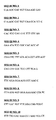
- Figure 1
- is the nucleotide sequence of the oligonucleotides used for the detection and identification of then Candida species as described by the preferred embodiment of the present invention.
- Figure 2
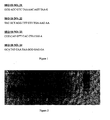
- shows the results of sensitivity test for semi-nested PCR detection of C. albicans. Lanes: 1, 106 cells; 2, 105 cells; 3, 104 cells; 4, 103 cells; 5, 102 cells; 6, 101 cells; 7, 10° cell; N1, no template control first round PCR; M, 100bp DNA ladder marker; and N2, no template control second round PCR.
- Figure 3
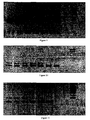
- shows the results of sensitivity test for the semi-nested PCR detection of C. dubliniensis. Lanes: 1, 106 cells; 2, 105 cells; 3, 104 cells; 4, 103 cells; 5, 102 cells; 6, 101 cells; 7, 100 cell; N1, no template control first round PCR; M, 100 bp DNA ladder marker; and N2, no template control second round PCR.
- Figure 4
- shows the results of sensitivity test for the semi-nested PCR detection of C. glabrata. Lanes: 1, 106 cells; 2, 105 cells; 3, 104 cells; 4, 103 cells; 5, 102 cells; 6, 101 cells; 7, 100 cell; N1, no template control first round PCR; N2, no template control second round PCR and M, 100 bp DNA ladder marker.
- Figure 5
- shows the results of sensitivity test for the semi-nested PCR detection of C. guilliermondii. Lanes: 1, 106 cells; 2, 105 cells; 3, 104 cells; 4, 103 cells; 5, 102 cells; 6, 10' cells; 7, 100 cell; N1, no template control first round PCR; N2, no template control second round PCR and M, 100 bp DNA ladder marker.
- Figure 6
- shows the results of sensitivity test for the semi-nested PCR detection of C. kefyr. Lanes: 1, 106 cells; 2, 105 cells; 3, 104 cells; 4, 103 cells; 5, 102 cells; 6, 10' cells; 7, 10° cell; N1, no template control first round PCR; N2, no template control second round PCR and M, 100 bp DNA ladder marker.
- Figure 7
- shows the results of sensitivity test for the semi-nested PCR detection of C. krusei. Lanes: 1, 106 cells; 2, 105 cells; 3, 104 cells; 4, 103 cells; 5, 102 cells; 6, 10' cells; 7, 10° cell; N1, no template control first round PCR; M, 100 bp DNA ladder marker; and N2, no template control second round PCR.
- Figure 8
- shows the results of sensitivity test for the semi-nested PCR detection of C. lusitaniae. Lanes: 1, 106 cells; 2, 105 cells; 3, 104 cells; 4, 103 cells; 5, 102 cells; 6, 101 cells; 7, 10° cell; N1, no template control first round PCR; N2, no template control second round PCR and M, 100 bp DNA ladder marker.
- Figure 9
- shows the results of sensitivity test for the semi-nested PCR detection of C. parapsilosis. Lanes: 1, 106 cells; 2, 105 cells; 3, 104 cells; 4, 103 cells; 5, 102 cells; 6, 10' cells; 7, 10° cell; N1, no template control first round PCR; M, 100 bp DNA ladder marker; and N2, no template control second round PCR.
- Figure 10
- shows the results of sensitivity test for the semi-nested PCR detection of C. rugosa. Lanes: 1, 106 cells; 2, 105 cells; 3, 104 cells; 4, 103 cells; 5, 102 cells; 6, 101 cells; 7, 10° cell; N1, no template control first round PCR; M, 100 bp DNA ladder marker; and N2, no template control second round PCR.
- Figure 11
- shows the results of sensitivity test for the semi-nested PCR detection of C. tropicalis. Lanes: 1, 106 cells; 2, 105 cells; 3, 104 cells; 4, 103 cells; 5, 102 cells; 6, 101 cells; 7, 10° cell; N1, no template control first round PCR; M, 100 bp DNA ladder marker; and N2, no template control second round PCR.
- The present invention relates to design and use of amplification oligonucleotides used for the detection and identification of Candida species and a rapid detection and identification method therefor. In more particular, the present invention relates to custom-designed primer sequences which are applicable for the detection and identification of ten Candida species and a rapid semi-nested polymerase chain reaction (PCR) method for detecting and identifying the same.
- Hereinafter, the invention shall be described according to the preferred embodiments of the present invention and by referring to the accompanying description and drawings. However, it is to be understood that limiting the description to the preferred embodiments of the invention and to the drawings is merely to facilitate discussion of the present invention and it is envisioned that those skilled in the art may devise various modifications without departing from the scope of the appended claim.
- The following terms used throughout the specification have the indicated meanings unless expressly indicated to have a different meaning.
- By "target nucleic acid" is meant a nucleic acid having a target nucleotide sequence.
- By "oligonucleotide" is meant a single-stranded nucleotide polymer made of more than two nucleotide subunits covalently joined together. Preferably, the number of nucleotide units present is ranged from 10 to 100, most preferably it is ranged from 12 to 50. The sugar group of the nucleotide subunits is deoxyribose. The nucleotide subunits of an oligonucleotide may be joined by phosphodiester linkages, phosphorothioate linkages, methyl phosphonate linkages or by other rare or non-naturally-occurring linkages that do not prevent amplification of the oligonucleotide. Furthermore, an oligonucleotide may have uncommon nucleotides or non-nucleotide moieties. An oligonucleotide as defined herein is a nucleic acid, DNA. Amplification oligonucleotides of a defined sequence may be produced by techniques known to those of ordinary skill in the art, such as by chemical synthesis. As intended by this disclosure, an oligonucleotide does not consist of wild-type chromosomal DNA or the in vivo transcription products thereof.
- By "target nucleic acid sequence", "target nucleotide sequence" or "target sequence" is meant a specific deoxyribonucleotide sequence comprising all or a part of the nucleotide sequence of a single-stranded nucleic acid molecule, and the deoxyribonucleotide sequence complementary thereto.
- By "complementary" is meant that the nucleotide sequences of similar regions of two single-stranded nucleic acids, or to different regions of the same single-stranded nucleic acid have a nucleotide base composition that allow the single strands to bind together in a stable double-stranded hydrogen-bonded region under stringent amplification conditions. When a contiguous sequence of nucleotides of one single-stranded region is able to form a series of hydrogen-bonded base pairs with an analogous sequence of nucleotides of the other single-stranded region, such that A is paired with T and C is paired with G, the nucleotides sequences are complementary.
- By "amplification oligonucleotide" is meant an oligonucleotide capable of binding to a target nucleic acid sequence and acting as a primer for nucleic acid synthesis for the initiation of nucleic acid synthesis. An amplification oligonucleotide may or may not have a 3' terminus which is modified to prevent or lessen the amount of primer extension. An amplification oligonucleotide as defined herein will preferably be 10 to 50 nucleotides in length; most preferably 15 to 25 nucleotides in length. While the amplification oligonucleotides of the present invention may be chemically synthesized and such oligonucleotides are not naturally-occurring nucleic acids.
- By "nucleic acid amplification" or "target amplification" is meant increasing the number of nucleic acid molecules having at least one target nucleic acid sequence.
- By "antisense" or "negative sense" is meant having a nucleic sequence complementary to that of a reference nucleic acid sequence.
- By "sense", "same-sense" or "positive sense" is meant having a nucleic acid sequence analogous to that of a reference nucleic acid sequence.
- "Phylogenetically closely related" means that the organisms are closely related to each other in an evolutionary sense and therefore would have a higher total nucleic acid sequence homology than organisms that are more distantly related. Organisms occupying adjacent and next to adjacent positions on the phylogenetic tree are closely related. Organisms occupying positions further away than adjacent or next to adjacent positions on the phylogenetic tree will still be closely related if they have significant total nucleic acid sequence homology.
- The present invention discloses an isolated oligonucleotide comprising a nucleotide sequence selected from the group consisting of SEQ ID NO: 1, SEQ ID NO: 2, SEQ ID NO: 3, SEQ ID NO: 4, SEQ ID NO: 5, SEQ ID NO: 6, SEQ ID NO: 7, SEQ ID NO: 8, SEQ ID NO: 9 or SEQ ID NO: 10, or any of complementary sequences thereof selected from the group consisting of SEQ ID NO: 13, SEQ ID NO: 14, SEQ ID NO: 15, SEQ ID NO: 16, SEQ ID NO: 17, SEQ ID NO: 18, SEQ ID NO: 19, SEQ ID NO: 20, SEQ ID NO: 21 or SEQ ID NO: 22.
- The amplification oligonucleotides invented is useful for detecting the presence of Candida nucleic acids in biological test samples from human such as blood, blood derived samples, tissues, tissue-derived samples, other body fluids and body samples.
- Another embodiment of the present invention is a primer for polymerase chain reaction (PCR)-based amplification comprising an amplification nucleotide sequences selected from the group consisting of SEQ ID NO: 1, SEQ ID NO: 2, SEQ ID NO: 3, SEQ ID NO: 4, SEQ ID NO: 5, SEQ ID NO: 6, SEQ ID NO: 7, SEQ ID NO: 8, SEQ ID NO: 9 or SEQ ID NO: 10, or any of complementary sequences thereof selected from the group consisting of SEQ ID NO: 13, SEQ ID NO: 14, SEQ ID NO: 15, SEQ ID NO: 16, SEQ ID NO: 17, SEQ ID NO: 18, SEQ ID NO: 19, SEQ ID NO: 20, SEQ ID NO: 21 or SEQ ID NO: 22. These primers, when contacted with a nucleic acid polymerase under amplification conditions, will bind to or cause extension through a nucleic acid region having their complimentary sequences.
- The useful amplification oligonucleotides are designed to be complementary to specific regions of the ribosomal RNA (rRNA) or ribosomal DNA (rDNA) nucleotide sequences of Candida, or oligonucleotides having a nucleic acid sequence substantially corresponding to a specific portion from species of Candida rRNA or rDNA nucleotide sequences, comprising SEQ ID NO: 1, SEQ ID NO: 2, SEQ ID NO: 3, SEQ ID NO: 4, SEQ ID NO: 5, SEQ ID NO: 6, SEQ ID NO: 7, SEQ ID NO: 8, SEQ ID NO: 9, SEQ ID NO: 10 and its complementary sequences, comprising SEQ ID NO: 13, SEQ ID NO: 14, SEQ ID NO: 15, SEQ ID NO: 16, SEQ ID NO: 17, SEQ ID NO: 18, SEQ ID NO: 19, SEQ ID NO: 20, SEQ ID NO: 21 and SEQ ID NO: 22.
- As these amplification oligonucleotides are derived from the rRNA of pathogenic Candida, a superior detection assay is obtained due to the multicopy nature of the gene. The amplification oligonucleotides function by amplifying target Candida ITS1 and ITS2 rRNA and/or rDNA gene sequences under amplification conditions. In preferred embodiments, the amplification oligonucleotides described herein, when used together, can distinguish Candida spp. from other microorganisms found in clinical samples such as blood or tissues as well as from among the species in the genus. Accordingly, the amplification oligonucleotides may be used in an assay to specifically detect and/or amplify Candida species-derived nucleic acids.
- Another aspect of the present invention includes compositions for detecting Candida species which are nucleic acid hybrids formed between an oligonucleotide of the present invention and a specific region of a nucleotide polymer from Candida species. Generally, the nucleotide polymer contains a nucleic acid sequence that substantially corresponds to an oligonucleotide sequence of the present invention or its complement and is derived from the rDNA encoding the ribosomal RNA of the Candida species. The oligonucleotides present in these compositions are amplification oligonucleotide. Thus, compositions of the present invention contain one or more amplification oligonucleotides.
- Nucleotides compositions of the present invention containing an oligonucleotide primer amplifying its target sequence are useful for creating an initiation site for a polymerase at the 3' end of the primer, and/or providing a template for extension of the 3' end of the target sequence.
- The present invention also contemplates diagnostic systems in kit form. A diagnostic system of the present invention may include a kit which contains, in an amount sufficient for at least one assay, amplification primers of the present invention in a packaging material. Typically, the kits would also include instructions for use of the packaged primers.
- The PCR-based amplification kit for detecting and identifying Candida species in a biological sample is described in another embodiment of the present invention. This kit comprises at least one of primers having nucleotide sequences selected from the group consisting of SEQ ID NO: 1, SEQ ID NO: 2, SEQ ID NO: 3, SEQ ID NO: 4, SEQ ID NO: 5, SEQ ID NO: 6, SEQ ID NO: 7, SEQ ID NO: 8, SEQ ID NO: 9 or SEQ ID NO: 10, or any of complementary sequences thereof selected from the group consisting of SEQ ID NO: 13, SEQ ID NO: 14, SEQ ID NO: 15, SEQ ID NO: 16, SEQ ID NO: 17, SEQ ID NO: 18, SEQ ID NO: 19, SEQ ID NO: 20, SEQ ID NO: 21 or SEQ ID NO: 22.
- The PCR kit contains one or more of the oligonucleotides of the present invention including amplification oligonucleotides or primer sets. According to the preferred embodiment of the present invention, a kit of the present invention includes at least one amplification oligonucleotide capable of specifically distinguishing C. albicans, C. dubliniensis, C. glabrata, C. guilliermondii, C. kefyr, C. krusei, C. lusitaniae, C. parapsilosis, C. rugosa or C. tropicalis from other microorganisms.
- The various components of the diagnostic kit may be provided in various forms. For example, the required enzymes, the nucleotide triphosphates, the primers may be provided as a lyophilized reagent. These lyophilized reagents may be premixed before lyophilization so as to form a complete mixture with the proper ratio of each of the components ready for use in the assay. In addition, the diagnostic systems of the present invention may contain a reconstitution reagent for reconstituting the lyophilized reagents of the kit.
- According to the preferred embodiment of the present invention, the enzymes, nucleotides, triphosphates and required cofactors for the enzymes are provided as a single lyophilized reagent that when reconstituted forms a proper reagent for use in the present methods. In these preferred kits, a lyophilized primer agent may also be provided. Typical packaging materials would include solid matrices such as glass, plastic, paper, foil, micro particles and the like, capable of holding within fixed limits amplification primer of the present invention. Thus, for example, a package made from packaging materials can be a glass vial used to contain sub-milligram (i.e. picogram, nanogram etc.) quantities of a contemplated primer or it could be a microtiter plate well to which the primers of the present invention have been operatively affixed, i.e., linked so as to be capable of participating in a detection method of the present invention.
- In a further embodiment, the present invention discloses a method for detecting and identifying Candida species comprising the step of amplifying conserved DNA segment of Candida species in a biological sample using a primer set having a nucleotide sequence of SEQ ID NO: 11 and a nucleotide sequence of SEQ ID NO: 12, and contacting the amplified conserved DNA segment with a primer set having a nucleotide sequence of SEQ ID NO: 11 and a nucleotide sequence selected from the group consisting of SEQ ID NO: 1, SEQ ID NO: 2, SEQ ID NO: 3, SEQ ID NO: 4, SEQ ID NO: 5, SEQ ID NO: 6, SEQ ID NO: 7, SEQ ID NO: 8, SEQ ID NO: 9 or SEQ ID NO: 10.
- The nucleotide sequence of SEQ ID NO: 11 and a nucleotide sequence of SEQ ID NO: 12 embodied herein can be used as the universal sequences for all fungi as they are designed to target the conserved DNA segment. Therefore, this amplification oligonucleotides or primer set can be used to amplify the conserved DNA segment of Candida spp. All the oligonucleotides or primer sets used in the present invention are commercially obtained.
- Semi-nested PCR method is applied by which the sensitivity of the assay can be increased as this method eliminates the occurrence of false positive and dilutes any inhibitors found in the sample during the first round PCR. Therefore, a second round of PCR is carried out by using the amplified DNA fragment obtained from the first round of PCR which is primed by the nucleotide sequence of SEQ ID NO: 11 and SEQ ID NO: 12.
- Further, the present invention contemplates methods for detecting the presence of Candida species by contacting a test sample under optimized amplification condition with nucleic acid primers capable of preferentially amplifying under optimized amplification assay conditions to Candida species target nucleic acid. However, one skilled in the art will understand that the exact assay conditions, primers used will vary depending on the particular assay format used and the source of the sample.
- One of the preferred embodiments of the present invention discloses a method for species-specifically detecting and identifying Candida albicans by contacting the amplified conserved DNA segment with a primer set having a nucleotide sequence of SEQ ID NO: 11 and a nucleotide sequence of SEQ ID NO: 1 or the complementary sequence thereof.
- Detection and identification of Candida dubliniensis can be performed by substituting the SEQ ID NO: 1 with SEQ ID NO: 2. Likewise, the amplification of C. glabrata, C. guilliermondii, C. kefyr, C. krusei, C. lusitaniae, C. parapsilosis, C. rugosa and C. tropicalis can be carried out by substituting the SEQ ID NO: 1 with SEQ ID NO: 3, SEQ ID NO: 4, SEQ ID NO: 5, SEQ ID NO: 6, SEQ ID NO: 7, SEQ ID NO: 8, SEQ ID NO: 9 and SEQ ID NO: 10, respectively.
- As set forth in the foregoing description, the amplification oligonucleotides or primer sets of the present invention are directed to particular Candida ITS1 and ITS2 regions. The amplification oligonucleotides described and claimed herein comprise two sets of amplification oligonucleotides. Members of the set of amplification oligonucleotides are able to bind with a nucleic acid having or substantially corresponding to one of the following nucleotide sequences, which are SEQ ID NO: 1, SEQ ID NO: 2, SEQ ID NO: 3, SEQ ID NO: 4, SEQ ID NO: 5, SEQ ID NO: 6, SEQ ID NO: 7, SEQ ID NO: 8, SEQ ID NO: 9 and SEQ ID NO: 10.
- In preferred embodiments, these amplification oligonucleotides have or substantially correspond to these complementary sequences, including SEQ ID NO: 13, SEQ ID NO: 14, SEQ ID NO: 15, SEQ ID NO: 16, SEQ ID NO: 17, SEQ ID NO: 18, SEQ ID NO: 19, SEQ ID NO: 20, SEQ ID NO: 21 and SEQ ID NO: 22.
- A wide variety of methods are available to detect an amplified target sequence. For example, the nucleotide substrates or the primers can include a detectable label which is incorporated into newly synthesized DNA. The resulting labelled amplification product is then separated from the unused labelled nucleotides or primers and the label is detected in the separated product fraction.
- Substances which can serve as useful detectable labels are well known in the art and include radioactive isotopes, fluorescent compounds, chemiluminescent compounds, chromophores, as well as ligands such as biotin and haptens which, while not directly detectable, can be readily detected by a reaction with labeled forms of their specific binding partners, e.g. avidin and antibodies, respectively.
- The present disclosure includes as contained in the appended claims, as well as that of the foregoing description. Although this invention has been described in its preferred form with a degree of particularity, it is understood that the present disclosure of the preferred form has been made only by way of example and that numerous changes in the details of construction and the combination and arrangements of parts may be resorted to without departing from the scope of the invention.
- Examples are provided below to illustrate different aspects and embodiments of the present invention. These examples are not intended in any way to limit the disclosed invention, which is limited only by the claims.
- Amplification oligonucleotides or primers specific for Candida albicans were designed using sequences determined in prospective target areas using primers complementary to the 18S rDNA of Candida albicans (ATCC NO. 14053), Candida dubliniensis (ATCC NO. MYA-178), Candida glabrata (ATCC No. 2001), Candida guilliermondii (ATCC No. 6260), Candida kefyr (ATCC NO. 66028), Candida krusei (ATCC NO. 6258), Candida lusitaniae (ATCC NO. 66035), Candida parapsilosis (ATCC NO. 22019), Candida rugosa (ATCC NO. 10571), Candida tropicalis (ATCC NO. 750), Aspergillus flavus (ATCC NO. 10124), Aspergillus fumigatus (ATCC NO. 36607), Aspergillus lentulus (ATCC NO. MYA-3566), Aspergillus nidulans (ATCC NO. 10074), Aspergillus niger (ATCC NO. 16888), Aspergillus terreus (ATCC NO. 1012) and clinical isolate Cryptococcus neoformans. The nucleic acid sequences from phylogenetically near neighbours were also used as comparisons with the nucleic sequence from Candida albicans to determine variable regions.
- All the ten Candida species were purchased from American Type Culture Collection (ATCC). They were used as reference strains. Twenty-six clinical isolates of ten different Candida species were tested.
- Candida cells were grown in 3 mL of Sabouraud Dextrose Broth (SDB) at 37°C overnight in a shaking incubator till they reached mid-log phase. Broth culture that contains the Candida cells were used for DNA extraction. Genomic DNA of the Candida cells were extracted using conventional phenol-chloroform extraction method. The cells were washed twice with 1 mL of phosphate buffered saline (PBS), pH 7.4 by centrifugation at 13,200 rpm for 2 minutes. The cell walls were broken down by adding 500 µL lysis buffer (1 M Tris-HCl, 0.5 M EDTA, 0.5% v/v β-mercaptoethanol) at 37°C in a shaking incubator. The cells were later lysed to release the DNA from the nucleus by adding 50 µL of 10% sodium dodecyl sulfate (SDS) and the cell debris were denatured using 2.5 µL 20 mg/mL proteinase K. Equal volume (approx. 553 µL) of phenol: chloroform: isoamyalcohol was added to separate the DNA from histones and protein. Released DNA were precipitated and concentrated by adding 1/10 volume (50 µL) of 3 M sodium acetate, pH 5.2 and equal volume of isopropanol (500 µL) and incubated for 10 minutes at room temperature. The DNA were pelleted through centrifugation at 13,200 rpm for 15 minutes, washed with 70% cold ethanol, spun at 13,200 rpm for 5 minutes and finally resuspended in sterile distilled water or TE buffer, pH 7.4 (10 mM Tris-Cl, pH 7.4, 1 mM EDTA, pH 8.0) for longer preservation.
- Eppendorf Mastercycler® gradient PCR machine was used for the DNA amplification process. The reaction mixture for polymerase chain reaction (PCR) consists of PCR buffer, magnesium chloride (MgCl2), deoxynucleotide triphosphates (dNTPs), forward primer and reverse primer and Taq DNA polymerase enzyme. All the PCR reaction ingredients are from Fermentas Life Sciences. The first round of PCR was carried out using the primers SEQ ID NO: 11 TCC GTA GGT GAA CCT GCG G and SEQ ID NO: 12 TCC TCC GCT TAT TGA TAT GC. Table 1 shows list of primers used in the first and second round of the semi-nested PCR process. The PCR reaction mixtures for the first round of PCR, using SEQ ID NO: 11 and SEQ ID NO: 12 as primers are shown in Table 2 whereas the PCR program is shown in Table 5, respectively. For the second round PCR depending on the species, the SEQ ID NO: 11 remains and ten different species specific reverse primers for the respective species (SEQ ID NO: 1, 2, 3, 4, 5, 6, 7, 8, 9, 10) were used accordingly. One microlitre of the first round PCR product was used as template for the second round PCR. The details of the PCR reaction mixture and PCR program for every species PCR reactions are shown in Table 3 and Table 5. All the PCR products obtained are subjected to agarose gel electrophoresis at 72 volts for 45 minutes and later viewed using the gel documentation system.
Table 1 Species Primer Length (bp) Sequence 5' to 3' Region All fungi SEQ ID NO: 11 19 TCC GTA GGT GAA CCT GCG G 18S rRNA All fungi SEQ ID NO: 12 20 TCC TCC GCT TAT TGA TAT GC 28S rRNA C. albicans SEQ ID NO: 1 21 CTA AGC CAT TGT CAA AGC GAT ITS2 C. dubliniensis SEQ ID NO: 2 22 CTA AGC CAT TGT CAA GCA TCT C ITS2 C. glabrata SEQ ID NO: 3 20 CAC TCC CAG GTC TTT GTC GG ITS1 C. guilliermondii SEQ ID NO: 4 20 GAA ATA TCC CGC CAC ACC AT ITS2 C. kefyr SEQ ID NO: 5 24 CGA GTC TTT ATA ACA CCT ATG AGT ITS2 C. krusei SEQ ID NO: 6 19 CAG CTT CGC TCC CTT TCA G ITS2 C. lusitaniae SEQ ID NO: 7 19 TTC GGA GCA ACG CCT AAC C ITS2 C. parapsilosis SEQ ID NO: 8 23 CCA ATG AGT GGA AAA AAC CTA TC ITS2 C. rugosa SEQ ID NO: 9 22 CTT AAC TGT TTT AGA CGG TCG C ITS2 C. tropicalis SEQ ID NO: 10 23 TTT TTG GAT AAA CCT AAG TCG CT ITS2 Table 2 PCR component Initial Concentration Final Concentration Volume, µL DNA - - 1.0 PCR Buffer 10 X 1 X 2.0 MgCl2 25 mM 2 mM 1.6 dNTPs 10 mM each 0.25 mM each 0.5 Primer (SEQ ID NO: 11) 10 µM 0.25 µM 0.5 (SEQ ID NO: 12) 10 µM 0.25 µM 0.5 Taq DNA polymerase 1 U/µL 0.5 U 0.5 ddH2O - - 13.4 Total volume: 20 Table 3 PCR component Initial Concentration Final Concentration Volume First round PCR product - - 1.0 PCR Buffer 10 X 1X 2.0 MgCl2 25 mM (depending on species - Refer Table 4) (depending on species - Refer Table 4) dNTPs 10 mM each 0.25 mM each 0.5 Primer (SEQ ID NO: 11) 10 µM 0.25 µM 0.5 (SEQ ID NO: X) 10 µM 0.25 µM 0.5 Taq DNA polymerase 1 U/µL 0.5 U 0.5 ddH2O - - (top up to 20 µl) # 'X' can be SEQ ID NO: 1 or SEQ ID NO: 2 or SEQ ID NO: 3 or SEQ ID NO: 4 or SEQ ID NO: 5 or SEQ ID NO: 6 or SEQ ID NO: 7 or SEQ ID NO: 8 or SEQ ID NO: 9 or SEQ ID NO: 10. Table 4 Species Final volume, µL MgCl2 concentration, mM C. albicans 1.2 1.50 C. dubliniensis 1.2 1.50 C. glabrata 1.2 1.50 C. guilliermondii 1.2 1.50 C. kefyr 1.2 1.50 C. krusei 1.6 2.00 G lusitaniae 1.4 1.75 C. parapsilosis 1.2 1.50 C. rugosa 1.6 2.00 C. tropicalis 1.2 1.50 A. flavus 1.2 1.50 A. fumigatus 1.1 1.375 A. nidulans 1.0 1.25 A. niger 1.0 1.25 A. terreus 1.0 1.25 C. neoformans 1.2 1.50 Table 5 Step/Time Species Initial Denaturation Denaturation Annealing Extension Final extension All fungi 95°C, 2 mins 95°C, 30 secs 58.0°C, 30 secs 72°C, 20 secs 72°C, 4 mins C. albicans 95°C. 2 mins 95°C, 30 secs 60.0°C, 30 secs 72°C, 20 secs 72°C, 4 mins C. dubliniensis 95°C. 2 mins 95°C. 30 secs 60.0°C, 30 secs 72°C, 20 secs 72°C, 4 mins C. glabrata 95°C. 2 mins 95°C, 30 secs 65.1°C. 30 secs 72°C, 30 secs 72°C, 4 mins C. guilliermondii 95°C. 2 mins 95°C. 30 secs 60.0°C. 30 secs 72°C, 30 secs 72°C, 4 mins C. kefyr 95°C, 2 mins 95°C, 30 secs 65.0°C, 30 secs 72°C, 20 secs 72°C, 4 mins C. krusei 95°C, 2 mins 95°C. 30 secs 55.0°C, 30 secs 72°C, 30 secs 72°C, 4 mins C. lusitaniae 95°C, 2 mins 95°C, 30 secs 66.3°C, 30 secs 72°C, 20 secs 72°C, 4 mins C. parapsilosis 95°C, 2 mins 95°C, 30 secs 58.0°C, 30 secs 72°C, 30 secs 72°C, 4 mins C. rugosa 95°C, 2 mins 95°C, 30 secs 55.0°C, 30 secs 72°C, 30 secs 72°C, 4 mins C. tropicalis 95°C, 2 mins 95°C, 30 secs 60.0°C, 30 secs 72°C, 20 secs 72°C, 4 mins • The PCR cycle repeats for 34 cycles, one cycle is defined as one round of denaturation, annealing and extension step. - Specificity testing was determined by using DNA of the ten Candida species (ATCC strains), six Aspergillus species (ATCC strains) and Cryptococcus neoformans (non-ATCC strain). The DNA amount template for the PCR is standardised at 150ng/µL. Sensitivity testing was determined by performing the PCR using a factor of ten times serial diluted DNA extracted from one million cells/conidia.
- At the optimized semi-nested species specific PCR amplification condition, no amplicons were observed for all the species tested namely the ten Candida species (C. albicans, C. dubliniensis, C. glabrata, C. guilliermondii, C. kefyr, C. krusei, C. lusitaniae, C. parapsilosis, C. rugosa and C. tropicalis), six Aspergillus species (A. flavus, A. fumigatus, A. lentulus, A. nidulans, A. niger, A. terreus), Cryptococcus neoformans and also human DNA other than the targeted ones. Twenty-six Candida clinical isolates were also tested and they were identified accurately according to the species. All these results implied that the species specific semi-nested PCR is able to differentiate and identify the correct species among the commonly found medically important fungi and ruled out the possibility of amplifying human DNA and avoid false positive results. Furthermore, it can be elaborated that there were no cross-amplification of the species specific primers towards other fungi and human DNA other than the one tested and thus confirming the specificity of the semi-nested for all the ten Candida species.
- DNA of one million cells of the ten medically important Candida cells that were extracted using the phenol: chloroform method was subjected to sensitivity testing. It was determined by performing the PCR using a factor of ten times serial diluted DNA extracted from one million cells/conidia from every species. It was found out that for this testing, PCR amplicons were seen from as low as one cell (Candida parapsilosis and Candida rugosa), ten cells (Candida albicans, Candida dubliniensis, Candida glabrata, Candida krusei, Candida lusitaniae and Candida tropicalis) and hundred cells (Candida guilliermondii and Candida kefyr). These results are shown in Table 6 as well as
Figure 2 to 11 . - The data shown in the examples described above confirm that the novel amplification oligonucleotides herein described and claimed are capable of amplifying the ten medically important Candida species nucleic acid and can be used in an assay to distinguish among themselves and from each other, the closest known phylogenetic neighbours. None of the examples described herein are intended to limit the present invention to the embodiments of this disclosure, said invention being limited exclusively by the claims which follow.
Table 6 Species Sensitivity Cells Equivalent DNA amount C. albicans 101 430 fg C. dubliniensis 101 400 fg C. glabrata 101 280 fg C. guilliermondii 102 2.6 pg C. kefyr 102 3.9 pg C. krusei 101 370 fg C. lusitaniae 101 410 fg C. parapsilosis 100 44 fg C. rugosa 100 46 fg C. tropicalis 101 250 fg
Claims (12)
- A method for detecting and identifying Candida species comprising the step of amplifying a conserved DNA segment of Candida species in a biological sample using a primer set having a nucleotide sequence of SEQ ID NO: 11 and a nucleotide sequence of SEQ ID NO: 12 in a first polymerase chain reaction; and conducting a second polymerase chain reaction by applying the amplified conserved DNA segment as a template and using a primer set having a nucleotide sequence of SEQ ID NO: 11 and a nucleotide sequence selected from the group consisting of SEQ ID NO: 1, SEQ ID NO: 2, SEQ ID NO: 3, SEQ ID NO: 4, SEQ ID NO: 5, SEQ ID NO: 6, SEQ ID NO: 7, SEQ ID NO: 8, SEQ ID NO: 9 or SEQ ID NO: 10.
- A method for species-specifically detecting and identifying Candida albicans by applying the amplified conserved DNA segment according to claim 1 as a template and using a primer set having a nucleotide sequence of SEQ ID NO: 11 and a nucleotide sequence of SEQ ID NO: 1 or the complementary sequence thereof in a second polymerase chain reaction.
- A method for species-specifically detecting and identifying Candida dubliniensis by applying the amplified conserved DNA segment according to claim 1 as a template and using a primer set having a nucleotide sequence of SEQ ID NO: 11 and a nucleotide sequence of SEQ ID NO: 2 or the complementary sequence thereof in a second polymerase chain reaction.
- A method for species-specifically detecting and identifying Candida glabrata by applying the amplified conserved DNA segment according to claim 1 as a template and using a primer set having a nucleotide sequence of SEQ ID NO: 11 and a nucleotide sequence of SEQ ID NO: 3 or the complementary sequence thereof in a second polymerase chain reaction.
- A method for species-specifically detecting and identifying Candida guilliermondii by applying the amplified conserved DNA segment according to claim 1 as a template and using a primer set having a nucleotide sequence of SEQ ID NO: 11 and a nucleotide sequence of SEQ ID NO: 4 or the complementary sequence thereof in a second polymerase chain reaction.
- A method for species-specifically detecting and identifying Candida kefyr by applying the amplified conserved DNA segment according to claim 1 as a template and using a primer set having a nucleotide sequence of SEQ ID NO: 11 and a nucleotide sequence of SEQ ID NO: 5 or the complementary sequence thereof in a second polymerase chain reaction.
- A method for species-specifically detecting and identifying Candida krusei by applying the amplified conserved DNA segment according to claim 1 as a template and using a primer set having a nucleotide sequence of SEQ ID NO: 11 and a nucleotide sequence of SEQ ID NO: 6 or the complementary sequence thereof in a second polymerase chain reaction.
- A method for species-specifically detecting and identifying Candida lusitaniae by applying the amplified conserved DNA segment according to claim 1 as a template and using a primer set having a nucleotide sequence of SEQ ID NO: 11 and a nucleotide sequence of SEQ ID NO: 7 or the complementary sequence thereof in a second polymerase chain reaction.
- A method for species-specifically detecting and identifying Candida parapsilosis by applying the amplified conserved DNA segment according to claim 1 as a template and using a primer set having a nucleotide sequence of SEQ ID NO: 11 and a nucleotide sequence of SEQ ID NO: 8 or the complementary sequence thereof in a second polymerase chain reaction.
- A method for species-specifically detecting and identifying Candida rugosa by applying the amplified conserved DNA segment according to claim 1 as a template and using a primer set having a nucleotide sequence of SEQ ID NO: 11 and a nucleotide sequence of SEQ ID NO: 9 or the complementary sequence thereof in a second polymerase chain reaction.
- A method for species-specifically detecting and identifying Candida tropicalis by applying the amplified conserved DNA segment according to claim 1 as a template and using a primer set having a nucleotide sequence of SEQ ID NO: 11 and a nucleotide sequence of SEQ ID NO: 10 or the complementary sequence thereof in a second polymerase chain reaction.
- A polymerase chain reaction (PCR)-based amplification kit for detecting and identifying Candida species in a biological sample by a method according to any of the preceding claims, characterized in that the kit comprises a primer set having a nucleotide sequence of SEQ ID NO: 11 and a nucleotide sequence of SEQ ID NO: 12, and a primer set having a nucleotide sequence of SEQ ID NO: 11 and a nucleotide sequence selected from the group consisting of SEQ ID NO: 1, SEQ ID NO: 2, SEQ ID NO: 3, SEQ ID NO: 4, SEQ ID NO: 5, SEQ ID NO: 6, SEQ ID NO: 7, SEQ ID NO: 8, SEQ ID NO: 9 and SEQ ID NO: 10.
Applications Claiming Priority (2)
| Application Number | Priority Date | Filing Date | Title |
|---|---|---|---|
| MYPI2008003143 | 2008-08-18 | ||
| PCT/MY2009/000109 WO2010021534A1 (en) | 2008-08-18 | 2009-07-31 | Method for detecting and identifying candida species |
Publications (3)
| Publication Number | Publication Date |
|---|---|
| EP2315853A1 EP2315853A1 (en) | 2011-05-04 |
| EP2315853A4 EP2315853A4 (en) | 2012-01-25 |
| EP2315853B1 true EP2315853B1 (en) | 2013-06-12 |
Family
ID=41707315
Family Applications (1)
| Application Number | Title | Priority Date | Filing Date |
|---|---|---|---|
| EP09808435.3A Not-in-force EP2315853B1 (en) | 2008-08-18 | 2009-07-31 | Method for detecting and identifying candida species |
Country Status (4)
| Country | Link |
|---|---|
| US (1) | US20130034856A1 (en) |
| EP (1) | EP2315853B1 (en) |
| JP (1) | JP5621992B2 (en) |
| WO (1) | WO2010021534A1 (en) |
Families Citing this family (2)
| Publication number | Priority date | Publication date | Assignee | Title |
|---|---|---|---|---|
| CN112941231A (en) * | 2021-04-26 | 2021-06-11 | 南方海洋科学与工程广东省实验室(湛江) | Probe for detecting candida albicans, method and application |
| CN114807416B (en) * | 2022-04-19 | 2024-11-22 | 连云港市第二人民医院(连云港市临床肿瘤研究所) | Primer-probe combination for RPA-LFS detection of Candida tropicalis and its application |
Family Cites Families (6)
| Publication number | Priority date | Publication date | Assignee | Title |
|---|---|---|---|---|
| US5426027A (en) * | 1993-05-20 | 1995-06-20 | The Government Of The United States Of America As Represented By The Secretary | Nucleic acid probes and methods for detecting Candida DNA cells in blood |
| US6242178B1 (en) * | 1997-07-30 | 2001-06-05 | Centers For Disease Control And Prevention | Nucleic acid probes for detecting Candida species |
| US6872523B1 (en) * | 2000-05-30 | 2005-03-29 | The Board Of Regents Of The University Of Nebraska | Materials and methods for molecular detection of clinically relevant pathogenic fungal species |
| US8501408B2 (en) * | 2005-01-06 | 2013-08-06 | Medical Diagnostic Laboratories, Llc | Methods and compositions for detecting and identifying species of Candida |
| PT103277B (en) * | 2005-05-17 | 2007-03-30 | Univ Do Minho | DNA FRAGMENTS AND PRIMERS FOR THE DETECTION AND IDENTIFICATION OF CLINICALLY RELEVANT CANDIDA SPECIES |
| WO2007038578A1 (en) * | 2005-09-27 | 2007-04-05 | The Gov't. Of The Usa As Represented By The Sec. Of The Dept. Of Health & Human Services, Center For Disease Control And Prevention | Compositions and methods for the detection of candida species |
-
2009
- 2009-07-31 WO PCT/MY2009/000109 patent/WO2010021534A1/en not_active Ceased
- 2009-07-31 EP EP09808435.3A patent/EP2315853B1/en not_active Not-in-force
- 2009-07-31 US US13/054,899 patent/US20130034856A1/en not_active Abandoned
- 2009-07-31 JP JP2011523755A patent/JP5621992B2/en not_active Expired - Fee Related
Also Published As
| Publication number | Publication date |
|---|---|
| JP2012500019A (en) | 2012-01-05 |
| WO2010021534A1 (en) | 2010-02-25 |
| US20130034856A1 (en) | 2013-02-07 |
| EP2315853A4 (en) | 2012-01-25 |
| JP5621992B2 (en) | 2014-11-12 |
| EP2315853A1 (en) | 2011-05-04 |
Similar Documents
| Publication | Publication Date | Title |
|---|---|---|
| JP4859325B2 (en) | Polynucleotide probes for detection and quantification of Candida species | |
| US20140342356A1 (en) | Reagents, methods and kits for classification of fungi and direction of anti-fungal therapy | |
| US8377656B2 (en) | Compositions and methods for detecting Cryptococcus neoformans | |
| JP4377375B2 (en) | Multiple analytical detection of pathogenic organisms | |
| EP3610044B1 (en) | Detection and delineation of microorganisms using the ilv3 gene | |
| EP1945812B1 (en) | Compositions and methods for the detection of candida species | |
| US20130034856A1 (en) | Method for detecting and identifying candida species | |
| JP3194943B2 (en) | Nucleic acid probe and method for detecting Cryptococcus neoformans | |
| EP2529034B1 (en) | Methods for the detection of fungus | |
| EP2363474B1 (en) | Method of detecting fungi belonging to genus geosmithia | |
| JP4956699B2 (en) | Polynucleotide probes for detection and quantification of Candida albicans and Candida dubliniensis | |
| US20040002592A1 (en) | Detection of rare Candida species | |
| JP2000503547A (en) | Continuous hybridization of fungal cell DNA and method for detecting fungal cells in clinical material | |
| KR20000064350A (en) | Materials and methods for detecting fungi | |
| JP4576489B2 (en) | Novel polynucleotide, marker, probe, primer, detection method and kit for detection of Penicillium marnefei, a causative fungus of penicillium using the same | |
| KR102798887B1 (en) | Multiplex real-time polymerase chain reaction assay for differential identification of avian Chlamydia | |
| JP2004201636A (en) | Method for detecting pathogenic fungus gene and oligonucleotide for identification of strain of fungus | |
| JP5873356B2 (en) | Method for detecting Moniliella spp. | |
| JP5697881B2 (en) | Method for detecting Paecilomyces saturatus and Paecilomyces divaricatus | |
| JPH0588A (en) | New nucleic acid fragment and detection of mycoplasma using the same | |
| JP2004201637A (en) | Method for detecting pathogenic fungus gene and oligonucleotide therefor | |
| JP5799139B2 (en) | Method for detecting Paecilomyces saturatus and Paecilomyces divaricatus | |
| KR20240176845A (en) | Multiplex PCR primer set for detecting pathogenic fungi and bacteria and uses thereof | |
| JP2006280273A (en) | A novel polynucleotide, a deeply imported mycosis causative fungus using the histoplasma genus (Histoplasma spp. Include Histoplasmacapsulatumvar. Capsulatum, Histoplasmacapsulatumvar. Farcinosumum, Histoplasma succinatum. Detection markers, probes, primers, detection methods and kits | |
| Thomas | PCR based diagnostic techniques-Winter school on recent advances in diagnosis and management of diseases in mariculture, 7th to 27th November 2002, Course Manual |
Legal Events
| Date | Code | Title | Description |
|---|---|---|---|
| PUAI | Public reference made under article 153(3) epc to a published international application that has entered the european phase |
Free format text: ORIGINAL CODE: 0009012 |
|
| 17P | Request for examination filed |
Effective date: 20110216 |
|
| AK | Designated contracting states |
Kind code of ref document: A1 Designated state(s): AT BE BG CH CY CZ DE DK EE ES FI FR GB GR HR HU IE IS IT LI LT LU LV MC MK MT NL NO PL PT RO SE SI SK SM TR |
|
| AX | Request for extension of the european patent |
Extension state: AL BA RS |
|
| DAX | Request for extension of the european patent (deleted) | ||
| A4 | Supplementary search report drawn up and despatched |
Effective date: 20111229 |
|
| RIC1 | Information provided on ipc code assigned before grant |
Ipc: C12Q 1/68 20060101AFI20111222BHEP |
|
| GRAP | Despatch of communication of intention to grant a patent |
Free format text: ORIGINAL CODE: EPIDOSNIGR1 |
|
| GRAS | Grant fee paid |
Free format text: ORIGINAL CODE: EPIDOSNIGR3 |
|
| GRAA | (expected) grant |
Free format text: ORIGINAL CODE: 0009210 |
|
| AK | Designated contracting states |
Kind code of ref document: B1 Designated state(s): AT BE BG CH CY CZ DE DK EE ES FI FR GB GR HR HU IE IS IT LI LT LU LV MC MK MT NL NO PL PT RO SE SI SK SM TR |
|
| REG | Reference to a national code |
Ref country code: GB Ref legal event code: FG4D |
|
| REG | Reference to a national code |
Ref country code: CH Ref legal event code: EP |
|
| REG | Reference to a national code |
Ref country code: AT Ref legal event code: REF Ref document number: 616724 Country of ref document: AT Kind code of ref document: T Effective date: 20130615 |
|
| REG | Reference to a national code |
Ref country code: IE Ref legal event code: FG4D |
|
| REG | Reference to a national code |
Ref country code: DE Ref legal event code: R096 Ref document number: 602009016434 Country of ref document: DE Effective date: 20130808 |
|
| REG | Reference to a national code |
Ref country code: SE Ref legal event code: TRGR |
|
| REG | Reference to a national code |
Ref country code: NL Ref legal event code: T3 |
|
| PG25 | Lapsed in a contracting state [announced via postgrant information from national office to epo] |
Ref country code: LT Free format text: LAPSE BECAUSE OF FAILURE TO SUBMIT A TRANSLATION OF THE DESCRIPTION OR TO PAY THE FEE WITHIN THE PRESCRIBED TIME-LIMIT Effective date: 20130612 Ref country code: SI Free format text: LAPSE BECAUSE OF FAILURE TO SUBMIT A TRANSLATION OF THE DESCRIPTION OR TO PAY THE FEE WITHIN THE PRESCRIBED TIME-LIMIT Effective date: 20130612 Ref country code: GR Free format text: LAPSE BECAUSE OF FAILURE TO SUBMIT A TRANSLATION OF THE DESCRIPTION OR TO PAY THE FEE WITHIN THE PRESCRIBED TIME-LIMIT Effective date: 20130913 Ref country code: ES Free format text: LAPSE BECAUSE OF FAILURE TO SUBMIT A TRANSLATION OF THE DESCRIPTION OR TO PAY THE FEE WITHIN THE PRESCRIBED TIME-LIMIT Effective date: 20130923 Ref country code: NO Free format text: LAPSE BECAUSE OF FAILURE TO SUBMIT A TRANSLATION OF THE DESCRIPTION OR TO PAY THE FEE WITHIN THE PRESCRIBED TIME-LIMIT Effective date: 20130912 Ref country code: FI Free format text: LAPSE BECAUSE OF FAILURE TO SUBMIT A TRANSLATION OF THE DESCRIPTION OR TO PAY THE FEE WITHIN THE PRESCRIBED TIME-LIMIT Effective date: 20130612 |
|
| REG | Reference to a national code |
Ref country code: AT Ref legal event code: MK05 Ref document number: 616724 Country of ref document: AT Kind code of ref document: T Effective date: 20130612 |
|
| REG | Reference to a national code |
Ref country code: LT Ref legal event code: MG4D |
|
| PG25 | Lapsed in a contracting state [announced via postgrant information from national office to epo] |
Ref country code: HR Free format text: LAPSE BECAUSE OF FAILURE TO SUBMIT A TRANSLATION OF THE DESCRIPTION OR TO PAY THE FEE WITHIN THE PRESCRIBED TIME-LIMIT Effective date: 20130612 Ref country code: BG Free format text: LAPSE BECAUSE OF FAILURE TO SUBMIT A TRANSLATION OF THE DESCRIPTION OR TO PAY THE FEE WITHIN THE PRESCRIBED TIME-LIMIT Effective date: 20130912 |
|
| PG25 | Lapsed in a contracting state [announced via postgrant information from national office to epo] |
Ref country code: LV Free format text: LAPSE BECAUSE OF FAILURE TO SUBMIT A TRANSLATION OF THE DESCRIPTION OR TO PAY THE FEE WITHIN THE PRESCRIBED TIME-LIMIT Effective date: 20130612 |
|
| PG25 | Lapsed in a contracting state [announced via postgrant information from national office to epo] |
Ref country code: IS Free format text: LAPSE BECAUSE OF FAILURE TO SUBMIT A TRANSLATION OF THE DESCRIPTION OR TO PAY THE FEE WITHIN THE PRESCRIBED TIME-LIMIT Effective date: 20131012 Ref country code: CZ Free format text: LAPSE BECAUSE OF FAILURE TO SUBMIT A TRANSLATION OF THE DESCRIPTION OR TO PAY THE FEE WITHIN THE PRESCRIBED TIME-LIMIT Effective date: 20130612 Ref country code: SK Free format text: LAPSE BECAUSE OF FAILURE TO SUBMIT A TRANSLATION OF THE DESCRIPTION OR TO PAY THE FEE WITHIN THE PRESCRIBED TIME-LIMIT Effective date: 20130612 Ref country code: PT Free format text: LAPSE BECAUSE OF FAILURE TO SUBMIT A TRANSLATION OF THE DESCRIPTION OR TO PAY THE FEE WITHIN THE PRESCRIBED TIME-LIMIT Effective date: 20131014 Ref country code: EE Free format text: LAPSE BECAUSE OF FAILURE TO SUBMIT A TRANSLATION OF THE DESCRIPTION OR TO PAY THE FEE WITHIN THE PRESCRIBED TIME-LIMIT Effective date: 20130612 Ref country code: AT Free format text: LAPSE BECAUSE OF FAILURE TO SUBMIT A TRANSLATION OF THE DESCRIPTION OR TO PAY THE FEE WITHIN THE PRESCRIBED TIME-LIMIT Effective date: 20130612 |
|
| PG25 | Lapsed in a contracting state [announced via postgrant information from national office to epo] |
Ref country code: PL Free format text: LAPSE BECAUSE OF FAILURE TO SUBMIT A TRANSLATION OF THE DESCRIPTION OR TO PAY THE FEE WITHIN THE PRESCRIBED TIME-LIMIT Effective date: 20130612 Ref country code: RO Free format text: LAPSE BECAUSE OF FAILURE TO SUBMIT A TRANSLATION OF THE DESCRIPTION OR TO PAY THE FEE WITHIN THE PRESCRIBED TIME-LIMIT Effective date: 20130612 |
|
| REG | Reference to a national code |
Ref country code: CH Ref legal event code: PL |
|
| PG25 | Lapsed in a contracting state [announced via postgrant information from national office to epo] |
Ref country code: MC Free format text: LAPSE BECAUSE OF FAILURE TO SUBMIT A TRANSLATION OF THE DESCRIPTION OR TO PAY THE FEE WITHIN THE PRESCRIBED TIME-LIMIT Effective date: 20130612 |
|
| PLBE | No opposition filed within time limit |
Free format text: ORIGINAL CODE: 0009261 |
|
| STAA | Information on the status of an ep patent application or granted ep patent |
Free format text: STATUS: NO OPPOSITION FILED WITHIN TIME LIMIT |
|
| REG | Reference to a national code |
Ref country code: IE Ref legal event code: MM4A |
|
| PG25 | Lapsed in a contracting state [announced via postgrant information from national office to epo] |
Ref country code: CH Free format text: LAPSE BECAUSE OF NON-PAYMENT OF DUE FEES Effective date: 20130731 Ref country code: LI Free format text: LAPSE BECAUSE OF NON-PAYMENT OF DUE FEES Effective date: 20130731 Ref country code: DK Free format text: LAPSE BECAUSE OF FAILURE TO SUBMIT A TRANSLATION OF THE DESCRIPTION OR TO PAY THE FEE WITHIN THE PRESCRIBED TIME-LIMIT Effective date: 20130612 |
|
| 26N | No opposition filed |
Effective date: 20140313 |
|
| PG25 | Lapsed in a contracting state [announced via postgrant information from national office to epo] |
Ref country code: IT Free format text: LAPSE BECAUSE OF FAILURE TO SUBMIT A TRANSLATION OF THE DESCRIPTION OR TO PAY THE FEE WITHIN THE PRESCRIBED TIME-LIMIT Effective date: 20130612 |
|
| REG | Reference to a national code |
Ref country code: DE Ref legal event code: R097 Ref document number: 602009016434 Country of ref document: DE Effective date: 20140313 |
|
| PG25 | Lapsed in a contracting state [announced via postgrant information from national office to epo] |
Ref country code: IE Free format text: LAPSE BECAUSE OF NON-PAYMENT OF DUE FEES Effective date: 20130731 |
|
| PGFP | Annual fee paid to national office [announced via postgrant information from national office to epo] |
Ref country code: NL Payment date: 20140721 Year of fee payment: 6 Ref country code: DE Payment date: 20140903 Year of fee payment: 6 |
|
| PGFP | Annual fee paid to national office [announced via postgrant information from national office to epo] |
Ref country code: SE Payment date: 20140722 Year of fee payment: 6 Ref country code: GB Payment date: 20140721 Year of fee payment: 6 Ref country code: FR Payment date: 20140724 Year of fee payment: 6 |
|
| PGFP | Annual fee paid to national office [announced via postgrant information from national office to epo] |
Ref country code: BE Payment date: 20140722 Year of fee payment: 6 |
|
| PG25 | Lapsed in a contracting state [announced via postgrant information from national office to epo] |
Ref country code: SM Free format text: LAPSE BECAUSE OF FAILURE TO SUBMIT A TRANSLATION OF THE DESCRIPTION OR TO PAY THE FEE WITHIN THE PRESCRIBED TIME-LIMIT Effective date: 20130612 |
|
| PG25 | Lapsed in a contracting state [announced via postgrant information from national office to epo] |
Ref country code: CY Free format text: LAPSE BECAUSE OF FAILURE TO SUBMIT A TRANSLATION OF THE DESCRIPTION OR TO PAY THE FEE WITHIN THE PRESCRIBED TIME-LIMIT Effective date: 20130612 Ref country code: MT Free format text: LAPSE BECAUSE OF FAILURE TO SUBMIT A TRANSLATION OF THE DESCRIPTION OR TO PAY THE FEE WITHIN THE PRESCRIBED TIME-LIMIT Effective date: 20130612 Ref country code: TR Free format text: LAPSE BECAUSE OF FAILURE TO SUBMIT A TRANSLATION OF THE DESCRIPTION OR TO PAY THE FEE WITHIN THE PRESCRIBED TIME-LIMIT Effective date: 20130612 |
|
| PG25 | Lapsed in a contracting state [announced via postgrant information from national office to epo] |
Ref country code: LU Free format text: LAPSE BECAUSE OF NON-PAYMENT OF DUE FEES Effective date: 20130731 Ref country code: HU Free format text: LAPSE BECAUSE OF FAILURE TO SUBMIT A TRANSLATION OF THE DESCRIPTION OR TO PAY THE FEE WITHIN THE PRESCRIBED TIME-LIMIT; INVALID AB INITIO Effective date: 20090731 Ref country code: MK Free format text: LAPSE BECAUSE OF FAILURE TO SUBMIT A TRANSLATION OF THE DESCRIPTION OR TO PAY THE FEE WITHIN THE PRESCRIBED TIME-LIMIT Effective date: 20130612 |
|
| REG | Reference to a national code |
Ref country code: DE Ref legal event code: R119 Ref document number: 602009016434 Country of ref document: DE |
|
| GBPC | Gb: european patent ceased through non-payment of renewal fee |
Effective date: 20150731 |
|
| REG | Reference to a national code |
Ref country code: SE Ref legal event code: EUG |
|
| REG | Reference to a national code |
Ref country code: NL Ref legal event code: MM Effective date: 20150801 |
|
| PG25 | Lapsed in a contracting state [announced via postgrant information from national office to epo] |
Ref country code: GB Free format text: LAPSE BECAUSE OF NON-PAYMENT OF DUE FEES Effective date: 20150731 Ref country code: DE Free format text: LAPSE BECAUSE OF NON-PAYMENT OF DUE FEES Effective date: 20160202 |
|
| REG | Reference to a national code |
Ref country code: FR Ref legal event code: ST Effective date: 20160331 |
|
| PG25 | Lapsed in a contracting state [announced via postgrant information from national office to epo] |
Ref country code: SE Free format text: LAPSE BECAUSE OF NON-PAYMENT OF DUE FEES Effective date: 20150801 Ref country code: NL Free format text: LAPSE BECAUSE OF NON-PAYMENT OF DUE FEES Effective date: 20150801 Ref country code: FR Free format text: LAPSE BECAUSE OF NON-PAYMENT OF DUE FEES Effective date: 20150731 |
|
| PG25 | Lapsed in a contracting state [announced via postgrant information from national office to epo] |
Ref country code: BE Free format text: LAPSE BECAUSE OF NON-PAYMENT OF DUE FEES Effective date: 20150731 |