EP2315832B1 - Micro-rna mediated modulation of colony stimulating factors - Google Patents
Micro-rna mediated modulation of colony stimulating factors Download PDFInfo
- Publication number
- EP2315832B1 EP2315832B1 EP09781075.8A EP09781075A EP2315832B1 EP 2315832 B1 EP2315832 B1 EP 2315832B1 EP 09781075 A EP09781075 A EP 09781075A EP 2315832 B1 EP2315832 B1 EP 2315832B1
- Authority
- EP
- European Patent Office
- Prior art keywords
- lna
- microrna
- csf
- cell
- inhibitor
- Prior art date
- Legal status (The legal status is an assumption and is not a legal conclusion. Google has not performed a legal analysis and makes no representation as to the accuracy of the status listed.)
- Revoked
Links
- 0 B[C@@](C1)O[C@](C*)C1O*([S-])=O Chemical compound B[C@@](C1)O[C@](C*)C1O*([S-])=O 0.000 description 10
Images






Classifications
-
- C—CHEMISTRY; METALLURGY
- C12—BIOCHEMISTRY; BEER; SPIRITS; WINE; VINEGAR; MICROBIOLOGY; ENZYMOLOGY; MUTATION OR GENETIC ENGINEERING
- C12N—MICROORGANISMS OR ENZYMES; COMPOSITIONS THEREOF; PROPAGATING, PRESERVING, OR MAINTAINING MICROORGANISMS; MUTATION OR GENETIC ENGINEERING; CULTURE MEDIA
- C12N15/00—Mutation or genetic engineering; DNA or RNA concerning genetic engineering, vectors, e.g. plasmids, or their isolation, preparation or purification; Use of hosts therefor
- C12N15/09—Recombinant DNA-technology
- C12N15/11—DNA or RNA fragments; Modified forms thereof; Non-coding nucleic acids having a biological activity
- C12N15/113—Non-coding nucleic acids modulating the expression of genes, e.g. antisense oligonucleotides; Antisense DNA or RNA; Triplex- forming oligonucleotides; Catalytic nucleic acids, e.g. ribozymes; Nucleic acids used in co-suppression or gene silencing
-
- C—CHEMISTRY; METALLURGY
- C12—BIOCHEMISTRY; BEER; SPIRITS; WINE; VINEGAR; MICROBIOLOGY; ENZYMOLOGY; MUTATION OR GENETIC ENGINEERING
- C12N—MICROORGANISMS OR ENZYMES; COMPOSITIONS THEREOF; PROPAGATING, PRESERVING, OR MAINTAINING MICROORGANISMS; MUTATION OR GENETIC ENGINEERING; CULTURE MEDIA
- C12N2310/00—Structure or type of the nucleic acid
- C12N2310/10—Type of nucleic acid
- C12N2310/14—Type of nucleic acid interfering nucleic acids [NA]
- C12N2310/141—MicroRNAs, miRNAs
-
- C—CHEMISTRY; METALLURGY
- C12—BIOCHEMISTRY; BEER; SPIRITS; WINE; VINEGAR; MICROBIOLOGY; ENZYMOLOGY; MUTATION OR GENETIC ENGINEERING
- C12N—MICROORGANISMS OR ENZYMES; COMPOSITIONS THEREOF; PROPAGATING, PRESERVING, OR MAINTAINING MICROORGANISMS; MUTATION OR GENETIC ENGINEERING; CULTURE MEDIA
- C12N2310/00—Structure or type of the nucleic acid
- C12N2310/30—Chemical structure
- C12N2310/32—Chemical structure of the sugar
- C12N2310/323—Chemical structure of the sugar modified ring structure
- C12N2310/3231—Chemical structure of the sugar modified ring structure having an additional ring, e.g. LNA, ENA
Definitions
- the present invention relates to the modulation of immunoregulatory proteins, including cytokines, such as colony stimulatory factors (CSF) via the use of microRNA-155 inhibitors or mimics.
- cytokines such as colony stimulatory factors (CSF)
- CSF colony stimulatory factors
- the present invention relates to novel LNA compounds which mediate simultaneous down-regulation of the Monocyte Chemoattractant Protein-1 (MCP-1 or CCL2) and Interleukine-6, as well as of M-CSF and G-CSF.
- MCP-1 or CCL2 Monocyte Chemoattractant Protein-1
- Interleukine-6 Interleukine-6
- Such LNA compounds are highly useful in the prevention or treatment of chronic or acute inflammatory or autoimmune diseases, especially those associated with aberrant lymphocyte or monocyte accumulation such as Chronic and acute inflammatory or autoimmune diseases, aberrant lymphocyte or monocyte accumulation, arthritis, juvenile idiopathic arthritis, rheumatoid arthritis, acute and chronic arthritis, asthma, atherosclerosis, diabetic nephropathy, inflammatory bowel disease, Crohn's disease, multiple sclerosis, nephritis, glomerulonephritis, pancreatitis, pulmonary fibrosis, psoriasis, restenosis, transplant rejection, early stages of allergic responses, inhibition of LTC4, to prevent AHR (airway hyper-responsiveness), tuberculosis infection and malignancy, stroke, castleman's disease, neoplasm, high-grade multiple myeloma, malignant mesotheliomas, paraneoplastic syndrome of mesotheliomas, immunosuppression, cachexia, thrombo
- arthritis peridontal disease, fibrous dysplasia, Paget's disease, chronic renal failure, endocrinopathies, hypercalcemia, deficiency states, malabsorption syndromes, cronic liver disease, cancer metastasis, mammary tumor progression to metastasis.
- the invention is related to pharmaceutical compositions comprising such LNA compounds and the use of these compounds and compositions in the prevention or treatment of such diseases.
- microRNA 155 inhibitors include WO2007/112754 , WO2007/112753 , EP Application number 08104780 , and US provisional applications US 60/979217 and US 61/028062 .
- Colony-stimulating factors are secreted glycoproteins which bind to receptor proteins on the surfaces of hemopoietic stem cells and thereby activate intracellular signaling pathways which can cause the cells to proliferate and differentiate into a specific kind of blood cell (usually white blood cells).
- CSFs Colony-stimulating factors
- M-CSF macrophage CSF
- GM-CSF granulocytes macrophage CSF
- G-CSF granulocyte CSF
- Neupogen® (Filgrastim) is a heterologously produced human G-CSF produced by Amgen for enhancing white blood cell concentration in cancer patients being treated with chemotherapy.
- G-CSF has been indicated in chronic inflammatory autoimmune diseases, such as type II hypersensitivity responses, including rheumatoid arthritis.
- MicroRNA-155 is induced during the macrophage inflammatory response ( O'Connell et al., PNAS 104(5) pp1604-9 ), and over expression of miR-155 increases the number of Granulocyt/monocyte (GM) cells in the bone marrow ( O'Connell et al., 2008, J. Experimental Med. 205(3) pp585-594 ).
- GM Granulocyt/monocyte
- WO 2007/016548 describes that mir-155 is up regulated in breast cancer. This is confirmed in a poster abstract from Obad et al. 2008, European Journal of Cancer-Supplements 2008, 6(9) pp142 .
- WO2008/017126 refers antisense compounds which target the granulocyte colony-stimulating factor (G-CSF), and the use of such compounds for the treatment of pulmonary disease.
- G-CSF protein has been developed as a therapeutic agent for increasing white blood cell counts, and can enhance the immune system's ability to raise a Th-2 response that can decrease Th-1 mediated inflammatory responses, for example in Crohn's disease.
- G-CSF Granulocyte colony-stimulating factor
- G-CSF is a colony-stimulating factor hormone. It is a glycoprotein, growth factor or cytokine produced by a number of different tissues to stimulate the bone marrow to produce granulocytes and stem cells. G-CSF then stimulates the bone marrow to release them into the blood. It also stimulates the survival, proliferation, differentiation, and function of neutrophil precursors and mature neutrophils.
- G-CSF-deficient mice are protected from acute and chronic arthritis. Reduced severity was associated with blunted mobilization of granulocytic cells from the bone marrow and less cellular infiltrate and cellular activation in inflamed joints. It has also been demonstrated that G-CSF blockade in established collagen-induced arthritis in WT mice markedly reduces disease manifestations and is as effective as tumor necrosis factor blockade. G-CSF plays a critical role in driving joint inflammation and G-CSF is a potential therapeutic target in inflammatory joint diseases, such as rheumatoid arthritis ( Lawlor et al., PNAS, 2004 ).
- Macrophage colony-stimulating factor is a secreted cytokine which influences hemopoietic stem cells to differentiate into macrophages or other related cell types. Also the macrophage-colony stimulating factor, M-CSF supports osteoclast formation ( Yoshida et al. Nature 345: 442-444,1990 ). Osteoclasts mediate bone readsorption. Osteoclasts are multinucleated cells differentiating from haemopoietic cells ( Walker, Science 190 : 784-785,1975 ) and they share a common stem cell with monocyte-macrophage lineage cells ( Ash et al., Nature 283: 669-670, 1980 ).
- osteoclast precursors into mature multinucleated osteoclasts require different factors including hormonal and local stimuli ( Walker, Science 190: 784-785,1975 ) and living bone and bone cells have been shown to play a critical role in osteoclast development ( Hagenaars et al., Bone Miner 6: 179-189,1989 ). Osteoblastic or bone marrow stromal cells are also required for osteoclast differentiation and one of the factors produced by these cells that supports osteoclast formation is macrophage- colony stimulating factor, M-CSF ( Yoshida et al., Nature 345: 442-444, 1990 ).
- M-CSF macrophage- colony stimulating factor
- Metabolic bone diseases associated with relatively increased osteoclast activity includes endocrinopathies (including hypercortisolism, hypogonadism, primary or secondary hyperparathyroidism, hyperthyroidism), hypercalcemia, deficiency states (including rickets/osteomalacia, scurvy, malnutrition), chronic diseases (including malabsorption syndromes, chronic renal failure (including renal osteodystrophy), chronic liver disease (including hepatic osteodystrophy)), drugs (including glucocorticoids (glucocorticoid-induced osteoporosis), heparin, alcohol), and hereditary diseases (including osteogenesis imperfecta, homocystinuria), cancer, osteoporosis, osteopetrosis, inflammation of bone associated with arthritis and rheumatoid arthritis, periodontal disease, fibrous
- M-CSF plays a more general role in formation of cancer metastasis.
- soluble M-CSF secreted from the tumor acts to divert antitumor macrophage responses and suppresses the differentiation of mature tumor-antigen-presenting dendritic cell ( Lin et al., J. Exp.Med, 2002 ).
- Chemokine (C-C motif) ligand 2 (CCL2) (alt.: Monocyte chemoattractant protein-1 (MCP-1))
- chemokines The chemoattractant cytokines, termed as chemokines, are a large family of low molecular weight proteins that share the ability to stimulate directed cell migration [ Schall, Cytokine 3:165-183 (1991 ); Murphy, Rev Immun 12:593-633 (1994 )]. Chemokines have been implicated as important mediators of allergic, inflammatory and autoimmune disorders and diseases, such as asthma, atherosclerosis, glomerulonephritis, pancreatitis, restenosis, rheumatoid arthritis, diabetic nephropathy, pulmonary fibrosis, multiple sclerosis, and transplant rejection. Accordingly, the use of antagonists of chemokine function may help reverse or halt the progression of these disorders and diseases.
- chemokines have four conserved cysteine residues that form disulfide bonds within the chemokine proteins. Two major chemokine subfamilies have been classified based on the chromosomal localization of the chemokine genes and the relative position of the first two cysteine residues ( Van Collie et al., Cytokine Growth Factor Rev 10:61-86 (1999 )). Monocyte chemoattractant protein-1 (CCL-2) is a member of the C-C class of the beta chemokine family and one of the key factors involved in the initiation of inflammation. CCL-2 is typically secreted in the prevalent forms, 9 and 13 kDa, respectively, as a result of differential O-glycosylation.
- CCR2 membrane CC chemokine receptor 2
- CCL-2 expression has been observed in a large number of tissues during inflammation-dependent disease progression, including atherosclerosis (Shin et al., 2002), arthritis (Taylor et al., 2000) and cancer (O'Hayre et al., 2008). In these cases, the influx of macrophages into these tissues has been suggested to exacerbate the diseases. Thus, the expression of CCL-2, which is likely to be critical for fighting infectious disease, must be tightly regulated.
- CCL-2 Elevated expression of CCL-2 has been observed in a number of chronic inflammatory diseases [ Proost et al., Int J Clin Lab Res 26:211-223 (1996 ); Taub, D. D. Cytokine Growth Factor Rev 7:355-376 (1996 )] including, but not limited to, rheumatoid arthritis [ Robinson et al., Clin Exp Immunol 101:398-407 (1995 ); Hosaka et al., ibid.
- CCL-2 appears to play a significant role during the early stages of allergic responses because of its ability to induce mast cell activation and LTC4 release into the airway, which directly induces AHR (airways hyper-responsiveness) [ Campbell et al., J Immunol 163:2160-2167 (1999 )].
- CCL-2 has been found in the lungs of patients with idiopathic pulmonary fibrosis and is thought to be responsible for the influx of mononuclear phagocytes and the production of growth factors that stimulate mesenchymal cells and subsequent fibrosis [ Antoniades et al., Proc Natl Acad Sci USA 89:5371-5375 (1992 )].
- CCL-2 is also involved in the accumulation of monocytes in pleural effusions implicated in both Mycobacterium tuberculosis infection and malignancy [ Strieter et al., J Lab Clin Med 123:183-197 (1994 )].
- CCL-2 has also been shown to be constitutively expressed by synovial fibroblasts from rheumatoid arthritis patients, and its levels are higher in rheumatoid arthritis joints compared to normal joints or those from other arthritic diseases [ Koch et al., J Clin Invest 90:772-779 (1992 )]. These elevated levels of CCL-2 are probably responsible for the monocyte infiltration into the synovial tissue. CCL-2 also plays a critical role in the initiation and development of atherosclerotic lesions.
- CCL-2 is responsible for the recruitment of monocytes into atherosclerotic areas, as shown by immunohistochemistry of macrophagerich arterial wall [ Yla-Herttuala et al., Proc Natl Acad Sci USA 88:5252-5256 (1991 ); Nelken et al., J Clin Invest 88:1121-1127 (1991 )] and anti-CCL-2 antibody detection [ Takeya et al., Human Pathol 24:534-539 (1993 )].
- LDL-receptor/CCL-2-deficient and apoB-transgenic/CCL-2-deficient mice show significantly less lipid deposition and macrophage accumulation throughout their aortas compared with wild-type CCL-2 strains [ Alcami et al., J Immunol 160:624-633 (1998 ); Gosling et al., J Clin Invest 103:773-778 (1999 ); Gu et al., Mol. Cell. 2:275-281 (1998 ); Boring et al., Nature 394:894-897 (1998 ).
- Other inflammatory diseases marked by specific site elevations of CCL-2 include multiple sclerosis (MS), glomerulonephritis, and stroke.
- Interleukine-6 IL-6
- IL-6 is a multifunctional cytokine originally identified as a T cell-derived factor that causes the terminal maturation of antigen-stimulated immature B-cells into immunoglobulin-producing plasma cells [ Hirano T, Taga T, Nakano N, Yasukawa K, Kashiwamura S, Shimizu K, et al. Proc Natl Acad Sci USA 1985; 82: 5490-4 ].
- IL-6 A number of cell types produce IL-6, including T-cells, B-cells, monocytes, fibroblasts, keratinocytes, endothelial cells, mesangial cells and bone marrow stroma cells [ Kawano M, Hirano T, Matsuda T, Taga T, Horii Y, Iwato K, et al. Nature 1988; 332: 83-5 ].
- IL-6 also has a wide range of responder cells, including B-cells, T-cells, hepatocytes, hemotopoietic precursor cells, neural cells, epidermal keratinocytes, mesangial cells, and osteoclasts [ Adachi et al. Current Pharmaceutical Design, 2008, 14, 1217-1224 ].
- IL-6 functions as an immune regulator, acute phase protein inducer, cell differentiation factor, cell growth factor, and bone metabolism regulator against these effector cells. Additionally, IL-6 induces C-reactive protein (CRP) and serum amyloid A (SAA) on hepatocytes [ Adachi et al. Current Pharmaceutical Design, 2008, 14, 1217-1224 ]. Both of these proteins are important markers of inflammation and are used clinically in monitoring patients suffering from inflammatory conditions. Recently, IL-6 has been implicated in the balance of Th17 and regulatory T cells has made the novel focus in immunology [ Tato CM, O'Shea JJ. Nature 2006; 441: 166-8 .]. Given that aberrant helper T cell regulation is observed in chronic inflammatory states in humans, this action may confer superiority to anti-IL-6 treatments over approaches targeting other inflammatory cytokines.
- IL-6 is one of the key regulators of the inflammatory responses and induces the final maturation of B-cells into immunoglobulin-producing cells [ Adachi et al. Current Pharmaceutical Design, 2008, 14, 1217-1224 ]. Owing to these properties, IL-6 is a pivotal molecule in the pathogenesis of several chronic inflammatory diseases, such as Castleman's disease, rheumatoid arthritis (RA), juvenile idiopathic arthritis, and Crohn's disease [ Adachi et al. Current Pharmaceutical Design, 2008, 14, 1217-1224 ]. These diseases are often refractory to conventional therapies such as corticosteroids and immunosuppressants.
- IL-6 overproduction plays an important pathological role in several neoplasms, including high-grade multiple myelomas [17-19] and malignant mesotheliomas [20, 21].
- the paraneoplastic syndrome of mesothelioma including immunosuppression, cachexia, thrombocytosis, and amyloidosis, is related to IL-6 overproduction [ Nakano et al. Br J Cancer 1998; 77: 907-912 ; Fitzpatrick et al.. Am J Respir Cell Mol Biol 1995; 12: 455-60 ].
- anti-IL-6 treatment may both alleviate the clinically devastating paraneoplastic syndrome and suppress tumor growth.
- therapeutics targeting IL-6 show high potential for the treatment of inflammatory conditions and malignancies.
- agents which can either down-regulate expression of genes such as M-CSF, G-CSF, CCL-2 and IL-6, or up-regulate genes such as M-CSF, GCSF, CCL-2 and IL-6 for use in the treatment of diseases wherein the modulation of expression of those factors will be beneficial.
- agents may also be desirable for such agents to modulate the expression of other immune-related genes, such as Bcl2I1, Cd40, Nos2, Socs1, Stat1, and Cxcr3.
- the present invention employs a microRNA-155 modulator, for use in, inhibiting the function of a microRNA, and thereby inhibiting the expression of one or more cytokines, such as pro-inflammatory cytokines (target genes).
- cytokines such as pro-inflammatory cytokines (target genes).
- the present invention employs a microRNA-155 modulator, for use in, inhibiting the function (or activity) of a microRNA, and thereby inhibiting the expression of one or more genes selected from the group consisting of CSF, such as G-CSF, GM-CSF and/or M-CSF, Bcl2I1, Ccl2, Cd40, IL6, Nos2, Socs1, Stat1, and Cxcr3, in a cell.
- CSF such as G-CSF, GM-CSF and/or M-CSF
- Bcl2I1, Ccl2, Cd40 IL6, Nos2, Socs1, Stat1, and Cxcr3, in a cell.
- the present invention employs a microRNA-155 modulator, for use in inhibiting the function (or activity) of a microRNA, and thereby inhibiting the expression of one or more genes selected from the group consisting of CSF, such as G-CSF, GM-CSF and/or M-CSF, Ccl2, and IL6 in a cell.
- CSF such as G-CSF, GM-CSF and/or M-CSF, Ccl2, and IL6
- the present invention employs a microRNA-155 inhibitor, for use in inhibiting the function of microRNA-155, and thereby reducing the expression of one or more cytokines, such as pro-inflammatory cytokines (target genes).
- cytokines such as pro-inflammatory cytokines (target genes).
- the present invention employs a microRNA-155 inhibitor, for use in inhibiting the function of microRNA-155, and thereby reducing the expression of one or more genes selected from the group consisting of CSF, such as G-CSF, GM-CSF and/or M-CSF, Bcl2I1, Ccl2, Cd40, IL6, Nos2, Socs1, and Stat1, in a cell.
- CSF such as G-CSF, GM-CSF and/or M-CSF
- Bcl2I1, Ccl2, Cd40 IL6, Nos2, Socs1, and Stat1 in a cell.
- the present invention employs a microRNA-155 inhibitor, for use in inhibiting the function of microRNA-155, and thereby reducing the expression of one or more genes selected from the group consisting of one or more genes selected from the group consisting of CSF, such as G-CSF, GM-CSF and/or M-CSF, Ccl2, and IL6 in a cell.
- a microRNA-155 inhibitor for use in inhibiting the function of microRNA-155, and thereby reducing the expression of one or more genes selected from the group consisting of one or more genes selected from the group consisting of CSF, such as G-CSF, GM-CSF and/or M-CSF, Ccl2, and IL6 in a cell.
- the invention provides a method of down-regulating (the expression of) one or more cytokines, such as pro-inflammatory cytokines (target genes) in a cell, said method comprising administering a microRNA 155 inhibitor to the cell.
- cytokines such as pro-inflammatory cytokines (target genes) in a cell
- the invention provides a method of down-regulating (the expression of) one or more genes selected from the group consisting of CSF, such as G-CSF, GM-CSF and/or M-CSF, Bcl2I1, Ccl2, Cd40, IL6, Nos2, Socs1, and Stat1, in a cell, said method comprising administering a microRNA 155 inhibitor to the cell.
- CSF such as G-CSF, GM-CSF and/or M-CSF
- Bcl2I1, Ccl2, Cd40 IL6, Nos2, Socs1, and Stat1
- the invention provides a method of down-regulating (the expression of) one or more genes selected from the group consisting of CSF, such as G-CSF, GM-CSF and/or M-CSF, Ccl2, and IL6 in a cell.
- CSF such as G-CSF, GM-CSF and/or M-CSF, Ccl2, and IL6
- the invention provides a method of simultaneous down-regulation of G-CSF, M-CSF, CCL2 and IL-6 in a cell, said method comprising administering a microRNA 155 inhibitor to the cell.
- the present invention employs a microRNA-155 inhibitor, for use in inhibiting the function of microRNA-155, and thereby enhancing the expression of Cxcr3, in a cell.
- the invention provides a method of up-regulating (the expression of) Cxcr3 in a cell, said method comprising administering a microRNA-155 inhibitor to the cell.
- the invention provides for a method of modulating the expression of one or more cytokines, such as pro-inflammatory cytokines (target genes), in a cell, said method comprising administering a inhibitor of microRNA-155 to the cell.
- cytokines such as pro-inflammatory cytokines (target genes)
- the invention provides a method of down-regulating (the expression of) one or more genes selected from the group consisting of CSF, such as G-CSF, GM-CSF and/or M-CSF, Ccl2, and IL6 in a cell.
- CSF such as G-CSF, GM-CSF and/or M-CSF, Ccl2, and IL6
- the invention provides for a method of modulating the expression of one or more genes selected from the group consisting of CSF, such as G-CSF, GM-CSF and/or M-CSF, Bcl2I1, Ccl2, Cd40, IL6, Nos2, Socs1, Stat1, and Cxcr3, in a cell, said method comprising administering a modulator of microRNA-155 to the cell.
- CSF such as G-CSF, GM-CSF and/or M-CSF
- Bcl2I1, Ccl2, Cd40 IL6, Nos2, Socs1, Stat1, and Cxcr3
- the microRNA modulator when added to a cell, is administered to the cell in an amount effective to modulate the expression of the of one or more target genes, such as a target gene selected from the group consisting of CSF, such as G-CSF, GM-CSF and/or M-CSF, Bcl2I1, Ccl2, Cd40, IL6, Nos2, Socs1, Stat1, and Cxcr3.
- CSF such as G-CSF, GM-CSF and/or M-CSF
- Bcl2I1, Ccl2, Cd40 IL6, Nos2, Socs1, Stat1, and Cxcr3.
- the microRNA modulator when added to a cell, is administered to the cell in an amount effective to modulate the expression of the of one or more target genes, such as a target gene selected from the group consisting of CSF, such as G-CSF, GM-CSF and/or M-CSF, Ccl2, and IL6 in a cell.
- a target gene selected from the group consisting of CSF, such as G-CSF, GM-CSF and/or M-CSF, Ccl2, and IL6 in a cell.
- the invention provides for a modulator of microRNA-155 for use for modulating the expression of one or more cytokines, such as proinflammatory cytokines, in a cell, a tissue or an organism, such as a mammal, such as a human being.
- cytokines such as proinflammatory cytokines
- the invention provides for a modulator of microRNA-155 for use for modulating the expression of one or more genes selected from the group consisting of CSF, such as G-CSF, GM-CSF and/or M-CSF, Bcl2I1, Ccl2, Cd40, IL6, Nos2, Socs1, Stat1, and Cxcr3, in a cell, a tissue or an organism, such as a mammal, such as a human being.
- CSF such as G-CSF, GM-CSF and/or M-CSF
- Bcl2I1, Ccl2, Cd40 IL6, Nos2, Socs1, Stat1, and Cxcr3
- the invention provides for a modulator of microRNA-155 for use for modulating the expression of one or more genes selected from the group consisting of CSF, such as G-CSF, GM-CSF and/or M-CSF, and/or M-CSF, Ccl2, and IL6 in a cell.
- CSF such as G-CSF, GM-CSF and/or M-CSF, and/or M-CSF, Ccl2, and IL6 in a cell.
- the invention provides for an inhibitor of microRNA-155 for use for modulating the expression of one or more genes selected from the group consisting of CSF, such as G-CSF, GM-CSF and/or M-CSF, Bcl2I1, Ccl2, Cd40, IL6, Nos2, Socs1, Stat1, and Cxcr3, in a cell.
- CSF such as G-CSF, GM-CSF and/or M-CSF
- Bcl2I1, Ccl2, Cd40 IL6, Nos2, Socs1, Stat1, and Cxcr3, in a cell.
- the invention provides for an inhibitor of microRNA-155 for use for modulating the expression of one or more genes selected from the group consisting of CSF, such as G-CSF, GM-CSF and/or M-CSF, Ccl2, and IL6 in a cell.
- CSF such as G-CSF, GM-CSF and/or M-CSF, Ccl2, and IL6
- the present invention employs a microRNA modulator, for use in modulating, such as inhibiting or enhancing (or supplementing) the function (or activity) of a microRNA, and thereby modulating, such as inhibiting or enhancing, the expression of one or more colony stimulatory factor of factors, such as G-CSF, GM-CSF and/or M-CSF, in a cell.
- a microRNA modulator for use in modulating, such as inhibiting or enhancing (or supplementing) the function (or activity) of a microRNA, and thereby modulating, such as inhibiting or enhancing, the expression of one or more colony stimulatory factor of factors, such as G-CSF, GM-CSF and/or M-CSF, in a cell.
- the present invention employs a microRNA-155 inhibitor, for use in inhibiting the function of microRNA-155, and thereby reducing the expression of one or more colony stimulatory factor, such as G-CSF, GM-CSF and/or M-CSF, in a cell.
- a microRNA-155 inhibitor for use in inhibiting the function of microRNA-155, and thereby reducing the expression of one or more colony stimulatory factor, such as G-CSF, GM-CSF and/or M-CSF, in a cell.
- the present invention employs a microRNA-155 mimic, for use in enhancing or supplementing the function or activity of a microRNA, and thereby enhancing the expression of one or more colony stimulatory factor, such as G-CSF, GM-CSF and/or M-CSF, in a cell.
- a microRNA-155 mimic for use in enhancing or supplementing the function or activity of a microRNA, and thereby enhancing the expression of one or more colony stimulatory factor, such as G-CSF, GM-CSF and/or M-CSF, in a cell.
- the invention provides a method of down-regulating one or more colony stimulatory factor, such as G-CSF, GM-CSF and/or M-CSF in a cell, said method comprising administering a microRNA inhibitor to the cell.
- one or more colony stimulatory factor such as G-CSF, GM-CSF and/or M-CSF in a cell
- the invention provides for a method of modulating the expression of CSF, such as one or more of G-CSF, GM-CSF and/or M-CSF, in a cell, said method comprising administering a inhibitor of microRNA-155 to the cell.
- CSF such as one or more of G-CSF, GM-CSF and/or M-CSF
- the microRNA modulator when added to a cell, is administered to the cell in an amount effective to modulate the expression of the one or more CSF factors, such as G-CSF, GM-CSF and/or M-CSF.
- CSF factors such as G-CSF, GM-CSF and/or M-CSF.
- the invention provides a method of modulating the concentration of white blood cells, such as granulocytes and/or macrophages and/or eosinophils in a subject, said method comprising the step of administering of a modulator of microRNA-155 to said subject.
- the invention provides a method of reducing the concentration of white blood cells, such as granulocytes and/or macrophages and/or eosinophils in a subject, said method comprising the step of administering of an inhibitor of microRNA-155 to said subject.
- the invention provides for a modulator of microRNA-155 for use for modulating the expression of one or more CSF, such as G-CSF, GM-CSF and/or M-CSF, in a cell, a tissue or a organism, such as a mammal, such as a human being.
- CSF such as G-CSF, GM-CSF and/or M-CSF
- the invention provides for an inhibitor of microRNA-155 for use for down-regulating one or more CSF, such as G-CSF, GM-CSF and/or M-CSF, in a cell.
- CSF such as G-CSF, GM-CSF and/or M-CSF
- the invention provides for the use of a microRNA-155 inhibitor in the preparation of a medicament for the treatment of an inflammatory disease.
- the invention provides for a pharmaceutical composition
- a pharmaceutical composition comprising a inhibitor of microRNA-155, at least one further anti-inflammatory agent, and a pharmaceutical diluents, carrier or adjuvant.
- the invention compounds of the invention may be used in a method of enhancing white blood cell count in a patient, such as a chemotherapy patient, said method comprising the step of administering a modulator of microRNA-155, such as the pharmaceutical composition of the invention, to said patient, such as during or subsequent to chemotherapy treatment.
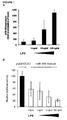
- Fig.1 LPS-mediated induction of miR-155 in cultured mouse Raw264.7 macrophages.
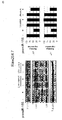
- TAD Transactivation domain
- bZIP basic region leucine zipper domain
- ATG translational start site
- LAP liver-enriched transcriptional activation protein
- LIP liver enriched transcriptional inhibitory protein.
- Bottom panels Columns showing quantification of LIP and LAP protein bands from the western analysis (E) Western blot analysis of c/ebp Beta LAP and LIP forms and Pu.1 proteins in THP-1 cell lysates. Cell lysates from THP-1 cells cotransfected with 5 nM premiR-155 together with either 5 nM LNA-control or 5 nM LNA-antimiR were subjected for Western analysis. Bottom panels: Columns showing quantification of Pu.1 and LIP protein bands from the western analysis. Data are representative of two experiments.
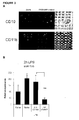
- miR-155 regulates c/ebp Beta in the splenocytes of LPS-treated mice.
- A Confocal microscopy of the murine B cells (CD19) and monocyte/macrophages (CD11b) isolated from murine spleen after intravenous dosing with a 6-carboxyfluorescein (FAM)-labeled LNA oligonucleotide demonstrating that LNA oligonucleotides was readily taken up by these cells.
- B qPCR expression analysis of miR-155 expression in mouse splenocytes after intravenously dosing of either 25 mg/kg LNA-antimiR or 25 mg/kg LNA-control for three consecutive days. Spleen samples were dissected 2 h after 0.5 mg/kg LPS dosed intraperitonally.
- Fig.4. miR-155 mediates regulation of granulocyte - colony stimulating factor (G-CSF).
- Raw264.7 cells were transfected with either 5 nM LNA-control or 5 nM LNA-antimiR and stimulated with 100 ng/ml LPS for 6 h. Values represent mean ⁇ SD from one experiment performed in five replicates.
- THP-1 cells were cotransfected with 5 nM premiR-155 together with either 5 nM LNA-control or 5 nM LNA-antimiR before LPS stimulation for 6 h.
- Fig. 5 Identification of CCL2 (Mcp-1), IL-6, M-CSF (Csf1) and G-CSF (Csf3), as miR-155 regulated transcripts.
- Raw264.7 cells were transfected with empty vehicle (LPS +) or 5 nM LNA-antimiR (LPS + LNA-antimiR) before stimulation with 100 ng/ml LPS for 6 h. Values represent mean ⁇ SD from one experiment performed in five replicates.
- G-CSF Granulocyte colony-stimulating factor
- microRNA-155 inhibitors described herein have been found to be potent modulators of a group of immune related genes, including cytokines such as pro-inflammatory cytokines, CSF, such as G-CSF, GM-CSF, M-CSF as well as other genes such as Bcl2I1, Ccl2, Cd40, IL6, Nos2, Socs1, Stat1, and Cxcr3.
- CSF such as G-CSF, GM-CSF, M-CSF
- microRNA-155 mimic resulted in enhanced expression of CSF, such as G-CSF, GM-CSF, M-CSF, Bcl2I1, Ccl2, Cd40, IL6, Nos2, Socs1, and Stat1, and decreased expression of Cxcr3.
- CSF such as G-CSF, GM-CSF, M-CSF, Bcl2I1, Ccl2, Cd40, IL6, Nos2, Socs1, and Stat1, and decreased expression of Cxcr3.
- MicroRNA-155 antimiR and mimics may therefore be used to modulate the expression of one or more, of even all, of these genes in a cell.
- the target gene or genes is a gene encoding for a cytokine, such as a pro-inflammatory cytokine.
- the target gene mRNA does not contain a microRNA
- target gene(s) may therefore be one or more genes selected from the group consisting of CSF, such as G-CSF, GM-CSF, M-CSF, Bcl2I1, Ccl2, Cd40, IL6, Nos2, Socs1, and Stat1, and Cxcr3.
- CSF such as G-CSF, GM-CSF, M-CSF, Bcl2I1, Ccl2, Cd40, IL6, Nos2, Socs1, and Stat1, and Cxcr3.
- Preferred target genes include one or more or all the colony stimulating factors (CSFs), such as CSF1, CSF2 and or CSF3, optionally with one or more of Bcl2I1, Ccl2, Cd40, IL6, Nos2, Socs1, and Stat1, and Cxcr3.
- CSFs colony stimulating factors
- the target gene is the G-CSF gene - CSF3, such the human CSF3 gene (NCBI Accession records NM_172220, NM_172219 and/or NM_000759, Gene ID 1440), or the mouse CSF2 gene (NCBI Accession records NM_009971, M13926).
- the target gene is the M-CSF gene - CSF1, such the human CSF1 (NCBI Accession records NM_000757, NM_172211.1, NM_172212.1 and/or NM_172210.1, GeneID: 1435), or the mouse CSF1 gene (NCBI Accession records M_007778,M21952,S78392, BC066200, BC066205, BC066187, BC025593).
- the target gene is the GM-CSF gene - CSF2, such the human CSF2 (NCBI Accession records NM_000758.2 GeneID: 1437), or the mouse CSF1 gene (NCBI Accession records, NM_009969, X03221, X05906, X03019, X02333).
- the target genes are CSF1 and CSF2; CSF2 and CSF3; CSF3 and CSF1; or CSF1, CSF2 and CSF3.
- the invention therefore provides a method for the simultaneous modulation of expression of multiple CSFs in the cell.
- the target gene is Cxcr3 - GeneID: 2833 (human). In some aspects the target gene is BCL2L1 - GeneID: 598 (human). In some aspects the target gene is CCL2 - GeneID: 6347 (human). In some aspects the target gene is CD40 - GeneID: 958 (human). In some aspects the target gene is STAT3 - GeneID: 6774 (human). In some aspects the target gene is - GeneID: 6772 (human). In some aspects the target gene is SOCS1 - GeneID: 8651 (human). In some aspects the target gene is - GeneID: 4843 (human). In some aspects the target gene is IL6 - GeneID: 3569 (human).
- the modulation of expression is an inhibition of expression.
- the administration of an effective amount of a microRNA-155 inhibitor results in a decrease in the concentration of the target gene mRNA and/or protein in the cell.
- the level of modulation (i.e. inhibition of enhancement) of the target gene expression is at least 10%, such as at least 20%, such as at least 30%, such as at least 40%, measured at the RNA or protein level.
- the oligomer is capable of modulating the expression of one or more of the target genes.
- the oligomer is capable of modulating the expression of CCAAT/enhancer binding protein beta (c/ebp Beta), (mRNA NM_005194.2 or NC_000020.9, protein NP_005185.2 - NCBI Accession records).
- CCAAT/enhancer binding protein beta c/ebp Beta
- mRNA NM_005194.2 or NC_000020.9, protein NP_005185.2 - NCBI Accession records CCAAT/enhancer binding protein beta
- the oligomer is capable of simultaneous downregulation of the expression of M-CSF, G-CSF, Ccl2 and IL-6.
- the oligomers of the invention effect inhibition of expression or enhance expression of the target gene by at least 10% or 20% compared to the normal expression level, more preferably at least a 30%, 40%, 50%, 60%, 70%, 80%, 90% or 95% compared to the normal expression level, as measured at the mRNA or protein level.
- modulation is seen when using between 0.04 and 25nM, such as between 0.8 and 20nM concentration of the compound of the invention.
- the modulation of expression is less than 100%, such as less than 98%, less than 95%, less than 90%, less than 80%, such as less than 70%.
- Modulation of expression level may be determined by measuring protein levels, e.g. by the methods such as SDS-PAGE followed by western blotting using suitable antibodies raised against the target protein.
- modulation of expression levels can be determined by measuring levels of mRNA, e.g. by northern blotting or quantitative RT-PCR.
- the cell is preferably a mammalian cell, such as an immune cell, such as a white blood cell, or precursor thereof.
- an immune cell such as a white blood cell, or precursor thereof.
- the term cell encompasses a population of cells, which may for example, be white blood cells.
- the cell may be selected from the group consisting haematopoietic precursor cell, non-haematopoietic cell, white blood cell, monocytes, macrophages, splenocytes, neutrophils, eosinophils, basophils, dentritic cell, immature dentritic cell, myeloid cell, mature myeloid cell, fibroblast, and endothelial cell.
- the cell may be a splenocyte. In some embodiments the cell may be a monocyte.
- the cell may be a bone marrow cell or a bone marrow precursor cell.
- the cell is a macrophage or a macrophage precursor cell.
- the cell may be a neutrophil or a neutrophil precursor cell.
- the cell may be a basophil or a basophil precursor cell.
- the cell is in vivo, such as in a subject or a patient. In some embodiments the cell is in vitro.
- a microRNA modulator is a compound which either inhibits (microRNA inhibitor) or supplements or enhances (microRNA mimic) the activity of a microRNA.
- the microRNA inhibitor is an oligomeric compound (referred herein as an oligomer).
- the oligomer is complementary (antimiR) to the microRNA sequence or a region thereof, although it is considered that the oligomer may comprise one or two mismatches with the corresponding microRNA sequence or reverse complement thereof.
- the present invention employs a microRNA inhibitor, such as an oligomer, for use in inhibiting the function of a microRNA, and thereby inhibiting the expression of one or more of the target genes, such as CSF(s) in a cell.
- a microRNA inhibitor such as an oligomer
- oligomer in the context of the present invention, refers to a molecule formed by covalent linkage of two or more nucleotides ( i . e . an oligonucleotide).
- the oligomer is some embodiments such as the antimiR oligomers, may consists or comprises of a contiguous nucleotide sequence of between 6 - 30 nucleotides in length.
- the length of the oligomer or contiguous nucleotide sequence thereof may be 6, 7, 8, 9, 10, 11, 12, 13, 14, 15, 16, 17, 18, 19, 20, 21, 22, 23, 24, 25; 26, 27, 28, 29 or 30 nucleotides in length.
- microRNA mimics the size of the oligomer may longer, such as up to 70, up to 80, up to 90, or up to 100 nucleotides in length as premicroRNA mimics may be utilised which are processed in the cell to form a functional mature microRNA mimic.
- microRNA mimics may be at least 15, at least 16, at least 17, at least 18, at least 18, at least 20, at least 21 nucleotides in length.
- the oligomer may not comprise RNA (units), for example is some antimiR embodiments.
- the oligomer may be, in some embodiment, a linear molecule or is synthesised as a linear molecule.
- the oligomer may be a single stranded molecule, and preferably does not comprise short regions of, for example, at least 3, 4 or 5 contiguous nucleotides, which are complementary to equivalent regions within the same oligomer ( i.e. duplexes) - in this regards, the oligomer may, in some aspects, not be (essentially) double stranded.
- the oligomer is essentially not double stranded, such as is not a siRNA.
- the oligomer may consist entirely of the contiguous nucleotide region. Thus, in some embodiments, the oligomer is not substantially self-complementary.
- the contiguous nucleotide sequence of the oligomer is between 6-12 nucleotides in length, such as 6, 7, 8, 9, 10, 11 or 12 nucleobase units, wherein at least 50% of the nucleobase units of the oligomer consists of nucleotide analogues, such as, when the oligomer is an antimiR, LNA nucleotide analogues.
- the 3' nucleobase of the antimiR oligomer corresponds to the 5' nucleotide of the seed region of the microRNA
- the antimiR comprises a contiguous nucleotide sequence which is fully complementary to the microRNA seed sequence, and optionally between 1 and 15 further nucleotides, such 1, 2, 3, 4, 5, 6, 7, 8, 9 or 10, such as one or two further nucleotides corresponding to the microRNA nucleotides 3' to the seed sequence.
- the oligomer does not comprise a nucleotide which corresponds to the first nucleotide present in the microRNA sequence counted from the 5' end.
- nucleotide analogue units such as high affinity nucleotide analogues.
- High affinity nucleotide analogues are nucleotide analogues which result in oligonucleotides which has a higher thermal duplex stability with a complementary RNA nucleotide than the binding affinity of an equivalent DNA nucleotide. This is typically determined by measuring the T m .
- the nucleotide analogue units present in the contiguous nucleotide sequence are selected from the group consisting of 2'-O_alkyl-RNA unit, 2'-OMe-RNA unit, 2'-amino-DNA unit, 2'-fluoro-DNA unit, LNA unit, PNA unit, HNA unit, INA unit, and a 2'MOE RNA unit.
- microRNA-155 is preferably microRNA-155 or precursor thereof, such as a mammalian microRNA-155 such as the human or mouse microRNA-155, the pre-miR and mature miR-155 sequences are provided below:
- microRNA-155 antimiR have been found herein to enhance the expression of Cxcr3 in a cell.
- microRNA-155 antimiR have been found herein to inhibit the expression of the following target genes in a cell - CSF, such as G-CSF, GM-CSF and/or M-CSF, Bcl2I1, Ccl2, Cd40, IL6, Nos2, Socs1, and Stat1.
- MicroRNA-155 inhibitors may be used to inhibit the expression of pro-inflammatory cytokines in a cell.
- the microRNA inhibitor is, or may comprise of, an oligomer of between 6 and 30 contiguous nucleotides in length.
- the microRNA inhibitor may be a single stranded oligomer which consists or comprises of a contiguous nucleotide sequence which is fully complementary to, or fully complementary to, a corresponding region of a sequence selected from any one of SEQ ID 1, 2, 3 or 4, or comprises no more than 1 or 2 mismatches with the reverse complement of a sequence selected from SEQ ID 1, 2, 3 or 4, or a corresponding region thereof.
- antimiR oligomers may consist or comprise of a contiguous nucleotide sequence which is complementary to the entire microRNA sequence (such as SEQ ID NO 2)
- shorter oligomers which are complementary to a sub-sequence of the microRNA sequence may be highly effective, especially when they comprise affinity enhancing nucleotide analogues, such as LNA units.
- the length of the contiguous nucleotide sequence of the oligomer may be, for instance, 6, 7, 8, 9, 10, 11, 12, 13, 14, 15, 16, 17, 18, 19, 20, 21, 22, or 23 consecutive nucleotides which are fully complementary to SEQ ID NO 2, or comprise no more than 1 or 2 mismatches with the reverse complement of SEQ ID NO 2, or sub-sequence thereof, and, preferably comprise a region which is fully complementary to the microRNA 155 seed region.
- heavily modified antimiRs are particularly effective - WO2007/112754 , WO2007/112753 , EP Application number 08104780 , and US provisional applications 60/979217 and US 61/028062 provide microRNA inhibitors which may be used in the present invention.
- the contiguous nucleotide sequence consists of or comprises a sequence which is complementary (such as 100% complementary) to the seed sequence of said microRNA ( i .e . a seedmer'), such as miR-155.
- the antimiR oligomer comprises nucleotide analogues, such as LNA, which form part of, or may form the entire contiguous nucleotide sequence.
- nucleotide analogues such as LNA
- the antimiR oligomer at least 60%, 65%, 70%, 75%, 80%, 85%, 90%, 95% or all of the nucleobase units of the contiguous nucleotide sequence are Locked Nucleic Acid (LNA) nucleobase units. In one embodiment, all of the nucleobase units of the antimiR oligomer contiguous nucleotide sequence are LNA nucleobase units. In one embodiment the antimiR oligomer, the contiguous nucleotide sequence comprises or consists of 7, 8, 9 or 10, preferably contiguous, nucleotide analogue units, such as LNA nucleobase units.
- LNA Locked Nucleic Acid
- the oligomers Whilst it is envisaged that other nucleotide analogues, such as 2'-MOE RNA or 2'-fluoro nucleotides may be useful in the antimiR oligomers according to the invention, in some embodiments the oligomers have a high proportion, such as at least 50%, LNA nucleotides. In one embodiment, at least 75%, such as 80% or 85% or 90% or 95% or all of the internucleoside linkages present between the nucleobase units of the contiguous nucleotide sequence are phosphorothioate internucleoside linkages. In one embodiment, said oligomer is conjugated with one or more non-nucleobase compounds. In one embodiment, the oligomer is constituted as a prodrug.
- microRNA-155 inhibitors which may be used: target: hsa-miR-155 MIMAT0000646 - AntimiRs: 5'-CCCCtatcacgattagcaTTAA-3' SEQ ID NO: 5 5'-cccctaTCACGATTagcattaa-3' SEQ ID NO: 6 5'-cCccTatCacGatTagCatTaa-3' SEQ ID NO: 7 5'-TcAcgATtaGcAtTA-3' SEQ ID NO: 8 5'-TcAcGATtaGCAtTA-3' SEQ ID NO: 9 5'-ACGATtAGCAtTA-3' SEQ ID NO: 10 5'-GATtAGCaTTA-3' SEQ ID NO: 11 5'-TC M AC M G M ATTA M GC M AT M TA-3' SEQ ID NO: 12 5'-TC F AC F G F ATT F A F GC F AT F TA-3' SEQ ID NO:
- the LNA cytosines may optionally be methylated).
- Capital letters followed by a superscript M refer to 2'OME RNA units,
- Capital letters followed by a superscript F refer to 2'fluoro DNA units, lowercase letter refer to DNA.
- the above oligos may in one embodiment be entirely phosphorothioate, but other nucleobase linkages as herein described bay be used. In one embodiment the nucleobase linkages are all phosphodiester.
- the antimiR oligomers according to the invention may, in some embodiments, consist or comprise a sequence of nucleotides 5' -3' selected form the group consisting of: LdLddL(L)(d)(d)(L)(d)(L)(L), LdLdLL(L)(d)(d)(L)(L)(L)(d)(L), LMLMML(L)(M)(M)(L)(M)(L)(M)(L)(L), LMLMLL(L)(M)(M)(M)(L)(L)(M)(L)(L), LFLFFL(L)(F)(F)(L)(F)(L)(L)(L)(L)(L)(L
- nucleotide refers to a glycoside comprising a sugar moiety, a base moiety and a covalently linked phosphate group and covers both naturally occurring nucleotides, such as DNA or RNA, preferably DNA, and non-naturally occurring nucleotides comprising modified sugar and/or base moieties, which are also referred to as “nucleotide analogues" herein.
- Non-naturally occurring nucleotides include nucleotides which have modified sugar moieties, such as bicyclic nucleotides or 2' modified nucleotides, such as 2' substituted nucleotides.
- Nucleotide analogues are variants of natural nucleotides, such as DNA or RNA nucleotides, by virtue of modifications in the sugar and/or base moieties. Analogues could in principle be merely “silent” or “equivalent” to the natural nucleotides in the context of the oligonucleotide, i.e. have no functional effect on the way the oligonucleotide works to inhibit target gene expression. Such "equivalent” analogues may nevertheless be useful if, for example, they are easier or cheaper to manufacture, or are more stable to storage or manufacturing conditions, or represent a tag or label.
- the analogues will have a functional effect on the way in which the oligomer works to inhibit expression; for example by producing increased binding affinity to the target and/or increased resistance to intracellular nucleases and/or increased ease of transport into the cell.
- nucleoside analogues are described by e.g. Freier & Altmann; Nucl. Acid Res., 1997, 25, 4429-4443 and Uhlmann; Curr. Opinion in Drug Development, 2000, 3(2), 293-213 , and in Scheme 1:
- the oligomer may thus comprise or consist of a simple sequence of natural occurring nucleotides - preferably 2'-deoxynucleotides (referred to here generally as "DNA”), but also possibly ribonucleotides (referred to here generally as "RNA”), or a combination of such naturally occurring nucleotides and one or more non-naturally occurring nucleotides, i.e. nucleotide analogues.
- nucleotide analogues may suitably enhance the affinity of the oligomer for the target sequence.
- nucleotide analogues examples include WO2007/031091 or are referenced therein.
- affinity-enhancing nucleotide analogues in the oligomer can allow the size of the specifically binding oligomers to be reduced, and may also reduce the upper limit to the size of the oligomer before non-specific or aberrant binding takes place.
- the oligomer comprises at least 2 nucleotide analogues. In some embodiments, the oligomer comprises from 3-8 nucleotide analogues, e.g. 6 or 7 nucleotide analogues. In the by far most preferred antimiR embodiments , at least one of said nucleotide analogues is a locked nucleic acid (LNA); for example at least 3 or at least 4, or at least 5, or at least 6, or at least 7, or 8, of the nucleotide analogues may be LNA. In some embodiments all the nucleotides analogues may be LNA.
- LNA locked nucleic acid
- the oligomers of the invention which are defined by that sequence may comprise a corresponding nucleotide analogue in place of one or more of the nucleotides present in said sequence, such as LNA units or other nucleotide analogues, which raise the duplex stability/T m of the oligomer/target duplex ( i.e. affinity enhancing nucleotide analogues).
- modification of the nucleotide include modifying the sugar moiety to provide a 2'-substituent group or to produce a bridged (locked nucleic acid) structure which enhances binding affinity and may also provide increased nuclease resistance.
- a preferred nucleotide analogue for the antimiR oligomers is LNA, such as oxy-LNA (such as beta-D-oxy-LNA, and alpha-L-oxy-LNA), and/or amino-LNA (such as beta-D-amino-LNA and alpha-L-amino-LNA) and/or thio-LNA (such as beta-D-thio-LNA and alpha-L-thio-LNA) and/or ENA (such as beta-D-ENA and alpha-L-ENA). Most preferred is beta-D-oxy-LNA.
- oxy-LNA such as beta-D-oxy-LNA, and alpha-L-oxy-LNA
- amino-LNA such as beta-D-amino-LNA and alpha-L-amino-LNA
- thio-LNA such as beta-D-thio-LNA and alpha-L-thio-LNA
- ENA such as beta-D-EN
- nucleotide analogues present within the oligomer are independently selected from, for example: 2'-O-alkyl-RNA units, 2'-amino-DNA units, 2'-fluoro-DNA units, LNA units, arabino nucleic acid (ANA) units, 2'-fluoro-ANA units, HNA units, INA (intercalating nucleic acid - Christensen, 2002. Nucl. Acids. Res. 2002 30: 4918-4925 ) units and 2'MOE units.
- the nucleotide analogues are 2'-O-methoxyethyl-RNA (2'MOE), 2'-fluoro-DNA monomers or LNA nucleotide analogues, and as such the antimiR oligomer may comprise nucleotide analogues which are independently selected from these three types of analogue, or may comprise only one type of analogue selected from the three types.
- at least one of said nucleotide analogues is 2'-MOE-RNA, such as 2, 3, 4, 5, 6, 7, 8, 9 or 10 2'-MOE-RNA nucleotide units.
- at least one of said nucleotide analogues is 2'-fluoro DNA, such as 2, 3, 4, 5, 6, 7, 8, 9 or 10 2'-fluoro-DNA nucleotide units.
- the antimiR oligomer comprises at least one Locked Nucleic Acid (LNA) unit, such as 1, 2, 3, 4, 5, 6, 7, or 8 LNA units, such as between 3 - 7 or 4 to 8 LNA units, or 3, 4, 5, 6 or 7 LNA units.
- LNA Locked Nucleic Acid
- all the nucleotide analogues are LNA.
- the antimiR oligomer may comprise both beta-D-oxy-LNA, and one or more of the following LNA units: thio-LNA, amino-LNA, oxy-LNA, and/or ENA in either the beta-D or alpha-L configurations or combinations thereof.
- all LNA cytosine units are 5'methyl-Cytosine.
- the antimiR oligomer may comprise both LNA and DNA units.
- the combined total of LNA and DNA units is 10-25, preferably 10-20, even more preferably 12-16.
- the nucleotide sequence of the antimiR oligomer such as the contiguous nucleotide sequence consists of at least one LNA and the remaining nucleotide units are DNA units.
- the antimiR oligomer comprises only LNA nucleotide analogues and naturally occurring nucleotides (such as RNA or DNA, most preferably DNA nucleotides), optionally with modified internucleotide linkages such as phosphorothioate.
- nucleobase refers to the base moiety of a nucleotide and covers both naturally occuring a well as non-naturally occurring variants. Thus, “nucleobase” covers not only the known purine and pyrimidine heterocycles but also heterocyclic analogues and tautomeres thereof.
- nucleotides include, but are not limited to adenine, guanine, cytosine, thymidine, uracil, xanthine, hypoxanthine, 5-methylcytosine, isocytosine, pseudoisocytosine, 5-bromouracil, 5-propynyluracil, 6-aminopurine, 2-aminopurine, inosine, diaminopurine, and 2-chloro-6-aminopurine.
- At least one of the nucleotides present in the oligomer is a modified nucleobase selected from the group consisting of 5-methylcytosine, isocytosine, pseudoisocytosine, 5-bromouracil, 5-propynyluracil, 6-aminopurine, 2-aminopurine, inosine, diaminopurine, and 2-chloro-6-aminopurine.
- LNA refers to a bicyclic nucleotide analogue, known as "Locked Nucleic Acid”. It may refer to an LNA monomer, or, when used in the context of an "LNA oligonucleotide", LNA refers to an oligonucleotide containing one or more such bicyclic nucleotide analogues.
- LNA nucleotides are characterised by the presence of a biradical 'bridge' between C2' and C4' of the ribose sugar ring - for example as shown as the biradical R 4* - R 2* as described below.
- the LNA used in the oligonucleotide compounds of the invention preferably has the structure of the general formula I wherein for all chiral centers, asymmetric groups may be found in either R or S orientation; wherein X is selected from -O-, -S-, -N(R N* )-, -C(R 6 R 6* )-, such as, in some embodiments -O-; B is selected from hydrogen, optionally substituted C 1-4 -alkoxy, optionally substituted C 1-4 -alkyl, optionally substituted C 1-4 -acyloxy, nucleobases including naturally occurring and nucleobase analogues, DNA intercalators, photochemically active groups, thermochemically active groups, chelating groups, reporter groups, and ligands; P designates an internucleotide linkage to an adjacent monomer, or a 5'-terminal group, such internucleotide linkage or 5'-terminal group optionally including the substituent R 5 or equally applicable the
- R 4* and R 2* together designate a biradical consisting of a groups selected from the group consisting of C(R a R b )-C(R a R b )-, C(R a R b )-O-, C(R a R b )-NR a -, C(R a R b )-S-, and C(R a R b )-C(R a R b )-O-, wherein each R a and R b may optionally be independently selected.
- R a and R b may be, optionally independently selected from the group consisting of hydrogen and C 1-6 alkyl, such as methyl, such as hydrogen.
- R 1* , R 2 , R 3 , R 5 , R 5* are independently selected from the group consisting of hydrogen, halogen, C 1-6 alkyl, substituted C 1-6 alkyl, C 2-6 alkenyl, substituted C 2-6 alkenyl, C 2-6 alkynyl or substituted C 2-6 alkynyl, C 1-6 alkoxyl, substituted C 1-6 alkoxyl, acyl, substituted acyl, C 1-6 aminoalkyl or substituted C 1-6 aminoalkyl.
- asymmetric groups may be found in either R or S orientation.
- R 1* , R 2 , R 3 , R 5 , R 5* are hydrogen.
- R 1* , R 2 , R 3 are independently selected from the group consisting of hydrogen, halogen, C 1-6 alkyl, substituted C 1-6 alkyl, C 2-6 alkenyl, substituted C 2-6 alkenyl, C 2-6 alkynyl or substituted C 2-6 alkynyl, C 1-6 alkoxyl, substituted C 1-6 alkoxyl, acyl, substituted acyl, C 1-6 aminoalkyl or substituted C 1-6 aminoalkyl.
- asymmetric groups may be found in either R or S orientation.
- R 1* , R 2 , R 3 are hydrogen.
- B is a nucleobase, including nucleobase analogues and naturally occurring nucleobases, such as a purine or pyrimidine, or a substituted purine or substituted pyrimidine, such as a nucleobase referred to herein, such as a nucleobase selected from the group consisting of adenine, cytosine, thymine, adenine, uracil, and/or a modified or substituted nucleobase, such as 5-thiazolo-uracil, 2-thio-uracil, 5-propynyl-uracil, 2'thio-thymine, 5-methyl cytosine, 5-thiozolo-cytosine, 5-propynyl-cytosine, and 2,6-diaminopurine.
- nucleobase including nucleobase analogues and naturally occurring nucleobases, such as a purine or pyrimidine, or a substituted purine or substituted pyrimidine, such
- R 4* and R 2* together designate the biradical C(R a R b )-N(R c )-O-, wherein R a and R b are independently selected from the group consisting of hydrogen, halogen, C 1-6 alkyl, substituted C 1-6 alkyl, C 2-6 alkenyl, substituted C 2-6 alkenyl, C 2-6 alkynyl or substituted C 2-6 alkynyl, C 1-6 alkoxyl, substituted C 1-6 alkoxyl, acyl, substituted acyl, C 1-6 aminoalkyl or substituted C 1-6 aminoalkyl, such as hydrogen, and; wherein R c is selected from the group consisting of hydrogen, halogen, C 1-6 alkyl, substituted C 1-6 alkyl, C 2-6 alkenyl, substituted C 2-6 alkenyl, C 2-6 alkynyl or substituted C 2-6 alkynyl, C 1-6 alkoxyl, substituted C
- R 4* and R 2* together designate the biradical C(R a R b )-O-C(R c R d ) -O-, wherein R a , R b , R c , and R d are independently selected from the group consisting of hydrogen, halogen, C 1-6 alkyl, substituted C 1-6 alkyl, C 2-6 alkenyl, substituted C 2-6 alkenyl, C 2-6 alkynyl or substituted C 2-6 , alkynyl, C 1-6 alkoxyl, substituted C 1-6 alkoxyl, acyl, substituted acyl, C 1-6 aminoalkyl or substituted C 1-6 aminoalkyl, such as hydrogen.
- Z is C 1-6 alkyl or substituted C 1-6 alkyl. In some embodiments Z is methyl. In some embodiments Z is substituted C 1-6 alkyl. In some embodiments said substituent group is C 1-6 alkoxy. In some embodiments Z is CH 3 OCH 2 -. For all chiral centers, asymmetric groups may be found in either R or S orientation. Such bicyclic nucleotides are disclosed in US 7,399,845 .
- R 1* , R 2 , R 3 , R 5 , R 5* are hydrogen. In some some embodiments, R 1* , R 2 , R 3* are hydrogen, and one or both of R 5 , R 5* may be other than hydrogen as referred to above and in WO 2007/134181 .
- R 4* and R 2* together designate a biradical which comprise a substituted amino group in the bridge such as consist or comprise of the biradical -CH 2 -N( R c )-, wherein R c is C 1-12 alkyloxy.
- R 1* , R 2 , R 3 , R 5 , R 5* are independently selected from the group consisting of hydrogen, halogen, C 1-6 alkyl, substituted C 1-6 alkyl, C 2-6 alkenyl, substituted C 2-6 alkenyl, C 2-6 alkynyl or substituted C 2-6 alkynyl, C 1-6 alkoxyl, substituted C 1-6 alkoxyl, acyl, substituted acyl, C 1-6 aminoalkyl or substituted C 1-6 aminoalkyl.
- R 1* , R 2 , R 3 , R 5 , R 5* are hydrogen. In some embodiments, R 1* , R 2 , R 3 are hydrogen and one or both of R 5 , R 5* may be other than hydrogen as referred to above and in WO 2007/134181 .
- each J 1 and J 2 is, independently, H, C 1-6 alkyl, C 2-6 alkenyl, C 2-6 alkynyl, C 1-6 aminoalkyl or a protecting group; and, optionally wherein when Q is C(q 1 )(q 2 )(q 3 )(q 4 ) and one of q 3 or q 4
- R 1* , R 2 , R 3 , R 5 , R 5* are hydrogen.
- asymmetric groups may be found in either R or S orientation.
- Such bicyclic nucleotides are disclosed in WO2008/154401 .
- R 1* , R 2 , R 3 , R 5 , R 5* are independently selected from the group consisting of hydrogen, halogen, C 1-6 alkyl, substituted C 1-6 alkyl, C 2-6 alkenyl, substituted C 2-6 alkenyl, C 2-6 alkynyl or substituted C 2-6 alkynyl, C 1-6 alkoxyl, substituted C 1-6 alkoxyl, acyl, substituted acyl, C 1-6 aminoalkyl or substituted C 1-6 aminoalkyl.
- R 1* , R 2 , R 3 , R 5 , R 5* are hydrogen.
- R 1* , R 2 , R 3 are hydrogen and one or both of R 5 , R 5* may be other than hydrogen as referred to above and in WO 2007/134181 or WO2009/067647 (alpha-L-bicyclic nucleic acids analogs).
- the LNA used in the oligonucleotide compounds of the invention preferably has the structure of the general formula II: wherein Y is selected from the group consisting of -O-, -CH 2 O-, -S-, -NH-, N(R e ) and/or-CH 2 -; Z and Z* are independently selected among an internucleotide linkage, R H , a terminal group or a protecting group; B constitutes a natural or non-natural nucleotide base moiety (nucleobase), and R H is selected from hydrogen and C 1-4 -alkyl; R a , R b R c , R d and R e are, optionally independently, selected from the group consisting of hydrogen, optionally substituted C 1-12 -alkyl, optionally substituted C 2-12 -alkenyl, optionally substituted C 2-12 -alkynyl, hydroxy, C 1-12 -alkoxy, C 2-12 -alkoxyal
- R a , R b R c , R d and R e are, optionally independently, selected from the group consisting of hydrogen and C 1-6 alkyl, such as methyl.
- R a , R b R c , R d and R e are, optionally independently, selected from the group consisting of hydrogen and C 1-6 alkyl, such as methyl.
- C 1-6 alkyl such as methyl.
- asymmetric groups may be found in either R or S orientation, for example, two exemplary stereochemical isomers include the beta-D and alpha-L isoforms, which may be illustrated as follows:
- thio-LNA comprises a locked nucleotide in which Y in the general formula above is selected from S or -CH 2 -S-.
- Thio-LNA can be in both beta-D and alpha-L-configuration.
- amino-LNA comprises a locked nucleotide in which Y in the general formula above is selected from -N(H)-, N(R)-, CH 2 -N(H)-, and -CH 2 -N(R)- where R is selected from hydrogen and C 1-4 -alkyl.
- Amino-LNA can be in both beta-D and alpha-L-configuration.
- Oxy-LNA comprises a locked nucleotide in which Y in the general formula above represents -O-. Oxy-LNA can be in both beta-D and alpha-L-configuration.
- ENA comprises a locked nucleotide in which Y in the general formula above is -CH 2 -O- (where the oxygen atom of -CH 2 -O- is attached to the 2'-position relative to the base B).
- R e is hydrogen or methyl.
- LNA is selected from beta-D-oxy-LNA, alpha-L-oxy-LNA, beta-D-amino-LNA and beta-D-thio-LNA, in particular beta-D-oxy-LNA.
- linkage group or "internucleotide linkage” are intended to mean a group capable of covalently coupling together two nucleotides, two nucleotide analogues, and a nucleotide and a nucleotide analogue, etc.
- Specific and preferred examples include phosphate groups and phosphorothioate groups.
- nucleotides of the oligomer or contiguous nucleotides sequence thereof are coupled together via linkage groups.
- each nucleotide is linked to the 3' adjacent nucleotide via a linkage group.
- Suitable internucleotide linkages include those listed within WO2007/031091 , for example the internucleotide linkages listed on the first paragraph of page 34 of WO2007/031091 .
- internucleotide linkage from its normal phosphodiester to one that is more resistant to nuclease attack, such as phosphorothioate or boranophosphate - these two, being cleavable by RNase H, also allow that route of antisense inhibition in reducing the expression of the target gene.
- Suitable sulphur (S) containing internucleotide linkages as provided herein may be preferred.
- Phosphorothioate internucleotide linkages are also preferred.
- all remaining linkage groups are either phosphodiester or phosphorothioate, or a mixture thereof.
- all the internucleotide linkage groups are phosphorothioate.
- conjugate is intended to indicate a heterogenous molecule formed by the covalent attachment (“conjugation") of the oligomer as described herein to one or more non-nucleotide, or non-polynucleotide moieties.
- non-nucleotide or non- polynucleotide moieties include macromolecular agents such as proteins, fatty acid chains, sugar residues, glycoproteins, polymers, or combinations thereof.
- proteins may be antibodies for a target protein.
- Typical polymers may be polyethylene glycol.
- the oligomer may comprise both a polynucleotide region which typically consists of a contiguous sequence of nucleotides, and a further non-nucleotide region.
- the compound may comprise non-nucleotide components, such as a conjugate component.
- the oligomeric compound is linked to ligands/conjugates, which may be used, e.g. to increase the cellular uptake of oligomeric compounds.
- ligands/conjugates which may be used, e.g. to increase the cellular uptake of oligomeric compounds.
- WO2007/031091 provides suitable ligands and conjugates.
- the oligomer may be used in pharmaceutical formulations and compositions.
- such compositions comprise a pharmaceutical acceptable diluent, carrier, salt or adjuvant.
- WO2007/031091 provides suitable and preferred pharmaceutically acceptable diluent, carrier and adjuvants. Suitable dosages, formulations, administration routes, compositions, dosage forms, combinations with other therapeutic agents, pro-drug formulations are also provided in WO2007/031091 .
- microRNA-155 modulators has been found to effect a range of targets, including cytokines, such as pro-inflammatory cytokines, such as CSFs.
- the modulators may therefore be used to simultaneously modulate several targets in the cell, and as such provides highly effective modulator of inflammatory responses, particularly those associated with inflammatory diseases, and autoimmune diseases.
- the invention provides for a method of enhancing white blood cell count in a patient, such as a chemotherapy patient, said method comprising the step of administering a modulator of microRNA-155, such as the pharmaceutical composition of the invention, to said patient, such as during or subsequent to chemotherapy treatment - suitably the modulator of microRNA-155 is a microRNA 155 mimic.
- Enhancing white blood cell count may be advantageous in reducing the severity or treating type I allergy responses.
- the inflammatory disease is Crohn's disease or a type I allergy, which may in some embodiments be treated with a microRNA 155 mimic. Decreasing white blood cell count may be advantageous in reducing the severity or treating type II allergy responses.
- the inflammatory disease is arthritis such as rheumatoid arthritis, which may for example be treated with an inhibitor of microRNA-155.
- the inflammatory disease is psoriasis.
- the inflammatory disease is atherosclerosis or pulmonary disease such as chronic obstructive pulmonary disease (COPD).
- COPD chronic obstructive pulmonary disease
- the auto-immune disease is multiple sclerosis.
- compositions comprising a miR-155 inhibitor, to be used in a method of treating a variety of diseases, including prevention or treatment of chronic or acute inflammatory or autoimmune diseases, especially those associated with aberrant lymphocyte or monocyte accumulation such as Chronic and acute inflammatory or autoimmune diseases, aberrant lymphocyte or monocyte accumulation, arthritis, juvenile idiopathic arthritis, rheumatoid arthritis, acute and chronic arthritis, asthma, atherosclerosis, diabetic nephropathy, inflammatory bowel disease, Crohn's disease, multiple sclerosis, nephritis, glomerulonephritis, pancreatitis, pulmonary fibrosis, psoriasis, restenosis, transplant rejection, early stages of allergic responses, inhibition of LTC4, to prevent AHR (airway hyper-responsiveness), tuberculosis infection and malignancy, stroke, castleman's disease, neoplasm, high-grade multiple myeloma, malignant mesotheliomas, paraneo
- arthritis peridontal disease, fibrous dysplasia, Paget's disease, chronic renal failure, endocrinopathies, hypercalcemia, deficiency states, malabsorption syndromes, cronic liver disease, cancer metastasis, mammary tumor progression to metastasis, all of which are to individual embodiments.
- Example 1 LPS -mediated induction of miR-155 in cultured mouse Raw264.7 macrophages.
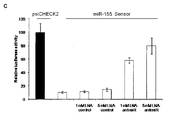
- the LNA-antimiR-155 showed dose-dependent silencing of miR-155 in LPS-treated mouse Raw264.7 macrophages as shown by efficient de-repression of the miR-155 luciferase reporter, whereas the LNA mismatch control oligonucleotide had no effect on the luciferase reporter activity at the same concentrations ( Fig. 1C ).
- LNA-antimiR-155 potently and specifically antagonized murine miR-155 in cultured Raw264.7 cells at 5 nM concentration.
- LNA oligonucleotides Design and synthesis of LNA oligonucleotides : The LNA-antimiR oligonucleotides were synthesized as unconjugated and fully phosphorothiolated oligonucleotides. The perfectly matching LNA-antimiR oligonucleotide 5'-TcAcAATtaG m CAtTA-3' was complementary to nucleotides 2-16 in the mature murine miR-155 sequence. The mismatch LNA control oligonucleotide was synthesized with the following sequence: 5'-TcAa m CATtaGA m CtTA-3' (uppercase: LNA; lowercase: DNA; m C denotes LNA methylcytosine).
- Raw264.7 cells were grown in Dulbecco's modified Eagles medium (DMEM) (Invitrogen) supplemented with 10% FBS, 4mM Glutamax I and 25 ⁇ g/ml Gentamicin (Invitrogen).
- DMEM Dulbecco's modified Eagles medium
- FBS FBS
- 4mM Glutamax I FBS
- 25 ⁇ g/ml Gentamicin Invitrogen
- Lipopolysaccharide (LPS) was purchased from Sigma and activation of Raw264.7 cells was induced by treating cells with 1, 10 or 100 ng/ml LPS for indicated time periods.
- Transfection Raw264.7 cells were transfected with the Lipofectamine 2000 transfection reagent according to the manufacturer's protocol (Invitrogen) and the LNA-antimiR oligonucleotides were used at a final concentration of 1 or 5 nM as indicated. The transfections and luciferase activity measurements were carried out according to the manufacturer's instructions (Invitrogen Lipofectamine 2000/Promega Dual-luciferase kit). Relative luciferase activity levels were expressed as Renilla /Firefly luciferase ratios.
- Plasmids The perfect match target sequence for the murine-miR-155 was cloned downstream of the Renilla luciferase gene (Xhol/Notl sites) in the psiCHECK2 vector (Promega) using 5' phosphorylated oligos: murine miR-155 forward 5'-tcgagcccctatcacaattagcattaagc-3', and reverse 5'-ggccgcttaatgctaattgtgataggggc-3'.
- the miR-155 levels were quantified using the mirVana real-time RT-PCR detection kit (Ambion) following the manufacturer's instructions, except that 200 ng total RNA was used in the reverse transcription (RT) reaction.
- RT reverse transcription
- a two-fold total RNA dilution series from LPS-treated mouse spleen RNA or LPS-treated Raw264.7 RNA served as standard to ensure a linear range (Ct versus relative copy number) of the amplification.
- the RT reaction was diluted ten times in water and 10 ⁇ l aliquots were subsequently used for RT-PCR amplification according to the manufacturer's instructions (Ambion).
- the Applied Biosystems 7500 Real-Time PCR instrument was used for amplification.
- LPS stimulation of cultured mouse Raw264.7 cells leads to an inflammatory response in which miR-155 and more than 700 genes are up-regulated ( Huang et al. (2006) Arch.Pharm.Res. 29:890-897 ), including the transcription factor c/ebp Beta gene ( Gorgoni B et al. (2002) J.Immunol. 168:4055-4062 ).
- miR-155 target site sequences are present in the 3' UTR c/ebp Beta transcript, which is highly conserved among five vertebrate species ( Fig. 2A ).
- the c/ebp Beta transcript encodes three isoforms, designated as LAP*, LAP and LIP, that are generated by differential translational initiation ( Fig. 2A ).
- the short LIP form lacks the transactivation domain (TAD), but is still capable of binding to DNA and forms homo- or heterodimers through the basic region leucine zipper (bZIP) domain and therefore behaves as a dominant negative.
- TAD transactivation domain
- bZIP basic region leucine zipper
- LNA-antimiR oligonucleotides Design and synthesis of LNA oligonucleotides .
- the LNA-antimiR oligonucleotides were synthesized as unconjugated and fully phosphorothiolated oligonucleotides.
- the perfectly matching LNA-antimiR-155 oligonucleotide 5'-TcAcAATtaG m CAtTA-3' was complementary to nucleotides 2-16 in the mature murine miR-155 sequence and the hsa LNA-antimiR-155 oligonucleotide 5'-TcAcGATtaG m CAtTA-3' was complementary to nucleotides 2-16 in the mature human miR-155 sequence.
- the mismatch LNA control oligonucleotide was synthesized with the following sequence: 5'-TcAa m CATtaGA m CtTA-3' (uppercase: LNA; lowercase: DNA; m C denotes LNA methylcytosine).
- Raw264.7 cells were grown in Dulbecco's modified Eagles medium (DMEM) (Invitrogen) supplemented with 10% FBS, 4mM Glutamax I and 25 ⁇ g/ml Gentamicin (Invitrogen).
- DMEM Dulbecco's modified Eagles medium
- LPS Lipopolysaccharide
- THP-1 cells were grown in RPMI-1640 (Invitrogen) supplemented with 10% FBS, 4mM Glutamax I and 25 ⁇ g/ml Gentamicin (Invitrogen).
- Raw264.7 and THP-1 cells were transfected with the Lipofectamine 2000 transfection reagent according to the manufacturer's protocol (Invitrogen) and the LNA-antimiR oligonucleotides were used at a final concentration of 5 nM unless otherwise stated.
- Human miR-155 precursor premiR-155, Ambion
- HeLa cells were cultivated in Eagles MEM (Invitrogen) with 10% FBS, 2 mM Glutamax I, non-essential amino acids and 25 ⁇ g/ml Gentamicin (Invitrogen).
- HeLa cells were co-transfected with human premiR-155 (Ambion) at a final concentration of 50 nM and 0.1 ⁇ g luciferase reporter plasmid using Lipofectamine 2000.
- the transfections and luciferase activity measurements were carried out according to the manufacturer's instructions (Invitrogen Lipofectamine 2000/Promega Dual-luciferase kit). Relative luciferase activity levels were expressed as Renilla /Firefly luciferase ratios.
- Plasmids The perfect match target sequence for the human miR-155 was cloned downstream of the Renilla luciferase gene (Xhol/Notl sites) in the psiCHECK2 vector (Promega) using 5' phosphorylated oligos: human miR-155 forward 5'-tcgagcccctatcacgattagcattaagc-3' and reverse 5'-ggccgcttaatgctaatcgtgatagggg-3'.
- the 3' UTR of human c/ebp Beta was cloned downstream of the Renilla luciferase gene (Xhol/Notl sites) in the psiCHECK2 vector.
- PCR primers used for amplification of the human c/EBPBeta 3' UTR were: forward 5'-aaaaaactcgagaaaactttggcactggggca-3' (incl. a Xhol site), reverse 5'-aaaaaaagcggccgcggctttgtaaccattctcaaa-3' (incl. a Notl site).
- a primary monoclonal mouse-anti-c/ebp Beta antibody (SC-7962, Santa Cruz Biotechnology), a primary rabbit-anti-PU.1 (#2258, Cell signaling Technology), a primary mouse-anti- Tubulin-alpha Ab-2 (MS-581-P, Neomarkers) and HRP-conjugated secondary rabbit anti-mouse (P0447, DAKO) or swine anti-rabbit antibodies (P0399, DAKO) were used according to the manufacturer's instructions.
- miR-155 regulates c/ebp Beta in the splenocytes of LPS-treated mice
- c/ebp Beta is induced during macrophage activation, whereas Pu.1 is expressed both in resting B cells and macrophages and in the spleen germinal center B cells ( Gorgoni B et al. (2002) J.Immunol. 168:4055-4062 ; Schebesta M et al. (2002) Curr.Opin.Immunol. 14:216-223 ). Since spleen contains populations of monocytes and macrophages together with B and T cells, we investigated miR-155 mediated regulation of c/ebp Beta in the splenocytes of LPS-treated mice in combination with LNA-antimiR based miR-155 silencing.
- LNA oligonucleotides are located in B cells (CD19) and monocyte/macrophages (CD11b) isolated from murine spleen after intravenous dosing and miR-155 regulates c/ebp Beta in the splenocytes of LPS-treated mice.
- LNA oligonucleotides were synthesized as unconjugated and fully phosphorothiolated oligonucleotides.
- the perfectly matching LNA-antimiR oligonucleotide 5'-TcAcAATtaG m CAtTA-3' was complementary to nucleotides 2-16 in the mature murine miR-155 sequence.
- the mismatch LNA control oligonucleotide was synthesized with the following sequence: 5'-TcAa m CATtaGA m CtTA-3' (uppercase: LNA; lowercase: DNA; m C denotes LNA methylcytosine).
- mice splenocytes Isolation of B cells and monocyticlmacrophage cell fractions from mice splenocytes:
- C57BL/6J female mice (Taconic M&B Laboratory Animals) were injected intravenously with a FAM-labeled LNA-control for three consecutive days, receiving daily doses of 25 mg/kg and the animals were sacrificed 24 hours after last dose.
- Spleens were surgically removed and positive selection of Monocytes/macrophages was carried out by MACS® Cell separation systems (Miltenyi Biotech) using magnetic beads conjugated with CD11 b antibodies and the MACS® Cell separation columns according to the manufacturer's instructions (Miltenyi Biotec).
- B cells were isolated using magnetic beads conjugated with CD19 antibodies (Miltenyi Biotec). PE-conjugated CD11b and CD19 antibodies were added to isolated fractions to verify the identity of the isolated cells by FACS analysis. Fixed isolated cells were DAPI stained and transferred to microscope slides. Cellular uptake of the FAM-labeled LNA oligonucleotide was investigated by confocal microscopy.
- mice C57BL/6J female mice (Taconic M&B Laboratory Animals) with 27 g average body weight at first dosing were used in all experiments and received regular chow diet (Altromin no 1324, Brogaarden).
- the LNA compounds were formulated in physiological saline (0.9 % NaCl) to a final concentration allowing the mice to receive a tail vein injection volume of 10 ml/kg.
- the animals were dosed for three consecutive days with LNA-antimiR, LNA mismatch control or saline (vehicle control), receiving daily doses of 25 mg/kg and sacrificed 24 hours after last dose.
- RNA from spleens was extracted with Trizol reagent according to the manufacturer's instructions (Invitrogen), except that the precipitated RNA pellet was washed in 80% ethanol and not mixed.
- the miR-155 levels were quantified using the mirVana real-time RT-PCR detection kit (Ambion) following the manufacturer's instructions, except that 200 ng total RNA was used in the reverse transcription (RT) reaction.
- RNA dilution series from LPS-treated mouse spleen RNA or LPS-treated Raw264.7 RNA served as standard to ensure a linear range (Ct versus relative copy number) of the amplification.
- the RT reaction was diluted ten times in water and 10 ⁇ l aliquots were subsequently used for RT-PCR amplification according to the manufacturer's instructions (Ambion).
- the Applied Biosystems 7500 Real-Time PCR instrument was used for amplification.
- a primary monoclonal mouse-anti-c/ebp Beta antibody (SC-7962, Santa Cruz Biotechnology), a primary rabbit-anti-PU.1 (#2258, Cell signaling Technology), a primary mouse-anti- Tubulin-alpha Ab-2 (MS-581-P, Neomarkers) and HRP-conjugated secondary rabbit anti-mouse (P0447, DAKO) or swine anti-rabbit antibodies (P0399, DAKO) were used according to the manufacturer's instructions.
- RNA samples extracted from bacterial lipopolysaccharide (LPS)-stimulated mouse macrophage Raw264.7 cells using mouse immune real-time RT-PCR arrays.
- LPS lipopolysaccharide
- the LPS-stimulated Raw264.7 cells were transfected with either LNA-antimiR-155, and miR-155 mimic, purchased from Ambion, and as described above or LNA mismatch control also as described above.
- the findings were extended to a human monocytic cell line and to an in vivo setting. A direct link between the c/ebp Beta LIP isoform and G-CSF was established.
- G-CSF Granulocyte colony-stimulating factor
- LNA oligonucleotides Design and synthesis of LNA oligonucleotides.
- the LNA-antimiR oligonucleotides were synthesized as unconjugated and fully phosphorothiolated oligonucleotides.
- the perfectly matching LNA-antimiR oligonucleotide 5'-TcAcAATtaG m CAtTA-3' was complementary to nucleotides 2-16 in the mature murine miR-155 sequence and 5'-TcAcGATtaG m CAtTA-3' was complementary to nucleotides 2-16 in the mature human miR-155 sequence.
- the mismatch LNA control oligonucleotide was synthesized with the following sequence: 5'-TcAa m CATtaGA m CtTA-3' (uppercase: LNA; lowercase: DNA; m C denotes LNA methylcytosine).
- Raw264.7 cells were grown in Dulbecco's modified Eagles medium (DMEM) (Invitrogen) supplemented with 10% FBS, 4mM Glutamax I and 25 ⁇ g/ml Gentamicin (Invitrogen).
- DMEM Dulbecco's modified Eagles medium
- LPS Lipopolysaccharide
- THP-1 cells were grown in RPMI-1640 (Invitrogen) supplemented with 10% FBS, 4mM Glutamax I and 25 ⁇ g/ml Gentamicin (Invitrogen).
- Raw264.7 and THP-1 cells were transfected with the Lipofectamine 2000 transfection reagent according to the manufacturer's protocol (Invitrogen) and the LNA-antimiR oligonucleotides were used at a final concentration of 5 nM unless otherwise stated.
- Human miR-155 precursor premiR-155, Ambion
- the transfections and luciferase activity measurements were carried out according to the manufacturer's instructions (Invitrogen Lipofectamine 2000/Promega Dual-luciferase kit). Relative luciferase activity levels were expressed as Renilla /Firefly luciferase ratios.
- Plasmids The pCDNA3.1 expression construct for the truncated rat c/ebp Beta isoform LIP (amino acids 153-297) was kindly provided by Dr. M.A.Chidgey and has been described elsewhere ( Smith C et al. (2004) Biochem.J. 380:757-765 ).
- RNA from spleens or Raw264.7 cells was extracted with Trizol reagent according to the manufacturer's instructions (Invitrogen), except that the precipitated RNA pellet was washed in 80% ethanol and not mixed.
- G-CSF mRNA quantification was done using standard TaqMan assays (Applied Biosystems).
- the reverse transcription reaction was carried out with random decamers, 0.5 ⁇ g total RNA, and the M-MLV RT enzyme from Ambion according to protocol. First strand cDNA was subsequently diluted 10 times in nuclease-free water before addition to the RT-PCR reaction mixture.
- the Applied Biosystems 7500 Real-Time PCR instrument was used for amplification.
- mice C57BL/6J female mice (Taconic M&B Laboratory Animals) with 27 g average body weight at first dosing were used in all experiments and received regular chow diet (Altromin no 1324, Brogaarden).
- the LNA compounds were formulated in physiological saline (0.9 % NaCl) to a final concentration allowing the mice to receive a tail vein injection volume of 10 ml/kg.
- the animals were dosed for three consecutive days with LNA-antimiR, LNA mismatch control or saline (vehicle control), receiving daily doses of 25 mg/kg and sacrificed 24 hours after last dose.
- CCL2 (Mcp-1), IL-6, M-CSF (Csf1) and G-CSF (Csf3), as miR-155 regulated transcripts .
- the expression levels of the CCL2 (MCP-1), IL-6 and M-CSF(Csf1) and G-CSF(Csf3) transcripts are shown in figure 5 . All transcripts are normalized to ⁇ 2-microglobulin transcripts. The expression levels of the CCL2 (MCP-1), IL-6 and M-CSF(Csf1) and G-CSF (Csf3) transcripts are reduced when treated with LNA-antimiR.
Landscapes
- Health & Medical Sciences (AREA)
- Life Sciences & Earth Sciences (AREA)
- Engineering & Computer Science (AREA)
- Genetics & Genomics (AREA)
- Biomedical Technology (AREA)
- Chemical & Material Sciences (AREA)
- Organic Chemistry (AREA)
- Molecular Biology (AREA)
- Biotechnology (AREA)
- General Engineering & Computer Science (AREA)
- Zoology (AREA)
- Bioinformatics & Cheminformatics (AREA)
- Wood Science & Technology (AREA)
- Microbiology (AREA)
- Plant Pathology (AREA)
- Biophysics (AREA)
- Biochemistry (AREA)
- General Health & Medical Sciences (AREA)
- Physics & Mathematics (AREA)
- Pharmaceuticals Containing Other Organic And Inorganic Compounds (AREA)
- Medicines That Contain Protein Lipid Enzymes And Other Medicines (AREA)
- Peptides Or Proteins (AREA)
Description
- The present invention relates to the modulation of immunoregulatory proteins, including cytokines, such as colony stimulatory factors (CSF) via the use of microRNA-155 inhibitors or mimics. The present invention relates to novel LNA compounds which mediate simultaneous down-regulation of the Monocyte Chemoattractant Protein-1 (MCP-1 or CCL2) and Interleukine-6, as well as of M-CSF and G-CSF. Such LNA compounds are highly useful in the prevention or treatment of chronic or acute inflammatory or autoimmune diseases, especially those associated with aberrant lymphocyte or monocyte accumulation such as Chronic and acute inflammatory or autoimmune diseases, aberrant lymphocyte or monocyte accumulation, arthritis, juvenile idiopathic arthritis, rheumatoid arthritis, acute and chronic arthritis, asthma, atherosclerosis, diabetic nephropathy, inflammatory bowel disease, Crohn's disease, multiple sclerosis, nephritis, glomerulonephritis, pancreatitis, pulmonary fibrosis, psoriasis, restenosis, transplant rejection, early stages of allergic responses, inhibition of LTC4, to prevent AHR (airway hyper-responsiveness), tuberculosis infection and malignancy, stroke, castleman's disease, neoplasm, high-grade multiple myeloma, malignant mesotheliomas, paraneoplastic syndrome of mesotheliomas, immunosuppression, cachexia, thrombocytosis, amyloidosis, osteogenesis imperfect, homocystinuria, osteoporosis, osteopetrosis, inflammation of bone ass w arthritis and r. arthritis, peridontal disease, fibrous dysplasia, Paget's disease, chronic renal failure, endocrinopathies, hypercalcemia, deficiency states, malabsorption syndromes, cronic liver disease, cancer metastasis, mammary tumor progression to metastasis.
- More specifically, the invention is related to pharmaceutical compositions comprising such LNA compounds and the use of these compounds and compositions in the prevention or treatment of such diseases.
- The following related applications disclose
microRNA 155 inhibitors (antimiRs):WO2007/112754 ,WO2007/112753 ,EP Application number 08104780 US 60/979217 US 61/028062 - Colony-stimulating factors (CSFs) are secreted glycoproteins which bind to receptor proteins on the surfaces of hemopoietic stem cells and thereby activate intracellular signaling pathways which can cause the cells to proliferate and differentiate into a specific kind of blood cell (usually white blood cells). In humans there are three CSF genes, CSF1 which encodes macrophage CSF (M-CSF), CSF2, which encodes the granulocytes macrophage CSF (GM-CSF), and CSF3, which encodes the granulocyte CSF (G-CSF).
- Hamilton, Nature Reviews 8 (2008), pp 533-544 reports that depletion of CSFs have a therapeutic benefit in many inflammatory and/or autoimmune diseases and that there are numerous antibody therapies in clinical development targeted to CSFs for therapy of inflammation.
WO 2003/028752 likewise describe that immune responses can be modulated by reducing CSF-1 activity. - Neupogen® (Filgrastim) is a heterologously produced human G-CSF produced by Amgen for enhancing white blood cell concentration in cancer patients being treated with chemotherapy.
- G-CSF has been indicated in chronic inflammatory autoimmune diseases, such as type II hypersensitivity responses, including rheumatoid arthritis.
- MicroRNA-155 is induced during the macrophage inflammatory response (O'Connell et al., PNAS 104(5) pp1604-9), and over expression of miR-155 increases the number of Granulocyt/monocyte (GM) cells in the bone marrow (O'Connell et al., 2008, J. Experimental Med. 205(3) pp585-594).
-
WO 2007/016548 describes that mir-155 is up regulated in breast cancer. This is confirmed in a poster abstract from Obad et al. 2008, European Journal of Cancer-Supplements 2008, 6(9) pp142. -
WO2008/017126 refers antisense compounds which target the granulocyte colony-stimulating factor (G-CSF), and the use of such compounds for the treatment of pulmonary disease. G-CSF protein has been developed as a therapeutic agent for increasing white blood cell counts, and can enhance the immune system's ability to raise a Th-2 response that can decrease Th-1 mediated inflammatory responses, for example in Crohn's disease. - Granulocyte colony-stimulating factor (G-CSF) is a colony-stimulating factor hormone. It is a glycoprotein, growth factor or cytokine produced by a number of different tissues to stimulate the bone marrow to produce granulocytes and stem cells. G-CSF then stimulates the bone marrow to release them into the blood. It also stimulates the survival, proliferation, differentiation, and function of neutrophil precursors and mature neutrophils.
- It is playing importance in inflammatory joint diseases as G-CSF-deficient mice are protected from acute and chronic arthritis. Reduced severity was associated with blunted mobilization of granulocytic cells from the bone marrow and less cellular infiltrate and cellular activation in inflamed joints. It has also been demonstrated that G-CSF blockade in established collagen-induced arthritis in WT mice markedly reduces disease manifestations and is as effective as tumor necrosis factor blockade. G-CSF plays a critical role in driving joint inflammation and G-CSF is a potential therapeutic target in inflammatory joint diseases, such as rheumatoid arthritis (Lawlor et al., PNAS, 2004).
- Worsening of Psoriasis afte treatment with G-CSF have been reported (Feliu et al., JNCI, 1997) indicating a role for G-CSF in the pathogenesis of Psoriasis.
- Macrophage colony-stimulating factor, or M-CSF, is a secreted cytokine which influences hemopoietic stem cells to differentiate into macrophages or other related cell types. Also the macrophage-colony stimulating factor, M-CSF supports osteoclast formation (Yoshida et al. Nature 345: 442-444,1990). Osteoclasts mediate bone readsorption. Osteoclasts are multinucleated cells differentiating from haemopoietic cells (Walker, Science 190 : 784-785,1975) and they share a common stem cell with monocyte-macrophage lineage cells (Ash et al., Nature 283: 669-670, 1980). The differentiation of osteoclast precursors into mature multinucleated osteoclasts requires different factors including hormonal and local stimuli (Walker, Science 190: 784-785,1975) and living bone and bone cells have been shown to play a critical role in osteoclast development (Hagenaars et al., Bone Miner 6: 179-189,1989). Osteoblastic or bone marrow stromal cells are also required for osteoclast differentiation and one of the factors produced by these cells that supports osteoclast formation is macrophage- colony stimulating factor, M-CSF (Yoshida et al., Nature 345: 442-444, 1990).
- Thus, there remains a need in the art to identify new agents and methods for preventing or treating osteolysis or cancer metastasis, including osteolytic bone metastases. Metabolic bone diseases associated with relatively increased osteoclast activity, includes endocrinopathies (including hypercortisolism, hypogonadism, primary or secondary hyperparathyroidism, hyperthyroidism), hypercalcemia, deficiency states (including rickets/osteomalacia, scurvy, malnutrition), chronic diseases (including malabsorption syndromes, chronic renal failure (including renal osteodystrophy), chronic liver disease (including hepatic osteodystrophy)), drugs (including glucocorticoids (glucocorticoid-induced osteoporosis), heparin, alcohol), and hereditary diseases (including osteogenesis imperfecta, homocystinuria), cancer, osteoporosis, osteopetrosis, inflammation of bone associated with arthritis and rheumatoid arthritis, periodontal disease, fibrous dysplasia, and/or Paget's disease.
- M-CSF plays a more general role in formation of cancer metastasis. Studies of M-CSF null mutant mice demonstrated that M-CSF plays an important role in mammary tumor progression to metastasis. M-CSF regulates these processes through the recruitment and regulation of macrophages, cells that become associated with mammary tumors and the terminal end buds at the end of the growing ducts. This phenomenon suggests that the tumors subvert normal developmental processes to allow invasion into the surrounding stroma, a process that gives the tumor access to the vasculature and consequently the promotion of metastasis. In addition, soluble M-CSF secreted from the tumor acts to divert antitumor macrophage responses and suppresses the differentiation of mature tumor-antigen-presenting dendritic cell (Lin et al., J. Exp.Med, 2002).
- The chemoattractant cytokines, termed as chemokines, are a large family of low molecular weight proteins that share the ability to stimulate directed cell migration [Schall, Cytokine 3:165-183 (1991); Murphy, Rev Immun 12:593-633 (1994)]. Chemokines have been implicated as important mediators of allergic, inflammatory and autoimmune disorders and diseases, such as asthma, atherosclerosis, glomerulonephritis, pancreatitis, restenosis, rheumatoid arthritis, diabetic nephropathy, pulmonary fibrosis, multiple sclerosis, and transplant rejection. Accordingly, the use of antagonists of chemokine function may help reverse or halt the progression of these disorders and diseases.
- With few exceptions, chemokines have four conserved cysteine residues that form disulfide bonds within the chemokine proteins. Two major chemokine subfamilies have been classified based on the chromosomal localization of the chemokine genes and the relative position of the first two cysteine residues (Van Collie et al., Cytokine Growth Factor Rev 10:61-86 (1999)). Monocyte chemoattractant protein-1 (CCL-2) is a member of the C-C class of the beta chemokine family and one of the key factors involved in the initiation of inflammation. CCL-2 is typically secreted in the prevalent forms, 9 and 13 kDa, respectively, as a result of differential O-glycosylation. It triggers chemotaxis and transendothelial migration of monocytes to inflammatory lesions by interacting with the membrane CC chemokine receptor 2 (CCR2) in monocytes (O'Hayre et al., 2008). CCL-2 is secreted by fibroblasts, endothelial cells, vascular smooth muscle cells, monocytes, T cells, and other cell types that mediate the influx of cells to sites of inflammation (Conti and DiGioacchino, 2001). CCL-2 expression has been observed in a large number of tissues during inflammation-dependent disease progression, including atherosclerosis (Shin et al., 2002), arthritis (Taylor et al., 2000) and cancer (O'Hayre et al., 2008). In these cases, the influx of macrophages into these tissues has been suggested to exacerbate the diseases. Thus, the expression of CCL-2, which is likely to be critical for fighting infectious disease, must be tightly regulated.
- Elevated expression of CCL-2 has been observed in a number of chronic inflammatory diseases [Proost et al., Int J Clin Lab Res 26:211-223 (1996); Taub, D. D. Cytokine Growth Factor Rev 7:355-376 (1996)] including, but not limited to, rheumatoid arthritis [Robinson et al., Clin Exp Immunol 101:398-407 (1995); Hosaka et al., ibid. 97:451-457 (1994); Koch et al., J Clin Invest 90:772-779 (1992); Villiger et al., J Immunol 149:722-727 (1992)], asthma [Hsieh et al., J Allergy Clin Immunol 98:580-587 (1996); Alam et al., Am J Respir Crit Care Med 153:1398-1404 (1996); Kurashima et al., J Leukocyte Biol 59:313-316 (1996); Sugiyama et al., Eur Respir J 8:1084-1090 (1995)], and atherosclerosis [Yla-Herttuala et al., Proc Natl Acad Sci USA 88:5252-5256 (1991); Nelken et al., J Clin Invest 88:1121-1127 (1991)].
- CCL-2 appears to play a significant role during the early stages of allergic responses because of its ability to induce mast cell activation and LTC4 release into the airway, which directly induces AHR (airways hyper-responsiveness) [Campbell et al., J Immunol 163:2160-2167 (1999)].
- CCL-2 has been found in the lungs of patients with idiopathic pulmonary fibrosis and is thought to be responsible for the influx of mononuclear phagocytes and the production of growth factors that stimulate mesenchymal cells and subsequent fibrosis [Antoniades et al., Proc Natl Acad Sci USA 89:5371-5375 (1992)]. In addition, CCL-2 is also involved in the accumulation of monocytes in pleural effusions implicated in both Mycobacterium tuberculosis infection and malignancy [Strieter et al., J Lab Clin Med 123:183-197 (1994)].
- CCL-2 has also been shown to be constitutively expressed by synovial fibroblasts from rheumatoid arthritis patients, and its levels are higher in rheumatoid arthritis joints compared to normal joints or those from other arthritic diseases [Koch et al., J Clin Invest 90:772-779 (1992)]. These elevated levels of CCL-2 are probably responsible for the monocyte infiltration into the synovial tissue. CCL-2 also plays a critical role in the initiation and development of atherosclerotic lesions. CCL-2 is responsible for the recruitment of monocytes into atherosclerotic areas, as shown by immunohistochemistry of macrophagerich arterial wall [Yla-Herttuala et al., Proc Natl Acad Sci USA 88:5252-5256 (1991); Nelken et al., J Clin Invest 88:1121-1127 (1991)] and anti-CCL-2 antibody detection [Takeya et al., Human Pathol 24:534-539 (1993)]. LDL-receptor/CCL-2-deficient and apoB-transgenic/CCL-2-deficient mice show significantly less lipid deposition and macrophage accumulation throughout their aortas compared with wild-type CCL-2 strains [Alcami et al., J Immunol 160:624-633 (1998); Gosling et al., J Clin Invest 103:773-778 (1999); Gu et al., Mol. Cell. 2:275-281 (1998); Boring et al., Nature 394:894-897 (1998). Other inflammatory diseases marked by specific site elevations of CCL-2 include multiple sclerosis (MS), glomerulonephritis, and stroke. Together, these findings infer CCL-2 as a therapeutic target in the treatment of inflammatory disease and strongly suggest that the discovery and development of novel compounds that block or down-regulate CCL-2 activity would be highly beneficial in treating inflammatory diseases.
- IL-6 is a multifunctional cytokine originally identified as a T cell-derived factor that causes the terminal maturation of antigen-stimulated immature B-cells into immunoglobulin-producing plasma cells [Hirano T, Taga T, Nakano N, Yasukawa K, Kashiwamura S, Shimizu K, et al. Proc Natl Acad Sci USA 1985; 82: 5490-4]. A number of cell types produce IL-6, including T-cells, B-cells, monocytes, fibroblasts, keratinocytes, endothelial cells, mesangial cells and bone marrow stroma cells [Kawano M, Hirano T, Matsuda T, Taga T, Horii Y, Iwato K, et al. Nature 1988; 332: 83-5]. IL-6 also has a wide range of responder cells, including B-cells, T-cells, hepatocytes, hemotopoietic precursor cells, neural cells, epidermal keratinocytes, mesangial cells, and osteoclasts [Adachi et al. Current Pharmaceutical Design, 2008, 14, 1217-1224]. IL-6 functions as an immune regulator, acute phase protein inducer, cell differentiation factor, cell growth factor, and bone metabolism regulator against these effector cells. Additionally, IL-6 induces C-reactive protein (CRP) and serum amyloid A (SAA) on hepatocytes [Adachi et al. Current Pharmaceutical Design, 2008, 14, 1217-1224]. Both of these proteins are important markers of inflammation and are used clinically in monitoring patients suffering from inflammatory conditions. Recently, IL-6 has been implicated in the balance of Th17 and regulatory T cells has made the novel focus in immunology [Tato CM, O'Shea JJ. Nature 2006; 441: 166-8.]. Given that aberrant helper T cell regulation is observed in chronic inflammatory states in humans, this action may confer superiority to anti-IL-6 treatments over approaches targeting other inflammatory cytokines.
- IL-6 is one of the key regulators of the inflammatory responses and induces the final maturation of B-cells into immunoglobulin-producing cells [Adachi et al. Current Pharmaceutical Design, 2008, 14, 1217-1224]. Owing to these properties, IL-6 is a pivotal molecule in the pathogenesis of several chronic inflammatory diseases, such as Castleman's disease, rheumatoid arthritis (RA), juvenile idiopathic arthritis, and Crohn's disease [Adachi et al. Current Pharmaceutical Design, 2008, 14, 1217-1224]. These diseases are often refractory to conventional therapies such as corticosteroids and immunosuppressants. Additionally, IL-6 overproduction plays an important pathological role in several neoplasms, including high-grade multiple myelomas [17-19] and malignant mesotheliomas [20, 21]. The paraneoplastic syndrome of mesothelioma including immunosuppression, cachexia, thrombocytosis, and amyloidosis, is related to IL-6 overproduction [Nakano et al. Br J Cancer 1998; 77: 907-912; Fitzpatrick et al.. Am J Respir Cell Mol Biol 1995; 12: 455-60]. As such, anti-IL-6 treatment may both alleviate the clinically devastating paraneoplastic syndrome and suppress tumor growth. Thus, therapeutics targeting IL-6 show high potential for the treatment of inflammatory conditions and malignancies.
- There is therefore a need to develop agents which can either down-regulate expression of genes such as M-CSF, G-CSF, CCL-2 and IL-6, or up-regulate genes such as M-CSF, GCSF, CCL-2 and IL-6 for use in the treatment of diseases wherein the modulation of expression of those factors will be beneficial. As is apparent herein, it may also be desirable for such agents to modulate the expression of other immune-related genes, such as Bcl2I1, Cd40, Nos2, Socs1, Stat1, and Cxcr3.
- The present invention employs a microRNA-155 modulator, for use in, inhibiting the function of a microRNA, and thereby inhibiting the expression of one or more cytokines, such as pro-inflammatory cytokines (target genes).
- The present invention employs a microRNA-155 modulator, for use in, inhibiting the function (or activity) of a microRNA, and thereby inhibiting the expression of one or more genes selected from the group consisting of CSF, such as G-CSF, GM-CSF and/or M-CSF, Bcl2I1, Ccl2, Cd40, IL6, Nos2, Socs1, Stat1, and Cxcr3, in a cell.
- The present invention employs a microRNA-155 modulator, for use in inhibiting the function (or activity) of a microRNA, and thereby inhibiting the expression of one or more genes selected from the group consisting of CSF, such as G-CSF, GM-CSF and/or M-CSF, Ccl2, and IL6 in a cell.
- The present invention employs a microRNA-155 inhibitor, for use in inhibiting the function of microRNA-155, and thereby reducing the expression of one or more cytokines, such as pro-inflammatory cytokines (target genes).
- The present invention employs a microRNA-155 inhibitor, for use in inhibiting the function of microRNA-155, and thereby reducing the expression of one or more genes selected from the group consisting of CSF, such as G-CSF, GM-CSF and/or M-CSF, Bcl2I1, Ccl2, Cd40, IL6, Nos2, Socs1, and Stat1, in a cell.
- The present invention employs a microRNA-155 inhibitor, for use in inhibiting the function of microRNA-155, and thereby reducing the expression of one or more genes selected from the group consisting of one or more genes selected from the group consisting of CSF, such as G-CSF, GM-CSF and/or M-CSF, Ccl2, and IL6 in a cell.
- The invention provides a method of down-regulating (the expression of) one or more cytokines, such as pro-inflammatory cytokines (target genes) in a cell, said method comprising administering a
microRNA 155 inhibitor to the cell. - The invention provides a method of down-regulating (the expression of) one or more genes selected from the group consisting of CSF, such as G-CSF, GM-CSF and/or M-CSF, Bcl2I1, Ccl2, Cd40, IL6, Nos2, Socs1, and Stat1, in a cell, said method comprising administering a
microRNA 155 inhibitor to the cell. - The invention provides a method of down-regulating (the expression of) one or more genes selected from the group consisting of CSF, such as G-CSF, GM-CSF and/or M-CSF, Ccl2, and IL6 in a cell.
- The invention provides a method of simultaneous down-regulation of G-CSF, M-CSF, CCL2 and IL-6 in a cell, said method comprising administering a
microRNA 155 inhibitor to the cell. - The present invention employs a microRNA-155 inhibitor, for use in inhibiting the function of microRNA-155, and thereby enhancing the expression of Cxcr3, in a cell.
- The invention provides a method of up-regulating (the expression of) Cxcr3 in a cell, said method comprising administering a microRNA-155 inhibitor to the cell.
- The invention provides for a method of modulating the expression of one or more cytokines, such as pro-inflammatory cytokines (target genes), in a cell, said method comprising administering a inhibitor of microRNA-155 to the cell.
- The invention provides a method of down-regulating (the expression of) one or more genes selected from the group consisting of CSF, such as G-CSF, GM-CSF and/or M-CSF, Ccl2, and IL6 in a cell.
- The invention provides for a method of modulating the expression of one or more genes selected from the group consisting of CSF, such as G-CSF, GM-CSF and/or M-CSF, Bcl2I1, Ccl2, Cd40, IL6, Nos2, Socs1, Stat1, and Cxcr3, in a cell, said method comprising administering a modulator of microRNA-155 to the cell.
- Suitably, when added to a cell, the microRNA modulator is administered to the cell in an amount effective to modulate the expression of the of one or more target genes, such as a target gene selected from the group consisting of CSF, such as G-CSF, GM-CSF and/or M-CSF, Bcl2I1, Ccl2, Cd40, IL6, Nos2, Socs1, Stat1, and Cxcr3.
- Suitably, when added to a cell, the microRNA modulator is administered to the cell in an amount effective to modulate the expression of the of one or more target genes, such as a target gene selected from the group consisting of CSF, such as G-CSF, GM-CSF and/or M-CSF, Ccl2, and IL6 in a cell.
- The invention provides for a modulator of microRNA-155 for use for modulating the expression of one or more cytokines, such as proinflammatory cytokines, in a cell, a tissue or an organism, such as a mammal, such as a human being.
- The invention provides for a modulator of microRNA-155 for use for modulating the expression of one or more genes selected from the group consisting of CSF, such as G-CSF, GM-CSF and/or M-CSF, Bcl2I1, Ccl2, Cd40, IL6, Nos2, Socs1, Stat1, and Cxcr3, in a cell, a tissue or an organism, such as a mammal, such as a human being.
- The invention provides for a modulator of microRNA-155 for use for modulating the expression of one or more genes selected from the group consisting of CSF, such as G-CSF, GM-CSF and/or M-CSF, and/or M-CSF, Ccl2, and IL6 in a cell.
- The invention provides for an inhibitor of microRNA-155 for use for modulating the expression of one or more genes selected from the group consisting of CSF, such as G-CSF, GM-CSF and/or M-CSF, Bcl2I1, Ccl2, Cd40, IL6, Nos2, Socs1, Stat1, and Cxcr3, in a cell.
- The invention provides for an inhibitor of microRNA-155 for use for modulating the expression of one or more genes selected from the group consisting of CSF, such as G-CSF, GM-CSF and/or M-CSF, Ccl2, and IL6 in a cell.
- The present invention employs a microRNA modulator, for use in modulating, such as inhibiting or enhancing (or supplementing) the function (or activity) of a microRNA, and thereby modulating, such as inhibiting or enhancing, the expression of one or more colony stimulatory factor of factors, such as G-CSF, GM-CSF and/or M-CSF, in a cell.
- The present invention employs a microRNA-155 inhibitor, for use in inhibiting the function of microRNA-155, and thereby reducing the expression of one or more colony stimulatory factor, such as G-CSF, GM-CSF and/or M-CSF, in a cell.
- The present invention employs a microRNA-155 mimic, for use in enhancing or supplementing the function or activity of a microRNA, and thereby enhancing the expression of one or more colony stimulatory factor, such as G-CSF, GM-CSF and/or M-CSF, in a cell.
- The invention provides a method of down-regulating one or more colony stimulatory factor, such as G-CSF, GM-CSF and/or M-CSF in a cell, said method comprising administering a microRNA inhibitor to the cell.
- The invention provides for a method of modulating the expression of CSF, such as one or more of G-CSF, GM-CSF and/or M-CSF, in a cell, said method comprising administering a inhibitor of microRNA-155 to the cell.
- Suitably, when added to a cell, the microRNA modulator is administered to the cell in an amount effective to modulate the expression of the one or more CSF factors, such as G-CSF, GM-CSF and/or M-CSF.
- The invention provides a method of modulating the concentration of white blood cells, such as granulocytes and/or macrophages and/or eosinophils in a subject, said method comprising the step of administering of a modulator of microRNA-155 to said subject.
- The invention provides a method of reducing the concentration of white blood cells, such as granulocytes and/or macrophages and/or eosinophils in a subject, said method comprising the step of administering of an inhibitor of microRNA-155 to said subject.
- The invention provides for a modulator of microRNA-155 for use for modulating the expression of one or more CSF, such as G-CSF, GM-CSF and/or M-CSF, in a cell, a tissue or a organism, such as a mammal, such as a human being.
- The invention provides for an inhibitor of microRNA-155 for use for down-regulating one or more CSF, such as G-CSF, GM-CSF and/or M-CSF, in a cell.
- The invention provides for the use of a microRNA-155 inhibitor in the preparation of a medicament for the treatment of an inflammatory disease.
- The invention provides for a pharmaceutical composition comprising a inhibitor of microRNA-155, at least one further anti-inflammatory agent, and a pharmaceutical diluents, carrier or adjuvant.
- The invention compounds of the invention may be used in a method of enhancing white blood cell count in a patient, such as a chemotherapy patient, said method comprising the step of administering a modulator of microRNA-155, such as the pharmaceutical composition of the invention, to said patient, such as during or subsequent to chemotherapy treatment.
- (A). Raw264.7 cells were stimulated with the indicated concentrations of LPS for 18 h and miR-155 expression was analyzed by qPCR. Values represent mean ±SD. (B) Dual luciferase-reporter assay analysis of Raw264.7 cells transfected with either the empty renilla/firefly luciferase psiCHECK2 vector or the psiCHECK2 vector containing the miR-155 perfect match sequence in the 3' UTR of the renilla-luciferase transcript (miR-155 sensor). After transfection, the Raw264.7 cells were stimulated with the indicated concentrations of LPS for 18 h. Values represent mean ±SD. (C) Dual luciferase-reporter assay analysis of Raw264.7 cells cotransfected with LNA-antimiR or LNA-control together with either the empty renilla/firefly luciferase psiCHECK2 vector (Data not shown) or the psiCHECK2 vector containing the miR-155 perfect match sequence in the 3' UTR of the renilla luciferase transcript (miR-155 sensor). Raw264.7 cells were stimulated with 100 ng/ml LPS for 18 h. Values represent mean ±SD. Data are representative from three experiments each performed in triplicate.
- (A) Schematic overview of the c/ebp Beta transcript. The miR-155 (seed) target sequence is indicated in the 3' UTR. TAD= Transactivation domain, bZIP= basic region leucine zipper domain, ATG=translational start site; LAP= liver-enriched transcriptional activation protein; LIP=liver enriched transcriptional inhibitory protein. (B) Dual luciferase-reporter assay analysis of HeLa cells cotransfected with premiR-155in combination with either the empty renilla/firefly luciferase psiCHECK2 vector,the psiCHECK2 vector (miR-155 sensor) containing the miR-155 perfect match sequence or the psiCHECK2 vector containing the c/ebp Beta 3' UTR in the 3' UTR of the renilla luciferase transcript. Values represent mean ±SD. Data are representative from three experiments each performed in triplicate. (C) Western blot analysis of c/ebp Beta LAP*, LAP and LIP forms in Raw264.7 cell lysates. Lysates from Raw264.7 cells cotransfected with 5 nM premiR155 together with either 5 nM LNA-control or 5 nM LNA-antimiR were subject to western analysis. Right panels: Columns showing quantification of LIP and LAP protein bands from the western analysis. (D) Western blot analysis of c/ebp Beta LAP*, LAP and LIP forms in Raw264.7 cell lysates. Raw264.7 cells were transfected with indicated concentrations of either LNA-control or LNA-antimiR and treated with
LPS 100 ng/ml for 6 h. Bottom panels: Columns showing quantification of LIP and LAP protein bands from the western analysis (E) Western blot analysis of c/ebp Beta LAP and LIP forms and Pu.1 proteins in THP-1 cell lysates. Cell lysates from THP-1 cells cotransfected with 5 nM premiR-155 together with either 5 nM LNA-control or 5 nM LNA-antimiR were subjected for Western analysis. Bottom panels: Columns showing quantification of Pu.1 and LIP protein bands from the western analysis. Data are representative of two experiments. - (A) Confocal microscopy of the murine B cells (CD19) and monocyte/macrophages (CD11b) isolated from murine spleen after intravenous dosing with a 6-carboxyfluorescein (FAM)-labeled LNA oligonucleotide demonstrating that LNA oligonucleotides was readily taken up by these cells. (B) qPCR expression analysis of miR-155 expression in mouse splenocytes after intravenously dosing of either 25 mg/kg LNA-antimiR or 25 mg/kg LNA-control for three consecutive days. Spleen samples were dissected 2 h after 0.5 mg/kg LPS dosed intraperitonally. Values represent mean ±SD from five mice in each group. P value (**; p<0.01) shown for two-sided Student's t-test. (C) Western blot analysis of c/ebp Beta LAP and LIP forms in mouse splenocytes after intravenously dosing of either 25 mg/kg LNA-antimiR or 25 mg/kg LNA-control for three consecutive days. Spleen samples were dissected 24 h after 0.5 mg/kg LPS dosed intraperitonally.
- (A) qPCR immune-array analysis of G- CSF transcripts normalized to β2-microglobulin transcripts. Raw264.7 cells were transfected with either 5 nM LNA-control or 5 nM LNA-antimiR and stimulated with 100 ng/ml LPS for 6 h. Values represent mean ±SD from one experiment performed in five replicates. (B) qPCR expression analysis of G-CSF transcripts normalized to GAPDH transcripts after LPS-stimulation of THP-1 cells. THP-1 cells were cotransfected with 5 nM premiR-155 together with either 5 nM LNA-control or 5 nM LNA-antimiR before LPS stimulation for 6 h. Values represent mean ±SD from one experiment performed in triplicates. P value (**; p<0.01) shown for two-sided Student's t-test. (C) qPCR expression analysis of indicated transcripts normalised to GAPDH transcript in mouse splenocytes after intravenously dosing of either 25 mg/kg LNA-antimiR or 25 mg/kg LNA-control for three consecutive days. Spleen samples were dissected 2 h after 0.5 mg/kg LPS dosed intraperitonally. Values represent mean ±SD from five mice in each group. P value (***; p<0.001 shown for two-sided Student's t-test. (D) left panel, Western blotting analysis of Raw264.7 cell lysates 24 h after transfection with either pCDNA3 or pCDNA3-LIP vectors, (C) right panel, qPCR expression analysis of G-CSF transcripts normalised to GAPDH transcripts after transfection of Raw264.7 cells with pCDNA3 or pCDNA3-LIP vectors. 24h after transfection the cells were stimulated with 100 ng/ml LPS for 6 h. Values represent mean ±SD. P value (***; p<0.001) shown for two-sided Student's t-test from one experiment performed in triplicate.
-
Fig. 5 . Identification of CCL2 (Mcp-1), IL-6, M-CSF (Csf1) and G-CSF (Csf3), as miR-155 regulated transcripts. qPCR immune-array analysis of CCL2, IL-6, G- CSF and M-CSF transcripts normalized to β2-microglobulin transcripts. Raw264.7 cells were transfected with empty vehicle (LPS +) or 5 nM LNA-antimiR (LPS + LNA-antimiR) before stimulation with 100 ng/ml LPS for 6 h. Values represent mean ±SD from one experiment performed in five replicates. -
Fig. 6 . Table 1. Identification of G-CSF as a miR-155 regulated transcript. Expression profiling data from RNA samples extracted from mouse Raw264.7 cells either untreated (No LPS), stimulated with 100 ng/ml LPS for 6 h (LPS + Mock) or transfected with either 5 nM LNA-antimiR-155 (SPC3989) (LPS + antimiR) or 5 nM LNA mismatch control (SPC4077) (LNA-control). The expression levels of the Csf3 gene encoding Granulocyte colony-stimulating factor (G-CSF) is shown in bold. All transcripts are normalized to β2-microglobulin transcripts. - The microRNA-155 inhibitors described herein have been found to be potent modulators of a group of immune related genes, including cytokines such as pro-inflammatory cytokines, CSF, such as G-CSF, GM-CSF, M-CSF as well as other genes such as Bcl2I1, Ccl2, Cd40, IL6, Nos2, Socs1, Stat1, and Cxcr3. Suppression of microRNA-155 activity by the use of an antimiR-155 resulted in decreased expression of CSF, such as G-CSF, GM-CSF, M-CSF, Bcl2I1, Ccl2, Cd40, IL6, Nos2, Socs1, and Stat1, and enhanced expression of Cxcr3. Use of a microRNA-155 mimic resulted in enhanced expression of CSF, such as G-CSF, GM-CSF, M-CSF, Bcl2I1, Ccl2, Cd40, IL6, Nos2, Socs1, and Stat1, and decreased expression of Cxcr3. MicroRNA-155 antimiR and mimics may therefore be used to modulate the expression of one or more, of even all, of these genes in a cell.
- In some embodiments, the target gene or genes, is a gene encoding for a cytokine, such as a pro-inflammatory cytokine.
- Suitably the target gene mRNA does not contain a microRNA
- The "target gene(s)" referred to herein may therefore be one or more genes selected from the group consisting of CSF, such as G-CSF, GM-CSF, M-CSF, Bcl2I1, Ccl2, Cd40, IL6, Nos2, Socs1, and Stat1, and Cxcr3.
- Preferred target genes include one or more or all the colony stimulating factors (CSFs), such as CSF1, CSF2 and or CSF3, optionally with one or more of Bcl2I1, Ccl2, Cd40, IL6, Nos2, Socs1, and Stat1, and Cxcr3.
- In some aspects the target gene is the G-CSF gene - CSF3, such the human CSF3 gene (NCBI Accession records NM_172220, NM_172219 and/or NM_000759, Gene ID 1440), or the mouse CSF2 gene (NCBI Accession records NM_009971, M13926).
- In some aspects the target gene is the M-CSF gene - CSF1, such the human CSF1 (NCBI Accession records NM_000757, NM_172211.1, NM_172212.1 and/or NM_172210.1, GeneID: 1435), or the mouse CSF1 gene (NCBI Accession records M_007778,M21952,S78392, BC066200, BC066205, BC066187, BC025593).
- In some aspects the target gene is the GM-CSF gene - CSF2, such the human CSF2 (NCBI Accession records NM_000758.2 GeneID: 1437), or the mouse CSF1 gene (NCBI Accession records, NM_009969, X03221, X05906, X03019, X02333).
- In some aspect the target genes are CSF1 and CSF2; CSF2 and CSF3; CSF3 and CSF1; or CSF1, CSF2 and CSF3. The invention therefore provides a method for the simultaneous modulation of expression of multiple CSFs in the cell.
- In some aspects the target gene is Cxcr3 - GeneID: 2833 (human). In some aspects the target gene is BCL2L1 - GeneID: 598 (human). In some aspects the target gene is CCL2 - GeneID: 6347 (human). In some aspects the target gene is CD40 - GeneID: 958 (human). In some aspects the target gene is STAT3 - GeneID: 6774 (human). In some aspects the target gene is - GeneID: 6772 (human). In some aspects the target gene is SOCS1 - GeneID: 8651 (human). In some aspects the target gene is - GeneID: 4843 (human). In some aspects the target gene is IL6 - GeneID: 3569 (human).
- In some aspects the modulation of expression is an inhibition of expression. In such cases, the administration of an effective amount of a microRNA-155 inhibitor (antimiR), results in a decrease in the concentration of the target gene mRNA and/or protein in the cell.
- In some embodiments the level of modulation (i.e. inhibition of enhancement) of the target gene expression is at least 10%, such as at least 20%, such as at least 30%, such as at least 40%, measured at the RNA or protein level.
- Suitably, the oligomer is capable of modulating the expression of one or more of the target genes.
- In some embodiments, the oligomer is capable of modulating the expression of CCAAT/enhancer binding protein beta (c/ebp Beta), (mRNA NM_005194.2 or NC_000020.9, protein NP_005185.2 - NCBI Accession records).
- In some embodiments, the oligomer is capable of simultaneous downregulation of the expression of M-CSF, G-CSF, Ccl2 and IL-6.
- In some embodiments, the oligomers of the invention effect inhibition of expression or enhance expression of the target gene by at least 10% or 20% compared to the normal expression level, more preferably at least a 30%, 40%, 50%, 60%, 70%, 80%, 90% or 95% compared to the normal expression level, as measured at the mRNA or protein level. In some embodiments, such modulation is seen when using between 0.04 and 25nM, such as between 0.8 and 20nM concentration of the compound of the invention. In the same or a different embodiment, the modulation of expression is less than 100%, such as less than 98%, less than 95%, less than 90%, less than 80%, such as less than 70%. Modulation of expression level may be determined by measuring protein levels, e.g. by the methods such as SDS-PAGE followed by western blotting using suitable antibodies raised against the target protein. Alternatively, modulation of expression levels can be determined by measuring levels of mRNA, e.g. by northern blotting or quantitative RT-PCR.
- The cell is preferably a mammalian cell, such as an immune cell, such as a white blood cell, or precursor thereof. The term cell encompasses a population of cells, which may for example, be white blood cells.
- In some embodiment the cell may be selected from the group consisting haematopoietic precursor cell, non-haematopoietic cell, white blood cell, monocytes, macrophages, splenocytes, neutrophils, eosinophils, basophils, dentritic cell, immature dentritic cell, myeloid cell, mature myeloid cell, fibroblast, and endothelial cell.
- In some embodiments the cell may be a splenocyte. In some embodiments the cell may be a monocyte.
- In some embodiments the cell may be a bone marrow cell or a bone marrow precursor cell.
- In some preferred embodiments the cell is a macrophage or a macrophage precursor cell. In some embodiments the cell may be a neutrophil or a neutrophil precursor cell. In some embodiments the cell may be a basophil or a basophil precursor cell.
- In some embodiments the cell is in vivo, such as in a subject or a patient. In some embodiments the cell is in vitro.
- A microRNA modulator is a compound which either inhibits (microRNA inhibitor) or supplements or enhances (microRNA mimic) the activity of a microRNA.
- Preferably, the microRNA inhibitor (antimiR) is an oligomeric compound (referred herein as an oligomer). Suitably, the oligomer is complementary (antimiR) to the microRNA sequence or a region thereof, although it is considered that the oligomer may comprise one or two mismatches with the corresponding microRNA sequence or reverse complement thereof.
- In some embodiments, the present invention employs a microRNA inhibitor, such as an oligomer, for use in inhibiting the function of a microRNA, and thereby inhibiting the expression of one or more of the target genes, such as CSF(s) in a cell.
- The term "oligomer" in the context of the present invention, refers to a molecule formed by covalent linkage of two or more nucleotides (i.e. an oligonucleotide). The oligomer, is some embodiments such as the antimiR oligomers, may consists or comprises of a contiguous nucleotide sequence of between 6 - 30 nucleotides in length. The length of the oligomer or contiguous nucleotide sequence thereof may be 6, 7, 8, 9, 10, 11, 12, 13, 14, 15, 16, 17, 18, 19, 20, 21, 22, 23, 24, 25; 26, 27, 28, 29 or 30 nucleotides in length. It will be recognised that in relation to microRNA mimics the size of the oligomer may longer, such as up to 70, up to 80, up to 90, or up to 100 nucleotides in length as premicroRNA mimics may be utilised which are processed in the cell to form a functional mature microRNA mimic. In some aspects, microRNA mimics may be at least 15, at least 16, at least 17, at least 18, at least 18, at least 20, at least 21 nucleotides in length.
- In various embodiments, the oligomer may not comprise RNA (units), for example is some antimiR embodiments. The oligomer may be, in some embodiment, a linear molecule or is synthesised as a linear molecule. In some embodiment, the oligomer may be a single stranded molecule, and preferably does not comprise short regions of, for example, at least 3, 4 or 5 contiguous nucleotides, which are complementary to equivalent regions within the same oligomer (i.e. duplexes) - in this regards, the oligomer may, in some aspects, not be (essentially) double stranded. In some embodiments, the oligomer is essentially not double stranded, such as is not a siRNA. In various embodiments, the oligomer may consist entirely of the contiguous nucleotide region. Thus, in some embodiments, the oligomer is not substantially self-complementary.
- In some embodiment, the contiguous nucleotide sequence of the oligomer is between 6-12 nucleotides in length, such as 6, 7, 8, 9, 10, 11 or 12 nucleobase units, wherein at least 50% of the nucleobase units of the oligomer consists of nucleotide analogues, such as, when the oligomer is an antimiR, LNA nucleotide analogues.
- In some embodiments, the 3' nucleobase of the antimiR oligomer corresponds to the 5' nucleotide of the seed region of the microRNA, and the antimiR comprises a contiguous nucleotide sequence which is fully complementary to the microRNA seed sequence, and optionally between 1 and 15 further nucleotides, such 1, 2, 3, 4, 5, 6, 7, 8, 9 or 10, such as one or two further nucleotides corresponding to the microRNA nucleotides 3' to the seed sequence.
- In one embodiment, the oligomer does not comprise a nucleotide which corresponds to the first nucleotide present in the microRNA sequence counted from the 5' end.
- In one embodiment, at least 60%, 65%, 70%, 75%, 80%, 85%, 90%, 95% or all of the nucleotide units of the contiguous nucleotide sequence are nucleotide analogue units, such as high affinity nucleotide analogues. High affinity nucleotide analogues are nucleotide analogues which result in oligonucleotides which has a higher thermal duplex stability with a complementary RNA nucleotide than the binding affinity of an equivalent DNA nucleotide. This is typically determined by measuring the Tm.
- In one embodiment, the nucleotide analogue units present in the contiguous nucleotide sequence are selected from the group consisting of 2'-O_alkyl-RNA unit, 2'-OMe-RNA unit, 2'-amino-DNA unit, 2'-fluoro-DNA unit, LNA unit, PNA unit, HNA unit, INA unit, and a 2'MOE RNA unit.
- The microRNA is preferably microRNA-155 or precursor thereof, such as a mammalian microRNA-155 such as the human or mouse microRNA-155, the pre-miR and mature miR-155 sequences are provided below:
- >hsa-mir-155 MI0000681 (SEQ ID NO 1)
CUGUUAAUGCUAAUCGUGAUAGGGGUUUUUGCCUCCAACUGACUCCUACAUAUUAGCAUUAACAG - >hsa-miR-155 MIMAT0000646 (SEQ ID NO 2)
U UAAUGCU AAUCGUGAUAGGGGU - >mmu-mir-155 MI0000177 (SEQ ID NO 3)
CUGUUAAUGCUAAUUGUGAUAGGGGUUUUGGCCUCUGACUGACUCCUACCUGUUAGCAUUAACAG - >mmu-miR-155 MIMAT0000165 (SEQ ID NO 4)
U UAAUGCU AAUUGUGAUAGGGGU - The microRNA-155 antimiR have been found herein to enhance the expression of Cxcr3 in a cell.
- The microRNA-155 antimiR have been found herein to inhibit the expression of the following target genes in a cell - CSF, such as G-CSF, GM-CSF and/or M-CSF, Bcl2I1, Ccl2, Cd40, IL6, Nos2, Socs1, and Stat1.
- MicroRNA-155 inhibitors (antimiR) may be used to inhibit the expression of pro-inflammatory cytokines in a cell.
- In some embodiments, the microRNA inhibitor is, or may comprise of, an oligomer of between 6 and 30 contiguous nucleotides in length. Suitably the microRNA inhibitor may be a single stranded oligomer which consists or comprises of a contiguous nucleotide sequence which is fully complementary to, or fully complementary to, a corresponding region of a sequence selected from any one of
SEQ ID SEQ ID microRNA 155 seed region. We have found that heavily modified antimiRs are particularly effective -WO2007/112754 ,WO2007/112753 ,EP Application number 08104780 US provisional applications 60/979217US 61/028062 - In some embodiments, the contiguous nucleotide sequence consists of or comprises a sequence which is complementary (such as 100% complementary) to the seed sequence of said microRNA (i.e. a seedmer'), such as miR-155.
- Preferably, the antimiR oligomer comprises nucleotide analogues, such as LNA, which form part of, or may form the entire contiguous nucleotide sequence.
- In one embodiment the antimiR oligomer, at least 60%, 65%, 70%, 75%, 80%, 85%, 90%, 95% or all of the nucleobase units of the contiguous nucleotide sequence are Locked Nucleic Acid (LNA) nucleobase units. In one embodiment, all of the nucleobase units of the antimiR oligomer contiguous nucleotide sequence are LNA nucleobase units. In one embodiment the antimiR oligomer, the contiguous nucleotide sequence comprises or consists of 7, 8, 9 or 10, preferably contiguous, nucleotide analogue units, such as LNA nucleobase units.
- Whilst it is envisaged that other nucleotide analogues, such as 2'-MOE RNA or 2'-fluoro nucleotides may be useful in the antimiR oligomers according to the invention, in some embodiments the oligomers have a high proportion, such as at least 50%, LNA nucleotides. In one embodiment, at least 75%, such as 80% or 85% or 90% or 95% or all of the internucleoside linkages present between the nucleobase units of the contiguous nucleotide sequence are phosphorothioate internucleoside linkages. In one embodiment, said oligomer is conjugated with one or more non-nucleobase compounds. In one embodiment, the oligomer is constituted as a prodrug.
- The following table provides examples of microRNA-155 inhibitors which may be used:
target: hsa-miR-155 MIMAT0000646 - AntimiRs: 5'-CCCCtatcacgattagcaTTAA-3' SEQ ID NO: 5 5'-cccctaTCACGATTagcattaa-3' SEQ ID NO: 6 5'-cCccTatCacGatTagCatTaa-3' SEQ ID NO: 7 5'-TcAcgATtaGcAtTA-3' SEQ ID NO: 8 5'-TcAcGATtaGCAtTA-3' SEQ ID NO: 9 5'-ACGATtAGCAtTA-3' SEQ ID NO: 10 5'-GATtAGCaTTA-3' SEQ ID NO: 11 5'-TCMACMGMATTAMGCMATMTA-3' SEQ ID NO: 12 5'-TCFACFGFATTFAFGCFATFTA-3' SEQ ID NO: 13 5'- cCcCtAtCaCgAtTaGcAtTaa -3' SEQ ID NO: 14 5'- tcAcgAttAgcAttAa -3' SEQ ID NO: 15 5'- tCaCgAtTaGcAtTa -3' SEQ ID NO: 16 5' - TcAcAATtaGCAtTA -3' SEQ ID NO: 17 5' - TcAaCATtaGACtTA -3' SEQ ID NO: 18 5' -TATGTAGGA -3' SEQ ID NO: 19 5' -TTAGCATTA-3' SEQ ID NO: 20 5' -TAGCATTA -3' SEQ ID NO: 21 5' -AGCATTA-3' SEQ ID NO: 22 5' -TATGTAGGA -3' SEQ ID NO: 23 5' -ATGTAGGA -3' SEQ ID NO: 24 5' -TGTAGGA-3' SEQ ID NO: 25 - The above oligos may in one embodiment be entirely phosphorothioate, but other nucleobase linkages as herein described bay be used. In one embodiment the nucleobase linkages are all phosphodiester.
The antimiR oligomers according to the invention, such as those disclosed in table 2 may, in some embodiments, consist or comprise a sequence of nucleotides 5' -3' selected form the group consisting of: LdLddL(L)(d)(d)(L)(d)(L)(d)(L)(L), LdLdLL(L)(d)(d)(L)(L)(L)(d)(L)(L), LMLMML(L)(M)(M)(L)(M)(L)(M)(L)(L), LMLMLL(L)(M)(M)(L)(L)(L)(M)(L)(L), LFLFFL(L)(F)(F)(L)(F)(L)(F)(L)(L), LFLFLL(L)(F)(F)(L)(L)(L)(F)(L)(L), and every third designs such as; LddLdd(L)(d)(d)(L)(d)(d)(L)(d)(d)(L)(d) 'dLddLd(d)(L)(d)(d)(L)(d)(d)(L)(d)(d)(L), ddLddL(d)(d)(L)(d)(d)(L)(d)(d)(L)(d)(d), LMMLMM(L)(M)(M)(L)(M)(M)(L)(M)(M)(L)(M), MLMMLM(M)(L)(M)(M)(L)(M)(M)(L)(M)(M)(L), MMLMML(M)(M)(L)(M)(M)(L)(M)(M)(L)(M)(M), LFFLFF(L)(F)(F)(L)(F)(F)(L)(F)(F)(L)(F), FLFFLF(F)(L)(F)(F)(L)(F)(F)(L)(F)(F)(L), FFLFFL(F)(F)(L)(F)(F)(L)(F)(F)(L)(F)(F), and dLdLdL(d)(L)(d)(L)(d)(L)(d)(L)(d)(L)(d) and an every second design, such as; LdLdLd(L)(d)(L)(d)(L)(d)(L)(d)(L)(d)(L), MLMLML(M)(L)(M)(L)(M)(L)(M)(L)(M)(L)(M), LMLMLM(L)(M)(L)(M)(L)(M)(L)(M)(L)(M)(L), FLFLFL(F)(L)(F)(L)(F)(L)(F)(L)(F)(L)(F), and LFLFLF(L)(F)(L)(F)(L)(F)(L)(F)(L)(F)(L); wherein L = LNA unit, d= DNA units, M = 2'MOE RNA, F = 2'Fluoro and residues in brackets are optional. - The term "nucleotide" as used herein, refers to a glycoside comprising a sugar moiety, a base moiety and a covalently linked phosphate group and covers both naturally occurring nucleotides, such as DNA or RNA, preferably DNA, and non-naturally occurring nucleotides comprising modified sugar and/or base moieties, which are also referred to as "nucleotide analogues" herein.
- Non-naturally occurring nucleotides include nucleotides which have modified sugar moieties, such as bicyclic nucleotides or 2' modified nucleotides, such as 2' substituted nucleotides.
- "Nucleotide analogues" are variants of natural nucleotides, such as DNA or RNA nucleotides, by virtue of modifications in the sugar and/or base moieties. Analogues could in principle be merely "silent" or "equivalent" to the natural nucleotides in the context of the oligonucleotide, i.e. have no functional effect on the way the oligonucleotide works to inhibit target gene expression. Such "equivalent" analogues may nevertheless be useful if, for example, they are easier or cheaper to manufacture, or are more stable to storage or manufacturing conditions, or represent a tag or label. Preferably, however, the analogues will have a functional effect on the way in which the oligomer works to inhibit expression; for example by producing increased binding affinity to the target and/or increased resistance to intracellular nucleases and/or increased ease of transport into the cell. Specific examples of nucleoside analogues are described by e.g. Freier & Altmann; Nucl. Acid Res., 1997, 25, 4429-4443 and Uhlmann; Curr. Opinion in Drug Development, 2000, 3(2), 293-213, and in Scheme 1:

- The oligomer may thus comprise or consist of a simple sequence of natural occurring nucleotides - preferably 2'-deoxynucleotides (referred to here generally as "DNA"), but also possibly ribonucleotides (referred to here generally as "RNA"), or a combination of such naturally occurring nucleotides and one or more non-naturally occurring nucleotides, i.e. nucleotide analogues. Such nucleotide analogues may suitably enhance the affinity of the oligomer for the target sequence.
- Examples of suitable and preferred nucleotide analogues are provided by
WO2007/031091 or are referenced therein. - Incorporation of affinity-enhancing nucleotide analogues in the oligomer, such as LNA or 2'-substituted sugars, can allow the size of the specifically binding oligomers to be reduced, and may also reduce the upper limit to the size of the oligomer before non-specific or aberrant binding takes place.
- In some embodiments the oligomer comprises at least 2 nucleotide analogues. In some embodiments, the oligomer comprises from 3-8 nucleotide analogues, e.g. 6 or 7 nucleotide analogues. In the by far most preferred antimiR embodiments , at least one of said nucleotide analogues is a locked nucleic acid (LNA); for example at least 3 or at least 4, or at least 5, or at least 6, or at least 7, or 8, of the nucleotide analogues may be LNA. In some embodiments all the nucleotides analogues may be LNA.
- It will be recognised that when referring to a preferred nucleotide sequence motif or nucleotide sequence, which consists of only nucleotides, the oligomers of the invention which are defined by that sequence may comprise a corresponding nucleotide analogue in place of one or more of the nucleotides present in said sequence, such as LNA units or other nucleotide analogues, which raise the duplex stability/Tm of the oligomer/target duplex (i.e. affinity enhancing nucleotide analogues).
- Examples of such modification of the nucleotide include modifying the sugar moiety to provide a 2'-substituent group or to produce a bridged (locked nucleic acid) structure which enhances binding affinity and may also provide increased nuclease resistance.
- A preferred nucleotide analogue for the antimiR oligomers is LNA, such as oxy-LNA (such as beta-D-oxy-LNA, and alpha-L-oxy-LNA), and/or amino-LNA (such as beta-D-amino-LNA and alpha-L-amino-LNA) and/or thio-LNA (such as beta-D-thio-LNA and alpha-L-thio-LNA) and/or ENA (such as beta-D-ENA and alpha-L-ENA). Most preferred is beta-D-oxy-LNA.
- In some embodiments the nucleotide analogues present within the oligomer are independently selected from, for example: 2'-O-alkyl-RNA units, 2'-amino-DNA units, 2'-fluoro-DNA units, LNA units, arabino nucleic acid (ANA) units, 2'-fluoro-ANA units, HNA units, INA (intercalating nucleic acid -Christensen, 2002. Nucl. Acids. Res. 2002 30: 4918-4925) units and 2'MOE units. In some embodiments there is only one of the above types of nucleotide analogues present in the oligomer of the invention, or contiguous nucleotide sequence thereof.
- In some embodiments the nucleotide analogues are 2'-O-methoxyethyl-RNA (2'MOE), 2'-fluoro-DNA monomers or LNA nucleotide analogues, and as such the antimiR oligomer may comprise nucleotide analogues which are independently selected from these three types of analogue, or may comprise only one type of analogue selected from the three types. In some embodiments at least one of said nucleotide analogues is 2'-MOE-RNA, such as 2, 3, 4, 5, 6, 7, 8, 9 or 10 2'-MOE-RNA nucleotide units. In some embodiments at least one of said nucleotide analogues is 2'-fluoro DNA, such as 2, 3, 4, 5, 6, 7, 8, 9 or 10 2'-fluoro-DNA nucleotide units.
- In some embodiments, the antimiR oligomer comprises at least one Locked Nucleic Acid (LNA) unit, such as 1, 2, 3, 4, 5, 6, 7, or 8 LNA units, such as between 3 - 7 or 4 to 8 LNA units, or 3, 4, 5, 6 or 7 LNA units. In some embodiments, all the nucleotide analogues are LNA. In some embodiments, the antimiR oligomer may comprise both beta-D-oxy-LNA, and one or more of the following LNA units: thio-LNA, amino-LNA, oxy-LNA, and/or ENA in either the beta-D or alpha-L configurations or combinations thereof. In some embodiments all LNA cytosine units are 5'methyl-Cytosine. In some embodiments of the invention, the antimiR oligomer may comprise both LNA and DNA units. Preferably the combined total of LNA and DNA units is 10-25, preferably 10-20, even more preferably 12-16. In some embodiments of the invention, the nucleotide sequence of the antimiR oligomer, such as the contiguous nucleotide sequence consists of at least one LNA and the remaining nucleotide units are DNA units. In some embodiments the antimiR oligomer comprises only LNA nucleotide analogues and naturally occurring nucleotides (such as RNA or DNA, most preferably DNA nucleotides), optionally with modified internucleotide linkages such as phosphorothioate.
- The term "nucleobase" refers to the base moiety of a nucleotide and covers both naturally occuring a well as non-naturally occurring variants. Thus, "nucleobase" covers not only the known purine and pyrimidine heterocycles but also heterocyclic analogues and tautomeres thereof.
- Examples of nucleotides include, but are not limited to adenine, guanine, cytosine, thymidine, uracil, xanthine, hypoxanthine, 5-methylcytosine, isocytosine, pseudoisocytosine, 5-bromouracil, 5-propynyluracil, 6-aminopurine, 2-aminopurine, inosine, diaminopurine, and 2-chloro-6-aminopurine.
- In some embodiments, at least one of the nucleotides present in the oligomer is a modified nucleobase selected from the group consisting of 5-methylcytosine, isocytosine, pseudoisocytosine, 5-bromouracil, 5-propynyluracil, 6-aminopurine, 2-aminopurine, inosine, diaminopurine, and 2-chloro-6-aminopurine.
- The term "LNA" refers to a bicyclic nucleotide analogue, known as "Locked Nucleic Acid". It may refer to an LNA monomer, or, when used in the context of an "LNA oligonucleotide", LNA refers to an oligonucleotide containing one or more such bicyclic nucleotide analogues. LNA nucleotides are characterised by the presence of a biradical 'bridge' between C2' and C4' of the ribose sugar ring - for example as shown as the biradical R4* - R2* as described below.
- The LNA used in the oligonucleotide compounds of the invention preferably has the structure of the general formula I

wherein X is selected from -O-, -S-, -N(RN*)-, -C(R6R6*)-, such as, in some embodiments -O-;
B is selected from hydrogen, optionally substituted C1-4-alkoxy, optionally substituted C1-4-alkyl, optionally substituted C1-4-acyloxy, nucleobases including naturally occurring and nucleobase analogues, DNA intercalators, photochemically active groups, thermochemically active groups, chelating groups, reporter groups, and ligands;
P designates an internucleotide linkage to an adjacent monomer, or a 5'-terminal group, such internucleotide linkage or 5'-terminal group optionally including the substituent R5 or equally applicable the substituent R5*;
P* designates an internucleotide linkage to an adjacent monomer, or a 3'-terminal group;
R4* and R2* together designate a biradical consisting of 1 - 4 groups/atoms selected from -C(RaRb)-, -C(Ra)=C(Rb)-, -C(Ra)=N-, -O-, -Si(Ra)2-, -S-, -SO2-, -N(Ra)-, and >C=Z, wherein Z is selected from -O-, -S-, and -N(Ra)-, and Ra and Rb each is independently selected from hydrogen, optionally substituted C1-12-alkyl, optionally substituted C2-12-alkenyl, optionally substituted C2-12-alkynyl, hydroxy, optionally substituted C1-12-alkoxy, C2-12-alkoxyalkyl, C2-12-alkenyloxy, carboxy, C1-12-alkoxycarbonyl, C1-12-alkylcarbonyl, formyl, aryl, aryloxy-carbonyl, aryloxy, arylcarbonyl, heteroaryl, heteroaryloxy-carbonyl, heteroaryloxy, heteroarylcarbonyl, amino, mono- and di(C1-6-alkyl)amino, carbamoyl, mono- and di(C1-6-alkyl)-amino-carbonyl, amino-C1-6-alkyl-aminocarbonyl, mono- and di(C1-6-alkyl)amino-C1-6-alkyl-aminocarbonyl, C1-6-alkyl-carbonylamino, carbamido, C1-6-alkanoyloxy, sulphono, C1-6-alkylsulphonyloxy, nitro, azido, sulphanyl, C1-6-alkylthio, halogen, DNA intercalators, photochemically active groups, thermochemically active groups, chelating groups, reporter groups, and ligands, where aryl and heteroaryl may be optionally substituted and where two geminal substituents Ra and Rb together may designate optionally substituted methylene (=CH2), wherein for all chiral centers, asymmetric groups may be found in either R or S orientation, and;
each of the substituents R1*, R2, R3, R5, R5*, R6 and R6*, which are present is independently selected from hydrogen, optionally substituted C1-12-alkyl, optionally substituted C2-12-alkenyl, optionally substituted C2-12-alkynyl, hydroxy, C1-12-alkoxy, C2-12-alkoxyalkyl, C2-12-alkenyloxy, carboxy, C1-12-alkoxycarbonyl, C1-12-alkylcarbonyl, formyl, aryl, aryloxy-carbonyl, aryloxy, arylcarbonyl, heteroaryl, heteroaryloxy-carbonyl, heteroaryloxy, heteroarylcarbonyl, amino, mono- and di(C1-6-alkyl)amino, carbamoyl, mono- and di(C1-6-alkyl)-amino-carbonyl, amino-C1-6-alkyl-aminocarbonyl, mono- and di(C1-6-alkyl)amino-C1-6-alkyl-aminocarbonyl, C1-6-alkyl-carbonylamino, carbamido, C1-6-alkanoyloxy, sulphono, C1-6-alkylsulphonyloxy, nitro, azido, sulphanyl, C1-6-alkylthio, halogen, DNA intercalators, photochemically active groups, thermochemically active groups, chelating groups, reporter groups, and ligands, where aryl and heteroaryl may be optionally substituted, and where two geminal substituents together may designate oxo, thioxo, imino, or optionally substituted methylene; ; wherein RN is selected from hydrogen and C1-4-alkyl, and where two adjacent (non-geminal) substituents may designate an additional bond resulting in a double bond; and RN*, when present and not involved in a biradical, is selected from hydrogen and C1-4-alkyl; and basic salts and acid addition salts thereof. For all chiral centers, asymmetric groups may be found in either R or S orientation. - In some embodiments, R4* and R2* together designate a biradical consisting of a groups selected from the group consisting of C(RaRb)-C(RaRb)-, C(RaRb)-O-, C(RaRb)-NRa-, C(RaRb)-S-, and C(RaRb)-C(RaRb)-O-, wherein each Ra and Rb may optionally be independently selected. In some embodiments, Ra and Rb may be, optionally independently selected from the group consisting of hydrogen and C1-6alkyl, such as methyl, such as hydrogen.
- In some embodiments, R1*, R2, R3, R5, R5* are independently selected from the group consisting of hydrogen, halogen, C1-6alkyl, substituted C1-6alkyl, C2-6alkenyl, substituted C2-6 alkenyl, C2-6alkynyl or substituted C2-6alkynyl, C1-6alkoxyl, substituted C1-6alkoxyl, acyl, substituted acyl, C1-6aminoalkyl or substituted C1-6aminoalkyl. For all chiral centers, asymmetric groups may be found in either R or S orientation.
- In some embodiments, R1*, R2, R3, R5, R5* are hydrogen.
- In some embodiments, R1*, R2, R3 are independently selected from the group consisting of hydrogen, halogen, C1-6alkyl, substituted C1-6 alkyl, C2-6alkenyl, substituted C2-6 alkenyl, C2-6 alkynyl or substituted C2-6alkynyl, C1-6 alkoxyl, substituted C1-6 alkoxyl, acyl, substituted acyl, C1-6 aminoalkyl or substituted C1-6aminoalkyl. For all chiral centers, asymmetric groups may be found in either R or S orientation.
- In some embodiments, R1*, R2, R3 are hydrogen.
- In some embodiments, R5 and R5* are each independently selected from the group consisting of H, -CH3, -CH2-CH3,- CH2-O-CH3, and -CH=CH2. Suitably in some embodiments, either R5 or R5* are hydrogen, where as the other group (R5 or R5* respectively) is selected from the group consisting of C1-5 alkyl, C2-6 alkenyl, C2-6alkynyl, substituted C1-6 alkyl, substituted C2-6 alkenyl, substituted C2-6alkynyl or substituted acyl (-C(=O)-); wherein each substituted group is mono or poly substituted with substituent groups independently selected from halogen, C1-6 alkyl, substituted C1-6 alkyl, C2-6alkenyl, substituted C2-6alkenyl, C2-6alkynyl, substituted C2-6 alkynyl, OJ1, SJ1, NJ1J2, N3, COOJ1, CN, O-C(=O)NJ1J2, N(H)C(=NH)NR,R2 or N(H)C(=X)N(H)J2 wherein X is O or S; and each J1 and J2 is, independently, H, C1-6alkyl, substituted C1-6 alkyl, C1-6 alkenyl, substituted C2-6 alkenyl, C2-6 alkynyl, substituted C2-6alkynyl, C1-6 aminoalkyl, substituted C1-6 aminoalkyl or a protecting group. In some embodiments either R5 or R5* is substituted C1-6 alkyl. In some embodiments either R5 or R5* is substituted methylene wherein preferred substituent groups include one or more groups independently selected from F, NJ1J2, N3, CN, OJ1, SJ1, O-C(=O)NJ1J2, N(H)C(=NH)NJ, J2 or N(H)C(O)N(H)J2. In some embodiments each J1 and J2 is, independently H or C1-6 alkyl. In some embodiments either R5 or R5* is methyl, ethyl or methoxymethyl. In some embodiments either R5 or R5* is methyl. In a further embodiment either R5 or R5* is ethylenyl. In some embodiments either R5 or R5* is substituted acyl. In some embodiments either R5 or R5* is C(=O)NJ1J2. For all chiral centers, asymmetric groups may be found in either R or S orientation. Such 5' modified bicyclic nucleotides are disclosed in
WO 2007/134181 . - In some embodiments B is a nucleobase, including nucleobase analogues and naturally occurring nucleobases, such as a purine or pyrimidine, or a substituted purine or substituted pyrimidine, such as a nucleobase referred to herein, such as a nucleobase selected from the group consisting of adenine, cytosine, thymine, adenine, uracil, and/or a modified or substituted nucleobase, such as 5-thiazolo-uracil, 2-thio-uracil, 5-propynyl-uracil, 2'thio-thymine, 5-methyl cytosine, 5-thiozolo-cytosine, 5-propynyl-cytosine, and 2,6-diaminopurine.
- In some embodiments, R4* and R2* together designate a biradical selected from-C(RaRb)-O-, -C(RaRb)-C(RcRd)-O-, -C(RaRb)-C(RcRd)-C(ReRf)-O-, -C(RaRb)-O-C(RcRd)-,-C(RaRb)-O-C(RcRd)-O-, -C(RaRb)-C(RcRd)-, -C(RaRb)-C(RcRd)-C(ReRf)-,-C(Ra)=C(Rb)-C(RcRd)-, -C(RaRb)-N(Rc)-, -C(RaRb)-C(RcRd)- N(Re)-, -C(RaRb)-N(Rc)-O-, and-C(RaRb)-S-, -C(RaRb)-C(RcRd)-S-, wherein Ra, Rb, Rc, Rd, Re, and Rf each is independently selected from hydrogen, optionally substituted C1-12-alkyl, optionally substituted C2-12-alkenyl, optionally substituted C2-12-alkynyl, hydroxy, C1-12-alkoxy, C2-12-alkoxyalkyl, C2-12-alkenyloxy, carboxy, C1-12-alkoxycarbonyl, C1-12-alkylcarbonyl, formyl, aryl, aryloxy-carbonyl, aryloxy, arylcarbonyl, heteroaryl, heteroaryloxy-carbonyl, heteroaryloxy, heteroarylcarbonyl, amino, mono- and di(C1-6-alkyl)amino, carbamoyl, mono- and di(C1-6-alkyl)-amino-carbonyl, amino-C1-6-alkyl-aminocarbonyl, mono- and di(C1-6-alkyl)amino-C1-6-alkyl-aminocarbonyl, C1-6-alkylcarbonylamino, carbamido, C1-6-alkanoyloxy, sulphono, C1-6-alkylsulphonyloxy, nitro, azido, sulphanyl, C1-6-alkylthio, halogen, DNA intercalators, photochemically active groups, thermochemically active groups, chelating groups, reporter groups, and ligands, where aryl and heteroaryl may be optionally substituted and where two geminal substituents Ra and Rb together may designate optionally substituted methylene (=CH2). For all chiral centers, asymmetric groups may be found in either R or S orientation.
- In a further embodiment R4* and R2* together designate a biradical (bivalent group) selected from -CH2-O-, -CH2-S-, -CH2-NH-, -CH2-N(CH3)-, -CH2-CH2-O-, -CH2-CH(CH3)-,-CH2-CH2-S-, -CH2-CH2-NH-, -CH2-CH2-CH2-, -CH2-CH2-CH2-O-, -CH2-CH2-CH(CH3)-,-CH=CH-CH2-, -CH2-O-CH2-O-, -CH2-NH-O-, -CH2-N(CH3)-O-, -CH2-O-CH2-, -CH(CH3)-O-, and -CH(CH2-O-CH3)-O-, and/or, -CH2-CH2-, and -CH=CH- For all chiral centers, asymmetric groups may be found in either R or S orientation.
- In some embodiments, R4* and R2* together designate the biradical C(RaRb)-N(Rc)-O-, wherein Ra and Rb are independently selected from the group consisting of hydrogen, halogen, C1-6 alkyl, substituted C1-6 alkyl, C2-6alkenyl, substituted C2-6 alkenyl, C2-6alkynyl or substituted C2-6alkynyl, C1-6 alkoxyl, substituted C1-6 alkoxyl, acyl, substituted acyl, C1-6 aminoalkyl or substituted C1-6 aminoalkyl, such as hydrogen, and; wherein Rc is selected from the group consisting of hydrogen, halogen, C1-6 alkyl, substituted C1-6 alkyl, C2-6 alkenyl, substituted C2-6 alkenyl, C2-6alkynyl or substituted C2-6alkynyl, C1-6 alkoxyl, substituted C1-6 alkoxyl, acyl, substituted acyl, C1-6 aminoalkyl or substituted C1-6 aminoalkyl, such as hydrogen.
- In some embodiments, R4* and R2* together designate the biradical C(RaRb)-O-C(RcRd) -O-, wherein Ra, Rb, Rc, and Rd are independently selected from the group consisting of hydrogen, halogen, C1-6 alkyl, substituted C1-6 alkyl, C2-6 alkenyl, substituted C2-6 alkenyl, C2-6 alkynyl or substituted C2-6, alkynyl, C1-6 alkoxyl, substituted C1-6alkoxyl, acyl, substituted acyl, C1-6 aminoalkyl or substituted C1-6 aminoalkyl, such as hydrogen.
- In some embodiments, R4* and R2* form the biradical -CH(Z)-O-, wherein Z is selected from the group consisting of C1-6alkyl, C2-6 alkenyl, C2-6 alkynyl, substituted C1-6 alkyl, substituted C2-6 alkenyl, substituted C2-6 alkynyl, acyl, substituted acyl, substituted amide, thiol or substituted thio; and wherein each of the substituted groups, is, independently, mono or poly substituted with optionally protected substituent groups independently selected from halogen, oxo, hydroxyl, OJ1, NJ1J2, SJ1, N3, OC(=X)J1, OC(=X)NJ1J2, NJ3C(=X)NJ1J2 and CN, wherein each J1, J2 and J3 is, independently, H or C1-6 alkyl, and X is O, S or NJ1. In some embodiments Z is C1-6 alkyl or substituted C1-6 alkyl. In some embodiments Z is methyl. In some embodiments Z is substituted C1-6 alkyl. In some embodiments said substituent group is C1-6 alkoxy. In some embodiments Z is CH3OCH2-. For all chiral centers, asymmetric groups may be found in either R or S orientation. Such bicyclic nucleotides are disclosed in
US 7,399,845 . In some embodiments, R1*, R2, R3, R5, R5* are hydrogen. In some some embodiments, R1*, R2, R3* are hydrogen, and one or both of R5, R5* may be other than hydrogen as referred to above and inWO 2007/134181 . - In some embodiments, R4* and R2* together designate a biradical which comprise a substituted amino group in the bridge such as consist or comprise of the biradical -CH2-N( Rc)-, wherein Rc is C1-12 alkyloxy. In some embodiments R4* and R2* together designate a biradical -Cq3q4-NOR -, wherein q3 and q4 are independently selected from the group consisting of hydrogen, halogen, C1-6 alkyl, substituted C1-6 alkyl, C2-6alkenyl, substituted C2-6 alkenyl, C2-6 alkynyl or substituted C2-6 alkynyl, C1-6 alkoxyl, substituted C1-6 alkoxyl, acyl, substituted acyl, C1-6 aminoalkyl or substituted C1-6 aminoalkyl; wherein each substituted group is, independently, mono or poly substituted with substituent groups independently selected from halogen, OJ1, SJ1, NJ1J2, COOJ1, CN, O-C(=O)NJ1J2, N(H)C(=NH)N J1J2 or N(H)C(=X=N(H)J2 wherein X is O or S; and each of J1 and J2 is, independently, H, C1-6 alkyl, C2-6 alkenyl, C2-6 alkynyl, C1-6 aminoalkyl or a protecting group. For all chiral centers, asymmetric groups may be found in either R or S orientation. Such bicyclic nucleotides are disclosed in
WO2008/150729 . In some embodiments, R1*, R2, R3, R5, R5* are independently selected from the group consisting of hydrogen, halogen, C1-6alkyl, substituted C1-6alkyl, C2-6alkenyl, substituted C2-6 alkenyl, C2-6alkynyl or substituted C2-6alkynyl, C1-6alkoxyl, substituted C1-6alkoxyl, acyl, substituted acyl, C1-6 aminoalkyl or substituted C1-6 aminoalkyl. In some embodiments, R1*, R2, R3, R5, R5* are hydrogen. In some embodiments, R1*, R2, R3 are hydrogen and one or both of R5, R5* may be other than hydrogen as referred to above and inWO 2007/134181 . In some embodiments R4* and R2* together designate a biradical (bivalent group) C(RaRb)-O-, wherein Ra and Rb are each independently halogen, C1-C12 alkyl, substituted C1-C12 alkyl, C2-C12 alkenyl, substituted C2-C12 alkenyl, C2-C12 alkynyl, substituted C2-C12 alkynyl, C1-C12 alkoxy, substituted C1-C12 alkoxy, OJ1 SJ1, SOJ1, SO2J1, NJ1J2, N3, CN, C(=O)OJ1, C(=O)NJ1J2, C(=O)J1, O-C(=O)NJ1J2, N(H)C(=NH)NJ1J2, N(H)C(=O)NJ1J2 or N(H)C(=S)NJ1J2; or Ra and Rb together are =C(q3)(q4); q3 and q4 are each, independently, H, halogen, C1-C12alkyl or substituted C1-C12 alkyl; each substituted group is, independently, mono or poly substituted with substituent groups independently selected from halogen, C1-C6 alkyl, substituted C1-C6 alkyl, C2- C6 alkenyl, substituted C2-C6 alkenyl, C2-C6 alkynyl, substituted C2-C6 alkynyl, OJ1, SJ1, NJ1J2, N3, CN, C(=O)OJ1, C(=O)NJ1J2, C(=O)J1, O-C(=O)NJ1J2, N(H)C(=O)NJ1J2 or N(H)C(=S)NJ1J2 and; each J1 and J2 is, independently, H, C1-C6 alkyl, substituted C1-C6 alkyl, C2-C6 alkenyl, substituted C2-C6 alkenyl, C2-C6 alkynyl, substituted C2-C6 alkynyl, C1-C6 aminoalkyl, substituted C1-C6 aminoalkyl or a protecting group. Such compounds are disclosed inWO2009006478A , hereby incorporated in its entirety by reference. - In some embodiments, R4* and R2* form the biradical - Q -, wherein Q is C(q1)(q2)C(q3)(q4), C(q1)=C(q3), C[=C(q1)(q2)]-C(q3)(q4) or C(q1)(q2)-C[=C(q3)(q4)]; q1, q2, q3, q4 are each independently. H, halogen, C1-12 alkyl, substituted C1-12 alkyl, C2-12alkenyl, substituted C1-12alkoxy, OJ1, SJ1, SOJ1, SO2J1, NJ1J2, N3, CN, C(=O)OJ1, C(=O)-NJ1J2, C(=O) J1, -C(=O)NJ1J2, N(H)C(=NH)NJ1J2, N(H)C(=O)NJ1J2 or N(H)C(=S)NJ1J2; each J1 and J2 is, independently, H, C1-6 alkyl, C2-6 alkenyl, C2-6 alkynyl, C1-6 aminoalkyl or a protecting group; and, optionally wherein when Q is C(q1)(q2)(q3)(q4) and one of q3 or q4 is CH3 then at least one of the other of q3 or q4 or one of q1 and q2 is other than H. In some embodiments, R1*, R2, R3, R5, R5* are hydrogen. For all chiral centers, asymmetric groups may be found in either R or S orientation. Such bicyclic nucleotides are disclosed in
WO2008/154401 . In some embodiments, R1*, R2, R3, R5, R5* are independently selected from the group consisting of hydrogen, halogen, C1-6 alkyl, substituted C1-6 alkyl, C2-6 alkenyl, substituted C2-6 alkenyl, C2-6 alkynyl or substituted C2-6 alkynyl, C1-6alkoxyl, substituted C1-6alkoxyl, acyl, substituted acyl, C1-6aminoalkyl or substituted C1-6aminoalkyl. In some embodiments, R1*, R2, R3, R5, R5* are hydrogen. In some embodiments, R1*, R2, R3 are hydrogen and one or both of R5, R5* may be other than hydrogen as referred to above and inWO 2007/134181 orWO2009/067647 (alpha-L-bicyclic nucleic acids analogs). - In some embodiments the LNA used in the oligonucleotide compounds of the invention preferably has the structure of the general formula II:


- Specific exemplary LNA units are shown below:


- The term "thio-LNA" comprises a locked nucleotide in which Y in the general formula above is selected from S or -CH2-S-. Thio-LNA can be in both beta-D and alpha-L-configuration.
- The term "amino-LNA" comprises a locked nucleotide in which Y in the general formula above is selected from -N(H)-, N(R)-, CH2-N(H)-, and -CH2-N(R)- where R is selected from hydrogen and C1-4-alkyl. Amino-LNA can be in both beta-D and alpha-L-configuration.
- The term "oxy-LNA" comprises a locked nucleotide in which Y in the general formula above represents -O-. Oxy-LNA can be in both beta-D and alpha-L-configuration.
- The term "ENA" comprises a locked nucleotide in which Y in the general formula above is -CH2-O- (where the oxygen atom of -CH2-O- is attached to the 2'-position relative to the base B). Re is hydrogen or methyl.
- In some exemplary embodiments LNA is selected from beta-D-oxy-LNA, alpha-L-oxy-LNA, beta-D-amino-LNA and beta-D-thio-LNA, in particular beta-D-oxy-LNA.
- The terms "linkage group" or "internucleotide linkage" are intended to mean a group capable of covalently coupling together two nucleotides, two nucleotide analogues, and a nucleotide and a nucleotide analogue, etc. Specific and preferred examples include phosphate groups and phosphorothioate groups.
- The nucleotides of the oligomer or contiguous nucleotides sequence thereof are coupled together via linkage groups. Suitably each nucleotide is linked to the 3' adjacent nucleotide via a linkage group.
- Suitable internucleotide linkages include those listed within
WO2007/031091 , for example the internucleotide linkages listed on the first paragraph of page 34 ofWO2007/031091 . - It is, in some embodiments, preferred to modify the internucleotide linkage from its normal phosphodiester to one that is more resistant to nuclease attack, such as phosphorothioate or boranophosphate - these two, being cleavable by RNase H, also allow that route of antisense inhibition in reducing the expression of the target gene.
- Suitable sulphur (S) containing internucleotide linkages as provided herein may be preferred. Phosphorothioate internucleotide linkages are also preferred
- In some embodiments, such as the embodiments referred to above, where suitable and not specifically indicated, all remaining linkage groups are either phosphodiester or phosphorothioate, or a mixture thereof.
- In some embodiments all the internucleotide linkage groups are phosphorothioate.
- In the context the term "conjugate" is intended to indicate a heterogenous molecule formed by the covalent attachment ("conjugation") of the oligomer as described herein to one or more non-nucleotide, or non-polynucleotide moieties. Examples of non-nucleotide or non- polynucleotide moieties include macromolecular agents such as proteins, fatty acid chains, sugar residues, glycoproteins, polymers, or combinations thereof. Typically proteins may be antibodies for a target protein. Typical polymers may be polyethylene glycol.
- Therefore, in various embodiments, the oligomer may comprise both a polynucleotide region which typically consists of a contiguous sequence of nucleotides, and a further non-nucleotide region. When referring to the oligomer consisting of a contiguous nucleotide sequence, the compound may comprise non-nucleotide components, such as a conjugate component.
- In various embodiments of the invention the oligomeric compound is linked to ligands/conjugates, which may be used, e.g. to increase the cellular uptake of oligomeric compounds.
WO2007/031091 provides suitable ligands and conjugates. - The oligomer may be used in pharmaceutical formulations and compositions. Suitably, such compositions comprise a pharmaceutical acceptable diluent, carrier, salt or adjuvant.
WO2007/031091 provides suitable and preferred pharmaceutically acceptable diluent, carrier and adjuvants. Suitable dosages, formulations, administration routes, compositions, dosage forms, combinations with other therapeutic agents, pro-drug formulations are also provided inWO2007/031091 . - The use of microRNA-155 modulators has been found to effect a range of targets, including cytokines, such as pro-inflammatory cytokines, such as CSFs. The modulators may therefore be used to simultaneously modulate several targets in the cell, and as such provides highly effective modulator of inflammatory responses, particularly those associated with inflammatory diseases, and autoimmune diseases.
- The invention provides for a method of enhancing white blood cell count in a patient, such as a chemotherapy patient, said method comprising the step of administering a modulator of microRNA-155, such as the pharmaceutical composition of the invention, to said patient, such as during or subsequent to chemotherapy treatment - suitably the modulator of microRNA-155 is a
microRNA 155 mimic. - Enhancing white blood cell count may be advantageous in reducing the severity or treating type I allergy responses. In some embodiments the inflammatory disease is Crohn's disease or a type I allergy, which may in some embodiments be treated with a
microRNA 155 mimic. Decreasing white blood cell count may be advantageous in reducing the severity or treating type II allergy responses. In some embodiments the inflammatory disease is arthritis such as rheumatoid arthritis, which may for example be treated with an inhibitor of microRNA-155. In some embodiments the inflammatory disease is psoriasis. In some embodiments the inflammatory disease is atherosclerosis or pulmonary disease such as chronic obstructive pulmonary disease (COPD). In some embodiment the auto-immune disease is multiple sclerosis. - The invention provides for compositions comprising a miR-155 inhibitor, to be used in a method of treating a variety of diseases, including prevention or treatment of chronic or acute inflammatory or autoimmune diseases, especially those associated with aberrant lymphocyte or monocyte accumulation such as Chronic and acute inflammatory or autoimmune diseases, aberrant lymphocyte or monocyte accumulation, arthritis, juvenile idiopathic arthritis, rheumatoid arthritis, acute and chronic arthritis, asthma, atherosclerosis, diabetic nephropathy, inflammatory bowel disease, Crohn's disease, multiple sclerosis, nephritis, glomerulonephritis, pancreatitis, pulmonary fibrosis, psoriasis, restenosis, transplant rejection, early stages of allergic responses, inhibition of LTC4, to prevent AHR (airway hyper-responsiveness), tuberculosis infection and malignancy, stroke, castleman's disease, neoplasm, high-grade multiple myeloma, malignant mesotheliomas, paraneoplastic syndrome of mesotheliomas, immunosuppression, cachexia, thrombocytosis, amyloidosis, osteogenesis imperfect, homocystinuria, osteoporosis, osteopetrosis, inflammation of bone ass w arthritis and r. arthritis, peridontal disease, fibrous dysplasia, Paget's disease, chronic renal failure, endocrinopathies, hypercalcemia, deficiency states, malabsorption syndromes, cronic liver disease, cancer metastasis, mammary tumor progression to metastasis, all of which are to individual embodiments.
- The compounds disclosed herein may be used in:
- 1. A method of modulating the expression of one or more colony stimulatory factors (CSF) in a cell, such as G-CSF, M-CSF and/or GM-CSF, said method comprising administering a modulator of microRNA-155 to the cell in an amount effective to modulate the expression of said CSF.
- 2. The method according to
point 1, wherein said method is a method of enhancing the expression of the CSF in the cell, wherein the modulator of microRNA-155 is a microRNA-155 mimic, which enhances (or supplements) microRNA-155 activity in said cell. - 3. The method according to
point 1, wherein said method is a method of down-regulating the expression the CSF in a cell which is expressing CSF, wherein said modulator of microRNA-155 is an inhibitor of microRNA-155 to the cell. - 4. A method for the simultaneous inhibition of the expression of G-CSF, M-CSF, CCL-2 and IL-6 in a cell, said method comprising administering a modulator of microRNA-155 to the cell in an amount effective to modulate the expression of said G-CSF, M-CSF, CCL-2 and IL-6.
- 5. The method according to any one of points 1 - 4, wherein said cell is a mammalian cell, such as a monocytes/macrophages, granulocytes, neutrophils, and/or eosinophils, or precursor thereof, such as a pluripotent haemopoitic stem cell and/or colony forming unit (CFU),
- 6. The method according to
point 5, wherein said cell is a white blood cell precursor cell. - 7. The method according to any one of points 1 - 6, wherein said cell is over-expressing or under-expressing said CSF.
- 8. The method according to any one of points 1 - 7, wherein said method is performed in vitro.
- 9. The method according to any one of points 1-7, wherein said method is performed in vivo.
- 10. The method according to any one of points 1-9, wherein said modulator of microRNA-155 comprises an oligomer of between 6 and 30 nucleotides in length, wherein said oligomer consists or comprises of a contiguous nucleotide sequence which is either
- a. fully complementary to at least six contiguous nucleotides present in microRNA-155 (the inhibitor of microRNA-155), or;
- 11. The method according to
point 10, wherein said oligomer consists or comprises of a contiguous nucleotide sequence which is either identical to or is fully complementary to the seed region of microRNA-155. - 12. The method according to
points 10 or 11, wherein the contiguous nucleotide sequence of the oligomer is either identical to the corresponding region of microRNA-155, or complement thereof, or comprises no more than one or two mismatches with the corresponding region of microRNA-155, such asSEQ ID NO - 13. The method according to claim any one of points 10 - 12, wherein the contiguous nucleotide sequence of the oligomer consists or comprises between 7 - 23 nucleotides which are complementary to the corresponding region of microRNA-155 or complement thereof, or comprise no more than 1 or 2 mismatches with the corresponding region of microRNA,-155, or reverse complement thereof.
- 14. The method according to point 13, wherein the contiguous nucleotide sequence consists of 7, 8, 9, 10, 11, 12, 13, 14, 15, 16, 17, 18, 19, 20, 21, 22 or 23 nucleotides which are either identical to or fully complementary to a sequence found in SEQ ID NO 2, or comprise no more than 1 or 2 mismatches with the corresponding region of SEQ ID NO 2, or reverse complement thereof.
- 16. The method according to point 14, wherein the contiguous nucleotide sequence consists or comprises of between 7 and 16 nucleotides which are fully complementary to a corresponding sequence found in SEQ ID NO 2, or comprise no more than 1 or 2 mismatches with the corresponding region of the reverse complement of SEQ ID NO 2.
- 17. The method according to point 14, wherein the contiguous nucleotide sequence of the oligomer consists of between 8 - 11 nucleotides which are fully complementary to the corresponding region of SEQ ID NO 2.
- 18. The method according to any one of points 10-17, wherein said oligomer consists of said contiguous nucleotide sequence.
- 19. The method according to any one of points 10- 18, wherein the oligomer is an antimiR, wherein the contiguous nucleotide sequence of the antimIR comprises one or more LNA units.
- 20. The method according to point 19, wherein the oligomer is an antimiR, wherein the contiguous nucleotide sequence of the antimIR comprises or consist of any one of SEQ ID NO's: 5 - 25.
- 21. The method according to any one of points 10 -19 wherein said oligomer is a single stranded oligonucleotide.
- 22. The method according to any one of points 10 - 19 wherein said oligomer forms one strand of a double stranded RNA complex such as a siRNA.
- 23. A method of treating an inflammatory or an autoimmune disease in a subject, said method comprising the step of administering an effective amount of a modulator of microRNA-155 to said subject.
- 24. The method according to point 23, wherein said inflammatory disease is a chronic inflammatory disease or an auto-immune disease.
- 25. The method according to points 23 or 24, wherein said modulator of microRNA-155 is an inhibitor of microRNA-155, and wherein said inflammatory disease is mediated via a type II hypersensitivity response.
- 26. The method according to claim any one of points 23 - 24, wherein the disease is selected from the group consisting of; arthritis, such as rheumatoid arthritis or collagen induced arthritis; pulmonary disease, psoriasis, and multiple sclerosis.
- 28. The method according to points 23, 24 or 27, wherein the disease is selected from the group consisting of Crohn's disease, or a type I (IgE mediated) allergy.
- 29. A method of reducing the concentration of white blood cells, such as monocytes/macrophages, granulocytes, neutrophils, and/or eosinophils, in a subject, said method comprising the step of administering of an inhibitor of microRNA-155 to said subject.
- 31. An inhibitor of microRNA-155 for use for down-regulating one or more CSFs in a cell.
- 32. An inhibitor of microRNA-155 for use for the treatment of a disease selected from the list: prevention or treatment of chronic or acute inflammatory or autoimmune diseases, especially those associated with aberrant lymphocyte or monocyte accumulation such as Chronic and acute inflammatory or autoimmune diseases, aberrant lymphocyte or monocyte accumulation, arthritis, juvenile idiopathic arthritis, rheumatoid arthritis, acute and chronic arthritis, asthma, atherosclerosis, diabetic nephropathy, inflammatory bowel disease, Crohn's disease, multiple sclerosis, nephritis, glomerulonephritis, pancreatitis, pulmonary fibrosis, psoriasis, restenosis, transplant rejection, early stages of allergic responses, inhibition of LTC4, to prevent AHR (airway hyper-responsiveness), tuberculosis infection and malignancy, stroke, castleman's disease, neoplasm, high-grade multiple myeloma, malignant mesotheliomas, paraneoplastic syndrome of mesotheliomas, immunosuppression, cachexia, thrombocytosis, amyloidosis, osteogenesis imperfect, homocystinuria, osteoporosis, osteopetrosis, inflammation of bone ass w arthritis and r. arthritis, peridontal disease, fibrous dysplasia, Paget's disease, chronic renal failure, endocrinopathies, hypercalcemia, deficiency states, malabsorption syndromes, cronic liver disease, cancer metastasis, mammary tumor progression to metastasis.
- 35. Use of a microRNA-155 modulator in the preparation of a medicament for the treatment of one of the following diseases: prevention or treatment of chronic or acute inflammatory or autoimmune diseases, especially those associated with aberrant lymphocyte or monocyte accumulation such as Chronic and acute inflammatory or autoimmune diseases, aberrant lymphocyte or monocyte accumulation, arthritis, juvenile idiopathic arthritis, rheumatoid arthritis, acute and chronic arthritis, asthma, atherosclerosis, diabetic nephropathy, inflammatory bowel disease, Crohn's disease, multiple sclerosis, nephritis, glomerulonephritis, pancreatitis, pulmonary fibrosis, psoriasis, restenosis, transplant rejection, early stages of allergic responses, inhibition of LTC4, to prevent AHR (airway hyper-responsiveness), tuberculosis infection and malignancy, stroke, castleman's disease, neoplasm, high-grade multiple myeloma, malignant mesotheliomas, paraneoplastic syndrome of mesotheliomas, immunosuppression, cachexia, thrombocytosis, amyloidosis, osteogenesis imperfect, homocystinuria, osteoporosis, osteopetrosis, inflammation of bone ass w arthritis and r. arthritis, peridontal disease, fibrous dysplasia, Paget's disease, chronic renal failure, endocrinopathies, hypercalcemia, deficiency states, malabsorption syndromes, cronic liver disease, cancer metastasis, mammary tumor progression to metastasis.
- 36. A pharmaceutical composition comprising a modulator of microRNA-155, at least one further anti-inflammatory agent, and a pharmaceutical diluents, carrier or adjuvant.
- 37. The pharmaceutical composition according to embodiment 36, wherein the at least one further anti-inflammatory agent is selected from a group consisting of: non-steroidal anti-inflammatory drugs (NSAIDs), or tumor necrosis factor receptor inhibitors.
- 38. A method of enhancing white blood cell count in a patient, such as a chemotherapy patient, said method comprising the step of administering a modulator of microRNA-155, such as the pharmaceutical composition of the invention, to said patient, such as during or subsequent to chemotherapy treatment.
- We have recently reported on effective microRNA silencing using complementary LNA-antimiRs in combination with transcriptome analysis as a useful approach to dissect the biological roles of individual miRNAs in vitro and in vivo (Elmen et al. (2008) Nature 452:896-899; Elmen et al. (2008) Nucleic Acids Res. 36:1153-1162. Hence, to enable further studies on miR-155 targets and miR-155 associated gene networks, we designed LNA-antimiRs targeting the murine and the human miR-155 as well as a LNA-control oligonucleotide.
- We first investigated the expression of miR-155 in murine Raw264.7 macrophage cells upon LPS stimulation.
- Results: Treatment of cultured mouse macrophages with LPS showed dose-dependent induction of miR-155 with more than ten-fold increase in miR-155 expression levels at a concentration of 100 ng/ml LPS after 18 h (
Fig. 1A ). Consistent with these data, a miR-155 luciferase reporter construct harbouring a perfect match miR-155 target site in the 3' UTR of the Renilla luciferase gene showed a dose-dependent repression of the luciferase reporter, which correlated with the increased expression of miR-155 in LPS-treated mouse Raw264.7 macrophages (Fig. 1 B). The LNA-antimiR-155 showed dose-dependent silencing of miR-155 in LPS-treated mouse Raw264.7 macrophages as shown by efficient de-repression of the miR-155 luciferase reporter, whereas the LNA mismatch control oligonucleotide had no effect on the luciferase reporter activity at the same concentrations (Fig. 1C ). - Since the LNA-antimiR resulted in potent and specific antagonism of miR-155 in cultured Raw264.7 cells at 5 nM concentration, we chose these experimental conditions for further studies in mouse macrophages.
- Conclusion: LNA-antimiR-155 potently and specifically antagonized murine miR-155 in cultured Raw264.7 cells at 5 nM concentration.
- Materials and Methods: Design and synthesis of LNA oligonucleotides: The LNA-antimiR oligonucleotides were synthesized as unconjugated and fully phosphorothiolated oligonucleotides. The perfectly matching LNA-antimiR oligonucleotide 5'-TcAcAATtaGmCAtTA-3' was complementary to nucleotides 2-16 in the mature murine miR-155 sequence. The mismatch LNA control oligonucleotide was synthesized with the following sequence: 5'-TcAamCATtaGAmCtTA-3' (uppercase: LNA; lowercase: DNA; mC denotes LNA methylcytosine).
- Cell culture: Raw264.7 cells were grown in Dulbecco's modified Eagles medium (DMEM) (Invitrogen) supplemented with 10% FBS, 4mM Glutamax I and 25 µg/ml Gentamicin (Invitrogen). Lipopolysaccharide (LPS) was purchased from Sigma and activation of Raw264.7 cells was induced by treating cells with 1, 10 or 100 ng/ml LPS for indicated time periods.
- Transfection: Raw264.7 cells were transfected with the Lipofectamine 2000 transfection reagent according to the manufacturer's protocol (Invitrogen) and the LNA-antimiR oligonucleotides were used at a final concentration of 1 or 5 nM as indicated. The transfections and luciferase activity measurements were carried out according to the manufacturer's instructions (Invitrogen Lipofectamine 2000/Promega Dual-luciferase kit). Relative luciferase activity levels were expressed as Renilla/Firefly luciferase ratios.
- Plasmids: The perfect match target sequence for the murine-miR-155 was cloned downstream of the Renilla luciferase gene (Xhol/Notl sites) in the psiCHECK2 vector (Promega) using 5' phosphorylated oligos: murine miR-155 forward 5'-tcgagcccctatcacaattagcattaagc-3', and reverse 5'-ggccgcttaatgctaattgtgataggggc-3'.
- Real-time quantitative RT-PCR: Total RNA was extracted with Trizol reagent according to the manufacturer's instructions (Invitrogen), except that the precipitated RNA pellet was washed in 80% ethanol and not mixed. The miR-155 levels were quantified using the mirVana real-time RT-PCR detection kit (Ambion) following the manufacturer's instructions, except that 200 ng total RNA was used in the reverse transcription (RT) reaction. A two-fold total RNA dilution series from LPS-treated mouse spleen RNA or LPS-treated Raw264.7 RNA served as standard to ensure a linear range (Ct versus relative copy number) of the amplification. The RT reaction was diluted ten times in water and 10 µl aliquots were subsequently used for RT-PCR amplification according to the manufacturer's instructions (Ambion).
- The Applied Biosystems 7500 Real-Time PCR instrument was used for amplification.
- LPS stimulation of cultured mouse Raw264.7 cells leads to an inflammatory response in which miR-155 and more than 700 genes are up-regulated (Huang et al. (2006) Arch.Pharm.Res. 29:890-897), including the transcription factor c/ebp Beta gene (Gorgoni B et al. (2002) J.Immunol. 168:4055-4062). miR-155 target site sequences are present in the 3' UTR c/ebp Beta transcript, which is highly conserved among five vertebrate species (
Fig. 2A ). The c/ebp Beta transcript encodes three isoforms, designated as LAP*, LAP and LIP, that are generated by differential translational initiation (Fig. 2A ). The short LIP form lacks the transactivation domain (TAD), but is still capable of binding to DNA and forms homo- or heterodimers through the basic region leucine zipper (bZIP) domain and therefore behaves as a dominant negative. The expression of the three isoforms is regulated in a complex manner, and even differential activation of the isoforms upon LPS stimulation has been reported (O'Connel et al. (2008) J.Exp.Med. 205:585-594). - Results: We found that a luciferase reporter harbouring the c/ebp Beta 3' UTR showed significant (p< 0.001) miR-155 dependent repression relative to a control reporter plasmid (
Fig. 2 B), strongly indicating that c/ebp Beta is a direct target of miR-155, consistent with two recent reports (19, 20). To better understand the miR-155 mediated regulation of the various c/ebp Beta isoforms, we first investigated protein extracts from untreated murine macrophages by Western blot analyses using a C-terminal specific c/ebp Beta antibody that recognizes all three isoforms. Transient transfection of the precursor miR-155 (premiR-155) into mouse macrophage Raw264.7 cells resulted in repression of all three c/ebp Beta isoforms, whereas concomitant transfection of the LNA-antimiR into the cells effectively antagonized the miR-155 mediated repression (Fig. 2C ). We also observed repression of another direct miR-155 target, the Ets family transcription factor Pu.1 in Raw264.7 cells (Fig. 2 C), (10), implying that both c/ebp Beta and Pu.1 are targeted by miR-155 in Raw264.7 macrophages. - Next, we investigated miR-155 mediated repression of c/ebp Beta isoforms upon LPS activation of macrophages by transfection of the LNA-antimiR or the LNA control, respectively, into mouse Raw264.7 cells in combination with a six-hour treatment with LPS, which was previously shown to result in a strong inflammatory-like response in Raw264.7 cells (18). Silencing of miR-155 by LNA-antimiR led to a dose-dependent de-repression of the short LIP isoform showing 80% derepression at the highest concentration of 5 nM as determined by Western blot analysis (
Fig. 2 D). By comparison, derepression of the LAP isoform levels was less pronounced (Fig. 2 D). Similar results were observed in the undifferentiated human monocytic THP-1 cells, in which treatment with LNA-antimiR resulted in derepression of the short LIP isoform (Fig. 2 E). Taken together, our data demonstrate that the levels of individual c/ebp Beta isoforms are tightly regulated by miR-155. - Conclusion: Antagonizing miR-155 by LNA-antimiRs block translational repression of c/ebp Beta isoforms.
- Materials and methods: Design and synthesis of LNA oligonucleotides.: The LNA-antimiR oligonucleotides were synthesized as unconjugated and fully phosphorothiolated oligonucleotides. The perfectly matching LNA-antimiR-155 oligonucleotide 5'-TcAcAATtaGmCAtTA-3' was complementary to nucleotides 2-16 in the mature murine miR-155 sequence and the hsa LNA-antimiR-155 oligonucleotide 5'-TcAcGATtaGmCAtTA-3' was complementary to nucleotides 2-16 in the mature human miR-155 sequence. The mismatch LNA control oligonucleotide was synthesized with the following sequence: 5'-TcAamCATtaGAmCtTA-3' (uppercase: LNA; lowercase: DNA; mC denotes LNA methylcytosine).
- Cell culture: Raw264.7 cells were grown in Dulbecco's modified Eagles medium (DMEM) (Invitrogen) supplemented with 10% FBS, 4mM Glutamax I and 25 µg/ml Gentamicin (Invitrogen). Lipopolysaccharide (LPS) was purchased from Sigma and activation of Raw264.7 cells was induced by treating cells with 100 ng/ml LPS. THP-1 cells were grown in RPMI-1640 (Invitrogen) supplemented with 10% FBS, 4mM Glutamax I and 25 µg/ml Gentamicin (Invitrogen). Raw264.7 and THP-1 cells were transfected with the Lipofectamine 2000 transfection reagent according to the manufacturer's protocol (Invitrogen) and the LNA-antimiR oligonucleotides were used at a final concentration of 5 nM unless otherwise stated. Human miR-155 precursor (premiR-155, Ambion) was cotransfected at a final concentration of 5 nM. HeLa cells were cultivated in Eagles MEM (Invitrogen) with 10% FBS, 2 mM Glutamax I, non-essential amino acids and 25 µg/ml Gentamicin (Invitrogen). HeLa cells were co-transfected with human premiR-155 (Ambion) at a final concentration of 50 nM and 0.1 µg luciferase reporter plasmid using Lipofectamine 2000. The transfections and luciferase activity measurements were carried out according to the manufacturer's instructions (Invitrogen Lipofectamine 2000/Promega Dual-luciferase kit). Relative luciferase activity levels were expressed as Renilla/Firefly luciferase ratios.
- Plasmids: The perfect match target sequence for the human miR-155 was cloned downstream of the Renilla luciferase gene (Xhol/Notl sites) in the psiCHECK2 vector (Promega) using 5' phosphorylated oligos: human miR-155 forward 5'-tcgagcccctatcacgattagcattaagc-3' and reverse 5'-ggccgcttaatgctaatcgtgatagggg-3'. The 3' UTR of human c/ebp Beta was cloned downstream of the Renilla luciferase gene (Xhol/Notl sites) in the psiCHECK2 vector. PCR primers used for amplification of the human c/EBPBeta 3' UTR (basepairs 1328-1837 accession no. NM_005194) were: forward 5'-aaaaaactcgagaaaactttggcactggggca-3' (incl. a Xhol site), reverse 5'-aaaaaagcggccgcggctttgtaaccattctcaaa-3' (incl. a Notl site).
- Western blot analysis: Raw264.7 proteins were extracted using RIPA lysis buffer (50 mM Tris-HCl pH7.4, 150 mM NaCl, 1 mM EDTA, 1% Triton X-100, 0.1% SDS, 1% Sodium Deoxycholate) and electrophoresed on NuPAGE Bis Tris 4-12% gels (Invitrogen) using 100 µg protein per sample. The proteins were transferred to a nitrocellulose membrane using iBlot (Invitrogen) according to manufacturer's instructions. ECL advanced western kit (GE Healthcare Life Sciences) was used for blocking, antibody dilution and detection according to the manufacturer. A primary monoclonal mouse-anti-c/ebp Beta antibody (SC-7962, Santa Cruz Biotechnology), a primary rabbit-anti-PU.1 (#2258, Cell signaling Technology), a primary mouse-anti- Tubulin-alpha Ab-2 (MS-581-P, Neomarkers) and HRP-conjugated secondary rabbit anti-mouse (P0447, DAKO) or swine anti-rabbit antibodies (P0399, DAKO) were used according to the manufacturer's instructions.
- The expression of c/ebp Beta is induced during macrophage activation, whereas Pu.1 is expressed both in resting B cells and macrophages and in the spleen germinal center B cells (Gorgoni B et al. (2002) J.Immunol. 168:4055-4062; Schebesta M et al. (2002) Curr.Opin.Immunol. 14:216-223). Since spleen contains populations of monocytes and macrophages together with B and T cells, we investigated miR-155 mediated regulation of c/ebp Beta in the splenocytes of LPS-treated mice in combination with LNA-antimiR based miR-155 silencing.
- Results: We first asked whether these cells could be targeted by systemically administered LNA oligonucleotides in vivo by isolating B cells and monocytic cell populations from murine spleen after intravenous dosing with a 6-carboxyfluorescein (FAM)-labeled LNA oligonucleotide. Confocal microscopy of the murine B cells and monocyte/macrophages showed that the FAM-labeled LNA control was readily taken up by these cells, indicating that miR-155 could be targeted in both cell types by an LNA-antimiR (
Fig. 3A ). Intraperitoneal administration of LPS significantly induced the expression of miR-155 in splenocytes 2 hours post treatment, thereby corroborating our results obtained with LPS-stimulated murine macrophages (Fig. 3B ). The splenocytes of untreated mice showed low levels of c/ebp Beta proteins, whereas the levels of both the LAP and LIP isoform of c/ebp Beta were significantly increased 24 hours after treatment with LPS (Fig. 3C ), in accordance with a previous report (Gorgoni B et al. (2002) J.Immunol. 168:4055-4062). Systemic administration of the LNA-antimiR in LPS-treated mice effectively antagonized miR-155 compared to the vehicle and LNA mismatch control treated mice, respectively (Fig. 3B ). This resulted in marked derepression of both the LAP and LIP isoform in comparison to the control mice (Fig. 3C ), which is consistent with the notion that miR-155 negatively regulates c/ebp Beta in vivo in mouse splenocytes during acute inflammatory response. - Conclusion: LNA oligonucleotides are located in B cells (CD19) and monocyte/macrophages (CD11b) isolated from murine spleen after intravenous dosing and miR-155 regulates c/ebp Beta in the splenocytes of LPS-treated mice.
- Materials and Methods: Design and synthesis of LNA oligonucleotides: The LNA-antimiR oligonucleotides were synthesized as unconjugated and fully phosphorothiolated oligonucleotides. The perfectly matching LNA-antimiR oligonucleotide 5'-TcAcAATtaGmCAtTA-3' was complementary to nucleotides 2-16 in the mature murine miR-155 sequence. The mismatch LNA control oligonucleotide was synthesized with the following sequence: 5'-TcAamCATtaGAmCtTA-3' (uppercase: LNA; lowercase: DNA; mC denotes LNA methylcytosine).
- C57BL/6J female mice (Taconic M&B Laboratory Animals) were injected intravenously with a FAM-labeled LNA-control for three consecutive days, receiving daily doses of 25 mg/kg and the animals were sacrificed 24 hours after last dose. Spleens were surgically removed and positive selection of Monocytes/macrophages was carried out by MACS® Cell separation systems (Miltenyi Biotech) using magnetic beads conjugated with CD11 b antibodies and the MACS® Cell separation columns according to the manufacturer's instructions (Miltenyi Biotec). B cells were isolated using magnetic beads conjugated with CD19 antibodies (Miltenyi Biotec). PE-conjugated CD11b and CD19 antibodies were added to isolated fractions to verify the identity of the isolated cells by FACS analysis. Fixed isolated cells were DAPI stained and transferred to microscope slides. Cellular uptake of the FAM-labeled LNA oligonucleotide was investigated by confocal microscopy.
- In vivo experiments: C57BL/6J female mice (Taconic M&B Laboratory Animals) with 27 g average body weight at first dosing were used in all experiments and received regular chow diet (Altromin no 1324, Brogaarden). The LNA compounds were formulated in physiological saline (0.9 % NaCl) to a final concentration allowing the mice to receive a tail vein injection volume of 10 ml/kg. The animals were dosed for three consecutive days with LNA-antimiR, LNA mismatch control or saline (vehicle control), receiving daily doses of 25 mg/kg and sacrificed 24 hours after last dose. Saline-formulated bacterial LPS was administered by intraperitoneal injections at 0.5 mg/kg and the mice were sacrificed either 2 or 24 hours post LPS treatment. Immediately after sacrificing the animals, spleen samples were dissected. All experiments were performed according to the principles stated in the Danish law on animal experiments and were approved by the Danish Animal Experiments Inspectorate, Ministry of Justice, Denmark.
- Real-time quantitative RT-PCR: The dissected mice spleens were immediately stored in RNA later (Ambion). Total RNA from spleens was extracted with Trizol reagent according to the manufacturer's instructions (Invitrogen), except that the precipitated RNA pellet was washed in 80% ethanol and not mixed. The miR-155 levels were quantified using the mirVana real-time RT-PCR detection kit (Ambion) following the manufacturer's instructions, except that 200 ng total RNA was used in the reverse transcription (RT) reaction. A two-fold total RNA dilution series from LPS-treated mouse spleen RNA or LPS-treated Raw264.7 RNA served as standard to ensure a linear range (Ct versus relative copy number) of the amplification. The RT reaction was diluted ten times in water and 10 µl aliquots were subsequently used for RT-PCR amplification according to the manufacturer's instructions (Ambion). The Applied Biosystems 7500 Real-Time PCR instrument was used for amplification.
- Western blot analysis: Spleen proteins were extracted using RIPA lysis buffer (50 mM Tris-HCl pH7.4, 150 mM NaCl, 1 mM EDTA, 1% Triton X-100, 0.1% SDS, 1% Sodium Deoxycholate) and electrophoresed on NuPAGE Bis Tris 4-12% gels (Invitrogen) using 100 µg protein per sample. The proteins were transferred to a nitrocellulose membrane using iBlot (Invitrogen) according to manufacturer's instructions. ECL advanced western kit (GE Healthcare Life Sciences) was used for blocking, antibody dilution and detection according to the manufacturer. A primary monoclonal mouse-anti-c/ebp Beta antibody (SC-7962, Santa Cruz Biotechnology), a primary rabbit-anti-PU.1 (#2258, Cell signaling Technology), a primary mouse-anti- Tubulin-alpha Ab-2 (MS-581-P, Neomarkers) and HRP-conjugated secondary rabbit anti-mouse (P0447, DAKO) or swine anti-rabbit antibodies (P0399, DAKO) were used according to the manufacturer's instructions.
- In order to identify immune response genes whose expression could be mediated by miR-155 in activated macrophages, we carried out expression profiling of RNA samples extracted from bacterial lipopolysaccharide (LPS)-stimulated mouse macrophage Raw264.7 cells using mouse immune real-time RT-PCR arrays. To establish a link between miR-155 and the expression of immune response genes, the LPS-stimulated Raw264.7 cells were transfected with either LNA-antimiR-155, and miR-155 mimic, purchased from Ambion, and as described above or LNA mismatch control also as described above. The findings were extended to a human monocytic cell line and to an in vivo setting. A direct link between the c/ebp Beta LIP isoform and G-CSF was established.
- Results: Expression profiling demonstrated that among the immune response genes induced by LPS treatment, the Csf3 gene encoding Granulocyte colony-stimulating factor (G-CSF) was significantly down-regulated in LNA-antimiR treated cells compared to untreated and LNA mismatch controls (p=0.014 and p=0.008, respectively, Student's t-test, two-sided), implying that the regulation of G-CSF expression is mediated by miR-155 (Table 1 in
Fig.6 andFig.4A ). To validate this conclusion we assessed the effect of miR-155 on G-CSF expression in human monocytic THP-1 cells. Transient transfection of premiR-155 into LPS-stimulated THP-1 cells resulted in significant up-regulation of the G-CSF mRNA (p<0.01, Student's t-test, two-sided), that reverted to control levels upon antagonism of miR-155 by LNA-antimiR (Fig. 4 B). Consistent with our data on mouse macrophages and human monocytes, we observed that G-CSF mRNA was significantly down-regulated in the splenocytes of miR-155 antagonized LPS-treated mice (p= 0.0007 and p=0.02, Student's t-test, two-sided) compared to saline and LNA-control treated animals (Fig. 4 C). Since we found that miR-155 exerted a pronounced regulatory effect on the LIP isoform of c/ebp Beta, we next asked whether over-expression of LIP in Raw264.7 cells would lead to down-regulation of G-CSF. Indeed, transfection of an expression construct for the short LIP isoform into LPS-stimulated Raw264.7 cells resulted in over-expression of LIP as shown by Western blot analysis, which coincided with a marked down-regulation of the G-CSF transcript in mouse Raw264.7 macrophages (Fig. 4 D). - Conclusion: During LPS stimulation of mouse macrophage Raw264.7 cells antagonizing miR-155 leads to reduction of G-CSF mRNA levels. In vivo, antagonizing miR-155 during LPS stimulation leads to reduced levels of G-CSF mRNA levels in splenocytes. Considered together, our data provide evidence that miR-155 mediates regulation of multiple CSF gene expression, probably through its direct target c/ebp Beta during acute inflammatory response.
- Materials and Methods: Design and synthesis of LNA oligonucleotides. The LNA-antimiR oligonucleotides were synthesized as unconjugated and fully phosphorothiolated oligonucleotides. The perfectly matching LNA-antimiR oligonucleotide 5'-TcAcAATtaGmCAtTA-3' was complementary to nucleotides 2-16 in the mature murine miR-155 sequence and 5'-TcAcGATtaGmCAtTA-3' was complementary to nucleotides 2-16 in the mature human miR-155 sequence. The mismatch LNA control oligonucleotide was synthesized with the following sequence: 5'-TcAamCATtaGAmCtTA-3' (uppercase: LNA; lowercase: DNA; mC denotes LNA methylcytosine).
- Cell culture: Raw264.7 cells were grown in Dulbecco's modified Eagles medium (DMEM) (Invitrogen) supplemented with 10% FBS, 4mM Glutamax I and 25 µg/ml Gentamicin (Invitrogen). Lipopolysaccharide (LPS) was purchased from Sigma and activation of Raw264.7 cells was induced by treating cells with 100 ng/ml LPS for indicated time periods. THP-1 cells were grown in RPMI-1640 (Invitrogen) supplemented with 10% FBS, 4mM Glutamax I and 25 µg/ml Gentamicin (Invitrogen). Raw264.7 and THP-1 cells were transfected with the Lipofectamine 2000 transfection reagent according to the manufacturer's protocol (Invitrogen) and the LNA-antimiR oligonucleotides were used at a final concentration of 5 nM unless otherwise stated. Human miR-155 precursor (premiR-155, Ambion) was cotransfected at a final concentration of 5 nM. The transfections and luciferase activity measurements were carried out according to the manufacturer's instructions (Invitrogen Lipofectamine 2000/Promega Dual-luciferase kit). Relative luciferase activity levels were expressed as Renilla/Firefly luciferase ratios.
- Plasmids: The pCDNA3.1 expression construct for the truncated rat c/ebp Beta isoform LIP (amino acids 153-297) was kindly provided by Dr. M.A.Chidgey and has been described elsewhere (Smith C et al. (2004) Biochem.J. 380:757-765).
- Western blot analysis: Raw264.7 proteins were extracted using RIPA lysis buffer (50 mM Tris-HCl pH7.4, 150 mM NaCl, 1 mM EDTA, 1% Triton X-100, 0.1% SDS, 1% Sodium Deoxycholate) and electrophoresed on NuPAGE Bis Tris 4-12% gels (Invitrogen) using 100 µg protein per sample. The proteins were transferred to a nitrocellulose membrane using iBlot (Invitrogen) according to manufacturer's instructions. ECL advanced western kit (GE Healthcare Life Sciences) was used for blocking, antibody dilution and detection according to the manufacturer. A primary monoclonal mouse-anti-c/ebp Beta antibody (SC-7962, Santa Cruz Biotechnology) and HRP-conjugated secondary rabbit anti-mouse (P0447, DAKO) were used according to the manufacturer's instructions.
- Real-time quantitative RT-PCR: The dissected mice spleens were immediately stored in RNA later (Ambion). Total RNA from spleens or Raw264.7 cells was extracted with Trizol reagent according to the manufacturer's instructions (Invitrogen), except that the precipitated RNA pellet was washed in 80% ethanol and not mixed. G-CSF mRNA quantification was done using standard TaqMan assays (Applied Biosystems). The reverse transcription reaction was carried out with random decamers, 0.5 µg total RNA, and the M-MLV RT enzyme from Ambion according to protocol. First strand cDNA was subsequently diluted 10 times in nuclease-free water before addition to the RT-PCR reaction mixture. The Applied Biosystems 7500 Real-Time PCR instrument was used for amplification.
- In vivo experiments: C57BL/6J female mice (Taconic M&B Laboratory Animals) with 27 g average body weight at first dosing were used in all experiments and received regular chow diet (Altromin no 1324, Brogaarden). The LNA compounds were formulated in physiological saline (0.9 % NaCl) to a final concentration allowing the mice to receive a tail vein injection volume of 10 ml/kg. The animals were dosed for three consecutive days with LNA-antimiR, LNA mismatch control or saline (vehicle control), receiving daily doses of 25 mg/kg and sacrificed 24 hours after last dose. Saline-formulated bacterial LPS was administered by intraperitoneal injections at 0.5 mg/kg and the mice were sacrificed either 2 or 24 hours post LPS treatment. Immediately after sacrificing the animals, spleen samples were dissected. All experiments were performed according to the principles stated in the Danish law on animal experiments and were approved by the Danish Animal Experiments Inspectorate, Ministry of Justice, Denmark.
- Identification of CCL2 (Mcp-1), IL-6, M-CSF (Csf1) and G-CSF (Csf3), as miR-155 regulated transcripts. Expression of CCL2 (Mcp-1), IL-6, M-CSF (Csf1) and G-CSF (Csf3) transcripts extracted from mouse Raw264.7 cells stimulated with 100 ng/ml LPS for 6 h (LPS +) or Raw264.7 cells pretransfected with 5 nM LNA-antimiR-155 (SPC3989) before stimulation with 100 ng/ml LPS for 6 h (LPS + antimiR). Based on data shown in table 1 in
Fig.6 , the expression levels of the CCL2 (MCP-1), IL-6 and M-CSF(Csf1) and G-CSF(Csf3) transcripts are shown infigure 5 . All transcripts are normalized to β2-microglobulin transcripts. The expression levels of the CCL2 (MCP-1), IL-6 and M-CSF(Csf1) and G-CSF (Csf3) transcripts are reduced when treated with LNA-antimiR. -
- <110> Santaris Pharma
- <120> MICRO-RNA MEDIATED MODULATION OF COLONY STIMULATING FACTORS
- <130> 1075WO
- <140>
US 61/085644 US 61/121204
<141> 2009-07-22 - <150>
US 61/085644
<151> 2008-08-01 - <150>
US 61/121204
<151> 2008-12-10 - <160> 25
- <170> PatentIn version 3.3
- <210> 1
<211> 65
<212> RNA
<213> Homo sapiens - <400> 1

- <210> 2
<211> 23
<212> RNA
<213> Homo sapiens - <400> 2
uuaaugcuaa ucgugauagg ggu 23 - <210> 3
<211> 65
<212> RNA
<213> Murine - <400> 3

- <210> 4
<211> 23
<212> RNA
<213> Murine - <400> 4
uuaaugcuaa uugugauagg ggu 23 - <210> 5
<211> 22
<212> DNA
<213> Artificial - <220>
<223> nucleotide motif sequence e.g. DNA/LNA oligomer sequences - <220>
<221> misc_feature
<222> (1) .. (22)
<223> phosphorothioate internucleotide bonds - <220>
<221> misc_feature
<222> (1) .. (4)
<223> LNA - <220>
<221> misc_feature
<222> (19) .. (22)
<223> LNA - <400> 5
cccctatcac gattagcatt aa 22 - <210> 6
<211> 22
<212> DNA
<213> Artificial - <220>
<223> nucleotide motif sequence e.g. DNA/LNA oligomer sequences - <220>
<221> misc_feature
<222> (1) .. (22)
<223> phosphorothioate internucleotide bonds - <220>
<221> misc_feature
<222> (7) .. (14)
<223> LNA - <400> 6
cccctatcac gattagcatt aa 22 - <210> 7
<211> 22
<212> DNA
<213> Artificial - <220>
<223> nucleotide motif sequence e.g. DNA/LNA oligomer sequences - <220>
<221> misc_feature
<222> (1) .. (22)
<223> phosphorothioate internucleotide bonds - <220>
<221> misc_feature
<222> (2) .. (2)
<223> LNA - <220>
<221> misc_feature
<222> (5) .. (5)
<223> LNA - <220>
<221> misc_feature
<222> (8)..(8)
<223> LNA - <220>
<221> misc_feature
<222> (11) .. (11)
<223> LNA - <220>
<221> misc_feature
<222> (14)..(14)
<223> LNA - <220>
<221> misc_feature
<222> (17)..(17)
<223> LNA - <220>
<221> misc_feature
<222> (20) .. (20)
<223> LNA - <400> 7
cccctatcac gattagcatt aa 22 - <210> 8
<211> 15
<212> DNA
<213> Artificial - <220>
<223> nucleotide motif sequence e.g. DNA/LNA oligomer sequences - <220>
<221> misc_feature
<222> (1) .. (15)
<223> phosphorothioate internucleotide bonds - <220>
<221> misc_feature
<222> (1) .. (1)
<223> LNA - <220>
<221> misc_feature
<222> (3) .. (3)
<223> LNA - <220>
<221> misc_feature
<222> (6) .. (7)
<223> LNA - <220>
<221> misc_feature
<222> (10) .. (10)
<223> LNA - <220>
<221> misc_feature
<222> (12) .. (12)
<223> LNA - <220>
<221> misc_feature
<222> (14) .. (15)
<223> LNA - <400> 8
tcacgattag catta 15 - <210> 9
<211> 15
<212> DNA
<213> Artificial - <220>
<223> nucleotide motif sequence e.g. DNA/LNA oligomer sequences - <220>
<221> misc_feature
<222> (1) .. (15)
<223> phosphorothioate internucleotide bonds - <220>
<221> misc_feature
<222> (1) .. (1)
<223> LNA - <220>
<221> misc_feature
<222> (3) .. (3)
<223> LNA - <220>
<221> misc_feature
<222> (5) .. (7)
<223> LNA - <220>
<221> misc_feature
<222> (10) .. (12)
<223> LNA - <220>
<221> misc_feature
<222> (14) .. (15)
<223> LNA - <400> 9
tcacgattag catta 15 - <210> 10
<211> 13
<212> DNA
<213> Artificial - <220>
<223> nucleotide motif sequence e.g. DNA/LNA oligomer sequences - <220>
<221> misc_feature
<222> (1) .. (13)
<223> phosphorothioate internucleotide bonds - <220>
<221> misc_feature
<222> (1) .. (5)
<223> LNA - <220>
<221> misc_feature
<222> (7) .. (10)
<223> LNA - <220>
<221> misc_feature
<222> (12) .. (13)
<223> LNA - <400> 10
acgattagca tta 13 - <210> 11
<211> 11
<212> DNA
<213> Artificial - <220>
<223> nucleotide motif sequence e.g. DNA/LNA oligomer sequences - <220>
<221> misc_feature
<222> (1) .. (11)
<223> phosphorothioate internucleotide bonds - <220>
<221> misc_feature
<222> (1) .. (3)
<223> LNA - <220>
<221> misc_feature
<222> (5) .. (7)
<223> LNA - <220>
<221> misc_feature
<222> (9) .. (11)
<223> LNA - <400> 11
gattagcatt a 11 - <210> 12
<211> 15
<212> DNA
<213> Artificial - <220>
<223> nucleotide motif sequence e.g. DNA/LNA oligomer sequences - <220>
<221> misc_feature
<222> (1) .. (15)
<223> phosphorothioate internucleotide bonds - <220>
<221> misc_feature
<222> (1) .. (1)
<223> LNA - <220>
<221> misc_feature
<222> (2)..(2)
<223> 2'OME - <220>
<221> misc_feature
<222> (3) .. (3)
<223> LNA - <220>
<221> misc_feature
<222> (4) .. (5)
<223> 2'OME - <220>
<221> misc_feature
<222> (6) .. (8)
<223> LNA - <220>
<221> misc_feature
<222> (9) .. (9)
<223> 2'OME - <220>
<221> misc_feature
<222> (10) .. (10)
<223> LNA - <220>
<221> misc_feature
<222> (11) .. (11)
<223> 2'OME - <220>
<221> misc_feature
<222> (12) .. (12)
<223> LNA - <220>
<221> misc_feature
<222> (13)..(13)
<223> 2'OME - <220>
<221> misc_feature
<222> (14)..(15)
<223> LNA - <400> 12
tcacgattag catta 15 - <210> 13
<211> 15
<212> DNA
<213> Artificial - <220>
<223> nucleotide motif sequence e.g. DNA/LNA oligomer sequences - <220>
<221> misc_feature
<222> (1) .. (15)
<223> phosphorothioate internucleotide bonds - <220>
<221> misc_feature
<222> (1) .. (1)
<223> LNA - <220>
<221> misc_feature
<222> (2) .. (2)
<223> 2'Fluoro DNA - <220>
<221> misc_feature
<222> (3) .. (3)
<223> LNA - <220>
<221> misc_feature
<222> (4) .. (5)
<223> 2'Fluoro DNA - <220>
<221> misc_feature
<222> (6) .. (7)
<223> LNA - <220>
<221> misc_feature
<222> (8) .. (9)
<223> 2'Fluoro DNA - <220>
<221> misc_feature
<222> (10) .. (10)
<223> LNA - <220>
<221> misc_feature
<222> 11) .. (11)
<223> 2'Fluoro DNA - <220>
<221> misc_feature
<222> (12) .. (12)
<223> LNA - <220>
<221> misc_feature
<222> (13) .. (13)
<223> 2'Fluoro DNA - <220>
<221> misc_feature
<222> (14) .. (15)
<223> LNA - <400> 13
tcacgattag catta 15 - <210> 14
<211> 22
<212> DNA
<213> Artificial - <220>
<223> nucleotide motif sequence e.g. DNA/LNA oligomer sequences - <220>
<221> misc_feature
<222> (1) .. (22)
<223> phosphorothioate internucleotide bonds - <220>
<221> misc_feature
<222> (2) .. (2)
<223> LNA - <220>
<221> misc_feature
<222> (4) .. (4)
<223> LNA - <220>
<221> misc_feature
<222> (6) .. (6)
<223> LNA - <220>
<221> misc_feature
<222> (8) .. (8)
<223> LNA - <220>
<221> misc_feature
<222> (10) .. (10)
<223> LNA - <220>
<221> misc_feature
<222> (12) .. (12)
<223> LNA - <220>
<221> misc_feature
<222> (14)..(14)
<223> LNA - <220>
<221> misc_feature
<222> (16) .. (16)
<223> LNA - <220>
<221> misc_feature
<222> (18)..(18)
<223> LNA - <220>
<221> misc_feature
<222> (20) .. (20)
<223> LNA - <400> 14
cccctatcac gattagcatt aa 22 - <210> 15
<211> 16
<212> DNA
<213> Artificial - <220>
<223> nucleotide motif sequence e.g. DNA/LNA oligomer sequences - <220>
<221> misc_feature
<222> (1) .. (16)
<223> phosphorothioate internucleotide bonds - <220>
<221> misc_feature
<222> (3) .. (3)
<223> LNA - <220>
<221> misc_feature
<222> (6) .. (6)
<223> LNA - <220>
<221> misc_feature
<222> (9) .. (9)
<223> LNA - <220>
<221> misc_feature
<222> (12)..(12)
<223> LNA - <220>
<221> misc_feature
<222> (15) .. (15)
<223> LNA - <400> 15
tcacgattag cattaa 16 - <210> 16
<211> 15
<212> DNA
<213> Artificial - <220>
<223> nucleotide motif sequence e.g. DNA/LNA oligomer sequences - <220>
<221> misc_feature
<222> (1) .. (15)
<223> phosphorothioate internucleotide bonds - <220>
<221> misc_feature
<222> (2)..(2)
<223> LNA - <220>
<221> misc_feature
<222> (4) .. (4)
<223> LNA - <220>
<221> misc_feature
<222> (6) .. (6)
<223> LNA - <220>
<221> misc_feature
<222> (8)..(8)
<223> LNA - <220>
<221> misc_feature
<222> (10) .. (10)
<223> LNA - <220>
<221> misc_feature
<222> (12)..(12)
<223> LNA - <220>
<221> misc_feature
<222> (14) .. (14)
<223> LNA - <400> 16
tcacgattag catta 15 - <210> 17
<211> 15
<212> DNA
<213> Artificial - <220>
<223> nucleotide motif sequence e.g. DNA/LNA oligomer sequences - <220>
<221> misc_feature
<222> (1) .. (15)
<223> phosphorothioate internucleoside bonds - <220>
<221> misc_feature
<222> (1)..(15)
<223> phosphorothioate internucleotide bonds - <220>
<221> misc_feature
<222> (1) .. (1)
<223> LNA - <220>
<221> misc_feature
<222> (3) .. (3)
<223> LNA - <220>
<221> misc_feature
<222> (5) .. (7)
<223> LNA - <220>
<221> misc_feature
<222> (10) .. (12)
<223> LNA - <220>
<221> misc_feature
<222> (14) .. (14)
<223> LNA - <400> 17
tcacaattag catta 15 - <210> 18
<211> 15
<212> DNA
<213> Artificial - <220>
<223> nucleotide motif sequence e.g. DNA/LNA oligomer sequences - <220>
<221> misc_feature
<222> (1) .. (15)
<223> phosphorothioate internucleotide bonds - <220>
<221> misc_feature
<222> (1)..(1)
<223> LNA - <220>
<221> misc_feature
<222> (3) .. (3)
<223> LNA - <220>
<221> misc_feature
<222> (5) .. (7)
<223> LNA - <220>
<221> misc_feature
<222> (10) .. (12)
<223> LNA - <220>
<221> misc_feature
<222> (14) .. (15)
<223> LNA - <400> 18
tcaacattag actta 15 - <210> 19
<211> 10
<212> DNA
<213> Artificial - <220>
<223> nucleotide motif sequence e.g. DNA/LNA oligomer sequences - <220>
<221> misc_feature
<222> (1) .. (10)
<223> phosphorothioate internucleotide bonds - <220>
<221> misc_feature
<222> (1) .. (10)
<223> LNA - <400> 19
attagcatta 10 - <210> 20
<211> 9
<212> DNA
<213> Artificial - <220>
<223> nucleotide motif sequence e.g. DNA/LNA oligomer sequences - <220>
<221> misc_feature
<222> (1) .. (9)
<223> phosphorothioate internucleotide bonds - <220>
<221> misc_feature
<222> (1) .. (9)
<223> LNA - <400> 20
ttagcatta 9 - <210> 21
<211> 8
<212> DNA
<213> Artificial - <220>
<223> nucleotide motif sequence e.g. DNA/LNA oligomer sequences - <220>
<221> misc_feature
<222> (1) .. (8)
<223> phosphorothioate internucleotide bonds - <220>
<221> misc_feature
<222> (1) .. (8)
<223> LNA - <400> 21
tagcatta 8 - <210> 22
<211> 7
<212> DNA
<213> Artificial - <220>
<223> nucleotide motif sequence e.g. DNA/LNA oligomer sequences - <220>
<221> misc_feature
<222> (1) .. (7)
<223> phosphorothioate internucleotide bonds - <220>
<221> misc_feature
<222> (1) .. (7)
<223> LNA - <400> 22
agcatta 7 - <210> 23
<211> 9
<212> DNA
<213> Artificial - <220>
<223> nucleotide motif sequence e.g. DNA/LNA oligomer sequences - <220>
<221> misc_feature
<222> (1) .. (9)
<223> phosphorothioate internucleoside bonds - <220>
<221> misc_feature
<222> (1) .. (9)
<223> LNA - <400> 23
tatgtagga 9 - <210> 24
<211> 8
<212> DNA
<213> Artificial - <220>
<223> nucleotide motif sequence e.g. DNA/LNA oligomer sequences - <220>
<221> misc_feature
<222> (1) .. (8)
<223> phosphorothioate internucleotide bonds - <220>
<221> misc_feature
<222> (1)..(8)
<223> LNA - <400> 24
atgtagga 8 - <210> 25
<211> 7
<212> DNA
<213> Artificial - <220>
<223> nucleotide motif sequence e.g. DNA/LNA oligomer sequences - <220>
<221> misc_feature
<222> (1)..(7)
<223> phosphorothioate internucleotide bonds - <220>
<221> misc_feature
<222> (1) .. (7)
<223> LNA - <400> 25
tgtagga 7
Claims (15)
- A microRNA-155 inhibitor, for use in the treatment of an inflammatory or autoimmune disease by inhibiting the expression of one or more colony stimulatory factors (CSF) in a cell, wherein said inhibitor comprises a single stranded LNA antimiR oligomer of 7 - 23 nucleotides in length, wherein said oligomer comprises a contiguous nucleotide sequence which comprises one or more LNA units, wherein said contiguous nucleotide sequence is fully complementary to at least six contiguous nucleotides present in microRNA-155.
- The microRNA-155 inhibitor for use according to claim 1, wherein said inhibitor is for the simultaneous inhibition of the expression of G-CSF, M-CSF, CCL-2 and IL-6 in a cell.
- The microRNA-155 inhibitor for use according to claim 1 or 2, wherein said cell is selected from the group consisting of monocytes/macrophages, granulocytes, neutrophils, eosinophils, pluripotent haemopoitic stem cells and colony forming unit (CFU).
- The microRNA-155 inhibitor for use according to claim 3, wherein said cell is a white blood cell precursor cell.
- The microRNA-155 inhibitor for use according to any one of claims 1 - 4, wherein said cell is over-expressing said CSF.
- The microRNA-155 inhibitor for use according to any one of claims 1 - 5, wherein said oligomer consists or comprises of a contiguous nucleotide sequence which is fully complementary to the seed region of microRN 155.
- The microRNA-155 inhibitor for use according to claim 6, wherein the contiguous nucleotide sequence of the oligomer is complementary to a corresponding region of a SEQ ID NO 2.
- The microRNA-155 inhibitor for use according to claim any one of claims 6 - 7, wherein the contiguous nucleotide sequence of the oligomer consists of 7, 8, 9, or 10 contiguous nucleotides which are complementary to the corresponding region of microRNA-155.
- The microRNA-155 inhibitor for use according to claim 8, wherein the contiguous nucleotide sequence is fully complementary to a sequence found in SEQ ID NO 2.
- The microRNA-155 inhibitor for use according to claim 7, wherein the contiguous nucleotide sequence consists of 7 - 16 nucleotides.
- The microRNA-155 inhibitor for use according to claim 10, wherein the contiguous nucleotide sequence of the oligomer consists of 8 - 11 nucleotides.
- The microRNA-155 inhibitor for use according to any one of claims 6 - 11, wherein said oligomer comprises of at least 50% LNA nucleotides.
- The microRNA-155 inhibitor for use according to claim 6 - 12, wherein the contiguous nucleotide sequence of the oligomer consists of 7, 8, 9, or 10 contiguous LNA nucleotides
- The microRNA-155 inhibitor for use according to any one of claims 1 - 13, wherein the internucleoside linkages between the nucleobase units of the contiguous nucleotide sequence are phosphorothioate internucleoside linkages.
- The microRNA-155 inhibitor for use according to any one of claims 1 - 14 wherein the oligomer is selected from the group consisting of SEQ ID NO's: 5 - 25.
Applications Claiming Priority (3)
| Application Number | Priority Date | Filing Date | Title |
|---|---|---|---|
| US8564408P | 2008-08-01 | 2008-08-01 | |
| US12120408P | 2008-12-10 | 2008-12-10 | |
| PCT/EP2009/059608 WO2010012667A1 (en) | 2008-08-01 | 2009-07-24 | Micro-rna mediated modulation of colony stimulating factors |
Publications (2)
| Publication Number | Publication Date |
|---|---|
| EP2315832A1 EP2315832A1 (en) | 2011-05-04 |
| EP2315832B1 true EP2315832B1 (en) | 2015-04-08 |
Family
ID=41395003
Family Applications (1)
| Application Number | Title | Priority Date | Filing Date |
|---|---|---|---|
| EP09781075.8A Revoked EP2315832B1 (en) | 2008-08-01 | 2009-07-24 | Micro-rna mediated modulation of colony stimulating factors |
Country Status (4)
| Country | Link |
|---|---|
| US (1) | US8492357B2 (en) |
| EP (1) | EP2315832B1 (en) |
| ES (1) | ES2541442T3 (en) |
| WO (1) | WO2010012667A1 (en) |
Families Citing this family (21)
| Publication number | Priority date | Publication date | Assignee | Title |
|---|---|---|---|---|
| EP2484782B1 (en) | 2006-01-05 | 2015-11-18 | The Ohio State University Research Foundation | MicroRNA-based methods and compositions for the diagnosis and treatment of solid cancers |
| EP2173908B1 (en) | 2007-08-03 | 2016-01-06 | The Ohio State University Research Foundation | Ultraconserved regions encoding ncrnas |
| ES2463665T3 (en) | 2007-10-04 | 2014-05-28 | Stella Aps | Combination treatment for the treatment of hepatitis C virus infection |
| CA2795145C (en) * | 2010-04-02 | 2019-01-22 | Curna, Inc. | Treatment of colony-stimulating factor 3 (csf3) related diseases by inhibition of natural antisense transcript to csf3 |
| CA2828772A1 (en) * | 2011-03-07 | 2012-09-13 | The Ohio State University | Mutator activity induced by microrna-155 (mir-155) links inflammation and cancer |
| EP2766500A4 (en) | 2011-10-14 | 2015-10-14 | Univ Ohio State | METHODS AND MATERIALS RELATED TO OVARIAN CANCER |
| CA2859430A1 (en) | 2011-12-13 | 2013-06-20 | Ohio State Innovation Foundation | Methods and compositions related to mir-21 and mir-29a, exosome inhibition, and cancer metastasis |
| US8859202B2 (en) | 2012-01-20 | 2014-10-14 | The Ohio State University | Breast cancer biomarker signatures for invasiveness and prognosis |
| US20130236453A1 (en) * | 2012-03-12 | 2013-09-12 | The Ohio State University | Methods and Compositions for Modulating Acute Graft-versus-Host Disease using miR-155 Specific Inhibitors |
| CA2882966A1 (en) * | 2012-08-31 | 2014-03-06 | Aptamir Therapeutics, Inc. | Mirna modulators of chronic visceral inflammation |
| GB201315486D0 (en) * | 2013-08-30 | 2013-10-16 | Ucb Pharma Sa | Antibodies |
| US9963705B2 (en) | 2013-11-12 | 2018-05-08 | New England Biolabs, Inc. | DNMT inhibitors |
| US20160304959A1 (en) * | 2013-12-17 | 2016-10-20 | Rush University Medical Center | Compositions and methods for treating diabetic nephropathy |
| WO2016197024A2 (en) | 2015-06-05 | 2016-12-08 | MiRagen Therapeutics, Inc. | Mir-155 inhibitors for treating cutaneous t cell lymphoma (ctcl) |
| CN105251008B (en) * | 2015-10-26 | 2018-01-26 | 上海交通大学医学院附属仁济医院 | Application of MicroRNA-155 antagonist in preparation of medicine for treating scleroderma |
| JP7770096B2 (en) | 2016-10-14 | 2025-11-14 | ザ チルドレンズ メディカル センター コーポレーション | Compositions and methods for treating diseases and disorders of the central nervous system |
| EP3571310A4 (en) | 2017-01-17 | 2020-12-16 | Children's Medical Center Corporation | COMPOSITIONS AND METHODS OF DIAGNOSIS AND TREATMENT OF PEROXISOMAL DISEASES |
| US11548936B2 (en) | 2017-01-17 | 2023-01-10 | Children's Medical Center Corporation | Compositions and methods for treating lysosomal storage diseases and disorders |
| EP3624848A1 (en) | 2017-05-19 | 2020-03-25 | Syndax Pharmaceuticals, Inc. | Combination therapies |
| WO2021067613A1 (en) * | 2019-10-01 | 2021-04-08 | Children's Medical Center Corporation | Compositions and methods for treating amyotrophic lateral sclerosis |
| CA3164126A1 (en) | 2019-12-09 | 2021-06-17 | Syndax Pharmaceuticals, Inc. | Antibodies for the treatment of chronic graft versus host disease |
Citations (6)
| Publication number | Priority date | Publication date | Assignee | Title |
|---|---|---|---|---|
| WO1999014226A2 (en) | 1997-09-12 | 1999-03-25 | Exiqon A/S | Bi- and tri-cyclic nucleoside, nucleotide and oligonucleotide analogues |
| WO2003028752A1 (en) | 2001-10-03 | 2003-04-10 | The University Of Queensland | Csf-1 immunomodulation |
| WO2007016548A2 (en) | 2005-08-01 | 2007-02-08 | The Ohio State University Research Foundation | Micro-rna-based methods and compositions for the diagnosis, prognosis and treatment of breast cancer |
| WO2007112753A2 (en) * | 2006-04-03 | 2007-10-11 | Santaris Pharma A/S | Pharmaceutical composition comprising anti-mirna antisense oligonucleotides |
| US20080300211A1 (en) | 2007-05-16 | 2008-12-04 | David Baltimore | Microrna inhibition for the treatment of inflammation and myeloproliferative disorders |
| WO2009043353A2 (en) | 2007-10-04 | 2009-04-09 | Santaris Pharma A/S | Micromirs |
Family Cites Families (91)
| Publication number | Priority date | Publication date | Assignee | Title |
|---|---|---|---|---|
| US4914210A (en) | 1987-10-02 | 1990-04-03 | Cetus Corporation | Oligonucleotide functionalizing reagents |
| US4962029A (en) | 1987-10-02 | 1990-10-09 | Cetus Corporation | Covalent oligonucleotide-horseradish peroxidase conjugate |
| US4920115A (en) | 1988-12-28 | 1990-04-24 | Virginia Commonwealth University | Method of lowering LDL cholesterol in blood |
| JPH06311885A (en) | 1992-08-25 | 1994-11-08 | Mitsubishi Kasei Corp | Anti-sense compound complementary with gene of hepatitis c virus |
| CA2143678A1 (en) | 1992-09-10 | 1994-03-17 | Kevin P. Anderson | Compositions and methods for treatment of hepatitis c virus-associated diseases |
| US6433159B1 (en) | 1992-09-10 | 2002-08-13 | Isis Pharmaceuticals, Inc. | Compositions and methods for treatment of Hepatitis C virus associated diseases |
| US6423489B1 (en) | 1992-09-10 | 2002-07-23 | Isis Pharmaceuticals, Inc. | Compositions and methods for treatment of Hepatitis C virus-associated diseases |
| JPH10503364A (en) | 1994-05-10 | 1998-03-31 | ザ ジェネラル ホスピタル コーポレーション | Antisense inhibition of hepatitis C virus |
| DK0832069T3 (en) | 1995-06-07 | 2003-04-22 | Pfizer | Biphenyl-2-carboxylic acid tetrahydroisoquinolin-6-ylamide derivatives, their preparation and their use as inhibitors of secretion of microsomal triglyceride transfer protein and / or apolipoprotein B (Apo B) |
| TR199901180T2 (en) | 1996-11-27 | 1999-08-23 | Pfizer Inc. | Apo B-Salg�lama / MTP inhibitor amides. |
| AU726374B2 (en) | 1997-03-05 | 2000-11-02 | University Of Washington | Novel screening methods to identify agents that selectively inhibit hepatitis C virus replication |
| EP1161439B1 (en) | 1999-03-18 | 2010-04-21 | Exiqon A/S | Xylo-lna analogues |
| DK1163250T3 (en) | 1999-03-24 | 2006-11-13 | Exiqon As | Improved synthesis of [2.2.1] bicyclonucleosides |
| NZ514348A (en) | 1999-05-04 | 2004-05-28 | Exiqon As | L-ribo-LNA analogues |
| US6617442B1 (en) | 1999-09-30 | 2003-09-09 | Isis Pharmaceuticals, Inc. | Human Rnase H1 and oligonucleotide compositions thereof |
| IL148916A0 (en) | 1999-10-04 | 2002-09-12 | Exiqon As | Design of high affinity rnase h recruiting oligonucleotide |
| IL139450A0 (en) | 1999-11-10 | 2001-11-25 | Pfizer Prod Inc | Methods of administering apo b-secretion/mtp inhibitors |
| WO2002028875A2 (en) | 2000-10-04 | 2002-04-11 | Cureon A/S | Improved synthesis of purine locked nucleic acid analogues |
| WO2002098370A2 (en) | 2001-03-02 | 2002-12-12 | Medimmune, Inc. | Methods of administering/dosing cd2 antagonists for the prevention and treatment of autoimmune disorders or inflammatory disorders |
| EP1383782A1 (en) | 2001-03-26 | 2004-01-28 | Sirna Therpeutics, Inc. | Oligonucleotide mediated inhibition of hepatitis b virus and hepatitis c virus replication |
| WO2002094250A2 (en) | 2001-05-18 | 2002-11-28 | Cureon A/S | Therapeutic uses of lna-modified oligonucleotides in infectious diseases |
| JP4402454B2 (en) | 2001-07-12 | 2010-01-20 | サンタリス ファーマ アー/エス | Method for producing LNA phosphoramidite |
| US7407943B2 (en) | 2001-08-01 | 2008-08-05 | Isis Pharmaceuticals, Inc. | Antisense modulation of apolipoprotein B expression |
| CA2462144C (en) | 2001-09-28 | 2016-09-20 | Max-Planck-Gesellschaft Zur Forderung Der Wissenschaften E.V. | Micro-rna molecules |
| GB2397062B (en) | 2002-02-20 | 2005-06-15 | Sirna Therapeutics Inc | RNA interference mediated inhibition of hepatitis c virus (HCV) gene expression using short interfering nucleic acid (siNA) |
| JP4476802B2 (en) | 2002-05-08 | 2010-06-09 | サンタリス ファーマ アー/エス | Production of locked nucleic acid derivatives |
| WO2004014852A2 (en) | 2002-08-12 | 2004-02-19 | Bristol-Myers Squibb Company | Iminothiazolidinones as inhibitors of hcv replication |
| UA79300C2 (en) | 2002-08-12 | 2007-06-11 | Janssen Pharmaceutica Nv | N-aryl piperidine substituted biphenylcarboxamides as inhibitors of apolipoprotein b secretion |
| US7087229B2 (en) | 2003-05-30 | 2006-08-08 | Enzon Pharmaceuticals, Inc. | Releasable polymeric conjugates based on aliphatic biodegradable linkers |
| EP2336318B1 (en) | 2002-11-13 | 2013-04-24 | Genzyme Corporation | Antisense modulation of apolipoprotein b expression |
| US9045518B2 (en) | 2002-11-18 | 2015-06-02 | Santaris Pharma A/S | Amino-LNA, thio-LNA and alpha-L-oxy-LN |
| US8124582B2 (en) | 2002-12-06 | 2012-02-28 | Fibrogen, Inc. | Treatment of diabetes |
| FR2848572B1 (en) | 2002-12-12 | 2005-12-09 | Univ Joseph Fourier | INHIBITOR MOLECULES OF PROTEIN SYNTHESIS OF HEPATITIS C VIRUS AND METHOD FOR SCREENING THESE INHIBITORY MOLECULES |
| CA2515623A1 (en) | 2003-02-10 | 2004-08-19 | Santaris Pharma A/S | Oligomeric compounds for the modulation of survivin expression |
| CN1768139A (en) | 2003-02-10 | 2006-05-03 | 独立行政法人产业技术总合研究所 | Regulation of gene expression by DNA interference |
| EP2530157B1 (en) * | 2003-07-31 | 2016-09-28 | Regulus Therapeutics Inc. | Oligomeric compounds and compositions for use in modulation of miRNAs |
| WO2005013905A2 (en) | 2003-08-07 | 2005-02-17 | Avi Biopharma, Inc. | SENSE ANTIVIRAL COMPOUND AND METHOD FOR TREATING ssRNA VIRAL INFECTION |
| US20050142581A1 (en) | 2003-09-04 | 2005-06-30 | Griffey Richard H. | Microrna as ligands and target molecules |
| EP1793674B1 (en) | 2003-11-26 | 2018-05-30 | University of Massachusetts | Sequence-specific inhibtion of small rna function |
| UA83510C2 (en) | 2003-12-09 | 2008-07-25 | Янссен Фармацевтика Н.В. | N-aryl piperidine substituted biphenylcarboxamides as inhibitors of apolipoprotein b |
| JP4642775B2 (en) | 2003-12-23 | 2011-03-02 | サンタリス ファーマ アー/エス | Oligomer compounds for modulation of BCL-2 |
| CA2554818A1 (en) | 2004-02-09 | 2005-08-25 | Thomas Jefferson University | Diagnosis and treatment of cancers with microrna located in or near cancer-associated chromosomal features |
| US20050182005A1 (en) | 2004-02-13 | 2005-08-18 | Tuschl Thomas H. | Anti-microRNA oligonucleotide molecules |
| AU2005214904B2 (en) | 2004-02-13 | 2011-07-21 | Rockefeller University | Anti-microRNA oligonucleotide molecules |
| WO2005098029A2 (en) | 2004-04-07 | 2005-10-20 | Exiqon A/S | Methods for quantification of micrornas and small interfering rnas |
| US7365058B2 (en) | 2004-04-13 | 2008-04-29 | The Rockefeller University | MicroRNA and methods for inhibiting same |
| CN101056991A (en) | 2004-04-20 | 2007-10-17 | 基因耐克生物医学制品有限公司 | Method for detecting ncRNA |
| PT1747023E (en) | 2004-05-04 | 2011-04-11 | Univ Leland Stanford Junior | Methods and compositions for reducing hcv viral genome amounts in a target cell |
| EP2290073A3 (en) | 2004-05-28 | 2011-08-31 | Asuragen, Inc. | Methods and compositions involving microRNA |
| WO2006093526A2 (en) | 2004-07-21 | 2006-09-08 | Alnylam Pharmaceuticals, Inc. | Oligonucleotides comprising a modified or non-natural nucleobase |
| US20080213891A1 (en) | 2004-07-21 | 2008-09-04 | Alnylam Pharmaceuticals, Inc. | RNAi Agents Comprising Universal Nucleobases |
| FR2873694B1 (en) | 2004-07-27 | 2006-12-08 | Merck Sante Soc Par Actions Si | NEW AZA-INDOLES INHIBITORS OF MTP AND APOB |
| CA2574603C (en) | 2004-08-04 | 2014-11-04 | Alnylam Pharmaceuticals, Inc. | Oligonucleotides comprising a ligand tethered to a modified or non-natural nucleobase |
| JP5192234B2 (en) | 2004-08-10 | 2013-05-08 | アルナイラム ファーマシューティカルズ, インコーポレイテッド | Chemically modified oligonucleotide |
| DK1786472T3 (en) | 2004-08-10 | 2013-04-15 | Genzyme Corp | Antisense modulation of apolipoprotein B expression |
| EP1791954A1 (en) | 2004-09-07 | 2007-06-06 | Yissum Research Development Company Of The Hebrew University Of Jerusalem | Agents, compositions and methods for treating pathologies in which regulating an ache-associated biological pathway is beneficial |
| NZ572403A (en) | 2004-09-24 | 2010-03-26 | Alnylam Pharmaceuticals Inc | Rnai modulation of apob and uses thereof |
| CA2857878A1 (en) | 2004-11-12 | 2006-12-28 | Asuragen, Inc. | Methods and compositions involving mirna and mirna inhibitor molecules |
| US20060134189A1 (en) | 2004-11-17 | 2006-06-22 | Protiva Biotherapeutics, Inc | siRNA silencing of apolipoprotein B |
| US20060185027A1 (en) | 2004-12-23 | 2006-08-17 | David Bartel | Systems and methods for identifying miRNA targets and for altering miRNA and target expression |
| US20070099196A1 (en) | 2004-12-29 | 2007-05-03 | Sakari Kauppinen | Novel oligonucleotide compositions and probe sequences useful for detection and analysis of micrornas and their target mRNAs |
| EA024768B1 (en) | 2005-04-19 | 2016-10-31 | Сюрфэйс Лоджикс, Инк. | Inhibitors of microsomal triglyceride transfer protein and apo-b secretion |
| US20060265771A1 (en) | 2005-05-17 | 2006-11-23 | Lewis David L | Monitoring microrna expression and function |
| WO2006133022A2 (en) | 2005-06-03 | 2006-12-14 | The Johns Hopkins University | Compositions and methods for decreasing microrna expression for the treatment of neoplasia |
| EP1919512B1 (en) | 2005-08-10 | 2014-11-12 | Alnylam Pharmaceuticals Inc. | Chemically modified oligonucleotides for use in modulating micro rna and uses thereof |
| US20070213292A1 (en) | 2005-08-10 | 2007-09-13 | The Rockefeller University | Chemically modified oligonucleotides for use in modulating micro RNA and uses thereof |
| WO2007027775A2 (en) | 2005-08-29 | 2007-03-08 | Isis Pharmaceuticals, Inc. | Methods for use in modulating mir-122a |
| DK1931780T3 (en) | 2005-08-29 | 2016-01-25 | Regulus Therapeutics Inc | Antisense-forbindelser med forøget anti-microrna-aktivitet |
| WO2007031091A2 (en) | 2005-09-15 | 2007-03-22 | Santaris Pharma A/S | Rna antagonist compounds for the modulation of p21 ras expression |
| WO2007031081A2 (en) | 2005-09-15 | 2007-03-22 | Santaris Pharma A/S | RNA ANTAGONIST COMPOUNDS FOR THE INHIBITION OF APO-Bl00 EXPRESSION |
| US8129515B2 (en) | 2006-01-27 | 2012-03-06 | Isis Pharmaceuticals, Inc. | Oligomeric compounds and compositions for the use in modulation of microRNAs |
| EP2261333B1 (en) | 2006-04-03 | 2016-03-30 | Roche Innovation Center Copenhagen A/S | Pharmaceutical composition comprising anti-miRNA antisense oligonucleotides |
| DK2021472T3 (en) | 2006-05-05 | 2011-09-19 | Isis Pharmaceuticals Inc | Compounds and Methods for Modeling Gene Expression |
| CA2651453C (en) | 2006-05-11 | 2014-10-14 | Isis Pharmaceuticals, Inc. | 5'-modified bicyclic nucleic acid analogs |
| US20080199961A1 (en) | 2006-08-25 | 2008-08-21 | Avi Biopharma, Inc. | ANTISENSE COMPOSITION AND METHOD FOR INHIBITION OF miRNA BIOGENESIS |
| MX2009002856A (en) | 2006-09-15 | 2009-03-30 | Enzon Pharmaceuticals Inc | Polymeric conjugates containing positively-charged moieties. |
| MX2009002859A (en) | 2006-09-15 | 2009-03-30 | Enzon Pharmaceuticals Inc | Hindered ester-based biodegradable linkers for oligonucleotide delivery. |
| WO2008046911A2 (en) | 2006-10-20 | 2008-04-24 | Exiqon A/S | Novel human micrornas associated with cancer |
| WO2008057234A2 (en) | 2006-10-24 | 2008-05-15 | The Board Of Trustees Of The Leland Stanford Junior University | Modulation of t cell signaling threshold and t cell sensitivity to antigens |
| US20100021914A1 (en) | 2006-11-23 | 2010-01-28 | Querdenker Aps | Oligonucleotides for modulating target rna activity |
| US20090137504A1 (en) | 2006-12-21 | 2009-05-28 | Soren Morgenthaler Echwald | Microrna target site blocking oligos and uses thereof |
| DK2149605T3 (en) | 2007-03-22 | 2013-09-30 | Santaris Pharma As | Short RNA antagonist compounds to modulate the desired mRNA |
| WO2008124384A2 (en) | 2007-04-03 | 2008-10-16 | Aegerion Pharmaceuticals, Inc. | Combinations of mtp inhibitors with cholesterol absorption inhibitors or interferon for treating hepatitis c |
| EP2170917B1 (en) | 2007-05-30 | 2012-06-27 | Isis Pharmaceuticals, Inc. | N-substituted-aminomethylene bridged bicyclic nucleic acid analogs |
| EP2173760B2 (en) | 2007-06-08 | 2015-11-04 | Isis Pharmaceuticals, Inc. | Carbocyclic bicyclic nucleic acid analogs |
| US20090082297A1 (en) | 2007-06-25 | 2009-03-26 | Lioy Daniel T | Compositions and Methods for Regulating Gene Expression |
| WO2009032083A1 (en) | 2007-08-29 | 2009-03-12 | President And Fellows Of Harvard College | Methods of increasing gene expression through rna protection |
| EP2268811A1 (en) | 2008-03-07 | 2011-01-05 | Santaris Pharma A/S | Pharmaceutical compositions for treatment of microrna related diseases |
| US20110172292A1 (en) | 2008-06-30 | 2011-07-14 | Hansen Jens Bo Rode | Antidote oligomers |
| JP5773535B2 (en) | 2009-04-24 | 2015-09-02 | ロシュ・イノベーション・センター・コペンハーゲン・アクティーゼルスカブRoche Innovation Center Copenhagen A/S | Pharmaceutical composition for the treatment of HCV patients unresponsive to interferon |
| US9364495B2 (en) | 2009-10-20 | 2016-06-14 | Roche Innovation Center Copenhagen A/S | Oral delivery of therapeutically effective LNA oligonucleotides |
-
2009
- 2009-07-24 US US13/057,146 patent/US8492357B2/en not_active Expired - Fee Related
- 2009-07-24 EP EP09781075.8A patent/EP2315832B1/en not_active Revoked
- 2009-07-24 WO PCT/EP2009/059608 patent/WO2010012667A1/en not_active Ceased
- 2009-07-24 ES ES09781075.8T patent/ES2541442T3/en active Active
Patent Citations (6)
| Publication number | Priority date | Publication date | Assignee | Title |
|---|---|---|---|---|
| WO1999014226A2 (en) | 1997-09-12 | 1999-03-25 | Exiqon A/S | Bi- and tri-cyclic nucleoside, nucleotide and oligonucleotide analogues |
| WO2003028752A1 (en) | 2001-10-03 | 2003-04-10 | The University Of Queensland | Csf-1 immunomodulation |
| WO2007016548A2 (en) | 2005-08-01 | 2007-02-08 | The Ohio State University Research Foundation | Micro-rna-based methods and compositions for the diagnosis, prognosis and treatment of breast cancer |
| WO2007112753A2 (en) * | 2006-04-03 | 2007-10-11 | Santaris Pharma A/S | Pharmaceutical composition comprising anti-mirna antisense oligonucleotides |
| US20080300211A1 (en) | 2007-05-16 | 2008-12-04 | David Baltimore | Microrna inhibition for the treatment of inflammation and myeloproliferative disorders |
| WO2009043353A2 (en) | 2007-10-04 | 2009-04-09 | Santaris Pharma A/S | Micromirs |
Non-Patent Citations (20)
| Title |
|---|
| CAO ET AL.: "anti-miR 155", MED. J. WEST CHINA, vol. 20, no. 3, 2008, XP055276213 |
| CHANG ET AL.: "LPS-Induced G-CSF Expression in Macrophages Is Mediated by ERK2, but Not ERK1", PLOS ONE., 2015, XP055276226 |
| ELMEN ET AL.: "Antagonism of microRNA-122 in mice by systemically administered LNA-antimiR leads to up-regulation of a large set of predicted target mRNAs in the liver", NUCLEIC ACIDS RESEARCH, vol. 36, no. 4, 2008, pages 1153 - 1162, XP002595743 |
| EXTRACT FROM LAROUSSE - DICTIONARY OF SCIENCE AND TECHNOLOGY, 1995, XP003029125 |
| FORTUNATO ET AL.: "recovery of pulmonary structure and exercise capacity by treatment", PULM PHARMACOL THER., vol. 27, no. 2, 2014, pages 144 - 9, XP055276223 |
| GUIDI ET AL.: "treatment of crohns disease with colony stimulating factors an overview", THER CLIN RISK MANAG., vol. 4, no. 5, 2008, pages 927 - 34, XP055276222 |
| HUANG ET AL.: "expression profiling of lipopolysaccharide target genes in RAW 264.7 cells", ARCH PHARM RES, vol. 29, no. 10, 2006, pages 890 - 7, XP055276160 |
| LI ET AL.: "MicroRNA-155 and MicroRNA-21 Promote the Expansion of Functional Myeloid-Derived Suppressor Cells", J IMMUNOL., vol. 192, 2014, pages 1034 - 1043, XP055276228 |
| MATSUMOTO ET AL.: "appropriate doses of granulocyte colony stimulating factor", J ATHEROSCLER THROMB, vol. 17, no. 1, 2010, pages 84 - 96, XP055276217 |
| OBAD ET AL., EUROPEAN J. CANCER- SUPPLEMENTS, vol. 6, no. 9, 2008, pages 142 |
| O'CONNELL ET AL.: "sustained expression of microRNA 155 in hematopoietic stem cells causes a myeloproliferative disorder", J. EXPERIMENTAL MEDICINE, vol. 205, no. 3, 2008, pages 585 - 594, XP002559942 |
| RODRIGUEZ ET AL.: "requirement of bic/microRNA 155 for normal immune function", SCIENCE, vol. 316, 2007, pages 608 - 611, XP002559945 |
| SCHNEIDER ET AL.: "an extended window of opportunity for G-CSF treatment in cerebral ischemia", BMC BIOL., vol. 4, 2006, pages 36, XP021024963 |
| SO ET AL.: "G-CSF prevents progression of diabetic nephropathy in rat", PLOS ONE., vol. 8, no. 10, 2013, pages e77048, XP055276220 |
| THAI ET AL.: "regulation of the germinal center response by micro RNA 155", SCIENCE, vol. 316, 2007, pages 605 - 607, XP009152207 |
| VRTOVEC ET AL.: "Granulocyte Colony-Stimulating Factor Therapy Is Associated With a Reduced Incidence of Acute Rejection Episodes or Allograft Vasculopathy in Heart Transplant Recipients", TRANSPLANT PROC., vol. 45, no. 6, 2013, pages 2406 - 9, XP055276225 |
| WORM ET AL.: "RNAi, MicroRNA and Non-coding RNA", ABSTRACT (2008) KEYSTONE SYMPOSIUM, XP055276159 |
| WORM ET AL.: "Silencing of microRNA-155 in mice during acute inflammatory response leads to derepression of c/ebp Beta and down-regulation of G-CSF", NUCLEIC ACIDS RESEARCH, vol. 37, no. 17, 2009, pages 5784 - 5792, XP002560080 |
| YIN ET AL.: "microRNA-155 is an Epstein barr virus induced gene that modulates Epstein barr virus regulated gene expression pathways", J. VIROLOGY, vol. 82, no. 11, 2008, pages 5295 - 5306, XP055276170 |
| ZAVALA ET AL.: "G-CSF Therapy of Ongoing Experimental Allergic Encephalomyelitis Via Chemokine- and Cytokine-Based Immune Deviation", J. IMMUNOLOGY, vol. 168, no. 4, 2002, pages 2011 - 2019, XP002536024 |
Also Published As
| Publication number | Publication date |
|---|---|
| ES2541442T3 (en) | 2015-07-20 |
| US20120115924A1 (en) | 2012-05-10 |
| WO2010012667A1 (en) | 2010-02-04 |
| EP2315832A1 (en) | 2011-05-04 |
| US8492357B2 (en) | 2013-07-23 |
| WO2010012667A8 (en) | 2011-11-17 |
Similar Documents
| Publication | Publication Date | Title |
|---|---|---|
| US8492357B2 (en) | Micro-RNA mediated modulation of colony stimulating factors | |
| EP2203559B1 (en) | Combination treatment for the treatment of hepatitis c virus infection | |
| JP7007304B2 (en) | Nucleic acid molecule for reducing mRNA of PAPD5 or PAPD7 for the treatment of hepatitis B infection | |
| JP6734222B2 (en) | Antisense nucleic acid | |
| AU2009221064B2 (en) | Pharmaceutical compositions for treatment of microRNA related diseases | |
| KR101407707B1 (en) | Pharmaceuical composition comprising anti-mirna antisense oligonucleotides | |
| CN102851291B (en) | Comprise the pharmaceutical composition of anti-miRNA antisense oligonucleotides | |
| JP2019014733A (en) | Splice switching oligomers for tnf superfamily receptors and use of oligomers in treatment of disease | |
| CA3091789A1 (en) | Camk2d antisense oligonucleotides and uses thereof | |
| US20230348911A1 (en) | Antisense oligonucleotides for modulation of long noncoding rnas | |
| KR20140001224A (en) | Modified single-strand polynucleotide | |
| WO2009071680A2 (en) | Rna antagonist compounds for the modulation of mcl-1 | |
| WO2009027527A2 (en) | Rna antagonist compounds for the modulation of fabp4/ap2 | |
| EP4046631A1 (en) | Msi2 as a therapeutic target for the treatment of myotonic dystrophy | |
| WO2020206115A2 (en) | Angptl2 antisense oligonucleotides and uses thereof | |
| WO2023127848A1 (en) | Nucleic acid drug targeting ebv-related disorders | |
| EP3981431A1 (en) | Nucleic acid complex for modulating ihh expression | |
| WO2026071143A1 (en) | Nucleic acid molecule inhibiting expression of endothelin a receptor | |
| WO2026071144A1 (en) | Nucleic acid molecule comprising chemical modification pattern | |
| CN111615558A (en) | Oligonucleotides for Regulating ERC1 Expression | |
| WO2019038228A1 (en) | Oligonucleotides for modulating tom1 expression |
Legal Events
| Date | Code | Title | Description |
|---|---|---|---|
| PUAI | Public reference made under article 153(3) epc to a published international application that has entered the european phase |
Free format text: ORIGINAL CODE: 0009012 |
|
| 17P | Request for examination filed |
Effective date: 20110217 |
|
| AK | Designated contracting states |
Kind code of ref document: A1 Designated state(s): AT BE BG CH CY CZ DE DK EE ES FI FR GB GR HR HU IE IS IT LI LT LU LV MC MK MT NL NO PL PT RO SE SI SK SM TR |
|
| AX | Request for extension of the european patent |
Extension state: AL BA RS |
|
| RIN1 | Information on inventor provided before grant (corrected) |
Inventor name: WORM, JESPER Inventor name: OBAD, SUSANNA Inventor name: KAUPPINEN, SAKARI Inventor name: STENVANG, JAN |
|
| DAX | Request for extension of the european patent (deleted) | ||
| RAP1 | Party data changed (applicant data changed or rights of an application transferred) |
Owner name: SANTARIS PHARMA A/S |
|
| 17Q | First examination report despatched |
Effective date: 20130530 |
|
| REG | Reference to a national code |
Ref country code: DE Ref legal event code: R079 Ref document number: 602009030535 Country of ref document: DE Free format text: PREVIOUS MAIN CLASS: C12N0015110000 Ipc: C12N0015113000 |
|
| GRAP | Despatch of communication of intention to grant a patent |
Free format text: ORIGINAL CODE: EPIDOSNIGR1 |
|
| RIC1 | Information provided on ipc code assigned before grant |
Ipc: A61K 31/713 20060101ALI20140926BHEP Ipc: C12N 15/113 20100101AFI20140926BHEP |
|
| TPAC | Observations filed by third parties |
Free format text: ORIGINAL CODE: EPIDOSNTIPA |
|
| INTG | Intention to grant announced |
Effective date: 20141103 |
|
| RAP1 | Party data changed (applicant data changed or rights of an application transferred) |
Owner name: ROCHE INNOVATION CENTER COPENHAGEN A/S |
|
| GRAS | Grant fee paid |
Free format text: ORIGINAL CODE: EPIDOSNIGR3 |
|
| GRAA | (expected) grant |
Free format text: ORIGINAL CODE: 0009210 |
|
| AK | Designated contracting states |
Kind code of ref document: B1 Designated state(s): AT BE BG CH CY CZ DE DK EE ES FI FR GB GR HR HU IE IS IT LI LT LU LV MC MK MT NL NO PL PT RO SE SI SK SM TR |
|
| REG | Reference to a national code |
Ref country code: GB Ref legal event code: FG4D |
|
| REG | Reference to a national code |
Ref country code: CH Ref legal event code: EP |
|
| REG | Reference to a national code |
Ref country code: IE Ref legal event code: FG4D |
|
| REG | Reference to a national code |
Ref country code: AT Ref legal event code: REF Ref document number: 720611 Country of ref document: AT Kind code of ref document: T Effective date: 20150515 |
|
| REG | Reference to a national code |
Ref country code: DE Ref legal event code: R096 Ref document number: 602009030535 Country of ref document: DE Effective date: 20150521 |
|
| REG | Reference to a national code |
Ref country code: FR Ref legal event code: PLFP Year of fee payment: 7 |
|
| REG | Reference to a national code |
Ref country code: ES Ref legal event code: FG2A Ref document number: 2541442 Country of ref document: ES Kind code of ref document: T3 Effective date: 20150720 |
|
| REG | Reference to a national code |
Ref country code: AT Ref legal event code: MK05 Ref document number: 720611 Country of ref document: AT Kind code of ref document: T Effective date: 20150408 |
|
| REG | Reference to a national code |
Ref country code: NL Ref legal event code: VDEP Effective date: 20150408 |
|
| REG | Reference to a national code |
Ref country code: LT Ref legal event code: MG4D |
|
| PG25 | Lapsed in a contracting state [announced via postgrant information from national office to epo] |
Ref country code: NL Free format text: LAPSE BECAUSE OF FAILURE TO SUBMIT A TRANSLATION OF THE DESCRIPTION OR TO PAY THE FEE WITHIN THE PRESCRIBED TIME-LIMIT Effective date: 20150408 |
|
| PG25 | Lapsed in a contracting state [announced via postgrant information from national office to epo] |
Ref country code: NO Free format text: LAPSE BECAUSE OF FAILURE TO SUBMIT A TRANSLATION OF THE DESCRIPTION OR TO PAY THE FEE WITHIN THE PRESCRIBED TIME-LIMIT Effective date: 20150708 Ref country code: PT Free format text: LAPSE BECAUSE OF FAILURE TO SUBMIT A TRANSLATION OF THE DESCRIPTION OR TO PAY THE FEE WITHIN THE PRESCRIBED TIME-LIMIT Effective date: 20150810 Ref country code: LT Free format text: LAPSE BECAUSE OF FAILURE TO SUBMIT A TRANSLATION OF THE DESCRIPTION OR TO PAY THE FEE WITHIN THE PRESCRIBED TIME-LIMIT Effective date: 20150408 Ref country code: FI Free format text: LAPSE BECAUSE OF FAILURE TO SUBMIT A TRANSLATION OF THE DESCRIPTION OR TO PAY THE FEE WITHIN THE PRESCRIBED TIME-LIMIT Effective date: 20150408 Ref country code: HR Free format text: LAPSE BECAUSE OF FAILURE TO SUBMIT A TRANSLATION OF THE DESCRIPTION OR TO PAY THE FEE WITHIN THE PRESCRIBED TIME-LIMIT Effective date: 20150408 |
|
| PG25 | Lapsed in a contracting state [announced via postgrant information from national office to epo] |
Ref country code: LV Free format text: LAPSE BECAUSE OF FAILURE TO SUBMIT A TRANSLATION OF THE DESCRIPTION OR TO PAY THE FEE WITHIN THE PRESCRIBED TIME-LIMIT Effective date: 20150408 Ref country code: AT Free format text: LAPSE BECAUSE OF FAILURE TO SUBMIT A TRANSLATION OF THE DESCRIPTION OR TO PAY THE FEE WITHIN THE PRESCRIBED TIME-LIMIT Effective date: 20150408 Ref country code: IS Free format text: LAPSE BECAUSE OF FAILURE TO SUBMIT A TRANSLATION OF THE DESCRIPTION OR TO PAY THE FEE WITHIN THE PRESCRIBED TIME-LIMIT Effective date: 20150808 Ref country code: GR Free format text: LAPSE BECAUSE OF FAILURE TO SUBMIT A TRANSLATION OF THE DESCRIPTION OR TO PAY THE FEE WITHIN THE PRESCRIBED TIME-LIMIT Effective date: 20150709 |
|
| REG | Reference to a national code |
Ref country code: DE Ref legal event code: R026 Ref document number: 602009030535 Country of ref document: DE |
|
| PLBI | Opposition filed |
Free format text: ORIGINAL CODE: 0009260 |
|
| PG25 | Lapsed in a contracting state [announced via postgrant information from national office to epo] |
Ref country code: EE Free format text: LAPSE BECAUSE OF FAILURE TO SUBMIT A TRANSLATION OF THE DESCRIPTION OR TO PAY THE FEE WITHIN THE PRESCRIBED TIME-LIMIT Effective date: 20150408 Ref country code: DK Free format text: LAPSE BECAUSE OF FAILURE TO SUBMIT A TRANSLATION OF THE DESCRIPTION OR TO PAY THE FEE WITHIN THE PRESCRIBED TIME-LIMIT Effective date: 20150408 |
|
| PLAX | Notice of opposition and request to file observation + time limit sent |
Free format text: ORIGINAL CODE: EPIDOSNOBS2 |
|
| 26 | Opposition filed |
Opponent name: JAMES POOLE LIMITED Effective date: 20160108 |
|
| PG25 | Lapsed in a contracting state [announced via postgrant information from national office to epo] |
Ref country code: MC Free format text: LAPSE BECAUSE OF FAILURE TO SUBMIT A TRANSLATION OF THE DESCRIPTION OR TO PAY THE FEE WITHIN THE PRESCRIBED TIME-LIMIT Effective date: 20150408 Ref country code: CZ Free format text: LAPSE BECAUSE OF FAILURE TO SUBMIT A TRANSLATION OF THE DESCRIPTION OR TO PAY THE FEE WITHIN THE PRESCRIBED TIME-LIMIT Effective date: 20150408 Ref country code: RO Free format text: LAPSE BECAUSE OF NON-PAYMENT OF DUE FEES Effective date: 20150408 Ref country code: SK Free format text: LAPSE BECAUSE OF FAILURE TO SUBMIT A TRANSLATION OF THE DESCRIPTION OR TO PAY THE FEE WITHIN THE PRESCRIBED TIME-LIMIT Effective date: 20150408 Ref country code: PL Free format text: LAPSE BECAUSE OF FAILURE TO SUBMIT A TRANSLATION OF THE DESCRIPTION OR TO PAY THE FEE WITHIN THE PRESCRIBED TIME-LIMIT Effective date: 20150408 |
|
| REG | Reference to a national code |
Ref country code: CH Ref legal event code: PL |
|
| PG25 | Lapsed in a contracting state [announced via postgrant information from national office to epo] |
Ref country code: LU Free format text: LAPSE BECAUSE OF FAILURE TO SUBMIT A TRANSLATION OF THE DESCRIPTION OR TO PAY THE FEE WITHIN THE PRESCRIBED TIME-LIMIT Effective date: 20150724 |
|
| REG | Reference to a national code |
Ref country code: IE Ref legal event code: MM4A |
|
| PG25 | Lapsed in a contracting state [announced via postgrant information from national office to epo] |
Ref country code: LI Free format text: LAPSE BECAUSE OF NON-PAYMENT OF DUE FEES Effective date: 20150731 Ref country code: CH Free format text: LAPSE BECAUSE OF NON-PAYMENT OF DUE FEES Effective date: 20150731 |
|
| PG25 | Lapsed in a contracting state [announced via postgrant information from national office to epo] |
Ref country code: SI Free format text: LAPSE BECAUSE OF FAILURE TO SUBMIT A TRANSLATION OF THE DESCRIPTION OR TO PAY THE FEE WITHIN THE PRESCRIBED TIME-LIMIT Effective date: 20150408 |
|
| PLAF | Information modified related to communication of a notice of opposition and request to file observations + time limit |
Free format text: ORIGINAL CODE: EPIDOSCOBS2 |
|
| REG | Reference to a national code |
Ref country code: FR Ref legal event code: PLFP Year of fee payment: 8 |
|
| PG25 | Lapsed in a contracting state [announced via postgrant information from national office to epo] |
Ref country code: IE Free format text: LAPSE BECAUSE OF NON-PAYMENT OF DUE FEES Effective date: 20150724 |
|
| PGFP | Annual fee paid to national office [announced via postgrant information from national office to epo] |
Ref country code: GB Payment date: 20160624 Year of fee payment: 8 |
|
| RDAF | Communication despatched that patent is revoked |
Free format text: ORIGINAL CODE: EPIDOSNREV1 |
|
| PG25 | Lapsed in a contracting state [announced via postgrant information from national office to epo] |
Ref country code: BE Free format text: LAPSE BECAUSE OF FAILURE TO SUBMIT A TRANSLATION OF THE DESCRIPTION OR TO PAY THE FEE WITHIN THE PRESCRIBED TIME-LIMIT Effective date: 20150408 |
|
| PGFP | Annual fee paid to national office [announced via postgrant information from national office to epo] |
Ref country code: FR Payment date: 20160621 Year of fee payment: 8 |
|
| REG | Reference to a national code |
Ref country code: DE Ref legal event code: R064 Ref document number: 602009030535 Country of ref document: DE Ref country code: DE Ref legal event code: R103 Ref document number: 602009030535 Country of ref document: DE |
|
| PGFP | Annual fee paid to national office [announced via postgrant information from national office to epo] |
Ref country code: DE Payment date: 20160801 Year of fee payment: 8 Ref country code: IT Payment date: 20160722 Year of fee payment: 8 |
|
| RDAG | Patent revoked |
Free format text: ORIGINAL CODE: 0009271 |
|
| STAA | Information on the status of an ep patent application or granted ep patent |
Free format text: STATUS: PATENT REVOKED |
|
| 27W | Patent revoked |
Effective date: 20160908 |
|
| GBPR | Gb: patent revoked under art. 102 of the ep convention designating the uk as contracting state |
Effective date: 20160908 |
|
| PGFP | Annual fee paid to national office [announced via postgrant information from national office to epo] |
Ref country code: ES Payment date: 20160708 Year of fee payment: 8 |
|
| PG25 | Lapsed in a contracting state [announced via postgrant information from national office to epo] |
Ref country code: HU Free format text: LAPSE BECAUSE OF FAILURE TO SUBMIT A TRANSLATION OF THE DESCRIPTION OR TO PAY THE FEE WITHIN THE PRESCRIBED TIME-LIMIT; INVALID AB INITIO Effective date: 20090724 Ref country code: SE Free format text: LAPSE BECAUSE OF FAILURE TO SUBMIT A TRANSLATION OF THE DESCRIPTION OR TO PAY THE FEE WITHIN THE PRESCRIBED TIME-LIMIT Effective date: 20150408 |
|
| PG25 | Lapsed in a contracting state [announced via postgrant information from national office to epo] |
Ref country code: MT Free format text: LAPSE BECAUSE OF NON-PAYMENT OF DUE FEES Effective date: 20150731 |
|
| PG25 | Lapsed in a contracting state [announced via postgrant information from national office to epo] |
Ref country code: BG Free format text: LAPSE BECAUSE OF FAILURE TO SUBMIT A TRANSLATION OF THE DESCRIPTION OR TO PAY THE FEE WITHIN THE PRESCRIBED TIME-LIMIT Effective date: 20150408 |
|
| PG25 | Lapsed in a contracting state [announced via postgrant information from national office to epo] |
Ref country code: CY Free format text: LAPSE BECAUSE OF FAILURE TO SUBMIT A TRANSLATION OF THE DESCRIPTION OR TO PAY THE FEE WITHIN THE PRESCRIBED TIME-LIMIT Effective date: 20150408 |
|
| PG25 | Lapsed in a contracting state [announced via postgrant information from national office to epo] |
Ref country code: TR Free format text: LAPSE BECAUSE OF FAILURE TO SUBMIT A TRANSLATION OF THE DESCRIPTION OR TO PAY THE FEE WITHIN THE PRESCRIBED TIME-LIMIT Effective date: 20150408 |