EP2314600B1 - Myocardial peptide, preparation method and uses thereof - Google Patents
Myocardial peptide, preparation method and uses thereof Download PDFInfo
- Publication number
- EP2314600B1 EP2314600B1 EP08773191.5A EP08773191A EP2314600B1 EP 2314600 B1 EP2314600 B1 EP 2314600B1 EP 08773191 A EP08773191 A EP 08773191A EP 2314600 B1 EP2314600 B1 EP 2314600B1
- Authority
- EP
- European Patent Office
- Prior art keywords
- amino acid
- group
- polypeptide
- ischemia
- solid phase
- Prior art date
- Legal status (The legal status is an assumption and is not a legal conclusion. Google has not performed a legal analysis and makes no representation as to the accuracy of the status listed.)
- Not-in-force
Links
- 108090000765 processed proteins & peptides Proteins 0.000 title claims description 70
- 238000002360 preparation method Methods 0.000 title description 11
- 230000002107 myocardial effect Effects 0.000 title description 10
- 229920001184 polypeptide Polymers 0.000 claims description 53
- 102000004196 processed proteins & peptides Human genes 0.000 claims description 53
- 150000001413 amino acids Chemical group 0.000 claims description 41
- 238000000034 method Methods 0.000 claims description 29
- 108010023345 cardiomyopeptidin Proteins 0.000 claims description 27
- DTQVDTLACAAQTR-UHFFFAOYSA-N trifluoroacetic acid Substances OC(=O)C(F)(F)F DTQVDTLACAAQTR-UHFFFAOYSA-N 0.000 claims description 26
- 208000028867 ischemia Diseases 0.000 claims description 20
- 239000003814 drug Substances 0.000 claims description 18
- 239000012071 phase Substances 0.000 claims description 17
- 125000003277 amino group Chemical group 0.000 claims description 16
- 238000003786 synthesis reaction Methods 0.000 claims description 12
- 208000031225 myocardial ischemia Diseases 0.000 claims description 11
- 125000006239 protecting group Chemical group 0.000 claims description 11
- 238000011282 treatment Methods 0.000 claims description 11
- 239000000706 filtrate Substances 0.000 claims description 10
- 210000002216 heart Anatomy 0.000 claims description 10
- WEVYAHXRMPXWCK-UHFFFAOYSA-N Acetonitrile Chemical compound CC#N WEVYAHXRMPXWCK-UHFFFAOYSA-N 0.000 claims description 9
- -1 Argnine Chemical compound 0.000 claims description 9
- 238000001514 detection method Methods 0.000 claims description 9
- 238000001914 filtration Methods 0.000 claims description 9
- 210000000540 fraction c Anatomy 0.000 claims description 8
- 239000000047 product Substances 0.000 claims description 8
- 230000002265 prevention Effects 0.000 claims description 7
- 238000000151 deposition Methods 0.000 claims description 5
- 238000010828 elution Methods 0.000 claims description 5
- 210000002196 fr. b Anatomy 0.000 claims description 5
- 210000003918 fraction a Anatomy 0.000 claims description 5
- 239000000203 mixture Substances 0.000 claims description 5
- 201000006474 Brain Ischemia Diseases 0.000 claims description 4
- 206010008120 Cerebral ischaemia Diseases 0.000 claims description 4
- 206010056328 Hepatic ischaemia Diseases 0.000 claims description 4
- 206010008118 cerebral infarction Diseases 0.000 claims description 4
- 239000012530 fluid Substances 0.000 claims description 4
- 239000006228 supernatant Substances 0.000 claims description 4
- BFNBIHQBYMNNAN-UHFFFAOYSA-N ammonium sulfate Chemical compound N.N.OS(O)(=O)=O BFNBIHQBYMNNAN-UHFFFAOYSA-N 0.000 claims description 3
- 238000002414 normal-phase solid-phase extraction Methods 0.000 claims description 3
- 230000008961 swelling Effects 0.000 claims description 3
- 210000000936 intestine Anatomy 0.000 claims description 2
- 210000004072 lung Anatomy 0.000 claims description 2
- 210000000056 organ Anatomy 0.000 claims description 2
- 239000013049 sediment Substances 0.000 claims description 2
- 238000000926 separation method Methods 0.000 claims description 2
- 210000002784 stomach Anatomy 0.000 claims description 2
- 235000001014 amino acid Nutrition 0.000 claims 17
- 239000007790 solid phase Substances 0.000 claims 12
- DHMQDGOQFOQNFH-UHFFFAOYSA-N Glycine Chemical compound NCC(O)=O DHMQDGOQFOQNFH-UHFFFAOYSA-N 0.000 claims 4
- 238000004366 reverse phase liquid chromatography Methods 0.000 claims 4
- MTCFGRXMJLQNBG-REOHCLBHSA-N (2S)-2-Amino-3-hydroxypropansäure Chemical compound OC[C@H](N)C(O)=O MTCFGRXMJLQNBG-REOHCLBHSA-N 0.000 claims 2
- 239000004471 Glycine Substances 0.000 claims 2
- QNAYBMKLOCPYGJ-REOHCLBHSA-N L-alanine Chemical compound C[C@H](N)C(O)=O QNAYBMKLOCPYGJ-REOHCLBHSA-N 0.000 claims 2
- CKLJMWTZIZZHCS-REOHCLBHSA-N L-aspartic acid Chemical compound OC(=O)[C@@H](N)CC(O)=O CKLJMWTZIZZHCS-REOHCLBHSA-N 0.000 claims 2
- ROHFNLRQFUQHCH-YFKPBYRVSA-N L-leucine Chemical compound CC(C)C[C@H](N)C(O)=O ROHFNLRQFUQHCH-YFKPBYRVSA-N 0.000 claims 2
- FFEARJCKVFRZRR-BYPYZUCNSA-N L-methionine Chemical compound CSCC[C@H](N)C(O)=O FFEARJCKVFRZRR-BYPYZUCNSA-N 0.000 claims 2
- COLNVLDHVKWLRT-QMMMGPOBSA-N L-phenylalanine Chemical compound OC(=O)[C@@H](N)CC1=CC=CC=C1 COLNVLDHVKWLRT-QMMMGPOBSA-N 0.000 claims 2
- QIVBCDIJIAJPQS-VIFPVBQESA-N L-tryptophane Chemical compound C1=CC=C2C(C[C@H](N)C(O)=O)=CNC2=C1 QIVBCDIJIAJPQS-VIFPVBQESA-N 0.000 claims 2
- KZSNJWFQEVHDMF-BYPYZUCNSA-N L-valine Chemical compound CC(C)[C@H](N)C(O)=O KZSNJWFQEVHDMF-BYPYZUCNSA-N 0.000 claims 2
- ROHFNLRQFUQHCH-UHFFFAOYSA-N Leucine Natural products CC(C)CC(N)C(O)=O ROHFNLRQFUQHCH-UHFFFAOYSA-N 0.000 claims 2
- MTCFGRXMJLQNBG-UHFFFAOYSA-N Serine Natural products OCC(N)C(O)=O MTCFGRXMJLQNBG-UHFFFAOYSA-N 0.000 claims 2
- QIVBCDIJIAJPQS-UHFFFAOYSA-N Tryptophan Natural products C1=CC=C2C(CC(N)C(O)=O)=CNC2=C1 QIVBCDIJIAJPQS-UHFFFAOYSA-N 0.000 claims 2
- 239000006035 Tryptophane Substances 0.000 claims 2
- KZSNJWFQEVHDMF-UHFFFAOYSA-N Valine Natural products CC(C)C(N)C(O)=O KZSNJWFQEVHDMF-UHFFFAOYSA-N 0.000 claims 2
- 235000004279 alanine Nutrition 0.000 claims 2
- 235000003704 aspartic acid Nutrition 0.000 claims 2
- OQFSQFPPLPISGP-UHFFFAOYSA-N beta-carboxyaspartic acid Natural products OC(=O)C(N)C(C(O)=O)C(O)=O OQFSQFPPLPISGP-UHFFFAOYSA-N 0.000 claims 2
- 239000003795 chemical substances by application Substances 0.000 claims 2
- 229930182817 methionine Natural products 0.000 claims 2
- 239000003960 organic solvent Substances 0.000 claims 2
- COLNVLDHVKWLRT-UHFFFAOYSA-N phenylalanine Natural products OC(=O)C(N)CC1=CC=CC=C1 COLNVLDHVKWLRT-UHFFFAOYSA-N 0.000 claims 2
- 238000012163 sequencing technique Methods 0.000 claims 2
- 229960004799 tryptophan Drugs 0.000 claims 2
- 239000004474 valine Substances 0.000 claims 2
- 125000003088 (fluoren-9-ylmethoxy)carbonyl group Chemical group 0.000 claims 1
- KDXKERNSBIXSRK-YFKPBYRVSA-N L-lysine Chemical compound NCCCC[C@H](N)C(O)=O KDXKERNSBIXSRK-YFKPBYRVSA-N 0.000 claims 1
- KDXKERNSBIXSRK-UHFFFAOYSA-N Lysine Natural products NCCCCC(N)C(O)=O KDXKERNSBIXSRK-UHFFFAOYSA-N 0.000 claims 1
- 239000004472 Lysine Substances 0.000 claims 1
- 238000007405 data analysis Methods 0.000 claims 1
- 239000003480 eluent Substances 0.000 claims 1
- 125000002088 tosyl group Chemical group [H]C1=C([H])C(=C([H])C([H])=C1C([H])([H])[H])S(*)(=O)=O 0.000 claims 1
- 230000000694 effects Effects 0.000 description 44
- 210000004165 myocardium Anatomy 0.000 description 34
- 241000700159 Rattus Species 0.000 description 29
- 210000004027 cell Anatomy 0.000 description 29
- AOJJSUZBOXZQNB-TZSSRYMLSA-N Doxorubicin Chemical compound O([C@H]1C[C@@](O)(CC=2C(O)=C3C(=O)C=4C=CC=C(C=4C(=O)C3=C(O)C=21)OC)C(=O)CO)[C@H]1C[C@H](N)[C@H](O)[C@H](C)O1 AOJJSUZBOXZQNB-TZSSRYMLSA-N 0.000 description 18
- YMWUJEATGCHHMB-UHFFFAOYSA-N Dichloromethane Chemical compound ClCCl YMWUJEATGCHHMB-UHFFFAOYSA-N 0.000 description 16
- 239000011347 resin Substances 0.000 description 16
- 229920005989 resin Polymers 0.000 description 16
- 102000004420 Creatine Kinase Human genes 0.000 description 15
- 108010042126 Creatine kinase Proteins 0.000 description 15
- 102000003855 L-lactate dehydrogenase Human genes 0.000 description 15
- 108700023483 L-lactate dehydrogenases Proteins 0.000 description 15
- 239000013641 positive control Substances 0.000 description 15
- 210000002966 serum Anatomy 0.000 description 15
- 206010021143 Hypoxia Diseases 0.000 description 12
- WSMYVTOQOOLQHP-UHFFFAOYSA-N Malondialdehyde Chemical compound O=CCC=O WSMYVTOQOOLQHP-UHFFFAOYSA-N 0.000 description 12
- 229940118019 malondialdehyde Drugs 0.000 description 12
- 208000010125 myocardial infarction Diseases 0.000 description 12
- 239000000243 solution Substances 0.000 description 12
- 230000006378 damage Effects 0.000 description 11
- 230000007954 hypoxia Effects 0.000 description 11
- 239000002609 medium Substances 0.000 description 11
- 230000010410 reperfusion Effects 0.000 description 11
- 241001465754 Metazoa Species 0.000 description 9
- 229940009456 adriamycin Drugs 0.000 description 9
- 238000002474 experimental method Methods 0.000 description 9
- 239000000126 substance Substances 0.000 description 9
- 229940079593 drug Drugs 0.000 description 8
- 230000001681 protective effect Effects 0.000 description 8
- SGTNSNPWRIOYBX-UHFFFAOYSA-N 2-(3,4-dimethoxyphenyl)-5-{[2-(3,4-dimethoxyphenyl)ethyl](methyl)amino}-2-(propan-2-yl)pentanenitrile Chemical compound C1=C(OC)C(OC)=CC=C1CCN(C)CCCC(C#N)(C(C)C)C1=CC=C(OC)C(OC)=C1 SGTNSNPWRIOYBX-UHFFFAOYSA-N 0.000 description 7
- 208000027418 Wounds and injury Diseases 0.000 description 7
- 230000015572 biosynthetic process Effects 0.000 description 7
- 208000014674 injury Diseases 0.000 description 7
- 230000008569 process Effects 0.000 description 7
- 230000001225 therapeutic effect Effects 0.000 description 7
- XLYOFNOQVPJJNP-UHFFFAOYSA-N water Substances O XLYOFNOQVPJJNP-UHFFFAOYSA-N 0.000 description 7
- 230000004071 biological effect Effects 0.000 description 6
- 238000006243 chemical reaction Methods 0.000 description 6
- 230000003449 preventive effect Effects 0.000 description 6
- 125000003275 alpha amino acid group Chemical group 0.000 description 5
- RTZKZFJDLAIYFH-UHFFFAOYSA-N Diethyl ether Chemical compound CCOCC RTZKZFJDLAIYFH-UHFFFAOYSA-N 0.000 description 4
- 239000006144 Dulbecco’s modified Eagle's medium Substances 0.000 description 4
- LFQSCWFLJHTTHZ-UHFFFAOYSA-N Ethanol Chemical compound CCO LFQSCWFLJHTTHZ-UHFFFAOYSA-N 0.000 description 4
- WQZGKKKJIJFFOK-GASJEMHNSA-N Glucose Natural products OC[C@H]1OC(O)[C@H](O)[C@@H](O)[C@@H]1O WQZGKKKJIJFFOK-GASJEMHNSA-N 0.000 description 4
- NQRYJNQNLNOLGT-UHFFFAOYSA-N Piperidine Chemical compound C1CCNCC1 NQRYJNQNLNOLGT-UHFFFAOYSA-N 0.000 description 4
- 210000004351 coronary vessel Anatomy 0.000 description 4
- 230000007423 decrease Effects 0.000 description 4
- 230000006870 function Effects 0.000 description 4
- 239000008103 glucose Substances 0.000 description 4
- 210000003470 mitochondria Anatomy 0.000 description 4
- 108090000623 proteins and genes Proteins 0.000 description 4
- 230000004083 survival effect Effects 0.000 description 4
- 125000000999 tert-butyl group Chemical group [H]C([H])([H])C(*)(C([H])([H])[H])C([H])([H])[H] 0.000 description 4
- 229960001722 verapamil Drugs 0.000 description 4
- 101710103970 ADP,ATP carrier protein Proteins 0.000 description 3
- 101710133192 ADP,ATP carrier protein, mitochondrial Proteins 0.000 description 3
- QTBSBXVTEAMEQO-UHFFFAOYSA-N Acetic acid Chemical compound CC(O)=O QTBSBXVTEAMEQO-UHFFFAOYSA-N 0.000 description 3
- WFDIJRYMOXRFFG-UHFFFAOYSA-N Acetic anhydride Chemical compound CC(=O)OC(C)=O WFDIJRYMOXRFFG-UHFFFAOYSA-N 0.000 description 3
- 241000124008 Mammalia Species 0.000 description 3
- ZMXDDKWLCZADIW-UHFFFAOYSA-N N,N-Dimethylformamide Chemical compound CN(C)C=O ZMXDDKWLCZADIW-UHFFFAOYSA-N 0.000 description 3
- 239000004698 Polyethylene Substances 0.000 description 3
- 238000004458 analytical method Methods 0.000 description 3
- 210000004369 blood Anatomy 0.000 description 3
- 239000008280 blood Substances 0.000 description 3
- 239000000872 buffer Substances 0.000 description 3
- 230000008859 change Effects 0.000 description 3
- 239000003153 chemical reaction reagent Substances 0.000 description 3
- 238000007710 freezing Methods 0.000 description 3
- 230000008014 freezing Effects 0.000 description 3
- 239000001963 growth medium Substances 0.000 description 3
- 238000004128 high performance liquid chromatography Methods 0.000 description 3
- 238000001990 intravenous administration Methods 0.000 description 3
- 230000000302 ischemic effect Effects 0.000 description 3
- 238000004519 manufacturing process Methods 0.000 description 3
- 229920000573 polyethylene Polymers 0.000 description 3
- 125000002924 primary amino group Chemical group [H]N([H])* 0.000 description 3
- 230000009993 protective function Effects 0.000 description 3
- 102000004169 proteins and genes Human genes 0.000 description 3
- 238000004885 tandem mass spectrometry Methods 0.000 description 3
- 210000001519 tissue Anatomy 0.000 description 3
- 230000014616 translation Effects 0.000 description 3
- ATRRKUHOCOJYRX-UHFFFAOYSA-N Ammonium bicarbonate Chemical compound [NH4+].OC([O-])=O ATRRKUHOCOJYRX-UHFFFAOYSA-N 0.000 description 2
- 239000004956 Amodel Substances 0.000 description 2
- IJGRMHOSHXDMSA-UHFFFAOYSA-N Atomic nitrogen Chemical compound N#N IJGRMHOSHXDMSA-UHFFFAOYSA-N 0.000 description 2
- 108091003079 Bovine Serum Albumin Proteins 0.000 description 2
- 208000024172 Cardiovascular disease Diseases 0.000 description 2
- 102000029816 Collagenase Human genes 0.000 description 2
- 108060005980 Collagenase Proteins 0.000 description 2
- 108020004414 DNA Proteins 0.000 description 2
- 101710088194 Dehydrogenase Proteins 0.000 description 2
- QOSSAOTZNIDXMA-UHFFFAOYSA-N Dicylcohexylcarbodiimide Chemical compound C1CCCCC1N=C=NC1CCCCC1 QOSSAOTZNIDXMA-UHFFFAOYSA-N 0.000 description 2
- JOYRKODLDBILNP-UHFFFAOYSA-N Ethyl urethane Chemical compound CCOC(N)=O JOYRKODLDBILNP-UHFFFAOYSA-N 0.000 description 2
- JGFZNNIVVJXRND-UHFFFAOYSA-N N,N-Diisopropylethylamine (DIPEA) Chemical compound CCN(C(C)C)C(C)C JGFZNNIVVJXRND-UHFFFAOYSA-N 0.000 description 2
- ISWSIDIOOBJBQZ-UHFFFAOYSA-N Phenol Chemical compound OC1=CC=CC=C1 ISWSIDIOOBJBQZ-UHFFFAOYSA-N 0.000 description 2
- JUJWROOIHBZHMG-UHFFFAOYSA-N Pyridine Chemical compound C1=CC=NC=C1 JUJWROOIHBZHMG-UHFFFAOYSA-N 0.000 description 2
- CDBYLPFSWZWCQE-UHFFFAOYSA-L Sodium Carbonate Chemical compound [Na+].[Na+].[O-]C([O-])=O CDBYLPFSWZWCQE-UHFFFAOYSA-L 0.000 description 2
- UIIMBOGNXHQVGW-UHFFFAOYSA-M Sodium bicarbonate Chemical compound [Na+].OC([O-])=O UIIMBOGNXHQVGW-UHFFFAOYSA-M 0.000 description 2
- FAPWRFPIFSIZLT-UHFFFAOYSA-M Sodium chloride Chemical compound [Na+].[Cl-] FAPWRFPIFSIZLT-UHFFFAOYSA-M 0.000 description 2
- 238000002835 absorbance Methods 0.000 description 2
- 239000001099 ammonium carbonate Substances 0.000 description 2
- 210000000702 aorta abdominal Anatomy 0.000 description 2
- 230000006907 apoptotic process Effects 0.000 description 2
- QVGXLLKOCUKJST-UHFFFAOYSA-N atomic oxygen Chemical compound [O] QVGXLLKOCUKJST-UHFFFAOYSA-N 0.000 description 2
- 238000004113 cell culture Methods 0.000 description 2
- 238000004587 chromatography analysis Methods 0.000 description 2
- 229960002424 collagenase Drugs 0.000 description 2
- 150000001875 compounds Chemical class 0.000 description 2
- 238000009833 condensation Methods 0.000 description 2
- 230000005494 condensation Effects 0.000 description 2
- 239000012091 fetal bovine serum Substances 0.000 description 2
- 210000002950 fibroblast Anatomy 0.000 description 2
- 238000004108 freeze drying Methods 0.000 description 2
- 238000010438 heat treatment Methods 0.000 description 2
- 150000002500 ions Chemical class 0.000 description 2
- 239000007788 liquid Substances 0.000 description 2
- 238000004811 liquid chromatography Methods 0.000 description 2
- 230000007246 mechanism Effects 0.000 description 2
- 125000000325 methylidene group Chemical group [H]C([H])=* 0.000 description 2
- 239000001301 oxygen Substances 0.000 description 2
- 229910052760 oxygen Inorganic materials 0.000 description 2
- BASFCYQUMIYNBI-UHFFFAOYSA-N platinum Chemical compound [Pt] BASFCYQUMIYNBI-UHFFFAOYSA-N 0.000 description 2
- 238000004237 preparative chromatography Methods 0.000 description 2
- 238000001243 protein synthesis Methods 0.000 description 2
- 230000002829 reductive effect Effects 0.000 description 2
- 238000011160 research Methods 0.000 description 2
- 238000004007 reversed phase HPLC Methods 0.000 description 2
- SMQUZDBALVYZAC-UHFFFAOYSA-N salicylaldehyde Chemical compound OC1=CC=CC=C1C=O SMQUZDBALVYZAC-UHFFFAOYSA-N 0.000 description 2
- 238000005070 sampling Methods 0.000 description 2
- 238000002791 soaking Methods 0.000 description 2
- 230000001954 sterilising effect Effects 0.000 description 2
- 238000004659 sterilization and disinfection Methods 0.000 description 2
- 238000012360 testing method Methods 0.000 description 2
- 238000001291 vacuum drying Methods 0.000 description 2
- 238000005406 washing Methods 0.000 description 2
- 239000003643 water by type Substances 0.000 description 2
- QWXZOFZKSQXPDC-NSHDSACASA-N (2s)-2-(9h-fluoren-9-ylmethoxycarbonylamino)propanoic acid Chemical compound C1=CC=C2C(COC(=O)N[C@@H](C)C(O)=O)C3=CC=CC=C3C2=C1 QWXZOFZKSQXPDC-NSHDSACASA-N 0.000 description 1
- HNSDLXPSAYFUHK-UHFFFAOYSA-N 1,4-bis(2-ethylhexyl) sulfosuccinate Chemical compound CCCCC(CC)COC(=O)CC(S(O)(=O)=O)C(=O)OCC(CC)CCCC HNSDLXPSAYFUHK-UHFFFAOYSA-N 0.000 description 1
- ASOKPJOREAFHNY-UHFFFAOYSA-N 1-Hydroxybenzotriazole Chemical compound C1=CC=C2N(O)N=NC2=C1 ASOKPJOREAFHNY-UHFFFAOYSA-N 0.000 description 1
- AQIYTTZOJOCNJY-UHFFFAOYSA-N 2,4-diphenyl-1,3-dihydrotetrazol-4-ium;bromide Chemical compound [Br-].N1C=[N+](C=2C=CC=CC=2)NN1C1=CC=CC=C1 AQIYTTZOJOCNJY-UHFFFAOYSA-N 0.000 description 1
- OAVCWZUKQIEFGG-UHFFFAOYSA-O 2-(5-methyl-2H-tetrazol-1-ium-1-yl)-1,3-thiazole Chemical compound CC1=NN=N[NH+]1C1=NC=CS1 OAVCWZUKQIEFGG-UHFFFAOYSA-O 0.000 description 1
- 238000004780 2D liquid chromatography Methods 0.000 description 1
- 239000005541 ACE inhibitor Substances 0.000 description 1
- 102100032533 ADP/ATP translocase 1 Human genes 0.000 description 1
- 108010017236 ATP Translocases Mitochondrial ADP Proteins 0.000 description 1
- 102000004482 ATP Translocases Mitochondrial ADP Human genes 0.000 description 1
- 229910000013 Ammonium bicarbonate Inorganic materials 0.000 description 1
- ZNSMNVMLTJELDZ-UHFFFAOYSA-N Bis(2-chloroethyl)ether Chemical compound ClCCOCCCl ZNSMNVMLTJELDZ-UHFFFAOYSA-N 0.000 description 1
- OYPRJOBELJOOCE-UHFFFAOYSA-N Calcium Chemical compound [Ca] OYPRJOBELJOOCE-UHFFFAOYSA-N 0.000 description 1
- 229940127291 Calcium channel antagonist Drugs 0.000 description 1
- 206010007572 Cardiac hypertrophy Diseases 0.000 description 1
- FBPFZTCFMRRESA-KVTDHHQDSA-N D-Mannitol Chemical compound OC[C@@H](O)[C@@H](O)[C@H](O)[C@H](O)CO FBPFZTCFMRRESA-KVTDHHQDSA-N 0.000 description 1
- 230000006820 DNA synthesis Effects 0.000 description 1
- 101000768061 Escherichia phage P1 Antirepressor protein 1 Proteins 0.000 description 1
- 101000796932 Homo sapiens ADP/ATP translocase 1 Proteins 0.000 description 1
- 206010020565 Hyperaemia Diseases 0.000 description 1
- 238000012404 In vitro experiment Methods 0.000 description 1
- 229930195725 Mannitol Natural products 0.000 description 1
- 102000035195 Peptidases Human genes 0.000 description 1
- 108091005804 Peptidases Proteins 0.000 description 1
- 206010063837 Reperfusion injury Diseases 0.000 description 1
- 102000019259 Succinate Dehydrogenase Human genes 0.000 description 1
- 108010012901 Succinate Dehydrogenase Proteins 0.000 description 1
- 102000019197 Superoxide Dismutase Human genes 0.000 description 1
- 108010012715 Superoxide dismutase Proteins 0.000 description 1
- 229940123468 Transferase inhibitor Drugs 0.000 description 1
- 239000003875 Wang resin Substances 0.000 description 1
- NERFNHBZJXXFGY-UHFFFAOYSA-N [4-[(4-methylphenyl)methoxy]phenyl]methanol Chemical compound C1=CC(C)=CC=C1COC1=CC=C(CO)C=C1 NERFNHBZJXXFGY-UHFFFAOYSA-N 0.000 description 1
- 239000002253 acid Substances 0.000 description 1
- 230000003213 activating effect Effects 0.000 description 1
- 239000013543 active substance Substances 0.000 description 1
- TTWYZDPBDWHJOR-IDIVVRGQSA-L adenosine triphosphate disodium Chemical compound [Na+].[Na+].C1=NC=2C(N)=NC=NC=2N1[C@@H]1O[C@H](COP(O)(=O)OP(O)(=O)OP([O-])([O-])=O)[C@@H](O)[C@H]1O TTWYZDPBDWHJOR-IDIVVRGQSA-L 0.000 description 1
- 239000003513 alkali Substances 0.000 description 1
- 235000012538 ammonium bicarbonate Nutrition 0.000 description 1
- 235000012501 ammonium carbonate Nutrition 0.000 description 1
- 238000010171 animal model Methods 0.000 description 1
- 239000007864 aqueous solution Substances 0.000 description 1
- 210000001367 artery Anatomy 0.000 description 1
- 230000008901 benefit Effects 0.000 description 1
- YTCZZXIRLARSET-VJRSQJMHSA-M beraprost sodium Chemical compound [Na+].O([C@H]1C[C@@H](O)[C@@H]([C@@H]21)/C=C/[C@@H](O)C(C)CC#CC)C1=C2C=CC=C1CCCC([O-])=O YTCZZXIRLARSET-VJRSQJMHSA-M 0.000 description 1
- 230000005540 biological transmission Effects 0.000 description 1
- 230000000903 blocking effect Effects 0.000 description 1
- 210000004204 blood vessel Anatomy 0.000 description 1
- 230000037396 body weight Effects 0.000 description 1
- 239000011575 calcium Substances 0.000 description 1
- 229910052791 calcium Inorganic materials 0.000 description 1
- 239000000480 calcium channel blocker Substances 0.000 description 1
- 125000003178 carboxy group Chemical group [H]OC(*)=O 0.000 description 1
- 230000000747 cardiac effect Effects 0.000 description 1
- 238000007675 cardiac surgery Methods 0.000 description 1
- 239000002327 cardiovascular agent Substances 0.000 description 1
- 229940125692 cardiovascular agent Drugs 0.000 description 1
- 210000000170 cell membrane Anatomy 0.000 description 1
- 238000005119 centrifugation Methods 0.000 description 1
- 238000007600 charging Methods 0.000 description 1
- 238000001311 chemical methods and process Methods 0.000 description 1
- 238000004140 cleaning Methods 0.000 description 1
- 238000006482 condensation reaction Methods 0.000 description 1
- 238000012258 culturing Methods 0.000 description 1
- 238000005520 cutting process Methods 0.000 description 1
- 230000004069 differentiation Effects 0.000 description 1
- 201000010099 disease Diseases 0.000 description 1
- 208000037265 diseases, disorders, signs and symptoms Diseases 0.000 description 1
- 239000012153 distilled water Substances 0.000 description 1
- 229940035756 doxorubicin injection Drugs 0.000 description 1
- 238000001647 drug administration Methods 0.000 description 1
- 238000001035 drying Methods 0.000 description 1
- 230000002526 effect on cardiovascular system Effects 0.000 description 1
- 238000001962 electrophoresis Methods 0.000 description 1
- 210000003527 eukaryotic cell Anatomy 0.000 description 1
- 238000000605 extraction Methods 0.000 description 1
- 238000011049 filling Methods 0.000 description 1
- 239000006481 glucose medium Substances 0.000 description 1
- 238000000227 grinding Methods 0.000 description 1
- 239000003102 growth factor Substances 0.000 description 1
- 238000003306 harvesting Methods 0.000 description 1
- 239000012510 hollow fiber Substances 0.000 description 1
- NPZTUJOABDZTLV-UHFFFAOYSA-N hydroxybenzotriazole Substances O=C1C=CC=C2NNN=C12 NPZTUJOABDZTLV-UHFFFAOYSA-N 0.000 description 1
- 238000001727 in vivo Methods 0.000 description 1
- 230000002401 inhibitory effect Effects 0.000 description 1
- 238000007689 inspection Methods 0.000 description 1
- 230000006955 intracellular overloading Effects 0.000 description 1
- 238000007912 intraperitoneal administration Methods 0.000 description 1
- 239000007791 liquid phase Substances 0.000 description 1
- 230000014759 maintenance of location Effects 0.000 description 1
- 239000000594 mannitol Substances 0.000 description 1
- 235000010355 mannitol Nutrition 0.000 description 1
- 238000004949 mass spectrometry Methods 0.000 description 1
- 239000000463 material Substances 0.000 description 1
- 210000004379 membrane Anatomy 0.000 description 1
- 239000012528 membrane Substances 0.000 description 1
- 238000012544 monitoring process Methods 0.000 description 1
- 210000003205 muscle Anatomy 0.000 description 1
- 208000037891 myocardial injury Diseases 0.000 description 1
- 102000006392 myotrophin Human genes 0.000 description 1
- 108010058605 myotrophin Proteins 0.000 description 1
- FEMOMIGRRWSMCU-UHFFFAOYSA-N ninhydrin Chemical compound C1=CC=C2C(=O)C(O)(O)C(=O)C2=C1 FEMOMIGRRWSMCU-UHFFFAOYSA-N 0.000 description 1
- 229910052757 nitrogen Inorganic materials 0.000 description 1
- 238000012856 packing Methods 0.000 description 1
- 210000003516 pericardium Anatomy 0.000 description 1
- 238000011458 pharmacological treatment Methods 0.000 description 1
- 230000001766 physiological effect Effects 0.000 description 1
- 229910052697 platinum Inorganic materials 0.000 description 1
- 229920000642 polymer Polymers 0.000 description 1
- 239000000843 powder Substances 0.000 description 1
- 230000035755 proliferation Effects 0.000 description 1
- 230000001737 promoting effect Effects 0.000 description 1
- 229940024999 proteolytic enzymes for treatment of wounds and ulcers Drugs 0.000 description 1
- UMJSCPRVCHMLSP-UHFFFAOYSA-N pyridine Natural products COC1=CC=CN=C1 UMJSCPRVCHMLSP-UHFFFAOYSA-N 0.000 description 1
- 239000002516 radical scavenger Substances 0.000 description 1
- 208000022064 reactive hyperemia Diseases 0.000 description 1
- 230000008929 regeneration Effects 0.000 description 1
- 238000011069 regeneration method Methods 0.000 description 1
- 230000001105 regulatory effect Effects 0.000 description 1
- 230000029058 respiratory gaseous exchange Effects 0.000 description 1
- 238000001223 reverse osmosis Methods 0.000 description 1
- 230000002441 reversible effect Effects 0.000 description 1
- 239000002356 single layer Substances 0.000 description 1
- 229910000030 sodium bicarbonate Inorganic materials 0.000 description 1
- 235000017557 sodium bicarbonate Nutrition 0.000 description 1
- 229910000029 sodium carbonate Inorganic materials 0.000 description 1
- 235000017550 sodium carbonate Nutrition 0.000 description 1
- 238000002415 sodium dodecyl sulfate polyacrylamide gel electrophoresis Methods 0.000 description 1
- 210000001562 sternum Anatomy 0.000 description 1
- 238000003756 stirring Methods 0.000 description 1
- 238000001356 surgical procedure Methods 0.000 description 1
- WROMPOXWARCANT-UHFFFAOYSA-N tfa trifluoroacetic acid Chemical compound OC(=O)C(F)(F)F.OC(=O)C(F)(F)F WROMPOXWARCANT-UHFFFAOYSA-N 0.000 description 1
- 238000010257 thawing Methods 0.000 description 1
- HNKJADCVZUBCPG-UHFFFAOYSA-N thioanisole Chemical compound CSC1=CC=CC=C1 HNKJADCVZUBCPG-UHFFFAOYSA-N 0.000 description 1
- 230000001988 toxicity Effects 0.000 description 1
- 231100000419 toxicity Toxicity 0.000 description 1
- 230000026683 transduction Effects 0.000 description 1
- 238000010361 transduction Methods 0.000 description 1
- 239000003558 transferase inhibitor Substances 0.000 description 1
- 238000013519 translation Methods 0.000 description 1
- 230000003827 upregulation Effects 0.000 description 1
- 230000008016 vaporization Effects 0.000 description 1
- 210000005167 vascular cell Anatomy 0.000 description 1
- 229940020839 verapamil injection Drugs 0.000 description 1
- 238000005303 weighing Methods 0.000 description 1
- 229940124629 β-receptor antagonist Drugs 0.000 description 1
Images




Classifications
-
- C—CHEMISTRY; METALLURGY
- C07—ORGANIC CHEMISTRY
- C07K—PEPTIDES
- C07K7/00—Peptides having 5 to 20 amino acids in a fully defined sequence; Derivatives thereof
- C07K7/04—Linear peptides containing only normal peptide links
- C07K7/08—Linear peptides containing only normal peptide links having 12 to 20 amino acids
-
- A—HUMAN NECESSITIES
- A61—MEDICAL OR VETERINARY SCIENCE; HYGIENE
- A61P—SPECIFIC THERAPEUTIC ACTIVITY OF CHEMICAL COMPOUNDS OR MEDICINAL PREPARATIONS
- A61P7/00—Drugs for disorders of the blood or the extracellular fluid
- A61P7/06—Antianaemics
-
- A—HUMAN NECESSITIES
- A61—MEDICAL OR VETERINARY SCIENCE; HYGIENE
- A61P—SPECIFIC THERAPEUTIC ACTIVITY OF CHEMICAL COMPOUNDS OR MEDICINAL PREPARATIONS
- A61P9/00—Drugs for disorders of the cardiovascular system
- A61P9/10—Drugs for disorders of the cardiovascular system for treating ischaemic or atherosclerotic diseases, e.g. antianginal drugs, coronary vasodilators, drugs for myocardial infarction, retinopathy, cerebrovascula insufficiency, renal arteriosclerosis
-
- C—CHEMISTRY; METALLURGY
- C07—ORGANIC CHEMISTRY
- C07K—PEPTIDES
- C07K1/00—General methods for the preparation of peptides, i.e. processes for the organic chemical preparation of peptides or proteins of any length
- C07K1/06—General methods for the preparation of peptides, i.e. processes for the organic chemical preparation of peptides or proteins of any length using protecting groups or activating agents
-
- C—CHEMISTRY; METALLURGY
- C07—ORGANIC CHEMISTRY
- C07K—PEPTIDES
- C07K1/00—General methods for the preparation of peptides, i.e. processes for the organic chemical preparation of peptides or proteins of any length
- C07K1/14—Extraction; Separation; Purification
- C07K1/16—Extraction; Separation; Purification by chromatography
- C07K1/20—Partition-, reverse-phase or hydrophobic interaction chromatography
-
- C—CHEMISTRY; METALLURGY
- C07—ORGANIC CHEMISTRY
- C07K—PEPTIDES
- C07K14/00—Peptides having more than 20 amino acids; Gastrins; Somatostatins; Melanotropins; Derivatives thereof
- C07K14/435—Peptides having more than 20 amino acids; Gastrins; Somatostatins; Melanotropins; Derivatives thereof from animals; from humans
- C07K14/46—Peptides having more than 20 amino acids; Gastrins; Somatostatins; Melanotropins; Derivatives thereof from animals; from humans from vertebrates
- C07K14/47—Peptides having more than 20 amino acids; Gastrins; Somatostatins; Melanotropins; Derivatives thereof from animals; from humans from vertebrates from mammals
- C07K14/4701—Peptides having more than 20 amino acids; Gastrins; Somatostatins; Melanotropins; Derivatives thereof from animals; from humans from vertebrates from mammals not used
- C07K14/4716—Muscle proteins, e.g. myosin, actin
-
- A—HUMAN NECESSITIES
- A61—MEDICAL OR VETERINARY SCIENCE; HYGIENE
- A61K—PREPARATIONS FOR MEDICAL, DENTAL OR TOILETRY PURPOSES
- A61K38/00—Medicinal preparations containing peptides
Definitions
- the present invention relates to two polypeptides, their preparation method and use.
- the protection of myocardium is a hot subject in the research of the cardiology and cardiac surgery.
- the latest information indicates that the myocardium cell would take place change in the condition of ischemia and hypoxia, such as intra-cellular over-loading of the calcium, generation of free group, damage of the cell membrane, decline of the ATP (adenosine triphosphate) level, exhaustion of the oxygen, etc.
- the available cardiovascular drugs except for converting enzyme inhibitor that has the function of blocking the generation of growth factors, inhibiting protein synthesis and myocardial hypertrophy, do not have the function of regulating the growth, differentiation and rehabilitation of myocardium.
- pharmacological treatment is emphasized overseas to induce the protection of myocardium cells themselves, such as promoting the myocardial regeneration by transduction gene etc, cardiotrophin and myotrophin.
- extracellular signals are used to trigger various transmission mechanisms to regulate the proliferation or reconstitution of myocardial and vascular cells. But all these researches are at the stage of animal test or preclinical study.
- CN 1108663 A discloses a growth-stimulation peptide of myocardial cells and the preparation method thereof.
- the process comprises the steps of: crushing the heart of healthy infant mammals other than a human with mechanical means, deeply freezing at -20°C and heating to 60 ⁇ 100°C after being dissolved in water, then deeply freezing at -20°C and centrifugating at 3000rpm after being dissolved, and finally obtaining a polypeptide active substance with molecular weight less than 20000Da through negative pressure interception column, sterilization, split charging, lyophilization and packing.
- CN 1108540 A discloses a growth-stimulating peptide of myocardial (GMGSP) that can stimulate DNA synthesis and protein synthesis of primarily cultured myocardial cells and that is isolated from the heart of healthy infant mammal.
- GMGSP is stable at PH 2 ⁇ 9 and its biological activity does not change when being heated at 95 ⁇ 100°C for 10 minutes or at 60 ⁇ 70°C for 30 minutes; its biological activity is lost when being placed in proteolytic enzymes at 37°C for 2 hours.
- a polymer is formed at 22°C ⁇ 30°C in aqueous solution without obviously changing in biological activity; biological activity does not change if GMGSP is lyophilized and sealed with 3% ⁇ 8% mannitol and stored at room temperature for 1.5 years, or at 4°C for 2 years, or at -20°C for 3 years.
- HPLC analysis indicates that the GMGSP is composed of 4 components each having biological activity, the relative peaks and retention times of which are 10.4% (2.88min), 6.4% (3.93min), 36.3% (5.09min) and 7.3% (7.41min), respectively.
- the molecular weight of two bands shown by SDS-PAGE analysis are respectively 8500Da and 10800Da, the average number molecular weight shown by HPLC analysis is 9800Da and weight average molecular weight is 10500Da, and both components have biological activity.
- EP 1 661 907 A1 discloses a substance termed "cardio myopeptidin", which, in the context of EP 1 661 907 A1 is a mixture of a plurality of substances.
- This cardio myopeptidin is isolated from the heart of healthy infant mammal with the weight average molecular weight of less than 10000Da, wherein the content of peptide is 75% ⁇ 90%; the content of free amino acid is 6% ⁇ 15%; the content of RNA is 1 ⁇ 2%; the content of DNA is 3 ⁇ 7%. It also discloses a use of the cardio myopeptidin for producing the medicament for treatment of cardiovascular disease and reperfusion injury.
- a preparation method of cardio myopeptidin which comprises the steps of: cleaning and cutting the ventricle muscle of hearts of healthy non-human mammals, adding sterile distilled water and homogenizing, repeatedly freezing and thawing the homogenate for 3-4 times; heating to 65 ⁇ 90°C to remove the residue, filtering by the plate-and-frame filter to get a coarse filtrate, ultra-filtering the coarse filtrate with a hollow-fiber column to get a refined filtrate; ultra-filtering the refined filtrate by ultrafilteration membrane to intercept the cardio myopeptidin solution with the molecular weight less than 10000Da; concentrating the solution by reverse osmosis, obtaining the product after filtration sterilization and lyophilization.
- This cardio myopeptidin contains several active contents, such as polypeptide, free amino acid, DNA etc.
- the polypeptides are linear chain protein compounds which are composed of various amino acids arranged in different sequence. These compounds always have strong physiological activity and functional specificity. Therefore, those polypeptides have a wide use for producing medicament for treatment of various diseases.
- ANT1 up-regulation is believed to stabilize energy supply and concurrently suppress apoptotic processes.
- WO 01/85944 A2 and DORNER ET AL "Adenine Nucleotide Translocase in the Focus of Cardiovascular Diseases", TRENDS IN CARDIOVASCULAR MEDICINE, ELSEVIER SCIENCE, NEW YORK, NY, US, (20071113), vol. 17, no. 8 , disclose methods for producing adenine nucleotide translocator (ANT) polypeptides that are found in mitochondria of eukaryotic cells.
- the invention aims providing polypeptides having reduced toxicity and providing a more remarkable effect on treatment of myocardial ischemia, cerebral ischemia and hepatic ischemia.
- the sequence encoded by SEQ ID No. 1 has a molecular weight of 1294.75 and in the following is allso referred to as. "cardio myopeptidin X”.
- cardio myopeptidin X is connected with Ala, Gly and Lys in turn on the one end-point ending up with Trp to form a new polypeptide, in the following also referred to as "cardio myopeptidin C", with sequence encoded by SEQ ID No. 2 and the molecular weight of 1550.91.
- the polypeptides have prominent effect on produce of medicament for prevention and /or treatment of myocardial ischemia, cerebral ischemia, hepatic ischemia, intestines ischemia, stomach ischemia, lung ischemia or nephridium ischemia.
- the invention provides methods for extracting the polypeptides of claim 1 and 2 as defined by claim 3.
- the invention provides chemical synthesis methods of the polypeptides of claims 1 and 2 as defined by claims 6 and 7.
- the invention provides a use of the polypeptide of claim 2 for producing medicament for the prevention and /or treatment of ischemia of tissue and organ as defined in claim 9.
- each polypeptide or protein is polymerized by free amino acid through peptide bond.
- the polypeptide chain is extended from amino-end (N-end) to carboxyl-end (C-end).
- the first amino acid of the carboxyl-end (C-end) is combined on the activated resin, then the amino group protecting group is removed, and the second amino acid of the carboxyl-end is added into the reactor to form the peptide bond by reaction of the two amino acids.
- the third amino acid, the forth amino acid and so on are added according the sequence of arrangement of amino acids, until the last amino acid is combined to polypeptide.
- the invention has following advantage: the two polypeptides are indicated by activity determination to have activities; the polypeptides are indicated by animal experiments and clinical experiments that the polypeptides have remarkable effect on production of medicament for treatment of myocardial ischemia, cerebral ischemia and hepatic ischemia.
- the two kinds of polypeptides have the characteristics of definite structure, high activity, easiness of production, low cost and that its mechanism is easy to be explained, etc.
- This example relates the synthesis of cardio myopeptidin C.
- amino acid sequence of the polypeptide is:
- the second amino acid being added to the resin combined with the first amino acid after being activated by HBTU (2-(1H-Benzotriazole-1-yl)-1,1,3,3-tetramethyluronium hexafluorophosphate) and being neutralized by N,N-Diisopropylethylamine, to form the peptide bond after the reaction of the two amino acid.
- HBTU 2-(1H-Benzotriazole-1-yl)-1,1,3,3-tetramethyluronium hexafluorophosphate
- N,N-Diisopropylethylamine to form the peptide bond after the reaction of the two amino acid.
- the polypeptide being combined with the resin which are separated from each other by separating liquid, selected from phenol, thioanisole, trifluoroacetic acid (TFA) or mixture thereof.
- Filtrate of mixture of polypeptide is obtained after soaking the resin connected with the polypeptide (II) with 10 ⁇ 80ml separating liquid, stirring for 1.5 hours at room temperature, and then filtering.
- the free polypeptide substance being separated by adding a ether and depositing.
- the separated polypeptide being dissolved in water or alkali solution (selected from: ammonium hydrogen carbonate, ammonium carbonate, sodium carbonate, sodium bicarbonate), and then obtaining the purified polypeptide substance by general liquid chromatography (LC). Measuring the concentration of purified polypeptide substance by ultraviolet spectrophotometric, and the polypeptide substance being examined by the mass spectrometric analysis.
- This example relates to the synthesis of cardio myopeptidin X.
- amino acid sequence of the polypeptide is:
- This example relates to the synthesis of cardio myopeptidin C.
- amino acid sequence of the polypeptide is:
- the method contains following steps:
- This example relates to the synthesis of cardio myopeptidin X.
- amino acid sequence of the polypeptide is:
- This example relates to the synthesis of cardio myopeptidin C.
- the method contains the steps as following:
- This example relates to structure identification and quality inspection in the process of extracting cardio myopeptidin C from cardio myopeptidin solution.
- MALDA-TOF-TOF mass spectrometer (AB company of U.S.-4800) is used for mass spectrometric detection of the product, wherein, MALDA-TOF MS takes positive ion reflective detect mode, MS/MS takes positive ion reflective mode, the results are showed in figure 2 .
- This example relates to the use of cardio myopeptidin C (CMPC) for producing the medicament for prevention and /or treatment of myocardial ischemia.
- CMPC cardio myopeptidin C
- Neonatal SD rat 2 ⁇ 4days old, provided by Animal Center of Shenyang pharmaceutical university.
- SD rat body weight of 200 ⁇ 300g, half male and half female, provided by Laboratory Animal Centre of the Chinese People's Liberation Army Academy of Military Medical Sciences, with animal certificate No.: SCXK (military) 2002-001.
- CMPC Cardio myopeptidin C
- Neonatal SD rat Take ventricle from Neonatal SD rat, wash with D-Hank's and cut to small pieces, digest with collagenase II to obtain the myocardium cell and fibroblast, which are cultivated with high glucose DMEM(dmem-h-15) culture medium containing 15% fetal bovine serum. Remove the fibroblast through differential adhesion and chemistry method, and inoculate myocardium cell on the 96-well plates.
- CMPC can improve the survival rate of myocardium cell prominently, and the effect is best when concentration is 0.016 ⁇ 2mg/L, which is significantly different compared to the Model Group.
- the CMPC EC50 of plate 1, 2, 3 in the Adriamycin Damage Mode is respectively 0.15, 0.13, 0.27ml/L.
- the results are shown in form 1(CMPC protective rate for myocardium cell is represent by "%").
- Form 1 Effect to the survival rate of myocardium cell damaged by adriamycin of CMPC.
- Preparation of model Preparing the model by using the myocardium cell cultured for 48 ⁇ 72h, dividing the cell on the culture plate to following groups: Control Group, Model Group, Verapamil Group (2, 0.4, 0.08 mg/l final concentration) and CMPM Group (final concentration of 50, 10, 2, 0.4, 0.08, 0.016, 0.0032 mg/l), 3 wells for every group.
- the other groups are prepared by following method: placing the monolayer myocardium cell on center of culture plate on low glucose medium (containing Verapamil or CMPM with corresponding concentration), then placing the culture plate into the vacuum drying machine, filling nitrogen, and hermetically culturing, causing myocardial injury after oxygen lack for 15 hours, then being cultured for 1 hour by high glucose DMEM medium (95% atmosphere and 5% CO2) to cause reoxygention injury. Measuring the absorbance value at 540nm by using MTT method, and the same as above, calculating the protective rate to figure out EC50.
- CMPC can improve the survival rate of myocardium cell significantly, which has best effect on concentration of 0.09 ⁇ 2mg/L and has significant difference compared to the Model Group.
- the CMPC EC50 of plate 1, 2, 3 is 0.66, 0.14, 0.82ml/L respectively.
- the results are shown in form 2 (the CMPC protective rate to myocardium cell is represent by %).
- Form 2 Effect to survival rate of myocardium cell damaged by hypoxia/reoxygenation of cardio myopeptidin.
- 70 SD rats (250 ⁇ 300g per rat) were taken, wherein, 60 rats were divided into 6 groups evenly and randomly according to weight, every 10 of each group, the remains are kept for replacement of dead animals of each group.
- Rat's heart was taken and after being blooded, the residual blood in the ventricle was cleaned by normal saline to weight the weight of whole heart. Fat was removed, the heart was crosscut into 4 ⁇ 5 pieces and was put into a tube, to be carried out NBT dye at 37°C (dying the normal tissue rather than the ischemic tissue), taking photographs. The ischemic area of the myocardium was cut to take a weighing, and then the myocardial infarct size (MIS) was calculated by the ratio of weight of the ischemic area of the myocardium to whole heart weight, which was present by percentage.
- MIS myocardial infarct size
- the activity value of CK, LDH of rat serum was significantly increased (P ⁇ 0.01) in Model Group, while was significantly declined (P ⁇ 0.05) in Positive Control Group.
- the activity value of LDH of rat serum was significantly declined (P ⁇ 0.05) in CMPC high dosage group, CMPC medium dosage group compared with Model Group; the activity value of CK was significantly declined in CMPC high dosage group, CMPC medium dosage group (P ⁇ 0.05); the activity value of CK, LDH was declined in CMPC low dosage group without significant difference.
- the results are shown in form 3.
- Form 5 The effect of preventive administration of CMPC to the myocardial infarction size of ischemia/reperfusion damaged rat ( x ⁇ SD) Group Dosage(mg/kg) Number(n) MIS(%) Sham Operation Group - 9 0 Model Group - 10 6.68 ⁇ 1.72 ## Positive Control Group 1.0 12 4.19 ⁇ 0.70** CMPC high, dosage group 1.8 8 3.47 ⁇ 1.08** CMPC medium dosage group 0.6 11 4.17 ⁇ 0.62** CMPC low dosage group 0.2 11 4.67 ⁇ 0.74** Comparing to Model Group, **P ⁇ 0.01, *P ⁇ 0.05; comparing to Sham Operation Group, ## P ⁇ 0.01.
- CMPC The protective function of CMPC therapeutic administration to hypoxia/reoxygenation injured myocardium cell of rat.
- the drug was intravenously injured on the tail 5 minutes after ligation of LAD, then reperfusion was carried out for 30min 30 minutes after ligation of LAD.
- Heart was taken after sampling blood from abdominal aorta.
- the biochemical index and the myocardial infarction size were measure by using the above method.
- the SOD activity of rat serum was significantly declined in Model Group (P ⁇ 0.05), while MDA was raised significantly (P ⁇ 0.01).
- the SOD activity of serum could be raised significantly (P ⁇ 0.05) by the positive drug of Ver, and the activity of MAD was declined (P ⁇ 0.05).
- the activity of SOD was significantly raised (P ⁇ 0.05, P ⁇ 0.01) in CMPC-H and CMPC-M groups.
- the content of MDA could be declined in CMPC-H, CMPC-M and CMPC-L group (P ⁇ 0.05).
- the results are shown in form 7.
- Myocardial infarction size was significantly raised in Model Group (P ⁇ 0.01). Compared with that in Model Group, the myocardial infarction size of rat was significantly declined(P ⁇ 0.05) in Positive Control Group and CMPC group. The results are shown in form 8 and figure 8 .
- Form 8 The effect of therapeutic administration of CMPC to the myocardial infarction size of ischemia/reperfusion damaged rat ( x ⁇ SD) Group Dosage (mg/kg) Number (n) MIS (%) Sham Operation Group - 8 0 Model Group - 10 5.89 ⁇ 1.29 ## Positive Control Group 1.0 12 4.07 ⁇ 1.56** CMPC high dosage group 1.8 11 3.68 ⁇ 1.39** CMPC medium dosage group 0.6 11 4.20 ⁇ 0.78** CMPC low dosage group 0.2 11 3.95 ⁇ 0.97** Comparing to Model Group, **P ⁇ 0.01, *P ⁇ 0.05; comparing to Sham Operation Group, **P ⁇ 0.01.
- CMPC could raise the activity of mitochondria dehydrogenase of the injured myocardial cell, and had some protective function to the injured myocardial cell in the model of primary culture myocardium cell of neonatal rat which was injured by adriamycin and hypoxia/reoxygenation.
- preventive and therapeutic administration of CMPC could significantly declines the content of CK, LDH and MDA of serum of rat injured by ischemia/reperfusion, and raises the content of SOD with some dose-dependence, as well as could declines the myocardial infarction size, which indicates that CMPC preventive and therapeutic administration had protective function to the myocardial cell of ischemia/reperfusion injured rat.
Landscapes
- Chemical & Material Sciences (AREA)
- Health & Medical Sciences (AREA)
- Organic Chemistry (AREA)
- Life Sciences & Earth Sciences (AREA)
- General Health & Medical Sciences (AREA)
- Medicinal Chemistry (AREA)
- Genetics & Genomics (AREA)
- Biophysics (AREA)
- Biochemistry (AREA)
- Molecular Biology (AREA)
- Proteomics, Peptides & Aminoacids (AREA)
- Engineering & Computer Science (AREA)
- Bioinformatics & Cheminformatics (AREA)
- Animal Behavior & Ethology (AREA)
- Veterinary Medicine (AREA)
- Zoology (AREA)
- Analytical Chemistry (AREA)
- Gastroenterology & Hepatology (AREA)
- Public Health (AREA)
- Toxicology (AREA)
- Chemical Kinetics & Catalysis (AREA)
- General Chemical & Material Sciences (AREA)
- Nuclear Medicine, Radiotherapy & Molecular Imaging (AREA)
- Pharmacology & Pharmacy (AREA)
- Heart & Thoracic Surgery (AREA)
- Cardiology (AREA)
- Vascular Medicine (AREA)
- Diabetes (AREA)
- Hematology (AREA)
- Urology & Nephrology (AREA)
- Medicines That Contain Protein Lipid Enzymes And Other Medicines (AREA)
- Peptides Or Proteins (AREA)
Description
- The present invention relates to two polypeptides, their preparation method and use.
- The protection of myocardium is a hot subject in the research of the cardiology and cardiac surgery. The latest information indicates that the myocardium cell would take place change in the condition of ischemia and hypoxia, such as intra-cellular over-loading of the calcium, generation of free group, damage of the cell membrane, decline of the ATP (adenosine triphosphate) level, exhaustion of the oxygen, etc.
- In order to interfere the myocardial ischemia and protect myocardium, many drugs were developed in recent 20 years, e.g. β-receptor antagonist, calcium antagonist, transferase inhibitor, many kinds of free group scavenger, etc., whose protection effect on the myocardium cell in clinic is not affirmed yet. None of the existing medicine for treatment of ischemia myocardial can absolutely decreases the myocardial infarction and antagonizes the myocardial ischemia.
- The available cardiovascular drugs, except for converting enzyme inhibitor that has the function of blocking the generation of growth factors, inhibiting protein synthesis and myocardial hypertrophy, do not have the function of regulating the growth, differentiation and rehabilitation of myocardium. In recent years, pharmacological treatment is emphasized overseas to induce the protection of myocardium cells themselves, such as promoting the myocardial regeneration by transduction gene etc, cardiotrophin and myotrophin. Moreover, extracellular signals are used to trigger various transmission mechanisms to regulate the proliferation or reconstitution of myocardial and vascular cells. But all these researches are at the stage of animal test or preclinical study.
- It is clearly demonstrated from the above studies that, in the situation that protection of myocardium by extracorporeal circulation is not consummated yet, it is necessary to provide a drug which can protect myocardium before, during or after surgery without any damage to the organism, interventions, which is important for exploring the prevention and cure of myocardial ischemia and reperfusion.
-
CN 1108663 A discloses a growth-stimulation peptide of myocardial cells and the preparation method thereof. The process comprises the steps of: crushing the heart of healthy infant mammals other than a human with mechanical means, deeply freezing at -20°C and heating to 60∼100°C after being dissolved in water, then deeply freezing at -20°C and centrifugating at 3000rpm after being dissolved, and finally obtaining a polypeptide active substance with molecular weight less than 20000Da through negative pressure interception column, sterilization, split charging, lyophilization and packing. -
CN 1108540 A discloses a growth-stimulating peptide of myocardial (GMGSP) that can stimulate DNA synthesis and protein synthesis of primarily cultured myocardial cells and that is isolated from the heart of healthy infant mammal. GMGSP is stable atPH 2∼9 and its biological activity does not change when being heated at 95∼100°C for 10 minutes or at 60∼70°C for 30 minutes; its biological activity is lost when being placed in proteolytic enzymes at 37°C for 2 hours. A polymer is formed at 22°C∼30°C in aqueous solution without obviously changing in biological activity; biological activity does not change if GMGSP is lyophilized and sealed with 3%∼8% mannitol and stored at room temperature for 1.5 years, or at 4°C for 2 years, or at -20°C for 3 years. HPLC analysis indicates that the GMGSP is composed of 4 components each having biological activity, the relative peaks and retention times of which are 10.4% (2.88min), 6.4% (3.93min), 36.3% (5.09min) and 7.3% (7.41min), respectively. The molecular weight of two bands shown by SDS-PAGE analysis are respectively 8500Da and 10800Da, the average number molecular weight shown by HPLC analysis is 9800Da and weight average molecular weight is 10500Da, and both components have biological activity. -
EP 1 661 907 A1EP 1 661 907 A1 - Genetically or physiologically restricted ANT function associated with insufficient energy supply and induced apoptosis leads to severe cardiac disturbance. ANT1 up-regulation is believed to stabilize energy supply and concurrently suppress apoptotic processes.
WO 01/85944 A2 - The invention aims providing polypeptides having reduced toxicity and providing a more remarkable effect on treatment of myocardial ischemia, cerebral ischemia and hepatic ischemia.
- This technical problem is solved by the polypeptides of claims and 1 and 2, wherein
- SEQ ID No. 1: Trp-Ser-Asn-Val-Leu-Arg-Gly-Met-Gly-Gly-Ala-Phe, and
- SEQ ID No. 2: Lys-Gly-Ala-Trp-Ser-Asn-Vl-Leu-Arg-Gly-Met-Gly-Gly-Ala-Phe.
- The sequence encoded by SEQ ID No. 1 has a molecular weight of 1294.75 and in the following is allso referred to as. "cardio myopeptidin X".
- The cardio myopeptidin X is connected with Ala, Gly and Lys in turn on the one end-point ending up with Trp to form a new polypeptide, in the following also referred to as "cardio myopeptidin C", with sequence encoded by SEQ ID No. 2 and the molecular weight of 1550.91.
- The polypeptides have prominent effect on produce of medicament for prevention and /or treatment of myocardial ischemia, cerebral ischemia, hepatic ischemia, intestines ischemia, stomach ischemia, lung ischemia or nephridium ischemia.
- Further, the invention provides methods for extracting the polypeptides of
claim - Moreover, the invention provides chemical synthesis methods of the polypeptides of
claims - In addition, the invention provides a use of the polypeptide of
claim 2 for producing medicament for the prevention and /or treatment of ischemia of tissue and organ as defined in claim 9. - Further advantageous embodiments are indicated in further claims.
- In nature, each polypeptide or protein is polymerized by free amino acid through peptide bond. In the process of translation of the protein, the polypeptide chain is extended from amino-end (N-end) to carboxyl-end (C-end). In the beginning of the chemical synthesis, the first amino acid of the carboxyl-end (C-end) is combined on the activated resin, then the amino group protecting group is removed, and the second amino acid of the carboxyl-end is added into the reactor to form the peptide bond by reaction of the two amino acids. The third amino acid, the forth amino acid and so on are added according the sequence of arrangement of amino acids, until the last amino acid is combined to polypeptide.
- The invention has following advantage: the two polypeptides are indicated by activity determination to have activities; the polypeptides are indicated by animal experiments and clinical experiments that the polypeptides have remarkable effect on production of medicament for treatment of myocardial ischemia, cerebral ischemia and hepatic ischemia. At the same time, the two kinds of polypeptides have the characteristics of definite structure, high activity, easiness of production, low cost and that its mechanism is easy to be explained, etc.
-
-
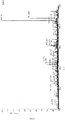
Fig.1 shows chromatogram map of fraction C; -
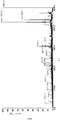
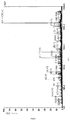
Fig.2 shows a mass-spectrogram of cardio myopeptidin X with molecular weight of 1294.75 (4700MS /MS Procursor 1294.75 spec#1MC[BP=1147.4,4886]); -
Fig.3 shows a mass-spectrogram of cardio myopeptidin C with molecular weight of 1550.91 (4700MS /MS Procursor 1550.91 spec#1MC[BP=1403.5,3630]); -
Fig.4 shows MS/MS denovo sequence matching KGAWSNVLRGMGGAF of cardio myopeptidin C with molecular weight of 1550.91; -
Fig.5 shows MS/MS denovo sequence matching WSNVLRGMGGAF of cardio myopeptidin X with molecular weight of 1294.75; -
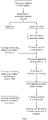
Fig.6 shows the specific flow chart of the method for extraction of the polypeptide (myopeptidin C); -
Fig.7 indicates the effect of protective administration of myopeptidin C to the size of myocardial infarction area of hypoxia/reoxygenation injury rat,Fig7-a is Sham Operation Group,Fig7-b is Model Group,Fig7-c is Positive Control Group,Fig7-d is CMPC group; -
Fig.8 indicates the effect of therapeutic administration of myopeptidin C to the size of myocardial infarction area of hypoxia/reoxygenation injury rat,Fig8-a is Sham Operation Group,Fig8-b is Model Group,Fig8-c is Positive Control Group,Fig8-d is CMPC group. - This example relates the synthesis of cardio myopeptidin C.
- The amino acid sequence of the polypeptide is:
- Lys-Gly-Ala-Trp-Ser-Asn-Val-Leu-Arg-Gly-Met-Gly-Gly-Ala-Phe.
- 1. Synthesis: First, protecting the amino-group of amino acid contained in the polypeptide by using amino-group protecting group (9-fluorenylidene carbomethoxy), (has dosage of 20-100 gram/gram), then swelling the wang resin by chlorethyl ether with the dosage of 50∼100 ml/g; adding the first amino acid into the resin to combine the amino acid onto the resin. After rinsing the resin with methylene dichloride, removing the amino-group protecting group by hexahydropyridine (has dosage of 10∼80%, preferably of 20∼40%). At the same time, the second amino acid being added to the resin combined with the first amino acid after being activated by HBTU (2-(1H-Benzotriazole-1-yl)-1,1,3,3-tetramethyluronium hexafluorophosphate) and being neutralized by N,N-Diisopropylethylamine, to form the peptide bond after the reaction of the two amino acid. Then according the sequence of animo acid, adding corresponding amino acid, and repeating the steps of rinsing, removing amino-group protecting group and activating the carboxyl etc for 14 times to extend peptide chain, until the last amino acid unite is combined to the chain. After synthesis, the polypeptide being combined with the resin, which are separated from each other by separating liquid, selected from phenol, thioanisole, trifluoroacetic acid (TFA) or mixture thereof. Filtrate of mixture of polypeptide is obtained after soaking the resin connected with the polypeptide (II) with 10∼80ml separating liquid, stirring for 1.5 hours at room temperature, and then filtering. The free polypeptide substance being separated by adding a ether and depositing. The separated polypeptide being dissolved in water or alkali solution (selected from: ammonium hydrogen carbonate, ammonium carbonate, sodium carbonate, sodium bicarbonate), and then obtaining the purified polypeptide substance by general liquid chromatography (LC). Measuring the concentration of purified polypeptide substance by ultraviolet spectrophotometric, and the polypeptide substance being examined by the mass spectrometric analysis.
- This example relates to the synthesis of cardio myopeptidin X.
- The amino acid sequence of the polypeptide is:
- Trp-Ser-Asn-Val-Leu-Arg-Gly-Met-Gly-Gly-Ala-Phe.
- The method is the same as that described in Example 1.
- This example relates to the synthesis of cardio myopeptidin C.
- The amino acid sequence of the polypeptide is:
- Lys-Gly-Ala-Trp-Ser-Asn-Val-Leu-Arg-Gly-Met-Gly-Gly-Ala-Phe.
- The method contains following steps:
- (1) removing of the amino-group protecting group Fmoc: taking Fmoc-Lys-CLTR resin, soaking and rinsing for 3 times by methylene dichloride with 2 minutes every time, then draining, adding 10ml methylene dichloride solution containing 50% piperidine at room temperature, draining after reacting for 5 minutes, adding the same solution and reacting for 30 min , then draining, rinsing respectively with 8ml∼10ml methylene dichloride, ethanol, and methylene dichloride in turn, draining, determining the total amino content by taking a small amount of resin (2mg∼10mg) through salicylal free group quantitative determination.
- (2) forming of peptide bond (DCC-HOBt condensation method): adding methylene dichloride containing Fomc-Gly(t-Bu) and methylene dichloride containing 1-hydroxy benzotriazole, at the same time adding dimethyl formamide for assistant dissolving for 30 min, then adding 2ml methylene dichloride containing N,N'-dicyclohexylcarbodiimide to react overnight at 20°C, draining and rinsing to get the resin linked with peptide Fmoc-Gly(t-Bu)-Lys(Boc)-R. Drying a mall amount of resin to a constant weight, determining the total amino content by using salicylal free group quantitative determination, therefore, the condensation rate is calculated. In the process of reaction, monitoring the process by ninhydrin color reaction, with the phenomenon of that the resin is transparent and colourless when the condensation reaction is over.
- (3) acetylizing of the unreacted amino group: adding the resin linked with peptide preparing in the step (2) to pyridine containing 50% acetic anhydride at room temperature, rinsing and draining, then repeating the process with the same solution to acetylize the unreacted amino group.
- (4) replacing Fmoc-Lys(Boc)-wang-R in step (1) with Fmoc-Gly(t-Bu)-Lys(Boc)-R, replacing Fmoc-Gly(t-Bu) in step (2) with Fmoc-Ala(Trt), repeating the process of step (1)∼(3), repeating in turn, using the resin linked with peptide synthesized in previous step as amino component of next step, to carry out the reactions for 14 times until the bonds between the 15 amino acids are all formed.
- (5) removing of the lateral chain protecting group and resin combined with the polypeptide: adding 30ml methylene dichlorideand and 3.0ml TFA to the resin linked with polypeptide containing 12 amino acids, to react for 30 minutes at room temperature, filtering, keeping the filtrate. Adding 10ml methylene dichlorideand containing 50% TFA to the filtrate, reacting for 20 minutes, rinsing for 3 times with fore said solution, combining the rinse solution and the fore filtrate, vaporizing to a small amount of residue by revolving evaporimeter, adding abundant anhydrous aether to precipitate white powdered substance, removing the liquid phase by centrifugation, grinding the powder for 5 times by using anhydrous aether, then vacuum drying, weighting and calculating the production rate;
- (6) taking a small mount of product to take an electrophoresis detection and RP-HPLC analysis with the RP-HPLC condition of: Alltech Platinum C18 chromatographic column; buffer A of water solution containing 0.1% trifluoroacetic acid (TFA); buffer B of water solution containing 0.1% TFA and 90% acetonitrile (all volume percent); gradient elution with that volume percent of buffer B is rised from 10% to 50% in 40 minutes, the velocity of mobile phase of 1.0ml/min detection wavelength of 214nm..
- This example relates to the synthesis of cardio myopeptidin X.
- The amino acid sequence of the polypeptide is:
- Trp-Ser-Asn-Val-Leu-Arg-Gly-Met-Gly-Gly-Ala-Phe.
- The method is the same as that described in Example 3.
- This example relates to the synthesis of cardio myopeptidin C.
- The method contains the steps as following:
- Elite high pressure liquid chromatography P230 system; FP-2 two-dimensional liquid chromatography separation system analysis type chromatographic column (from DIONEX company of US); C18 column 4.6×250mm(from waters company), SPE solid-phase extraction column (from waters company); C18 semi-preparative reverse column (Thermo Electron Corporation); vacuum frozen dryer (Thermo Electron Corporation), centrifuger, etc.
-
- a. adding 70% ammonium sulphate solution to the cardio myopeptidin solution, depositing overnight at 4°C, centrifugating, separating sediment and supernatant fluid;
- b. filtering the supernatant fluid by SPE solid phase extraction column, eluting by the mixture of 60% acetonitrile and 0.1% trifluoroacetic acid, collecting fraction A;
- c. concentrating the fraction A, isolating by reversion phase preparative chromatography, collecting active fraction B,
condition of the reversion phase preparative chromatography is as follows:- mobile phase: A phase is 100% H2O + 0.1% TFA, B phase is 60% ACN+0.1% TFA;
- ultraviolet detector: wavelength λ=280nm, R=3.0;
- gradient elution: 0∼
5Min 0%B, 5∼35min 0% ∼ 100%B, 35∼40min 100%B, 40∼45min 100%∼0%B.
- d. concentrating the active fraction B, further isolating by analytical type reversion phase chromatography , collecting active fraction C;
the condition of analytical type reversion phase chromatography is as follows:- mobile phase: A phase is 100% H2O + 0.1% TFA, B phase is 95% ACN+0.1% TFA;
- ultraviolet detector: wavelength λ=280nm, R=3.0;
- gradient elution: 0∼5
min 0% B, 5∼50min 0%∼100% B, 50∼60min 100%B, 60∼65min 100%∼0%B;
- e. detecting the active fraction C by mass spectrometric, identifying that there is amino acid sequence with active polypeptide in active fraction C, as shown in
figure 2 and3 . - This example relates to structure identification and quality inspection in the process of extracting cardio myopeptidin C from cardio myopeptidin solution.
- MALDA-TOF-TOF mass spectrometer (AB company of U.S.-4800) is used for mass spectrometric detection of the product, wherein, MALDA-TOF MS takes positive ion reflective detect mode, MS/MS takes positive ion reflective mode, the results are showed in
figure 2 . - "Activity detection experiment of cultivation of myocardium cell" provided by DaLian Zhen-Ao Pharmaceutical CO., LTD is adopted in the activity detection. The experiment is based on test of vitro cultured myocardium poisoned by adriamycin, wherein, 2,4-diphenyltetrazolium bromide (MTT) is used as reaction indicator to observe the enhancement of the activity of mitochondria dehydrogenase of the damaged myocardium conducted by cardio myopeptidin, to determine the protective effect of myocardium. The results of the activity detection are showed as follows:
Sample No. original peptide peptide peptide Activity value 3.2437 2.3570 2.7328 2.564 - This example relates to the use of cardio myopeptidin C (CMPC) for producing the medicament for prevention and /or treatment of myocardial ischemia.
- Neonatal SD rat, 2∼4days old, provided by Animal Center of Shenyang pharmaceutical university.
- SD rat, body weight of 200∼300g, half male and half female, provided by Laboratory Animal Centre of the Chinese People's Liberation Army Academy of Military Medical Sciences, with animal certificate No.: SCXK (military) 2002-001.
- Cardio myopeptidin C (CMPC), provided by DaLian Zhen-Ao Pharmaceutical CO., LTD.
- Verapamil injection (Ver): provided by Shanghai Harvest Pharmaceutical CO., LTD, with specification: 2ml:5mg, and lot number: 070701;
- Doxorubicin injection (adriamycin): provided by Guangdong Shantou Special Zone Meiji Pharmaceutical CO., LTD, with specification: 10mg/bottle and lot number: 070702;
- DMEM culture medium (high glucose): Gibco, lot number 1290007;
- DMEM culture medium (low glucose): Gibco, lot number1348529;
- Collagenase II: Gibco; fetal bovine serum: Tianjin Haoyang Biological Products Science and Technology CO., LTD, lot number 04700701-3100
- Methyl thiazolyl tetrazolium (MTT): Amresco; NBT: Amresco, specification: 100mg
- Urethane: Tianjin BENCHMARK Chemical Reagent CO., LTD, lot number 20060218;
- Superoxide dismutase(SOD), malondialdehyde (MDA), creatine kinase (CK) and lactate dehydrogenase (LDH) reagent kits all purchased from Nanjing Jiancheng Bioengineering Institute, lot number 20080122,
- Acetic acid: Tianjin Baishi Chemical Industry CO., LTD, specification: 500mg, lot number:20070712;
- Anhydrous ethanol: Tianjin baishi chemical industry CO., LTD, specification: 500mg, lot number:20070410.
- Take ventricle from Neonatal SD rat, wash with D-Hank's and cut to small pieces, digest with collagenase II to obtain the myocardium cell and fibroblast, which are cultivated with high glucose DMEM(dmem-h-15) culture medium containing 15% fetal bovine serum. Remove the fibroblast through differential adhesion and chemistry method, and inoculate myocardium cell on the 96-well plates.
- Cell culture method is the same as 2.1.1
- Preparation of model: Blank Control Group: cultivating myocardium cell with DMEM-H-15;
- Model Group: adding 1mg/L adriamycin, washing the plate with DMEM-H-15 two times after being cultivated for 1 h, adding DMEM-H-15 for cultivation;
- Positive control group (
Verapamil 2, 0.4, 0.08 mg/ml) and treating group with drugs of different concentration (CMPC 
- In Adriamycin Damage Mode, CMPC can improve the survival rate of myocardium cell prominently, and the effect is best when concentration is 0.016∼2mg/L, which is significantly different compared to the Model Group. The CMPC EC50 of
plate Form 1: Effect to the survival rate of myocardium cell damaged by adriamycin of CMPC. Group Dosage (mg/L) Plate 1Plate 2Plate 3 A540 % A540 % A540 % Blank control group - 0.768±0.036 - 0.824±0.039 - 0.903±0.050 Model Group - 0.660±0.044## - 0.716±0.018# 0.692±0.048 - CMPC group 0.0032 0.662±0.036 2.01 0.755±0.033* 36.17 - - 0.016 0.695±0.039 33.08 0.755±0.024* 35.55 0.810±0.020** 55.92 0.08 0.703±0.012* 40.49 0.769±0.055* 49.30 0.819±0.016** 60.35 0.4 0.723±0.018* * 58.27 0.777±0.057* 56.11 0.781±0.050** 42.34 2 0.690±0.025 27.98 0.753±0.065 33.85 0.775±0.008** 39.42 10 0.665±0.032 4.79 0.752±0.039 33.54 0.768±0.057* 36.41 50 0.662±0.031 2.47 0.752±0.036 33.08 0.756±0.014* 30.49 Positive Control Group 0.08 0.694±0.110 31.53 0.749±0.031* 30.45 0.755±0.021* 30.09 0.4 0.714±0.021* 50.23 0.749±0.050 30.29 0.770±0.012** 37.28 2 0.710±0.099 46.83 0.767±0.045* 46.68 0.768±0.013** 36.18 Comparing to Model Group, **P < 0.01, *P < 0.05; Comparing to blank control grou, p**P < 0.01, *P < 0.05. - Cell cultivation method is the same as that in 2.1.1
- Preparation of model: Preparing the model by using the myocardium cell cultured for 48∼72h, dividing the cell on the culture plate to following groups: Control Group, Model Group, Verapamil Group (2, 0.4, 0.08 mg/l final concentration) and CMPM Group (final concentration of 50, 10, 2, 0.4, 0.08, 0.016, 0.0032 mg/l), 3 wells for every group. Except the Control Group, the other groups are prepared by following method: placing the monolayer myocardium cell on center of culture plate on low glucose medium (containing Verapamil or CMPM with corresponding concentration), then placing the culture plate into the vacuum drying machine, filling nitrogen, and hermetically culturing, causing myocardial injury after oxygen lack for 15 hours, then being cultured for 1 hour by high glucose DMEM medium (95% atmosphere and 5% CO2) to cause reoxygention injury. Measuring the absorbance value at 540nm by using MTT method, and the same as above, calculating the protective rate to figure out EC50.
- In hypoxia/reoxygenation injury model, CMPC can improve the survival rate of myocardium cell significantly, which has best effect on concentration of 0.09∼2mg/L and has significant difference compared to the Model Group. The CMPC EC50 of
plate Form 2: Effect to survival rate of myocardium cell damaged by hypoxia/reoxygenation of cardio myopeptidin. Group Dosage (mg/L) Plate 1 Plate 2 Plate 3 A540 % A540 % A540 % Blank Control Group - 0.768±0.036 - 0.768±0.036 - 0.903±0.050 - Model Group, - 0.484±0.043## - 0.485±0.036## 0.737±0.030## - CMPC 0.0032 0.496±0.031 4.11 0.543±0.052* 20.37 0.763±0.018 15.86 0.016 0.526±0.032 14.69 0.550±0.024** 22.85 0.777±0.014* 24.20 0.08 0.558±0.025** 26.09 0.622±0.047** 48.52 0.800±0.020** 38.05 0.4 0.594±0.043** 38.95 0.599±0.032** 40.20 0.815±0.014** 47.29 2 0.566±0.057** 28.91 0.573±0.052** 30.99 0.843±0.032** 64.26 10 0.534±0.033* 17.74 0.540±0.026* 19.36 0.790±0.023** 34.43 50 0.510±0.030 9.05 0.536±0.036* 18.12 0.761±0.019 14.96 Positive Control Group 0.08 0.524±0.036 14.16 0.553±0.031** 23.85 0.787±0.020** 30.62 0.4 0.541±0.029* 20.15 0.579±0.028** 33.18 0.795±0.022** 35.44 2 0.520±0.060* 12.87 0.569±0.029** 29.63 0.805±0.018** 41.37 Comparing to Model Group, **P < 0.01, *P < 0.05; Comparing to Blank Control Group, **P < 0.01, *P < 0.05. - 70 SD rats (250∼300g per rat) were taken, wherein, 60 rats were divided into 6 groups evenly and randomly according to weight, every 10 of each group, the remains are kept for replacement of dead animals of each group.
- Normal Control Group: carrying out sham operation, threading a silk suture through the left anterior descending coronary artery (LAD) without ligation;
- Model Group: intravenous injecting saline solution of 5ml/
kg 30 minutes before ligation, and the preparation of hypoxia/reoxygenation model is the same as Normal Control Group; - Positive Control Group: intravenous injecting Verapamil of 1ml/
kg 30 min before ligation, preparation of the hypoxia/reoxygenation model is the same as Normal Control Group. - CMPCs high, medium and low dosage group: intravenous injecting CMPC of corresponding concentration (1.8, 0.6, 0.2 mg/kg) 30 min before ligation, preparation of the hypoxia/reoxygenation model is the same as Normal Control Group.
- Intraperitoneal injecting 6% Urethane with 20ml/kg to anaesthetize the animal, fixing the animal on operating table in supine position; being connected with the electrocardiograph to detect the limb II lead electrocardiogram, tracheal intubating and connecting the animal with respirators, taking continuous positive end-expiratory pressure with tidal volume of 6ml/200g, frequency of 55/min and breathing ratio of 2:1. Carrying out thoracotomy on the gap between the forth and the fifth ribs of the left border of sternum, separating the ribs and removing the pericardium. Ligating at the left anterior descending coronary artery by using 6/0 silk suture by the sign of left auricle lower margin, and setting a piece of polyethylene pipe with diameter of 1mm between the ligation silk suture and blood vessel. Ligating the silk suture to press the left anterior descending coronary artery by the polyethylene pipe and cause myocardial ischemia. Taking part of myocardium becoming grey and electrocardiogram S-T segment raising as the sign of that the left anterior descending coronary artery is ligated successfully. Taking out the polyethylene pipe carefully to cause the reperfusion. Verifying the success of reoxygenation by reactive hyperemia of ischemia area and the descending of the raised S-T segment by 1/2. Reoxygenation for 30 minutes, then sampling blood from abdominal aorta to prepare serum which is used to measure the biochemical index (measuring the content of CK, LDH, MDA, SPD according to the Reagent kits Instruction).
- Rat's heart was taken and after being blooded, the residual blood in the ventricle was cleaned by normal saline to weight the weight of whole heart. Fat was removed, the heart was crosscut into 4∼5 pieces and was put into a tube, to be carried out NBT dye at 37°C (dying the normal tissue rather than the ischemic tissue), taking photographs. The ischemic area of the myocardium was cut to take a weighing, and then the myocardial infarct size (MIS) was calculated by the ratio of weight of the ischemic area of the myocardium to whole heart weight, which was present by percentage.
- The activity value of CK, LDH of rat serum was significantly increased (P<0.01) in Model Group, while was significantly declined (P<0.05) in Positive Control Group. The activity value of LDH of rat serum was significantly declined (P<0.05) in CMPC high dosage group, CMPC medium dosage group compared with Model Group; the activity value of CK was significantly declined in CMPC high dosage group, CMPC medium dosage group (P<0.05); the activity value of CK, LDH was declined in CMPC low dosage group without significant difference. The results are shown in form 3.
Form 3. The effect of preventive administration of CMPC to the value of CK, LDH of serum of ischemia/reperfusion damaged rat ( x ±SD)Group Dosage (mg/kg) Number (n) CK (U/ml) LDH (U/L) Sham Operation Group - 9 1.632±0.448 6971.01±792.23 Model Group - 10 2.568±0.524## 8050.00±489.68## Positive Control Group 1.0 10 2.087±0.432* 7376.09±784.64* CMPC high dosage group 1.8 10 2.045±0.358* 7453.80±366.11* CMPC medium dosage group 0.6 11 2.172±0.329* 7531.58±414.64* CMPC low dosage group 0.2 11 2.238±0.274 7555.34±600.16 Comparing to Model Group, **P < 0.01, *P < 0.05; comparing to Sham Operation Group, **P < 0.01. - The activity of SOD of rat serum was significantly declined (P<0.01) in Model Group, while MDA value was raised significantly (P<0.01). The positive drug ofVer could significantly raise the SOD activity of serum (P<0.01) and decline the activity of MAD (P<0.05). Compared with the Model Group, the SOD activity of serum of rat with ligated artery was significantly raised (P < 0.01, P < 0.05) in CMPC-H, M, L group, while MDA was declined (P < 0.01, P < 0.05). The results are shown in form 4.
Form 4. The effect of preventive administration of CMPC to the value of SOD, MDA of serum of ischemia/reperfusion damaged rat ( x ±SD)Group Dosage (mg/kg) Number (n) SOD (U/ml) MDA (nmol/ml) Sham Operation Group - 9 132.61±5.65 4.275.±0.813 Model Group - 10 113.98±18.63## 5.483±0.832## Positive Control Group 1.0 10 135.63±7.878** 4.755±0.718* CMPC high dosage group 1.8 8 135.67±8.64** 4.371±0.47** CMPC medium dosage group 0.6 11 130.43±10.55* 4.847±0.570 CMPC low dosage group 0.2 11 134.85±12.55** 4.642±0.978* Comparing to Model Group, **P < 0.01, *P < 0.05; comparing to Sham Operation Group, **P < 0.01. - Myocardial infarction size was raised significantly in Model Group (P<0.01). Compared with Model Group, the myocardial infarction size of rat was significantly declined in the Positive Control Group and CMPC group. The results are shown in
form 5 andfigure 7 .Form 5 : The effect of preventive administration of CMPC to the myocardial infarction size of ischemia/reperfusion damaged rat ( x ±SD)Group Dosage(mg/kg) Number(n) MIS(%) Sham Operation Group - 9 0 Model Group - 10 6.68±1.72## Positive Control Group 1.0 12 4.19±0.70** CMPC high, dosage group 1.8 8 3.47±1.08** CMPC medium dosage group 0.6 11 4.17±0.62** CMPC low dosage group 0.2 11 4.67±0.74** Comparing to Model Group, **P < 0.01, *P < 0.05; comparing to Sham Operation Group, ##P < 0.01. - The drug was intravenously injured on the
tail 5 minutes after ligation of LAD, then reperfusion was carried out for30min 30 minutes after ligation of LAD. Heart was taken after sampling blood from abdominal aorta. The biochemical index and the myocardial infarction size were measure by using the above method. - The values of CK and LDH of serum of rat were significantly raised in Model Group (P<0.01). The activity of CK and LDH was significantly declined by positive drug of Ver (P<0.05, P<0.01). The activity of CK and LDH of serum of rat was significantly declined in CMPC high, medium dosage group compared with that in Model Group (P<0.01, P<0.05). The activity of LDH and CK decline could be reduced in CMPC low dosage group without significant difference. The results are shown in form 6.
Form 6. The effect of therapeutic administration of CMPC to the value of CK, LDH of serum of ischemia/reperfusion damaged rat ( x ±SD)Group Dosage (mg/kg) Number (n) CK (U/ml) LDH (U/L) Sham Operation Group - 8 1.378±0.458 5986.84±1084.21 Model Group - 10 2.276±0.529## 8029.35±685.01## Positive Control Group 1.0 10 1.777±0.389* 6791.96±570.85** CMPC high dosage group 1.8 10 1.707±0.332** 7233.69±297.69** CMPC medium dosage group 0.6 11 1.748±0.573* 7034.59±1167.17* CMPC low dosage group 0.2 11 2.026±0.532 7763.83±770.70 Comparing to Model Group, **P < 0.01, *P < 0.05; comparing to Sham Operation Group, **P < 0.01. - The SOD activity of rat serum was significantly declined in Model Group (P<0.05), while MDA was raised significantly (P<0.01). The SOD activity of serum could be raised significantly (P<0.05) by the positive drug of Ver, and the activity of MAD was declined (P<0.05). Compared with that in the Model Group, the activity of SOD was significantly raised (P < 0.05, P < 0.01) in CMPC-H and CMPC-M groups. There was a tendency of raising the SOD activity in CMPC-L group, without significant difference (P > 0.05) compared with Model Group. The content of MDA could be declined in CMPC-H, CMPC-M and CMPC-L group (P < 0.05). The results are shown in form 7.
Form 7. The effect of therapeutic administration of CMPC to the value of SOD, MDA of serum of ischemia/reperfusion damaged rat ( x ±SD)Group Dosage (mg/kg) Number (n) SOD (U/ml) MDA (nmol/ml) Sham Operation Group - 8 145.35±10.60 4.395±0.693 Model Group - 10 123.17±20.86# 5.556±0.813## Positive Control Group 1.0 10 140.36±14.00* 4.960±0.338* CMPC high dosage group 1.8 10 143.41±12.14* 4.685±0.714* CMPC medium dosage group 0.6 11 145.41±10.56** 4.862±0.468* CMPC low dosage group 0.2 11 140.59±20.28 4.878±0.430* Comparing to Model Group, **P < 0.01, *P < 0.05; comparing to Sham Operation Group, **P < 0.01. - Myocardial infarction size was significantly raised in Model Group (P < 0.01). Compared with that in Model Group, the myocardial infarction size of rat was significantly declined(P < 0.05) in Positive Control Group and CMPC group. The results are shown in
form 8 andfigure 8 .Form 8 : The effect of therapeutic administration of CMPC to the myocardial infarction size of ischemia/reperfusion damaged rat ( x ±SD)Group Dosage (mg/kg) Number (n) MIS (%) Sham Operation Group - 8 0 Model Group - 10 5.89±1.29## Positive Control Group 1.0 12 4.07±1.56** CMPC high dosage group 1.8 11 3.68±1.39** CMPC medium dosage group 0.6 11 4.20±0.78** CMPC low dosage group 0.2 11 3.95±0.97** Comparing to Model Group, **P < 0.01, *P < 0.05; comparing to Sham Operation Group, **P < 0.01. - CMPC could raise the activity of mitochondria dehydrogenase of the injured myocardial cell, and had some protective function to the injured myocardial cell in the model of primary culture myocardium cell of neonatal rat which was injured by adriamycin and hypoxia/reoxygenation. preventive and therapeutic administration of CMPC could significantly declines the content of CK, LDH and MDA of serum of rat injured by ischemia/reperfusion, and raises the content of SOD with some dose-dependence, as well as could declines the myocardial infarction size, which indicates that CMPC preventive and therapeutic administration had protective function to the myocardial cell of ischemia/reperfusion injured rat.
-
- <110> DALIAN ZHEN-AO PHARMACEUTICAL CO., LTD
- <120> MYOCARDIAL PEPTIDE, PREPARATION METHOD AND USES THEREOF
- <130> PEPBY11
- <140>
PCT/CN2008/071647
<141> 2008-07-15 - <160> 2
- <170> PatentIn version 3.3
- <210> 1
<211> 12
<212> PRT
<213> Artificial sequence - <220>
<223> Artificial sequence - <400> 1

- <210> 2
<211> 15
<212> PRT
<213> Artificial sequence - <220>
<223> Artificial sequence - <400> 2

Claims (9)
- A polypeptide having an amino acid sequence as defined in SEQ ID No. 1.
- A polypeptide having an amino acid sequence as defined in SEQ ID No. 2.
- A method for extracting the polypeptide of claim 1 or 2 from cardio myopeptidin which is isolated from the heart of a healthy non-human mammal with the weight average molecular weight of less than 10000Da, wherein the content of peptide is 75%∼90%; the content of free amino acid is 6%∼15%; the content of RNA is less than 2%; and the content of DNA is less than 7%, comprising the steps of:(1) adding ammonium sulphate solution to the cardio myopeptidin, depositing, centrifugating, separating supernatant fluid and sediment;(2) filtrating the supernatant fluid by solid phase extraction tube with organic solvent as eluent, collecting fraction A;(3) concentrating the fraction A, isolating by preparative reversed-phase chromatography, collecting active fraction B;(4) concentrating the active fraction B, further isolating by analytical type reversed-phase chromatography, collecting active fraction C;(5) detecting the fraction C with mass spectrometric detection to identify amino acid sequence of the active polypeptide in active fraction C by MS data analysis, the active fraction C being the polypeptide, whereinin step (3), the fraction A is concentrated to 1/8∼3/4 of the original volume, and the condition of the preparative reversed-phase chromatography is: mobile phase: A phase being 100% H2O + 0.1%TFA, B phase being 60%ACN + 0.1%TFA; ultraviolet detector: wavelength λ=280nm, R=3.0; gradient elution: 0∼5Min 0%B, 5∼35min 0%∼100%B, 35∼40min 100%B, 40∼45min 100%∼0%B,
in step (4), the fraction B is concentrated to 1/8∼1/2 of the original volume, and the condition of further separation by using the analytical type reversed phase chromatography is: mobile phase: A phase being 100%H2O + 0.1%TFA, B phase being 95%ACN + 0.1%TFA; ultraviolet detector: wavelength λ=280nm, R=3.0; gradient elution: 0∼5Min 0%B,5∼50min 0% ∼ 100%B, 35∼40min 100%B, 40∼45min 100%∼0%B. - The method according to claim 3, wherein weight percent concentrations of the ammonium sulphate solution is 60 to 80%, preferably 70%.
- The method according to claim 3, wherein the organic solvent in step (2) is the mixture comprising acetonitrile 60% and trifluoroacetic acid 0.1%.
- A chemical synthesis method of the polypeptide of claim 1, wherein the method comprises the steps of:(1) protecting the amino-group of Tryptophane, Serine, Aspartic acid, Valine, Leucine, Argnine, Glycine, Methionine, Alanine, and Phenylalanine by using protecting group for amino-group respectively;(2) swelling solid phase carrier, combining the first protected amino acid of SEQ ID No. 1 onto the solid phase carrier, then rinsing the combined product, obtaining solid phase carrier onto which the first protected amino acid combines;(3) adding the second amino acid of SEQ ID No. 1 to the solid phase carrier being combined with the first protected amino acid to form the peptide linkage in presence of condensating agent, then removing the protecting group for amino-group from the amino acid, rinsing to obtain the solid phase carrier;(4) according to the sequencing amino acid of SEQ ID No. 1, adding corresponding protected amino acid in turn, repeating the steps of removing amino group protecting group and rinsing to extend the peptide chain until the last amino acid is linked to the peptide chain;(5) immersing the solid phase carrier being combined with polypeptide prepared in step (4) in soak solution, then filtering and depositing the filtrate to obtain crude polypeptide;(6) isolating and purifying the crude polypeptide to obtain target product.
- A chemical synthesis method of the polypeptide of claim 2, wherein the method comprises the steps of:(1) protecting the amino-group of Tryptophane, Serine, Aspartic acid, Valine, Leucine, Argnine, Glycine, Methionine, Alanine, Phenylalanine and Lysine by using protecting group for amino-group respectively;(2) swelling solid phase carrier, combining the first protected amino acid of SEQ ID No. 2 onto the solid phase carrier, then rinsing the combined product, obtaining solid phase carrier onto which the first protected amino acid combines;(3) adding the second amino acid of SEQ ID No. 2 to the solid phase carrier being combined with the first protected amino acid to form the peptide linkage in presence of condensating agent, then removing the protecting group for amino-group from the amino acid, rinsing to obtain the solid phase carrier;(4) according to the sequencing amino acid of SEQ ID No. 2, adding corresponding protected amino acid in turn, repeating the steps of removing amino group protecting group and rinsing to extend the peptide chain until the last amino acid is linked to the peptide chain;(5) immersing the solid phase carrier being combined with polypeptide prepared in step (4) in soak solution, then filtering and depositing the filtrate to obtain crude polypeptide;(6) isolating and purifying the crude polypeptide to obtain target product.
- A chemical synthesis method according to claim 6 or 7, wherein in step (1), the amino-group is protected by following groups:(1) carbobenzoxyl(2) t-butyloxycarbonyl(3) tosyl(4) fmoc:9-fiuorenylmethoxycarbonyl.
- An use of the polypeptide of claim 2 for producing medicament for the prevention and /or treatment of ischemia of tissue and organ, preferably the use of the polypeptide for producing medicament for the prevention and /or treatment of myocardial ischemia, cerebral ischemia, hepatic ischemia, intestines ischemia, stomach ischemia, lung ischemia or nephridium ischemia, more preferable the use of the polypeptide for producing medicament for the prevention and /or treatment of myocardial ischemia.
Applications Claiming Priority (1)
| Application Number | Priority Date | Filing Date | Title |
|---|---|---|---|
| PCT/CN2008/071647 WO2010006476A1 (en) | 2008-07-15 | 2008-07-15 | Myocardial peptide, preparation method and uses thereof |
Publications (3)
| Publication Number | Publication Date |
|---|---|
| EP2314600A1 EP2314600A1 (en) | 2011-04-27 |
| EP2314600A4 EP2314600A4 (en) | 2012-04-25 |
| EP2314600B1 true EP2314600B1 (en) | 2017-07-12 |
Family
ID=41549989
Family Applications (1)
| Application Number | Title | Priority Date | Filing Date |
|---|---|---|---|
| EP08773191.5A Not-in-force EP2314600B1 (en) | 2008-07-15 | 2008-07-15 | Myocardial peptide, preparation method and uses thereof |
Country Status (5)
| Country | Link |
|---|---|
| US (1) | US8940865B2 (en) |
| EP (1) | EP2314600B1 (en) |
| JP (1) | JP5373077B2 (en) |
| KR (1) | KR101505239B1 (en) |
| WO (1) | WO2010006476A1 (en) |
Family Cites Families (5)
| Publication number | Priority date | Publication date | Assignee | Title |
|---|---|---|---|---|
| CN1065129C (en) * | 1994-03-15 | 2001-05-02 | 中国人民解放军第458医院 | Medicine good for heart |
| US6013858A (en) * | 1996-11-01 | 2000-01-11 | Emory University | Mouse lacking heart-muscle adenine nucleotide translocator protein and methods |
| EP1783221A1 (en) * | 2000-05-11 | 2007-05-09 | MIGENIX Corp. | Production of adenine nucleotide translocator (ANT), novel ANT ligands and screening assays therefor |
| US7427663B2 (en) | 2003-06-04 | 2008-09-23 | Dalian Zhen-Ao Pharmaceutical Co., Ltd. | Cardio myopeptidin, the production and the use thereof |
| CN1255183C (en) * | 2003-06-04 | 2006-05-10 | 大连珍奥药业有限公司 | Myocardium peptide and its use |
-
2008
- 2008-07-15 KR KR1020117003285A patent/KR101505239B1/en not_active Expired - Fee Related
- 2008-07-15 EP EP08773191.5A patent/EP2314600B1/en not_active Not-in-force
- 2008-07-15 JP JP2011517731A patent/JP5373077B2/en not_active Expired - Fee Related
- 2008-07-15 US US13/054,229 patent/US8940865B2/en active Active
- 2008-07-15 WO PCT/CN2008/071647 patent/WO2010006476A1/en not_active Ceased
Non-Patent Citations (2)
| Title |
|---|
| "Current Protocols in Molecular Biology", 1 May 2001, JOHN WILEY & SONS, INC., Hoboken, NJ, USA, ISBN: 978-0-47-114272-0, article REINHARD I. BOYSEN ET AL: "HPLC of Peptides and Proteins: Standard Operating Conditions", XP055122496, DOI: 10.1002/0471142727.mb1013s54 * |
| E VERA PINGITORE ET AL: "Different strategies for purification of antimicrobial peptides from Lactic Acid Bacteria (LAB)", INTERNET CITATION, 31 December 2007 (2007-12-31), pages 557 - 568, XP055122500, Retrieved from the Internet <URL:http://www.formatex.org/microbio/pdf/pages557-568.pdf> [retrieved on 20140610] * |
Also Published As
| Publication number | Publication date |
|---|---|
| WO2010006476A1 (en) | 2010-01-21 |
| EP2314600A4 (en) | 2012-04-25 |
| EP2314600A1 (en) | 2011-04-27 |
| US8940865B2 (en) | 2015-01-27 |
| KR20110045000A (en) | 2011-05-03 |
| JP5373077B2 (en) | 2013-12-18 |
| KR101505239B1 (en) | 2015-03-23 |
| JP2011527991A (en) | 2011-11-10 |
| US20110160432A1 (en) | 2011-06-30 |
Similar Documents
| Publication | Publication Date | Title |
|---|---|---|
| EA020091B1 (en) | Analogues of glucose-dependent insulinotropic polypeptide (gip) modified at n-terminal | |
| US12257285B2 (en) | Composition of BL-8040 | |
| CN113549129A (en) | D-configuration antitumor peptide and preparation method and application thereof | |
| CN110128526A (en) | Long-actingization Exenatide derivative and its salt and preparation method and purposes | |
| CN118126156B (en) | A polypeptide and its use | |
| CN115433269B (en) | Tumor inhibiting peptide | |
| CN106589130B (en) | A kind of Slit2D2-HSA recombinant protein and its application in treatment pyemia | |
| CN112851756B (en) | Phenolic acid polypeptide conjugate and preparation method and application thereof | |
| US8940865B2 (en) | Myocardial peptide, preparation method and uses thereof | |
| WO2025189832A1 (en) | Anti-tumor compound and preparation method therefor and use thereof | |
| CN116350797B (en) | A polypeptide material capable of extending drug half-life, and its preparation method and application | |
| CN108295244B (en) | Polypeptides for treating breast tumors | |
| CN104945514A (en) | Glucagon-like peptide-1 fusion protein, preparing method thereof and medicine combination thereof | |
| US9073975B2 (en) | Cyclic peptides, their preparation and their use as inhibitors of the platelet adhesion | |
| JP7046990B2 (en) | Prodrug peptide with improved medicinal properties | |
| CN115093458A (en) | Acid-activated cell-penetrating polypeptide carrier and application thereof | |
| CN106279358B (en) | A synthetic peptide to treat brain damage | |
| CN119019569B (en) | A polypeptide capable of directionally enhancing thymic nascent T cells to kill breast cancer and its application | |
| CN117531021B (en) | Acanthopanax senticosus glycoside E-targeting peptide conjugate and application thereof | |
| CN117534727B (en) | Preparation method and application of food-borne antihypertensive peptide | |
| CN105175496B (en) | A kind of heptapeptide PGKPLFL and its application | |
| CN106188229B (en) | It is a kind of using free glycine and L-cysteine as the synthetic peptide of pharmacological activity group | |
| RU2648846C1 (en) | Improving the recovery function of the cardiovascular system in ischemia tetradecapeptides | |
| CN119775362A (en) | A class of highly effective and low-toxic anticancer short peptides with hexanoic acid lysine as a modification unit and its application | |
| CN106188235A (en) | A kind of synthetic peptide treating nervous system disease |
Legal Events
| Date | Code | Title | Description |
|---|---|---|---|
| PUAI | Public reference made under article 153(3) epc to a published international application that has entered the european phase |
Free format text: ORIGINAL CODE: 0009012 |
|
| 17P | Request for examination filed |
Effective date: 20110215 |
|
| AK | Designated contracting states |
Kind code of ref document: A1 Designated state(s): AT BE BG CH CY CZ DE DK EE ES FI FR GB GR HR HU IE IS IT LI LT LU LV MC MT NL NO PL PT RO SE SI SK TR |
|
| AX | Request for extension of the european patent |
Extension state: AL BA MK RS |
|
| DAX | Request for extension of the european patent (deleted) | ||
| A4 | Supplementary search report drawn up and despatched |
Effective date: 20120323 |
|
| RIC1 | Information provided on ipc code assigned before grant |
Ipc: C07K 7/08 20060101AFI20120319BHEP Ipc: A61P 9/10 20060101ALI20120319BHEP Ipc: C07K 1/20 20060101ALI20120319BHEP Ipc: A61K 38/18 20060101ALI20120319BHEP |
|
| 17Q | First examination report despatched |
Effective date: 20140618 |
|
| RAP1 | Party data changed (applicant data changed or rights of an application transferred) |
Owner name: DALIAN ZHEN-AO PHARMACEUTICAL CO., LTD. |
|
| GRAP | Despatch of communication of intention to grant a patent |
Free format text: ORIGINAL CODE: EPIDOSNIGR1 |
|
| STAA | Information on the status of an ep patent application or granted ep patent |
Free format text: STATUS: GRANT OF PATENT IS INTENDED |
|
| INTG | Intention to grant announced |
Effective date: 20170217 |
|
| GRAS | Grant fee paid |
Free format text: ORIGINAL CODE: EPIDOSNIGR3 |
|
| GRAA | (expected) grant |
Free format text: ORIGINAL CODE: 0009210 |
|
| STAA | Information on the status of an ep patent application or granted ep patent |
Free format text: STATUS: THE PATENT HAS BEEN GRANTED |
|
| AK | Designated contracting states |
Kind code of ref document: B1 Designated state(s): AT BE BG CH CY CZ DE DK EE ES FI FR GB GR HR HU IE IS IT LI LT LU LV MC MT NL NO PL PT RO SE SI SK TR |
|
| REG | Reference to a national code |
Ref country code: GB Ref legal event code: FG4D |
|
| REG | Reference to a national code |
Ref country code: CH Ref legal event code: EP |
|
| REG | Reference to a national code |
Ref country code: AT Ref legal event code: REF Ref document number: 908217 Country of ref document: AT Kind code of ref document: T Effective date: 20170715 |
|
| REG | Reference to a national code |
Ref country code: IE Ref legal event code: FG4D |
|
| REG | Reference to a national code |
Ref country code: DE Ref legal event code: R096 Ref document number: 602008051086 Country of ref document: DE |
|
| REG | Reference to a national code |
Ref country code: NL Ref legal event code: MP Effective date: 20170712 |
|
| REG | Reference to a national code |
Ref country code: LT Ref legal event code: MG4D |
|
| REG | Reference to a national code |
Ref country code: AT Ref legal event code: MK05 Ref document number: 908217 Country of ref document: AT Kind code of ref document: T Effective date: 20170712 |
|
| PG25 | Lapsed in a contracting state [announced via postgrant information from national office to epo] |
Ref country code: HR Free format text: LAPSE BECAUSE OF FAILURE TO SUBMIT A TRANSLATION OF THE DESCRIPTION OR TO PAY THE FEE WITHIN THE PRESCRIBED TIME-LIMIT Effective date: 20170712 Ref country code: FI Free format text: LAPSE BECAUSE OF FAILURE TO SUBMIT A TRANSLATION OF THE DESCRIPTION OR TO PAY THE FEE WITHIN THE PRESCRIBED TIME-LIMIT Effective date: 20170712 Ref country code: AT Free format text: LAPSE BECAUSE OF FAILURE TO SUBMIT A TRANSLATION OF THE DESCRIPTION OR TO PAY THE FEE WITHIN THE PRESCRIBED TIME-LIMIT Effective date: 20170712 Ref country code: SE Free format text: LAPSE BECAUSE OF FAILURE TO SUBMIT A TRANSLATION OF THE DESCRIPTION OR TO PAY THE FEE WITHIN THE PRESCRIBED TIME-LIMIT Effective date: 20170712 Ref country code: LT Free format text: LAPSE BECAUSE OF FAILURE TO SUBMIT A TRANSLATION OF THE DESCRIPTION OR TO PAY THE FEE WITHIN THE PRESCRIBED TIME-LIMIT Effective date: 20170712 Ref country code: NO Free format text: LAPSE BECAUSE OF FAILURE TO SUBMIT A TRANSLATION OF THE DESCRIPTION OR TO PAY THE FEE WITHIN THE PRESCRIBED TIME-LIMIT Effective date: 20171012 Ref country code: NL Free format text: LAPSE BECAUSE OF FAILURE TO SUBMIT A TRANSLATION OF THE DESCRIPTION OR TO PAY THE FEE WITHIN THE PRESCRIBED TIME-LIMIT Effective date: 20170712 |
|
| PG25 | Lapsed in a contracting state [announced via postgrant information from national office to epo] |
Ref country code: ES Free format text: LAPSE BECAUSE OF FAILURE TO SUBMIT A TRANSLATION OF THE DESCRIPTION OR TO PAY THE FEE WITHIN THE PRESCRIBED TIME-LIMIT Effective date: 20170712 Ref country code: PL Free format text: LAPSE BECAUSE OF FAILURE TO SUBMIT A TRANSLATION OF THE DESCRIPTION OR TO PAY THE FEE WITHIN THE PRESCRIBED TIME-LIMIT Effective date: 20170712 Ref country code: BG Free format text: LAPSE BECAUSE OF FAILURE TO SUBMIT A TRANSLATION OF THE DESCRIPTION OR TO PAY THE FEE WITHIN THE PRESCRIBED TIME-LIMIT Effective date: 20171012 Ref country code: GR Free format text: LAPSE BECAUSE OF FAILURE TO SUBMIT A TRANSLATION OF THE DESCRIPTION OR TO PAY THE FEE WITHIN THE PRESCRIBED TIME-LIMIT Effective date: 20171013 Ref country code: IS Free format text: LAPSE BECAUSE OF FAILURE TO SUBMIT A TRANSLATION OF THE DESCRIPTION OR TO PAY THE FEE WITHIN THE PRESCRIBED TIME-LIMIT Effective date: 20171112 Ref country code: LV Free format text: LAPSE BECAUSE OF FAILURE TO SUBMIT A TRANSLATION OF THE DESCRIPTION OR TO PAY THE FEE WITHIN THE PRESCRIBED TIME-LIMIT Effective date: 20170712 |
|
| REG | Reference to a national code |
Ref country code: CH Ref legal event code: PL |
|
| REG | Reference to a national code |
Ref country code: DE Ref legal event code: R097 Ref document number: 602008051086 Country of ref document: DE |
|
| REG | Reference to a national code |
Ref country code: IE Ref legal event code: MM4A |
|
| PG25 | Lapsed in a contracting state [announced via postgrant information from national office to epo] |
Ref country code: CH Free format text: LAPSE BECAUSE OF NON-PAYMENT OF DUE FEES Effective date: 20170731 Ref country code: IE Free format text: LAPSE BECAUSE OF NON-PAYMENT OF DUE FEES Effective date: 20170715 Ref country code: DK Free format text: LAPSE BECAUSE OF FAILURE TO SUBMIT A TRANSLATION OF THE DESCRIPTION OR TO PAY THE FEE WITHIN THE PRESCRIBED TIME-LIMIT Effective date: 20170712 Ref country code: MC Free format text: LAPSE BECAUSE OF FAILURE TO SUBMIT A TRANSLATION OF THE DESCRIPTION OR TO PAY THE FEE WITHIN THE PRESCRIBED TIME-LIMIT Effective date: 20170712 Ref country code: LI Free format text: LAPSE BECAUSE OF NON-PAYMENT OF DUE FEES Effective date: 20170731 Ref country code: CZ Free format text: LAPSE BECAUSE OF FAILURE TO SUBMIT A TRANSLATION OF THE DESCRIPTION OR TO PAY THE FEE WITHIN THE PRESCRIBED TIME-LIMIT Effective date: 20170712 Ref country code: RO Free format text: LAPSE BECAUSE OF FAILURE TO SUBMIT A TRANSLATION OF THE DESCRIPTION OR TO PAY THE FEE WITHIN THE PRESCRIBED TIME-LIMIT Effective date: 20170712 |
|
| PLBE | No opposition filed within time limit |
Free format text: ORIGINAL CODE: 0009261 |
|
| STAA | Information on the status of an ep patent application or granted ep patent |
Free format text: STATUS: NO OPPOSITION FILED WITHIN TIME LIMIT |
|
| PG25 | Lapsed in a contracting state [announced via postgrant information from national office to epo] |
Ref country code: EE Free format text: LAPSE BECAUSE OF FAILURE TO SUBMIT A TRANSLATION OF THE DESCRIPTION OR TO PAY THE FEE WITHIN THE PRESCRIBED TIME-LIMIT Effective date: 20170712 Ref country code: SK Free format text: LAPSE BECAUSE OF FAILURE TO SUBMIT A TRANSLATION OF THE DESCRIPTION OR TO PAY THE FEE WITHIN THE PRESCRIBED TIME-LIMIT Effective date: 20170712 Ref country code: IT Free format text: LAPSE BECAUSE OF FAILURE TO SUBMIT A TRANSLATION OF THE DESCRIPTION OR TO PAY THE FEE WITHIN THE PRESCRIBED TIME-LIMIT Effective date: 20170712 |
|
| 26N | No opposition filed |
Effective date: 20180413 |
|
| REG | Reference to a national code |
Ref country code: FR Ref legal event code: ST Effective date: 20180524 |
|
| PG25 | Lapsed in a contracting state [announced via postgrant information from national office to epo] |
Ref country code: LU Free format text: LAPSE BECAUSE OF NON-PAYMENT OF DUE FEES Effective date: 20170715 |
|
| PG25 | Lapsed in a contracting state [announced via postgrant information from national office to epo] |
Ref country code: FR Free format text: LAPSE BECAUSE OF NON-PAYMENT OF DUE FEES Effective date: 20170912 Ref country code: SI Free format text: LAPSE BECAUSE OF FAILURE TO SUBMIT A TRANSLATION OF THE DESCRIPTION OR TO PAY THE FEE WITHIN THE PRESCRIBED TIME-LIMIT Effective date: 20170712 |
|
| PG25 | Lapsed in a contracting state [announced via postgrant information from national office to epo] |
Ref country code: MT Free format text: LAPSE BECAUSE OF NON-PAYMENT OF DUE FEES Effective date: 20170715 |
|
| PG25 | Lapsed in a contracting state [announced via postgrant information from national office to epo] |
Ref country code: HU Free format text: LAPSE BECAUSE OF FAILURE TO SUBMIT A TRANSLATION OF THE DESCRIPTION OR TO PAY THE FEE WITHIN THE PRESCRIBED TIME-LIMIT; INVALID AB INITIO Effective date: 20080715 |
|
| PG25 | Lapsed in a contracting state [announced via postgrant information from national office to epo] |
Ref country code: CY Free format text: LAPSE BECAUSE OF NON-PAYMENT OF DUE FEES Effective date: 20170712 |
|
| PG25 | Lapsed in a contracting state [announced via postgrant information from national office to epo] |
Ref country code: TR Free format text: LAPSE BECAUSE OF FAILURE TO SUBMIT A TRANSLATION OF THE DESCRIPTION OR TO PAY THE FEE WITHIN THE PRESCRIBED TIME-LIMIT Effective date: 20170712 |
|
| PG25 | Lapsed in a contracting state [announced via postgrant information from national office to epo] |
Ref country code: PT Free format text: LAPSE BECAUSE OF FAILURE TO SUBMIT A TRANSLATION OF THE DESCRIPTION OR TO PAY THE FEE WITHIN THE PRESCRIBED TIME-LIMIT Effective date: 20170712 |
|
| PGFP | Annual fee paid to national office [announced via postgrant information from national office to epo] |
Ref country code: GB Payment date: 20210722 Year of fee payment: 14 Ref country code: BE Payment date: 20210721 Year of fee payment: 14 Ref country code: DE Payment date: 20210731 Year of fee payment: 14 |
|
| REG | Reference to a national code |
Ref country code: DE Ref legal event code: R119 Ref document number: 602008051086 Country of ref document: DE |
|
| GBPC | Gb: european patent ceased through non-payment of renewal fee |
Effective date: 20220715 |
|
| REG | Reference to a national code |
Ref country code: BE Ref legal event code: MM Effective date: 20220731 |
|
| PG25 | Lapsed in a contracting state [announced via postgrant information from national office to epo] |
Ref country code: GB Free format text: LAPSE BECAUSE OF NON-PAYMENT OF DUE FEES Effective date: 20220715 Ref country code: DE Free format text: LAPSE BECAUSE OF NON-PAYMENT OF DUE FEES Effective date: 20230201 Ref country code: BE Free format text: LAPSE BECAUSE OF NON-PAYMENT OF DUE FEES Effective date: 20220731 |