EP2312319A1 - Process of screening a molecule as a candidate drug for the treatment of bipolar disorder - Google Patents
Process of screening a molecule as a candidate drug for the treatment of bipolar disorder Download PDFInfo
- Publication number
- EP2312319A1 EP2312319A1 EP10181040A EP10181040A EP2312319A1 EP 2312319 A1 EP2312319 A1 EP 2312319A1 EP 10181040 A EP10181040 A EP 10181040A EP 10181040 A EP10181040 A EP 10181040A EP 2312319 A1 EP2312319 A1 EP 2312319A1
- Authority
- EP
- European Patent Office
- Prior art keywords
- pap
- polypeptide
- lithium
- molecule
- activity
- Prior art date
- Legal status (The legal status is an assumption and is not a legal conclusion. Google has not performed a legal analysis and makes no representation as to the accuracy of the status listed.)
- Withdrawn
Links
- 208000020925 Bipolar disease Diseases 0.000 title claims abstract description 33
- 238000000034 method Methods 0.000 title claims abstract description 24
- 239000003814 drug Substances 0.000 title claims abstract description 20
- 230000008569 process Effects 0.000 title claims abstract description 20
- 238000011282 treatment Methods 0.000 title claims abstract description 19
- 238000012216 screening Methods 0.000 title claims abstract description 10
- 229940079593 drug Drugs 0.000 title claims abstract description 8
- 230000000694 effects Effects 0.000 claims abstract description 93
- 102000004196 processed proteins & peptides Human genes 0.000 claims abstract description 75
- 108090000765 processed proteins & peptides Proteins 0.000 claims abstract description 75
- 229920001184 polypeptide Polymers 0.000 claims abstract description 64
- 210000005260 human cell Anatomy 0.000 claims abstract description 15
- 101710200452 Oligoribonuclease, mitochondrial Proteins 0.000 claims abstract description 5
- 102100032835 Oligoribonuclease, mitochondrial Human genes 0.000 claims abstract description 5
- WHTCPDAXWFLDIH-UHFFFAOYSA-N PAP Natural products C1=NC=2C(N)=NC=NC=2N1C1OC(COP(O)(O)=O)C(OP(O)(O)=O)C1O WHTCPDAXWFLDIH-UHFFFAOYSA-N 0.000 claims abstract description 5
- WHTCPDAXWFLDIH-KQYNXXCUSA-N adenosine 3',5'-bismonophosphate Chemical compound C1=NC=2C(N)=NC=NC=2N1[C@@H]1O[C@H](COP(O)(O)=O)[C@@H](OP(O)(O)=O)[C@H]1O WHTCPDAXWFLDIH-KQYNXXCUSA-N 0.000 claims abstract description 5
- WHXSMMKQMYFTQS-UHFFFAOYSA-N Lithium Chemical compound [Li] WHXSMMKQMYFTQS-UHFFFAOYSA-N 0.000 claims description 58
- 229910052744 lithium Inorganic materials 0.000 claims description 58
- 210000004027 cell Anatomy 0.000 claims description 36
- 238000004519 manufacturing process Methods 0.000 claims description 8
- 230000033616 DNA repair Effects 0.000 claims description 5
- 230000000593 degrading effect Effects 0.000 claims description 5
- 230000003278 mimic effect Effects 0.000 claims description 2
- 229920000776 Poly(Adenosine diphosphate-ribose) polymerase Polymers 0.000 abstract description 28
- 108010061844 Poly(ADP-ribose) Polymerases Proteins 0.000 abstract description 27
- 102000012338 Poly(ADP-ribose) Polymerases Human genes 0.000 abstract description 27
- 208000037265 diseases, disorders, signs and symptoms Diseases 0.000 abstract description 17
- 230000002503 metabolic effect Effects 0.000 abstract description 10
- 201000010099 disease Diseases 0.000 abstract description 9
- 229960001078 lithium Drugs 0.000 description 49
- 101150063790 orn gene Proteins 0.000 description 48
- 108090000623 proteins and genes Proteins 0.000 description 39
- 102000004169 proteins and genes Human genes 0.000 description 39
- 235000018102 proteins Nutrition 0.000 description 38
- 229920000936 Agarose Polymers 0.000 description 32
- KWGKDLIKAYFUFQ-UHFFFAOYSA-M lithium chloride Chemical compound [Li+].[Cl-] KWGKDLIKAYFUFQ-UHFFFAOYSA-M 0.000 description 26
- FAPWRFPIFSIZLT-UHFFFAOYSA-M Sodium chloride Chemical compound [Na+].[Cl-] FAPWRFPIFSIZLT-UHFFFAOYSA-M 0.000 description 21
- 239000000284 extract Substances 0.000 description 20
- 241000588724 Escherichia coli Species 0.000 description 19
- 125000003729 nucleotide group Chemical group 0.000 description 16
- 102000004190 Enzymes Human genes 0.000 description 14
- 108090000790 Enzymes Proteins 0.000 description 14
- 229940088598 enzyme Drugs 0.000 description 14
- 230000005764 inhibitory process Effects 0.000 description 14
- 239000000758 substrate Substances 0.000 description 14
- 206010026749 Mania Diseases 0.000 description 13
- UDMBCSSLTHHNCD-KQYNXXCUSA-N adenosine 5'-monophosphate Chemical compound C1=NC=2C(N)=NC=NC=2N1[C@@H]1O[C@H](COP(O)(O)=O)[C@@H](O)[C@H]1O UDMBCSSLTHHNCD-KQYNXXCUSA-N 0.000 description 12
- 239000002773 nucleotide Substances 0.000 description 12
- 238000006243 chemical reaction Methods 0.000 description 11
- 238000002474 experimental method Methods 0.000 description 11
- 239000000499 gel Substances 0.000 description 11
- 239000003112 inhibitor Substances 0.000 description 11
- 108091032973 (ribonucleotides)n+m Proteins 0.000 description 10
- 230000001580 bacterial effect Effects 0.000 description 10
- 230000015556 catabolic process Effects 0.000 description 10
- 239000011780 sodium chloride Substances 0.000 description 10
- 108050008711 3'(2'),5'-bisphosphate nucleotidase CysQ Proteins 0.000 description 9
- 108020004414 DNA Proteins 0.000 description 9
- 238000006731 degradation reaction Methods 0.000 description 9
- RAXXELZNTBOGNW-UHFFFAOYSA-N imidazole Natural products C1=CNC=N1 RAXXELZNTBOGNW-UHFFFAOYSA-N 0.000 description 9
- 238000000338 in vitro Methods 0.000 description 9
- 235000001014 amino acid Nutrition 0.000 description 8
- 150000001413 amino acids Chemical class 0.000 description 8
- 239000011324 bead Substances 0.000 description 8
- 239000007795 chemical reaction product Substances 0.000 description 8
- 208000035475 disorder Diseases 0.000 description 8
- 241000282412 Homo Species 0.000 description 7
- 108091034117 Oligonucleotide Proteins 0.000 description 7
- 229910019142 PO4 Inorganic materials 0.000 description 7
- 238000009825 accumulation Methods 0.000 description 7
- 239000000872 buffer Substances 0.000 description 7
- 230000006870 function Effects 0.000 description 7
- 239000010452 phosphate Substances 0.000 description 7
- 230000001105 regulatory effect Effects 0.000 description 7
- 208000024891 symptom Diseases 0.000 description 7
- PEDCQBHIVMGVHV-UHFFFAOYSA-N Glycerine Chemical compound OCC(O)CO PEDCQBHIVMGVHV-UHFFFAOYSA-N 0.000 description 6
- 206010021030 Hypomania Diseases 0.000 description 6
- 108010029485 Protein Isoforms Proteins 0.000 description 6
- 102000001708 Protein Isoforms Human genes 0.000 description 6
- 230000007246 mechanism Effects 0.000 description 6
- 230000004060 metabolic process Effects 0.000 description 6
- 230000035945 sensitivity Effects 0.000 description 6
- 244000137850 Marrubium vulgare Species 0.000 description 5
- NINIDFKCEFEMDL-UHFFFAOYSA-N Sulfur Chemical compound [S] NINIDFKCEFEMDL-UHFFFAOYSA-N 0.000 description 5
- 206010070863 Toxicity to various agents Diseases 0.000 description 5
- 230000004913 activation Effects 0.000 description 5
- 238000003776 cleavage reaction Methods 0.000 description 5
- 244000005700 microbiome Species 0.000 description 5
- 102000005549 oligoribonuclease Human genes 0.000 description 5
- 108020002020 oligoribonuclease Proteins 0.000 description 5
- 239000013612 plasmid Substances 0.000 description 5
- 230000002265 prevention Effects 0.000 description 5
- 239000011593 sulfur Substances 0.000 description 5
- 229910052717 sulfur Inorganic materials 0.000 description 5
- JKMHFZQWWAIEOD-UHFFFAOYSA-N 2-[4-(2-hydroxyethyl)piperazin-1-yl]ethanesulfonic acid Chemical compound OCC[NH+]1CCN(CCS([O-])(=O)=O)CC1 JKMHFZQWWAIEOD-UHFFFAOYSA-N 0.000 description 4
- UXVMQQNJUSDDNG-UHFFFAOYSA-L Calcium chloride Chemical compound [Cl-].[Cl-].[Ca+2] UXVMQQNJUSDDNG-UHFFFAOYSA-L 0.000 description 4
- 102000014914 Carrier Proteins Human genes 0.000 description 4
- 108060002716 Exonuclease Proteins 0.000 description 4
- 239000007995 HEPES buffer Substances 0.000 description 4
- 208000028017 Psychotic disease Diseases 0.000 description 4
- QAOWNCQODCNURD-UHFFFAOYSA-L Sulfate Chemical compound [O-]S([O-])(=O)=O QAOWNCQODCNURD-UHFFFAOYSA-L 0.000 description 4
- 238000013459 approach Methods 0.000 description 4
- 238000003556 assay Methods 0.000 description 4
- 108091008324 binding proteins Proteins 0.000 description 4
- 239000001110 calcium chloride Substances 0.000 description 4
- 229910001628 calcium chloride Inorganic materials 0.000 description 4
- XUJNEKJLAYXESH-UHFFFAOYSA-N cysteine Natural products SCC(N)C(O)=O XUJNEKJLAYXESH-UHFFFAOYSA-N 0.000 description 4
- 235000018417 cysteine Nutrition 0.000 description 4
- 102000013165 exonuclease Human genes 0.000 description 4
- -1 for example Polymers 0.000 description 4
- 230000014509 gene expression Effects 0.000 description 4
- 238000011534 incubation Methods 0.000 description 4
- 208000024714 major depressive disease Diseases 0.000 description 4
- 230000004048 modification Effects 0.000 description 4
- 238000012986 modification Methods 0.000 description 4
- YBYRMVIVWMBXKQ-UHFFFAOYSA-N phenylmethanesulfonyl fluoride Chemical compound FS(=O)(=O)CC1=CC=CC=C1 YBYRMVIVWMBXKQ-UHFFFAOYSA-N 0.000 description 4
- 230000008439 repair process Effects 0.000 description 4
- 238000012360 testing method Methods 0.000 description 4
- OYPRJOBELJOOCE-UHFFFAOYSA-N Calcium Chemical compound [Ca] OYPRJOBELJOOCE-UHFFFAOYSA-N 0.000 description 3
- 241000660147 Escherichia coli str. K-12 substr. MG1655 Species 0.000 description 3
- XUJNEKJLAYXESH-REOHCLBHSA-N L-Cysteine Chemical compound SC[C@H](N)C(O)=O XUJNEKJLAYXESH-REOHCLBHSA-N 0.000 description 3
- FFEARJCKVFRZRR-BYPYZUCNSA-N L-methionine Chemical compound CSCC[C@H](N)C(O)=O FFEARJCKVFRZRR-BYPYZUCNSA-N 0.000 description 3
- 108700011259 MicroRNAs Proteins 0.000 description 3
- 208000019022 Mood disease Diseases 0.000 description 3
- 206010028980 Neoplasm Diseases 0.000 description 3
- 230000009471 action Effects 0.000 description 3
- 238000004458 analytical method Methods 0.000 description 3
- PYMYPHUHKUWMLA-WDCZJNDASA-N arabinose Chemical compound OC[C@@H](O)[C@@H](O)[C@H](O)C=O PYMYPHUHKUWMLA-WDCZJNDASA-N 0.000 description 3
- PYMYPHUHKUWMLA-UHFFFAOYSA-N arabinose Natural products OCC(O)C(O)C(O)C=O PYMYPHUHKUWMLA-UHFFFAOYSA-N 0.000 description 3
- SRBFZHDQGSBBOR-UHFFFAOYSA-N beta-D-Pyranose-Lyxose Natural products OC1COC(O)C(O)C1O SRBFZHDQGSBBOR-UHFFFAOYSA-N 0.000 description 3
- 239000012148 binding buffer Substances 0.000 description 3
- 239000011575 calcium Substances 0.000 description 3
- 229910052791 calcium Inorganic materials 0.000 description 3
- FFGPTBGBLSHEPO-UHFFFAOYSA-N carbamazepine Chemical compound C1=CC2=CC=CC=C2N(C(=O)N)C2=CC=CC=C21 FFGPTBGBLSHEPO-UHFFFAOYSA-N 0.000 description 3
- 229960000623 carbamazepine Drugs 0.000 description 3
- 230000003197 catalytic effect Effects 0.000 description 3
- 230000001413 cellular effect Effects 0.000 description 3
- 238000005119 centrifugation Methods 0.000 description 3
- 101150017089 cysQ gene Proteins 0.000 description 3
- 230000001086 cytosolic effect Effects 0.000 description 3
- 238000011161 development Methods 0.000 description 3
- 230000018109 developmental process Effects 0.000 description 3
- 238000003745 diagnosis Methods 0.000 description 3
- 238000001502 gel electrophoresis Methods 0.000 description 3
- 230000004054 inflammatory process Effects 0.000 description 3
- 230000002401 inhibitory effect Effects 0.000 description 3
- 230000003993 interaction Effects 0.000 description 3
- 229920002521 macromolecule Polymers 0.000 description 3
- 239000003550 marker Substances 0.000 description 3
- 239000000463 material Substances 0.000 description 3
- 229930182817 methionine Natural products 0.000 description 3
- 230000036651 mood Effects 0.000 description 3
- 230000017074 necrotic cell death Effects 0.000 description 3
- 208000020016 psychiatric disease Diseases 0.000 description 3
- 238000011002 quantification Methods 0.000 description 3
- 230000009467 reduction Effects 0.000 description 3
- 230000007017 scission Effects 0.000 description 3
- 238000006277 sulfonation reaction Methods 0.000 description 3
- 238000013518 transcription Methods 0.000 description 3
- 230000035897 transcription Effects 0.000 description 3
- MSRILKIQRXUYCT-UHFFFAOYSA-M valproate semisodium Chemical compound [Na+].CCCC(C(O)=O)CCC.CCCC(C([O-])=O)CCC MSRILKIQRXUYCT-UHFFFAOYSA-M 0.000 description 3
- 229960000604 valproic acid Drugs 0.000 description 3
- 108010071218 3'-phosphoadenylyl-5'-phosphosulfate reductase Proteins 0.000 description 2
- 230000005730 ADP ribosylation Effects 0.000 description 2
- 241000219194 Arabidopsis Species 0.000 description 2
- 108091032955 Bacterial small RNA Proteins 0.000 description 2
- 230000005778 DNA damage Effects 0.000 description 2
- 231100000277 DNA damage Toxicity 0.000 description 2
- KCXVZYZYPLLWCC-UHFFFAOYSA-N EDTA Chemical compound OC(=O)CN(CC(O)=O)CCN(CC(O)=O)CC(O)=O KCXVZYZYPLLWCC-UHFFFAOYSA-N 0.000 description 2
- 102000004678 Exoribonucleases Human genes 0.000 description 2
- 108010002700 Exoribonucleases Proteins 0.000 description 2
- ZHNUHDYFZUAESO-UHFFFAOYSA-N Formamide Chemical compound NC=O ZHNUHDYFZUAESO-UHFFFAOYSA-N 0.000 description 2
- 108010058643 Fungal Proteins Proteins 0.000 description 2
- 108091007911 GSKs Proteins 0.000 description 2
- WQZGKKKJIJFFOK-GASJEMHNSA-N Glucose Natural products OC[C@H]1OC(O)[C@H](O)[C@@H](O)[C@@H]1O WQZGKKKJIJFFOK-GASJEMHNSA-N 0.000 description 2
- DHMQDGOQFOQNFH-UHFFFAOYSA-N Glycine Chemical compound NCC(O)=O DHMQDGOQFOQNFH-UHFFFAOYSA-N 0.000 description 2
- 102000004103 Glycogen Synthase Kinases Human genes 0.000 description 2
- 101100272687 Homo sapiens BPNT1 gene Proteins 0.000 description 2
- 108090000144 Human Proteins Proteins 0.000 description 2
- 102000003839 Human Proteins Human genes 0.000 description 2
- 206010020751 Hypersensitivity Diseases 0.000 description 2
- DGAQECJNVWCQMB-PUAWFVPOSA-M Ilexoside XXIX Chemical compound C[C@@H]1CC[C@@]2(CC[C@@]3(C(=CC[C@H]4[C@]3(CC[C@@H]5[C@@]4(CC[C@@H](C5(C)C)OS(=O)(=O)[O-])C)C)[C@@H]2[C@]1(C)O)C)C(=O)O[C@H]6[C@@H]([C@H]([C@@H]([C@H](O6)CO)O)O)O.[Na+] DGAQECJNVWCQMB-PUAWFVPOSA-M 0.000 description 2
- 101710144867 Inositol monophosphatase Proteins 0.000 description 2
- 239000007993 MOPS buffer Substances 0.000 description 2
- TWRXJAOTZQYOKJ-UHFFFAOYSA-L Magnesium chloride Chemical compound [Mg+2].[Cl-].[Cl-] TWRXJAOTZQYOKJ-UHFFFAOYSA-L 0.000 description 2
- 101710135898 Myc proto-oncogene protein Proteins 0.000 description 2
- 102100038895 Myc proto-oncogene protein Human genes 0.000 description 2
- BAWFJGJZGIEFAR-NNYOXOHSSA-O NAD(+) Chemical compound NC(=O)C1=CC=C[N+]([C@H]2[C@@H]([C@H](O)[C@@H](COP(O)(=O)OP(O)(=O)OC[C@@H]3[C@H]([C@@H](O)[C@@H](O3)N3C4=NC=NC(N)=C4N=C3)O)O2)O)=C1 BAWFJGJZGIEFAR-NNYOXOHSSA-O 0.000 description 2
- 206010028851 Necrosis Diseases 0.000 description 2
- 102000013901 Nucleoside diphosphate kinase Human genes 0.000 description 2
- 102000045595 Phosphoprotein Phosphatases Human genes 0.000 description 2
- 102000004160 Phosphoric Monoester Hydrolases Human genes 0.000 description 2
- 108090000608 Phosphoric Monoester Hydrolases Proteins 0.000 description 2
- 229920002873 Polyethylenimine Polymers 0.000 description 2
- 108010026552 Proteome Proteins 0.000 description 2
- 101100272689 Rattus norvegicus Bpnt1 gene Proteins 0.000 description 2
- 102000006382 Ribonucleases Human genes 0.000 description 2
- 108010083644 Ribonucleases Proteins 0.000 description 2
- 239000012722 SDS sample buffer Substances 0.000 description 2
- PXIPVTKHYLBLMZ-UHFFFAOYSA-N Sodium azide Chemical compound [Na+].[N-]=[N+]=[N-] PXIPVTKHYLBLMZ-UHFFFAOYSA-N 0.000 description 2
- 208000006011 Stroke Diseases 0.000 description 2
- 102000004896 Sulfotransferases Human genes 0.000 description 2
- LSNNMFCWUKXFEE-UHFFFAOYSA-N Sulfurous acid Chemical compound OS(O)=O LSNNMFCWUKXFEE-UHFFFAOYSA-N 0.000 description 2
- 101710150448 Transcriptional regulator Myc Proteins 0.000 description 2
- 102000004142 Trypsin Human genes 0.000 description 2
- 108090000631 Trypsin Proteins 0.000 description 2
- 101710100179 UMP-CMP kinase Proteins 0.000 description 2
- 101710119674 UMP-CMP kinase 2, mitochondrial Proteins 0.000 description 2
- 230000002411 adverse Effects 0.000 description 2
- 238000001042 affinity chromatography Methods 0.000 description 2
- 239000000935 antidepressant agent Substances 0.000 description 2
- 229940005513 antidepressants Drugs 0.000 description 2
- 230000015572 biosynthetic process Effects 0.000 description 2
- 208000028683 bipolar I disease Diseases 0.000 description 2
- 210000004369 blood Anatomy 0.000 description 2
- 239000008280 blood Substances 0.000 description 2
- 239000006227 byproduct Substances 0.000 description 2
- 210000004899 c-terminal region Anatomy 0.000 description 2
- 201000011510 cancer Diseases 0.000 description 2
- 239000013611 chromosomal DNA Substances 0.000 description 2
- 230000001419 dependent effect Effects 0.000 description 2
- 238000009826 distribution Methods 0.000 description 2
- 238000010828 elution Methods 0.000 description 2
- 239000012634 fragment Substances 0.000 description 2
- 230000008014 freezing Effects 0.000 description 2
- 238000007710 freezing Methods 0.000 description 2
- 239000008103 glucose Substances 0.000 description 2
- 230000012010 growth Effects 0.000 description 2
- 230000009643 growth defect Effects 0.000 description 2
- 230000009036 growth inhibition Effects 0.000 description 2
- HNDVDQJCIGZPNO-UHFFFAOYSA-N histidine Natural products OC(=O)C(N)CC1=CN=CN1 HNDVDQJCIGZPNO-UHFFFAOYSA-N 0.000 description 2
- 102000048821 human BPNT1 Human genes 0.000 description 2
- 230000007062 hydrolysis Effects 0.000 description 2
- 238000006460 hydrolysis reaction Methods 0.000 description 2
- 102000006029 inositol monophosphatase Human genes 0.000 description 2
- 238000001294 liquid chromatography-tandem mass spectrometry Methods 0.000 description 2
- 239000011159 matrix material Substances 0.000 description 2
- 239000002609 medium Substances 0.000 description 2
- 239000002207 metabolite Substances 0.000 description 2
- 230000027939 micturition Effects 0.000 description 2
- 238000013508 migration Methods 0.000 description 2
- 230000005012 migration Effects 0.000 description 2
- 208000010125 myocardial infarction Diseases 0.000 description 2
- LWGJTAZLEJHCPA-UHFFFAOYSA-N n-(2-chloroethyl)-n-nitrosomorpholine-4-carboxamide Chemical compound ClCCN(N=O)C(=O)N1CCOCC1 LWGJTAZLEJHCPA-UHFFFAOYSA-N 0.000 description 2
- 208000015122 neurodegenerative disease Diseases 0.000 description 2
- 230000000324 neuroprotective effect Effects 0.000 description 2
- 230000002018 overexpression Effects 0.000 description 2
- 230000037361 pathway Effects 0.000 description 2
- 239000008188 pellet Substances 0.000 description 2
- 230000000144 pharmacologic effect Effects 0.000 description 2
- UEZVMMHDMIWARA-UHFFFAOYSA-M phosphonate Chemical compound [O-]P(=O)=O UEZVMMHDMIWARA-UHFFFAOYSA-M 0.000 description 2
- 238000006366 phosphorylation reaction Methods 0.000 description 2
- 229920000642 polymer Polymers 0.000 description 2
- 238000000746 purification Methods 0.000 description 2
- 230000009711 regulatory function Effects 0.000 description 2
- 239000011734 sodium Substances 0.000 description 2
- 229910052708 sodium Inorganic materials 0.000 description 2
- 230000001225 therapeutic effect Effects 0.000 description 2
- ANRHNWWPFJCPAZ-UHFFFAOYSA-M thionine Chemical compound [Cl-].C1=CC(N)=CC2=[S+]C3=CC(N)=CC=C3N=C21 ANRHNWWPFJCPAZ-UHFFFAOYSA-M 0.000 description 2
- 208000037816 tissue injury Diseases 0.000 description 2
- 230000002588 toxic effect Effects 0.000 description 2
- 238000012546 transfer Methods 0.000 description 2
- 239000012588 trypsin Substances 0.000 description 2
- 239000013598 vector Substances 0.000 description 2
- 239000011534 wash buffer Substances 0.000 description 2
- 102000040650 (ribonucleotides)n+m Human genes 0.000 description 1
- 102100027824 3'(2'),5'-bisphosphate nucleotidase 1 Human genes 0.000 description 1
- 108010037497 3'-nucleotidase Proteins 0.000 description 1
- UPJKSWLLCONYMW-UHFFFAOYSA-N 5'-Adenosine monophosphate Natural products COc1cc(O)c(C(=O)C)c(OC2OC(COC3OC(C)C(O)C(O)C3O)C(O)C(O)C2O)c1 UPJKSWLLCONYMW-UHFFFAOYSA-N 0.000 description 1
- 108010044256 5'-exoribonuclease Proteins 0.000 description 1
- PWJFNRJRHXWEPT-UHFFFAOYSA-N ADP ribose Natural products C1=NC=2C(N)=NC=NC=2N1C1OC(COP(O)(=O)OP(O)(=O)OCC(O)C(O)C(O)C=O)C(O)C1O PWJFNRJRHXWEPT-UHFFFAOYSA-N 0.000 description 1
- SRNWOUGRCWSEMX-KEOHHSTQSA-N ADP-beta-D-ribose Chemical compound C([C@H]1O[C@H]([C@@H]([C@@H]1O)O)N1C=2N=CN=C(C=2N=C1)N)OP(O)(=O)OP(O)(=O)OC[C@H]1O[C@@H](O)[C@H](O)[C@@H]1O SRNWOUGRCWSEMX-KEOHHSTQSA-N 0.000 description 1
- 208000002874 Acne Vulgaris Diseases 0.000 description 1
- 108700037654 Acyl carrier protein (ACP) Proteins 0.000 description 1
- 102000048456 Acyl carrier protein (ACP) Human genes 0.000 description 1
- 229930024421 Adenine Natural products 0.000 description 1
- GFFGJBXGBJISGV-UHFFFAOYSA-N Adenine Chemical compound NC1=NC=NC2=C1N=CN2 GFFGJBXGBJISGV-UHFFFAOYSA-N 0.000 description 1
- 108020000543 Adenylate kinase Proteins 0.000 description 1
- 102000002281 Adenylate kinase Human genes 0.000 description 1
- 108020004774 Alkaline Phosphatase Proteins 0.000 description 1
- 102000002260 Alkaline Phosphatase Human genes 0.000 description 1
- 208000019901 Anxiety disease Diseases 0.000 description 1
- 241000370685 Arge Species 0.000 description 1
- 235000014469 Bacillus subtilis Nutrition 0.000 description 1
- 241000894006 Bacteria Species 0.000 description 1
- AFWTZXXDGQBIKW-UHFFFAOYSA-N C14 surfactin Natural products CCCCCCCCCCCC1CC(=O)NC(CCC(O)=O)C(=O)NC(CC(C)C)C(=O)NC(CC(C)C)C(=O)NC(C(C)C)C(=O)NC(CC(O)=O)C(=O)NC(CC(C)C)C(=O)NC(CC(C)C)C(=O)O1 AFWTZXXDGQBIKW-UHFFFAOYSA-N 0.000 description 1
- OBMZMSLWNNWEJA-XNCRXQDQSA-N C1=CC=2C(C[C@@H]3NC(=O)[C@@H](NC(=O)[C@H](NC(=O)N(CC#CCN(CCCC[C@H](NC(=O)[C@@H](CC4=CC=CC=C4)NC3=O)C(=O)N)CC=C)NC(=O)[C@@H](N)C)CC3=CNC4=C3C=CC=C4)C)=CNC=2C=C1 Chemical compound C1=CC=2C(C[C@@H]3NC(=O)[C@@H](NC(=O)[C@H](NC(=O)N(CC#CCN(CCCC[C@H](NC(=O)[C@@H](CC4=CC=CC=C4)NC3=O)C(=O)N)CC=C)NC(=O)[C@@H](N)C)CC3=CNC4=C3C=CC=C4)C)=CNC=2C=C1 OBMZMSLWNNWEJA-XNCRXQDQSA-N 0.000 description 1
- RGJOEKWQDUBAIZ-IBOSZNHHSA-N CoASH Chemical compound O[C@@H]1[C@H](OP(O)(O)=O)[C@@H](COP(O)(=O)OP(O)(=O)OCC(C)(C)[C@@H](O)C(=O)NCCC(=O)NCCS)O[C@H]1N1C2=NC=NC(N)=C2N=C1 RGJOEKWQDUBAIZ-IBOSZNHHSA-N 0.000 description 1
- UDMBCSSLTHHNCD-UHFFFAOYSA-N Coenzym Q(11) Natural products C1=NC=2C(N)=NC=NC=2N1C1OC(COP(O)(O)=O)C(O)C1O UDMBCSSLTHHNCD-UHFFFAOYSA-N 0.000 description 1
- 206010010144 Completed suicide Diseases 0.000 description 1
- 206010010305 Confusional state Diseases 0.000 description 1
- 206010010904 Convulsion Diseases 0.000 description 1
- 230000004543 DNA replication Effects 0.000 description 1
- 230000007018 DNA scission Effects 0.000 description 1
- 102000016928 DNA-directed DNA polymerase Human genes 0.000 description 1
- 108010014303 DNA-directed DNA polymerase Proteins 0.000 description 1
- 208000020401 Depressive disease Diseases 0.000 description 1
- 206010054089 Depressive symptom Diseases 0.000 description 1
- 206010012735 Diarrhoea Diseases 0.000 description 1
- 101001112318 Dictyostelium discoideum Nucleoside diphosphate kinase, cytosolic Proteins 0.000 description 1
- 101001112320 Dictyostelium discoideum Nucleoside diphosphate kinase, mitochondrial Proteins 0.000 description 1
- 239000006144 Dulbecco’s modified Eagle's medium Substances 0.000 description 1
- 208000030814 Eating disease Diseases 0.000 description 1
- 241001646716 Escherichia coli K-12 Species 0.000 description 1
- 108700039887 Essential Genes Proteins 0.000 description 1
- 208000019454 Feeding and Eating disease Diseases 0.000 description 1
- 239000004471 Glycine Substances 0.000 description 1
- 229920002527 Glycogen Polymers 0.000 description 1
- 102000002254 Glycogen Synthase Kinase 3 Human genes 0.000 description 1
- 108010014905 Glycogen Synthase Kinase 3 Proteins 0.000 description 1
- 206010019233 Headaches Diseases 0.000 description 1
- 108091006054 His-tagged proteins Proteins 0.000 description 1
- 101000935623 Homo sapiens 3'(2'),5'-bisphosphate nucleotidase 1 Proteins 0.000 description 1
- 101000979629 Homo sapiens Nucleoside diphosphate kinase A Proteins 0.000 description 1
- 101000979623 Homo sapiens Nucleoside diphosphate kinase B Proteins 0.000 description 1
- 101001128731 Homo sapiens Putative nucleoside diphosphate kinase Proteins 0.000 description 1
- 101000773116 Homo sapiens Thioredoxin domain-containing protein 3 Proteins 0.000 description 1
- 206010061218 Inflammation Diseases 0.000 description 1
- 101100363550 Leptospira borgpetersenii serovar Hardjo-bovis (strain L550) rpsE2 gene Proteins 0.000 description 1
- 206010067125 Liver injury Diseases 0.000 description 1
- FYYHWMGAXLPEAU-UHFFFAOYSA-N Magnesium Chemical compound [Mg] FYYHWMGAXLPEAU-UHFFFAOYSA-N 0.000 description 1
- 241000124008 Mammalia Species 0.000 description 1
- 229910021380 Manganese Chloride Inorganic materials 0.000 description 1
- GLFNIEUTAYBVOC-UHFFFAOYSA-L Manganese chloride Chemical compound Cl[Mn]Cl GLFNIEUTAYBVOC-UHFFFAOYSA-L 0.000 description 1
- 206010027476 Metastases Diseases 0.000 description 1
- 241001465754 Metazoa Species 0.000 description 1
- 101100038261 Methanococcus vannielii (strain ATCC 35089 / DSM 1224 / JCM 13029 / OCM 148 / SB) rpo2C gene Proteins 0.000 description 1
- 101100254826 Methanopyrus kandleri (strain AV19 / DSM 6324 / JCM 9639 / NBRC 100938) rps5 gene Proteins 0.000 description 1
- 206010027951 Mood swings Diseases 0.000 description 1
- 102000016943 Muramidase Human genes 0.000 description 1
- 108010014251 Muramidase Proteins 0.000 description 1
- 206010028347 Muscle twitching Diseases 0.000 description 1
- 208000009525 Myocarditis Diseases 0.000 description 1
- 101100301239 Myxococcus xanthus recA1 gene Proteins 0.000 description 1
- 108010062010 N-Acetylmuramoyl-L-alanine Amidase Proteins 0.000 description 1
- 206010028813 Nausea Diseases 0.000 description 1
- 208000012902 Nervous system disease Diseases 0.000 description 1
- 101710163270 Nuclease Proteins 0.000 description 1
- 102100023252 Nucleoside diphosphate kinase A Human genes 0.000 description 1
- 102100023258 Nucleoside diphosphate kinase B Human genes 0.000 description 1
- 102000015636 Oligopeptides Human genes 0.000 description 1
- 108010038807 Oligopeptides Proteins 0.000 description 1
- 108700020796 Oncogene Proteins 0.000 description 1
- 108700026244 Open Reading Frames Proteins 0.000 description 1
- 108010031683 PAPS sulfotransferase Proteins 0.000 description 1
- 239000012661 PARP inhibitor Substances 0.000 description 1
- 101710176384 Peptide 1 Proteins 0.000 description 1
- 108091000080 Phosphotransferase Proteins 0.000 description 1
- 229940121906 Poly ADP ribose polymerase inhibitor Drugs 0.000 description 1
- 102000003923 Protein Kinase C Human genes 0.000 description 1
- 108090000315 Protein Kinase C Proteins 0.000 description 1
- 201000004681 Psoriasis Diseases 0.000 description 1
- 102100032116 Putative nucleoside diphosphate kinase Human genes 0.000 description 1
- 108091028664 Ribonucleotide Proteins 0.000 description 1
- 240000004808 Saccharomyces cerevisiae Species 0.000 description 1
- 235000014680 Saccharomyces cerevisiae Nutrition 0.000 description 1
- 108020004459 Small interfering RNA Proteins 0.000 description 1
- 206010041349 Somnolence Diseases 0.000 description 1
- 108090001033 Sulfotransferases Proteins 0.000 description 1
- 102100030271 Thioredoxin domain-containing protein 3 Human genes 0.000 description 1
- AUYYCJSJGJYCDS-LBPRGKRZSA-N Thyrolar Chemical class IC1=CC(C[C@H](N)C(O)=O)=CC(I)=C1OC1=CC=C(O)C(I)=C1 AUYYCJSJGJYCDS-LBPRGKRZSA-N 0.000 description 1
- 206010044565 Tremor Diseases 0.000 description 1
- 229930003451 Vitamin B1 Natural products 0.000 description 1
- 206010047700 Vomiting Diseases 0.000 description 1
- JLCPHMBAVCMARE-UHFFFAOYSA-N [3-[[3-[[3-[[3-[[3-[[3-[[3-[[3-[[3-[[3-[[3-[[5-(2-amino-6-oxo-1H-purin-9-yl)-3-[[3-[[3-[[3-[[3-[[3-[[5-(2-amino-6-oxo-1H-purin-9-yl)-3-[[5-(2-amino-6-oxo-1H-purin-9-yl)-3-hydroxyoxolan-2-yl]methoxy-hydroxyphosphoryl]oxyoxolan-2-yl]methoxy-hydroxyphosphoryl]oxy-5-(5-methyl-2,4-dioxopyrimidin-1-yl)oxolan-2-yl]methoxy-hydroxyphosphoryl]oxy-5-(6-aminopurin-9-yl)oxolan-2-yl]methoxy-hydroxyphosphoryl]oxy-5-(6-aminopurin-9-yl)oxolan-2-yl]methoxy-hydroxyphosphoryl]oxy-5-(6-aminopurin-9-yl)oxolan-2-yl]methoxy-hydroxyphosphoryl]oxy-5-(6-aminopurin-9-yl)oxolan-2-yl]methoxy-hydroxyphosphoryl]oxyoxolan-2-yl]methoxy-hydroxyphosphoryl]oxy-5-(5-methyl-2,4-dioxopyrimidin-1-yl)oxolan-2-yl]methoxy-hydroxyphosphoryl]oxy-5-(4-amino-2-oxopyrimidin-1-yl)oxolan-2-yl]methoxy-hydroxyphosphoryl]oxy-5-(5-methyl-2,4-dioxopyrimidin-1-yl)oxolan-2-yl]methoxy-hydroxyphosphoryl]oxy-5-(5-methyl-2,4-dioxopyrimidin-1-yl)oxolan-2-yl]methoxy-hydroxyphosphoryl]oxy-5-(6-aminopurin-9-yl)oxolan-2-yl]methoxy-hydroxyphosphoryl]oxy-5-(6-aminopurin-9-yl)oxolan-2-yl]methoxy-hydroxyphosphoryl]oxy-5-(4-amino-2-oxopyrimidin-1-yl)oxolan-2-yl]methoxy-hydroxyphosphoryl]oxy-5-(4-amino-2-oxopyrimidin-1-yl)oxolan-2-yl]methoxy-hydroxyphosphoryl]oxy-5-(4-amino-2-oxopyrimidin-1-yl)oxolan-2-yl]methoxy-hydroxyphosphoryl]oxy-5-(6-aminopurin-9-yl)oxolan-2-yl]methoxy-hydroxyphosphoryl]oxy-5-(4-amino-2-oxopyrimidin-1-yl)oxolan-2-yl]methyl [5-(6-aminopurin-9-yl)-2-(hydroxymethyl)oxolan-3-yl] hydrogen phosphate Polymers Cc1cn(C2CC(OP(O)(=O)OCC3OC(CC3OP(O)(=O)OCC3OC(CC3O)n3cnc4c3nc(N)[nH]c4=O)n3cnc4c3nc(N)[nH]c4=O)C(COP(O)(=O)OC3CC(OC3COP(O)(=O)OC3CC(OC3COP(O)(=O)OC3CC(OC3COP(O)(=O)OC3CC(OC3COP(O)(=O)OC3CC(OC3COP(O)(=O)OC3CC(OC3COP(O)(=O)OC3CC(OC3COP(O)(=O)OC3CC(OC3COP(O)(=O)OC3CC(OC3COP(O)(=O)OC3CC(OC3COP(O)(=O)OC3CC(OC3COP(O)(=O)OC3CC(OC3COP(O)(=O)OC3CC(OC3COP(O)(=O)OC3CC(OC3COP(O)(=O)OC3CC(OC3COP(O)(=O)OC3CC(OC3COP(O)(=O)OC3CC(OC3CO)n3cnc4c(N)ncnc34)n3ccc(N)nc3=O)n3cnc4c(N)ncnc34)n3ccc(N)nc3=O)n3ccc(N)nc3=O)n3ccc(N)nc3=O)n3cnc4c(N)ncnc34)n3cnc4c(N)ncnc34)n3cc(C)c(=O)[nH]c3=O)n3cc(C)c(=O)[nH]c3=O)n3ccc(N)nc3=O)n3cc(C)c(=O)[nH]c3=O)n3cnc4c3nc(N)[nH]c4=O)n3cnc4c(N)ncnc34)n3cnc4c(N)ncnc34)n3cnc4c(N)ncnc34)n3cnc4c(N)ncnc34)O2)c(=O)[nH]c1=O JLCPHMBAVCMARE-UHFFFAOYSA-N 0.000 description 1
- 230000002159 abnormal effect Effects 0.000 description 1
- 125000002777 acetyl group Chemical group [H]C([H])([H])C(*)=O 0.000 description 1
- 206010000496 acne Diseases 0.000 description 1
- 229960000643 adenine Drugs 0.000 description 1
- QDFHPFSBQFLLSW-KQYNXXCUSA-N adenosine 2'-phosphate Chemical compound C1=NC=2C(N)=NC=NC=2N1[C@@H]1O[C@H](CO)[C@@H](O)[C@H]1OP(O)(O)=O QDFHPFSBQFLLSW-KQYNXXCUSA-N 0.000 description 1
- 230000029936 alkylation Effects 0.000 description 1
- 238000005804 alkylation reaction Methods 0.000 description 1
- 230000007815 allergy Effects 0.000 description 1
- 229960000723 ampicillin Drugs 0.000 description 1
- AVKUERGKIZMTKX-NJBDSQKTSA-N ampicillin Chemical compound C1([C@@H](N)C(=O)N[C@H]2[C@H]3SC([C@@H](N3C2=O)C(O)=O)(C)C)=CC=CC=C1 AVKUERGKIZMTKX-NJBDSQKTSA-N 0.000 description 1
- 230000001430 anti-depressive effect Effects 0.000 description 1
- WQZGKKKJIJFFOK-VFUOTHLCSA-N beta-D-glucose Chemical compound OC[C@H]1O[C@@H](O)[C@H](O)[C@@H](O)[C@@H]1O WQZGKKKJIJFFOK-VFUOTHLCSA-N 0.000 description 1
- 230000033228 biological regulation Effects 0.000 description 1
- 230000036765 blood level Effects 0.000 description 1
- 238000009534 blood test Methods 0.000 description 1
- UDSAIICHUKSCKT-UHFFFAOYSA-N bromophenol blue Chemical compound C1=C(Br)C(O)=C(Br)C=C1C1(C=2C=C(Br)C(O)=C(Br)C=2)C2=CC=CC=C2S(=O)(=O)O1 UDSAIICHUKSCKT-UHFFFAOYSA-N 0.000 description 1
- 238000004364 calculation method Methods 0.000 description 1
- 231100000504 carcinogenesis Toxicity 0.000 description 1
- 238000006555 catalytic reaction Methods 0.000 description 1
- 230000010261 cell growth Effects 0.000 description 1
- 208000015114 central nervous system disease Diseases 0.000 description 1
- RGJOEKWQDUBAIZ-UHFFFAOYSA-N coenzime A Natural products OC1C(OP(O)(O)=O)C(COP(O)(=O)OP(O)(=O)OCC(C)(C)C(O)C(=O)NCCC(=O)NCCS)OC1N1C2=NC=NC(N)=C2N=C1 RGJOEKWQDUBAIZ-UHFFFAOYSA-N 0.000 description 1
- 239000005516 coenzyme A Substances 0.000 description 1
- 229940093530 coenzyme a Drugs 0.000 description 1
- 230000000052 comparative effect Effects 0.000 description 1
- 230000002860 competitive effect Effects 0.000 description 1
- 238000012790 confirmation Methods 0.000 description 1
- 208000028831 congenital heart disease Diseases 0.000 description 1
- 108091036078 conserved sequence Proteins 0.000 description 1
- 238000004132 cross linking Methods 0.000 description 1
- ATDGTVJJHBUTRL-UHFFFAOYSA-N cyanogen bromide Chemical compound BrC#N ATDGTVJJHBUTRL-UHFFFAOYSA-N 0.000 description 1
- 230000001351 cycling effect Effects 0.000 description 1
- 208000026725 cyclothymic disease Diseases 0.000 description 1
- 230000009849 deactivation Effects 0.000 description 1
- 238000012217 deletion Methods 0.000 description 1
- 230000037430 deletion Effects 0.000 description 1
- KDTSHFARGAKYJN-UHFFFAOYSA-N dephosphocoenzyme A Natural products OC1C(O)C(COP(O)(=O)OP(O)(=O)OCC(C)(C)C(O)C(=O)NCCC(=O)NCCS)OC1N1C2=NC=NC(N)=C2N=C1 KDTSHFARGAKYJN-UHFFFAOYSA-N 0.000 description 1
- 230000003001 depressive effect Effects 0.000 description 1
- 206010012601 diabetes mellitus Diseases 0.000 description 1
- 230000029087 digestion Effects 0.000 description 1
- 239000001177 diphosphate Substances 0.000 description 1
- 235000011180 diphosphates Nutrition 0.000 description 1
- 235000014632 disordered eating Nutrition 0.000 description 1
- 239000000975 dye Substances 0.000 description 1
- 208000024732 dysthymic disease Diseases 0.000 description 1
- 230000008030 elimination Effects 0.000 description 1
- 238000003379 elimination reaction Methods 0.000 description 1
- 239000012149 elution buffer Substances 0.000 description 1
- 210000003743 erythrocyte Anatomy 0.000 description 1
- 150000002148 esters Chemical class 0.000 description 1
- 238000011156 evaluation Methods 0.000 description 1
- 230000004136 fatty acid synthesis Effects 0.000 description 1
- 210000003754 fetus Anatomy 0.000 description 1
- 101150045500 galK gene Proteins 0.000 description 1
- 230000023266 generation of precursor metabolites and energy Effects 0.000 description 1
- 235000003869 genetically modified organism Nutrition 0.000 description 1
- 229940096919 glycogen Drugs 0.000 description 1
- 125000003147 glycosyl group Chemical group 0.000 description 1
- 231100000869 headache Toxicity 0.000 description 1
- 231100000234 hepatic damage Toxicity 0.000 description 1
- 239000005556 hormone Substances 0.000 description 1
- 229940088597 hormone Drugs 0.000 description 1
- 230000001505 hypomanic effect Effects 0.000 description 1
- 238000000099 in vitro assay Methods 0.000 description 1
- 238000001727 in vivo Methods 0.000 description 1
- 238000013383 initial experiment Methods 0.000 description 1
- 238000005040 ion trap Methods 0.000 description 1
- 150000002500 ions Chemical class 0.000 description 1
- 238000002955 isolation Methods 0.000 description 1
- 210000000265 leukocyte Anatomy 0.000 description 1
- 230000000670 limiting effect Effects 0.000 description 1
- 230000008818 liver damage Effects 0.000 description 1
- 230000007774 longterm Effects 0.000 description 1
- 229960000274 lysozyme Drugs 0.000 description 1
- 235000010335 lysozyme Nutrition 0.000 description 1
- 239000004325 lysozyme Substances 0.000 description 1
- 239000011777 magnesium Substances 0.000 description 1
- 229910052749 magnesium Inorganic materials 0.000 description 1
- 229910001629 magnesium chloride Inorganic materials 0.000 description 1
- 238000012423 maintenance Methods 0.000 description 1
- 210000004962 mammalian cell Anatomy 0.000 description 1
- 239000011565 manganese chloride Substances 0.000 description 1
- 238000004949 mass spectrometry Methods 0.000 description 1
- 108020004999 messenger RNA Proteins 0.000 description 1
- 230000007102 metabolic function Effects 0.000 description 1
- 229910052751 metal Inorganic materials 0.000 description 1
- 239000002184 metal Substances 0.000 description 1
- 229910021645 metal ion Inorganic materials 0.000 description 1
- 230000009401 metastasis Effects 0.000 description 1
- 125000002496 methyl group Chemical group [H]C([H])([H])* 0.000 description 1
- 238000000329 molecular dynamics simulation Methods 0.000 description 1
- 239000000178 monomer Substances 0.000 description 1
- 238000005319 nano flow HPLC Methods 0.000 description 1
- 230000008693 nausea Effects 0.000 description 1
- 230000004770 neurodegeneration Effects 0.000 description 1
- 239000002858 neurotransmitter agent Substances 0.000 description 1
- 239000002547 new drug Substances 0.000 description 1
- 108020004707 nucleic acids Proteins 0.000 description 1
- 102000039446 nucleic acids Human genes 0.000 description 1
- 150000007523 nucleic acids Chemical class 0.000 description 1
- 239000002777 nucleoside Substances 0.000 description 1
- 238000012856 packing Methods 0.000 description 1
- 230000008506 pathogenesis Effects 0.000 description 1
- 230000001575 pathological effect Effects 0.000 description 1
- 230000002085 persistent effect Effects 0.000 description 1
- 208000022821 personality disease Diseases 0.000 description 1
- JTJMJGYZQZDUJJ-UHFFFAOYSA-N phencyclidine Chemical compound C1CCCCN1C1(C=2C=CC=CC=2)CCCCC1 JTJMJGYZQZDUJJ-UHFFFAOYSA-N 0.000 description 1
- 125000002467 phosphate group Chemical group [H]OP(=O)(O[H])O[*] 0.000 description 1
- 230000026731 phosphorylation Effects 0.000 description 1
- 102000020233 phosphotransferase Human genes 0.000 description 1
- 230000027086 plasmid maintenance Effects 0.000 description 1
- 238000007747 plating Methods 0.000 description 1
- 229920002401 polyacrylamide Polymers 0.000 description 1
- 229930001119 polyketide Natural products 0.000 description 1
- 125000000830 polyketide group Chemical group 0.000 description 1
- 239000003910 polypeptide antibiotic agent Substances 0.000 description 1
- 239000013641 positive control Substances 0.000 description 1
- 230000003389 potentiating effect Effects 0.000 description 1
- 230000002035 prolonged effect Effects 0.000 description 1
- 230000001915 proofreading effect Effects 0.000 description 1
- 238000002731 protein assay Methods 0.000 description 1
- 238000000159 protein binding assay Methods 0.000 description 1
- 238000001742 protein purification Methods 0.000 description 1
- 230000008707 rearrangement Effects 0.000 description 1
- 230000006798 recombination Effects 0.000 description 1
- 238000005215 recombination Methods 0.000 description 1
- 238000011084 recovery Methods 0.000 description 1
- 238000004064 recycling Methods 0.000 description 1
- 230000014493 regulation of gene expression Effects 0.000 description 1
- 230000002441 reversible effect Effects 0.000 description 1
- 230000033764 rhythmic process Effects 0.000 description 1
- 239000002336 ribonucleotide Substances 0.000 description 1
- 125000002652 ribonucleotide group Chemical group 0.000 description 1
- 101150085857 rpo2 gene Proteins 0.000 description 1
- 101150090202 rpoB gene Proteins 0.000 description 1
- 101150027173 rpsE gene Proteins 0.000 description 1
- 150000003839 salts Chemical class 0.000 description 1
- 239000000523 sample Substances 0.000 description 1
- 239000012723 sample buffer Substances 0.000 description 1
- 229930000044 secondary metabolite Natural products 0.000 description 1
- 238000000926 separation method Methods 0.000 description 1
- 230000035939 shock Effects 0.000 description 1
- 230000019491 signal transduction Effects 0.000 description 1
- 150000003384 small molecules Chemical class 0.000 description 1
- 150000003385 sodium Chemical class 0.000 description 1
- 239000002904 solvent Substances 0.000 description 1
- 238000000527 sonication Methods 0.000 description 1
- 238000010186 staining Methods 0.000 description 1
- 238000003860 storage Methods 0.000 description 1
- 239000006228 supernatant Substances 0.000 description 1
- NJGWOFRZMQRKHT-UHFFFAOYSA-N surfactin Natural products CC(C)CCCCCCCCCC1CC(=O)NC(CCC(O)=O)C(=O)NC(CC(C)C)C(=O)NC(CC(C)C)C(=O)NC(C(C)C)C(=O)NC(CC(O)=O)C(=O)NC(CC(C)C)C(=O)NC(CC(C)C)C(=O)O1 NJGWOFRZMQRKHT-UHFFFAOYSA-N 0.000 description 1
- NJGWOFRZMQRKHT-WGVNQGGSSA-N surfactin C Chemical compound CC(C)CCCCCCCCC[C@@H]1CC(=O)N[C@@H](CCC(O)=O)C(=O)N[C@@H](CC(C)C)C(=O)N[C@H](CC(C)C)C(=O)N[C@@H](C(C)C)C(=O)N[C@@H](CC(O)=O)C(=O)N[C@H](CC(C)C)C(=O)N[C@@H](CC(C)C)C(=O)O1 NJGWOFRZMQRKHT-WGVNQGGSSA-N 0.000 description 1
- 230000004083 survival effect Effects 0.000 description 1
- 230000008961 swelling Effects 0.000 description 1
- 230000009897 systematic effect Effects 0.000 description 1
- 238000004885 tandem mass spectrometry Methods 0.000 description 1
- 229960003495 thiamine Drugs 0.000 description 1
- DPJRMOMPQZCRJU-UHFFFAOYSA-M thiamine hydrochloride Chemical compound Cl.[Cl-].CC1=C(CCO)SC=[N+]1CC1=CN=C(C)N=C1N DPJRMOMPQZCRJU-UHFFFAOYSA-M 0.000 description 1
- 238000004809 thin layer chromatography Methods 0.000 description 1
- 230000035922 thirst Effects 0.000 description 1
- 239000005495 thyroid hormone Substances 0.000 description 1
- 229940036555 thyroid hormone Drugs 0.000 description 1
- 231100000331 toxic Toxicity 0.000 description 1
- 238000012800 visualization Methods 0.000 description 1
- 239000011691 vitamin B1 Substances 0.000 description 1
- 235000010374 vitamin B1 Nutrition 0.000 description 1
- 230000008673 vomiting Effects 0.000 description 1
- 238000005406 washing Methods 0.000 description 1
- XLYOFNOQVPJJNP-UHFFFAOYSA-N water Substances O XLYOFNOQVPJJNP-UHFFFAOYSA-N 0.000 description 1
- 230000004584 weight gain Effects 0.000 description 1
- 235000019786 weight gain Nutrition 0.000 description 1
- 239000002676 xenobiotic agent Substances 0.000 description 1
Images




Classifications
-
- C—CHEMISTRY; METALLURGY
- C12—BIOCHEMISTRY; BEER; SPIRITS; WINE; VINEGAR; MICROBIOLOGY; ENZYMOLOGY; MUTATION OR GENETIC ENGINEERING
- C12Q—MEASURING OR TESTING PROCESSES INVOLVING ENZYMES, NUCLEIC ACIDS OR MICROORGANISMS; COMPOSITIONS OR TEST PAPERS THEREFOR; PROCESSES OF PREPARING SUCH COMPOSITIONS; CONDITION-RESPONSIVE CONTROL IN MICROBIOLOGICAL OR ENZYMOLOGICAL PROCESSES
- C12Q1/00—Measuring or testing processes involving enzymes, nucleic acids or microorganisms; Compositions therefor; Processes of preparing such compositions
- C12Q1/48—Measuring or testing processes involving enzymes, nucleic acids or microorganisms; Compositions therefor; Processes of preparing such compositions involving transferase
-
- G—PHYSICS
- G01—MEASURING; TESTING
- G01N—INVESTIGATING OR ANALYSING MATERIALS BY DETERMINING THEIR CHEMICAL OR PHYSICAL PROPERTIES
- G01N2333/00—Assays involving biological materials from specific organisms or of a specific nature
- G01N2333/90—Enzymes; Proenzymes
- G01N2333/91—Transferases (2.)
- G01N2333/91091—Glycosyltransferases (2.4)
- G01N2333/91142—Pentosyltransferases (2.4.2)
-
- G—PHYSICS
- G01—MEASURING; TESTING
- G01N—INVESTIGATING OR ANALYSING MATERIALS BY DETERMINING THEIR CHEMICAL OR PHYSICAL PROPERTIES
- G01N2500/00—Screening for compounds of potential therapeutic value
-
- G—PHYSICS
- G01—MEASURING; TESTING
- G01N—INVESTIGATING OR ANALYSING MATERIALS BY DETERMINING THEIR CHEMICAL OR PHYSICAL PROPERTIES
- G01N2800/00—Detection or diagnosis of diseases
- G01N2800/30—Psychoses; Psychiatry
- G01N2800/304—Mood disorders, e.g. bipolar, depression
Definitions
- the present invention is directed to complexes formed with 3'-phosphoadenosine 5'-phosphate (pAp) metabolite, to the use of pAp or of a molecule which mimics pAp and to process of screening a molecule as a candidate drug for the treatment of diseases, where modulation of at least one of the metabolic activities modulated by pAp is needed, such as bipolar disorder or related diseases.
- pAp 3'-phosphoadenosine 5'-phosphate
- Mental disorders encompass a wide range of central nervous system disorders.
- Mental disorders include, e.g., mood disorders, psychotic disorders, anxiety disorders, childhood disorders, eating disorders and personality disorders, all these terms being defined according to the DSM-IV classification ( Diagnosis and Statistical Manual of Mental Disorders, Fourth Edition, American Psychiatric Association, Washington D.C., 1994 ).
- Mood Disorders encompass bipolar 1 disorder (mania with or without major depression), bipolar 11 disorder (hypomania with major depression), cyclothymic disorder (numerous brief episodes of hypomania and minor depression), dysthymic disorder (prolonged minor depression without mania/hypomania) and major depressive disorder (major depression without mania).
- Bipolar disorders are relatively common disorders, occurring in about 1.3% of the population, and have been reported to constitute about half of the mood disorders seen in psychiatric clinics with severe and potentially disabling effects. Bipolar disorders have been found to vary with gender depending of the type of disorder; for example, bipolar disorder 1 is found equally among men and women, while bipolar disorder 11 is reportedly more common in women. The age of onset of bipolar disorders is typically in the teenage years and diagnosis is typically made in the patient's early twenties. Bipolar disorders also occur among the elderly, generally as a result of a neurological disorder of other medical conditions. In addition to the severe effects on patients' social development, suicide completion rates among bipolar patients are reported to be about 15%.
- Bipolar disorders are characterized by phases of excitement and often depression; the excitement phases, referred to as mania or hypomania, and depressive phases can alternate or occur in various admixture, and can occur to different degrees of severity and over varying duration. Since bipolar disorders can exist in different forms and display different symptoms, the classification of bipolar disorder has been the subject of extensive studies resulting in the definition of bipolar disorder subtype and widening of the overall concept to include patients previously thought to be suffering from different disorders.
- Bipolar disorders often share certain clinical signs, symptoms, treatments and neurobiological features with psychotic illnesses in general and therefore present a challenge to the psychiatrist to make an accurate diagnosis. Furthermore, because the course of bipolar disorders and various moods and psychotic disorders can differ greatly, it is critical to characterize the illness as early as possible in order to offer means to manage the illness over a long term.
- Depressive episodes may be treated like depression.
- most antidepressants can cause swings from depression to hypomania or mania and sometimes cause rapid cycling between them. Therefore, these drugs are used for only short periods, and their effect on mood is closely monitored. At the first sign of a swing to hypomania or mania, the antidepressant is stopped.
- Most people with manic-depressive disorder are given drugs with a mood-stabilizing effect such as lithium, carbamazepine and divalproex.
- Lithium has no effect on normal mood but reduces the tendency toward mood swings in about 70% of the people with manic-depressive illness: A doctor monitors the level of lithium in the blood with blood tests. Possible adverse effects of lithium include tremor, muscle twitching, nausea, vomiting, diarrhea, thirst, excessive urination, and weight gain.
- Lithium can make acne or psoriasis worse, can cause the blood levels of thyroid hormone to fall, and rarely can cause excessive urination. A very high level of lithium in the blood can cause a persistent headache, mental confusion, drowsiness, seizures, and abnormal heart rhythms. Adverse effects are more likely to occur in the elderly. Women who are trying to become pregnant must stop taking lithium, because lithium may cause heart defects in a developing fetus.
- lithium is known to be toxic and that it is difficult to follow the treatment, and since other treatments have side effects and act only against the symptoms of the disease as well, there is a strong need for new molecules without associated side effects that are specifically directed against the targets which are involved in the mechanisms of treatment, including prevention, of bipolar disorder. Therefore, the inventors have identified new complexes of molecules involved in the lithium metabolic effect providing targets involved in treatment, including prevention, of bipolar disorder. Those new targets allow screening for new drugs efficient in treatment, including prevention, of bipolar disorder, or treatment, including prevention, of side effects linked to lithium administration.
- a first aspect of the present invention is directed to a complex formed between the 3'-phosphoadenosine 5'-phosphate (pAp) and a polypeptide in human cells.
- pAp 3'-phosphoadenosine 5'-phosphate
- polypeptide is the Poly (ADP-ribose) Polymerase (PARP).
- PARP Poly (ADP-ribose) Polymerase
- polypeptide is the Small fragment nuclease (Sfn).
- the complex is a purified complex.
- a second aspect of the present invention is directed to the use of a molecule which modulates the formation of the pAp-PARP complex according to or pAp-Sfn complex according to the first aspect of the invention, for the manufacture of a medicament for preventing or treating bipolar disorders and/or side effects linked to lithium administration.
- a third aspect of the present invention is directed to a process for screening a molecule which modulates or mimics at least one effect of lithium in human, said process comprising:
- the process for screening a molecule mimics at least one effect of lithium in human, and said process comprises:
- the process for screening a molecule modulates at least one effect of lithium in human, and said process comprises:
- a fourth aspect of the present intention is directed to the use of a molecule screened in the process according to the third aspect of the invention as a medicament.
- the molecule is used for the manufacture of a medicament for treatment of bipolar disorder.
- a fifth aspect of the present invention relates to the use of pAp or of a molecule which mimics pAp for modulating DNA repair and/or for degrading RNA-oligos and/or DNA-oligos.
- the use is for the manufacture of a medicament for preventing or treating diseases where a modulation of PARP activity is needed, such as cancer, cell necrosis, inflammation, neurodegenerative diseases or tissue injury.
- a sixth aspect of the present invention pertains to a downstream target polypeptide of pAp in human cells for use as a medicament.
- the present invention relates to the use of the downstream target polypeptide of pAp according to the sixth aspect of the invention for the manufacture of a medicament for treating bipolar disorder.
- downstream target polypeptide of pAp is selected from Sfn and PARP.
- a further aspect of the invention is the downstream target polypeptide of pAp in human cells for use as a medicament, wherein the downstream target polypeptide is selected from Sfn and PARP.
- Another aspect of the invention is the use of a downstream target polypeptide of pAp for the manufacture of a medicament for treating and/or preventing bipolar disorder in a subject, wherein the downstream target polypeptide is selected from Sfn and PARP.
- the term "complex” means that a polypeptide binds to pAp with high specificity and therefore forms a complex where pAp can modulate, including inhibit or activate, the metabolic activity of the polypeptide.
- purified requires that the material be removed from its original environment (e.g., the natural environment).
- a naturally-occurring protein present in a living animal is not isolated, but the same protein, separated from some or all of the coexisting materials in the natural system, is isolated. It means that the indicated complex (formed from pAp and a polypeptide according to the first aspect of the present invention) is present in the substantial absence of other biological macromolecules of the same type.
- the "purified” as used herein preferably means at least 75% by weignt, more preferably at least 85% by weight, more preferably still at least 95% by weight, and most preferably at least 98% by weight, of biological macromolecules of the same type present (but water, buffers, and other small molecules, especially molecules having a molecular weight of less than 1000, can be present).
- polypeptide refers to a polymer of amino acids without regard to the length of the polymer.
- peptides, oligopeptides and proteins are included within the definition of polypeptide.
- This term also does not exclude post-expression modifications of polypeptides, for example, polypeptides which include the covalent attachment of glycosyl groups, acetyl groups, methyl groups, phosphate groups and the like are expressly encompassed by the term polypeptide.
- polypeptides which contain one or more analogs of amino acid (including, for example, non-naturally occurring amino acids, amino acids which only occur naturally in an unrealated biological system, modified amino acids from mammalian systems etc.), polypeptides with substituted linkages, as well as other modifications known in the art, both naturally occurring and non-naturally occurring.
- treatment means to ameliorate, alleviate symptoms, eliminate the causation of the symptoms either on a temporary or permanent basis, or to prevent or slow the appearance of symptoms of the name disorder or condition.
- bipolar disorder refers to a condition characterized as a Bipolar Disorder in the DSM-IV.
- Bipolar disorder may be bipolar 1 and bipolar 11 as described in the DSM-IV.
- the term further includes cyclothimic disorder. Cyclothimic disorder refers to an alternation of depressive symptoms and hypomanic symptoms.
- downstream target polypeptide of pAp means specifically polypeptide which binds downstream from pAp, and which has pAp as a substrate or that is positively or negatively regulated by pAp.
- an effect of lithium is the modulation of the metabolic activity of a downstream target of pAp.
- an effect of lithium is the modulation of PARP or of Sfn activity.
- a molecule which modulates at least one effect of the lithium is a molecule which modulates, either positively or negatively, the metabolic activity of a downstream target of pAp, or the modulation of the metabolic activity of a downstream target of pAp.
- the modulation of an effect of the lithium can be, for example, an activation of a downstream target of pAp, an inhibition of a downstream target of pAp, and increase of the activation of a downstream target of pAp, a decrease of the activation of a downstream target of pAp, a decrease of the inhibition of a downstream target of pAp or an increase of the inhibition of a downstream target of pAp.
- Said modulation of one effect of the lithium is defined with comparison with either the metabolic activity of a downstream target of pAp in a cell or the modulation of the metabolic activity of a downstream target of pAp in a cell in the presence of lithium.
- 3'-phosphoadenosine 5'-phosphate (pAp) in the metabolism of sulfur is a case in point. It is a ubiquitous 3'-phosphorylated nucleotide derived from sulfur assimilation. pAp is generated from phosphoadenosine 5'-phosphosulfate (PAPS), an intermediate step in sulfate assimilation, by two different mechanisms, as a by-product of either: I) sulfonation reactions, or II) reduction to sulfite.
- PAPS phosphoadenosine 5'-phosphosulfate
- Sulfonation catalyzed by numerous sulfotransferases is the transfer of sulfate to a large number of acceptor molecules that play important roles in mammalian cells; in addition to its effects on structure and function of macromolecules, sulfonation is also involved in deactivation and bioactivation of hormones, neurotransmitters, xenobiotics, and elimination of end products of catabolism (Falany, 1991; Schneider et al, 1998; Weinshilboum & Aksoy, 1994; Weinshilboum, 1986). Reduction of PAPS to sulfite is part of the pathway that leads to the biosynthesis of cysteine and methionine in microorganisms, a pathway that is absent in humans.
- pAp is also generated from coenzyme A during the transfer of the 4-phosphopantetheine group to acyl carrier protein (ACP) in fatty acid synthesis or to secondary metabolites such as peptide antibiotics, surfactin or polyketides (Reuter et al, 1999).
- ACP acyl carrier protein
- pAp needs to be recycled to AMP, which is accomplished by a 3'-nucleotidase.
- pAp is known to act as competitive inhibitor of enzymes that use PAPS, mainly PAPS reductase and sulfotransferases (Klaassen & Boles, 1997); however, other targets could also exist.
- PAPS mainly PAPS reductase and sulfotransferases
- the inventors have focused on lithium's action on members of a structurally conserved family of metal dependent phosphomonoesterases that include inositol monophosphatase (York et al, 1995) and more particular on pAp phosphatase.
- the invention shows that at least one indirect target of lithium treatment is remarkably evolutionary conserved, suggesting that the role of pAp is probably more important than previously suspected.
- the inventors have investigated regulatory downstream target polypeptides binding to pAp, starting from the model bacterium Escherichia coli.
- PAp-accumulation due to the inhibition of pAp-phosphatase could explain some of the effect of lithium treatment.
- the inventors have therefore started a systematic search for regulatory targets of this 3'-phosphorylated nucleotide.
- the approach of the inventors was to identify polypeptides binding to pAp by affinity chromatography. They expected to find polypeptides that have pAp as a substrate or polypeptides that are regulated by pAp, in order to get regulatory downstream target polypeptides of pAp, to form complex with pAp.
- CysQ the inventors have found a protein that uses pAp as substrate and cleaves the 3' phosphate, leaving AMP as a metabolite directly recycled in metabolism by adenylate kinase (Spiegelberg et al., 1999). The inventors demonstrate that CysQ, like other members of a structurally conserved protein family, is highly sensitive to lithium and calcium in vitro.
- CysQ is not inhibited by physiological concentration of sodium (200mM) like mammalian pAp-phosphatases rat BPNT1 (Lopez-Coronado et al, 1999) and human BPNT1 (Yenush et al, 2000) and two out of three homologous proteins in Arapidopsis (At-Sal1 and At-Sal2) (Gil-Mascarell et al, 1999) and unlike the yeast proteins Met22/Ha12P (Murguia et al, 1996) and Tol1 (Miyamoto et al, 2000) and At-AHL (Gil-Mascarell et al, 1999).
- CysQ is a main target of lithium-toxicity in E. coli as overexpression of this protein can almost completely rescue the growth defect observed when bacterial cells are treated with LiCl.
- the inventors' search for pAp-binding proteins in E. coli has also revealed an exonuclease, Orn, the activity of which is directed from 3' to 5'.
- This oligoribonuclease binds tightly to pAp and is inhibited by micromolar amounts of pAp in vitro.
- the inventors when using HeLa cell extract, the inventors have found the human homologue of Orn, Sfn to bind to pAp-agarose. Both proteins were shown to degrade distinctively small oligoribonucleotides shorter than 5 nucleotides in vitro. Orn is the only E.
- coli exoribonuclease that is able to degrade small oligoribonucleotides (Yu & Irishr, 1995), and short oligoribonucleotides (2-5 nucleotides) were shown to accumulate under circumstances of a conditional knockout (Ghosh & Irishr, 1999). It is encoded by an essential gene, which is unusual for E.coli exoribonucleases. Ghosh and Deutscher consider three different explanations why the absence of Orn activity leads to cessation of growth: 1) depletion of the cells' mononucleotide pool, 2) inhibition of certain enzymes of essential metabolic processes by accumulated oligoribonucleotides, or 3) a yet unknown function of Orn that is essential.
- Orn activity was shown to display some degree of sequence specificity (Datta & Niyogi, 1975), and therefore, its function could be targeted to a more specific set of short oligoribonucleotides.
- the role of small RNAs, microRNAs and siRNAs in the regulation of gene expression is increasingly recognized and has seen enormous advances in the last decade. It is conceivable that short oligos could interfere with the metabolism of those small RNAs by means of hybridyzation and thereby contribute to changes in gene expression. It is introduced the term nanoRNAs in the present invention to distinguish them from the longer microRNAs.
- RNA-oligos means short RNA-oligos such as nano-RNA.
- the human Orn homologue (Sfn) (Nguyen et al., 2000) was similarly identified as pAp-target with extracts from HeLa cells pointing to conservation of at least one indirect lithium target from prokaryotes to mammals. Sfn and Orn share a high degree of similarity (50% identity) and have conserved function. As Orn, Sfn specifically degrades short oligoribonucleotides of ⁇ 5 nucleotides in length.
- Sfn was shown to degrade small DNA-oligos in addition to oligoribonucleotides (Nguyen et al, 2000). These short DNA-oligos could emerge from DNA repair and recombination and indeed it was shown that Sfn plays a role in resistance to UV-C (Ito et al, 2004).
- Orn and Sfn belong to the 3'-5' exonuclease superfamily, which includes proofreading domains of all known DNA-dependent DNA polymerases (Koonin, 1997), therefore Orn could degrade short DNA oligos as well, a possibility that was never tested when this enzyme was characterized as a ribonuclease, only double stranded T7 DNA was used as a DNA substrate (Niyogi & Datta, 1975). The inventors therefore tested the bacterial Orn for activity on oligo-DNA (5 nucleotides) and found that like Sfn, Orn is able to degrade DNA.
- Ndk nucleoside diphosphate kinase
- Ndks In humans there exist eight different and widely expressed Ndks, called NM23-H1 to NM23-H8 some of which play a critical role in development (Lacombe et al, 2000; Lombardi et al, 2000; Postel et al, 2000b; Venturelli et al, 1995).
- Nm23-H1 and H2 the human Ndks identified in the screen for pAp-binding proteins of the present invention, are the most abundant and closely related (88% identity) isoforms.
- the two Ndk homologues were shown to act as suppressor of tumor metastasis but also to function in tumorogenesis, (Hartsough & Steeg, 2000; Postel, 1998).
- NM23-H2 binds specifically to the promoter of the c-myc oncogene and activates its transcription (Postel et al, 1993). This activation involves structural rearrangements through cleavage of a nuclease hypersensitive region (NHE) (Postel, 1999). Of interest for pAp-inhibitory effect is the fact that the residue required for this cleavage reaction, Lys 12, lies in the catalytic pocket involved in the nucleoside diphosphate (NDP) kinase phosphorylation reaction (Postel et al, 2000a).
- NDP nucleoside diphosphate
- pAp binds to Ndk at the same site as the physiological substrates (d)NTP or (d)NDP without disturbing the confirmation of the active site in an inverted position where the 3' phosphate occupies the space the ⁇ -phosphate of ATP would reside in (Schneider et al, 1998) close to the catalytic histidine. ATP but not ADP was shown to inhibit the cleavage reaction with 50% inhibition at 0.5mM (Postel et al, 2002).
- PARP PARP was implicated in the pathogenesis of several important diseases, such as stroke, myocardial infarction, diabetes, shock, neurodegenerative disorders, allergies and inflammatory processes. PARP-inhibitors are therefore of pharmacological interest (Jagtap et al., 2005). Inhibitors of PARP can be used for the prevention or treatment of cancer, cell necrosis like in stroke or myocardial infarction, inflammation and tissue injury, for example. PARP is activated by DNA damage and uses NAD+ to modify a variety of proteins post-translationally adding a poly ADP-ribose tail that can be up to 200 residues and branched.
- This modification changes the activity of the acceptor protein and leads to changes in DNA replication, transcription and repair.
- PARP activity helps to recruit the repair machinery leading to successful repair and increased cell survival.
- overactivation of PARP leads to depletion of ATP and NAD and subsequently to necrotic cell death.
- As lithium was shown to have neuroprotective effects, as were inhibitors of PARP (Cimarosti et al. (2201), Skaper et al. (2003, October and May)), the effects of pAp on PARP activity might explain the neuroprotective effects of lithium.
- the method of identifying pAp-binding polypeptides is not exhaustive and the inventors expect it to be restrictive to proteins with higher expression levels.
- the knowledge of pAp-targets improves the molecular understanding of the multivarious therapeutical and toxical effects of lithium and leads to more directed pharmacological approaches.
- the present invention suggests the existence of a network of polypeptides that are controlled by pAp and/or pAp levels, a network that exists independent and in addition to the better explored glycogen synthase-3 (GSK-3), and protein kinase C networks (Lenox & Wang, 2003), and a network that contributes significantly in the mechanisms of lithium action.
- E. coli strains were grown at 30 °C in MOPS minimal medium (Neidhardt et al, 1974) containing 40 ⁇ g/ml of amino acids as indicated, K-phosphate at 2mM, vitamin B1 at 0.0005%, glycerol at 0.4%, glucose or arabinose as indicated. Ampicillin (100 ⁇ g/ml) was added for plasmid maintenance.
- CC118 is disclosed in Manoil & Beckwith, 1985. All experiments were performed in accordance with the European regulation requirements concerning the use of Genetically Modified Organisms (level 1 containment, agreement n°2735).
- CysQ was cloned under control of the arabinose-inducible promoter Para by replacing the NheI/XhoI fragment coding for RelSeq 1-224 from pUM131 by a PCR fragment containing the open reading frame for cysQ, amplified from MG1655 chromosomal DNA using primer UM133 and UM131. Orn was cloned likewise using primer UM143 and UM139. Chromosomal DNA for use as PCR template was prepared using FTA cards (Whatman).
- microorganism E . coli MG1655 containing cysQ gene referenced pUM404 has been deposited on September 14, 2005 in the Collection Nationale de Cultures de Microorganismes under number I-3497.
- CysQ and Orn were purified from 100ml cultures of MG1655 carrying the appropriate plasmid, grown at 30 °C to an A 600 between 0.7 and 0.9, and then induced for 3 hours with 0.2% arabinose.
- Cells were harvested and washed once with 50mM Na-phosphate, 300mM NaCl before freezing. Frozen pellets were resuspended in 1.5ml binding buffer (50mM Na-phosphate, 300mM NaCl, 10mM imidazole, 0.4mM PMSF) and lysed by incubation on ice for 30 minutes with 130 ⁇ g/ml lysozyme followed by sonication.
- proteins were batch purified on 500 ⁇ l Ni-agarose (Quiagen) according to the instructions of the supplier. Wash buffer contained 20 mM imidazole. Elution was done using four aliquots of 500 ⁇ l of elution buffer (same as binding buffer, but containing 250 mM imidazole). The most pure fraction was identified by SDS-PAA gel electrophoresis, dialyzed against 50mM HEPES pH7.5, 100mM NaCl and kept on ice for storage.
- Cyanogen bromide activated agarose beads (Sigma-Aldrich) were blocked with 0.2 M glycine according to the instructions of the supplier and stored at 4 °C in 1M NaCl containing 0.02% sodium azide.
- AMP- and pAp-agarose (Sigma-Aldrich) was stored likewise after swelling and washing in H 2 O as indicated in the protocol of the manufacturer.
- agarose beads were washed 3 times with at least 10 volumes of pAp-agarose buffer (as in (Spiegelberg et al, 1999): 50 mM HEPES pH7.5, 10mM CaCl 2 , 50 mM KCI).
- 200ml cultures of CC118 were grown at 30°C to an A 600 between 0.7 and 0.8 in MOPS minimal medium containing all amino acids but cysteine and methionine and 2% glucose, harvested and washed once in 50mM Na-phosphate, 300mM NaCl before freezing. Frozen pellets were resuspended in 2 ml pAp-agarose buffer containing 0.4 mM PMSF and lysed as described above. Debris-free cellular extract was added to 200 ⁇ l blocked agarose beads and rotated for 2h at 4 °C to clear the extract from proteins binding non-specifically to agarose.
- HeLa cells were grown in spinner flasks in DMEM including 7% of FBS. 100 million cells were used to prepare cytoplasmic extract according to Dignam (Dignam et al, 1983).
- RNA-oligo 5mers (5'Cy5-CCCCC3'), obtained from Proligo, were used as substrate for in vitro activity assays. 30 ⁇ l reactions containing 50mM HEPES pH7.5, 5mM MnCl 2 , 3 ⁇ M substrate RNA and 0.1 ⁇ g oligoribonuclease were incubated at 37°C, and reactions were initiated by adding substrate. Inhibitors were added as indicated in the text. At intervals, 5 ⁇ l reaction aliquots were taken and stopped by adding an equal volume of sample buffer (95% formamide, 20mM EDTA, 0.1% bromphenol blue) and frozen at - 20°C.
- sample buffer 95% formamide, 20mM EDTA, 0.1% bromphenol blue
- RNA oligos were visualized using a Molecular Dynamics STORM 860 in 650-nm long-pass filter mode.
- CysQ activity was tested in 30 ⁇ l reactions containing 50mM HEPES pH7.5, 50mM KCI, 200mM NaCl, 2mM MgCl 2 , 5.5mM pAp at 37°C, reactions were started by the addition of 0.5 ⁇ g CysQ. Inhibitors were added as indicated. At intervals, 4.5 ⁇ l samples were mixed with 0.5 ⁇ l 100mM EDTA, and resolved by polyethyleneimine (PEI) thin-layer chromatography with 0.8M LiCl as solvent. Authentic AMP and pAp were used as migration standards. Accumulation of reaction products was estimated after visualization by UV.
- PEI polyethyleneimine
- Table I presents the strains, plasmids and primers that are used in the present invention.
- EXAMPLE 1 Identification of E . coli proteins binding to pAp : CysQ and Orn.
- CysQ was identified with an overall score of 860 represented by 5 distinct peptides, covering 22.3% of the total mass of the protein. Orn was identified with an overall score of 768, eight peptides covering 42% of the total protein mass were identified.
- CysQ is a main target for lithium toxicity in E. coli. Like its homologue in yeast (Met22/Ha12p) (Murguia et al, 1995) and the mammalian counterparts (BPNT1) (Lopez-Coronado et al, 1999; Spiegelberg et al, 1999), CysQ was shown to degrade pAp to AMP (Spiegelberg et al, 1999). Recovery of CysQ validates the approach of the inventors, as it shows that cross linking to the matrix does not interfere with major features of pAp as a substrate for specific interactions.
- CysQ carries a conserved sequence motif, D(X) n EE(X) n DP(I/L)D(S/G/A)T(X) n WD(X) 11 GG required for metal ion coordination that places it into a larger family of magnesium-dependent phosphomonoesterases with otherwise low overall sequence similarity but a conserved three dimensional core structure (York et al., 1995). Members of this family are predicted to be highly sensitive to lithium, but this requires experimental substantiation. To test lithium sensitivity of CysQ, the his-tagged protein was purified to homogeneity. As expected, CysQ-catalyzed pAp hydrolysis requires Mg 2+ .
- 2- Orn is a protein specifically binding to pAp.
- Orn is an essential protein in E . coli involved in mRNA degradation. It has 3' to 5' exoribonuclease activity selectively active on short ribonucleotides. 5'adenosine monophosphate (AMP) is known to inhibit Orn (Datta & Niyogi, 1975). It was therefore important to compare binding of Orn to AMP and pAp. To this end recombinant Orn has been purified and its binding was measured to equal amounts of pAp- or AMP-agarose, both affinity substrates with identical binding capacities, CysQ was included as a positive control. Similar experiments were done with cell free extracts from strains overexpressing Orn or CysQ.
- AMP 5'adenosine monophosphate
- both recombinant Orn and CysQ interact strongly with pAp, 15 ⁇ g of protein binding almost quantitatively to 5 ⁇ l of pAp-agarose. Furthermore, significant amounts of Orn, roughly one third, but not CysQ bind to AMP-agarose. This preferential binding of Orn to pAp over AMP held true in the presence of competing proteins when cellular extracts of cultures overexpressing Orn were used for binding experiments. Moreover, the use of pAp affinity chromatography appears to be an effective purification step of both Orn or CysQ from extracts of cells overexpressing these proteins.
- Orn affects Orn activity.
- Orn was shown to be most active on single-stranded RNA oligonucleotides of ⁇ 5 nucleotides in length. Those small RNA-oligos are called here nanoRNAs, in order to distinguish them from microRNAs, which have become a subject of extensive studies in the last several years.
- RNA-oligo 5-mers (5'-CCCCC-3') labeled at their 5'-phosphate end with the sulfoindocyanine succinimidyl ester cyanine 5 (Cy5) were therefore used as substrate for in vitro assays with purified recombinant Orn.
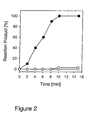
- pAp is a more potent inhibitor of Orn than its known inhibitor AMP.
- the sequential appearance of reaction products of different chain length ( Figure 5, B ) is in agreement with previous data (Datta & Niyogi, 1975) and the proposed processive reaction mechanism of oligoribonuclease.
- the preferential appearance of oligo-4mers in the presence of pAp points to possible effects of this nucleotide on enzyme processivity.
- EXAMPLE 2 Identification of pAp- binding polypeptides in human cells
- Cytoplasmic extracts of HeLa cells were dialyzed against pAp-binding buffer and concentrated (10-fold) before binding experiments were performed in a similar way as described for bacterial extracts.
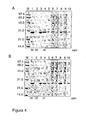
- Figure 6 shows the presence of three major proteins that bind specifically to pAp. Identification of bands number 2 and number 3 by LC/MS-MS revealed nucleoside diphosphate kinase (Ndk) with an overall score of 158, and 4 peptides covering 16% of the total mass for the lowest band (number 1) and an overall score of 280, 6 peptides covering 35% of the total mass for band number 2.
- Ndk nucleoside diphosphate kinase
- band number 1 The peptides identified for band number 1 were, TFIAIKPDGVQR, PDGVQR, which is contained in peptide 1 and the result of a more complete trypsin digestion, GDFCIQVGR, and GLVEIIK.
- Band number 2 was identified by the following peptides: DRPFFAGLVK, FMQASEDLLK, GDFCIQVGR, GLVEIIK, NIIHCSDSVESAEK, and TFIAIKPDGVQR. Ndk exists in different isoforms and different functions have been reported for individual isoforms.
- Ndk was reported to be inhibited by 3'-phosphorylated nucleotides, in particular by pAp and PAPS (Schneider et al, 1998).
- a downstream target of pAp accumulation is conserved between E. coli and humans: Sfn.
- Sfn small fragment nuclease
- Sfn is the human homologue of E. coli Orn and shares a high degree of similarity (50%) with its bacterial counterpart (Koonin, 1997).
- Sfn and Orn belong to a large family of 3'-5' exonucleases that are characterized by three ancient conserved exonuclease motifs (exo I, II, and III) (Bemad et al, 1989; Koonin & Irishr, 1993).
- Orn Sfn specifically degrades short oligoribonucleotides of ⁇ 5 nucleotides in length.
- Sfn was shown to be active on small DNA-oligos (Nguyen et al, 2000). The inventors have demonstrated the role of Sfn in cellular nucleotide recycling. The inventors' recognition of Sfn as pAp-binding polypeptide demonstrates that, besides pAp phosphatase, at least one target of pAp and/or pAp-accumulation is conserved between E. coli and humans.
- Figure 7 showing the human proteins binding to pAp-agarose, indicates in the nuclear extract the presence of a polypeptide named PARP.
- Sfn was shown to be active on RNA as well as DNA oligo 2-5mers.
- the term nanoRNA has been intoduced to describe these extremely short RNA oligos.
- the Inventors have purified His-tagged Sfn in order to evaluate its sensitivity to pAp in-vitro. Inhibition of Sfn-catalyzed degradation of nanoRNA was tested at two concentrations of the inhibitor, 20 and 50 ⁇ M. Significant inhibition could be seen in the presence of 20 ⁇ M pAp, and increasing inhibition was observed at 50 ⁇ M ( Figure 9 ) (Mechold et al., 2006).
Landscapes
- Chemical & Material Sciences (AREA)
- Organic Chemistry (AREA)
- Life Sciences & Earth Sciences (AREA)
- Zoology (AREA)
- Wood Science & Technology (AREA)
- Proteomics, Peptides & Aminoacids (AREA)
- Health & Medical Sciences (AREA)
- Engineering & Computer Science (AREA)
- Microbiology (AREA)
- Biochemistry (AREA)
- Physics & Mathematics (AREA)
- Molecular Biology (AREA)
- Biotechnology (AREA)
- Biophysics (AREA)
- Analytical Chemistry (AREA)
- Immunology (AREA)
- Bioinformatics & Cheminformatics (AREA)
- General Engineering & Computer Science (AREA)
- General Health & Medical Sciences (AREA)
- Genetics & Genomics (AREA)
- Medicines That Contain Protein Lipid Enzymes And Other Medicines (AREA)
- Micro-Organisms Or Cultivation Processes Thereof (AREA)
- Enzymes And Modification Thereof (AREA)
Abstract
Description
- The present invention is directed to complexes formed with 3'-phosphoadenosine 5'-phosphate (pAp) metabolite, to the use of pAp or of a molecule which mimics pAp and to process of screening a molecule as a candidate drug for the treatment of diseases, where modulation of at least one of the metabolic activities modulated by pAp is needed, such as bipolar disorder or related diseases.
- Mental disorders encompass a wide range of central nervous system disorders. Mental disorders include, e.g., mood disorders, psychotic disorders, anxiety disorders, childhood disorders, eating disorders and personality disorders, all these terms being defined according to the DSM-IV classification (Diagnosis and Statistical Manual of Mental Disorders, Fourth Edition, American Psychiatric Association, Washington D.C., 1994). Mood Disorders encompass bipolar 1 disorder (mania with or without major depression), bipolar 11 disorder (hypomania with major depression), cyclothymic disorder (numerous brief episodes of hypomania and minor depression), dysthymic disorder (prolonged minor depression without mania/hypomania) and major depressive disorder (major depression without mania).
- Bipolar disorders are relatively common disorders, occurring in about 1.3% of the population, and have been reported to constitute about half of the mood disorders seen in psychiatric clinics with severe and potentially disabling effects. Bipolar disorders have been found to vary with gender depending of the type of disorder; for example,
bipolar disorder 1 is found equally among men and women, while bipolar disorder 11 is reportedly more common in women. The age of onset of bipolar disorders is typically in the teenage years and diagnosis is typically made in the patient's early twenties. Bipolar disorders also occur among the elderly, generally as a result of a neurological disorder of other medical conditions. In addition to the severe effects on patients' social development, suicide completion rates among bipolar patients are reported to be about 15%. - Bipolar disorders are characterized by phases of excitement and often depression; the excitement phases, referred to as mania or hypomania, and depressive phases can alternate or occur in various admixture, and can occur to different degrees of severity and over varying duration. Since bipolar disorders can exist in different forms and display different symptoms, the classification of bipolar disorder has been the subject of extensive studies resulting in the definition of bipolar disorder subtype and widening of the overall concept to include patients previously thought to be suffering from different disorders.
- Bipolar disorders often share certain clinical signs, symptoms, treatments and neurobiological features with psychotic illnesses in general and therefore present a challenge to the psychiatrist to make an accurate diagnosis. Furthermore, because the course of bipolar disorders and various moods and psychotic disorders can differ greatly, it is critical to characterize the illness as early as possible in order to offer means to manage the illness over a long term.
- The mania association with the disease impairs performance and causes psychosis, and often results in hospitalization. The disease places a heavy burden on the patient's family and relatives, both in terms of the direct and indirect costs involved and the social stigma associated with the illness, sometimes over generations. Such stigma often leads to isolation and neglect. Furthermore, the earlier the onset, the more severe are the effects on interrupted education and social development.
- Depressive episodes may be treated like depression. However, most antidepressants can cause swings from depression to hypomania or mania and sometimes cause rapid cycling between them. Therefore, these drugs are used for only short periods, and their effect on mood is closely monitored. At the first sign of a swing to hypomania or mania, the antidepressant is stopped. Most people with manic-depressive disorder are given drugs with a mood-stabilizing effect such as lithium, carbamazepine and divalproex.
- Lithium has no effect on normal mood but reduces the tendency toward mood swings in about 70% of the people with manic-depressive illness: A doctor monitors the level of lithium in the blood with blood tests. Possible adverse effects of lithium include tremor, muscle twitching, nausea, vomiting, diarrhea, thirst, excessive urination, and weight gain.
- Lithium can make acne or psoriasis worse, can cause the blood levels of thyroid hormone to fall, and rarely can cause excessive urination. A very high level of lithium in the blood can cause a persistent headache, mental confusion, drowsiness, seizures, and abnormal heart rhythms. Adverse effects are more likely to occur in the elderly. Women who are trying to become pregnant must stop taking lithium, because lithium may cause heart defects in a developing fetus.
- Newer drug treatments have evolved over the past several years. These include the carbamazepine and divalproex. However, carbamazepine can seriously reduce the number of red and white blood cells, and divalproex can cause liver damage (primarily in children).
- Since lithium is known to be toxic and that it is difficult to follow the treatment, and since other treatments have side effects and act only against the symptoms of the disease as well, there is a strong need for new molecules without associated side effects that are specifically directed against the targets which are involved in the mechanisms of treatment, including prevention, of bipolar disorder. Therefore, the inventors have identified new complexes of molecules involved in the lithium metabolic effect providing targets involved in treatment, including prevention, of bipolar disorder. Those new targets allow screening for new drugs efficient in treatment, including prevention, of bipolar disorder, or treatment, including prevention, of side effects linked to lithium administration.
- Therefore, a first aspect of the present invention is directed to a complex formed between the 3'-phosphoadenosine 5'-phosphate (pAp) and a polypeptide in human cells.
- In a preferred embodiment, the polypeptide is the Poly (ADP-ribose) Polymerase (PARP).
- In another preferred embodiment, the polypeptide is the Small fragment nuclease (Sfn).
- In still another preferred embodiment, the complex is a purified complex.
- A second aspect of the present invention is directed to the use of a molecule which modulates the formation of the pAp-PARP complex according to or pAp-Sfn complex according to the first aspect of the invention, for the manufacture of a medicament for preventing or treating bipolar disorders and/or side effects linked to lithium administration.
- A third aspect of the present invention is directed to a process for screening a molecule which modulates or mimics at least one effect of lithium in human, said process comprising:
- a) incubating a polypeptide which complexes with pAp in human cells with said molecule,
- b) measuring the activity of said polypeptide,
- In a preferred embodiment, the process for screening a molecule mimics at least one effect of lithium in human, and said process comprises:
- a) incubating a polypeptide which complexes with pAp in human cells with said molecule,
- b) measuring the activity of said polypeptide,
- In another preferred embodiment, the process for screening a molecule modulates at least one effect of lithium in human, and said process comprises:
- a) incubating a polypeptide which complexes with pAp in human cells with said molecule in the presence of pAp in the cell,
- b) measuring the activity of said polypeptide,
- In still other preferred embodiments :
- the presence of Pap in the cell derived from the presence of lithium,
- said polypeptide is PARP,
- said effect of lithium in human is degradation of RNA-oligos and/or DNA-oligos,
- said polypeptide is Sfn,
- said effect of lithium in human is modulation of DNA repair.
- the molecule is a candidate drug for the treatment of bipolar disorder.
- A fourth aspect of the present intention is directed to the use of a molecule screened in the process according to the third aspect of the invention as a medicament.
- In a preferred embodiment, the molecule is used for the manufacture of a medicament for treatment of bipolar disorder.
- A fifth aspect of the present invention relates to the use of pAp or of a molecule which mimics pAp for modulating DNA repair and/or for degrading RNA-oligos and/or DNA-oligos.
- In a preferred embodiment, the use is for the manufacture of a medicament for preventing or treating diseases where a modulation of PARP activity is needed, such as cancer, cell necrosis, inflammation, neurodegenerative diseases or tissue injury.
- In other preferred embodiments, in the use:
- PARP activity is inhibited,
- Sfn activity is modulated, and
- the manufacture of a medicament is for preventing or treating bipolar disorders and/or side effects linked to lithium administration
- Further, a sixth aspect of the present invention pertains to a downstream target polypeptide of pAp in human cells for use as a medicament.
- In a seventh aspect, the present invention relates to the use of the downstream target polypeptide of pAp according to the sixth aspect of the invention for the manufacture of a medicament for treating bipolar disorder.
- In a preferred embodiment, the downstream target polypeptide of pAp is selected from Sfn and PARP.
- A further aspect of the invention is the downstream target polypeptide of pAp in human cells for use as a medicament, wherein the downstream target polypeptide is selected from Sfn and PARP.
- Another aspect of the invention is the use of a downstream target polypeptide of pAp for the manufacture of a medicament for treating and/or preventing bipolar disorder in a subject, wherein the downstream target polypeptide is selected from Sfn and PARP.
- In the present invention, the term "complex" means that a polypeptide binds to pAp with high specificity and therefore forms a complex where pAp can modulate, including inhibit or activate, the metabolic activity of the polypeptide.
- The term "purified" requires that the material be removed from its original environment (e.g., the natural environment). For example, a naturally-occurring protein present in a living animal is not isolated, but the same protein, separated from some or all of the coexisting materials in the natural system, is isolated. It means that the indicated complex (formed from pAp and a polypeptide according to the first aspect of the present invention) is present in the substantial absence of other biological macromolecules of the same type. The "purified" as used herein preferably means at least 75% by weignt, more preferably at least 85% by weight, more preferably still at least 95% by weight, and most preferably at least 98% by weight, of biological macromolecules of the same type present (but water, buffers, and other small molecules, especially molecules having a molecular weight of less than 1000, can be present).
- The term "polypeptide" refers to a polymer of amino acids without regard to the length of the polymer. Thus, peptides, oligopeptides and proteins are included within the definition of polypeptide. This term also does not exclude post-expression modifications of polypeptides, for example, polypeptides which include the covalent attachment of glycosyl groups, acetyl groups, methyl groups, phosphate groups and the like are expressly encompassed by the term polypeptide. Also included within the definition are polypeptides which contain one or more analogs of amino acid (including, for example, non-naturally occurring amino acids, amino acids which only occur naturally in an unrealated biological system, modified amino acids from mammalian systems etc.), polypeptides with substituted linkages, as well as other modifications known in the art, both naturally occurring and non-naturally occurring.
- The term "treatment" as used herein means to ameliorate, alleviate symptoms, eliminate the causation of the symptoms either on a temporary or permanent basis, or to prevent or slow the appearance of symptoms of the name disorder or condition.
- The term "bipolar disorder" as used herein refers to a condition characterized as a Bipolar Disorder in the DSM-IV. Bipolar disorder may be bipolar 1 and bipolar 11 as described in the DSM-IV. The term further includes cyclothimic disorder. Cyclothimic disorder refers to an alternation of depressive symptoms and hypomanic symptoms. The skill person in the art will recognize that there are alternative nomenclatures, posologies, and classification systems for pathologic psychological conditions and that these systems evolve with medical scientific progress.
- In the present invention, the term "downstream target polypeptide of pAp" means specifically polypeptide which binds downstream from pAp, and which has pAp as a substrate or that is positively or negatively regulated by pAp.
- As used herein, "an effect of lithium" is the modulation of the metabolic activity of a downstream target of pAp. Preferably, an effect of lithium is the modulation of PARP or of Sfn activity.
- As used herein, "a molecule which modulates at least one effect of the lithium" is a molecule which modulates, either positively or negatively, the metabolic activity of a downstream target of pAp, or the modulation of the metabolic activity of a downstream target of pAp. The modulation of an effect of the lithium can be, for example, an activation of a downstream target of pAp, an inhibition of a downstream target of pAp, and increase of the activation of a downstream target of pAp, a decrease of the activation of a downstream target of pAp, a decrease of the inhibition of a downstream target of pAp or an increase of the inhibition of a downstream target of pAp. Said modulation of one effect of the lithium is defined with comparison with either the metabolic activity of a downstream target of pAp in a cell or the modulation of the metabolic activity of a downstream target of pAp in a cell in the presence of lithium.
- The beneficiary effect of lithium on patients with bipolar disorder was described for the first time more than 50 years ago (Cade, 1949). Efforts to identify targets of lithium concentrated to a large extent on its action on glycogen synthase kinase (GSK)-3 (Klein & Melton, 1996; Stambolic et al, 1996) and inositol monophosphatase (Berridge et al, 1989; Hallcher & Sherman, 1980). Those and other hypotheses are reviewed (Quiroz et al, 2004; Shaldubina et al, 2001).
- While the basic building blocks of the cell are usually considered when studying intermediary metabolism, some are overlooked. 3'-phosphoadenosine 5'-phosphate (pAp) in the metabolism of sulfur is a case in point. It is a ubiquitous 3'-phosphorylated nucleotide derived from sulfur assimilation. pAp is generated from phosphoadenosine 5'-phosphosulfate (PAPS), an intermediate step in sulfate assimilation, by two different mechanisms, as a by-product of either: I) sulfonation reactions, or II) reduction to sulfite. Sulfonation, catalyzed by numerous sulfotransferases is the transfer of sulfate to a large number of acceptor molecules that play important roles in mammalian cells; in addition to its effects on structure and function of macromolecules, sulfonation is also involved in deactivation and bioactivation of hormones, neurotransmitters, xenobiotics, and elimination of end products of catabolism (Falany, 1991; Schneider et al, 1998; Weinshilboum & Aksoy, 1994; Weinshilboum, 1986). Reduction of PAPS to sulfite is part of the pathway that leads to the biosynthesis of cysteine and methionine in microorganisms, a pathway that is absent in humans. It is catalyzed by PAPS reductase with liberation of pAp in the cell. Furthermore, and independent from sulfur metabolism, pAp is also generated from coenzyme A during the transfer of the 4-phosphopantetheine group to acyl carrier protein (ACP) in fatty acid synthesis or to secondary metabolites such as peptide antibiotics, surfactin or polyketides (Reuter et al, 1999).
- pAp needs to be recycled to AMP, which is accomplished by a 3'-nucleotidase. The question arises whether this nucleotide is solely a metabolic intermediate or whether it has regulatory function as well. pAp is known to act as competitive inhibitor of enzymes that use PAPS, mainly PAPS reductase and sulfotransferases (Klaassen & Boles, 1997); however, other targets could also exist. The importance of the search for pAp targets is attested by the fact that the enzymes degrading pAp belong to a structurally conserved protein family that is uniquely inhibited by lithium (York et al, 1995).
- In the present invention, the inventors have focused on lithium's action on members of a structurally conserved family of metal dependent phosphomonoesterases that include inositol monophosphatase (York et al, 1995) and more particular on pAp phosphatase.
- The invention shows that at least one indirect target of lithium treatment is remarkably evolutionary conserved, suggesting that the role of pAp is probably more important than previously suspected.
- The inventors have investigated regulatory downstream target polypeptides binding to pAp, starting from the model bacterium Escherichia coli.
- PAp-accumulation due to the inhibition of pAp-phosphatase could explain some of the effect of lithium treatment. The inventors have therefore started a systematic search for regulatory targets of this 3'-phosphorylated nucleotide. The approach of the inventors was to identify polypeptides binding to pAp by affinity chromatography. They expected to find polypeptides that have pAp as a substrate or polypeptides that are regulated by pAp, in order to get regulatory downstream target polypeptides of pAp, to form complex with pAp. With CysQ, the inventors have found a protein that uses pAp as substrate and cleaves the 3' phosphate, leaving AMP as a metabolite directly recycled in metabolism by adenylate kinase (Spiegelberg et al., 1999). The inventors demonstrate that CysQ, like other members of a structurally conserved protein family, is highly sensitive to lithium and calcium in vitro. Furthermore, CysQ is not inhibited by physiological concentration of sodium (200mM) like mammalian pAp-phosphatases rat BPNT1 (Lopez-Coronado et al, 1999) and human BPNT1 (Yenush et al, 2000) and two out of three homologous proteins in Arapidopsis (At-Sal1 and At-Sal2) (Gil-Mascarell et al, 1999) and unlike the yeast proteins Met22/Ha12P (Murguia et al, 1996) and Tol1 (Miyamoto et al, 2000) and At-AHL (Gil-Mascarell et al, 1999).
- The inventors have found that CysQ is a main target of lithium-toxicity in E. coli as overexpression of this protein can almost completely rescue the growth defect observed when bacterial cells are treated with LiCl.
- The inventors' search for pAp-binding proteins in E. coli has also revealed an exonuclease, Orn, the activity of which is directed from 3' to 5'. This oligoribonuclease binds tightly to pAp and is inhibited by micromolar amounts of pAp in vitro. Remarkably, when using HeLa cell extract, the inventors have found the human homologue of Orn, Sfn to bind to pAp-agarose. Both proteins were shown to degrade distinctively small oligoribonucleotides shorter than 5 nucleotides in vitro. Orn is the only E. coli exoribonuclease that is able to degrade small oligoribonucleotides (Yu & Deutscher, 1995), and short oligoribonucleotides (2-5 nucleotides) were shown to accumulate under circumstances of a conditional knockout (Ghosh & Deutscher, 1999). It is encoded by an essential gene, which is unusual for E.coli exoribonucleases. Ghosh and Deutscher consider three different explanations why the absence of Orn activity leads to cessation of growth: 1) depletion of the cells' mononucleotide pool, 2) inhibition of certain enzymes of essential metabolic processes by accumulated oligoribonucleotides, or 3) a yet unknown function of Orn that is essential. In this respect, it is interesting that Orn activity was shown to display some degree of sequence specificity (Datta & Niyogi, 1975), and therefore, its function could be targeted to a more specific set of short oligoribonucleotides. The role of small RNAs, microRNAs and siRNAs in the regulation of gene expression is increasingly recognized and has seen enormous advances in the last decade. It is conceivable that short oligos could interfere with the metabolism of those small RNAs by means of hybridyzation and thereby contribute to changes in gene expression. It is introduced the term nanoRNAs in the present invention to distinguish them from the longer microRNAs.
- In the present invention, "RNA-oligos" means short RNA-oligos such as nano-RNA.
- The human Orn homologue (Sfn) (Nguyen et al., 2000) was similarly identified as pAp-target with extracts from HeLa cells pointing to conservation of at least one indirect lithium target from prokaryotes to mammals. Sfn and Orn share a high degree of similarity (50% identity) and have conserved function. As Orn, Sfn specifically degrades short oligoribonucleotides of ≤ 5 nucleotides in length.
- Sfn was shown to degrade small DNA-oligos in addition to oligoribonucleotides (Nguyen et al, 2000). These short DNA-oligos could emerge from DNA repair and recombination and indeed it was shown that Sfn plays a role in resistance to UV-C (Ito et al, 2004). Both Orn and Sfn belong to the 3'-5' exonuclease superfamily, which includes proofreading domains of all known DNA-dependent DNA polymerases (Koonin, 1997), therefore Orn could degrade short DNA oligos as well, a possibility that was never tested when this enzyme was characterized as a ribonuclease, only double stranded T7 DNA was used as a DNA substrate (Niyogi & Datta, 1975). The inventors therefore tested the bacterial Orn for activity on oligo-DNA (5 nucleotides) and found that like Sfn, Orn is able to degrade DNA.
- Another polypeptide the inventors have found to bind to pAp is nucleoside diphosphate kinase (Ndk). The inhibition of Ndk by 3'-phosphorylated nucleotides, in particular pAp and PAPS was already reported (Schneider et al, 1998). Thus the inventors' finding of Ndk in the pAp-binding fraction validates the method and supports the physiological significance of this inhibition. In addition to maintenance of (d)NTP levels, Ndks were suggested to have other important metabolic functions in processes such as signal transduction (Bominaar et al, 1993) and developmental control (Biggs et al, 1990).
- In humans there exist eight different and widely expressed Ndks, called NM23-H1 to NM23-H8 some of which play a critical role in development (Lacombe et al, 2000; Lombardi et al, 2000; Postel et al, 2000b; Venturelli et al, 1995). Nm23-H1 and H2, the human Ndks identified in the screen for pAp-binding proteins of the present invention, are the most abundant and closely related (88% identity) isoforms. The two Ndk homologues were shown to act as suppressor of tumor metastasis but also to function in tumorogenesis, (Hartsough & Steeg, 2000; Postel, 1998). NM23-H2 binds specifically to the promoter of the c-myc oncogene and activates its transcription (Postel et al, 1993). This activation involves structural rearrangements through cleavage of a nuclease hypersensitive region (NHE) (Postel, 1999). Of interest for pAp-inhibitory effect is the fact that the residue required for this cleavage reaction,
Lys 12, lies in the catalytic pocket involved in the nucleoside diphosphate (NDP) kinase phosphorylation reaction (Postel et al, 2000a). pAp binds to Ndk at the same site as the physiological substrates (d)NTP or (d)NDP without disturbing the confirmation of the active site in an inverted position where the 3' phosphate occupies the space the γ-phosphate of ATP would reside in (Schneider et al, 1998) close to the catalytic histidine. ATP but not ADP was shown to inhibit the cleavage reaction with 50% inhibition at 0.5mM (Postel et al, 2002). Considering the fact that it is specifically the γ-phosphate and the adenine base that inhibits the cleavage and not ATP hydrolysis or phosphorylation of the catalytic histidine, the inventors predict that pAp will inhibit not only NDP kinase activity but also DNA cleavage required for transcription activation of c-myc as well as repair (Postel & Abramczyk, 2003). This is the more likely as pAp makes polar interactions with Lys12 (Schneider et al, 1998) required for cleavage. A most interesting feature of this remarkably conserved role is that it links sulfur metabolism to completely unexpected targets. - A third polypeptide the inventors have found is PARP. PARP was implicated in the pathogenesis of several important diseases, such as stroke, myocardial infarction, diabetes, shock, neurodegenerative disorders, allergies and inflammatory processes. PARP-inhibitors are therefore of pharmacological interest (Jagtap et al., 2005). Inhibitors of PARP can be used for the prevention or treatment of cancer, cell necrosis like in stroke or myocardial infarction, inflammation and tissue injury, for example. PARP is activated by DNA damage and uses NAD+ to modify a variety of proteins post-translationally adding a poly ADP-ribose tail that can be up to 200 residues and branched. This modification changes the activity of the acceptor protein and leads to changes in DNA replication, transcription and repair. Under conditions of mild DNA damage, PARP activity helps to recruit the repair machinery leading to successful repair and increased cell survival. However, overactivation of PARP leads to depletion of ATP and NAD and subsequently to necrotic cell death. As lithium was shown to have neuroprotective effects, as were inhibitors of PARP (Cimarosti et al. (2201), Skaper et al. (2003, October and May)), the effects of pAp on PARP activity might explain the neuroprotective effects of lithium.
- The method of identifying pAp-binding polypeptides is not exhaustive and the inventors expect it to be restrictive to proteins with higher expression levels. The knowledge of pAp-targets improves the molecular understanding of the multivarious therapeutical and toxical effects of lithium and leads to more directed pharmacological approaches. The present invention suggests the existence of a network of polypeptides that are controlled by pAp and/or pAp levels, a network that exists independent and in addition to the better explored glycogen synthase-3 (GSK-3), and protein kinase C networks (Lenox & Wang, 2003), and a network that contributes significantly in the mechanisms of lithium action.
- The figures of the present invention show the results of the different examples hereafter described.
-
Figure 1 : pAp binding proteins from E. coli. Shown is colloidal coomassie stained SDS-PAA gel separating the pAp binding fraction of E.coli extract. M: marker, lane 1: control, lane 2: pAp-binding fraction. -
Figure 2 : Inhibition of recombinant CysQ by lithium (1mM) and calcium (2mM). Black circles: no inhibitor; gray circles: LiCl; white squares: CaCl2. -
Figure 3 : Lithium induced growth inhibition in E. coli MG1655 containing pBAD18 (vector control) or pUM404 (arabinose-inducible cysQ). Strains were grown on MOPS-minimal plates containing all amino acids but cysteine and methionine, 0.4% glycerol, and 0.0002% arabinose. -
Figure 4 : Preferential binding of Orn to pAp as compared to AMP. M: marker. A: recombinant CysQ and B: recombinant Orn; lanes 1: purified enzyme-input; lanes 2: flow through pAp agarose; lanes 3: eluate pAp-agarose; lanes 4: flow through AMP-agarose; lane 5: eluate AMP-agarose; lanes 6: bacterial cell extracts of strains overexpressing CysQ or Orn, respectively; lanes 7: flow through of bacterial extracts on pAp-agarose; lanes 8: eluate of bacterial extracts on pAp-agarose; lanes 9: flow through of bacterial extracts on AMP-agarose; lanes 10: eluate of bacterial extracts on AMP-agarose. Amounts loaded are 1 µl forlanes -
Figure 5 : pAp is a stronger inhibitor of Orn activity as compared to AMP. A: SDS-PAA gel electrophoresis for the separation of reaction products. B: quantification of data shown in A. closed circle: 5mer, open circle: 4mer, closed triangle: 3mer, open triangle: 2mer, square: 1mer. -
Figure 6 : pAp binding proteins from humans. Shown is colloidal coomassie stained SDS-PAA gel separating the pAp binding fraction of HeLa cytoplasmic extract. M: marker, lane 1: control, lane 2: pAp-binding fraction. -
Figure 7 : human proteins binding to pAp-agarose. -
Figure 8 : changed pattern of ADP-rybosylation in HEK293 cells treated with LiCl. -
Figure 9 : Sensitivity of Sfn-catalyzed degradation of oligo RNA to pAp. Shown is the quantification of the distribution of reaction products that were separated on 22% PAA gels. Reactions included 0.5µg Sfn and 3µM of RNA oligo 5mer (5'Cy5-CCCCC3'). Reactions were started by the addition of enzyme. 20µM or 50µM pAp was present where indicated. Closed circle: 5mer, open circle: 4mer, closed triangle: 3mer, open triangle: 2mer, square: 1mer. -
Figure 10 : Sensitivity of Sfn-catalyzed degradation of oligo DNA to pAp. Shown is the quantification of the distribution of reaction products that were separated on 22% PAA gels. Reactions included 3µg Sfn and 3µM of DNA oligo 5mer (5'Cy5-CCCCC3'). Reactions were started by the addition of enzyme. 50µM pAp was present where indicated. Closed circle: 5mer, open circle: 4mer, closed triangle: 3mer, open triangle: 2mer. Monomers could not be included into this calculation due to their inability to enter the gel. - The sequence listing herein enclosed shows the peptides found in
figure 6 presented in example 2. - The following examples illustrate the present invention but are not limiting the scope of the present invention.
- E. coli strains were grown at 30 °C in MOPS minimal medium (Neidhardt et al, 1974) containing 40 µg/ml of amino acids as indicated, K-phosphate at 2mM, vitamin B1 at 0.0005%, glycerol at 0.4%, glucose or arabinose as indicated. Ampicillin (100 µg/ml) was added for plasmid maintenance. CC118 is disclosed in Manoil & Beckwith, 1985. All experiments were performed in accordance with the European regulation requirements concerning the use of Genetically Modified Organisms (
level 1 containment, agreement n°2735). - CysQ was cloned under control of the arabinose-inducible promoter Para by replacing the NheI/XhoI fragment coding for RelSeq 1-224 from pUM131 by a PCR fragment containing the open reading frame for cysQ, amplified from MG1655 chromosomal DNA using primer UM133 and UM131. Orn was cloned likewise using primer UM143 and UM139. Chromosomal DNA for use as PCR template was prepared using FTA cards (Whatman).
- The microorganism E. coli MG1655 containing cysQ gene referenced pUM404 has been deposited on September 14, 2005 in the Collection Nationale de Cultures de Microorganismes under number I-3497.
- The microorganism E. coli MG1655 containing Orn gene referenced pUM408 has been deposited on September 14, 2005 in the Collection Nationale de Cultures de Microorganismes under number I-3498.
- CysQ and Orn were purified from 100ml cultures of MG1655 carrying the appropriate plasmid, grown at 30 °C to an A600 between 0.7 and 0.9, and then induced for 3 hours with 0.2% arabinose. Cells were harvested and washed once with 50mM Na-phosphate, 300mM NaCl before freezing. Frozen pellets were resuspended in 1.5ml binding buffer (50mM Na-phosphate, 300mM NaCl, 10mM imidazole, 0.4mM PMSF) and lysed by incubation on ice for 30 minutes with 130 µg/ml lysozyme followed by sonication. After removal of cell debris by centrifugation at 14,000 rpm for 30 minutes, proteins were batch purified on 500µl Ni-agarose (Quiagen) according to the instructions of the supplier. Wash buffer contained 20 mM imidazole. Elution was done using four aliquots of 500 µl of elution buffer (same as binding buffer, but containing 250 mM imidazole). The most pure fraction was identified by SDS-PAA gel electrophoresis, dialyzed against 50mM HEPES pH7.5, 100mM NaCl and kept on ice for storage.
- Cyanogen bromide activated agarose beads (Sigma-Aldrich) were blocked with 0.2 M glycine according to the instructions of the supplier and stored at 4 °C in 1M NaCl containing 0.02% sodium azide. AMP- and pAp-agarose (Sigma-Aldrich) was stored likewise after swelling and washing in H2O as indicated in the protocol of the manufacturer. Before use, agarose beads were washed 3 times with at least 10 volumes of pAp-agarose buffer (as in (Spiegelberg et al, 1999): 50 mM HEPES pH7.5, 10mM CaCl2, 50 mM KCI). 200ml cultures of CC118 were grown at 30°C to an A600 between 0.7 and 0.8 in MOPS minimal medium containing all amino acids but cysteine and methionine and 2% glucose, harvested and washed once in 50mM Na-phosphate, 300mM NaCl before freezing. Frozen pellets were resuspended in 2 ml pAp-agarose buffer containing 0.4 mM PMSF and lysed as described above. Debris-free cellular extract was added to 200 µl blocked agarose beads and rotated for 2h at 4 °C to clear the extract from proteins binding non-specifically to agarose. Supernatant was divided equally and added to 50 µl of washed pAp-agarose (pAp-binding fraction) or blocked agarose beads (control). After rotation at 4 °C for 1h30 minutes, the beads were washed extensively (10 times 800 µl) with pAp-agarose wash buffer (as pAp-agarose buffer but 0.5M Nacl), and washed once with pAp-agarose buffer to remove excessive salt. Elution was done by adding 75 µl of hot SDS-sample buffer, and incubation at 65 degrees for 15 minutes. Beads were removed by centrifugation, and 20 µl of each sample was analyzed by Gel-electrophoresis on 12% SDS-PAA gels. Bands corresponding to proteins binding specifically to pAp were localized by staining with Bio-Safe colloidal coomassie (Bio-Rad), cut out and digested in-gel by trypsin after reduction and alkylation according to standard protocols and analysed by nano-HPLC (LC Packing) directly coupled to an ion trap mass spectrometer (ThermoFinnigan LCQ Deca XP) equipped with a nanoelectrospray source (LC-MS/MS). Database searches and evaluation of the results was done using the Bioworks 3.1 software. Overall scores were obtained using a multiple threshold filter for individual peptides: 1.5 for one charge, 2 for doubly charged, 2.5 for triply charged ions.
- For pAp-binding experiments with human cells, HeLa cells were grown in spinner flasks in DMEM including 7% of FBS. 100 million cells were used to prepare cytoplasmic extract according to Dignam (Dignam et al, 1983).
- Custome made RNA-oligo 5mers (5'Cy5-CCCCC3'), obtained from Proligo, were used as substrate for in vitro activity assays. 30 µl reactions containing 50mM HEPES pH7.5, 5mM MnCl2, 3µM substrate RNA and 0.1µg oligoribonuclease were incubated at 37°C, and reactions were initiated by adding substrate. Inhibitors were added as indicated in the text. At intervals, 5 µl reaction aliquots were taken and stopped by adding an equal volume of sample buffer (95% formamide, 20mM EDTA, 0.1% bromphenol blue) and frozen at - 20°C. For analysis of the reaction products, samples were heated at 80°C for 3 minutes and 2.5 µl was applied to PAGE on a 22% SDS-PAA gel containing 2xTBE and run in 2xTBE. Fluorescent RNA oligos were visualized using a Molecular Dynamics STORM 860 in 650-nm long-pass filter mode.
- CysQ activity was tested in 30 µl reactions containing 50mM HEPES pH7.5, 50mM KCI, 200mM NaCl, 2mM MgCl2, 5.5mM pAp at 37°C, reactions were started by the addition of 0.5 µg CysQ. Inhibitors were added as indicated. At intervals, 4.5 µl samples were mixed with 0.5 µl 100mM EDTA, and resolved by polyethyleneimine (PEI) thin-layer chromatography with 0.8M LiCl as solvent. Authentic AMP and pAp were used as migration standards. Accumulation of reaction products was estimated after visualization by UV.
- 30 µl samples containing 15µg of Om-His or CysQ-His in pAp-agarose buffer containing 100mM NaCl were incubated with 5µl of prewashed pAp- or AMP-agarose by rotating for 1 hour at 4°C in durapore spin columns (Millipore). Beads were removed by centrifugation, and 5µl of the unbound fraction, designated flow through was measured for protein content using Bio-Rad protein assay. The fraction bound to the beads was eluted by the addition of 40µl of hot SDS-sample buffer and incubation for 15 minutes at 65°C. Similarily, 60 µl of cell-free extracts of MG1655 overexpressing CysQ (pUM404) or Orn (pUM408) obtained as described under protein purification and dialyzed against pAp-agarose buffer containing 100mM NaCl were used for comparable binding experiments.
-
Table I: Strains, plasmids, and primers. strains MG1655 E. coli K-12, wildtype (Bachmann, 1996) CC118 [D(ara-leu)7697 araD139 DlacX74 galE galK DphoA20 thi-1 rpsE rpoB argE(Am) recA1] (Manoil & Beckwith, 1985) plasmids pBAD18 vector, BAD po; pBR replicon; ApR (Guzman et al, 1995) pUM404 as pBAD18, CysQ; C-terminal His tag CNCM I-3497 pUM408 as pBAD18, Orn; C-terminal His tag CNCM 1-3498 primers UM131 5 'GGGGCTCGAGgtaaatagacactctgaaccccg3' UM133 5'GGGGCTAGCAAGAAGGAGATATACCatgttagatca agtatgccagcttgcac3' UM139 5'GAGAGGTCGACcagcttgataaaatgctcgcggtagt3' UM143 5'GGGGCTAGCAGGAGGAATTCACCatgagtgccaatg aaaacaacctgatttggat3' - As an approach to explore the regulatory function of pAp, the inventors chose the identification of proteins interacting with this nucleotide. Initial binding experiments using pAp-agarose as affinity matrix were done on extracts of E. coli CC 118. This strain harbors a deletion for alkaline phosphatase in order to prevent degradation of the affinity substrate. Three major protein bands became visible in the fraction of proteins binding specifically to pAp (
Figure 1 ). Analysis ofbands number - CysQ was identified with an overall score of 860 represented by 5 distinct peptides, covering 22.3% of the total mass of the protein. Orn was identified with an overall score of 768, eight peptides covering 42% of the total protein mass were identified.
- The inventors demonstrate that CysQ is a main target for lithium toxicity in E. coli. Like its homologue in yeast (Met22/Ha12p) (Murguia et al, 1995) and the mammalian counterparts (BPNT1) (Lopez-Coronado et al, 1999; Spiegelberg et al, 1999), CysQ was shown to degrade pAp to AMP (Spiegelberg et al, 1999). Recovery of CysQ validates the approach of the inventors, as it shows that cross linking to the matrix does not interfere with major features of pAp as a substrate for specific interactions.
- CysQ carries a conserved sequence motif, D(X)nEE(X)nDP(I/L)D(S/G/A)T(X)nWD(X)11GG required for metal ion coordination that places it into a larger family of magnesium-dependent phosphomonoesterases with otherwise low overall sequence similarity but a conserved three dimensional core structure (York et al., 1995). Members of this family are predicted to be highly sensitive to lithium, but this requires experimental substantiation. To test lithium sensitivity of CysQ, the his-tagged protein was purified to homogeneity. As expected, CysQ-catalyzed pAp hydrolysis requires Mg2+. Sensitivity to calcium was reported for pAp phosphatases. For this reason it has been included CaCl2 in the test.
Figure 2 shows complete inhibition of CysQ in the presence of either 1 mM LiCl or 2 mM CaCl2. Reactions were performed in the presence of 200 mM NaCl. Under these conditions CysQ activity was higher than in the absence of NaCl. Thus, sodium is not inhibitory at physiological concentrations and does not interfere with lithium. Importantly, this places CysQ in the class of sodium tolerant pAp phosphatases, together with mammalian pAp phosphatases rat BPNT1 (Lopez-Coronado et al, 1999) and human BPNT1 (Yenush et al, 2000) and two homologous proteins in Arabidopsis (At-Sal 1 and At-Sal2) (Gil-Mascarell et al, 1999), and contrasts it with the yeast proteins Met22/Ha12P (Murguia et al, 1996) and Tol1 (Miyamoto et al, 2000) and the third pAp-phosphatase in Arabidopsis, At-AHL (Gil-Mascarell et al, 1999). - Despite the enormous phylogenetic distance between E. coli and humans, sensitivity to low concentrations of LiCl makes CysQ a potential target for lithium-toxicity in E. coli in vivo. To test this hypothesis, the wild-type strain MG 1655 was grown in the presence of sulfate as sole sulfur source. Under these conditions, cysteine needs to be synthesized through the assimilation of sulfate, and pAp is produced as a by-product. Adding LiCl should inhibit pAp phosphatase and lead to an accumulation of pAp. It was observed a considerable inhibitory effect of lithium on cell growth. Differences in colony size were observed already after plating cells in the presence of 50 mM LiCl. Severe growth inhibition was observed at 100 mM LiCl (
Figure 3 , top). Importantly, this growth defect could be almost completely rescued by overexpression of CysQ (Figure 3 , bottom). The present invention therefore shows that CysQ is a main target for Li-toxicity under the conditions used. - As lithium-toxicity is caused mainly by accumulation of pAp, the question arises what are the downstream targets of pAp and/or pAp-accumulation. It is expected that targets should be found among the proteins binding to pAp. The inventors identified Orn as one of these proteins.
- Orn is an essential protein in E. coli involved in mRNA degradation. It has 3' to 5' exoribonuclease activity selectively active on short ribonucleotides. 5'adenosine monophosphate (AMP) is known to inhibit Orn (Datta & Niyogi, 1975). It was therefore important to compare binding of Orn to AMP and pAp. To this end recombinant Orn has been purified and its binding was measured to equal amounts of pAp- or AMP-agarose, both affinity substrates with identical binding capacities, CysQ was included as a positive control. Similar experiments were done with cell free extracts from strains overexpressing Orn or CysQ. As seen in
Figure 4 , both recombinant Orn and CysQ interact strongly with pAp, 15 µg of protein binding almost quantitatively to 5µl of pAp-agarose. Furthermore, significant amounts of Orn, roughly one third, but not CysQ bind to AMP-agarose. This preferential binding of Orn to pAp over AMP held true in the presence of competing proteins when cellular extracts of cultures overexpressing Orn were used for binding experiments. Moreover, the use of pAp affinity chromatography appears to be an effective purification step of both Orn or CysQ from extracts of cells overexpressing these proteins. - Given the strong affinity of Orn for pAp, it was investigated whether pAp affects Orn activity. Orn was shown to be most active on single-stranded RNA oligonucleotides of ≤5 nucleotides in length. Those small RNA-oligos are called here nanoRNAs, in order to distinguish them from microRNAs, which have become a subject of extensive studies in the last several years. RNA-oligo 5-mers (5'-CCCCC-3') labeled at their 5'-phosphate end with the sulfoindocyanine succinimidyl ester cyanine 5 (Cy5) were therefore used as substrate for in vitro assays with purified recombinant Orn. Separating reaction products on a 22% SDS-Polyacrylamide (PAA) gel, it was observed a reverse migration phenomenon (
Figure 5 ). This effect can be accounted for by the fact that cyanine dyes have a lower net negative charge than nucleic acids: thus, removing nucleotides will reduce the charge relative to the mass of the oligonucleotide and cause it to shift up instead of down. As could be expected from previous reports (Datta & Niyogi, 1975), AMP was inhibiting the degradation of nanoRNA at relatively low concentrations (10 µM,Figure 5 , middle). However, the effect of 10 µM pAp was significantly more pronounced (Figure 5 , right). The inventors concluded that pAp is a more potent inhibitor of Orn than its known inhibitor AMP. The sequential appearance of reaction products of different chain length (Figure 5, B ) is in agreement with previous data (Datta & Niyogi, 1975) and the proposed processive reaction mechanism of oligoribonuclease. The preferential appearance of oligo-4mers in the presence of pAp points to possible effects of this nucleotide on enzyme processivity. - Cytoplasmic extracts of HeLa cells were dialyzed against pAp-binding buffer and concentrated (10-fold) before binding experiments were performed in a similar way as described for bacterial extracts.
Figure 6 shows the presence of three major proteins that bind specifically to pAp. Identification ofbands number 2 andnumber 3 by LC/MS-MS revealed nucleoside diphosphate kinase (Ndk) with an overall score of 158, and 4 peptides covering 16% of the total mass for the lowest band (number 1) and an overall score of 280, 6 peptides covering 35% of the total mass forband number 2. The peptides identified forband number 1 were, TFIAIKPDGVQR, PDGVQR, which is contained inpeptide 1 and the result of a more complete trypsin digestion, GDFCIQVGR, and GLVEIIK.Band number 2 was identified by the following peptides: DRPFFAGLVK, FMQASEDLLK, GDFCIQVGR, GLVEIIK, NIIHCSDSVESAEK, and TFIAIKPDGVQR. Ndk exists in different isoforms and different functions have been reported for individual isoforms. The peptides identified forbands number 1 andnumber 2 do not allow distinguishing unequivocally between these isoforms, differences in the molecular weight however point to isoform b forband number 1 with a predicted molecular weight of 17.1 kD and isoform a for band number 2 (19.6 kD). - Ndk was reported to be inhibited by 3'-phosphorylated nucleotides, in particular by pAp and PAPS (Schneider et al, 1998).
- A downstream target of pAp accumulation is conserved between E. coli and humans: Sfn.
- Identification of
band number 3 revealed small fragment nuclease (Sfn) with an overall score of 338, and 7 peptides covering 31% of the total mass. Sfn is the human homologue of E. coli Orn and shares a high degree of similarity (50%) with its bacterial counterpart (Koonin, 1997). Sfn and Orn belong to a large family of 3'-5' exonucleases that are characterized by three ancient conserved exonuclease motifs (exo I, II, and III) (Bemad et al, 1989; Koonin & Deutscher, 1993). As Orn, Sfn specifically degrades short oligoribonucleotides of ≤5 nucleotides in length. In addition, Sfn was shown to be active on small DNA-oligos (Nguyen et al, 2000). The inventors have demonstrated the role of Sfn in cellular nucleotide recycling. The inventors' recognition of Sfn as pAp-binding polypeptide demonstrates that, besides pAp phosphatase, at least one target of pAp and/or pAp-accumulation is conserved between E. coli and humans. -
Figure 7 , showing the human proteins binding to pAp-agarose, indicates in the nuclear extract the presence of a polypeptide named PARP. - Sfn was shown to be active on RNA as well as DNA oligo 2-5mers. The term nanoRNA has been intoduced to describe these extremely short RNA oligos. The Inventors have purified His-tagged Sfn in order to evaluate its sensitivity to pAp in-vitro. Inhibition of Sfn-catalyzed degradation of nanoRNA was tested at two concentrations of the inhibitor, 20 and 50µM. Significant inhibition could be seen in the presence of 20µM pAp, and increasing inhibition was observed at 50µM (
Figure 9 ) (Mechold et al., 2006). - Similar experiments with DNA oligos as substrate demonstrated that this activity of Sfn is highly sensitive to pAp as well (
Figure 10 ). - First experiments to identify the nature of potential downstream effects of pAp-provoked inhibition of Sfn focused on the bacterial homologue of this enzyme, oligoribonuclease (Orn); the Inventors performed a comparative proteome analysis (2D gels) of the orn mutant and wild type cells treated with LiCl. As expected, they found proteins that are uniquely affected in LiCl-treated cells, proteins that are uniquely affected in the orn mutant and proteins that are affected in both. Approximately 1/5 of proteins that are changed in their expression level at least 3 times are affected in both, the orn mutant and lithium-treated cells in the same way, and more often they are down regulated. These experiments need to be repeated. If they can verify the effect on these proteins, they will identify them by mass spectrometry in order to ask if this fraction of proteome is enriched in proteins known to be regulated in their expression level by small non-translated RNAs.
- The evolutionary conservation of the interaction between pAp and enzymes degrading oligo RNA/DNA, which the Inventors had observed between E. coli and humans, seems to extend to enzymes that can not be identified as homologues but do have analogous function. B. subtilis does not possess an orn ortholog. It is therefore not clear which RNase is responsible for the degradation of nanoRNA in this organism. The Inventors were able to identify a protein having such activity among the proteins binding to pAp: YtqI. They showed that recombinant, His-tag purified YtqI degrades nanoRNA 5mers in vitro.
- The importance of enzymes that have the ability to degrade nanoRNA has been recently supported by unraveling the mechanism of RNAseII catalysis as an example for enzymes catalyzing processive RNA degradation (Frazao et al, 2006). This mechanism uncovers why these enzymes are unable to degrade substrates shorter than 4 nucleotides, and, as a consequence, enzymes degrading nanoRNAs become essential components of the cell.
- Initial experiments to test the physiological relevance of PARP as lithium-induced pAp target showed promising results: PARP is inhibited by pAp at a concentration of 1 µM in vitro, PARP activity drops to 60% under these conditions. The Inventors plan to verify this effect using an independent method, as they are not certain the effect that can be observed with the kit they used for this experiment (Colorimetric PARP assay from Trevigen) is independent of the nature of the inhibitor, as it seems that the phenomenon of self-inhibition of PARP due to auto modification has an important impact on the result. They plan therefore to measure PARP activity in-vitro in the presence or absence of pAp according to J. C. Ame using 32P-NAD.
- As mentioned, they tested effects of lithium treatment on pattern of ADP-ribosylation in HEK-293 cells. In these cells they saw clear effects after incubation for 1 day at 1 mM LiCl, a concentration that lies within the therapeutic range used to treat bipolar disorder. To confirm this effect they plan to measure ADP-ribosylation in LiCl treated/untreated permeabilized HeLa cells according to L. Virag.
-
- Bachmann B. (1996) In Escherichia coli and Salmonella: Cellular and Molecular Biology. ASM Press, pp. 2460-2488.
- Bernad A, Blanco L, Lazaro JM, Martin G, Salas M. (1989) A conserved 3'-5' exonuclease active site in prokaryotic and eukaryotic DNA polymerases. Cell 59: 219-228.
- Berridge MJ, Downes CP, Hanley MR. (1989) Neural and developmental actions of lithium: a unifying hypothesis. Cell 59: 411-419.
- Cade J. (1949) Lithium salts in the treatment of psychotic excitement. Med J Aust 36: 349-352.
- Cimarosti et al. (2001) An investigation of the neuroprotective effect of lithium in organotypic slice cultures of rat hippocampus exposed to oxygen and glucose deprivation, Neuroscience Letters 315: 33-38
- Datta AK, Niyogi K. (1975) A novel oligoribonuclease of Escherichia coli. II. Mechanism of action. J Biol Chem 250: 7313-7319.
- Dignam JD, Martin PL, Shastry BS, Roeder RG. (1983) Eukaryotic gene transcription with purified components. Methods Enzymol 101: 582-598.
- Falany CN. (1991) Molecular enzymology of human liver cytosolic sulfotransferases. Trends Pharmacol Sci 12: 255-259.
- Ghosh S, Deutscher MP. (1999) Oligoribonuclease is an essential component of the mRNA decay pathway. Proc Natl Acad Sci U S A 96: 4372-4377.
- Gil-Mascarell R, Lopez-Coronado JM, Belles JM, Serrano R, Rodriguez PL. (1999) The Arabidopsis HAL2-like gene family includes a novel sodium-sensitive phosphatase. Plant J 17: 373-383.
- Glaser HU, Thomas D, Gaxiola R, Montrichard F, Surdin-Kerjan Y, Serrano R. (1993) Salt tolerance and methionine biosynthesis in Saccharomyces cerevisiae involve a putative phosphatase gene. Embo J 12: 3105-3110.
- Guzman LM, Belin D, Carson MJ, Beckwith J. (1995) Tight regulation, modulation, and high-level expression by vectors containing the arabinose PBAD promoter. J Bacteriol 177: 4121-4130.
- Hallcher LM, Sherman WR. (1980) The effects of lithium ion and other agents on the activity of myo-inositol-1-phosphatase from bovine brain. J Biol Chem 255: 10896-10901.
- Hartsough MT, Steeg PS. (2000) Nm23/nucleoside diphosphate kinase in human cancers. J Bioenerg Biomembr 32: 301-308.
- Ito S, Kita K, Zhai L, Wano C, Suzuki T, Yamaura A, Suzuki N. (2004) Involvement of human small fragment nuclease in the resistance of human cells to UV-C-induced cell death. Photochem Photobiol 80: 281-285.
- Jagtap et al. (2005), Poly(ADP-ribose) polymerase and the therapeutic effects of its inhibitors, Nature .
- Klaassen CD, Boles JW. (1997) Sulfation and sulfotransferases 5: the importance of 3'-phosphoadenosine 5'-phosphosulfate (PAPS) in the regulation of sulfation. Faseb J 11: 404-418.
- Klein PS, Melton DA. (1996) A molecular mechanism for the effect of lithium on development. Proc Natl Acad Sci U S A 93: 8455-8459.
- Koonin EV. (1997) A conserved ancient domain joins the growing superfamily of 3'-5' exonucleases. Curr Biol 7: R604-606.
- Koonin EV, Deutscher MP. (1993) RNase T shares conserved sequence motifs with DNA proofreading exonucleases. Nucleic Acids Res 21: 2521-2522.
- Lacombe ML, Milon L, Munier A, Mehus JG, Lambeth DO. (2000) The human Nm23/nucleoside diphosphate kinases. J Bioenerg Biomembr 32: 247-258.
- Lenox RH, Wang L. (2003) Molecular basis of lithium action: integration of lithium-responsive signaling and gene expression networks. Mol Psychiatry 8: 135-144.
- Lombardi D, Lacombe ML, Paggi MG. (2000) nm23: unraveling its biological function in cell differentiation. J Cell Physiol 182: 144-149.
- Lopez-Coronado JM, Belles JM, Lesage F, Serrano R, Rodriguez PL. (1999) A novel mammalian lithium-sensitive enzyme with a dual enzymatic activity, 3'-phosphoadenosine 5'-phosphate phosphatase and inositol-polyphosphate 1-phosphatase. J Biol Chem 274: 16034-16039.
- Manoil C, Beckwith J. (1985) TnphoA: a transposon probe for protein export signals. Proc Natl Acad Sci U S A 82: 8129-8133.
- Miyamoto R, Sugiura R, Kamitani S, Yada T, Lu Y, Sio SO, Asakura M, Matsuhisa A, Shuntoh H, Kuno T. (2000) Tol1, a fission yeast phosphomonoesterase, is an in vivo target of lithium, and its deletion leads to sulfite auxotrophy. J Bacteriol 182: 3619-3625.
- Murguia JR, Belles JM, Serrano R. (1995) A salt-sensitive 3'(2'),5'-bisphosphate nucleotidase involved in sulfate activation. Science 267: 232-234.
- Murguia JR, Belles JM, Serrano R. (1996) The yeast HAL2 nucleotidase is an in vivo target of salt toxicity. J Biol Chem 271: 29029-29033.
- Nguyen LH, Erzberger JP, Root J, Wilson DM, 3rd. (2000) The human homolog of Escherichia coli Om degrades small single-stranded RNA and DNA oligomers. J Biol Chem 275: 25900-25906.
- Niyogi SK, Datta AK. (1975) A novel oligoribonuclease of Escherichia coli. I. Isolation and properties. J Biol Chem 250: 7307-7312.
- Postel EH. (1998) NM23-NDP kinase. Int J Biochem Cell Biol 30: 1291-1295.
- Postel EH. (1999) Cleavage of DNA by human NM23-H2/nucleoside diphosphate kinase involves formation of a covalent protein-DNA complex. J Biol Chem 274: 22821-22829.
- Postel EH, Abramczyk BA, Gursky SK, Xu Y. (2002) Structure-based mutational and functional analysis identify human NM23-H2 as a multifunctional enzyme. Biochemistry 41: 6330-6337.
- Postel EH, Abramczyk BM. (2003) Escherichia coli nucleoside diphosphate kinase is a uracil-processing DNA repair nuclease. Proc Natl Acad Sci U S A 100: 13247-13252.
- Postel EH, Abramczyk BM, Levit MN, Kyin S. (2000a) Catalysis of DNA cleavage and nucleoside triphosphate synthesis by NM23-H2/NDP kinase share an active site that implies a DNA repair function. Proc Natl Acad Sci U S A 97: 14194-14199.
- Postel EH, Berberich SJ, Flint SJ, Ferrone CA. (1993) Human c-myc transcription factor PuF identified as nm23-H2 nucleoside diphosphate kinase, a candidate suppressor of tumor metastasis. Science 261: 478-480.
- Quintero FJ, Garciadeblas B, Rodriguez-Navarro A. (1996) The SAL1 gene of Arabidopsis, encoding an enzyme with 3'(2'),5'-bisphosphate nucleotidase and inositol polyphosphate 1-phosphatase activities, increases salt tolerance in yeast. Plant Cell 8: 529-537.
- Quiroz JA, Gould TD, Manji HK. (2004) MOLECULAR EFFECTS of lithium. Mol Interv 4: 259-272.
- Reuter K, Mofid MR, Marahiel MA, Ficner R. (1999) Crystal structure of the surfactin synthetase-activating enzyme sfp: a prototype of the 4'-phosphopantetheinyl transferase superfamily. Embo J 18: 6823-6831.
- Schneider B, Xu YW, Janin J, Veron M, Deville-Bonne D. (1998) 3'-Phosphorylated nucleotides are tight binding inhibitors of nucleoside diphosphate kinase activity. J Biol Chem 273: 28773-28778.
- Shaldubina A, Agam G, Belmaker RH. (2001) The mechanism of lithium action: state of the art, ten years later. Prog Neuropsychopharmacol Biol Psychiatry 25: 855-866.
- Skaper SD. (2003) Poly(ADP-ribosyl)ation enzyme-1 as a target for neuroprotection in acute central nervous system injury, Curr Drug Targets CNS Neurol Disord., October; 2(5):279-91.
- Skaper SD. (2003) Poly(ADP-Ribose) polymerase-1 in acute neuronal death and inflammation: a strategy for neuroprotection. Ann NY Acad Sci. 2003 May;993:217-28.
- Spiegelberg et al. (1999) Cloning and Characterization of a Mammalian Lithium-sensitive Bisphosphate 3'-Nucleotidase Inhibited by .
- Stambolic V, Ruel L, Woodgett JR. (1996) Lithium inhibits glycogen synthase kinase-3 activity and mimics wingless signalling in intact cells. Curr Biol 6: 1664-1668.
- Venturelli D, Martinez R, Melotti P, Casella I, Peschle C, Cucco C, Spampinato G, Darzynkiewicz Z, Calabretta B. (1995) Overexpression of DR-nm23, a protein encoded by a member of the nm23 gene family, inhibits granulocyte differentiation and induces apoptosis in 32Dc13 myeloid cells. Proc Natl Acad Sci U S A 92: 7435-7439.
- Weinshilboum R, Aksoy I. (1994) Sulfation pharmacogenetics in humans. Chem Biol Interact 92: 233-246.
- Weinshilboum RM. (1986) Sulfate conjugation of neurotransmitters and drugs. Introduction. Fed Proc 45: 2220-2222.
- Yenush L, Belles JM, Lopez-Coronado JM, Gil-Mascarell R, Serrano R, Rodriguez PL. (2000) A novel target of lithium therapy. FEBS Lett 467: 321-325.
- York JD, Ponder JW, Majerus PW. (1995) Definition of a metal-dependent/Li(+)-inhibited phosphomonoesterase protein family based upon a conserved three-dimensional core structure. Proc Natl Acad Sci U S A 92: 5149-5153.
- Yu D, Deutscher MP. (1995) Oligoribonuclease is distinct from the other known exoribonucleases of Escherichia coli. J Bacteriol 177: 4137-4139.
- Mechold, U., V. Ogryzko, et al. (2006). "Oligoribonuclease is a common downstream target of lithium-induced pAp accumulation in Escherichia coli and human cells." Nucleic Acids Res 34(8): 2364-73.
- Frazao, C., C. E. McVey, et al. (2006). "Unravelling the dynamics of RNA degradation by ribonuclease II and its RNA-bound complex." Nature 443(7107): 110-4.


Claims (12)
- A complex formed between the 3'-phosphoadenosine 5'-phosphate (pAp) and a polypeptide in human cells, wherein the polypeptide is the Small fragment nuclease (Sfn).
- A process for screening a molecule which modulates or mimics at least one effect of lithium in human, said process comprising:a) incubating a polypeptide which complexes with pAp in human cells with said molecule, wherein said polypeptide is Sfn,b) measuring the activity of said polypeptide,wherein a modulating or mimic of the activity of said polypeptide indicates that said molecule modulates or mimics at least one effect of lithium in human.
- The process according to claim 2 for screening a molecule which mimics at least one effect of lithium in human, said process comprising:a) incubating a polypeptide which complexes with pAp in human cells with said molecule,b) measuring the activity of said polypeptide,wherein a modulating of the activity of said polypeptide which is comparable with the modulating of the activity of said polypeptide in the presence of pAp in the cell indicates that said molecule mimics at least one effect of lithium in human.
- The process according to claim 2 for screening a molecule which modulates at least one effect of lithium in human, said process comprising:a) incubating a polypeptide which complexes with pAp in human cells with said molecule in the presence of pAp in the cell,b) measuring the activity of said polypeptide,wherein a modulating of the activity of said polypeptide compared with the activity of said polypeptide in the presence of pAp in a cell indicates that said molecule modulates at least one effect of lithium in human.
- The process according to claim 3 or 4, wherein the presence of Pap in the cell derived from the presence of lithium.
- The process according to claim 2, wherein said effect of lithium in human is modulation of DNA repair.
- Process according to anyone of claims 2 to 6, wherein the molecule is a candidate drug for the treatment of bipolar disorder.
- Use of pAp or of a molecule which mimics pAp for modulating DNA repair and/or for degrading RNA-oligos and/or DNA-oligos.
- Use according to claim 8, for modulating of Sfn activity.
- Use according to claim 8, for the manufacture of a medicament for preventing or treating bipolar disorders and/or side effects linked to lithium administration.
- Downstream target polypeptide of pAp in human cells for use as a medicament, wherein the downstream target polypeptide is Sfn.
- Use of Sfn for the manufacture of a medicament for treating and/or preventing bipolar disorder in a subject.
Priority Applications (1)
| Application Number | Priority Date | Filing Date | Title |
|---|---|---|---|
| EP10181040A EP2312319A1 (en) | 2005-09-22 | 2006-09-22 | Process of screening a molecule as a candidate drug for the treatment of bipolar disorder |
Applications Claiming Priority (3)
| Application Number | Priority Date | Filing Date | Title |
|---|---|---|---|
| EP05291967A EP1767946A1 (en) | 2005-09-22 | 2005-09-22 | Process of screening a molecule as a candidate drug for the treatment of bipolar disorder |
| EP06793770A EP1934617A1 (en) | 2005-09-22 | 2006-09-22 | Process of screening a molecule as a candidate drug for the treatment of bipolar disorder |
| EP10181040A EP2312319A1 (en) | 2005-09-22 | 2006-09-22 | Process of screening a molecule as a candidate drug for the treatment of bipolar disorder |
Related Parent Applications (2)
| Application Number | Title | Priority Date | Filing Date |
|---|---|---|---|
| EP06793770.6 Division | 2006-09-22 | ||
| WOPCT/EP2006/066659 Previously-Filed-Application | 2006-09-22 |
Publications (1)
| Publication Number | Publication Date |
|---|---|
| EP2312319A1 true EP2312319A1 (en) | 2011-04-20 |
Family
ID=35445846
Family Applications (3)
| Application Number | Title | Priority Date | Filing Date |
|---|---|---|---|
| EP05291967A Withdrawn EP1767946A1 (en) | 2005-09-22 | 2005-09-22 | Process of screening a molecule as a candidate drug for the treatment of bipolar disorder |
| EP10181040A Withdrawn EP2312319A1 (en) | 2005-09-22 | 2006-09-22 | Process of screening a molecule as a candidate drug for the treatment of bipolar disorder |
| EP06793770A Withdrawn EP1934617A1 (en) | 2005-09-22 | 2006-09-22 | Process of screening a molecule as a candidate drug for the treatment of bipolar disorder |
Family Applications Before (1)
| Application Number | Title | Priority Date | Filing Date |
|---|---|---|---|
| EP05291967A Withdrawn EP1767946A1 (en) | 2005-09-22 | 2005-09-22 | Process of screening a molecule as a candidate drug for the treatment of bipolar disorder |
Family Applications After (1)
| Application Number | Title | Priority Date | Filing Date |
|---|---|---|---|
| EP06793770A Withdrawn EP1934617A1 (en) | 2005-09-22 | 2006-09-22 | Process of screening a molecule as a candidate drug for the treatment of bipolar disorder |
Country Status (3)
| Country | Link |
|---|---|
| US (1) | US20100008894A1 (en) |
| EP (3) | EP1767946A1 (en) |
| WO (1) | WO2007039500A1 (en) |
Families Citing this family (2)
| Publication number | Priority date | Publication date | Assignee | Title |
|---|---|---|---|---|
| WO2022109057A1 (en) * | 2020-11-17 | 2022-05-27 | Brown University | Inhibition of glycogen synthase kinase-3 (gsk-3) |
| CN114774512B (en) * | 2022-04-15 | 2023-02-03 | 杭州圣域生物医药科技有限公司 | Early drug screening method for digoxin marker with DNA polymerase theta as target spot |
Citations (1)
| Publication number | Priority date | Publication date | Assignee | Title |
|---|---|---|---|---|
| US20050037450A1 (en) * | 2002-08-06 | 2005-02-17 | Duke University | Novel targets for lithium therapy |
-
2005
- 2005-09-22 EP EP05291967A patent/EP1767946A1/en not_active Withdrawn
-
2006
- 2006-09-22 EP EP10181040A patent/EP2312319A1/en not_active Withdrawn
- 2006-09-22 WO PCT/EP2006/066659 patent/WO2007039500A1/en not_active Ceased
- 2006-09-22 EP EP06793770A patent/EP1934617A1/en not_active Withdrawn
- 2006-09-22 US US11/992,457 patent/US20100008894A1/en not_active Abandoned
Patent Citations (1)
| Publication number | Priority date | Publication date | Assignee | Title |
|---|---|---|---|---|
| US20050037450A1 (en) * | 2002-08-06 | 2005-02-17 | Duke University | Novel targets for lithium therapy |
Non-Patent Citations (61)
| Title |
|---|
| "Diagnosis and Statistical Manual of Mental Disorders", 1994, AMERICAN PSYCHIATRIC ASSOCIATION |
| AGAM GALILA ET AL: "Possible role of 3'(2')-phosphoadenosine-5'-phosphate phosphatase in the etiology and therapy of bipolar disorder.", PROGRESS IN NEURO-PSYCHOPHARMACOLOGY & BIOLOGICAL PSYCHIATRY, vol. 27, no. 5, August 2003 (2003-08-01), pages 723 - 727, XP002620811, ISSN: 0278-5846 * |
| BACHMANN B.: "Escherichia coli and Salmonella: Cellular and Molecular Biology", 1996, ASM PRESS, pages: 2460 - 2488 |
| BERNAD A; BLANCO L; LAZARO JM; MARTIN G; SALAS M: "A conserved 3'-5' exonuclease active site in prokaryotic and eukaryotic DNA polymerases", CELL, vol. 59, 1989, pages 219 - 228 |
| BERRIDGE MJ; DOWNES CP; HANLEY MR: "Neural and developmental actions of lithium: a unifying hypothesis", CELL, vol. 59, 1989, pages 411 - 419 |
| BETTI M ET AL: "A Plant 3'-Phosphoesterase Involved in the Repair of DNA Strand Breaks Generated by Oxidative Damage", JOURNAL OF BIOLOGICAL CHEMISTRY 20010125 US LNKD- DOI:10.1074/JBC.M010648200, vol. 276, no. 21, 25 January 2001 (2001-01-25), pages 18038 - 18045, XP002620812, ISSN: 0021-9258 * |
| CADE J: "Lithium salts in the treatment of psychotic excitement", MED J AUST, vol. 36, 1949, pages 349 - 352 |
| CIMAROSTI ET AL.: "An investigation of the neuroprotective effect of lithium in organotypic slice cultures of rat hippocampus exposed to oxygen and glucose deprivation", NEUROSCIENCE LETTERS, vol. 315, 2001, pages 33 - 38 |
| DATTA AK; NIYOGI K: "A novel oligoribonuclease of Escherichia coli. II. Mechanism of action", J BIOL CHEM, vol. 250, 1975, pages 7313 - 7319 |
| DIGNAM JD; MARTIN PL; SHASTRY BS; ROEDER RG: "Eukaryotic gene transcription with purified components", METHODS ENZYMOL, vol. 101, 1983, pages 582 - 598 |
| FALANY CN: "Molecular enzymology of human liver cytosolic sulfotransferases", TRENDS PHARMACOL SCI, vol. 12, 1991, pages 255 - 259 |
| FRAZAO, C.; C. E. MCVEY ET AL.: "Unravelling the dynamics of RNA degradation by ribonuclease II and its RNA-bound complex", NATURE, vol. 443, no. 7107, 2006, pages 110 - 4 |
| GHOSH S; DEUTSCHER MP: "Oligoribonuclease is an essential component of the mRNA decay pathway", PROC NATL ACAD SCI U S A, vol. 96, 1999, pages 4372 - 4377 |
| GIL-MASCARELL R; LOPEZ-CORONADO JM; BELLES JM; SERRANO R; RODRIGUEZ PL: "The Arabidopsis HAL2-like gene family includes a novel sodium-sensitive phosphatase", PLANT J, vol. 17, 1999, pages 373 - 383 |
| GLASER HU; THOMAS D; GAXIOLA R; MONTRICHARD F; SURDIN-KERJAN Y; SERRANO R: "Salt tolerance and methionine biosynthesis in Saccharomyces cerevisiae involve a putative phosphatase gene", EMBO J, vol. 12, 1993, pages 3105 - 3110 |
| GUZMAN LM; BELIN D; CARSON MJ; BECKWITH J: "Tight regulation, modulation, and high-level expression by vectors containing the arabinose PBAD promoter", J BACTERIOL, vol. 177, 1995, pages 4121 - 4130 |
| HALLCHER LM; SHERMAN WR: "The effects of lithium ion and other agents on the activity of myo-inositol-l-phosphatase from bovine brain", J BIOL CHEM, vol. 255, 1980, pages 10896 - 10901 |
| HARTSOUGH MT; STEEG PS: "Nm23/nucleoside diphosphate kinase in human cancers", J BIOENERG BIOMEMBR, vol. 32, 2000, pages 301 - 308 |
| ITO S; KITA K; ZHAI L; WANO C; SUZUKI T; YAMAURA A; SUZUKI N: "Involvement of human small fragment nuclease in the resistance of human cells to UV-C-induced cell death", PHOTOCHEM PHOTOBIOL, vol. 80, 2004, pages 281 - 285 |
| ITO SEIRO ET AL: "Involvement of human small fragment nuclease in the resistance of human cells to UV-C-induced cell death", PHOTOCHEMISTRY AND PHOTOBIOLOGY, vol. 80, no. 2, September 2004 (2004-09-01), pages 281 - 285, XP002620810, ISSN: 0031-8655 * |
| JAGTAP ET AL.: "Poly(ADP-ribose) polymerase and the therapeutic effects of its inhibitors", NATURE REVIEWS DRUG DISCOVERY, vol. 4, 2005, pages 421 - 440 |
| KLAASSEN CD; BOLES JW: "Sulfation and sulfotransferases 5: the importance of 3'-phosphoadenosine 5'-phosphosulfate (PAPS) in the regulation of sulfation", FASEB J, vol. 11, 1997, pages 404 - 418 |
| KLEIN PS; MELTON DA: "A molecular mechanism for the effect of lithium on development", PROC NATL ACAD SCI U S A, vol. 93, 1996, pages 8455 - 8459 |
| KOONIN EV: "A conserved ancient domain joins the growing superfamily of 3'-5' exonucleases", CURR BIOL, vol. 7, 1997, pages R604 - 606 |
| KOONIN EV; DEUTSCHER MP: "RNase T shares conserved sequence motifs with DNA proofreading exonucleases", NUCLEIC ACIDS RES, vol. 21, 1993, pages 2521 - 2522 |
| LACOMBE ML; MILON L; MUNIER A; MEHUS JG; LAMBETH DO: "The human Nm23/nucleoside diphosphate kinases", J BIOENERG BIOMEMBR, vol. 32, 2000, pages 247 - 258 |
| LENOX RH; WANG L: "Molecular basis of lithium action: integration of lithium-responsive signaling and gene expression networks", MOL PSYCHIATRY, vol. 8, 2003, pages 135 - 144 |
| LOMBARDI D; LACOMBE ML; PAGGI MG: "nm23: unraveling its biological function in cell differentiation", J CELL PHYSIOL, vol. 182, 2000, pages 144 - 149 |
| LOPEZ-CORONADO JM; BELLES JM; LESAGE F; SERRANO R; RODRIGUEZ PL: "A novel mammalian lithium-sensitive enzyme with a dual enzymatic activity, 3'-phosphoadenosine 5'-phosphate phosphatase and inositol- polyphosphate I-phosphatase", J BIOL CHEM, vol. 274, 1999, pages 16034 - 16039 |
| MANOIL C; BECKWITH J: "TnphoA: a transposon probe for protein export signals", PROC NATL ACAD SCI U S A, vol. 82, 1985, pages 8129 - 8133 |
| MECHOLD UNDINE ET AL: "Oligoribonuclease is a common downstream target of lithium-induced pAp accumulation in Escherichia coli and human cells", NUCLEIC ACIDS RESEARCH, vol. 34, no. 8, 2006, pages 2364 - 2373, XP002620813, ISSN: 0305-1048 * |
| MECHOLD, U.; V. OGRYZKO ET AL.: "Oligoribonuclease is a common downstream target of lithium-induced pAp accumulation in Escherichia coli and human cells", NUCLEIC ACIDS RES, vol. 34, no. 8, 2006, pages 2364 - 73 |
| MIYAMOTO R; SUGIURA R; KAMITANI S, YADA T; LU Y; SIO SO; ASAKURA M; MATSUHISA A; SHUNTOH H; KUNO T: "Toll, a fission yeast phosphomonoesterase, is an in vivo target of lithium, and its deletion leads to sulfite auxotrophy", J BACTERIOL, vol. 182, 2000, pages 3619 - 3625 |
| MURGUIA JR; BELLES JM; SERRANO R: "A salt-sensitive 3'(2'),5'- bisphosphate nucleotidase involved in sulfate activation", SCIENCE, vol. 267, 1995, pages 232 - 234 |
| MURGUIA JR; BELLES JM; SERRANO R: "The yeast HAL2 nucleotidase is an in vivo target of salt toxicity", J BIOL CHEM, vol. 271, 1996, pages 29029 - 29033 |
| NGUYEN LAM H ET AL: "The human homolog of Escherichia coli Orn degrades small single-stranded RNA and DNA oligomers", JOURNAL OF BIOLOGICAL CHEMISTRY, vol. 275, no. 34, 25 August 2000 (2000-08-25), pages 25900 - 25906, XP002358943, ISSN: 0021-9258 * |
| NGUYEN LH; ERZBERGER JP; ROOT J; WILSON DM, 3RD: "The human homolog of Escherichia coli Om degrades small single-stranded RNA and DNA oligomers", J BID CHEM, vol. 275, 2000, pages 25900 - 25906 |
| NIYOGI SK; DATTA AK: "A novel oligoribonuclease of Escherichia coli. I. Isolation and properties", J BIOL CHEM, vol. 250, 1975, pages 7307 - 7312 |
| POSTEL EDITH H ET AL: "Escherichia coli nucleoside diphosphate kinase is a uracil-processing DNA repair nuclease.", PROCEEDINGS OF THE NATIONAL ACADEMY OF SCIENCES OF THE UNITED STATES OF AMERICA, vol. 100, no. 23, 11 November 2003 (2003-11-11), pages 13247 - 13252, XP002409687, ISSN: 0027-8424 * |
| POSTEL EH: "Cleavage of DNA by human NM23-H2/nucleoside diphosphate kinase involves formation of a covalent protein-DNA complex", J BIOL CHEM, vol. 274, 1999, pages 22821 - 22829 |
| POSTEL EH: "NM23-NDP kinase", INT J BIOCHEM CELL BIOL, vol. 30, 1998, pages 1291 - 1295 |
| POSTEL EH; ABRAMCZYK BA; GURSKY SK; XU Y: "Structure- based mutational and functional analysis identify human NM23-H2 as a multifunctional enzyme", BIOCHEMISTRY, vol. 41, 2002, pages 6330 - 6337 |
| POSTEL EH; ABRAMCZYK BM: "Escherichia coli nucleoside diphosphate kinase is a uracil-processing DNA repair nuclease", PROC NATL ACAD SCI U S A, vol. 100, 2003, pages 13247 - 13252 |
| POSTEL EH; ABRAMCZYK BM; LEVIT MN; KYIN S: "Catalysis of DNA cleavage and nucleoside triphosphate synthesis by NM23-H2/NDP kinase share an active site that implies a DNA repair function", PROC NATL ACAD SCI U S A, vol. 97, 2000, pages 14194 - 14199 |
| POSTEL EH; BERBERICH SJ; FLINT SJ; FERRONE CA: "Human c-myc transcription factor PuF identified as nm23-H2 nucleoside diphosphate kinase, a candidate suppressor of tumor metastasis", SCIENCE, vol. 261, 1993, pages 478 - 480 |
| QUINTERO FJ; GARCIADEBLAS B; RODRIGUEZ-NAVARRO A: "The SAL1 gene of Arabidopsis, encoding an enzyme with 3'(2'),5'-bisphosphate nucleotidase and inositol polyphosphate 1-phosphatase activities, increases salt tolerance in yeast", PLANT CELL, vol. 8, 1996, pages 529 - 537 |
| QUIROZ JA; GOULD TD; MANJI HK: "MOLECULAR EFFECTS of lithium", MOL INTERV, vol. 4, 2004, pages 259 - 272 |
| REUTER K; MOFID MR; MARAHIEL MA; FICNER R: "Crystal structure of the surfactin synthetase-activating enzyme sfp: a prototype of the 4'-phosphopantetheinyl transferase superfamily", EMBO J, vol. 18, 1999, pages 6823 - 6831 |
| SCHNEIDER B; XU YW; JANIN J; VERON M; DEVILLE-BONNE D: "3'-Phosphorylated nucleotides are tight binding inhibitors of nucleoside diphosphate kinase activity", J BIOL CHEM, vol. 273, 1998, pages 28773 - 28778 |
| SHALDUBINA A; AGAIN G; BELMAKER RH: "The mechanism of lithium action: state of the art, ten years later", PROG NEUROPSYCHOPHARMACOL BIOL PSYCHIATRY, vol. 25, 2001, pages 855 - 866 |
| SKAPER SD: "Poly(ADP-Ribose) polymerase-1 in acute neuronal death and inflammation: a strategy for neuroprotection", ANN NY ACAD SCI., vol. 993, May 2003 (2003-05-01), pages 217 - 28 |
| SKAPER SD: "Poly(ADP-ribosyl)ation enzyme- as a target for neuroprotection in acute central nervous system injury", CURR DRUG TARGETS CNS NEUROL DISORD., vol. 2, no. 5, October 2003 (2003-10-01), pages 279 - 91 |
| SPIEGELBERG BRYAN D ET AL: "Alteration of lithium pharmacology through manipulation of phosphoadenosine phosphate metabolism", JOURNAL OF BIOLOGICAL CHEMISTRY, vol. 280, no. 7, 18 February 2005 (2005-02-18), pages 5400 - 5405, XP002358640, ISSN: 0021-9258 * |
| SPIEGELBERG ET AL.: "Cloning and Characterization of a Mammalian Lithium-sensitive Bisphosphate 3'-Nucleotidase Inhibited by Inositol 1,4-Biosphosphate", THE JOURNAL OF BIOLOGICAL CHEMISTRY, vol. 274, no. 10, 1999, pages 13619 - 13628 |
| STAMBOLIC V; RUEL L; WOODGETT JR: "Lithium inhibits glycogen synthase kinase-3 activity and mimics wingless signalling in intact cells", CURR BIOL, vol. 6, 1996, pages 1664 - 1668 |
| VENTURELLI D; MARTINEZ R; MELOTTI P; CASELLA I; PESCHLE C; CUCCO C; SPAMPINATO G; DARZYNKIEWICZ Z; CALABRETTA B: "Overexpression of DR-nm23, a protein encoded by a member of the nm23 gene family, inhibits granulocyte differentiation and induces apoptosis in 32Dc13 myeloid cells", PROC NATL ACAD SCI U S A, vol. 92, 1995, pages 7435 - 7439 |
| WEINSHILBOUM R; AKSOY 1: "Sulfation pharmacogenetics in humans", CHEM BIOL INTERACT, vol. 92, 1994, pages 233 - 246 |
| WEINSHILBOUM RM: "Sulfate conjugation of neurotransmitters and drugs", INTRODUCTION. FED PROC, vol. 45, 1986, pages 2220 - 2222 |
| YENUSH L; BELLES JM; LOPEZ-CORONADO JM; GIL-MASCARELL R; SERRANO R; RODRIGUEZ PL: "A novel target of lithium therapy", FEBS LETT, vol. 467, 2000, pages 321 - 325 |
| YORK JD; PONDER JW; MAJERUS PW: "Definition of a metal- dependent/Li(+)-inhibited phosphomonoesterase protein family based upon a conserved three-dimensional core structure", PROC NATL ACAD SCI U S A, vol. 92, 1995, pages 5149 - 5153 |
| YU D; DEUTSCHER MP: "Oligoribonuclease is distinct from the other known exoribonucleases of Escherichia coli", J BACTERIOL, vol. 177, 1995, pages 4137 - 4139 |
Also Published As
| Publication number | Publication date |
|---|---|
| EP1934617A1 (en) | 2008-06-25 |
| WO2007039500A1 (en) | 2007-04-12 |
| US20100008894A1 (en) | 2010-01-14 |
| EP1767946A1 (en) | 2007-03-28 |
Similar Documents
| Publication | Publication Date | Title |
|---|---|---|
| Angeletti et al. | SARM1 is a multi-functional NAD (P) ase with prominent base exchange activity, all regulated bymultiple physiologically relevant NAD metabolites | |
| Liu et al. | A molecular gate which controls unnatural ATP analogue recognition by the tyrosine kinase v-Src | |
| Guy et al. | Defects in tRNA anticodon loop 2′‐O‐methylation are implicated in nonsyndromic X‐linked intellectual disability due to mutations in FTSJ1 | |
| De Rasmo et al. | cAMP response element‐binding protein (CREB) is imported into mitochondria and promotes protein synthesis | |
| Mechold et al. | Oligoribonuclease is a common downstream target of lithium-induced pAp accumulation in Escherichia coli and human cells | |
| Zhao et al. | The purinosome, a multi-protein complex involved in the de novo biosynthesis of purines in humans | |
| Xu et al. | Prp5 bridges U1 and U2 snRNPs and enables stable U2 snRNP association with intron RNA | |
| del Caño‐Ochoa et al. | Deciphering CAD: Structure and function of a mega‐enzymatic pyrimidine factory in health and disease | |
| Zhang et al. | Rho kinase collaborates with p21‐activated kinase to regulate actin polymerization and contraction in airway smooth muscle | |
| Fu et al. | EGLN3 prolyl hydroxylase regulates skeletal muscle differentiation and myogenin protein stability | |
| Mata et al. | Characterization of dual leucine zipper-bearing kinase, a mixed lineage kinase present in synaptic terminals whose phosphorylation state is regulated by membrane depolarization via calcineurin | |
| Kirstein et al. | A tyrosine kinase and its activator control the activity of the CtsR heat shock repressor in B. subtilis | |
| Sim et al. | Analysis of the regulatory and catalytic domains of PTEN‐induced kinase‐1 (PINK1) | |
| Riddick et al. | Targeting by myosin phosphatase‐RhoA interacting protein mediates RhoA/ROCK regulation of myosin phosphatase | |
| Sapir et al. | LIS1 is a microtubule‐associated phosphoprotein | |
| Toledano et al. | 3′-5′ phosphoadenosine phosphate is an inhibitor of PARP-1 and a potential mediator of the lithium-dependent inhibition of PARP-1 in vivo | |
| Worby et al. | Drosophila Ack targets its substrate, the sorting nexin DSH3PX1, to a protein complex involved in axonal guidance | |
| Fukano et al. | Measurement of enolase activity in cell lysates | |
| Van Schaftingen et al. | Enzyme complexity in intermediary metabolism | |
| Zhao et al. | Acidic pH irreversibly activates the signaling enzyme SARM1 | |
| EP1767946A1 (en) | Process of screening a molecule as a candidate drug for the treatment of bipolar disorder | |
| Marakhonov et al. | Mutation in PHACTR1 associated with multifocal epilepsy with infantile spasms and hypsarrhythmia | |
| Nesuta et al. | High throughput screening cascade to identify human aspartate N-acetyltransferase (ANAT) inhibitors for Canavan disease | |
| Lualdi et al. | Shared and unique disease pathways in amyotrophic lateral sclerosis and Parkinson’s disease unveiled in peripheral blood mononuclear cells | |
| Rossner et al. | Protein kinase Cα and β1 isoforms are regulators of α‐secretory proteolytic processing of amyloid precursor protein in vivo |
Legal Events
| Date | Code | Title | Description |
|---|---|---|---|
| PUAI | Public reference made under article 153(3) epc to a published international application that has entered the european phase |
Free format text: ORIGINAL CODE: 0009012 |
|
| 17P | Request for examination filed |
Effective date: 20100928 |
|
| AC | Divisional application: reference to earlier application |
Ref document number: 1934617 Country of ref document: EP Kind code of ref document: P |
|
| AK | Designated contracting states |
Kind code of ref document: A1 Designated state(s): AT BE BG CH CY CZ DE DK EE ES FI FR GB GR HU IE IS IT LI LT LU LV MC NL PL PT RO SE SI SK TR |
|
| AX | Request for extension of the european patent |
Extension state: AL BA HR MK RS |
|
| STAA | Information on the status of an ep patent application or granted ep patent |
Free format text: STATUS: THE APPLICATION IS DEEMED TO BE WITHDRAWN |
|
| 18D | Application deemed to be withdrawn |
Effective date: 20111021 |