EP2311482A1 - Osteogenic synthetic BMP-7 peptides, pharmaceutical compositions cell culture medium containing same - Google Patents
Osteogenic synthetic BMP-7 peptides, pharmaceutical compositions cell culture medium containing same Download PDFInfo
- Publication number
- EP2311482A1 EP2311482A1 EP09172784A EP09172784A EP2311482A1 EP 2311482 A1 EP2311482 A1 EP 2311482A1 EP 09172784 A EP09172784 A EP 09172784A EP 09172784 A EP09172784 A EP 09172784A EP 2311482 A1 EP2311482 A1 EP 2311482A1
- Authority
- EP
- European Patent Office
- Prior art keywords
- bfp
- osteogenic
- bone
- synthetic peptide
- differentiation
- Prior art date
- Legal status (The legal status is an assumption and is not a legal conclusion. Google has not performed a legal analysis and makes no representation as to the accuracy of the status listed.)
- Withdrawn
Links
Images







Classifications
-
- A—HUMAN NECESSITIES
- A61—MEDICAL OR VETERINARY SCIENCE; HYGIENE
- A61K—PREPARATIONS FOR MEDICAL, DENTAL OR TOILETRY PURPOSES
- A61K38/00—Medicinal preparations containing peptides
- A61K38/16—Peptides having more than 20 amino acids; Gastrins; Somatostatins; Melanotropins; Derivatives thereof
- A61K38/17—Peptides having more than 20 amino acids; Gastrins; Somatostatins; Melanotropins; Derivatives thereof from animals; from humans
- A61K38/18—Growth factors; Growth regulators
- A61K38/1875—Bone morphogenic factor; Osteogenins; Osteogenic factor; Bone-inducing factor
-
- A—HUMAN NECESSITIES
- A61—MEDICAL OR VETERINARY SCIENCE; HYGIENE
- A61P—SPECIFIC THERAPEUTIC ACTIVITY OF CHEMICAL COMPOUNDS OR MEDICINAL PREPARATIONS
- A61P19/00—Drugs for skeletal disorders
- A61P19/02—Drugs for skeletal disorders for joint disorders, e.g. arthritis, arthrosis
-
- A—HUMAN NECESSITIES
- A61—MEDICAL OR VETERINARY SCIENCE; HYGIENE
- A61P—SPECIFIC THERAPEUTIC ACTIVITY OF CHEMICAL COMPOUNDS OR MEDICINAL PREPARATIONS
- A61P19/00—Drugs for skeletal disorders
- A61P19/08—Drugs for skeletal disorders for bone diseases, e.g. rachitism, Paget's disease
- A61P19/10—Drugs for skeletal disorders for bone diseases, e.g. rachitism, Paget's disease for osteoporosis
-
- C—CHEMISTRY; METALLURGY
- C07—ORGANIC CHEMISTRY
- C07K—PEPTIDES
- C07K14/00—Peptides having more than 20 amino acids; Gastrins; Somatostatins; Melanotropins; Derivatives thereof
- C07K14/435—Peptides having more than 20 amino acids; Gastrins; Somatostatins; Melanotropins; Derivatives thereof from animals; from humans
- C07K14/475—Growth factors; Growth regulators
- C07K14/51—Bone morphogenetic factor; Osteogenins; Osteogenic factor; Bone-inducing factor
-
- C—CHEMISTRY; METALLURGY
- C12—BIOCHEMISTRY; BEER; SPIRITS; WINE; VINEGAR; MICROBIOLOGY; ENZYMOLOGY; MUTATION OR GENETIC ENGINEERING
- C12N—MICROORGANISMS OR ENZYMES; COMPOSITIONS THEREOF; PROPAGATING, PRESERVING, OR MAINTAINING MICROORGANISMS; MUTATION OR GENETIC ENGINEERING; CULTURE MEDIA
- C12N5/00—Undifferentiated human, animal or plant cells, e.g. cell lines; Tissues; Cultivation or maintenance thereof; Culture media therefor
- C12N5/06—Animal cells or tissues; Human cells or tissues
- C12N5/0602—Vertebrate cells
- C12N5/0652—Cells of skeletal and connective tissues; Mesenchyme
- C12N5/0654—Osteocytes, Osteoblasts, Odontocytes; Bones, Teeth
-
- A—HUMAN NECESSITIES
- A61—MEDICAL OR VETERINARY SCIENCE; HYGIENE
- A61K—PREPARATIONS FOR MEDICAL, DENTAL OR TOILETRY PURPOSES
- A61K35/00—Medicinal preparations containing materials or reaction products thereof with undetermined constitution
- A61K35/12—Materials from mammals; Compositions comprising non-specified tissues or cells; Compositions comprising non-embryonic stem cells; Genetically modified cells
- A61K2035/124—Materials from mammals; Compositions comprising non-specified tissues or cells; Compositions comprising non-embryonic stem cells; Genetically modified cells the cells being hematopoietic, bone marrow derived or blood cells
-
- C—CHEMISTRY; METALLURGY
- C12—BIOCHEMISTRY; BEER; SPIRITS; WINE; VINEGAR; MICROBIOLOGY; ENZYMOLOGY; MUTATION OR GENETIC ENGINEERING
- C12N—MICROORGANISMS OR ENZYMES; COMPOSITIONS THEREOF; PROPAGATING, PRESERVING, OR MAINTAINING MICROORGANISMS; MUTATION OR GENETIC ENGINEERING; CULTURE MEDIA
- C12N2500/00—Specific components of cell culture medium
- C12N2500/30—Organic components
- C12N2500/38—Vitamins
-
- C—CHEMISTRY; METALLURGY
- C12—BIOCHEMISTRY; BEER; SPIRITS; WINE; VINEGAR; MICROBIOLOGY; ENZYMOLOGY; MUTATION OR GENETIC ENGINEERING
- C12N—MICROORGANISMS OR ENZYMES; COMPOSITIONS THEREOF; PROPAGATING, PRESERVING, OR MAINTAINING MICROORGANISMS; MUTATION OR GENETIC ENGINEERING; CULTURE MEDIA
- C12N2500/00—Specific components of cell culture medium
- C12N2500/30—Organic components
- C12N2500/42—Organic phosphate, e.g. beta glycerophosphate
-
- C—CHEMISTRY; METALLURGY
- C12—BIOCHEMISTRY; BEER; SPIRITS; WINE; VINEGAR; MICROBIOLOGY; ENZYMOLOGY; MUTATION OR GENETIC ENGINEERING
- C12N—MICROORGANISMS OR ENZYMES; COMPOSITIONS THEREOF; PROPAGATING, PRESERVING, OR MAINTAINING MICROORGANISMS; MUTATION OR GENETIC ENGINEERING; CULTURE MEDIA
- C12N2501/00—Active agents used in cell culture processes, e.g. differentation
- C12N2501/10—Growth factors
- C12N2501/155—Bone morphogenic proteins [BMP]; Osteogenins; Osteogenic factor; Bone inducing factor
-
- C—CHEMISTRY; METALLURGY
- C12—BIOCHEMISTRY; BEER; SPIRITS; WINE; VINEGAR; MICROBIOLOGY; ENZYMOLOGY; MUTATION OR GENETIC ENGINEERING
- C12N—MICROORGANISMS OR ENZYMES; COMPOSITIONS THEREOF; PROPAGATING, PRESERVING, OR MAINTAINING MICROORGANISMS; MUTATION OR GENETIC ENGINEERING; CULTURE MEDIA
- C12N2501/00—Active agents used in cell culture processes, e.g. differentation
- C12N2501/30—Hormones
- C12N2501/38—Hormones with nuclear receptors
- C12N2501/39—Steroid hormones
-
- C—CHEMISTRY; METALLURGY
- C12—BIOCHEMISTRY; BEER; SPIRITS; WINE; VINEGAR; MICROBIOLOGY; ENZYMOLOGY; MUTATION OR GENETIC ENGINEERING
- C12N—MICROORGANISMS OR ENZYMES; COMPOSITIONS THEREOF; PROPAGATING, PRESERVING, OR MAINTAINING MICROORGANISMS; MUTATION OR GENETIC ENGINEERING; CULTURE MEDIA
- C12N2533/00—Supports or coatings for cell culture, characterised by material
- C12N2533/50—Proteins
- C12N2533/54—Collagen; Gelatin
Definitions
- the present invention relates generally to a peptide with an effective function and, more particularly, to a synthetic peptide, derived from BMP-7 (bone morphogenetic protein-7) and consisting of 15 amino acids, and a pharmaceutical composition and a medium composition comprising the same.
- BMP-7 bone morphogenetic protein-7
- Osteoporosis is a disease of bone that leads to an increased risk of fracture because the bone mineral density (BMD) is reduced, bone microarchitecture is disrupted and the medullary cavity is enlarged.
- BMD bone mineral density
- the bone mass accounting for the state of health of the bone, is dependent on various factors, such as heredity, nutrition, hormonal changes, exercise, life style, etc. Particularly, aging, shortage of exercise, low body weight, smoking, a low-calcium diet, menopause, or ovary resection are known to be causes of osteoporosis.
- the bone mass peaks at fourteen to eighteen years of age, and decreases by 1% per year in old age. Particularly, women over 30 years old continuously decrease in bone mass. Hormonal change at menopause causes the bone mass to rapidly decrease. In detail, women in menopause experience a rapid decrease of estrogen, which allows the production of an increased level of B-lymphocytes and the accumulation of pre-B cells in the bone marrow, causing an increase in IL-6 level. IL-6 acts to activate osteoclasts, thus decreasing the bone marrow.
- Osteoporosis as described above, inevitably accompanies senescence, especially postmenopausal women. Entering senescent societies, advanced countries have increasingly paid attention to osteoporosis and therapy therefor.
- osteoarthritis and bone defective disease are representative bone diseases.
- Osteoarthritis is known as degenerative arthritis entailing local degradation of joints including articular cartilage and the subchondral bone next to it.
- Osteoarthritis has two typical causes: when an excessive load is imposed to the joint although articular cartilage or the subchondral bone is normal; and when articular cartilage or the subchondral bone is weak, and even though a proper load is imposed to the joint.
- Bone defects may be found in many sites of the body. Its main causes include acute trauma with the accompaniment of ossein loss, a tissue resection operation accompanied by bone loss, chronic inflammation with the accompaniment ofbone resection, and chronic nonunion with the accompaniment of the segmental bone defects.
- currently used therapeutics for osteoporosis include estrogen, androgenic anabolic steroids, calcium agents, phosphates, fluorine agents, Ipriflavone, and vitamin D3. Additional examples include aminobisphosphonate, developed by Merck in 1995, and raloxifene, acting as a selective estrogen receptor modulator (SERM), developed by Lilly Co. in 1997.
- SERM selective estrogen receptor modulator
- estrogen is now most widely used as a therapeutic for osteoporosis, but the habitual use thereof may increase the incidence of endometrial cancer and breast cancer and cause thrombosis, gallstones, hypertension, edema, and mastodynia.
- a group of studies shows that menopausal women co-administered with estrogen and progesterone are highly apt to suffer from breast cancer, stroke, and pulmonary embolism.
- bisphosophonate agents (alendronate, etidronate), vitamin D agents, calcitonin agents, and calcium agents.
- bisphosphonate agents cause esophagitis in addition to being low in adsorptivity and difficult to take.
- Vitamin D agents are expensive and have pharmaceutical effects which are still unknown Calcitonin agents are expensive and difficult to take. Calcium agents, although with low side effects, are preventive of rather than therapeutic for osteoporosis.
- osteoporosis cannot be cured in the short term, but requires long-term administration of drugs. Accordingly, there is a need for a novel material which shows none of the above-mentioned side effects and is therapeutically effective enough to replace conventional drugs.
- It is another object of the present invention to provide a pharmaceutical composition comprising the osteogenic synthetic peptide as an active ingredient, which is effective for the treatment of osteoporosis, osteoarthritis and/or bone defects, without side effects and producible at low cost.
- the present invention provides an osteogenic synthetic peptide, having a BMP-7-derived sequence of 15 amino acid resides, for promoting osteoblast differentiation or bone formation.
- the osteogenic synthetic peptide has an amino sequence of SEQ ID NO. 1 or an analog thereof:
- the osteogenic synthetic peptide has an amino sequence of SEQ ID NO. 1 or an analog thereof:
- an effective dose of the synthetic peptide for promoting osteoblast differentiation or bone formation is from 0.1 to 2 ⁇ g/ml.
- the present invention provides a pharmaceutical composition
- a pharmaceutical composition comprising the osteogenic synthetic peptide of one of claims 1 to 4 or a non-toxic salt thereof alone or in combination with a pharmaceutically or veterinarilly acceptable liquid or solid vehicle.
- the synthetic peptide or the non-toxic salt thereof is used as an active ingredient for treatment of osteoporosis, osteoarthritis and bone defects.
- the present invention provides an osteogenic differentiation medium, comprising the osteogenic synthetic peptide of one of claims 1 to 4 or a non-toxic salt thereof, in combination with a liquid or solid ingredient acceptable for medium preparation.
- BMPs bone morphogenetic proteins
- TGF- ⁇ transforming growth factor- ⁇
- BMP-2 to BMP-14 are known to have bone morphogenetic activity.
- BMP-2 to BMP-14 are present in trace amounts in nature.
- BFP 1 bone forming peptide 1
- BFP 2 bone forming peptide 2
- BFP 1 and BFP 2 each consisting of 15 amino acid residues, can be synthesized using a known peptide synthesis method.
- osteoblasts are more intensively induced into differentiation when in the presence of BFP 1 or BFP 2.
- the synthetic peptides for promoting osteogenesis each having a BMP-7-derived amino acid sequence of 15 amino acid residues, that is, BFP 1 and BFP 2, enhance the differentiation of osteoblasts into mature bone cells, thus showing osteogenesis promoting activity.
- the synthetic peptides promoting osteogenesis in accordance with the present invention have excellent activity related to inducing the differentiation of osteoblasts, it can be inferred that when bone loss is caused by a bone disease such as osteoporosis, osteoarthritis or a bone defect, a pharmaceutical composition comprising as an active ingredient the synthetic peptide of the present invention or a non-toxic salt thereof may be applied to the site of bone loss so as to treat osteoporosis, osteoarthritis and/or the bone defect.
- a pharmaceutical composition comprising as an active ingredient the synthetic peptide of the present invention or a non-toxic salt thereof may be applied to the site of bone loss so as to treat osteoporosis, osteoarthritis and/or the bone defect.
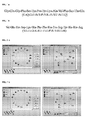
- FIGS. 1 to FIG. 3 show amino acid sequences, structures and cytotoxicity of BFP 1 and BFP 2, respectively.
- BFP 1 and BFP 2 shown in FIG. 1a and 1b are identical to partial amino acid sequences of BMP-7 and can be synthesized to have 15-mer peptide sequences of SEQ ID NOS. 1 and 2, respectively.
- FIGS. 2a and 2b structures of the synthetic peptides BFP 1 and BFP 2 are shown on the display terminals as reproduced by a commercially available program. As shown, the peptide sequences of FIGS. 1a and 1b are of alpha-helix structures.
- An MTT assay for cytotoxicity shows that neither BFP 1 nor BFP 2 are toxic to cells within a range of used concentrations, as shown in FIGS. 3a and 3b .
- Mesenchymal stem cells (cloned from Balb/c mouse bone marrow stromal cells) were seeded at a density of 1 x 10 4 cells/well in DMEM supplemented with 10% FBS on plates, followed by incubation for 3 days at 37°C in a 5% CO 2 atmosphere to prepare osteoblasts.
- ODM osteogenic differentiation medium
- cells treated with BFP 1 and/or BFP 2 in osteogenic differentiation media can be assayed for osteoblast differentiation by observing alizarin red S staining
- mesenchymal stem cells were cultured for three days in an osteogenic differentiation medium and then for an additional two days in the presence of BFP 1 at a concentration of 0.1 ⁇ g/ml, 1 ⁇ g/ml and 2 ⁇ g/ml.
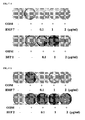
- FIGS. 4a and 4b show alizarin red-stained cells treated respectively with the BMP-7-derived, osteogenic synthetic peptides BFP 1 and BFP2, accounting for osteoblast differentiation in terms of mineralization, the most intense colors were observed in the cells treated with BFP 1 or BFP 2 at a concentration of 1 ⁇ g/ml. Also, more intense colors appeared in the cells treated with BFP 1 or BFP 2 than with those treated with BMP-7, indicating that BFP 1 or BFP 2 are more effective in inducing osteoblast differentiation than is BMP-7.
- the genes specific for osteoblasts are expressed.
- the expression of these genes can be detected by real-time PCR.
- the expression level was measured to increase by 171% for type 1 collagen, by 241 % for alkaline phosphatase and by 178% for Runx2, as expressed as percentages of that obtained in an osteogenic differentiation medium free of BFP 1.
- alkaline phosphatase The expression level of alkaline phosphatase was observed to be the most intense in the presence of BFP 2 at a concentration of 1 ⁇ g/ml.
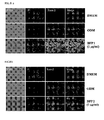
- osteocalcin a bone matrix material secreted from osteoblasts whose higher levels are well correlated with an increase in the growth and differentiation of an osteoblast, was expressed at a higher level in an osteogenic differentiation medium (ODM) supplemented with 1 ⁇ g/ml of BFP 1 or BFP 2 than in an osteogenic differentiation alone or supplemented with BMP-7 as observed by the more intense green color (brighter portions in the drawings).
- ODM osteogenic differentiation medium
- the PI panels are of stained nuclei of living cells, indicating living cells while the target protein osteocalcin appeared green from the cells due to the fluorescent antibodies thereof.
- alkaline phosphatase serves as a biomarker for bone formation. Alkaline phosphatase was found to be expressed at higher levels in the presence of 1 ⁇ g/ml of BFP 1 or BFP 2, as well.
- Runx-2 as a transcription factor of an osteoblast-specific protein, plays an important role in osteoblast differentiation. A higher expression level of Runx-2 was also detected in the presence of 1 ⁇ g/ml of BFP 1 or BFP 2.
- mesenchymal stem cells can differentiate into various cell types including osteoblasts, chondrocytes, adipocytes, myocytes, tendons, ligaments, neurons, and blood vessels.
- the effects of BFP 1 and BFP 2 on the differentiation of mesenchymal stem cells into osteoblasts were analyzed by FACS for the expression of osteoblast-specific surface proteins CD44, CD51, CD47 and CD45. The results are shown in FIGS. 9a and 9b .
- the expression of the surface markers accounting for osteoblast differentiation was analyzed using FACS (gray arrows - ODM alone; black arrows - ODM + BFP 1).
- BFP 1 was observed to induce the expression of CD44, a surface marker for differentiation from mensenchymal stem cells to osteoblasts.
- CD44 was expressed at a higher level.
- CD47 and CD51 both specific for osteoblasts, were observed to be expressed at higher levels in an ODM supplemented with BFP 1 than in an ODM alone.
- the expression of the surface markers accounting for osteoblast differentiation was analyzed using FACS (gray arrows - ODM alone; black arrows - ODM + BFP 2).
- BFP 2 was observed to induce the expression of CD44, a surface marker for differentiation from mensenchymal stem cells to osteoblasts.
- CD44 was expressed at a higher level.
- CD51 specific for osteoblasts, was observed to be expressed at higher levels in an ODM supplemented with BFP 1 than in an ODM alone.
- CD45 a surface factor located in hematopoietic cells, was used to show that the cells used in this experiment were not derived from a hematopoietic line. As seen in FIGS. 9a and 9b , no CD45 was expressed, indicating that the cells used in this experiment were not derived from hematopoietic stem cells.
- the cells were stained with DAPI, a fluorescent stain that easily binds to the DNA of living cells, and with a PE(phycoerythrin)-conjugated-CD44 antibody.
- FITC-conjugated BFP 1 entered cells and acted within cells.
- BFP 1 and BFP 2 were added to mesenchymal stem cells to examine chemotaxis and cell migration. The results are shown in FIGS. 13a and 13b .
- mesenchymal stem cells were incubated in osteogenic differentiation media supplemented with BMP-7, BFP 1 or BFP 2.
- BMP-7 BFP 1 or BFP 2.
- FIGS. 13a and 13b more cells were observed to migrate in the presence of BFP 1 or BFP 2 than in the presence of BMP-7, indicating that BFP 1 or BFP 2 according to the present invention can induce osteoblasts to rapidly migrate to lesions of bone diseases such as bone defects.
- mesenchymal stem cells were treated twice with ODM for 3 days in order to induce osteoblast differentiation.
- BMP-7, BFP 1 or BFP 2 was added to the ODM.
- cells were harvested and counted.
- a predetermined number of the cells were implanted into the back of mice with collagen serving as a support.
- pictures were taken of the mice with X-ray in order to examine bone formation therein. The results are shown in FIGS. 14a and 14b .
- tissues were excised at Week 8 and decalcified, followed by staining with hematoxylin & eosin to examine the morphology thereof.
- the photographs are given in FIGS. 15a and 15b .
- the osteogenic peptides BFP 1 and BFP 2 in accordance with the present invention induced bone formation like as BMP7 control.
- the osteogenic synthetic peptides of the present invention BFP1 and BFP2 play a more important role in osteoblast differentiation and bone formation than does BMP-7, known as an osteogenesis promoter, and can induce osteogenesis to the same or a higher extent and over a broader range than can BMP-7.
- the present invention provides a pharmaceutical composition
- a pharmaceutical composition comprising the osteogenic synthetic peptide of the present invention or a non-toxic salt thereof in combination with a pharmaceutically or veterinarilly acceptable liquid or solid carrier.
- a pharmaceutically or veterinarilly acceptable liquid or solid carrier can be used in the present invention without limitation. Thus, a detailed description is not given of the carrier.
- the data of Experimental Example 9 shows the in vivo bone formation effect of BFP 1 and BFP 2, suggesting that when applied to the bone marrow affected with osteoporosis and/or osteoarthritis, the osteogenic synthetic peptides, BFP 1 and BFP 2, or a pharmaceutical composition comprising the same can promote the differentiation of the bone marrow into osteoblasts, leading to bone formation. Therefore, the pharmaceutical composition of the present invention may be used as a therapeutic for osteoporosis and/or osteoarthritis.
- the pharmaceutical composition comprising the osteogenic synthetic peptide, BFP 1 or BFP 2, or a non-toxic salt thereof can effectively conduct bone restoration through bone formation.
- the osteogenic synthetic peptide according to the present invention allows the user to easily control the experiments with osteoblasts.
- the osteogenic synthetic peptides of the present invention find useful applications in various fields related with osteoblast differentiation or bone formation
- the pharmaceutical composition comprising the osteogenic synthetic peptides in accordance with the present invention is useful in the treatment of osteoporosis, osteoarthritis and/or bone defects with few side effects compared to conventional pharmaceutical compositions and is effective in promoting bone formation through the promotion of osteoblast differentiation in addition to being economically favorable thanks to the low production cost thereof.
- the medium composition containing the osteogenic synthetic peptide of the present invention allows the user to control the rate of osteoblast differentiation thereby enabling the set up of a variety of experimental conditions.
Landscapes
- Health & Medical Sciences (AREA)
- Life Sciences & Earth Sciences (AREA)
- Chemical & Material Sciences (AREA)
- Engineering & Computer Science (AREA)
- Orthopedic Medicine & Surgery (AREA)
- Organic Chemistry (AREA)
- Bioinformatics & Cheminformatics (AREA)
- General Health & Medical Sciences (AREA)
- Medicinal Chemistry (AREA)
- Zoology (AREA)
- Rheumatology (AREA)
- Physical Education & Sports Medicine (AREA)
- Genetics & Genomics (AREA)
- Veterinary Medicine (AREA)
- Pharmacology & Pharmacy (AREA)
- Biomedical Technology (AREA)
- Animal Behavior & Ethology (AREA)
- Public Health (AREA)
- Chemical Kinetics & Catalysis (AREA)
- Nuclear Medicine, Radiotherapy & Molecular Imaging (AREA)
- Gastroenterology & Hepatology (AREA)
- Proteomics, Peptides & Aminoacids (AREA)
- Wood Science & Technology (AREA)
- Biotechnology (AREA)
- Biochemistry (AREA)
- Immunology (AREA)
- General Chemical & Material Sciences (AREA)
- Molecular Biology (AREA)
- Biophysics (AREA)
- Toxicology (AREA)
- Cell Biology (AREA)
- Microbiology (AREA)
- Epidemiology (AREA)
- General Engineering & Computer Science (AREA)
- Medicines That Contain Protein Lipid Enzymes And Other Medicines (AREA)
Abstract
Disclosed herein is an osteogenic synthetic peptide, derived from bone morphogeneticprotein-7, consisting of a sequence of 15 amino acid residues. Provided are also a pharmaceutical composition and a medium composition comprising the same. Having remarkable activity related to promoting ostcoblast differentiation, the osteogenic synthetic peptide is very useful in the treatment of osteoporosis, bone defects and/or osteoarthritis.

Description
- The present invention relates generally to a peptide with an effective function and, more particularly, to a synthetic peptide, derived from BMP-7 (bone morphogenetic protein-7) and consisting of 15 amino acids, and a pharmaceutical composition and a medium composition comprising the same.
- Osteoporosis is a disease of bone that leads to an increased risk of fracture because the bone mineral density (BMD) is reduced, bone microarchitecture is disrupted and the medullary cavity is enlarged.
- The bone mass, accounting for the state of health of the bone, is dependent on various factors, such as heredity, nutrition, hormonal changes, exercise, life style, etc. Particularly, aging, shortage of exercise, low body weight, smoking, a low-calcium diet, menopause, or ovary resection are known to be causes of osteoporosis.
- Because of the lower bone resorption level thereof, black people are generally higher in bone mass than are white people although there are differences between individuals. On the whole, the bone mass peaks at fourteen to eighteen years of age, and decreases by 1% per year in old age. Particularly, women over 30 years old continuously decrease in bone mass. Hormonal change at menopause causes the bone mass to rapidly decrease. In detail, women in menopause experience a rapid decrease of estrogen, which allows the production of an increased level of B-lymphocytes and the accumulation of pre-B cells in the bone marrow, causing an increase in IL-6 level. IL-6 acts to activate osteoclasts, thus decreasing the bone marrow.
- Osteoporosis, as described above, inevitably accompanies senescence, especially postmenopausal women. Entering senescent societies, advanced countries have increasingly paid attention to osteoporosis and therapy therefor.
- In addition to osteoporosis, osteoarthritis and bone defective disease are representative bone diseases. Osteoarthritis is known as degenerative arthritis entailing local degradation of joints including articular cartilage and the subchondral bone next to it. Osteoarthritis has two typical causes: when an excessive load is imposed to the joint although articular cartilage or the subchondral bone is normal; and when articular cartilage or the subchondral bone is weak, and even though a proper load is imposed to the joint.
- Bone defects may be found in many sites of the body. Its main causes include acute trauma with the accompaniment of ossein loss, a tissue resection operation accompanied by bone loss, chronic inflammation with the accompaniment ofbone resection, and chronic nonunion with the accompaniment of the segmental bone defects.
- As concerns the medicine for bone diseases, the world market therefor amounts to about one hundred thirty billion dollars and is expected to gradually expand. Thus, leading research institutes and pharmaceutical companies have invested a lot of money in developing therapeutics for bone diseases.
- For example, currently used therapeutics for osteoporosis include estrogen, androgenic anabolic steroids, calcium agents, phosphates, fluorine agents, Ipriflavone, and vitamin D3. Additional examples include aminobisphosphonate, developed by Merck in 1995, and raloxifene, acting as a selective estrogen receptor modulator (SERM), developed by Lilly Co. in 1997.
- Acting as a negative regulator of bone resorption, estrogen is now most widely used as a therapeutic for osteoporosis, but the habitual use thereof may increase the incidence of endometrial cancer and breast cancer and cause thrombosis, gallstones, hypertension, edema, and mastodynia. A group of studies shows that menopausal women co-administered with estrogen and progesterone are highly apt to suffer from breast cancer, stroke, and pulmonary embolism.
- Turning to other therapeutics for osteoporosis, there are bisphosophonate agents (alendronate, etidronate), vitamin D agents, calcitonin agents, and calcium agents. However, bisphosphonate agents cause esophagitis in addition to being low in adsorptivity and difficult to take.
- Vitamin D agents are expensive and have pharmaceutical effects which are still unknown Calcitonin agents are expensive and difficult to take. Calcium agents, although with low side effects, are preventive of rather than therapeutic for osteoporosis.
- Further, osteoporosis cannot be cured in the short term, but requires long-term administration of drugs. Accordingly, there is a need for a novel material which shows none of the above-mentioned side effects and is therapeutically effective enough to replace conventional drugs.
- Furthermore, the prophylaxis and treatment of osteoporosis still remains to be improved. Particularly, the secondary osteoporosis resulting from drug abuse becomes aggravated
- Such situations are true of osteoarthritis and bone defects.
- Leading to the present invention, intensive and thorough research into therapeutics for osteoporosis, conducted by the present inventors, aiming to overcome the problems encountered in the prior art, resulted in the finding that a peptide derived from BMP-7 is promotive of osteoblast differentiation.
- It is therefore an object of the present invention to provide a synthetic peptide, derived from BMP-7, consisting of 15 amino acid residues, which promotes osteoblast differentiation or osteogenesis and can be synthesized at a low cost
- It is another object of the present invention to provide a pharmaceutical composition comprising the osteogenic synthetic peptide as an active ingredient, which is effective for the treatment of osteoporosis, osteoarthritis and/or bone defects, without side effects and producible at low cost.
- It is a further object of the present invention to provide a medium composition for osteoblast differentiation, comprising the osteogenic synthetic peptide, with which the rate of osteoblast differentiation or bone formation can be controlled according to the intention of the user.
- It should be noted that the objects of the present invention are not limited to the above-mentioned objects, and other non-mentioned objects can be clearly understood to those skilled in the art from the following description.
- In order to accomplish the above objects, the present invention provides an osteogenic synthetic peptide, having a BMP-7-derived sequence of 15 amino acid resides, for promoting osteoblast differentiation or bone formation.
- In a preferred modification, the osteogenic synthetic peptide has an amino sequence of SEQ ID NO. 1 or an analog thereof:
- SEQ ID NO. 1:
Gly-Gln-Gly-Phe-Ser-Tyr-Pro-Tyr-Lys-Ala-Val-Phe-Ser-Thr-Gln - In another preferred modification, the osteogenic synthetic peptide has an amino sequence of SEQ ID NO. 1 or an analog thereof:
- SEQ ID NO. 2:
Val-Glu-His-Asp-Lys-Glu-Phe-Phe-His-Pro-Arg-Tyr-His-His-Arg - In a preferred embodiment, an effective dose of the synthetic peptide for promoting osteoblast differentiation or bone formation is from 0.1 to 2 µg/ml.
- In addition, the present invention provides a pharmaceutical composition comprising the osteogenic synthetic peptide of one of
claims 1 to 4 or a non-toxic salt thereof alone or in combination with a pharmaceutically or veterinarilly acceptable liquid or solid vehicle. - In a preferred embodiment, the synthetic peptide or the non-toxic salt thereof is used as an active ingredient for treatment of osteoporosis, osteoarthritis and bone defects.
- Also, the present invention provides an osteogenic differentiation medium, comprising the osteogenic synthetic peptide of one of
claims 1 to 4 or a non-toxic salt thereof, in combination with a liquid or solid ingredient acceptable for medium preparation. - The above and other objects, features and advantages of the present invention will be more clearly understood from the following detailed description taken in conjunction with the accompanying drawings, in which:
-
FIGS. 1a and 1b respectively show amino acid sequences ofBFP 1andBFP 2, the osteogenic synthetic peptides of the present invention; -
FIGS 2a and 2b are photographs taken of monitor screens on which structures ofBFP 1 andBFP 2 are displayed; -
FIGS. 3a and 3b are histograms showing the cytotoxicity ofBFP 1 andBFP 2; -
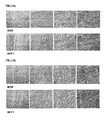
FIGS. 4a and 4b are photographs showing the mineralization visualized by alizarin red staining during osteoblast differentiation in the presence ofBFP 1 andBFP 2; -
FIG. 5a is of histograms showing the effects ofBFP 1 on the expression of osteoblast-specific genes; type-1 collagen, alkaline phosphatase (ALP) and Runx-2 -
FIG. 5b is of histograms showing the effect ofBFP 2 on the expression of osteoblast-specific alkaline phosphatase (ALP)gene. -
FIGS. 6a and 6b are of fluorescence microphotographs showing the expression of the osteoblast-specific osteocalcin gene in the presence ofBFP 1 andBFP 2, respectively; -
FIGS. 7a and 7b are of fluorescence microphotographs showing the expression of the osteoblast specific alkaline phosphatase (ALP) gene in the presence ofBFP 1 andBFP 2, respectively; -
FIGS. 8a and 8b are of fluorescence microphotographs showing the expression of the osteoblast specific Runx-2 gene in the presence ofBFP 1 andBFP 2, respectively; -
FIGS. 9a and 9b show FACS cytometry analysis of the expression of cell surface markers accounting for osteoblast differentiation in the presence ofBFP 1 andBFP 2, respectively (grey arrows-ODM alone; black arrows - ODM + synthetic peptide); -
FIGS. 10a and 10b are fluorescence microphotographs showing the expression of the cell surface marker CD44 in the presence ofBFP 1 andBFP 2, respectively; -
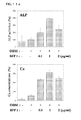
FIGS. 11a and11b are histograms showing the effects ofBFP 1 andBFP 2 on the expression of the osteoblast-specific alkaline phosphatase (ALP) and calcium deposit as determined by a commercially available kit; -
FIG. 12 is of fluorescence microphotographs taken of cells treated with FITC-conjugated BFP 1; -
FIGS. 13a and 13b are of histograms showing the migration of cells toBFP 1 andBFP 2, respectively, via a chemotaxis assay during differentiation from mesenchymal stem cells to osteoblasts; -
FIGS. 14a and 14b are X-ray photographs of mice implanted withBFP 1 or BFP 2-treated osteoblasts, showing the effect ofBFP 1 andBFP 2 on bone formation; and -
FIGS. 15a and 15b are histochemistry photographs of tissues taken from mice onWeek 8 after implantation with BFP 1- or BFP 2-treated cells, visualized by hematoxylin & eosin staining, showing the effects ofBFP 1 andBFP 2 on bone formation. - The terminology used in the present invention is taken from the most widely used general terms, but in particular cases, it may come from the thesaurus of the present inventors. It should be noted that the meanings of the terms used in the specification and the following claims must be understood in consideration of the detailed description of the present invention or in association with the total context of the specification, and are not to be understood without reference thereto.
- Below, a detailed description will be given of the structural constitution of the present invention, with reference to the following drawings.
- As concerns bone morphogenetic activity, it was found that bone morphogenetic proteins (BMPs) which belong to the TGF-β (transforming growth factor-β) superfamily of proteins (
Science 150, 893-897, 1965 - As a result of intensive study into the amino acid sequences of BMP-7, the present inventors found that the following two amino acid sequences derived from BMP-7, each consisting of 15 amino acid residues, induce the expression of human BMP-7 in addition to having activity identical to that of human BMP-7. They were named bone forming peptide 1 (BFP 1) and bone forming peptide 2 (BFP 2), respectively.
- SEQ ID NO.1:
- Gly-Gln-Gly-Phe-Ser-Tyr-Pro-Tyr-Lys-Ala-Val-Phe-Ser-Thr-Gln
- SEQ ID NO. 2:
- Val-Glu-His-Asp-Lys-Glu-Phe-Phe-His-Pro-Arg-Tyr-His-His-Arg
- Although derived from BMP-7,
BFP 1 andBFP 2, each consisting of 15 amino acid residues, can be synthesized using a known peptide synthesis method. - As will be clearly elucidated in the following experimental examples, osteoblasts (more accurately, mouse bone marrow stromal cells) are more intensively induced into differentiation when in the presence of
BFP 1 orBFP 2. - Hence, the synthetic peptides for promoting osteogenesis, each having a BMP-7-derived amino acid sequence of 15 amino acid residues, that is,
BFP 1 andBFP 2, enhance the differentiation of osteoblasts into mature bone cells, thus showing osteogenesis promoting activity. - From the fact that the synthetic peptides promoting osteogenesis in accordance with the present invention have excellent activity related to inducing the differentiation of osteoblasts, it can be inferred that when bone loss is caused by a bone disease such as osteoporosis, osteoarthritis or a bone defect, a pharmaceutical composition comprising as an active ingredient the synthetic peptide of the present invention or a non-toxic salt thereof may be applied to the site of bone loss so as to treat osteoporosis, osteoarthritis and/or the bone defect.
- With reference to the accompanying drawings, an explanation is given of the activity of the osteogenesis-promoting synthetic peptides derived from BMP-7 in accordance with the present invention,
BFP 1 andBFP 2, to induce osteoblast differentiation and bone formation. -
FIGS. 1 to FIG. 3 show amino acid sequences, structures and cytotoxicity ofBFP 1 andBFP 2, respectively. -
BFP 1 andBFP 2 shown inFIG. 1a and 1b are identical to partial amino acid sequences of BMP-7 and can be synthesized to have 15-mer peptide sequences of SEQ ID NOS. 1 and 2, respectively. - SEQ ID NO.1:
- Gly-Gln-Gly-Phe-Ser-Tyr-Pro-Tyr-Lys-Ala-Val-Phe-Ser-Thr-Gln
- (G-Q-G-F-S-Y-P-Y-K-A-V-F-S-T-Q)
- SEQ ID NO.2:
- Val-Glu-His-Asp-Lys-Glu-Phe-Phe-His-Pro-Arg-Tyr-His-His-Arg
- (V-E-H-D-K-E-F-F-H-P-R-Y-H-H-R)
- Referring to
FIGS. 2a and 2b , structures of thesynthetic peptides BFP 1 andBFP 2 are shown on the display terminals as reproduced by a commercially available program. As shown, the peptide sequences ofFIGS. 1a and 1b are of alpha-helix structures. - An MTT assay for cytotoxicity shows that neither
BFP 1 norBFP 2 are toxic to cells within a range of used concentrations, as shown inFIGS. 3a and 3b . - A better understanding of the present invention may be obtained through the following examples which are set forth to illustrate, but are not to be construed as limiting the present invention.
- The following experiments were conducted to
assay BFP 1 andBFP 2 for activity related to the differentiation of osteoblasts. - Mesenchymal stem cells (cloned from Balb/c mouse bone marrow stromal cells) were seeded at a density of 1 x 10⁴ cells/well in DMEM supplemented with 10% FBS on plates, followed by incubation for 3 days at 37°C in a 5% CO2 atmosphere to prepare osteoblasts.
- An osteogenic differentiation medium (hereinafter referred to as "ODM") was prepared by supplementing DMEM with 50 µg/ml ascorbic acid, 10-8 M dexamethasone and 10 mM beta-glycerocellophosphate.
- When the mesenchymal stem cells differentiate into osteoblasts, calcium is accumulated. Thus, the accumulation of calcium ions signals osteoblast differentiation and can be quantitatively detected through alizarin red S staining because Alizarin red S staining appears as gross and microscopic observation of osteoblasts differentiated from mesenchymal stem cells.
- Therefore, cells treated with
BFP 1 and/orBFP 2 in osteogenic differentiation media can be assayed for osteoblast differentiation by observing alizarin red S staining - In more detail, mesenchymal stem cells were cultured for three days in an osteogenic differentiation medium and then for an additional two days in the presence of
BFP 1 at a concentration of 0.1 µg/ml, 1 µg/ml and 2 µg/ml. - The same procedure was conducted for
BFP 2. - Afterwards, the cells were fixed for one hour with ice-cold 70% ethanol and stained for 10 min with an alizarin red-s solution to observe calcium accumulation, that is, accumulation in terms of red color. The results are shown in
FIGS. 4a and 4b . - From the data of
FIGS. 4a and 4b which show alizarin red-stained cells treated respectively with the BMP-7-derived, osteogenicsynthetic peptides BFP 1 and BFP2, accounting for osteoblast differentiation in terms of mineralization, the most intense colors were observed in the cells treated withBFP 1 orBFP 2 at a concentration of 1 µg/ml. Also, more intense colors appeared in the cells treated withBFP 1 orBFP 2 than with those treated with BMP-7, indicating thatBFP 1 orBFP 2 are more effective in inducing osteoblast differentiation than is BMP-7. - An experiment was conducted to examine the effect of the osteogenic
synthetic peptide BFP 1 on the expression of osteoblast specific genes,type 1 collagen, alkaline phosphatase and Runx-2 genes. The results are depicted inFIG. 5a . - When differentiation into osteoblasts starts, the genes specific for osteoblasts are expressed. The expression of these genes can be detected by real-time PCR. As a result, in the presence of
BFP 1 at a concentration of 1 µg/ml, the expression level was measured to increase by 171% fortype 1 collagen, by 241 % for alkaline phosphatase and by 178% for Runx2, as expressed as percentages of that obtained in an osteogenic differentiation medium free ofBFP 1. - As for
BFP 2, its effect on the expression of the osteoblast-specific alkaline phosphatase gene was analyzed using reverse transcription PCR (RT-PCR). The results are given inFIG. 5b . - The expression level of alkaline phosphatase was observed to be the most intense in the presence of
BFP 2 at a concentration of 1 µg/ml. - An examination was made of the effects of
BFP 1 andBPF 2 on osteoblast differentiation. For this, the expression levels of osteoblast-specific genes, osteocalcin, alkaline phosphatase and Runx-2 were detected using fluorescent antibodies thereto and observed under a fluorescence microscope. The results are given inFIGS. 6 to 8 , respectively. - In detail, differentiation into osteoblasts was accompanied by the expression of osteoblast-specific proteins which were then reacted with antibodies thereof. The antibodies bound to the proteins were observed under a fluorescence microscope. The fluorescence microscopy showed that osteocalcin, a bone matrix material secreted from osteoblasts whose higher levels are well correlated with an increase in the growth and differentiation of an osteoblast, was expressed at a higher level in an osteogenic differentiation medium (ODM) supplemented with 1 µg/ml of
BFP 1 orBFP 2 than in an osteogenic differentiation alone or supplemented with BMP-7 as observed by the more intense green color (brighter portions in the drawings). - In
FIGS. 6a and 6b , the PI panels are of stained nuclei of living cells, indicating living cells while the target protein osteocalcin appeared green from the cells due to the fluorescent antibodies thereof. The merge panels, resulting from overlapping the PI panels with the target protein panels, show the expression of the target protein from the same cells. - Expressed in a mid-phase of osteoblast differentiation, alkaline phosphatase serves as a biomarker for bone formation. Alkaline phosphatase was found to be expressed at higher levels in the presence of 1 µg/ml of
BFP 1 orBFP 2, as well. - Runx-2, as a transcription factor of an osteoblast-specific protein, plays an important role in osteoblast differentiation. A higher expression level of Runx-2 was also detected in the presence of 1 µg/ml of
BFP 1 orBFP 2. - Having various surface proteins, mesenchymal stem cells can differentiate into various cell types including osteoblasts, chondrocytes, adipocytes, myocytes, tendons, ligaments, neurons, and blood vessels. The effects of
BFP 1 andBFP 2 on the differentiation of mesenchymal stem cells into osteoblasts were analyzed by FACS for the expression of osteoblast-specific surface proteins CD44, CD51, CD47 and CD45. The results are shown inFIGS. 9a and 9b . - With reference to
FIG. 9a , the expression of the surface markers accounting for osteoblast differentiation was analyzed using FACS (gray arrows - ODM alone; black arrows - ODM + BFP 1).BFP 1 was observed to induce the expression of CD44, a surface marker for differentiation from mensenchymal stem cells to osteoblasts. Particularly in the presence ofBFP 1 at a concentration of 1 µg/ml in an osteogenic differentiation medium, CD44 was expressed at a higher level. On the other hand, CD47 and CD51, both specific for osteoblasts, were observed to be expressed at higher levels in an ODM supplemented withBFP 1 than in an ODM alone. - With reference to
FIG. 9b , the expression of the surface markers accounting for osteoblast differentiation was analyzed using FACS (gray arrows - ODM alone; black arrows - ODM + BFP 2). As shown inFIG. 9b ,BFP 2 was observed to induce the expression of CD44, a surface marker for differentiation from mensenchymal stem cells to osteoblasts. Particularly in the presence ofBFP 2 at a concentration of 1 µg/ml in an osteogenic differentiation medium, CD44 was expressed at a higher level. - In addition, CD51, specific for osteoblasts, was observed to be expressed at higher levels in an ODM supplemented with
BFP 1 than in an ODM alone. - On the other hand, CD45, a surface factor located in hematopoietic cells, was used to show that the cells used in this experiment were not derived from a hematopoietic line. As seen in
FIGS. 9a and 9b , no CD45 was expressed, indicating that the cells used in this experiment were not derived from hematopoietic stem cells. - The effects of
BFP 1 andBFP 2 on the expression of the surface marker CD44 were observed under a fluorescence microscope and the results are given inFIGS. 10a and 10b . - During differentiation, the cells were stained with DAPI, a fluorescent stain that easily binds to the DNA of living cells, and with a PE(phycoerythrin)-conjugated-CD44 antibody.
- The nuclei appeared blue while CD44 was stained red under fluorescence microscopy. When these stained images were merged, it was observed that CD44 was expressed on the DAPI-stained cells. Higher levels of CD44 were detected when an osteogenic differentiation medium was used in combination with
BFP 1 orBFP 2 than when used alone. At the same concentrations, BMP-7 produced less intense staining in the cells than didBFP 1 orBFP 2 under a fluorescence microscope. - When osteoblast differentiation was permitted in the presence of
BFP 1 orBFP 2, the concentrations of osteoblast-specific alkaline phosphatase (ALP) and calcium were measured using a commercially available diagnostic kit. The results are depicted inFIGS. 11a and11b . - Significant increases in the levels of both ALP and calcium were observed in the presence of
BFP 1 orBFP 2 at a concentration of 1µg/ml, as seen inFIGS. 11a and11b . - Cells were treated with FITC-conjugated-
BFP 1 before observation under a fluorescence microscope in order to examine how thesynthetic BFP 1 of the present invention acts on cells The results are shown inFIG. 12 . - As seen in
FIG. 12 , FITC-conjugated BFP 1 entered cells and acted within cells. - While differentiating into osteoblasts,
BFP 1 andBFP 2 were added to mesenchymal stem cells to examine chemotaxis and cell migration. The results are shown inFIGS. 13a and 13b . - For this, mesenchymal stem cells were incubated in osteogenic differentiation media supplemented with BMP-7,
BFP 1 orBFP 2. As seen inFIGS. 13a and 13b , more cells were observed to migrate in the presence ofBFP 1 orBFP 2 than in the presence of BMP-7, indicating thatBFP 1 orBFP 2 according to the present invention can induce osteoblasts to rapidly migrate to lesions of bone diseases such as bone defects. - To examine whether
BFP 1 andBFP 2 can promote osteogenesis in vivo, mice were employed (n=6). In this context, first, mesenchymal stem cells were treated twice with ODM for 3 days in order to induce osteoblast differentiation. Upon the second treatment, BMP-7,BFP 1 orBFP 2 was added to the ODM. After incubation for 24 hrs in the second ODM, cells were harvested and counted. A predetermined number of the cells were implanted into the back of mice with collagen serving as a support. Four and eight weeks after the implantation, pictures were taken of the mice with X-ray in order to examine bone formation therein. The results are shown inFIGS. 14a and 14b . Particularly, tissues were excised atWeek 8 and decalcified, followed by staining with hematoxylin & eosin to examine the morphology thereof. The photographs are given inFIGS. 15a and 15b . - As seen in the X-ray photographs of
FIGS. 14a and 14b , bone appeared at the site treated withBFP 1 orBFP 2 onWeek 4. The photographs taken onWeek 8 show greater bone formation at the sites treated withBFP 1 orBFP 2 than with BMP-7. - In addition, as shown in
FIGS. 15a and 15b , theosteogenic peptides BFP 1 andBFP 2 in accordance with the present invention induced bone formation like as BMP7 control. - From the data, it is apparently understood that the osteogenic synthetic peptides of the present invention, BFP1 and BFP2, play a more important role in osteoblast differentiation and bone formation than does BMP-7, known as an osteogenesis promoter, and can induce osteogenesis to the same or a higher extent and over a broader range than can BMP-7.
- Therefore, the present invention provides a pharmaceutical composition comprising the osteogenic synthetic peptide of the present invention or a non-toxic salt thereof in combination with a pharmaceutically or veterinarilly acceptable liquid or solid carrier. As long as it is known in the art, any pharmaceutically or veterinarilly acceptable liquid or solid carrier can be used in the present invention without limitation. Thus, a detailed description is not given of the carrier.
- Particularly, the data of Experimental Example 9 shows the in vivo bone formation effect of
BFP 1 andBFP 2, suggesting that when applied to the bone marrow affected with osteoporosis and/or osteoarthritis, the osteogenic synthetic peptides,BFP 1 andBFP 2, or a pharmaceutical composition comprising the same can promote the differentiation of the bone marrow into osteoblasts, leading to bone formation. Therefore, the pharmaceutical composition of the present invention may be used as a therapeutic for osteoporosis and/or osteoarthritis. - Likewise, when applied to bone defective sites, the pharmaceutical composition comprising the osteogenic synthetic peptide,
BFP 1 orBFP 2, or a non-toxic salt thereof can effectively conduct bone restoration through bone formation. - Although specified as examples, it is apparent to those in the art that when added to osteogenic differentiation media, the osteogenic synthetic peptide according to the present invention,
BFP 1 orBFP 2, allows the user to easily control the experiments with osteoblasts. - Being able to promote osteoblast differentiation and thus bone formation, as described hitherto, the osteogenic synthetic peptides of the present invention find useful applications in various fields related with osteoblast differentiation or bone formation
- In addition, the pharmaceutical composition comprising the osteogenic synthetic peptides in accordance with the present invention is useful in the treatment of osteoporosis, osteoarthritis and/or bone defects with few side effects compared to conventional pharmaceutical compositions and is effective in promoting bone formation through the promotion of osteoblast differentiation in addition to being economically favorable thanks to the low production cost thereof.
- Further, the medium composition containing the osteogenic synthetic peptide of the present invention allows the user to control the rate of osteoblast differentiation thereby enabling the set up of a variety of experimental conditions.
- Although the preferred embodiments of the present invention have been disclosed for illustative purposes, those skilled in the art will appreciate that various modifications, additions and substitutions are possible, without departing from the scope and spirit of the invention as disclosed in the accompanying claims.

Claims (7)
- An osteogenic synthetic peptide, having a BMP-7-derived sequence of 15 amino acid resides, for promoting osteoblast differentiation or bone formation.
- The osteogenic synthetic peptide according to claim 1, wherein the peptide has an amino sequence of SEQ ID NO. 1 or an analog thereof:SEQ ID NO.1:Gly-Gln-Gly-Phe-Ser-Tyr-Pro-Tyr-Lys-Ala-Val-Phe-Ser-Thr-Gln
- The osteogenic synthetic peptide according to claim 1, wherein the peptide has an amino sequence of SEQ ID NO. 1 or an analog thereof:SEQ ID NO.2:Val-Glu-His-Asp-Lys-Glu-Phe-Phe-His-Pro-Arg-Tyr-His-His-Arg
- The osteogenic synthetic peptide according to claim 1, wherein an effective dose of the synthetic peptide for promoting osteoblast differentiation or bone formation is from 0.1 to 2 µg/ml.
- A pharmaceutical composition, comprising the osteogenic synthetic peptide of one of claims 1 to 4 or a non-toxic salt thereof alone or in combination with a pharmaceutically or veterinarilly acceptable liquid or solid vehicle.
- The pharmaceutical composition according to claim 5, wherein the synthetic peptide or the non-toxic salt thereof is used as an active ingredient for treatment of osteoporosis, osteoarthritis and bone defects.
- An osteogenic differentiation medium, comprising the osteogenic synthetic peptide of one of claims 1 to 4 or a non-toxic salt thereof, in combination with a liquid or solid ingredient acceptable for medium preparation.
Priority Applications (1)
| Application Number | Priority Date | Filing Date | Title |
|---|---|---|---|
| EP09172784A EP2311482A1 (en) | 2009-10-12 | 2009-10-12 | Osteogenic synthetic BMP-7 peptides, pharmaceutical compositions cell culture medium containing same |
Applications Claiming Priority (1)
| Application Number | Priority Date | Filing Date | Title |
|---|---|---|---|
| EP09172784A EP2311482A1 (en) | 2009-10-12 | 2009-10-12 | Osteogenic synthetic BMP-7 peptides, pharmaceutical compositions cell culture medium containing same |
Publications (1)
| Publication Number | Publication Date |
|---|---|
| EP2311482A1 true EP2311482A1 (en) | 2011-04-20 |
Family
ID=41718735
Family Applications (1)
| Application Number | Title | Priority Date | Filing Date |
|---|---|---|---|
| EP09172784A Withdrawn EP2311482A1 (en) | 2009-10-12 | 2009-10-12 | Osteogenic synthetic BMP-7 peptides, pharmaceutical compositions cell culture medium containing same |
Country Status (1)
| Country | Link |
|---|---|
| EP (1) | EP2311482A1 (en) |
Citations (5)
| Publication number | Priority date | Publication date | Assignee | Title |
|---|---|---|---|---|
| WO1990011366A1 (en) * | 1989-03-28 | 1990-10-04 | Genetics Institute, Inc. | Osteoinductive compositions |
| US20060122109A1 (en) * | 2002-11-08 | 2006-06-08 | Cho Yang J | Composition for preventing the formation of new scar comprising bmp-7 |
| WO2006072623A1 (en) * | 2005-01-06 | 2006-07-13 | Kuros Biosurgery Ag | Local treatment of bone defects with matrix releasing bmp or pth |
| WO2009139525A1 (en) * | 2008-05-16 | 2009-11-19 | Industry Foundation Of Chonnam National University | An synthetic peptide containing bone forming peptide 1(bfp 1) for stimulating osteoblast differentiation, and pharmaceutical composition comprising the synthetic peptide |
| WO2009154330A1 (en) * | 2008-06-20 | 2009-12-23 | Industry Foundation Of Chonnam National University | An synthetic peptide containing bone forming peptide 2(bfp 2) for stimulating osteoblast differentiation, and pharmaceutical composition comprising the synthetic peptide |
-
2009
- 2009-10-12 EP EP09172784A patent/EP2311482A1/en not_active Withdrawn
Patent Citations (5)
| Publication number | Priority date | Publication date | Assignee | Title |
|---|---|---|---|---|
| WO1990011366A1 (en) * | 1989-03-28 | 1990-10-04 | Genetics Institute, Inc. | Osteoinductive compositions |
| US20060122109A1 (en) * | 2002-11-08 | 2006-06-08 | Cho Yang J | Composition for preventing the formation of new scar comprising bmp-7 |
| WO2006072623A1 (en) * | 2005-01-06 | 2006-07-13 | Kuros Biosurgery Ag | Local treatment of bone defects with matrix releasing bmp or pth |
| WO2009139525A1 (en) * | 2008-05-16 | 2009-11-19 | Industry Foundation Of Chonnam National University | An synthetic peptide containing bone forming peptide 1(bfp 1) for stimulating osteoblast differentiation, and pharmaceutical composition comprising the synthetic peptide |
| WO2009154330A1 (en) * | 2008-06-20 | 2009-12-23 | Industry Foundation Of Chonnam National University | An synthetic peptide containing bone forming peptide 2(bfp 2) for stimulating osteoblast differentiation, and pharmaceutical composition comprising the synthetic peptide |
Non-Patent Citations (3)
| Title |
|---|
| LI TINGTING ET AL: "Bone morphogenetic protein 7: a novel treatment for chronic renal and bone disease", CURRENT OPINION IN NEPHROLOGY AND HYPERTENSION JUL 2004,, vol. 13, no. 4, 1 July 2004 (2004-07-01), pages 417 - 422, XP002565669 * |
| SCIENCE, vol. 150, 1965, pages 893 - 897 |
| SCIENCE, vol. 242, 1988, pages 1528 - 1534 |
Similar Documents
| Publication | Publication Date | Title |
|---|---|---|
| CA2681317C (en) | A synthetic peptide containing bone forming peptide 1(bfp 1) for stimulating osteoblast differentiation, and pharmaceutical composition comprising the synthetic peptide | |
| EP2303911B1 (en) | A synthetic peptide consisting of bone forming peptide 2(bfp 2) for stimulating osteoblast differentiation, and pharmaceutical composition comprising the synthetic peptide | |
| Hosseini et al. | Contribution of osteocalcin-mimetic peptide enhances osteogenic activity and extracellular matrix mineralization of human osteoblast-like cells | |
| Chiu et al. | The effect of type II collagen on MSC osteogenic differentiation and bone defect repair | |
| CA2224229A1 (en) | Fgfr3 as a marker for mesenchymal skeletal progenitor cells | |
| Jiang et al. | Identification of osteogenic progenitor cell-targeted peptides that augment bone formation | |
| Gazit et al. | Recombinant TGF‐β1 stimulates bone marrow osteoprogenitor cell activity and bone matrix synthesis in osteopenic, old male mice | |
| Xiong et al. | Neovascularization and mandibular condylar bone remodeling in adult rats under mechanical strain | |
| Grasser et al. | BMP-6 exerts its osteoinductive effect through activation of IGF-I and EGF pathways | |
| Vimalraj et al. | Chitosan derived chito-oligosaccharides promote osteoblast differentiation and offer anti-osteoporotic potential: Molecular and morphological evidence from a zebrafish model | |
| US8066980B2 (en) | Osteogenic synthetic peptides, pharmaceutical compositions comprising the same, and medium containing the same | |
| Cancedda et al. | Ex-FABP: a fatty acid binding lipocalin developmentally regulated in chicken endochondral bone formation and myogenesis | |
| KR101315202B1 (en) | Composition for inducing a bone differentiation and method for enhancing a bone differentiation using the same | |
| Wu et al. | Effect of osteogenic protein‐1 on the development and mineralization of primary cultures of avian growth plate chondrocytes: Modulation by retinoic acid | |
| Hu et al. | Overactivation of EGFR signaling in skeletal stem/progenitor cells promotes bone formation and repair | |
| Millett et al. | Synthetic function and regulation of osteoblasts: current knowledge and applications | |
| KR101156156B1 (en) | Osteogenic synthetic peptide bfp3, pharmaceutical compositions comprising the same, and medium containing the same | |
| Kells et al. | Identification and analysis of transforming growth factor beta receptors on primary osteoblast-enriched cultures derived from adult human bone | |
| Schenk et al. | Morphology and chemical composition of connective tissue: bone | |
| KR20120054536A (en) | Osteogenic synthetic peptides derived from bfp 1, pharmaceutical compositions comprising the same, and media containing the same | |
| Xue | The Cytosolic Interactome of KDM3A and Its Implication in Bone Aging | |
| US20040009511A1 (en) | Identification of compounds which stimulate bone formation using a cell-based screening assay targeting BMP signaling | |
| KR20200142521A (en) | Application of PEDF-derived short peptides to tendon healing | |
| Brown | MSX-2, calcitriol and the control of differentiation in adult human bone-derived cells | |
| Shapiro | Fibrodysplasia Ossificans Progressiva: Evolving Insights from a Rare Disease |
Legal Events
| Date | Code | Title | Description |
|---|---|---|---|
| PUAI | Public reference made under article 153(3) epc to a published international application that has entered the european phase |
Free format text: ORIGINAL CODE: 0009012 |
|
| AK | Designated contracting states |
Kind code of ref document: A1 Designated state(s): AT BE BG CH CY CZ DE DK EE ES FI FR GB GR HR HU IE IS IT LI LT LU LV MC MK MT NL NO PL PT RO SE SI SK SM TR |
|
| AX | Request for extension of the european patent |
Extension state: AL BA RS |
|
| STAA | Information on the status of an ep patent application or granted ep patent |
Free format text: STATUS: THE APPLICATION IS DEEMED TO BE WITHDRAWN |
|
| 18D | Application deemed to be withdrawn |
Effective date: 20111021 |