EP2308860A1 - Immunosuppressor based on the interruption of tcr-nck interaction - Google Patents
Immunosuppressor based on the interruption of tcr-nck interaction Download PDFInfo
- Publication number
- EP2308860A1 EP2308860A1 EP09772589A EP09772589A EP2308860A1 EP 2308860 A1 EP2308860 A1 EP 2308860A1 EP 09772589 A EP09772589 A EP 09772589A EP 09772589 A EP09772589 A EP 09772589A EP 2308860 A1 EP2308860 A1 EP 2308860A1
- Authority
- EP
- European Patent Office
- Prior art keywords
- lymphocytes
- diseases
- activation
- compound according
- compound
- Prior art date
- Legal status (The legal status is an assumption and is not a legal conclusion. Google has not performed a legal analysis and makes no representation as to the accuracy of the status listed.)
- Granted
Links
Images


Classifications
-
- C—CHEMISTRY; METALLURGY
- C07—ORGANIC CHEMISTRY
- C07D—HETEROCYCLIC COMPOUNDS
- C07D311/00—Heterocyclic compounds containing six-membered rings having one oxygen atom as the only hetero atom, condensed with other rings
- C07D311/02—Heterocyclic compounds containing six-membered rings having one oxygen atom as the only hetero atom, condensed with other rings ortho- or peri-condensed with carbocyclic rings or ring systems
- C07D311/04—Benzo[b]pyrans, not hydrogenated in the carbocyclic ring
- C07D311/58—Benzo[b]pyrans, not hydrogenated in the carbocyclic ring other than with oxygen or sulphur atoms in position 2 or 4
- C07D311/60—Benzo[b]pyrans, not hydrogenated in the carbocyclic ring other than with oxygen or sulphur atoms in position 2 or 4 with aryl radicals attached in position 2
-
- A—HUMAN NECESSITIES
- A61—MEDICAL OR VETERINARY SCIENCE; HYGIENE
- A61K—PREPARATIONS FOR MEDICAL, DENTAL OR TOILETRY PURPOSES
- A61K31/00—Medicinal preparations containing organic active ingredients
- A61K31/33—Heterocyclic compounds
- A61K31/335—Heterocyclic compounds having oxygen as the only ring hetero atom, e.g. fungichromin
- A61K31/35—Heterocyclic compounds having oxygen as the only ring hetero atom, e.g. fungichromin having six-membered rings with one oxygen as the only ring hetero atom
- A61K31/352—Heterocyclic compounds having oxygen as the only ring hetero atom, e.g. fungichromin having six-membered rings with one oxygen as the only ring hetero atom condensed with carbocyclic rings, e.g. methantheline
- A61K31/353—3,4-Dihydrobenzopyrans, e.g. chroman, catechin
-
- A—HUMAN NECESSITIES
- A61—MEDICAL OR VETERINARY SCIENCE; HYGIENE
- A61K—PREPARATIONS FOR MEDICAL, DENTAL OR TOILETRY PURPOSES
- A61K31/00—Medicinal preparations containing organic active ingredients
- A61K31/33—Heterocyclic compounds
- A61K31/395—Heterocyclic compounds having nitrogen as a ring hetero atom, e.g. guanethidine or rifamycins
- A61K31/435—Heterocyclic compounds having nitrogen as a ring hetero atom, e.g. guanethidine or rifamycins having six-membered rings with one nitrogen as the only ring hetero atom
- A61K31/44—Non condensed pyridines; Hydrogenated derivatives thereof
- A61K31/445—Non condensed piperidines, e.g. piperocaine
- A61K31/4523—Non condensed piperidines, e.g. piperocaine containing further heterocyclic ring systems
- A61K31/453—Non condensed piperidines, e.g. piperocaine containing further heterocyclic ring systems containing a six-membered ring with oxygen as a ring hetero atom
-
- A—HUMAN NECESSITIES
- A61—MEDICAL OR VETERINARY SCIENCE; HYGIENE
- A61P—SPECIFIC THERAPEUTIC ACTIVITY OF CHEMICAL COMPOUNDS OR MEDICINAL PREPARATIONS
- A61P1/00—Drugs for disorders of the alimentary tract or the digestive system
-
- A—HUMAN NECESSITIES
- A61—MEDICAL OR VETERINARY SCIENCE; HYGIENE
- A61P—SPECIFIC THERAPEUTIC ACTIVITY OF CHEMICAL COMPOUNDS OR MEDICINAL PREPARATIONS
- A61P1/00—Drugs for disorders of the alimentary tract or the digestive system
- A61P1/04—Drugs for disorders of the alimentary tract or the digestive system for ulcers, gastritis or reflux esophagitis, e.g. antacids, inhibitors of acid secretion, mucosal protectants
-
- A—HUMAN NECESSITIES
- A61—MEDICAL OR VETERINARY SCIENCE; HYGIENE
- A61P—SPECIFIC THERAPEUTIC ACTIVITY OF CHEMICAL COMPOUNDS OR MEDICINAL PREPARATIONS
- A61P1/00—Drugs for disorders of the alimentary tract or the digestive system
- A61P1/16—Drugs for disorders of the alimentary tract or the digestive system for liver or gallbladder disorders, e.g. hepatoprotective agents, cholagogues, litholytics
-
- A—HUMAN NECESSITIES
- A61—MEDICAL OR VETERINARY SCIENCE; HYGIENE
- A61P—SPECIFIC THERAPEUTIC ACTIVITY OF CHEMICAL COMPOUNDS OR MEDICINAL PREPARATIONS
- A61P11/00—Drugs for disorders of the respiratory system
- A61P11/06—Antiasthmatics
-
- A—HUMAN NECESSITIES
- A61—MEDICAL OR VETERINARY SCIENCE; HYGIENE
- A61P—SPECIFIC THERAPEUTIC ACTIVITY OF CHEMICAL COMPOUNDS OR MEDICINAL PREPARATIONS
- A61P17/00—Drugs for dermatological disorders
-
- A—HUMAN NECESSITIES
- A61—MEDICAL OR VETERINARY SCIENCE; HYGIENE
- A61P—SPECIFIC THERAPEUTIC ACTIVITY OF CHEMICAL COMPOUNDS OR MEDICINAL PREPARATIONS
- A61P17/00—Drugs for dermatological disorders
- A61P17/06—Antipsoriatics
-
- A—HUMAN NECESSITIES
- A61—MEDICAL OR VETERINARY SCIENCE; HYGIENE
- A61P—SPECIFIC THERAPEUTIC ACTIVITY OF CHEMICAL COMPOUNDS OR MEDICINAL PREPARATIONS
- A61P19/00—Drugs for skeletal disorders
-
- A—HUMAN NECESSITIES
- A61—MEDICAL OR VETERINARY SCIENCE; HYGIENE
- A61P—SPECIFIC THERAPEUTIC ACTIVITY OF CHEMICAL COMPOUNDS OR MEDICINAL PREPARATIONS
- A61P19/00—Drugs for skeletal disorders
- A61P19/02—Drugs for skeletal disorders for joint disorders, e.g. arthritis, arthrosis
-
- A—HUMAN NECESSITIES
- A61—MEDICAL OR VETERINARY SCIENCE; HYGIENE
- A61P—SPECIFIC THERAPEUTIC ACTIVITY OF CHEMICAL COMPOUNDS OR MEDICINAL PREPARATIONS
- A61P19/00—Drugs for skeletal disorders
- A61P19/04—Drugs for skeletal disorders for non-specific disorders of the connective tissue
-
- A—HUMAN NECESSITIES
- A61—MEDICAL OR VETERINARY SCIENCE; HYGIENE
- A61P—SPECIFIC THERAPEUTIC ACTIVITY OF CHEMICAL COMPOUNDS OR MEDICINAL PREPARATIONS
- A61P21/00—Drugs for disorders of the muscular or neuromuscular system
- A61P21/04—Drugs for disorders of the muscular or neuromuscular system for myasthenia gravis
-
- A—HUMAN NECESSITIES
- A61—MEDICAL OR VETERINARY SCIENCE; HYGIENE
- A61P—SPECIFIC THERAPEUTIC ACTIVITY OF CHEMICAL COMPOUNDS OR MEDICINAL PREPARATIONS
- A61P25/00—Drugs for disorders of the nervous system
-
- A—HUMAN NECESSITIES
- A61—MEDICAL OR VETERINARY SCIENCE; HYGIENE
- A61P—SPECIFIC THERAPEUTIC ACTIVITY OF CHEMICAL COMPOUNDS OR MEDICINAL PREPARATIONS
- A61P29/00—Non-central analgesic, antipyretic or antiinflammatory agents, e.g. antirheumatic agents; Non-steroidal antiinflammatory drugs [NSAID]
-
- A—HUMAN NECESSITIES
- A61—MEDICAL OR VETERINARY SCIENCE; HYGIENE
- A61P—SPECIFIC THERAPEUTIC ACTIVITY OF CHEMICAL COMPOUNDS OR MEDICINAL PREPARATIONS
- A61P3/00—Drugs for disorders of the metabolism
- A61P3/08—Drugs for disorders of the metabolism for glucose homeostasis
- A61P3/10—Drugs for disorders of the metabolism for glucose homeostasis for hyperglycaemia, e.g. antidiabetics
-
- A—HUMAN NECESSITIES
- A61—MEDICAL OR VETERINARY SCIENCE; HYGIENE
- A61P—SPECIFIC THERAPEUTIC ACTIVITY OF CHEMICAL COMPOUNDS OR MEDICINAL PREPARATIONS
- A61P35/00—Antineoplastic agents
-
- A—HUMAN NECESSITIES
- A61—MEDICAL OR VETERINARY SCIENCE; HYGIENE
- A61P—SPECIFIC THERAPEUTIC ACTIVITY OF CHEMICAL COMPOUNDS OR MEDICINAL PREPARATIONS
- A61P35/00—Antineoplastic agents
- A61P35/02—Antineoplastic agents specific for leukemia
-
- A—HUMAN NECESSITIES
- A61—MEDICAL OR VETERINARY SCIENCE; HYGIENE
- A61P—SPECIFIC THERAPEUTIC ACTIVITY OF CHEMICAL COMPOUNDS OR MEDICINAL PREPARATIONS
- A61P37/00—Drugs for immunological or allergic disorders
-
- A—HUMAN NECESSITIES
- A61—MEDICAL OR VETERINARY SCIENCE; HYGIENE
- A61P—SPECIFIC THERAPEUTIC ACTIVITY OF CHEMICAL COMPOUNDS OR MEDICINAL PREPARATIONS
- A61P37/00—Drugs for immunological or allergic disorders
- A61P37/02—Immunomodulators
-
- A—HUMAN NECESSITIES
- A61—MEDICAL OR VETERINARY SCIENCE; HYGIENE
- A61P—SPECIFIC THERAPEUTIC ACTIVITY OF CHEMICAL COMPOUNDS OR MEDICINAL PREPARATIONS
- A61P37/00—Drugs for immunological or allergic disorders
- A61P37/02—Immunomodulators
- A61P37/06—Immunosuppressants, e.g. drugs for graft rejection
-
- A—HUMAN NECESSITIES
- A61—MEDICAL OR VETERINARY SCIENCE; HYGIENE
- A61P—SPECIFIC THERAPEUTIC ACTIVITY OF CHEMICAL COMPOUNDS OR MEDICINAL PREPARATIONS
- A61P43/00—Drugs for specific purposes, not provided for in groups A61P1/00-A61P41/00
Definitions
- the present invention relates to a compound with the structural formula (I) and its derivatives for use as medicinal drugs. They are preferably immunosuppressive agents, with mechanism of action based on the blockage of TCR-Nck interaction.
- T lymphocytes perform a central role in the rejection of allotransplants and are more or less directly involved in the generation of autoimmune diseases. Therefore the mechanism of action of current immunosuppressive pharmaceuticals is based on the inhibition of the activation of T lymphocytes. These immunosuppressors have high toxicity because they do not inhibit lymphocyte pathways in a specific way.
- T lymphocytes are activated through the antigen receptor (TCR), which recognises the major histocompatibility complex (MHC) of the transplanted organ as foreign.
- TCR is formed by 6 subunits, two of which (TCR ⁇ and TCR ⁇ ) are responsible for recognising MHC linked to antigenic peptides, while the other four (CD3y, CD3 ⁇ , CD3 ⁇ and CD3 ⁇ ) are responsible for the transmission of signals to the lymphocyte cytoplasm (reviewed in Alarcon, B., Gil, D., Delgado, P. and Schamel, W.W. (2003) Immunol Rev, 191, 38-46 ).
- TCR-Nck interaction was shown to be essential for TCR activation by experiments involving the over-expression of the amino-terminal SH3.1 domain of Nck (which binds to CD3 ⁇ ) and by the introduction of the APA1/1 antibody in T lymphocytes, which binds to PRS and blocks it.
- the present invention provides a more specific immunosuppressive compound for T lymphocytes and with fewer secondary effects than currently existing compounds, based on the blocking of TCR-Nck interaction.
- the conformation change in TCR which occurs after the binding of stimulatory antibodies and of MHC, was first demonstrated by a "pull down" assay, where TCR was inducibly bound to a matrix of the GST-Nck fusion protein.
- This biochemical assay does not enable individual identification of those cells where the TCR undergoes the conformational change.
- the authors of the present invention demonstrated that the APA1/1 antibody also recognises the conformational change ( Risueno, R.M., Gil, D., Fernandez, E., Sanchez-Madrid, F. and Alarcon, B. (2005) Blood, 106, 601-608 ).
- the antibody can be used in preparations of T lymphocytes in culture and also in immunohistochemical sections.
- This reagent enables the demonstration of the existence of conformation change by a procedure other than "pull down” in addition to demonstrating that the conformational change occurs in vivo.
- the antibody recognises immune synapses formed between T lymphocytes and antigen presenting cells loaded with a peptide agonist, but not synapses formed by a partial agonist/antagonist.
- peptide 11 R085 inhibits the activation initiated by TCR but not the activation mediated by the other receptor, and so it is specific for the molecular target for which it was designed.
- Peptide 11 R085 also inhibits the production of IL2 and the proliferation induced by antigen in OT-I transgenic mouse primary lymphocytes with an IC50 of approximately 5 ⁇ M.
- IC50 approximately 5 ⁇ M.
- Compound CBM-1 showed good activity and immunosuppressive capacity, inhibiting the proliferation of human T lymphocytes induced by anti-CD3 antibodies but not IL-2 dependent proliferation. It also inhibited the proliferation of antigen-dependent mouse T lymphocytes and the release of IL2. It inhibited the production of IFN ⁇ , IL-10 and TNF ⁇ , as well as the generation of human cells that produce IFN ⁇ in response to anti-CD3 and anti-CD28 in human lymphocytes stimulated with anti-CD3 and anti-CD28 antibodies. These data verify that this compound has an inhibitory action on the activation of T lymphocytes, both in mice and humans, at concentrations as low as 0.1 ⁇ M, and preferably in the range between 0.1 and 1 ⁇ M.
- CBM-1 is active as an immunosuppressive agent.
- a first aspect of the present invention refers to a compound of formula (1): or any of its derivatives, which include its salts, isomers or mixtures of isomers, prodrugs, crystalline forms, etc., for their use as pharmaceutical drugs, preferably as immunosuppressive agents.
- Isomers or mixtures of isomers in the present invention are understood to mean:
- prodrugs of compounds of formula (I) are understood to refer to any derivatives (e.g. esters, carbamates, amides, etc.) that when administered to an individual are able to provide, directly or indirectly, one or several of the compounds of this formula (I).
- solvate includes both solvates that can be used in the composition of a drug and solvates useful in its preparation. Solvates can be obtained by conventional methods of solvation that are well known in the state of the art.
- salts in the present invention are understood to be both pharmaceutically acceptable and unacceptable salts that can be useful in the preparation of drugs. Therefore all salts of the compounds of the invention, whether or not pharmaceutically acceptable, are included in the scope of the present invention.
- derivatives includes those compounds of the invention that contain one or more isotopically enriched atoms.
- the compound of formula (I) is able to bind to the SH3.1 domain of Nck, blocking TCR-Nck interaction, and therefore is a specific immunosuppressive agent of T lymphocytes that has clear advantages compared to other immunosuppressive agents, one of which is that it causes fewer secondary effects.
- an aspect of the invention is in the use of the compound with the structural formula (I) or any of its derivatives in the preparation of a drug for the treatment and/or prevention of diseases that are associated with the hyper-proliferation of T lymphocytes.
- These diseases are preferably autoimmune diseases, diseases associated with allotransplant or organ or tissue xenotransplant rejection, or lymphomas and/or T leukaemias.
- the autoimmune diseases are more preferably those where the activation of T lymphocytes plays an important role in the induction and/or effector phase and more preferably the systemic organ-specific autoimmune diseases of the list comprising: multiple sclerosis and its varieties, systemic lupus erythematosus, psoriasis, vitiligo, rheumatoid arthritis, asthma, autoimmune hepatitis, type I diabetes, myasthenia gravis, ankylosing spondylitis, Crohn's disease, etc.
- Another aspect of the invention is directed at a pharmaceutical composition
- a pharmaceutical composition comprising a compound of structural formula (I), or any of its previously described derivatives, and a pharmaceutically acceptable excipient.
- the composition will adapt to the type of administration used. Therefore, the composition above can be presented in a pharmaceutical form for oral administration, either as a solid (e.g. tablets, pills, capsules, etc.) or liquid (e.g. solutions, suspensions, emulsions, etc.), for parenteral administration (e.g. intramuscular, subcutaneous, intravenous, etc.), rectal administration, etc., or any other form of clinically permissible administration and in a therapeutically effective amount.
- a pharmaceutical form for oral administration either as a solid (e.g. tablets, pills, capsules, etc.) or liquid (e.g. solutions, suspensions, emulsions, etc.), for parenteral administration (e.g. intramuscular, subcutaneous, intravenous, etc.), rectal administration, etc., or any other form of clinically permissible administration and in a therapeutically effective amount.
- compositions are the vehicles commonly used in the state of the art.
- the pharmaceutical composition provided by this invention can be given by any route of administration, so this composition will be formulated in a suitable pharmaceutical form for the selected administration route.
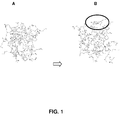
- FIG. Model of the SH3.1 domain and virtual screening of compounds with binding potential.
- CBM-1 is compound NSI-65.
- FIG 4. Inhibition of the release of cytokines by CBM-1.
- CBM-1 Inhibition by CBM-1 of the secretion of cytokines by human T lymphocytes in response to stimulation with anti-CD3 antibodies.
- Peripheral blood mononuclear cells (PBMNC) purified from healthy donors were stimulated on plates coated with anti-CD3 OKT3 antibodies in the presence of various doses of CBM-1 for 72 hours.
- the concentration of the indicated cytokines in the supernatant (IL-10, IFN- ⁇ , and TFN- ⁇ ) was evaluated by multiparametric flow cytometry (BD cytometric bead array).
- Compound CBM-1 did not show any effect on the release of IL5, IL1- ⁇ and IL6, whereas IL2 and IL4 were not detectable.
- FIG. Inhibition of intracellular production of IFN ⁇ .
- Intracellular expression of IFN ⁇ in response to stimulation with a mixture of anti-CD3 and anti-CD28 The figure shows the expression of intracellular IFN ⁇ (as the product of the percentage of positive cells and the average fluorescence) as a function of the concentration of CBM-1.
- FIG 6. NMR structure of the SH3.1 domain and displacements caused after the binding of the 11 R085 high affinity peptide.
- NMR structure of the SH3.1 domain of Nck ⁇ (A). The five ⁇ -sheets are numbered in consecutive order. N and C indicate the amino- and carboxy-terminal ends respectively.
- B Comparison of the residues displaced by binding of the 11 R085 high affinity peptide to the SH3.1 domain of Nck ⁇ (in black) with the corresponding residues of Nck ⁇ .
- FIG. NMR structure of the SH3.1 domain and displacements caused after the binding of CBM-1.
- FIG. Toxicity of CBM-1
- Human Jurkat T lymphocyte cell line and human Raji lymphoblastoid B cell line were incubated with the indicated concentrations of CBM-1 for 48 hours.
- the toxicity of the compound was estimated by propidium iodide exclusion and flow cytometry.
- the two cell lines remained with 100% viability after 48 hours, even at the highest dose of the compound.
- FIG 9. Comparison of the primary sequence of the SH3.1 domain of Nck ⁇ with that of the SH3.1 domain of Nck ⁇ and those of the SH3.2 and SH3.3 domains of Nck ⁇ .
- PBMNC purified from healthy donors were labelled with fluorescence and incubated for 5 days on plates covered with anti-CD3 OKT3 antibodies in the presence of different doses of these compounds. Proliferation of T lymphocytes was evaluated by flow cytometry in accordance with the loss of green fluorescence (CFSE) within the CD8+ population.
- CFSE green fluorescence
- CBM-1 compound of the structural formula (I)
- PBMNCs purified from healthy donors were labelled with CFSE and incubated for 5 days on plates coated with anti-CD3 OKT3 antibody in the presence of various doses of the compounds indicated, among them CBM-1.
- the proliferation was evaluated by flow cytometry in accordance with the loss of green fluorescence (CFSE) within the CD4+ and CD8+ populations.
- CFSE green fluorescence
- a parallel experiment was performed on the proliferation of human IL2-dependent lymphoblasts.
- Purified PBMNC from healthy donors were stimulated with PHA for 48 hours and labelled with CFSE. The were subsequently cultured for 3 days in the presence of 100 lU/ml of human recombinant IL2 in the presence of concentrations of the compounds used, particularly CBM-1.
- Compound CBM-1 inhibited the proliferation of CD4+ lymphocytes induced by anti-CD3 with an IC50 of 2 ⁇ M and that of CD8+ lymphocytes with an IC50 of 3 ⁇ M ( FIG 3 ).
- the inhibitory effect of the other compounds was slightly less.
- CBM-1 did not significantly inhibit the proliferation of human IL2-dependent lymphoblasts at concentrations of 20 ⁇ M, indicating its specificity for proliferation dependent on TCR activation but not that dependent on IL2R. This data supports a selective mechanism of action on TCR.
- CBM-1 The effect of CBM-1 on the production of cytokines was measured in an assay in which human PBMNC were stimulated with anti-CD3 antibodies. The supernatant of these cells was collected at 72 hours and several cytokines were simultaneously measured by a flow cytometry assay. These experiments demonstrated that the compound had a potent inhibitory effect on cytokines Th1 and IFN ⁇ (IC50 of 0.3 ⁇ M), TNF ⁇ (IC50 of 0.2 ⁇ M) and IL10 (IC50 of 0.2 ⁇ M) and had no effect on the production of IL5 and IL6 up to concentrations of 30 ⁇ M ( FIG 4 ). The data indicated therefore that CBM-1 selectively inhibits the production of some cytokines by T lymphocytes, but not of others. That is to say, CBM-1 shows a degree of selectivity in the inhibition of intracellular signal transmission pathways.
- differentiation assays were performed in vitro.
- C57BL/6 mouse spleen cells were stimulated with anti-CD3 + anti-CD28 antibodies for 48 hours in the presence of the indicated concentrations of CBM-1 and were incubated for a further 6 hours with brefeldin A. It was found that CBM-1 inhibited the generation of IFN ⁇ -secreting Th1 lymphocytes with an IC50 of 0.8 ⁇ M.
- the cells were first stained with CD4-PE and after fixing and rinsing they were stained with anti-IFN ⁇ antibody.
- FIG 5 shows the expression of intracellular IFN ⁇ (as the product of the percentage of positive cells and the average fluorescence) as a function of the concentration of CBM-1.
- CBM-1 interacts structurally with the protein approximately as predicted by the bioinformatics studies.
- the compound binds to a hydrophobic pocket with the participation of residues Trp41 and Tyr50/Phe53, causing a distortion and displacement of the ⁇ 2-sheet and of residues in the distal loop ( FIG 7 and FIG 9 ).
- the displacements of residues in the SH3.1 domain validate the prediction of the interaction of the SH3.1 domain with CBM-1 at a molecular level and are consistent with the model.
Landscapes
- Health & Medical Sciences (AREA)
- Chemical & Material Sciences (AREA)
- Organic Chemistry (AREA)
- Medicinal Chemistry (AREA)
- Veterinary Medicine (AREA)
- Public Health (AREA)
- General Health & Medical Sciences (AREA)
- Animal Behavior & Ethology (AREA)
- Life Sciences & Earth Sciences (AREA)
- Pharmacology & Pharmacy (AREA)
- Chemical Kinetics & Catalysis (AREA)
- Nuclear Medicine, Radiotherapy & Molecular Imaging (AREA)
- General Chemical & Material Sciences (AREA)
- Engineering & Computer Science (AREA)
- Bioinformatics & Cheminformatics (AREA)
- Immunology (AREA)
- Physical Education & Sports Medicine (AREA)
- Epidemiology (AREA)
- Diabetes (AREA)
- Biomedical Technology (AREA)
- Orthopedic Medicine & Surgery (AREA)
- Pulmonology (AREA)
- Dermatology (AREA)
- Hematology (AREA)
- Neurology (AREA)
- Rheumatology (AREA)
- Pain & Pain Management (AREA)
- Neurosurgery (AREA)
- Emergency Medicine (AREA)
- Endocrinology (AREA)
- Oncology (AREA)
- Transplantation (AREA)
- Gastroenterology & Hepatology (AREA)
- Obesity (AREA)
- Pharmaceuticals Containing Other Organic And Inorganic Compounds (AREA)
- Medicines That Contain Protein Lipid Enzymes And Other Medicines (AREA)
- Pyrane Compounds (AREA)
- Peptides Or Proteins (AREA)
Abstract
Description
- The present invention relates to a compound with the structural formula (I)

- T lymphocytes perform a central role in the rejection of allotransplants and are more or less directly involved in the generation of autoimmune diseases. Therefore the mechanism of action of current immunosuppressive pharmaceuticals is based on the inhibition of the activation of T lymphocytes. These immunosuppressors have high toxicity because they do not inhibit lymphocyte pathways in a specific way.
- T lymphocytes are activated through the antigen receptor (TCR), which recognises the major histocompatibility complex (MHC) of the transplanted organ as foreign. TCR is formed by 6 subunits, two of which (TCRα and TCRβ) are responsible for recognising MHC linked to antigenic peptides, while the other four (CD3y, CD3δ, CD3ε and CD3ξ) are responsible for the transmission of signals to the lymphocyte cytoplasm (reviewed in Alarcon, B., Gil, D., Delgado, P. and Schamel, W.W. (2003) Immunol Rev, 191, 38-46). One of the initial processes that occurs after binding of TCR by MHC is the activation of tyrosine kinases of the Src family, Lck and Fyn, which phosphorylase the tyrosines of the ITAM of the CD3 subunits, which in turn are converted into binding sites for the tyrosine kinases of the Syk family (ZAP70 and Syk). Until recently it was thought that this was the linear schema for signal transmission and that from the kinases of the Syk family (especially ZAP70) a diverging activation cascade occurred resulting in the activation of various transcription factors, including NFAT, the target of immunosuppressive drugs cyclosporine A and FK506 (Lin, J. and Weiss, A. (2001) J Cell Sci, 114, 243-244). Some years ago, the authors of the present invention discovered that on becoming activated, TCR undergoes a conformational change that results in the recruitment of the Nck adaptor directly to a proline-rich sequence (PRS) of the CD3ε subunit (Gil, D., Schamel, W.W., Montoya, M., Sanchez-Madrid, F. and Alarcon, B. (2002) Cell, 109, 901-912). This TCR-Nck interaction was shown to be essential for TCR activation by experiments involving the over-expression of the amino-terminal SH3.1 domain of Nck (which binds to CD3ε) and by the introduction of the APA1/1 antibody in T lymphocytes, which binds to PRS and blocks it.
- An important problem with current immunosuppressive agents is their toxicity due, to the fact that they do not inhibit lymphocyte pathways specifically.
- The present invention provides a more specific immunosuppressive compound for T lymphocytes and with fewer secondary effects than currently existing compounds, based on the blocking of TCR-Nck interaction.
- Both the conformational change in TCR and the mechanism of initiation of signal transmission, a fundamental step for the recruitment of effector proteins, were taken into account in the section of the compound of the present invention.
- The conformation change in TCR, which occurs after the binding of stimulatory antibodies and of MHC, was first demonstrated by a "pull down" assay, where TCR was inducibly bound to a matrix of the GST-Nck fusion protein. This biochemical assay does not enable individual identification of those cells where the TCR undergoes the conformational change. However, the authors of the present invention demonstrated that the APA1/1 antibody also recognises the conformational change (Risueno, R.M., Gil, D., Fernandez, E., Sanchez-Madrid, F. and Alarcon, B. (2005) Blood, 106, 601-608). The antibody can be used in preparations of T lymphocytes in culture and also in immunohistochemical sections. This reagent enables the demonstration of the existence of conformation change by a procedure other than "pull down" in addition to demonstrating that the conformational change occurs in vivo. Furthermore, the antibody recognises immune synapses formed between T lymphocytes and antigen presenting cells loaded with a peptide agonist, but not synapses formed by a partial agonist/antagonist. These data suggest that the conformational change in TCR could be behind the distinction between strong and weak agonists by T lymphocytes and could activate specific activation cascades during the recognition of strong ligands. This hypothesis seems to be corroborated by the fact that during development in the thymus, the conformational change (visualised by staining with APA1/1) occurs during recognition of ligands that induce negative selection but not during recognition of ligands that induce positive selection (Risueno, R.M., van Santen, H.M. and Alarcon, B. (2006) Proc Natl Acad Sci U S A., 103, 9625-9630). The only known consequence of conformational change in TCR is the exposure of the PRS on CD3ε, although the possibility that the conformational change is also transmitted to cytoplasmic regions of the other CD3 subunits and globally influences the whole process of initiation of signal transmission by TCR, including phosphorylation of the tyrosines of the ITAMs, cannot be discounted (Minguet, S., Swamy, M., Alarcon, B., Luescher, I.F. and Schamel, W.W. (2007) Immunity., 26, 43-54). However, the recruitment of Nck to the PRS of CD3ε is a possible mechanism of the transmission of the conformation change to intracellular activation pathways (Gil, D., Schamel, W.W., Montoya, M., Sanchez-Madrid, F. and Alarcon, B. (2002) Cell, 109, 901-912).
- In order to demonstrate the importance of Nck-CD3ε interaction in the activation of T lymphocytes and to validate this interaction as a target for immunomodulating agents, synthetic peptides were designed to mimic the sequence of PRS and which could block the Nck to CD3ε binding site. A peptide was obtained, denominated 11 R085, that was 300 times more potent than the peptide with the native wild sequence in the inhibition of the interaction of CD3ε with the SH3.1 domain of Nck. Using this peptide, the proliferation of human T lymphocytes was specifically inhibited, both CD4+ and CD8+, in response to stimulation with anti-CD3 antibodies, with an IC50 of approximately 20 µM, whereas the proliferation of human T lymphocytes dependent on a different receptor, IL2R, was practically unaffected by this peptide, even at 3-fold higher concentrations.
- Therefore,
peptide 11 R085 inhibits the activation initiated by TCR but not the activation mediated by the other receptor, and so it is specific for the molecular target for which it was designed. -
Peptide 11 R085 also inhibits the production of IL2 and the proliferation induced by antigen in OT-I transgenic mouse primary lymphocytes with an IC50 of approximately 5 µM. Thus, Nck-CD3ε interaction as a molecular target for immunosuppressor development has been validated. - Using this information and bioinformatics selection strategies, virtual screening of compounds that bind to the SH3.1 domain was carried out as described in the examples of the invention. After this screening, the 10 candidates that best fitted into the SH3.1 hydrophobic pocket and could recognise the PRS sequence of CD3ε were selected (see
FIG 1 ). All these structurally very different compounds, had a certain degree of activity, but the one showing the highest activity and least toxicity, even at high doses (FIG. 7 ) was the compound denominated CBM-1, the compound with the structural formula (I). - Compound CBM-1 showed good activity and immunosuppressive capacity, inhibiting the proliferation of human T lymphocytes induced by anti-CD3 antibodies but not IL-2 dependent proliferation. It also inhibited the proliferation of antigen-dependent mouse T lymphocytes and the release of IL2. It inhibited the production of IFNγ, IL-10 and TNFβ, as well as the generation of human cells that produce IFNγ in response to anti-CD3 and anti-CD28 in human lymphocytes stimulated with anti-CD3 and anti-CD28 antibodies. These data verify that this compound has an inhibitory action on the activation of T lymphocytes, both in mice and humans, at concentrations as low as 0.1 µM, and preferably in the range between 0.1 and 1 µM.
- Therefore, CBM-1 is active as an immunosuppressive agent.
- Given the above, a first aspect of the present invention refers to a compound of formula (1):

- Isomers or mixtures of isomers in the present invention are understood to mean:
- 1) Z or E isomers defined by the position of the substituents with respect to the multiple bonds of the compounds,
- 2) optical isomers or enantiomers, arising by the presence of chiral centres (atoms linked to four different substituents) resulting in differentiation between enantiomers with respect to their optical activity (rotation of polarised light after passing through a solution of the enantiomer),
- 3) diastereoisomers, isomers with at least two chiral centres, with the substituents of one of these centres being arranged equally in both diastereoisomers and the substituents of at least another of the centres being arranged differently in both.
- The term "prodrugs" of compounds of formula (I) are understood to refer to any derivatives (e.g. esters, carbamates, amides, etc.) that when administered to an individual are able to provide, directly or indirectly, one or several of the compounds of this formula (I).
- The definition of derivatives also includes "crystalline forms" of the compounds of formula (I) in a free state or as solvates. The term "solvate", as used here, includes both solvates that can be used in the composition of a drug and solvates useful in its preparation. Solvates can be obtained by conventional methods of solvation that are well known in the state of the art.
- The term "salts" in the present invention are understood to be both pharmaceutically acceptable and unacceptable salts that can be useful in the preparation of drugs. Therefore all salts of the compounds of the invention, whether or not pharmaceutically acceptable, are included in the scope of the present invention.
- Lastly, the definition of "derivatives" includes those compounds of the invention that contain one or more isotopically enriched atoms. For example, compounds with one of the formulae of the invention in which one or several hydrogen atoms have been replaced by deuterium or tritium atoms, one or several carbon atoms have been replaced by 13C or 14C atoms or one or several nitrogen atoms have been replaced by 15N.
- The compound of formula (I) is able to bind to the SH3.1 domain of Nck, blocking TCR-Nck interaction, and therefore is a specific immunosuppressive agent of T lymphocytes that has clear advantages compared to other immunosuppressive agents, one of which is that it causes fewer secondary effects.
- Therefore, an aspect of the invention is in the use of the compound with the structural formula (I) or any of its derivatives in the preparation of a drug for the treatment and/or prevention of diseases that are associated with the hyper-proliferation of T lymphocytes.
- These diseases are preferably autoimmune diseases, diseases associated with allotransplant or organ or tissue xenotransplant rejection, or lymphomas and/or T leukaemias.
- The autoimmune diseases are more preferably those where the activation of T lymphocytes plays an important role in the induction and/or effector phase and more preferably the systemic organ-specific autoimmune diseases of the list comprising: multiple sclerosis and its varieties, systemic lupus erythematosus, psoriasis, vitiligo, rheumatoid arthritis, asthma, autoimmune hepatitis, type I diabetes, myasthenia gravis, ankylosing spondylitis, Crohn's disease, etc.
- Another aspect of the invention is directed at a pharmaceutical composition comprising a compound of structural formula (I), or any of its previously described derivatives, and a pharmaceutically acceptable excipient.
- In each case, the composition will adapt to the type of administration used. Therefore, the composition above can be presented in a pharmaceutical form for oral administration, either as a solid (e.g. tablets, pills, capsules, etc.) or liquid (e.g. solutions, suspensions, emulsions, etc.), for parenteral administration (e.g. intramuscular, subcutaneous, intravenous, etc.), rectal administration, etc., or any other form of clinically permissible administration and in a therapeutically effective amount.
- The pharmaceutically acceptable adjuvants and vehicles that can be used in these compositions are the vehicles commonly used in the state of the art. The pharmaceutical composition provided by this invention can be given by any route of administration, so this composition will be formulated in a suitable pharmaceutical form for the selected administration route.
- Throughout the description and the claims, the word "comprise" and its variants is not intended to exclude other technical characteristics, additives, components or steps. For experts in the field, other objects, advantages and characteristics of the invention will become apparent partly from the description and partly from the practice of the invention. The following figures and examples are provided by way of illustration only and are not intended to be limiting of the present invention.
- Virtual screening of compounds that bind to the SH3.1 domain of Nck. Theoretical model of the structure of the SH3.1 domain of Nck (panel A). Panel B shows how one of these compounds fits into the upper part of the virtual model.
- Proliferation was evaluated by flow cytometry in accordance with the loss of green fluorescence (CFSE) within the CD8+ population. The different compounds are represented by the NSI code followed by a number. CBM-1 is compound NSI-65.
- Inhibition by CBM-1 of the proliferation of human T lymphocytes in response to stimulation with anti-CD3 antibodies. These results are compared with those of the proliferation of human IL2-dependent lymphoblasts.
- Inhibition by CBM-1 of the secretion of cytokines by human T lymphocytes in response to stimulation with anti-CD3 antibodies. Peripheral blood mononuclear cells (PBMNC) purified from healthy donors were stimulated on plates coated with anti-CD3 OKT3 antibodies in the presence of various doses of CBM-1 for 72 hours. The concentration of the indicated cytokines in the supernatant (IL-10, IFN-γ, and TFN-β) was evaluated by multiparametric flow cytometry (BD cytometric bead array). Compound CBM-1 did not show any effect on the release of IL5, IL1-β and IL6, whereas IL2 and IL4 were not detectable.
- Intracellular expression of IFNγ in response to stimulation with a mixture of anti-CD3 and anti-CD28. The figure shows the expression of intracellular IFNγ (as the product of the percentage of positive cells and the average fluorescence) as a function of the concentration of CBM-1.
- NMR structure of the SH3.1 domain of Nckα (A). The five β-sheets are numbered in consecutive order. N and C indicate the amino- and carboxy-terminal ends respectively. (B) Comparison of the residues displaced by binding of the 11 R085 high affinity peptide to the SH3.1 domain of Nckα (in black) with the corresponding residues of Nckβ.
- Displacements of the amino acid residues in the SH3.1 domain caused by the interaction with compound CBM-1. The lateral chains of the amino acids that changed their position after binding the compound are represented. The changes are consequent to the binding of compound CBM-1 to the pocket visualised in virtual screening.
- Human Jurkat T lymphocyte cell line and human Raji lymphoblastoid B cell line were incubated with the indicated concentrations of CBM-1 for 48 hours. The toxicity of the compound was estimated by propidium iodide exclusion and flow cytometry. The two cell lines remained with 100% viability after 48 hours, even at the highest dose of the compound.
- The positions of the β-sheets and connecting loops in the SH3.1 domain of Nckα are indicated. The black arrows indicate the residues that were strongly displaced after the binding of CBM-1.
- The invention is illustrated below with some tests performed by the inventors that illustrate the work carried out to identify the compound of the invention and demonstrate its effectiveness.
- In order to demonstrate the importance of Nck-CD3ε interaction in the activation of T lymphocytes and to validate this interaction as a target for immunomodulating agents, synthetic peptides were designed that mimic the sequence of PRS and could block the Nck to CD3ε binding site. A peptide was obtained, denominated 11 R085, that was 300 times more potent than the peptide with the native wild sequence in the inhibition of the interaction of CD3ε with the SH3.1 domain of Nck. Using this peptide, the proliferation of human T lymphocytes was specifically inhibited, both CD4+ and CD8+, in response to stimulation with anti-CD3 antibodies with an IC50 of 20 µM, whereas the proliferation of human T lymphocytes dependent on a different receptor, IL2R, was practically unaffected by this peptide, even at 3-fold higher concentrations. This suggests that the
peptide 11 R085 inhibits the activation initiated by TCR but not the activation mediated by another receptor, and so it is specific for the molecular target for which it was designed.Peptide 11 R085 also inhibited the production of IL2 and antigen-induced proliferation of OT-I transgenic mouse primary lymphocytes with an IC50 of 5 µM. Thus, Nck-CD3ε interaction as a molecular target for immunosuppressor development has been validated. - Molecular modelling techniques (Fiser, A., Feig, M., Brooks, C.L., 3rd and Sali, A. (2002) Acc. Chem. Res., 35, 413-421) were used to obtain the structure of the SH3.1 domain of Nckα by homology based on its sequence and on the structure of some 50 known SH3 domains of other proteins. In this way, a theoretical model of the structure was obtained that can be considered to be very similar to the real structure of the domain. Starting with this structure, virtual screening with our own software was performed on a collection of more than 300,000 compounds provided by the North American company Chembridge and ten compounds were selected that theoretically fit best into the hydrophobic pocket of SH3.1, which is believed to be responsible for recognition of the PRS sequence of CD3ε (see
FIG 1 ). These compounds were later used to perform assays of the inhibition of proliferation of human T lymphocytes stimulated with anti-CD3 antibodies. - For the next round of selection of the compounds resulting from virtual screening with potential for blocking Nck-CD3ε interaction, PBMNC purified from healthy donors were labelled with fluorescence and incubated for 5 days on plates covered with anti-CD3 OKT3 antibodies in the presence of different doses of these compounds. Proliferation of T lymphocytes was evaluated by flow cytometry in accordance with the loss of green fluorescence (CFSE) within the CD8+ population.
- All the compounds tested had a certain degree of blocking activity on the proliferation of the lymphocytes, but the best and least toxic was the compound denominated CBM-1 (compound of the structural formula (I)), as shown in
FIG 2 , where CBM-1 is represented by the compound NSI-65. - PBMNCs purified from healthy donors were labelled with CFSE and incubated for 5 days on plates coated with anti-CD3 OKT3 antibody in the presence of various doses of the compounds indicated, among them CBM-1. The proliferation was evaluated by flow cytometry in accordance with the loss of green fluorescence (CFSE) within the CD4+ and CD8+ populations. A parallel experiment was performed on the proliferation of human IL2-dependent lymphoblasts. Purified PBMNC from healthy donors were stimulated with PHA for 48 hours and labelled with CFSE. The were subsequently cultured for 3 days in the presence of 100 lU/ml of human recombinant IL2 in the presence of concentrations of the compounds used, particularly CBM-1.
- Compound CBM-1 inhibited the proliferation of CD4+ lymphocytes induced by anti-CD3 with an IC50 of 2 µM and that of CD8+ lymphocytes with an IC50 of 3 µM (
FIG 3 ). The inhibitory effect of the other compounds was slightly less. However, CBM-1 did not significantly inhibit the proliferation of human IL2-dependent lymphoblasts at concentrations of 20 µM, indicating its specificity for proliferation dependent on TCR activation but not that dependent on IL2R. This data supports a selective mechanism of action on TCR. - The effect of CBM-1 on the production of cytokines was measured in an assay in which human PBMNC were stimulated with anti-CD3 antibodies. The supernatant of these cells was collected at 72 hours and several cytokines were simultaneously measured by a flow cytometry assay. These experiments demonstrated that the compound had a potent inhibitory effect on cytokines Th1 and IFNγ (IC50 of 0.3 µM), TNFβ (IC50 of 0.2 µM) and IL10 (IC50 of 0.2 µM) and had no effect on the production of IL5 and IL6 up to concentrations of 30 µM (
FIG 4 ). The data indicated therefore that CBM-1 selectively inhibits the production of some cytokines by T lymphocytes, but not of others. That is to say, CBM-1 shows a degree of selectivity in the inhibition of intracellular signal transmission pathways. - To demonstrate if inhibitors can prevent differentiation of Th0 into Th1 lymphocytes, differentiation assays were performed in vitro. C57BL/6 mouse spleen cells were stimulated with anti-CD3 + anti-CD28 antibodies for 48 hours in the presence of the indicated concentrations of CBM-1 and were incubated for a further 6 hours with brefeldin A. It was found that CBM-1 inhibited the generation of IFNγ-secreting Th1 lymphocytes with an IC50 of 0.8 µM. The cells were first stained with CD4-PE and after fixing and rinsing they were stained with anti-IFNγ antibody. The figure (
FIG 5 ) shows the expression of intracellular IFNγ (as the product of the percentage of positive cells and the average fluorescence) as a function of the concentration of CBM-1. - The three-dimensional structure of the SH3.1 domain of Nckα, in the presence and in the absence of
peptide 11 R085, was determined in parallel (with the collaboration of the laboratory of Professors Maria Angeles Jiménez and Manuel Rico, of the Instituto de Química-Física Rocasolano, CSIC, Madrid) (FIG 6 ). This enabled validation of the prediction of the structural computer model used for virtual screening. In addition, it allowed measurement of the chemical displacements caused to the structure by compound CBM-1 (FIG 7 ). - The results indicated that CBM-1 interacts structurally with the protein approximately as predicted by the bioinformatics studies. The compound binds to a hydrophobic pocket with the participation of residues Trp41 and Tyr50/Phe53, causing a distortion and displacement of the β2-sheet and of residues in the distal loop (
FIG 7 andFIG 9 ). The displacements of residues in the SH3.1 domain validate the prediction of the interaction of the SH3.1 domain with CBM-1 at a molecular level and are consistent with the model.
Claims (9)
- Compound of formula (I):

- Use of the compound according to claim 1 to prepare a medicinal drug.
- Use of the compound according to claim 2 to prepare a medicinal drug for the treatment and/or prevention of diseases that are associated with the activation of T lymphocytes or with their hyper-proliferation or abnormal proliferation.
- Use of the compound according to claim 3, where the diseases that are associated with the activation of T lymphocytes are autoimmune diseases.
- Use of the compound according to claim 4, where the autoimmune diseases are selected from the list comprising: multiple sclerosis and its varieties, systemic lupus erythematosus, psoriasis, vitiligo, rheumatoid arthritis, asthma, autoimmune hepatitis, type I diabetes, myasthenia gravis, ankylosing spondylitis, Crohn's disease.
- Use of the compound according to claim 3 where the diseases that are associated with the activation of T lymphocytes are diseases associated with rejection of allotransplants or xenotransplants of organs or tissues.
- Use of the compound according to claim 3, where the diseases that are associated with the activation of T lymphocytes are lymphomas or T-cell leukaemias.
- Pharmaceutical composition comprising the compound according to claim 1 and a pharmaceutically acceptable excipient.
- Use of the pharmaceutical composition according to claim 6 as an immunosuppressive agent.
Priority Applications (1)
| Application Number | Priority Date | Filing Date | Title |
|---|---|---|---|
| PL09772589T PL2308860T3 (en) | 2008-06-30 | 2009-06-18 | Immunosuppressor based on the interruption of tcr-nck interaction |
Applications Claiming Priority (2)
| Application Number | Priority Date | Filing Date | Title |
|---|---|---|---|
| ES200801964A ES2331451B1 (en) | 2008-06-30 | 2008-06-30 | IMMUNOSUPRESSOR BASED ON THE INTERRUPTION OF THE TCR-NCK INTERACTION. |
| PCT/ES2009/070239 WO2010000900A1 (en) | 2008-06-30 | 2009-06-18 | Immunosuppressor based on the interruption of tcr-nck interaction |
Publications (3)
| Publication Number | Publication Date |
|---|---|
| EP2308860A1 true EP2308860A1 (en) | 2011-04-13 |
| EP2308860A4 EP2308860A4 (en) | 2012-01-18 |
| EP2308860B1 EP2308860B1 (en) | 2015-10-14 |
Family
ID=41417497
Family Applications (1)
| Application Number | Title | Priority Date | Filing Date |
|---|---|---|---|
| EP09772589.9A Not-in-force EP2308860B1 (en) | 2008-06-30 | 2009-06-18 | Immunosuppressor based on the interruption of tcr-nck interaction |
Country Status (9)
| Country | Link |
|---|---|
| US (1) | US8614231B2 (en) |
| EP (1) | EP2308860B1 (en) |
| JP (1) | JP5426670B2 (en) |
| CN (1) | CN102083809B (en) |
| BR (1) | BRPI0910145A2 (en) |
| DK (1) | DK2308860T3 (en) |
| ES (2) | ES2331451B1 (en) |
| PL (1) | PL2308860T3 (en) |
| WO (1) | WO2010000900A1 (en) |
Cited By (1)
| Publication number | Priority date | Publication date | Assignee | Title |
|---|---|---|---|---|
| WO2017008844A1 (en) * | 2015-07-14 | 2017-01-19 | Biontech Ag | Peptide mimotopes of the cd3 t-cell co-receptor epsilon chain and uses thereof |
Families Citing this family (4)
| Publication number | Priority date | Publication date | Assignee | Title |
|---|---|---|---|---|
| ES2379242B1 (en) | 2010-09-28 | 2013-03-04 | Consejo Superior De Investigaciones Científicas (Csic) | CHROME DERIVATIVES |
| ES2534318B1 (en) | 2013-10-18 | 2016-01-28 | Artax Biopharma Inc. | Alkoxide substituted chromene derivatives as inhibitors of the TCR-Nck interaction |
| ES2534336B1 (en) | 2013-10-18 | 2016-01-28 | Artax Biopharma Inc. | Chromene derivatives as inhibitors of the TCR-Nck interaction |
| EP3759086A1 (en) | 2018-02-27 | 2021-01-06 | Artax Biopharma Inc. | Chromene derivatives as inhibitors of tcr-nck interaction |
Family Cites Families (5)
| Publication number | Priority date | Publication date | Assignee | Title |
|---|---|---|---|---|
| PT1230232E (en) * | 1999-11-05 | 2004-07-30 | Cytovia Inc | 4H-CROMENE AND ITS ANALOGS AS ACTIVATORS OF APOPTOSE CASPASES AND INDUCTORS AND THEIR UTILIZATION |
| WO2002092076A1 (en) * | 2001-05-16 | 2002-11-21 | Cytovia, Inc. | Substituted coumarins and quinolines as caspases activators |
| WO2003062272A1 (en) * | 2002-01-24 | 2003-07-31 | Consejo Superior De Investigaciones Científicas | Novel strategy for modulating t cell activation which is based on regulating the cd3ε - nck interaction |
| PE20040079A1 (en) * | 2002-04-03 | 2004-04-19 | Novartis Ag | INDOLYLMALEIMIDE DERIVATIVES |
| WO2003096982A2 (en) * | 2002-05-16 | 2003-11-27 | Cytovia, Inc. | Substituted 4h-chromenes, 2h-chromenes, chromans and analogs as activators of caspases and inducers of apoptosis and the use thereof |
-
2008
- 2008-06-30 ES ES200801964A patent/ES2331451B1/en active Active
-
2009
- 2009-06-18 US US13/001,914 patent/US8614231B2/en not_active Expired - Fee Related
- 2009-06-18 DK DK09772589.9T patent/DK2308860T3/en active
- 2009-06-18 PL PL09772589T patent/PL2308860T3/en unknown
- 2009-06-18 EP EP09772589.9A patent/EP2308860B1/en not_active Not-in-force
- 2009-06-18 ES ES09772589.9T patent/ES2565082T3/en active Active
- 2009-06-18 BR BRPI0910145-4A patent/BRPI0910145A2/en not_active Application Discontinuation
- 2009-06-18 JP JP2011515490A patent/JP5426670B2/en not_active Expired - Fee Related
- 2009-06-18 CN CN2009801255058A patent/CN102083809B/en not_active Expired - Fee Related
- 2009-06-18 WO PCT/ES2009/070239 patent/WO2010000900A1/en not_active Ceased
Cited By (2)
| Publication number | Priority date | Publication date | Assignee | Title |
|---|---|---|---|---|
| WO2017008844A1 (en) * | 2015-07-14 | 2017-01-19 | Biontech Ag | Peptide mimotopes of the cd3 t-cell co-receptor epsilon chain and uses thereof |
| US11046745B2 (en) | 2015-07-14 | 2021-06-29 | BioNTech SE | Peptide mimotopes of the CD3 T-cell co-receptor epsilon chain and uses thereof |
Also Published As
| Publication number | Publication date |
|---|---|
| BRPI0910145A2 (en) | 2020-08-25 |
| US20120135041A1 (en) | 2012-05-31 |
| ES2331451A1 (en) | 2010-01-04 |
| ES2565082T3 (en) | 2016-03-31 |
| PL2308860T3 (en) | 2016-05-31 |
| CN102083809A (en) | 2011-06-01 |
| JP5426670B2 (en) | 2014-02-26 |
| ES2331451B1 (en) | 2010-10-21 |
| EP2308860B1 (en) | 2015-10-14 |
| JP2011526607A (en) | 2011-10-13 |
| EP2308860A4 (en) | 2012-01-18 |
| CN102083809B (en) | 2013-10-09 |
| WO2010000900A1 (en) | 2010-01-07 |
| US8614231B2 (en) | 2013-12-24 |
| DK2308860T3 (en) | 2016-01-25 |
Similar Documents
| Publication | Publication Date | Title |
|---|---|---|
| Mottola et al. | Dihydrexidine, a novel full efficacy D1 dopamine receptor agonist. | |
| CA3172088A1 (en) | Oral compositions of mk2 pathway inhibitor for treatment of immune conditions | |
| Shiver et al. | A noncytotoxic mast cell tumor line exhibits potent IgE-dependent cytotoxicity after transfection with the cytolysin/perforin gene | |
| Manallack et al. | Psychotomimetic σ-opiates and PCP | |
| US20200115320A1 (en) | Therapeutic compounds and methods of use | |
| US8614231B2 (en) | Immunosuppressor based on the blockage of TCR-Nck interaction | |
| US20130345257A1 (en) | Composition for lupus nephritis and methods of making and using the same | |
| Ostrov et al. | T cell receptor antagonism mediated by interaction between T cell receptor junctional residues and peptide antigen analogues | |
| JP7214632B2 (en) | Succinate Forms and Compositions of Bruton's Tyrosine Kinase Inhibitors | |
| JPH05507062A (en) | Trisubstituted- and tetrasubstituted guanidines and their use as excitatory amino acid antagonists | |
| CA2986902A1 (en) | Pentosan polysulfate sodium for the treatment of sickle cell disease | |
| JP2022501432A (en) | Problems with composition, synthesis, formulation and application of analogs from FL118 platform positions 7 and 9 for the treatment of human disease | |
| RS50720B (en) | 3,11 B-CIS-DIHYDROTETRABENAZINE FOR THE TREATMENT OF PROLIFERATIVE DISEASE OR INFLAMMATION | |
| Gomez-Monterrey et al. | Heat shock protein 90 inhibitors as therapeutic agents | |
| Säemann et al. | Suppression of primary T-cell responses and induction of alloantigen-specific hyporesponsiveness in vitro by the Janus kinase inhibitor tyrphostin AG4901 | |
| Shulgin | Basic pharmacology and effects | |
| Ohtani et al. | In vitro and in vivo antagonistic activities of SM-31900 for the NMDA receptor glycine-binding site | |
| KR101145693B1 (en) | Oxydecahydronaphthalene modulators of HM74 | |
| AU642759B2 (en) | Psychoactive drug and treatment | |
| Redelman et al. | The mechanism of cell-mediated cytotoxicity: IV. K-76 COONa, Which inhibits the activity of factor I and of C5, inhibits early events in cytotoxic T-lymphocyte-mediated cytolysis and in T-lymphocyte activation | |
| CN114560904B (en) | IL-15 inhibitor Diospgenin, screening method and application thereof | |
| Ecker et al. | Estimation of the chemosensitizing activity of modulators of multi-drug resistance via combined simultaneous analysis of sigmoidal dose-response curves | |
| Bersie | Characterization of Human Leukocyte Antigen DR1-Restricted Nickel-Reactive T Cells in Joint Implant Failure | |
| JP2011505393A (en) | Use of 4-oxobutanoic acid derivatives in the treatment of conditions associated with immune disorders | |
| Gao et al. | Anticholinergic Activity in Mice and Receptor‐binding Properties in Rats of a Series of Synthetic Tropane Derivatives |
Legal Events
| Date | Code | Title | Description |
|---|---|---|---|
| PUAI | Public reference made under article 153(3) epc to a published international application that has entered the european phase |
Free format text: ORIGINAL CODE: 0009012 |
|
| 17P | Request for examination filed |
Effective date: 20110125 |
|
| AK | Designated contracting states |
Kind code of ref document: A1 Designated state(s): AT BE BG CH CY CZ DE DK EE ES FI FR GB GR HR HU IE IS IT LI LT LU LV MC MK MT NL NO PL PT RO SE SI SK TR |
|
| AX | Request for extension of the european patent |
Extension state: AL BA RS |
|
| DAX | Request for extension of the european patent (deleted) | ||
| A4 | Supplementary search report drawn up and despatched |
Effective date: 20111216 |
|
| RIC1 | Information provided on ipc code assigned before grant |
Ipc: A61K 31/353 20060101ALI20111212BHEP Ipc: C07D 311/60 20060101AFI20111212BHEP Ipc: A61P 37/00 20060101ALI20111212BHEP |
|
| 17Q | First examination report despatched |
Effective date: 20121214 |
|
| GRAP | Despatch of communication of intention to grant a patent |
Free format text: ORIGINAL CODE: EPIDOSNIGR1 |
|
| 111L | Licence recorded |
Designated state(s): AT BE BG CH CY CZ DE DK EE ES FI FR GB GR HR HU IE IS IT LT LU LV MC MK MT NL NO PL PT RO SE SI SK TR Free format text: EXCLUSIVE LICENSE Name of requester: ARTAX BIOPHARMA, INC., US Effective date: 20150409 |
|
| INTG | Intention to grant announced |
Effective date: 20150506 |
|
| GRAS | Grant fee paid |
Free format text: ORIGINAL CODE: EPIDOSNIGR3 |
|
| GRAA | (expected) grant |
Free format text: ORIGINAL CODE: 0009210 |
|
| 111L | Licence recorded |
Designated state(s): AT BE BG CH CY CZ DE DK EE ES FI FR GB GR HR HU IE IS IT LT LU LV MC MK MT NL NO PL PT RO SE SI SK TR Free format text: EXCLUSIVE LICENSE Name of requester: ARTAX BIOPHARMA, INC., US Effective date: 20150409 |
|
| AK | Designated contracting states |
Kind code of ref document: B1 Designated state(s): AT BE BG CH CY CZ DE DK EE ES FI FR GB GR HR HU IE IS IT LI LT LU LV MC MK MT NL NO PL PT RO SE SI SK TR |
|
| REG | Reference to a national code |
Ref country code: GB Ref legal event code: FG4D |
|
| REG | Reference to a national code |
Ref country code: AT Ref legal event code: REF Ref document number: 754999 Country of ref document: AT Kind code of ref document: T Effective date: 20151015 Ref country code: CH Ref legal event code: EP Ref country code: CH Ref legal event code: PK Free format text: ERGAENZUNG LIZENZEINTRAG: AUSSCHLIESSLICHE LIZENZ |
|
| REG | Reference to a national code |
Ref country code: IE Ref legal event code: FG4D |
|
| REG | Reference to a national code |
Ref country code: DE Ref legal event code: R096 Ref document number: 602009034246 Country of ref document: DE |
|
| REG | Reference to a national code |
Ref country code: CH Ref legal event code: NV Representative=s name: STOLMAR AND PARTNER INTELLECTUAL PROPERTY S.A., CH |
|
| REG | Reference to a national code |
Ref country code: DK Ref legal event code: T3 Effective date: 20160122 |
|
| REG | Reference to a national code |
Ref country code: SE Ref legal event code: TRGR |
|
| REG | Reference to a national code |
Ref country code: LT Ref legal event code: MG4D |
|
| REG | Reference to a national code |
Ref country code: NL Ref legal event code: FP |
|
| REG | Reference to a national code |
Ref country code: AT Ref legal event code: MK05 Ref document number: 754999 Country of ref document: AT Kind code of ref document: T Effective date: 20151014 |
|
| REG | Reference to a national code |
Ref country code: ES Ref legal event code: FG2A Ref document number: 2565082 Country of ref document: ES Kind code of ref document: T3 Effective date: 20160331 |
|
| PG25 | Lapsed in a contracting state [announced via postgrant information from national office to epo] |
Ref country code: LT Free format text: LAPSE BECAUSE OF FAILURE TO SUBMIT A TRANSLATION OF THE DESCRIPTION OR TO PAY THE FEE WITHIN THE PRESCRIBED TIME-LIMIT Effective date: 20151014 Ref country code: IS Free format text: LAPSE BECAUSE OF FAILURE TO SUBMIT A TRANSLATION OF THE DESCRIPTION OR TO PAY THE FEE WITHIN THE PRESCRIBED TIME-LIMIT Effective date: 20160214 Ref country code: NO Free format text: LAPSE BECAUSE OF FAILURE TO SUBMIT A TRANSLATION OF THE DESCRIPTION OR TO PAY THE FEE WITHIN THE PRESCRIBED TIME-LIMIT Effective date: 20160114 Ref country code: HR Free format text: LAPSE BECAUSE OF FAILURE TO SUBMIT A TRANSLATION OF THE DESCRIPTION OR TO PAY THE FEE WITHIN THE PRESCRIBED TIME-LIMIT Effective date: 20151014 |
|
| PG25 | Lapsed in a contracting state [announced via postgrant information from national office to epo] |
Ref country code: FI Free format text: LAPSE BECAUSE OF FAILURE TO SUBMIT A TRANSLATION OF THE DESCRIPTION OR TO PAY THE FEE WITHIN THE PRESCRIBED TIME-LIMIT Effective date: 20151014 Ref country code: PT Free format text: LAPSE BECAUSE OF FAILURE TO SUBMIT A TRANSLATION OF THE DESCRIPTION OR TO PAY THE FEE WITHIN THE PRESCRIBED TIME-LIMIT Effective date: 20160215 Ref country code: AT Free format text: LAPSE BECAUSE OF FAILURE TO SUBMIT A TRANSLATION OF THE DESCRIPTION OR TO PAY THE FEE WITHIN THE PRESCRIBED TIME-LIMIT Effective date: 20151014 Ref country code: LV Free format text: LAPSE BECAUSE OF FAILURE TO SUBMIT A TRANSLATION OF THE DESCRIPTION OR TO PAY THE FEE WITHIN THE PRESCRIBED TIME-LIMIT Effective date: 20151014 Ref country code: GR Free format text: LAPSE BECAUSE OF FAILURE TO SUBMIT A TRANSLATION OF THE DESCRIPTION OR TO PAY THE FEE WITHIN THE PRESCRIBED TIME-LIMIT Effective date: 20160115 |
|
| REG | Reference to a national code |
Ref country code: FR Ref legal event code: PLFP Year of fee payment: 8 |
|
| REG | Reference to a national code |
Ref country code: DE Ref legal event code: R097 Ref document number: 602009034246 Country of ref document: DE |
|
| PG25 | Lapsed in a contracting state [announced via postgrant information from national office to epo] |
Ref country code: CZ Free format text: LAPSE BECAUSE OF FAILURE TO SUBMIT A TRANSLATION OF THE DESCRIPTION OR TO PAY THE FEE WITHIN THE PRESCRIBED TIME-LIMIT Effective date: 20151014 |
|
| PLBE | No opposition filed within time limit |
Free format text: ORIGINAL CODE: 0009261 |
|
| STAA | Information on the status of an ep patent application or granted ep patent |
Free format text: STATUS: NO OPPOSITION FILED WITHIN TIME LIMIT |
|
| PG25 | Lapsed in a contracting state [announced via postgrant information from national office to epo] |
Ref country code: EE Free format text: LAPSE BECAUSE OF FAILURE TO SUBMIT A TRANSLATION OF THE DESCRIPTION OR TO PAY THE FEE WITHIN THE PRESCRIBED TIME-LIMIT Effective date: 20151014 Ref country code: SK Free format text: LAPSE BECAUSE OF FAILURE TO SUBMIT A TRANSLATION OF THE DESCRIPTION OR TO PAY THE FEE WITHIN THE PRESCRIBED TIME-LIMIT Effective date: 20151014 Ref country code: RO Free format text: LAPSE BECAUSE OF FAILURE TO SUBMIT A TRANSLATION OF THE DESCRIPTION OR TO PAY THE FEE WITHIN THE PRESCRIBED TIME-LIMIT Effective date: 20151014 |
|
| 26N | No opposition filed |
Effective date: 20160715 |
|
| PG25 | Lapsed in a contracting state [announced via postgrant information from national office to epo] |
Ref country code: SI Free format text: LAPSE BECAUSE OF FAILURE TO SUBMIT A TRANSLATION OF THE DESCRIPTION OR TO PAY THE FEE WITHIN THE PRESCRIBED TIME-LIMIT Effective date: 20151014 |
|
| PG25 | Lapsed in a contracting state [announced via postgrant information from national office to epo] |
Ref country code: MC Free format text: LAPSE BECAUSE OF FAILURE TO SUBMIT A TRANSLATION OF THE DESCRIPTION OR TO PAY THE FEE WITHIN THE PRESCRIBED TIME-LIMIT Effective date: 20151014 |
|
| REG | Reference to a national code |
Ref country code: FR Ref legal event code: PLFP Year of fee payment: 9 |
|
| REG | Reference to a national code |
Ref country code: CH Ref legal event code: PCAR Free format text: NEW ADDRESS: RUE DU CENDRIER 15 CP 1489, 1201 GENEVE (CH) |
|
| PG25 | Lapsed in a contracting state [announced via postgrant information from national office to epo] |
Ref country code: HU Free format text: LAPSE BECAUSE OF FAILURE TO SUBMIT A TRANSLATION OF THE DESCRIPTION OR TO PAY THE FEE WITHIN THE PRESCRIBED TIME-LIMIT; INVALID AB INITIO Effective date: 20090618 Ref country code: CY Free format text: LAPSE BECAUSE OF FAILURE TO SUBMIT A TRANSLATION OF THE DESCRIPTION OR TO PAY THE FEE WITHIN THE PRESCRIBED TIME-LIMIT Effective date: 20151014 |
|
| REG | Reference to a national code |
Ref country code: FR Ref legal event code: PLFP Year of fee payment: 10 |
|
| PG25 | Lapsed in a contracting state [announced via postgrant information from national office to epo] |
Ref country code: MK Free format text: LAPSE BECAUSE OF FAILURE TO SUBMIT A TRANSLATION OF THE DESCRIPTION OR TO PAY THE FEE WITHIN THE PRESCRIBED TIME-LIMIT Effective date: 20151014 |
|
| PG25 | Lapsed in a contracting state [announced via postgrant information from national office to epo] |
Ref country code: BG Free format text: LAPSE BECAUSE OF FAILURE TO SUBMIT A TRANSLATION OF THE DESCRIPTION OR TO PAY THE FEE WITHIN THE PRESCRIBED TIME-LIMIT Effective date: 20151014 |
|
| PGFP | Annual fee paid to national office [announced via postgrant information from national office to epo] |
Ref country code: LU Payment date: 20200629 Year of fee payment: 12 Ref country code: TR Payment date: 20200603 Year of fee payment: 12 Ref country code: DE Payment date: 20200629 Year of fee payment: 12 Ref country code: IE Payment date: 20200629 Year of fee payment: 12 Ref country code: DK Payment date: 20200629 Year of fee payment: 12 Ref country code: FR Payment date: 20200625 Year of fee payment: 12 |
|
| PGFP | Annual fee paid to national office [announced via postgrant information from national office to epo] |
Ref country code: BE Payment date: 20200629 Year of fee payment: 12 Ref country code: IT Payment date: 20200619 Year of fee payment: 12 Ref country code: GB Payment date: 20200629 Year of fee payment: 12 Ref country code: SE Payment date: 20200629 Year of fee payment: 12 Ref country code: NL Payment date: 20200626 Year of fee payment: 12 Ref country code: PL Payment date: 20200616 Year of fee payment: 12 |
|
| PGFP | Annual fee paid to national office [announced via postgrant information from national office to epo] |
Ref country code: MT Payment date: 20200609 Year of fee payment: 12 |
|
| PGFP | Annual fee paid to national office [announced via postgrant information from national office to epo] |
Ref country code: ES Payment date: 20200701 Year of fee payment: 12 |
|
| PGFP | Annual fee paid to national office [announced via postgrant information from national office to epo] |
Ref country code: CH Payment date: 20200702 Year of fee payment: 12 |
|
| REG | Reference to a national code |
Ref country code: DE Ref legal event code: R119 Ref document number: 602009034246 Country of ref document: DE |
|
| REG | Reference to a national code |
Ref country code: DK Ref legal event code: EBP Effective date: 20210630 |
|
| REG | Reference to a national code |
Ref country code: SE Ref legal event code: EUG |
|
| REG | Reference to a national code |
Ref country code: CH Ref legal event code: PL |
|
| REG | Reference to a national code |
Ref country code: NL Ref legal event code: MM Effective date: 20210701 |
|
| GBPC | Gb: european patent ceased through non-payment of renewal fee |
Effective date: 20210618 |
|
| REG | Reference to a national code |
Ref country code: BE Ref legal event code: MM Effective date: 20210630 |
|
| PG25 | Lapsed in a contracting state [announced via postgrant information from national office to epo] |
Ref country code: LU Free format text: LAPSE BECAUSE OF NON-PAYMENT OF DUE FEES Effective date: 20210618 |
|
| PG25 | Lapsed in a contracting state [announced via postgrant information from national office to epo] |
Ref country code: LI Free format text: LAPSE BECAUSE OF NON-PAYMENT OF DUE FEES Effective date: 20210630 Ref country code: IE Free format text: LAPSE BECAUSE OF NON-PAYMENT OF DUE FEES Effective date: 20210618 Ref country code: GB Free format text: LAPSE BECAUSE OF NON-PAYMENT OF DUE FEES Effective date: 20210618 Ref country code: DE Free format text: LAPSE BECAUSE OF NON-PAYMENT OF DUE FEES Effective date: 20220101 Ref country code: CH Free format text: LAPSE BECAUSE OF NON-PAYMENT OF DUE FEES Effective date: 20210630 |
|
| PG25 | Lapsed in a contracting state [announced via postgrant information from national office to epo] |
Ref country code: SE Free format text: LAPSE BECAUSE OF NON-PAYMENT OF DUE FEES Effective date: 20210619 Ref country code: NL Free format text: LAPSE BECAUSE OF NON-PAYMENT OF DUE FEES Effective date: 20210701 Ref country code: FR Free format text: LAPSE BECAUSE OF NON-PAYMENT OF DUE FEES Effective date: 20210630 |
|
| PG25 | Lapsed in a contracting state [announced via postgrant information from national office to epo] |
Ref country code: IT Free format text: LAPSE BECAUSE OF NON-PAYMENT OF DUE FEES Effective date: 20210618 Ref country code: DK Free format text: LAPSE BECAUSE OF NON-PAYMENT OF DUE FEES Effective date: 20210630 Ref country code: BE Free format text: LAPSE BECAUSE OF NON-PAYMENT OF DUE FEES Effective date: 20210630 |
|
| REG | Reference to a national code |
Ref country code: ES Ref legal event code: FD2A Effective date: 20220906 |
|
| PG25 | Lapsed in a contracting state [announced via postgrant information from national office to epo] |
Ref country code: ES Free format text: LAPSE BECAUSE OF NON-PAYMENT OF DUE FEES Effective date: 20210619 |
|
| PG25 | Lapsed in a contracting state [announced via postgrant information from national office to epo] |
Ref country code: PL Free format text: LAPSE BECAUSE OF NON-PAYMENT OF DUE FEES Effective date: 20210618 |
|
| PG25 | Lapsed in a contracting state [announced via postgrant information from national office to epo] |
Ref country code: MT Free format text: LAPSE BECAUSE OF NON-PAYMENT OF DUE FEES Effective date: 20210618 |
|
| PG25 | Lapsed in a contracting state [announced via postgrant information from national office to epo] |
Ref country code: TR Free format text: LAPSE BECAUSE OF NON-PAYMENT OF DUE FEES Effective date: 20210618 |